

Games Where Choices Affect Long-Term Community Building

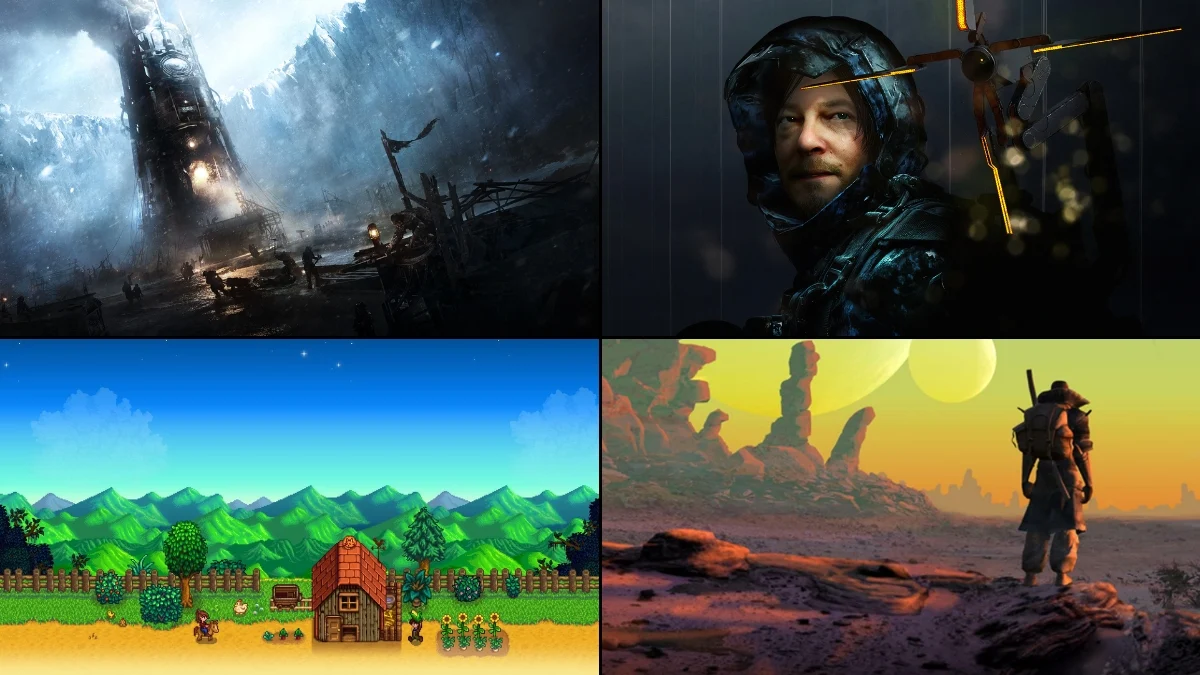


Video games frequently offer players the opportunity to shape digital societies through their decision-making processes. From managing resource allocation in post-apocalyptic settings to establishing political alliances in high-fantasy worlds, these choices dictate the survival and evolution of virtual communities. Developers emphasize the weight of leadership by forcing players to balance individual needs with the greater good. This list examines titles where player agency is central to the long-term development of towns, colonies, and factions.
‘Frostpunk’ (2018)
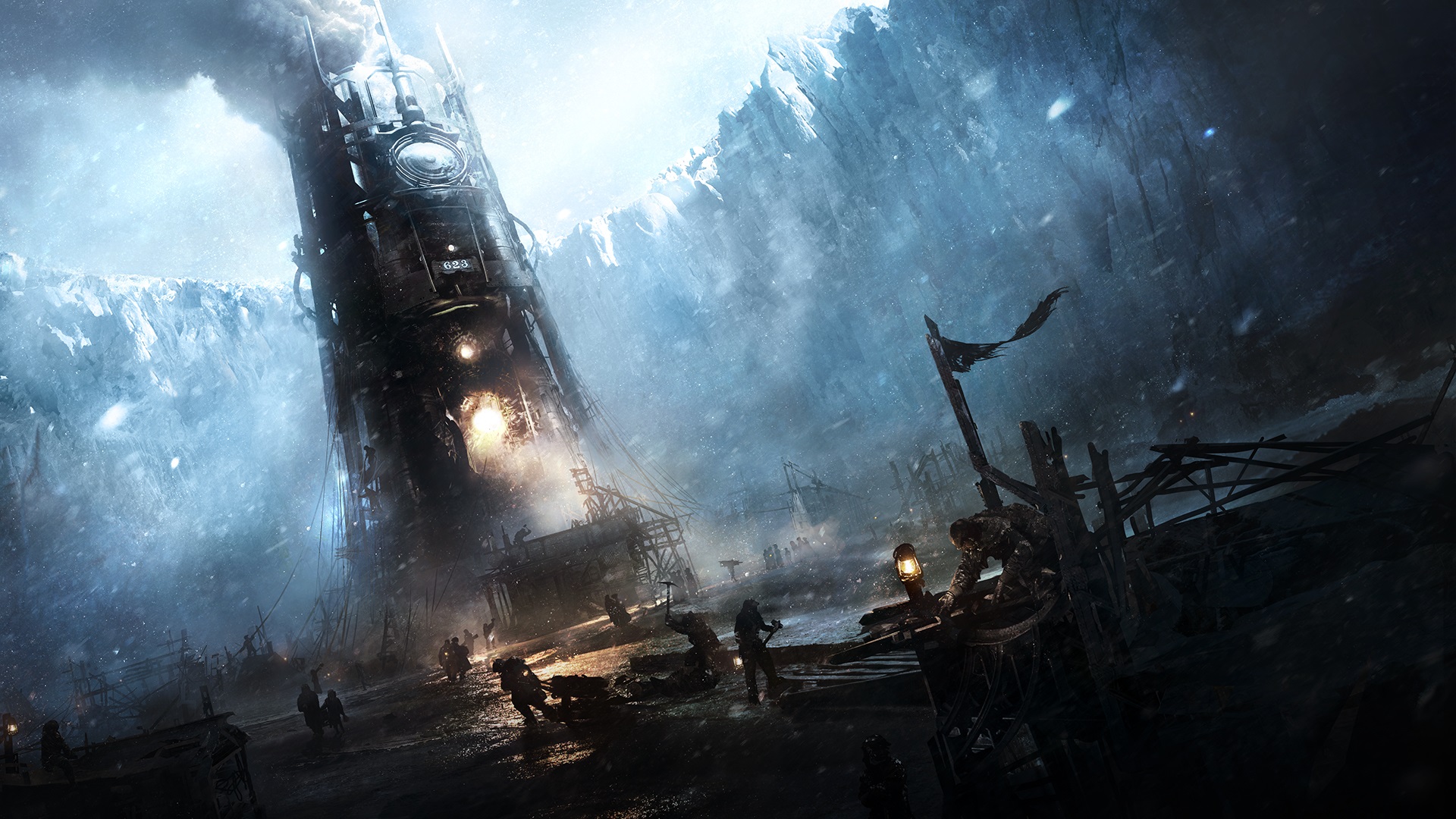
In ‘Frostpunk’, developed by 11 bit studios, the player manages the last city on Earth during a global volcanic winter. Decisions regarding laws and social policies, such as the use of child labor or radical medical treatments, permanently alter the city’s moral alignment and stability. These choices determine if the community views their leader with hope or fear, leading to different social structures. The long-term survival of the settlement depends on balancing physical resources with the psychological health of the inhabitants. This title is recognized for forcing players to confront the utilitarian costs of communal preservation.
‘Cult of the Lamb’ (2022)
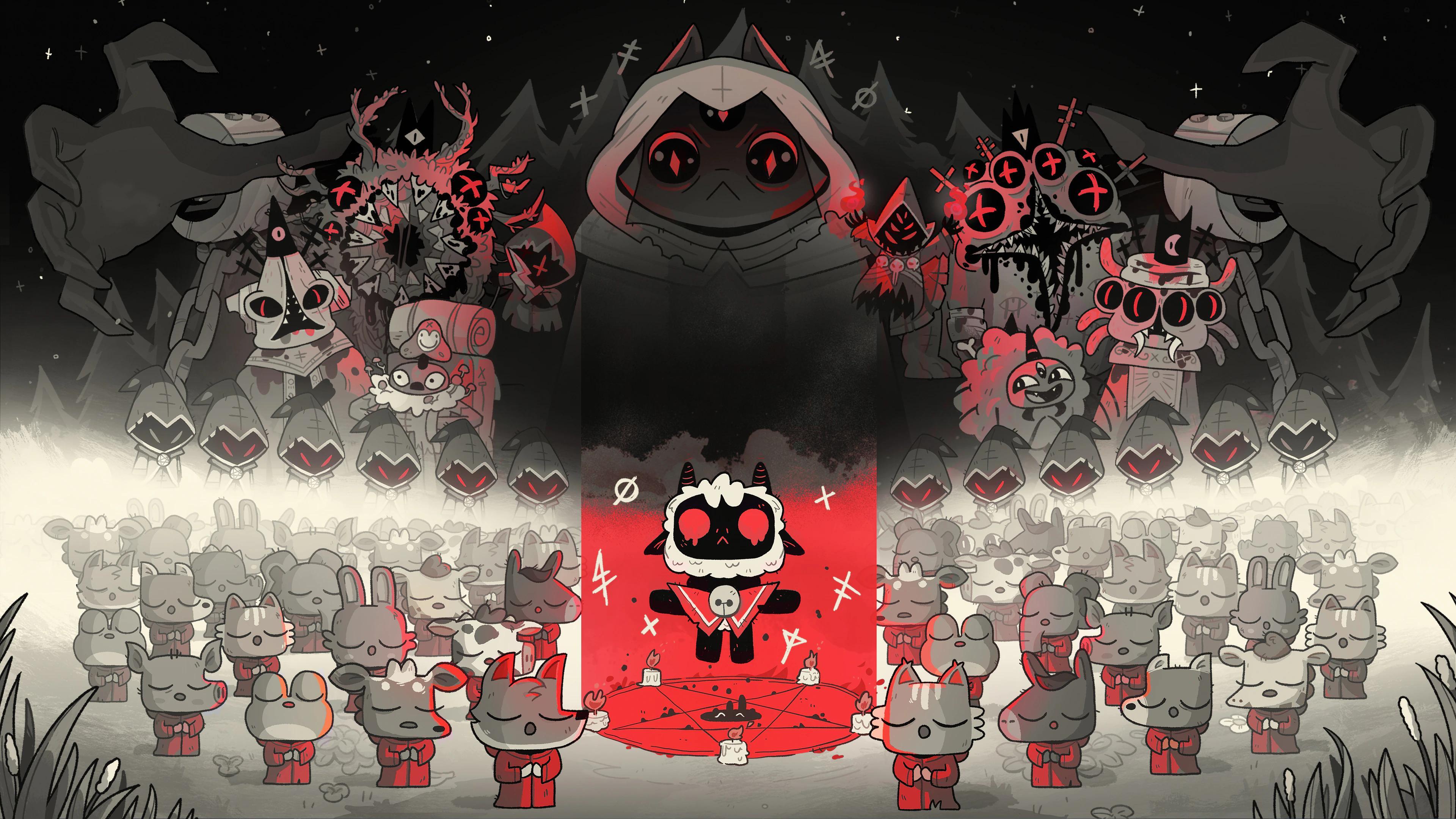
‘Cult of the Lamb’ was developed by Massive Monster and combines roguelike combat with colony management. Players take on the role of a possessed lamb who must build a loyal following in a land of false prophets. Decisions regarding doctrines and rituals determine whether the cult is built on benevolence or terrifying discipline. The long-term devotion of followers is maintained through resource management and the player’s ability to settle internal disputes. Each follower’s life cycle and faith are directly tied to the player’s leadership style and moral choices.
‘State of Decay 2’ (2018)
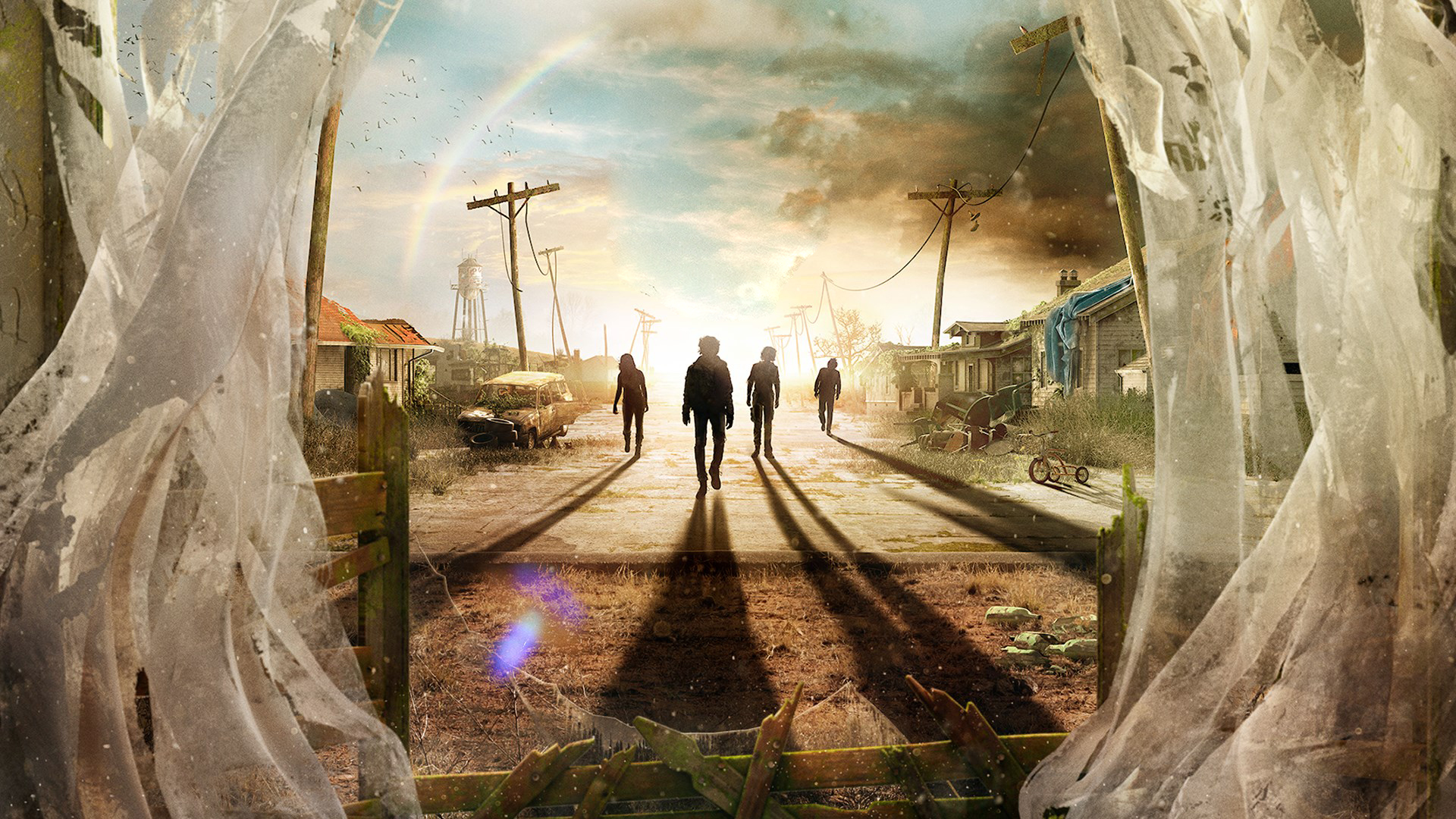
Undead Labs developed ‘State of Decay 2’ as an open-world survival game where community management is a core mechanic. Players must recruit diverse survivors, each possessing unique skills that contribute to the group’s overall viability. Choices regarding base locations and resource distribution affect the morale and safety of the entire community. If a character dies, they are permanently removed, forcing the player to adapt the community’s strategy to fill the void. The game emphasizes the necessity of teamwork and strategic planning to survive a persistent zombie threat.
‘Medieval Dynasty’ (2021)
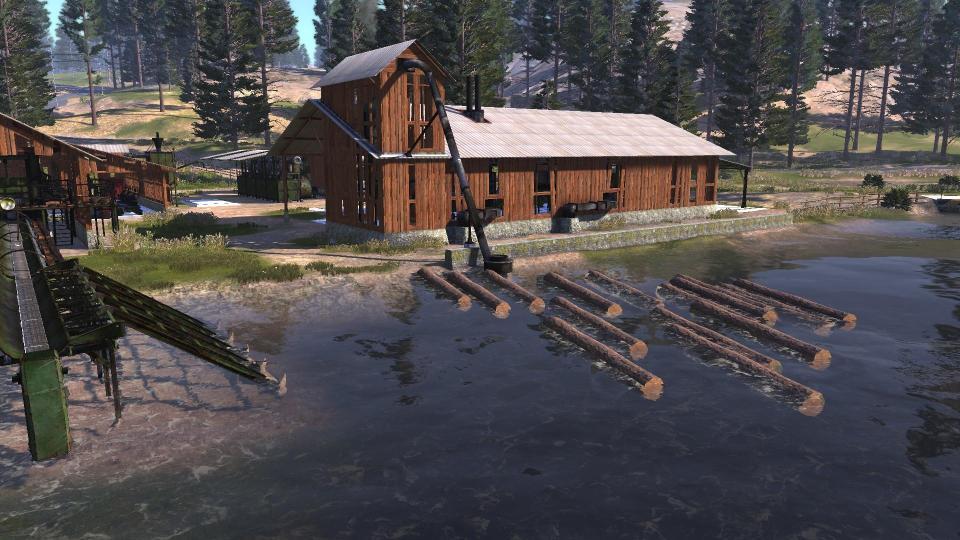
Render Cube developed ‘Medieval Dynasty’ as a blend of survival, RPG, and city-building set in the Middle Ages. Players start as a lone wanderer and eventually found a settlement that can span across multiple generations. Decisions regarding which villagers to invite and how to assign their roles determine the economic success of the growing town. The player’s reputation and management skills influence the community’s ability to pay taxes and survive harsh winters. Long-term progress is measured by the establishment of a lasting family legacy within a thriving village.
‘Surviving Mars’ (2018)
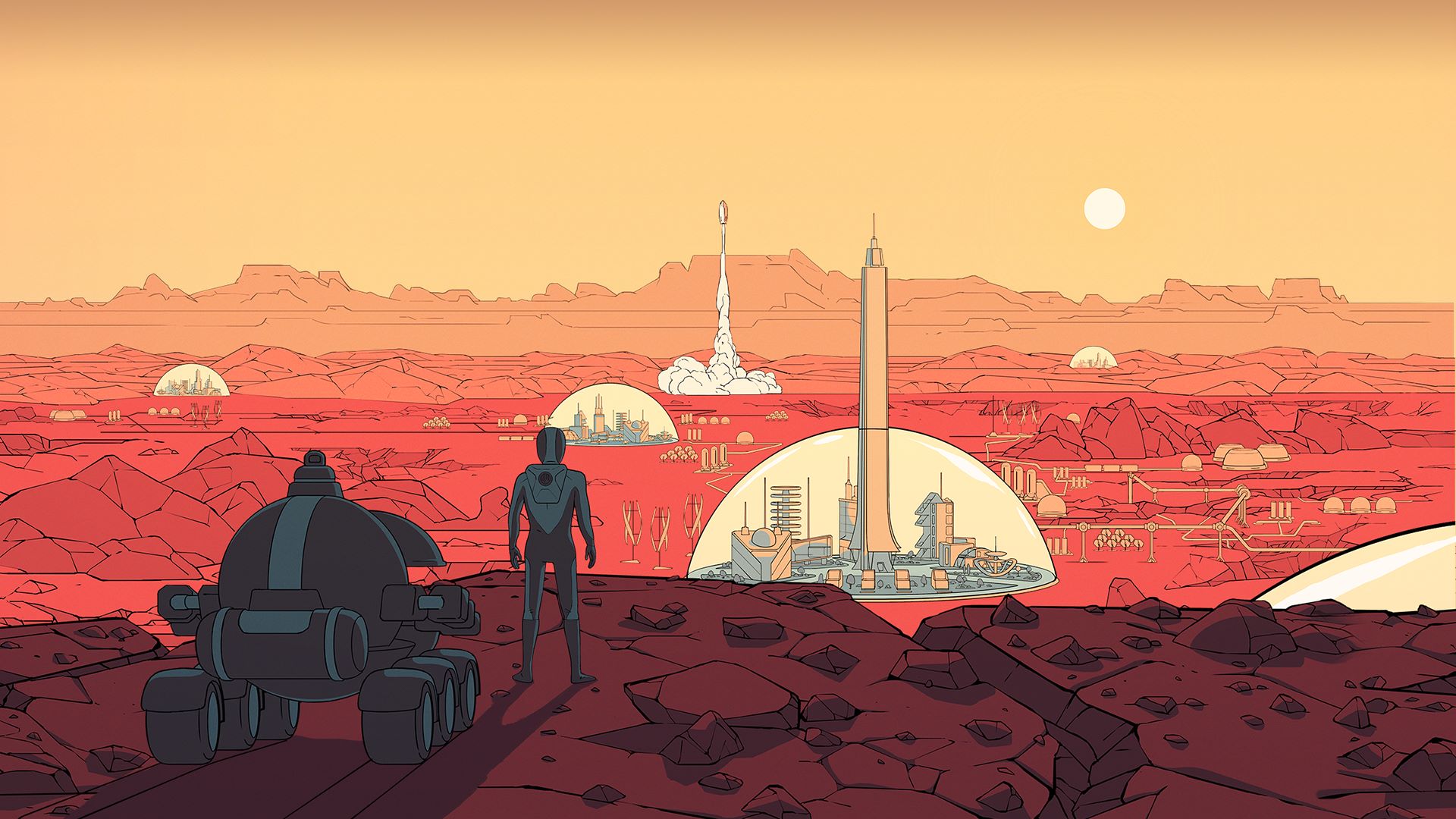
Haemimont Games developed ‘Surviving Mars’ as a city-builder focused on colonizing the Red Planet. Players must manage the genetic traits and professional skills of the colonists who arrive from Earth. Decisions regarding dome atmosphere and social services impact the mental health and birth rates of the Martian community. The development of breakthrough technologies can radically change how the society functions over several generations. Choosing a mission sponsor also dictates the economic constraints and goals for the long-term project.
‘Banished’ (2014)
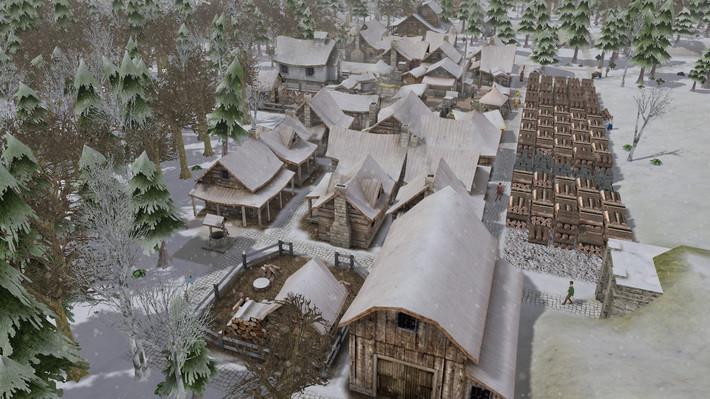
‘Banished’ is a city-building game developed by Shining Rock Software that focuses on a small group of exiled travelers. Players must manage the population’s age and health, as a failure to plan for the long term can lead to a mass die-off. Choices regarding food production and fuel storage are critical for the community’s survival during harsh winters. The game does not feature a technology tree, meaning community growth is solely dependent on resource management and population control. Success is measured by the stability and longevity of the town across multiple decades.
‘Kenshi’ (2018)

Lo-Fi Games developed ‘Kenshi’, a squad-based RPG set in a sprawling, indifferent desert world. Players can build their own outposts, which eventually attract the attention of major world powers and local factions. Choosing whether to pay taxes to the Holy Nation or smuggle goods affects the long-term survival and legal status of the outpost. The community’s growth is dictated by the player’s ability to manage industry and defend against frequent raids. In ‘Kenshi’, the player’s base can become a significant political entity that shifts the balance of power in the region.
‘EVE Online’ (2003)

‘EVE Online’ is a space-based MMORPG developed by CCP Games that is famous for its player-driven economy and politics. The entire social structure of the game is built upon choices made by player corporations and massive alliances. Decisions to go to war or forge trade pacts result in real-world consequences for thousands of participants in the community. The long-term history of the game’s universe is recorded through the shift of power between these player-led organizations. This title demonstrates how collective decision-making can build and destroy digital empires over decades.
‘Tyranny’ (2016)
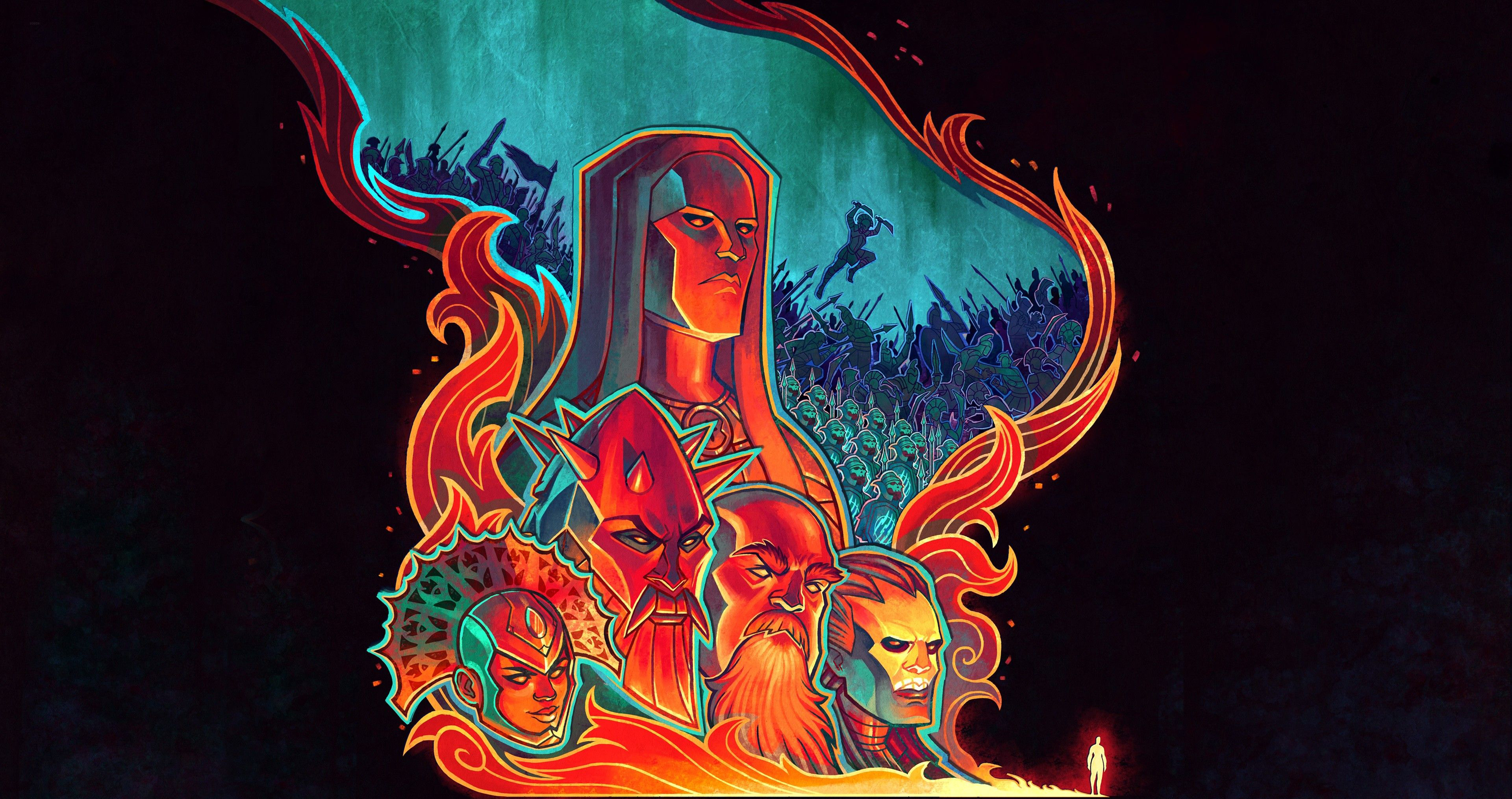
Published by Paradox Interactive and developed by Obsidian Entertainment, ‘Tyranny’ places the player in a world where evil has already won. As a Fatebinder, the player makes choices during the conquest of the Tiers that permanently reshape the political landscape and regional communities. Loyalties to different factions dictate which towns thrive and which are decimated by magical Edicts. These decisions have long-reaching consequences for the laws and social order of the game’s various territories. The narrative focuses on how administrative power and judicial rulings affect the lives of the conquered.
‘Mount & Blade II: Bannerlord’ (2022)

TaleWorlds Entertainment created ‘Mount & Blade II: Bannerlord’ to offer a sandbox experience involving medieval warfare and governance. Players can rise from a mercenary to a monarch, making choices that affect the prosperity of their fiefs and towns. Managing the needs of the local population and assigning governors with specific traits determines the stability of the community. Decisions made in the kingdom’s assembly influence laws that can either appease or alienate different social classes. The game simulates a living world where trade routes and town growth are sensitive to player intervention.
‘Fable III’ (2010)

Lionhead Studios developed ‘Fable III’, where the player transitions from a revolutionary leader to the monarch of Albion. Once on the throne, the player must make promises to various factions that affect the kingdom’s future. Choosing to fulfill these promises or prioritize the treasury for national defense determines the fate of the citizenry. These decisions result in either a thriving, beautiful kingdom or a desolate land stripped of its resources. The game focuses on the burden of leadership and the long-term impact of political compromise.
‘Pathologic 2’ (2019)

‘Pathologic 2’, developed by Ice-Pick Lodge, is an open-world survival thriller centered on a plague-ridden town. Players must choose which districts to save and which characters to provide with life-saving medicine. These choices result in the permanent death of key community members and the collapse of entire sections of the city. The social hierarchy and the player’s reputation change daily based on how they distribute dwindling resources. The game explores the ethical weight of choosing who lives and who dies during a societal catastrophe.
‘Fallout 4’ (2015)

Developed by Bethesda Game Studios, ‘Fallout 4’ introduced a robust settlement building system to the post-apocalyptic franchise. Players can establish and defend multiple communities across the Commonwealth, affecting the safety of the wasteland. Decisions about which factions to support lead to different groups taking control of key residential hubs. The allocation of food, water, and defense determines the happiness and population growth of each individual settlement. The game allows players to physically reconstruct the society they wish to see in the ruins of Boston.
‘The Elder Scrolls V: Skyrim’ (2011)

Bethesda Game Studios developed ‘The Elder Scrolls V: Skyrim’, which features a grand civil war between the Imperial Legion and the Stormcloaks. Choosing a side in the conflict leads to the permanent replacement of Jarls and guards in major cities across the province. These political shifts affect the dialogue of the townspeople and the overall atmosphere of the regional communities. Players can also influence local communities by completing Thane quests, which provide them with specific social privileges. The game illustrates how a single hero’s choices can shift the governance and culture of an entire nation.
‘Stardew Valley’ (2016)
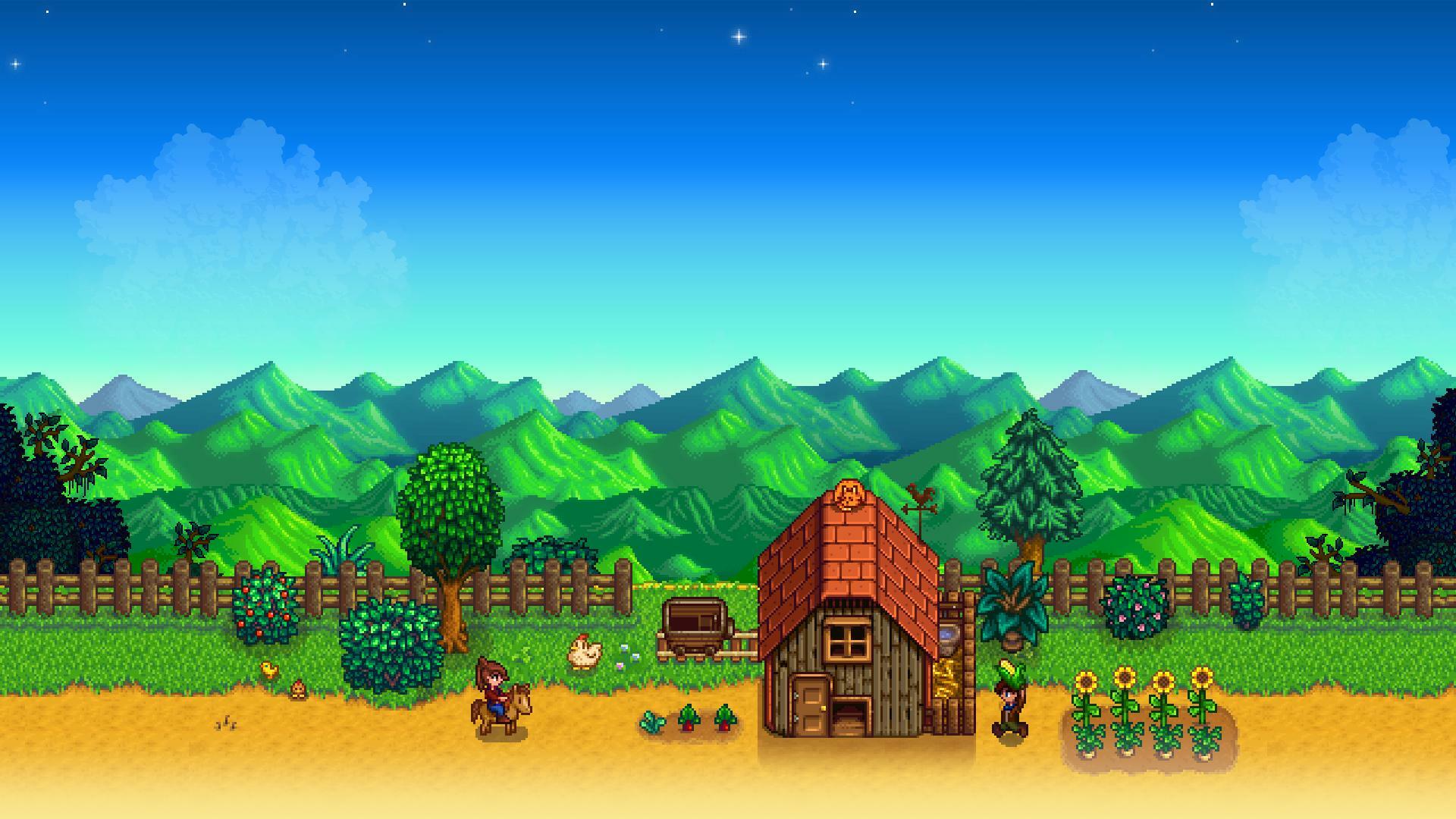
ConcernedApe developed ‘Stardew Valley’ as a farming simulation game where community revitalization is a primary goal. Players choose between restoring the derelict Community Center or supporting the corporate expansion of JojaMart. This decision significantly alters the town’s aesthetic and the daily routines of its non-player characters. Building relationships with the residents through gifts and shared events leads to new opportunities for town development. The game emphasizes how individual effort can lead to the long-term prosperity of a small rural community.
‘Animal Crossing: New Horizons’ (2020)
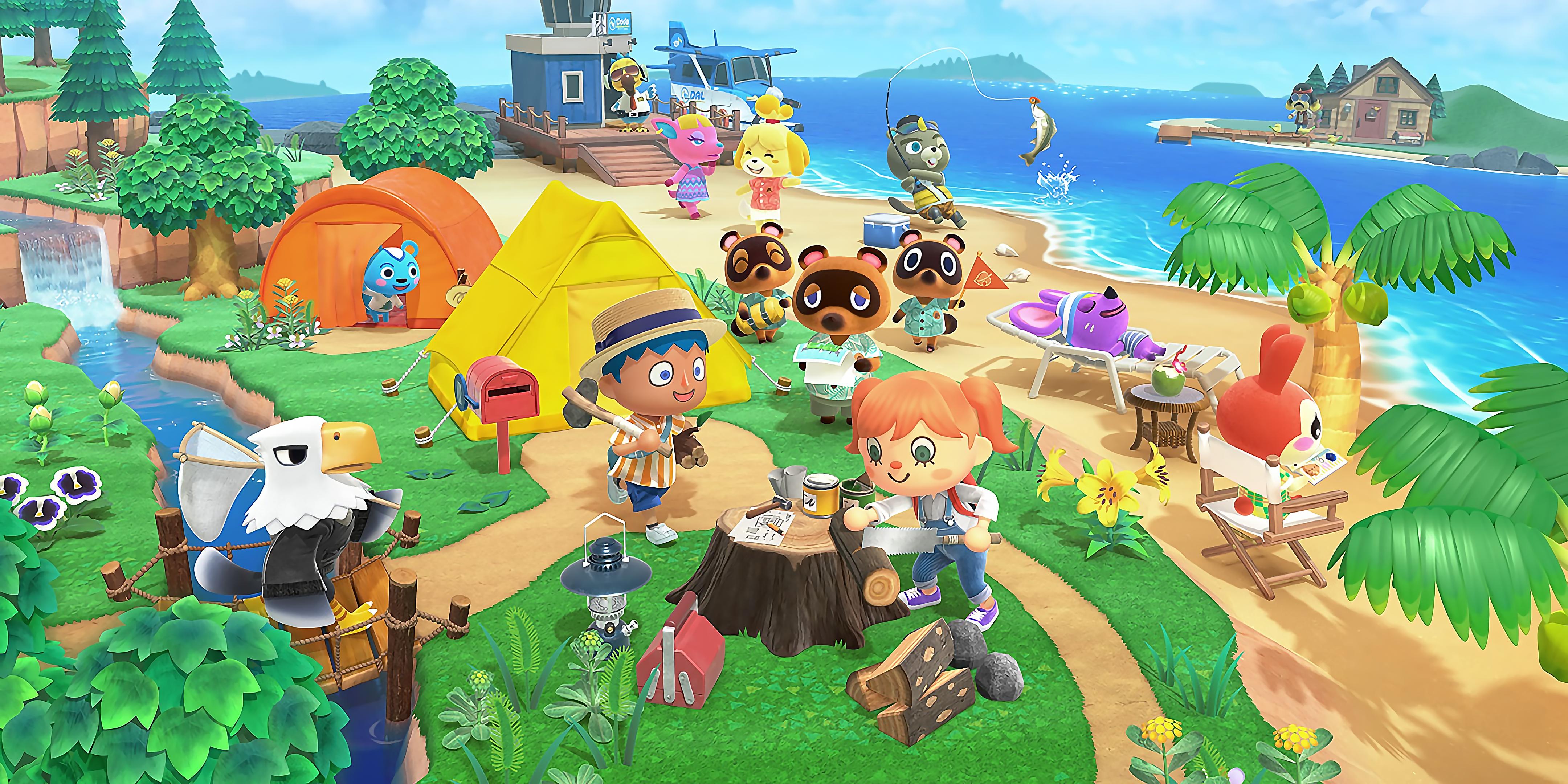
Developed by Nintendo EPD, ‘Animal Crossing: New Horizons’ allows players to transform a deserted island into a thriving town. Decisions regarding the placement of buildings and the selection of residents define the community’s culture. Players choose which public works projects to fund, directly influencing the island’s rating and the activities available. Long-term interactions with villagers determine their happiness and their decision to stay or leave the island. The game provides a low-stress environment where personal taste dictates the development of a digital society.
‘Death Stranding’ (2019)

‘Death Stranding’ was developed by Kojima Productions and features a unique Social Strand System for asynchronous multiplayer. Players make choices to build roads, bridges, and charging stations that appear in the worlds of other players. These collaborative efforts make the environment easier to traverse for the entire community of players. The long-term connectivity of the world is literally built by the cumulative decisions of the player base. This title explores how individual actions can contribute to a larger, shared infrastructure.
‘Cities: Skylines’ (2015)

Colossal Order developed ‘Cities: Skylines’ to provide a detailed simulation of urban planning and municipal management. Players implement policies such as free public transport or industrial tax breaks that shape the community’s economic health. Decisions regarding zoning and infrastructure projects determine the happiness and health of the city’s residents. Over time, these choices lead to the evolution of distinct neighborhoods with unique social profiles. The game highlights the long-term consequences of administrative decisions on the quality of life for a growing population.
Tell us which of these virtual societies you found most challenging to lead in the comments.