

Games Where Developers Quit Over Toxic Work Culture

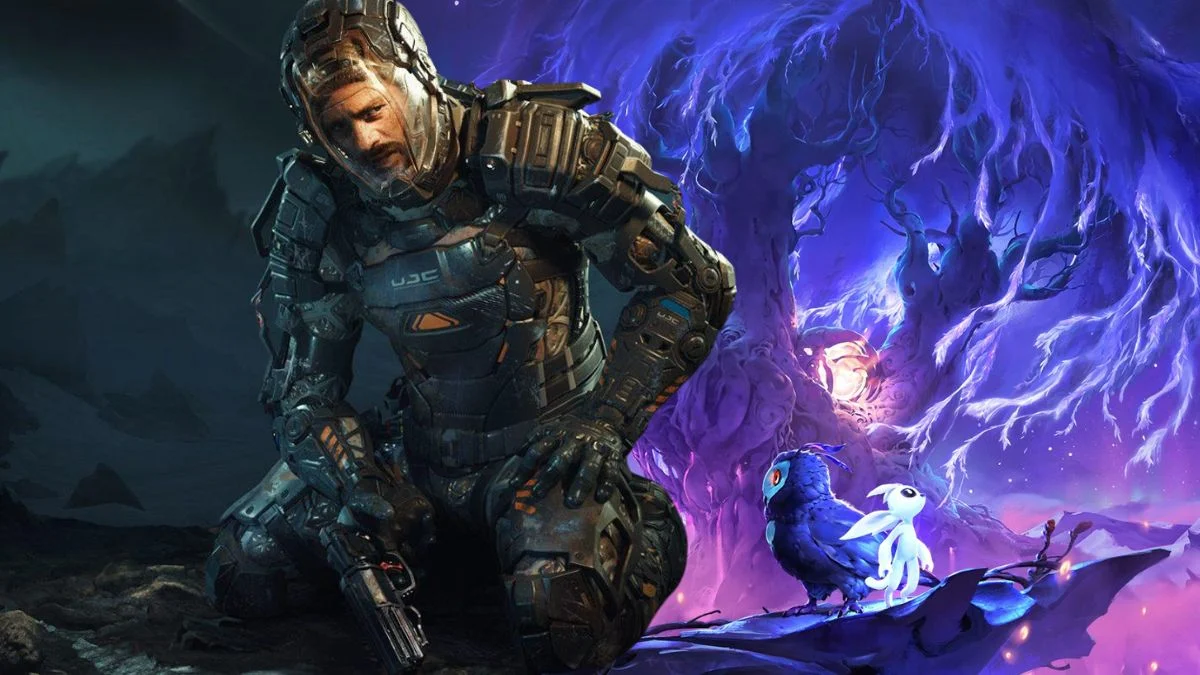


ßThe video game industry is often romanticized as a dream career path for creative individuals. However, the reality behind the scenes frequently involves grueling hours and high-pressure environments that push employees to their breaking point. Reports of crunch culture and harassment have led to mass resignations at some of the biggest studios in the world. Developers often face the difficult choice between their passion for creating games and their mental or physical well-being. The following titles represent projects where the internal work culture caused significant staff turnover.
‘L.A. Noire’ (2011)

The development of this detective thriller became infamous for the extreme working conditions at Team Bondi. Staff members reportedly worked over one hundred hours a week to meet the ambitious demands of studio leadership. This intense crunch culture led to a massive exodus of employees before the game even reached store shelves. Former developers described a management style that ignored their well-being in favor of technological perfection. The controversy surrounding the production contributed to the eventual closure of the studio.
‘Red Dead Redemption 2’ (2018)
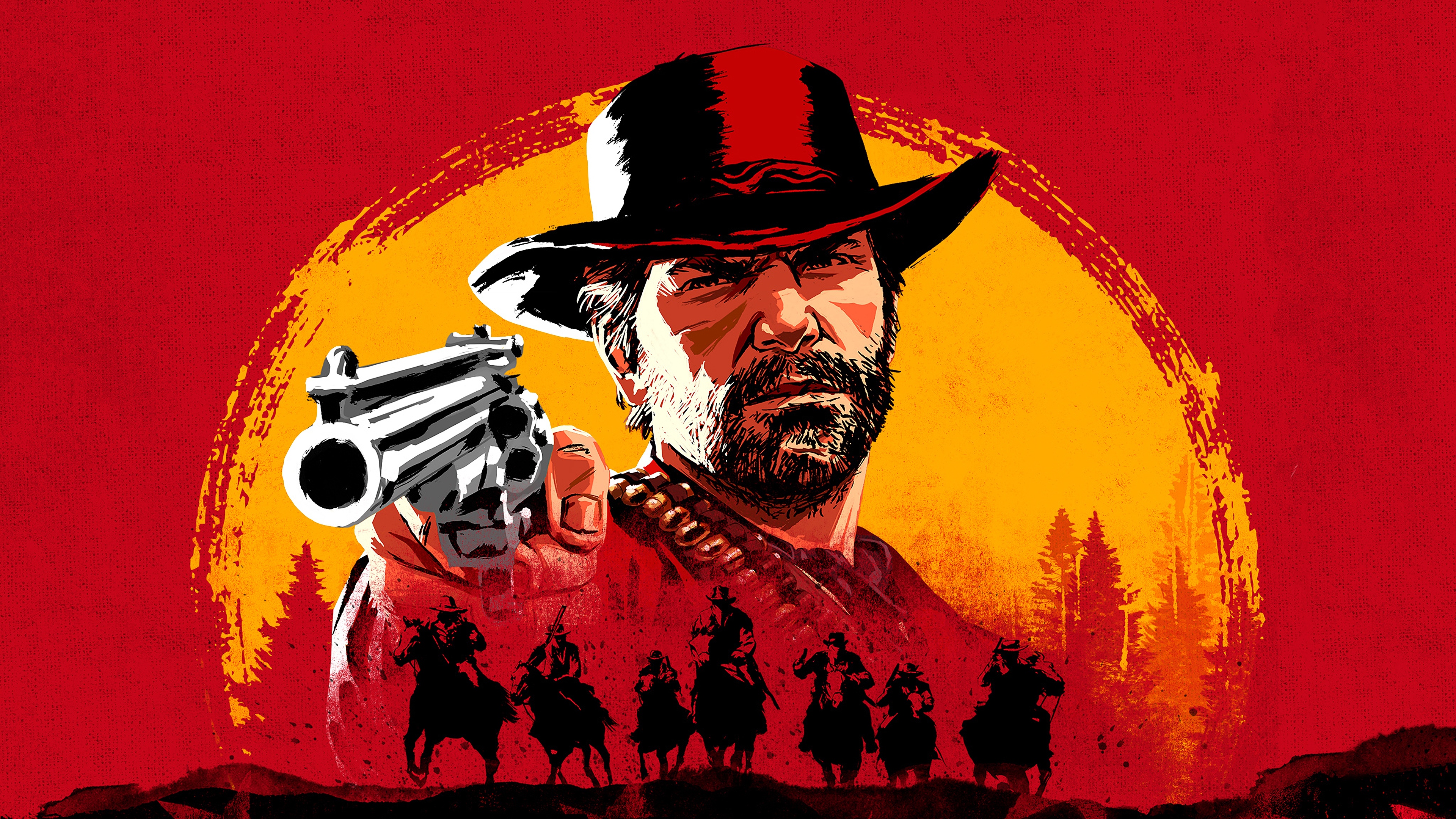
Rockstar Games faced intense scrutiny after reports emerged regarding mandatory overtime during the creation of this open-world western. Some developers claimed they worked hundred-hour weeks to finalize the intricate details of the game. The controversy sparked a widespread industry conversation about the sustainability of triple-A game development. While the final product was a critical success, many staff members experienced burnout and left the company following the release. The backlash forced studio leadership to publicly commit to improving internal policies.
‘The Last of Us Part II’ (2020)
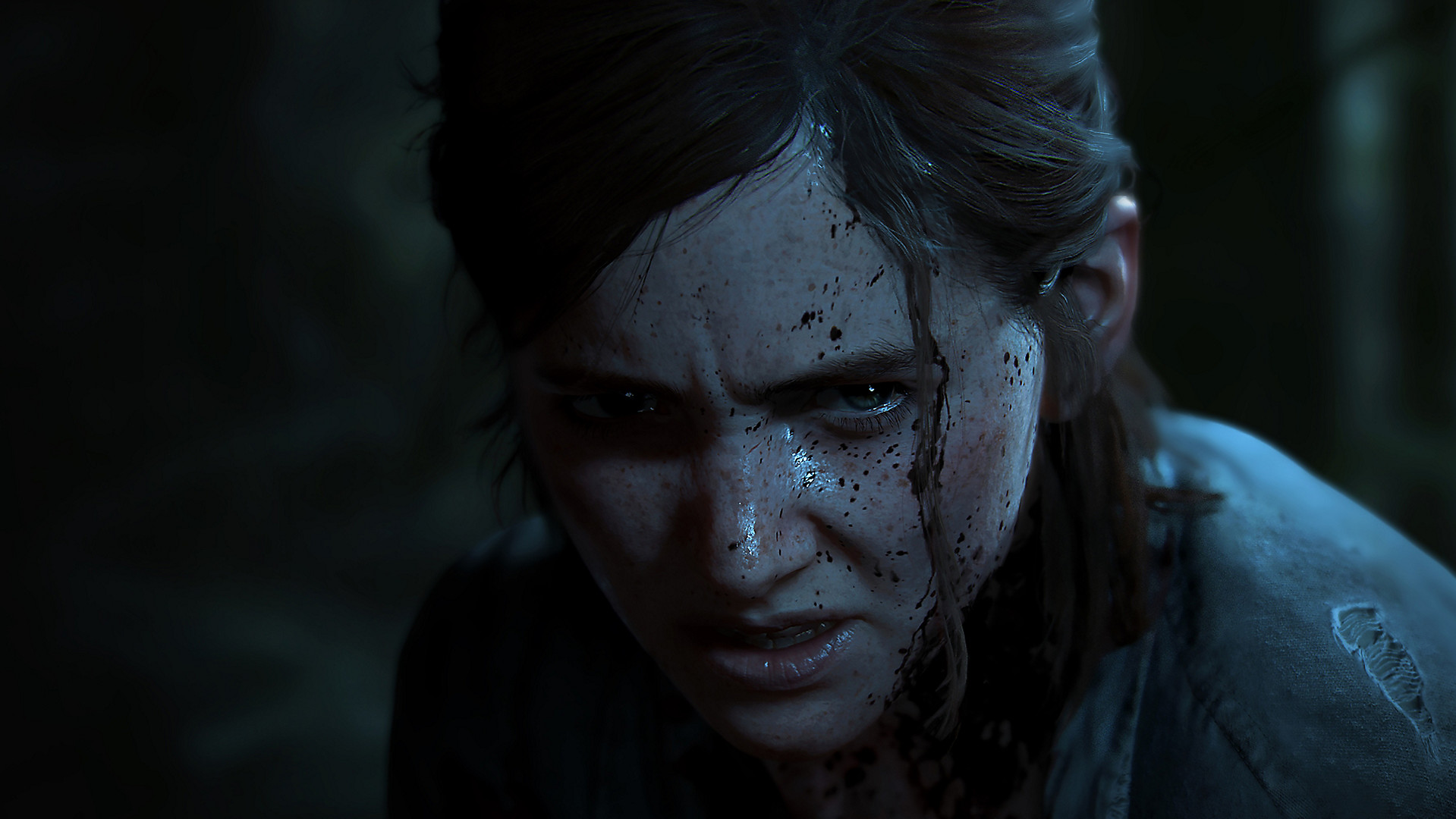
Naughty Dog has a reputation for perfectionism that often results in extended periods of crunch for its developers. Reports indicated that the studio saw a high turnover rate of designers and artists during the production of this sequel. The pursuit of unparalleled graphical fidelity and animation quality required immense personal sacrifice from the team. Many contract workers and full-time employees departed due to the exhaustion associated with the studio’s high standards. This drained the studio of veteran talent and forced them to hire new staff constantly.
‘Cyberpunk 2077’ (2020)
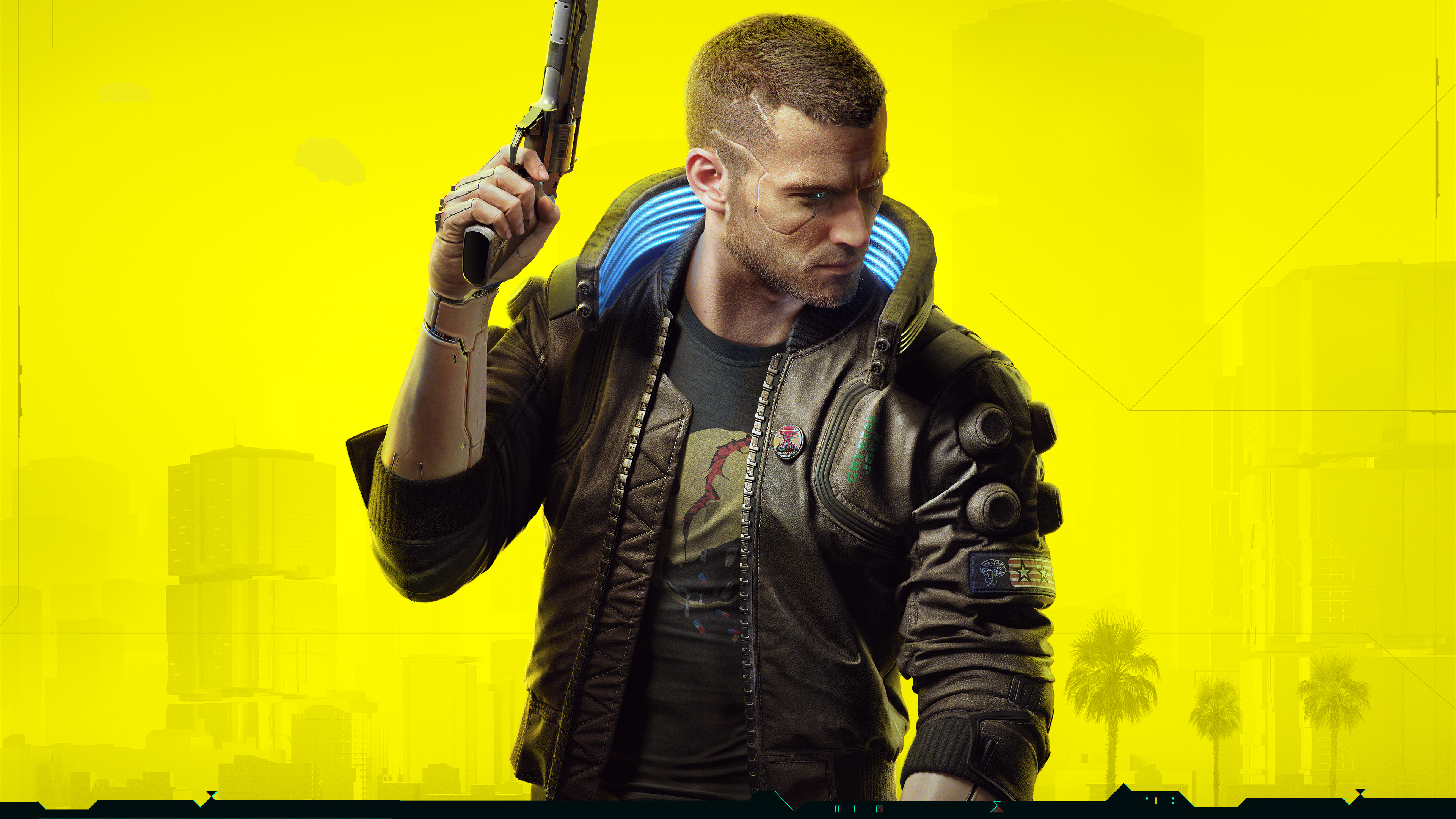
CD Projekt Red initially promised that mandatory overtime would not be required to finish their futuristic RPG. However, the studio reneged on this promise in the final months of development as they rushed to meet the release date. Developers faced six-day workweeks and immense pressure to fix technical issues before launch. The disastrous state of the game at release exacerbated tensions and led to a significant drop in morale. This chaotic period resulted in the resignation of several high-profile directors and developers.
‘Anthem’ (2019)
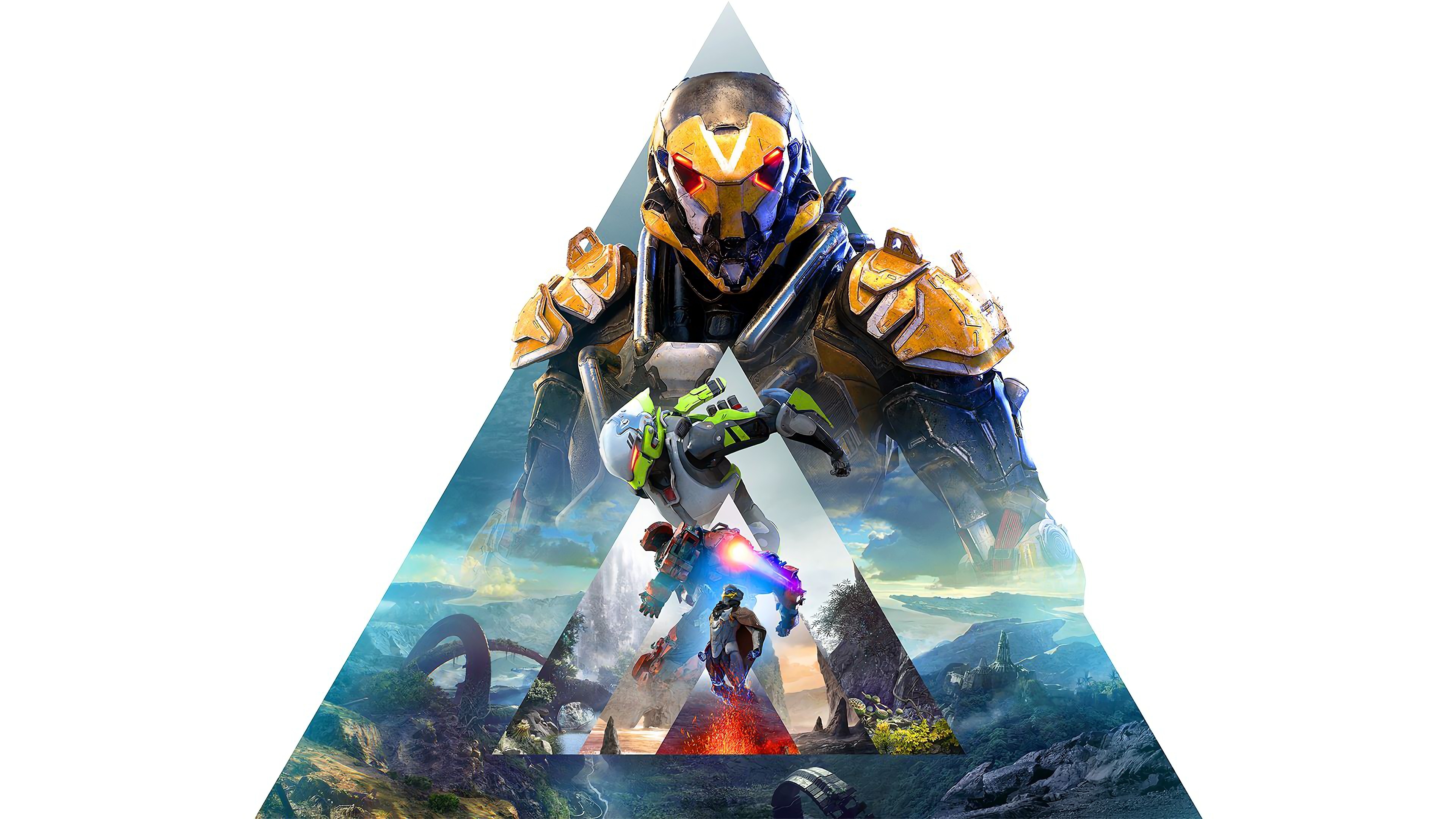
BioWare suffered a severe drain of talent during the production of this online shooter due to a phenomenon described as stress casualties. The lack of a clear vision from leadership caused the team to scrap and redo work constantly for years. Many veteran developers famously went on stress leave and never returned to the office. The reliance on last-minute crunch was internally referred to as BioWare Magic but proved unsustainable for this project. The failure of the game and the toll it took on the staff prompted a major restructuring of the studio.
‘Overwatch 2’ (2022)
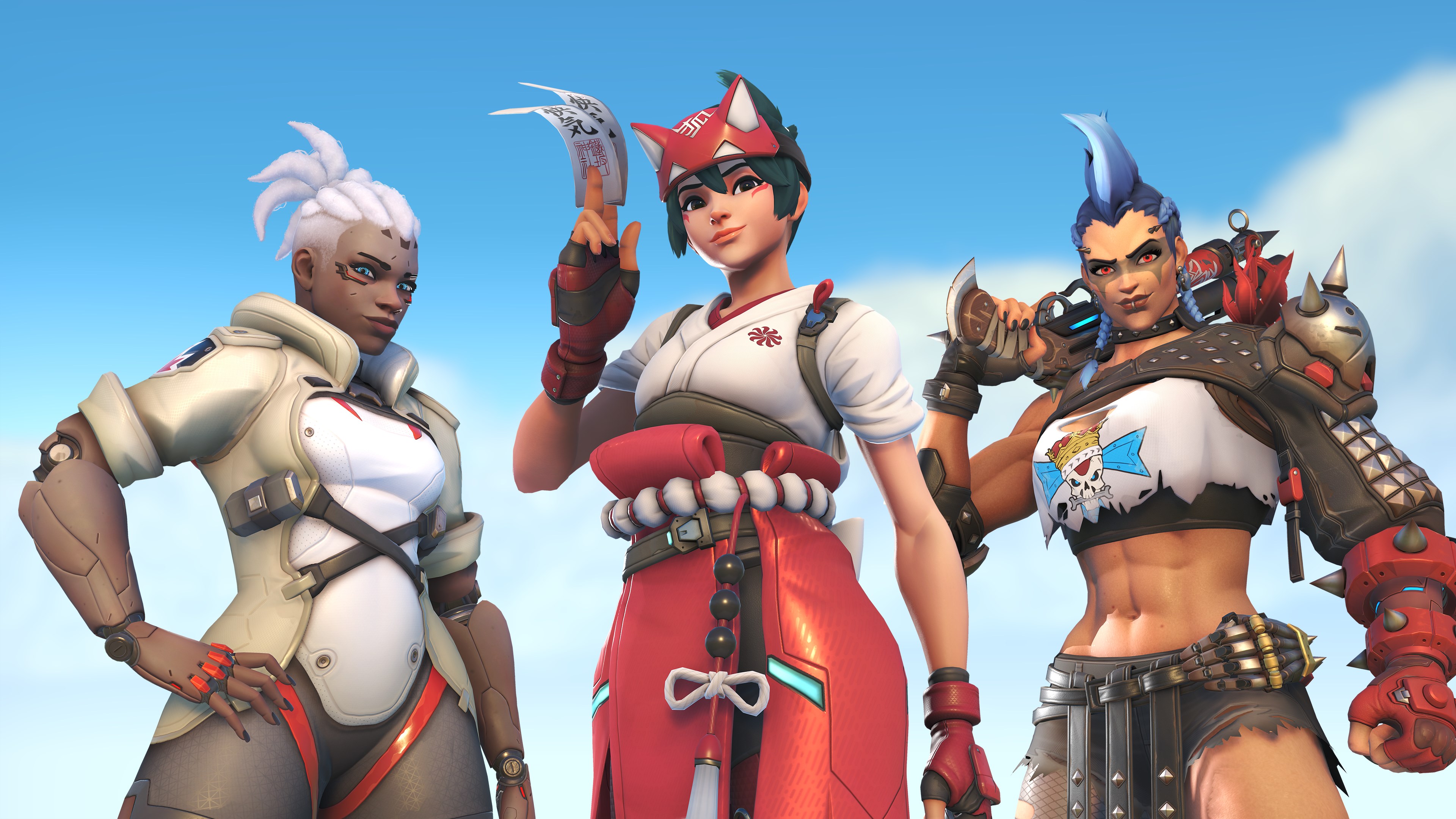
The development of this hero shooter sequel occurred during a massive lawsuit involving Activision Blizzard. State investigators alleged a widespread culture of sexual harassment and discrimination within the company. This toxic environment led to walkouts and the departure of many key figures including the game director. Developers expressed frustration that executive scandals overshadowed their creative work and delayed progress. The loss of institutional knowledge during this period significantly impacted the direction of the game.
‘World of Warcraft’ (2004–Present)
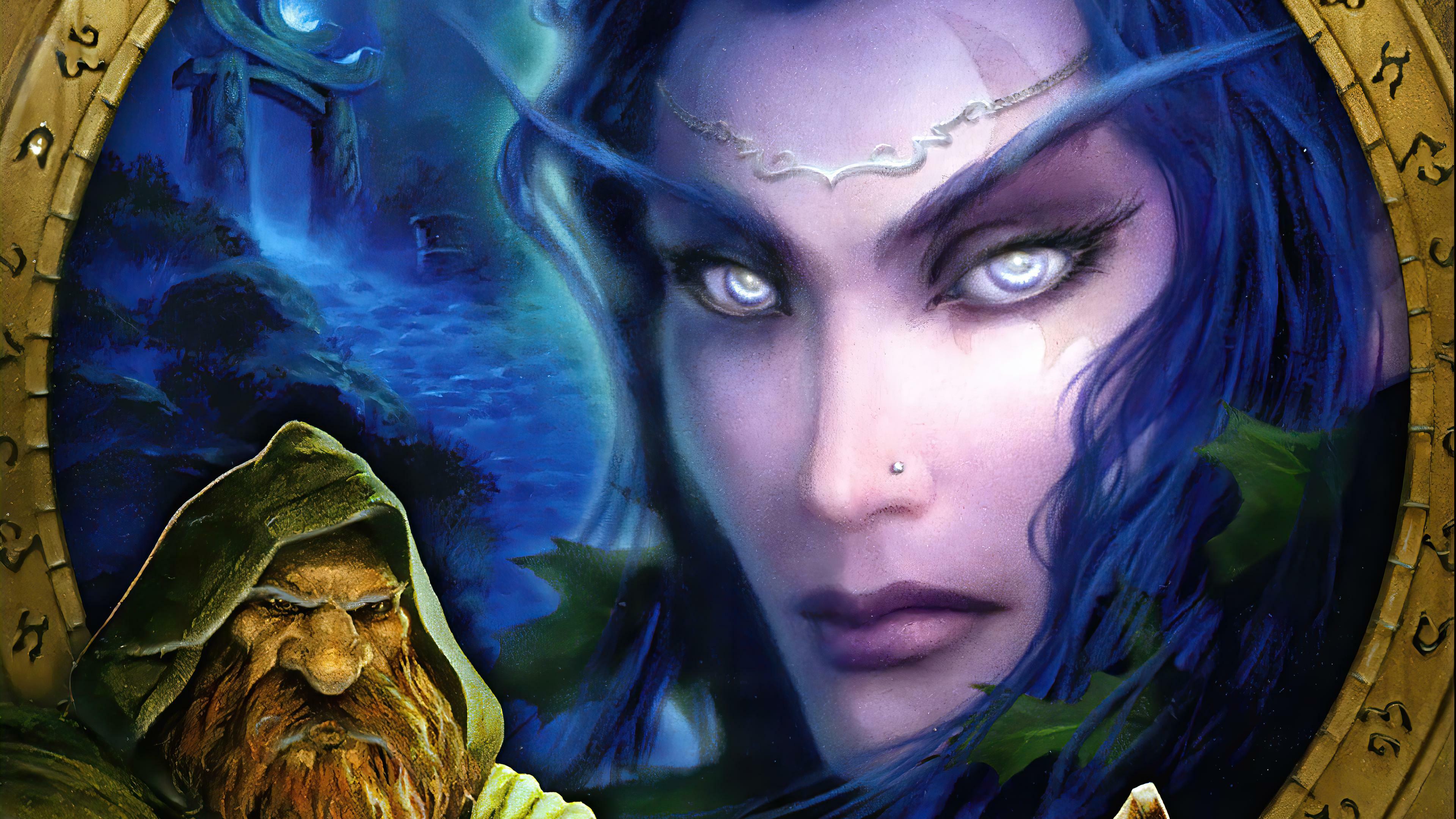
The culture at Blizzard Entertainment came under fire following allegations of a fraternity boy atmosphere within the ‘World of Warcraft’ team. Reports surfaced regarding inappropriate behavior by senior developers and a lack of accountability from human resources. This environment alienated many female employees and led to a wave of resignations and dismissals. The fallout from the lawsuit forced the company to remove in-game references to former developers who were implicated in the scandal. Current staff continue to push for unionization to protect themselves from similar abuses in the future.
‘Call of Duty: Vanguard’ (2021)

Employees across Activision Blizzard studios staged walkouts to protest the company response to harassment allegations during the development of this title. The morale at the support studios working on the franchise hit an all-time low. Many developers resigned in solidarity with victims or due to dissatisfaction with the executive leadership. The relentless annual release schedule of the franchise compounded the stress caused by the cultural turmoil. This period marked a significant shift in how developers viewed their loyalty to the massive publisher.
‘Assassin’s Creed Valhalla’ (2020)
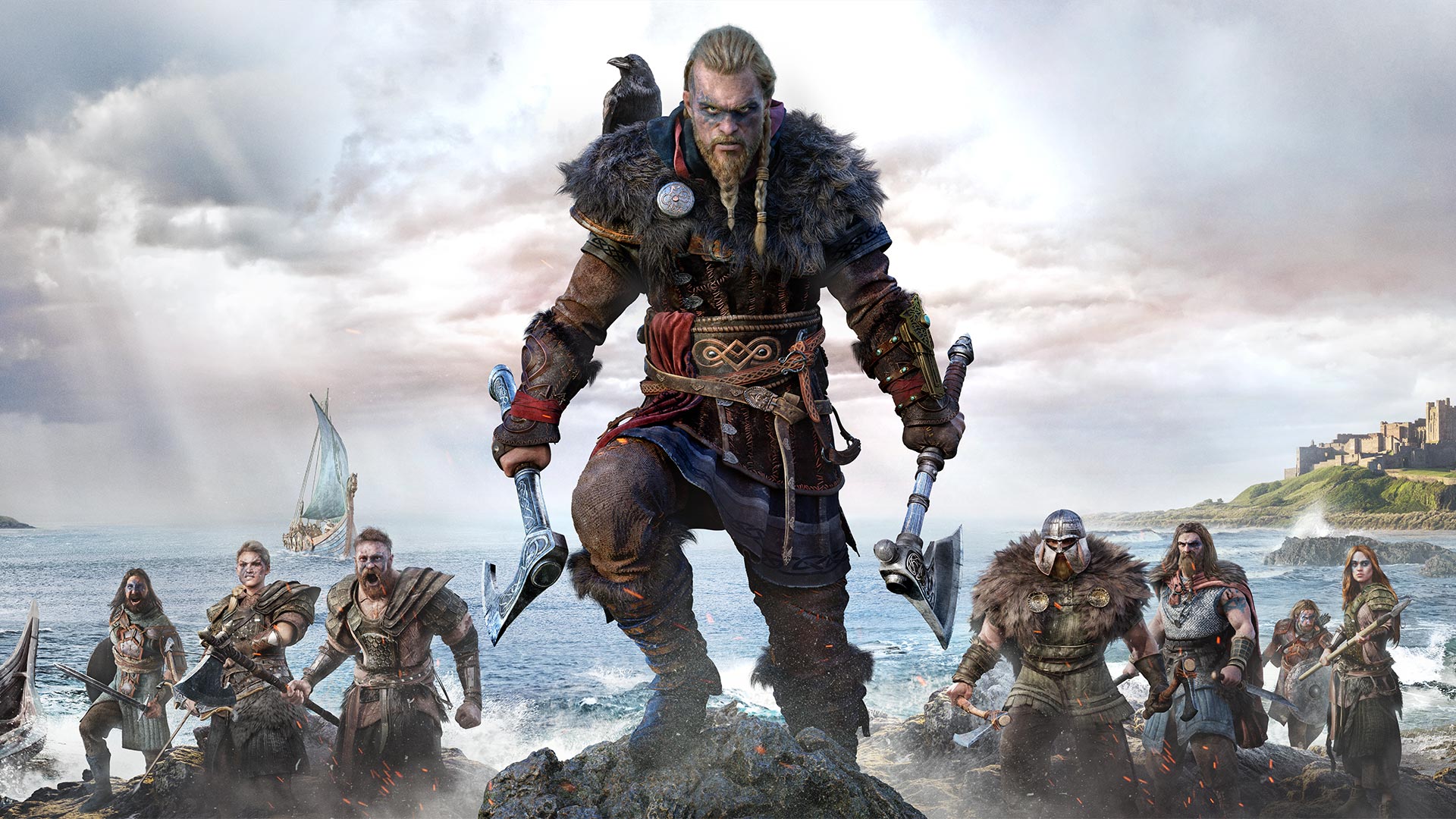
Ubisoft faced a massive reckoning during the production of this open-world Viking adventure. Multiple executives and creative directors were accused of misconduct and protecting toxic managers. The creative director of the game stepped down and left the project following investigations into his personal conduct. Employees reported an environment where complaints were systematically ignored by human resources to protect powerful figures. The resulting purge of leadership caused instability and anxiety among the remaining development teams.
‘League of Legends’ (2009–Present)

Riot Games faced a class-action lawsuit and an employee walkout after reports exposed a pervasive culture of sexism. Female employees described instances of gender discrimination and inappropriate behavior from male colleagues. The revelations led to a significant number of staff departures and a public apology from the company. Leadership promised to overhaul their internal culture and diversity practices following the backlash. This event was a watershed moment for the esports and PC gaming industry.
‘Detroit: Become Human’ (2018)
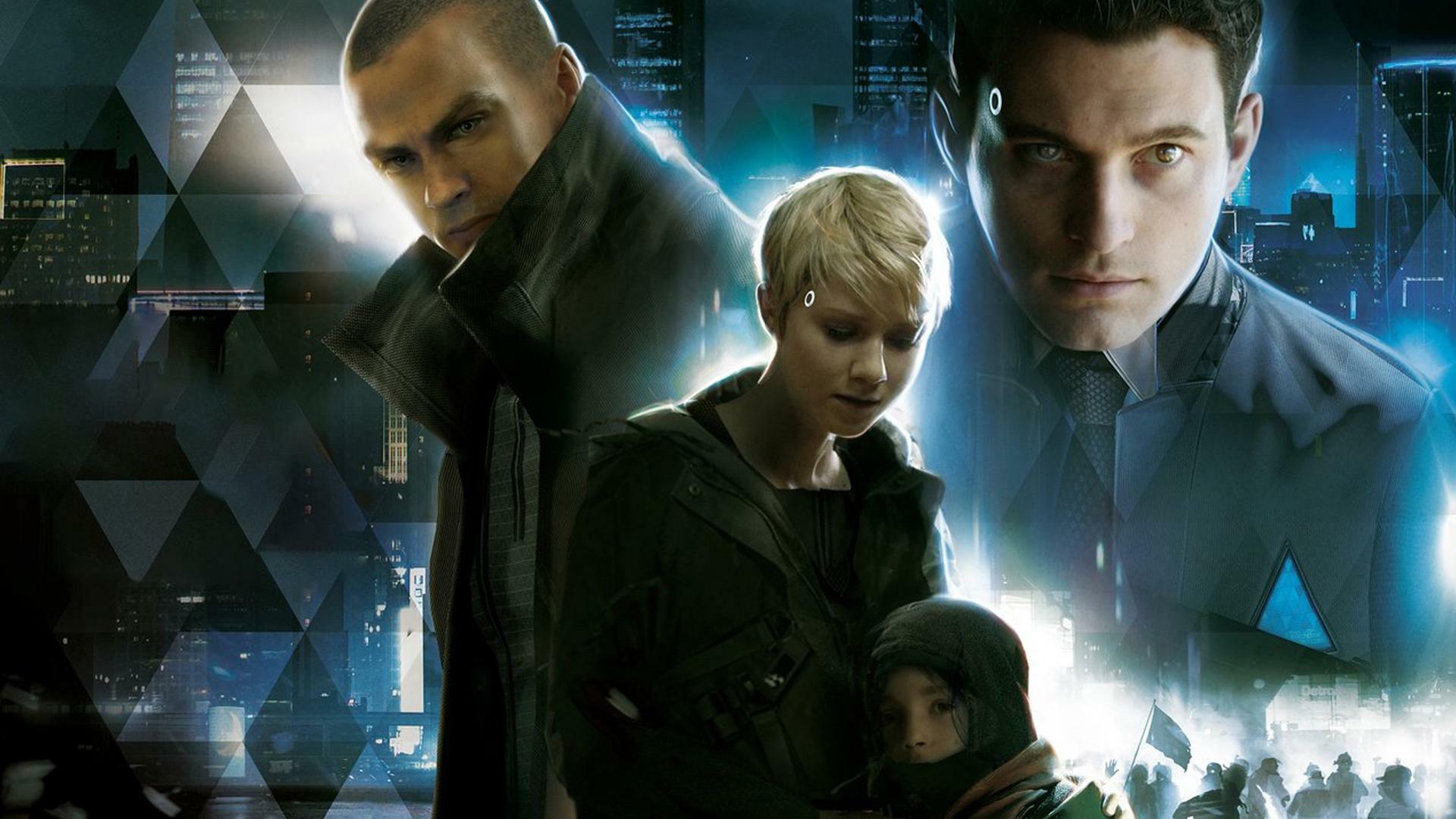
Quantic Dream faced legal battles and negative press regarding an allegedly toxic workplace culture in France. Reports in the media cited racist and sexist jokes as commonplace within the studio environment. Several former employees sued the company for unfair dismissal and the negative atmosphere. The studio head vehemently denied the accusations and even engaged in lawsuits against the journalists who broke the story. The controversy made it difficult for the studio to hire new talent for subsequent projects.
‘Fortnite’ (2017–Present)
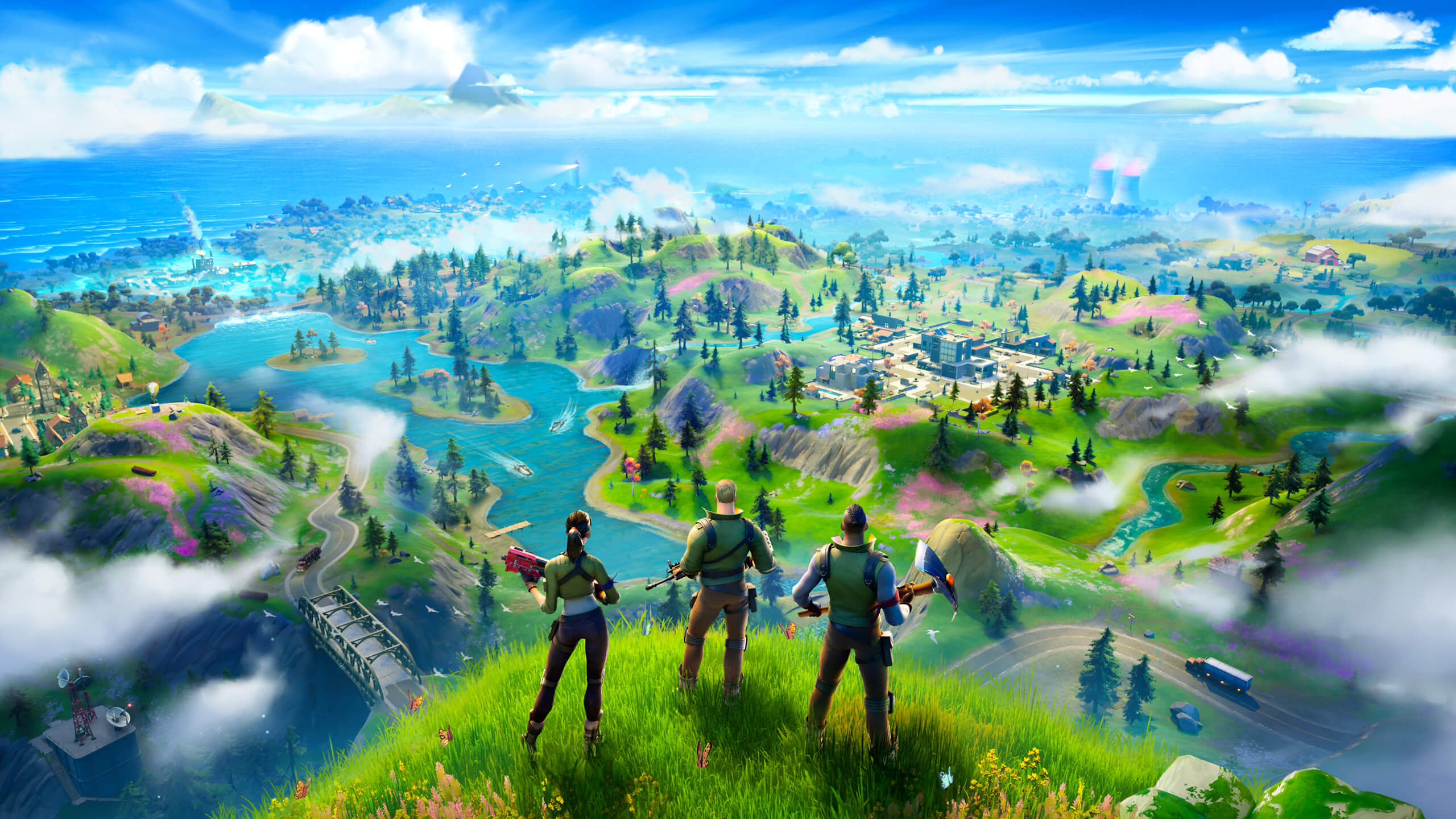
The massive success of the battle royale mode created a demand for constant content updates that trapped Epic Games developers in a cycle of endless crunch. Staff members reported working seventy-hour weeks for months on end to maintain the popularity of the game. Contractors were particularly vulnerable and felt that refusing overtime would result in their termination. The pressure to keep the game at the top of the charts led to burnout and high turnover in the quality assurance departments. Executives admitted the pace was intense but the financial success kept the machine running.
‘Mortal Kombat 11’ (2019)

Developers at NetherRealm Studios spoke out about a culture of crunch that relied heavily on temporary contractors. Some artists reported suffering from PTSD-like symptoms due to the requirement of referencing real-life gore for the fatality animations. The studio leadership was criticized for failing to provide adequate mental health support or job security. Many contractors were let go without warning after completing intense periods of mandatory overtime. The exposure of these conditions forced the studio to pledge a reduction in crunch for future titles.
‘Fallout 76’ (2018)

The quality assurance team at Bethesda experienced grueling working conditions while trying to fix the buggy launch of this online survival game. Testers were allegedly required to work long hours on weekends to address the mountain of technical issues. The disparity in treatment between full-time developers and contract testers caused significant friction. Many testers left the industry entirely after their negative experiences on this project. The crunch continued long after launch as the team struggled to salvage the reputation of the game.
‘LEGO Star Wars: The Skywalker Saga’ (2022)

TT Games had a reputation for a specific type of soft-spoken crunch that persisted for over a decade. Developers working on this massive compilation reported immense pressure to include an excessive amount of content. The engine used for the game was reportedly unstable and caused frequent crashes that lost hours of work. Management allegedly bullied staff who questioned the development pipeline or the feature creep. The resulting burnout caused a significant number of veteran staff to leave the studio during production.
‘Ori and the Will of the Wisps’ (2020)
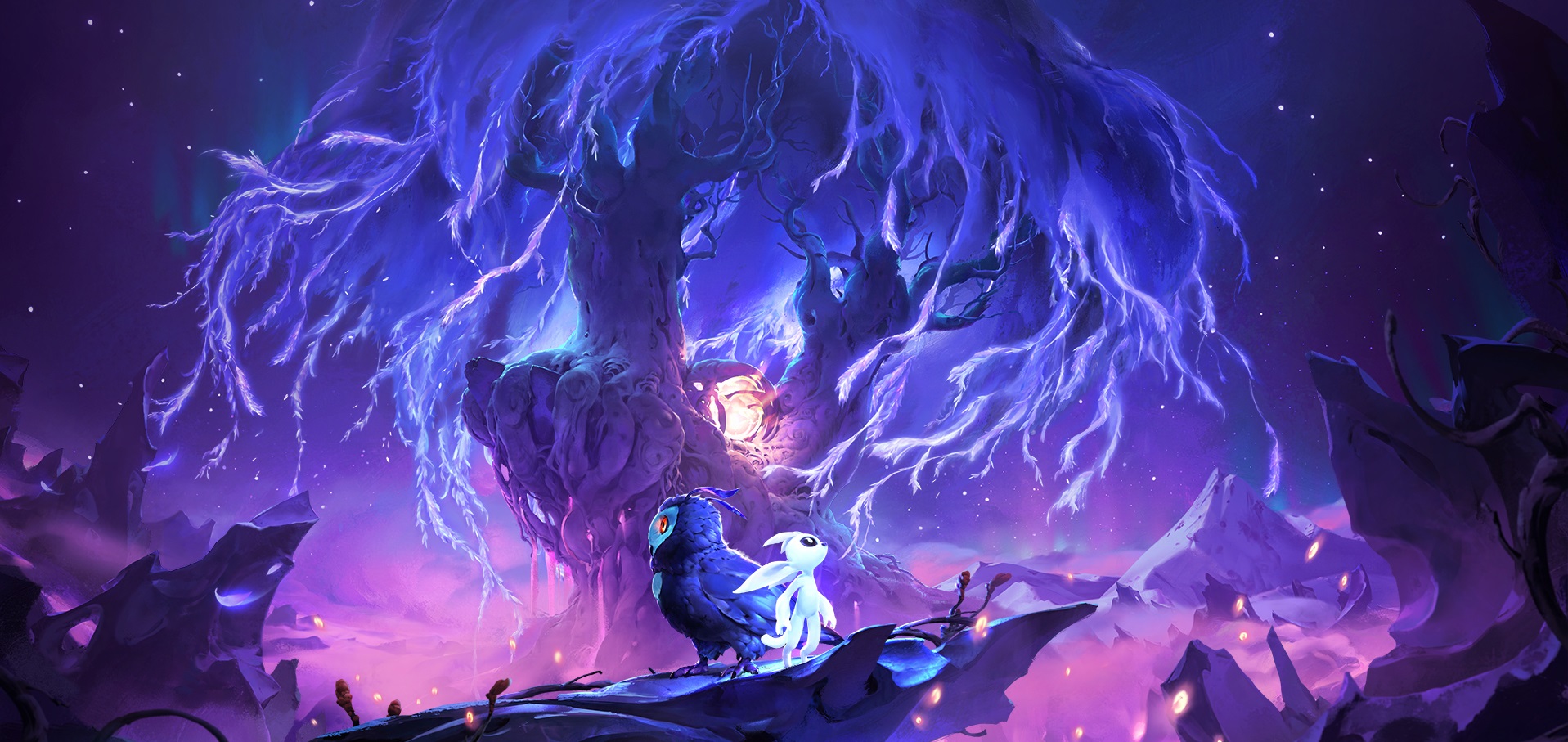
Moon Studios faced accusations regarding the oppressive behavior of its two founders. Reports described a workplace where feedback was delivered in a cruel and unprofessional manner. The founders allegedly made inappropriate comments in public chat channels that made staff uncomfortable. Despite the critical acclaim of their games, the high turnover rate was attributed to this hostile atmosphere. The publisher eventually decided to cut ties with the studio for future projects due to these reports.
‘The Callisto Protocol’ (2022)
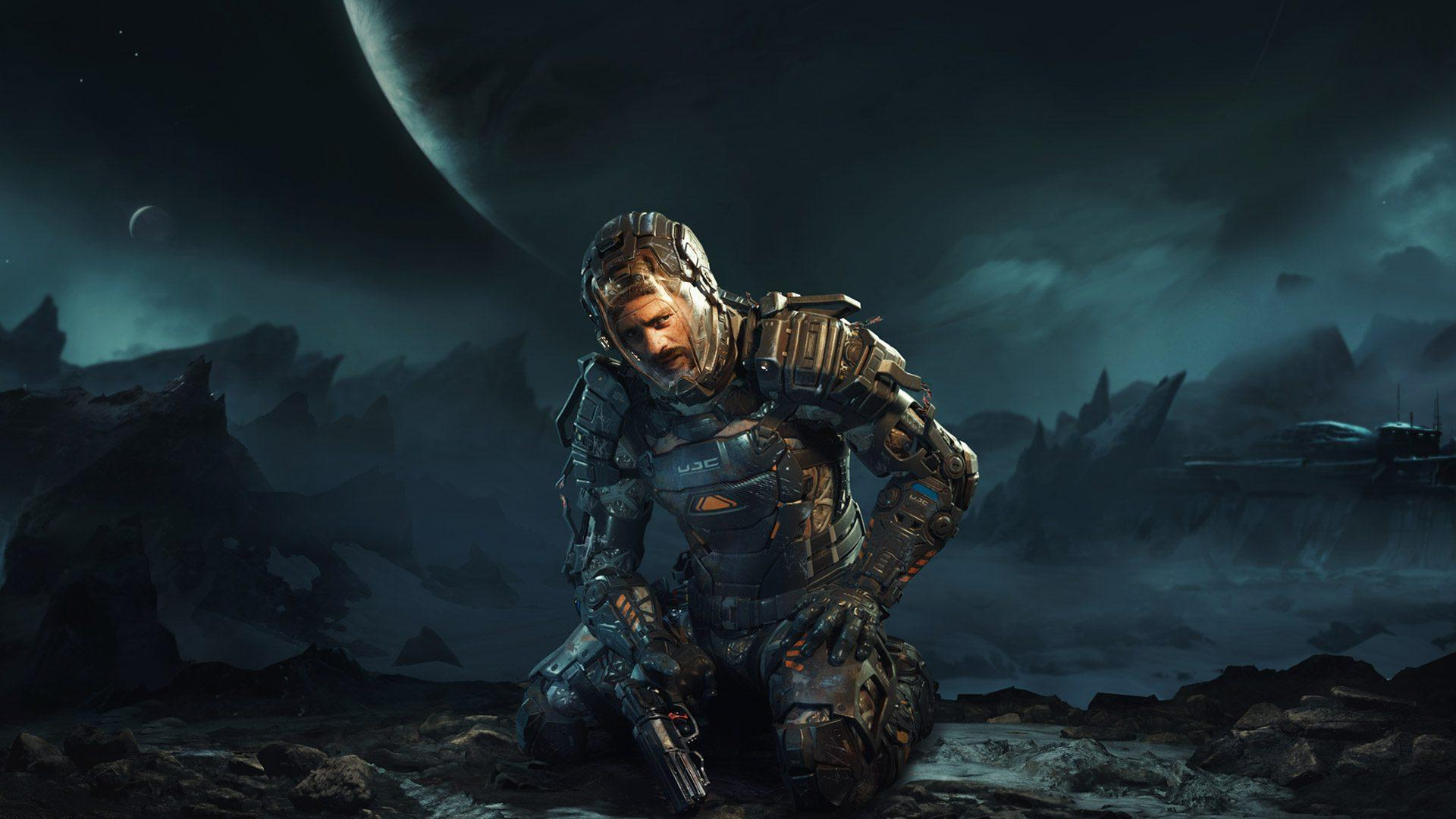
The director of the game Glen Schofield drew ire after tweeting a glorification of crunch culture during development. He boasted about the team working six or seven days a week out of passion. This attitude alienated many developers who felt pressured to sacrifice their personal lives for the project. The backlash was swift and highlighted the disconnect between management and modern labor standards. Following the disappointing commercial performance of the game, the director and other key staff left the studio.
‘Dying Light 2 Stay Human’ (2022)
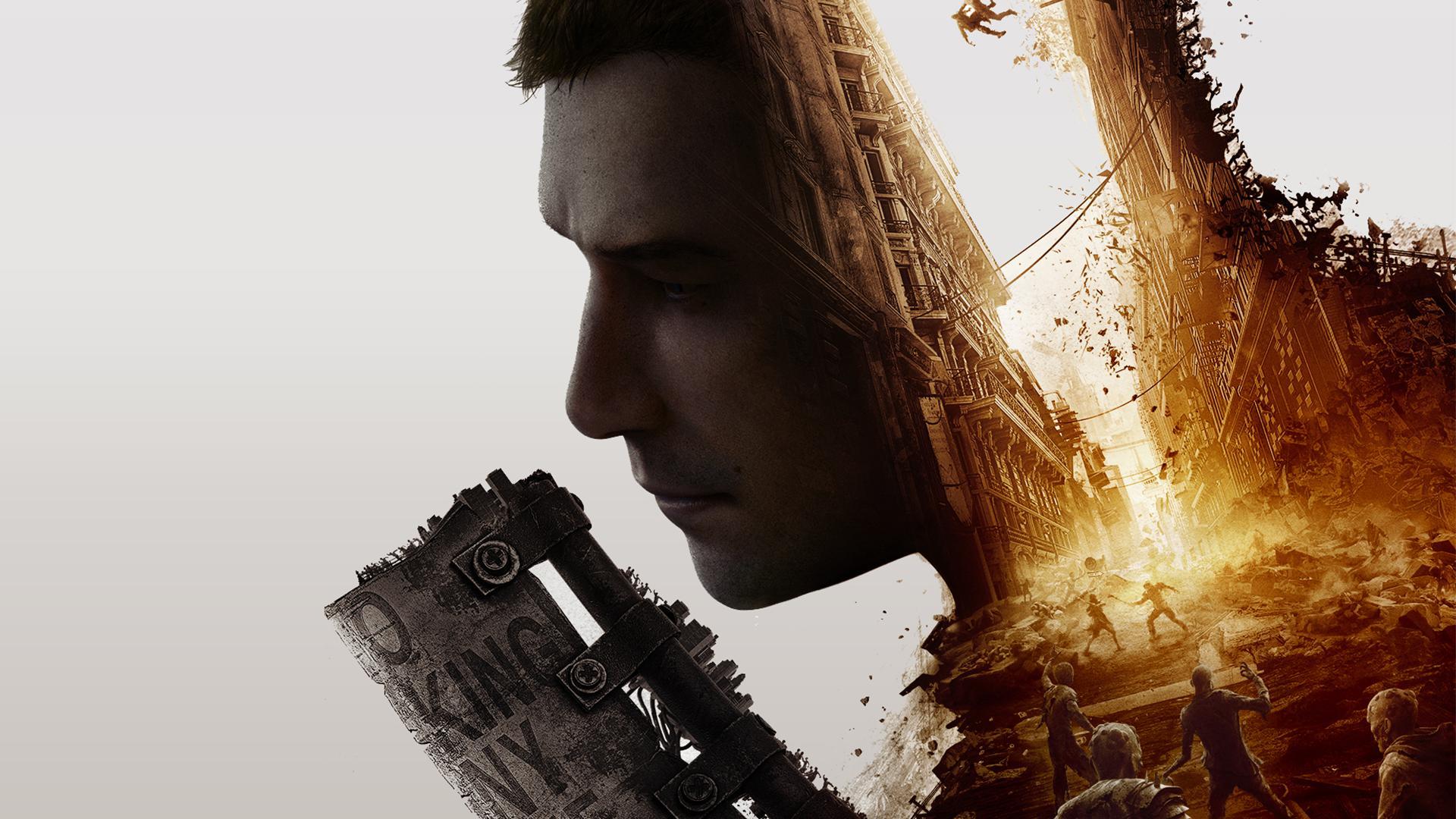
Techland suffered from chaotic management and a lack of clear direction that dragged development on for years. Reports indicated that an autocratic leadership style stifled creativity and ignored feedback from lower-level staff. The narrative team saw frequent departures and rewrites that wasted months of work. High turnover in the marketing and design departments made it difficult to maintain a consistent vision. The final product was released in a functional state only after a grueling final stretch.
‘Vampire: The Masquerade – Bloodlines 2’ (TBA)
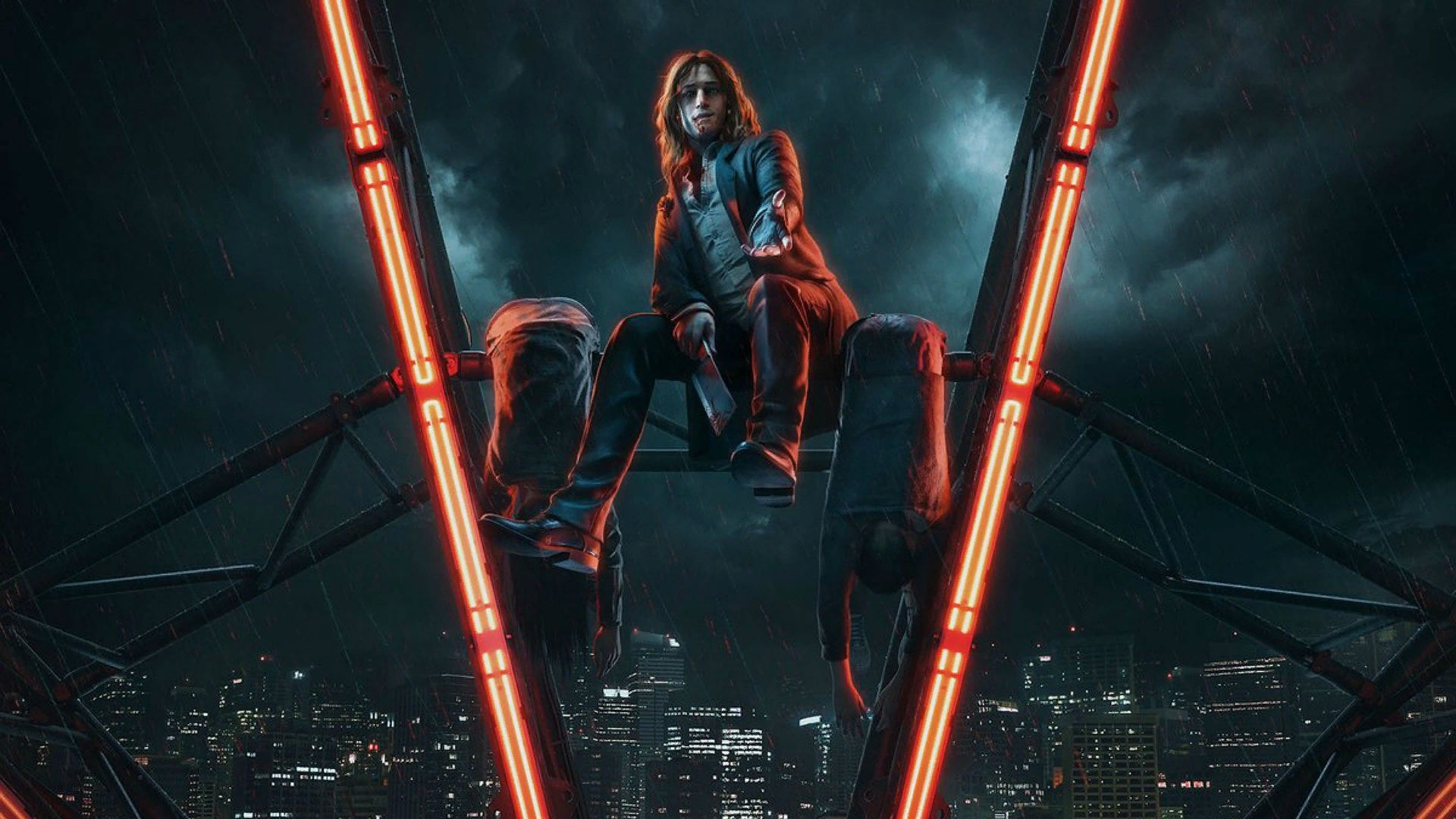
The development of this highly anticipated sequel has been plagued by firings and mass resignations. The lead writer and creative director were unceremoniously let go by publisher Paradox Interactive. This prompted other senior narrative designers to leave the project in solidarity or frustration. The entire development studio Hardsuit Labs was eventually removed from the project. The game was indefinitely delayed and moved to a new developer due to the internal turmoil.
‘The Walking Dead: The Final Season’ (2018)
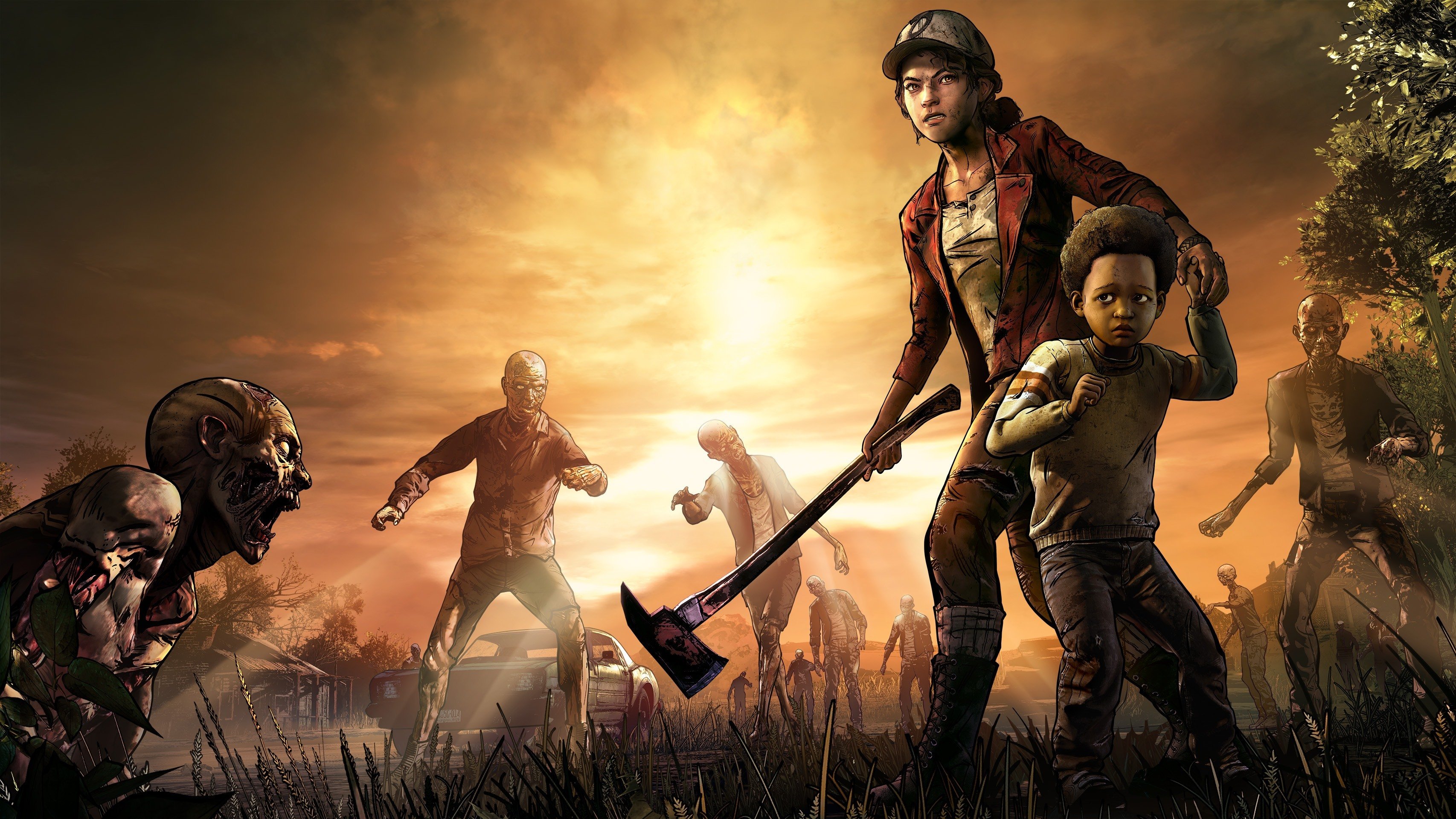
Telltale Games laid off the vast majority of its staff without severance pay in a sudden studio closure. The management had pushed for aggressive expansion and tight deadlines that led to perpetual crunch. Developers were working tirelessly on this final season when they were told to leave the building immediately. The toxic mismanagement of finances and personnel left hundreds of developers unemployed overnight. The season was eventually finished by a different team after public outcry.
‘Metal Gear Solid V: The Phantom Pain’ (2015)
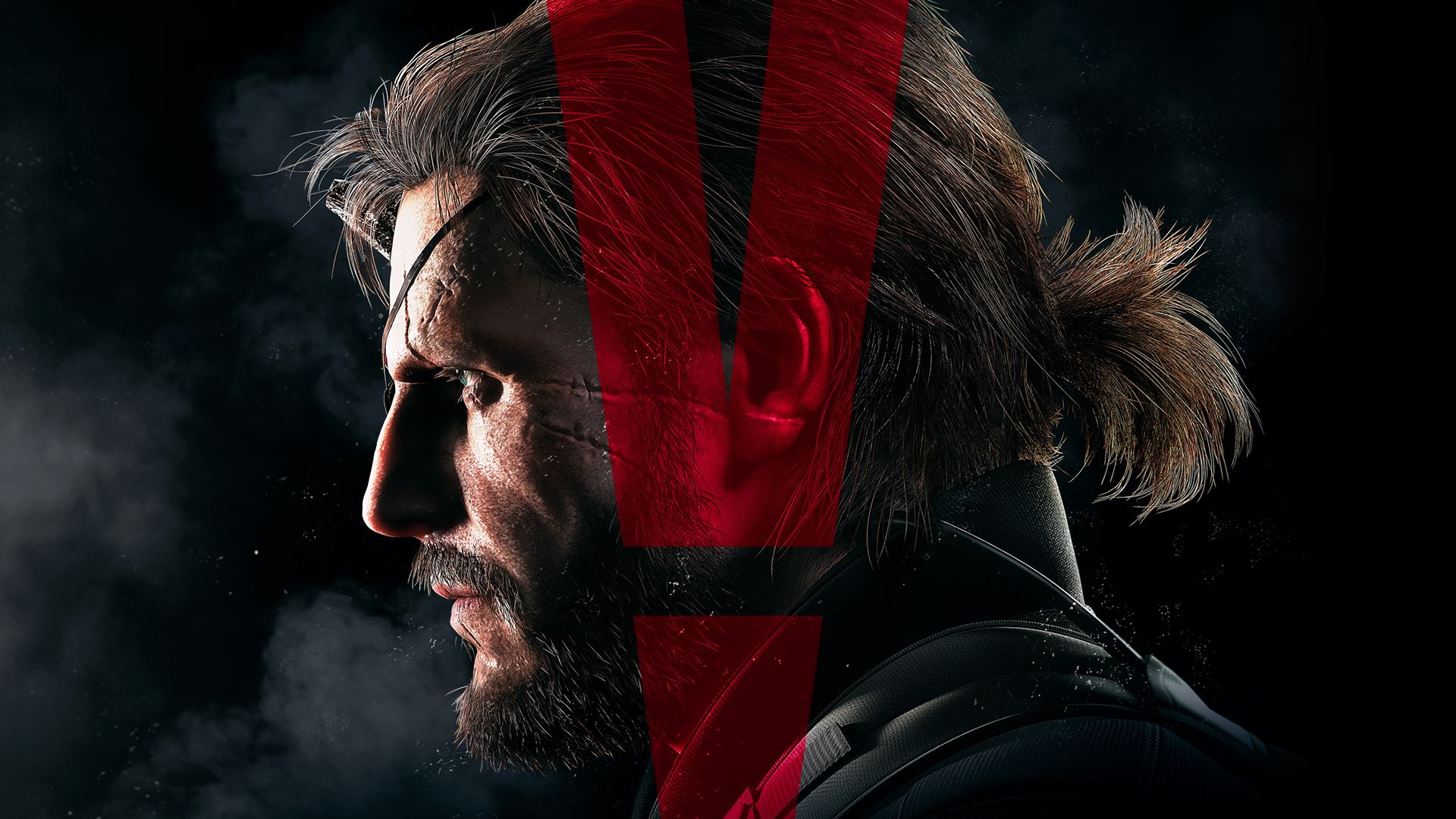
Konami implemented draconian surveillance measures on its employees during the final stages of production. Reports surfaced that the company monitored email communications and tracked the break times of staff with security cameras. Developers who were deemed redundant were allegedly reassigned to menial tasks like cleaning or security work. The famous conflict between the publisher and creator Hideo Kojima led to his departure and the dismantling of his team. This hostility created an environment of fear that caused many talented creators to flee the company.
‘BioShock Infinite’ (2013)

Irrational Games underwent a massive restructuring after the release of this acclaimed shooter. The creative director Ken Levine decided to shut down the studio and let go of all but a handful of employees. The development process had been marred by years of wasted work and intense crunch to meet the vision of the director. Many developers felt discarded after pouring years of their lives into the project. The burnout from this development cycle effectively ended the studio as a large-scale developer.
‘Mass Effect: Andromeda’ (2017)
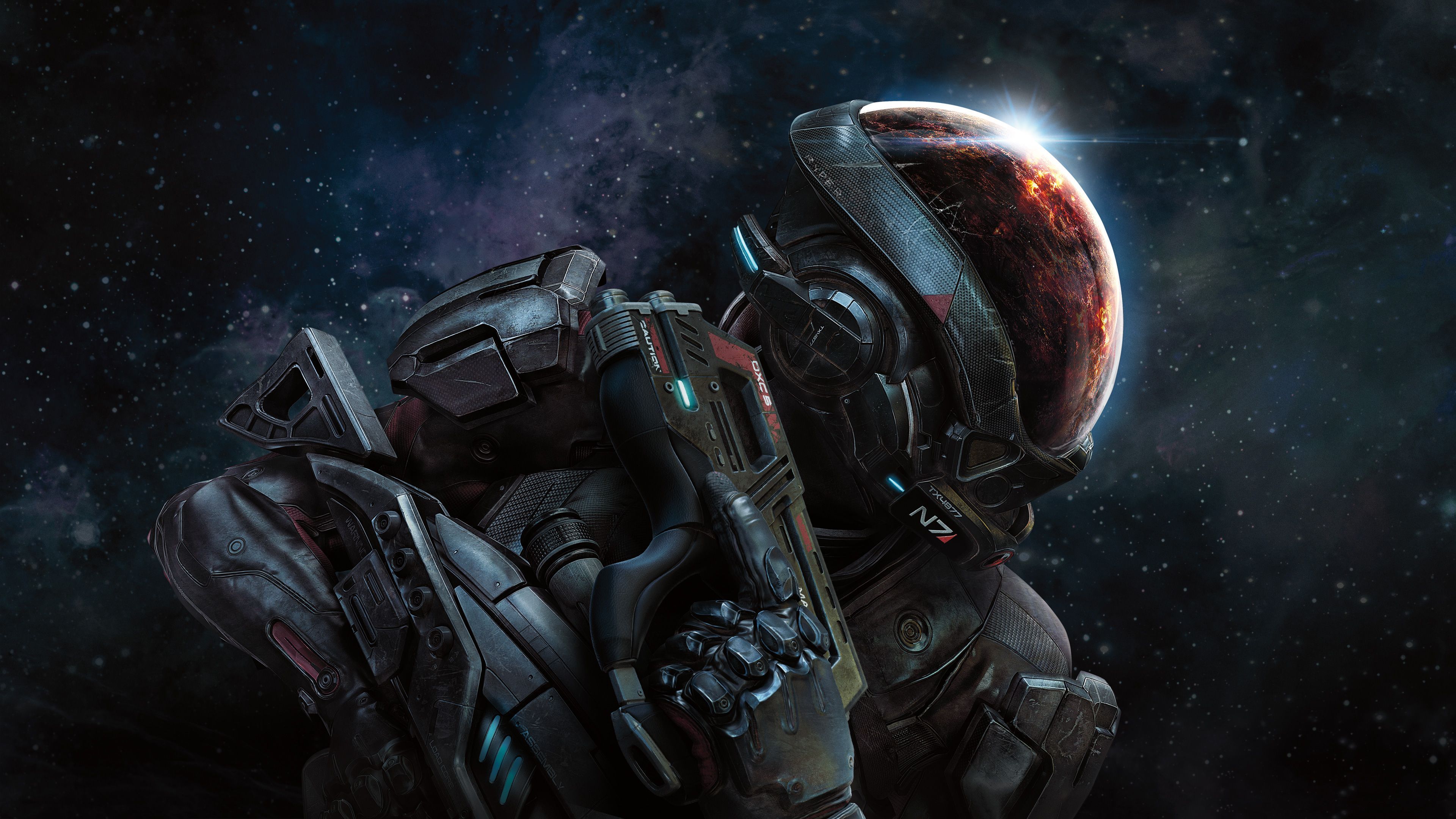
The development was handed to a secondary BioWare studio that struggled with a lack of resources and support. Internal politics and engine troubles caused significant delays and wasted prototypes. The team faced immense pressure to live up to the legacy of the original trilogy without adequate leadership. The widespread criticism of the facial animations and bugs at launch was a blow to morale. The studio was eventually merged with another branch and many staff members moved on to other companies.
‘Dragon Age: Inquisition’ (2014)
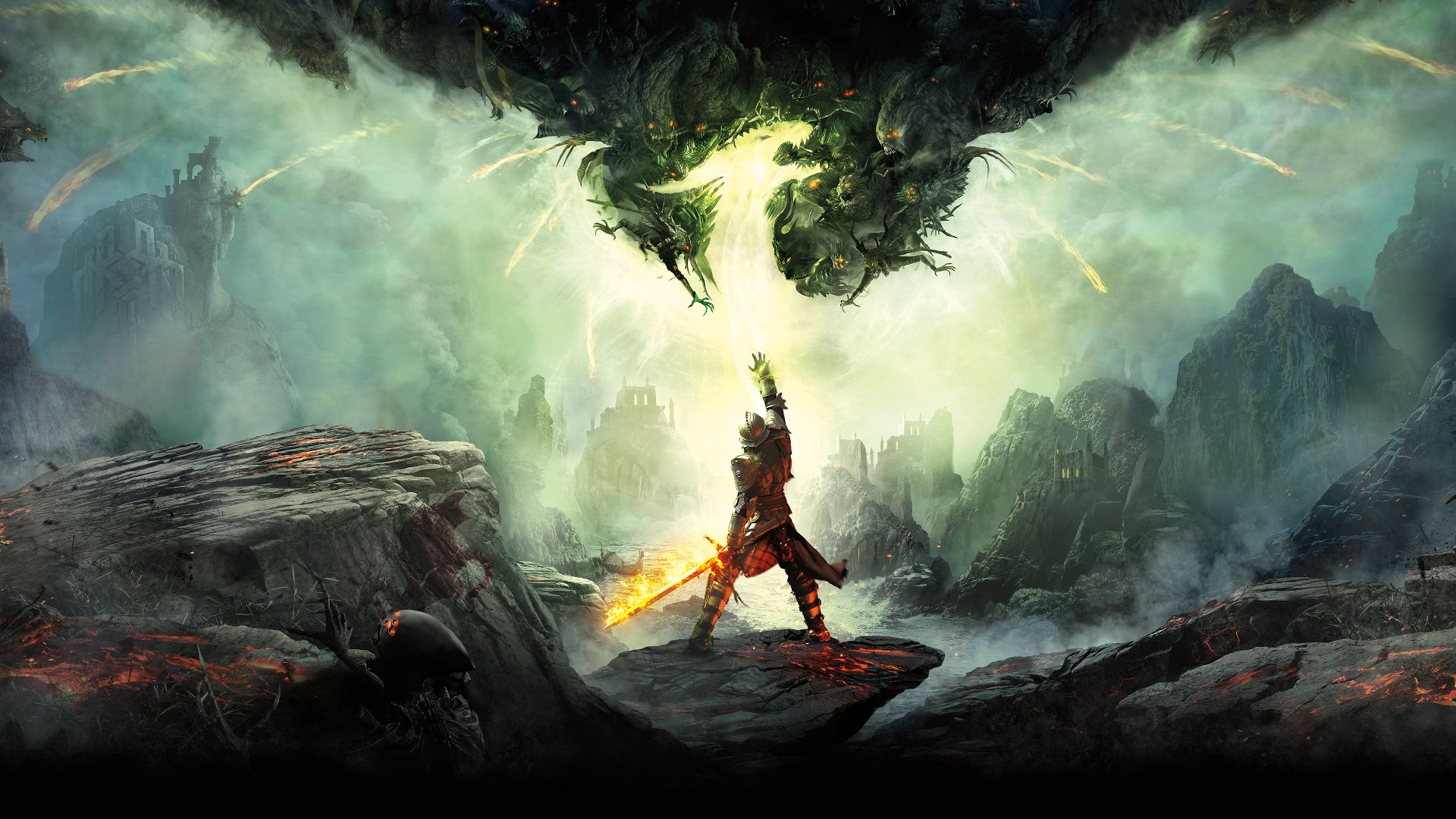
While this game won many awards, its development solidified the reliance on crunch within BioWare. The team faced technically challenging hurdles with the Frostbite engine that required long hours to overcome. Leadership normalized the idea that everything would come together at the last minute through sheer effort. This success reinforced a toxic production methodology that would cause problems for future games. Veteran staff began to leave the company as they realized this cycle would not end.
‘Halo Infinite’ (2021)

343 Industries relied heavily on temporary contractors who were forced to leave after eighteen months due to Microsoft policies. This constant turnover of staff meant that the team was always training new people rather than making progress. The lack of continuity created a disjointed development process and delayed the game significantly. Full-time employees were frustrated by the loss of talented colleagues and the resulting workload. Several creative directors left the project mid-development due to the lack of stability.
‘Open Roads’ (2024)

The indie studio Fullbright faced a mass exodus of staff due to the alleged toxic behavior of its founder Steve Gaynor. Reports indicated that his micromanagement and controlling demeanor created a stifling work environment. Especially female employees felt marginalized and disrespected by his leadership style. The entire team eventually resigned or left the project, delaying the game significantly. Gaynor stepped down from his role as creative lead to allow the game to be finished.
‘Season: A Letter to the Future’ (2023)
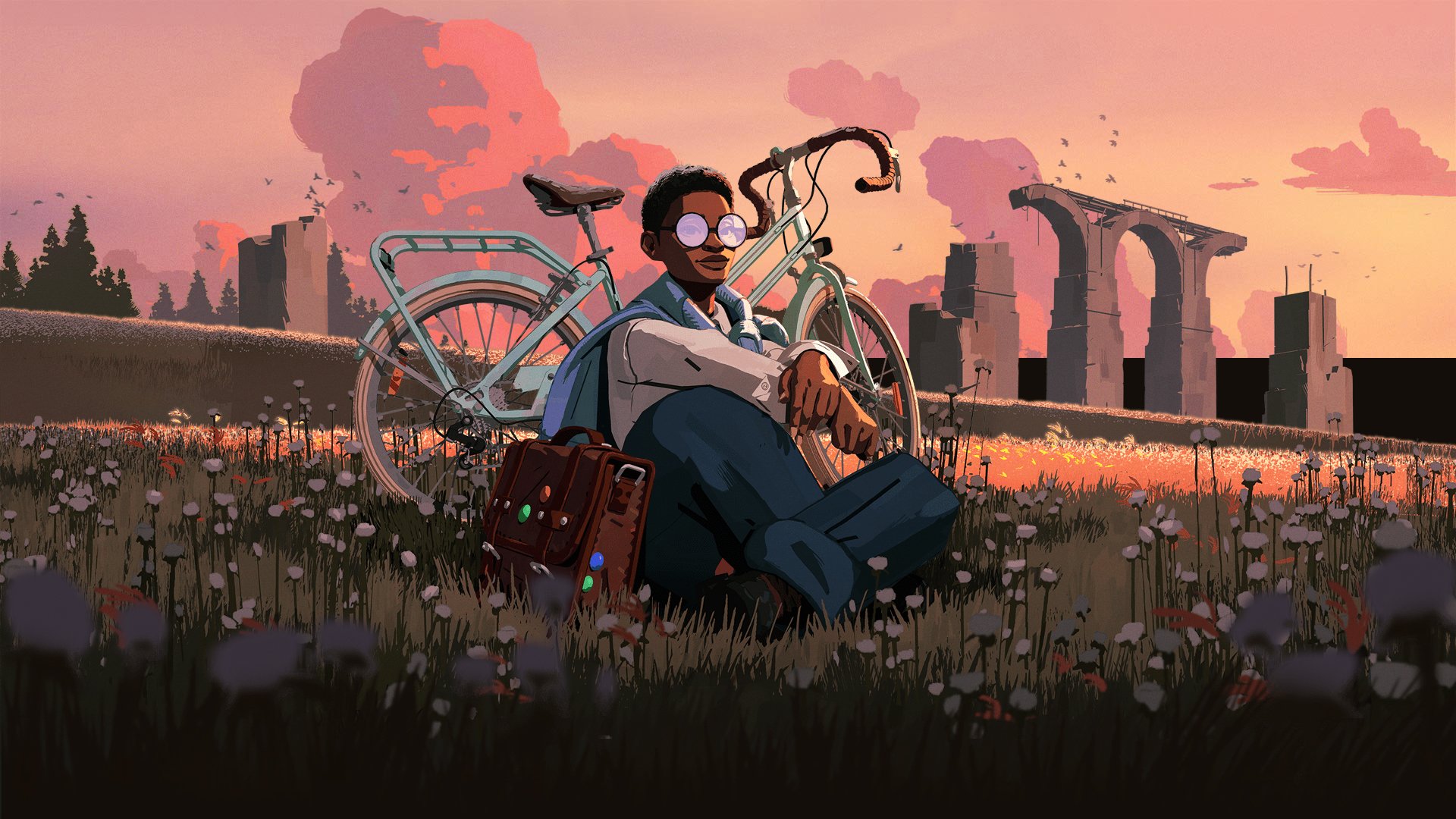
Scavengers Studio was the subject of an investigation regarding sexual harassment and verbal abuse by its creative director. Employees described a boys’ club atmosphere where demeaning comments were tolerated. The toxic culture reportedly caused a high turnover rate and emotional distress for many developers. The creative director was suspended and eventually reinstated, which caused further friction. The controversy overshadowed the launch of the game and damaged the reputation of the studio.
‘Disco Elysium’ (2019)
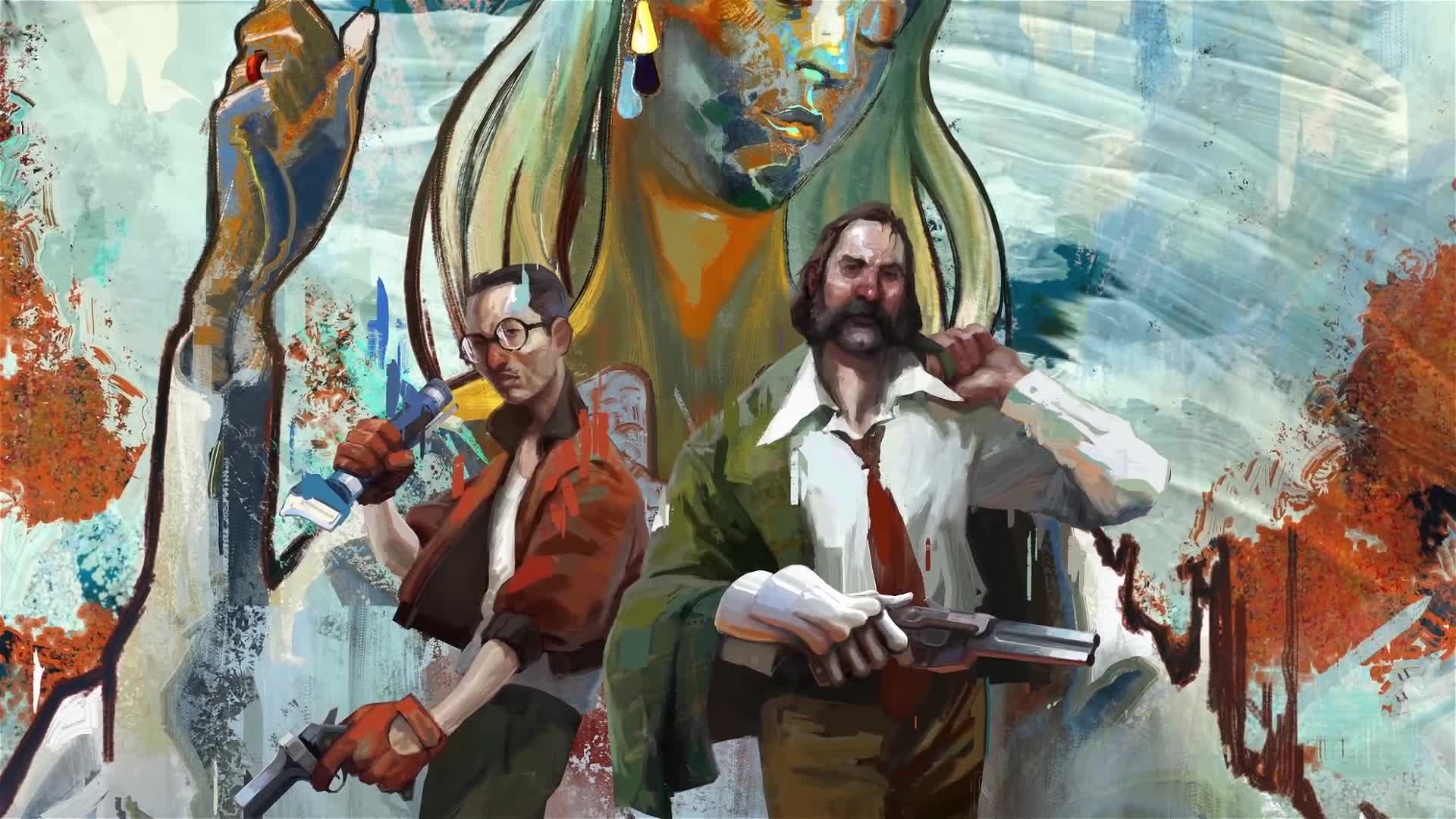
While the game itself is a masterpiece, the studio ZA/UM imploded following its success due to a hostile corporate takeover. The original creators and writers were allegedly forced out of the company by shareholders. They claimed that money was siphoned from the studio to purchase the rights illegally. The remaining staff faced a chaotic environment where the artistic vision was compromised by business interests. The conflict resulted in lawsuits and the cancellation of planned sequels or expansions.
‘Perfect Dark’ (TBA)
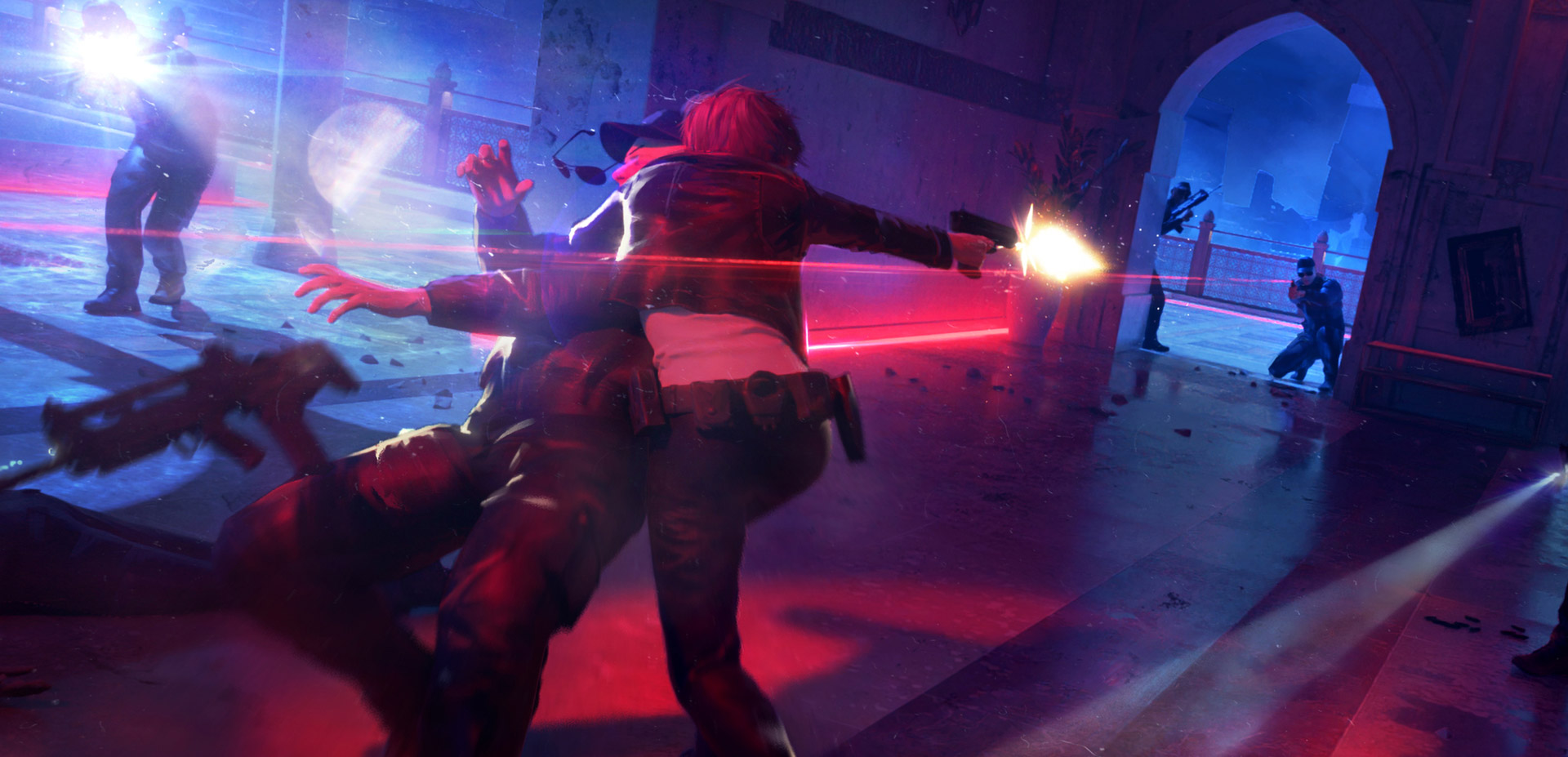
The Initiative was formed by Microsoft as a premier studio but suffered a massive loss of talent shortly after its inception. Reports suggested that a top-down hierarchy ignored the input of the creative staff. The frustration with the lack of creative autonomy led to a wave of resignations. Nearly half of the core development team left within a single year. The project had to be rebooted with the assistance of a second external studio.
‘State of Decay 3’ (TBA)
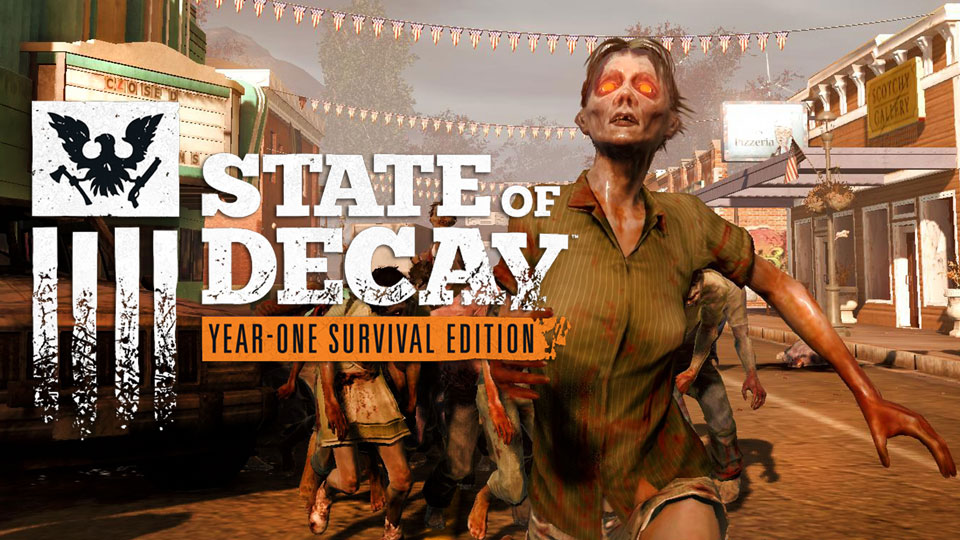
Undead Labs faced allegations of sexism and bullying that contradicted their public image of inclusivity. Former employees reported that women were frequently talked over or ignored in meetings. The studio grew rapidly after being acquired by Microsoft, which led to factionalism and management issues. The lack of support from HR regarding these complaints caused many to leave. The development of the third game has been slow as the studio attempts to address these cultural problems.
‘Diablo IV’ (2023)
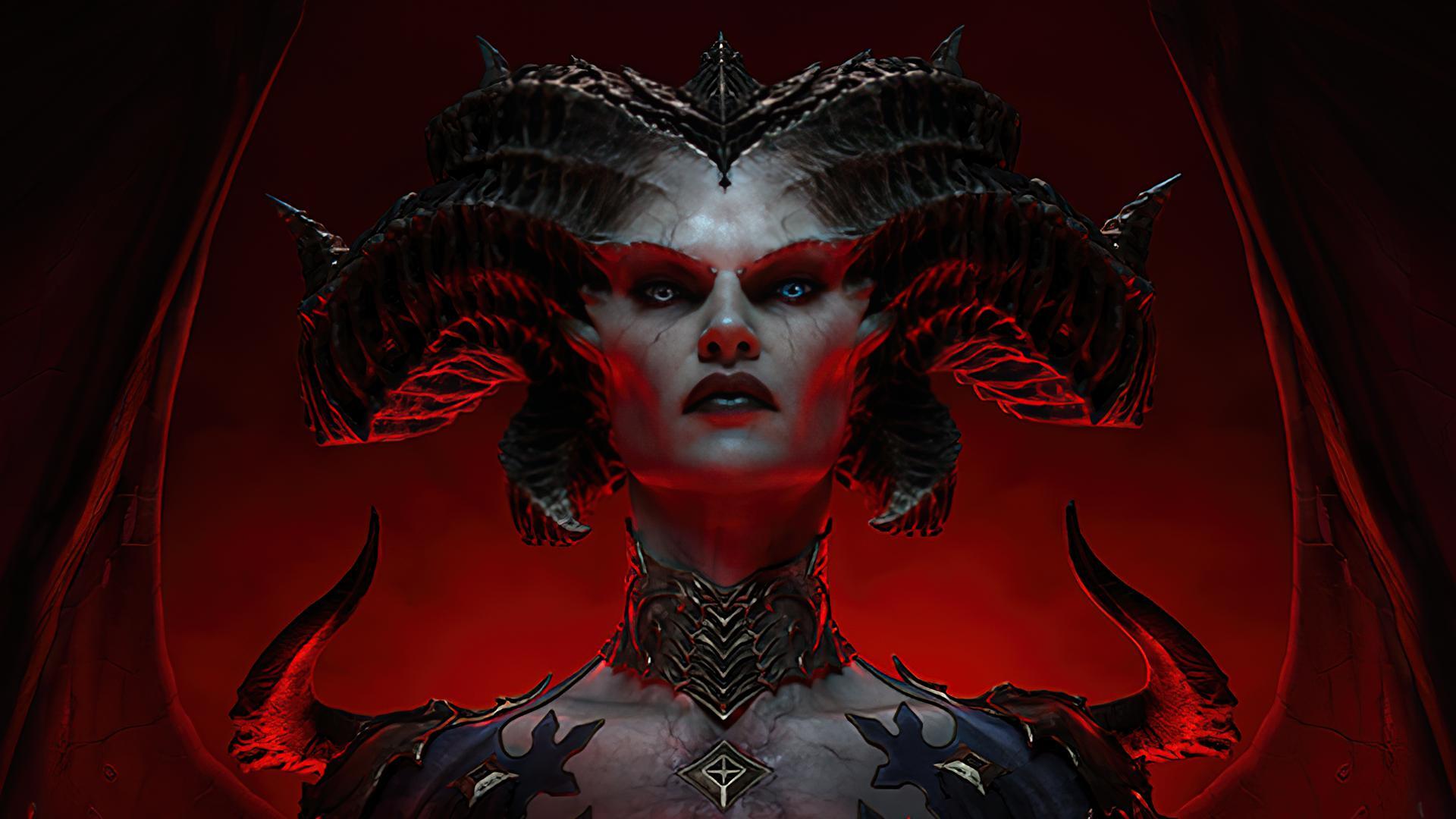
The production of this action RPG was heavily impacted by the dismissal of its director and lead designer. They were let go following their implication in the wider Blizzard harassment investigations. The team had to reorganize and find new leadership while dealing with the emotional fallout of the scandal. Morale plummeted as developers felt betrayed by the mentors they had looked up to. The turnover rate increased as staff sought to distance themselves from the tarnished company reputation.
‘Grand Theft Auto V’ (2013)
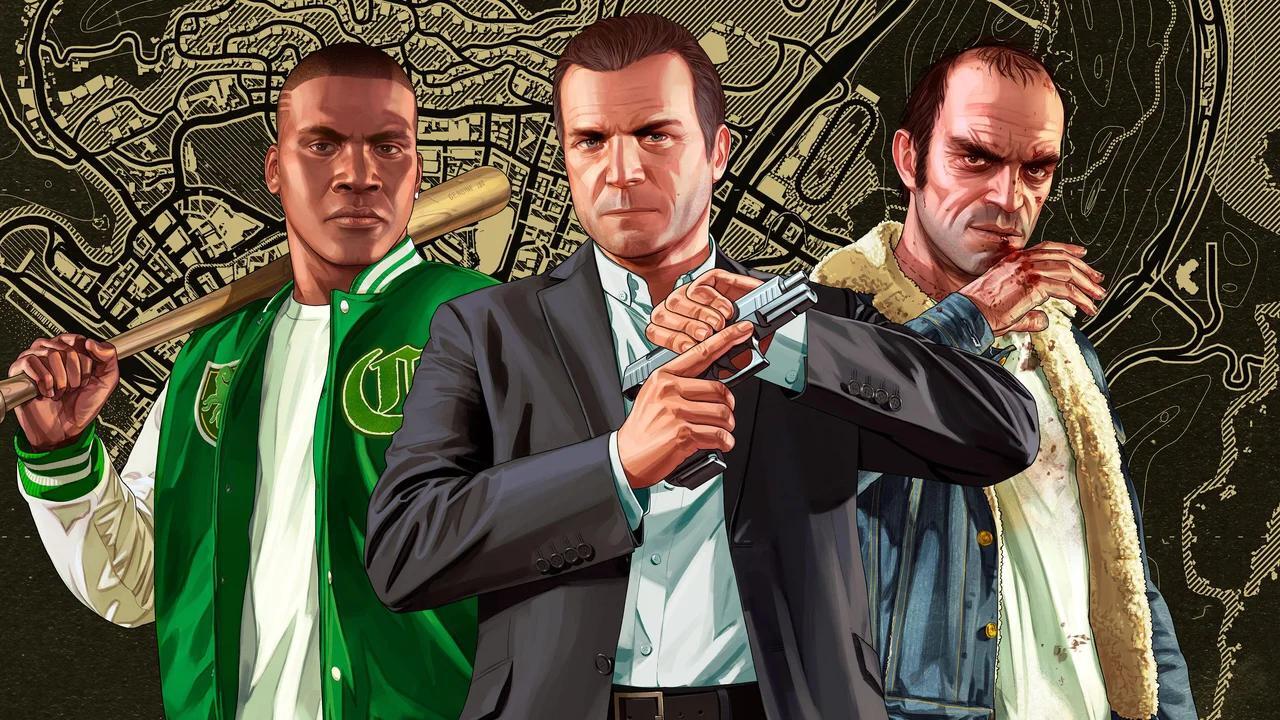
The sheer scale of this game required an all-hands-on-deck approach that burned out many Rockstar employees. The culture of silence and mandatory overtime was at its peak during this era. Wives of the developers famously wrote a blog post criticizing the studio for never letting their husbands come home. The financial success of the game was built on the backs of exhausted developers who received little public credit. This project was a major factor in the later push for cultural reform at the studio.
‘The Witcher 3: Wild Hunt’ (2015)

CD Projekt Red created one of the most celebrated RPGs of all time through a grueling crunch period. Developers worked long nights and weekends for over a year to realize the massive scope of the world. The studio viewed this sacrifice as a necessary part of their identity as a premier developer. While the bonuses were high, the physical and mental toll led many to resign after the project concluded. The studio promised to change, but later repeated the same mistakes with their next game.
‘Metroid Dread’ (2021)
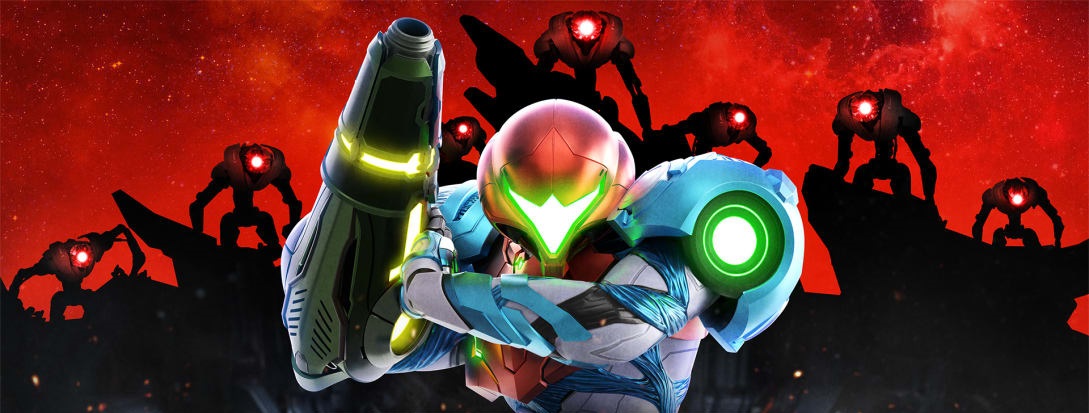
MercurySteam faced criticism for its policy of excluding developers from the credits if they left before the game was finished. This practice punished those who resigned due to the reported poor management and lower-than-average salaries. Former employees described a disorganized production pipeline that relied on individual heroism rather than planning. The credit omission sparked a debate about proper attribution in the games industry. Many talented developers felt erased from the project despite their contributions.
‘Elden Ring’ (2022)
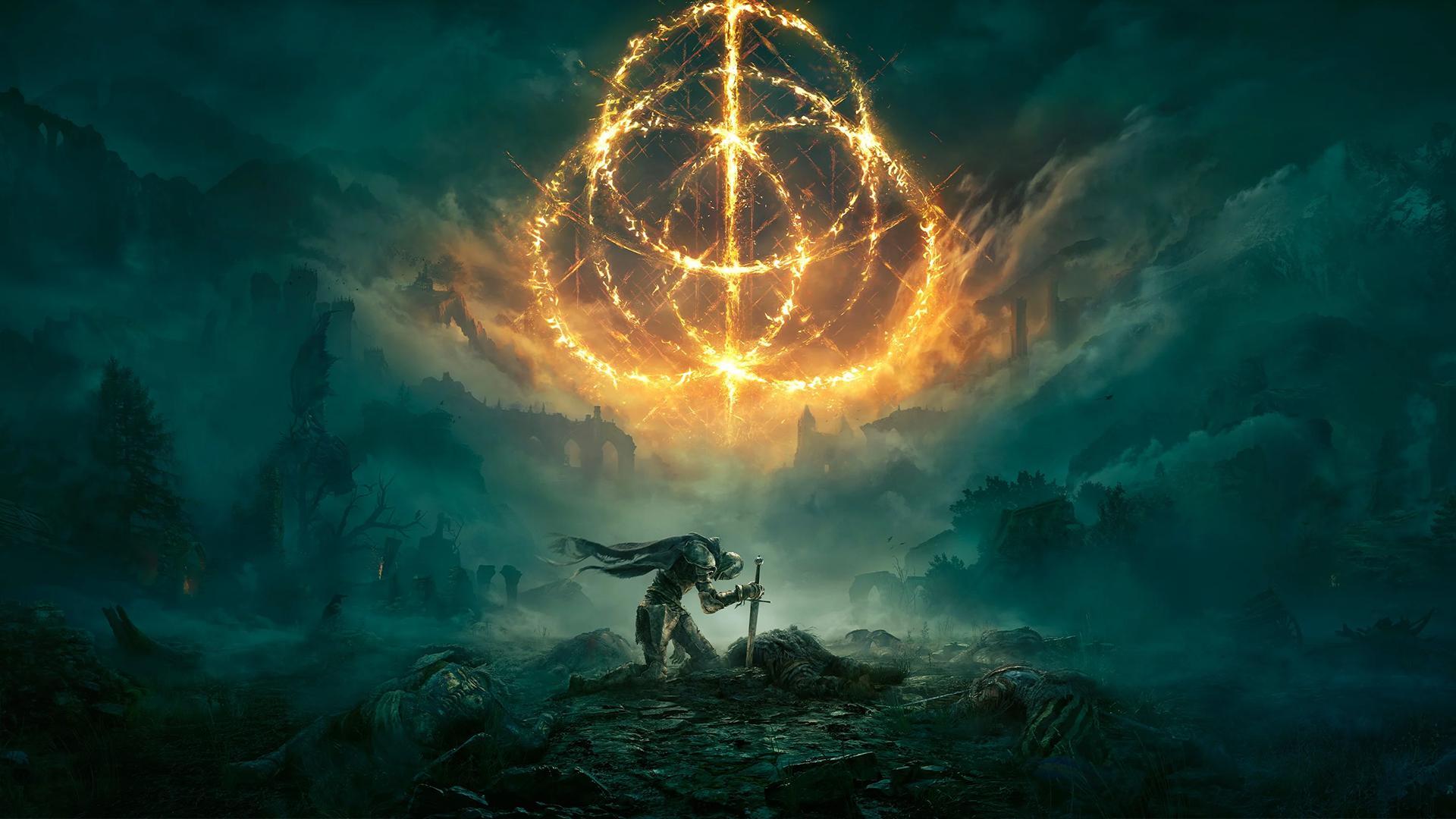
FromSoftware is known for creating masterpieces, but reports suggest they also pay lower wages compared to the industry standard in Japan. Employees have anonymously reported a significant amount of overtime is expected to meet the quality bars. The passion for the projects often keeps staff working, but burnout is a common occurrence. The intense workload is culturally accepted within the studio but has driven some staff to seek better conditions elsewhere. The critical acclaim of the game often overshadows discussions about the labor required to build it.
‘Horizon Zero Dawn’ (2017)
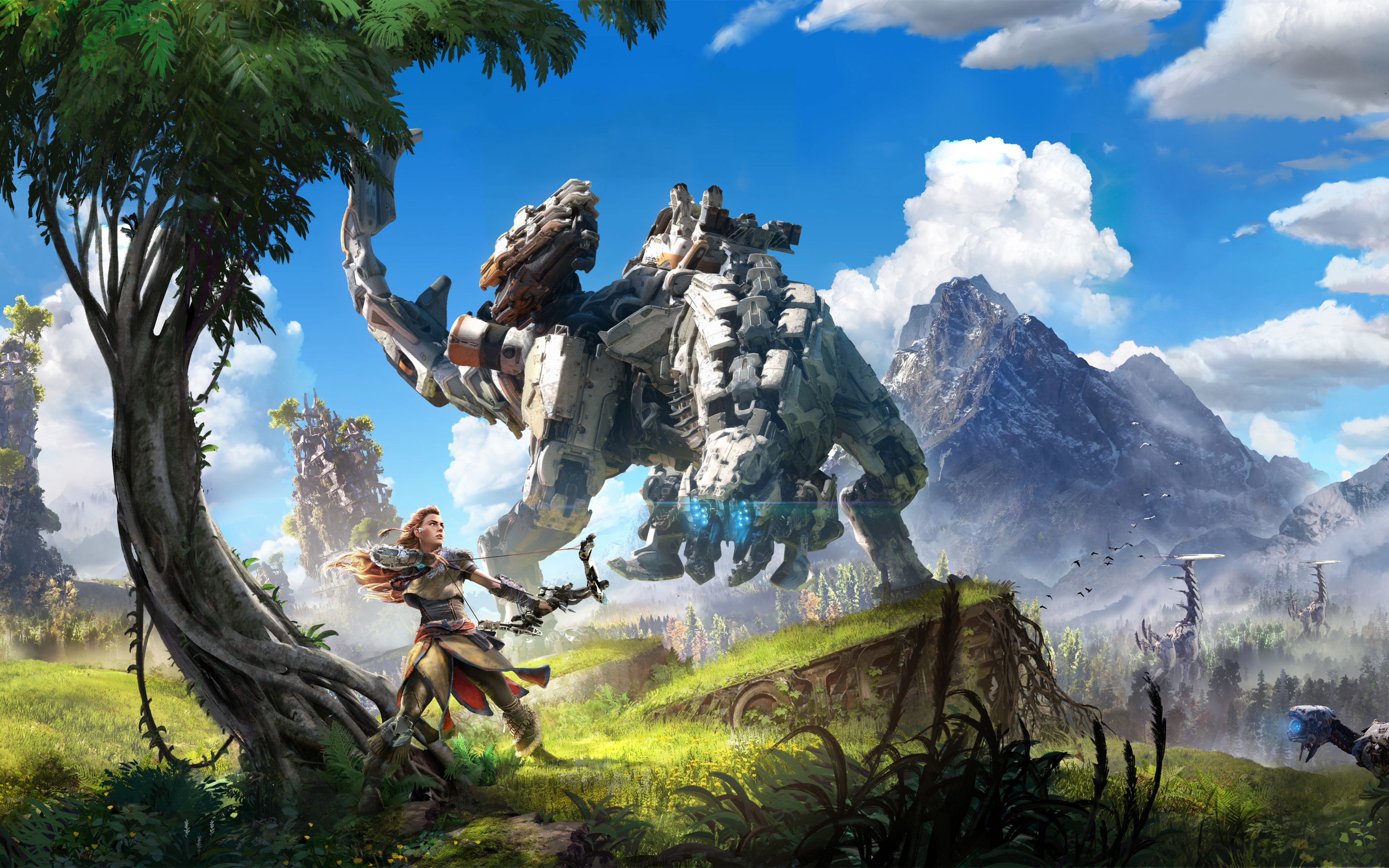
Guerrilla Games transitioned from linear shooters to open-world RPGs, a shift that required massive effort and overtime. Former developers reported that the crunch was severe during the final year of production. The complexity of the new engine and game mechanics forced the team to work late nights regularly. While the game was a hit, the production cycle left many team members exhausted. The studio has since claimed to prioritize work-life balance for the sequels.
‘Days Gone’ (2019)
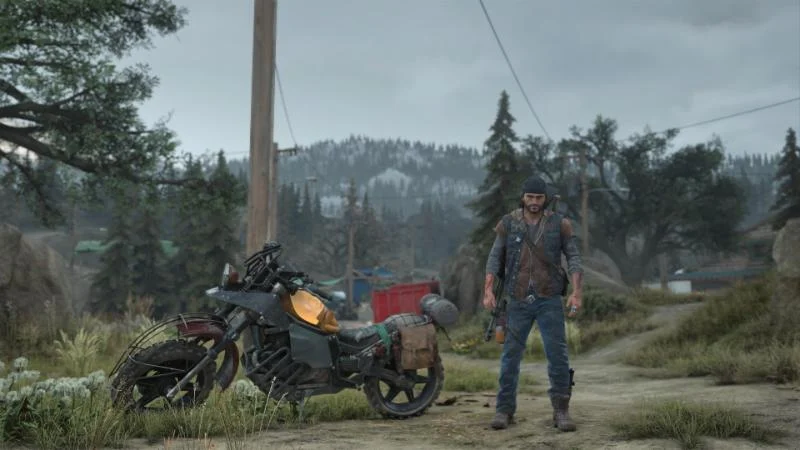
Bend Studio experienced internal conflict regarding the direction of the game and its lengthy development time. The creative director and game director both left the studio shortly after the game shipped. Reports suggested that there was friction between the creative leadership and Sony management. The rejection of a pitch for a sequel contributed to a decline in morale. Several senior staff members departed to form new studios or join other teams.
‘Battlefield 2042’ (2021)
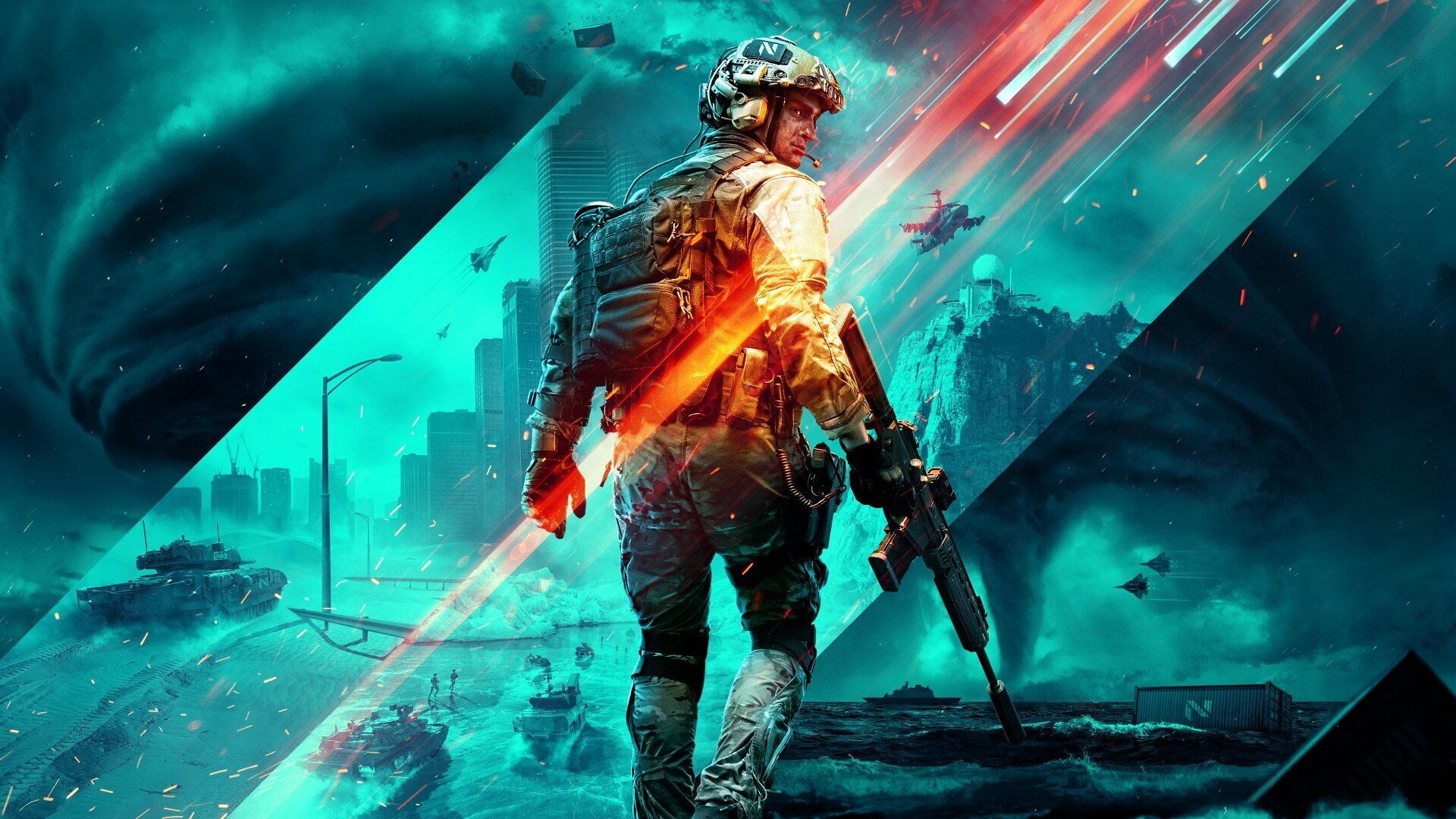
DICE saw a mass exodus of senior talent prior to and during the development of this shooter. The loss of veteran developers led to a lack of understanding regarding the Frostbite engine. New leadership pushed for features that chased trends rather than satisfying the core fanbase. The confused design direction frustrated the remaining staff and resulted in a poorly received launch. The studio has spent years trying to rebuild both the game and its internal team.
‘Watch Dogs: Legion’ (2020)
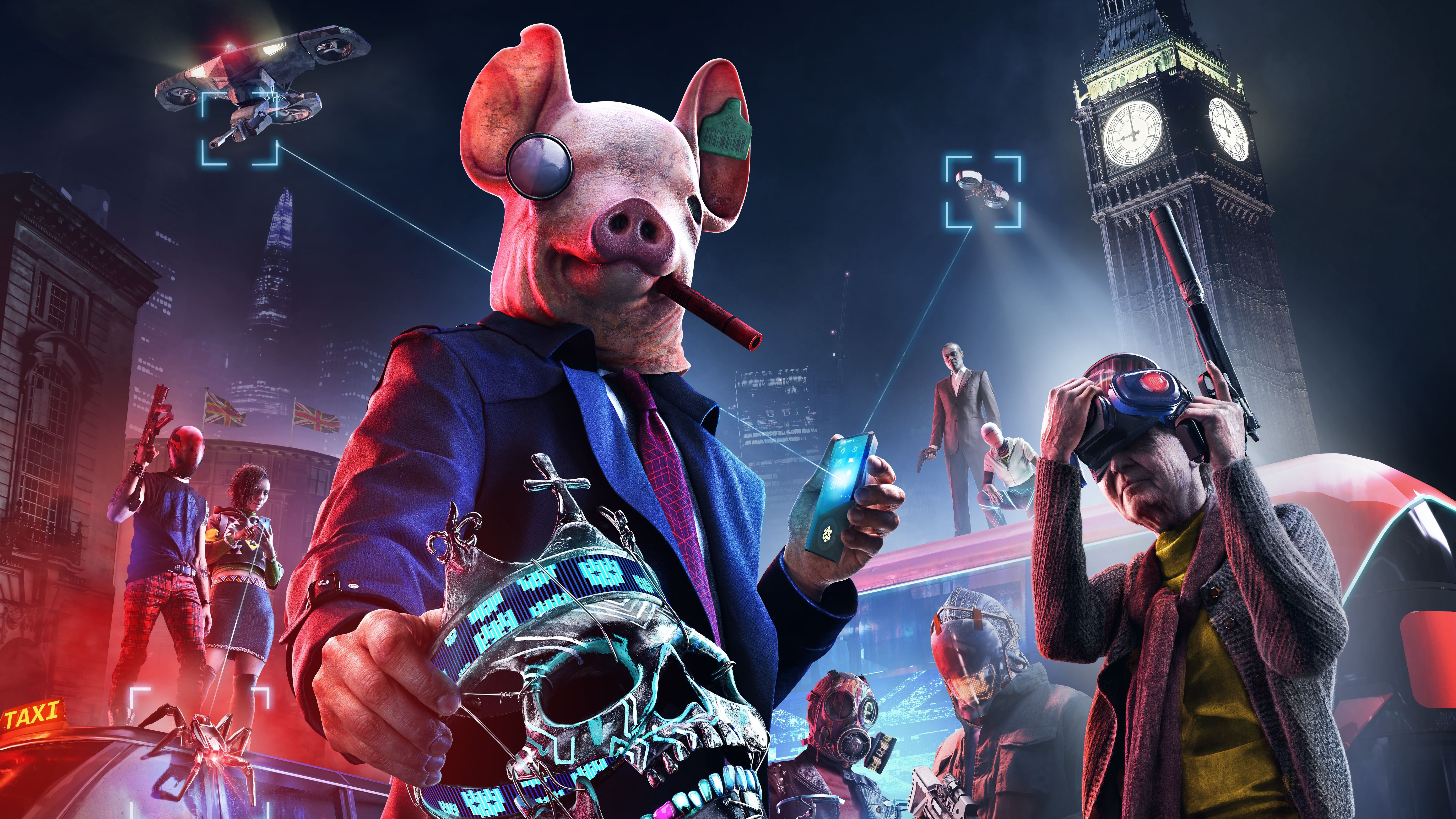
Ubisoft Toronto was central to the editorial mandates that homogenized many Ubisoft titles. Developers expressed frustration with the lack of creative freedom and the pressure to implement microtransactions. The toxic leadership issues that plagued the parent company also affected the morale at this satellite studio. The complex “play as anyone” mechanic required immense technical effort that caused stress for the programming teams. Turnover was high as staff sought environments with more creative autonomy.
‘Tomb Raider’ (2013)
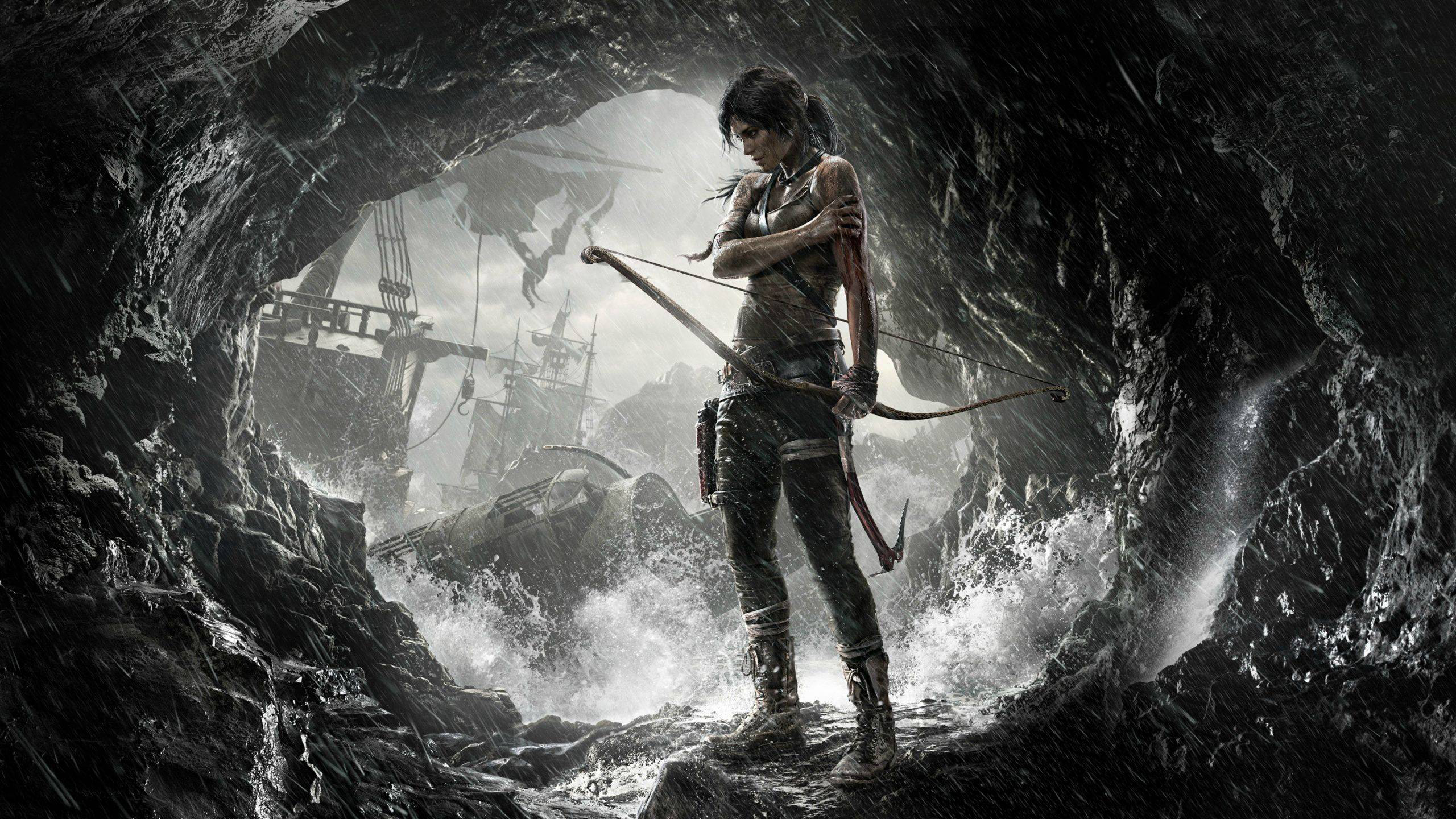
Crystal Dynamics rebooted the franchise with a gritty new vision that required intense dedication from the team. Reports from the time indicated that crunch was a standard part of the development process to reach the graphical benchmark. The pressure to compete with other cinematic action games was immense. While the game was successful, the human cost of the production was significant. The studio has since faced various restructuring efforts and ownership changes.
‘Uncharted 4: A Thief’s End’ (2016)
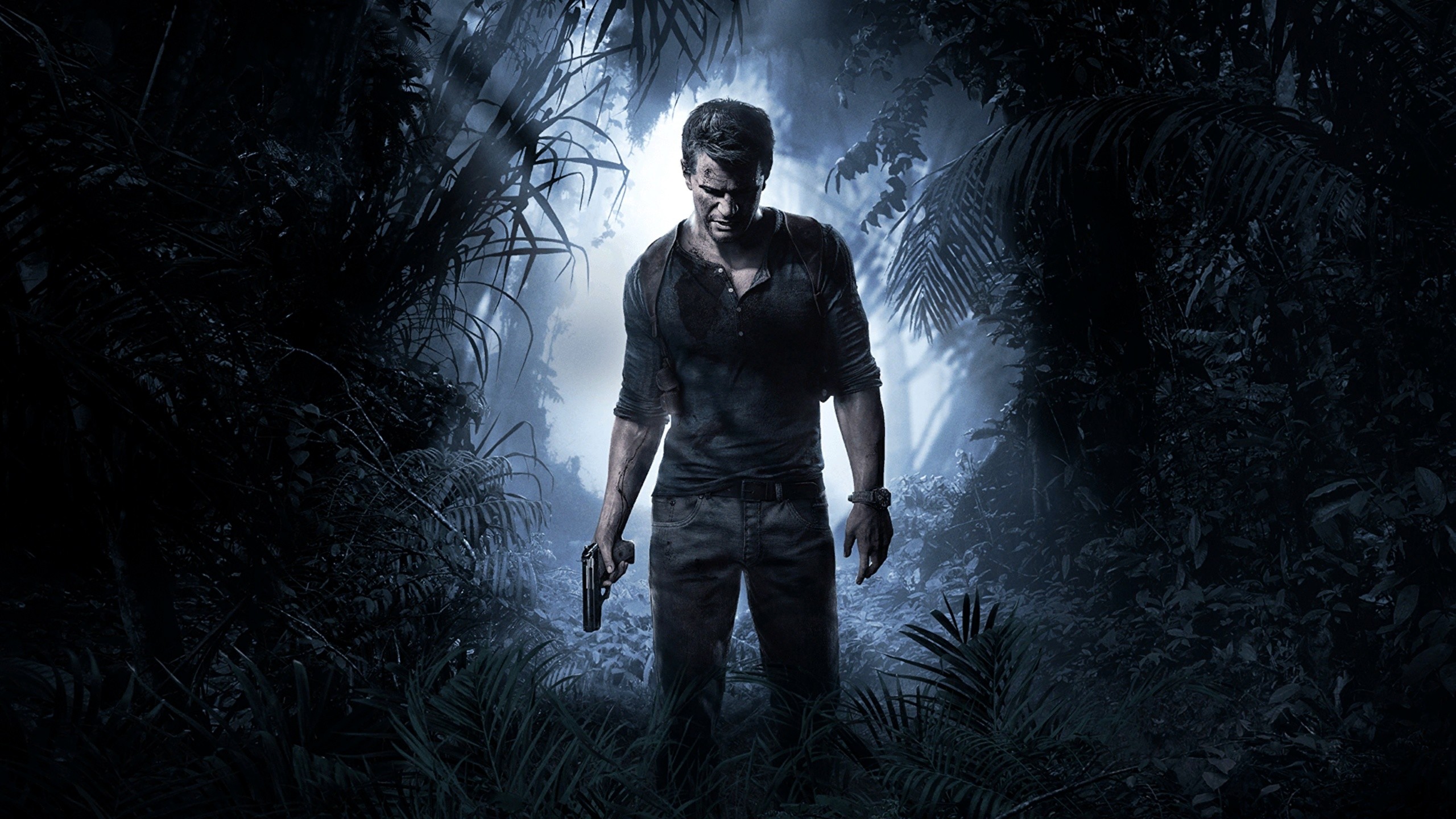
The development of this title was rebooted midway through, leading to the departure of creative director Amy Hennig. The team at Naughty Dog had to scramble to finish the revised version of the game in a shortened timeframe. This led to one of the most intense periods of crunch in the history of the studio. The narrative changes and the loss of the original visionary caused a divide among the staff. The final product was polished, but the team was left physically and emotionally drained.
‘Duke Nukem Forever’ (2011)
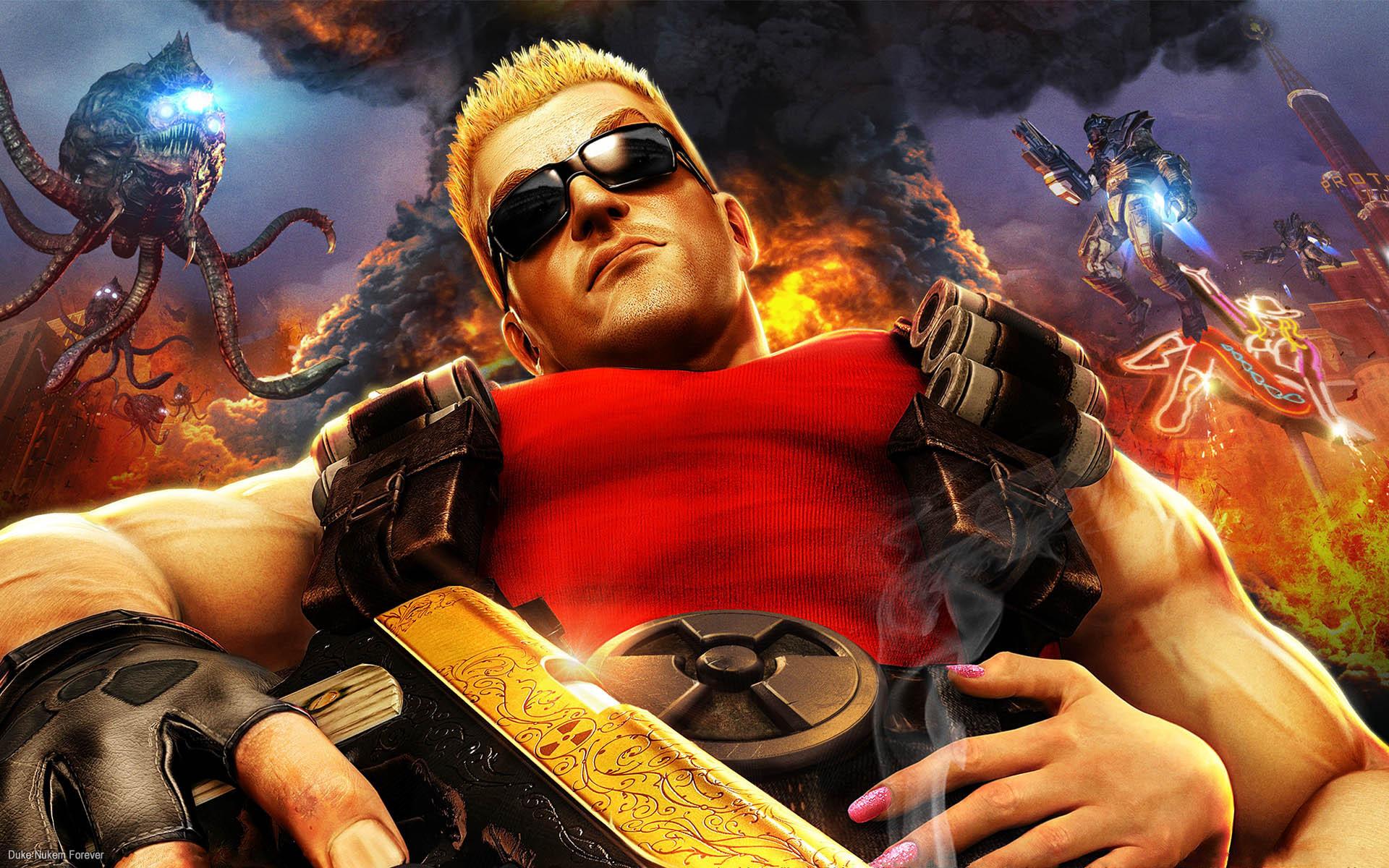
The fourteen-year development cycle of this game is a legendary cautionary tale of mismanagement. Staff at 3D Realms worked for years on a project that was constantly being rebooted and changed by George Broussard. The lack of progress and the eventual depletion of funds led to the entire development team being laid off. The toxic inability to ship a product wasted the careers of many talented developers. The game was eventually pieced together by another studio, but the original team lost everything.
‘Dauntless’ (2019)
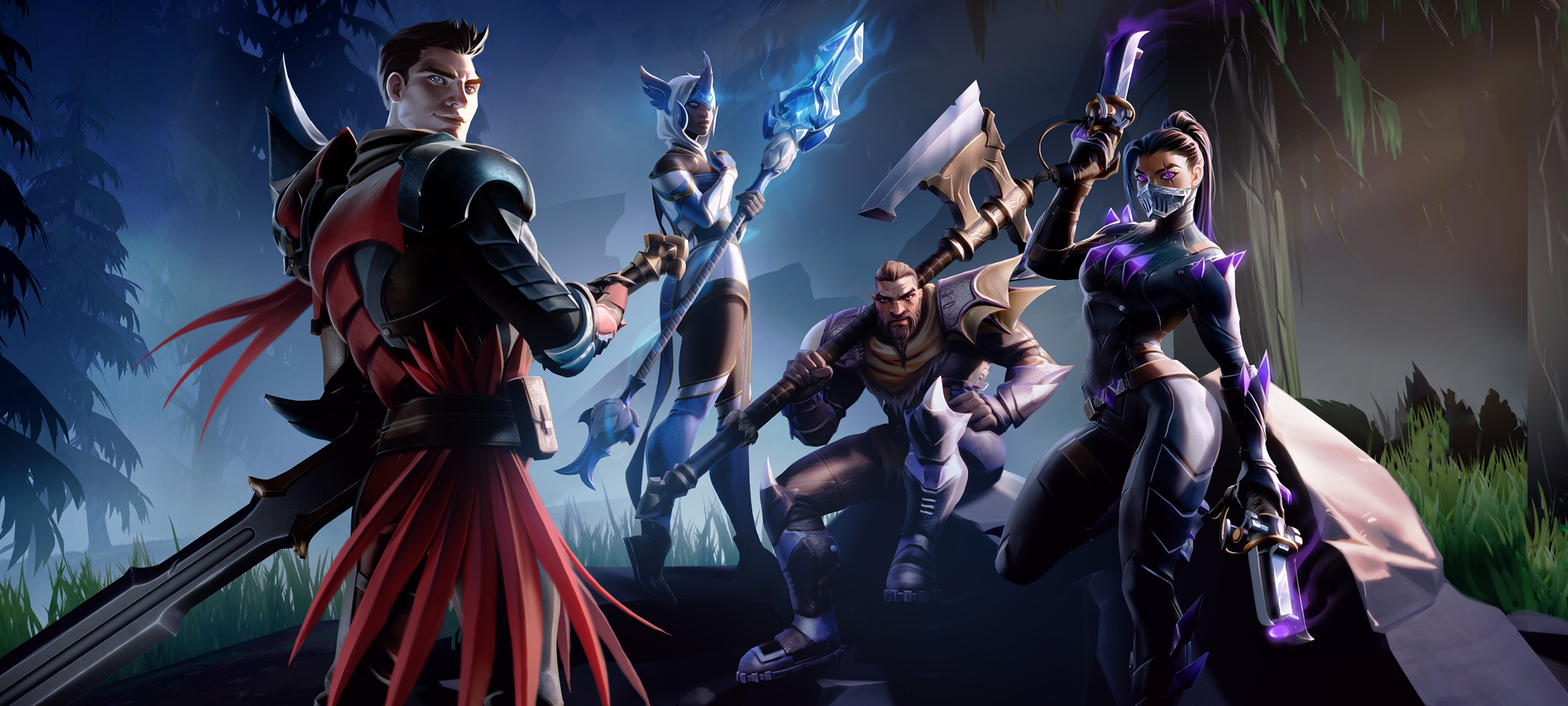
Phoenix Labs was founded by former Riot Games developers who wanted to create a better workplace. However, after being acquired, the studio faced layoffs and a shift in culture that contradicted their original values. Employees reported that the new management style prioritized metrics over employee well-being. This betrayal of the studio’s founding principles led to low morale and resignations. The team struggled to maintain the live service game amidst the internal instability.
‘Starfield’ (2023)
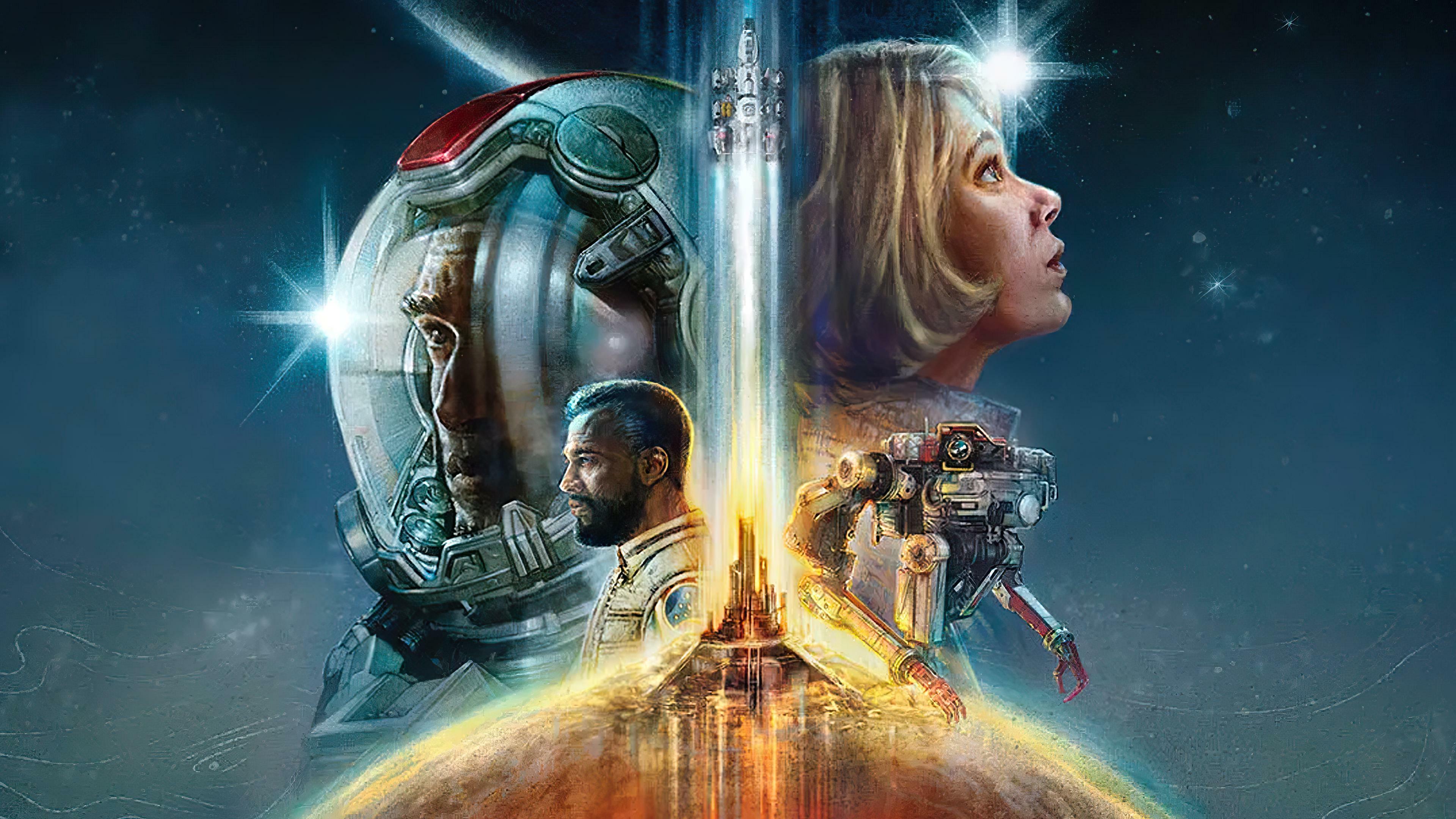
Bethesda Game Studios faced allegations that the size of the project became unmanageable for the team. Testers and developers reported feeling like cogs in a machine with little ability to influence the final product. The sheer volume of content required to fill the galaxy led to repetitive work and long hours. The move to remote work during the pandemic exacerbated communication issues and isolation. Many long-time employees left the studio as the culture shifted from a close-knit family to a massive corporate entity.
‘Redfall’ (2023)
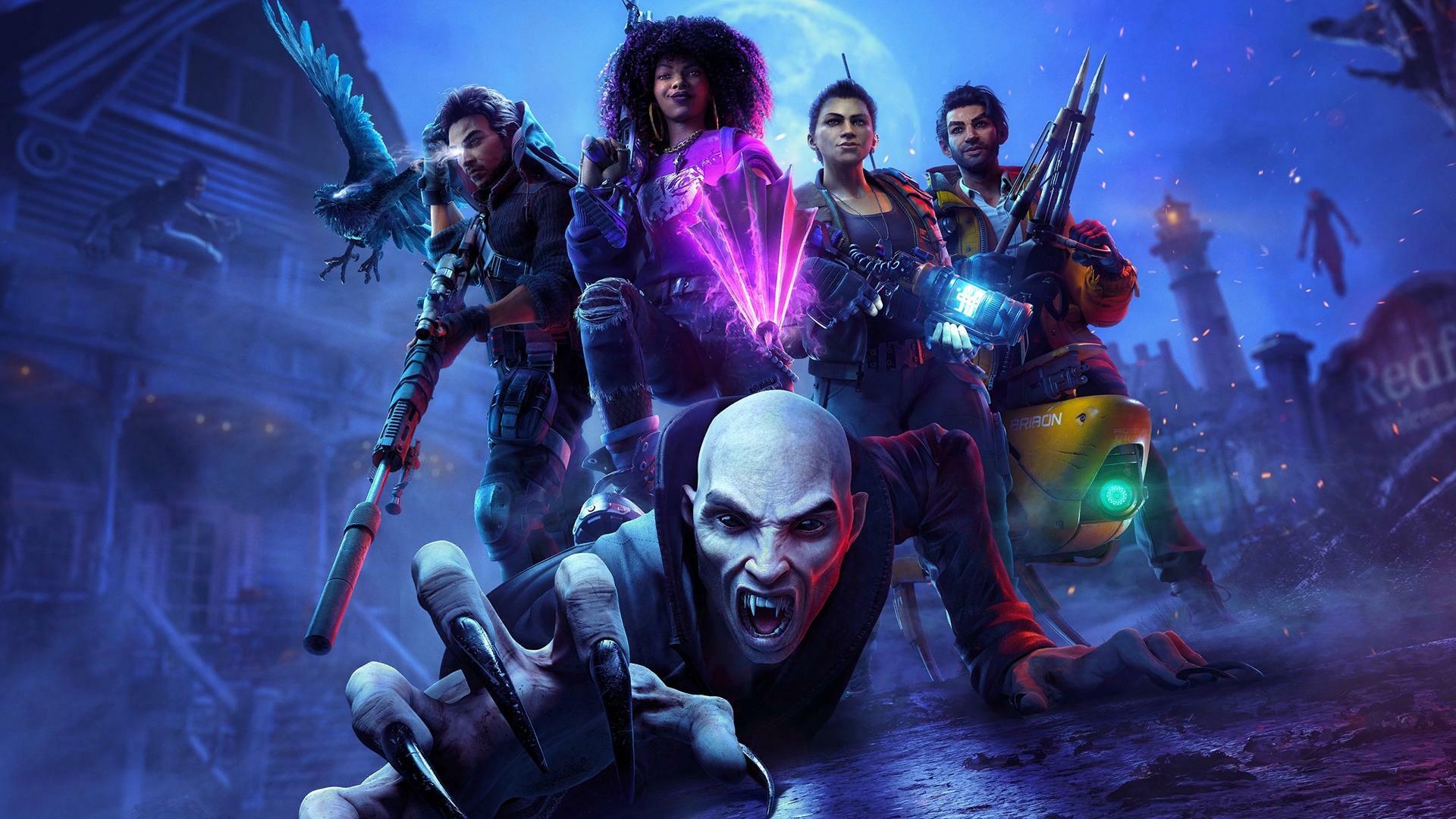
Arkane Austin was previously known for immersive simulations like ‘Prey’, but was pushed to make a multiplayer live-service game. Reports indicate that nearly seventy percent of the staff who worked on the previous title left during the development of this vampire shooter. Developers were uninterested in making a multiplayer game and felt the direction was forced by corporate mandates. The studio struggled to fill the vacancies, which led to a lack of manpower and expertise. The resulting game was a critical and commercial failure that damaged the studio’s legacy.
‘Skull and Bones’ (2024)
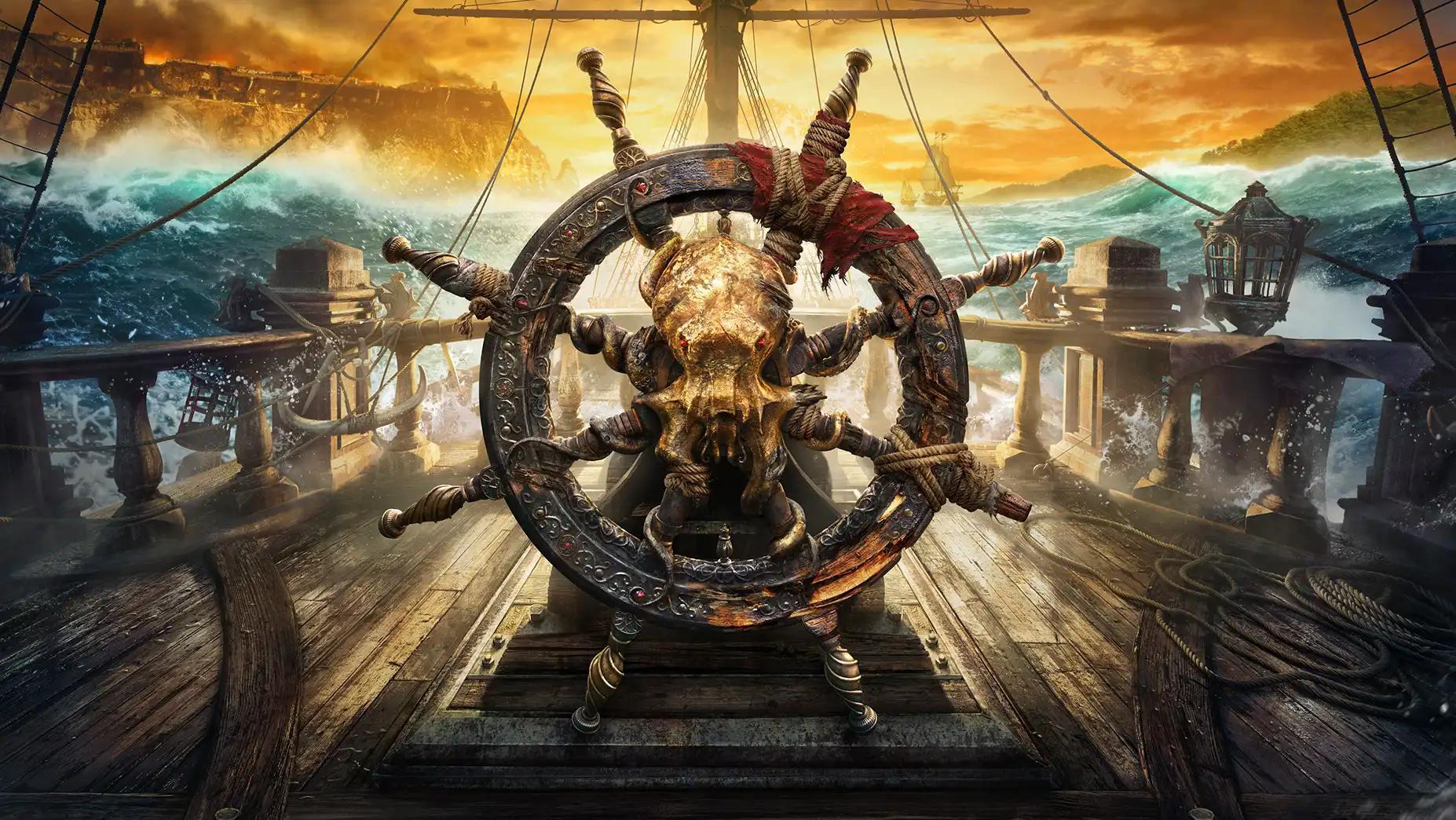
Ubisoft Singapore spent over a decade trying to ship this pirate game due to constant reboots. The studio faced investigations regarding discrimination and pay disparity between local and expat staff. The toxic glass ceiling for local developers caused high turnover and resentment. The lack of a cohesive vision meant that years of work were repeatedly thrown away. The project became a symbol of the sunken cost fallacy within the publisher’s portfolio.
‘God of War Ragnarök’ (2022)
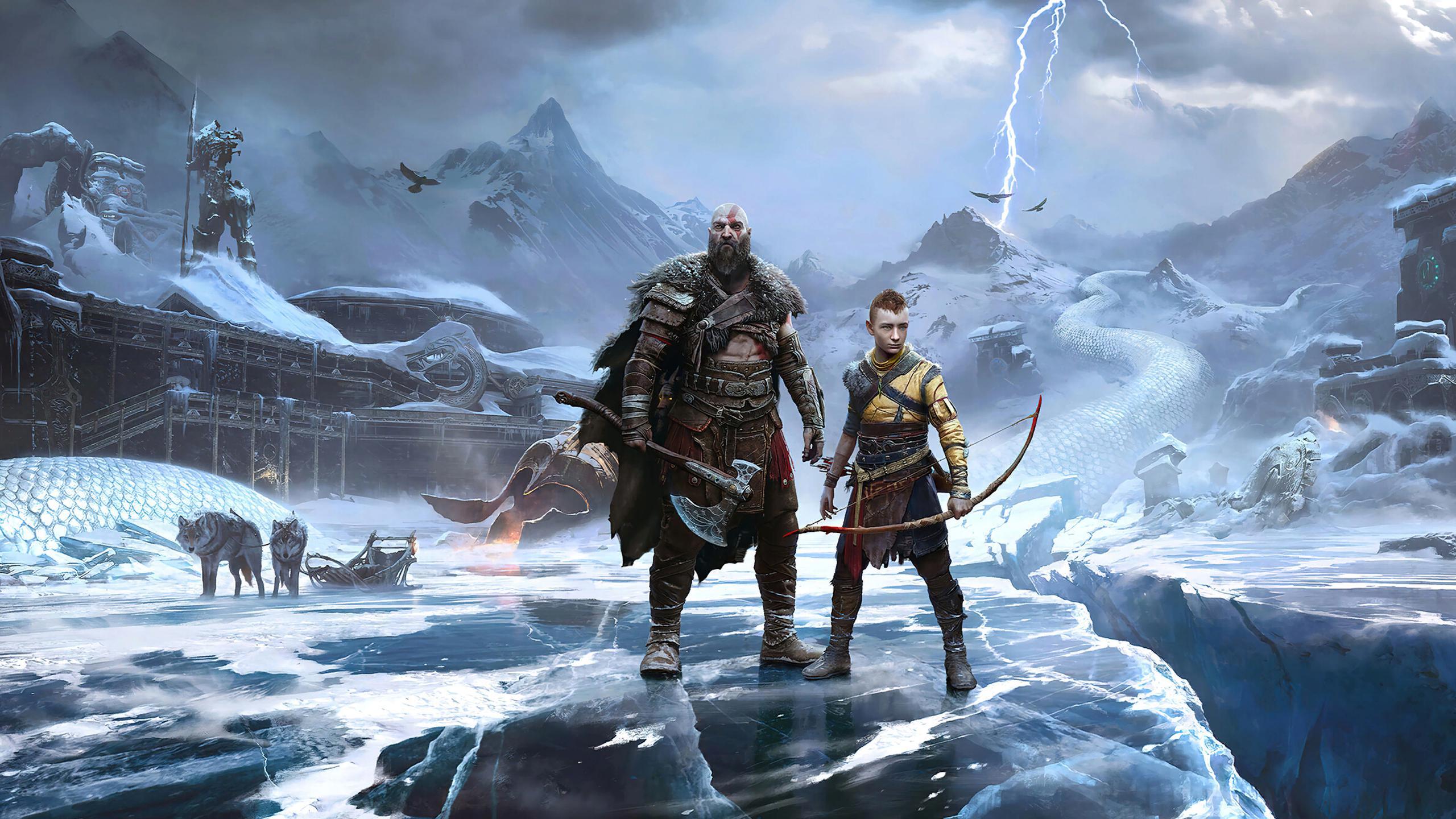
While Santa Monica Studio is often praised, the sheer scale of this sequel required massive resources. To avoid the extreme crunch of the previous title, the studio had to rely on a vast network of outsourcing partners. However, internal staff still faced the pressure of delivering a game that met the high expectations of the predecessor. The strain of managing such a large production pipeline caused fatigue among senior leadership. Some developers chose to leave after the project to work on smaller, less stressful games.
Please share your thoughts on how the industry can improve working conditions in the comments.