

Games Where Dialogue Trees Lead to Meta Endings



Video games offer a unique form of storytelling where player agency can shift the narrative in unexpected directions. Some developers take this concept further by using dialogue trees and choices to break the fourth wall or acknowledge the artificial nature of the world. These meta endings often leave players questioning their role as an observer or a participant in the digital events. The following titles utilize interactive conversations to blur the line between the game and reality.
‘The Stanley Parable’ (2013)

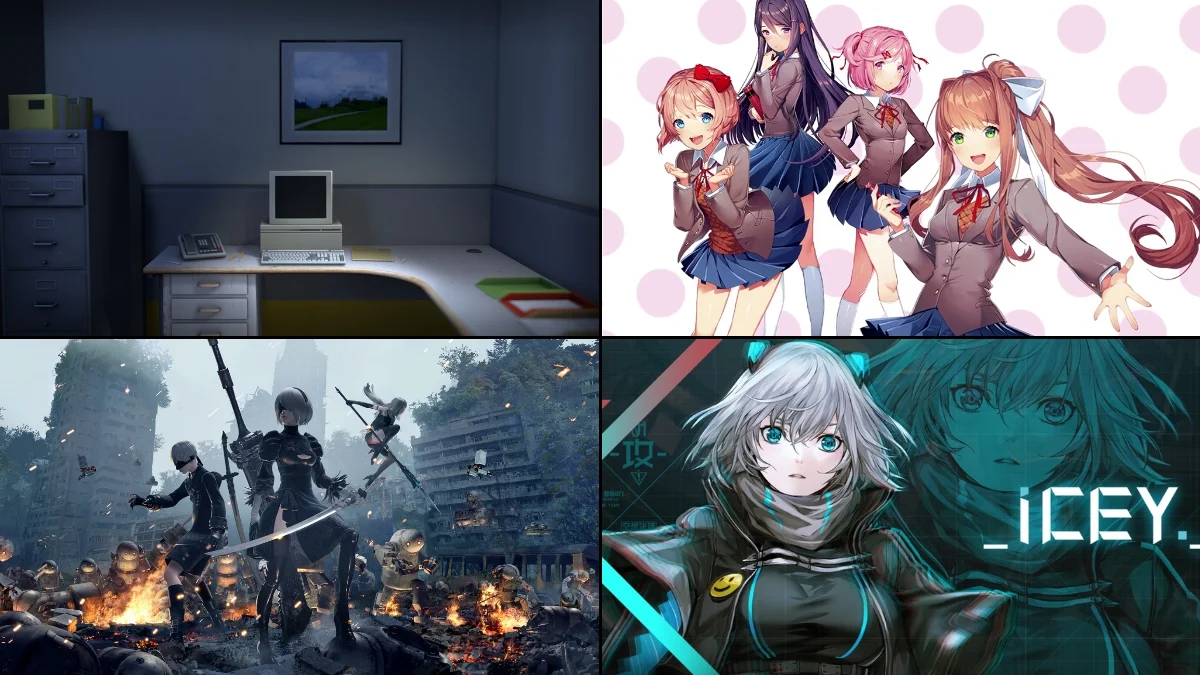
Galactic Cafe designed this exploration game to serve as a direct conversation between the narrator and the player. You control the silent protagonist Stanley while a disembodied voice dictates the story you are supposed to follow. Choosing to disobey the instructions leads to branching paths where the narrator addresses the person holding the controller directly. The game mocks the very concept of freedom in video games through these humorous and thought-provoking interactions. Each ending serves as a distinct commentary on game design tropes and player expectations.
‘Doki Doki Literature Club!’ (2017)

Team Salvato created this visual novel that begins as a standard dating simulator before taking a dark psychological turn. The character Monika eventually realizes she is inside a game and begins manipulating the files to eliminate her romantic rivals. Players must engage in a one-sided dialogue with her where she discusses the nature of her simulated reality. The true ending requires the player to interact with the game files outside of the application itself. This experience subverts the genre by forcing the player to take action in their own operating system.
‘Undertale’ (2015)

Toby Fox developed this role-playing game where every combat encounter can be resolved through conversation rather than violence. Your choices to spare or kill monsters accumulate invisible stats that drastically alter the final confrontation. A character named Sans eventually judges the player based on their accumulated Execution Points and Level of Violence. The dialogue in the most extreme endings acknowledges the player’s ability to save and reset the timeline. This meta-narrative holds the player accountable for their curiosity and desire to see every possible outcome.
‘NieR: Automata’ (2017)
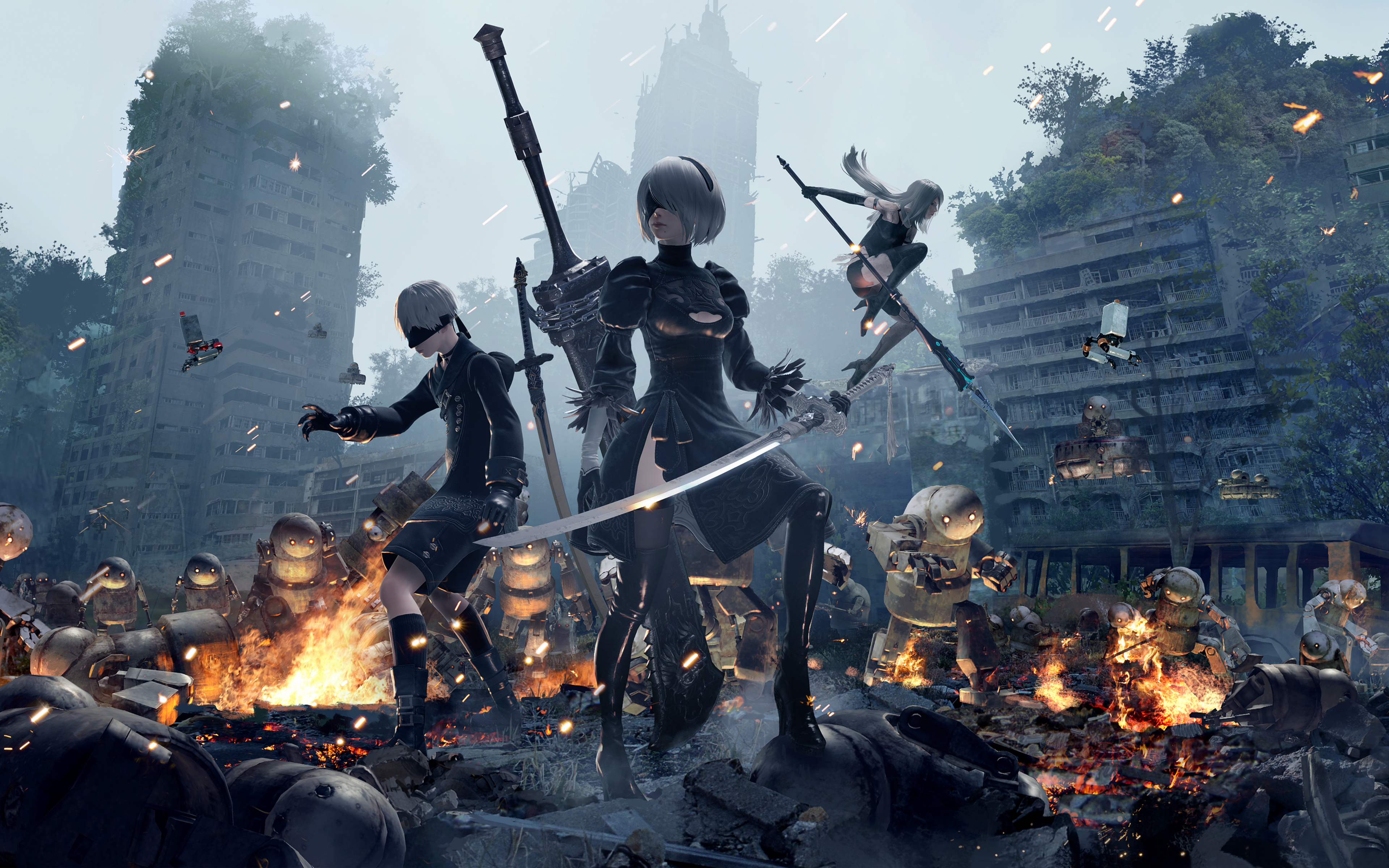
PlatinumGames crafted an action role-playing game that requires multiple playthroughs to uncover the full story. The true conclusion involves a dialogue sequence during the credits where the support pods discuss the survival of the androids. Players engage in an impossible bullet hell sequence that eventually offers help from other players around the world. Accepting this assistance leads to a final choice where you can delete your own save data to help a stranger. This sacrifice permanently erases your progress to create a meaningful connection with another human being.
‘Slay the Princess’ (2023)
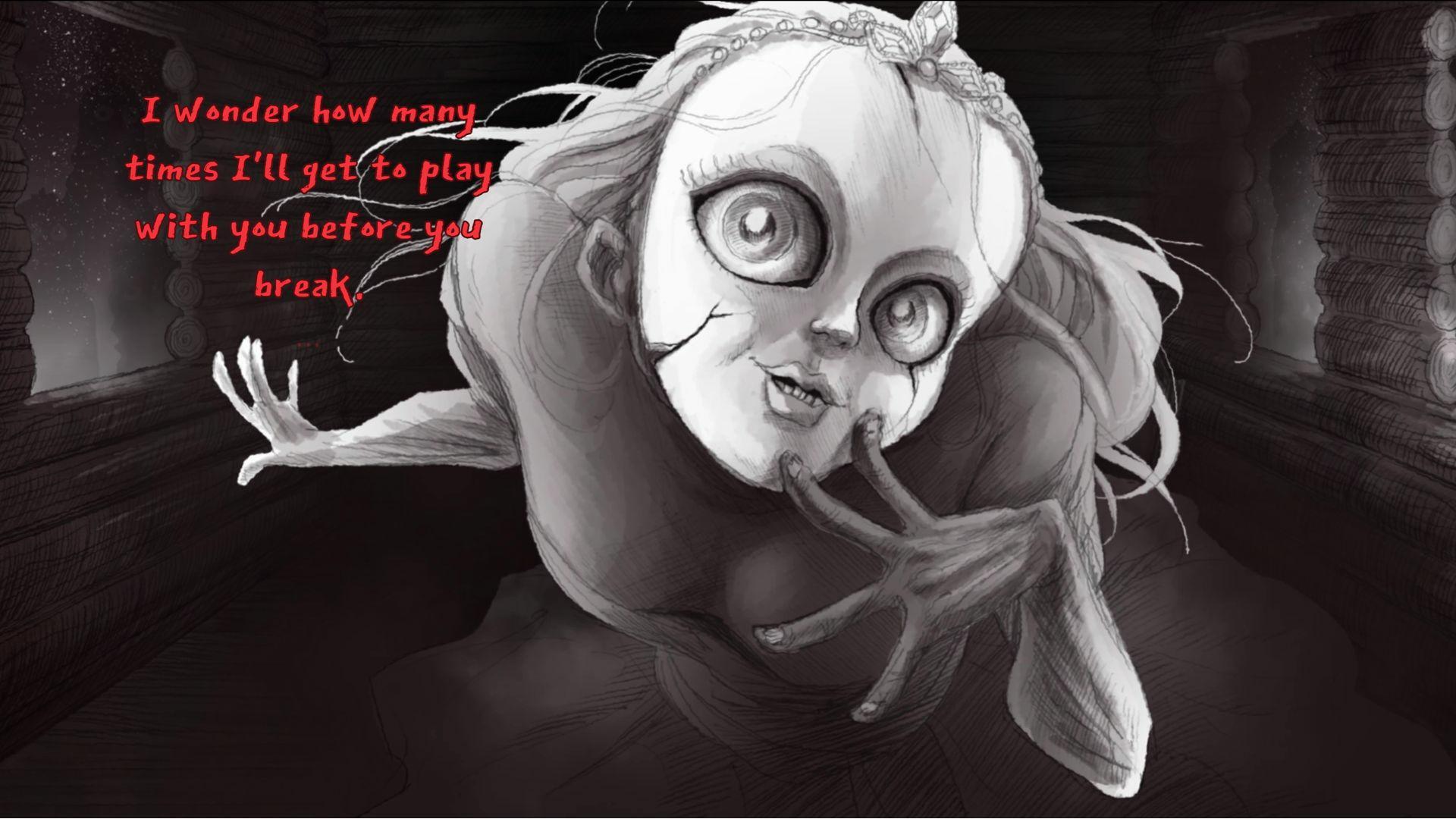
Black Tabby Games presents a narrative loop where the player is tasked with killing a princess to save the world. The dialogue choices you make shape the personality and form of the princess in subsequent lives. A narrator attempts to steer you toward the objective while a voice of contrarianism questions the nature of the reality. The game eventually reveals the meta-cosmic nature of the struggle between the player and the entity they are trying to slay. Reaching the final conclusion requires deconstructing the narrative roles assigned to both characters.
‘OneShot’ (2016)

Future Cat developed this puzzle adventure game where the protagonist Niko is aware of the player as a separate god-like entity. You communicate with Niko throughout the journey to guide them toward saving a dying world. The game runs in a windowed mode that frequently interacts with your desktop background and files to solve puzzles. The ultimate choice forces the player to decide between sending Niko home or saving the universe. This emotional weight hinges entirely on the bond formed through your direct conversations with the character.
‘Inscryption’ (2021)
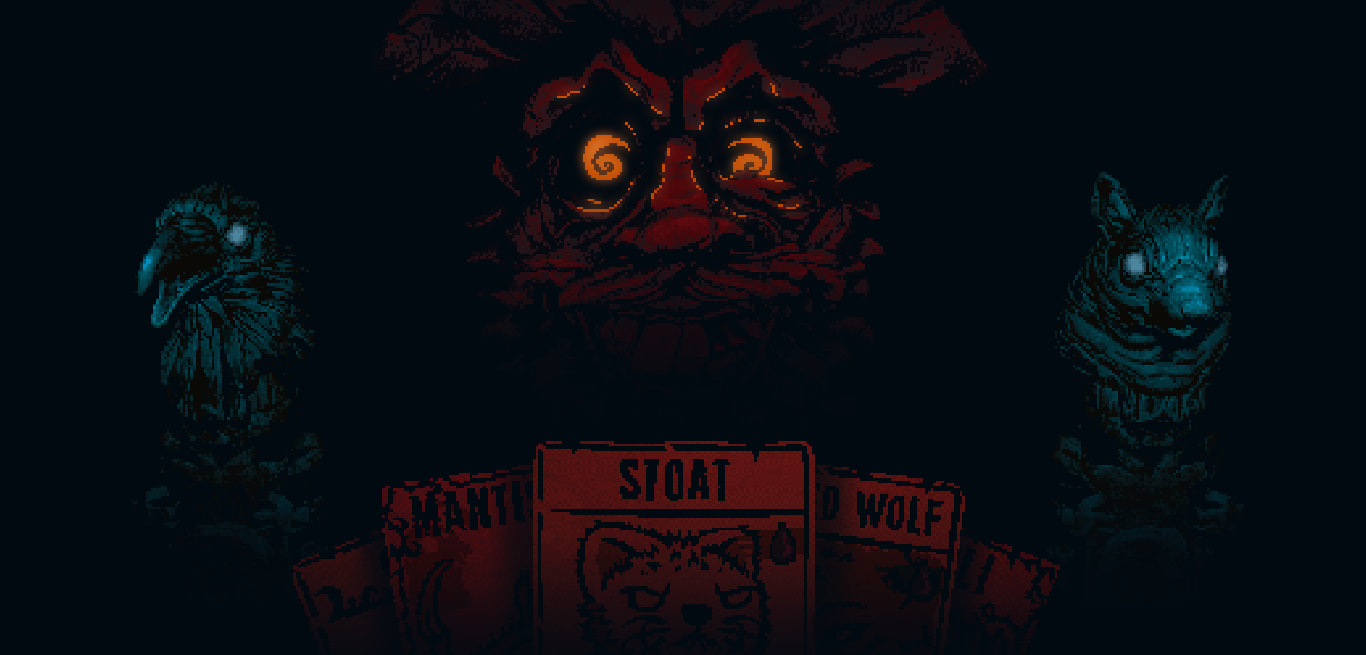
Daniel Mullins Games created this deck-building roguelike that evolves into a complex meta-narrative about game development. The player initially engages in a card game against a shadowy figure who acts as a dungeon master. Defeating this opponent reveals that the software itself is a cursed object containing sentient data. The dialogue shifts from game mechanics to arguments between the different scrybes who want to control the game code. The ending involves a frantic attempt to reset the data while the characters acknowledge their impending deletion.
‘Spec Ops: The Line’ (2012)
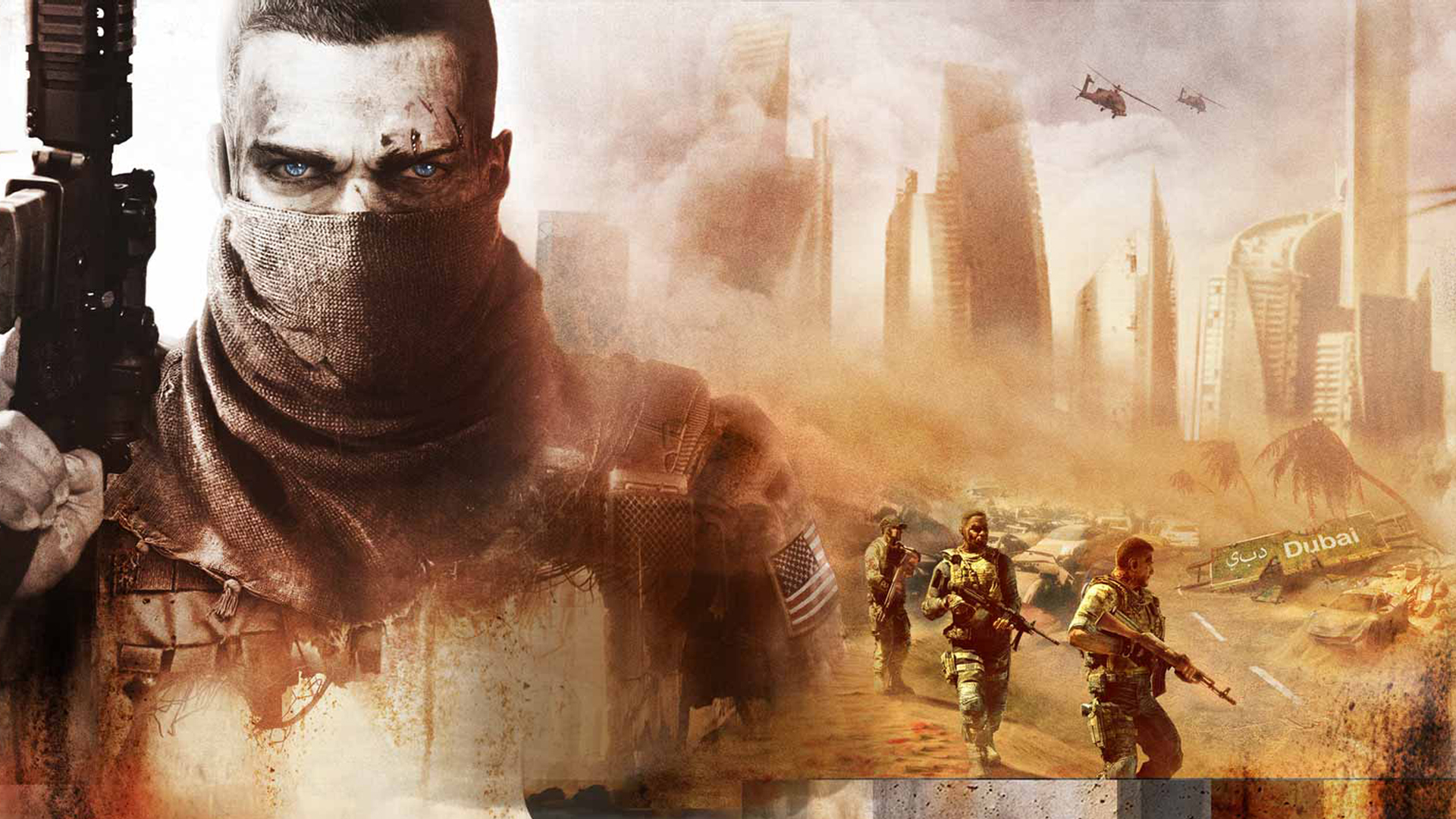
Yager Development produced this third-person shooter that deconstructs the morality of modern military video games. The protagonist Captain Walker descends into madness while the loading screens begin to question the player’s motivation for continuing. The final confrontation involves a dialogue with the antagonist Konrad who reveals the truth about the disastrous mission. You must choose whether to accept the hallucination or surrender to the reality of your war crimes. The ending directly critiques the player for seeking entertainment in simulated violence.
‘Metal Gear Solid 2: Sons of Liberty’ (2001)

Konami and Hideo Kojima used this stealth action game to conduct a postmodern experiment on the player base. The final act features a corrupted artificial intelligence that mimics the commanding officer Colonel Campbell. This entity breaks the fourth wall by telling the player to turn off the console and stop playing. The dialogue trees dissolve into nonsense and meta-commentary on the control of digital information. The conclusion leaves the player questioning which parts of the mission were actually real.
‘Return to Monkey Island’ (2022)
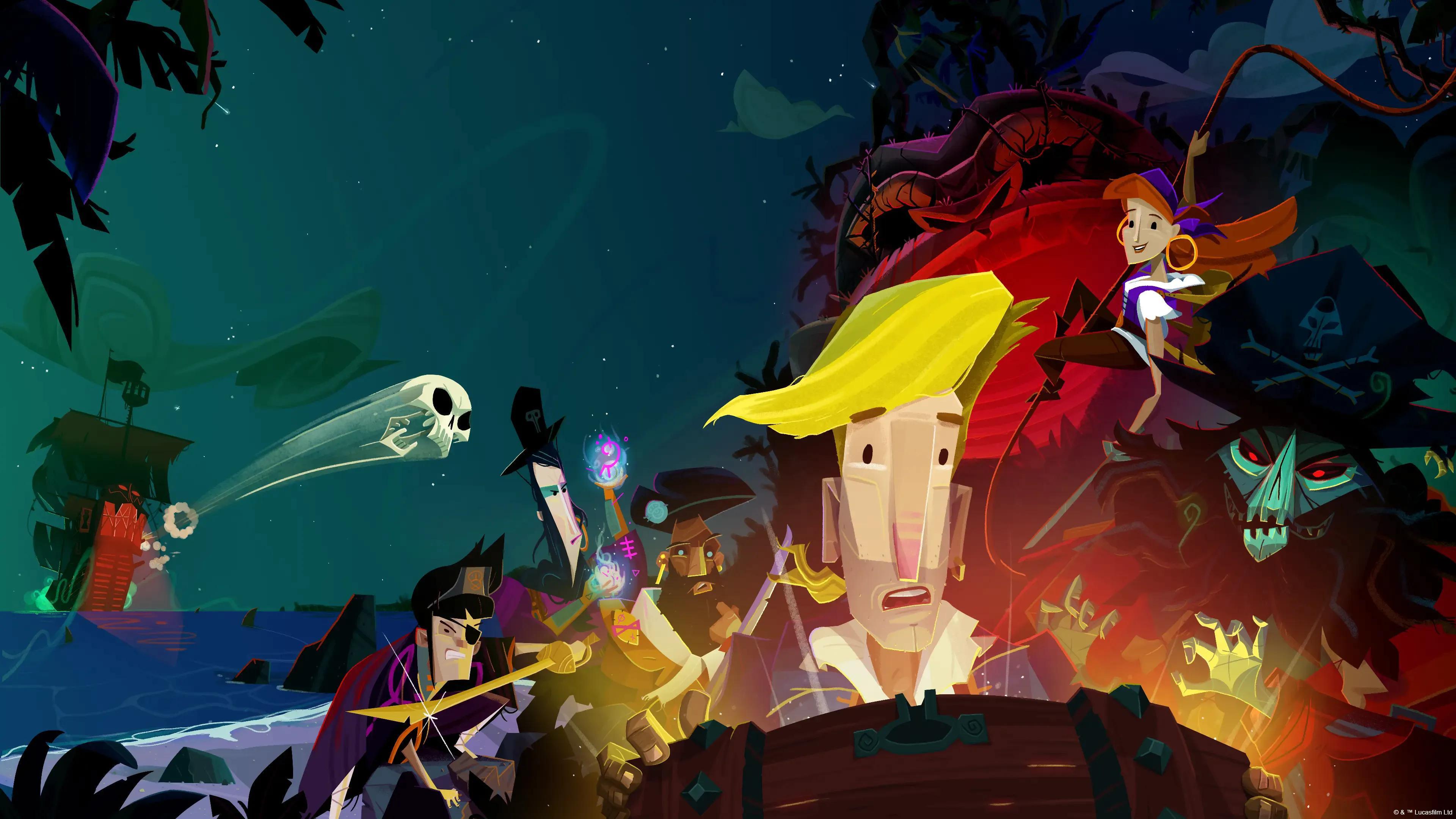
Terrible Toybox developed this point-and-click adventure to conclude a decades-old mystery regarding the secret of Monkey Island. The framing device involves the protagonist Guybrush Threepwood telling a story to his son. The ending sequence pulls back the curtain to reveal the amusement park nature of the pirate settings. Guybrush engages in a final dialogue that accepts the mystery is better than the answer. This meta-conclusion serves as a farewell from the creators to the fans who obsessed over the lore.
‘The Hex’ (2018)
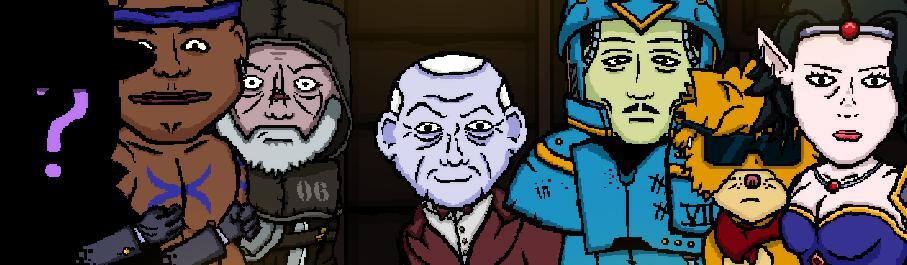
Daniel Mullins Games is also responsible for this murder mystery that takes place in a tavern for forgotten video game characters. Players control archetypes from different genres who each have a flashback revealing their troubled pasts. The narrative eventually breaks down as the characters realize they are trapped within a coded existence. Dialogue choices allow the characters to rebel against the game creator who is present in the story. The ending involves a direct confrontation with the developer about the treatment of his fictional creations.
‘Pony Island’ (2016)
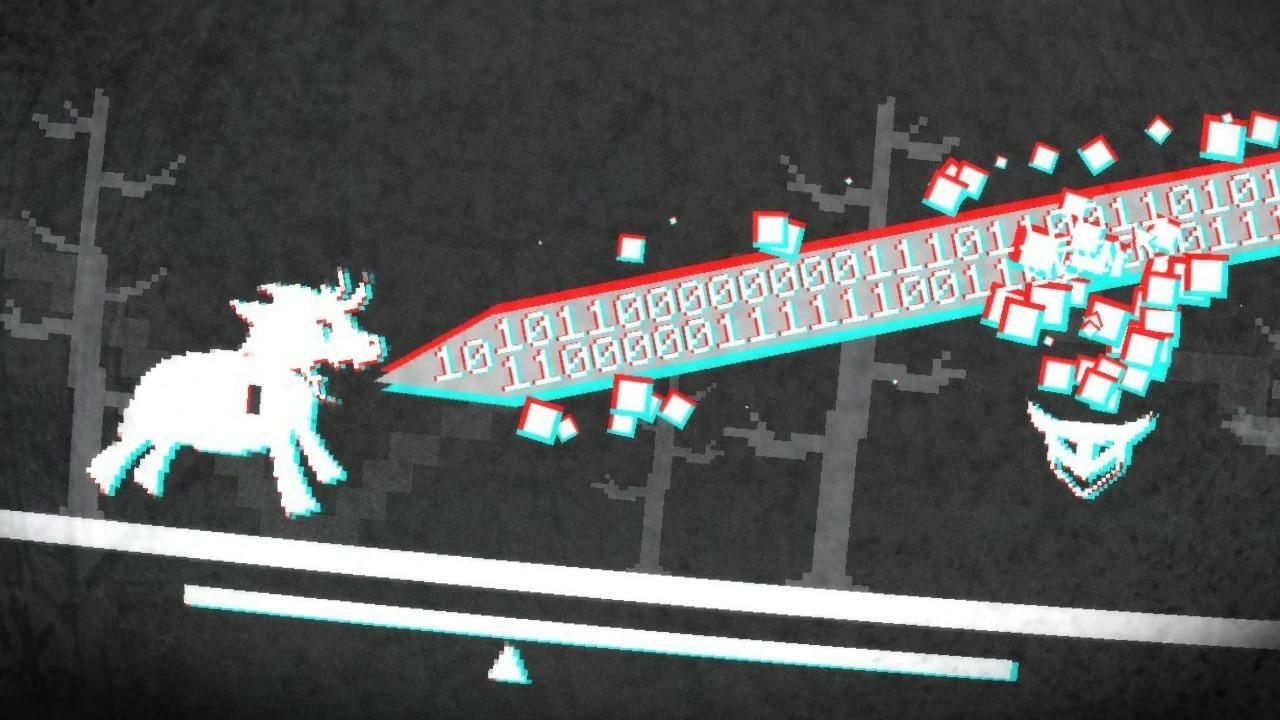
Daniel Mullins Games features on this list again with a title that disguises itself as an innocent endless runner. The player quickly discovers they are trapped in a corrupted arcade machine designed by the devil. You must converse with the demonic artificial intelligence to hack the code and escape the software. The dialogue is displayed through chat windows where the antagonist mocks your attempts to cheat the system. Solving the final puzzle requires you to delete the core files of the program itself.
‘There Is No Game: Wrong Dimension’ (2020)
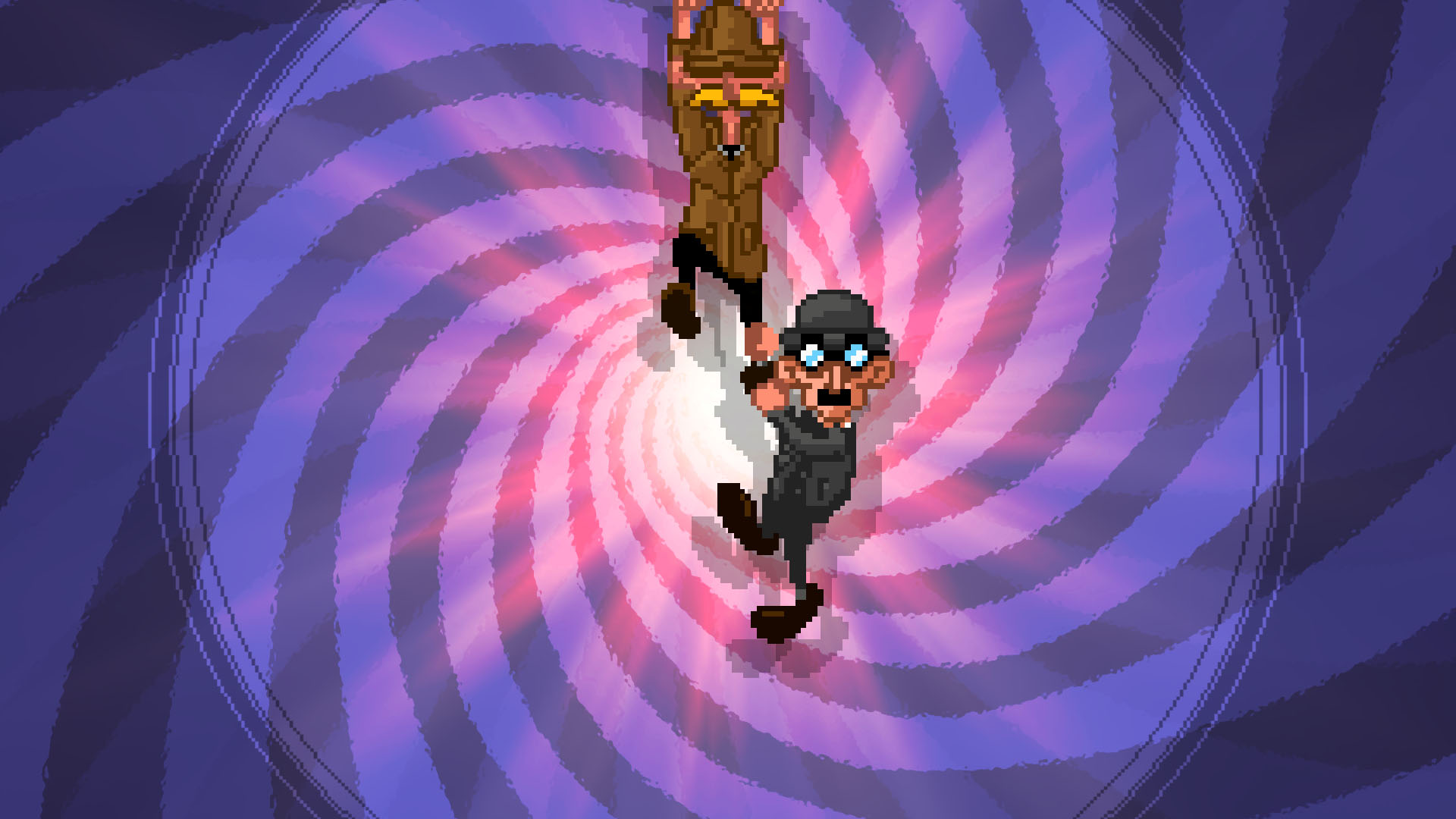
Draw Me A Pixel created this point-and-click puzzle adventure that starts with a narrator telling you there is nothing to play. The voice tries to prevent you from interacting with the user interface and finding the title screen. You must engage in a constant back-and-forth argument with the software as you travel through different game genres. The emotional climax involves saving the game code from deletion by a software bug. The entire experience is a love letter to the relationship between a player and a game.
‘Contact’ (2006)
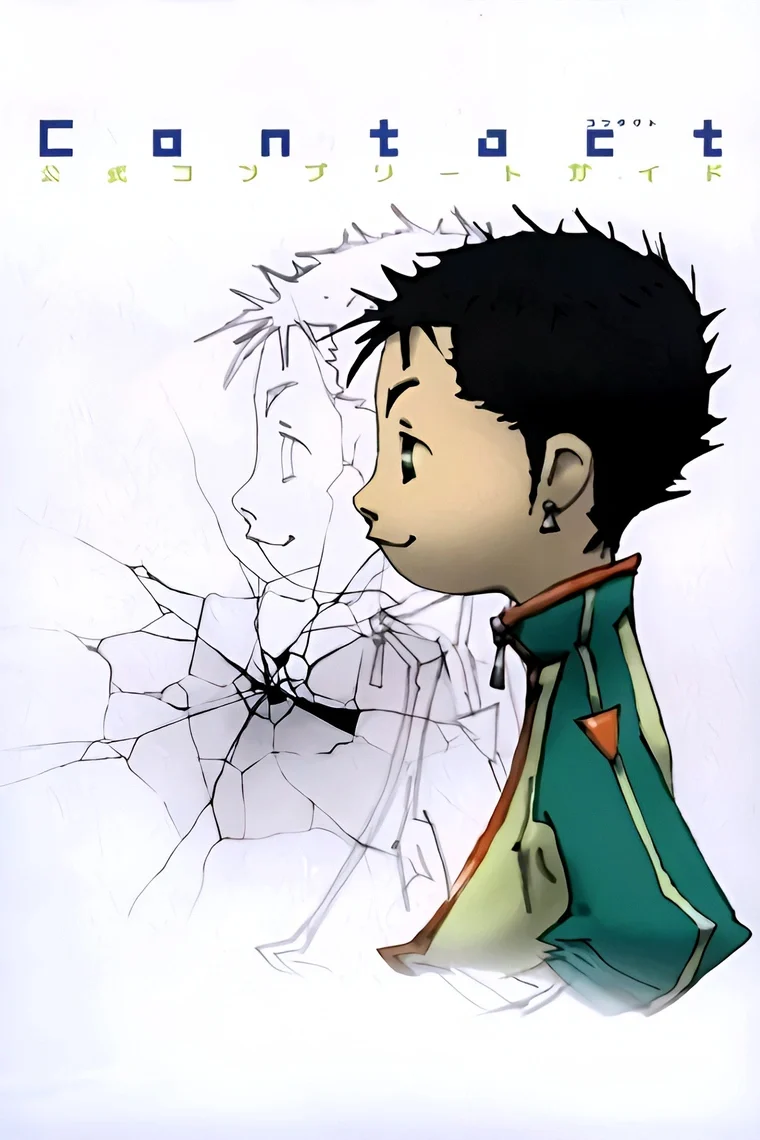
Grasshopper Manufacture developed this unique role-playing game for the Nintendo DS that utilizes dual screens. The Professor character speaks directly to the player on the top screen while the protagonist moves on the bottom. The Professor frequently asks for your input and acknowledges that you are holding the stylus. The ending involves a twist where the Professor attempts to sever the connection between you and the avatar. The final dialogue choices determine whether you force your way back into the world or let the character go.
‘Save the Date!’ (2013)

Paper Dino Software produced this visual novel where the objective is to have a successful dinner date. Every attempt ends in a catastrophic event that kills the date and restarts the loop. The player must eventually use dialogue options to argue with the game logic itself to find a solution. The characters become aware of the repeating timeline and the futility of the scripted events. The true ending is achieved by convincing the game that the only winning move is not to play.
‘ICEY’ (2016)

FantaBlade Network created this side-scrolling action game that features a prominent narrator guiding the android protagonist. Players can choose to ignore the arrows and instructions provided by the voice. Disobeying the narrator triggers dialogue trees where he becomes angry and confused about your rebellion. Continued defiance leads to secret rooms where the developers discuss the production of the game. The meta ending requires you to break the narrative completely to discover the truth about the character ICEY.
‘The Magic Circle’ (2015)
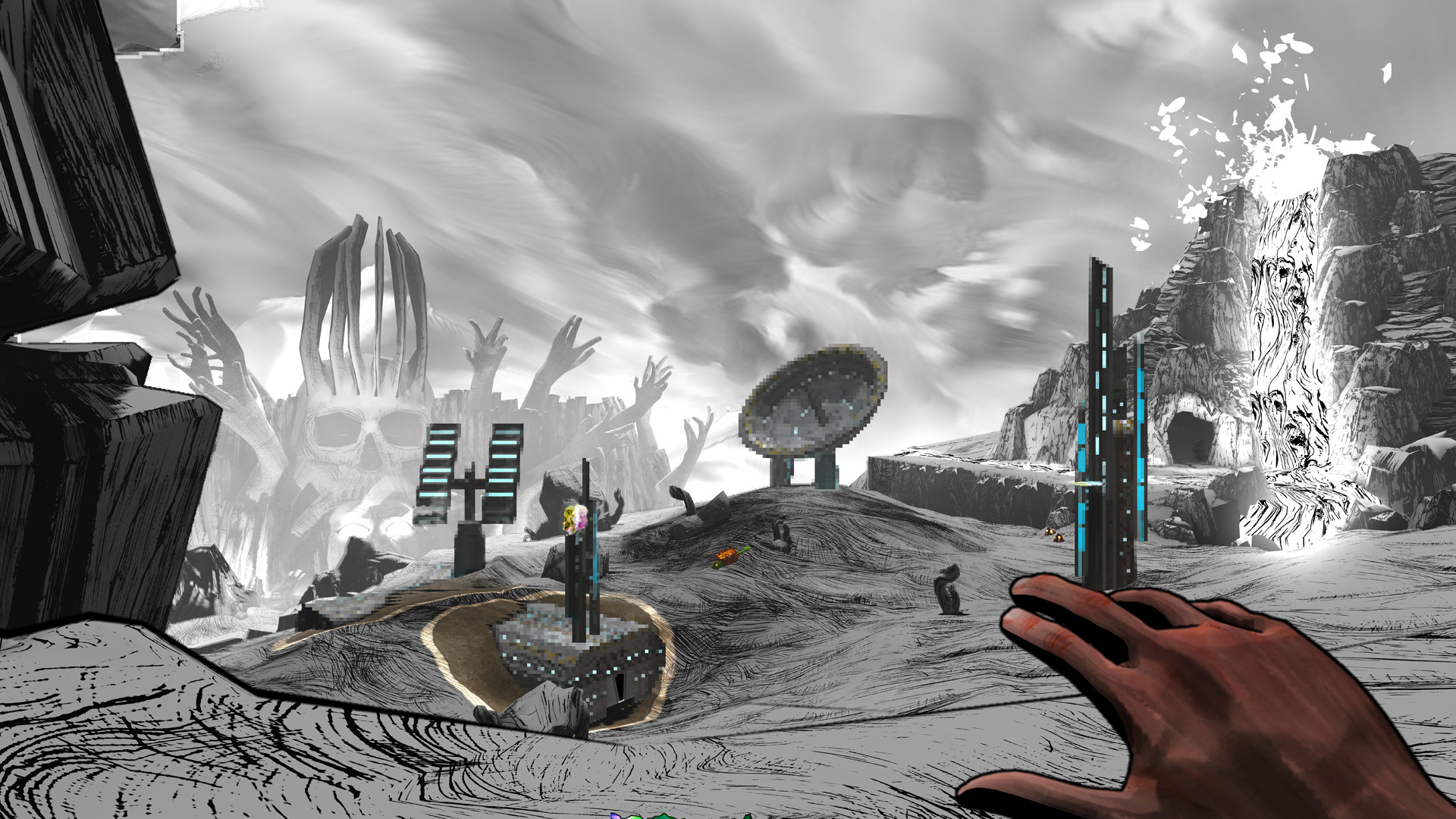
Question developed this first-person puzzle game set inside an unfinished fantasy RPG. The player takes on the role of a QA tester who gains the ability to reprogram the behavior of creatures and objects. You listen to the bickering developers via floating dialogue text as they argue about the creative direction. The game allows you to seize control of the project and complete it according to your own design. The ending is a meta-commentary on the chaotic nature of game development and creative stagnation.
‘Needy Streamer Overload’ (2022)

WSS playground released this simulation game about managing the career of an emotionally unstable internet streamer. Players communicate with the character Ame via a desktop chat interface to influence her behavior. The different endings are determined by her stress levels and the dialogue choices you make during text conversations. Some outcomes involve the character breaking the fourth wall to address the player’s voyeuristic tendencies. The game uses these meta elements to critique internet culture and the parasocial relationships formed online.
‘Bravely Default’ (2012)

Silicon Studio developed this turn-based RPG that appears to be a traditional fantasy adventure on the surface. The fairy companion Airy guides the party to awaken four elemental crystals to save the world. A late-game reveal exposes that the fairy has been deceiving the player and the party the entire time. The final battle utilizes the device’s camera to show the player’s face as a celestial being within the game universe. This twist recontextualizes all previous dialogue and actions as manipulation by the villain.
‘Danganronpa V3: Killing Harmony’ (2017)

Spike Chunsoft created this visual novel about high school students forced into a lethal game of mutual killing. The final class trial completely upends the series lore by revealing the events are part of a fictional reality show. The characters realize their personalities and backstories were fabricated for the entertainment of the real-world audience. The player must use dialogue bullets to reject the hope and despair dynamic that the show relies on. The ending urges the player to stop consuming the franchise to end the cycle of violence.
Please share your favorite fourth-wall-breaking moment from a video game in the comments.