

Games Where Diversity Updates Alienated the Core Fanbase



The gaming industry has seen a significant shift toward inclusive storytelling and character design in recent years. While these efforts aim to broaden the appeal of video games they have sometimes resulted in friction with existing communities. Fans often express concerns regarding historical accuracy or perceived changes to established lore. This tension has led to heated discussions across digital platforms and affected the reception of several high profile releases. Understanding these instances provides insight into the complex relationship between developers and their audiences.
‘Battlefield V’ (2018)
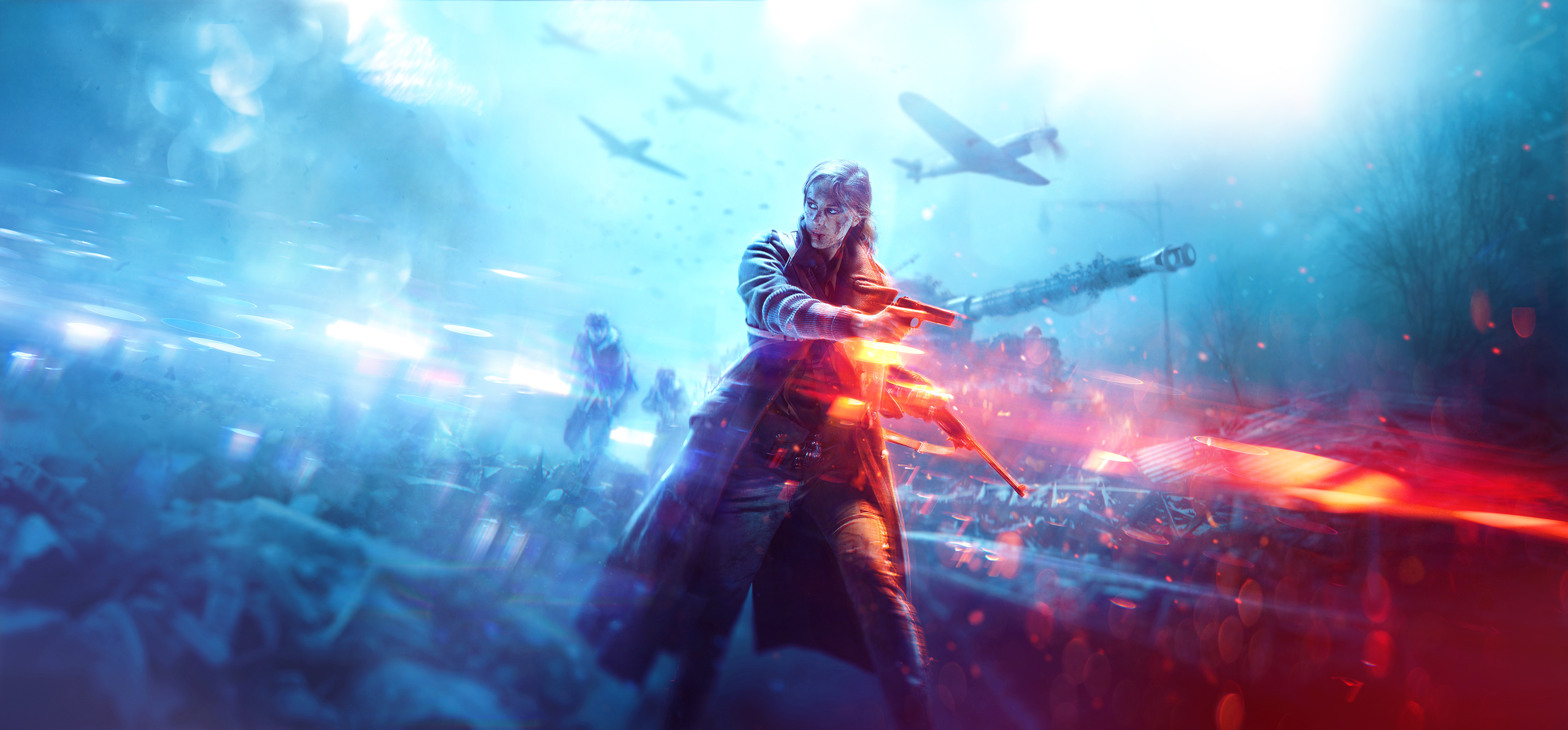
The announcement trailer for this title featured a female soldier with a prosthetic arm in a front line combat role. This creative choice sparked immediate debate among fans who valued the historical realism of the series. Developers defended the decision by emphasizing the importance of player choice and representation. The resulting controversy led to a notable divide between the studio and its traditional player base. Sales expectations were ultimately not met during the initial launch period.
‘Saints Row’ (2022)
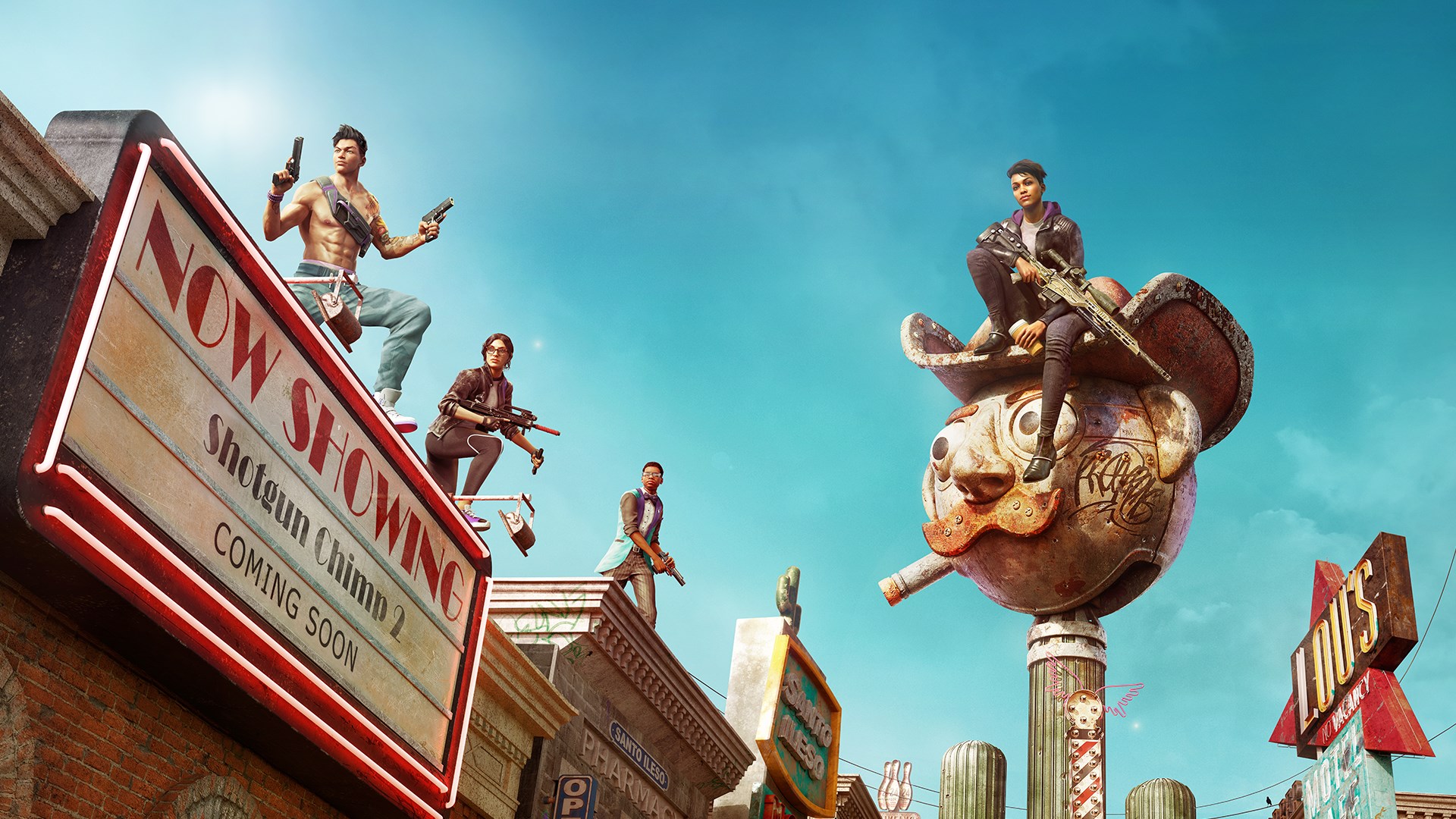
This reboot replaced the original cast of characters with a new group of younger protagonists focused on student debt and social dynamics. Long time fans felt the shift moved away from the gritty and over the top gang warfare that defined the earlier entries. The dialogue and character motivations were criticized for feeling disconnected from the spirit of the franchise. This change in tone contributed to a lukewarm reception from both critics and players. The studio eventually faced restructuring following the underwhelming performance of the title.
‘The Last of Us Part II’ (2020)
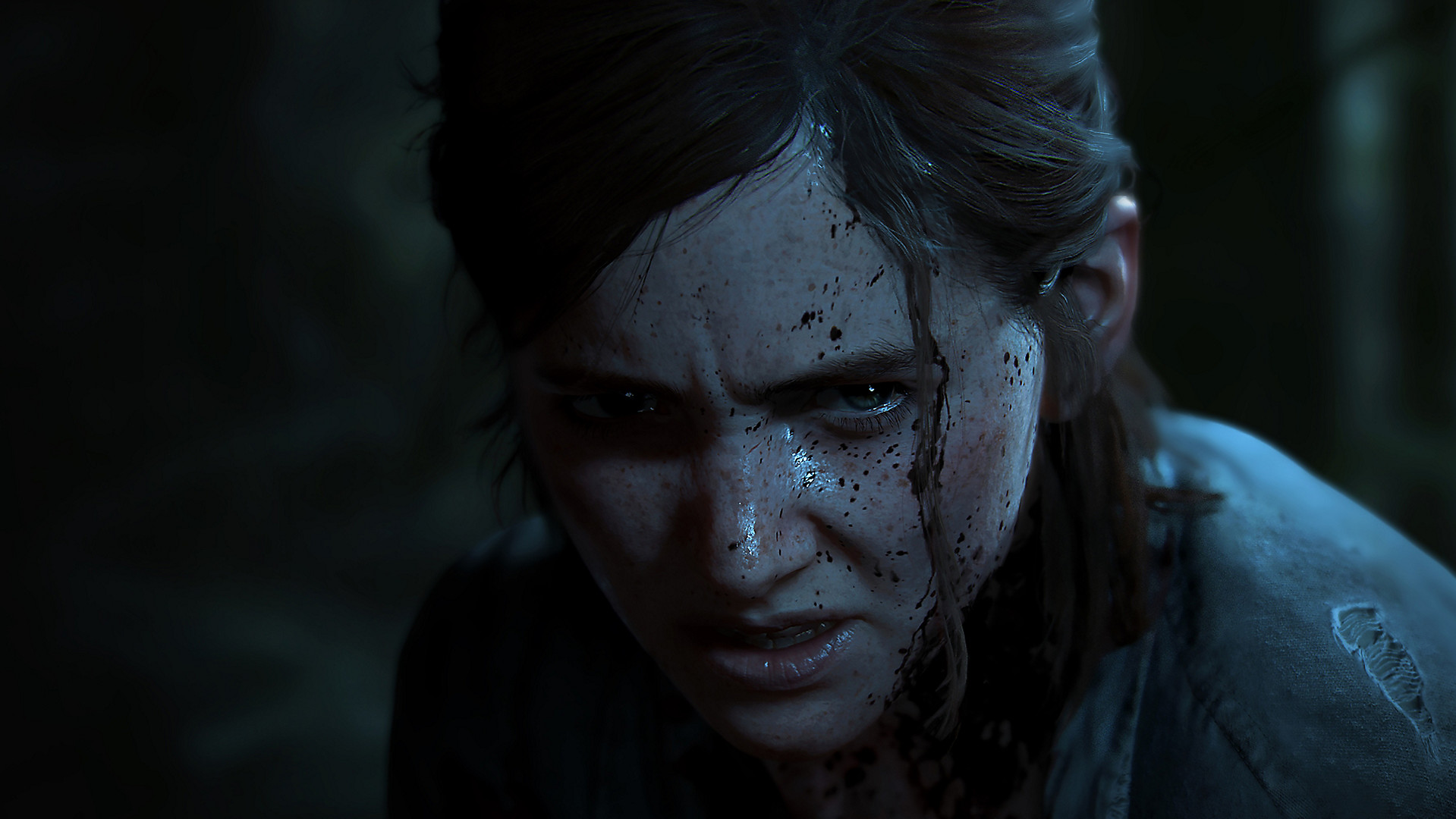
Leaks regarding the narrative structure and new character introductions caused a significant stir before the official release. Some players felt that the inclusion of diverse characters and their impact on legacy protagonists was handled poorly. The story choices led to a deeply polarized community and intense online discourse. While the game received high marks for technical achievement and gameplay the narrative remains a subject of debate. Many fans of the original game felt the sequel did not honor the themes they previously enjoyed.
‘Concord’ (2024)
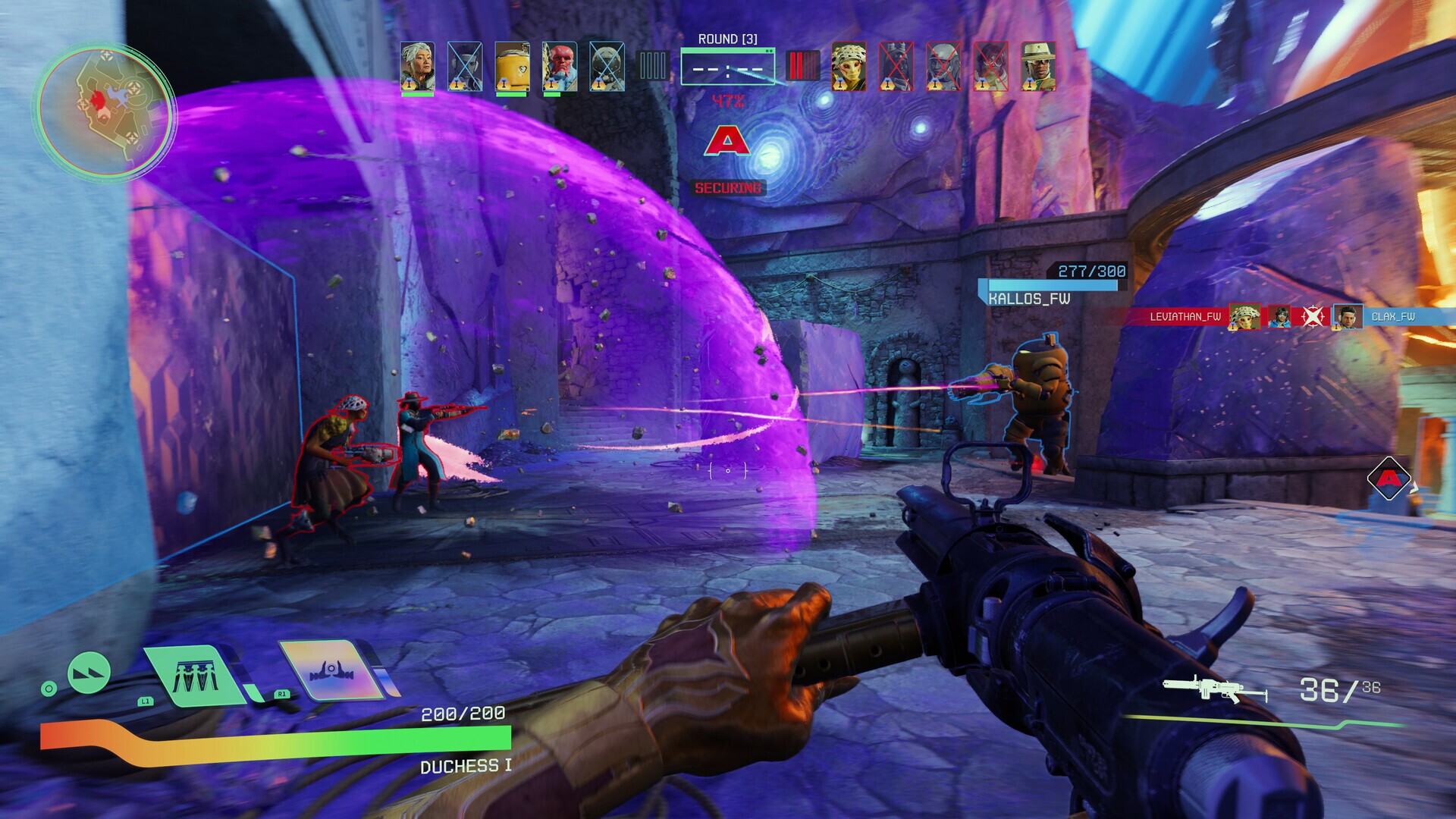
This hero shooter struggled to find an audience after its character designs were criticized for being unappealing and overly focused on contemporary social markers. Potential players pointed to the lack of distinct personality in the roster compared to competing titles in the genre. The inclusion of visible pronouns in character menus became a focal point for critics who felt the game prioritized messaging over aesthetics. Very low player counts led to the game being taken offline shortly after its launch. This outcome served as a significant case study in the risks of character design that fails to resonate with the market.
‘Dustborn’ (2024)
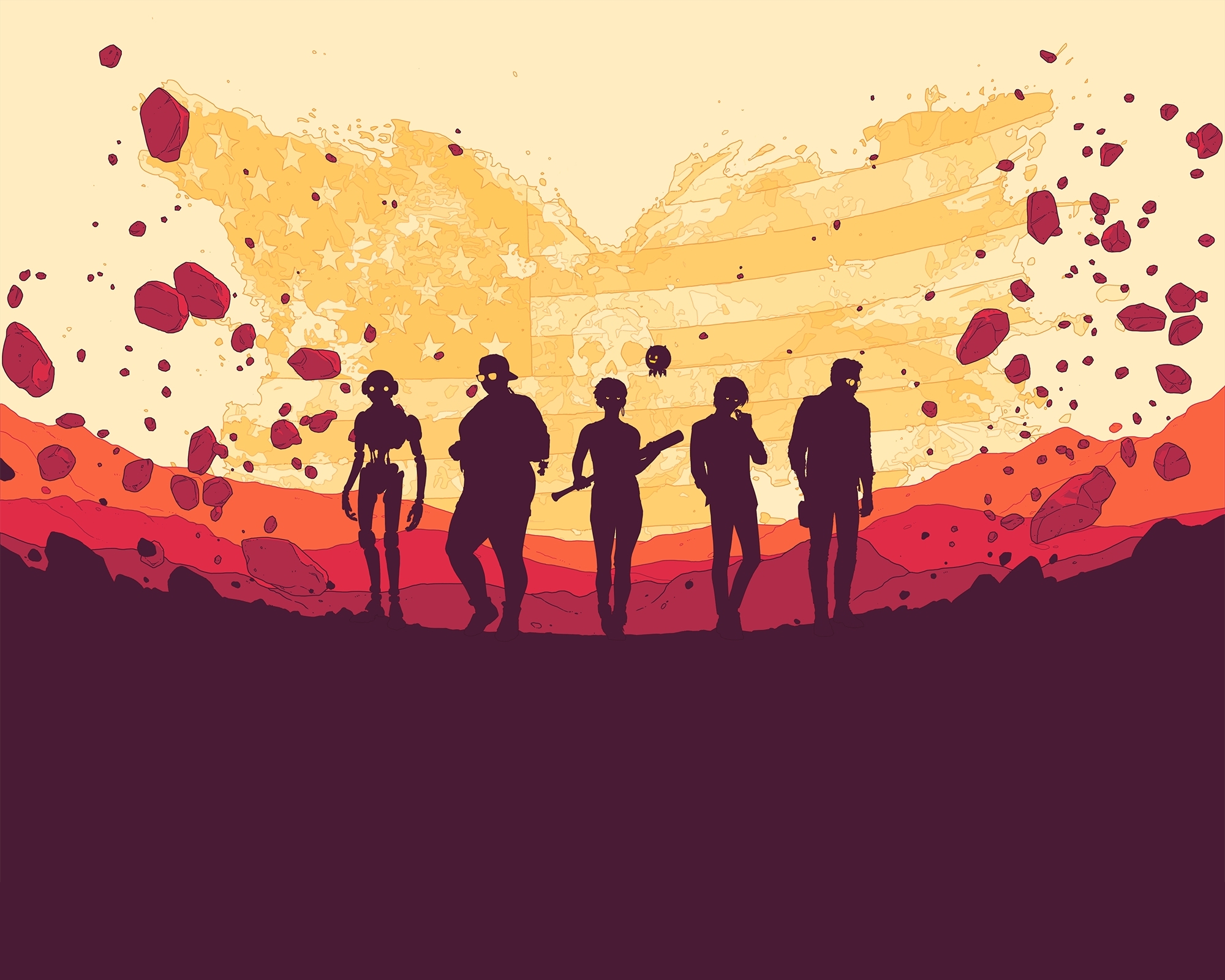
This narrative adventure game focused heavily on political themes and a diverse cast of characters with unique vocal powers. Critics within the gaming community argued that the script was too heavy handed in its social commentary. Many felt the gameplay mechanics were secondary to the promotion of specific ideological viewpoints. The title failed to gain traction on major storefronts and saw extremely low concurrent player numbers. It highlighted the challenges of marketing games that lean heavily into modern political discourse.
‘Suicide Squad: Kill the Justice League’ (2024)
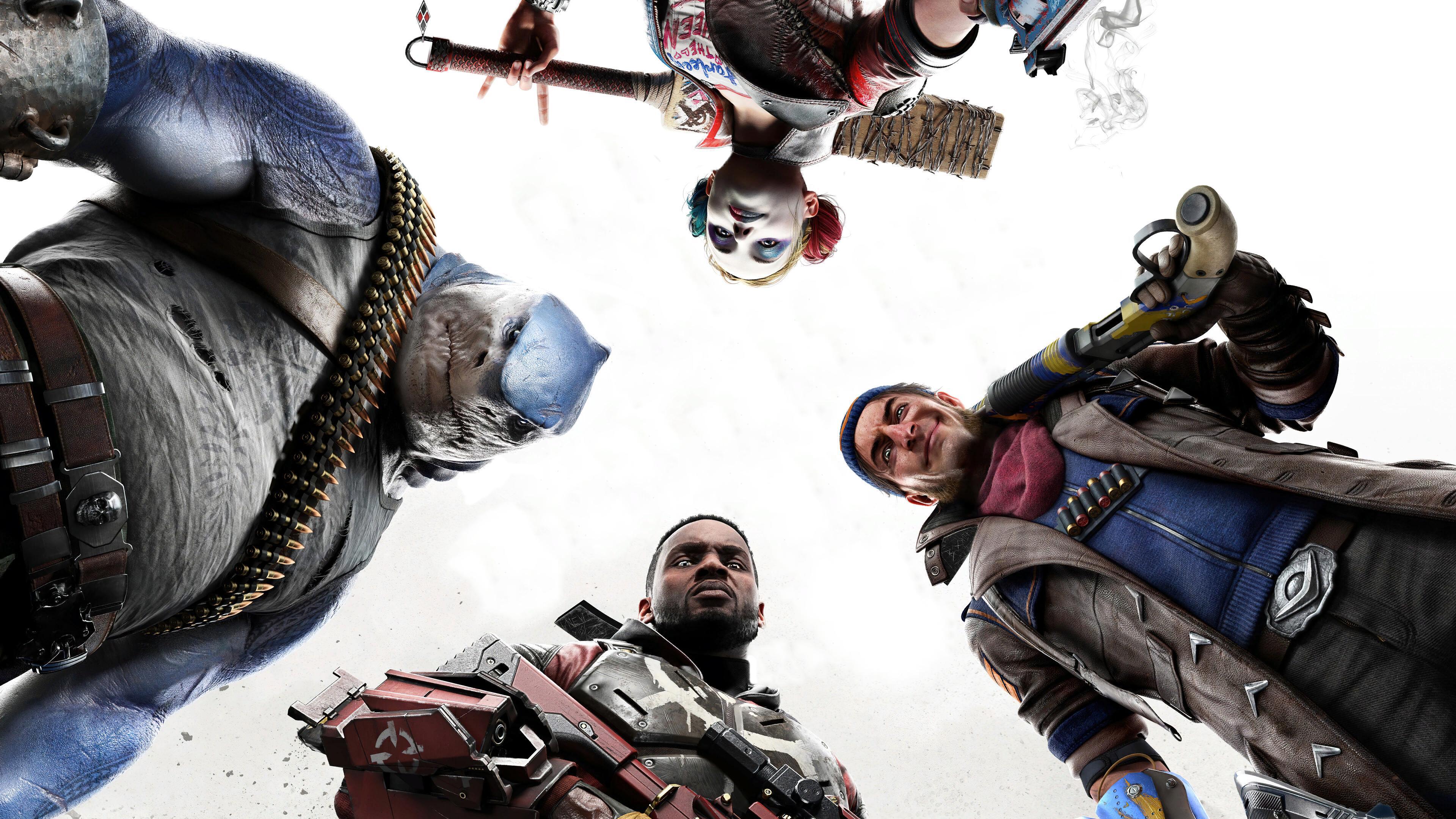
The portrayal of iconic characters and the inclusion of contemporary social dialogue drew criticism from fans of the Arkham universe. Some players felt the writing for characters like Harley Quinn and Deadshot was changed to fit modern sensibilities rather than established lore. The live service elements combined with these creative choices alienated those looking for a traditional single player experience. This disconnect resulted in a rapid decline in the active player base after release. The game struggled to maintain the interest of the core DC Comics audience.
‘Forspoken’ (2023)
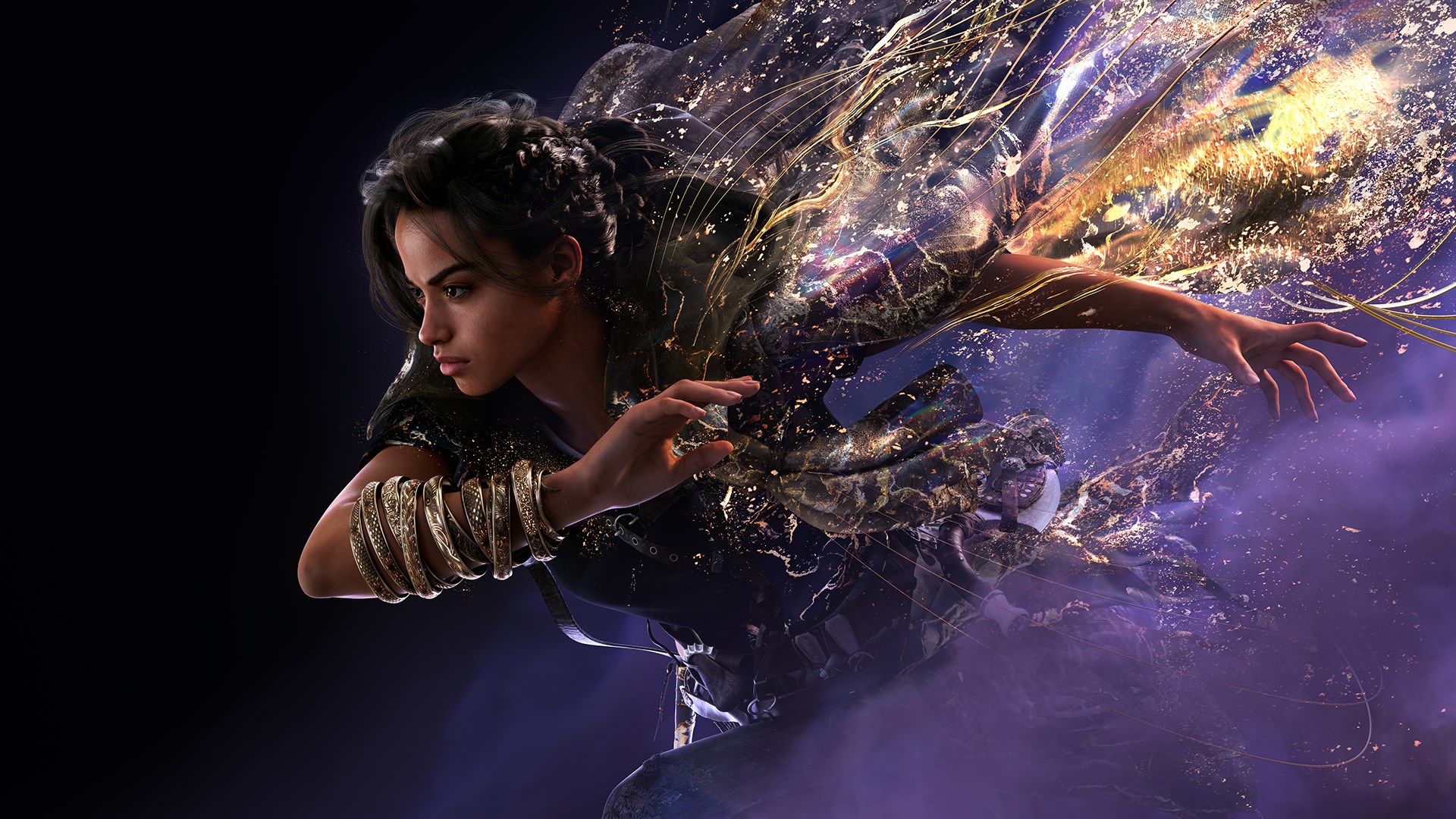
The protagonist and the style of dialogue used in this fantasy epic were widely mocked in social media circles. Many players found the writing to be an awkward attempt at reaching a younger and more diverse demographic. The personality of the lead character was a point of contention for those who preferred a more traditional hero archetype. These factors overshadowed the game’s parkour mechanics and magical combat system. Ultimately the title failed to meet the commercial expectations of the publisher.
‘Dragon Age: The Veilguard’ (2024)
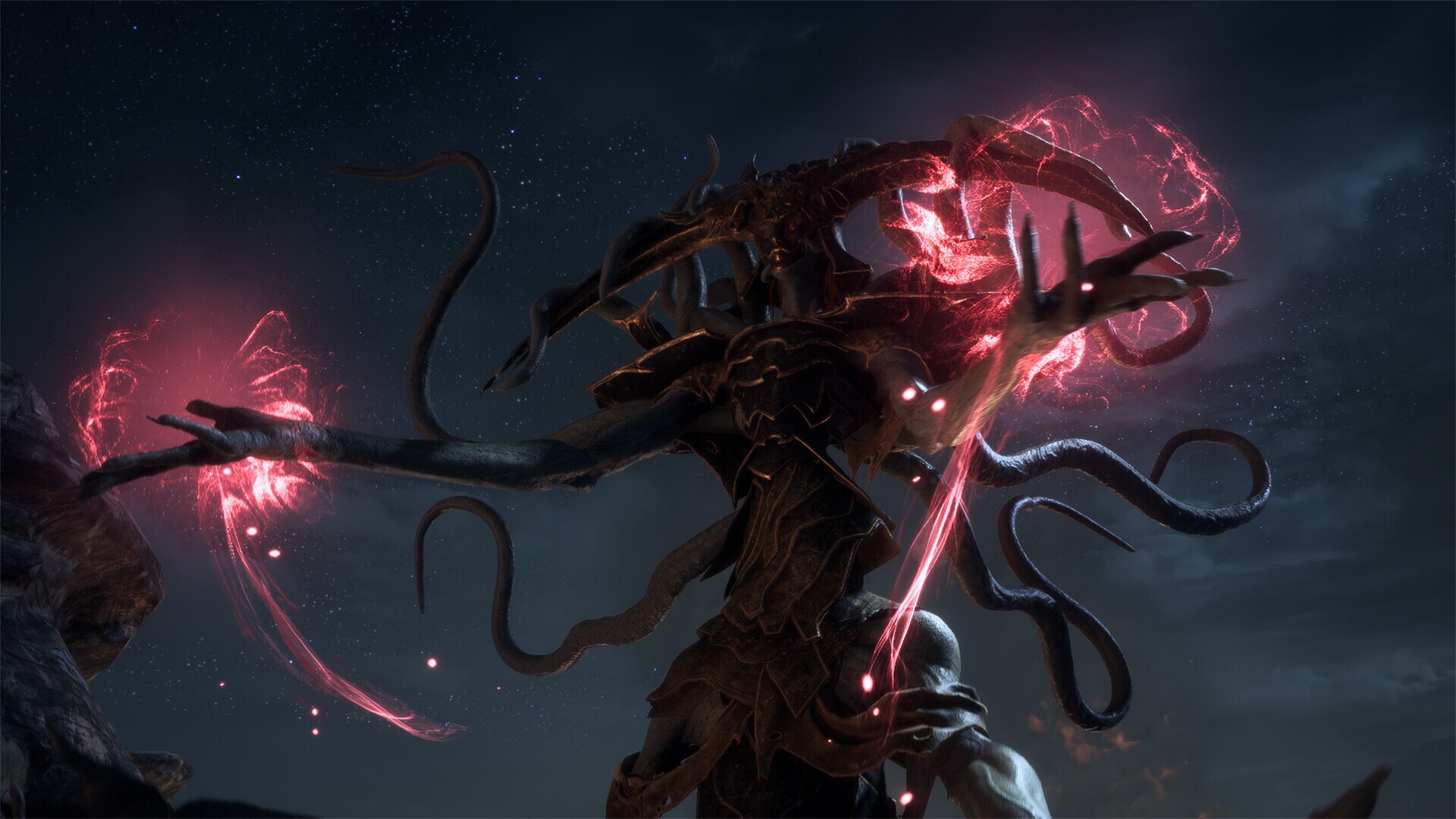
The focus on inclusive character creation and modern identity themes in this fantasy sequel caused a rift in the community. Long term fans of the series noted a shift away from the darker and more mature themes of the original games. Some players criticized the dialogue options for feeling sanitized and overly cautious. The creative direction was seen by some as an attempt to appeal to a new audience at the expense of the core fans. This led to significant debate regarding the evolution of the franchise under new leadership.
‘Mass Effect: Andromeda’ (2017)
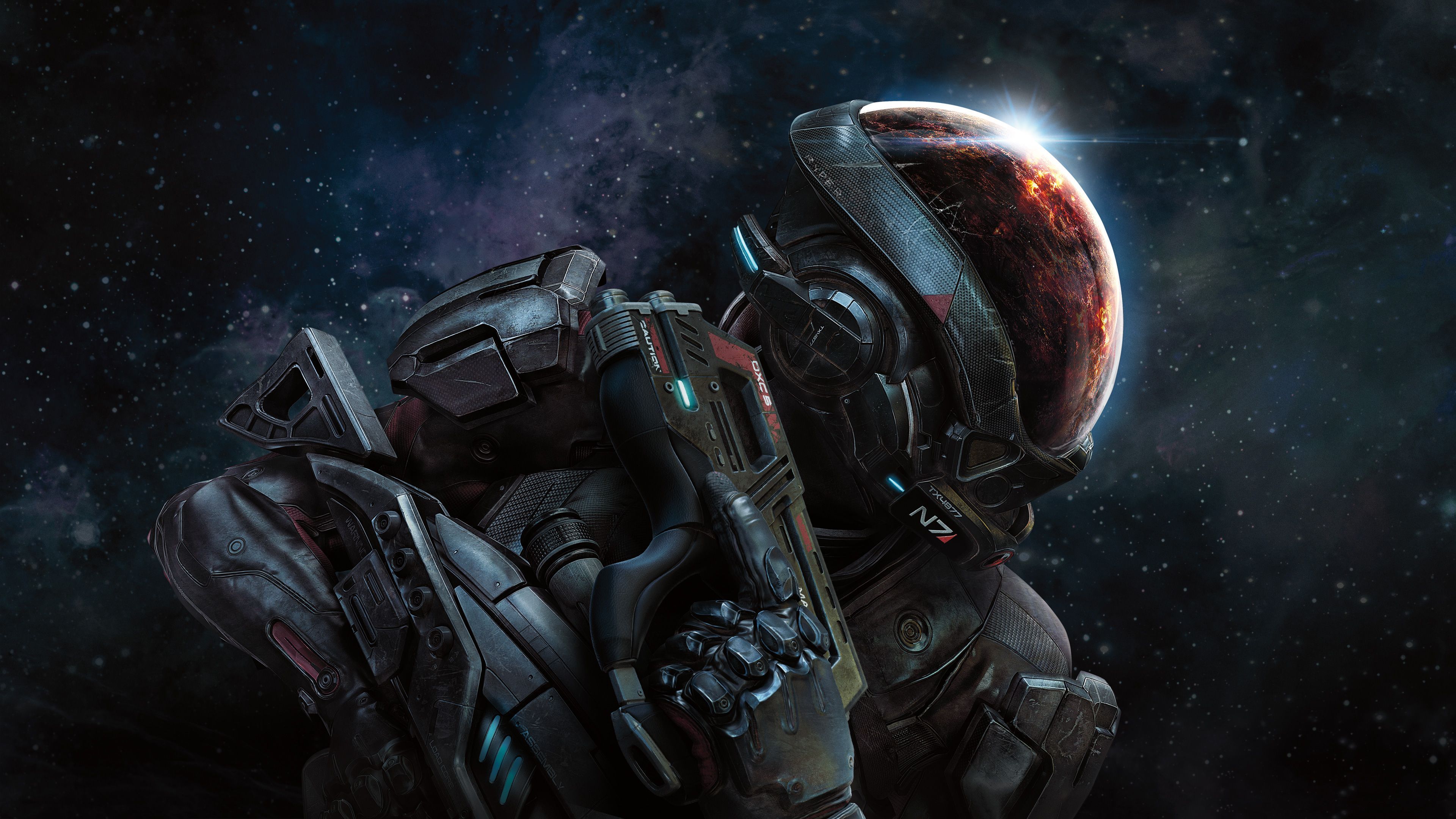
This title faced criticism for its character animations and the perceived quality of its writing compared to the original trilogy. Some fans felt the focus on a more diverse cast of characters came at the cost of narrative depth and character development. The dialogue was often cited as a major step down from the high standards set by previous entries. Technical issues at launch further complicated the reception of the game. The franchise was put on a brief hiatus following the negative feedback from the community.
‘Assassin’s Creed Shadows’ (2025)
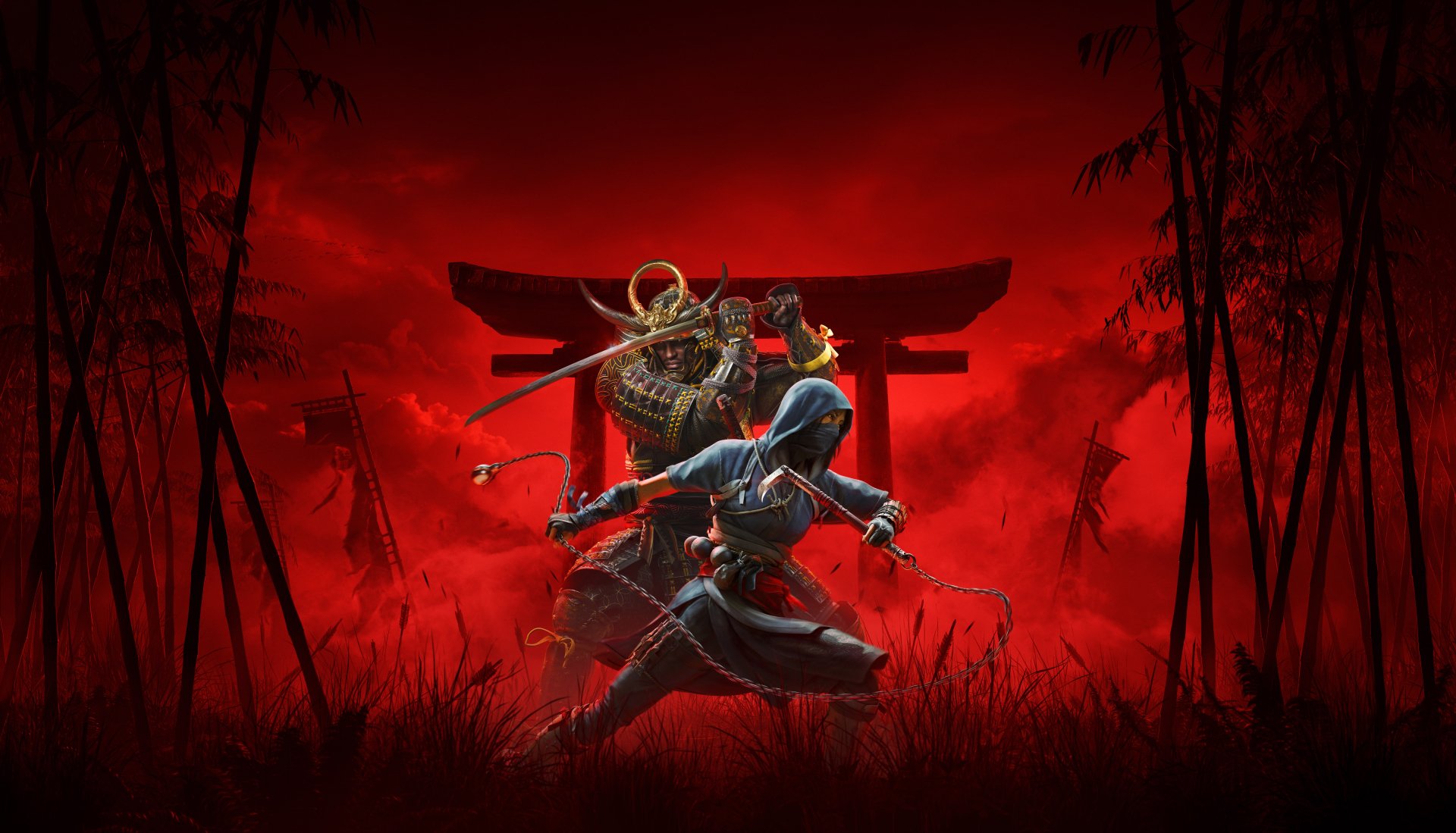
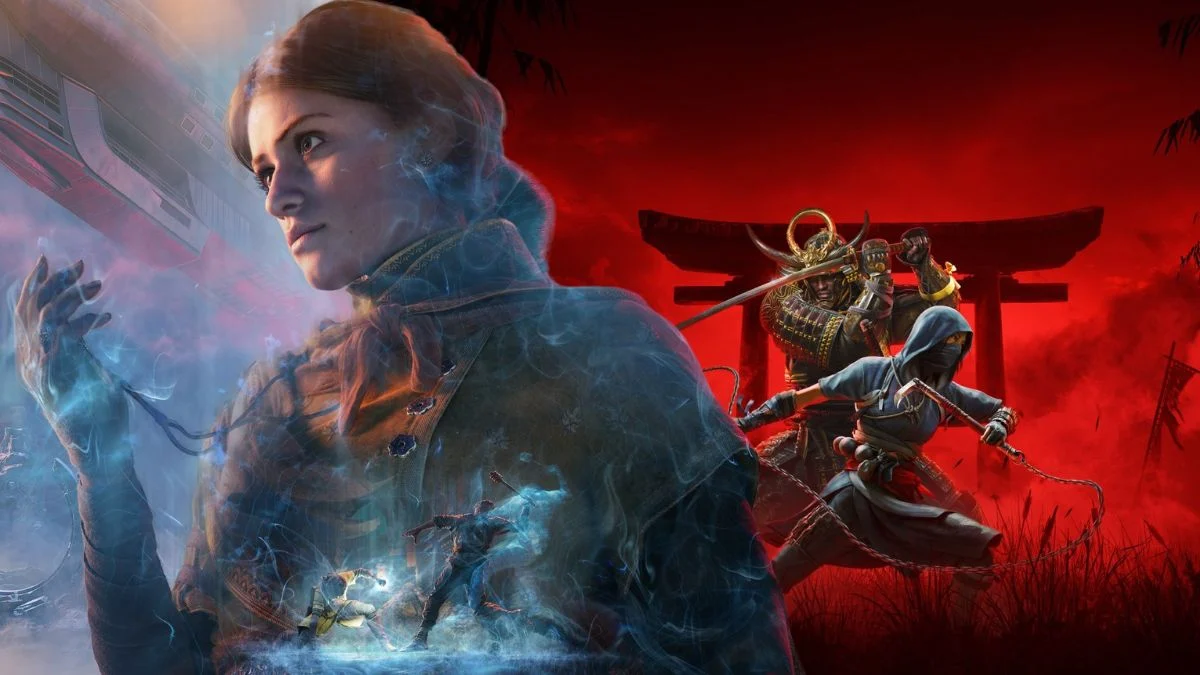
The inclusion of a historical figure as one of the main protagonists in a Japanese setting sparked a massive international debate. Many fans argued that the choice broke the tradition of featuring fictional local heroes in the series. Concerns regarding cultural authenticity and historical accuracy became a central theme of the pre release discourse. The studio faced pressure from various groups to address these concerns before the official launch. This situation demonstrated how sensitive players can be to changes in franchise conventions.
‘Unknown 9: Awakening’ (2024)
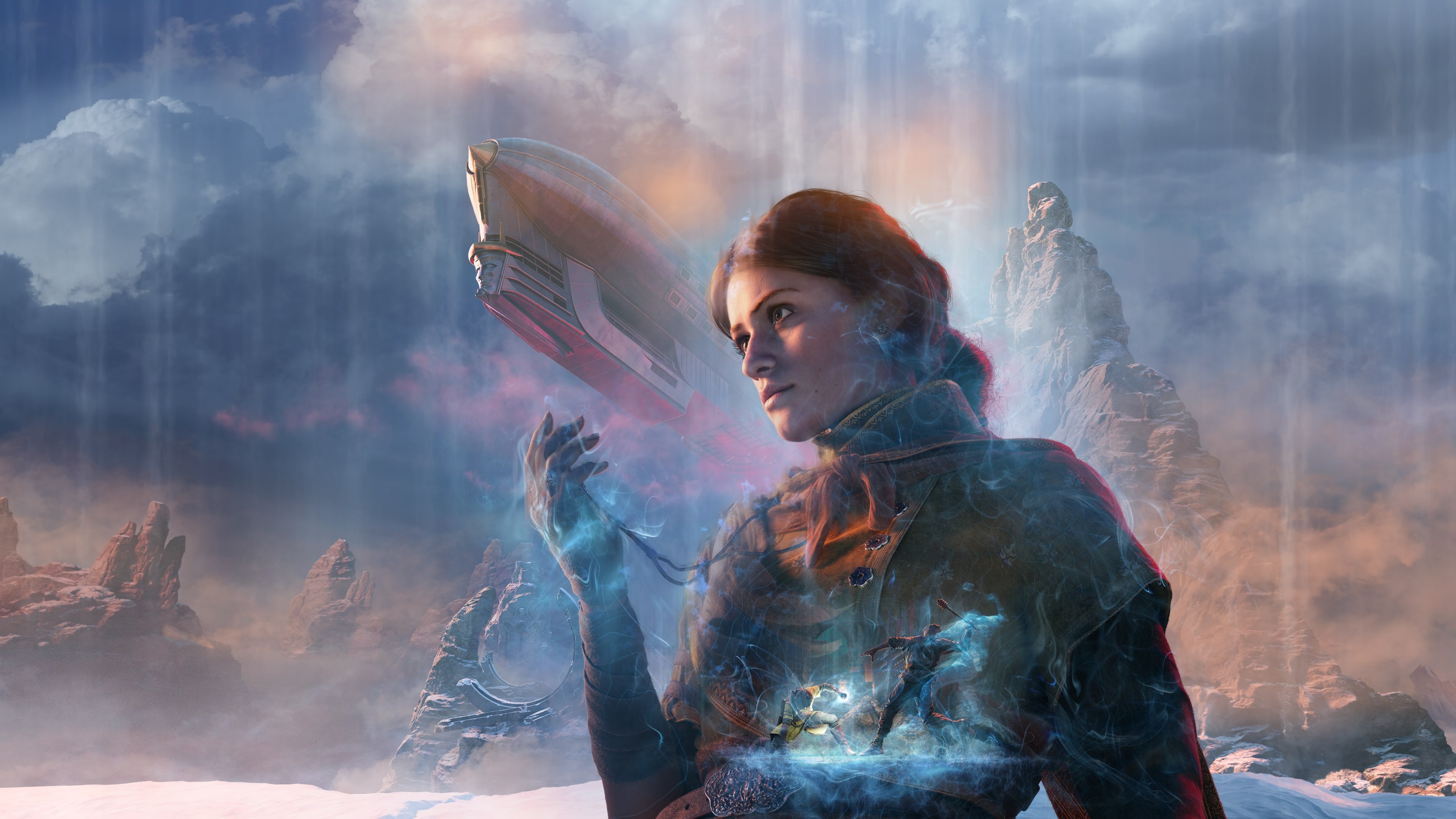
This new intellectual property was met with skepticism due to its perceived focus on modern social themes and character design. Many potential players felt the marketing emphasized the lead character’s identity over the actual gameplay loop. The narrative and world building were criticized for feeling derivative of other popular media. The game failed to generate significant interest on digital storefronts upon its arrival. It remains a notable example of a new franchise struggling to build a dedicated following.
‘Tales of Kenzera: ZAU’ (2024)

This platformer explored themes of grief through the lens of African culture and mythology. While it received positive mentions for its art style some players felt the marketing was too focused on identity politics. This perception caused a segment of the gaming community to ignore the title entirely. Despite being a personal project from a well known actor it struggled to maintain a consistent player count. The game highlighted the difficulty of launching niche cultural stories in a competitive market.
‘Flintlock: The Siege of Dawn’ (2024)
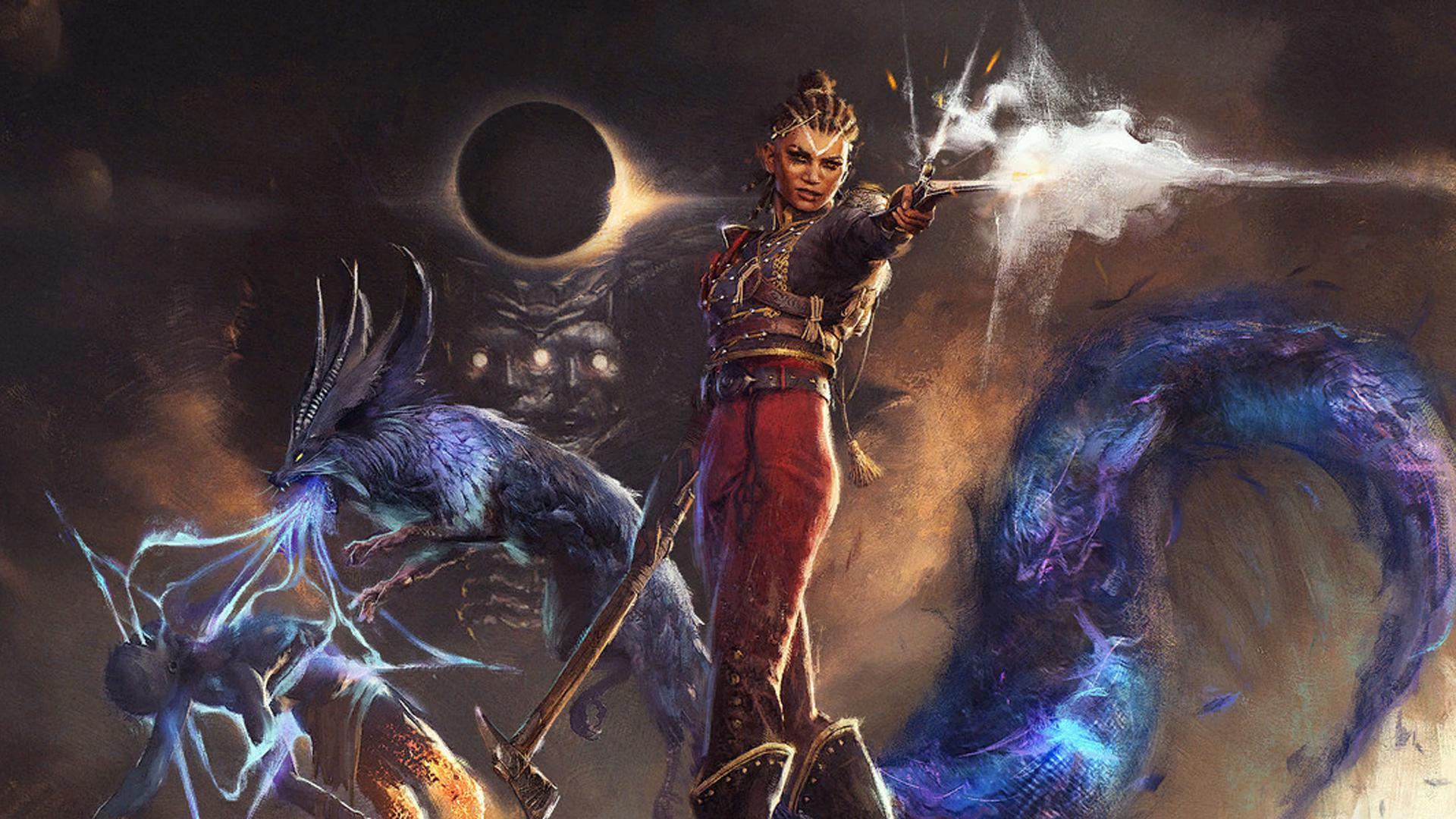
This action game featured a diverse protagonist in a unique setting blending magic and gunpowder. Some critics and players felt the character design and story elements were influenced by external diversity consulting. This belief led to a campaign of negativity that affected the game’s visibility and reputation. The gameplay was often compared unfavorably to other titles in the genre during these discussions. It struggled to reach a broad audience despite its polished presentation.
‘Marvel’s Spider-Man 2’ (2023)
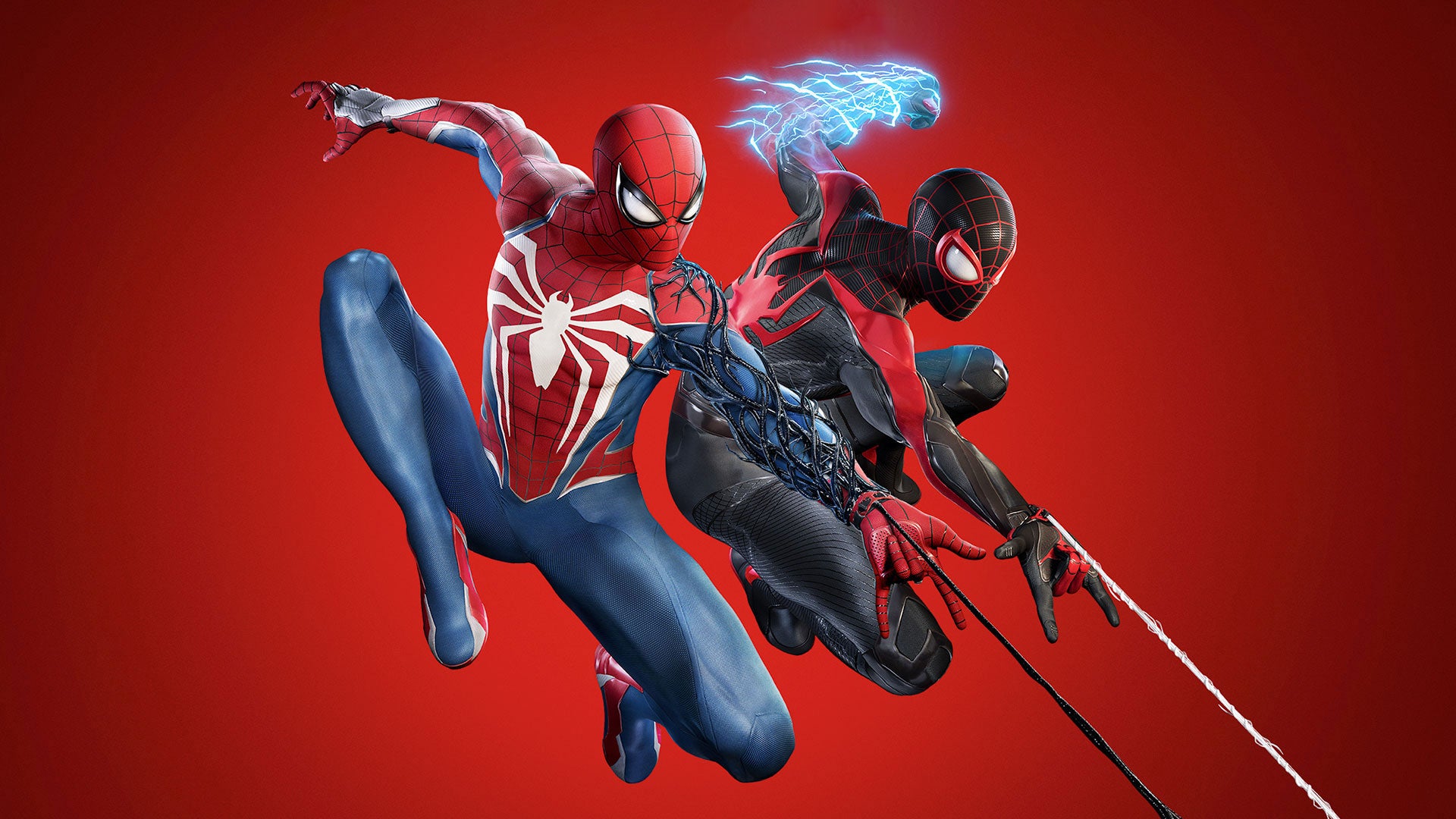
While the game was a massive commercial success some fans took issue with certain narrative choices and side missions. Critics pointed to the inclusion of social justice themes and specific character interactions as being out of place for a superhero story. Some players felt the game leaned too heavily into contemporary cultural trends during the side content. These complaints did not stop the game from selling well but they did create a vocal minority of dissatisfied fans. The discourse around the game showcased the ongoing tension in mainstream entertainment.
‘Gotham Knights’ (2022)
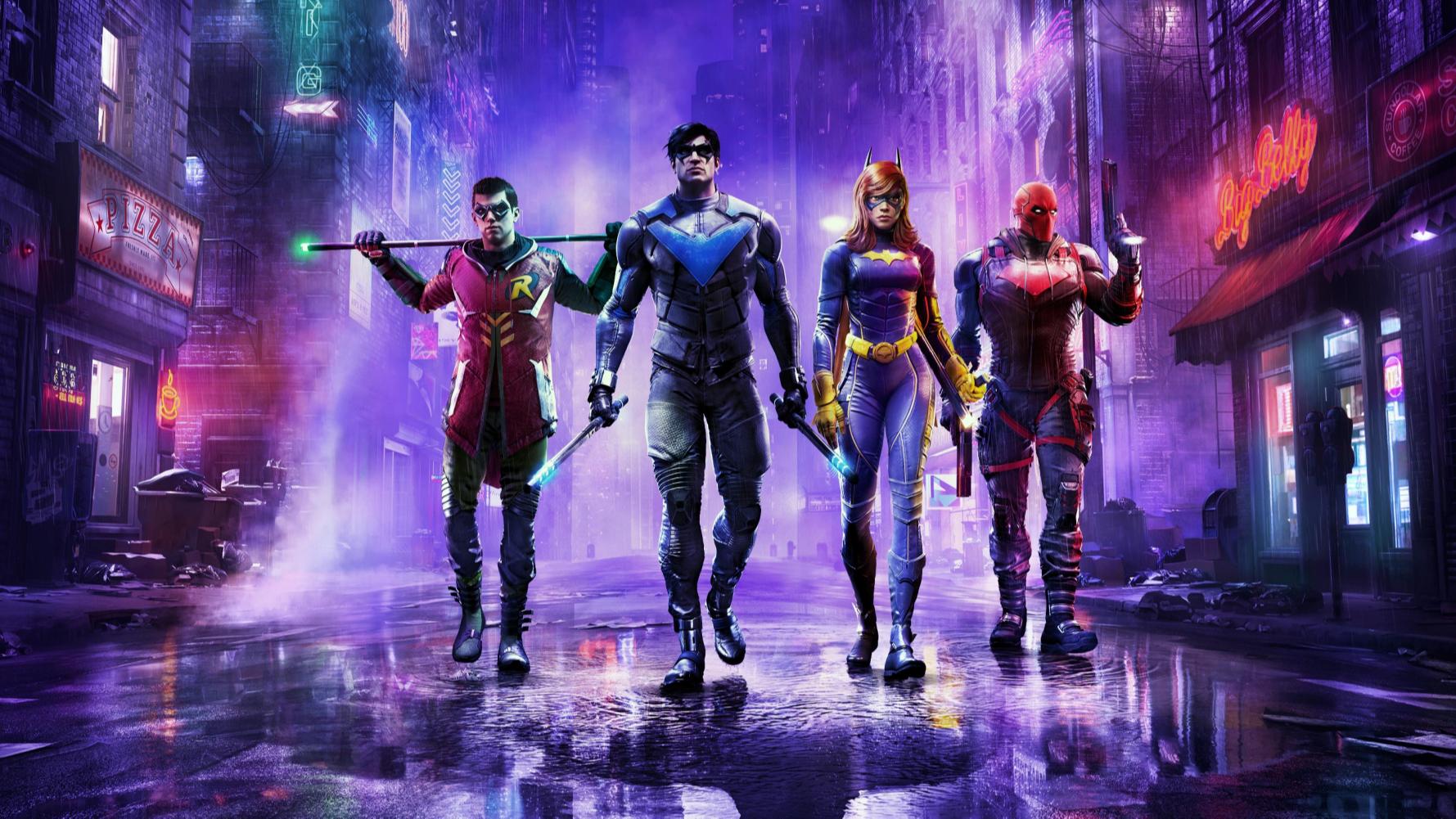
The removal of Batman and the focus on a diverse cast of proteges did not sit well with many fans of the franchise. Some players felt the writing for the new leads lacked the weight and gravitas of previous Batman titles. The inclusion of modern social dialogue was seen by some as a distraction from the main plot. This contributed to a general sense of disappointment with the overall direction of the game. It failed to capture the same level of excitement as the earlier Arkham series.
‘Mortal Kombat 1’ (2023)
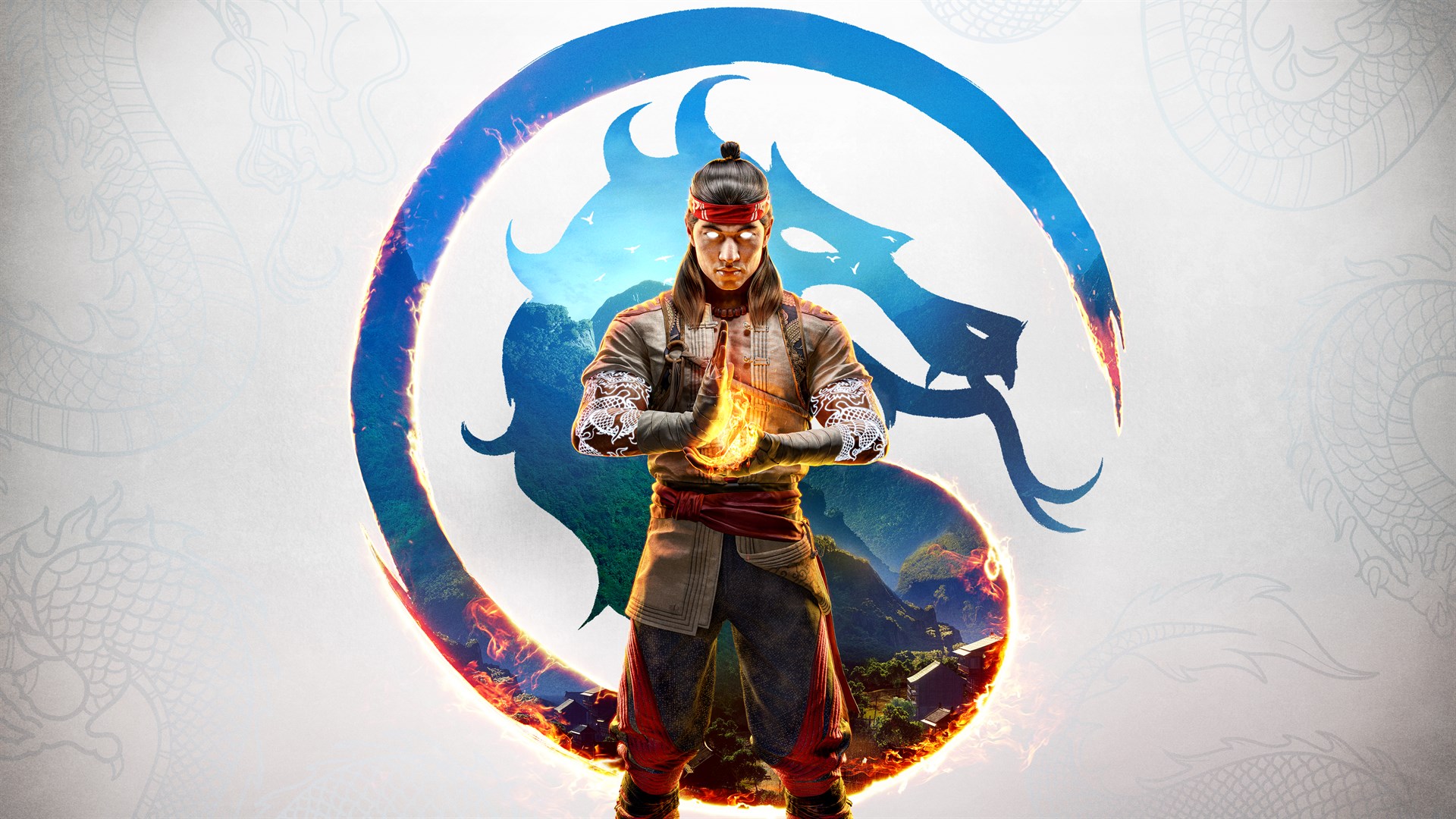
Changes to character designs and the introduction of new lore elements caused friction within the fighting game community. Some fans felt the updated looks for classic characters were a result of modern sensitivity rather than artistic growth. The narrative reboot also drew mixed reactions for how it handled certain legacy relationships. While the core gameplay remained popular the aesthetic changes were a constant point of contention. This highlighted how protective fans can be of iconic character appearances.
‘Overwatch 2’ (2022)
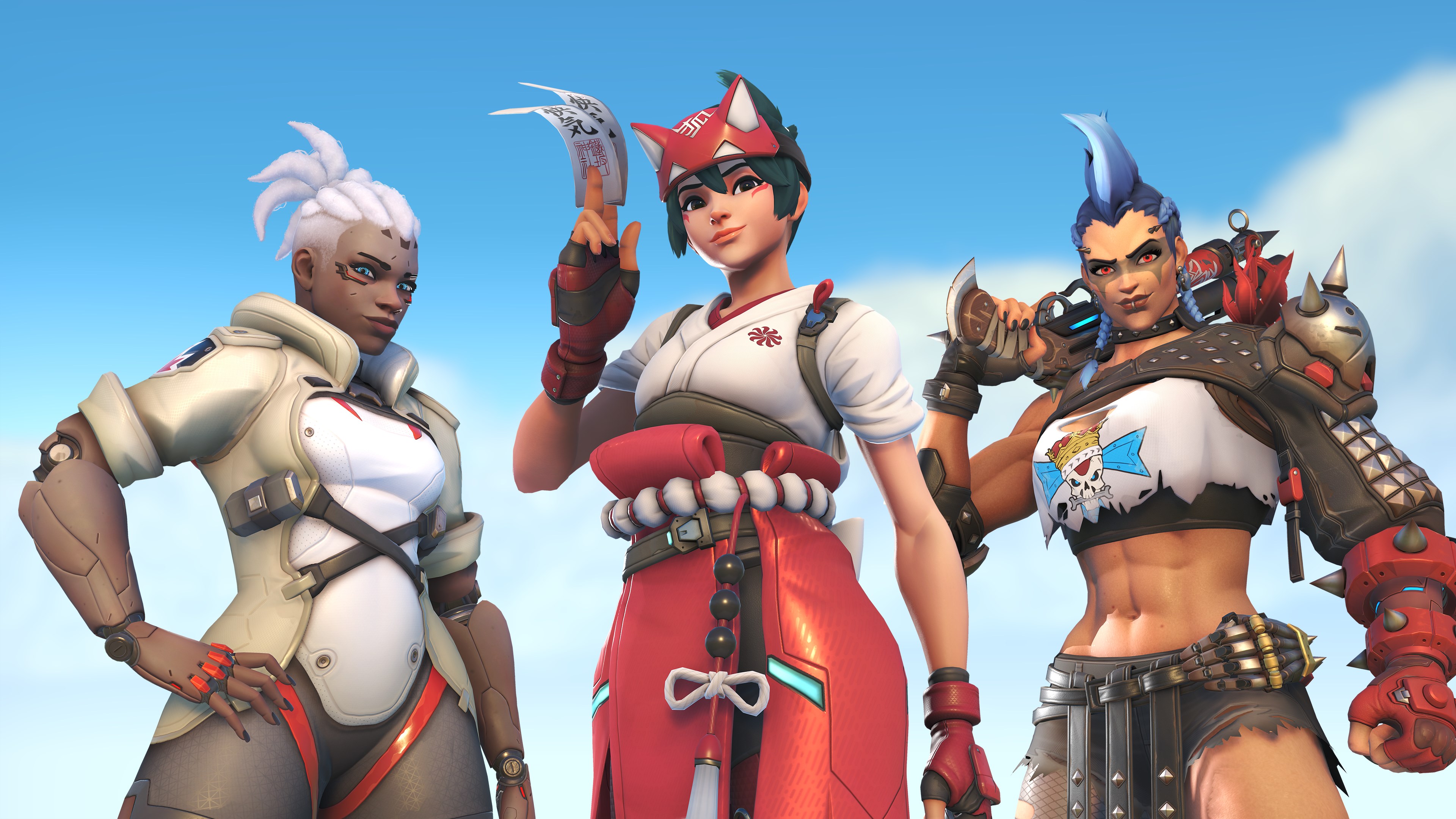
The transition to a sequel brought about changes in character backgrounds and a heavy emphasis on seasonal events with diverse themes. Some players felt the focus had shifted away from competitive balance and toward selling cosmetic items based on identity. The reveal of character sexualities through external media was met with mixed reactions from the player base. Many fans expressed frustration that these updates seemed more important to the developers than fixing long standing gameplay issues. The game continues to face a divided community regarding its creative direction.
‘Star Wars Outlaws’ (2024)
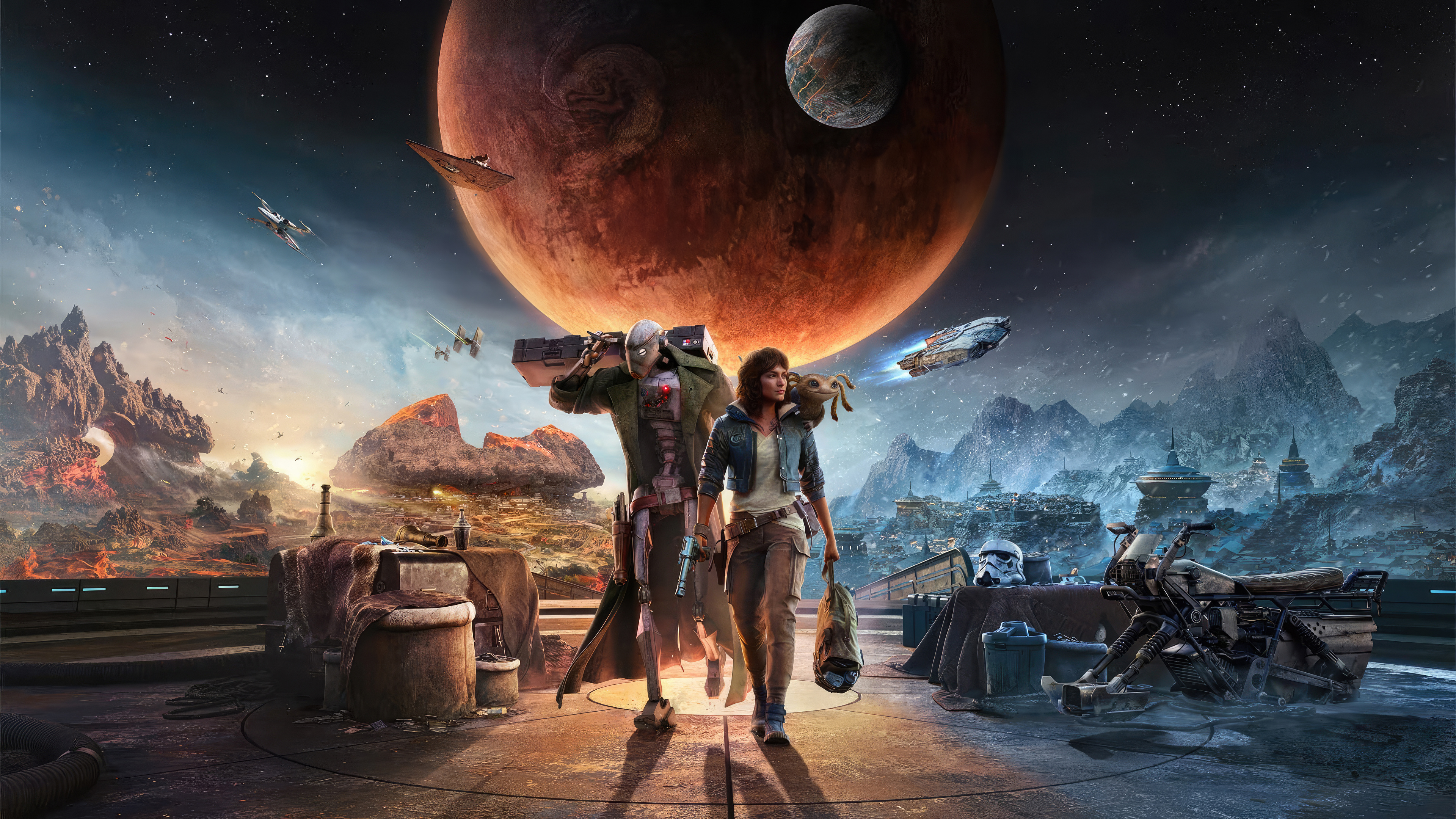
The character design of the lead protagonist and the tone of the adventure were scrutinized by fans of the galaxy far far away. Some players felt the game was trying too hard to fit a specific modern archetype rather than the classic Star Wars feel. The dialogue and character interactions were often cited as being underwhelming or generic. This led to a lukewarm reception from a community that has become increasingly critical of new Star Wars media. The title faced an uphill battle in proving its worth to the core audience.
‘Wolfenstein: Youngblood’ (2019)
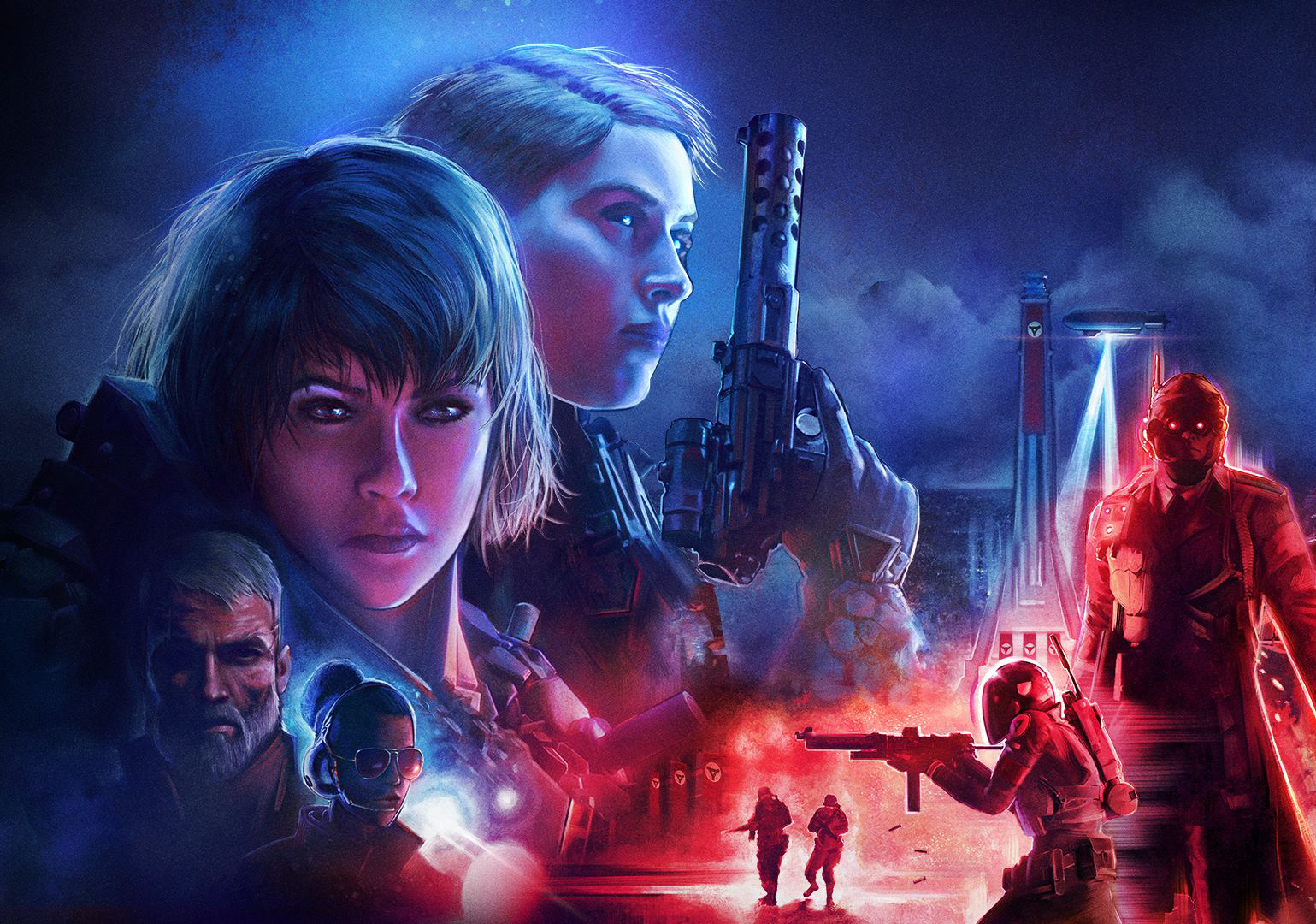
Replacing the series protagonist with his two daughters resulted in a significant shift in tone and gameplay. Fans of the previous games felt the new characters were grating and lacked the depth of the original lead. The inclusion of light RPG elements and a focus on cooperative play further alienated the solo player base. Critics also pointed to the narrative as being less impactful than the high stakes stories of the past. The game is often cited as a low point in the modern revival of the franchise.
‘Call of Duty: Vanguard’ (2021)
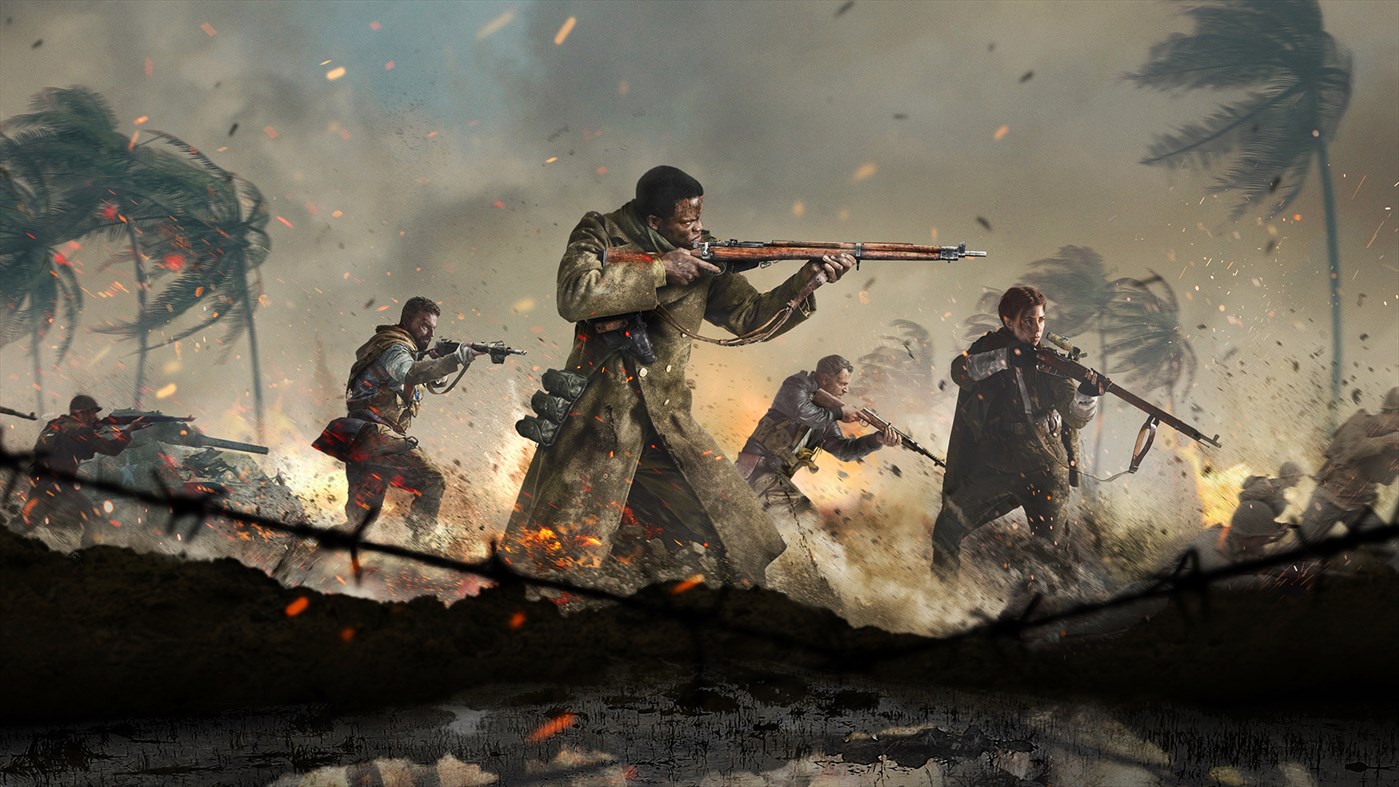
This World War II shooter was criticized for its departure from historical accuracy in favor of a diverse cast of heroes. Many players felt the multi national squad felt more like a modern superhero team than a realistic military unit. The inclusion of various anachronistic elements in the name of inclusivity broke the immersion for many fans. This led to a decrease in interest from those who enjoyed the more grounded entries in the series. The game saw lower engagement levels compared to other recent titles in the franchise.
‘Dead Space’ (2023)
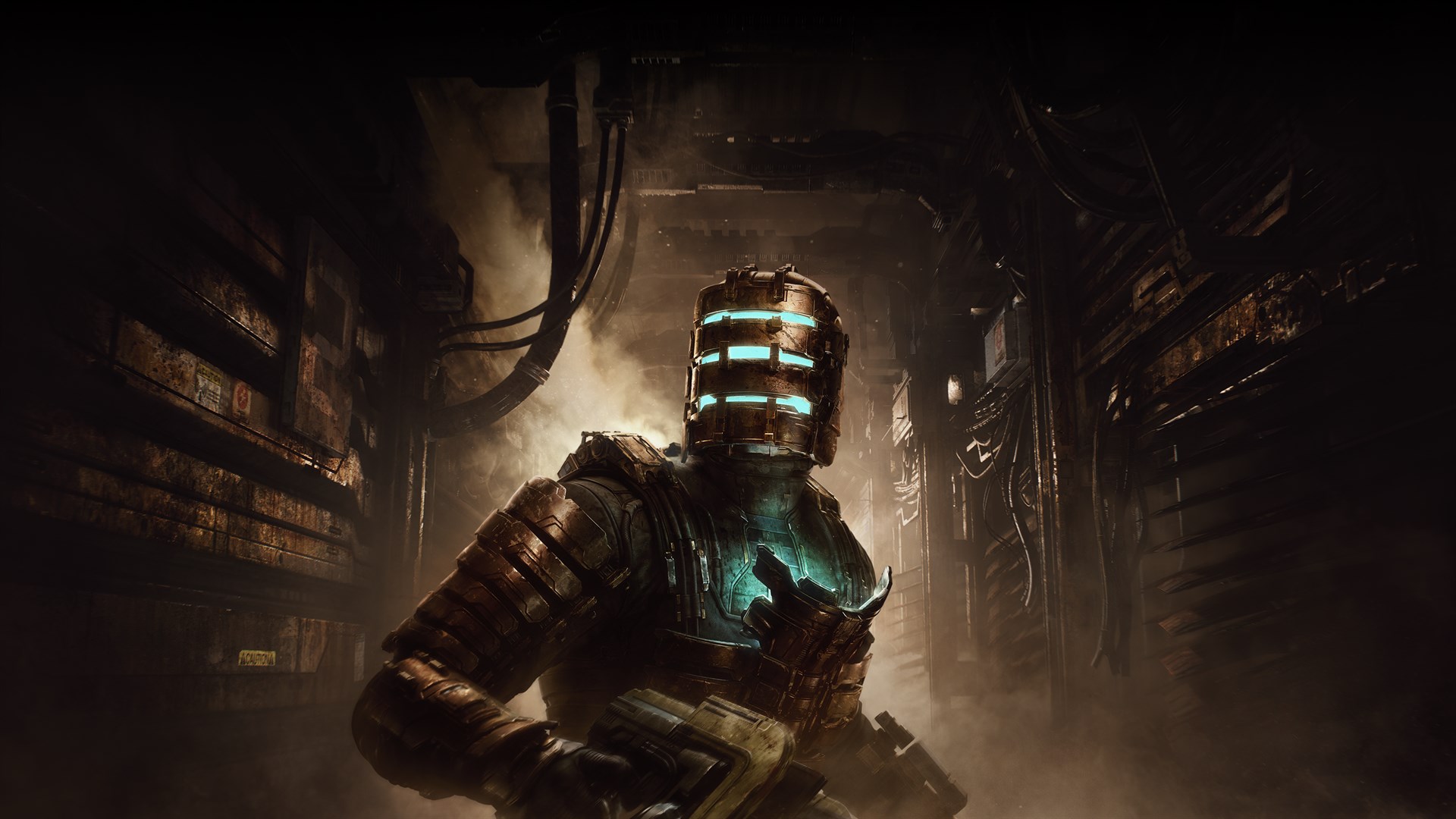
The remake of this classic horror title introduced several changes to character models and side characters. Some fans took issue with the updated appearances and the addition of diverse backgrounds for the crew of the Ishimura. Critics argued that these changes were unnecessary and felt like a response to modern corporate mandates. While the game was praised for its atmosphere and improvements to gameplay the aesthetic changes remained a point of debate. It showed that even successful remakes can face scrutiny over diversity updates.
‘The Sims 4’ (2014)
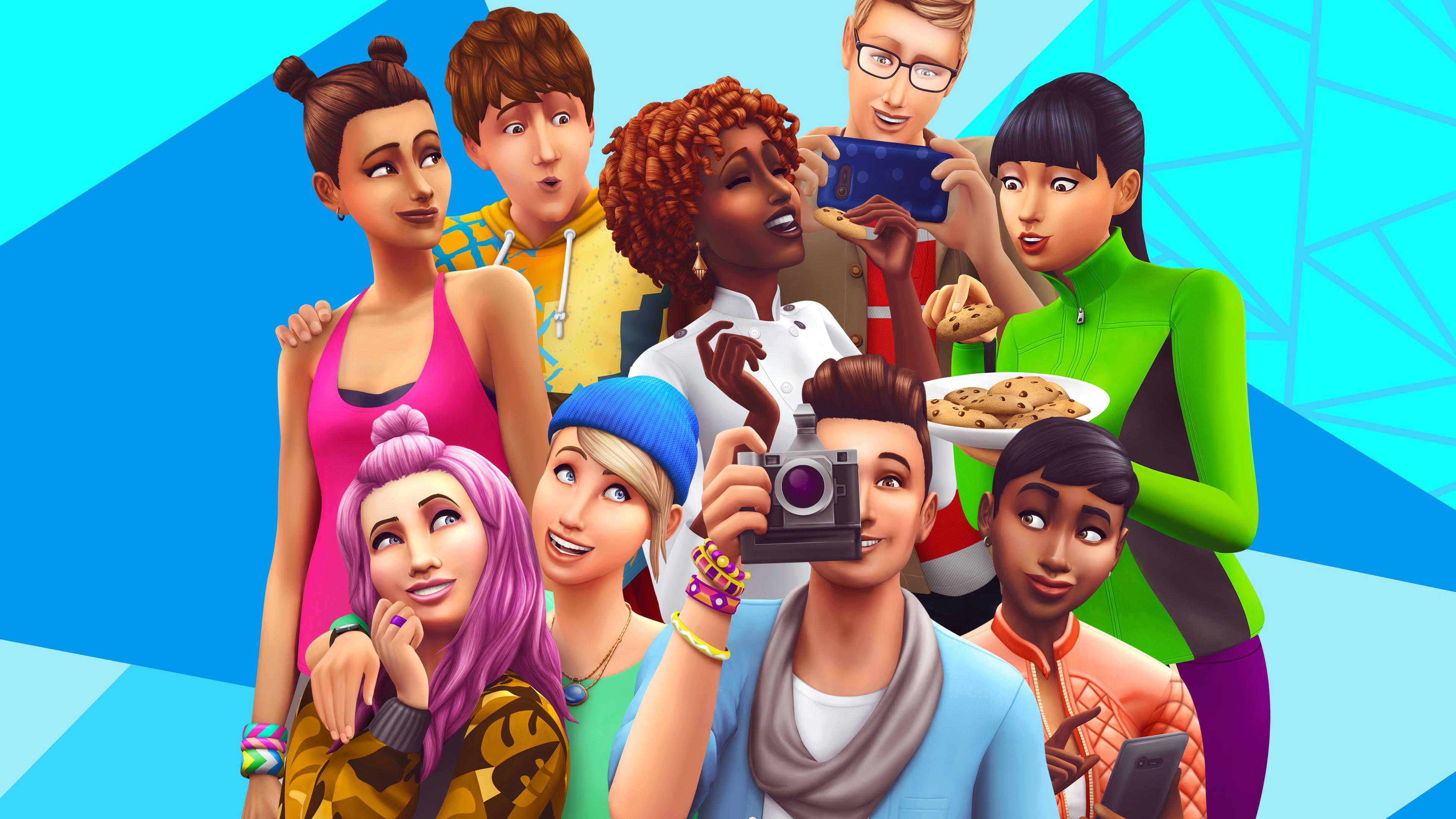
Over the years this life simulation game has added numerous updates focused on gender identity and cultural representation. While many players welcomed these additions a vocal segment of the community felt the developers were ignoring core gameplay bugs. The focus on social updates was seen by some as a way to avoid addressing deeper technical issues with the game engine. This has led to recurring arguments about the priority of content updates versus stability. The game remains a focal point for discussions on inclusivity in gaming.
‘World of Warcraft’ (2004)
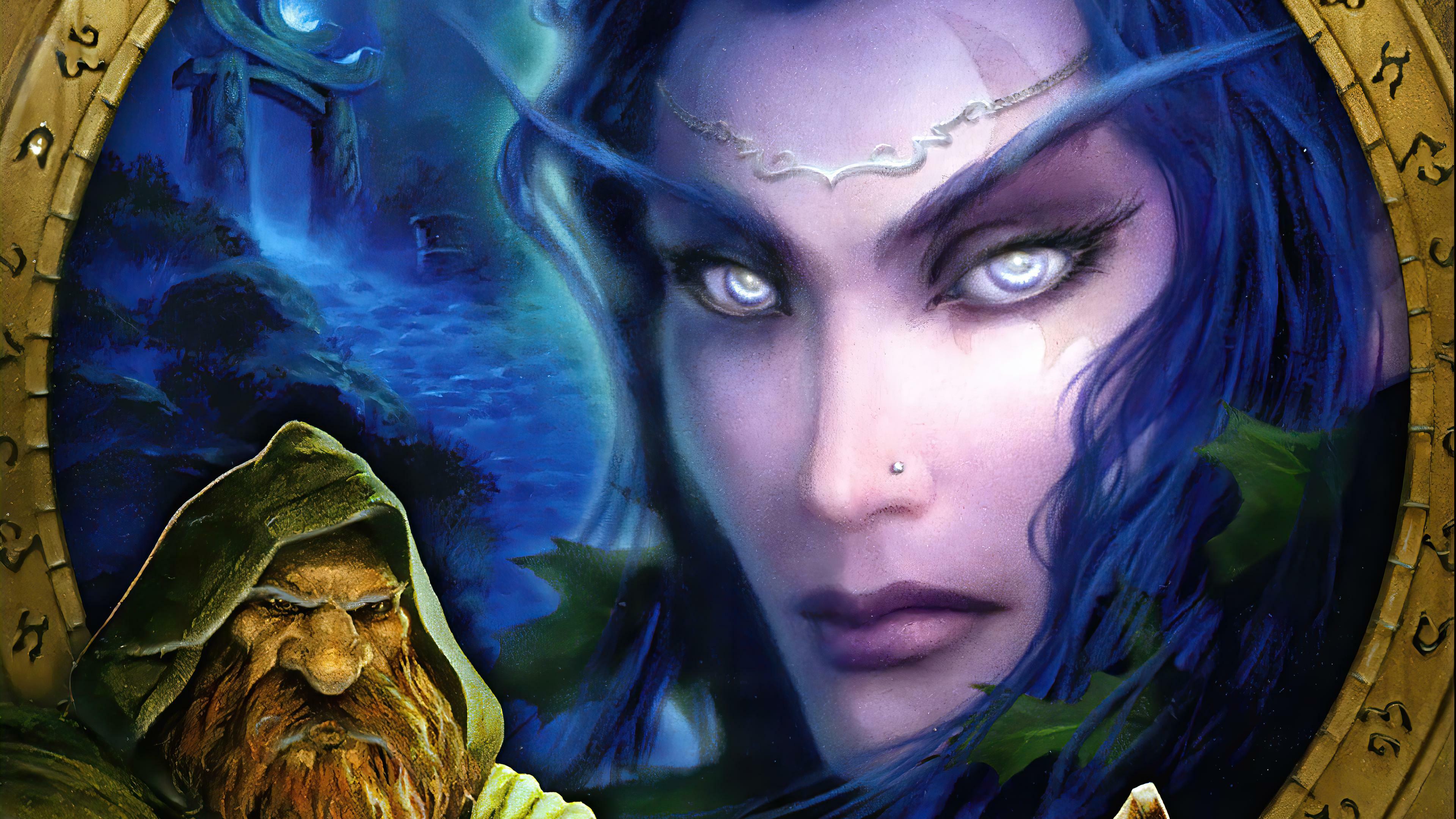
Recent expansions and updates have made significant changes to the lore and character options to be more inclusive. Some long time players felt these changes contradicted established world building and felt forced into the narrative. The removal of certain jokes and older content deemed offensive also caused a backlash among the veteran player base. Many fans expressed that the game was losing its original identity in favor of modern sensibilities. This tension has been a major theme in the community for several years.
‘Hearthstone’ (2014)
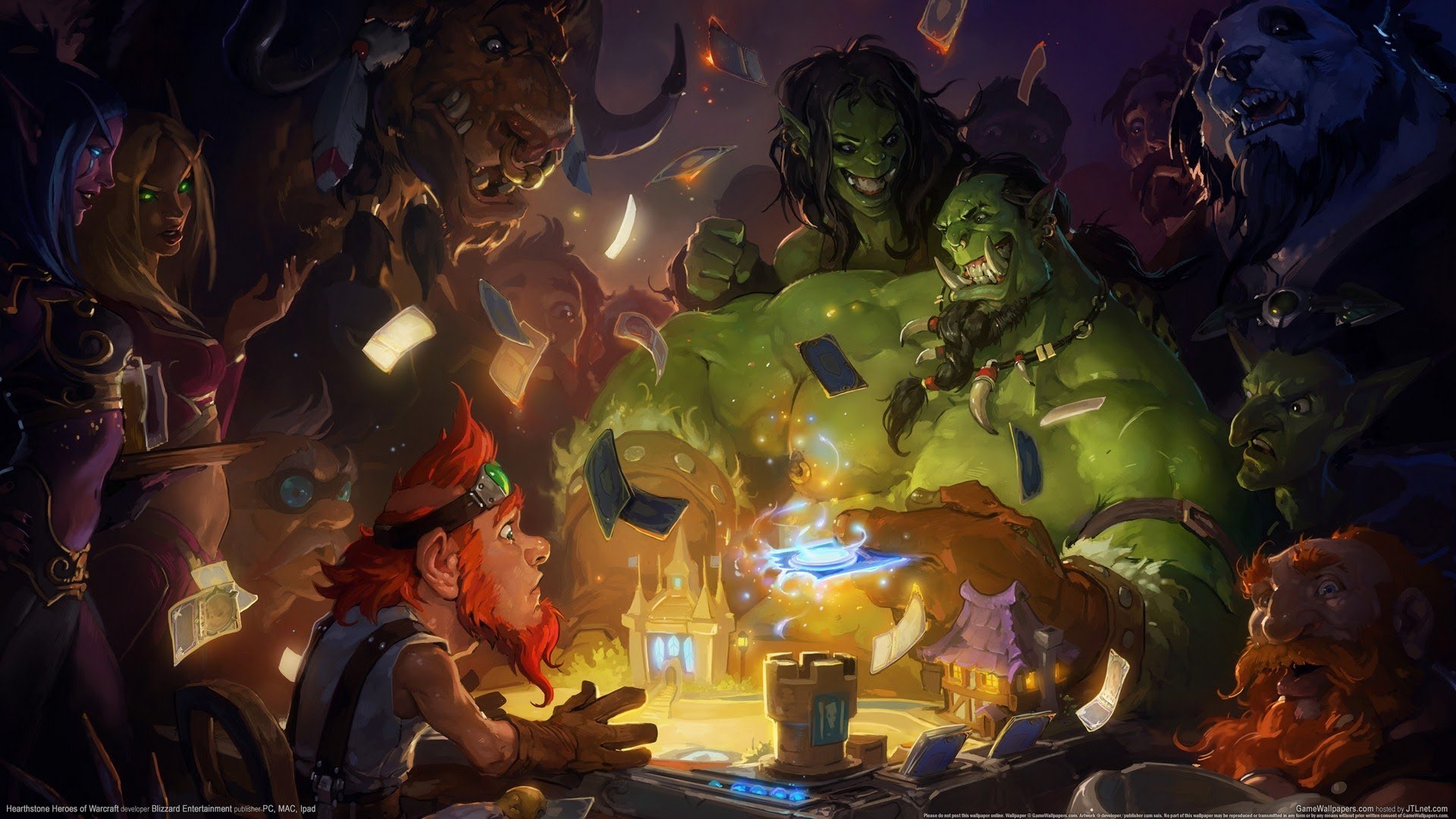
The digital card game has updated its card art and character portraits to reflect a more diverse and inclusive world. Some players were unhappy with the changes to classic cards that they had grown accustomed to over a decade. The shift in art style was criticized for being too safe or sanitized compared to the original Warcraft aesthetic. These changes were often seen as a way to align the game with broader corporate goals rather than improving the player experience. It resulted in frequent debates within the community about the visual direction of the game.
‘Magic: The Gathering Arena’ (2018)
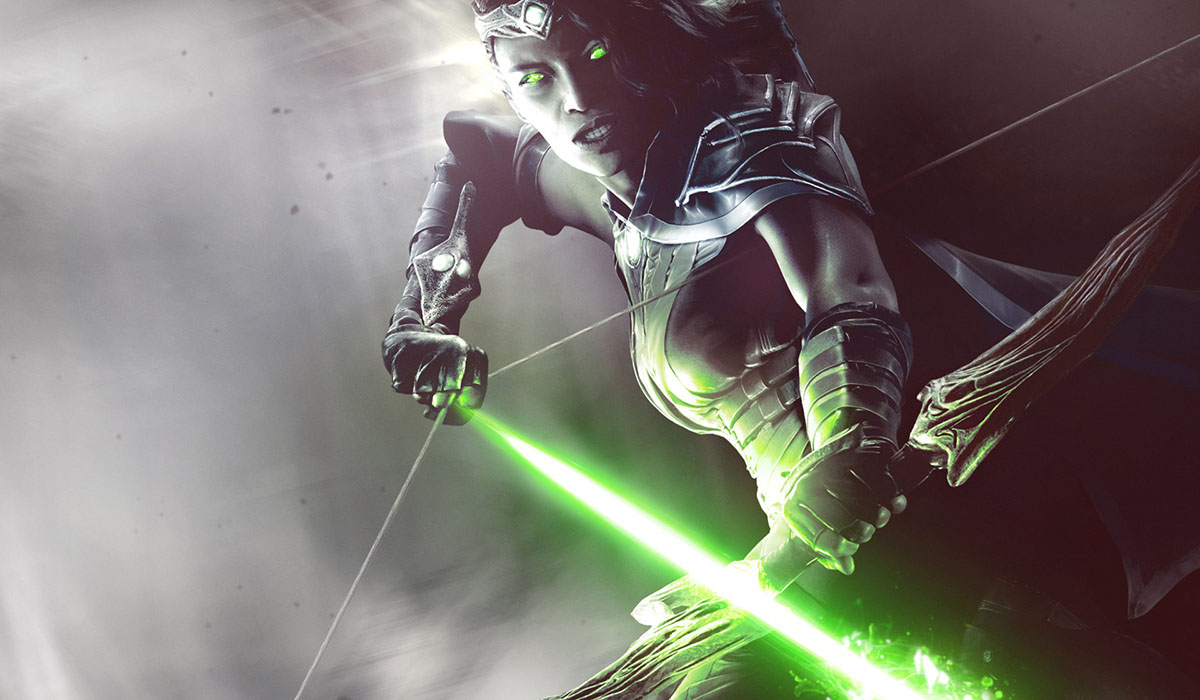
The inclusion of modern social themes in new card sets has caused friction between different segments of the player base. Some fans feel the game is becoming a platform for political expression rather than a pure fantasy card game. Changes to character lore to increase representation have also been met with mixed reviews. This has led to a more fragmented community and heated discussions on social media. The balance between traditional fantasy and modern inclusivity remains a challenge for the developers.
‘Fable’ (2025)
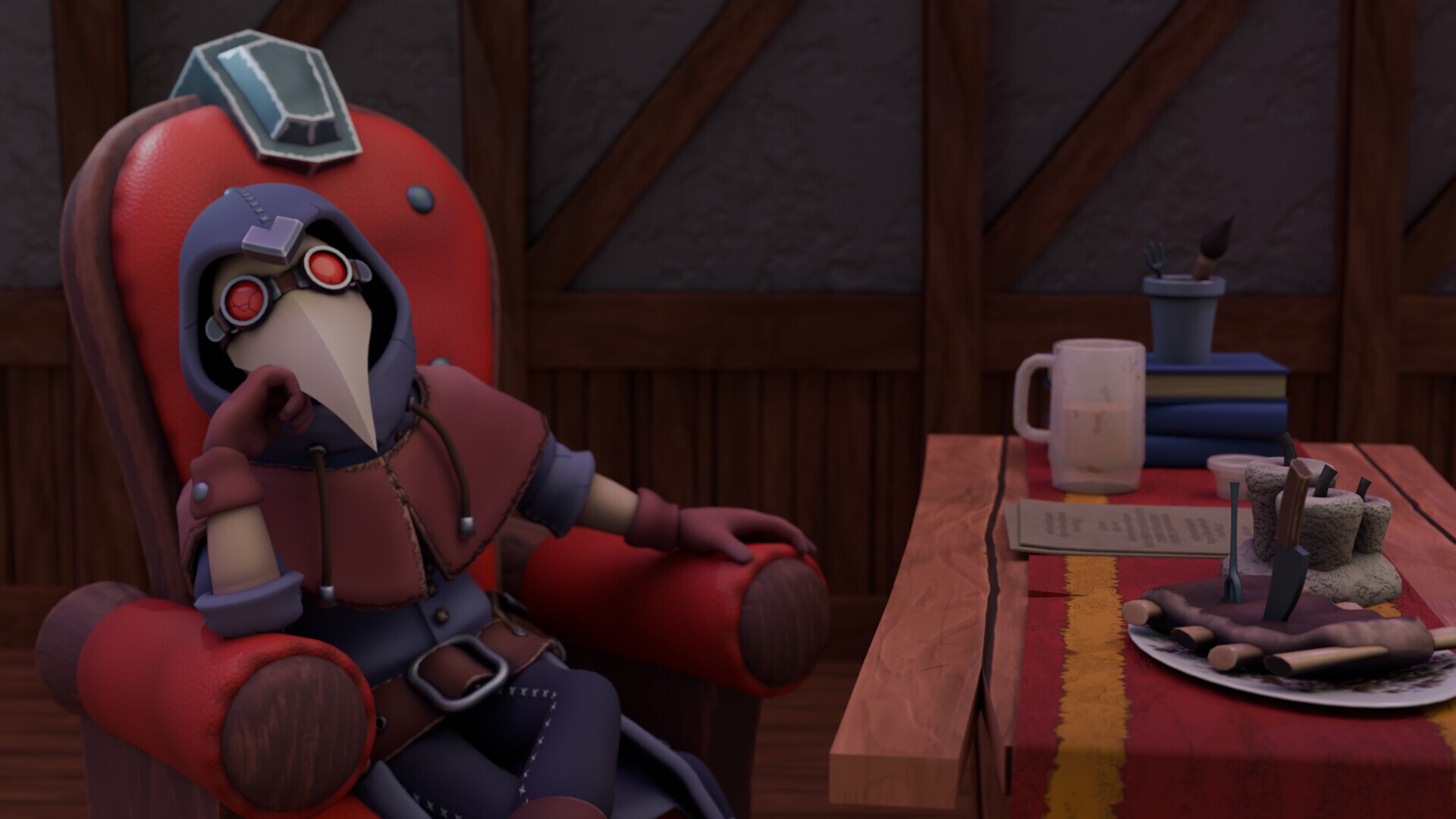
The reveal trailer for the reboot of this beloved series featured a protagonist that many fans found to be a departure from the series’ roots. Critics argued that the character design felt like a deliberate move away from traditional beauty standards in gaming. This led to an intense online discussion about the goals of character design in modern RPGs. Many fans expressed concern that the satirical and whimsical nature of the original games would be lost. The game has become a lightning rod for debates about creative freedom and audience expectations.
‘Horizon Forbidden West’ (2022)
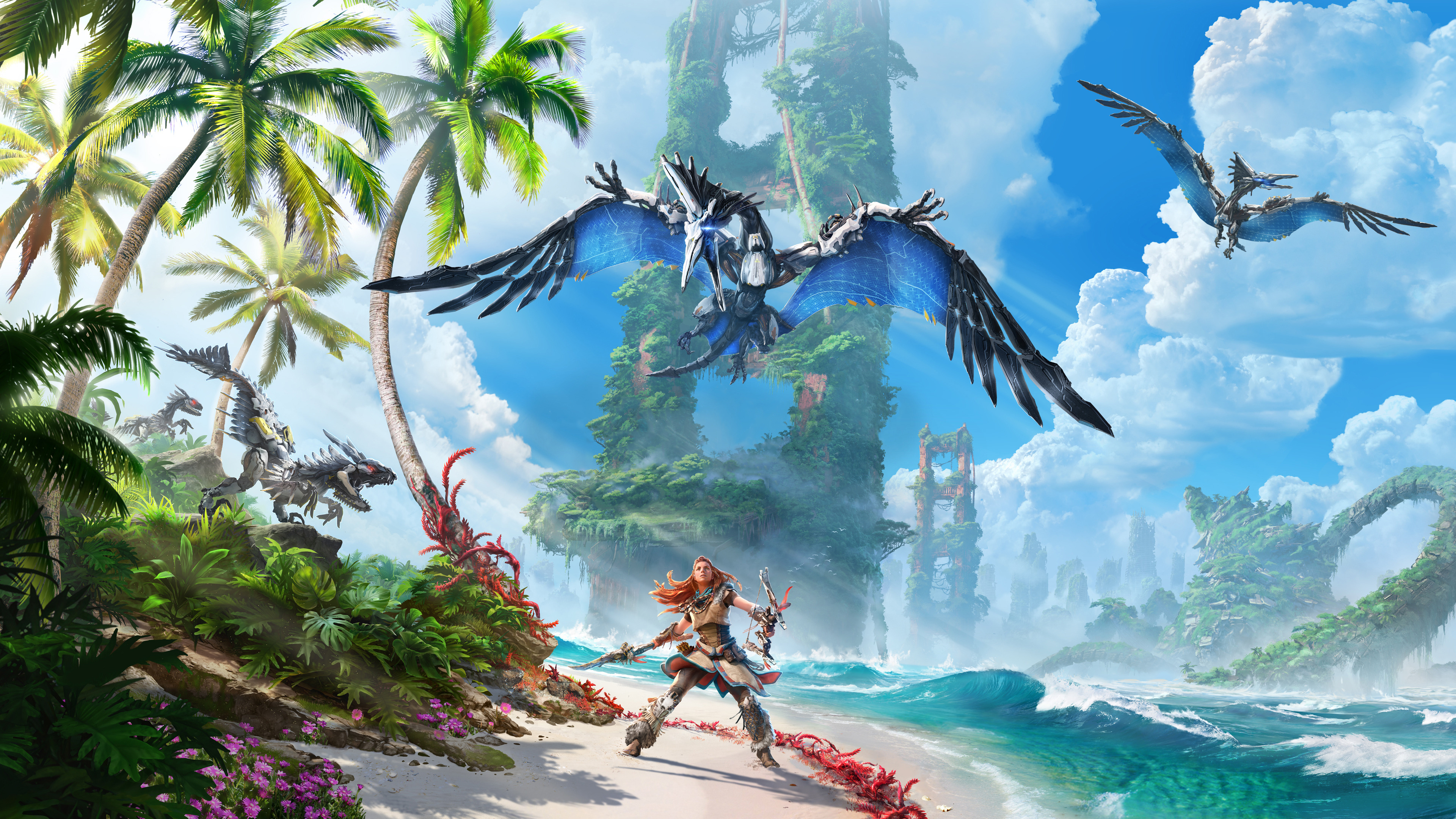
While largely successful the game faced some criticism for the facial design of its protagonist in certain promotional materials. Some players felt the changes were a move toward a more realistic and less stylized appearance to meet modern diversity standards. This led to a wider discussion about the physical portrayal of female leads in action games. While most players were happy with the final product the early discourse was dominated by these aesthetic concerns. It highlighted how even minor visual tweaks can trigger massive fan reactions.
‘Apex Legends’ (2019)
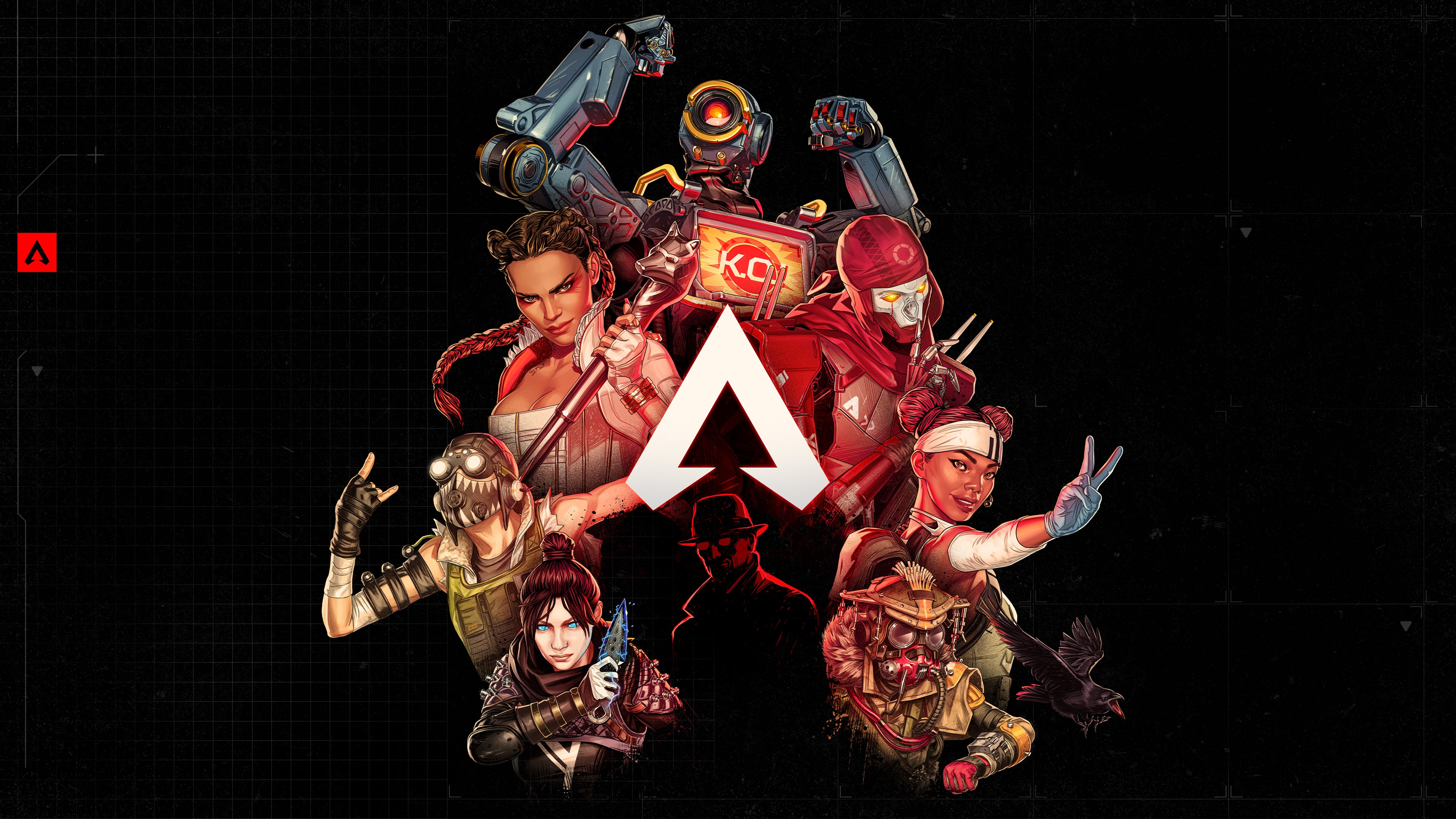
The game has been praised for its diverse roster but some players feel the focus on character identities has become too prominent. Frequent updates to character backstories and sexualities are seen by some as a distraction from balancing the game. Critics within the community argue that these updates often feel like marketing tactics rather than organic world building. This has led to occasional friction when lore updates coincide with unpopular gameplay changes. The game continues to navigate the line between inclusive storytelling and competitive integrity.
‘Valorant’ (2020)
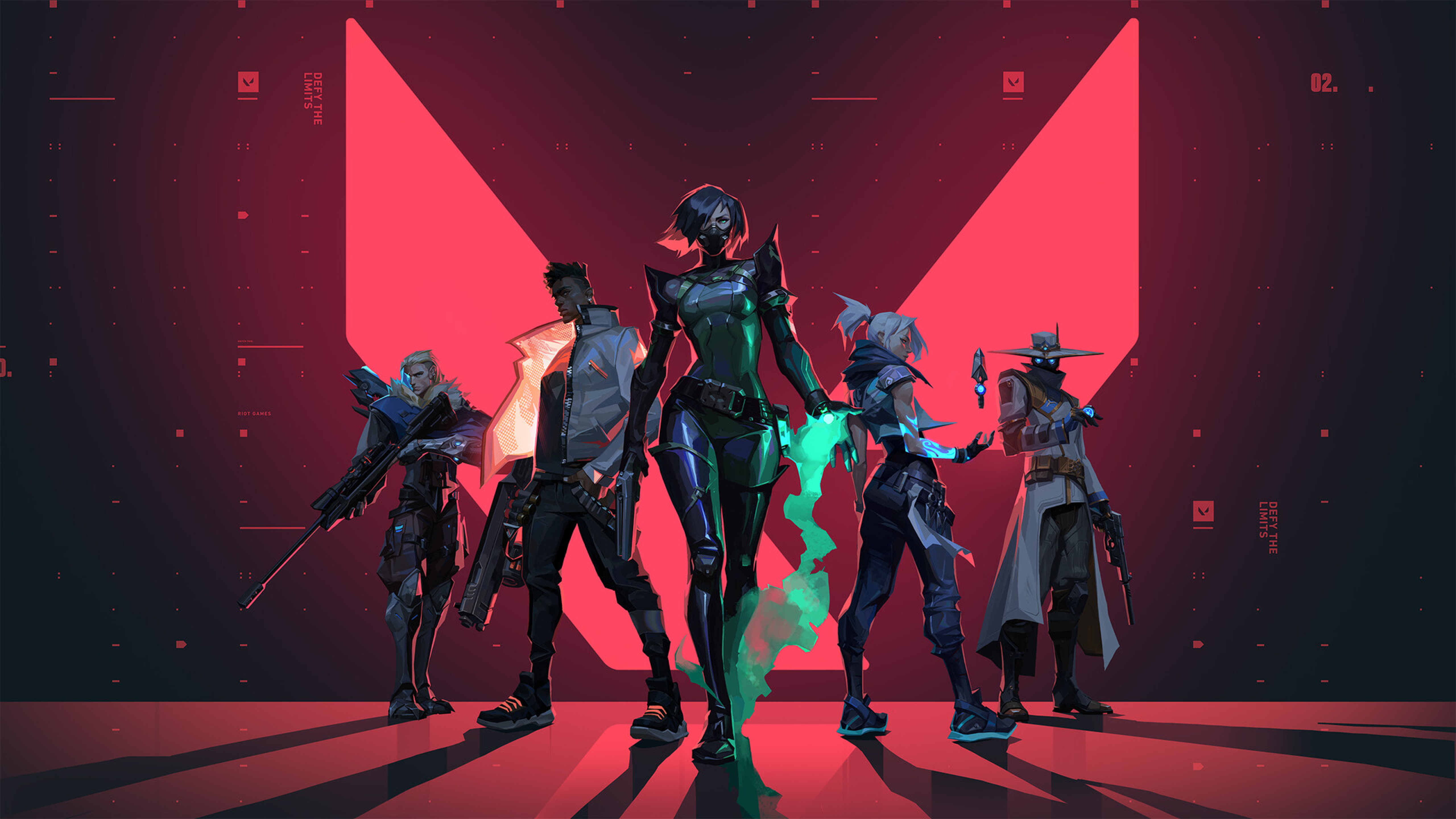
This tactical shooter has a diverse cast of agents and regularly highlights their various cultural backgrounds. Some competitive players have expressed that the lore and social updates are irrelevant to the core experience. There have been instances where fans felt the marketing was leaning too heavily into identity politics. While the game remains very popular these discussions show a divide in what players value in a shooter. The focus on inclusivity is a constant point of conversation for the community.
‘Goodbye Volcano High’ (2023)
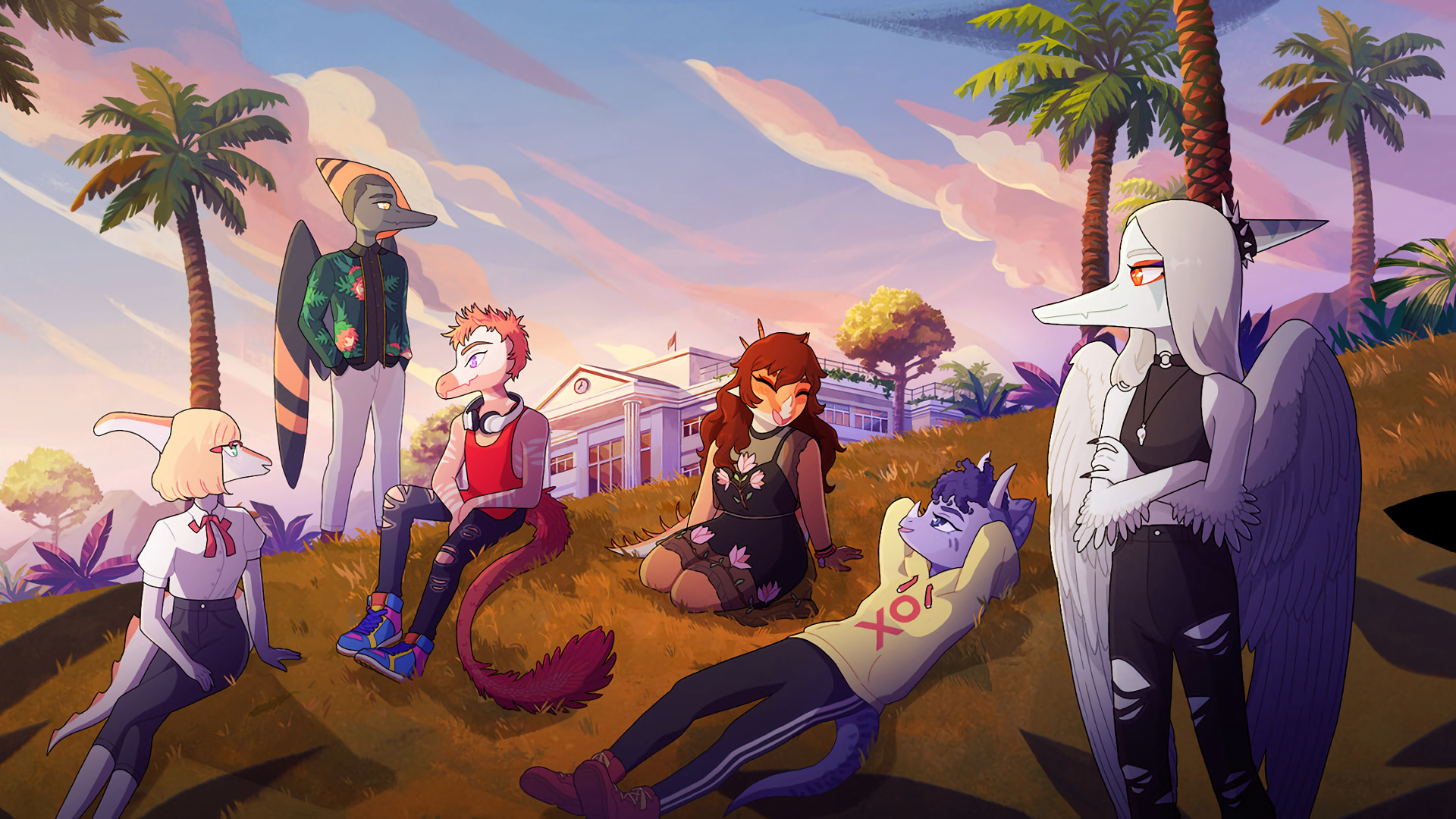
This narrative game about anthropomorphic dinosaurs featured a heavy focus on non binary identities and modern social dynamics. The reveal trailer was met with significant backlash from a large segment of the gaming community. Many critics felt the game was targeting a very specific demographic at the exclusion of the general public. The themes and character designs were a major point of contention for those who preferred more traditional stories. It became one of the most talked about examples of a game that alienated many potential players.
‘New World’ (2021)
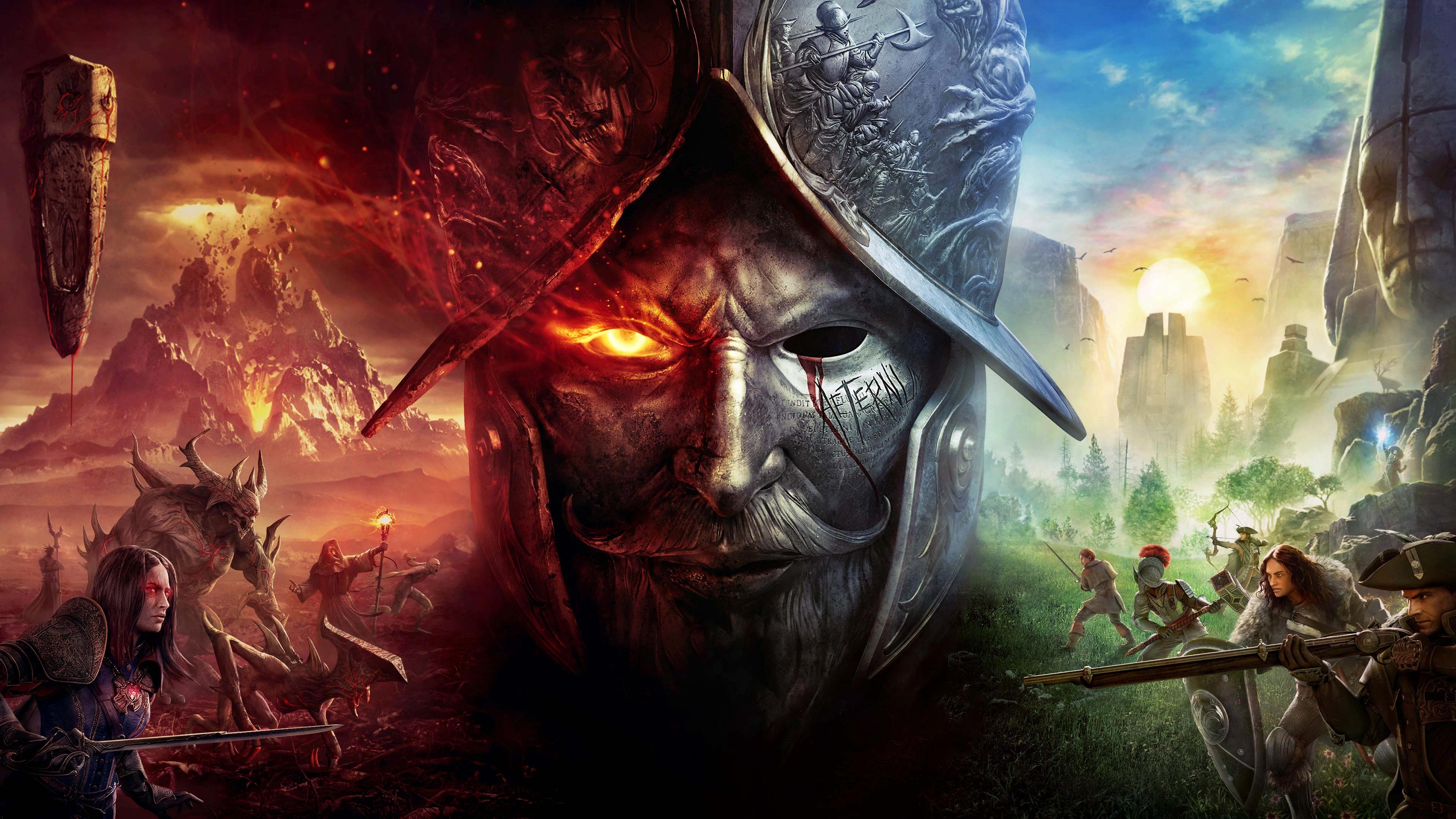
The inclusion of various social themes and character options in this MMO was met with a mixed response at launch. Some players felt the game lacked a strong central identity because it tried to appeal to too many groups at once. The writing and quest design were criticized for being generic and overly focused on modern sensibilities. This contributed to a loss of interest from the core MMO player base after the initial hype died down. The game has struggled to maintain its early momentum in a crowded market.
‘Far Cry 6’ (2021)
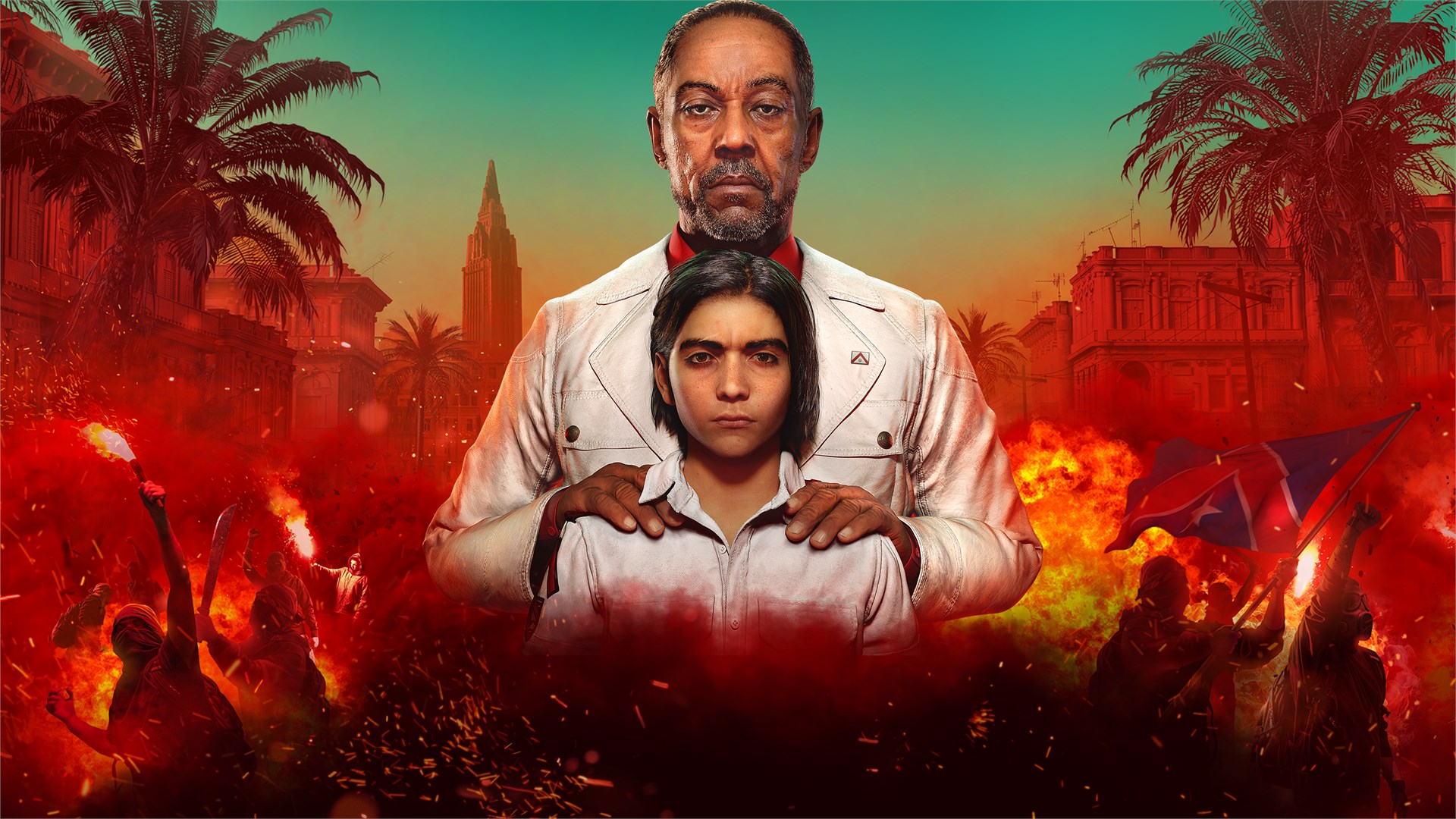
The story of this open world shooter touched on various social and political issues related to revolution and identity. Some fans felt the narrative was too focused on contemporary messaging and lacked the grit of previous entries. The characters were often criticized for being caricatures of political archetypes. This led to a feeling that the franchise was moving away from its roots as an anarchic sandbox. The reception was more lukewarm than that of its predecessors.
‘Life is Strange: True Colors’ (2021)
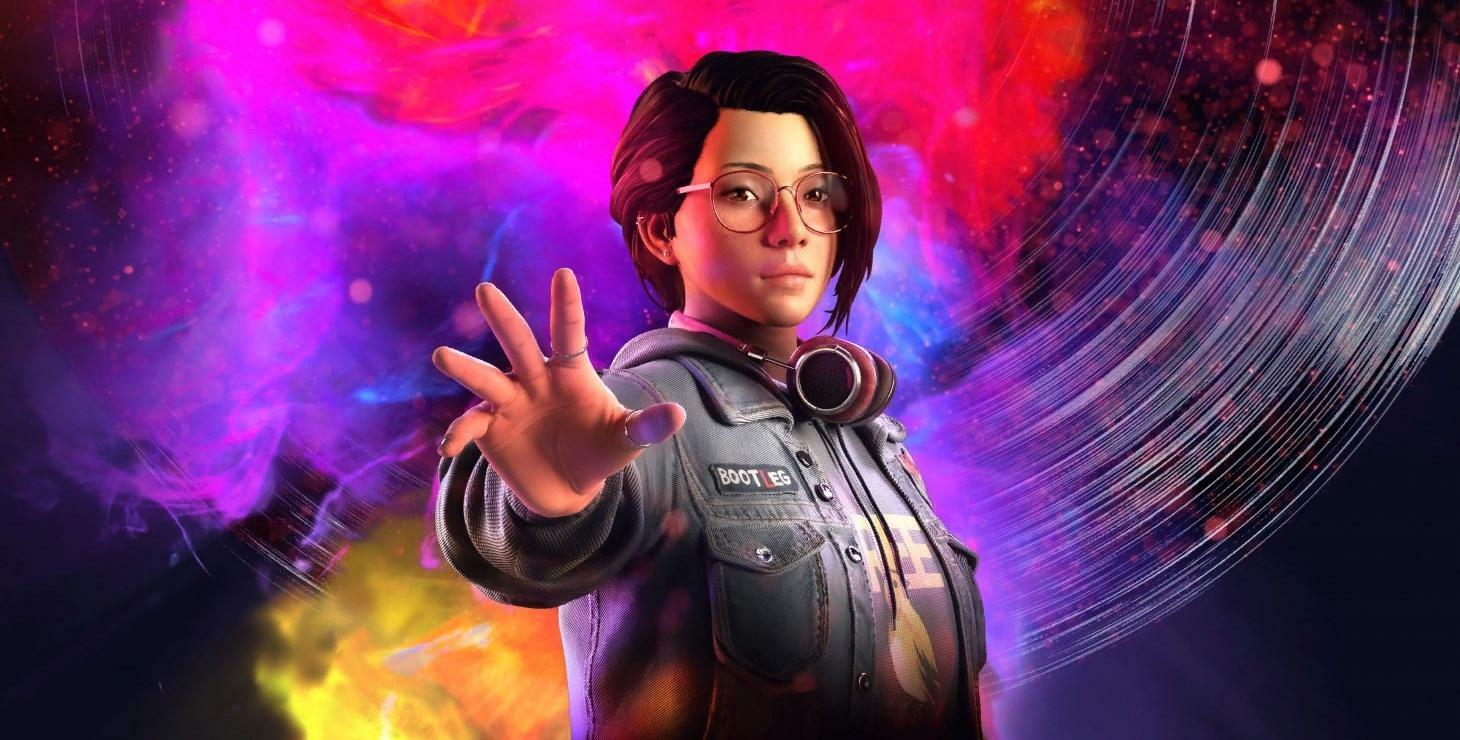
While the series has always focused on personal stories some fans felt this entry pushed certain social themes too far. The depiction of small town life and its inclusive nature was seen by some as unrealistic or sanitized. Critics argued that the game was more interested in being inclusive than in telling a compelling mystery. This led to a divide among fans who enjoyed the earlier more grounded stories. The game remains a polarizing entry in the franchise.
‘Sea of Thieves’ (2018)
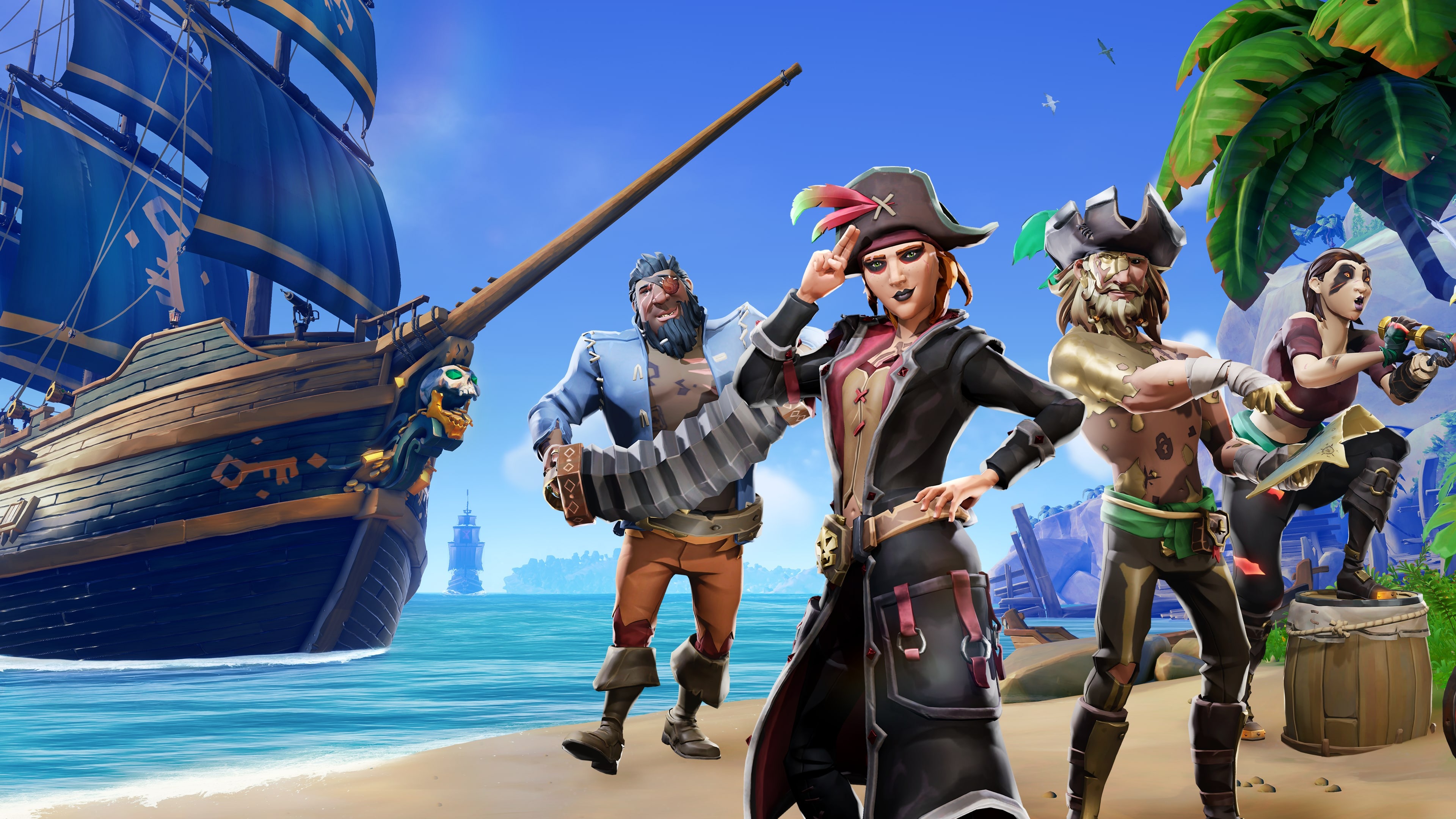
The update adding more diverse character options and inclusive cosmetics was welcomed by many but criticized by some for being a distraction. A segment of the player base felt the developers should have focused more on adding mechanical depth to the game. Arguments often broke out about the value of social updates versus gameplay content. These debates highlight the recurring tension in live service games regarding development priorities. The game has since found a stable audience but the friction remains.
‘Minecraft’ (2011)

Recent updates to add default diverse characters and more inclusive player options have caused minor controversies. Some long time players felt these changes were unnecessary for a game centered on creativity and abstraction. There were concerns that the game was being used as a platform for social engineering. While the majority of the player base was unaffected the changes were a major topic in certain online communities. It showed that even the most popular games are not immune to these debates.
‘Roblox’ (2006)
The platform has introduced numerous policies and updates aimed at promoting inclusivity and safety for a diverse audience. Some older users and creators felt these changes were restrictive and hindered creative freedom. The focus on corporate social responsibility was seen by some as a move away from the platform’s wilder early days. This led to significant friction between the administration and certain community groups. The platform continues to evolve as it balances growth with social standards.
‘Fortnite’ (2017)
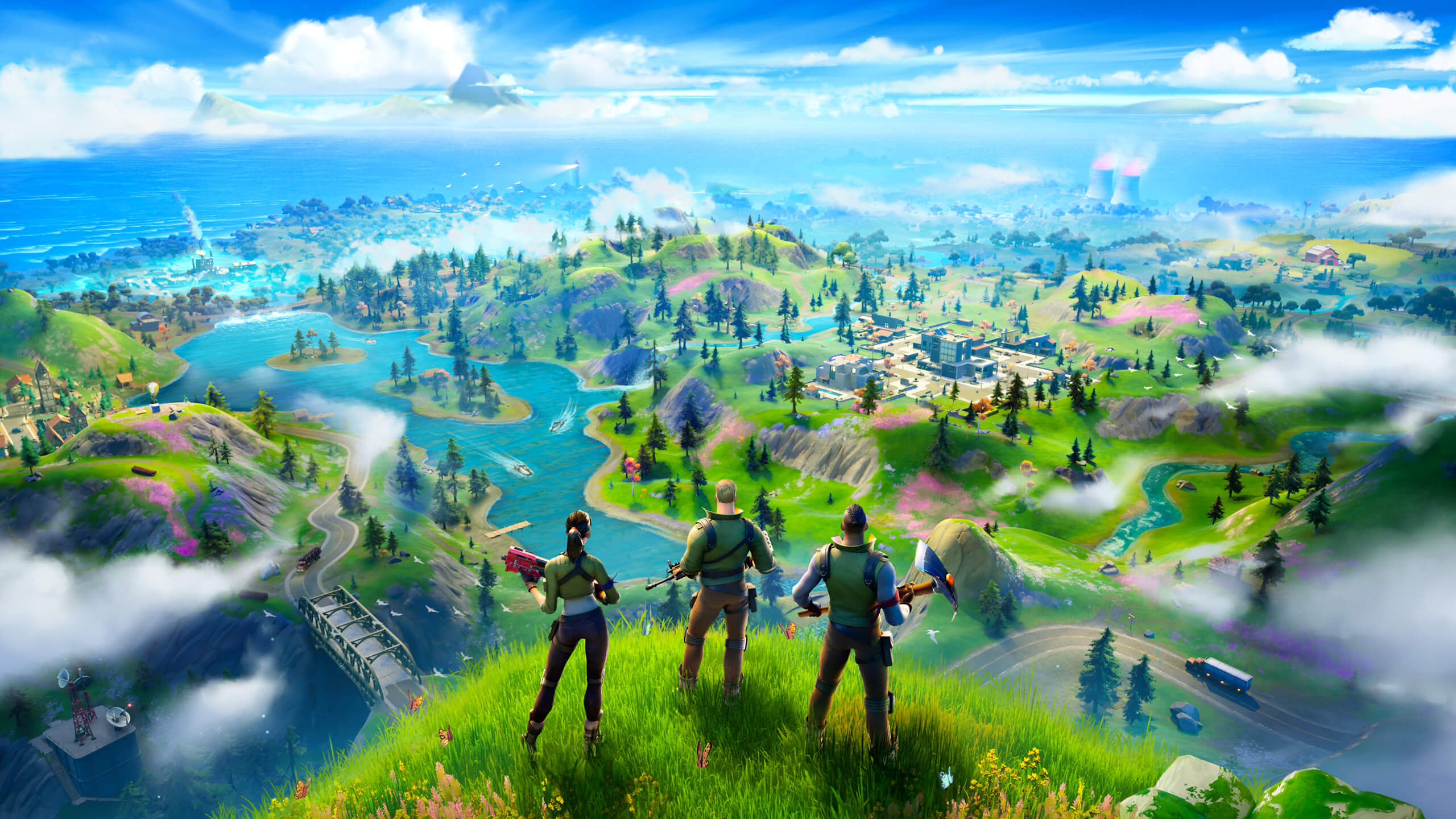
The inclusion of various social awareness events and inclusive skins has led to occasional pushback from the player base. Some fans feel the game has become too corporate and focused on promoting external social values. The frequency of these updates has led to complaints that the game is losing its original fun and wacky identity. While it remains a global phenomenon the community often debates the merits of these social tie ins. The game serves as a primary example of how mainstream media handles diversity.
‘League of Legends’ (2009)
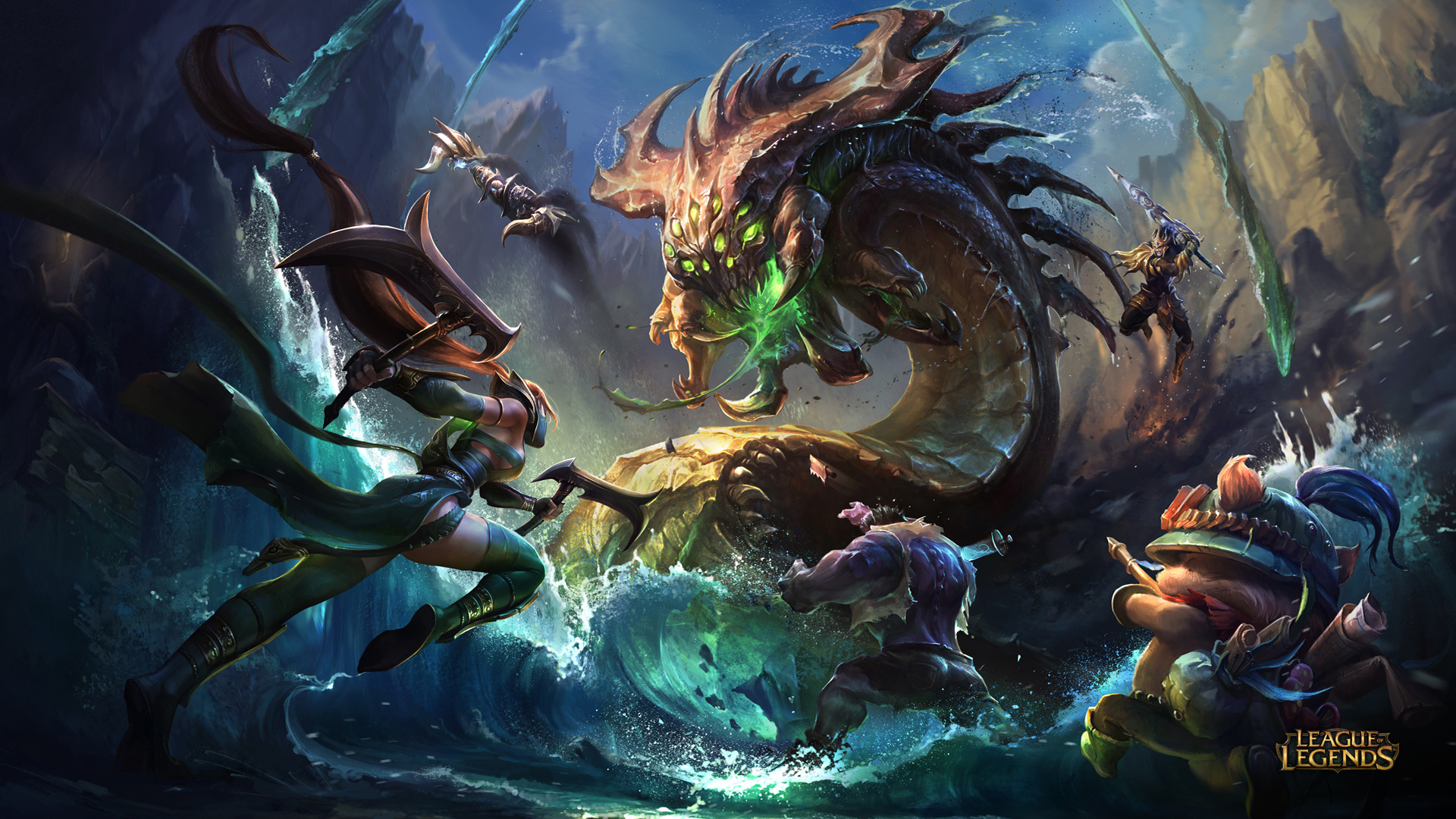
Updates to character lore to include diverse identities have often been met with a polarized response. Some players feel the changes are retroactively forced onto characters they have known for years. The focus on social updates in promotional material is sometimes seen as a way to deflect from toxicity issues in the community. This has led to recurring arguments on forums about the true intentions of the developers. The game remains a major battleground for these cultural discussions.
‘Street Fighter 6’ (2023)
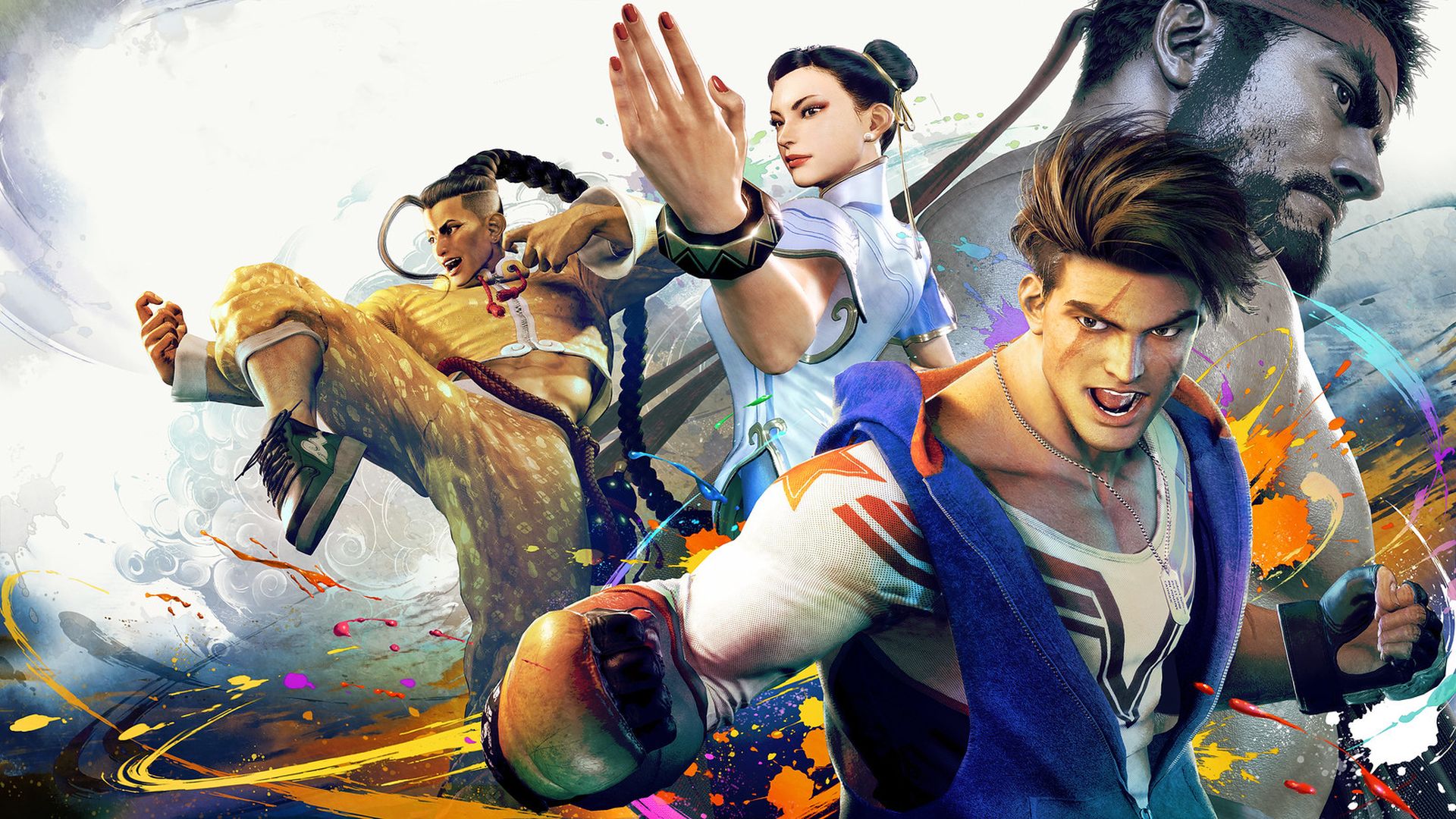
The update to character designs and the inclusion of a more diverse cast of newcomers saw some resistance from long time fans. Some players felt the new look of the game was a move toward a more urban and inclusive aesthetic that did not fit the series. The character creator in the world tour mode also sparked debates about the portrayal of different body types. While the gameplay was highly praised the visual changes were a frequent topic of criticism. It demonstrated the challenges of updating a classic franchise for a modern audience.
‘Tekken 8’ (2024)
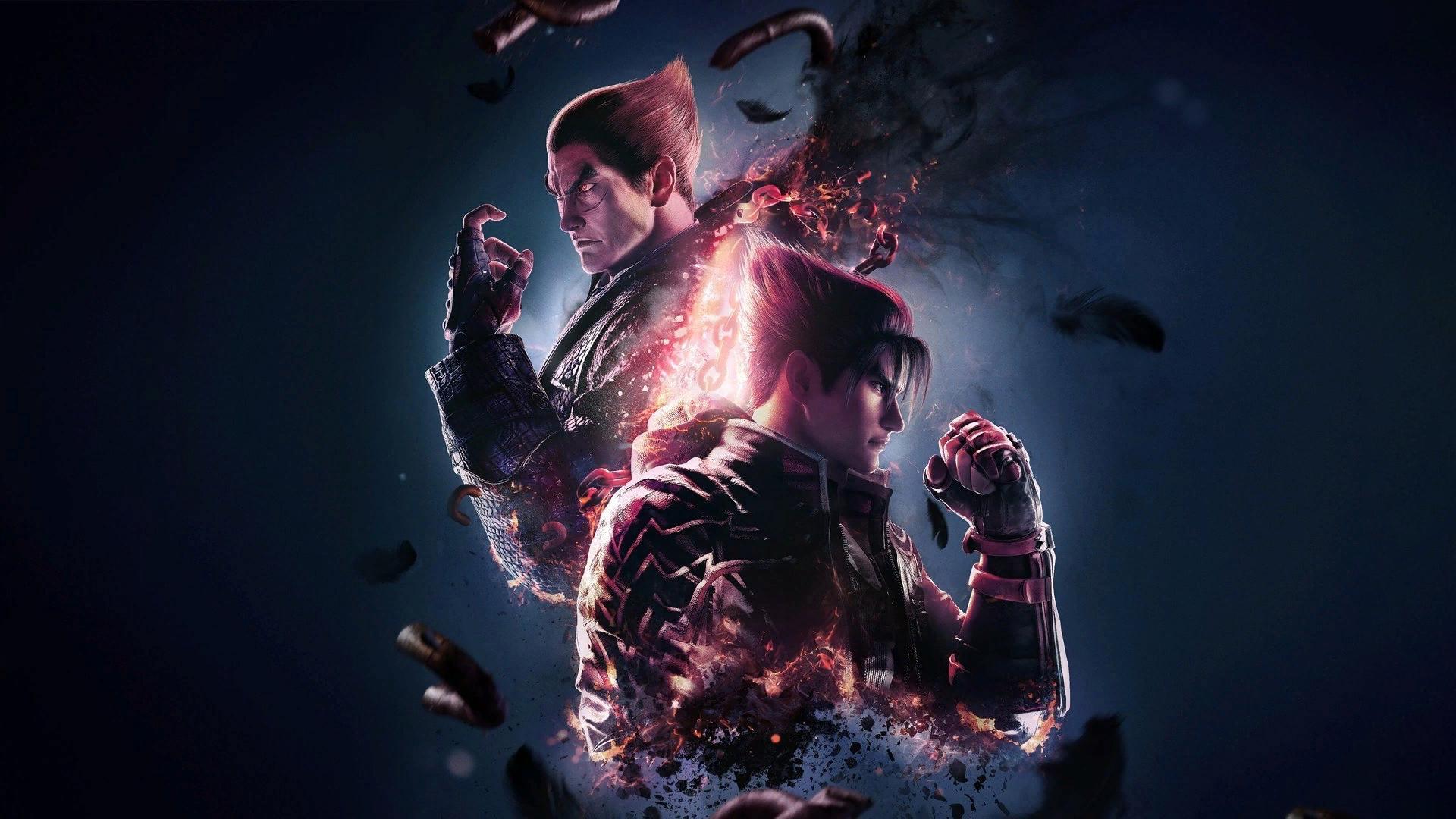
Similar to other fighting games this title faced scrutiny over changes to character models and the inclusion of new diverse fighters. Some fans felt the updated graphics and designs were influenced by modern standards of representation. This led to comparisons with older games where the designs were perceived as more iconic. The discourse often focused on whether the changes were made for artistic reasons or social ones. The game remains popular but the debate over its visual direction persists.
‘Guild Wars 2’ (2012)
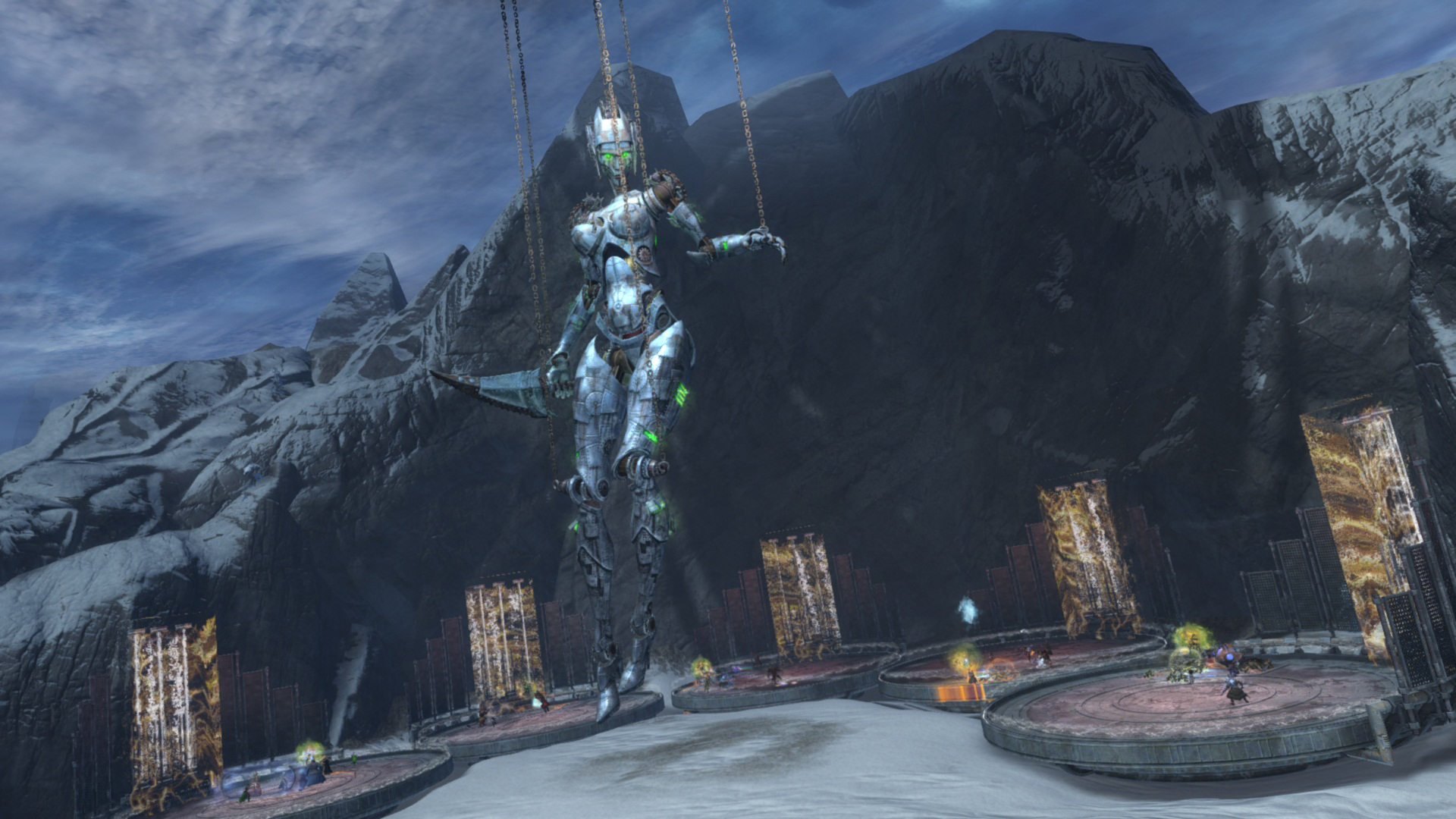
The narrative focus on diverse characters and their personal relationships in recent expansions has divided the player base. Some fans felt the epic fantasy elements were being sidelined in favor of social drama. Critics argued that the writing had become too focused on inclusivity at the expense of interesting world building. This led to a decline in interest from those who enjoyed the original game’s more traditional approach. The game continues to see a divide in how its story is received.
‘Final Fantasy XIV’ (2013)
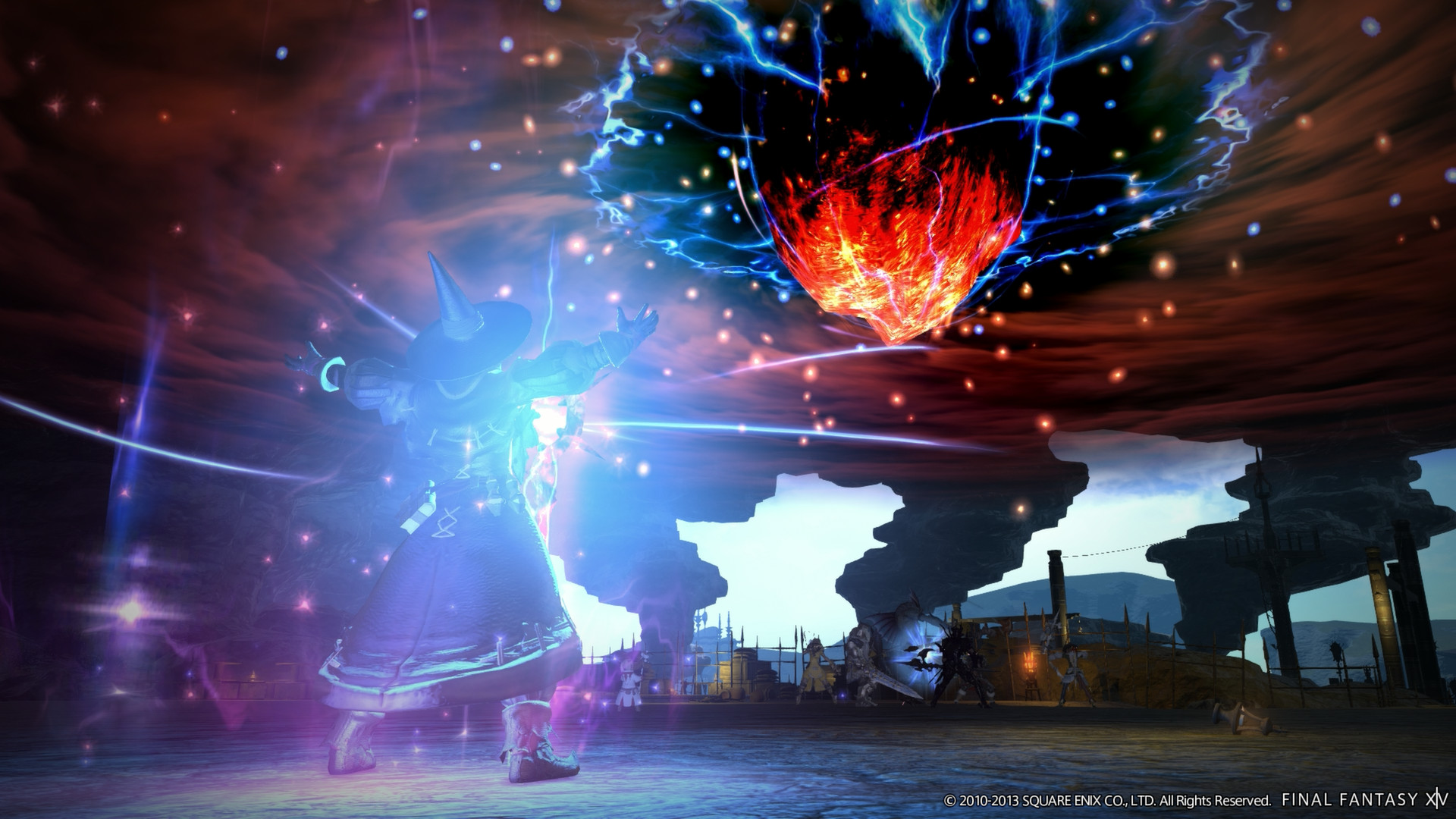
Recent updates to character options and certain story beats have sparked discussions about the game’s direction. While the community is generally very welcoming some players felt the focus on certain diverse themes was becoming too prominent. Arguments have occurred regarding the localization of the game and whether it reflects the original Japanese intent or modern Western values. This has led to a more critical look at how the game handles sensitive topics. The game remains a massive success despite these internal debates.
‘Destiny 2’ (2017)
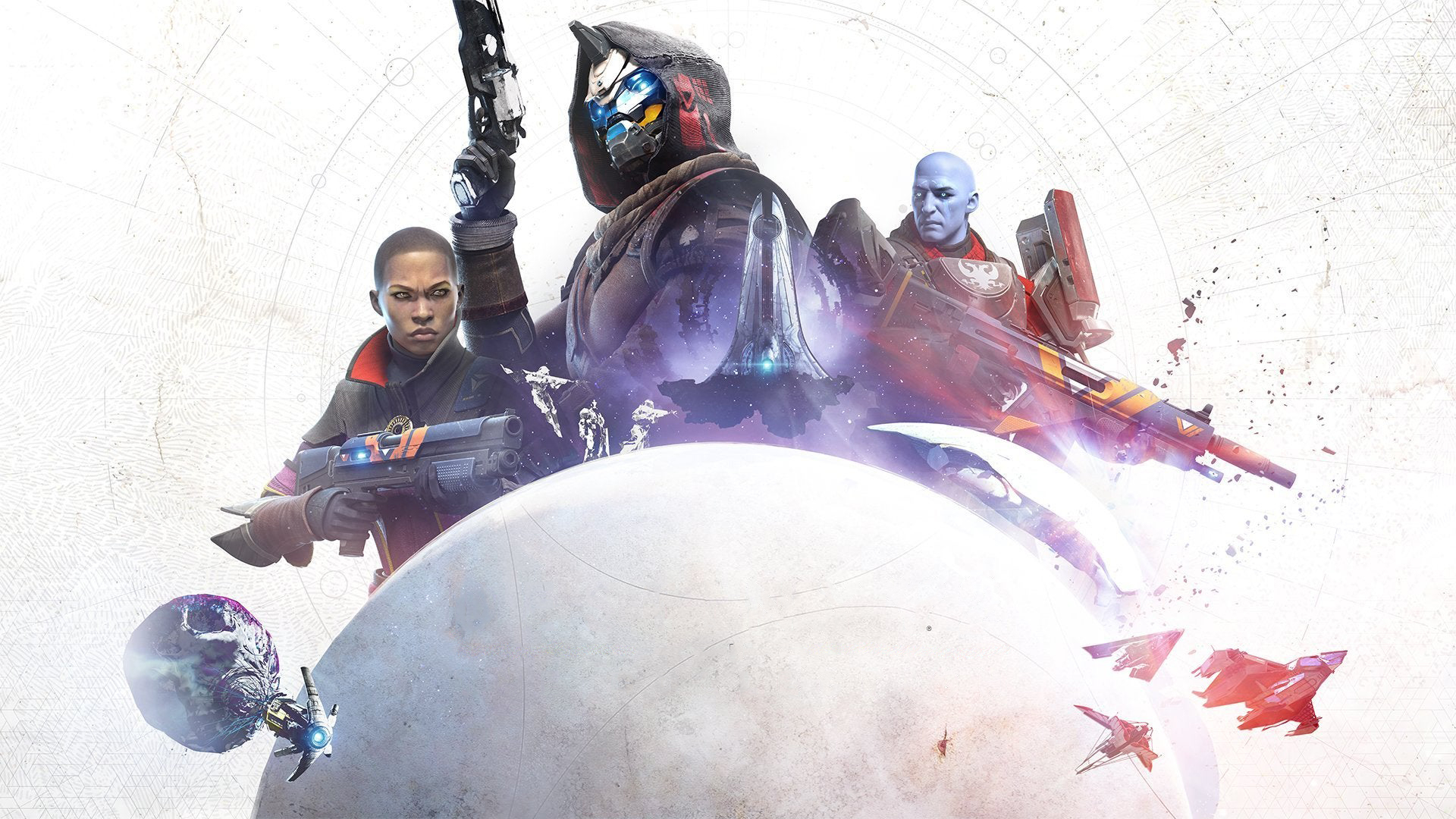
The inclusion of diverse character relationships in the main storyline has been a point of contention for some players. Critics within the community feel the game spends too much time on personal character growth rather than the cosmic scale of the plot. Some fans argue that these updates feel like they are checking boxes for representation. This has led to occasional friction during seasons that focus heavily on these themes. The game continues to balance its narrative ambitions with the expectations of its core audience.
‘Cyberpunk 2077’ (2020)
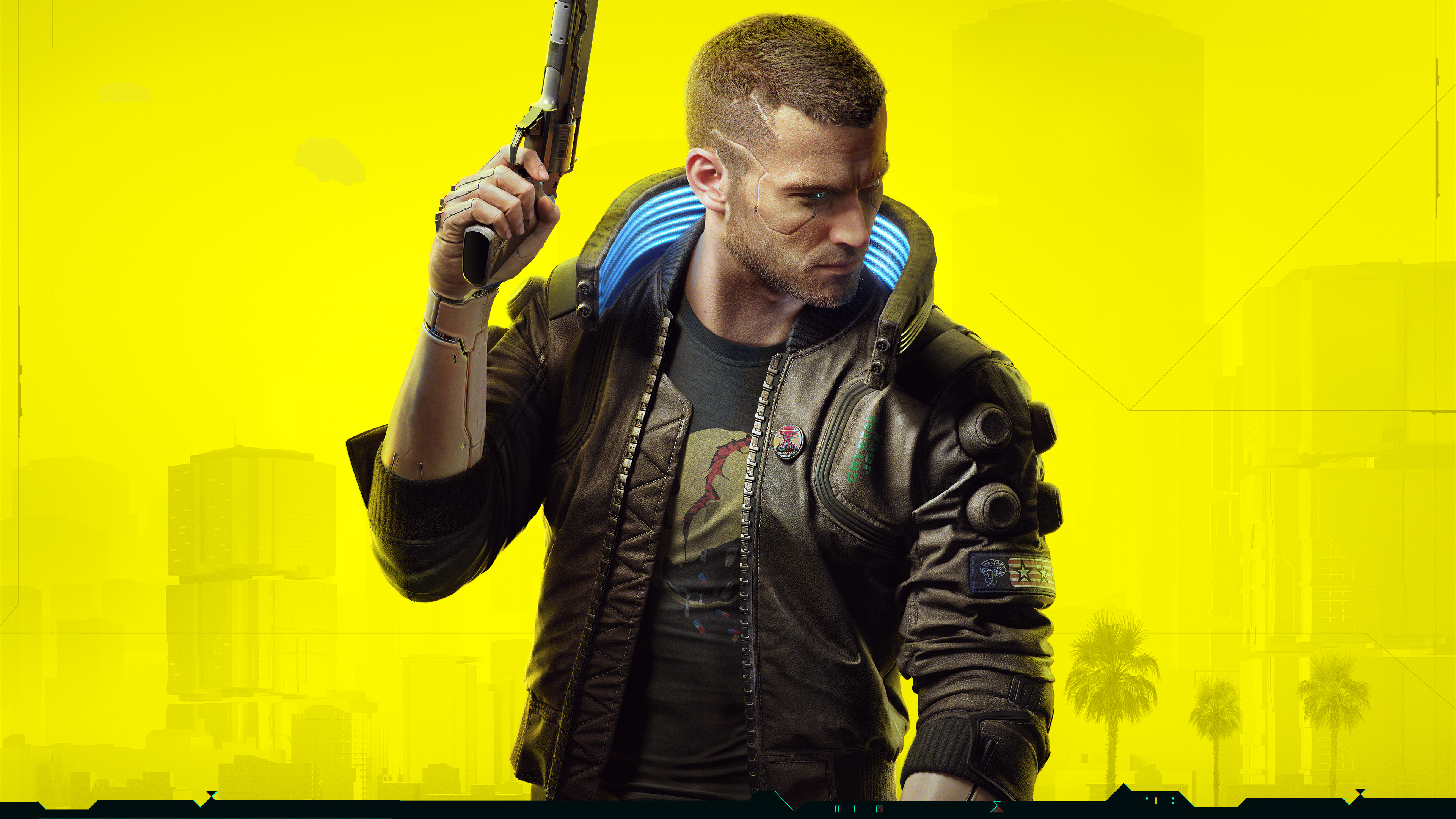
The game’s portrayal of gender and its inclusive character creator were major topics of discussion before and after launch. Some players felt the game did not go far enough while others felt it was too focused on modern identity themes. The marketing for the game was criticized for being inconsistent with the final product’s themes. This led to a complex discourse about how a cyberpunk world should handle diversity and representation. The game remains a significant case study in cultural representation in gaming.
‘Watch Dogs: Legion’ (2020)
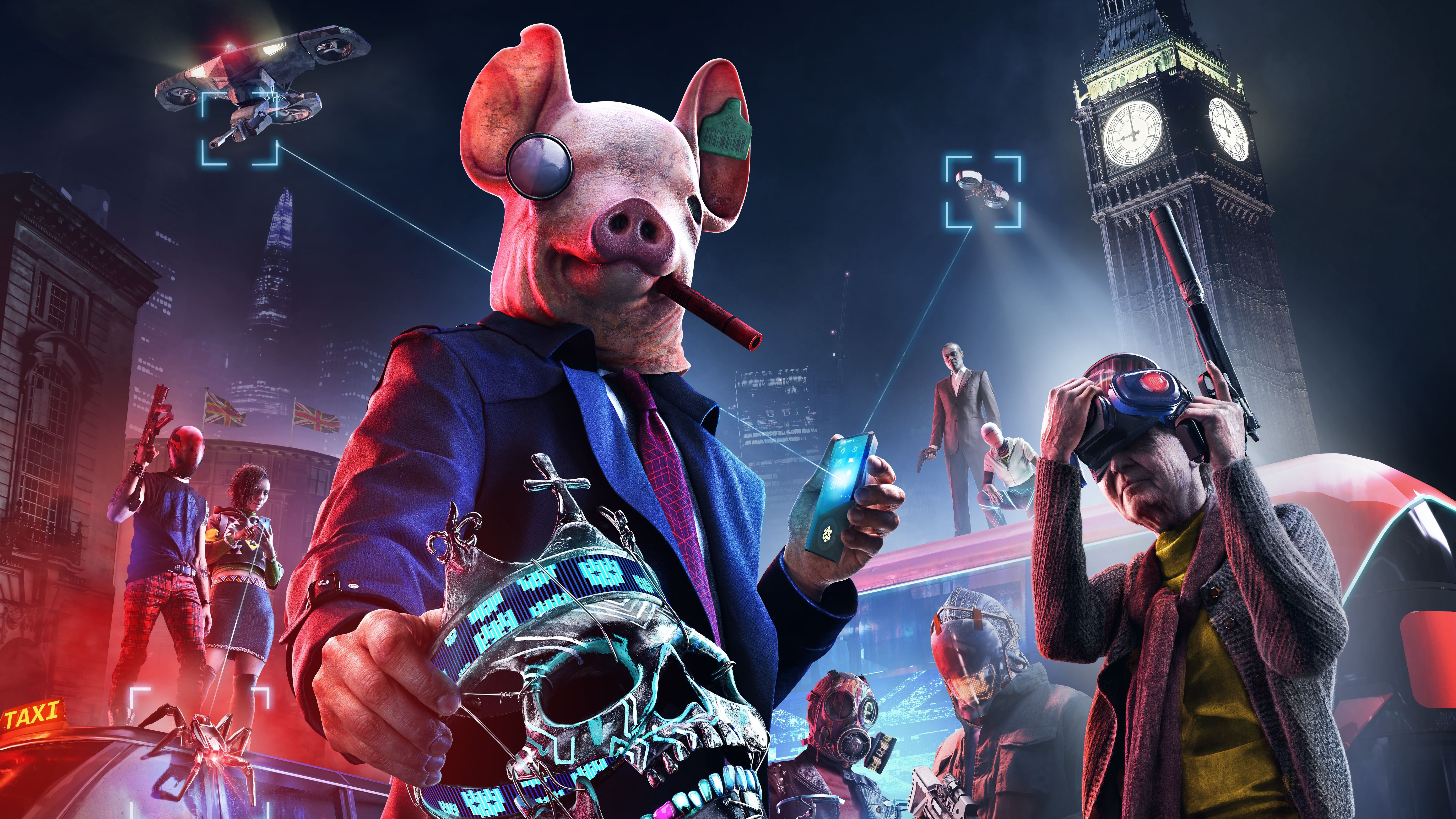
The play as anyone mechanic allowed for a highly diverse cast but many fans felt it resulted in a lack of character depth. The focus on a collective rather than a strong lead character was seen as a move to highlight diversity at the cost of narrative impact. Players criticized the generic nature of the characters and their motivations. This led to the game feeling less engaging than its predecessors. The title failed to reach the same level of popularity as the earlier entries in the series.
‘Dying Light 2: Stay Human’ (2022)
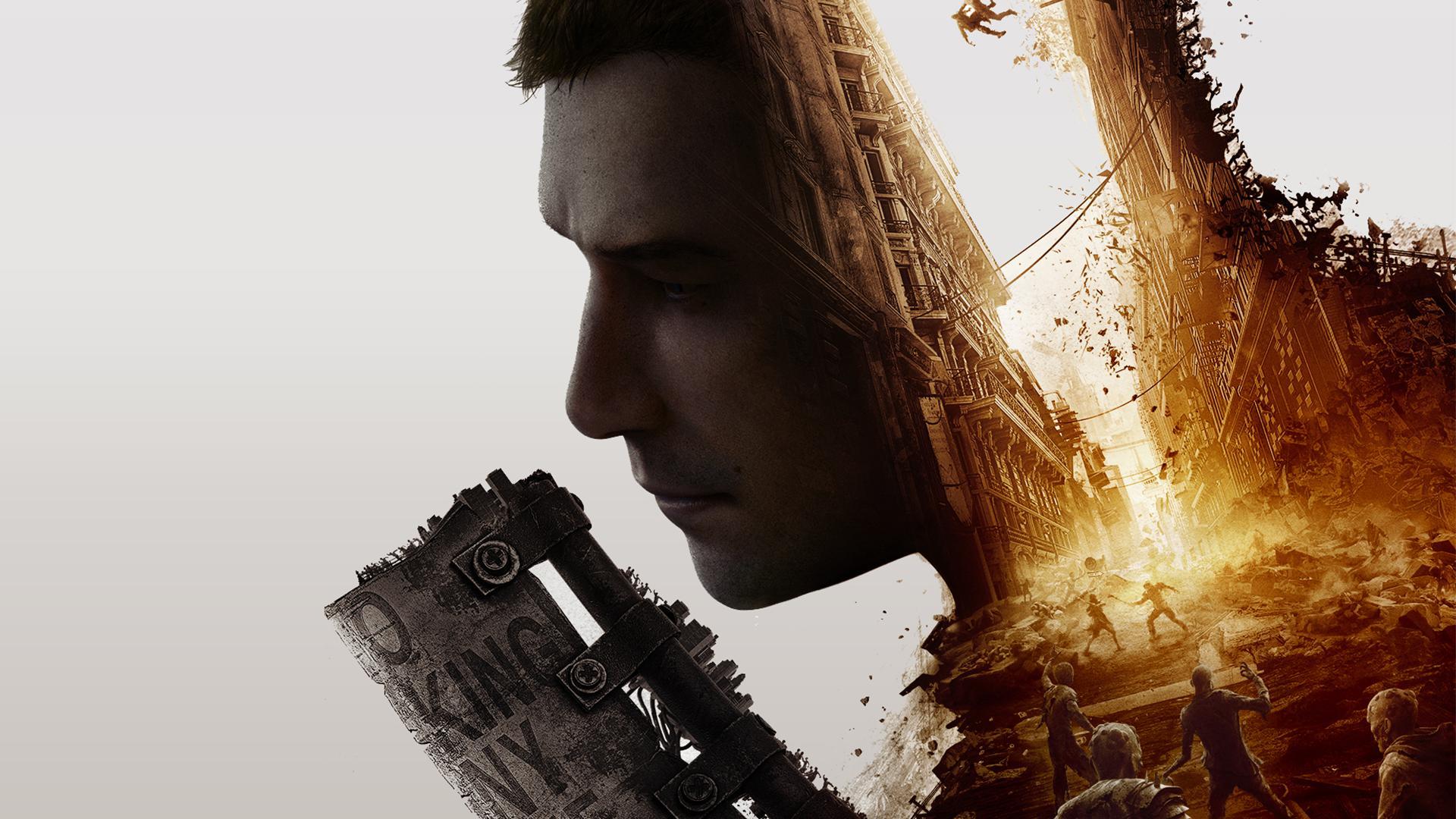
Changes to the world and its characters to be more inclusive were met with mixed reactions from fans of the first game. Some players felt the sequel lost the gritty and desperate feel of the original in favor of a more modern social setting. The dialogue and character interactions were often cited as being less interesting than before. This contributed to a general sense of disappointment with the game’s story. It showed how a shift in creative focus can affect the atmosphere of a sequel.
‘The Outer Worlds’ (2019)
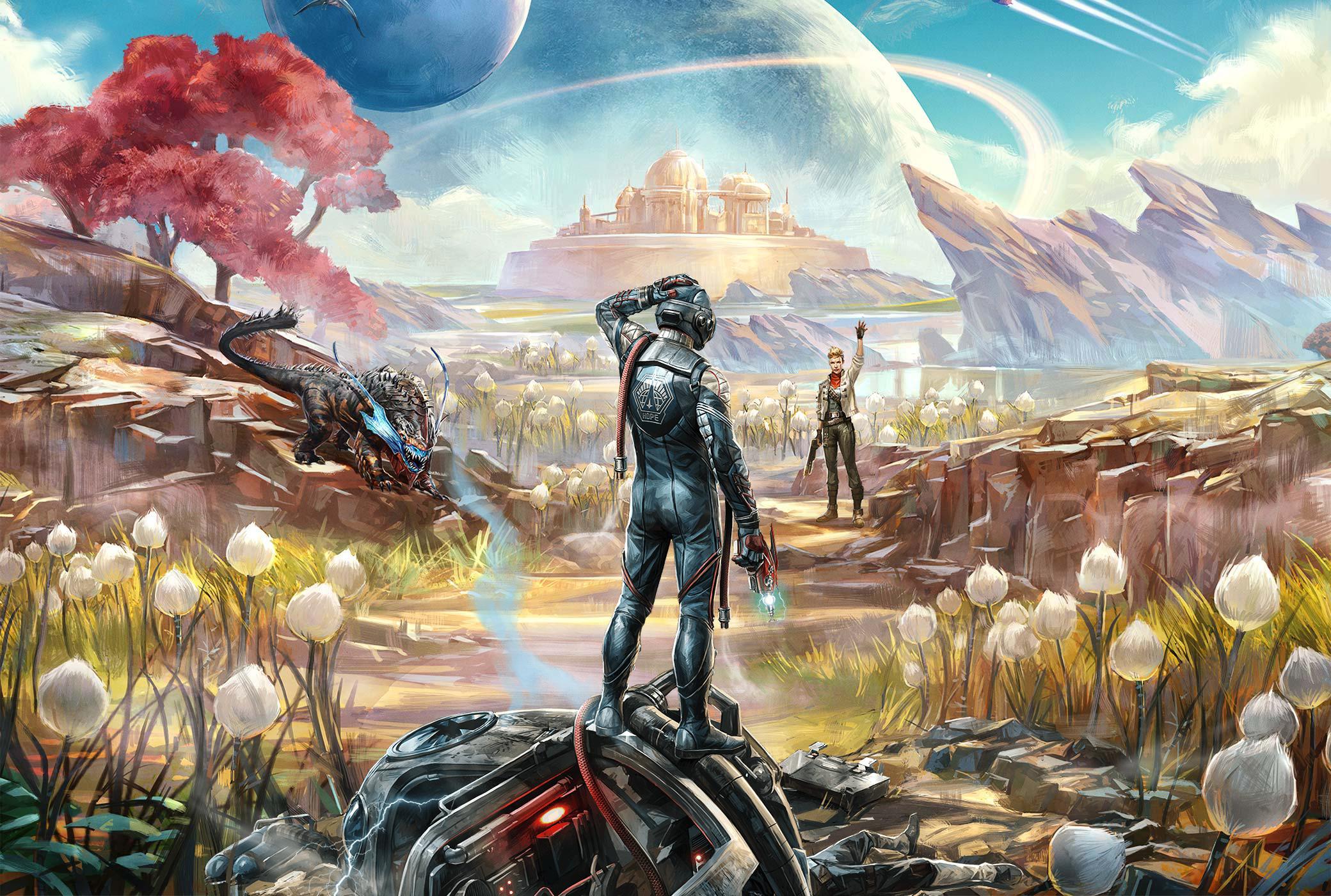
The game’s focus on diverse characters and corporate satire was seen by some as being too heavy handed. Some players felt the writing was more interested in being socially conscious than in providing a compelling RPG experience. This led to criticisms that the game felt like a checklist of modern themes rather than an organic story. While the game was praised for its choice based mechanics the narrative remains a point of debate. It highlighted the challenges of balancing satire with modern social commentary.
‘Banishers: Ghosts of New Eden’ (2024)
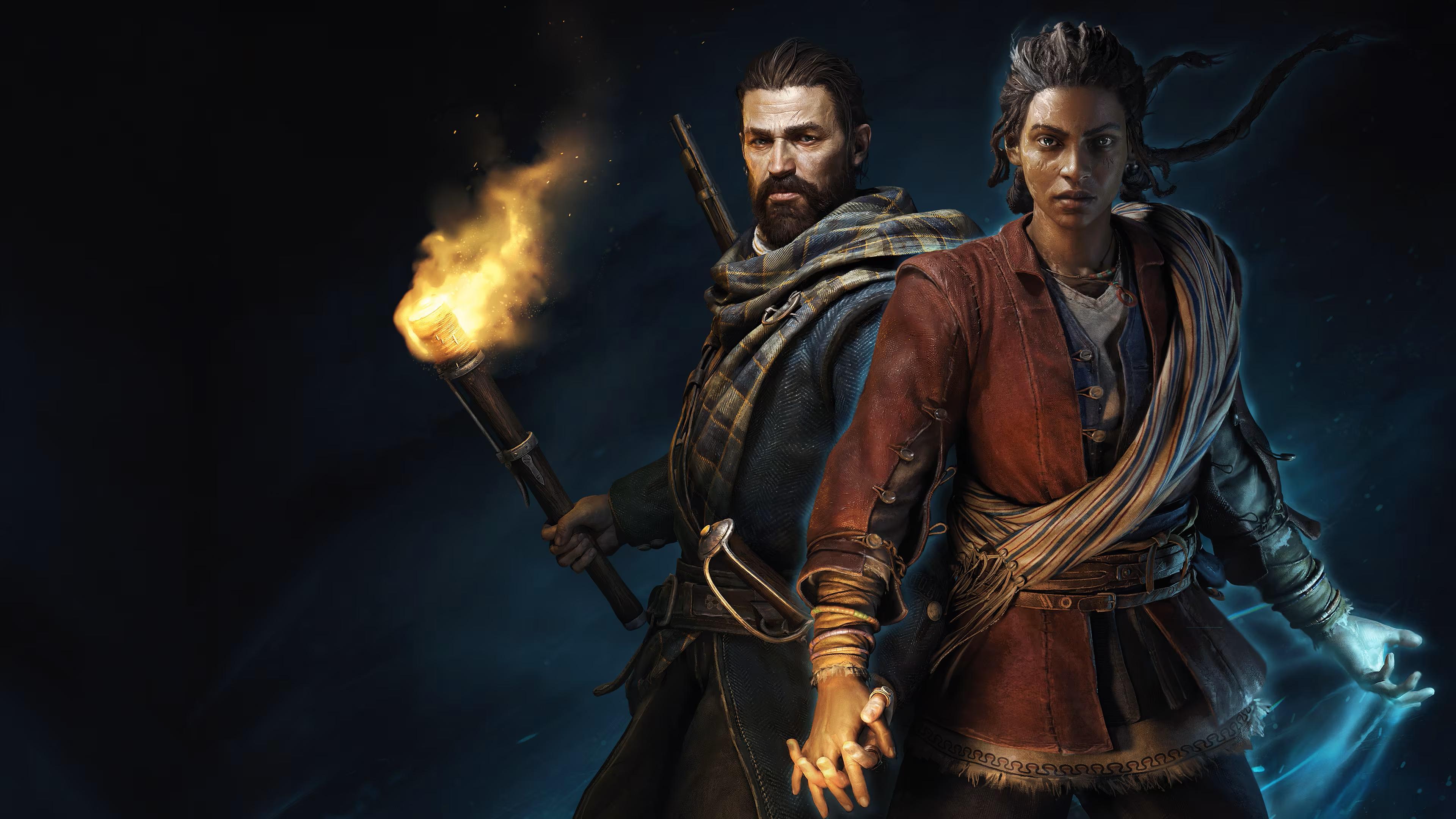
This action RPG featured a diverse couple as the main protagonists in a colonial setting. Some critics and players felt the focus on their relationship and identity overshadowed the supernatural mystery. The game was seen by some as a project that prioritized inclusive storytelling over broad market appeal. This led to a lower level of engagement from the general gaming public. It remains a notable example of a developer taking a risk on a focused narrative.
‘South Park: Snow Day!’ (2024)
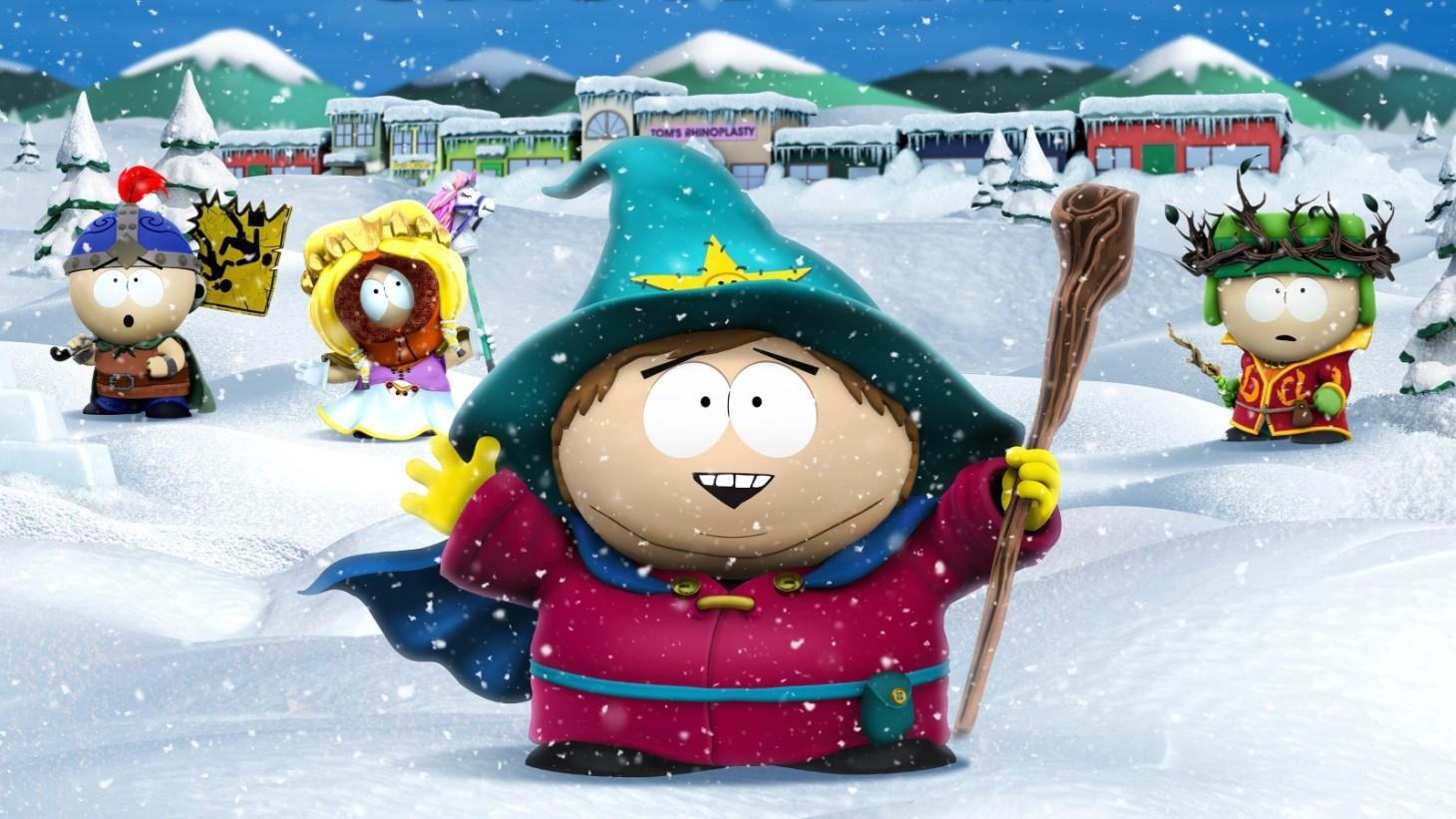
The shift to a 3D co op experience with a focus on customizable diverse characters was a departure from previous entries. Some fans felt the game lost the unique edge and specific character focus of the earlier RPG titles. The inclusion of modern social jokes was seen as a move to stay relevant rather than being naturally funny. This led to a lukewarm reception from both critics and long time fans of the show. The game struggled to find its place in the franchise.
‘Marvel’s Avengers’ (2020)
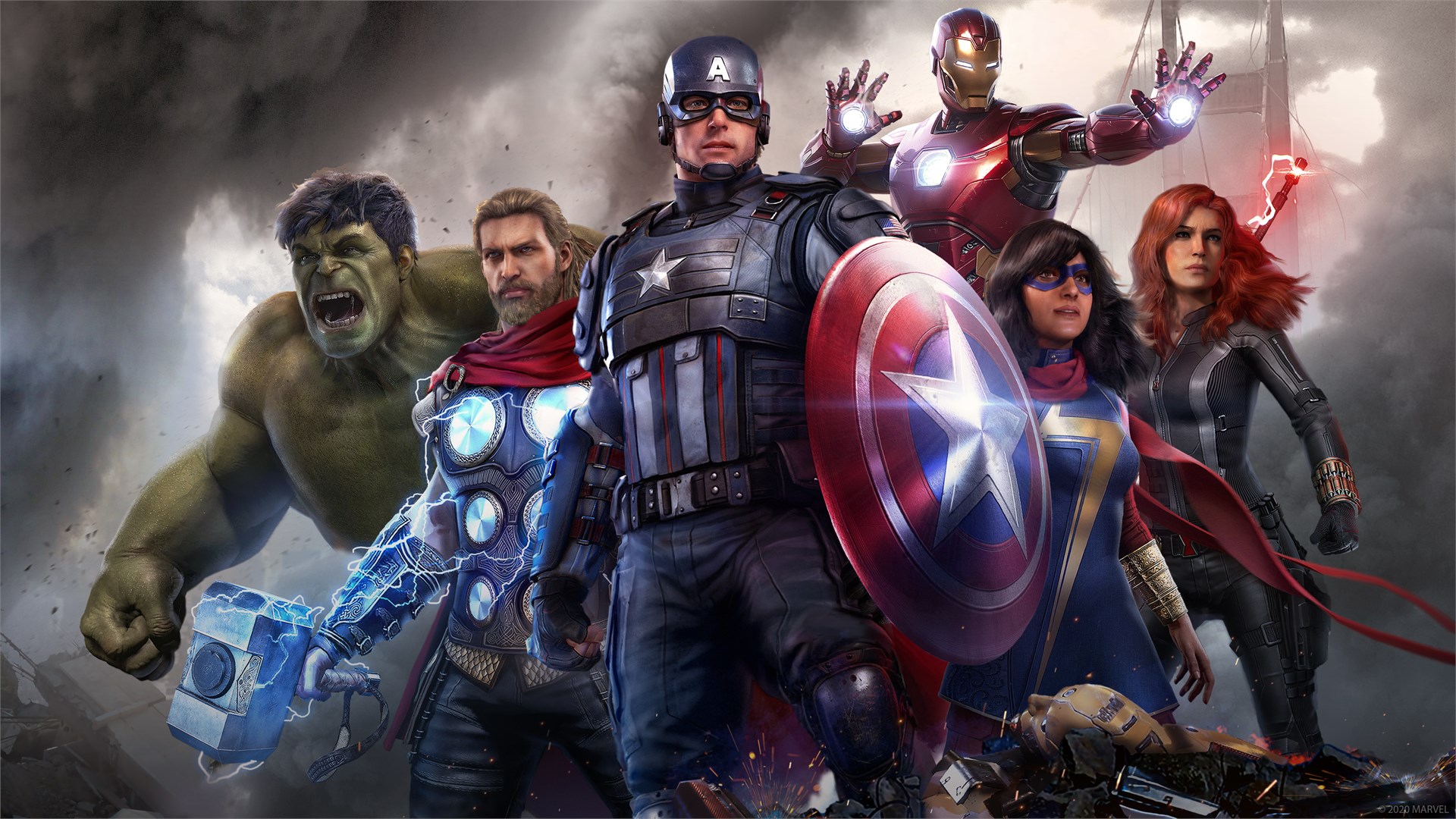
The decision to focus the story on Ms. Marvel as a way to introduce a diverse lead character was met with mixed reviews. While some fans liked the character many felt it was a move to push a specific narrative over the more established team members. The live service elements and repetitive gameplay further alienated the core audience. This combination of factors led to a rapid decline in the game’s popularity and eventual shutdown. It remains a high profile example of a failed superhero project.
Please share your thoughts on these games and their updates in the comments.