

Games Where Fans Demanded Removal of “Politically Correct” Dialogue

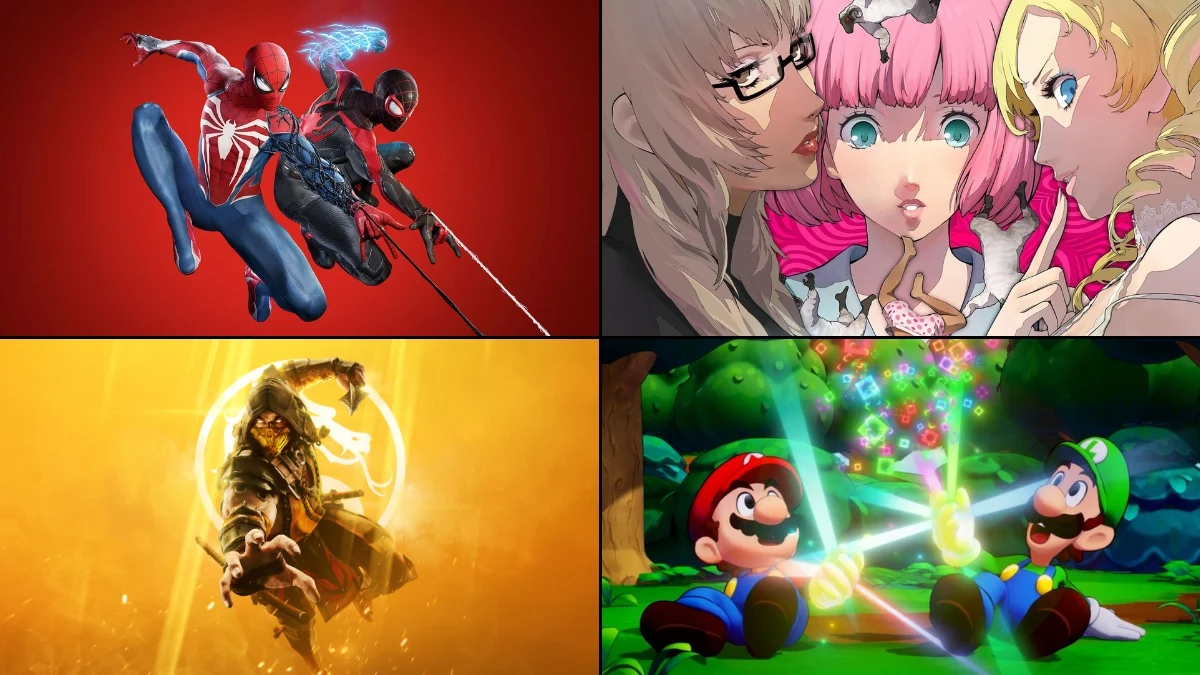


The gaming industry has frequently become a central point of debate regarding the localization and cultural adaptation of scripts for global audiences. As developers attempt to modernize titles or align them with current social values, certain segments of the gaming community often push back against these modifications. These controversies usually stem from a desire for narrative originality or a rejection of what is perceived as the injection of contemporary politics into fictional worlds. The following list highlights instances where player feedback and social media campaigns targeted specific dialogue and narrative choices for removal or revision.
‘Fire Emblem Fates’ (2016)
Players criticized the localization of ‘Fire Emblem Fates’ for altering support conversations between characters. Nintendo and developer Intelligent Systems faced backlash when certain romantic interactions were rewritten or removed for the Western release. Fans argued that the new dialogue sanitized the original intent of the writers to avoid potential controversy regarding sensitive topics. The controversy centered on a specific support path involving a character named Soleil, which led to accusations of unnecessary censorship.
‘Spider-Man 2’ (2023)
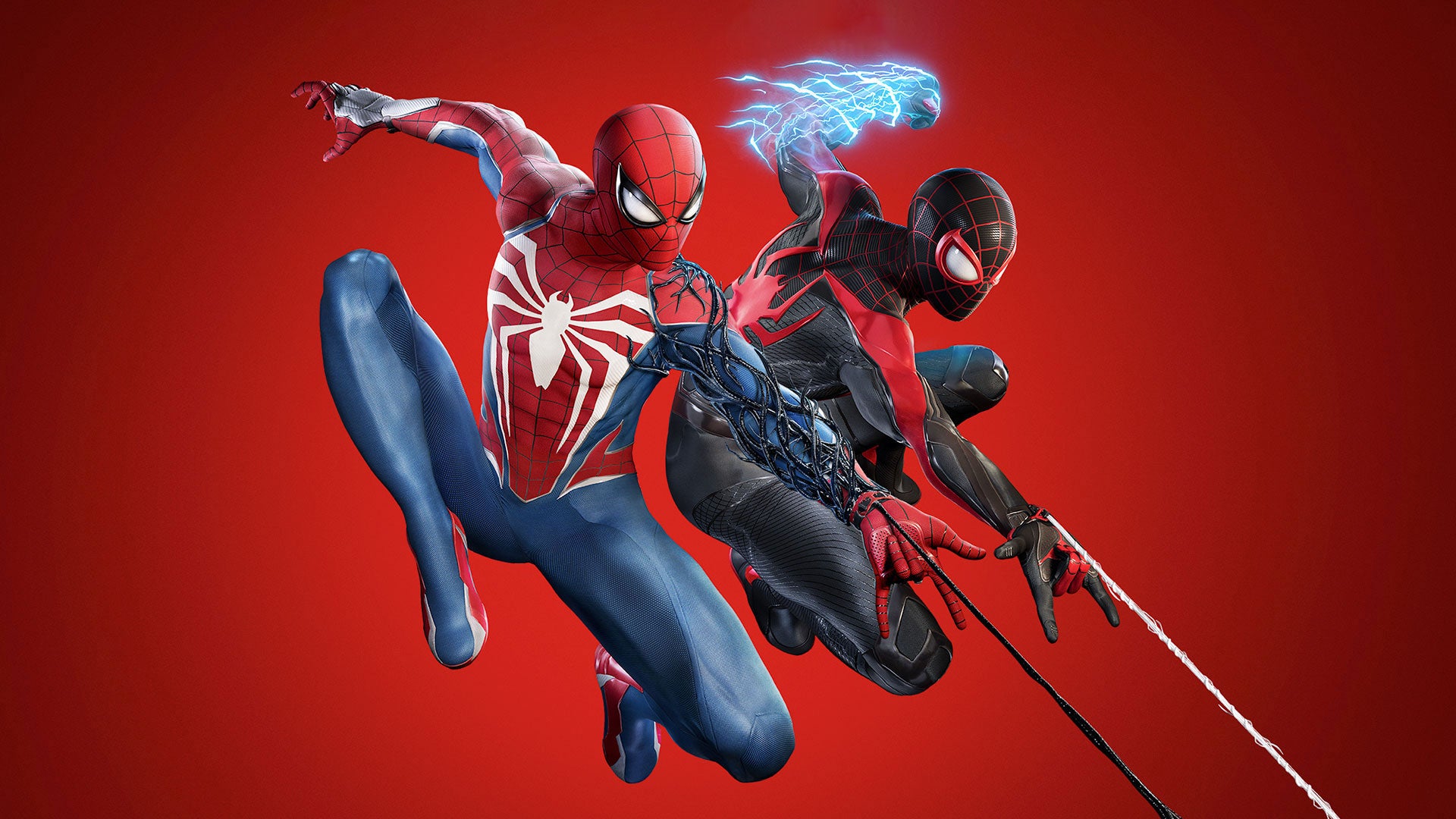
Developed by Insomniac Games and published by Sony Interactive Entertainment, ‘Spider-Man 2’ included dialogue utilizing gender-neutral Spanish in its localized versions. Some segments of the fanbase requested the removal or toggling of Danika Hart’s podcast segments because of their perceived political leanings. Critics of the dialogue claimed it felt forced within the context of the New York City setting. The game also featured various pride-related visual elements and dialogue cues that sparked online debate regarding localization choices.
‘Paper Mario: The Thousand-Year Door’ (2024)
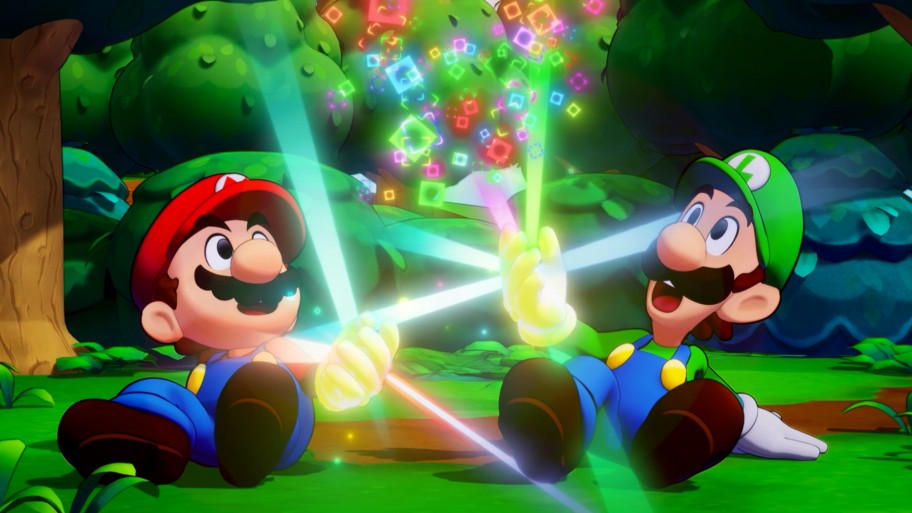
The Nintendo Switch remake of ‘Paper Mario: The Thousand-Year Door’, developed by Intelligent Systems, restored dialogue regarding the character Vivian’s gender identity. While this aligned the script more closely with the original Japanese text, some players demanded the removal of these references in favor of the 2004 English localization. The updated script explicitly mentions Vivian’s transition, which led to social media campaigns arguing against the inclusion of such themes in a family-friendly title. Nintendo maintained the changes to reflect the character’s original narrative arc accurately.
‘Starfield’ (2023)
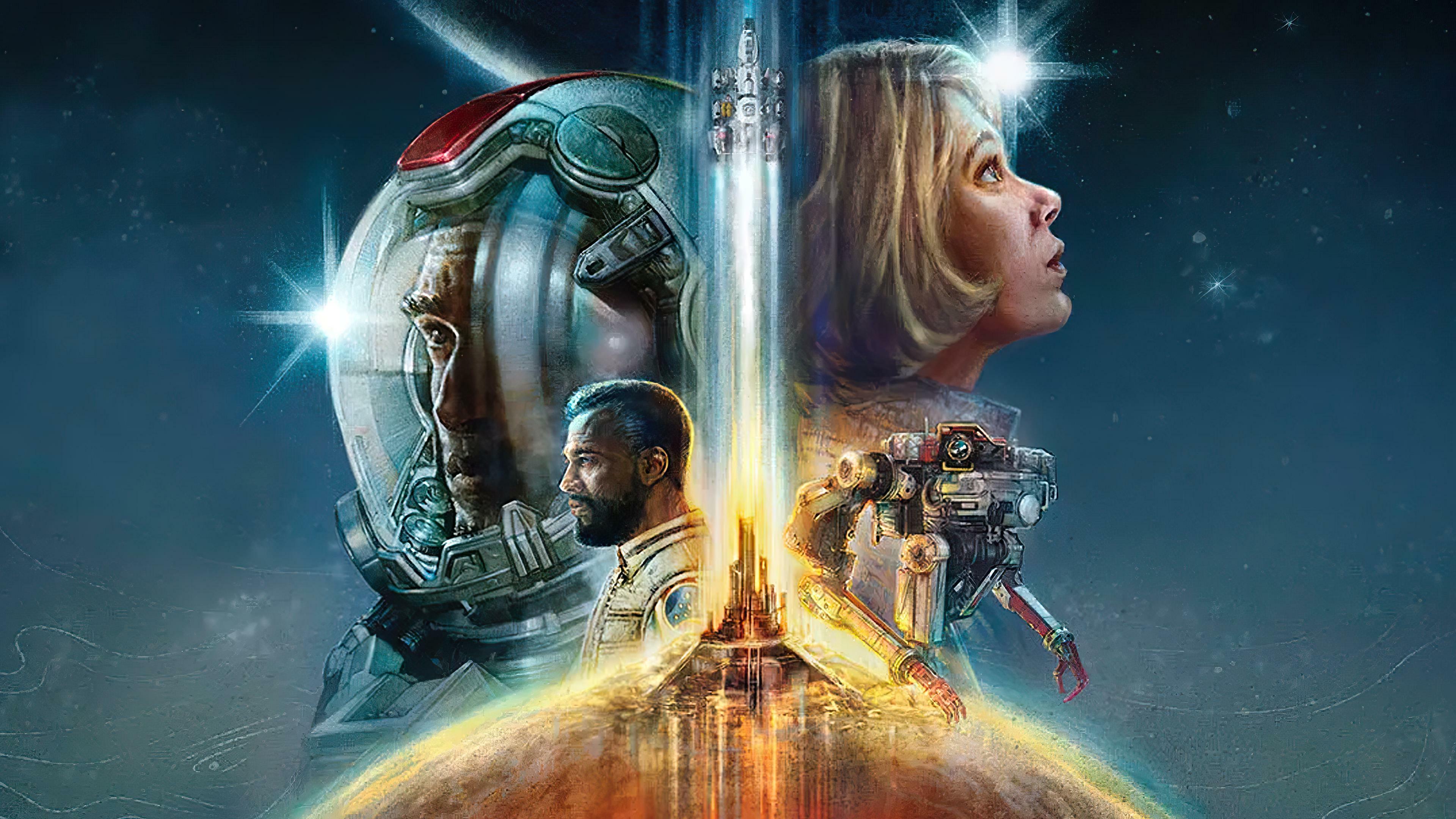
Bethesda Game Studios and Bethesda Softworks included a pronoun selection feature in the character creator of ‘Starfield’. This choice influenced how non-playable characters addressed the player, leading some users to post videos demanding the feature’s removal or claiming it was a political insertion. The dialogue options throughout the game allowed for diverse self-identification, which became a focal point for online criticism shortly after the early access launch. Despite the outcry, the developers kept the systems in place to support player agency.
‘Catherine: Full Body’ (2019)
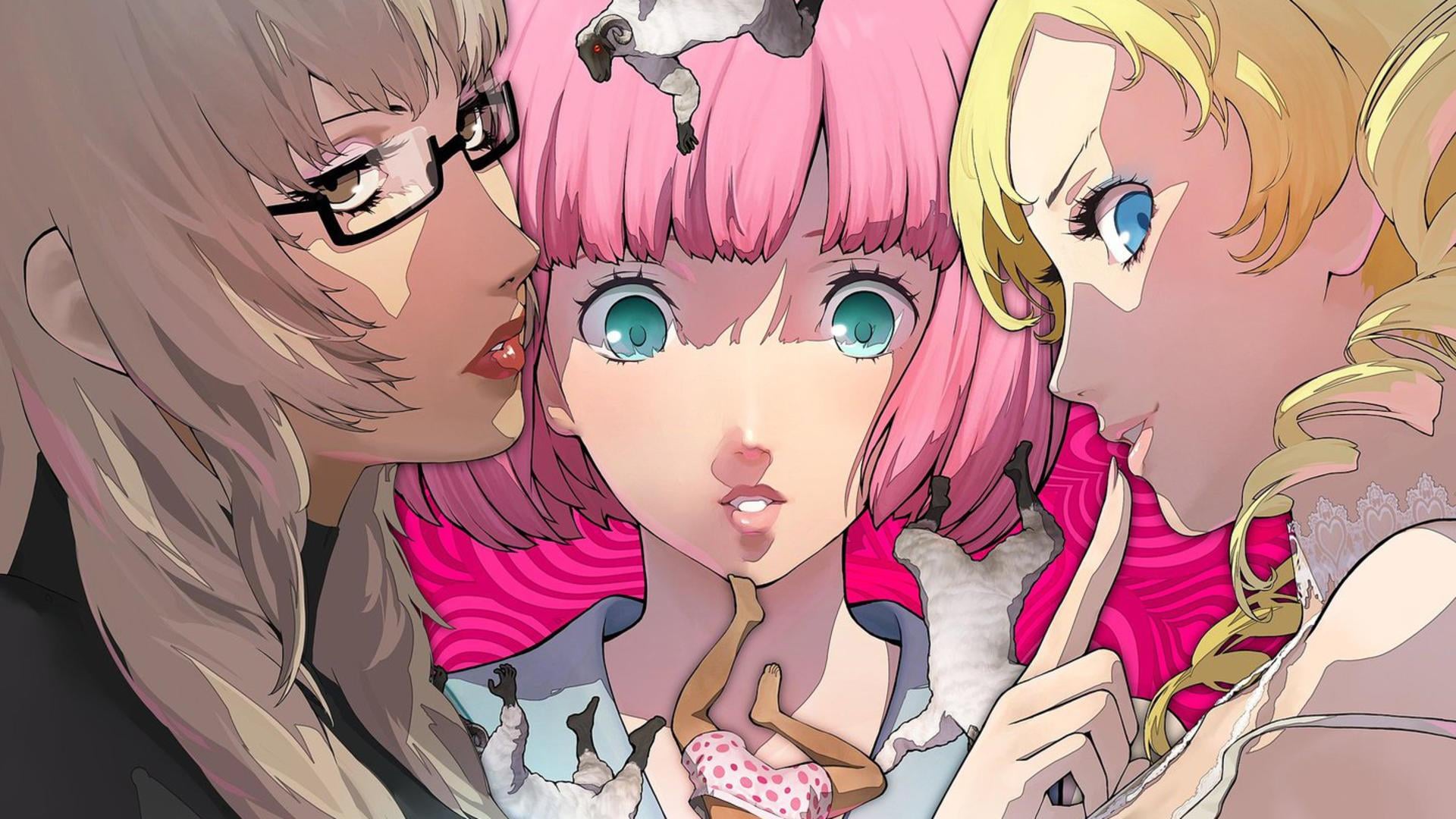
‘Catherine: Full Body’, an enhanced port developed by Studio Zero and published by Atlus, underwent dialogue changes for its Western release. Fans noticed that certain lines concerning the character Rin were modified to be more sensitive toward gender-related topics compared to the original Japanese version. This led to accusations of censorship from players who preferred the original script’s bluntness. The controversy followed similar debates over the portrayal of marginalized characters in the original ‘Catherine’ title.
‘Dragon Age: The Veilguard’ (2024)
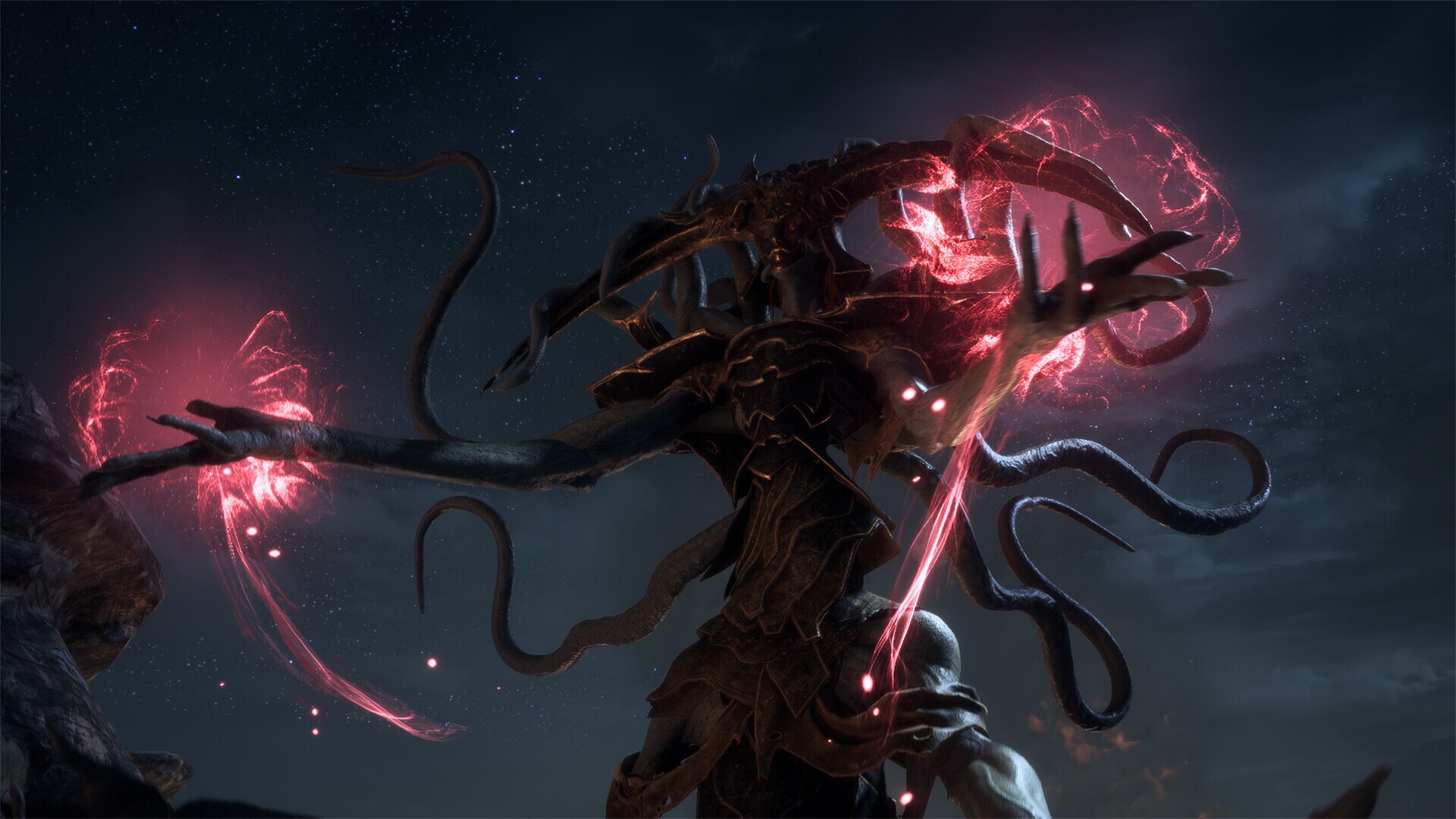
Developed by BioWare and published by Electronic Arts, ‘Dragon Age: The Veilguard’ features extensive dialogue regarding the character Taash’s non-binary identity. Some players expressed dissatisfaction with a specific scene where characters discuss proper pronoun usage, requesting it be removed for breaking immersion in a fantasy setting. The dialogue was seen by critics as an example of modern sensibilities being retrofitted into the established lore of the world. BioWare defended the inclusion as part of their commitment to diverse storytelling within the franchise.
‘Hogwarts Legacy’ (2023)
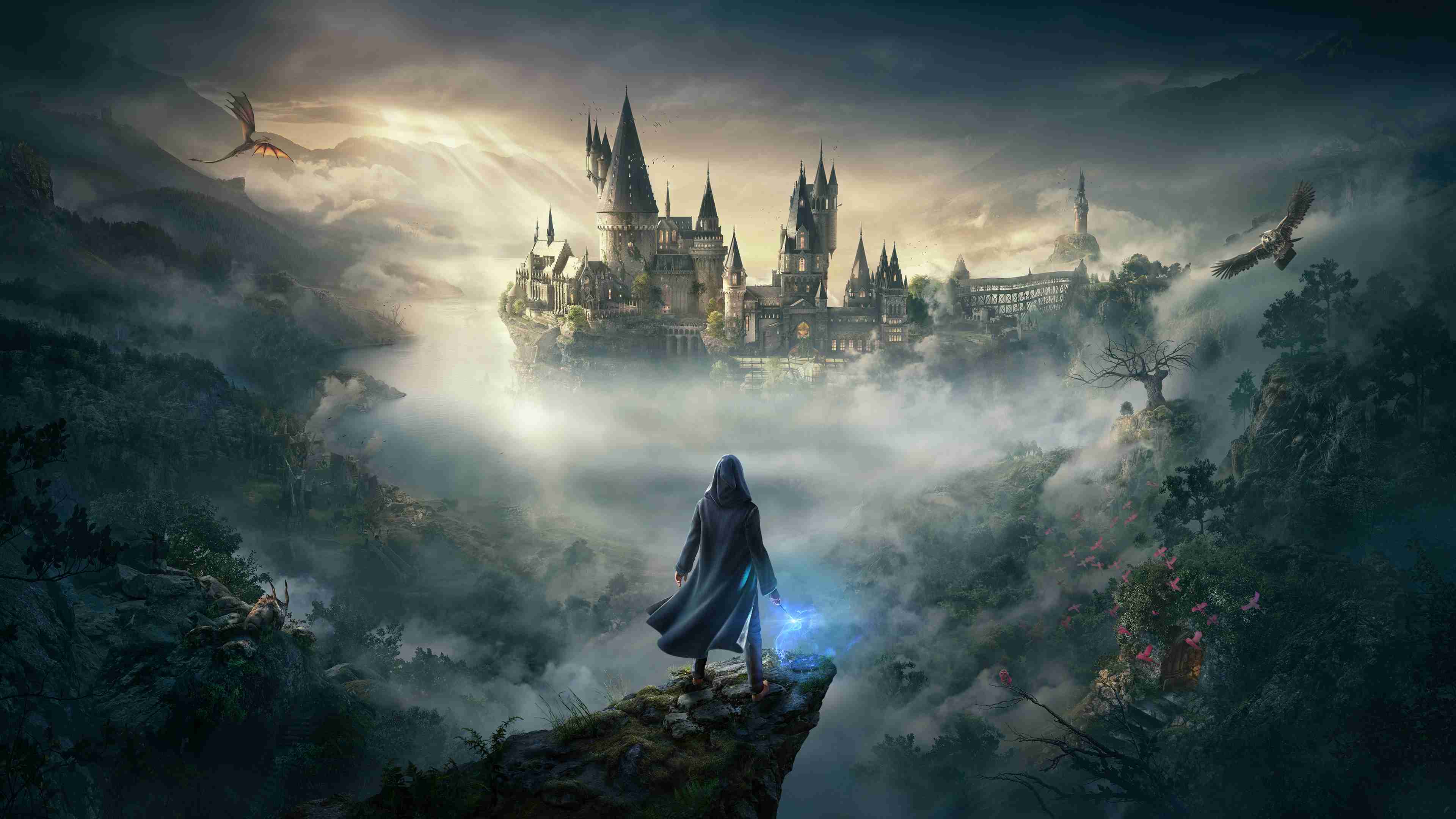
‘Hogwarts Legacy’, developed by Avalanche Software and published by Warner Bros. Games, introduced Sirona Ryan, a character whose dialogue references her past transition. A segment of the audience demanded her removal or a rewrite of her lines, suggesting her inclusion was a reactionary measure to external controversies surrounding the franchise creator. Other players argued that the dialogue felt out of place within the 1890s Wizarding World setting. The developers kept the character and her background intact to represent a broad spectrum of people.
‘Persona 5 Royal’ (2020)
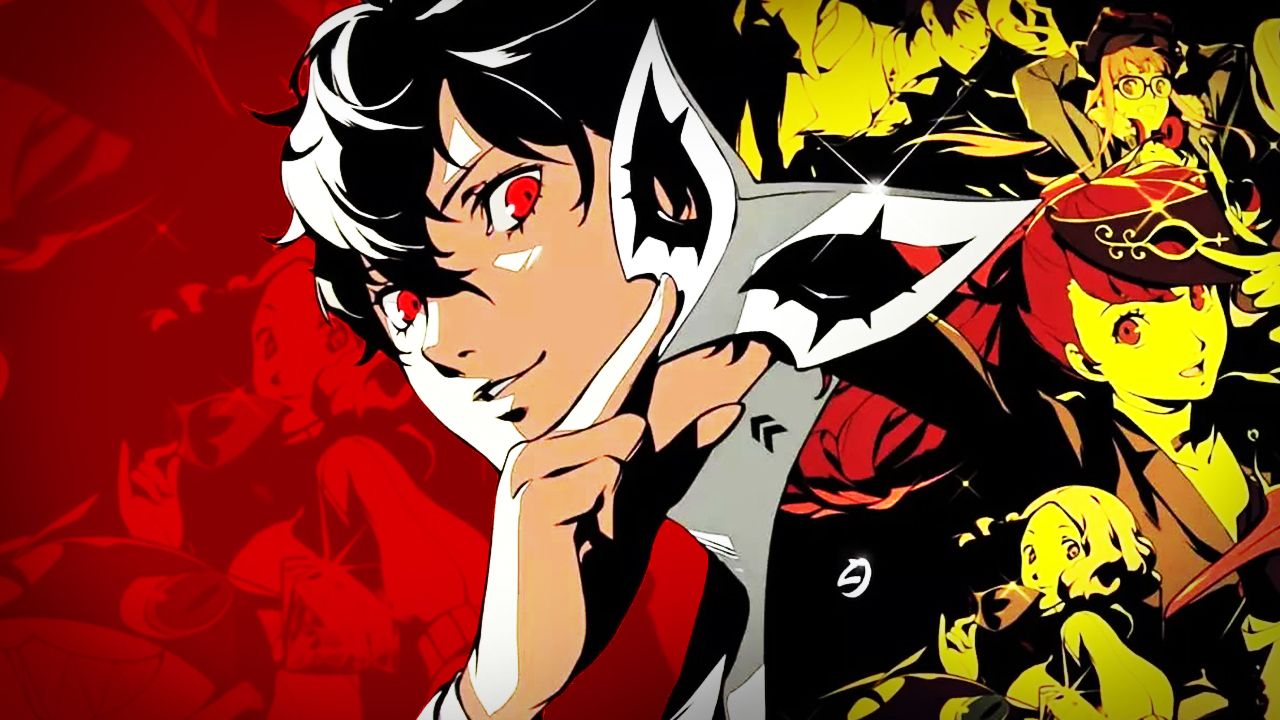
When Atlus and developer P-Studio localized ‘Persona 5 Royal’, they altered dialogue involving two gay characters who interact with Ryuji Sakamoto. The original Japanese script featured a scene that Western players found homophobic, prompting the localization team to rewrite the dialogue for the English version. However, a different subset of fans demanded the original dialogue be restored, citing artistic integrity and accuracy to the source material. The revised scenes aimed to make the interactions less predatory and more comedic in nature.
‘The Last of Us Part II’ (2020)
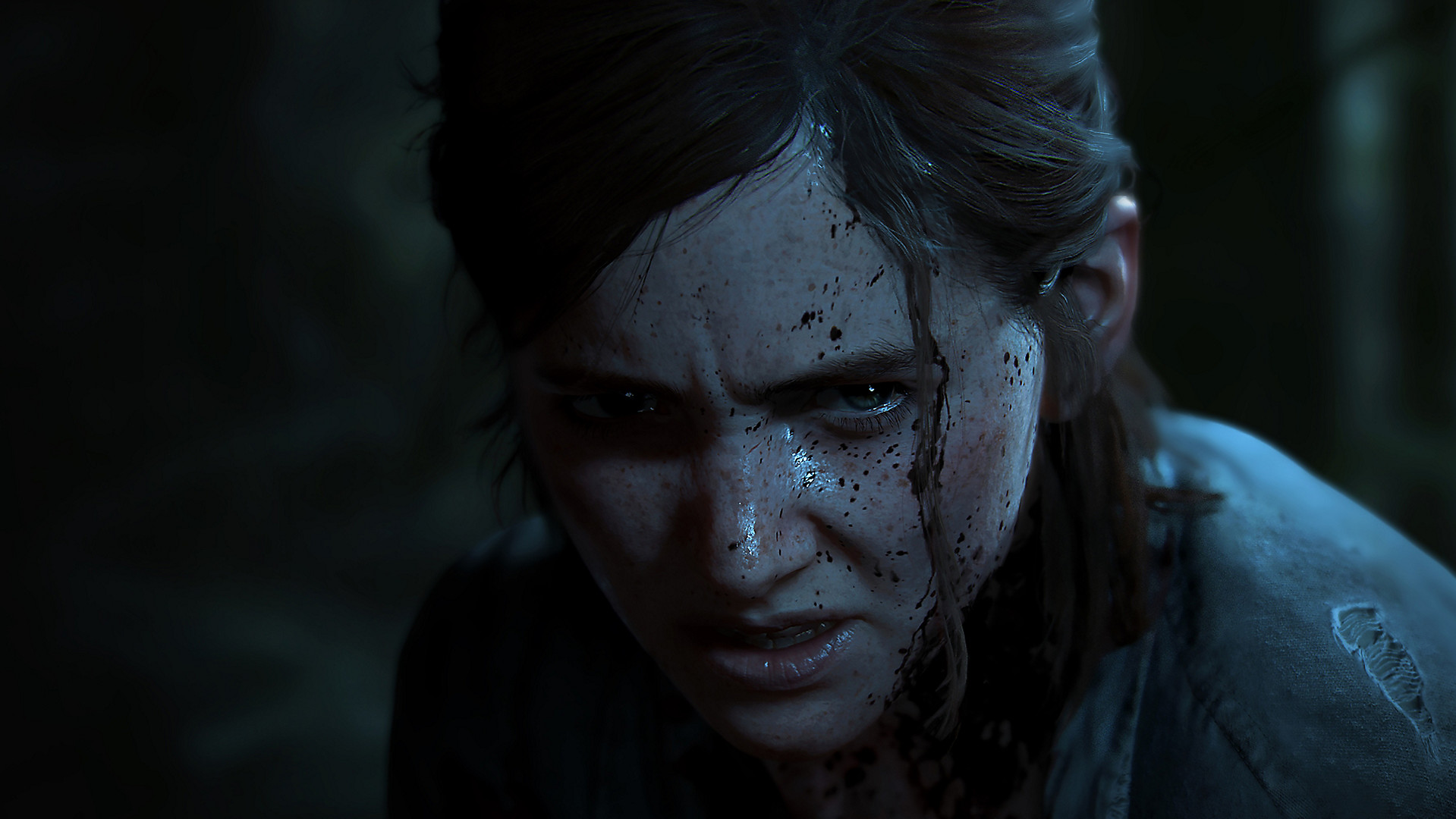
Naughty Dog’s ‘The Last of Us Part II’, published by Sony Interactive Entertainment, faced significant backlash regarding dialogue surrounding the character Lev. Some players felt that the focus on Lev’s identity and the resulting dialogue were politically motivated and asked for a narrative shift. The game’s exploration of themes like the cycle of violence and empathy was often overshadowed by debates over its casting and script choices. Despite petitions for a story rewrite, the title became one of the most awarded games in history.
‘Suicide Squad: Kill the Justice League’ (2024)
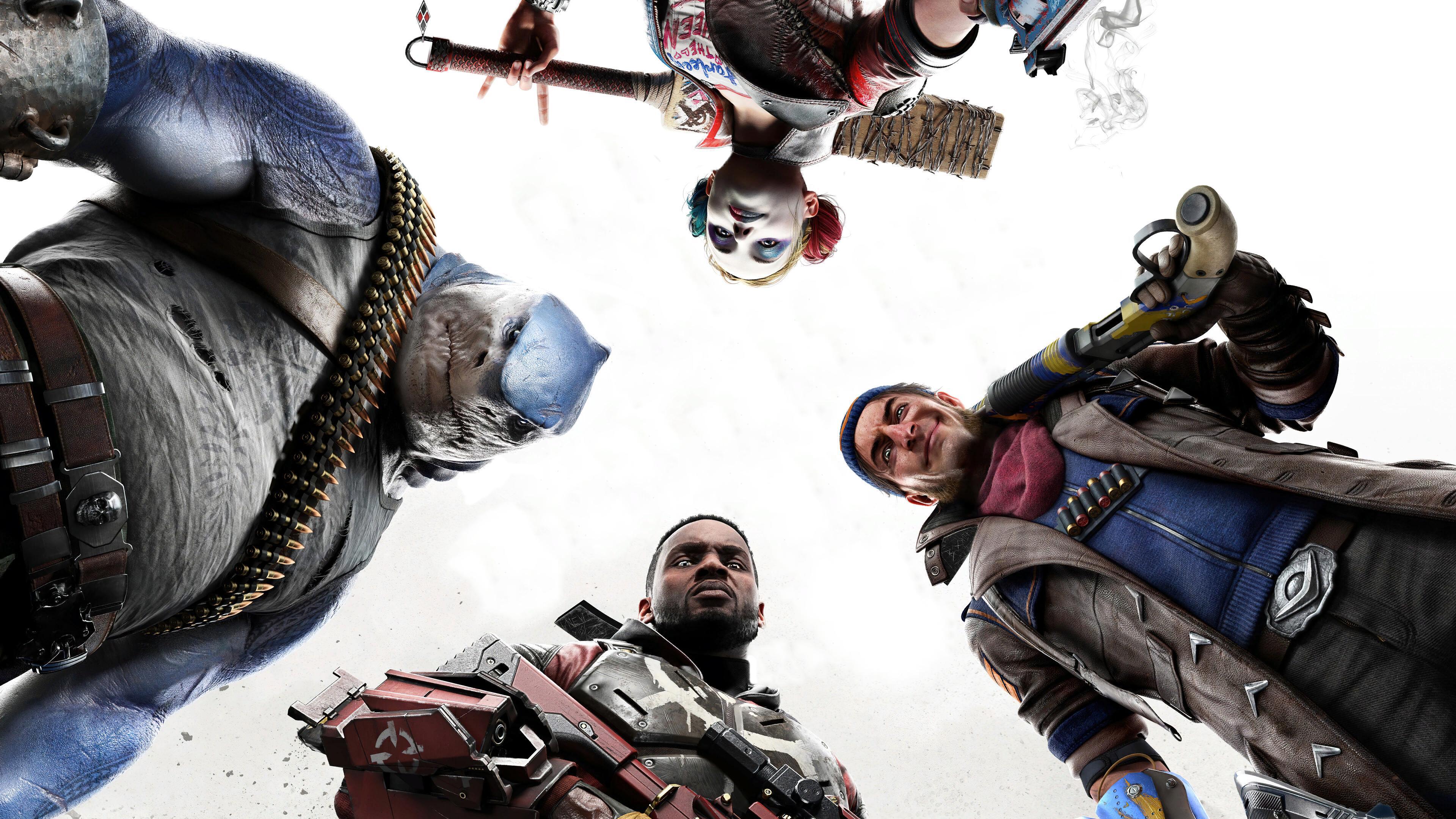
‘Suicide Squad: Kill the Justice League’, developed by Rocksteady Studios and published by Warner Bros. Games, received criticism for dialogue found in Lex Luthor’s codex entries. Fans pointed to descriptions of Wonder Woman that they believed reflected a “girl boss” archetype while disparaging male heroes. This led to calls for the dialogue to be edited to better reflect the traditional power dynamics of the DC Universe. The game’s writing was a major point of contention during its live-service lifecycle.
‘Like a Dragon: Infinite Wealth’ (2024)
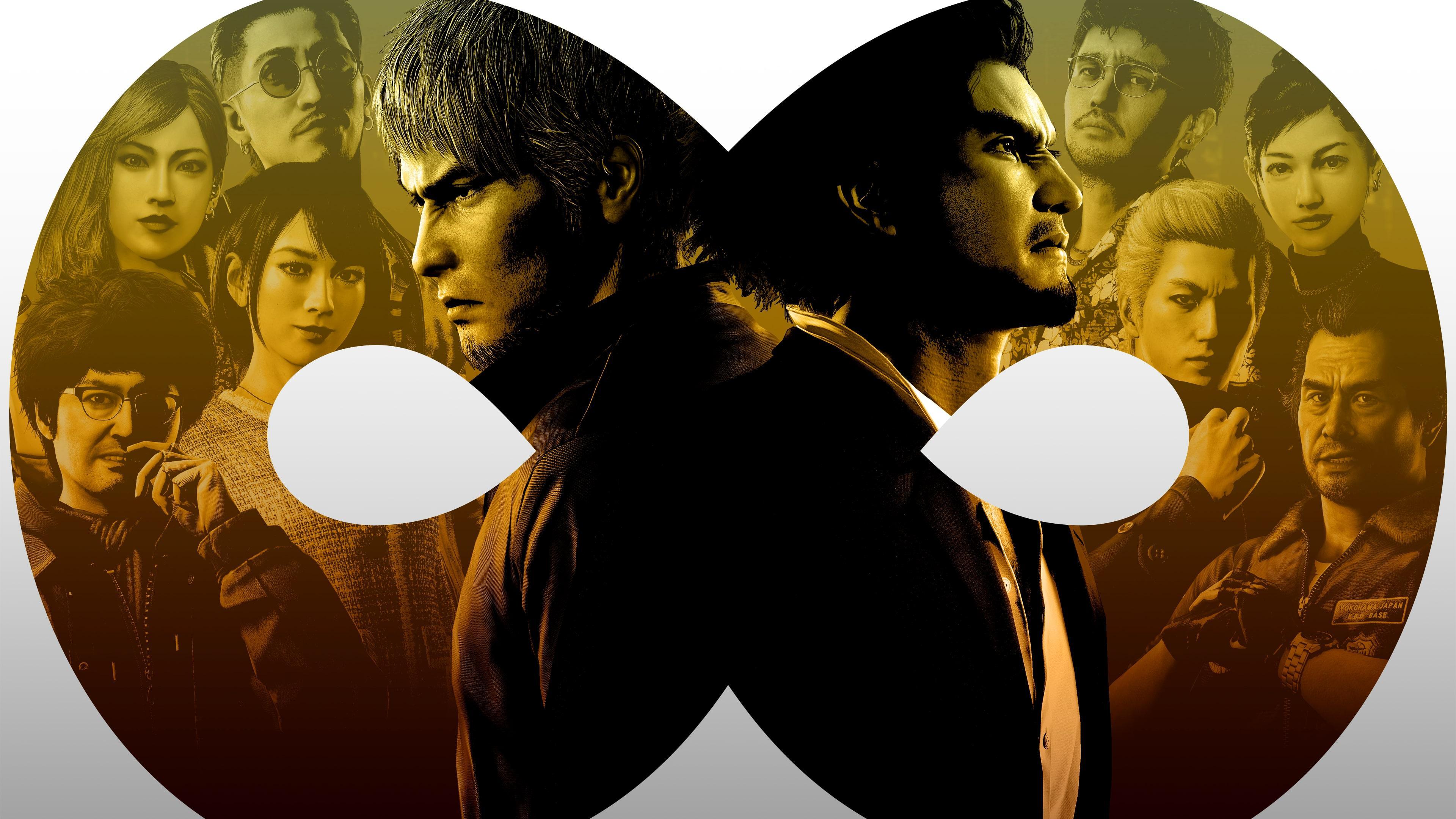
Developed by Ryu Ga Gotoku Studio and published by Sega, ‘Like a Dragon: Infinite Wealth’ faced scrutiny over its English localization. Some players claimed the dialogue was injected with modern Western political slang that was not present in the original Japanese script. These fans argued that the translation compromised the authentic Japanese feel of the series. Demands were made for a more literal translation that avoided what they deemed “politically correct” terminology.
‘Street Fighter V’ (2016)
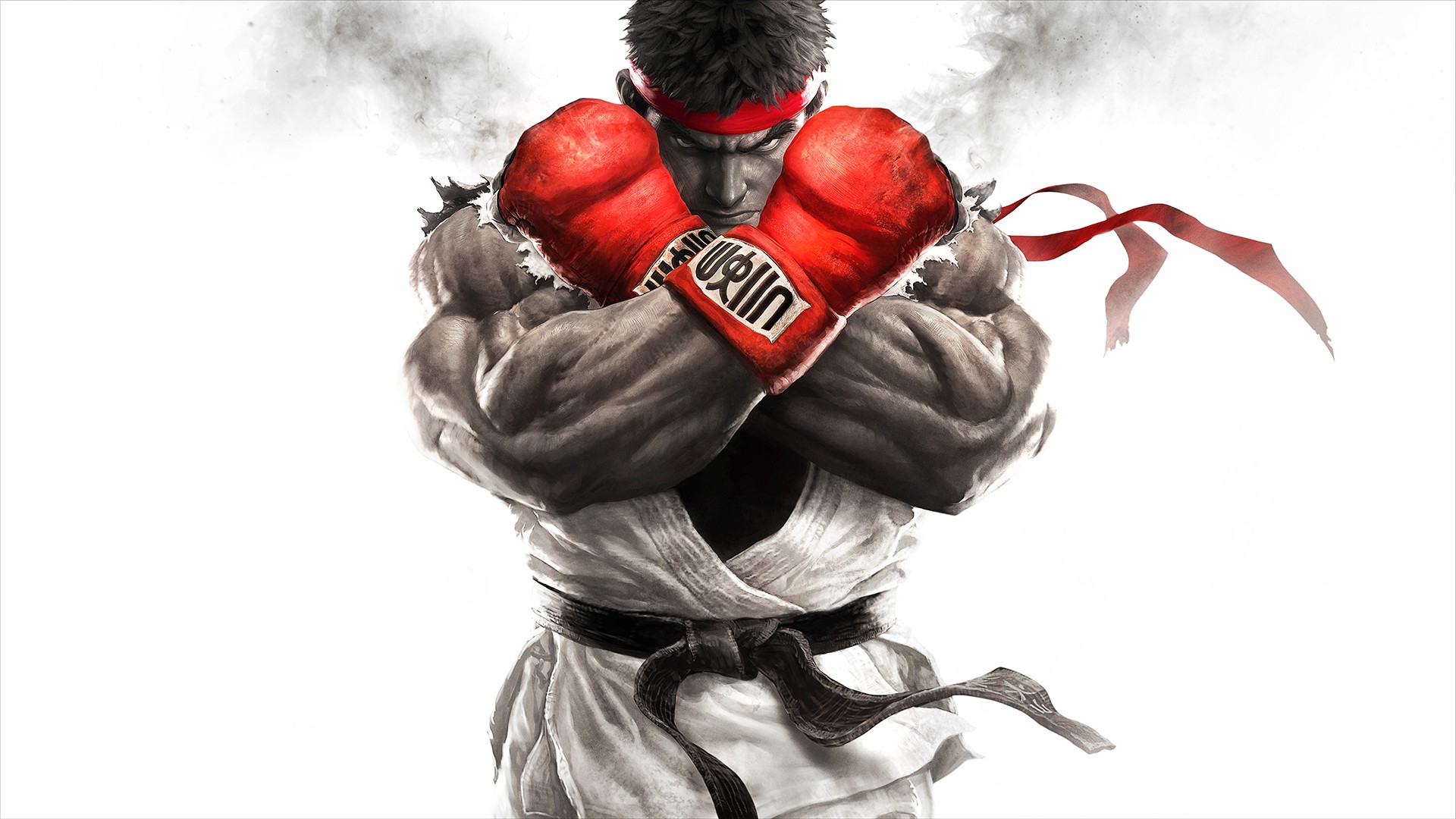
Capcom’s ‘Street Fighter V’ saw several changes to character animations and accompanying dialogue cues prior to its release. The developer adjusted R. Mika’s Critical Art and Cammy’s intro to be less provocative, which fans attributed to a desire for “political correctness.” Online communities organized campaigns to have the original animations and dialogue restored through patches or mods. Capcom stated the changes were made to appeal to a broader, more diverse audience and to meet broadcast standards.
‘Tokyo Mirage Sessions #FE’ (2016)
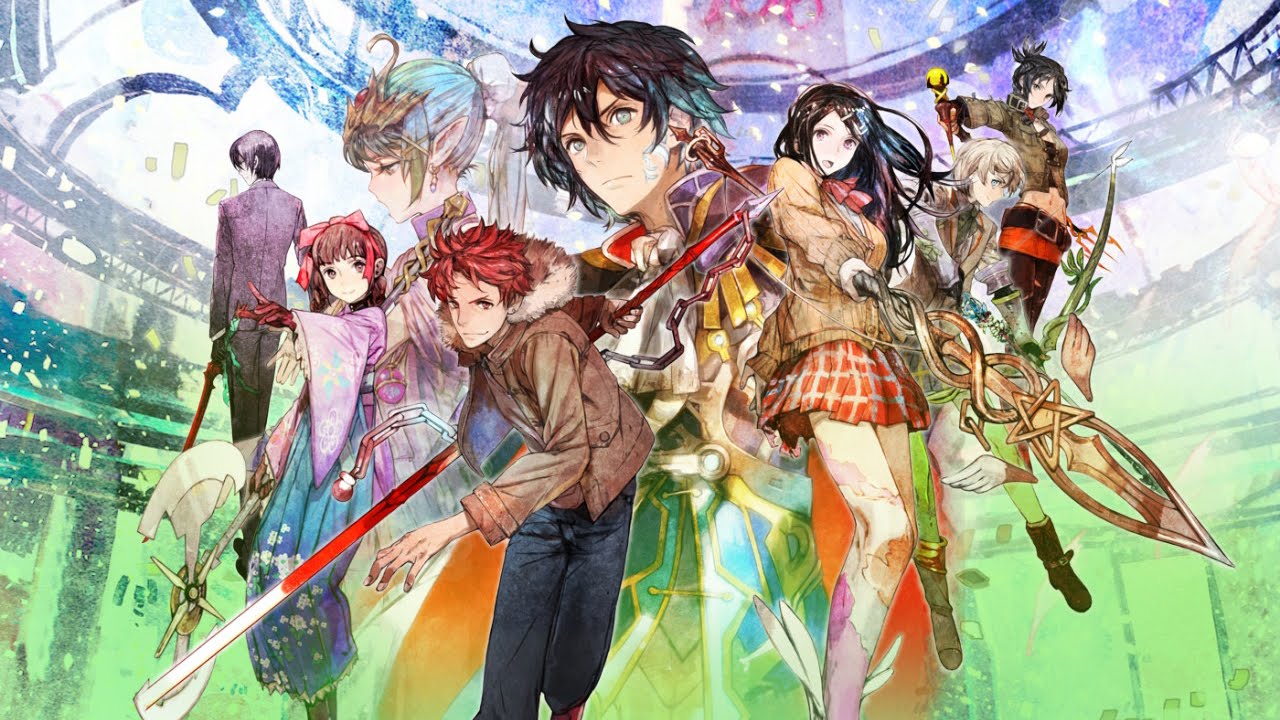
‘Tokyo Mirage Sessions #FE’, a collaboration between Atlus and Nintendo, underwent extensive localization for its Wii U release. Dialogue was changed to increase character ages and remove references to gravure modeling, which some fans labeled as unnecessary censorship. These players demanded the restoration of the original Japanese script to maintain the game’s idol culture themes. When the game was ported to the Nintendo Switch as ‘Encore’, it utilized the localized version globally, sparking further debate.
‘Xenoblade Chronicles X’ (2015)
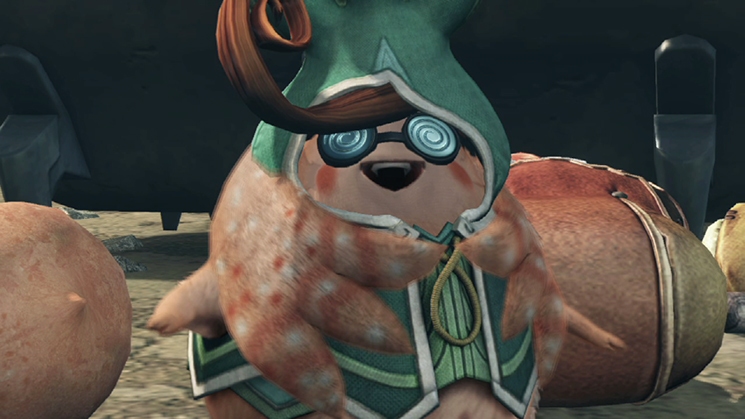
Developed by Monolith Soft and published by Nintendo, ‘Xenoblade Chronicles X’ removed a bust size slider for female characters in the Western version. Along with this change, certain dialogue options and costume descriptions were modified to be more conservative. Fans took to forums to demand the removal of these restrictions, arguing that the changes were “politically correct” impositions on the original vision. The localization remained controversial among the series’ hardcore fanbase for several years.
‘Baldur’s Gate 3’ (2023)
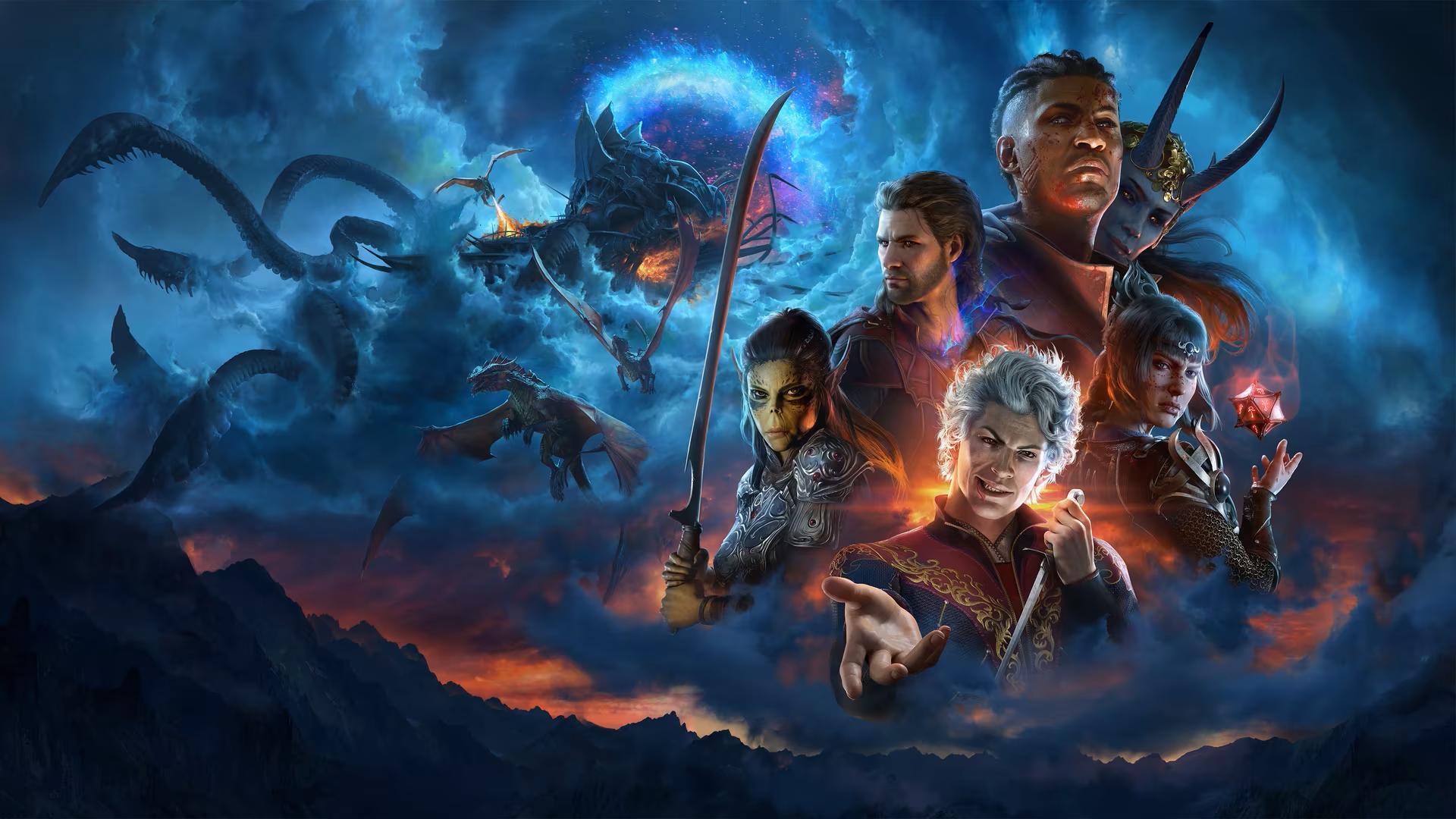
Larian Studios included gender-neutral pronouns and diverse identity options in ‘Baldur’s Gate 3’, which influenced various dialogue paths. While the game was a massive critical success, a small segment of the community requested the ability to hide or remove these options. They argued that the dialogue felt modern and disrupted the traditional high-fantasy atmosphere of the Forgotten Realms. Larian Studios did not remove the features, citing their goal of creating an inclusive role-playing experience.
‘Stellar Blade’ (2024)

Developed by Shift Up and published by Sony Interactive Entertainment, ‘Stellar Blade’ faced a “Day One” patch controversy. Players noticed that certain outfits were modified and some dialogue descriptions were slightly altered to be less suggestive. A petition titled “Free Stellar Blade” garnered thousands of signatures from fans demanding the removal of these edited elements. The developers later introduced new outfits that were more revealing, though the original dialogue changes mostly remained.
‘God of War Ragnarök’ (2022)
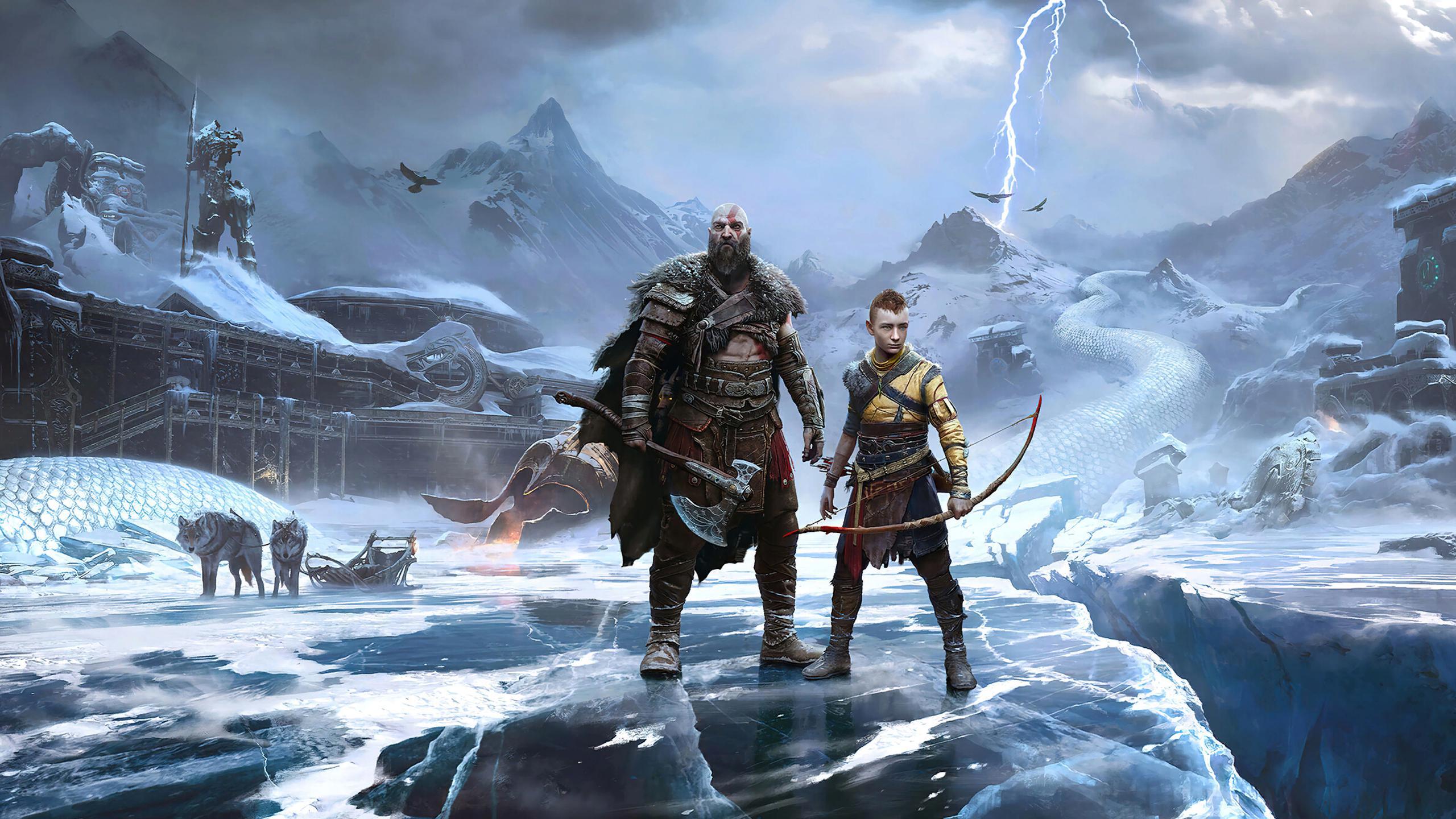
Santa Monica Studio and Sony Interactive Entertainment faced criticism over the depiction of Angrboda in ‘God of War Ragnarök’. Some fans demanded a change to her dialogue and character design, arguing that the inclusion of a person of color in Norse mythology was a political move. The writers defended their creative choice, noting that the world of ‘God of War’ is a fictional interpretation of myth. The dialogue between Atreus and Angrboda remained a central part of the game’s emotional core.
‘Saints Row’ (2022)
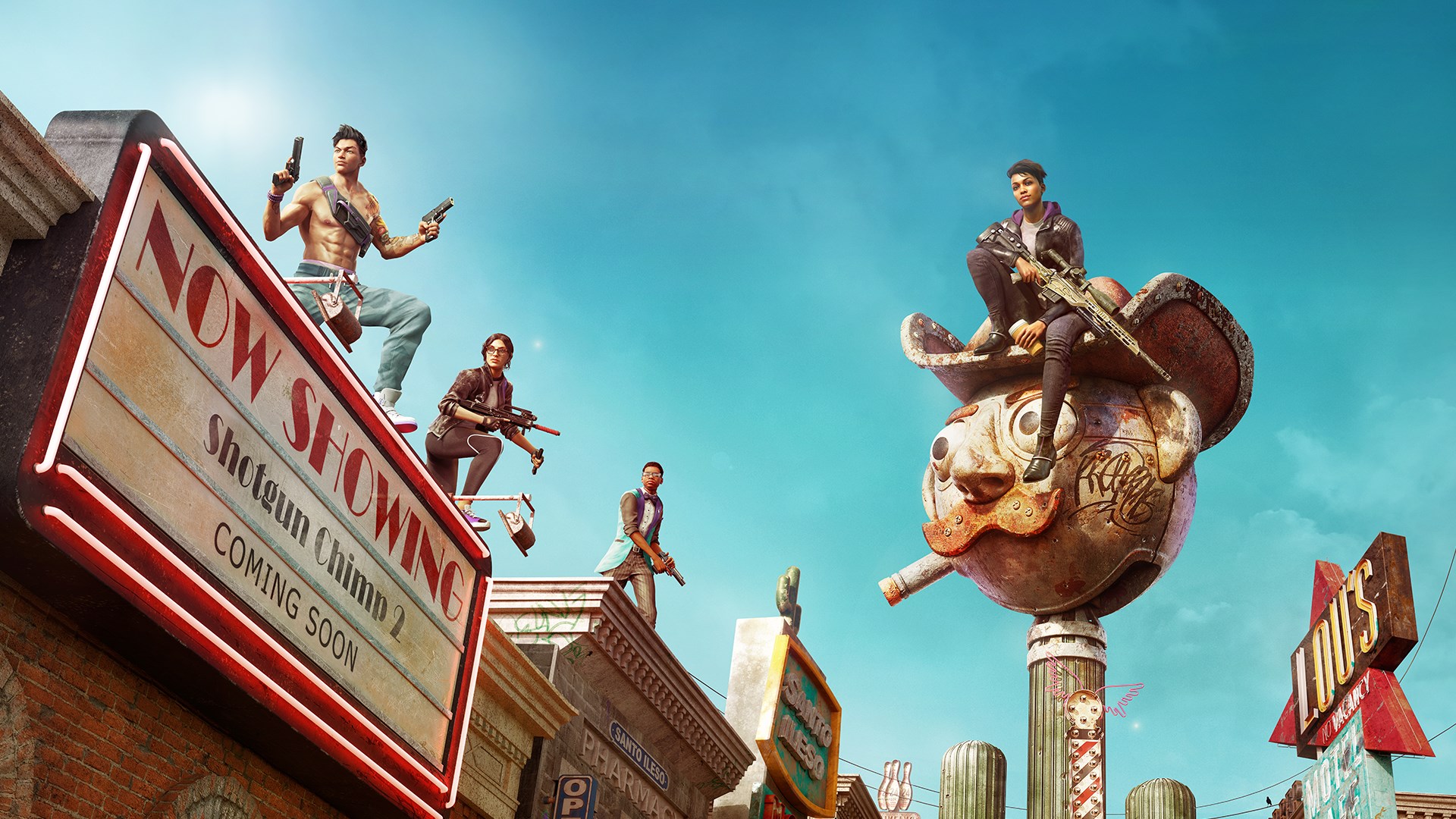
The ‘Saints Row’ reboot, developed by Volition and published by Deep Silver, shifted away from the series’ previous crude humor toward a different tonal approach. Fans of the original games demanded the removal of dialogue that focused on social issues like student loans and group therapy. They argued that the new direction betrayed the “gangster” roots of the franchise in favor of modern social sensibilities. The game’s commercial performance was frequently cited by these critics as a result of this tonal shift.
‘The Witcher 3: Wild Hunt’ (2015)
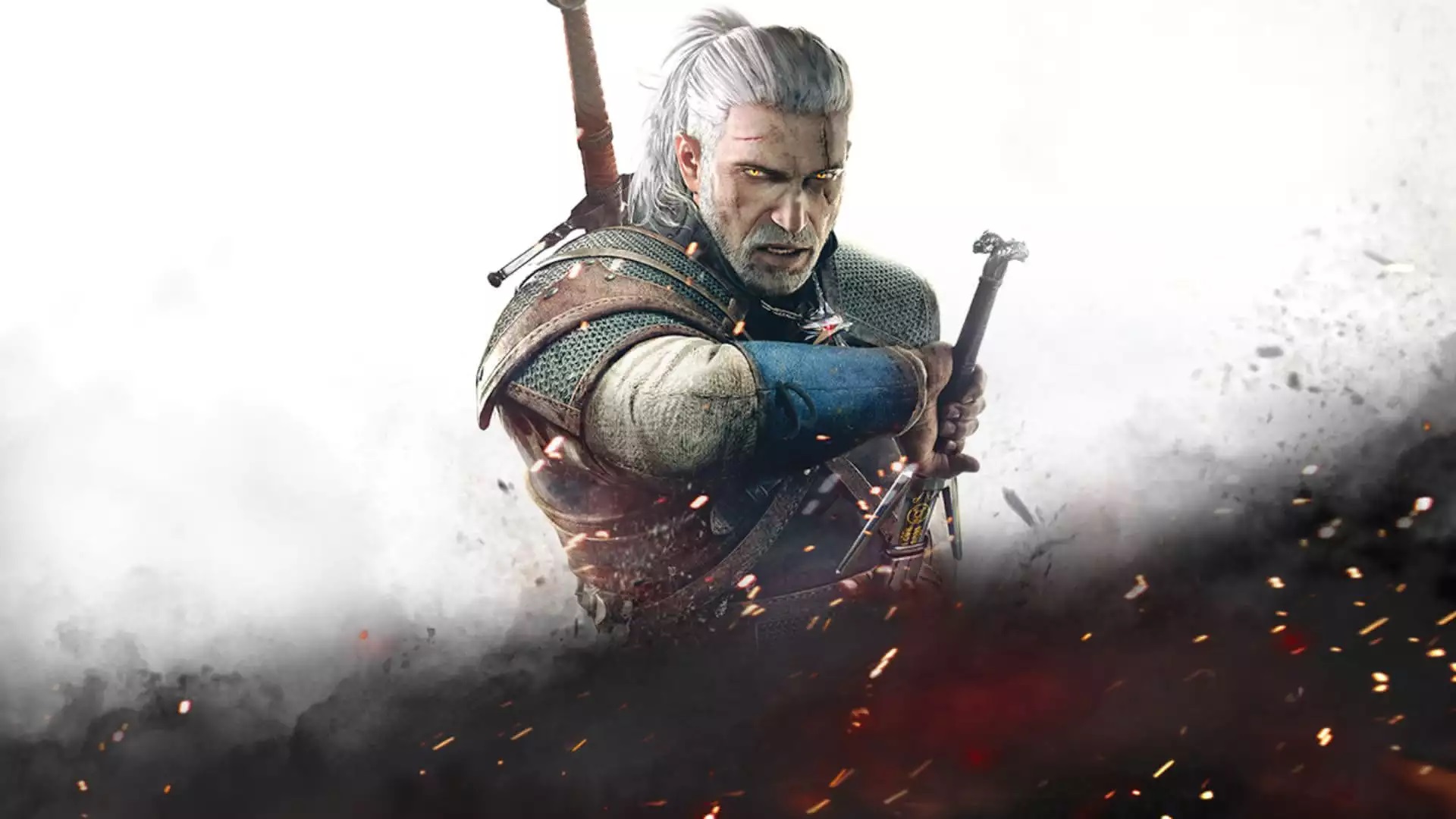
When CD Projekt Red released the next-gen update for ‘The Witcher 3: Wild Hunt’, it included various community-made mods and localization updates. Some players noticed changes in dialogue or textures that they perceived as sanitizing the game’s mature content. This led to requests to revert to the original 2015 script and visual style to preserve the nature of the world. The developers eventually clarified that some changes were unintentional while others were deliberate quality-of-life improvements.
‘Mortal Kombat 11’ (2019)

Developed by NetherRealm Studios and published by Warner Bros. Games, ‘Mortal Kombat 11’ featured an ending for the character Jax that involved him using time travel to alter historical events. This dialogue and story beat sparked a backlash from fans who claimed it was an injection of real-world politics into a fighting game. They demanded the removal of the sequence, arguing it was a departure from the established tone of the series. NetherRealm Studios stood by the ending, stating it was consistent with the character’s history.
Please share your thoughts on whether localization changes impact your gaming experience in the comments.