

Games Where Fans Hated the New “Realistic” Body Type Options

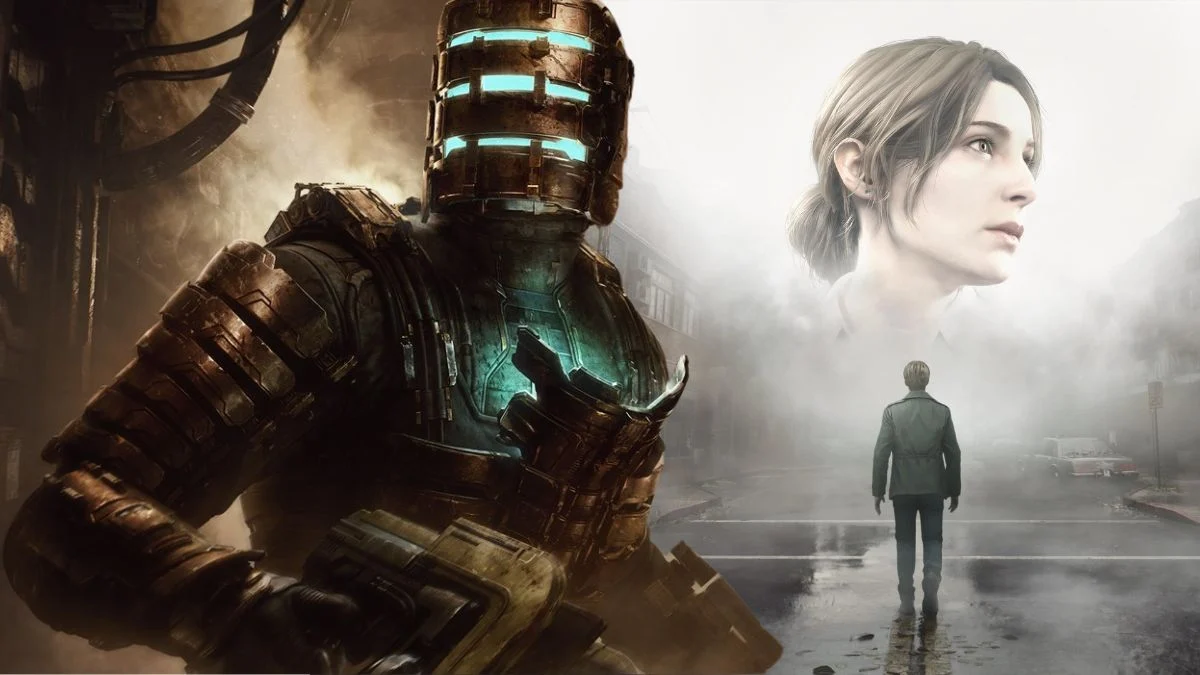


The gaming industry has increasingly shifted toward character designs that prioritize realism and diversity over traditional idealized aesthetics. While these changes are often intended to make games more inclusive and grounded they frequently spark intense debate within player communities. Many fans express frustration when iconic characters are redesigned with more natural proportions or when customization systems replace gendered terms with neutral body types. These controversies highlight a growing tension between modern development philosophies and long standing audience expectations for video game visuals. This article examines several notable instances where the introduction of realistic body options or character models led to significant backlash from fans.
‘Mortal Kombat 11’ (2019)

The developers at NetherRealm Studios decided to move away from the highly sexualized costumes seen in earlier entries for this title. Female fighters were given more practical armor and clothing that reflected a realistic approach to combat gear. Some fans criticized this move and argued that the new designs lacked the flair and identity of the classic characters. The studio maintained that the shift was a natural progression for the series toward a more mature and grounded look. This debate continued long after the game launched as players compared the new models to those from previous decades.
‘The Last of Us Part II’ (2020)
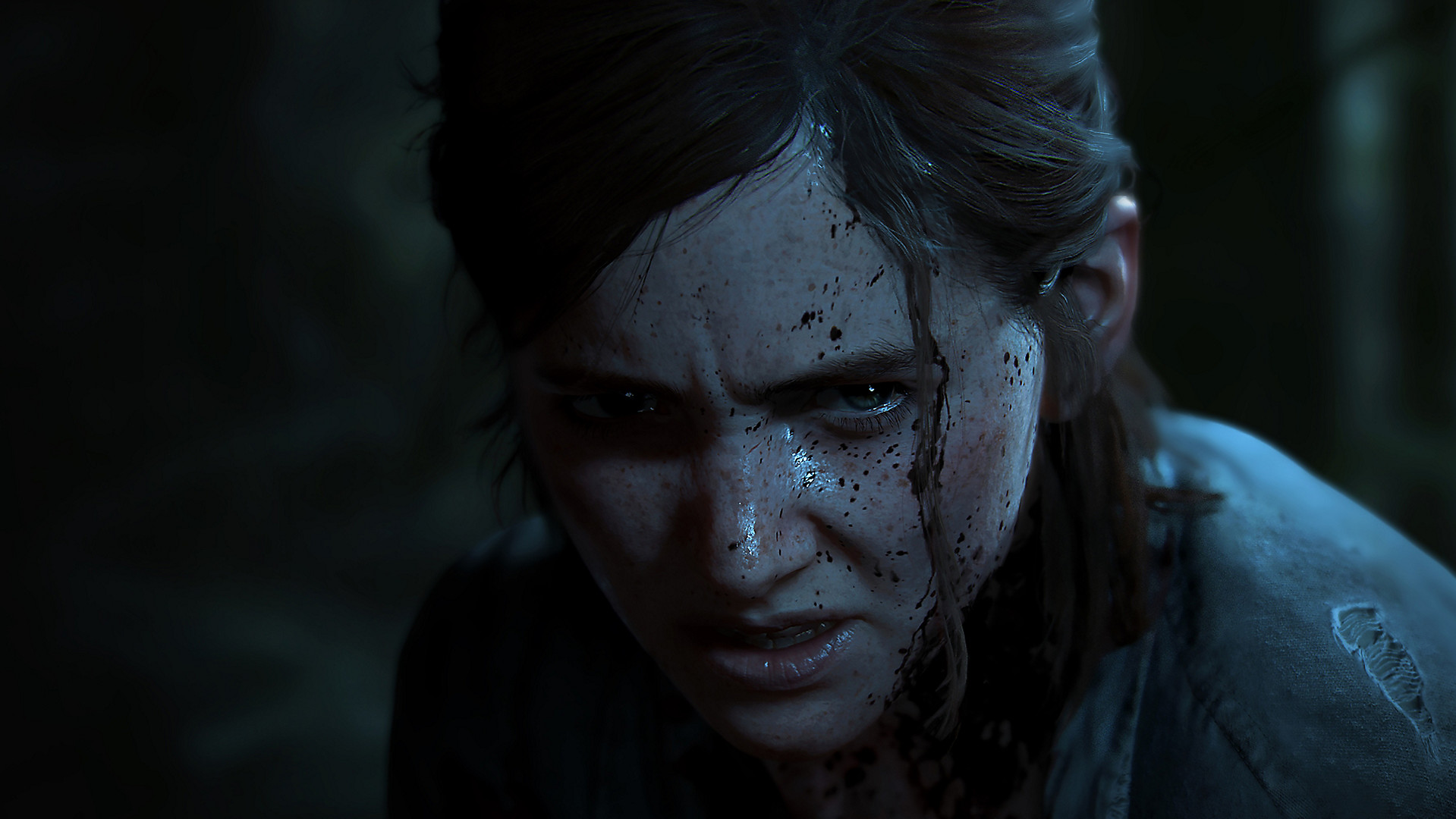
The character Abby became a focal point of intense online discussion due to her extremely muscular body type. Many players questioned the realism of a woman maintaining such a physique in a world where food and training facilities are scarce. This critique often turned into a wider conversation about the representation of women in modern gaming. Naughty Dog explained that Abby was an elite soldier who spent years training specifically for revenge. Despite the explanation her physical appearance remained one of the most controversial aspects of the narrative for a segment of the audience.
‘Horizon Forbidden West’ (2022)
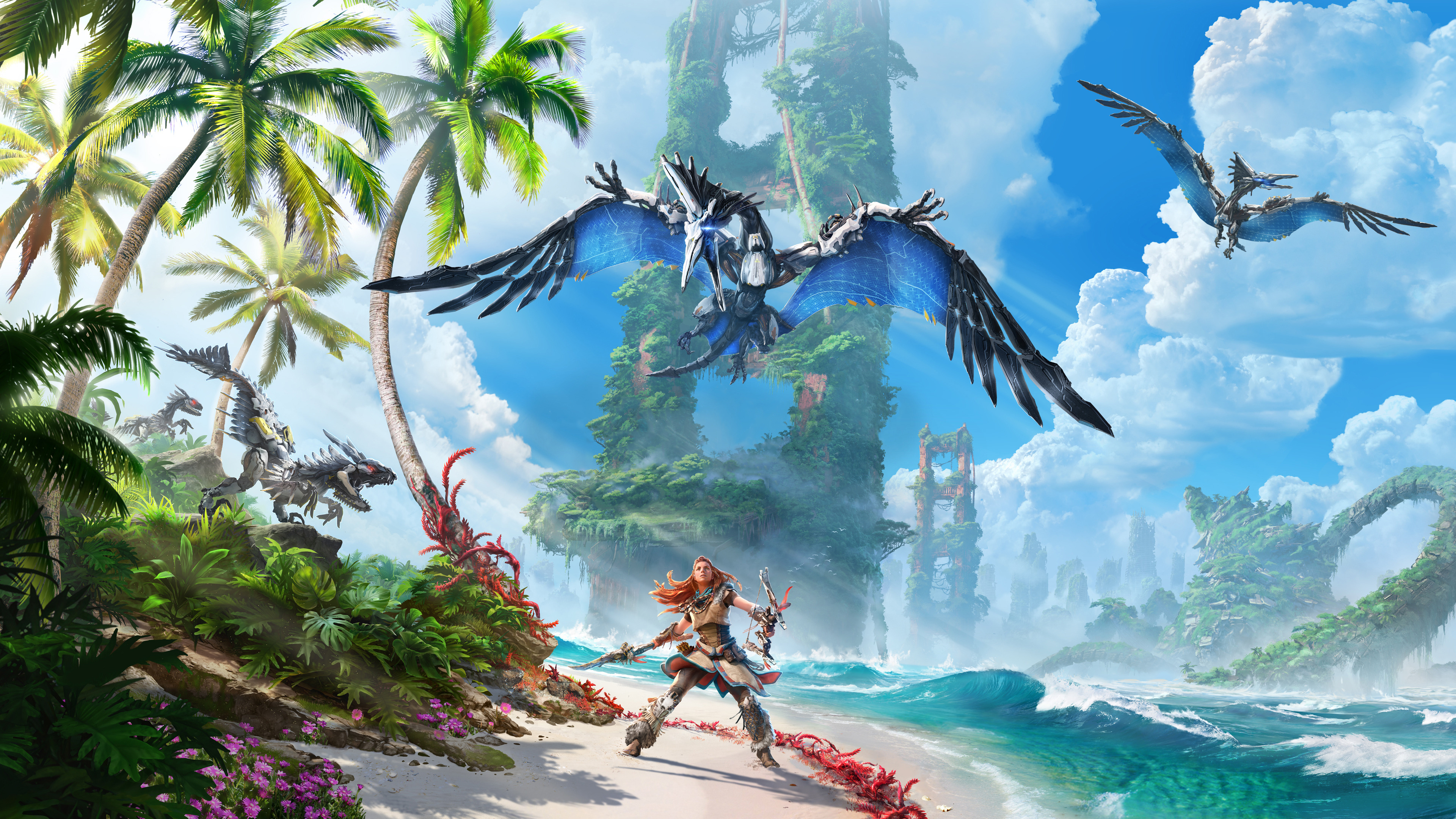
When the first trailers for this sequel were released some fans voiced strong opinions about the subtle changes to the face of the protagonist Aloy. Critics argued that her facial structure appeared more rounded and realistic than it did in the previous game. Some players even went as far as to suggest she looked less like a traditional action hero. Guerilla Games stood by the design and emphasized that the character was meant to look like a hardened survivor. The addition of realistic skin textures like peach fuzz further fueled the debate among the player base.
‘Spider Man 2’ (2023)
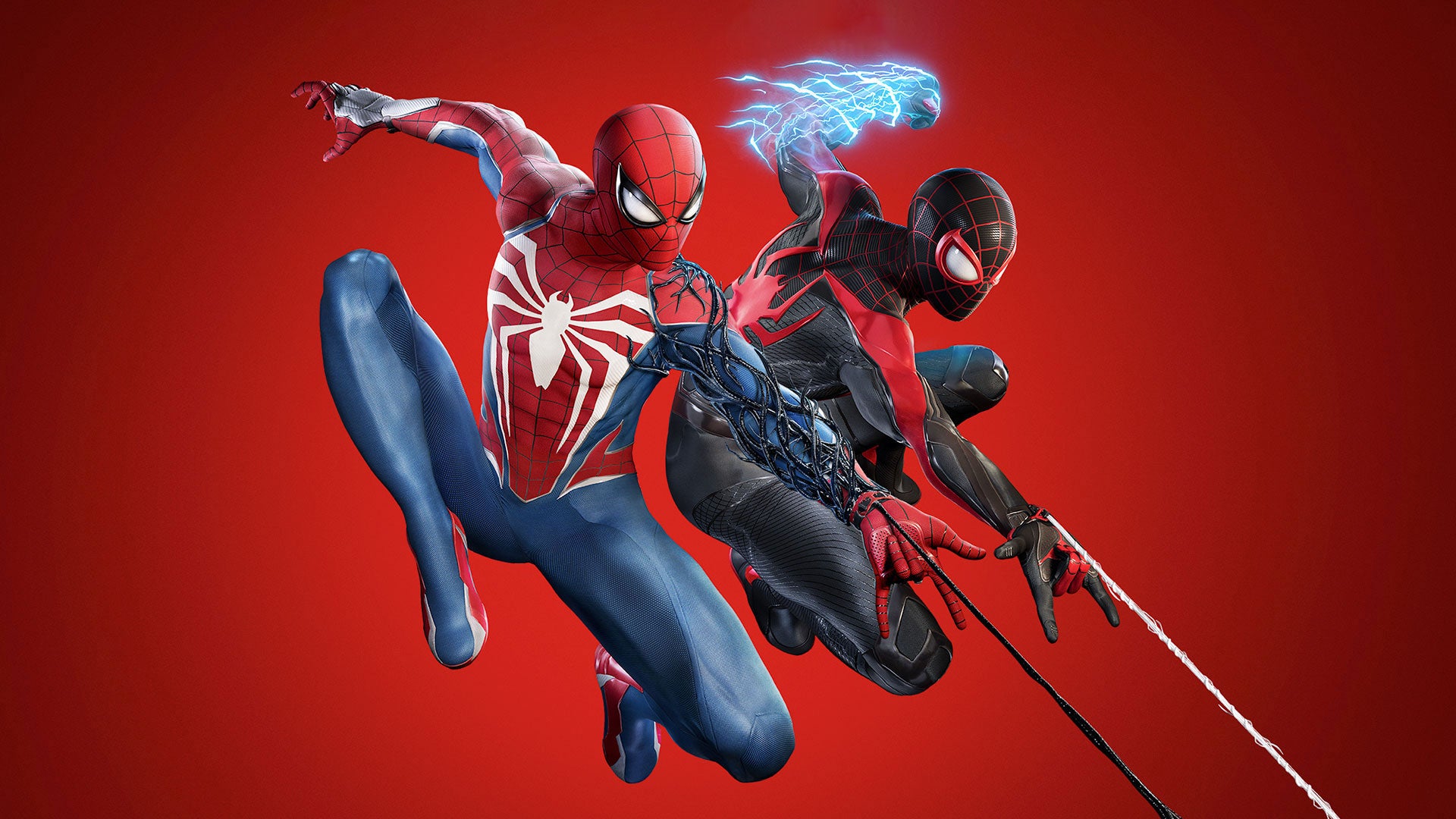
The character model for Mary Jane Watson underwent a significant update for the second game in this series. Many players noticed that her facial features and jawline appeared more realistic and different from her look in the first installment. This led to a wave of online criticism with some fans claiming the change was unnecessary or visually unappealing. The developers noted that the model was updated to better match the performance capture of the actress. Despite these technical reasons the new appearance sparked heated discussions across social media platforms for weeks.
‘Fable’ (2025)
The reveal trailer for the upcoming reboot of this beloved franchise featured a protagonist whose appearance was described by some as too ordinary. A segment of the fanbase expressed disappointment that the character did not fit the more idealized standards often found in fantasy games. These critics argued that the realistic facial features felt out of place in the satirical and whimsical world of the series. Other players defended the design and noted that the franchise has always featured a degree of quirkiness in its character models. The debate highlighted a divide in how fans perceive the role of beauty in role playing games.
‘Suicide Squad Kill the Justice League’ (2024)
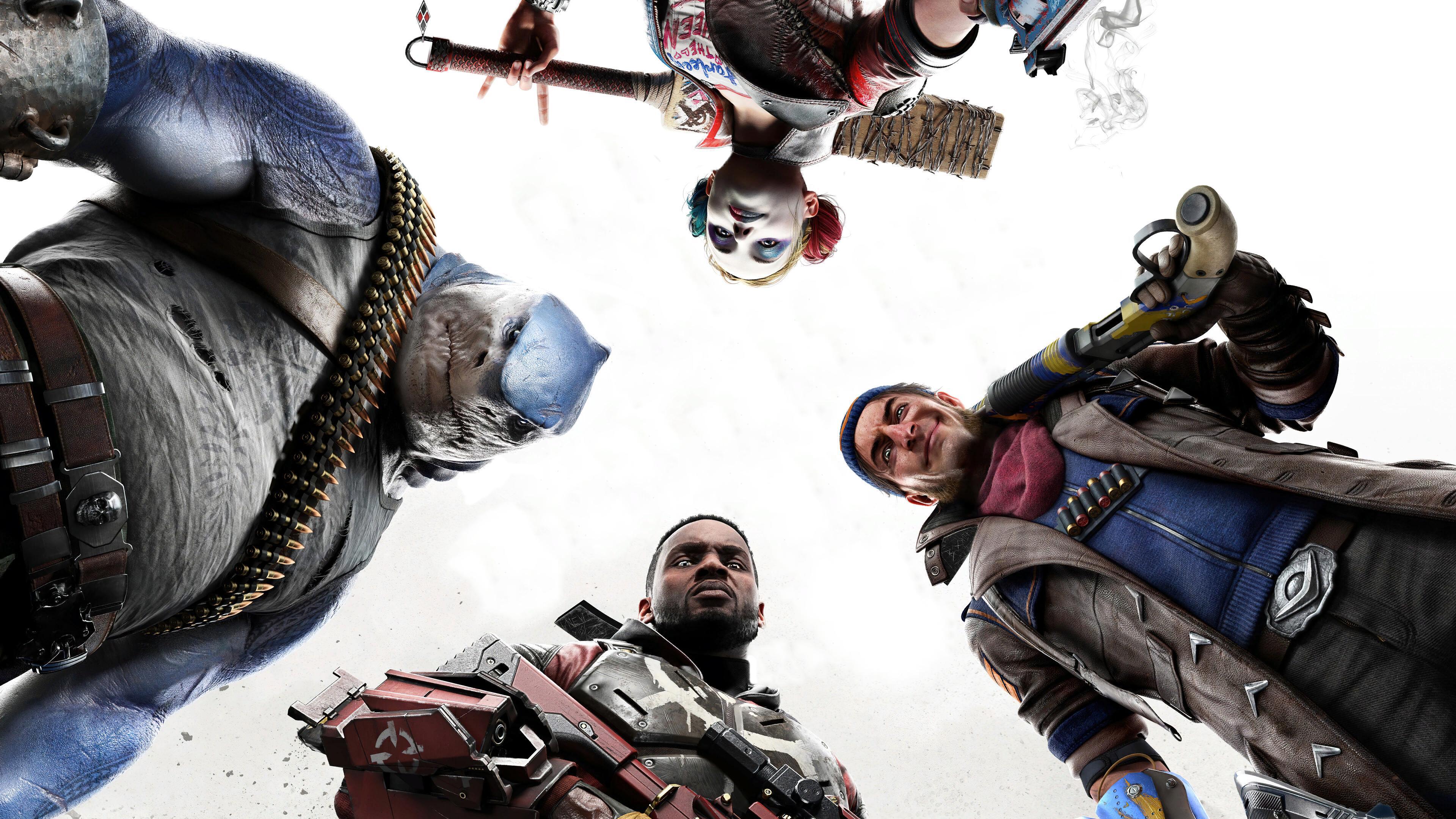
This title faced scrutiny for its character designs including a more grounded and tactical look for Harley Quinn. Some fans were unhappy with the shift away from her more traditional or exaggerated body proportions seen in the previous Arkham games. The customization options also drew criticism for their focus on modern live service aesthetics rather than classic comic book styles. Players expressed that the realistic approach to the character models felt inconsistent with the over the top nature of the gameplay. This added to the overall mixed reception the game received leading up to its launch.
‘Saints Row’ (2022)
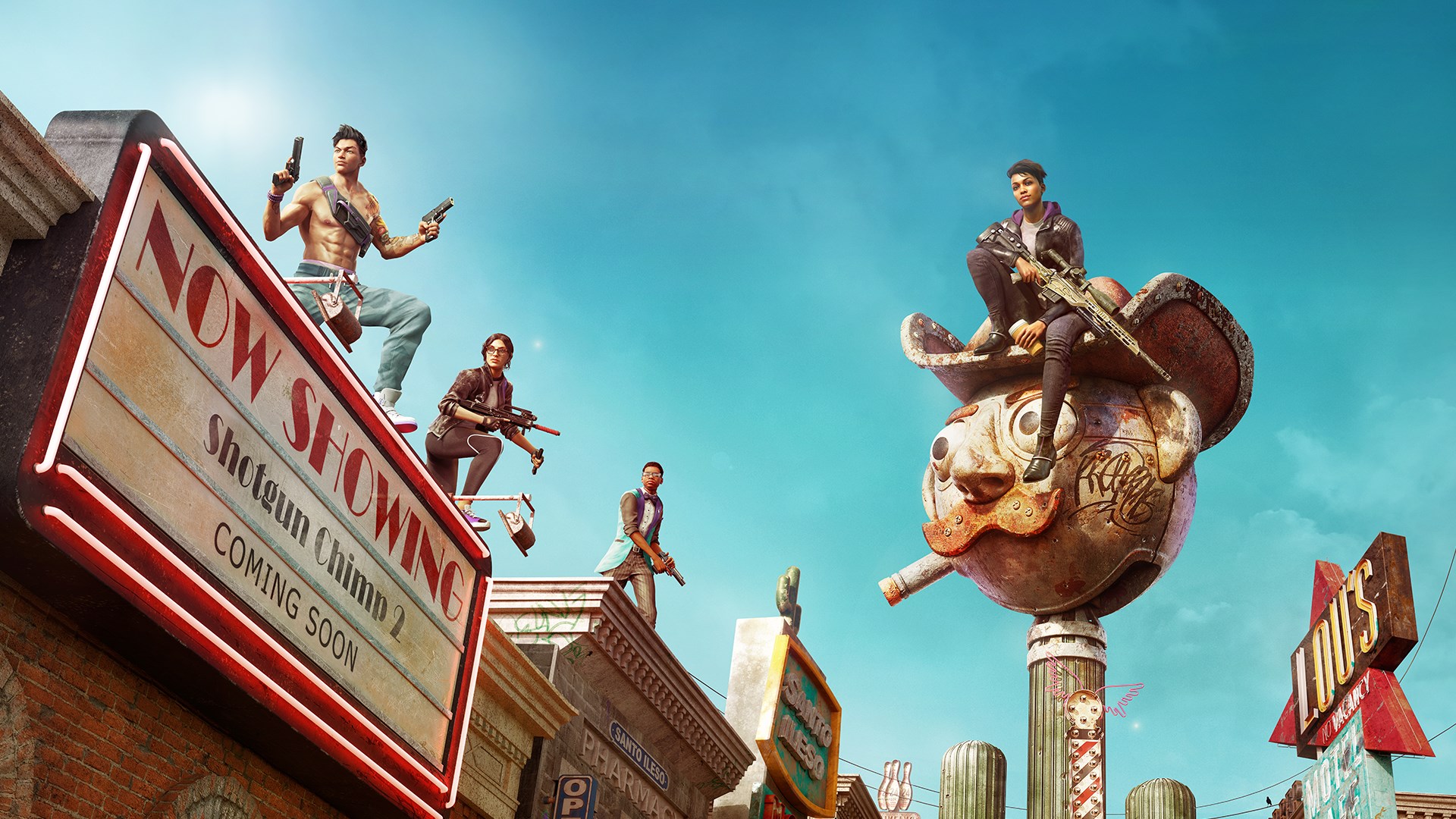
The reboot of this chaotic series introduced a new cast of characters with designs that many fans felt were too trendy or realistic. Critics of the game argued that the characters looked like ordinary college students rather than hardened criminals. The departure from the exaggerated and stylized body types of the earlier games was a major point of contention for long time fans. Developers aimed for a more contemporary look to appeal to a newer generation of players. However the core audience felt that the new aesthetic lacked the grit and personality that defined the original series.
‘Mass Effect Andromeda’ (2017)
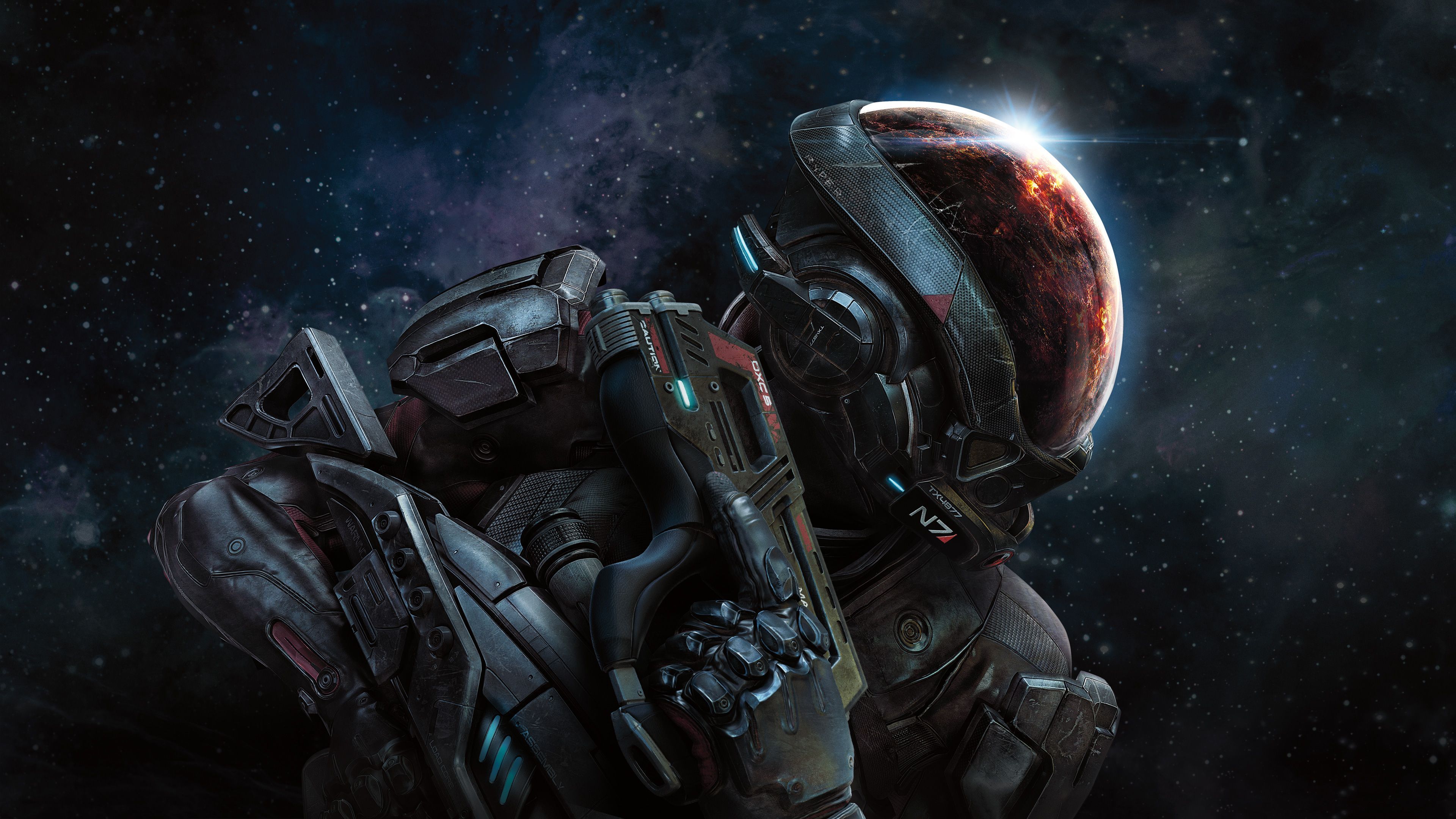
The release of this game was plagued by criticisms regarding the facial animations and body models of the female protagonist. Many players felt that the default design for Sara Ryder was less polished and less attractive than the male counterpart. The realistic facial structure often looked awkward during cutscenes due to technical issues with the animation engine. This led to a widespread perception that the character had been intentionally designed to look more plain. The controversy forced the developers to release several patches to improve the character models and animations.
‘Starfield’ (2023)
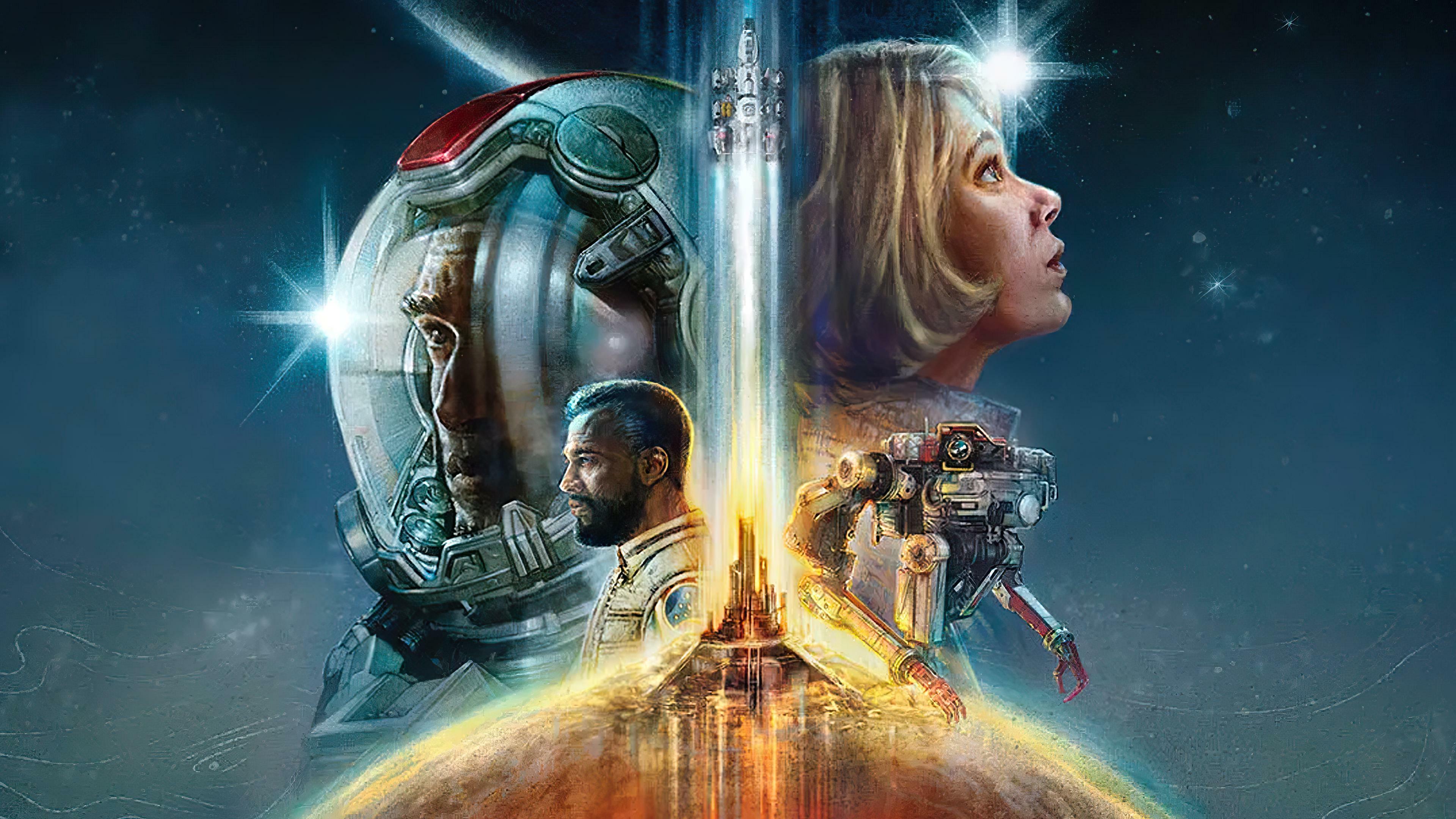
Bethesda replaced traditional male and female descriptors with Body Type One and Body Type Two in this space epic. This change was part of a broader effort to provide more inclusive customization options for players. While many welcomed the flexibility some fans were frustrated by the removal of binary gender labels. They argued that the change felt like a forced attempt at modern realism that complicated a simple system. This sparked a broader conversation about how character creators should handle gender and body diversity in large scale games.
‘Dragon Age The Veilguard’ (2024)
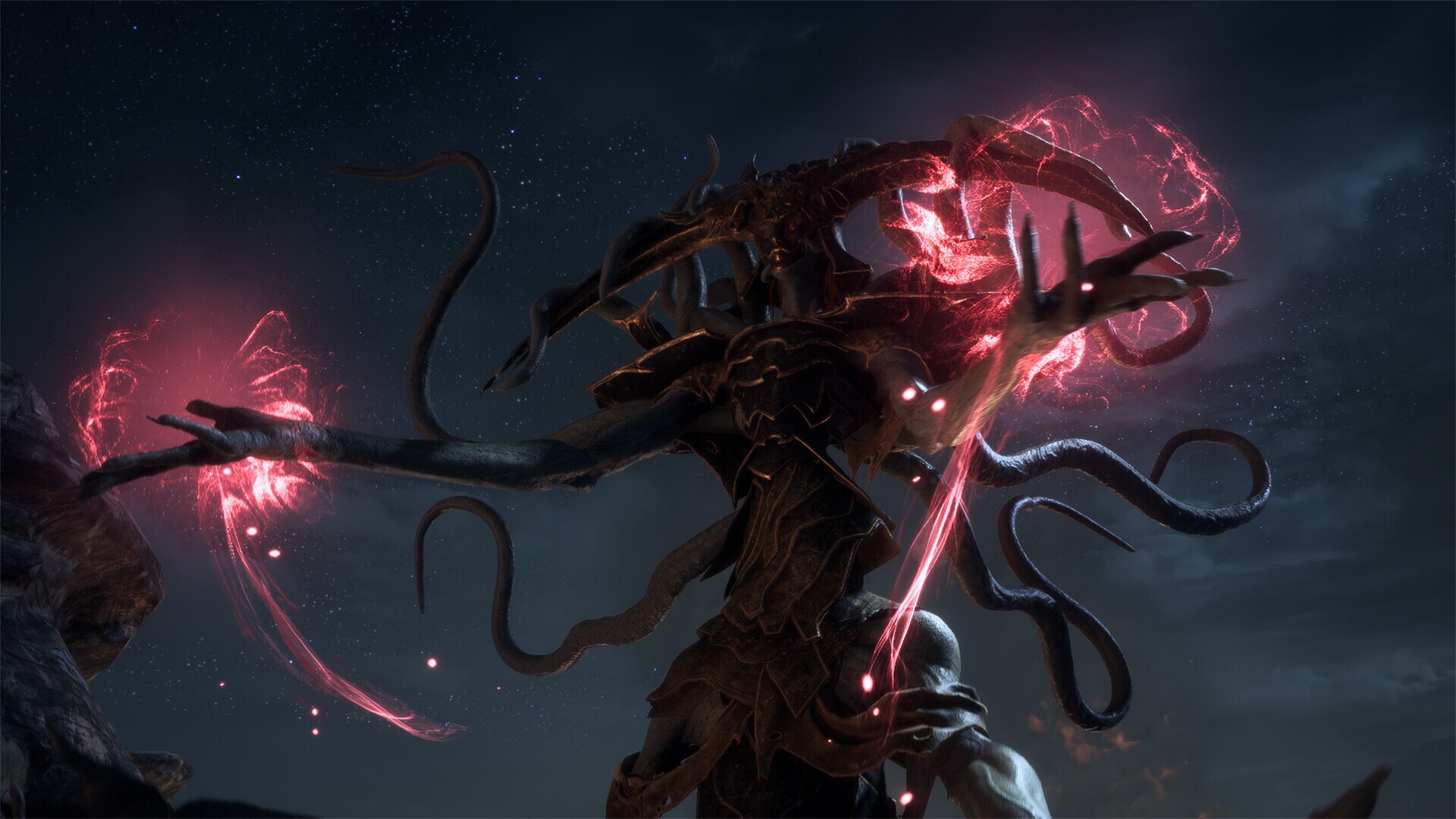
The character creator in this latest installment of the fantasy series introduced detailed options for body types including top surgery scars. This addition sparked a polarized reaction among the community with some praising the inclusivity and others calling it unnecessary. Critics argued that such realistic medical details did not fit the high fantasy setting of the game world. The developers emphasized their goal of letting every player see themselves in their custom hero. Despite this the inclusion of these options became a focal point for debates about realism versus escapism.
‘Dead Space’ (2023)
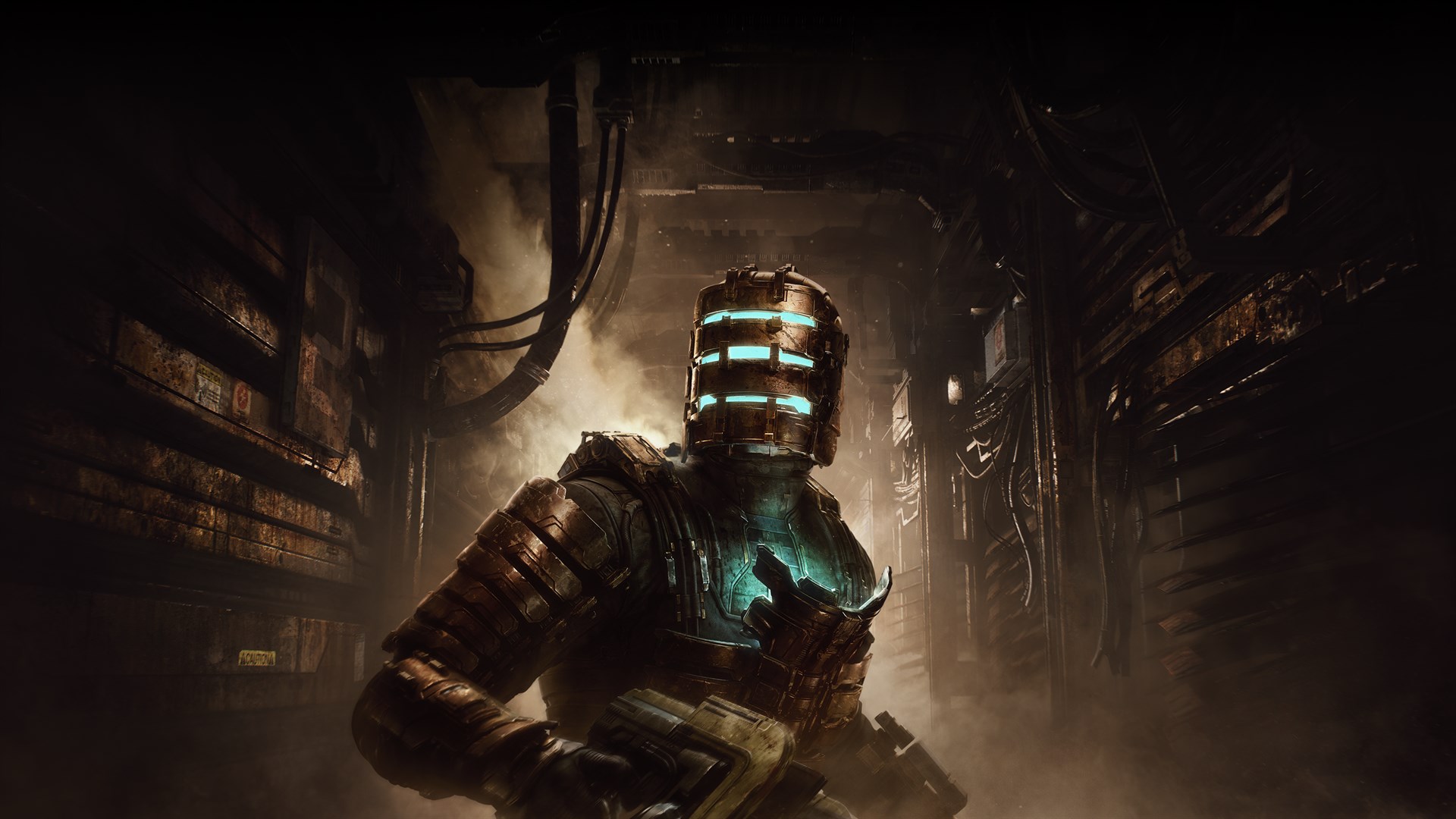
The remake of this horror classic updated the character model for Nicole to look significantly older and more realistic. In the original game she appeared much younger which some fans felt made her relationship with Isaac more compelling. The new design was intended to better reflect her professional standing as a senior medical officer. Some players were unhappy with the change and felt it was an unnecessary departure from the original aesthetic. The developers stood by the update as part of their commitment to a more authentic and mature presentation.
‘Resident Evil 3’ (2020)
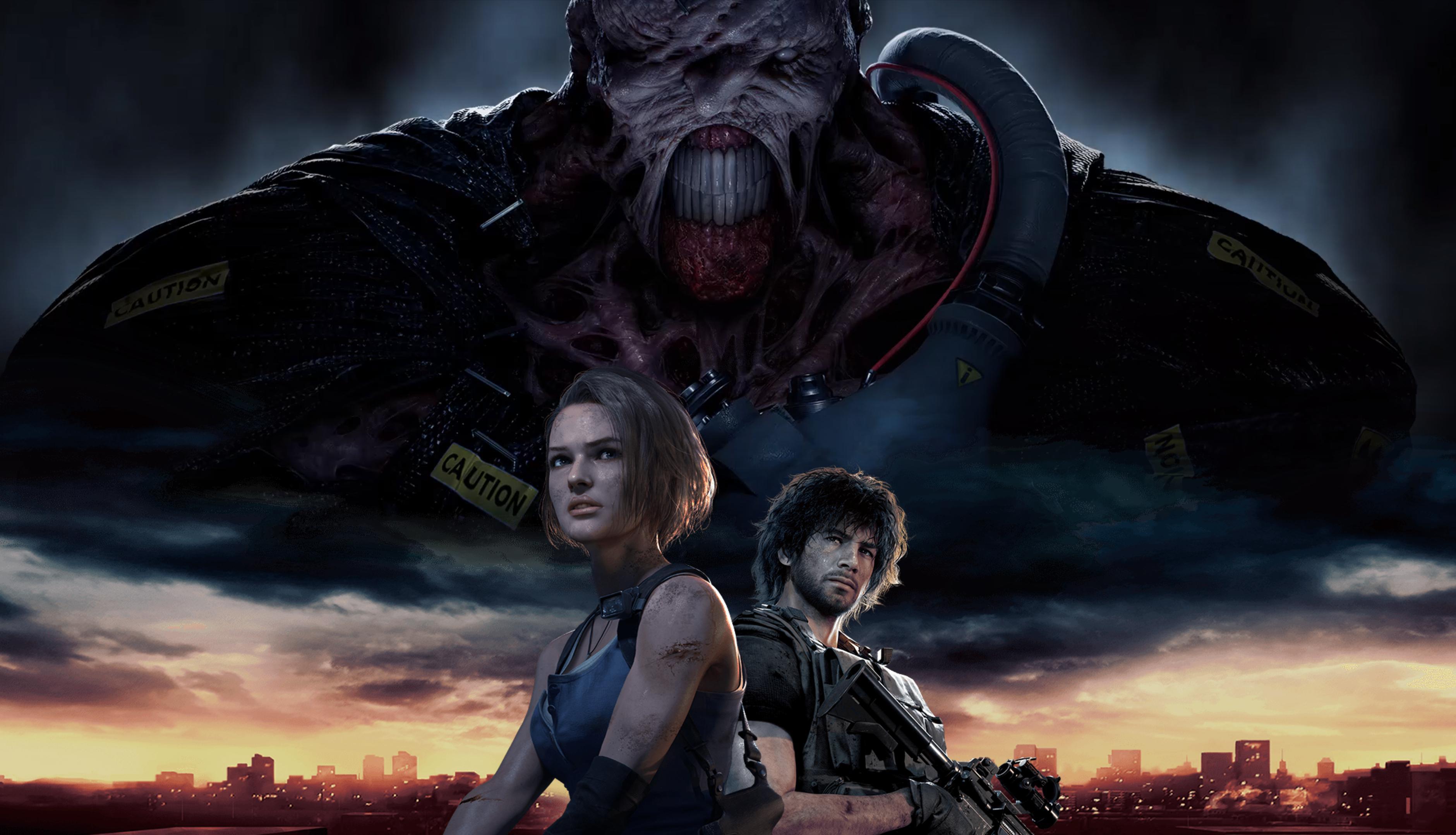
Jill Valentine received a notable wardrobe update in the remake of this survival horror title. Her original skirt was replaced with a more practical outfit consisting of a tank top and pants with built in shorts. Some fans missed the iconic look from the nineties and felt the new design was a move toward boring realism. The developers explained that the change was made to reflect the physical demands of escaping a city overrun by zombies. While many accepted the logic the debate over the loss of the original silhouette persisted among enthusiasts.
‘Forspoken’ (2023)
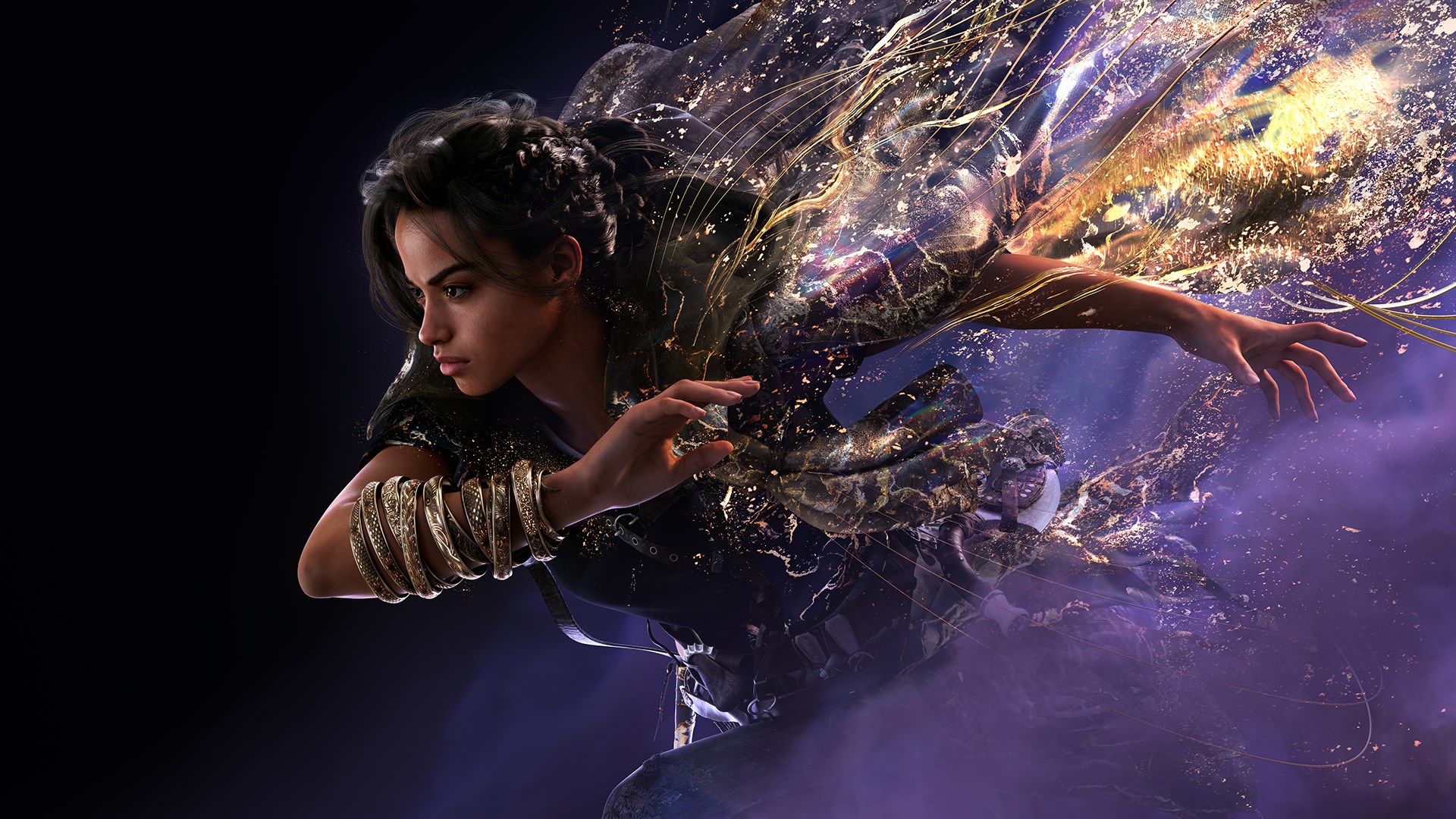
The protagonist Frey Holland was designed with a very realistic facial structure and body type that some players found unappealing. Criticism centered on her appearance and her personality which many felt was too grounded in modern sensibilities. Some fans argued that the realistic approach to her design made her feel less like a heroic figure. The game struggled to find a consistent tone between its realistic lead and its magical fantasy setting. This disconnect contributed to the mixed reviews and social media backlash surrounding the title.
‘Battlefield V’ (2018)
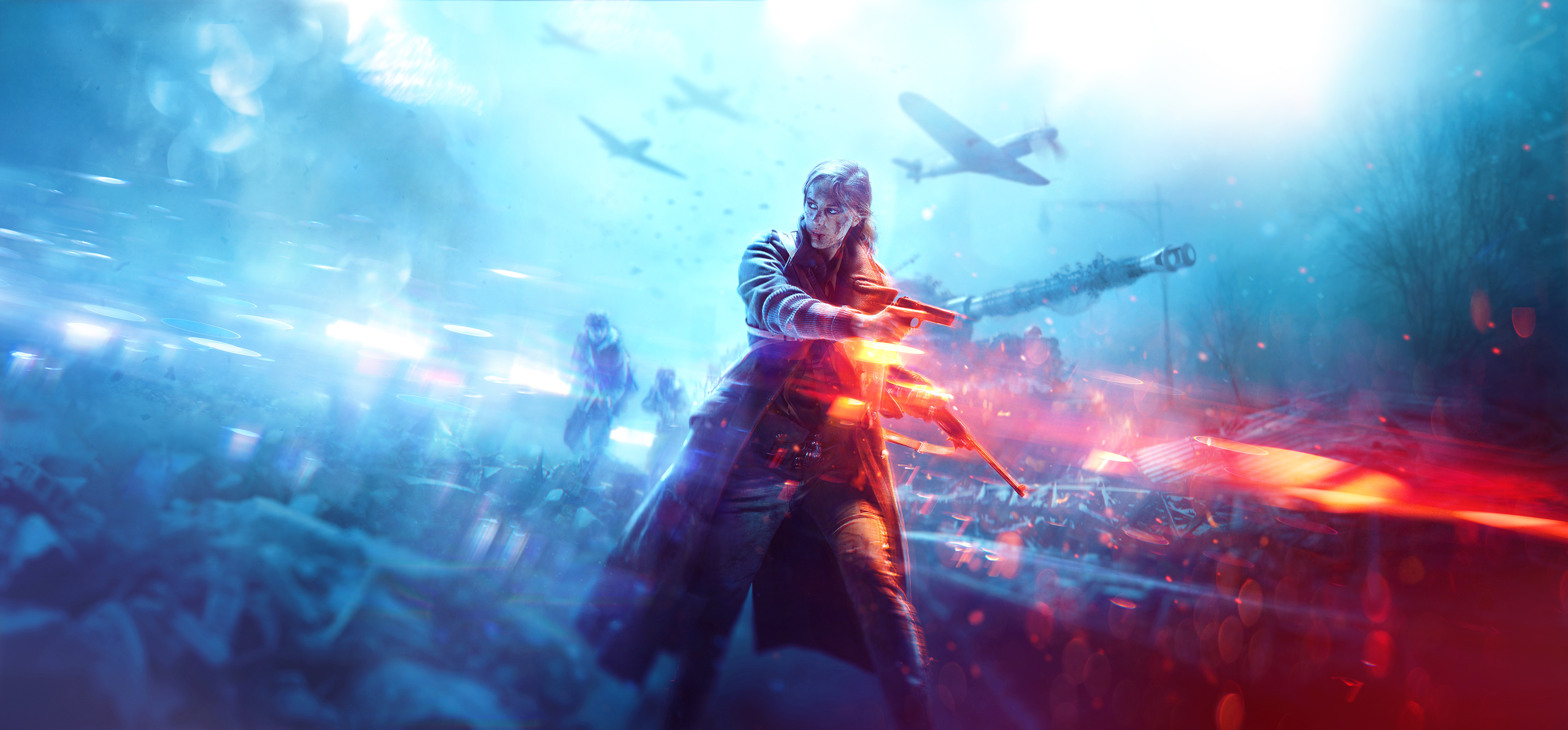
The inclusion of a female soldier with a prosthetic arm in the debut trailer caused a massive controversy for this shooter. Many fans argued that the design was a push for unrealistic diversity in a historical setting. They felt that the realistic body modifications and character choices clashed with the grit of the second world war. Electronic Arts defended the creative decision by stating they wanted to prioritize player choice and customization. The incident became a defining moment for discussions regarding historical accuracy versus inclusive design in gaming.
‘Street Fighter 6’ (2023)
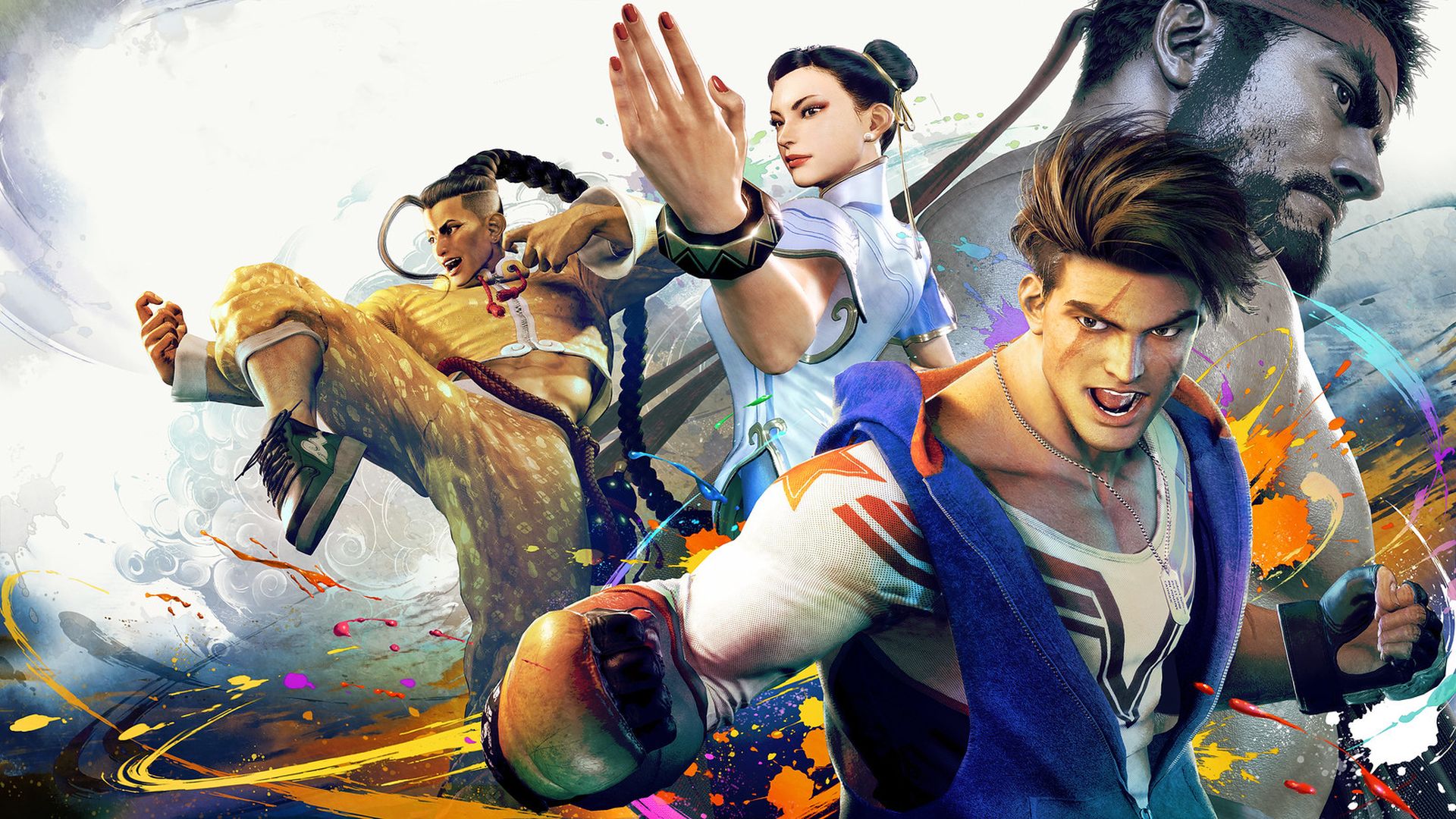
Cammy White received a dramatic redesign in this entry that replaced her classic leotard with a more realistic tactical jacket and leggings. Some fans were disappointed by the change and felt it stripped the character of her most recognizable look. The new model also featured more realistic muscle definition and facial features which sparked further debate. While many players appreciated the modern and practical aesthetic others preferred the stylized exaggeration of previous games. Capcom eventually included her classic outfit as an unlockable to satisfy both sides of the fanbase.
‘Mortal Kombat 1’ (2023)

This soft reboot continued the trend of using highly realistic face scans and more modest body proportions for its roster. Some fans noted that characters like Li Mei and Tanya looked significantly different and more grounded than their past versions. Critics argued that the move toward hyper realism made the characters look less distinct and more like ordinary people. The studio used real world models to capture the most detailed versions of the fighters to date. This approach remains a point of contention for those who miss the more comic book style of the older games.
‘God of War Ragnarok’ (2022)
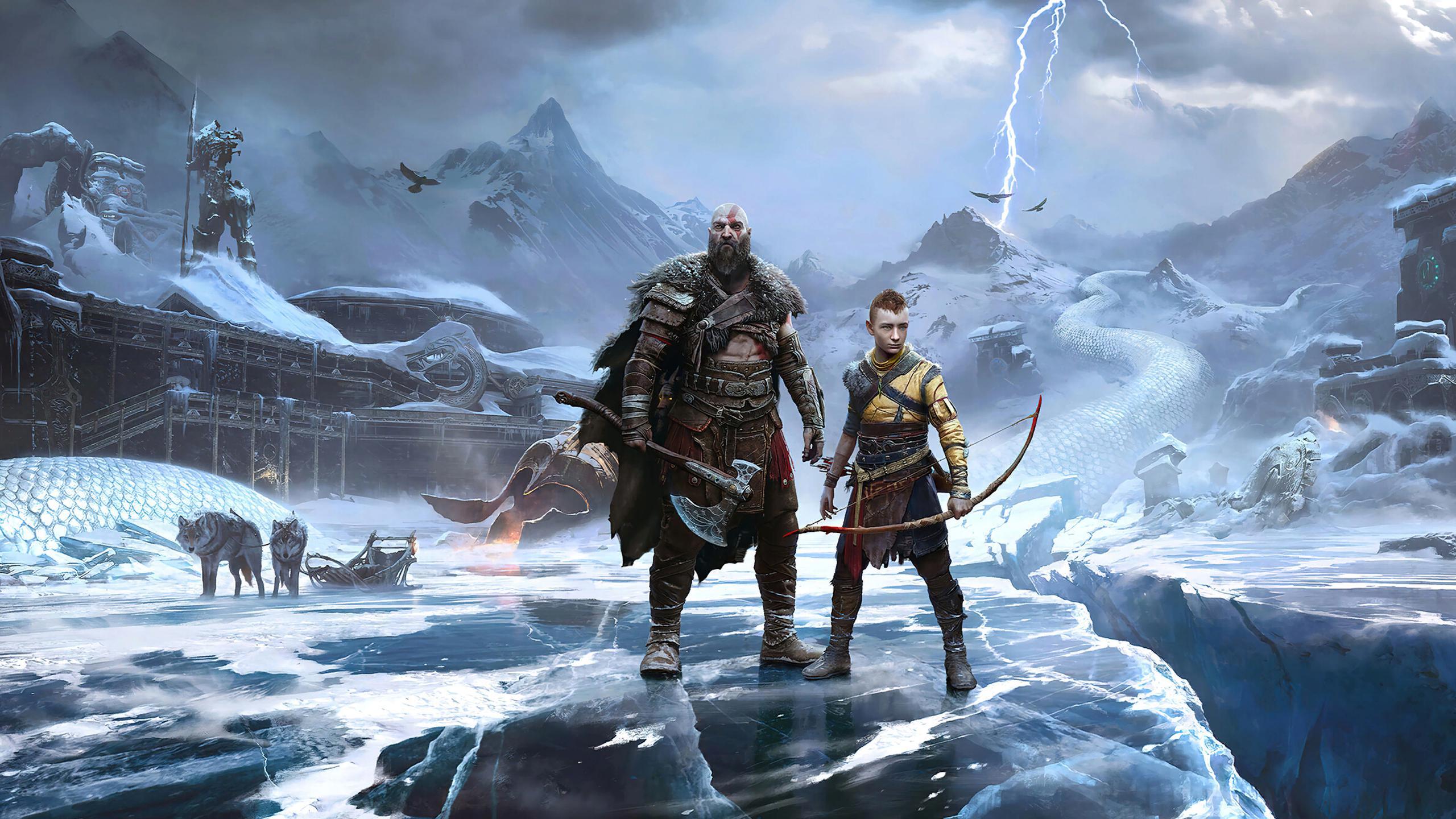
The depiction of the Norse god Thor in this game was a major surprise to many fans used to the Marvel version. This Thor was designed with a heavy set and realistic powerlifter physique rather than a lean and muscular one. While some praised the accuracy to Norse mythology others were unhappy with the pot bellied appearance. The developers argued that this body type reflected a character who was incredibly strong but also prone to excess. This design choice became one of the most talked about aspects of the game prior to its release.
‘Dead or Alive 6’ (2019)
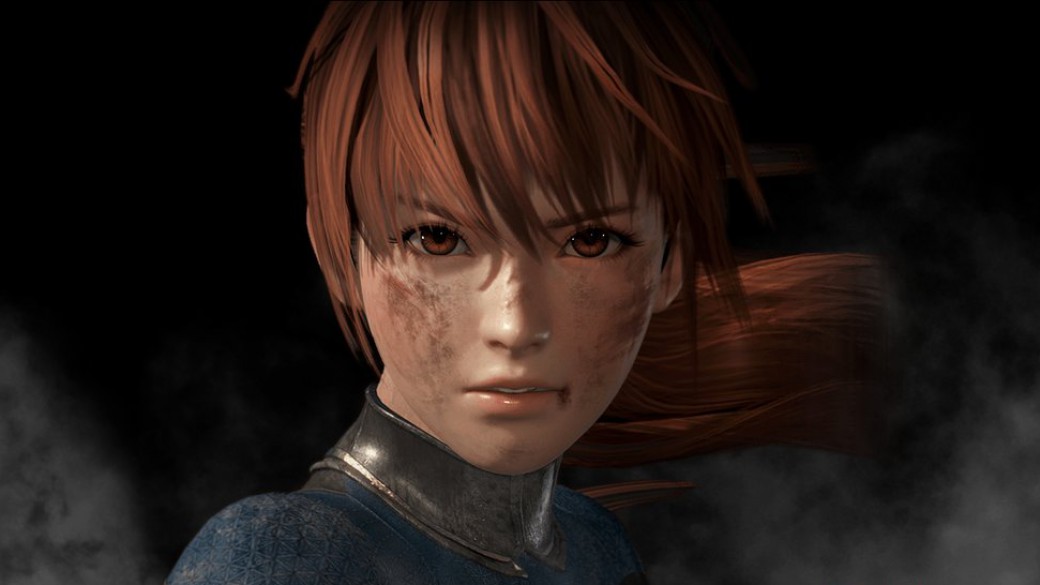
Known for its stylized and sexualized characters this series tried to take a more realistic and serious approach with its sixth entry. The developers toned down the breast physics and introduced more realistic damage effects like bruises and sweat. Many long time fans were upset and felt that the series was losing its unique identity to appeal to a broader audience. They argued that the realistic elements felt forced and undermined the fun of the franchise. The backlash was significant enough that the game struggled to maintain its core community.
‘Overwatch 2’ (2022)
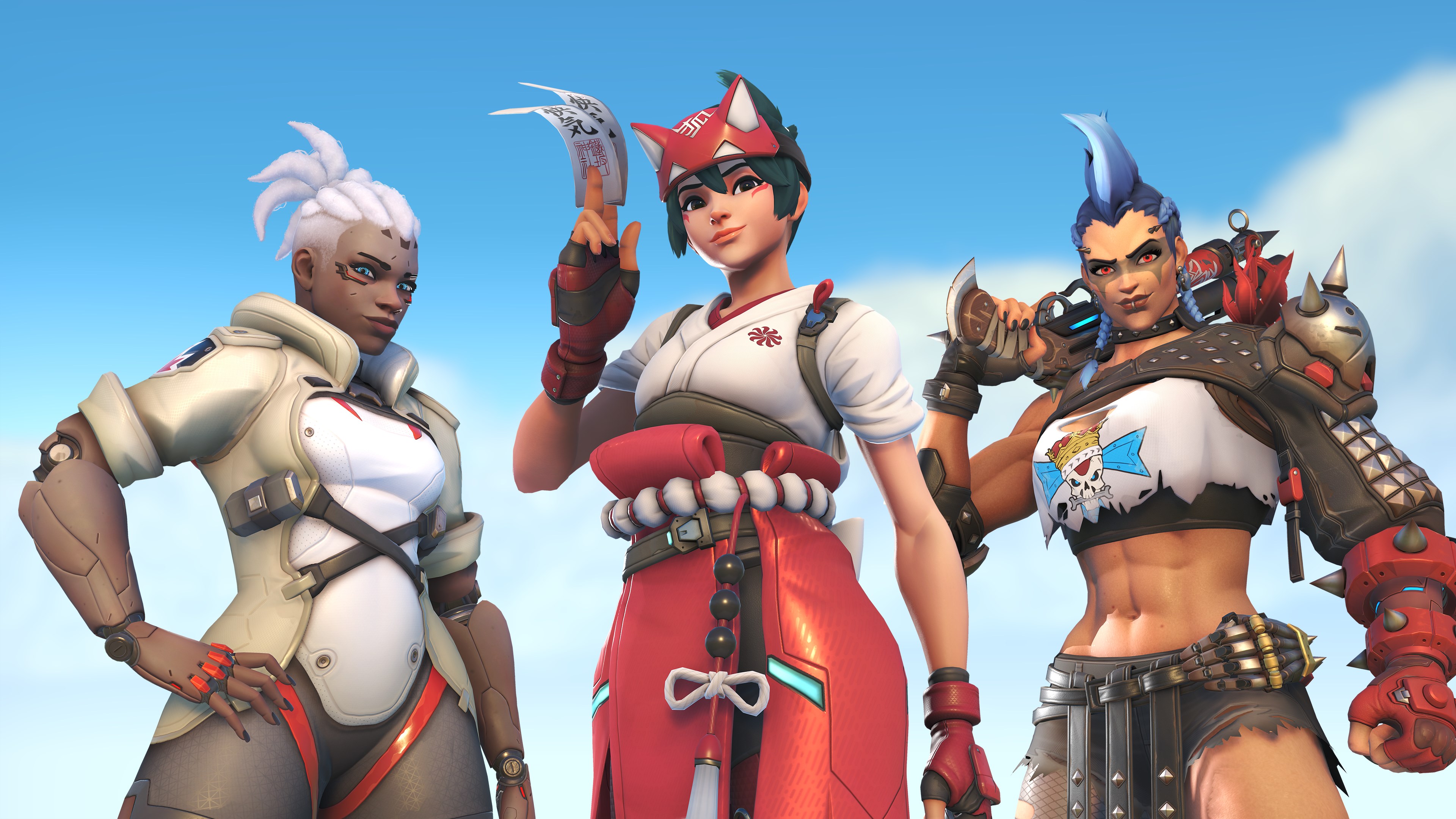
The transition to this sequel brought about several updates to the models of existing heroes to make them look more modern. Characters like Tracer and Widowmaker received subtle changes to their body proportions and outfits. Some fans were quick to point out these differences and claimed that certain features had been diminished in the pursuit of realism. The community often compared side by side images to highlight what they perceived as a downgrade in design. Blizzard maintained that the updates were necessary for the new engine and a more cohesive visual style.
‘Diablo IV’ (2023)
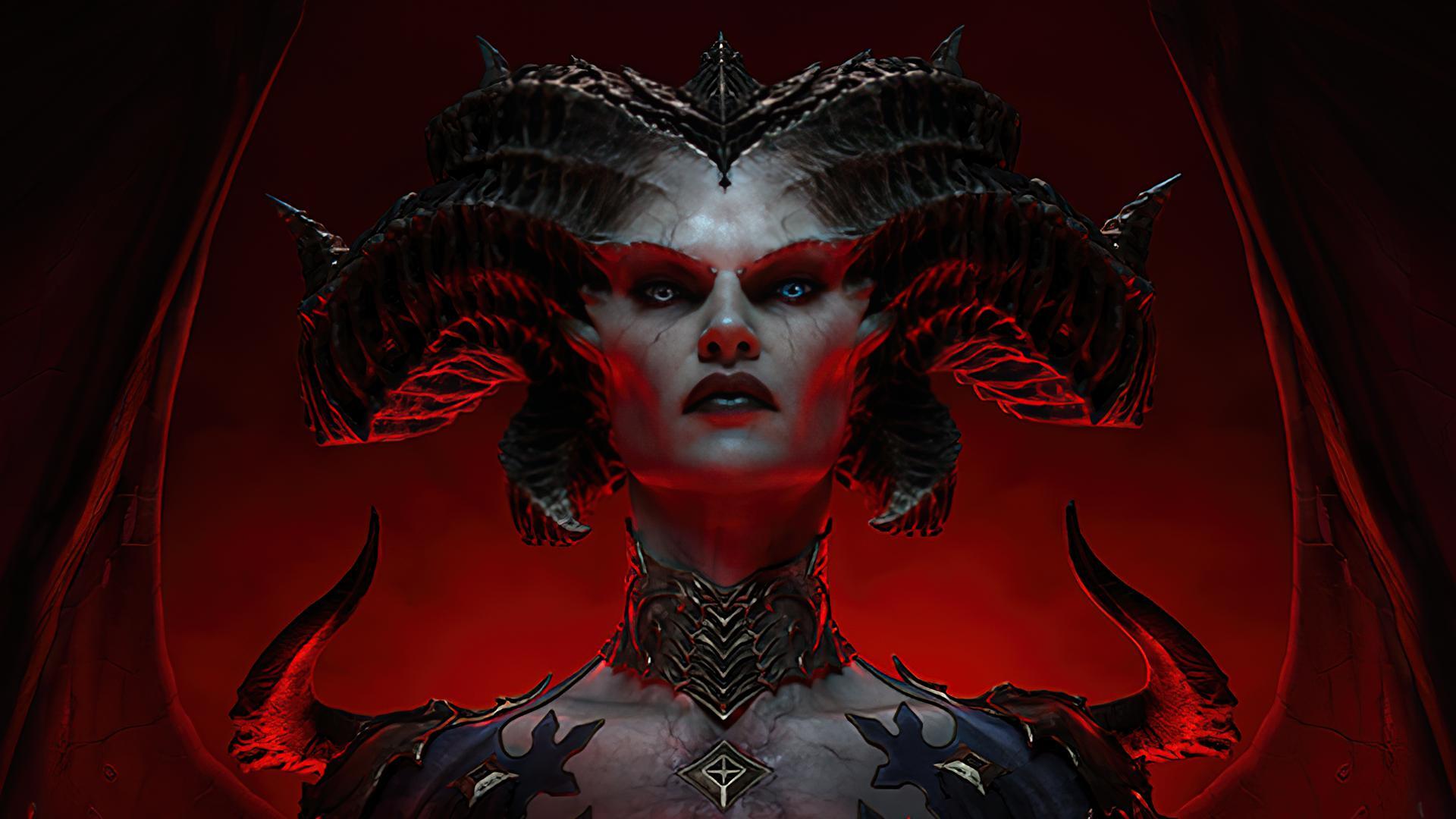
The Druid class in this dark fantasy game features a large and sturdy body type that cannot be changed by the player. Some fans complained that the character looked too bulky or overweight compared to the other more athletic classes. They argued that the lack of options for a leaner Druid was a restriction on player expression. Blizzard defended the design by stating that the body type fit the lore and physical nature of the class. This did not stop the online debates about whether certain body types should be mandatory for specific roles.
‘The Sims 4’ (2014)
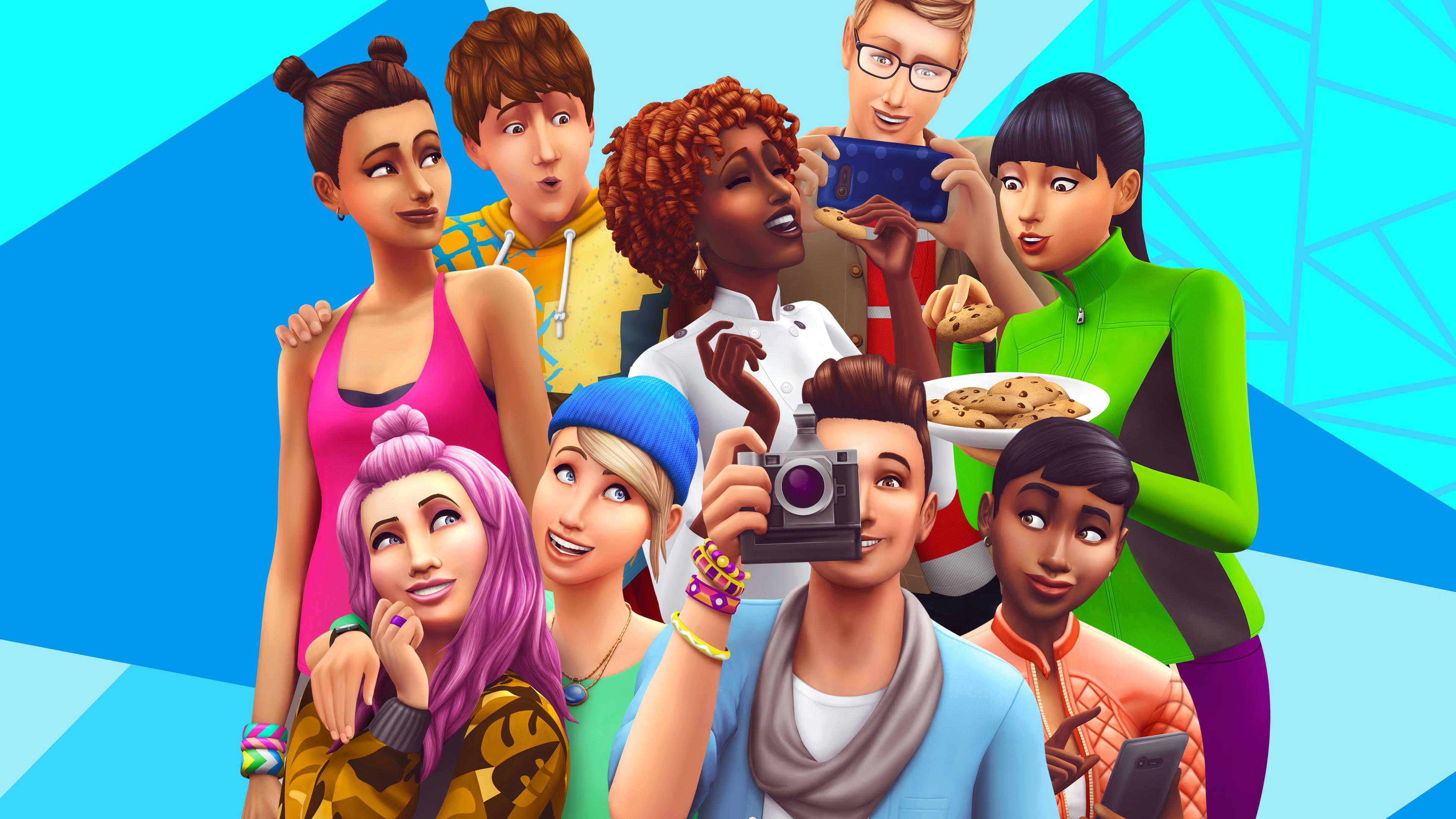
Recent updates to this life simulation game added realistic medical items like binders and top surgery scars for all characters. This move toward modern realism in character representation was met with both praise and significant backlash. Some players argued that these options should be kept out of a game they use for escapism. Others felt that the addition of these realistic body features made the game more inclusive for a wider range of people. The controversy highlighted how even non combat games are at the center of the debate over realistic body options.
‘Baldurs Gate 3’ (2023)
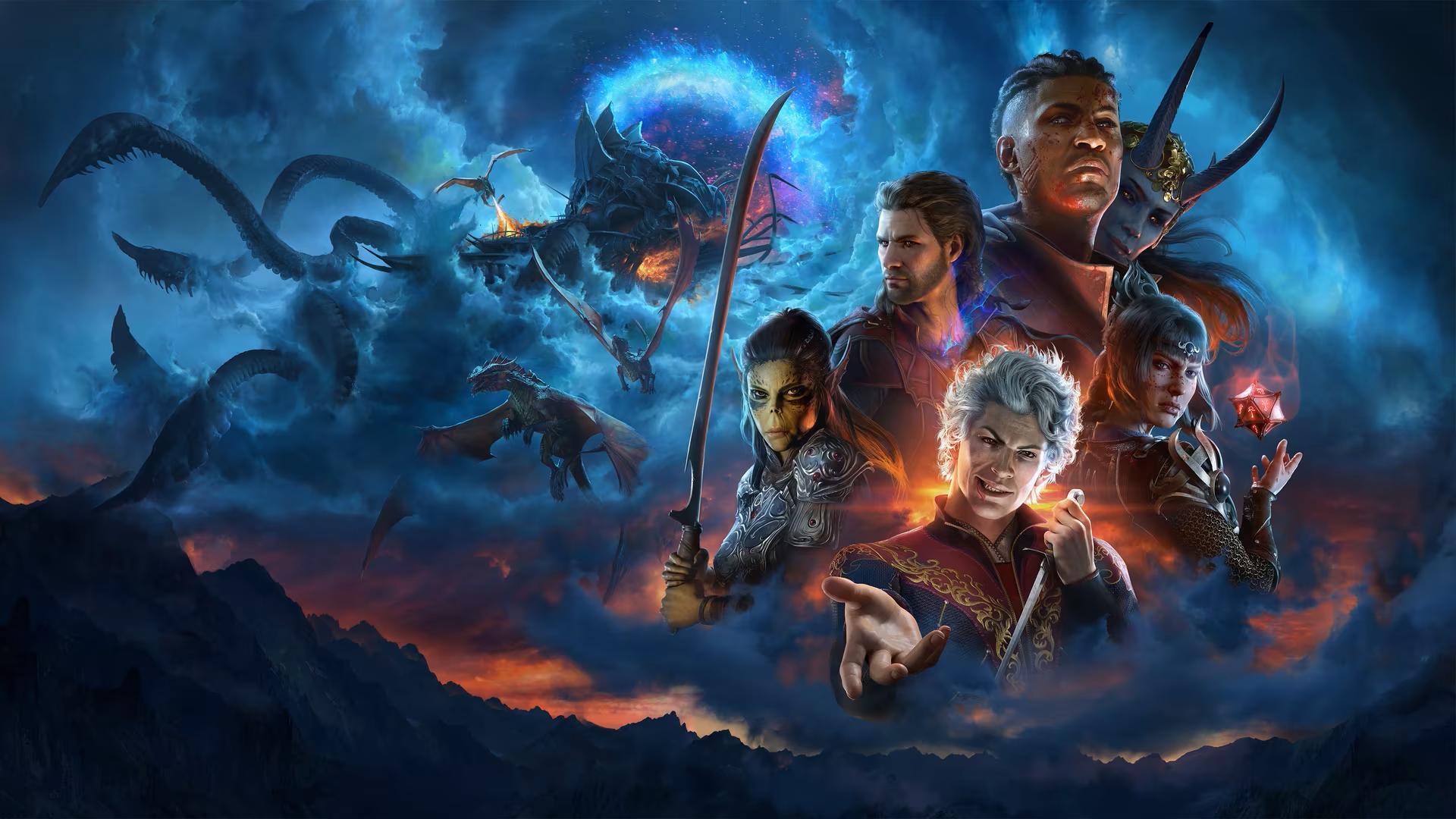
Larian Studios opted to use Body Type labels instead of gendered ones which caused some friction among fans of traditional role playing games. The game also allowed players to decouple voices and genitals from their chosen body types. Some critics felt that this level of realistic customization was unnecessary and confusing for a fantasy setting. However the game was a massive success and many players eventually embraced the freedom it offered. The initial pushback served as another example of the divide over modern character creation trends.
‘World of Warcraft’ (2004)
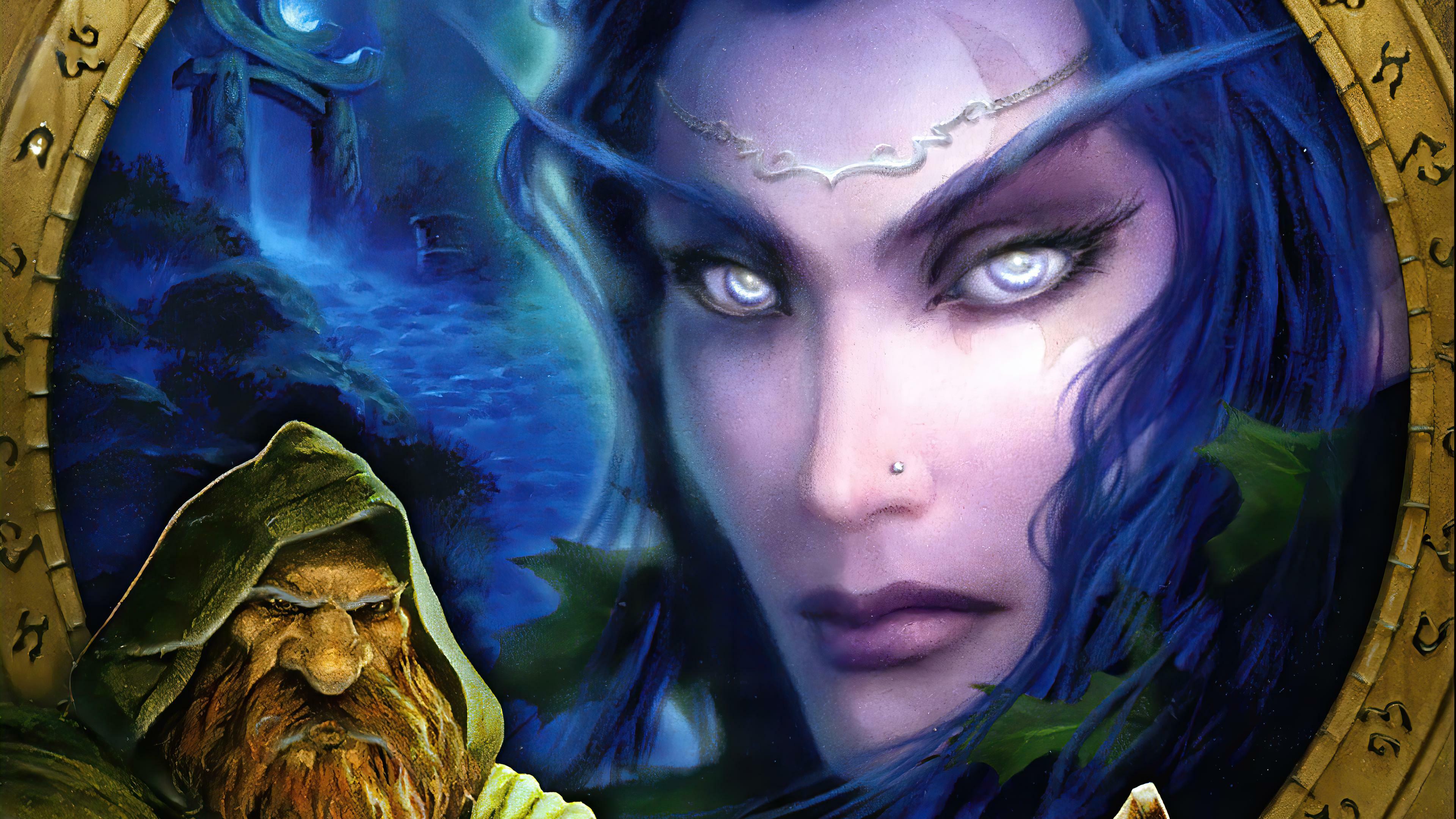
After nearly two decades Blizzard decided to change the character creator to use Body Type One and Body Type Two. This update replaced the classic male and female labels to be more inclusive of different identities. Many veteran players were unhappy with the change and felt it was a pointless alteration to a system that worked for years. They argued that the new labels were less intuitive and felt like a modern political addition to an older game. Despite the complaints the change remained a permanent part of the game’s evolving interface.
‘Apex Legends’ (2019)
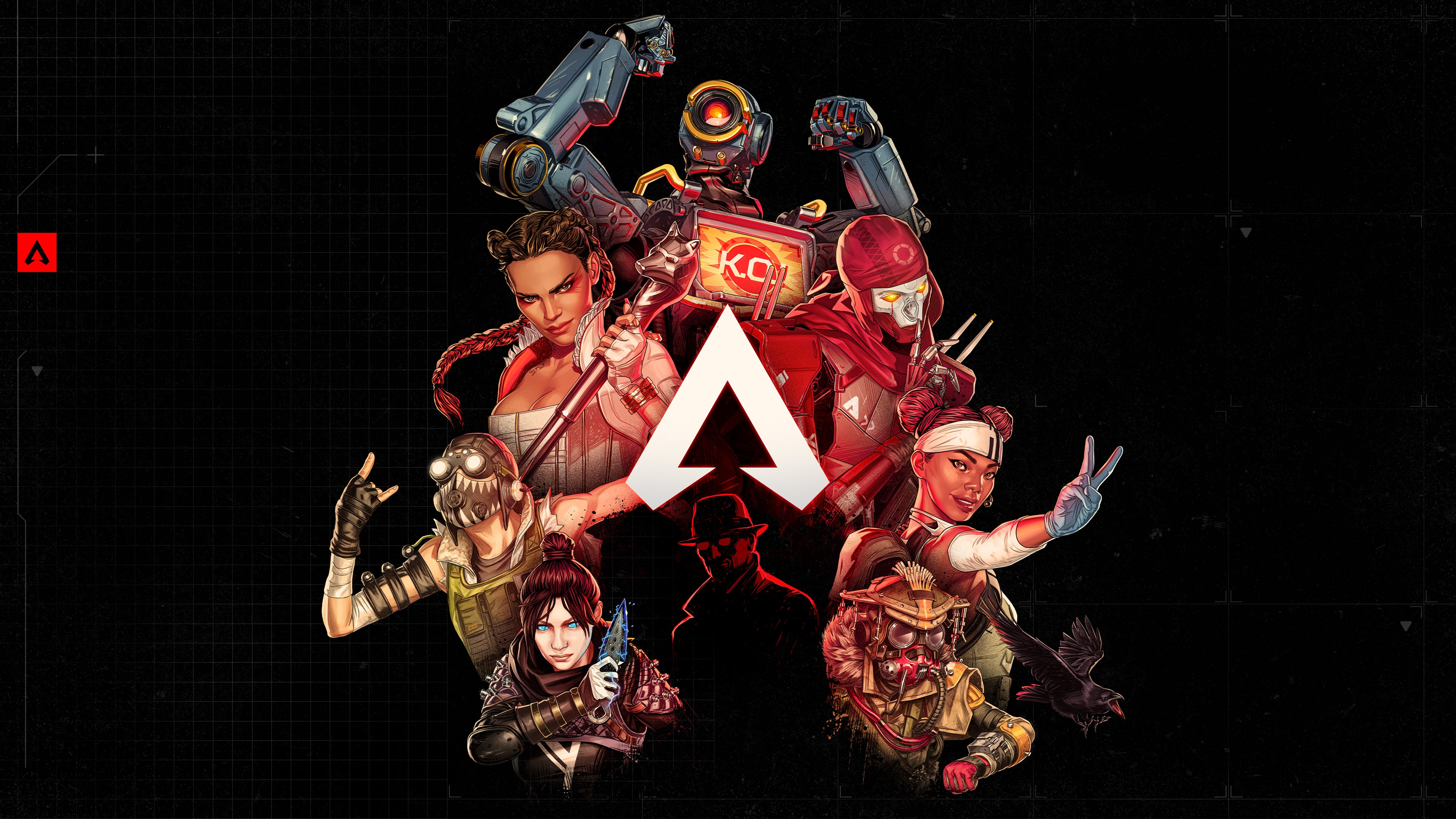
This battle royale has consistently introduced diverse characters with a wide range of realistic body types and backgrounds. Characters like Newcastle and Vantage feature more rugged and heavy set builds than the typical slim action hero. While many appreciate the variety some fans have criticized these designs for being less visually appealing than the original cast. These debates often surface whenever a new character is revealed with a focus on realism over traditional beauty. Respawn Entertainment continues to prioritize diverse representation in their character designs.
‘Star Wars Outlaws’ (2024)
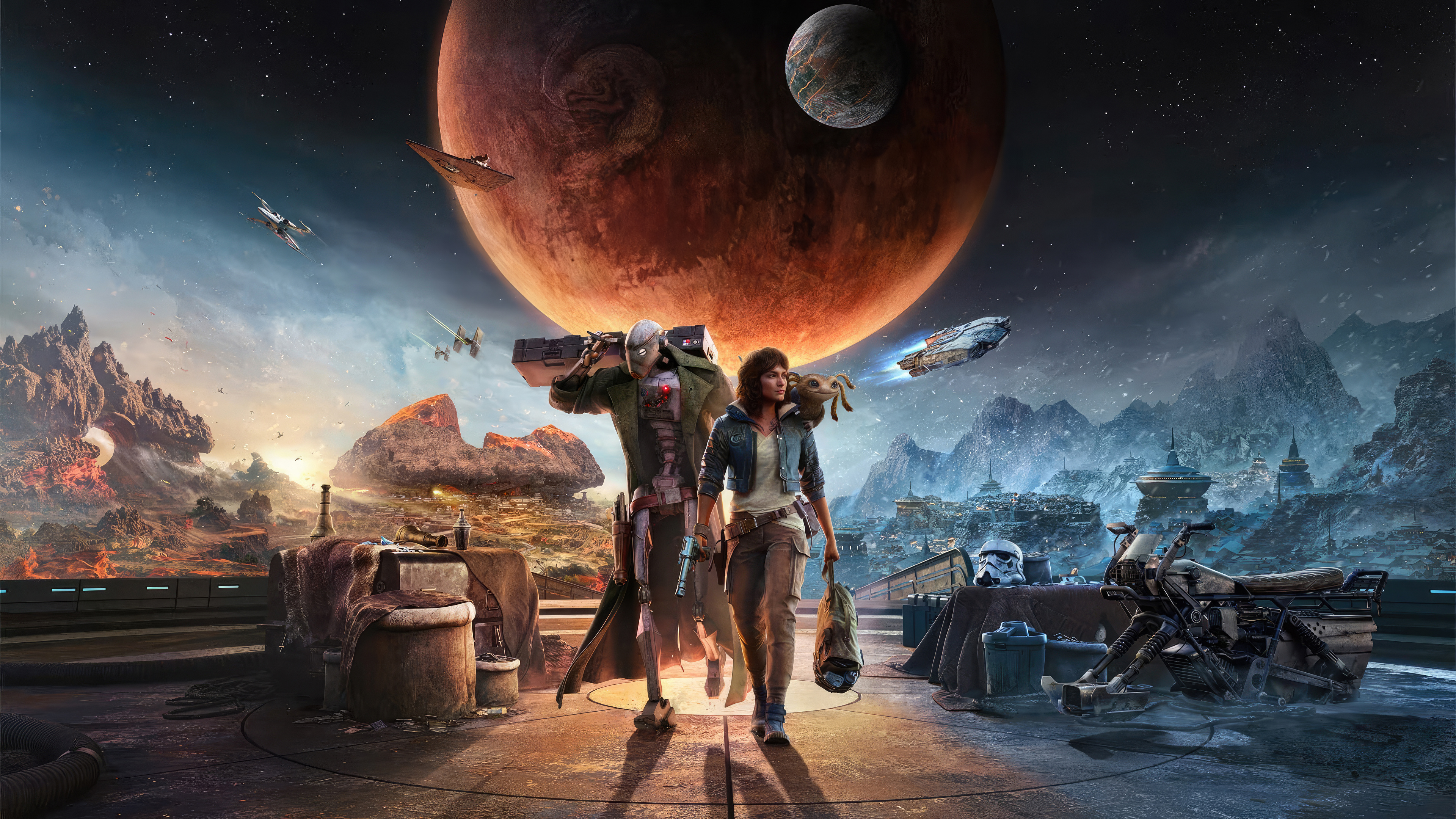
The protagonist Kay Vess has been the subject of criticism for her realistic facial features and overall look. Some fans compared her to the actress she is based on and argued that the in game model was intentionally made to look less attractive. These claims sparked a large debate about the standards of beauty for female characters in high profile franchises. Ubisoft noted that the design was meant to fit the gritty and grounded tone of the scoundrel underworld. The conversation around her appearance became a major distraction from the game’s actual mechanics.
‘Silent Hill 2’ (2024)
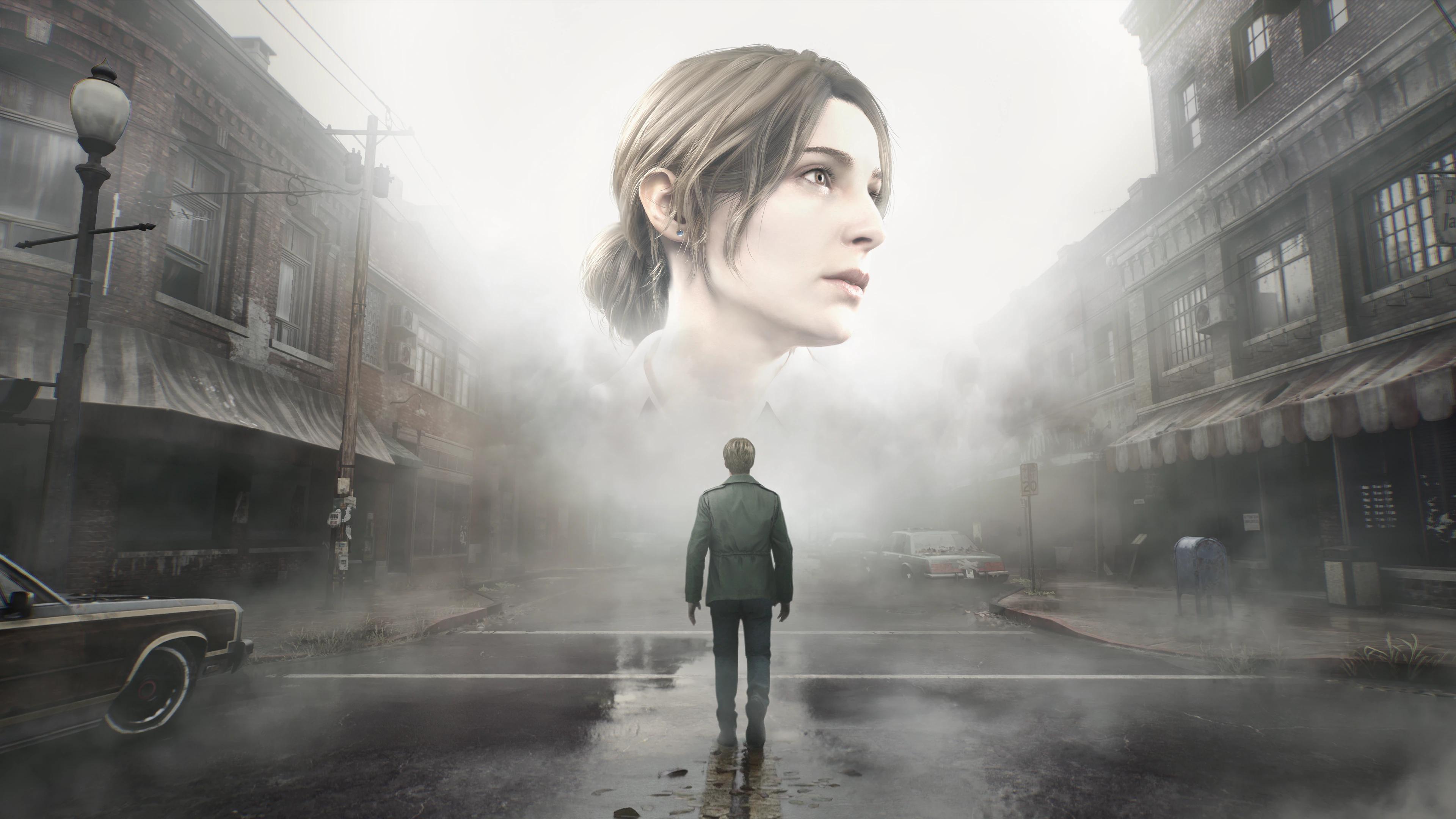
The remake of this legendary horror title faced early criticism for the updated look of characters like Angela and Maria. Fans argued that Angela looked too old and that Maria’s more modest outfit lost the symbolic meaning of the original. The developers aimed for a more realistic and cinematic look that matched the modern graphics engine. Some players felt that these changes altered the psychological themes that the original designs represented. This led to many discussions about how much a remake should change characters in the name of realism.
‘Alan Wake 2’ (2023)

The introduction of Saga Anderson as a dual protagonist brought a new level of realistic character modeling to the series. Her design is highly detailed and grounded which some fans found to be a departure from the more stylized look of the first game. A small but vocal group of critics questioned her presence and appearance in the sequel. Remedy Entertainment focused on creating a character that felt like a real federal agent investigating a dark mystery. Her grounded design is now considered a hallmark of the game’s impressive technical polish.
‘Concord’ (2024)
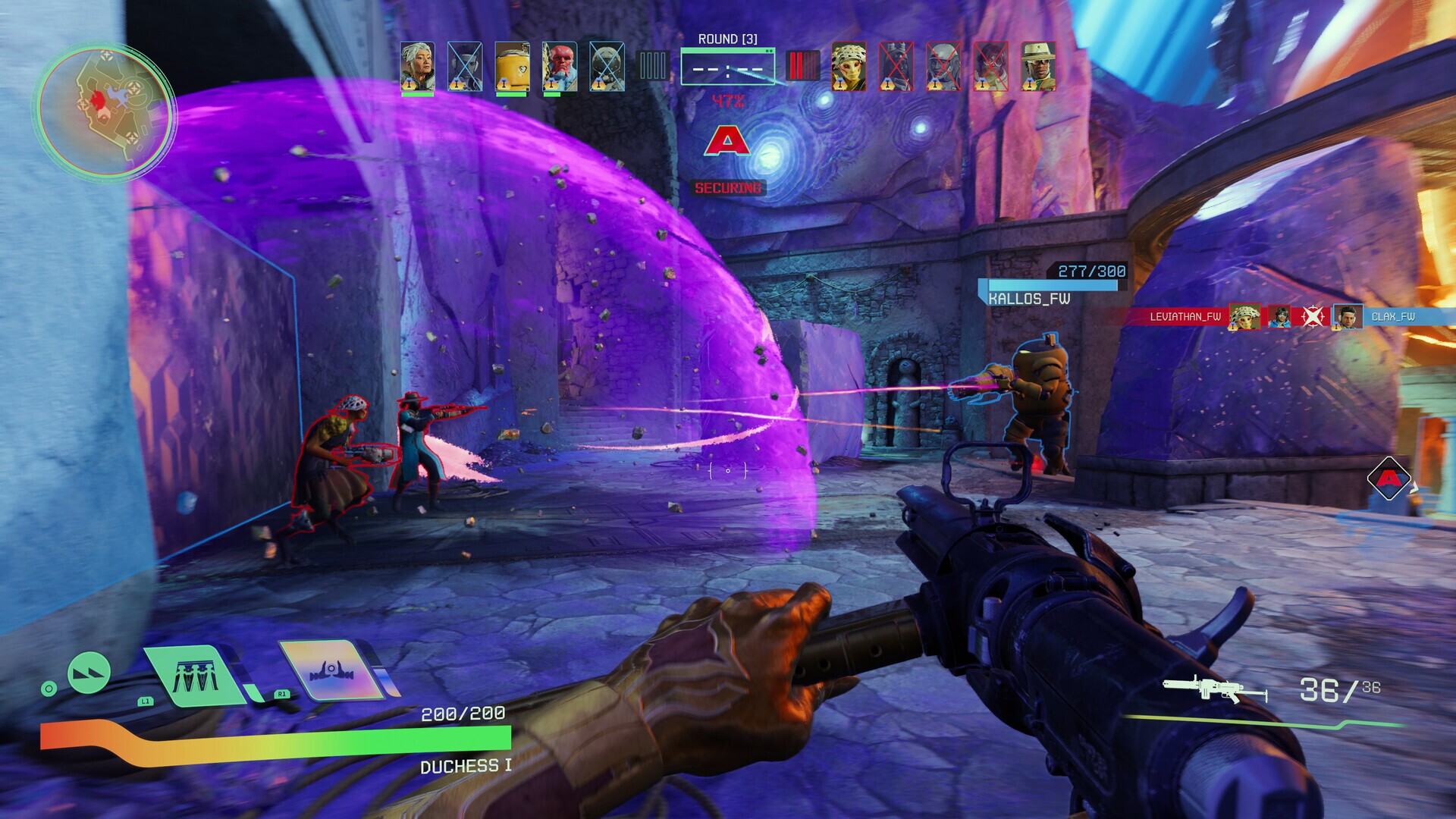
This hero shooter featured a cast of characters with body types and outfits that many players found unappealing and overly realistic. Critics argued that the designs lacked the iconic and heroic silhouettes found in competitors like ‘Overwatch’. The focus on more diverse and grounded appearances was seen by some as a reason for the game’s lack of initial traction. Many fans felt that the characters looked like ordinary people in costumes rather than unique galactic heroes. The aesthetic choices became a major talking point in the discussion of the game’s commercial performance.
‘Dustborn’ (2024)
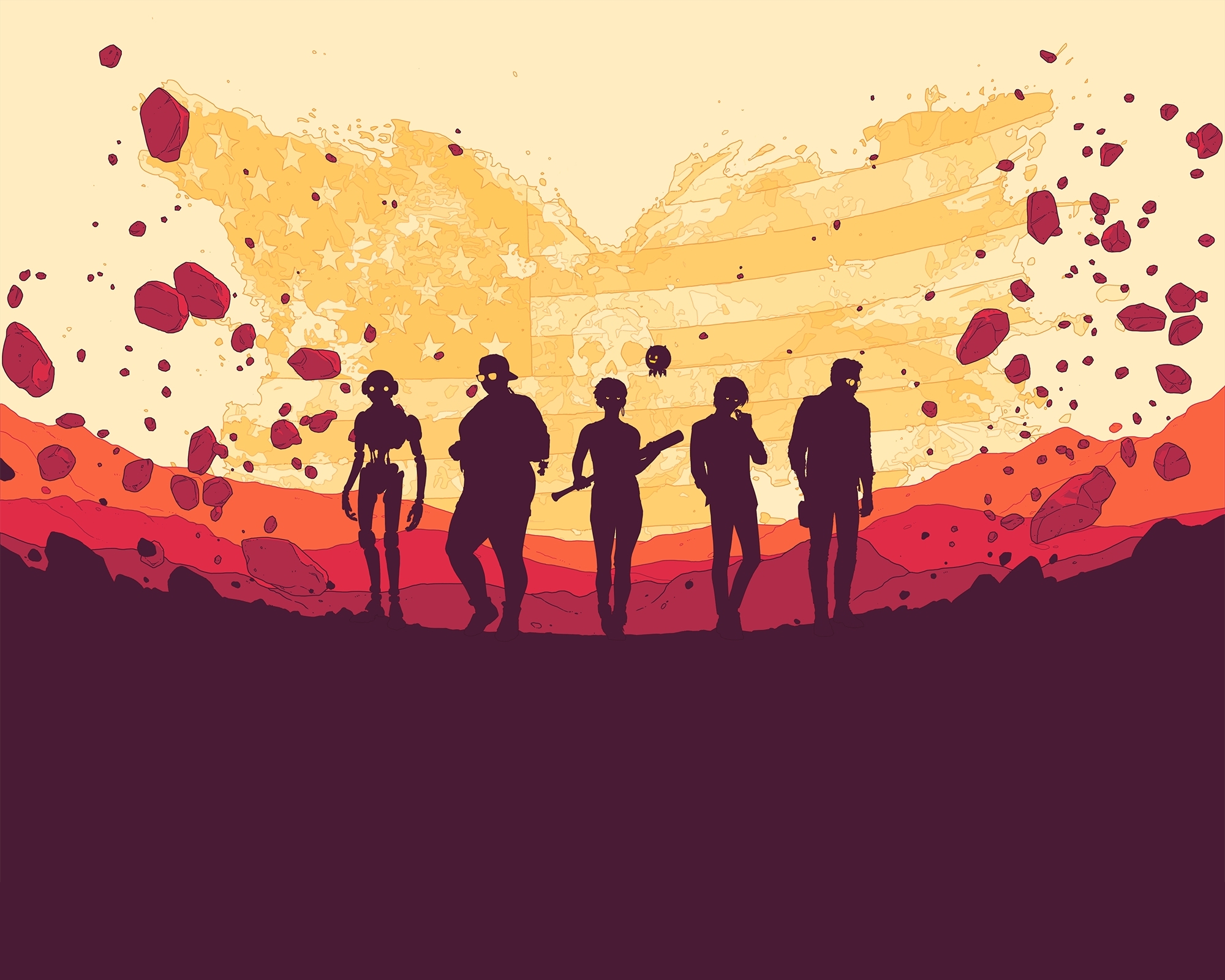
This narrative driven game features a cast of characters with very diverse and realistic body types that reflect a wide range of backgrounds. Some players criticized the game for what they perceived as an overemphasis on modern social aesthetics and realistic diversity. They argued that the character designs felt more like political statements than compelling game heroes. The developers aimed to create a story about outcasts traveling across a fractured America. However the visual style and body type options remained a polarizing topic for the gaming community.
‘Tomb Raider I-III Remastered’ (2024)
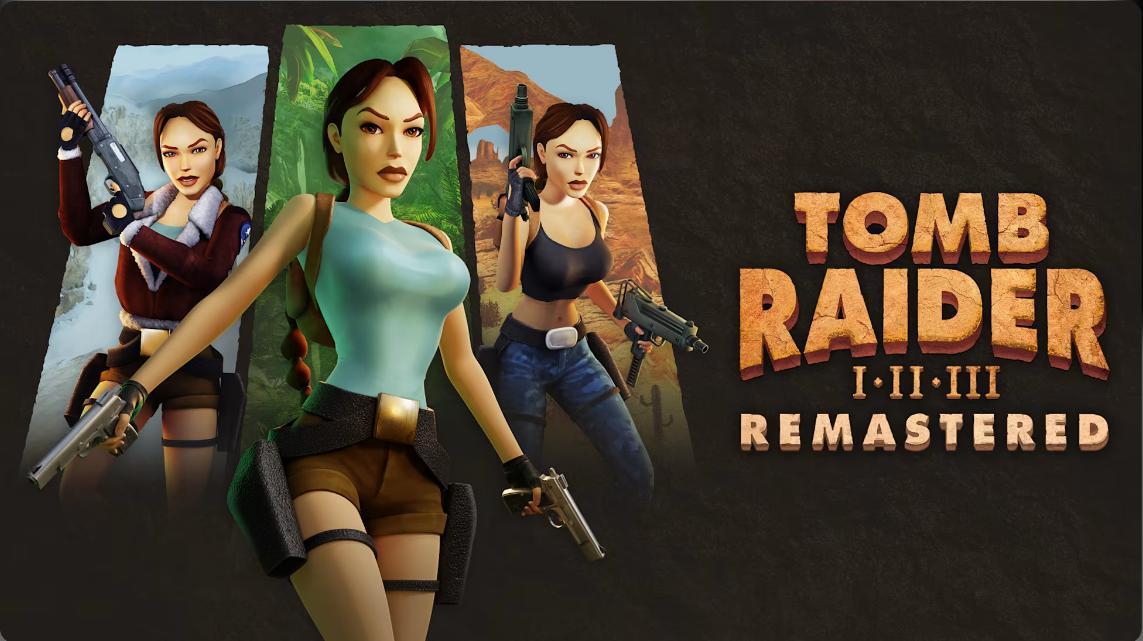
The release of these classic remasters included a content warning regarding the realistic updates and cultural depictions in the games. While the character models were updated to look better they still retained their original proportions which led to a different kind of debate. Some fans were upset that certain posters and textures were modified to be more realistic and less suggestive. They argued that these changes were a form of censorship that stripped the games of their original context. This highlighted the difficulty of balancing nostalgia with modern sensibilities.
‘Assassins Creed Shadows’ (2025)
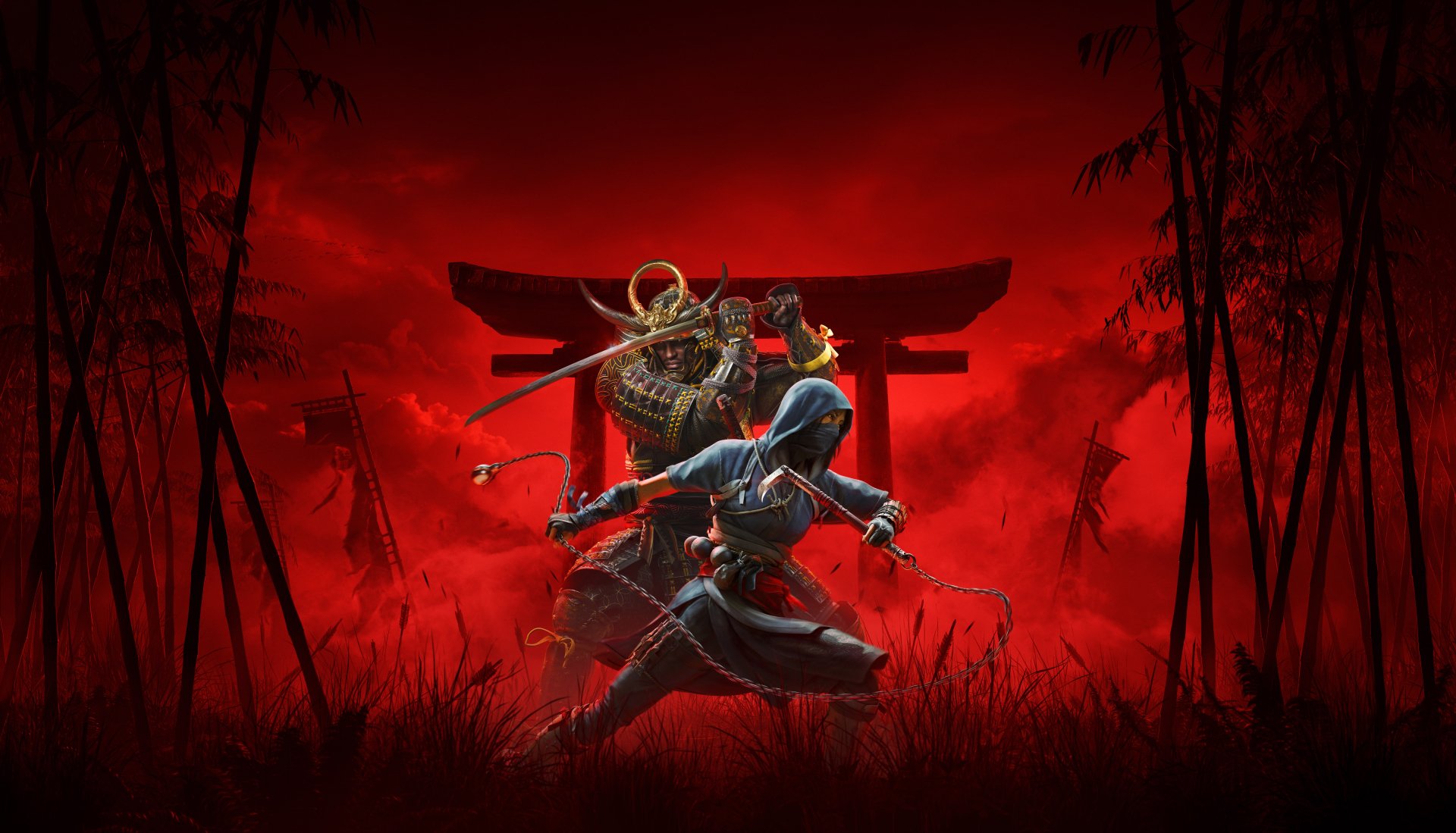
The reveal of a dual protagonist system featuring a realistic depiction of the historical figure Yasuke caused significant online backlash. Some critics argued that the focus on his specific body type and background was a departure from the traditional fantasy of the series. They felt that the push for this kind of realism was at odds with what they expected from a game set in feudal Japan. The developers emphasized their commitment to exploring different perspectives within historical settings. The controversy has remained a major topic of discussion leading up to the game’s launch.
‘Skull and Bones’ (2024)
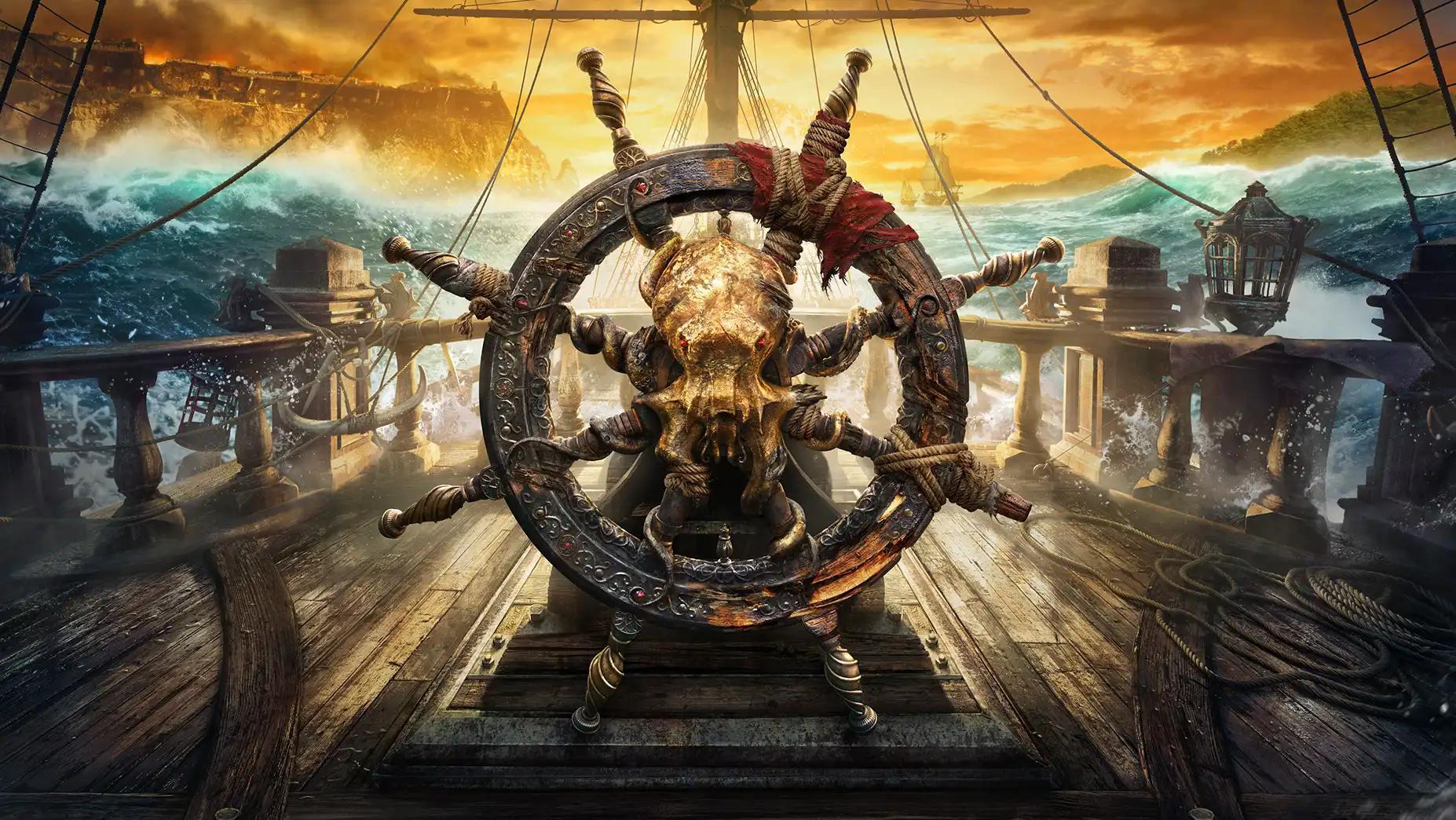
The character creator in this pirate adventure offers a variety of realistic and rugged body types that reflect a life at sea. Some players were disappointed that they could not create a more traditionally heroic or polished looking pirate. They argued that the models looked too old or worn down and lacked the visual appeal of other pirate games. Ubisoft designed the characters to fit the harsh and gritty world of the Indian Ocean during the Golden Age of Piracy. This realistic approach was met with a lukewarm response from those who wanted more idealized options.
‘Sea of Thieves’ (2018)
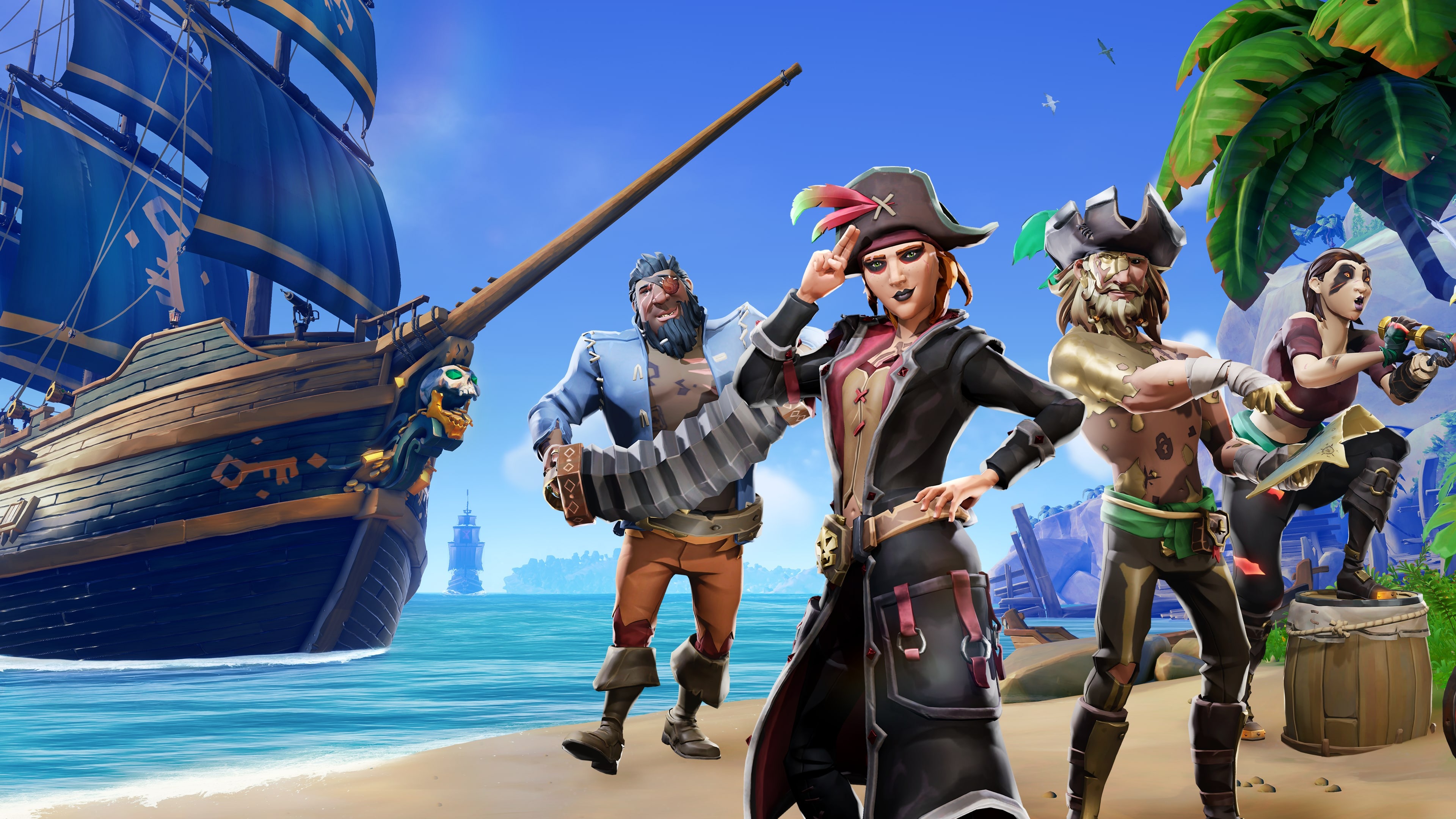
Instead of a traditional character creator this game uses a system that randomly generates a selection of realistic and often goofy pirates. Some players hated this approach because they could not manually adjust their character’s body type or facial features. They felt that the system made it too difficult to get a character that looked the way they wanted. Rare chose this method to ensure a wide variety of diverse and unique looking pirates in the game world. Over time players have grown to accept it but the lack of direct control still bothers some.
‘MultiVersus’ (2024)

The relaunch of this crossover fighter included several changes to character models and sizes to improve gameplay clarity. Some fans were unhappy with these realistic adjustments and felt that certain characters no longer looked like their iconic versions. The community was particularly vocal about changes to the proportions and animations of beloved characters. The developers argued that the updates were necessary to make the combat feel more balanced and professional. This tension between character accuracy and gameplay realism is a common theme in fighting game updates.
‘Final Fantasy VII Rebirth’ (2024)
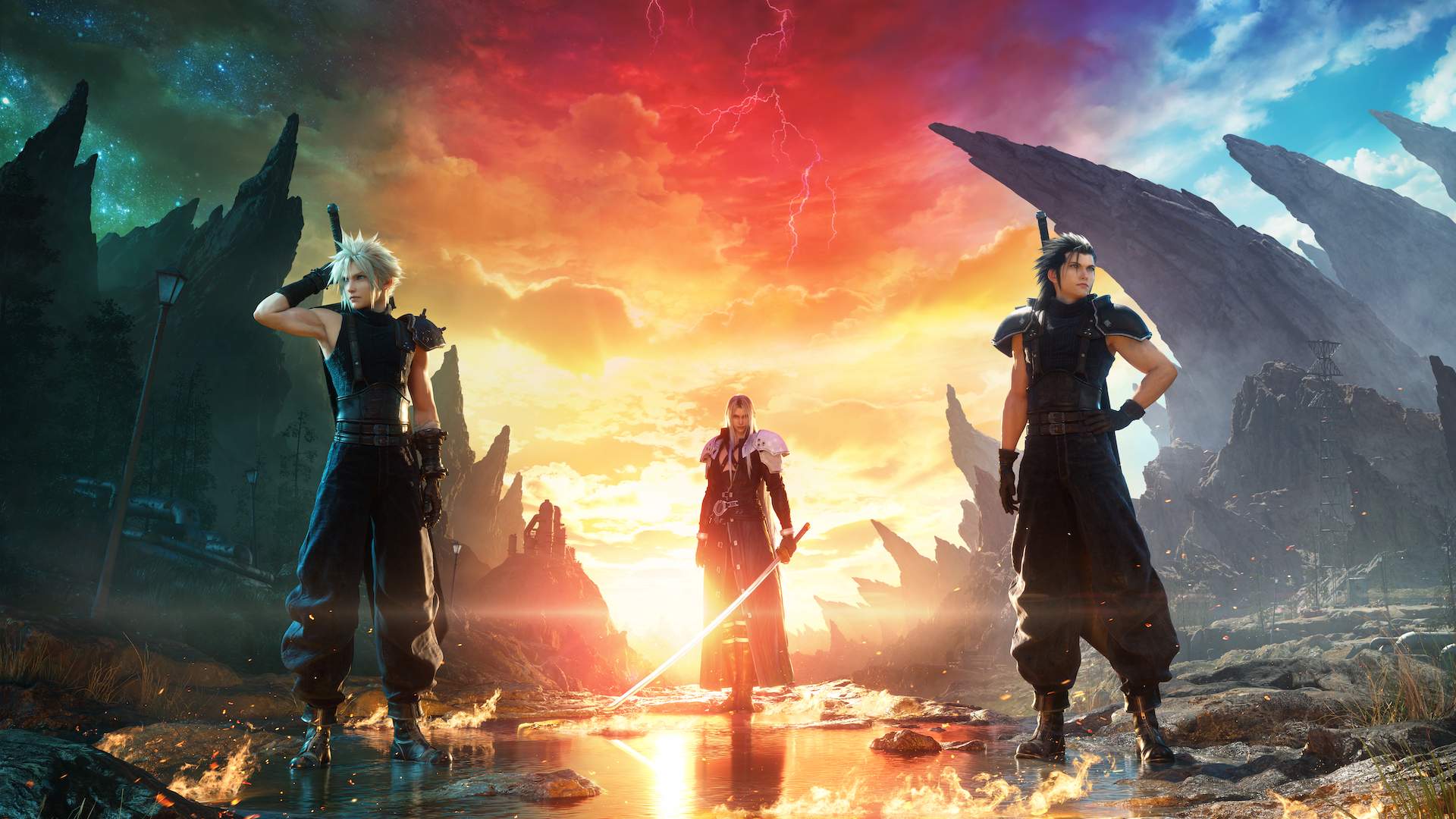
This massive sequel faced a minor controversy when players discovered that some swimming outfits were more modest than expected. Some fans argued that the realistic adjustments to the character models and clothing were a form of unnecessary censorship. They felt that the game was moving away from its roots to satisfy modern global standards of realism. Square Enix maintained that the designs were chosen to fit the high fidelity look of the new world. The debate showed that even small changes to body presentation can spark a large reaction.
‘The First Descendant’ (2024)
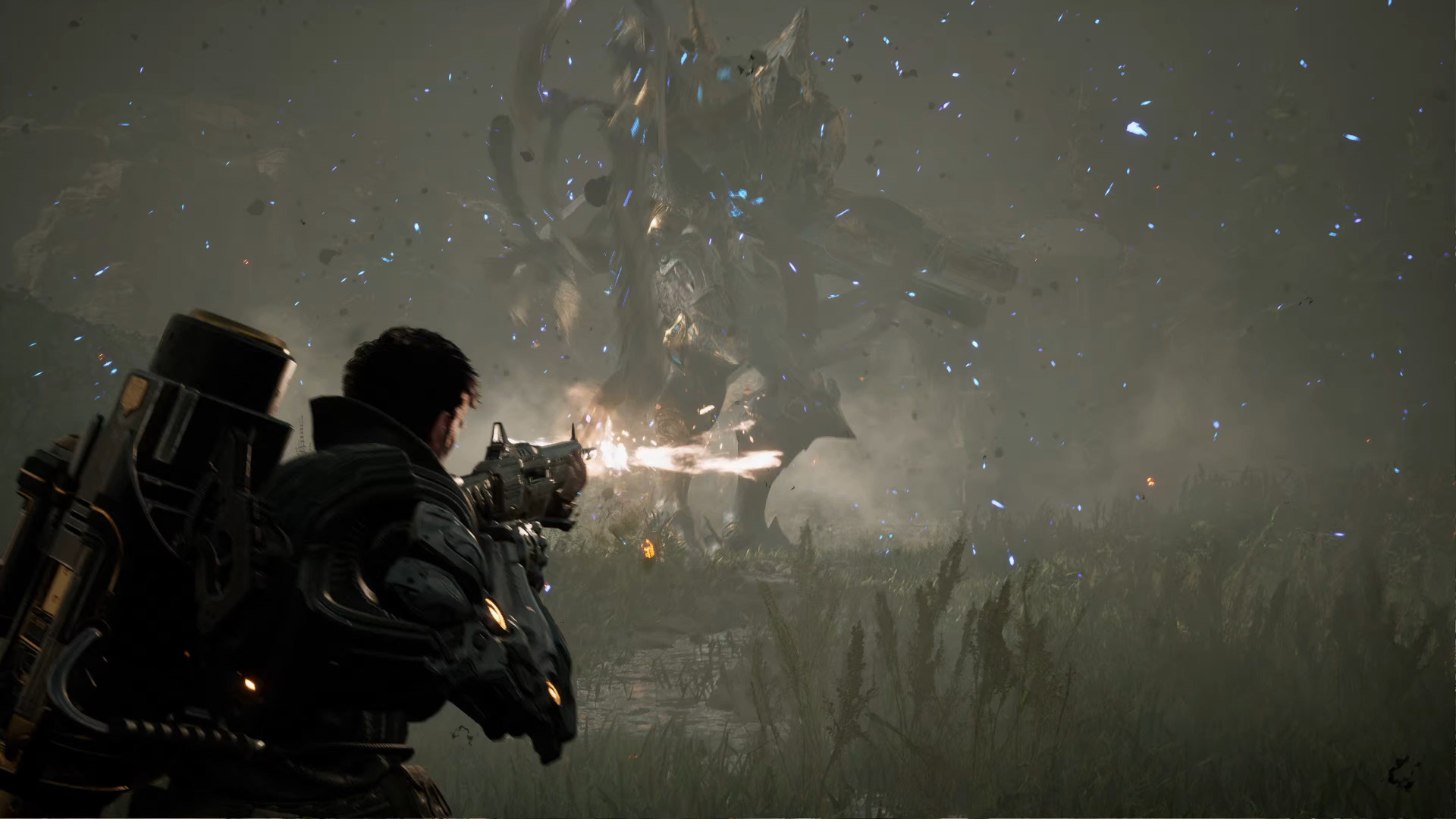
Shortly after launch this game received patches that adjusted the transparency and physics of certain character outfits. Some players were upset and claimed the developers were walking back on the game’s initial aesthetic in favor of boring realism. They argued that the changes were not clearly communicated and impacted the value of their purchases. The studio stated that the adjustments were made to ensure the game met various rating requirements and technical standards. This led to a brief period of negative reviews and community frustration.
‘Dead Island 2’ (2023)

The cast of survivors in this sequel was designed with more modern and realistic appearances compared to the original game. Some fans felt that the new characters lacked the charm and distinctiveness of the first group. Critics argued that the realistic designs made the protagonists feel interchangeable and less memorable. The developers wanted to capture a specific Los Angeles vibe with the diverse character roster. While the game was praised for its gore and combat the character designs remained a point of occasional criticism.
‘Call of Duty Modern Warfare II’ (2022)
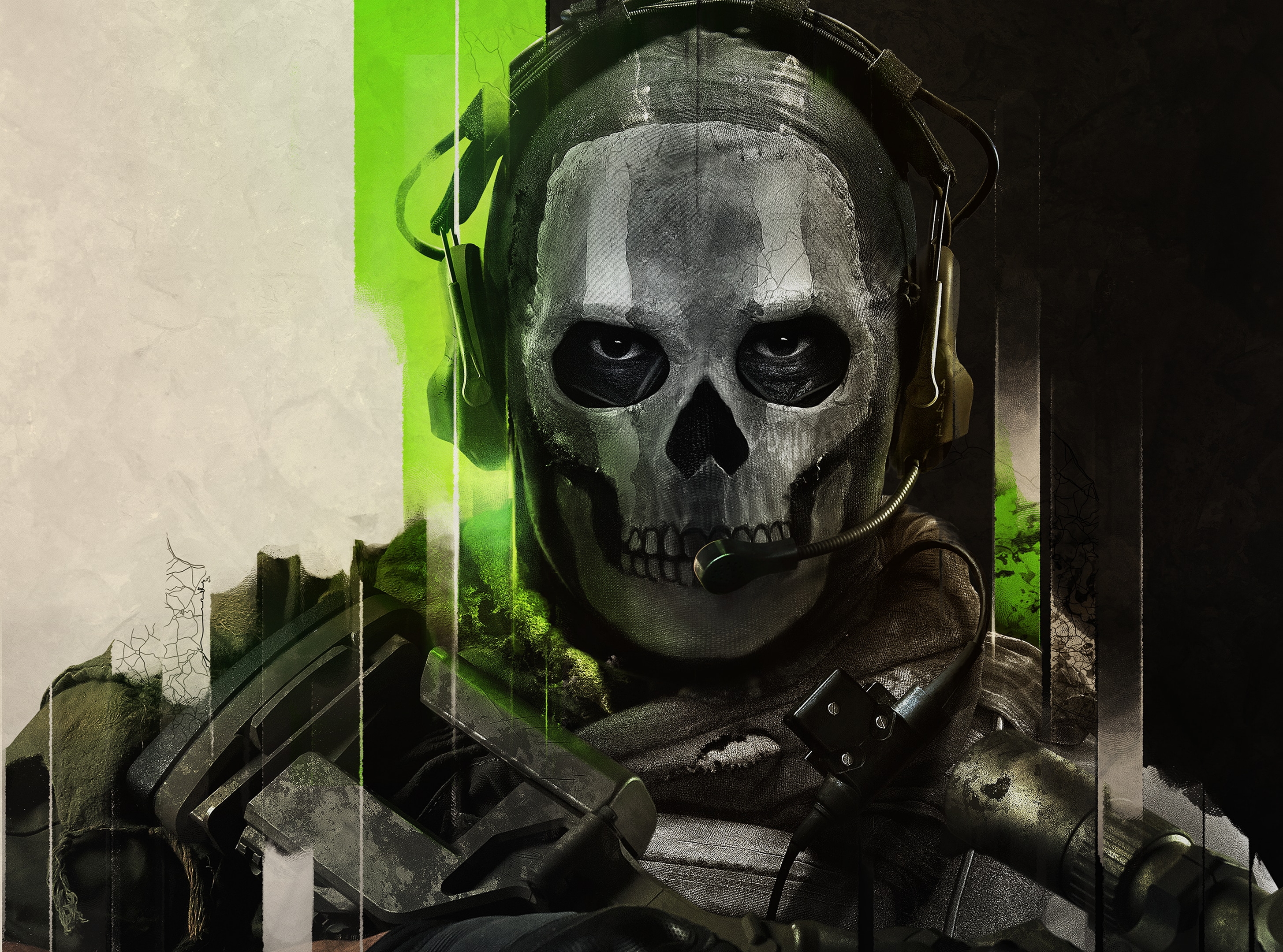
The shift toward hyper realistic military operators has been a consistent trend in this franchise. Some fans have complained that the realistic body types and gear make it harder to distinguish between different characters in the heat of battle. They also argue that the focus on realism has led to a lack of creative and colorful skins that were popular in the past. Infinity Ward has prioritized a grounded aesthetic to match the serious tone of the modern campaign. This direction continues to divide players who prefer a more arcade like experience.
‘Gotham Knights’ (2022)
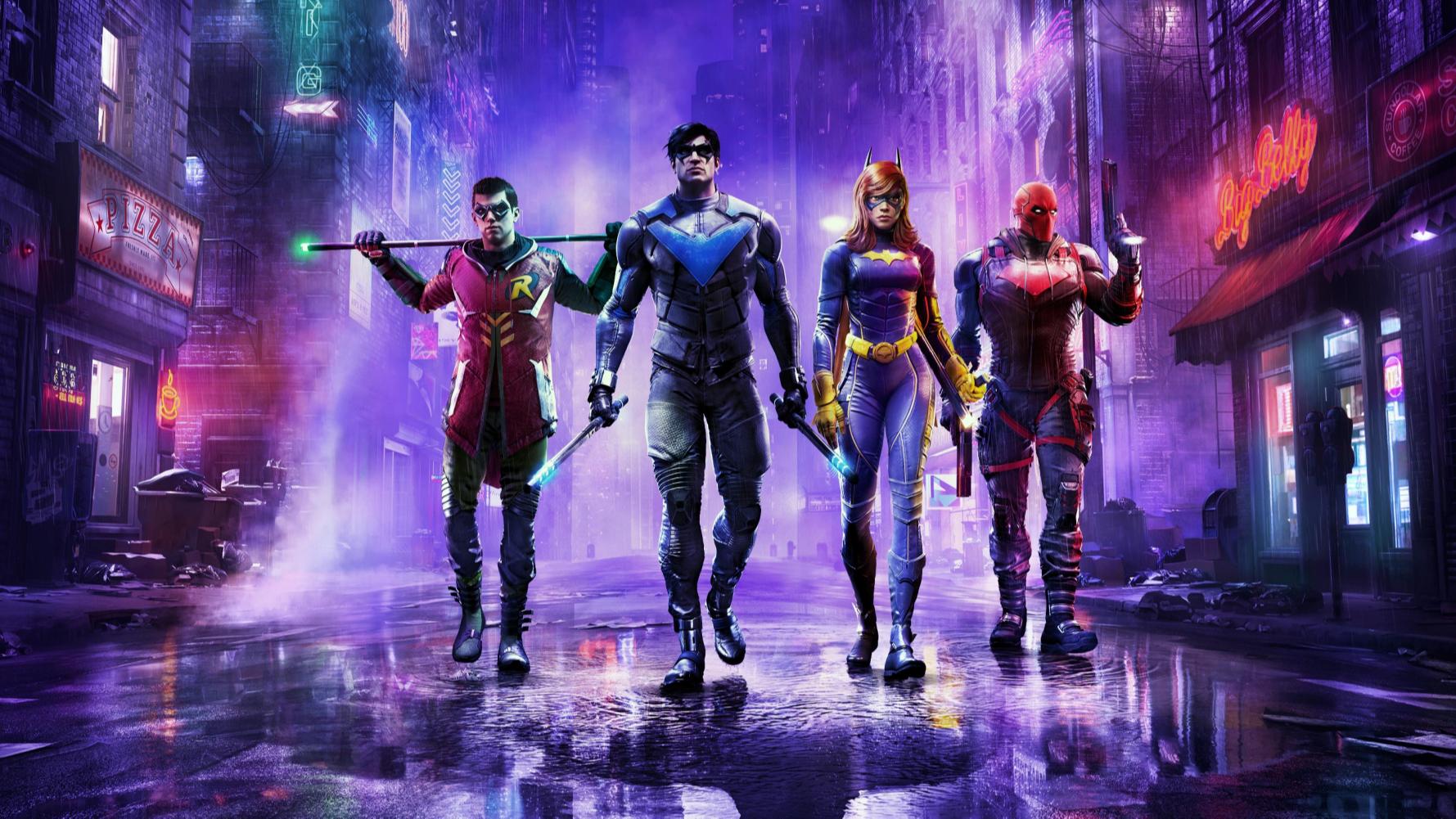
The designs for the four main heroes in this title were met with mixed reactions due to their more grounded and realistic look. Some fans felt that Batgirl and Nightwing looked less like superheroes and more like people wearing cosplay. The community criticized the body proportions and the way the suits looked in the game’s realistic lighting. The developers aimed for a unique take on the characters that felt separate from the Arkham series. Despite their efforts the visual style was often compared unfavorably to the more stylized previous games.
‘Hogwarts Legacy’ (2023)

This magical RPG allowed players to choose their voice and dormitories regardless of their body type selection. This move toward a more realistic and inclusive representation of identity caused a significant amount of online debate. Some fans argued that the decoupling of these features felt forced and broke the immersion of the nineteen century setting. Others praised the game for allowing a high degree of personal expression. The controversy highlighted how even historical fantasy games are influenced by modern discussions about body and gender realism.
Tell us which of these design changes surprised you the most in the comments.