

Games Where “Inclusive” Character Creators Sparked Endless Debates

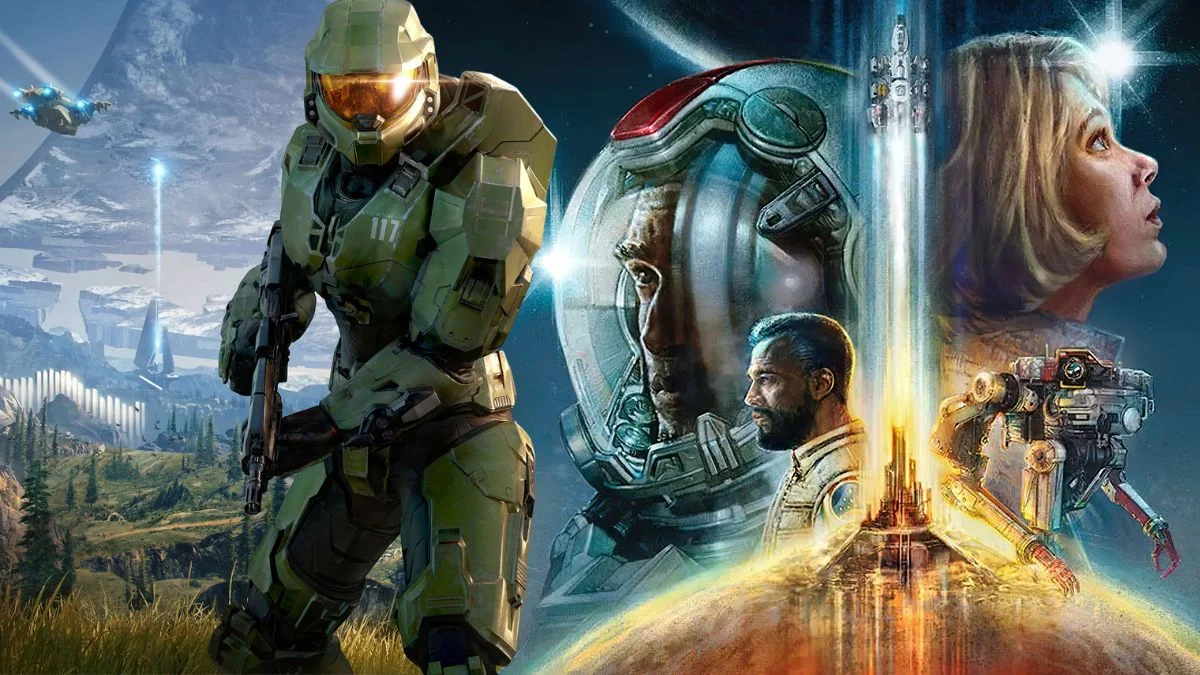


Character creation systems have evolved from simple aesthetic choices to complex tools for personal identity and representation. Modern developers frequently incorporate options for gender neutral pronouns and diverse body types to reflect a broader range of players. These design decisions often ignite intense conversations within the gaming community regarding realism and creative intent. This list explores various titles where the introduction of inclusive customization options led to significant online discourse.
‘Dragon Age: The Veilguard’ (2024)
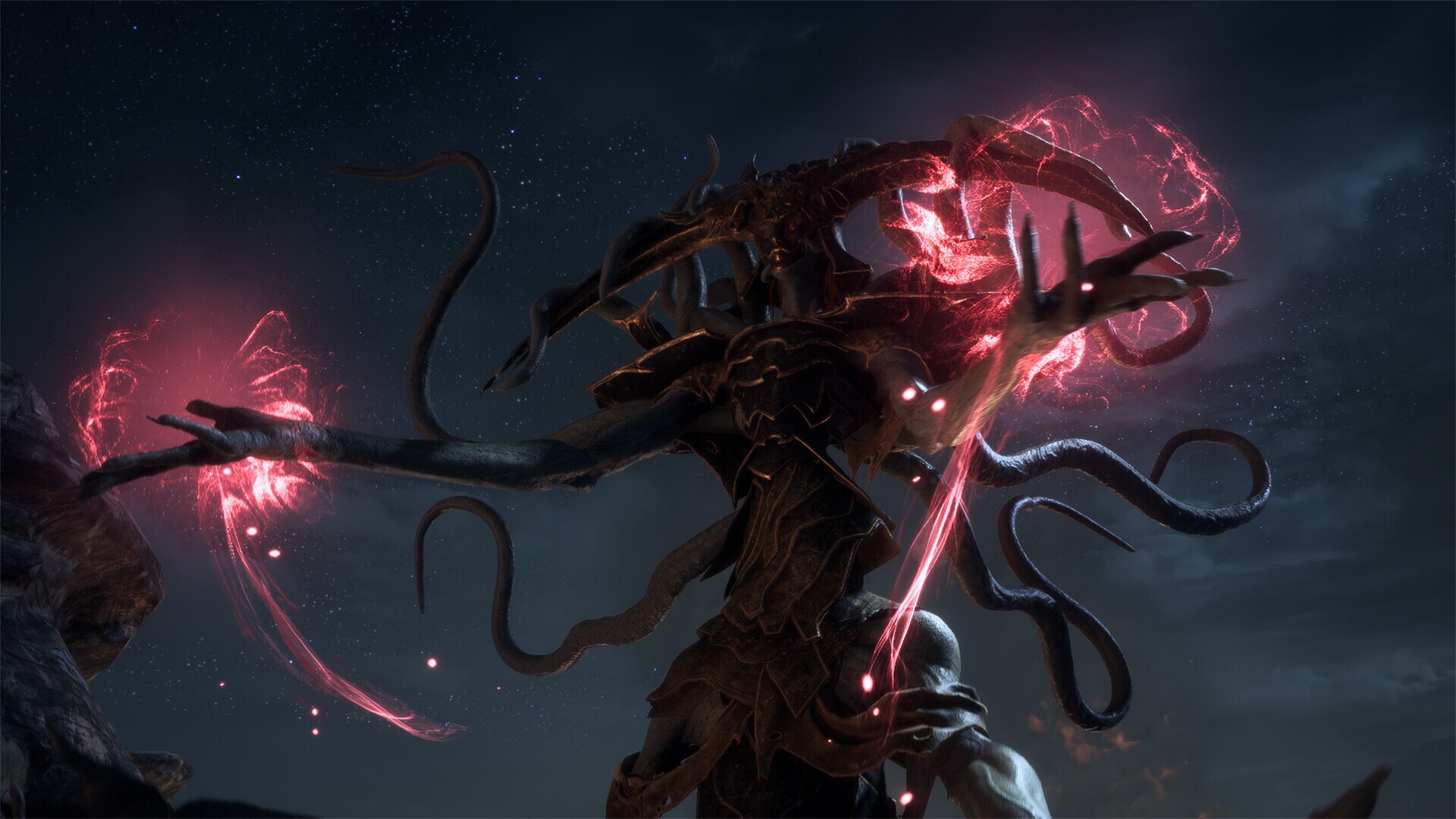
‘Dragon Age The Veilguard’ includes specific options for top surgery scars and nonbinary pronouns to enhance player agency. This decision sparked a large conversation about the intersection of modern social concepts and high fantasy worlds. Players often debated whether these additions enhanced immersion or felt disconnected from the established lore. The creator remains one of the most comprehensive examples of modern representation in the roleplaying genre.
‘Dragon’s Dogma 2’ (2024)
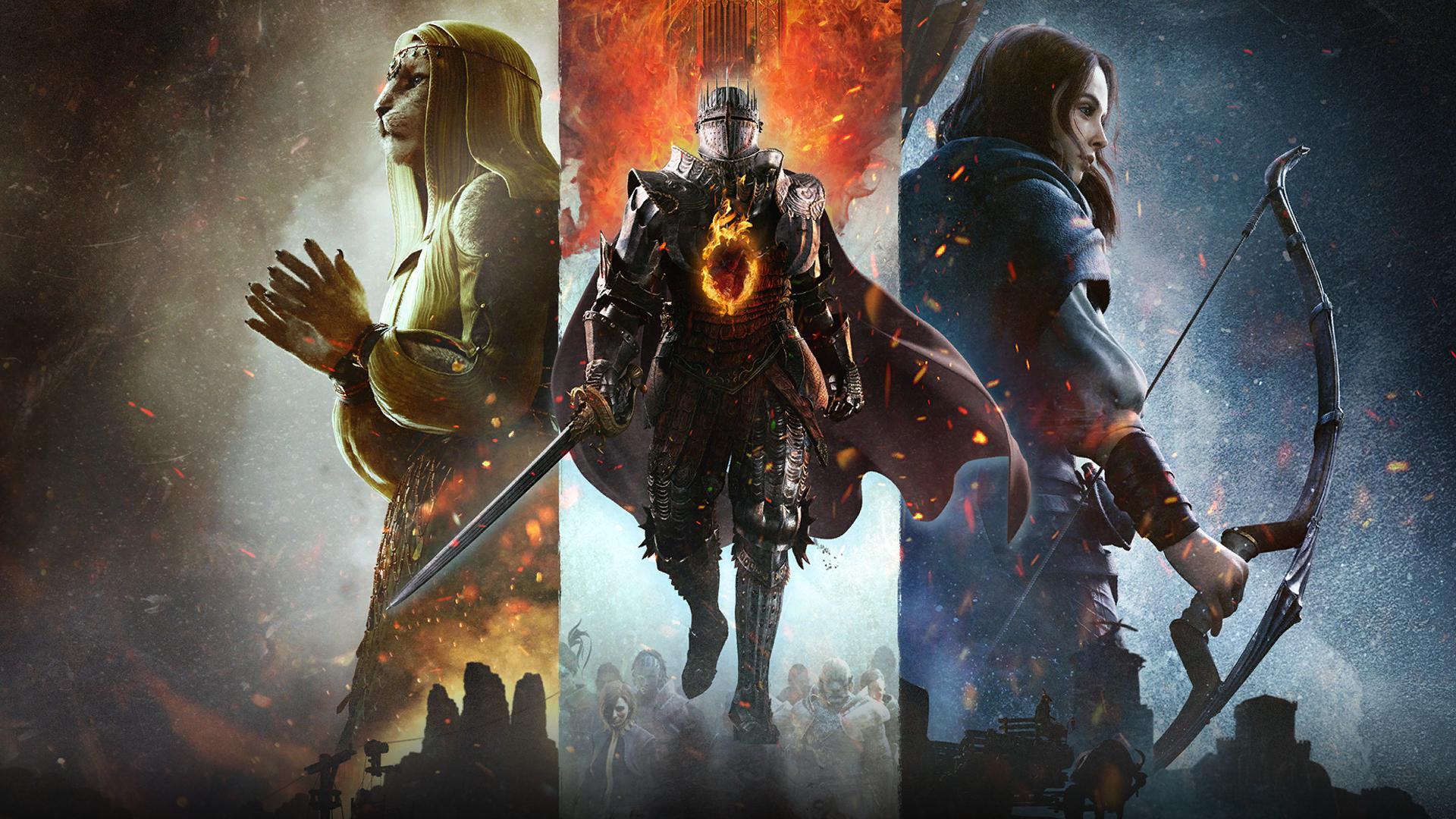
The robust character creator in ‘Dragon’s Dogma 2’ allows for intricate detail including muscle definition and a wide range of skin textures. Players can create incredibly lifelike avatars and pawns that reflect many different ethnic backgrounds. The inclusion of diverse body types and features was generally well received for its technical prowess. Some debates arose regarding the lack of certain traditional fantasy archetypes in the customization process compared to the first game.
‘WWE 2K24’ (2024)
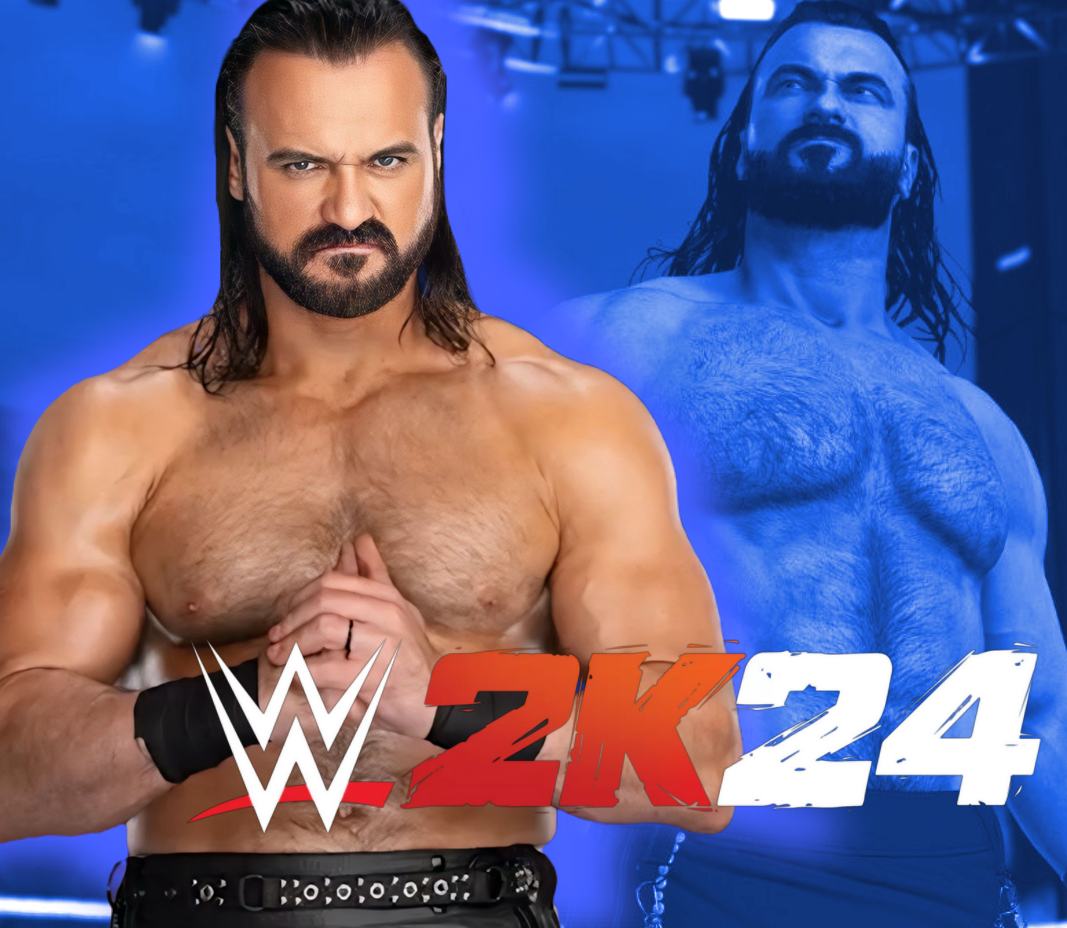
The creation suite in this wrestling title continues to expand its options for diverse character designs and body types. Players can create wrestlers that defy traditional gender norms and use them in various game modes. The level of detail allowed for inclusive representation has been a highlight for many creative fans. However the community often debates the limitations placed on cross gender competition within the simulation modes.
‘Starfield’ (2023)
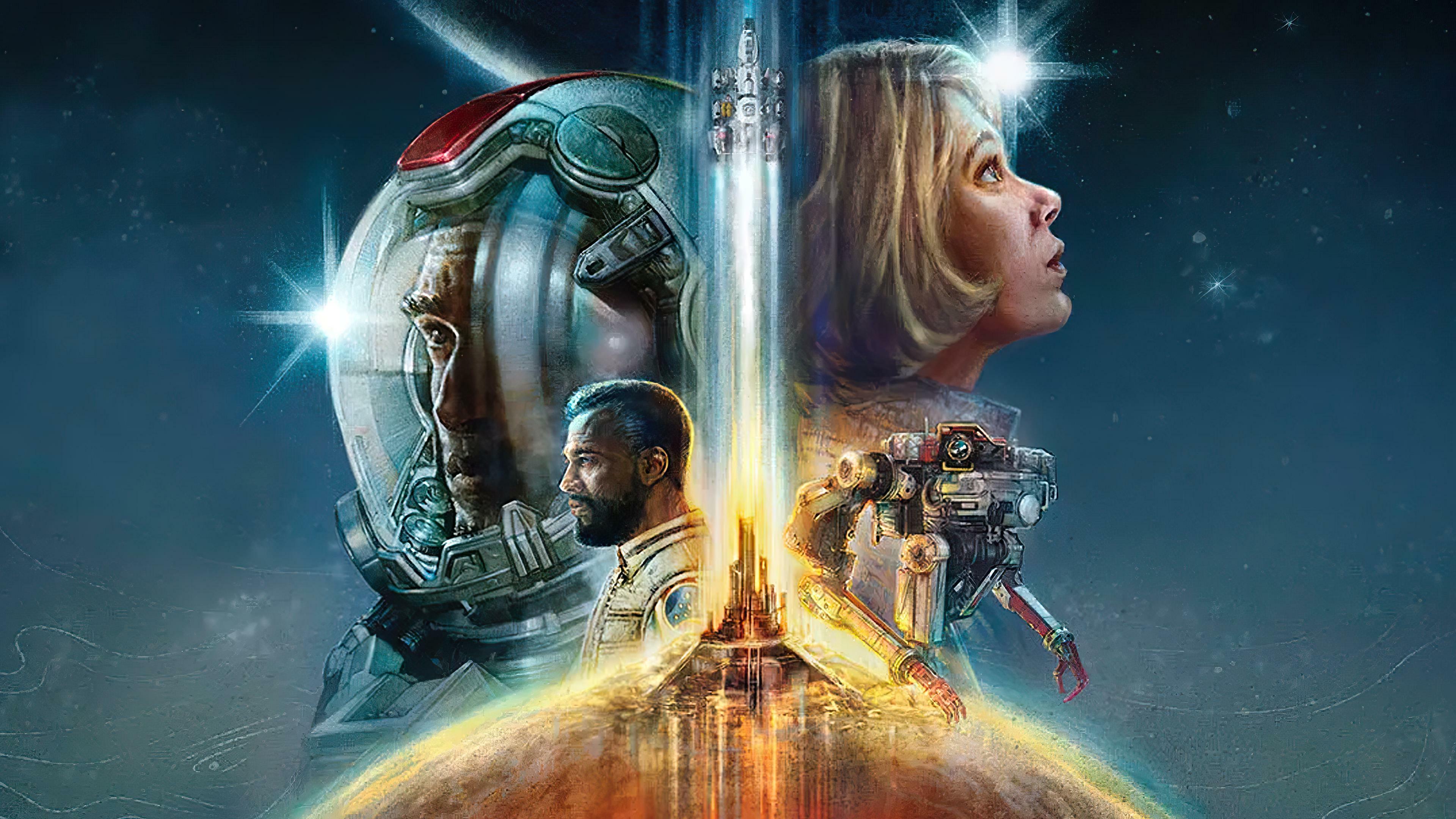
Bethesda Softworks introduced a pronoun selection tool that allows players to choose how they are addressed by nonplayer characters. The inclusion of they and them options alongside traditional gender markers caused a stir among various segments of the audience. Supporters appreciated the attempt to modernize the roleplaying experience while critics argued it was an unnecessary addition. The debate highlighted shifting expectations for how identity is handled in massive open world adventures.
‘Hogwarts Legacy’ (2023)
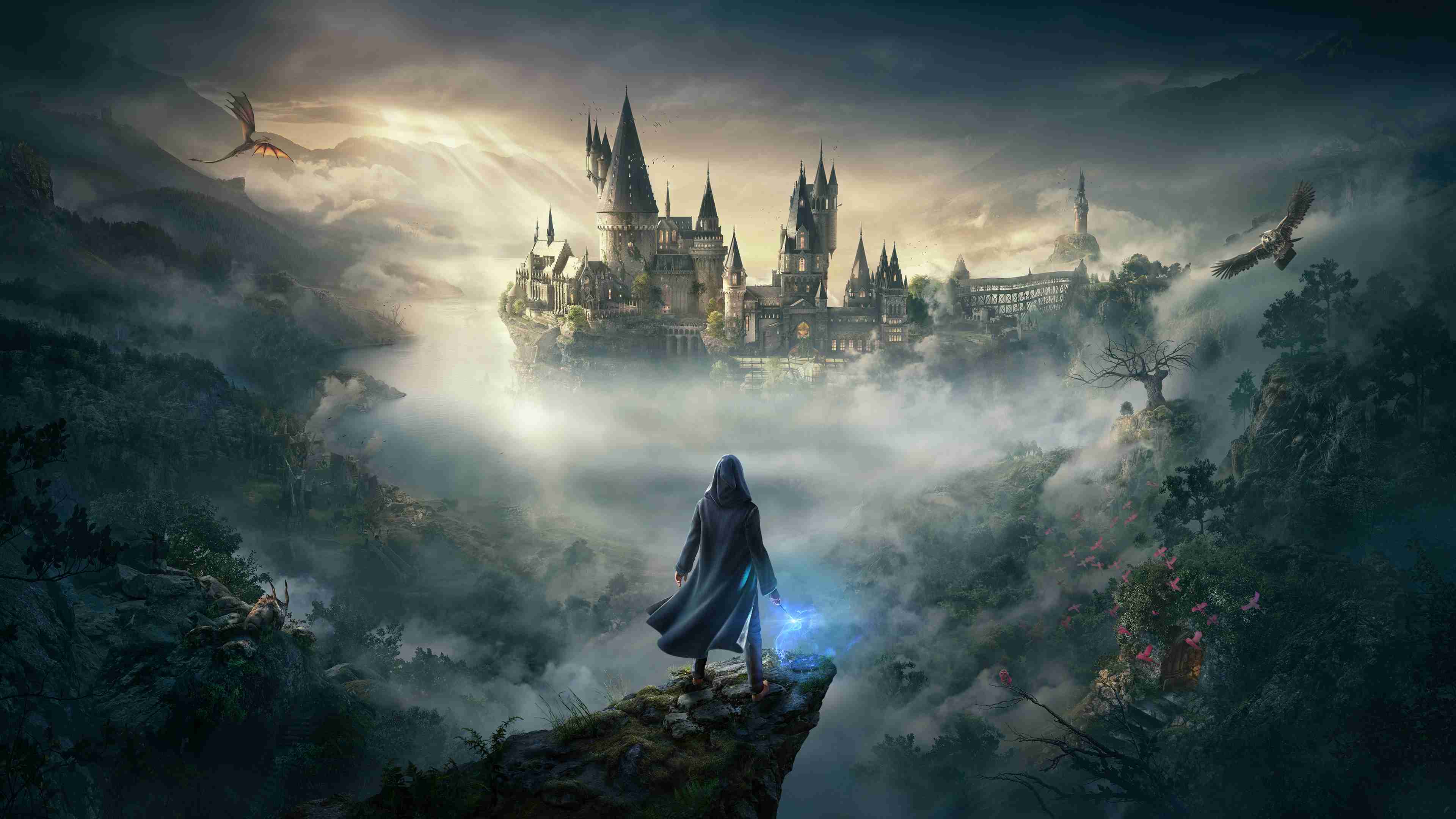
This title features a character creator that separates voice pitch and dorm placement from physical appearance. Players can create a masculine presenting character who resides in the witches’ dormitory if they choose. This design was scrutinized heavily due to the broader cultural controversies surrounding the franchise creator. It represents an effort by the development team to offer a welcoming environment for all fans despite outside pressures.
‘Street Fighter 6’ (2023)
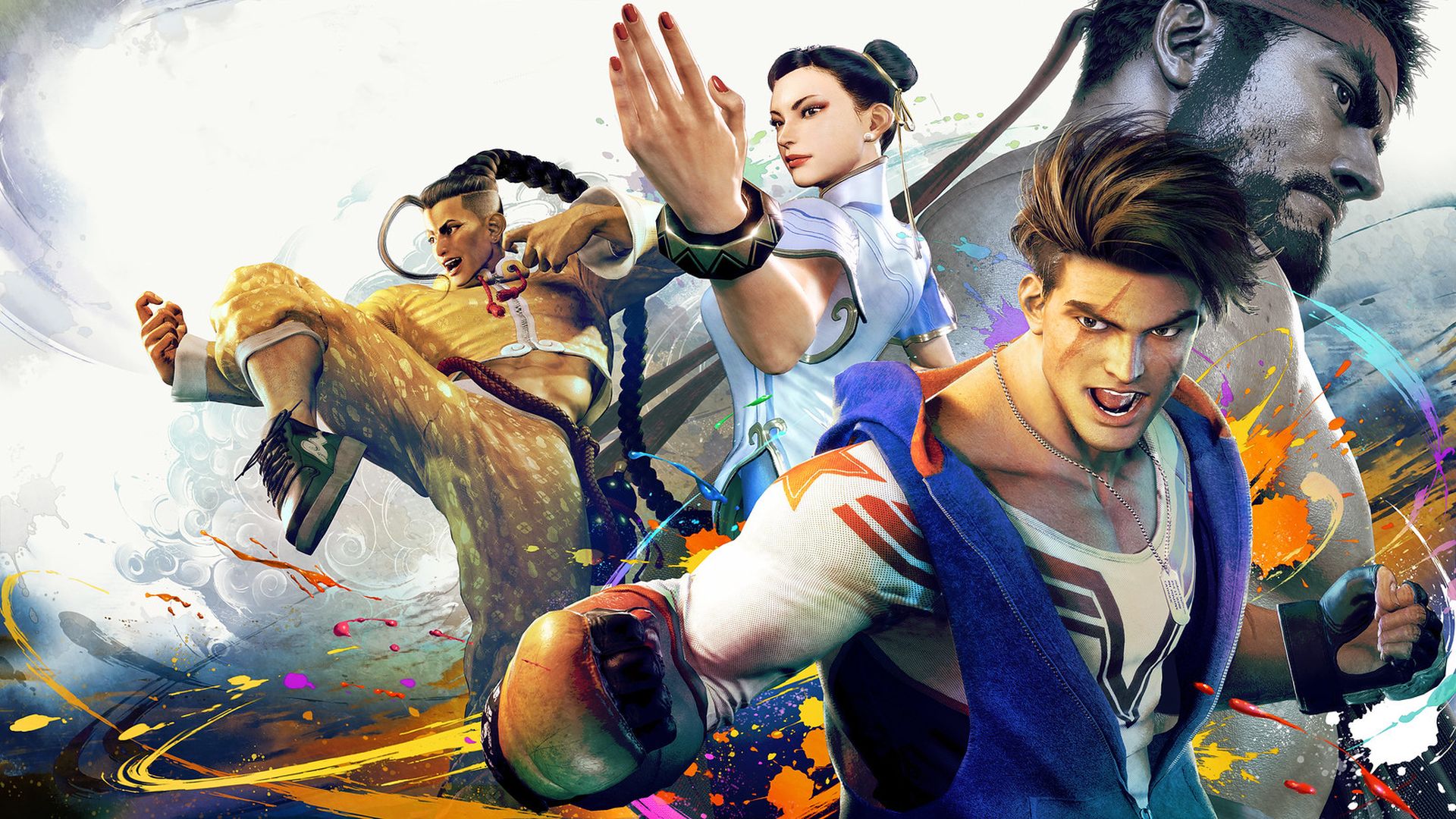
Capcom introduced a highly versatile avatar creator for the World Tour mode that allows for extreme body modifications. Players can create characters with unconventional proportions and gender fluid characteristics. This flexibility led to the creation of many unique and sometimes bizarre avatars appearing in online hubs. The community debated whether this freedom detracted from the traditional aesthetic of the legendary fighting series.
‘Diablo IV’ (2023)
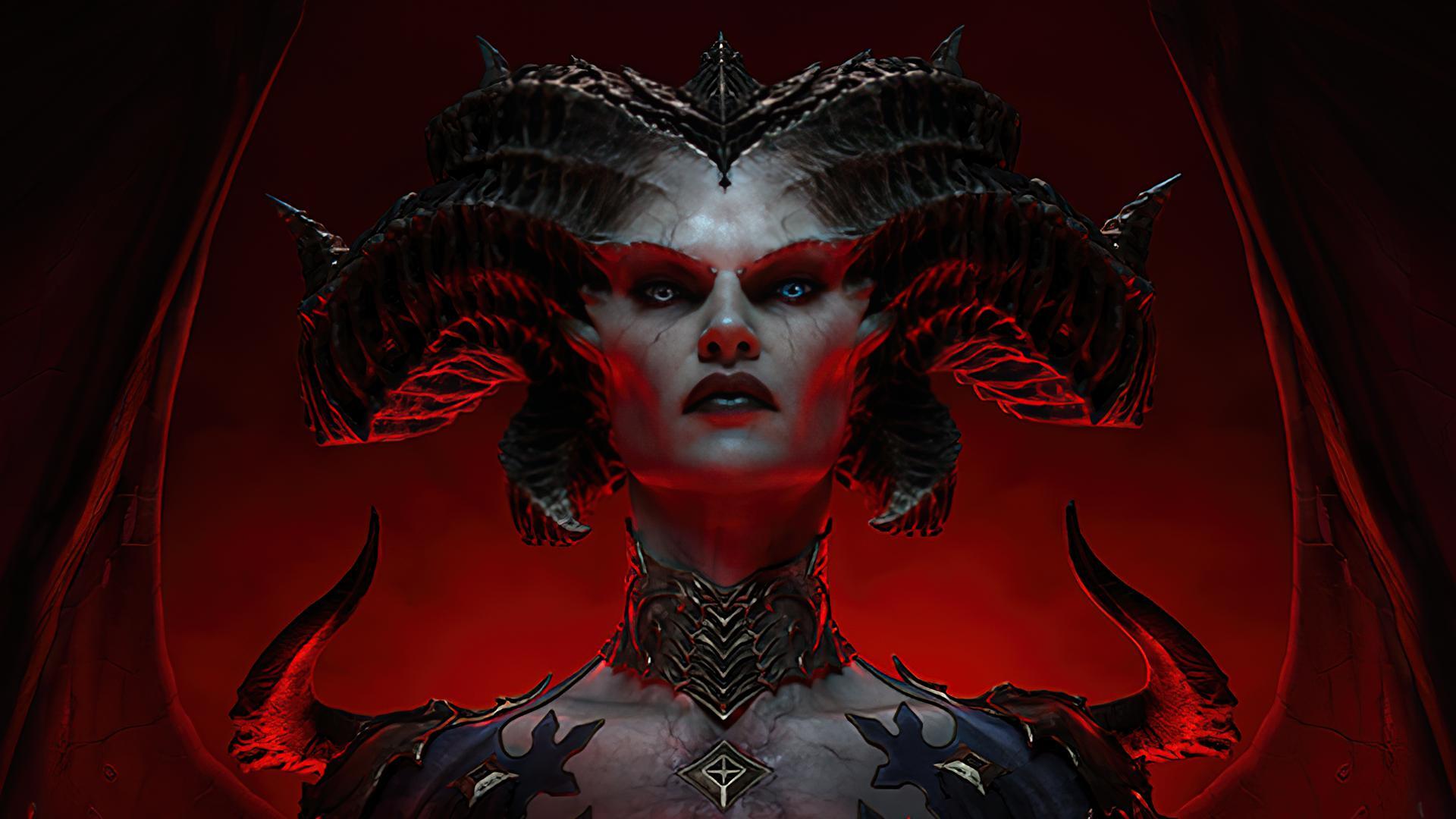
The character creator in this dark fantasy game allows for diverse body types and facial structures for each class. Players noted that certain classes have more restricted body types to maintain a specific visual silhouette. This led to debates about whether realism or player preference should take priority in a roleplaying experience. The game’s approach to inclusivity was viewed as a step forward for the franchise by many commentators.
‘Baldur’s Gate 3’ (2023)
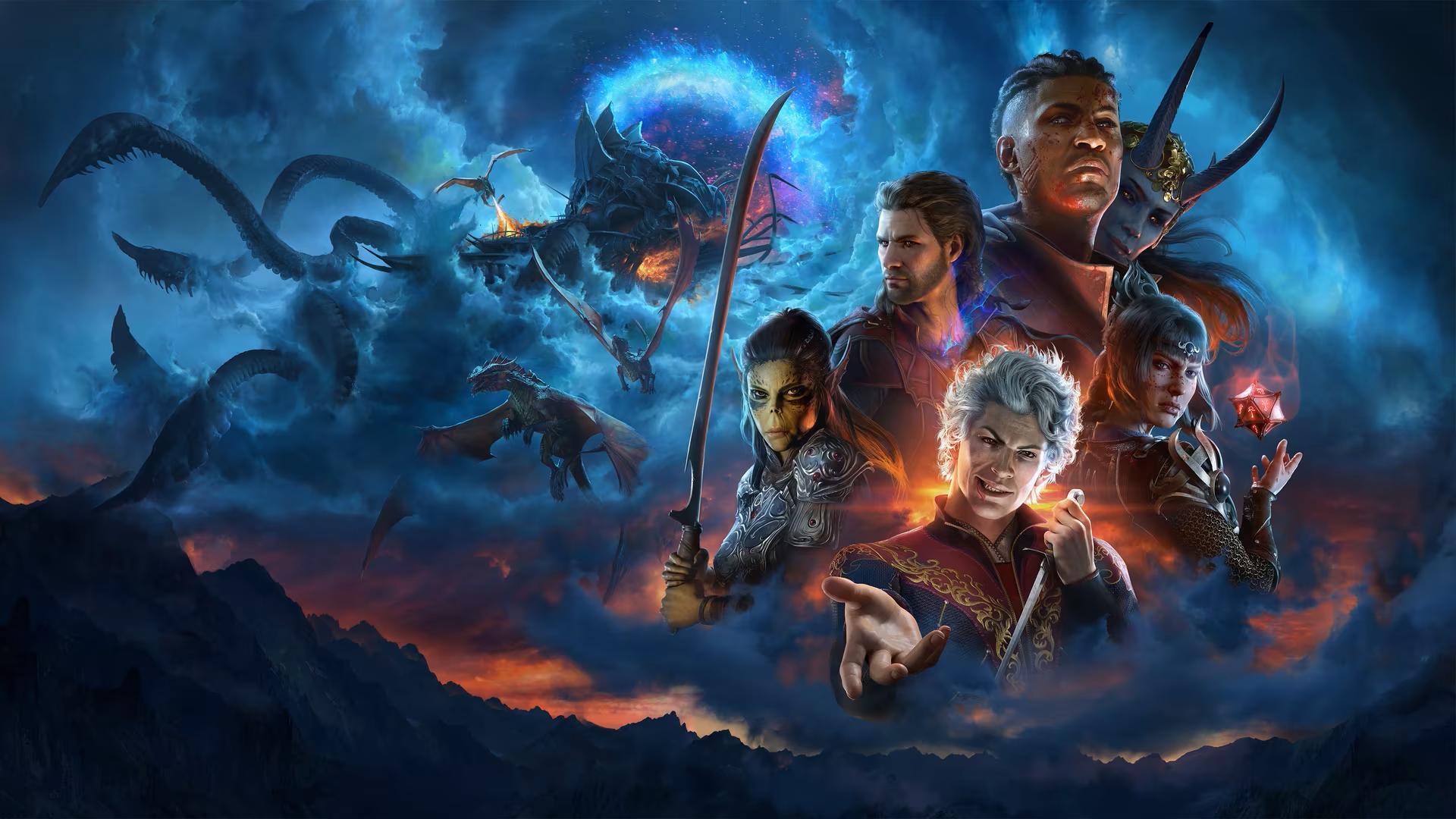
Larian Studios provided players with the ability to choose genitals and gender identity independently of their character’s chosen body type. This level of customization was seen as a groundbreaking move for a mainstream roleplaying game. Some users felt the inclusion was a natural fit for a world filled with magic and diverse races. Others found the level of anatomical detail to be a controversial choice for a major commercial release.
‘Palia’ (2023)
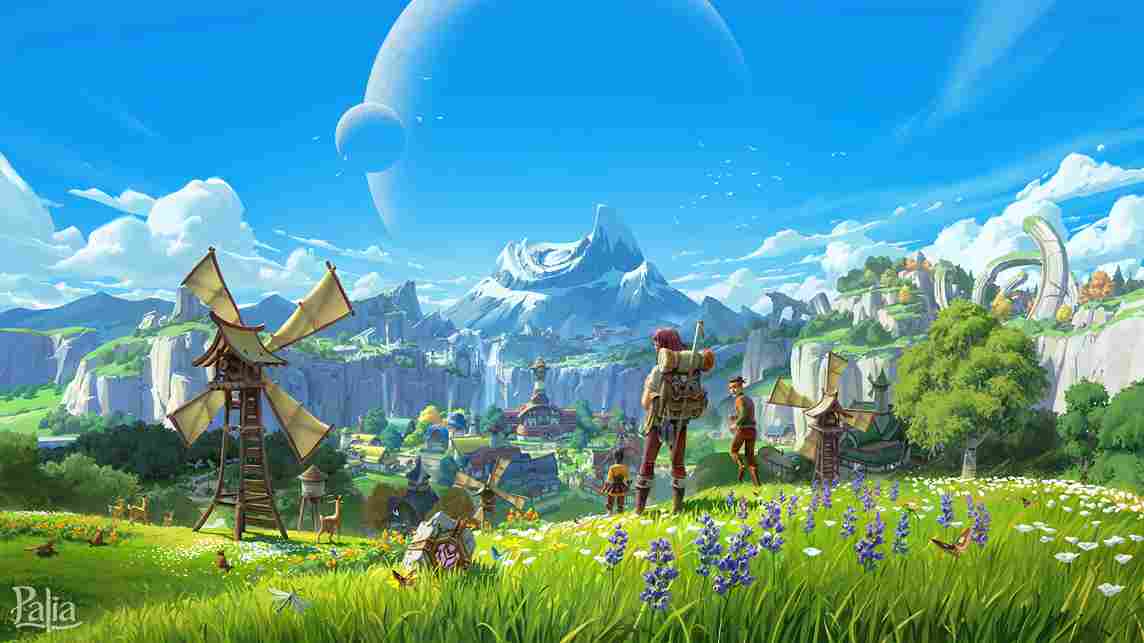
This cozy multiplayer game features a character creator that prioritizes self expression and gender neutral options. Players can choose from various outfits and styles that are not restricted by binary choices. The game was built from the ground up to be a welcoming and inclusive space for all types of players. Community discussions often focused on how these choices influenced the social atmosphere of the virtual world.
‘Wild Hearts’ (2023)
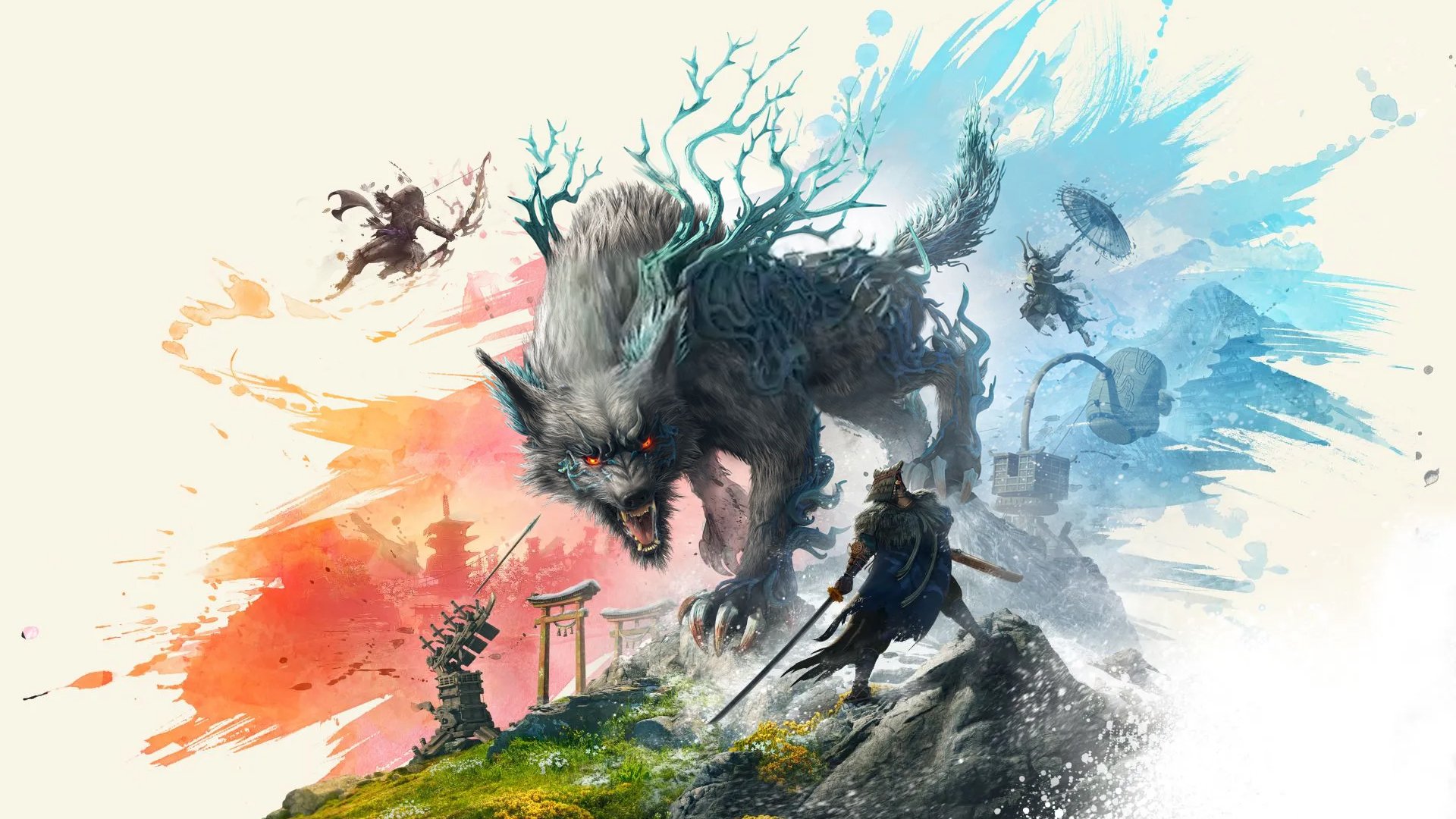
‘Wild Hearts’ offers a detailed character creator that allows for a wide range of facial features and body types. The game uses inclusive terminology and provides players with the freedom to mix various aesthetic traits. This was seen as a way to distinguish the title from other games in the monster hunting genre. Some players debated if the focus on customization was more advanced than the core gameplay mechanics at launch.
‘Pokemon Scarlet and Violet’ (2022)

These games removed gender specific clothing and hairstyles to allow all players to access the full range of fashion items. Players can mix and match different styles regardless of their character’s initial appearance. This was a significant shift for a franchise that has historically maintained a binary choice for protagonists. The decision was met with a mix of praise for inclusivity and criticism regarding the overall character designs.
‘Saints Row’ (2022)
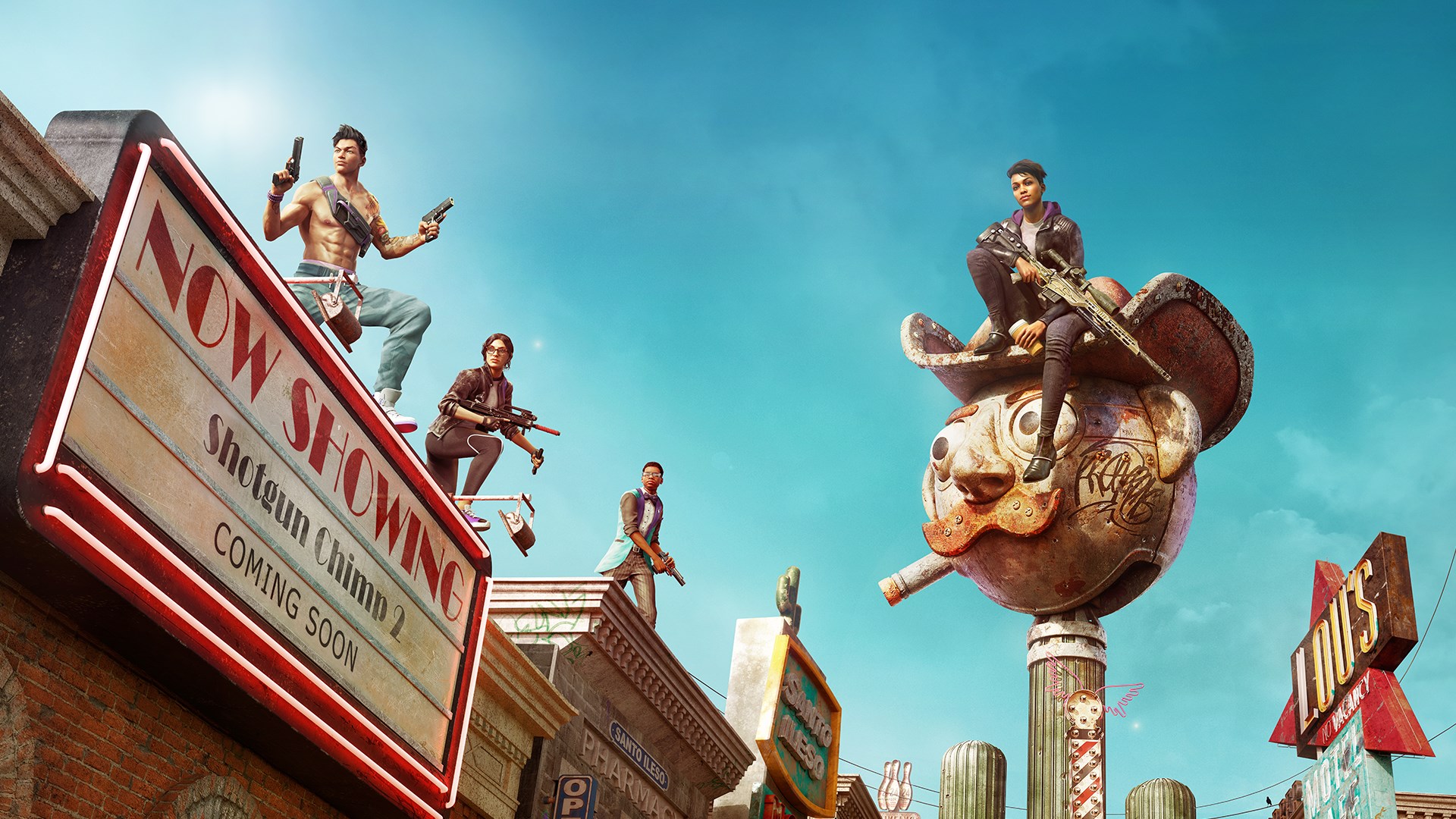
The reboot of the ‘Saints Row’ franchise focused heavily on a “Be Yourself” philosophy with a character creator that ignores traditional gender restrictions. Players can apply any clothing or voice to any body type without limitation. Many critics of the game felt that the focus on these options came at the expense of other gameplay features. The discourse surrounding the game often centered on its stylistic shift and modern sensibilities.
‘Elden Ring’ (2022)
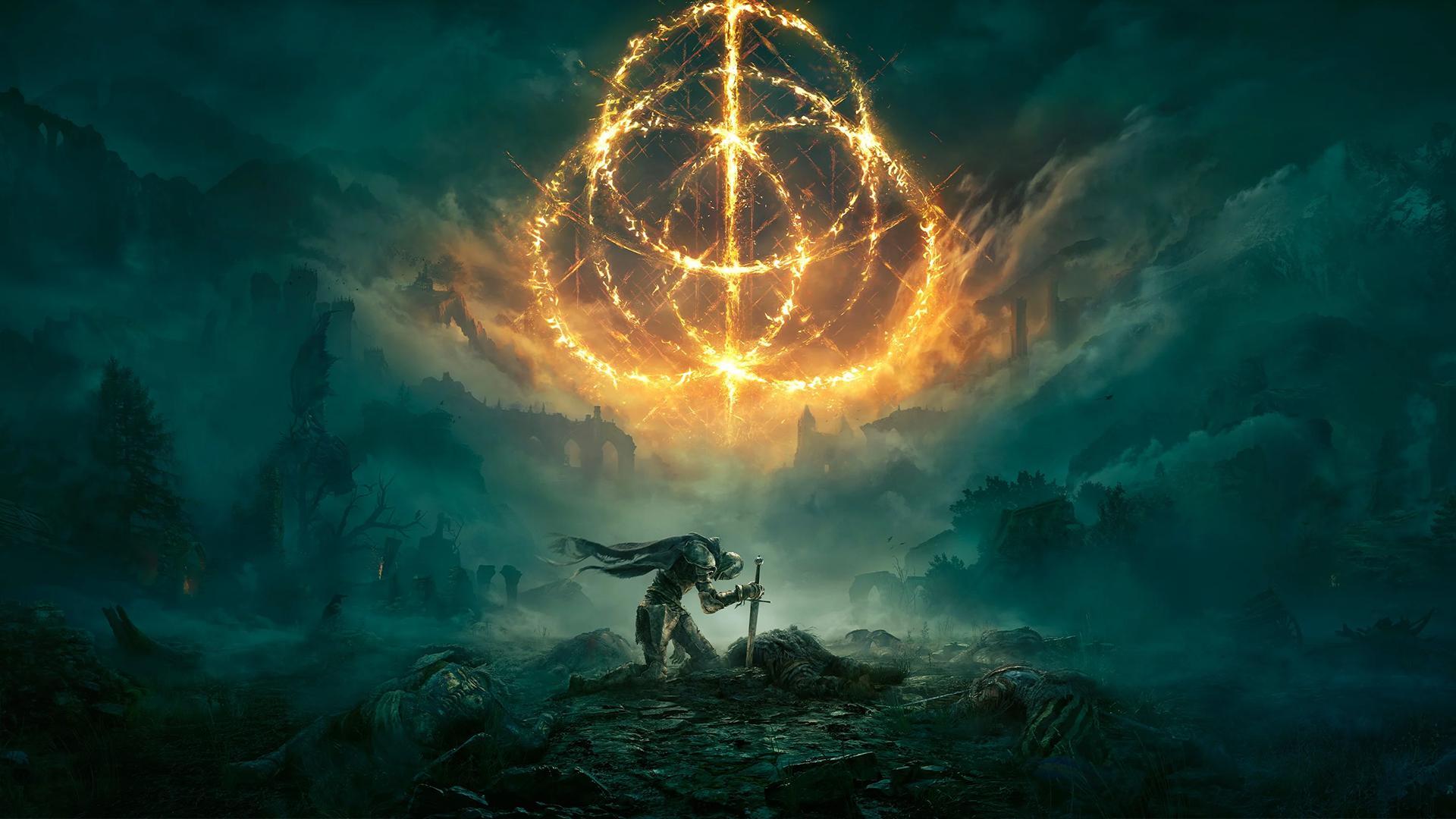
FromSoftware moved away from traditional gender labels and replaced them with Body Type A and Body Type B. This subtle change was part of a larger trend in the industry to move toward gender neutral terminology. While the gameplay remained largely the same some players viewed the change as a significant ideological shift. The debate was largely confined to social media platforms where fans discussed the necessity of such alterations.
‘Splatoon 3’ (2022)
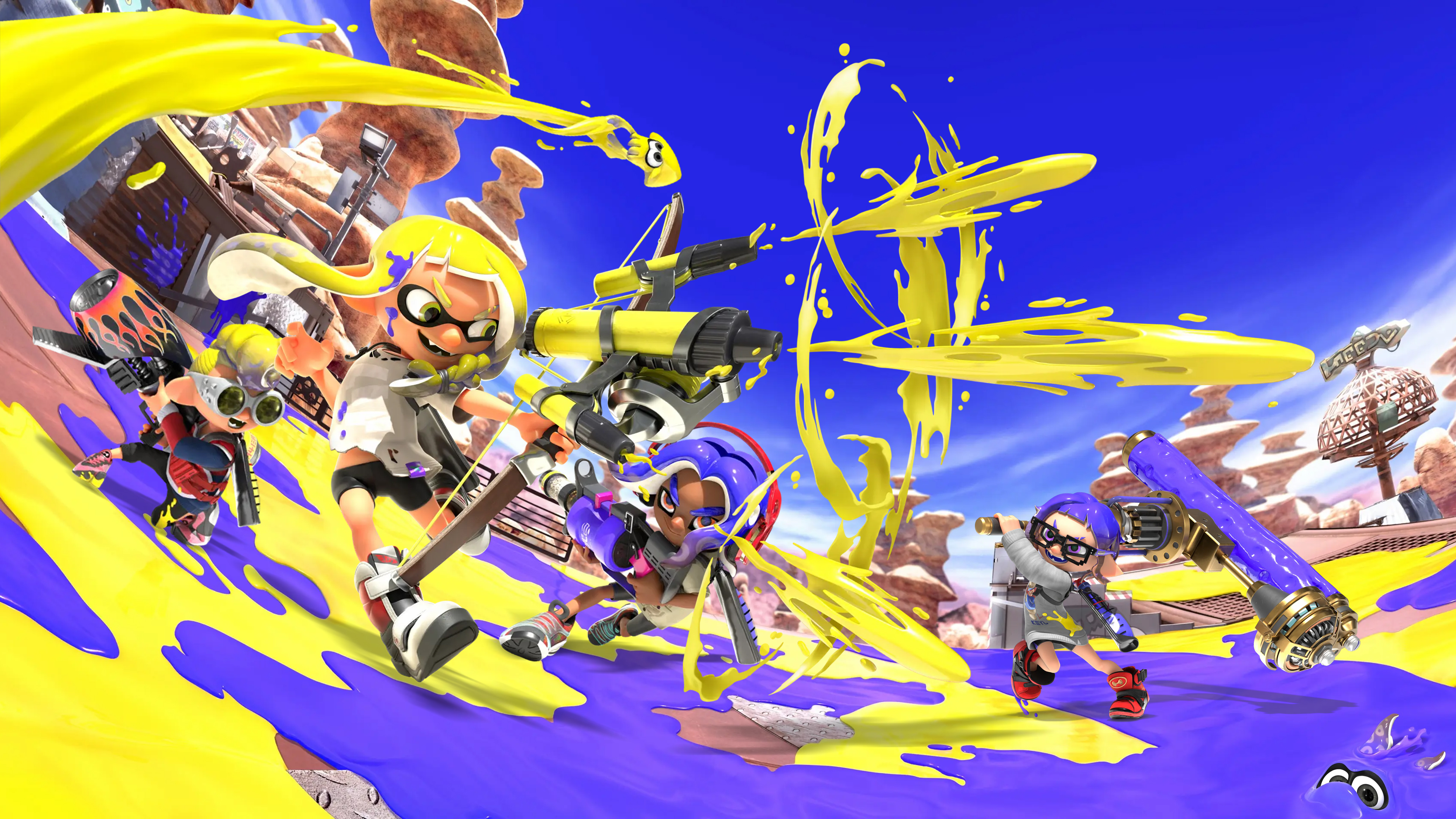
The third entry in the series removed gender selection entirely and replaced it with a choice of styles for the Inkling or Octoling characters. This change means that all hairstyles and clothing items are available to every player from the start. Nintendo aimed to simplify the customization process and allow for more creative freedom. Some long time fans missed the clear distinctions found in the earlier games of the series.
‘Tiny Tina’s Wonderlands’ (2022)
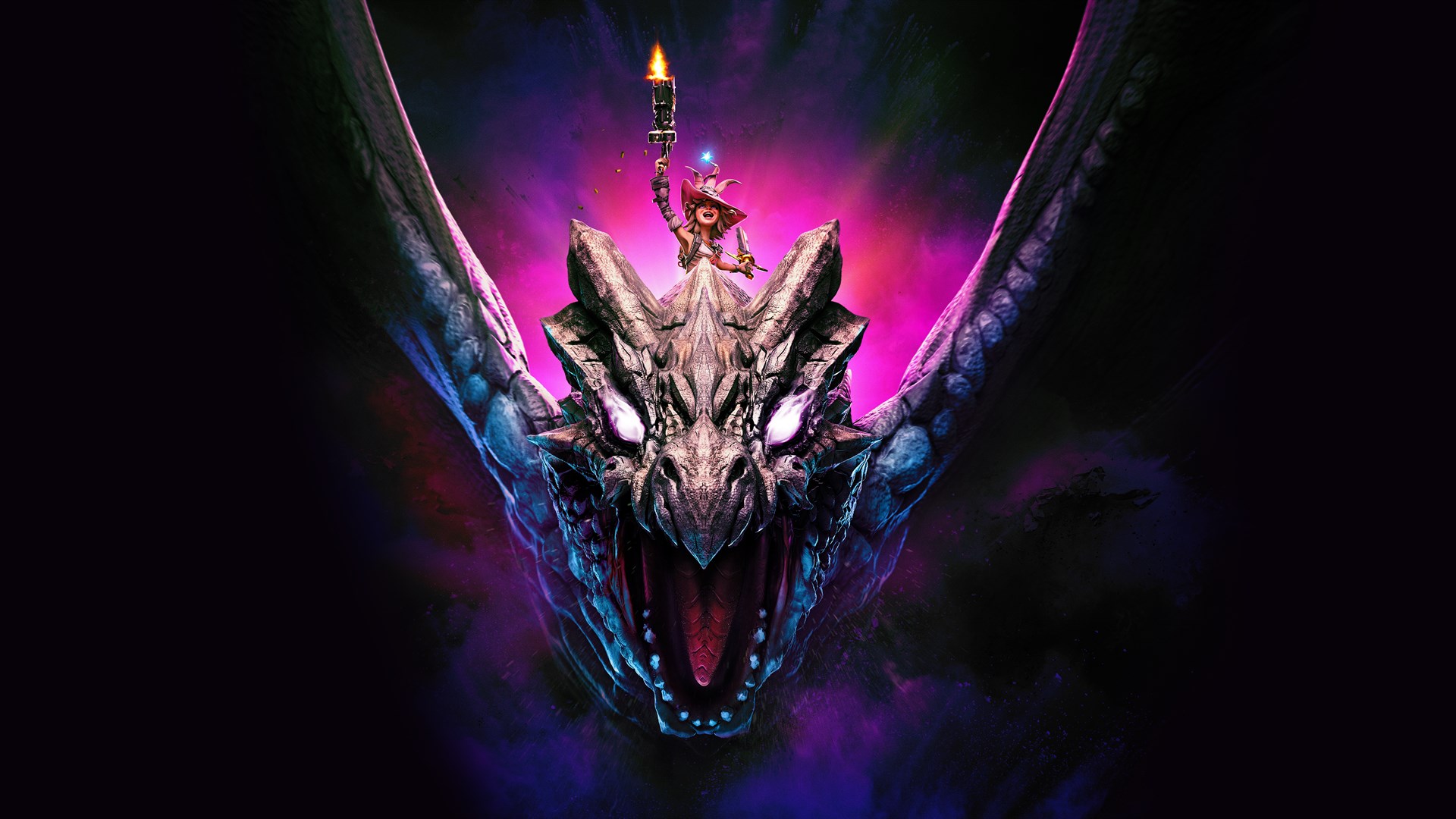
Gearbox Software introduced a system where players can choose any voice and body type independently. The game also features a variety of pronoun options and allows for sliders that blend masculine and feminine traits. This fit the chaotic and imaginative theme of the tabletop roleplaying world within the game. The community discussed how these features impacted the humorous tone of the ‘Borderlands’ spin off.
‘Lost Ark’ (2022)
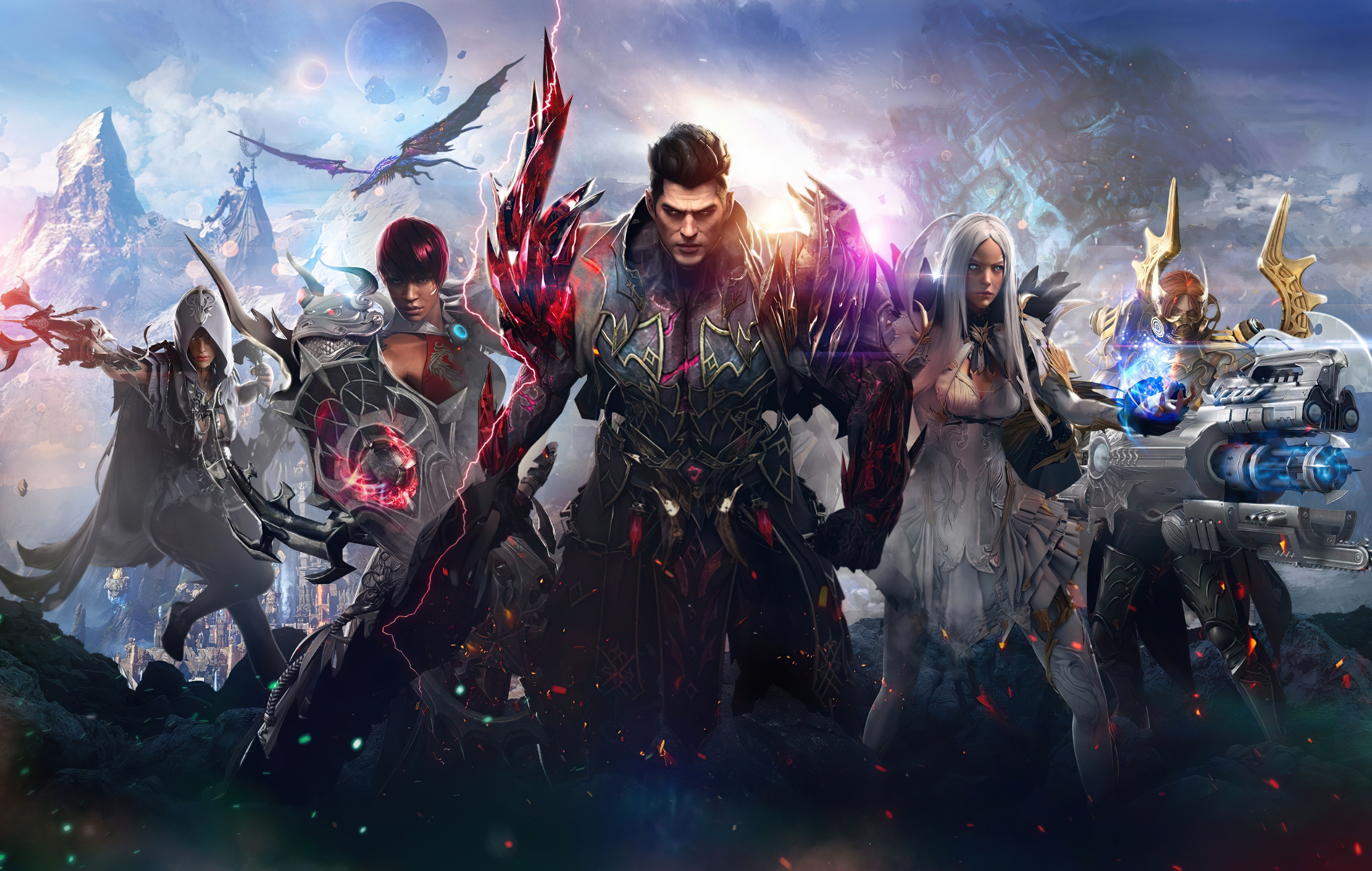
The Western release of ‘Lost Ark’ sparked significant debate due to its gender locked classes and revealing armor designs. Smilegate and Amazon Games attempted to address these concerns by adding more diverse customization options after the initial launch. Many players argued that the original design was outdated and needed to be more inclusive for a modern audience. The conflict between the original vision and Western expectations was a major talking point for months.
‘Halo Infinite’ (2021)
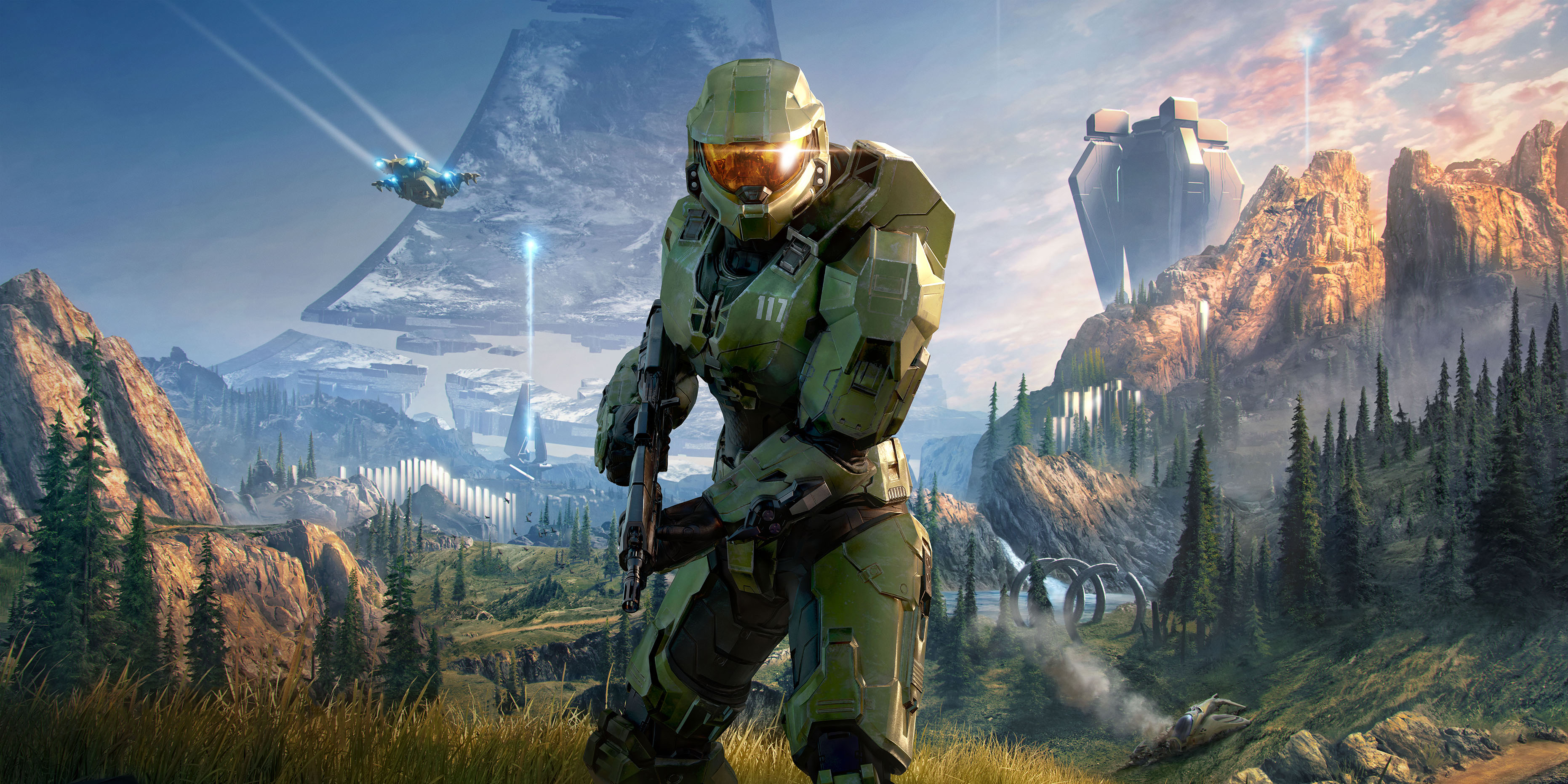
343 Industries moved away from gendered body types for the Spartan armor and instead offered three distinct body shapes. These shapes were labeled with numbers rather than masculine or feminine descriptors. The change was intended to allow players to customize their super soldier with more freedom. Some players felt that the removal of clear gender markers was an unnecessary change to the iconic armor system.
‘Forza Horizon 5’ (2021)
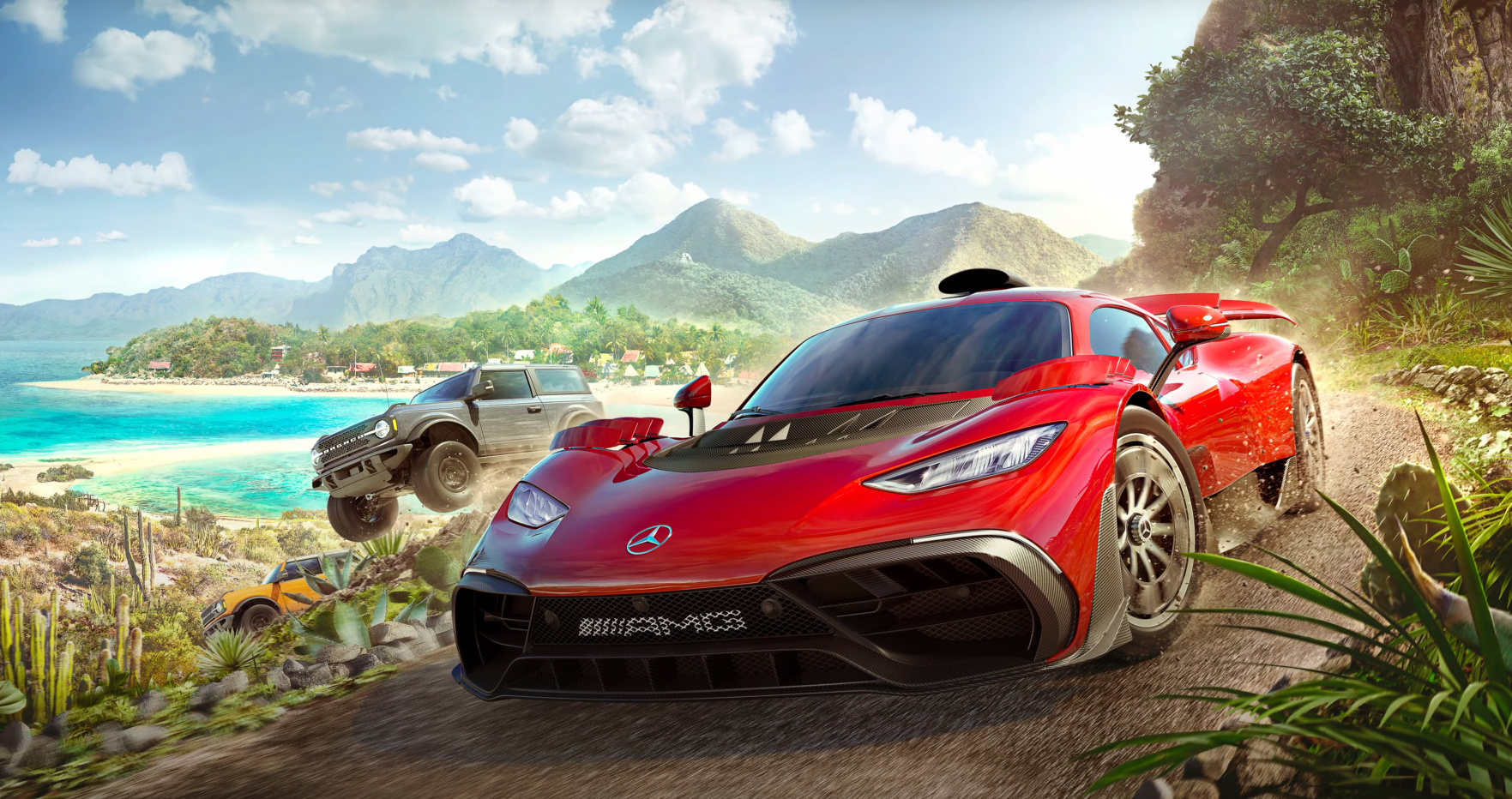
Playground Games added the ability for players to select prosthetic limbs for their avatars during the character setup process. The game also includes pronoun options to ensure that the character is addressed correctly during the festival events. These features were designed to make the racing experience more accessible and representative of the real world. Critics and supporters debated the importance of these visual customizations in a game primarily about cars.
‘Monster Hunter Rise’ (2021)
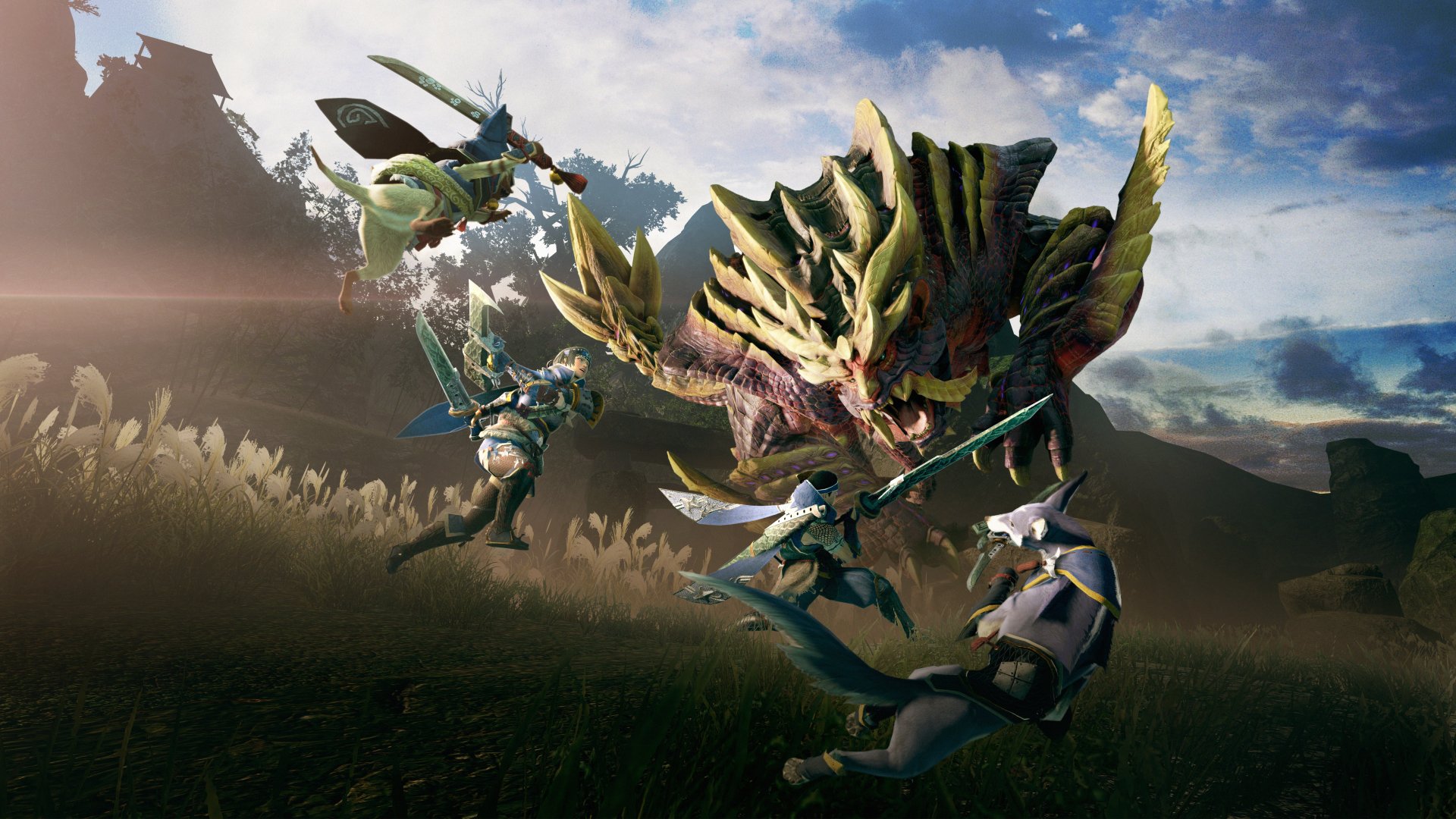
Capcom updated the series to allow players to use any hairstyle or facial feature regardless of their chosen gender. This provided more flexibility for players looking to create a specific look for their monster hunter. The change was seen as a way to broaden the appeal of the game to a global audience. Some fans argued about the impact of these changes on the traditional armor designs that the series is known for.
‘New World’ (2021)
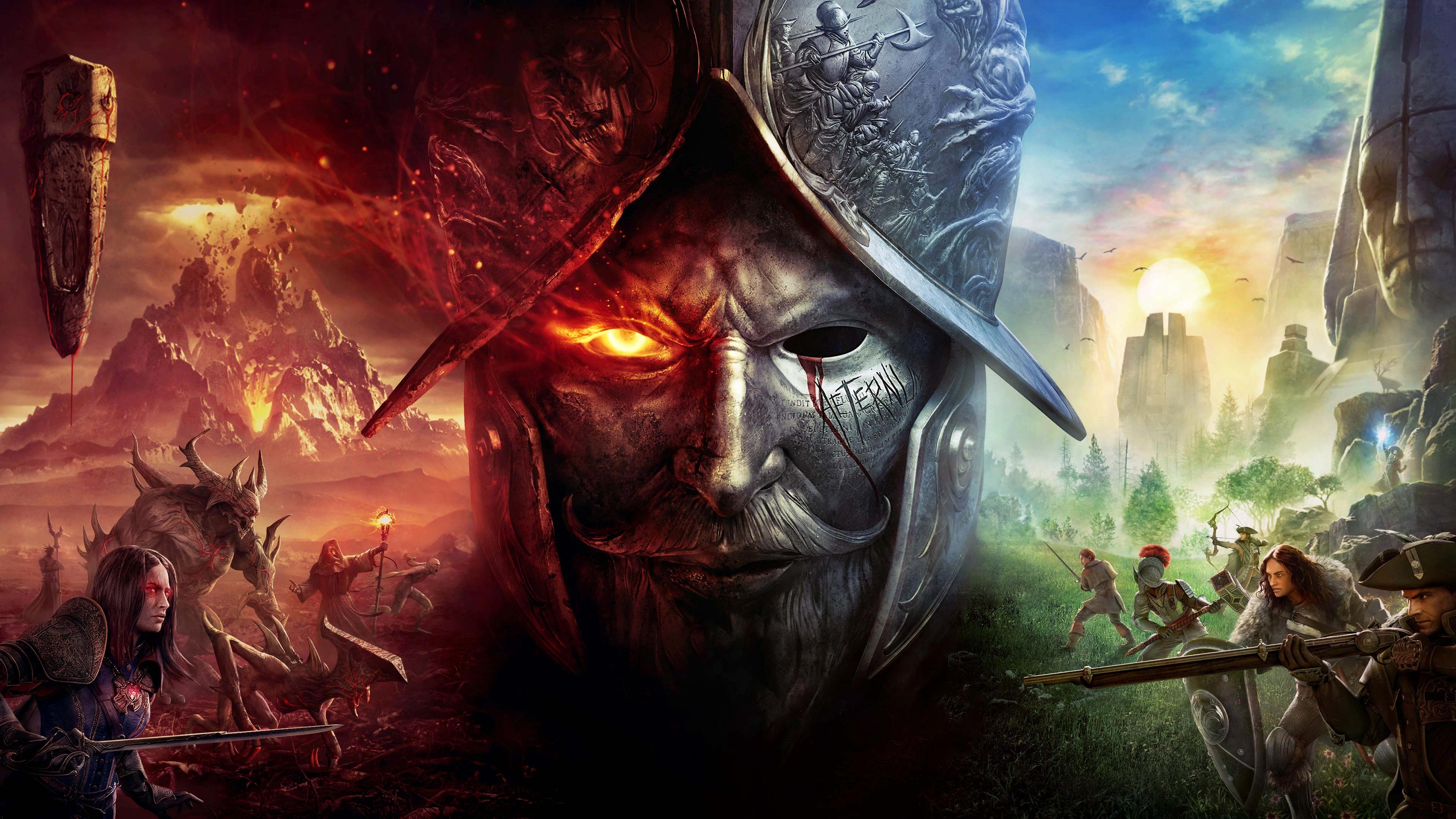
Amazon Games included a character creator that allows for a variety of physical appearances but lacks traditional gender labels. Players select a body type and then customize their facial features and voice separately. This approach was intended to provide a modern experience in a supernatural frontier setting. The decision led to discussions about how much these choices matter in a game focused on player versus player combat.
‘Cyberpunk 2077’ (2020)
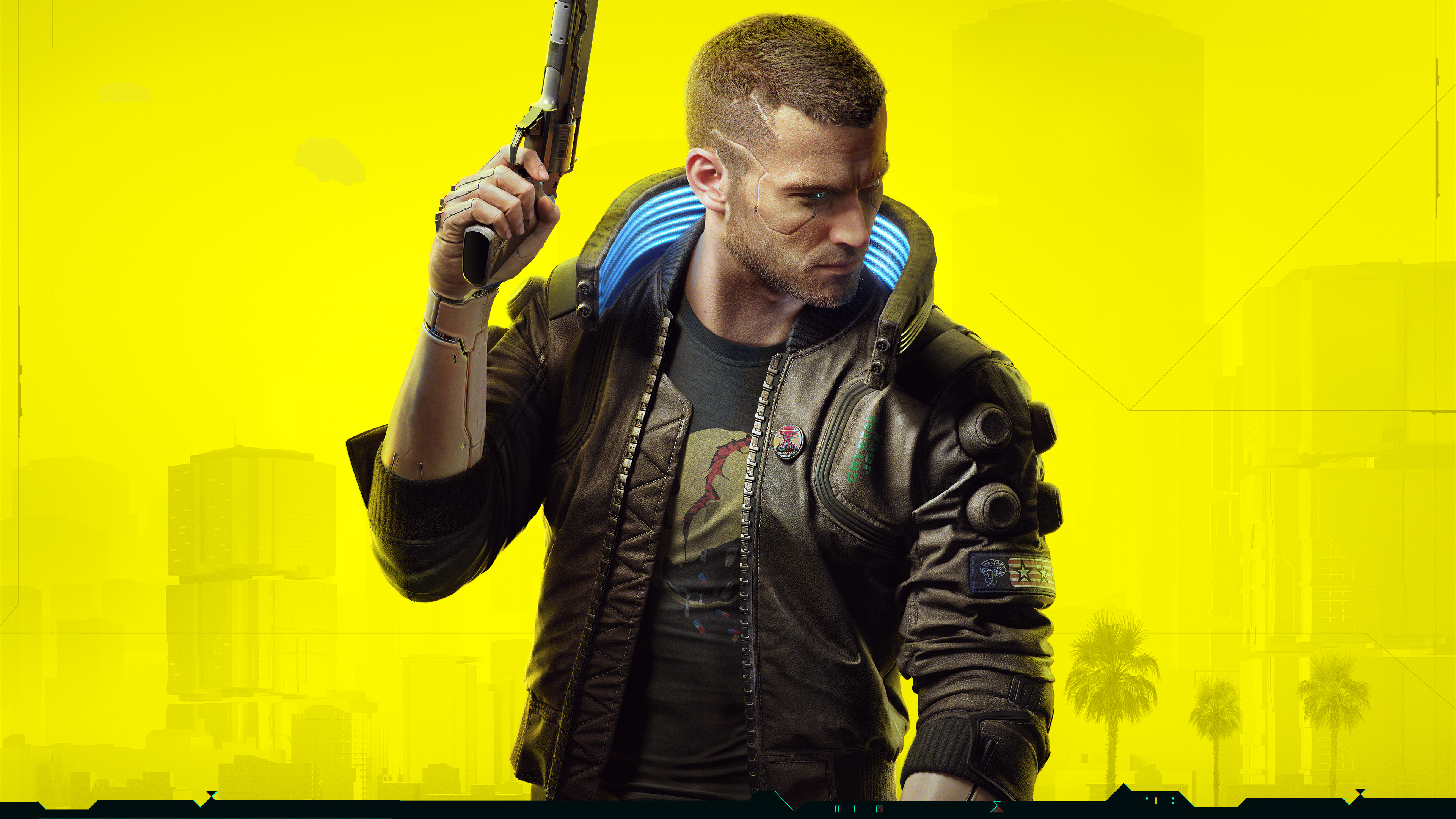
CD Projekt Red opted for a genderless character creation system where voice determines the pronouns used by others. Players can customize their character’s physical features and genitals without being restricted to a binary male or female choice. This move was intended to reflect the transhumanist themes of the futuristic setting. The decision sparked debates regarding how well the game actually handled gender identity in its narrative.
‘Call of Duty: Black Ops Cold War’ (2020)
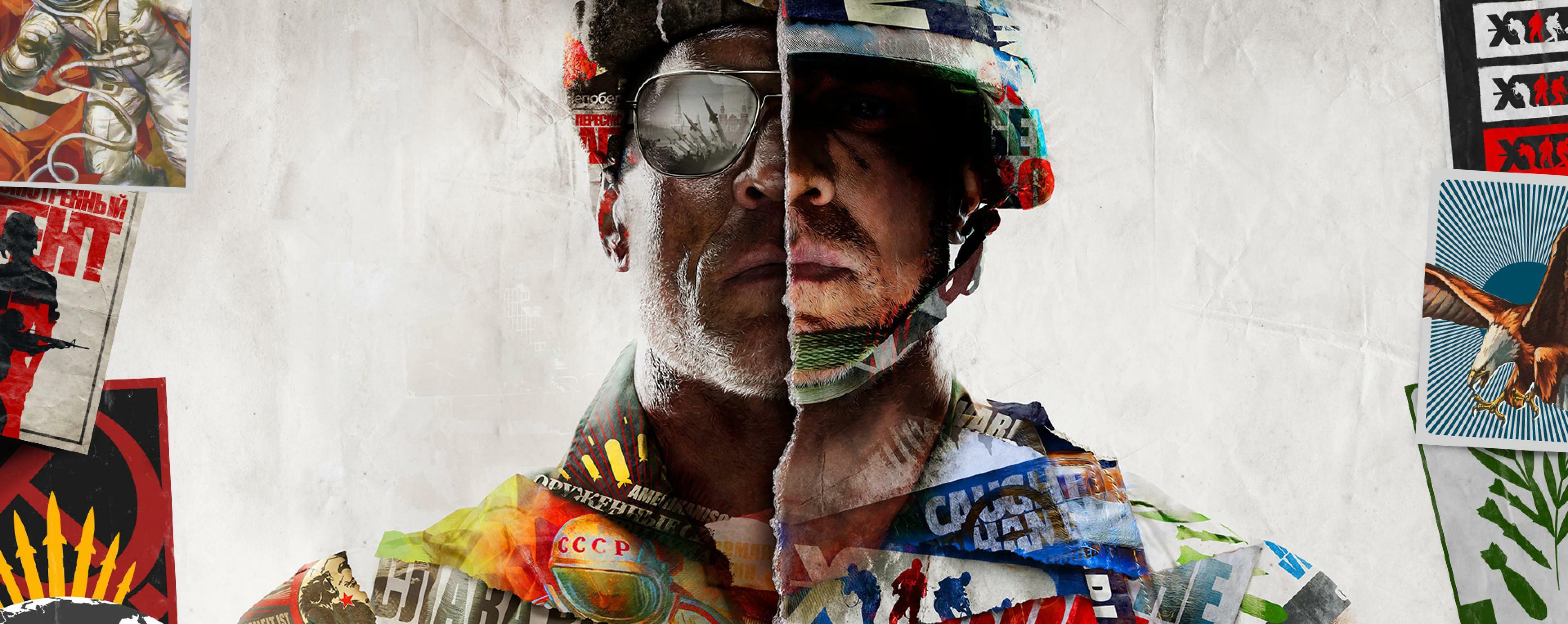
Activision included a nonbinary gender option in the character creation screen for the campaign mode. This marked the first time the military shooter franchise allowed for such a selection. Many fans were surprised to see this level of inclusivity in a series known for its conservative military themes. The inclusion prompted discussions about the historical accuracy of such options in a story set during the eighties.
‘Animal Crossing: New Horizons’ (2020)
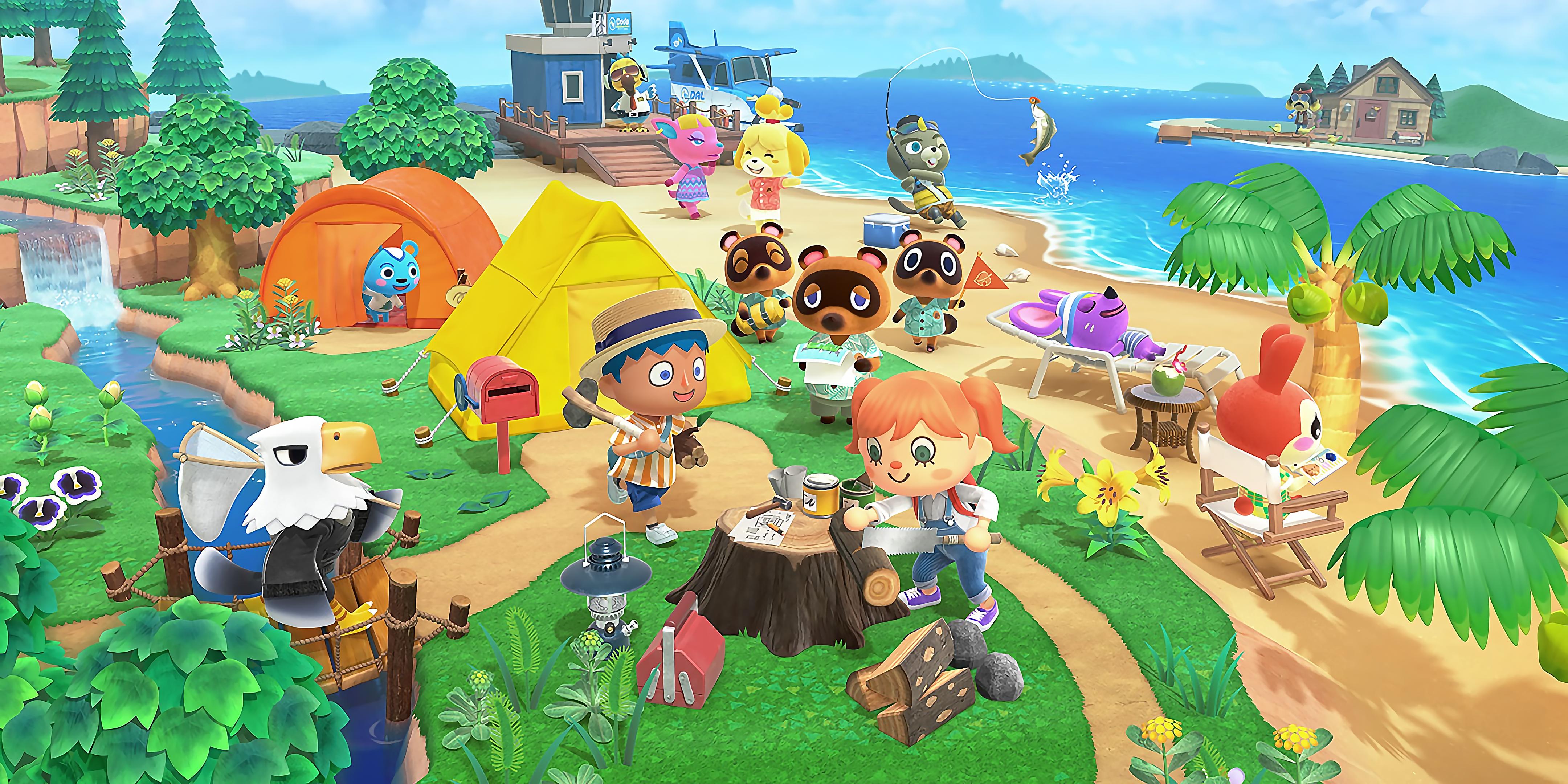
Nintendo designed ‘Animal Crossing New Horizons’ so that players can change their character’s appearance at any time regardless of gender. The game uses gender neutral language when referring to the player character in many regions. This approach allowed for a high degree of self expression within the charming social simulation. Some players found the lack of a permanent gender choice to be a departure from previous entries in the series.
‘Immortals Fenyx Rising’ (2020)
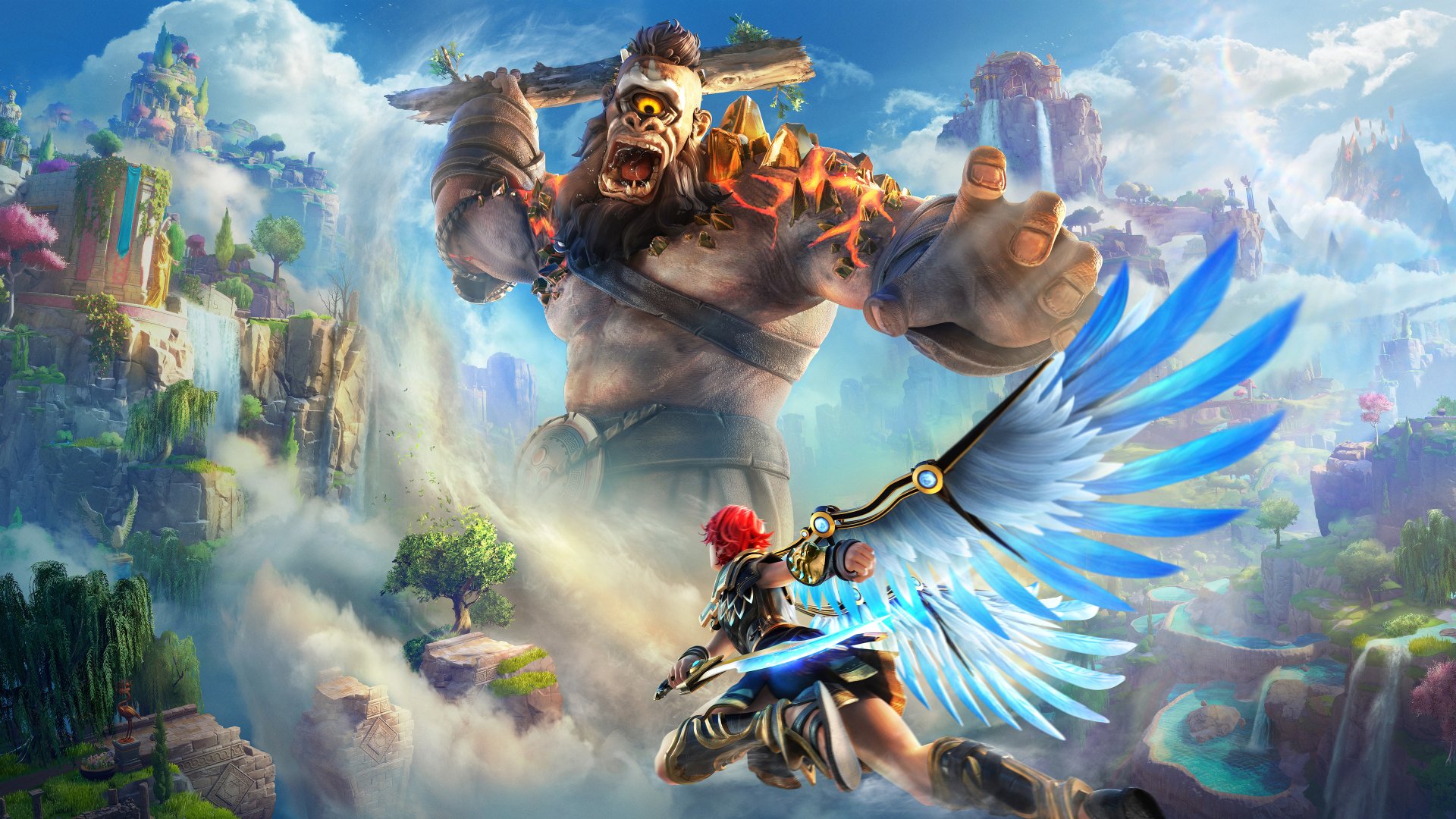
Ubisoft developed a creator that allows players to swap between masculine and feminine body types and voices at any time. This flexibility was designed to allow the player to adapt their hero throughout the mythological journey. The game’s lighthearted tone and inclusive options were praised by some and seen as derivative by others. The discourse frequently compared the game’s customization to other modern open world titles.
‘Star Wars: Squadrons’ (2020)
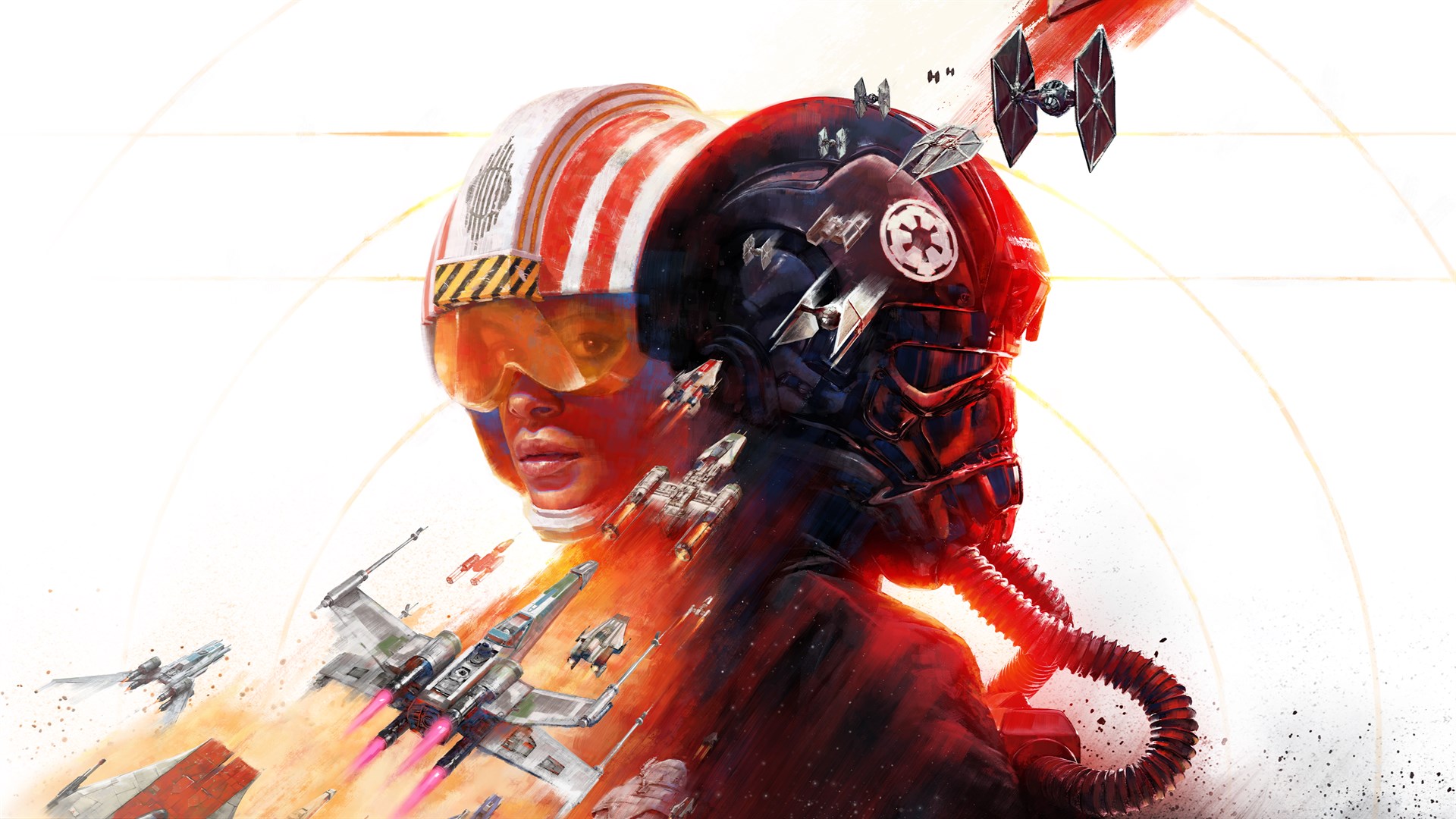
EA Motive included diverse pilot options and pronoun selections for the player’s avatar in the cockpit. This was part of a broader effort to show the diversity within the ‘Star Wars’ galaxy. Some players felt that these options were a positive step for representation in the franchise. Others argued that the focus should have remained entirely on the flight mechanics and ship customization.
‘Sea of Thieves’ (2018)
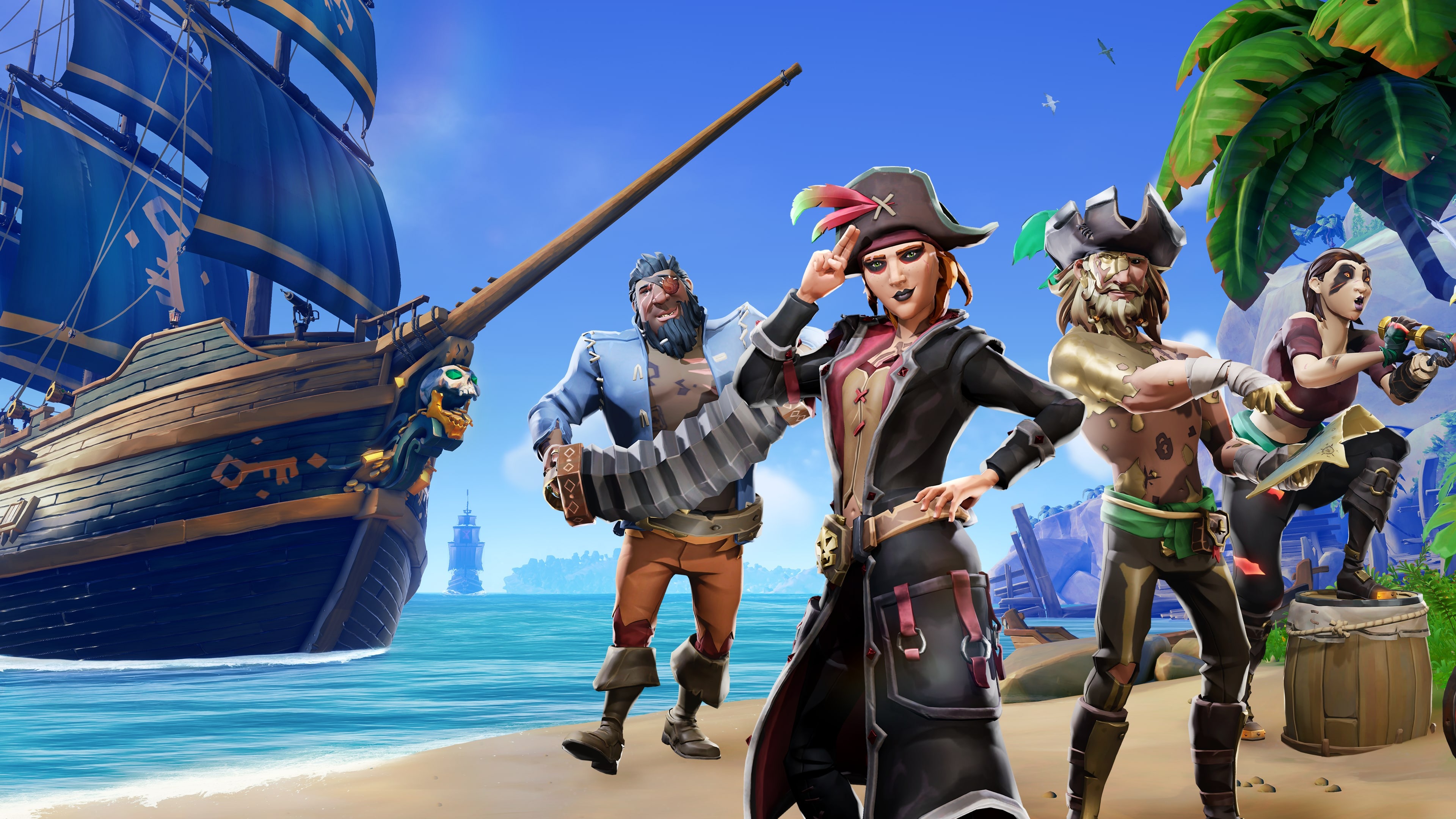
‘Sea of Thieves’ uses a unique system called the Infinite Pirate Generator which presents players with eight randomized characters at a time. This system was designed to encourage players to choose diverse and unconventional pirate designs. Many players debated this choice because it prevented them from manually fine tuning their character’s appearance. The developer stood by the system as a way to ensure a wide variety of bodies and faces in the game world.
‘South Park: The Fractured But Whole’ (2017)
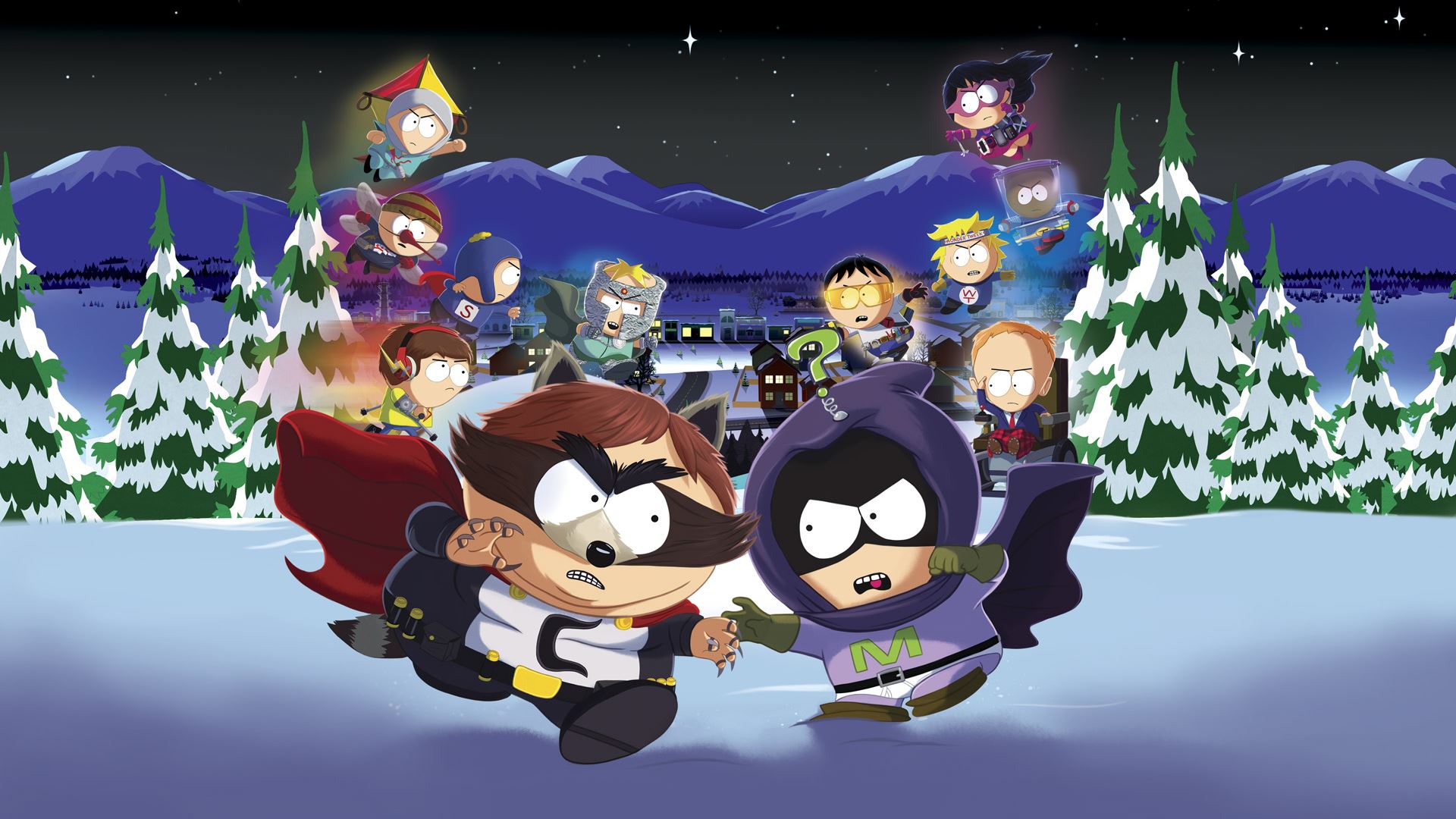
The game features a difficulty slider that is tied to the skin color of the player character. While this does not affect combat difficulty it does influence how much money the character earns and how people speak to them. The developers used this mechanic to make a satirical point about systemic racism in society. This sparked a massive debate about whether the joke was effective or if it crossed a line.
‘Mass Effect: Andromeda’ (2017)
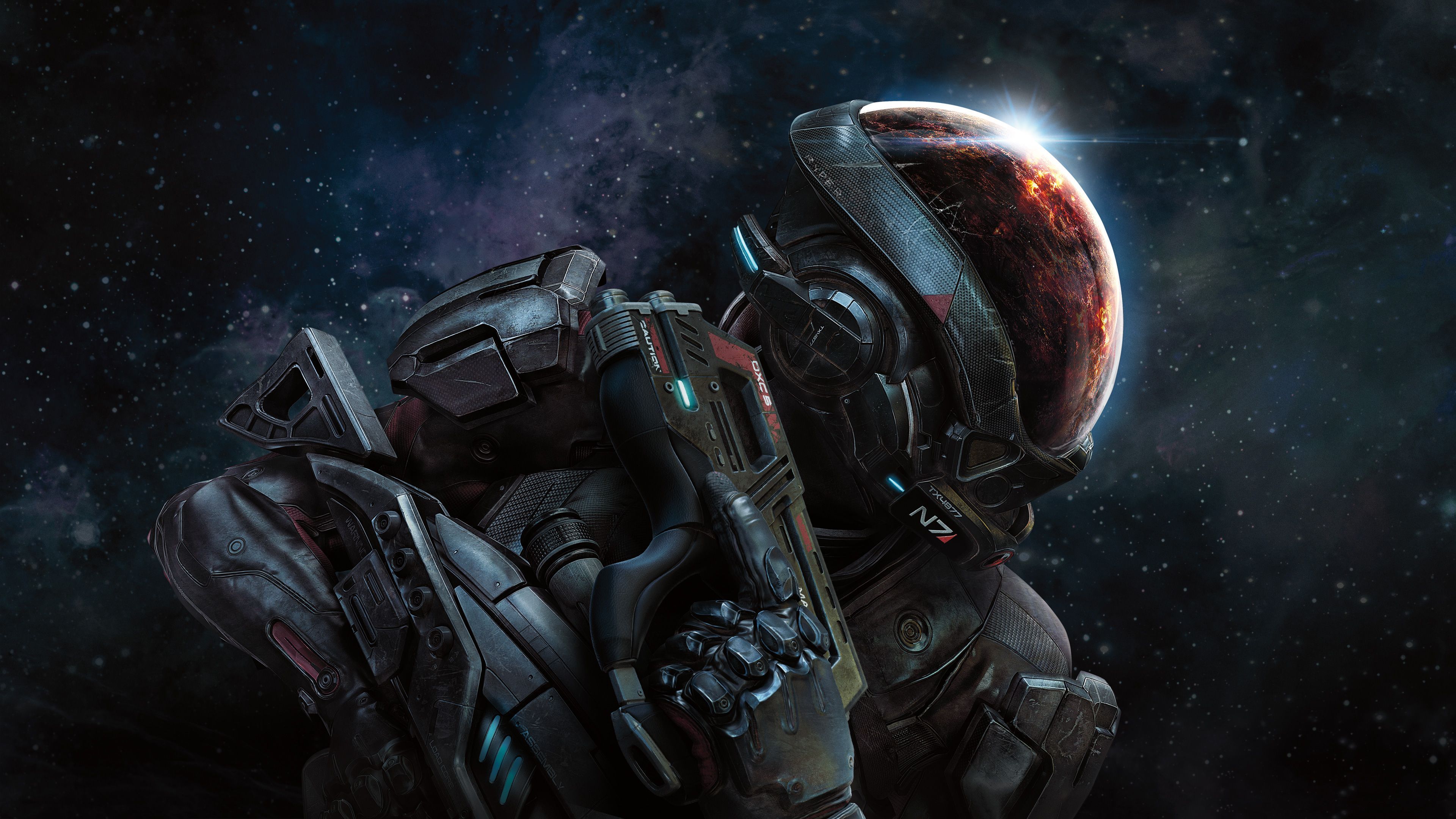
Bioware faced criticism for the limited facial customization options and the quality of the character models at launch. The game included diverse romantic options and character backgrounds that were meant to be inclusive. The debate often centered on whether the execution of these features met the high standards set by previous games. It remains a case study in how technical issues can overshadow inclusive design goals.
‘The Sims 4’ (2014)
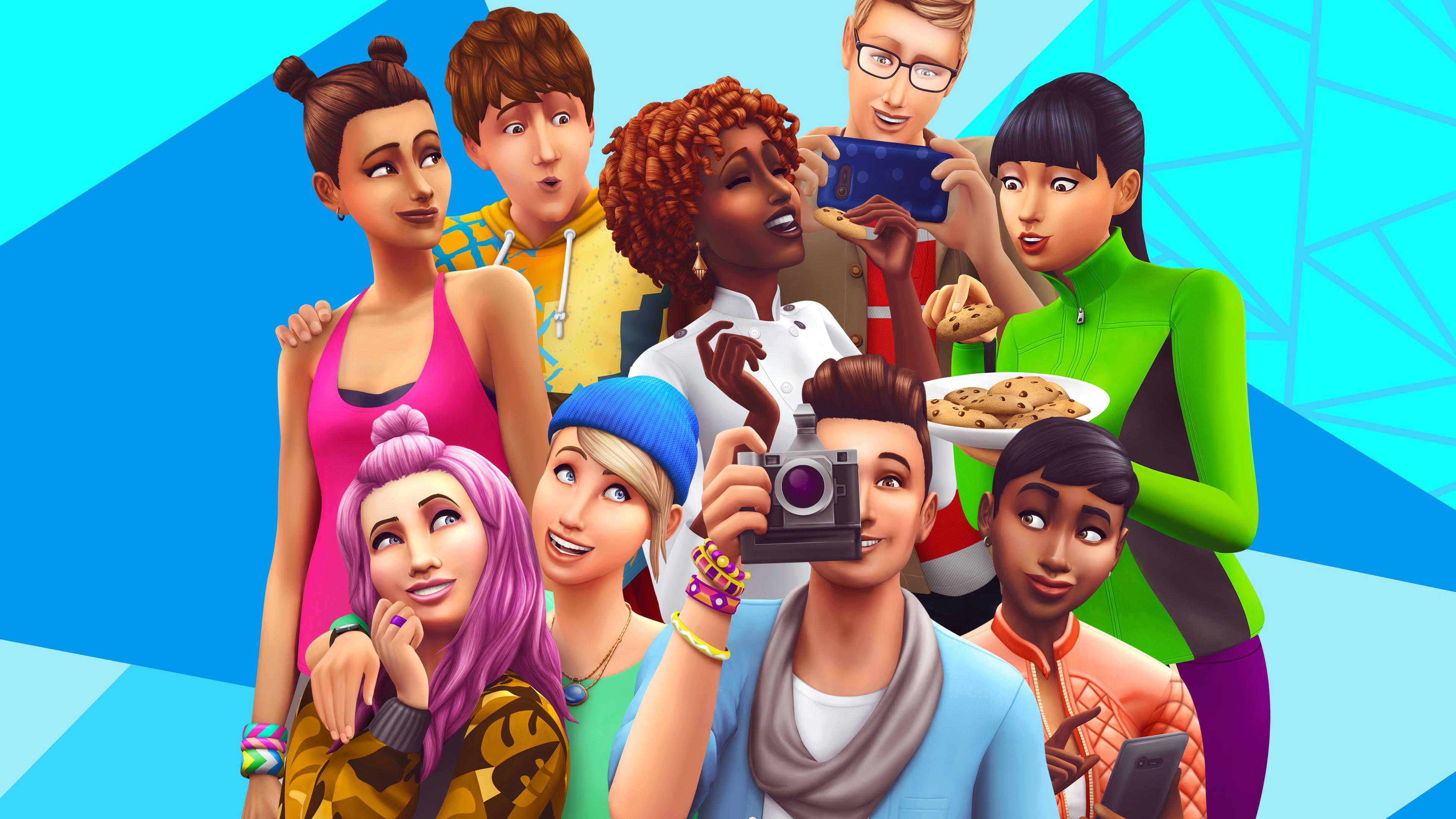
Electronic Arts released several updates over the years to remove gender boundaries in clothing and physical traits. These changes allowed players to mix and match masculine and feminine features to create more unique individuals. While the core fan base largely welcomed the freedom some critics questioned the removal of traditional distinctions. The game serves as a primary example of how ongoing development can reshape a title’s approach to inclusivity.
Please share your thoughts on these inclusive design choices in the comments.