

Games Where Player Choices Lead to Political Uprisings

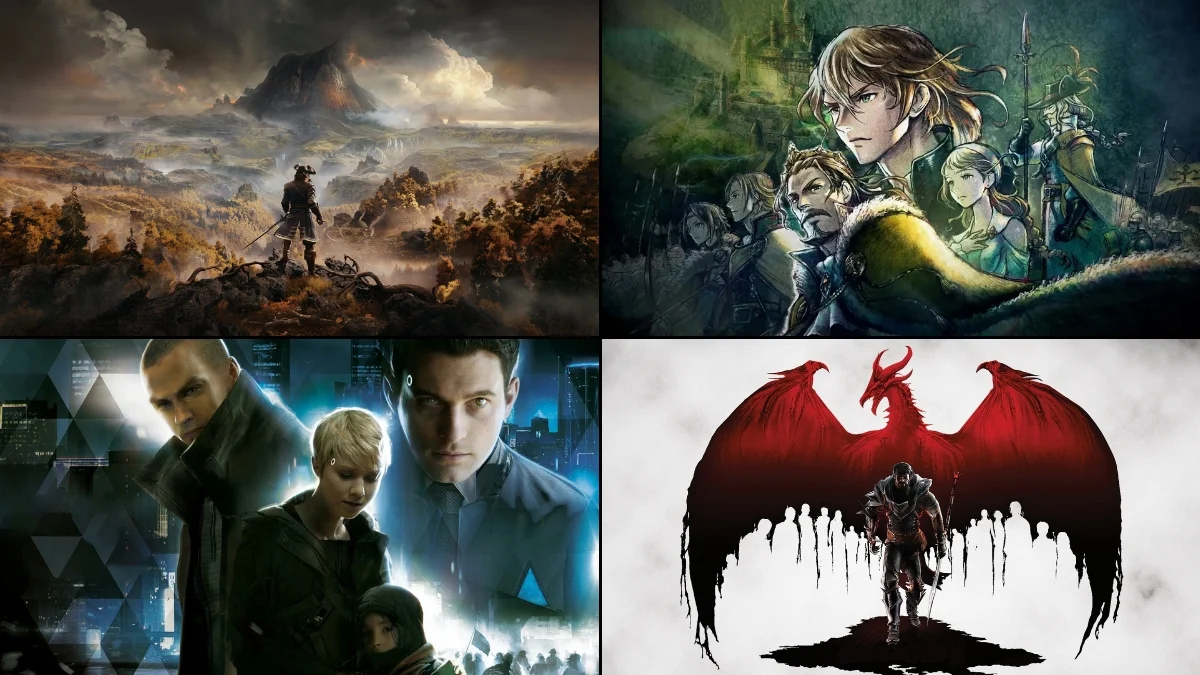


Video games often allow players to influence the narrative, but some titles take this agency further by letting them topple governments and reshape nations. These games feature mechanics where moral decisions and faction allegiances directly result in political upheavals or revolutions. The following titles demonstrate how interactive storytelling can simulate the complex dynamics of social change and rebellion.
‘Baldur’s Gate 3’ (2023)
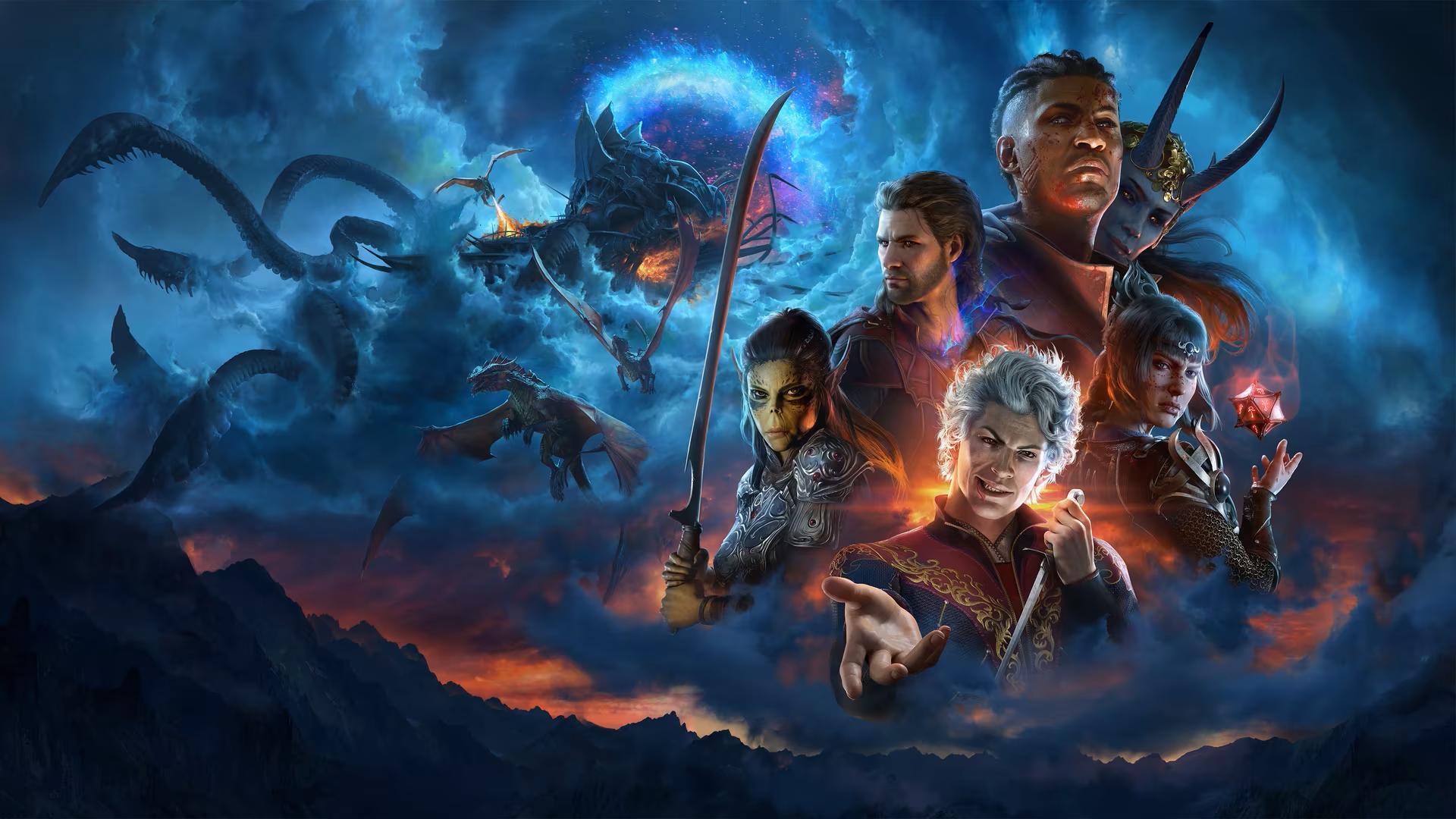
Larian Studios offers players a significant choice concerning the future of the Githyanki people during the game’s climax. By choosing to free the imprisoned Prince Orpheus, the protagonist can trigger a grand rebellion against the lich-queen Vlaakith. This decision fundamentally alters the political landscape of the Astral Plane and challenges an eons-old tyranny. The narrative weight of this uprising depends entirely on the player’s willingness to defy an established deity for the sake of liberation.
‘Triangle Strategy’ (2022)
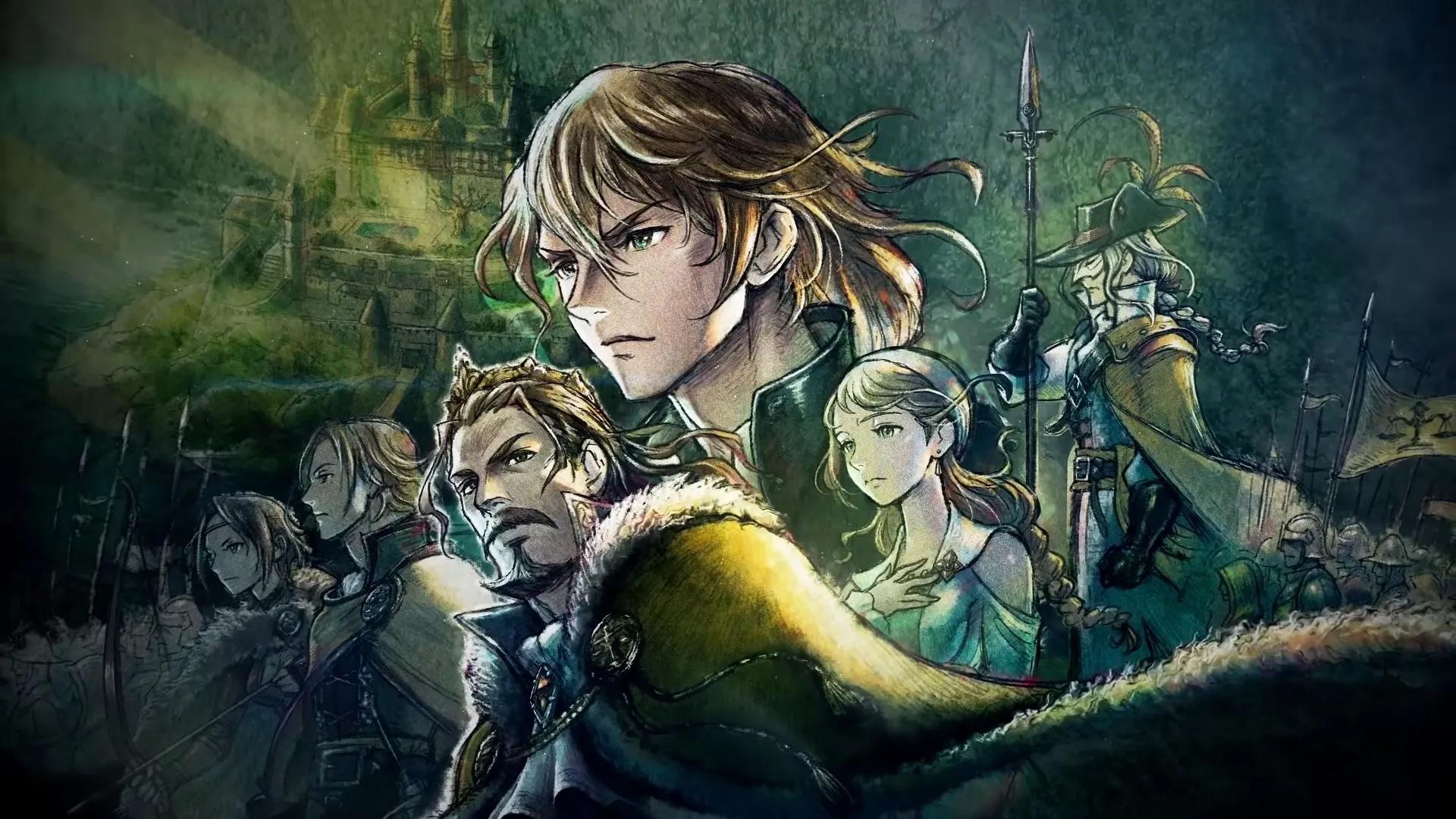
Developed by Square Enix and Artdink, this tactical RPG features a branching narrative heavily influenced by the player’s convictions. Choosing the path of Liberty leads the protagonist to dismantle the rigid caste system of Hyzante and the military aggression of Aesfrost. This route effectively dissolves the existing political structures of the continent of Norzelia in favor of individual freedom. The game illustrates how ideological commitments can drive a complete societal overhaul through warfare and diplomacy.
‘Road 96’ (2021)

DigixArt created this procedurally generated adventure where teenagers attempt to cross the border of the authoritarian nation of Petria. Player interactions with various NPCs and the environment contribute to the country’s political climate ahead of a pivotal election. Specific choices can incite a violent revolution or encourage a peaceful democratic transition of power. The aggregate of these small decisions determines whether the regime remains in control or is overthrown by the populace.
‘Suzerain’ (2020)
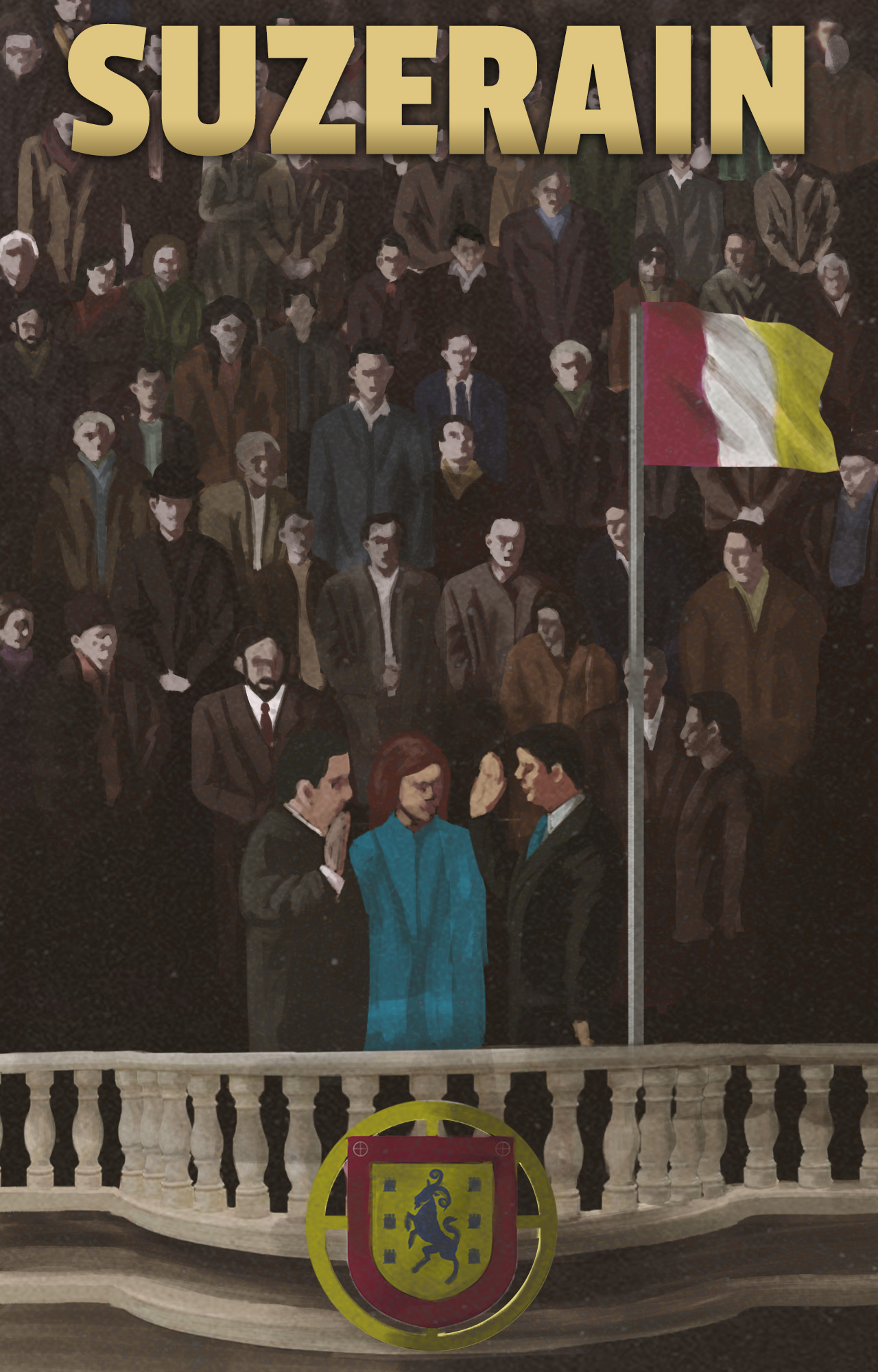
In this text-based political drama by Torpor Games, players assume the role of President Anton Rayne of Sordland. Mismanaging the economy or failing to balance the demands of reformists and the military can lead to widespread civil unrest. Poor decision-making often results in mass protests that escalate into a full-scale uprising or a military coup. The game serves as a complex simulation of the fragility of political power and the consequences of leadership failures.
‘The Outer Worlds’ (2019)
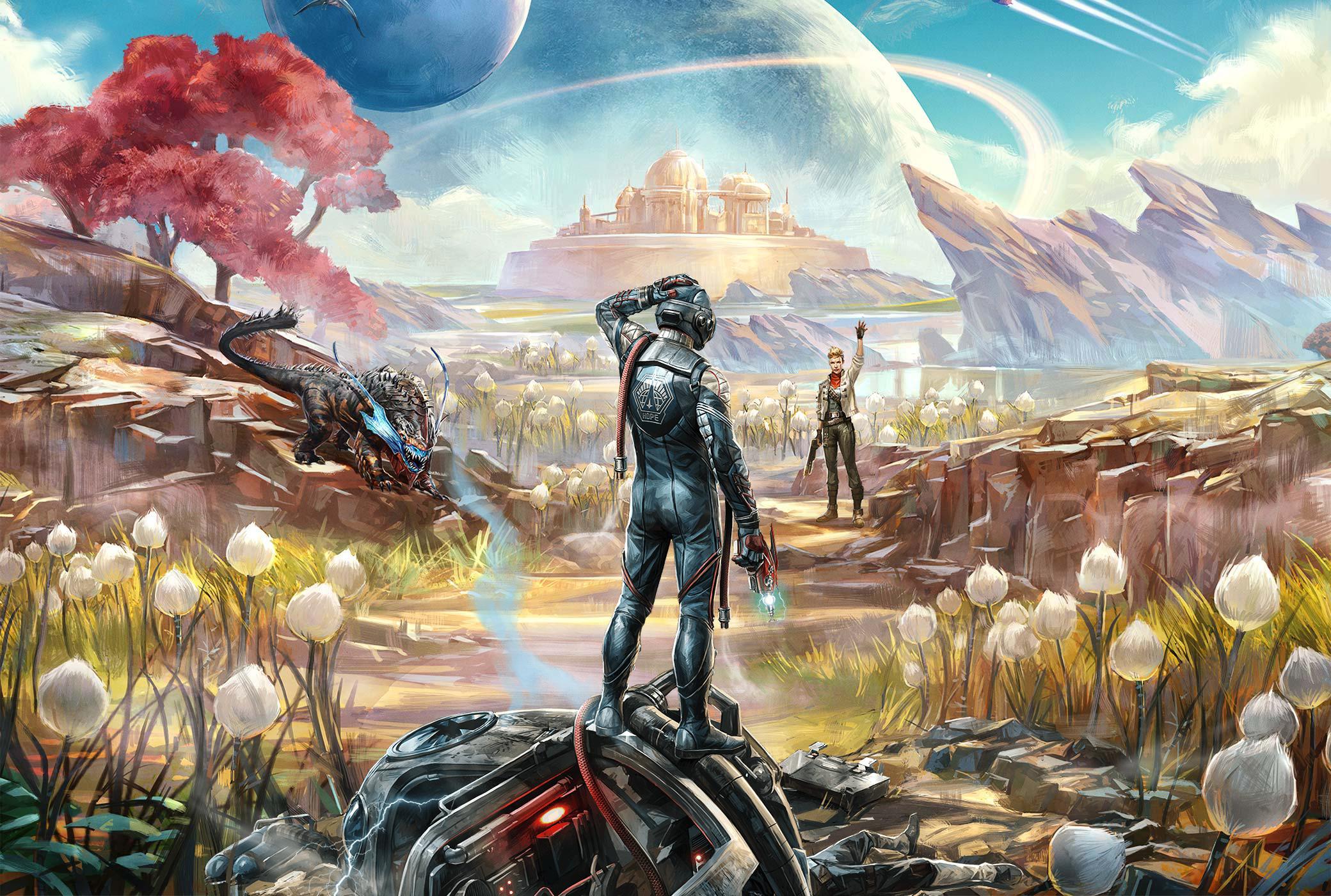
Obsidian Entertainment presents a satirical corporate dystopia where the player can choose to dismantle the ruling board’s control. By allying with the scientist Phineas Welles, the protagonist can awaken the colony ship Hope and incite a rebellion against the Halcyon Holdings Board. This path requires fighting through corporate troops to establish a new order run by the scientists and colonists. The narrative highlights the tension between corporate hegemony and the desire for human autonomy.
‘GreedFall’ (2019)
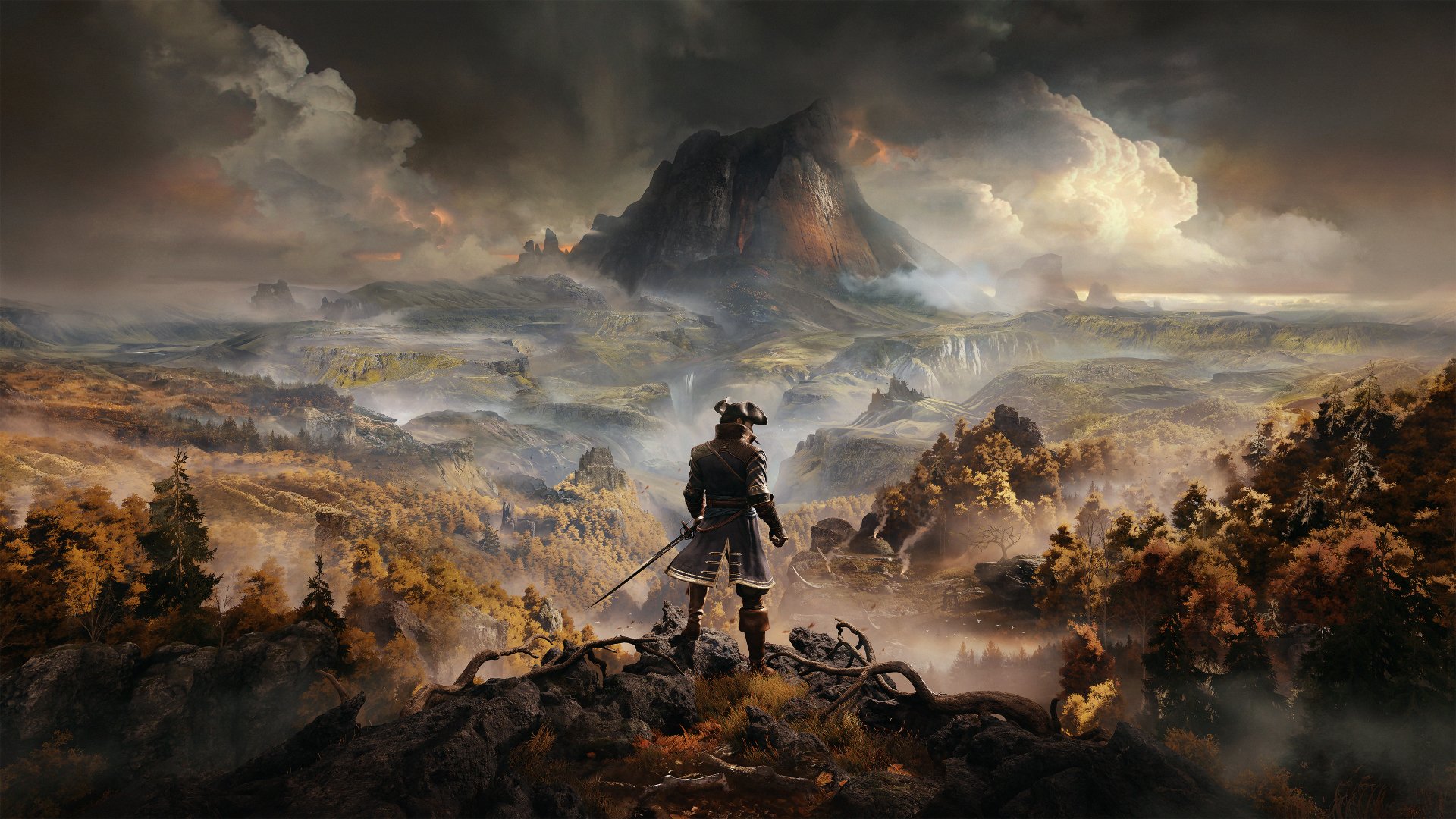
Spiders and Focus Home Interactive allow players to navigate the colonial politics of the island of Teer Fradee. Siding with the native population against the colonizing factions can lead to the expulsion of foreign powers. This choice empowers the islanders to reclaim their land and sovereignty from the encroaching merchants and religious zealots. The game explores themes of imperialism and the violent struggle required to reverse colonial rule.
‘Detroit: Become Human’ (2018)
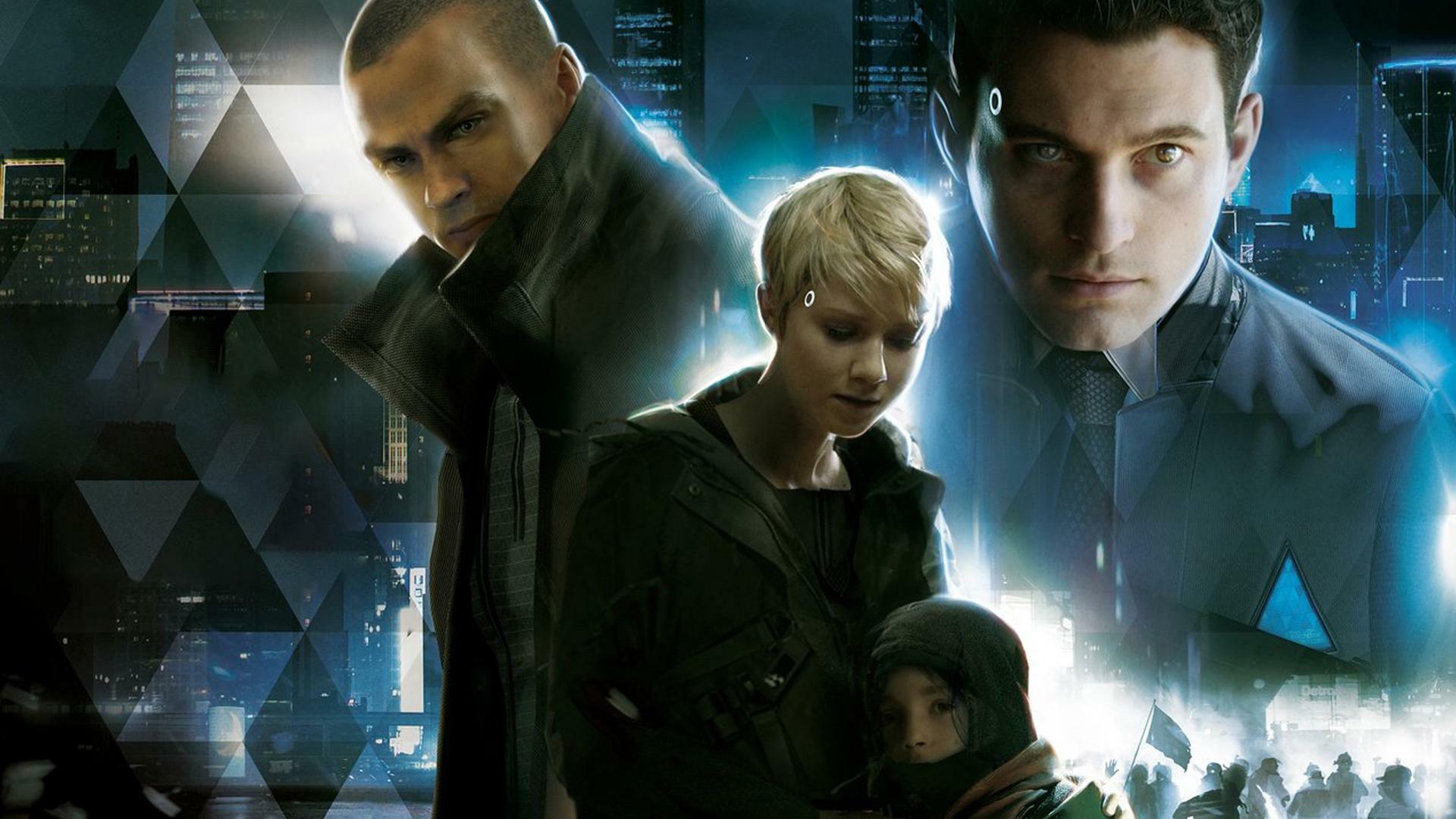
Quantic Dream explores the concept of artificial intelligence gaining sentience and demanding civil rights. The character Markus can lead a peaceful protest or a violent android uprising depending on the player’s choices. Public opinion shifts based on these actions and determines whether the androids are accepted or destroyed by the human government. The branching storyline provides a stark look at the costs of revolution and the fight for recognition.
‘Tyranny’ (2016)
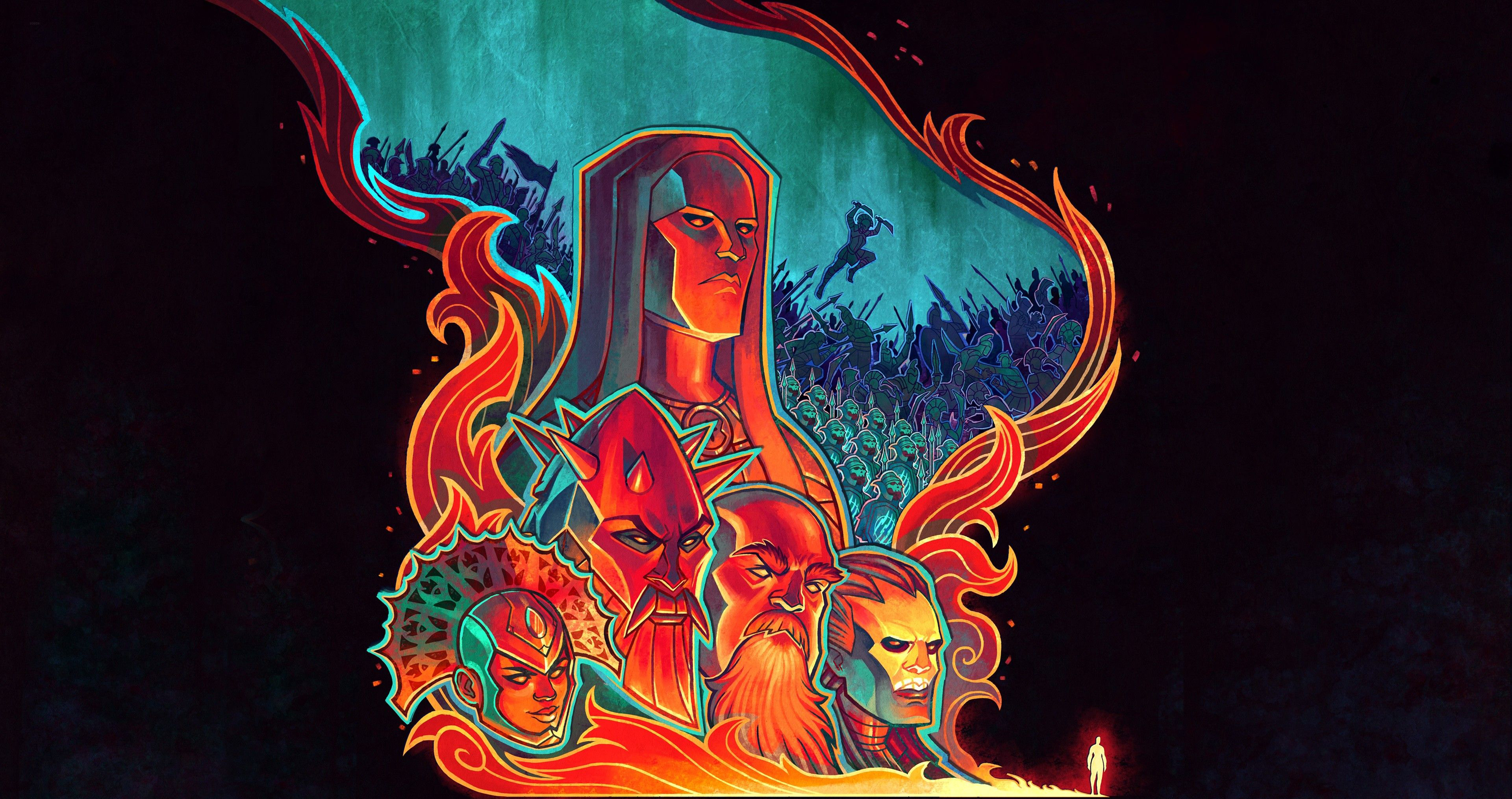
Obsidian Entertainment and Paradox Interactive subvert traditional RPG tropes by casting the player as an agent of an evil overlord. You have the unique option to betray the overlord Kyros and lead the Tiers in a rebellion against the conquering armies. This path requires carefully navigating alliances with subjugated factions to build a force capable of challenging absolute authority. The game emphasizes the difficulty of fostering unity among disparate groups to overthrow a tyrant.
‘Far Cry 4’ (2014)
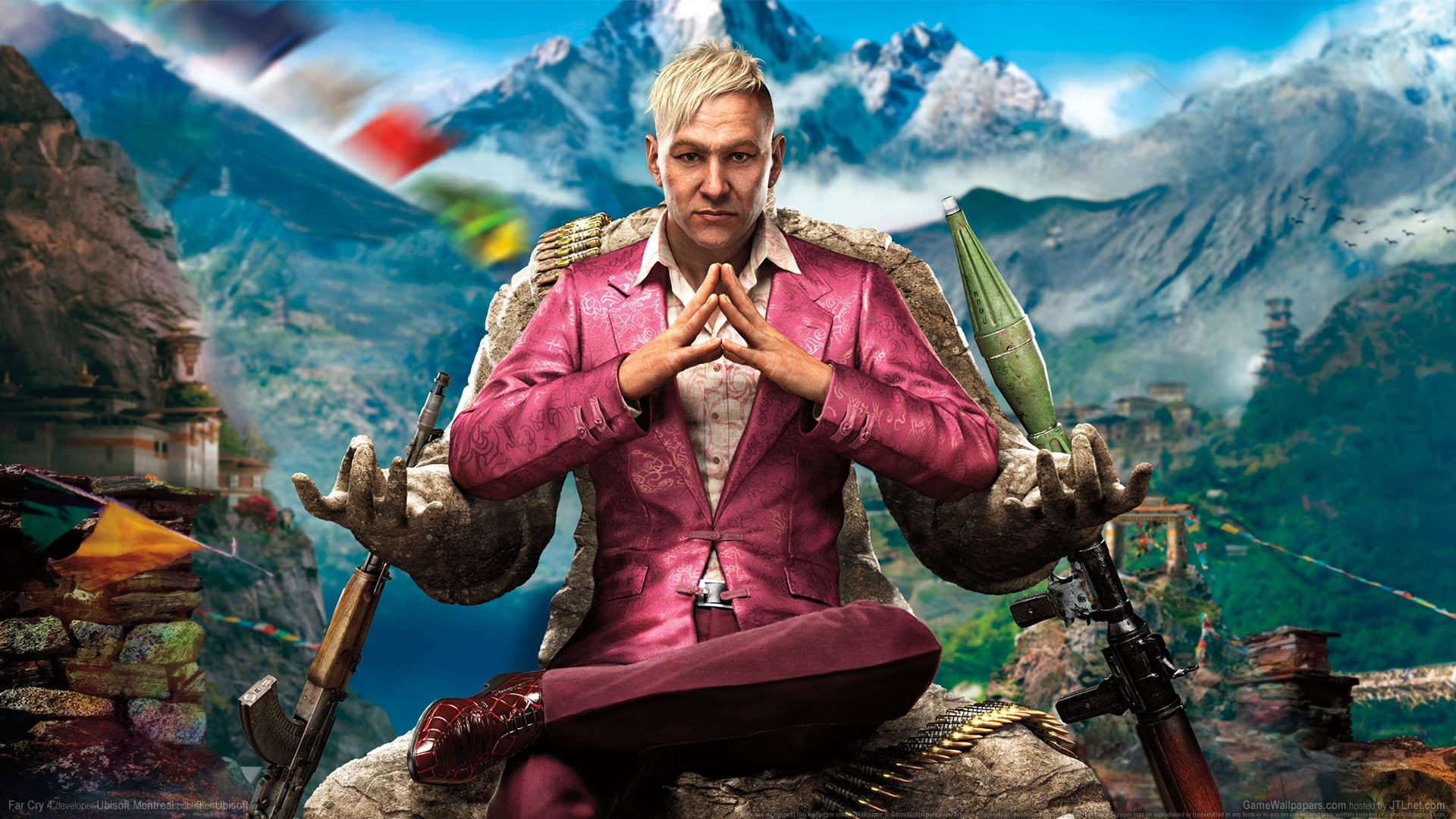
Ubisoft Montreal places the protagonist Ajay Ghale in the center of a civil war in the fictional Himalayan country of Kyrat. Players must choose to support one of two leaders of the Golden Path rebellion, Amita or Sabal, to overthrow the dictator Pagan Min. These choices not only drive the success of the uprising but also determine the social doctrine of the new government. The ending varies significantly based on which revolutionary ideology the player helps install.
‘Papers, Please’ (2013)
Developed by Lucas Pope, this document thriller tasks the player with manning a border checkpoint in the fictitious communist state of Arstotzka. You can choose to assist the mysterious revolutionary group EZIC by allowing their agents to enter the country. Consistently helping this organization weakens the current regime and eventually leads to a government overthrow. The game demonstrates how bureaucratic resistance and individual acts of defiance can contribute to systemic collapse.
‘The Elder Scrolls V: Skyrim’ (2011)

Bethesda Game Studios allows players to participate directly in a civil war that decides the fate of the province of Skyrim. Joining the Stormcloak rebellion involves fighting the Imperial Legion to secure independence for the Nord people. Victories in various sieges and battles eventually lead to the installation of Ulfric Stormcloak as High King. The narrative framing presents this uprising as a struggle for religious freedom and local sovereignty against a crumbling empire.
‘The Witcher 2: Assassins of Kings’ (2011)

CD Projekt Red crafted a branching narrative where Geralt of Rivia can align himself with the elf Iorveth. Following this path leads to the defense of the city of Vergen and the establishment of a free state for non-humans. This political entity rises as a direct challenge to the monarchs of the Northern Kingdoms who seek to divide the land. The game shows how supporting marginalized groups can create a bastion of resistance against established feudal powers.
‘Dragon Age II’ (2011)
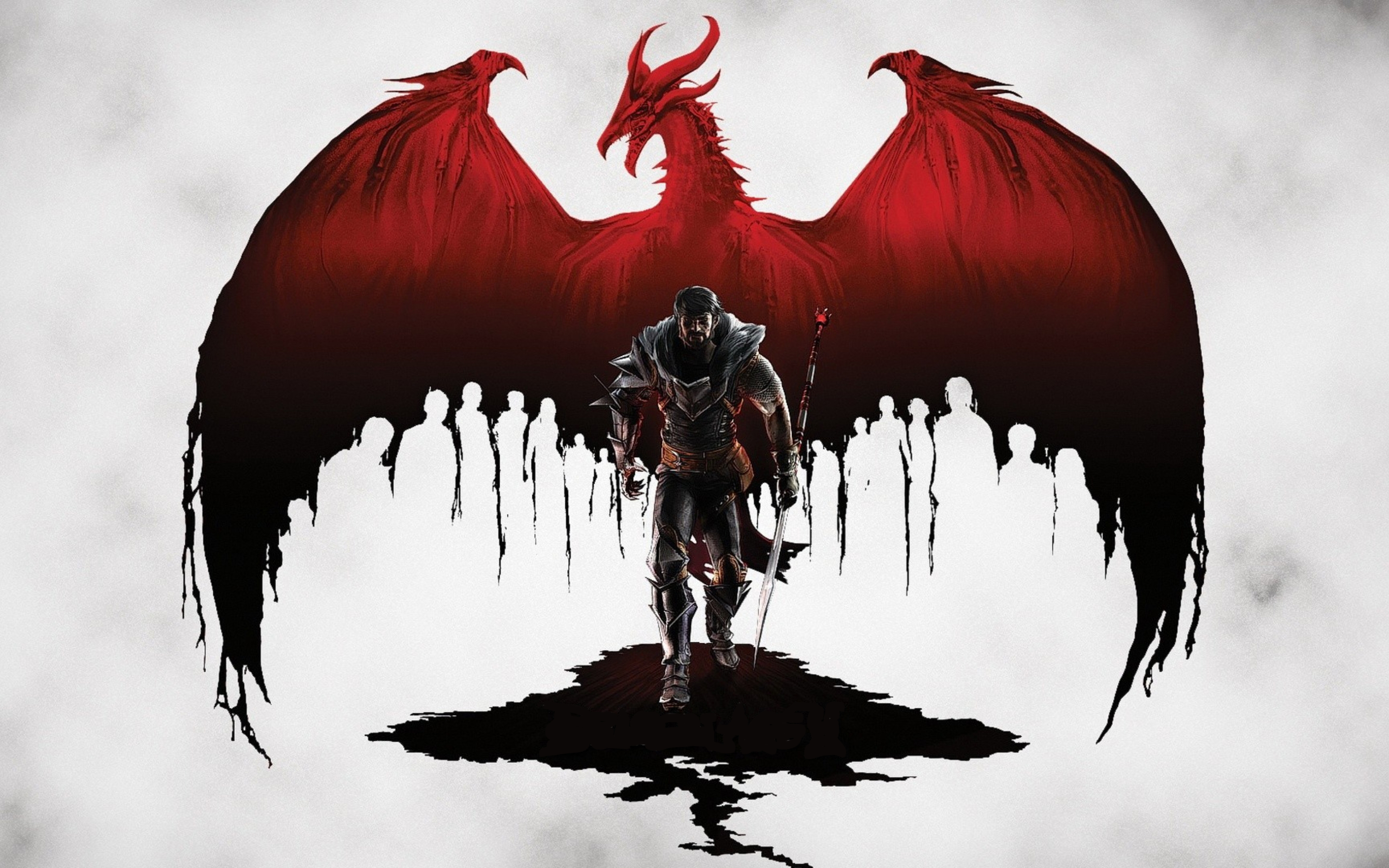
BioWare and Electronic Arts focus the narrative on the escalating tension between Mages and Templars in the city of Kirkwall. The player’s support for the Mage underground ultimately culminates in a city-wide rebellion against the Templar Order. This conflict destroys the local Chantry and sparks a war that spreads across the entire continent of Thedas. The story illustrates how local political suppression can ignite a widespread revolution when a tipping point is reached.
‘Fable III’ (2010)
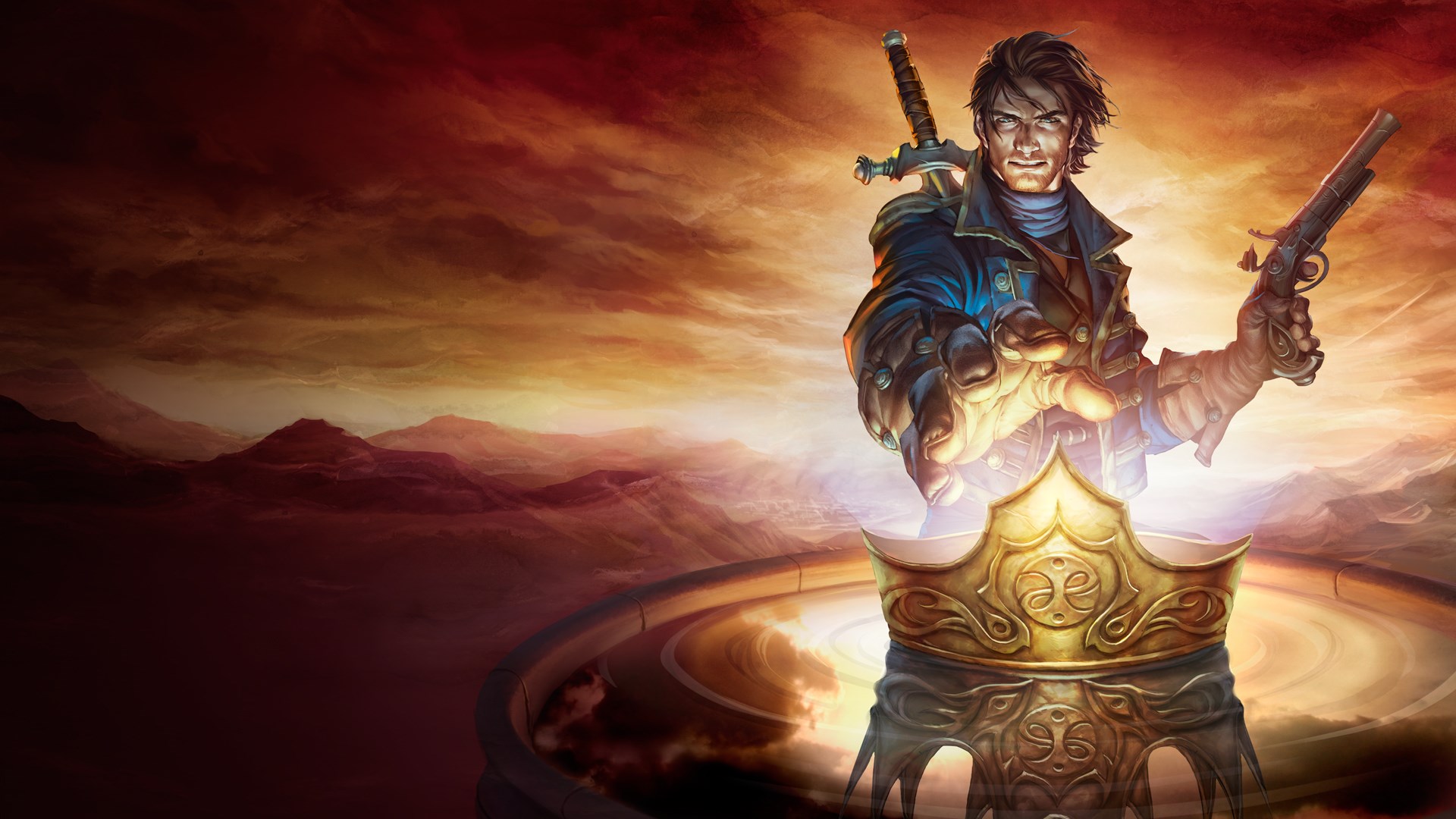
Lionhead Studios designed the first half of this action RPG around the goal of overthrowing the player’s tyrannical brother. The protagonist must travel across Albion to gather support and make promises to various leaders to build a revolutionary army. Success in these endeavors leads to the deposition of the King and the player’s ascension to the throne. The game uniquely combines the journey of a revolutionary with the subsequent challenges of ruling the nation.
‘Fallout: New Vegas’ (2010)

Obsidian Entertainment gives players the freedom to reject the major powers of the NCR and Caesar’s Legion. By siding with the AI character Yes Man, the Courier can drive both factions out of the region and establish an independent New Vegas. This outcome represents a rejection of external imperialism in favor of local anarchy or self-rule depending on the player’s perspective. The game remains a prime example of player agency shaping the geopolitical future of a post-apocalyptic world.
Tell us which of these political upheavals you found most satisfying to execute in the comments.