

Games Where Pride Events Felt Like Corporate Checkbox Additions

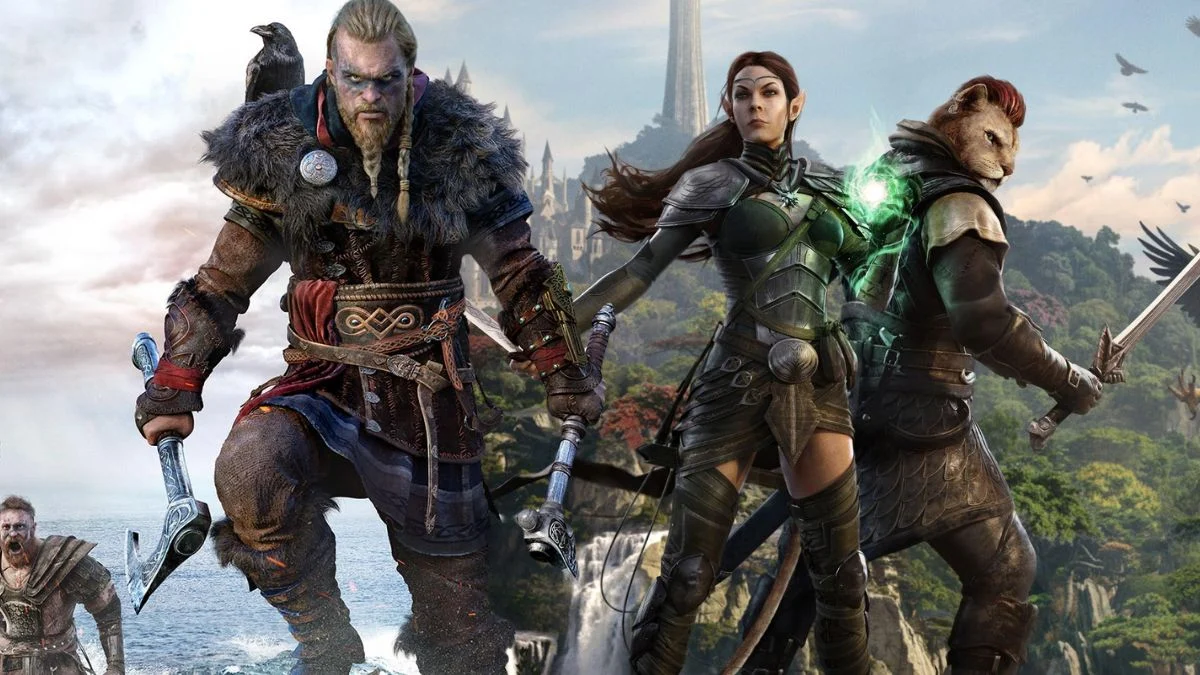


Modern gaming often incorporates seasonal events to celebrate diversity and inclusion within various player communities. These initiatives frequently arrive during the month of June and offer players a variety of cosmetic items or temporary gameplay features. Many observers analyze these events to determine if they provide meaningful support or simply function as marketing tools for large publishers. The following list examines numerous titles where the implementation of such celebrations has faced scrutiny for feeling like routine corporate obligations.
‘League of Legends’ (2009)
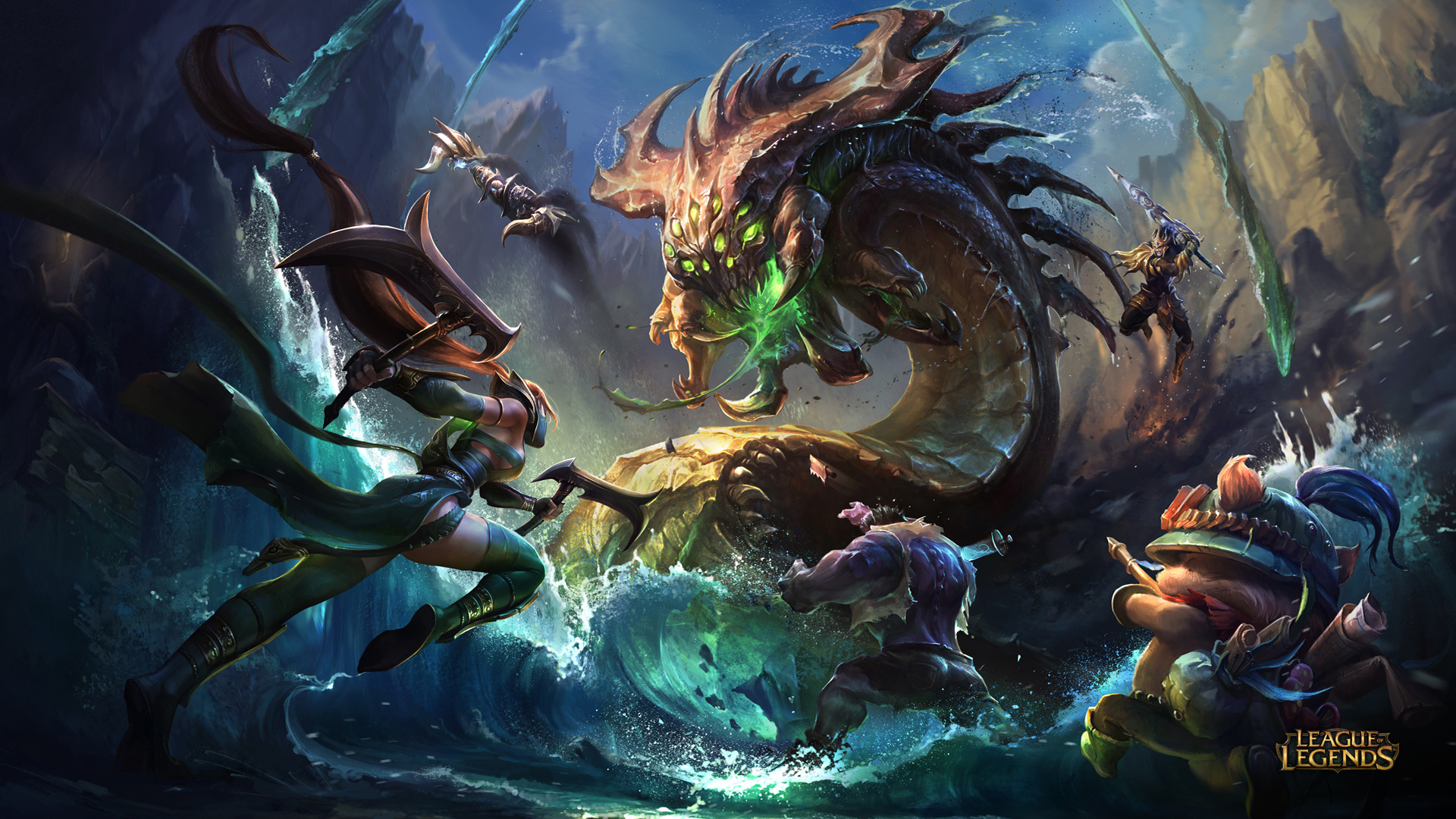
The annual celebration within ‘League of Legends’ typically features limited time missions that unlock specific icons and emotes for players. Participants can equip these cosmetic items to trigger rainbow trails behind their characters while leaving the home base area. While the event provides visibility it primarily focuses on temporary aesthetic changes rather than permanent narrative shifts for the vast roster of champions. Developers often release themed merchandise alongside these free rewards to coincide with the global marketing window. This approach has led some community members to question the depth of the commitment beyond the designated month.
‘Overwatch 2’ (2022)
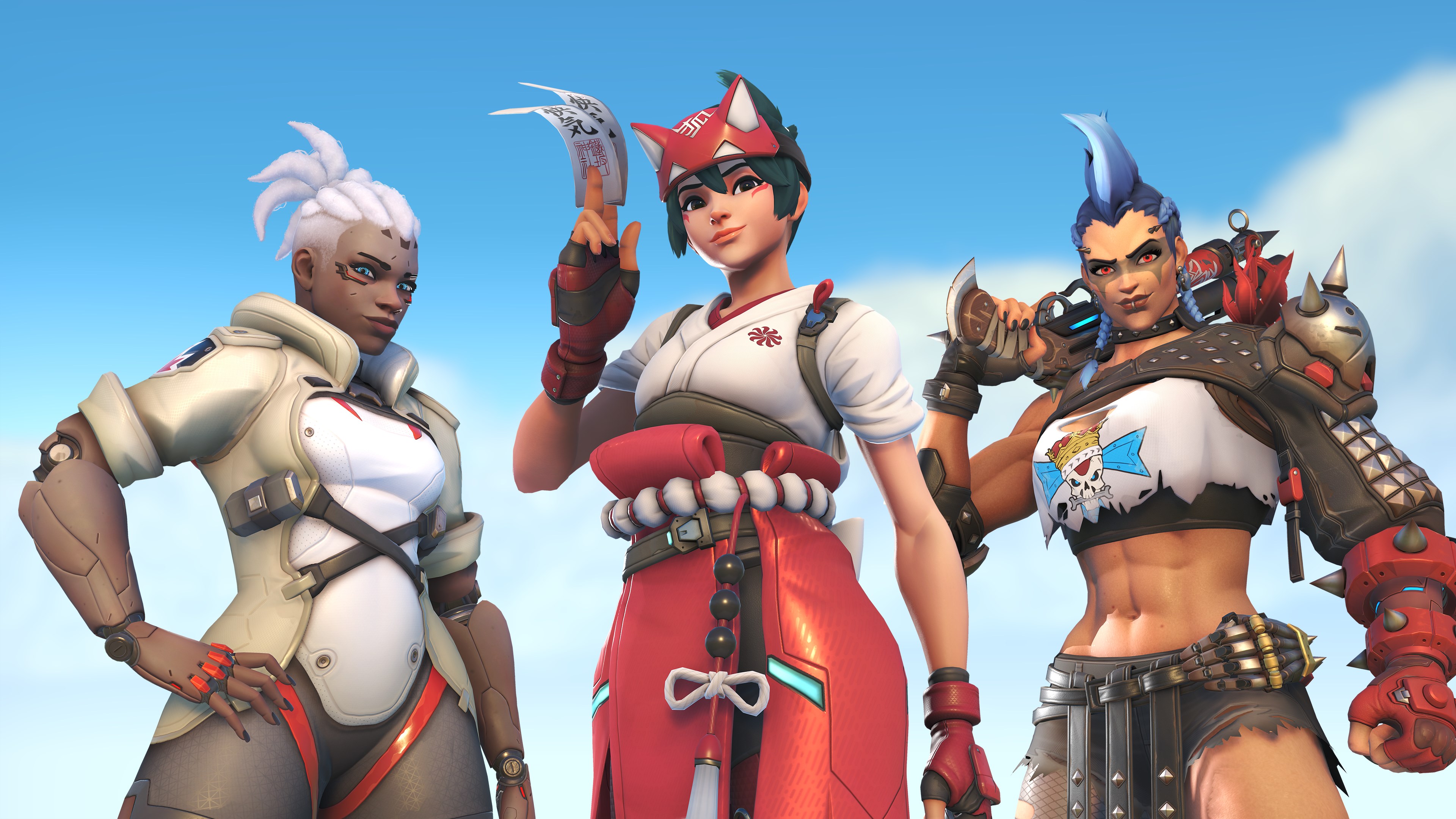
In ‘Overwatch 2’ the developers introduced a dedicated event that included short stories and cosmetic banners to highlight the identities of certain heroes. Players received various player icons and name cards that showcased different flags associated with the LGBTQ community. The event also featured a map update that added colorful decorations to the Midtown environment for a limited duration. Critics noted that these changes were mostly localized and did not significantly impact the core gameplay experience or long term story development. Some players felt the timing of these reveals seemed calculated to align with corporate social responsibility goals.
‘Call of Duty: Modern Warfare II’ (2022)
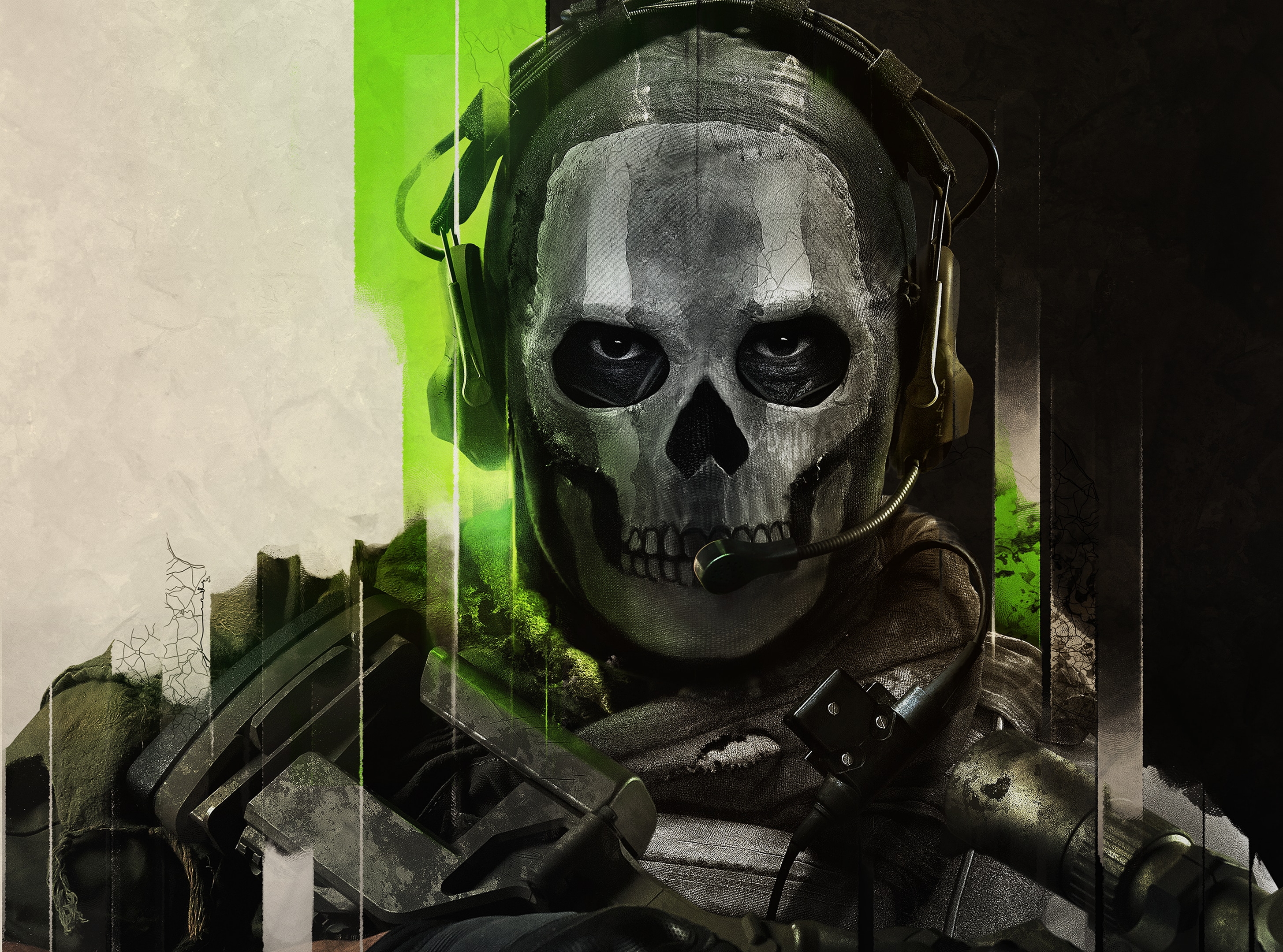
The ‘Call of Duty: Modern Warfare II’ experience added several weapon charms and calling cards to celebrate the occasion during its seasonal update. These items were distributed as free bundles within the in game store for any player to claim. The military shooter franchise rarely integrates these themes into its main campaign or character backgrounds beyond these small accessories. Many fans observed that the items were quickly cycled out of the featured store sections once the month concluded. The implementation appeared to follow a standard template used for various other minor holidays throughout the year.
‘Apex Legends’ (2019)
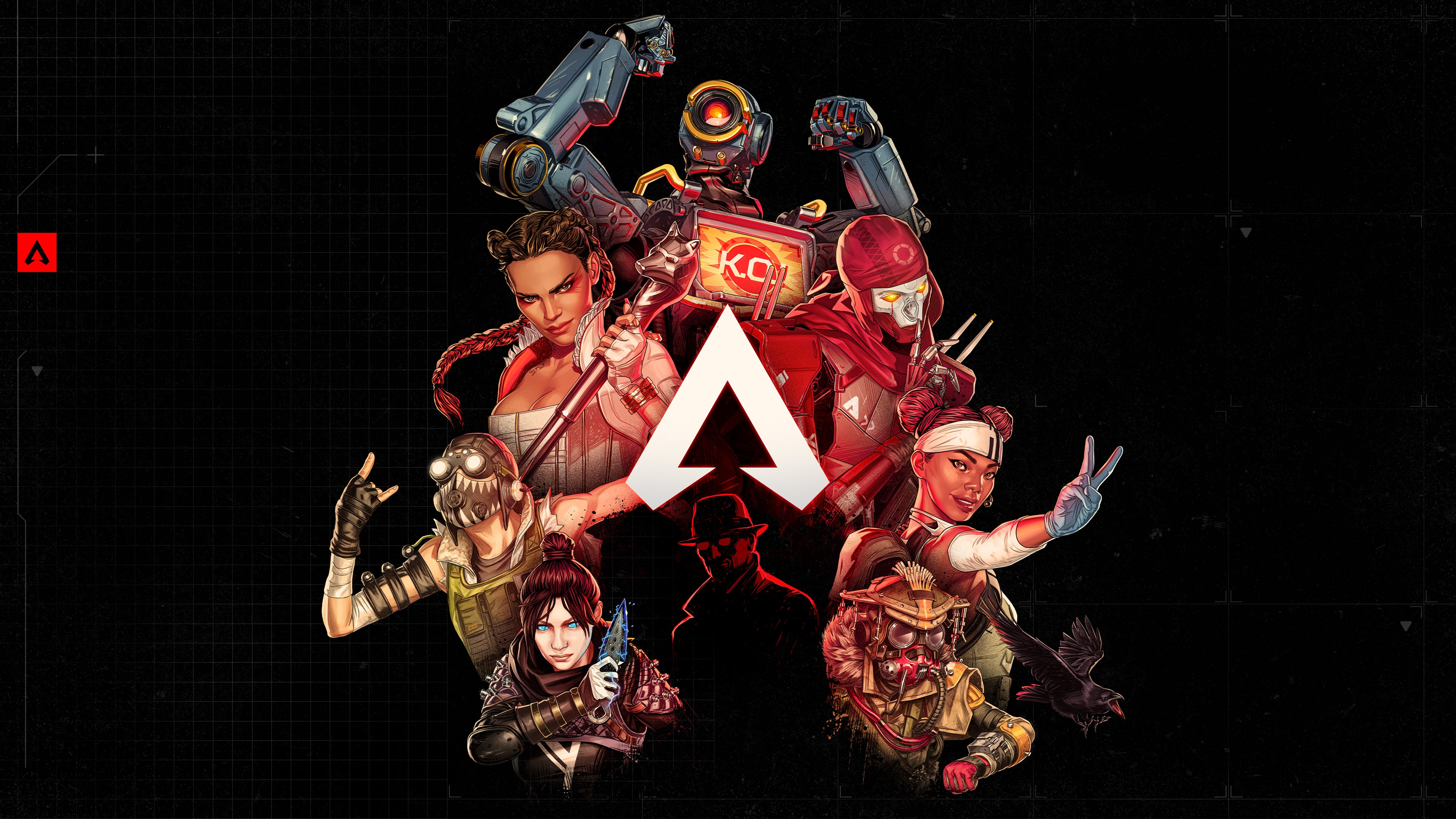
‘Apex Legends’ often provides players with a unique badge and specialized loading screens to mark the beginning of its seasonal festivities. The game features a diverse cast of characters with established backstories but the specific events often feel restricted to menu based rewards. Players can display these badges on their profiles to show support during matches across the various maps. Despite having a more inclusive narrative than many peers the actual event mechanics remain relatively simple and repetitive each year. This lead to discussions about whether the developer is relying on existing lore rather than creating new and engaging content.
‘The Sims 4’ (2014)
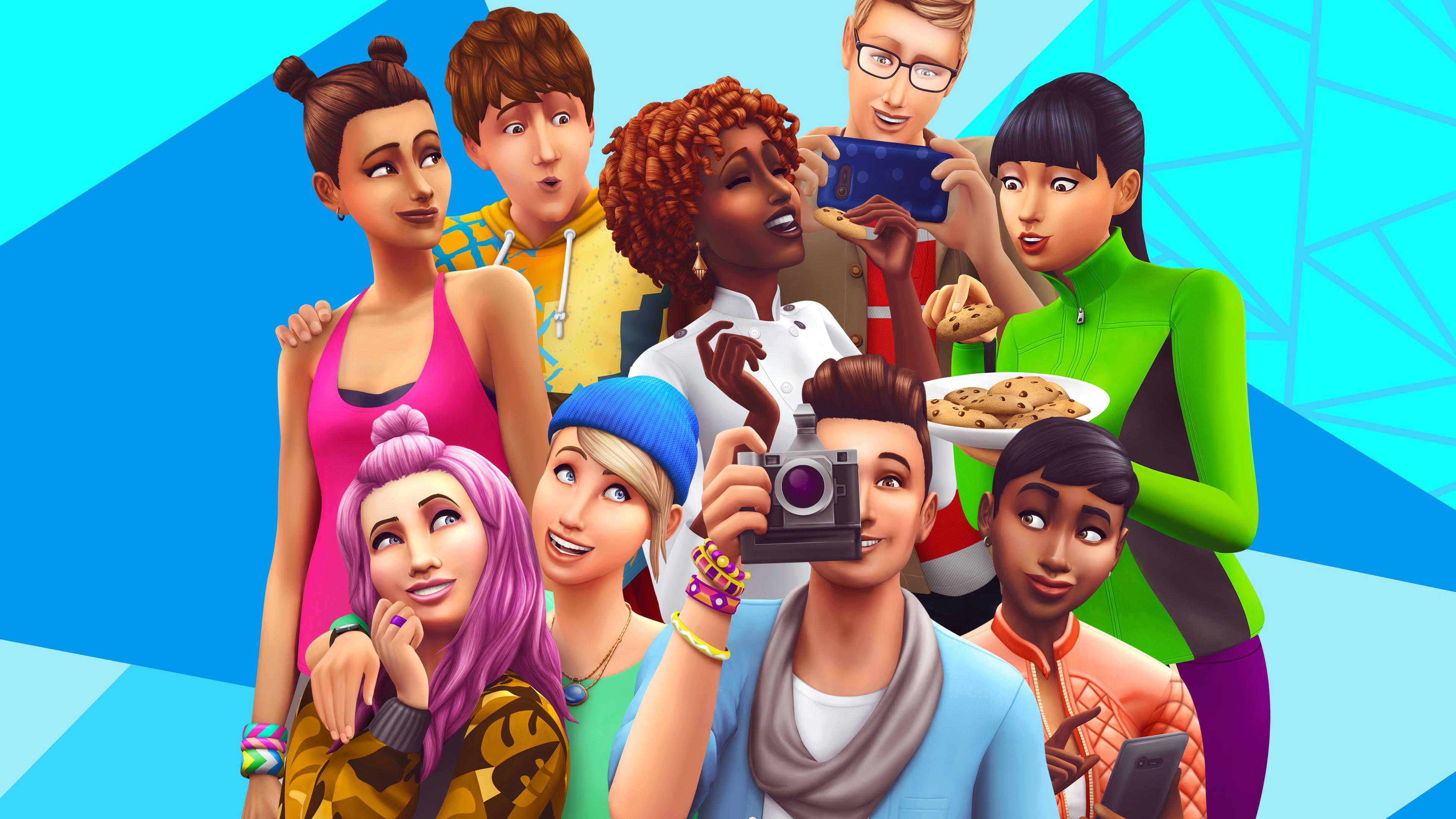
‘The Sims 4’ has added several free content updates over the years that include gender neutral clothing options and pride themed furniture. These additions are often promoted heavily on social media during specific times of the year to showcase the inclusivity of the platform. While the game offers extensive customization the specific pride drops are sometimes viewed as minor asset additions compared to paid expansion packs. The timing of these updates often coincides with major sales events or brand partnerships. Some long time players feel the base game should have included these features from the start rather than releasing them as special occasion content.
‘Destiny 2’ (2017)
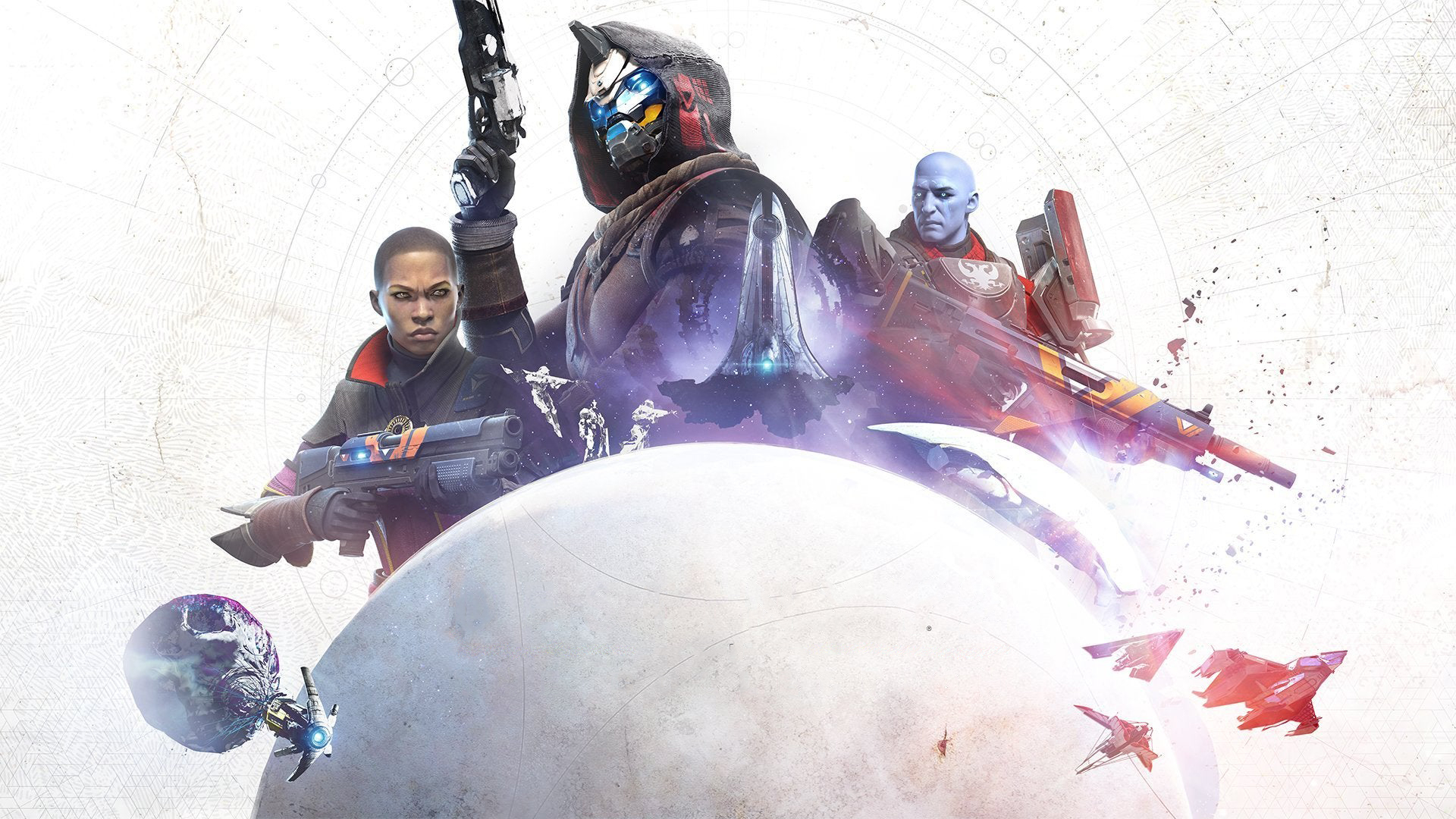
‘Destiny 2’ includes an annual cosmetic item known as an emblem that players can redeem via a digital code. This emblem allows players to customize their user interface with vibrant colors while exploring the science fiction universe. The developer often links these digital items to real world fundraising efforts for various charitable organizations. While the charitable aspect is frequently praised the actual in game experience remains unchanged for the duration of the event. Critics argue that a single emblem feels like a minimal effort to satisfy the expectations of a diverse player base.
‘Valorant’ (2020)
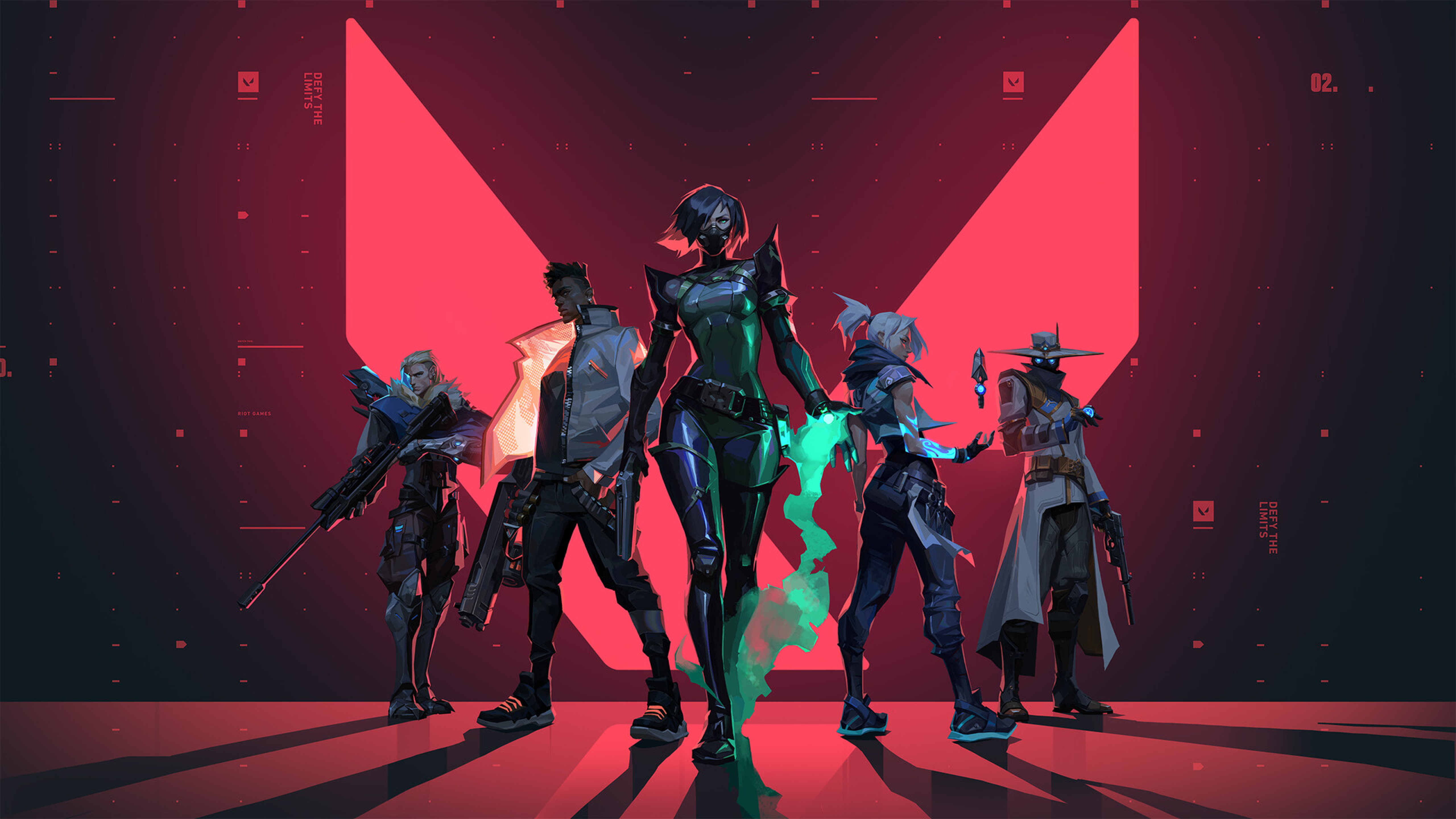
The tactical shooter ‘Valorant’ releases a collection of player cards and gun buddies that feature various colorful designs and patterns. These items are typically available for a limited time through a special bundle that costs zero currency in the shop. The game does not feature specific gameplay modes or map alterations to commemorate the month beyond these small accessories. Many players feel that the items are tucked away in the menus and do not foster a true sense of celebration within the actual matches. This implementation is often cited as a classic example of a corporate cosmetic handout.
‘Dead by Daylight’ (2016)
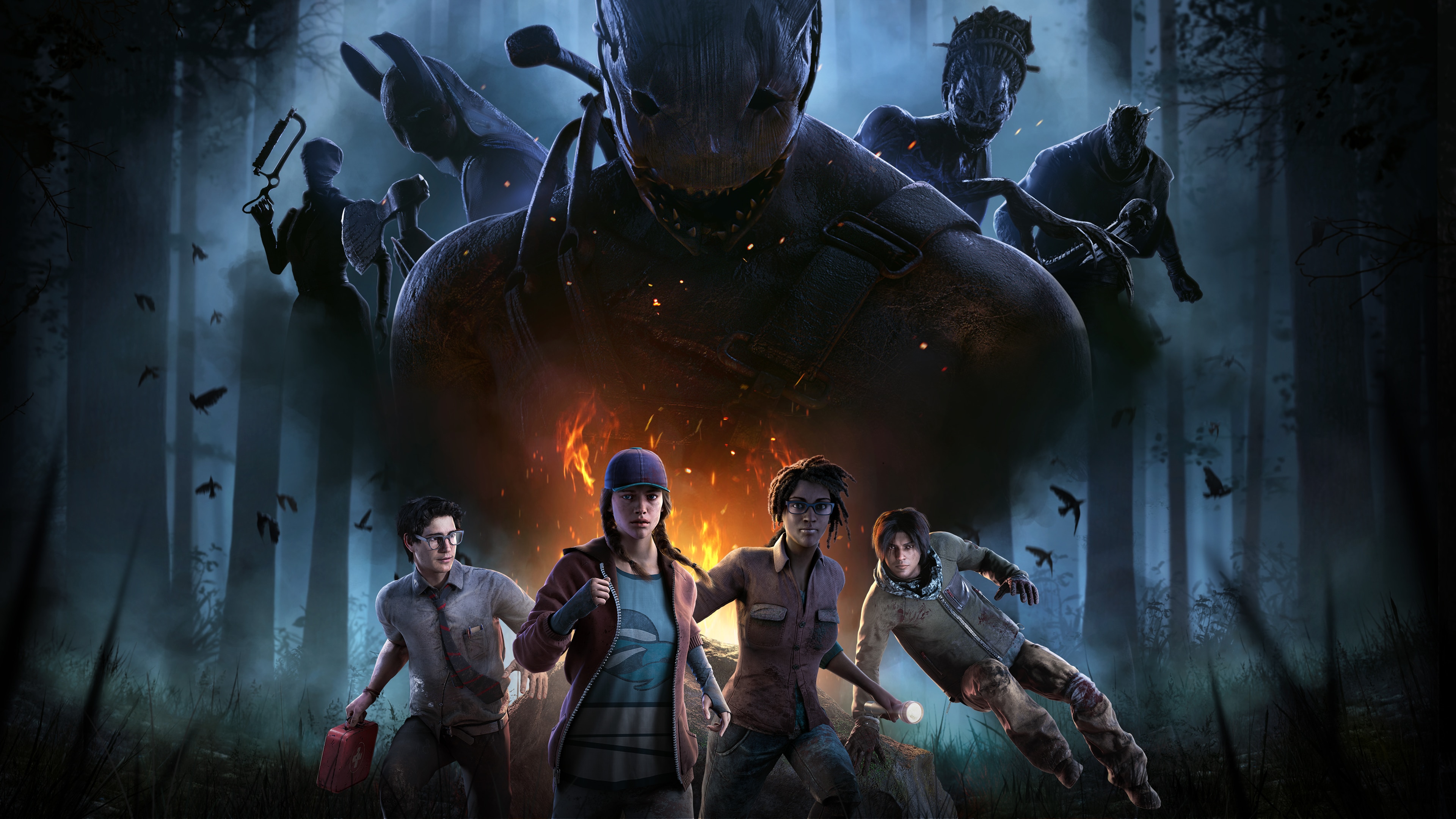
‘Dead by Daylight’ offers a universal charm that players can attach to their characters or hooks during the survival matches. The developers have also hosted livestreams and community spotlights to highlight creators within the community during these periods. While the game has introduced characters with diverse backgrounds the annual event itself is mostly limited to a single recurring cosmetic item. Some fans have expressed a desire for more immersive in game changes such as themed lobby music or environment decorations. The current approach is perceived by some as a safe and predictable way to acknowledge the community.
‘Fortnite’ (2017)
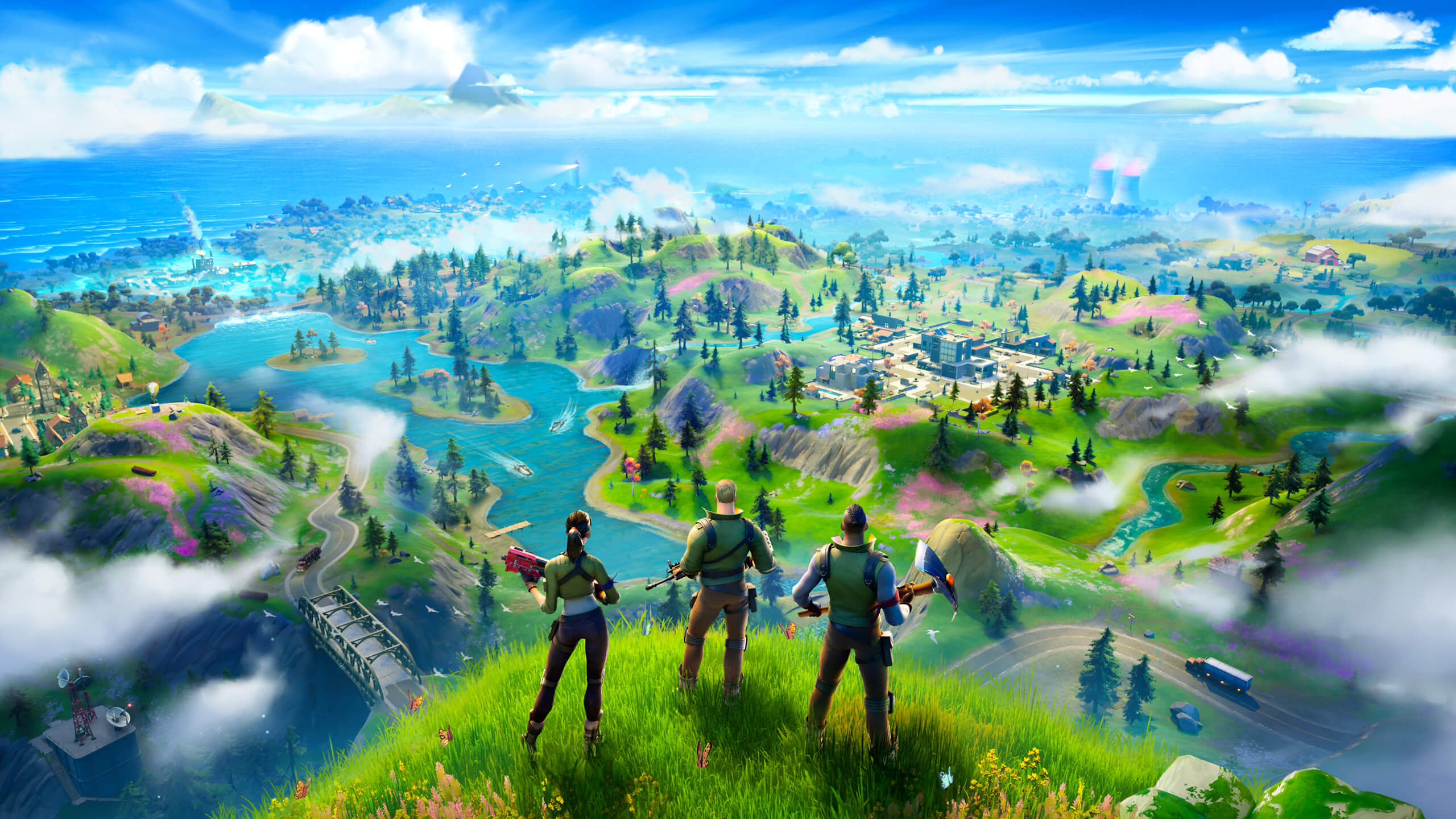
‘Fortnite’ introduces the Rainbow Royale event which brings themed items and music to the massive battle royale island. Players can often find specialized sprays and loading screens as part of free challenges during this timeframe. The game also features a dedicated radio station that plays music from various artists associated with the community. Despite the high production value the event is often seen as one of many rotating seasonal promotions designed to maintain user engagement. Critics point out that the temporary nature of the island changes makes the celebration feel fleeting.
‘Rocket League’ (2015)

In ‘Rocket League’ players can unlock various car toppers and trails that display colorful effects while driving and scoring goals. These items are added to the game as part of a free bundle that is promoted on the main menu screen. The core gameplay of car based soccer remains entirely unaffected by these additions which are purely visual in nature. Many players claim these rewards every year but feel they lack any significant connection to the actual culture they represent. The simplicity of the items suggests a standardized approach to holiday themed content.
‘Rainbow Six Siege’ (2015)
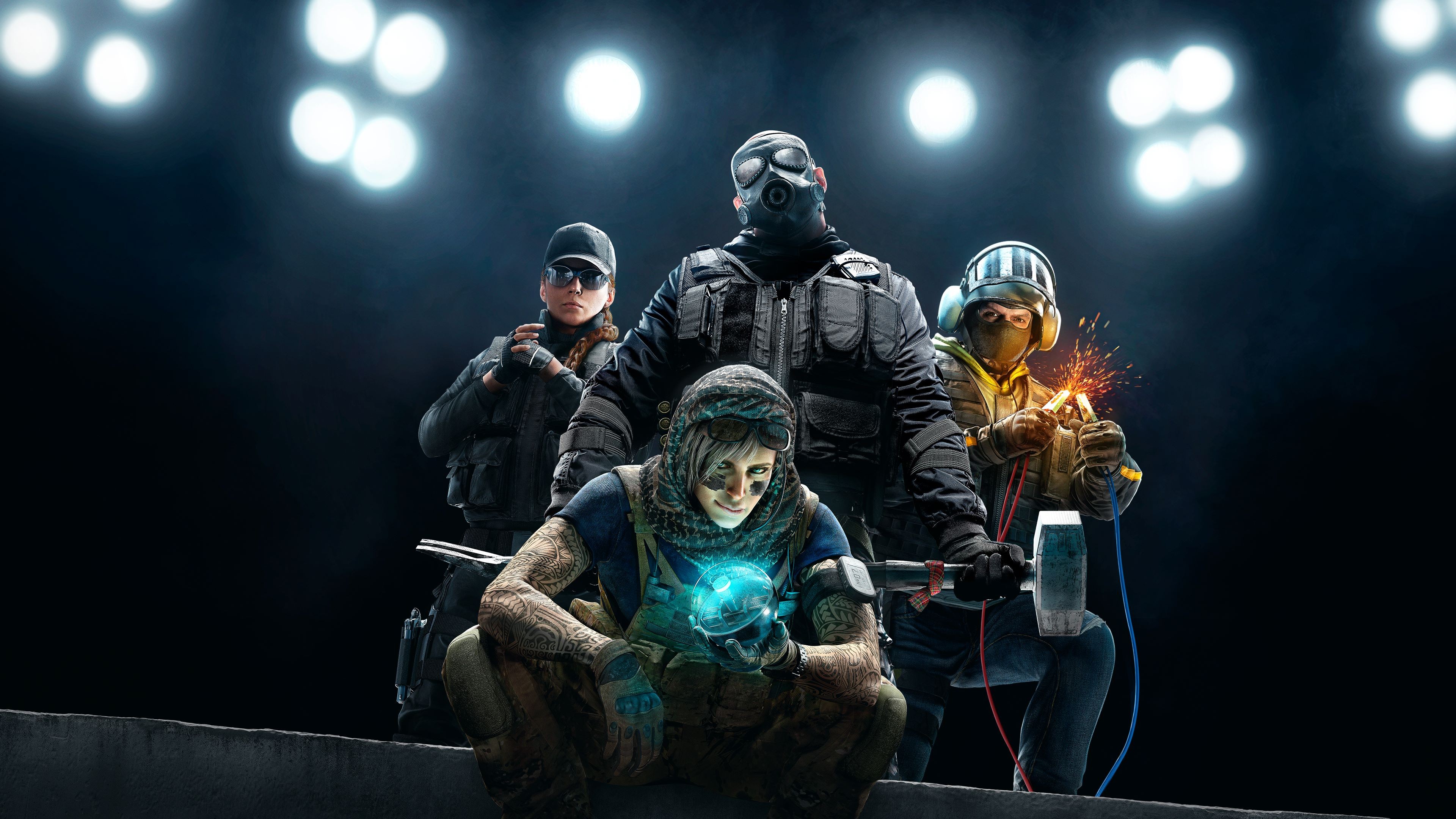
‘Rainbow Six Siege’ has released specific operator backgrounds and weapon skins to commemorate the month of June. These items allow players to personalize their favorite characters with vibrant colors during the tactical matches. The developers sometimes tie these releases to specific community artists who contribute to the designs. However the items are often buried in a massive list of other cosmetic options available in the game store. This leads to the perception that the inclusion is a routine addition to the seasonal content calendar.
‘Sea of Thieves’ (2018)
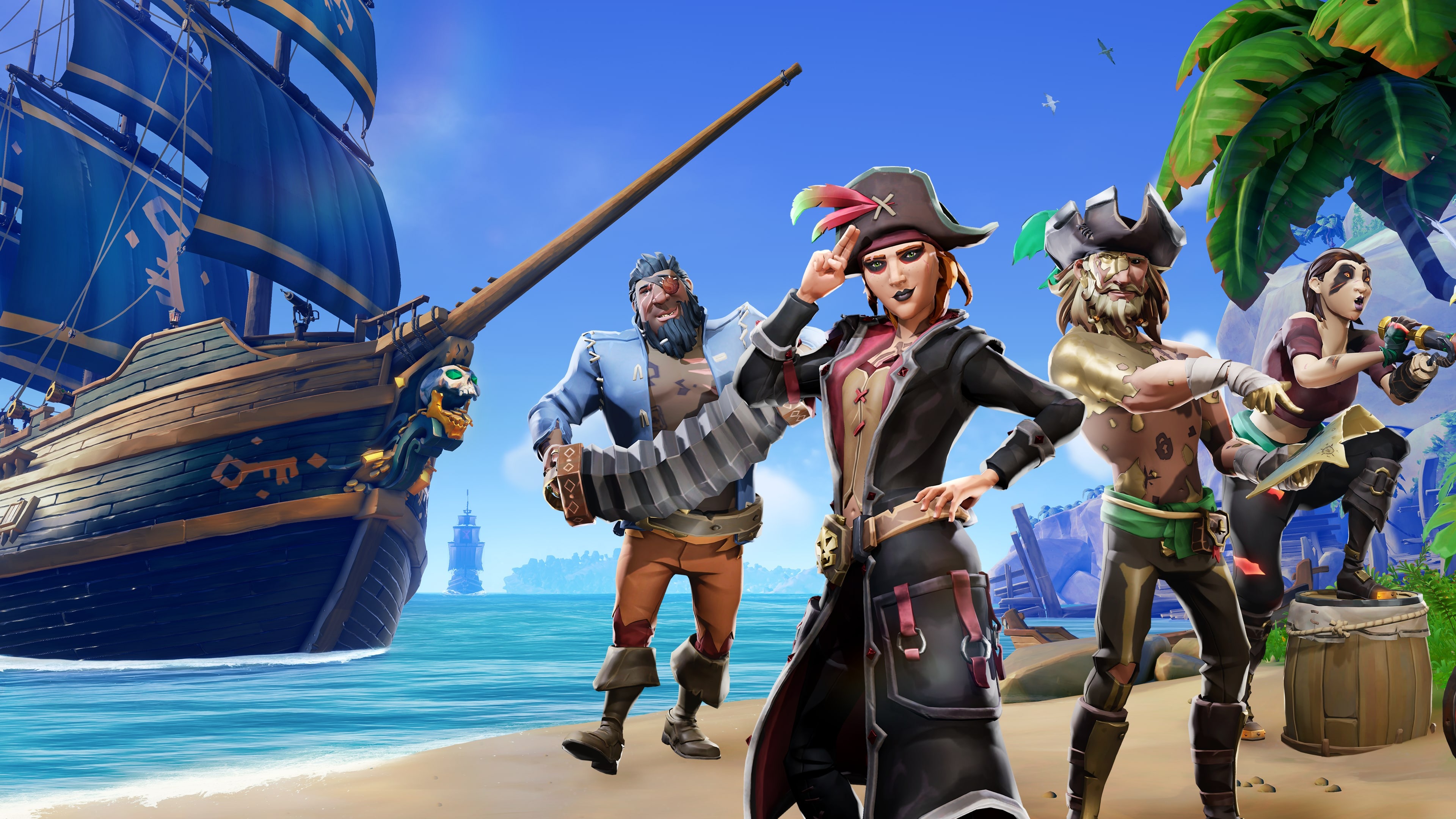
‘Sea of Thieves’ provides a specific flag and sail design that players can equip on their pirate ships to show support on the high seas. These items are usually available for a low cost of in game currency or as part of a login reward. The ocean environment and quest lines do not change to reflect any specific themes during the event period. Players have noted that while the flags are a nice addition they represent a very small portion of the vast customization system. The limited scope of the update often makes it feel like a minor checklist item for the live service team.
‘World of Warcraft’ (2004)
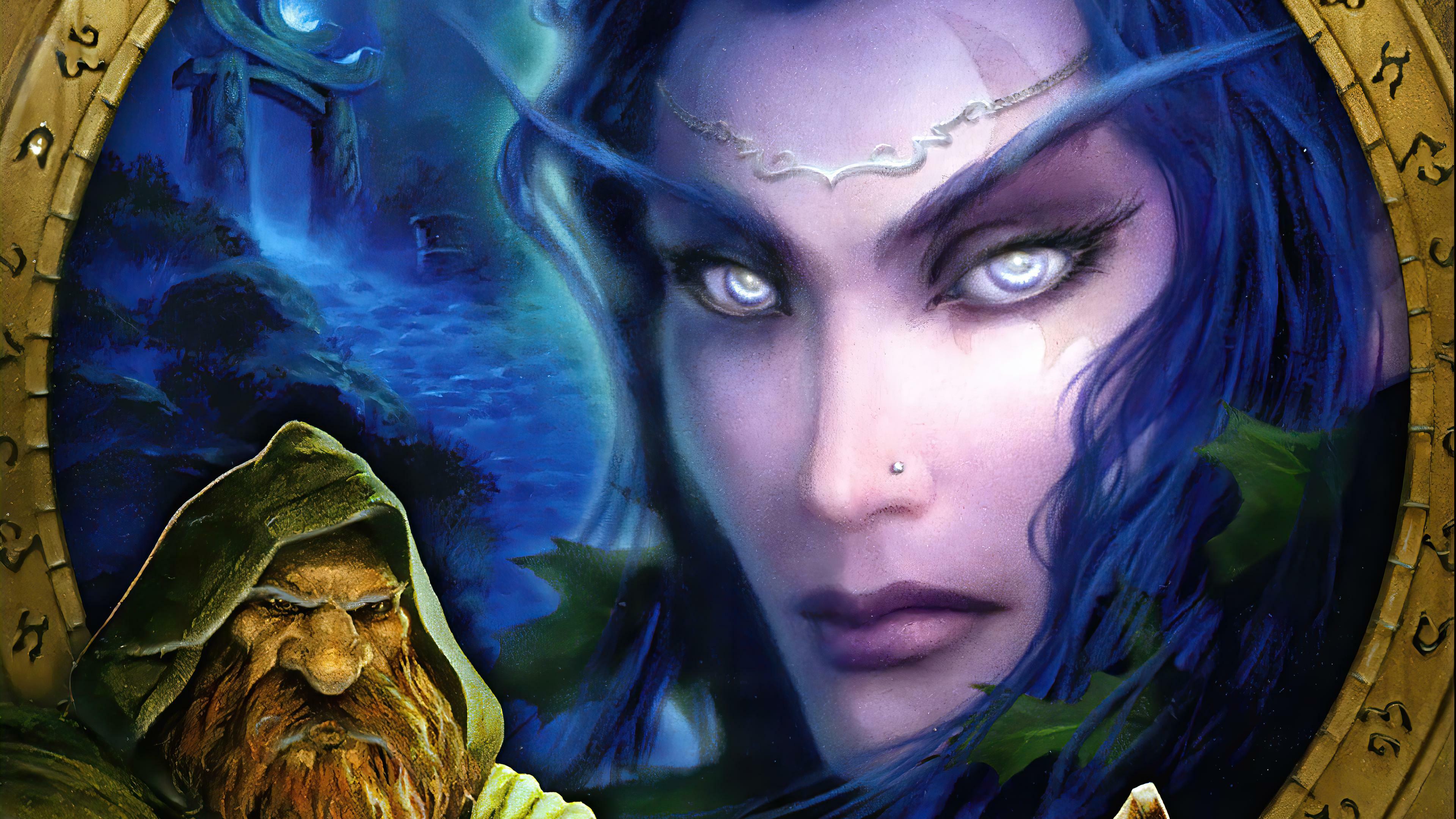
‘World of Warcraft’ recently introduced a holiday known as the Spark of Pride that features small activities in major city hubs. Players can interact with certain decorations and receive temporary visual buffs that surround their characters with light. This addition came after many years of the community requesting more formal recognition within the massive online world. Some players feel that the current implementation is too subtle and lacks the depth of older established holidays like Winter Veil. The event serves as a basic acknowledgment without deep integration into the world lore.
‘Halo Infinite’ (2021)
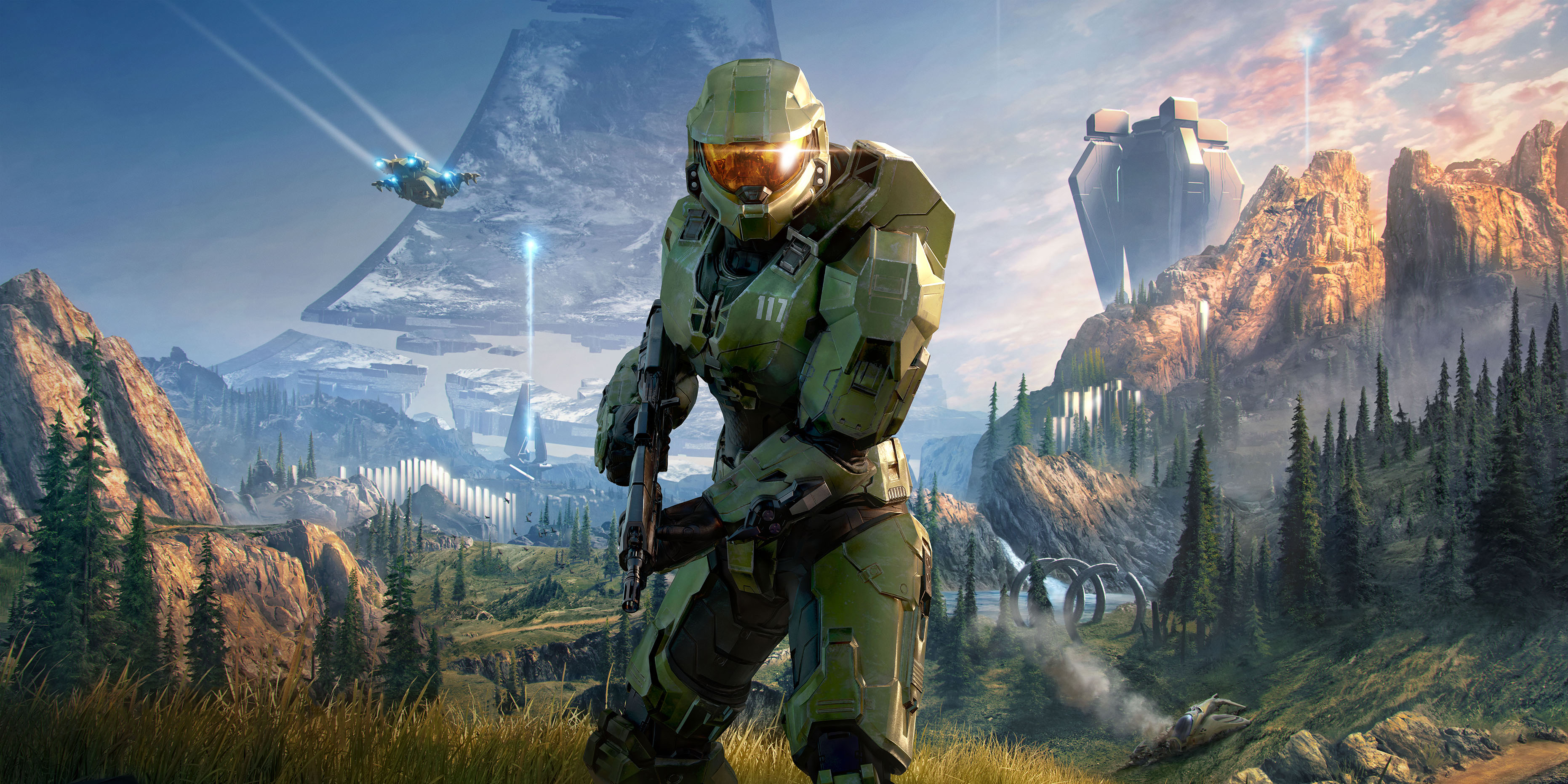
‘Halo Infinite’ typically offers a specific armor coating and nameplate to players who log in during the month of June. These rewards are purely cosmetic and do not offer any unique gameplay challenges or narrative context within the Spartan universe. The futuristic setting of the game provides many opportunities for creative storytelling that are often ignored in favor of simple color swaps. Many fans view these rewards as the bare minimum required to participate in the wider industry trend. The absence of any themed game modes further contributes to the feeling of a corporate mandate.
‘Fall Guys’ (2020)
The chaotic platformer ‘Fall Guys’ includes various patterns and nameplates that feature colorful designs for the bean characters. These items are often distributed through the in game store as free rewards for a limited time. Because the game is built on a constant stream of crossover content these additions can feel lost among the many other brands and costumes. The lack of specific pride themed obstacles or levels suggests a surface level approach to the celebration. Players often use the items briefly before switching back to more prominent licensed costumes.
‘The Elder Scrolls Online’ (2014)
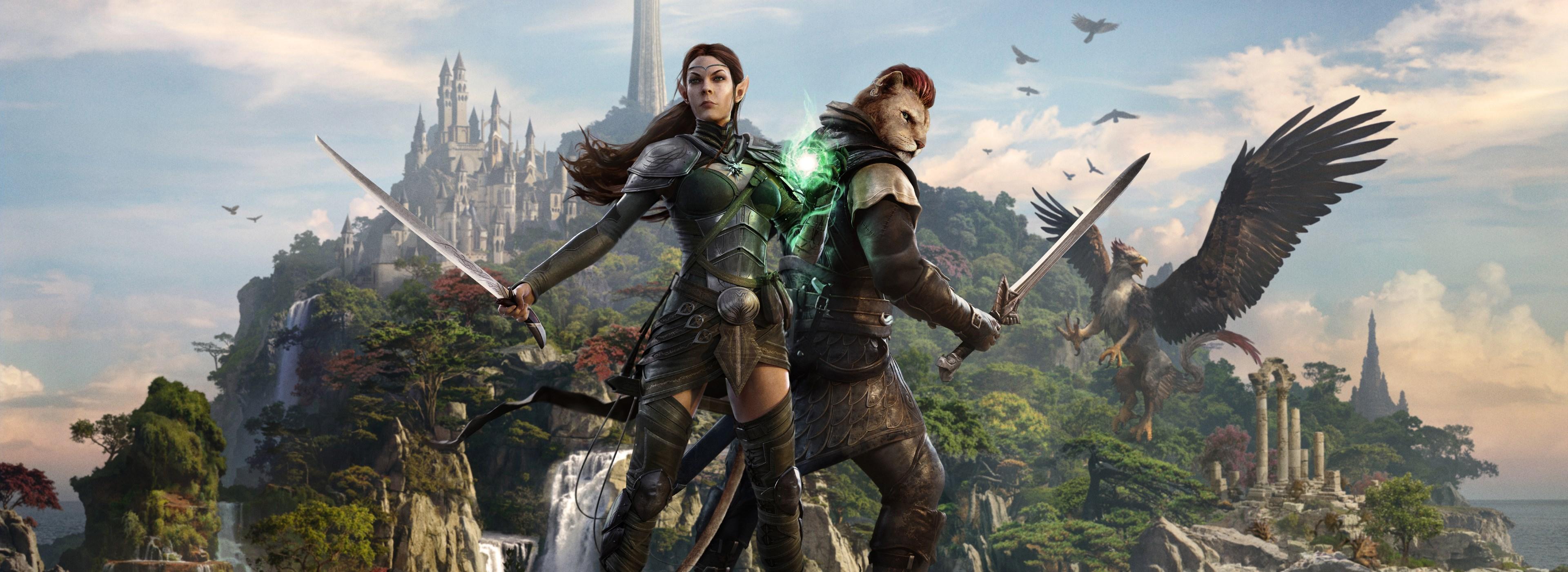
‘The Elder Scrolls Online’ celebrates the month by highlighting community stories and offering small cosmetic items like pets or markings. These items are sometimes hidden behind specific achievements or login requirements that encourage daily participation. The vast fantasy world of Tamriel does not see significant changes to its cities or non player character interactions during this time. While the game world is inclusive by design the specific annual event feels like a standardized promotional window. This approach mirrors how the game handles other minor cultural observances throughout the year.
‘Final Fantasy XIV’ (2010)
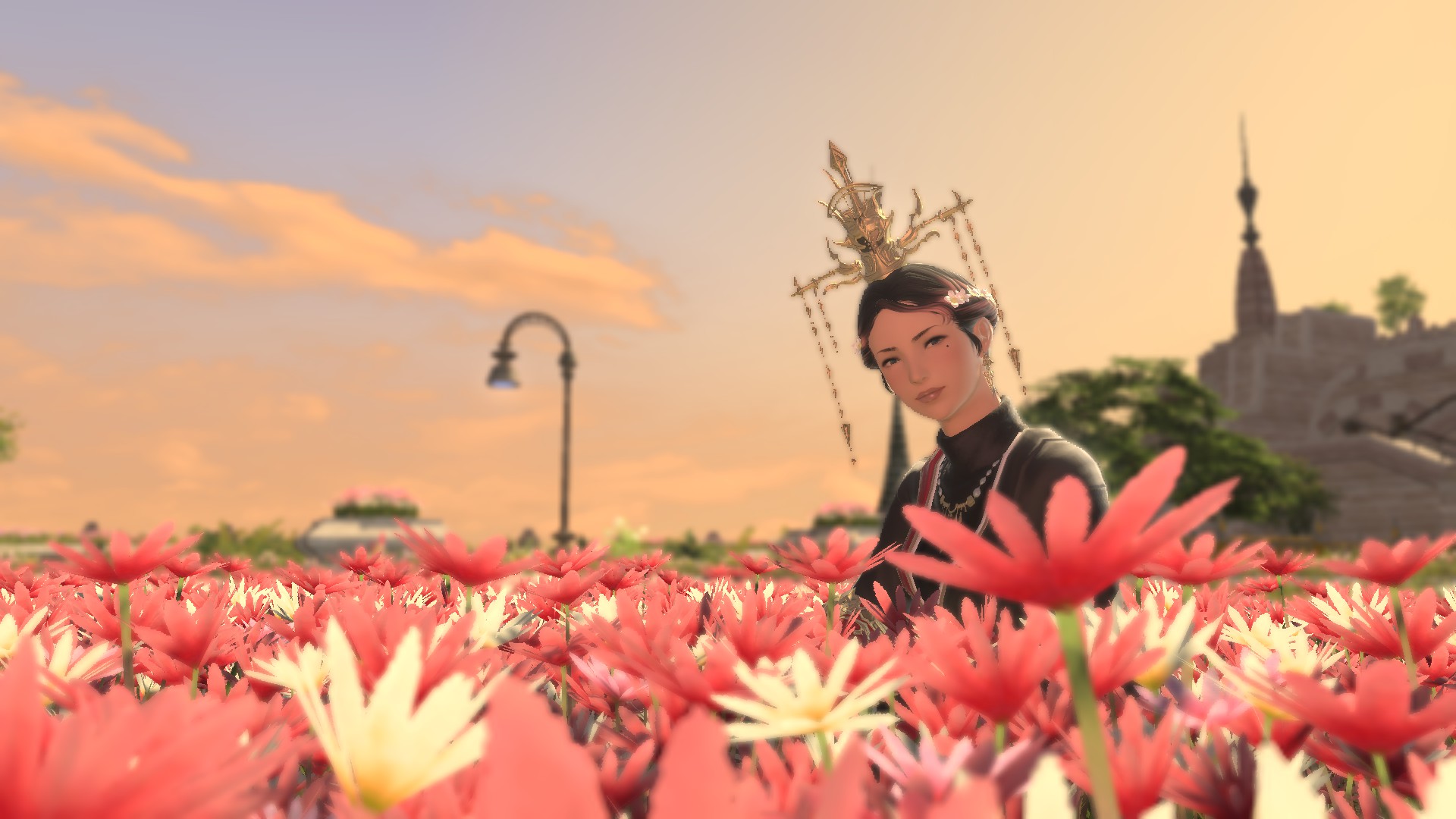
‘Final Fantasy XIV’ does not have an official in game pride event managed by the developers but often acknowledges player led parades on social media. The community has requested a formal event for years to match the complexity of other seasonal festivals like the Moonfire Faire. By relying on players to organize their own celebrations the corporate entity avoids the development costs of new assets. This hands off approach is viewed by some as a way to benefit from the community’s inclusive image without committing resources. The lack of official support feels like a missed opportunity for a game focused on social interaction.
‘Genshin Impact’ (2020)
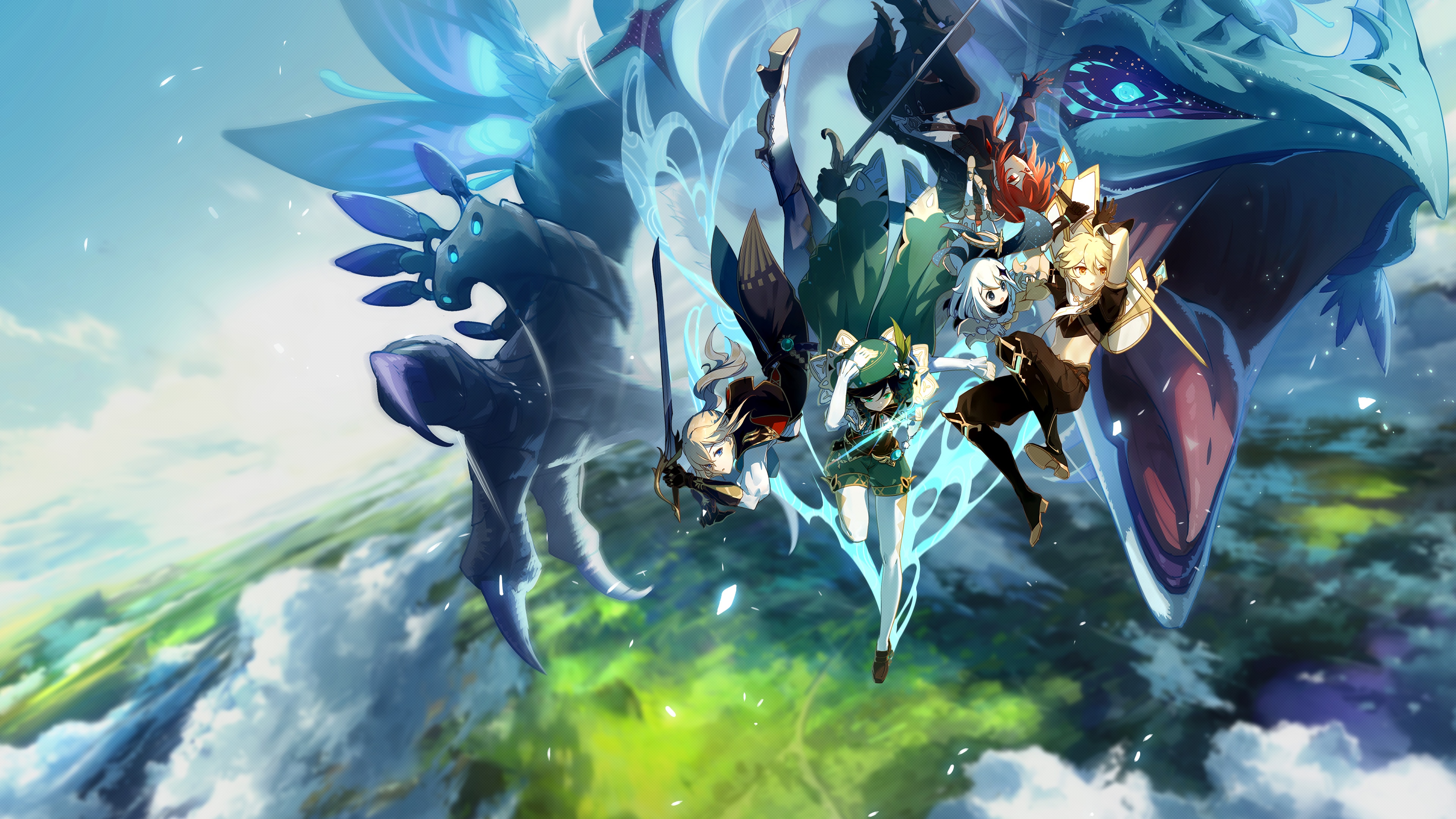
‘Genshin Impact’ generally avoids direct mentions of pride events or the addition of themed cosmetic items in its global version. The developers focus on traditional cultural festivals that align with the fictional regions of the game world. When the game does acknowledge diversity it is often done through subtext rather than formal events or rewards. This absence is noted by many players who see other major live service games participating in the global trend. The corporate strategy appears to prioritize a uniform experience across all regional markets regardless of local celebrations.
‘Brawlhalla’ (2014)
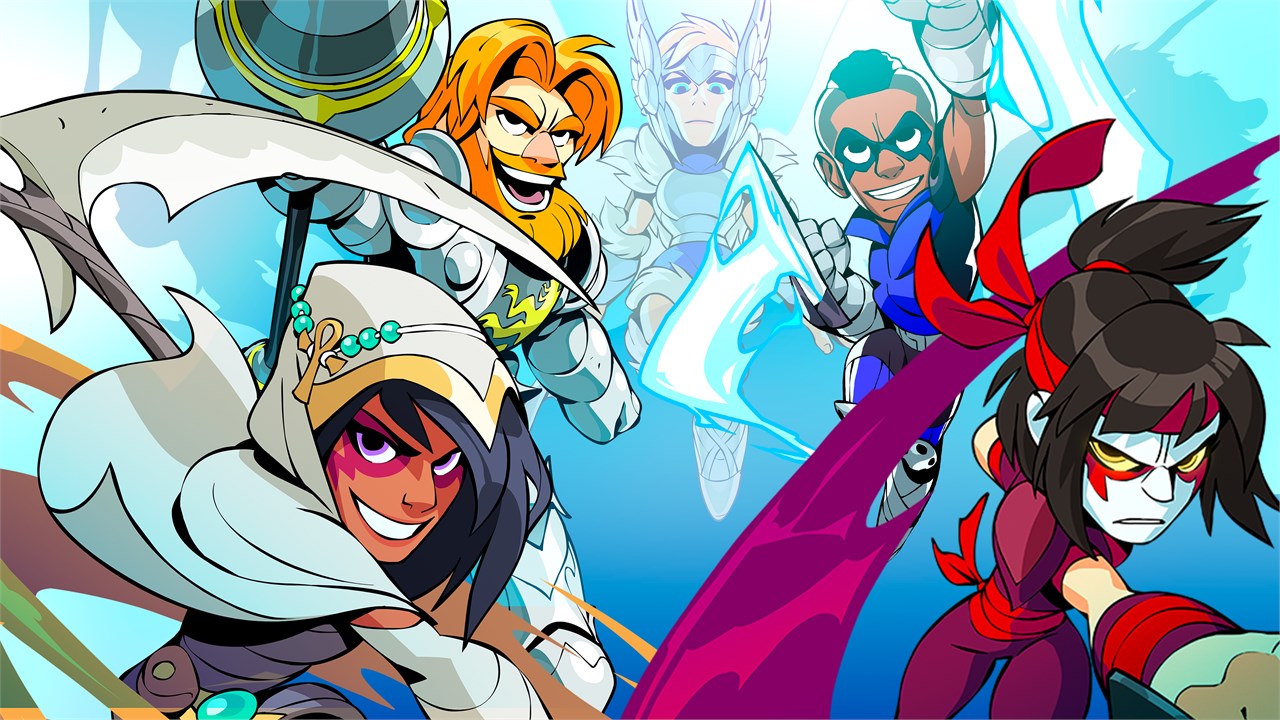
The platform fighter ‘Brawlhalla’ adds a specific avatar and loading frame that players can use to decorate their profiles. These items are often made available for a small amount of gold or through special promotional codes. The game features a rotating cast of legends but the event does not include any character specific storylines or unique move sets. The simplicity of these digital assets makes the inclusion feel like a routine update for the development team. Many players see these items as a basic way to fill the seasonal content gaps.
‘Smite’ (2014)
‘Smite’ features a variety of icons and global emotes that players can trigger during their matches between mythological gods. These items are often bundled together in a free chest that is prominently displayed in the store menu. While the game features a large number of cosmetic skins very few are dedicated specifically to this theme. The event lacks the specialized maps or unique game modes that accompany larger celebrations like the Odyssey. This results in a feeling that the celebration is a secondary priority for the studio.
‘Paladins’ (2018)
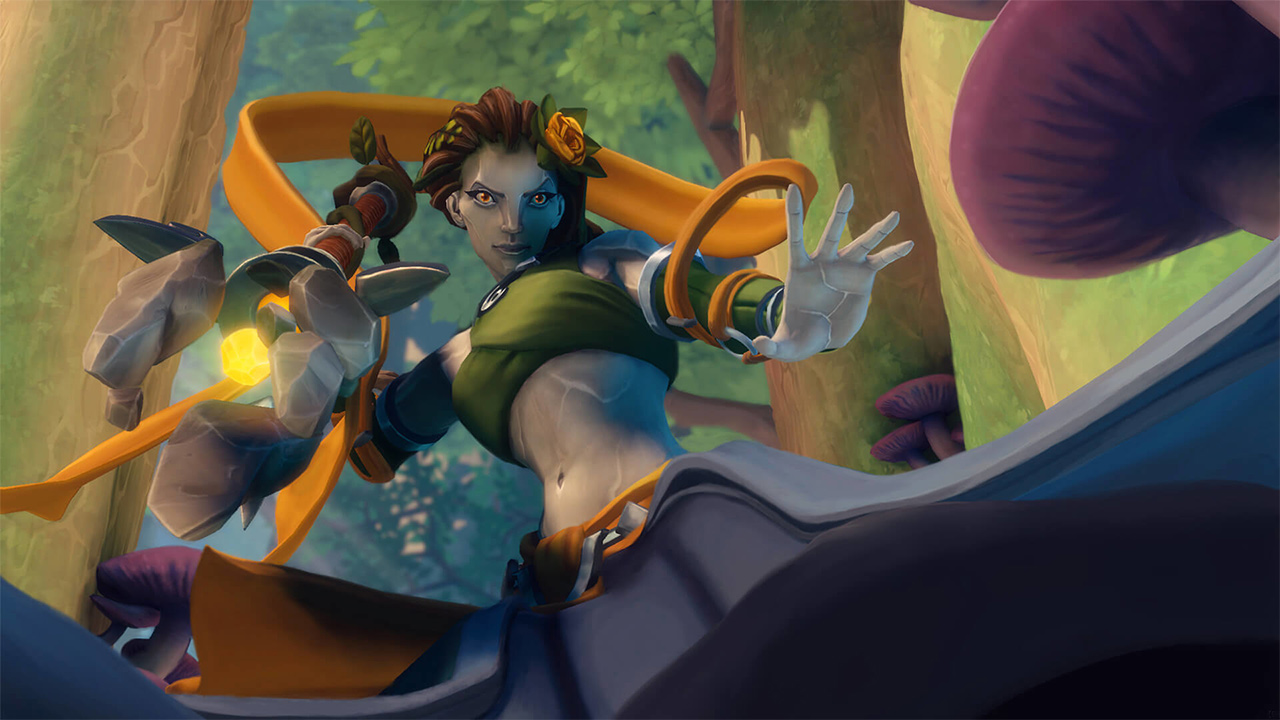
‘Paladins’ offers several profile pictures and titles that players can unlock to show their pride within the hero shooter. These rewards are typically earned by playing a specific number of matches during the event window. The game does not undergo any major visual overhauls or thematic changes during this period. Because the game is known for its high volume of skins the pride items can feel underwhelming in comparison. The implementation follows a familiar pattern of low effort rewards common in the free to play market.
‘Dota 2’ (2013)
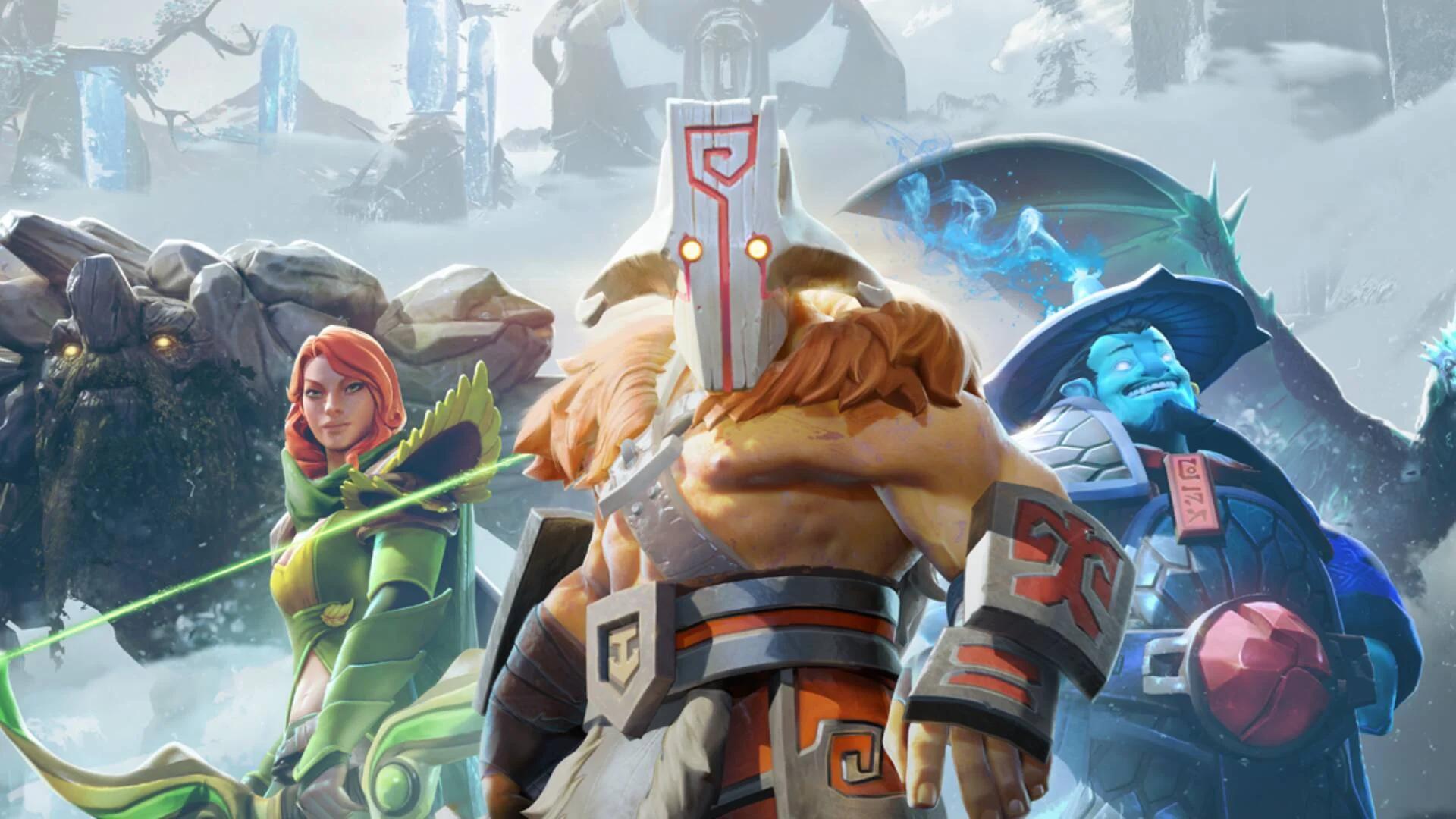
‘Dota 2’ usually remains silent during the month of June and does not offer specific in game events or cosmetic bundles. The developer focuses almost exclusively on the annual championship and the associated battle pass content. This lack of acknowledgment stands in contrast to many other major titles in the MOBA genre. Some community members feel that this omission reflects a corporate culture that is disconnected from social trends. The absence of even minor cosmetic rewards is a notable deviation from the industry standard.
‘Hearthstone’ (2014)
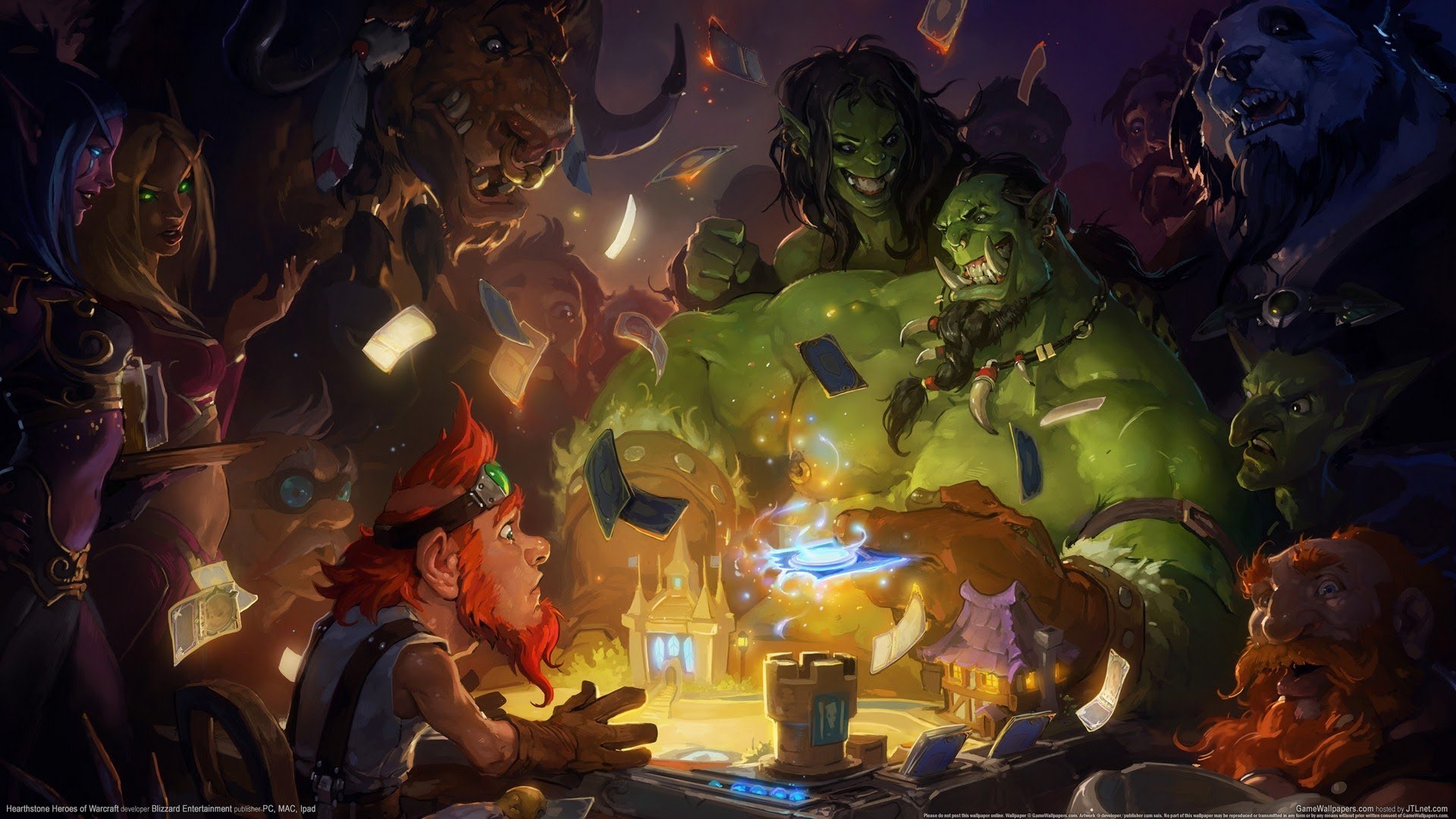
The digital card game ‘Hearthstone’ has introduced specific card backs and hero skins that feature colorful designs during the summer months. These items are often included in bundles that require either real money or significant amounts of in game currency. The game does not feature unique single player adventures or tavern brawls that explore these themes in depth. Players often feel that the items are simply another way to drive revenue through the store. The corporate messaging focuses on the availability of the products rather than the meaning behind them.
‘Diablo IV’ (2023)
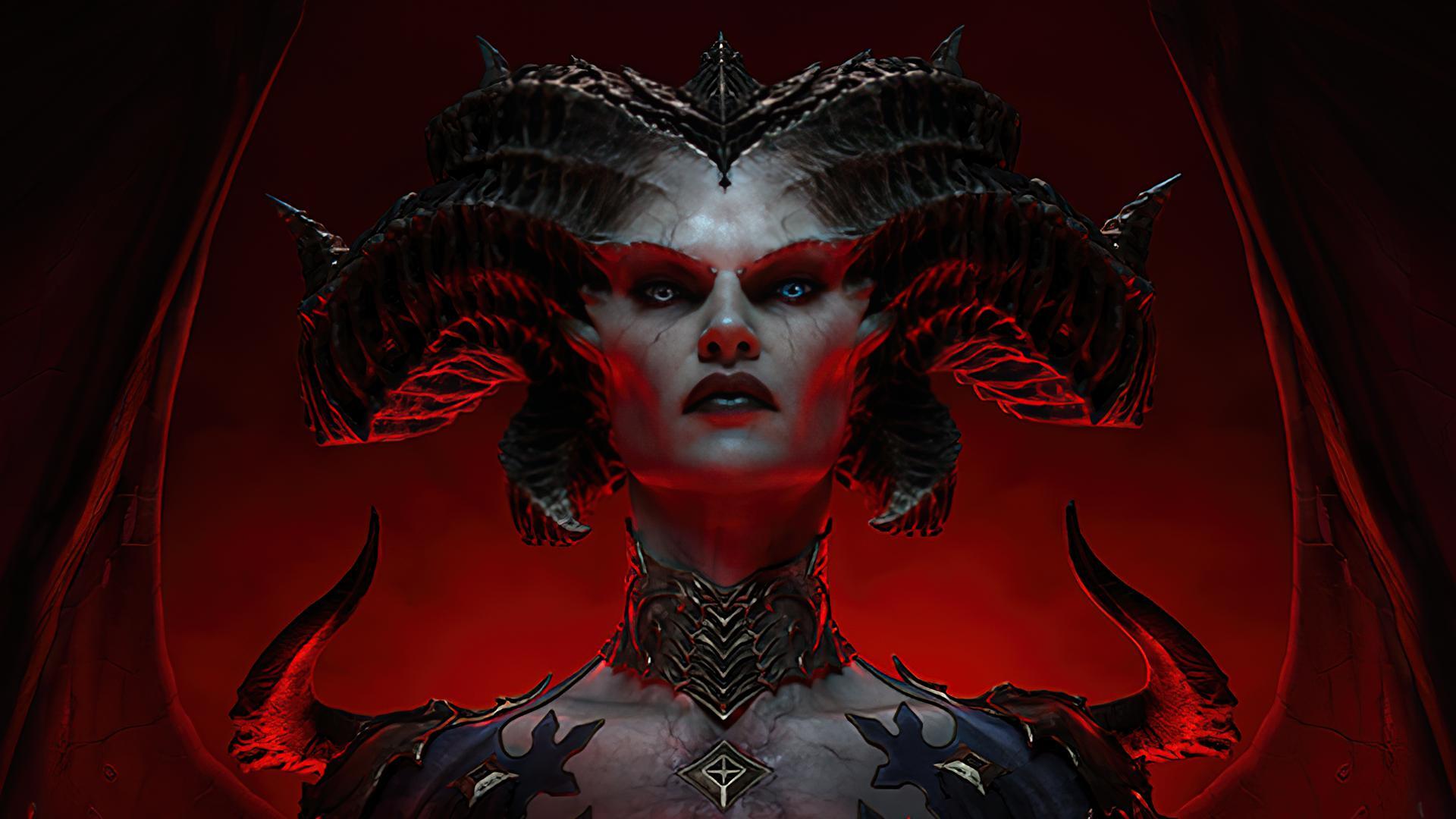
‘Diablo IV’ launched with a focus on dark fantasy and has limited its participation in pride events to social media posts. The game does not currently feature any in game transmog items or specialized events to mark the occasion. Given the high level of customization available for player characters this absence is frequently discussed by the community. The developers seem to prioritize the gritty aesthetic of the world over seasonal real world celebrations. This choice makes the occasional social media acknowledgment feel like a disconnected corporate gesture.
‘Street Fighter 6’ (2023)
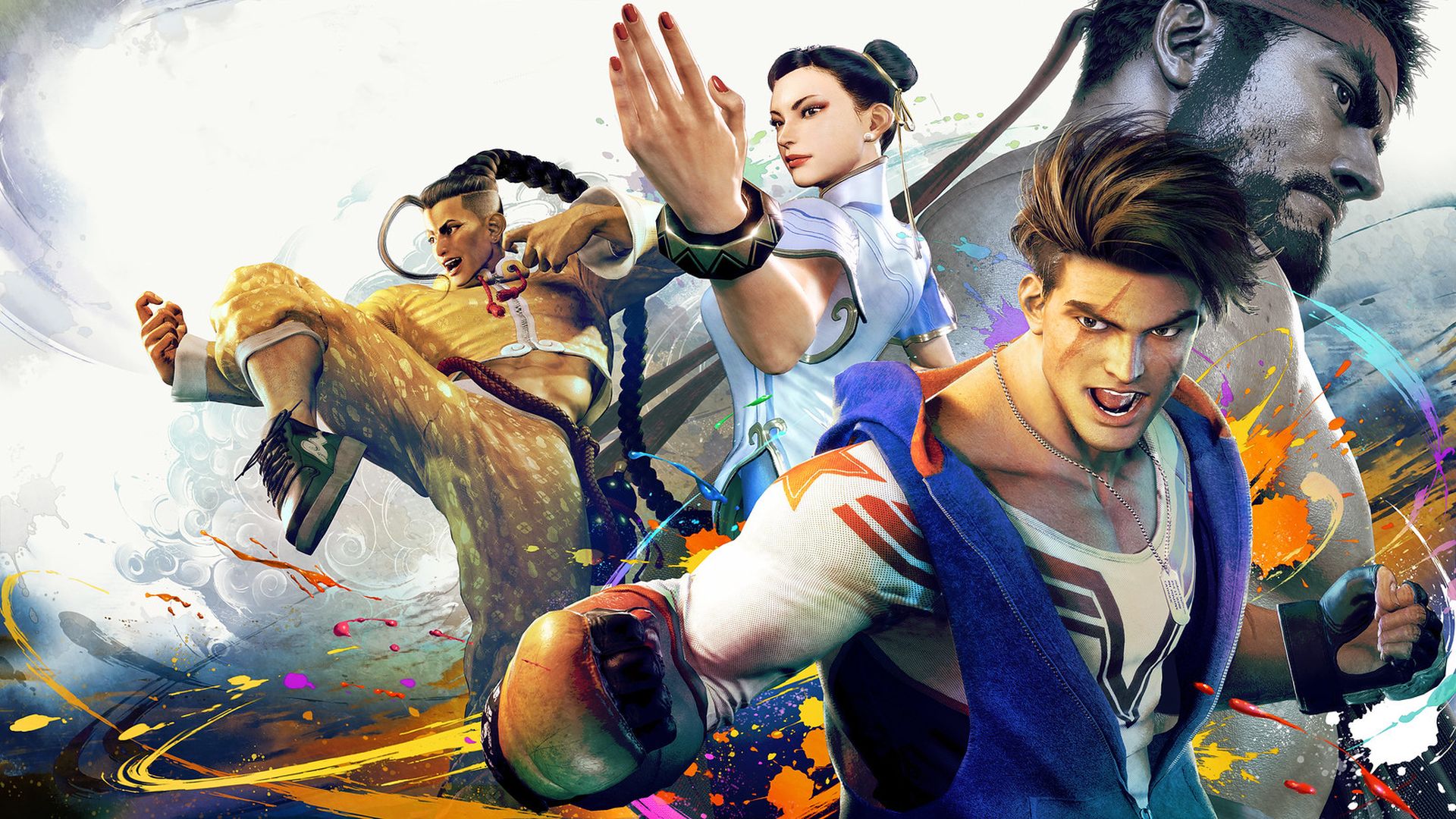
‘Street Fighter 6’ offers various avatar items and title cards for use in the Battle Hub social space. Players can dress their custom characters in colorful clothing and use special stickers in the chat interface. While the Battle Hub provides a platform for expression the actual fighting mechanics and main roster remain unchanged. The items are often cycled out quickly to make room for the next collaborative promotion with other brands. This rapid turnover contributes to a sense that the event is a temporary marketing requirement.
‘Warframe’ (2013)
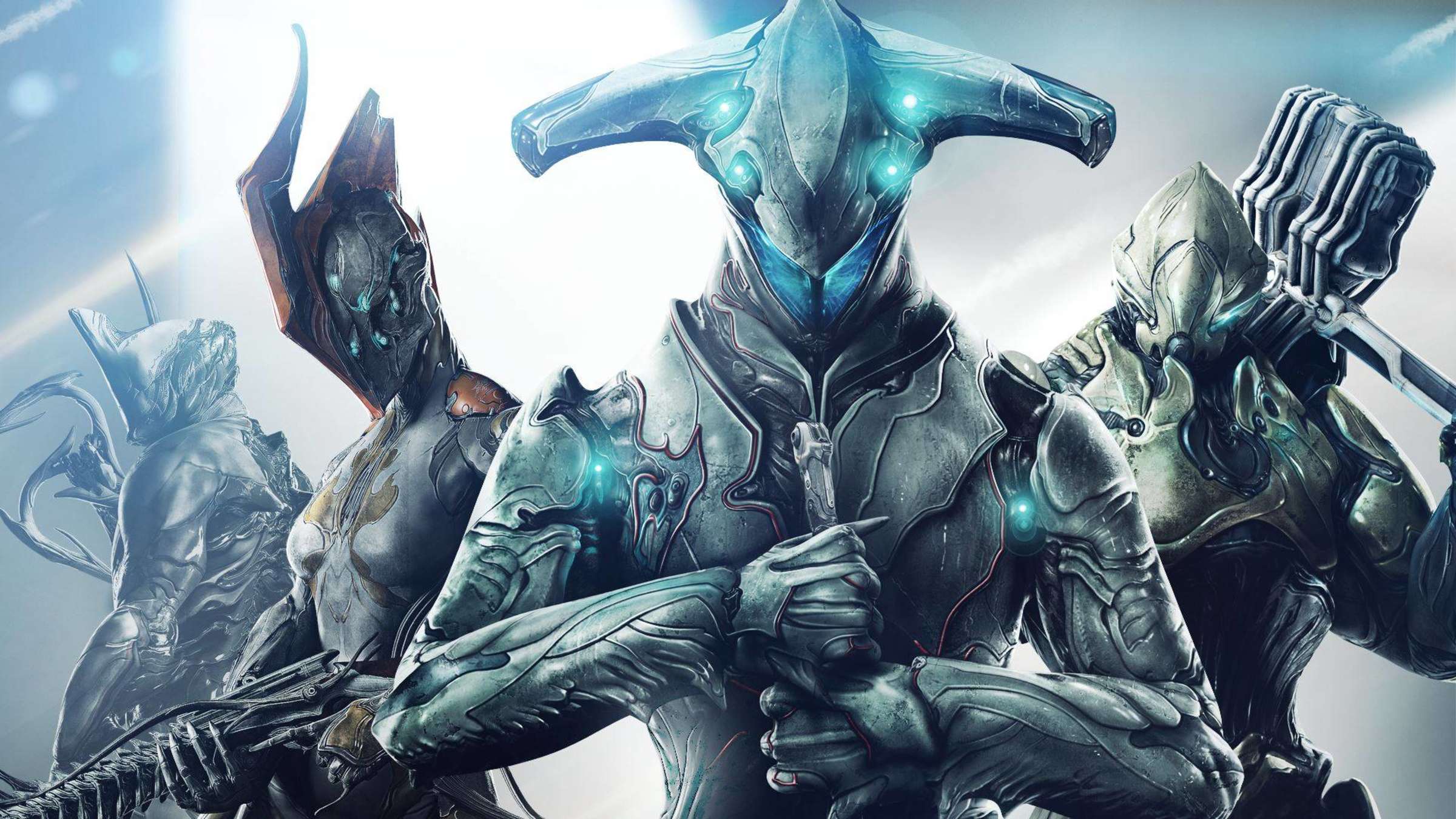
‘Warframe’ provides a specific color palette that players can use to customize their armor and weapons for free. This palette is a recurring item that returns to the in game market every year for a limited time. The game also features a dedicated community spotlight that showcases fan art and creator content. Beyond the color palette there are few permanent additions to the game that celebrate the community. Some players feel that after a decade the developers should introduce more substantial content like themed quests or decorations.
‘Guild Wars 2’ (2012)
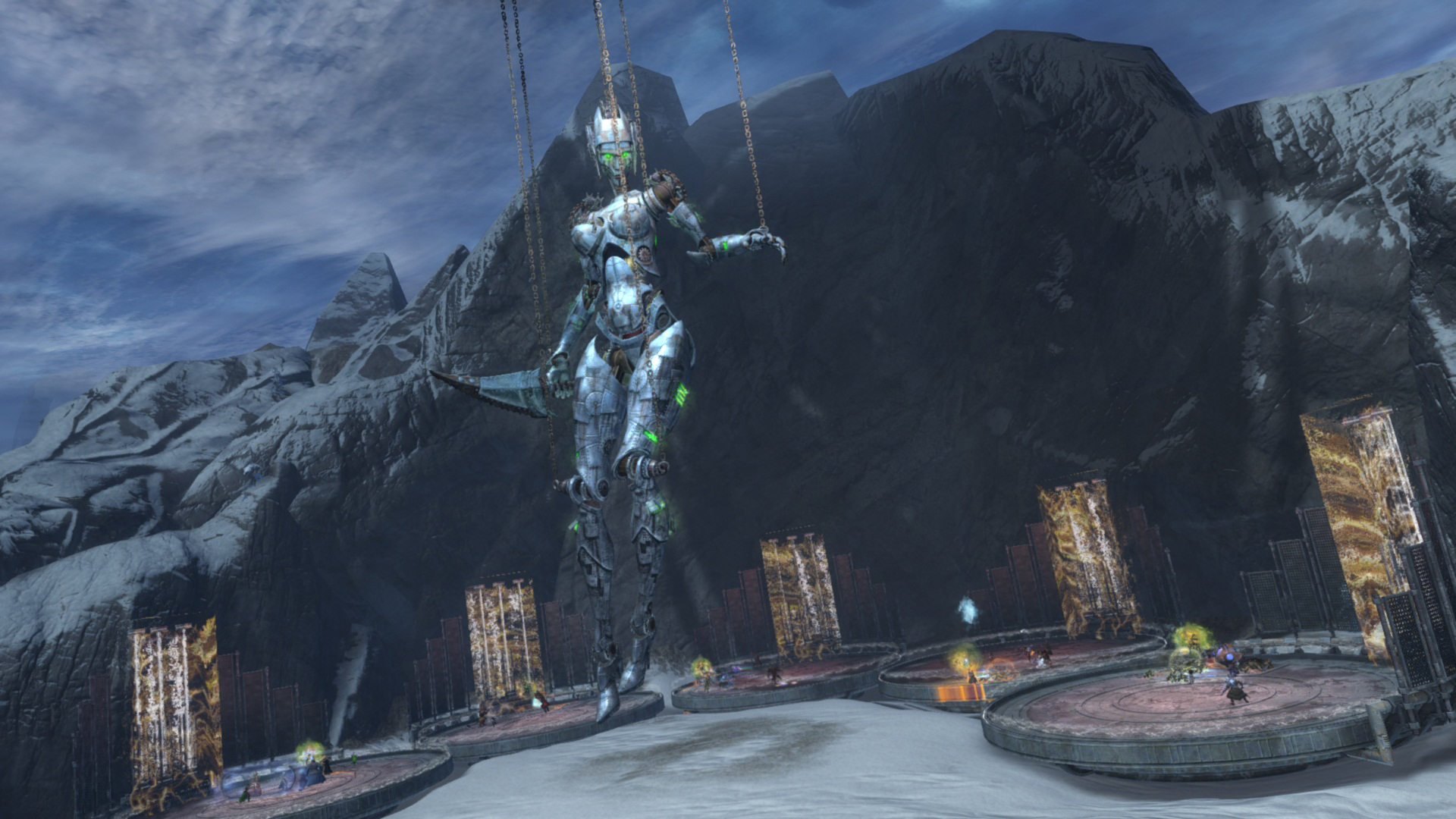
‘Guild Wars 2’ has seen various player organized events but the official in game participation is often limited to store offerings. The developers have sold specific finishers and mail delivery skins that feature rainbow effects. These items are typically permanent additions to the store rather than rewards for unique gameplay challenges. The lack of an official holiday in the world of Tyria makes the store updates feel like isolated corporate decisions. Fans of the game’s deep lore often wish for a more integrated approach to diversity.
‘Star Wars: The Old Republic’ (2011)
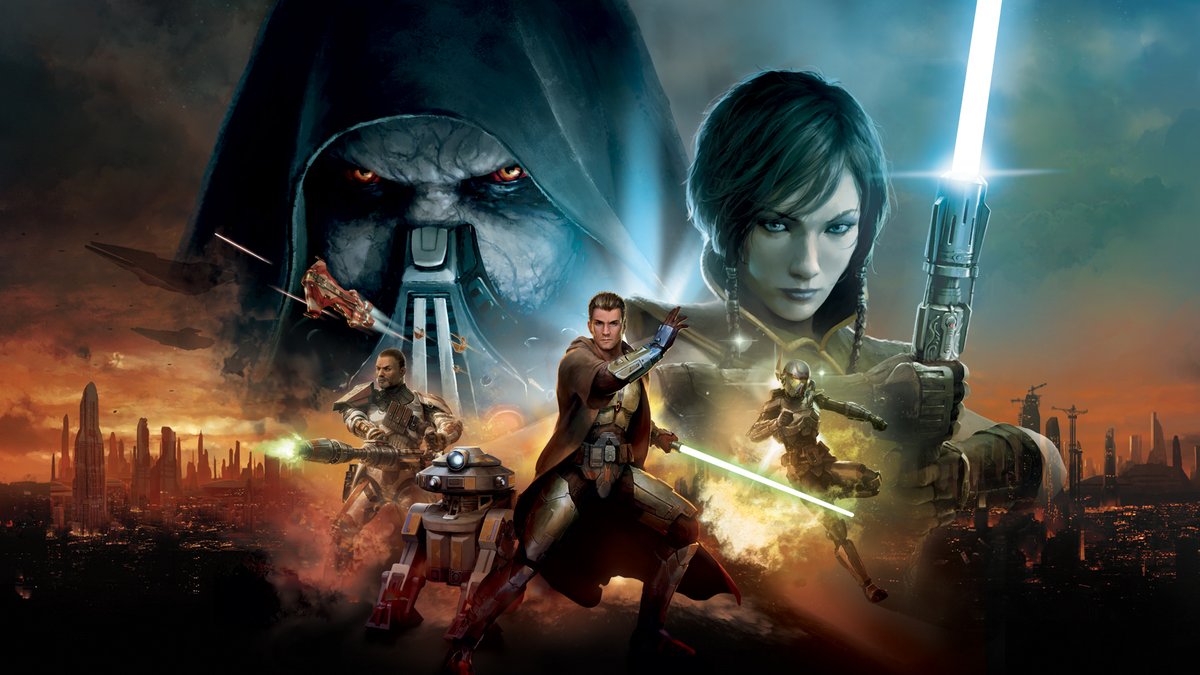
In ‘Star Wars: The Old Republic’ the developers often highlight existing romance options that have been in the game for years. They occasionally release specialized window decorations for player housing that feature vibrant patterns. These items do not usually come with any new story content or character interactions for the vast cast of companions. The celebration is mostly confined to a small corner of the player housing system which many users rarely visit. This limited implementation feels like a way to check a box without altering the core experience.
‘MultiVersus’ (2022)
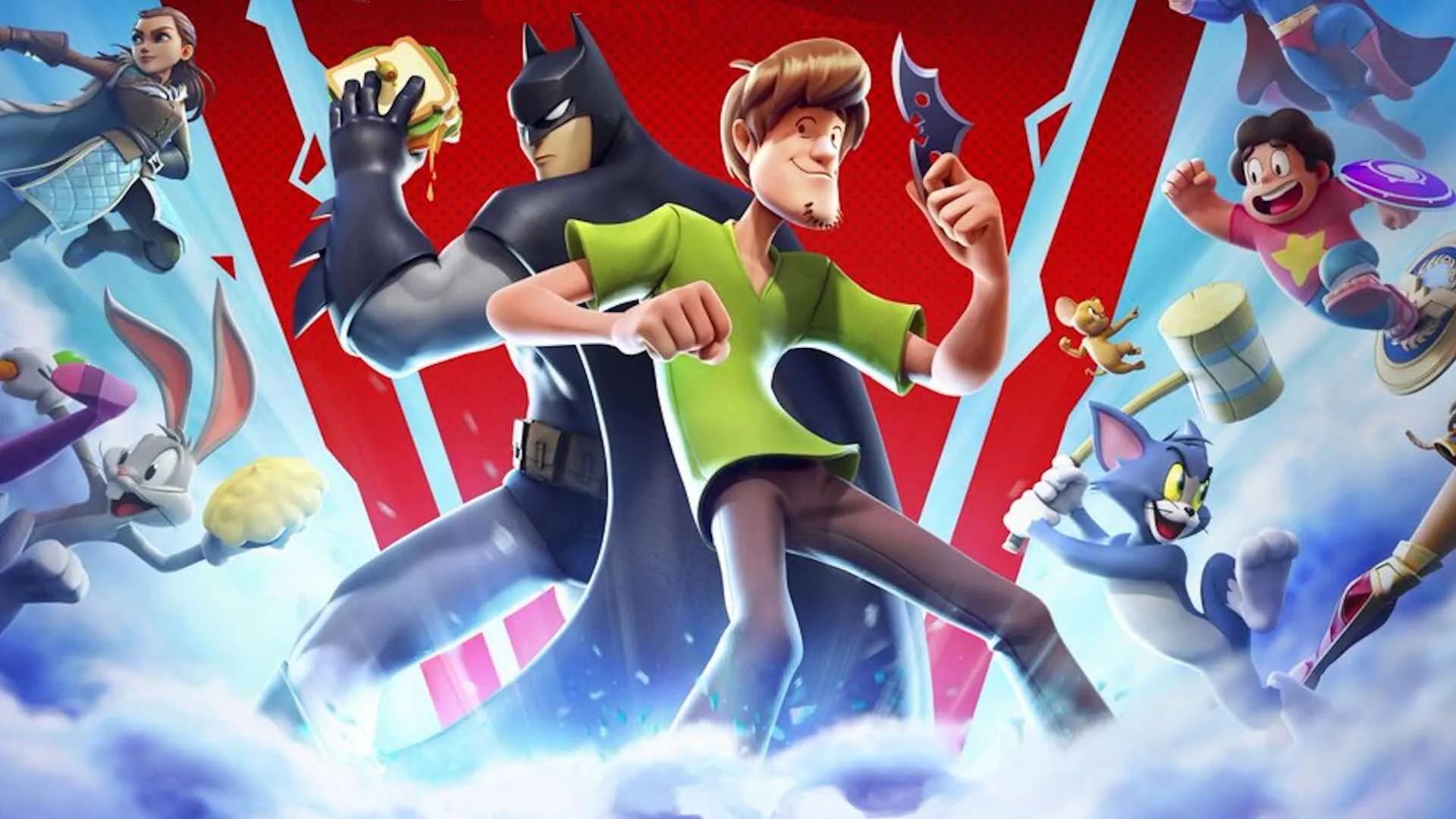
‘MultiVersus’ introduced a series of profile icons and banners featuring various characters from the Warner Bros library against colorful backgrounds. These items were made available through the completion of simple daily missions or as free shop claims. The game did not feature any themed stages or unique character variants during its early pride celebrations. As a platform fighter that relies heavily on brand synergy these items felt like standard promotional assets. The focus was clearly on digital rewards rather than meaningful in game experiences.
‘Watch Dogs: Legion’ (2020)
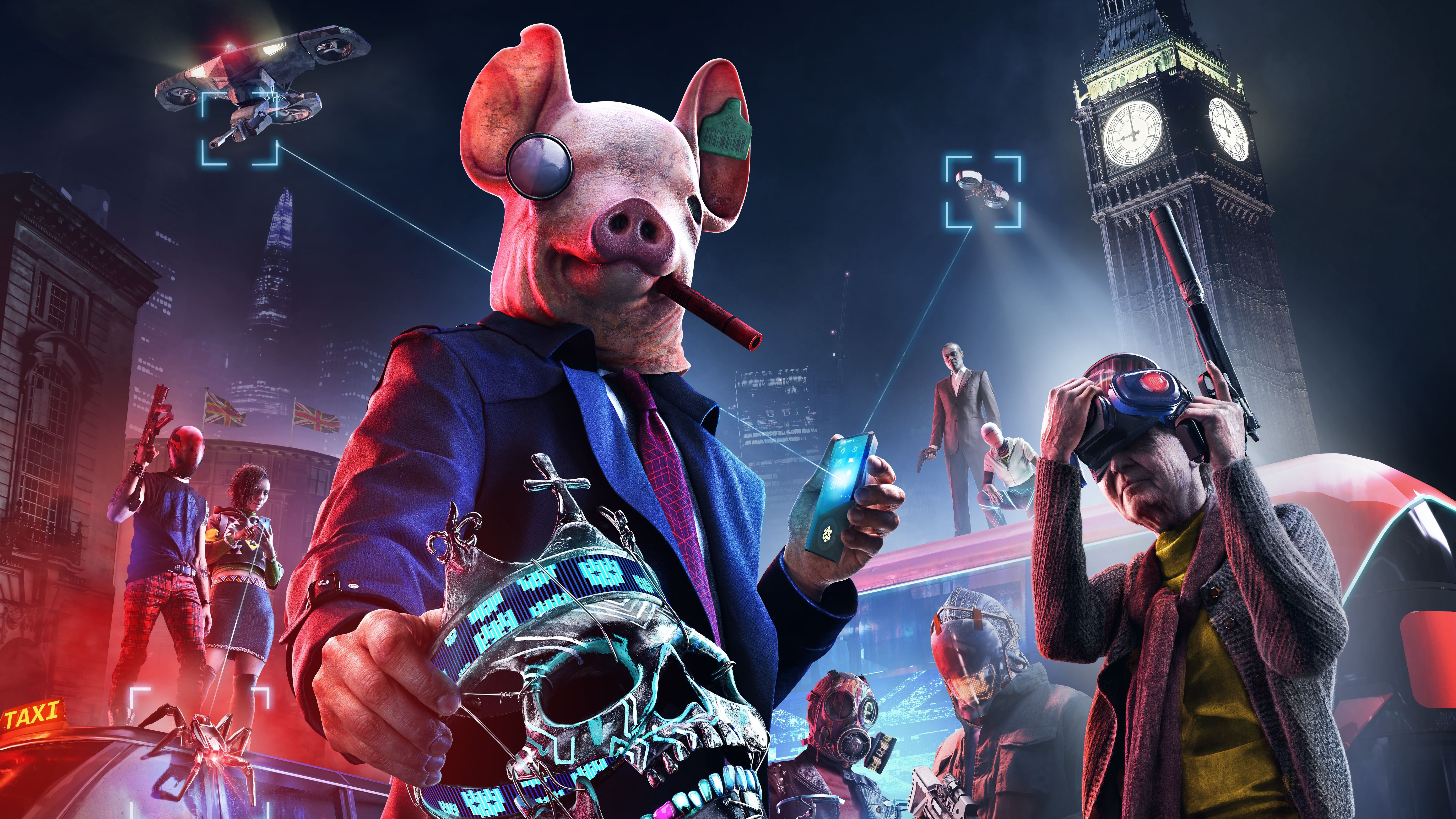
‘Watch Dogs: Legion’ includes several clothing items in the in game shops that allow players to dress their resistance members in colorful gear. These items are permanent additions to the world but are often highlighted during the month of June on social media. The game features a procedurally generated world where diversity is a core component of the recruitment mechanic. However the lack of specific missions or narrative events makes the seasonal promotion feel like a surface level reminder. The corporate messaging often overshadows the organic inclusivity already present in the game.
‘Assassin’s Creed Valhalla’ (2020)
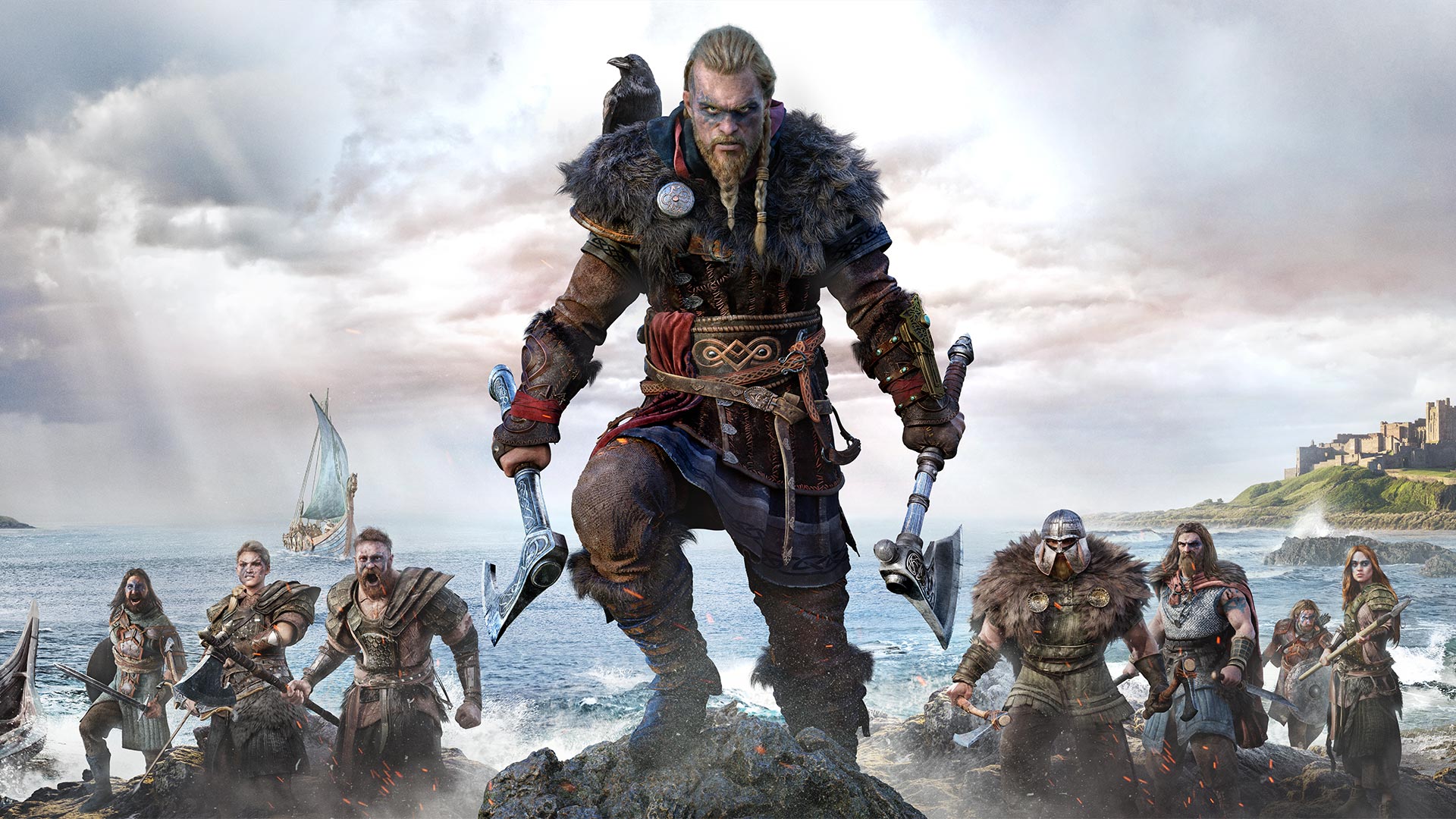
‘Assassin’s Creed Valhalla’ added a specific tattoo set and settlement decoration that players could claim through the Ubisoft Connect platform. These rewards were free for all players but required an external account to access. The game world itself did not feature any unique festivals or character moments tied to these items. While the game allows for various player choices the pride rewards felt like a minor footnote in the extensive post launch support plan. The implementation was largely invisible to players who did not check external reward menus.
‘Back 4 Blood’ (2021)
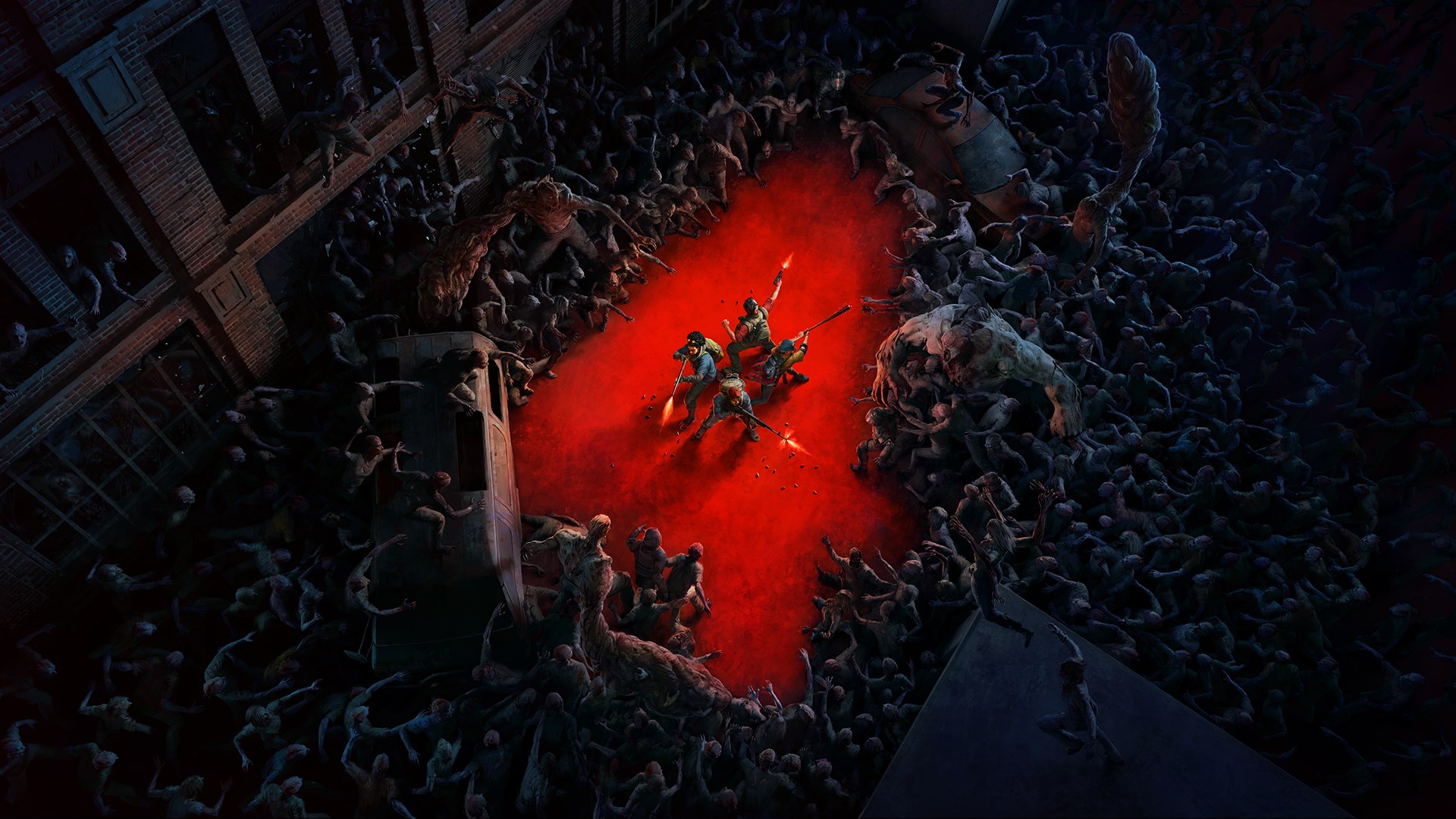
The cooperative shooter ‘Back 4 Blood’ included several player titles and emblems that could be equipped on the user profile. These items were added to the game in a patch and were immediately available to all users. There were no special maps or gameplay modifiers added to the zombie infested world to mark the occasion. The developer’s involvement was mostly limited to a single announcement on their official communication channels. This minimal effort resulted in the items being largely ignored by the majority of the player base.
‘World of Tanks’ (2010)
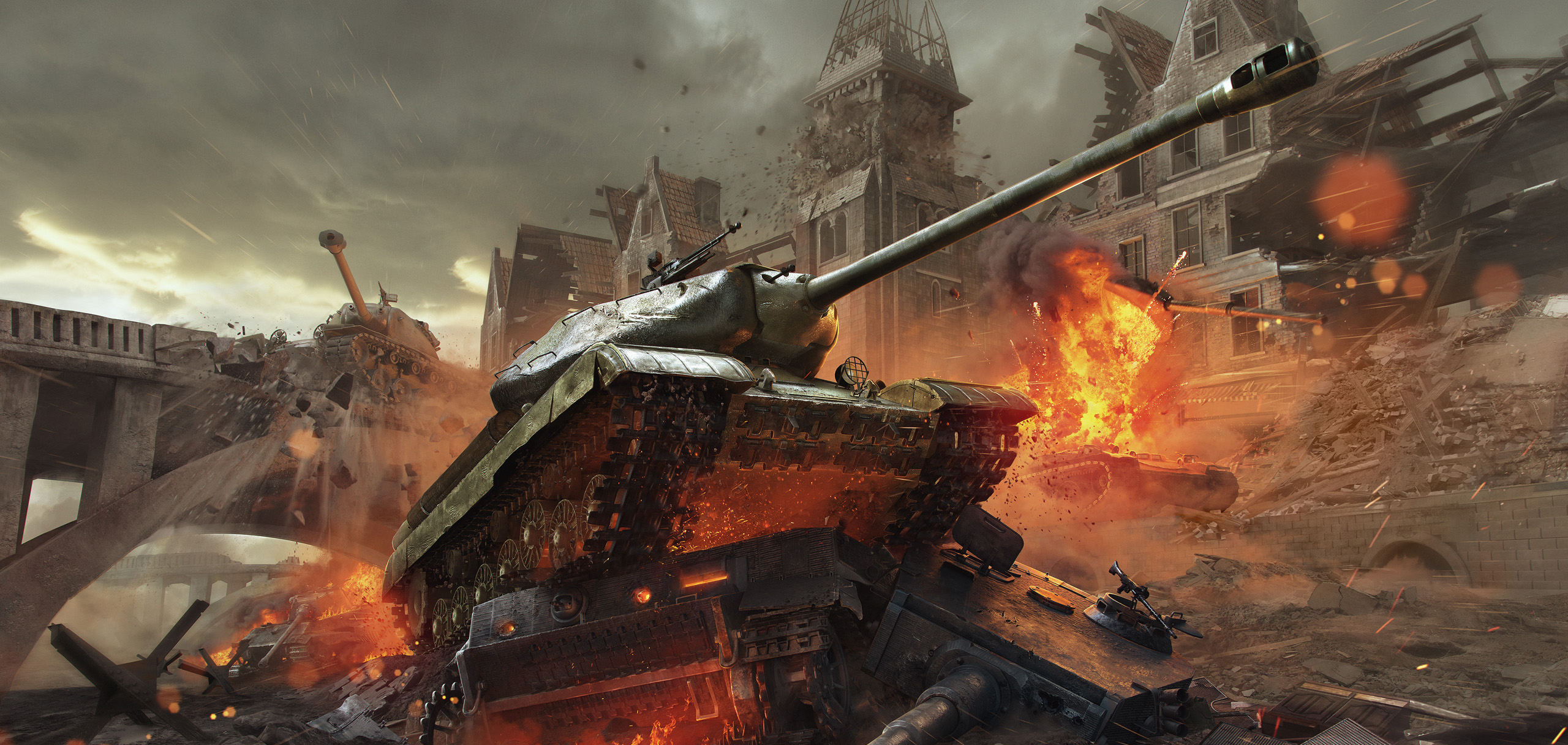
‘World of Tanks’ has offered specialized emblems and inscriptions that players can apply to their armored vehicles. These cosmetics are often part of a bundle that includes other gameplay boosters or premium currency. The historical focus of the game makes the inclusion of these modern themes a point of contention for some players. The developer balances this by keeping the items small and purely optional for customization. This cautious approach can make the event feel like a corporate obligation rather than a genuine celebration.
‘World of Warships’ (2015)

In ‘World of Warships’ players can unlock a specific permanent camouflage and flag for their naval vessels. These rewards are often tied to simple combat missions that require players to earn a certain amount of experience. The gameplay remains focused on strategic naval combat with no thematic changes to the environments. The items serve as a visual marker for those who wish to participate but do not impact the broader community. This localized approach is typical for the developer’s handling of various minor holidays.
‘Pokemon GO’ (2016)
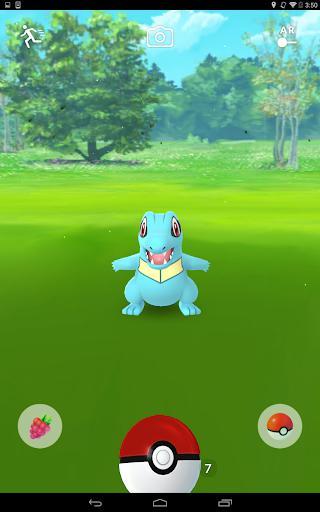
‘Pokemon GO’ often features a rainbow in the sky during certain hours in June and highlights characters with diverse backgrounds in its marketing. The game sometimes offers free avatar items like shirts or hats through the in game shop. While the game encourages social interaction and community meetups there are rarely specific gameplay mechanics tied to the event. Most of the celebration happens through social media posts rather than meaningful changes to the monster catching experience. This makes the in game presence feel like a secondary thought compared to the brand’s public image.
‘Marvel’s Avengers’ (2020)
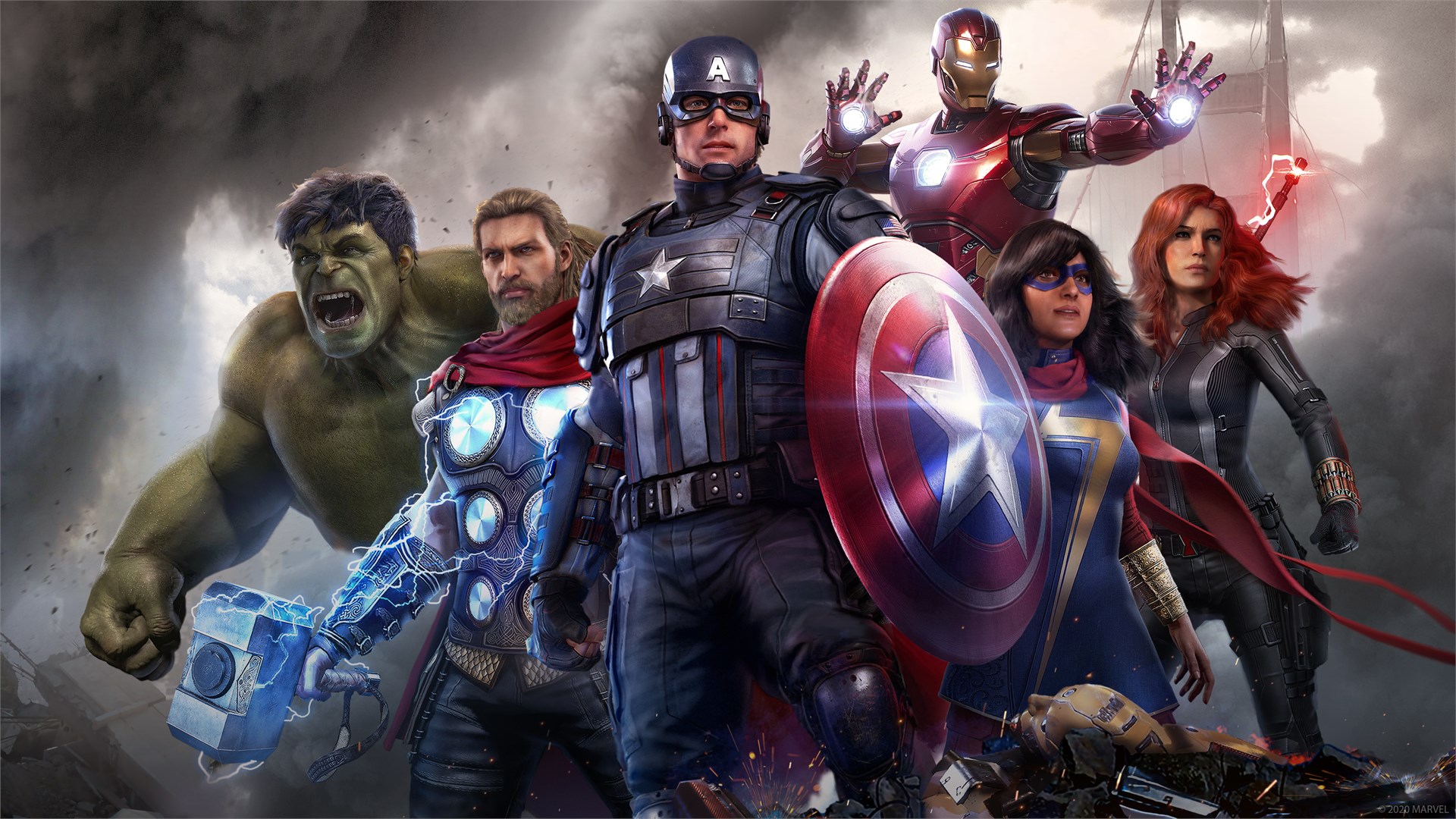
‘Marvel’s Avengers’ released a set of free nameplates featuring various heroes against pride flags to celebrate the month. These nameplates were added to the inventory of every player who logged in during a specific week. The game did not feature any new missions or dialogue lines for the iconic characters during this timeframe. Given the high profile nature of the Marvel brand many players expected more substantial content like unique skins. The nameplates felt like a low cost way for the publisher to signal its support.
‘Gotham Knights’ (2022)
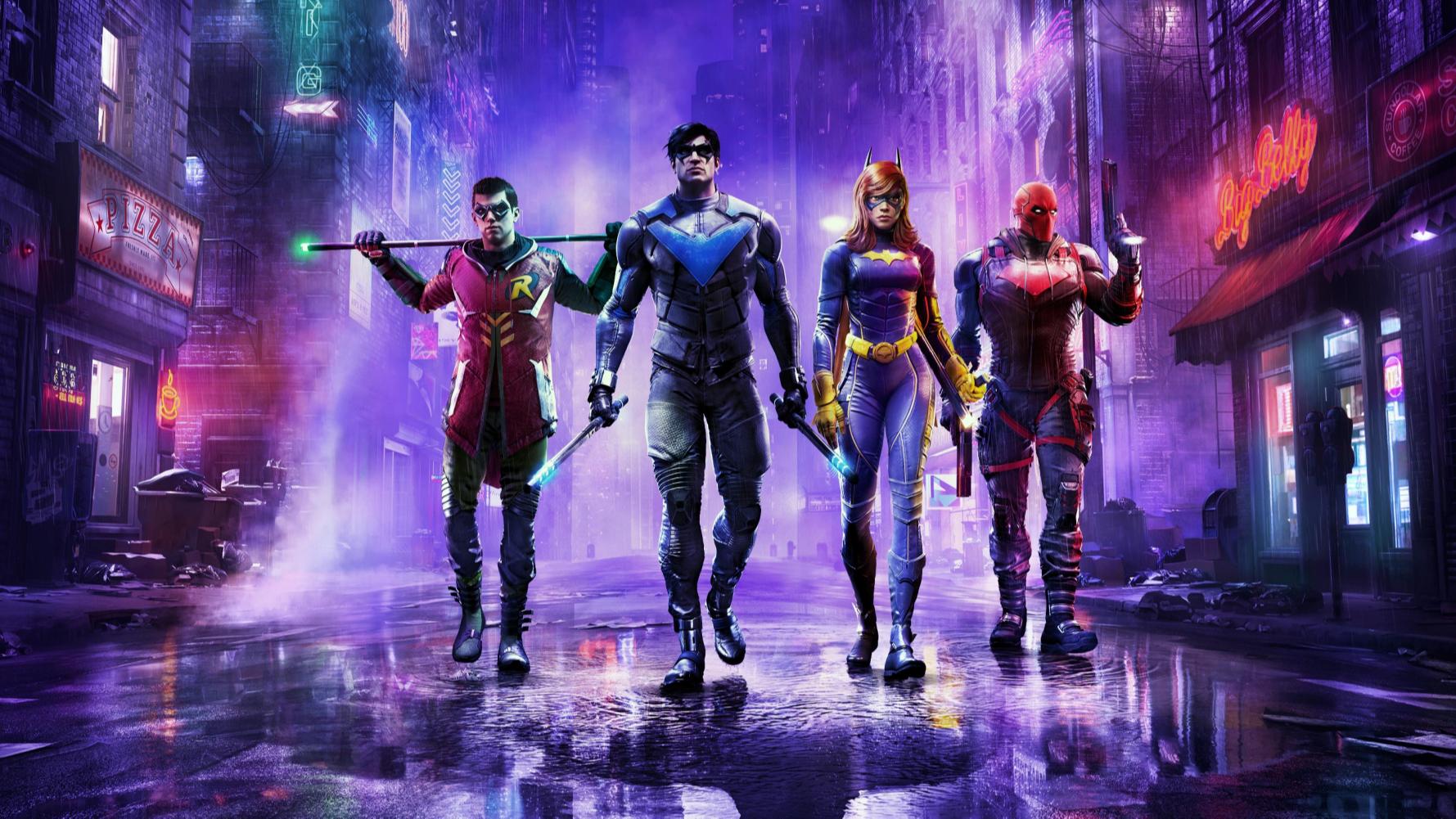
‘Gotham Knights’ includes several pride flags scattered throughout the environment of Gotham City as permanent decorations. The developers also released a specific colorway for the character suits that players could unlock through gameplay. While these elements are present they are not part of a dedicated event or seasonal celebration. The items are treated as standard collectibles and do not spark any unique interactions within the story. This passive approach can feel like a way to include the themes without committing to a full event.
‘Injustice 2’ (2017)
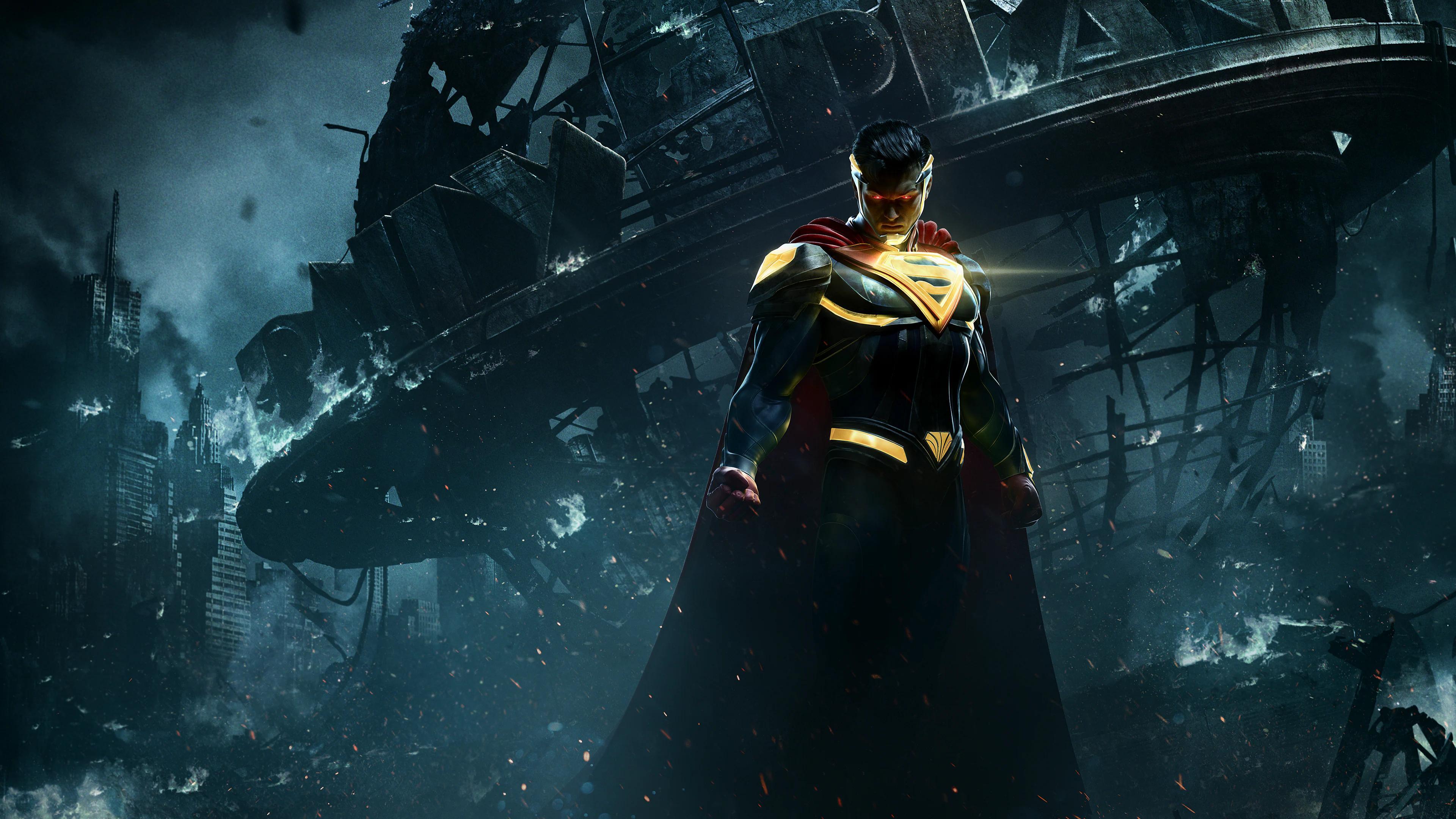
‘Injustice 2’ has used its social media presence to acknowledge the month but has rarely added specific in game content for the occasion. The game relies on its existing roster of DC characters and their established identities to represent the community. When rewards are offered they are usually recycled profile icons from previous years or generic emblems. This lack of new content makes the annual acknowledgment feel repetitive and purely administrative. The corporate entity behind the game appears to follow a strict template for social engagement.
‘Mortal Kombat 11’ (2019)

‘Mortal Kombat 11’ occasionally features towers of time challenges that offer rewards with vibrant color schemes. These challenges are often framed as a celebration of diversity within the competitive fighting game community. However the rewards are usually existing gear pieces that have been slightly recolored. The core narrative of the game remains focused on its violent martial arts mythology with no room for thematic expansion. This results in an event that feels like a minor variation of the standard weekly content rotation.
‘Call of Duty: Mobile’ (2019)
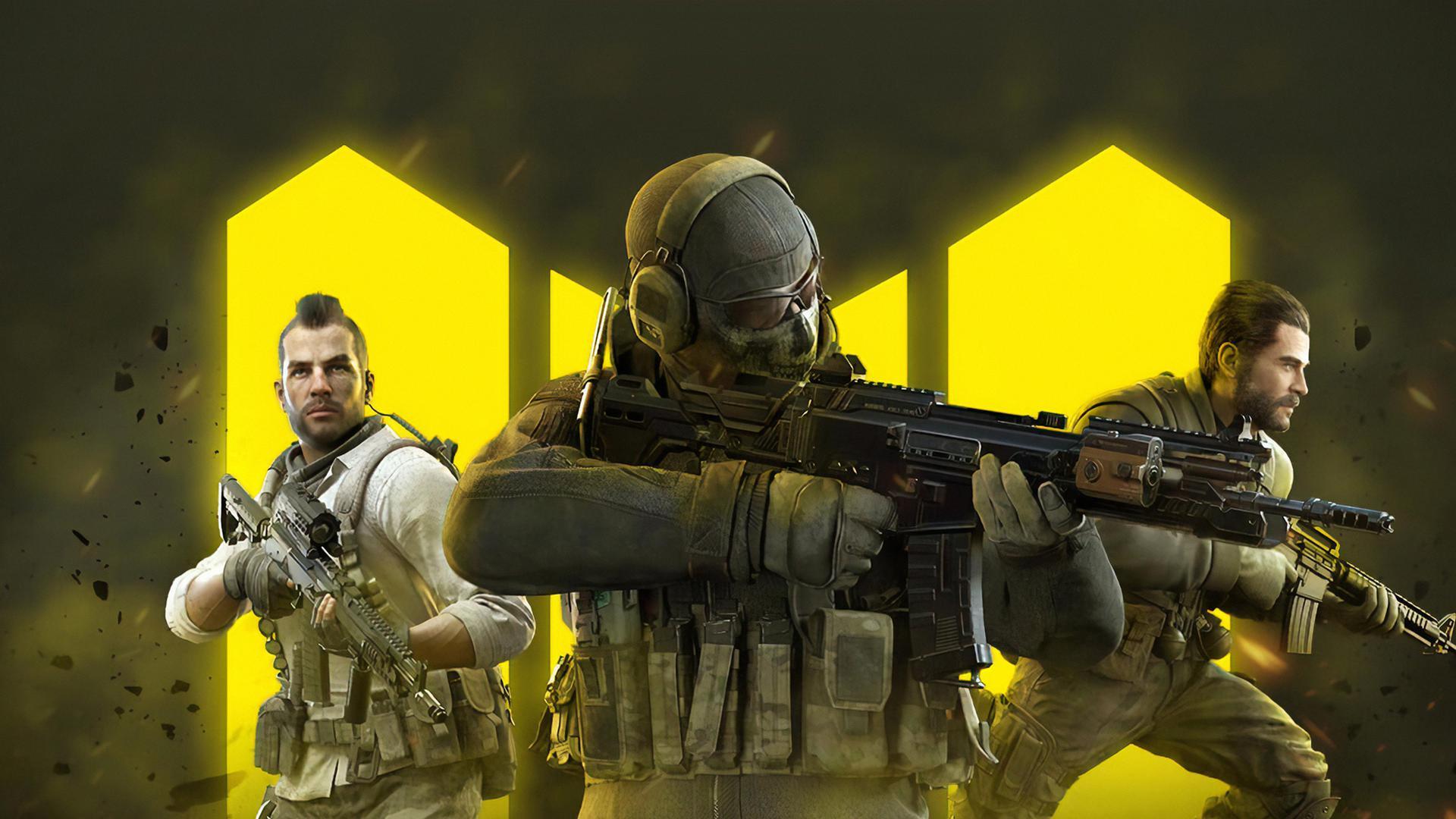
The mobile version of ‘Call of Duty’ offers various weapon skins and avatars through its seasonal battle pass and shop. During the month of June players can often find a free bundle containing a few pride themed items. These cosmetics are frequently overshadowed by the more elaborate and expensive legendary skins released at the same time. The mobile platform’s focus on microtransactions makes the free rewards feel like a small gesture in a larger commercial machine. The temporary nature of these items further limits their impact on the game’s culture.
‘Rumbleverse’ (2022)
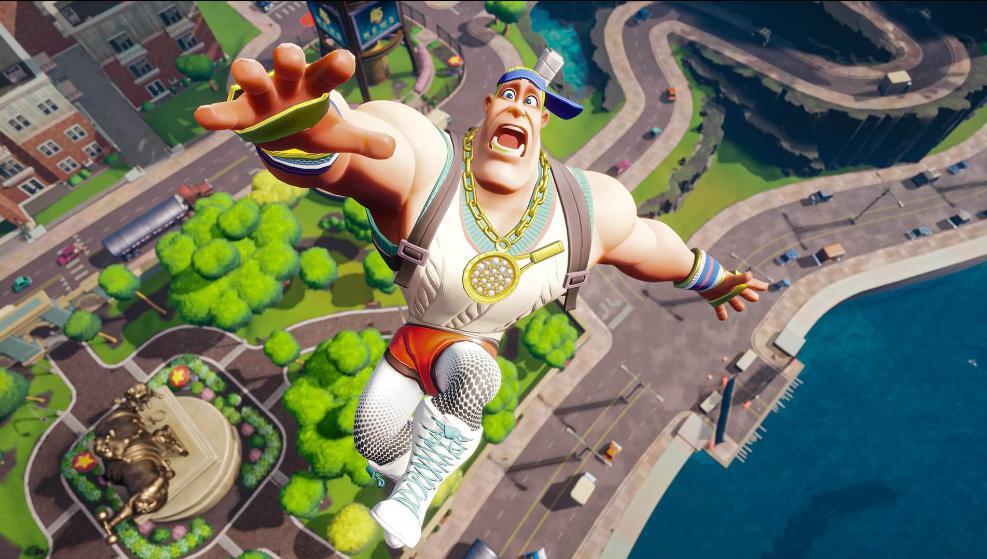
‘Rumbleverse’ offered several colorful accessories and patterns for players to use on their custom fighters during its short lifespan. These items were available for a limited time in the shop and were promoted as a way to celebrate the community. The game’s zany aesthetic already featured a wide range of colors which made the specific pride items feel less unique. Without dedicated gameplay modes the event was primarily a cosmetic update. This implementation followed the standard live service model of rotating seasonal goods.
‘Splitgate’ (2019)
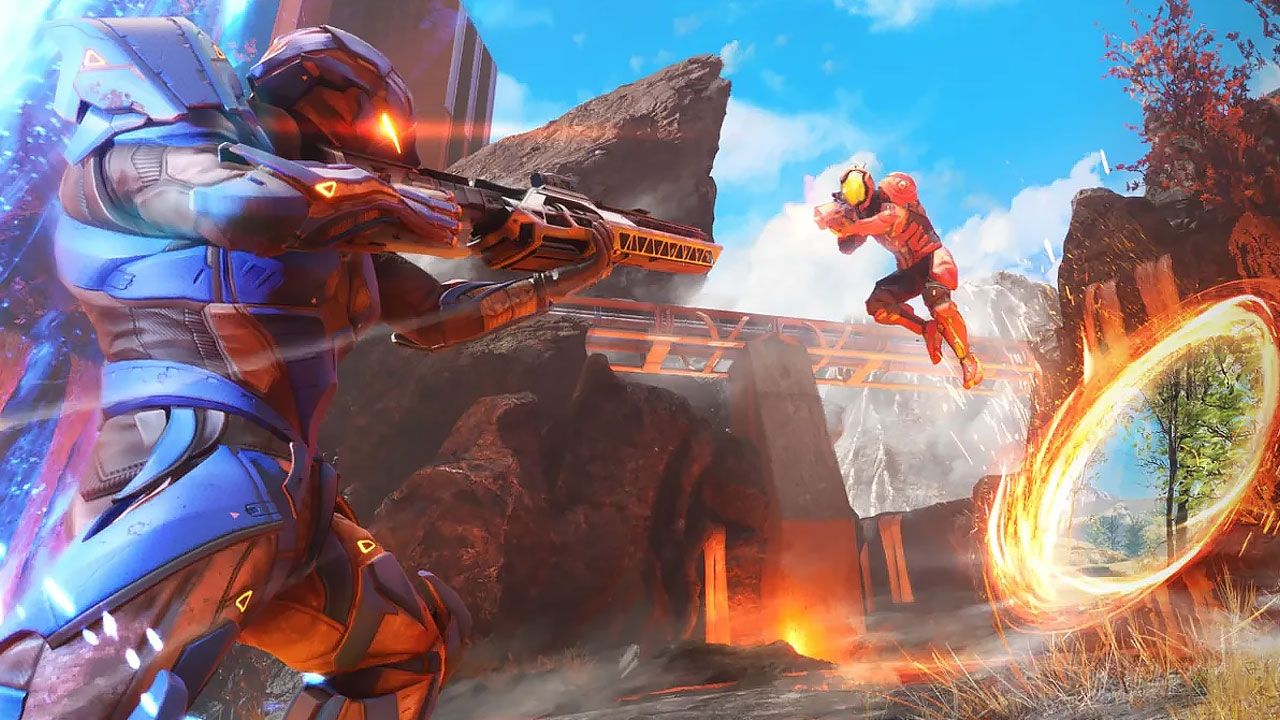
The portal based shooter ‘Splitgate’ added a specific weapon skin and player banner to its reward system to mark the month. These items were given to players as part of a login incentive program to drive engagement. The game’s futuristic arenas did not see any changes to reflect the celebration. Because the development team was small the effort was focused on these simple digital assets. Many players viewed the inclusion as a standard industry practice rather than a deep community engagement.
‘Knockout City’ (2021)
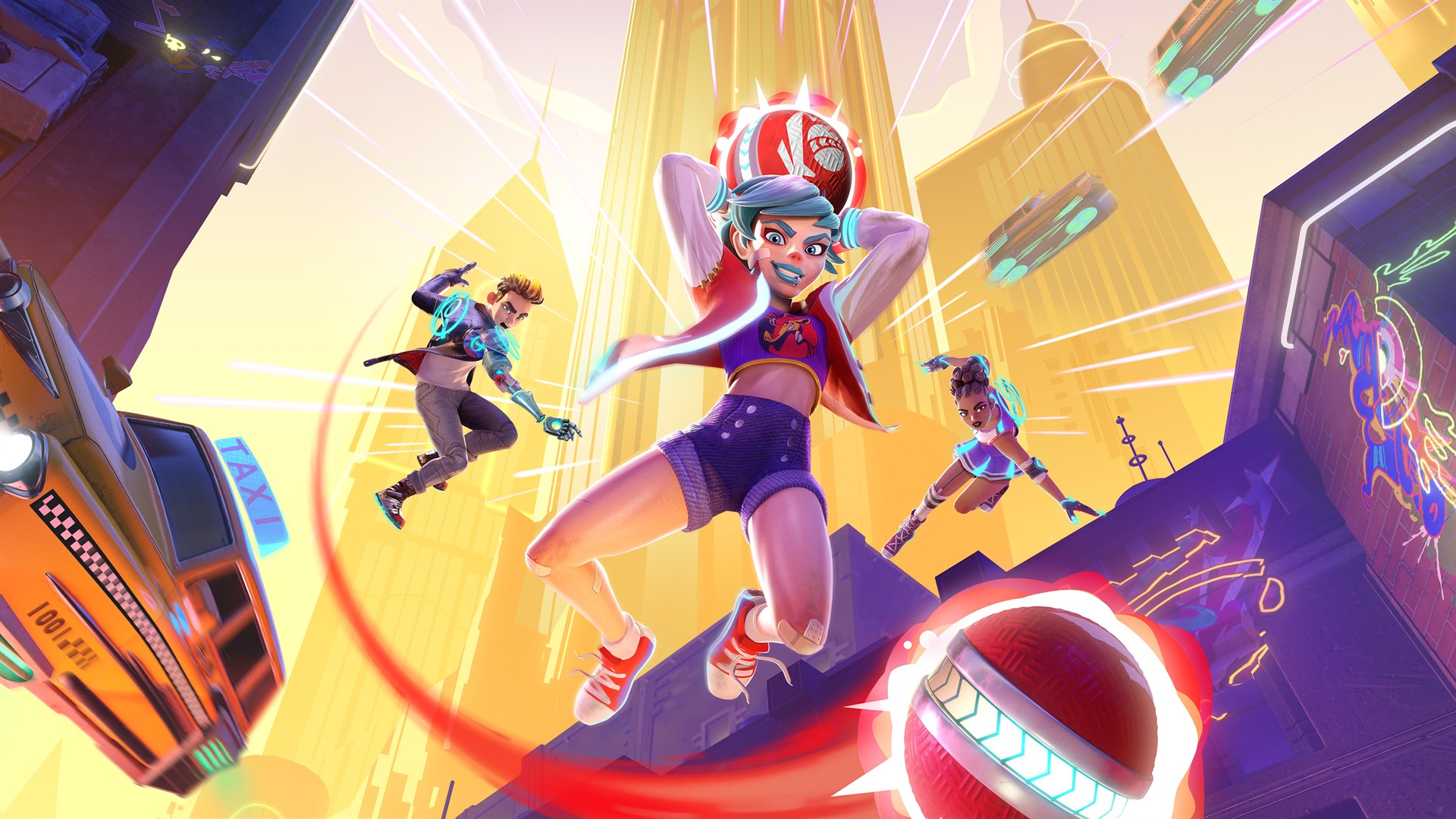
‘Knockout City’ featured a variety of player icons and banners that could be unlocked through special contracts during the event. These contracts required players to complete specific tasks in dodgeball matches to earn the rewards. The game’s social hub also included some minor decorations to celebrate the theme. While the developers were active in the community the in game rewards were largely similar to other seasonal drops. This consistency made the event feel like a scheduled part of the corporate content calendar.
‘The Division 2’ (2019)
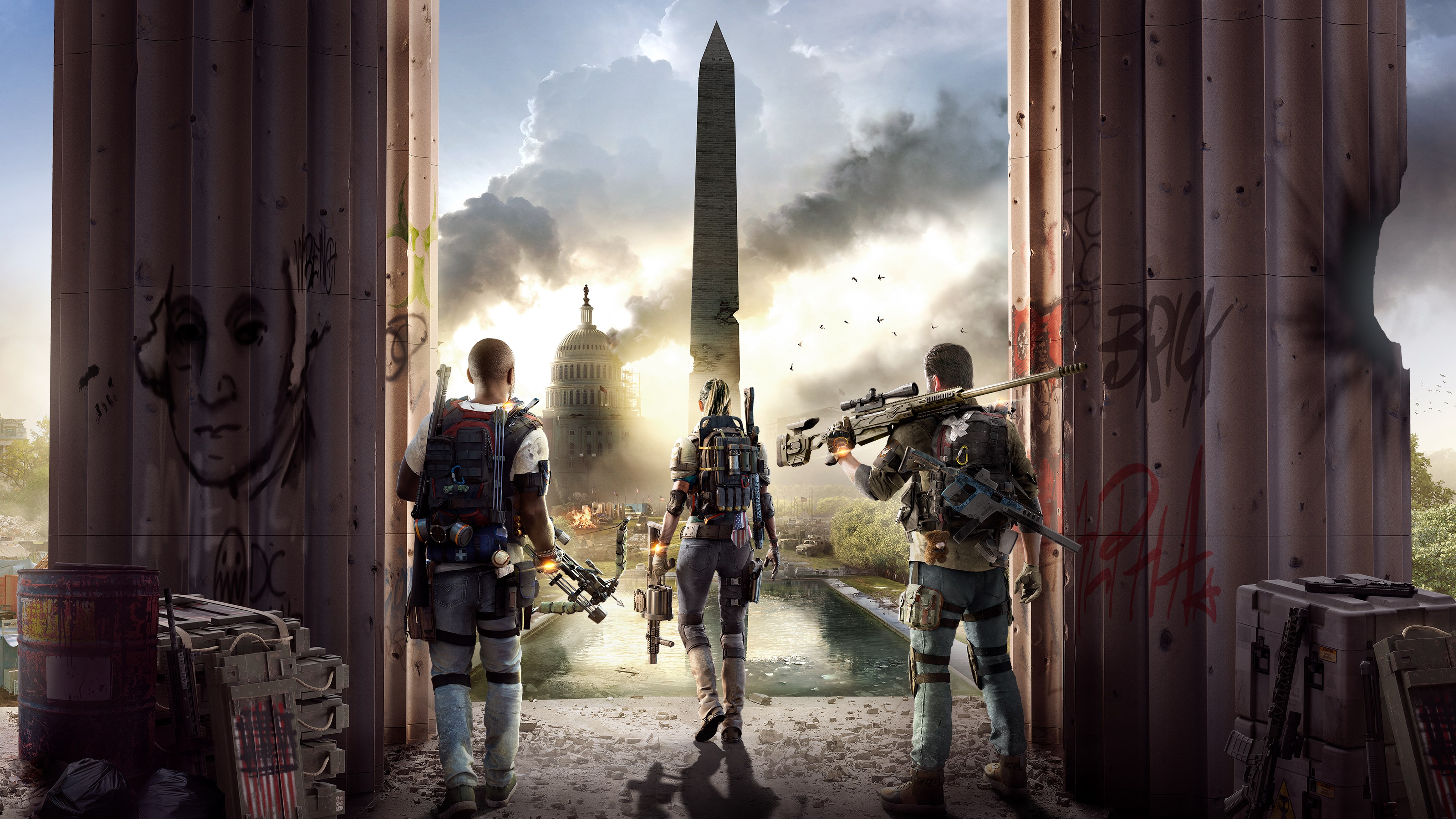
‘The Division 2’ has occasionally offered backpack trophies or patches that feature colorful designs during the summer. These items are small and do not significantly change the appearance of the player’s tactical gear. The gritty post apocalyptic setting of Washington D.C. remains unchanged during these promotional periods. The developers do not include any unique missions or world events to support the theme. This makes the rewards feel like minor additions designed to satisfy a corporate checklist.
‘For Honor’ (2017)
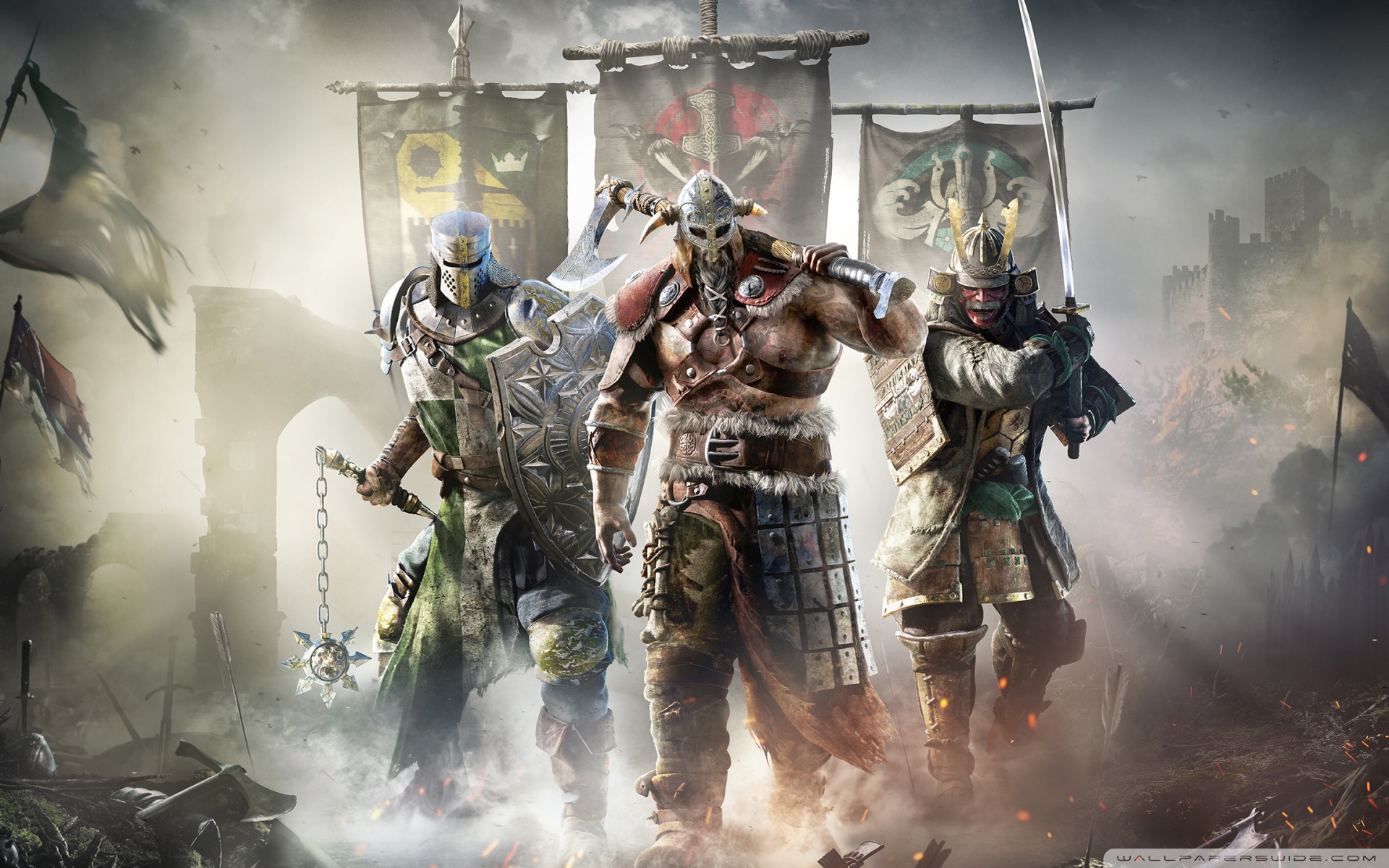
‘For Honor’ provides players with an emblem outline and a specific color palette to use on their warriors. These items are usually free and can be claimed through the in game store for a limited time. The historical fantasy combat remains the sole focus of the experience with no thematic shifts in the battlefields. The rewards are very basic and have not evolved significantly since they were first introduced. Some players feel that the game’s developer is simply maintaining a status quo with these annual offerings.
‘Dead Island 2’ (2023)
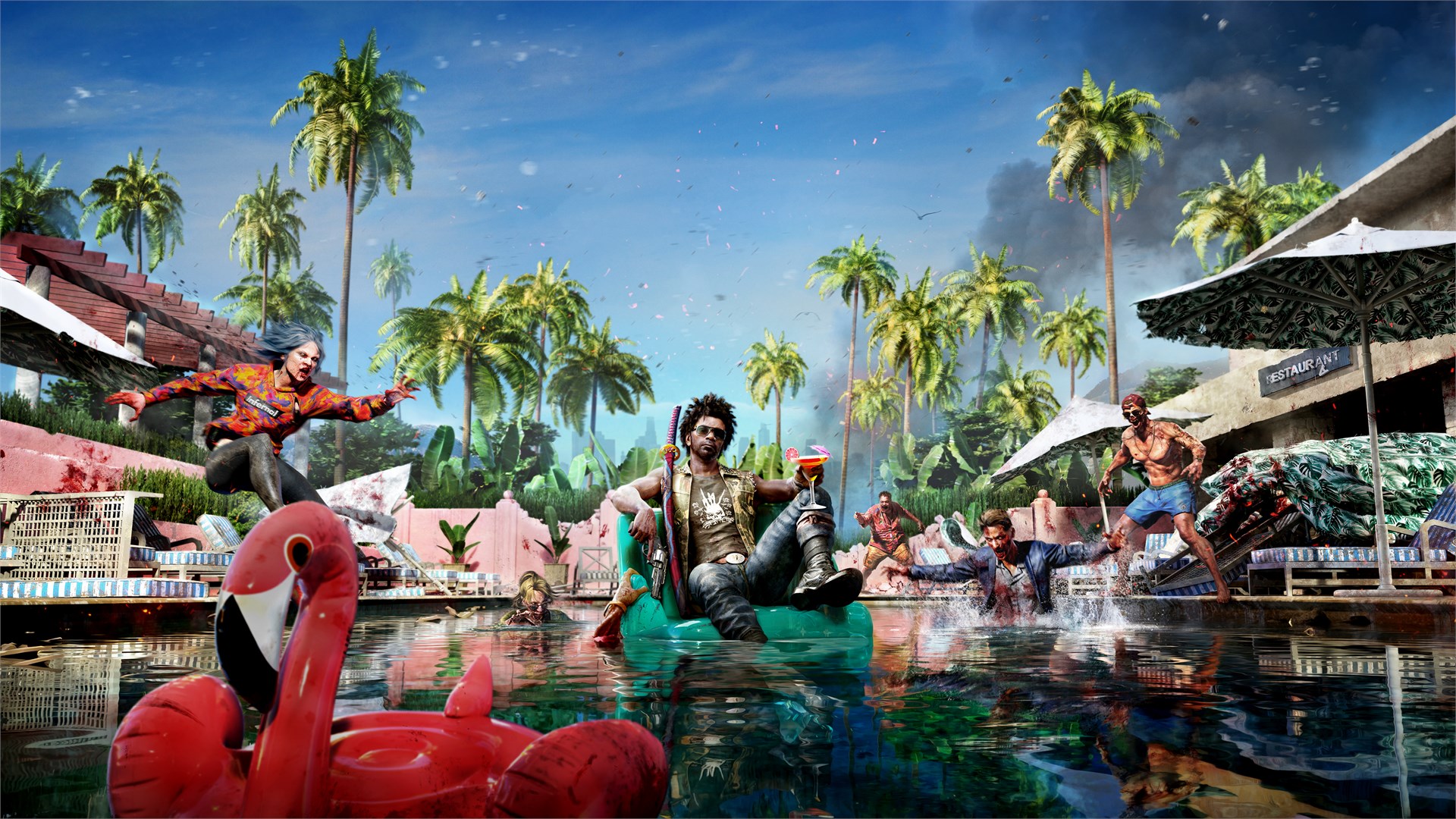
‘Dead Island 2’ features various environmental details in its version of Los Angeles that reflect a diverse urban culture. The game does not host a specific pride event but the developers use social media to highlight these existing assets in June. There are no unique weapons or character skins released specifically to celebrate the month. By pointing to existing content the corporate messaging avoids the need for new development. This strategy can feel like a way to claim credit for inclusivity without active participation in the event.
‘Saints Row’ (2022)
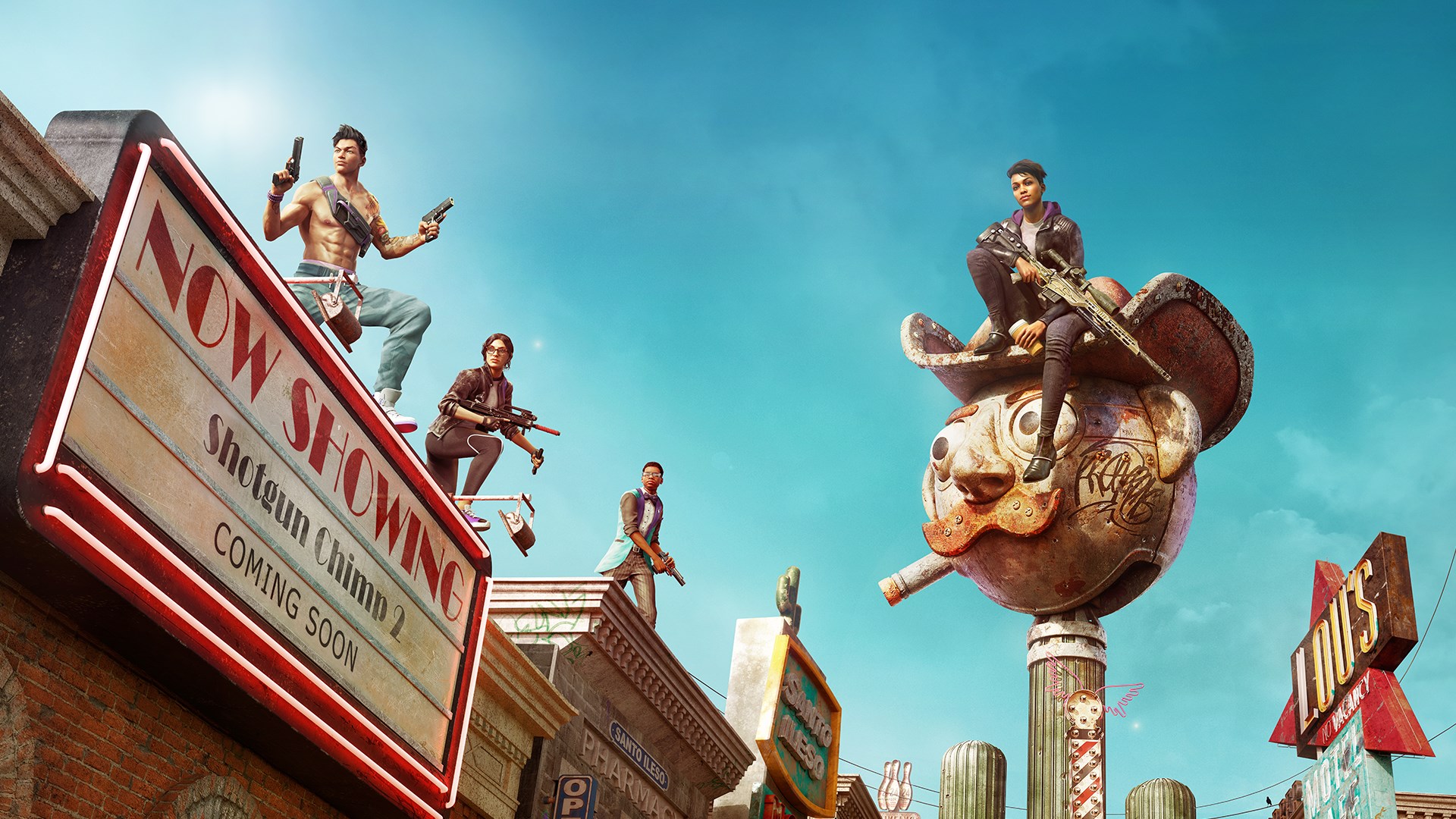
The ‘Saints Row’ reboot includes many customization options that allow for a wide range of self expression. The developers highlighted these features during the month of June as part of their commitment to diversity. However the game did not receive any specialized pride updates or unique event missions after its launch. The focus on existing features in marketing materials can seem like a convenient way to avoid creating new content. This approach relies on the game’s base mechanics to do the work of a seasonal celebration.
‘Minecraft’ (2011)
‘Minecraft’ releases various marketplace items and character creator parts that feature colorful pride designs. These items are often created by third party developers and highlighted by the main brand on their digital storefront. The base game itself does not undergo any official changes or host global events to mark the occasion. While the platform allows for immense creativity the corporate involvement is mostly limited to curation and promotion. This makes the celebration feel like a series of individual product listings rather than a unified event.
‘Animal Crossing: New Horizons’ (2020)
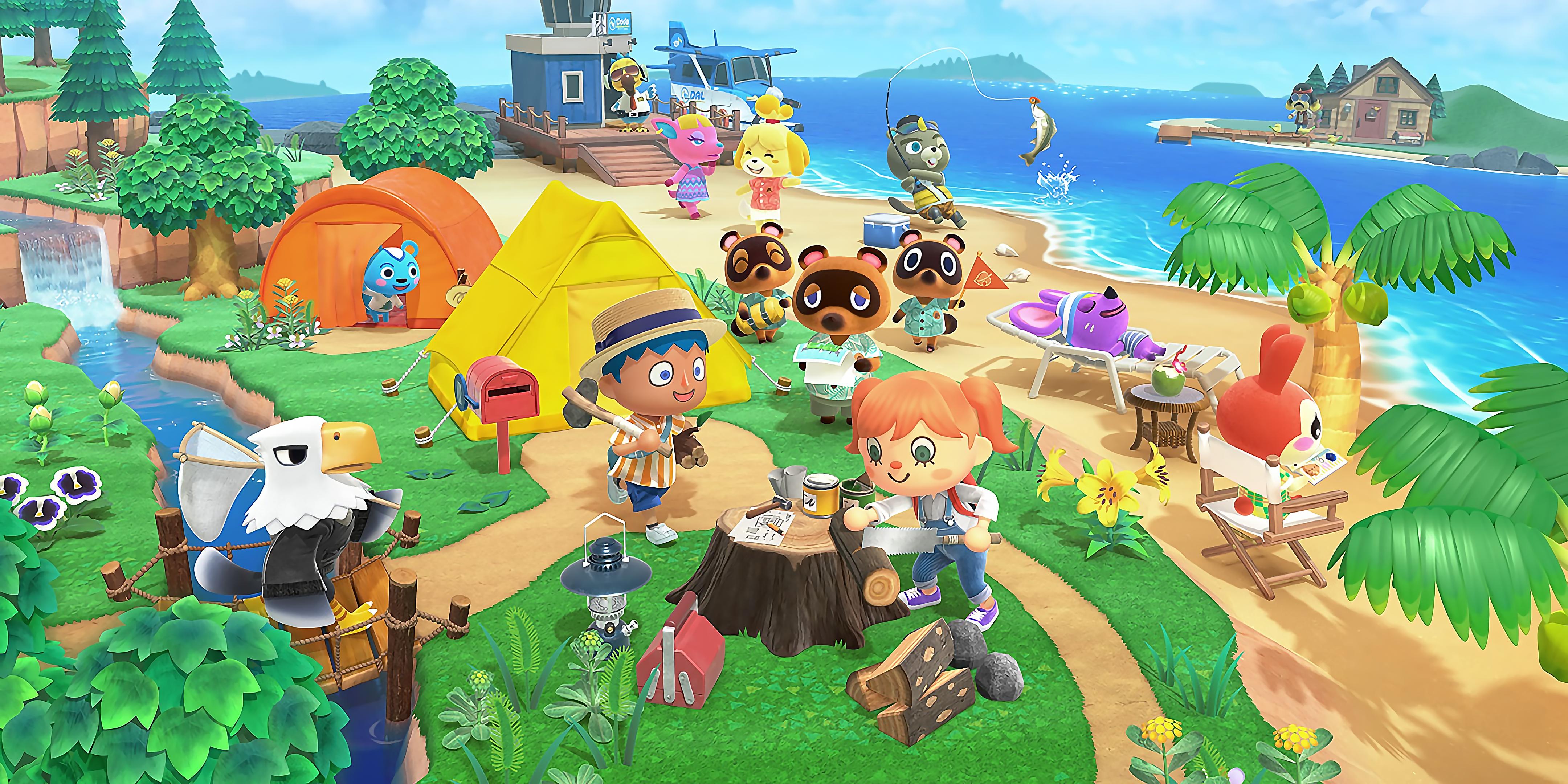
‘Animal Crossing: New Horizons’ does not have an official in game pride event but the community uses the design tools to create their own celebrations. Nintendo has acknowledged these player efforts on social media but has not added official themed furniture or clothing. This lack of official support is noted in comparison to the many other holidays that receive dedicated items and character visits. By allowing the community to lead the corporate entity avoids taking a definitive stance within the game software. This hands off policy makes the occasional social media post feel like a minimal effort.
‘PUBG: Battlegrounds’ (2017)
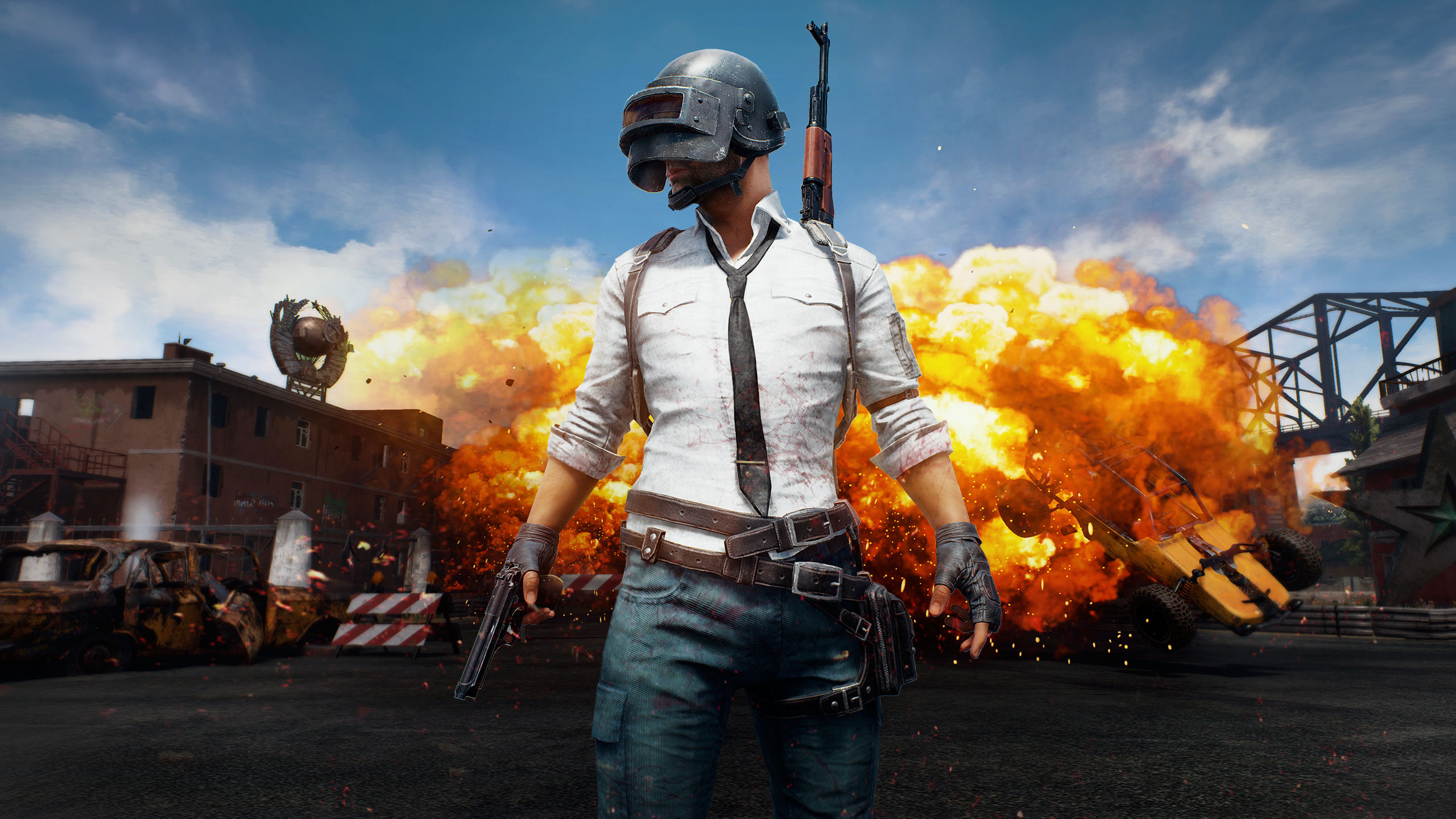
‘PUBG: Battlegrounds’ has offered specific nameplates and spray decals that feature rainbow patterns during its seasonal updates. These items are often tucked into the massive library of cosmetic goods available in the game’s store. The tactical survival gameplay does not feature any unique events or map changes to support the theme. The rewards are purely cosmetic and often require players to navigate complex menu systems to find them. This implementation feels like a standard procedure for a large scale live service game.
Tell us what you think about these in game events in the comments.