

Games Where Pride Events Felt Like Corporate Checkbox Additions

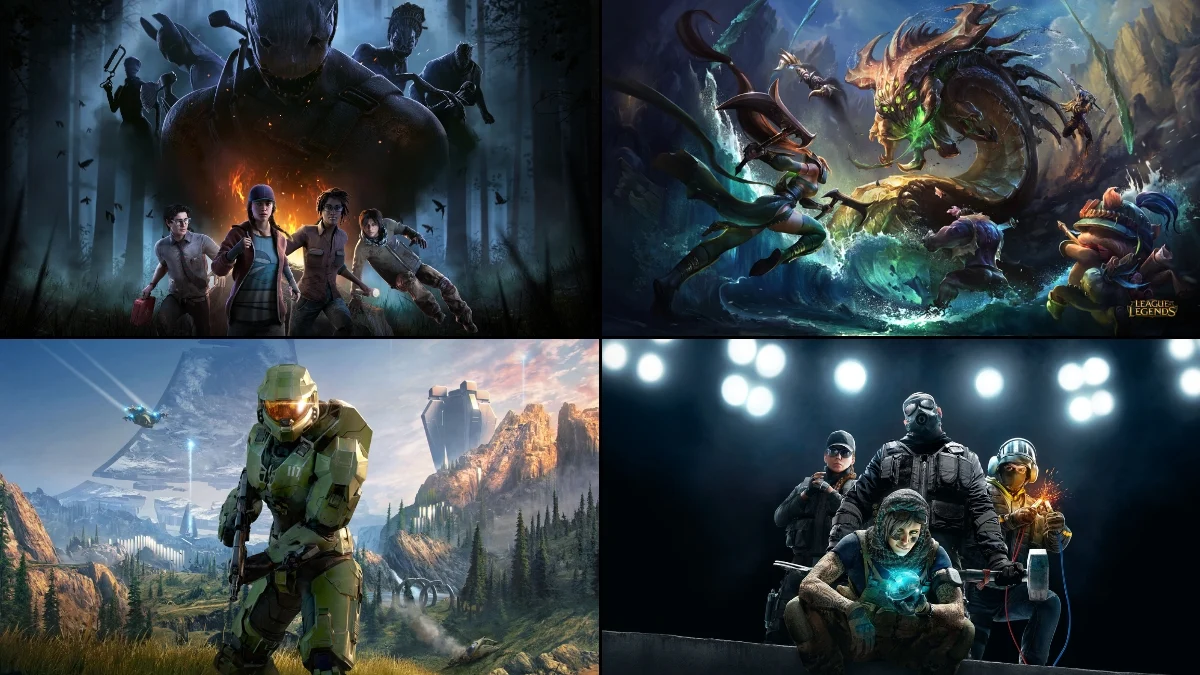


The gaming industry frequently utilizes Pride Month to showcase inclusivity through limited-time events, themed cosmetics, and social media campaigns. While these initiatives aim to celebrate the LGBTQ+ community, they often face scrutiny for appearing as surface-level corporate gestures rather than meaningful structural changes. Players and critics frequently point to regional censorship, the temporary nature of digital items, and the monetization of Pride-themed content as evidence of a “checkbox” approach. This list examines fifteen titles where the implementation of Pride events sparked discussions about corporate sincerity and the commercialization of advocacy.
‘Overwatch 2’ (2022)
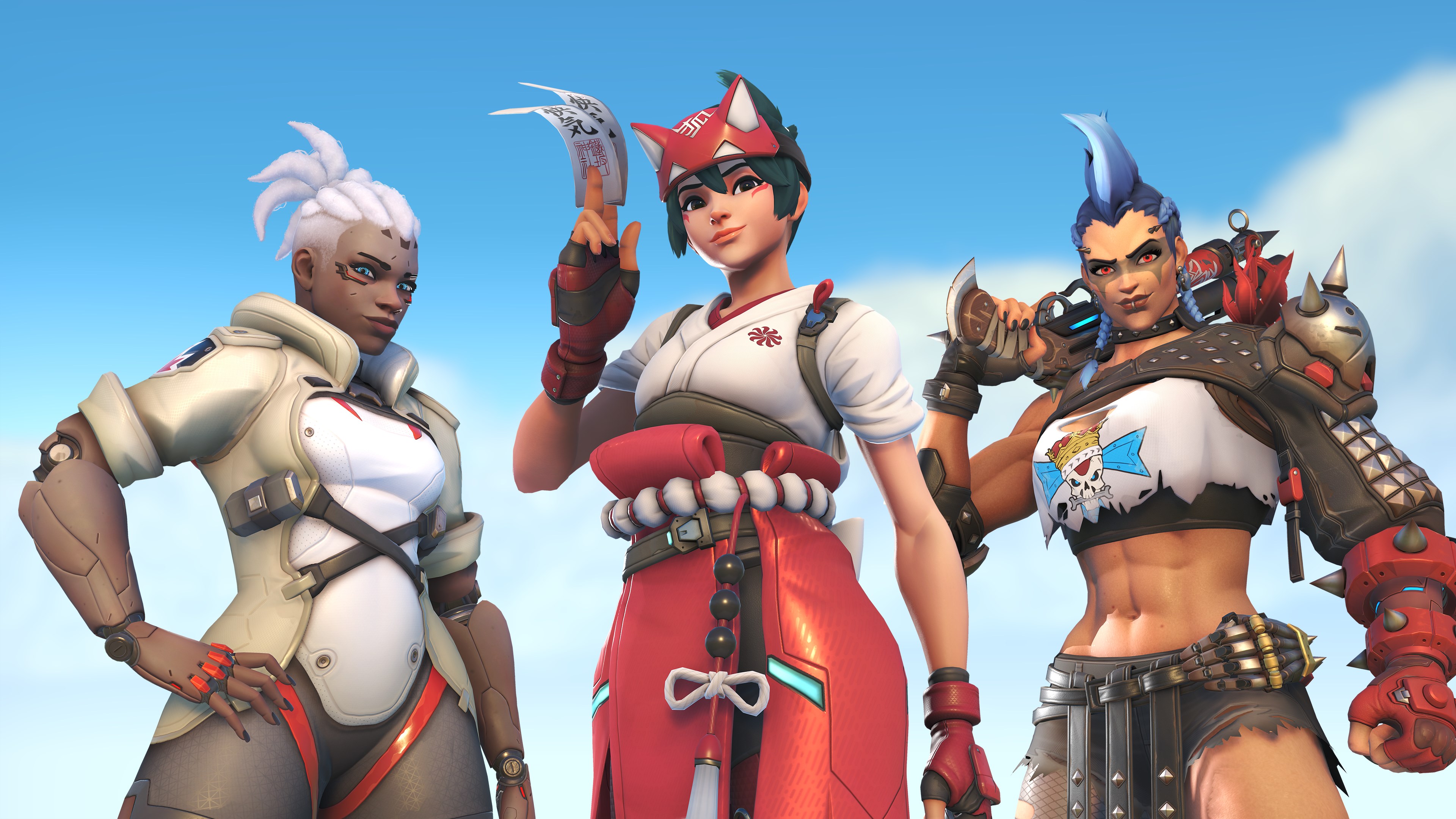
Blizzard Entertainment introduced the first official Pride event for ‘Overwatch 2’ in 2023, featuring a redesigned Midtown map and new character lore. The developer faced immediate backlash when it was revealed that the event content was entirely blocked in regions with restrictive anti-LGBTQ+ laws. This decision allowed the company to maintain its presence in those markets while promoting inclusivity in others, leading to accusations of selective activism. Many fans felt that the geographic restriction undermined the event’s message of universal acceptance. The move reinforced the perception that the celebration was a calculated business decision rather than a core company value.
‘League of Legends’ (2009)
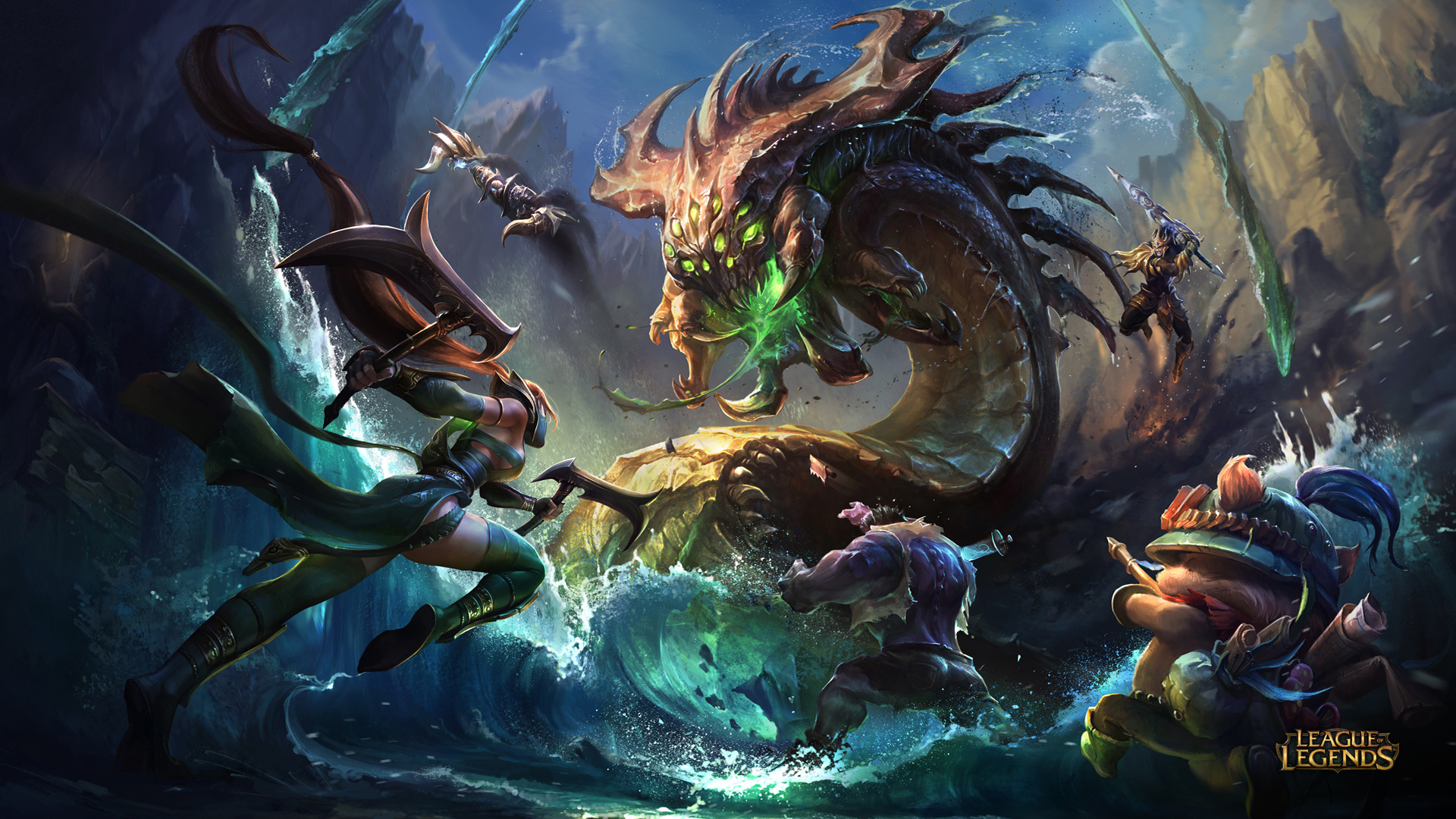
Riot Games celebrates Pride annually in ‘League of Legends’ by offering players specific icons and homeguard trails that produce rainbow effects. These visual effects are typically temporary, disappearing from the game once the month of June concludes, which has led to complaints about the fleeting nature of the representation. Furthermore, Riot has been criticized for altering or removing Pride-themed assets in international versions of the game to comply with local censorship. This practice of regional tailoring suggests to many players that the event is a localized marketing strategy. The lack of permanent, globally available content remains a point of contention within the community.
‘Apex Legends’ (2019)
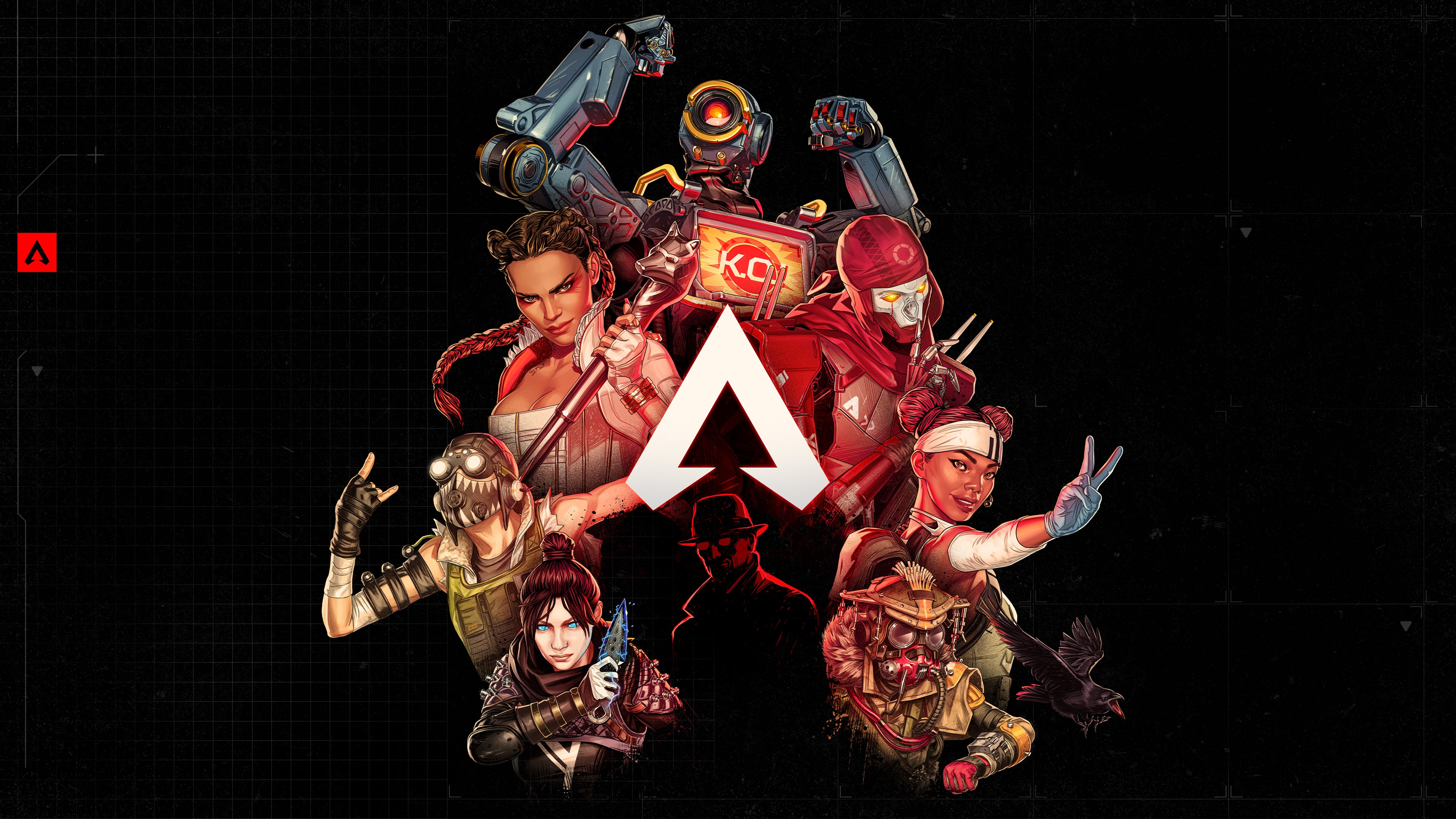
Developed by Respawn Entertainment and published by Electronic Arts, ‘Apex Legends’ often releases Pride-themed badges and stat trackers for players to display on their profiles. While the game features a diverse cast of characters with established backstories, the annual Pride activations are frequently limited to these small digital tokens. Critics argue that these additions require minimal developmental effort and serve as an easy way to signal inclusivity without expanding the game’s narrative. The focus on collectible badges rather than significant gameplay events or community support initiatives has been described by some as performative. This approach is often contrasted with the game’s deeper character-driven storytelling seen throughout the rest of the year.
‘Fortnite’ (2017)
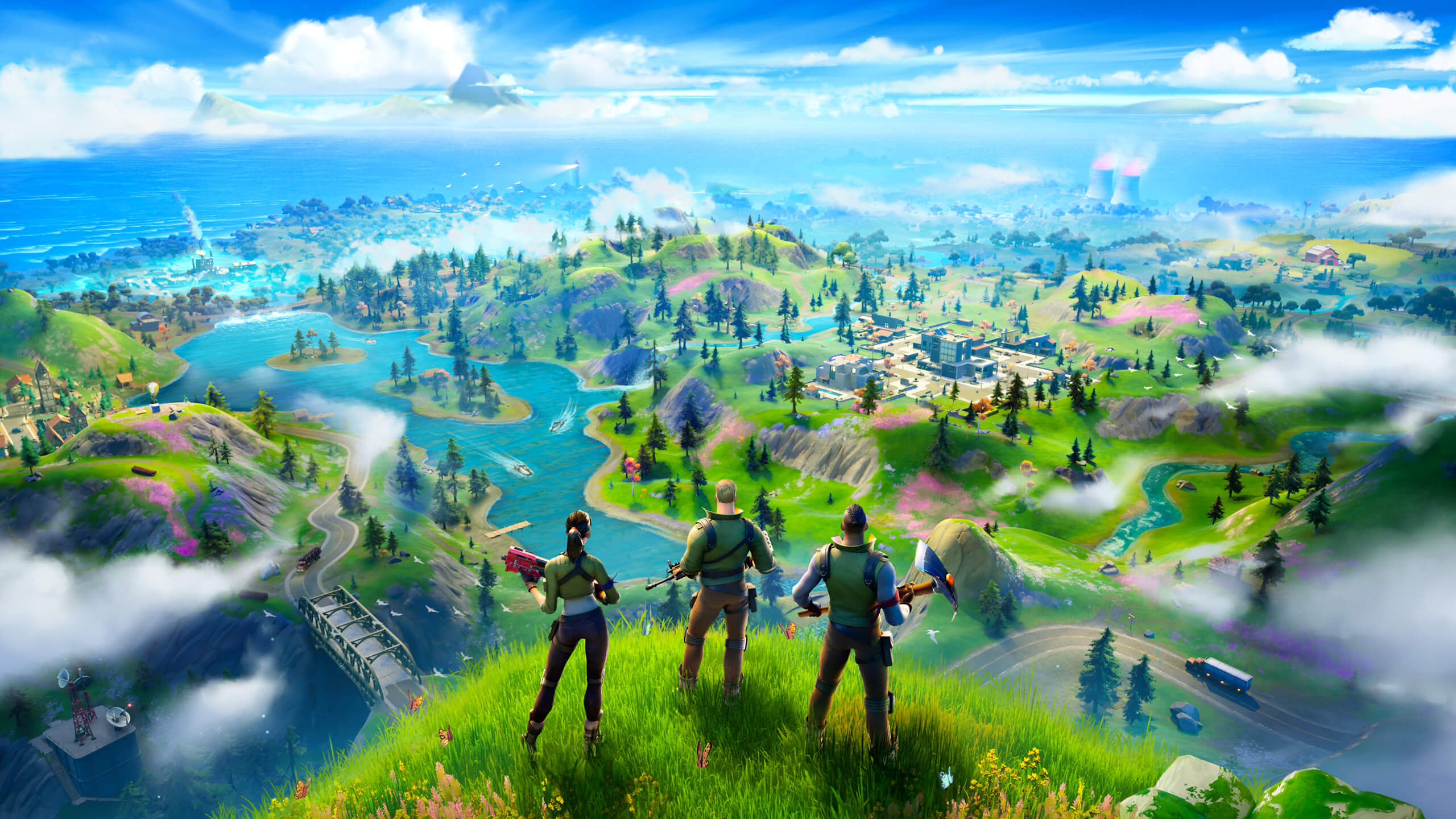
Epic Games hosts an annual “Rainbow Royale” event in ‘Fortnite’ that includes free items like emotes, sprays, and loading screens. Despite the high visibility of these items, the event is often criticized for being disconnected from the game’s broader narrative or social impact. Players have noted that the celebration feels like a standard seasonal rotation of cosmetics rather than a dedicated effort to support the community. The absence of permanent changes or long-term partnerships beyond the cosmetic shop contributes to the feeling of a corporate mandate. For many, ‘Fortnite’ represents the pinnacle of “cosmetic-only” representation in modern live-service gaming.
‘Call of Duty: Modern Warfare III’ (2023)
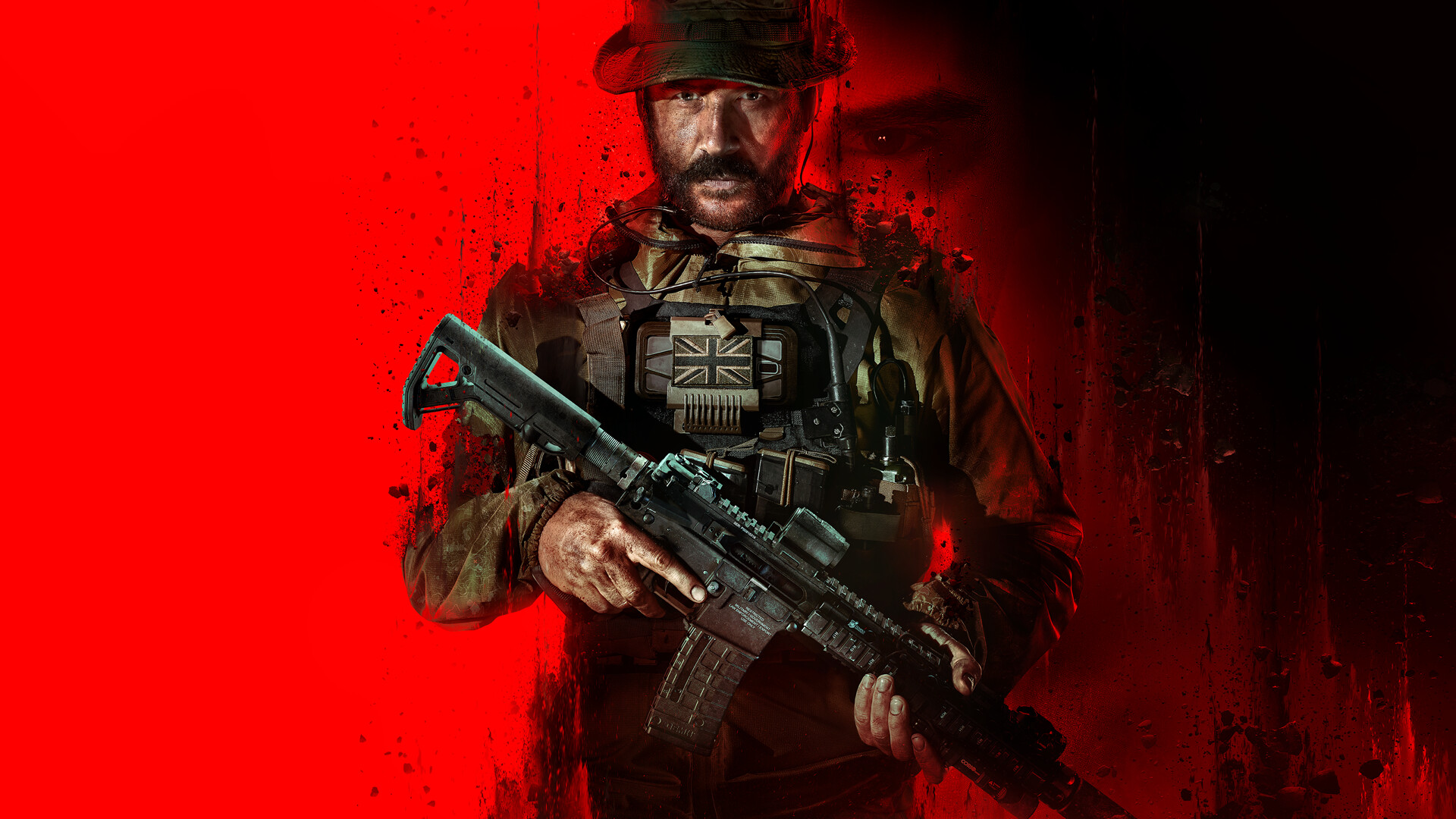
Sledgehammer Games and Activision released a series of Pride-themed calling cards and weapon camos as part of their seasonal content updates. These additions were met with skepticism by a community that often cites the franchise’s struggle with toxic in-game environments and harassment. Critics argued that adding colorful cosmetics does little to address the systemic issues faced by LGBTQ+ players within the game’s voice chat and competitive spaces. The contrast between the inclusive imagery and the reality of the player base’s behavior led to the event being labeled as a corporate formality. This implementation is frequently used as an example of how visual representation can feel hollow without accompanying moderation reforms.
‘Dead by Daylight’ (2016)

Behaviour Interactive introduced a Pride charm in ‘Dead by Daylight’ after years of requests from its highly active LGBTQ+ player base. The initial release was criticized because the charm was a small, easily missed accessory that could only be hung on a survivor’s waist or a killer’s hook. Many players felt that such a minor addition was the “bare minimum” compared to the elaborate skins released for other seasonal events. Although the developer eventually expanded on this with character-specific lore, the rocky start set a tone of corporate hesitation. The charm remains a symbol of how small-scale digital items can fail to satisfy a community seeking genuine recognition.
‘The Sims 4’ (2014)
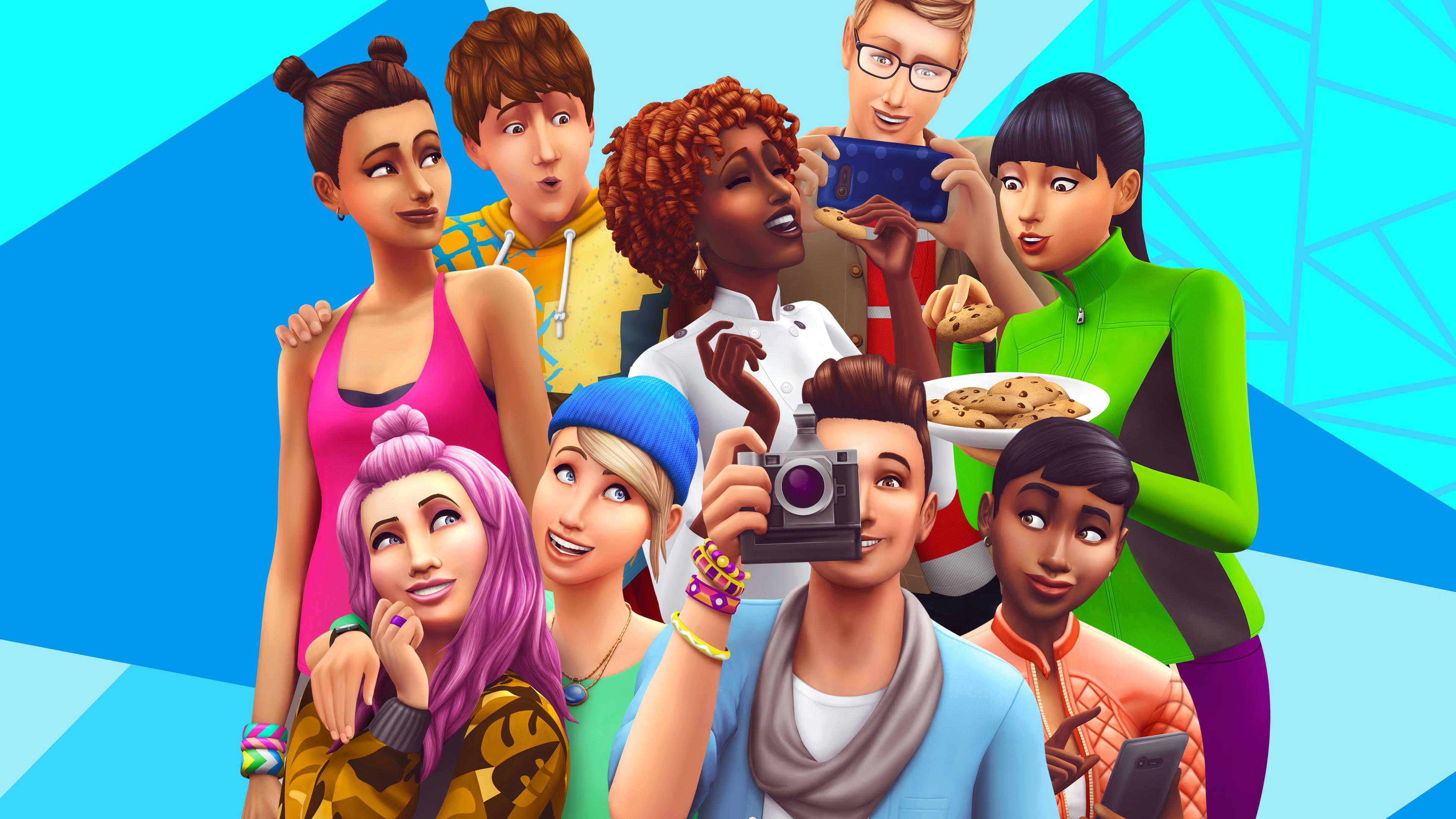
In 2019, Maxis and Electronic Arts partnered with the ‘It Gets Better’ project to bring Pride-themed clothing and furniture to ‘The Sims 4’. While the content was free, the heavy branding of the ‘It Gets Better’ logo on the digital items made the update feel like a cross-promotion. Community members pointed out that the update prioritized branded shirts over long-requested gameplay features like deeper romantic systems or better representation for non-binary identities. The collaboration was seen by some as a way to leverage a charity’s name for positive PR without significantly evolving the game’s mechanics. This led to discussions about the difference between corporate partnerships and organic game improvement.
‘Destiny 2’ (2017)
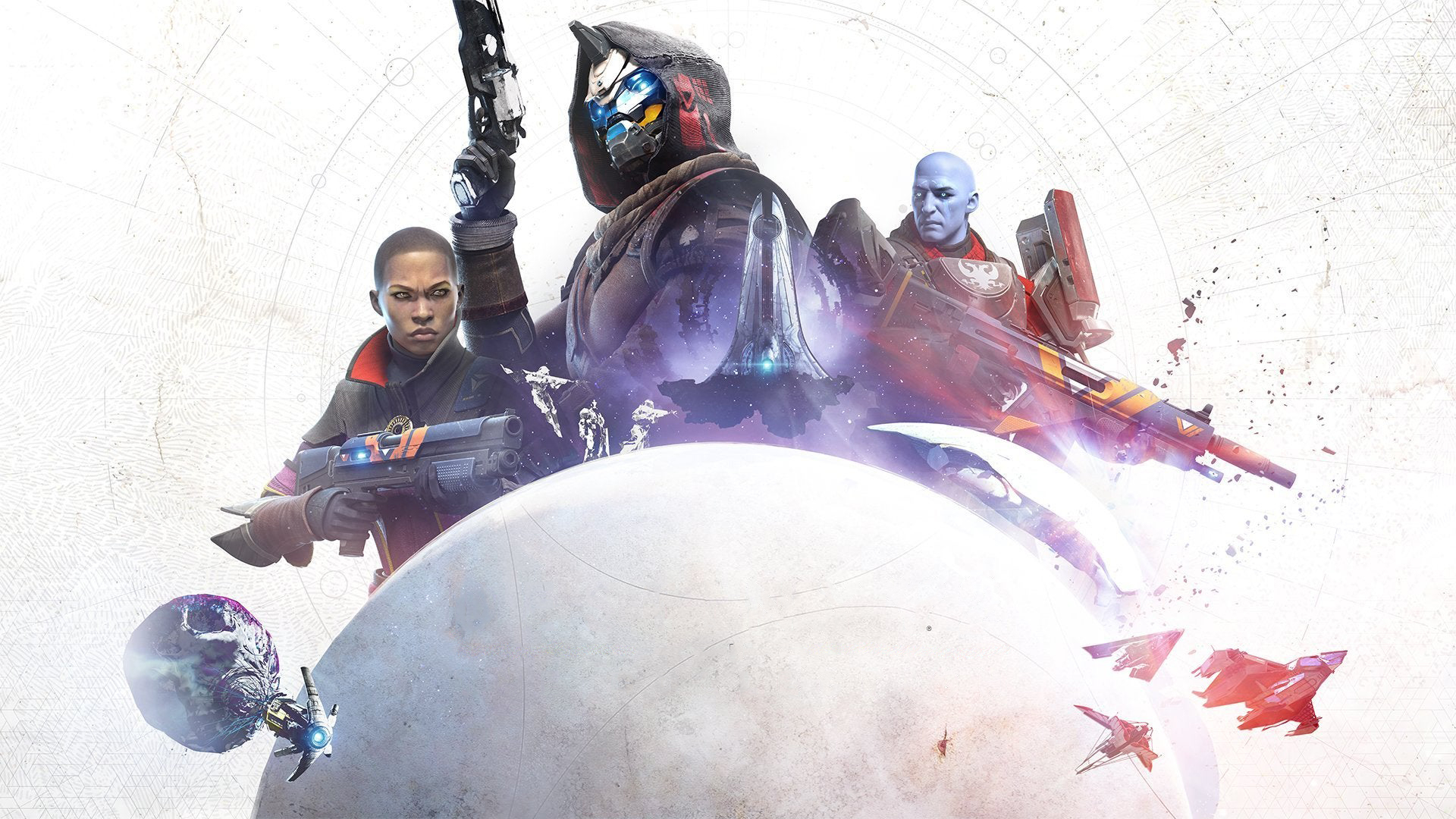
Bungie often marks Pride by selling physical and digital “collectible pins” and emotes, with proceeds sometimes benefiting the Bungie Foundation. While the charitable aspect is praised, the fact that much of the Pride content is tied to a purchase or a limited-time window has drawn criticism. Players have observed that ‘Destiny 2’ lacks permanent in-game landmarks or narrative events that celebrate Pride outside of the store. This creates a scenario where inclusivity is something that must be bought or earned during a specific timeframe. Consequently, the annual activation can feel more like a product launch than a persistent part of the game world.
‘Valorant’ (2020)
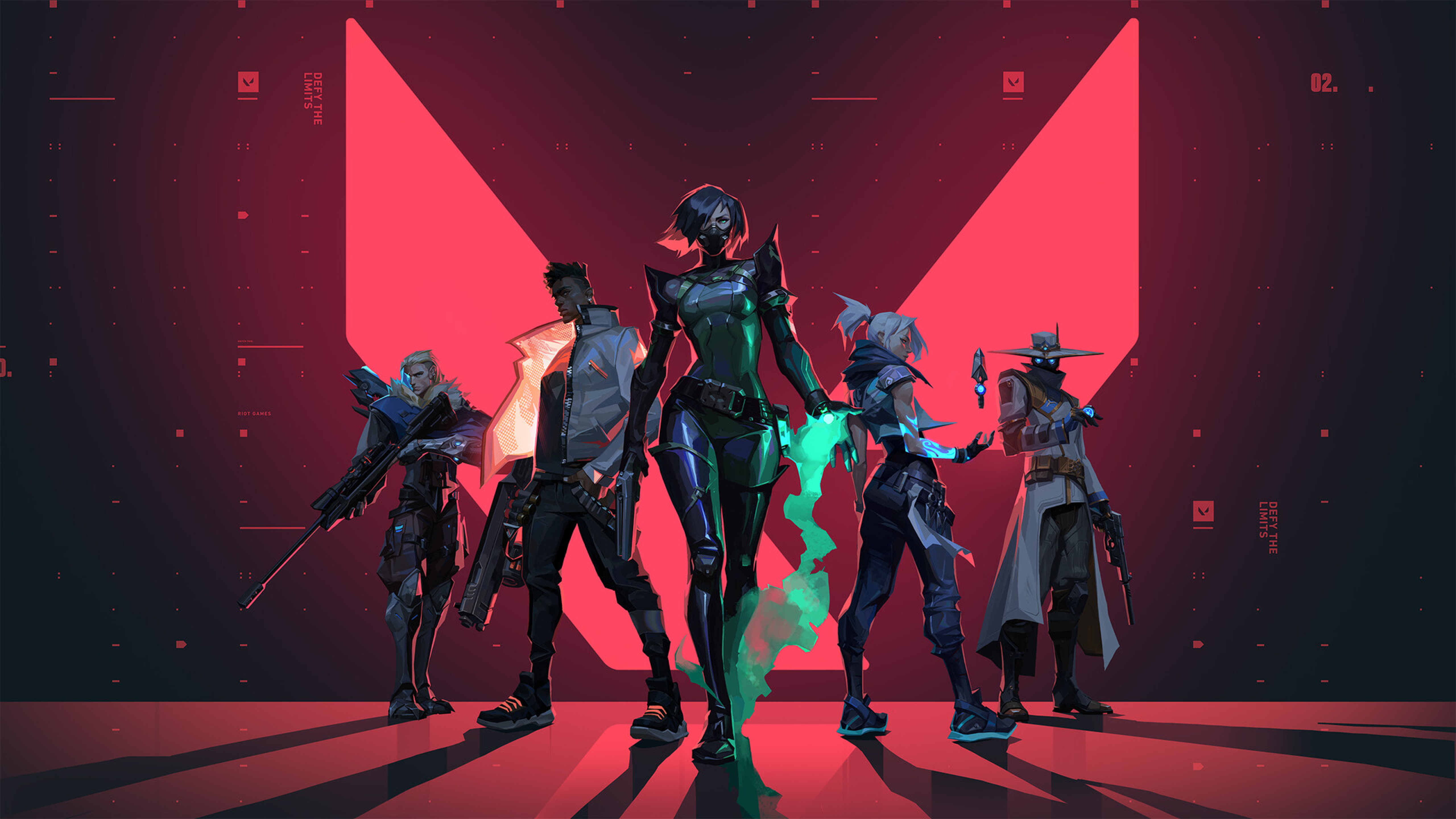
Riot Games utilizes a code-redemption system for Pride player cards and titles in ‘Valorant’ rather than integrating them directly into the in-game store or progression. This hurdle requires players to visit external websites to claim their items, which some see as an attempt to keep the content optional and less visible. Similar to other Riot titles, these items are often absent or modified in regions where LGBTQ+ expression is restricted. The reliance on external codes is viewed by some critics as a way to “opt-in” to inclusivity rather than making it a standard part of the game’s identity. This delivery method has been characterized as a way to avoid controversy in more conservative markets.
‘PUBG Mobile’ (2018)
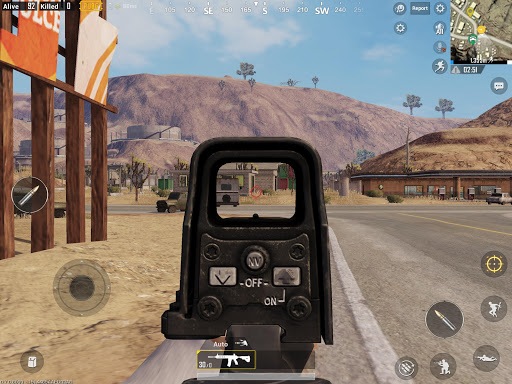
Developed by LightSpeed Studios and published by Krafton and Tencent, ‘PUBG Mobile’ has featured Pride-themed outfits and weapon skins in various updates. These items are frequently subject to strict regional blocking, meaning a player in one country might see the Pride content while a player in another sees a generic alternative. This inconsistent global presence has led to accusations that the developers are only inclusive when it is financially safe and convenient. The focus on monetized “crates” for these items also complicates the message of support. Many observers feel that the event is strictly a monetization tactic for specific demographics.
‘World of Warcraft’ (2004)
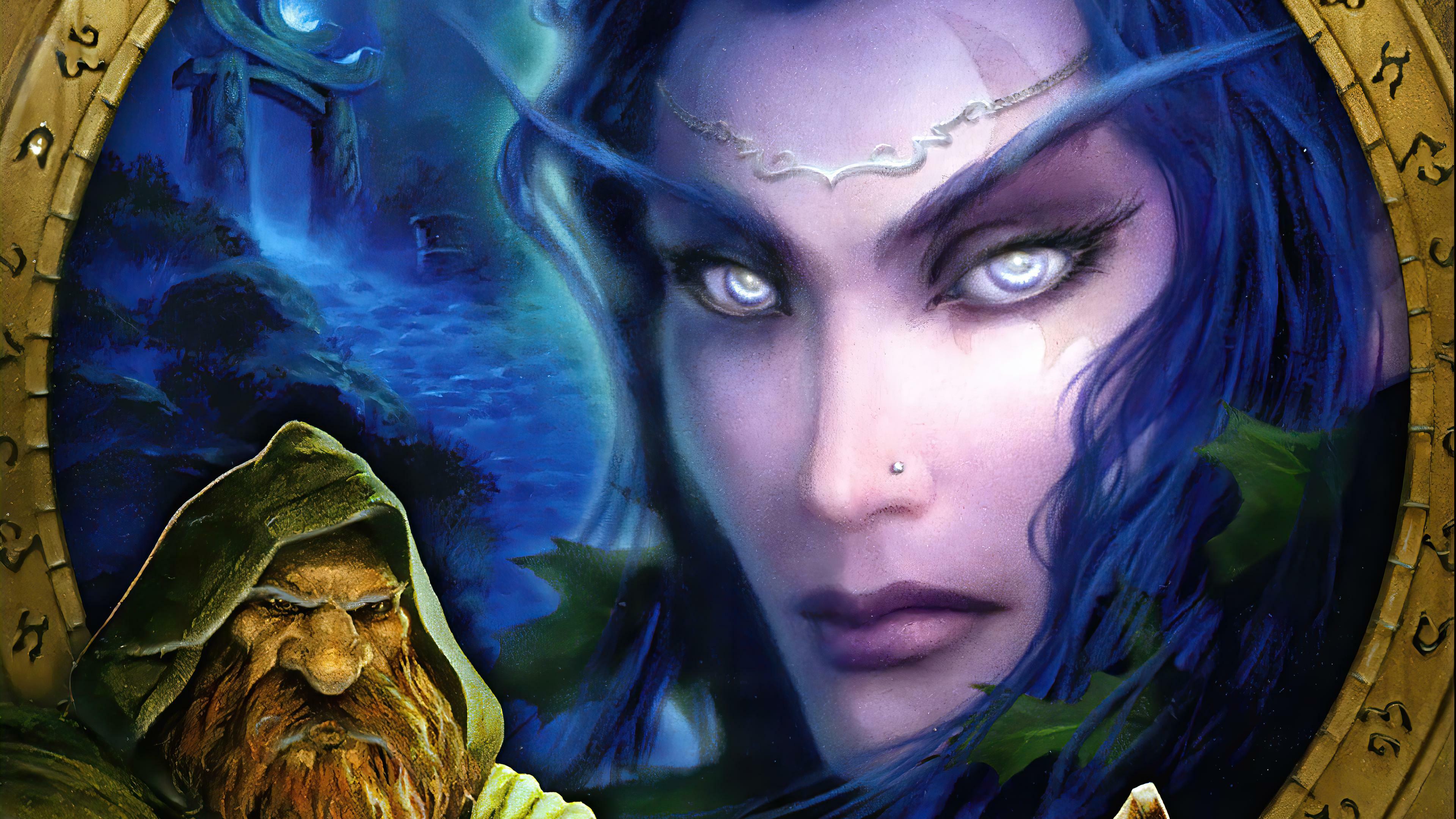
Blizzard Entertainment implemented its first official in-game Pride event, the “Pride of Azeroth,” nearly two decades after the launch of ‘World of Warcraft’. The event consists of a small gathering in major cities with rainbow visuals and the distribution of temporary cosmetic toys. Given the game’s long history, many players felt the sudden inclusion was a late attempt to follow modern corporate trends. The lack of permanent questlines or meaningful world-building associated with the event led to claims that it was a low-effort addition. For long-time fans, the timing felt more aligned with corporate optics than a genuine evolution of the game’s culture.
‘Halo Infinite’ (2021)
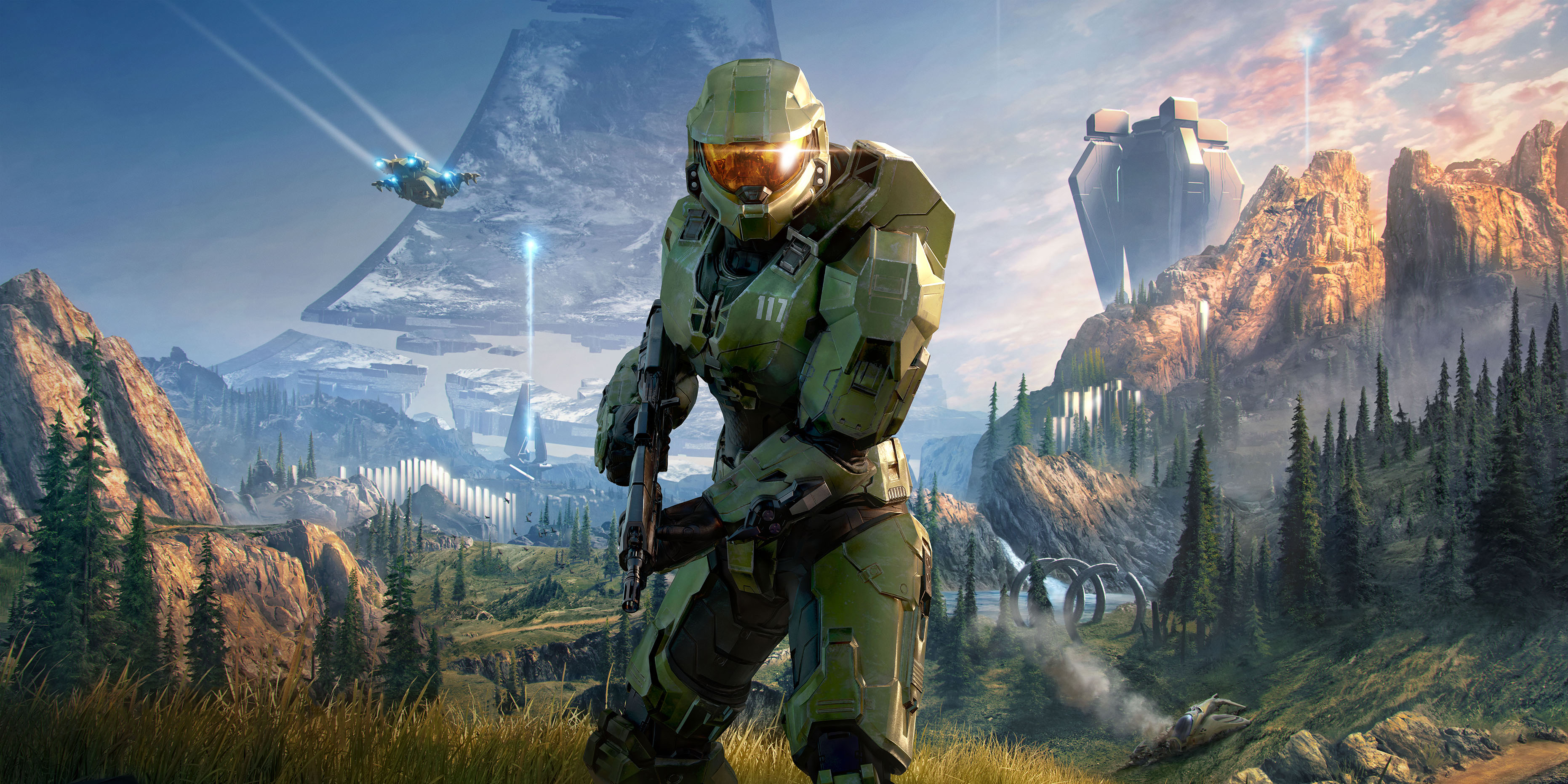
343 Industries and Xbox Game Studios released a “Unity” nameplate to celebrate Pride Month within ‘Halo Infinite’. This single cosmetic item was the extent of the game’s activation, which many fans found underwhelming compared to the series’ stature. The lack of accompanying community events, themed maps, or narrative content made the nameplate feel like a mandatory checkbox for the studio. Since the item was a simple static image for a profile, it was viewed as a “low-hanging fruit” implementation of advocacy. This minimal effort was frequently criticized on social media as an example of corporate indifference.
‘Minecraft’ (2011)

Mojang Studios and Xbox Game Studios often release Pride-themed “Build Challenges” and free marketplace items to celebrate the month. While these items allow for creative expression, they are often buried within the Marketplace or treated as secondary to larger gameplay updates. Some critics have noted that ‘Minecraft’ avoids explicit Pride celebrations within the base game’s core mechanics to maintain a completely neutral brand image. This separation ensures that the Pride content remains an optional “add-on” rather than a fundamental part of the ‘Minecraft’ experience. The result is an event that feels isolated from the actual game world that millions of players inhabit.
‘Rocket League’ (2015)

Psyonix and Epic Games offer “Love ISLV” bundles in ‘Rocket League’, which include rainbow-themed car toppers and trails. These items are typically released as a free bundle, but their impact is limited to visual flair in a game that lacks any narrative context. Critics suggest that because the game is strictly competitive, these additions serve as a simple aesthetic layer that does not require the developer to take a meaningful stance. The repetition of the same or similar items year after year has led to a sense of stagnation in how the game approaches the event. It is often cited as a prime example of “rainbow capitalism” within the sports-gaming subgenre.
‘Tom Clancy’s Rainbow Six Siege’ (2015)
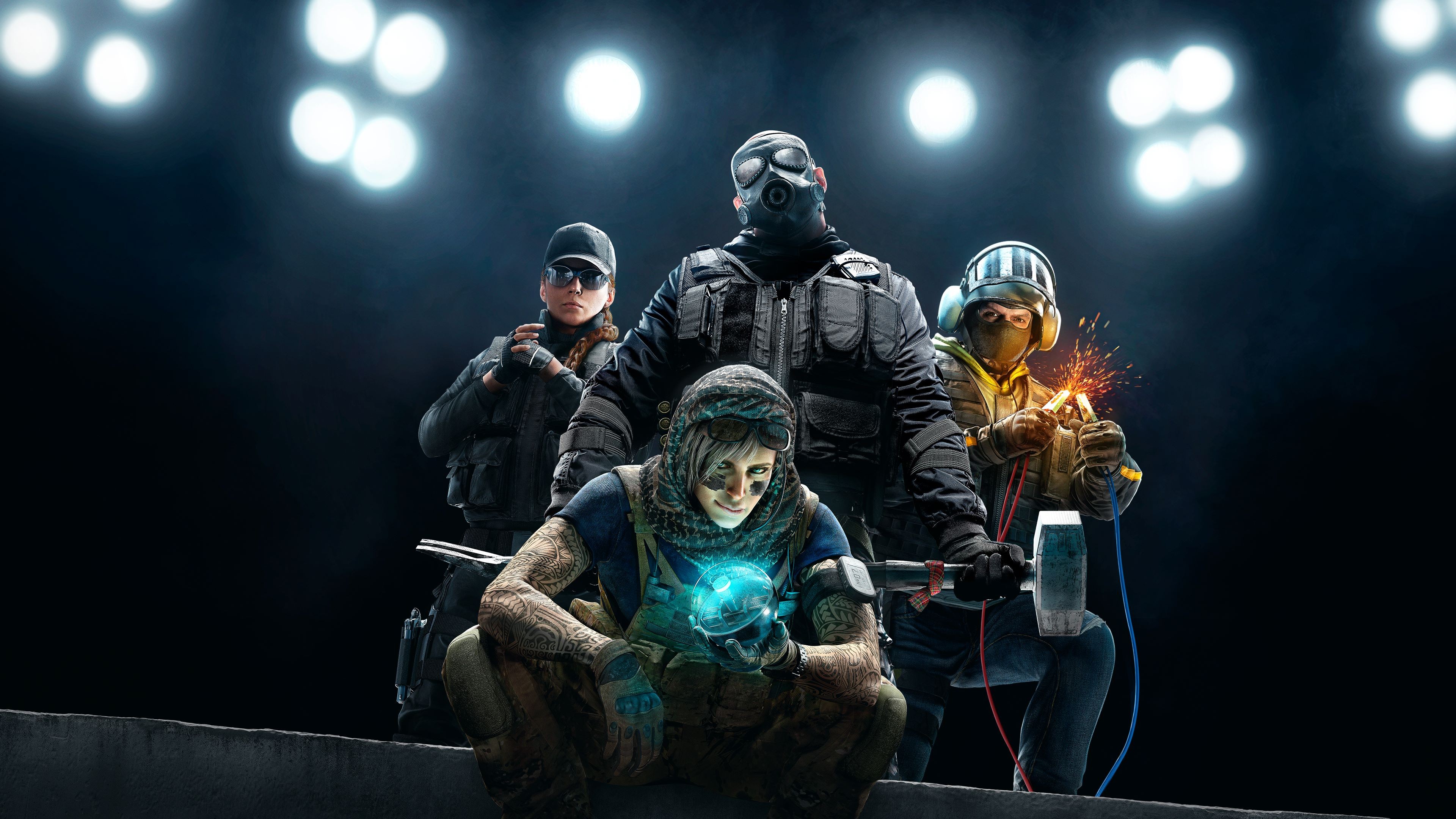
Ubisoft Montreal and Ubisoft introduced a Pride-themed background and weapon charm, with the background being specifically tied to the game’s battle pass or store. While Ubisoft has highlighted diverse operators in its lore, the specific Pride Month activations are often criticized for their heavy emphasis on monetization. Players have pointed out that celebrating the community by selling a “bundle” can feel exploitative rather than supportive. Furthermore, the game’s community has historically struggled with homophobia, and players have noted that a charm does little to fix the social environment of the game. This disconnect makes the annual sale of Pride items feel like a routine corporate transaction.
Share your thoughts on these in-game events and how you think developers could improve their approach to inclusivity in the comments.