

Games Where the Final Boss Is a Drag Queen (and She’s Amazing)



Video games have a long history of theatrical villains who blur gender lines and serve incredible looks while attempting to conquer the world. These antagonists often use high-camp aesthetics and dramatic performances to intimidate the hero, proving that power and style go hand in hand on the battlefield. From RPG sorcerers to flamboyant demon lords, these bosses demand attention with their dialogue, wardrobes, and stage presence. The following titles feature some of the most iconic “drag queen” energy ever seen in a final boss or major antagonist.
‘Final Fantasy IX’ (2000)
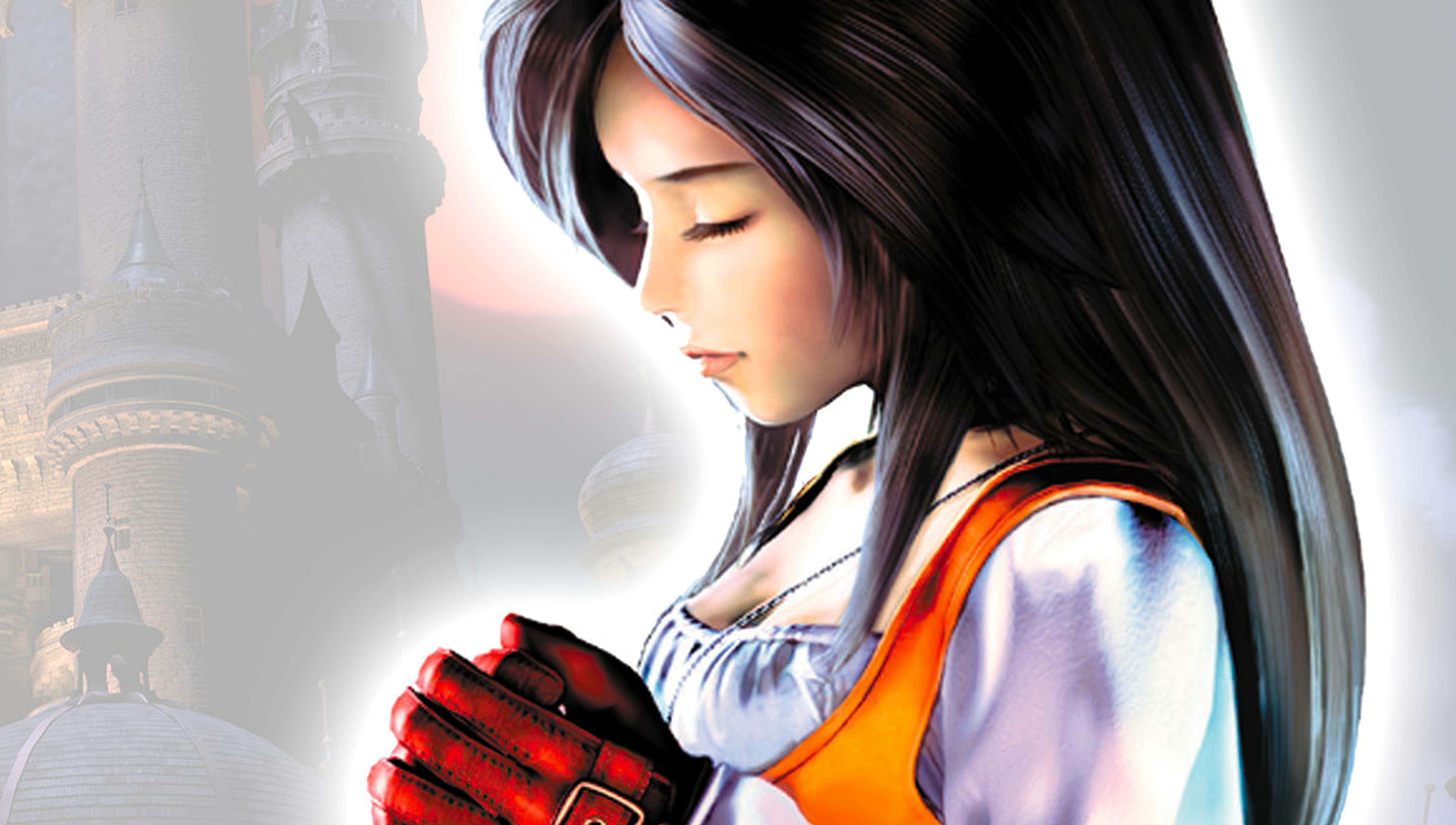
Kuja acts as the primary antagonist of this beloved RPG and brings a level of theatricality that is unmatched in the series. He wears a daring outfit featuring an exposed midriff, feathers, and a codpiece while reciting Shakespearean dialogue about death and beauty. His ultimate goal involves destroying the crystal of life, but he treats every encounter like a dramatic stage play where he is the star. Kuja proves that a villain can threaten the entire universe while maintaining an impeccable and glamorous aesthetic.
‘The Legend of Zelda: Skyward Sword’ (2011)
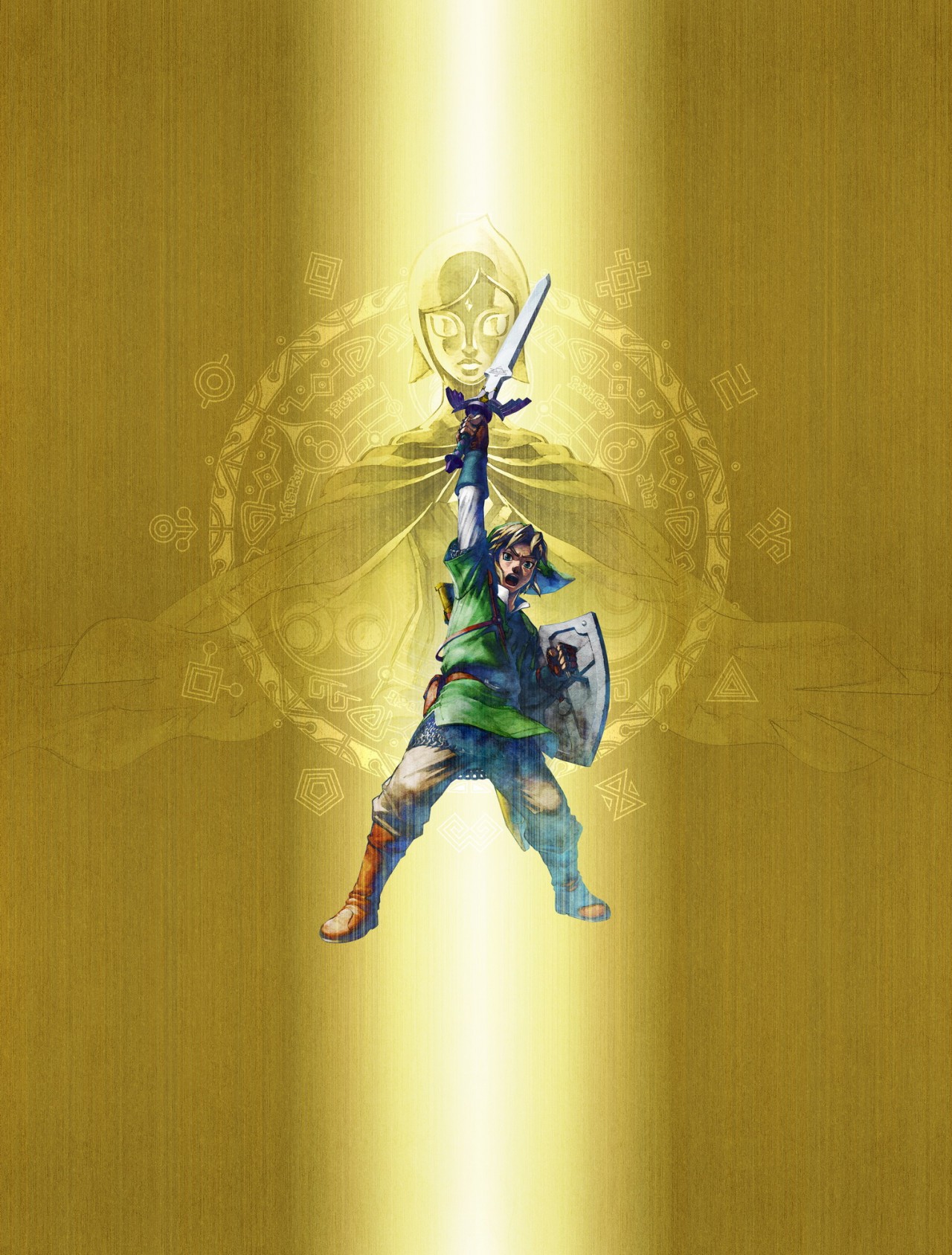
Demon Lord Ghirahim serves as a recurring boss and the secondary antagonist who constantly critiques Link’s lack of style. He teleports around the battlefield in a shower of diamonds and uses a long, suggestive tongue to unsettle his opponent during combat. His transformation sequences involve shedding his cape to reveal a sparkling, form-fitting bodysuit that highlights his obsession with his own physique. Ghirahim brings a fabulous, high-camp energy to the franchise that turns every duel into a performance art piece.
‘Undertale’ (2015)
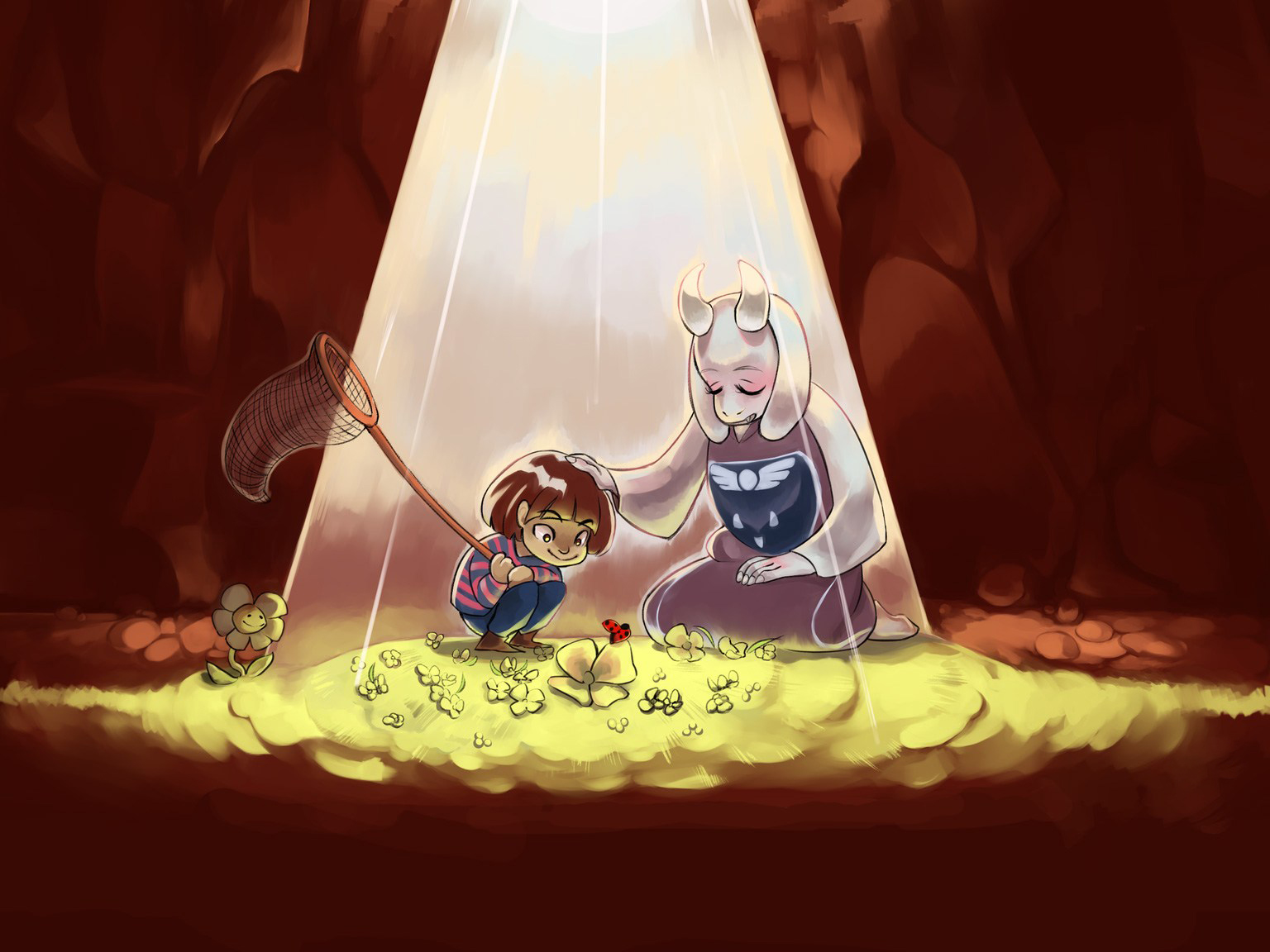
Mettaton EX is the glamorous robot distinct for his heeled boots, fabulous hair, and obsession with television ratings. The battle against him is literally a broadcast where the player must raise the audience viewership by posing dramatically and dodging disco ball attacks. He refers to his legs as his best feature and transforms the combat mechanic into a dance-off filled with glitter and lights. Mettaton captures the essence of a drag superstar who refuses to let anyone else steal the spotlight.
‘Powerpuff Girls: Him and Seek’ (2002)
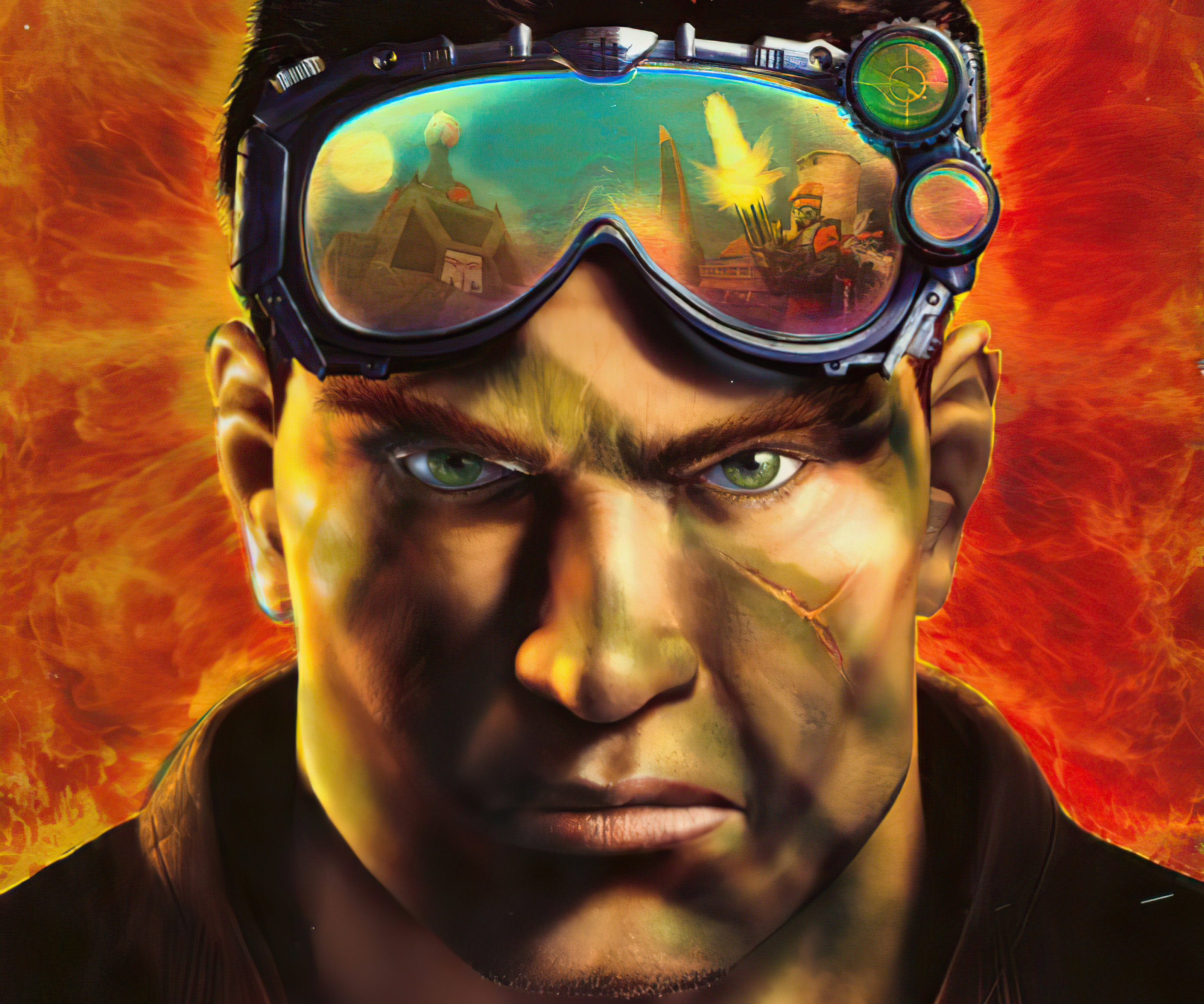
HIM is the ultimate evil in the Powerpuff Girls universe and serves as the final boss with a terrifyingly campy presence. This devilish villain wears a pink tulle tutu, thigh-high heeled boots, and curled lobster claws while speaking in a voice that oscillates between a falsetto and a growl. His attacks are as psychological as they are physical, often manipulating the environment to confuse the player. HIM stands out as a fearless representation of gender-bending villainy in a children’s game.
‘Kingdom Hearts: Chain of Memories’ (2004)
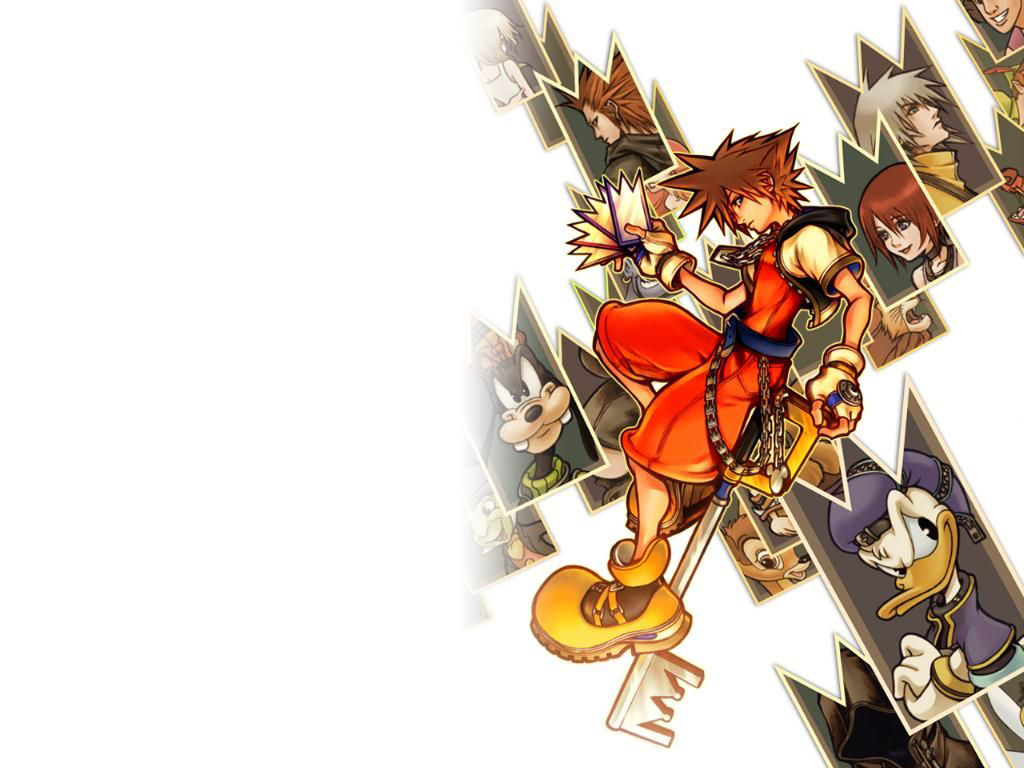
Marluxia, also known as the Graceful Assassin, serves as the lord of Castle Oblivion and the final boss of Sora’s story arc. He wields a massive pink scythe and commands the power of flowers, often surrounding the player in a storm of cherry blossom petals. His pastel pink hair and elegant, flowing coat give him a distinctively androgynous and glamorous appearance compared to other organization members. The battle against him is a spectacle of beauty and death that cements his status as a style icon.
‘The Rocky Horror Show’ (1985)
Based on the cult classic musical, this game features Dr. Frank-N-Furter as the primary antagonist who the player must navigate around. Frank-N-Furter appears in his iconic corset, fishnets, and pearls, bringing the “Sweet Transvestite” energy directly into the 8-bit era. The game requires players to avoid his castle’s traps and his medley of eccentric servants while he orchestrates the chaos. It remains one of the earliest and most direct examples of a drag queen boss in gaming history.
‘Chrono Trigger’ (1995)
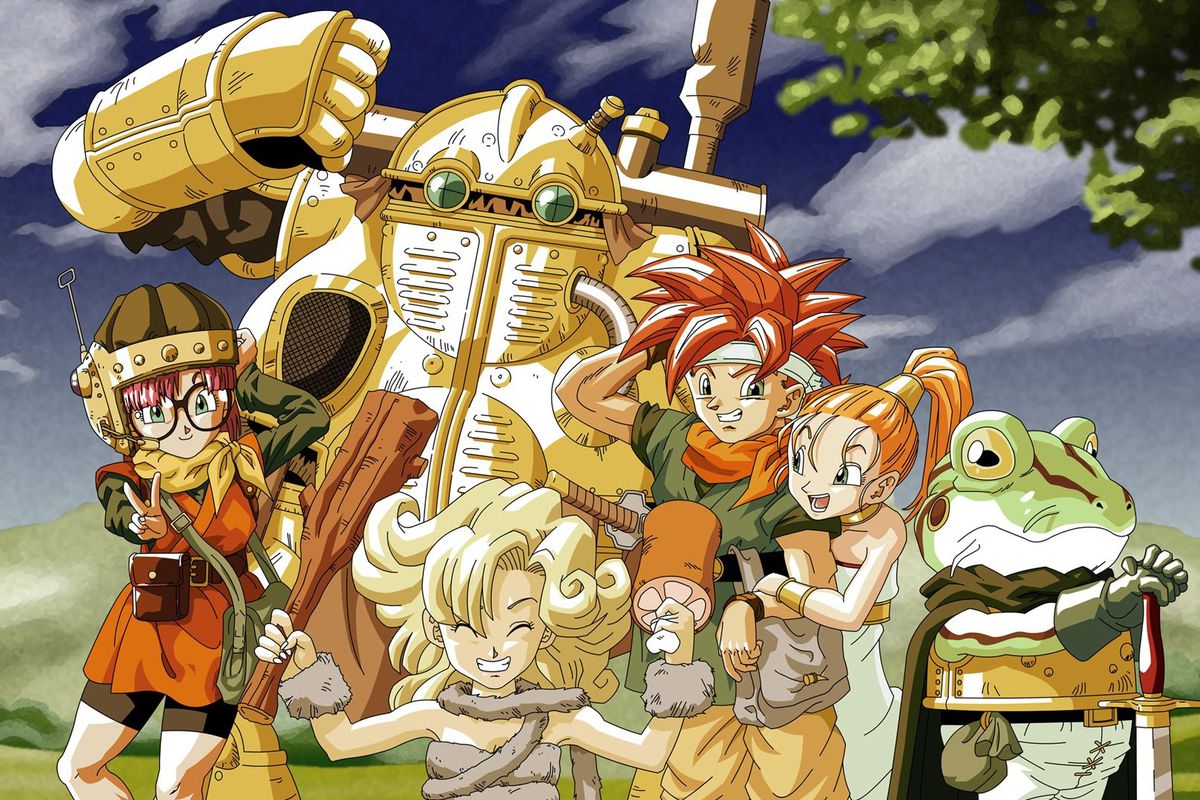
Flea is a major boss who challenges the heroes’ perceptions of gender and power within Magus’s castle. Dressed in a bustier and skirt with pink hair, Flea famously declares that male and female distinctions do not matter and that power is beauty. The battle involves status ailments that confuse the party, mirroring Flea’s ability to confuse social norms. This encounter is a landmark moment for queer-coded villains in the JRPG genre.
‘The Legend of Zelda: A Link Between Worlds’ (2013)
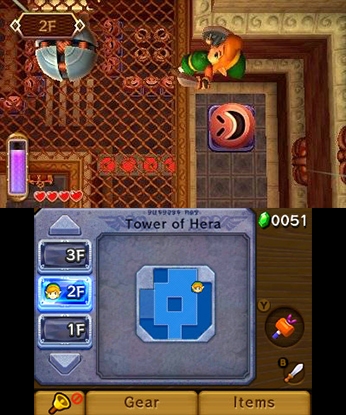
Yuga is a sorcerer from the kingdom of Lorule who is obsessed with beauty and turning his victims into paintings. With his long purple hair, heavy makeup, and dramatic staff, he mirrors the aesthetic of a vain diva who cannot stand anything he deems ugly. He eventually merges with Ganon, but his personality and flair dominate the fusion, creating a final boss that is both terrifying and fabulous. Yuga’s motivation is entirely driven by his artistic narcissism and desire for perfection.
‘Final Fantasy II’ (1988)
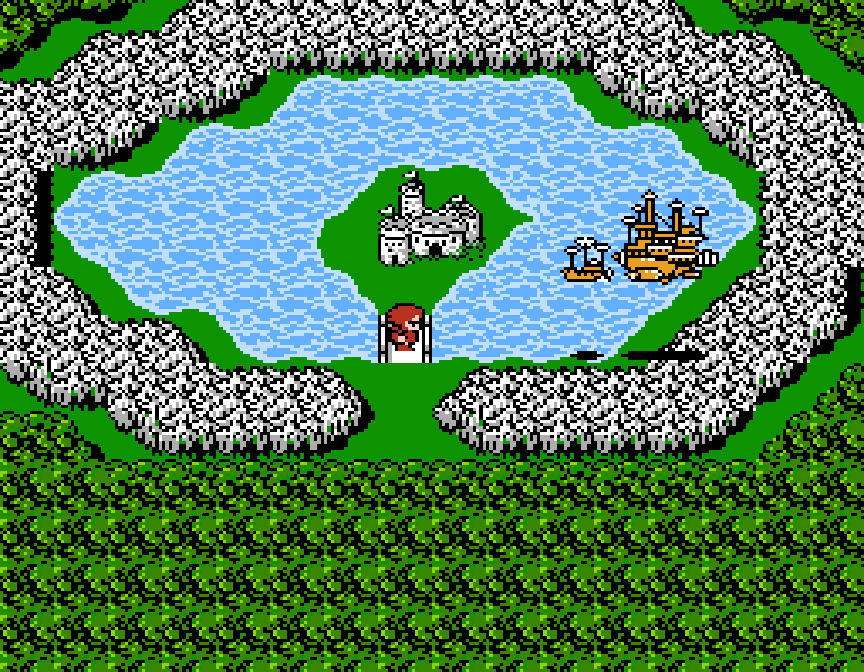
The Emperor Mateus is a tyrant who conquers the world and even the afterlife while dressed in an elaborate, gender-neutral glam rock ensemble. His design heavily features makeup, jewelry, and flowing fabrics that give him a distinct David Bowie-esque appearance. He is one of the few villains to successfully destroy much of the world before the heroes can stop him, doing so with an air of arrogant sophistication. His final form in the Soul of Rebirth expansion doubles down on his celestial, god-like vanity.
‘Resident Evil: Code: Veronica’ (2000)
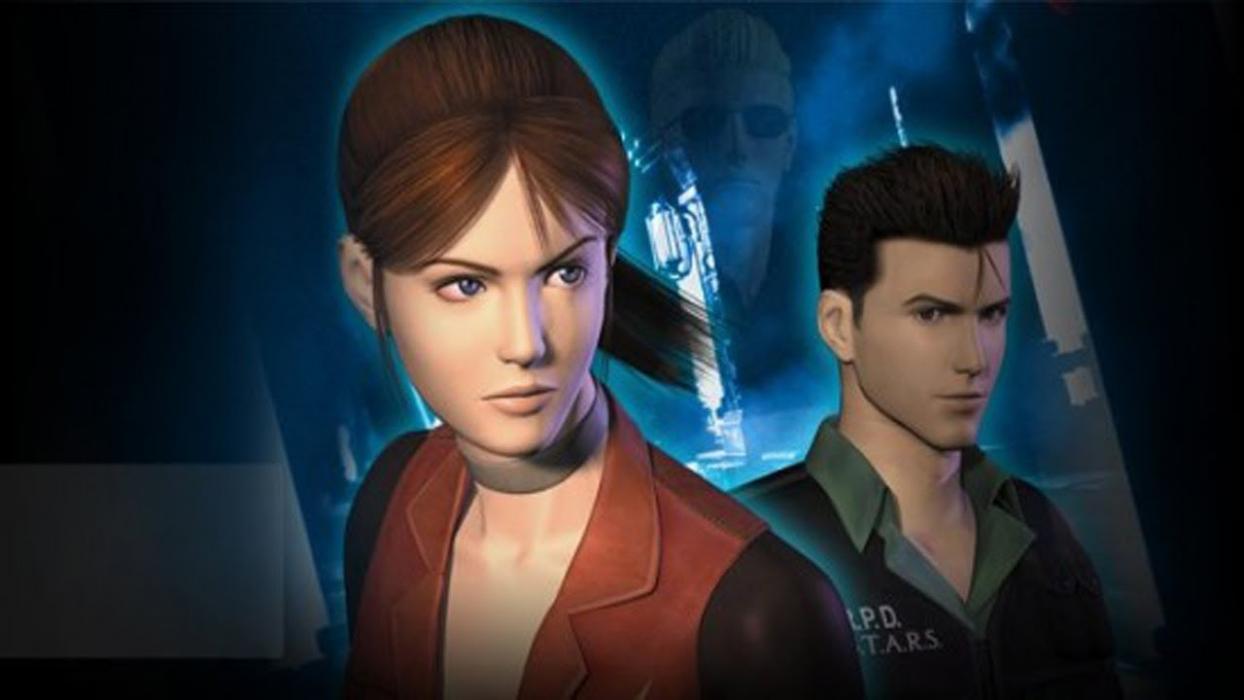
Alfred Ashford is a complex antagonist who adopts the persona of his twin sister, Alexia, to cope with his isolated madness. Players eventually battle him while he is fully dressed in her gown and makeup, mimicking her voice and mannerisms in a chilling display. While his story is rooted in psychological horror, the visual of him fighting the protagonist in full drag is a defining moment of the game. He serves as the prelude to the actual final boss fight against the mutated Alexia.
‘NiGHTS into Dreams’ (1996)
Reala acts as the primary rival and a boss character who mirrors the protagonist Nights with a darker, mischievous flair. Reala’s design is a genderless, harlequin-inspired aerialist with a red and black motif that screams circus glam. The character flies through the air with grace and elegance, trapping the player in “nightmares” that are colorful and disorienting. Reala’s persona is one of arrogant superiority, treating the battle like a performance where the player is merely a prop.
‘Disgaea: Hour of Darkness’ (2003)
Vyers, who refers to himself as the Dark Adonis, is a recurring rival boss who exudes a ridiculous amount of camp and vanity. He constantly introduces himself with French phrases and rose petals, only to be dismissed by the main cast as simply “Mid-Boss.” His outfit involves a Dracula-like cape and Victorian flamboyance that fits the “drag king” aesthetic of a demon lord trying too hard. He treats every defeat as a minor setback in his grand, beautiful destiny.
‘Persona 4’ (2008)
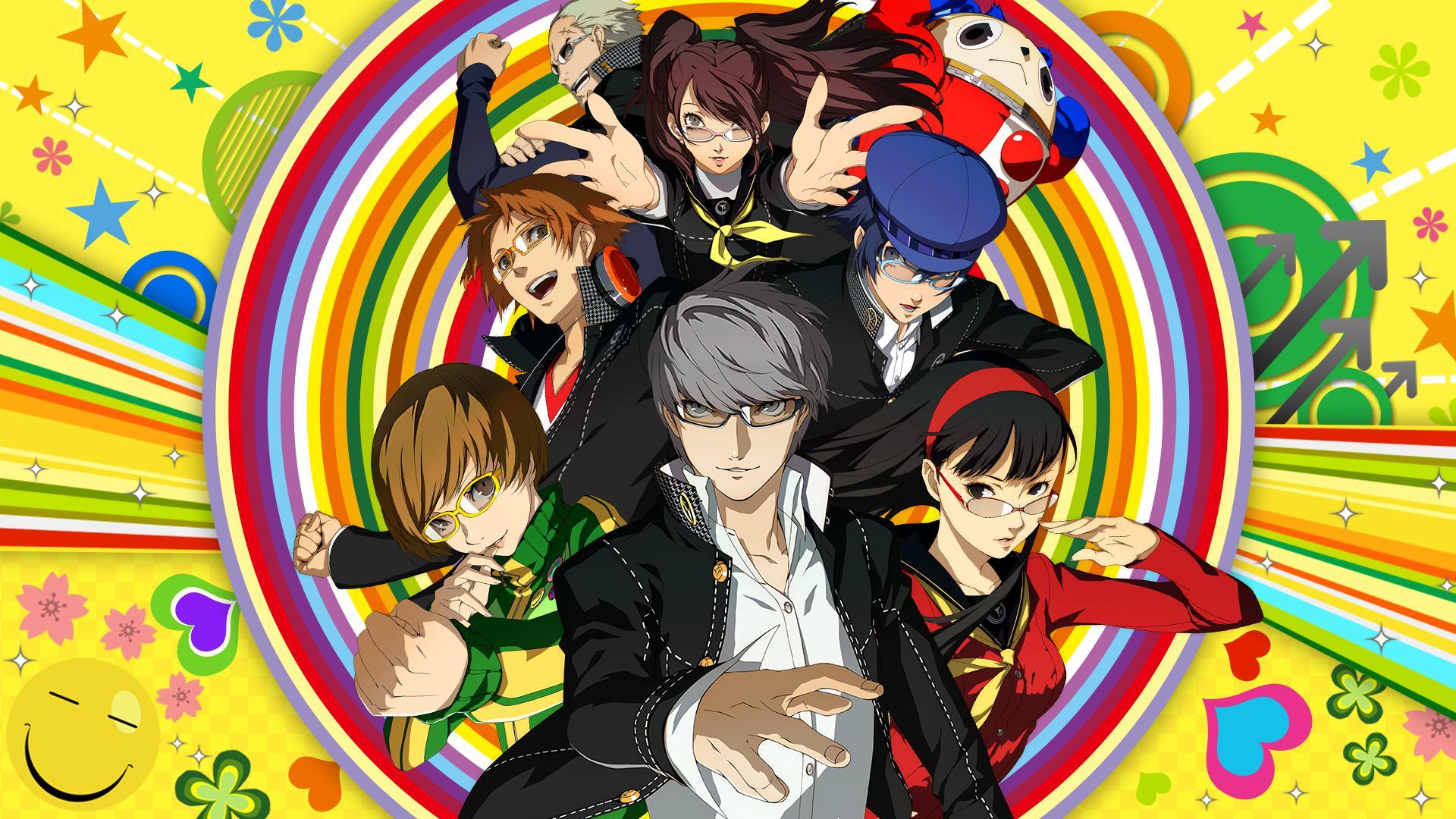
Shadow Kanji is a major boss manifestation that represents a character’s internal struggle with his “feminine” hobbies and tough exterior. The boss takes the form of a muscular man surrounded by roses, holding Mars symbols, and speaking in a dramatically flirtatious manner. The battle takes place in a steamy bathhouse setting, challenging the player’s party with attacks that are as fabulous as they are damaging. It is a loud, proud, and campy exploration of gender roles manifesting as a giant monster.
‘Final Fantasy VI’ (1994)
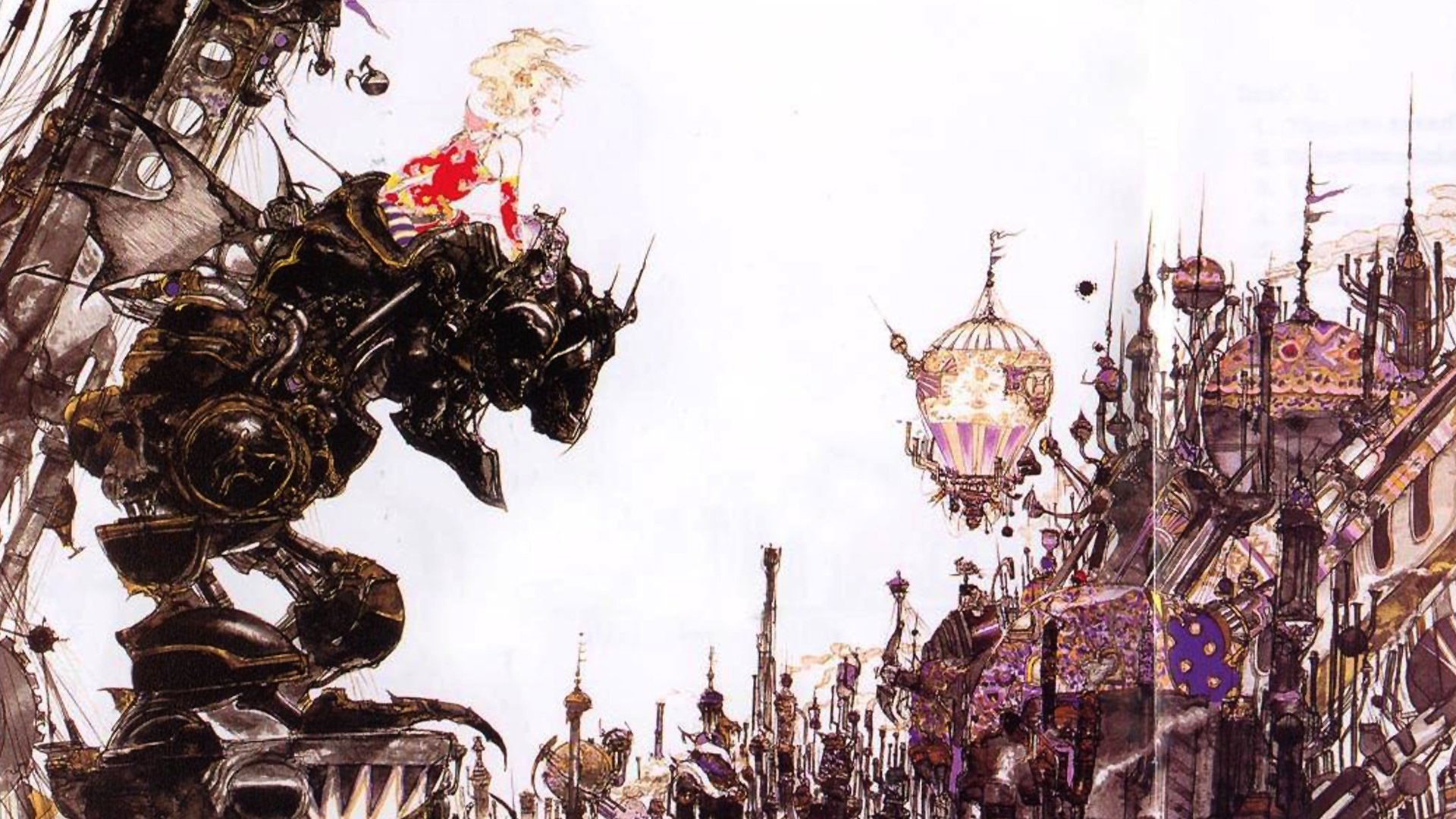
Kefka Palazzo is the court mage who ascends to godhood, defined by his clown-like makeup, frilly collars, and chaotic nihilism. While more of a “jester” archetype, his obsession with mirrors, his high-pitched laugh, and his flamboyant destruction of the world align him with the “scary drag” aesthetic. He destroys the world not for a complex political reason, but because he finds the destruction beautiful and amusing. His final form is a towering monument of wings and halos that looks like a Renaissance painting gone wrong.
‘Dark Souls’ (2011)
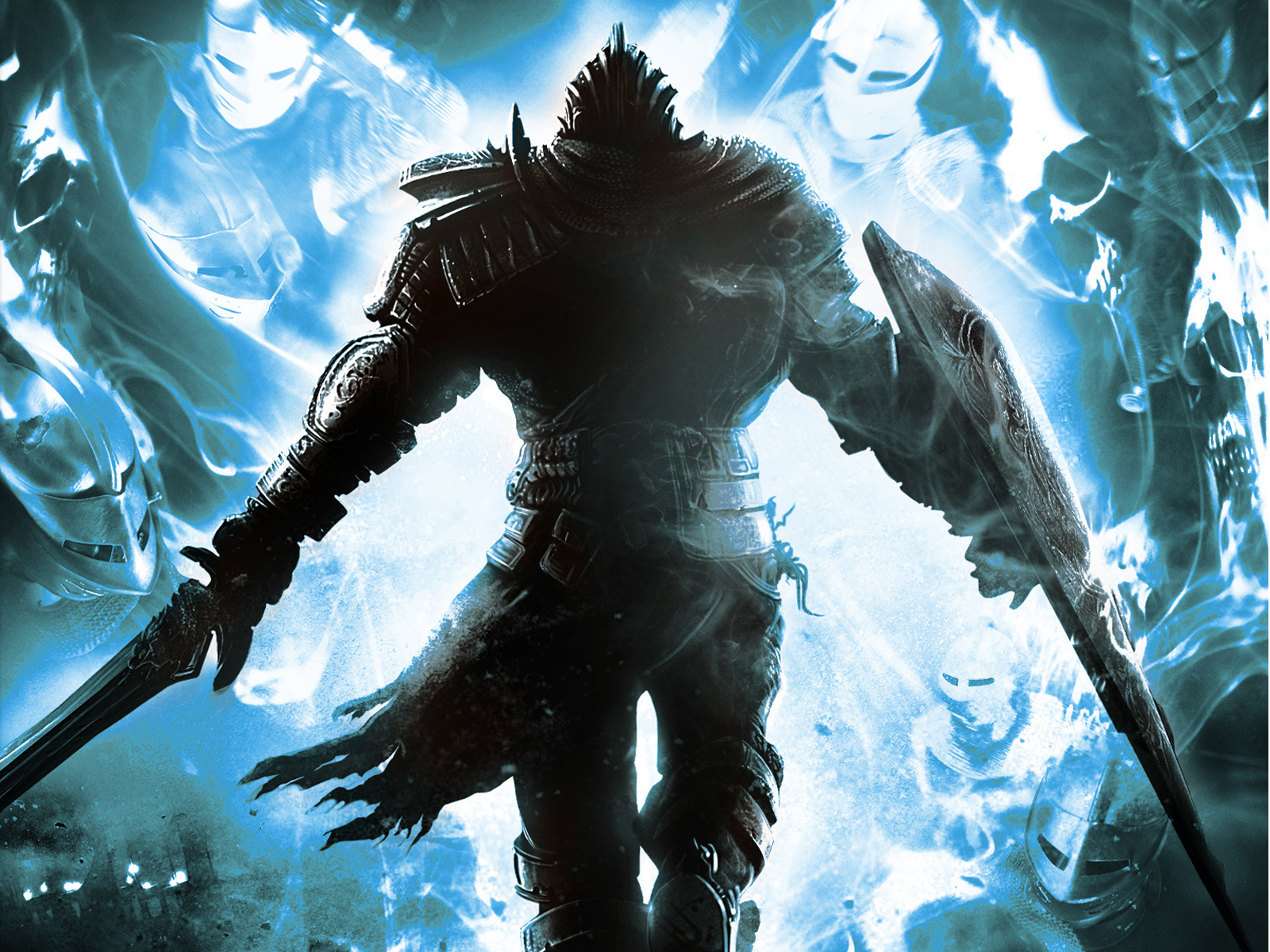
Dark Sun Gwyndolin is an optional deity boss who was born male but raised as a daughter due to his affinity for moon magic. He wears a ceremonial robe and a crown that obscures his face, utilizing illusions and magic in a long, endless hallway battle. His design is delicate and androgynous, contrasting sharply with the gruesome monsters found elsewhere in Lordran. Gwyndolin protects the illusion of his city with a quiet, elegant grace that has made him an icon among fans.
‘King of Fighters 2003’ (2003)
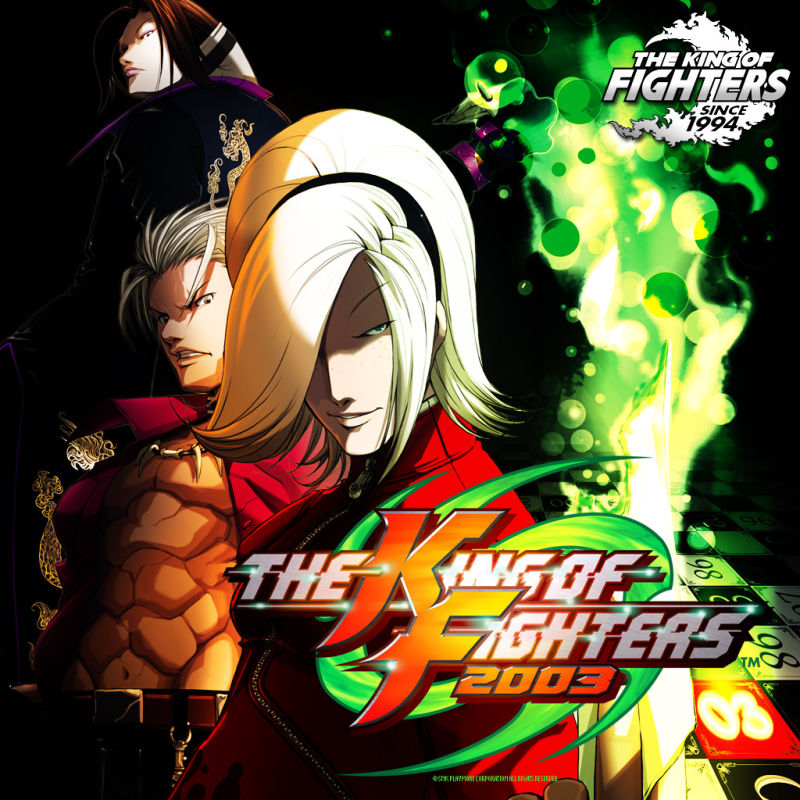
Ash Crimson serves as the protagonist-turned-antagonist of his story arc, sporting a French manicure, a cropped top, and an incredibly effeminate demeanor. He utilizes green flames and fights with a nonchalant, mocking style that infuriates his more masculine opponents. Ash is entirely unapologetic about his vanity and often checks his fingernails in the middle of a fight. He subverts the typical fighting game hero trope by being catty, manipulative, and fashion-obsessed.
‘Super Mario RPG’ (1996)
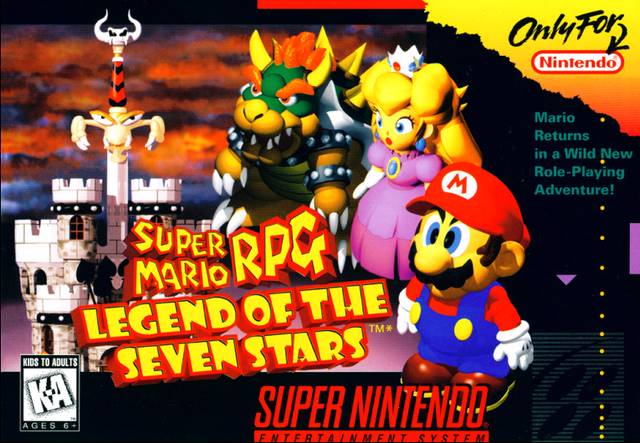
Valentina is the usurper queen of Nimbus Land who exudes the energy of a cocktail lounge singer mixed with a dictator. She holds a martini glass filled with grape juice and wears a feathered headpiece while commanding her servants to do her bidding. Her battle involves dodging her physical attacks while she poses dramatically and berates her henchman, Dodo. She is a classic example of a “high maintenance” villainess who refuses to get her own hands dirty until absolutely necessary.
‘Tales of the Abyss’ (2005)
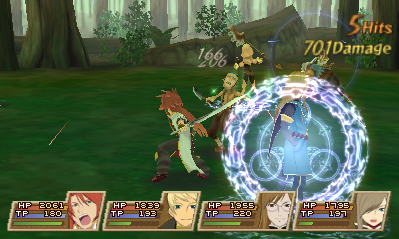
Dist the Reaper, also known as Dist the Rose, is a recurring boss and member of the God-Generals who sits on a flying throne. He is obsessed with his own genius and beauty, constantly flipping his hair and demanding respect from peers who find him annoying. His attacks involve robots and lasers, but his personality is pure comedic camp. Dist brings levity to the story by acting like a drama queen who believes he is the main character of a tragedy.
Tell us which of these fabulous bosses served the best look while trying to defeat you in the comments.