

16 Games Where the Villain Is the Only Queer-Repped Character (and It’s Intentional)

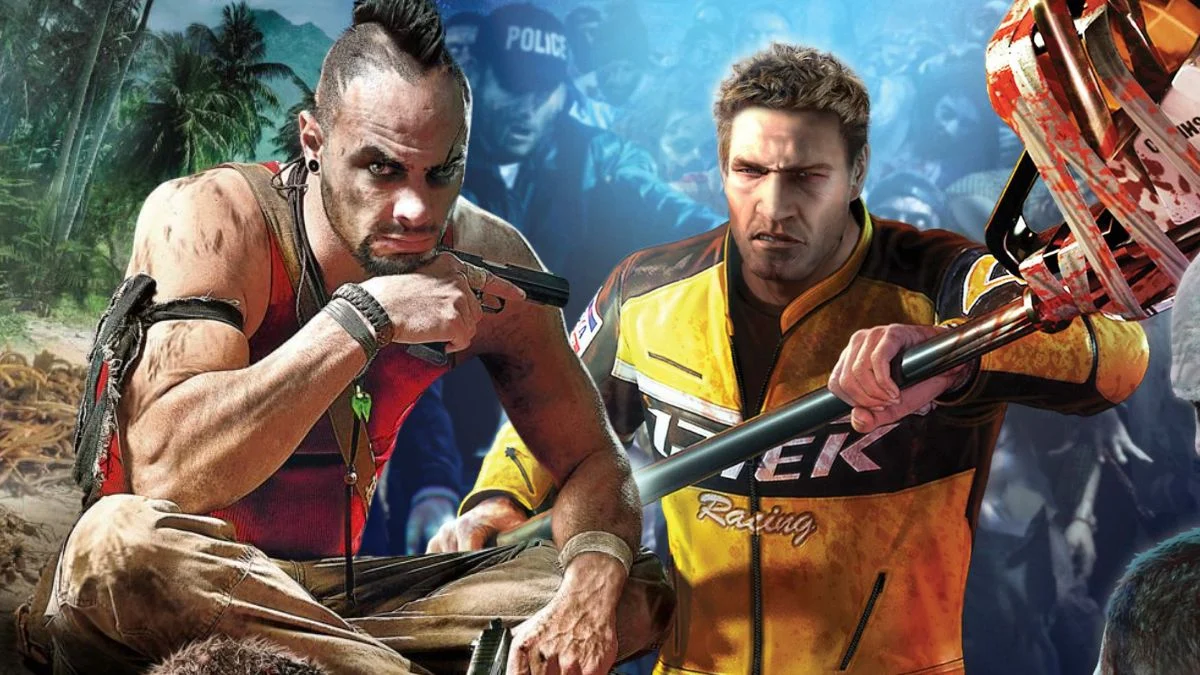


Video games have a long history of using queer coding to distinguish villains from heroes. This often results in the “depraved homosexual” trope where a character’s non-normative identity is used to signal their immorality or insanity. In many older titles, these antagonists were the sole representation of LGBTQ+ identities within the entire game. The following list highlights games where the bad guy was the only one flying the rainbow flag, often for nefarious narrative reasons.
‘Resident Evil: Code: Veronica’ (2000)
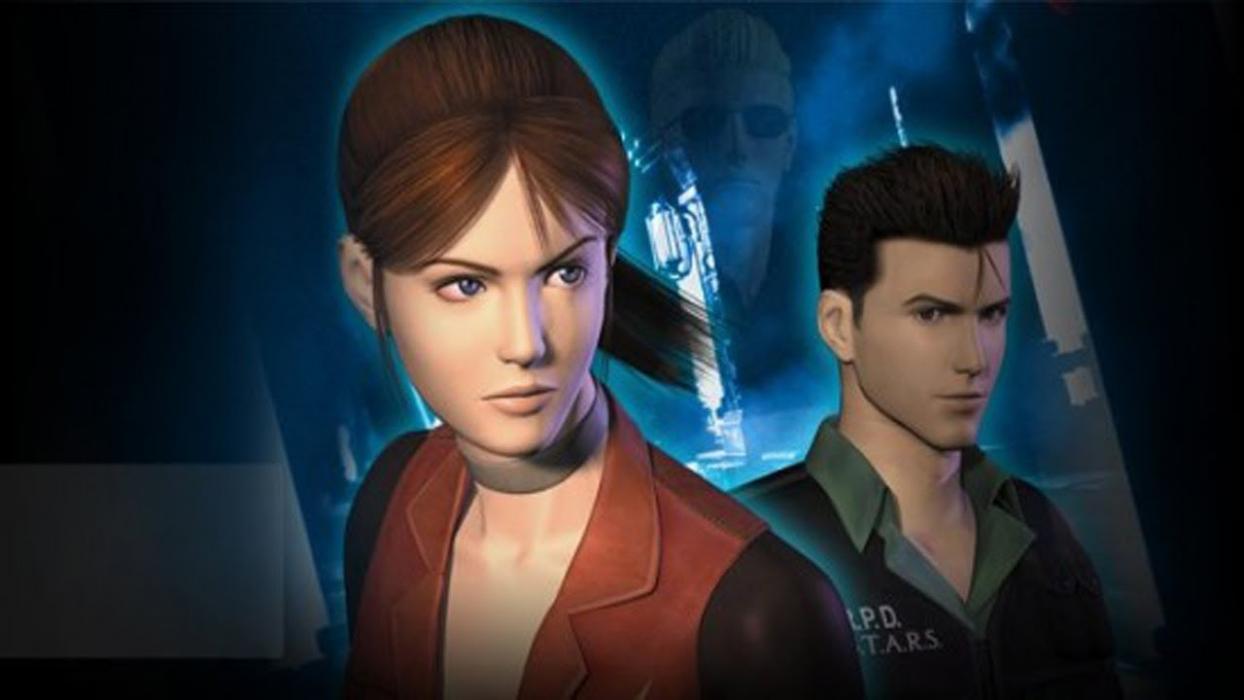
Alfred Ashford serves as one of the primary antagonists and is a stark example of the “psycho cross-dresser” trope often found in horror. He develops a split personality where he dresses and acts as his twin sister Alexia to cope with his obsessive isolation. The game frames his gender non-conformity as a symptom of his madness rather than a genuine identity. His high-pitched laugh and flamboyant mannerisms are designed to unsettle the player and contrast with the stoic heroes.
‘The Legend of Zelda: Skyward Sword’ (2011)
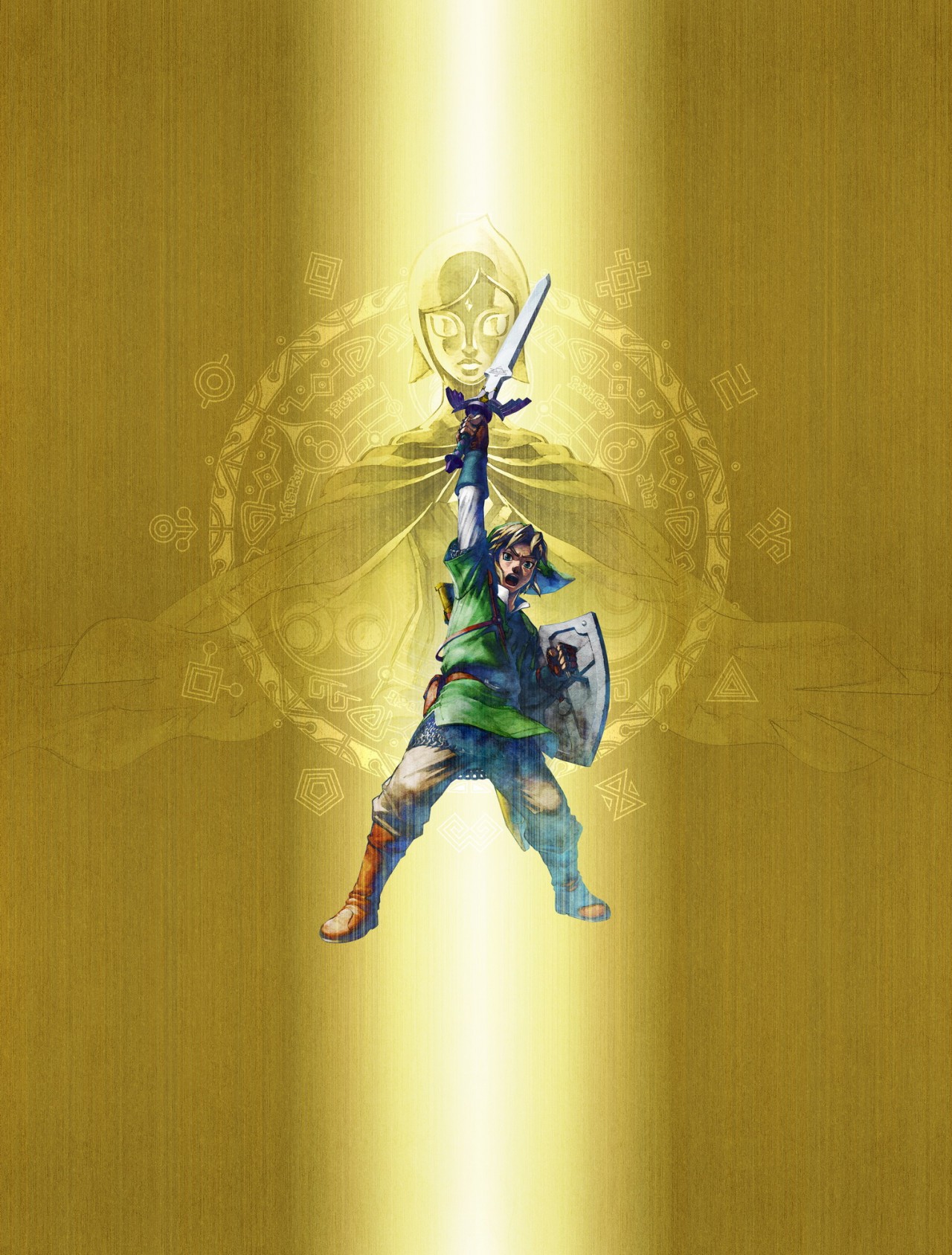
Demon Lord Ghirahim is widely recognized for his flamboyant theatrics and invasion of Link’s personal space. His dialogue is filled with innuendo and he frequently performs tongue gestures that suggest a predatory nature. Unlike the hulking brute Ganon, Ghirahim represents a refined and effeminate type of evil that is queer-coded to make him seem more alien. He stands alone in the game as the only character exhibiting these specific mannerisms.
‘Far Cry 3’ (2012)
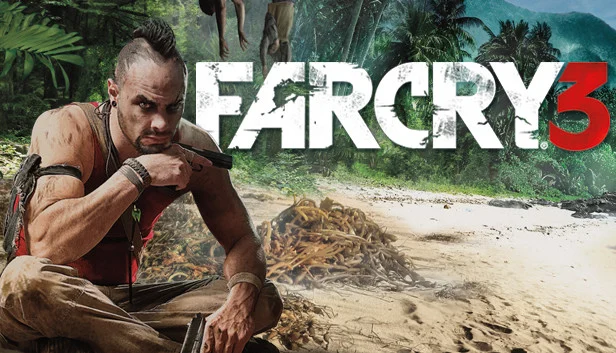
Buck Hughes is an Australian mercenary who serves as a terrifying antagonist for a portion of the game. He is explicitly depicted as a sexual predator who keeps another male character named Keith as a slave. The game uses his sexuality solely to enhance his villainy and make him appear more depraved than the other pirates. While other villains are violent, Buck is the only one whose cruelty is intrinsically linked to his sexual desires.
‘Metal Gear Solid 3: Snake Eater’ (2004)
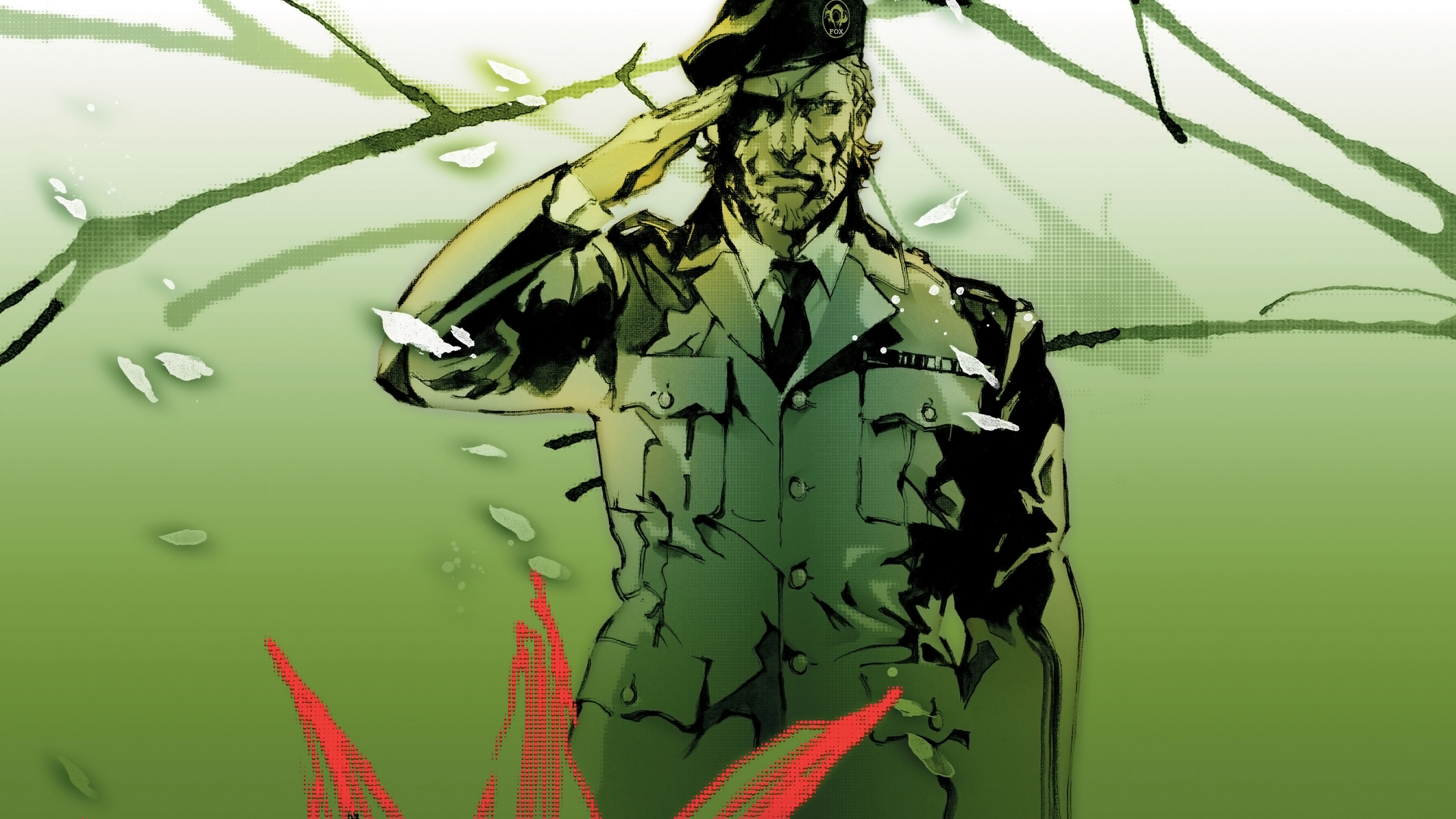
Colonel Volgin is a sadist who derives pleasure from torture and dominates those around him physically and sexually. He is canonically bisexual and maintains a relationship with his subordinate Major Raikov. The game uses his sexuality to emphasize his gluttonous desire for power and control over everyone he encounters. While Raikov exists, he is merely an extension of Volgin’s villainous sphere, leaving the Colonel as the primary representation of queerness.
‘Streets of Rage 3’ (1994)
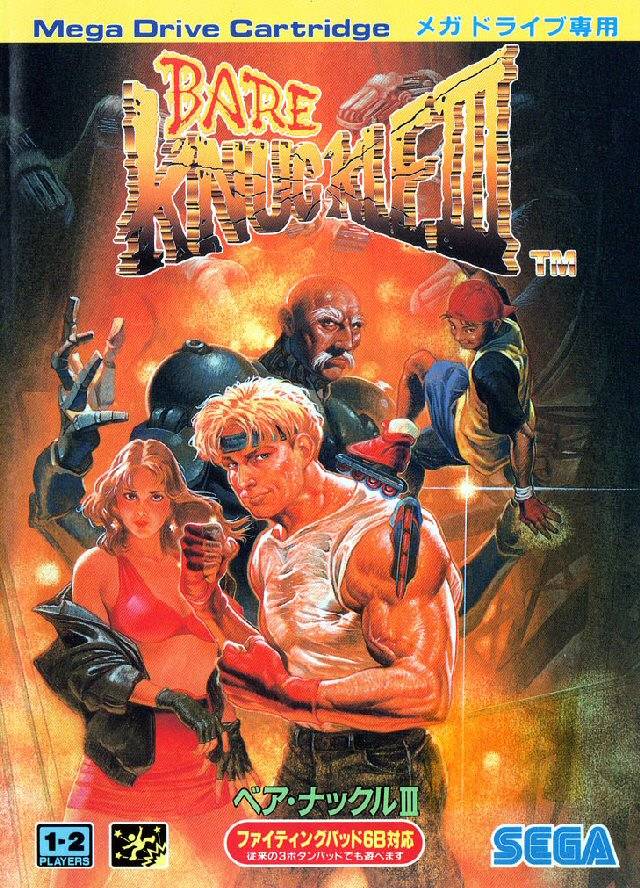
Ash is a miniboss who appears in the Japanese version of the game but was removed from Western releases due to controversy. He is a stereotypical caricature of a gay man who wears a leather outfit and moves with an exaggeratedly feminine gait. His attacks involve prancing and laughing in a high-pitched voice that mocks traditional masculinity. The developers intended him to be a joke character that the heroes beat up for comic relief.
‘Super Mario Bros. 2’ (1988)
Birdo originally appeared as an enemy boss at the end of various levels. The original instruction manual explicitly stated that Birdo was a boy who thought he was a girl and preferred to be called Birdetta. This gender confusion was presented as a quirky trait of a strange monster rather than a serious identity. While Birdo later became a staple ally in sports games, her debut was strictly as a confused antagonist.
‘Chrono Trigger’ (1995)
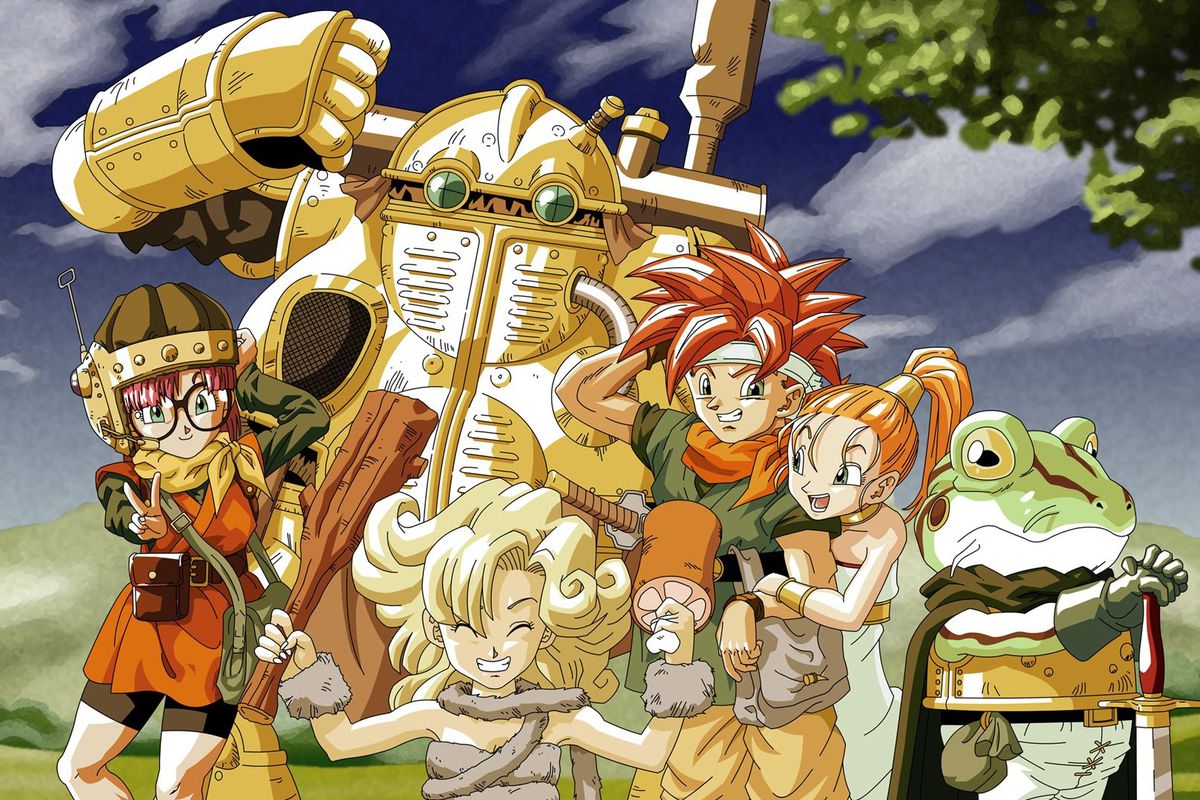
Flea is a gender-fluid magician who serves the dark lord Magus. When the heroes encounter Flea, they are confused by his feminine appearance despite him identifying as male. Flea uses this ambiguity as a weapon and states that power is beautiful regardless of gender. This character challenges the heroes’ perceptions but remains a villain who must be defeated to save the world.
‘Final Fight’ (1989)
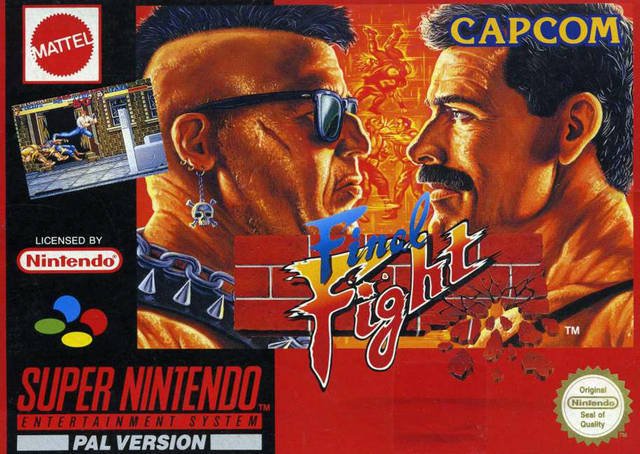
Poison is one of the most famous examples of a villain whose gender identity was altered during localization. Originally designed as a female thug, developers later claimed she was a “newhalf” or trans woman to avoid backlash about violence against women. This justification effectively weaponized her identity to make it acceptable for the heroes to punch her. She remains the sole queer representation in the original arcade beat-em-up roster.
‘Metal Gear Solid 2: Sons of Liberty’ (2001)
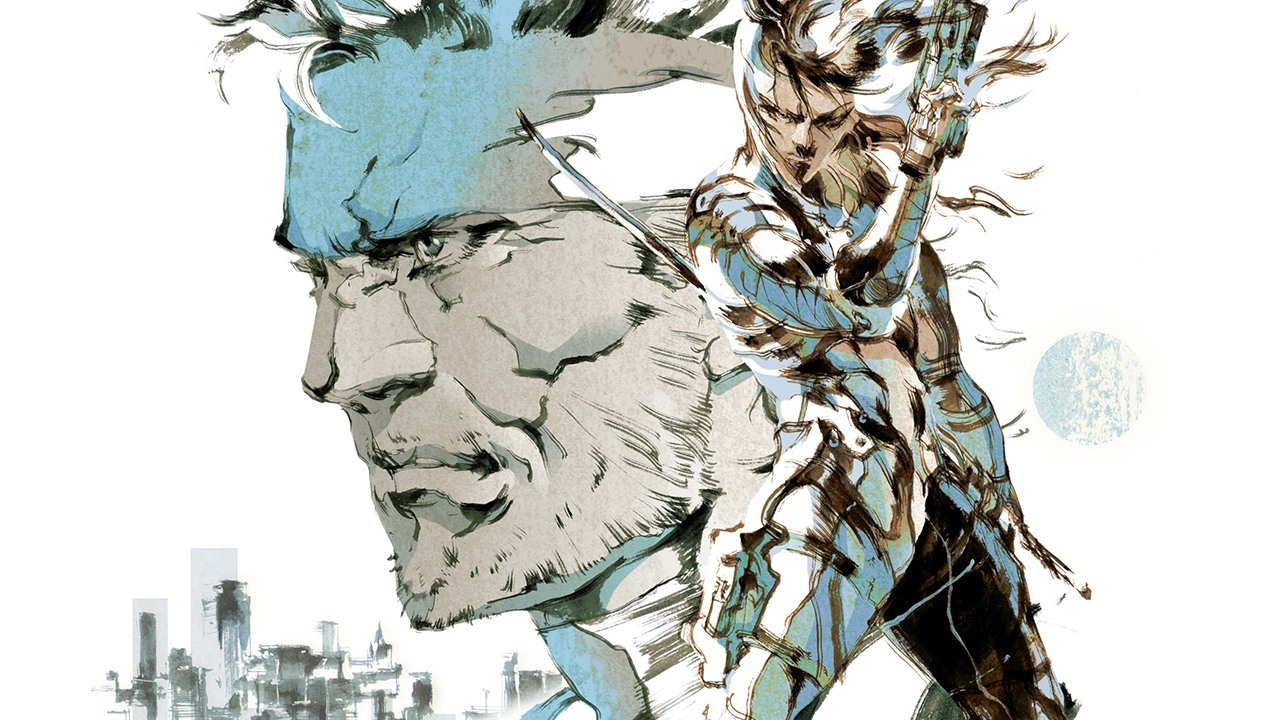
Vamp is a member of Dead Cell who possesses supernatural abilities and immortality. He is openly bisexual and his name is a pun on both his blood-drinking habits and his sexual orientation. He flirts with the male protagonist Raiden and has a tragic backstory involving a male lover. His sexuality is portrayed as part of his exotic and dangerous allure compared to the straight military men he fights.
‘Deadly Premonition’ (2010)
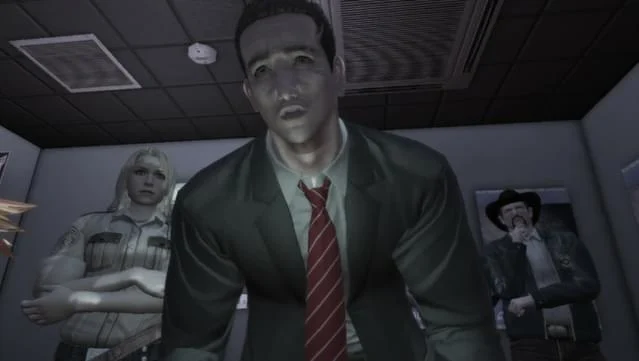
Thomas MacLaine is a timid deputy who is eventually revealed to be the Raincoat Killer. He struggles with his gender identity and performs a ritualistic cross-dressing persona to channel his violent urges. The game links his gender dysphoria directly to the trauma and madness that drives the serial killings. This tragic portrayal makes him the only queer figure in a town full of eccentric but straight characters.
‘BioShock’ (2007)
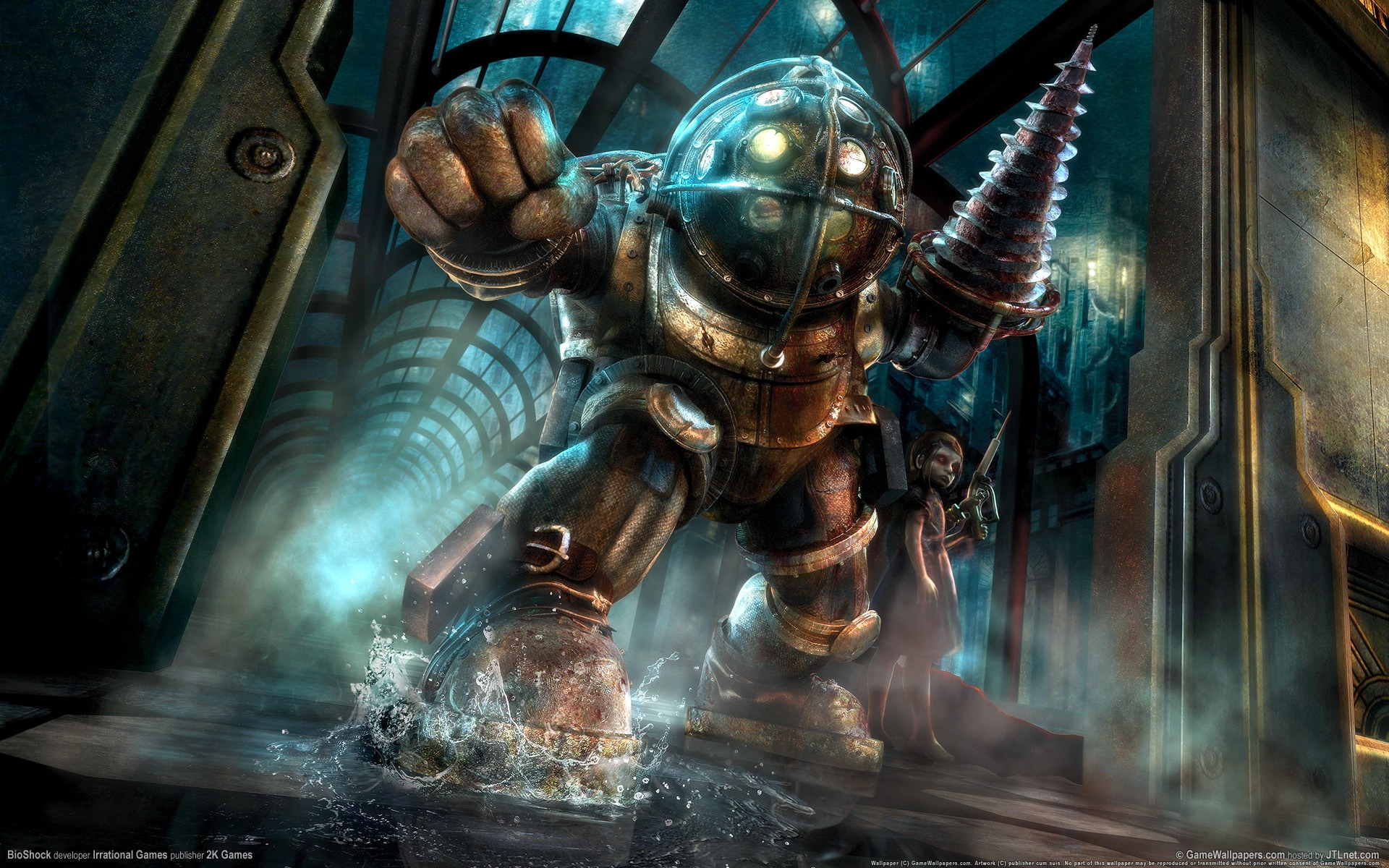
Sander Cohen is a deranged artist who rules over the Fort Frolic section of the underwater city of Rapture. He is heavily coded as a gay man through his effeminate mannerisms and his obsession with young male disciples. Cohen fits the “depraved artist” archetype who values aesthetics over human life. His queerness is tied to his vanity and madness in a city where morality has completely collapsed.
‘Final Fantasy IX’ (2000)
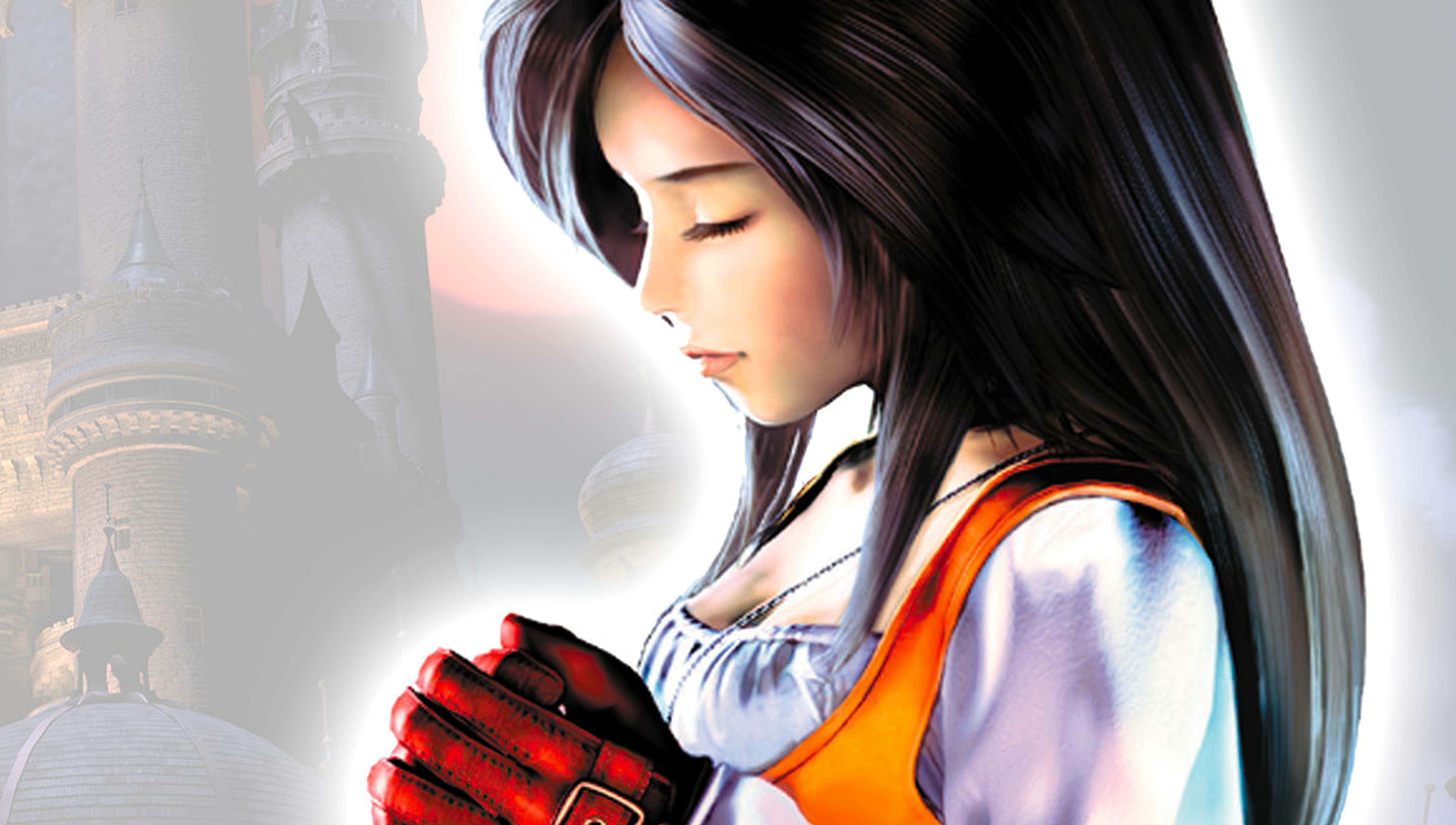
Kuja serves as the main antagonist and is designed with the “bishonen” aesthetic pushed to an extreme degree. He wears a thong and midriff-baring outfit that contrasts sharply with the rugged or traditional designs of the male heroes. His vanity and dramatic flair are central to his character as an narcissist who wants to destroy the world. He represents the “sissy villain” trope where effeminacy is equated with sinister magical power.
‘Police Quest: Open Season’ (1993)
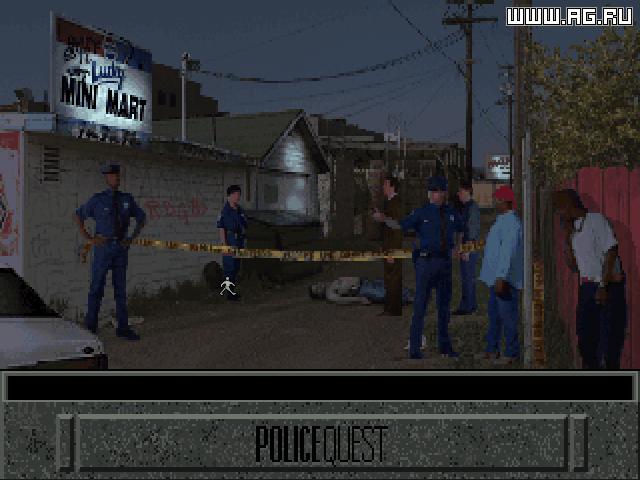
The primary antagonist of this police procedural is a serial killer named Mitchell Thurman. He captures victims and creates a skin suit in a plotline clearly inspired by the film ‘The Silence of the Lambs’. The detective discovers the killer’s cross-dressing habits as a clue to his instability and criminal nature. The game presents his gender expression as the ultimate twist revealing his depravity.
‘The Beast Within: A Gabriel Knight Mystery’ (1995)
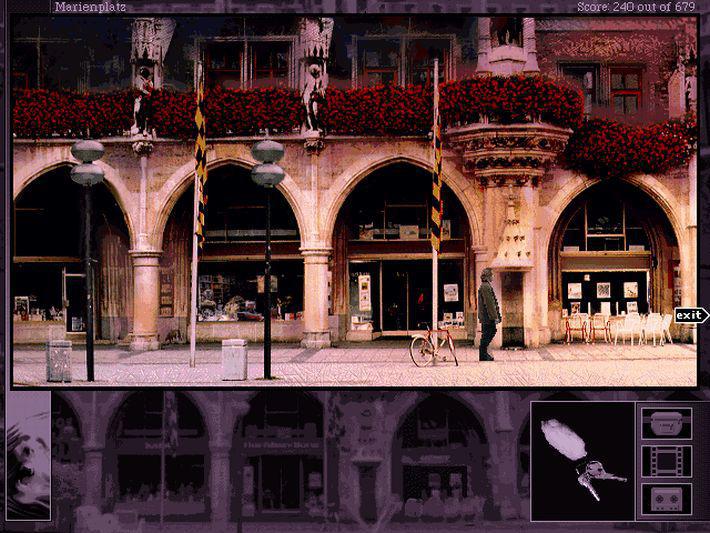
Baron Von Glower is the charismatic leader of a hunting club that turns out to be a pack of werewolves. The entire game uses lycanthropy as a metaphor for closeted homosexuality and the “beast” of sexual desire. Von Glower seduces the protagonist Gabriel into his lifestyle in a narrative filled with homoerotic subtext. He represents the seductive danger of the queer outsider disrupting the heterosexual order.
‘Dead Rising 2’ (2010)
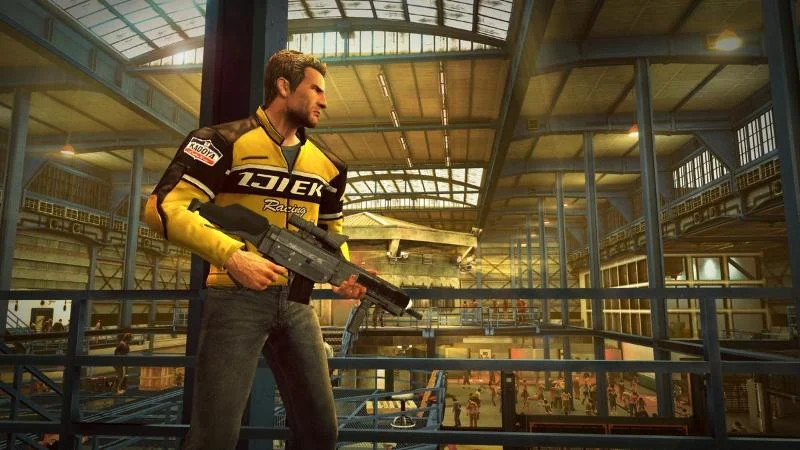
Chef Antoine is a psychopath boss who has lost his mind during the zombie outbreak. He is portrayed as a flamboyant stereotype who refers to his food with feminine French endearments and obsesses over exotic tastes. His campy behavior is played for dark comedy as he tries to feed human flesh to the protagonist. He stands out as a queer caricature in a game that otherwise focuses on a masculine father trying to save his daughter.
‘The Legend of Zelda: A Link Between Worlds’ (2013)
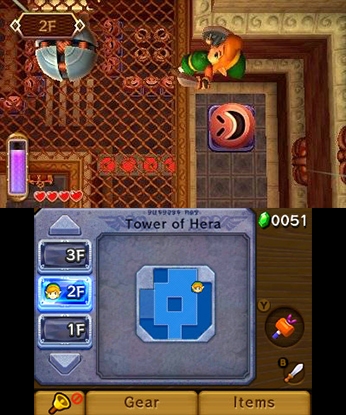
Yuga is a sorcerer from the kingdom of Lorule who is obsessed with beauty and art. He shares many design similarities with Ghirahim including heavy makeup and a flamboyant personality that contrasts with the stoic Ganon. Yuga turns his victims into paintings to preserve their perfection forever. His vanity and effeminate coding mark him as the distinct “other” compared to the traditional heroes of Hyrule.
Tell us which of these villains you found the most memorable or problematic in the comments.