

20 Games Where Weather Changes The Rules




Weather in games is more than a pretty backdrop when it can soak your gear, freeze your stamina bar, or turn a calm sea into a fight for survival, and these titles build real rules around changing conditions so you need to plan, adapt, and sometimes just endure.
The Legend of Zelda: Breath of the Wild
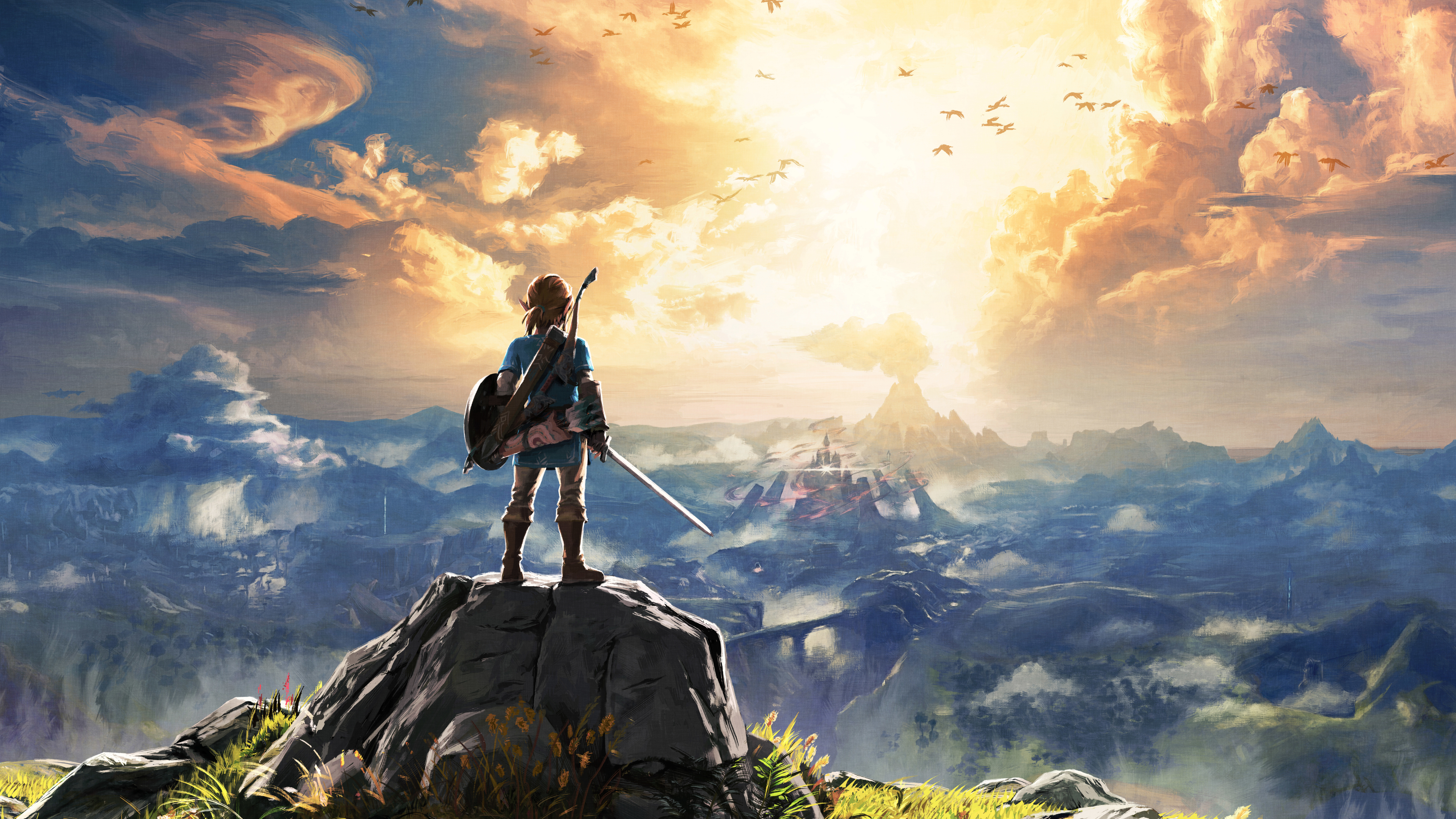
Rain makes climbing surfaces slick, forcing you to wait out a shower or change your route. Thunderstorms target metal equipment, so unequipping certain weapons keeps you safe. Extreme heat and bitter cold drain hearts without proper clothing or meals. Wind direction and strength affect gliding distance and arrow trajectories.
Red Dead Redemption 2

Cold regions reduce stamina unless you outfit Arthur with warmer clothing. Mud, rain, and snow affect horse handling and leave visible tracks for tracking wildlife or enemies. Guns and gear degrade faster in wet conditions and need cleaning to perform well. Animal behavior and spawn patterns shift with time of day and weather.
Forza Horizon 4

A rotating season system changes road grip, event availability, and open world routes. Winter freezes lakes and rivers, opening shortcuts while making braking far less forgiving. Autumn leaves and frequent rain reduce traction across country roads. Spring showers and summer heat alter off-road surfaces and top speed potential.
Don’t Starve
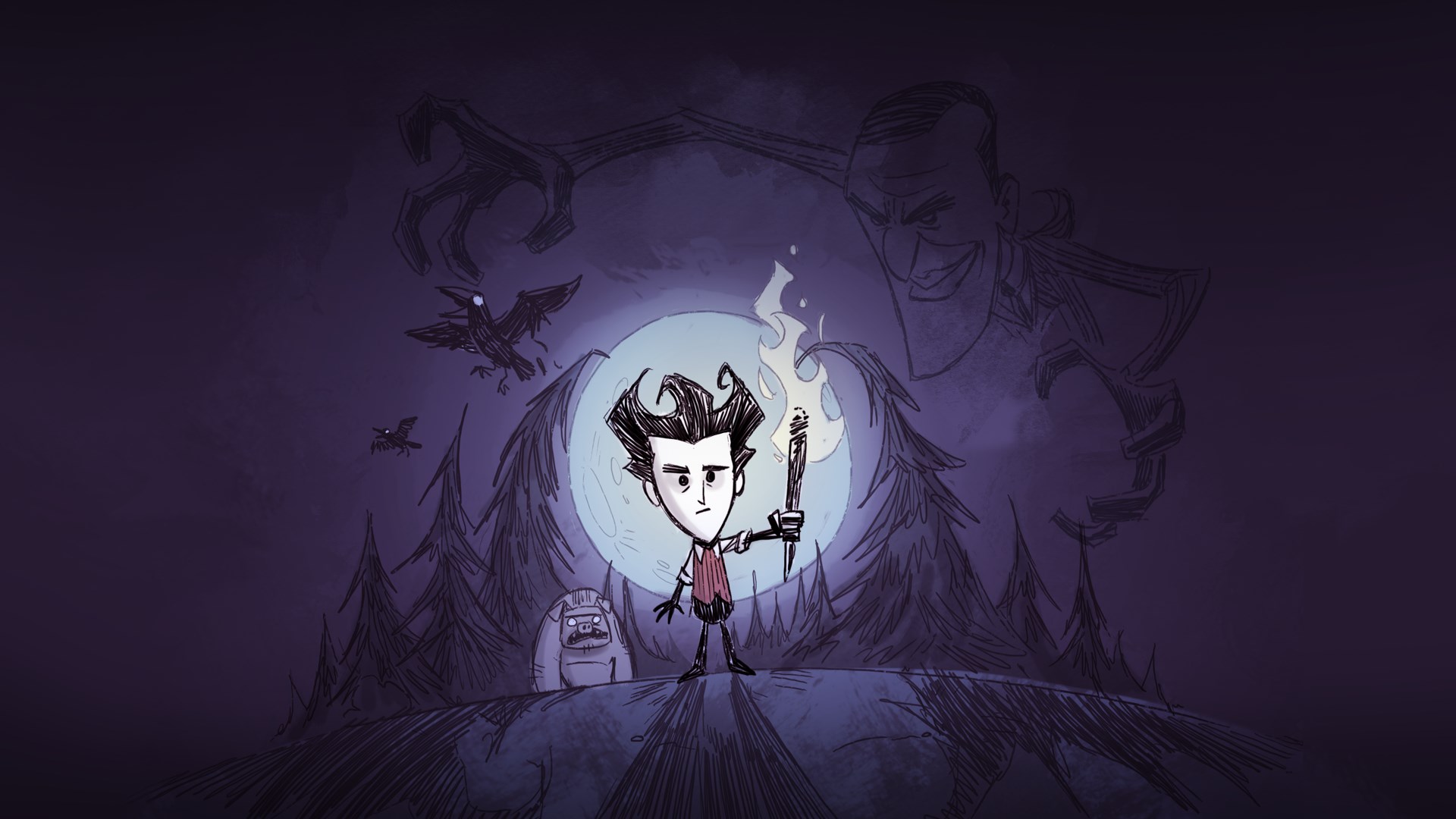
Rain lowers sanity, so players craft umbrellas or hats to keep dry. Winter brings freezing temperatures that demand warm clothing and reliable heat sources. Summer introduces overheating risks that require cooling items and shade. Crops, food spoilage, and certain enemies respond differently across the seasons.
Monster Hunter: World
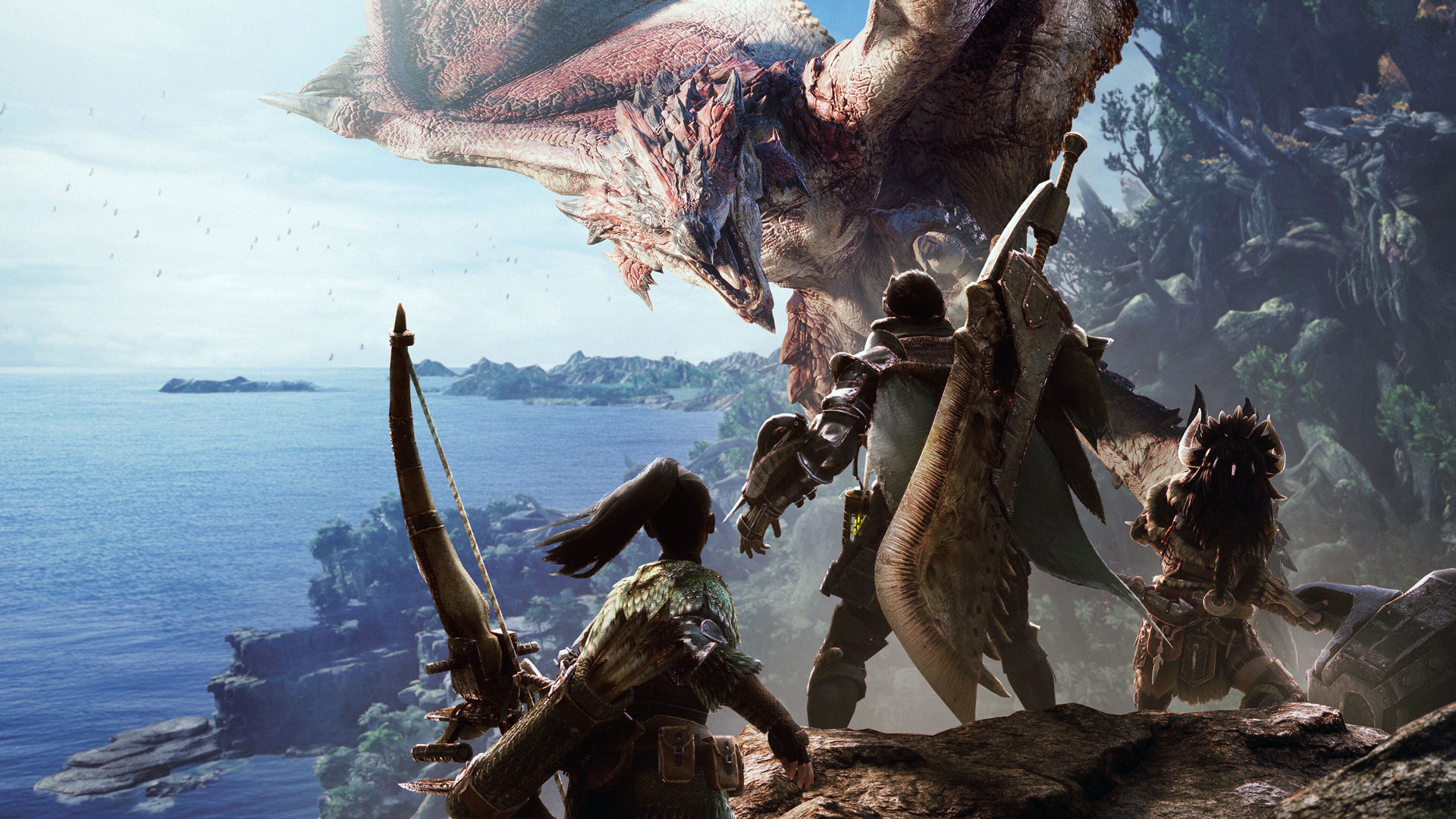
Hot or effluvium-filled zones impose environmental damage unless you bring specific items or skills. Sandstorms and localized weather reduce visibility and influence monster behavior. Some materials and endemic life appear only under certain conditions. Mantles and consumables are used to counter temperature and hazard effects during hunts.
Death Stranding
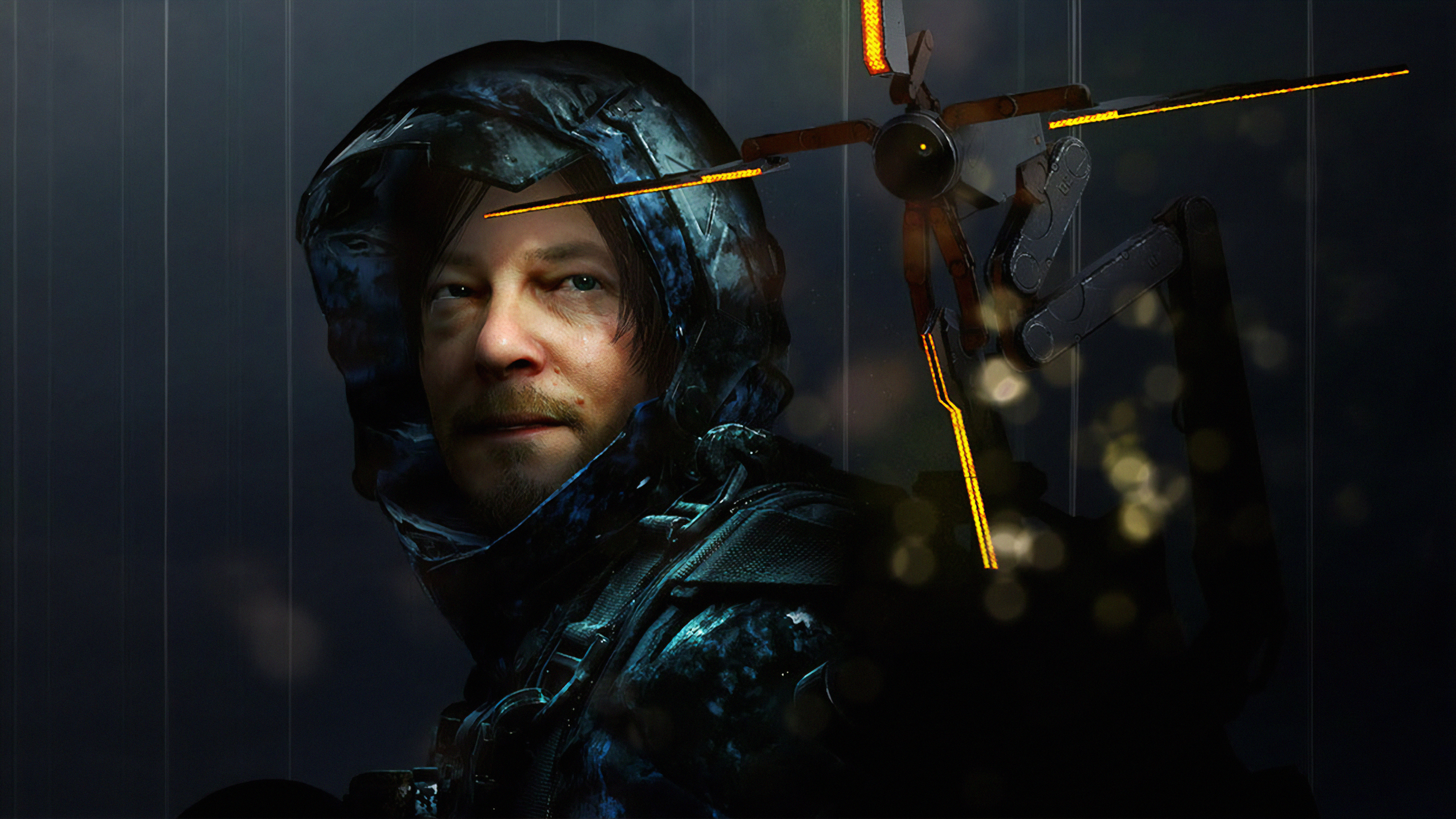
Timefall accelerates the deterioration of cargo and structures, so shelter and container sprays become essential. Rain often coincides with BT activity, changing routes and pacing. Rivers swell and currents strengthen after heavy precipitation, affecting safe crossings. Wind and terrain moisture shift stamina use and vehicle handling.
Frostpunk
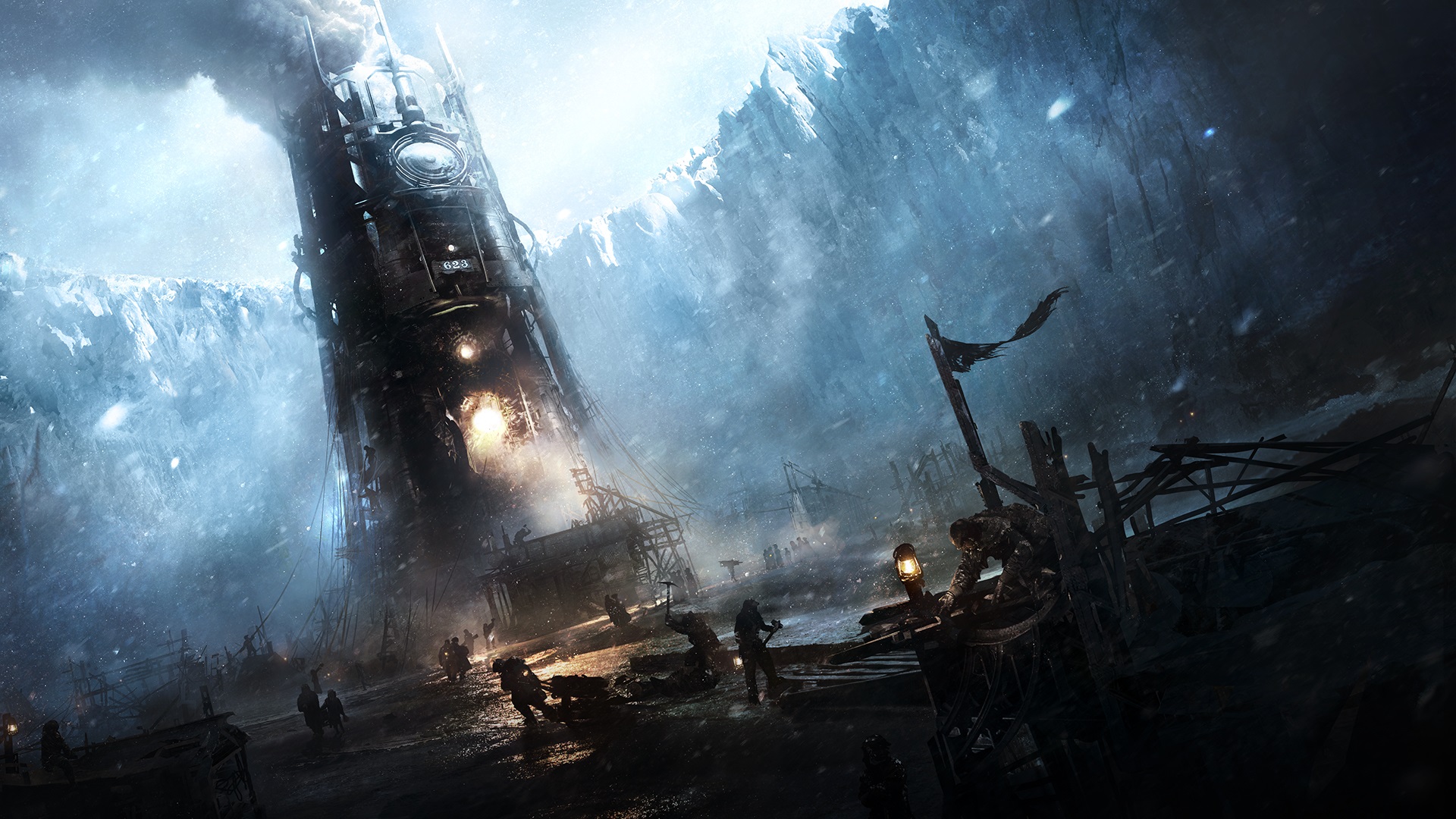
Temperature drops increase coal consumption and risk of illness, forcing generator upgrades and strict work shifts. Storm events require stockpiling resources and enforcing laws that reshape society. Building placement relative to heat zones determines survival rates. Environmental changes directly gate technological progress and exploration.
Battlefield 4

On the Paracel Storm map, an incoming typhoon churns the sea, raising waves that batter boats and platforms. Wind and rain reduce long-range visibility and alter helicopter approach options. The storm triggers environmental changes like closing routes and shifting objectives. Dynamic weather forces squad tactics to adapt mid-match.
Pokémon Sword and Shield

In the Wild Area, daily weather determines which species appear and which raids are active. Rain, sun, hail, and sand influence move accuracy and damage during battles. Certain evolutions and form changes depend on specific conditions in the overworld. Items and abilities interact with weather to create team-building constraints.
Genshin Impact

Rain electrifies wet surfaces and water bodies, enabling chain reactions with Electro and negating some Pyro effects. Freezing water and enemies requires combining Hydro and Cryo, opening traversal paths or crowd control options. Dragonspine’s subzero system inflicts Sheer Cold unless you find heat sources. Wind and thunderstorms change gliding routes and combat positioning.
Sea of Thieves

Storms spin the compass, fill the hull with water, and push ships off course. Strong winds demand sail and helm coordination to avoid rock formations. Lightning can strike players and masts, creating damage and chaos in combat. Swells and current shifts alter cannon arcs and boarding attempts.
Microsoft Flight Simulator

Live wind, pressure, and precipitation data affect takeoff distance, climb rates, and fuel planning. Icing accumulates on airframes and engines, degrading lift and visibility without de-ice systems. Thunderstorms impose turbulence and wind shear that require diversions. Cloud ceilings and fog force instrument approaches and alternate airport decisions.
Metal Gear Solid V: The Phantom Pain

Sandstorms drastically cut visibility and enemy perception, enabling infiltration routes that are risky in clear weather. Rain muffles footsteps and reduces dust trails, changing patrol detection ranges. Helicopter support and extraction windows shift with harsh conditions. Enemy equipment and behaviors adjust based on forecasted patterns.
Sid Meier’s Civilization VI: Gathering Storm
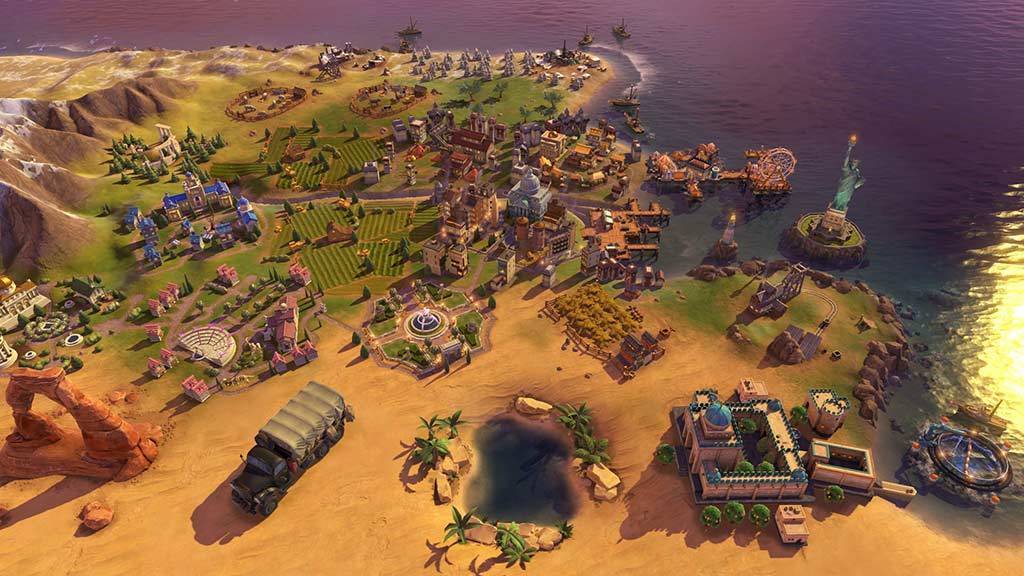
Rivers flood tiles, temporarily removing improvements while boosting future yields after mitigation. Droughts, blizzards, and hurricanes damage districts and units unless you invest in infrastructure. Dams, canals, and power plants tie city planning to climate risks and resources. Rising sea levels threaten coastal tiles late game, reshaping expansion and defense.
Animal Crossing: New Horizons
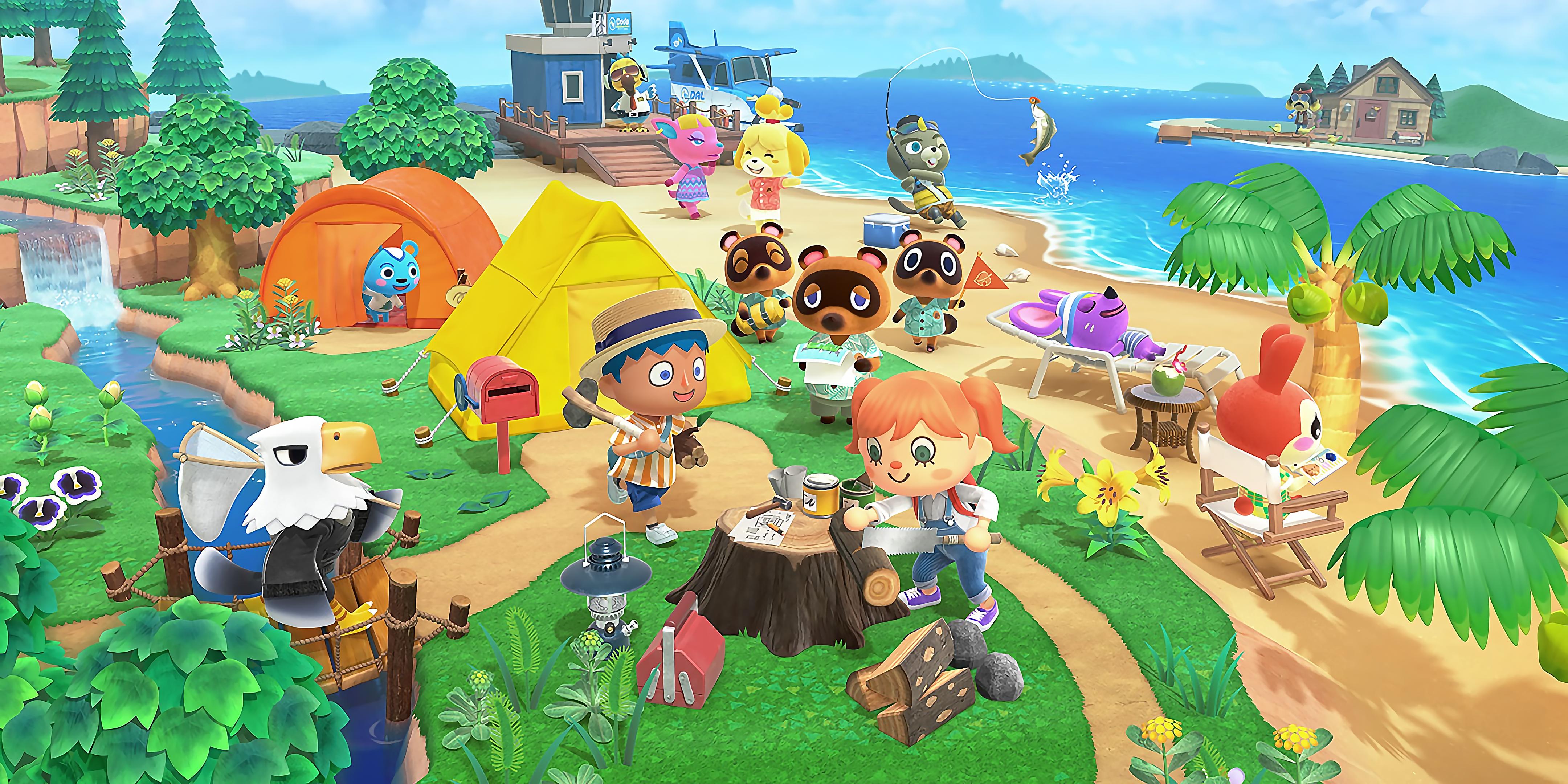
Rain and snow alter which fish and bugs appear, unlocking seasonal collectibles. Wet weather waters flowers automatically, influencing hybrid breeding outcomes. Snow accumulation enables rolling snowballs to build snowmen for special rewards. Weather patterns also tie into atmospheric events like shooting stars and balloon spawn behavior.
Project Zomboid
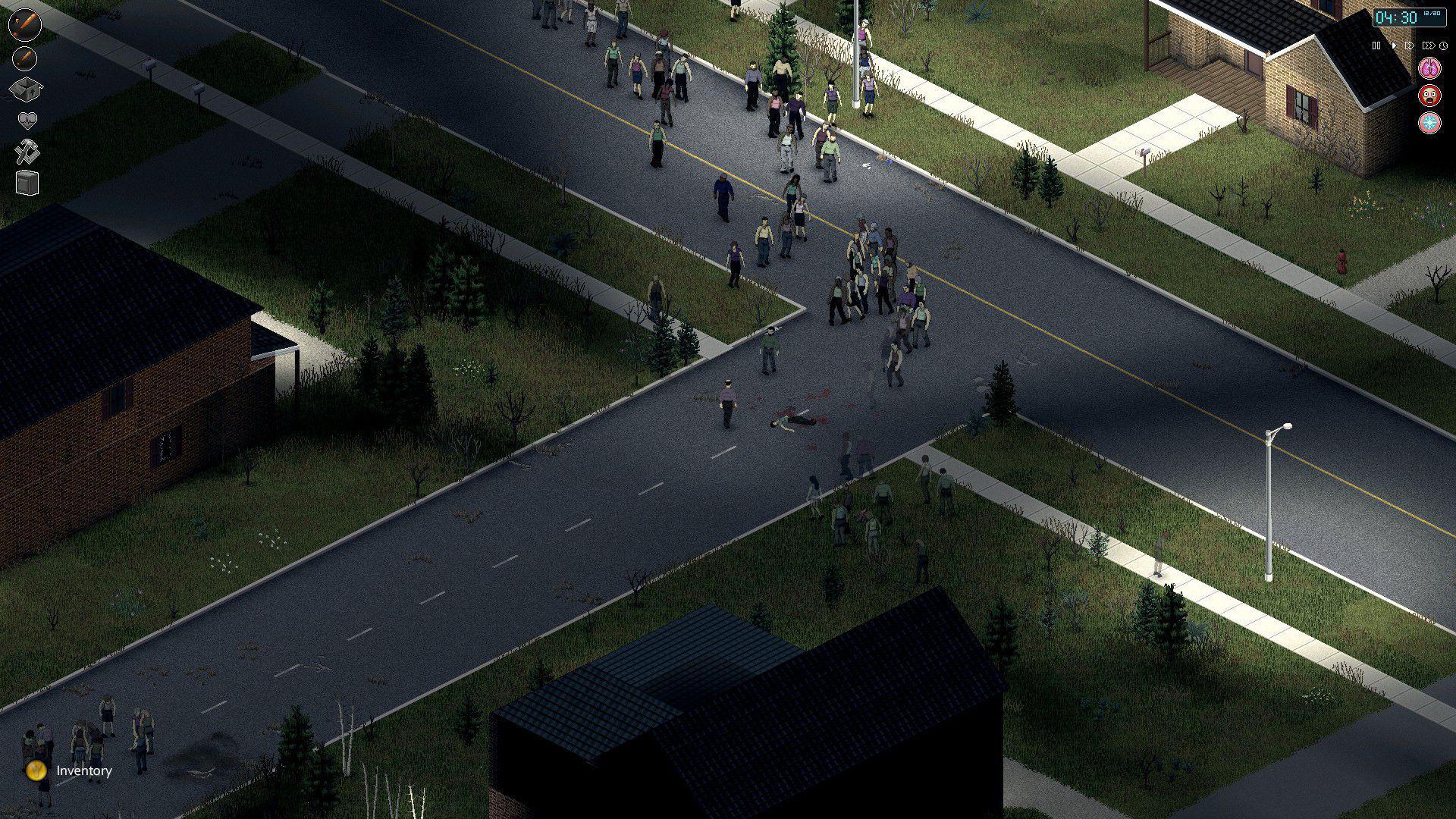
Cold snaps and rain increase hypothermia risk and reduce character mood and stamina regeneration. Wet clothing adds weight and worsens illness chances without proper drying. Farming cycles and food preservation depend on seasonal timing. Fog and storms cut line of sight, changing stealth and combat decisions.
Valheim
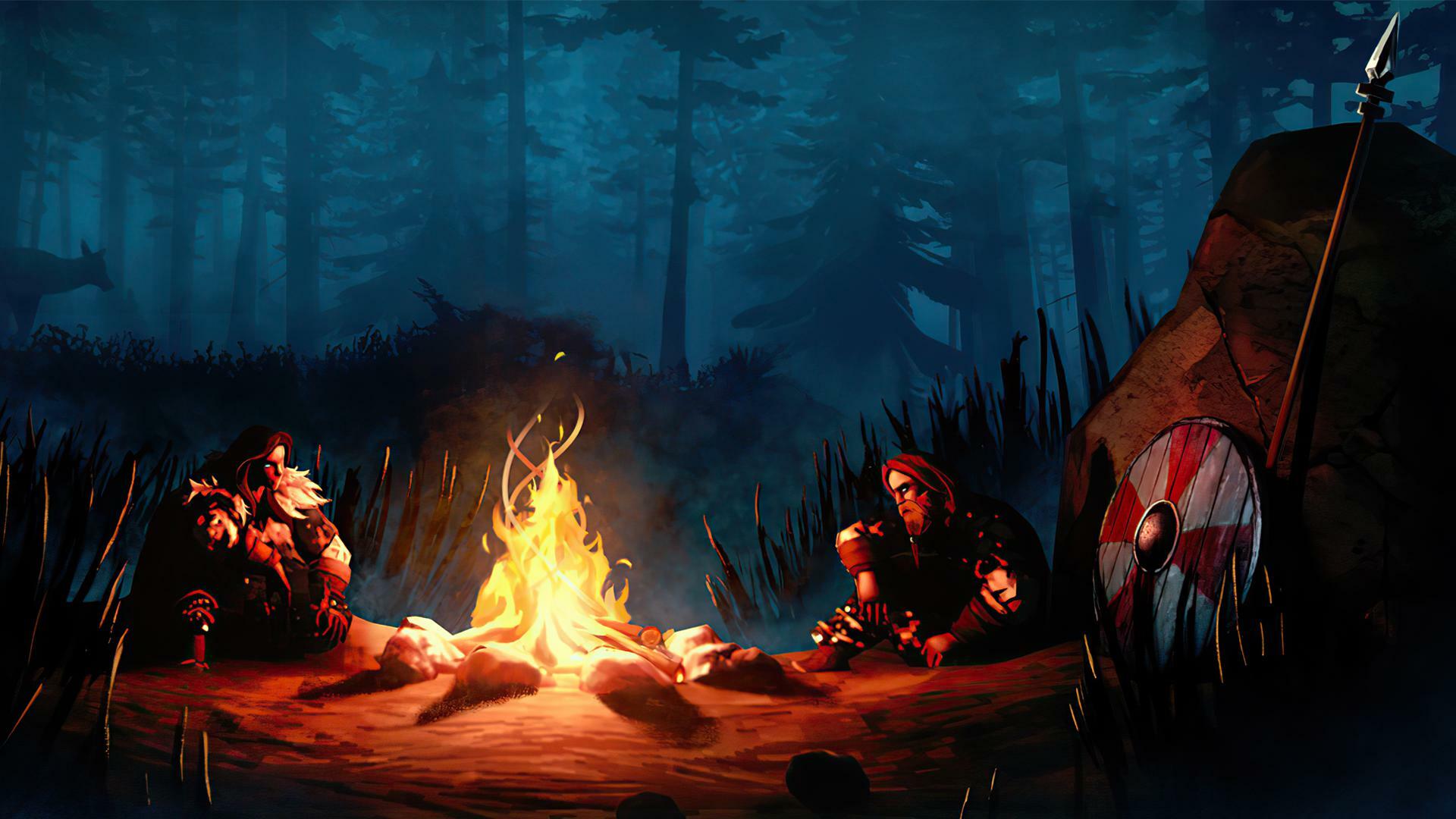
Rain applies a wet debuff that lowers stamina regeneration and makes fires harder to maintain. Nighttime and mountain cold require proper capes or mead to prevent damage. Wind direction and strength drive sailing speed and route planning across the ocean. Biome-specific weather ties enemy spawns and resource gathering to preparation.
The Long Dark
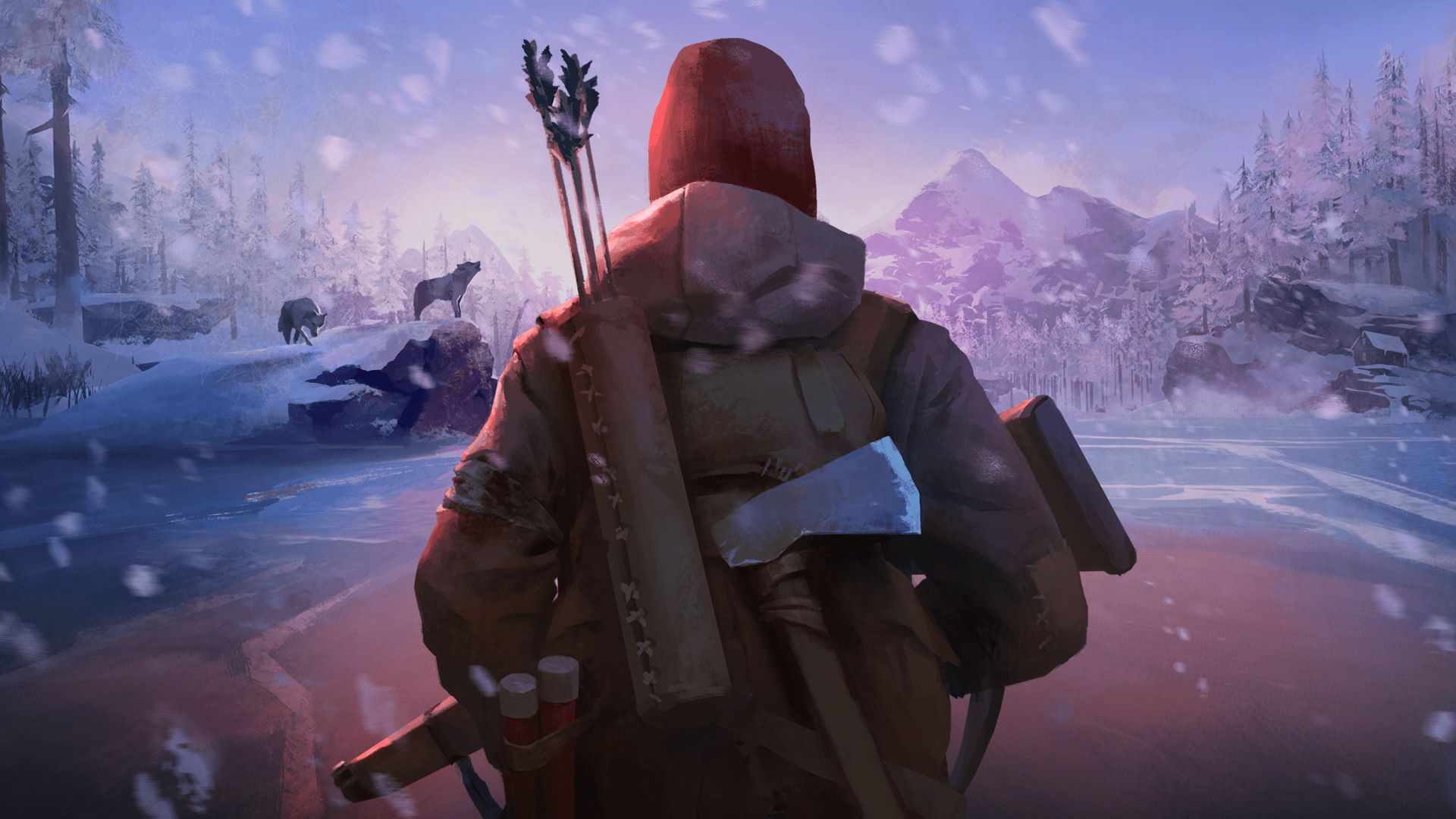
Blizzards reduce visibility to a few steps and drive wind chill that saps condition quickly. Icing and wind block certain routes and make outdoor fires unreliable. Wildlife behavior changes during storms, altering threat patterns. Clothing layers and shelter choice become the difference between progress and a forced camp.
SnowRunner
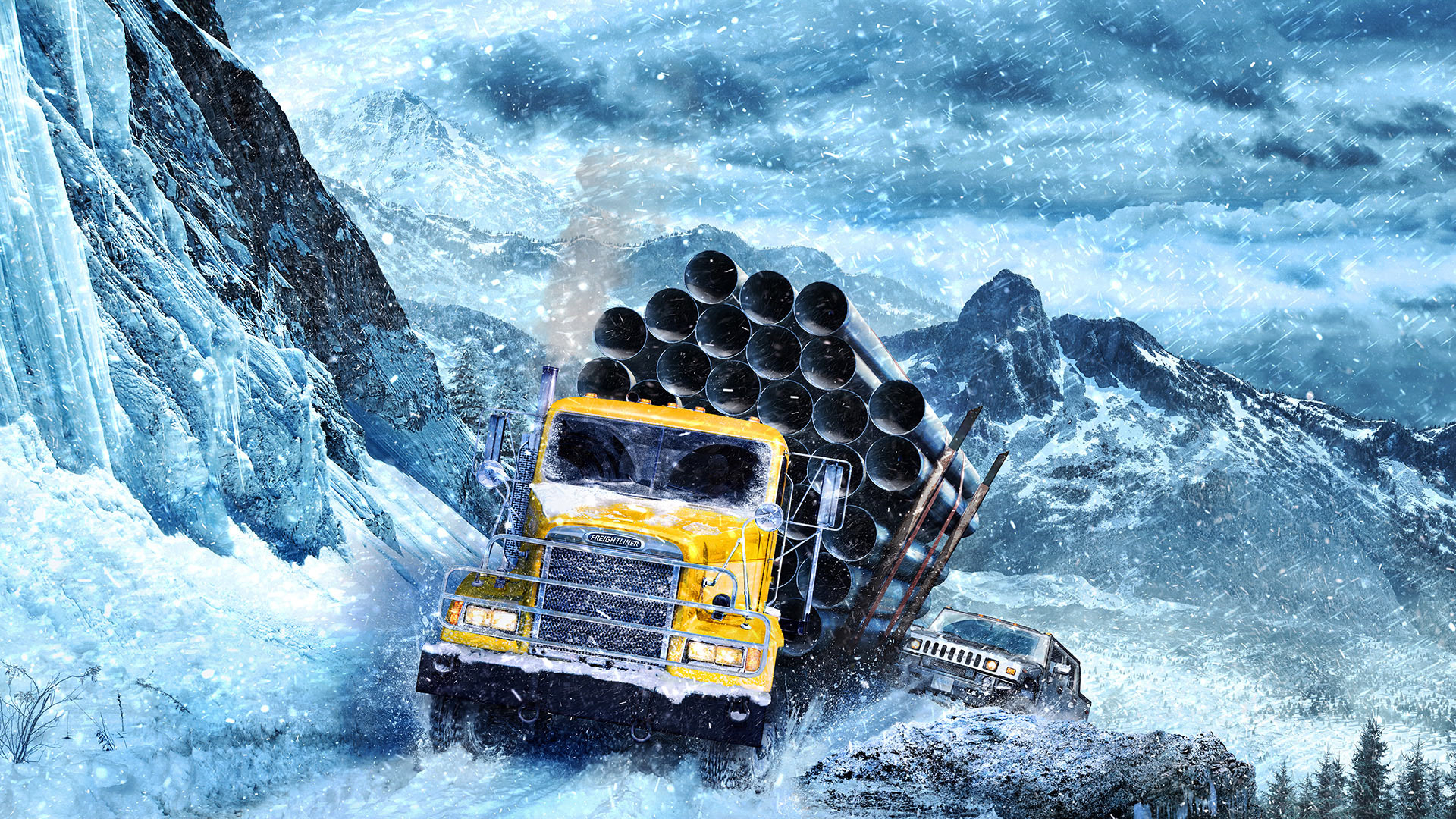
Mud consistency, snow depth, and flooding shift with precipitation, altering traction on the same road. Temperature and time of day impact ice strength on lakes and rivers. Vehicle choice and tire chains directly relate to forecasted conditions. Contract timing and route selection hinge on reading the weather map.
DayZ
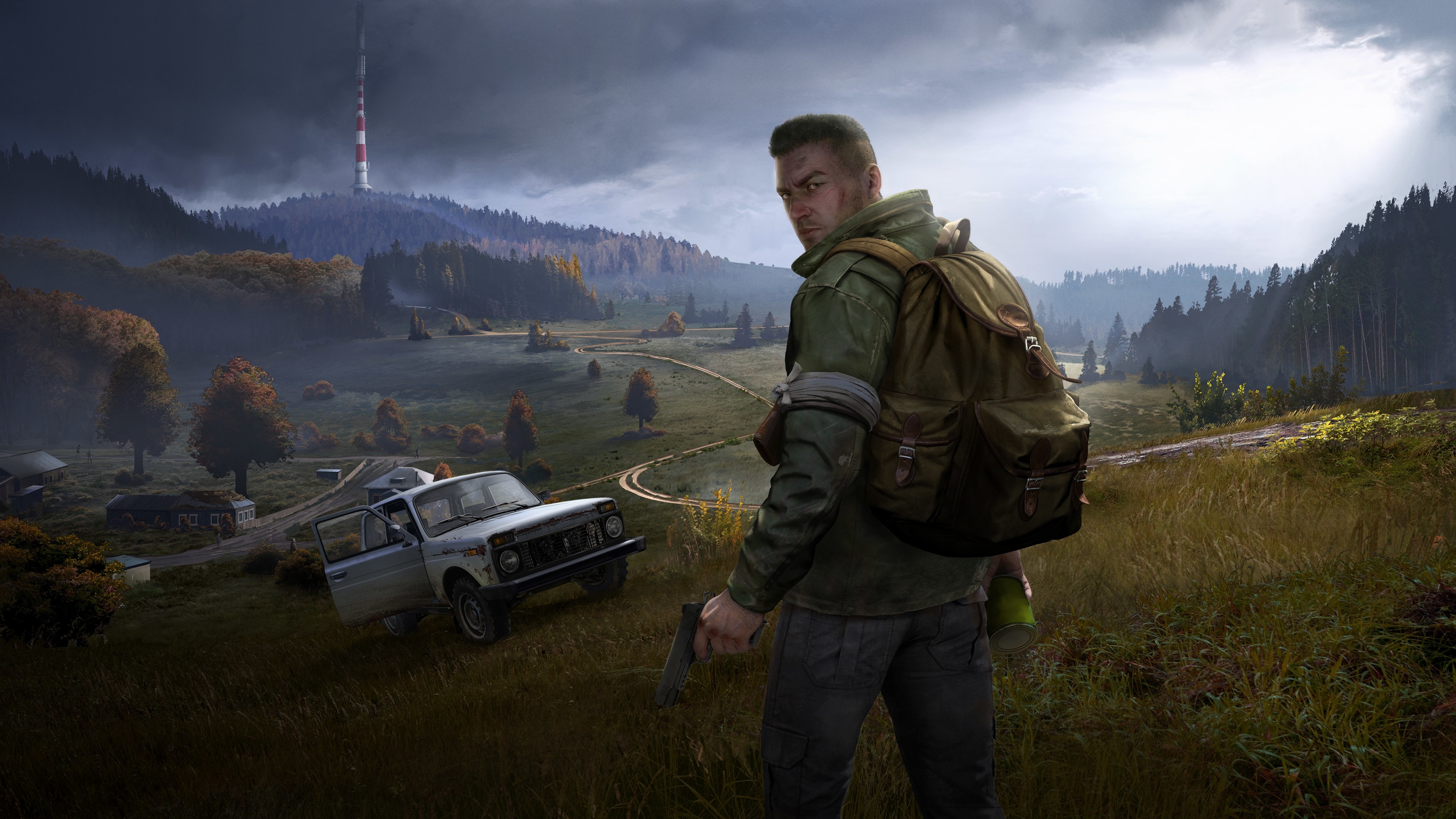
Rain and low temperatures lead to hypothermia unless you craft fires and find better clothing. Wet gear increases weight and noise while reducing warmth. Visibility and sound propagation change with fog and wind, affecting ambushes and navigation. Food, disease, and stamina systems all respond to extended bad weather.
Share your favorite weather-driven moments and the games we should add in the comments.