

Games Where Your Choices Echo in New Game Plus

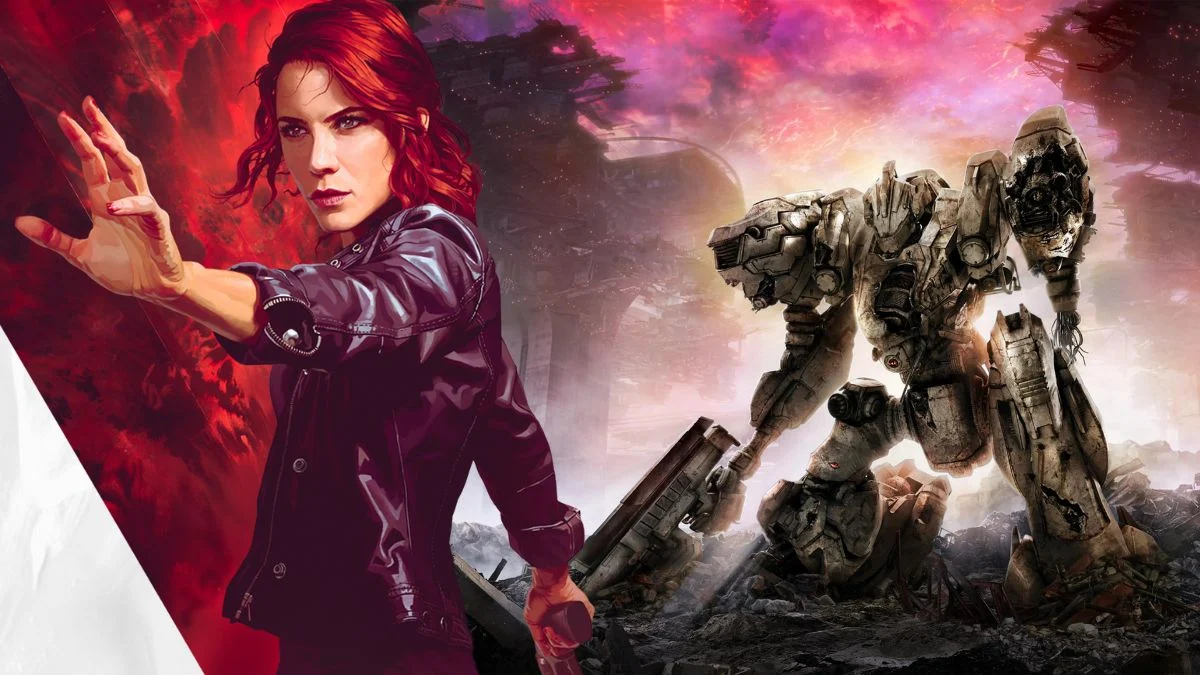


New Game Plus has evolved from a simple victory lap into a sophisticated narrative device that often reshapes the entire gaming experience. Many modern titles use this mode to unlock alternate endings, reveal hidden dialogue, or allow players to carry over hard-earned abilities to access previously unreachable paths. Replaying a game with retained knowledge and power can fundamentally change how the story unfolds and how characters react to the protagonist. The following titles exemplify how a second playthrough can offer a fresh perspective on the consequences of player agency.
‘Starfield’ (2023)
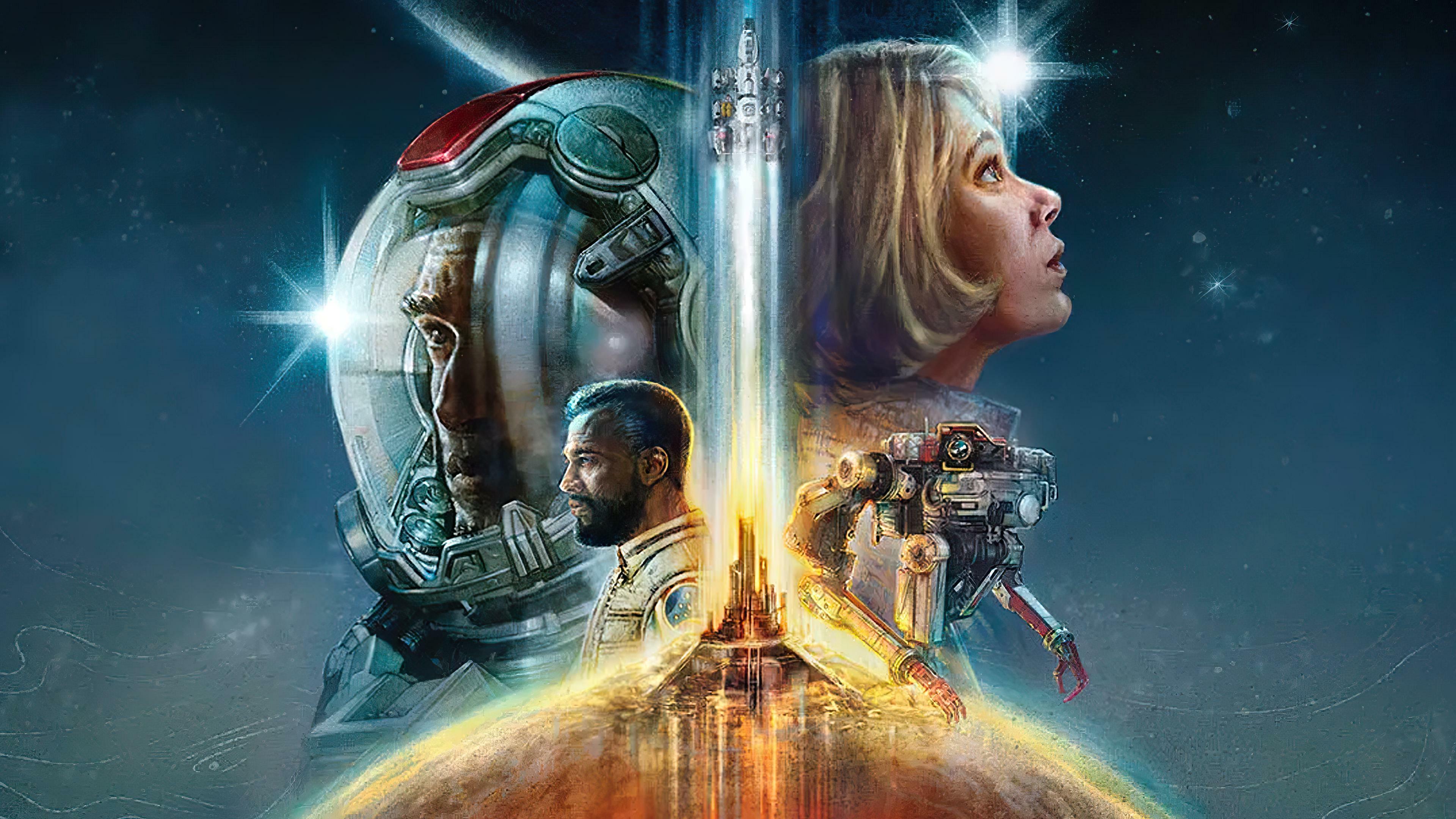
Bethesda wove the concept of New Game Plus directly into the main narrative of this sprawling space RPG. Completing the main quest allows the player to enter a new universe as a Starborn with their memories intact. This transition opens up unique dialogue options where the protagonist can skip entire questlines by revealing they already know the outcome. The universe itself may feature subtle or drastic variations that force the player to adapt to a familiar yet altered reality.
‘Nier: Automata’ (2017)
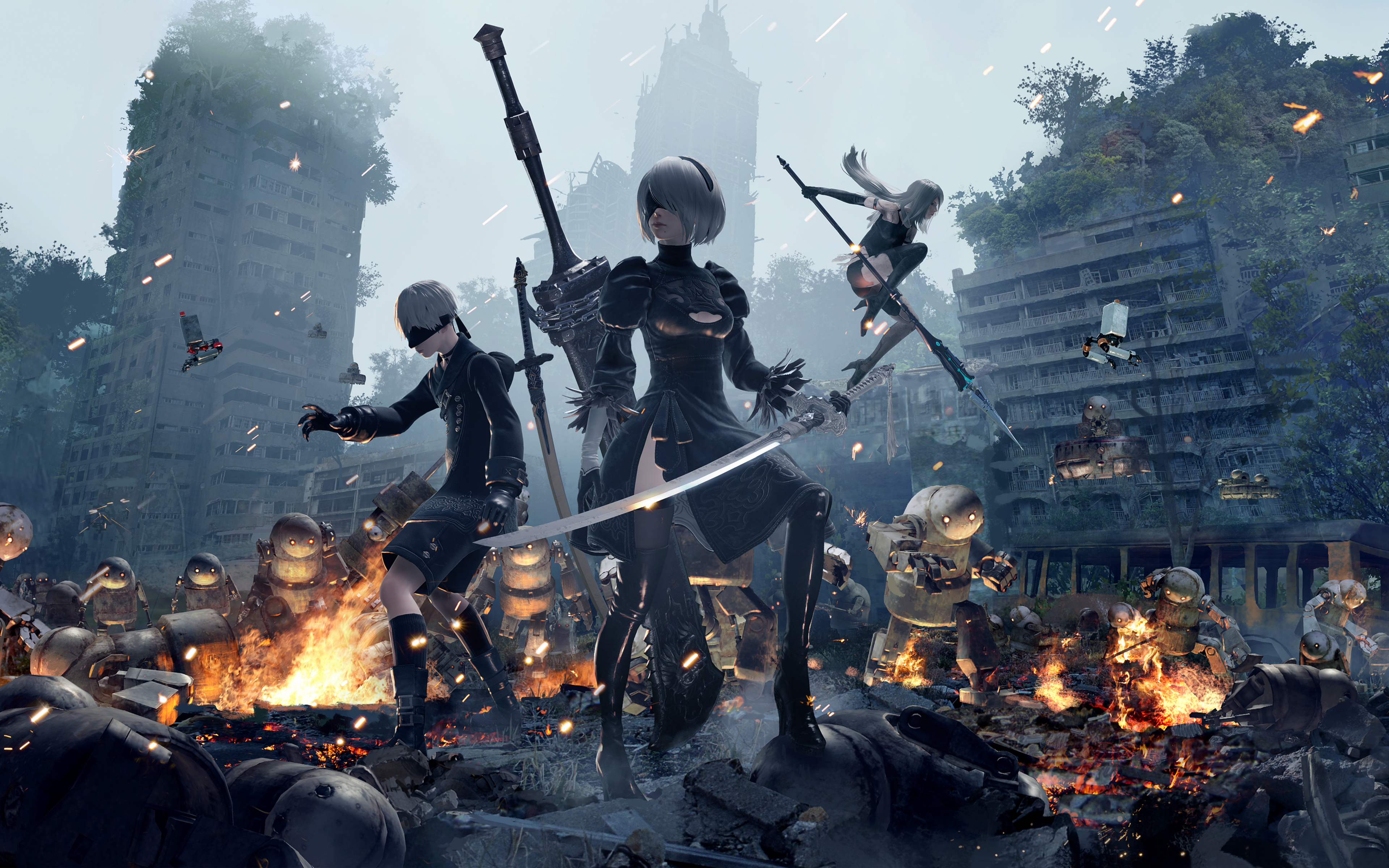
The first time the credits roll in this action RPG marks only the beginning of the actual story. Subsequent playthroughs shift the narrative perspective to other android combatants and reveal the internal thoughts of enemy machines. This structure forces players to recontextualize the violence of their first run through a lens of tragic understanding. The true ending requires multiple completions to unlock the final moral choice that defines the experience.
‘Chrono Trigger’ (1995)
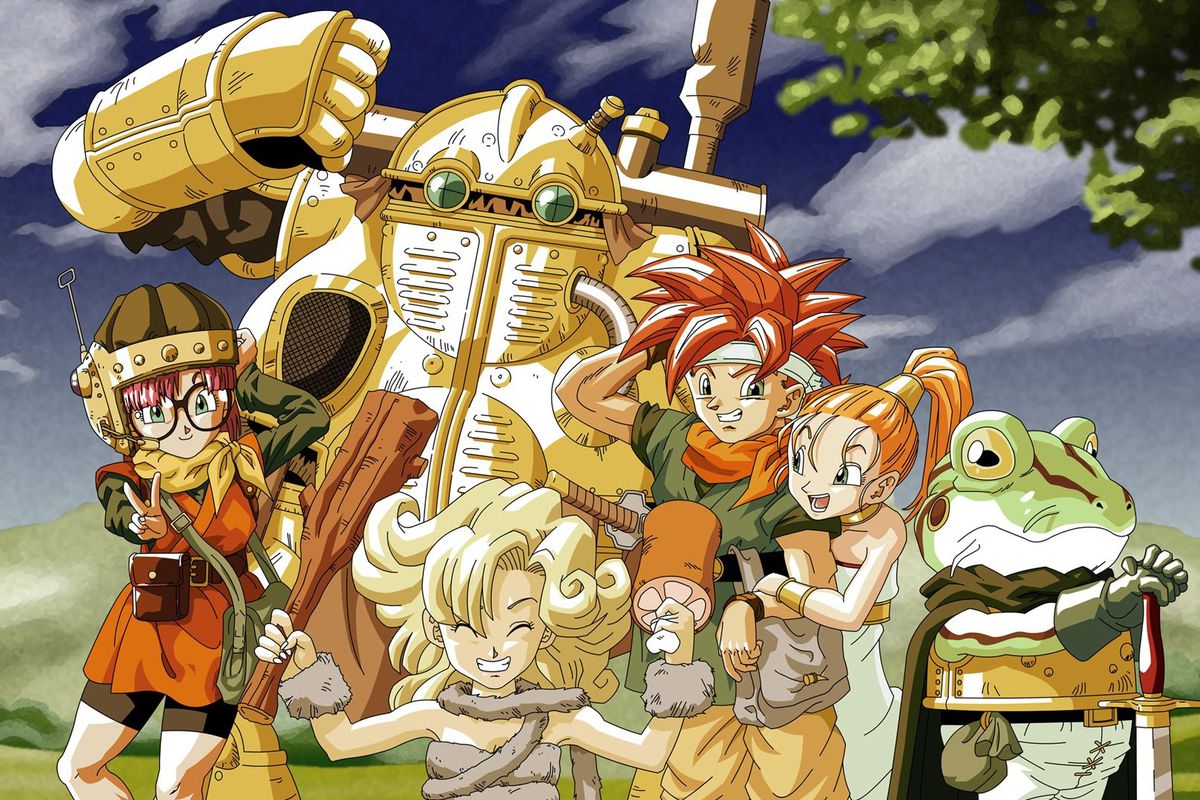
This classic RPG popularized the term New Game Plus and set the standard for how it should function. Players can use their high-level characters to challenge the final boss at various points in the timeline to unlock over a dozen different endings. These alternate conclusions range from humorous developer rooms to grim depictions of a world without a savior. It encourages experimentation with the narrative flow in a way few games have managed since.
‘Undertale’ (2015)

The game remembers the actions taken in previous playthroughs and characters will often comment on the player’s sense of déjà vu. Resetting the timeline does not completely erase the consequences of killing or sparing specific monsters. A pacifist run feels significantly more poignant when the game subtly acknowledges a prior violent playthrough. This memory system turns the save file itself into a narrative instrument that questions the morality of the player.
‘Oxenfree’ (2016)
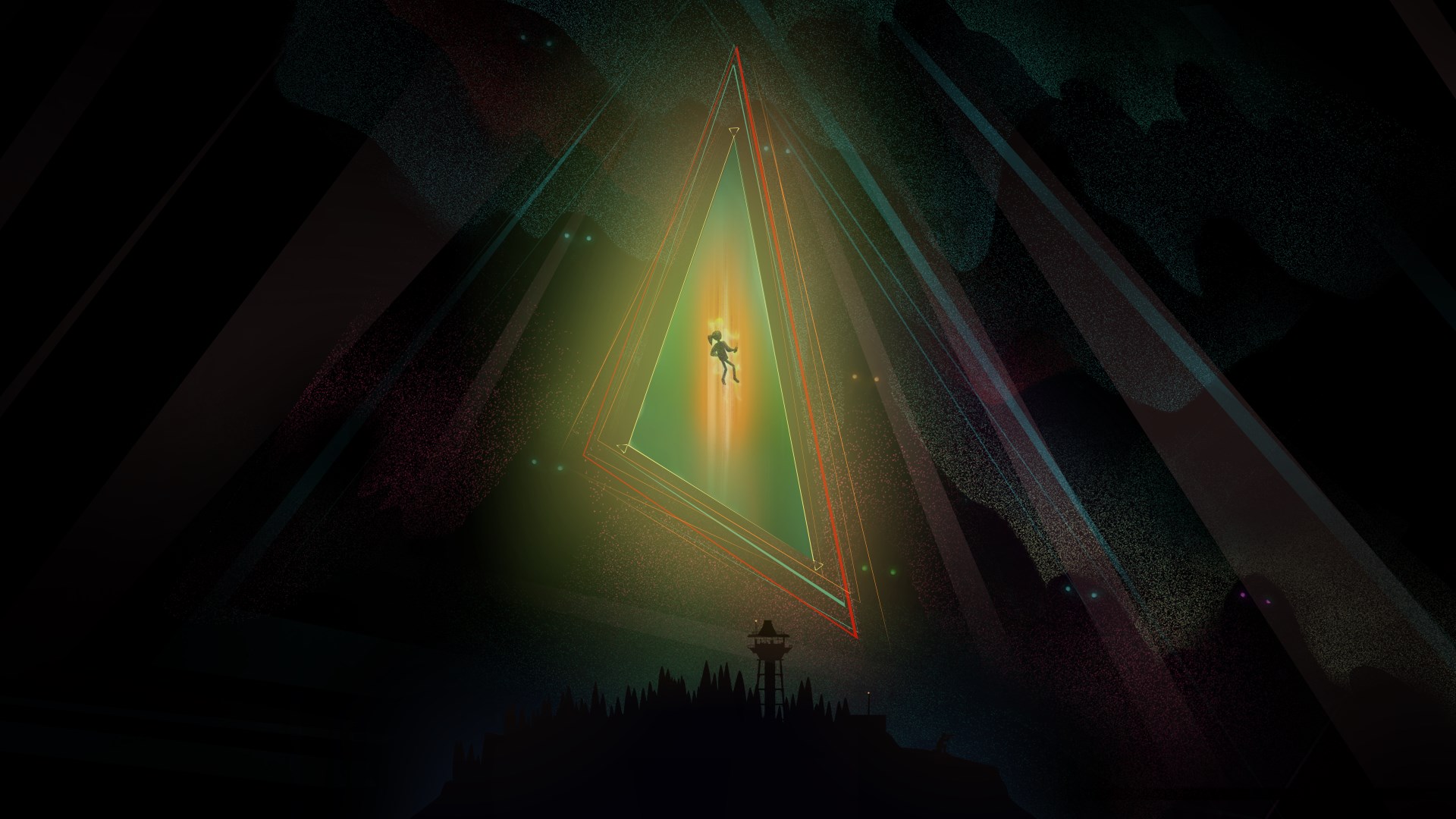
Completing the story once unlocks a Continue Timeline option that functions as a narrative loop rather than a simple restart. The protagonist Alex retains vague memories of previous loops and can discover new dialogue options to influence her friends. These new choices are essential for breaking the supernatural cycle and saving the cast from their spectral trappings. The game treats the second run as a direct continuation of the horror experienced in the first.
‘Armored Core VI: Fires of Rubicon’ (2023)
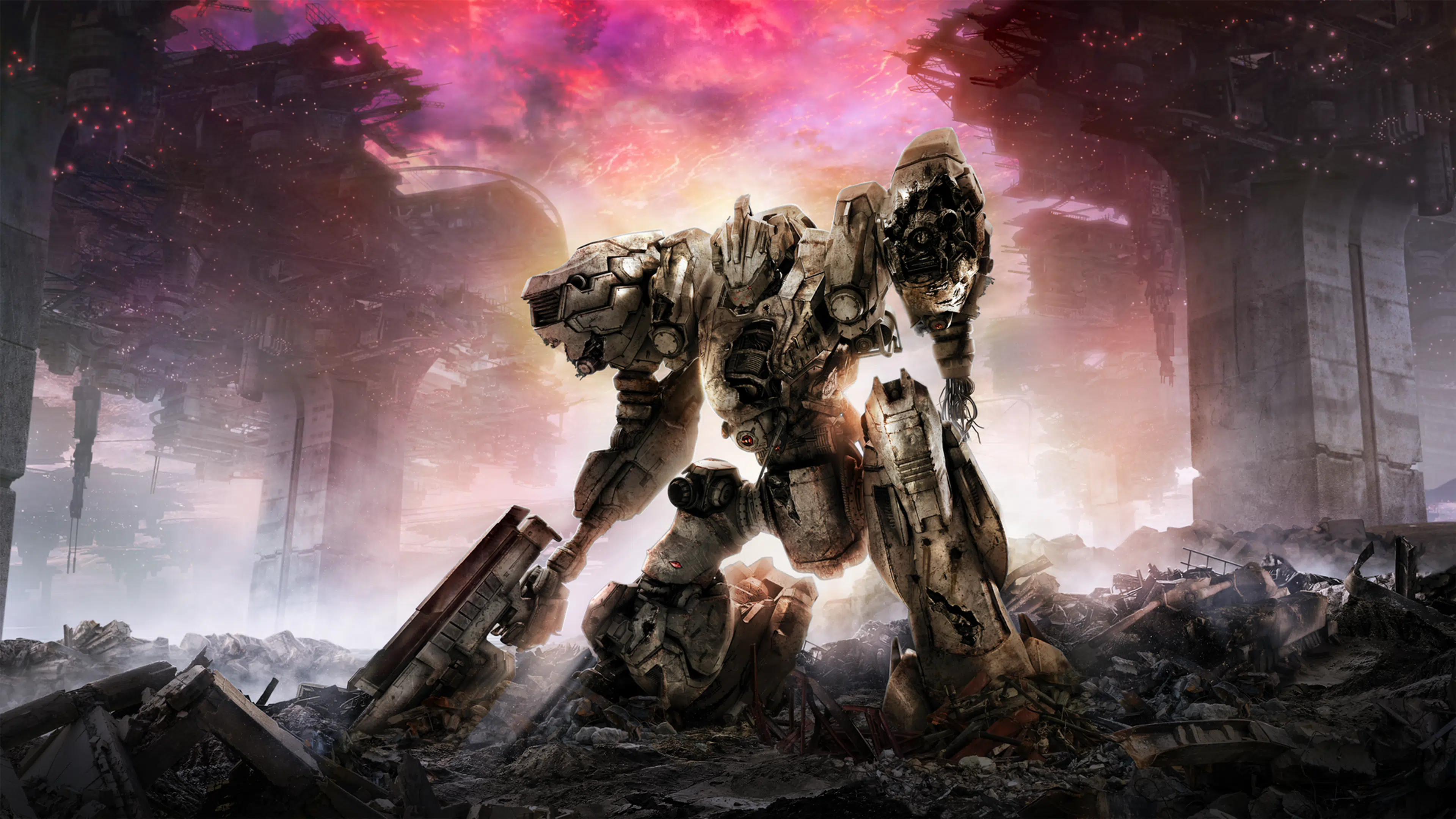
FromSoftware structured the narrative of this mech action game to expand significantly in subsequent playthroughs. New Game Plus introduces entirely new missions and decision points that were unavailable during the initial sort. These alternative paths provide deeper insight into the various factions warring over the planet Rubicon. The third playthrough culminates in a final “true” ending that resolves the central conflict in a completely different manner.
‘Alan Wake 2’ (2023)

The New Game Plus mode is titled The Final Draft and serves as the canonical conclusion to the spiraling horror story. It introduces new manuscript pages and videos that recontextualize the events of the loop. Players can only break the cycle and achieve the true ending by playing through this mode with their retained upgrades. The narrative justifies this replay as the protagonist refining his writing to escape the Dark Place.
‘Dragon’s Dogma 2’ (2024)
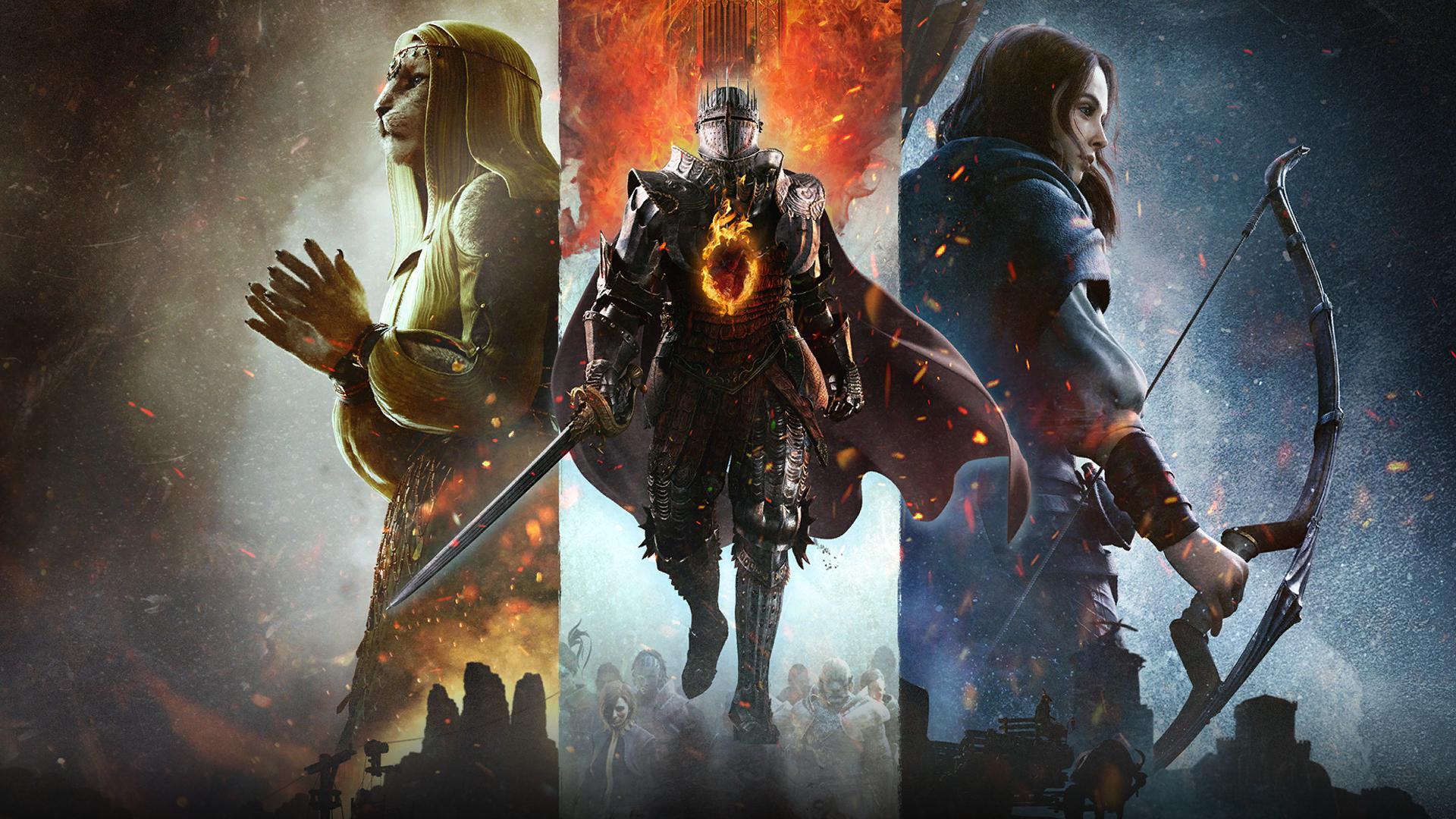
The cyclical nature of the Arisen’s duty is a core theme that extends into the post-game content. Restarting the world allows players to dominate early encounters that were once terrifying struggles. This power fantasy highlights the growth of the hero while the world resets to its initial state of chaos. The game encourages players to seek out missed quests and explore different outcomes for the various NPCs they encounter.
‘Persona 5 Royal’ (2020)
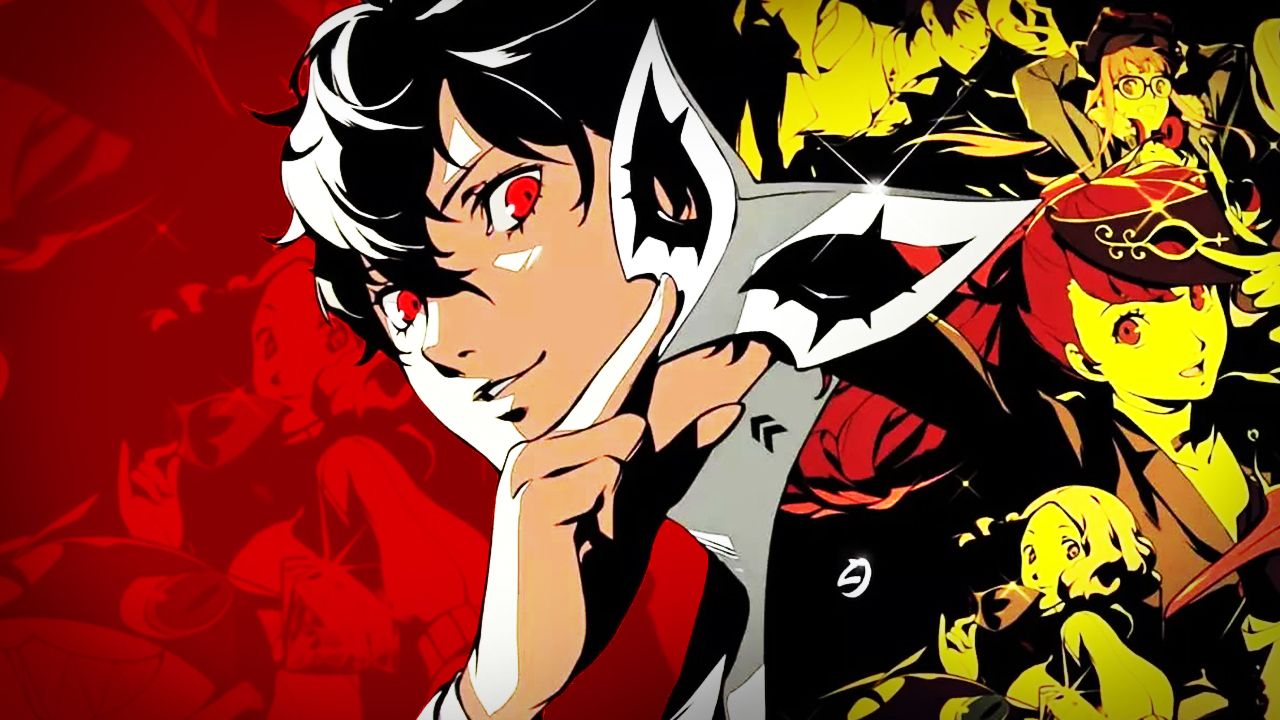
Social stats and Persona compendiums carry over to allow players to maximize their time management in a second run. Having maxed-out social attributes opens up dialogue choices and confidant paths that are mathematically impossible to see in a single playthrough. This freedom allows the protagonist to deepen bonds with every team member and unlock the ultimate personas. The story remains largely the same but the depth of character interaction expands immenseley.
‘Elden Ring’ (2022)
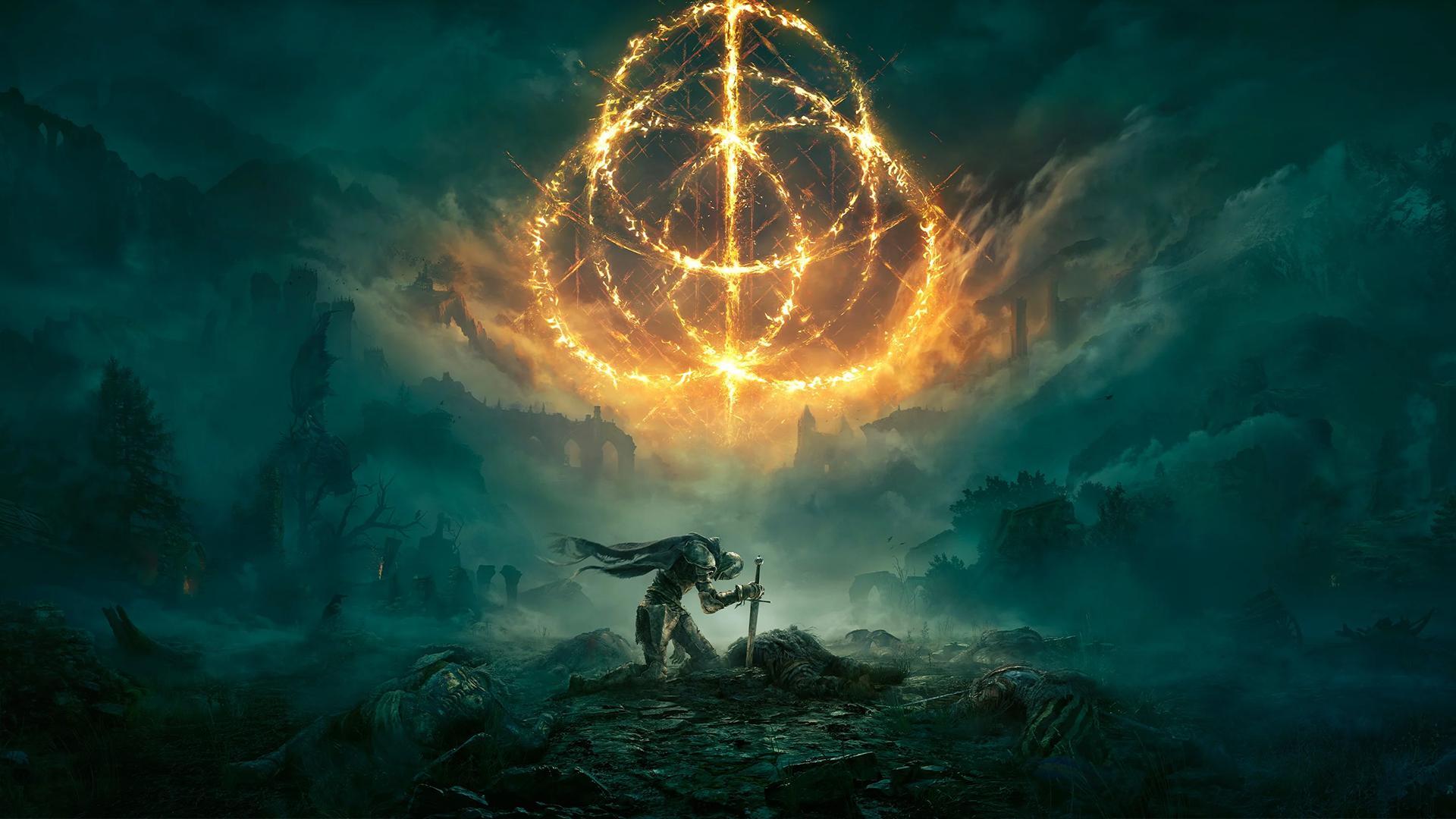
The sheer scale of the Lands Between makes it nearly impossible to see every quest outcome in one journey. New Game Plus allows the Tarnished to keep their arsenal and rush specific bosses to unlock different endings. Players can choose to mend the Elden Ring or burn the world to ash with the Frenzied Flame. The retained power level lets players experiment with different builds and narrative allegiances without the friction of grinding.
‘The Witcher 3: Wild Hunt’ (2015)
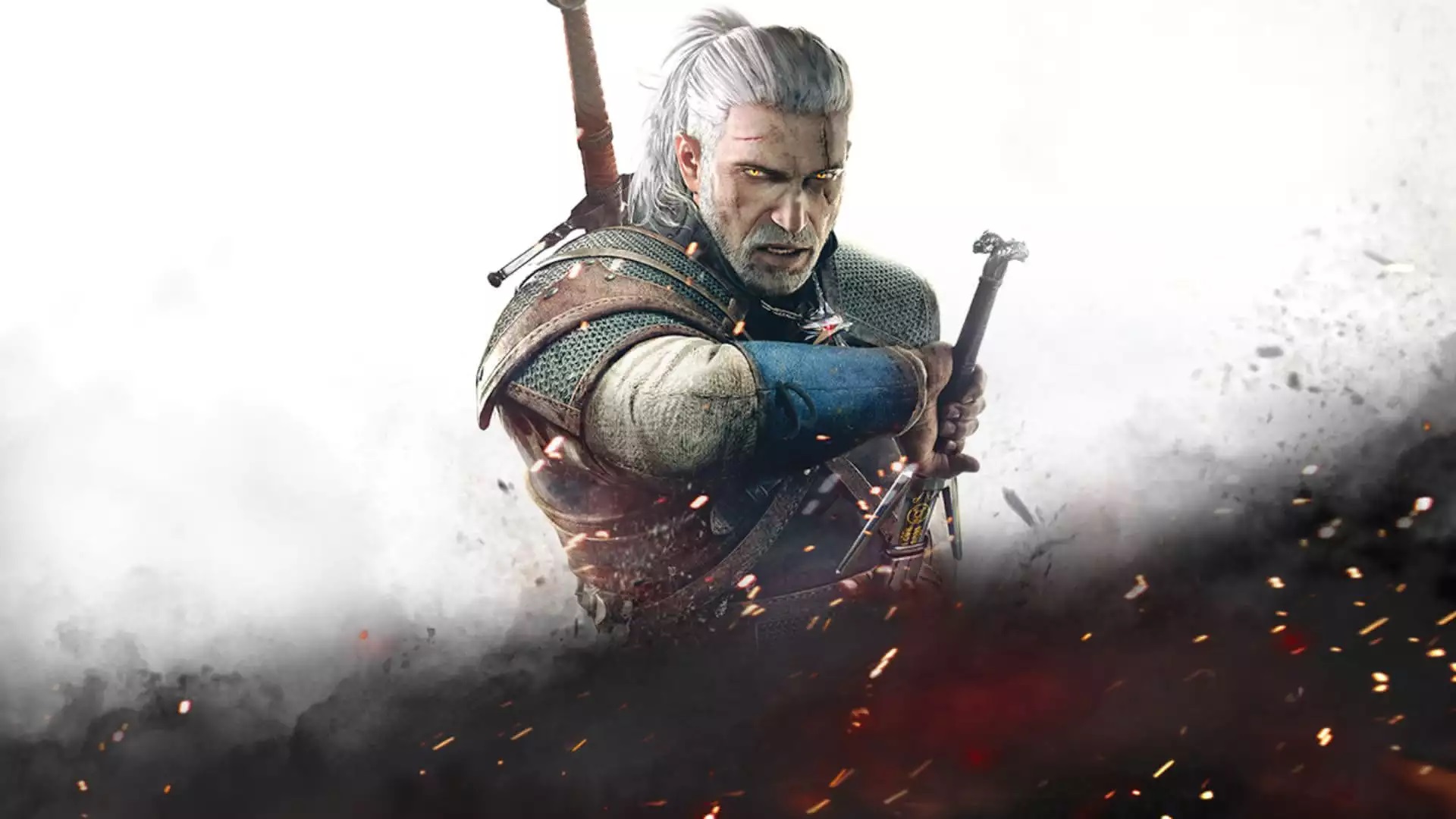
Geralt carries over his alchemy formulas and equipment which permits a focus on narrative divergence rather than survival. The complex web of political choices and their consequences can be fully explored by taking opposite paths in a second run. Saving specific characters or letting them die radically alters the state of the world and the endgame epilogues. The New Game Plus mode is essential for seeing the full breadth of the writing team’s work.
‘Mass Effect Legendary Edition’ (2021)
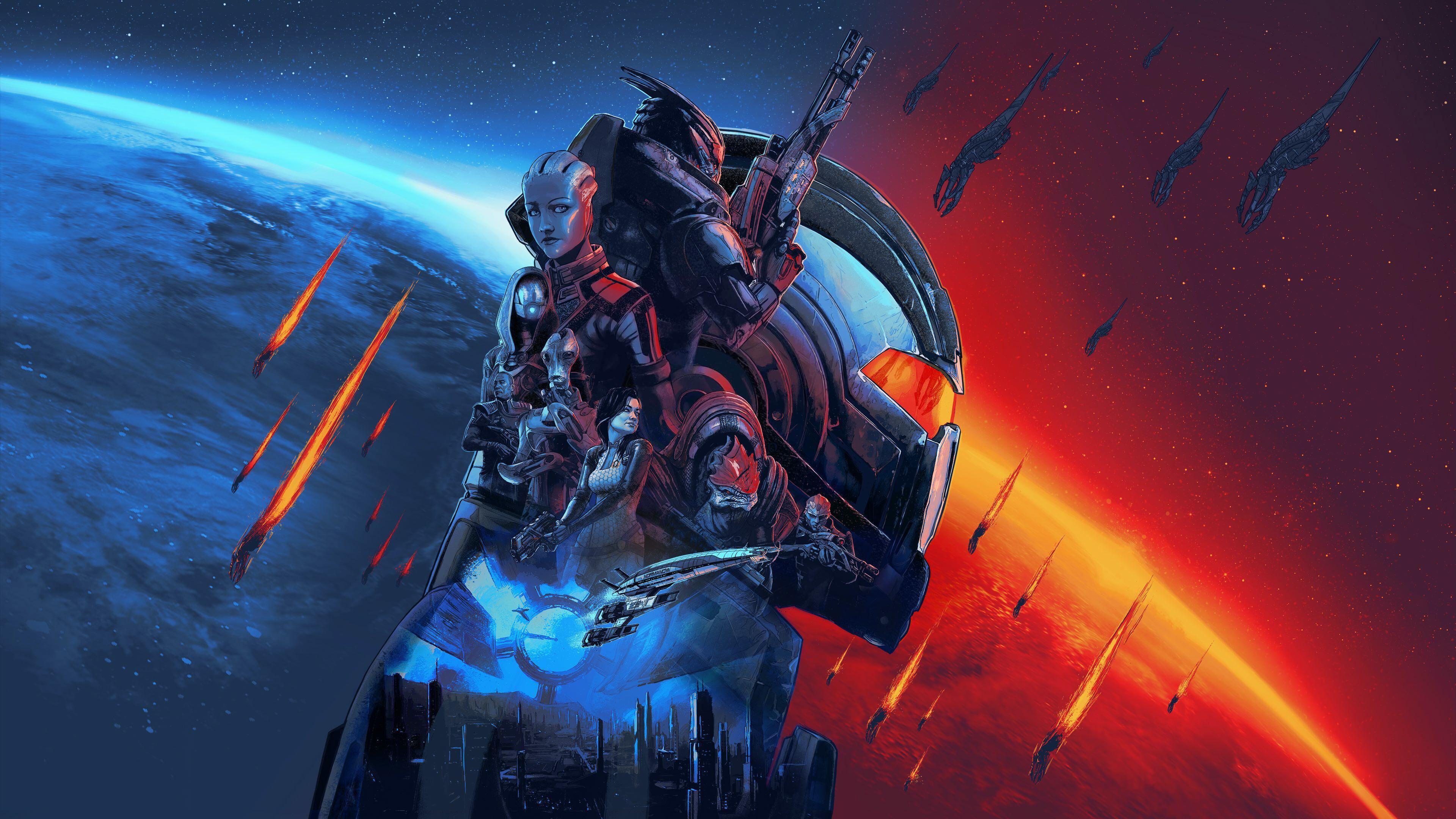
Importing a high-level Commander Shepard into a new cycle allows for immediate domination of combat encounters to focus purely on diplomacy. Paragon and Renegade choices can be explored more freely when the player already has maxed out skills and reputation. Seeing how the galaxy reacts to a ruthless tyrant versus a noble savior changes the tone of the entire trilogy. The continuity of choices across three games makes the replay value immensely high.
‘Silent Hill 2’ (2024)
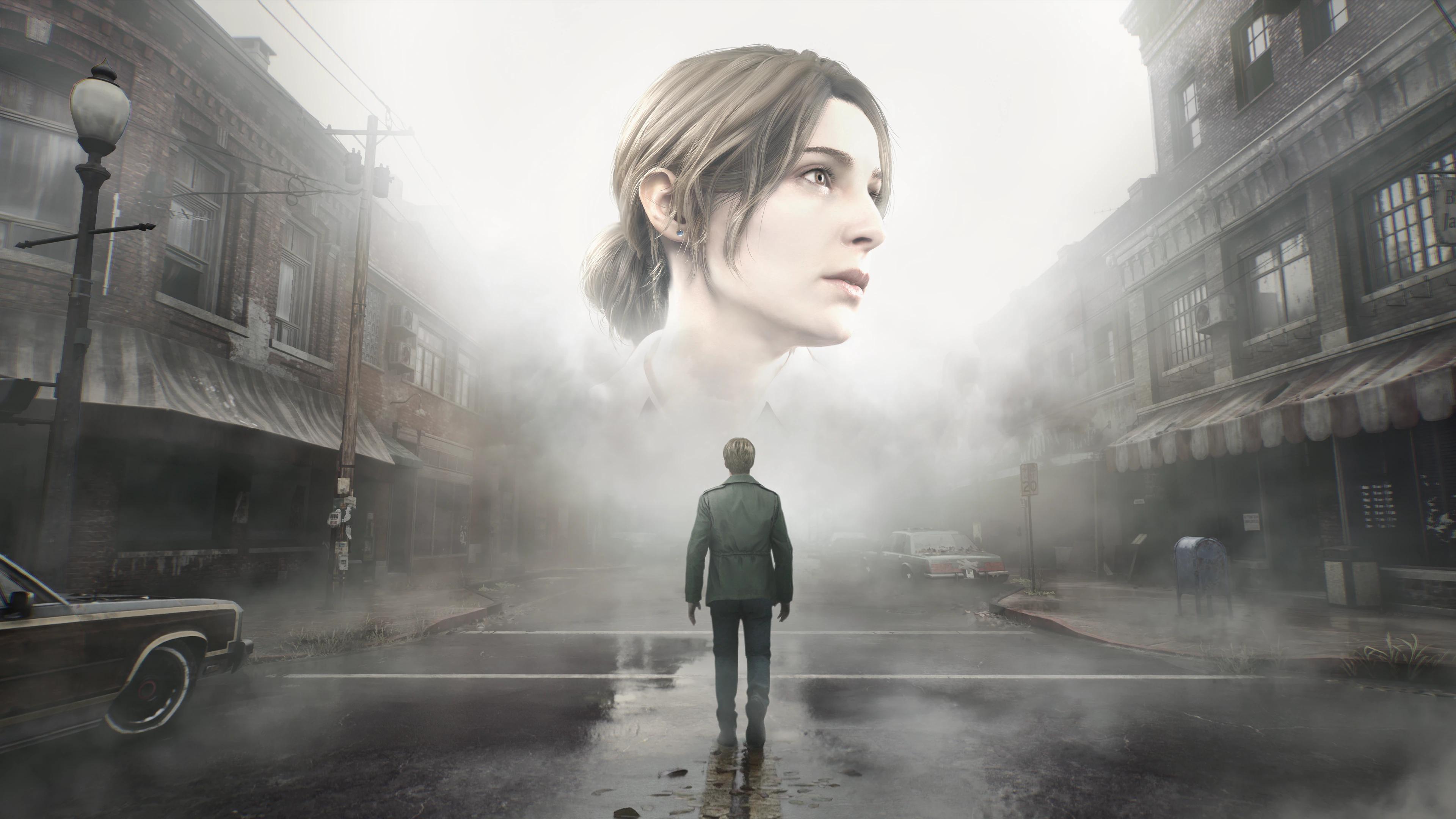
The remake of this psychological horror classic preserves the tradition of unlocking new endings only after the first completion. New Game Plus introduces specific items like the Chainsaw and new interactions that trigger alternate conclusions. These endings range from the sombre to the absolutely ridiculous Dog Ending. Obtaining these conclusions requires the player to perform specific rituals that change the context of James Sunderland’s journey.
‘Resident Evil 4’ (2023)

Retaining an upgraded arsenal turns the survival horror experience into an action-heavy revenge tour. Professional difficulty becomes manageable when Leon starts with a fully tuned arsenal and infinite ammo weapons. The game encourages speedrunning and completing varied challenges that are only feasible with New Game Plus equipment. This shift in power dynamic changes the atmosphere from tense survival to arcade-style domination.
‘Dead Space’ (2023)
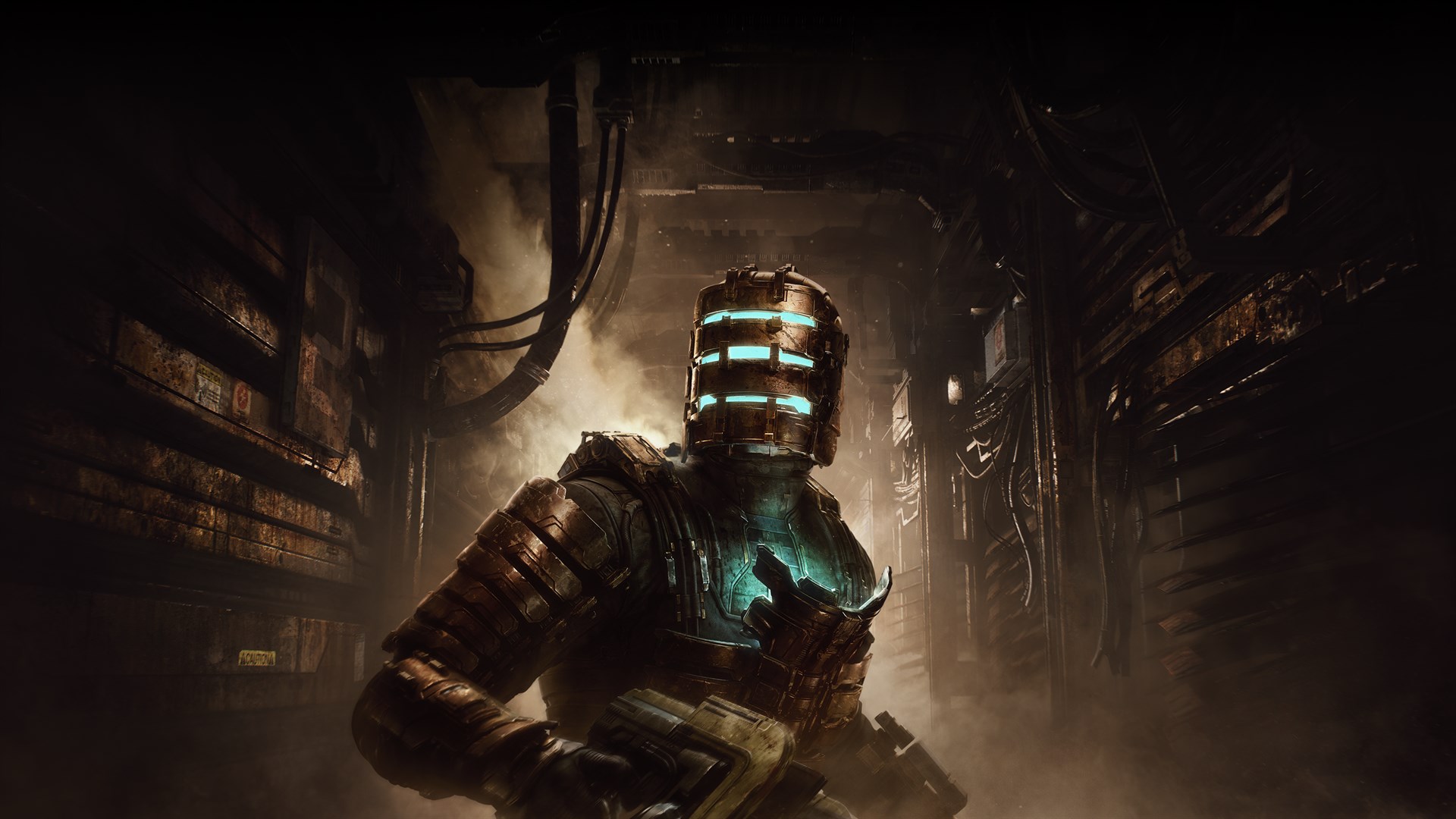
The remake introduces a secret alternate ending that is only accessible during a New Game Plus playthrough. Isaac Clarke can find twelve Marker fragments scattered throughout the ship that were not present in the first run. Collecting these items and placing them in a specific room triggers a grim new conclusion that ties into the sequels. This addition incentivizes a second tour of the Ishimura to see the full narrative picture.
‘Final Fantasy VII Remake’ (2020)
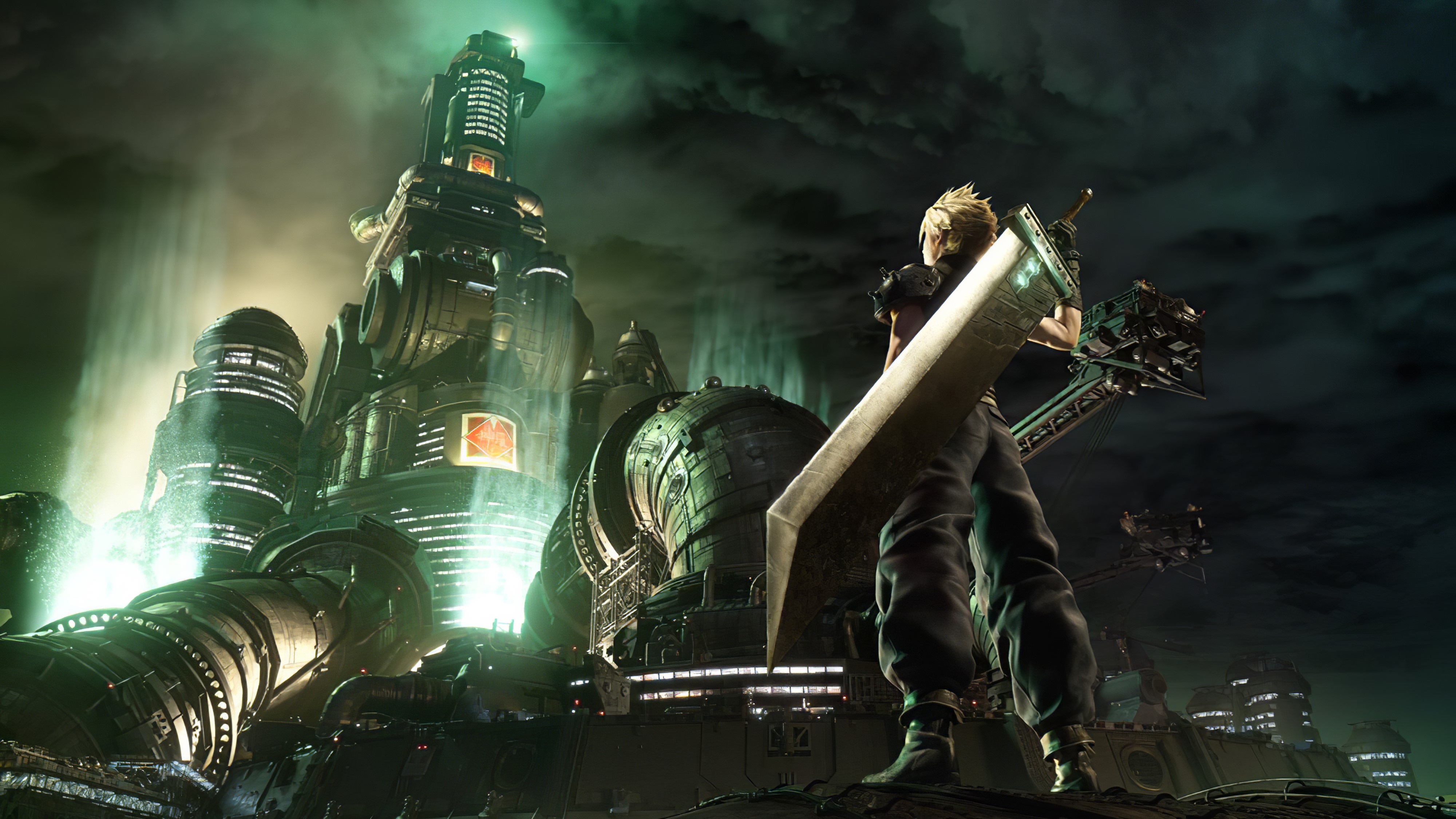
Hard Mode is exclusive to New Game Plus and fundamentally changes how the game is played by disabling item use. Players must rely entirely on their materia loadouts and mechanical skill to survive the tougher boss encounters. This mode also unlocks additional manuscript items that grant further skill points for weapon upgrades. The increased difficulty forces a mastery of the combat system that creates a more intense narrative pacing.
‘Final Fantasy VII Rebirth’ (2024)
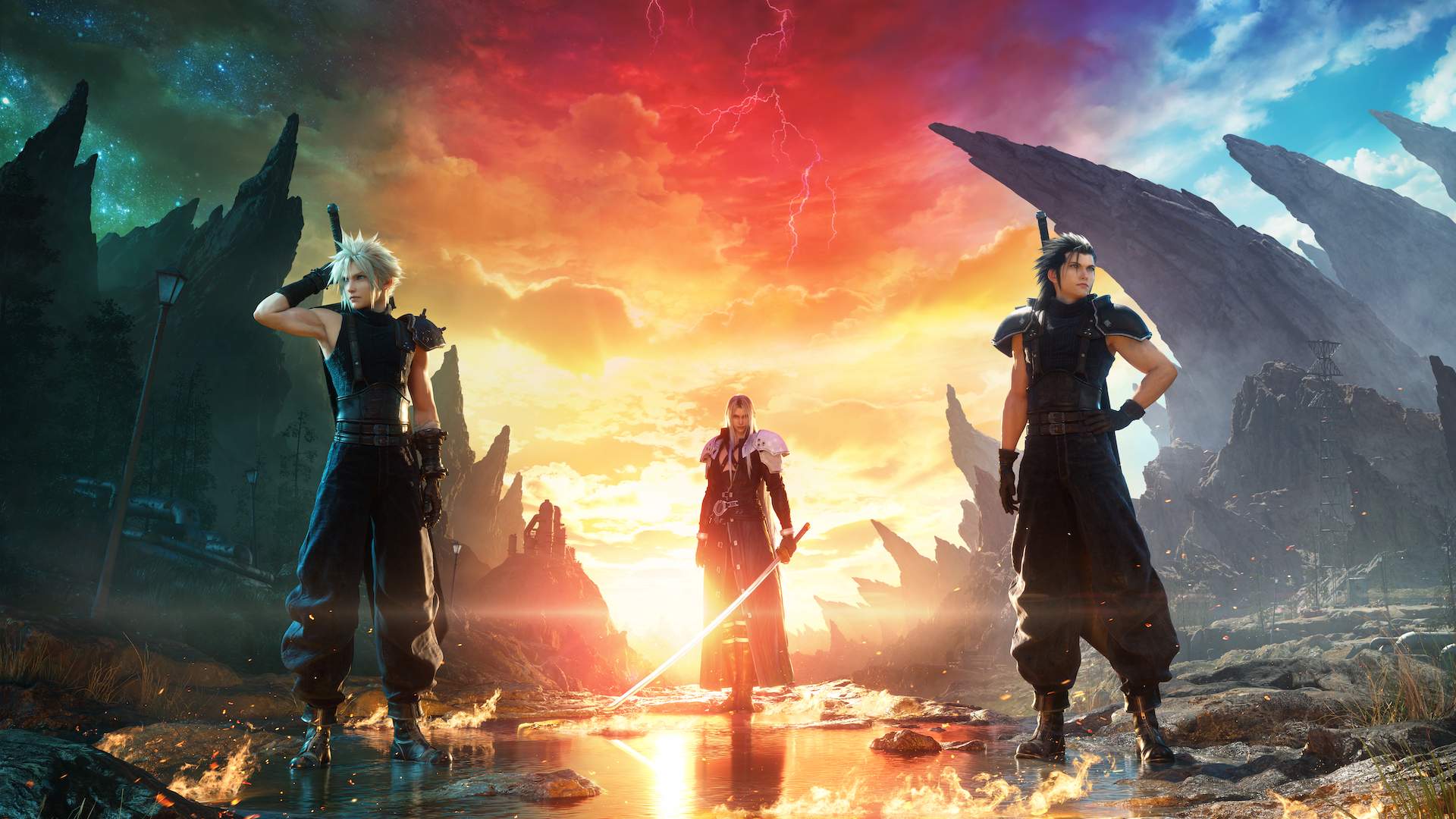
The sequel expands on the replayability of its predecessor by offering a dynamic difficulty that scales with the party level. Completing the game unlocks a chapter select feature that tracks quest completion and relationship values. This allows players to easily manipulate the affection mechanics to see different Gold Saucer dates without replaying the whole game. The hard mode challenges demand optimal strategy and fully upgraded equipment to overcome.
‘God of War Ragnarok’ (2022)
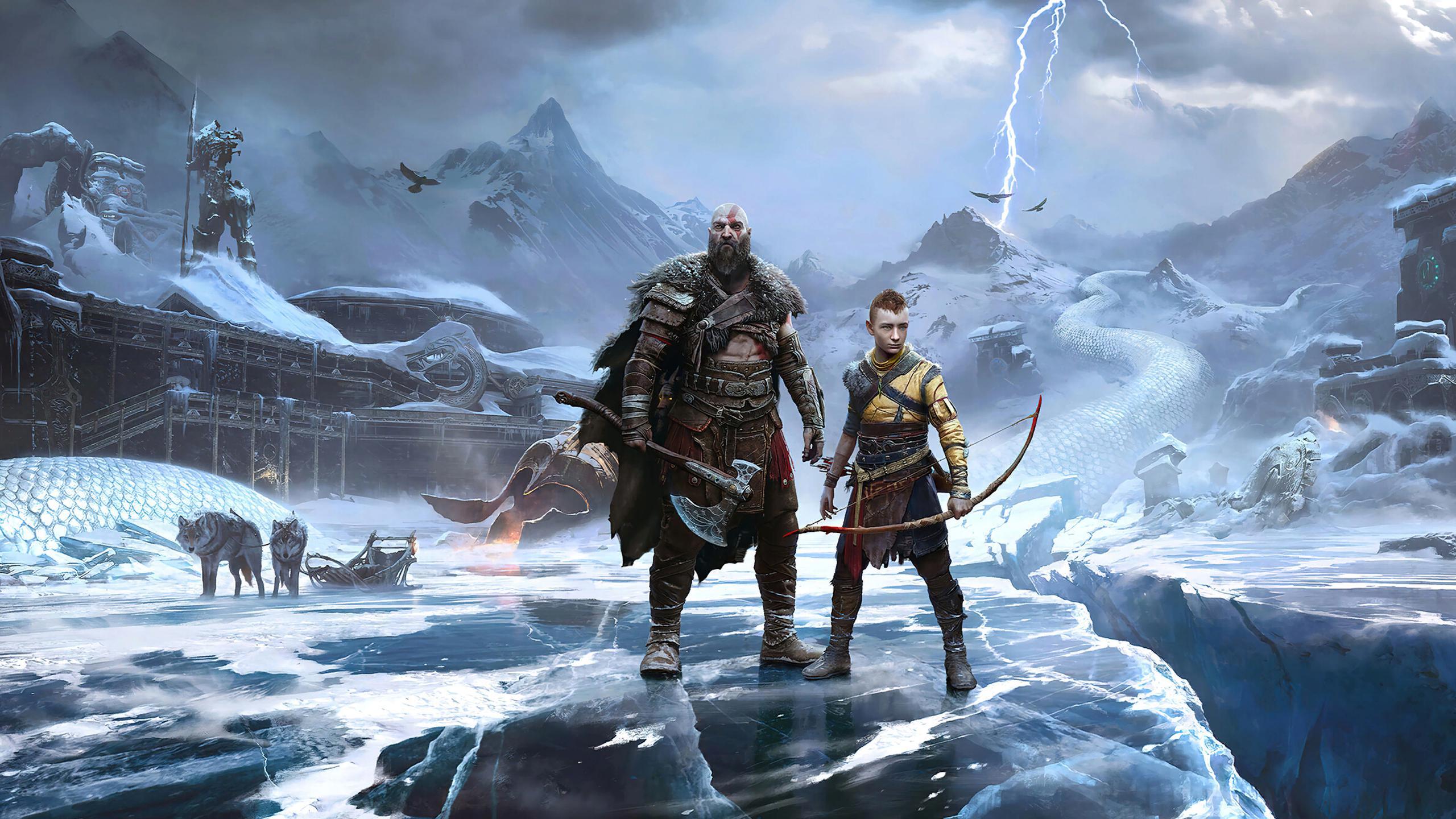
Kratos can acquire the armor of the All-Father Zeus in New Game Plus which drastically alters the risk and reward of combat. This armor increases damage output significantly but makes Kratos die in merely one or two hits. New enchantments and progression paths allow for build variety that was not possible in the initial journey. The narrative weight of Kratos’s struggle feels different when he wields the full might of a god from the start.
‘Horizon Forbidden West’ (2022)
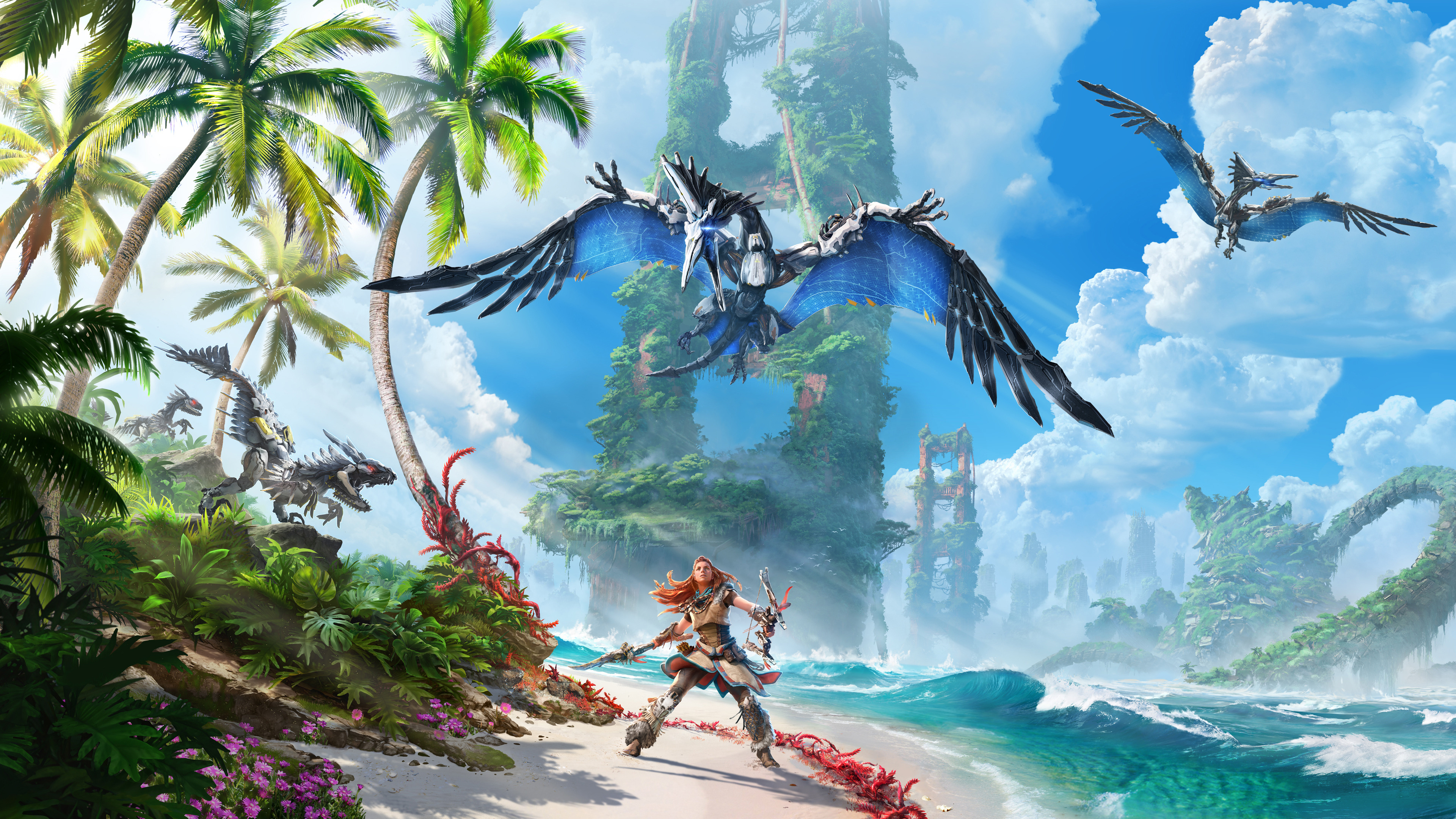
Aloy can obtain Legendary weapons and dyes that are exclusive to the New Game Plus merchant. The Ultra Hard difficulty is tuned specifically for players who have already mastered the machine hunting mechanics and possess top-tier gear. Replaying the story allows for the exploration of different dialogue trees and side quest outcomes with the Tenakth tribes. The visual customization options allow players to create a distinct look for Aloy in her second journey.
‘Ghost of Tsushima’ (2020)
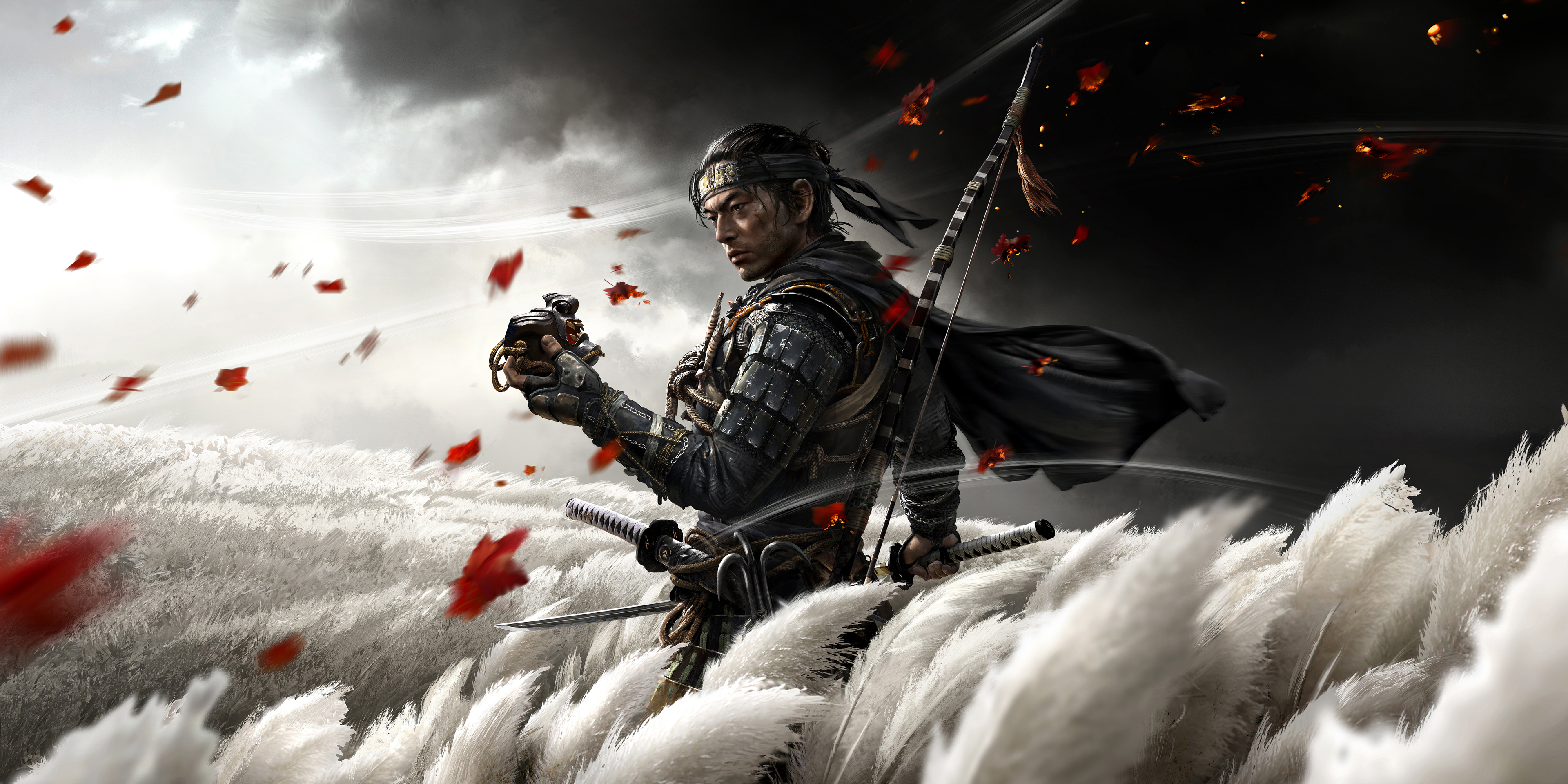
Jin Sakai begins his second journey with all his ghostly tools and samurai techniques unlocked. This allows players to approach early game encounters with a terrifying array of stealth and combat options. A new merchant appears offering unique dyes and charms that open up risky playstyles like one-hit death modes. The narrative of the honorable samurai turning into a ghost hits harder when the player fights like a demon from the opening scene.
‘Marvel’s Spider-Man 2’ (2023)

Ultimate Levels unlock beyond the standard cap to provide further progression for Peter and Miles. Players can craft Golden Gadget styles and unlock suit tech fusions that were previously gated. The difficulty can be cranked up to Ultimate to test the limits of the fully upgraded symbiote powers. Swinging through New York with a complete arsenal makes the heroes feel truly experienced and unstoppable.
‘Dishonored 2’ (2016)

New Game Plus allows players to combine the powers of Emily and Corvo into a single playthrough. This creates massive potential for creative problem solving and emergent gameplay that is impossible in a standard run. Players can chain abilities like Domino and Bend Time to dismantle patrols in spectacular ways. The narrative chaos level can be manipulated easily with this expanded toolkit.
‘Deus Ex: Mankind Divided’ (2016)
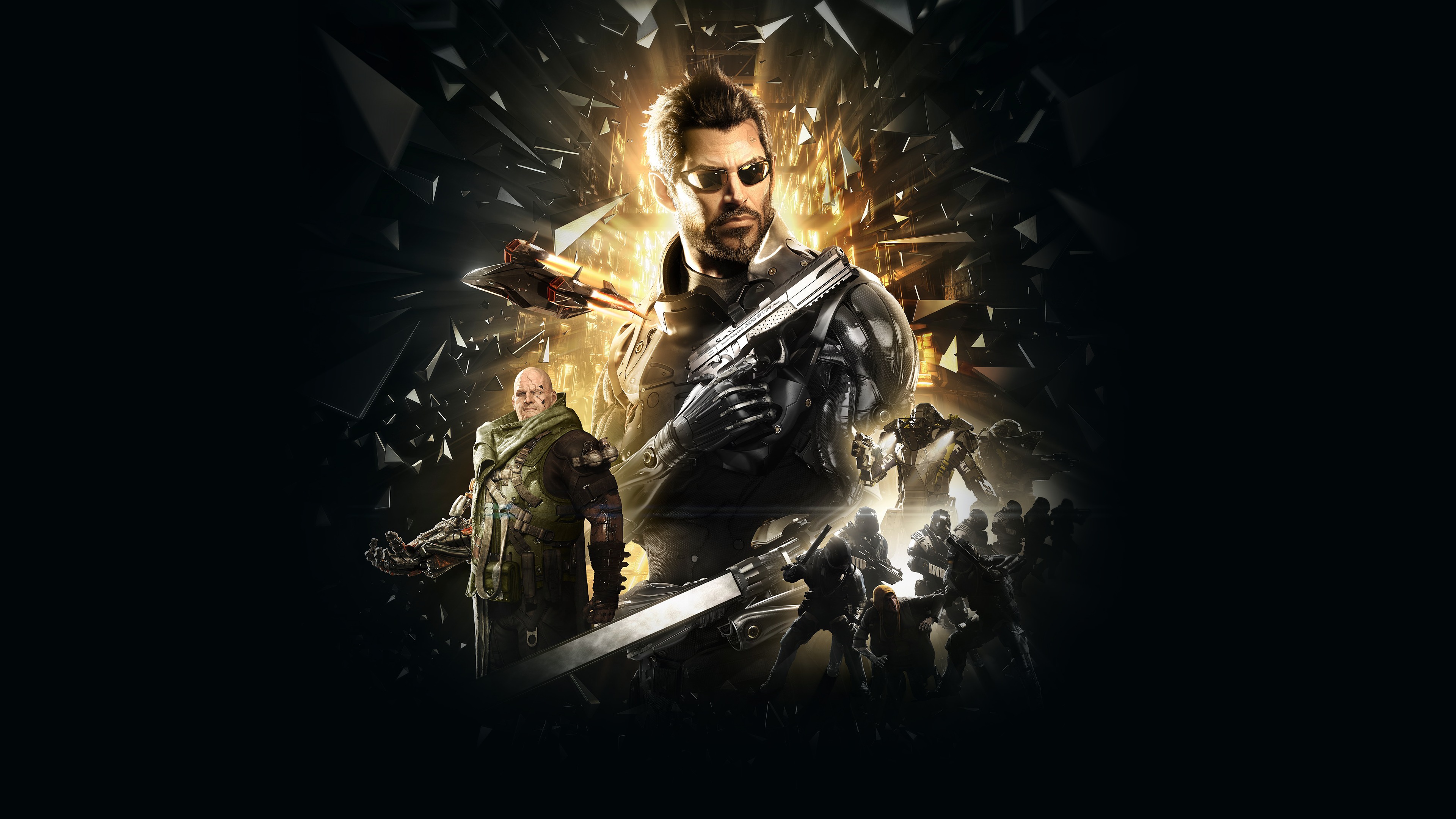
Jensen retains his augmentations which opens up every possible route and hacking opportunity from the very first mission. Players can explore ventilation shafts and break through walls that were previously durable obstacles. This freedom allows for a pure stealth or pure combat approach without compromising on exploration. The complex level design shines when the player has the tools to bypass intended bottlenecks.
‘Prey’ (2017)
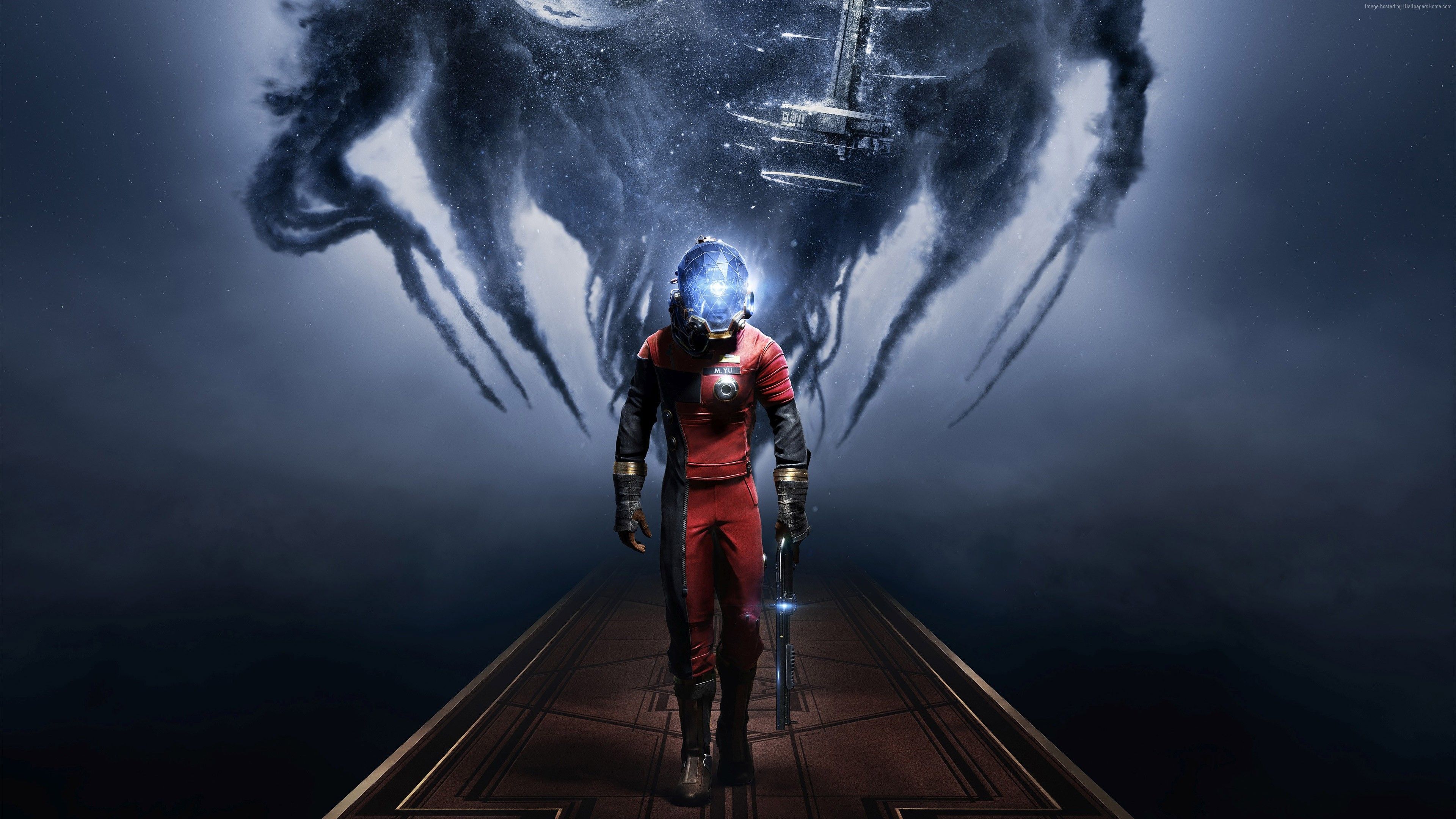
Typhon powers and human abilities carry over to allow Morgan Yu to dominate the Typhon aliens aboard Talos I. High-level hacking and repair skills let players access restricted areas immediately upon starting the simulation. This trivializes resource management but emphasizes the exploration of the station’s dark history. Different endings based on empathy and survival choices are easier to orchestrate with a fully powered character.
‘Deathloop’ (2021)
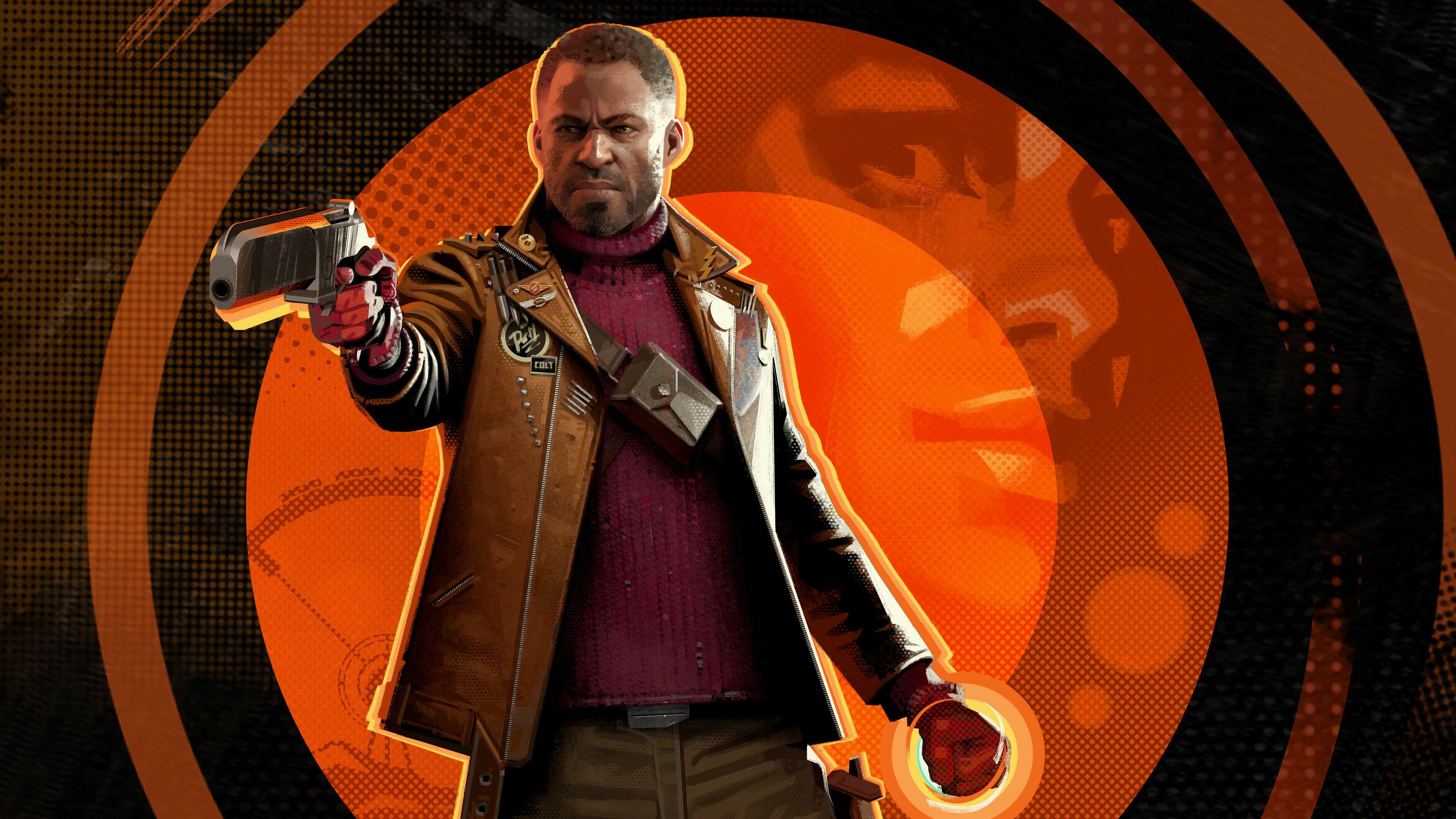
While the game is built on a loop mechanic, true mastery comes from retaining knowledge and infused gear across runs. Colt can use his gathered arsenal to manipulate the Visionaries into perfect positions for a single-day assassination sweep. The game rewards the player’s memory of patrol routes and code combinations more than their reflex skills. It is a game where the protagonist and the player sync up perfectly in their knowledge of the world.
‘Returnal’ (2021)
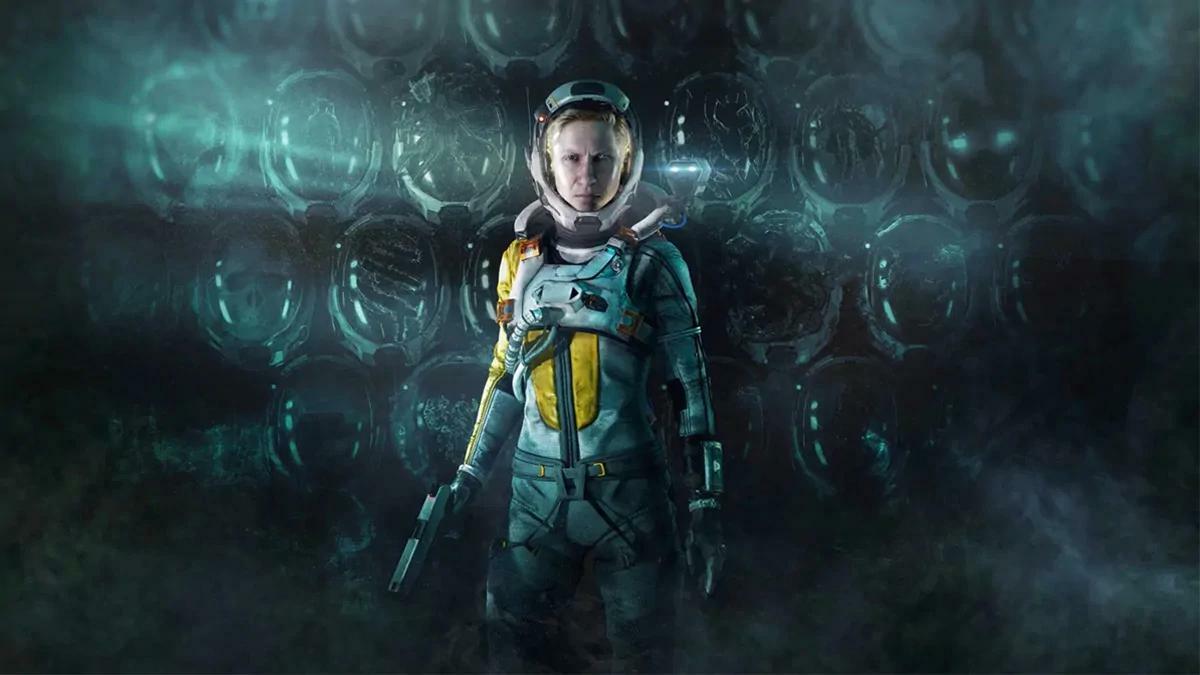
Selene’s journey is a roguelike loop where permanent equipment unlocks allow access to new biomes. Beating the game once is necessary to unlock the ability to see the true ending through collecting Sunface Fragments. The narrative becomes more fragmented and disturbing as the house sequences reveal deeper trauma. Completing the cycle multiple times is the only way to piece together the psychological puzzle.
‘Hades’ (2020)
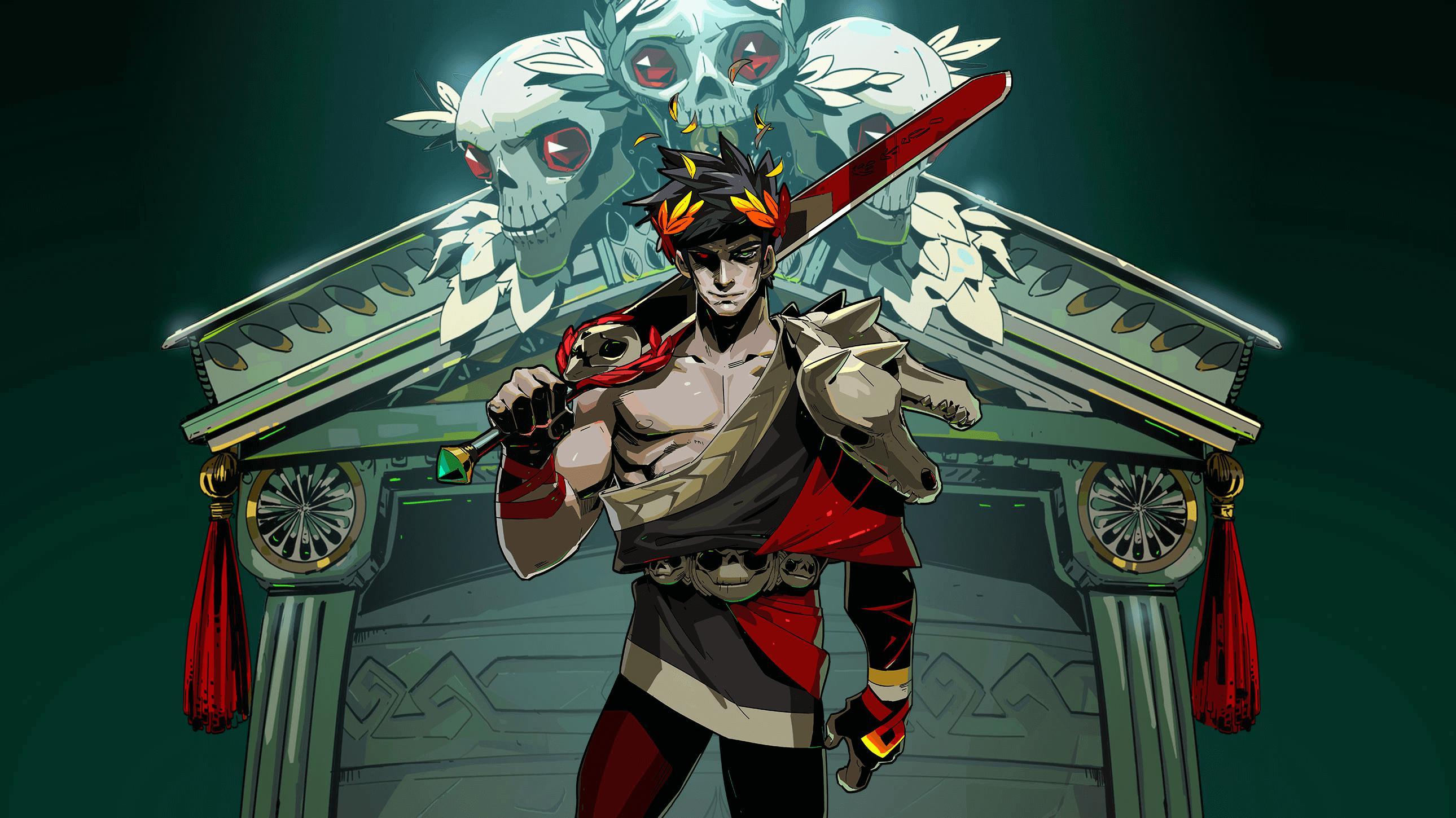
Zagreus must escape the Underworld repeatedly to repair the relationship between his parents. Each successful run reveals new dialogue from the Olympian gods and progresses the central family drama. The Pact of Punishment acts as a customizable New Game Plus that adds specific challenges to keep the gameplay fresh. The true epilogue only triggers after forging bonds with nearly every character in the cast through repeated visits.
‘Bastion’ (2011)
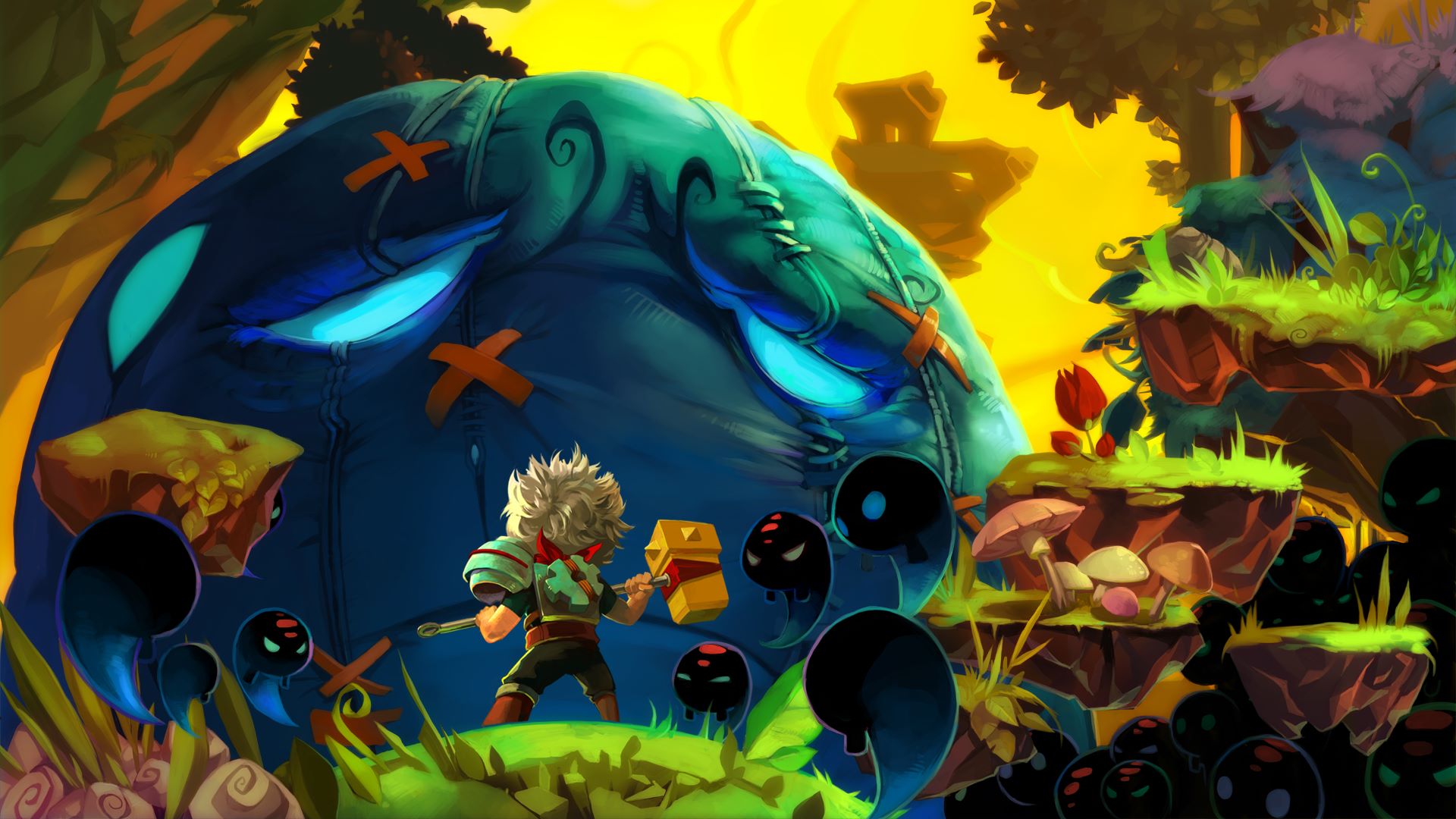
The Kid carries over all weapons and spirits to the New Game Plus mode to face increased enemy difficulty. The narration by Rucks reacts dynamically to the player’s weapon choices and playstyle. Players can invoke idols at the shrine to make enemies stronger in exchange for greater rewards. The melancholic story of the Calamity invites a second viewing to fully grasp the weight of the final choice.
‘Transistor’ (2014)
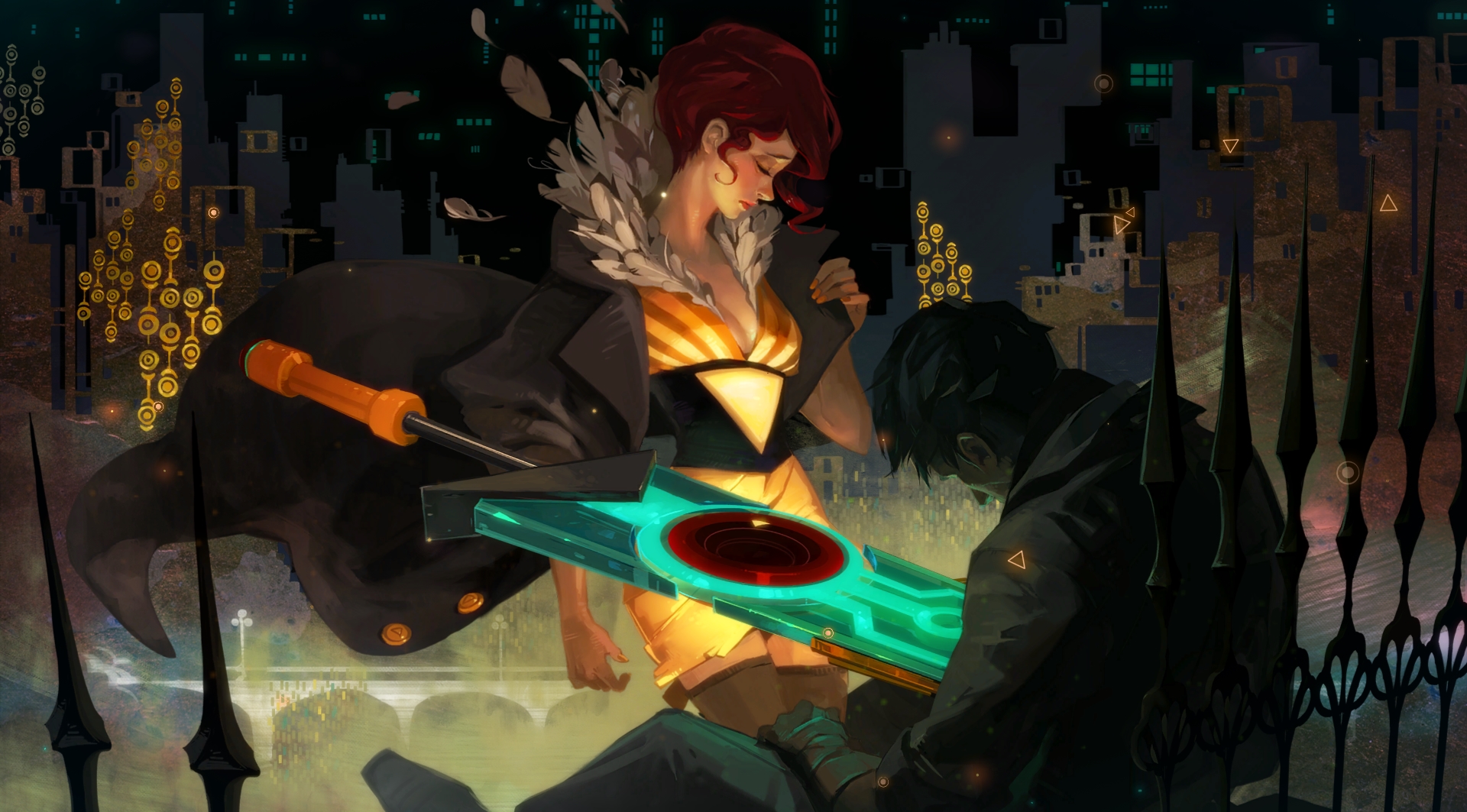
Red retains her functions and levels to combat the Process which appears in more advanced forms during the second pass. The recursive mode mixes up enemy compositions to force the player into using different function combinations. Unlocking all the limiters provides a deeper insight into the lore of the Cloudbank citizens. The tragic romance at the core of the story feels even more inevitable during a second playthrough.
‘Triangle Strategy’ (2022)
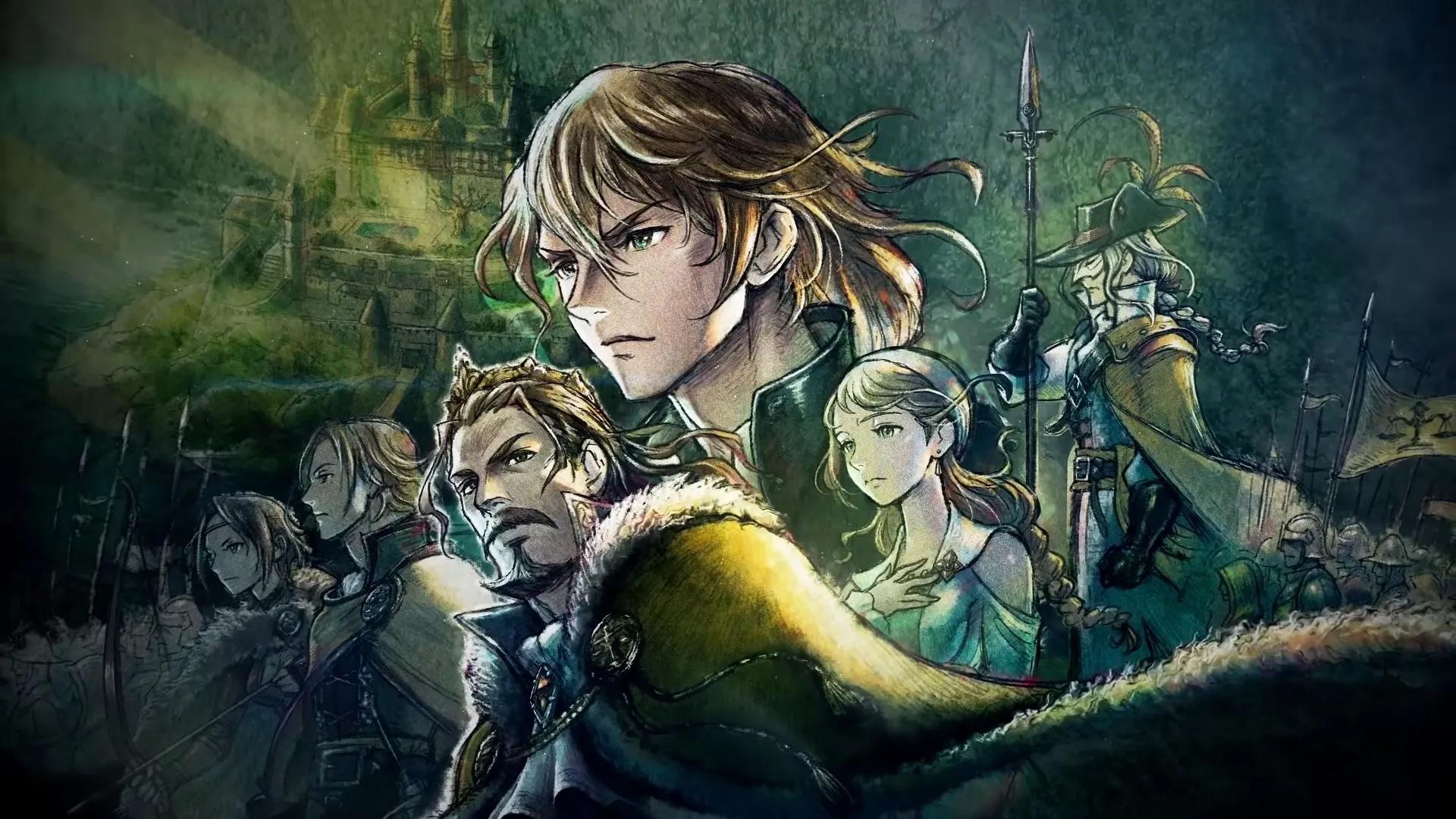
The branching narrative requires at least four playthroughs to see every character and battlefield. Decisions made on the Scales of Conviction lead to vastly different alliances and political outcomes. New Game Plus allows players to see the consequences of choices they avoided previously while retaining their army roster. The Golden Route is a hidden path that can only be achieved by manipulating the convictions with foresight.
‘Tactics Ogre: Reborn’ (2022)
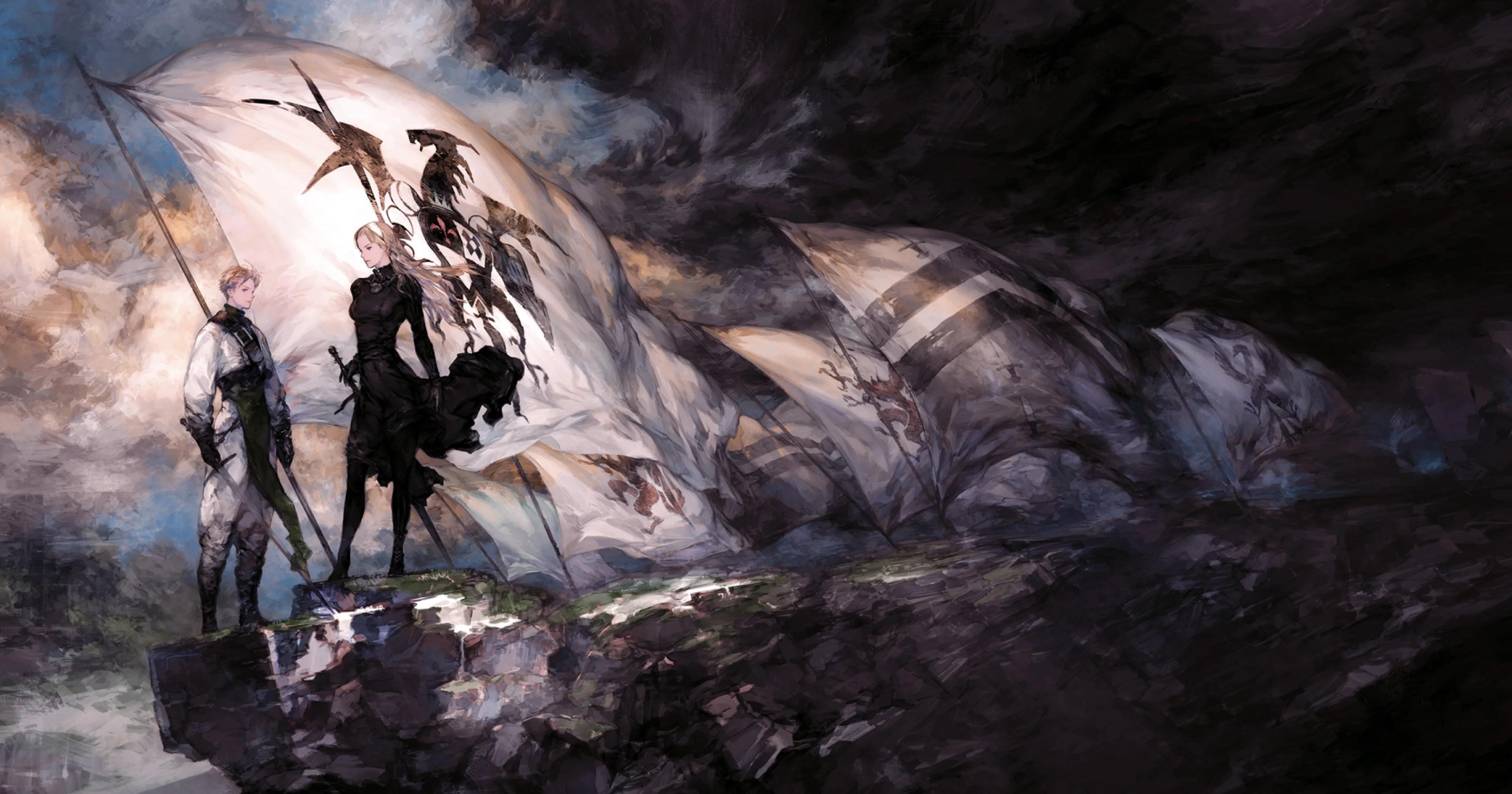
The World Tarot system allows players to jump back to specific anchor points in the timeline after beating the game. This feature lets players explore the Law, Chaos, and Neutral routes without losing their party progression. Recruiting all unique characters requires navigating these conflicting timelines. It turns the branching narrative into a flowchart that the player can master completely.
‘Fire Emblem: Three Houses’ (2019)

Choosing a house dictates which perspective of the war the player experiences and which characters survive. New Game Plus uses a renown system to quickly regain professor levels and support ranks. This accelerates the social aspects of the game so players can focus on the unique story battles of the new house. Seeing the conflict from all three sides is necessary to understand the true motivations of the main antagonists.
‘Shin Megami Tensei V’ (2021)
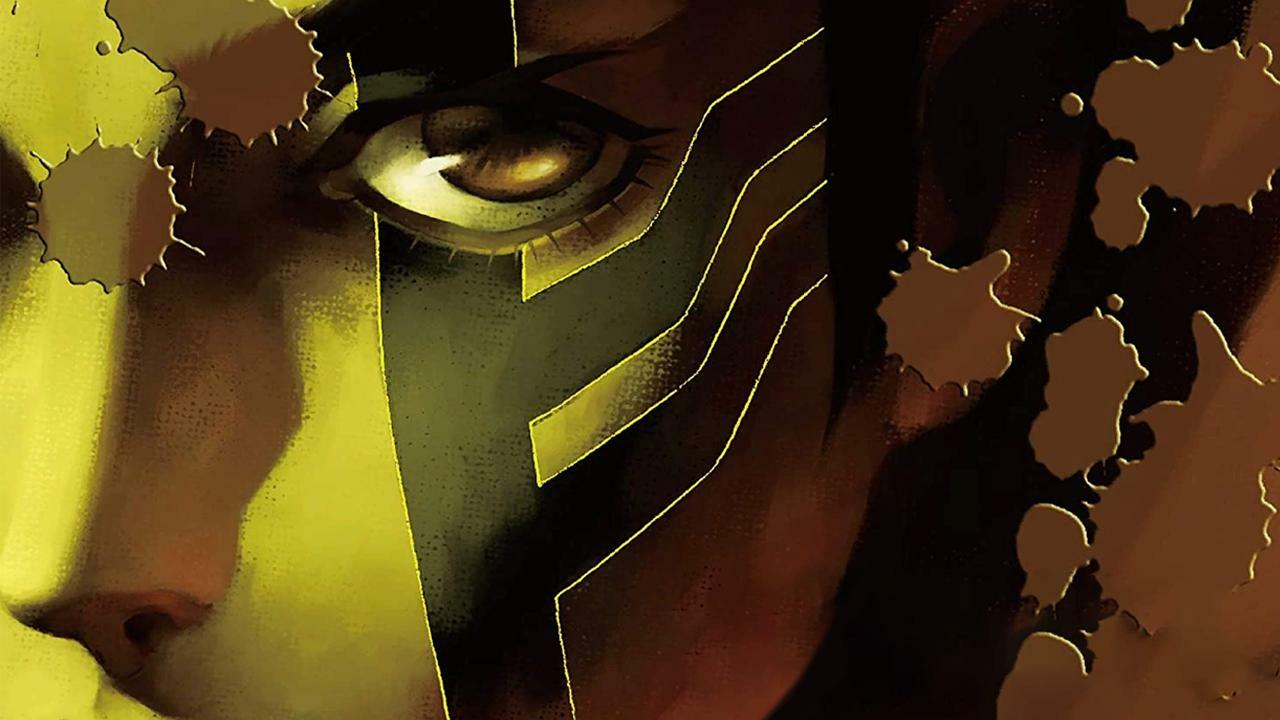
The game offers two modes for New Game Plus that either carry over all stats or reset the player to level one with compendium access. Different endings are tied to moral alignments that shift the fate of the post-apocalyptic world. Replaying is essential to face the super-bosses that demand fully optimized demon parties. The narrative explores themes of divinity and order that change based on who the protagonist supports.
‘Persona 4 Golden’ (2012)
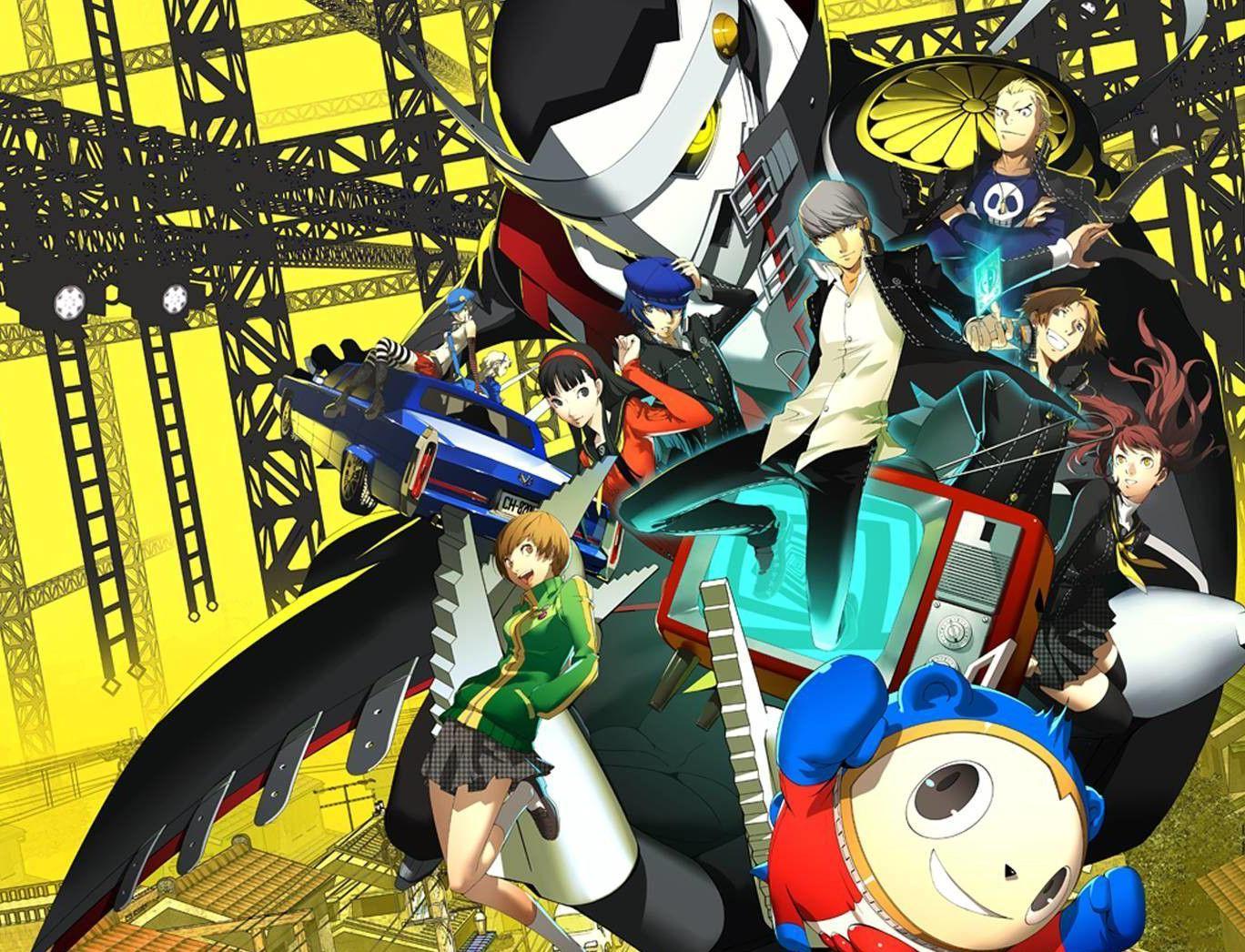
The rural murder mystery has a strict calendar system that limits how much a player can do in one year. New Game Plus carries over social stats which frees up time to complete all social links. A hidden dungeon and the true ending require specific dialogue choices that are easily missed on a first blind run. The second year in Inaba allows for a perfect run where no mystery is left unsolved.
‘Persona 3 Reload’ (2024)
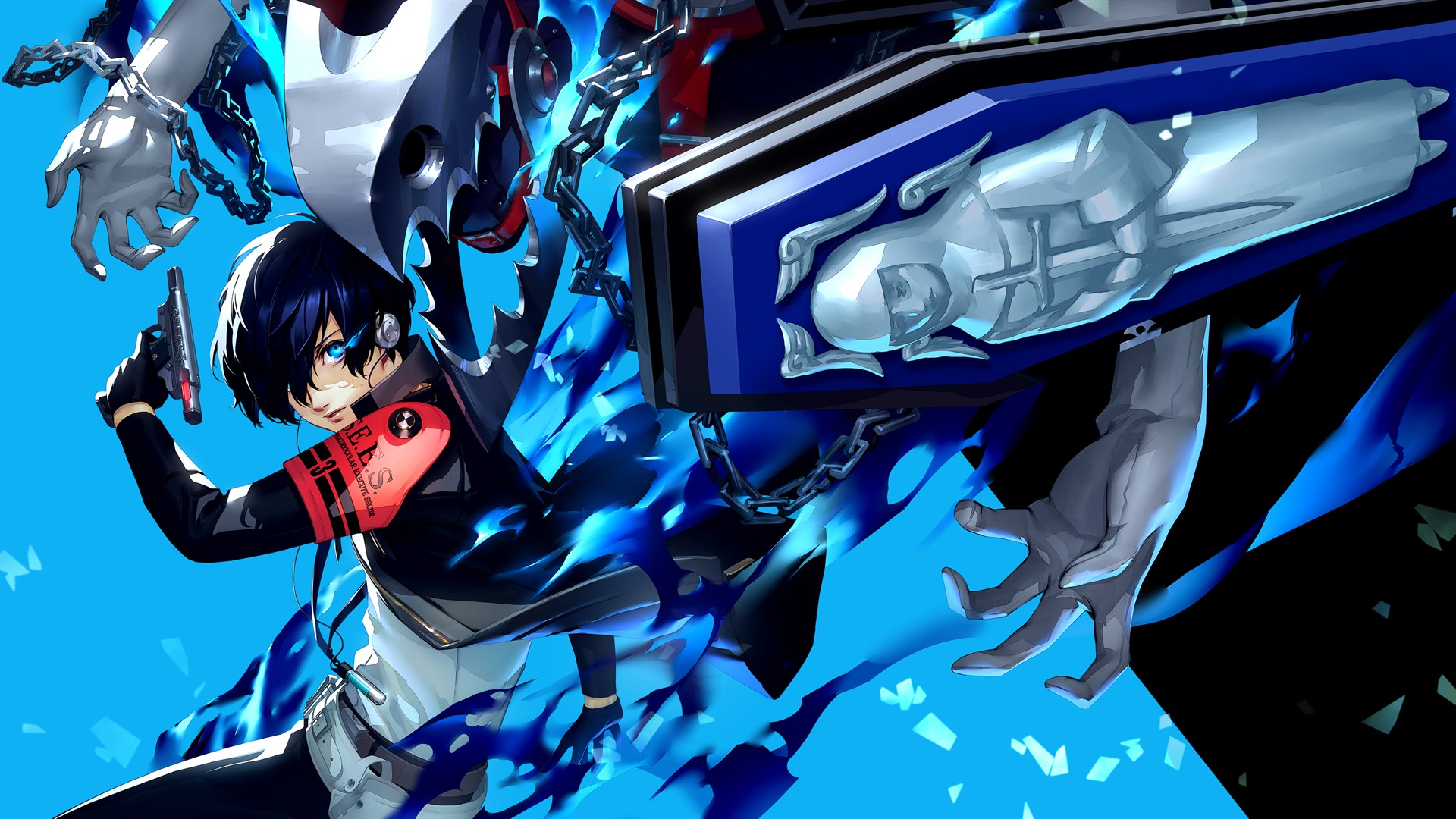
The remake of this dark RPG enables players to carry over their persona compendium and social stats. This creates more free time to explore the new side stories and link episodes added to the remake. Maximizing all social links unlocks the most powerful personas necessary for the secret boss fight. The tragic themes of the story hit harder when the player has the freedom to interact more deeply with the doomed cast.
‘Yakuza: Like a Dragon’ (2020)
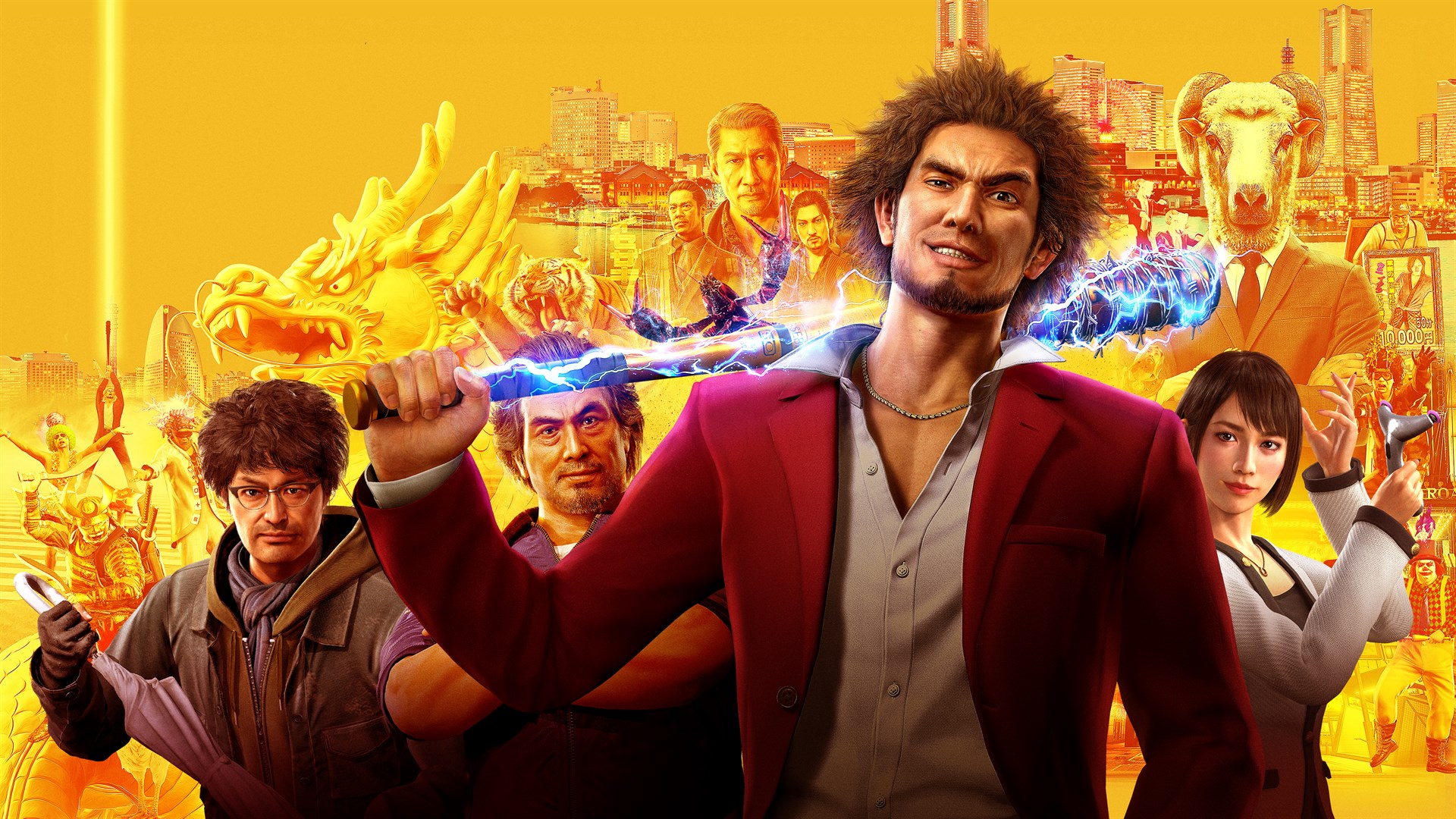
Ichiban Kasuga’s journey from rock bottom continues with preserved job levels and equipment. The Premium Adventure mode allows for the completion of difficult post-game dungeons. Replaying the story on higher difficulties tests the mastery of the turn-based combat system. The absurdity of the side quests contrasts sharply with the gritty main crime drama in every loop.
‘Like a Dragon: Infinite Wealth’ (2024)

The expansive sequel offers a paid New Game Plus mode that includes three distinct difficulty settings. Players can carry over their Sujimon and resort progress to focus on the main narrative drama. The level cap increases allowing for further growth of the party’s job skills. Replaying allows players to experiment with different party compositions and job inheritances that change the combat flow.
‘Judgment’ (2018)

Yagami retains all his detective skills and martial arts upgrades to solve the serial murder case with ease. The game features a massive list of side cases that are easier to complete with a fully upgraded protagonist. Combat becomes a spectacle of juggling enemies and using EX actions freely. The noir story remains linear but the gameplay freedom expands significantly.
‘Lost Judgment’ (2021)

The sequel refines the combat and investigation mechanics which all carry over into the second playthrough. High school stories and boxing gym progress are retained to save dozens of hours of grinding. Players can use the new fighting styles to humiliate early game bosses. The dark narrative about bullying and justice is revisited with a detective who is physically unstoppable.
‘Tales of Arise’ (2021)
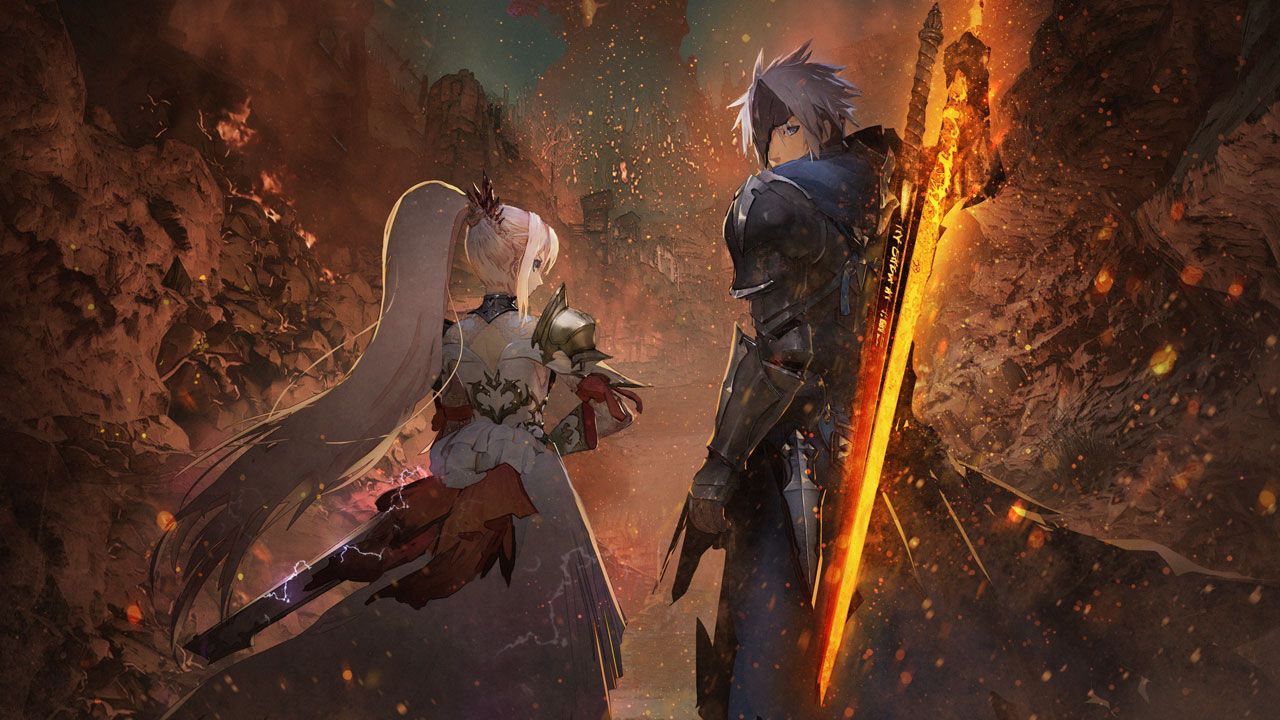
Artifacts found throughout the game allow players to customize their New Game Plus experience with cheats like double damage or increased experience. Carrying over equipment makes the early game battles go by instantly so players can focus on the skits and story. The interactions between the party members are the highlight and are easier to trigger with carried progress. The game encourages a victory lap to clean up remaining sub-quests.
‘Scarlet Nexus’ (2021)
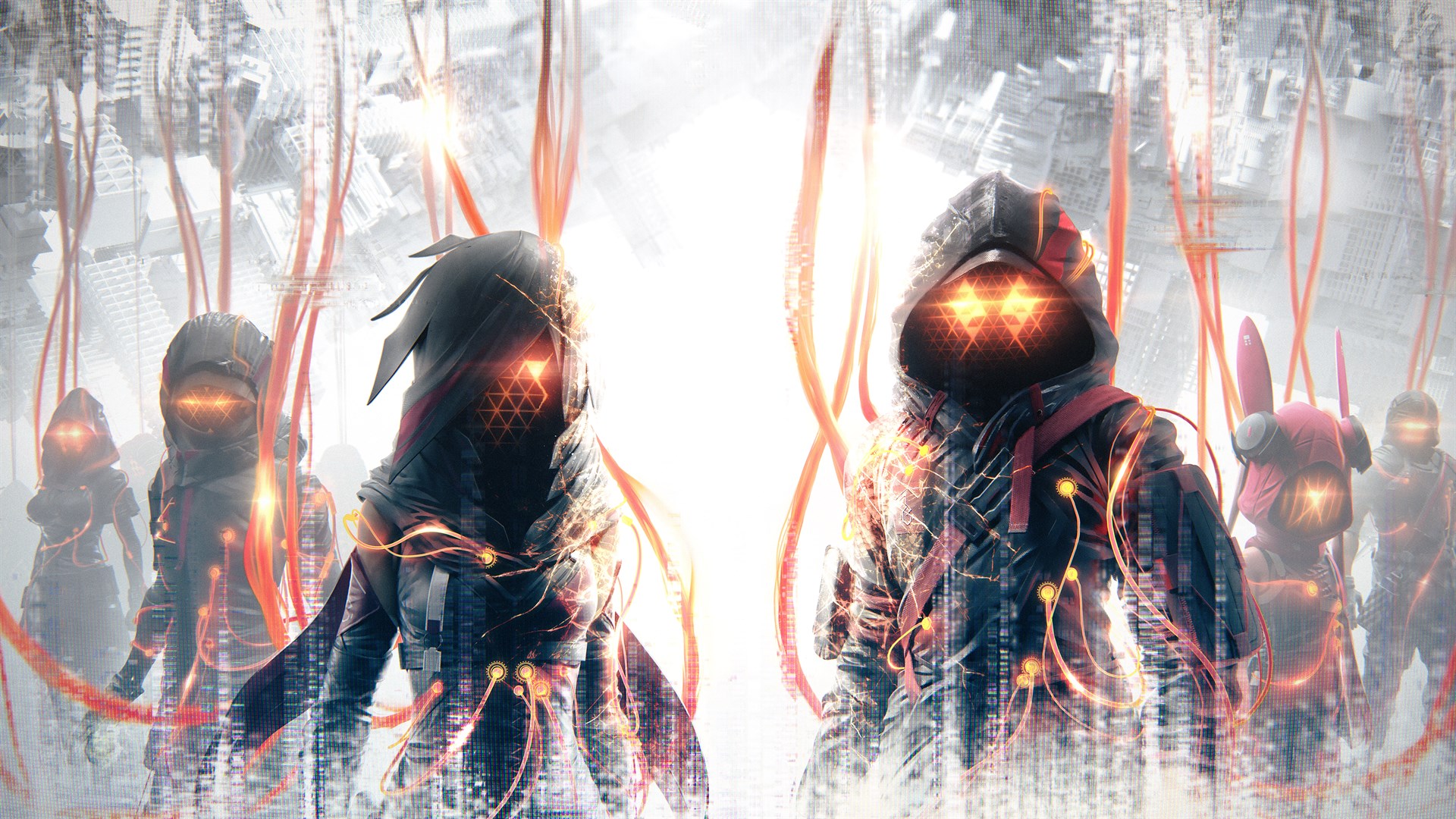
The story is split between two protagonists, Yuito and Kasane, who experience the same events from different perspectives. New Game Plus allows the player to start the other character’s route with all levels and items intact. Seeing both sides of the conflict is required to understand the full political intrigue. The two campaigns merge in the finale to provide a complete picture of the sci-fi world.
‘Star Wars Jedi: Survivor’ (2023)
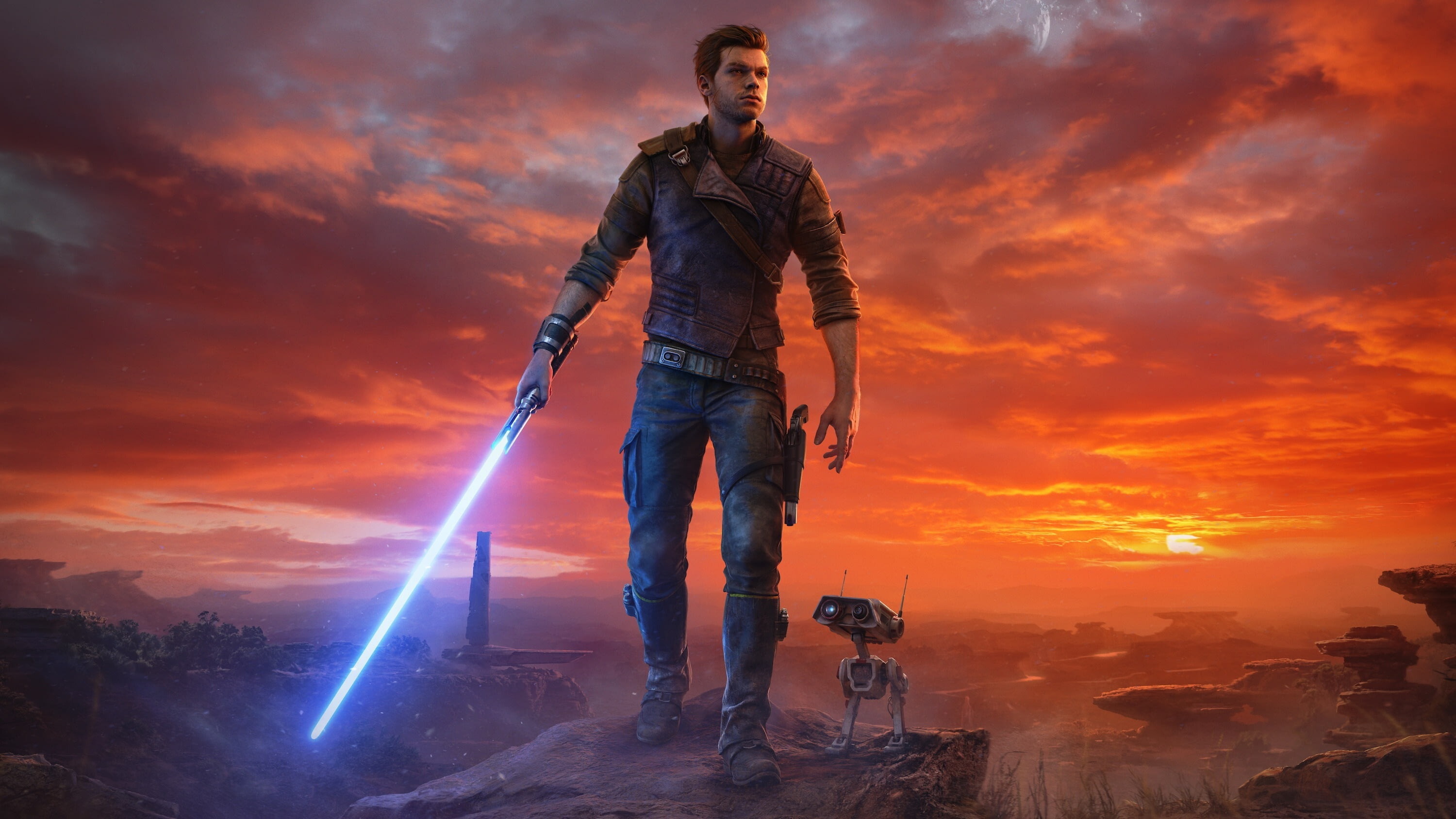
Cal Kestis keeps his lightsaber stances and skill points to face remixed enemy encounters. New perks are available that can randomize cosmetics or increase lethality for both the player and enemies. This creates a more tense and realistic lightsaber combat experience. The journey feels different when Cal starts as a master Jedi rather than relearning his connection to the Force.
‘Control’ (2019)

Jesse Faden’s telekinetic powers and service weapon forms carry over to make her a powerhouse from the start. Retaining high-level clearance cards allows for the exploration of sectors that were previously locked. The surreal narrative of the Oldest House is easier to digest when the combat is no longer a desperate struggle. Collecting all the lore documents provides a clearer picture of the bureaucratic nightmare.
Tell us which of these games is your favorite!