

Games Where Your Political Choices Unlock Secret Endings

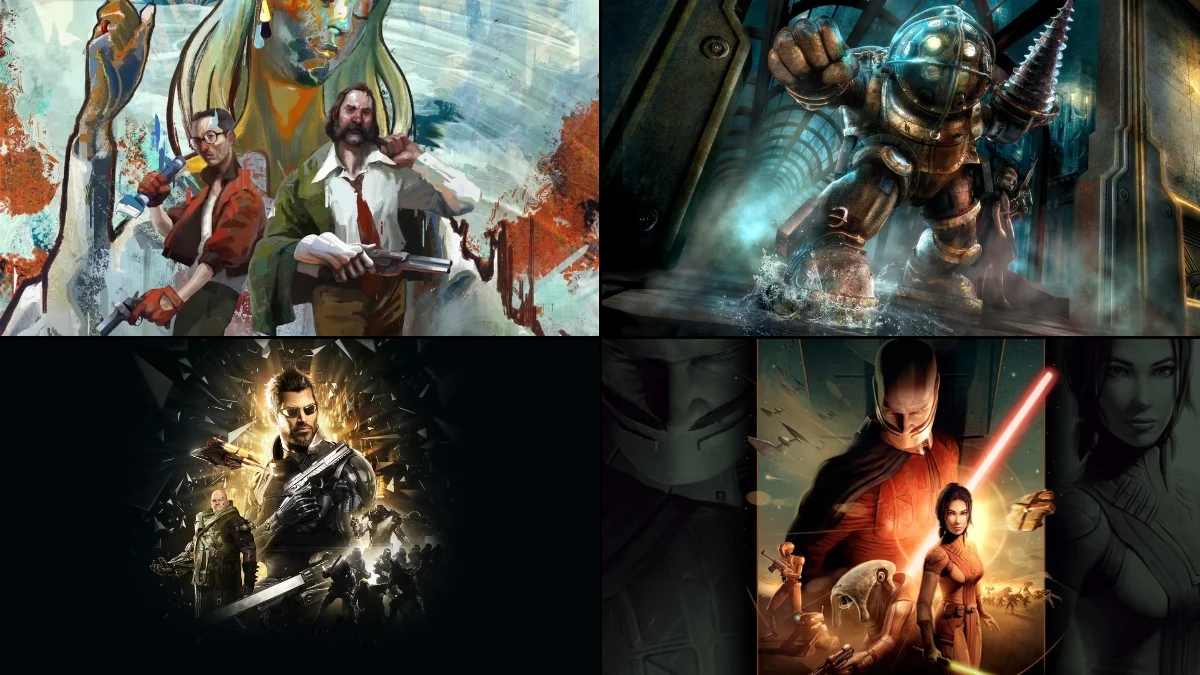


Modern video games often move beyond simple combat to explore complex systems of governance and ideological conflict. Players are frequently placed in the shoes of leaders or revolutionaries where their decisions carry immense weight for fictional societies. These titles reward players who navigate intricate political landscapes with hidden narrative paths and secret endings. By analyzing the developers and publishers behind these projects we can see a growing trend toward mature storytelling in the interactive medium.
‘Disco Elysium’ (2019)
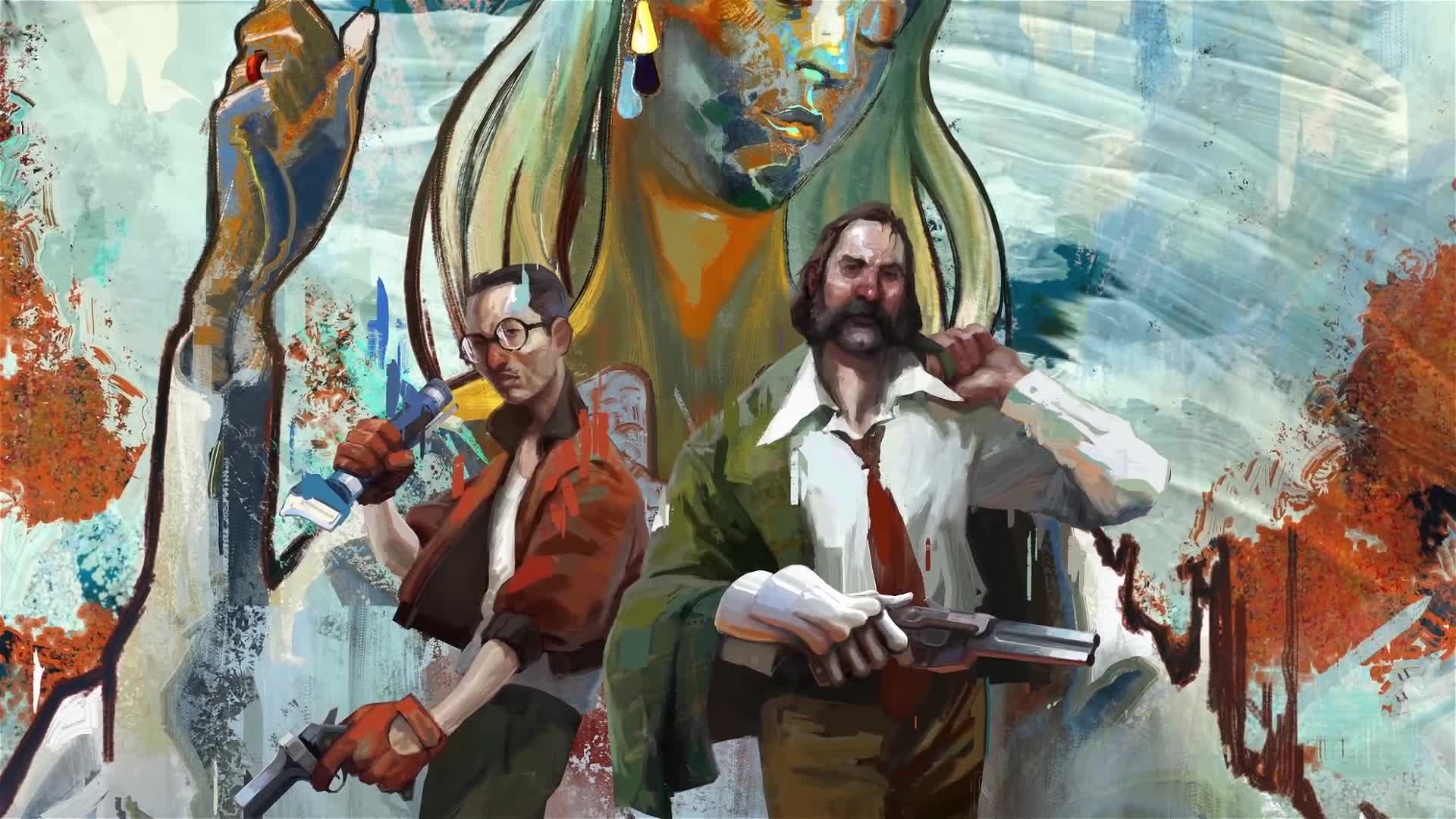
‘Disco Elysium’ was developed and published by ZAUM as a narrative heavy role playing game. Players internalize political ideologies such as communism or fascism to influence the internal monologue of the protagonist. These choices culminate in unique vision quests that significantly alter the narrative conclusion for the detective. Each ideology unlocks specific dialogue options and interactions with the citizens of Revachol. The game explores how personal identity intersects with large scale political movements in a decaying city.
‘Triangle Strategy’ (2022)
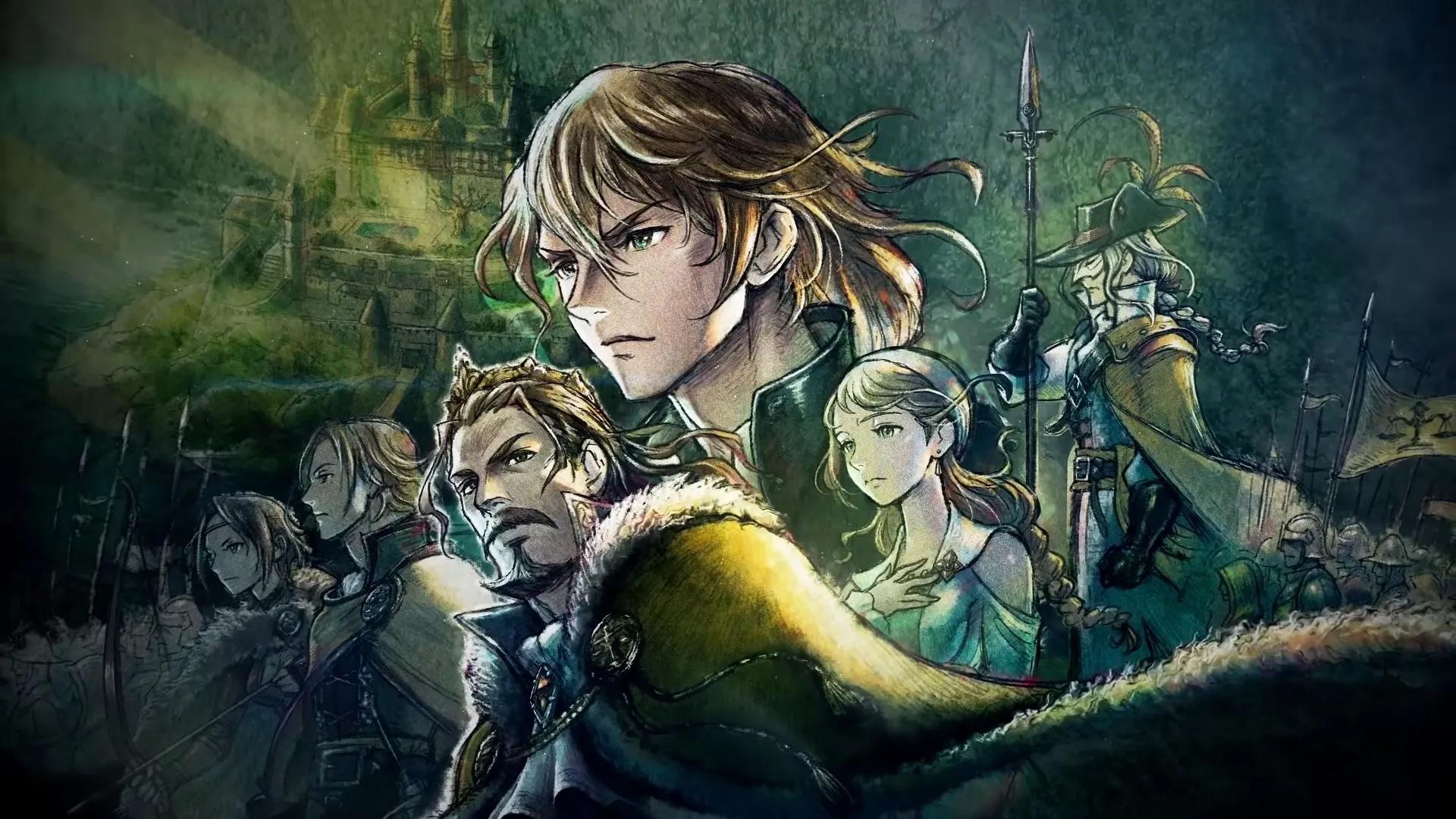
‘Triangle Strategy’ was developed by Artdink and published by Square Enix as a tactical role playing game. Players navigate the complex political landscape of Norzelia by making choices that fall into categories of utility morality or liberty. The secret Golden Route ending is only accessible if the player makes specific political decisions during the campaign. This ending requires the protagonist to unite three warring nations under a single peaceful banner. The narrative changes based on how the player convinces their council to vote on major issues.
‘Fallout: New Vegas’ (2010)

Obsidian Entertainment and Bethesda Softworks collaborated to release ‘Fallout New Vegas’ which is a post apocalyptic role playing game. Players decide the fate of the Mojave Wasteland by siding with the New California Republic or Caesar’s Legion or Mr House. A secret path allows the player to work with the robot Yes Man to secure independence for the region. This choice leads to a unique ending where the protagonist removes all major powers from the territory. Political alignment determines the final cinematic and the long term stability of the wasteland.
‘Papers, Please’ (2013)
‘Papers Please’ was created and published by independent developer Lucas Pope and 3909 LLC. The player acts as an immigration inspector in the fictional communist state of Arstotzka. A secret ending involves assisting a mysterious revolutionary group known as the Order of the EZIC to overthrow the corrupt government. Players must choose between following state law or helping the rebels by allowing their agents through the border. Successfully aiding the revolution results in the player becoming a hero for the new regime.
‘The Witcher 3: Wild Hunt’ (2015)

‘The Witcher 3 Wild Hunt’ was developed and published by CD Projekt Red as an open world action game. While the primary plot focuses on Ciri the player also determines the political outcome of the war between Nilfgaard and the Northern Kingdoms. A secret resolution involves assassinating King Radovid the Stern to change the course of the entire continent. This quest line requires specific interactions with political figures to trigger the new status quo. The ending slides reflect whether the world experiences peace or continued tyranny based on these violent political maneuvers.
‘Suzerain’ (2020)
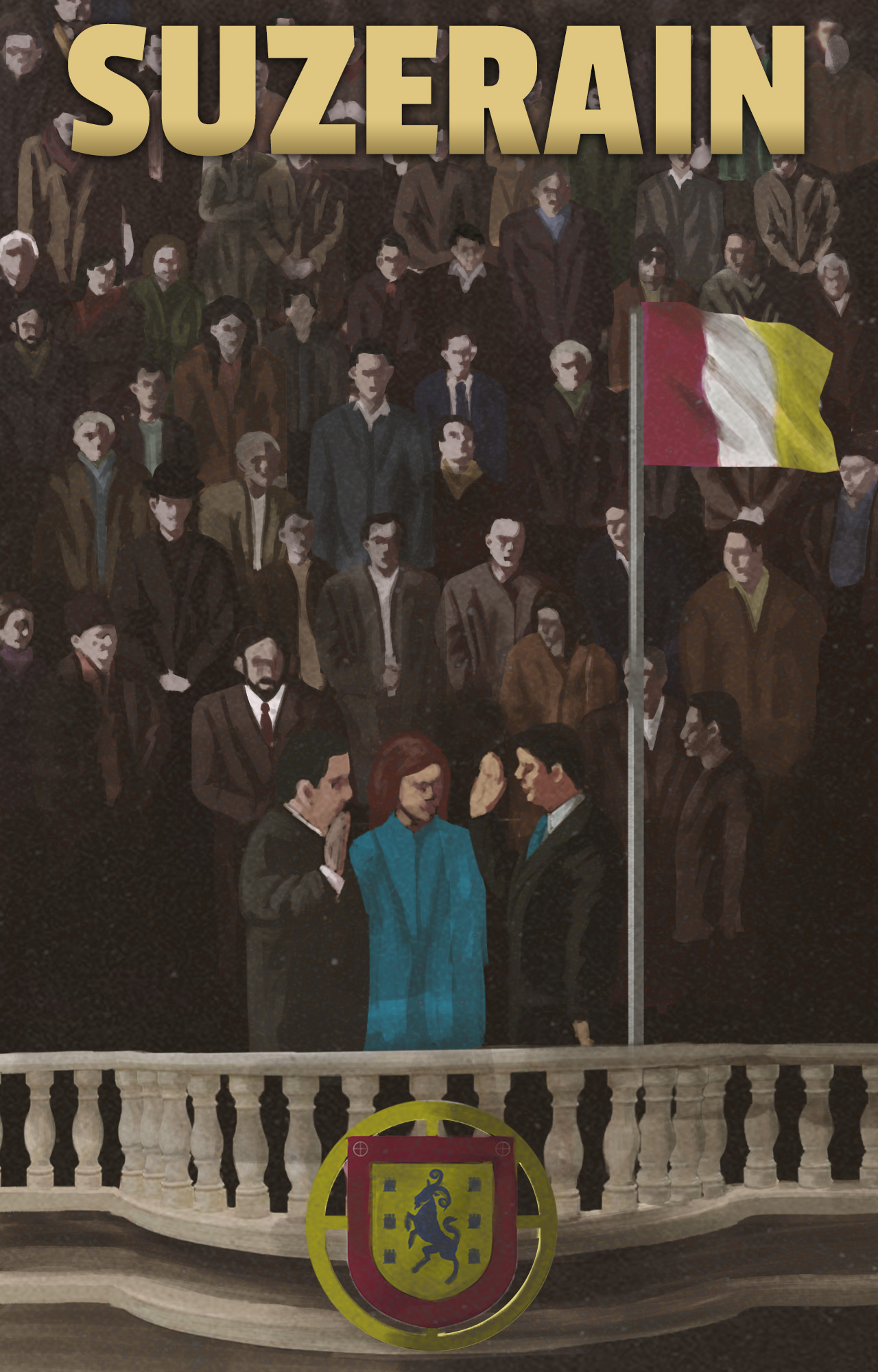
‘Suzerain’ was developed by Torpor Games and published by Fellow Traveller as a political simulator. Players take on the role of President Anton Rayne as he leads the fictional country of Sordland through a period of transition. The game offers secret endings based on whether the player adopts democratic reforms or leans into authoritarianism. Decisions regarding trade deals and diplomatic alliances with world superpowers determine if the nation thrives or collapses into civil war. The complexity of the legislative process ensures that every political choice has lasting consequences for the population.
‘Tyranny’ (2016)
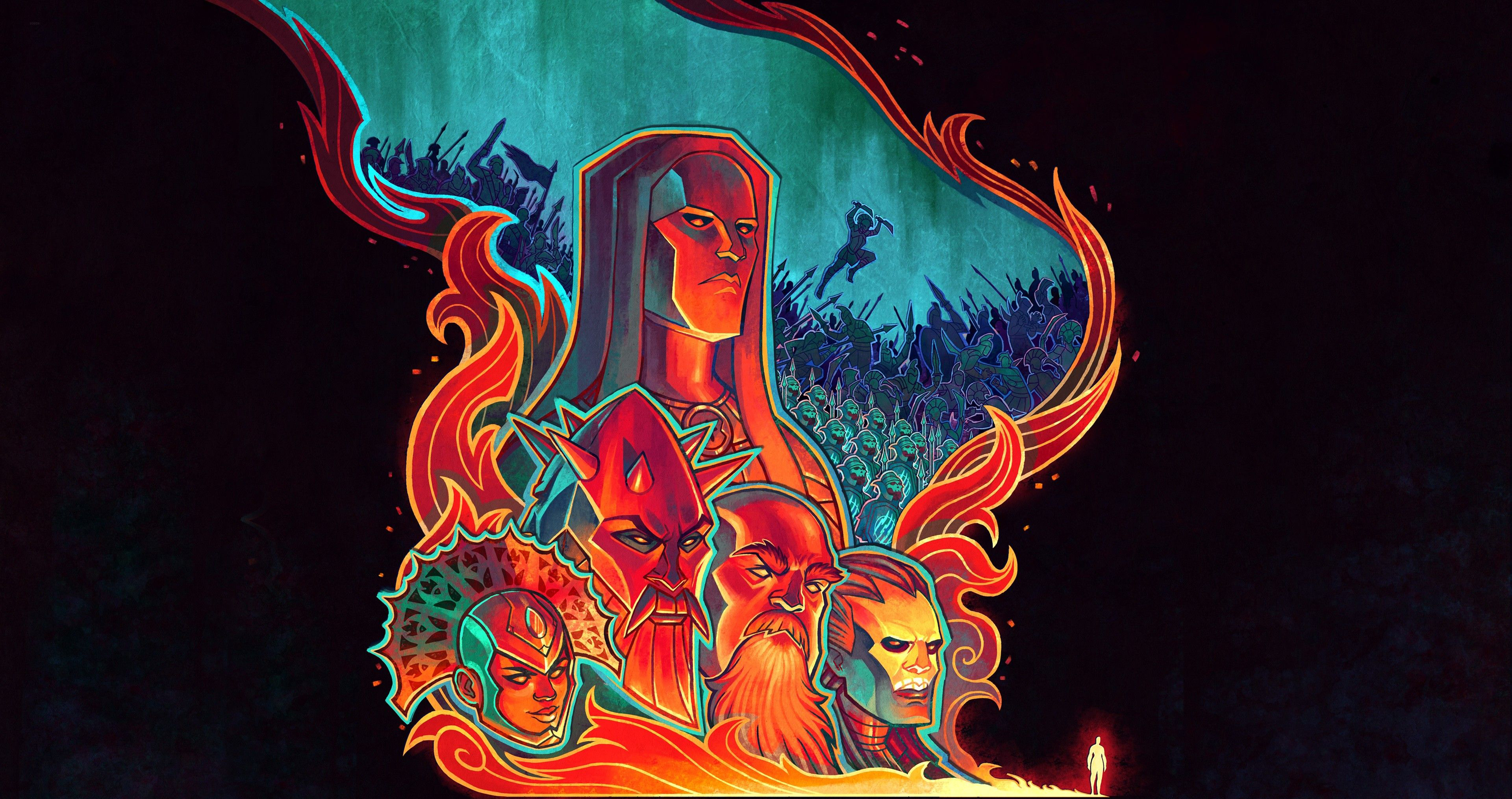
‘Tyranny’ was developed by Obsidian Entertainment and published by Paradox Interactive as an isometric role playing game. The player serves as a Fatebinder for an overlord who has already conquered the world. Secret narrative paths are unlocked by betraying the ruling factions and starting an independent rebellion against the regime. These choices require the player to navigate the internal politics of the Disfavored and the Scarlet Chorus armies. The ultimate ending depends on whether the player seizes power for themselves or remains loyal to the established order.
‘Detroit: Become Human’ (2018)
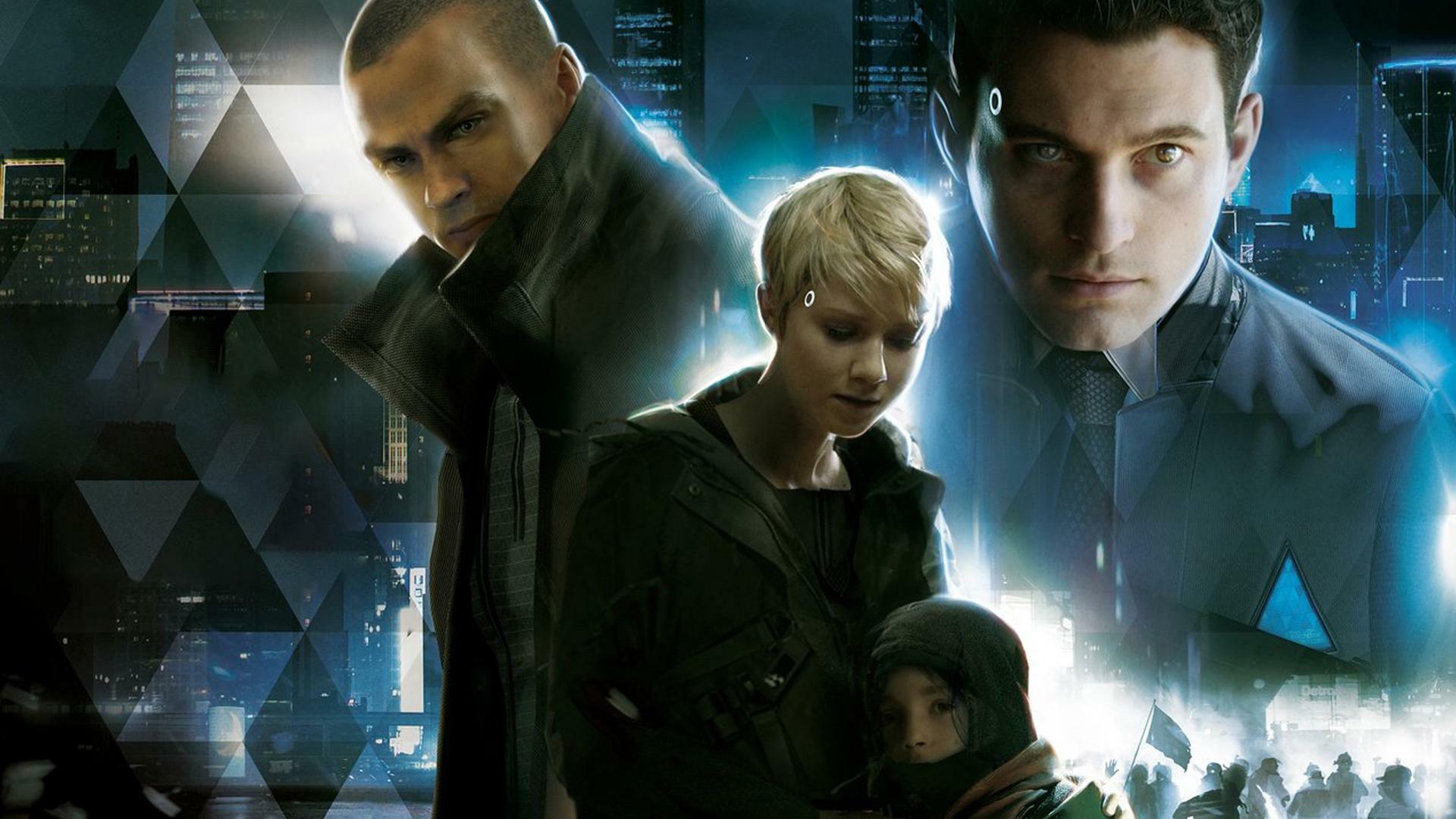
‘Detroit Become Human’ was developed by Quantic Dream and published by Sony Interactive Entertainment. The story explores the political struggle for android rights in a near future society. Players can unlock a secret peaceful ending by choosing non violent protest methods over aggressive revolution. This outcome requires the public perception of androids to remain positive through specific dialogue and action choices. The narrative concludes with a monumental shift in civil rights law depending on how the player handles the media and government pressure.
‘Frostpunk’ (2018)
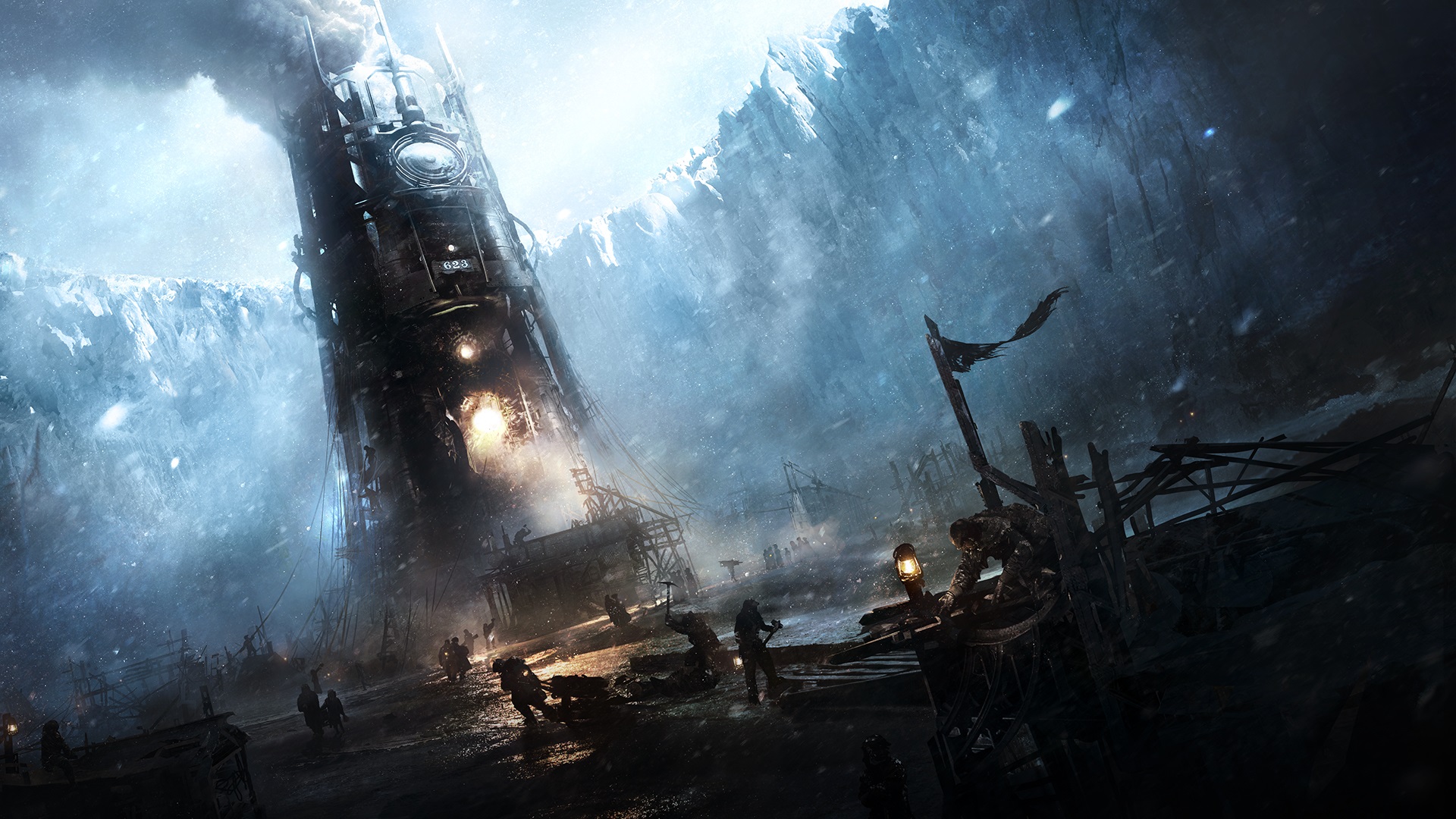
‘Frostpunk’ was developed and published by 11 bit studios as a survival city builder. As the leader of the last city on Earth players must choose between the paths of Order or Faith to maintain control. A secret ending is achieved by crossing a political line and becoming a true dictator to ensure the survival of the human race. This path replaces democratic governance with absolute authority and harsh laws. The final summary of the game judges the player for the moral and political compromises made during the eternal winter.
‘Beholder’ (2016)
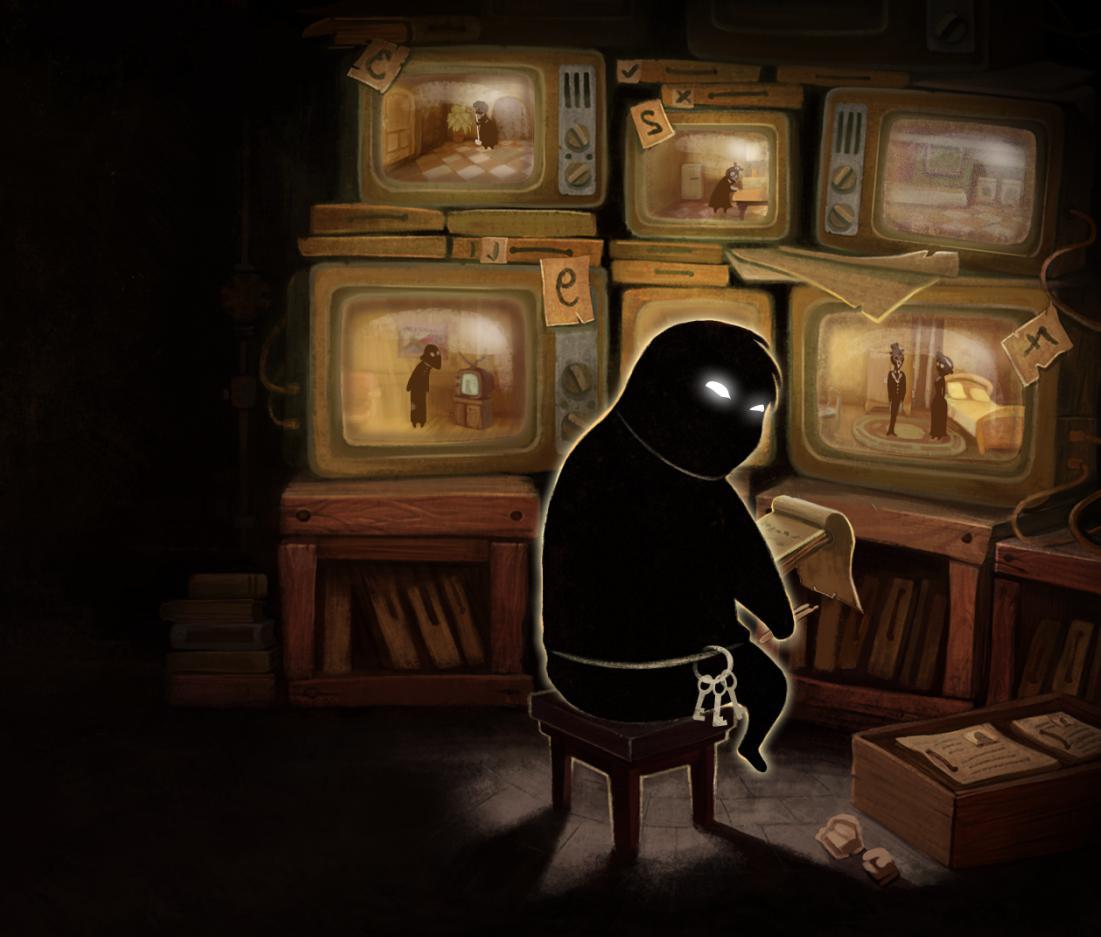
‘Beholder’ was developed by Warm Lamp Games and published by Alawar Premium as a dystopian simulation. The player manages an apartment building in a totalitarian state and must report on the illegal activities of tenants. A secret ending is unlocked by secretly supporting the underground resistance movement while appearing loyal to the state. This requires careful management of finances and information to avoid execution by the secret police. The game demonstrates the high personal cost of political activism under a repressive regime.
‘BioShock’ (2007)
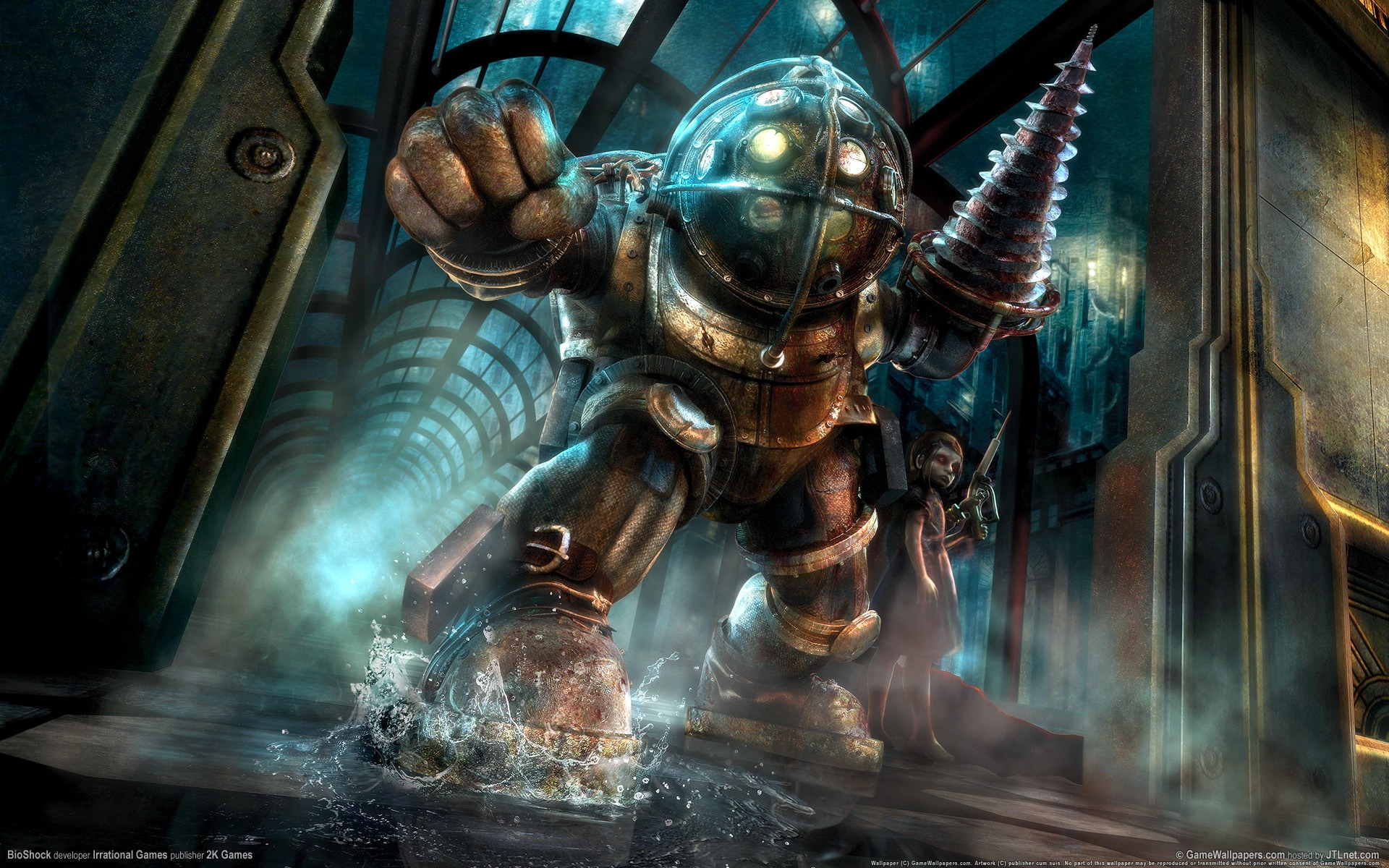
‘BioShock’ was developed by Irrational Games and published by 2K Games as a first person shooter. The narrative explores the political philosophy of Objectivism within the underwater city of Rapture. While the endings are often tied to how the player treats Little Sisters they also reflect the collapse of Andrew Ryan’s political experiment. A secret twist reveals the manipulation behind the player’s choices and the true nature of the city’s power structure. The story serves as a critique of unchecked political idealism and the resulting societal decay.
‘Dragon Age: Inquisition’ (2014)
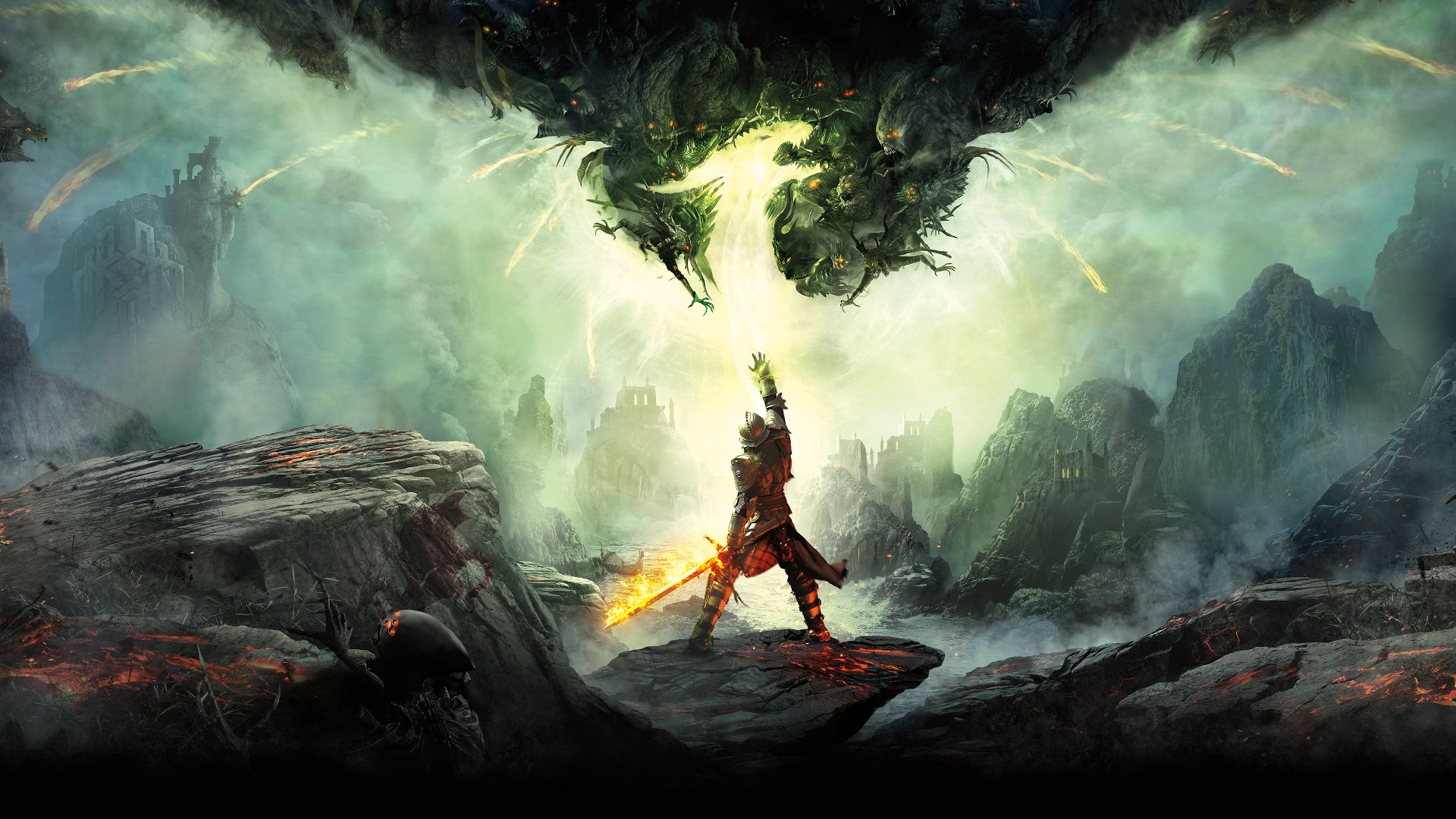
‘Dragon Age Inquisition’ was developed by BioWare and published by Electronic Arts as a fantasy epic. The player influences the political future of the Chantry by deciding who will become the next Divine. Different candidates represent progressive or conservative political shifts within the world of Thedas. Secret dialogue options and side quests determine which ally takes the throne and how they reform the institution. This political choice drastically alters the epilogue and the relationship between mages and templars.
‘Star Wars: Knights of the Old Republic’ (2003)
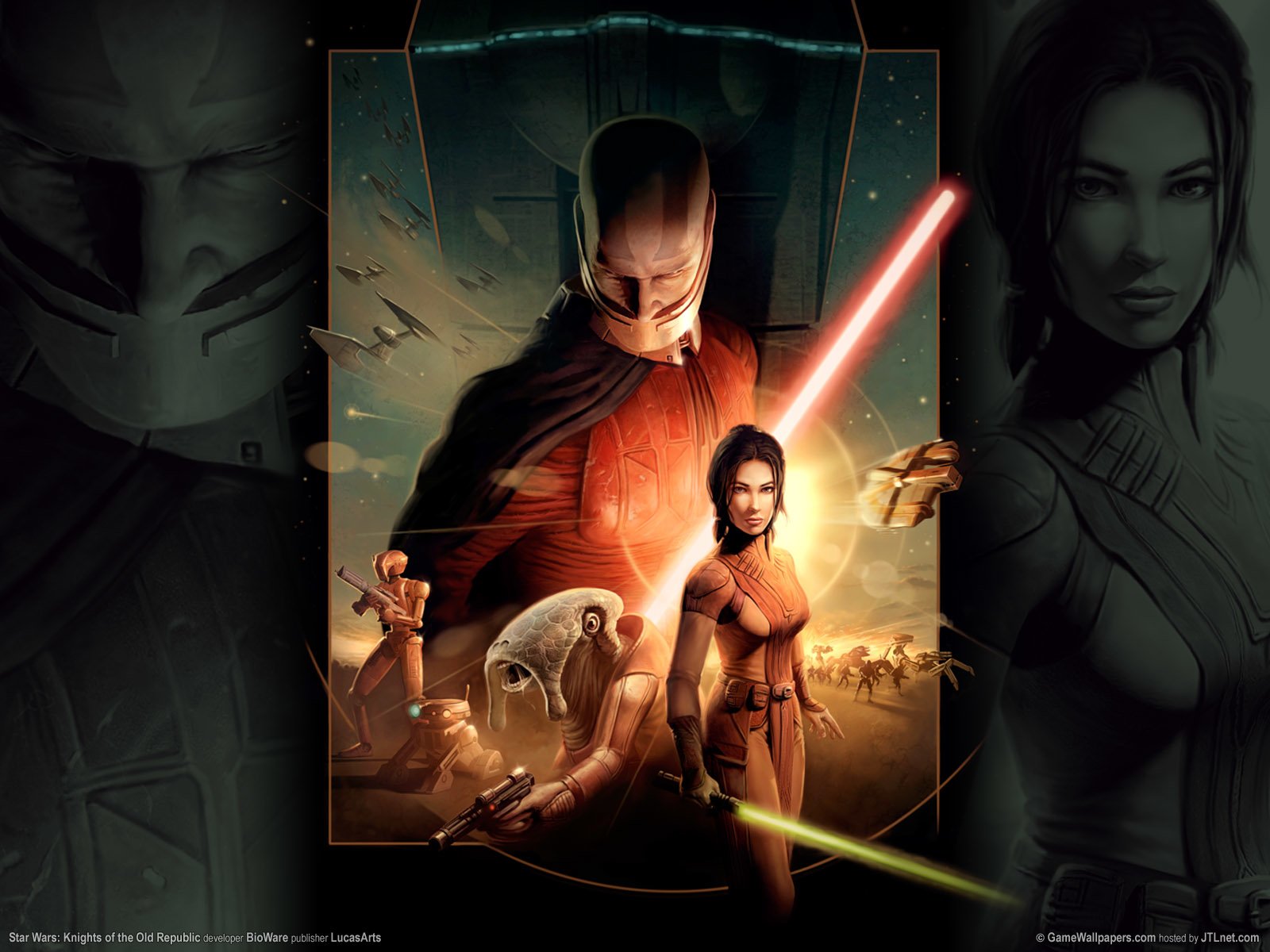
‘Star Wars Knights of the Old Republic’ was developed by BioWare and published by LucasArts. Players navigate a galactic conflict between the Galactic Republic and the Sith Empire. A secret path allows the player to reclaim their dark heritage and seize control of the Star Forge for political dominance. This choice involves betraying former allies and establishing a new order of power. The ending reflects the player’s decision to either save the Republic or rule the galaxy as a Sith Lord.
‘Deus Ex: Mankind Divided’ (2016)
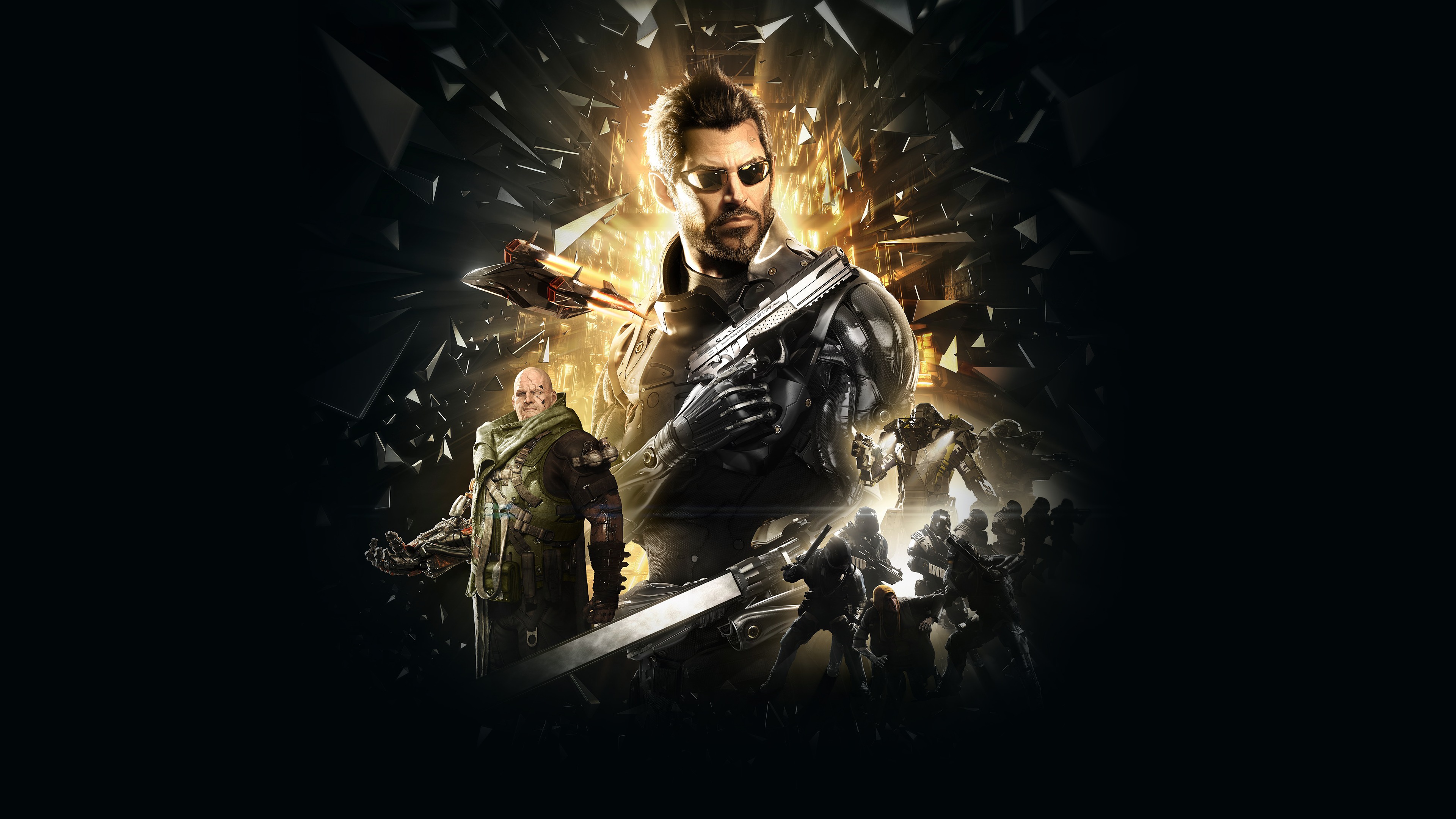
‘Deus Ex Mankind Divided’ was developed by Eidos Montreal and published by Square Enix. The game focuses on the mechanical apartheid and the political tension between augmented and non augmented humans. Players can uncover a secret plot by the Illuminati that influences the global political landscape. By choosing specific investigative paths the protagonist can expose corruption or allow the conspiracy to continue. These political decisions culminate in an ending that determines the future of human augmentation rights.
‘Fable III’ (2010)
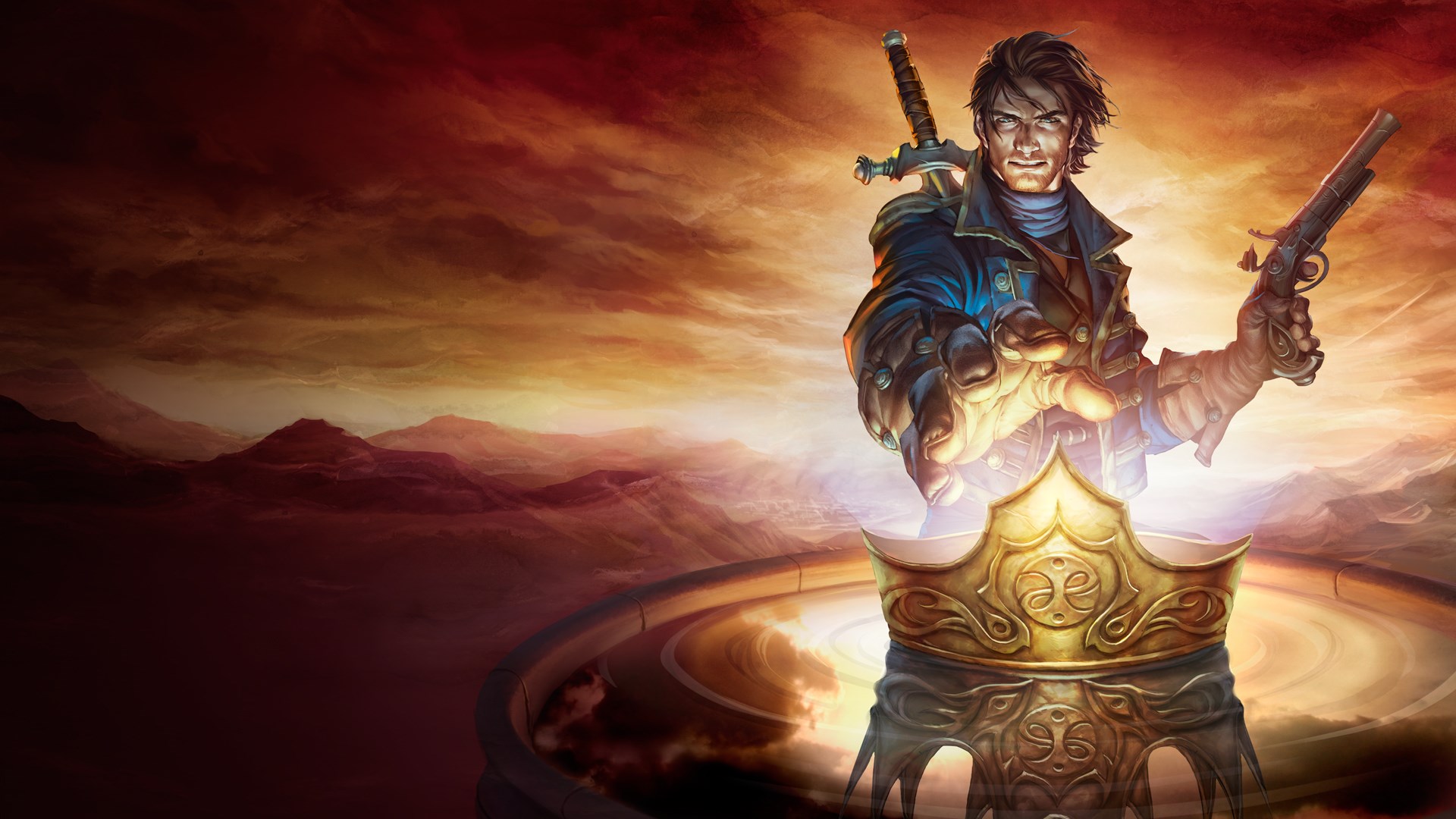
‘Fable III’ was developed by Lionhead Studios and published by Microsoft Game Studios. The player leads a revolution to overthrow a tyrannical king and then must rule the kingdom of Albion. Secret endings depend on whether the player keeps their political promises or adopts oppressive taxes to fund the defense against a dark threat. Balancing the needs of the people with the cold reality of national security defines the final act of the game. The state of the kingdom and the survival of the population are directly tied to these royal decrees.
Please share your favorite memories of making difficult political decisions in these games in the comments.