

Games Whose Developers Faced Backlash Over Updates



Video game development often involves a delicate balance between player expectations and technical constraints. When updates significantly alter gameplay mechanics, monetization, or accessibility, communities frequently express their dissatisfaction through public forums and review bombing. These instances highlight the tension between a developer’s long-term vision and the immediate desires of the player base. The following titles represent significant moments in gaming history where post-launch changes sparked widespread controversy.
‘Artifact’ (2018)
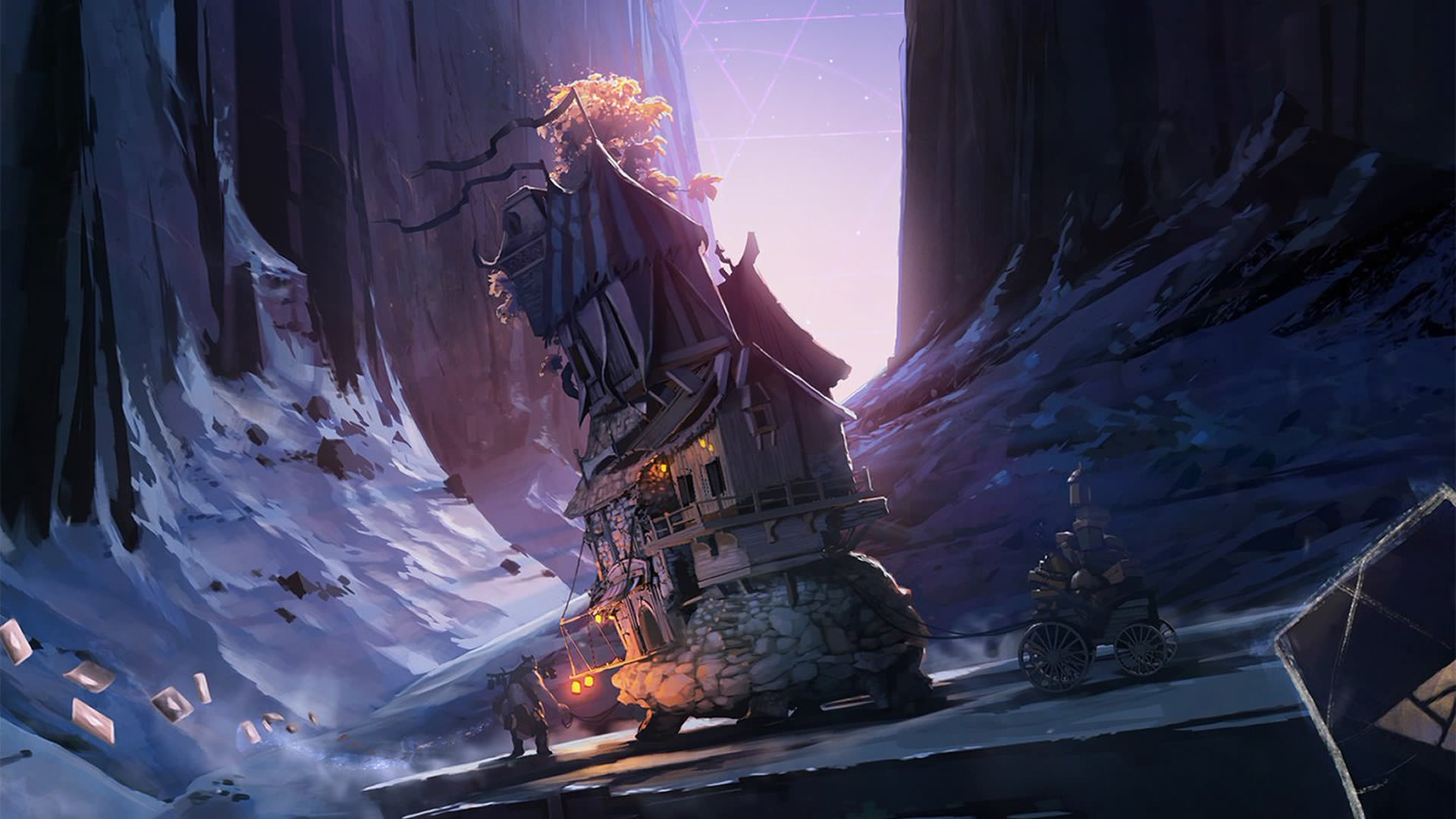
Valve attempted to update the digital card game’s economy to address player concerns, but the changes were seen as insufficient by the remaining audience. The community was frustrated by the pay-to-play model that required players to purchase cards and entry tickets for competitive modes in ‘Artifact’. Despite a complete overhaul project titled ‘Artifact Foundry’, the developers eventually ceased all development on the project due to low player numbers. This remains one of the most high-profile instances of a major developer failing to salvage a game through post-launch updates.
‘Call of Duty: Warzone’ (2020)
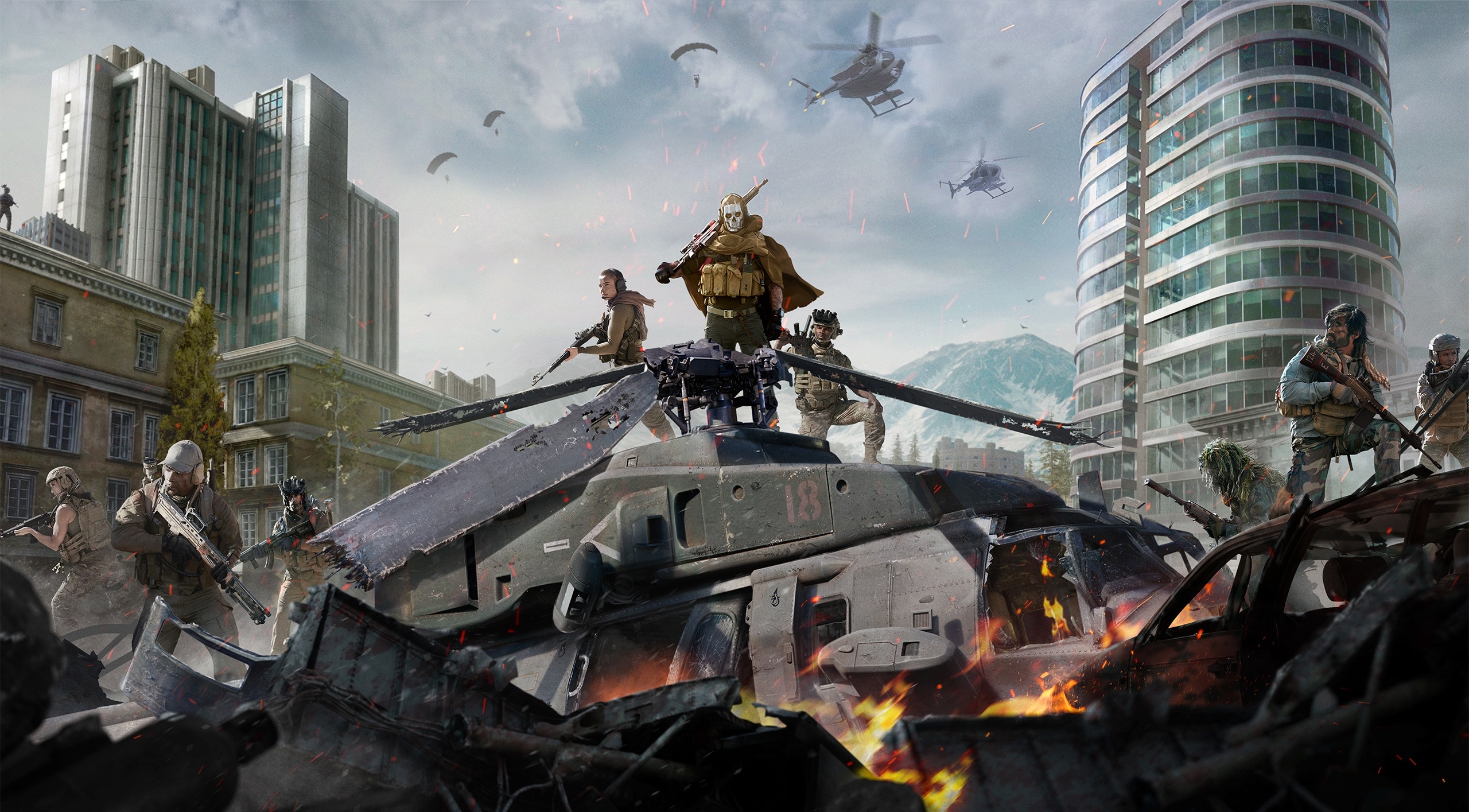
Infinity Ward and Activision faced backlash during various integration updates with newer ‘Call of Duty’ titles, which often led to game-breaking balance issues. Players were particularly upset when the original ‘Verdansk’ map was removed in favor of newer locations that were seen as less balanced for competitive play. The ‘Call of Duty: Warzone’ community frequently criticized the developers for prioritizing the sale of cosmetic bundles over fixing persistent bugs and server stability. These updates eventually led to the transition to a sequel, which brought its own set of controversies regarding movement mechanics.
‘Cyberpunk 2077’ (2020)
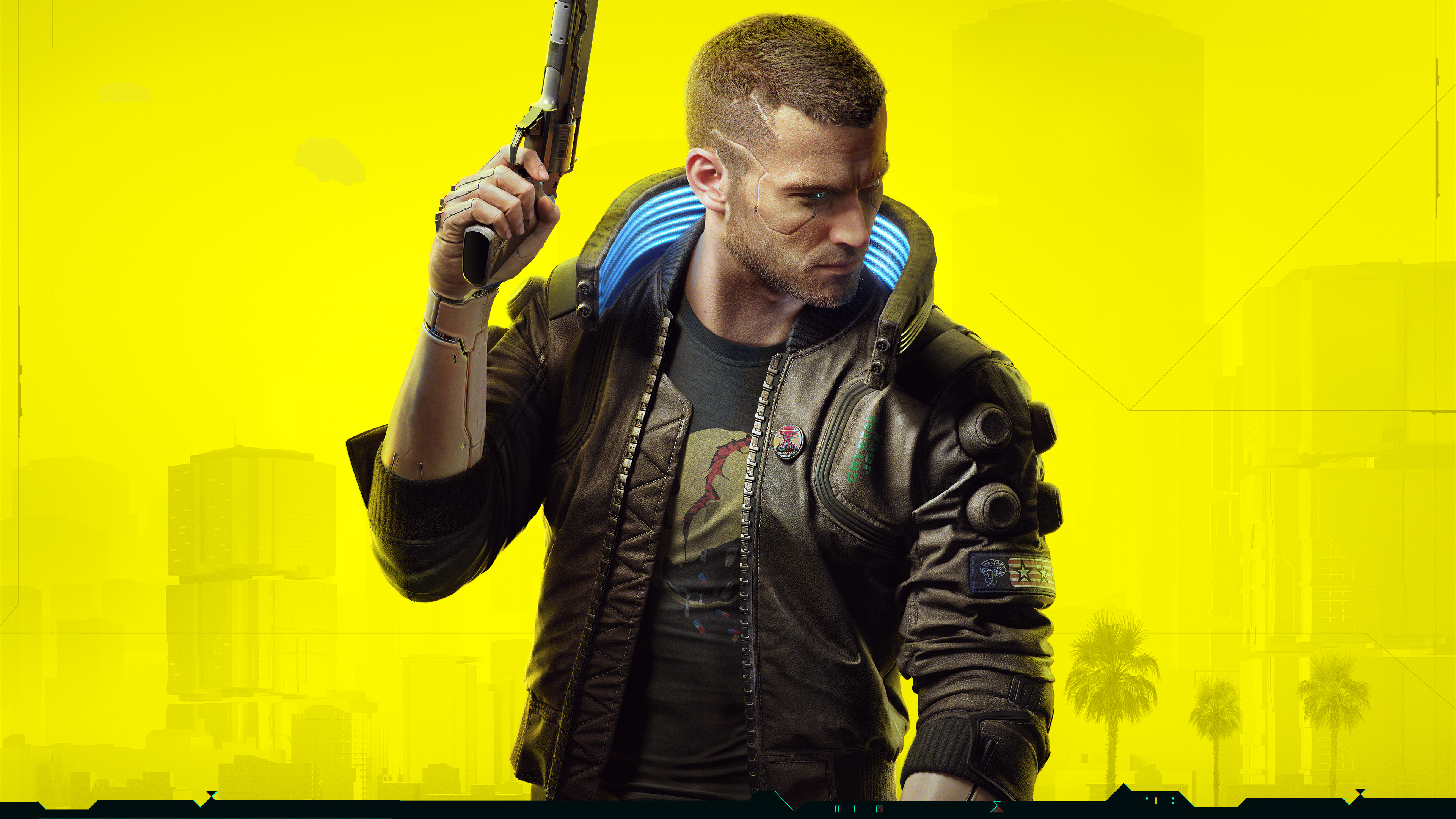
CD Projekt Red released numerous patches following a disastrous launch, but some early updates introduced new technical bugs while trying to fix old ones. The community was particularly vocal about the slow pace of performance improvements for last-generation consoles during the first year of ‘Cyberpunk 2077’. While later updates like the 2.0 overhaul were eventually praised for revitalizing the game, the initial post-launch support period was marked by intense skepticism. The studio had to work extensively for years to regain its reputation as a developer that prioritizes polish and player experience.
‘Destiny 2’ (2017)
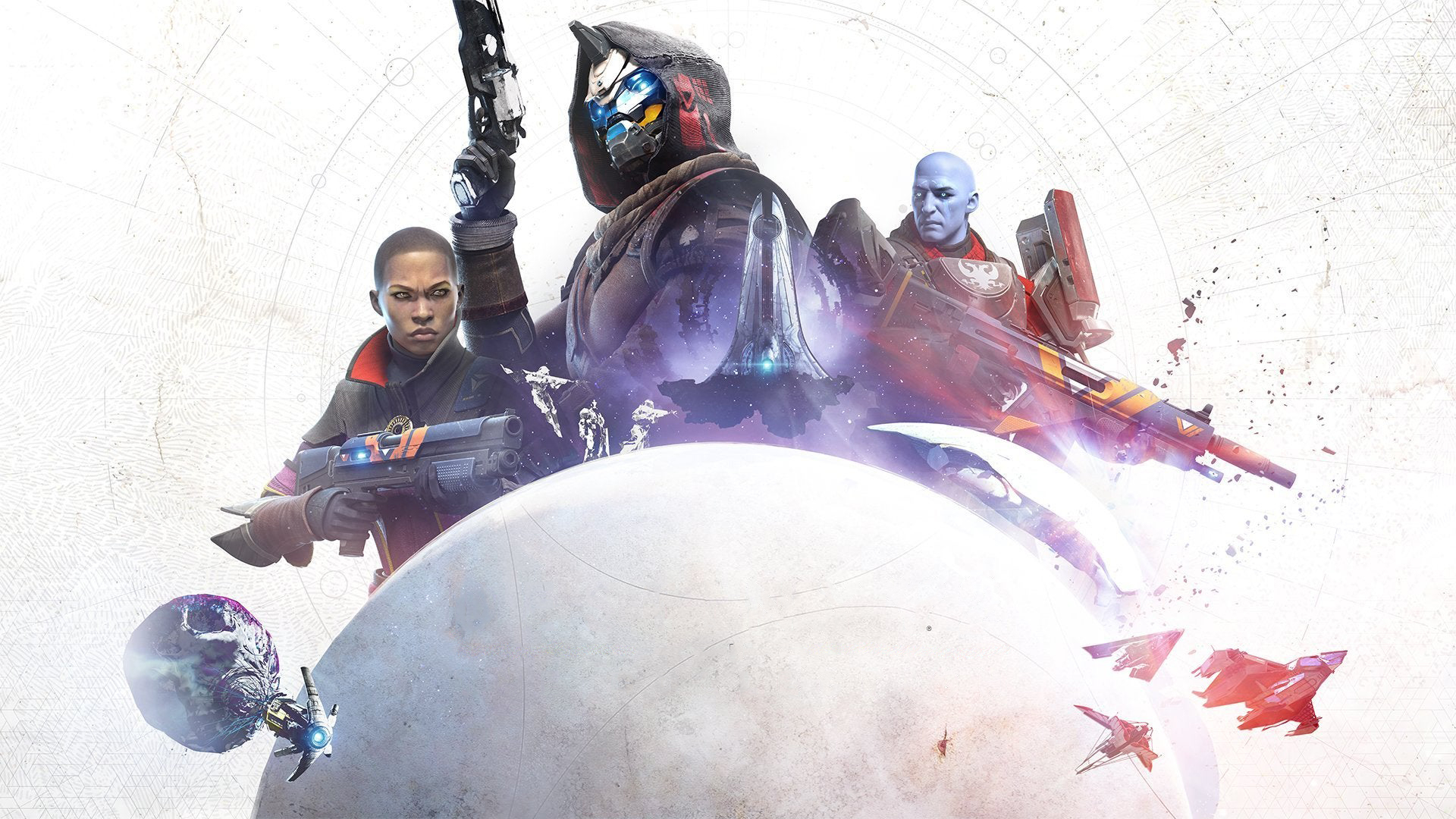
Bungie introduced the Destiny Content Vault update, which removed large portions of paid content, including entire planets and campaigns, to optimize the game’s file size. This ‘Destiny 2’ decision frustrated players who had invested money into expansions that were no longer playable in the live environment. The developers argued the move was necessary for technical stability and faster update cycles, but the community remained divided over the loss of legacy content. Later updates attempted to alleviate this by bringing back remastered versions of vaulted locations and raids to satisfy long-time fans.
‘Diablo IV’ (2023)
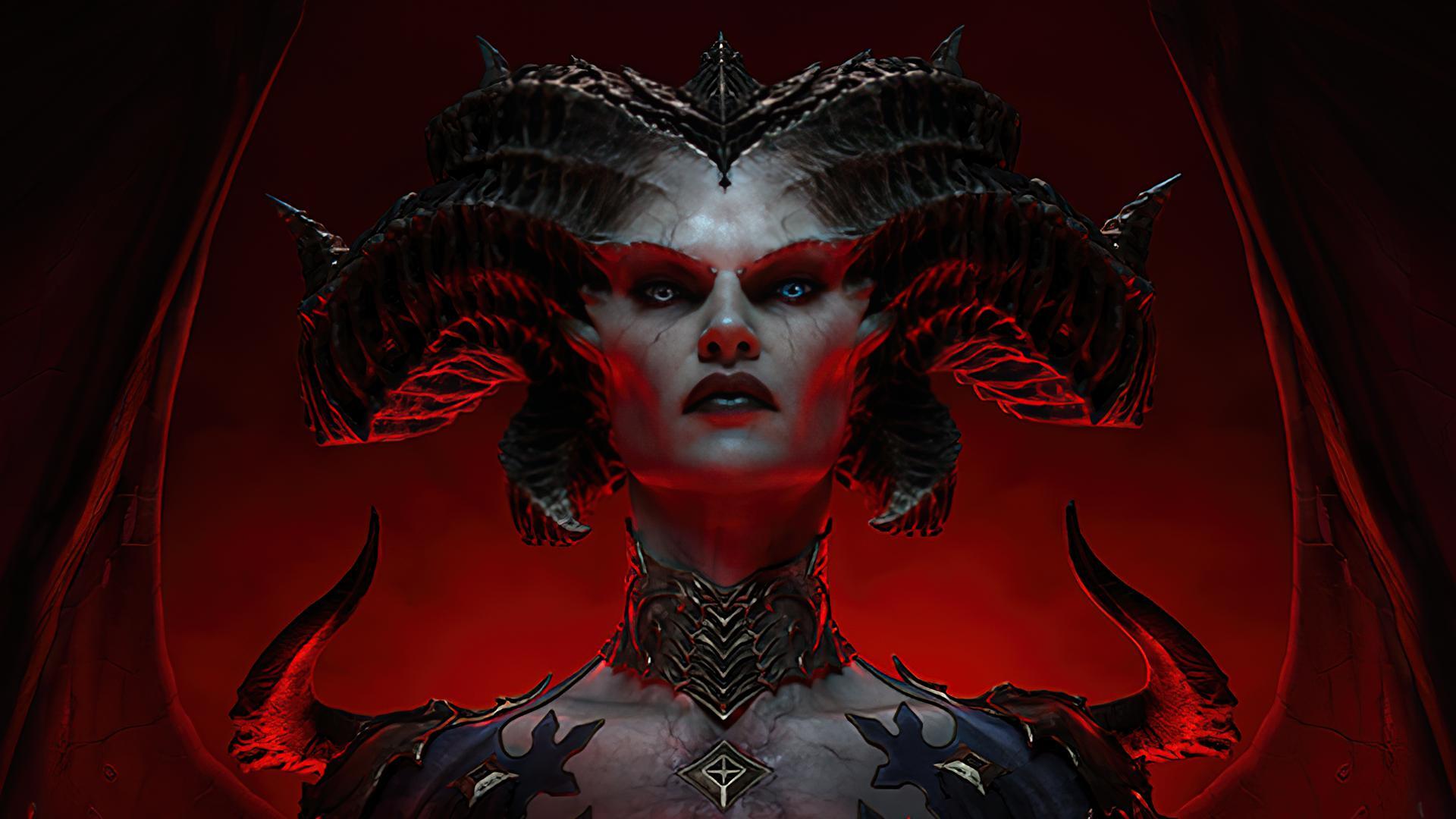
Blizzard Entertainment released Patch 1.1.0 just before the start of the game’s first season, which implemented widespread nerfs to player power and survivability. Fans of ‘Diablo IV’ criticized the update for making the endgame grind significantly slower and less rewarding across all character classes. The developers held an emergency “Campfire Chat” to address the community’s outrage and promised to never release a similar patch again. This event forced the team to prioritize player enjoyment over strict mathematical balancing in subsequent seasonal updates.
‘Elden Ring’ (2022)
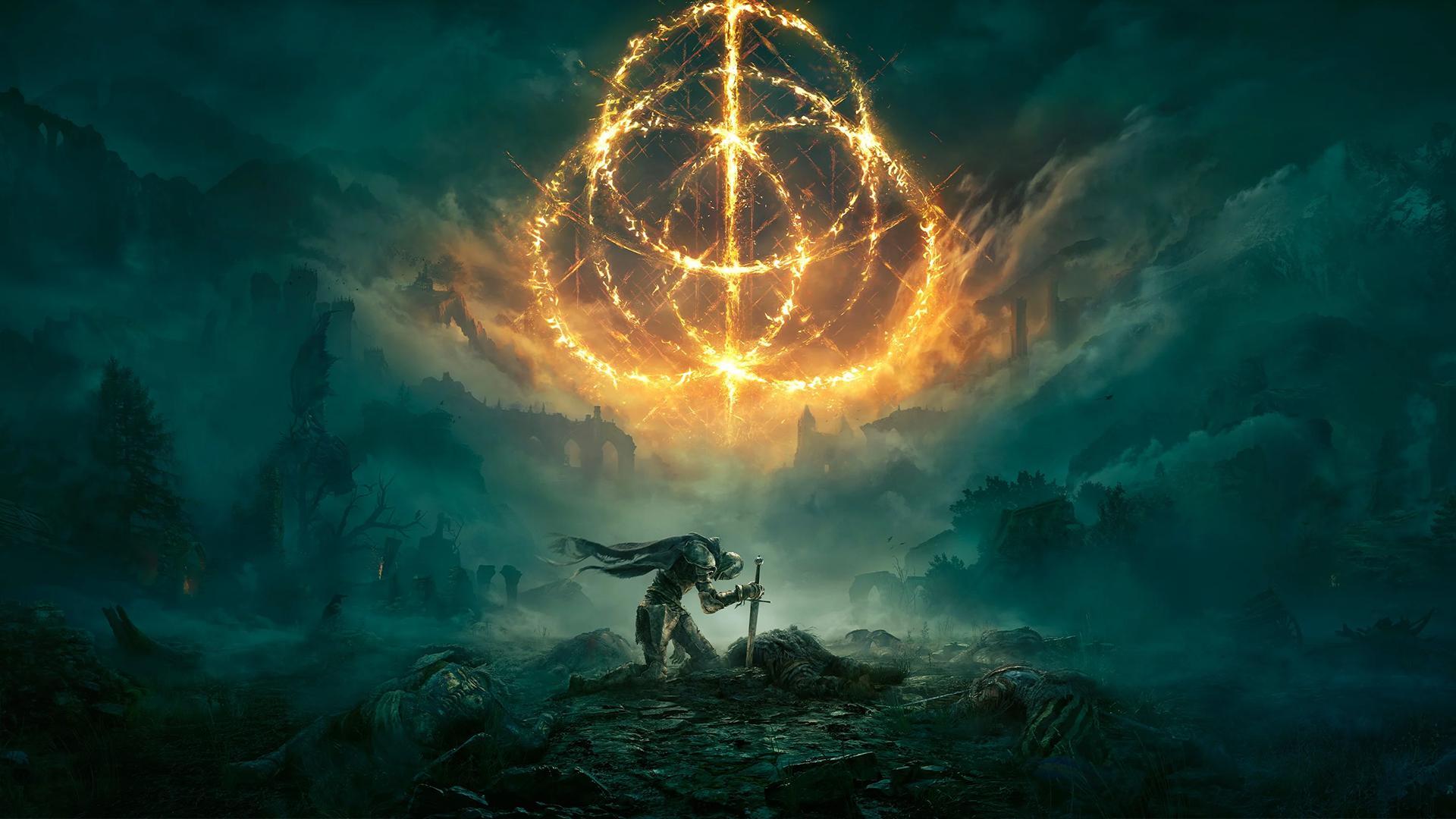
FromSoftware and Bandai Namco released an early patch that significantly nerfed the boss Starscourge Radahn, leading to complaints from players who enjoyed the original difficulty. The ‘Elden Ring’ community debated whether the change compromised the developer’s vision of providing a challenging experience for all players. Interestingly, a subsequent update partially reverted these changes after the developers admitted the nerf was unintended in certain areas. This back-and-forth demonstrated the difficulty of balancing a massive open-world game while maintaining its signature sense of accomplishment.
‘Fallout 76’ (2018)
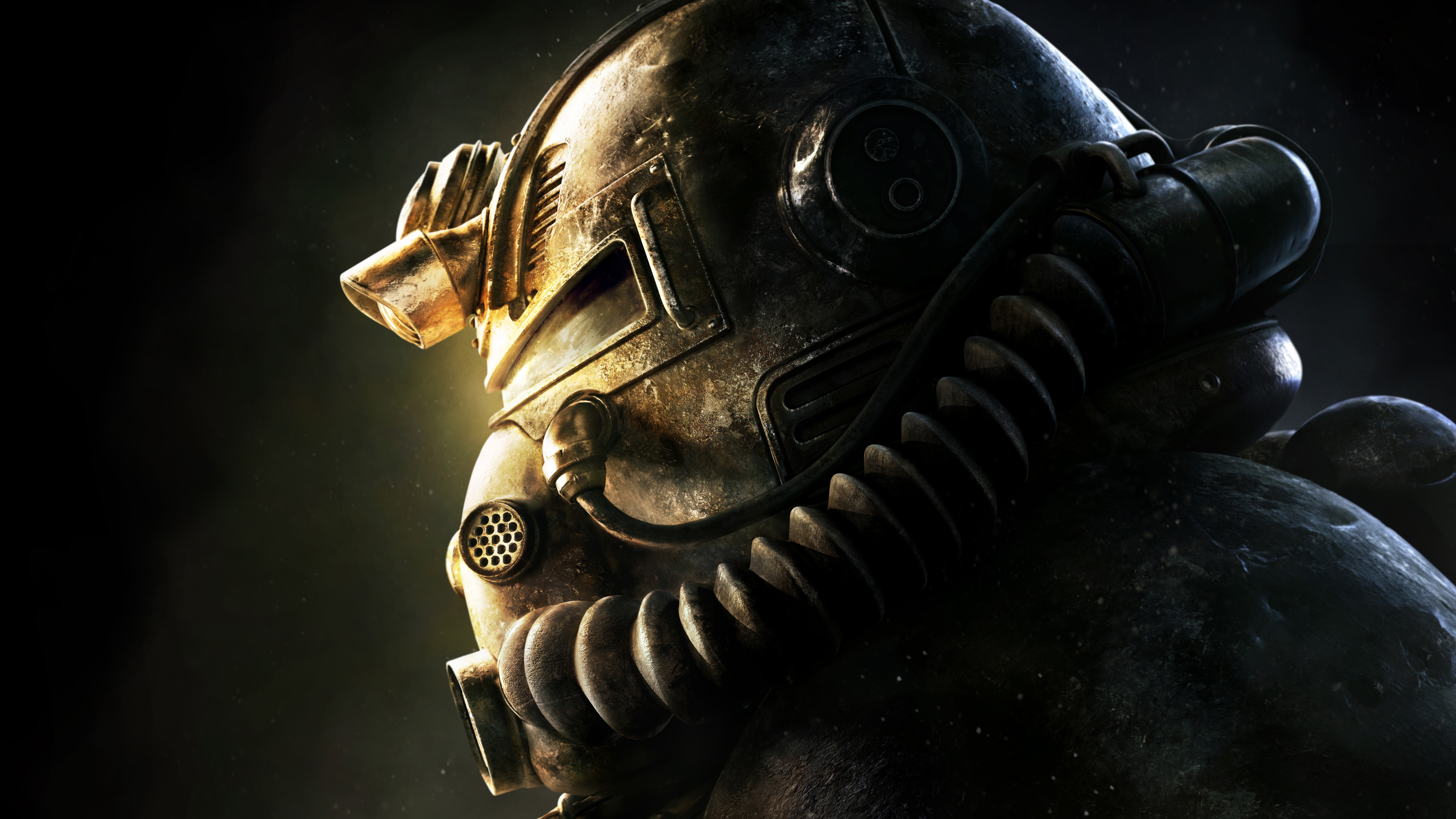
Bethesda Game Studios sparked controversy with the introduction of the ‘Fallout 1st’ subscription update, which offered private servers and unlimited storage for a monthly fee. Many ‘Fallout 76′ players felt these features should have been included in the base game or provided for free as compensation for the title’s rocky launch. The update also initially suffered from technical glitches, such as scrapboxes deleting players’ items instead of storing them. This monetization move was seen by many as a step away from the developer’s initial promises regarding the game’s long-term support.
‘Final Fantasy XIV’ (2010)

Square Enix initially released the game to universal criticism, leading to a series of updates that failed to save the original version of the world. The developers eventually took the unprecedented step of shutting down the servers to completely rebuild the title from the ground up. This led to the release of ‘A Realm Reborn’, which transformed ‘Final Fantasy XIV’ into one of the most successful MMORPGs on the market. The transparency shown by the development team during this process helped turn a public relations disaster into a story of corporate accountability.
‘Grand Theft Auto: The Trilogy – The Definitive Edition’ (2021)

Grove Street Games and Rockstar Games released updates to address the immense technical failures of the remastered collection shortly after its launch. Many players found that the ‘Grand Theft Auto: The Trilogy’ patches introduced new visual bugs while failing to fix core issues with character models and environmental textures. The backlash was so severe that Rockstar eventually had to offer the original versions of the games for free to PC players as an apology. The developers faced significant pressure to restore the legacy of these iconic titles through a long series of performance updates.
‘Hearthstone’ (2014)
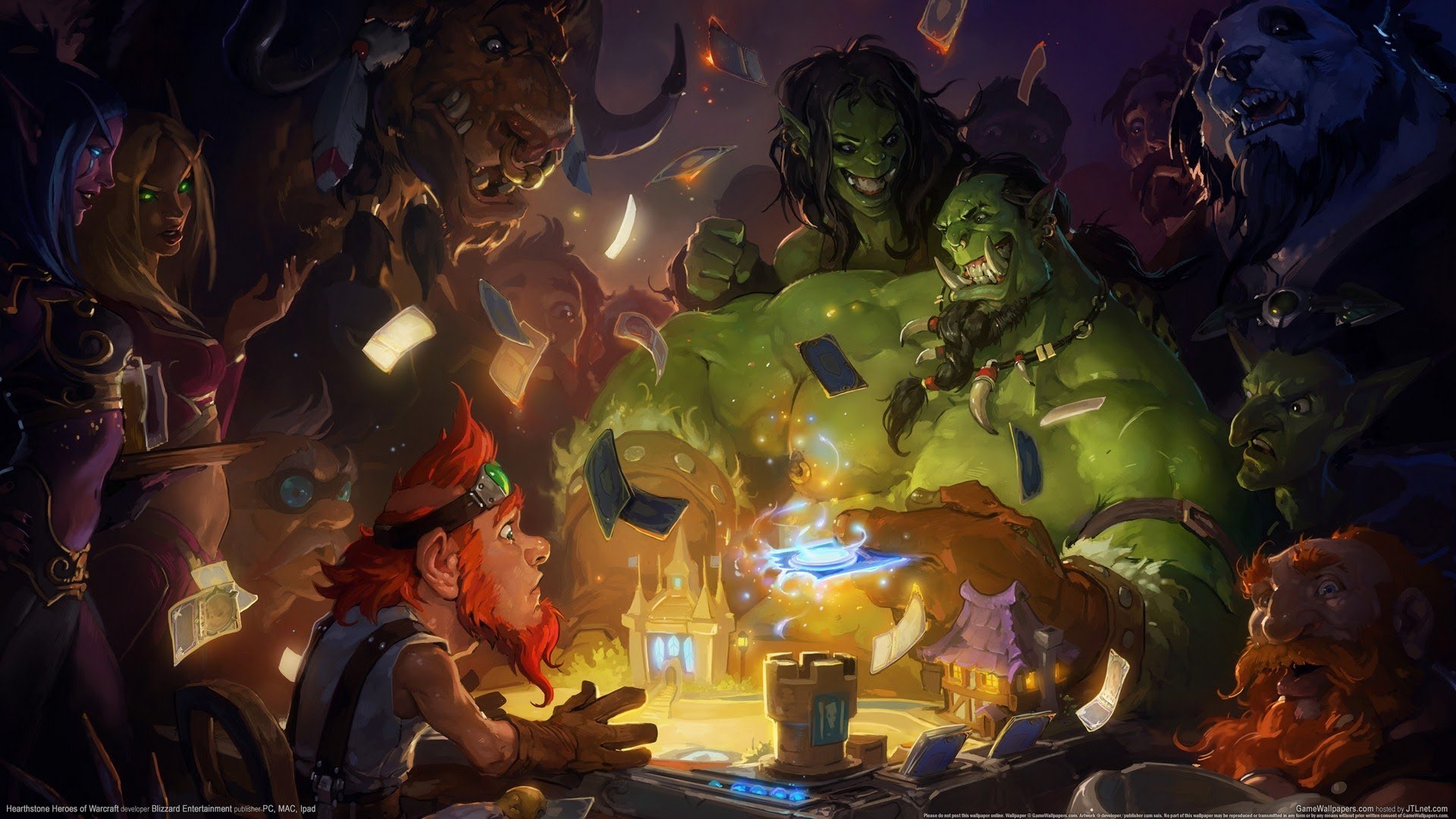
Blizzard Entertainment introduced a new Rewards Track update that players quickly calculated provided less gold than the previous quest system. The ‘Hearthstone’ community felt the new system was an attempt to push players toward spending more real money on card packs to remain competitive. Following weeks of intense criticism on social media and dedicated forums, the developers apologized and adjusted the track to be more generous. This situation emphasized the importance of clear communication and mathematical transparency when changing the fundamental economy of a digital card game.
‘Helldivers 2’ (2024)

Arrowhead Game Studios and Sony Interactive Entertainment faced a PR crisis when a mandatory update required PC players to link their Steam accounts to a PlayStation Network account. This decision effectively blocked access for users in over 170 countries where the service was unavailable, leading to hundreds of thousands of negative reviews in a single weekend. The developers expressed their own frustrations with the mandate, which was eventually rescinded by the publisher after the massive outcry. ‘Helldivers 2’ remains a prominent example of how corporate platform requirements can alienate a dedicated global player base.
‘Minecraft’ (2011)
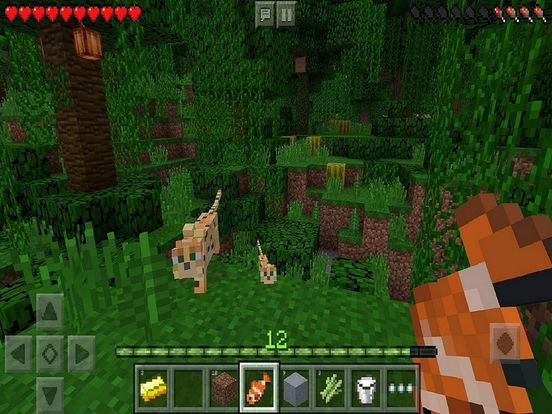
Mojang Studios introduced a controversial chat reporting system in update 1.19.1, which allowed players to report others for messages across private servers. This ‘Minecraft’ update sparked privacy concerns and fears of automated moderation bots banning players from their own purchased content. The community utilized the “#SaveMinecraft” movement to voice their opposition to the centralized control over decentralized servers. Despite the protests, the feature was integrated, fundamentally changing the social dynamic of the long-running sandbox game for its entire audience.
‘No Man’s Sky’ (2016)
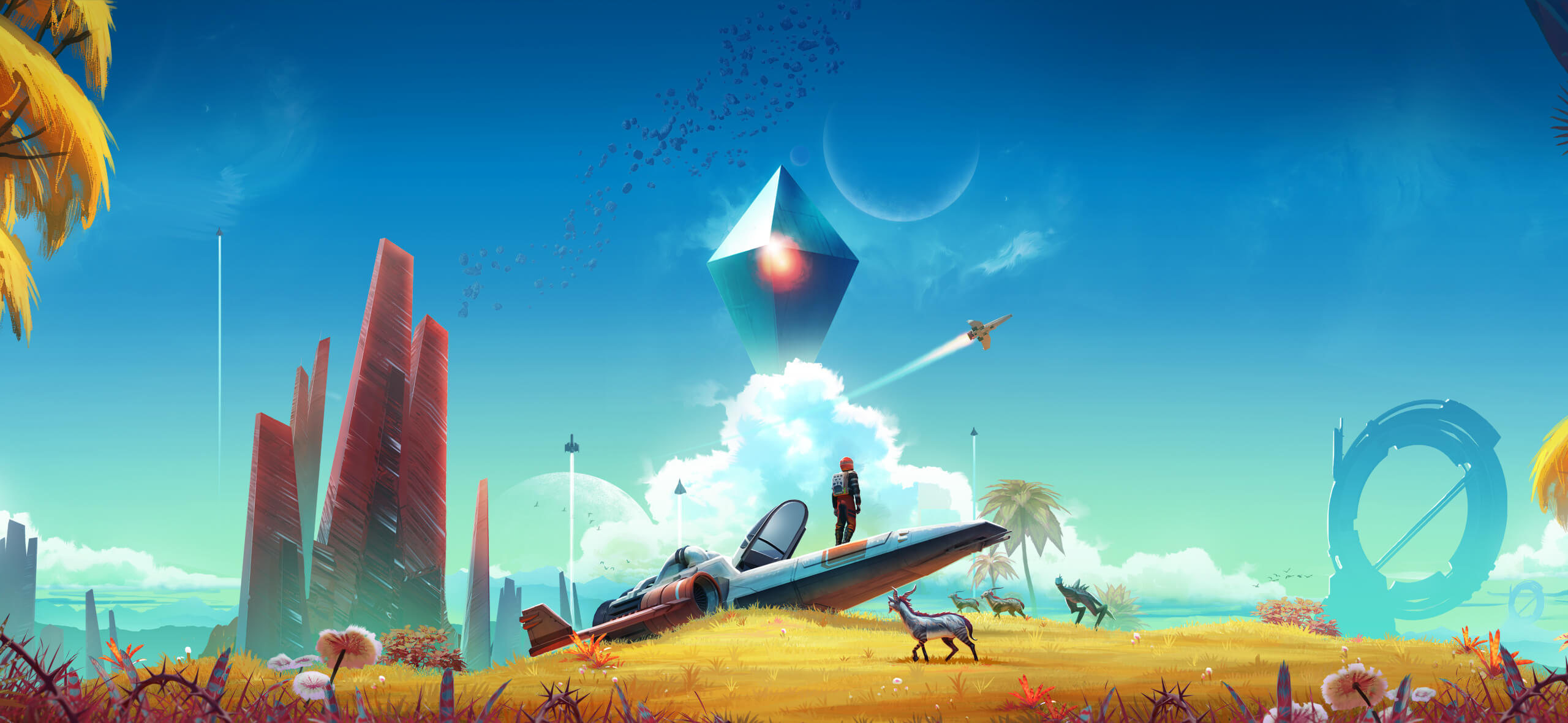
Hello Games and director Sean Murray faced intense scrutiny following the release of early updates that failed to address missing features promised during development. The community felt misled by marketing materials that suggested a more robust multiplayer experience than what was initially delivered in ‘No Man’s Sky’. Over several years, the studio released massive free content updates like ‘Foundation’ and ‘NEXT’ to rebuild trust with their audience. This situation became a landmark case for the “redemption arc” narrative in the gaming industry after the developers successfully transformed the game.
‘Overwatch 2’ (2022)
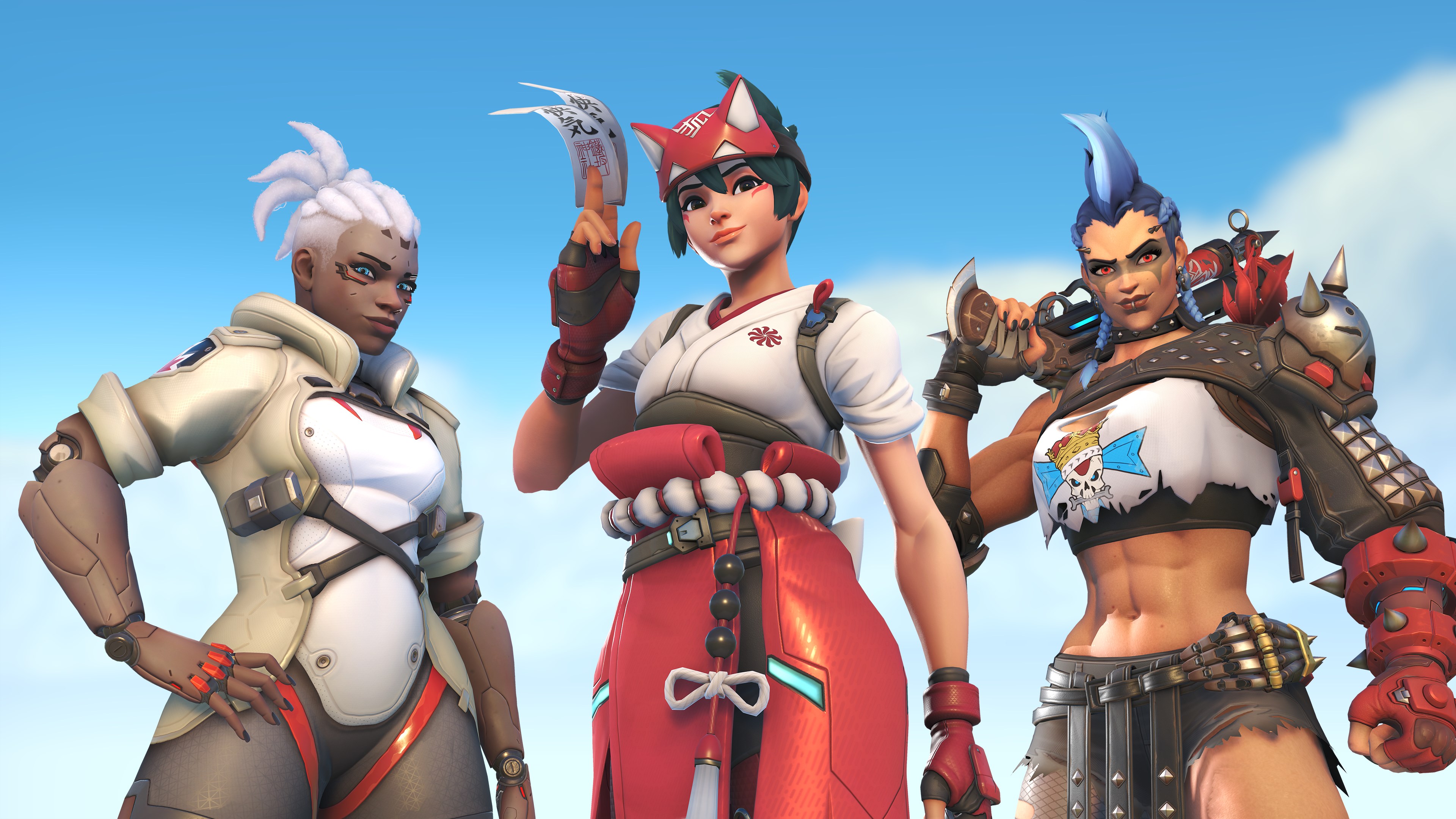
Blizzard Entertainment faced significant backlash when updates revealed that the long-promised PvE Hero Mode would be significantly scaled back and then eventually canceled. Fans who transitioned from the original game felt the sequel’s updates prioritized a new monetization model over the core gameplay improvements that were initially promised. The introduction of a battle pass system in ‘Overwatch 2’ also drew criticism for locking new heroes behind progression tiers for the first time. This series of updates led to the game becoming one of the lowest-rated titles on several digital storefronts.
‘Pokémon GO’ (2016)

Niantic faced global criticism when they implemented updates that doubled the price of Remote Raid Passes and limited their daily use. This ‘Pokémon GO’ change disproportionately affected players in rural areas and those with physical disabilities who relied on remote features to participate in the game. Despite petitions and community boycotts, the developers maintained that the update was necessary to encourage the “in-person exploration” that defines the app’s mission. The decision remains a major point of contention for players who feel the game has become less accessible over time.
‘Runescape’ (2001)
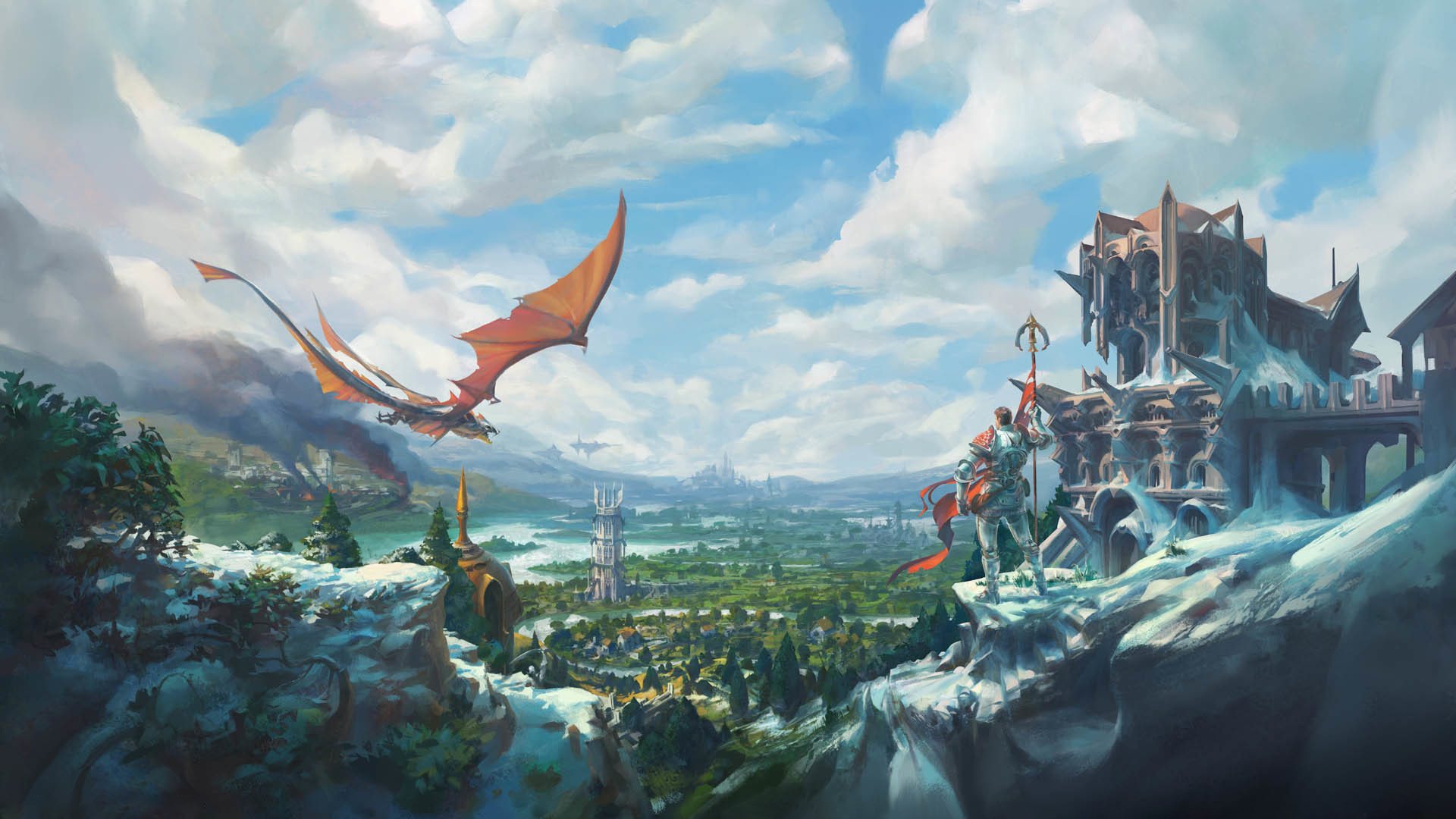
Jagex implemented the ‘Evolution of Combat’ update in 2012, which completely redesigned the game’s traditional point-and-click combat system into an ability-based model. Long-time ‘Runescape’ players felt the update stripped the game of its unique identity and moved it too close to other contemporary MMORPGs. The resulting mass exodus of players eventually led the developers to launch ‘Old School RuneScape’ based on a 2007 backup of the game. This split allowed the company to maintain two versions of the game to satisfy the different segments of their divided audience.
‘Star Wars Battlefront II’ (2017)
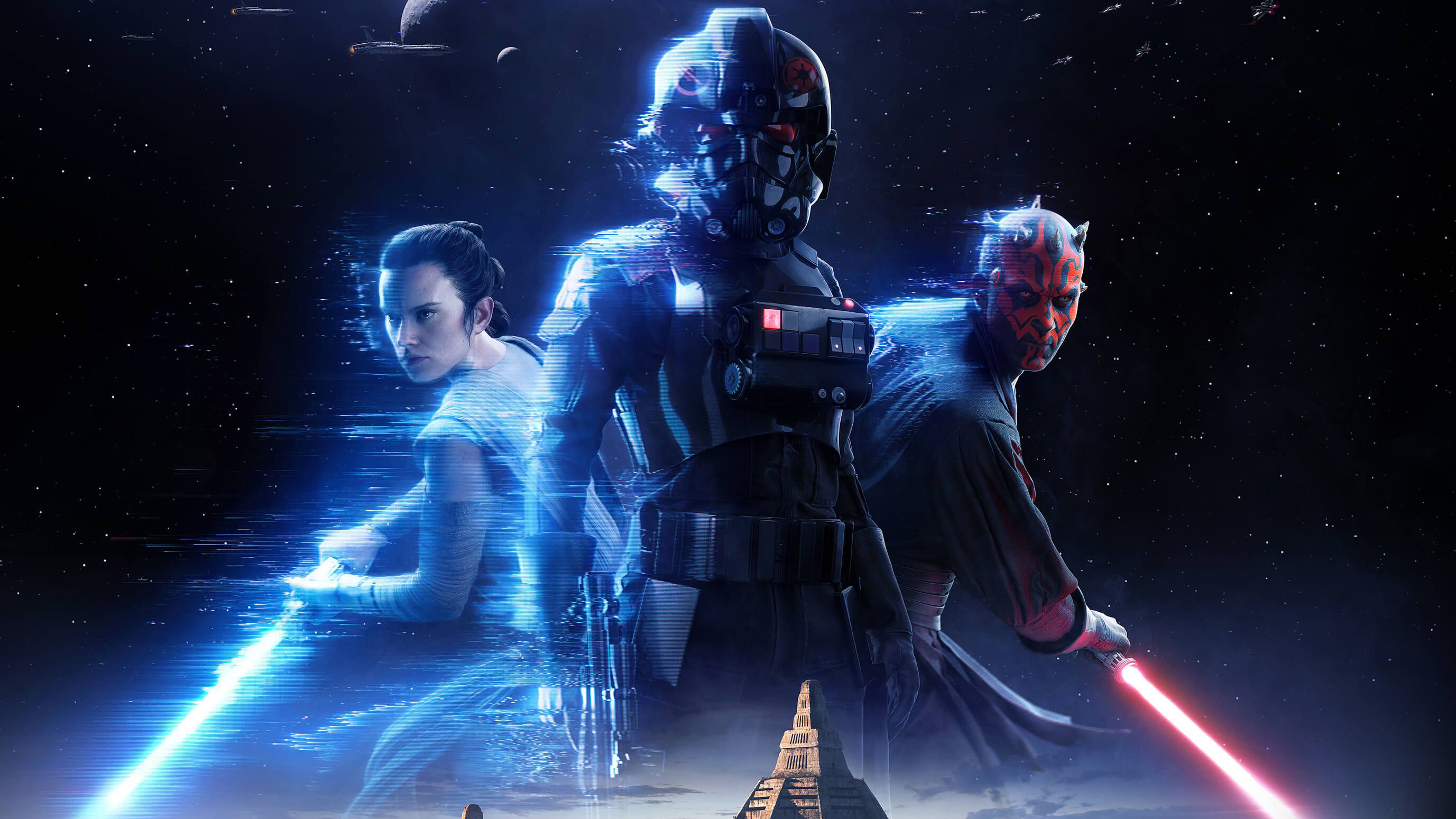
DICE and Electronic Arts encountered a massive wave of criticism regarding the implementation of loot boxes and character progression updates prior to launch. Players discovered that unlocking iconic characters like Darth Vader required an unreasonable amount of in-game currency or additional monetary purchases. The resulting backlash led to the most downvoted comment in social media history from an EA representative trying to justify the mechanics. Consequently, the developers overhauled the entire progression system to remove the pay-to-win elements before the ‘Star Wars Battlefront II’ community could stabilize.
‘Team Fortress 2’ (2007)
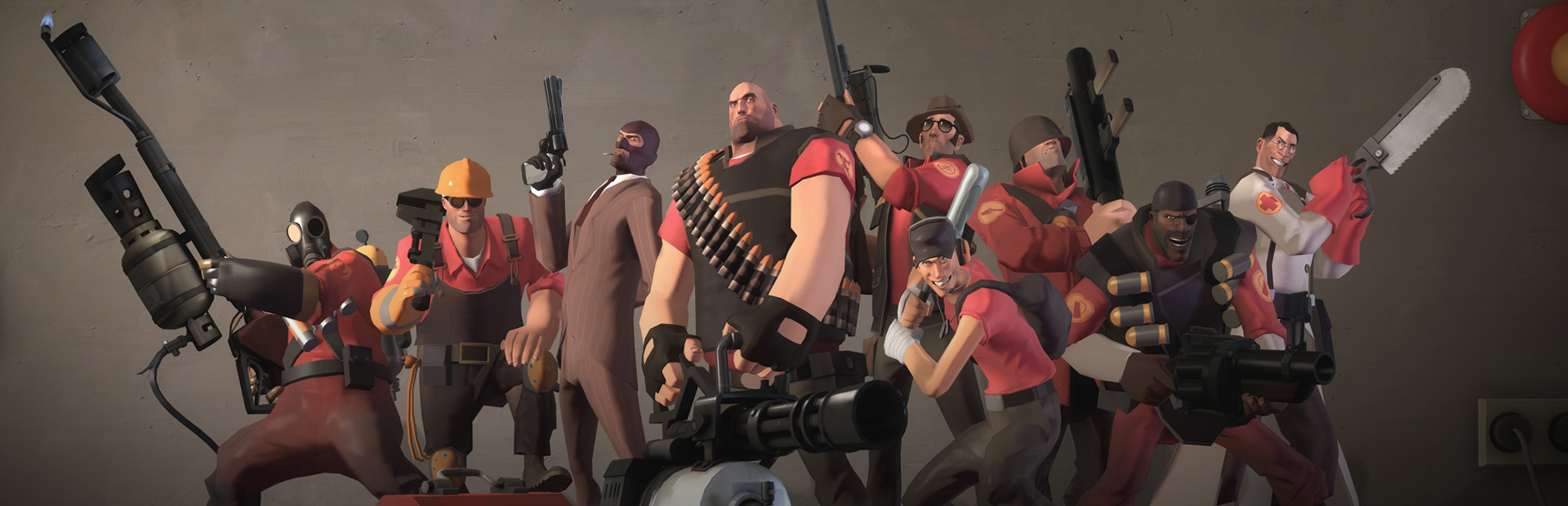
Valve released the ‘Meet Your Match’ update in 2016, which replaced the traditional quick-play system with a more restrictive competitive matchmaking format. This change removed the ability for ‘Team Fortress 2’ players to easily jump in and out of community-run servers, which many felt was the heart of the game’s casual experience. Long queue times and a lack of map selection at launch further fueled the community’s frustration with the development team. Valve eventually walked back some of the changes, but the update is often cited as a negative turning point in the game’s long lifecycle.
‘The Sims 4’ (2014)
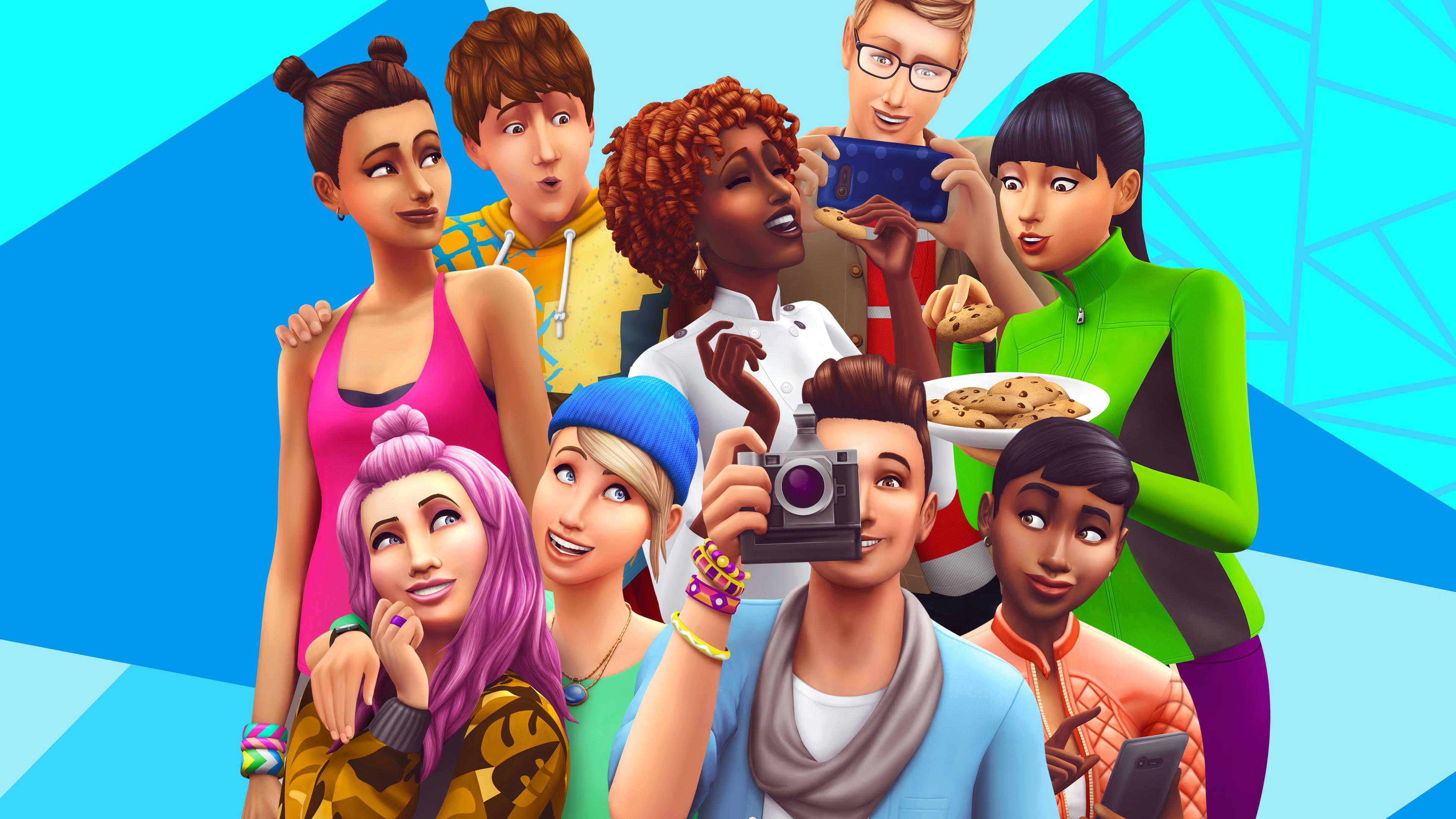
Maxis and Electronic Arts faced backlash over the release of the ‘My Wedding Stories’ game pack update, which was launched in a highly unstable state. Players reported that the new features in ‘The Sims 4’ were largely non-functional, preventing them from completing the wedding ceremonies the pack was designed for. The developers had to release a series of emergency patches to fix the basic gameplay loops that were broken upon the update’s arrival. This incident highlighted ongoing concerns within the community regarding the quality control of paid DLC updates for the franchise.
‘War Thunder’ (2012)

Gaijin Entertainment proposed updates to the game’s economy that would have significantly increased the repair costs of vehicles while decreasing the rewards earned during matches. The ‘War Thunder’ player base responded with a massive review-bombing campaign and organized a player strike to protest the proposed changes. The developers eventually apologized and created a detailed roadmap to improve the progression system and economic transparency for the players. This event served as a reminder of the power of a unified community in influencing the direction of modern free-to-play titles.
Please share your thoughts on these controversial game updates and how they were handled in the comments.