

Games Whose Development Stories Are Crazier Than The Story Itself

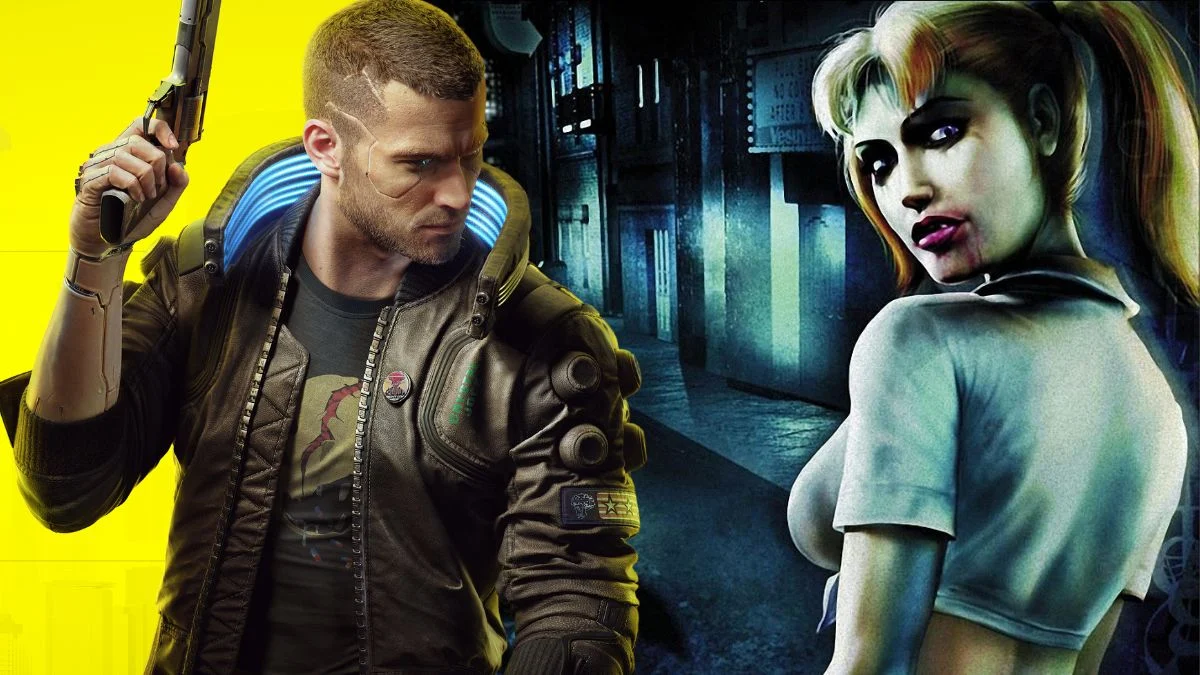


Video game development is a complex process that often involves hundreds of people and millions of dollars. The path from concept to release rarely runs smooth and often results in chaos behind the scenes. Studios sometimes face lawsuits or engine changes that threaten to derail the entire project. The stories behind these turbulent productions are occasionally more entertaining than the narratives within the games.
‘Duke Nukem Forever’ (2011)
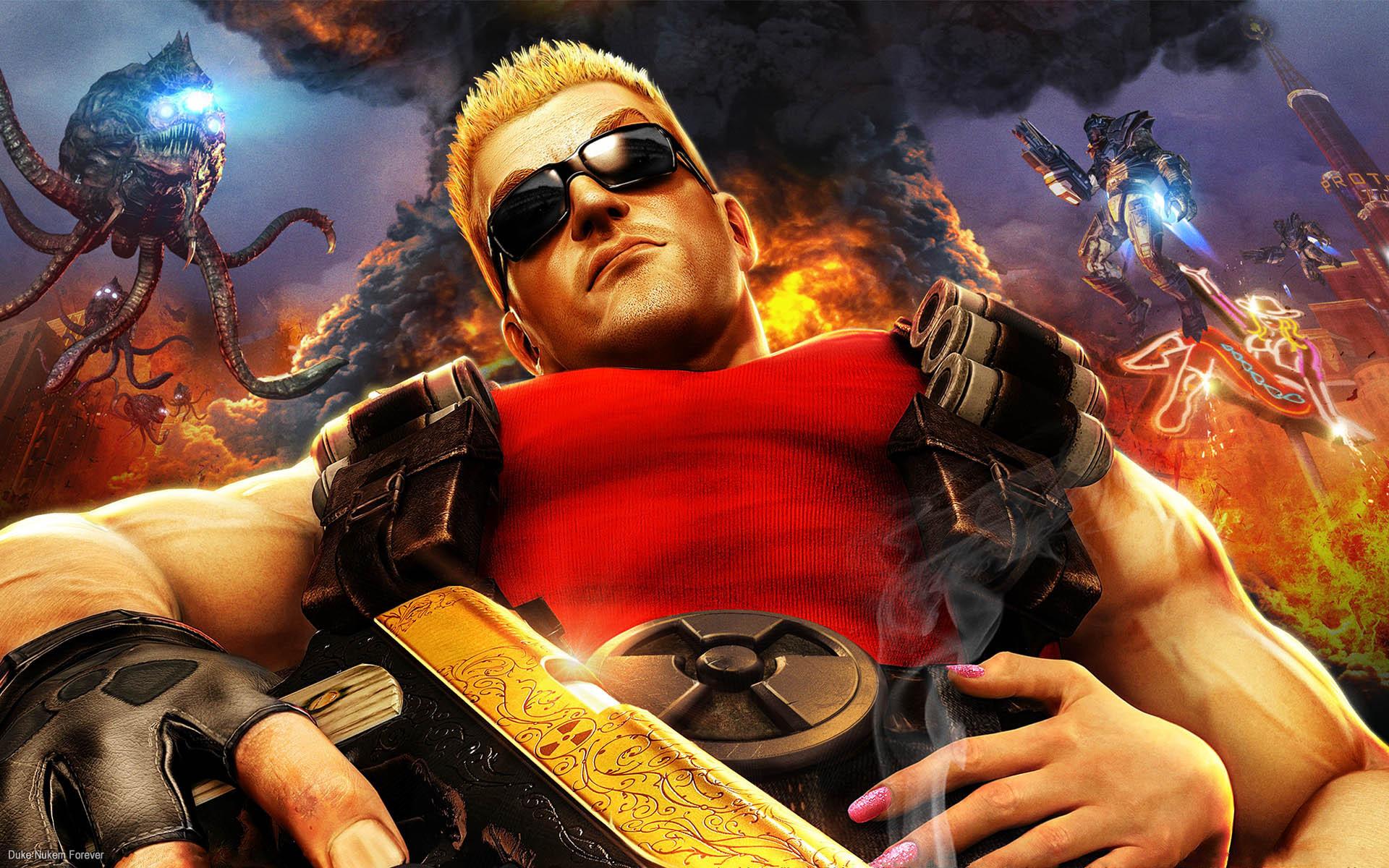
The development of this first-person shooter spanned fourteen years and became legendary for its delays. 3D Realms announced the project in 1997 but restarted production multiple times due to changing technology. The studio eventually ran out of funds and laid off the development team after a decade of work. Gearbox Software purchased the rights and finally polished the existing assets for a commercial release. The finished product received negative reviews that criticized its dated design and crude humor.
‘Daikatana’ (2000)
John Romero co-founded Ion Storm with the intention of creating the game design of his dreams. The development team suffered from massive turnover and internal culture clashes during production. A decision to switch from the Quake engine to the Quake II engine caused significant delays. Marketing for the game included an infamous advertisement that insulted the intelligence of potential players. The final release was critical and commercial failure that damaged the reputation of its creator.
‘E.T. The Extra-Terrestrial’ (1982)
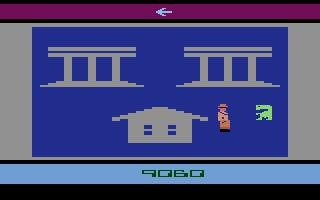
Howard Scott Warshaw was given only five weeks to design and code this Atari 2600 adaptation. The rush was mandated to ensure the game hit store shelves in time for the holiday shopping season. Atari produced millions of cartridges based on sales projections that completely ignored market reality. The low quality of the game caused a massive surplus of unsold inventory that cost the company millions. Excess cartridges were famously buried in a New Mexico landfill and unearthed decades later.
‘Cyberpunk 2077’ (2020)
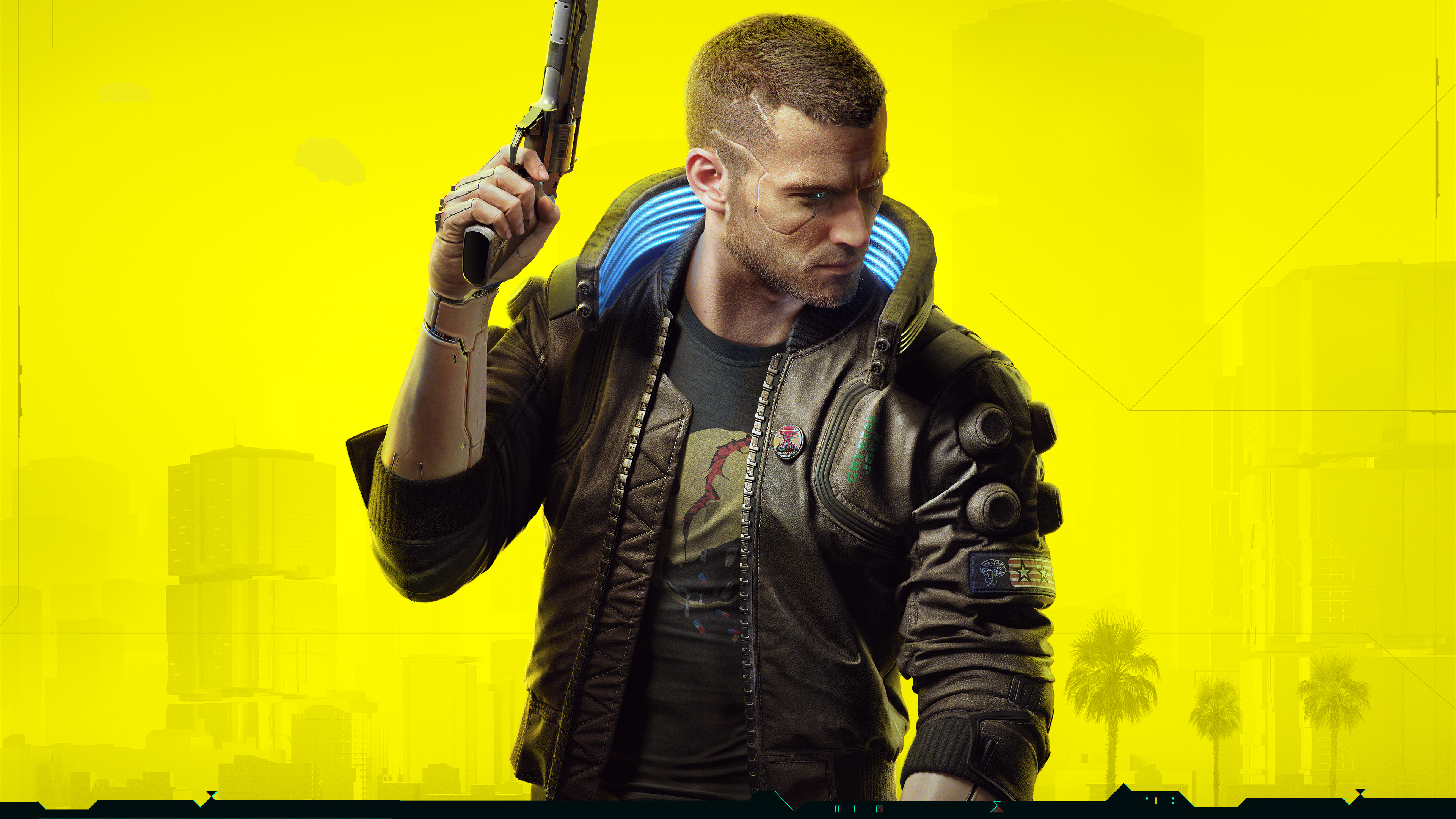
CD Projekt Red announced this ambitious role-playing game nearly a decade before its actual release. The studio faced accusations of excessive mandatory overtime and poor management throughout production. The game launched in a broken state on previous-generation consoles despite assurances it ran surprisingly well. Sony removed the title from the PlayStation Store for months while the developers fixed thousands of bugs. It took several years of patches and updates to bring the game up to its original promise.
‘Aliens: Colonial Marines’ (2013)
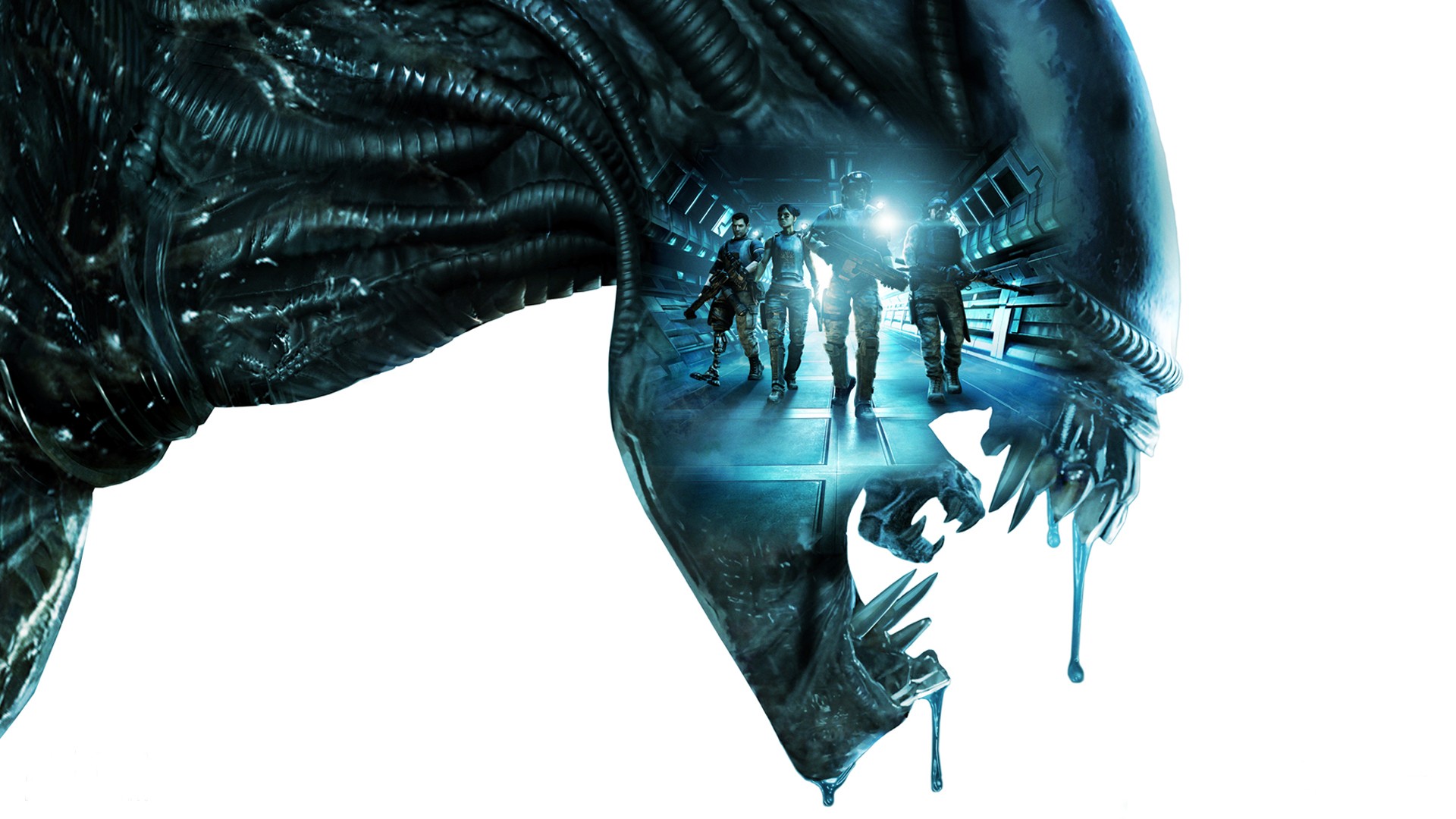
Gearbox Software outsourced a significant portion of the development to other studios while focusing on other projects. A vertical slice demo shown to the press displayed lighting and graphics that were not present in the final game. TimeGate Studios attempted to salvage the project under immense pressure and conflicting direction. The final release contained a single typo in a configuration file that broke the artificial intelligence of the enemies. A class-action lawsuit was filed by consumers who felt misled by the promotional materials.
‘Too Human’ (2008)
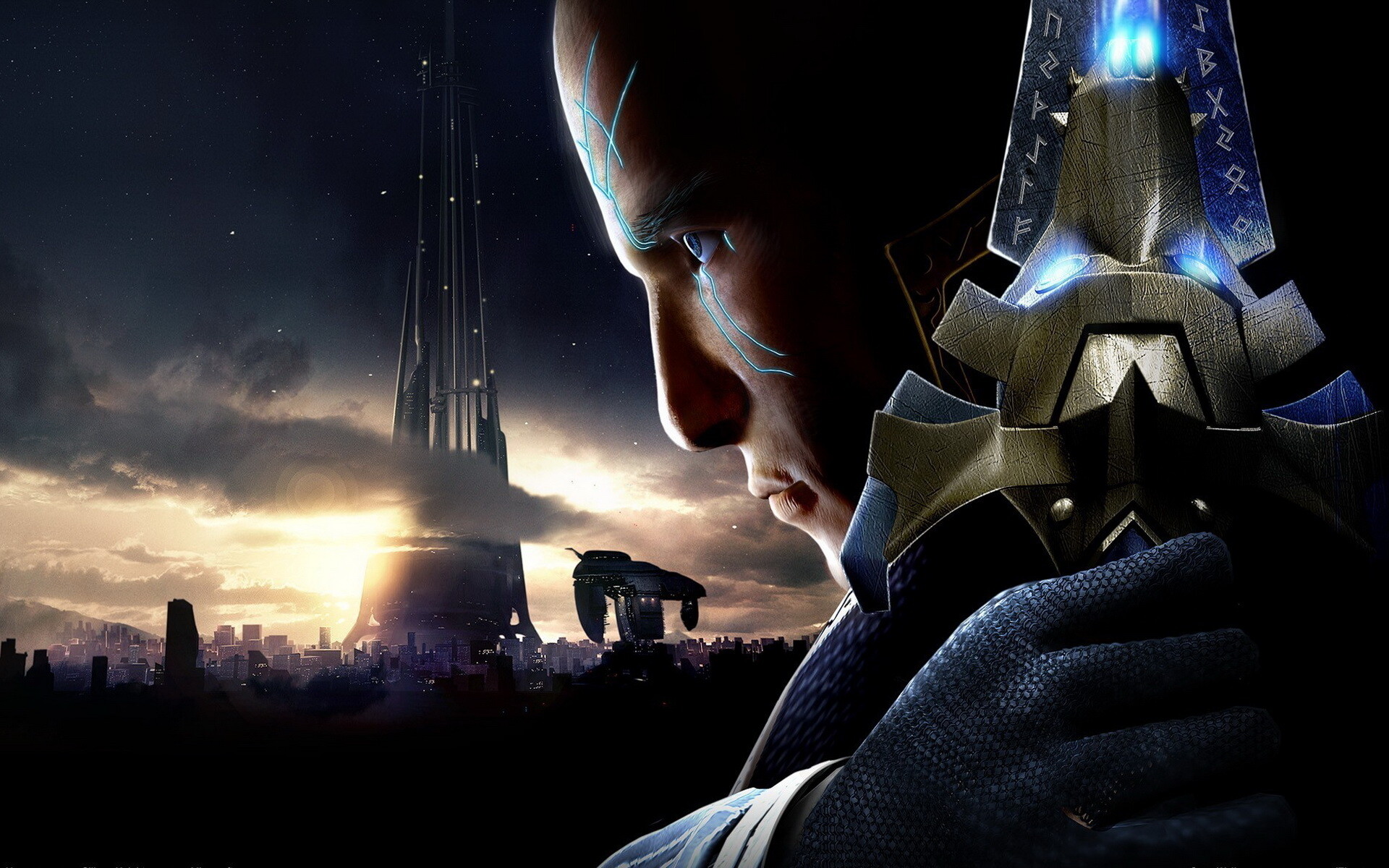
Silicon Knights originally planned this title for the PlayStation in 1999 before moving it to the GameCube and finally the Xbox 360. The studio sued Epic Games over issues with the Unreal Engine 3 and claimed the engine prevented them from finishing the game. Silicon Knights lost the lawsuit and was ordered to destroy all unsold copies of the game and its source code. The court battle ultimately led to the bankruptcy and closure of the development studio. The game remains a rare collector item because it can no longer be legally sold digitally.
‘Spore’ (2008)
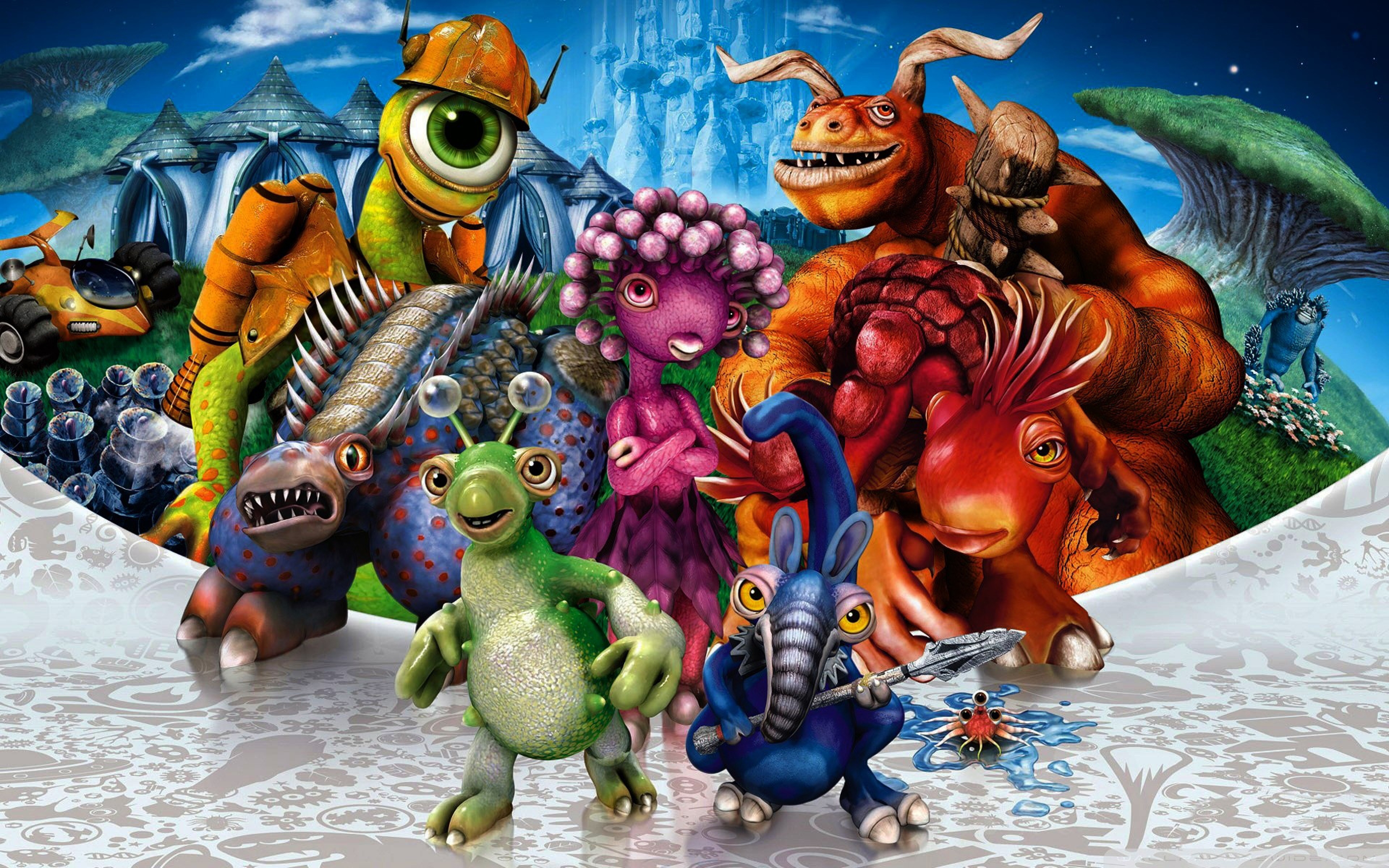
Will Wright demonstrated a procedural generation system that promised to simulate the evolution of life from cell to spacefaring civilization. The development team split into factions that debated whether to focus on scientific realism or cute aesthetics. Electronic Arts opted for a more accessible and cute art style that disappointed fans of the initial technical demonstrations. The final game featured five distinct shallow stages rather than one cohesive simulation. The discrepancy between the early footage and the release fueled debates about vertical slices in marketing.
‘L.A. Noire’ (2011)
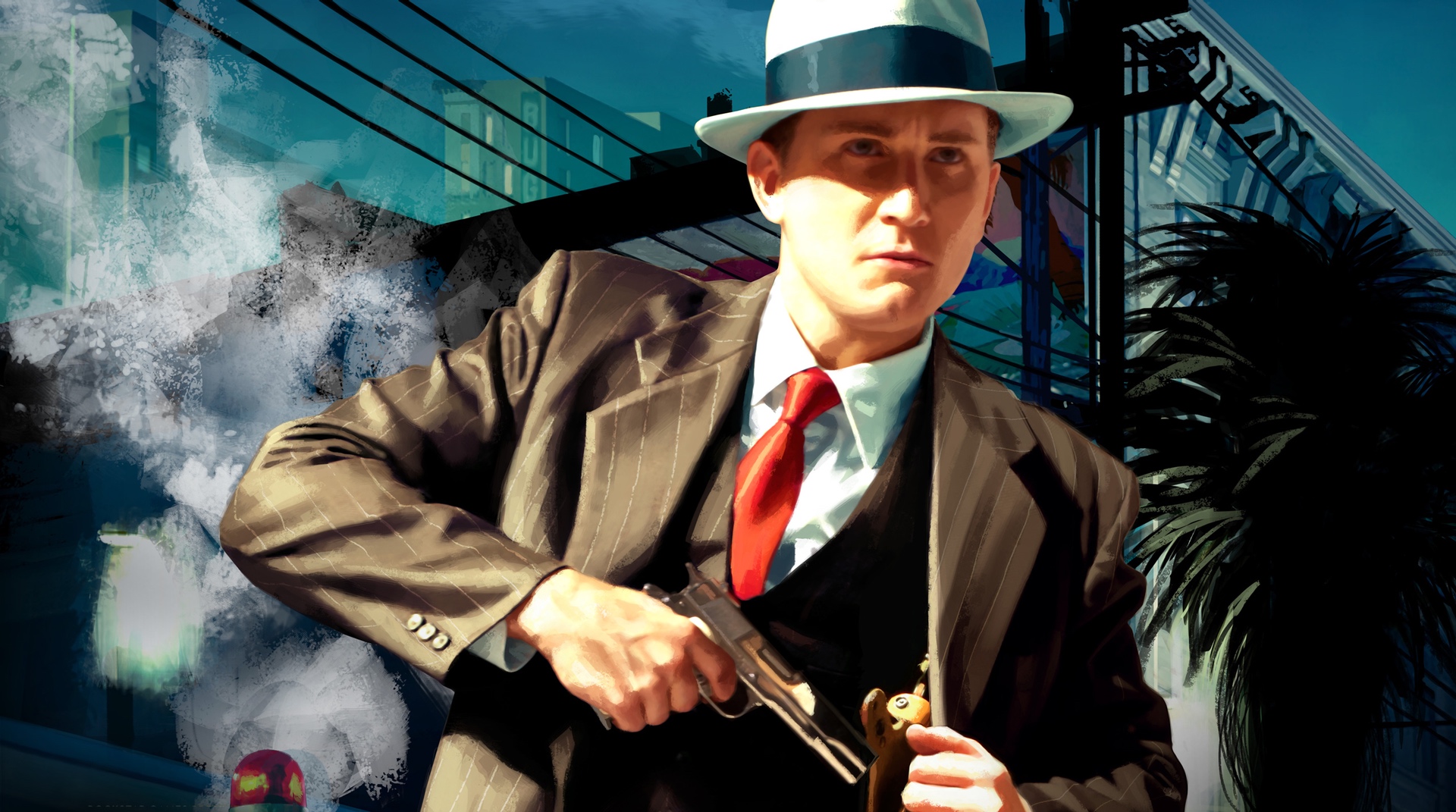
Team Bondi spent seven years creating this detective game using groundbreaking facial motion capture technology. Reports emerged after release alleging terrible working conditions and abusive management at the Australian studio. The production went significantly over budget and required intervention from Rockstar Games to reach completion. Team Bondi entered administration and closed its doors shortly after the game shipped. The facial animation technology used was so expensive and complex that it was rarely used in other titles.
‘Mighty No. 9’ (2016)
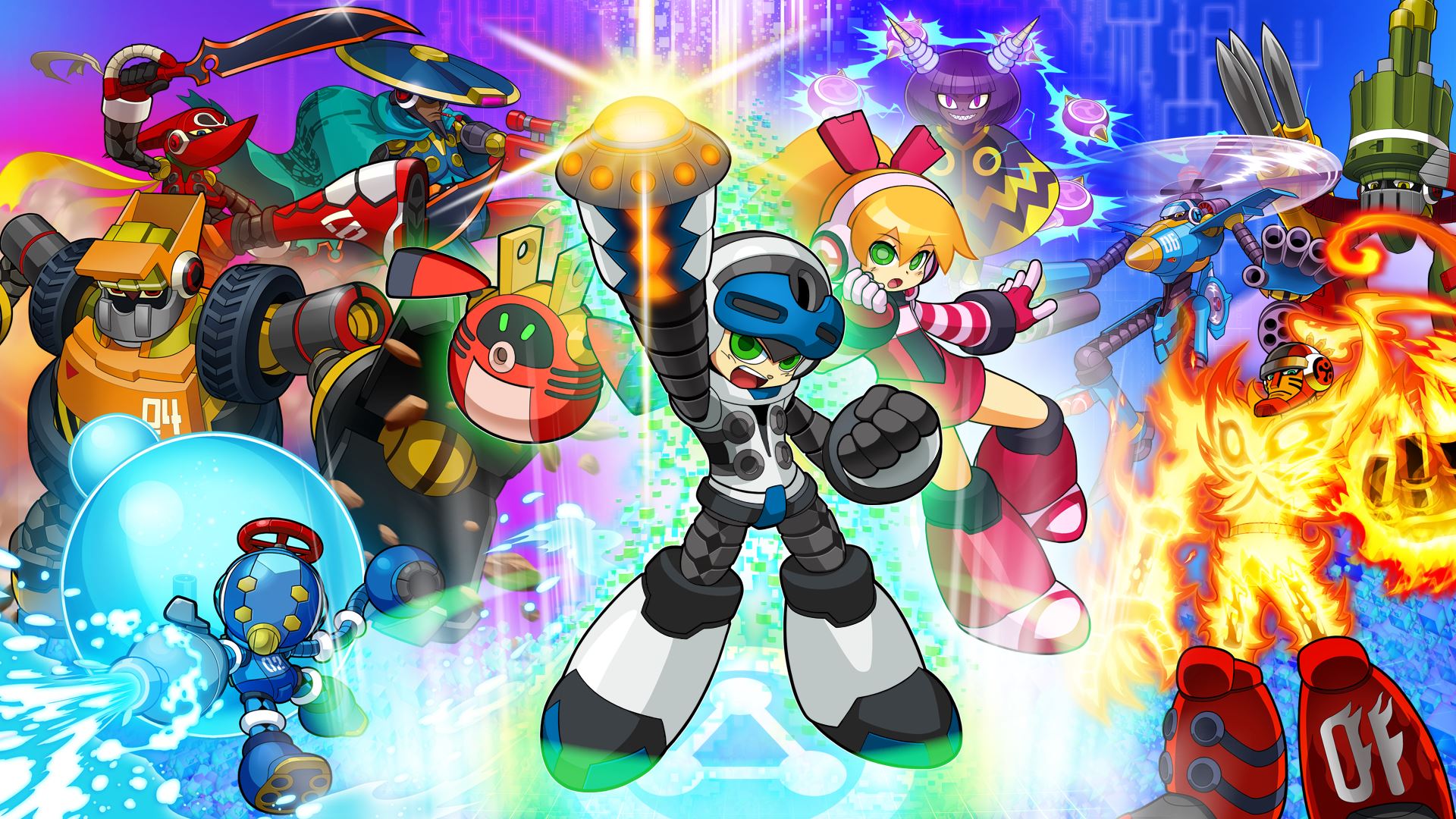
Keiji Inafune launched a crowdfunding campaign to create a spiritual successor to the Mega Man franchise. The campaign raised millions of dollars but suffered from repeated delays and poor communication with backers. The graphical style was changed mid-development from 2D sprites to 3D models that many fans found unappealing. A disastrous trailer mocked anime fans and further alienated the core audience before launch. The resulting game was mediocre and became a cautionary tale for video game crowdfunding.
‘Final Fantasy XV’ (2016)
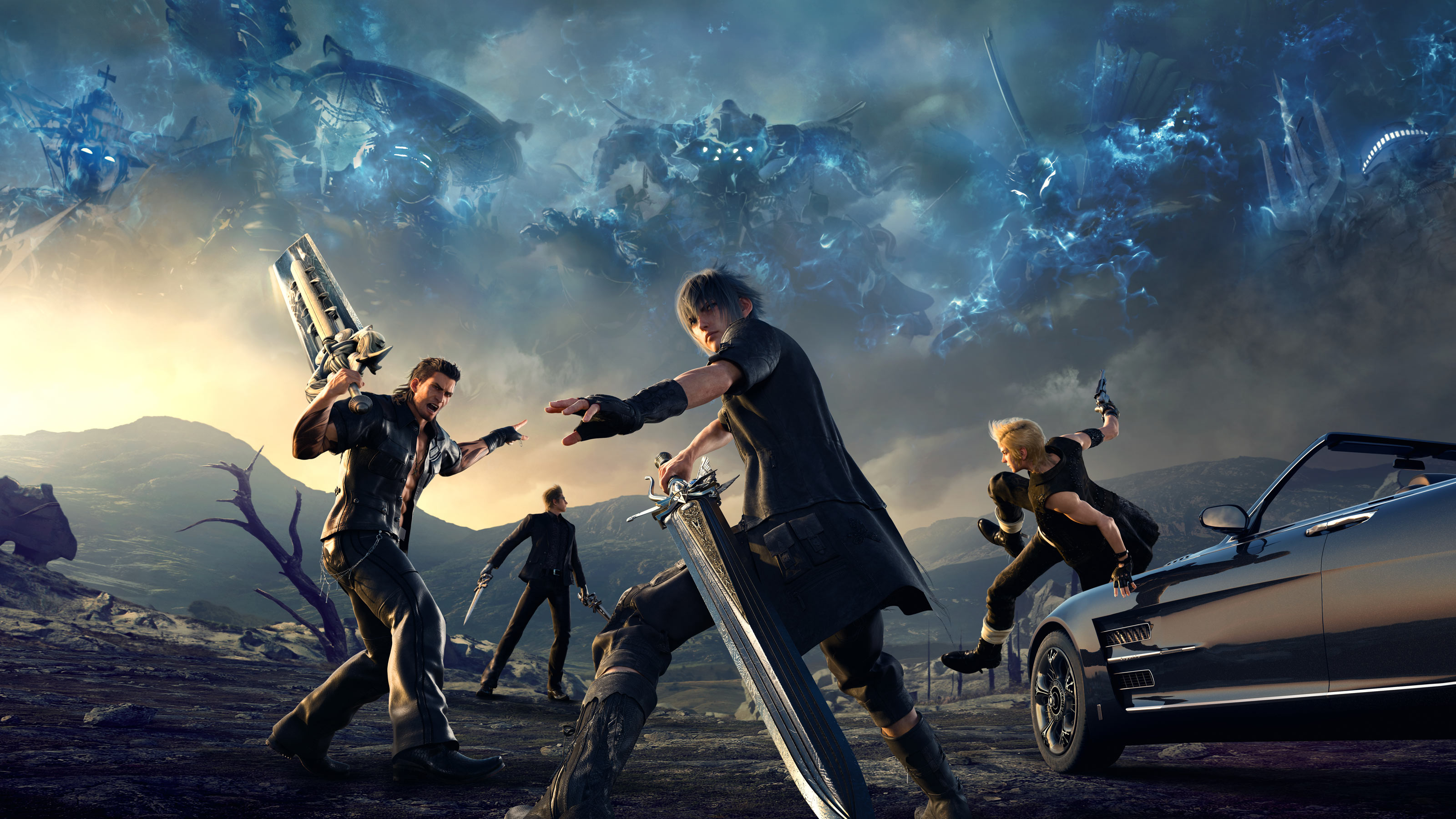
Square Enix originally announced this title as a spinoff called ‘Final Fantasy Versus XIII’ in 2006. The project languished in development hell for years before being rebranded and moved to a new console generation. Director Tetsuya Nomura was replaced by Hajime Tabata to ensure the game actually reached the market. The story was rewritten multiple times and required a movie and anime series to explain the plot. The development cycle lasted ten years and saw a complete overhaul of the combat engine.
‘The Last Guardian’ (2016)
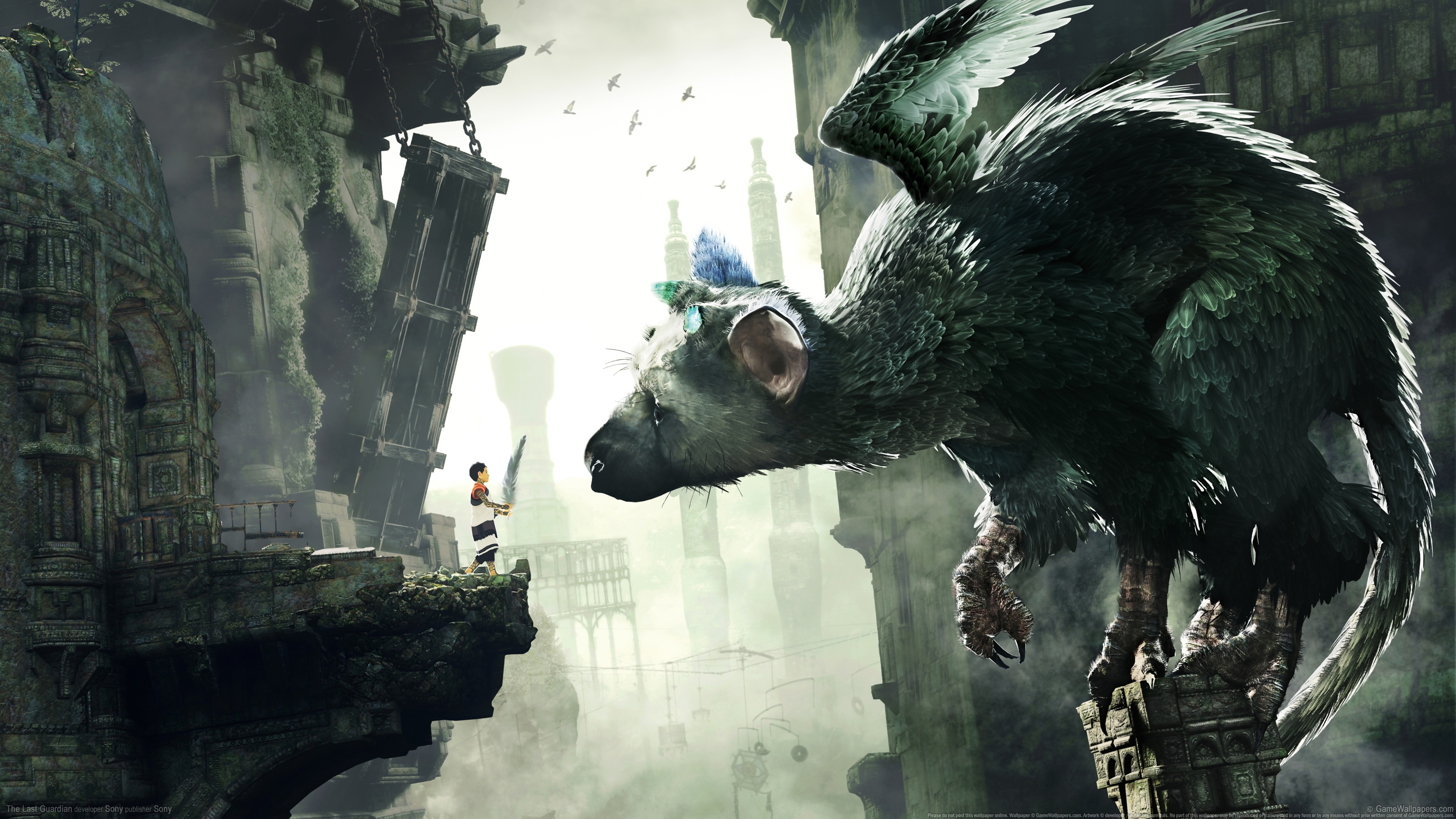
Team Ico began work on this puzzle-adventure game for the PlayStation 3 in 2007. Technical difficulties with the hardware caused the frame rate to plummet and halted progress. Sony eventually moved the project to the PlayStation 4 and brought in external help to finish the coding. Director Fumito Ueda left Sony during production but continued to work on the game as a freelancer. The release date was pushed back repeatedly until many fans believed it had been quietly cancelled.
‘Half-Life 2’ (2004)
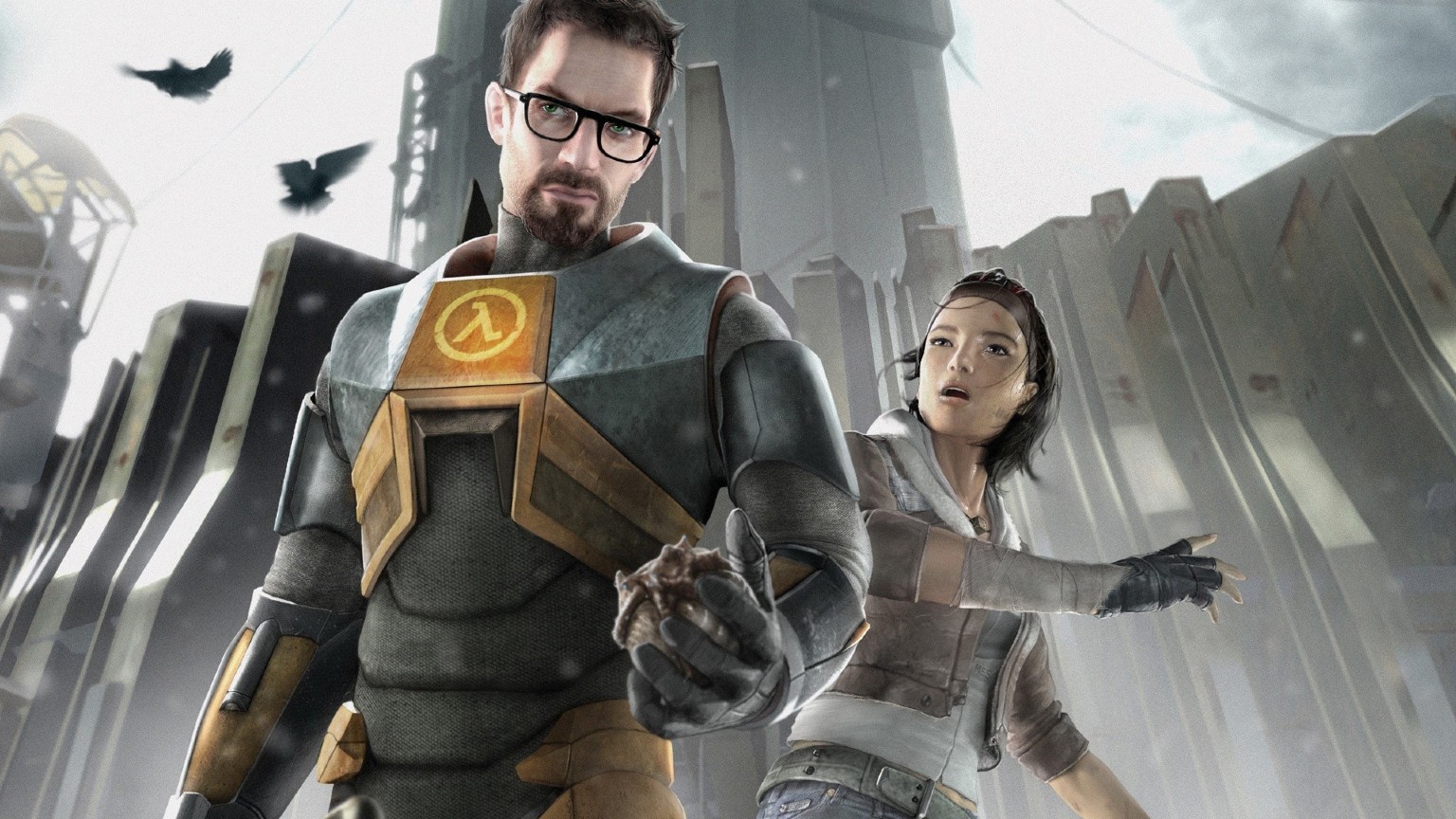
Valve Software spent five years developing this sequel in total secrecy. A German hacker infiltrated the company servers and leaked the source code to the internet a year before the planned release. The leak demoralized the team and forced Gabe Newell to delay the game significantly to rework key components. The incident cost the company millions in potential revenue and led to an FBI investigation. The final game required the installation of Steam which changed digital distribution forever.
‘S.T.A.L.K.E.R.: Shadow of Chernobyl’ (2007)
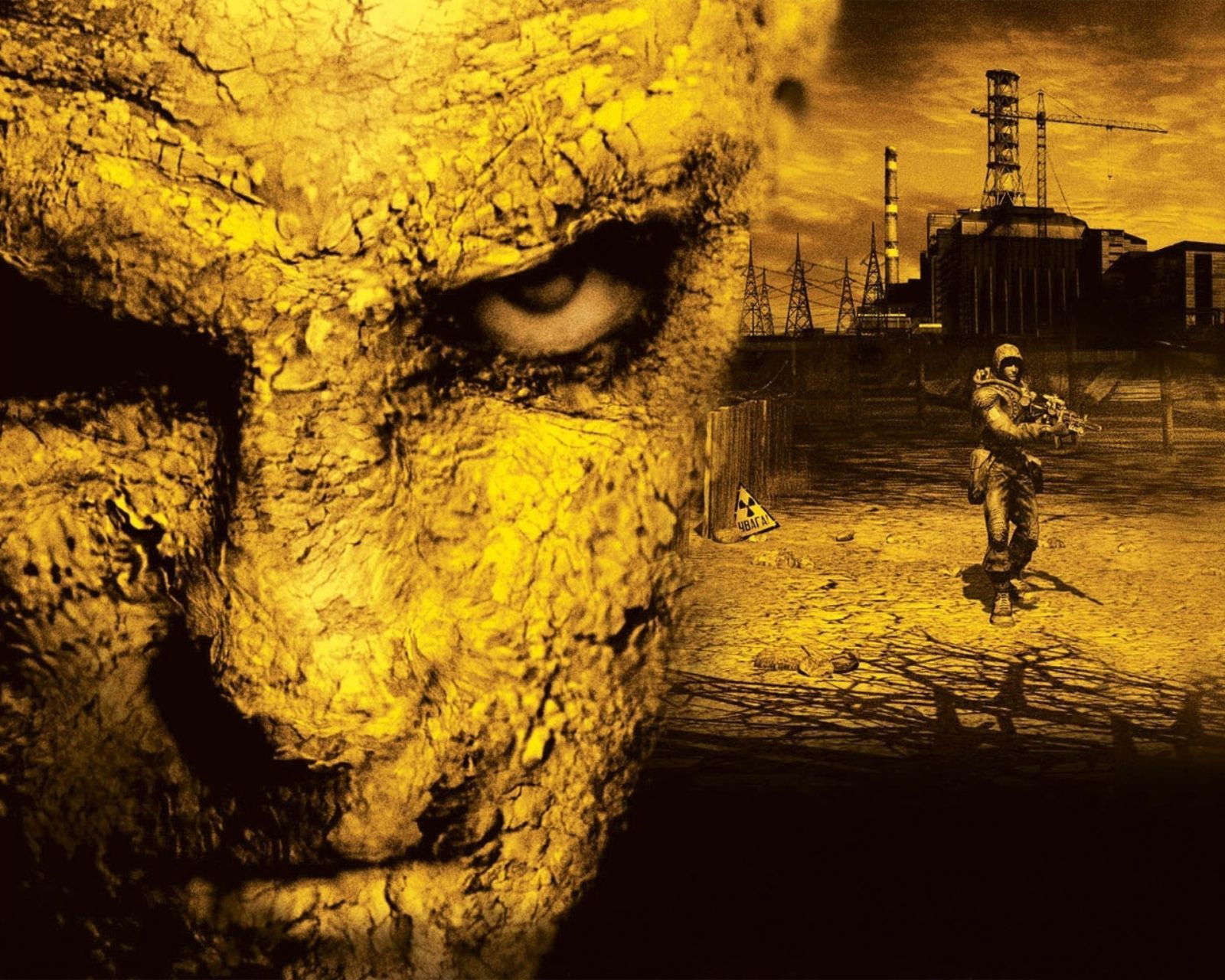
GSC Game World announced this survival horror shooter in 2001 with an ambitious release window. The development dragged on for years as the team struggled to implement their complex artificial life system. Publishers pressured the team to cut features and reduce the size of the open world to get the game shipped. The repeated delays earned the game the label of vaporware in the gaming press for nearly six years. The released version was buggy but praised for its thick atmosphere and unique setting.
‘Vampire: The Masquerade – Bloodlines’ (2004)
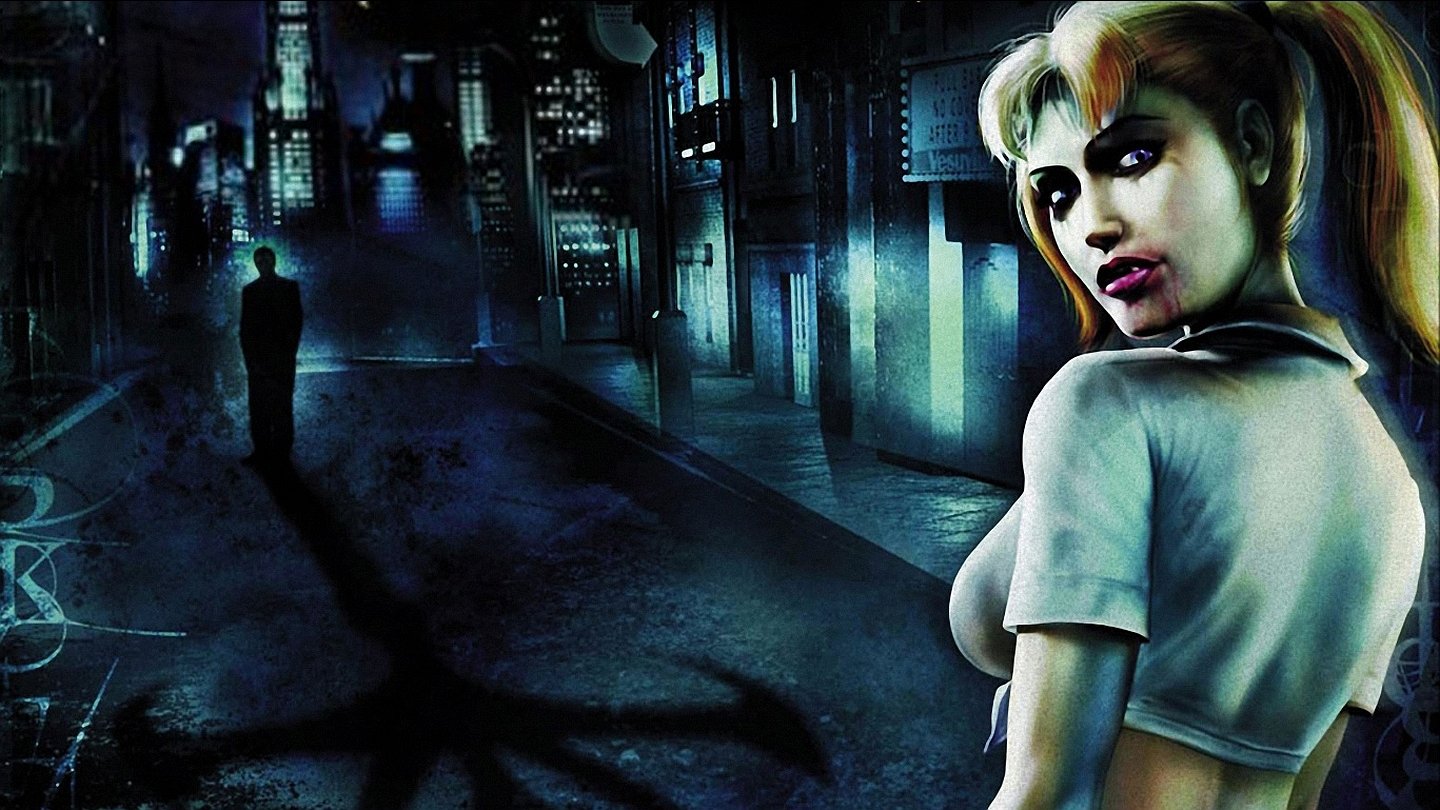
Troika Games used the Source engine while it was still being developed by Valve. This meant the team had to work with unfinished code and virtually no documentation. Activision forced the developer to release the game on the same day as ‘Half-Life 2’ which buried it commercially. The launch version was riddled with game-breaking bugs that made completion impossible for some players. The studio closed shortly after release despite the game eventually becoming a cult classic.
‘Anthem’ (2019)
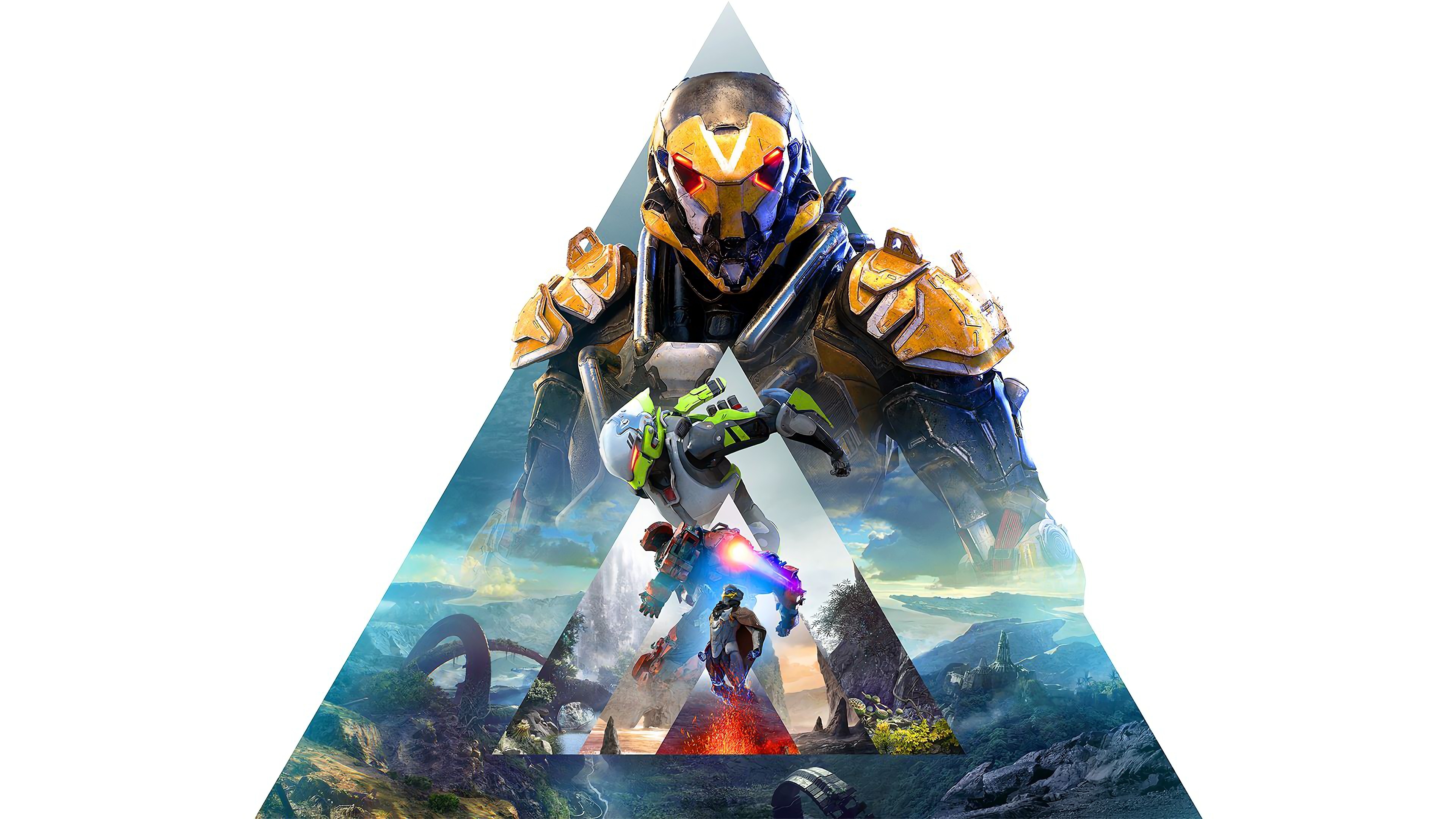
BioWare suffered from a lack of clear vision and leadership during the majority of the production cycle. Developers struggled with the Frostbite engine which was ill-suited for the type of game they were building. The flying mechanic was removed and re-added multiple times as executives could not decide if it was fun. Much of the actual production work occurred in the final eighteen months due to indecision. The game failed to maintain a player base and plans for a major overhaul were eventually cancelled.
‘Mass Effect: Andromeda’ (2017)
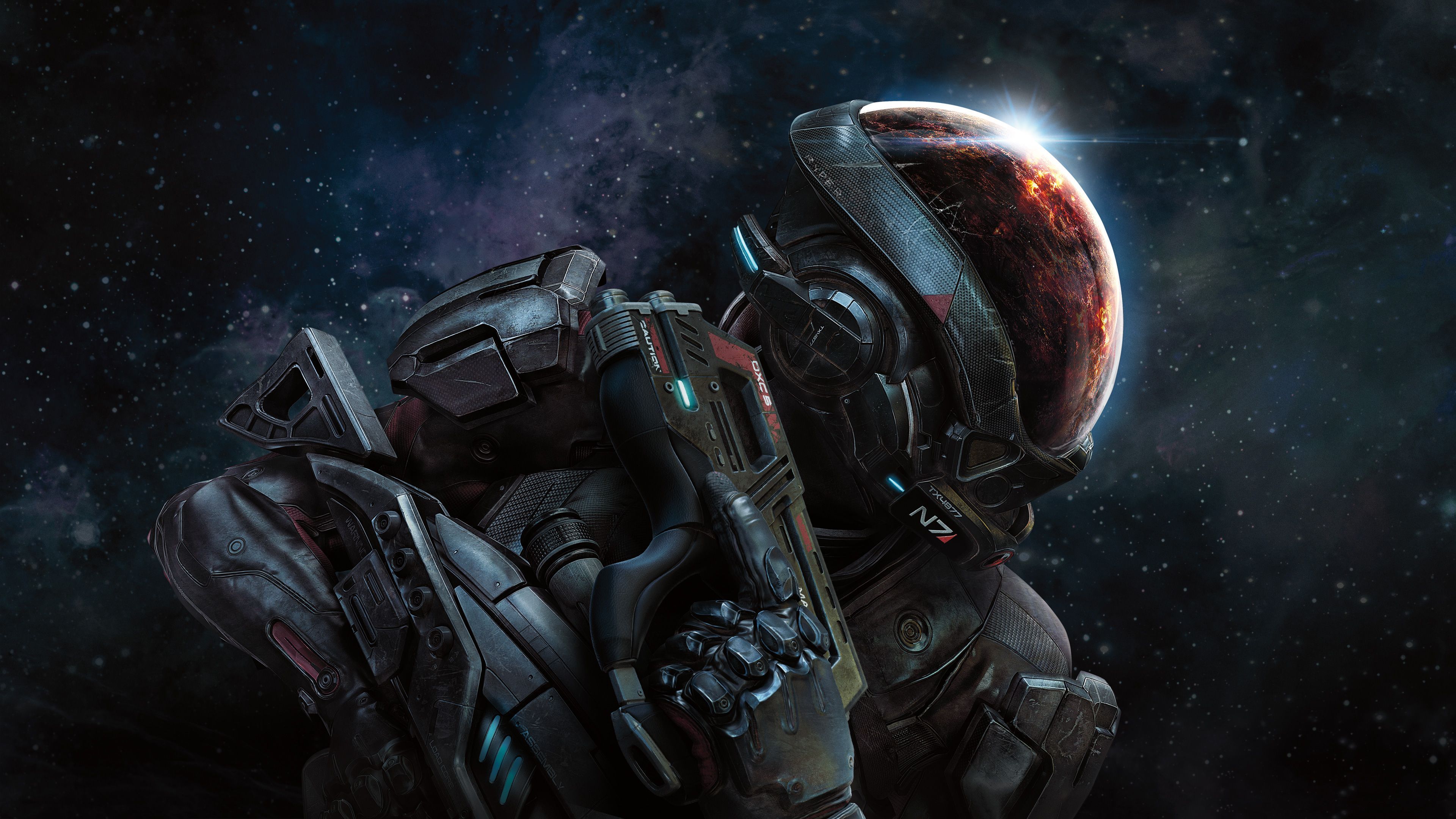
BioWare Montreal was a support studio tasked with leading the development of this massive RPG franchise. The team faced significant challenges adapting the Frostbite engine for an open-world structure. Development was rebooted midway through production due to overly ambitious procedural generation ideas. The game launched with bizarre facial animations that became immediate internet memes. The negative reception led to the franchise being put on hold for several years.
‘No Man’s Sky’ (2016)
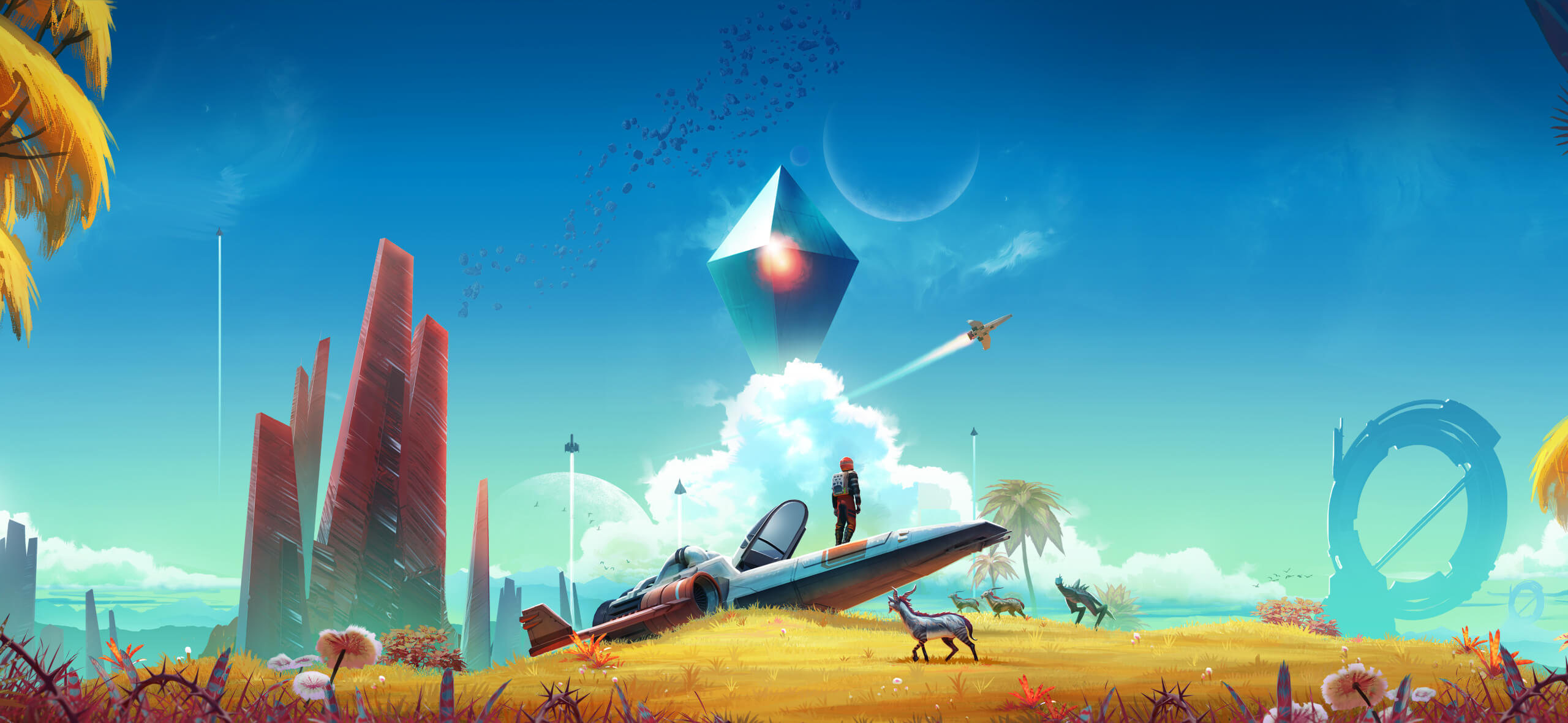
Hello Games was a tiny indie studio that attempted to build a universe with quintillions of planets. A flood at their office destroyed PCs and set development back months. Sean Murray gave interviews that promised multiplayer features and complex behaviors that were not in the launch version. The massive hype created a backlash when players realized the gameplay was more limited than expected. The team spent the next several years releasing free updates to fulfill their original promises.
‘Fez’ (2012)

Phil Fish spent five years creating this puzzle platformer while being filmed for a documentary. The development was plagued by legal disputes with a former business partner and technical restarts. Fish famously publicly announced he would kill himself if the game was not released. A bug in a post-release patch threatened to delete save files and led to a standoff with Microsoft over certification fees. Fish eventually left the gaming industry entirely after a series of arguments on Twitter.
‘Metal Gear Solid V: The Phantom Pain’ (2015)
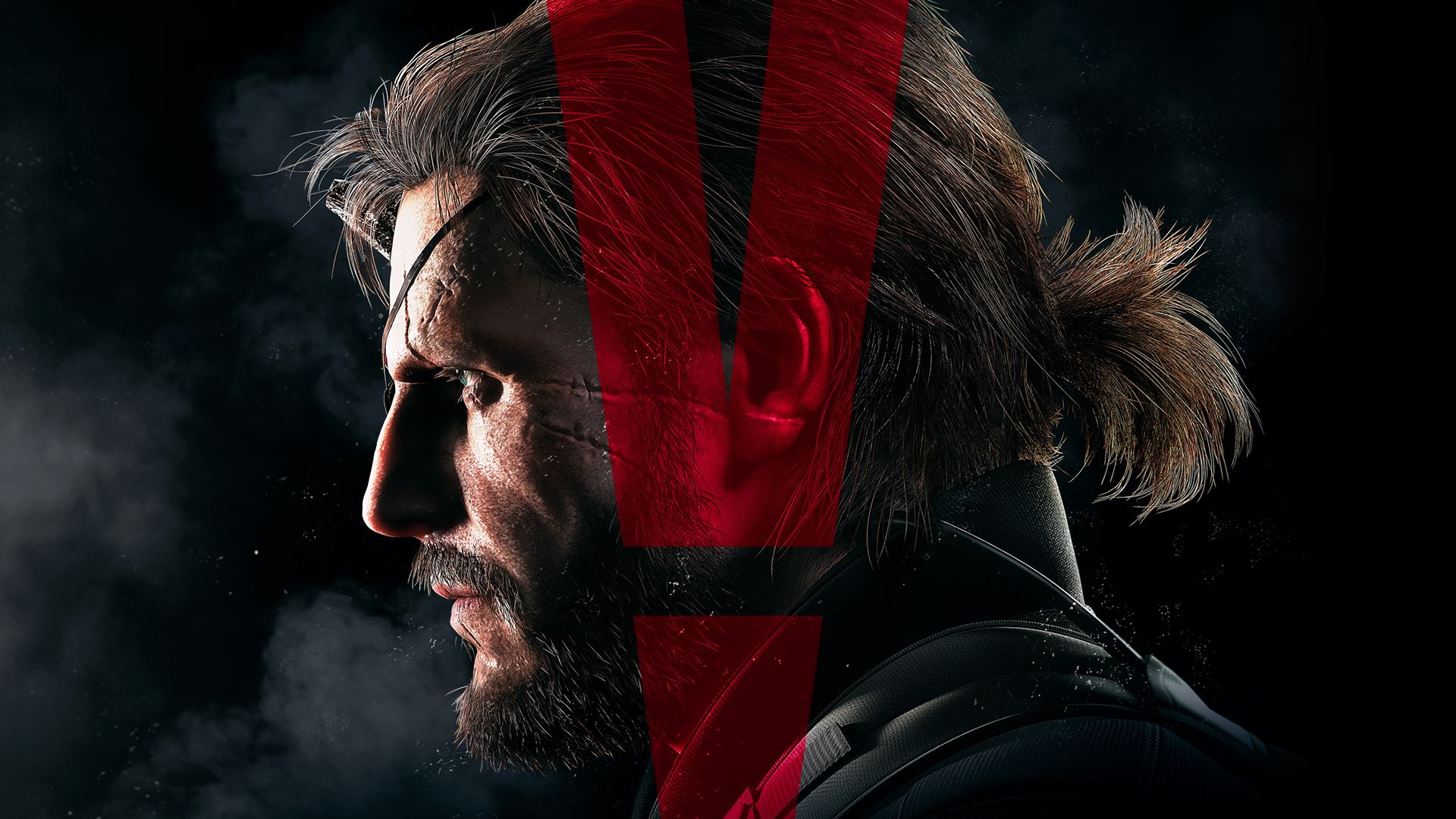
Hideo Kojima and Konami experienced a severe breakdown in their professional relationship during production. The company reportedly restricted internet access for the development team and monitored their breaks. Kojima was removed from the cover art and marketing materials before the game even launched. The story ends abruptly and suggests that a final chapter was cut due to time or budget constraints. Kojima formed his own independent studio immediately after his contract expired.
‘Kingdom Hearts III’ (2019)
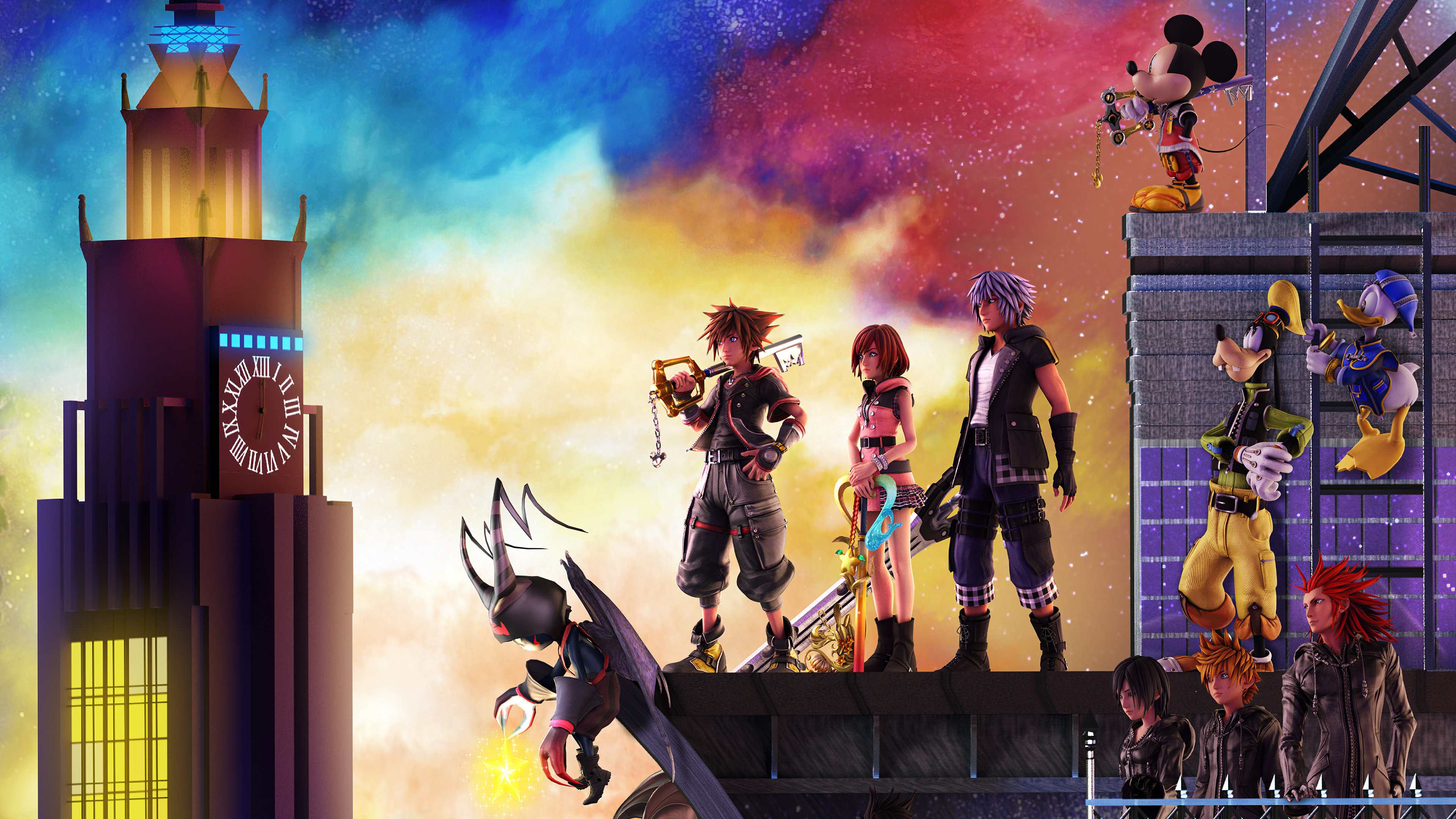
Square Enix announced the game early but struggled with an internal engine before switching to Unreal Engine 4. This switch required the team to rebuild assets and learn new tools midway through the project. The developers faced immense pressure to wrap up a story arc that spanned nearly two decades. The long gap between numbered entries meant expectations were impossibly high. The game finally released thirteen years after the second numbered installment.
‘Dead Island 2’ (2023)
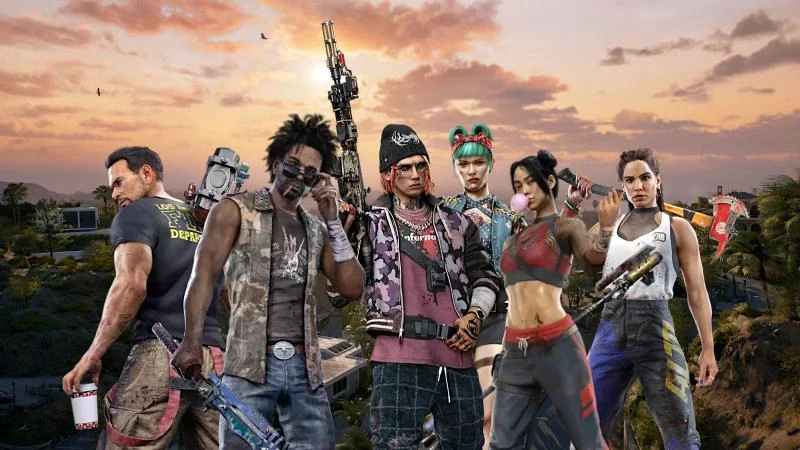
Yager Development was originally hired to create this zombie sequel in 2012. They were removed from the project three years later due to creative differences with the publisher. Sumo Digital took over development duties before also being removed in favor of Dambuster Studios. The game was announced and delayed so many times that it became a running joke in the industry. It surprisingly released in a polished state after changing hands three distinct times.
‘Metroid Dread’ (2021)
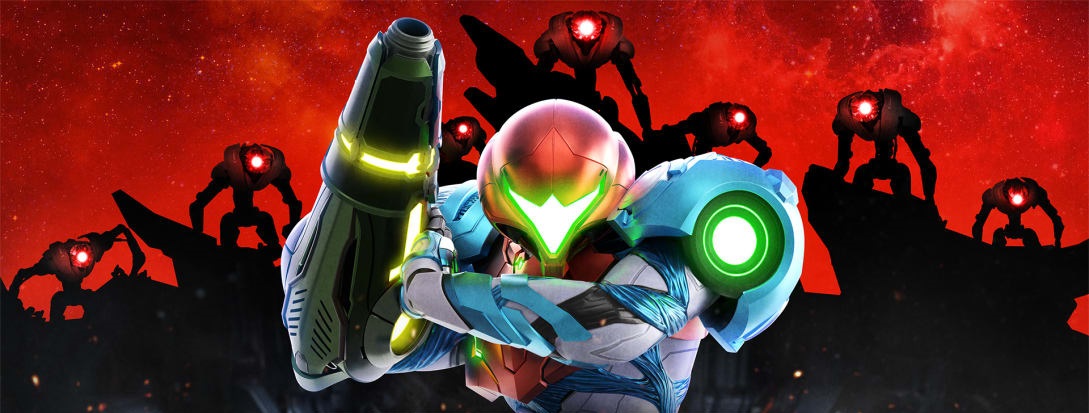
The concept for this game originally appeared in lists of upcoming Nintendo DS titles around 2005. Series producer Yoshio Sakamoto cancelled the project twice because technology could not match his vision. The game remained a rumor for fifteen years and was considered dead by the fanbase. MercurySteam successfully pitched a demo that revived the project for the Nintendo Switch. It stands as one of the few examples of a game escaping development hell to critical acclaim.
‘Fallout 76’ (2018)
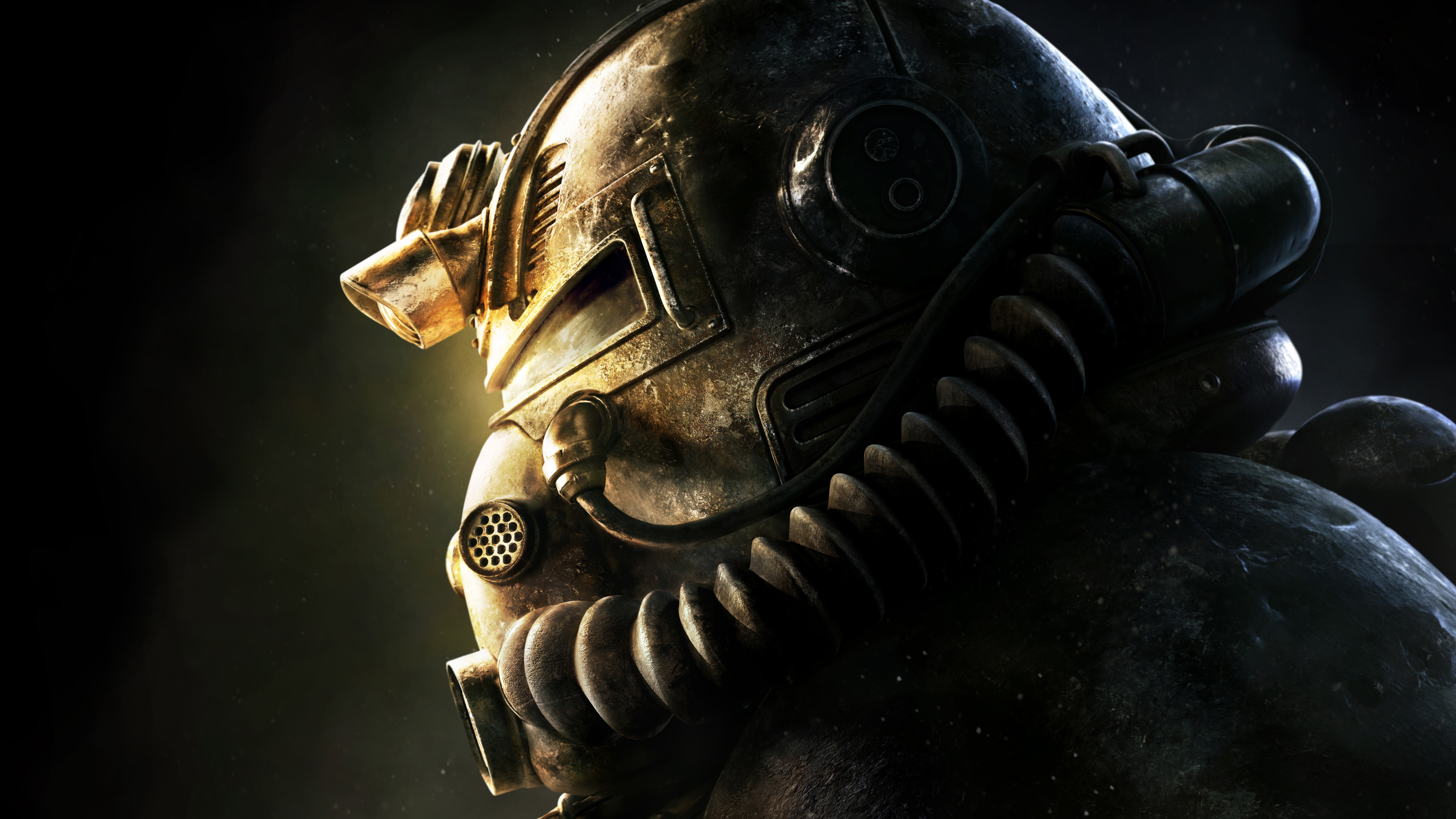
Bethesda attempted to convert their single-player engine into a multiplayer survival experience. The launch was a disaster due to server instability and a lack of human non-player characters. A promotional canvas bag included in the expensive collector edition was replaced with cheap nylon. The game code contained bugs that had been present and fixed in previous Bethesda titles. It took years of updates to add story content and stabilize the economy.
‘Team Fortress 2’ (2007)
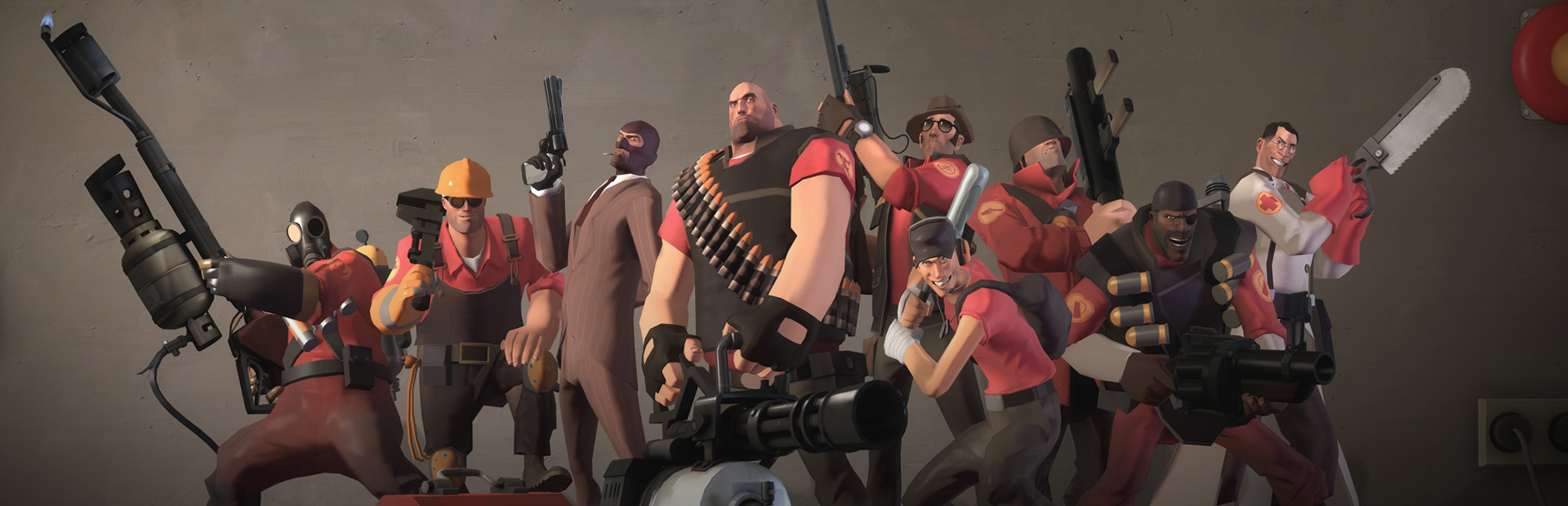
The original design was a realistic military shooter called ‘Brotherhood of Arms’ in the late nineties. Valve scrapped the realistic approach and spent years experimenting with different gameplay styles. The project went silent for six years and was frequently listed as vaporware. The team eventually settled on a stylized 1960s spy aesthetic that was unique for the genre. The nine-year development cycle resulted in a game that is still played decades later.
‘Diablo III’ (2012)
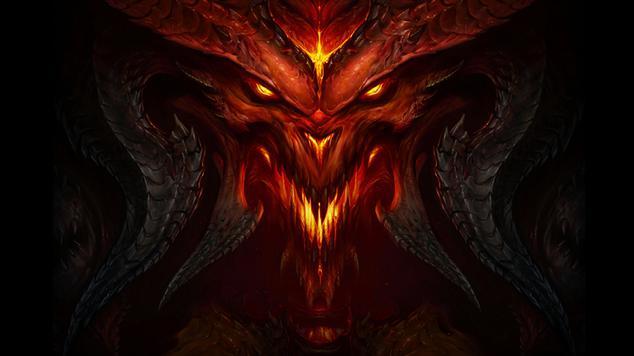
Blizzard North began working on a version of this game before the studio was shut down. The project was restarted at Blizzard Irvine with a controversial new art style. The launch was marred by the infamous Error 37 which prevented players from logging in for days. A real-money auction house destroyed the loot progression loop and had to be removed completely. The developers spent nearly two years fixing the core systems to win back the community.
‘Spec Ops: The Line’ (2012)
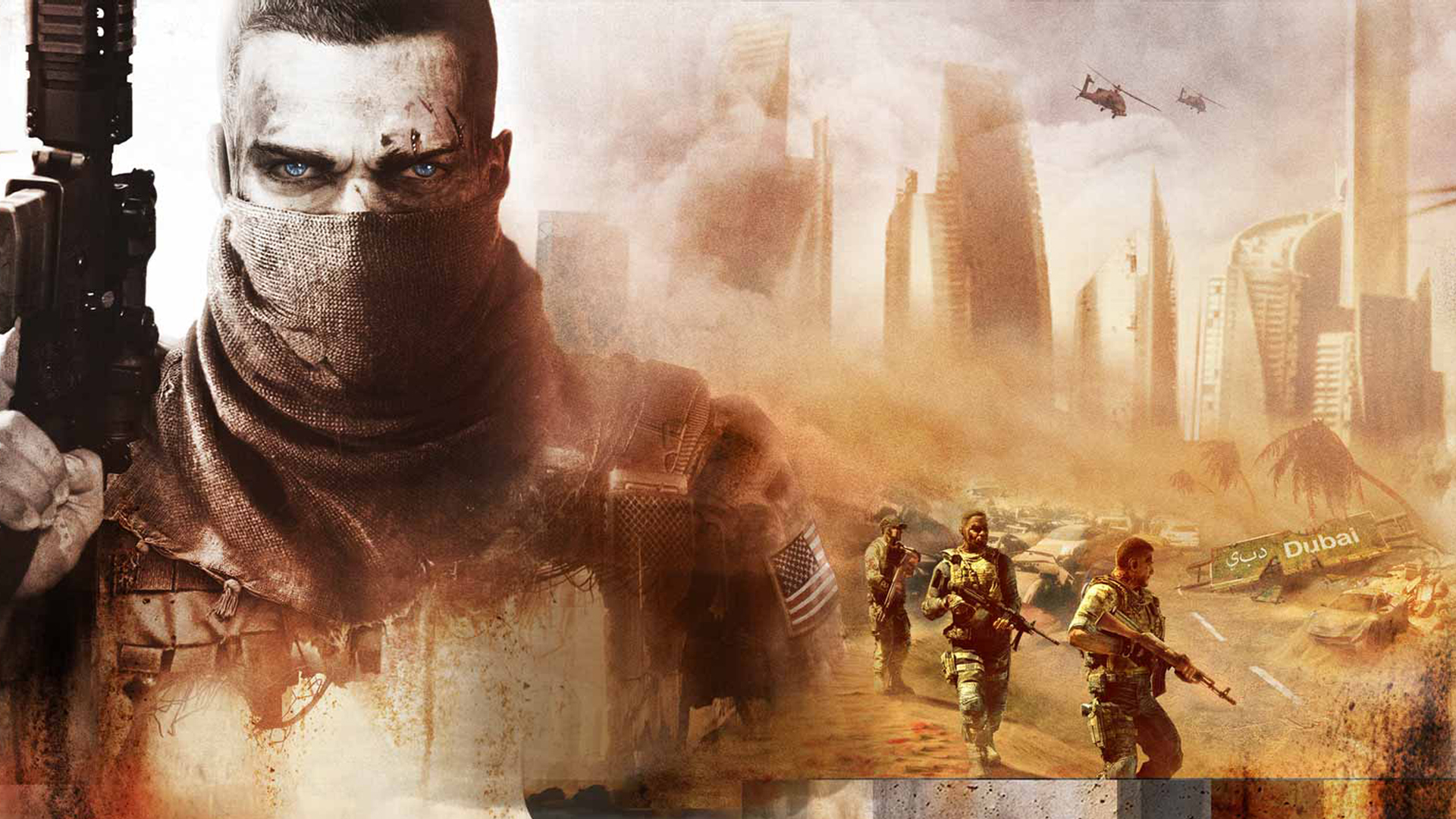
Yager Development spent five years creating a game that deliberately deconstructed the military shooter genre. The narrative was inspired by ‘Heart of Darkness’ and required the writers to go to dark psychological places. The development team suffered from low morale as they crunched to depict horrific war crimes. The game was banned in the United Arab Emirates because it depicted a destroyed Dubai. It was a commercial failure that later gained recognition for its bold storytelling.
‘Halo 2’ (2004)
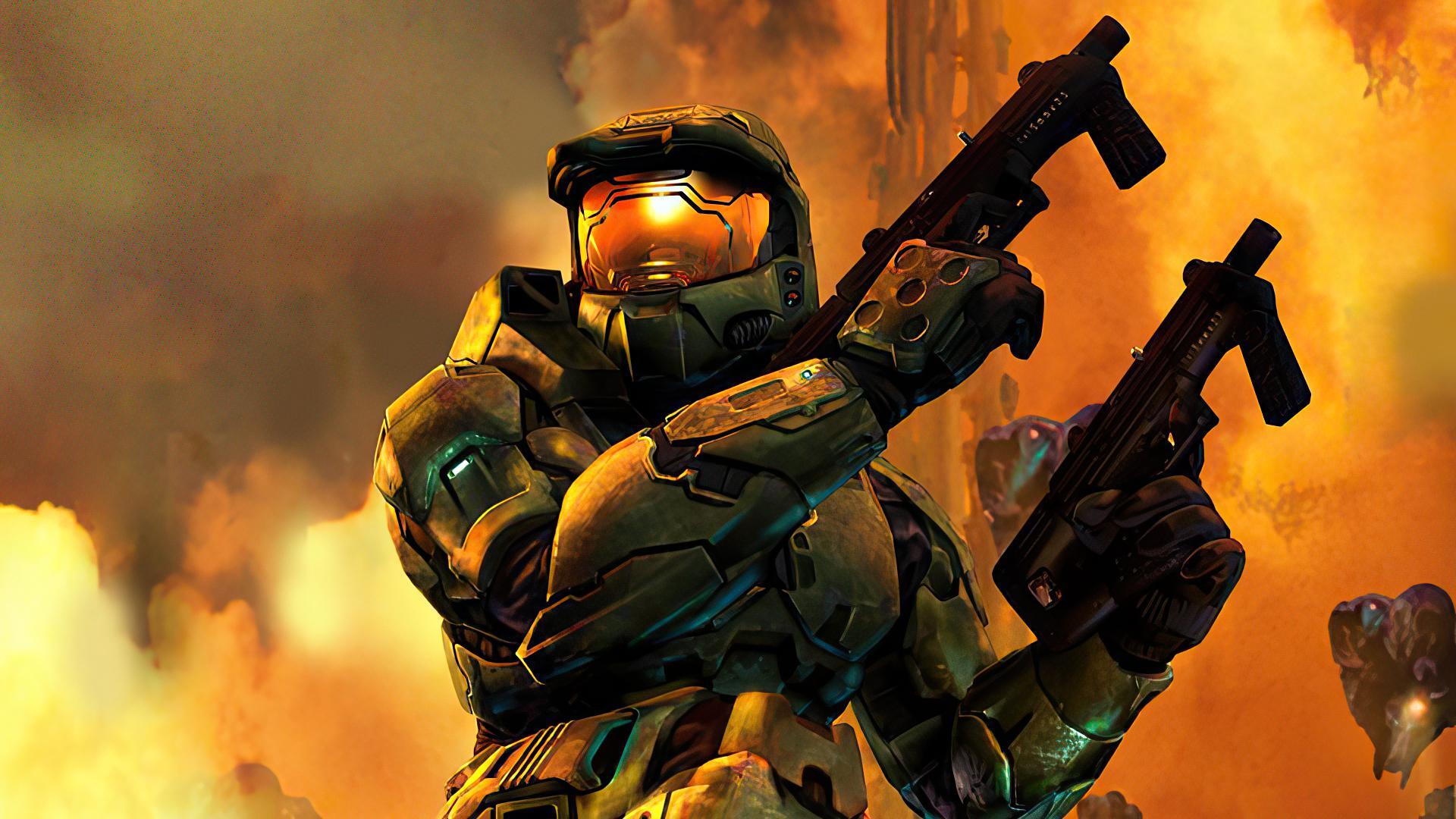
Bungie showcased a gameplay demo at E3 that was entirely scripted and could not actually be played. The team realized the engine could not handle the graphics shown and had to scrap almost everything. The campaign ended on a massive cliffhanger because the third act was cut to meet the release date. Developers worked exhausting hours to ensure the game would be ready for the Xbox Live launch. The result was a multiplayer phenomenon built on the back of extreme crunch.
‘Final Fantasy XIV’ (2010)

The original version of this MMORPG launched with copy-pasted terrain and a terrible user interface. Square Enix issued a public apology and made the game free to play while they fixed it. They eventually decided to destroy the entire virtual world with a meteor in the storyline. A completely new team built a replacement game called ‘A Realm Reborn’ from the ground up. This turnaround remains one of the most successful redemption arcs in gaming history.
‘Ride to Hell: Retribution’ (2013)
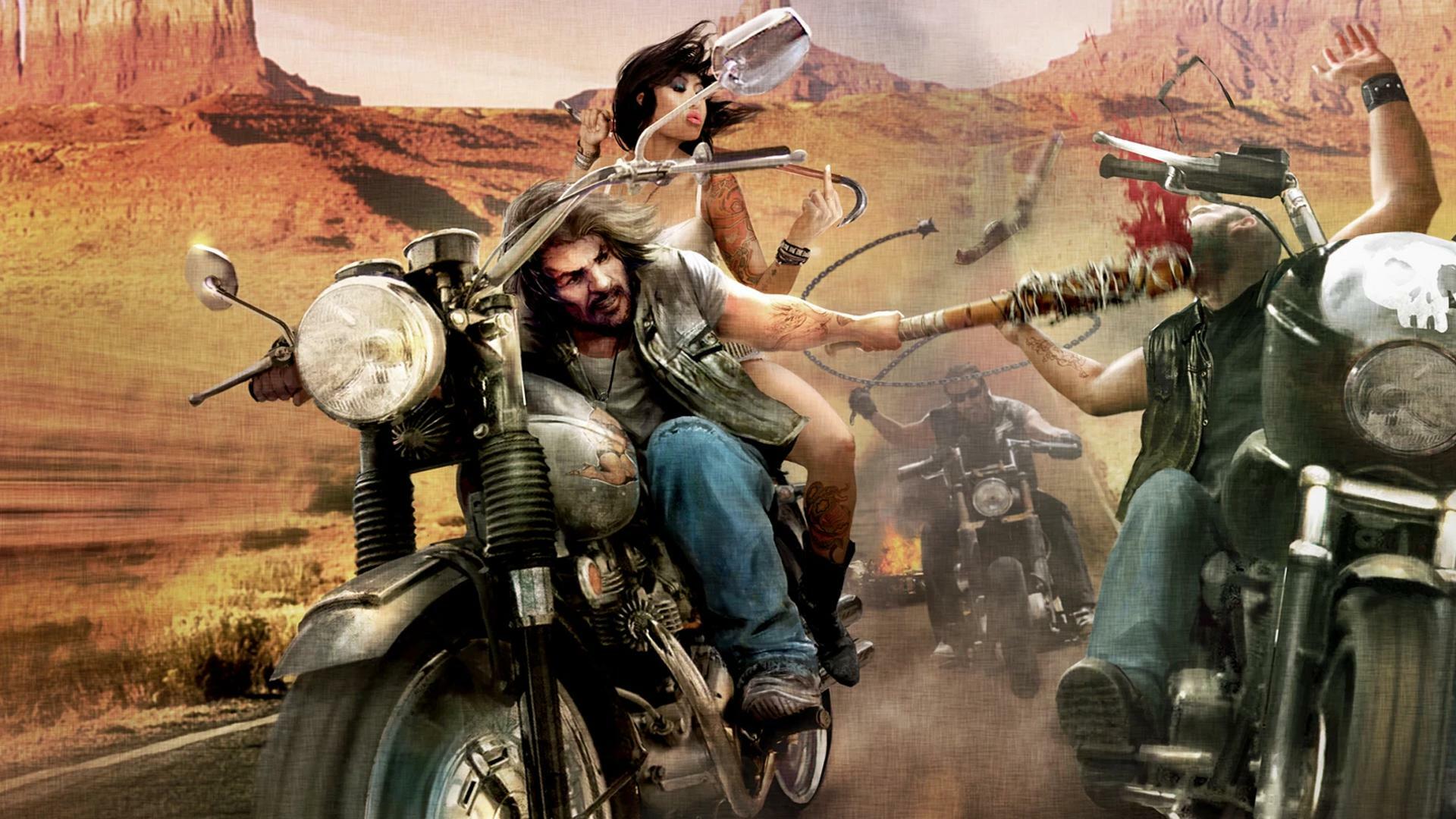
Deep Silver announced this biker game in 2008 as an open-world experience. The project went dark for years and resurfaced as a linear brawler with disjointed mechanics. Developers reportedly lost the script and removed huge sections of the game to get it shipped. The final product featured fully clothed sex scenes and broken combat. It is widely considered one of the worst video games ever released.
‘Superman 64’ (1999)
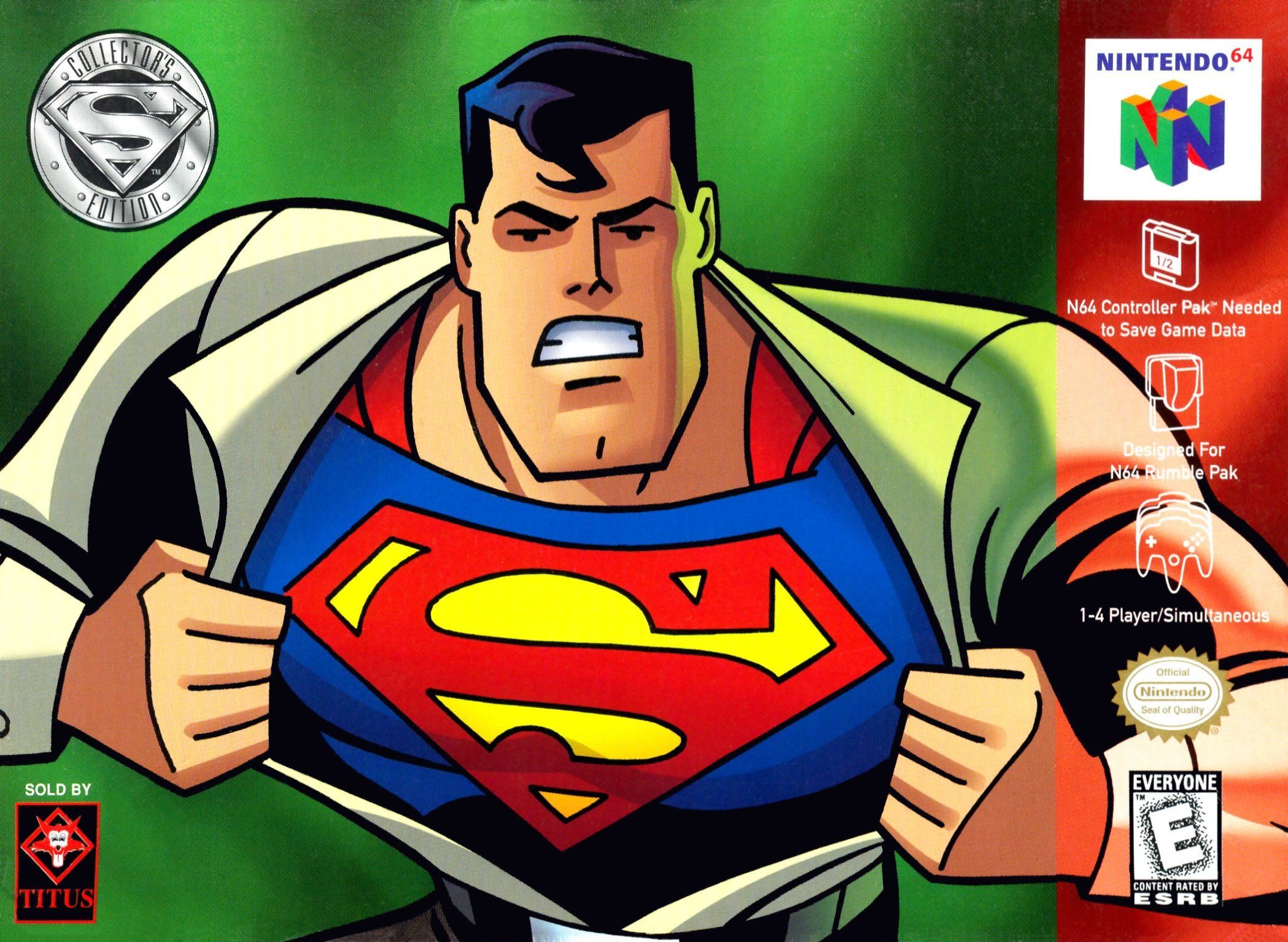
Titus Interactive was severely limited by restrictions placed upon them by Warner Bros. and DC Comics. The developers were not allowed to let Superman kick or punch real people. The game relied on “kryptonite fog” to hide the fact that the Nintendo 64 could not render the city. A large portion of the game involved flying through rings to mask the lack of combat content. It serves as a prime example of how licensing issues can ruin a game.
‘BioShock Infinite’ (2013)
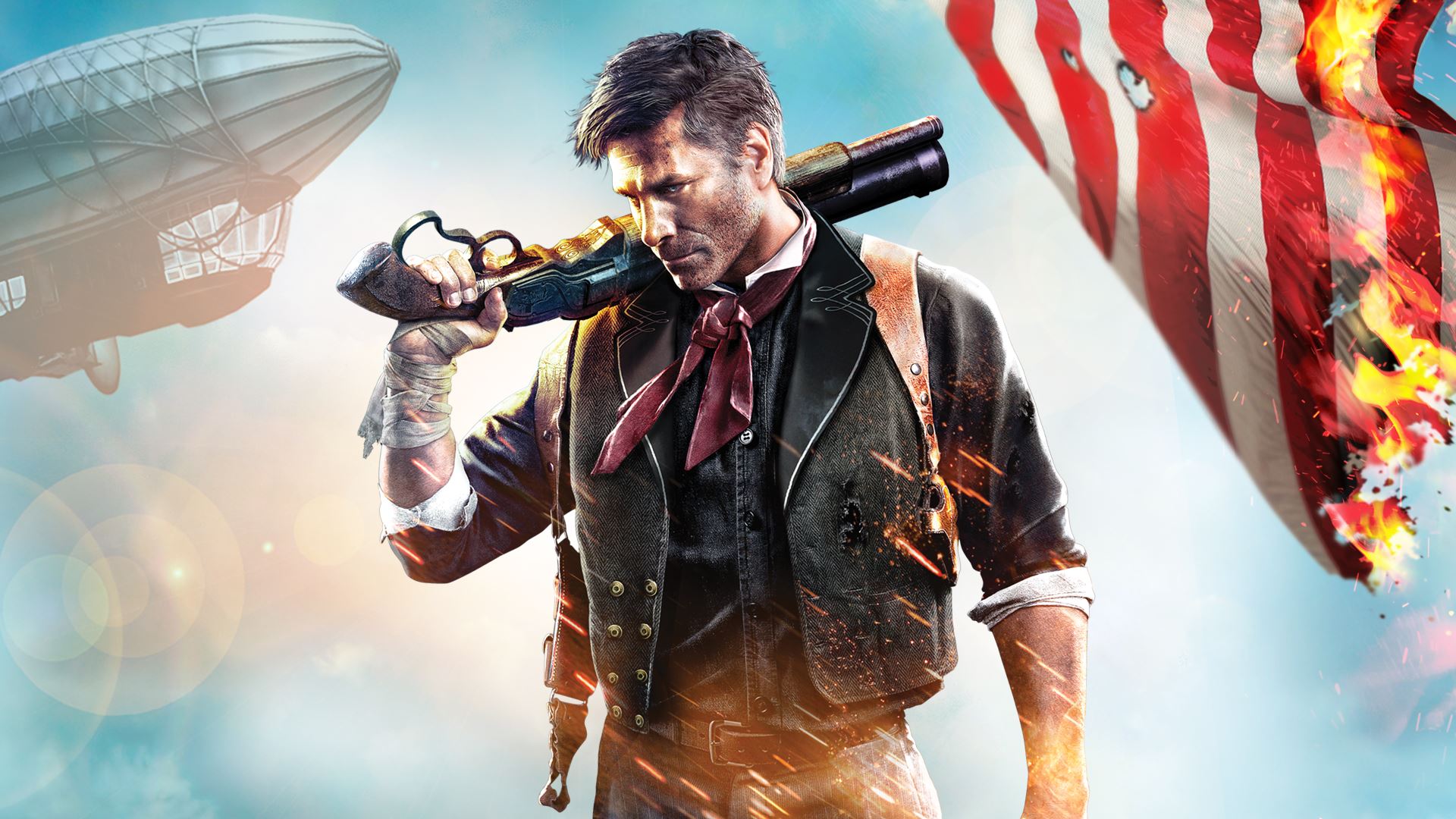
Irrational Games spent five years iterating on the floating city of Columbia. Ken Levine famously cut enough content to make several other full games during the process. The development was expensive and exhausted the staff to the point of burnout. The studio was effectively disbanded shortly after the game was released to the public. The final product was a critical hit but came at the cost of the development team.
‘Destiny’ (2014)
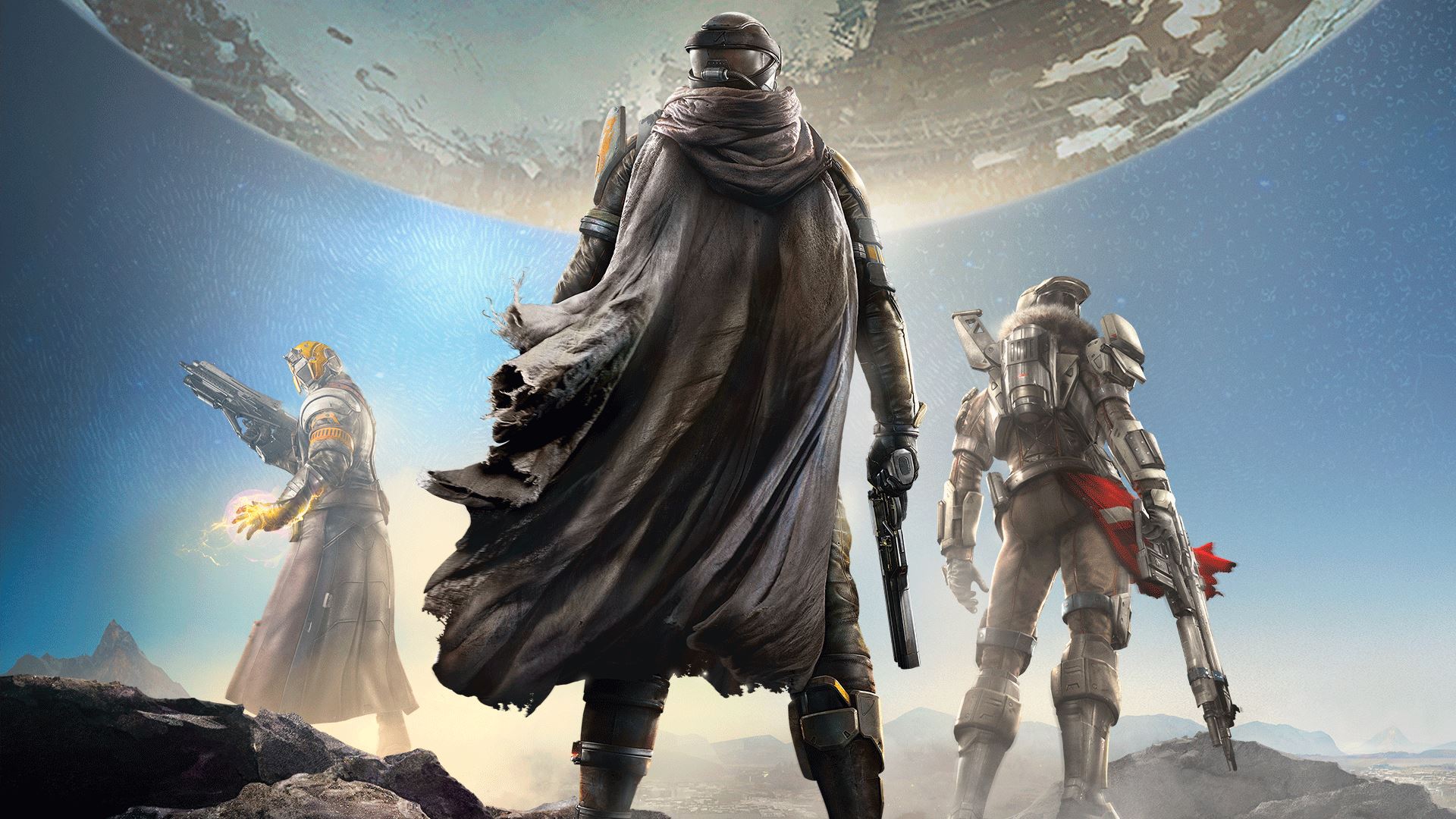
Bungie rebooted the story of this shared-world shooter just months before the scheduled release. The writers had to stitch together existing cutscenes to create a vague new narrative. This resulted in a disjointed plot where characters said they lacked time to explain things. High-level staff left the company during the turbulence of the final year. The game required several expansions to form a coherent story and fulfill its potential.
‘GoldenEye 007’ (1997)
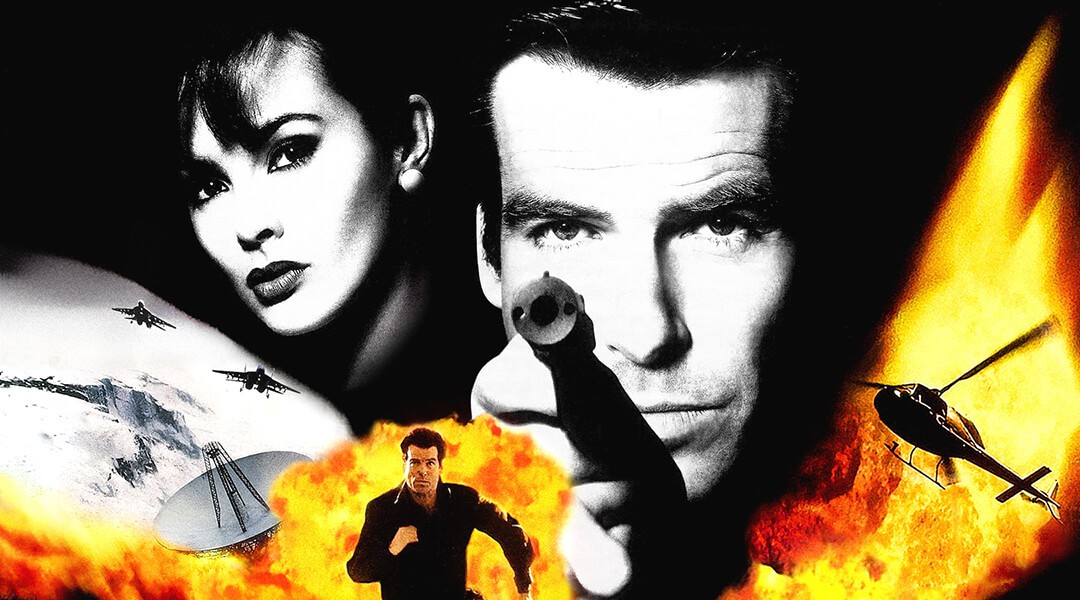
The team at Rare consisted mostly of inexperienced developers who had never made a game before. They worked without a clear design document and added the multiplayer mode at the very last minute. Nintendo executives were concerned the game was too violent and requested changes. The developers worked in isolation in a farmhouse and had no idea if the game was good. It unintentionally revolutionized console first-person shooters.
‘Sonic X-treme’ (1996)
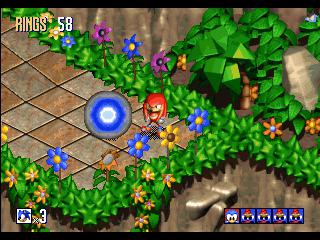
This cancelled game was intended to be the flagship platformer for the Sega Saturn. Two separate teams worked on different engines for the game and refused to share technology. One of the lead programmers worked so hard to meet a deadline that he became critically ill. The game was cancelled after the engine was rejected by Sega of Japan. The lack of a mainline Sonic game contributed to the failure of the Saturn console.
‘Star Fox Adventures’ (2002)
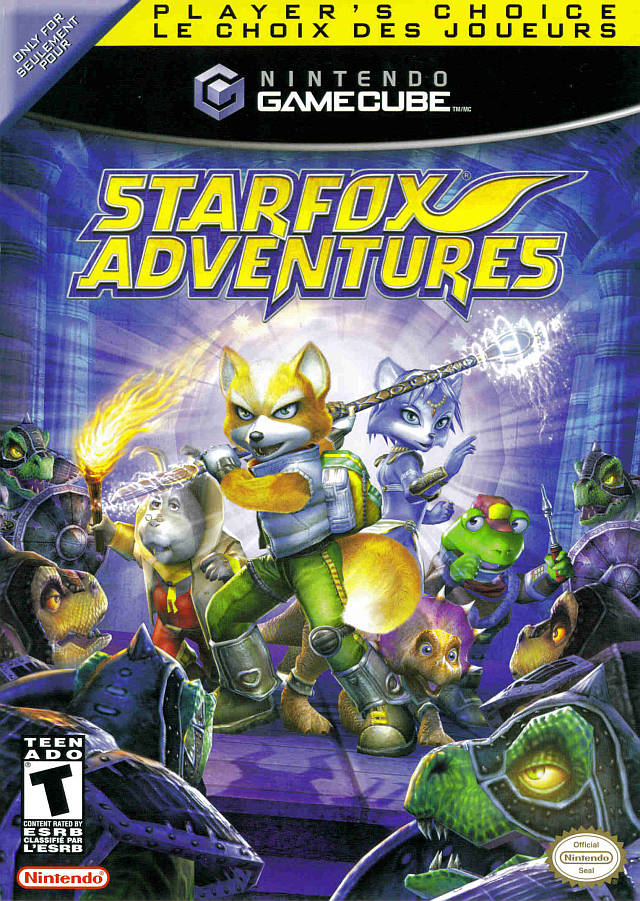
Rare originally developed this game for the Nintendo 64 under the title ‘Dinosaur Planet’. Nintendo convinced the studio to swap the main character for Fox McCloud and move it to the GameCube. The development was complicated by the impending sale of Rare to Microsoft. It was the last game Rare developed for a Nintendo home console. The game contains remnants of the original design that do not fit the Star Fox lore.
‘Grim Fandango’ (1998)
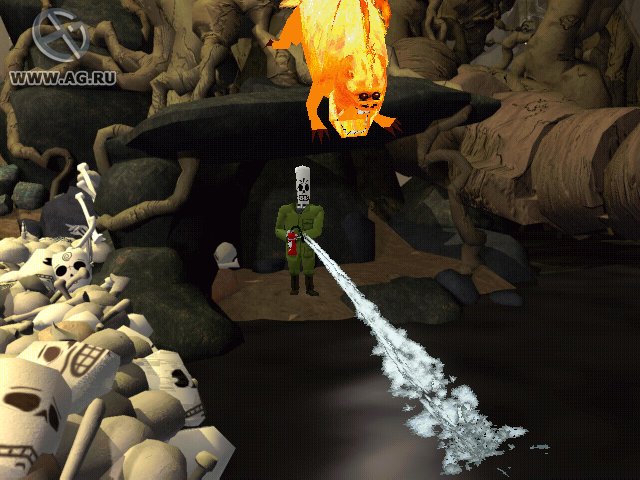
Tim Schafer led the creation of this adventure game using a new 3D engine called GrimE. The team struggled to adapt traditional point-and-click mechanics to a three-dimensional space. It was the first adventure game from LucasArts to use 3D character models over pre-rendered backgrounds. Despite critical acclaim for its writing and art style, the game was a financial failure. Its poor sales were often cited as the death knell of the adventure game genre.
‘Psychonauts’ (2005)
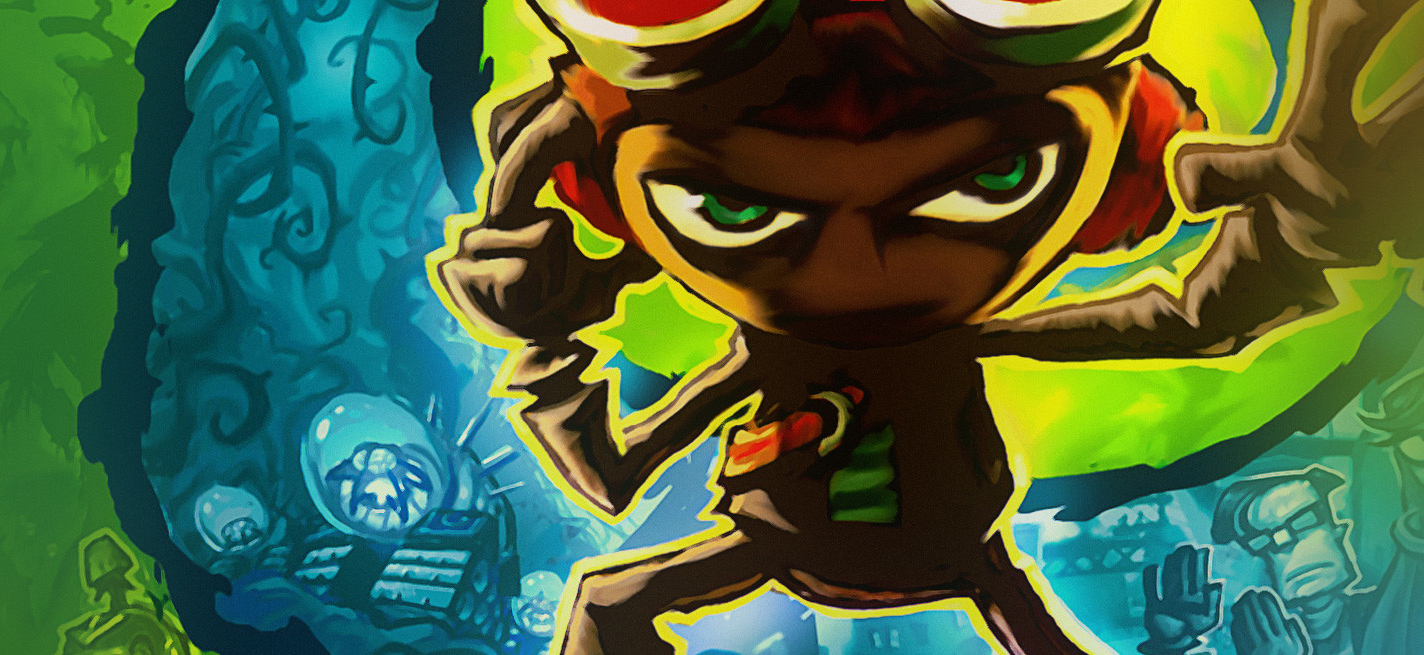
Double Fine Productions faced immediate trouble when their publisher Microsoft dropped the project. The studio spent nearly all their money keeping the lights on while searching for a new partner. Majesco Entertainment eventually picked up the publishing rights but faced their own financial struggles. The game sold poorly initially but the development story cemented the reputation of the studio. It took sixteen years for a sequel to finally be produced.
‘The Day Before’ (2023)

Fntastic released trailers showing a high-fidelity zombie survival MMO that generated massive hype. Gamers and journalists began to suspect the game did not exist as the studio failed to show raw gameplay. The game launched in a barely playable state and was revealed to be a basic extraction shooter. The studio announced its closure just four days after the release citing financial failure. The game was removed from sale and servers were shut down weeks later.
‘Prey’ (2006)
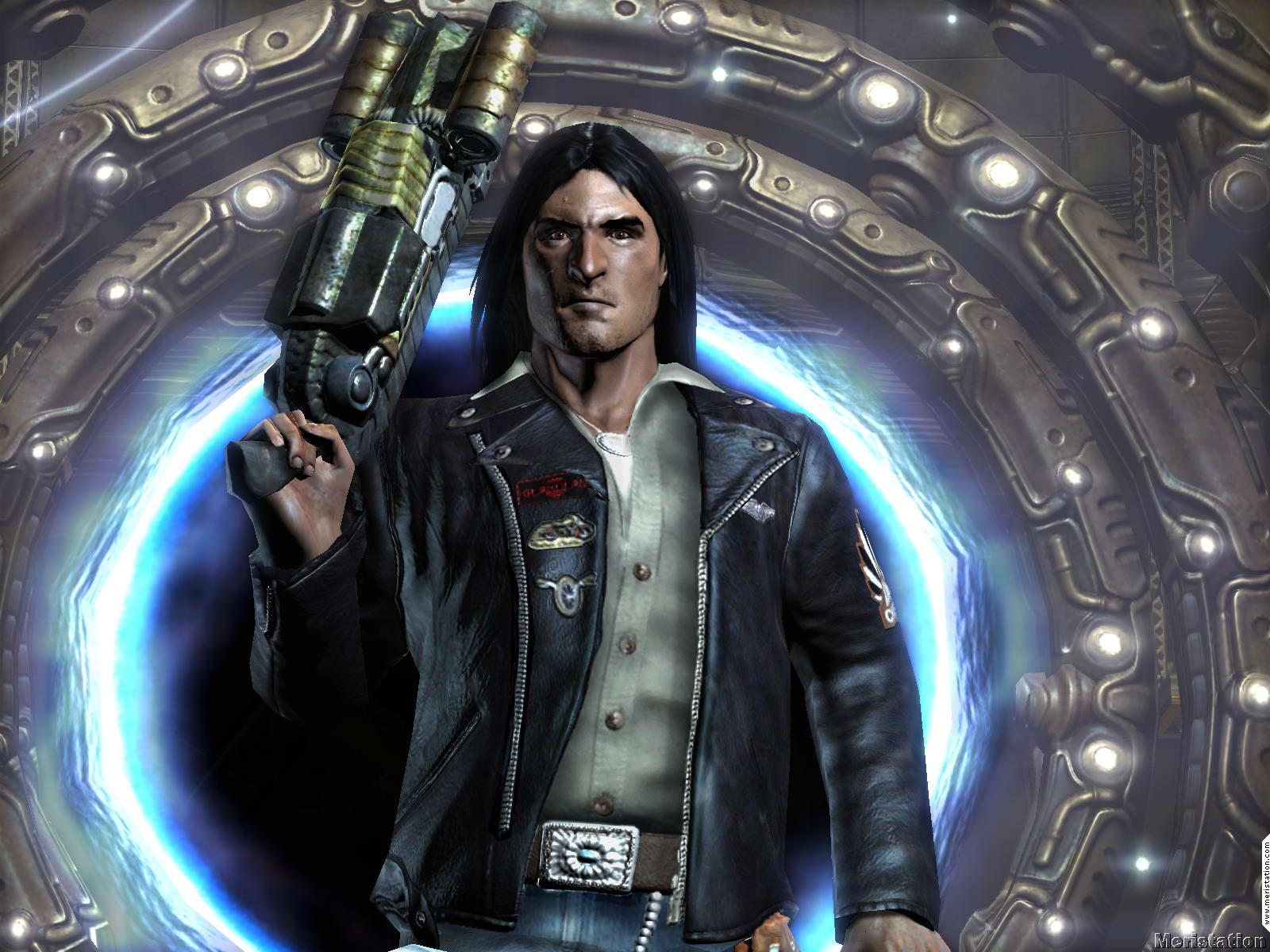
The original version of this game began development in 1995 at 3D Realms. The project went through several iterations and portal technology experiments before being shelved. Human Head Studios eventually took over the concept and built the game using the Doom 3 engine. It took eleven years for the title to finally reach store shelves. The sequel was also cancelled and the IP was eventually rebooted by Arkane Studios.
‘Ultima IX: Ascension’ (1999)
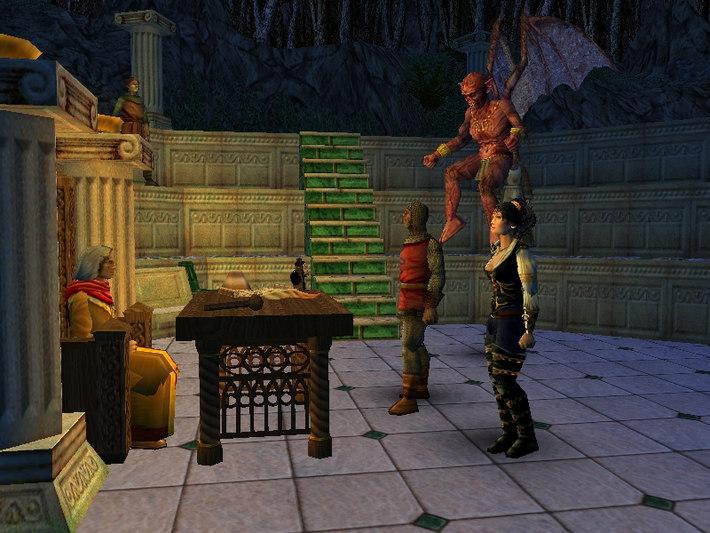
Origin Systems was mandated by Electronic Arts to finish this RPG before it was ready. The story was rewritten multiple times and ignored the continuity of the previous eight games. The development team was pulled away to work on ‘Ultima Online’ which left the single-player game understaffed. It launched with technical issues that made it unplayable on most computers of the time. The failure of the game effectively ended the legendary Ultima series.
Have you played any of these chaotic titles and noticed the cracks, or did the developers manage to hide the mess? Share your thoughts in the comments.