

Games With Characters Everyone Talks About But Barely The Story

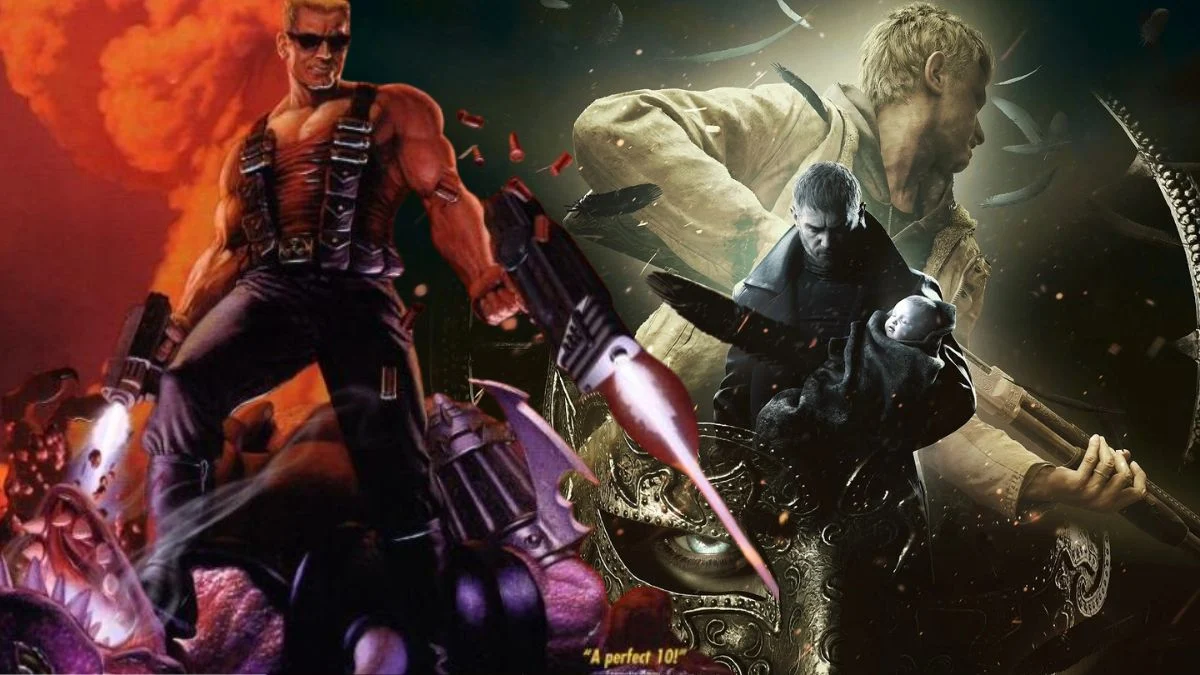


Video games often rely on complex narratives to immerse players, yet certain titles feature protagonists or villains who completely overshadow the plots they inhabit. These characters achieve a level of fame that transcends their source material, becoming cultural icons recognized even by those who have never played the games. The discussions surrounding these figures frequently focus on their visual design, personality traits, or competitive viability rather than their narrative arcs. This phenomenon occurs across various genres, from fighting games and shooters to platformers and RPGs.
‘Overwatch’ (2016)
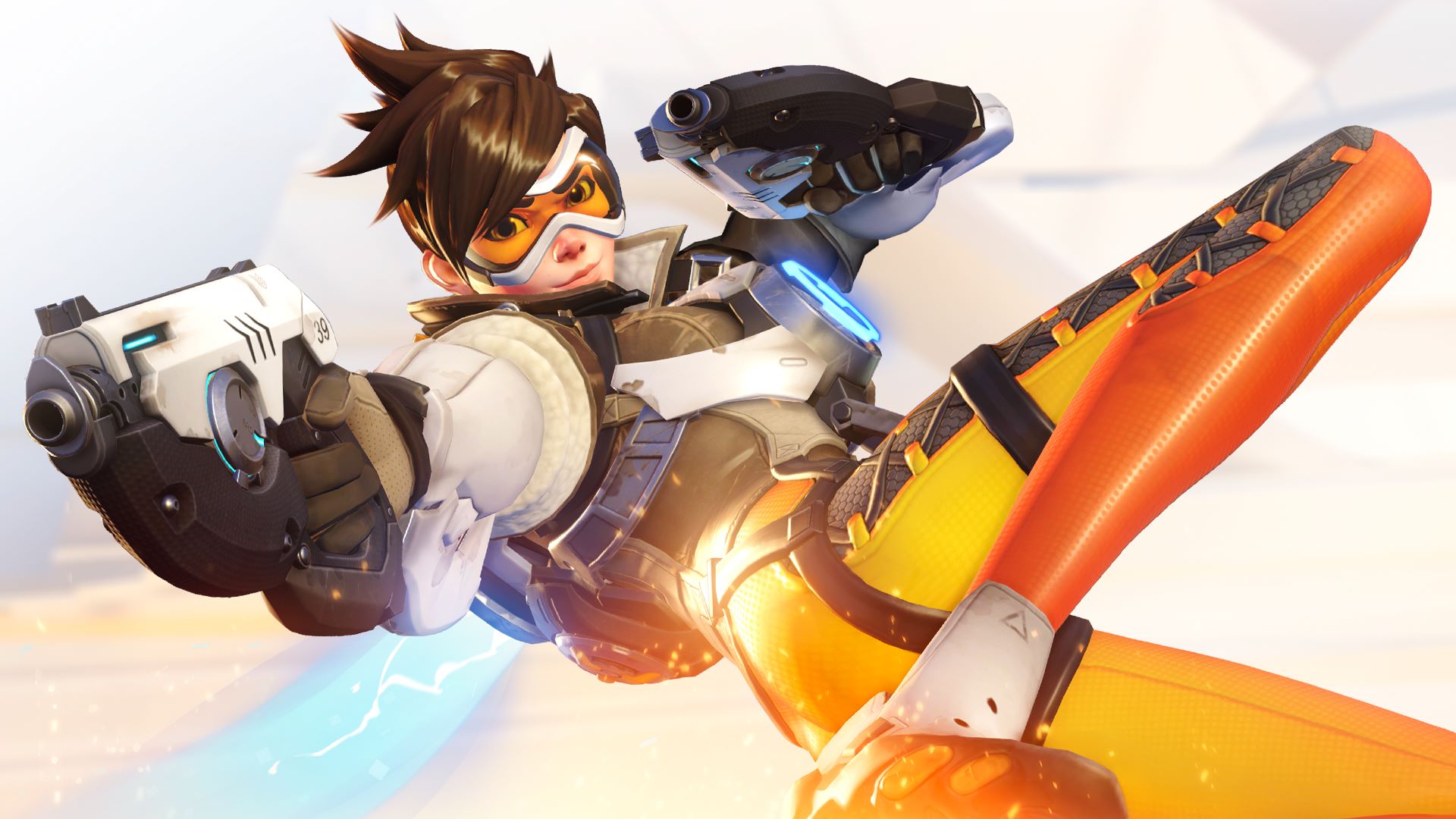
Tracer serves as the flagship mascot for this hero shooter despite the game launching without a traditional story mode. Her fame stems largely from her energetic personality and distinctive character design that features yellow goggles and a chronal accelerator. Blizzard fleshed out her background primarily through external animated shorts and digital comics rather than in-game events. She remains one of the most recognizable figures in modern gaming purely through visual marketing and merchandise.
‘Street Fighter II’ (1991)
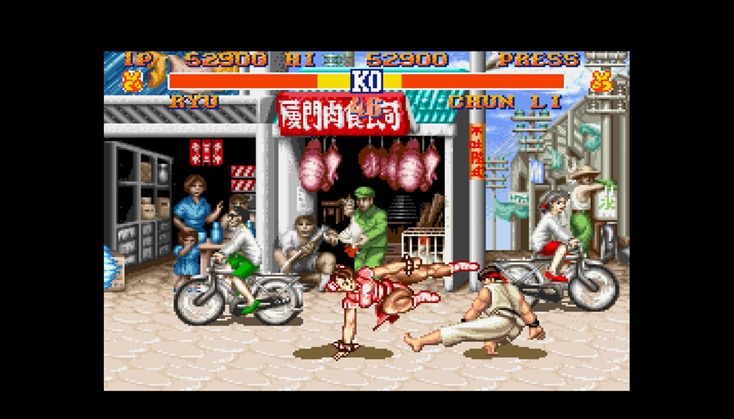
Chun-Li is widely celebrated as the first lady of fighting games and dominates discussions about the genre. Her narrative involving a quest for revenge against M. Bison is simple and often ignored in favor of her gameplay legacy. Players worldwide recognize her blue qipao and spiked bracelets instantly. She appears in countless crossovers and merchandise lines where her status as a martial arts icon replaces the need for narrative context.
‘Nier: Automata’ (2017)
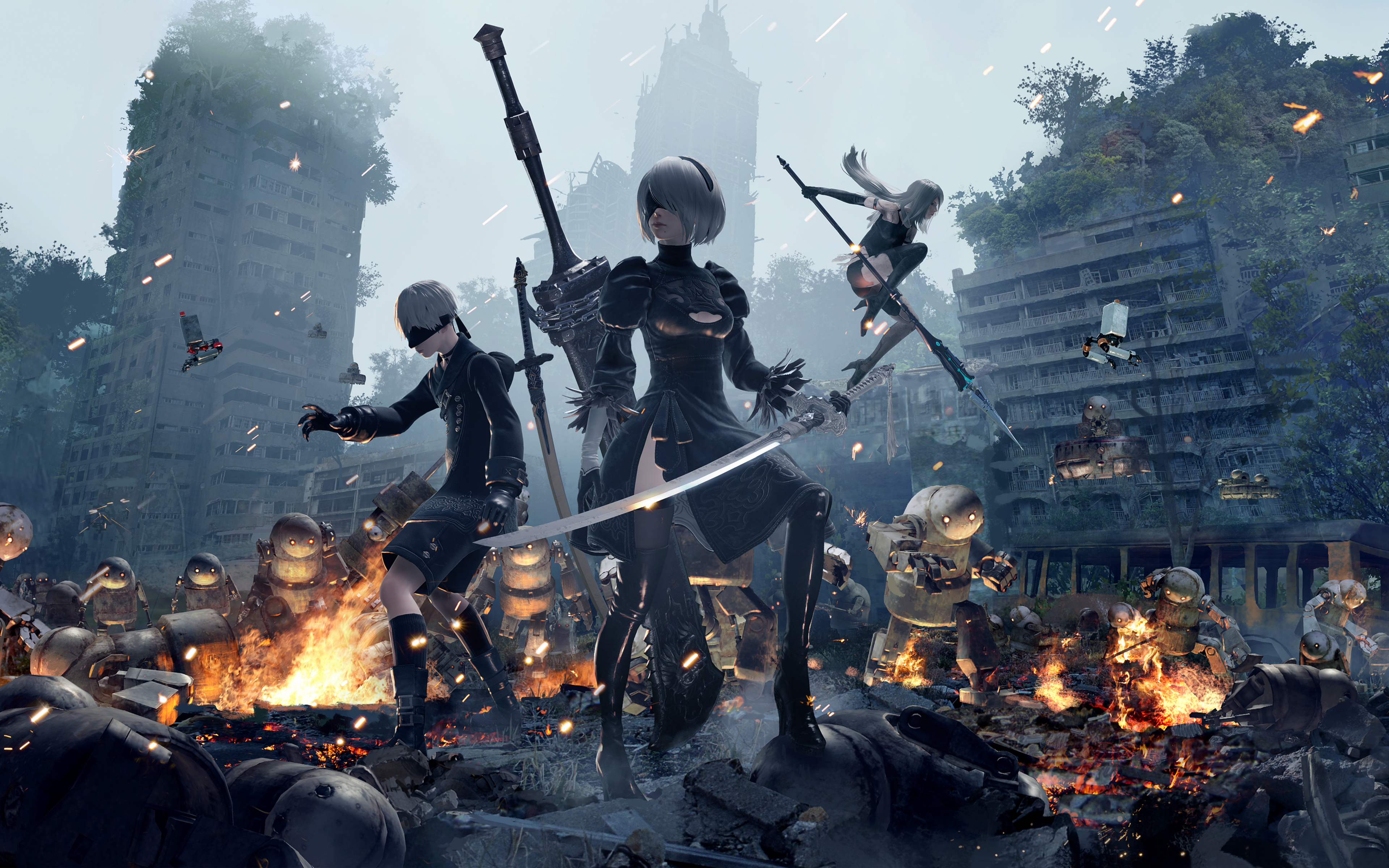
2B became a viral sensation immediately upon her reveal due to her striking gothic fashion and blindfolded character design. While the game features a profound philosophical narrative, general internet discourse tends to focus heavily on her aesthetic appeal. Fan art and cosplay of the android protagonist proliferated across social media platforms long before most people experienced the story. Her visual identity remains the primary point of reference for the title in mainstream culture.
‘Resident Evil Village’ (2021)
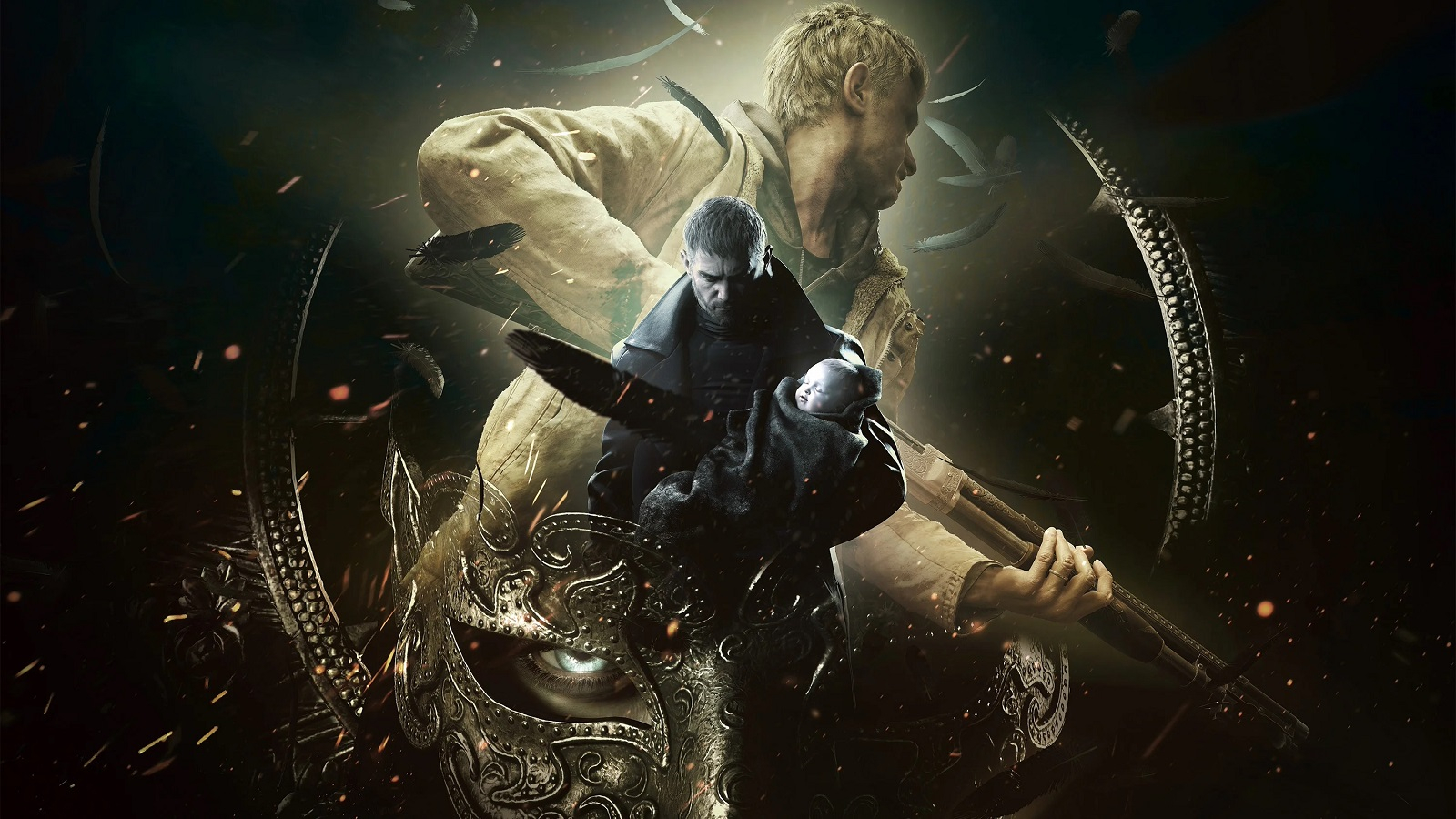
Lady Dimitrescu captivated the internet months before the game was even released. The towering vampire matriarch generated massive amounts of hype that completely eclipsed the actual protagonist Ethan Winters. Players were more interested in her imposing stature and elegant design than her specific role in the overarching biological horror plot. Capcom even leaned into this popularity by featuring her heavily in marketing materials despite her limited screen time.
‘Tomb Raider’ (1996)
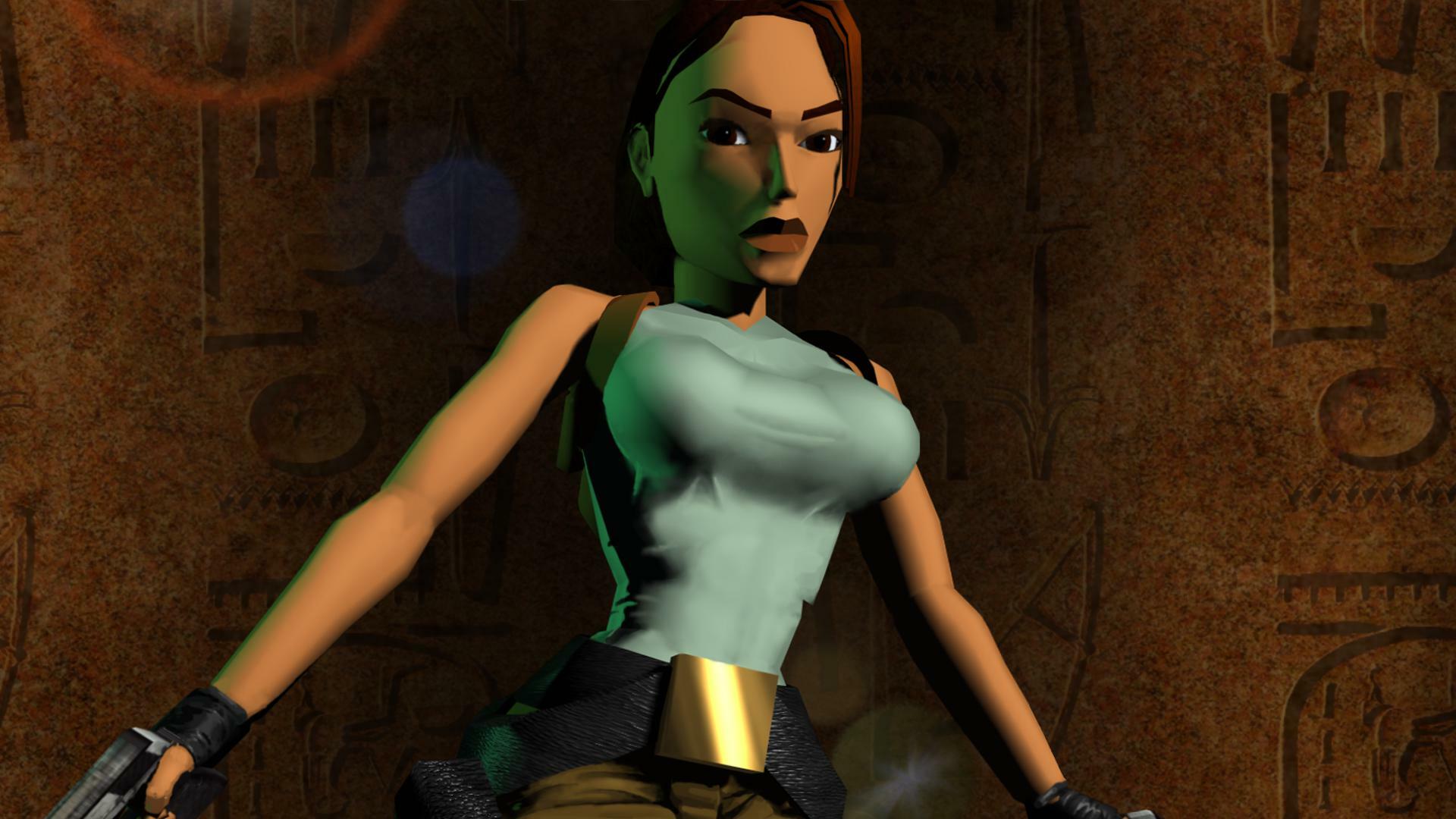
Lara Croft stands as one of the most significant pop culture figures to emerge from the gaming industry. Her original adventures involved searching for Atlantean artifacts, but her celebrity status quickly outgrew the actual events of the games. Discussion surrounding the character often centers on her evolution as a symbol of action and independence rather than the specifics of her archaeological discoveries. She appeared on magazine covers and in music videos as a virtual celebrity distinct from her playable storylines.
‘Darkstalkers: The Night Warriors’ (1994)
Morrigan Aensland is a staple of the fighting game community who appears in numerous titles outside her own franchise. Many players who main her in crossover games like ‘Marvel vs. Capcom’ have never played the original title she originated from. Her succubus design is iconic within anime and gaming circles regardless of her actual in-game lore. The character has effectively outlived the series that spawned her.
‘F-Zero’ (1990)
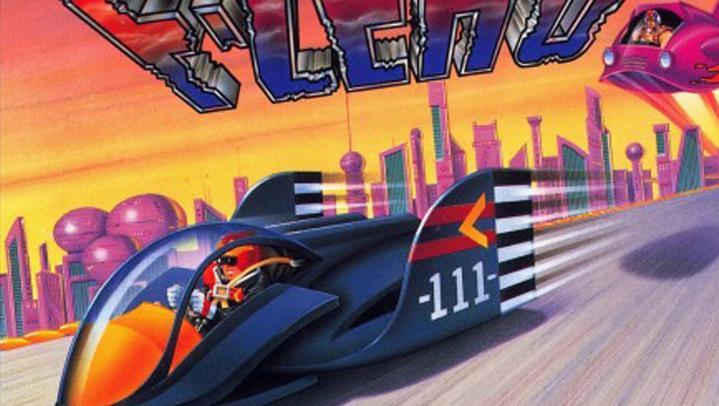
Captain Falcon is best known today for his appearances in the ‘Super Smash Bros.’ series rather than his own racing games. His signature moves and exaggerated personality in the fighting arena define his public image. The original racing titles had very little narrative content to begin with. Most gamers know him as the loud bounty hunter who delivers a fiery punch rather than a futuristic race car driver.
‘Sonic the Hedgehog’ (1991)
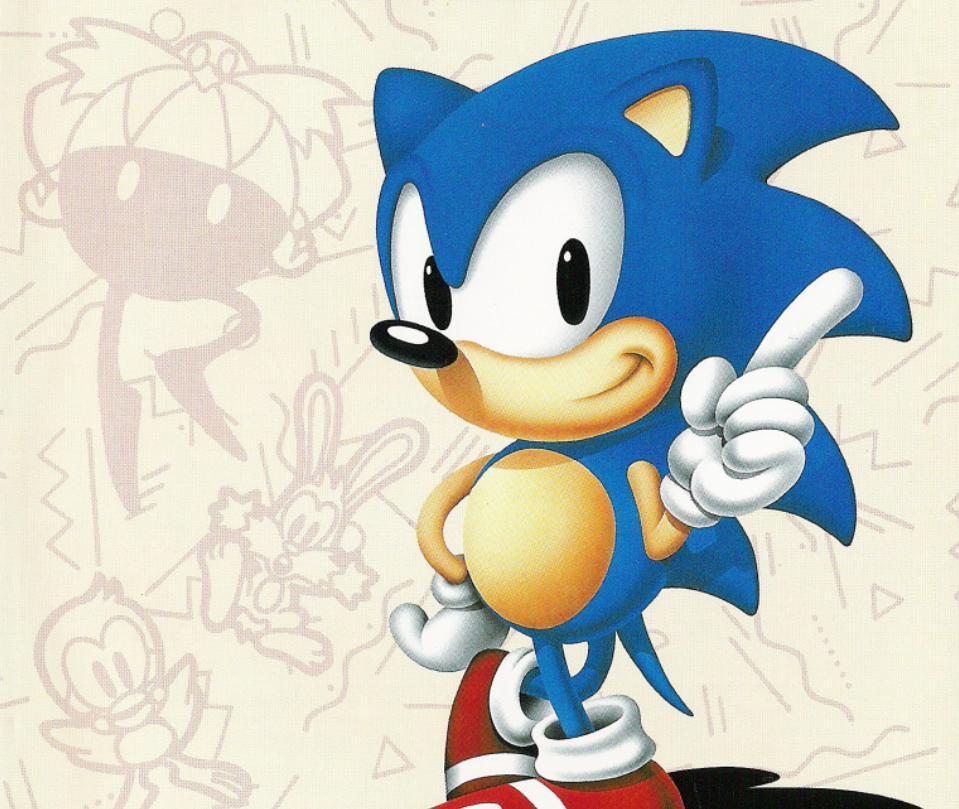
Sonic is a mascot whose attitude and character design are far more famous than the plots of his individual games. The narrative usually involves stopping Doctor Eggman from collecting emeralds, but fans focus more on Sonic’s personality and speed. He became a symbol of the nineties console wars and remains a merchandising juggernaut today. The specific story beats of his 16-bit adventures are secondary to his status as a global brand icon.
‘Super Mario Bros.’ (1985)
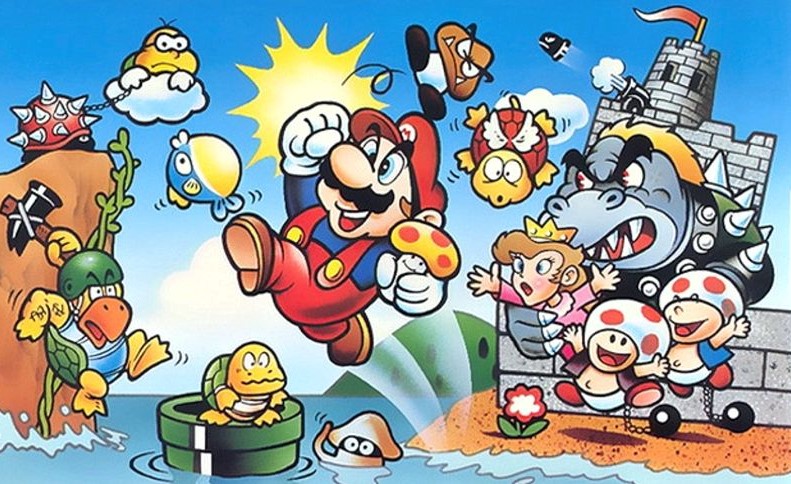
Mario is arguably the most recognizable video game character in history. The plot of saving Princess Peach from Bowser serves merely as a backdrop for platforming gameplay. People discuss Mario as the face of Nintendo and a medium for pure entertainment rather than a character with deep lore. His mustache and red cap are universal symbols that require no narrative explanation.
‘Doom’ (1993)
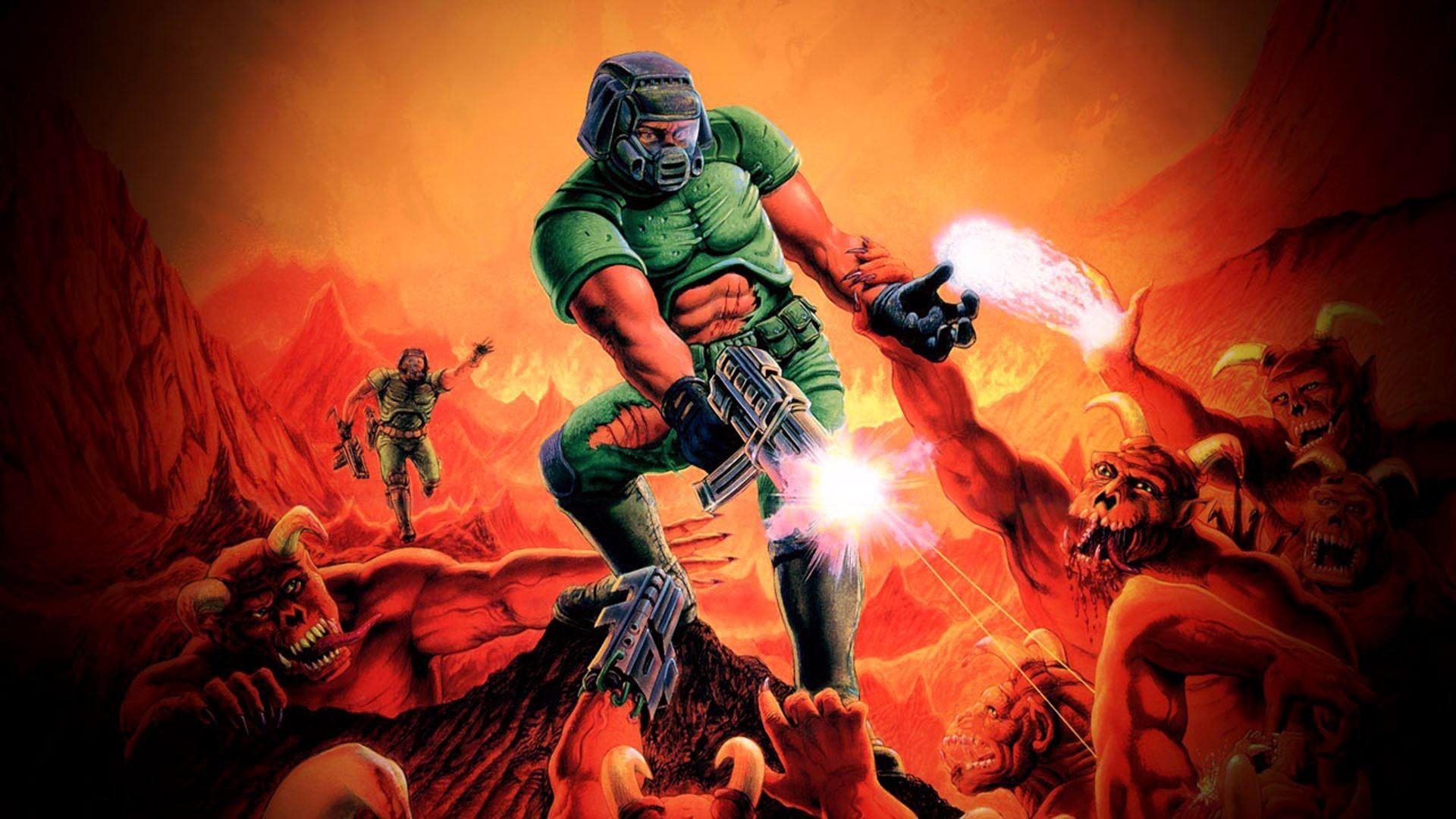
The Doom Slayer, also known as Doomguy, is defined by his actions rather than his words or backstory. Players revere him as an unstoppable force of nature who rips and tears through demonic hordes. The lore regarding his origin was minimal in the classic titles and often ignored in favor of the visceral action. He represents the ultimate power fantasy where the character is simply a vessel for destruction.
‘Duke Nukem 3D’ (1996)
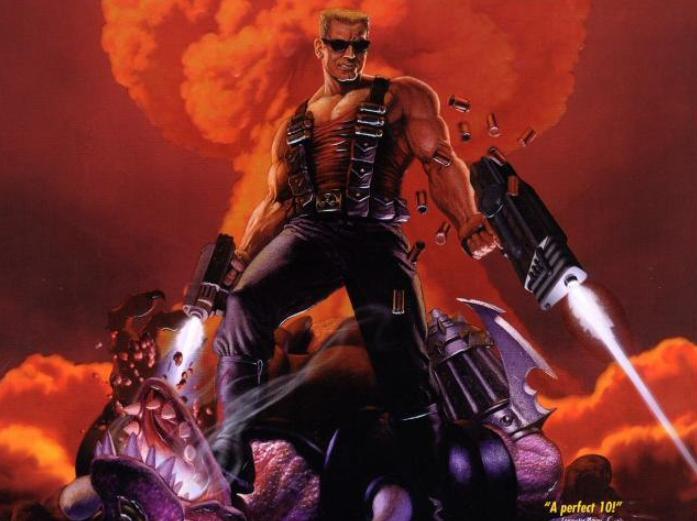
Duke Nukem is remembered for his crude one-liners and hyper-masculine persona rather than his battle against alien invaders. The game is a collection of pop culture references and action movie tropes held together by the protagonist’s ego. His character is a parody that became famous for his attitude and interactive behavior. The plot is virtually nonexistent as the focus remains entirely on Duke’s distinct voice and demeanor.
‘Final Fantasy VII’ (1997)
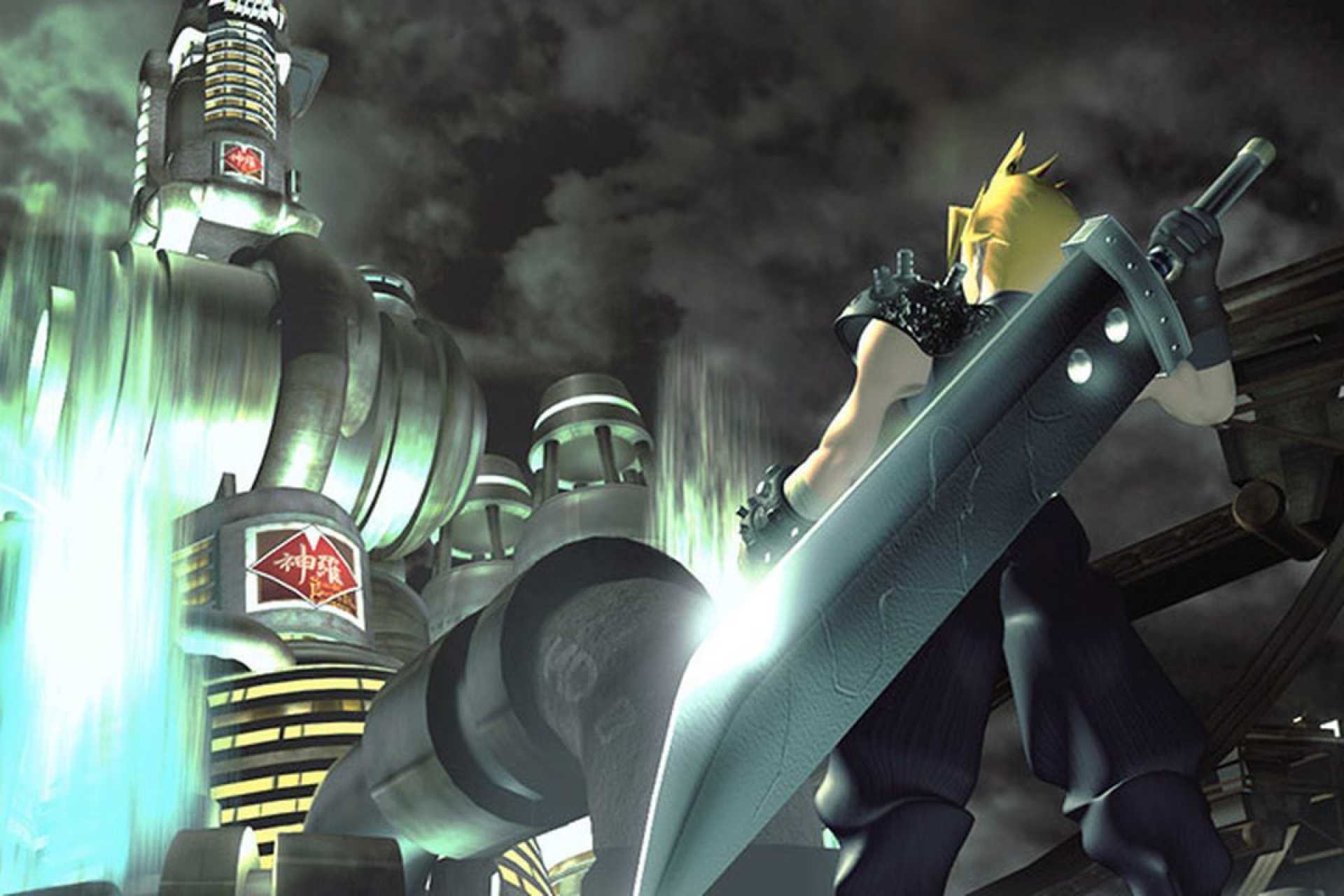
Sephiroth is one of the most famous villains in gaming history. His distinctive silver hair and massive katana make him instantly respectful and recognizable even to those who haven’t played the RPG. While his backstory is complex, his visual presence and ominous aura drive his popularity. He is frequently cited as the ultimate antagonist in gaming discussions based on his design and theme music alone.
‘Metroid’ (1986)
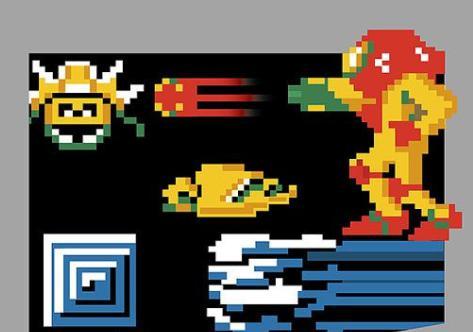
Samus Aran is a legendary bounty hunter whose reveal as a woman was a historic moment in gaming. Discussion often revolves around her iconic power suit and her role as a female protagonist in a male-dominated genre. The atmospheric storytelling of the series is subtle and minimal compared to her status as a Nintendo figurehead. She is a silent warrior whose design conveys everything the player needs to know.
‘God of War’ (2005)
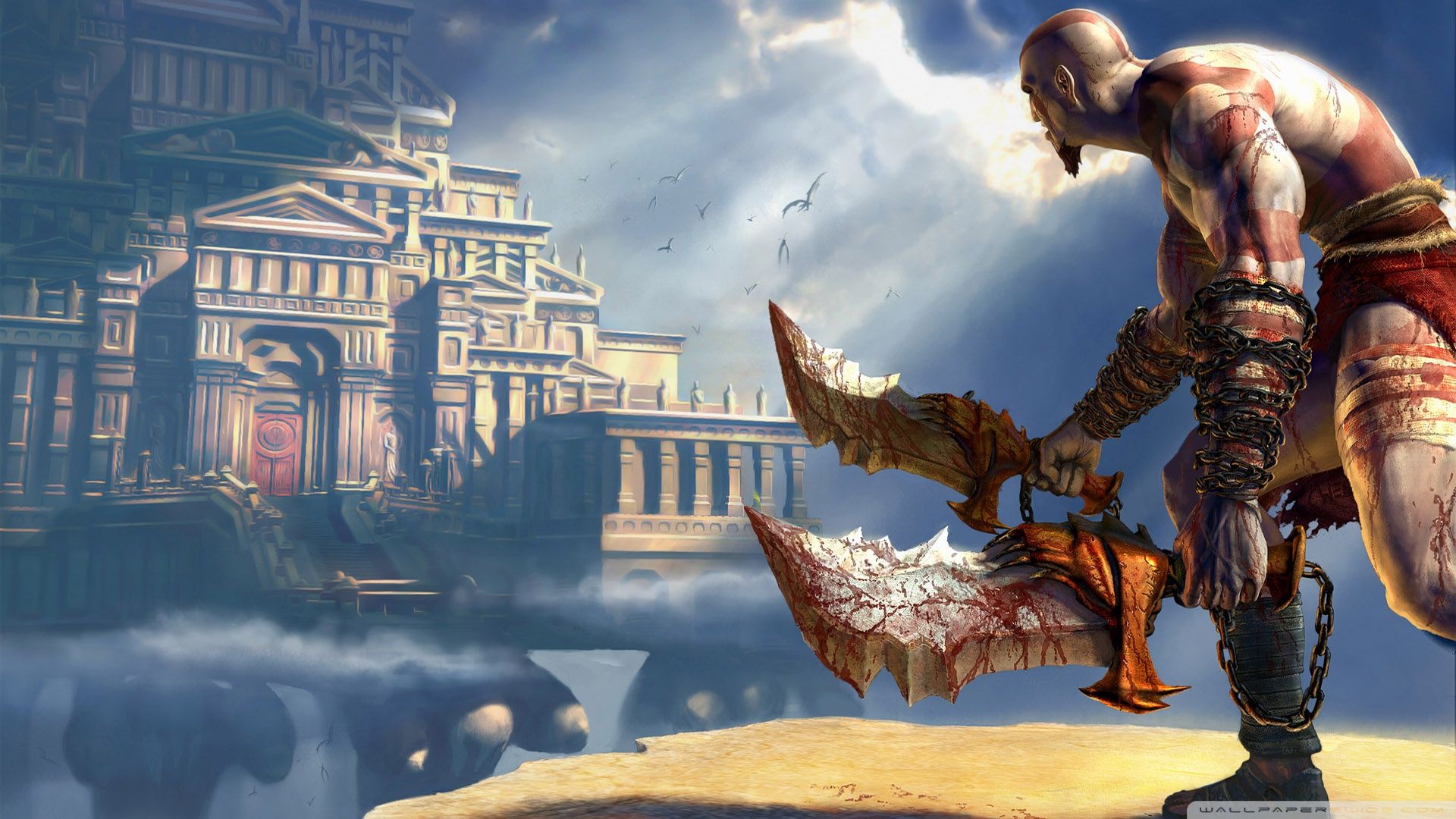
Kratos began his existence as a symbol of pure rage and violence in the original trilogy. Players focused on his brutal finishing moves and distinctive red tattoo more than the nuances of his Greek tragedy. His character was defined by anger and shouting during the PlayStation 2 era. The nuance of his story was often overshadowed by the spectacle of him destroying mythological gods.
‘Pokemon Red and Blue’ (1996)
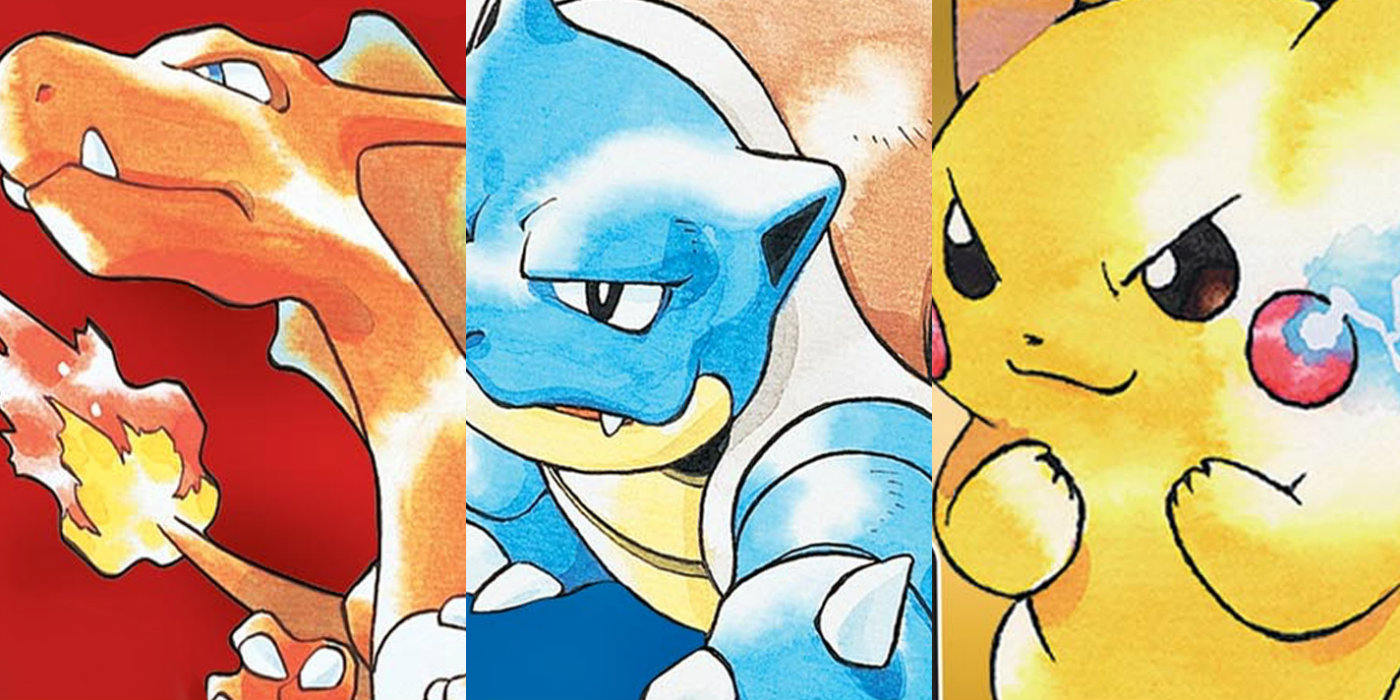
Pikachu is a mascot who transcends the video game medium entirely. The electric mouse is recognized by people of all ages who may not know a single thing about the game’s RPG mechanics or plot. Ash Ketchum’s partner in the anime solidified Pikachu’s personality, which is distinct from the game creature’s stats. The character serves as the global ambassador for the franchise and appears on everything from airplanes to snack foods.
‘Halo: Combat Evolved’ (2001)
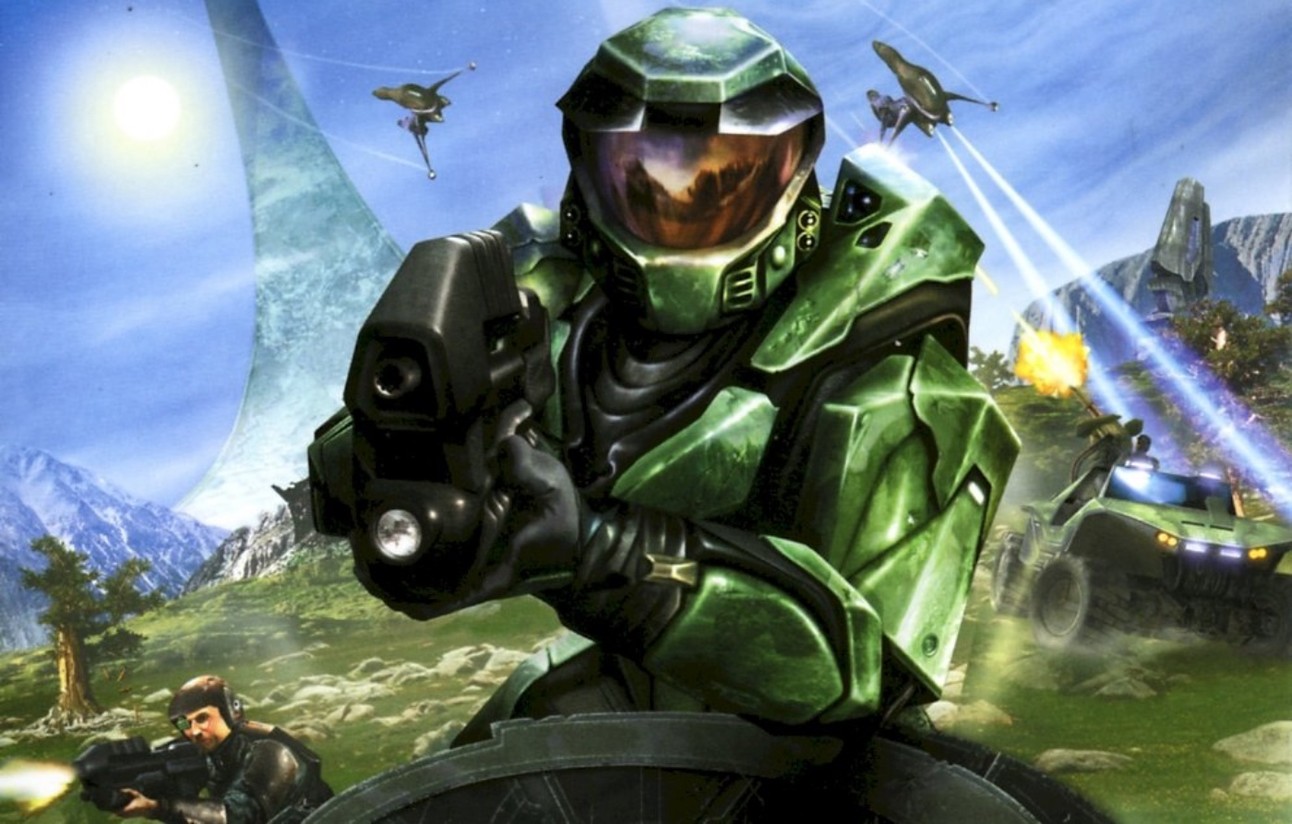
Master Chief is a faceless protagonist who became the symbol of the Xbox brand. His green Mjolnir armor and gold visor are more famous than the complex military sci-fi lore of the series. Bungie designed him to be a vessel for the player, which allowed his visual identity to take center stage. He is the stoic super-soldier whose image sells consoles regardless of the specific mission he is undertaking.
‘Among Us’ (2018)
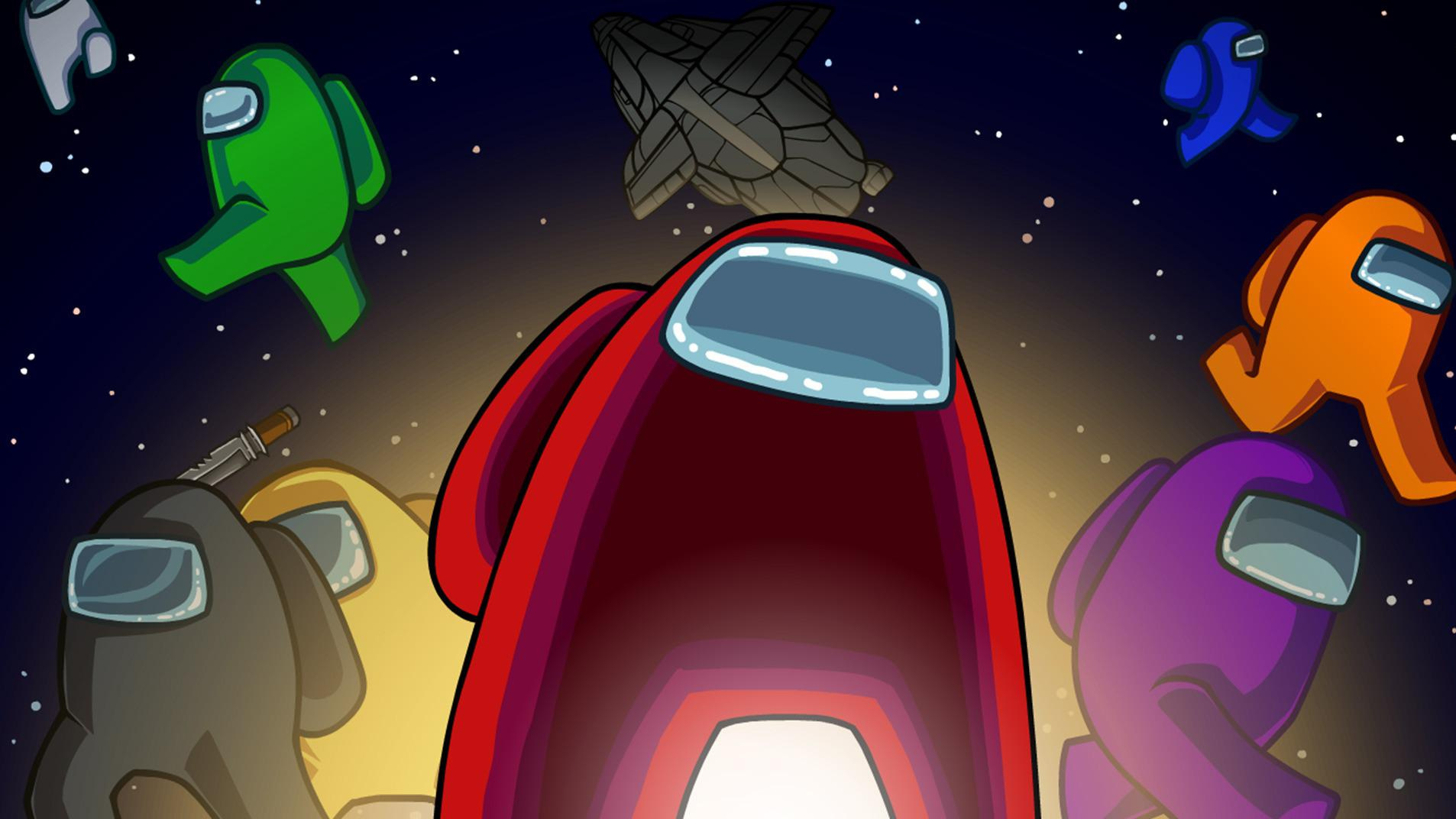
The Crewmate is a simple bean-shaped character that became a massive internet meme. There is absolutely no story attached to these colorful astronauts beyond their task to survive. Their design is so simple that it allows for endless customization and fan interpretation. The character is purely a vehicle for social interaction and deception gameplay.
‘Minecraft’ (2011)
Steve is the default avatar for the best-selling video game of all time. He has no dialogue, no backstory, and no defined personality within the game. Millions of players recognize his teal shirt and blocky appearance instantly. He represents the potential for creativity rather than a specific narrative character.
‘Team Fortress 2’ (2007)
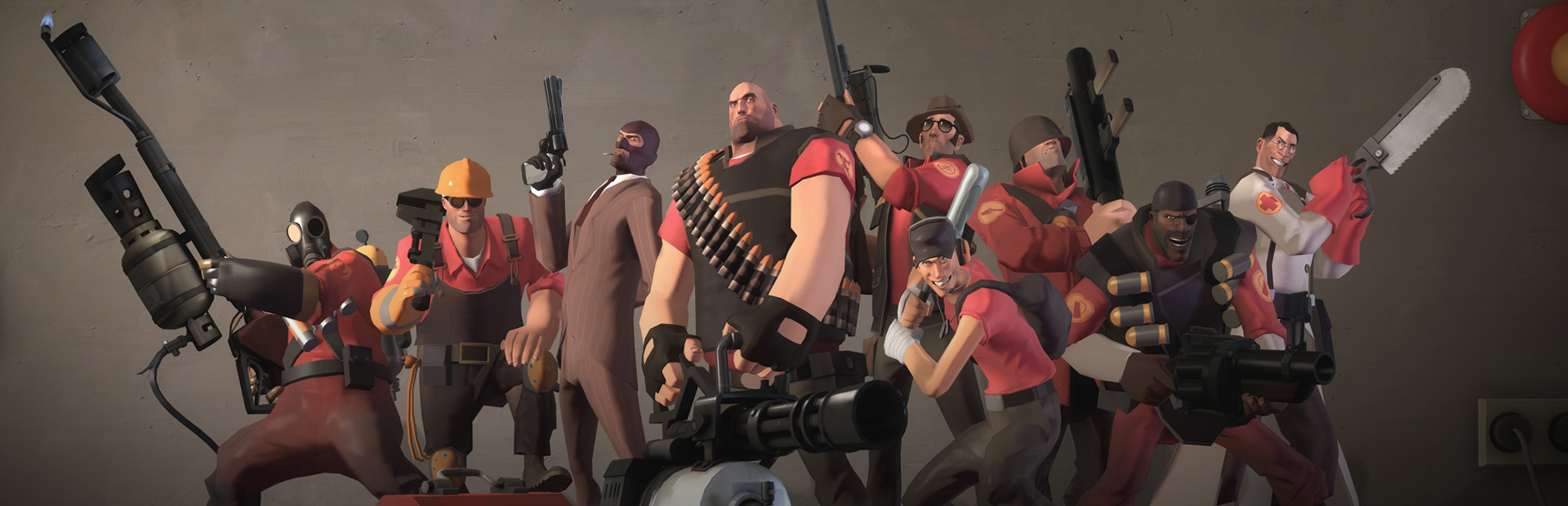
The Heavy is the face of Valve’s team-based shooter and is frequently used in memes and promotional material. While the game has deep lore hidden in comics, the average player knows him for his minigun and love of sandwiches. His distinct silhouette and Russian accent make him a standout character design. He represents the game’s chaotic fun more than any specific plot point.
‘Mortal Kombat’ (1992)
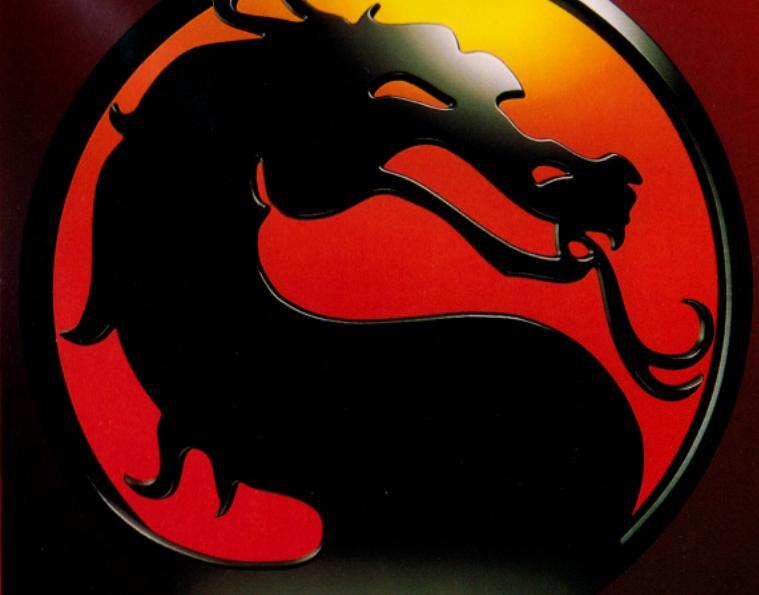
Scorpion is the most popular ninja in the franchise and serves as the studio’s logo. His catchphrase “Get over here” is one of the most quoted lines in gaming history. While his backstory involves a clan rivalry with Sub-Zero, casual fans focus on his spear attack and fatality moves. He appears on the cover art of almost every game in the series regardless of his role in the story.
‘Pac-Man’ (1980)
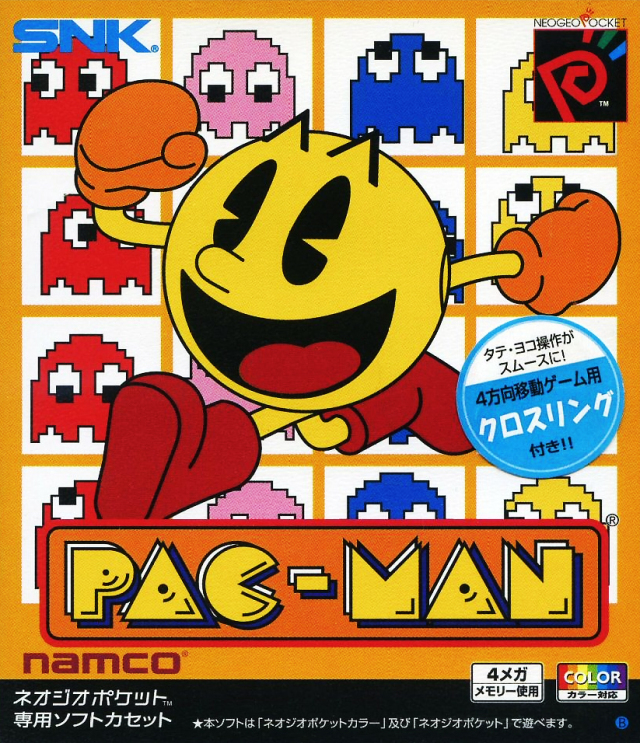
Pac-Man is a yellow circle who eats dots and chases ghosts. He is perhaps the first true video game character to achieve global fame. There is no narrative to speak of in the original arcade game. He is a symbol of the arcade era and retro gaming culture.
‘Bayonetta’ (2009)
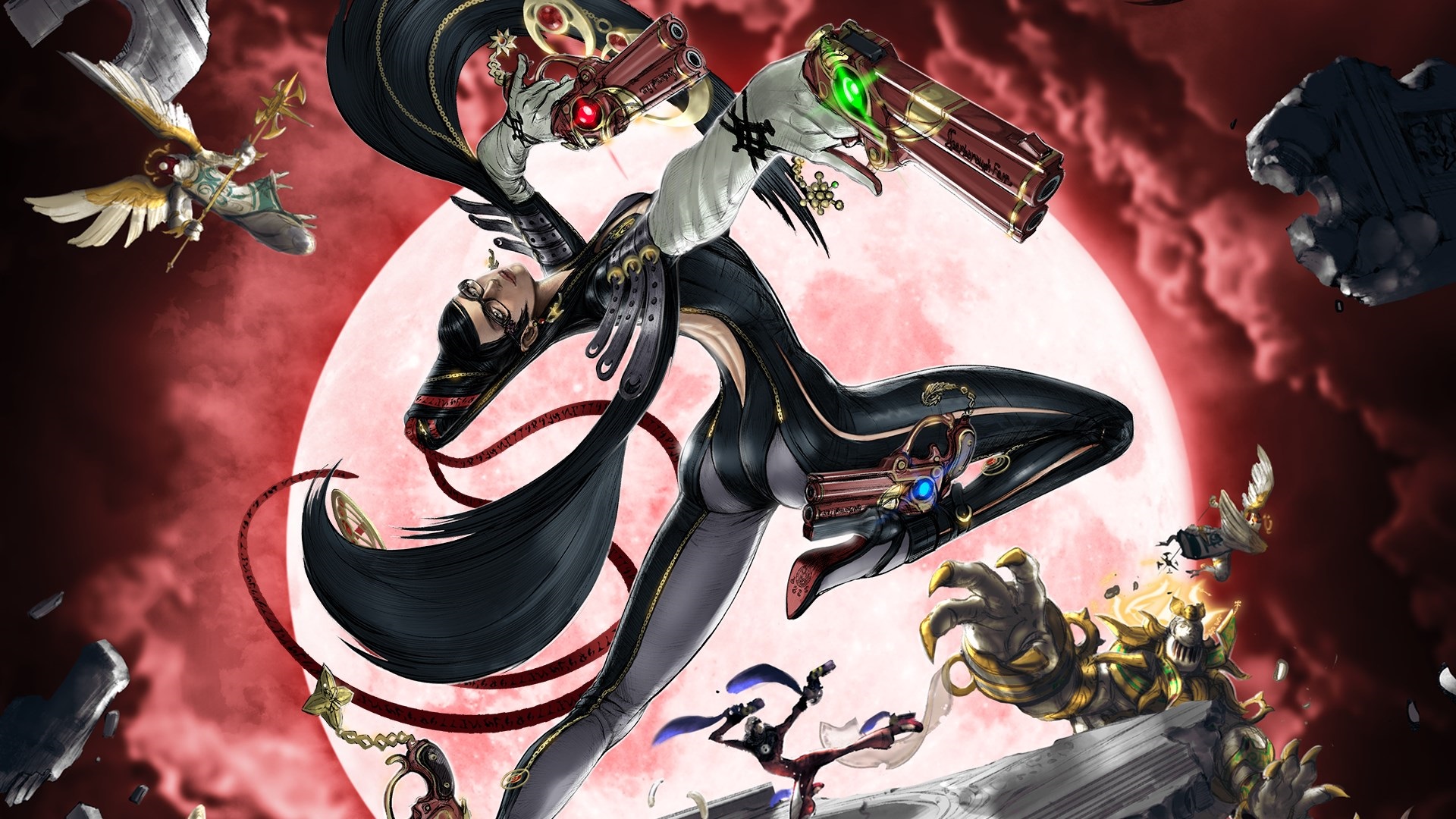
Bayonetta is an Umbra Witch known for her glasses and hair-based attacks. Her stylish combat and confident attitude define the experience more than the convoluted plot involving angels and demons. The character dominates the screen with flair and visual spectacle. She is celebrated for her distinct fashion sense and combat prowess.
‘Kirby’s Dream Land’ (1992)

Kirby is a pink puffball who can inhale enemies to copy their abilities. The plots of his games are generally simple and whimsical affairs suitable for all ages. His cute design contrasts hilariously with the cosmic horrors he often defeats. He is a character defined by his versatility and adorable appearance.
‘Dead or Alive’ (1996)
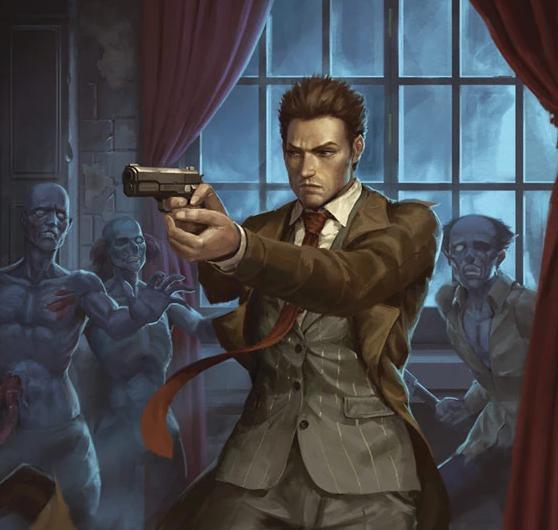
Kasumi is the runaway ninja protagonist of this fighting game series. The franchise is often discussed for its physics and character models rather than its martial arts tournaments. Kasumi is the face of the brand and appears in almost all marketing material. Her narrative often gets lost amidst the focus on visual presentation.
‘Animal Crossing: New Leaf’ (2012)
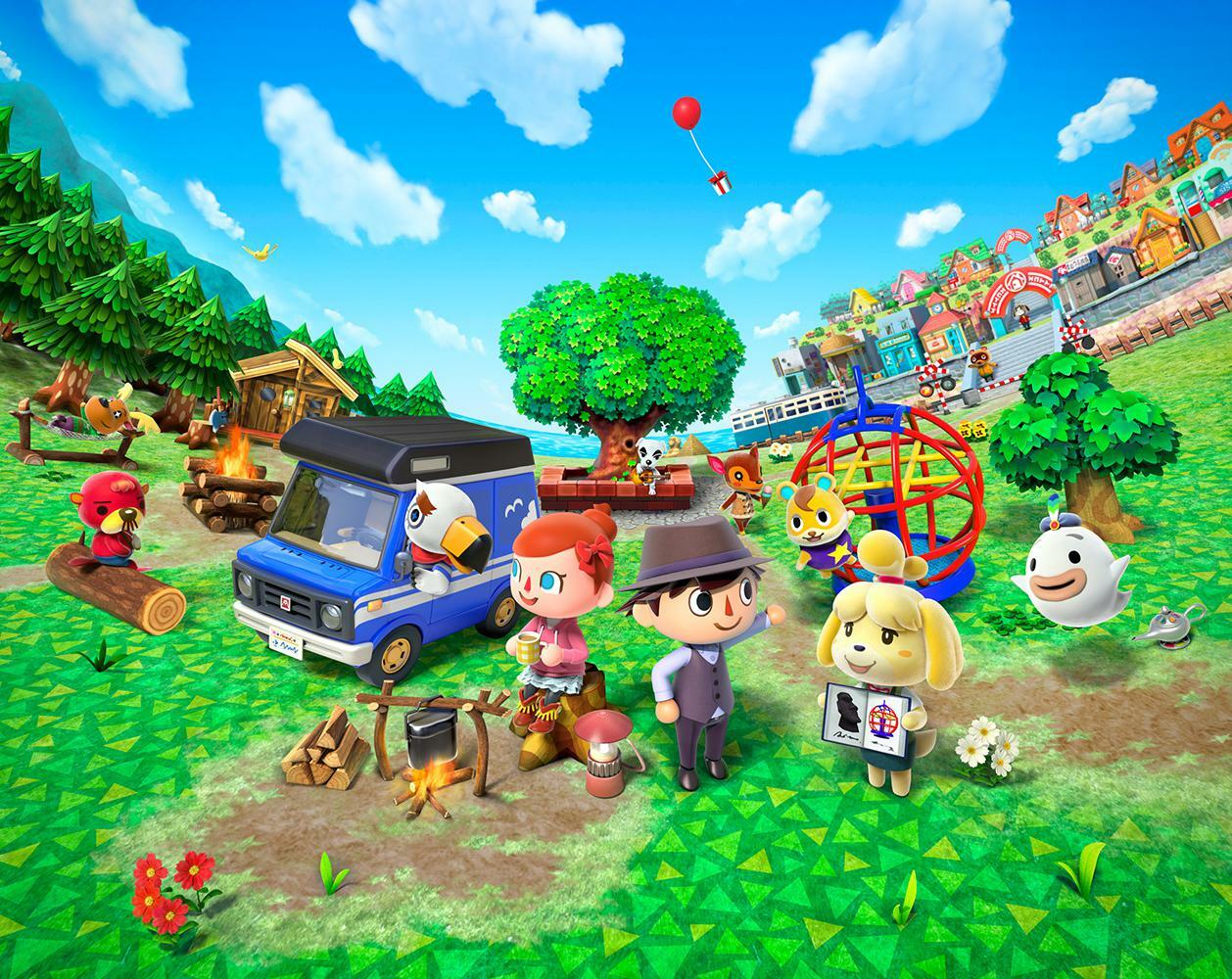
Isabelle acts as the helpful secretary who assists the player in running their town. She became an internet darling due to her polite demeanor and hard-working attitude. There is no overarching plot to the game other than daily life simulation. Her popularity led to her inclusion in fighting games and massive amounts of merchandise.
‘Mega Man’ (1987)
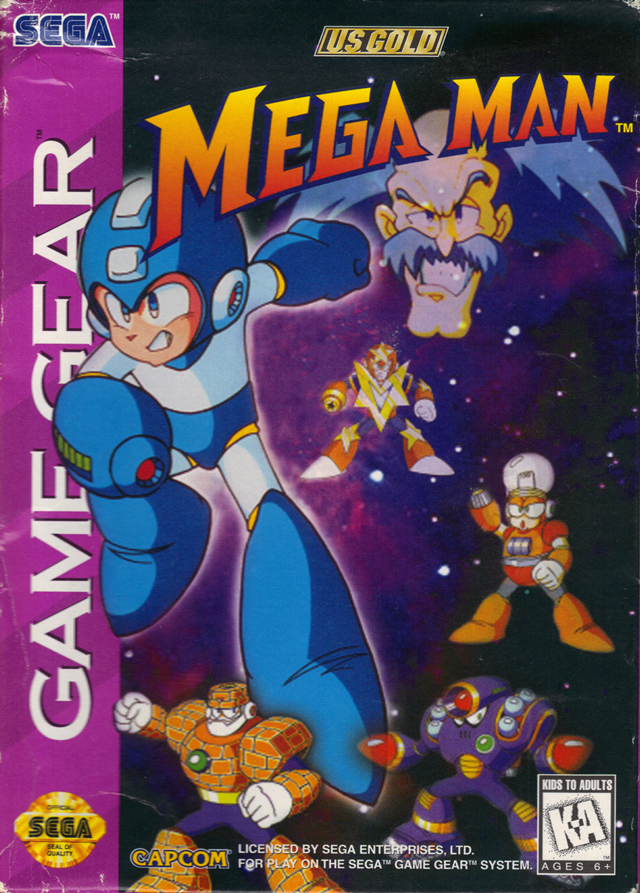
Mega Man is the Blue Bomber who fights against Dr. Wily’s robot masters. The games are famous for their difficulty and non-linear level selection rather than deep storytelling. His design is simple yet effective and communicates his robotic nature immediately. He is an icon of the 8-bit era whose legacy relies on platforming excellence.
‘Crash Bandicoot’ (1996)
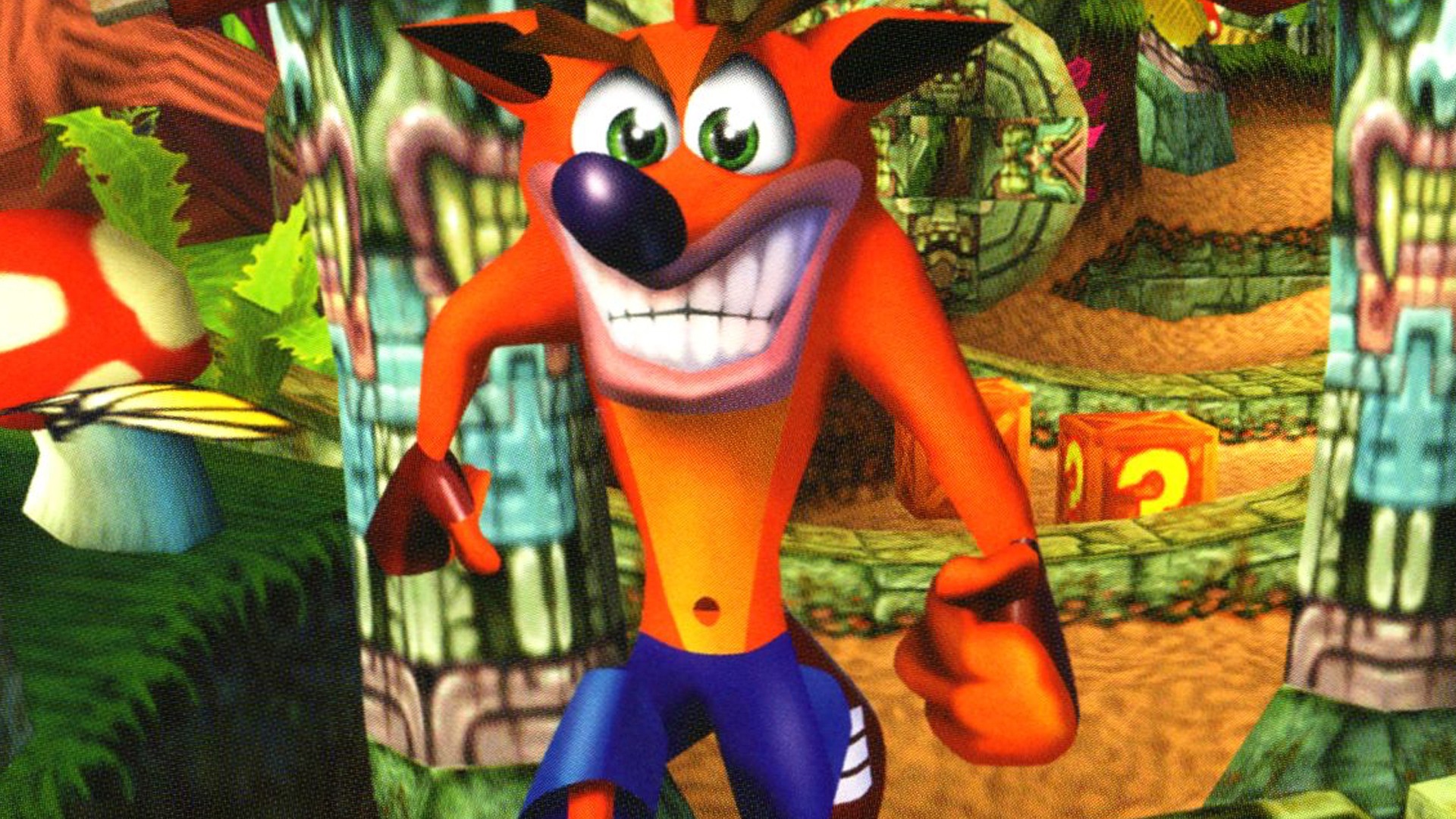
Crash is the wacky marsupial who served as the unofficial mascot for the original PlayStation. His expressive animations and goofy personality made him a hit with players. The plot usually involves stopping Dr. Neo Cortex, but the appeal lies in Crash’s physical comedy. He represents the transition of platformers into the 3D era.
‘Spyro the Dragon’ (1998)
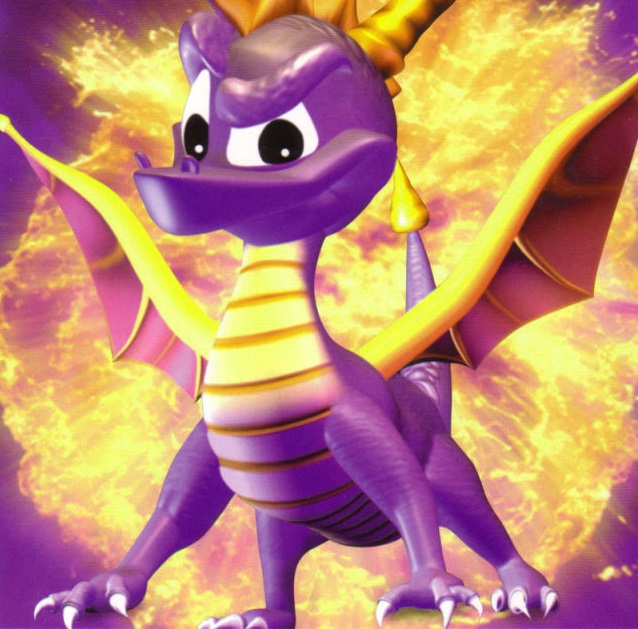
Spyro is a small purple dragon with a spunky attitude. He collects gems and rescues frozen dragons in colorful fantasy worlds. The character is loved for his design and traversal mechanics like gliding and charging. His stories are lighthearted adventures that facilitate exploration.
‘Earthworm Jim’ (1994)
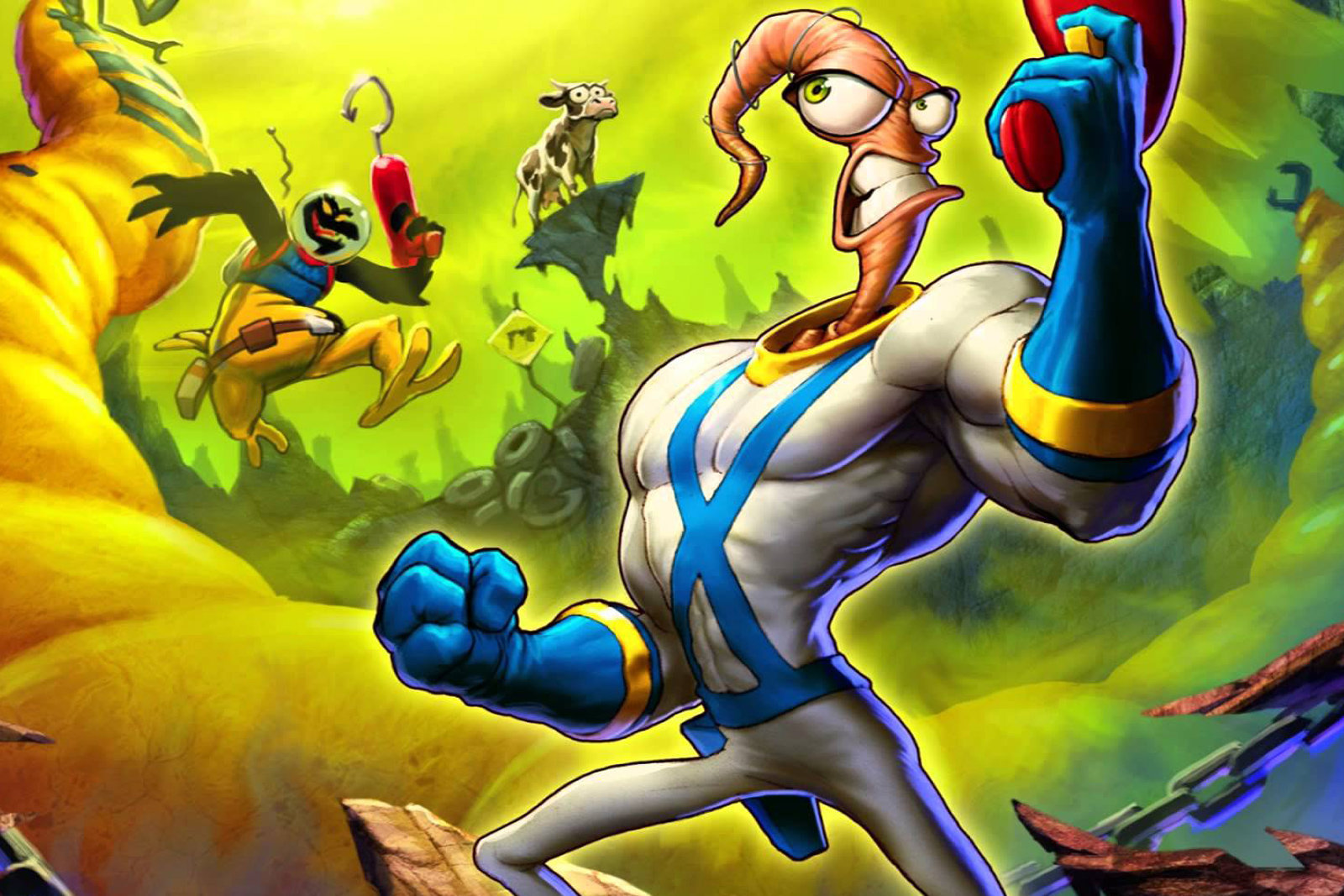
Earthworm Jim is a surreal hero in a super suit who battles bizarre enemies. The game is known for its absurdity and unique animation style. The plot is a nonsensical excuse for strange levels and gross-out humor. Jim’s character is defined by the zany tone of the 1990s cartoons he emulates.
‘Hitman: Codename 47’ (2000)
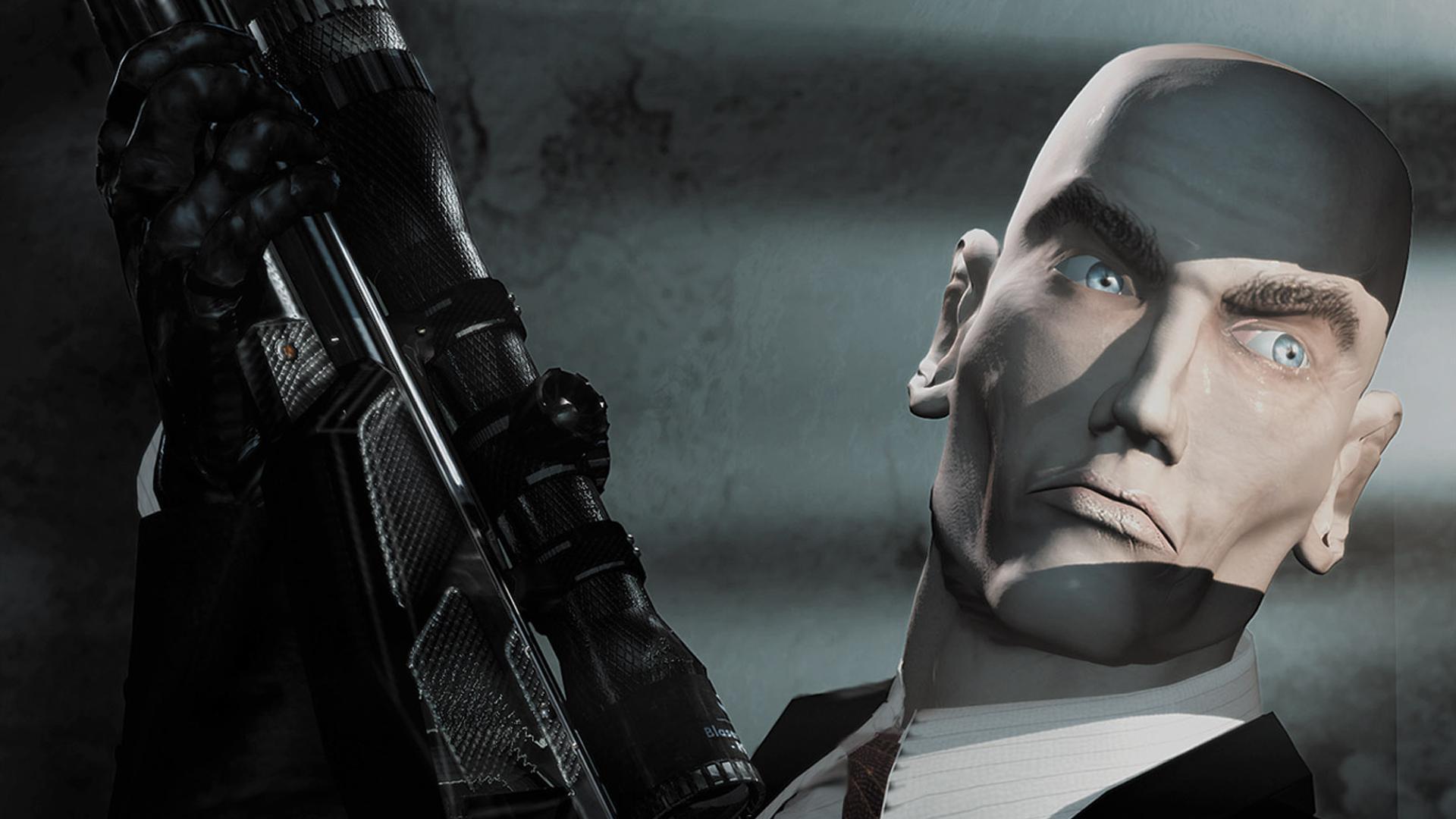
Agent 47 is the bald assassin with a barcode on the back of his head. He is a blank slate professional designed to blend into any environment. Players enjoy the sandbox puzzle nature of his kills more than the conspiracy storylines. His stoic nature and suit are his defining characteristics.
‘Genshin Impact’ (2020)
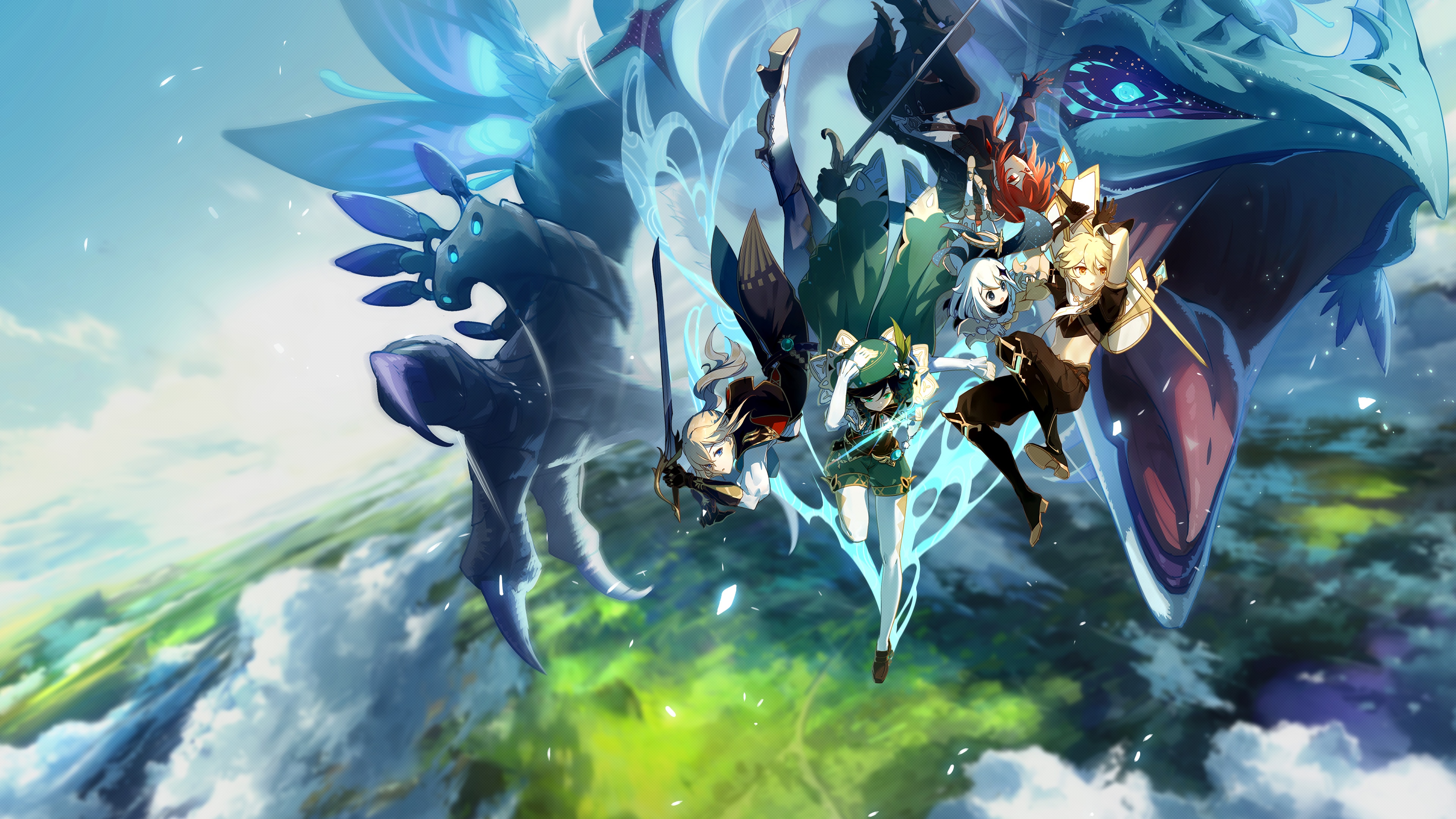
Paimon is the floating companion who guides the traveler through the world of Teyvat. She does most of the talking for the silent protagonist and is the subject of constant community memes. While the lore is dense, Paimon’s high-pitched voice and obsession with food are what casual observers notice first. She serves as the mascot for the game’s social media presence.
‘Apex Legends’ (2019)
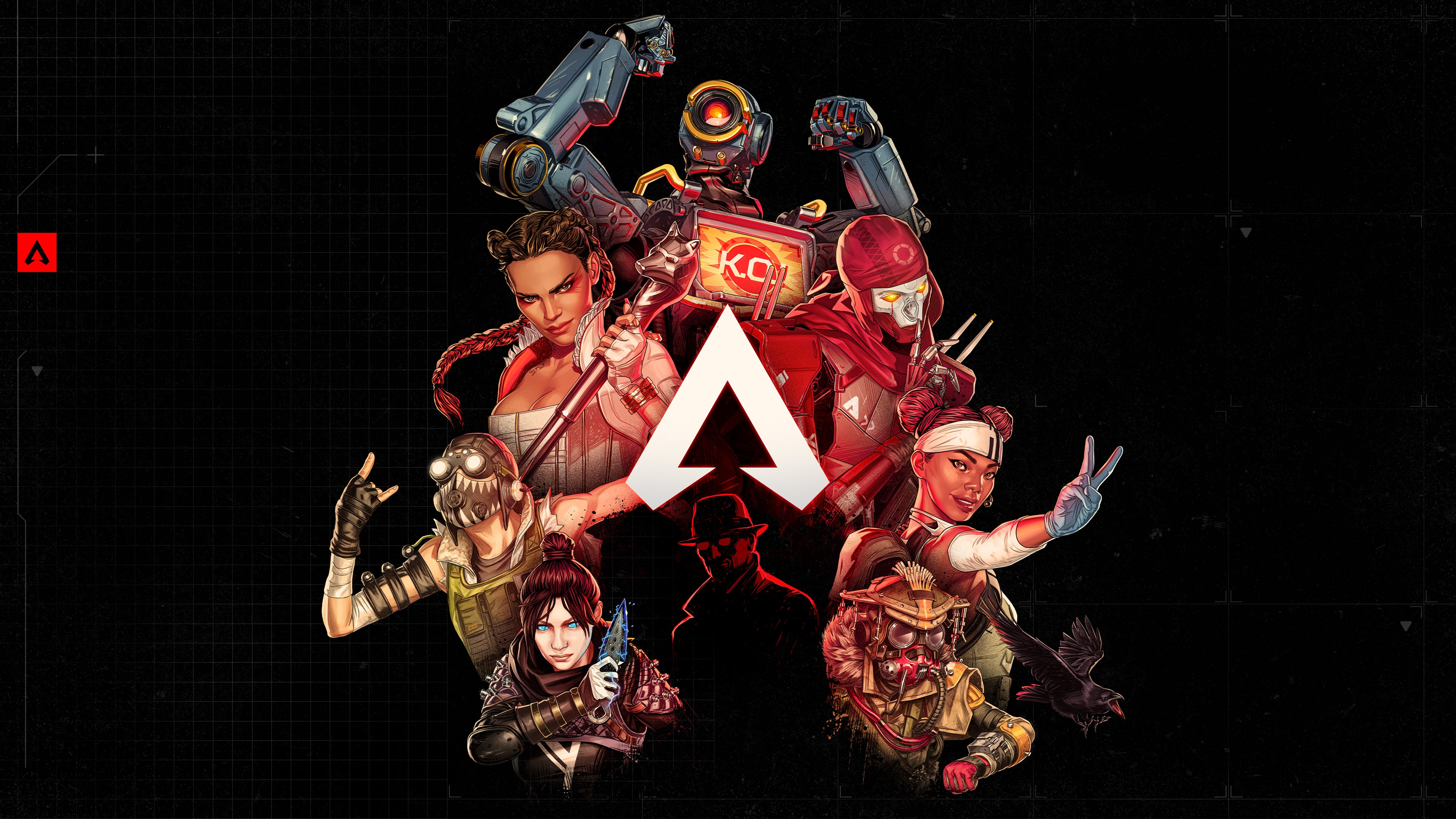
Wraith is a skirmisher who has consistently been one of the most picked characters in the game. Her ability to create portals and hear voices from the void gives her a distinct edge. The battle royale format means the story is secondary to match performance. Her “Kunai” heirlooms and edgy aesthetic drive her massive popularity.
‘League of Legends’ (2009)
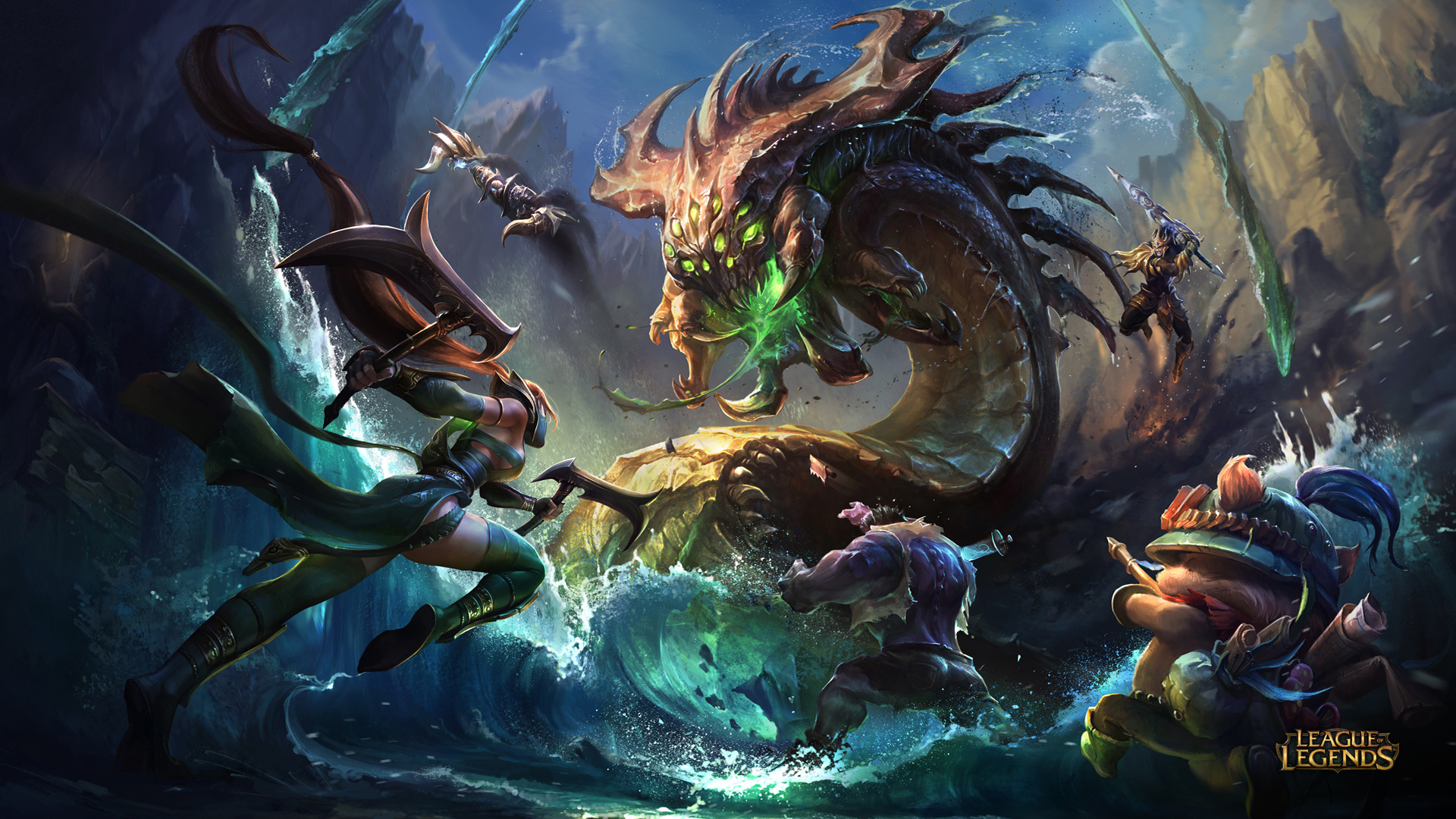
Ahri is a nine-tailed fox mage who is arguably the most famous face of the MOBA genre. Her visual design appeals to a massive demographic and inspires countless cosplays. The game itself has no narrative campaign, so her lore is relegated to external biographies. She sells skins and merchandise better than almost any other champion in the roster.
‘Fortnite’ (2017)
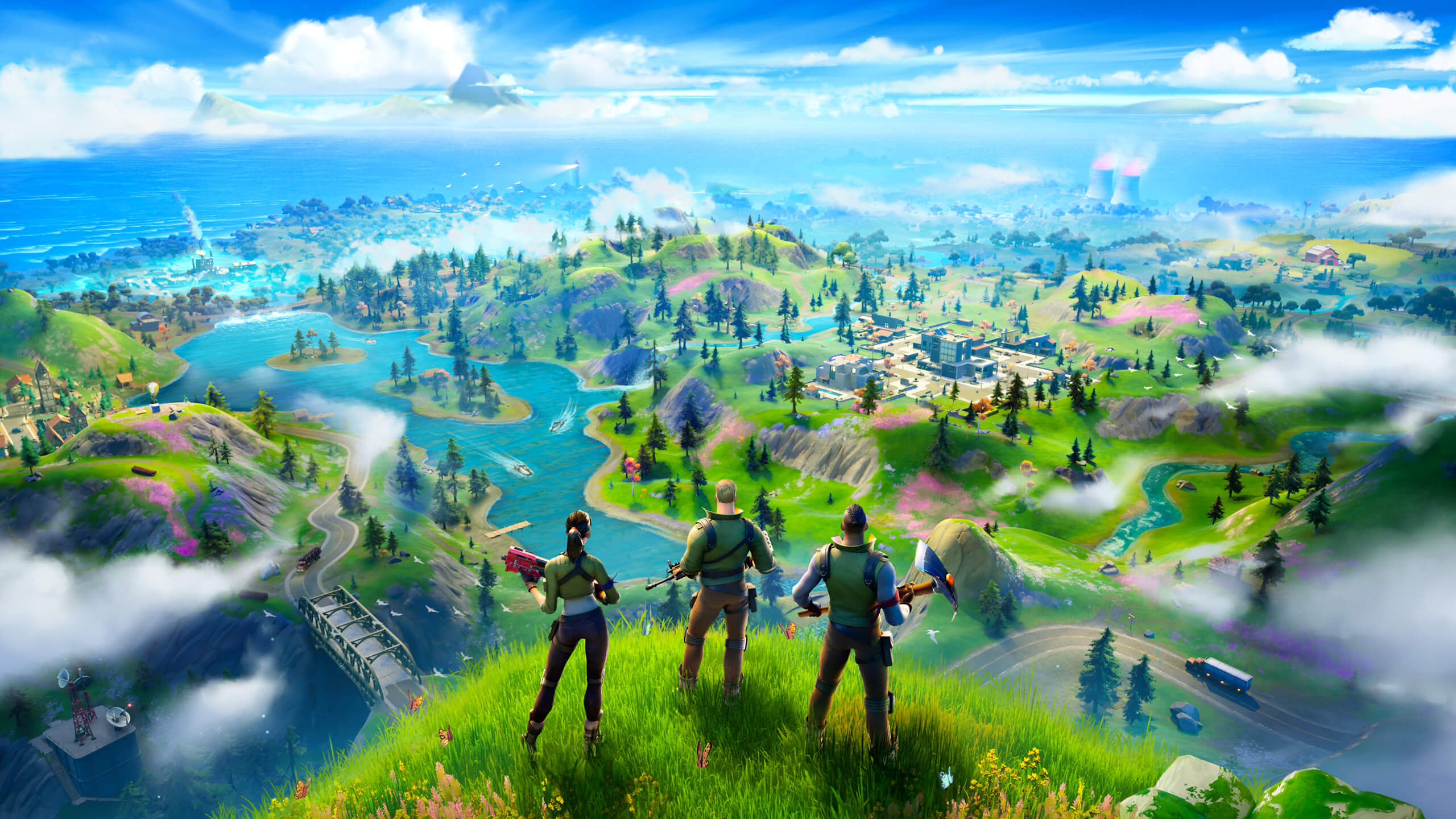
Jonesy is the default blond character who represents the base experience of the battle royale. He appears in cinematic trailers and live events as the audience surrogate. The game is a platform for crossovers, yet Jonesy remains the anchor of its original identity. He is a generic soldier turned into a multiverse traveler.
‘Portal’ (2007)
GLaDOS is the malevolent artificial intelligence that torments the player with tests. Her passive-aggressive dialogue and dark humor are the highlight of the experience. The story is told almost entirely through her monologues as you solve puzzles. She is one of the most quoted antagonists in gaming history.
‘Borderlands’ (2009)
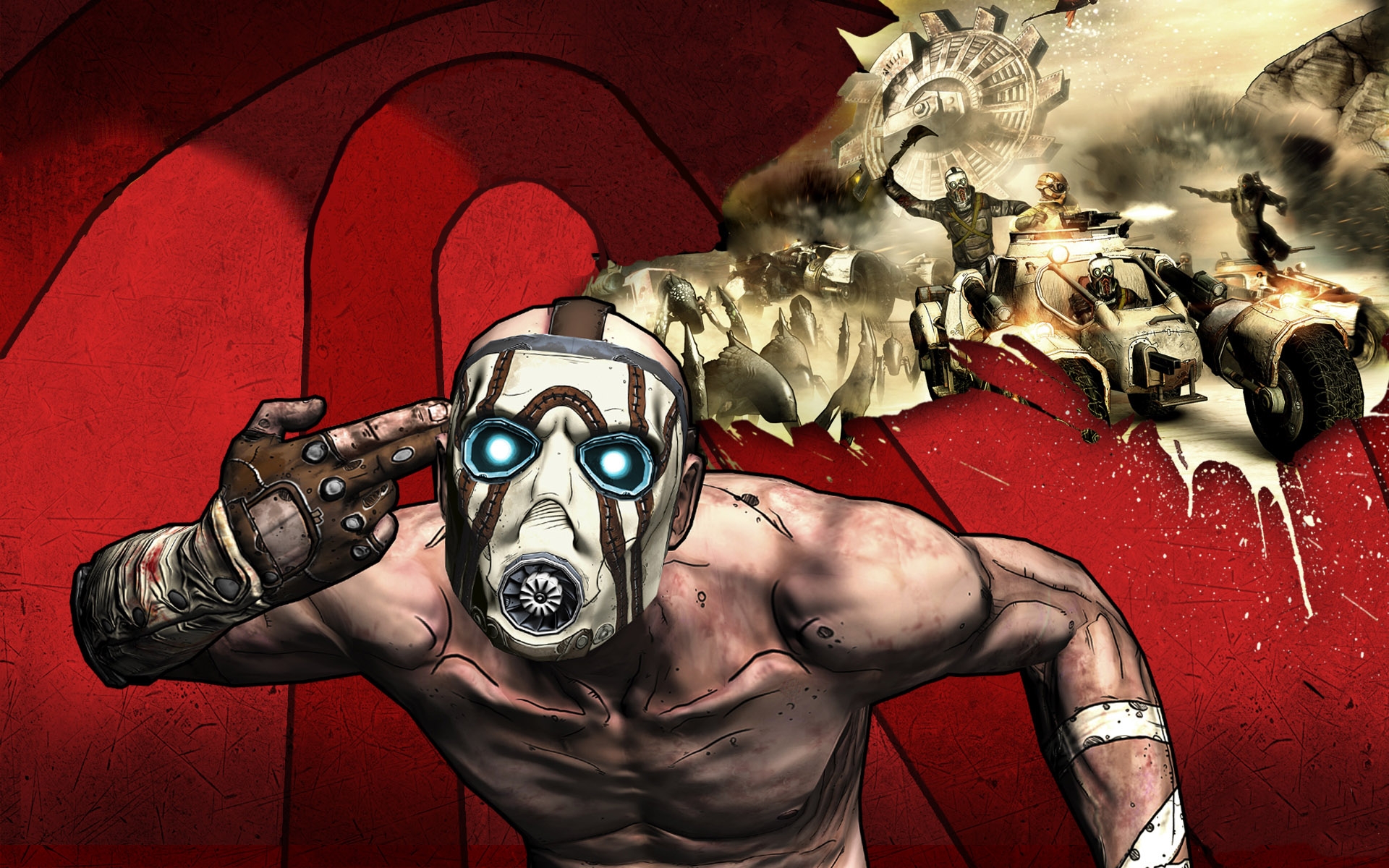
Claptrap is the enthusiastic robot who greets players at the start of the journey. His constant chatter and dancing make him a polarizing but undeniable icon of the series. He serves as the comic relief in a bleak wasteland setting. His design is instantly recognizable as the face of the franchise.
‘Five Nights at Freddy’s’ (2014)
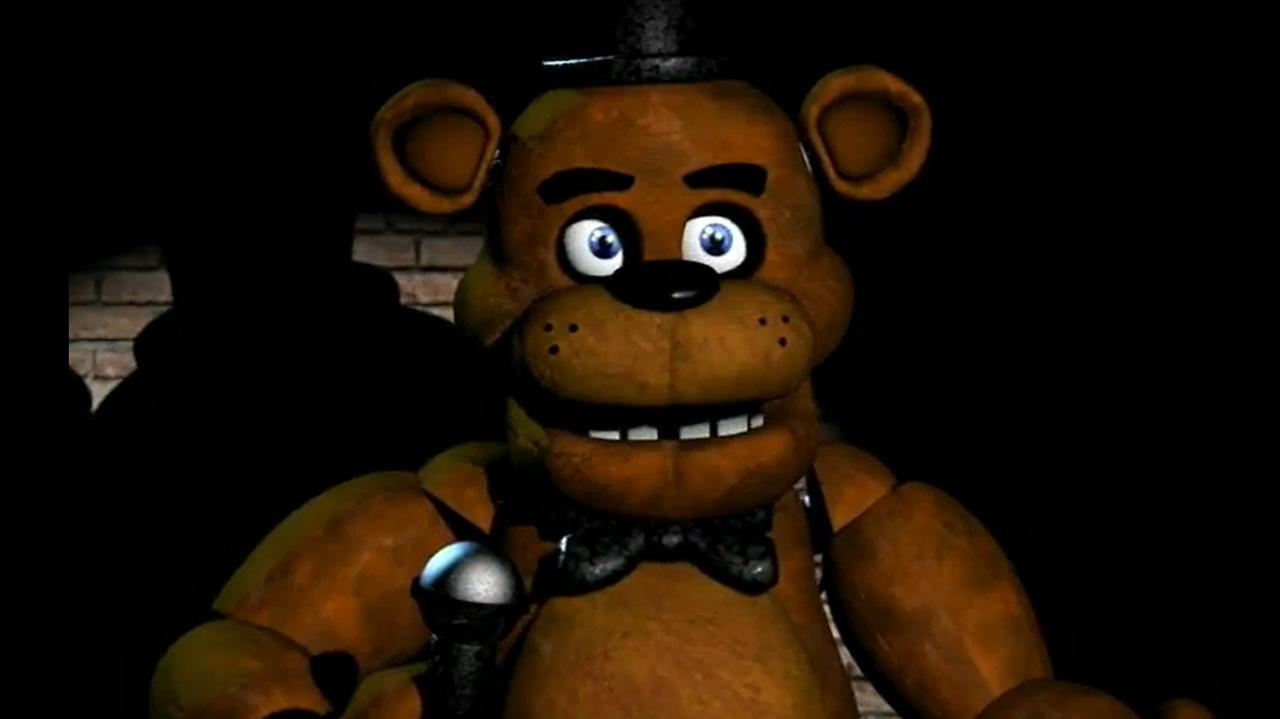
Freddy Fazbear is the animatronic bear that haunts the player’s security office. The lore of the series is incredibly hidden and complex, but the character design is simple horror. His face on the thumbnail of videos drove the viral success of the game. He is a mascot for modern indie horror games.
‘Ratchet & Clank’ (2002)
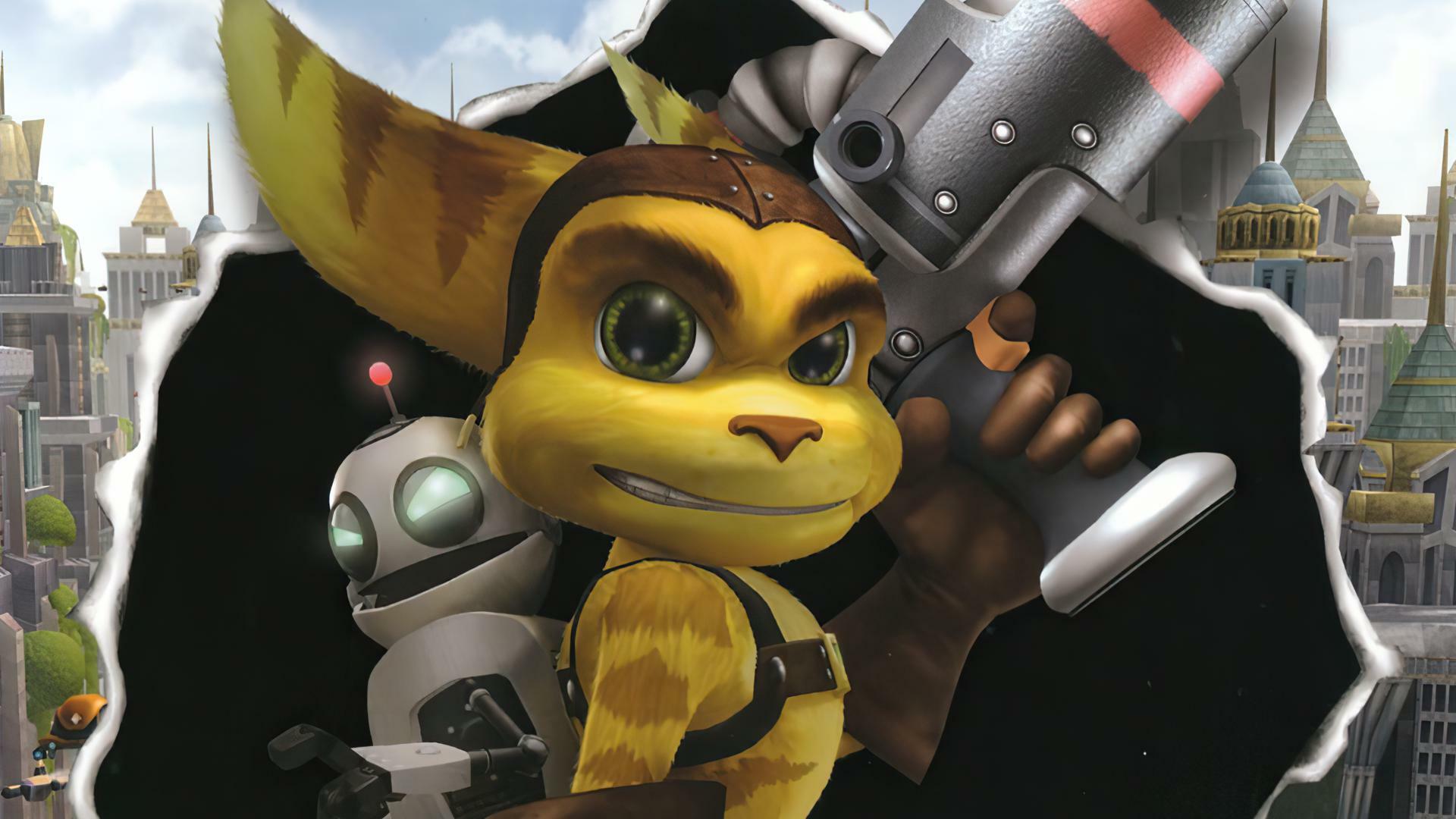
Ratchet is a Lombax mechanic who teams up with a small robot to save the galaxy. Their dynamic is the heart of the series, but the games are defined by the insane arsenal of weapons. The stories are fun space adventures that serve the gameplay loop. Ratchet’s design is a perfect example of the mascot platformer era.
‘Metal Gear Rising: Revengeance’ (2013)
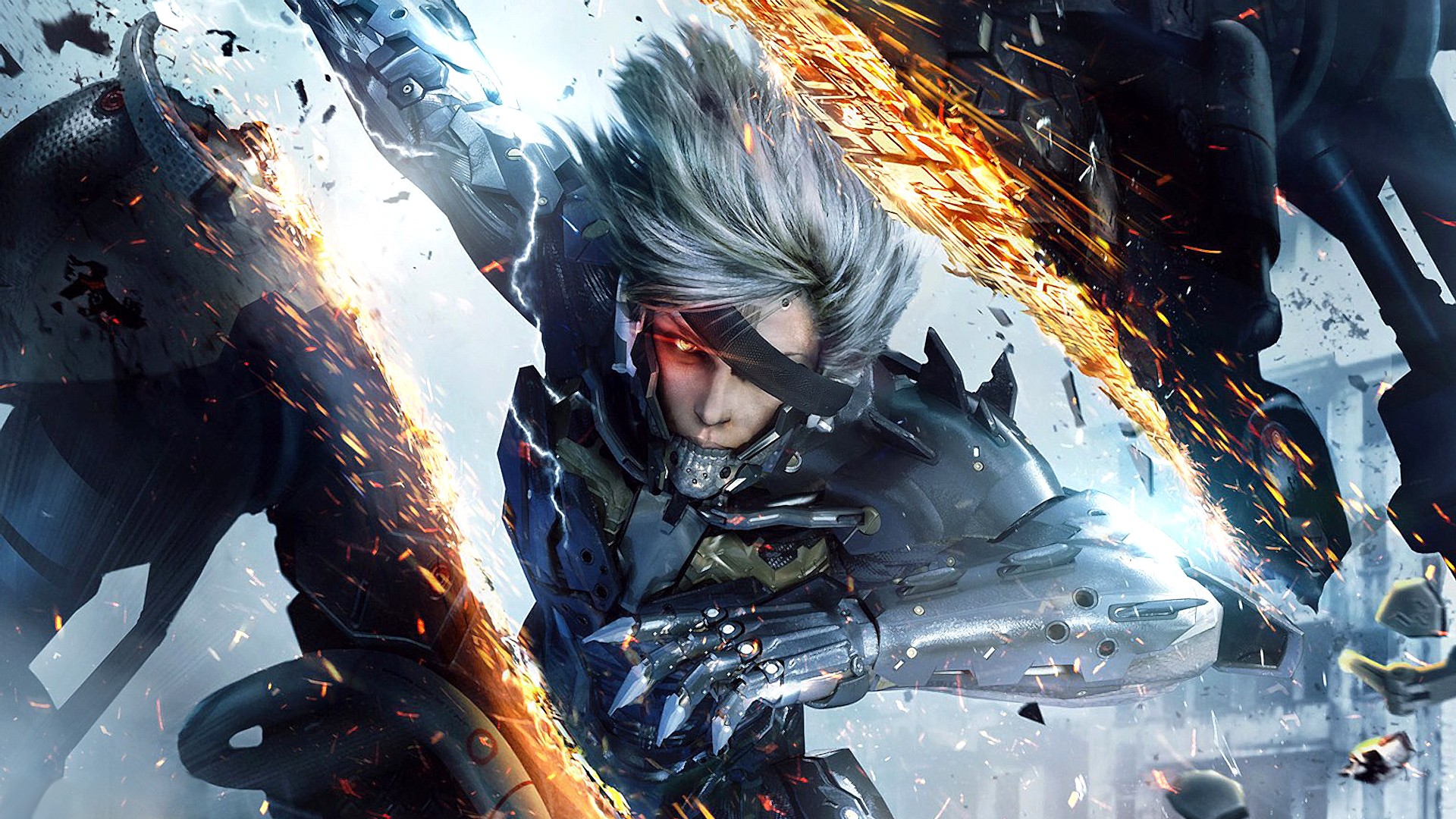
Senator Armstrong appears at the very end of the game and steals the show completely. His over-the-top speech about nanomachines and his physical might became a massive internet meme. People who have never touched the game quote his lines frequently. He is a villain whose personality is far larger than his screen time suggests.
‘Rayman’ (1995)
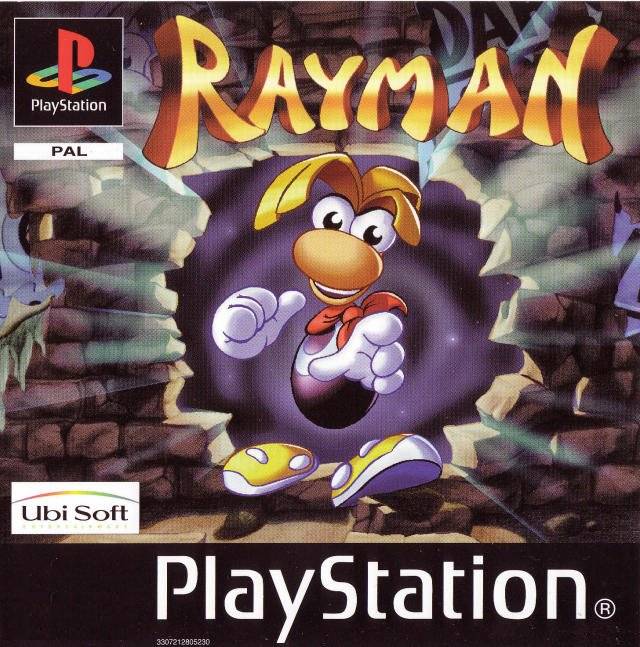
Rayman is a hero with no arms or legs whose limbs float around his body. This unique design choice was originally made to simplify animation but became his trademark. The games are celebrated for their art style and musical levels. The character himself is a whimsical figure of pure platforming joy.
Tell us which gaming icon you think overshadows their game’s plot the most in the comments.