

Games With Hidden Details Only Die-Hard Fans Notice




Video games often contain layers of depth that go unnoticed during a casual playthrough. Developers hide intricate secrets, foreshadowing, and mechanics that only the most dedicated players ever discover. These details reward exploration and deep attention to lore or gameplay systems. From subtle audio cues to complex interactions that require waiting real-world time, these discoveries strengthen the bond between the creator and the fan.
‘Metal Gear Solid 3: Snake Eater’ (2004)
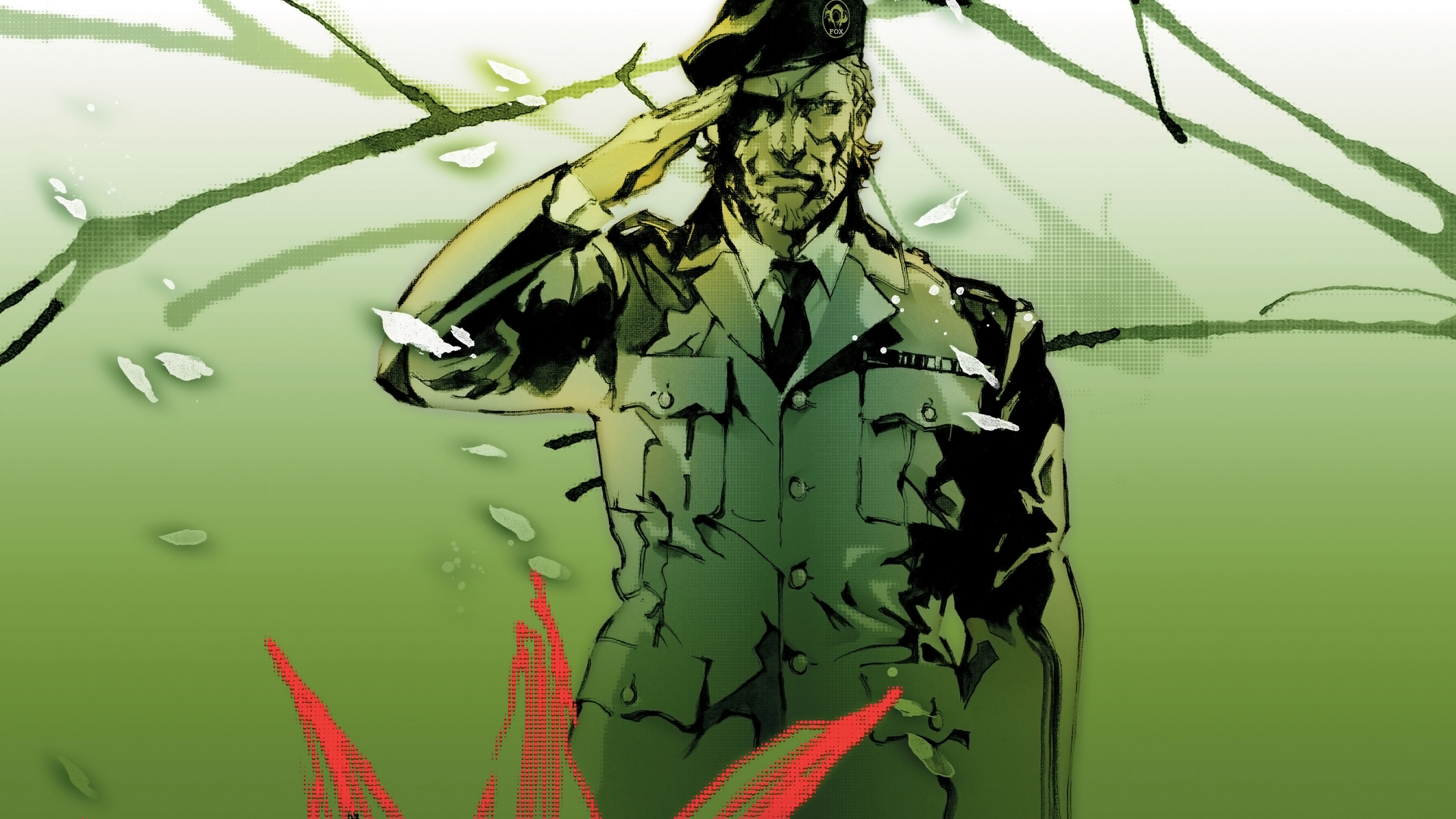
The legendary sniper battle against The End offers a unique solution for patient players. If you save your game during the fight and wait one week in real time, the boss dies of old age. This mechanic allows Snake to bypass the difficult encounter entirely without firing a shot. It serves as a humorous acknowledgment of the character’s advanced age and the passage of time.
‘Dead Space’ (2008)

The narrative twist regarding Isaac Clarke’s girlfriend is hidden in plain sight throughout the game. If players take the first letter of every chapter title, it spells out a grim sentence. The resulting message confirms that Nicole is already dead before the game even begins. This acronym foreshadows the hallucination reveal that occurs in the final moments of the story.
‘Batman: Arkham City’ (2011)
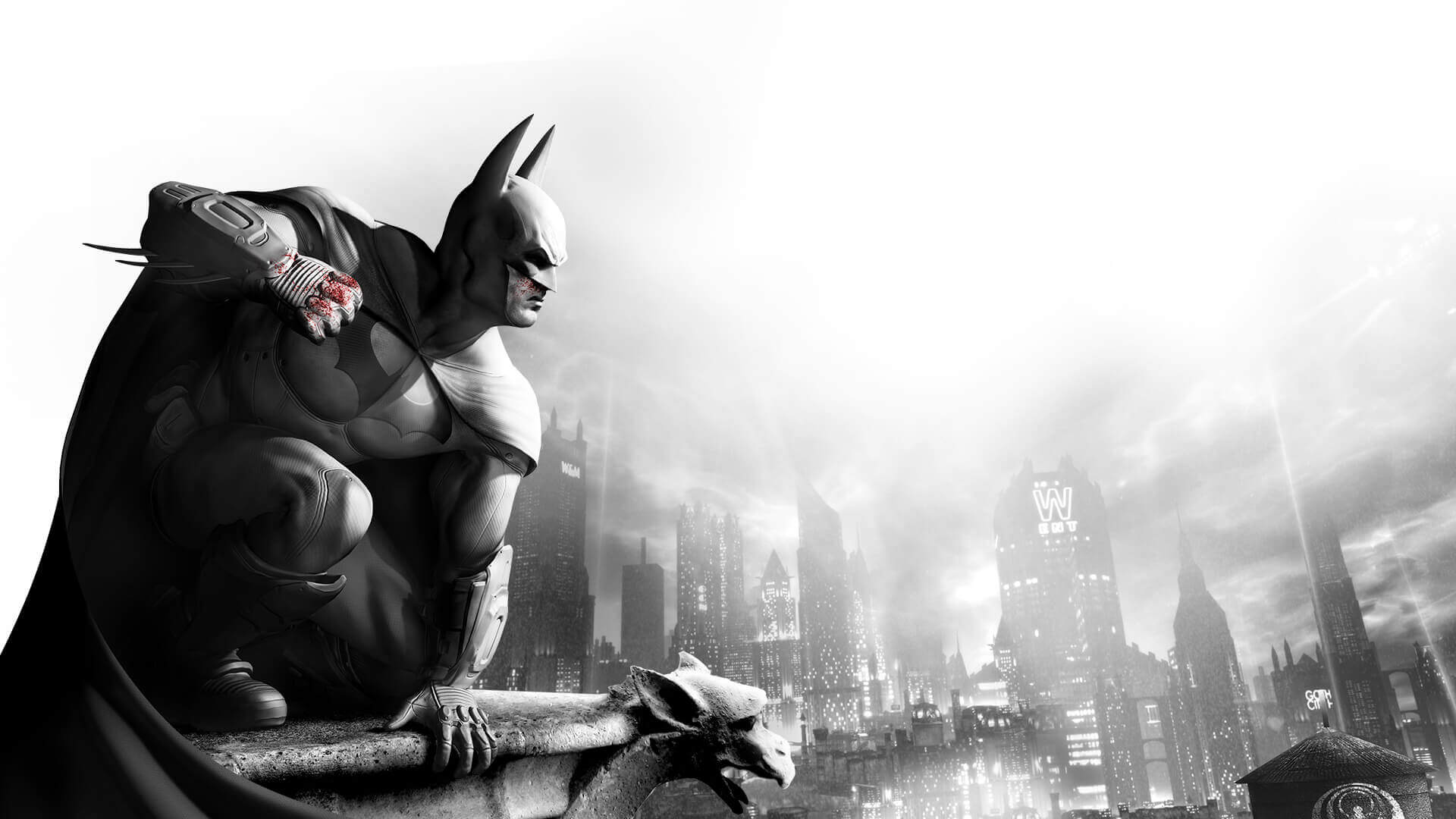
Calendar Man is a villain imprisoned in the courthouse basement who speaks to Batman. He offers unique dialogue only if the player visits him on specific real-world holidays. Players who manipulated their console clocks discovered a secret monologue predicting the plot of the next game. This hidden detail requires visiting him on twelve different dates to unlock the full conversation.
‘Silent Hill 2’ (2001)
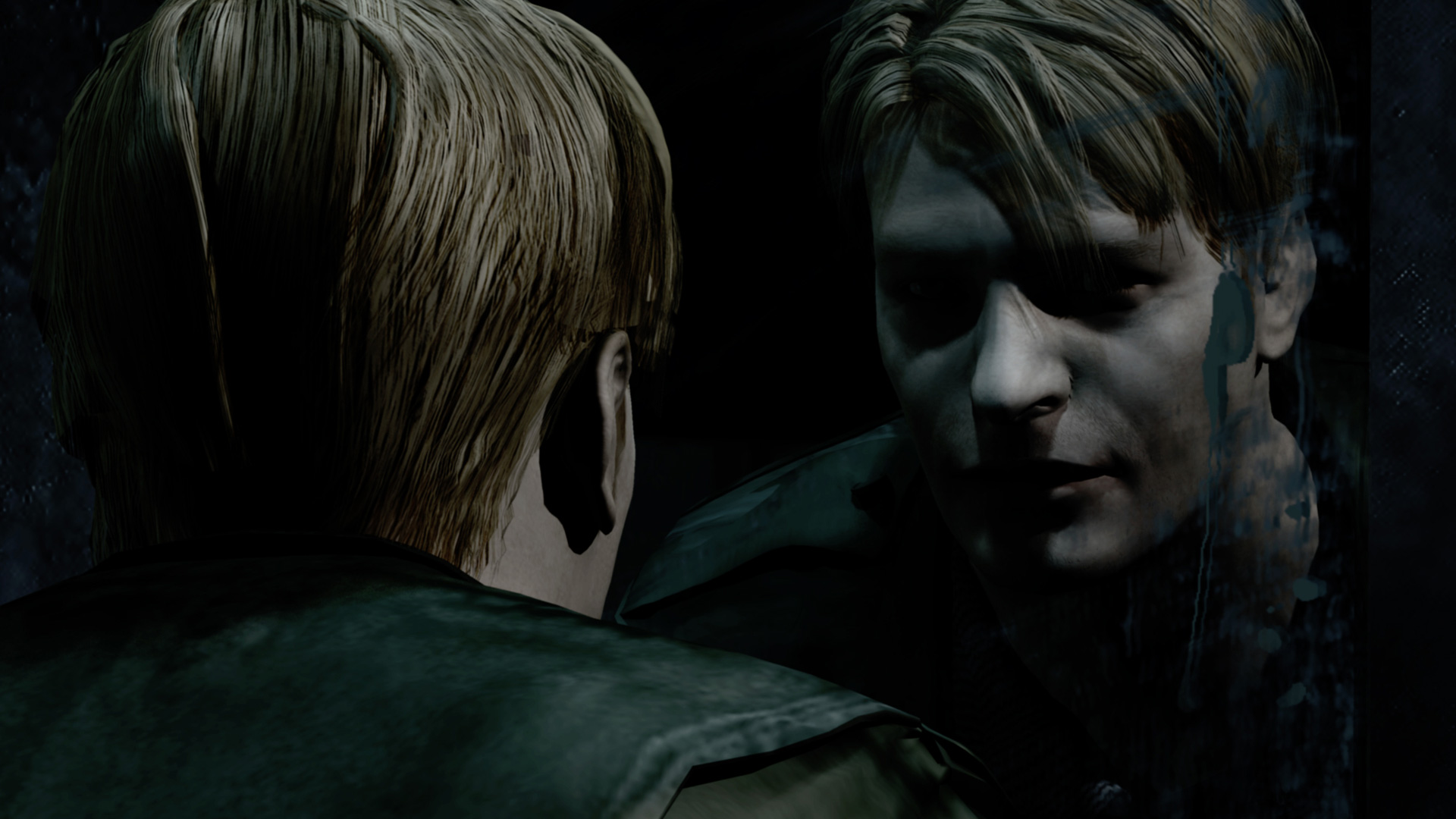
The protagonist James Sunderland begins the game staring into a mirror in a public restroom. Die-hard fans noticed that his reflection stares at the player rather than at James himself. This subtle animation choice hints at the character’s fractured psyche and breaks the fourth wall immediately. It establishes an unsettling atmosphere before the player takes a single step.
‘Grand Theft Auto V’ (2013)
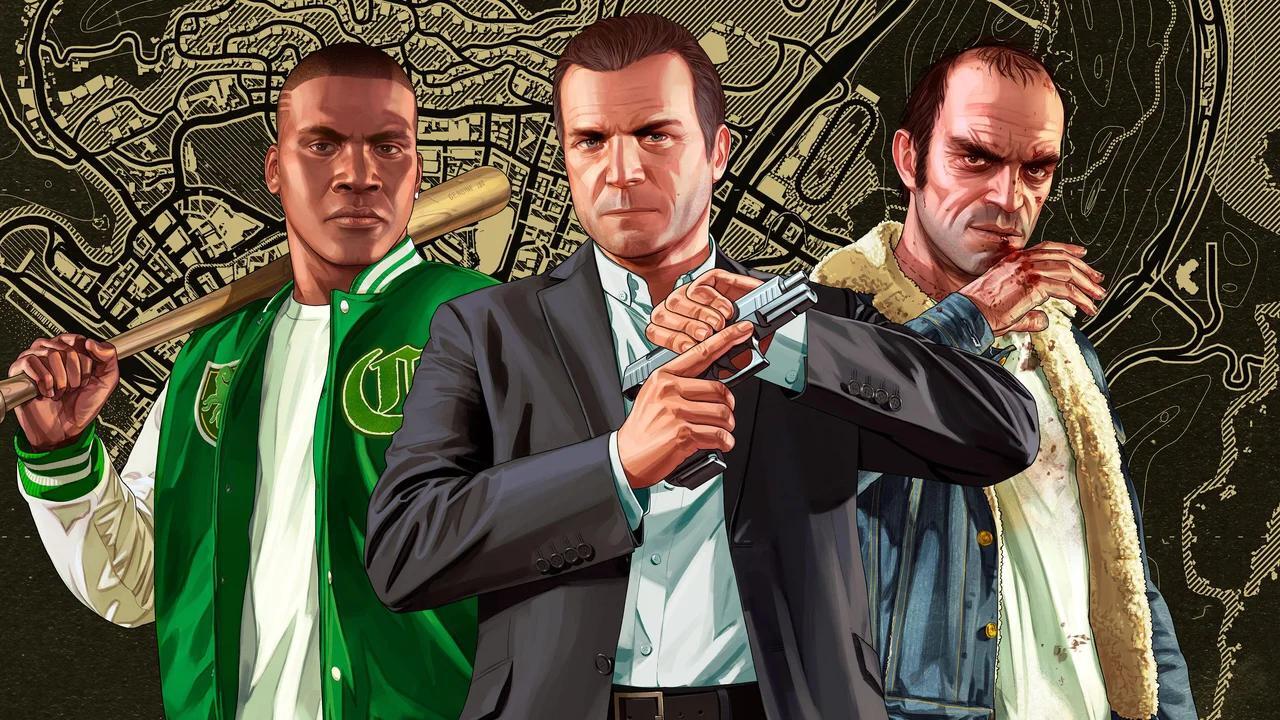
Players can encounter a supernatural entity on Mount Gordo between specific in-game hours. The ghost of Jolene Cranley-Evans appears near the peak exactly at midnight and vanishes at one in the morning. She floats above a rock where the name Jock is written in blood. This environmental storytelling alludes to a murder mystery involving a prominent political candidate in the game world.
‘Red Dead Redemption 2’ (2018)
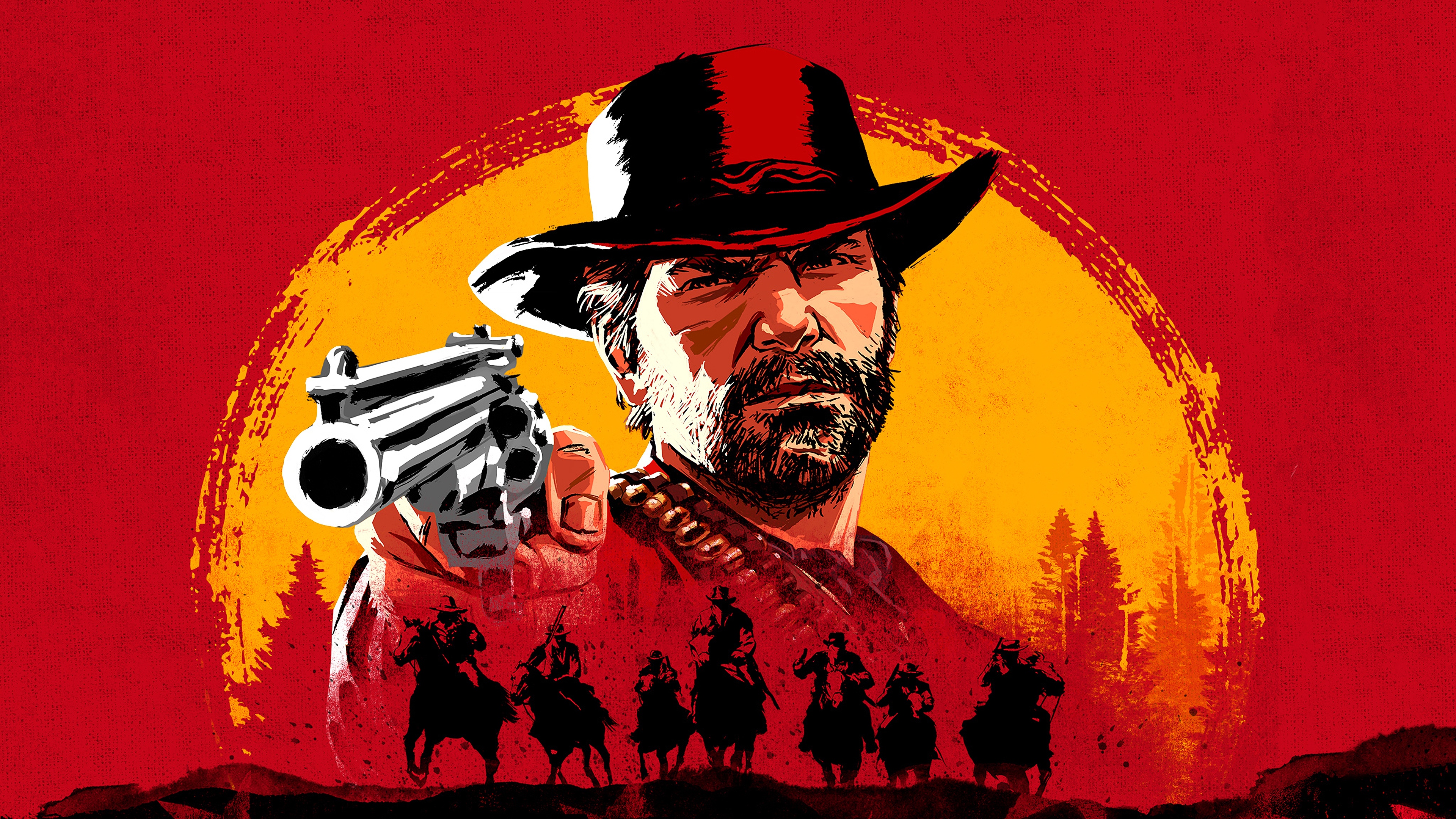
The level of detail in the decomposition system for wildlife is staggeringly realistic. Animal carcasses left in the wild will decay over time until only skeletons remain. Scavengers like vultures and wolves will actively appear to feed on the remains. This system operates independently of the player and reinforces the living nature of the open world.
‘The Witcher 3: Wild Hunt’ (2015)
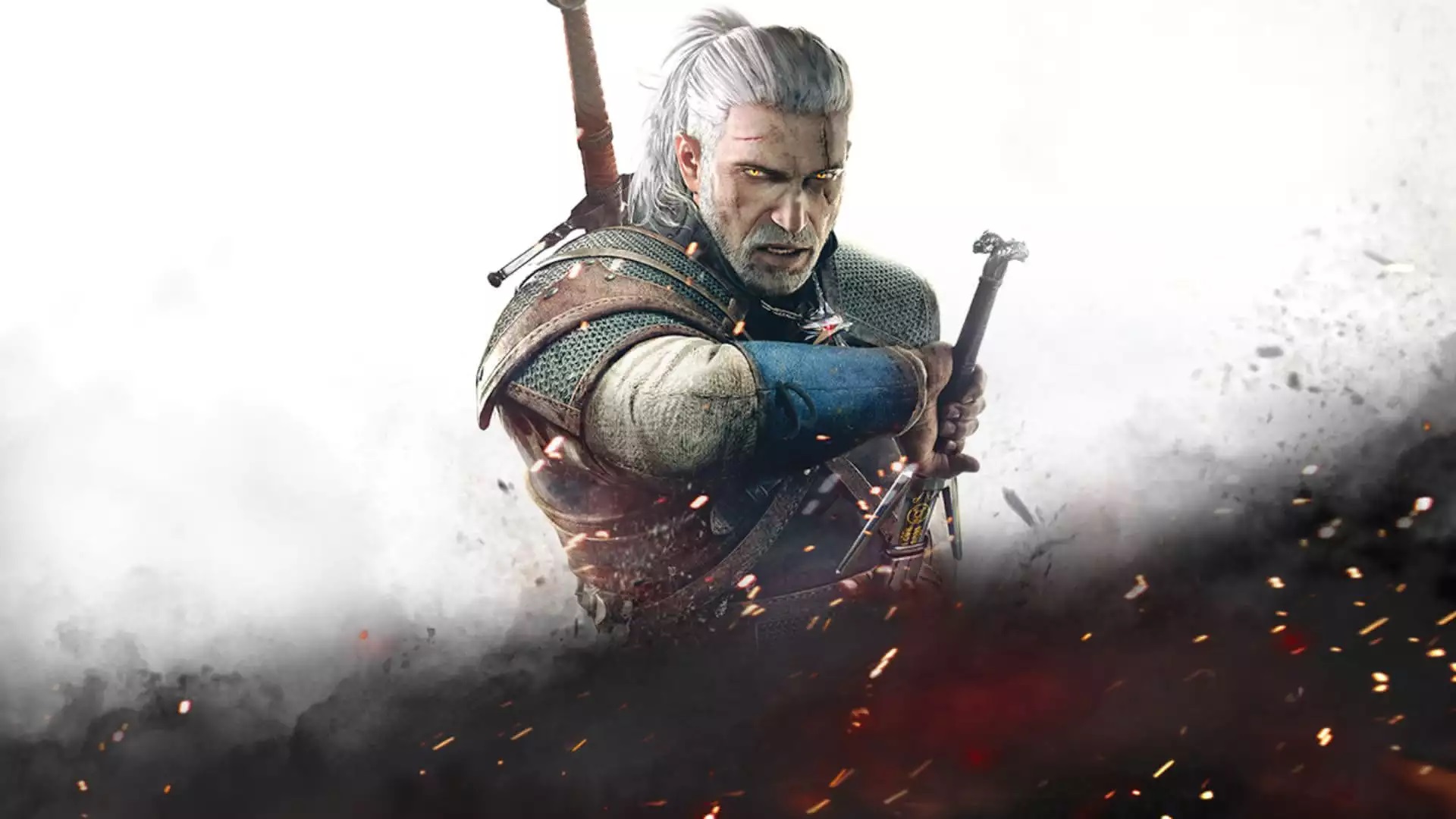
The antagonist Gaunter O’Dimm stalks Geralt throughout the expansion even when he is not part of the scene. Dedicated players have spotted him disguised as a peasant or merchant in the background of various cutscenes. He blends into crowds to observe the consequences of his pacts with mortals. These cameos highlight his omnipresence and manipulative nature as a powerful entity.
‘Far Cry 4’ (2014)
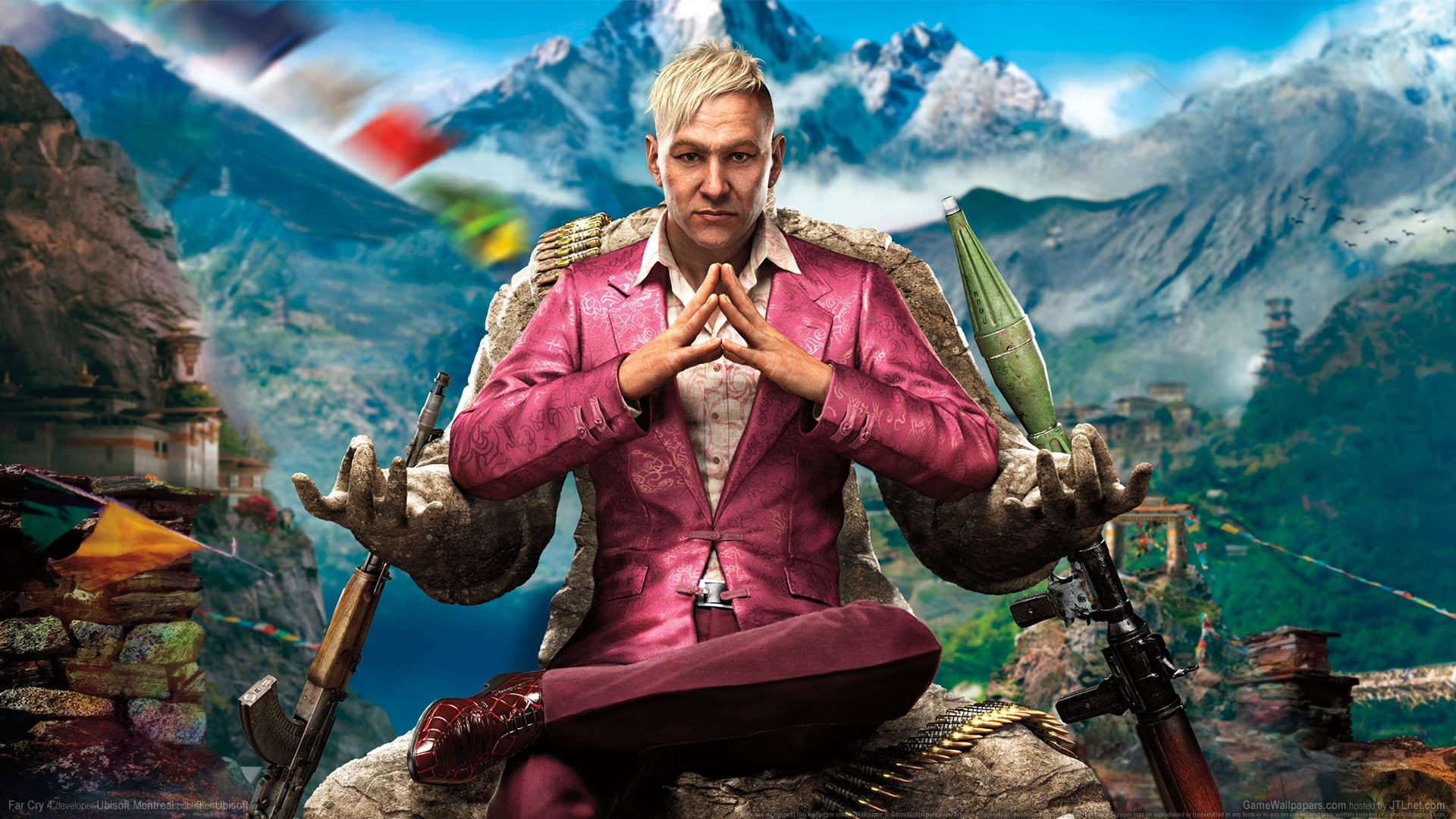
The game offers a secret ending that can be triggered within the first fifteen minutes. If the player simply remains at the dining table instead of fleeing, the antagonist Pagan Min returns. He honors his promise to help the protagonist spread his mother’s ashes. This alternate path rolls the credits early and avoids the violent civil war entirely.
‘BioShock’ (2007)
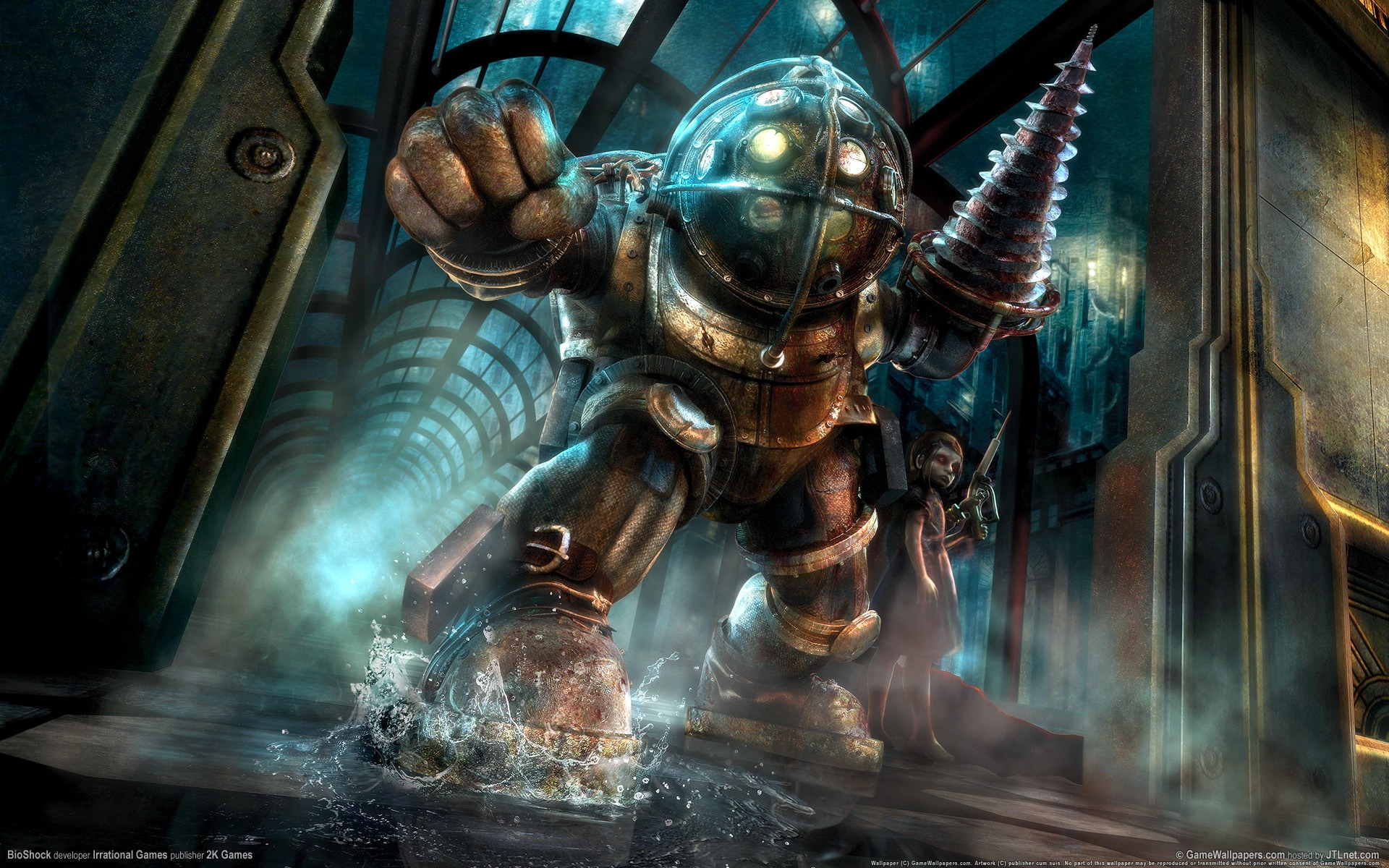
The Splicers in Rapture are not just mindless enemies but tragic figures with lingering memories. If the player observes them from the shadows without attacking, they often engage in mundane activities. They might mourn a “baby” that is actually a revolver or complain about their appearance. These unscripted moments humanize the monsters and emphasize the fall of the underwater city.
‘Half-Life 2’ (2004)
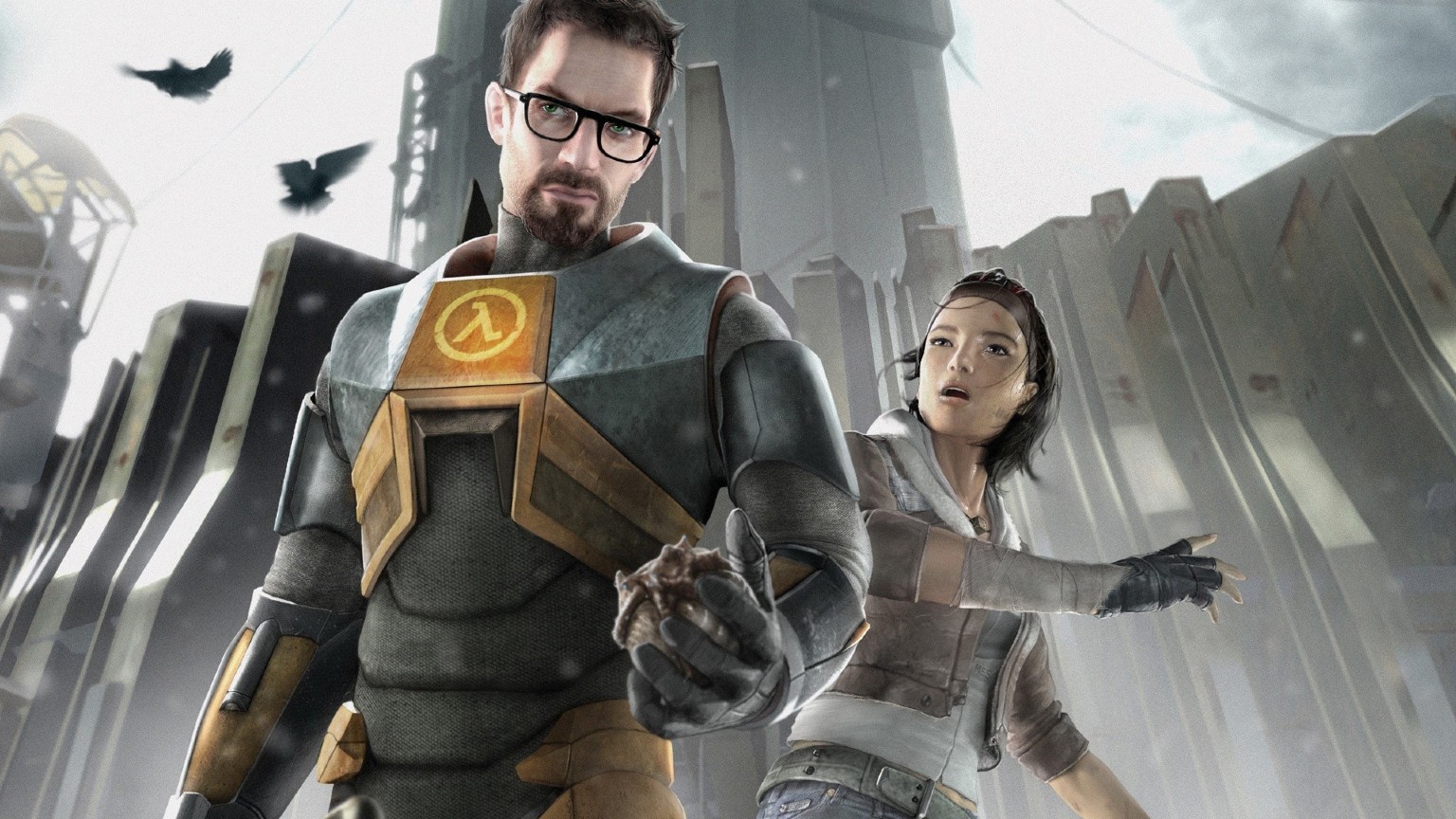
The mysterious G-Man observes Gordon Freeman from a distance throughout the entire campaign. Sharp-eyed players can spot him standing on balconies, inside boats, or on television screens in the background. He always vanishes or walks away once the player notices him or moves closer. These sightings reinforce the idea that Freeman is a pawn in a much larger cosmic game.
‘God of War’ (2018)

Kratos undergoes subtle physical changes as the journey progresses and his bond with Atreus grows. The bandages he wears to hide the scars of his past blades slowly begin to unravel and fall away. His fighting stance also shifts to become more protective of his son during combat encounters. These visual details mirror his internal character arc from a solitary warrior to a father.
‘The Last of Us’ (2013)
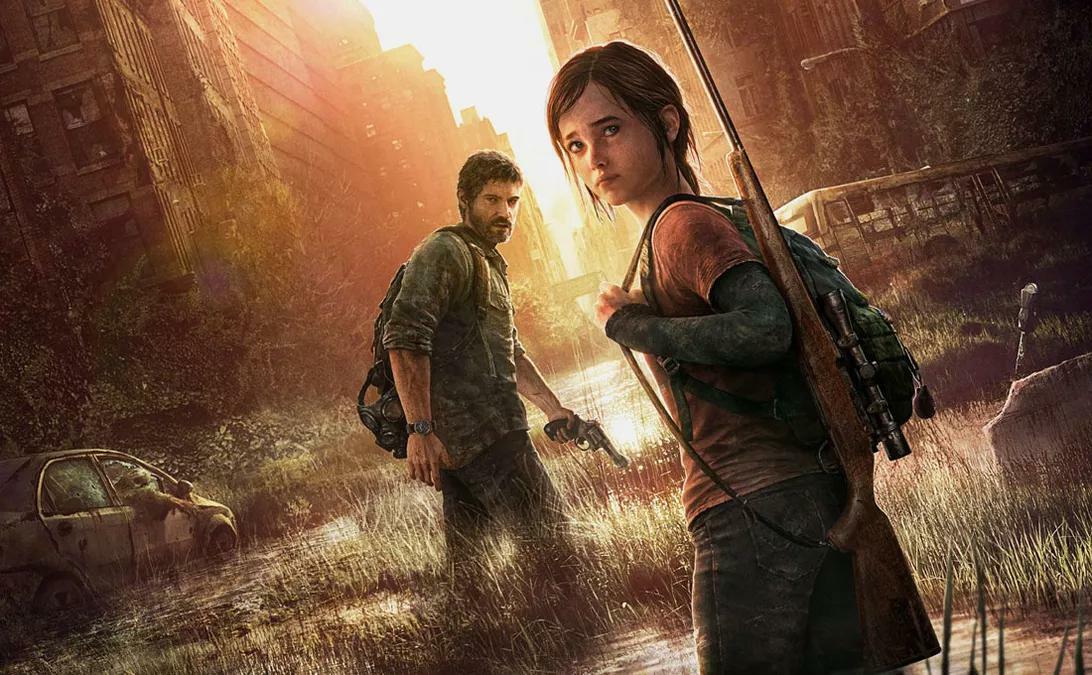
The Cordyceps infection follows a realistic biological progression based on the environment. Infected enemies found in damp areas have fungi sprouting from their bodies that differ from those in dry zones. Even the ants crawling on the infected bodies are rendered to show the ecosystem reclaiming the hosts. Naughty Dog included these minute details to ground the sci-fi horror in natural realism.
‘Dark Souls’ (2011)
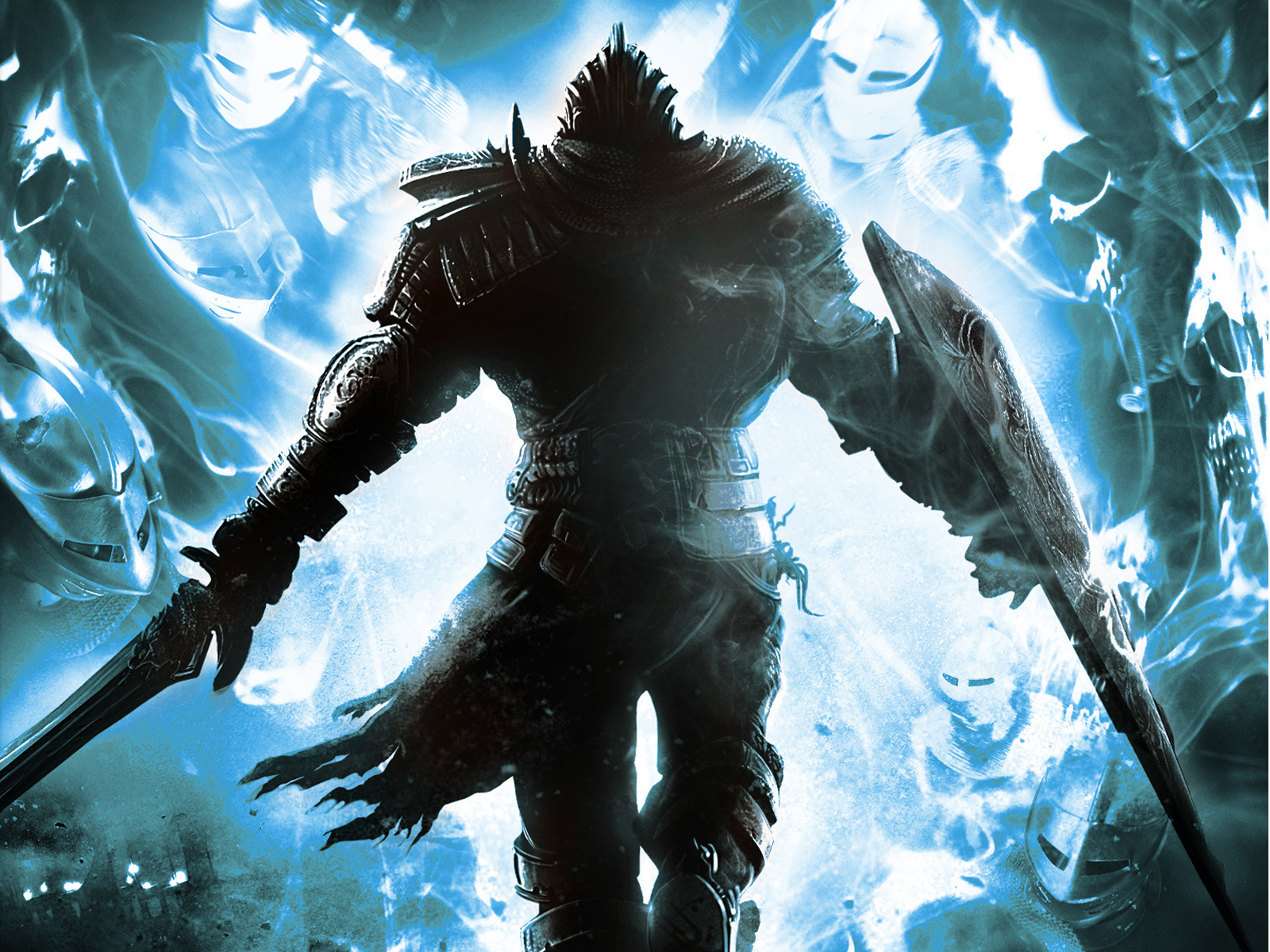
A hidden cutscene plays before the boss fight with Great Grey Wolf Sif under specific conditions. If the player completes the expansion content and rescues Sif in the past before the main fight, the wolf recognizes them. Sif howls sadly and reluctantly picks up the sword to duel her former savior. This emotional detail transforms a standard monster battle into a tragic confrontation.
‘Portal 2’ (2011)
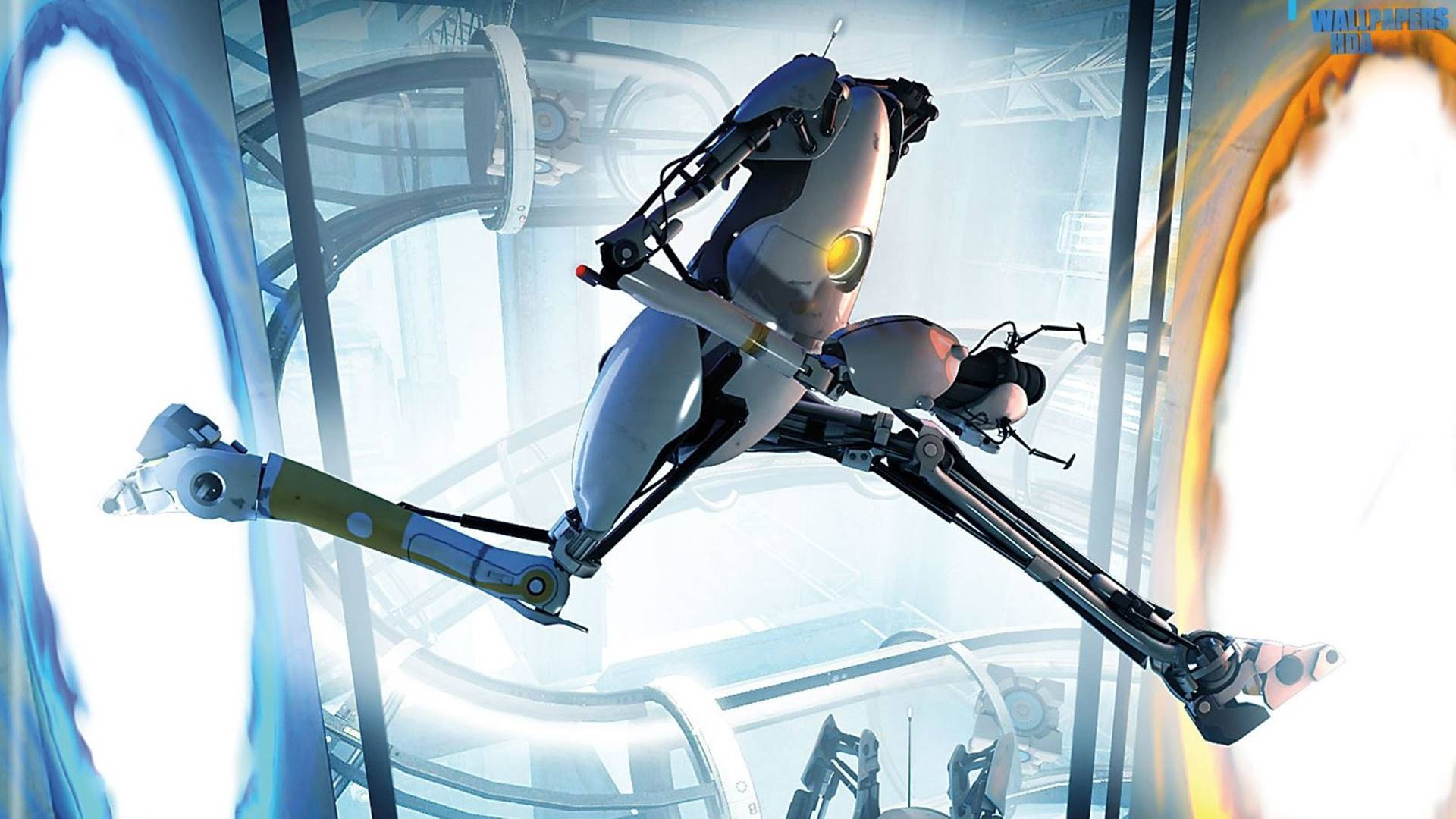
The history of the Aperture Science facility is told through the hidden dens of Doug Rattmann. This schizophrenic scientist left erratic murals and scribbles behind the pristine test chambers. Hardcore fans who find these secret areas can piece together the backstory of GLaDOS and Chell. The audio in these dens also contains rhythmic chanting that reveals further lore when deciphered.
‘Chrono Trigger’ (1995)
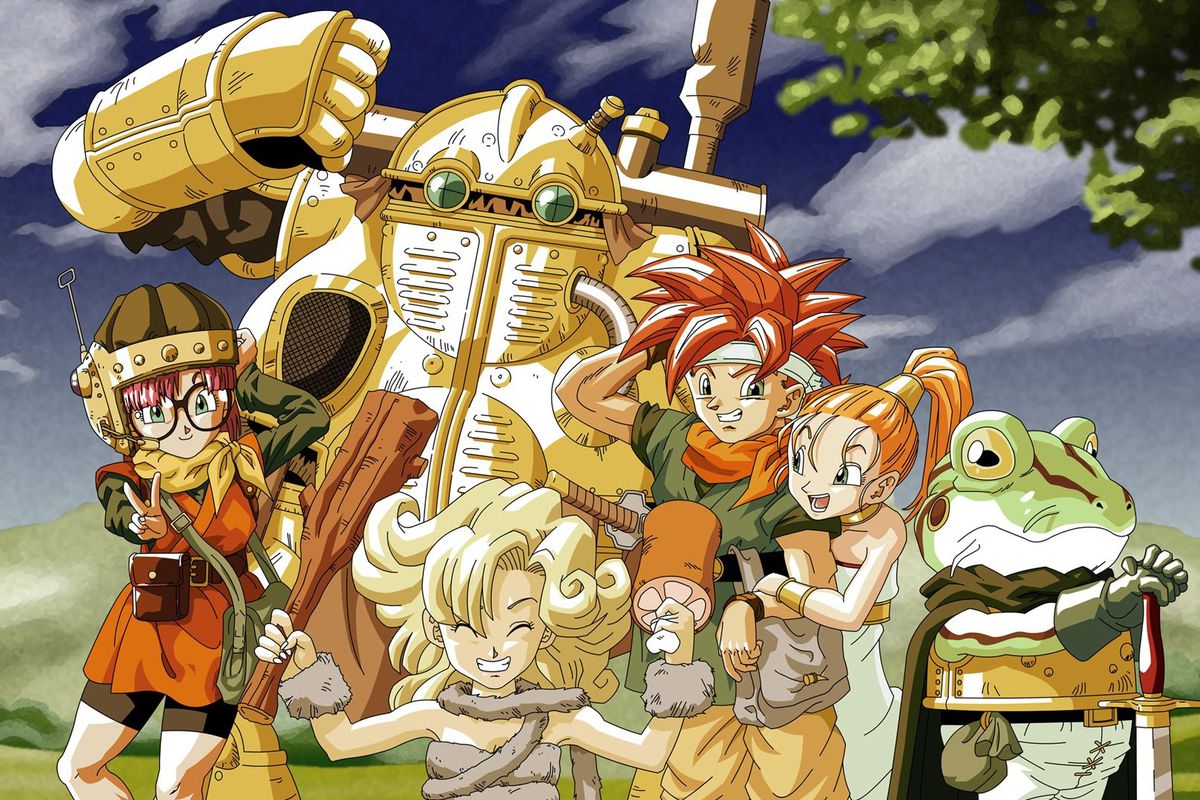
The seemingly minor actions Crono takes at the Millennial Fair affect his murder trial later in the game. Eating a stranger’s lunch or trying to sell a pendant will be used as evidence against him by witnesses. The game tracks these moral choices silently to determine the jury’s verdict. This system surprises players who assumed their behavior in the tutorial area was inconsequential.
‘NieR: Automata’ (2017)
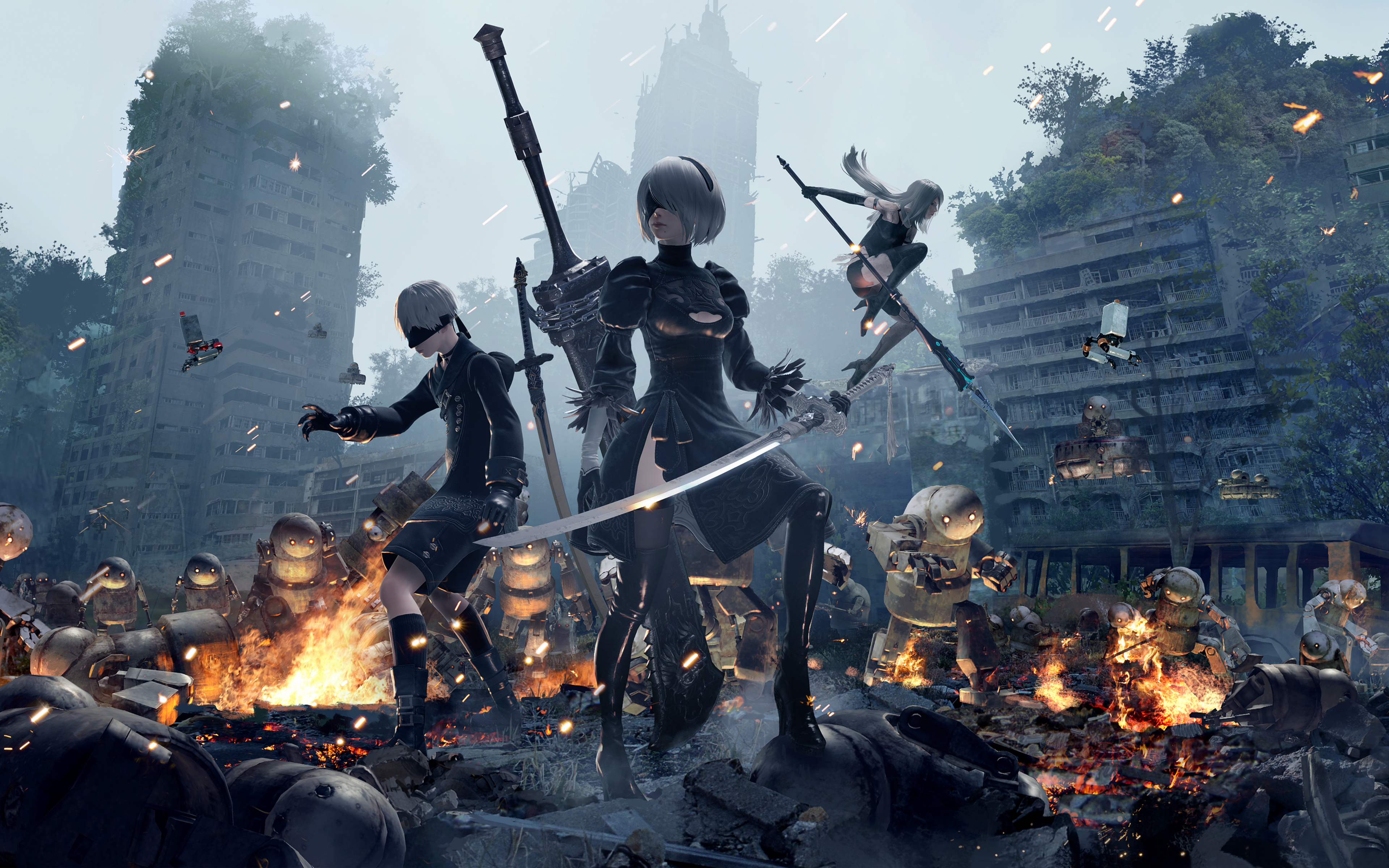
The game allows players to customize the android protagonist’s internal systems using plug-in chips. One critical chip is labeled as the OS Chip and contains the warning that removal means death. If a curious player removes this item from their inventory, the android shuts down and the credits roll immediately. This meta-mechanic treats the game menu as an actual part of the character’s biology.
‘The Legend of Zelda: Breath of the Wild’ (2017)
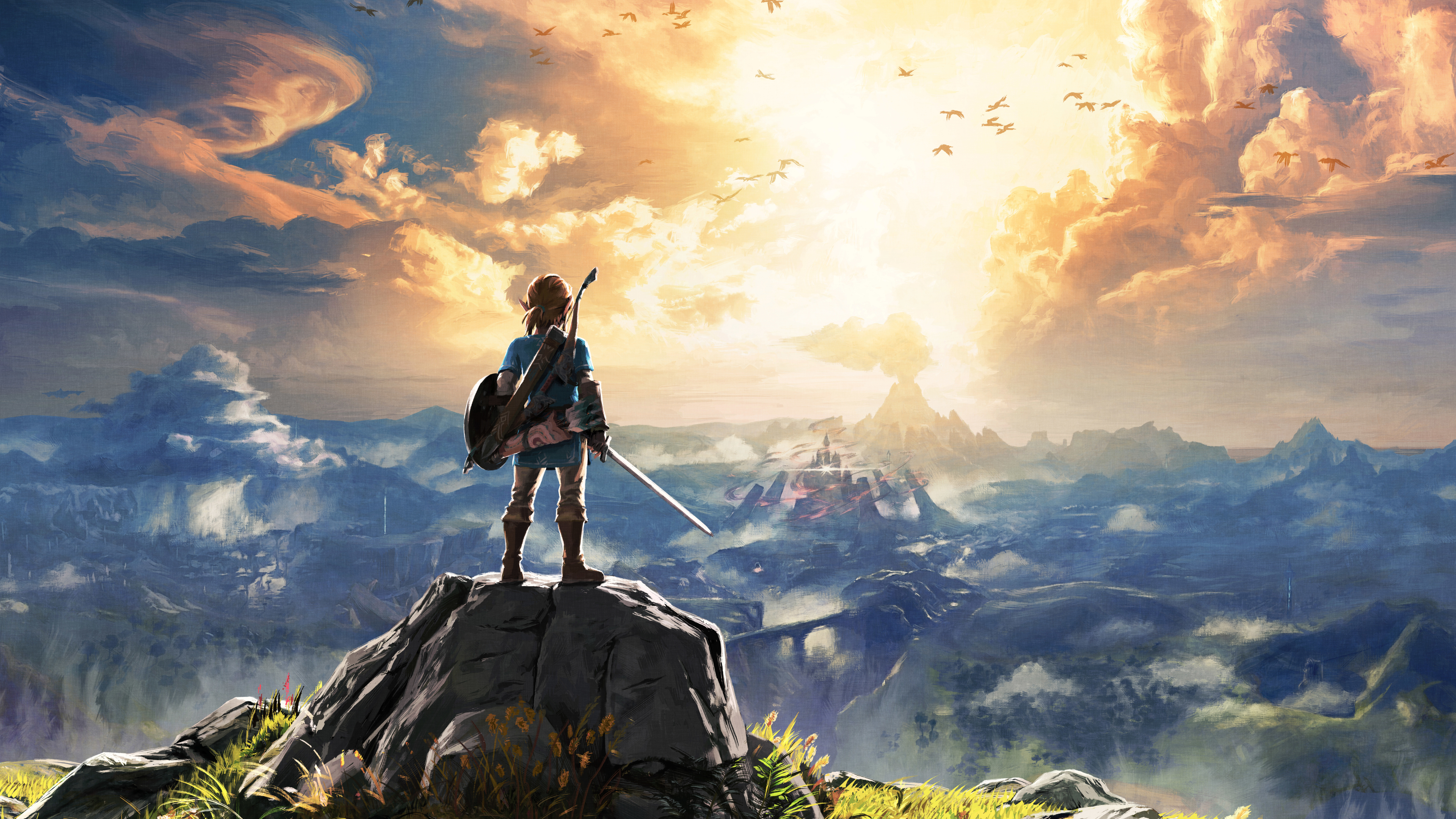
Link’s idle animations change depending on his physical condition and the current weather. If he is shirtless in the snow, he will shiver and rub his arms to stay warm. When he is exhausted from running, his breathing becomes visibly heavy and his posture slumps. These reactions add a layer of immersion that connects the player to the harshness of the environment.
‘Shadow of the Colossus’ (2005)
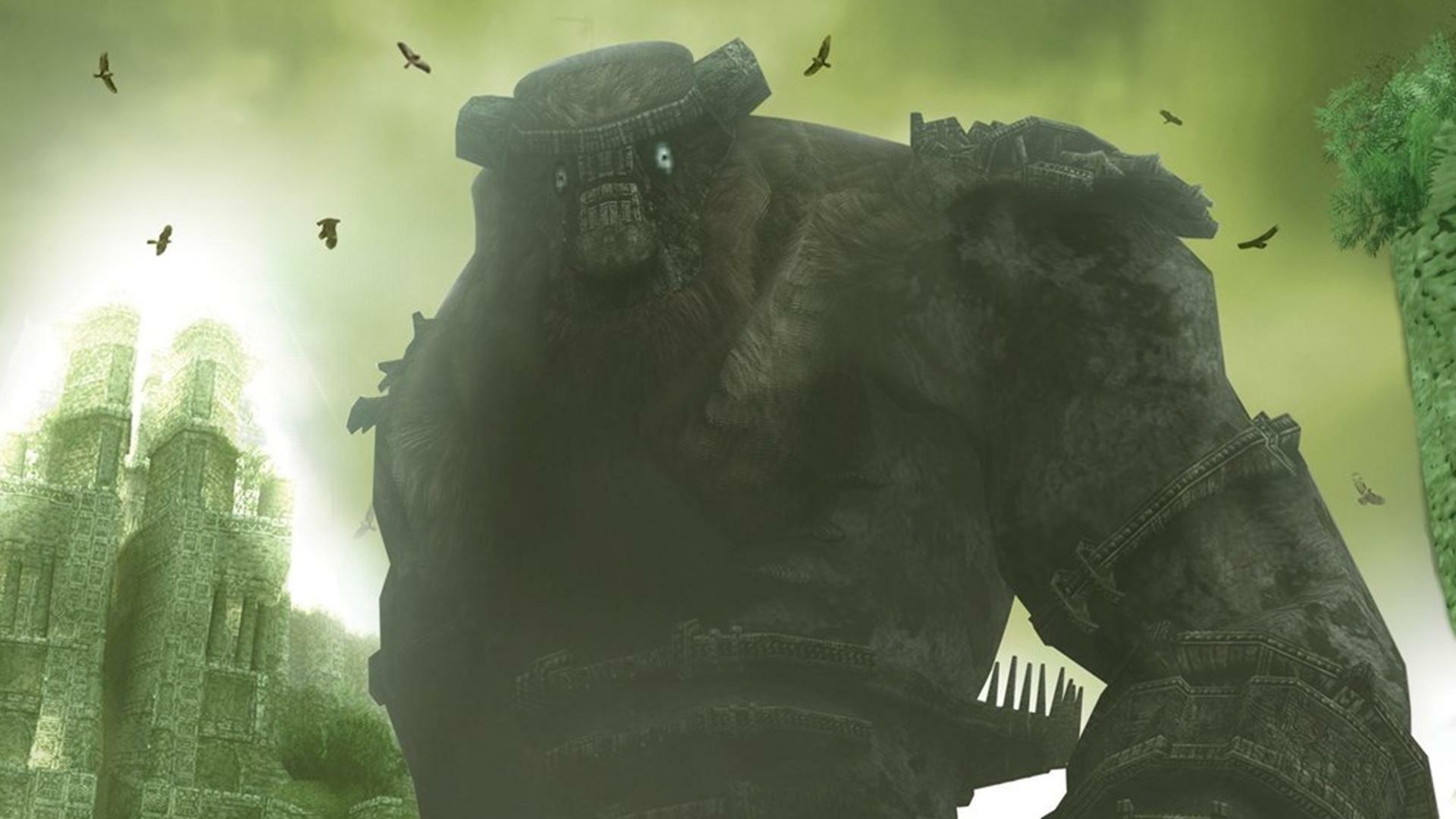
Eating fruit found on trees throughout the forbidden land increases the protagonist’s maximum health. However, eating the fruit from the secret garden at the top of the shrine decreases health and stamina. This hidden mechanic serves as a punishment for reaching a forbidden area. It reinforces the themes of transgression and the corruption of the main character.
‘Spec Ops: The Line’ (2012)
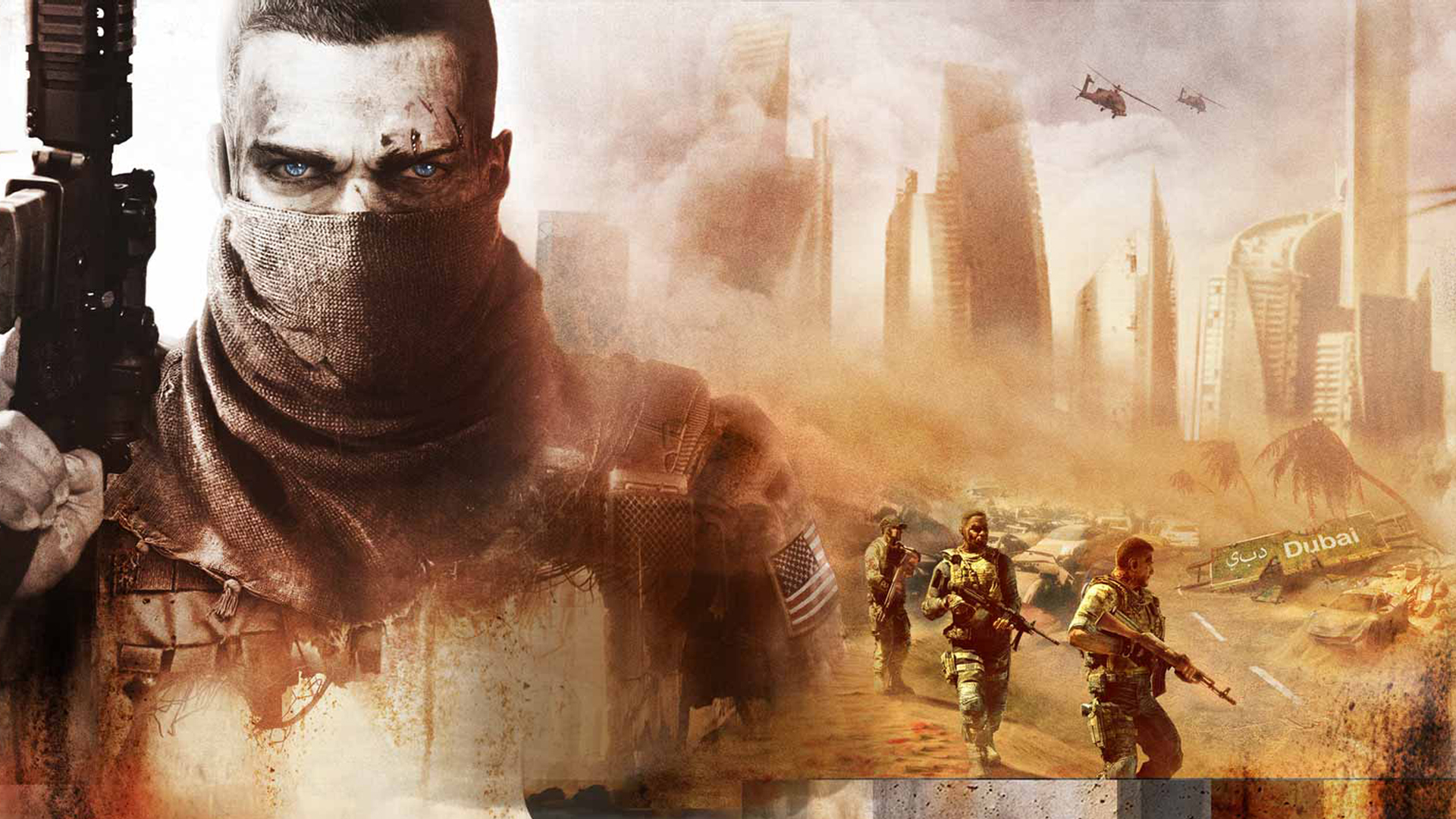
The main menu screen evolves as the player progresses through the harrowing campaign. Initially, it shows a soldier looking over a calm Dubai skyline with patriotic music. By the end, the city is burning and the soldier looks disheveled while staring menacingly at the player. This gradual visual shift mirrors the protagonist’s descent into madness and war crimes.
‘Uncharted 4: A Thief’s End’ (2016)
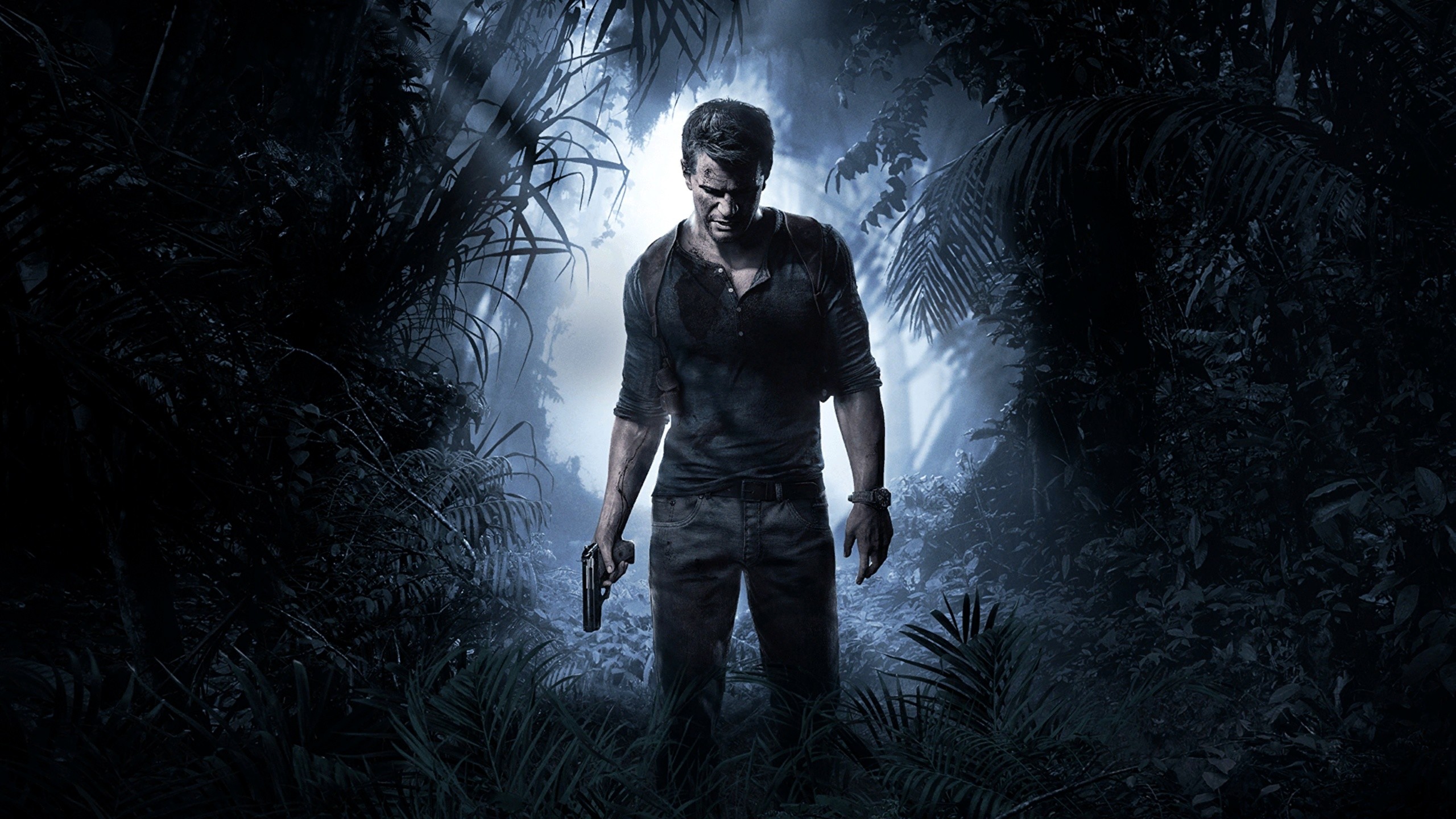
Nathan Drake can play a functional version of the original Crash Bandicoot on a console in his home. If the player beats the high score set by Elena, she acknowledges the victory with specific dialogue. The game even renders Drake playing the game with the controller lights reflecting on his face. This easter egg pays homage to the developer’s history with the PlayStation mascot.
‘Fallout: New Vegas’ (2010)
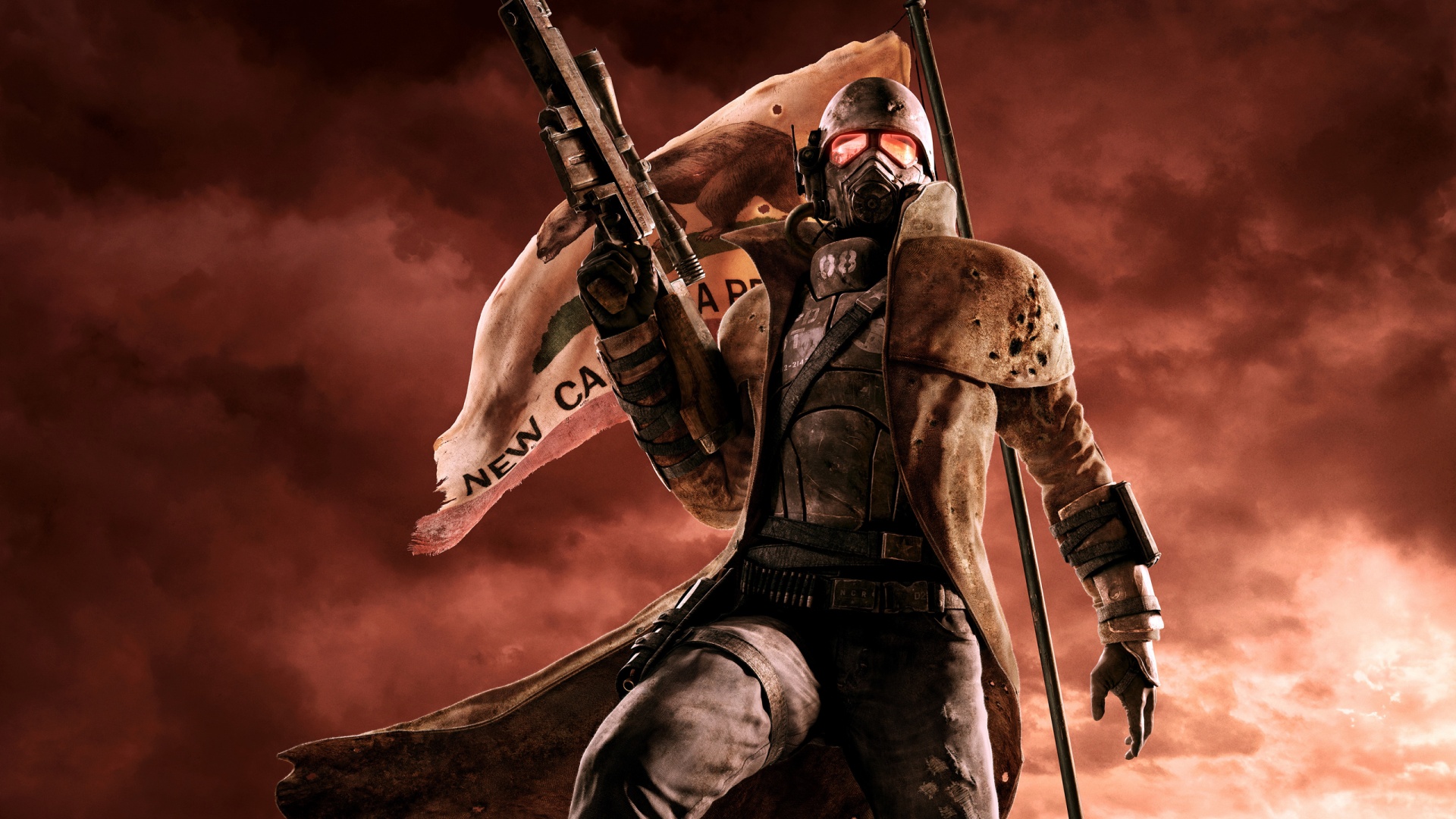
Players with the Wild Wasteland trait can discover a refrigerator containing a skeleton wearing a fedora. This is a dark reference to the fourth Indiana Jones movie where the hero survives a nuclear blast in a fridge. The game implies that such a stunt would not actually work in the Fallout universe. It serves as a humorous critique of movie physics within a post-apocalyptic setting.
‘Super Mario Bros. 3’ (1988)
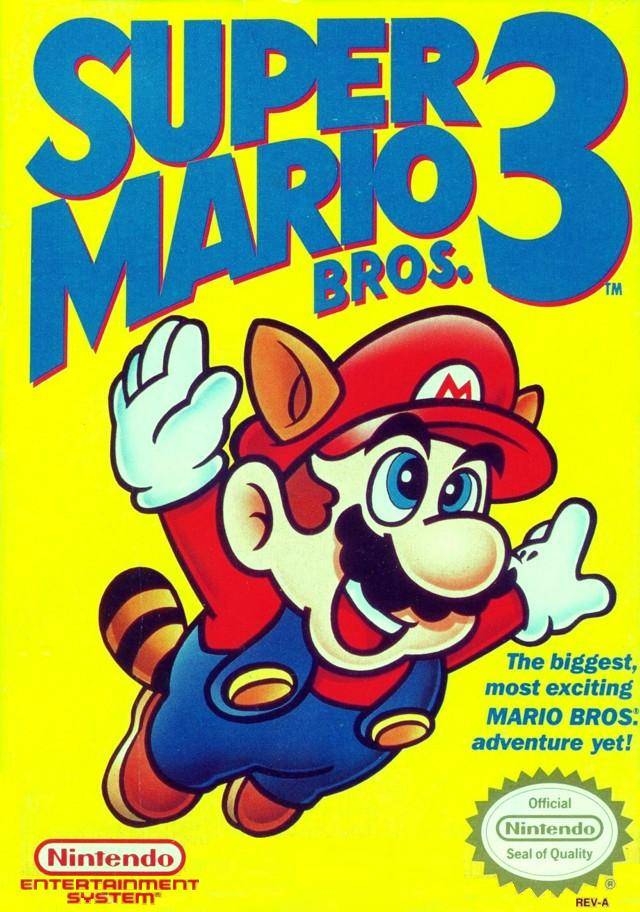
The entire game is presented aesthetically as a stage play rather than a real adventure. Objects cast shadows against a colorful backdrop and platforms are suspended by ropes. The level ends when Mario walks off the stage into the darkness behind the props. This stylistic choice suggests the events are a performance for an unseen audience.
‘Bloodborne’ (2015)
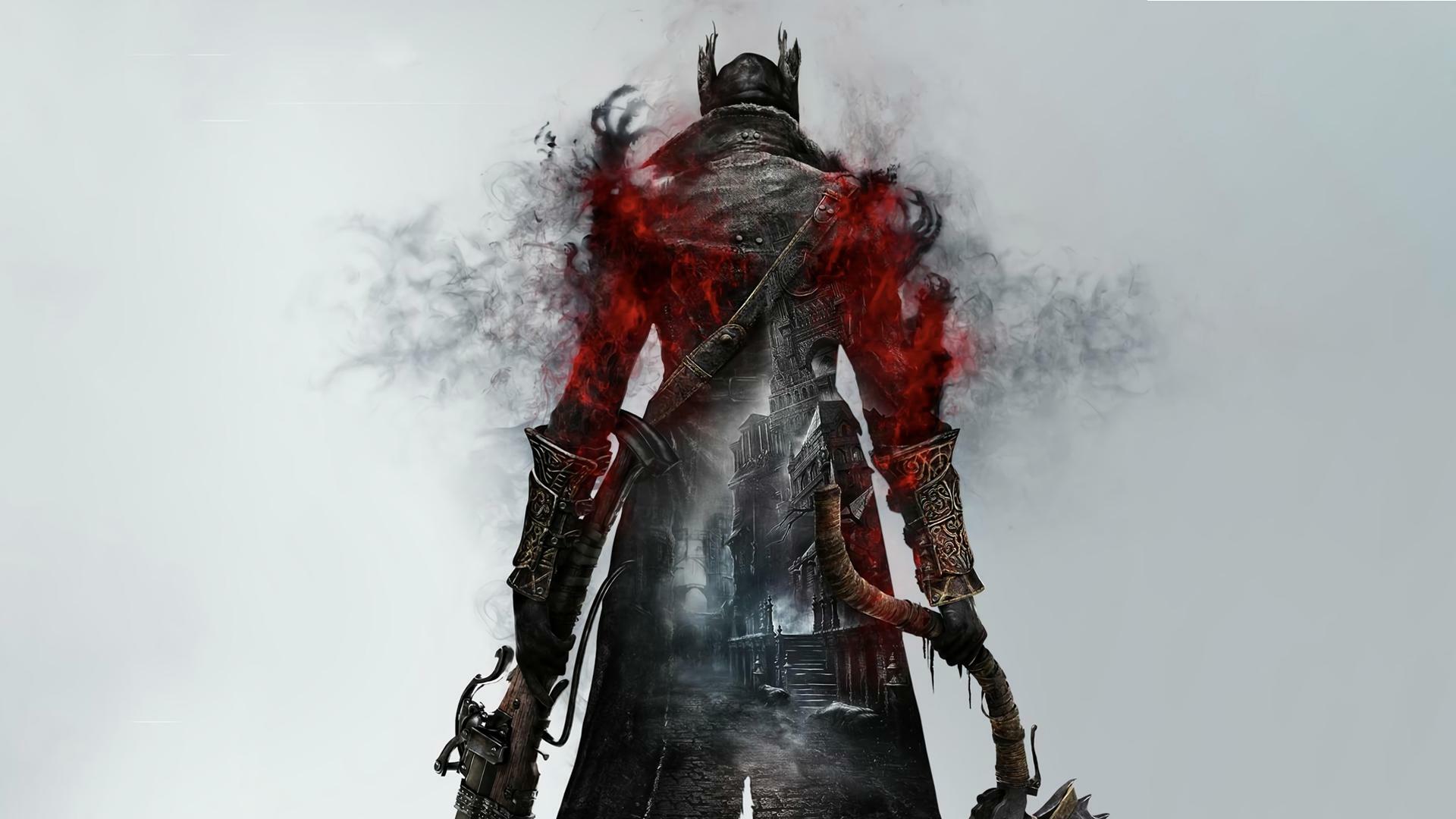
The Doll in the Hunter’s Dream reacts to the gestures performed by the player. If the Hunter bows, she bows back politely in return. If the player performs a silly or aggressive gesture, she tilts her head in confusion or fear. These small interactions give personality to a character who otherwise serves primarily as a leveling mechanic.
‘Left 4 Dead 2’ (2009)
The jukebox in the parish campaign can be activated to play music that attracts the infected. Among the available tracks is a hidden song titled “Re Your Brains” by Jonathan Coulton. If this song plays, the hoard of zombies screams specifically when the lyrics mention eating brains. This audio easter egg rewards players who risk staying near the noise source.
‘Resident Evil 4’ (2005)
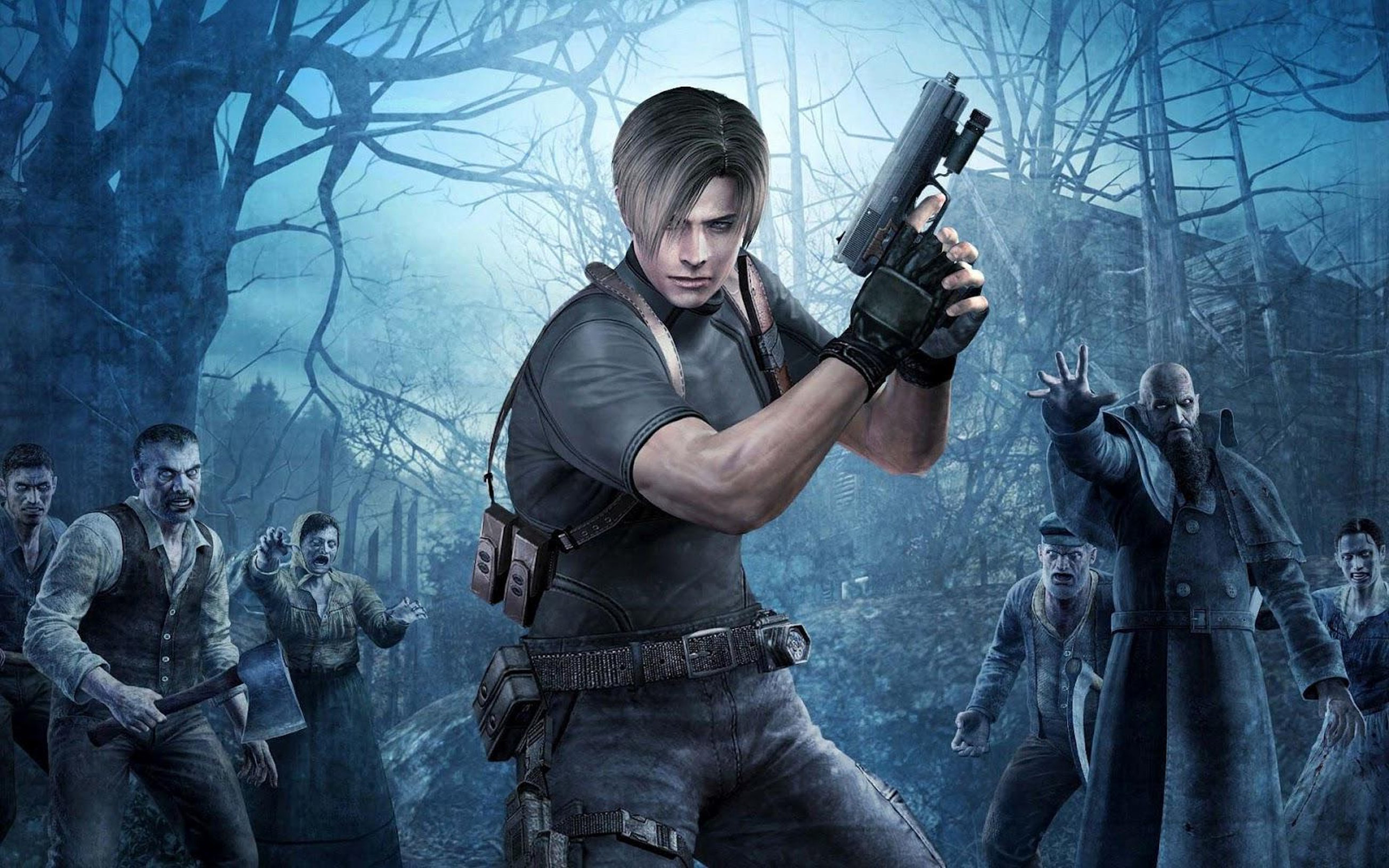
Players who shoot at the water from the pier before the Del Lago boss fight are in for a surprise. The massive creature will suddenly leap from the lake and devour Leon instantly. This secret death scene punishes players for wasting ammunition or disturbing the water. It has become one of the most famous jump scares in survival horror history.
‘Final Fantasy VII Remake’ (2020)
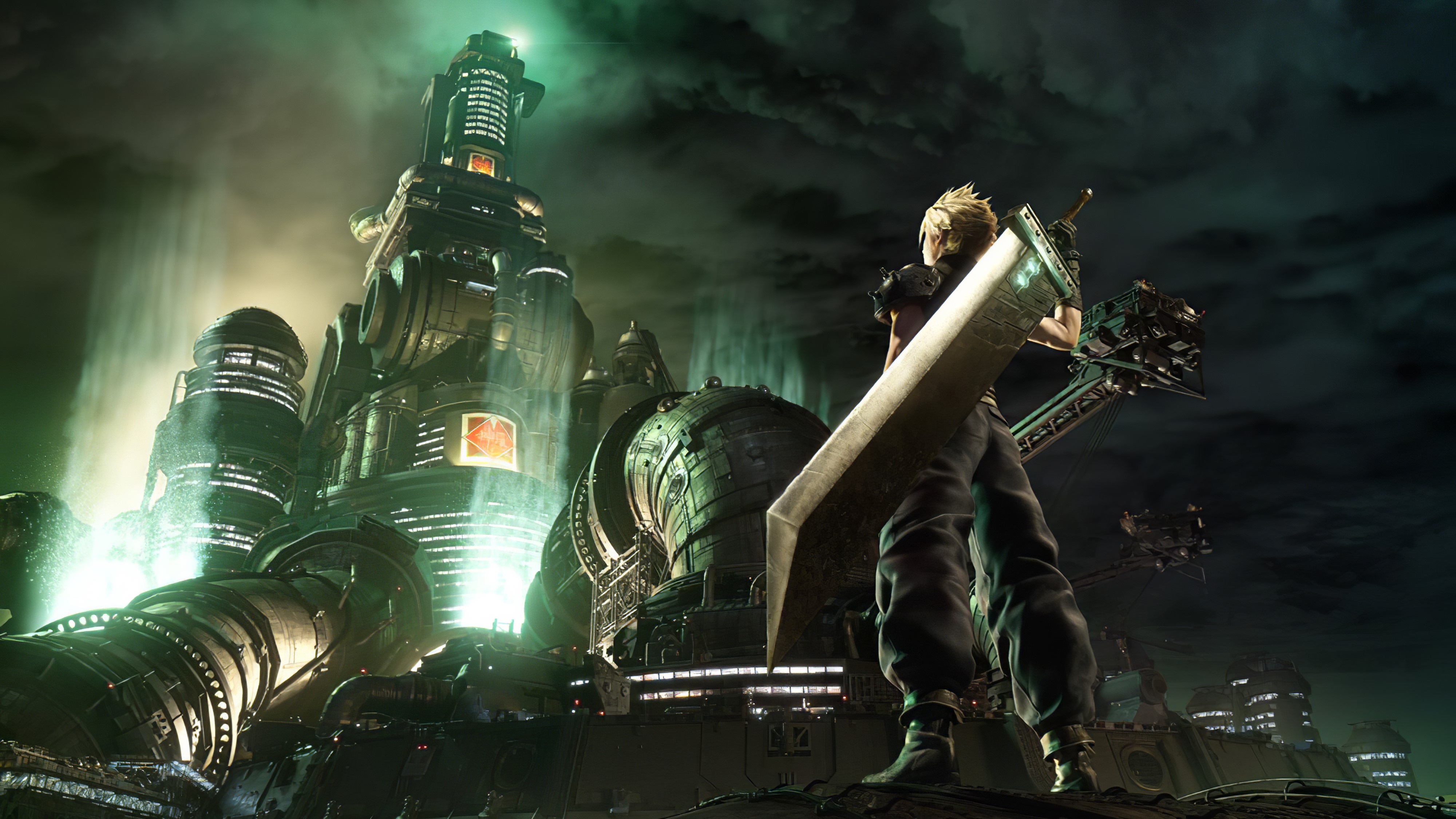
Climbing the stairs in the Shinra Building triggers a long sequence of dialogue between the party members. Unlike the original game where it was just a tedious climb, the characters complain about the exertion in real-time. Barret’s dialogue becomes increasingly breathless and angry as the floors go on. It turns a boring traversal section into a character-building moment.
‘Kingdom Hearts II’ (2005)

Using Drive Forms too frequently triggers a hidden counter that forces Sora into Anti-Form. This shadow version of the character is fast but cannot heal or use magic. The probability of turning into Anti-Form increases specifically during boss battles to heighten the tension. It represents the darkness creeping into Sora’s heart through the overuse of power.
‘Control’ (2019)
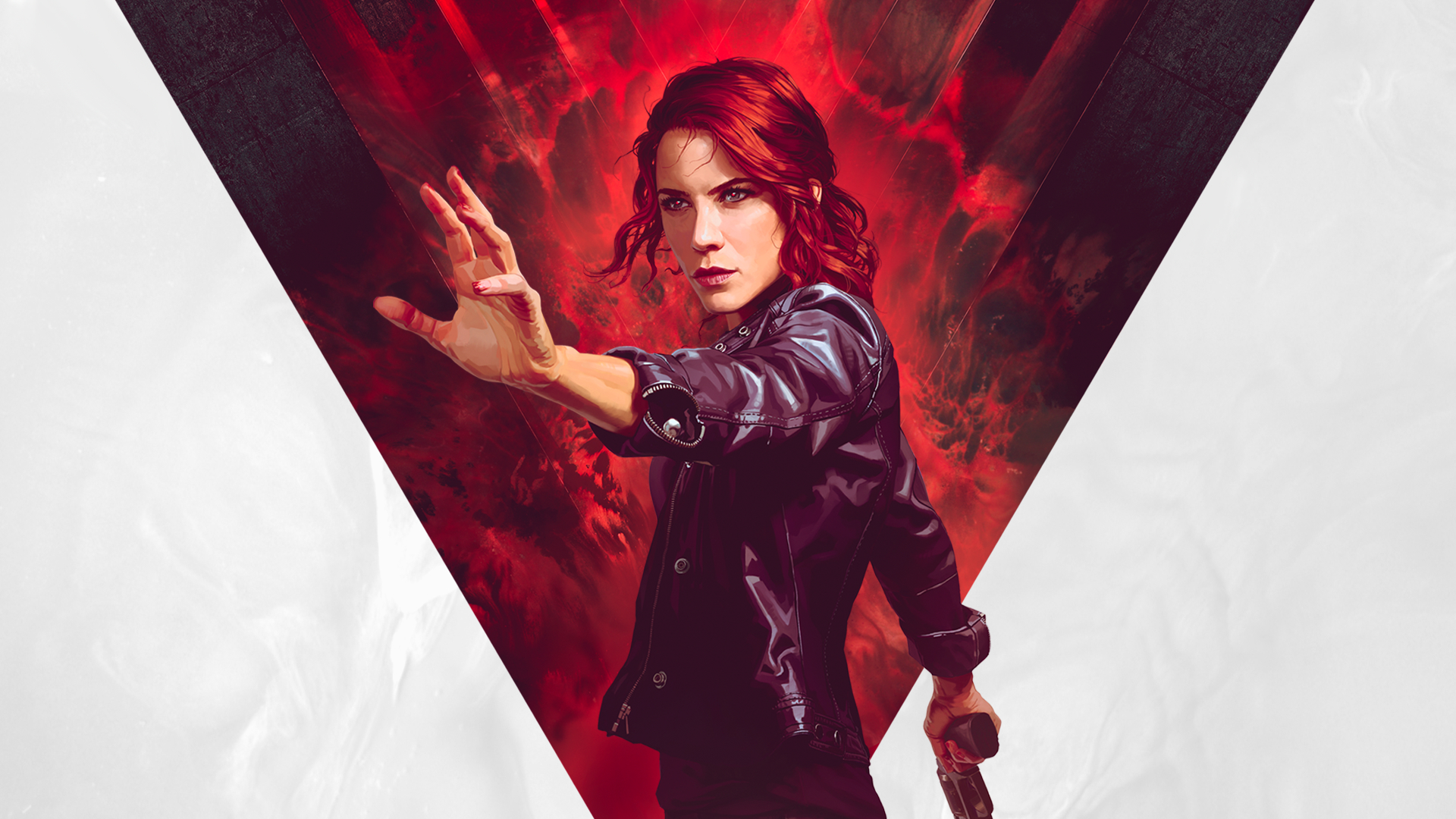
The creepy puppet show strictly for children found on televisions contains disturbing lore implications. If players watch the episodes of “The Threshold Kids” fully, they hear instructions on dealing with eldritch horrors. The puppets discuss topics like rejection and containment in a tone meant for toddlers. It highlights the absurdity and danger of growing up inside the Bureau of Control.
‘Alien: Isolation’ (2014)
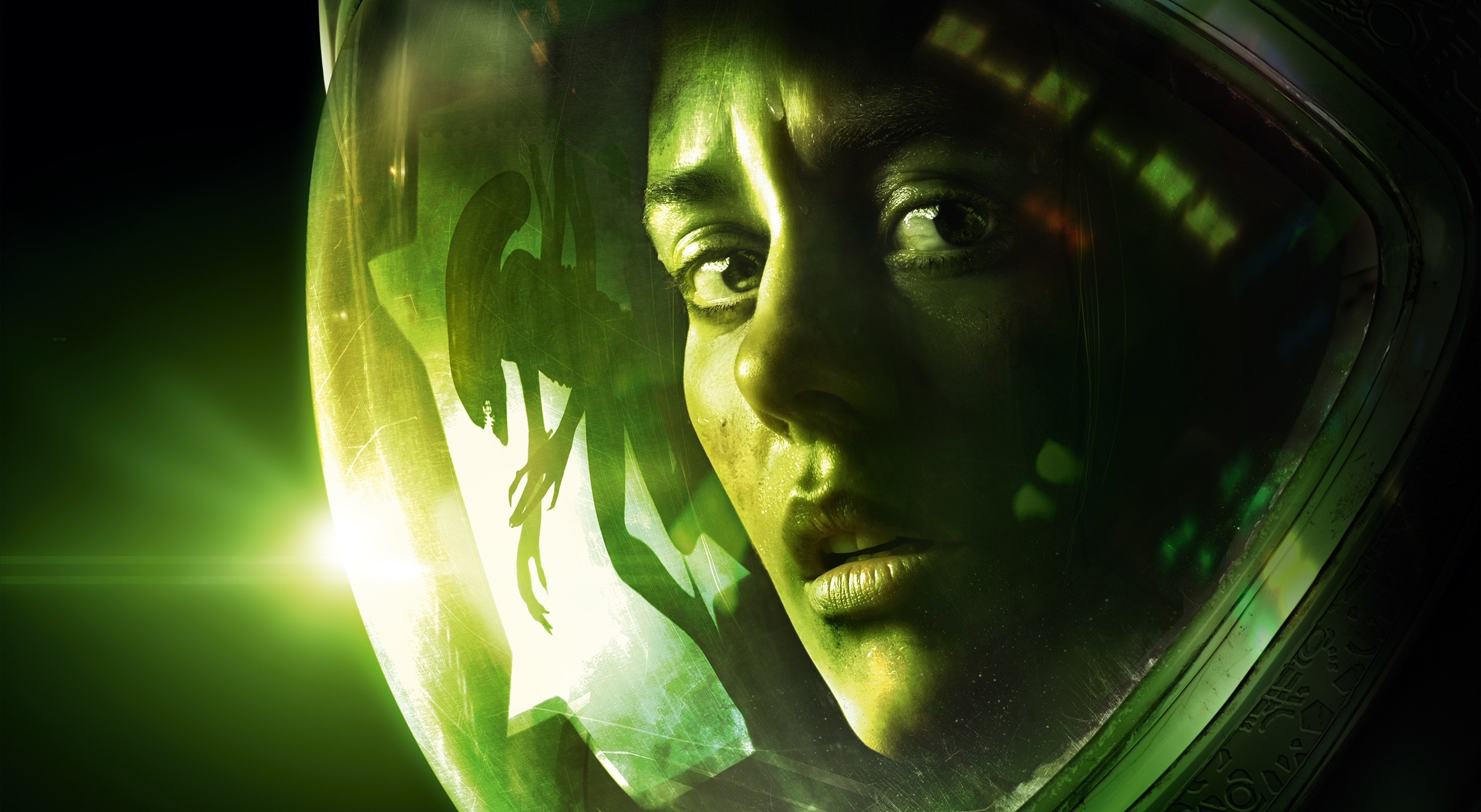
The Xenomorph AI unlocks new behaviors based on how the player attempts to survive. If the player relies too heavily on lockers, the Alien starts checking them more frequently. If the flamethrower is used often, the creature learns to keep its distance and wait for the fuel to run out. This adaptive learning forces players to constantly change their strategies to stay alive.
‘Dishonored’ (2012)
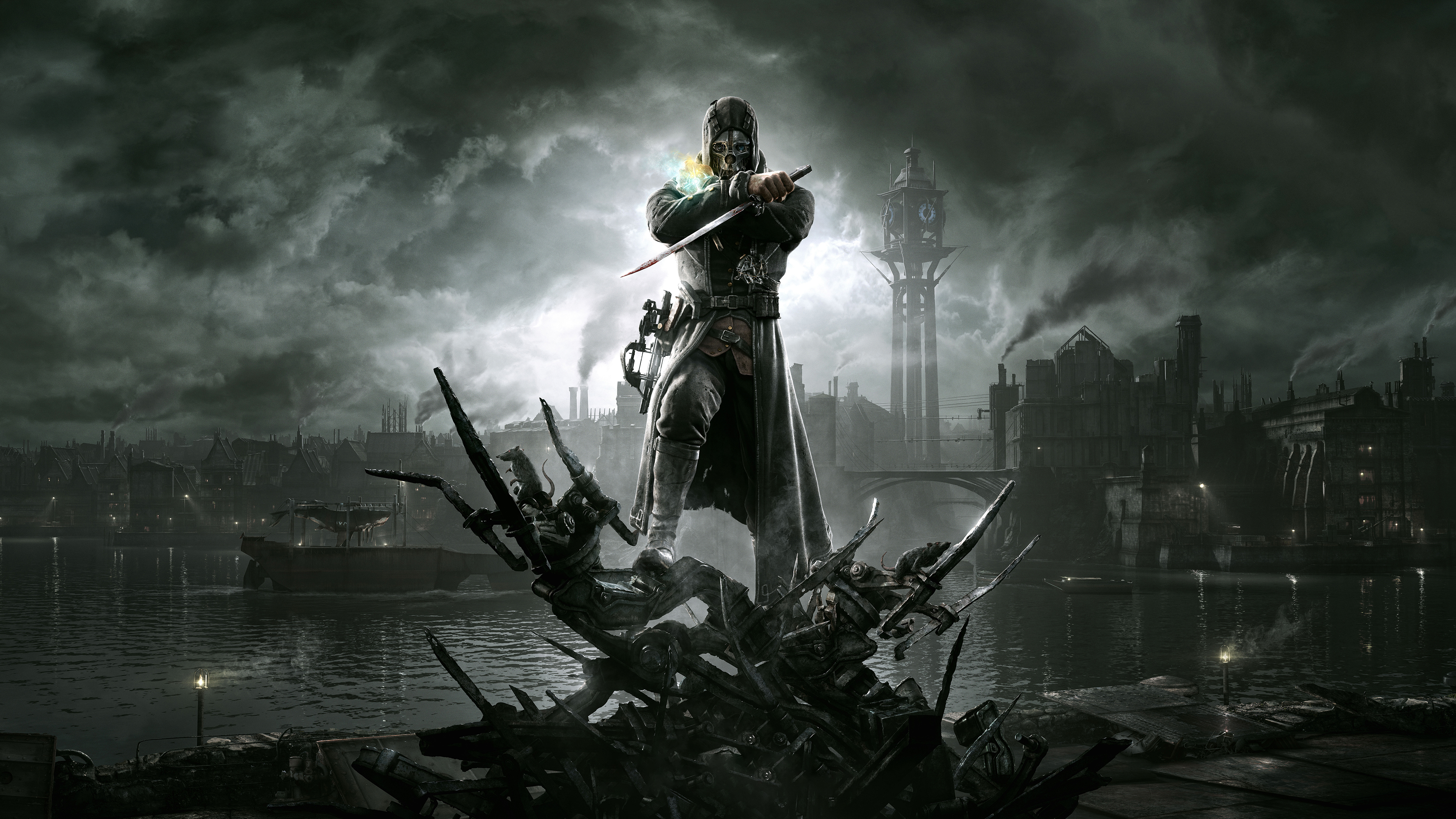
The Heart is a mystical item that reveals the secrets of any NPC the player points it at. It whispers hidden truths about guards, maids, and targets that often recontextualize their morality. Some seemingly innocent characters are revealed to be murderers, while villains may have tragic motivations. This optional narrative layer adds moral complexity to the assassination missions.
‘Hitman 3’ (2021)
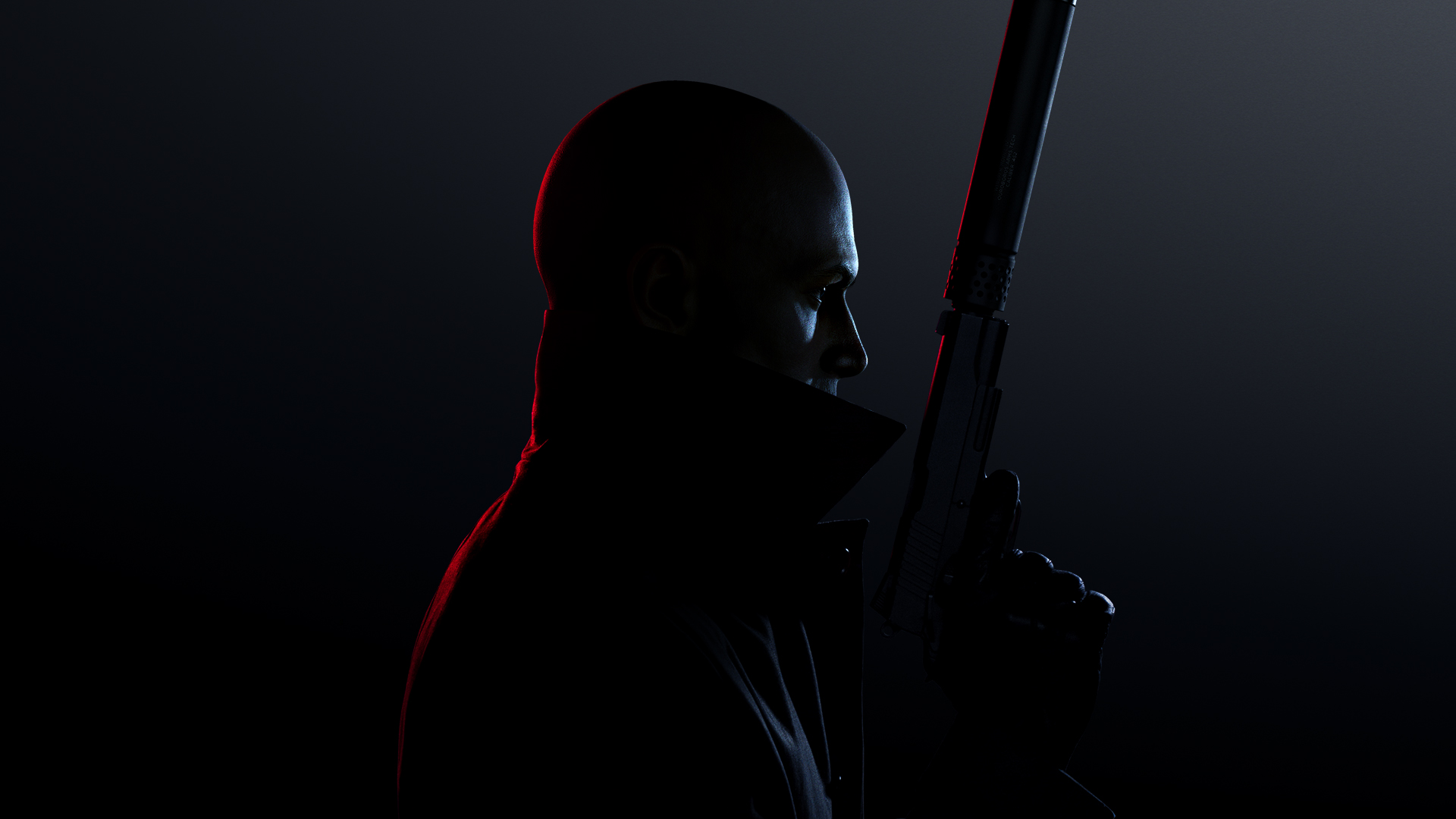
Agent 47 can assume the role of a detective in the Dartmoor level to solve a murder mystery. If the player accuses the butler, the dialogue changes based on the evidence collected. However, if 47 accuses himself, the target realizes he is the assassin and accepts her fate. This flexibility allows for a complete genre shift within a stealth game mission.
‘Cyberpunk 2077’ (2020)
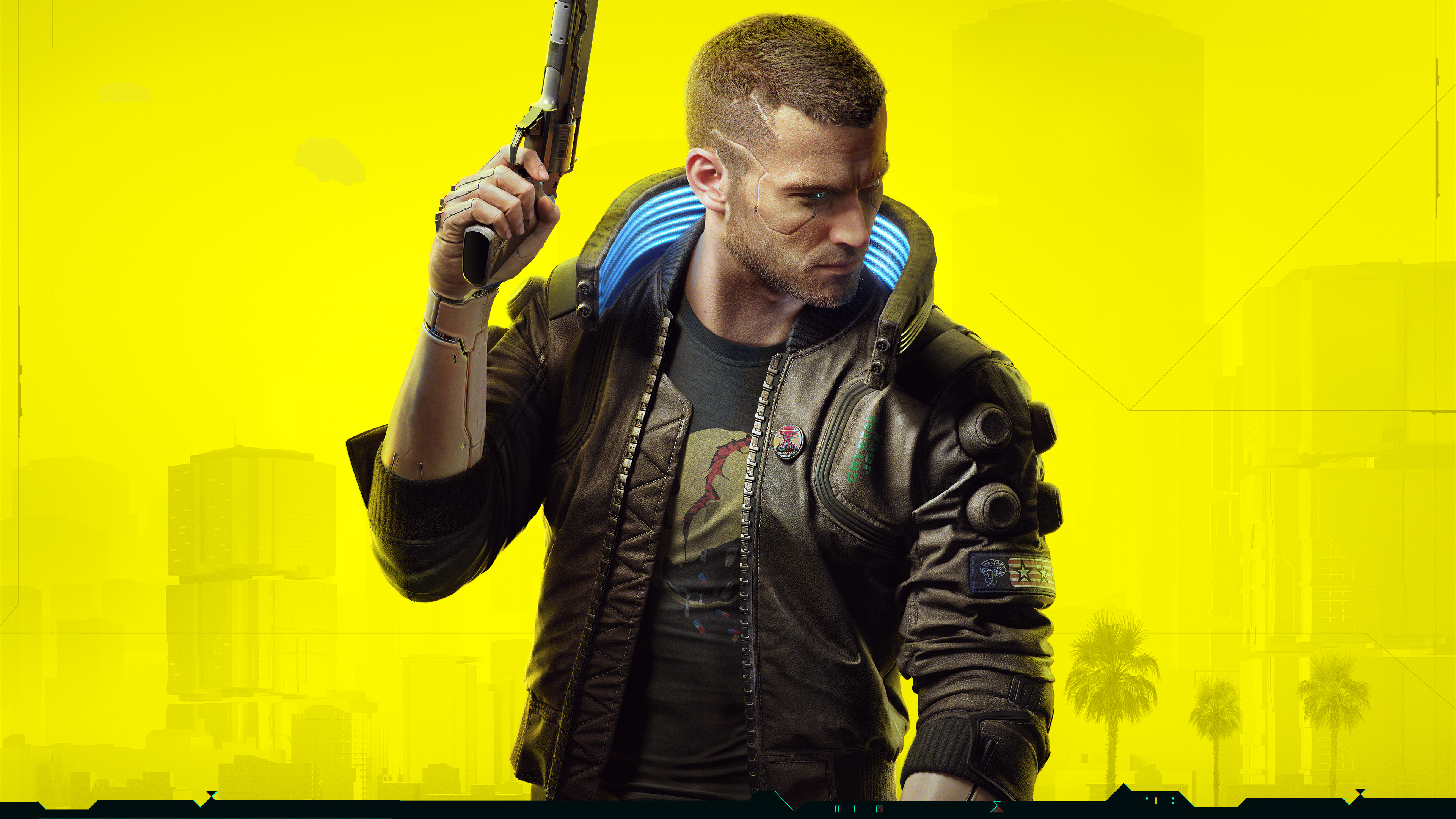
In the early game, players can find a cat underwater near a sunken vehicle that matches a specific shard description. Later, a cat can be adopted into V’s apartment by leaving food in a hallway. Die-hard fans noted that the cat appears in Johnny Silverhand’s memories as a “ghost” animal. This implies the cat is a spirit or a glitch in the matrix observing the protagonist.
‘Hollow Knight’ (2017)

The miner Myla starts as a cheerful NPC singing while she works in the crystal mines. As the infection spreads through the kingdom, her dialogue becomes incoherent and her singing voice distorts. Eventually, she becomes fully hostile and attacks the player on sight. This tragic transformation occurs slowly and serves as a heartbreaking example of the plague’s effect.
‘Elden Ring’ (2022)
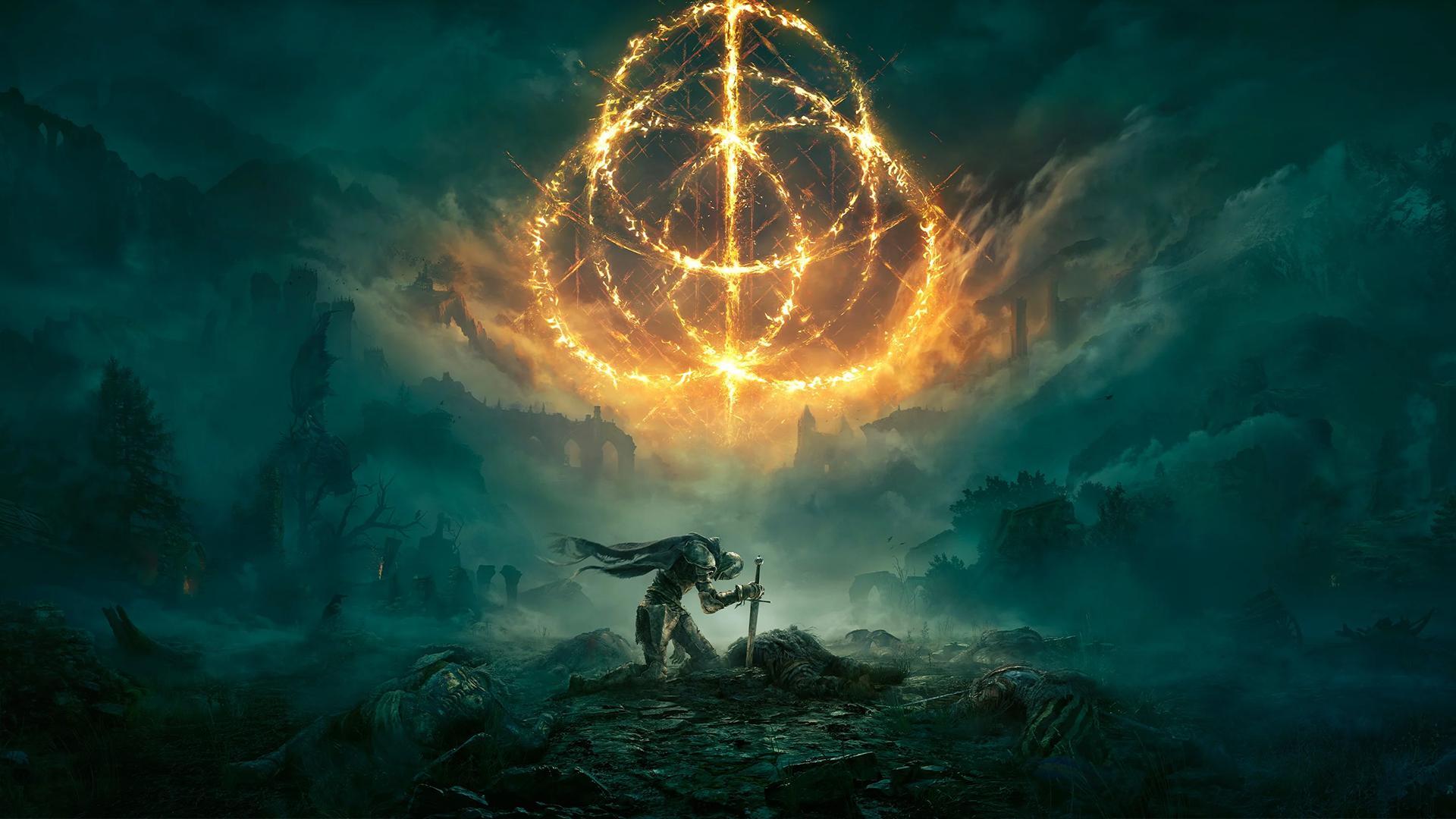
The weather and time of day actively affect the potency of elemental magic types. Fire spells deal less damage when it is raining in the game world. Conversely, lightning attacks become more powerful during storms or when targets are in water. This system encourages players to adapt their combat style to the current environmental conditions.
‘Metroid Dread’ (2021)
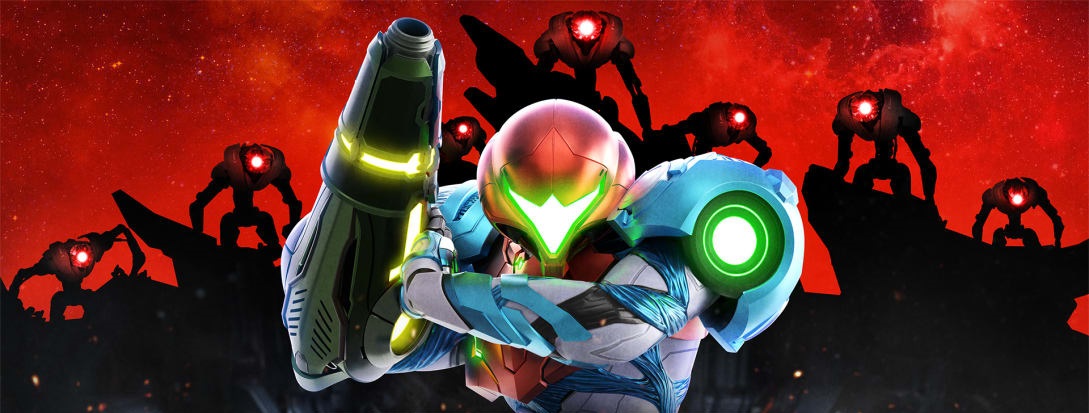
The boss Kraid can be defeated instantly using a hidden Morph Ball trick. If the player acquires the Bombs early through sequence breaking, they can launch into a specific vent during the fight. detonating a bomb inside the boss’s stomach kills him in a gruesome cutscene. This secret kill rewards speedrunners who explore outside the intended progression path.
‘Halo 3’ (2007)
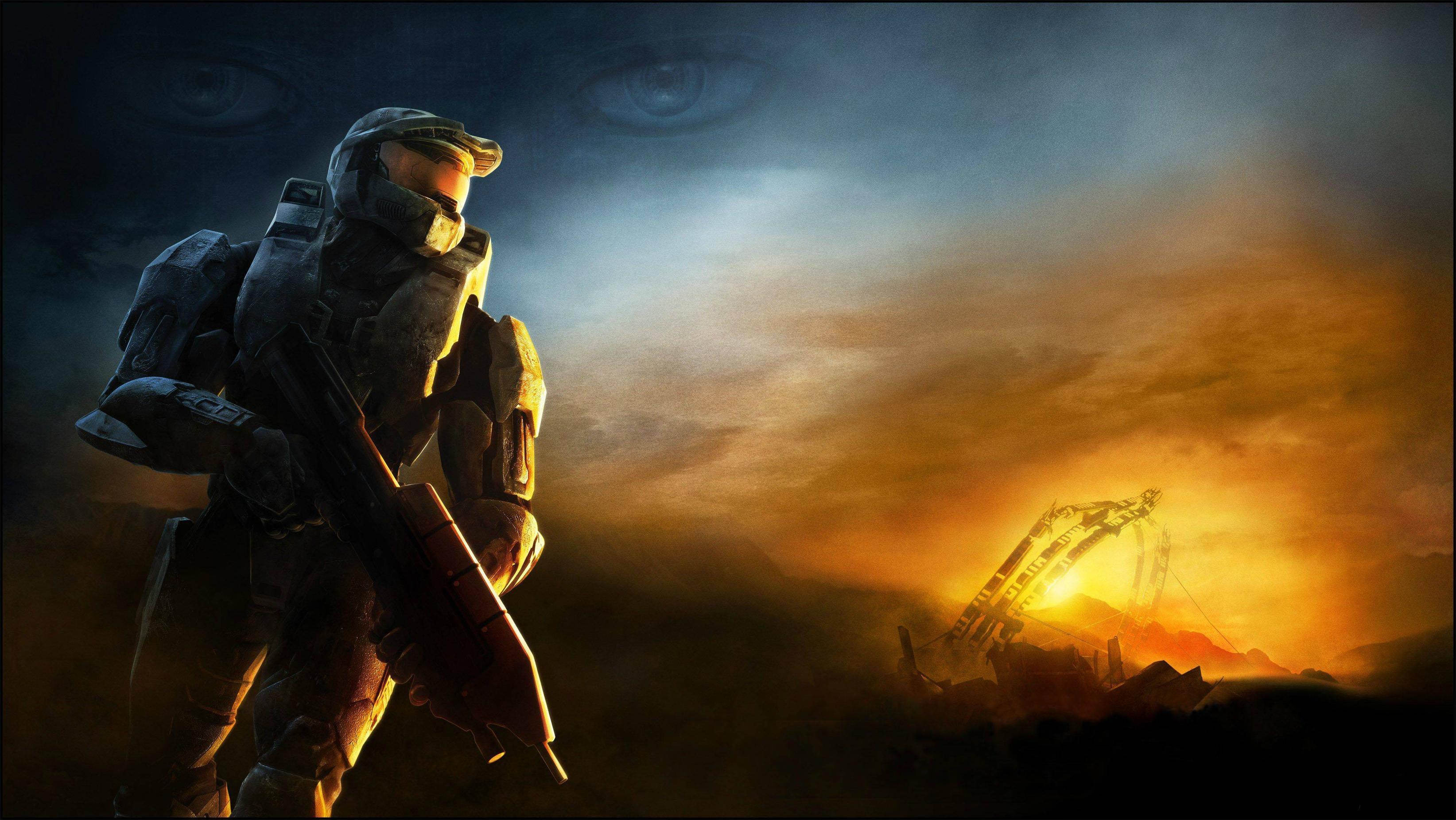
A family of primitive “cavemen” looks like miniature Master Chiefs hidden on the level Sierra 117. They appear in a hard-to-reach area of the jungle and hold a teddy bear. One of the figures has a face modeled after a Bungie developer. This bizarre easter egg has no impact on gameplay but remains a classic discovery for explorers.
‘Marvel’s Spider-Man’ (2018)

The Jewish population in the game adheres to real-world religious observances. On Saturdays, which is the Sabbath, NPC models dressed in Orthodox Jewish attire do not appear on the streets. They return to the sidewalks of New York on other days of the week. Insomniac Games included this detail to accurately reflect the cultural demographics of the city.
‘Psychonauts’ (2005)
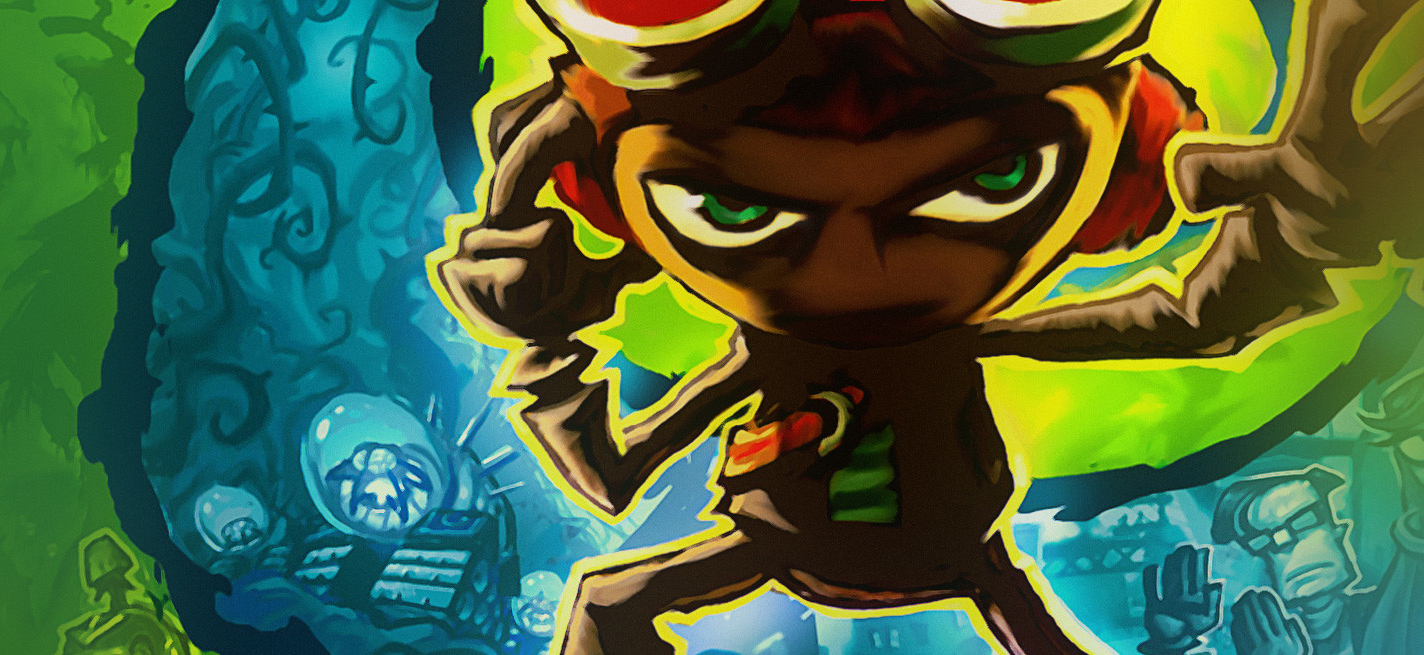
Milla Vodello keeps a secret room inside her mind that reveals a tragic backstory. While her party level is upbeat and groovy, players can find a hidden area where she hears the screams of children. It is revealed she was an orphanage matron who watched her charges die in a fire. This dark secret contrasts sharply with her cheerful outward personality.
‘Undertale’ (2015)
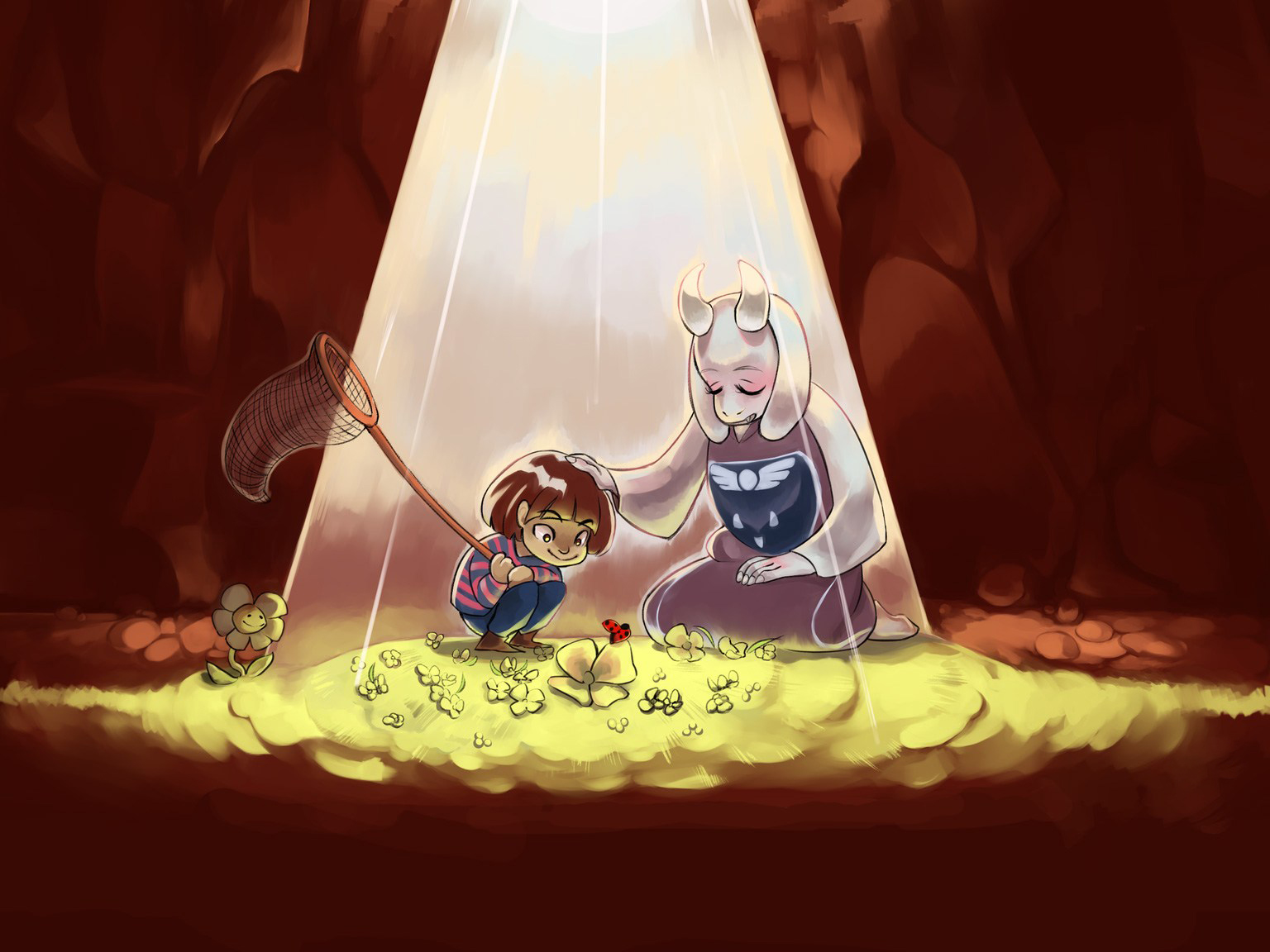
Sans the skeleton is aware of the player’s ability to save and reload the timeline. If the player reloads the game multiple times during his judgment scene, he gives a secret key to his room. Inside, players find evidence of his knowledge of quantum physics and alternate realities. His dialogue specifically mocks the player for trying to see every outcome.
‘Doom Eternal’ (2020)
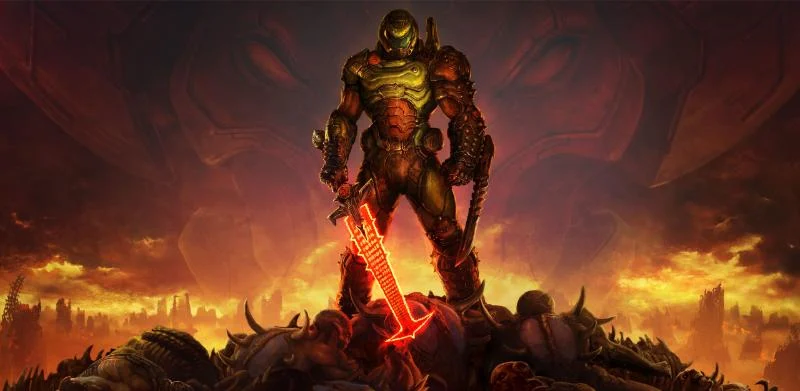
The Doom Slayer has a hidden pet rabbit named Daisy who appears in almost every level. She can be seen in the background art or hiding behind objects in the environment. This is a callback to the original games where the demons killed his pet rabbit, sparking his rage. Finding her serves as a reminder of the protagonist’s lost innocence.
‘Borderlands 2’ (2012)
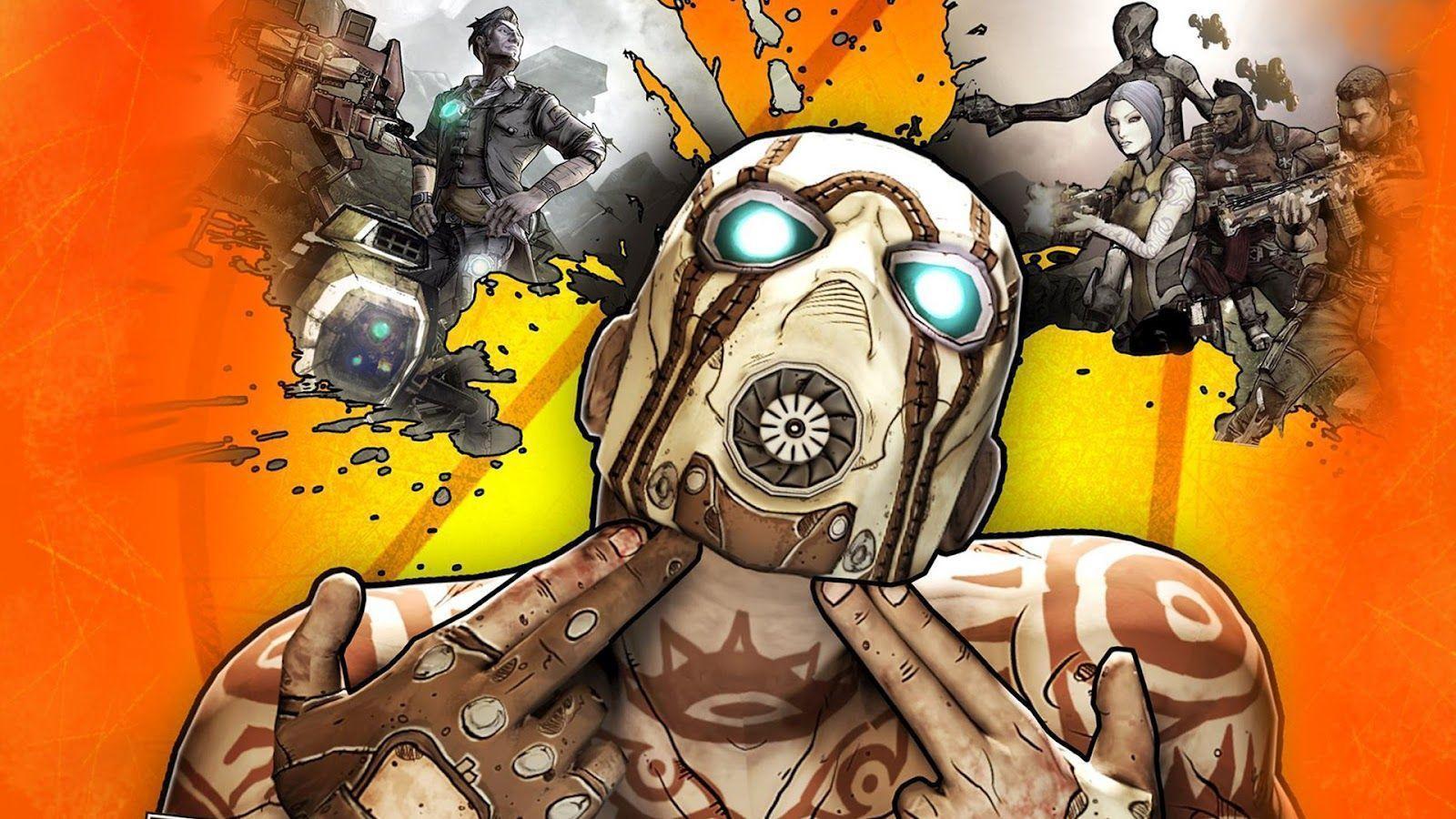
A complex easter egg allows players to see the scientist Tannis riding a giant fish. To trigger this, players must shoot specific barrels in a precise order without missing. Tannis then rises from the water while dramatic music plays and rides a dolphin or fish into the distance. It is a nonsensical event that fits the chaotic humor of the franchise perfectly.
‘Civilization VI’ (2016)
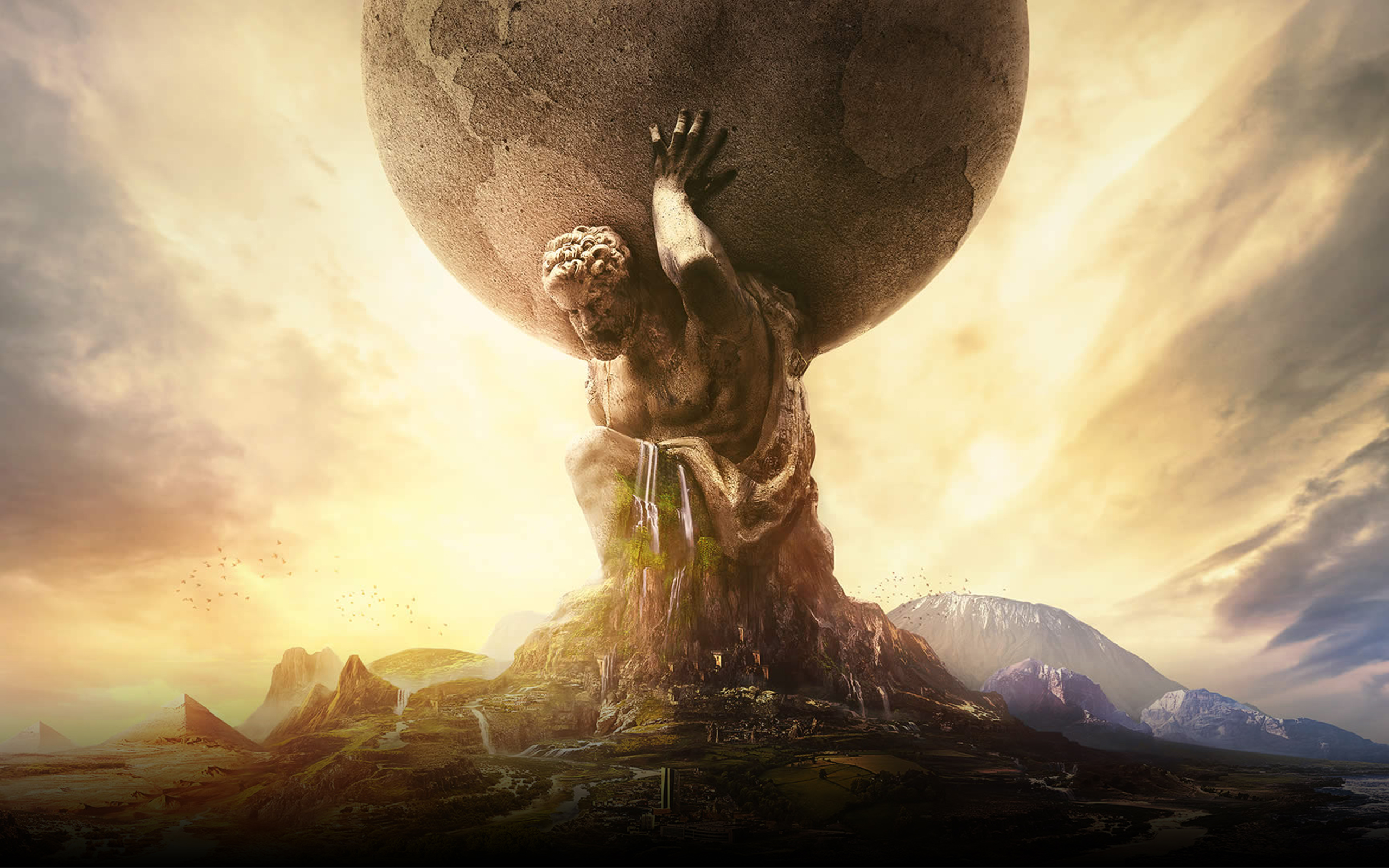
The Wonder construction animations often contain tiny details relevant to the era. However, the in-game clock located in the UI actually reflects the player’s system time. When the real-world time reaches late night, the advisor character might suggest taking a break. This breaks the “one more turn” trance that the series is famous for inducing.
‘Animal Crossing: New Horizons’ (2020)
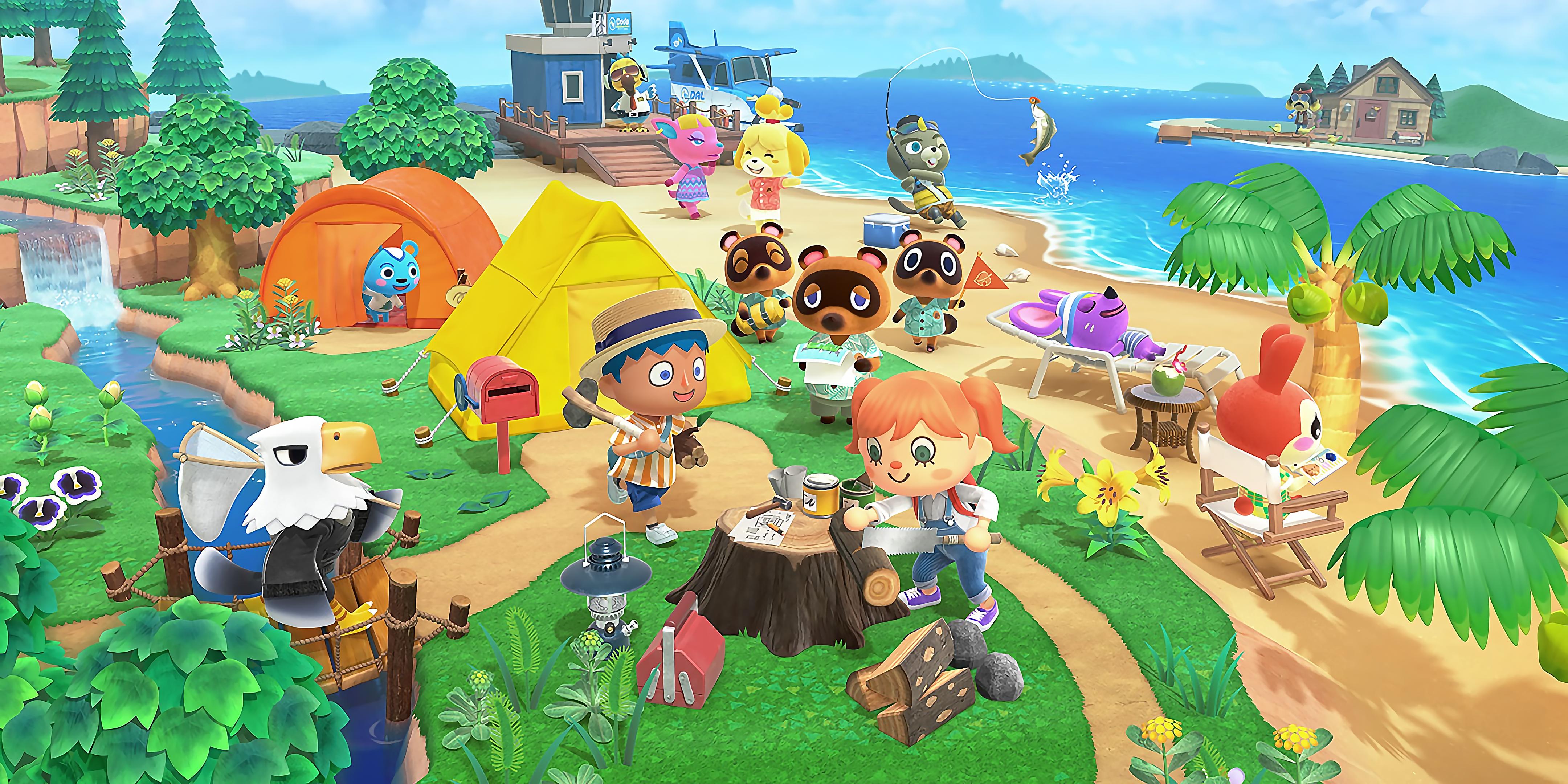
The televisions in villagers’ homes broadcast different programs depending on the day and time. At 3:33 AM on Saturdays, an alien broadcast interrupts the static with strange imagery. This creepy detail is only visible for one minute before the signal returns to normal. It is a rare instance of sci-fi horror in an otherwise cozy life simulator.
‘Team Fortress 2’ (2007)
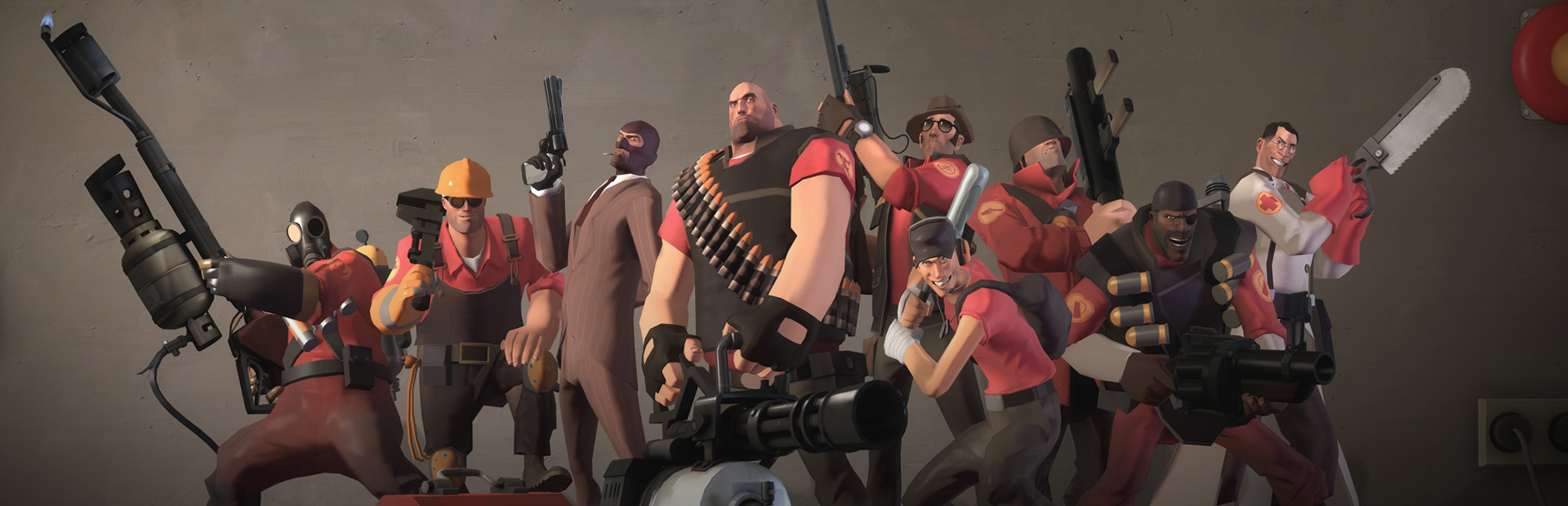
Equipping the Pyrovision Goggles completely changes the visual and audio aesthetic of the match. Blood is replaced with balloons and explosions are replaced with confetti. The screams of dying enemies are pitch-shifted to sound like laughter. This item forces the player to see the world through the delusional eyes of the Pyro character.
‘Overwatch’ (2016)
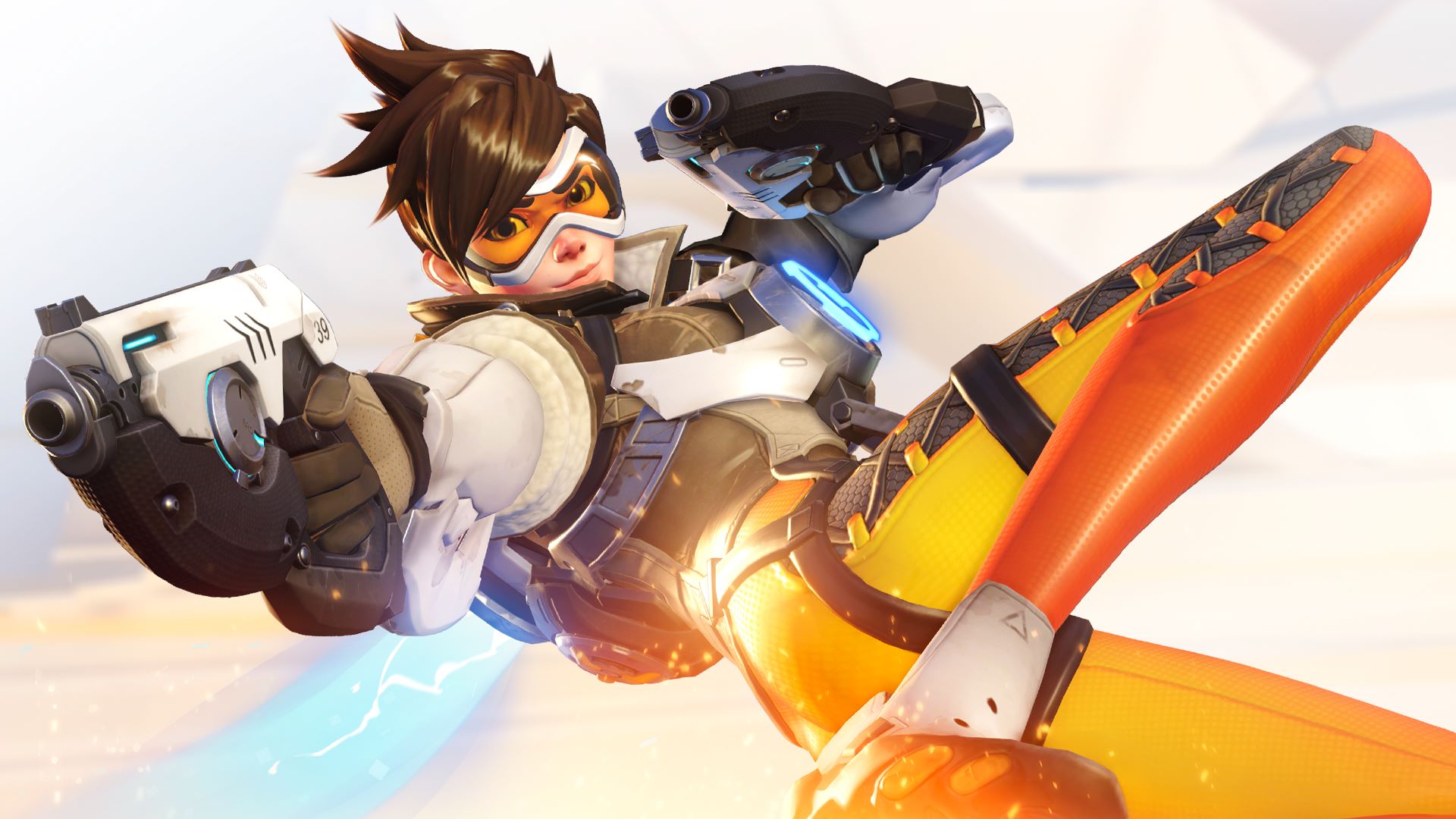
The basketballs found in the spawn rooms have realistic physics and interact with hoops. If a player manages to punch or shoot a ball through the net, confetti shoots out and a buzzer sounds. Specific characters have unique voice lines celebrating the shot. It became such a popular distraction that Blizzard kept refining the physics in updates.
‘Minecraft’ (2011)
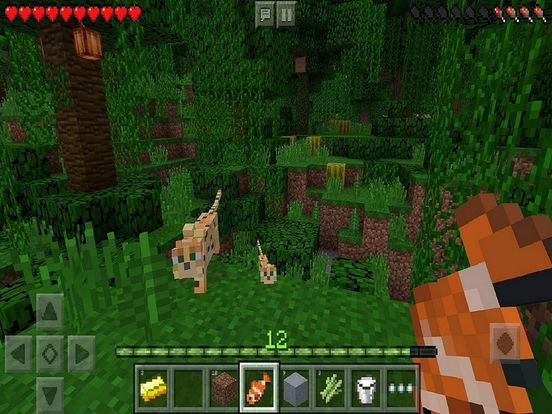
Naming a rabbit “Toast” using a name tag changes its skin to a unique black and white pattern. This was added as a memorial for a player’s lost pet rabbit. Similarly, naming any mob “Dinnerbone” flips the character model upside down. These secrets require specific knowledge of the developer’s community interactions to discover.
‘Hellblade: Senua’s Sacrifice’ (2017)
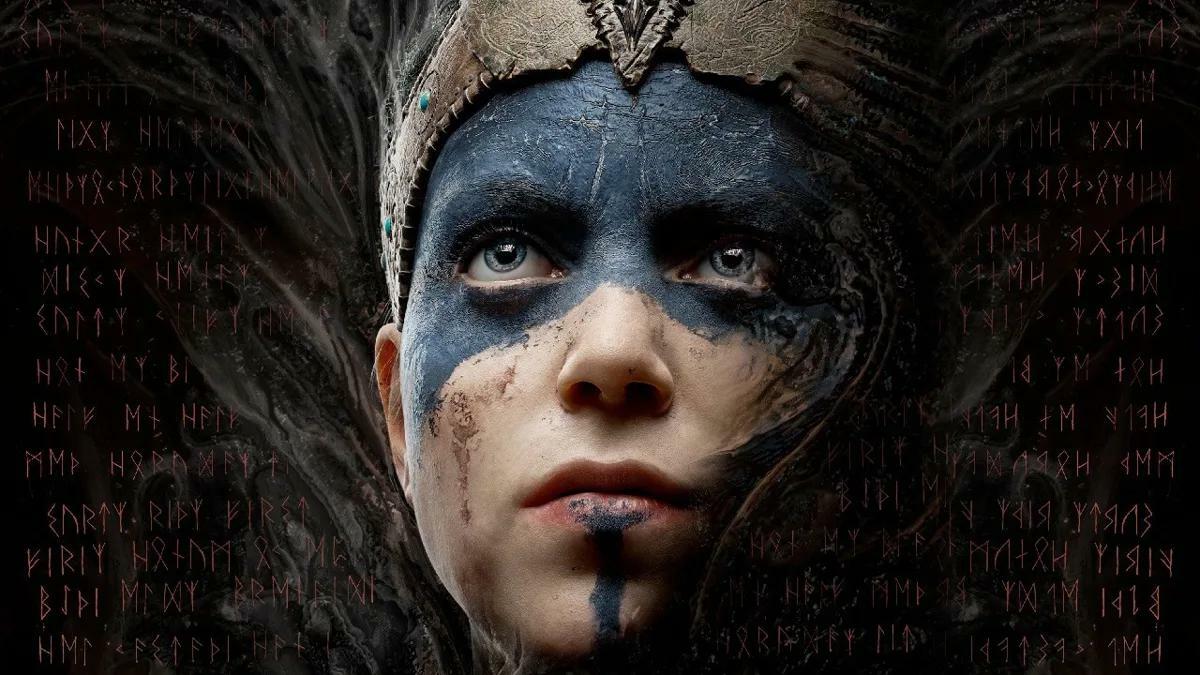
The game tells players that dying too many times will erase their save file permanently. A dark rot appears on Senua’s arm and grows with every death, threatening to reach her head. Die-hard fans discovered that the permadeath mechanic is actually a bluff to induce anxiety. The rot never fully consumes the player, simulating the protagonist’s fear rather than punishing the user.
‘Until Dawn’ (2015)
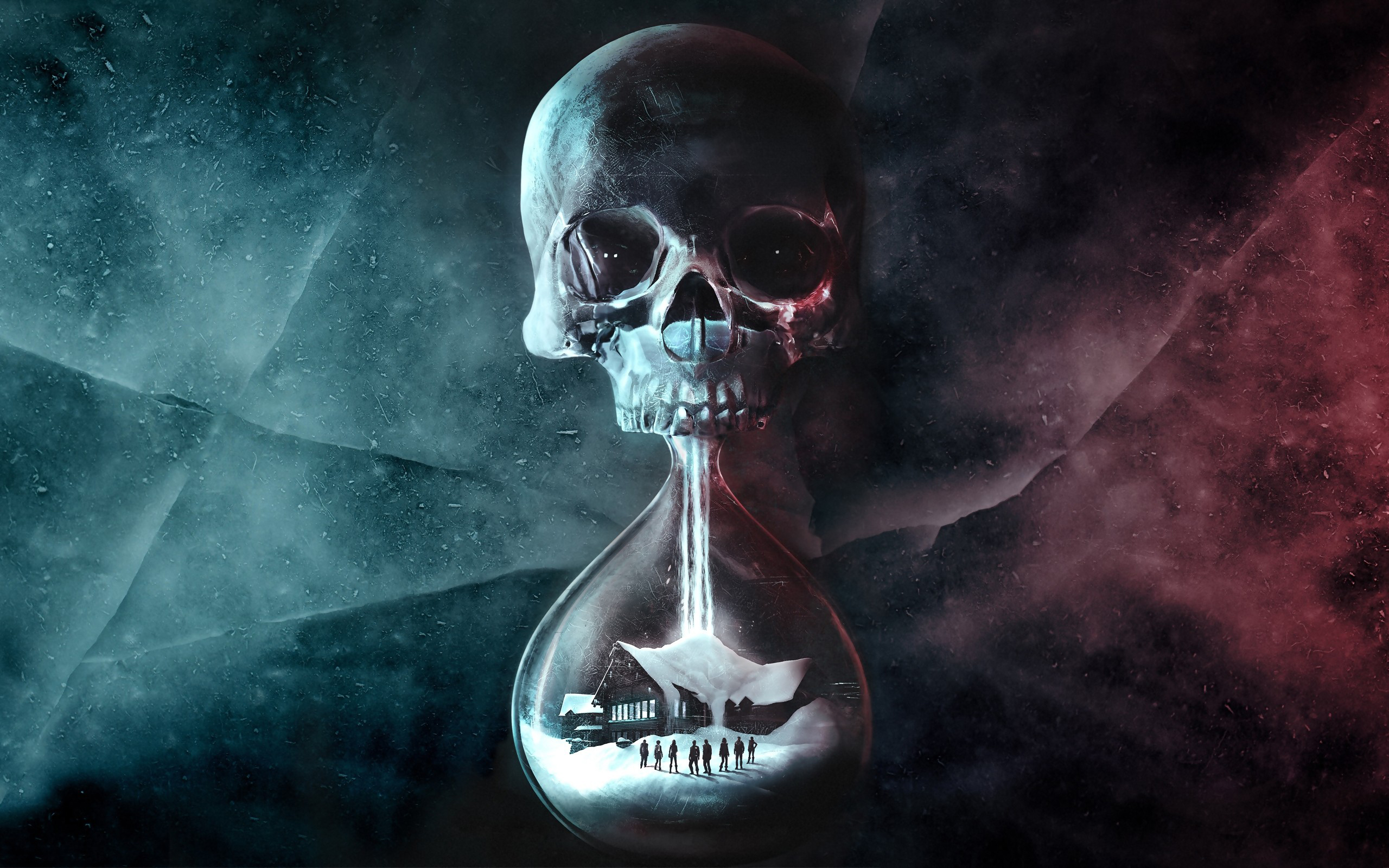
The totems found throughout the game show brief glimpses of possible future deaths. Sharp-eyed players realized these visions are self-fulfilling prophecies if misinterpreted. The “Death” totems show exactly how a character will die if the player makes the wrong choice later. Studying these fleeting images is the only way to ensure a perfect survival run on the first try.
‘Star Wars Jedi: Fallen Order’ (2019)
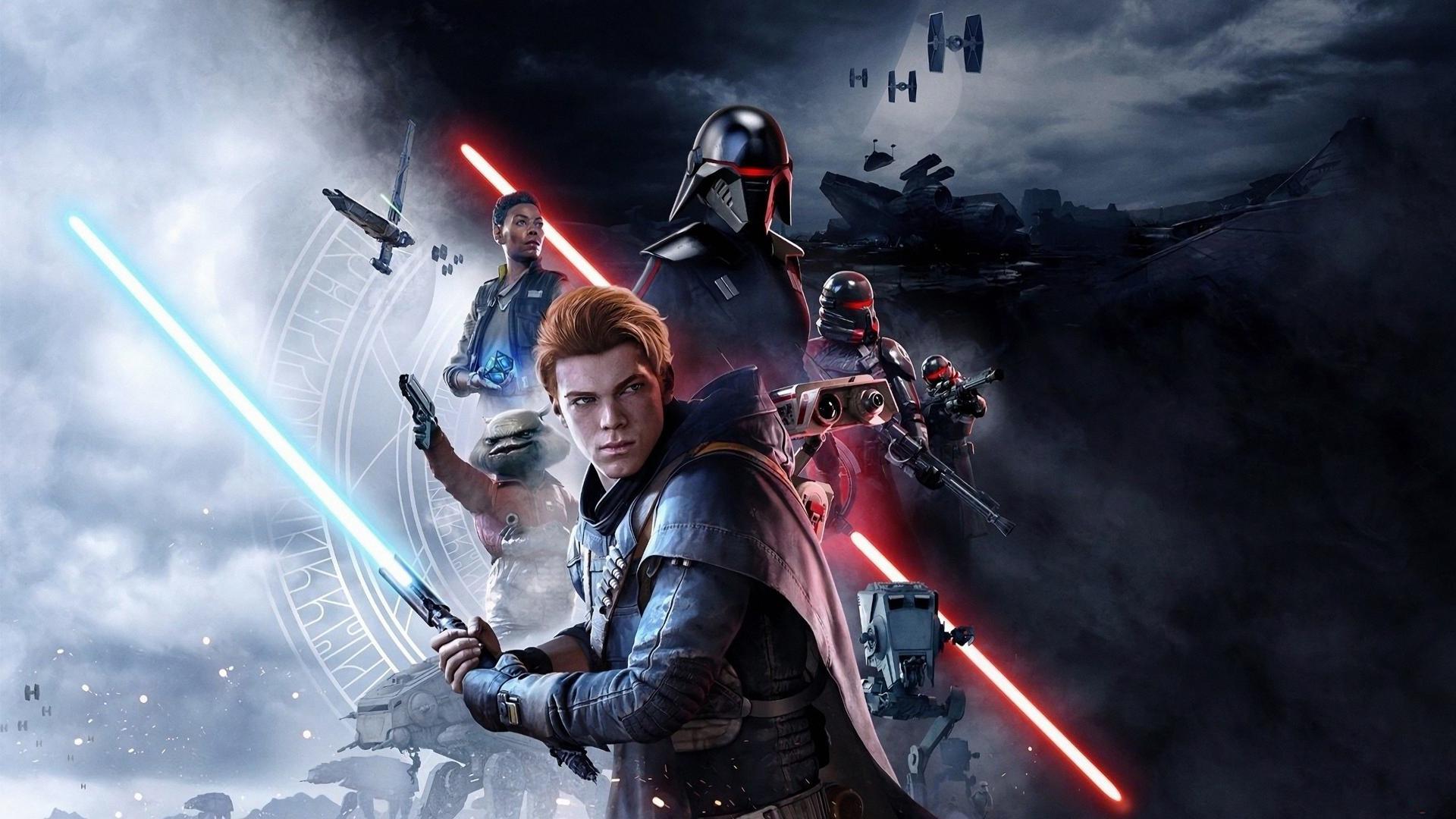
During a dream sequence, the protagonist Cal Kestis enters a vision of a Republic Venator ship. If the player tries to interact with the clone troopers, they can hear faint audio of “Execute Order 66.” The music subtly shifts to the Emperor’s theme before the betrayal occurs. This foreshadowing builds dread for the inevitable flashback to the Jedi Purge.
Please share your favorite hidden gaming details in the comments.