

Games With Iconic Characters That Define the Experience




The landscape of interactive entertainment often balances the thrill of mechanics with the depth of narrative. While many titles prioritize innovative systems, a specific category of games relies on the strength of its cast to leave a lasting impact on the audience. In these instances, the personal journeys, complex motivations, and emotional growth of the protagonists and supporting figures become the primary draw for players. These games demonstrate how well-realized characters can elevate a standard gameplay loop into a profound storytelling achievement.
‘The Last of Us Part I’ (2022)
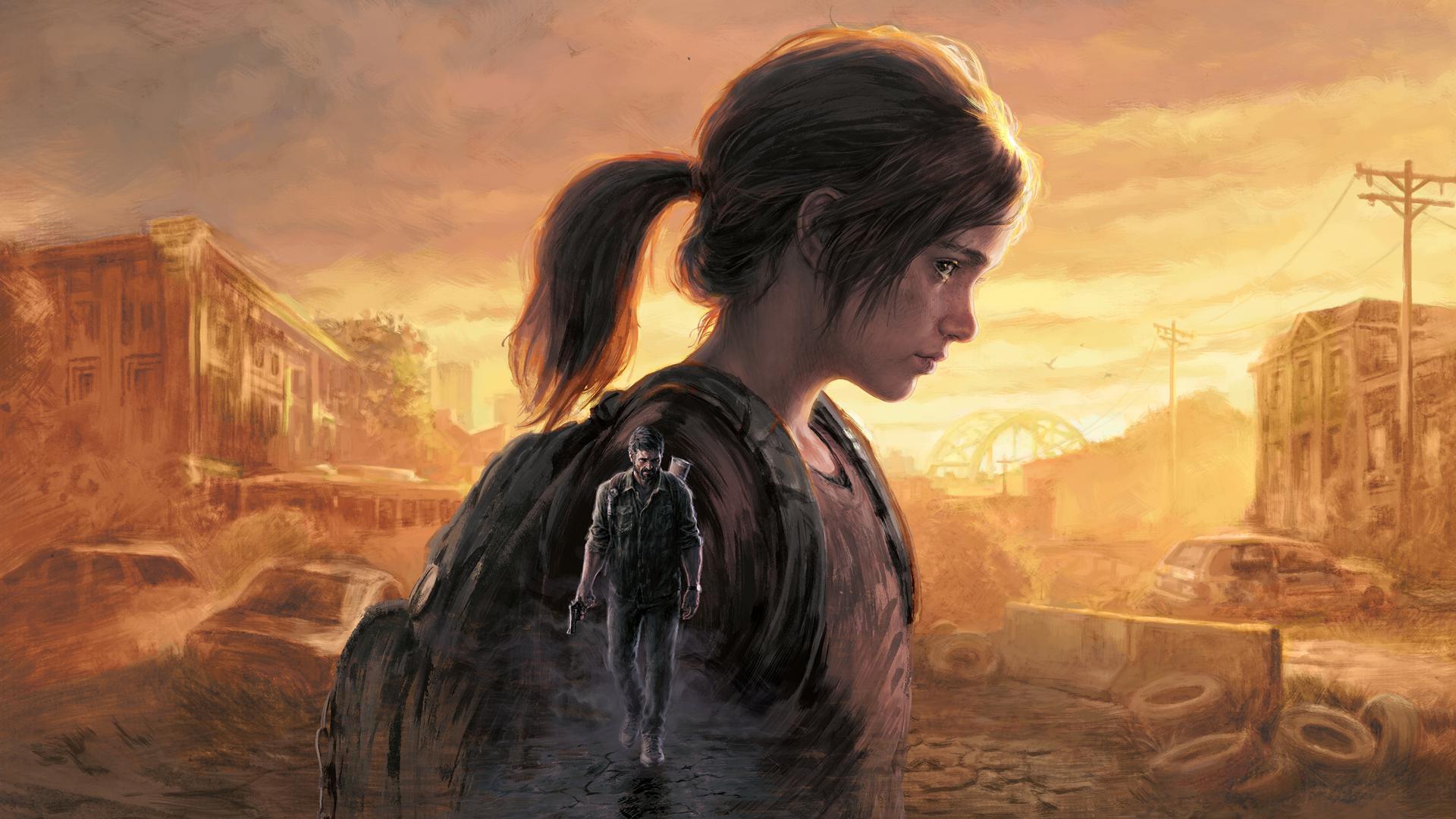
Developed by Naughty Dog and published by Sony Interactive Entertainment, this remake explores the harrowing journey of Joel and Ellie. The narrative focuses on the growing bond between the two survivors as they navigate a fungal pandemic across the United States. While the stealth-action gameplay is mechanically sound, the focus remains on the psychological toll the world takes on its protagonists. Critics and players often highlight the nuanced performances and moral dilemmas as the defining features of ‘The Last of Us Part I’.
‘Red Dead Redemption 2’ (2018)

Rockstar Games developed and published this sprawling Western epic centered on the life of outlaw Arthur Morgan. As a member of the Van der Linde gang, Arthur deals with the decline of the Wild West and the internal friction of his criminal family. The game features a slow, deliberate pace that emphasizes character interaction and daily life over high-octane action. The evolution of Arthur Morgan is frequently cited as one of the most comprehensive character studies in the medium. ‘Red Dead Redemption 2’ uses its vast open world primarily as a backdrop for its character-driven tragedy.
‘Disco Elysium’ (2019)

Developed and published by ZA/UM, this isometric role-playing game features a protagonist struggling with amnesia and substance abuse. The gameplay revolves entirely around dialogue and internal monologues representing the different facets of the main character’s psyche. Characters like Kim Kitsuragi provide a grounded counterpoint to the detective’s eccentricities, creating a rich social dynamic. ‘Disco Elysium’ prioritizes philosophical introspection and political discourse over traditional combat or physical challenges. The cast’s depth allows the title to explore complex human emotions and societal structures through text-heavy interactions.
‘The Walking Dead’ (2012)
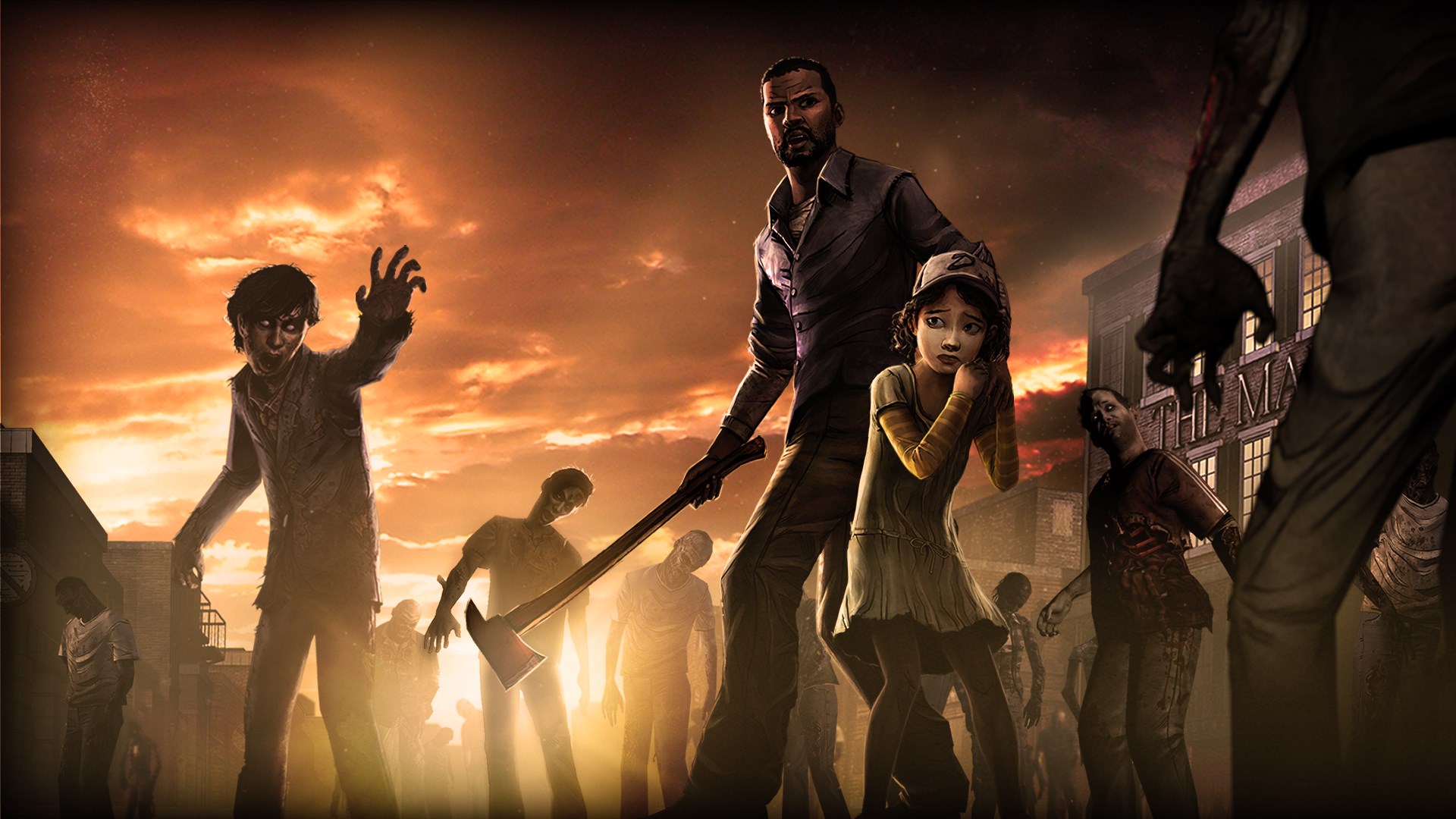
Telltale Games developed and published this episodic adventure based on the popular comic book series. The story follows Lee Everett, a man who finds redemption by protecting a young girl named Clementine during a zombie apocalypse. Gameplay is limited to point-and-click exploration and quick-time events, placing all emphasis on player choice and character relationships. The emotional connection between Lee and Clementine drives the entire experience, leading to a critically acclaimed conclusion. ‘The Walking Dead’ proved that compelling characters could sustain a hit game even with minimal traditional gameplay mechanics.
‘BioShock Infinite’ (2013)
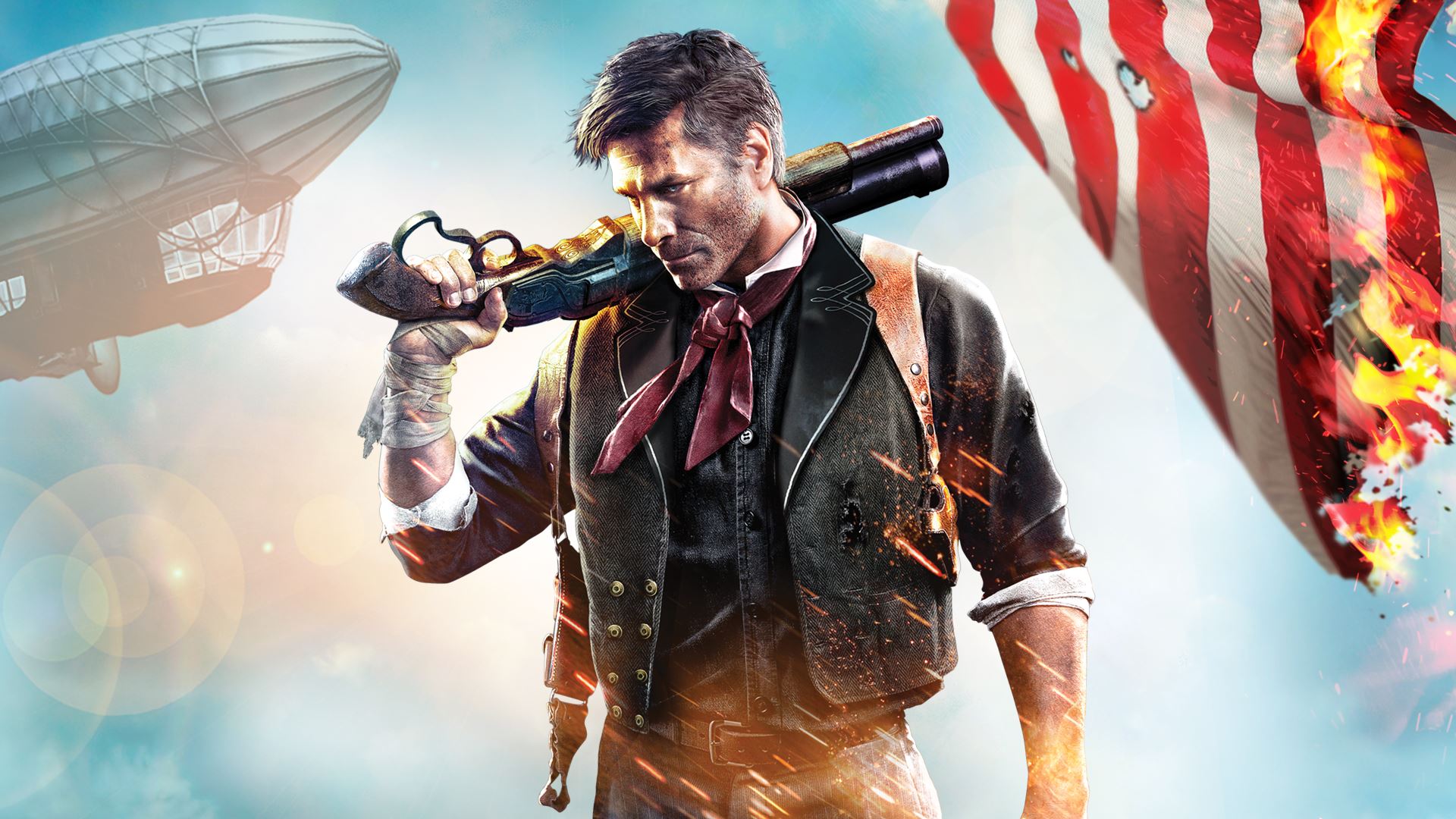
Irrational Games developed and 2K Games published this first-person shooter set in the airborne city of Columbia. The narrative focuses on Booker DeWitt and the mysterious Elizabeth, whose relationship is the cornerstone of the plot. Elizabeth acts as a constant companion, influencing both the story and the combat through her unique abilities. The world-building and the mystery surrounding her identity often overshadow the standard shooting mechanics found in the game. ‘BioShock Infinite’ is frequently remembered for its narrative twists and the chemistry between its two leads.
‘Silent Hill 2’ (2001)

Developed by Team Silent and published by Konami, this psychological horror title follows James Sunderland as he searches for his deceased wife in a fog-shrouded town. Every monster and environment in the game is a manifestation of James’s guilt and repressed psyche. Characters like Maria and Angela Orosco add layers of tragedy and mystery to the protagonist’s journey. The sluggish combat and tank controls are often secondary to the deep symbolic meaning found in the character arcs. ‘Silent Hill 2’ remains a benchmark for how to integrate character trauma into game design.
‘Life is Strange’ (2015)
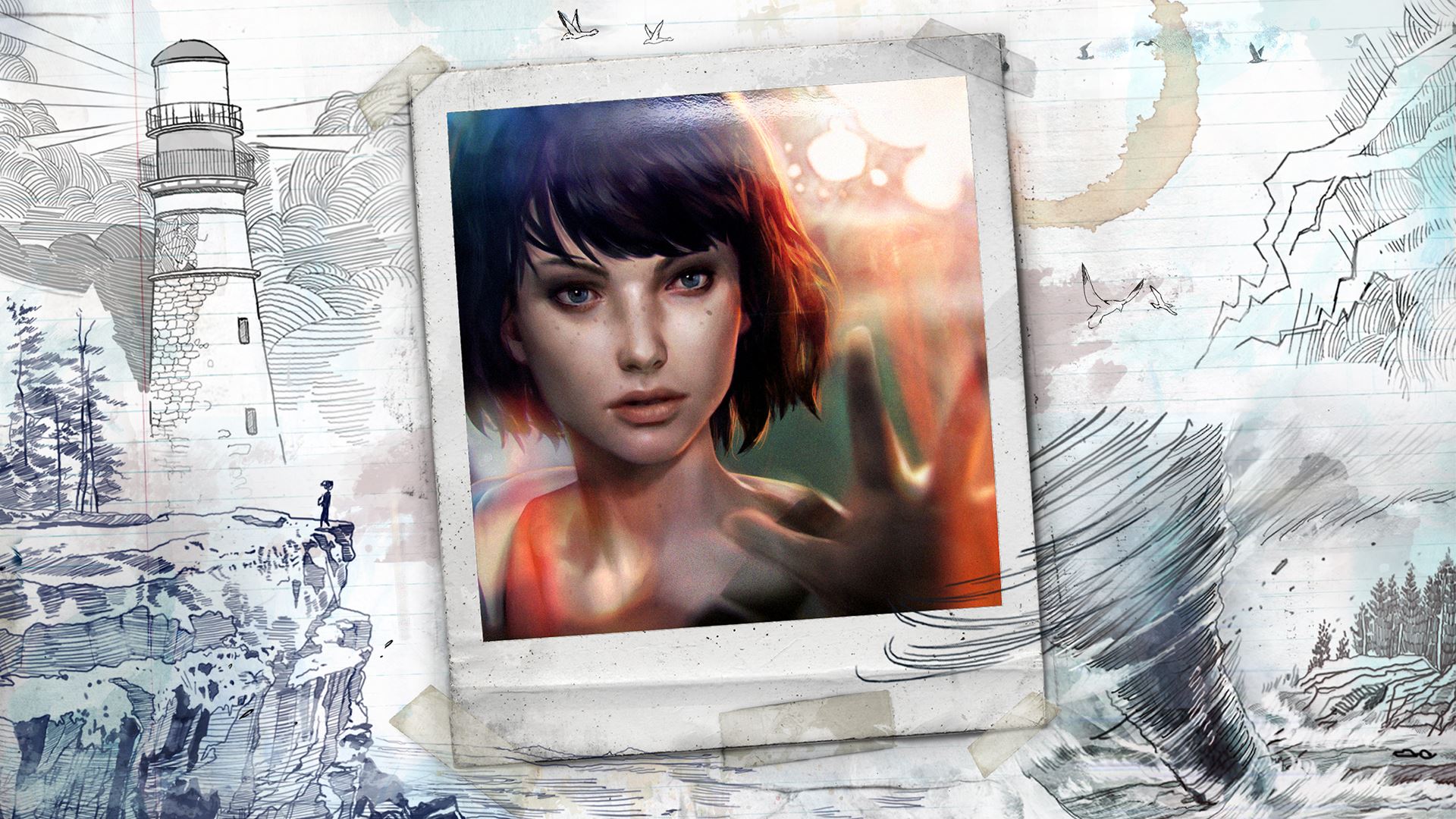
Dontnod Entertainment developed and Square Enix published this episodic graphic adventure featuring Max Caulfield and Chloe Price. Max discovers she has the ability to rewind time, but the core of the game is her rekindled friendship with Chloe. The gameplay involves making choices that affect the social dynamics of the characters within the town of Arcadia Bay. The supernatural elements serve to heighten the emotional stakes of the coming-of-age story. ‘Life is Strange’ is defined by its relatable characters and the consequences of their interpersonal decisions.
‘Detroit: Become Human’ (2018)
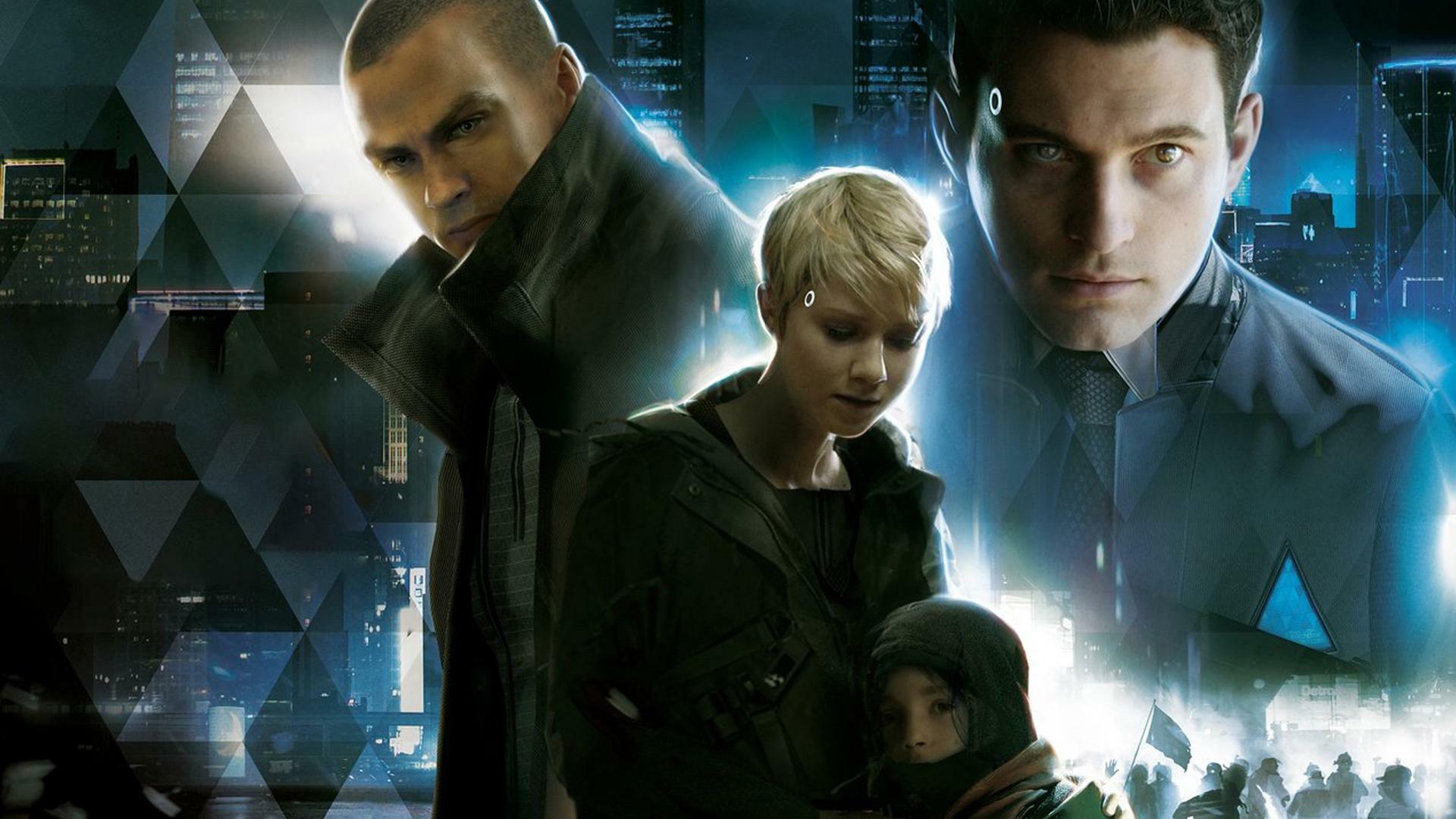
Developed by Quantic Dream and published by Sony Interactive Entertainment, this title features three android protagonists named Connor, Kara, and Markus. Each character represents a different perspective on the struggle for android rights and personhood. The gameplay consists mostly of decision-making and environmental interaction, allowing the branching narrative to take center stage. The individual goals and development of these characters are the primary motivators for the player to reach various endings. ‘Detroit: Become Human’ focuses on the philosophical implications of artificial intelligence through its central cast.
‘Spec Ops: The Line’ (2012)

Yager Development developed and 2K Games published this third-person shooter that subverts the tropes of military action games. Captain Martin Walker leads a team into a sandstorm-ravaged Dubai, only to spiral into madness and moral depravity. While the shooting mechanics are intentionally generic, the psychological deconstruction of Walker and his squad is the game’s highlight. The narrative forces players to confront the consequences of the characters’ violent actions. ‘Spec Ops: The Line’ uses its characters to critique the genre of military shooters.
‘Mass Effect Legendary Edition’ (2021)
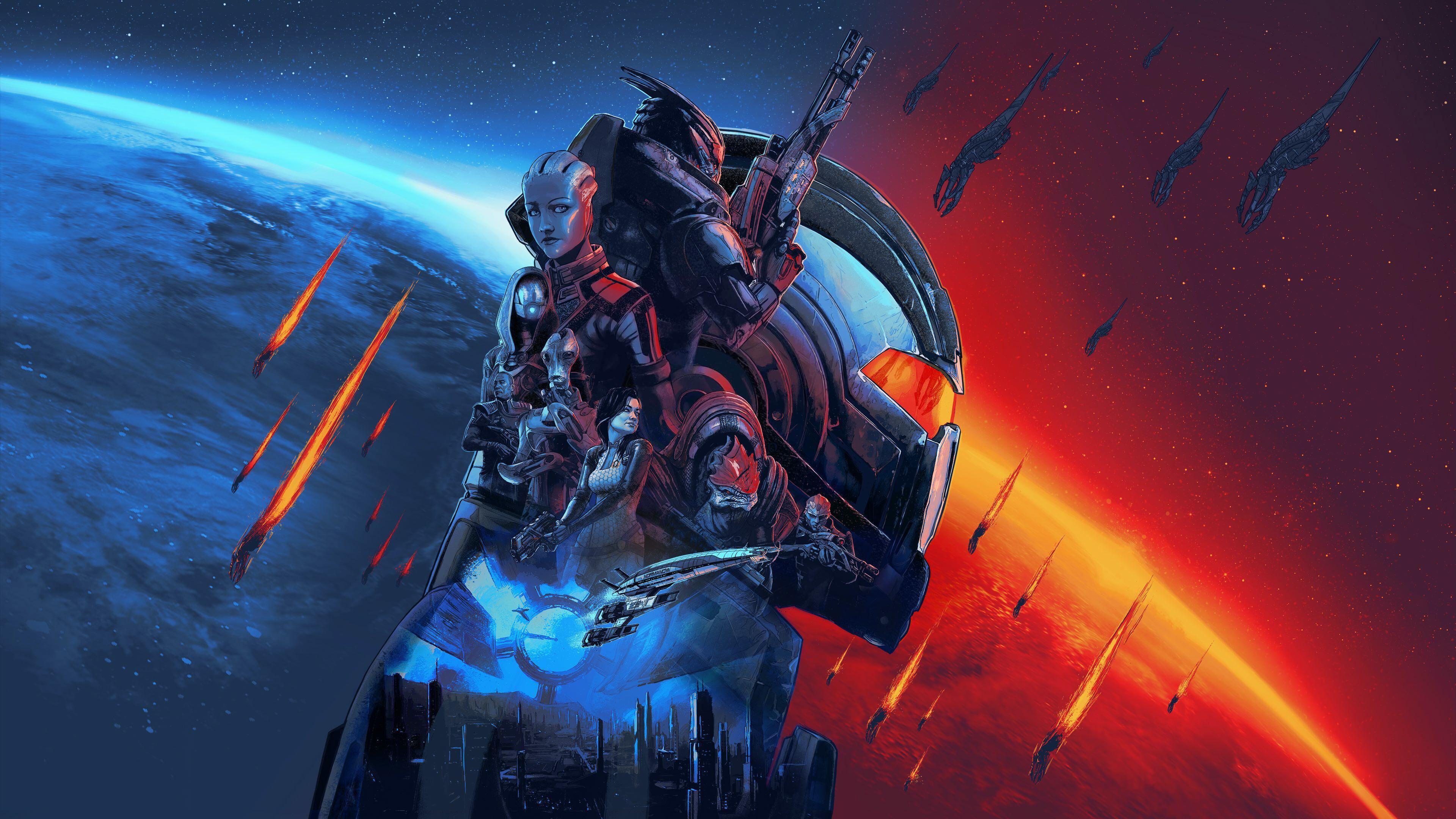
Developed by BioWare and published by Electronic Arts, this collection remasters the original trilogy following Commander Shepard. The strength of the series lies in its diverse cast of crewmates, from the Turian Garrus Vakarian to the Quarian Tali’Zorah. Players spend hours engaging in loyalty missions and shipboard conversations to build these relationships. While the combat and exploration are significant, the fate of the characters often provides the strongest emotional hook. ‘Mass Effect Legendary Edition’ is widely praised for the way it lets players shape Shepard’s personality and companionships.
‘The Witcher 3: Wild Hunt’ (2015)
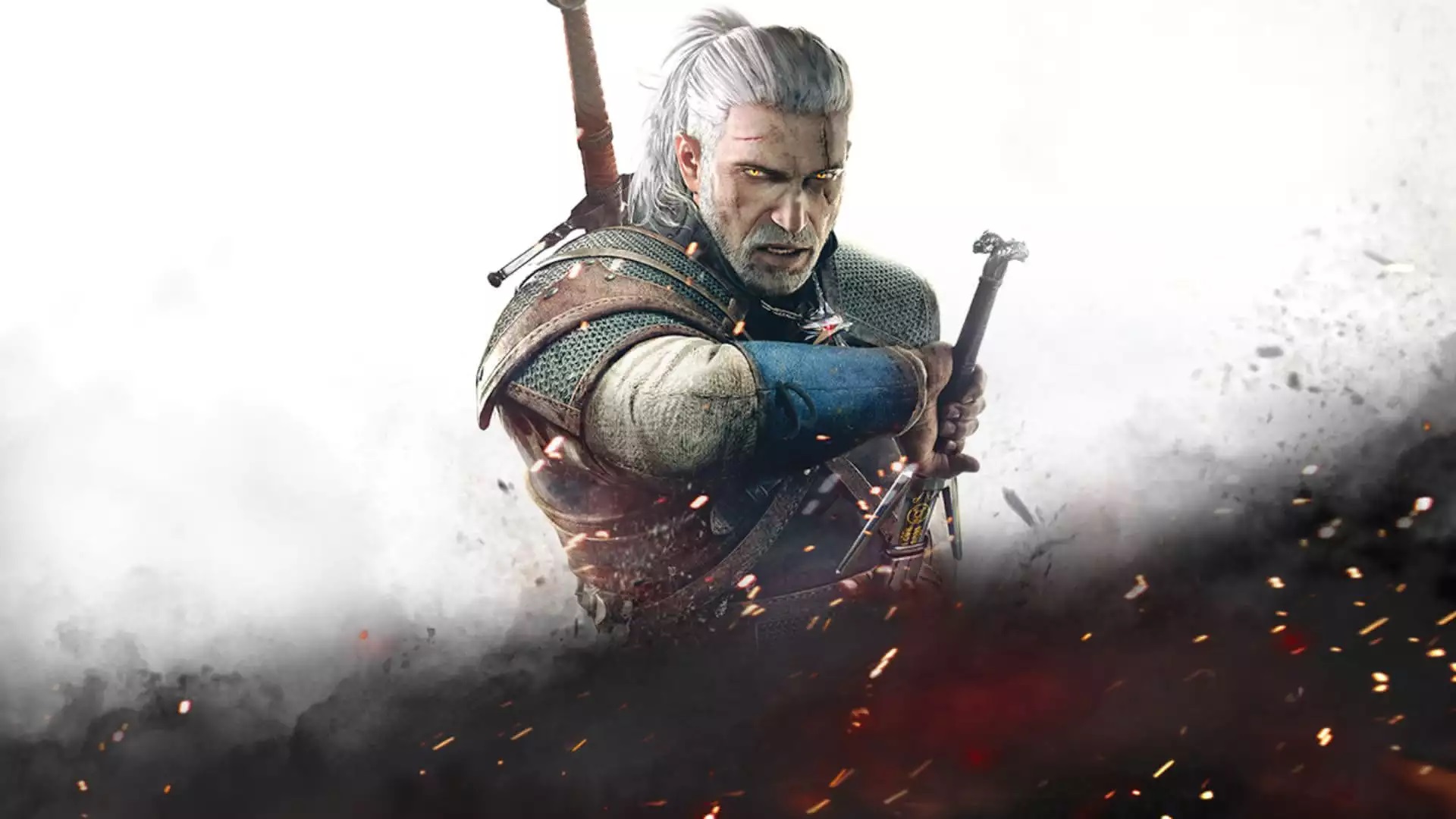
Developed and published by CD Projekt Red, this open-world RPG focuses on Geralt of Rivia’s search for his adopted daughter, Ciri. The game is renowned for its detailed side quests, which often feature complex characters with their own motivations and backstories. Relationships with characters like Yennefer of Vengerberg and Triss Merigold are central to the overarching plot. Even minor NPCs are given distinct personalities that make the world of ‘The Witcher 3: Wild Hunt’ feel inhabited. The writing and character work frequently outshine the core sword-fighting and alchemy systems.
‘Uncharted 4: A Thief’s End’ (2016)
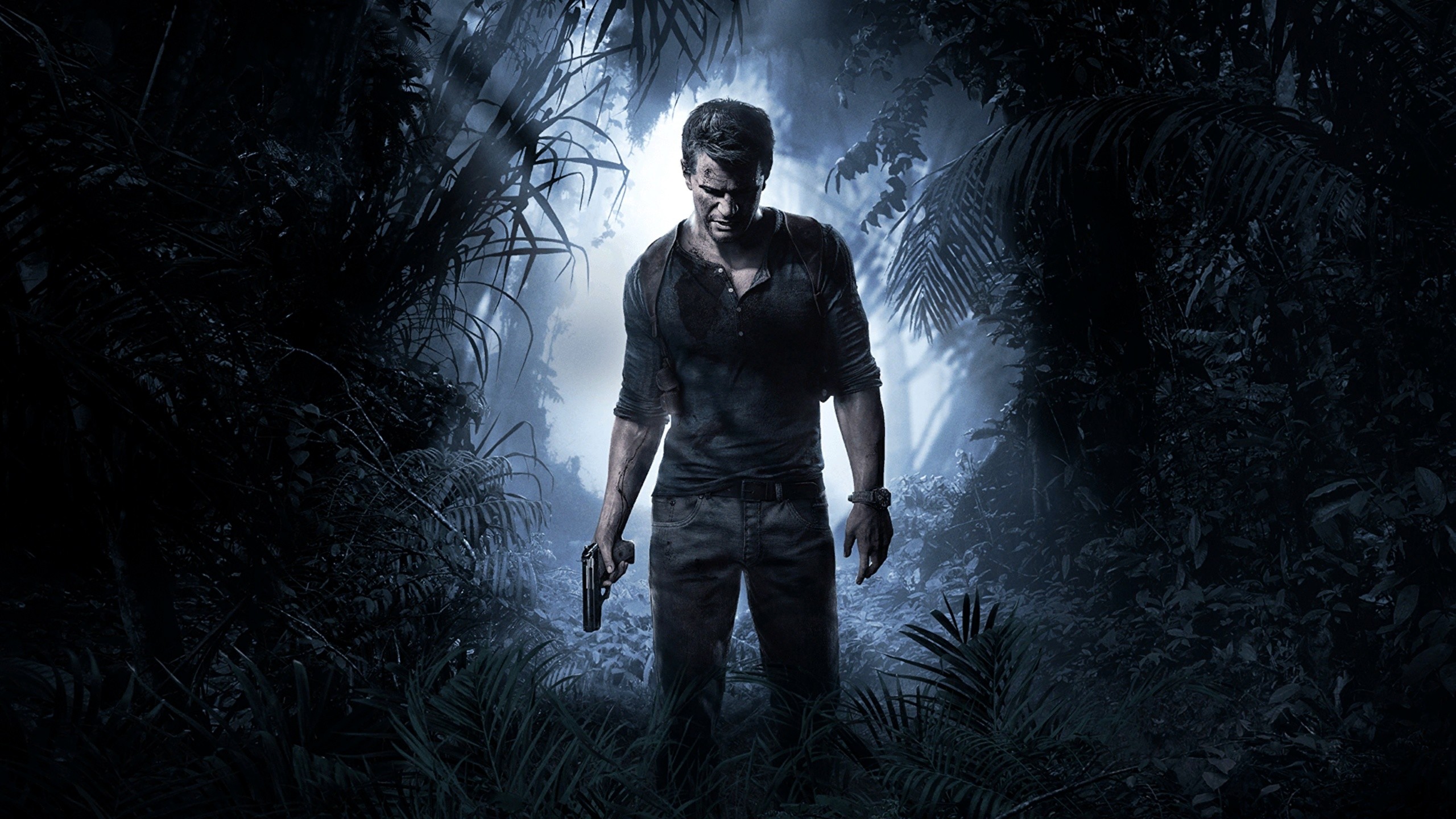
Naughty Dog developed and Sony Interactive Entertainment published the final chapter of Nathan Drake’s story. The introduction of Sam Drake, Nathan’s long-lost brother, adds a layer of familial tension and history to the treasure-hunting adventure. The game balances its action set pieces with quiet moments of character introspection and domestic life. The performances of the cast provide a grounded conclusion to a series known for its cinematic flair. ‘Uncharted 4: A Thief’s End’ prioritizes the emotional resolution of its characters over its platforming and gunplay.
‘Cyberpunk 2077’ (2020)
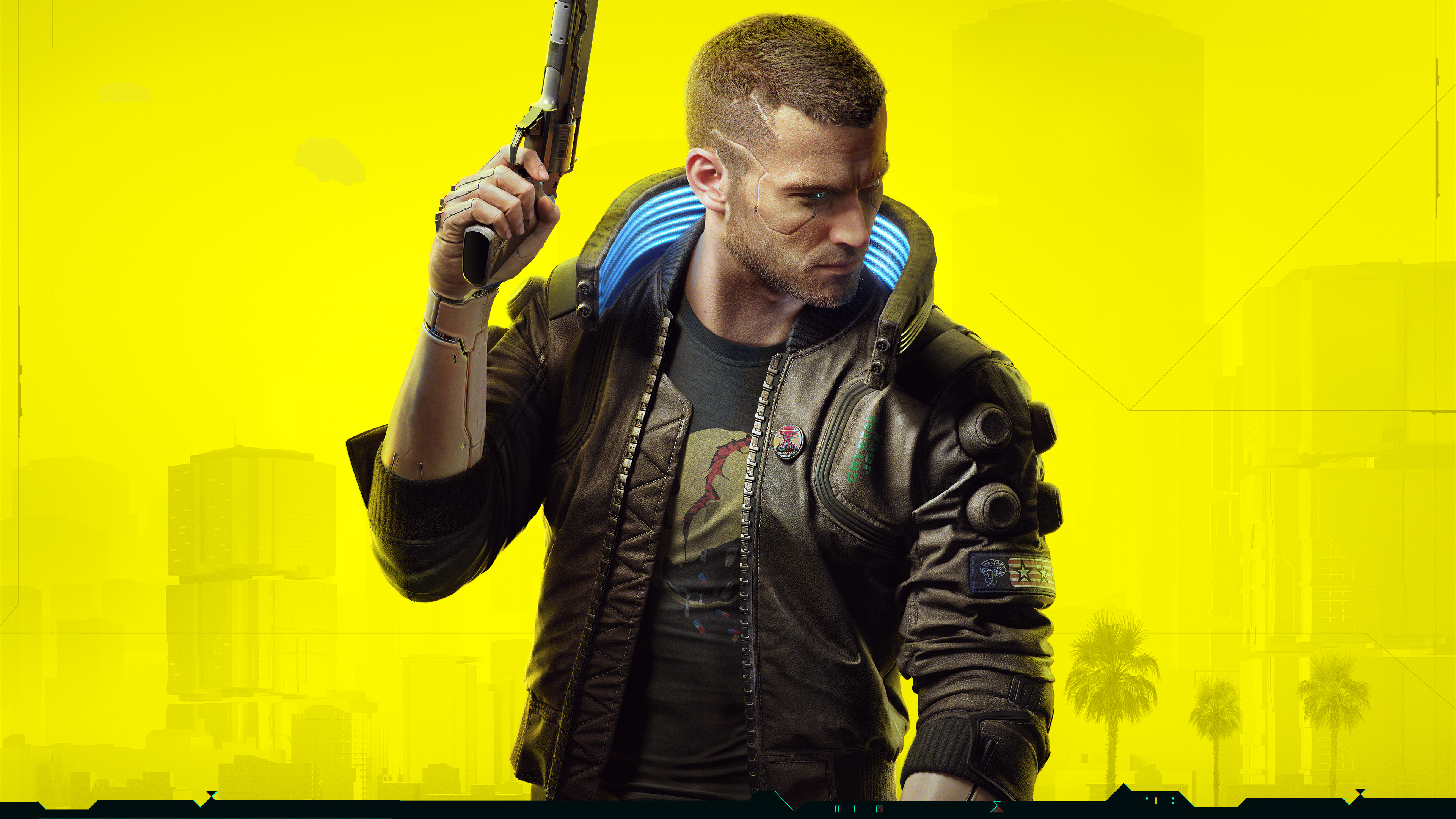
Developed and published by CD Projekt Red, this title features V, a mercenary whose mind is being overtaken by the digital ghost of Johnny Silverhand. The dynamic between V and the rebellious Silverhand, played by Keanu Reeves, drives the narrative forward. Secondary characters like Judy Alvarez and Panam Palmer offer deep, personal side stories that flesh out the world of Night City. Many players find the character arcs and personal interactions to be the most memorable aspects of the game. ‘Cyberpunk 2077’ relies on these relationships to provide emotional weight to its dystopian setting.
‘God of War’ (2018)
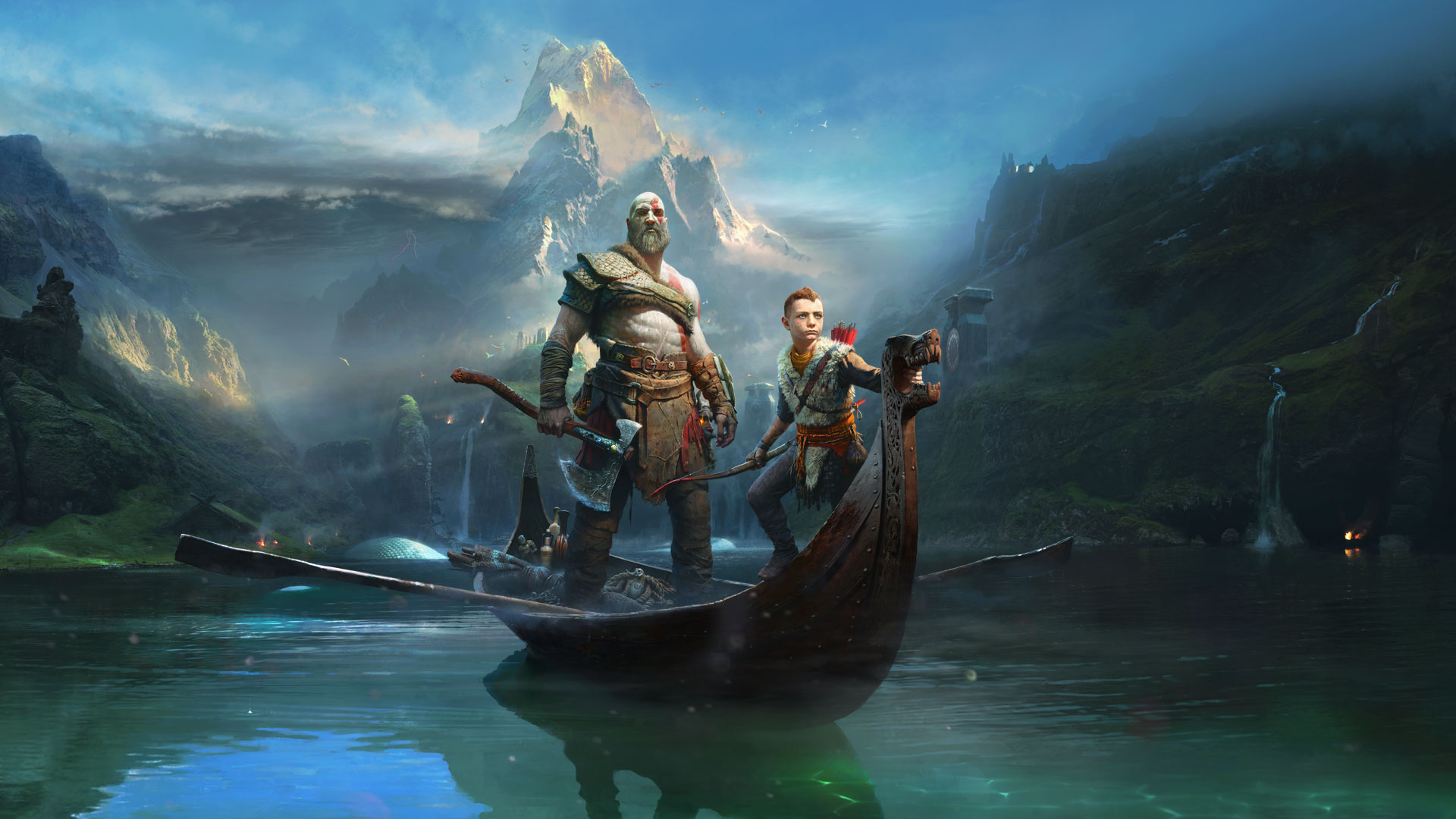
Santa Monica Studio developed and Sony Interactive Entertainment published this soft reboot of the long-running action franchise. The story shifts focus to a more mature Kratos as he journeys with his young son, Atreus, to fulfill his late wife’s wish. Their evolving father-son relationship is the core of the experience, influencing the dialogue, combat, and puzzle-solving. The game strips away much of the over-the-top spectacle of previous entries to focus on Kratos’s internal struggle. ‘God of War’ is defined by this intimate character study set against a Norse mythological backdrop.
‘Final Fantasy VII Rebirth’ (2024)
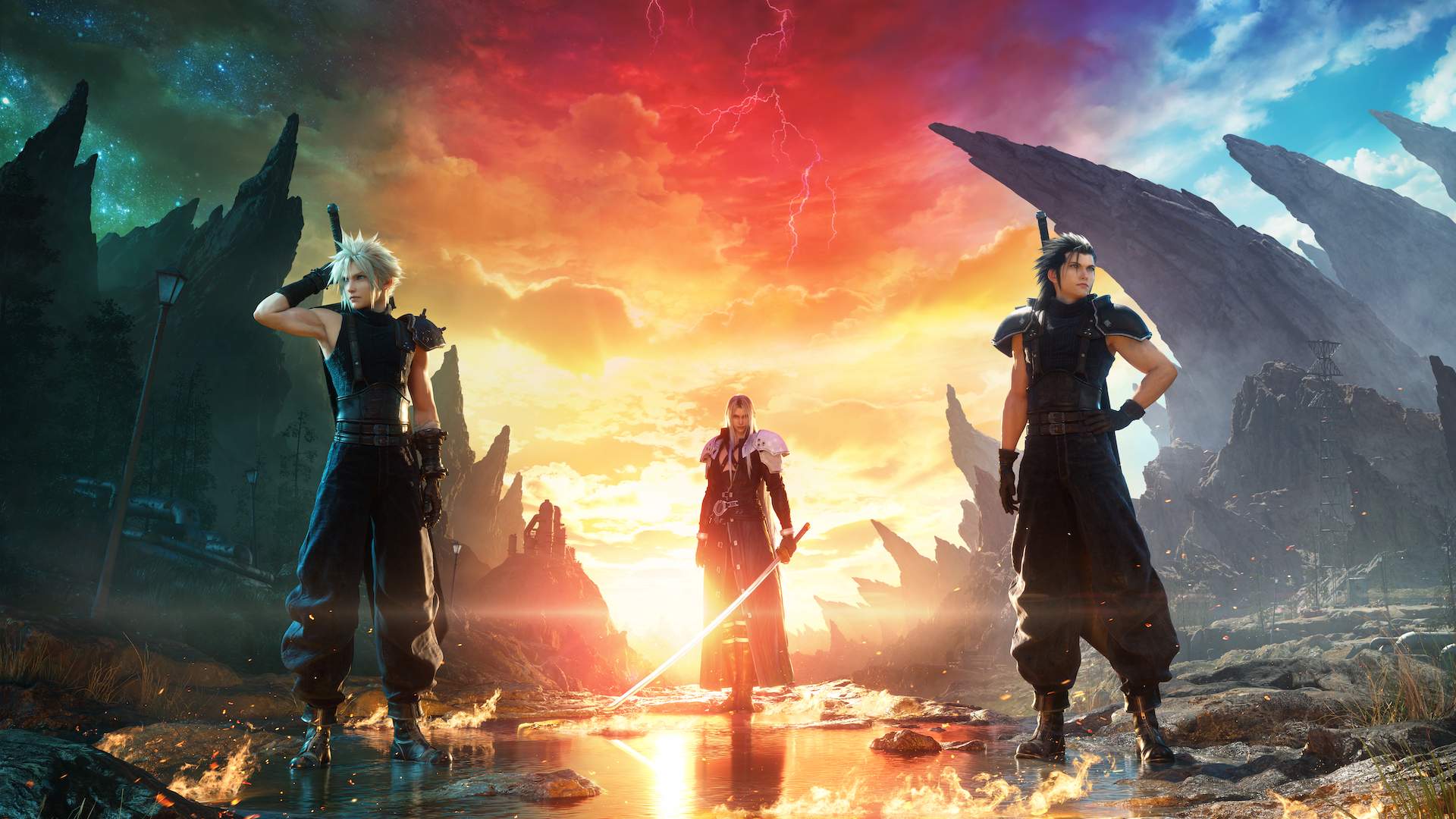
Developed and published by Square Enix, this second installment of the ‘Final Fantasy VII’ remake project expands on the journey of Cloud Strife and his companions. The game places a heavy emphasis on “Bond Levels” and “Synergy” attacks, tying gameplay mechanics directly to character relationships. Each member of the party, from Tifa to Barret, receives significant screentime to explore their pasts and motivations. The camaraderie between the cast members is often cited as the highlight of the experience. ‘Final Fantasy VII Rebirth’ uses its large open world to further develop the personalities of its iconic protagonists.
‘NieR: Automata’ (2017)
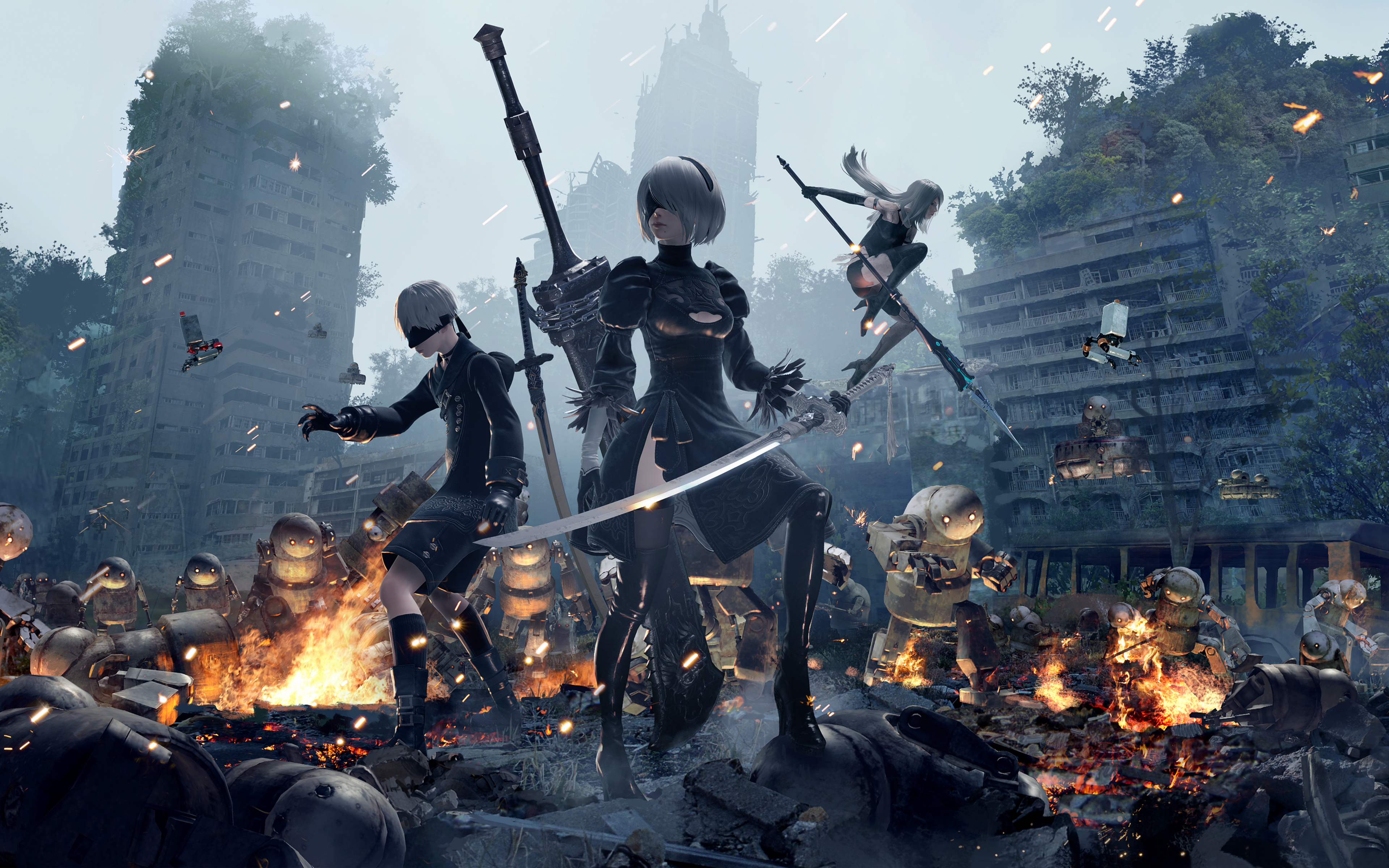
Developed by PlatinumGames and published by Square Enix, this action RPG follows androids 2B, 9S, and A2 in a war against machines. While the combat is fast-paced and fluid, the game’s true impact comes from its philosophical exploration of consciousness and existentialism. The characters’ discoveries about their purpose and the history of the world lead to multiple emotional endings. The bond between 2B and 9S is central to the player’s engagement with the tragic narrative. ‘NieR: Automata’ uses its characters to deliver a profound and often heartbreaking story.
‘Yakuza: Like a Dragon’ (2020)
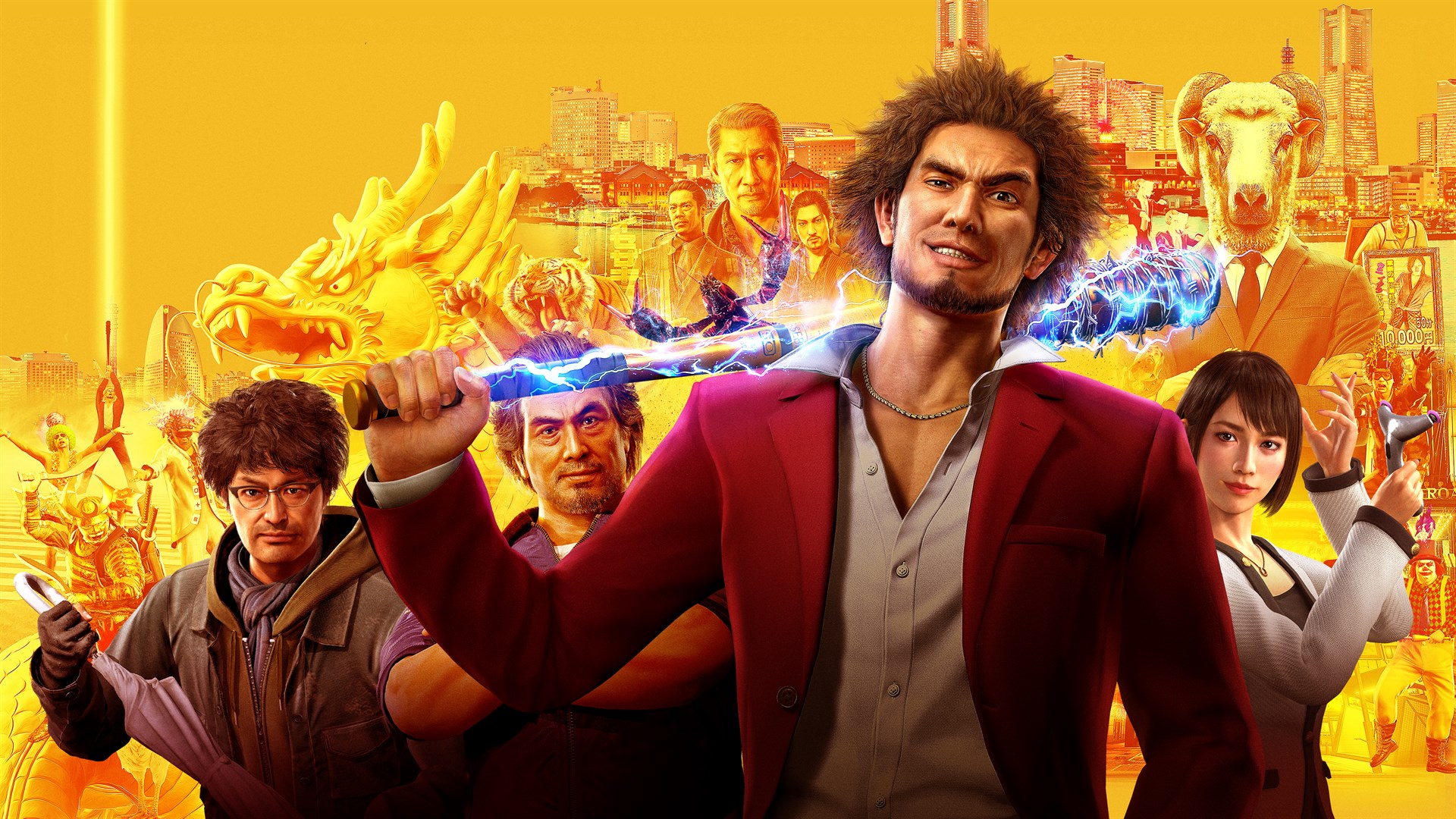
Ryu Ga Gotoku Studio developed and Sega published this entry in the ‘Yakuza’ series, introducing a new protagonist named Ichiban Kasuga. Unlike previous leads, Ichiban is an eternal optimist whose love for ‘Dragon Quest’ influences how he perceives the world. The turn-based combat is a literal representation of his imagination and the strength of his friendships. The game focuses on a group of middle-aged misfits who find purpose in their loyalty to one another. ‘Yakuza: Like a Dragon’ succeeds largely due to the infectious personality of its main character.
‘Alan Wake 2’ (2023)
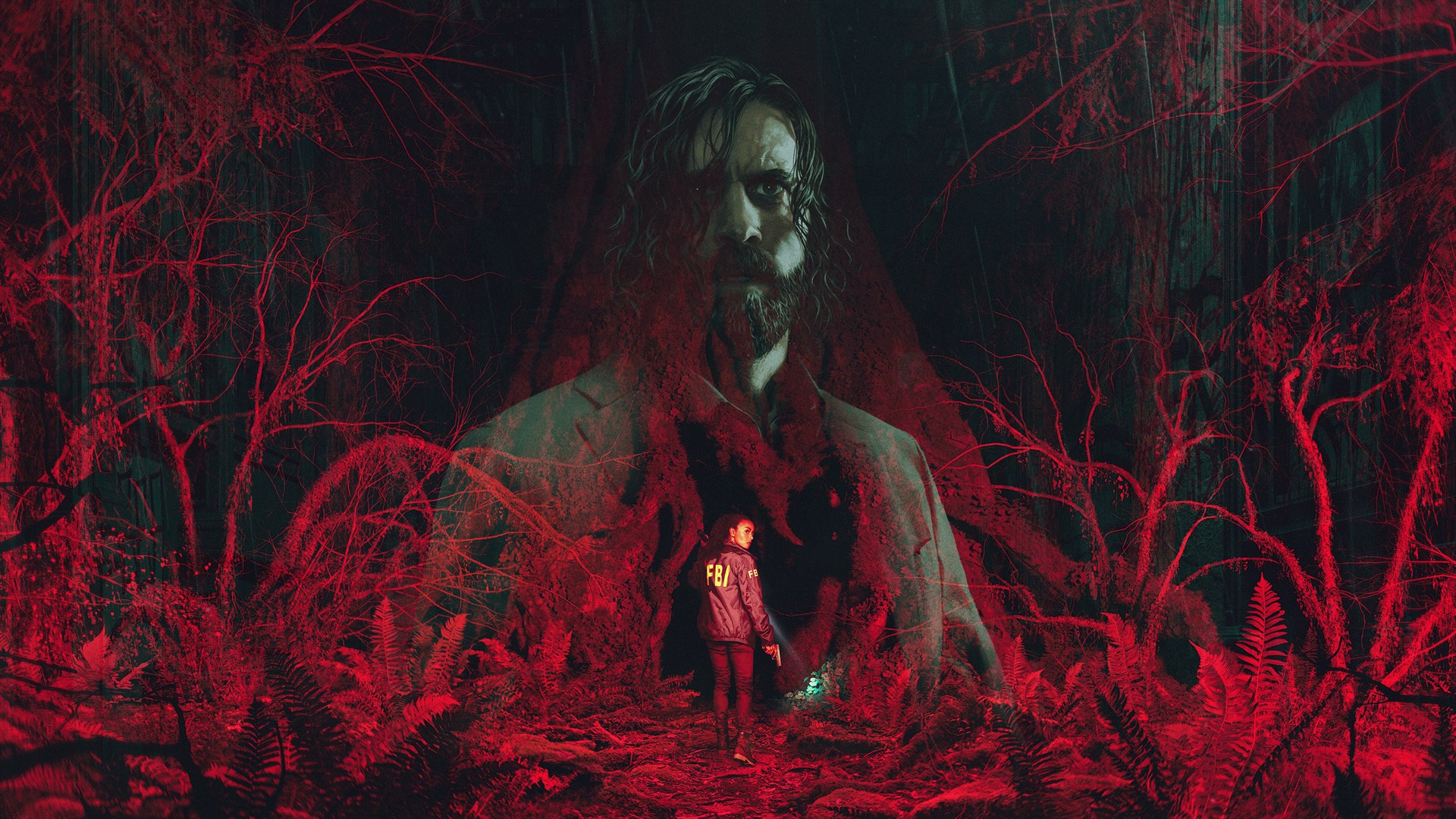
Developed by Remedy Entertainment and published by Epic Games Publishing, this survival horror sequel features dual protagonists Alan Wake and Saga Anderson. The narrative explores the meta-fictional struggle of a writer trying to escape a dark dimension and an FBI profiler investigating a series of ritualistic murders. The characters’ psychological states are woven into the gameplay through the Mind Place and the Writer’s Room mechanics. The intricate plot is driven by the personal stakes and vulnerabilities of both leads. ‘Alan Wake 2’ is a character-driven thriller that prioritizes atmosphere and storytelling.
‘Firewatch’ (2016)
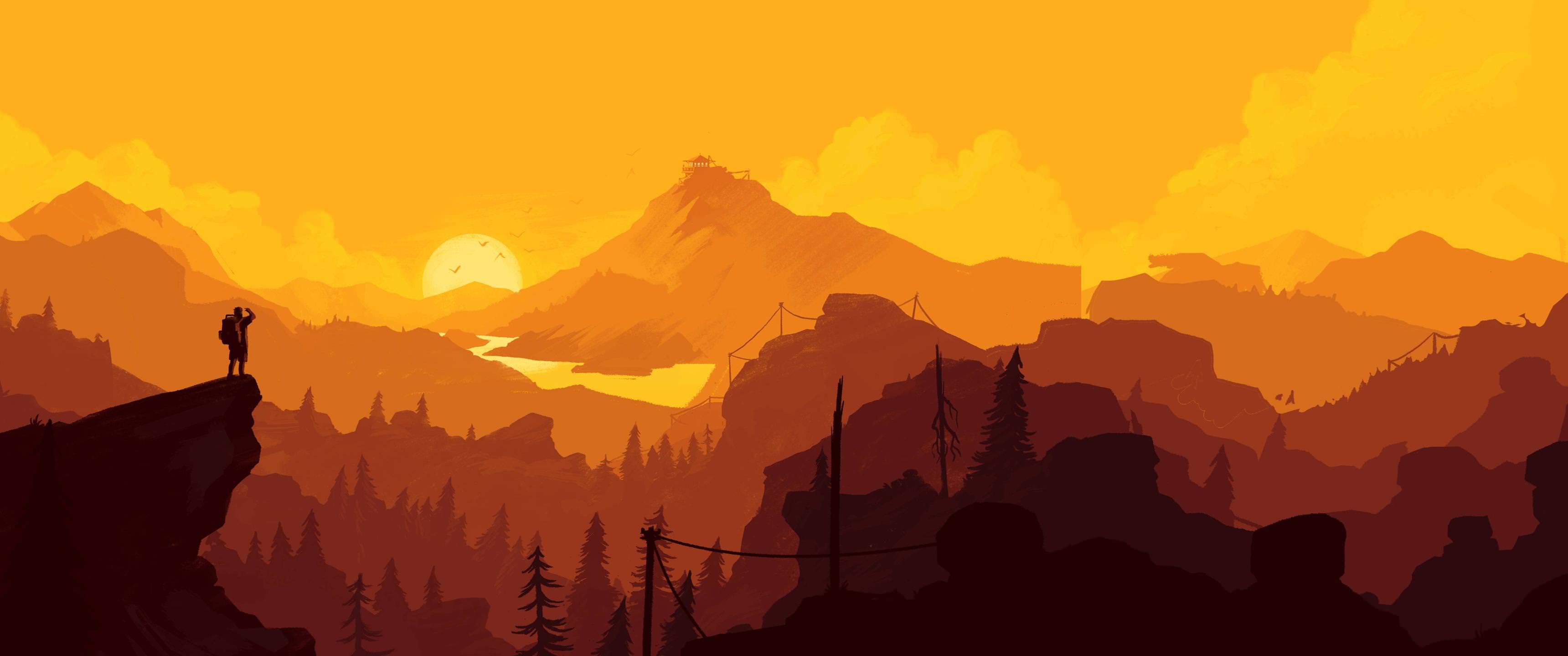
Developed by Campo Santo and published by Panic, ‘Firewatch’ is a first-person adventure set in the Wyoming wilderness. Players control Henry, a man who takes a job as a fire lookout to escape personal tragedy, and his only contact is his supervisor, Delilah. The entire game is built around their walkie-talkie conversations, which range from humorous banter to deep personal revelations. There is no combat and very little traditional action, making the character dynamic the sole focus of the experience. ‘Firewatch’ demonstrates how voice acting and writing can create a compelling game through dialogue alone.
‘Hellblade: Senua’s Sacrifice’ (2017)

Developed and published by Ninja Theory, this title follows a Pict warrior named Senua on a quest into Viking hell to save her lover’s soul. The game depicts Senua’s struggle with psychosis, using binaural audio to simulate the voices in her head. The gameplay involves puzzles and combat, but these are secondary to the representation of Senua’s mental state and her personal history. The performance of the protagonist is the central pillar that supports the entire narrative and atmosphere. ‘Hellblade: Senua’s Sacrifice’ is a deeply personal character study that utilizes the medium to build empathy for its lead.
Share which video game character left the strongest impression on you in the comments.