

Games with Narrators Who Break the Fourth Wall Subtly




Video games often utilize voice-over to explain plot points or guide players through tutorials. A select few titles employ narrators who acknowledge the artificial nature of the medium in clever ways. These voices react to gameplay choices or comment on the absurdity of video game logic. The interaction creates a unique bond between the developer and the player.
‘The Stanley Parable’ (2013)

The Narrator attempts to guide the protagonist through a mundane office while reacting to every deviation the player makes. He expresses genuine confusion and frustration when the user refuses to follow his specific instructions. This dynamic turns the game into a battle of wills between the storyteller and the person holding the controller. The voice constantly questions the illusion of choice within a preprogrammed digital environment.
‘Bastion’ (2011)
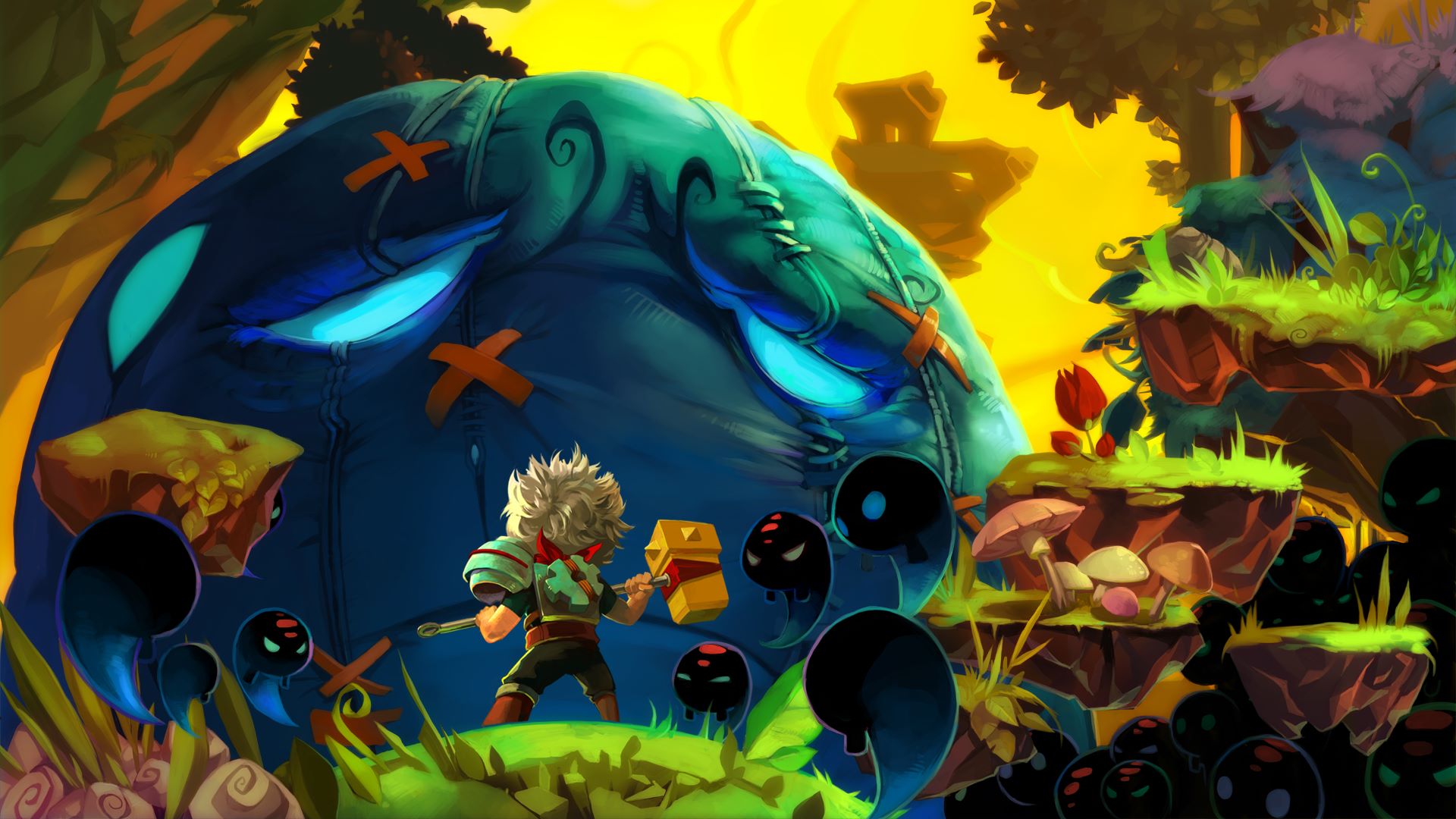
Rucks provides a gravelly narration that reacts dynamically to the specific actions the Kid takes during the journey. He comments on the weapons the player chooses or the mistakes they make in real time. The storytelling feels organic because it acknowledges gameplay variances without shattering the immersion of the fantasy world. This technique makes the player feel like they are enacting a legend that is being told simultaneously.
‘Call of Juarez: Gunslinger’ (2013)
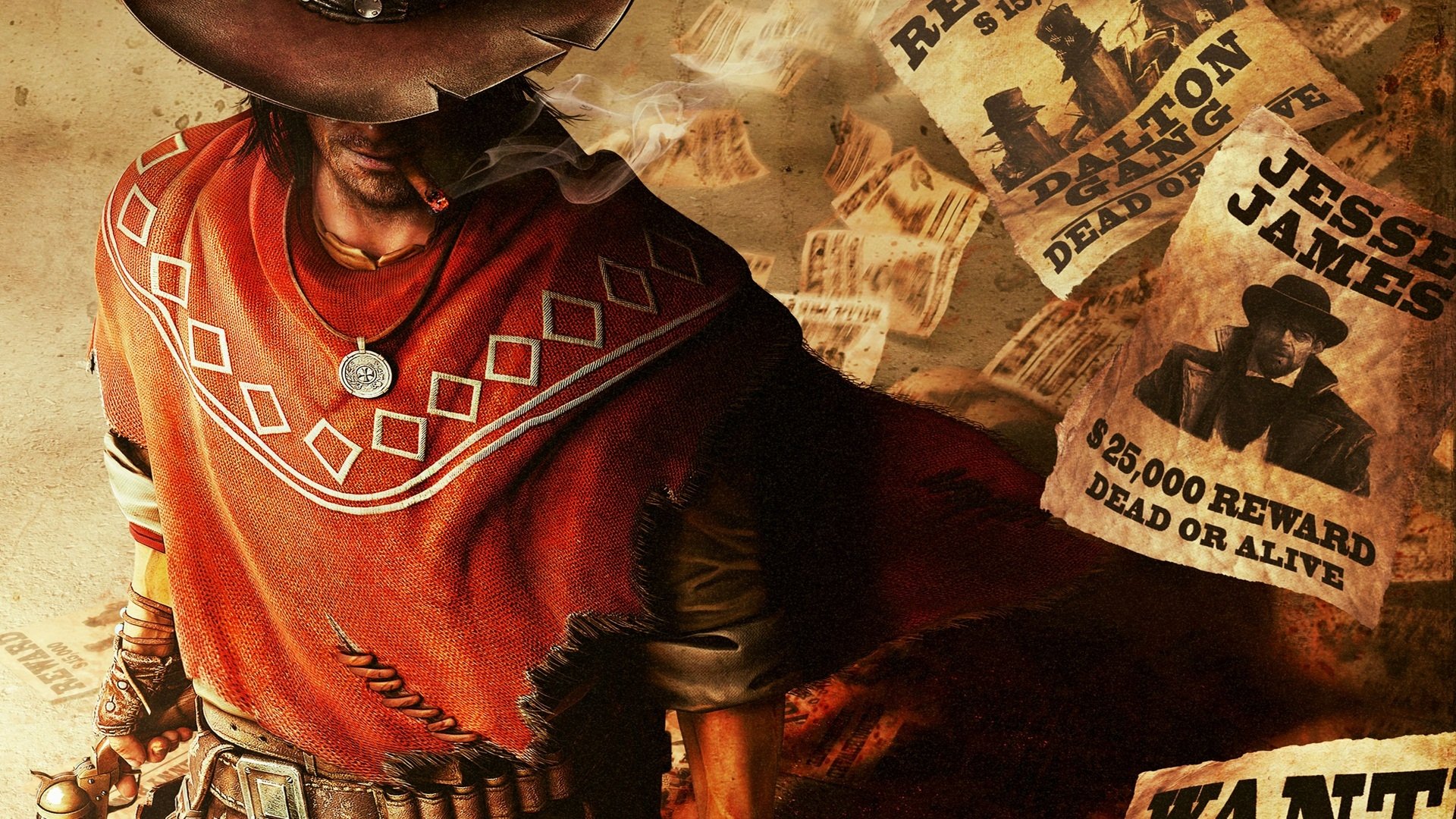
Silas Greaves recounts his exaggerated bounty hunting adventures to a skeptical audience in a saloon. The level design shifts instantly to match his changing memory or to correct details he previously got wrong. Paths open and close based entirely on the whims of the unreliable narrator telling the tale. The game uses this narrative device to justify rewinds and enemy placements within the context of a tall tale.
‘Prince of Persia: The Sands of Time’ (2003)

The Prince narrates the game as a flashback story he is recounting to Princess Farah. He breaks the fourth wall specifically when the player dies by claiming that the event did not happen that way. The game allows the user to rewind time and correct the mistake to continue the true version of the story. This narrative framing cleverly explains the video game mechanic of respawning within the plot.
‘Getting Over It with Bennett Foddy’ (2017)
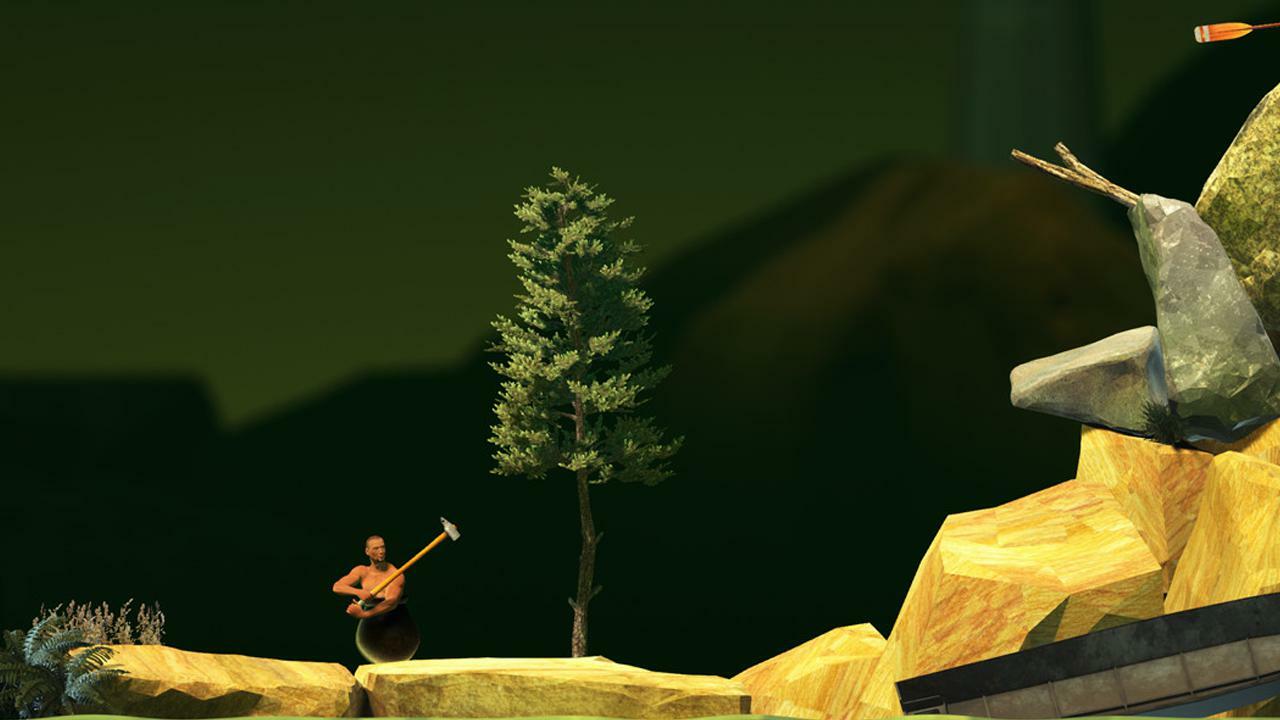
Bennett Foddy speaks directly to the player as they struggle to climb a mountain of surreal assets. He discusses the philosophical nature of frustration and failure while the user fights with the intentionally difficult controls. The commentary serves to both comfort and taunt the player during moments of significant progress loss. It creates an intimate and sometimes adversarial conversation about the relationship between creator and audience.
‘The Beginner’s Guide’ (2015)
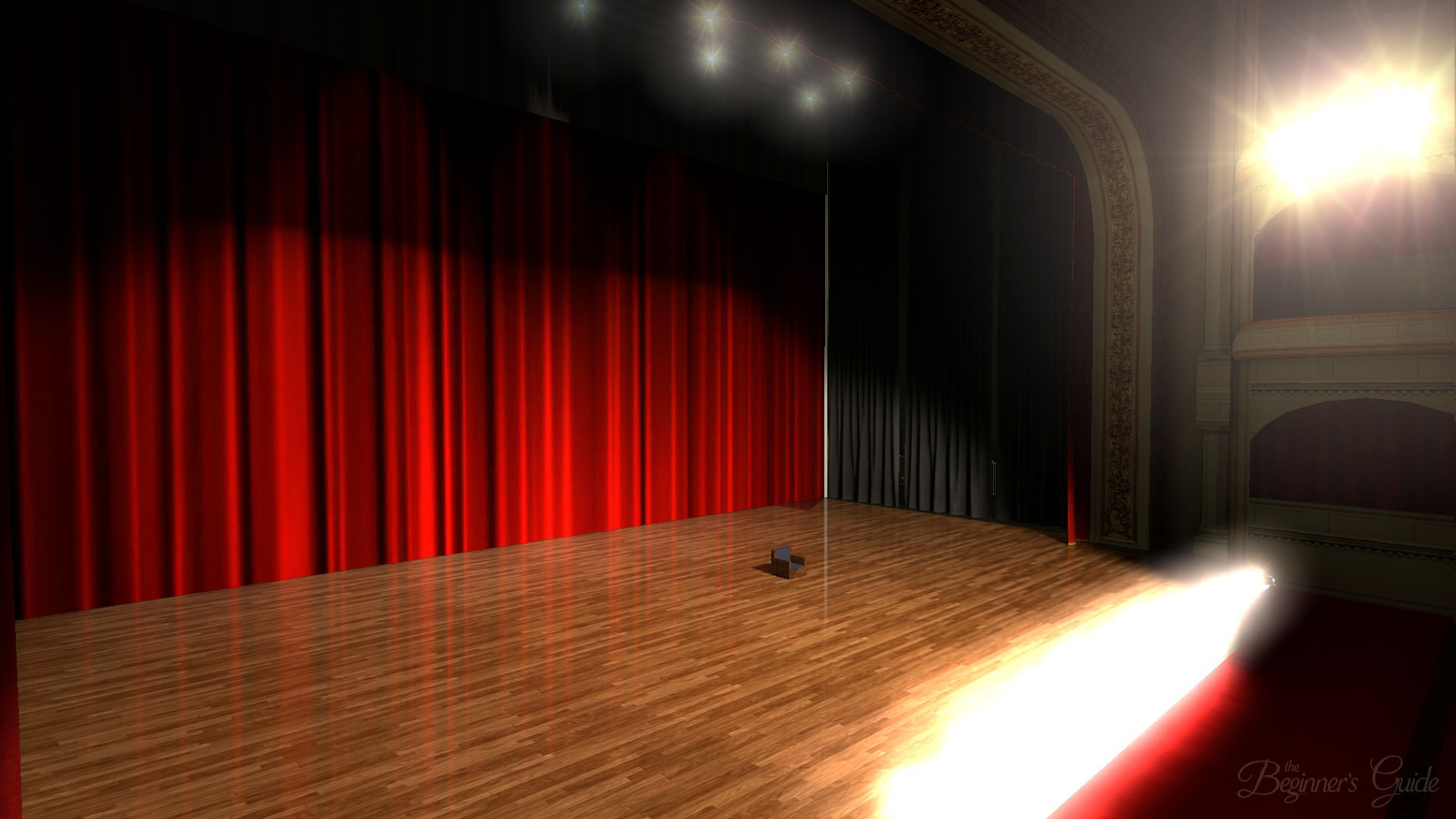
Davey Wreden narrates a series of unfinished game prototypes created by a mysterious developer named Coda. He explains the emotional intent behind specific design choices and asks the player to interpret the meaning. The narration becomes increasingly intrusive as Wreden projects his own insecurities onto the work of his friend. The experience blurs the lines between a documentary and a fictional drama about creative validation.
‘Darkest Dungeon’ (2016)
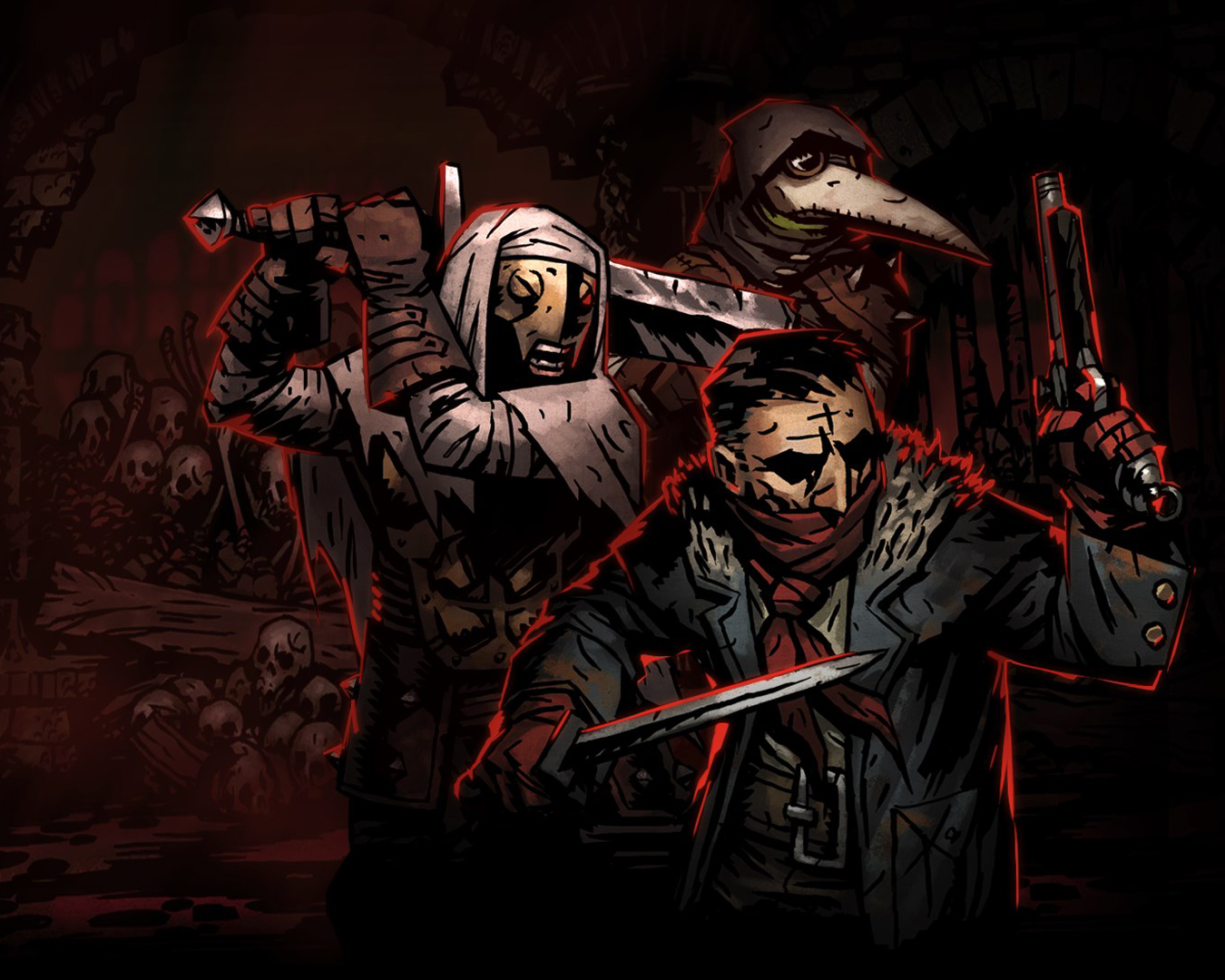
The Ancestor provides a grim commentary on the misfortunes that befall the party of heroes. He speaks directly about the nature of overconfidence and the inevitability of death as the player manages their stress levels. His voice serves as a constant reminder of the hopelessness of the setting even when the team succeeds in battle. The narration frames the gameplay loop as a tragic cycle that the user is continuously perpetuating.
‘Thomas Was Alone’ (2012)

Danny Wallace voices a narrator who assigns complex personalities and thoughts to simple geometric shapes. He describes the inner emotions of the rectangles as the player guides them through various puzzle environments. The narration hints that these artificial intelligences are developing consciousness through the help of the user. It creates a strong emotional connection to abstract characters through purely auditory cues.
‘The Bard’s Tale’ (2004)
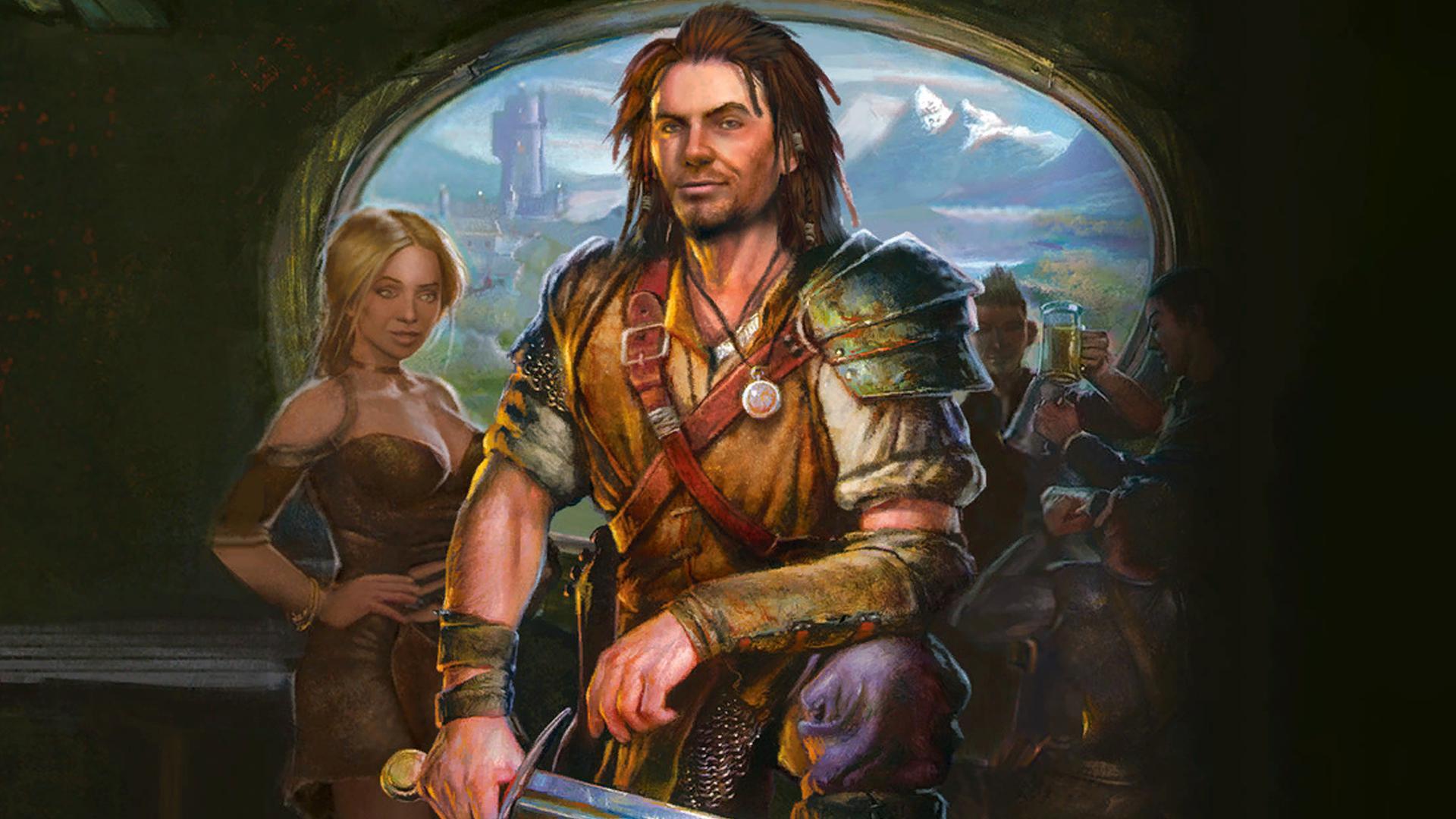
The Narrator in this comedic RPG maintains an antagonistic relationship with the protagonist Bard throughout the adventure. He frequently mocks the player for choosing typical video game tropes or for failing to complete simple objectives. The Bard often hears these insults and argues back to create a humorous meta-routine. This friction highlights the absurdity of role-playing game conventions in a lighthearted manner.
‘ICEY’ (2016)

The Narrator attempts to guide the cyborg protagonist through a standard action script that the player can choose to disobey. He becomes increasingly agitated and breaks character when the user explores unfinished areas or ignores the arrow. The game shifts from a side-scroller to a meta-commentary on game development based on this conflict. It relies entirely on the player defying direct orders to reveal the underlying narrative.
‘LittleBigPlanet’ (2008)
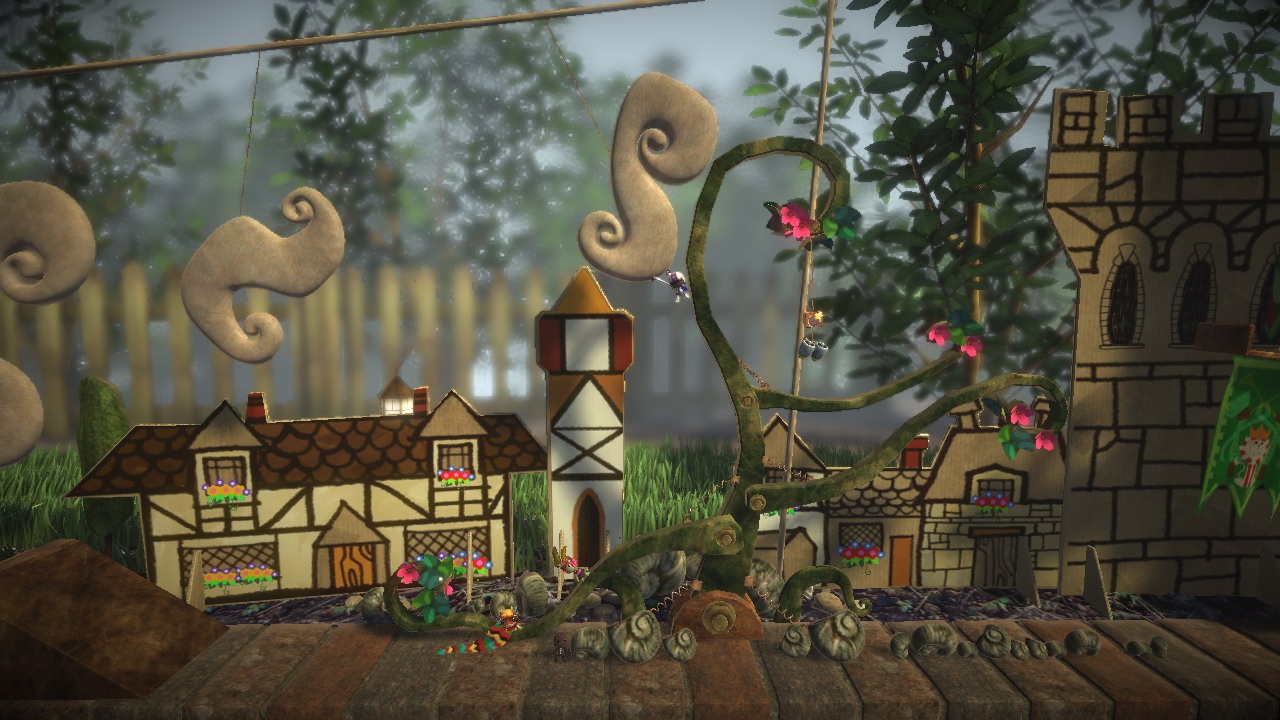
Stephen Fry provides a gentle and instructional voice that guides the player through the creative possibilities of the game. He speaks to the user not as a character in a story but as a creative partner entering a world of imagination. The tutorial segments feel like a warm conversation about how to have fun rather than a strict lesson. His tone encourages experimentation and playfulness directly with the person holding the controller.
‘Portal 2’ (2011)

GLaDOS comments on the performance of the player with passive-aggressive remarks that acknowledge the artificial nature of the tests. She frequently highlights the futility of the puzzle-solving efforts while mocking the intellect of the user. Cave Johnson adds to this by delivering pre-recorded messages that eerily predict the future actions of the test subject. The narrative delivery constantly reminds the user they are a subject being observed by a higher power.
‘Stories: The Path of Destinies’ (2016)
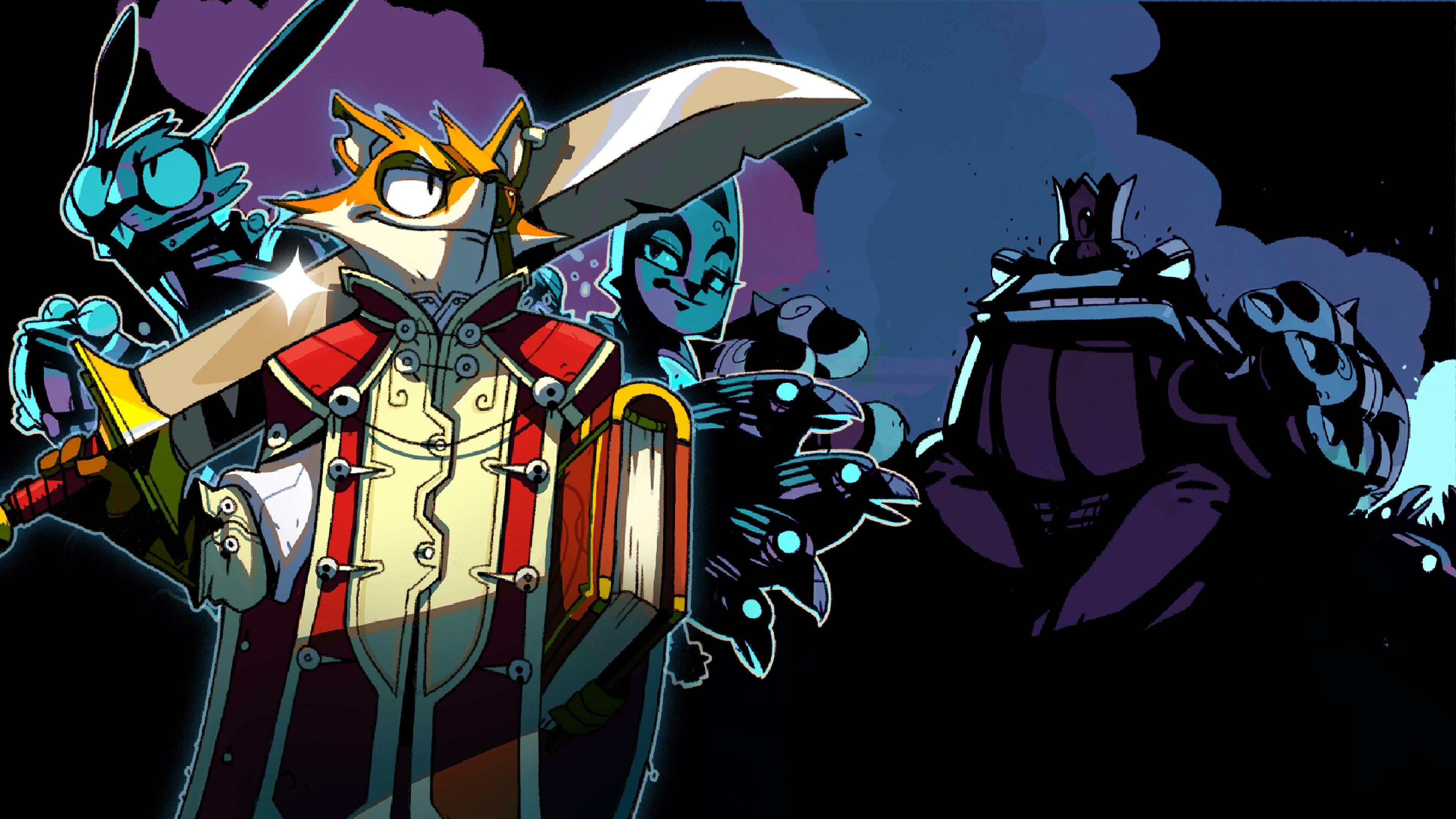
The narrator reads from a storybook that writes itself in real time based on the branching choices the player makes. He adds colorful commentary to the combat and exploration while foreshadowing the consequences of decisions. The voice adapts to the repeated playthroughs required to find the true ending of the game. It acknowledges the repetitive nature of the time loop mechanic without breaking the fantasy atmosphere.
‘Disco Elysium’ (2019)
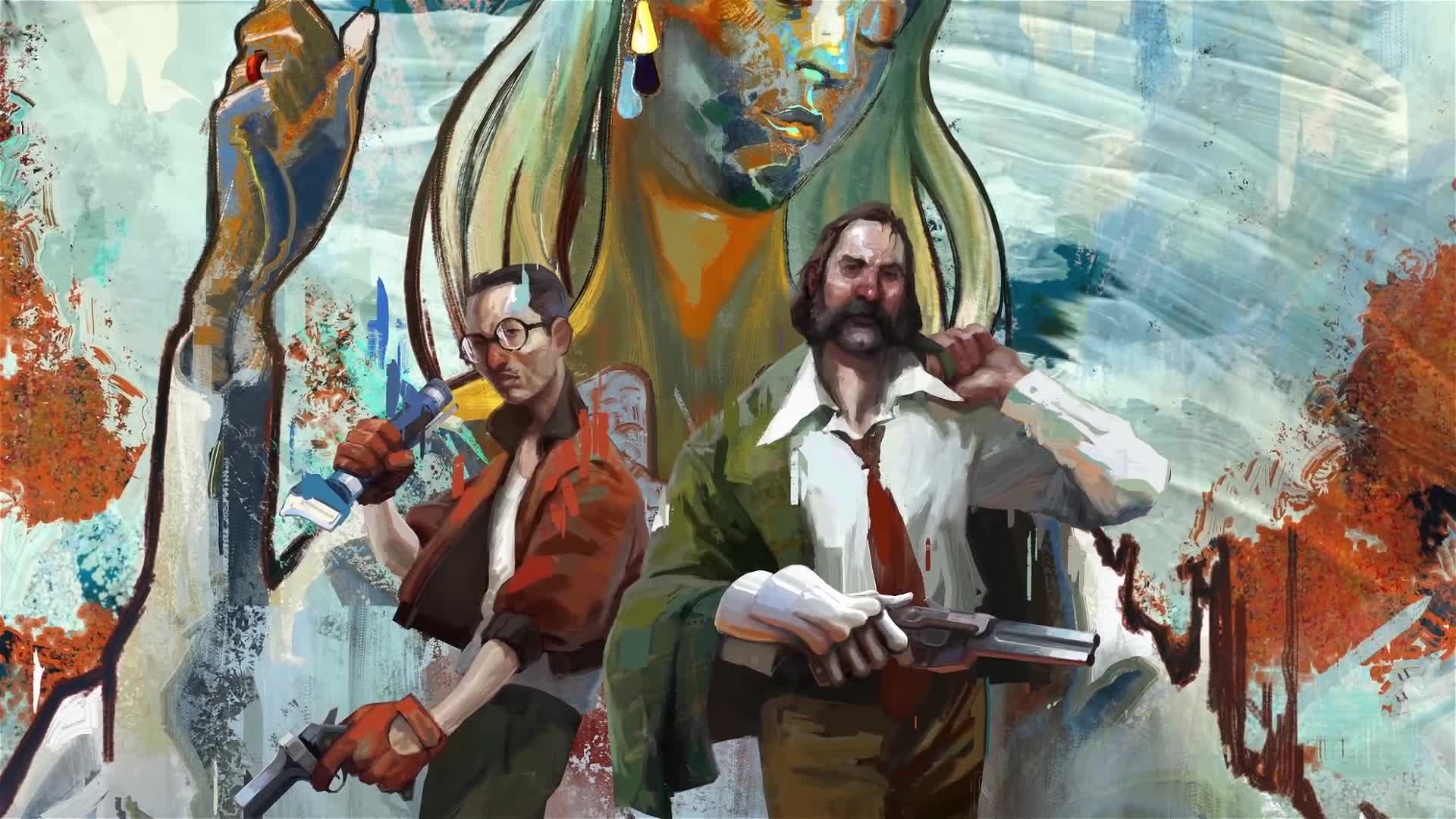
Different aspects of the protagonist’s psyche act as narrators that fight for control over his internal monologue. These voices frequently address the player’s choices by questioning the logic or morality behind specific dialogue options. The Reptilian Brain and Limbic System speak to the primal nature of the character and the player controlling him. This internal chorus turns the stat sheet into a cast of characters that judge the user.
‘Immortals Fenyx Rising’ (2020)
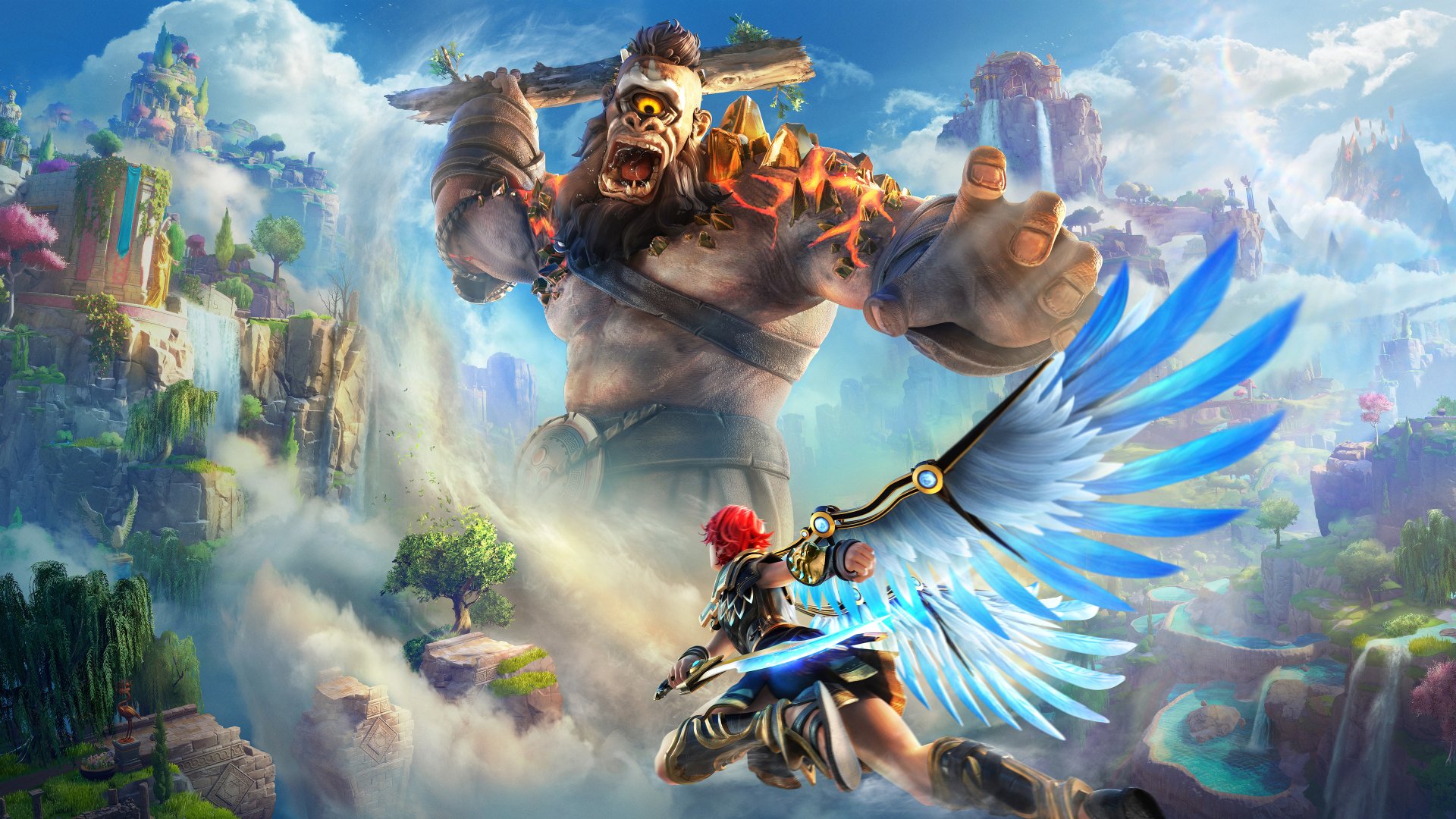
Zeus and Prometheus serve as dual narrators who argue over the details of the story as the player enacts it. Zeus frequently breaks the fourth wall to complain about the pacing or the credibility of the events unfolding on screen. Their banter often manipulates the game world by spawning monsters or changing the time of day instantly. This comedic duo acts as an audience and a director simultaneously while the player performs the action.
Tell us which game narrator you think broke the fourth wall most effectively in the comments.