

20 Games With Perfectly Tuned Sprinting




Sprinting feels best when it clicks with everything else the game is asking you to do, from how fast you line up a shot to how quickly you cut a corner. The titles below nail the small details like acceleration, stamina rules, animation timing, and how sprinting blends into slides, jumps, or vaults. They also make sprinting easy to read in the middle of a fight so you always know what your character can do next. Here are twenty games where the sprint system supports movement and combat with smart, consistent rules.
Titanfall 2
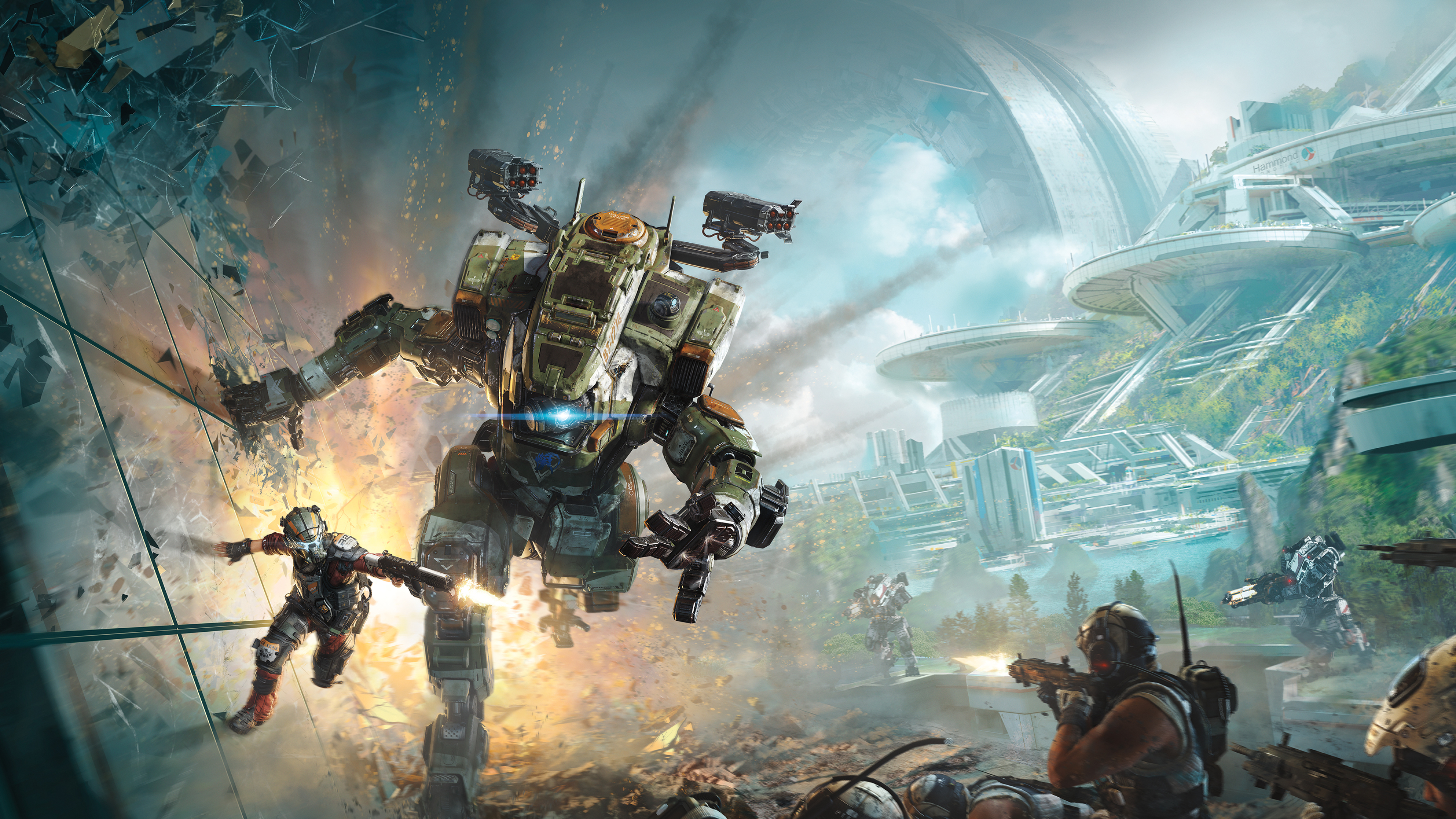
Sprinting here feeds straight into slide hops and wallruns, so speed stacks naturally as you chain moves. There is no stamina meter to babysit and momentum carries through turns if you keep your lines clean. Weapon handling is tuned so you can exit a sprint and still get a quick sight picture. The result is a predictable transition between running, sliding, and jumping that rewards clean inputs.
Apex Legends
Apex uses a sprint with no stamina bar and lets you slide on slight declines to keep speed. Every legend keeps the same base sprint rules which makes fights readable across the roster. Hip-fire spread and aim-down-sight timings are set so you can break sprint and shoot without awkward delays. Tactical abilities are balanced around that pace so slides and jumps link smoothly with grapples, jumps pads, and ziplines.
Call of Duty: Modern Warfare II
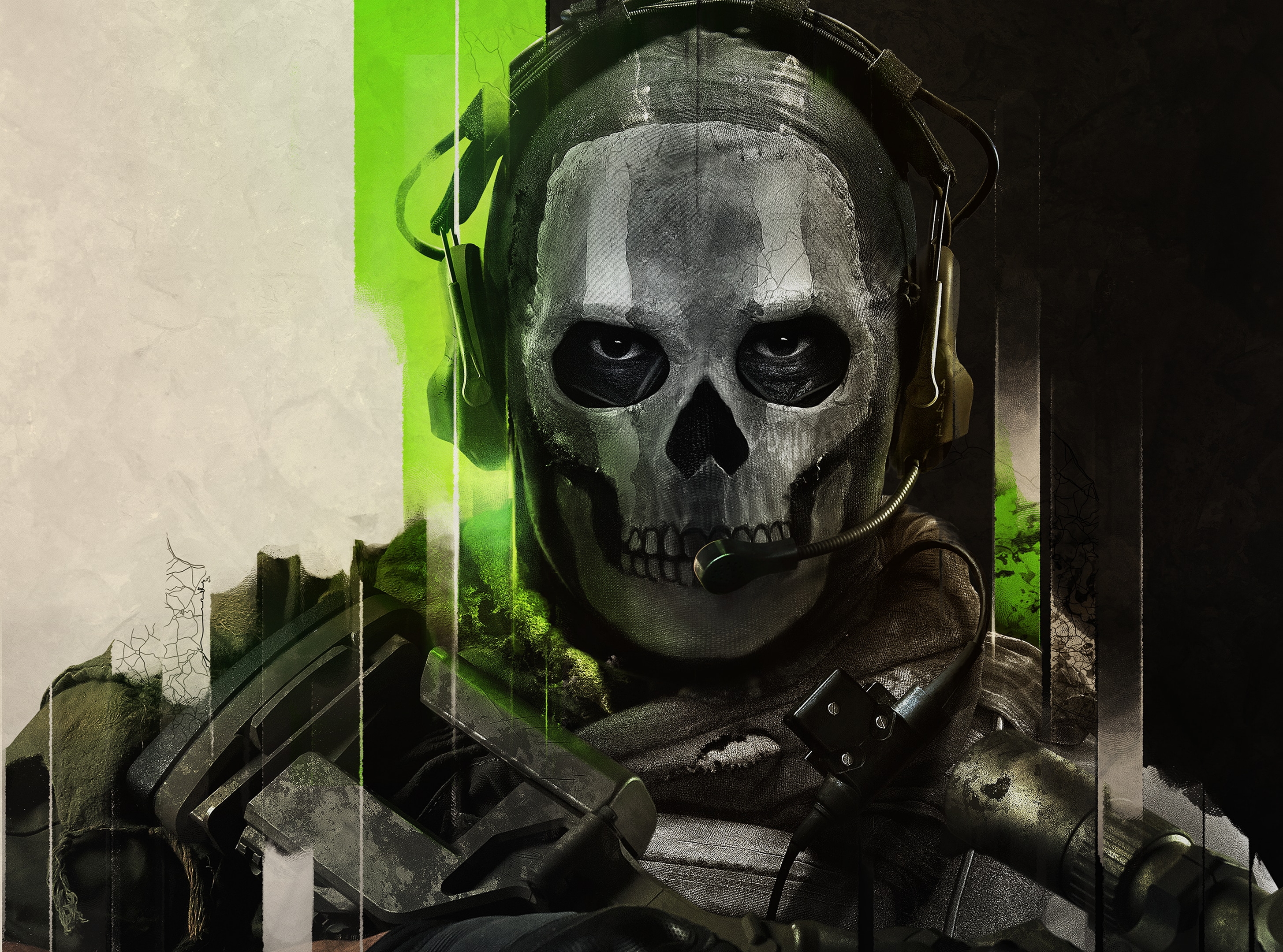
The game layers standard sprint with a faster tactical sprint on a short meter, and the recharge window is clearly defined. Weapon ready speeds and animation breaks let you cut out of a run and fire with consistent timing. Slide and dive entries use fixed windows so you can plan distance and cover. Perks and attachments adjust durations and recoveries in small, predictable steps.
DOOM Eternal
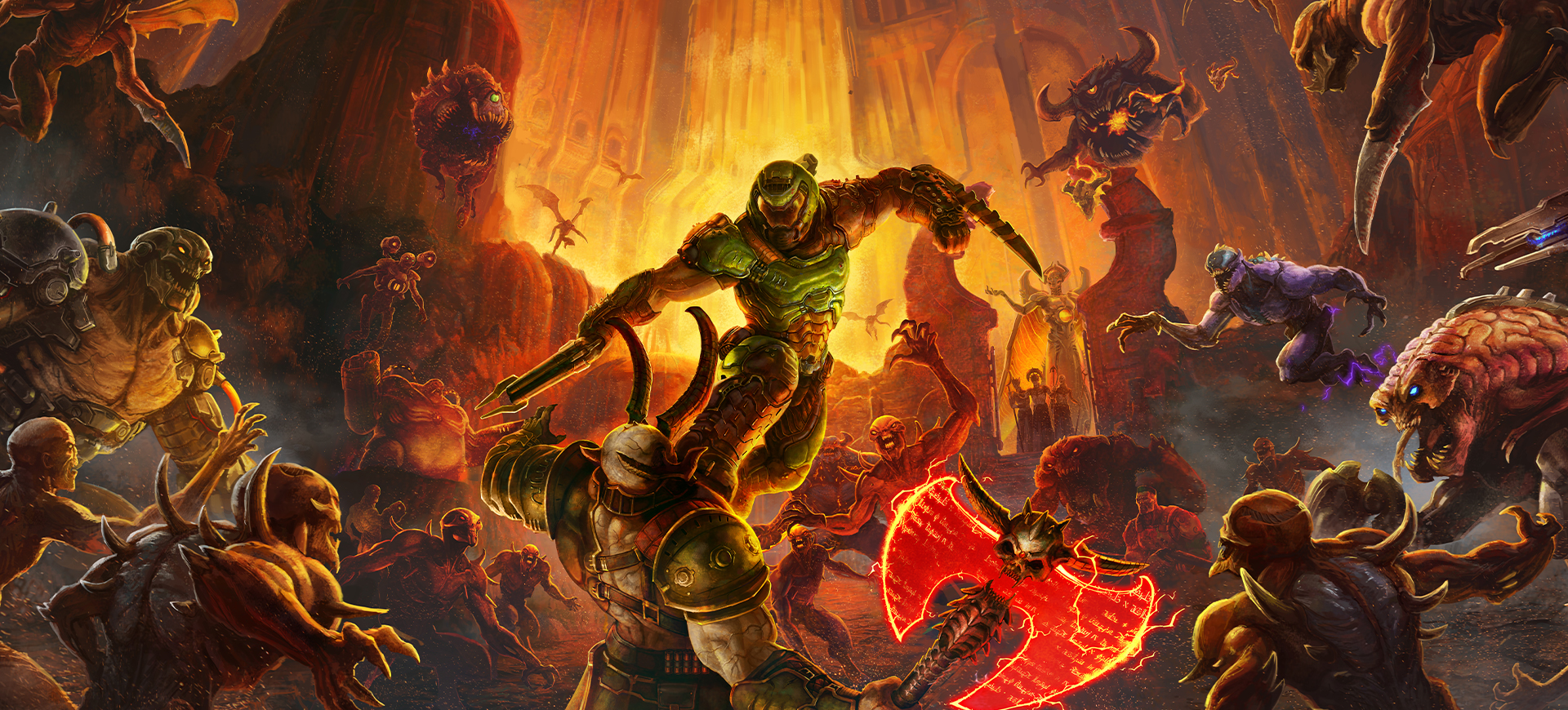
There is no classic stamina bar and your base run speed is high, with a dedicated dash that uses a strict charge system. The dash refills on a clear cadence so you can map distances between cover and weak points. Enemy pressures are tuned to that tempo, which keeps your run speed and dashes in constant use. Platforming segments use the same rules so movement in fights and traversal feels identical.
Mirror’s Edge Catalyst

Sprint builds from a standing start into full momentum and stays consistent across rooftops and indoor paths. Vaults, wall runs, and slides preserve speed when you hit them on their timing windows. The game indicates optimal lines with clear prompts so you can plan sprints several moves ahead. Falls, turns, and landings have set penalties that you can cancel with correct inputs.
Destiny 2

Sprinting has a short internal cooldown when interrupted by certain actions and that timing stays the same across activities. Slides out of a sprint carry a fixed distance which pairs with peek shots around corners. Exotics and stats modify sprint speed or slide length within defined caps so builds remain readable. Maps and jump abilities are laid out to match that travel pace in both PvE and PvP.
Halo Infinite
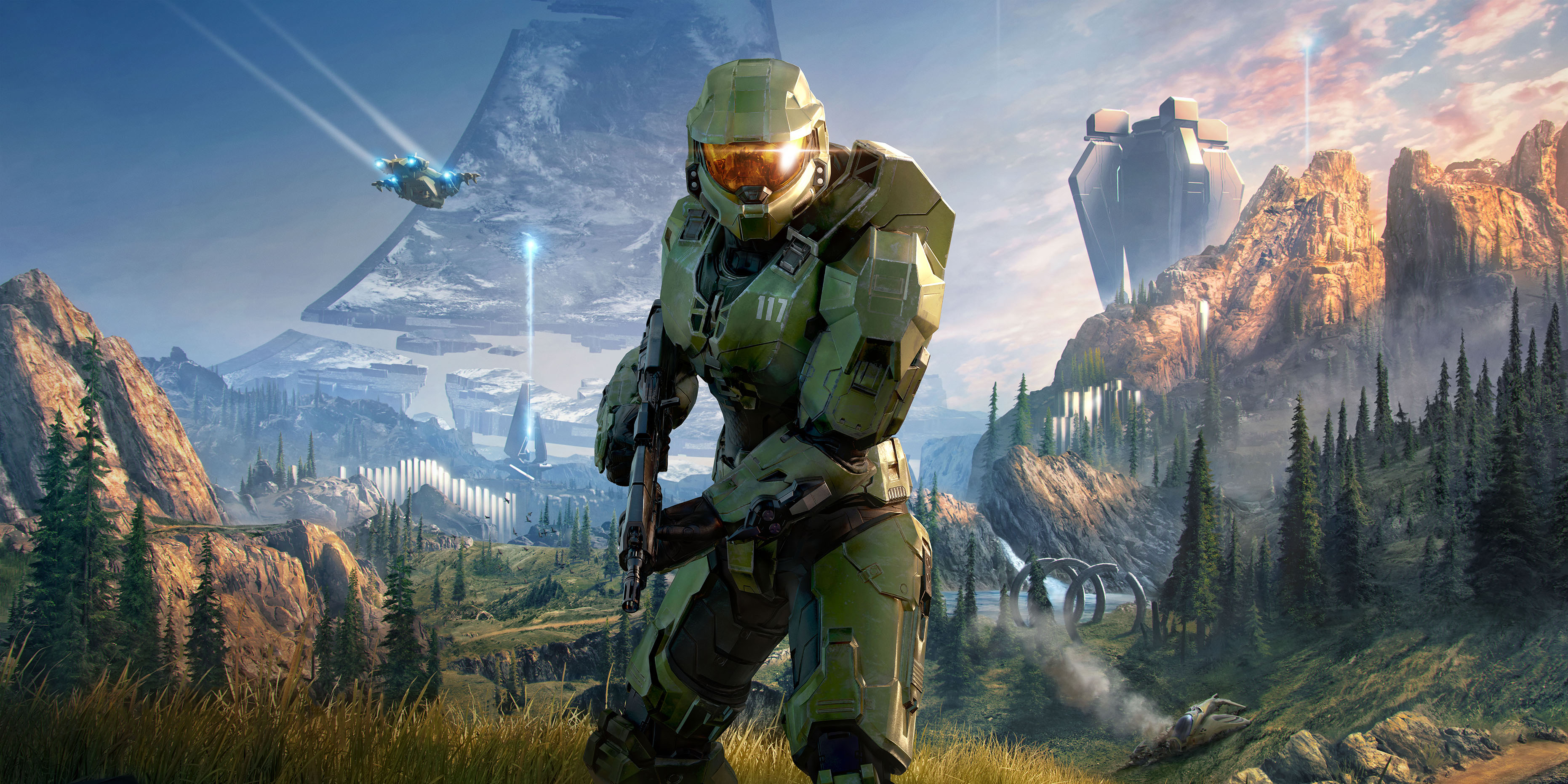
Sprint adds a modest speed bump that keeps combat pacing close to base movement. Weapon ready times and melee ranges are balanced so breaking sprint into a fight feels consistent. Equipment like the Grappleshot and Repulsor link into sprint without changing the underlying timing. Shields recharge and slide behavior follow fixed values so you can measure risks accurately.
Battlefield 1
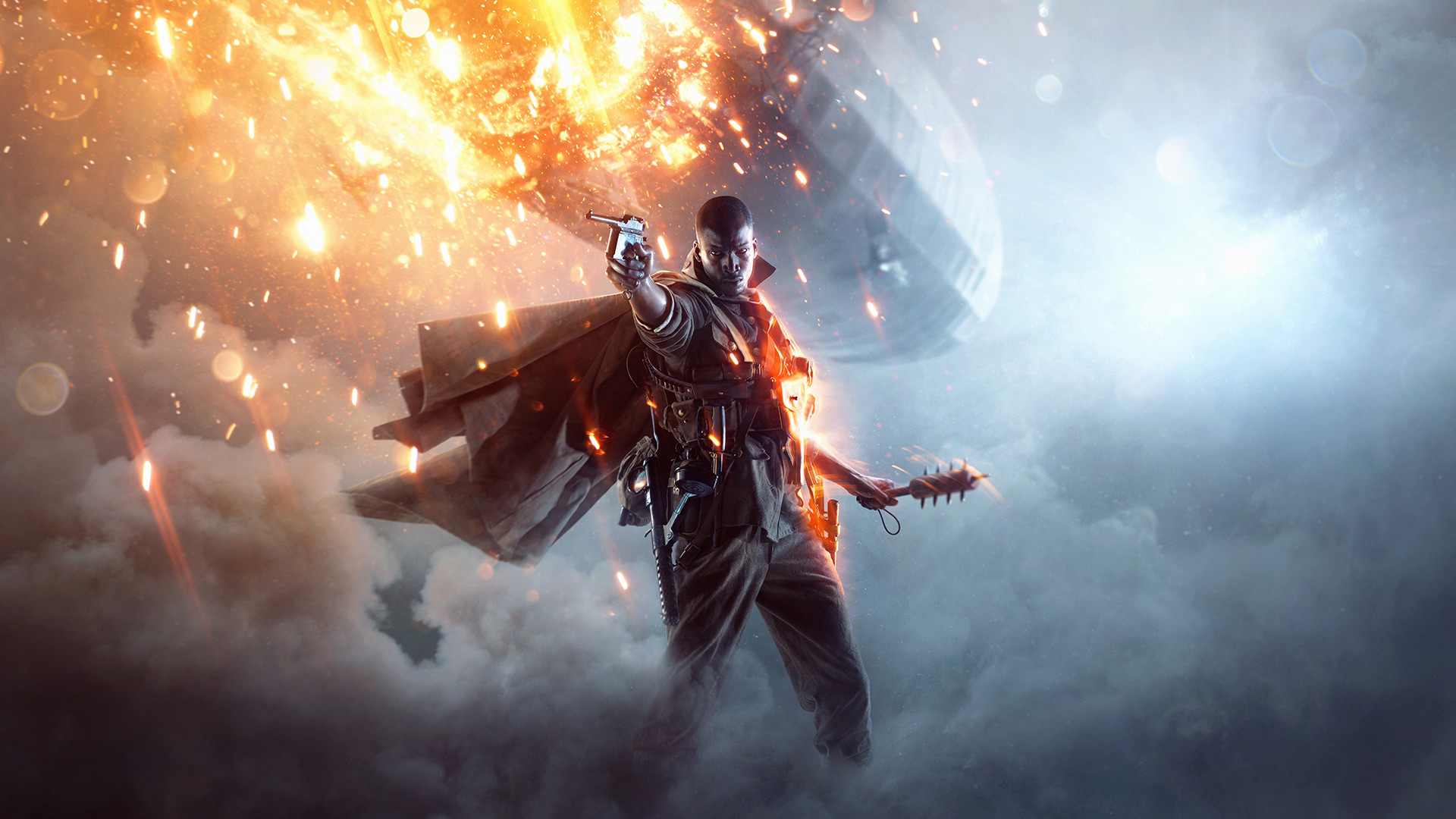
Sprint speeds vary by class of weapon carried but use clear breakpoints so movement is predictable. Vaults and mantles maintain momentum when approached at the proper angle. Going prone or aiming down sights cancels sprint instantly with reliable recovery frames. Map lanes and sightlines are designed around that run distance between cover pieces.
Call of Duty: Warzone
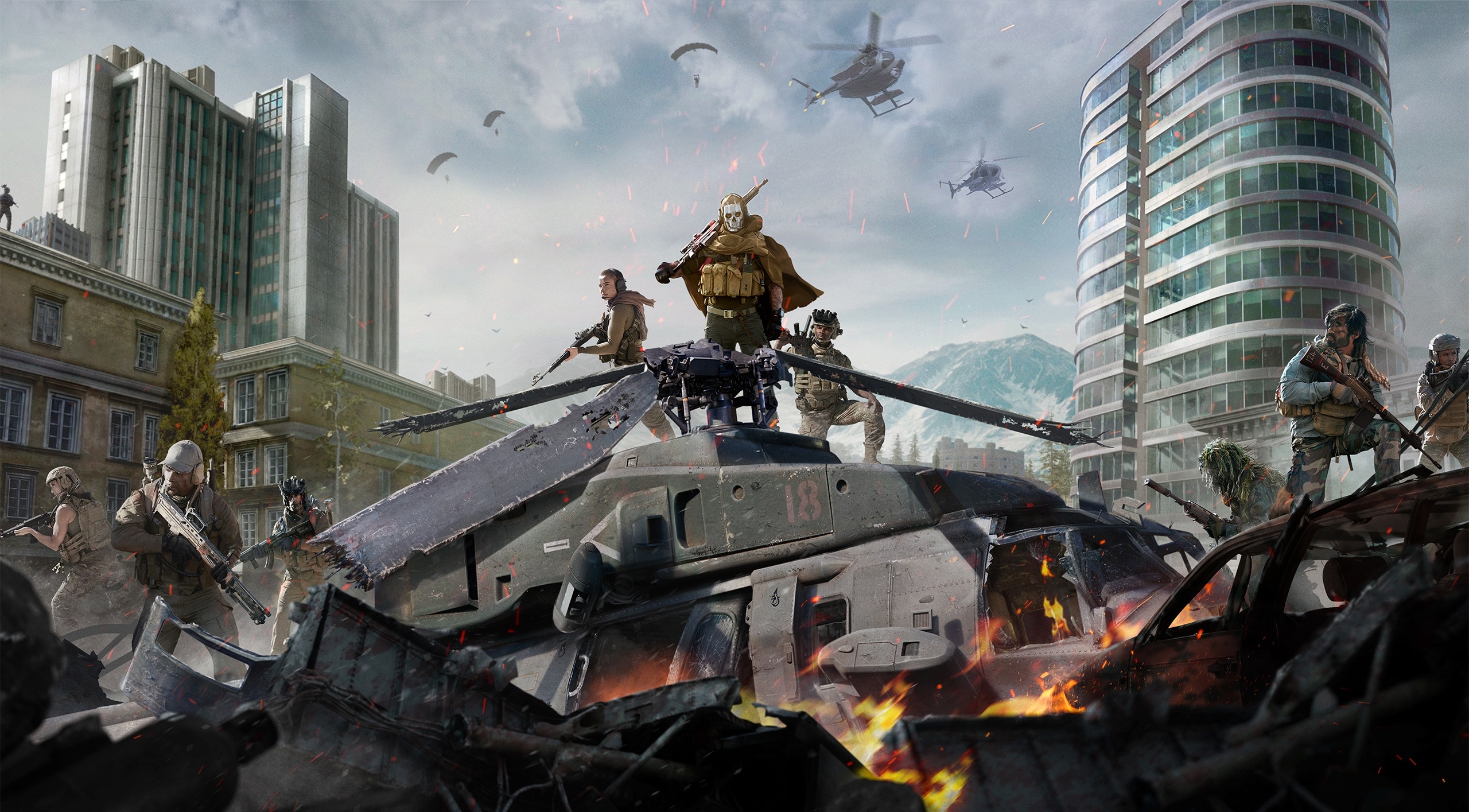
Standard and tactical sprint use visible meters with uniform drain and refill rules. Armor plating, reloading, and rearm animations have known interactions with sprint so you can plan rotations. Slide timing and jump momentum are stable across weapons which keeps movement tech consistent. Perks and field upgrades extend or restore sprint in ways that follow set durations.
The Last of Us Part II

There is no on-screen stamina bar and sprint speed scales with posture and surface type. Animations transition cleanly from sprint to aim with fixed shoulder swap and stance changes. Enemy hearing and visibility are tuned to running so noise and line of sight remain predictable. Breakable glass, doors, and crawl spaces accept sprint inputs with consistent collision responses.
Metal Gear Solid V: The Phantom Pain

Sprint speed and endurance respond to carried weight and terrain grade with clear thresholds. You can break into a dive or roll from a run and the recovery back to movement follows a fixed timeline. Stealth meters react to running noise in a steady way across patrol types. Horseback and vehicle speeds slot above foot sprint on reliable ratios for route planning.
Death Stranding
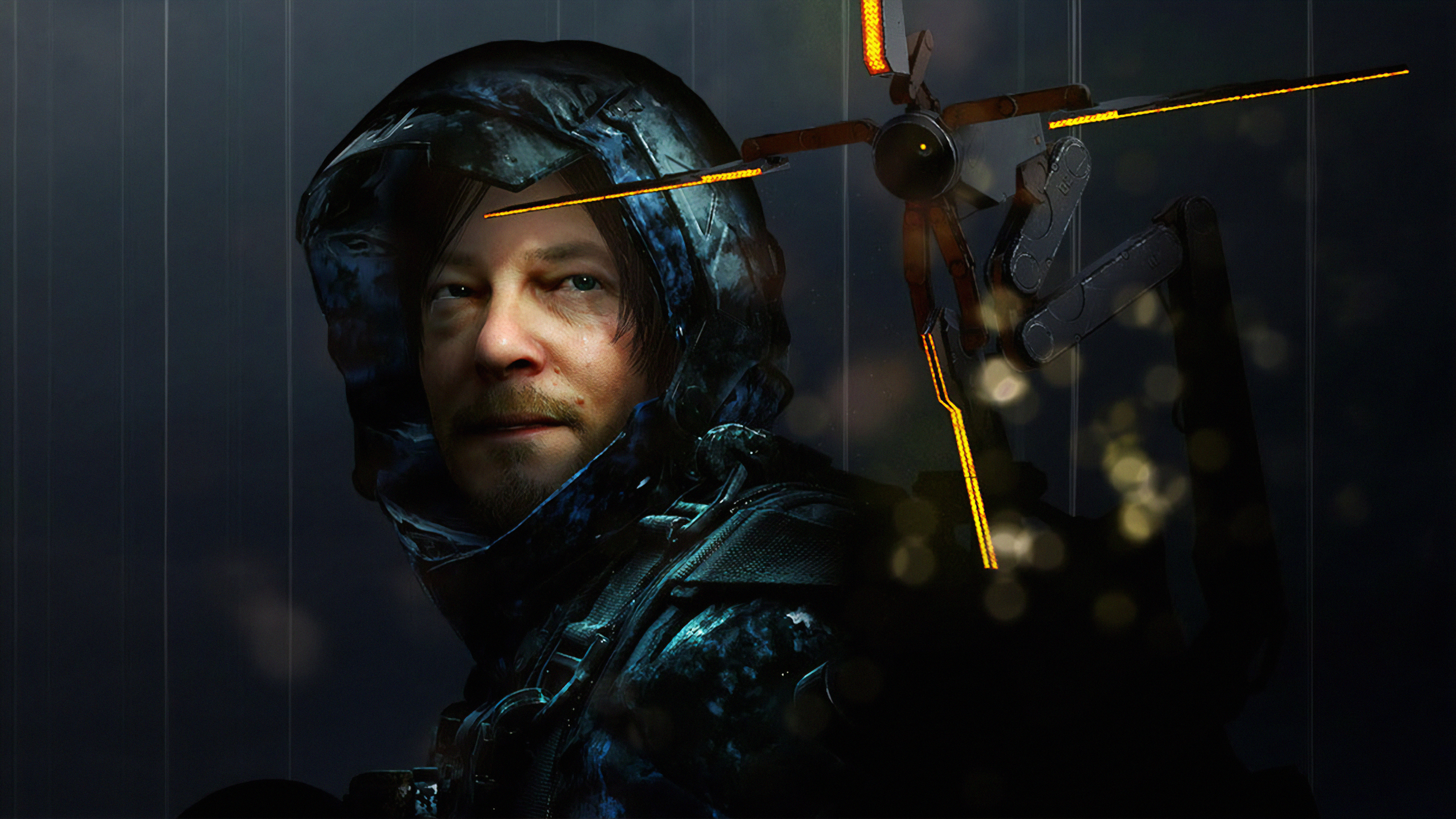
Sprinting drains stamina faster when you carry heavy loads or climb, and the meter shows that cost clearly. The game lets you grip straps to stabilize while running and that input maps to a consistent sway reduction. Slopes, rivers, and snow apply known penalties so you can pace sprints between rest points. Exoskeletons and boots list exact bonuses that shift sprint rules without surprises.
Grand Theft Auto V

Sprint duration ties to a visible stamina skill that levels through use. Carrying weapons and wearing certain outfits affect acceleration with steady, repeatable changes. Cover entry and exit from a run behave the same way across interiors and streets. The police wanted system interacts with running noise and line of sight on consistent timers.
Assassin’s Creed Mirage

Sprint is unrestricted and blends into parkour with smooth acceleration curves. Vaults, climbs, and corner turns keep momentum when you hit inputs at the prompt. Guard awareness reacts to running in a predictable cone and sound range. Tool use and takedowns interrupt sprint on fixed recoveries that you can account for during chases.
Sekiro: Shadows Die Twice
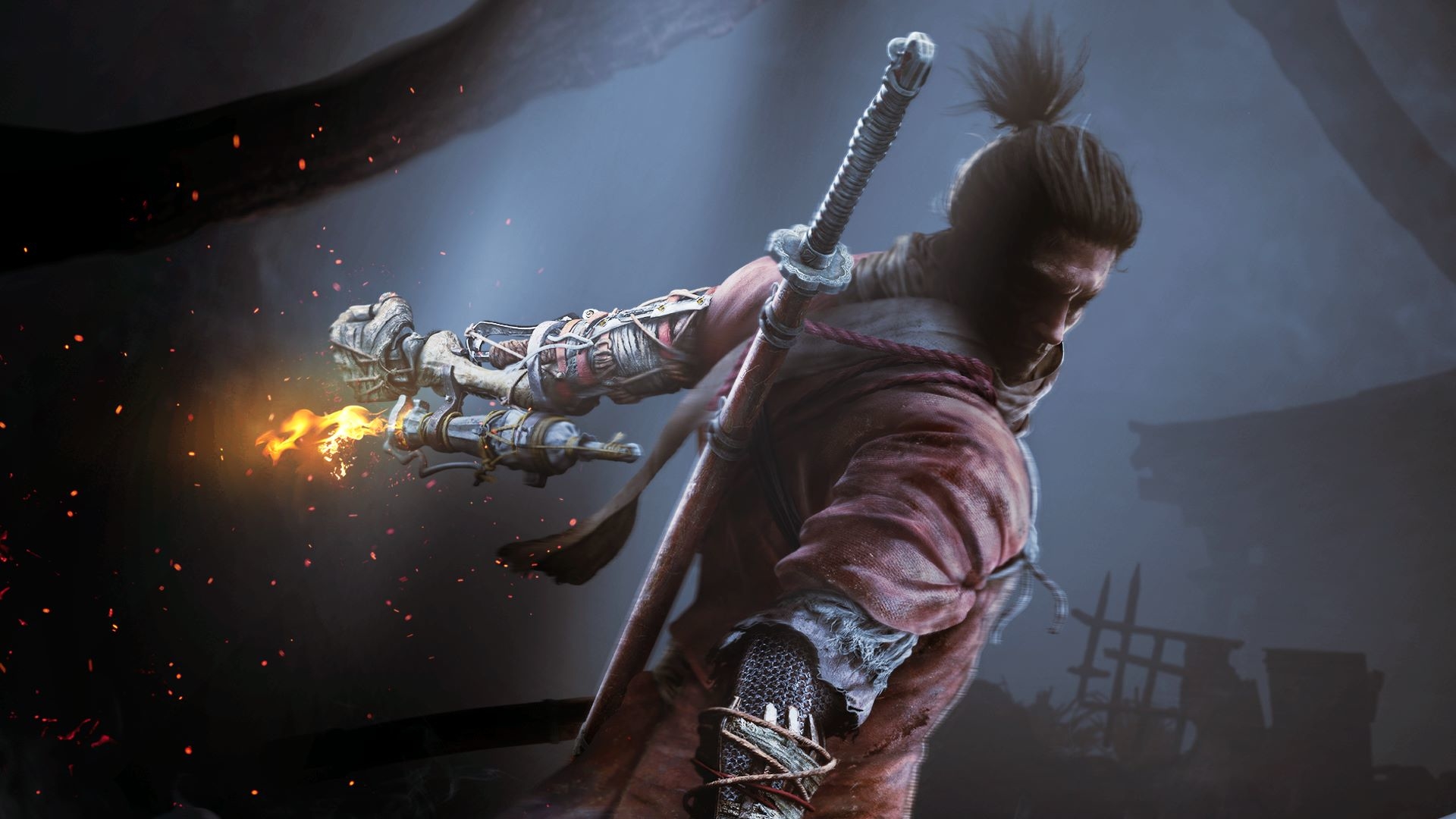
Sprint does not use a stamina meter and holds steady while posture handles combat pressure. You can maintain a run while locking on and the turn radius stays tight and repeatable. Grappling hook travel lines up with running speed so chaining movement feels uniform. Enemy leashes and detection respond to running with clear thresholds for disengaging.
Elden Ring

Sprinting pulls from stamina only during combat with a consistent drain rate. Outside fights you keep full run speed without losing endurance which aids exploration. Rolls, jumps, and guard breaks interact with sprint on fixed animation timings. Equip load categories adjust acceleration and distance in clear steps.
Dark Souls III
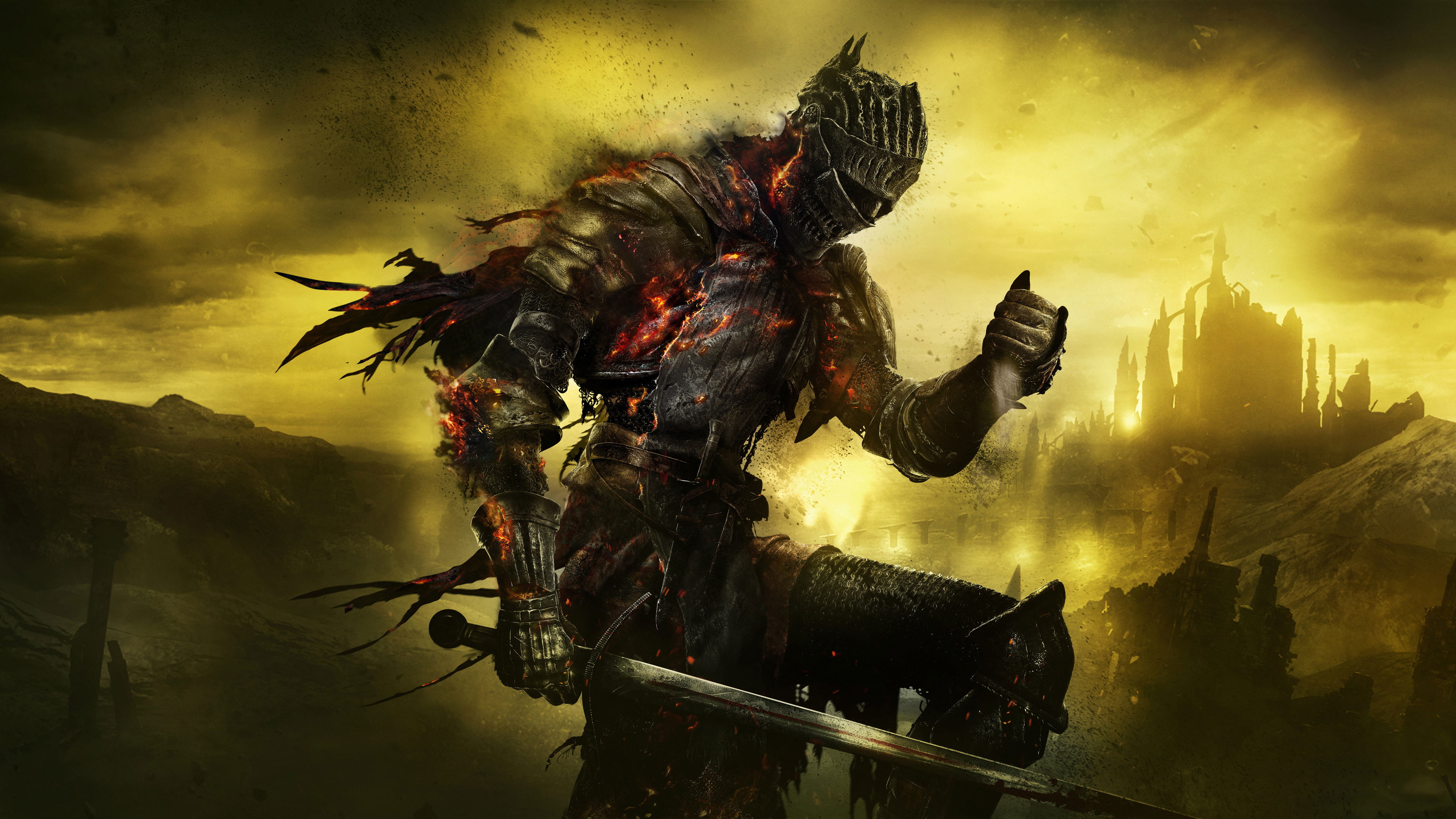
Sprint uses stamina at a constant rate that matches rolls and attacks for shared resource planning. Weapon weight and armor load change run distance before exhaustion in predictable amounts. Ladders, ladders jumps, and ledge drops accept sprint inputs with strict windows. Enemy aggro and leashes react to running noise with reliable ranges.
Monster Hunter: World
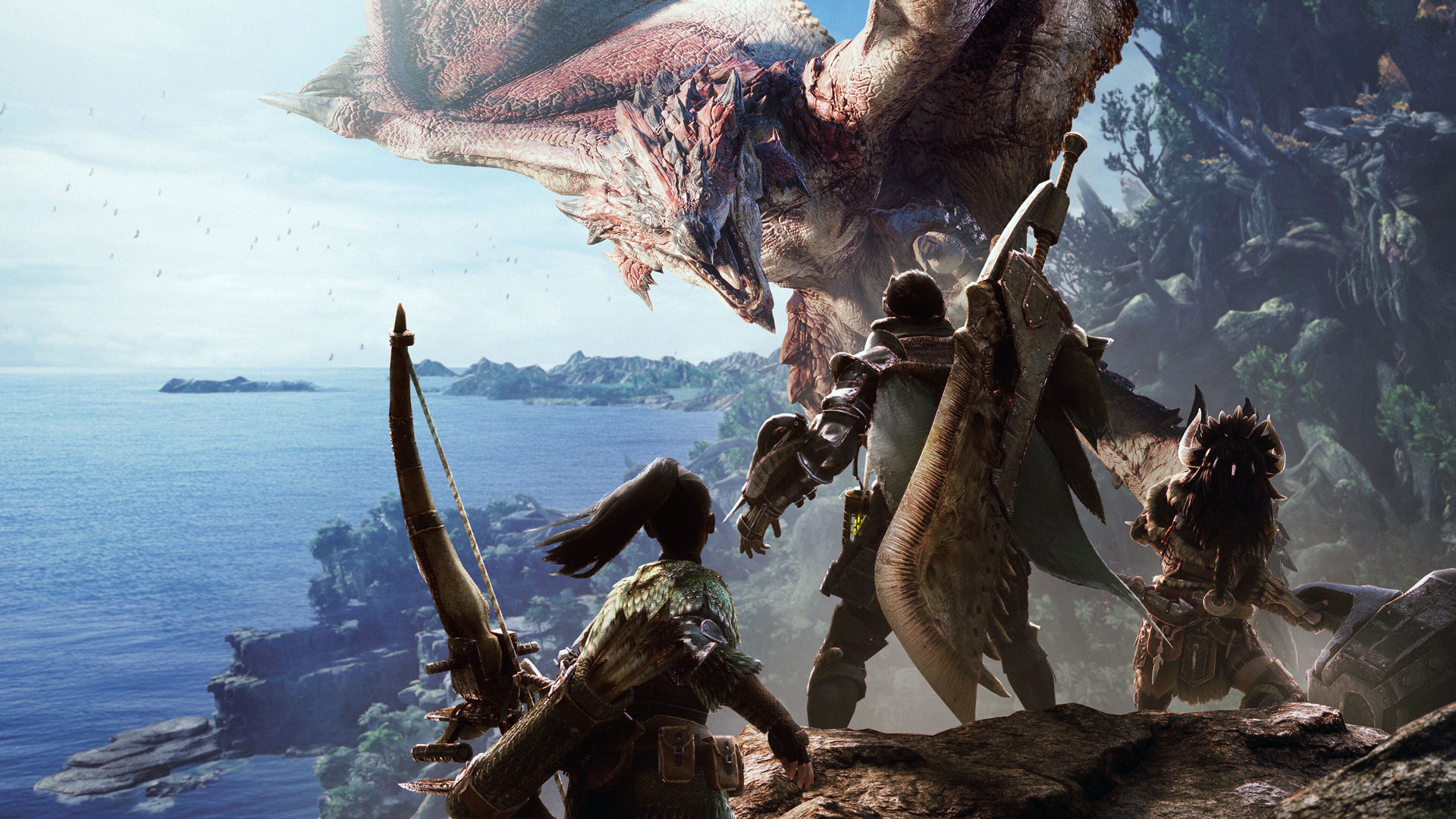
Sprinting drains stamina while unsheathed, and sheathing increases run speed with a known change. Consumables and skills modify drain rates in fixed percentages so builds stay transparent. Terrain like deep water or slopes imposes set penalties you can plan around. Evades and lunges out of a run follow stable distances for positioning monsters.
Fortnite

A tactical sprint uses a short meter and refills at a steady rate, pairing with slide and mantle for smooth movement chains. Vault prompts maintain momentum when hit at their cue so chases feel consistent. ADS and firing cancel sprint with the same recovery across weapon classes. Map elevations and soft cover spacing match the sprint distance for rotations.
Cyberpunk 2077
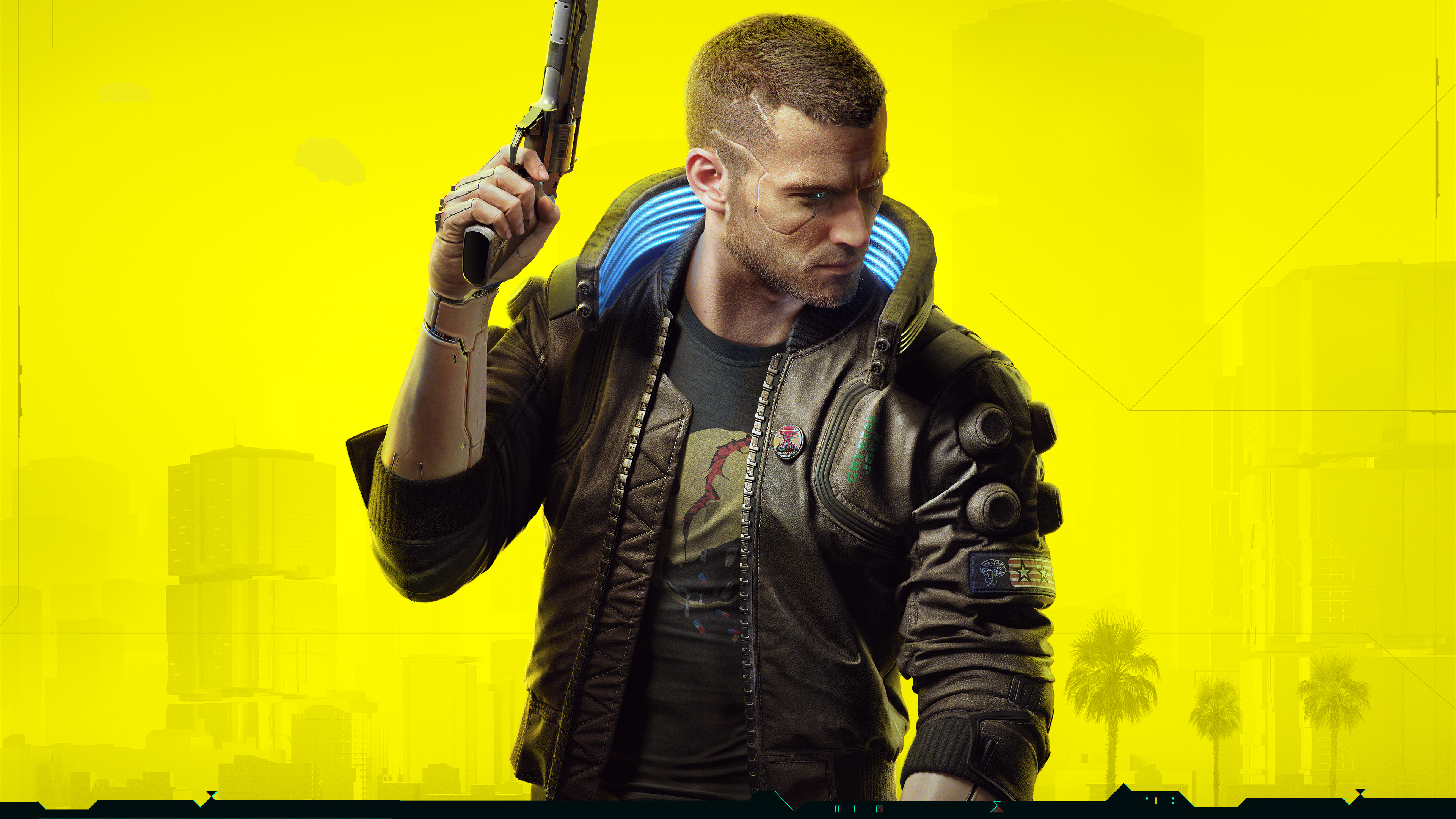
Sprinting consumes stamina and scales with body attributes and specific perks that state their bonuses. Cyberware lists exact changes to speed or drain which makes builds measurable. Crouch slides and vaults maintain speed on clear input windows for urban traversal. Police and enemy detection react to running noise with fixed radius rules that aid stealth planning.
Share your favorite sprint systems in the comments and tell us which games feel just right to you.