

Games with Soundtracks that Became Cultural Phenomena

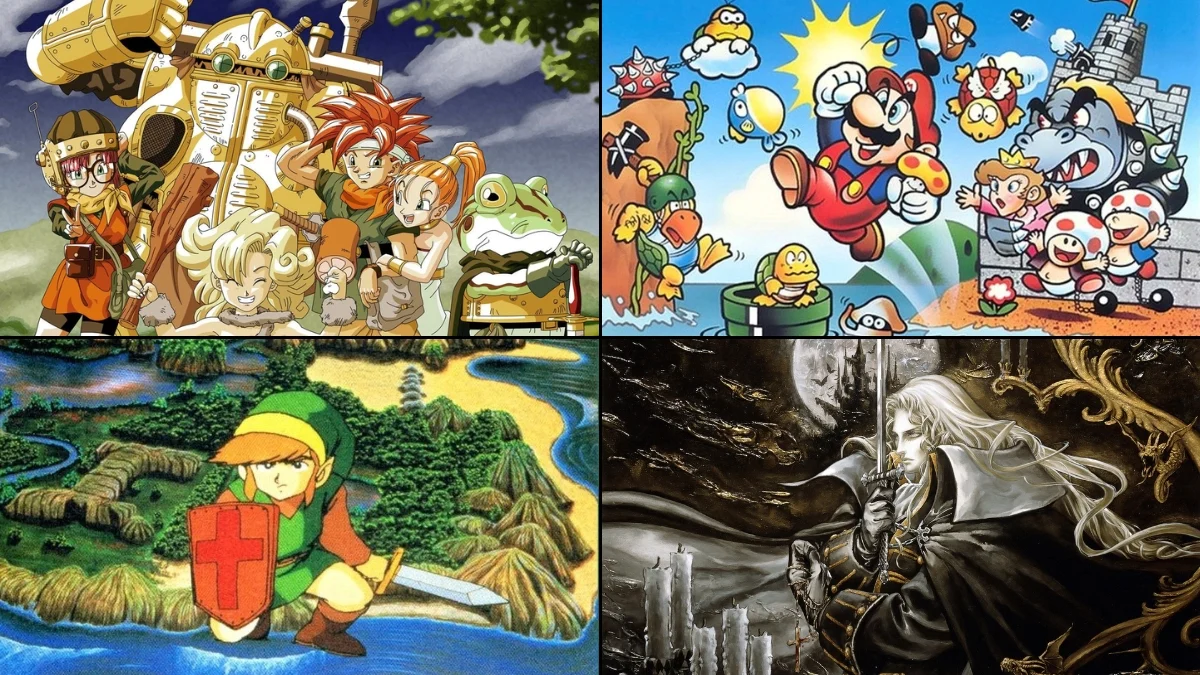


Music in video games has evolved from simple beeps and boops into complex orchestral scores and curated licensed playlists that define the player’s experience. Certain soundtracks transcend the medium, influencing mainstream culture and appearing in concert halls worldwide. These scores often become as synonymous with the brand as the characters and gameplay mechanics themselves. The following games represent pivotal moments where music elevated the interactive experience to a global cultural status.
‘Super Mario Bros.’ (1985)
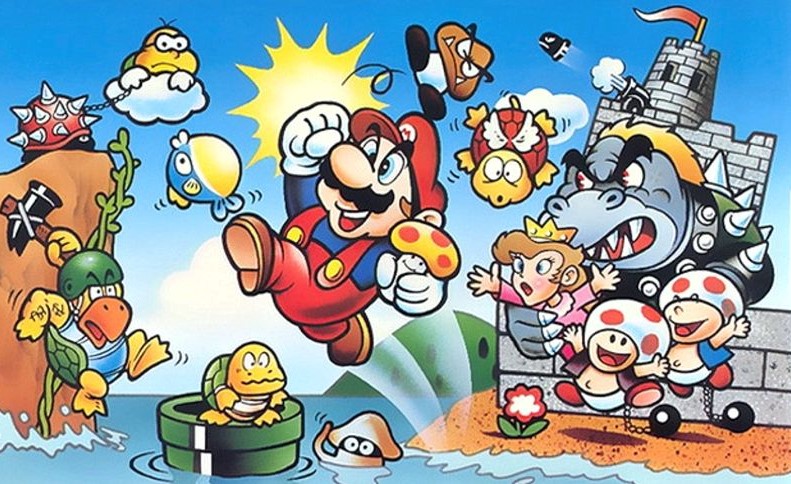
‘Super Mario Bros.’ features a soundtrack composed by Koji Kondo that defined the sound of early video gaming. Developed and published by Nintendo for the Famicom and Nintendo Entertainment System, the game utilizes melodic loops that synchronize with on-screen action. The “Ground Theme” became one of the most recognizable pieces of music in the world, appearing in various media and orchestral performances. This soundtrack established the standard for catchiness and technical efficiency within the limitations of 8-bit hardware.
‘The Legend of Zelda’ (1986)
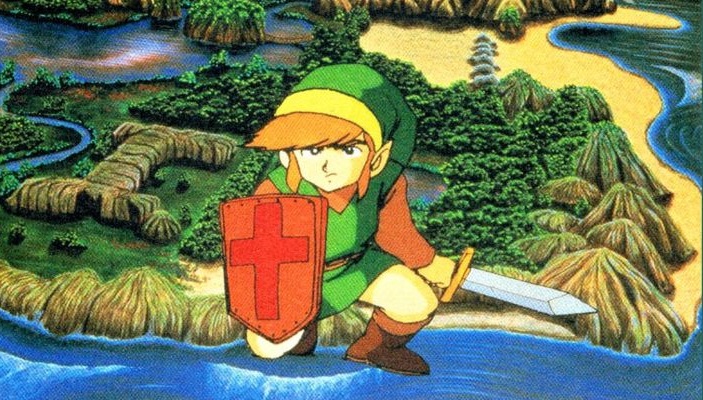
‘The Legend of Zelda’ introduced an adventurous theme that became a permanent fixture of the franchise and the industry. Composer Koji Kondo created the iconic “Overworld Theme” to evoke a sense of exploration and heroism for the Nintendo-developed and published title. The music serves as a central pillar of the series’ identity, frequently revisited in modern sequels. Its impact is visible in the dedicated concert tours that perform the game’s score for global audiences.
‘Mega Man 2’ (1988)
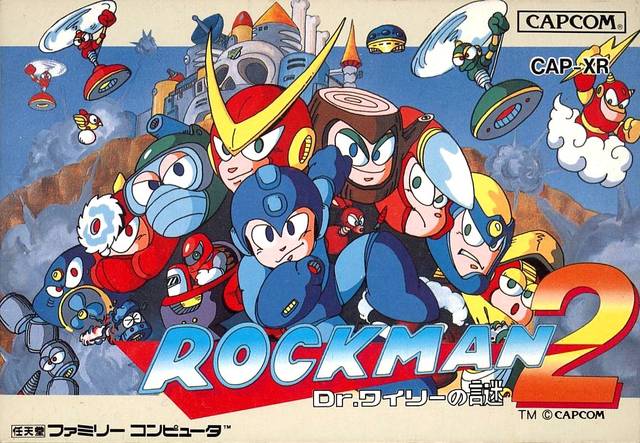
‘Mega Man 2’ is widely praised for its high-energy, rock-inspired 8-bit soundtrack composed by Takashi Tateishi. This title, developed and published by Capcom, utilized the Nintendo Entertainment System’s audio chip to create complex driving rhythms. The “Dr. Wily’s Castle” theme remains a staple of the chiptune genre and has been covered by countless musicians. Its fast-paced melodies significantly influenced the way developers approached action-oriented game music in the late 1980s.
‘Tetris’ (1989)
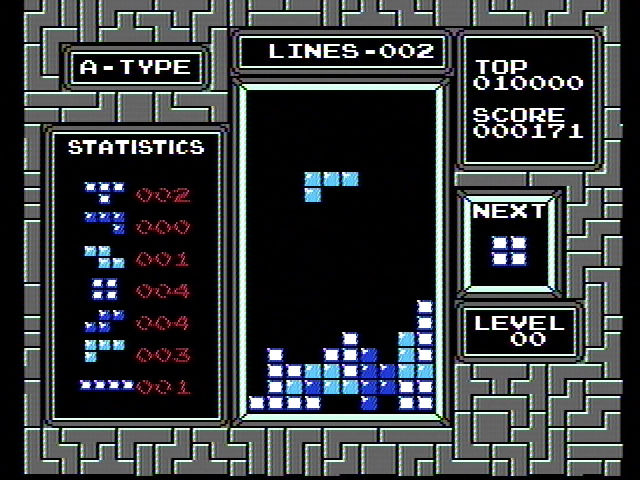
‘Tetris’ for the Game Boy popularized “Type A,” a melody based on the Russian folk song ‘Korobeiniki’. This version of the game was developed and published by Nintendo and transformed the obscure folk tune into a global earworm. The frantic tempo changes as pieces fall faster create a psychological link between the music and the gameplay tension. Today, this specific arrangement is inseparable from the ‘Tetris’ brand and the history of puzzle gaming.
‘Sonic the Hedgehog’ (1991)
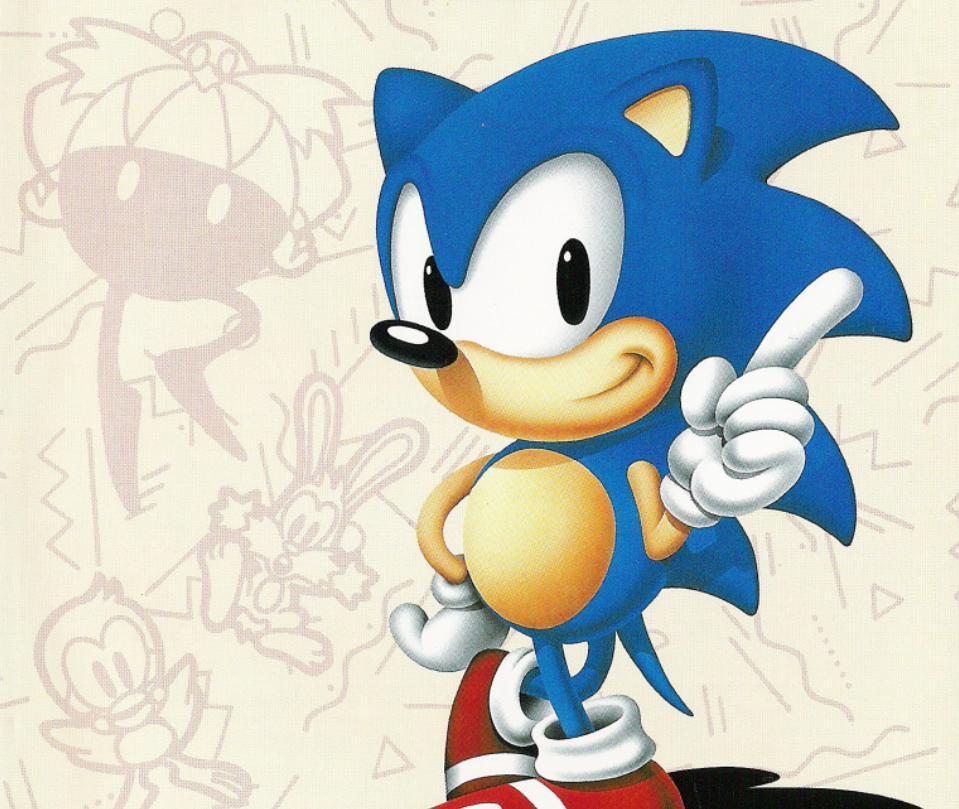
‘Sonic the Hedgehog’ featured a soundtrack by Masato Nakamura, a member of the J-pop band Dreams Come True. Developed by Sonic Team and published by Sega, the game utilized upbeat, pop-influenced tracks to complement the protagonist’s speed. The “Green Hill Zone” theme became a cultural touchstone, representing the vibrant and cool aesthetic of the Genesis era. This soundtrack demonstrated the potential for video game music to reflect contemporary music trends outside of traditional gaming circles.
‘Street Fighter II’ (1991)
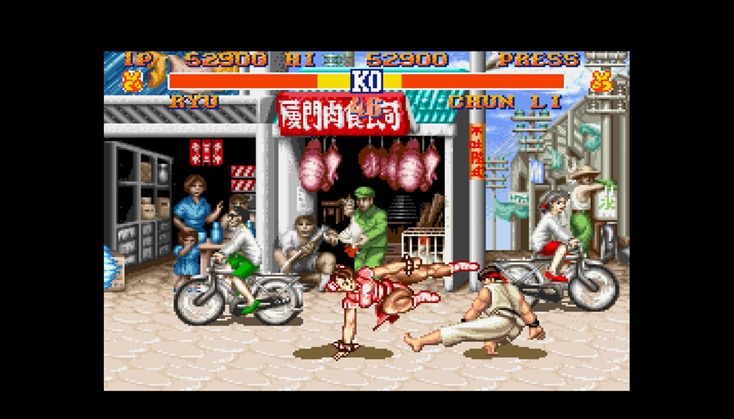
‘Street Fighter II’ boasts a character-driven soundtrack composed by Yoko Shimomura and others at Capcom. Each stage theme was designed to reflect the nationality and personality of the fighters, such as Ryu’s stoic melody or Guile’s anthemic theme. Developed and published by Capcom, the game’s music became iconic in the arcade scene and later on home consoles. These compositions remain foundational to the fighting game genre and are frequently remixed in modern competitive gaming events.
‘Chrono Trigger’ (1995)
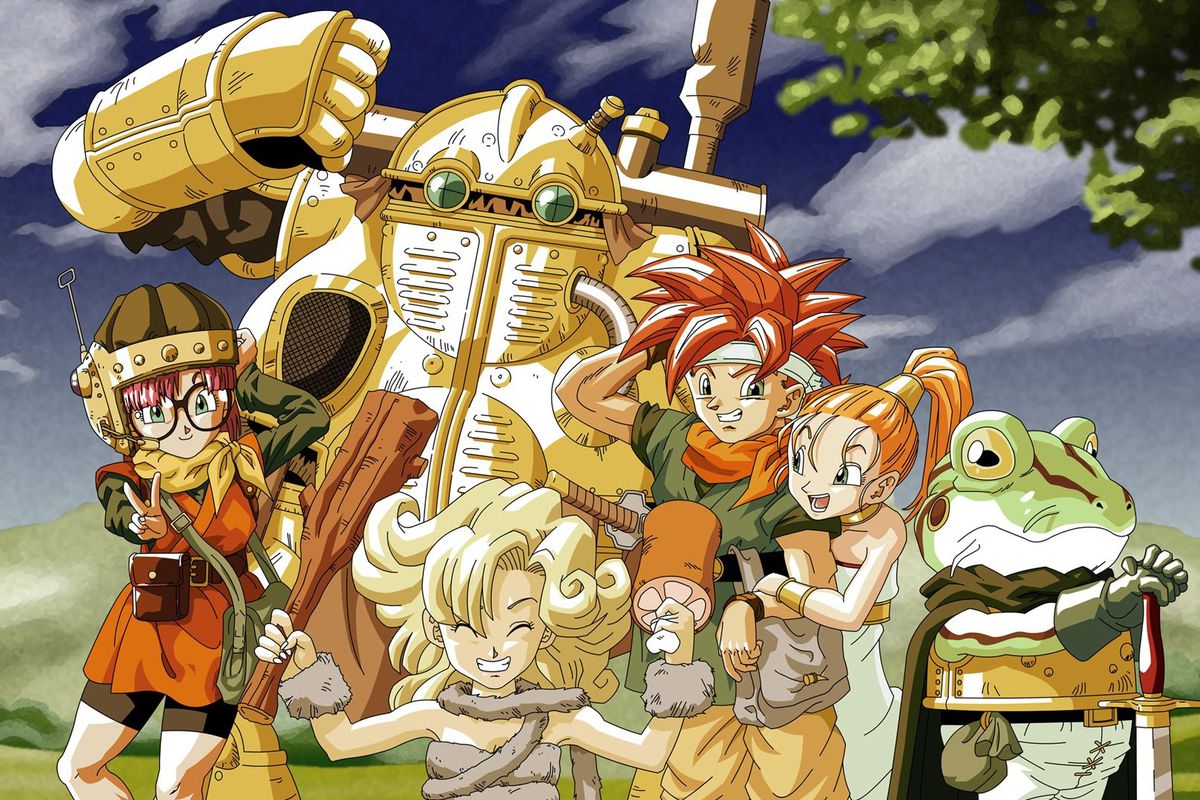
‘Chrono Trigger’ features a highly acclaimed soundtrack primarily composed by Yasunori Mitsuda, with additional tracks by Nobuo Uematsu. Developed and published by Square, the score uses leitmotifs to enhance a narrative focused on time travel across different eras. The music is noted for its emotional depth and atmospheric quality, pushing the limits of the Super Nintendo’s sound chip. It consistently ranks as one of the greatest soundtracks in gaming history and has been the subject of numerous jazz and orchestral arrangements.
‘Final Fantasy VII’ (1997)
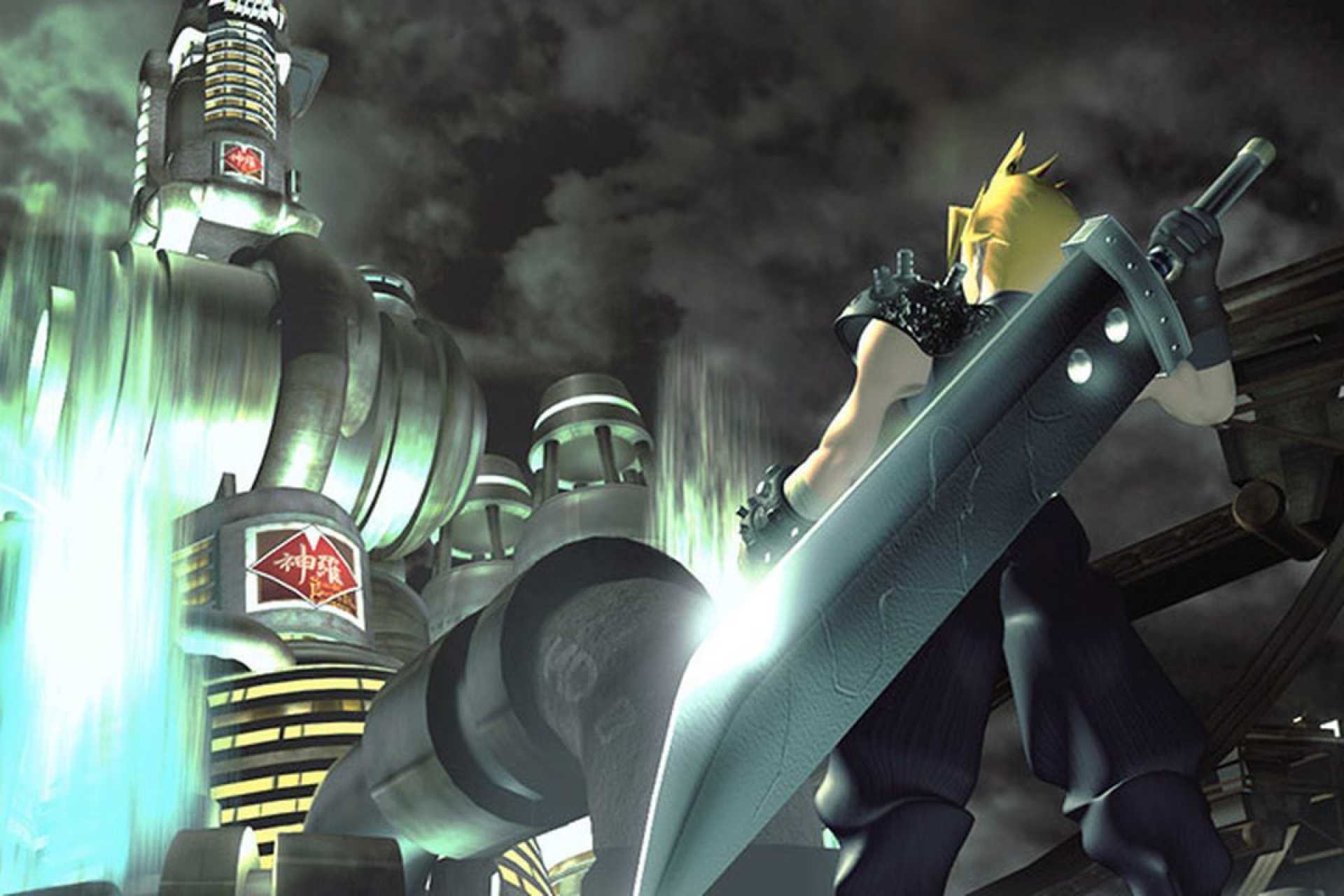
‘Final Fantasy VII’ utilized the expanded storage of the PlayStation’s CD-ROM format to deliver an epic score by Nobuo Uematsu. Developed and published by Square, the game features the haunting “One-Winged Angel,” which was one of the first tracks in the series to include a digitized choir. This soundtrack played a significant role in the game’s global success and helped popularize Japanese role-playing games in the West. Its themes are frequently performed by major orchestras, bridging the gap between gaming and classical music.
‘Castlevania: Symphony of the Night’ (1997)
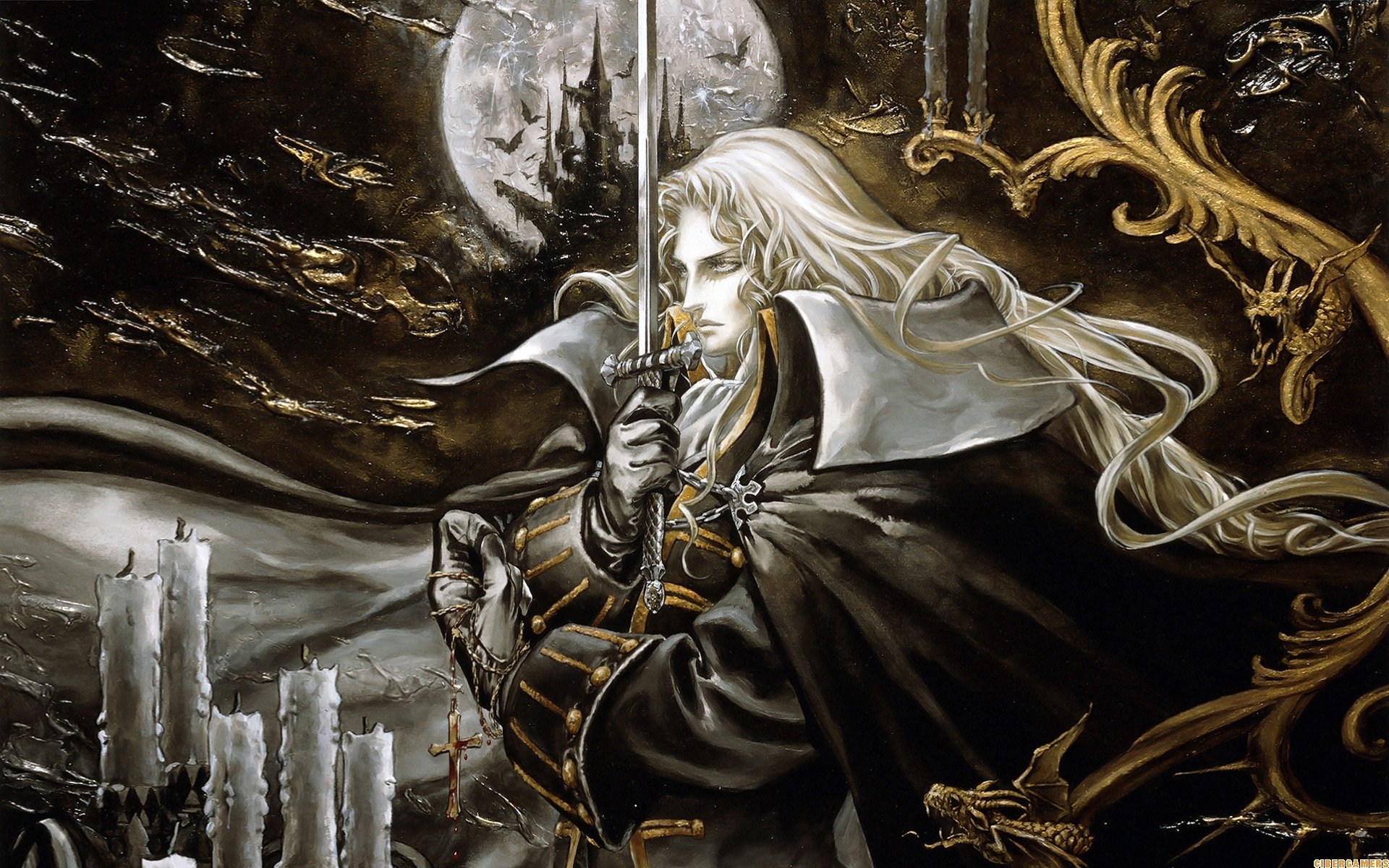
‘Castlevania: Symphony of the Night’ features a diverse soundtrack composed by Michiru Yamane that blends gothic rock, classical, and jazz. Developed and published by Konami, the music perfectly complements the atmospheric exploration of Dracula’s castle. The high-quality audio was a major departure from previous entries, utilizing the PlayStation’s capabilities to provide a professional studio sound. This score is credited with defining the “Metroidvania” atmosphere and remains a favorite among collectors and audiophiles.
‘The Legend of Zelda: Ocarina of Time’ (1998)
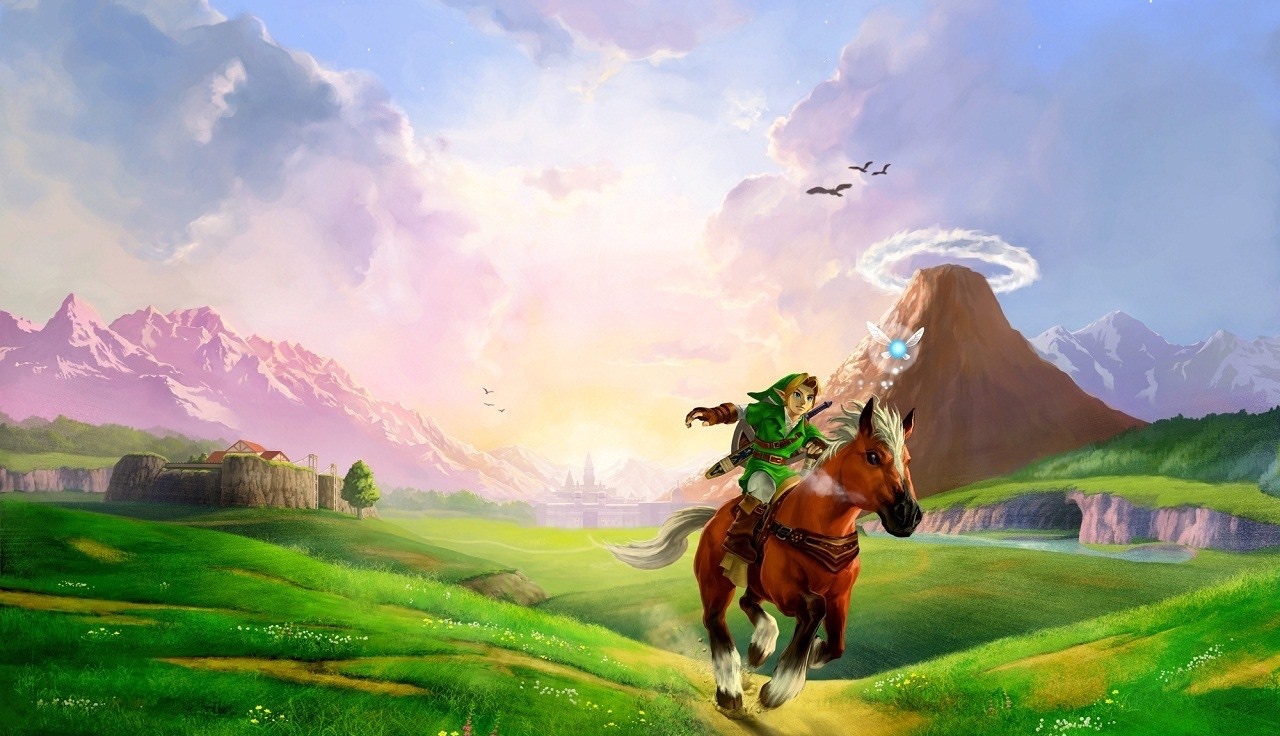
‘The Legend of Zelda: Ocarina of Time’ integrated music directly into the gameplay through the use of the titular instrument. Developed and published by Nintendo for the Nintendo 64, the game requires players to learn and perform short melodies to progress. Koji Kondo composed these themes to be memorable while using only five notes, making them accessible yet emotionally resonant. The game’s soundtrack became a phenomenon, leading to a surge in interest in real-world ocarinas and music-based game mechanics.
‘Tony Hawk’s Pro Skater 2’ (2000)
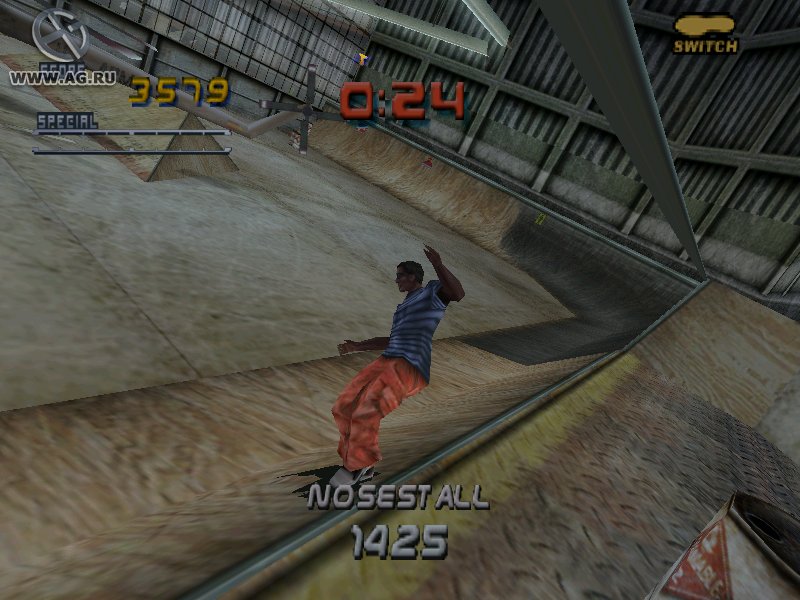
‘Tony Hawk’s Pro Skater 2’ redefined the role of licensed soundtracks in gaming by featuring a mix of punk, hip-hop, and metal. Developed by Neversoft and published by Activision, the game introduced a generation of players to bands like ‘Rage Against the Machine’ and ‘Bad Religion’. The soundtrack was so influential that it is often credited with shaping the musical tastes of many millennials and Gen Z youth. It demonstrated that a carefully curated playlist could be as vital to a game’s success as the gameplay itself.
‘Halo: Combat Evolved’ (2001)
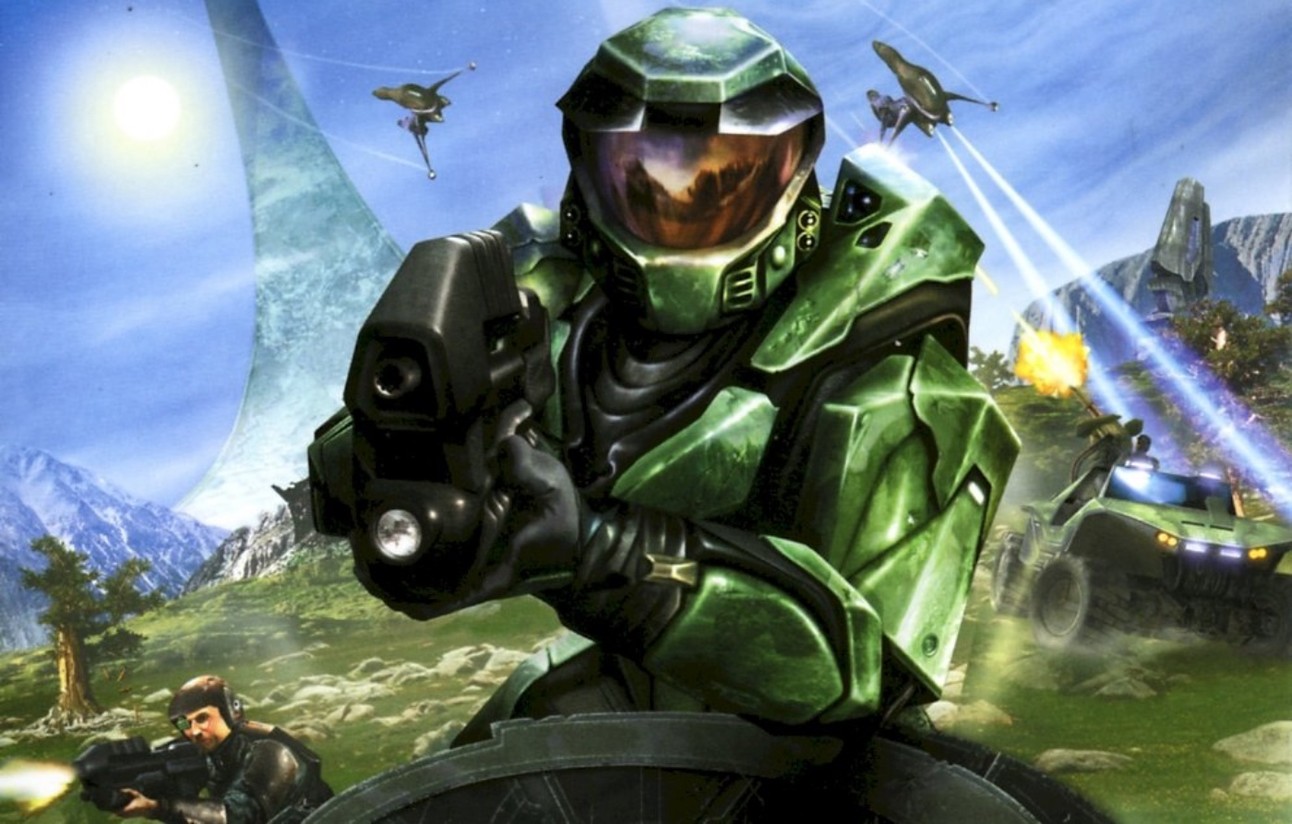
‘Halo: Combat Evolved’ features an epic score composed by Martin O’Donnell and Michael Salvatori. Developed by Bungie and published by Microsoft Game Studios, the game’s “Halo Theme” famously incorporates Gregorian chants and heavy percussion. The music was designed to be adaptive, changing in intensity based on the player’s combat situation. This soundtrack became the sonic identity of the Xbox brand and established the ‘Halo’ series as a cinematic powerhouse in the industry.
‘Grand Theft Auto: Vice City’ (2002)
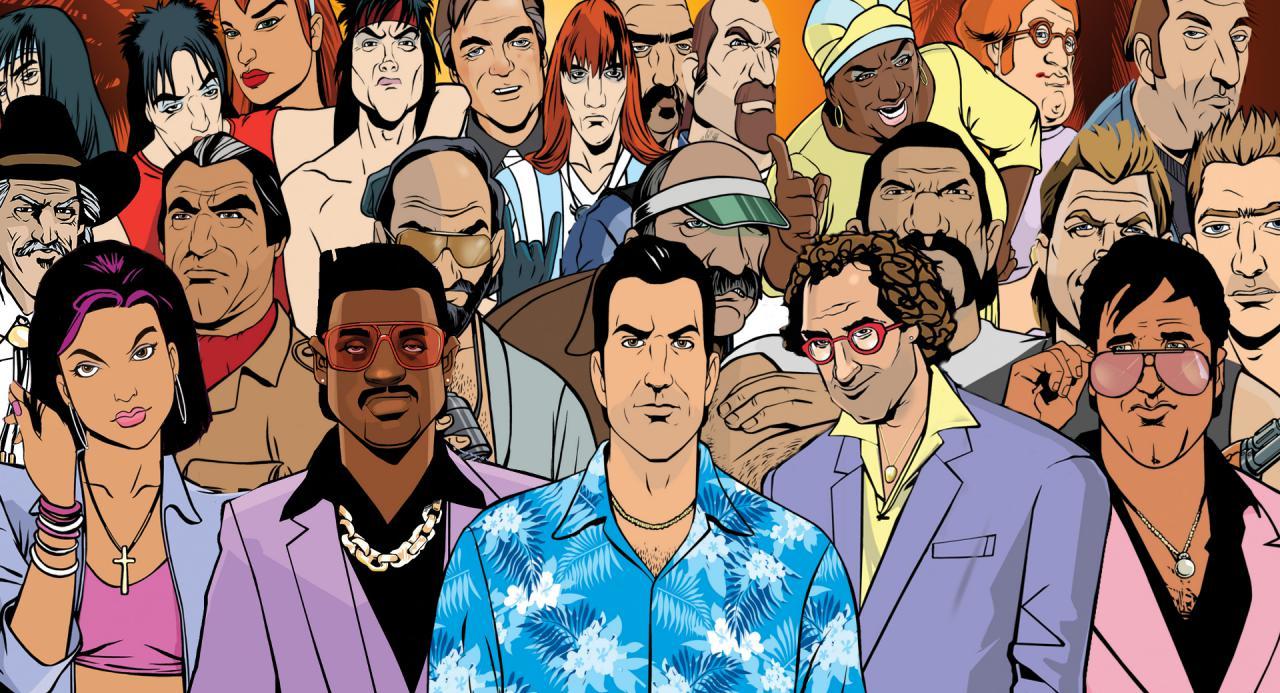
‘Grand Theft Auto: Vice City’ utilized an extensive licensed soundtrack to recreate the atmosphere of the 1980s. Developed by Rockstar North and published by Rockstar Games, the title features multiple in-game radio stations playing pop, rock, and new wave hits. The curation of tracks from artists like Michael Jackson and ‘Hall & Oates’ provided an authentic historical context to the open-world environment. This approach to sound design turned the game into a nostalgic cultural phenomenon that influenced later media set in the same decade.
‘Minecraft’ (2011)
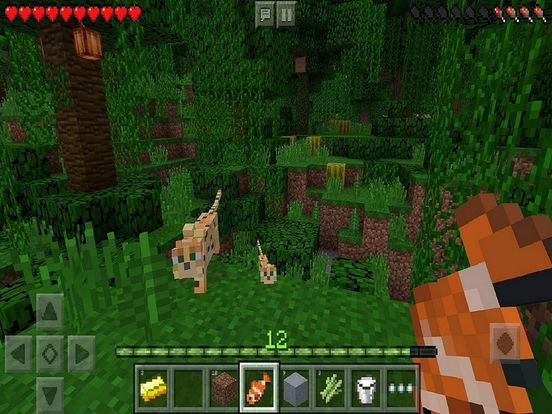
‘Minecraft’ features a minimalist, ambient soundtrack composed by Daniel Rosenfeld, also known as C418. Developed and published by Mojang Studios, the music consists of gentle piano and electronic pieces that play sporadically during gameplay. The soundtrack is praised for its ability to evoke a sense of loneliness and creativity within the game’s vast voxel world. Its calm nature has made it a popular choice for study playlists and relaxation, reaching billions of streams outside of the game itself.
‘The Elder Scrolls V: Skyrim’ (2011)
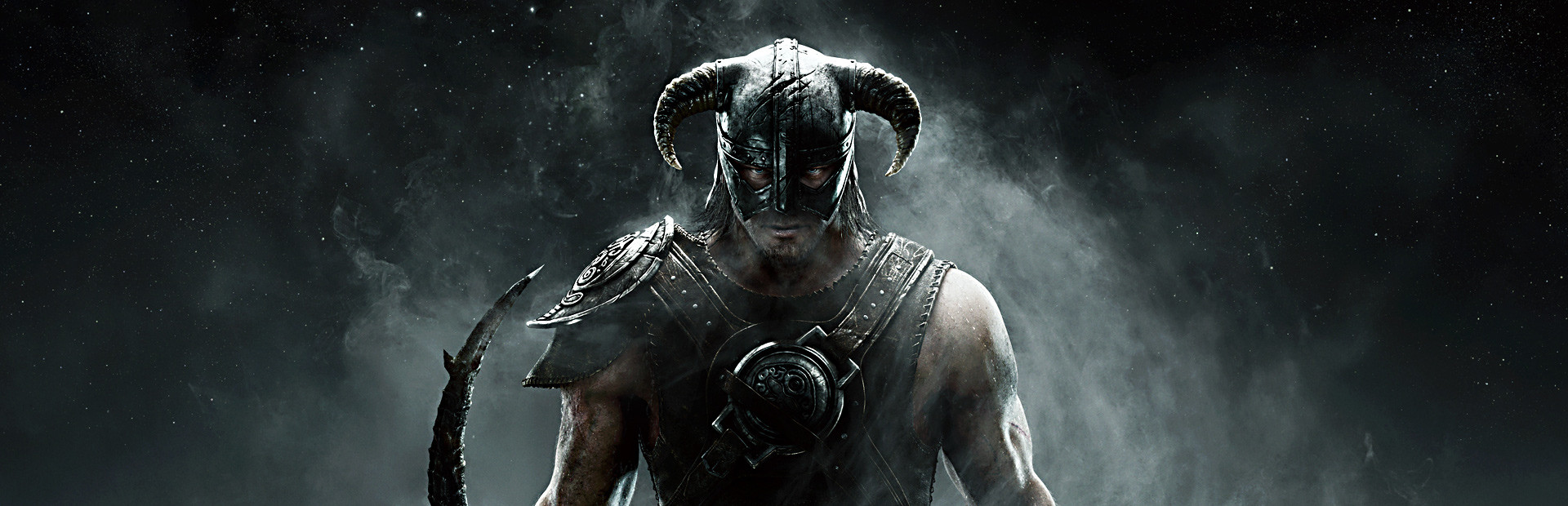
‘The Elder Scrolls V: Skyrim’ features a massive, bombastic score composed by Jeremy Soule. Developed by Bethesda Game Studios and published by Bethesda Softworks, the game’s main theme, “Sons of Skyrim,” features a 30-man choir singing in a fictional dragon language. The soundtrack captures the scale of the game’s open world and the Nordic influence of its setting. It became an instant hit, with the main theme being widely covered and used in various internet memes and fan videos.
‘The Last of Us’ (2013)
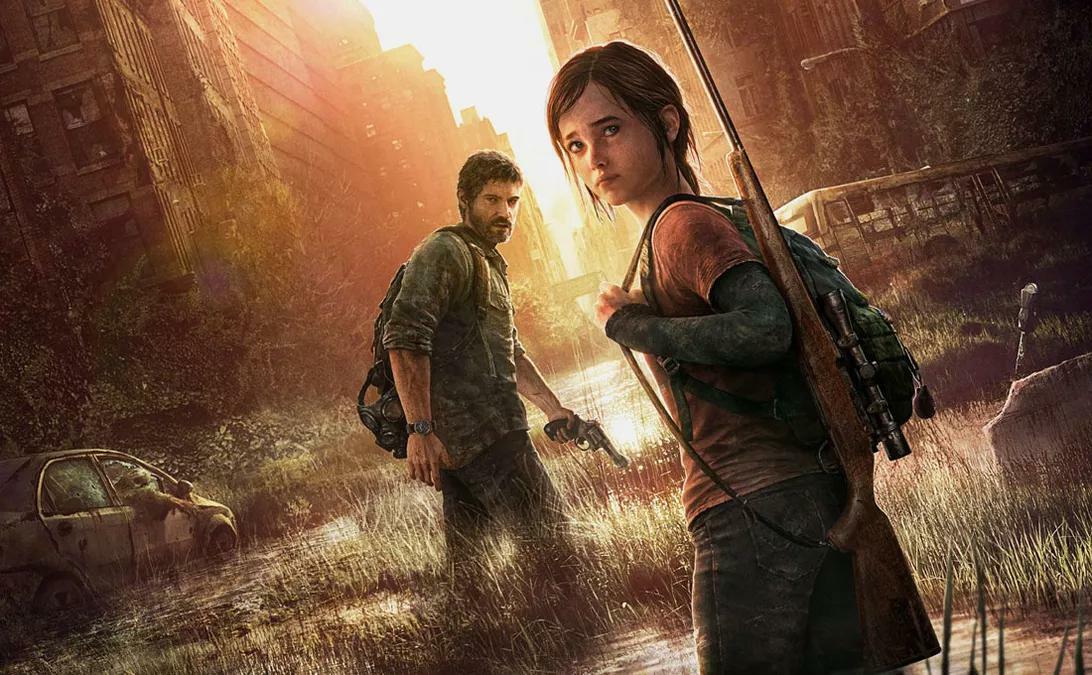
‘The Last of Us’ features an intimate, guitar-driven score by Academy Award-winning composer Gustavo Santaolalla. Developed by Naughty Dog and published by Sony Computer Entertainment, the music focuses on acoustic textures to match the game’s grounded and emotional narrative. The score avoids traditional orchestral swells, opting instead for a minimalist approach that highlights the tension and sorrow of the post-apocalyptic world. This soundtrack helped the game achieve critical acclaim for its storytelling and cinematic presentation.
‘Undertale’ (2015)
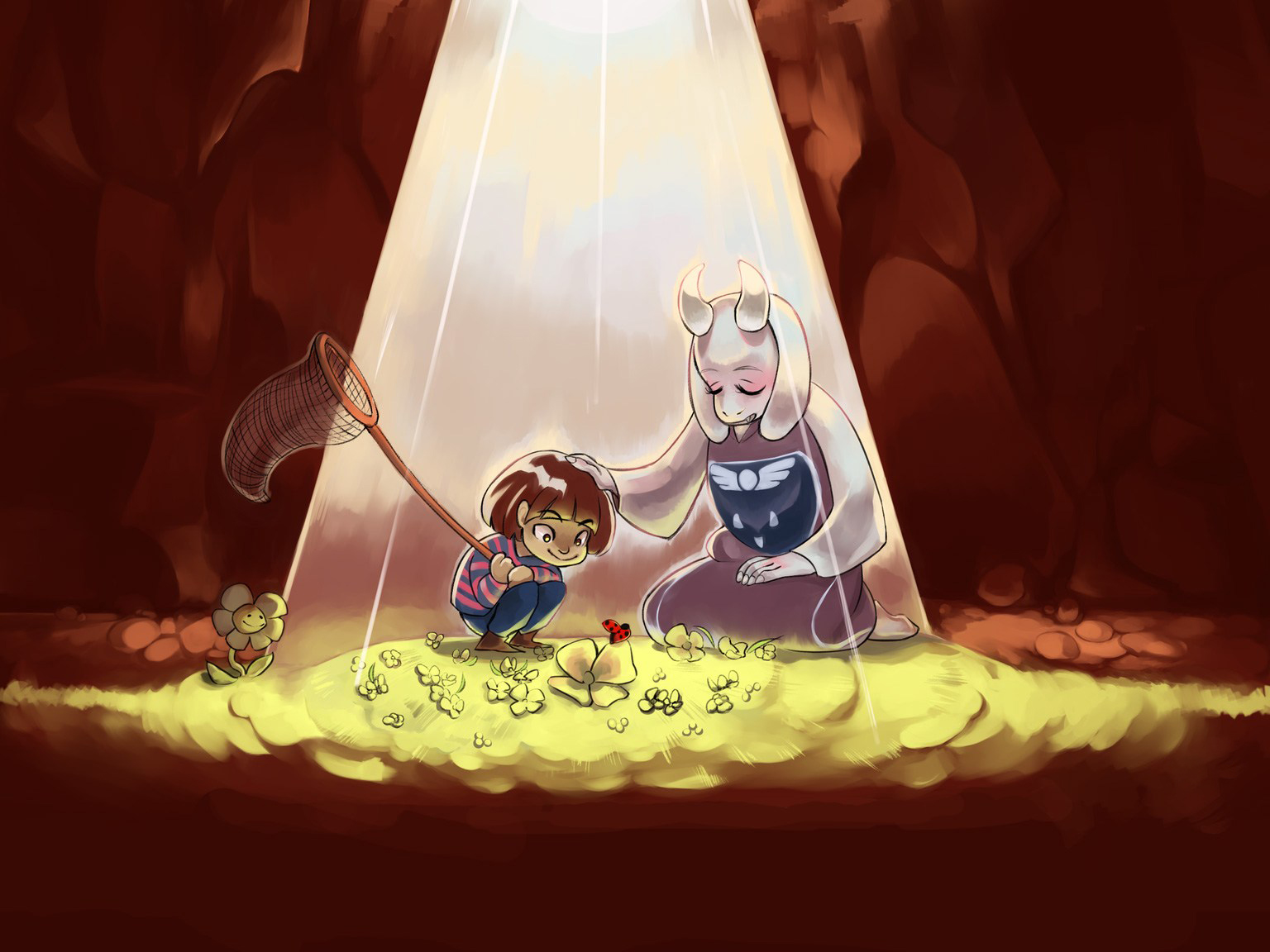
‘Undertale’ features a diverse soundtrack entirely composed by the game’s developer, Toby Fox. This independently developed and published title uses leitmotifs to give every major character a distinct musical identity. The track “Megalovania” became a massive internet phenomenon, appearing in countless remixes, memes, and even professional sporting events. The soundtrack’s success was a major factor in the game’s transition from an indie project to a mainstream cultural hit.
‘Doom’ (2016)
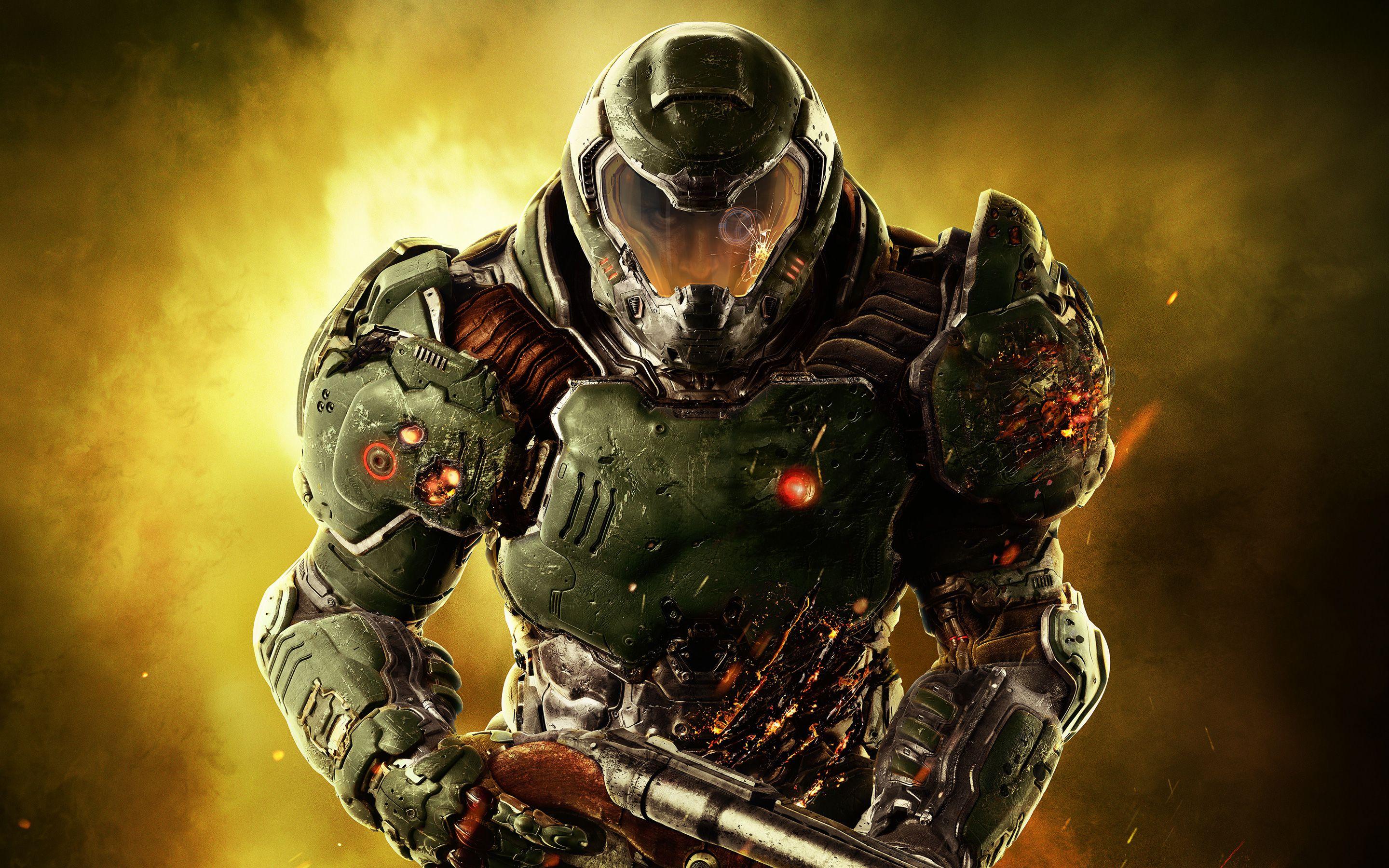
‘Doom’ features a “djent” inspired industrial metal soundtrack composed by Mick Gordon. Developed by id Software and published by Bethesda Softworks, the music was designed to react dynamically to the player’s performance in combat. The score utilizes custom-built synthesizers and heavy distortion to create an aggressive atmosphere that defines the modern ‘Doom’ experience. It won several industry awards and proved that niche musical genres like industrial metal could achieve mainstream success through video games.
‘Persona 5’ (2016)
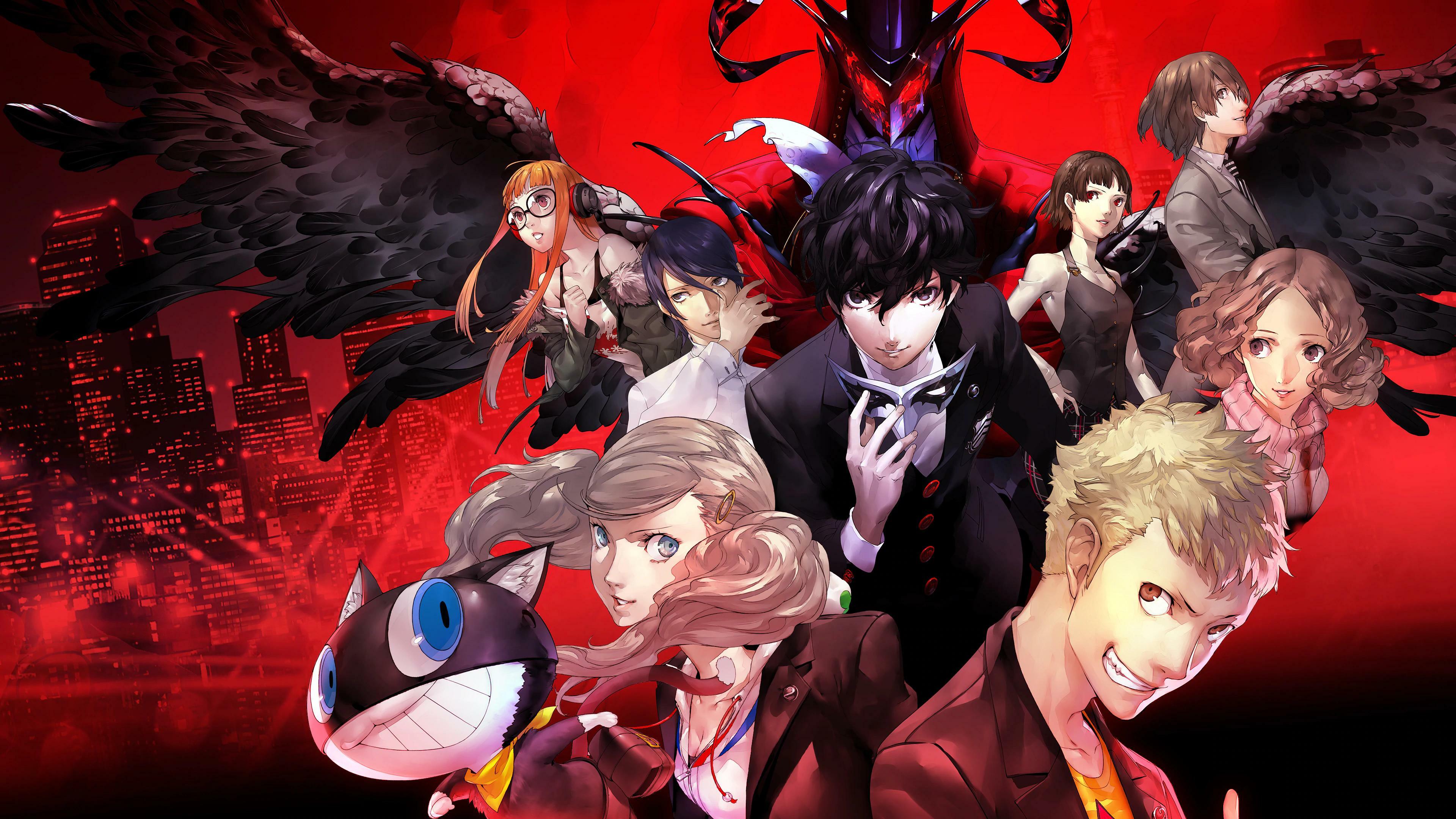
‘Persona 5’ is celebrated for its stylish acid jazz and J-pop soundtrack composed by Shoji Meguro. Developed by P-Studio and published by Atlus, the music is integral to the game’s “Phantom Thief” aesthetic and high-fashion presentation. Vocal tracks like “Last Surprise” became highly popular, leading to live concert tours and massive digital sales. The soundtrack is frequently cited as a primary reason for the game’s distinct identity and its success in global markets.
‘Cuphead’ (2017)
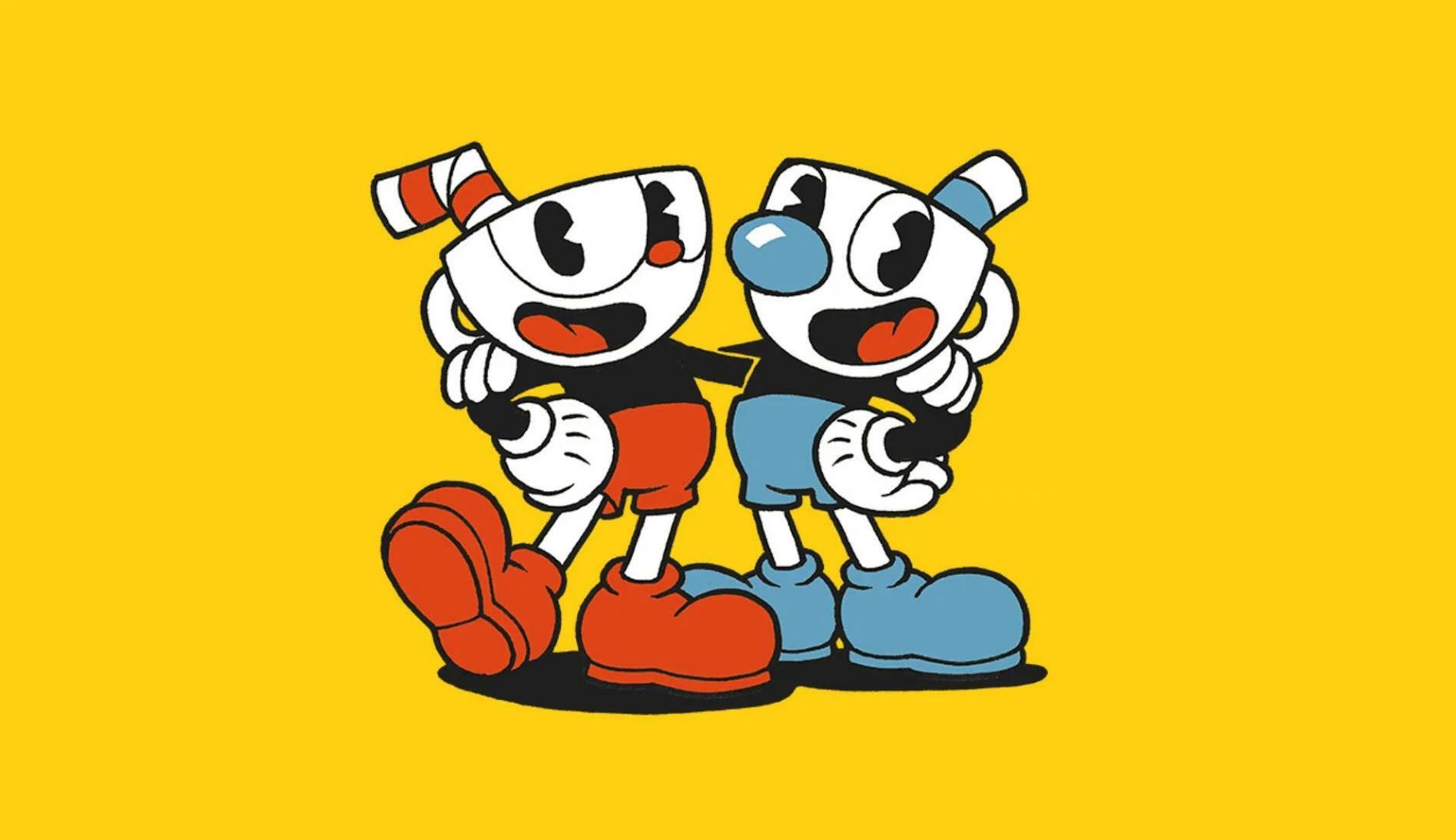
‘Cuphead’ features an original big band jazz soundtrack composed by Kristofer Maddigan. Developed and published by Studio MDHR, the game’s music was recorded using live musicians to emulate the sound of 1930s cartoons. The score includes over three hours of jazz, ragtime, and swing music that perfectly matches the hand-drawn animation style. This soundtrack reached the top of the Billboard Jazz Charts, marking a rare instance of a video game score achieving mainstream success in that specific genre.
Tell us which video game soundtrack had the biggest impact on your musical taste in the comments.