

20 Games With The Most Memorable Game Shows And Contests



In-game game shows and contests can turn a quiet session into a loud crowd moment, with rules to learn, rounds to clear, and prizes that make the effort worth it. Some are televised spectacles inside the story, while others are recurring festivals or full tournament ladders you can jump into any time. Many run on weekly or seasonal schedules, so you get new twists and rewards as you return. Here are standout games where the whole experience leans into stage lights, announcers, brackets, and bragging rights.
‘The Finals’ (2023)
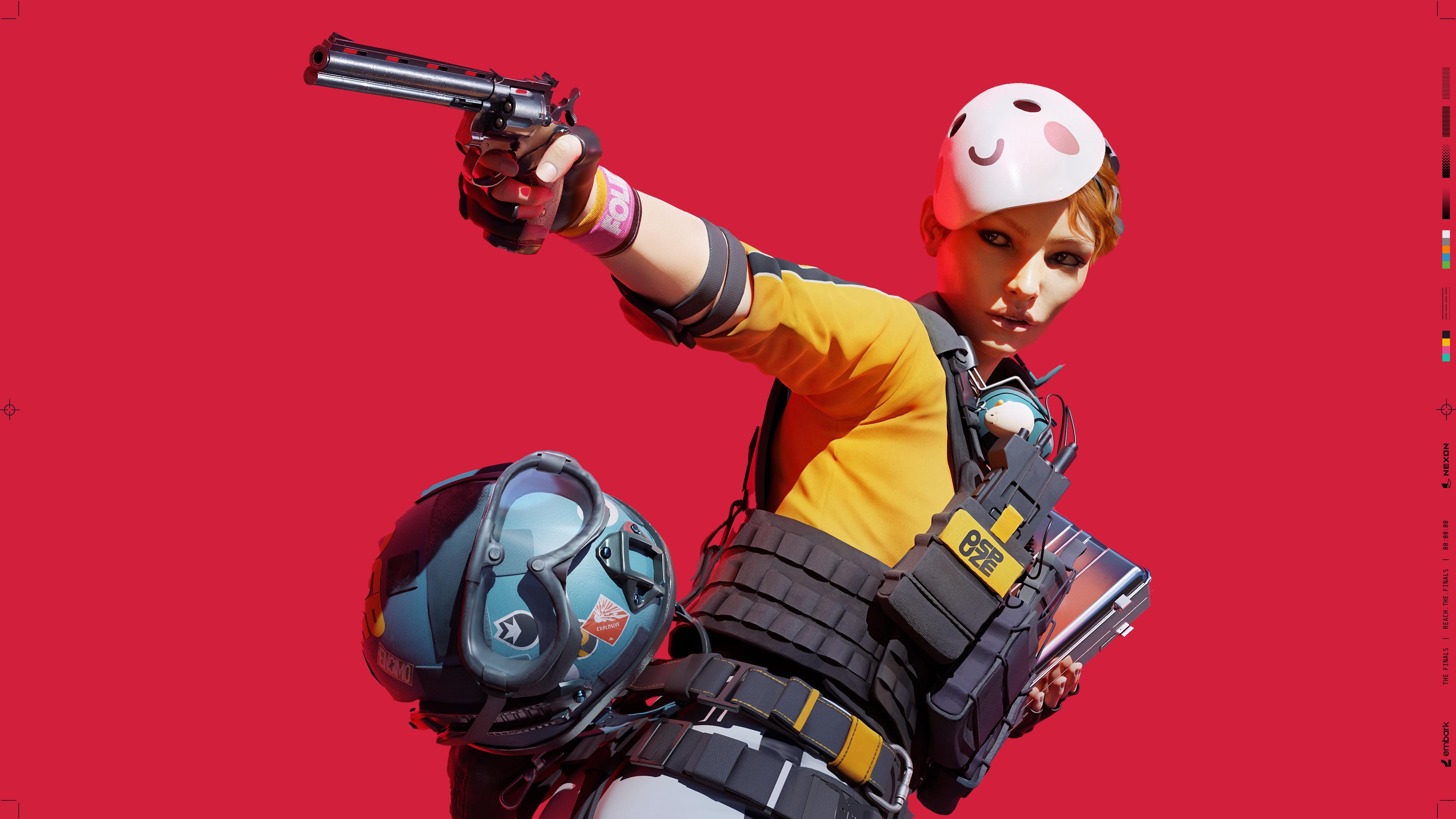
This shooter is framed as a live televised competition, complete with commentators, studio sets, and roaring audiences. Squads enter destructible arenas to grab cash and deposit it while production elements track MVPs and big plays. Each match uses show-like formats that rotate objectives and modifiers to keep the spectacle fresh. Progress unlocks cosmetics that play into the broadcast vibe, including emotes that read like victory laps on camera.
‘Fall Guys: Ultimate Knockout’ (2020)
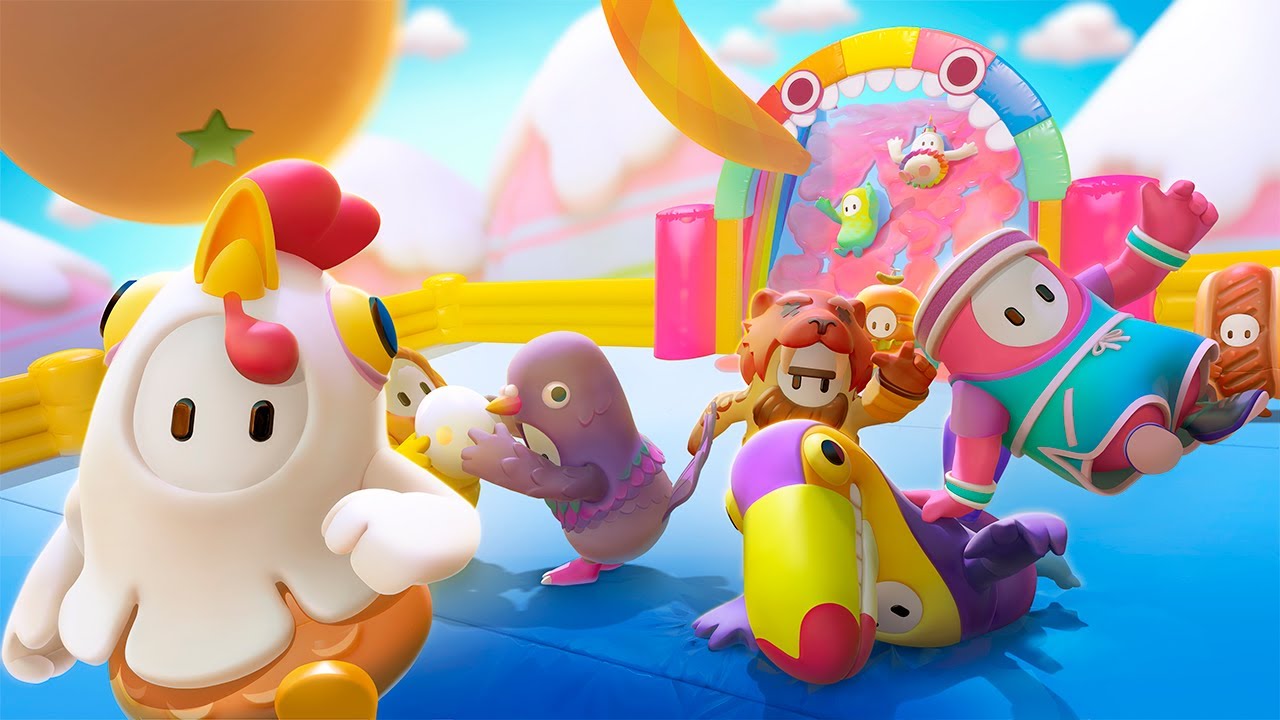
Every show places dozens of players into obstacle courses and survival rounds that feel like slapstick TV challenges. Rounds rotate from races to memory games to finals where a single crown is on the line. Limited-time playlists add new rule sets and collab stages, so the rotation never feels static. Earned currency and event challenges let you dress your bean like a prime time star.
‘Splatoon 3’ (2022)
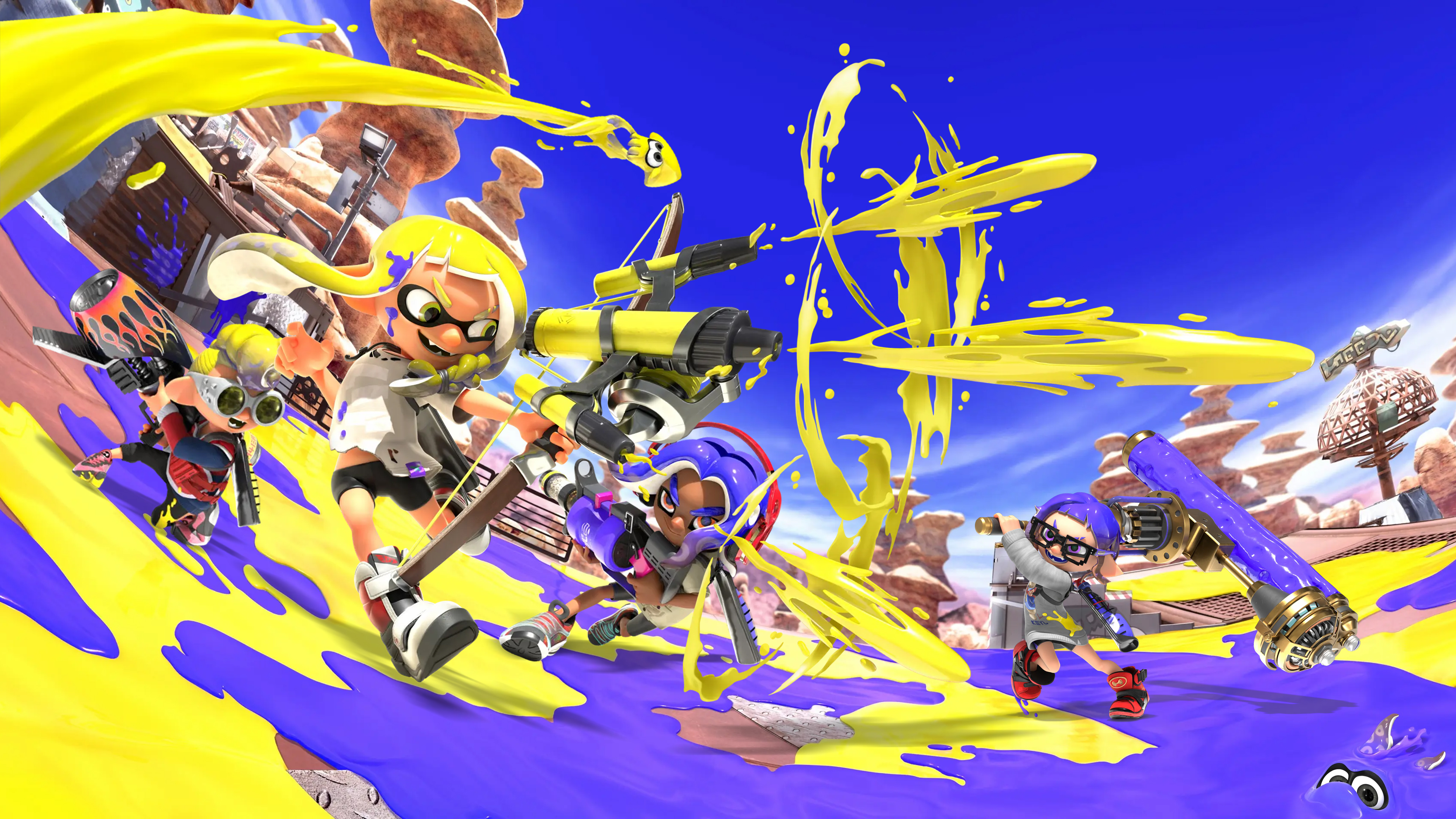
Splatfests turn the whole game into a weekend-long contest where teams rally behind a theme and battle across special stages. The event has live hosts, in-world concerts, and halftime updates that push the broadcast feel. Match formats shift during the fest, including unique tricolor bouts that change map control tactics. Rewards are handed out based on both personal performance and team standing after the results show.
‘Street Fighter 6’ (2023)
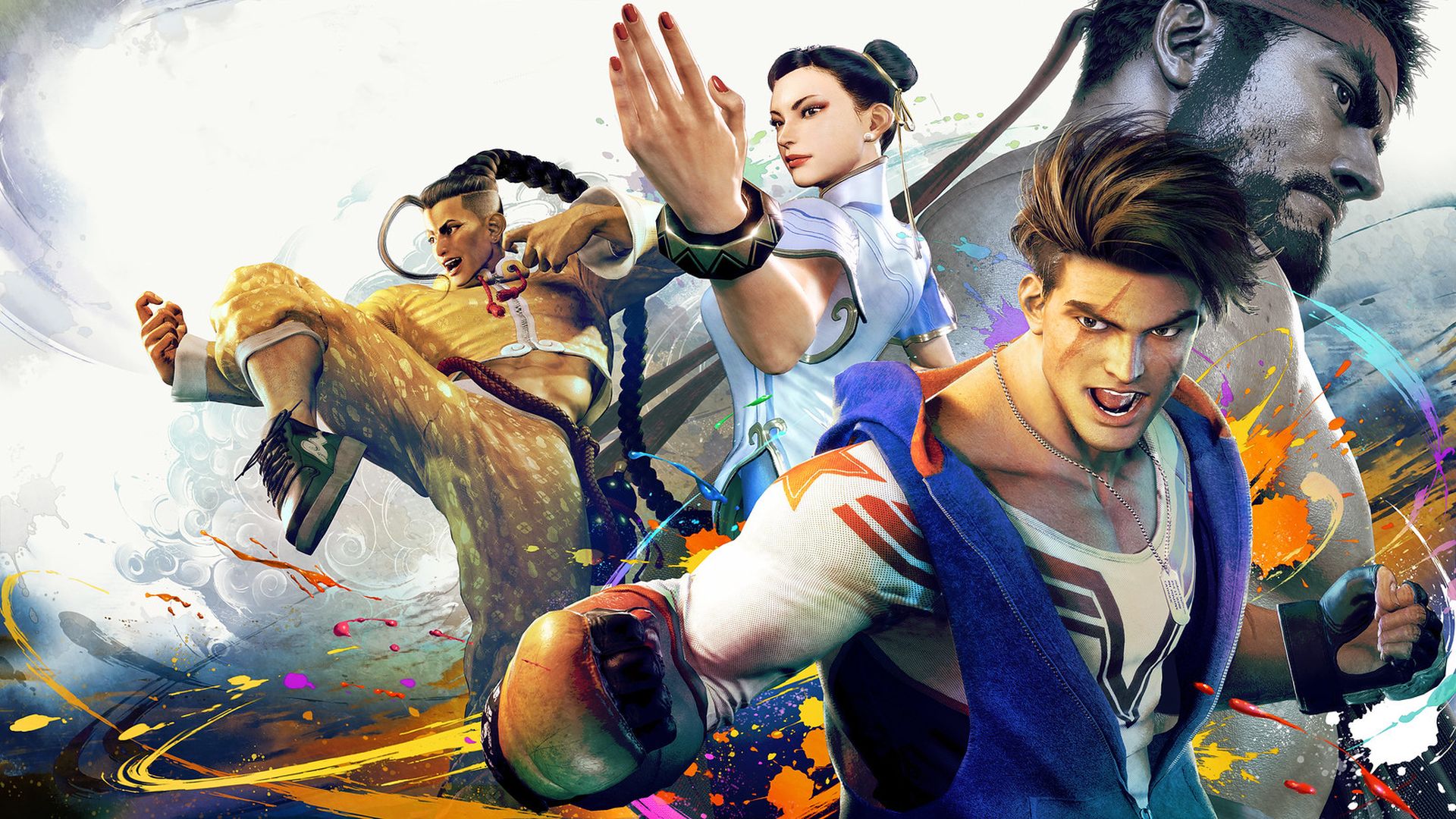
The Battle Hub serves as a digital arcade where players sit at cabinets and enter on-the-spot tournaments. Event boards announce brackets and special rule sets, and winners collect titles and in-game currency. World Tour also features side contests like minigame trials that teach mechanics under time pressure. Regular updates rotate hubs, cosmetics, and event themes to keep competition lively.
‘Tekken 8’ (2024)
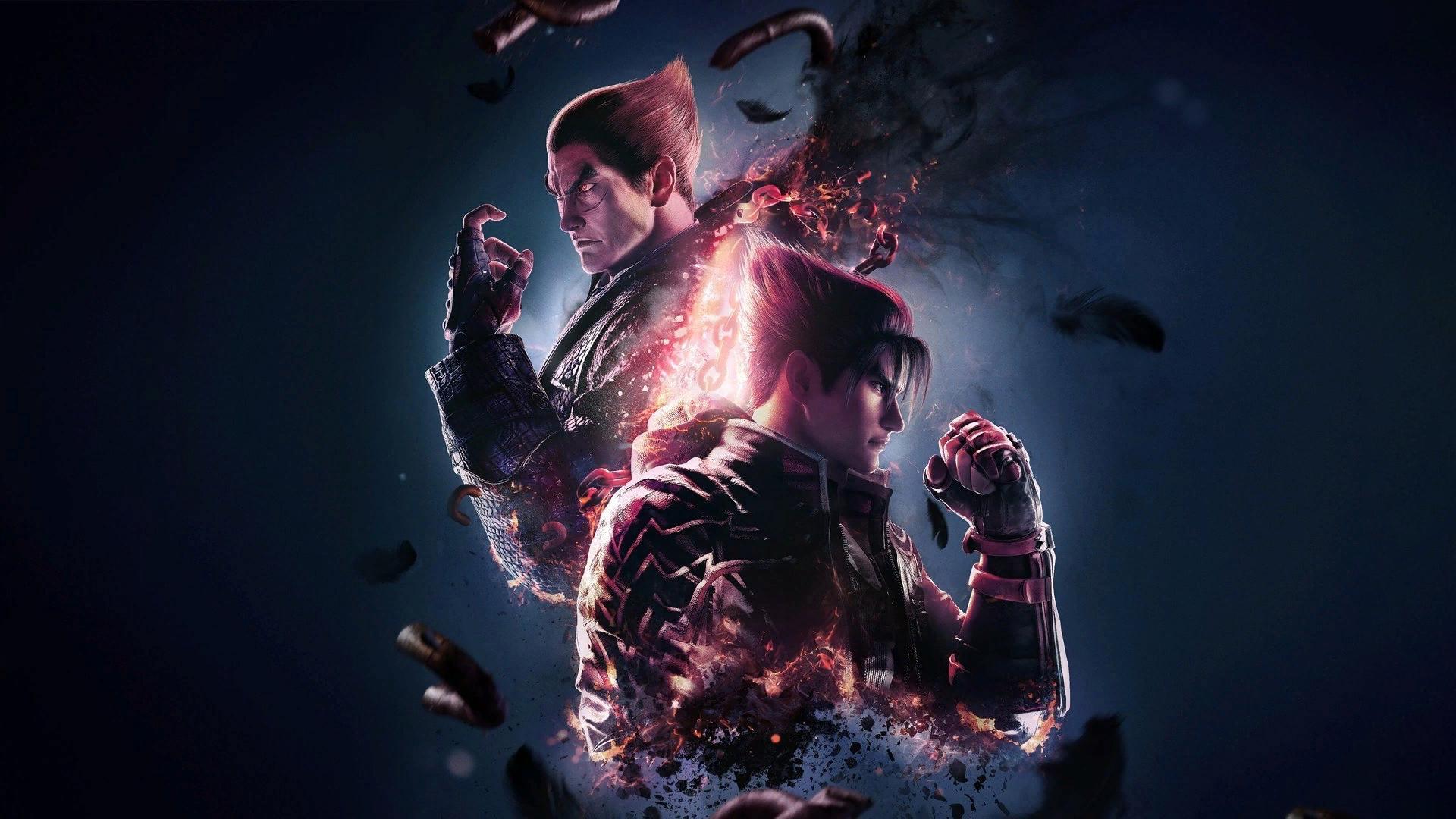
Online lobbies and official events support structured brackets with clear seeding and finals. Spectator tools make it easy to watch sets as if you were tuned into a broadcast. The game adds Fight Lounge missions and rotating challenges that funnel players into quick contests with defined rewards. Character growth systems encourage repeat entries as you climb skill and title ladders.
‘Animal Crossing: New Horizons’ (2020)
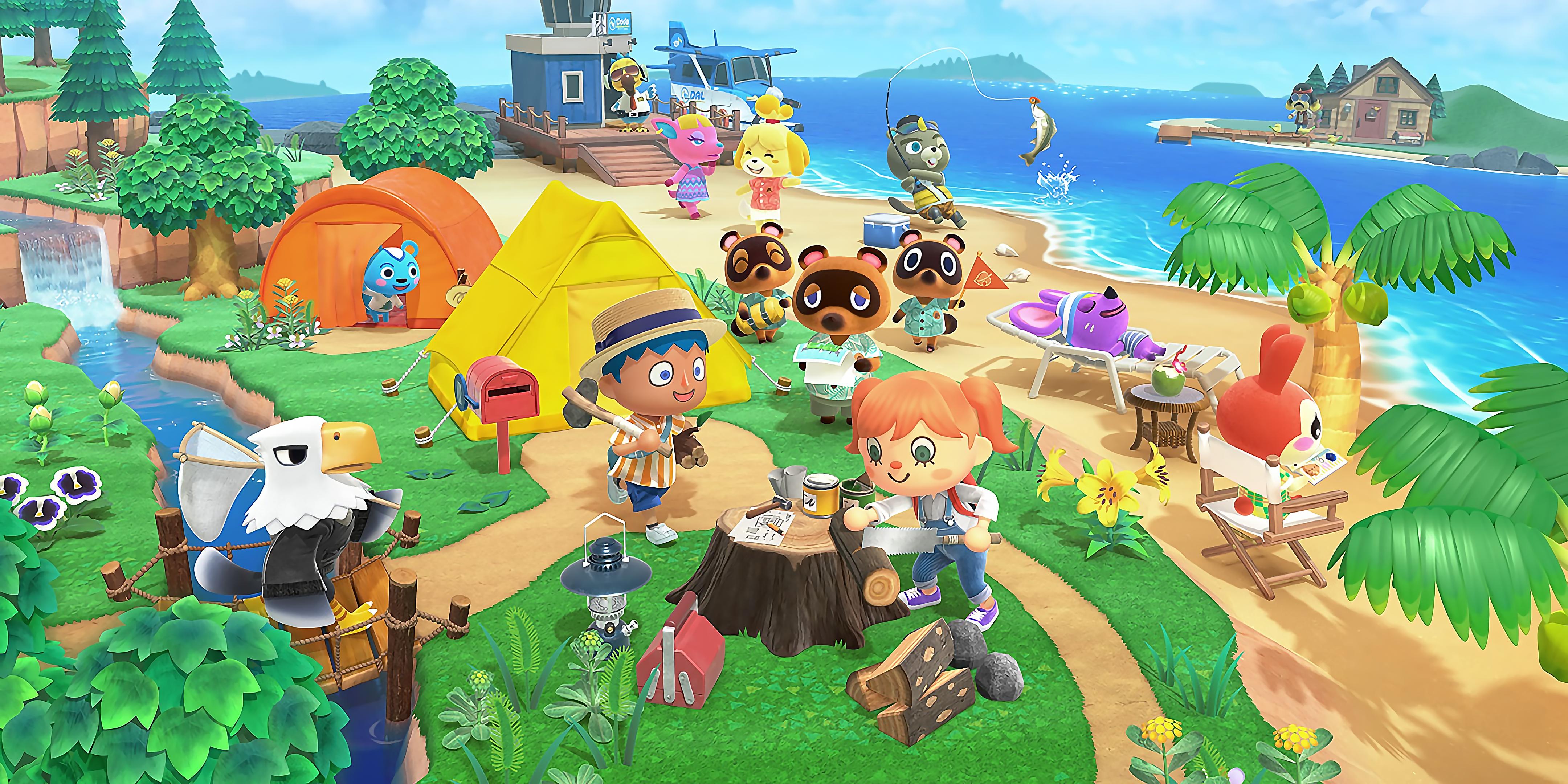
The Fishing Tourney and Bug-Off run on a timed format where you catch as much as you can before the buzzer. Turn-ins are scored for points that unlock themed prizes, trophies, and furniture. Announcer characters track your totals and hand out rewards, giving the events a host-driven feel. Seasonal changes and multiplayer participation make these contests easy to share with friends.
‘Pokémon Scarlet and Violet’ (2022)

The Academy Ace Tournament lets you enter a full gauntlet against high-level trainers after the main story. Matches follow a formal competition structure with brackets that reset when you reenter. Gym tests also act like bite-size game show trials that quiz knowledge or push performance tasks. Prize money and item drops scale well for repeat runs when building teams.
‘Assassin’s Creed Valhalla’ (2020)
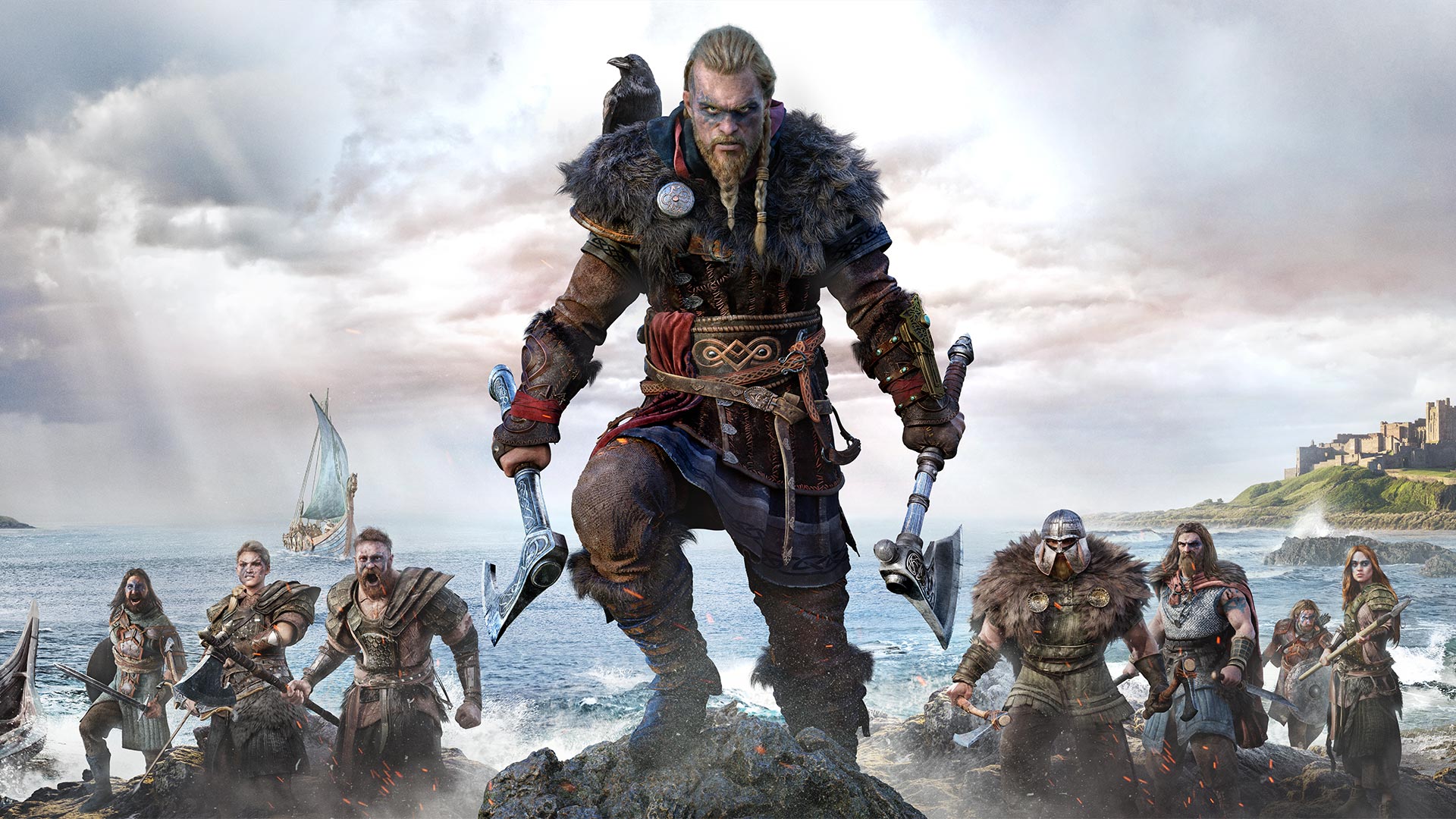
Towns host flyting contests where you trade rhyming barbs under strict meter and timing rules. Drinking games and archery trials add quick contests with score thresholds and perk rewards. Festival updates bring limited-time tournaments with cosmetic items tied to the event. Settlement structures often unlock new challenges, encouraging a tour of different hosts and rules.
‘Star Wars Jedi: Survivor’ (2023)
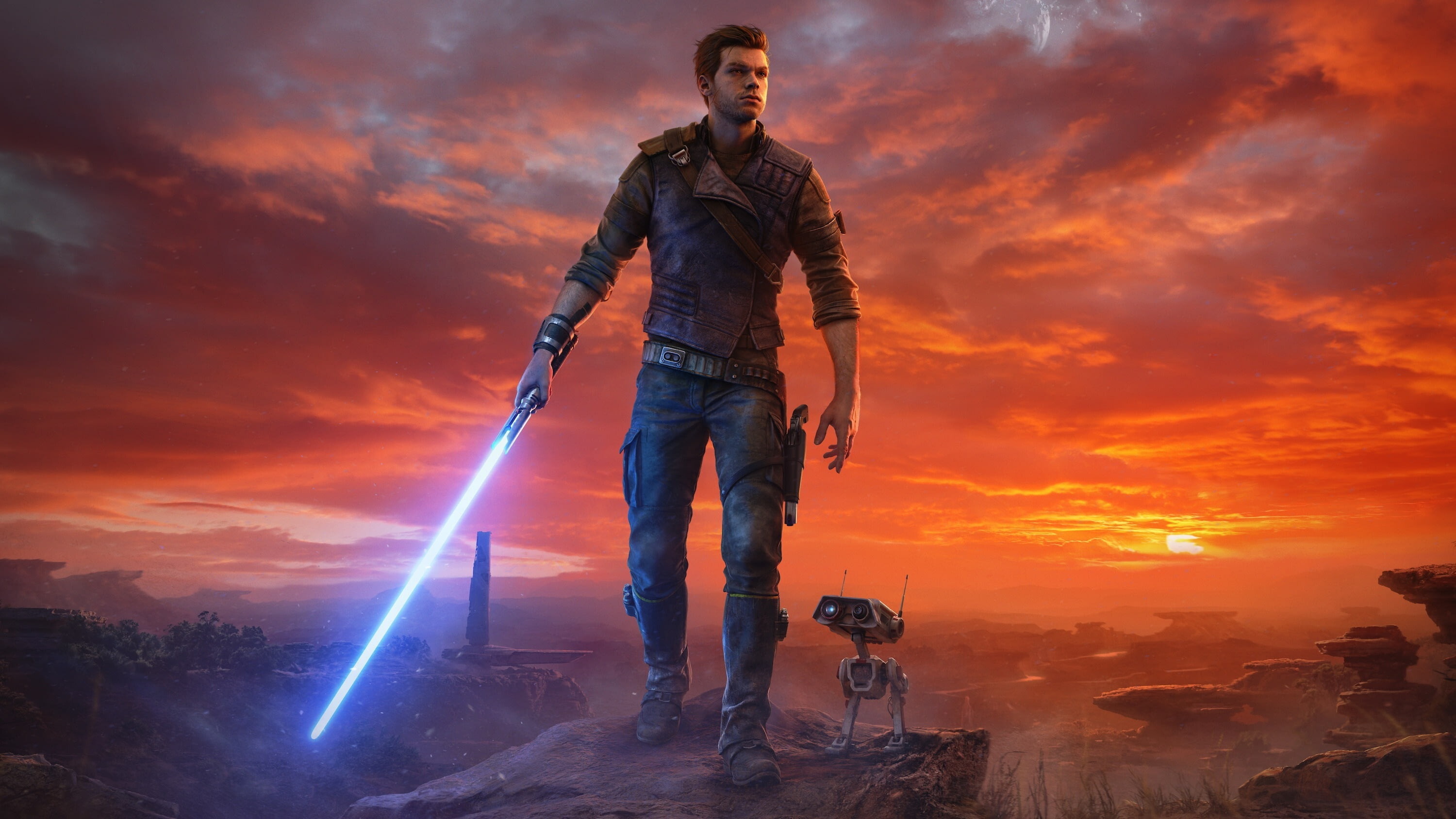
Holotactics is a tactical minigame where you draft units and fight simulated waves in front of an enthusiastic crowd. Unlocking new opponents turns it into a ladder with meaningful rewards like cosmetics and perks. The announcer calls out plays and power swings that make victories feel staged for an audience. Collectible data from enemies expands your roster, so exploration feeds right back into the contest.
‘Final Fantasy VII Rebirth’ (2024)
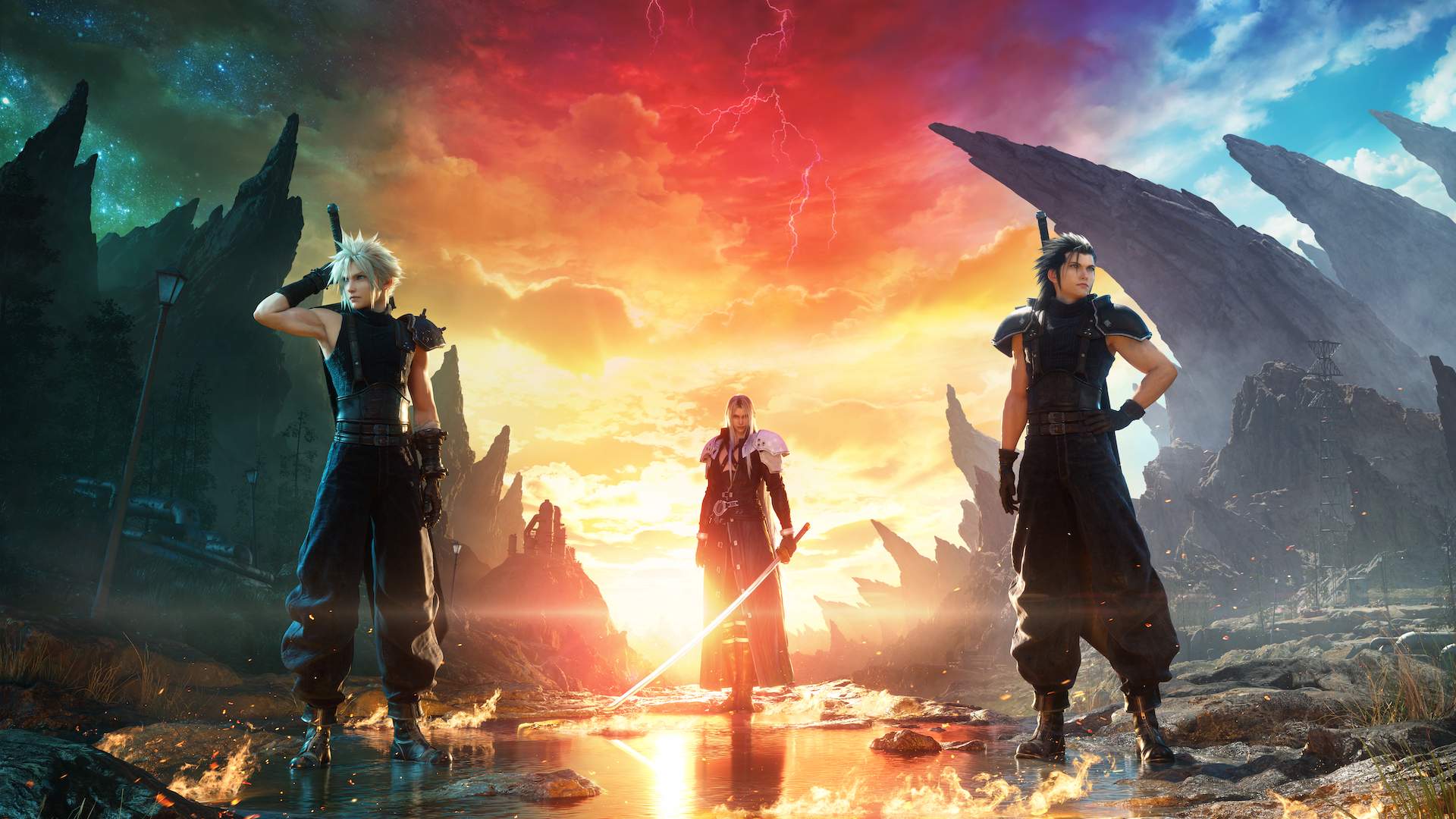
The Gold Saucer runs multiple competitions under one roof, including a card tournament scene and flashy arcade trials. Different wings of the park host events with unique scoring, from precision control to strategic deck play. Clear conditions grant park currency and exclusive cosmetics that signal success to other visitors. Story moments spotlight big matches, so the contests feel central rather than optional fluff.
‘Like a Dragon: Infinite Wealth’ (2024)
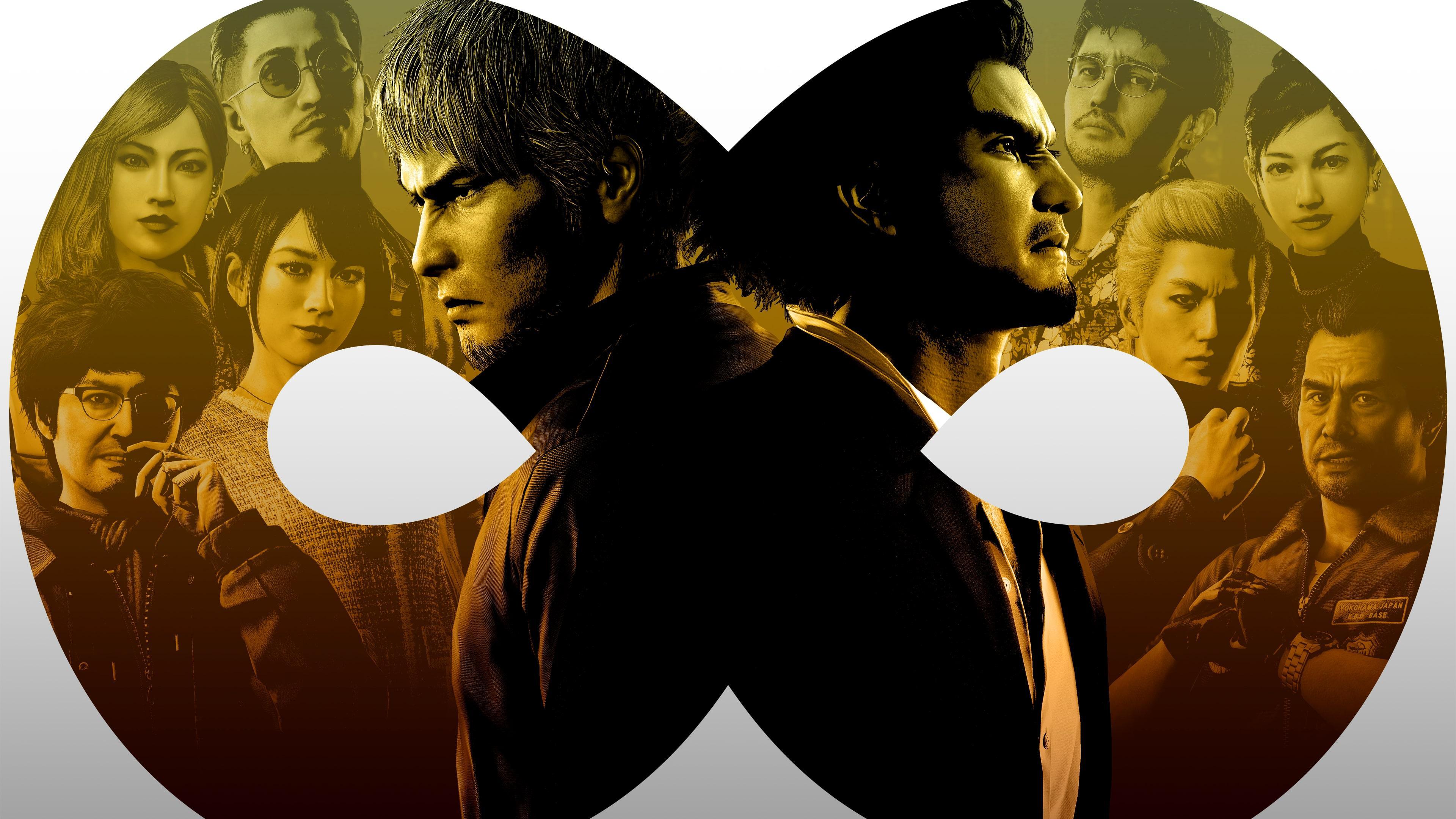
The game packs in formal contests such as Sujimon battles with league progression and title matches. Side attractions track wins and payouts on leaderboards, creating a lively local circuit feel. Announcer characters pipe in with commentary when you hit milestones or trigger special events. Clear rewards range from equipment to management perks that carry back into main progression.
‘Forza Horizon 5’ (2021)
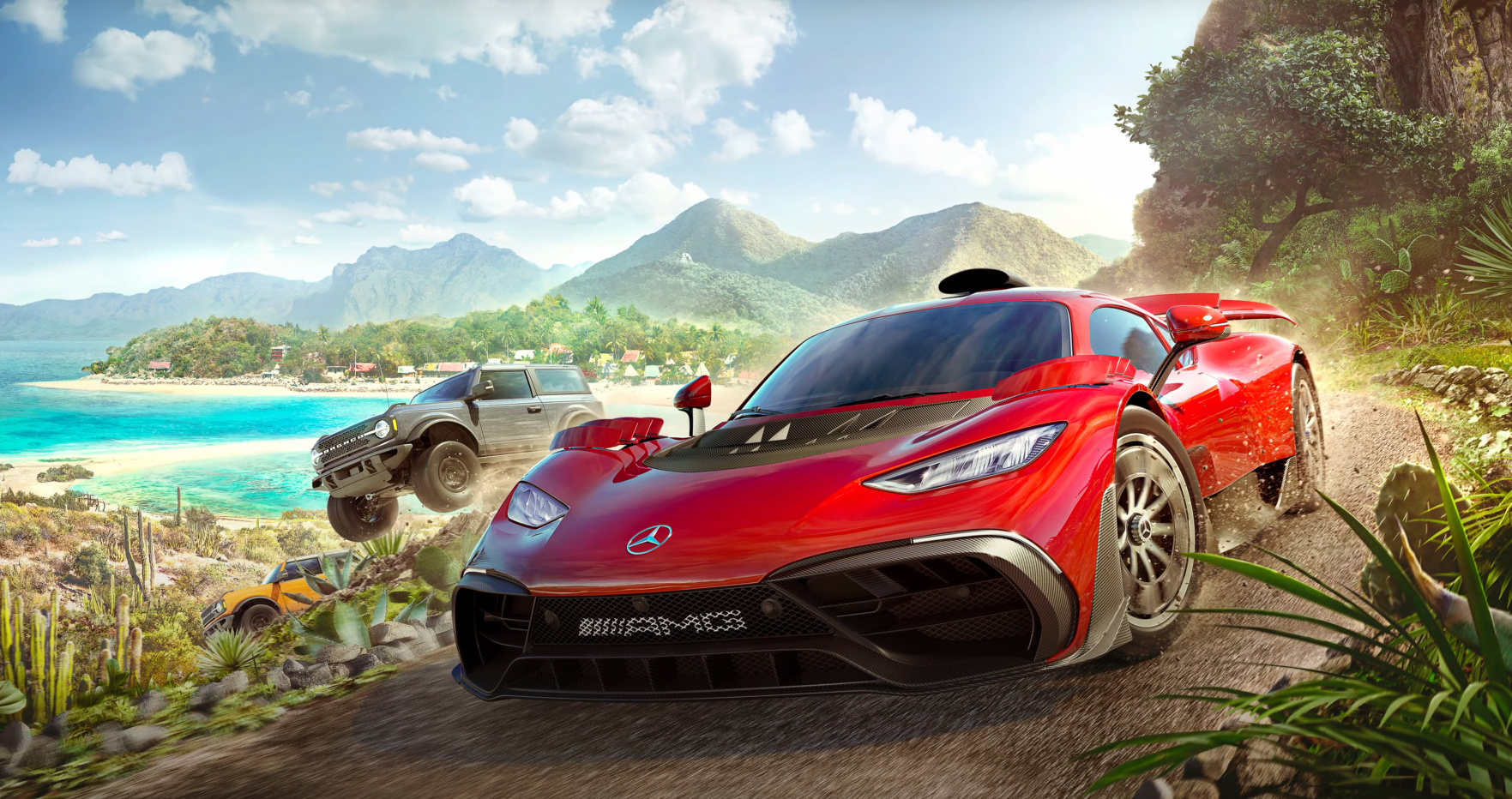
Horizon Arcade events drop on the map as public contests where drivers complete grouped challenges in sequence. Playlists rotate objectives like drift scores, speed traps, and wrecking targets that add up across the squad. Seasonal Series structure puts all of it on a show calendar with changing themes and prize cars. The festival presentation makes every win feel like it happened on a stage.
‘Mario Party Superstars’ (2021)
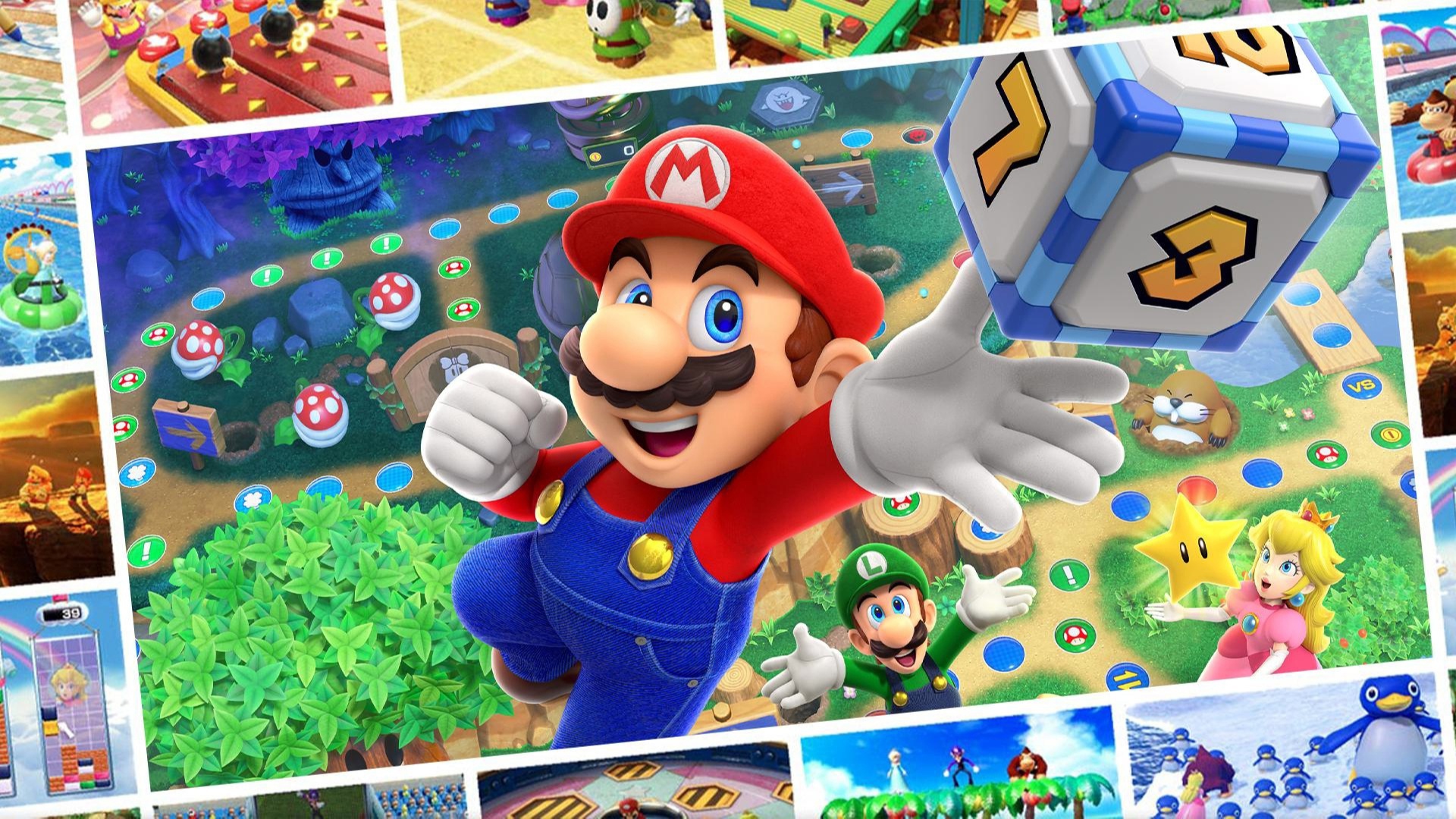
Boards and minigames are presented like a studio variety show with quick rules and memorable hosts. Free play and survival modes let you chase records outside the main board session. Local and online play handle four-player contests cleanly with matchmaking for minigame-only runs. Unlocks and stats keep a log of victories that turns into a personal highlight reel over time.
‘F-Zero 99’ (2023)
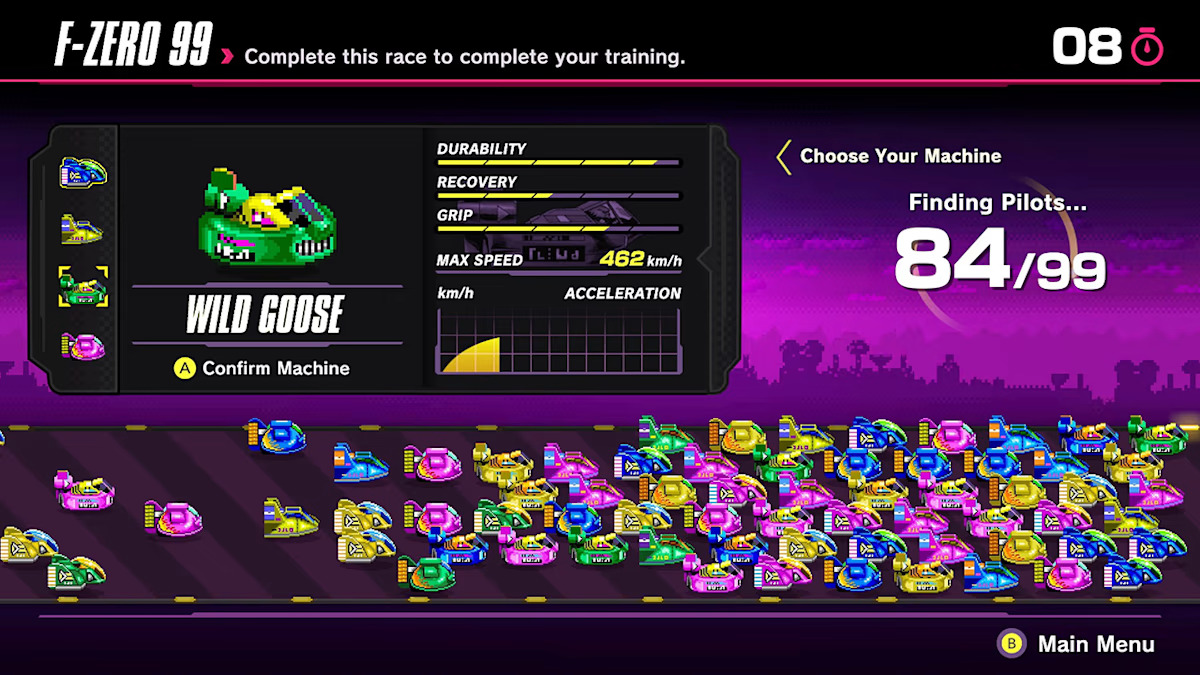
Ninety-nine racers enter a broadcast-style survival race where eliminations thin the field. Special events introduce new tracks and formats that shift pacing and pit strategy. Rank systems reward consistent placements with cosmetic badges and machine variations. The whole presentation reads like a retro telecast that never stops counting down.
‘Returnal’ (2021)
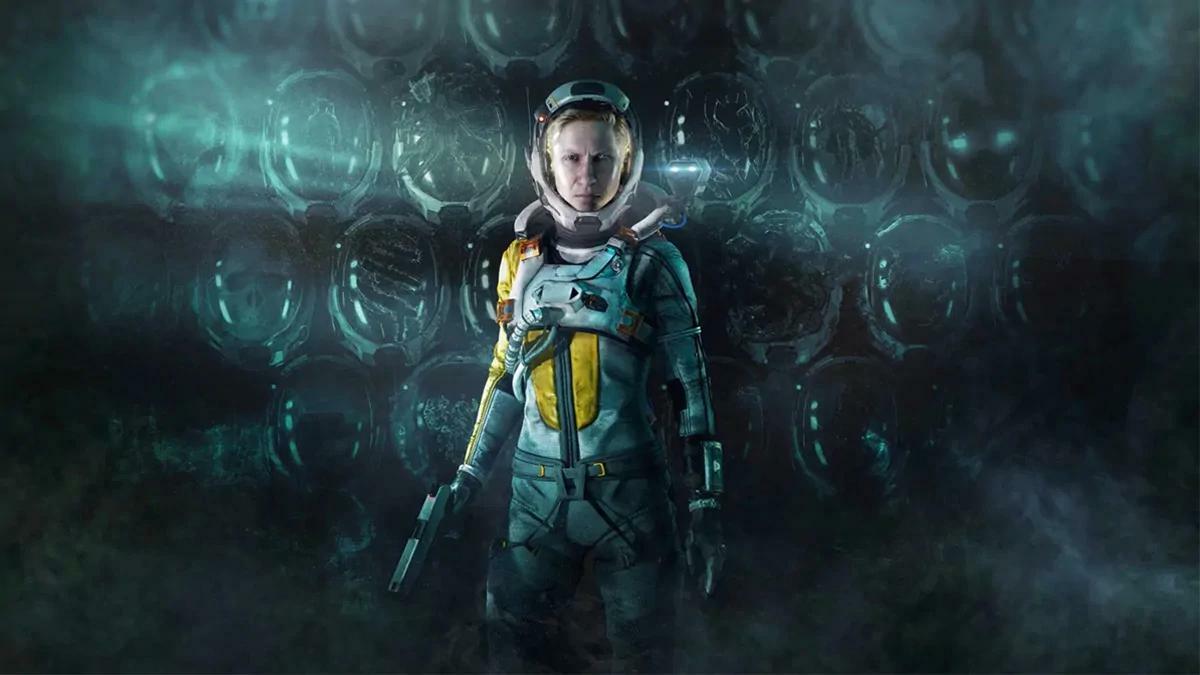
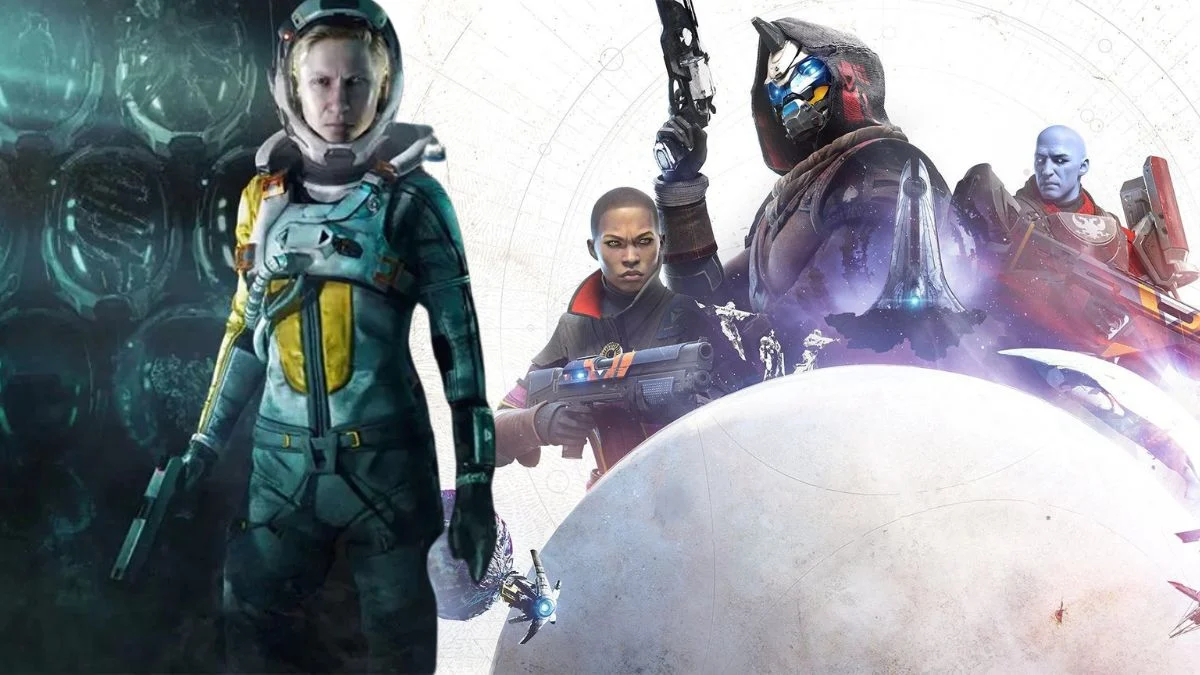
The Tower of Sisyphus acts like an endless televised gauntlet that scores every room and wave. Leaderboards reset on cycles, which pushes players to climb back up after balance changes. The announcer-style scoring effects and break rooms add to a sense of being judged mid run. Milestone rewards unlock lore entries and cosmetics that mark your best pushes.
‘Destiny 2’ (2017)
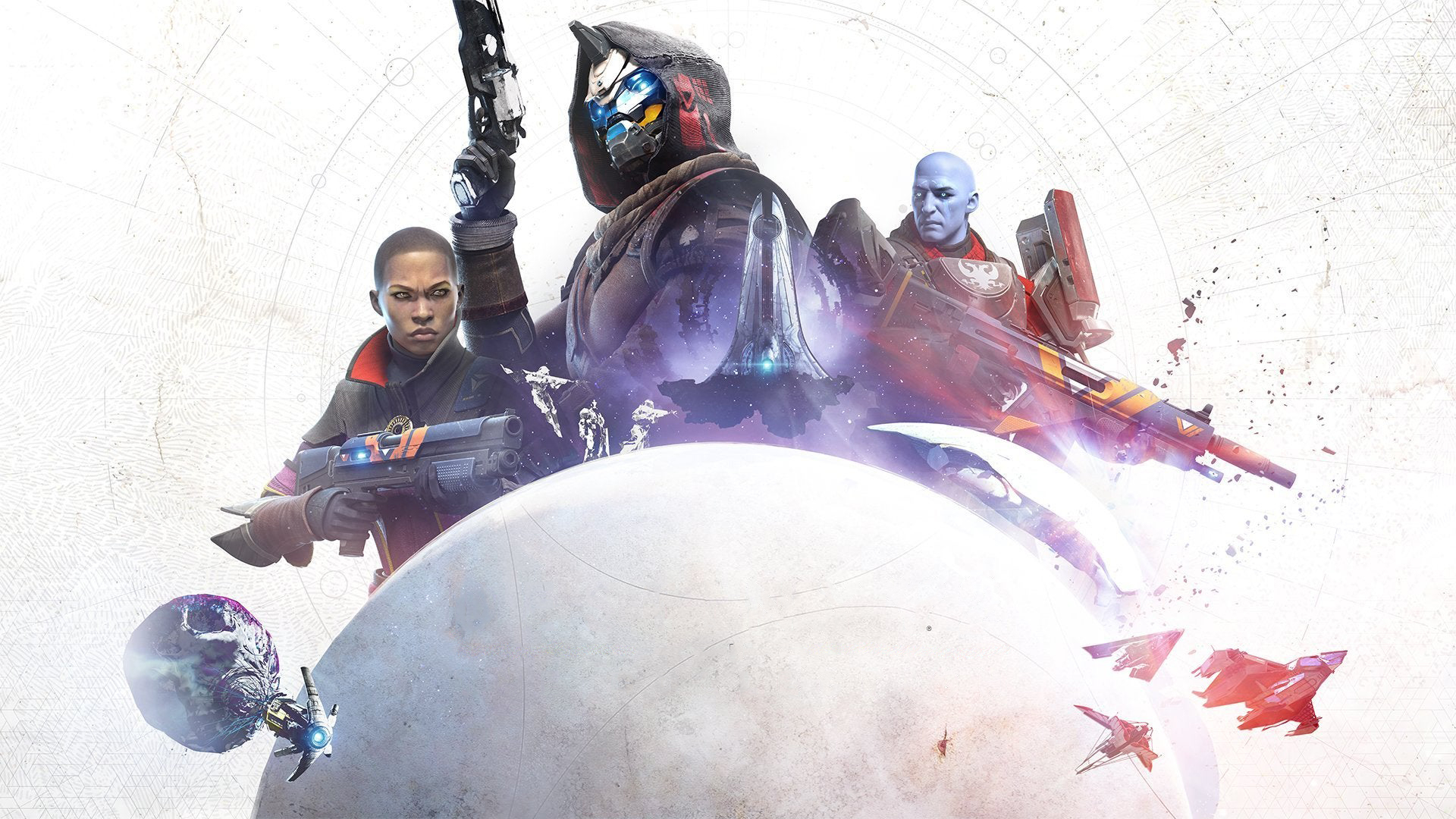
Guardian Games is a class-versus-class competition that runs for a limited window each year. Players contribute medals by completing playlists and event cards, with live leaderboards showing totals. Daily focus changes shift the best ways to earn points, which keeps strategies moving. The closing ceremony recognizes the winning class with a victory decoration in the social space.
‘Apex Legends’ (2019)
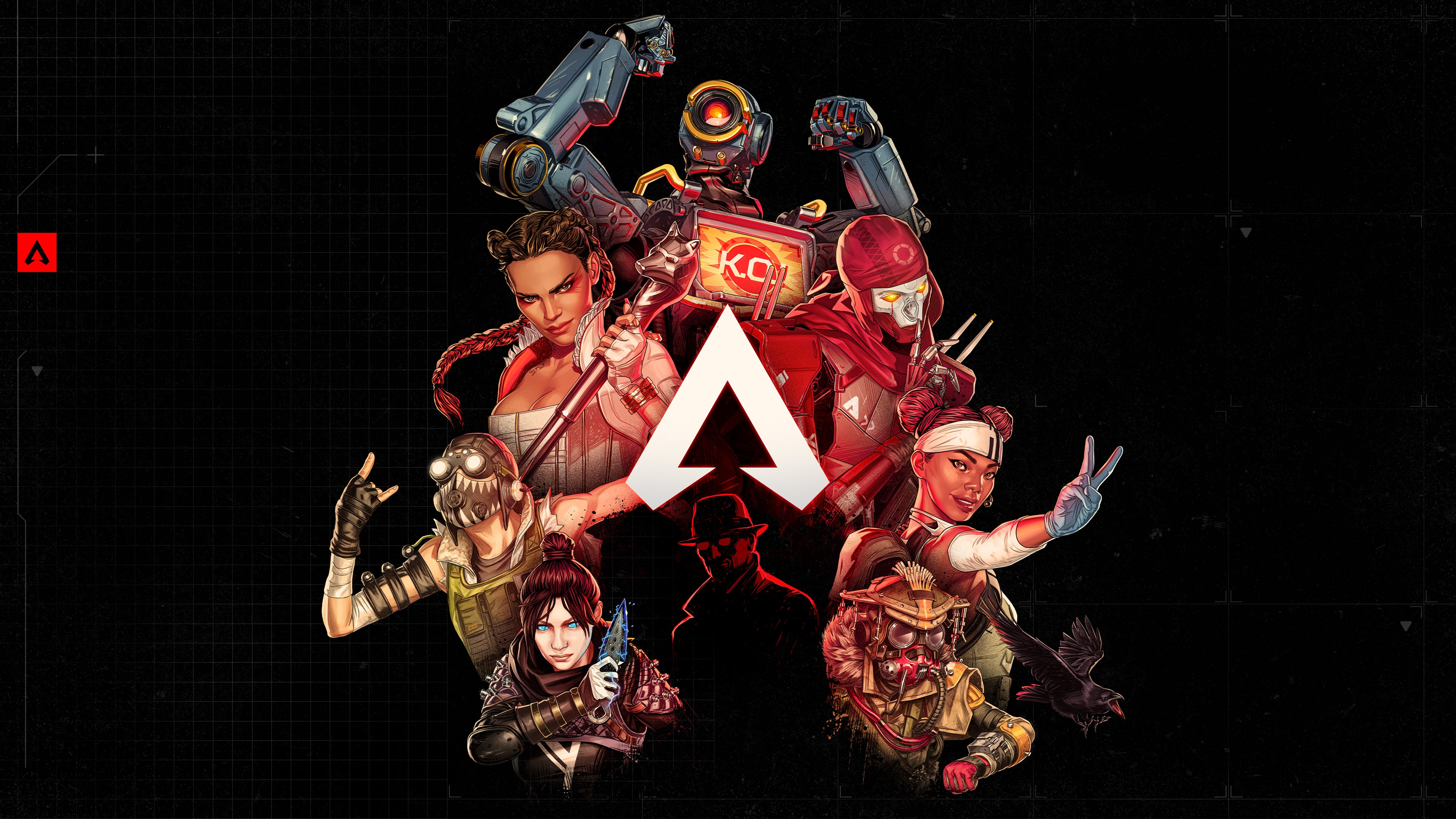
Matches are framed as episodes of the Apex Games with casters, banners, and arena showmanship. Limited-time modes serve as special events with altered rules and prize tracks. Arenas and mixtape playlists provide structured best-of formats that feel like studio segments. Badges and trackers preserve your placements and wins for that season.
‘Sea of Stars’ (2023)
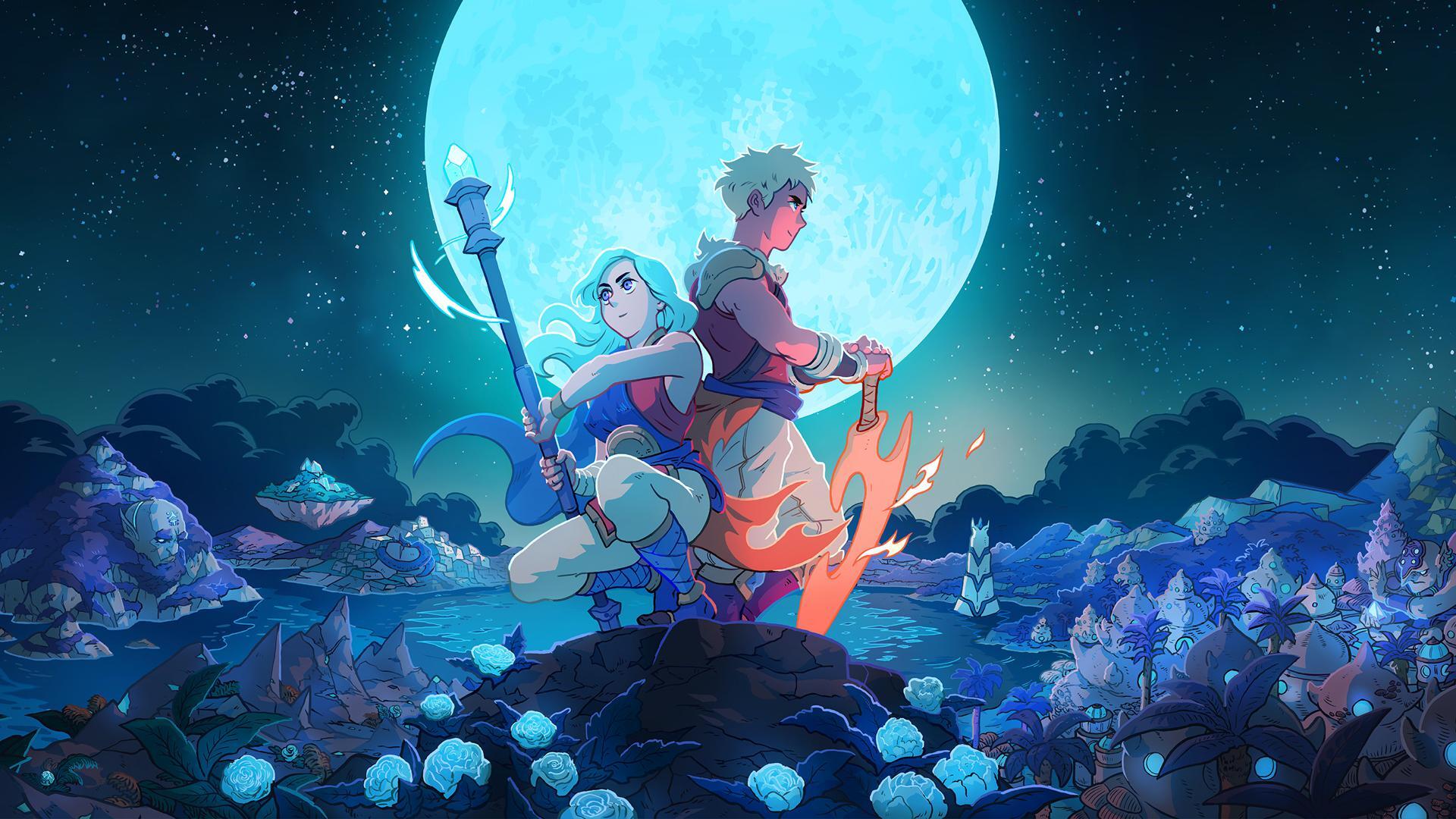
The Arena of Trials hosts wave-based fights where you pick from curated challenges. Beating tiers unlocks items and titles that show you cleared higher brackets. Spectators and host dialogue sell the show atmosphere as you advance to harder cards. The design lets you revisit for optimal builds once new gear expands your options.
‘Monster Hunter Rise’ (2021)
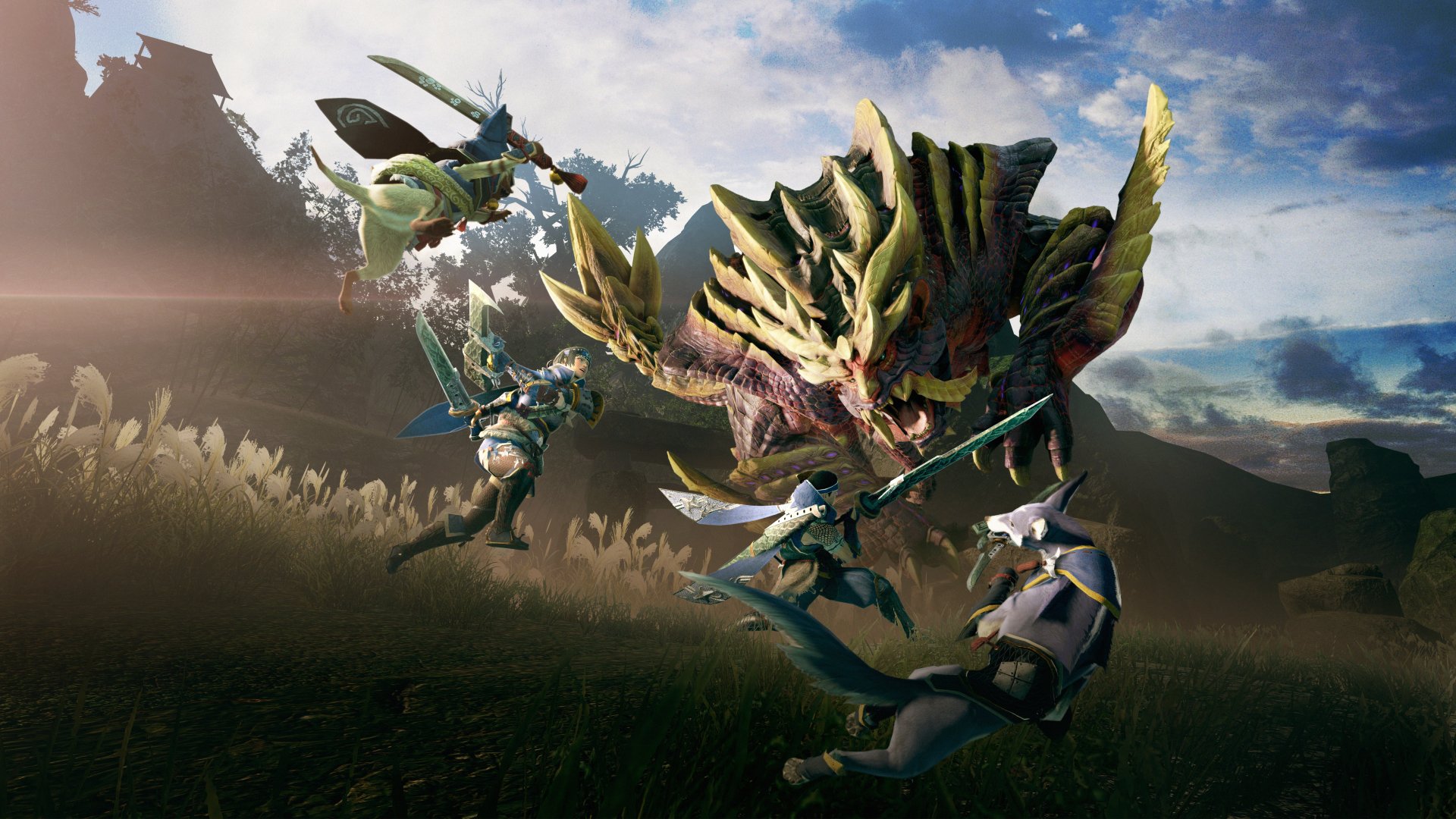
Arena quests place two hunters into timed matches with fixed loadouts and clear scoring rules. Leaderboards track fastest clears and encourage route planning with tight execution. Event quests rotate special monsters and conditions that play like feature episodes. Rewards include unique tickets and parts that feed into specialized gear.
‘Rocket League’ (2015)
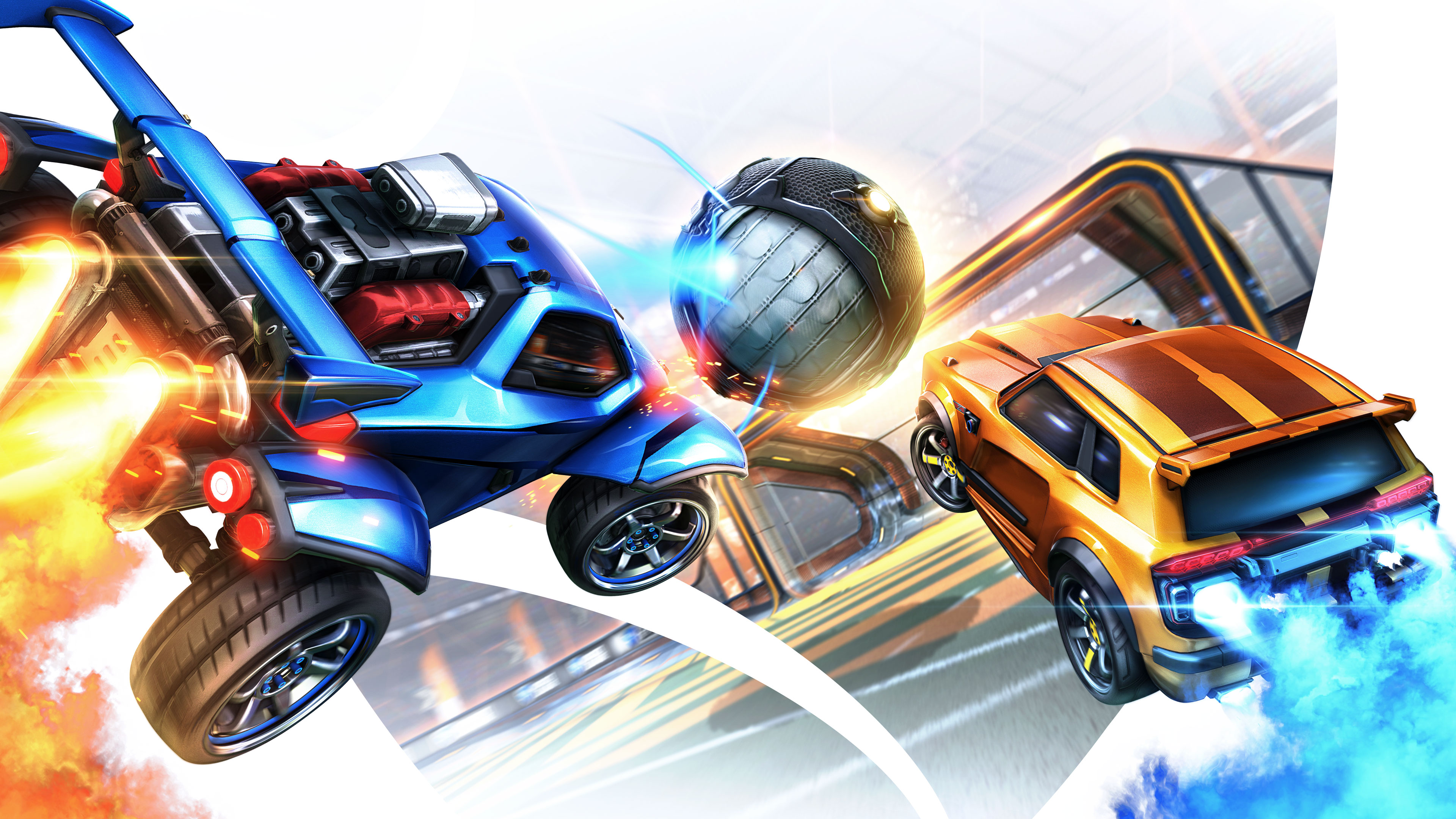
Built-in tournament tools schedule bracketed competitions that run multiple times a day. You can enter solo or as a team and watch the bracket fill before kickoff. Placement rewards hand out titles and cosmetics that broadcast performance in future matches. Community and developer events layer on themed rule sets that feel like special broadcasts.
‘Party Animals’ (2023)
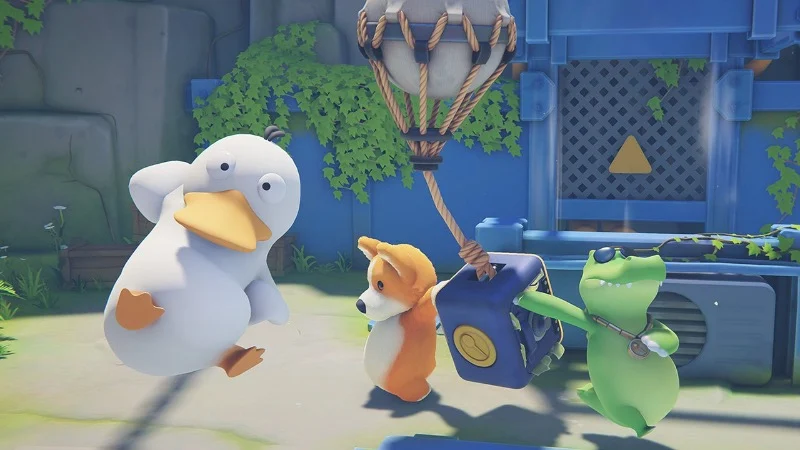
Brawler stages double as studio sets where teams compete in goofy but structured objectives. Modes run on timers with sudden death rules that keep matches tidy and watchable. Rotating playlists act like episodes that spotlight specific objectives or maps. Progression unlocks outfits and emotes that turn every win into a curtain call.
Share your favorite in-game show or contest in the comments and tell us which event you never skip when it pops up.