


Gay Actors Who Are Surprisingly Republican

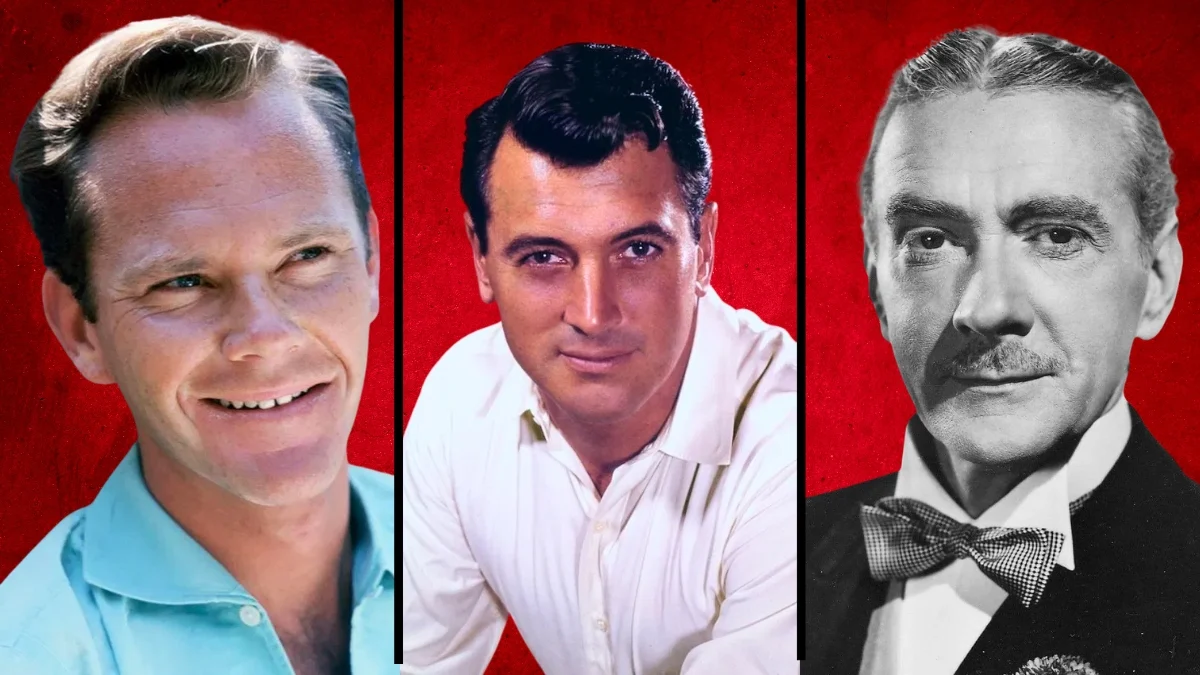


While the entertainment industry is often perceived as a monolith of liberal ideology, several prominent gay actors have bucked this trend by aligning with the Republican Party. These performers navigated the complexities of Hollywood while maintaining conservative political leanings or official party affiliations throughout their careers. From Golden Age icons to beloved television stars, their political identities highlight the diversity of thought within the LGBTQ+ community. This list explores several notable actors who identified as gay or bisexual and were confirmed Republicans.
Robert Reed
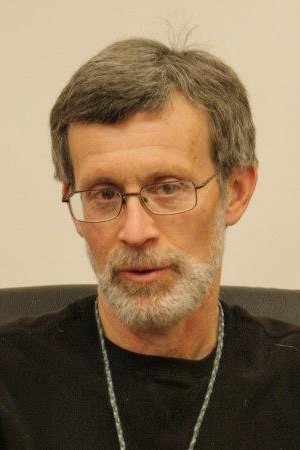
Robert Reed gained immense fame as the patriarch Mike Brady on the iconic sitcom ‘The Brady Bunch’. Throughout his life, Reed was a registered Republican and maintained conservative views on many social and economic issues. Although he remained closeted to the public until after his death in 1992, his political affiliation was well-known among his close associates. He often struggled with the lighthearted nature of his most famous television role, preferring more serious dramatic work. His commitment to the Republican Party remained a constant aspect of his personal identity during his years in the spotlight.
Cesar Romero
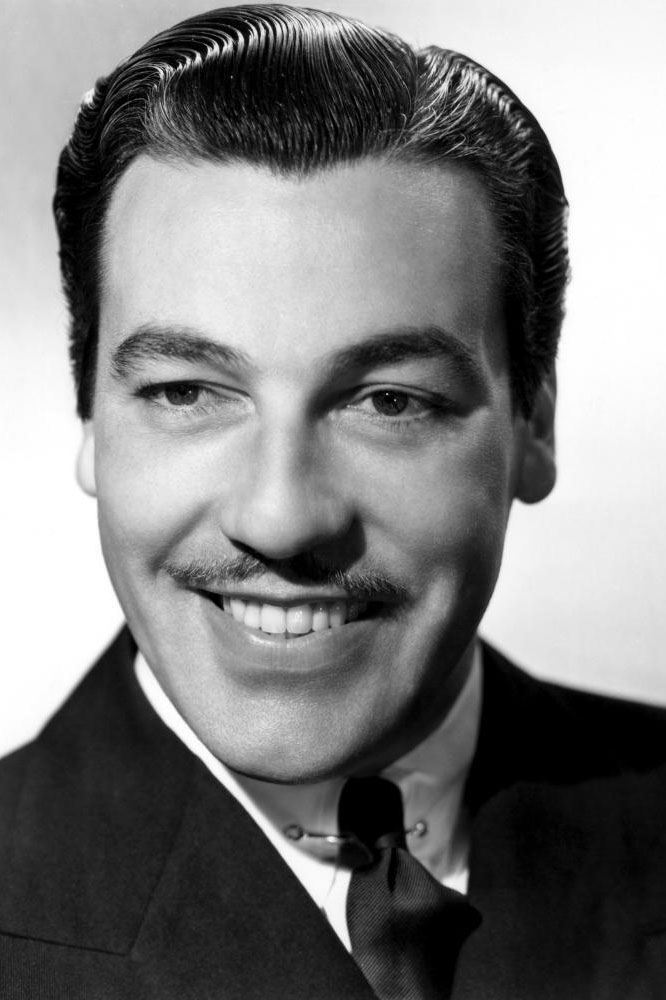
Cesar Romero was a prolific actor best known for his portrayal of the Joker in the 1960s ‘Batman’ television series. Beyond his flamboyant roles, Romero was a lifelong Republican who actively supported conservative causes and candidates. He was a frequent attendee at Republican National Conventions and was known to be a staunch supporter of both Dwight D. Eisenhower and Richard Nixon. Despite the social pressures of Hollywood, he never wavered in his political convictions while maintaining a successful career spanning several decades. Romero lived as a confirmed bachelor, with his orientation being an open secret in the industry until his passing.
Jim Nabors

Jim Nabors became a household name for his portrayal of the character Gomer Pyle on ‘The Andy Griffith Show’ and its spin-off ‘Gomer Pyle, U.S.M.C.’. Nabors was a longtime friend of Ronald and Nancy Reagan and was a vocal supporter of the Republican Party throughout his life. He frequently performed at events for conservative politicians and was invited to the White House on several occasions. While he did not publicly discuss his sexuality for many years, he eventually married his long-term partner in 2013. His career as a singer and actor remained deeply intertwined with his identity as a traditional conservative.
Rock Hudson
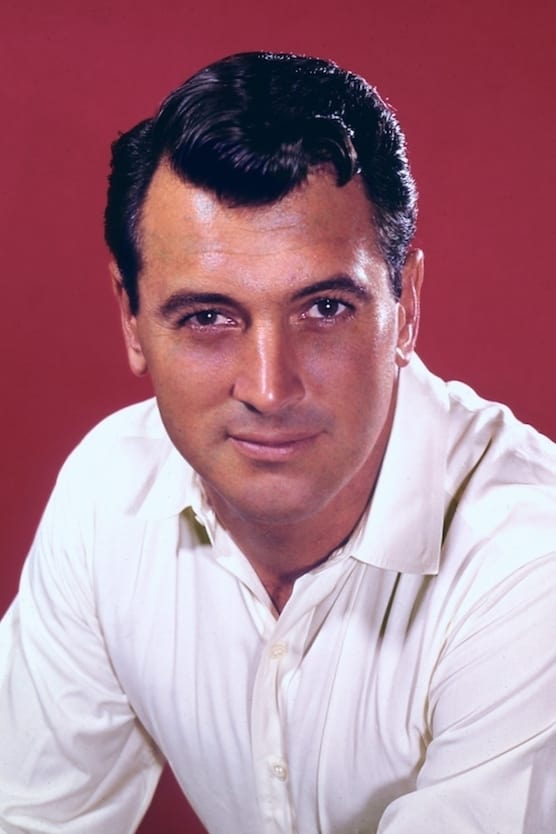
Rock Hudson was one of the most prominent leading men of the mid-20th century, starring in classics like ‘Giant’ and ‘Pillow Talk’. He was a close personal friend of President Ronald Reagan and maintained a consistent affiliation with the Republican Party. Hudson supported various conservative political campaigns and was a regular guest at high-profile Republican social functions. His private life remained largely hidden from the public until his diagnosis with AIDS-related complications in the 1980s. Despite his public image as a quintessential Hollywood heartthrob, his political leanings were firmly rooted in Republican values.
Tab Hunter
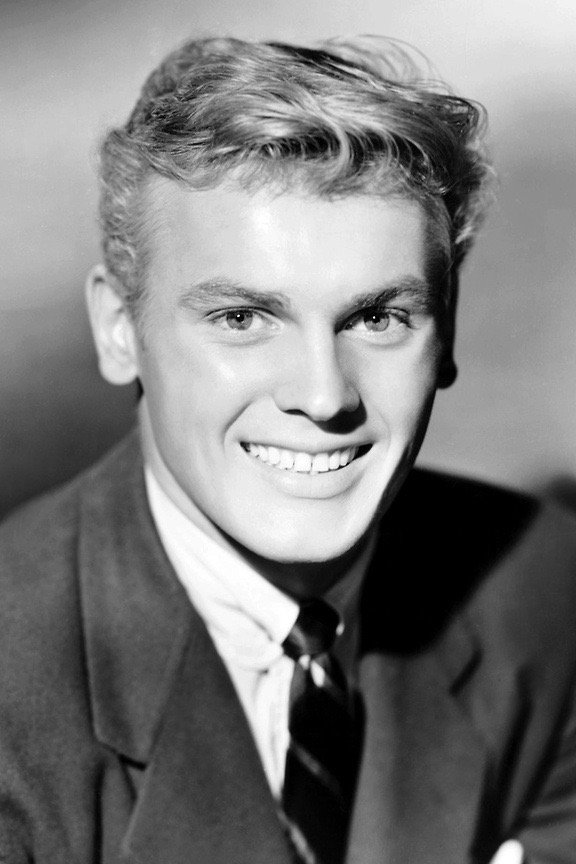
Tab Hunter was a major film star and teen idol during the 1950s, appearing in films such as ‘Damn Yankees’ and ‘Battle Cry’. Hunter was known for his conservative personal values and was a registered member of the Republican Party for much of his life. He often spoke about his preference for limited government and personal responsibility, which aligned with the Republican platform of his era. Later in his life, he became more open about his sexuality and his experiences as a gay man in the restrictive studio system. Hunter’s autobiography and subsequent documentary shed light on how he balanced his conservative views with his private reality.
Clifton Webb
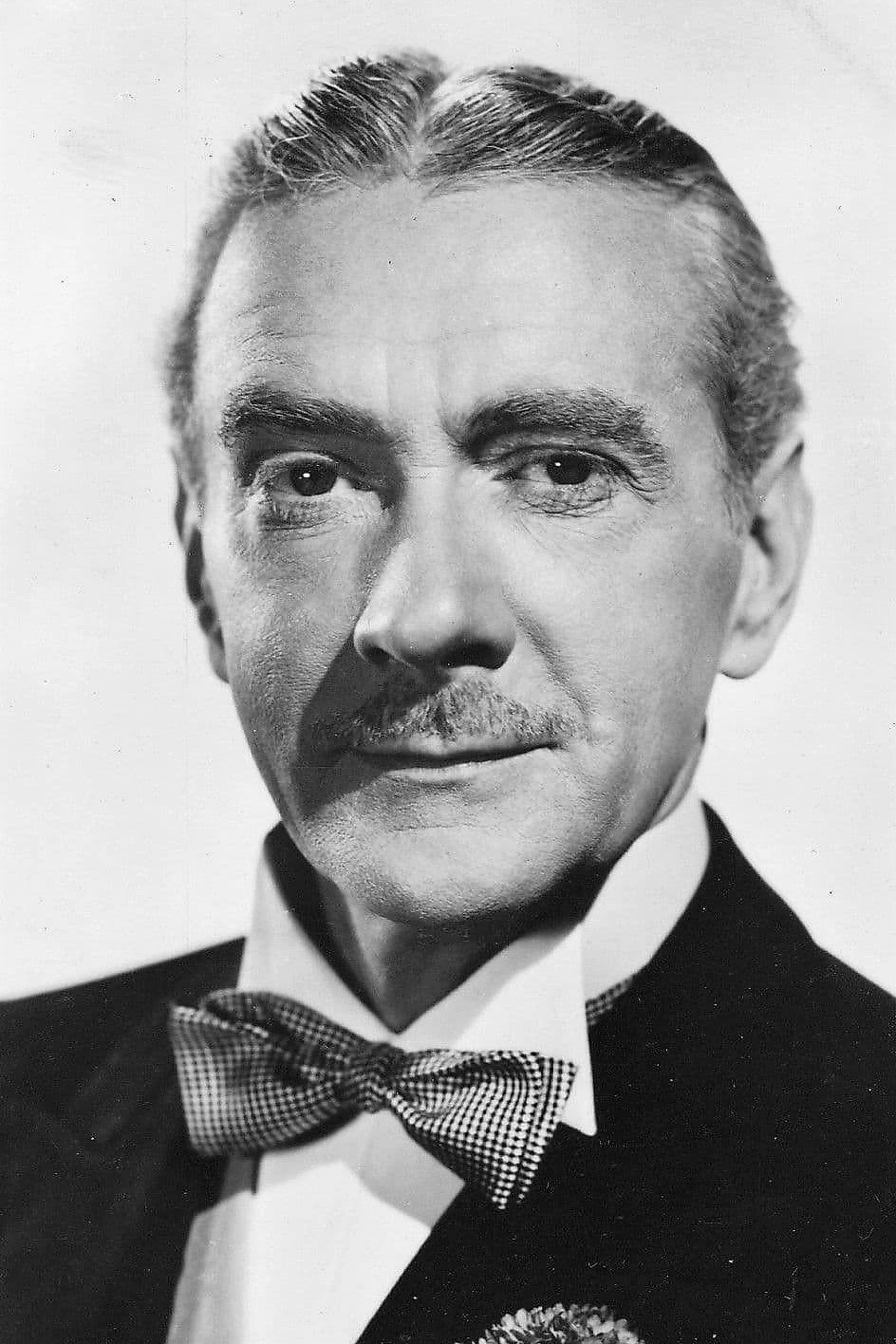
Clifton Webb was an Academy Award-nominated actor known for his sophisticated roles in films like ‘Laura’ and ‘The Razor’s Edge’. Webb was a staunch Republican who moved in high-ranking political circles and frequently supported the party’s initiatives. He was known for his refined public persona and his unwavering commitment to conservative social circles in Hollywood. While he never married and lived with his mother for most of his life, his orientation was widely recognized among his peers. Webb’s political and social life reflected a deep-seated adherence to traditionalist Republican principles.
Dick Sargent
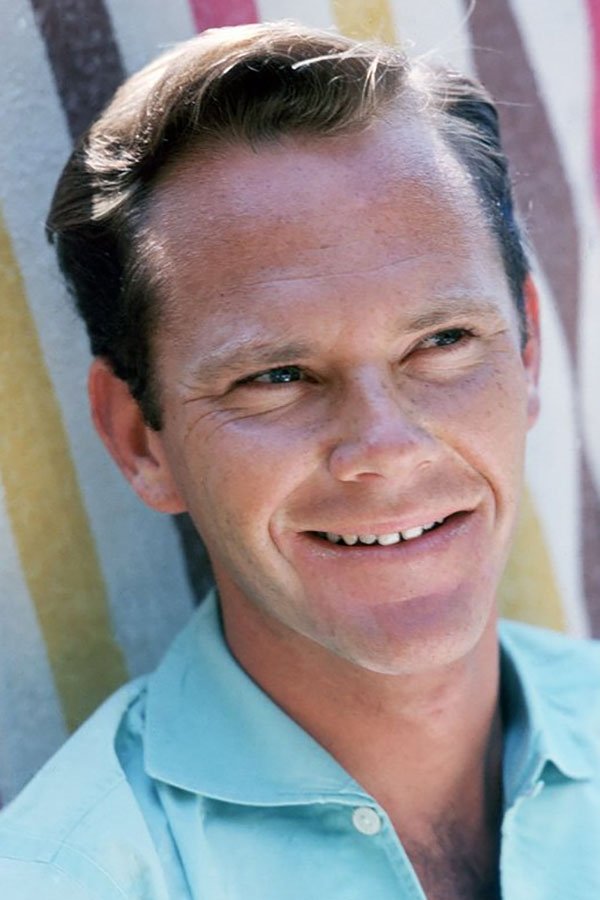
Dick Sargent replaced Dick York as Darrin Stephens on the popular sitcom ‘Bewitched’, becoming a staple of 1960s television. Sargent was a lifelong Republican who participated in party politics and supported conservative leadership for many years. He famously came out as gay in 1991, using his platform to advocate for LGBTQ+ rights during the height of the AIDS crisis. Despite his later activism, he often spoke about how his conservative background shaped his worldview and his approach to his career. Sargent remained a complex figure who bridged the gap between traditional political affiliation and modern social advocacy.
Raymond Burr
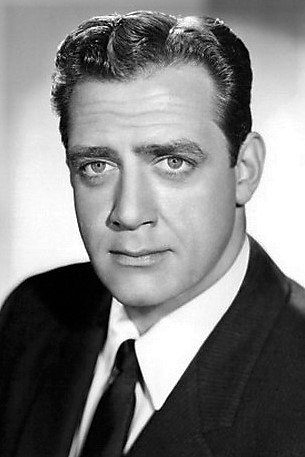
Raymond Burr achieved legendary status for his roles in ‘Perry Mason’ and ‘Ironside’. He was a dedicated Republican who frequently supported the party’s candidates and was known for his conservative personal philosophy. Burr lived a very private life on his large estate, often concealing his long-term relationship with his partner Robert Benevides from the public. Despite the secrecy surrounding his personal life, his support for Republican causes was a matter of record among those who knew him. He remained a respected and authoritative figure in television drama until his death in 1993.
Charles Nelson Reilly
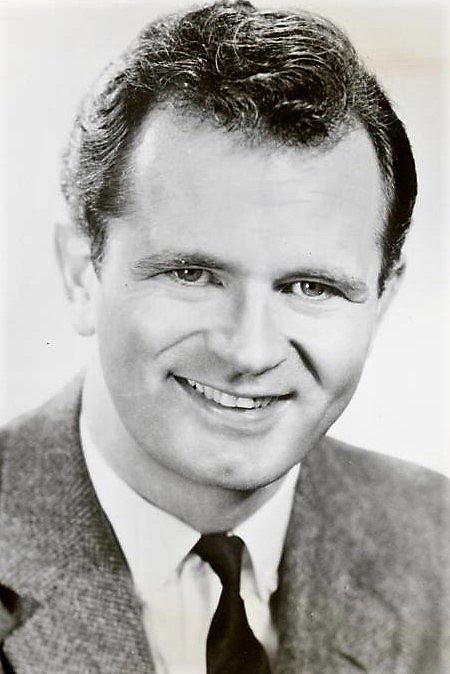
Charles Nelson Reilly was a celebrated comedic actor and frequent game show panelist on ‘The Match Game’. He was a registered Republican and maintained a conservative political outlook throughout his lengthy career in theater and television. Known for his eccentric persona and quick wit, Reilly was one of the few openly flamboyant performers of his time who also identified with conservative politics. He spent much of his later life teaching acting and directing, often reflecting on the discipline required for the craft. His political affiliation remained a steady part of his identity as he moved through the varying landscapes of American entertainment.
Tell us what you think about these actors and their political legacies in the comments.