


Gay Actors Who Got Recast When They Refused to Play Camp

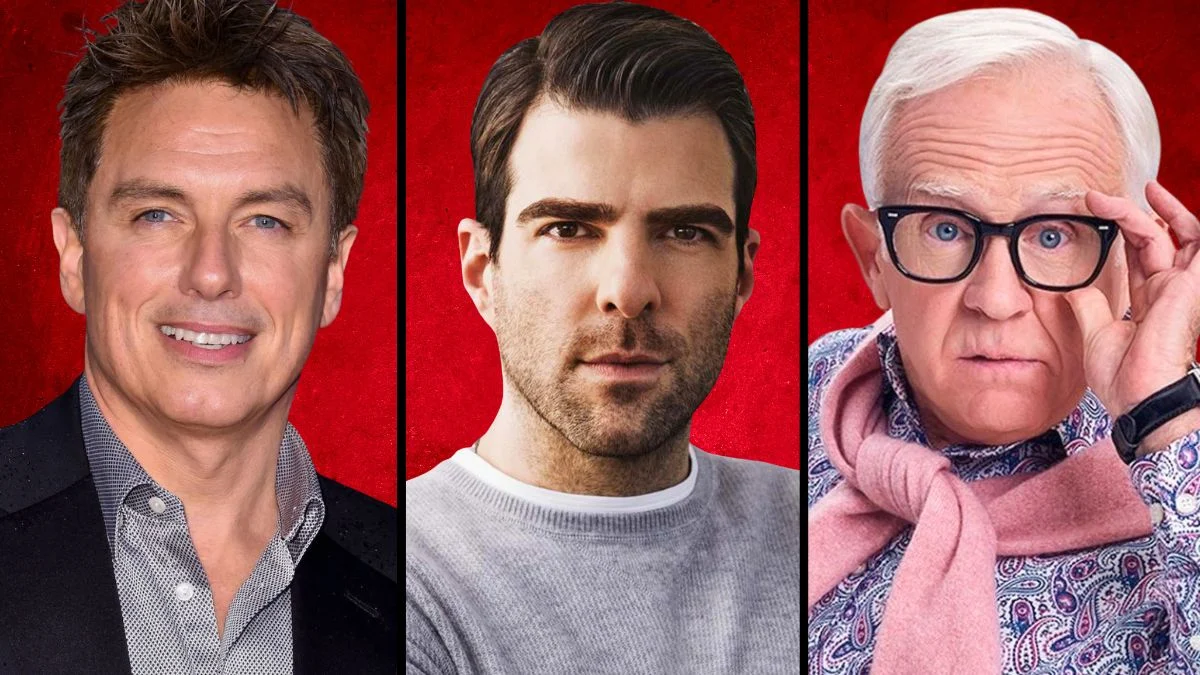


Hollywood has famously struggled with casting gay actors in roles that defy stereotypes. Producers often expect LGBTQ+ performers to adhere to flamboyant caricatures or “camp” personas to make their characters palatable to mainstream audiences. When actors refuse to play into these exaggerated tropes or push for more grounded representations, they frequently lose jobs or face significant career roadblocks. The following list highlights fifty actors who faced professional consequences, lost roles, or were forced to pivot because they would not conform to the industry’s narrow view of gay identity.
John Barrowman
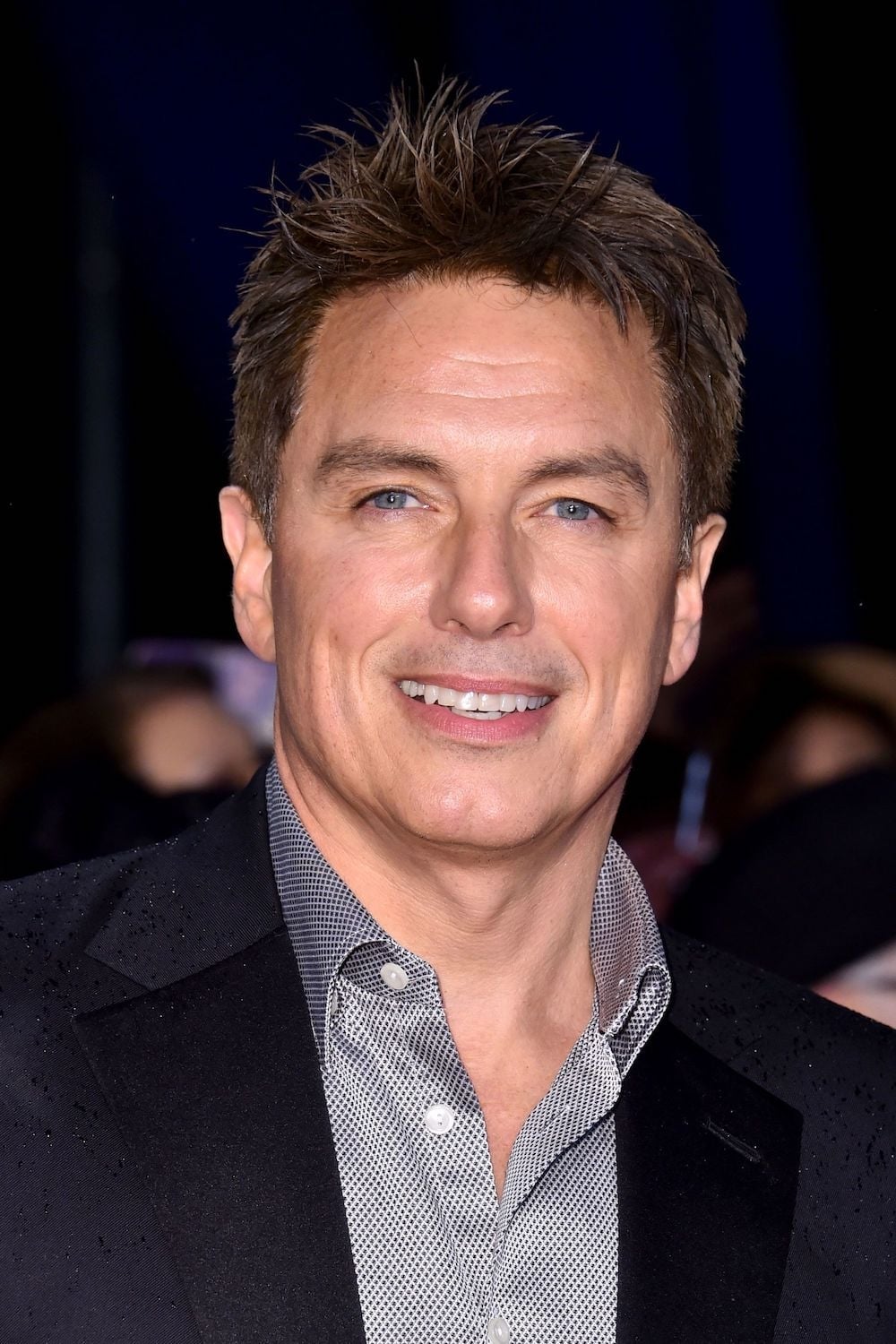
Barrowman famously lost the lead role in the sitcom ‘Will & Grace’ because producers felt he was not gay enough. Despite being an openly gay man, the casting directors believed his demeanor was too straight and lacked the camp energy they envisioned for Will Truman. The role ultimately went to straight actor Eric McCormack, who adopted the specific mannerisms the network wanted. Barrowman has frequently cited this as a confusing instance where authentic representation was rejected for a more stereotypical performance.
Rupert Everett
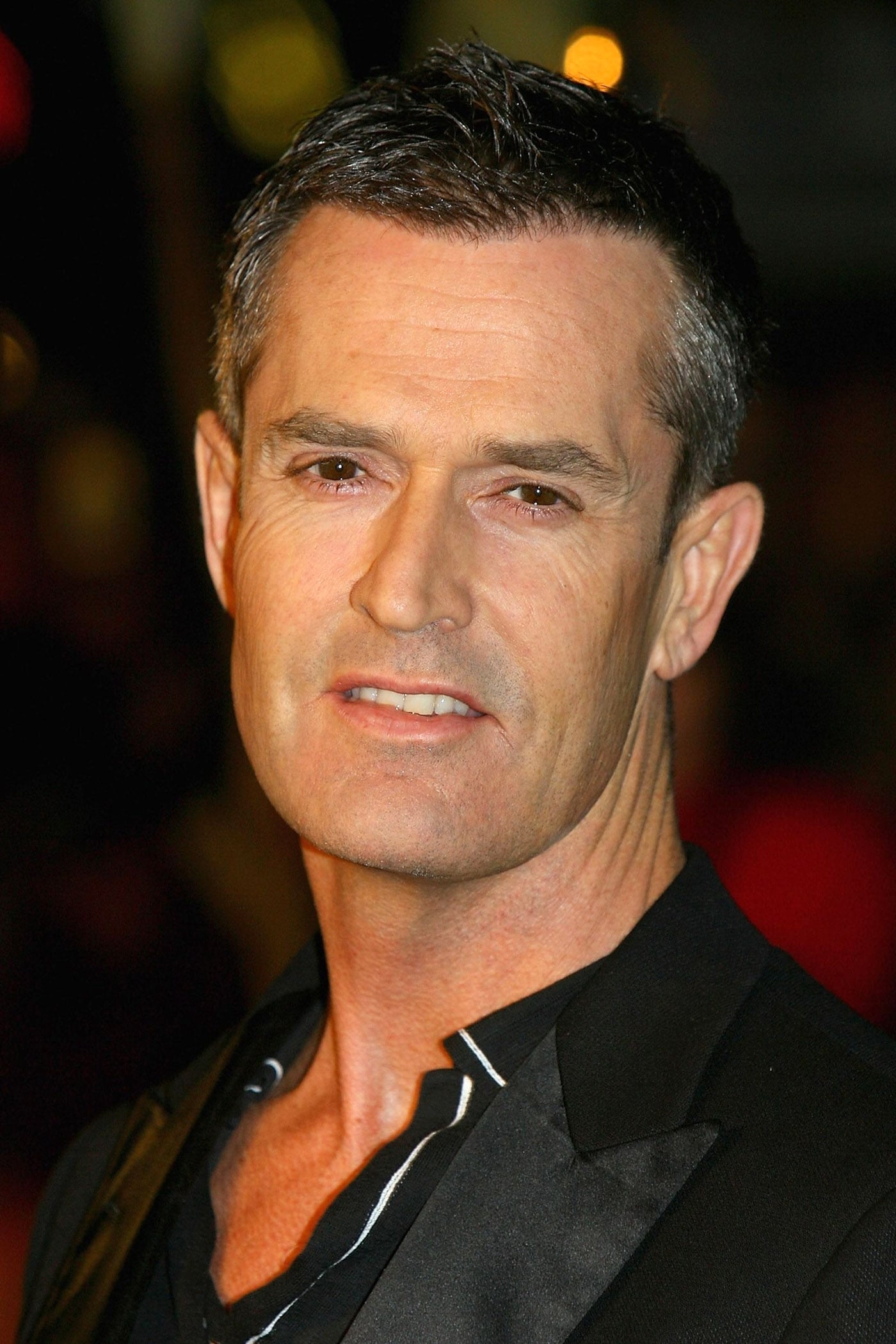
Everett was a major star in the 1990s who saw his leading man offers vanish after he refused to play the game of Hollywood politics. He lost roles in major blockbusters like ‘Basic Instinct 2’ because studios could not see past his sexuality to cast him as a masculine lead. He rejected the industry’s attempt to pigeonhole him solely as the sassy gay best friend following his success in ‘My Best Friend’s Wedding’. His refusal to embrace these repetitive camp supporting parts cost him a sustained career as a top-billed star.
Matt Bomer
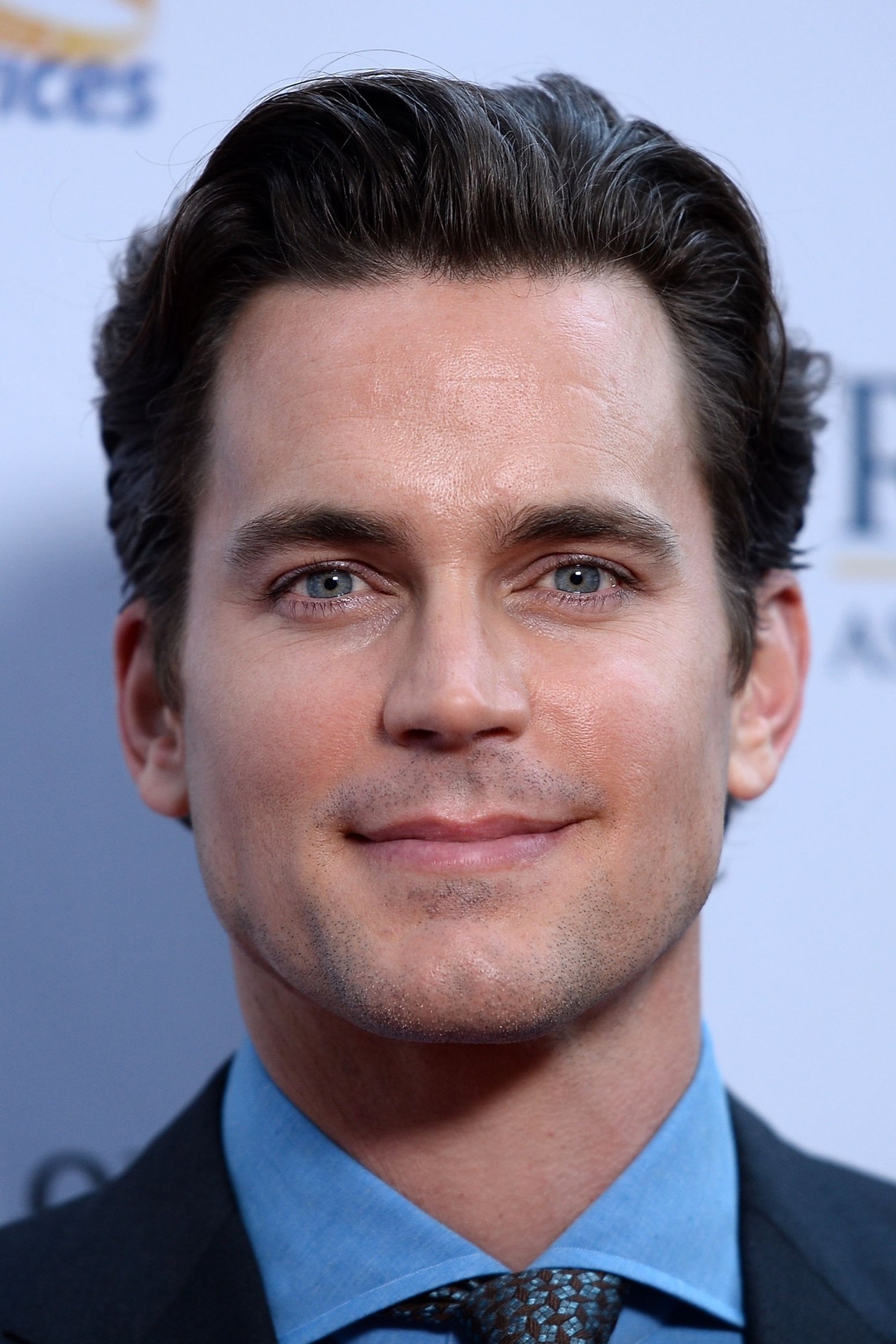
Bomer was the director’s top choice to play Superman in the early 2000s project ‘Superman: Flyby’ before the studio intervened. Reports surfaced that executives were uncomfortable casting an openly gay actor in such an iconic and traditionally masculine role. They feared he could not project the necessary stoicism and would be perceived as too soft or theatrical for the Man of Steel. This bias led to him being passed over for straight actors who were viewed as safer bets for the action genre.
Colton Haynes
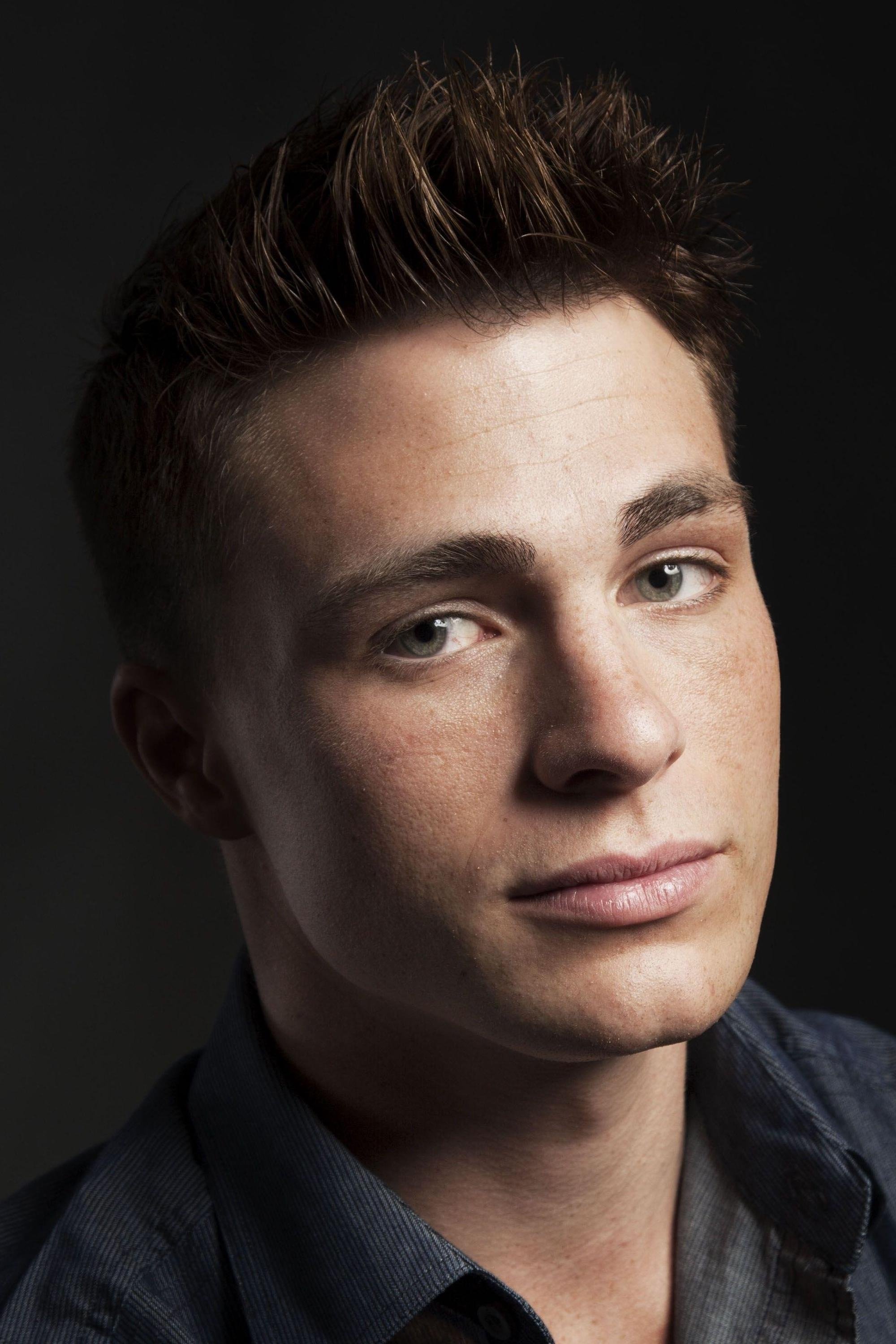
Haynes faced immense pressure early in his career to suppress his sexuality to maintain his status as a teen heartthrob. Industry figures told him that coming out or acting too feminine would ruin his chances of securing leading roles in action franchises. After leaving ‘Teen Wolf’ and ‘Arrow’, he struggled to find work that did not rely on gay stereotypes. He has spoken about losing roles to straight actors because casting directors believed he could no longer believably play a straight love interest.
Luke Evans
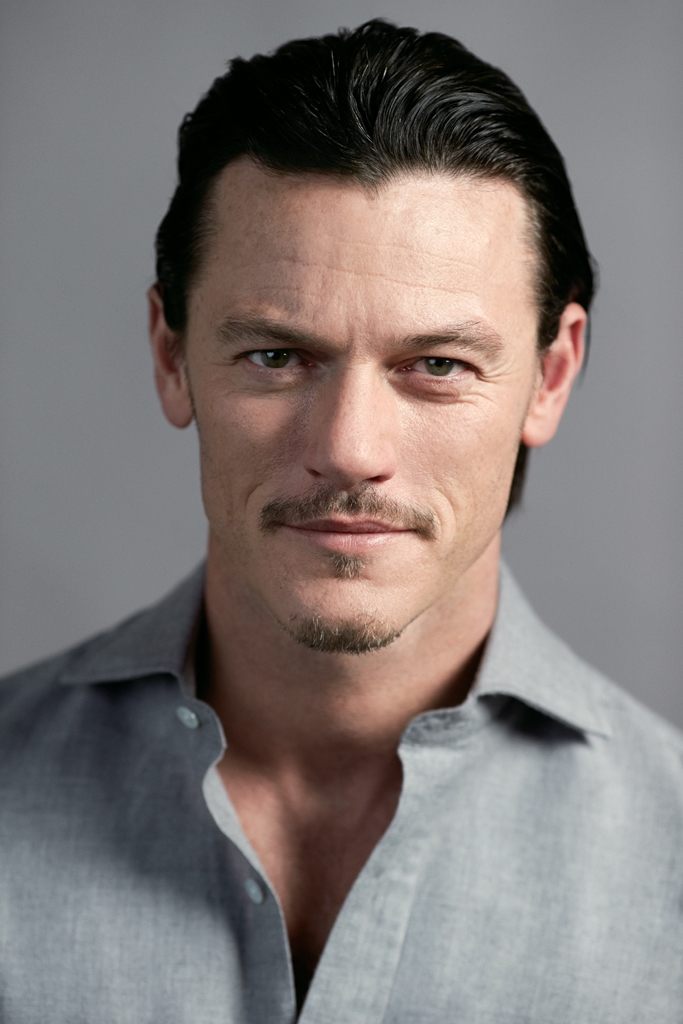
Evans spent the early part of his film career navigating the tension between his open sexuality and his action star persona. He was often advised to downplay his personal life to avoid being categorized exclusively for camp or musical theater roles. While he successfully secured masculine roles in ‘The Hobbit’, he faced periods where studios were hesitant to cast him as a romantic lead. He worked twice as hard to prove he could anchor an action film without falling into the stereotypes critics expected of gay actors.
Cheyenne Jackson
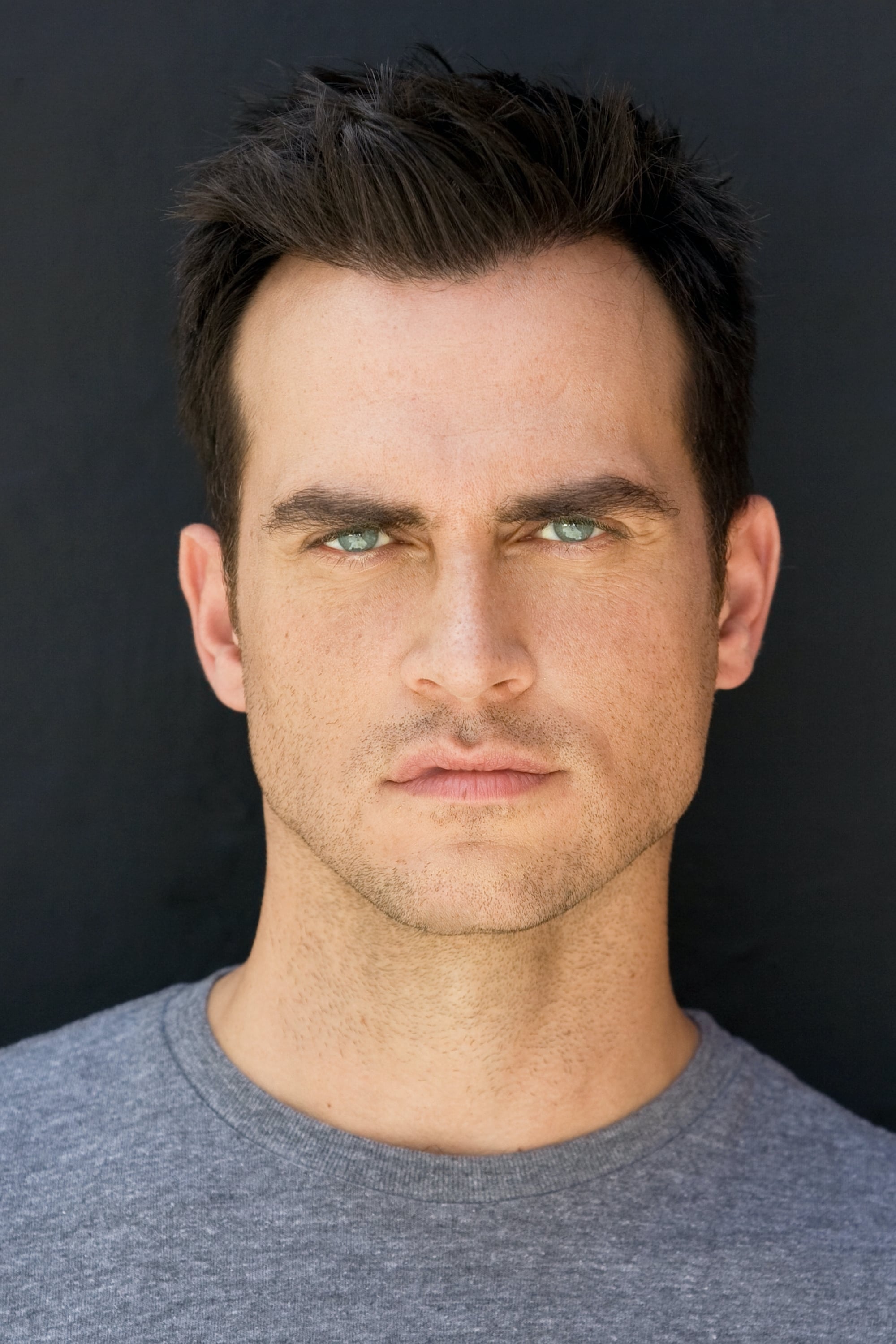
Jackson has consistently battled against the industry’s desire to cast him as the flamboyant comic relief. He missed out on several network TV pilots because producers told him he did not read “gay enough” for the specific jokes they had written. He refused to affect a stereotypical voice or mannerism just to secure a paycheck. This integrity meant watching straight actors win those roles by mimicking the very behaviors he refused to perform.
Jonathan Groff
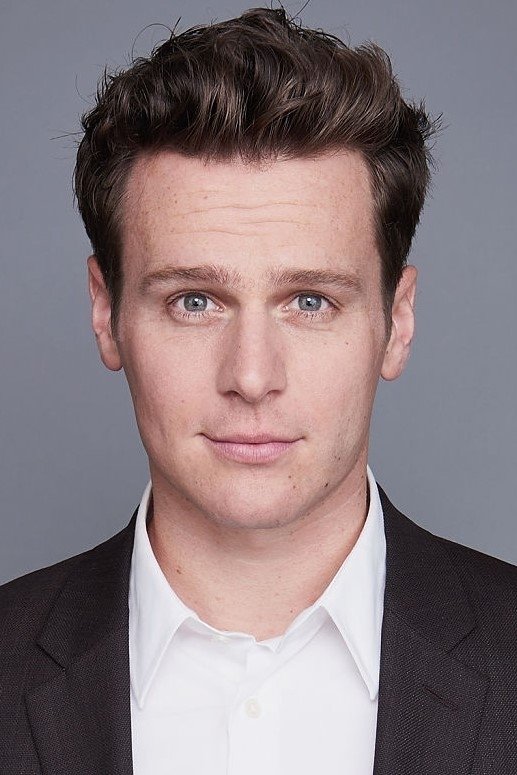
Groff faced harsh criticism early in his screen career from critics who claimed he was unconvincing in straight roles due to his sexuality. This industry bias often kept him from being considered for gritty or hyper-masculine characters in major studio films. He lost out on various dramatic parts because casting directors associated him strictly with his campier musical theater background. He eventually had to carve his own path in darker dramas like ‘Mindhunter’ to prove his range extended beyond song and dance.
Wentworth Miller
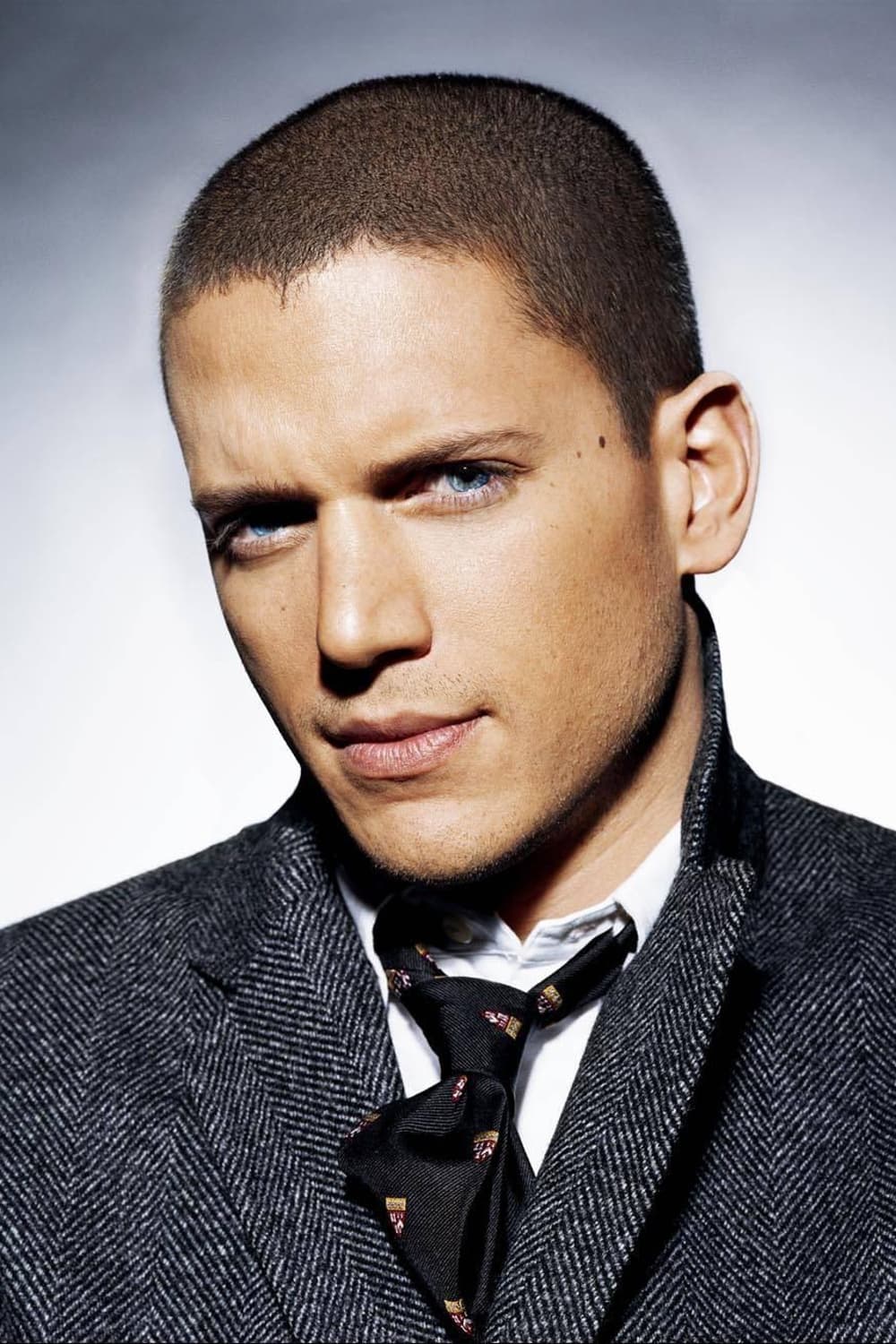
Miller starred in ‘Prison Break’ while closeted, fearing that revealing his truth would end his career as an action lead. When he eventually came out, he decided he would no longer accept roles that forced him to suppress his identity or play offensive caricatures. He walked away from potential recurring roles that relied on outdated tropes about gay men. His refusal to compromise led to a shift in his career where he focused more on screenwriting and advocacy.
Sean Hayes
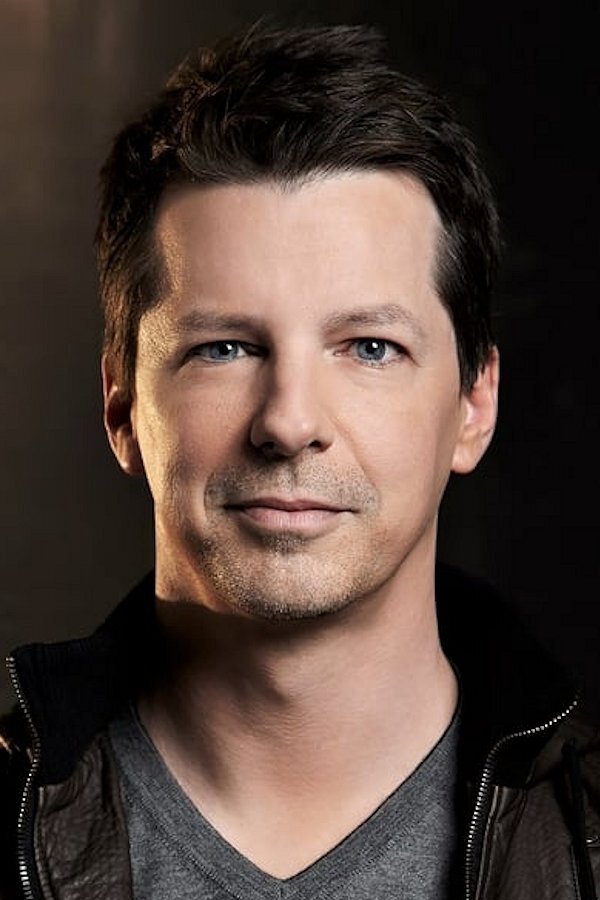
Hayes became an icon as Jack McFarland in ‘Will & Grace’, but that success became a double-edged sword. For years after the show ended, he struggled to get cast in serious dramas because producers only saw him as the campy sidekick. He lost out on darker, more complex roles because the industry refused to believe he could drop the high-energy persona. It took decades of persistence for him to be given opportunities to show his dramatic range on Broadway and in film.
Neil Patrick Harris
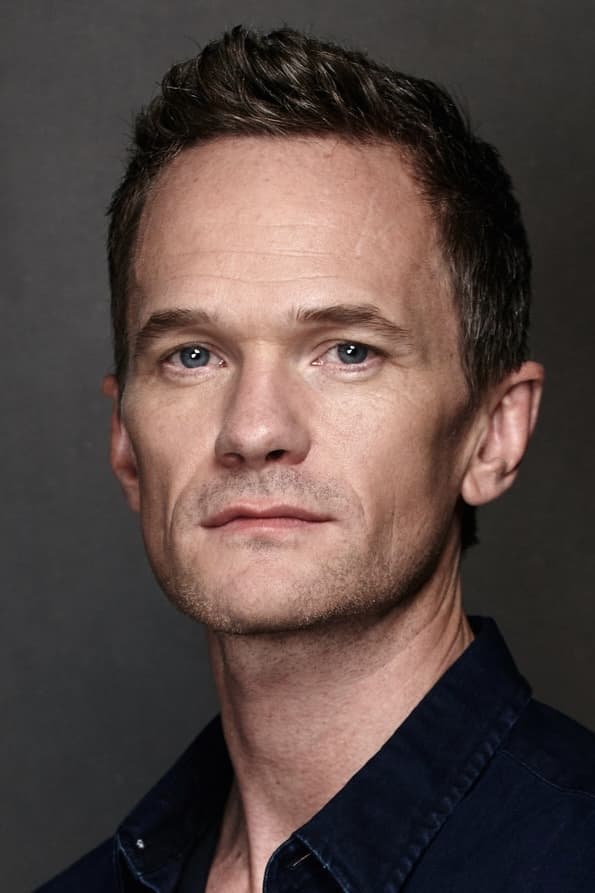
Harris successfully played a womanizer in ‘How I Met Your Mother’, but he faced significant hurdles transitioning to dramatic film roles. Casting directors often hesitated to place him in serious narratives, preferring to offer him hosting gigs or musical numbers that leaned into his showman persona. He had to fight for his role in ‘Gone Girl’ to prove he could be terrifying and devoid of camp. Many studios simply wanted him to play a version of himself rather than inhabiting a new character.
Zachary Quinto
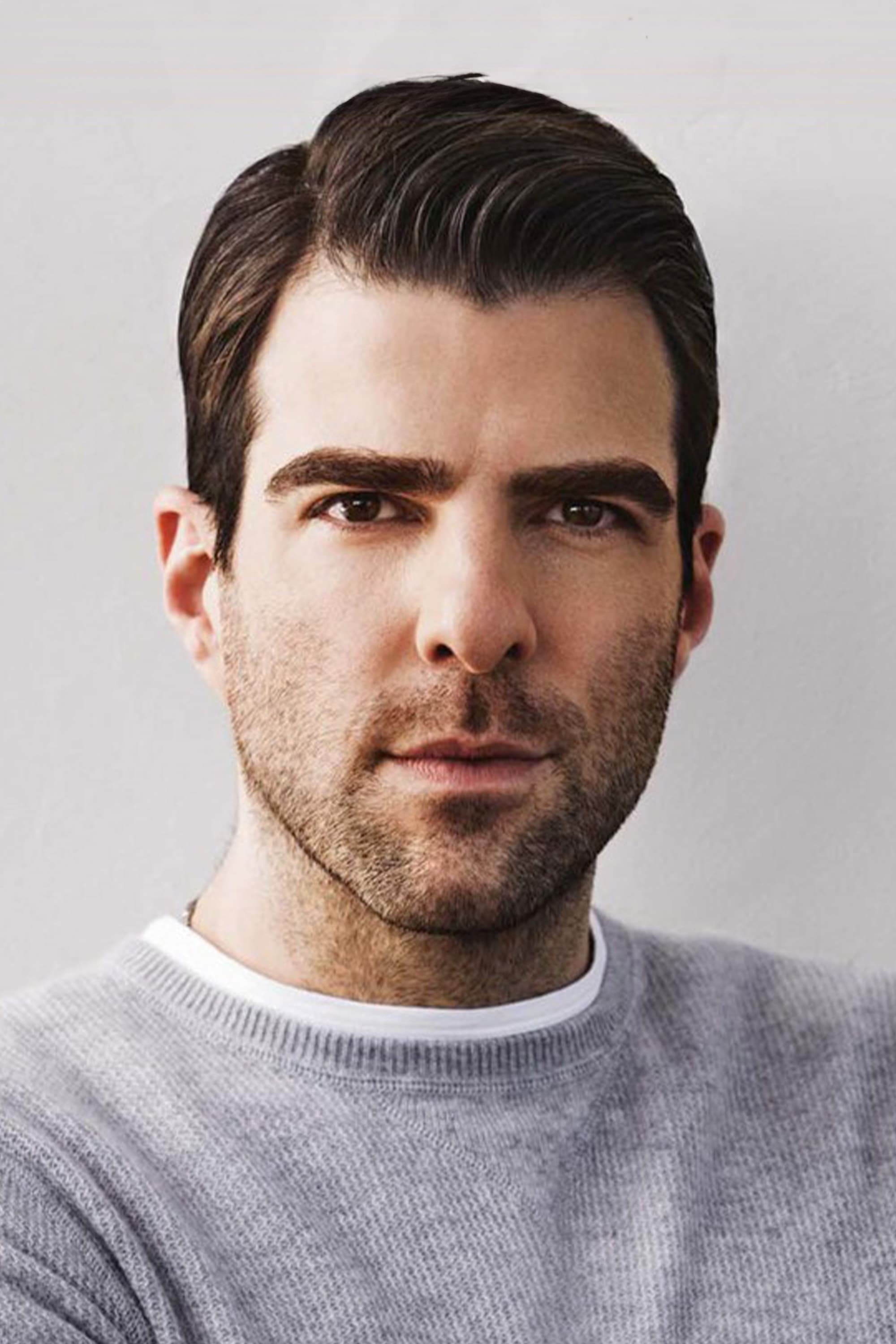
Quinto broke out as the villain Sylar in ‘Heroes’, but coming out publicly shifted the types of scripts he received. He noticed a trend where he was offered roles that focused heavily on his sexuality or required a flamboyant performance. He turned down projects that felt reductive to focus on production and more nuanced character work. His refusal to accept one-dimensional gay roles meant he appeared in fewer mainstream blockbusters than his talent warranted.
Andrew Rannells
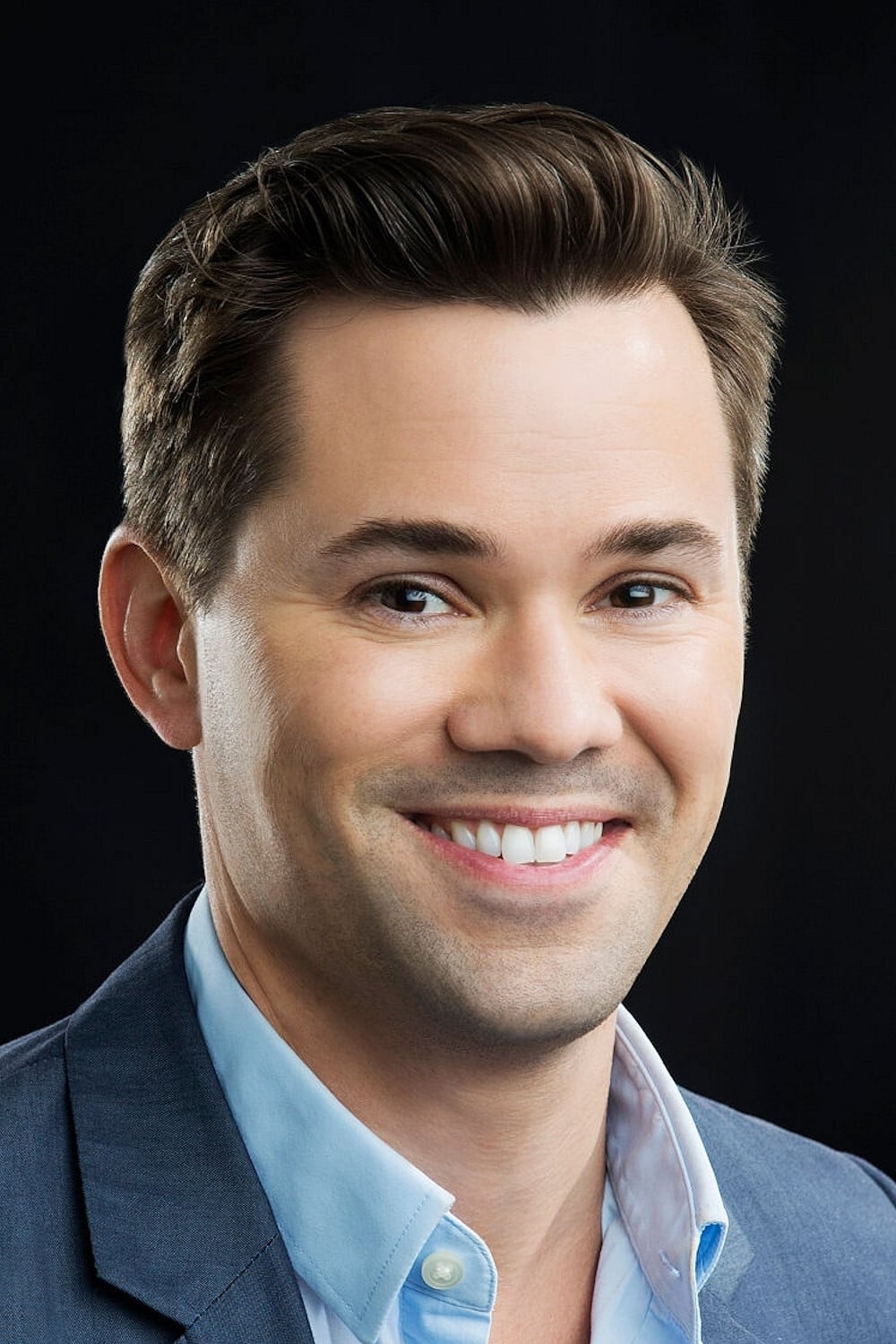
Rannells is a celebrated stage actor who has often been told he is “too theatrical” for certain television roles. He has shared stories of auditioning for gay characters only to be told he wasn’t the “right kind” of gay for the network’s vision. This usually meant he wasn’t playing the role with the exaggerated mannerisms the writers intended for comic effect. He lost these parts to actors willing to dial up the camp to an unnatural degree.
Chris Colfer
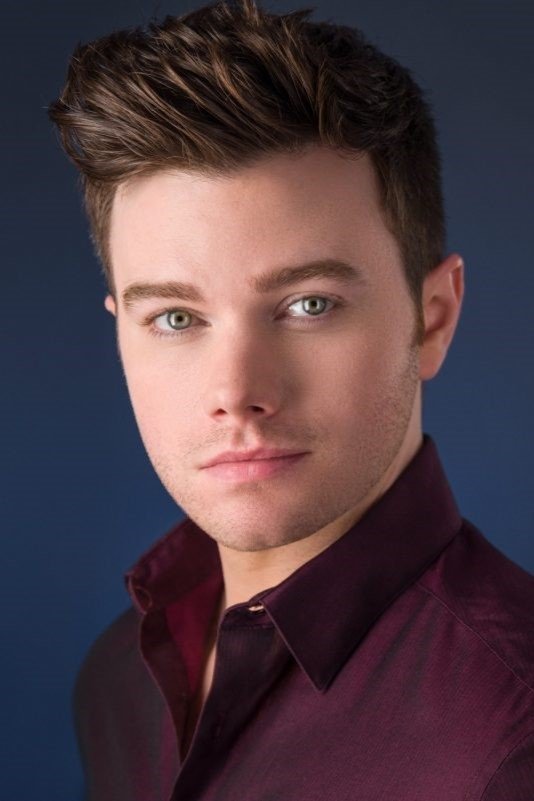
Colfer created a unique space for himself on ‘Glee’, but he struggled to find work afterward that didn’t treat him as Kurt Hummel 2.0. Studios offered him scripts that were essentially rehashes of his high school character, focusing on fashion and bullying. He turned down these repetitive roles to pursue writing and directing his own projects. His refusal to stay in the box Hollywood built for him resulted in a quieter on-screen acting career.
Russell Tovey
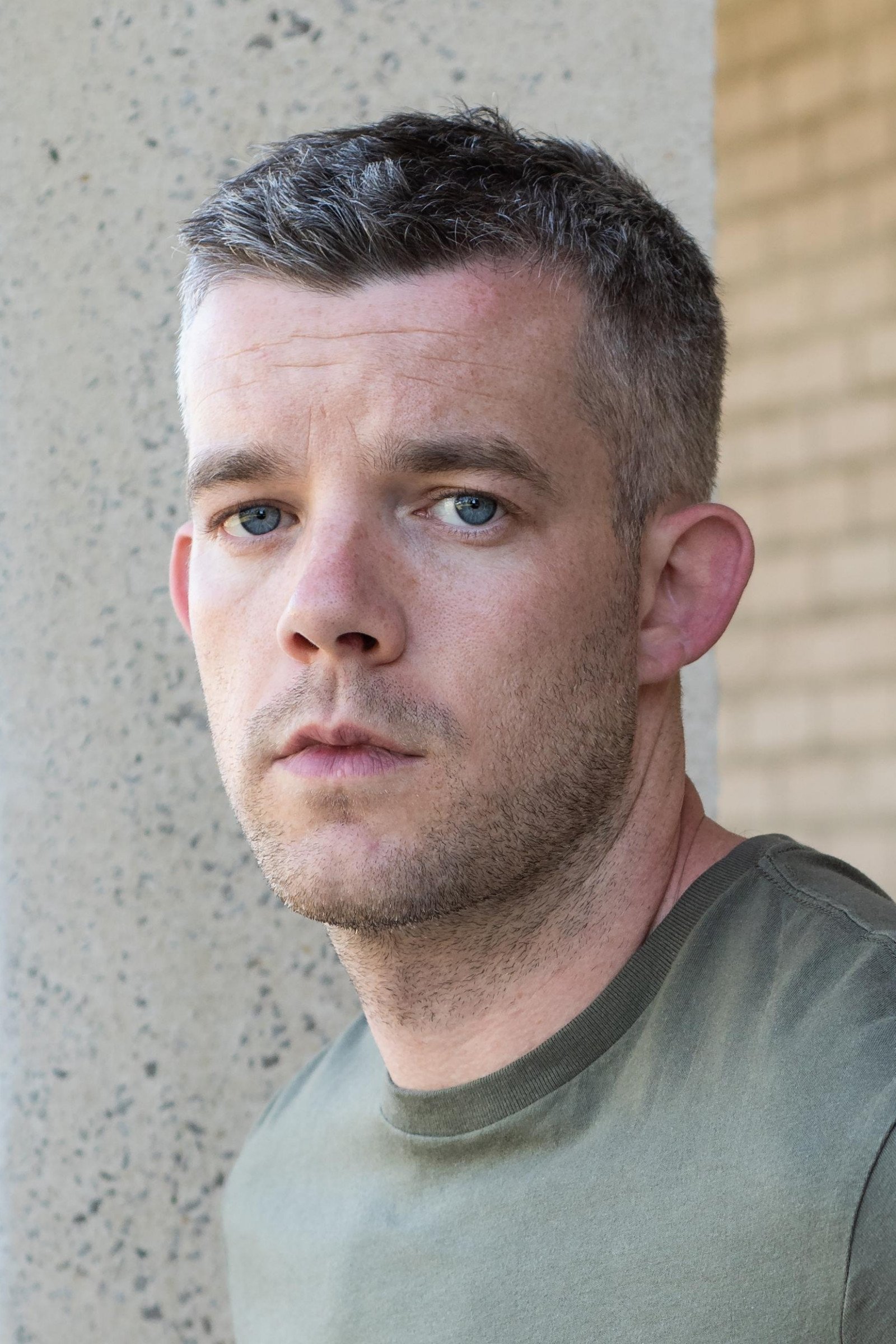
Tovey has built a strong career in the UK, but he faced typecasting issues when trying to cross over to American productions. US casting directors often expected him to play the “effeminate Brit” rather than the rugged characters he portrayed back home. He lost out on roles in gritty American procedural dramas because executives couldn’t reconcile his sexuality with the tough-guy archetype. He stuck to productions that allowed him to be multifaceted rather than just the comic relief.
Wilson Cruz
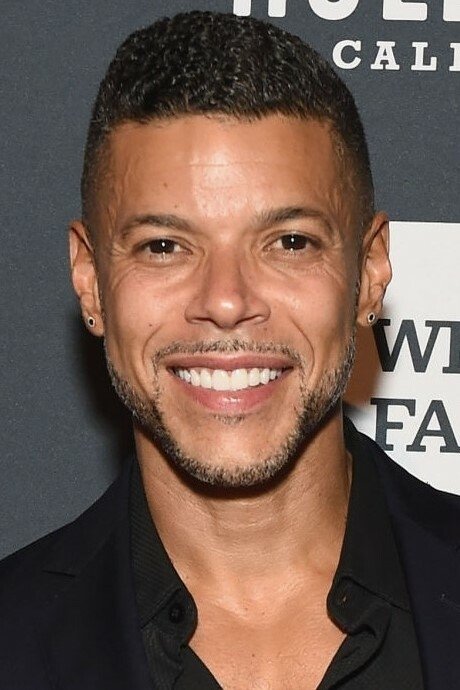
Cruz was a pioneer as Rickie in ‘My So-Called Life’, but he spent years afterwards fighting for roles that weren’t just “the gay friend”. He frequently lost parts because he refused to tone down his natural affect, yet was also told he wasn’t “masculine enough” for straight roles. This catch-22 left him in professional limbo for significant stretches of his career. He persisted until the industry began creating more diverse roles that didn’t rely on camp stereotypes.
Alan Cumming
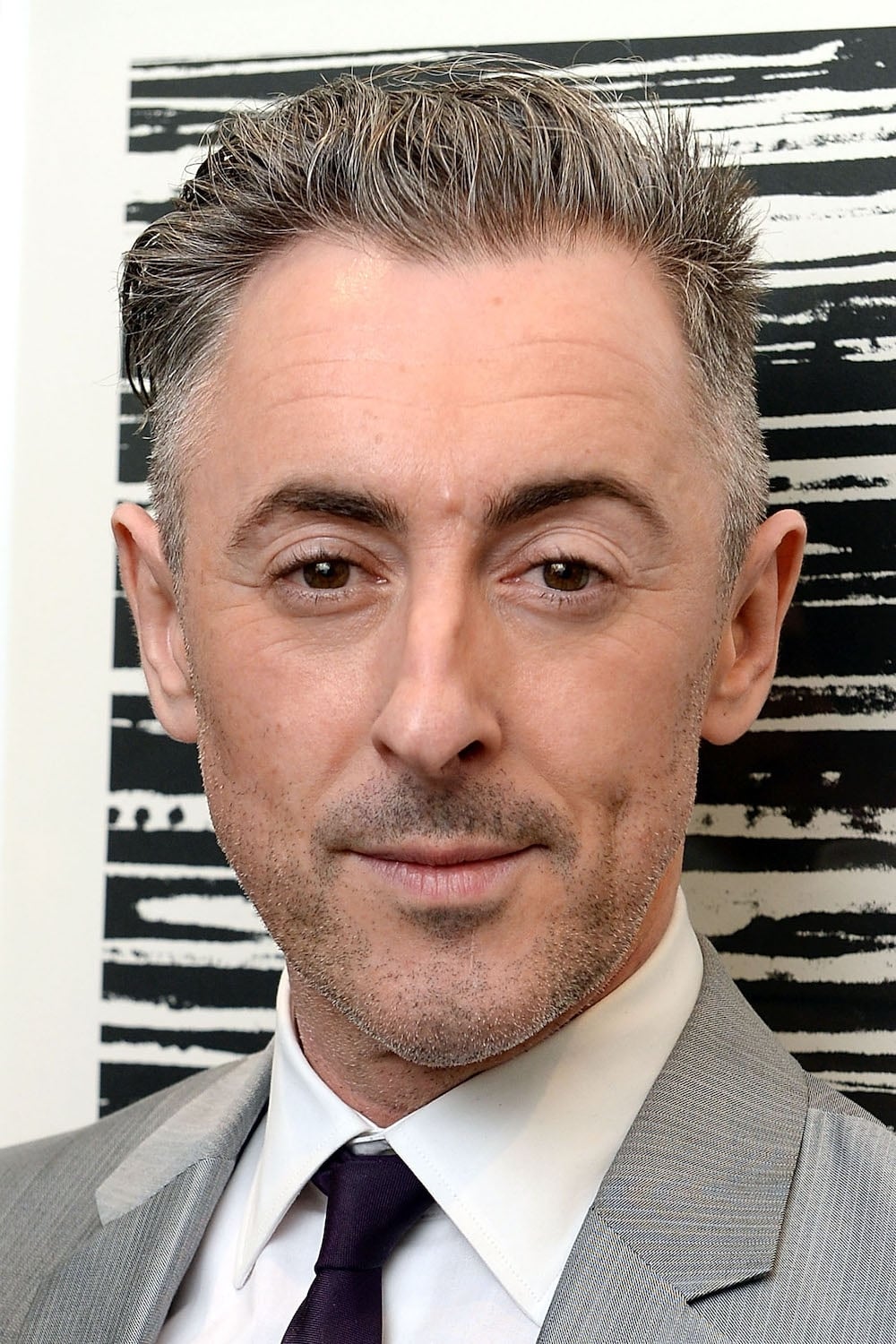
Cumming is known for his eccentricity, but he has lost roles when directors wanted a specific, sanitized version of gayness. He was famously replaced in the ‘Harry Potter’ franchise as Gilderoy Lockhart because of scheduling conflicts and creative differences regarding the character’s portrayal. He has noted that Hollywood often wants him to play the villain or the jester, rarely the hero. He rejects projects that aim to make him a punchline rather than a fully realized character.
Nathan Lane
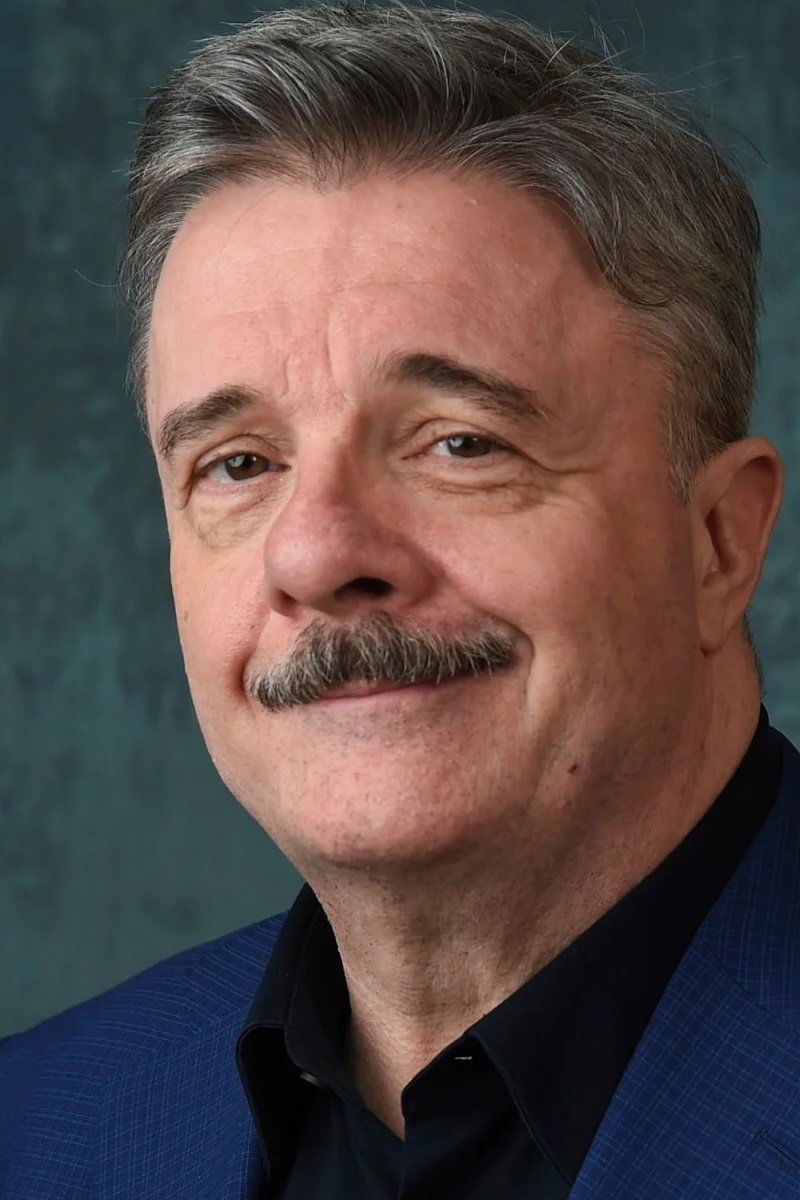
Lane is a comedy legend, but his distinct voice and mannerisms led to him being boxed into loud, campy roles for decades. He struggled to be taken seriously as a dramatic actor in film, often losing subdued roles to actors with less theatrical baggage. He had to return to the stage to find parts like ‘The Iceman Cometh’ that allowed him to explore darkness and tragedy. Hollywood’s refusal to see him past ‘The Birdcage’ limited his filmography significantly.
Harvey Fierstein
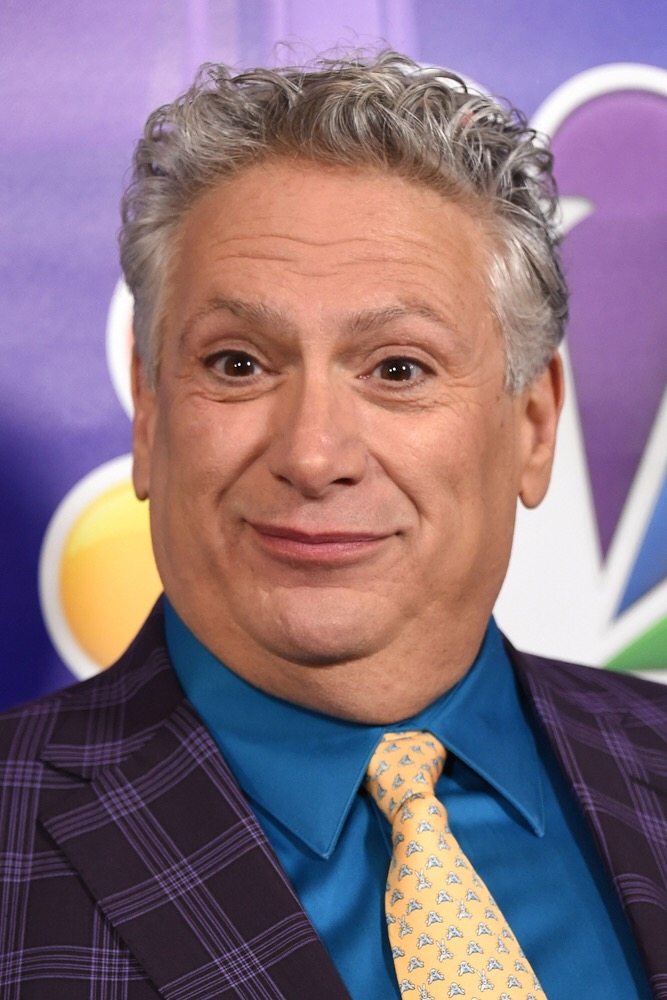
Fierstein’s gravelly voice and larger-than-life persona made him an icon, but also limited his casting opportunities in mainstream cinema. He was often passed over for roles that required subtle emotional work in favor of actors who could “pass” as straight. He refused to change his voice or his manner to suit producers who found him “too much” for general audiences. Consequently, he wrote his own work to ensure he had roles that treated him with dignity.
George Takei
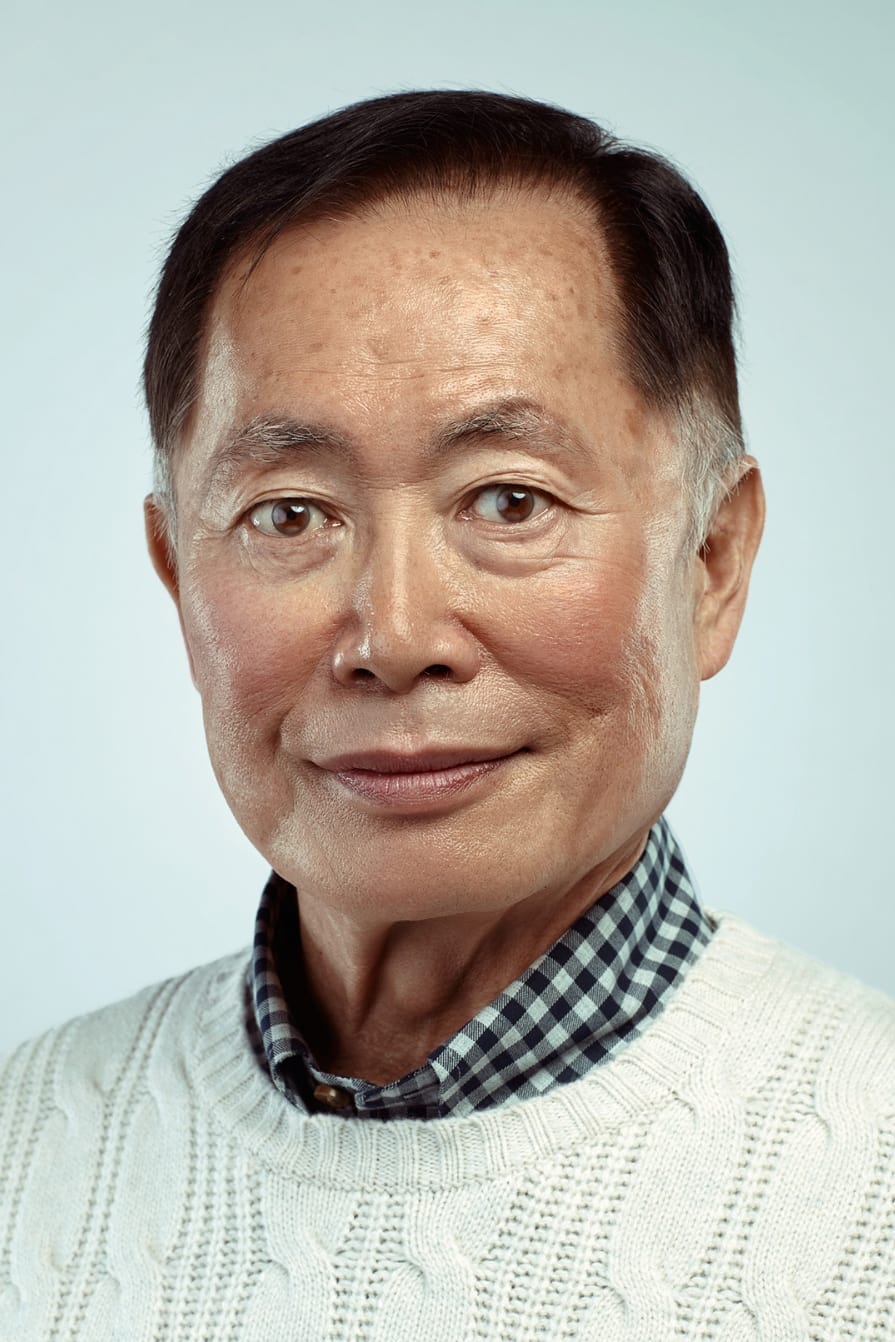
Takei spent the majority of his early career hiding his sexuality to protect his role as Sulu in ‘Star Trek’. He knew that if he were to come out or appear too feminine, the studio would have replaced him immediately. He rejected any behavior that would out him, but also lost opportunities to play more flamboyant characters that might have revealed his truth. His career was a constant balancing act of refusing camp to maintain his status as a serious actor.
Ian McKellen
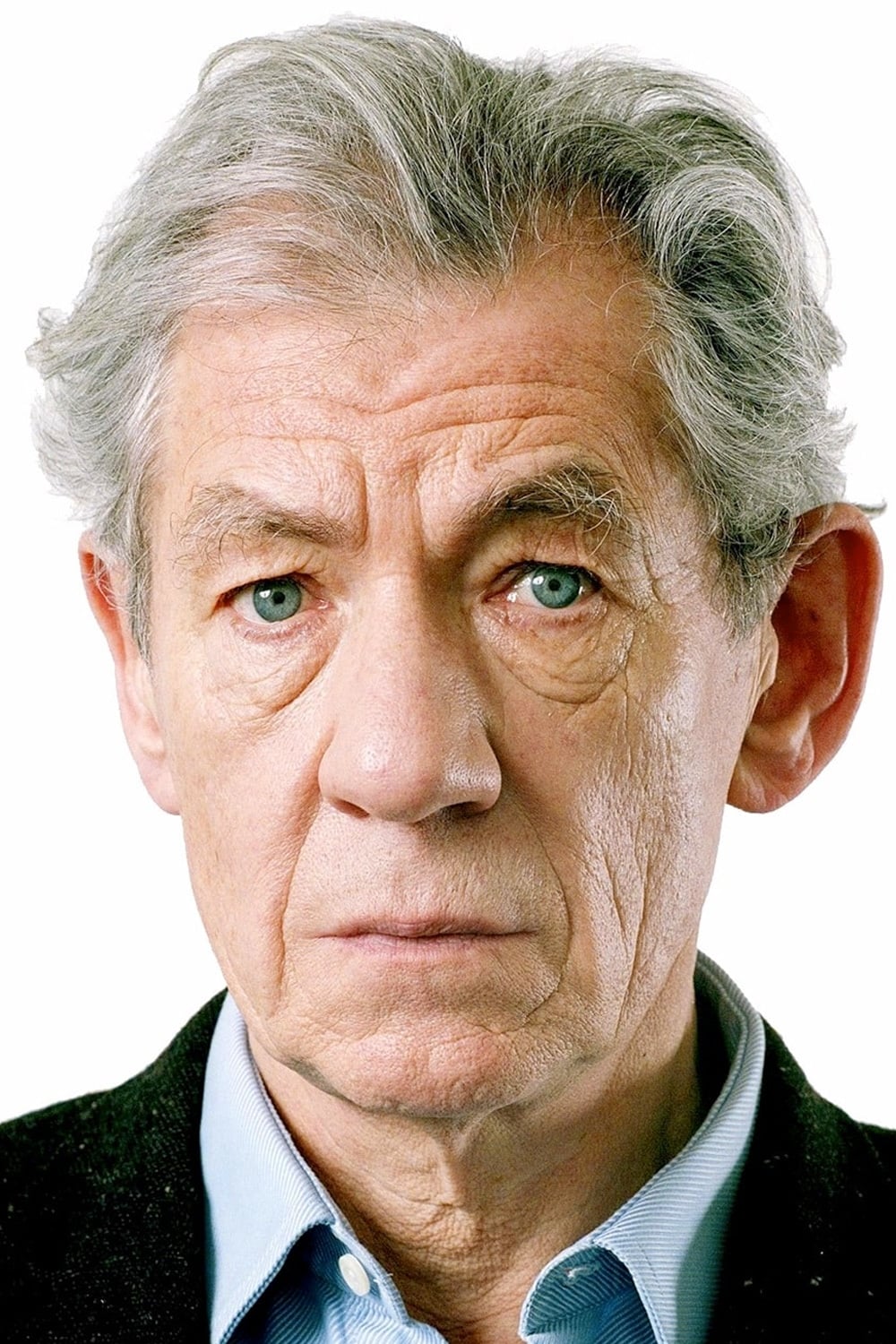
McKellen is now acting royalty, but for decades he remained closeted to ensure he could work in the conservative British theatre and film industry. He avoided roles that would label him as a “camp actor” to preserve his chances at playing Shakespearean leads. It was only after he established himself as a titan of the industry that he felt safe enough to come out. He sacrificed early opportunities at authentic self-expression to avoid being cast aside by the establishment.
Stephen Fry
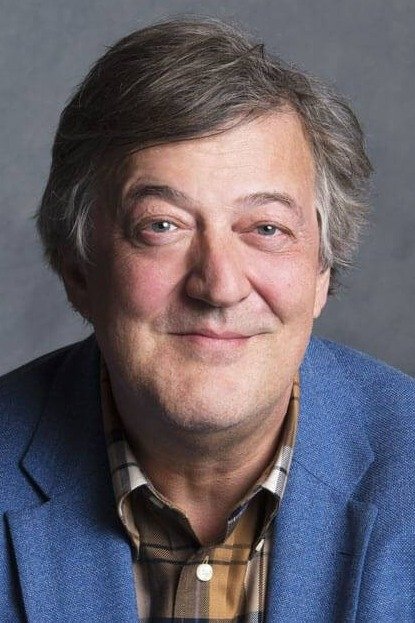
Fry is a national treasure in Britain, but he has faced limitations in Hollywood due to his specific persona. American studios often cast him as the fussy, effeminate intellectual, refusing to consider him for other character types. He has turned down roles that were simply caricatures of his public image. His refusal to play the “silly Brit” in certain blockbusters meant he appeared in fewer US films than his talent deserved.
Ben Whishaw
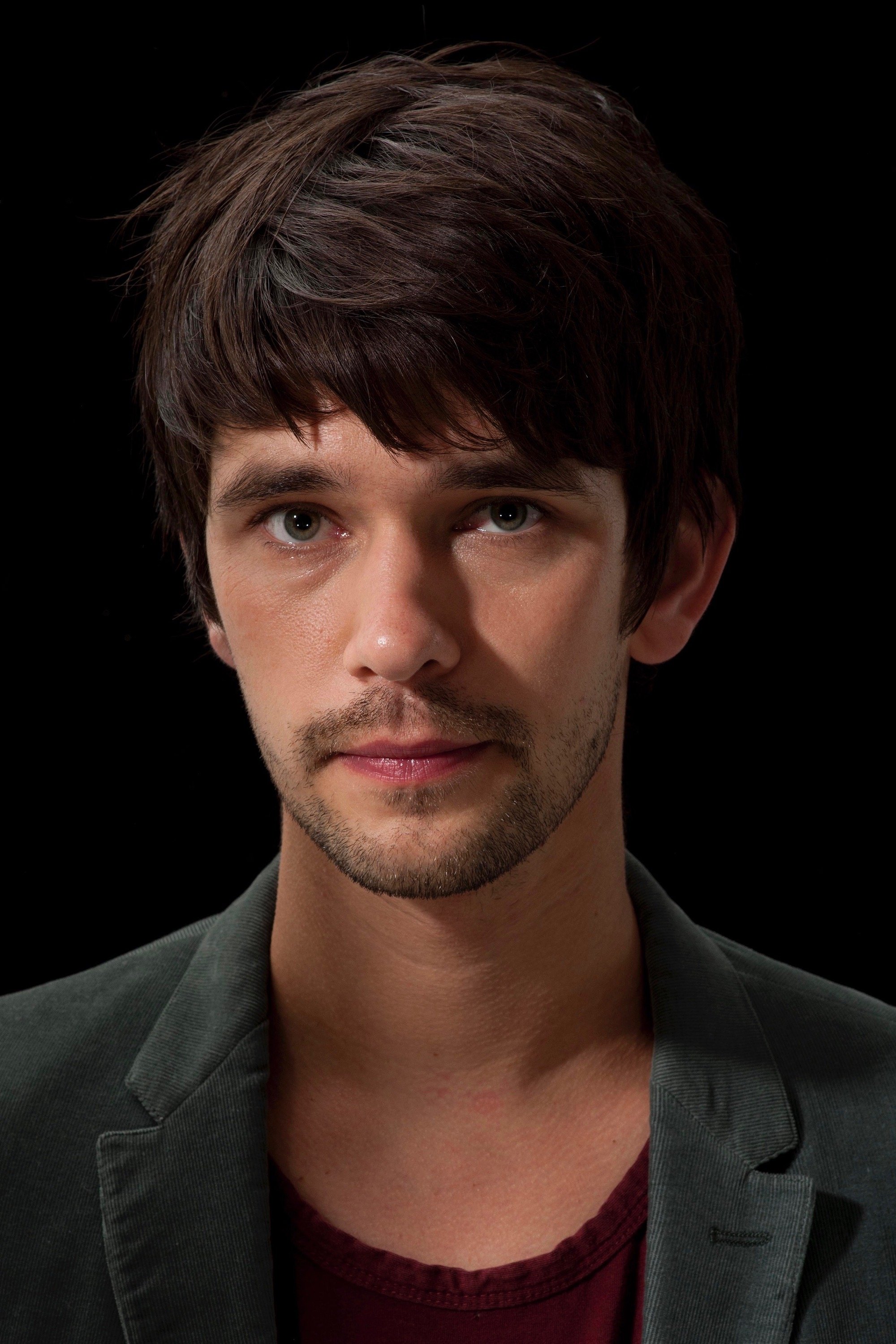
Whishaw is a highly respected actor who has voiced frustration with the industry’s need for actors to define their sexuality publicly. He has lost roles because casting directors felt he was too “delicate” for traditional leading man parts. He gravitates towards complex, often dark characters to avoid the fluffy, campy roles usually offered to slight, gay actors. This artistic choice has kept him out of certain mainstream romantic comedy circles.
Richard Chamberlain
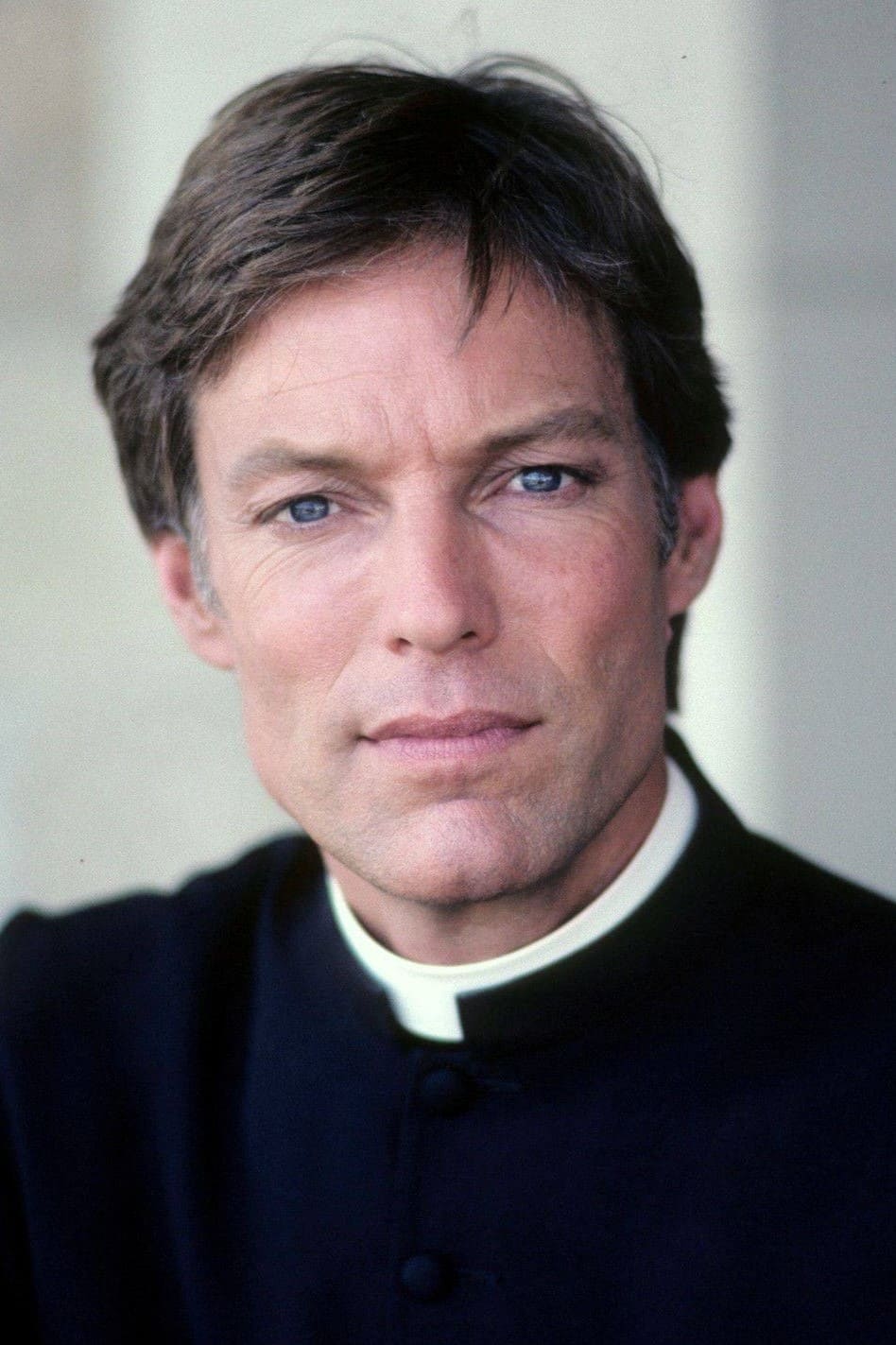
Chamberlain was the king of miniseries in the 1980s, playing the ultimate romantic lead while living in deep fear of being outed. He knew that if he displayed any “gay” characteristics or camp behavior, his career as a heartthrob would be over instantly. He refused to take roles that were explicitly gay or effeminate to protect his secret. This denial allowed him to work, but forced him to live a lie and reject parts that might have resonated with his true self.
Tab Hunter
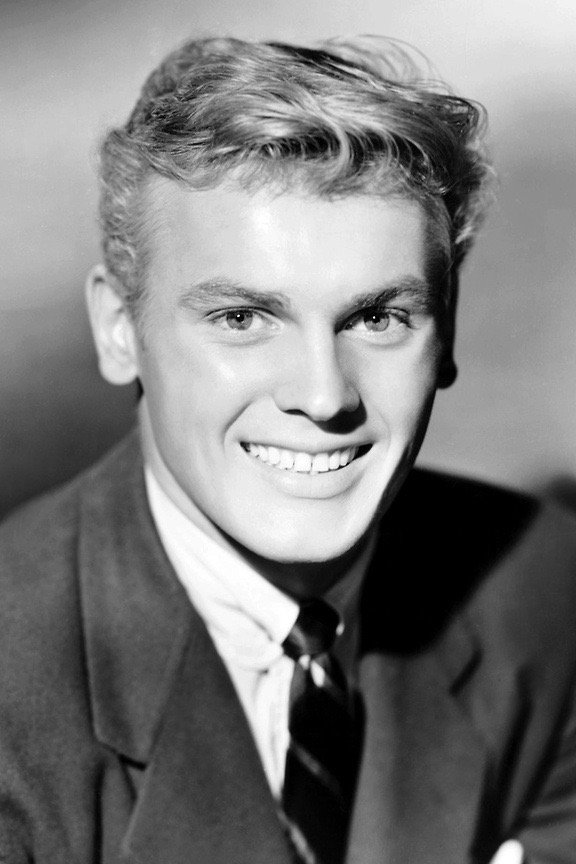
Hunter was a massive teen idol in the 1950s who had to cultivate a hyper-masculine image to satisfy the studio system. He was constantly monitored to ensure he didn’t slip into any behavior that could be coded as “camp” or queer. When rumors about his sexuality began to swirl, the studios quickly distanced themselves, proving his fears were justified. He lost his standing in Hollywood because he eventually refused to play the game of fake marriages and staged dates.
Rock Hudson
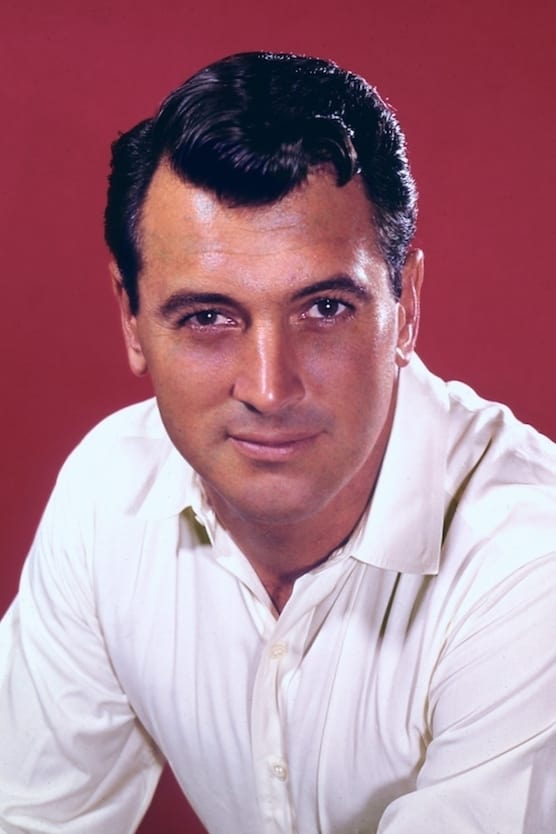
Hudson is the tragic example of an actor who was forced to suppress all camp instincts to become the ultimate straight leading man. He passed on any role that was risky or hinted at an alternative lifestyle to maintain his box office appeal. His agents aggressively policed his behavior, ensuring he never appeared “soft” on or off camera. While he achieved fame, he lost the freedom to be himself or play complex characters that reflected his reality.
Anthony Perkins
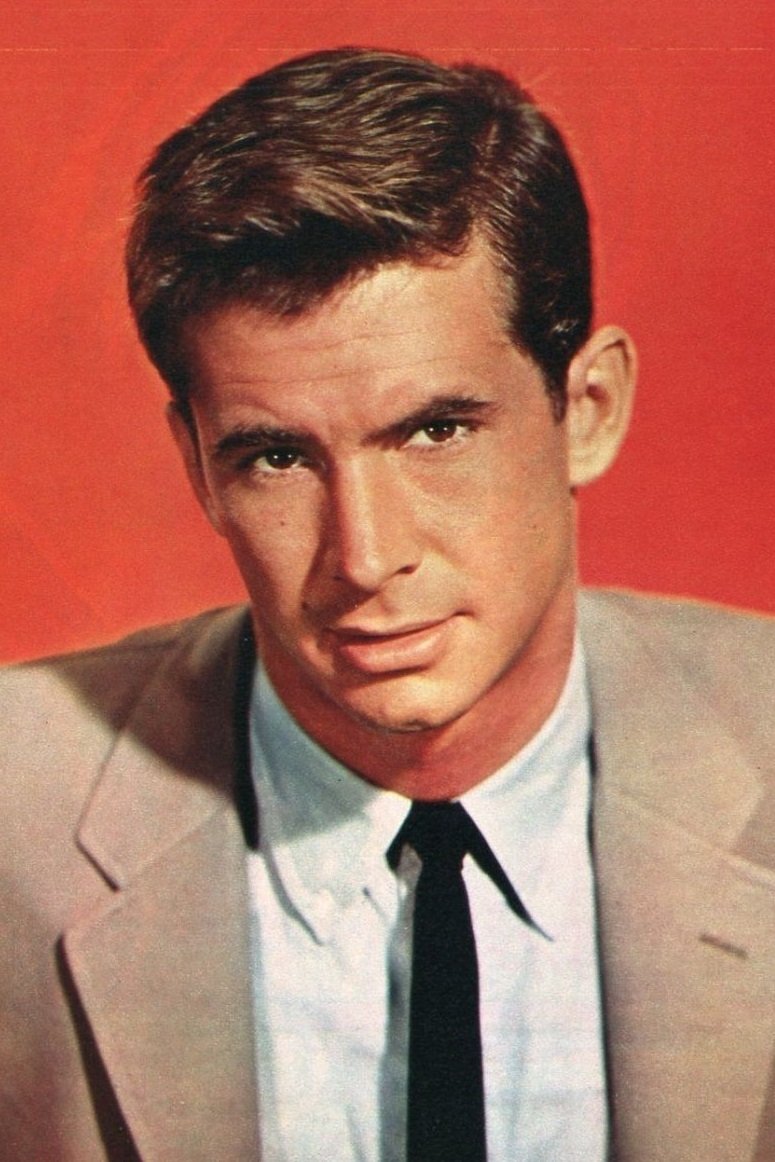
Perkins was forever typecast after ‘Psycho’, but his career struggled also because of the industry’s whispers about his sexuality. Studios were hesitant to cast him in traditional romantic leads, fearing he had a “quality” that audiences would read as queer. He tried to fight this by taking macho roles, but the industry largely rejected him for top-tier leading man status. He was often relegated to playing disturbed outsiders rather than the heroes he wanted to portray.
Montgomery Clift

Clift was one of the most talented method actors of his generation, but he was tormented by the need to hide his homosexuality. He refused to play the typical Hollywood game, which alienated powerful studio heads who wanted compliant stars. His refusal to conform to the “happy bachelor” narrative made him a liability in the eyes of executives. He lost roles to actors who were more willing to play the public relations game.
Sal Mineo
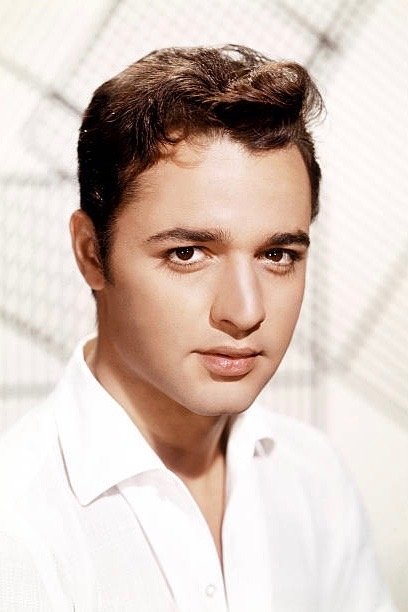
Mineo was one of the first actors to play a subtly gay teenager in ‘Rebel Without a Cause’, but this pigeonholed him immediately. As he aged, he tried to break away from the “troubled, effeminate youth” archetype but found doors closed to him. Studios refused to cast him as an adult leading man, seeing him only as the campy sidekick or the victim. His career stalled because he could not convince producers to see him as a grown, masculine man.
Paul Lynde
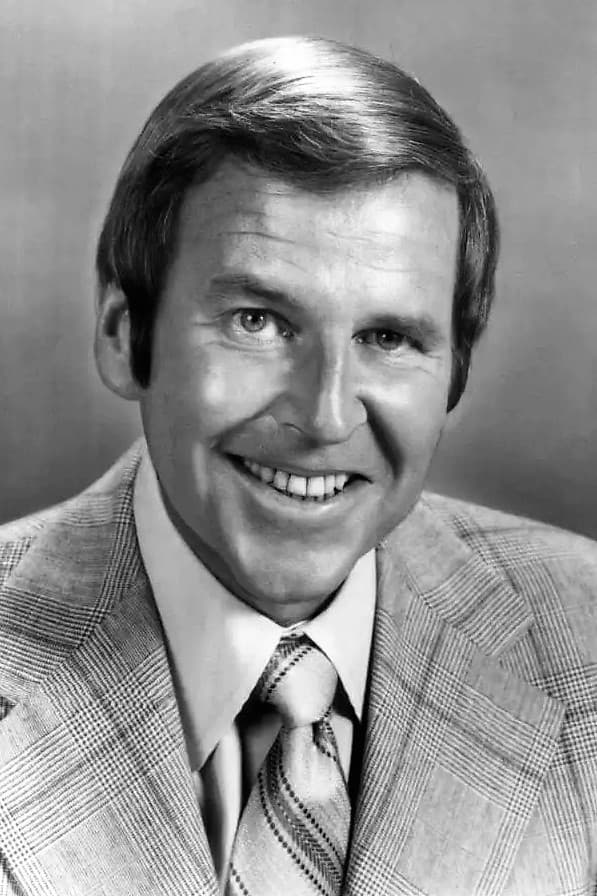
Lynde made a career out of his camp persona, but he bitterly resented that he was never considered for anything else. He lost countless opportunities to play serious characters because casting directors couldn’t see past his “Center Square” personality. He wanted to be respected as a versatile actor, but the industry refused to take him seriously. He was trapped in a cycle of self-parody that paid the bills but left him artistically unfulfilled.
Charles Nelson Reilly
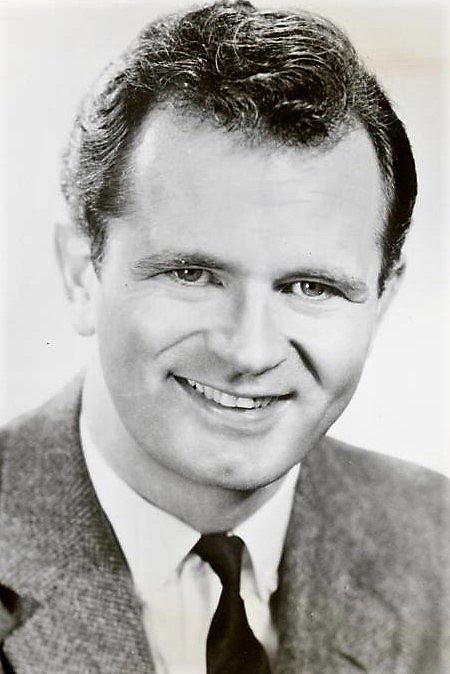
Reilly was a Tony-winning actor who became famous for his game show appearances, which ultimately destroyed his acting career. Once he became known for his campy, over-the-top persona on television, serious directors stopped hiring him. He was recast in film adaptations of plays he had starred in because studios wanted “real” actors, not TV personalities. He spent the rest of his life trying to remind people he was a legitimate dramatic artist.
Rip Taylor
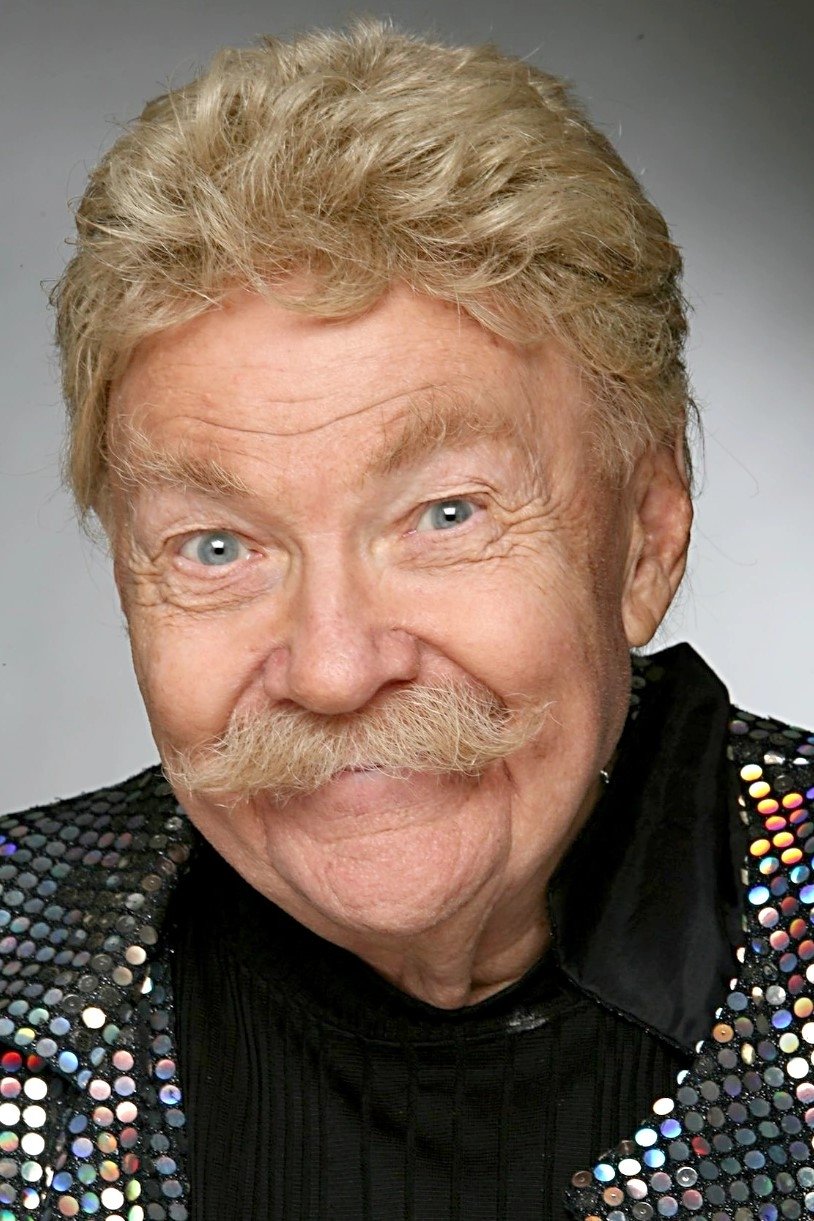
Taylor was known as the “King of Confetti,” a persona that overshadowed his genuine acting ability. He was frequently rejected for scripted film roles because producers feared he could not turn off the “wacky” energy. He lost the chance to play dramatic character roles because the industry saw him only as a living prop. His refusal to be boring was his trademark, but it cost him a diversified filmography.
Billy Porter
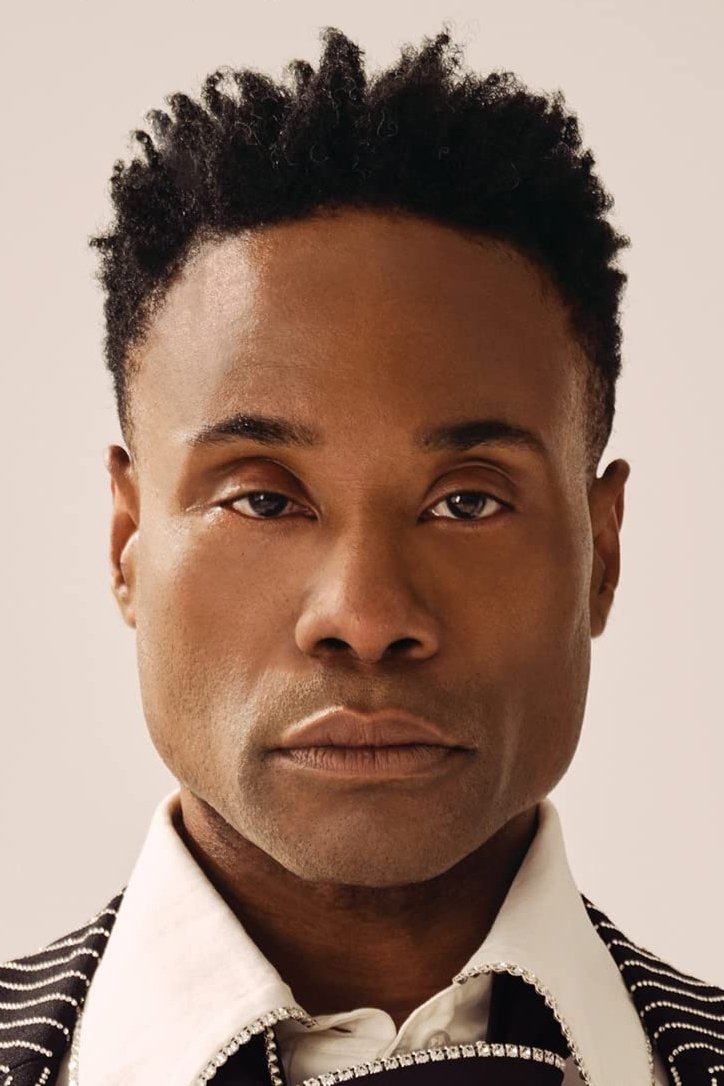
Porter struggled for decades in the industry because he was “too flamboyant” for straight roles and “too black” for the white gay roles. He refused to tone down his natural charisma, which led to a long period of unemployment in Hollywood. He lost parts to actors who delivered more muted, traditional performances that made executives comfortable. It wasn’t until ‘Pose’ that the industry finally caught up to his unique brand of camp and power.
Mario Cantone
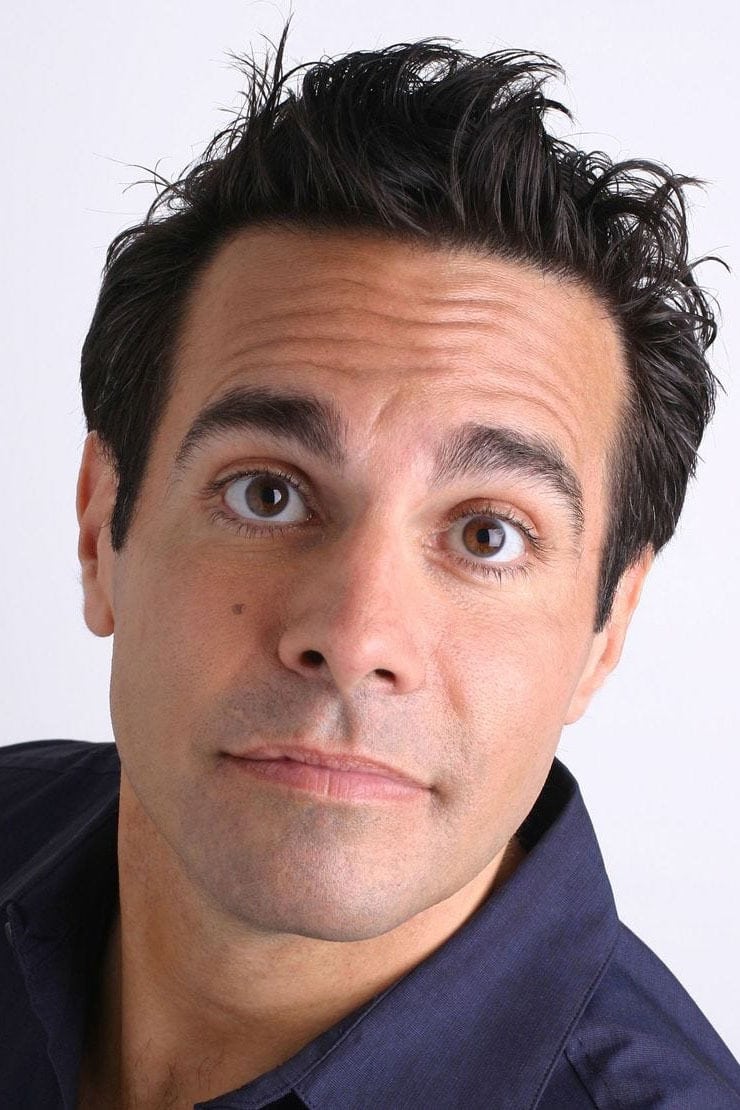
Cantone is known for his high-energy comedy, famously playing Anthony in ‘Sex and the City’. However, he has spoken about the difficulty of getting cast in roles that require subtlety or silence. He has been passed over for dramatic parts because directors assume he cannot control his volume or camp instincts. He refuses to be invisible, but that refusal has limited his access to non-comedic work.
Alec Mapa
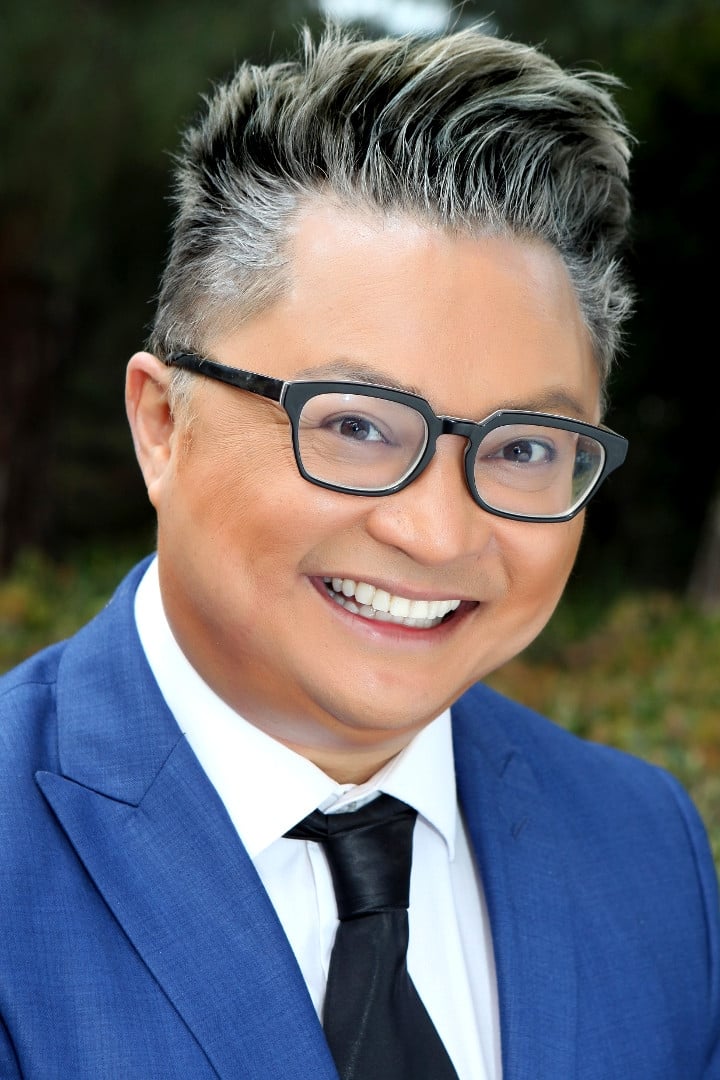
Mapa has made a career out of being the “sassy gay friend,” but he has also fought for roles that defy that stereotype. He has lost parts in pilots because he didn’t fit the specific “look” of a gay man that the network wanted. He was often told to be “more gay” or “less gay” depending on the whim of the producers. His refusal to be a cookie-cutter stereotype has cost him roles in shows looking for a token character.
Leslie Jordan
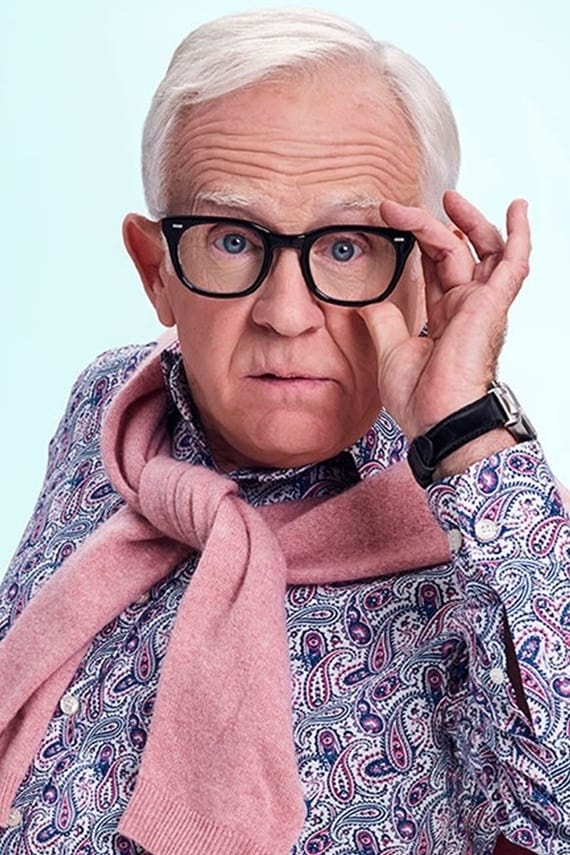
Before his late-career resurgence, Jordan struggled against being typecast solely as the “sissy” comic relief. He lost opportunities to play grounded, serious characters because casting directors couldn’t stop laughing at his Southern drawl. He refused to change his voice or mannerisms, which meant he was often the first cut from serious drama auditions. He eventually leaned into the camp, but only after years of being denied other options.
Carson Kressley
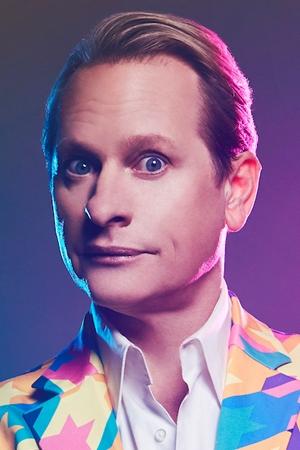
Kressley became a star on ‘Queer Eye’, but his reality TV fame made it nearly impossible for him to get scripted acting work. Producers viewed him as a personality rather than an actor, refusing to audition him for fictional characters. He lost potential sitcom roles because executives feared audiences would only see “Carson the fashion guy.” His brand of camp was profitable for reality TV but a barrier for scripted Hollywood.
Jai Rodriguez
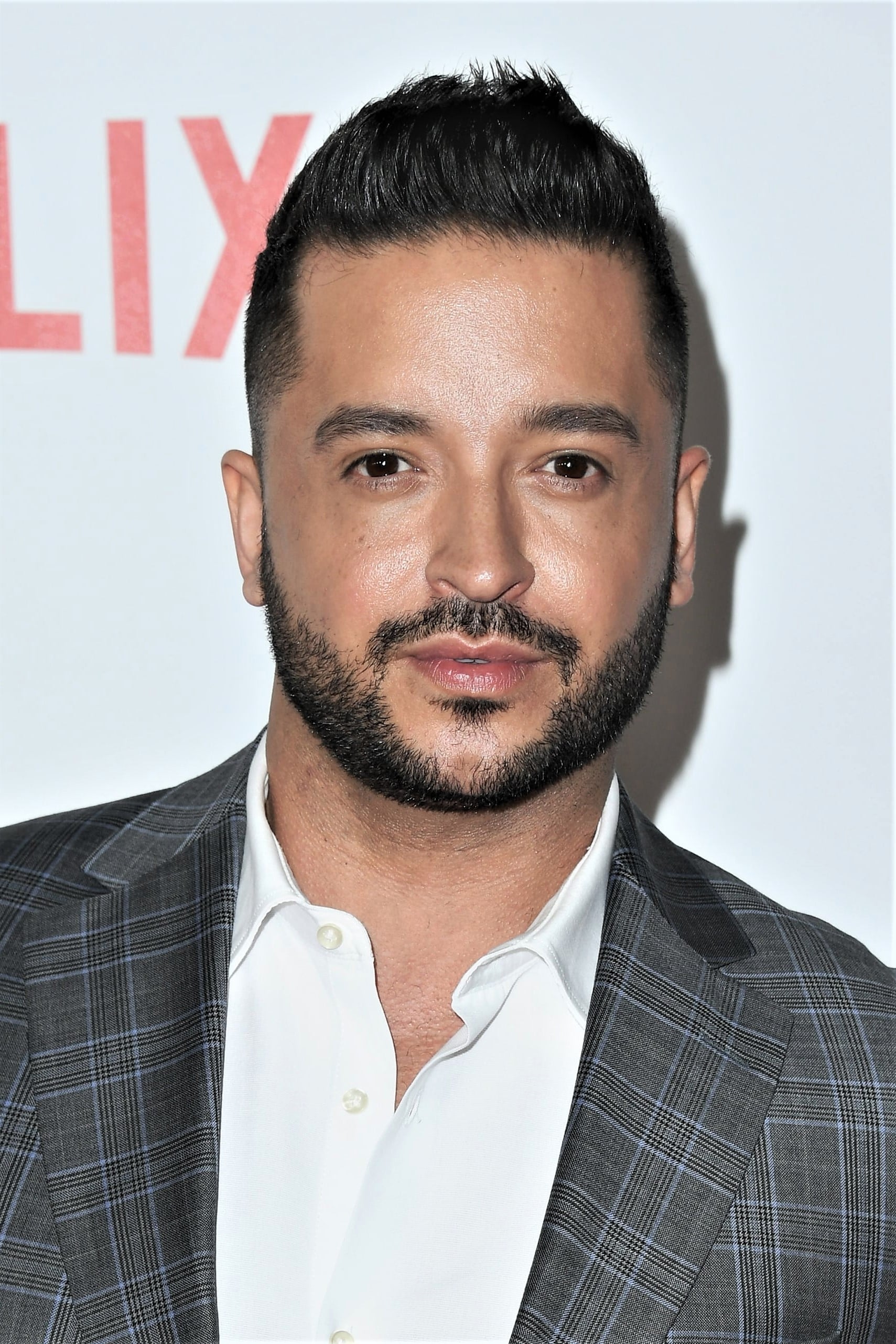
Rodriguez was the “culture vulture” on ‘Queer Eye’, but he was also a trained actor who struggled to be taken seriously post-show. He lost roles in Broadway transfers and TV shows because casting directors saw him as a reality star first. He fought against the industry’s assumption that he could only play versions of himself. He had to work endlessly to prove he had the chops to handle a script without relying on reality TV tropes.
Thom Filicia
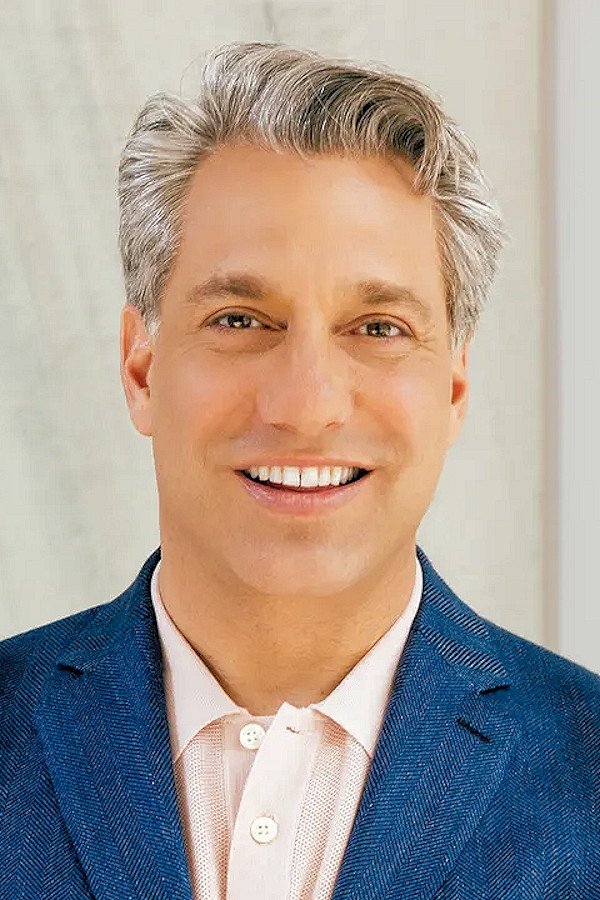
Like his ‘Queer Eye’ co-stars, Filicia found that his design expertise and campy on-screen persona limited his acting opportunities. He was offered roles that were simply “gay decorator” cameos, which he often turned down. He refused to be a prop in a straight protagonist’s story, preferring to focus on his design business. The industry’s inability to see him as anything else halted any potential acting career.
Kyan Douglas
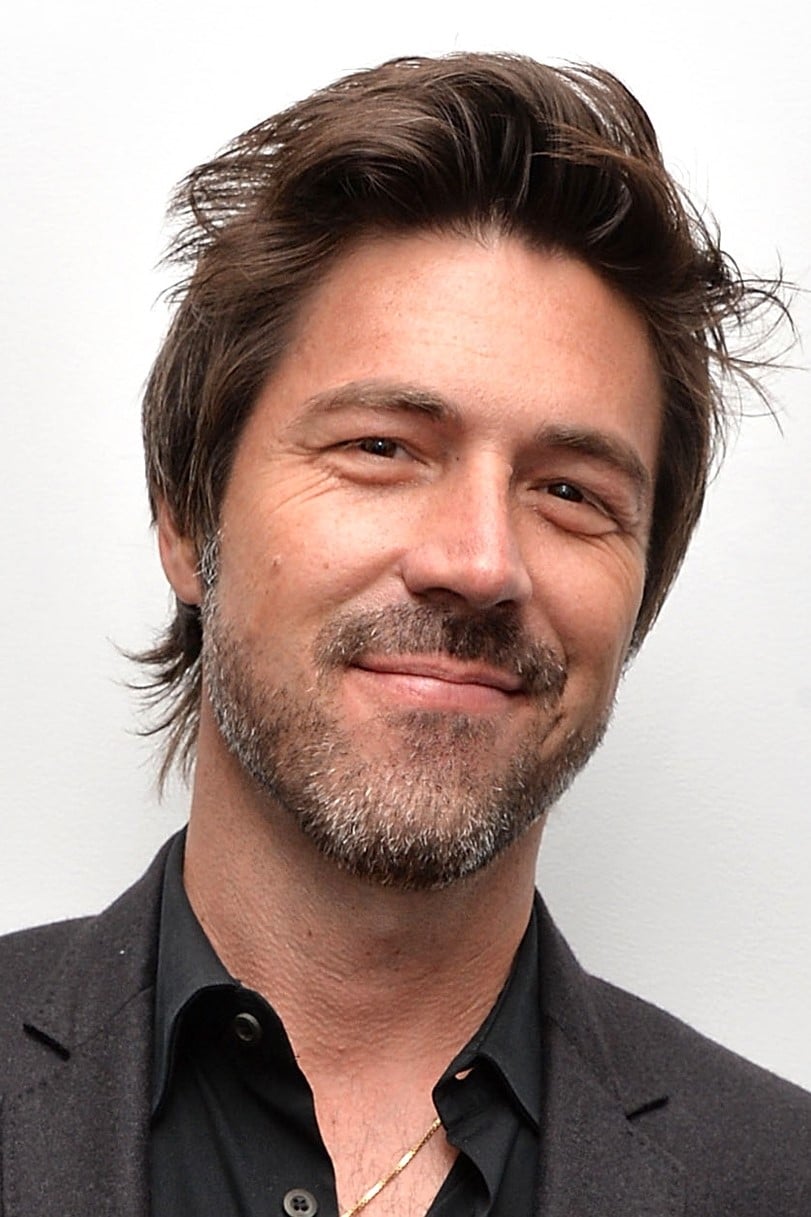
Douglas was the grooming expert who faced similar typecasting walls when exploring opportunities outside of reality TV. He was offered hosting gigs that required a “sassy gay” approach, which he largely avoided to maintain his dignity. He refused to play the caricature of the shallow gay stylist for quick cash. This integrity meant he appeared less frequently on screen than those willing to play the part.
Ted Allen
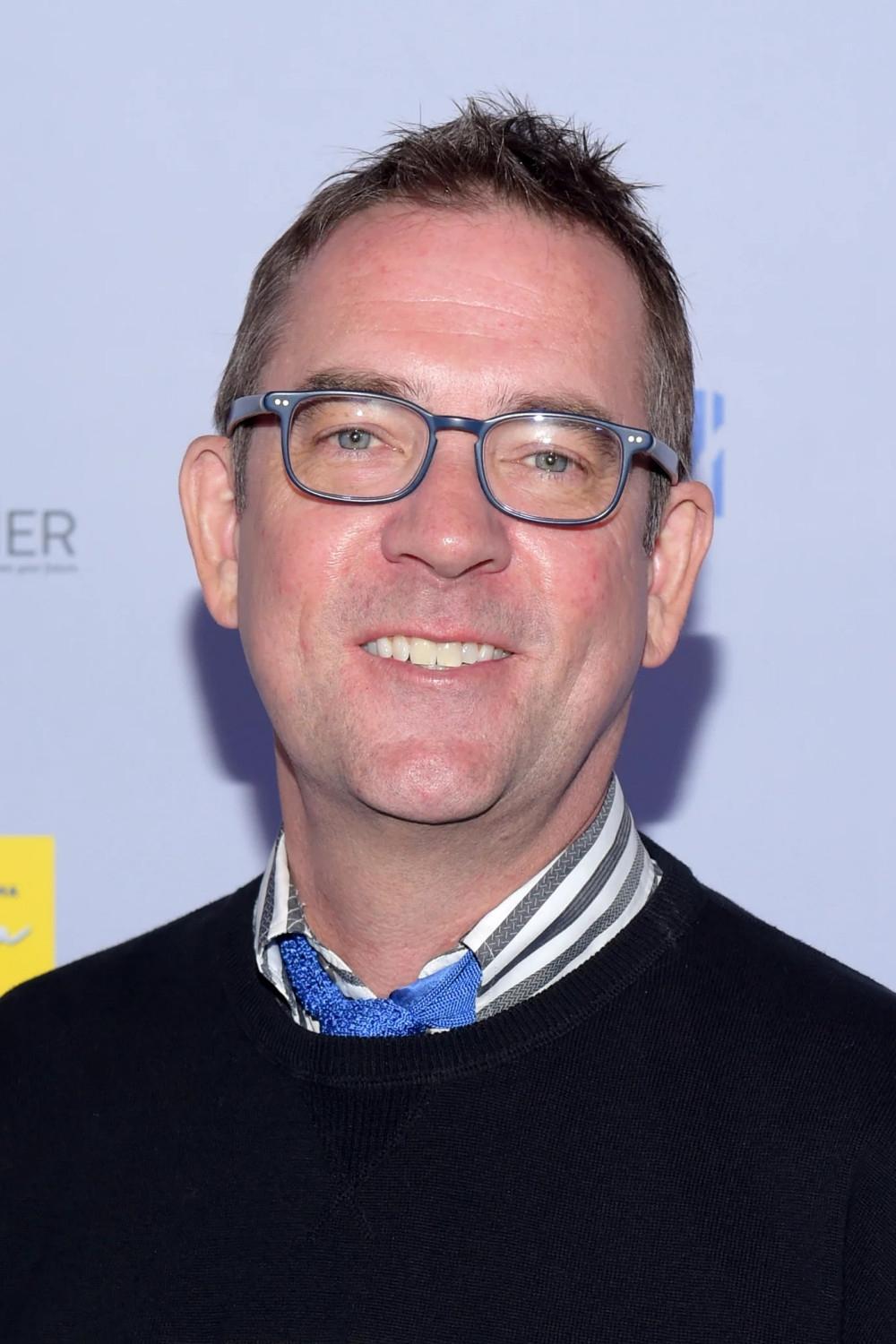
Allen was the food expert who possessed a more reserved demeanor, yet he still faced the “Queer Eye” stigma. He was rarely considered for serious acting or broadcasting roles outside of the culinary niche because of the show’s campy reputation. He lost chances to host general interest programs because executives couldn’t separate him from the “Fab Five” label. He pivoted entirely to food competition hosting to escape the camp expectations.
Charlie Carver
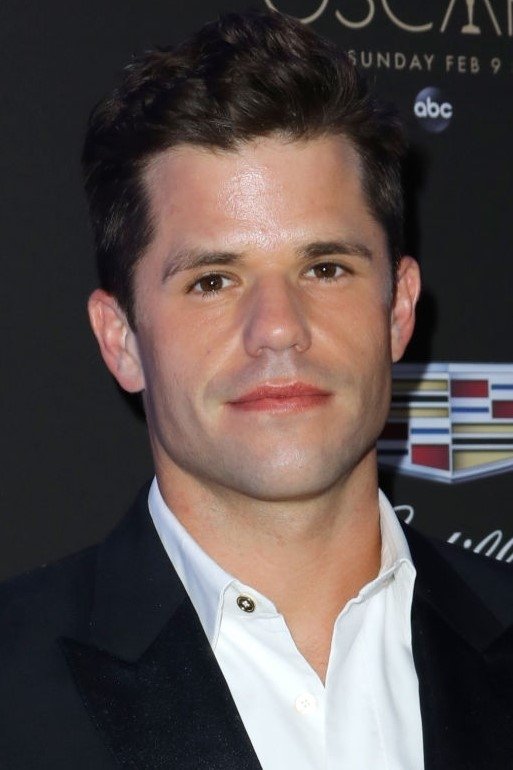
Carver starred in ‘Desperate Housewives’ and ‘Teen Wolf’ alongside his twin, often playing straight or ambiguous roles. After coming out, he made a conscious effort to avoid roles that felt exploitative or one-dimensional. He turned down projects that sexualized him without substance or required him to play a camp stereotype. This choosiness slowed his momentum but preserved his artistic integrity.
Lance Bass
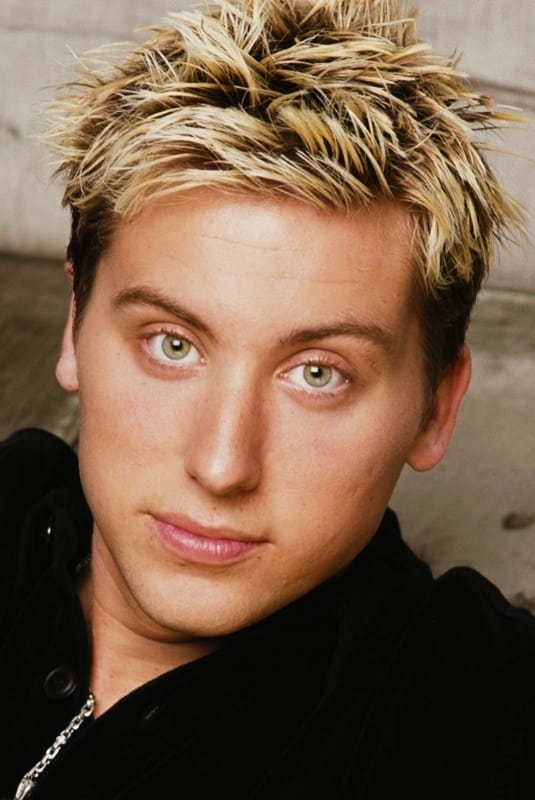
Bass tried to transition into acting after *NSYNC, but his coming out moment fundamentally changed how Hollywood viewed him. He was no longer considered for the romantic leads he might have played in his boy band prime. He lost roles because producers couldn’t see him as anything other than “the gay guy from *NSYNC.” His refusal to stay in the closet cost him a potential mainstream film career in the early 2000s.
Ricky Martin
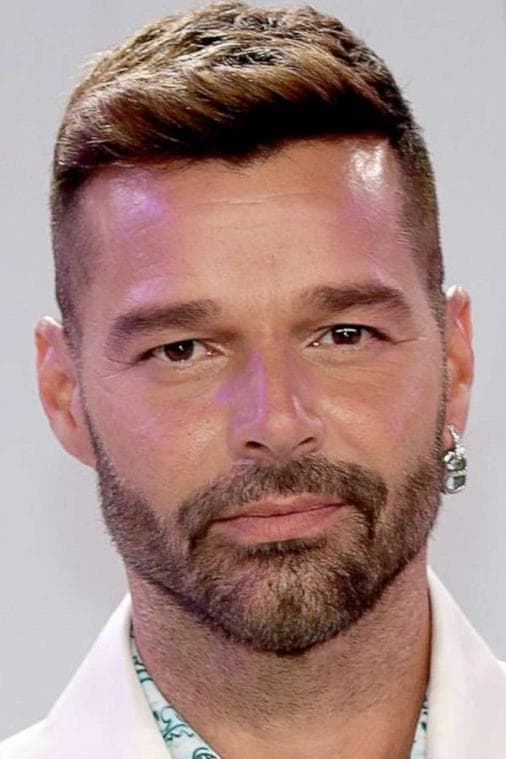
Martin was a global sex symbol who faced immense pressure to remain closeted to protect his music and acting career. He lost acting roles during his “General Hospital” era because handlers feared he was too soft or campy for American primetime. Once he came out, the offers for “Latin Lover” roles dried up completely. He refused to play the straight heartthrob anymore, which effectively ended his film career as a leading man.
Adam Lambert
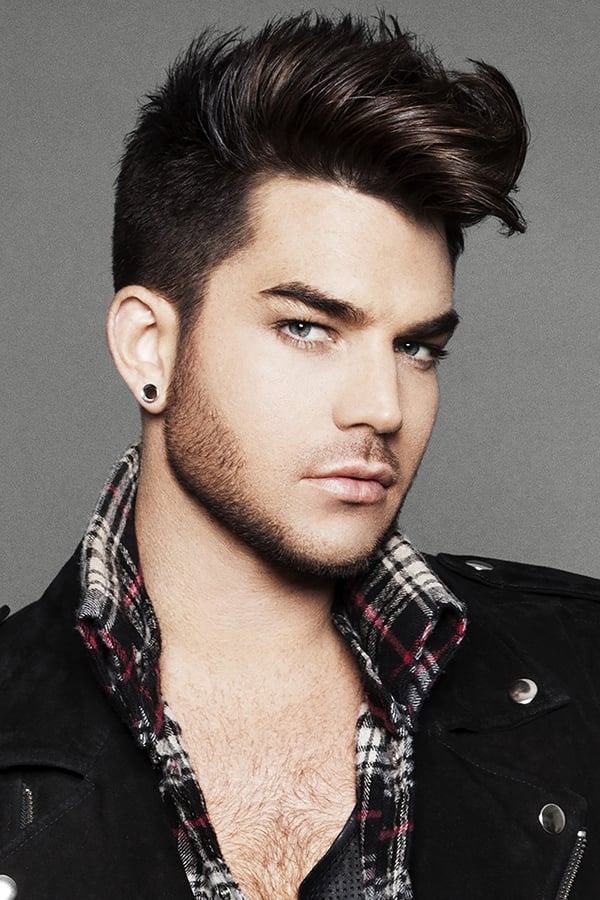
Lambert burst onto the scene with a glam-rock aesthetic that confused conservative TV producers. He lost opportunities to perform on certain shows or act in specific projects because he was deemed “too controversial” or campy. He refused to tone down his makeup or his sexuality to appease network censors. This boldness cost him mainstream appearances but won him a loyal fanbase.
Troye Sivan
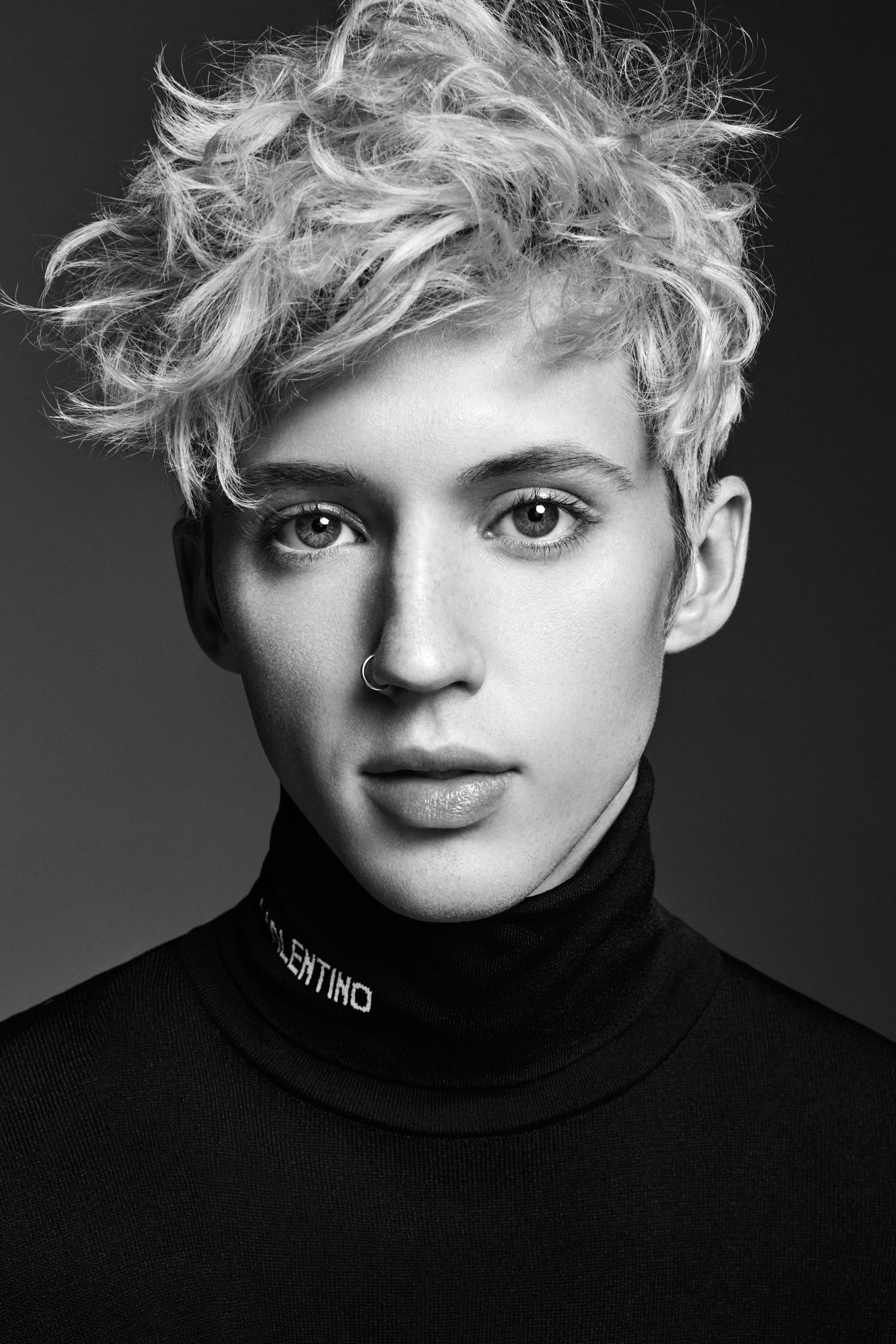
Sivan transitioned from YouTube to acting, but he has been selective about the gay roles he accepts. He has turned down parts that felt like “trauma porn” or relied on campy stereotypes for comic relief. He lost out on certain teen dramas because he didn’t fit the mold of the “masculine” gay jock or the “sassy” sidekick. He waits for projects like ‘Boy Erased’ that offer nuance.
Olly Alexander
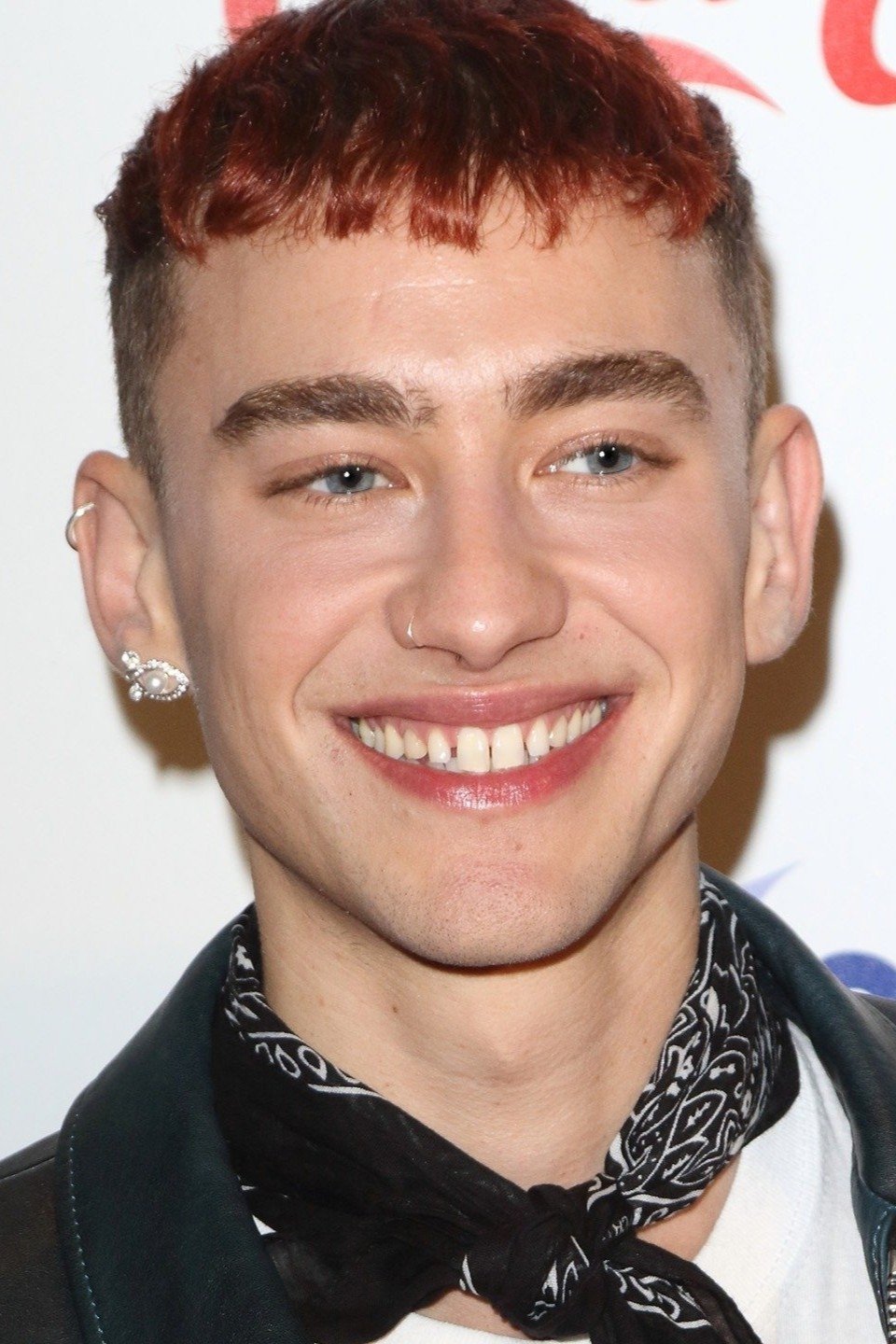
Alexander starred in ‘It’s a Sin’, but prior to that, he faced the typical struggles of a feminine gay actor in the UK. He was often passed over for “straight-acting” roles because casting directors felt his natural energy was too queer. He refused to butch it up for auditions, preferring to focus on his music with Years & Years. This refusal to compromise eventually paid off with roles written specifically for his energy.
Dan Levy
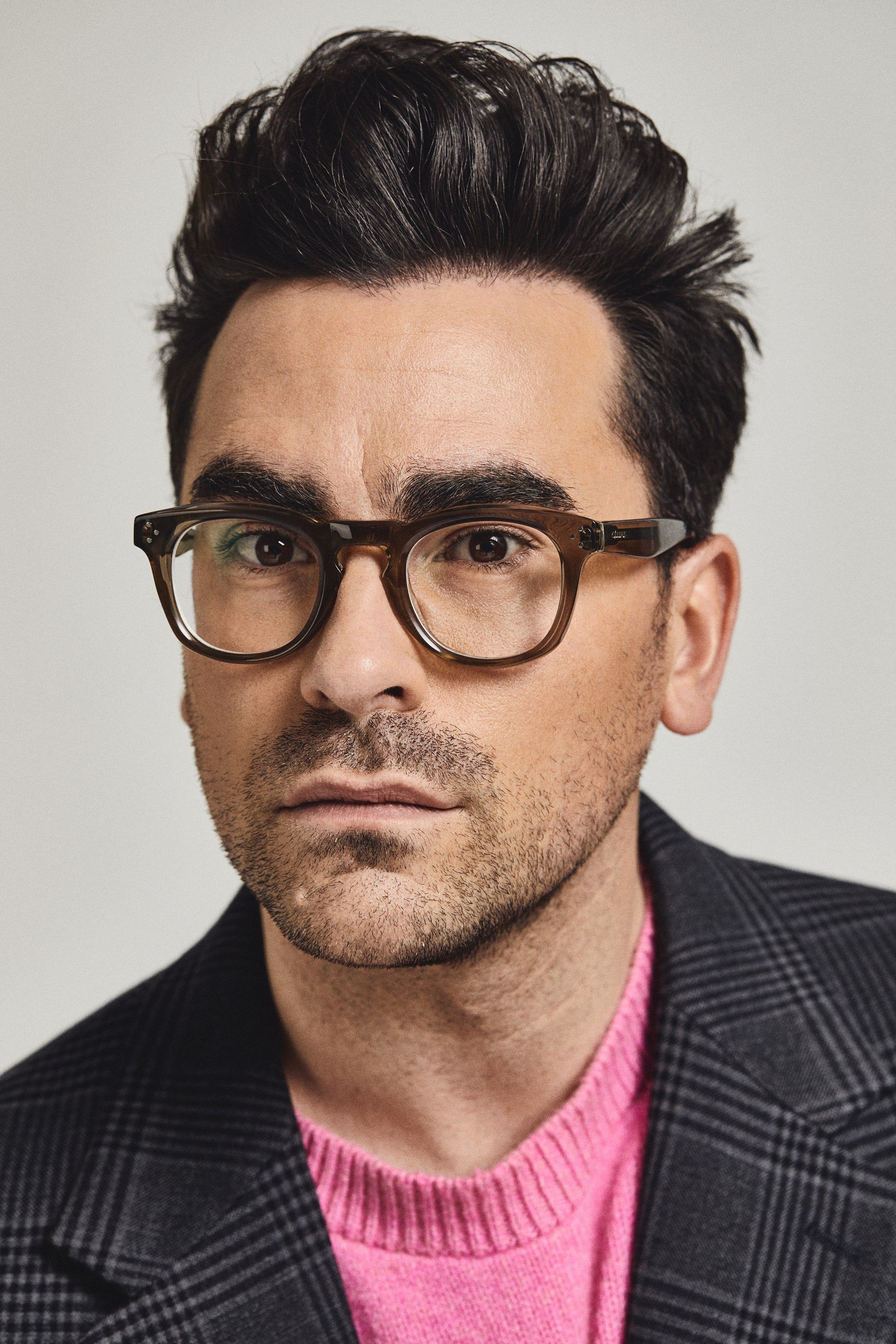
Levy spent years pitching shows and auditioning, only to be rejected by executives who didn’t “get” his brand of humor. He was often told his ideas were too niche or his acting style was too specific (i.e., camp) for network TV. He refused to change his delivery or his creative vision to fit the sitcom mold. He ultimately had to create ‘Schitt’s Creek’ himself to give himself the role Hollywood wouldn’t give him.
Noah Galvin
Galvin starred in ‘The Real O’Neals’ but faced backlash and industry friction after criticizing the way gay characters were portrayed in Hollywood. He called out the “camp” acting of other famous gay actors, which alienated him from power players in the industry. He lost potential opportunities because he was seen as a loose cannon who wouldn’t play the PR game. His refusal to blindly support “bad” representation made him a risky hire for a time.
Ben Platt
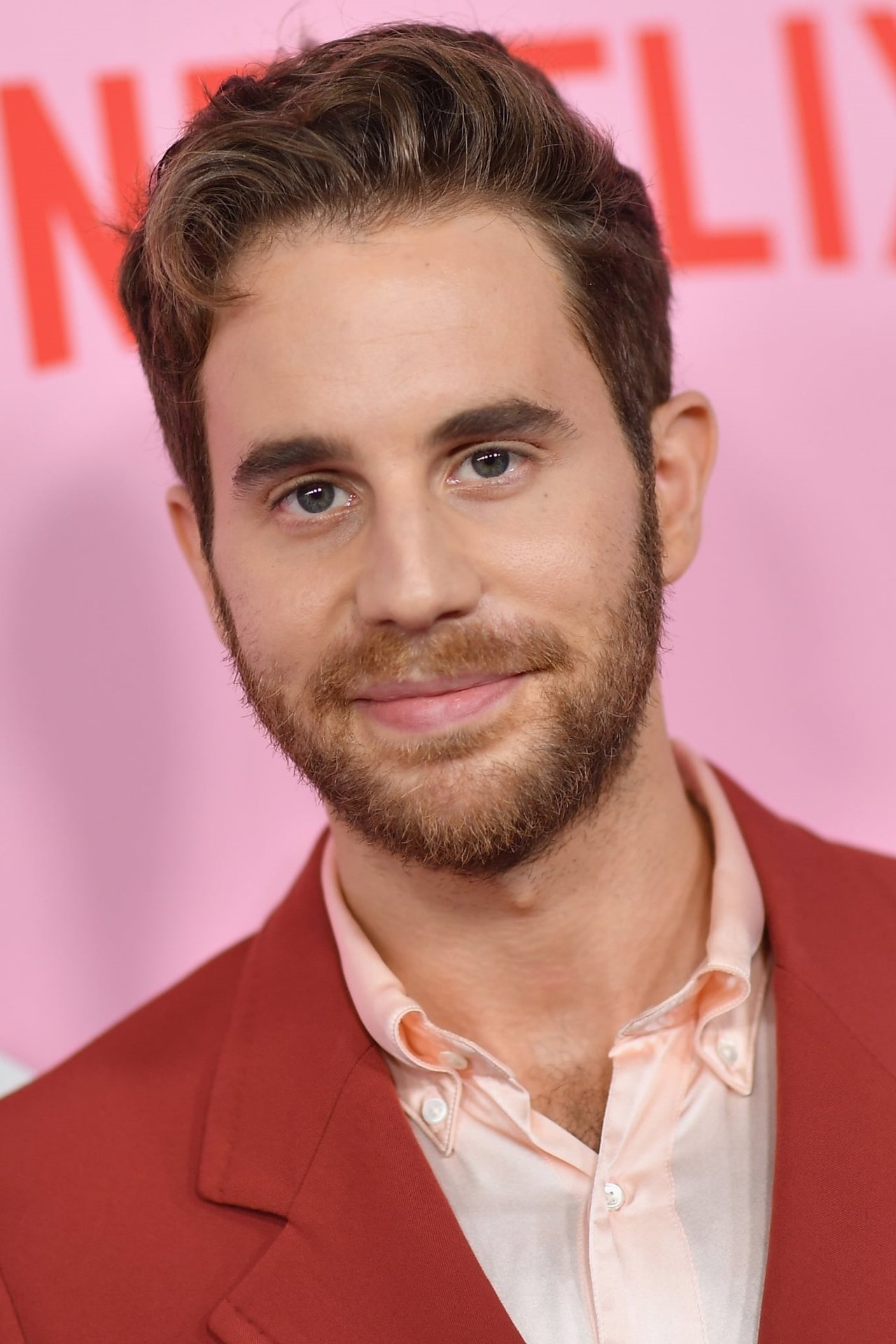
Platt achieved massive success with ‘Dear Evan Hansen’, but he has faced criticism and casting hurdles regarding his transition to film. He has been accused of nepotism, but he also faces the “too musical theater” bias when auditioning for straight dramas. He has lost roles to actors with more “grit,” as studios struggle to see him outside of an anxious, slightly campy archetype. He refuses to stop pursuing leading roles, despite the industry’s attempt to box him in.
Do you think these actors were treated unfairly by the casting process? Share your thoughts in the comments.