


17 Gay Actors Who Lost Endorsements Over Pride Protest Stances




Navigating the intersection of celebrity, corporate sponsorship, and political activism has become increasingly treacherous for LGBTQ+ talent in Hollywood. While brands are eager to capitalize on rainbow-themed marketing during June, they often retreat when the actors they hire take radical or controversial stances on social justice issues. Many stars have found that their commitment to specific protest movements, ranging from anti-capitalism to geopolitical conflicts, clashes with the risk-averse nature of major advertisers. The following list explores the stories of actors who faced commercial backlash or lost brand partnerships after voicing their convictions.
Dylan Mulvaney

The backlash surrounding Mulvaney following her partnership with Bud Light stands as the most prominent example of corporate performative allyship collapsing under pressure. After the actress and influencer promoted the beer brand during a March Madness campaign, conservative boycotts led the company to distance itself from her. Mulvaney publicly criticized the brand for failing to stand by her amidst the hate, stating that their silence gave permission for the harassment to continue. The controversy resulted in a significant cooling of endorsement deals for trans talent across the industry as brands became fearful of similar political retaliation.
Noah Schnapp
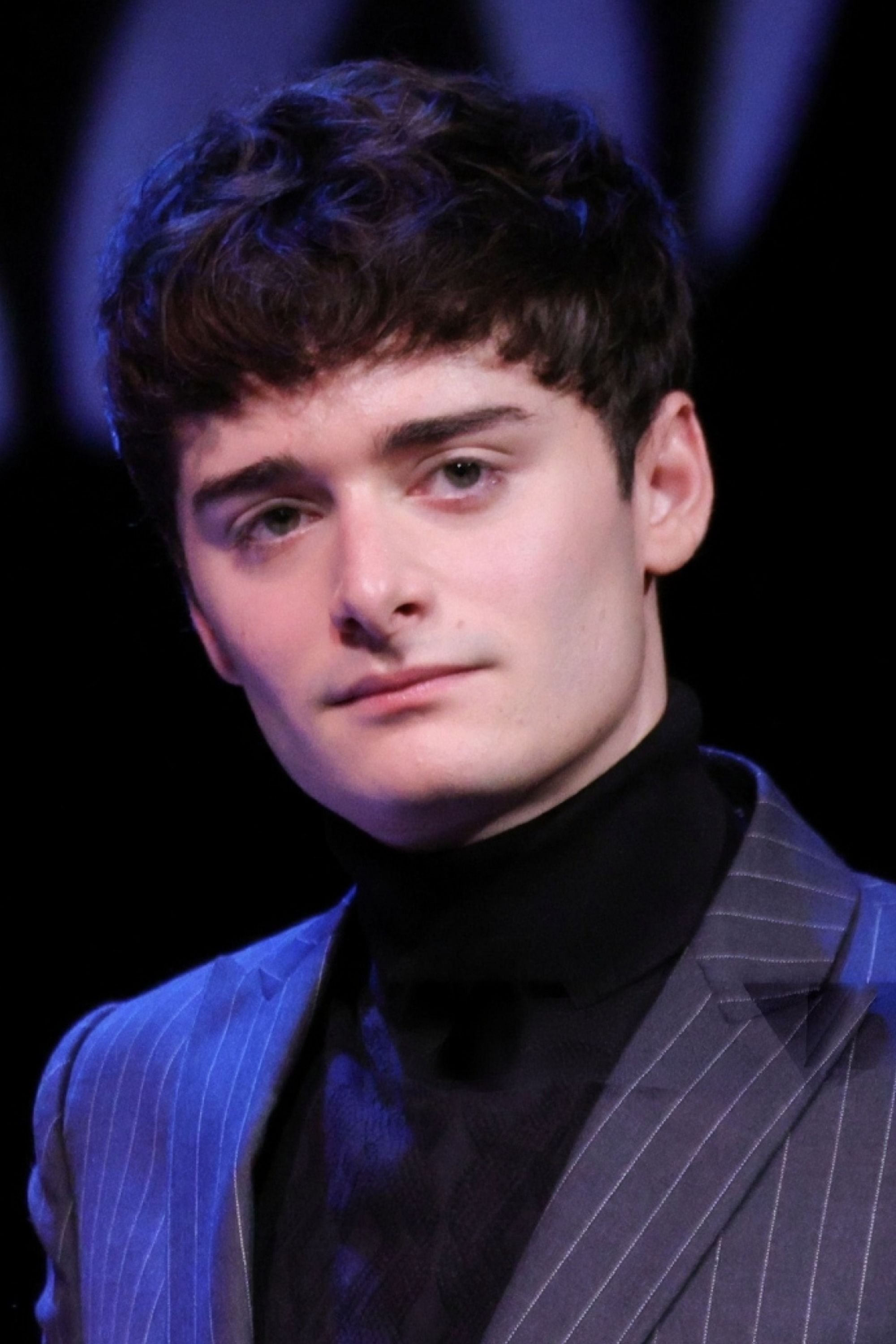
‘Stranger Things’ star Noah Schnapp faced intense public scrutiny and calls for boycotts after expressing his views on the Israel-Hamas conflict. His social media activity, which included circulating stickers that many found offensive, led to a massive outcry from fans who demanded his removal from the hit Netflix series. While he was not officially fired, his marketability took a severe hit as brands grew wary of associating with the polarized discourse surrounding his comments. The actor later issued a statement attempting to clarify his desire for peace, but the damage to his public image had already impacted his commercial standing.
Sara Ramirez
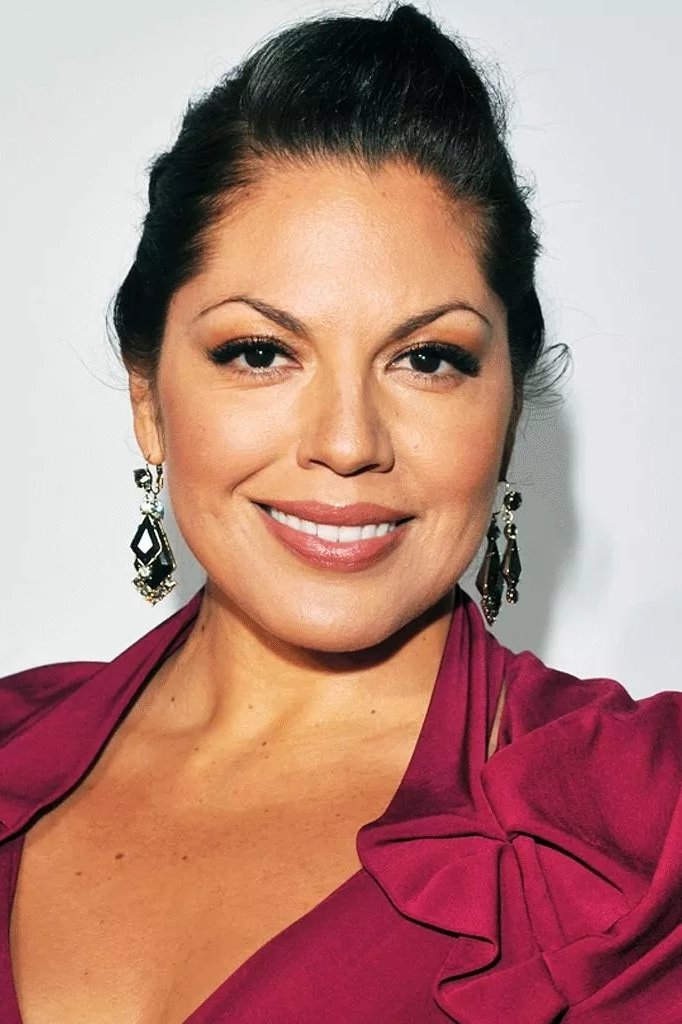
Best known for their role in ‘Grey’s Anatomy’, Sara Ramirez faced career turbulence after posting pro-Palestine content on social media. Rumors swirled that the actor was dropped from the sequel series ‘And Just Like That…’ due to their vocal political stances, which reportedly made the network uncomfortable. Ramirez pushed back against the industry’s attempt to blacklist actors who support Palestinian rights, comparing the atmosphere to the McCarthy era. This staunch refusal to silence their activism likely cost them lucrative renewal contracts and future brand collaborations.
Indya Moore
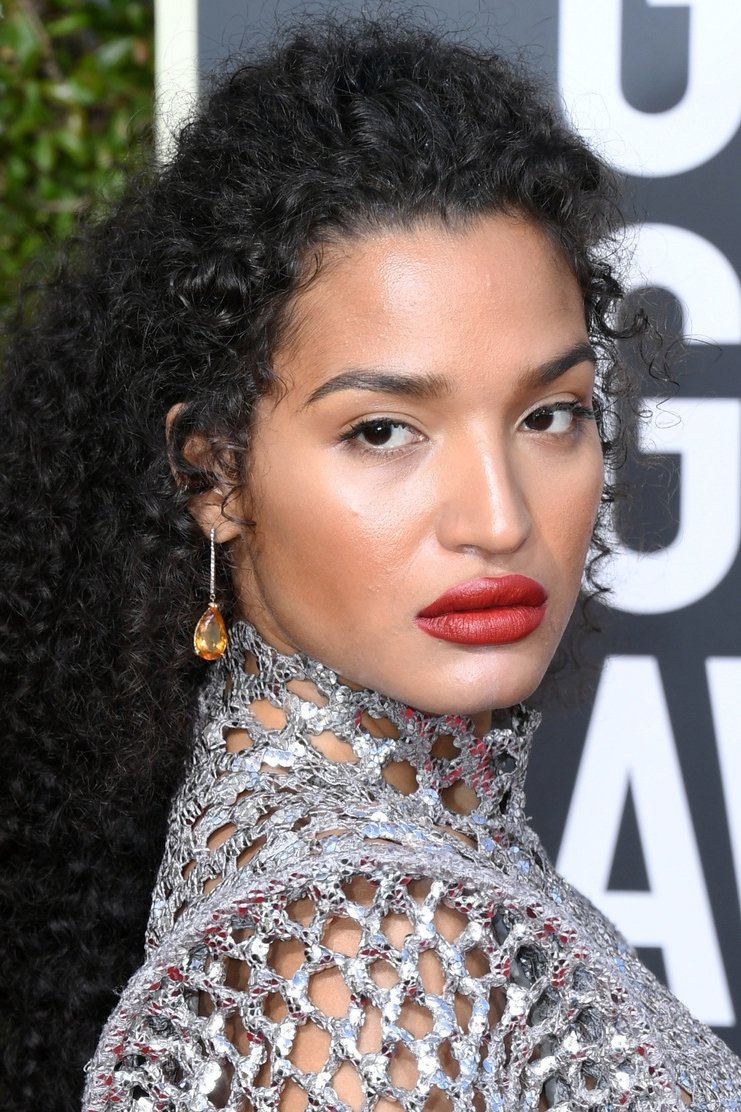
‘Pose’ star Indya Moore has frequently used their platform to critique the very fashion industry that often hires them. Moore has spoken out against the performative nature of corporate Pride campaigns that use queer bodies for profit while ignoring the material needs of the community. Their vocal support for Palestinian rights and criticism of capitalism has alienated certain luxury brands that prefer apolitical ambassadors. Despite their high-fashion credibility, Moore’s uncompromising activism limits the number of “safe” corporate endorsements available to them.
Hunter Schafer
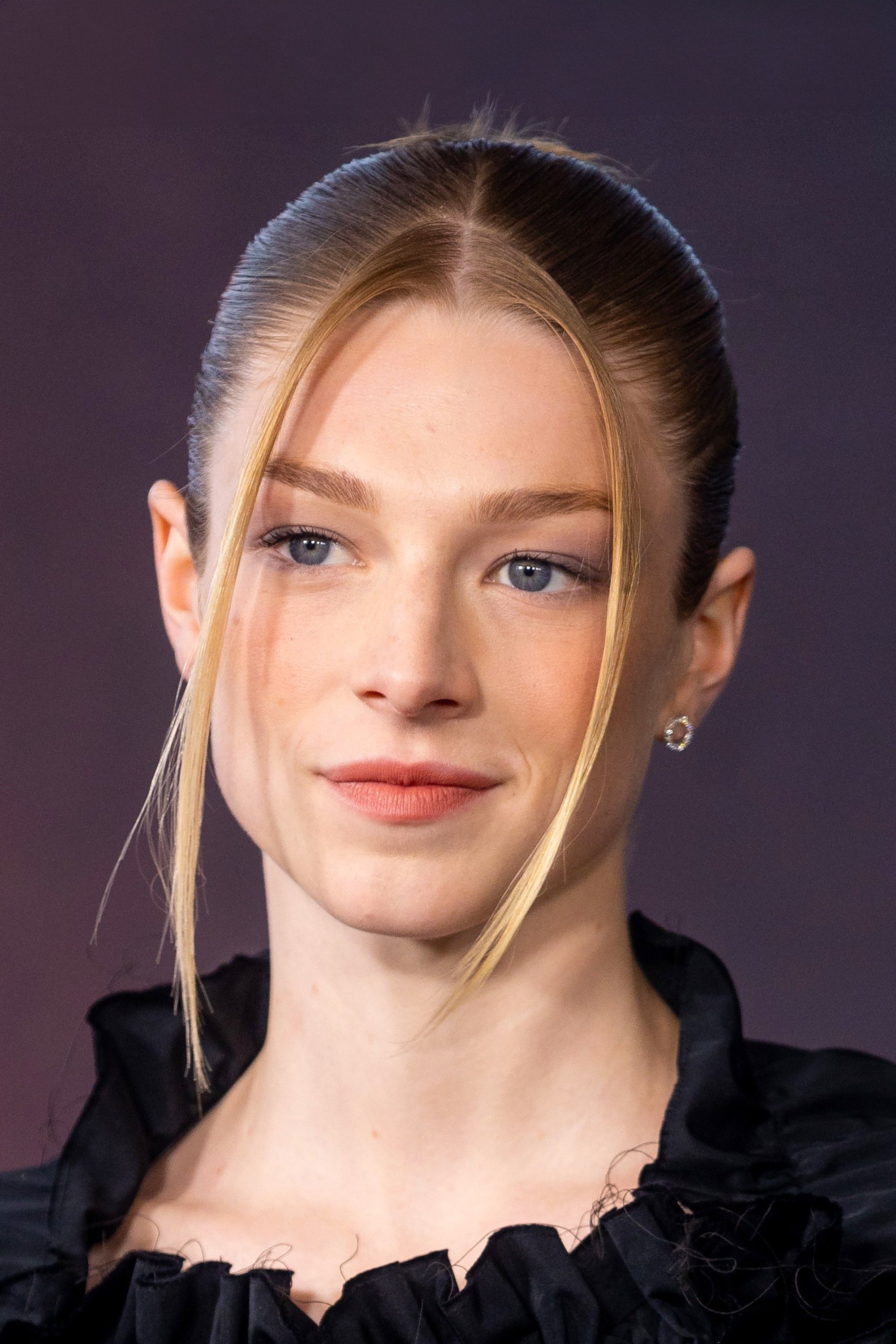
Hunter Schafer has proven that her activism extends far beyond social media hashtags by participating in physical protests. The ‘Euphoria’ actress was arrested in New York City while protesting with Jewish Voice for Peace, demanding a ceasefire in Gaza. While her actions garnered respect from activists, arrest records can often trigger morality clauses in standard endorsement contracts. Major beauty and fashion brands often hesitate to renew contracts with talent who engage in civil disobedience that leads to legal trouble.
Cynthia Nixon
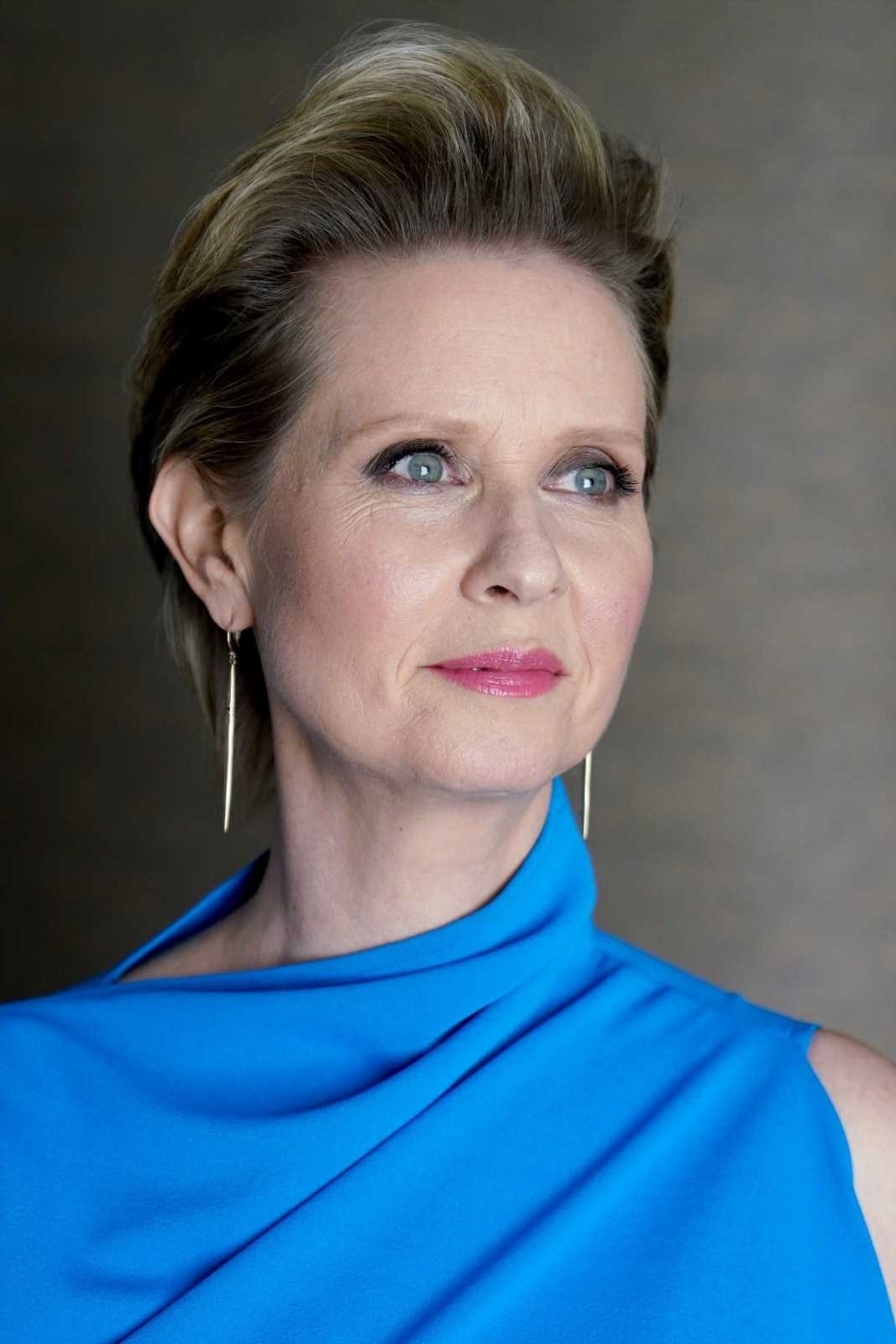
Longtime activist and ‘Sex and the City’ star Cynthia Nixon has never shied away from leveraging her fame for political causes. Her participation in a hunger strike outside the White House to demand a permanent ceasefire in Gaza drew significant media attention but alienated mainstream advertisers. Nixon has openly criticized the Democratic establishment, positioning herself to the left of many corporate donors who fund entertainment ventures. This political radicalism makes her a risky investment for lifestyle brands looking for neutral, mass-market appeal.
Angelica Ross
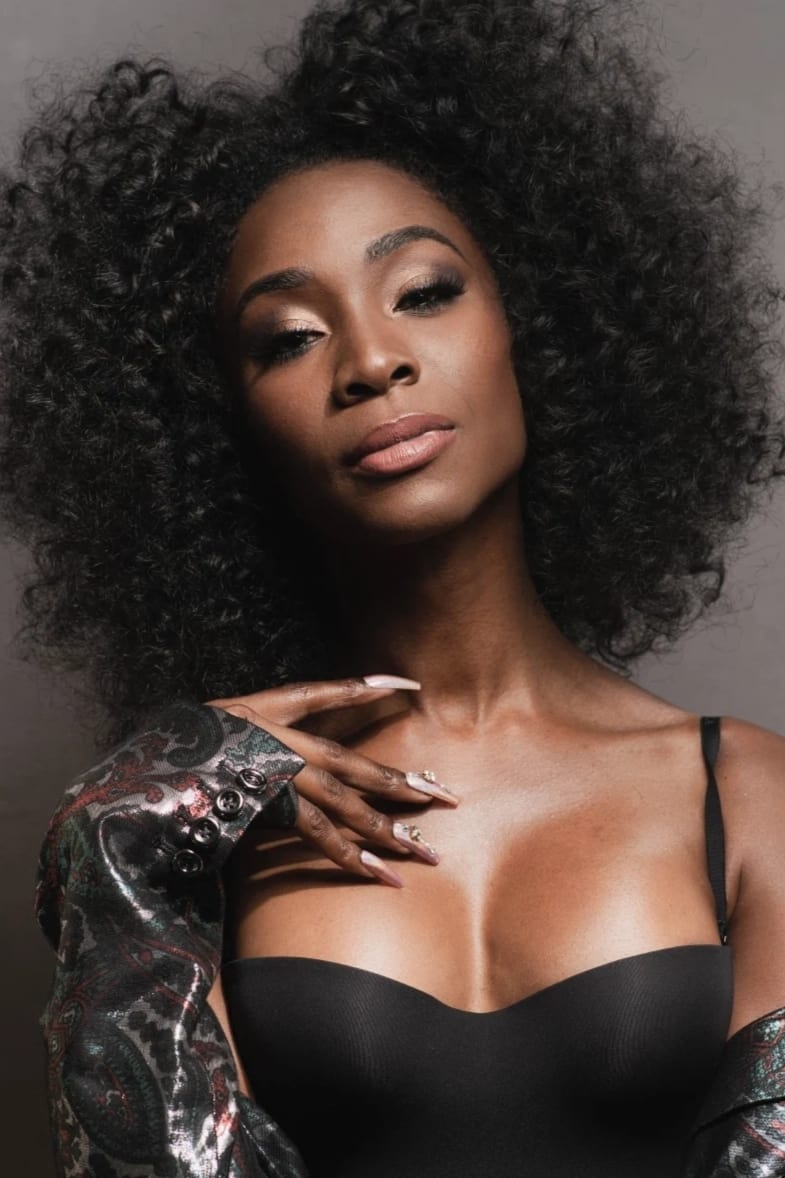
Angelica Ross left Hollywood executives reeling when she publicly exposed the racism and transphobia she experienced on the sets of ‘American Horror Story’. By naming specific power players and releasing emails, she violated the industry’s unwritten rule of silence, which often leads to an informal blacklisting. Ross announced she was pivoting away from Hollywood to focus on the tech industry, acknowledging that her whistleblowing burned bridges with major studios and advertisers. Her refusal to play the game effectively ended her relationship with the networks that previously endorsed her.
Rose McGowan

Although Rose McGowan effectively ended her mainstream acting career years ago, her continued activism keeps her alienated from corporate endorsements. As one of the first silence-breakers of the #MeToo movement, she dismantled the systems of power that protect abusers in Hollywood. Her radical stances and refusal to endorse the “sanitized” version of feminism peddled by corporations have made her persona non-grata for major ad campaigns. McGowan views this loss of commercial viability as a necessary cost of maintaining her integrity and freedom of speech.
Billy Porter
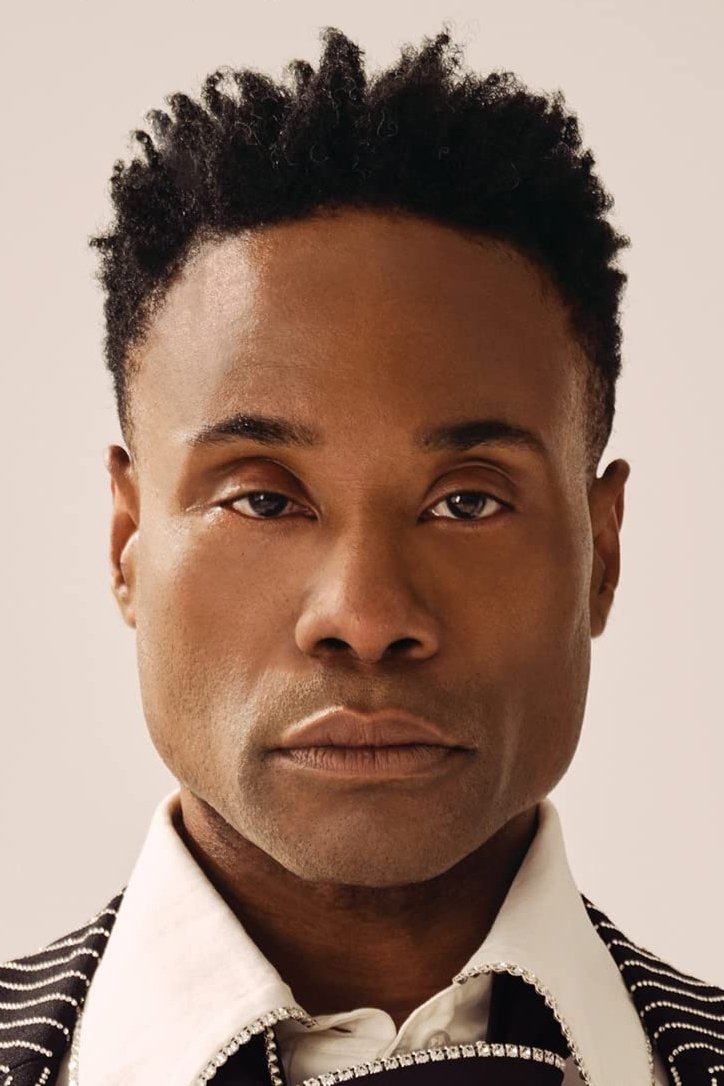
Billy Porter has been a vocal critic of the entertainment industry’s treatment of marginalized writers and actors, particularly during the SAG-AFTRA strikes. His blunt commentary on the financial disparities in Hollywood, including revealing he had to sell his house, stripped away the glamour that luxury brands rely on. Additionally, his critiques of ‘Vogue’ for featuring Harry Styles on the cover sparked a debate about the appropriation of queer aesthetics. These unfiltered opinions have made some conservative or risk-averse fashion houses hesitant to feature him in broad-appeal campaigns.
Jameela Jamil

While Jameela Jamil identifies as queer and is a fierce advocate for body neutrality, her aggressive approach to activism often lands her in hot water with potential sponsors. She frequently calls out other celebrities and brands for promoting diet culture, making her a liability for companies in the beauty and wellness space. Her willingness to attack the hand that feeds—criticizing the very industries that offer endorsements—scares away advertisers who fear they might be her next target. Jamil has stated she essentially throws away money by refusing to align with brands that do not meet her ethical standards.
Elliot Page
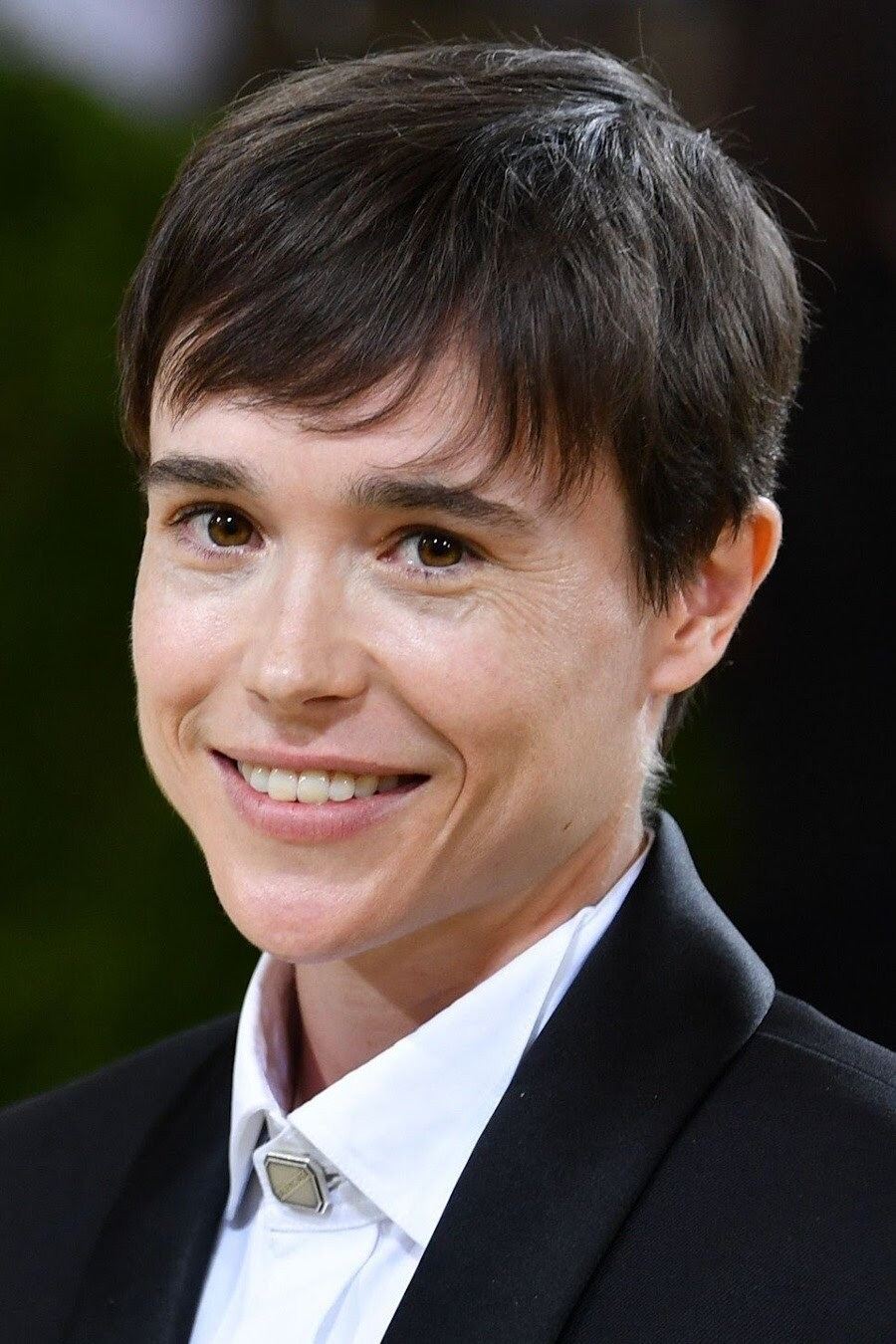
Since coming out as transgender, Elliot Page has become a lightning rod for political debate in the United States. While he has garnered support from luxury fashion brands, his vocal opposition to anti-trans legislation in red states makes him a polarizing figure for mass-market products. Companies that sell to a broad American demographic often avoid partnering with figures who are at the center of the culture wars to avoid boycotts. Page’s advocacy is vital, but it undoubtedly narrows the field of corporations willing to sign him for national commercials.
George Takei
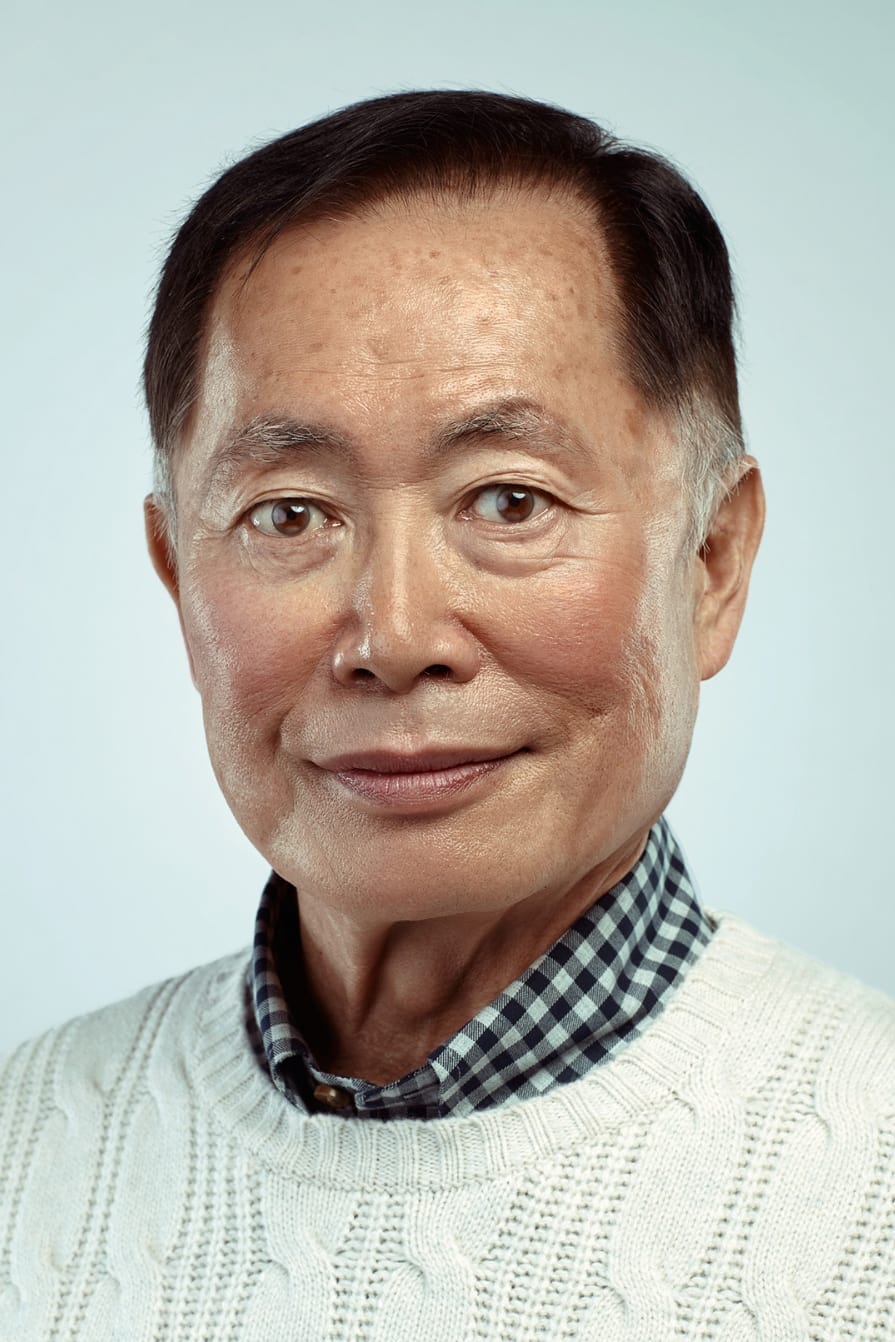
‘Star Trek’ legend George Takei has reinvented his career through relentless political activism on social media. However, his frequent and sharp critiques of conservative politicians and policies limit his appeal to a partisan audience. Brands seeking to remain neutral often avoid figures who dedicate their entire public presence to political commentary. Takei has sacrificed potential broad endorsement earnings to maintain his voice as a fierce critic of injustice and discrimination.
Rosie O’Donnell
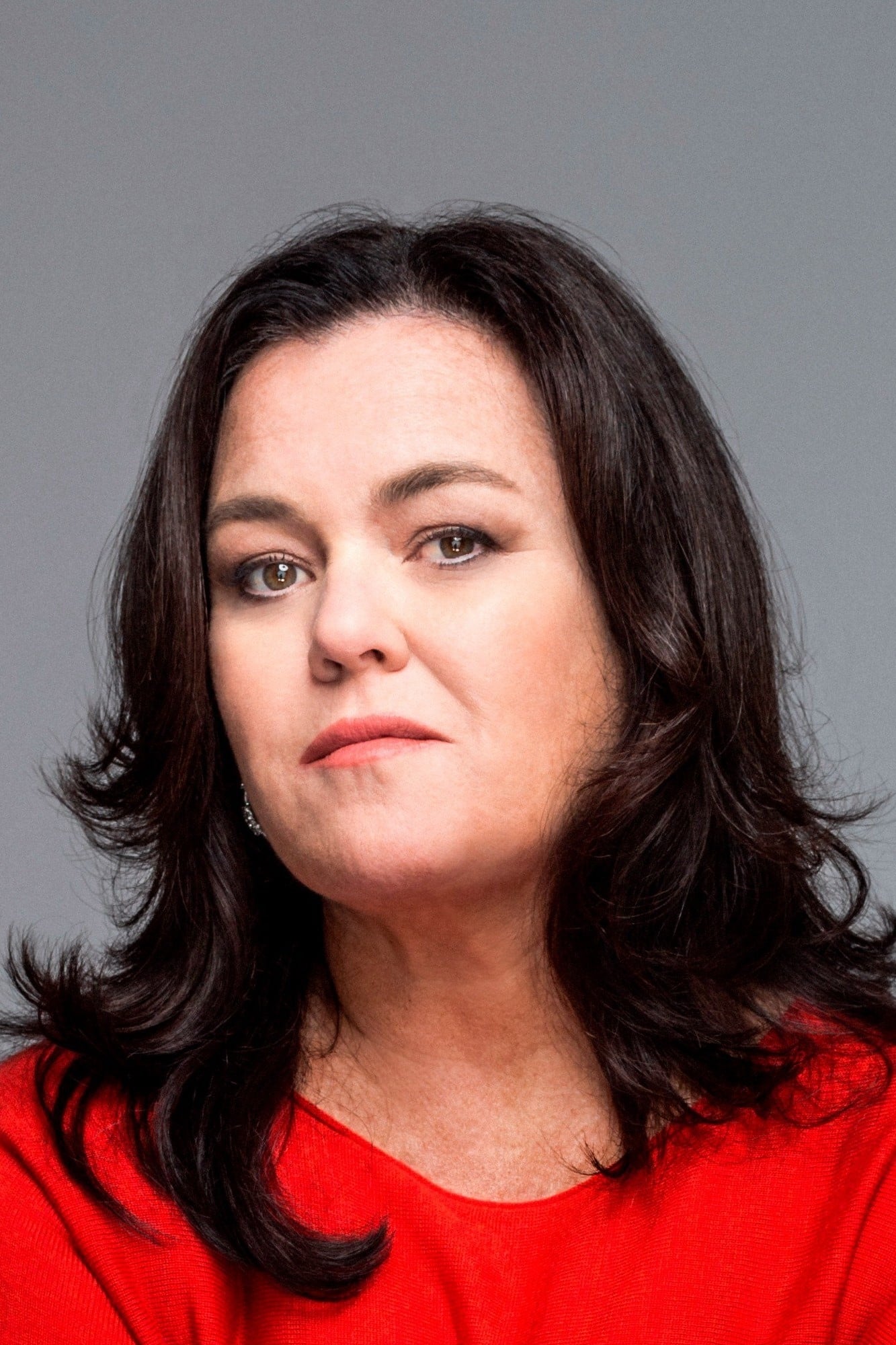
Rosie O’Donnell was once the queen of daytime television and a darling of advertisers until her political outspokenness changed her career trajectory. Her high-profile feuds with political figures and unyielding stance on gun control alienated a large portion of her audience and advertisers. While she remains a recognizable celebrity, the “brand safety” that companies crave was eroded by her controversial and combative public persona. She effectively traded her commercial empire for the freedom to speak her mind without corporate filters.
RuPaul
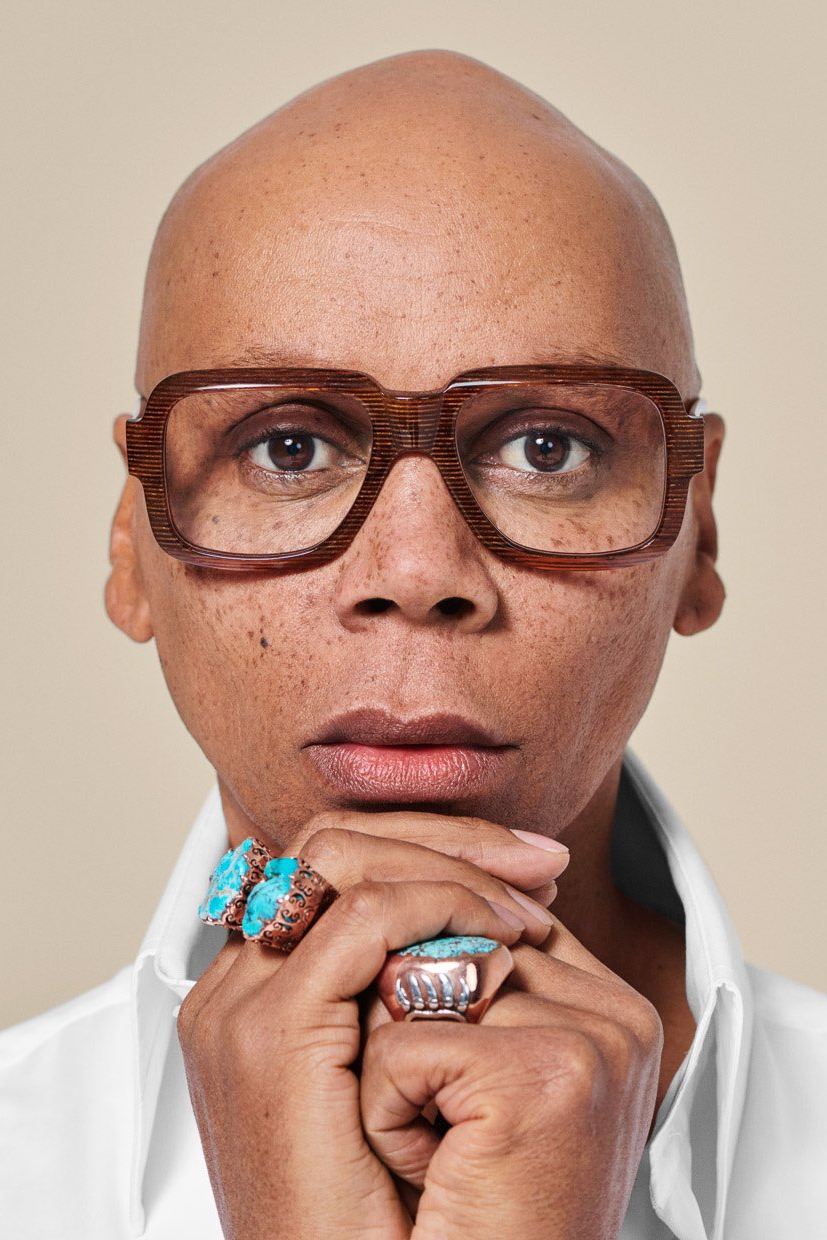
The host of ‘Drag Race’ has built a massive empire, but he has also faced backlash that chipped away at his endorsement power with younger generations. controversy surrounding his past comments on trans contestants and his fracking ranch caused a rift with progressive activists who previously championed him. While he retains major mainstream deals, certain youth-oriented and eco-conscious brands have distanced themselves from his platform. The criticism highlights the generational divide in the LGBTQ+ community and how it affects brand loyalty.
Margaret Cho
Comedian and actress Margaret Cho has built a career on pushing boundaries, but her political humor restricts her mainstream commercial viability. Her unvarnished takes on race, sexuality, and politics often cross the line of what corporate sponsors consider “safe” for television advertising. Cho has frequently spoken about being marginalized by the industry for refusing to tone down her act for palatable consumption. This refusal to assimilate ensures her cult status but precludes her from the type of bland, high-paying endorsements other actors receive.
Wanda Sykes
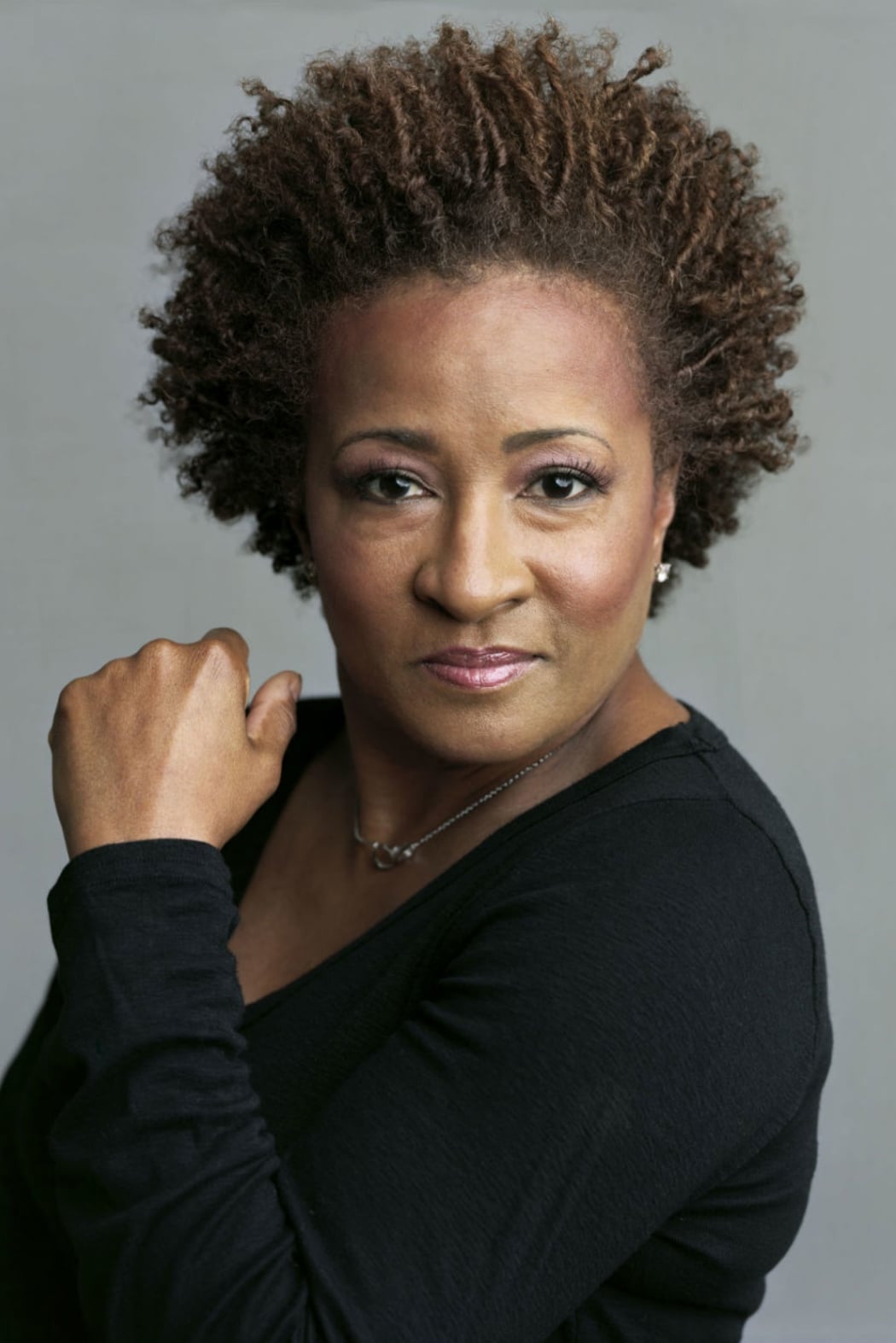
Wanda Sykes acts as a prominent voice in LGBTQ+ rights, yet her sharp political comedy creates a ceiling for her endorsement potential. After Sykes publicly criticized the Academy’s handling of the Will Smith slap incident and consistently roasts conservative figures, she became a polarizing figure. Major corporations often fear that hiring a comedian known for biting political satire will alienate half their customer base. Sykes prioritizes her comedic authenticity over the pursuit of neutral, mass-market brand deals.
Alan Cumming
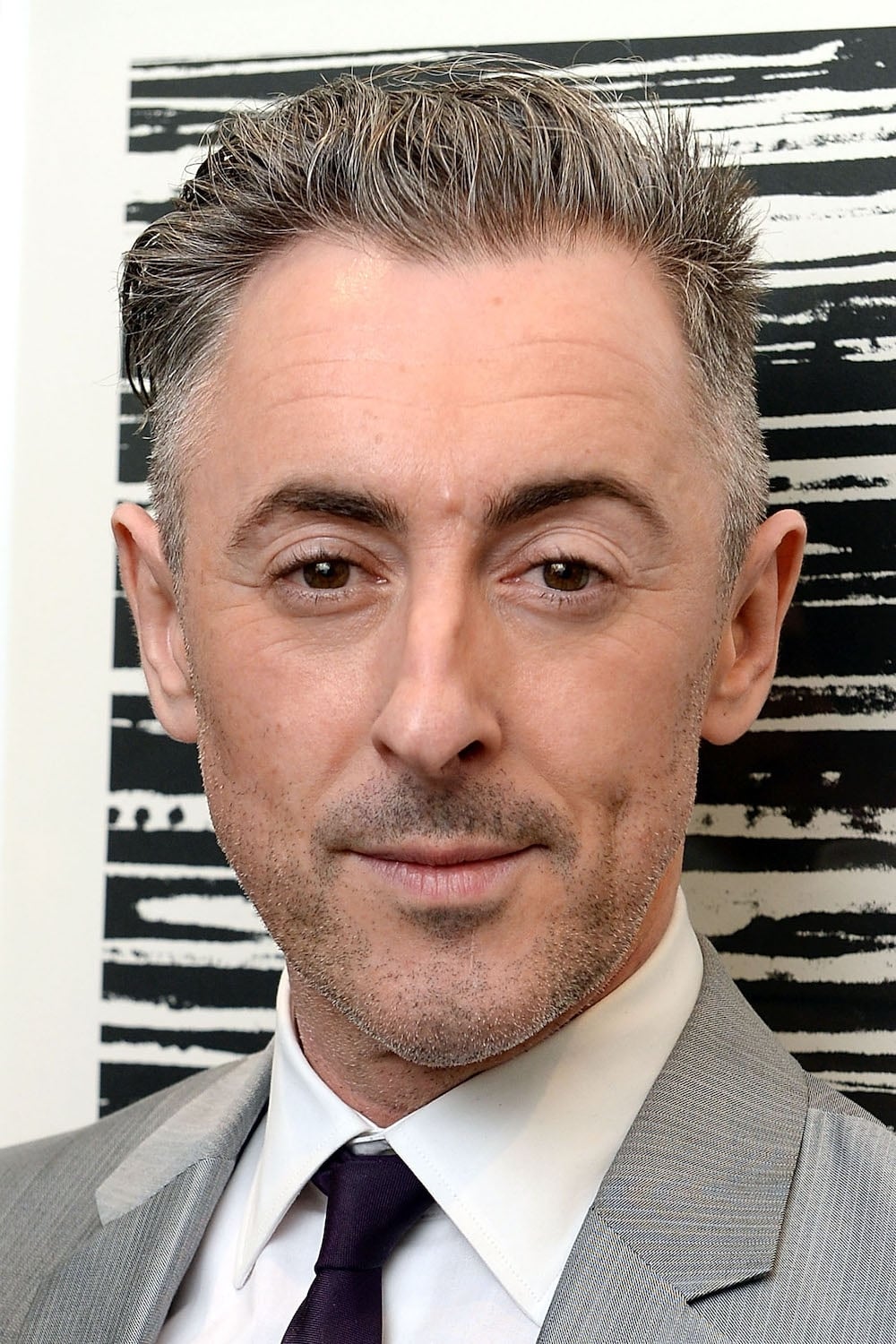
Scottish actor Alan Cumming made a powerful statement by returning his OBE (Order of the British Empire) to protest the “toxicity” of the British Empire. This rejection of a royal honor was a direct protest against historical oppression and the empire’s treatment of indigenous peoples. Such a bold anti-establishment move signals to heritage brands and traditional institutions that he is not a compliant representative. While the move garnered respect from activists, it likely closed doors with conservative British brands that value tradition and royalty.
Share your thoughts on whether actors should sacrifice their careers for their convictions in the comments.