


20 Gay Actors Who Turned Down Iconic Straight Roles Everyone Regrets

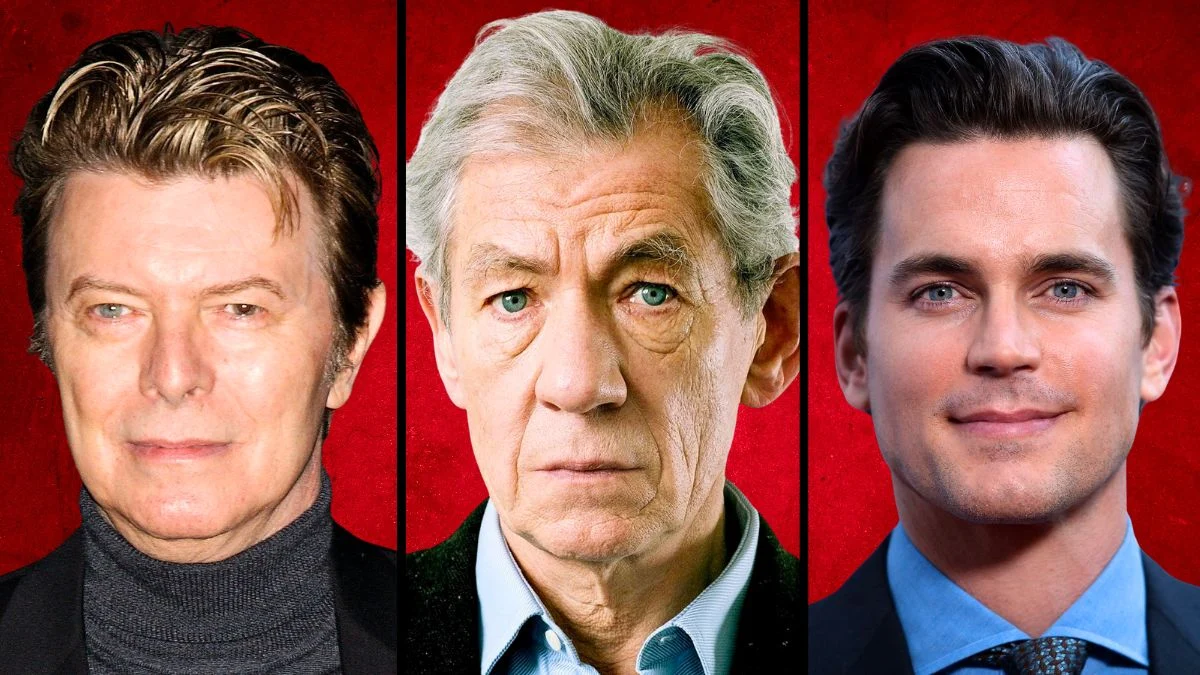


Hollywood history is filled with casting “what ifs” that could have changed the trajectory of film and television forever. Many prominent actors who identify as gay or bisexual have declined roles that went on to become massive cultural touchstones defined by straight masculinity or romance. These decisions were often driven by scheduling conflicts or artistic differences but sometimes stemmed from the fear of typecasting or personal discomfort with the material.
Ian McKellen
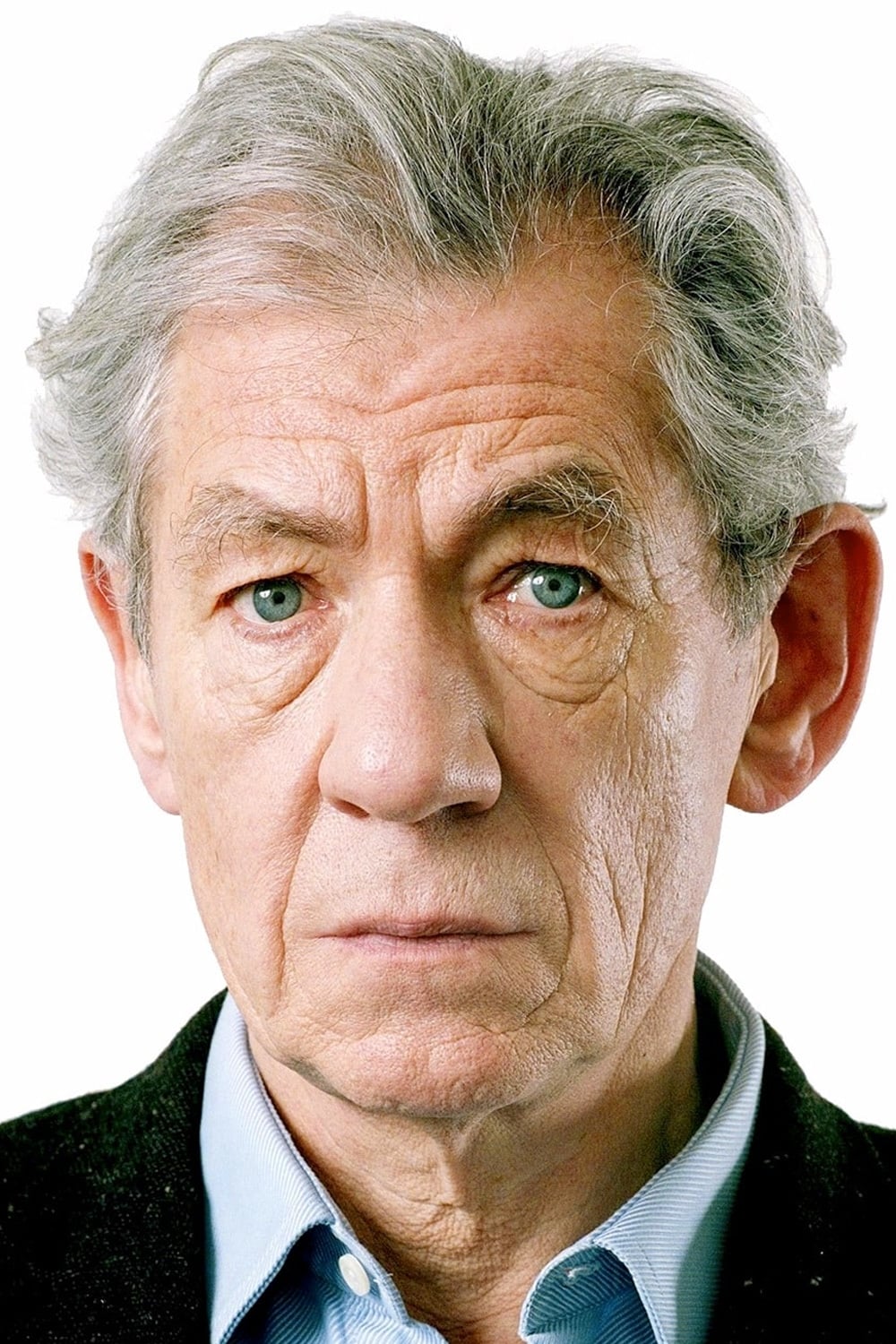
The legendary British thespian was heavily courted to take over the role of Albus Dumbledore in ‘Harry Potter and the Prisoner of Azkaban’ (2004) following the death of Richard Harris. McKellen rejected the offer because Harris had previously criticized him as a technically brilliant but passionless actor. He felt it would be inappropriate to inherit the role from a man who did not approve of his work. The part ultimately went to Michael Gambon who played the Hogwarts headmaster for the remainder of the franchise.
Rock Hudson
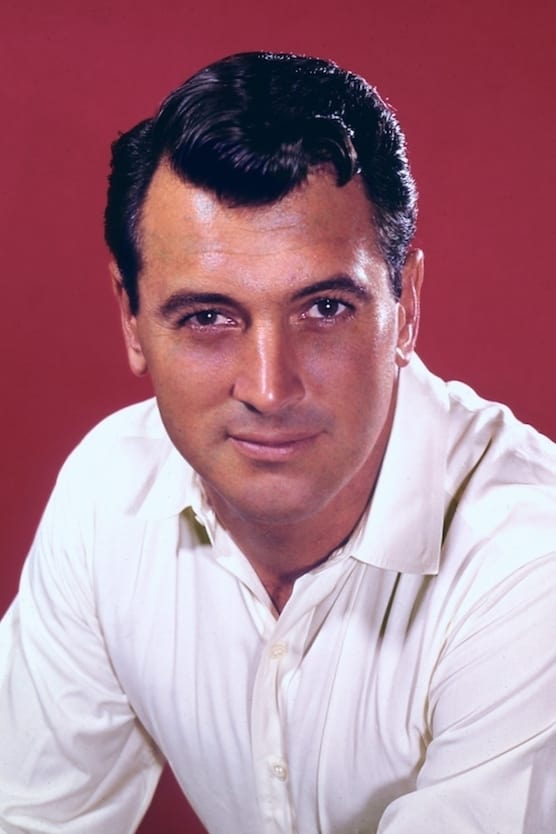
Hudson was one of the biggest stars in Hollywood when he was offered the titular role in the epic ‘Ben-Hur’ (1959). He declined the part because his agent felt the film was too risky and he did not want to wear sandals on screen. Charlton Heston took the role and won the Academy Award for Best Actor while the film became a cinematic legend. Hudson later admitted that turning down the chance to play Judah Ben-Hur was the biggest mistake of his career.
Montgomery Clift

This method acting pioneer was the original choice to play the struggling screenwriter Joe Gillis in ‘Sunset Boulevard’ (1950). Clift dropped out of the production just two weeks before filming began because he felt the plot mirrored his real life relationship with older singer Libby Holman too closely. William Holden stepped in to replace him and delivered a career-defining performance that earned him an Oscar nomination. Clift spent the rest of his career choosing gritty roles to distance himself from the matinee idol image.
Cary Grant
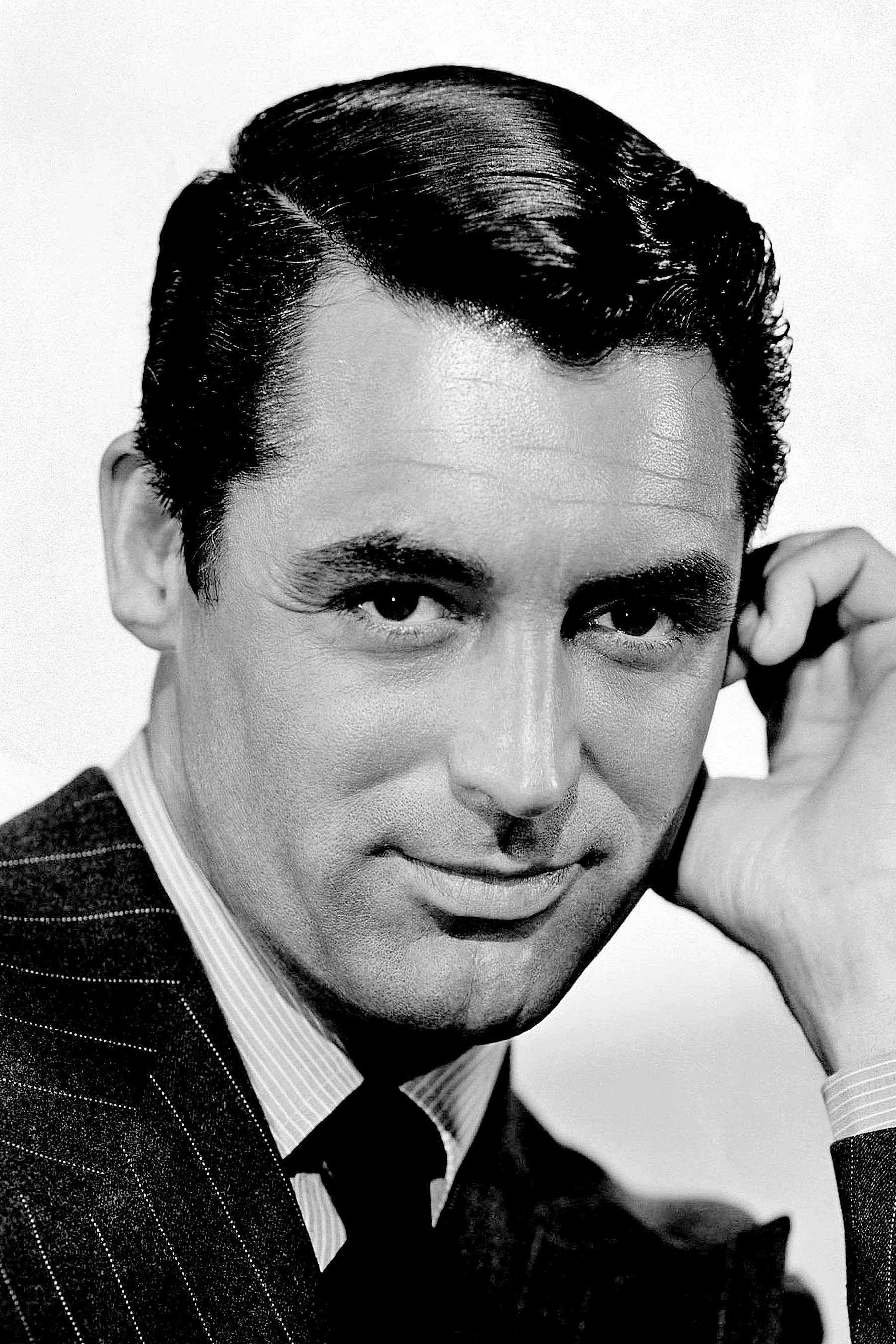
Producers Albert R. Broccoli and Harry Saltzman desperately wanted Grant to inaugurate the role of James Bond in ‘Dr. No’ (1962). The suave actor was the visual inspiration for the character in the original novels but he refused to commit to a multi-picture contract at the age of 58. He was only willing to sign on for a single film which did not align with the studio’s plans for a long franchise. Sean Connery was cast instead and launched the most successful spy series in cinema history.
Marlon Brando
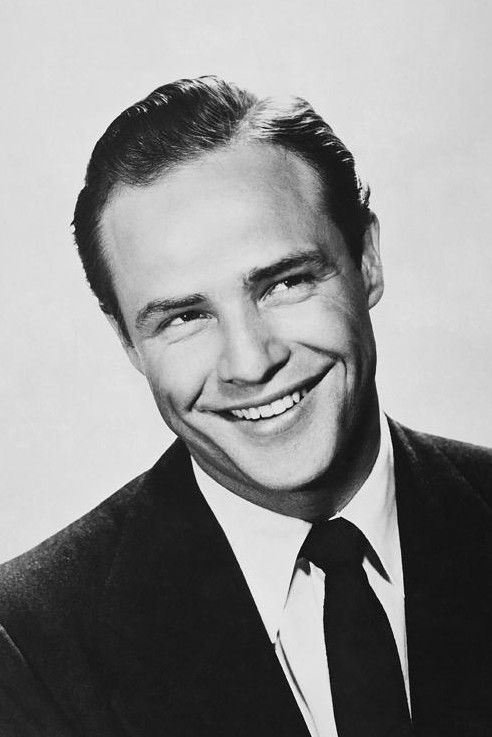
The celebrated actor was the first choice to play the lead figure T.E. Lawrence in the historical masterpiece ‘Lawrence of Arabia’ (1962). Brando turned down the opportunity because he did not want to spend months filming in the desert and preferred the location shoot for ‘Mutiny on the Bounty’ in Tahiti. Peter O’Toole accepted the role and delivered a performance that is widely considered one of the greatest in film history. Brando later admitted he refused to spend two years of his life on a camel.
Alan Cumming
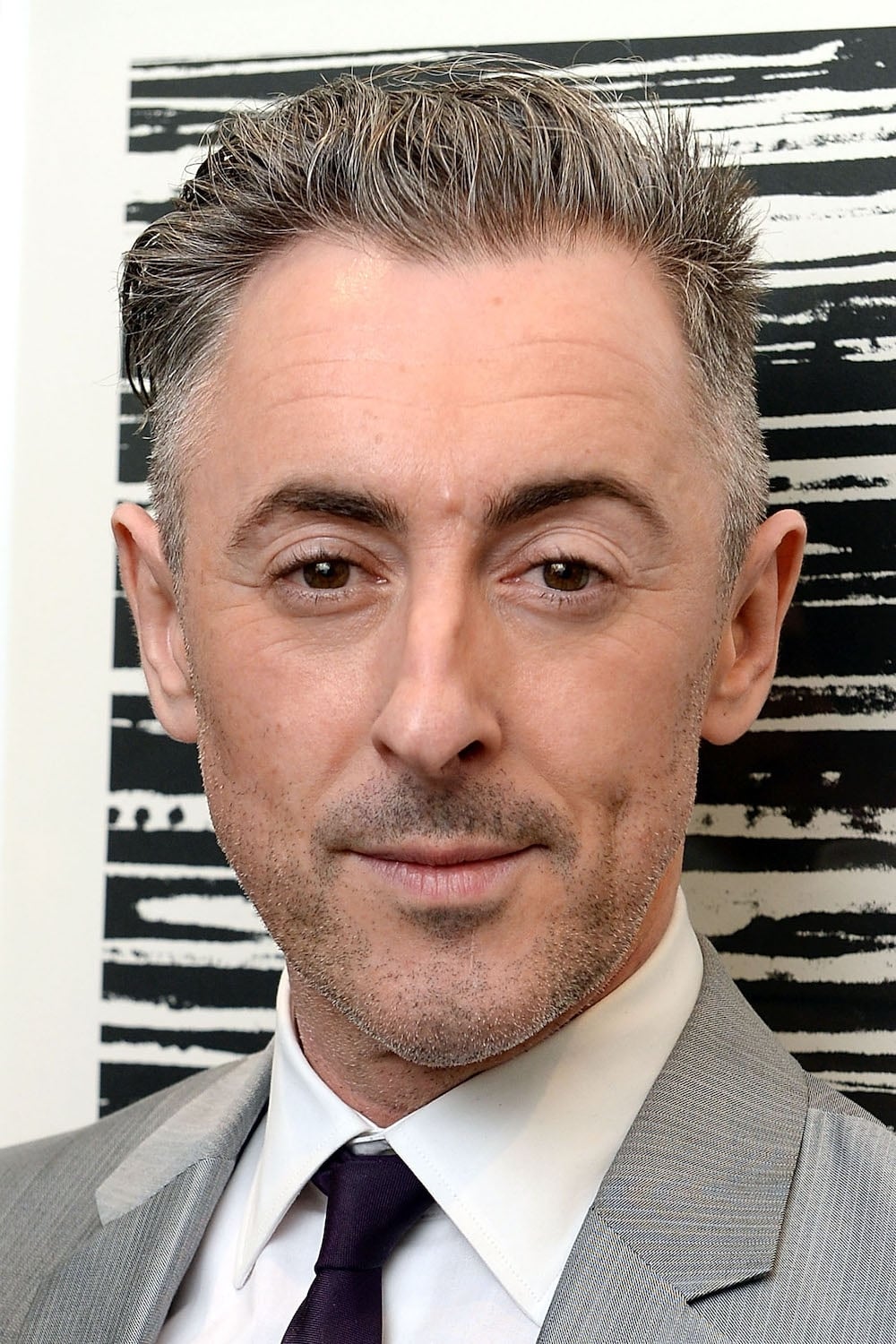
The Scottish actor was in the running to play the vain and fraudulent wizard Gilderoy Lockhart in ‘Harry Potter and the Chamber of Secrets’ (2002). Cumming told the producers to get lost after they offered him a salary that he found insulting compared to his contemporary Rupert Everett. He also discovered that the studio was double dipping by auditioning both him and Everett for the same part. Kenneth Branagh eventually secured the role and brought his own Shakespearean flair to the character.
Tim Curry
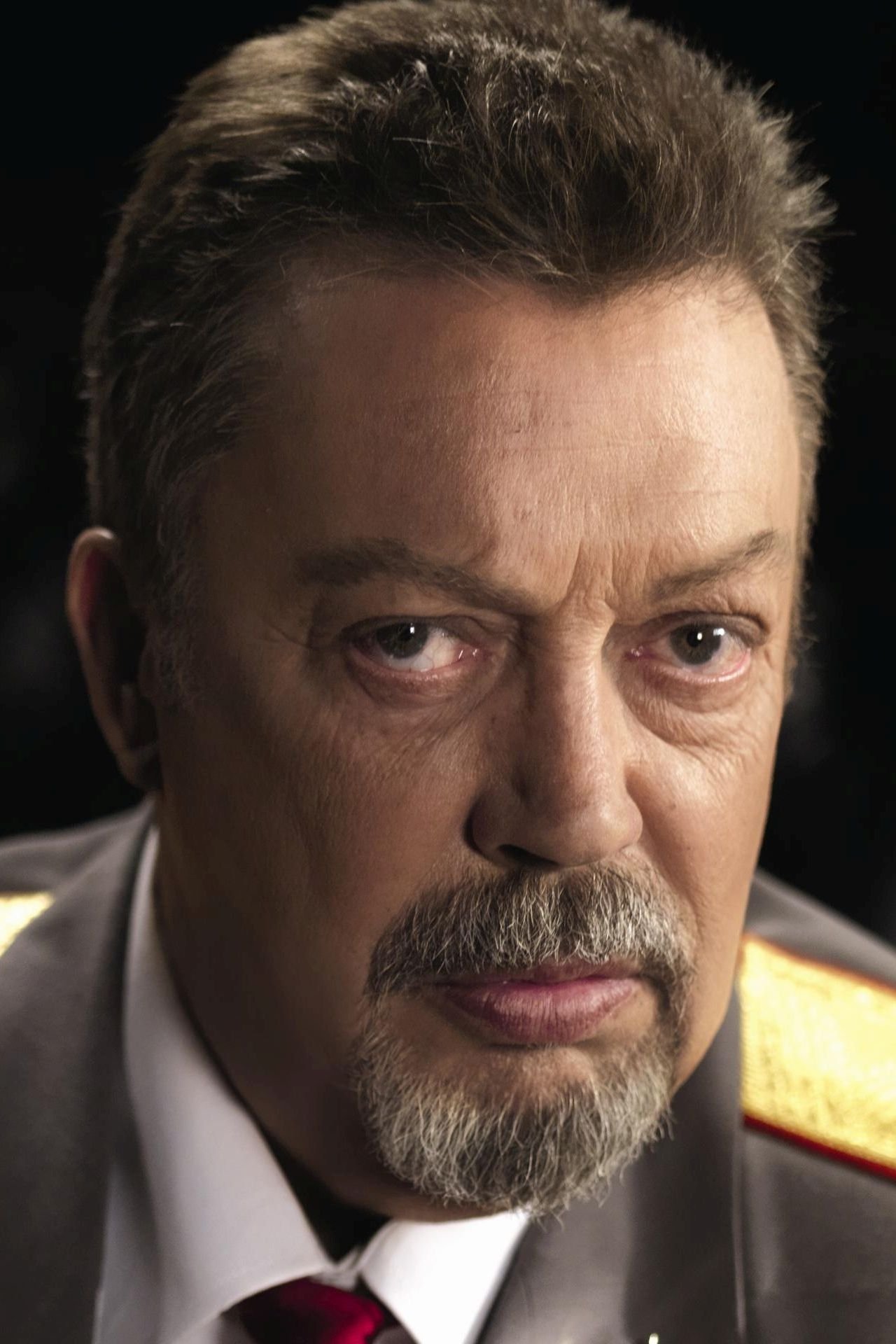
Curry was the top choice to play the villainous Emile Mondavarious in the live action adaptation of ‘Scooby-Doo’ (2002). He turned down the role because he was a massive fan of the original cartoon and learned that the widely disliked character Scrappy-Doo would be included in the film. The role of the spooky theme park owner went to Rowan Atkinson instead. Curry avoided the project entirely to preserve his fond memories of the classic animated series.
David Bowie
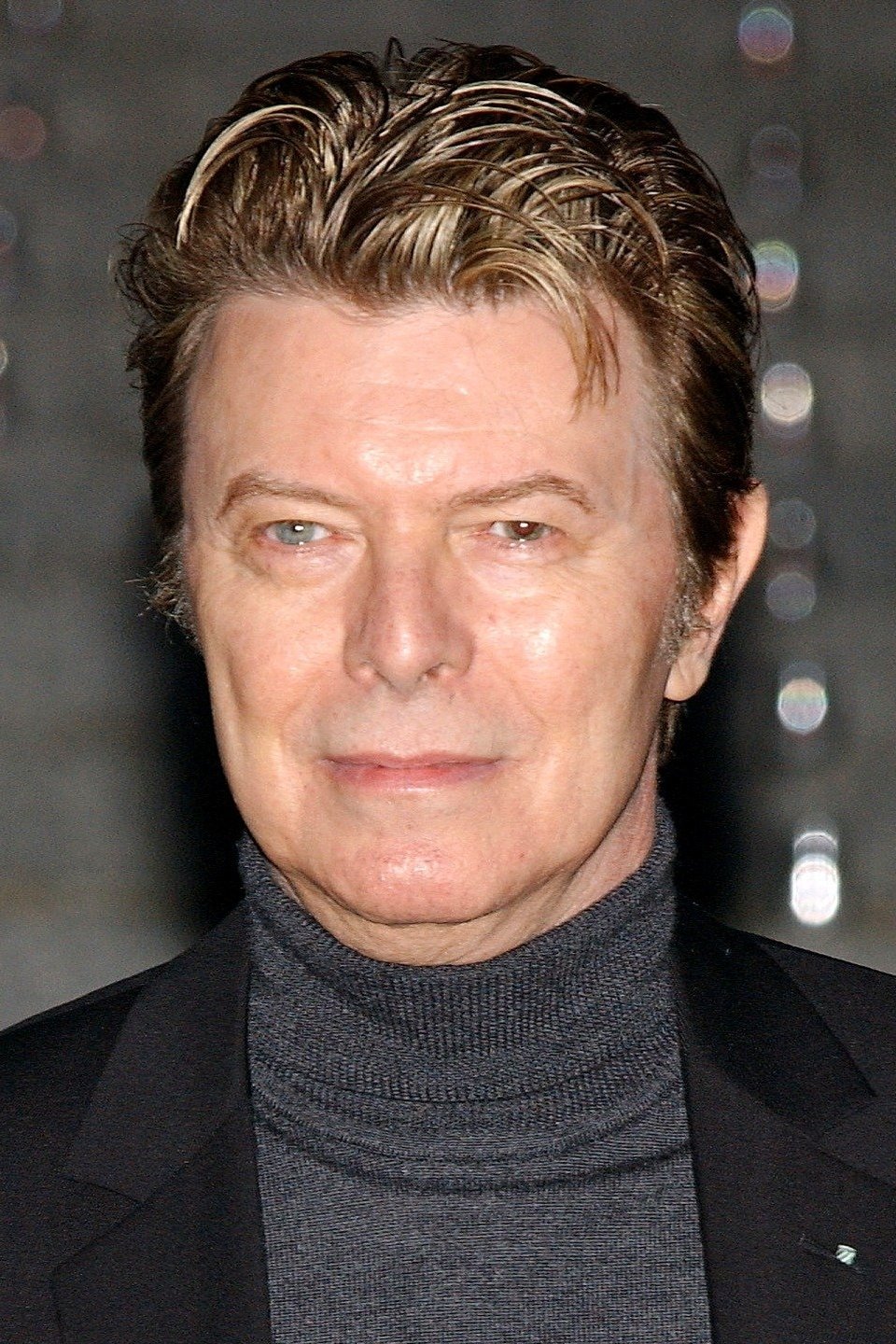
The music icon was offered the chance to play the Bond villain Max Zorin in ‘A View to a Kill’ (1985) opposite Roger Moore. Bowie declined the role because he did not want to spend months filming stunt sequences and preferred to focus on his work in ‘Labyrinth’ and his music career. Christopher Walken took over the part and created one of the most eccentric antagonists in the 007 canon. Bowie later remarked that he felt the script was too formulaic for his tastes.
Jim Parsons

Parsons shocked the television world when he turned down a reported 50 million dollars to continue playing Sheldon Cooper for two more seasons of ‘The Big Bang Theory’ (2007–2019). His decision to leave effectively ended the show after twelve seasons because the creators did not want to continue without him. He felt that he had explored every aspect of the character and was ready to return to the stage and take on dramatic film roles. The show concluded as the longest running multi-camera comedy in television history.
Wentworth Miller
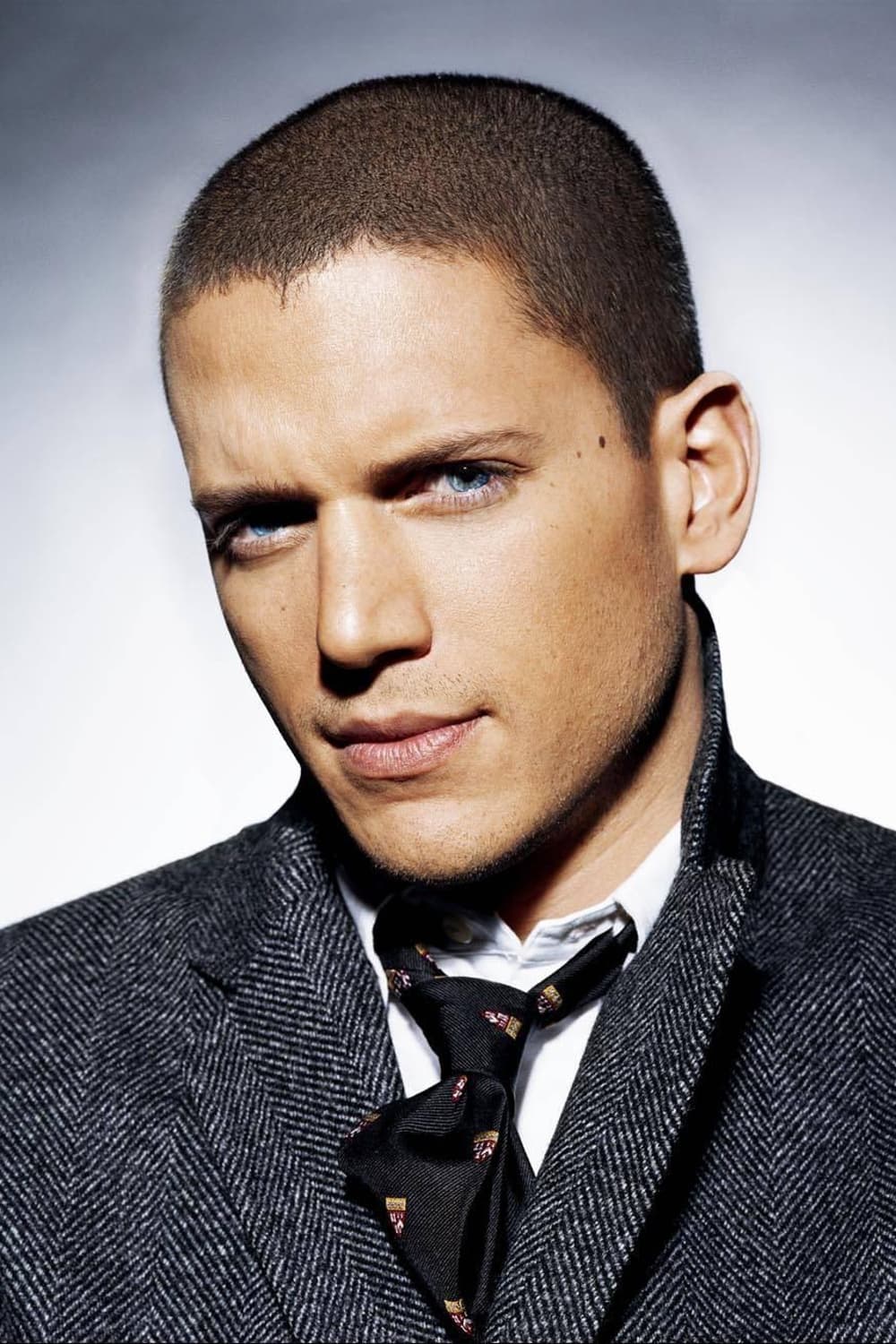
Miller announced he would not return for a potential sixth season of ‘Prison Break’ (2005–2017) because he no longer wanted to play straight characters. He stated that the stories of straight men had been told repeatedly and he wanted to focus on projects that honored his identity as a gay man. His refusal to reprise the role of Michael Scofield effectively killed plans for another revival of the hit series. Fans supported his decision to prioritize authentic representation over a paycheck.
Neil Patrick Harris
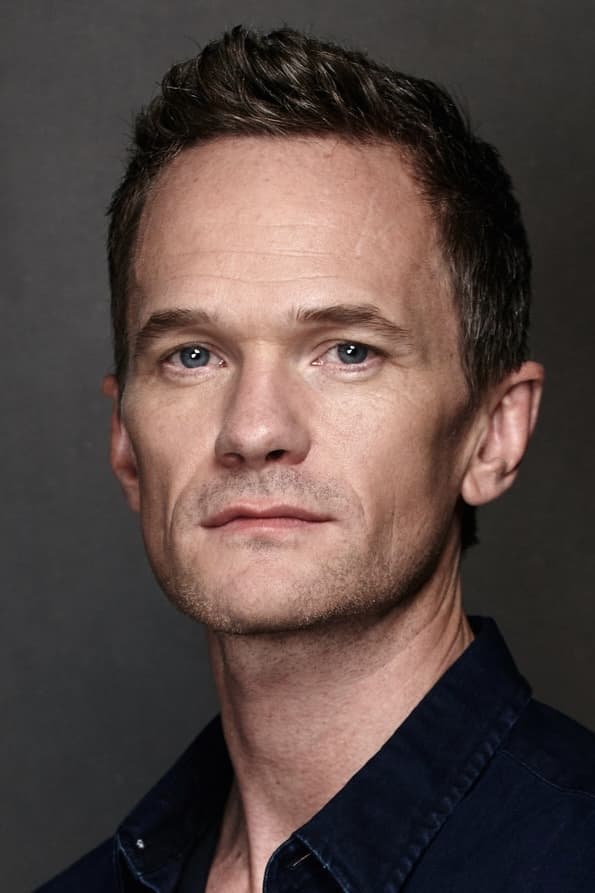
CBS executives approached Harris to succeed David Letterman as the host of ‘The Late Show’ (2015) after his successful run hosting the Tony Awards. He turned down the prestigious gig because he felt the nightly grind would become repetitive and he did not want to be tied to a single format. Harris preferred variety in his career and wanted to keep his schedule open for acting and Broadway projects. Stephen Colbert was eventually selected to take over the iconic late night desk.
John Gielgud
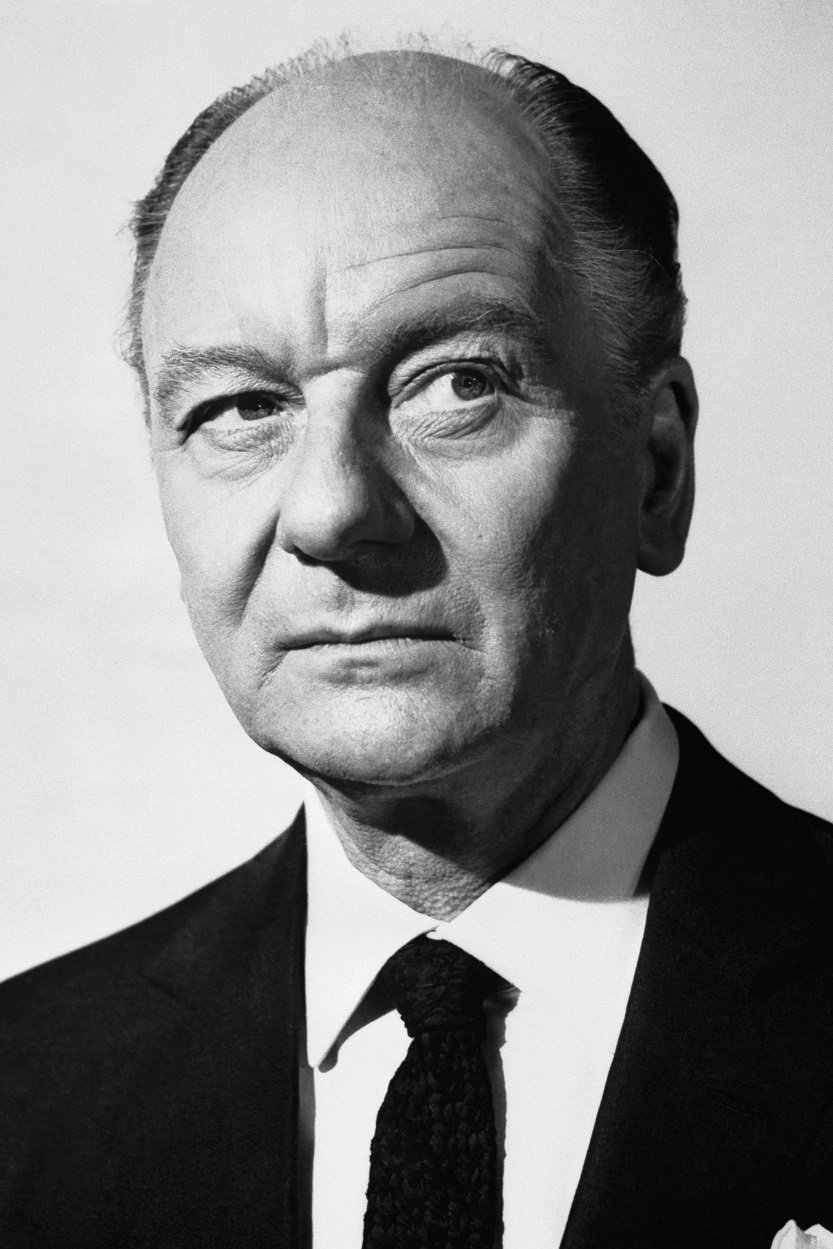
The esteemed British actor was George Bernard Shaw’s personal choice to play the Roman leader in the film adaptation of ‘Caesar and Cleopatra’ (1945). Gielgud rejected the offer because he had a strong dislike for the director Gabriel Pascal and did not trust his artistic vision. Claude Rains took the part opposite Vivien Leigh in what became the most expensive British film made at that time. Gielgud continued to focus on his stage career and avoided the troubled production.
Charles Laughton
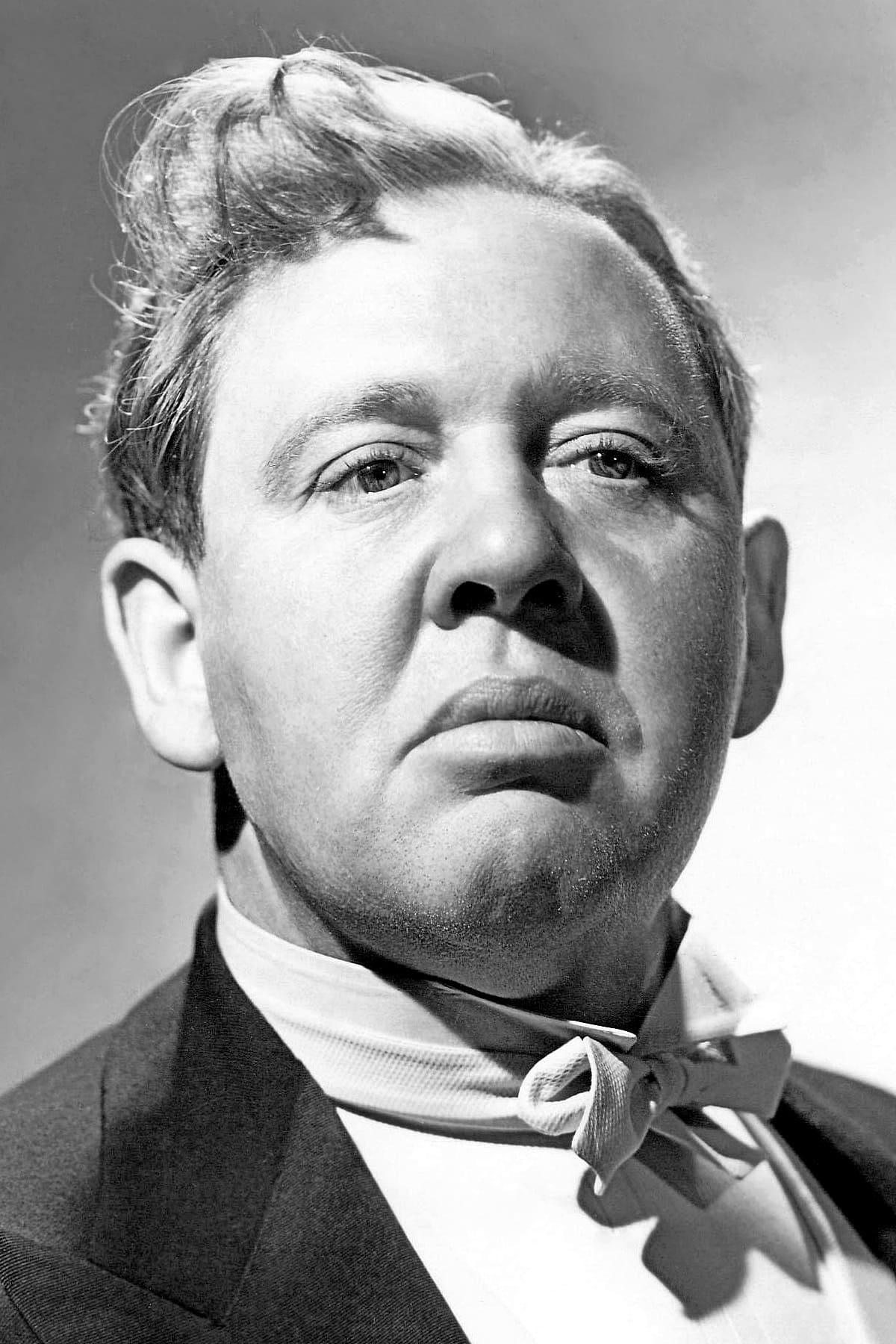
Laughton was originally cast as the optimistic Wilkins Micawber in the classic adaptation of ‘David Copperfield’ (1935). He filmed for two days before asking to be released from his contract because he felt he could not capture the character’s inherent baldness and mannerisms correctly. The studio replaced him with W.C. Fields who delivered a comedic performance that is still revered today. Laughton famously struggled with his own appearance and often felt unsuited for roles that required a lighter touch.
Farley Granger
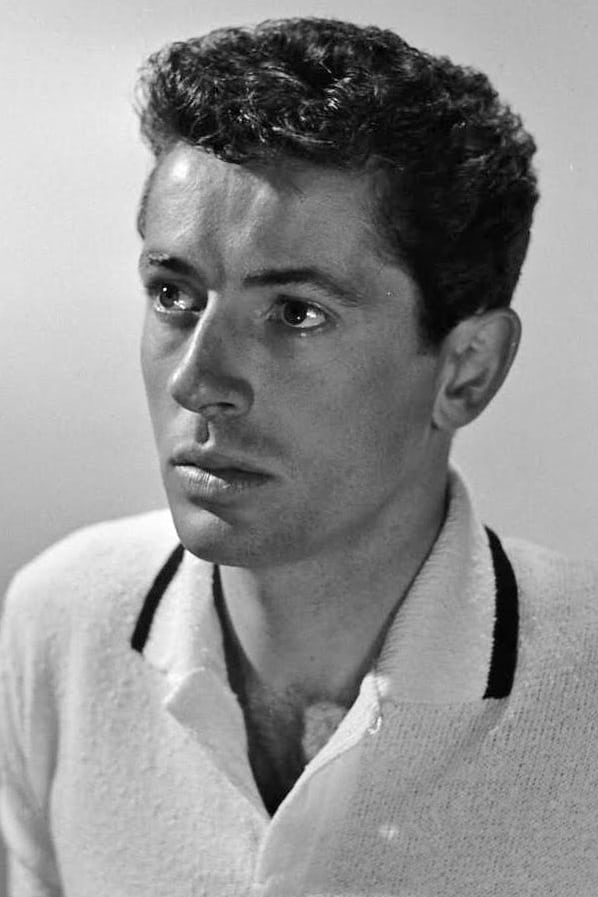
Granger was offered the lead role of Sinuhe in the big budget historical drama ‘The Egyptian’ (1954) after Marlon Brando dropped out. He turned it down because he was unhappy with his studio contract and wanted to pursue more serious work in the theater. Edmund Purdom eventually played the role in a film that was a critical and commercial disappointment. Granger preferred to suspension from the studio rather than accepting parts he felt were beneath his ability.
Tab Hunter
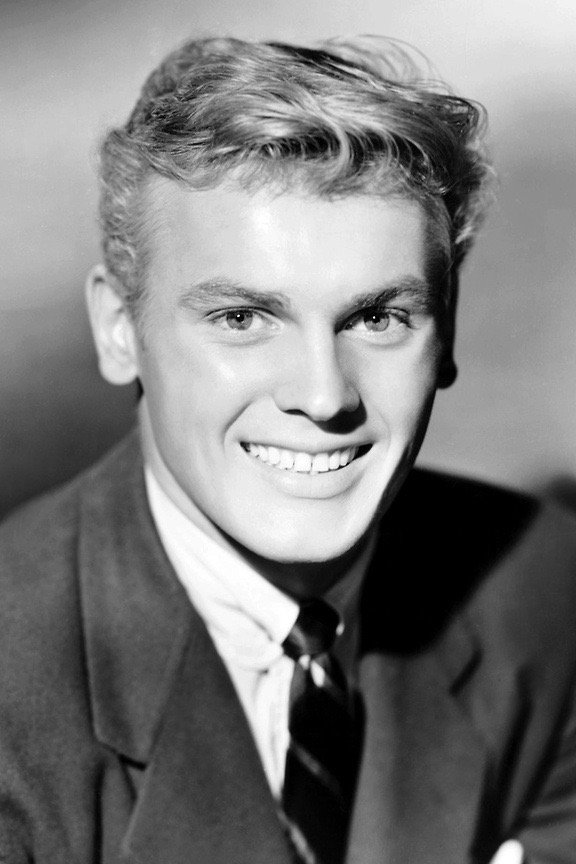
Warner Bros studio tried to pair Hunter with Natalie Wood for a third time in the film ‘Bombers B-52’ (1957) to capitalize on their popularity. Hunter rejected the role because he was tired of the lightweight scripts he was being offered and wanted to stretch his acting abilities. His refusal marked the beginning of a difficult period in his relationship with the studio executives who controlled his career. The role was eventually rewritten and cast with a different actor.
Stephen Fry
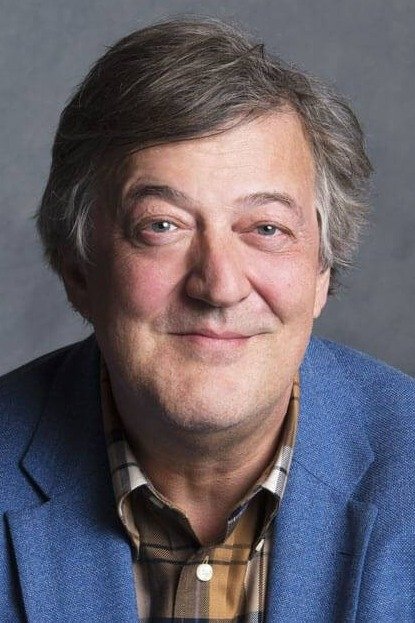
Fry was offered a significant role in the historical thriller ‘Valkyrie’ (2008) starring Tom Cruise. He was unable to accept the part of a conspirator against Hitler due to scheduling conflicts with his other television commitments. The film went on to be a commercial success and would have introduced Fry to a broader global audience in a dramatic capacity. He has expressed regret that the timing did not work out for him to join the ensemble cast.
Elton John
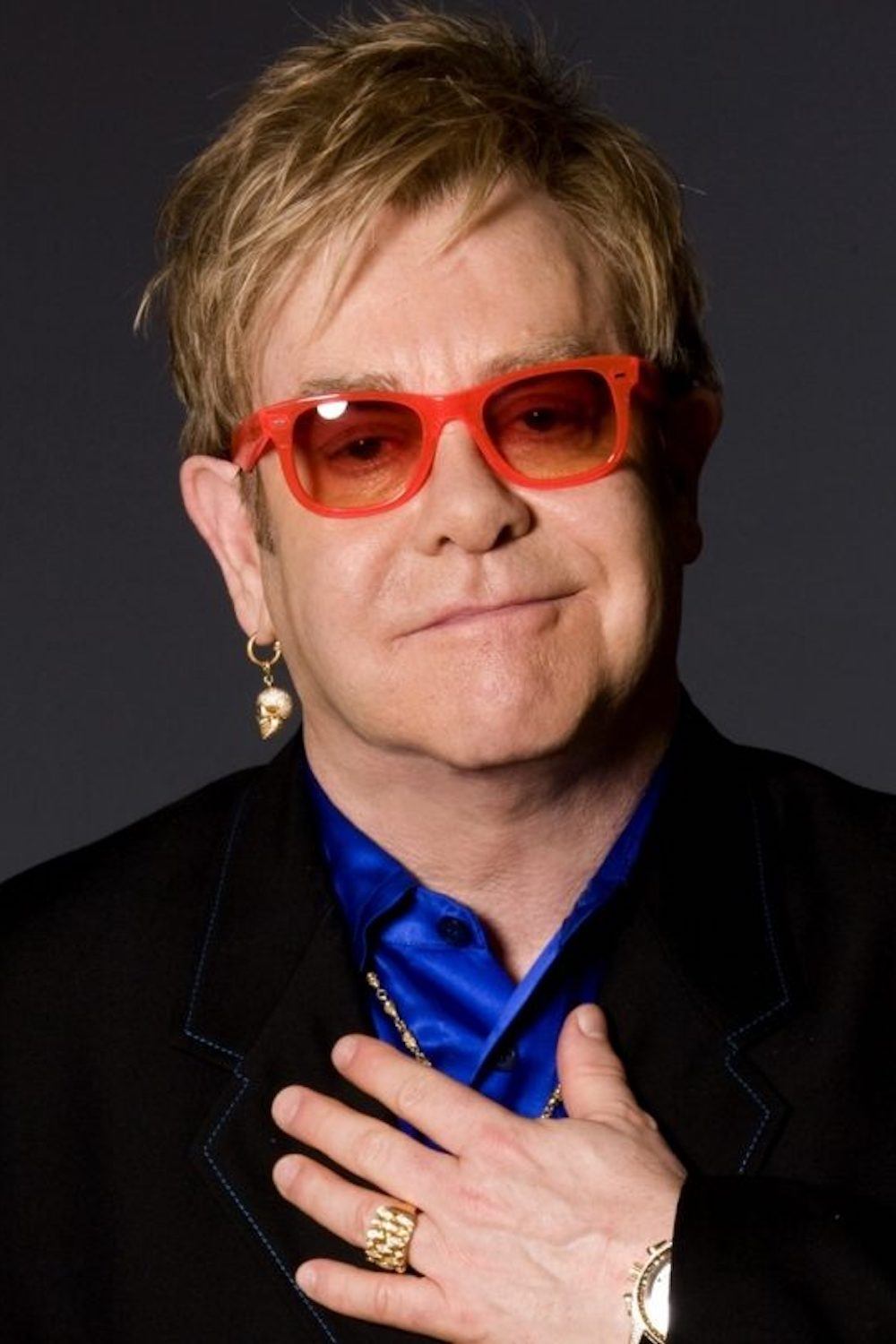
The music superstar was the top choice to play the death obsessed teenager in the cult classic ‘Harold and Maude’ (1971). He turned down the acting role to focus on his exploding music career which was just beginning to dominate the charts. Bud Cort played the part of Harold and created a unique chemistry with Ruth Gordon that defined the film. John has since said he is glad he stuck to music but remains a fan of the movie.
Freddie Mercury
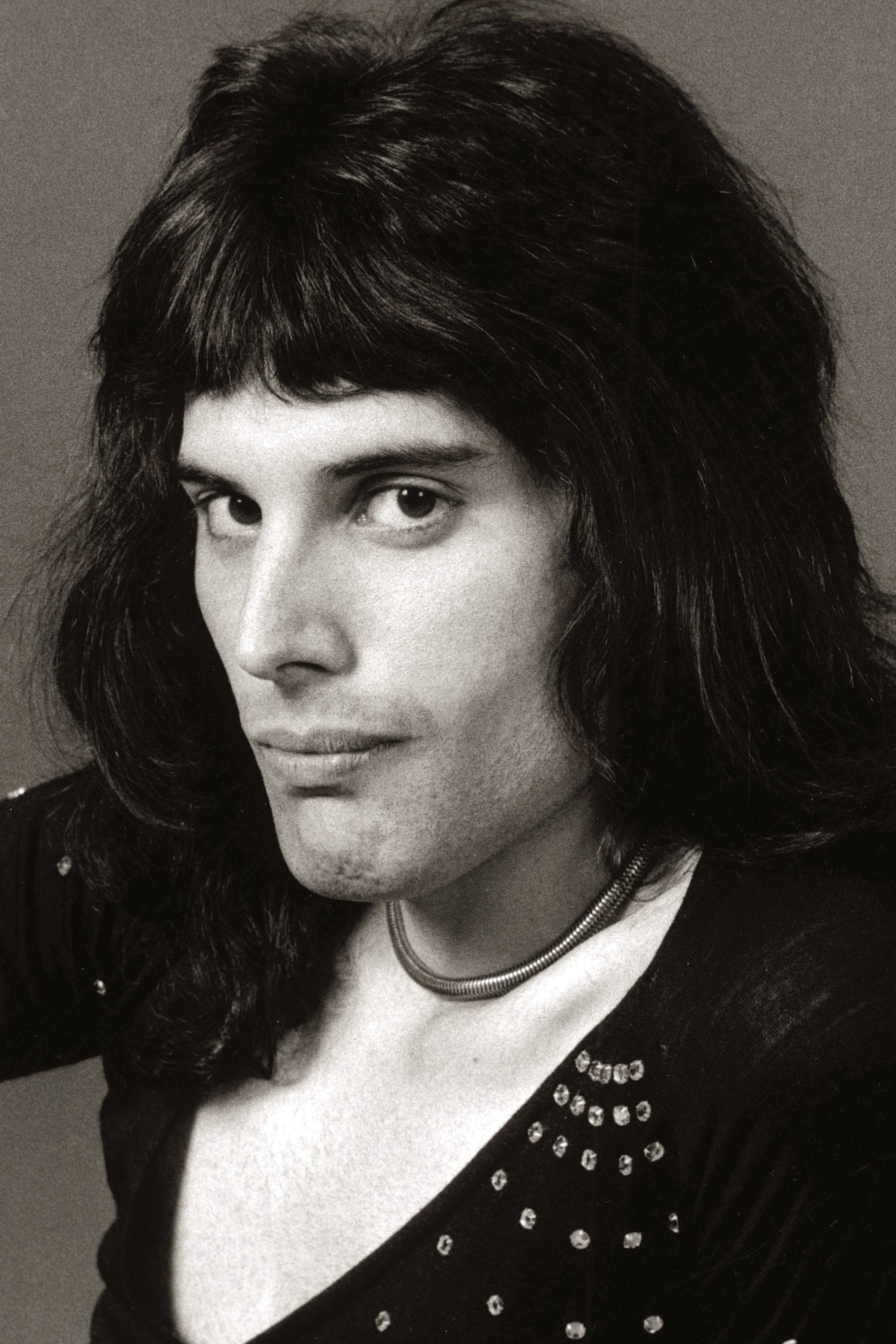
The Queen frontman was offered the role of Rodolfo in a Broadway production of ‘La Bohème’ alongside Linda Ronstadt. He turned down the opportunity because he did not feel his voice could sustain the rigorous schedule of a Broadway run seven days a week. Mercury also did not want to commit to a project that would take him away from recording and touring with his band. The production went ahead without him and remains a fascinating footnote in his biography.
Alec Guinness
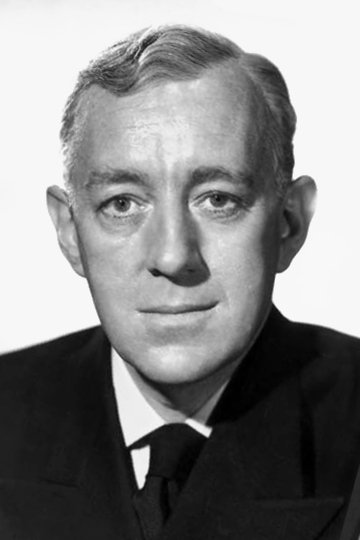
The distinguished actor was approached to play the lead spy Alec Leamas in ‘The Spy Who Came in from the Cold’ (1965). He turned down the role because he felt the character was too similar to other parts he had played and wanted to avoid being typecast in gloomy dramas. Richard Burton accepted the role and received an Academy Award nomination for his gritty portrayal of the burnt out agent. Guinness later regretted passing on the script which is considered one of the best spy films ever made.
Matt Bomer
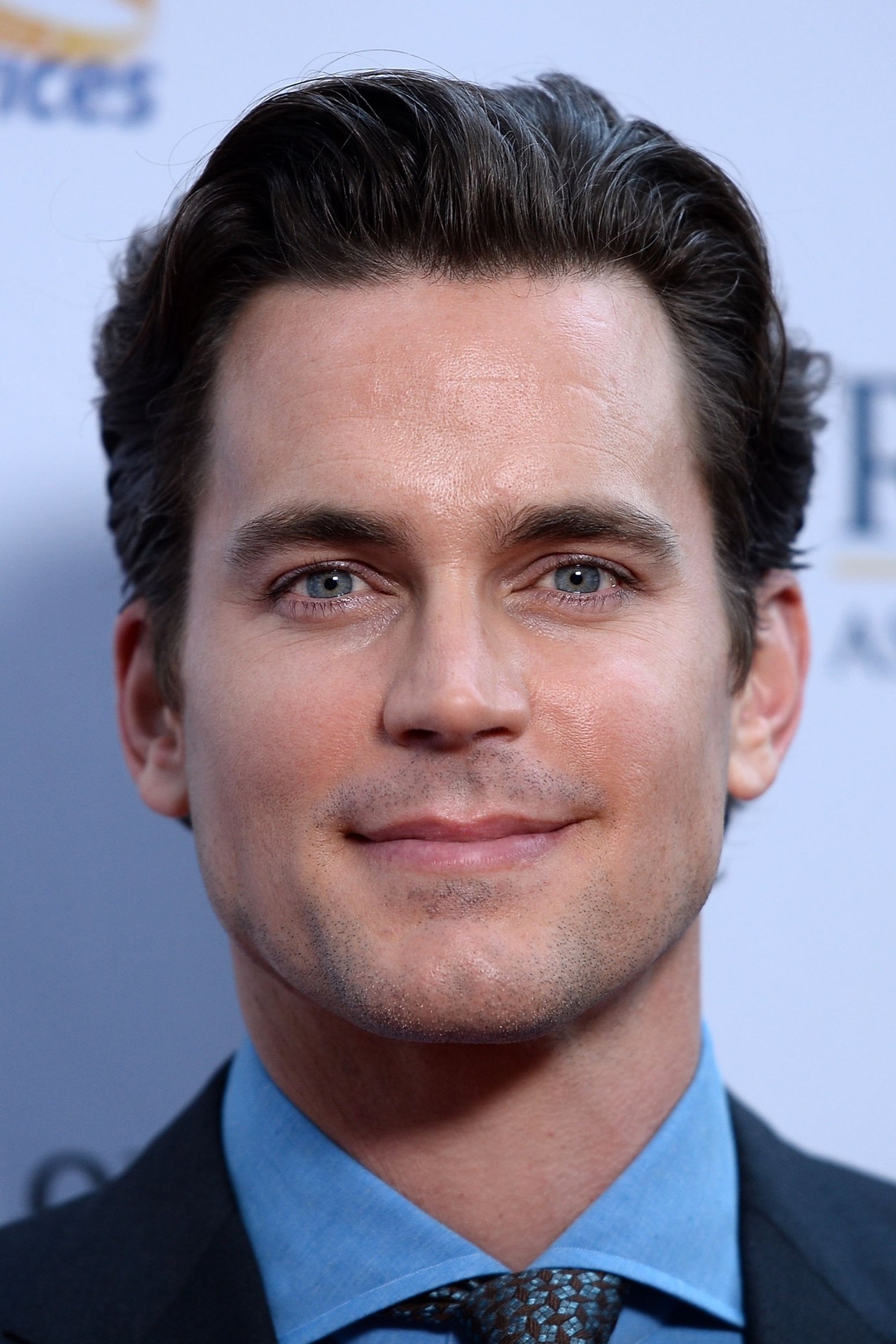
Fans launched a massive petition to have Bomer cast as Christian Grey in ‘Fifty Shades of Grey’ (2015) but the author and studio had other ideas. While not a formal refusal of an offer, Bomer publicly distanced himself from the campaign and graciously declined to pursue the role aggressively. He stated he was grateful for the fan support but was looking forward to seeing the movie with the chosen cast. The role went to Jamie Dornan and the franchise became a financial juggernaut despite critical panning.
Share your thoughts on which of these actors would have been the best fit for these famous roles in the comments.