


Gay Actors Whose Typecasting Led to Career-Breaking Burnout

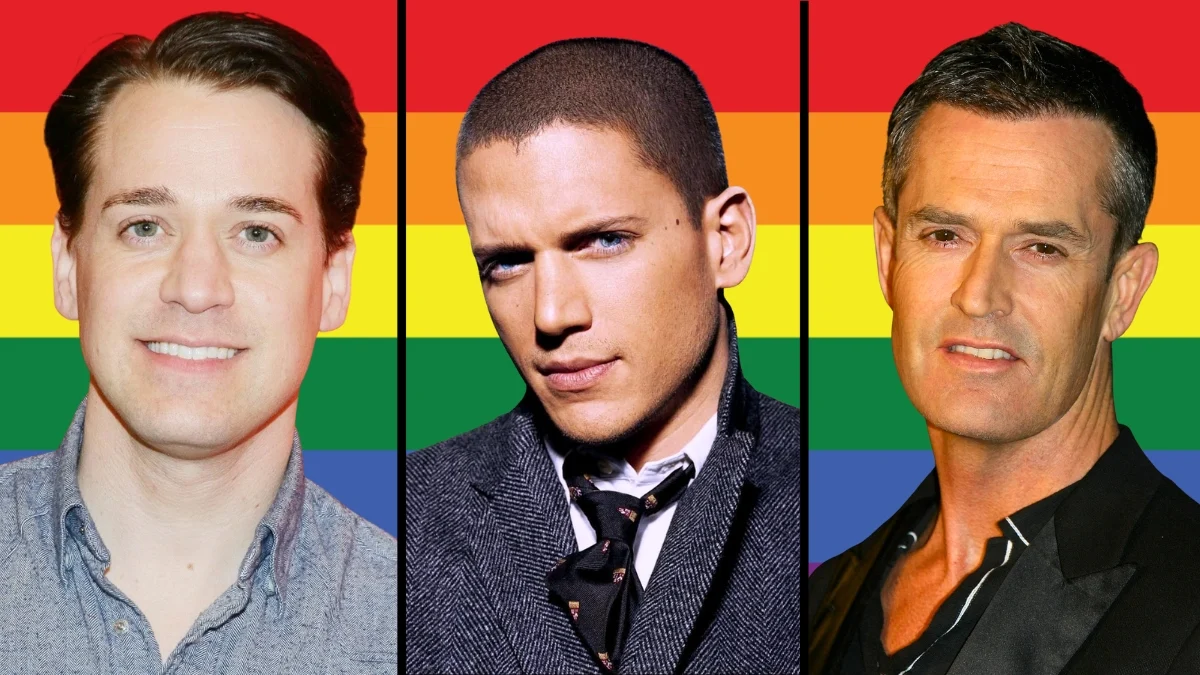


The entertainment industry often celebrates diversity on the surface while simultaneously confining actors to restrictive character tropes. Many talented performers found their career trajectories altered or stalled after coming out or playing iconic queer characters. This phenomenon of typecasting frequently leads to frustration and a lack of substantial roles that showcase their full range. The resulting stagnation can cause severe professional exhaustion and prompt some to leave the spotlight entirely.
Rupert Everett
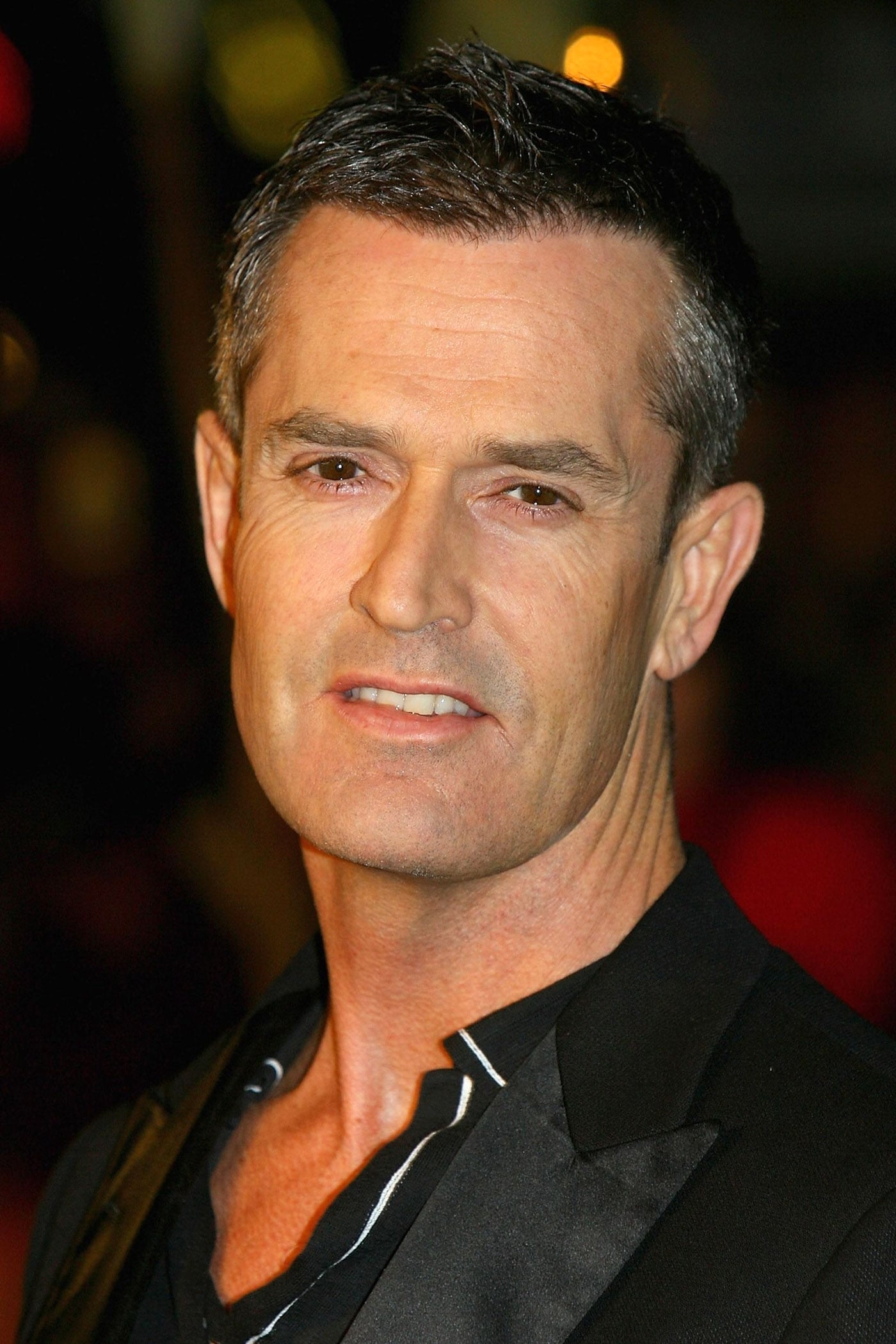
Rupert Everett experienced a massive surge in popularity that was curtailed by industry reluctance to cast him in leading heterosexual roles. He famously noted that his decision to come out effectively ended his viability as a traditional Hollywood leading man. Studios repeatedly offered him the role of the witty gay confidant in films like ‘My Best Friend’s Wedding’ and ‘The Next Best Thing’. The actor expressed deep frustration with these limitations and eventually pulled back from the American film industry to pursue work in Europe.
Colton Haynes
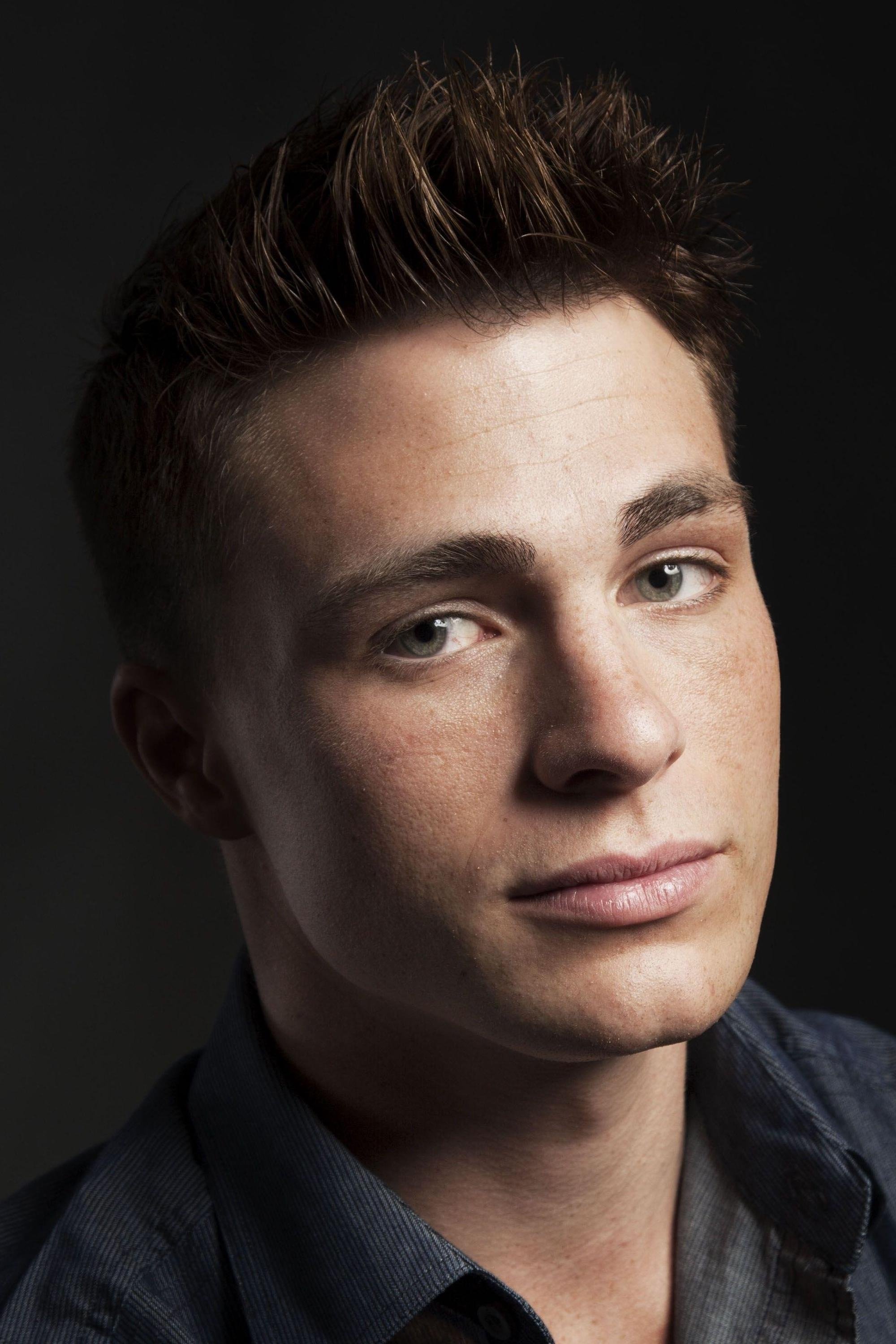
Colton Haynes faced immense pressure to maintain a specific heartthrob image while starring in ‘Teen Wolf’ and ‘Arrow’. The demand to conceal his sexuality to preserve his career viability contributed to severe anxiety and health complications. He eventually stepped away from regular television roles to prioritize his mental and physical recovery. Haynes later revealed that the stress of living up to industry expectations nearly caused him to quit acting permanently.
Wentworth Miller
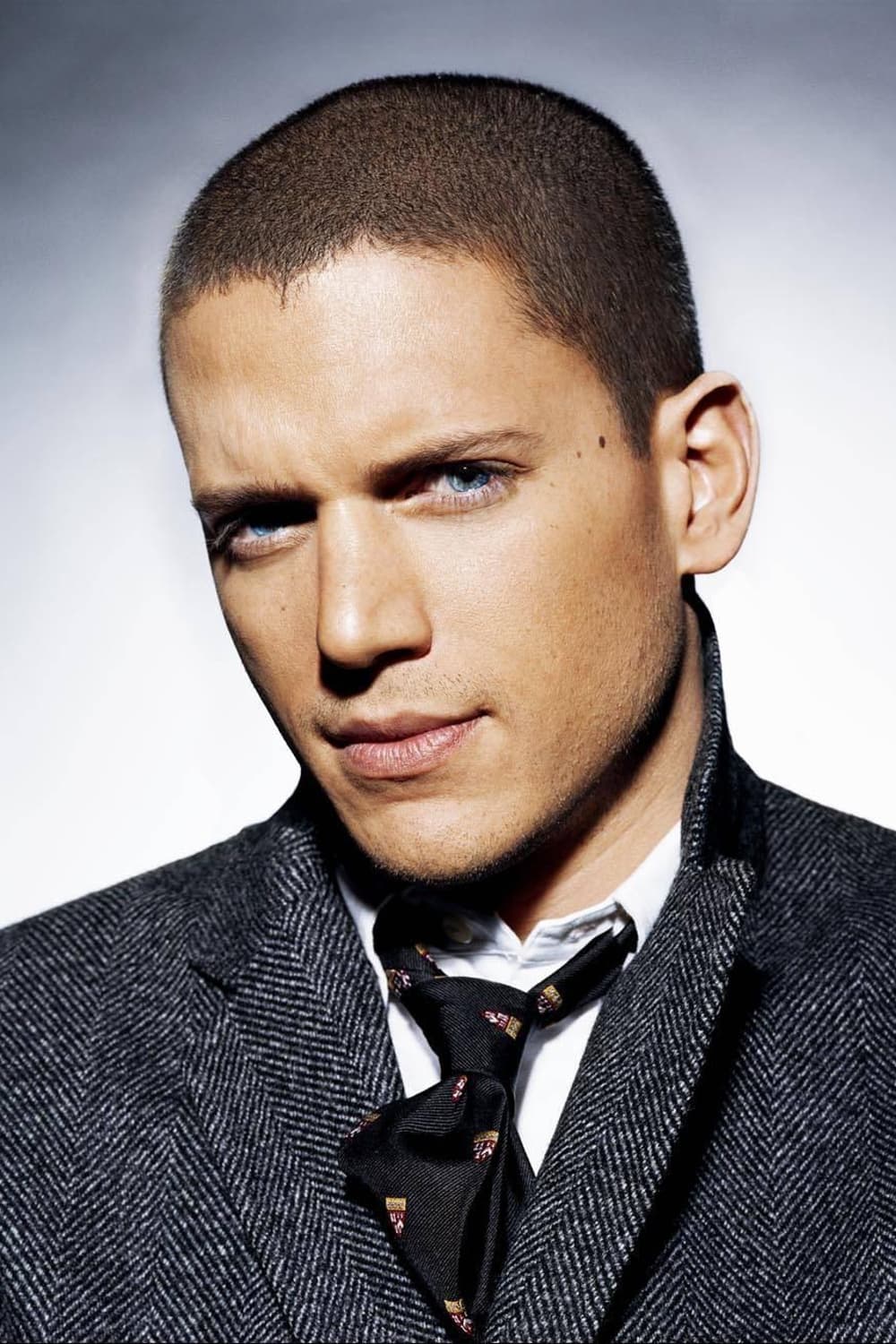
Wentworth Miller became a global superstar through his role in ‘Prison Break’ but suffered silently under the weight of hiding his identity. He formally retired from the franchise years later stating he no longer wished to play straight characters. The exhaustion of maintaining a public persona that differed from his private life took a toll on his mental health. Miller has since become an advocate for mental wellness while being highly selective about his on-screen projects.
Chad Allen
Chad Allen was a teen idol on ‘Dr. Quinn, Medicine Woman’ before tabloid coverage of his private life altered his career path. The resulting media frenzy severely limited his access to mainstream leading roles in major network television. He pivoted to independent cinema and theater before eventually retiring from acting completely. Allen ultimately chose to pursue a career in clinical psychology to support others facing similar challenges.
T. R. Knight
T.R. Knight became a household name on ‘Grey’s Anatomy’ but left the show following a highly publicized on-set controversy regarding his sexuality. He felt that his character George O’Malley was being written into a corner with diminishing screen time. The strain of the situation and the subsequent media circus led him to retreat to the theater world. Knight prioritized stage work for years before slowly returning to select television roles.
Sean Hayes
Sean Hayes created an iconic character in ‘Will & Grace’ that unfortunately made it difficult for audiences to see him in other lights. He struggled for years to be taken seriously in dramatic roles because the industry viewed him strictly as the flamboyant Jack McFarland. The actor spoke about the difficulty of breaking free from such a defining performance to find varied work. This typecasting stalled his momentum in film and forced him to turn to producing to create his own opportunities.
Chris Colfer
Chris Colfer shot to fame as Kurt Hummel on ‘Glee’ and became a representative for a generation of queer youth. The specificity of the role made it challenging for casting directors to envision him in different types of projects after the series ended. Colfer largely pivoted to writing successful children’s books as acting offers that matched his ambition became scarce. He found a new creative outlet in literature that allowed him to escape the constraints of Hollywood casting.
Randy Harrison
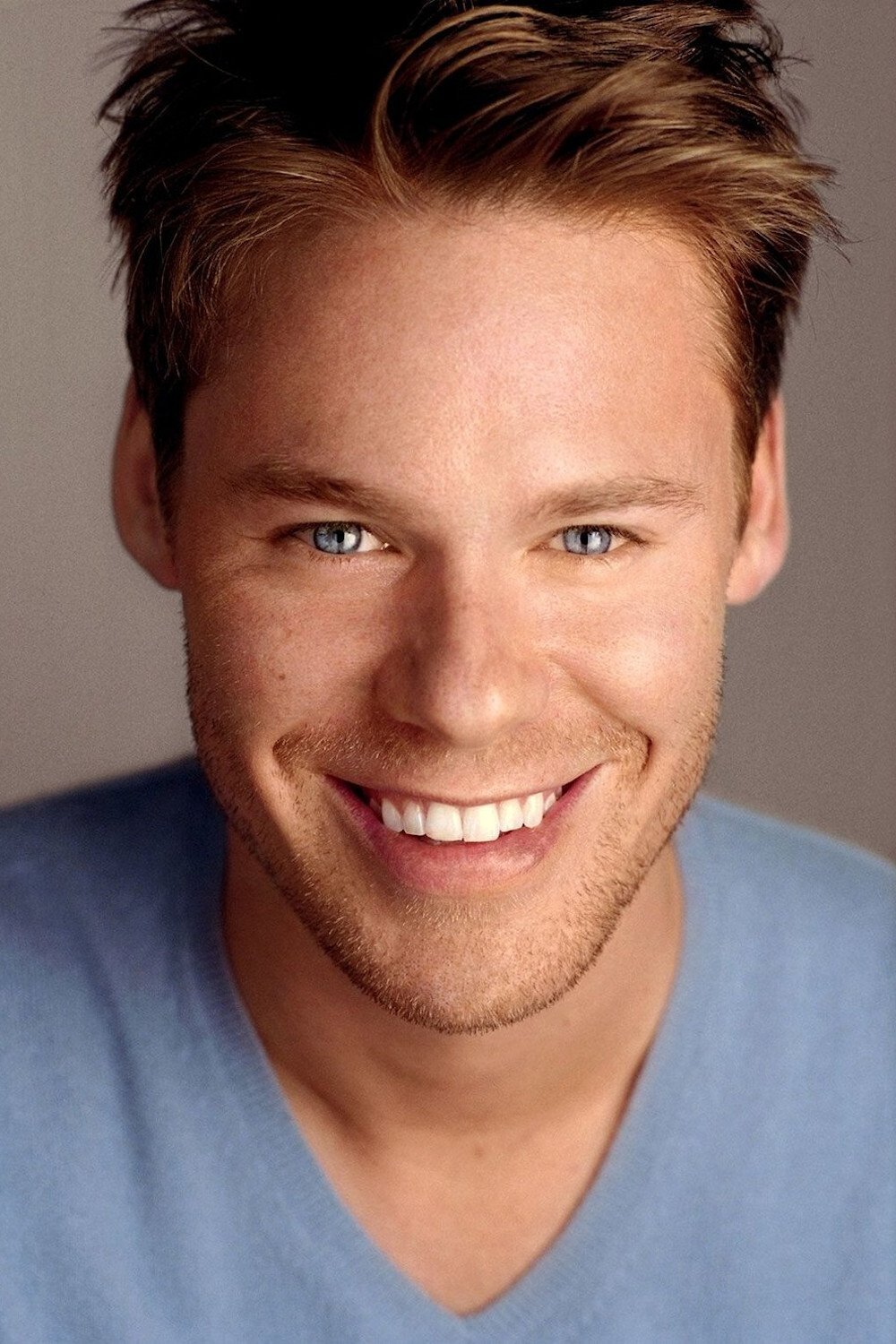
Randy Harrison is best known for his portrayal of Justin Taylor on the groundbreaking series ‘Queer as Folk’. The show was a cultural phenomenon but left Harrison closely associated with a single character archetype for years. He found that film and television opportunities were limited by the industry perception of his debut role. Harrison consequently focused his energy on regional theater and directing to sustain his artistic drive.
Thom Bierdz
Thom Bierdz was a rising soap opera star on ‘The Young and the Restless’ before his career momentum halted. He faced a significant decline in offers after being outed and subsequently left the acting profession for a long period. The lack of support from the industry during that era pushed him to reinvent himself as a painter and author. His acting career became secondary to his work in art and victim advocacy.
Mitchell Anderson
Mitchell Anderson played a recurring role on ‘Party of Five’ and was one of the few openly gay actors working in the nineties. He grew tired of the constant struggle to find meaningful work in an industry that was not ready for open authenticity. Anderson eventually retired from the entertainment business to become a chef and restaurant owner. He found greater personal fulfillment and stability away from the precarious nature of auditions.
Matt Dallas
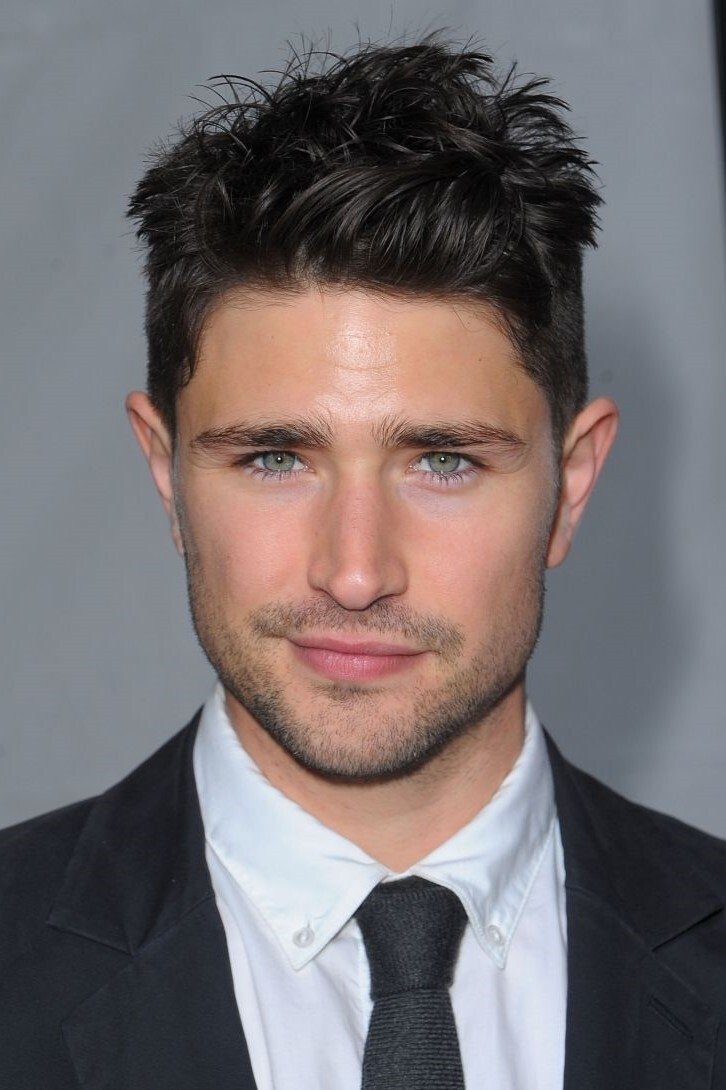
Matt Dallas gained fame as the lead in the sci-fi series ‘Kyle XY’ but saw his trajectory shift after coming out publicly. He noted that the roles he was considered for changed drastically once his sexuality was known. The stalling of his momentum in mainstream action and drama led him to focus more on family life and digital content creation. Dallas transitioned away from the traditional Hollywood grind to control his own narrative.
Luke Macfarlane
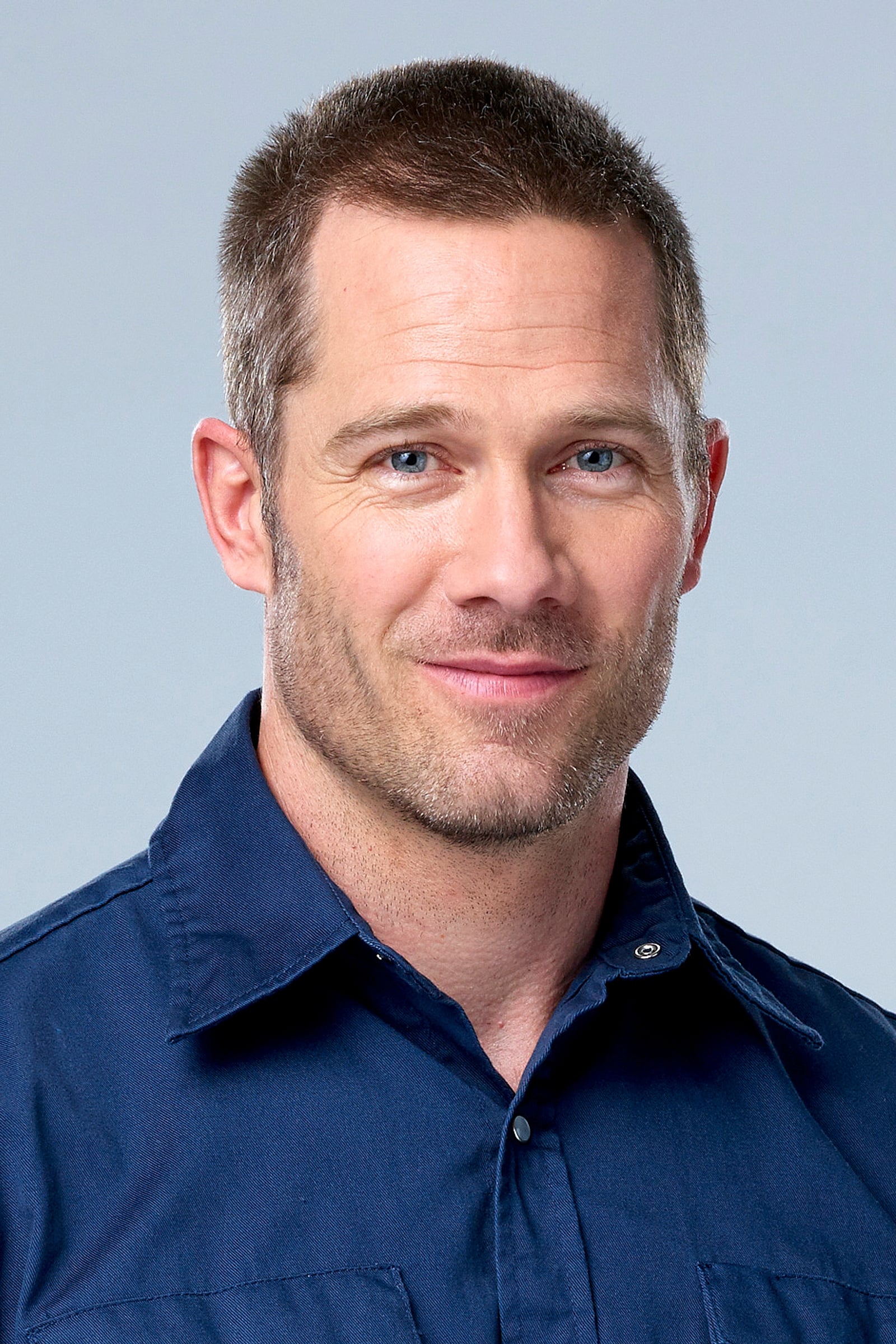
Luke Macfarlane spent years fearing that revealing his sexuality would cost him his career as a masculine leading man. While he found consistent work in the genre of television movies he struggled to break into grittier mainstream fare. The actor expressed that the industry often boxed him into safe and romantic archetype roles. He recently voiced a desire to step back from acting to explore other aspects of life due to this repetition.
Jonathan Bennett
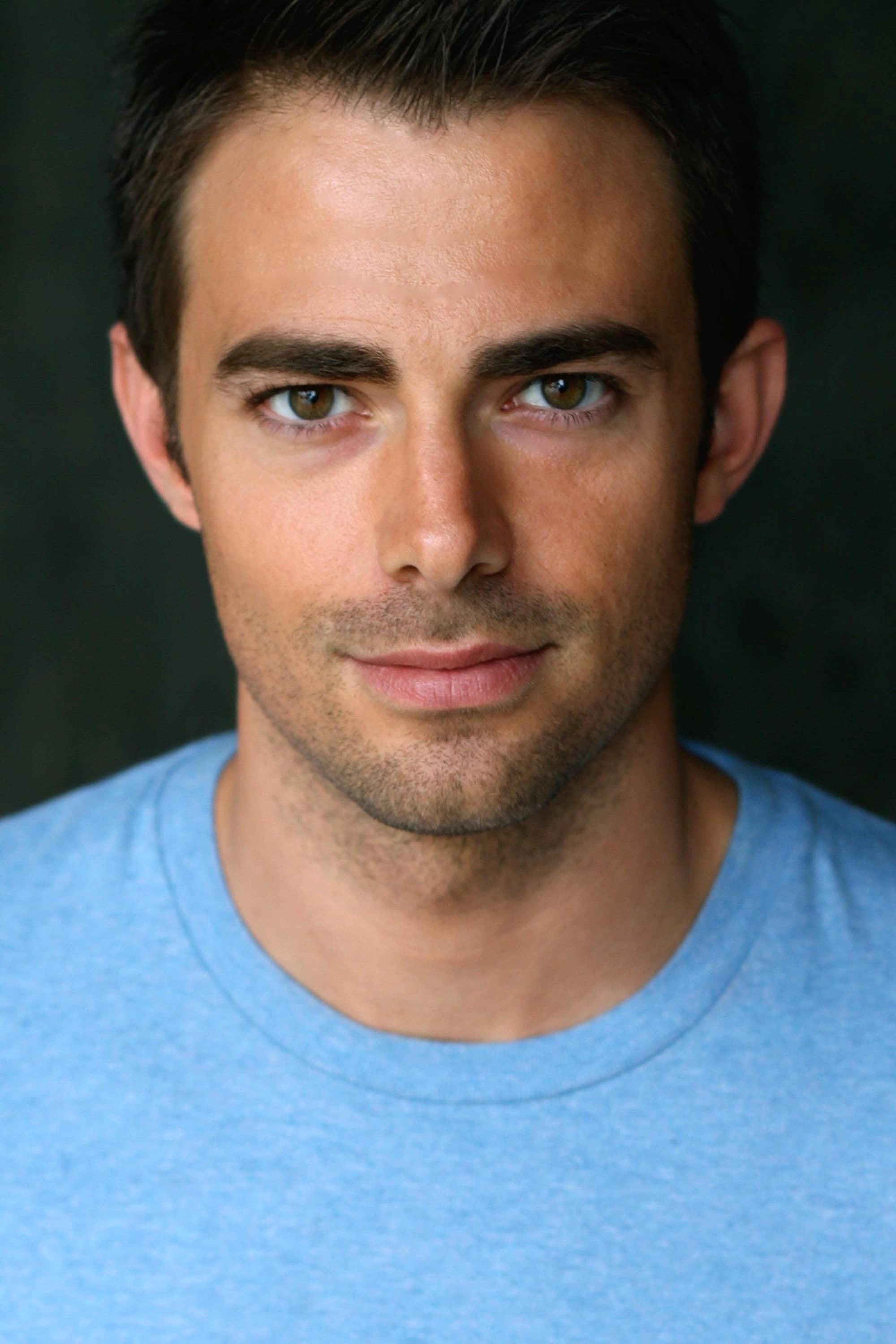
Jonathan Bennett became instantly recognizable as Aaron Samuels in ‘Mean Girls’ but found it hard to duplicate that success. He felt the pressure to stay closeted to maintain his status as a teen heartthrob for several years. Once he came out the types of roles available to him shifted significantly toward hosting gigs and reality television. Bennett had to work hard to carve out a new niche in holiday movies to sustain his presence.
Guillermo Díaz
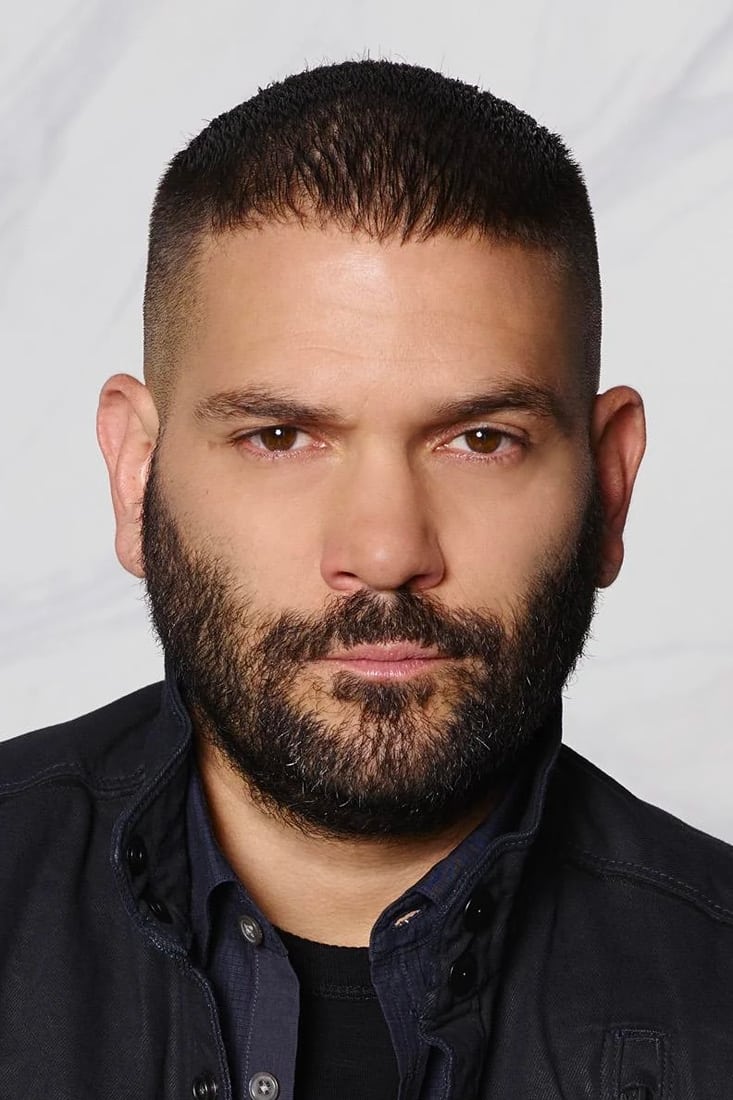
Guillermo Díaz is a talented character actor who frequently found himself cast as a thug or a gang member. Despite his range he was often pigeonholed into menacing roles or stereotypical queer side characters. The repetition of playing drug dealers and criminals limited his ability to showcase his dramatic versatility. He has had to fight for every opportunity to play against type in a rigid industry.
Peter Paige
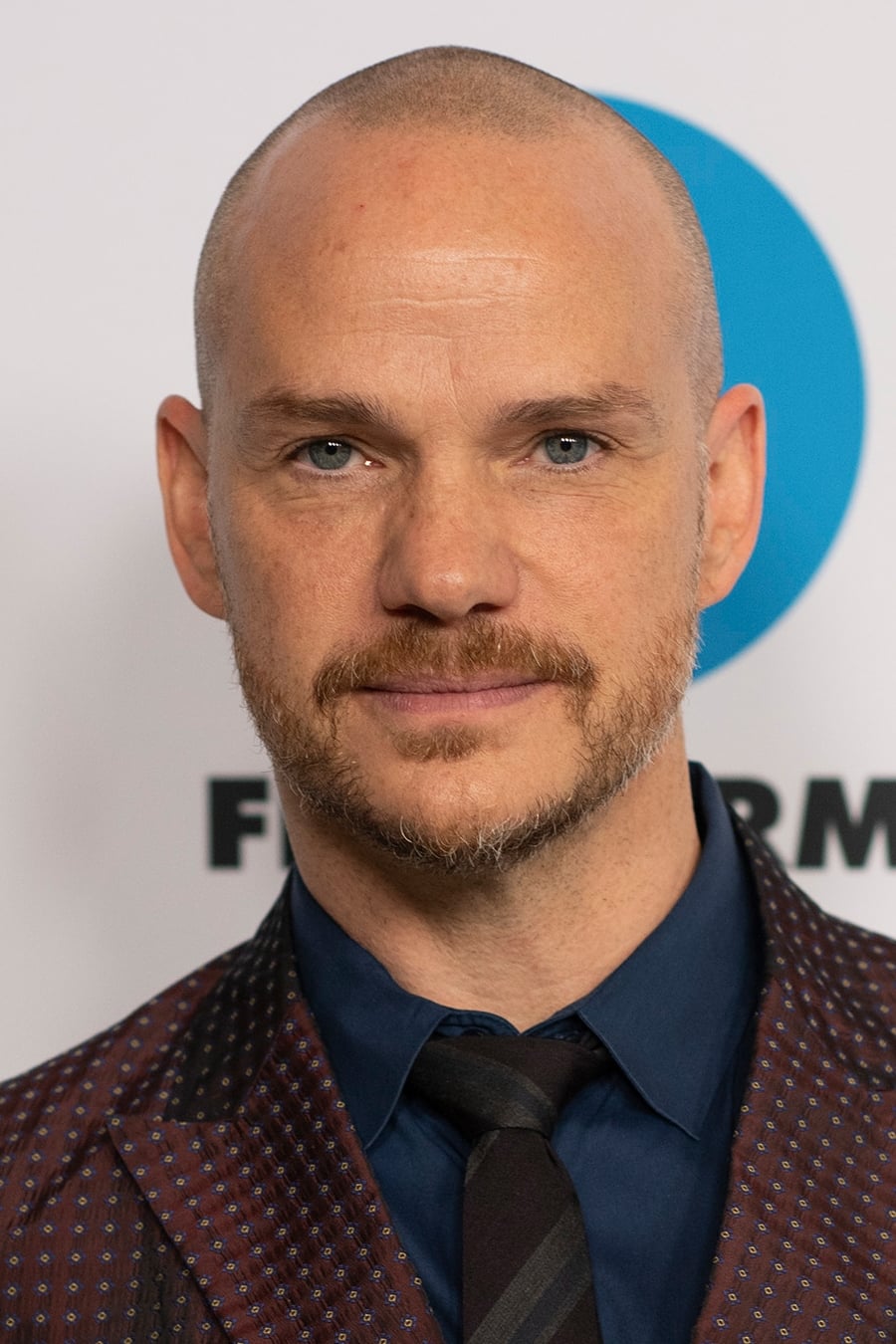
Peter Paige played the effervescent Emmett Honeycutt on ‘Queer as Folk’ and became synonymous with the character. The strength of that association made it nearly impossible for him to secure straight leading roles afterward. He transitioned behind the camera to become a successful showrunner and director to bypass the casting roadblocks. Creating his own shows allowed him to build the inclusive worlds he wanted to see.
Bryan Batt
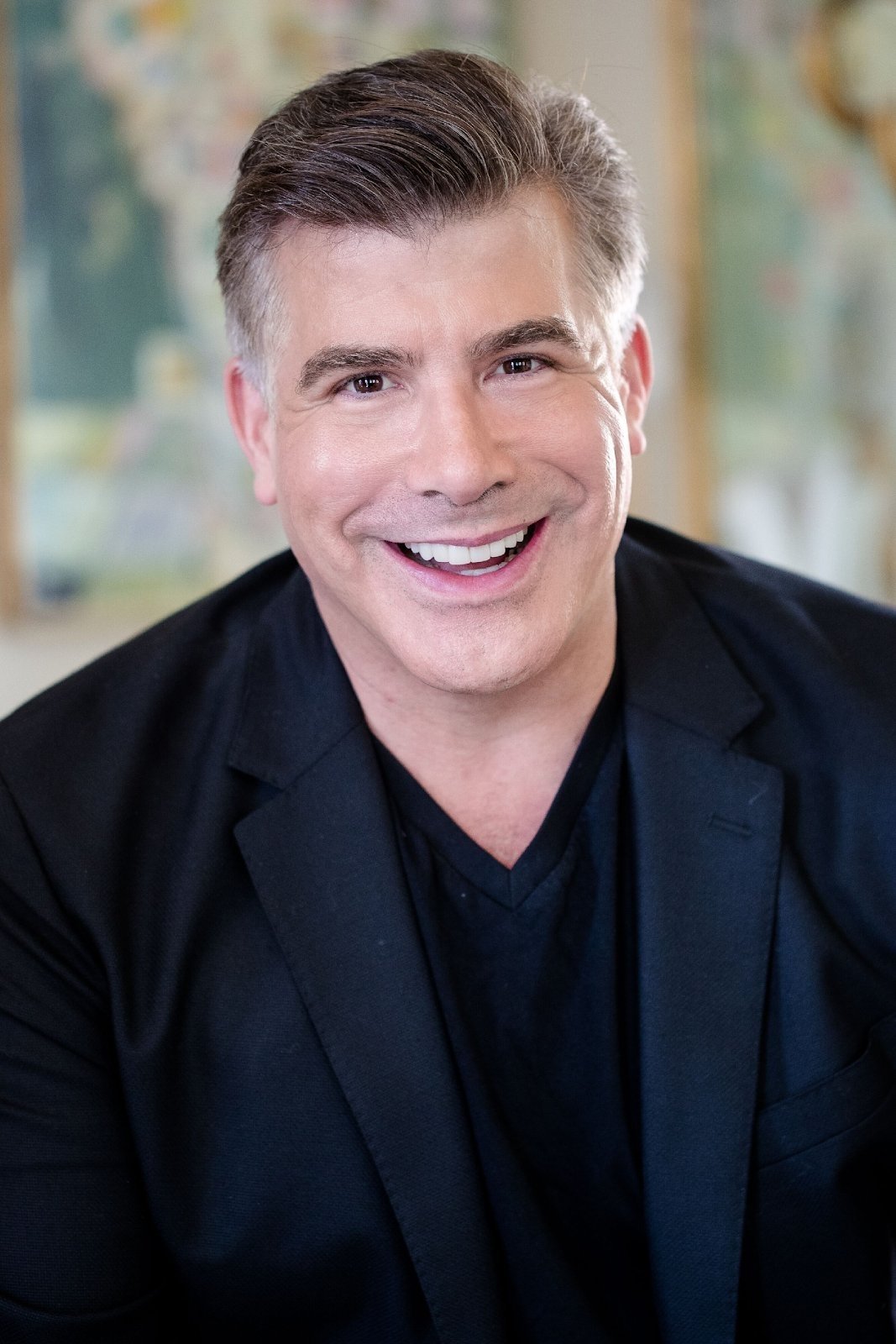
Bryan Batt delivered a memorable performance as Salvatore Romano on ‘Mad Men’ but was written out of the show abruptly. He faced challenges in finding subsequent roles that utilized his skills without relying on stereotypes. The lack of substantial follow-up offers in Hollywood led him to focus on his design business in New Orleans. Batt found success and stability by diversifying his career outside of acting.
Alec Mapa
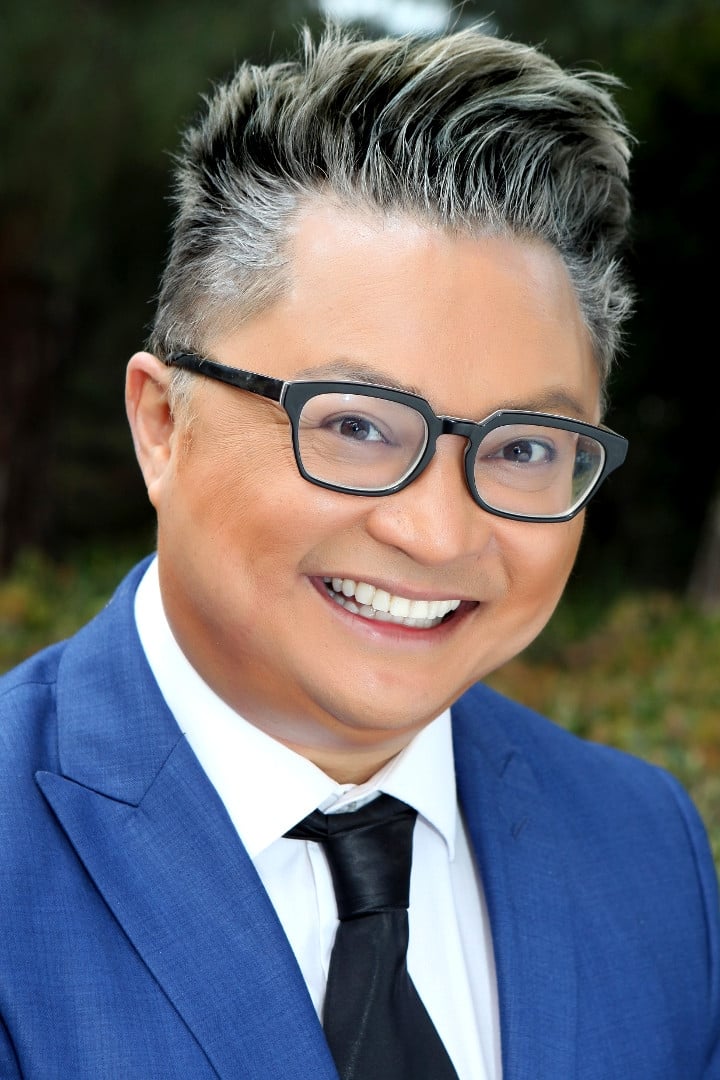
Alec Mapa has built a career playing the flamboyant sidekick in numerous television shows and movies. While he brings great humor to these parts he has noted the lack of opportunities to play nuanced or serious characters. The industry reliance on him for comic relief often precludes him from being considered for dramatic leads. He turned to stand-up comedy and one-man shows to express his full voice.
Maulik Pancholy
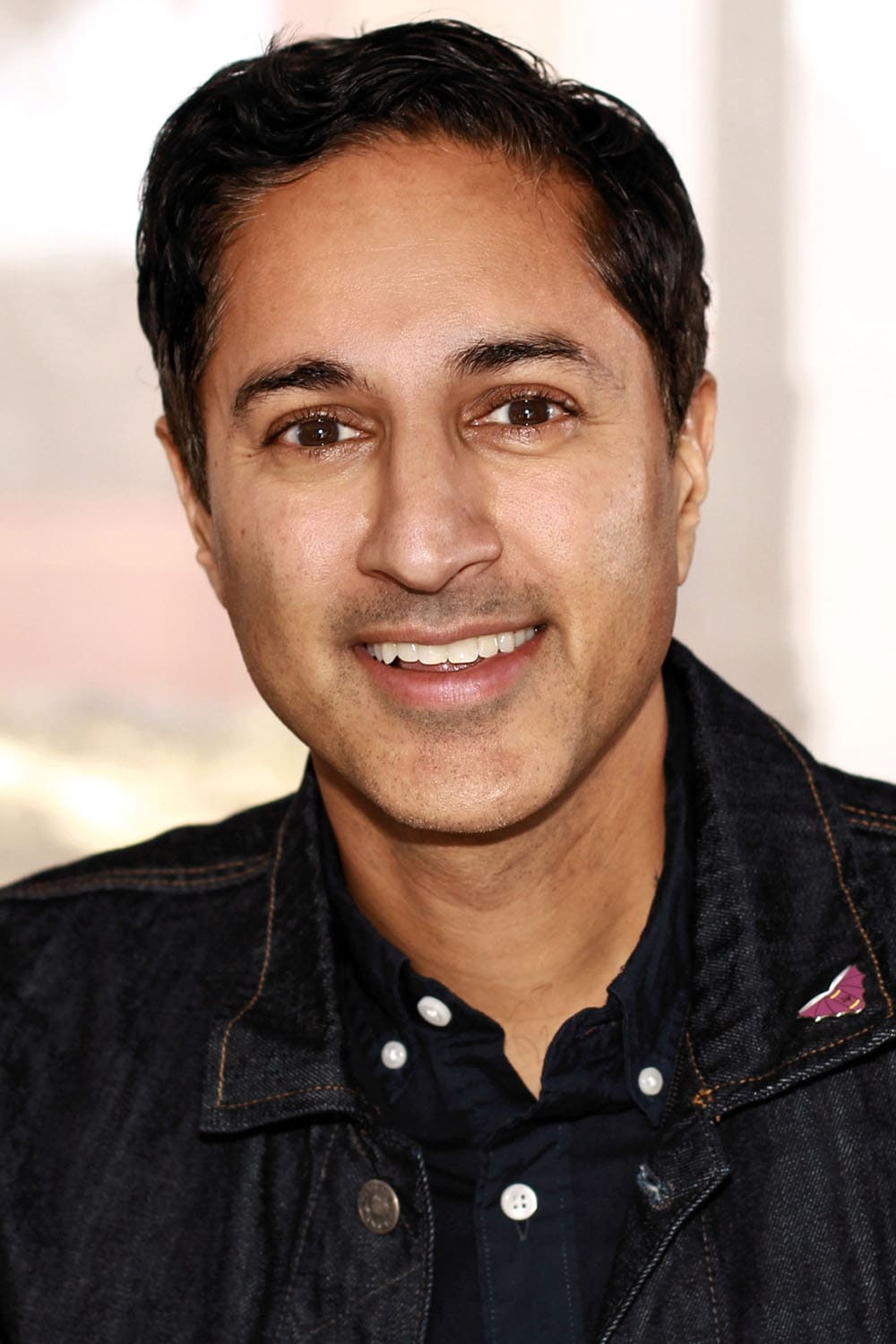
Maulik Pancholy was a scene-stealer as the devoted assistant Jonathan on ’30 Rock’ but faced the double hurdle of racial and sexual typecasting. He often found himself playing subservient or stereotypical comedic roles that utilized only a fraction of his talent. The actor has since devoted significant time to activism and writing for young adults. Pancholy uses his platform to fight against the bullying and marginalization that limits creative careers.
Tell us which of these actors you would like to see return to a major leading role in the comments.