


Gay Actresses Who Publicly Apologized for Problematic Past Roles

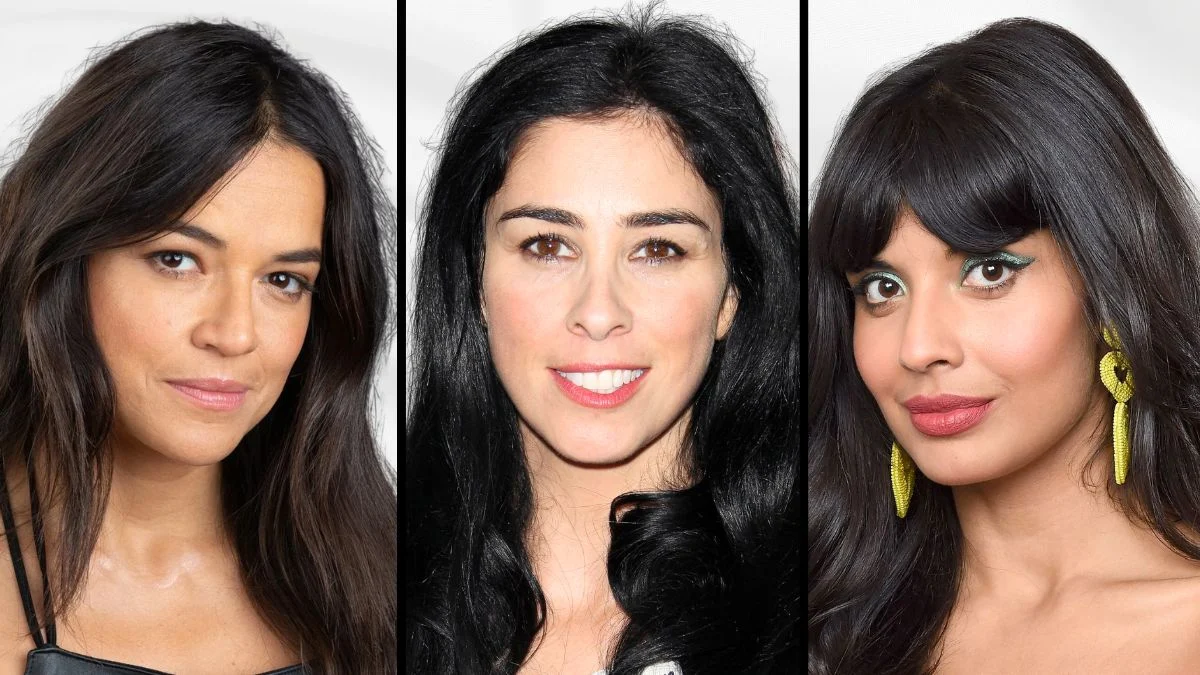


The entertainment industry has seen a significant shift in how performers view their previous work through the lens of modern social awareness. Many high profile actresses who identify as gay, lesbian, bisexual, or queer have looked back on their filmographies and identified roles or performances that were insensitive or harmful. These public apologies often focus on issues such as cultural appropriation, the use of fat suits, or the exclusion of marginalized communities. By acknowledging these mistakes, these performers help foster a more inclusive environment in Hollywood and encourage better casting practices for future generations. This list highlights gay actresses who have formally addressed the problematic nature of their past professional choices.
Sarah Paulson
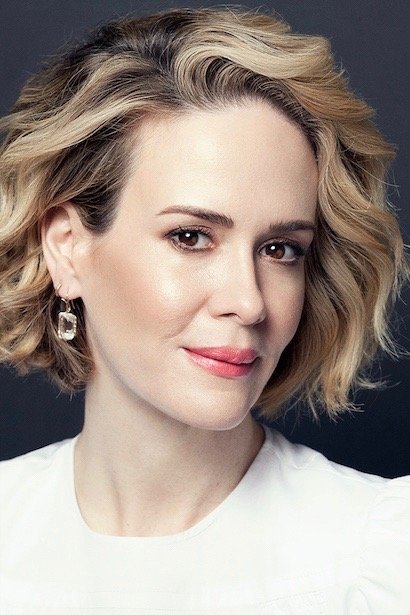
The actress expressed regret for wearing a fat suit to portray Linda Tripp in the series ‘Impeachment’ (2021). She acknowledged that she should have realized the ethical implications of taking a role away from a person who naturally fit the body type of the real life figure. The star admitted that her desire to play a complex part blinded her to the problematic nature of the physical transformation. This apology followed significant public discourse regarding the ethics of using prosthetics to depict larger characters in Hollywood. She promised to be more mindful of representation and the impact of her casting choices in the future.
Sia
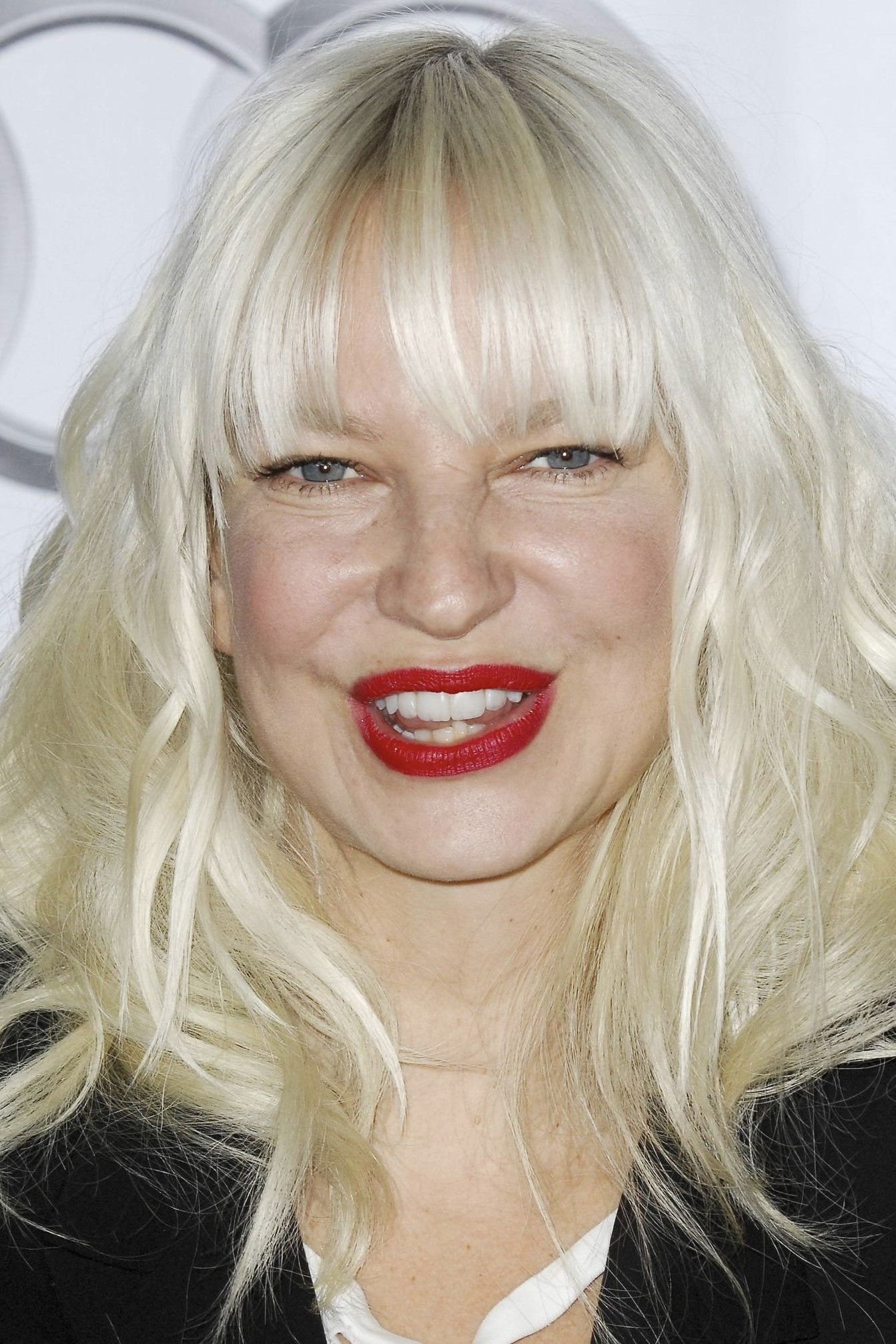
The singer and actress faced intense criticism for her directorial debut in the film ‘Music’ (2021). She initially defended her decision to cast a neurotypical actress in the role of a character with autism but eventually issued a public apology. The creator admitted she was wrong to include scenes that depicted physical restraints as a method for managing sensory meltdowns. She eventually removed the controversial scenes from the film and added a disclaimer to the production. The apology marked a major turning point in the conversation about authentic representation for the neurodivergent community.
Sarah Silverman
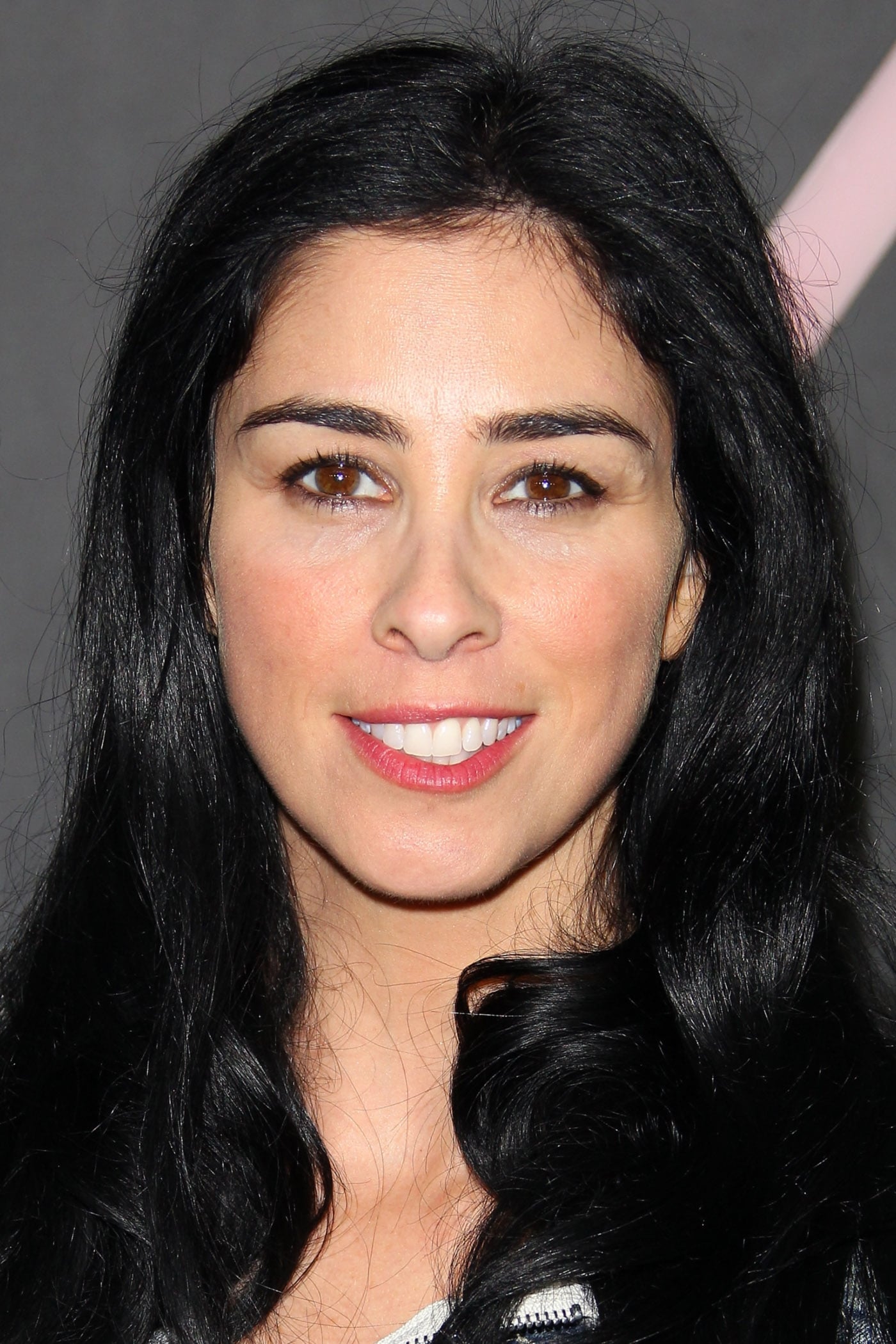
The comedian and actress has publicly addressed her use of blackface in an episode of ‘The Sarah Silverman Program’ (2007). She described the creative choice as a permanent regret that makes her feel physically ill when she reflects on it. The performer admitted that the attempt at satire was misguided and caused genuine pain to many viewers. She has since used her platform to discuss the importance of understanding the history of racist tropes in comedy. Her apology emphasizes that intentions do not excuse the harmful impact of offensive material.
Jameela Jamil
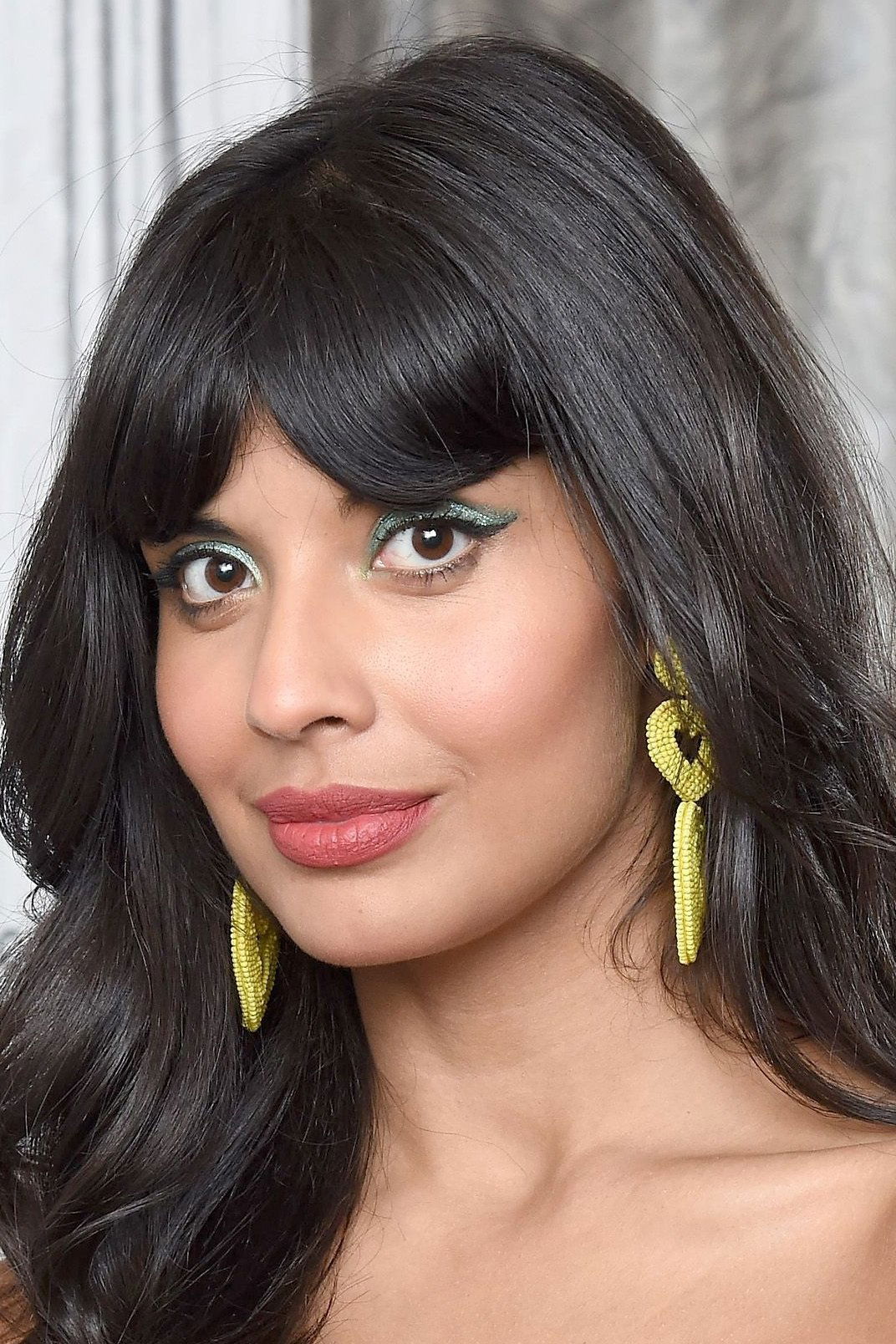
The actress issued a lengthy apology following the announcement of her role as a judge on the series ‘Legendary’ (2020). Many critics felt she was taking a spot that should have belonged to a member of the ballroom community who had lived experience. She responded by publicly coming out as queer and admitting she could have handled the situation with more sensitivity toward the culture being represented. The performer acknowledged that she needed to do more to uplift the community she was representing on screen. She continues to advocate for more authentic casting in reality and scripted programming.
Amandla Stenberg
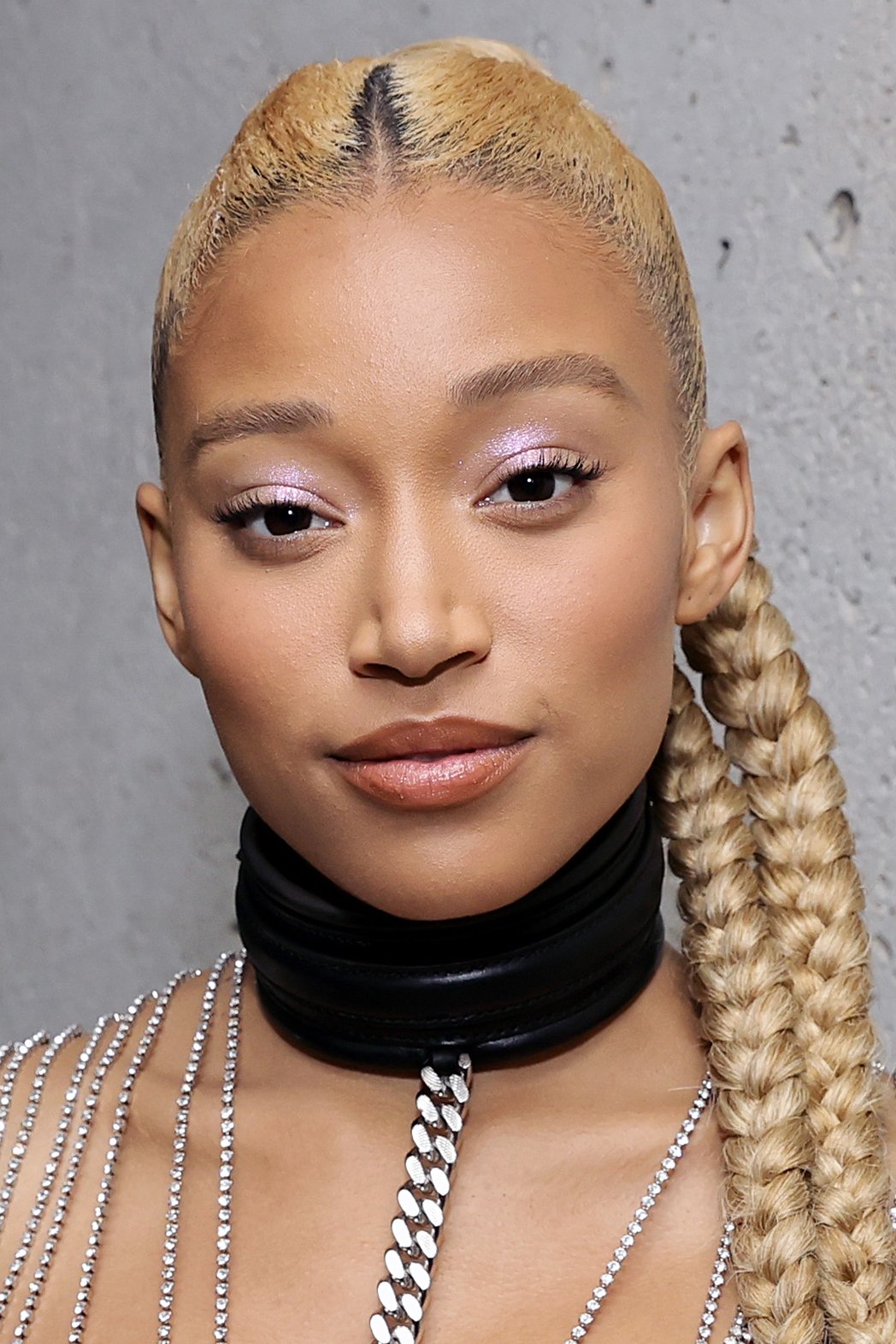
The star of ‘The Hate U Give’ (2018) addressed concerns regarding colorism in the casting of the film. She acknowledged that as a lighter skinned black woman, she occupied a space that many felt should have gone to a darker skinned actress. The performer stated that she understood the importance of the conversation and the pain caused by the lack of opportunities for different complexions. She expressed a desire to be more selective and thoughtful about the roles she accepts in order to prevent further erasure. This public acknowledgement highlighted the ongoing issues with colorism within the casting process for major motion pictures.
Margaret Cho
The comedian and actress has often reflected on the stereotypical tropes present in her sitcom ‘All-American Girl’ (1994). She apologized for not having enough creative control to stop the network from imposing caricatures of Asian American life on the show. The performer admitted that she felt pressured to conform to external expectations that did not represent her true heritage or experiences. She has since spent her career fighting for more nuanced and realistic portrayals of minority families in media. Her reflection serves as a reminder of the historical struggles for authentic representation in television.
Rebel Wilson
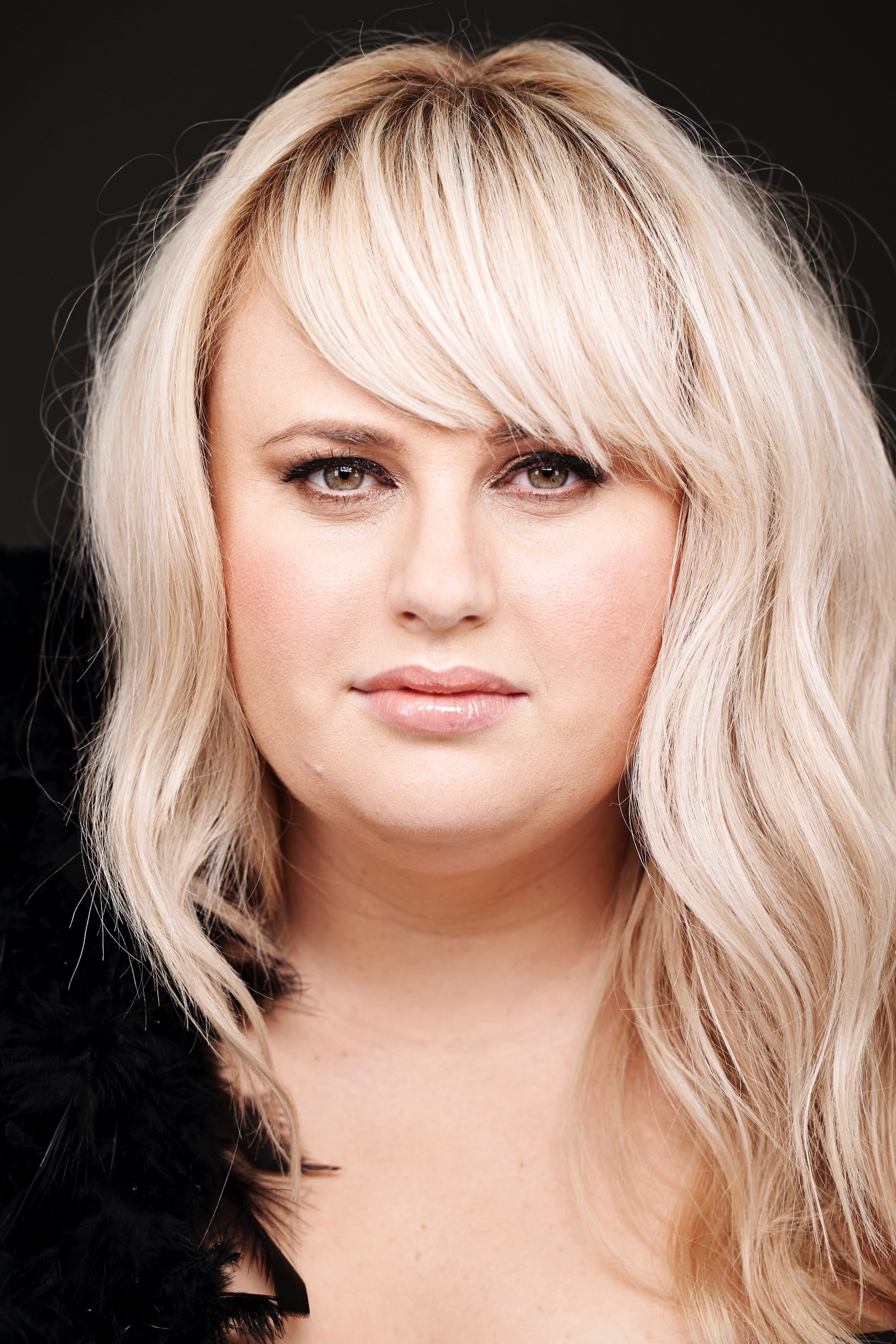
The actress faced backlash after claiming she was the first plus size woman to be the lead in a romantic comedy for the film ‘Isn’t It Romantic’ (2019). She eventually apologized for her comments after many pointed out that black actresses like Queen Latifah and Mo’Nique had led such films years earlier. The star admitted that her statement was inaccurate and unintentionally erased the achievements of women who paved the way. She reached out to those she offended and expressed her commitment to being a better ally in the industry. The apology was seen as a necessary correction to a narrative that ignored the history of diverse rom com leads.
Laverne Cox
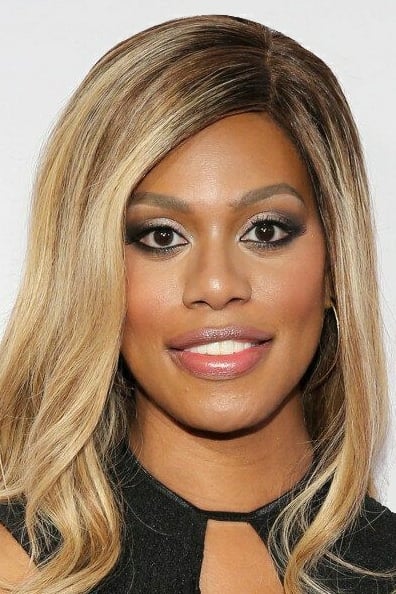
The actress and activist issued an apology regarding the depiction of trans identity in projects like ‘Promising Young Woman’ (2020). While she did not play a trans role in the film, she addressed the broader history of transphobic tropes that have persisted in the thriller genre. She expressed regret for how certain scenes in the movie could be interpreted as harmful to the trans community. The performer emphasized the need for creators to consult with marginalized groups when writing sensitive material. Her statement highlighted her dedication to ensuring that storytelling does not come at the expense of human dignity.
Rosie O’Donnell
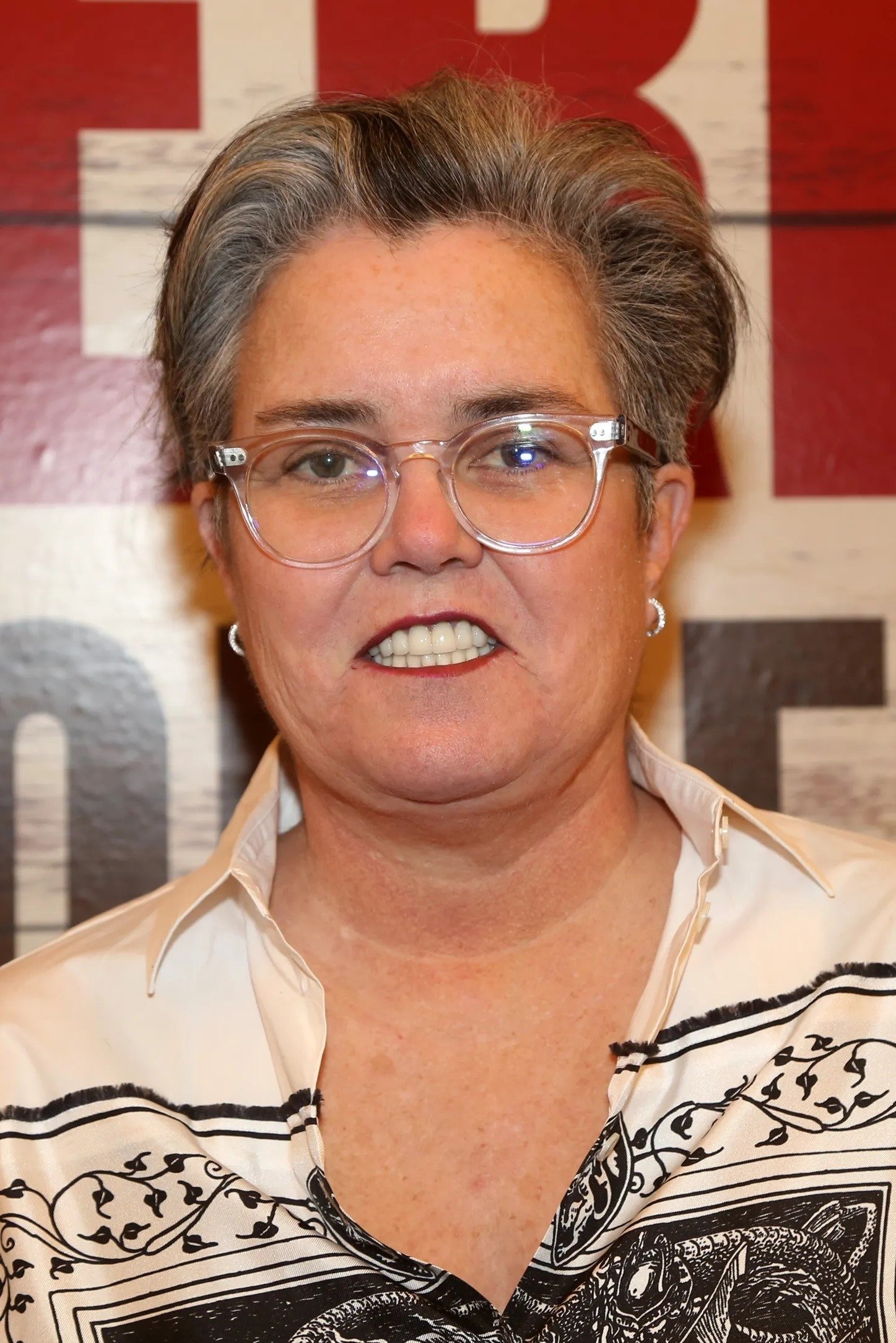
The television personality and actress issued an apology for making stereotypical sounds to mock the Chinese language on ‘The View’ (2006). She admitted that she did not realize her actions were offensive at the time but later understood the impact of her mockery. The performer stated that she was sorry for the pain she caused to the Asian American community and for reinforcing harmful biases. She used the experience as a learning opportunity to educate herself on cultural sensitivity. This public apology is frequently cited as a major moment in her long career of advocacy and media work.
Wanda Sykes
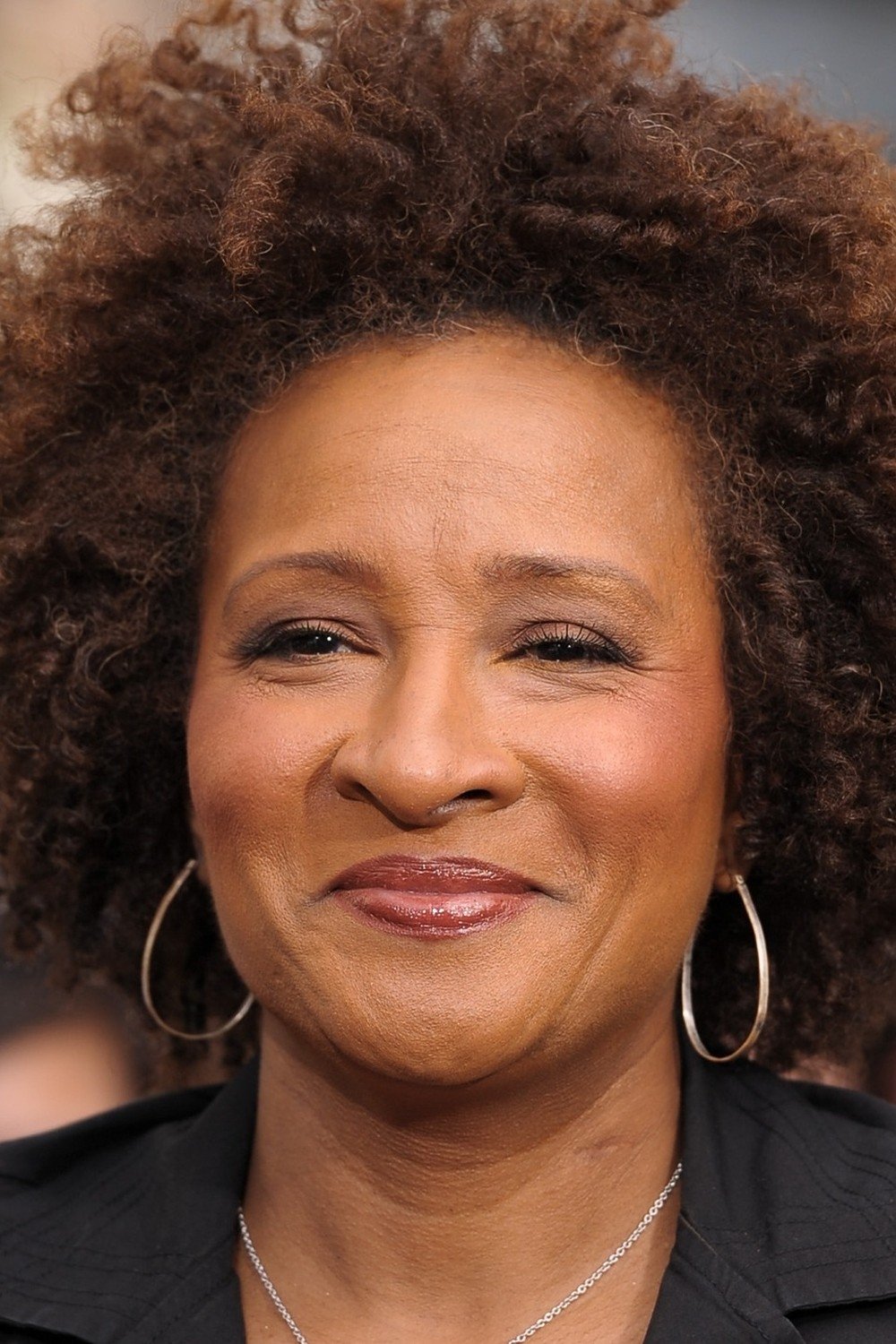
The comedian and actress has expressed regret for using homophobic slurs in her early stand up specials and roles. She acknowledged that those jokes were part of a different era but stated that they were never acceptable. The performer admitted that she felt a responsibility to apologize to the community she eventually joined publicly. She has since removed that material from her repertoire and focuses on humor that does not punch down at marginalized groups. Her transition from using such language to becoming a prominent LGBTQ advocate reflects her personal and professional growth.
Cynthia Nixon
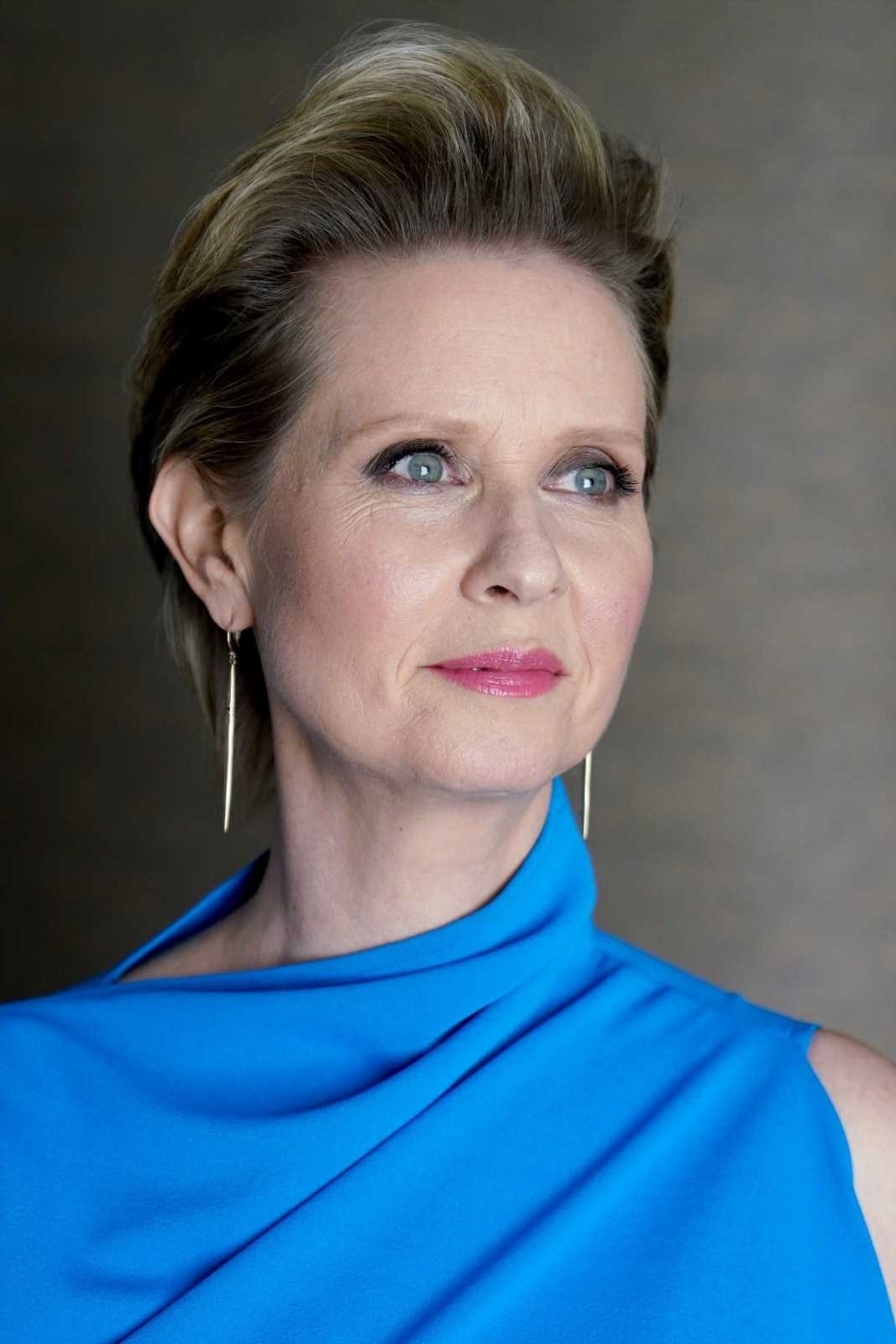
The actress has looked back on ‘Sex and the City’ (1998) and apologized for the lack of diversity throughout the original run of the show. She admitted that the series often failed to represent the actual demographics of New York City and relied on certain tropes. The performer worked closely with the creators of the revival to ensure that the new series included more people of color and non binary characters. She has been vocal about the importance of fixing past mistakes by creating better opportunities in the present. Her commitment to change led to a more inclusive environment for the follow up project.
Michelle Rodriguez
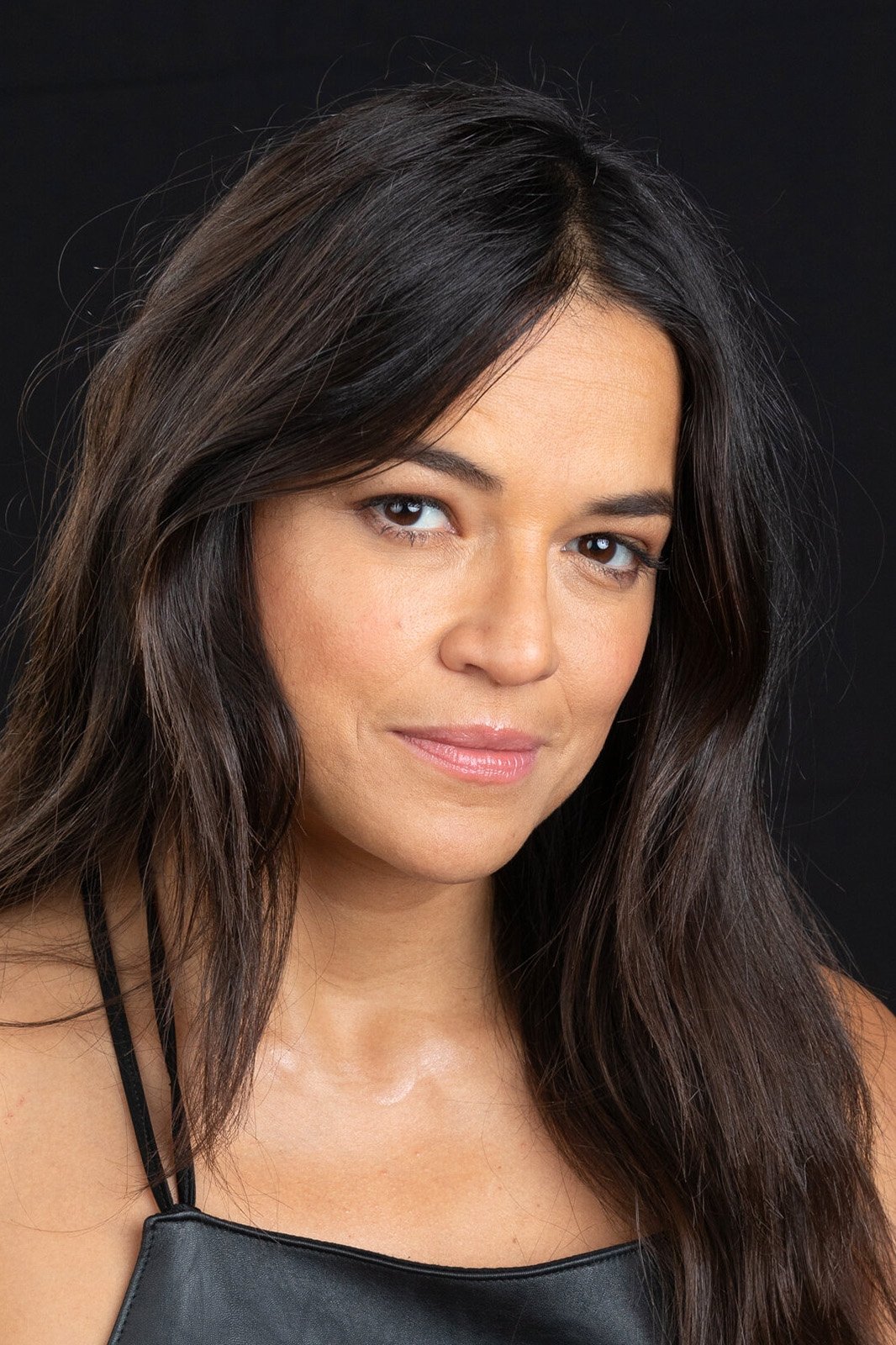
The actress issued an apology after making comments that suggested minority actors should stop taking roles originally written for white characters. She clarified that her words were poorly chosen and did not accurately reflect her views on diversity and inclusion. The performer admitted that she wants to see more original stories created for people of color rather than just recycling old roles. She expressed regret for any confusion or offense her statements caused within the entertainment community. The apology was intended to reaffirm her support for a more representative and creative Hollywood landscape.
Ruby Rose
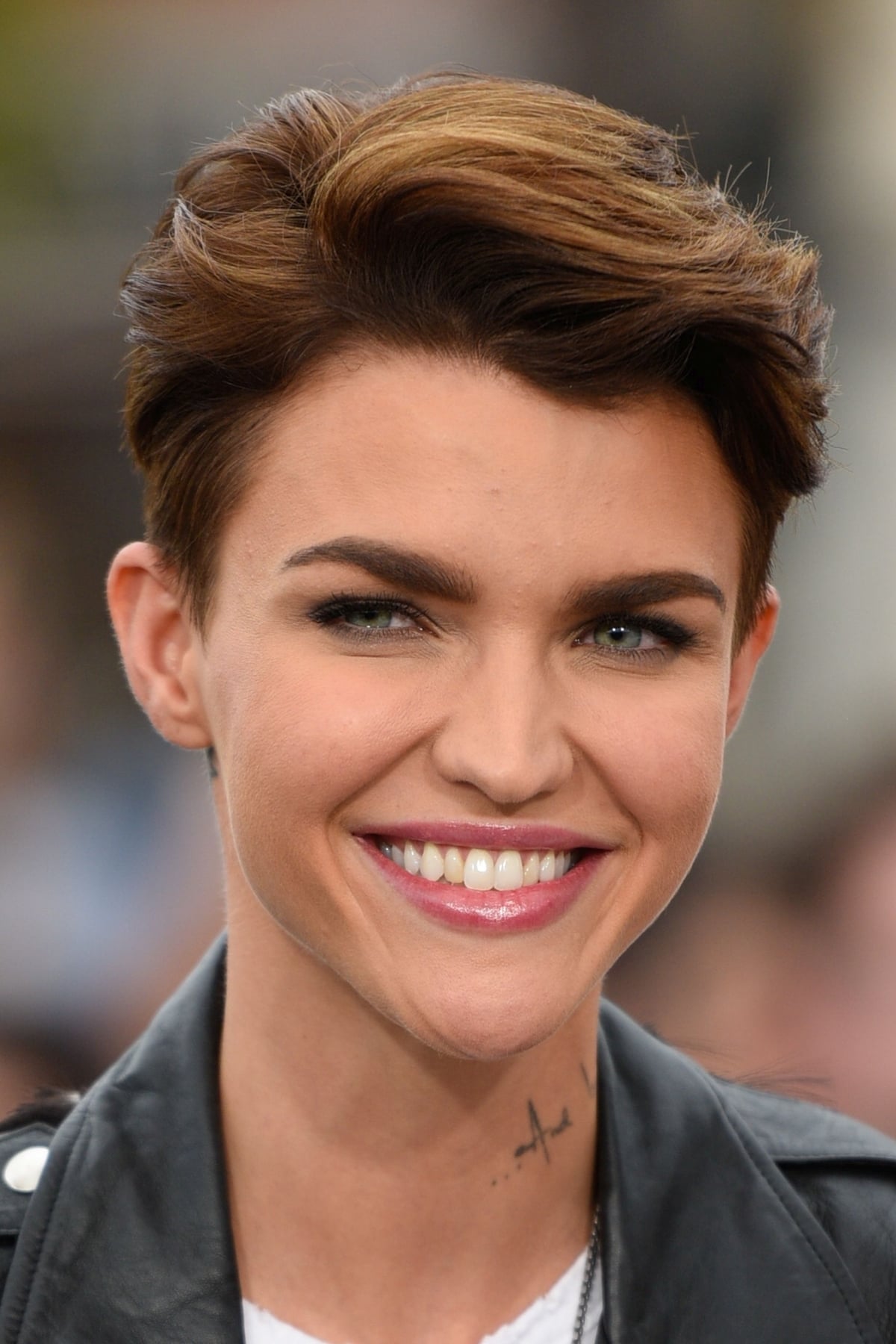
The actress addressed the controversy surrounding her casting as the lead in ‘Batwoman’ (2019) and her subsequent departure from the series. She apologized for how she handled the social media backlash and the pressure of the role. The performer admitted that she could have been more transparent about the challenges she faced during the production. She expressed her hope that the character would continue to serve as an inspiration for the LGBTQ community despite her own difficulties. This acknowledgement was a candid look at the intense scrutiny that comes with playing a groundbreaking queer hero.
Ariana DeBose
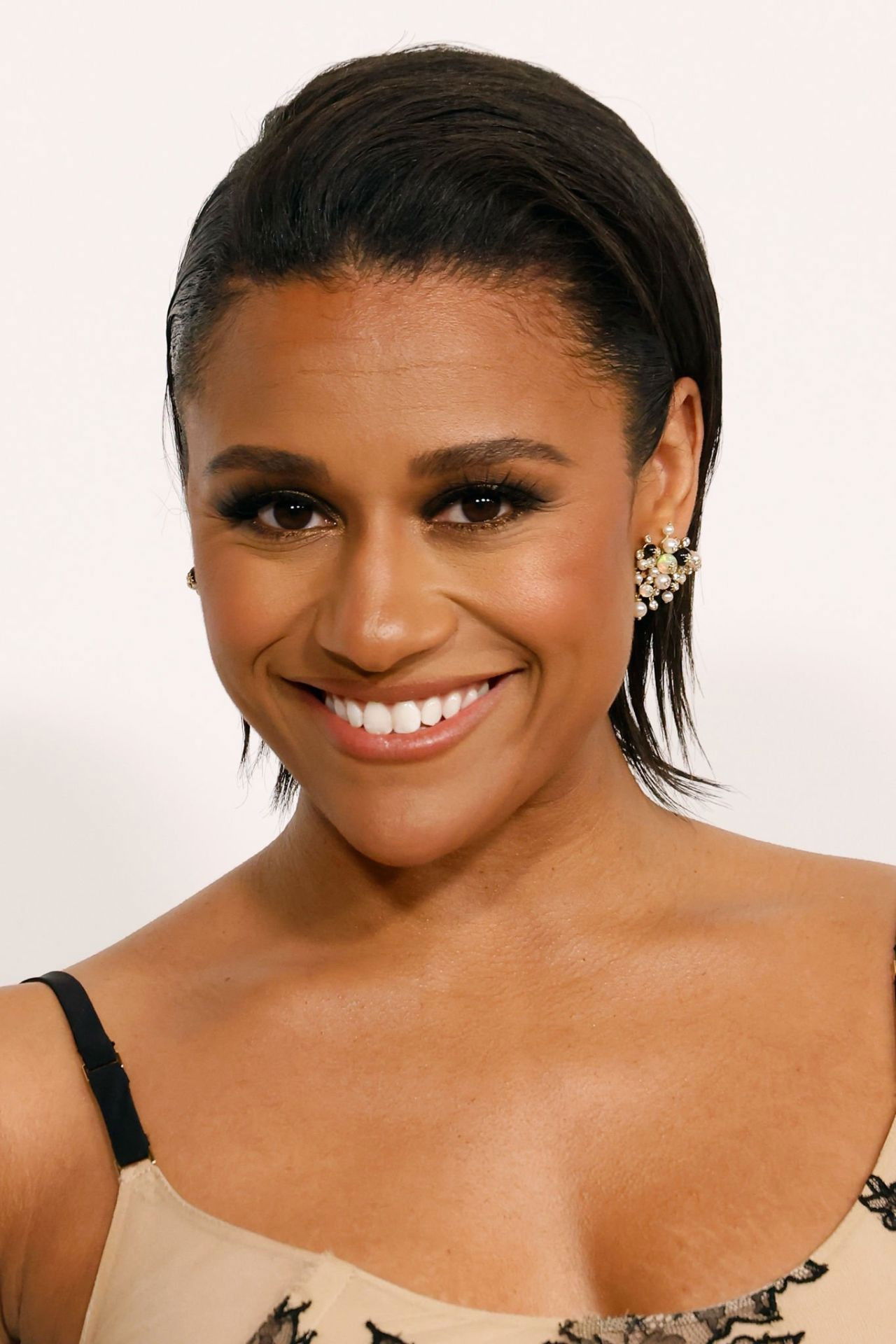
The actress made headlines for a viral musical performance at the ‘BAFTAs’ (2023) that was met with widespread mockery online. She initially deactivated her social media but later returned to apologize for the awkward nature of the performance. The performer acknowledged that the tribute did not land as intended but expressed her gratitude for the support she received. She leaned into the humor of the situation while admitting that she always strives for excellence in her work. The apology helped humanize the star and turned a problematic moment into a lighthearted interaction with fans.
Janeane Garofalo
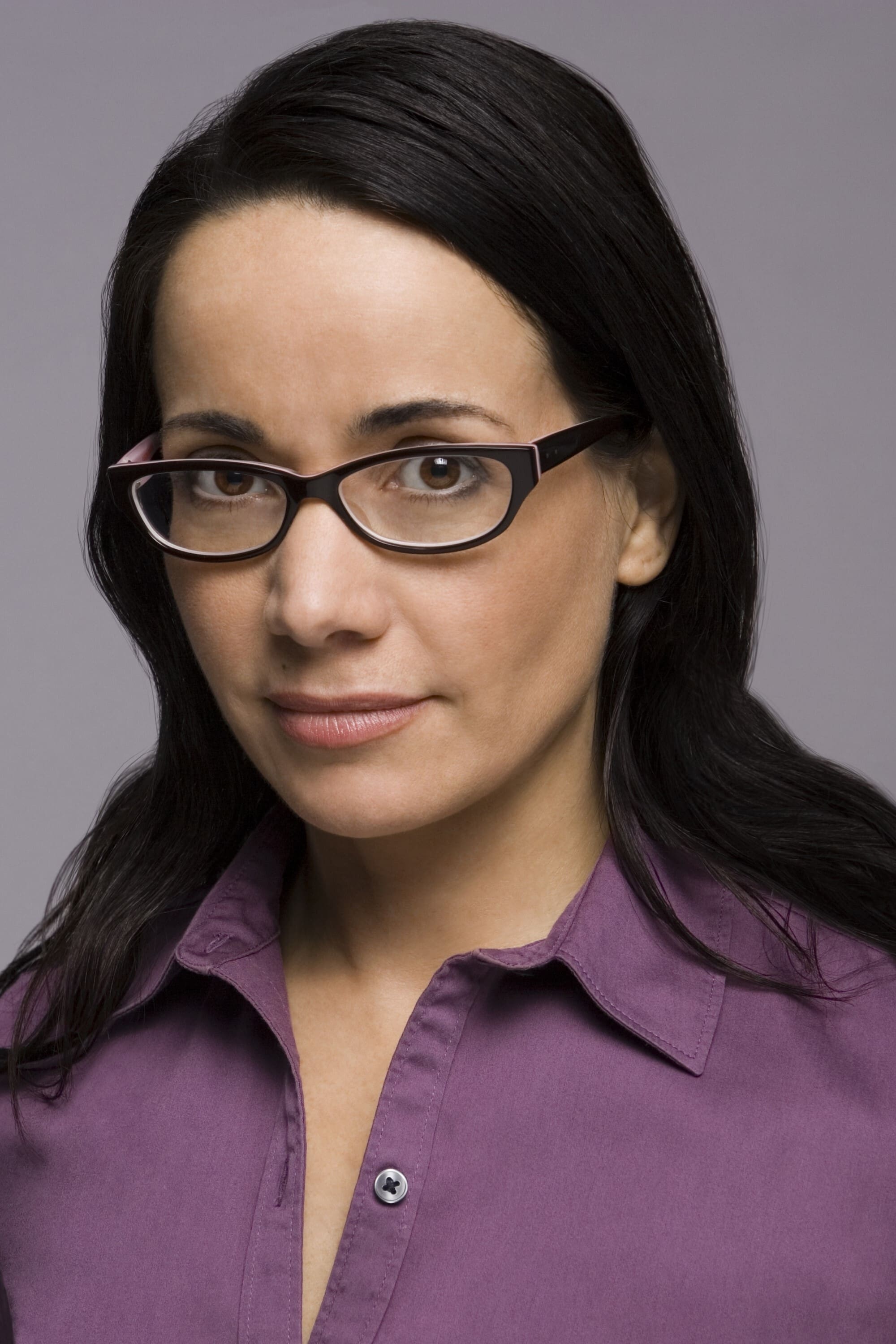
The actress has expressed regret for her role in the film ‘The Truth About Cats & Dogs’ (1996) because of its messaging on beauty. She admitted that the movie promoted the idea that a woman’s worth is tied to her physical appearance and reinforced negative stereotypes. The performer stated that she felt like a hypocrite for participating in a project that contradicted her personal feminist beliefs. She has since been very selective about her roles to ensure they align with her values. Her apology reflects her long standing reputation as a candid and principled voice in independent cinema.
Chloë Sevigny
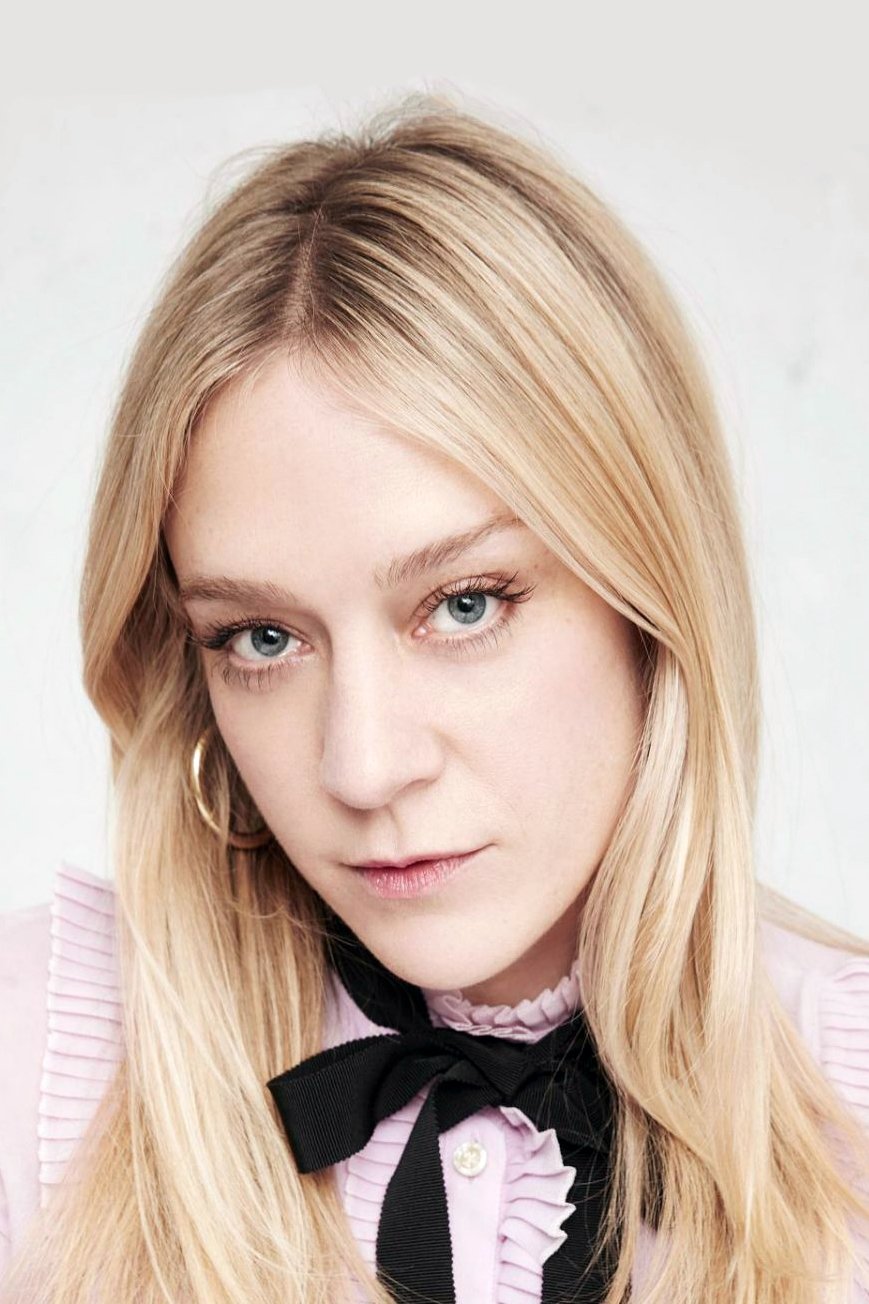
The actress faced immense controversy for a graphic unsimulated scene in the film ‘The Brown Bunny’ (2003). She later expressed regret for how the production was handled and the impact the role had on her career at the time. The performer admitted that the project was a difficult experience that led to significant professional fallout. She has spoken openly about the pressures she felt as a young actress in the independent film scene. Her reflection on the role serves as a cautionary tale about the boundaries between art and exploitation.
Alexandra Billings
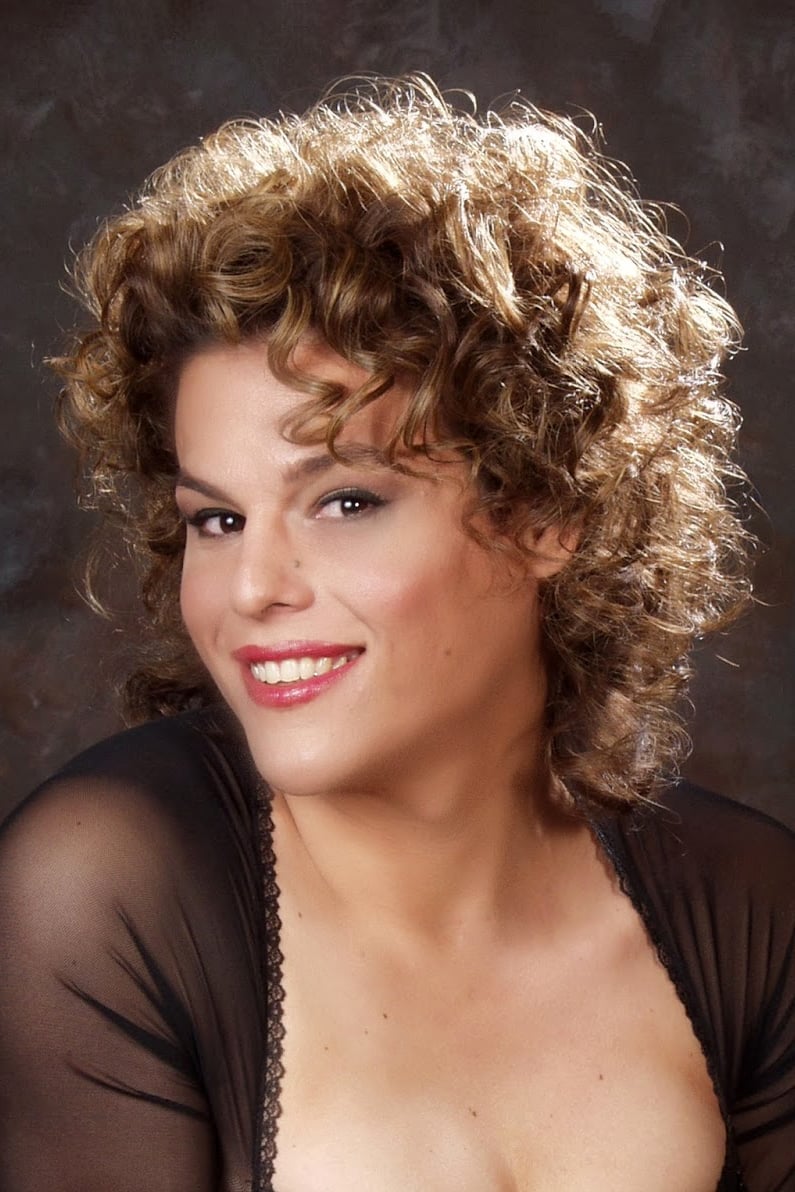
The actress and activist has apologized for the historical lack of trans representation in major television projects like ‘Transparent’ (2014). Although she is a trans woman, she expressed regret that the lead role was played by a cisgender man for several seasons. She admitted that she and other trans performers should have spoken up sooner about the importance of authentic casting. The performer has since dedicated her career to ensuring that trans stories are told by trans people. Her advocacy has helped change the industry standard for casting queer and trans characters.
Trace Lysette
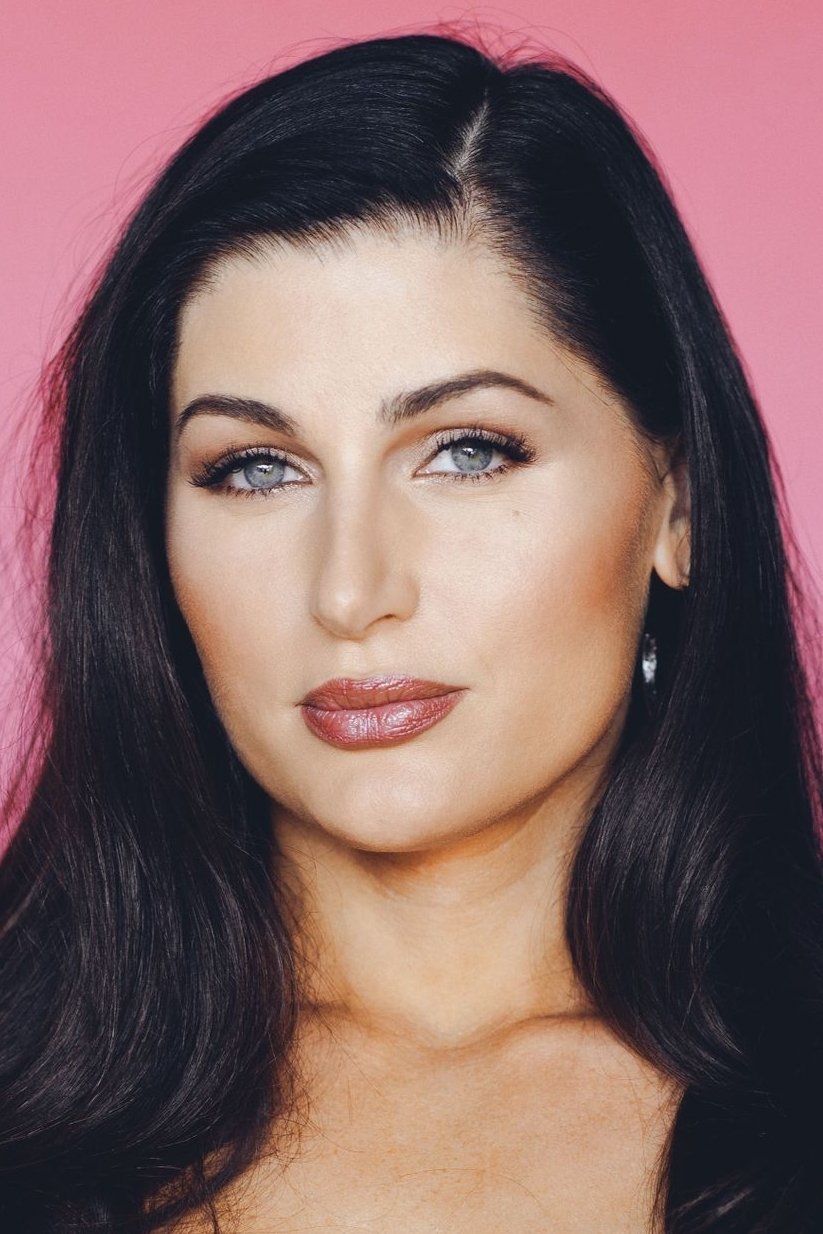
The actress also addressed the representation issues on the set of ‘Transparent’ (2014) following her time on the show. She apologized for the environment that allowed for the erasure of trans voices and for the problematic behavior of some collaborators. The performer stated that it was a painful lesson in the importance of standing up for her community even when it is difficult. She has since used her platform to demand better working conditions and more respect for trans actors. Her apology was a call to action for the entire industry to do better by marginalized performers.
Ellen DeGeneres
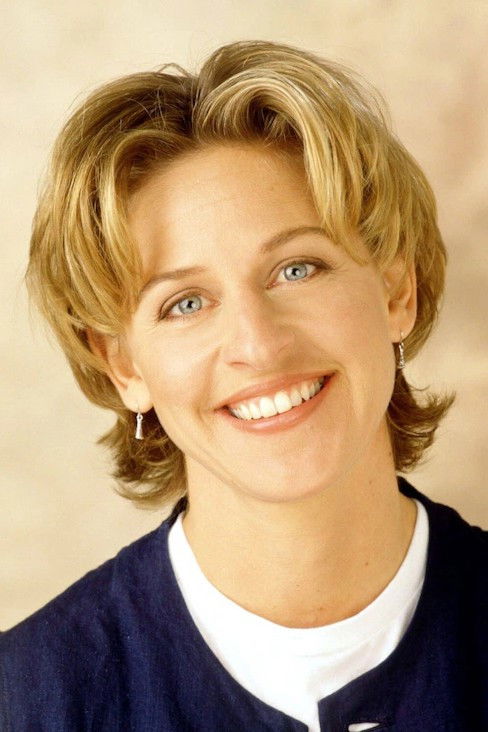
The comedian and actress issued multiple apologies following reports of a toxic workplace on her long running talk show. She admitted that she did not live up to the kind persona she projected through her various roles and public appearances. The performer took responsibility for the culture of the production and promised to make significant changes. While she did not apologize for a specific fictional role, she addressed the problematic nature of her public brand. This moment of accountability was a major event in the landscape of daytime television.
Lily Tomlin
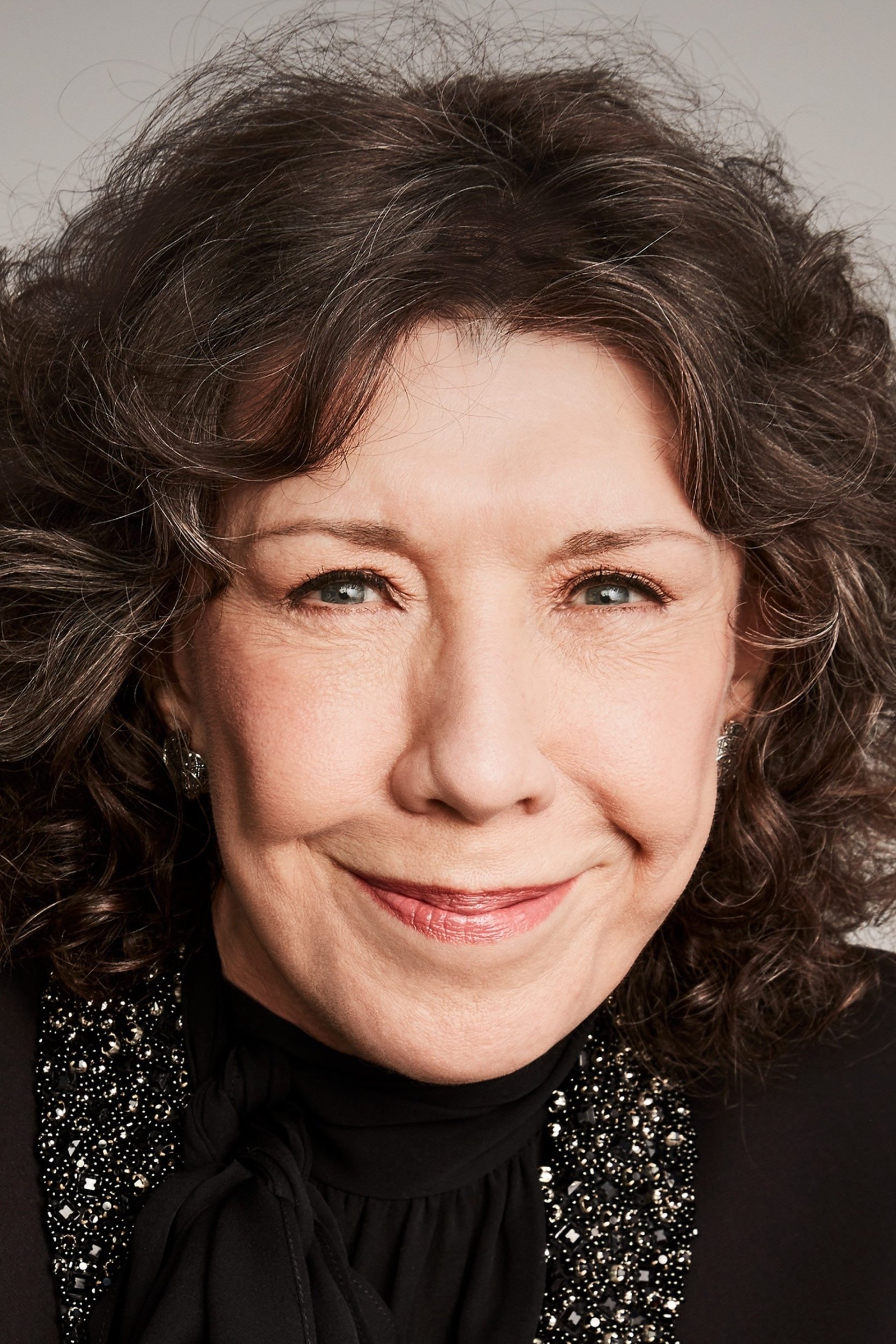
The legendary actress has reflected on her early career and apologized for playing certain characters that relied on broad stereotypes. She admitted that some of her early television sketches and commercials would not be acceptable today due to their cultural insensitivity. The performer stated that as she grew in her career, she became more aware of the power of her platform. She has worked hard to ensure that her more recent work is inclusive and respectful of all audiences. Her longevity in the industry is partly due to her ability to adapt and learn from her past mistakes.
Cynthia Erivo
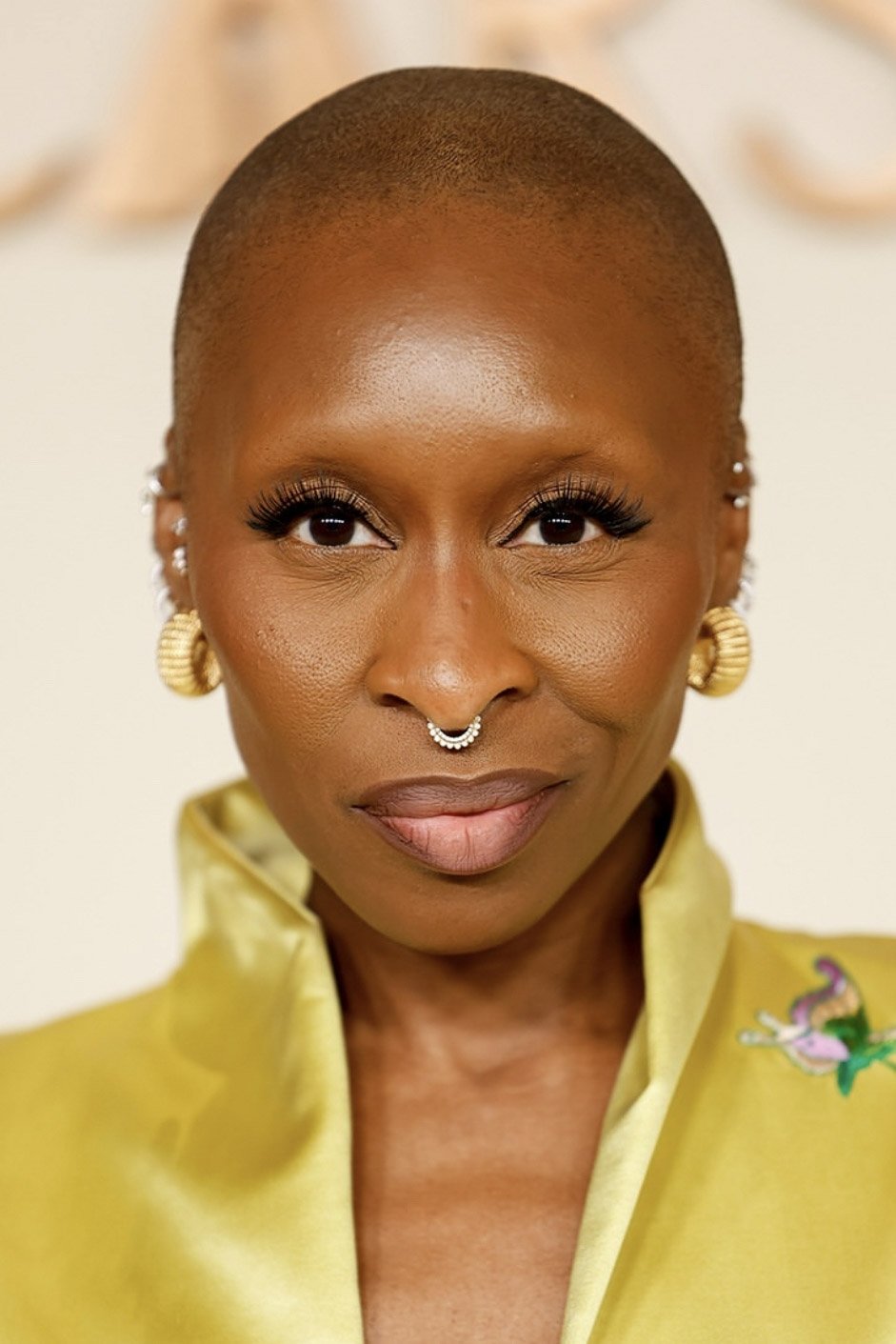
The actress faced criticism for her casting as the title character in ‘Harriet’ (2019) due to her background as a British woman. She eventually apologized for the way she handled the initial backlash and for making comments that seemed dismissive of the concerns of Black Americans. The performer admitted that she needed to listen more to the specific historical trauma associated with the role. She expressed her deep respect for the legacy of Harriet Tubman and the importance of the discussion. The apology helped bridge the gap between the actress and the community she was portraying.
Kathy Griffin
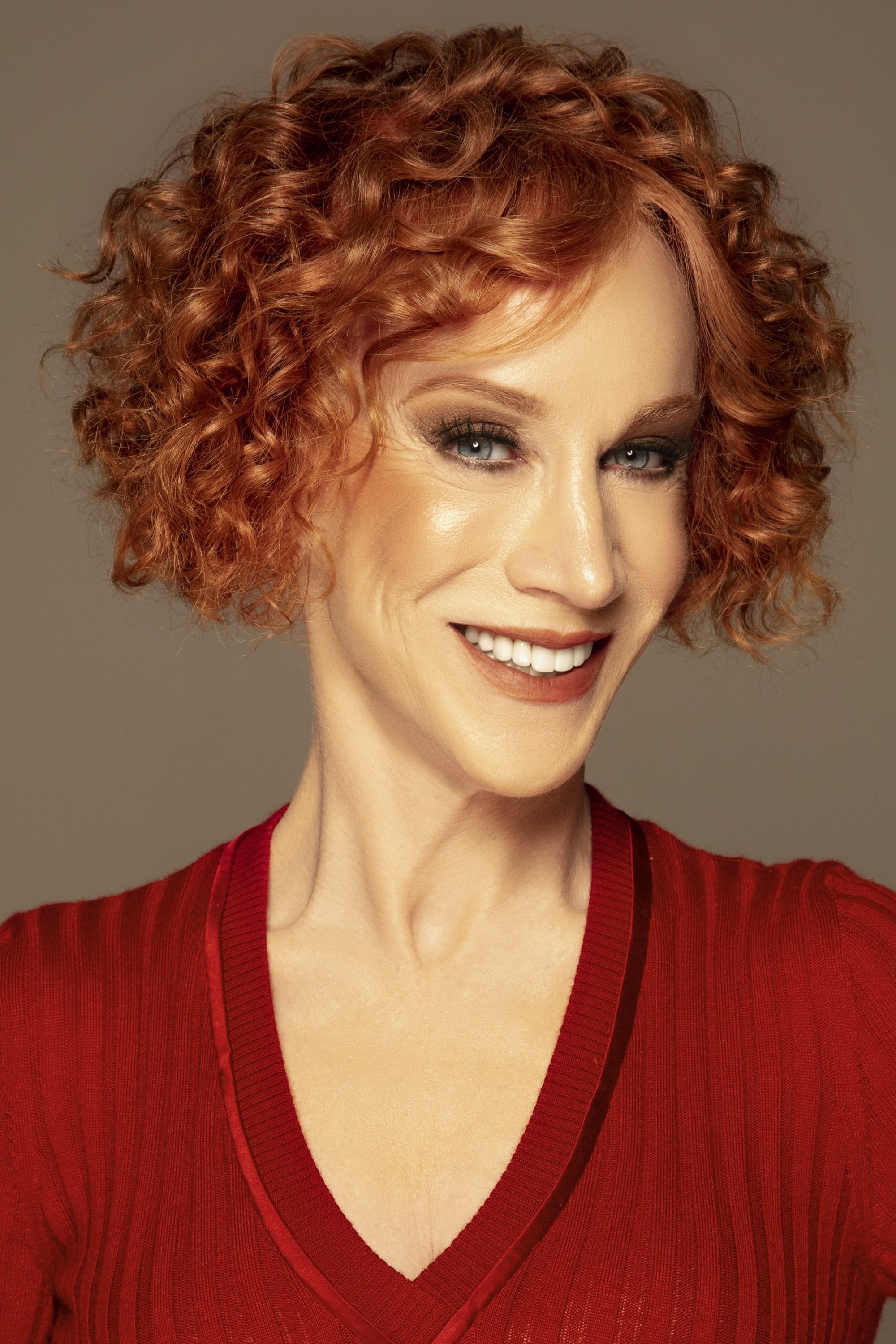
The comedian and actress has apologized for several stunts and roles that were deemed offensive or insensitive over her career. She acknowledged that her desire to be provocative sometimes led her to make choices that caused genuine harm. The performer admitted that she has had to learn where the line is between satire and cruelty. She has been vocal about her mistakes and the impact they had on her life and career. Her apologies often come with a commitment to continue pushing boundaries while being more aware of the consequences.
Sandra Bernhard
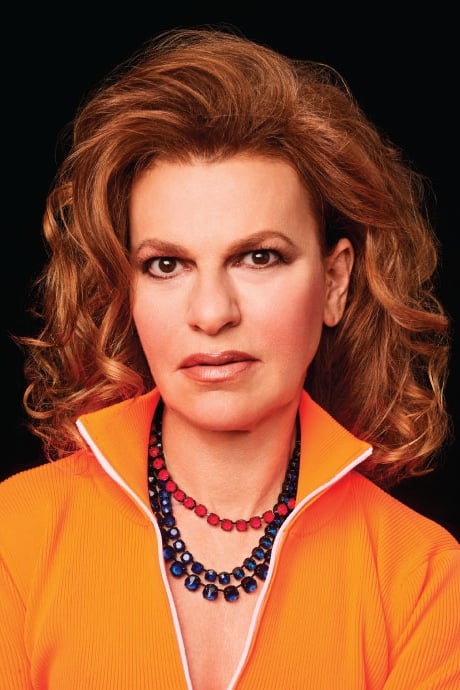
The actress and comedian has expressed regret for some of the racial tropes she used in her early stage shows and films. She admitted that her attempt to be edgy often crossed into territory that was insensitive to people of color. The performer stated that looking back at her old material can be difficult because she now sees the problems clearly. She has since focused on creating work that is more thoughtful and inclusive of different perspectives. Her growth as a performer has been marked by a willingness to confront her past behavior publicly.
Beanie Feldstein
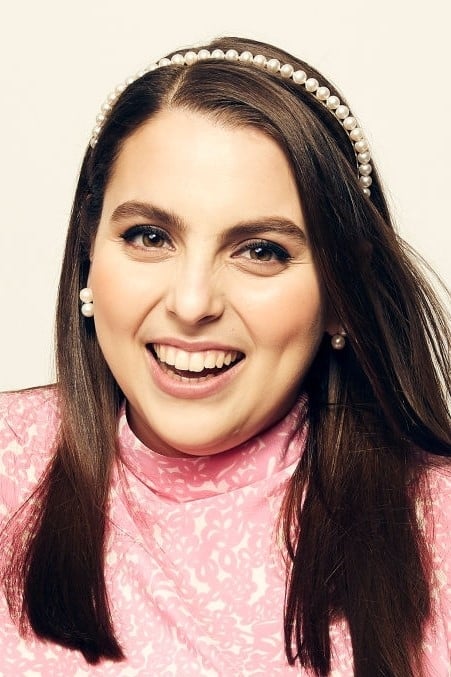
The actress spoke about the ethical complexities of her role as Monica Lewinsky in ‘Impeachment’ (2021). She apologized for any moments where the portrayal might have felt like it was exploiting the trauma of a real person. The performer admitted that she spent a great deal of time worrying about the impact of the project on Lewinsky’s life. She expressed her hope that the series would ultimately bring more empathy to the situation rather than more pain. Her apology reflected a deep sense of responsibility toward the real life subjects of her work.
Jane Lynch
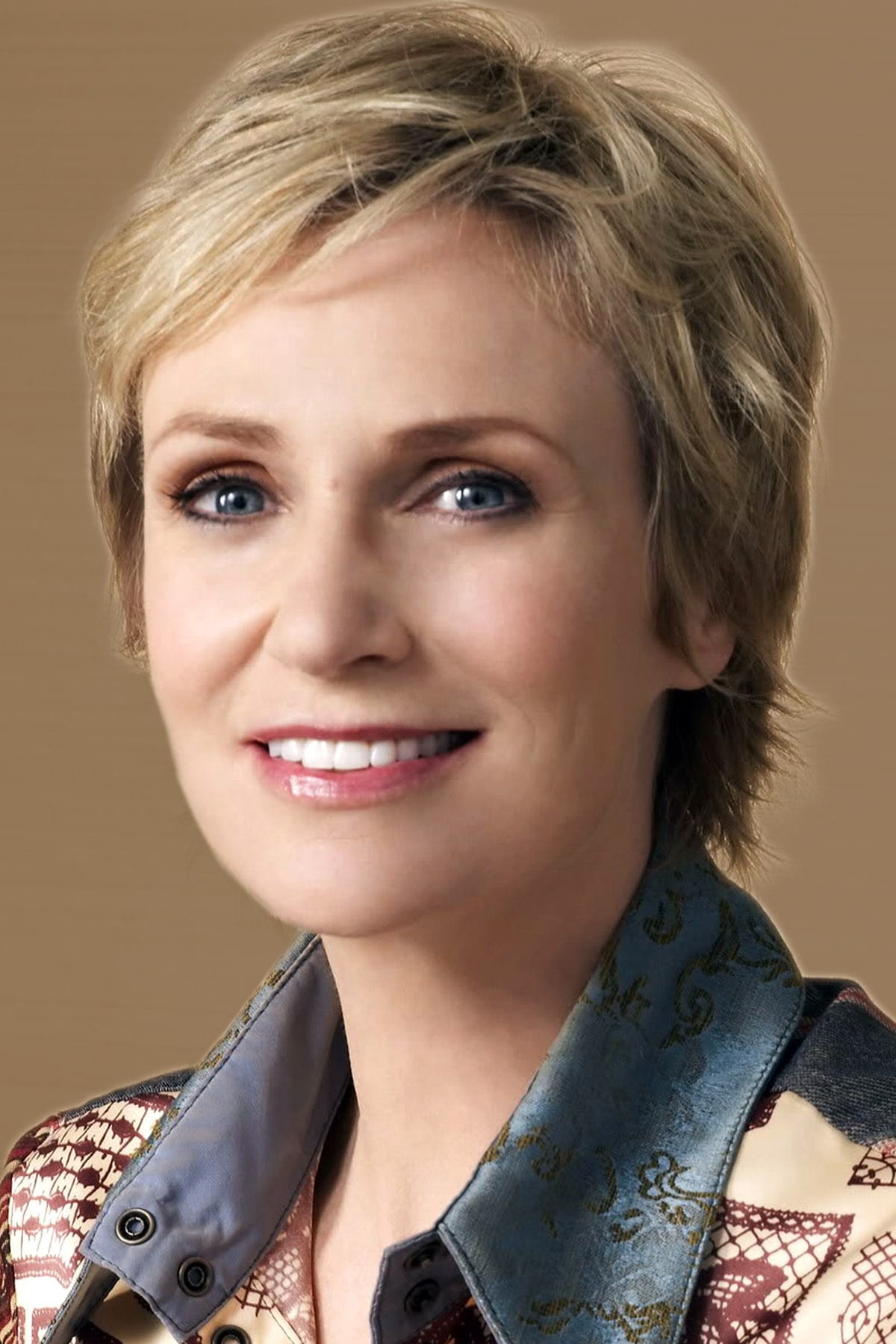
The actress apologized for some of the dialogue and jokes she delivered in the film ‘The 40-Year-Old Virgin’ (2005). She acknowledged that some of the humor was based on homophobic tropes that she now finds problematic. The performer stated that while the film was a product of its time, those jokes have not aged well. She has been a strong advocate for removing such language from modern comedy scripts. Her reflection on the role shows her commitment to evolving alongside the standards of the industry.
Aubrey Plaza
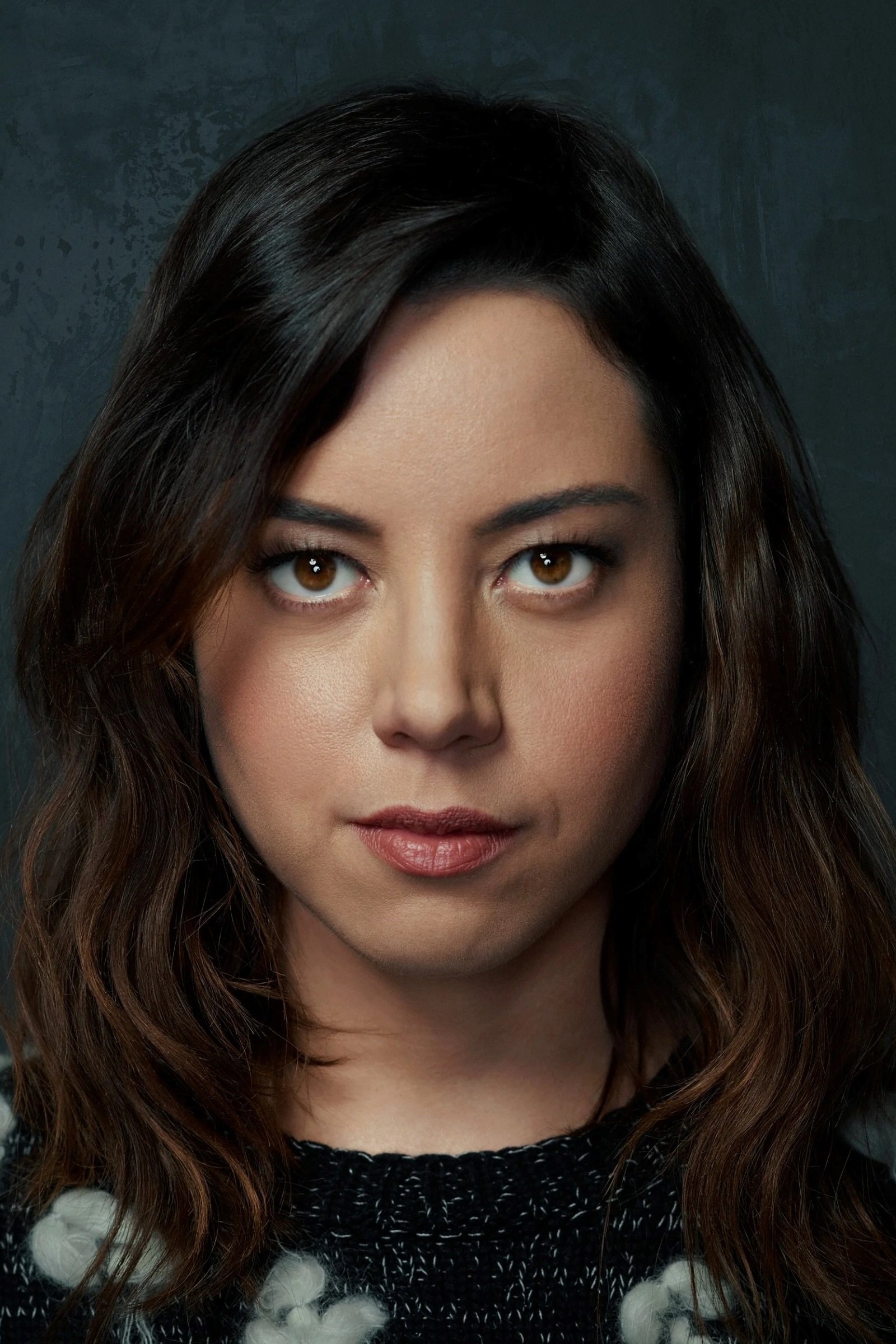
The actress has looked back on some of her early promotional stunts and roles and apologized for being insensitive. She admitted that her deadpan persona sometimes led her to make jokes that were misinterpreted or genuinely offensive. The performer stated that she has learned to be more careful with her words as her platform has grown. She expressed regret for any discomfort she caused during the early years of her career. This apology highlighted her transition from an indie darling to a major Hollywood star.
Anna Paquin
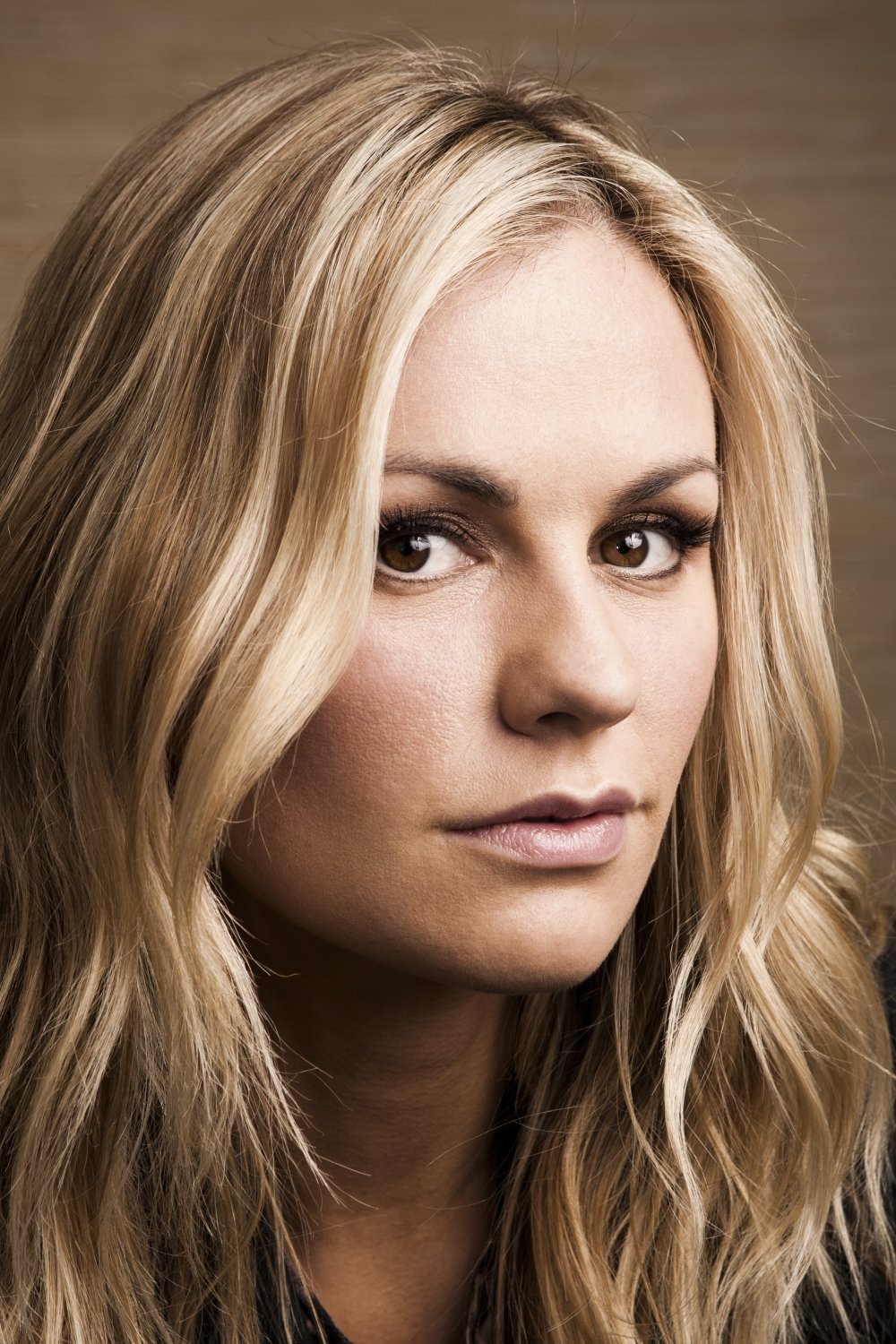
The actress has reflected on her time in the series ‘True Blood’ (2008) and addressed certain problematic themes in the show. She apologized for scenes that reinforced harmful stereotypes or involved unnecessary violence against marginalized groups. The performer admitted that she was not always in a position to challenge the writers during the production. She has since used her voice to advocate for more responsible storytelling in the fantasy genre. Her apology was a way to acknowledge the fans who were disappointed by those creative choices.
Evan Rachel Wood
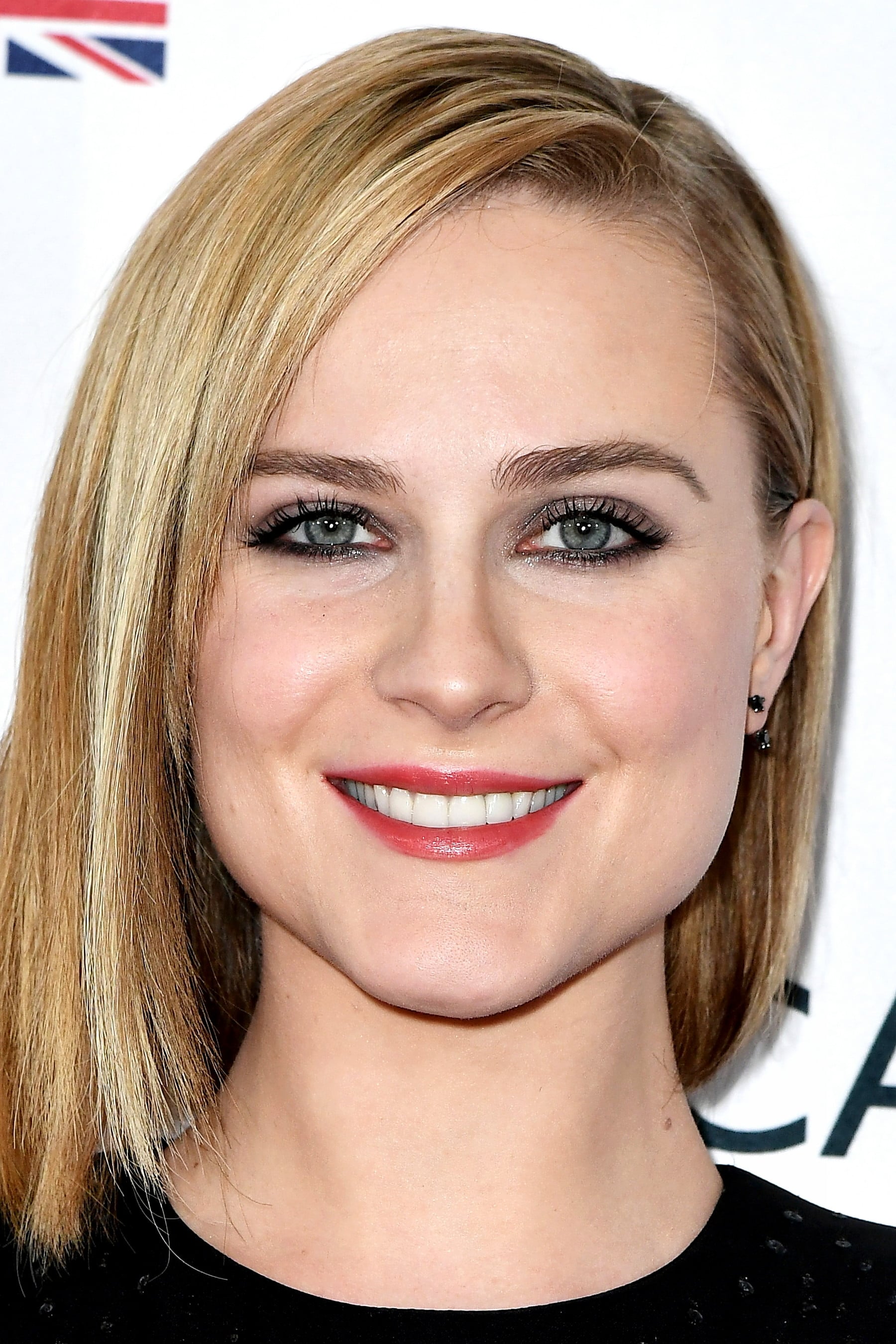
The actress has spoken out about her regret for working with certain directors who have been accused of problematic behavior. She apologized to her fans for participating in projects that helped maintain the careers of these individuals. The performer stated that she was often unaware of the full extent of the allegations at the time. She has since become a leading voice in the movement to protect actors and ensure safety on film sets. Her apology was a major step in her journey as an activist within the industry.
Tessa Thompson
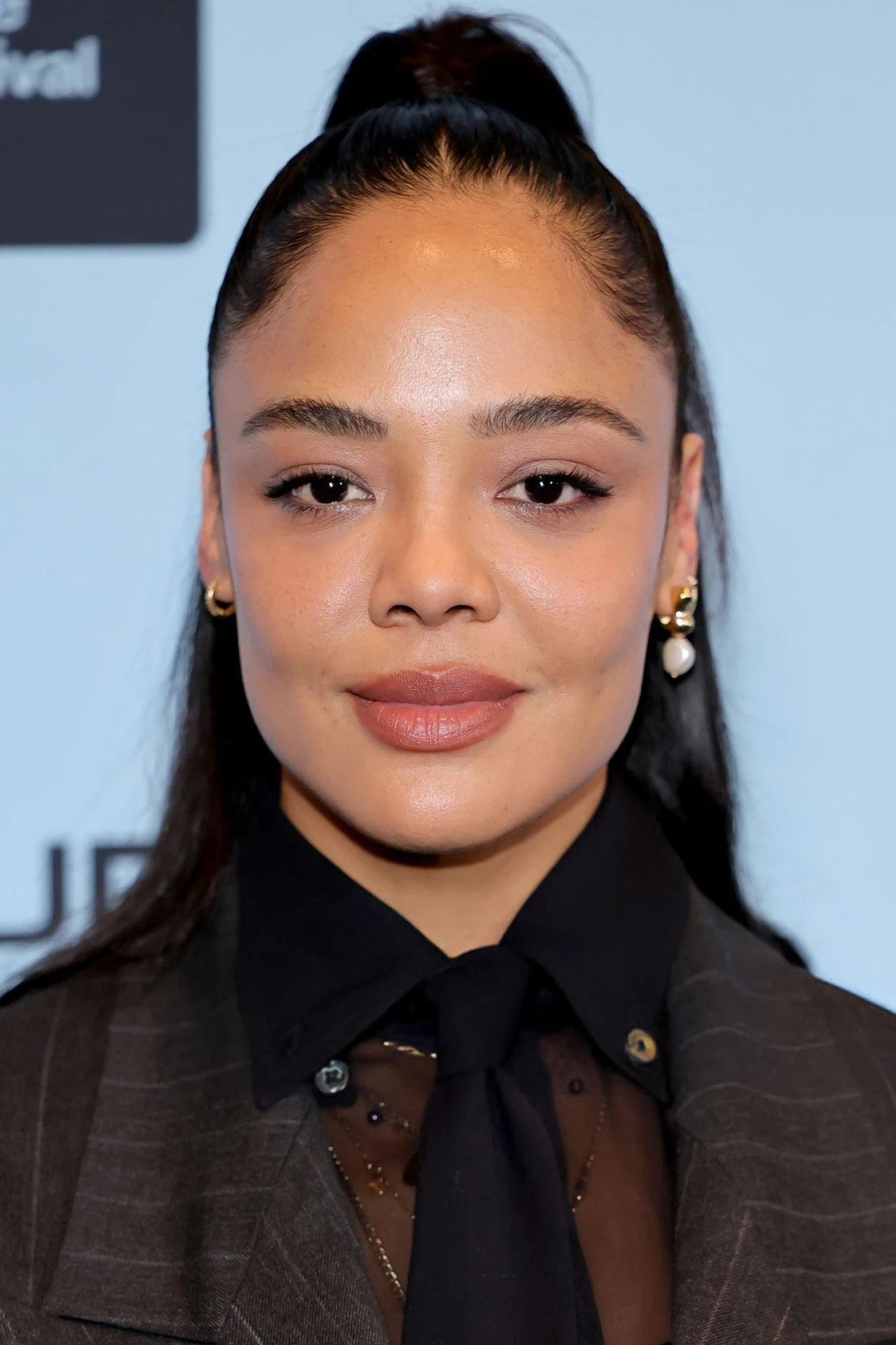
The actress issued an apology for participating in a project led by a director who was involved in a significant public controversy. She admitted that her decision to work on the film was a mistake that she regretted deeply. The performer stated that she wants to be an actor who stands by her principles even when it is professionally difficult. she expressed her commitment to supporting survivors and ensuring that her work environment is ethical. This public statement reinforced her reputation as a principled and socially conscious performer.
Janelle Monáe
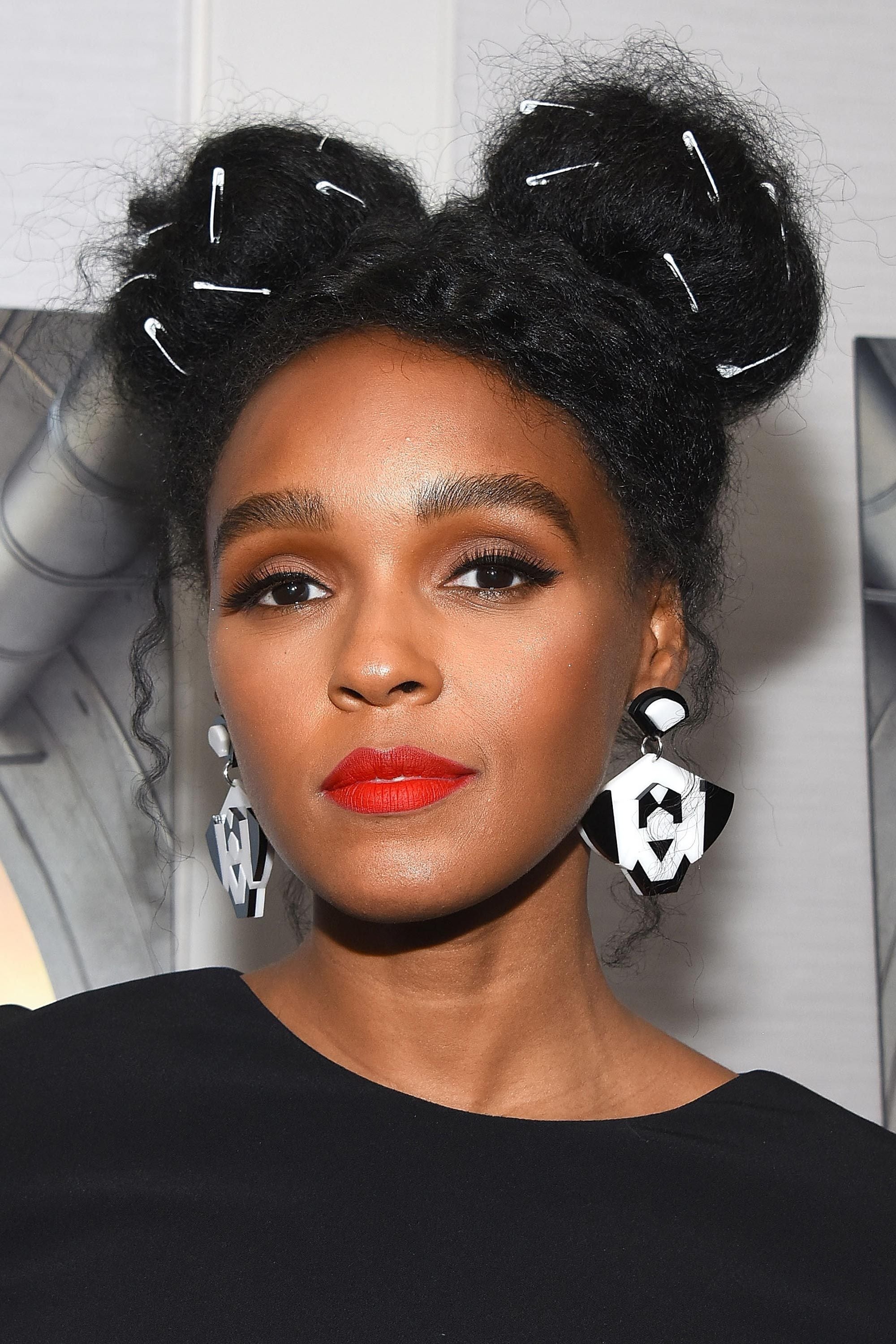
The actress and musician has addressed her past silence on certain problematic roles and themes in the industry. She apologized for not using her platform more aggressively in the early days of her career to challenge unfair casting. The performer stated that she now feels a deep responsibility to ensure that her work reflects her values of liberation and equality. She expressed her regret for any times she felt she had to compromise her identity to fit into the Hollywood system. Her apology was an empowering message to her fans about the importance of authenticity and growth.
Please share your thoughts on these actresses and their public apologies in the comments.