


Gay Black Actors Who Played Romantic Leads Opposite White Women in the 90s

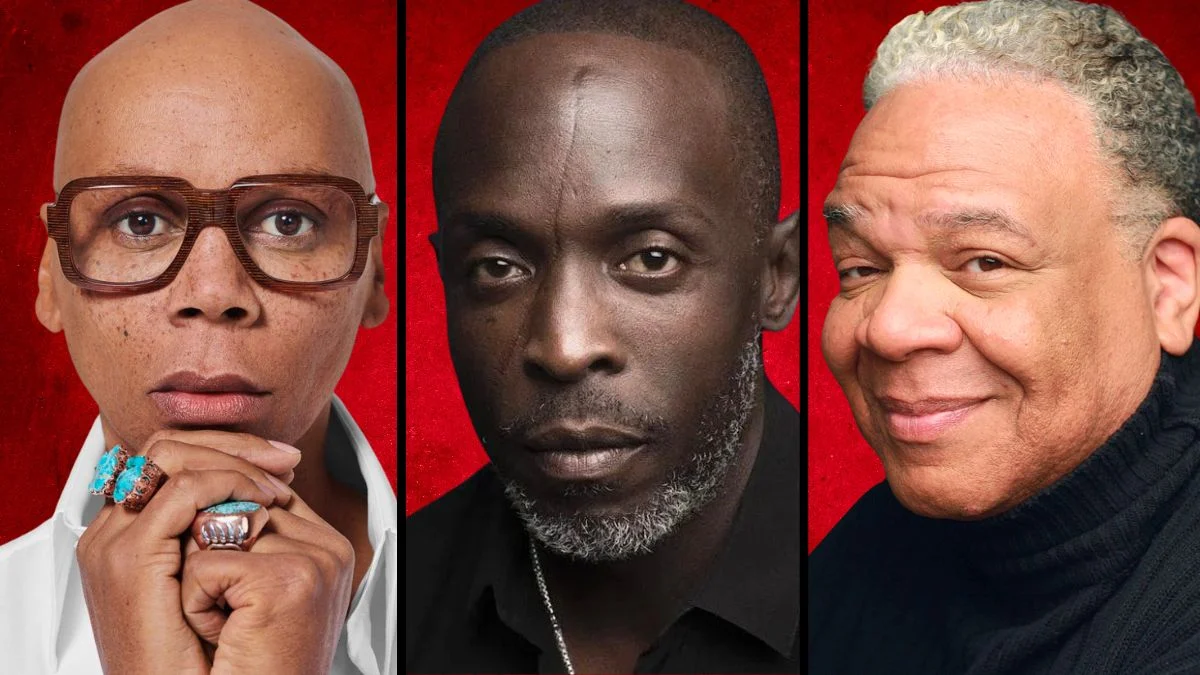


The cinematic landscape of the 1990s featured a complex evolution regarding the representation of black masculinity and queer identity on screen. Hollywood slowly began to explore interracial dynamics that defied the rigid segregation of previous eras. A select group of gay black actors navigated this changing terrain by securing roles that placed them in proximity to white female leads. These performances often required the actors to balance their private truths with the heteronormative expectations of the industry. Their contributions helped dismantle long-standing barriers and expanded the scope of character types available to black performers.
RuPaul
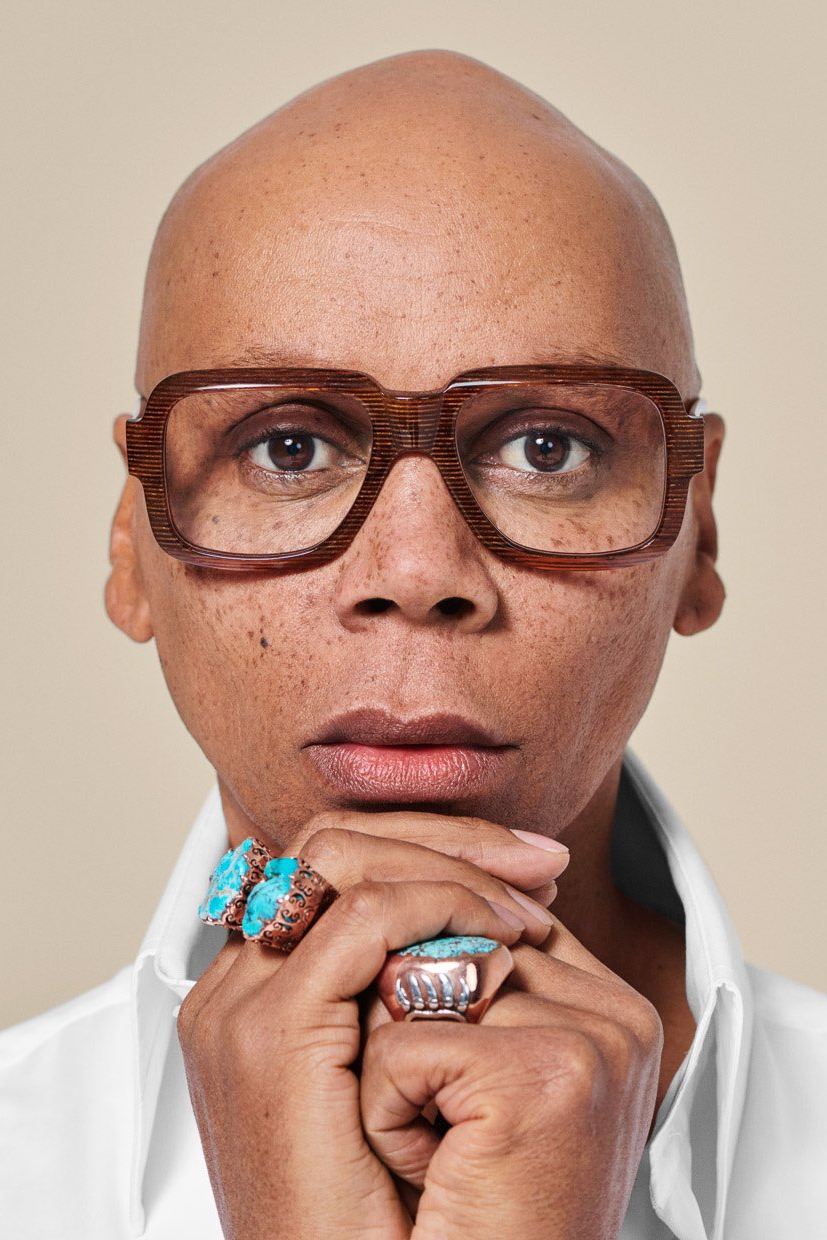
‘The Brady Bunch Movie’ (1995)
RuPaul Charles, the world’s most famous drag queen, made a memorable appearance in this 90s cult classic as Mrs. Cummings’ guidance counselor. Although known for his drag persona, he appeared out of drag in a role that featured flirtatious undertones with the white female character, playing on the era’s sitcom tropes. This role marked a significant crossover moment for RuPaul into mainstream cinema during a decade when such visibility was rare. His performance bridged the gap between underground queer culture and Hollywood family comedy.
Jaye Davidson
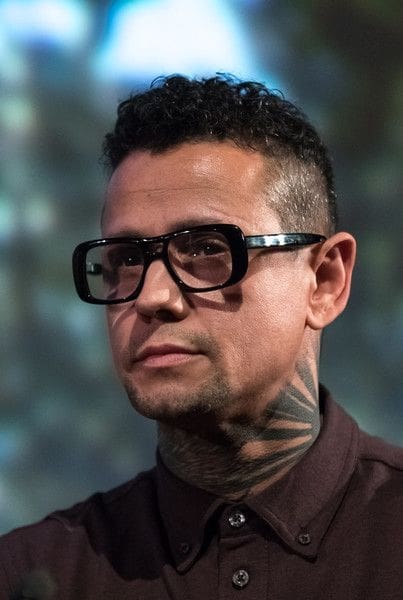
‘The Crying Game’ (1992)
Jaye Davidson delivered a groundbreaking performance as Dil in this psychological thriller, earning an Academy Award nomination. His character serves as the romantic lead opposite Stephen Rea, and while the film is famous for its twist regarding Dil’s gender, the romantic dynamic is central to the plot. Davidson, a gay man of mixed heritage, navigated a complex role that challenged the audience’s perceptions of gender and attraction. The film remains a pivotal moment in 90s cinema for its portrayal of queer identity and interracial desire.
Paul Winfield
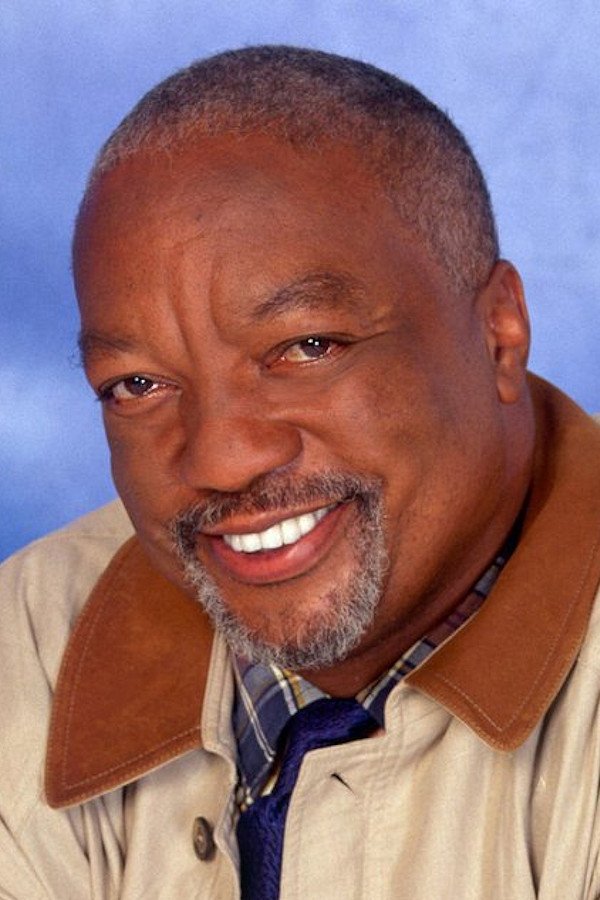
‘The Simple Life of Noah Dearborn’ (1999)
Veteran actor Paul Winfield, who was openly gay in his private life, continued his distinguished career throughout the 1990s with various roles in film and television. In this television movie, he starred alongside Sidney Poitier and Dianne Wiest, bringing his signature gravitas to the screen. While not a traditional romantic lead in this specific film, his career often placed him in significant roles opposite white co-stars, challenging racial barriers. Winfield’s presence in 90s media paved the way for future generations of black character actors.
Billy Porter
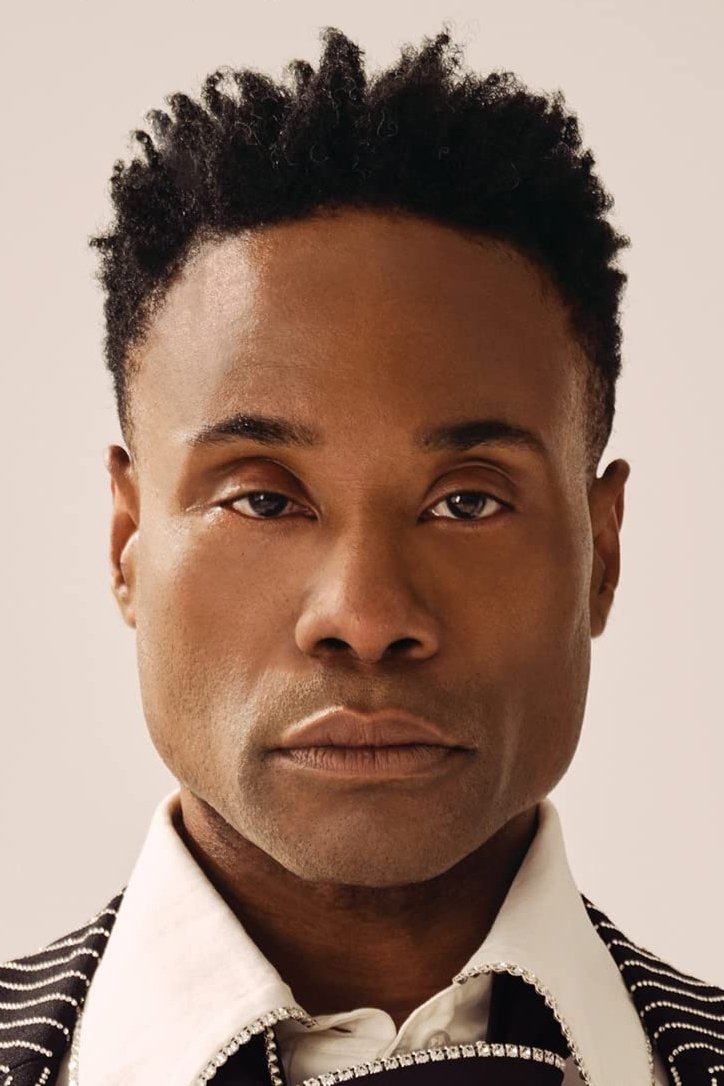
‘Twisted’ (1996)
Long before his ‘Pose’ fame, Billy Porter acted in this 1996 film which tackled themes of addiction and urban life. As an openly gay actor working in the 90s, Porter faced an industry that often relegated black queer performers to the background or stereotypical roles. His work in the 90s, including voice roles in ‘Anastasia’ and appearances in ‘The First Wives Club’, showcased his versatility. Porter has since spoken about the difficulties of finding romantic lead roles during this era due to his race and sexuality.
Michael Kenneth Williams
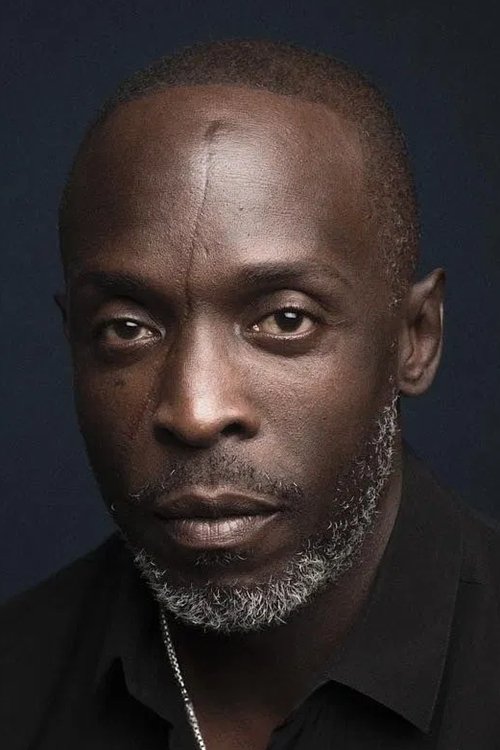
‘Bullet’ (1996)
Michael K. Williams began his career in the 90s as a dancer and actor, appearing in films like ‘Bullet’ alongside Mickey Rourke. While he would later become an icon as Omar Little, his 90s work often involved gritty supporting roles in urban dramas. Williams, who was open about his sexuality and personal struggles, brought a raw intensity to his early performances. These early roles established his screen presence, eventually leading to more complex character studies in later decades.
Roscoe Lee Browne
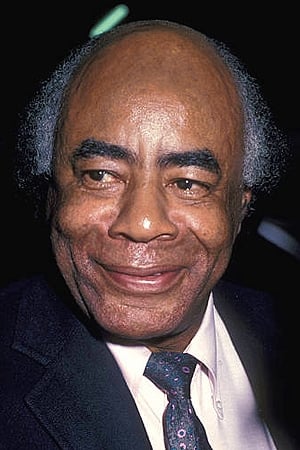
‘The Pagemaster’ (1994)
Roscoe Lee Browne possessed one of the most distinctive voices in Hollywood and maintained a prolific career through the 1990s. Though he often played authority figures or provided voice work, his stature as a gay black man in the industry was significant. In ‘The Pagemaster’, he voiced the character of Adventure, guiding the young protagonist through a literary world. His career spanned decades, often seeing him cast in dignified roles that transcended the limited opportunities typically available to black actors of the time.
Geoffrey Holder
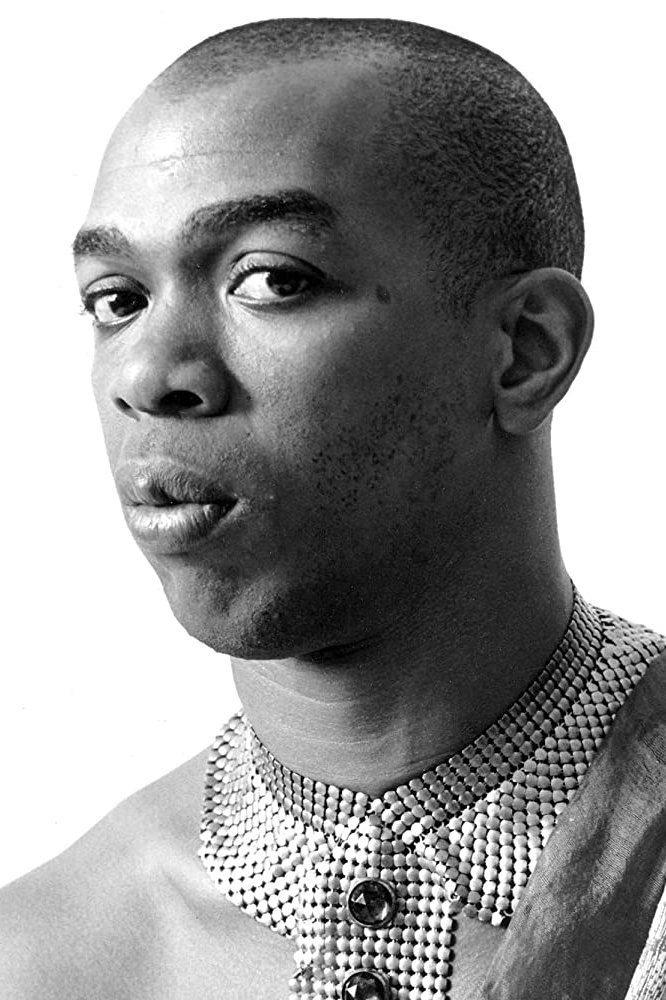
‘Boomerang’ (1992)
Geoffrey Holder, a multifaceted artist and performer, appeared in the romantic comedy ‘Boomerang’ as the eccentric director Nelson. In the film, he interacts with the predominantly black cast, but his career often saw him in diverse and international productions. Holder’s larger-than-life persona and distinct voice made him a memorable scene-stealer in 90s cinema. As a creative force who was open about his artistic and personal fluidity, he left a lasting mark on the decade’s entertainment landscape.
André De Shields
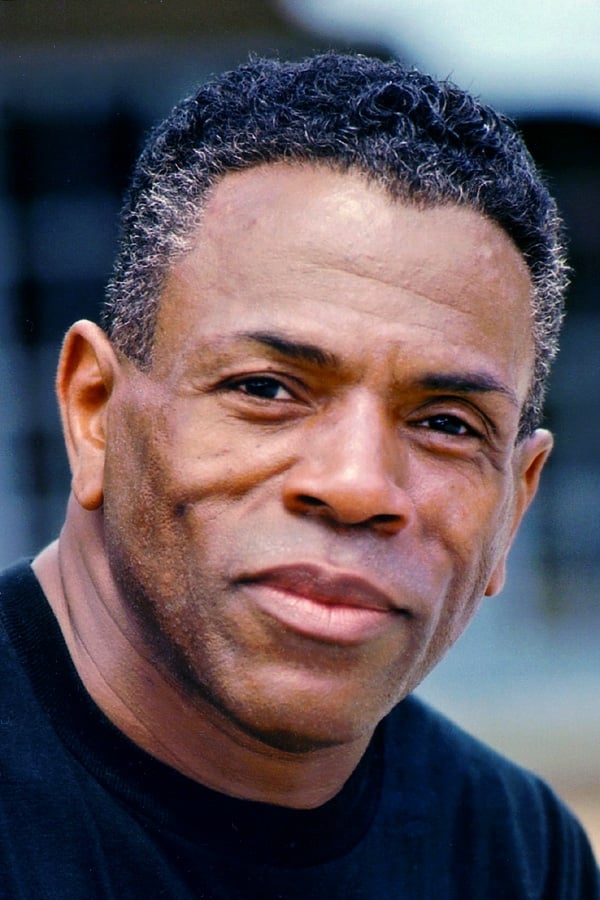
‘Extreme Measures’ (1996)
Broadway legend André De Shields brought his talents to the big screen in this 90s thriller starring Hugh Grant and Gene Hackman. De Shields, who has been an out gay man throughout his career, often balanced stage work with film appearances during this period. His role in the film added to a body of work that consistently challenged the boundaries placed on black male performers. He remains a celebrated figure for his contributions to theater and his visibility as a queer black artist.
Ken Page
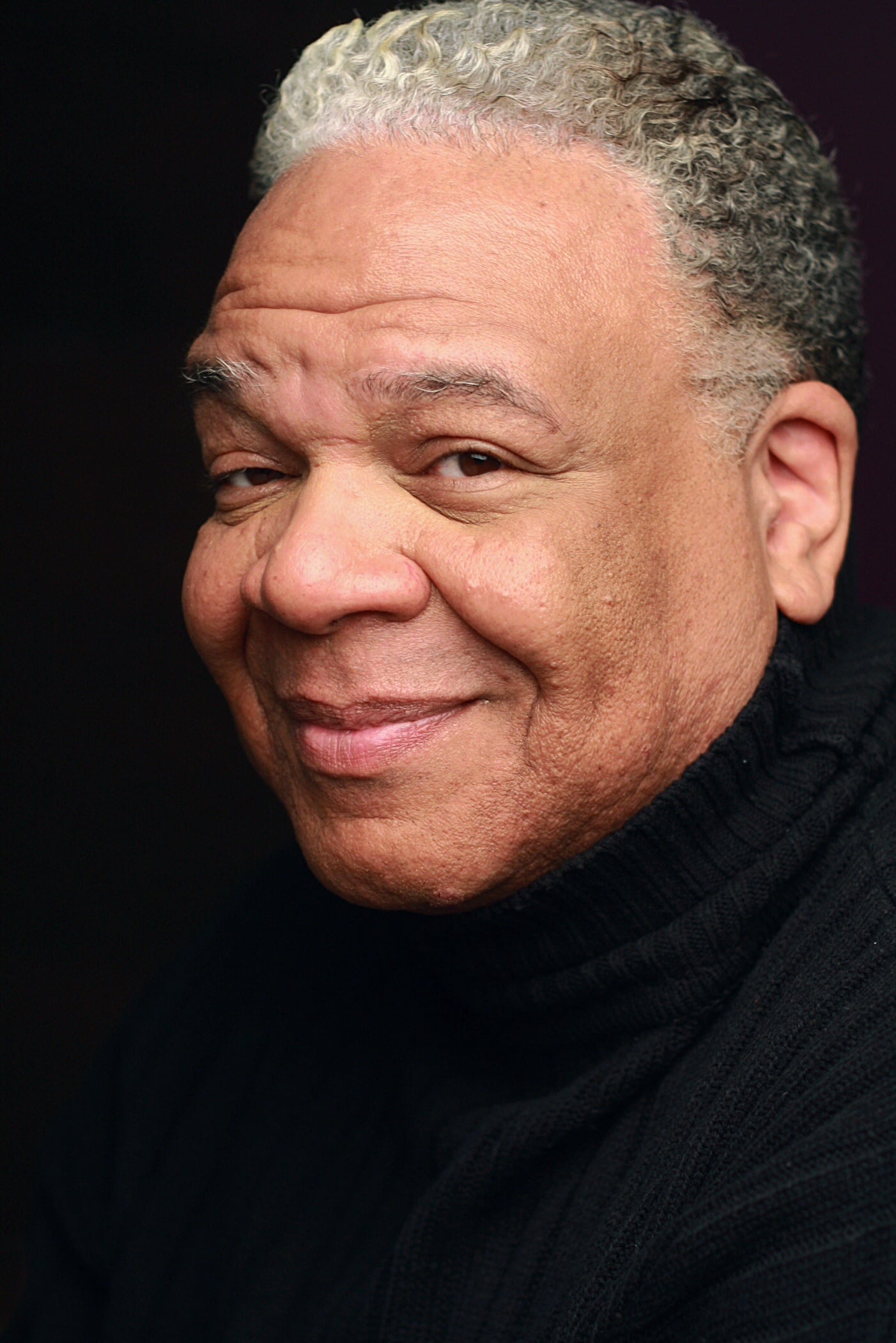
‘The Nightmare Before Christmas’ (1993)
Ken Page provided the iconic voice for Oogie Boogie in this Tim Burton stop-motion masterpiece. As an openly gay black actor, Page’s contribution to 90s pop culture is indelible, even if his face was not on screen for this particular role. He also appeared in live-action films and stage productions throughout the decade, often utilizing his powerful singing voice. His work demonstrates the variety of avenues gay black actors utilized to maintain visibility in a restrictive industry.
Kevin Clash

‘Teenage Mutant Ninja Turtles’ (1990)
Kevin Clash is best known as the puppeteer and voice behind Elmo, but his work extended into major 90s film franchises. In the first ‘Teenage Mutant Ninja Turtles’ movie, he performed the voice and puppetry for Splinter, the wise rat sensei. Clash, a black man who later came out as gay, was a pivotal figure in children’s entertainment and 90s cinema. His behind-the-scenes work brought life to characters that defined the childhoods of the 90s generation.
Tevin Campbell
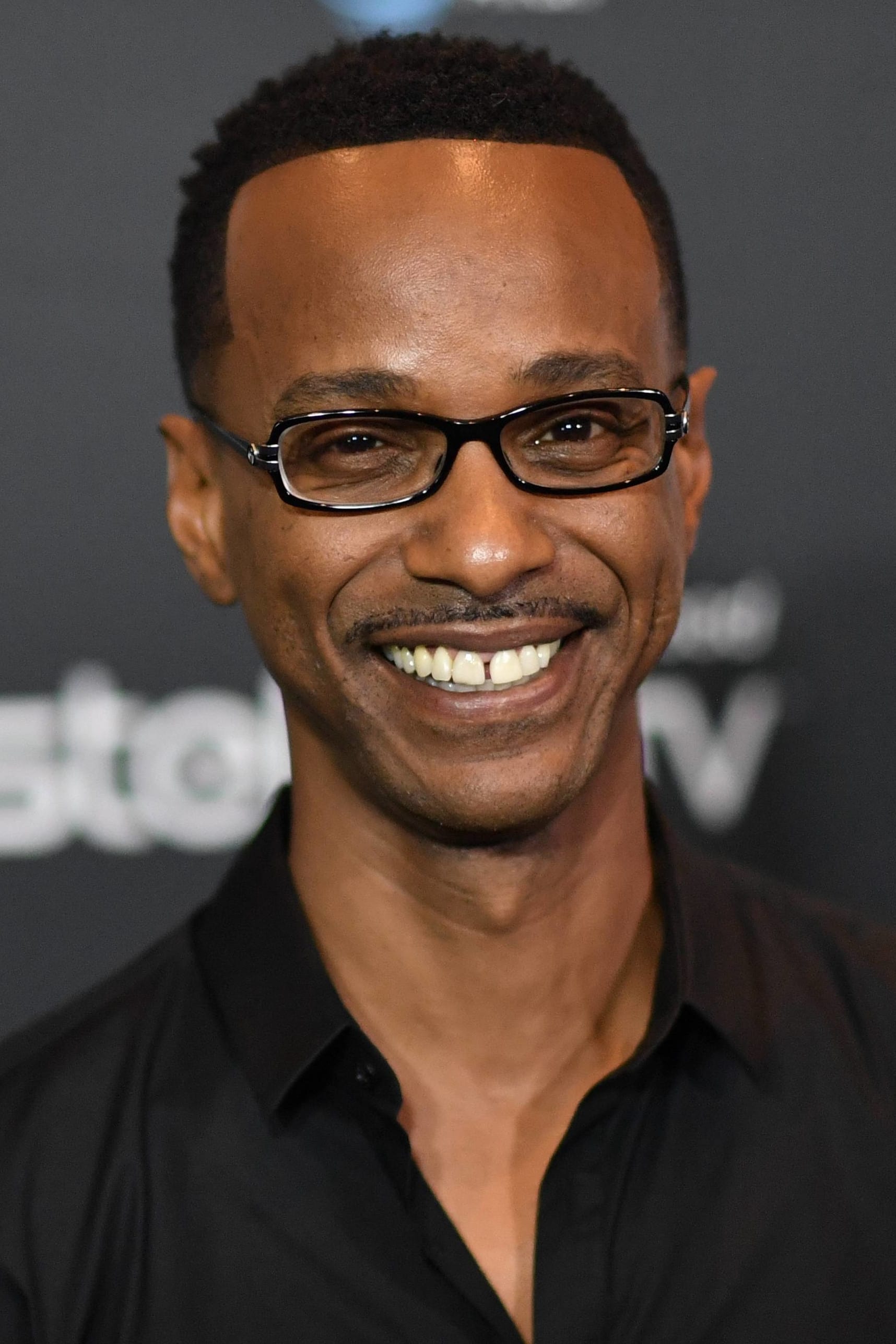
‘A Goofy Movie’ (1995)
R&B singer and actor Tevin Campbell voiced the character Powerline, a pop superstar, in this beloved Disney animated film. While not a live-action romantic lead, his character was the object of admiration and the driving force of the film’s plot. Campbell, who came out publicly later in life, was a significant teen idol in the 90s with a massive following. His involvement in the film remains a cultural touchstone for the era.
Willi Ninja
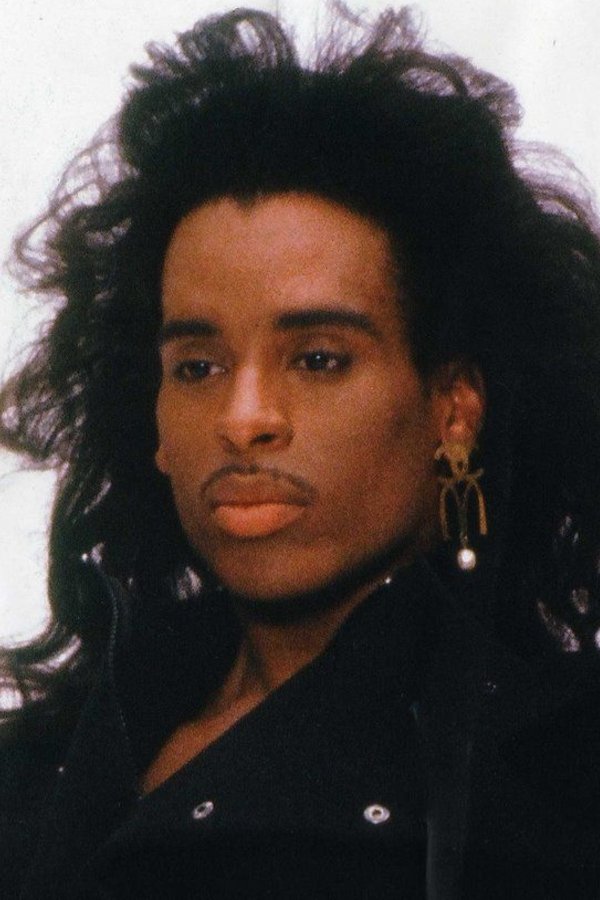
‘Paris Is Burning’ (1990)
Willi Ninja, the godfather of Vogue, starred in the seminal documentary ‘Paris Is Burning’, which brought New York’s ballroom culture to the world. While the film is a documentary, Ninja’s presence was cinematic, and he became a romantic and cultural icon for many. He leveraged this fame to appear in music videos and runway shows throughout the 90s, interacting with white supermodels and celebrities. His influence on 90s pop culture and the visibility of gay black men was profound and lasting.
Bill T. Jones
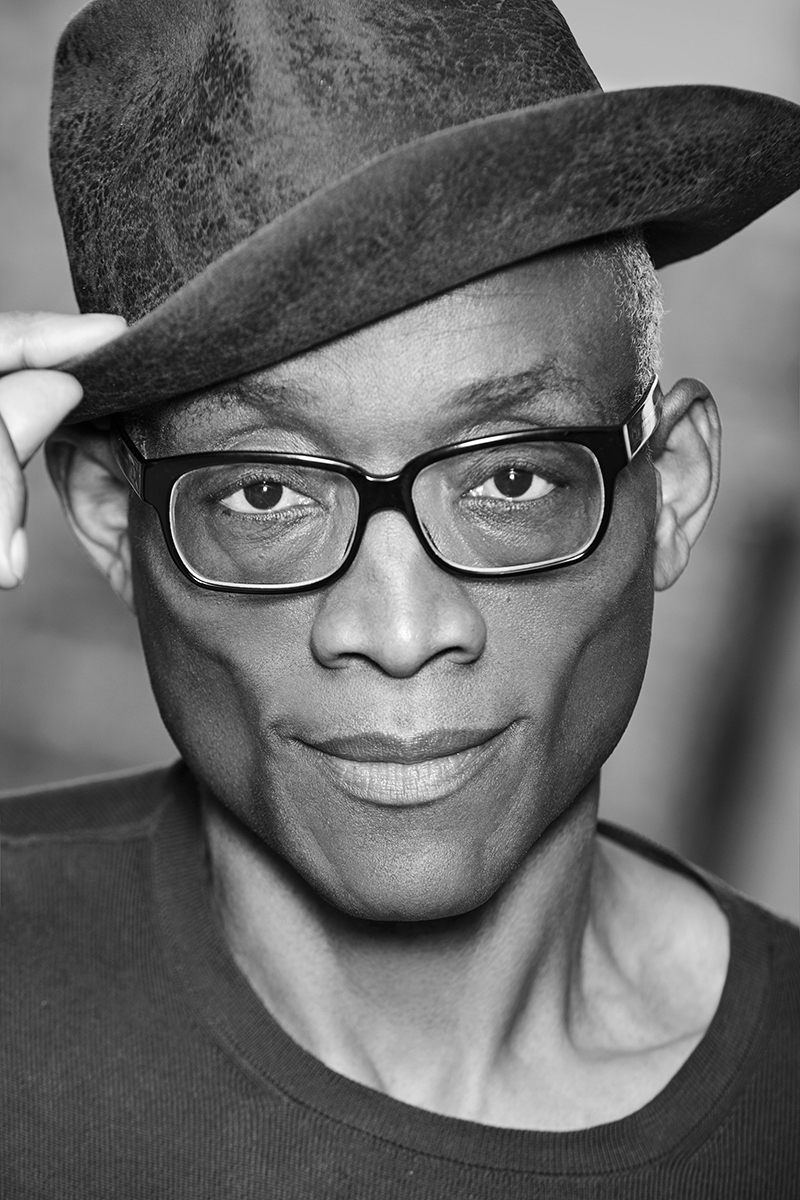
‘Bill T. Jones: Dancing to the Promised Land’ (1994)
Renowned dancer and choreographer Bill T. Jones was the subject of this documentary and remained a prominent figure in the 90s arts scene. As an openly gay black man, his work often explored themes of love, loss, and survival during the AIDS epidemic. His appearances in film and television during the decade highlighted the intersection of performance art and social activism. Jones defied the conventional boundaries of what a leading man in the arts could be.
Nathan Lee Graham
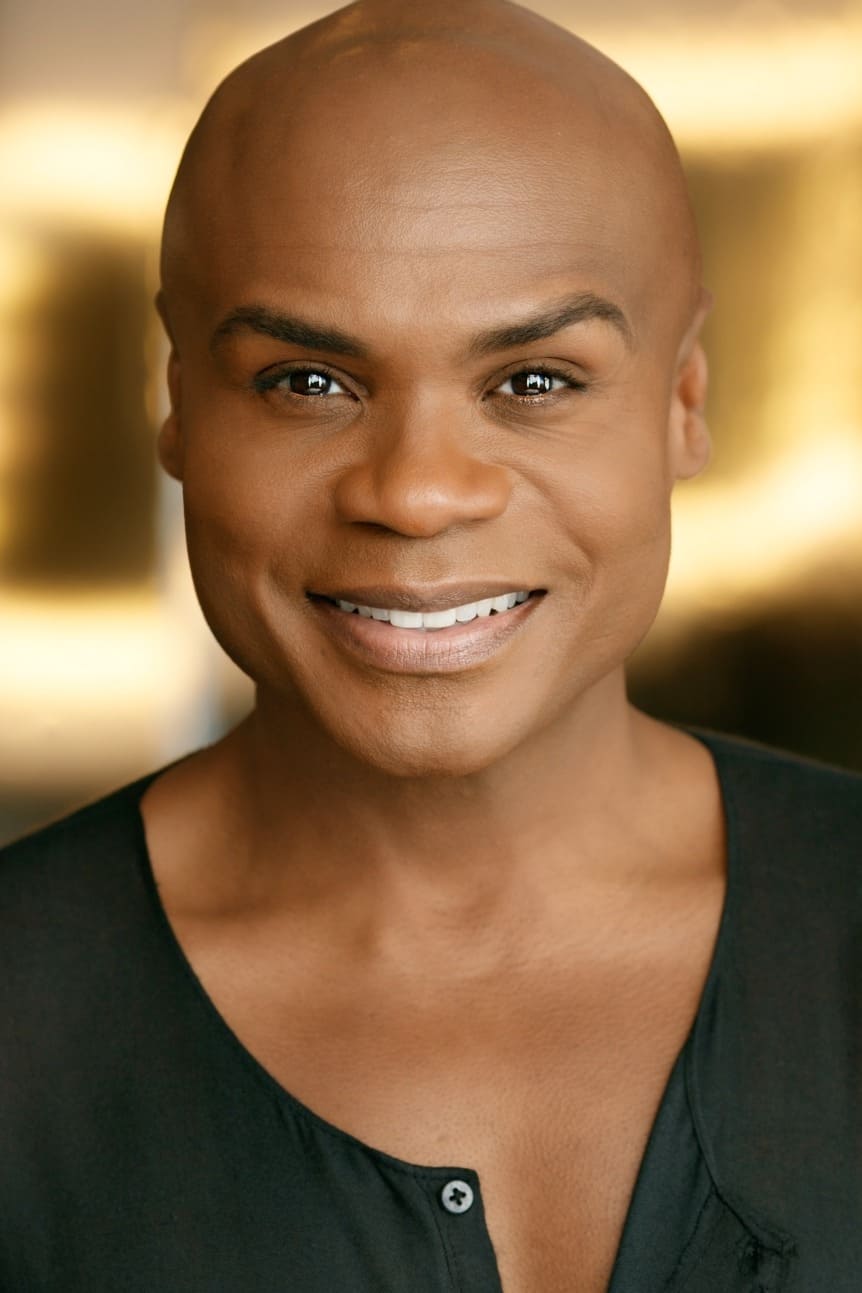
‘Zoolander’ (2001)
Though his breakout film role in ‘Zoolander’ came just after the 90s closed, Nathan Lee Graham was active in the New York theater scene throughout the late 1990s. His cabaret and stage work during this decade established the unique persona that would eventually translate to screen. Graham has always been an out artist, bringing a specific and uncompromised queer aesthetic to his roles. His career trajectory highlights the long road many gay black actors traveled to achieve mainstream recognition.
Share your favorite performances by these trailblazing actors in the comments.