


13 Gay Black Stars Whose Fashion Choices Sparked Homophobia Debates

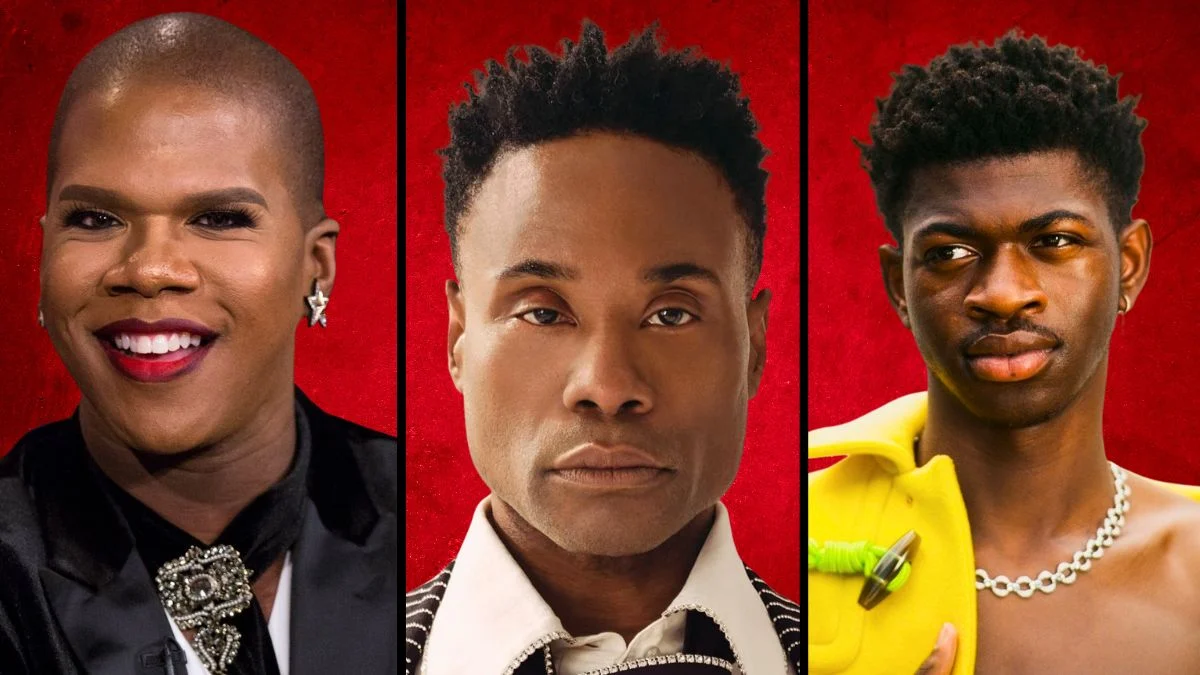


Fashion serves as a powerful medium for self-expression and political statement for many LGBTQ+ celebrities. Black queer stars often face a unique intersection of criticism where racial expectations of masculinity collide with their authentic sartorial presentations. These public figures have utilized red carpets and social media platforms to dismantle rigid gender norms through their bold clothing choices. Their refusal to conform often ignites intense public discourse regarding homophobia and the boundaries of traditional masculinity within the Black community. The following entertainers have fearlessly weathered backlash to pave the way for greater freedom of expression.
Billy Porter
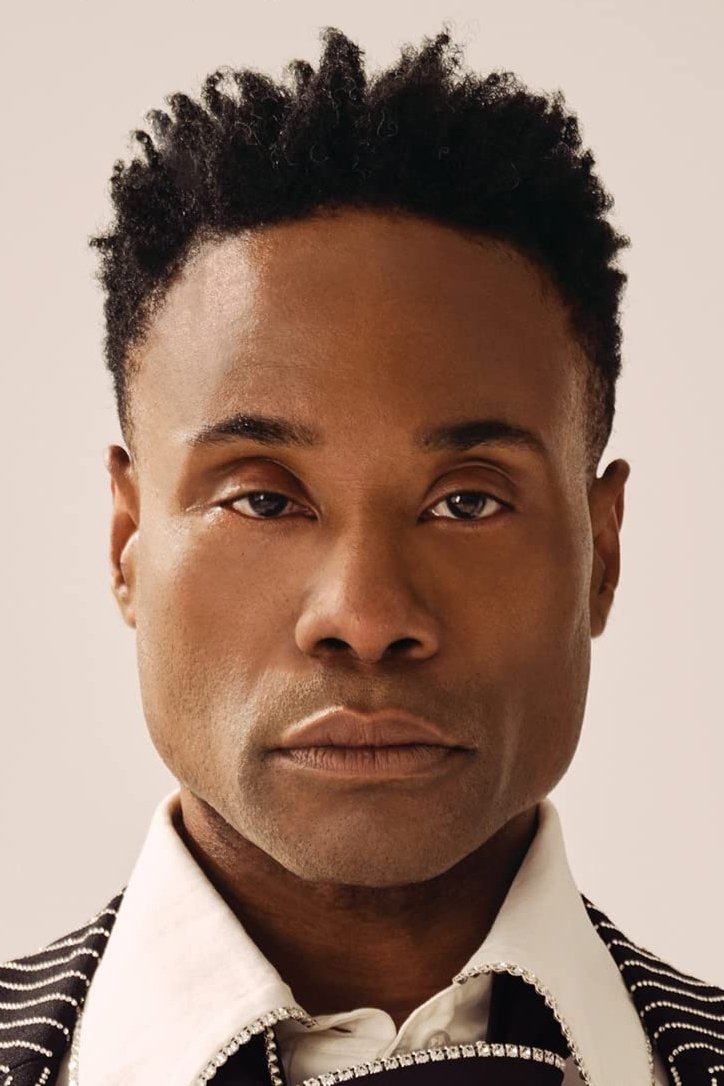
Billy Porter forever changed the landscape of red carpet fashion when he arrived at the 2019 Academy Awards wearing a velvet tuxedo gown. The custom Christian Siriano creation combined a traditional masculine bow tie with a voluminous feminine skirt to challenge gender expectations. This specific look ignited a global conversation about the rigid policing of male clothing in Hollywood. Conservative critics expressed outrage while supporters hailed the moment as a liberation from toxic masculinity. Porter continues to use his public appearances to confront homophobia through non-binary fashion statements.
Lil Nas X
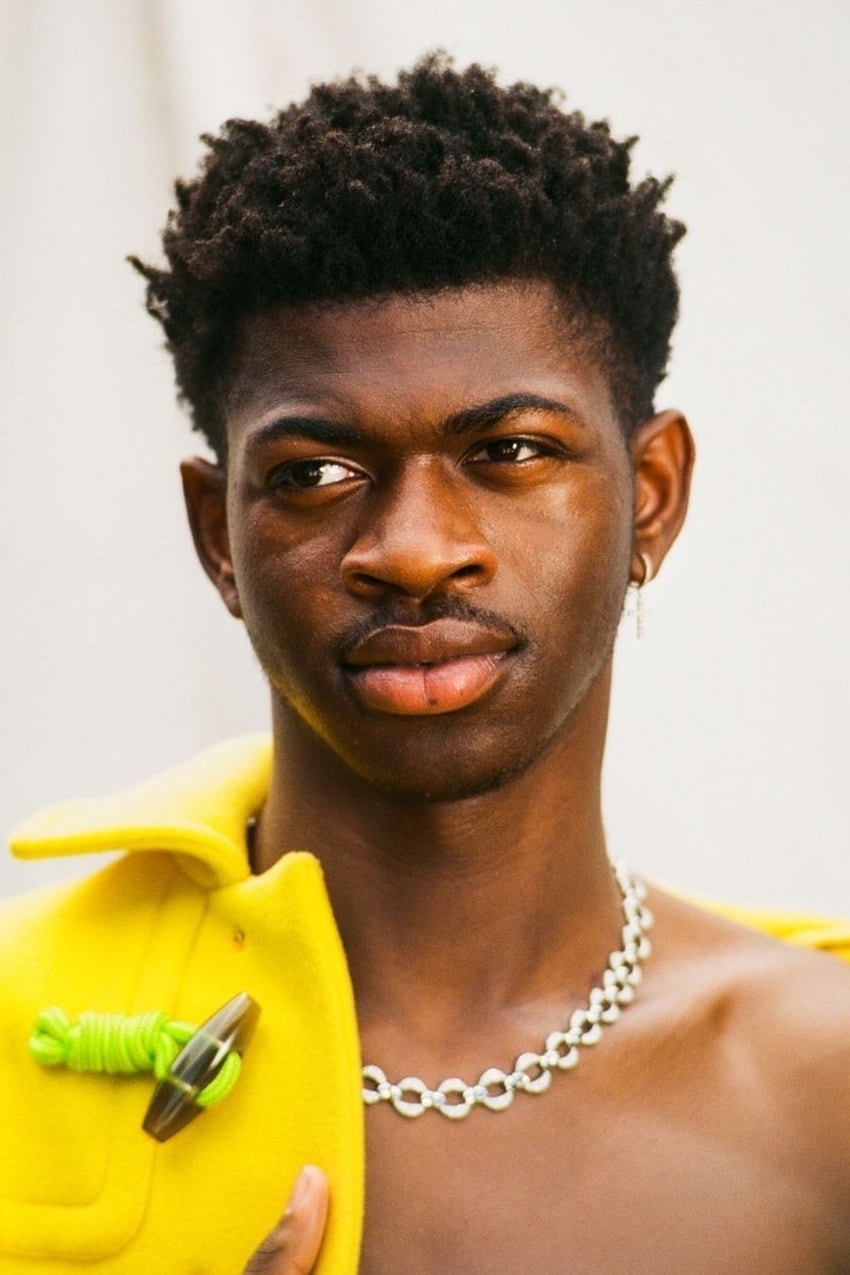
Lil Nas X frequently uses his wardrobe to provoke conversation and confront homophobia within the hip-hop industry. His appearance at the 2021 BET Awards featured a transformative outfit that culminated in an Egyptian-inspired look and a same-sex kiss on stage. The rapper often incorporates pink cowboy aesthetics and skirts to deliberately agitate detractors who question his place in rap music. These fashion choices highlight the double standards applied to queer artists compared to their heterosexual counterparts. His bold visual identity forces the music industry to address its historical exclusion of openly gay Black men.
Jeremy Pope
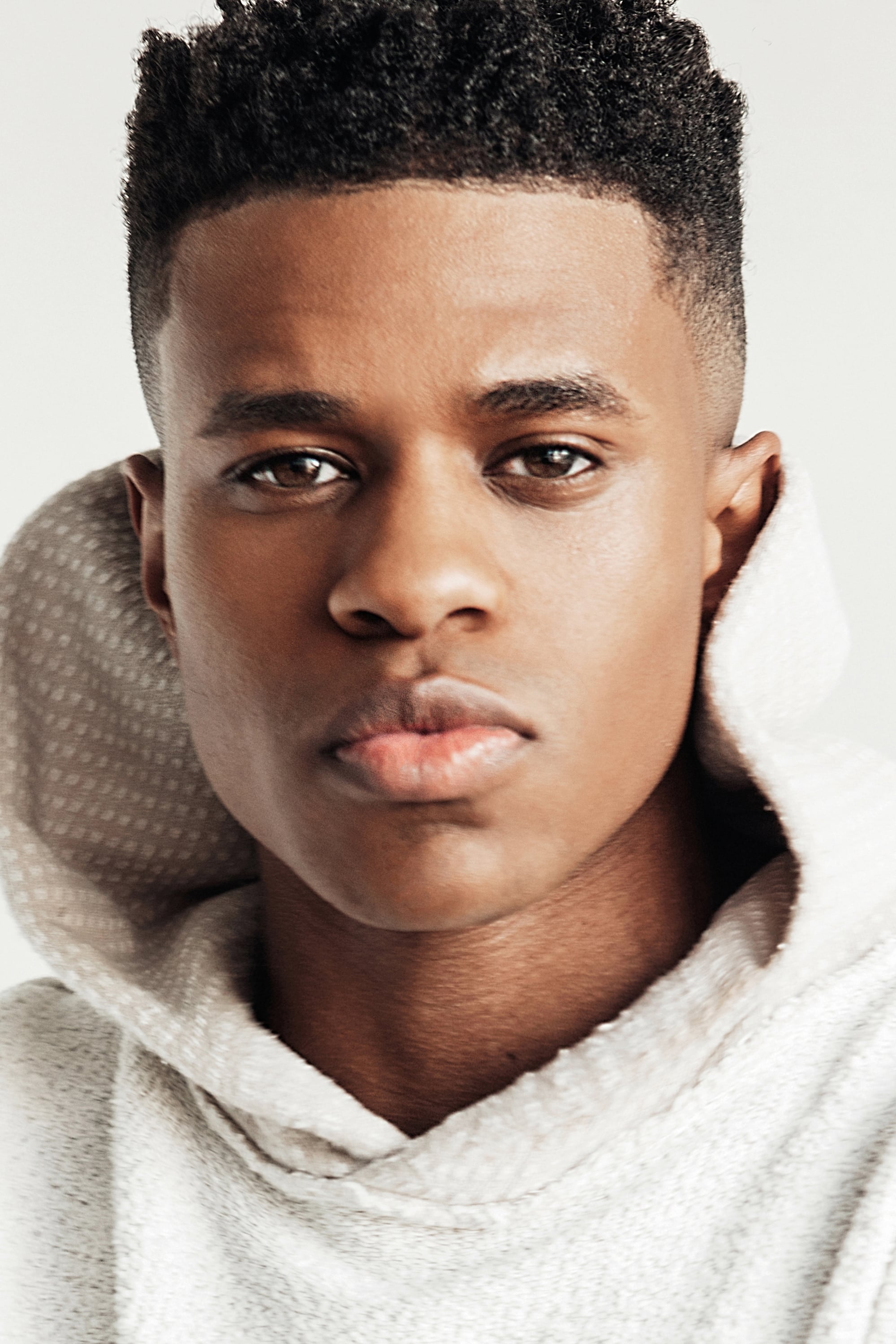
Jeremy Pope commanded attention at the 2023 Met Gala by wearing a massive cape featuring the face of Karl Lagerfeld. The actor often chooses delicate fabrics and tailored silhouettes that embrace a softer side of masculinity. His red carpet looks frequently blur the lines between menswear and womenswear to create a fluid visual narrative. These choices have led to online discussions regarding the pressure on Black male actors to appear historically stoic and rugged. Pope uses these high-profile moments to expand the definition of what a leading man can look like.
RuPaul
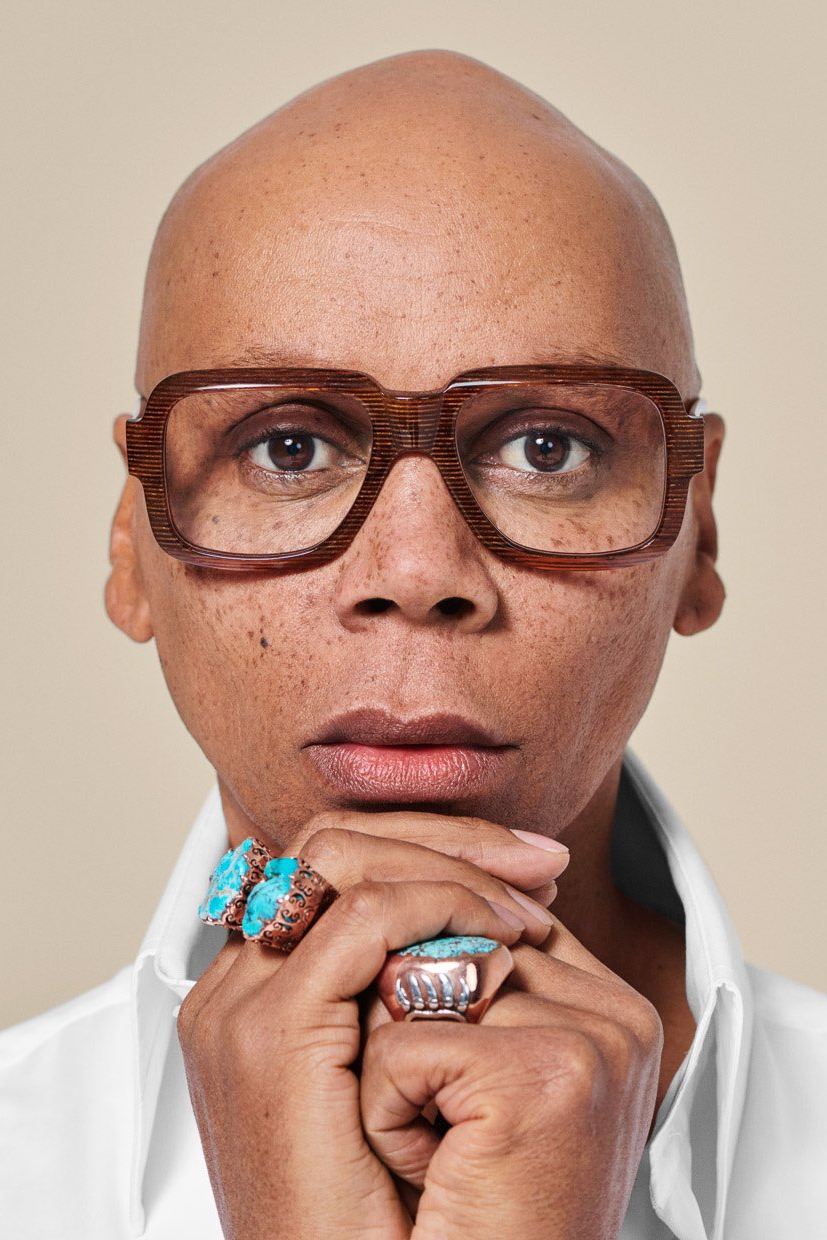
RuPaul Charles built an empire by transforming drag from a subculture into a global phenomenon. His early career involved “genderfuck” looks that deliberately mixed masculine and feminine traits to confuse and confront viewers. While drag is his profession his out-of-drag appearances in flamboyant suits and bright colors also challenge the status quo. The debates surrounding his style laid the groundwork for modern conversations about gender performance. RuPaul remains a central figure in the ongoing dialogue about how gay Black men navigate public spaces.
Keiynan Lonsdale
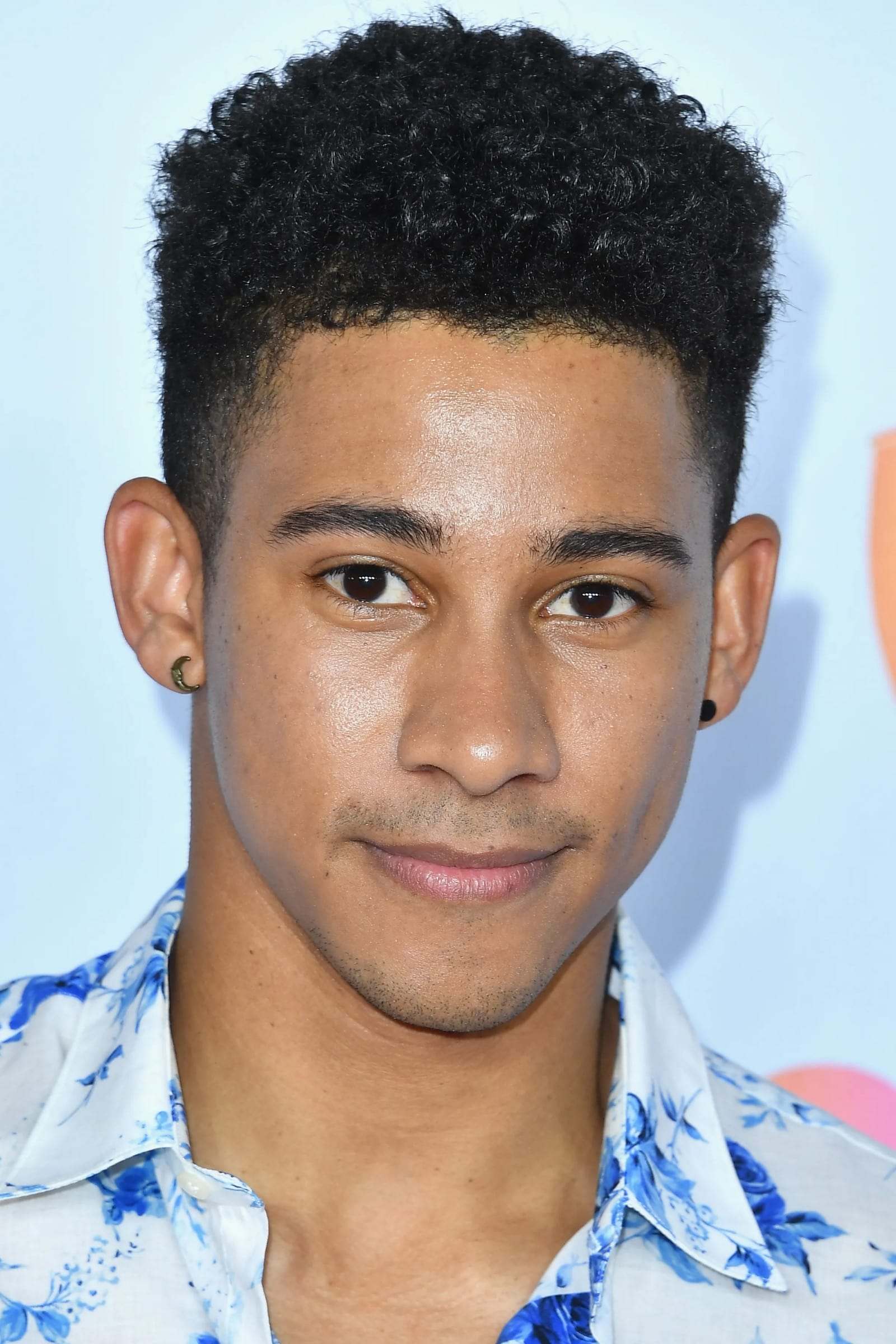
Keiynan Lonsdale arrived at the 2019 Met Gala in a gown adorned with hundreds of handmade butterflies. The Australian actor and singer openly discusses how his fashion choices helped him overcome internalized homophobia. His willingness to wear dresses and skirts on red carpets often attracts negative comments from traditionalists. Lonsdale views his clothing as a rejection of the fear that once kept him in the closet. His style evolution demonstrates the joy that comes with releasing the burden of masculine expectations.
Law Roach
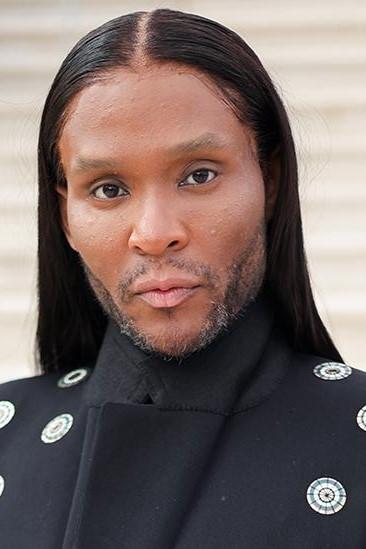
Law Roach describes himself as an image architect and frequently dresses in platform heels and architectural coats. His rise to the top of the celebrity styling world came with visibility that subjected him to scrutiny regarding his flamboyant presentation. Roach refuses to tone down his personal style even when working with A-list clients in conservative settings. His presence in the front rows of fashion week challenges the industry to respect Black queer professionals who do not conform. He uses his platform to advocate for authenticity in an industry often driven by superficial trends.
Big Freedia
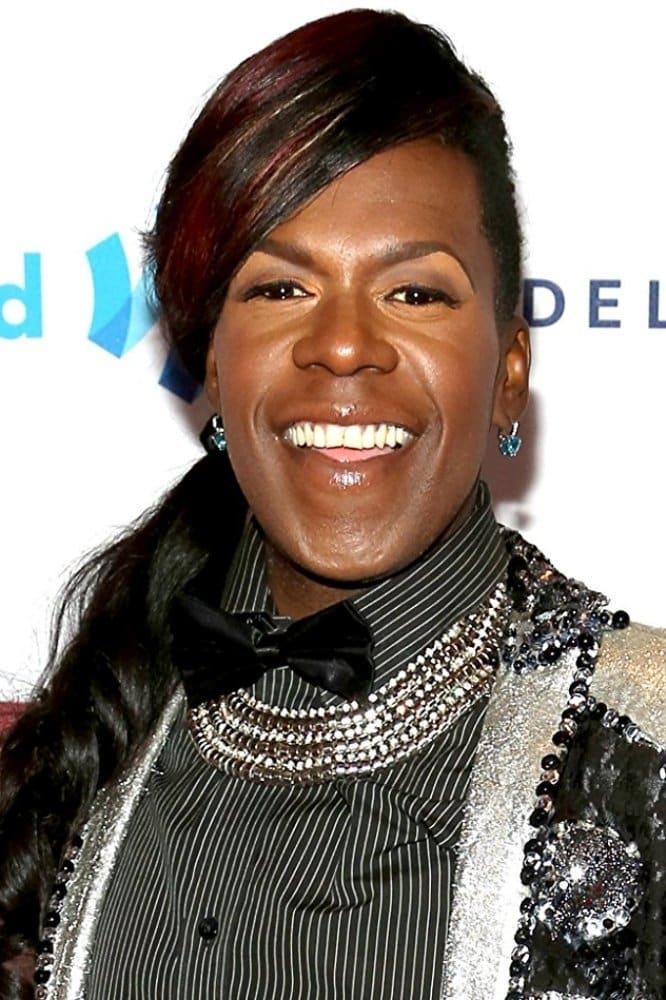
Big Freedia popularized the distinct sound of New Orleans bounce music while maintaining a gender-non-conforming image. The artist often wears jewelry and accessories traditionally marketed to women while asserting a dominant stage presence. This blend of masculine energy and feminine aesthetics confuses critics who try to categorize the star. Freedia has faced discrimination and homophobia within the music business for refusing to alter this unique look. The artist remains a pivotal figure in the conversation about gender fluidity in the American South.
Rickey Thompson
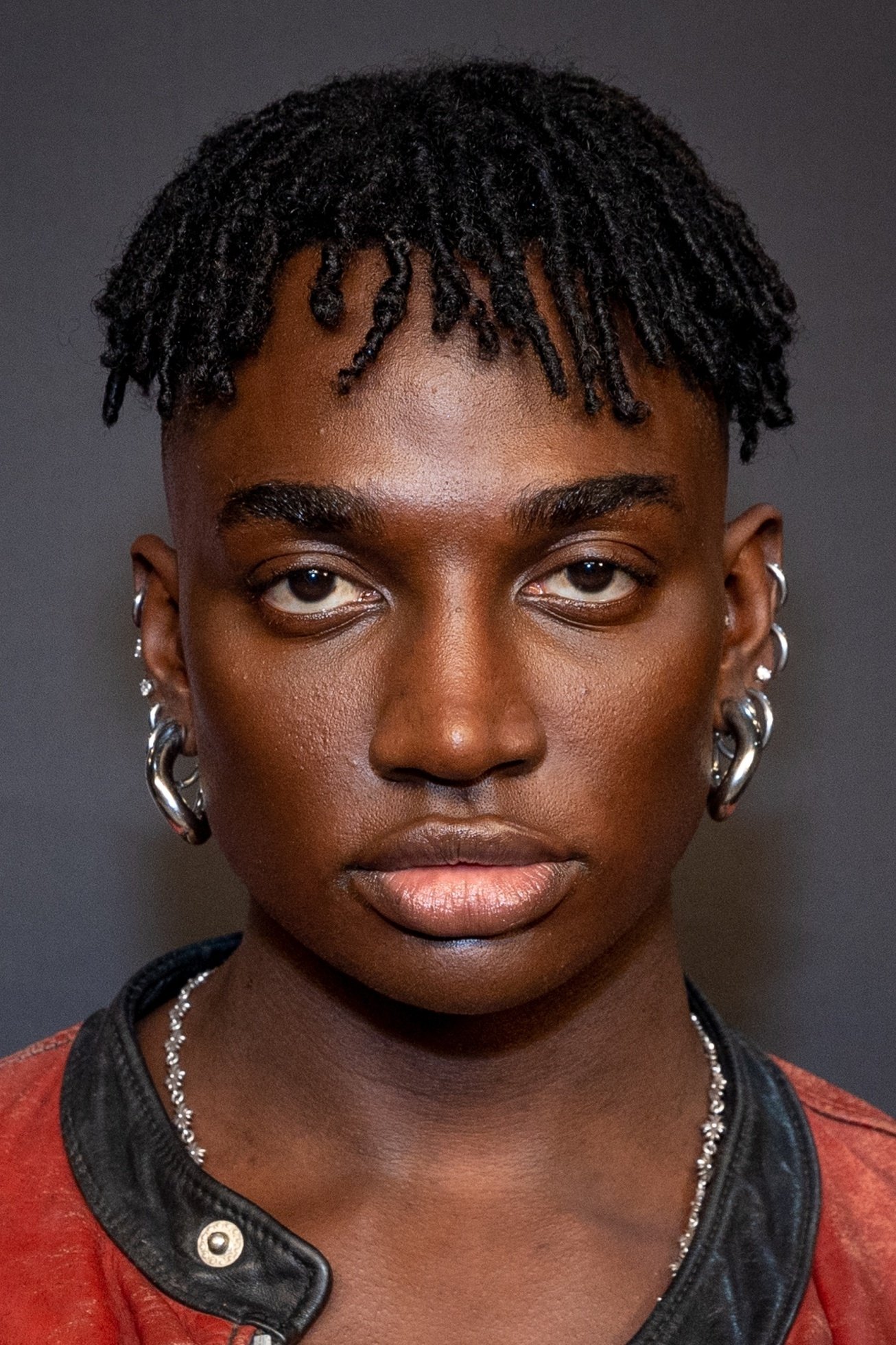
Rickey Thompson utilized the power of Vine and Instagram to build a career defined by loud comedy and even louder fashion. He frequently models crop tops and heavy makeup in his viral videos to dismantle stereotypes. His rise to fame sparked debates about whether internet personalities capitalize on feminine tropes for views. Thompson counters this by asserting that his fashion is a genuine extension of his personality rather than a gimmick. His success proves that Gen Z audiences are increasingly embracing non-binary expression despite older generations’ disapproval.
Miss Lawrence
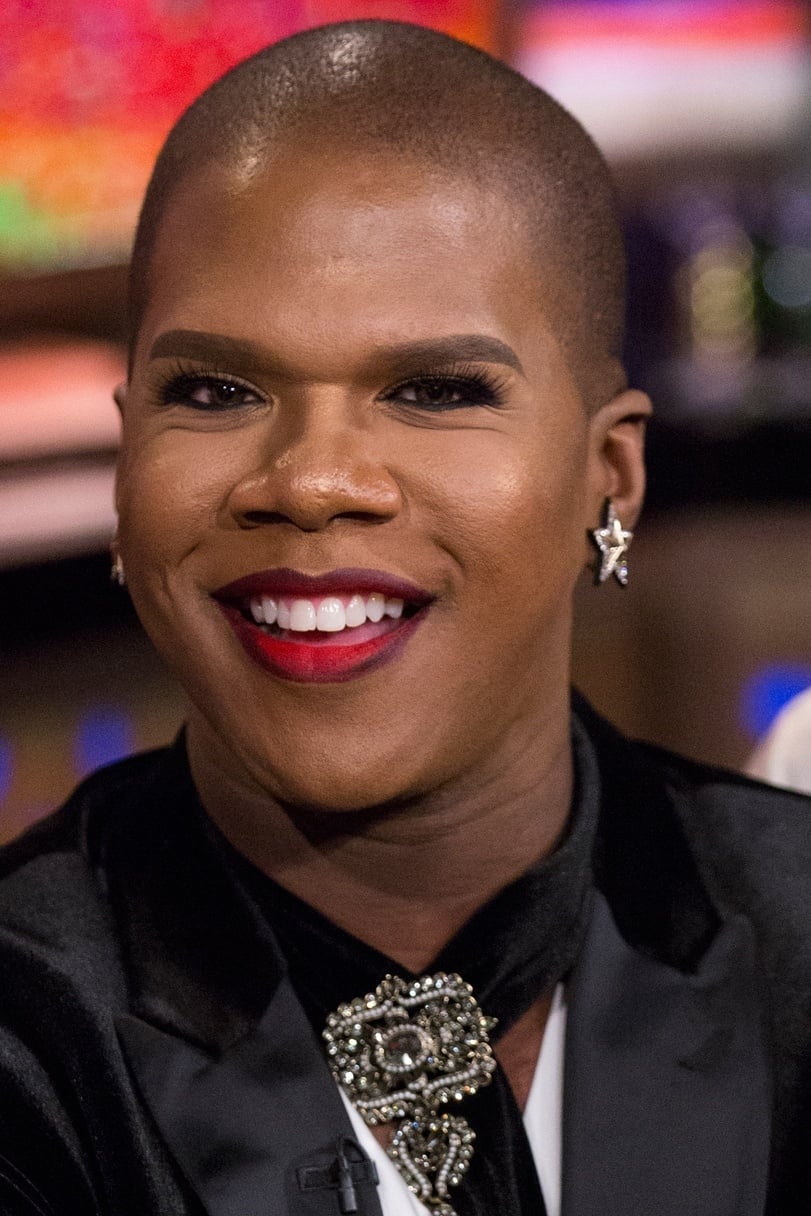
Miss Lawrence gained national fame on ‘The Real Housewives of Atlanta’ by wearing sky-high heels and impeccable makeup. The singer and actor faced direct confrontation and homophobic microaggressions from cast members and viewers alike. His presence on the show forced a mainstream audience to engage with a Black man who embraced high femme fashion. Lawrence used the platform to educate others on the difference between drag performance and daily gender expression. His resilience opened doors for other gender-non-conforming personalities in reality television.
André Leon Talley
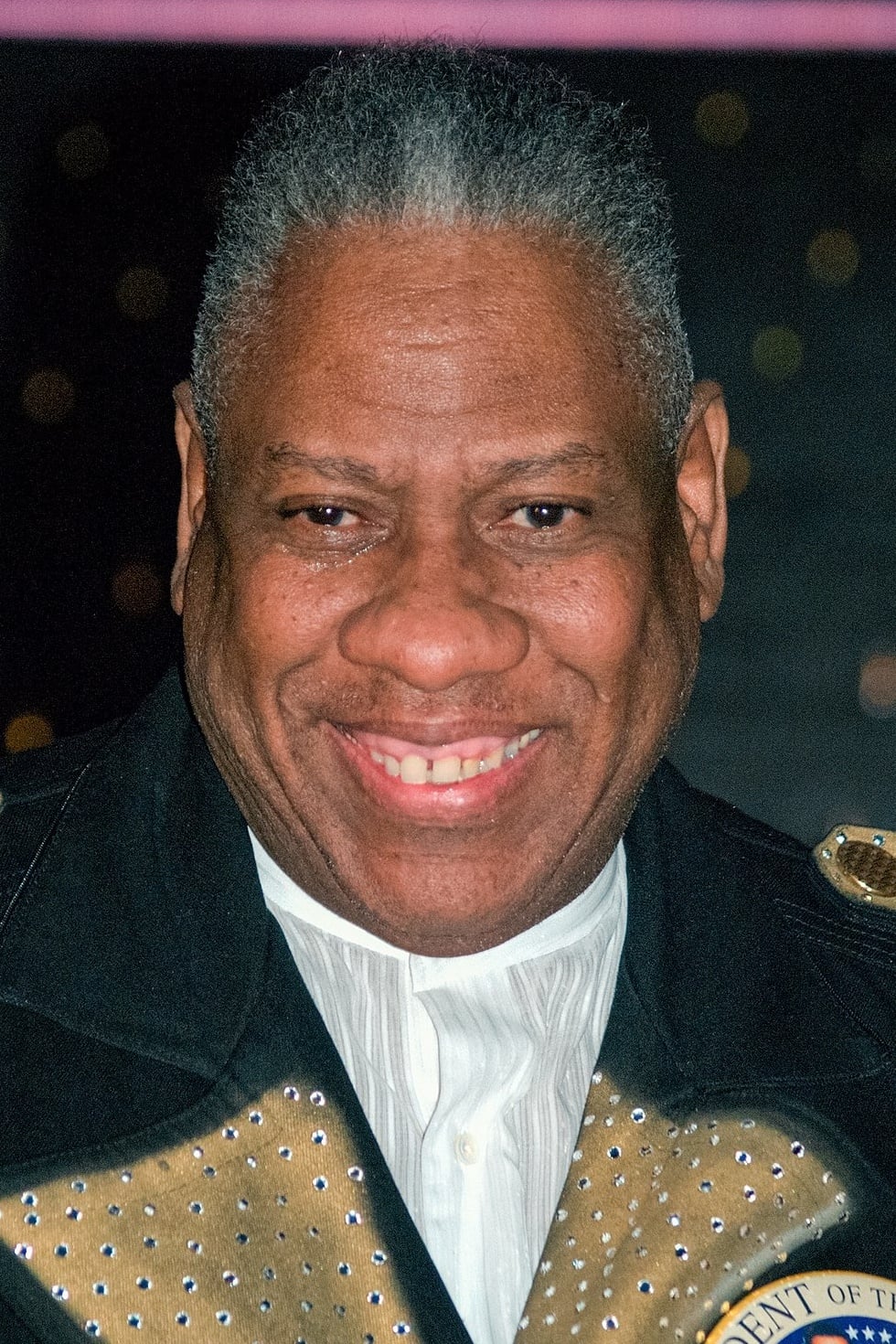
The late André Leon Talley was a titan in the fashion industry known for his flowing caftans and custom capes. As a large Black man in a predominantly white and thin industry his size and flamboyance made him a target for ridicule. He faced quiet homophobia and racism throughout his career yet refused to shrink himself to fit in. His signature look became a suit of armor that demanded respect and took up space. Talley’s legacy includes proving that Black male elegance does not have to look like a traditional suit and tie.
Todrick Hall
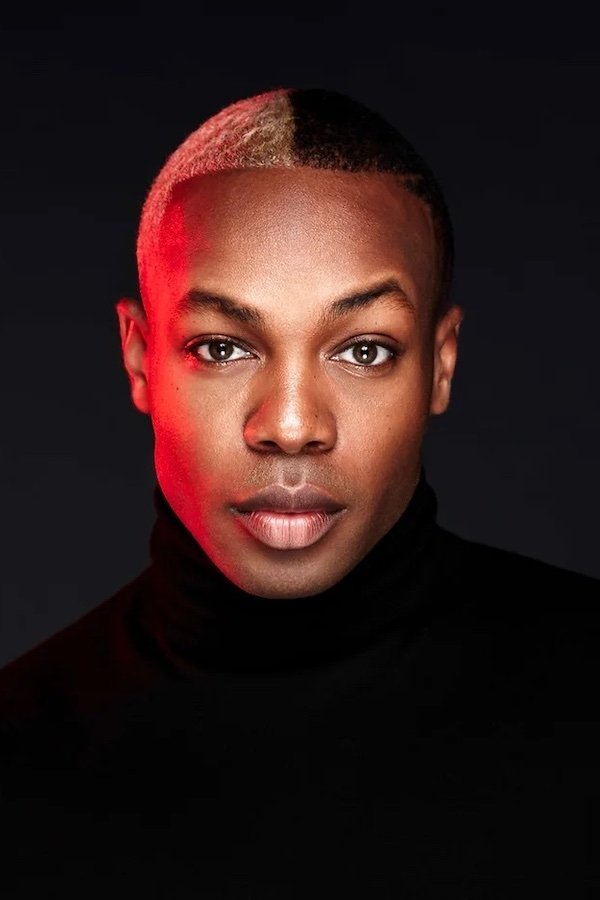
Todrick Hall creates elaborate visual albums that feature him in corsets and theatrical costumes. His work often reimagines classic stories like ‘The Wizard of Oz’ through a queer lens. These productions have drawn criticism from conservative groups who disapprove of his subversion of family-friendly content. Hall uses these costumes to reclaim his childhood and express the creativity he felt he had to hide. His fashion is an integral part of his storytelling and activism for LGBTQ+ visibility.
Ncuti Gatwa
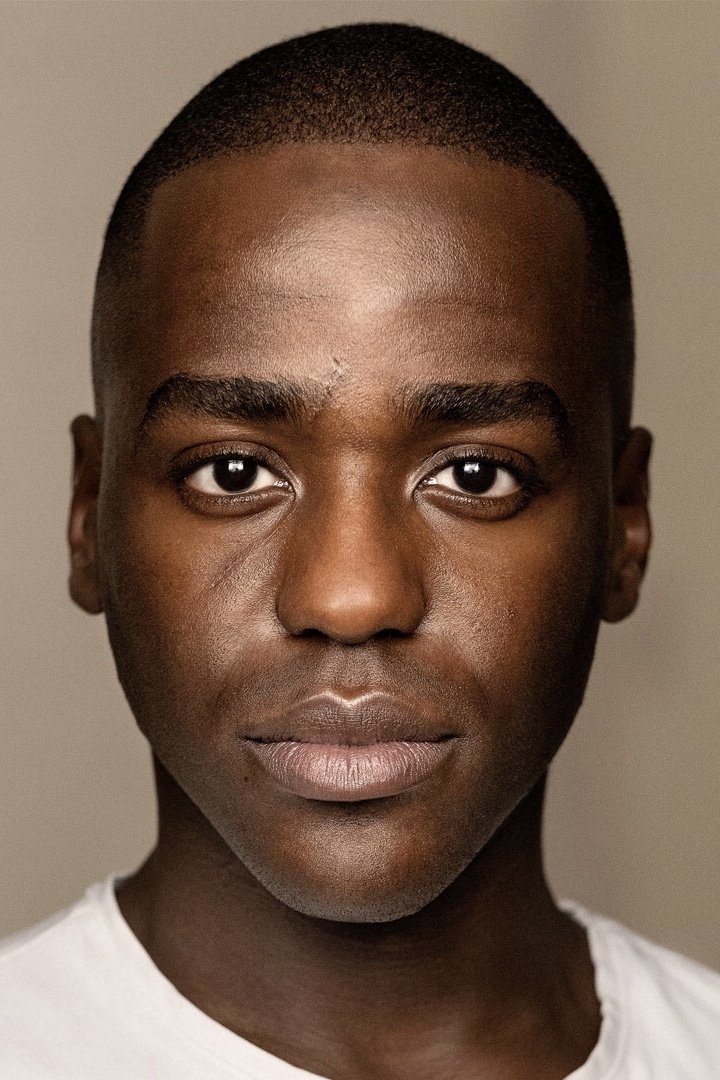
Ncuti Gatwa has used the press tours for ‘Sex Education’ and ‘Doctor Who’ to showcase an adventurous sense of style. He frequently wears sheer shirts and cutout suits that highlight his physique while subverting traditional menswear. The actor faces scrutiny as he steps into iconic roles that were previously held by white heterosexual men. His fashion choices signal a new era of representation that refuses to be boxed in by history. Gatwa handles the pressure by consistently choosing joy and self-expression over conformity.
Kalen Allen
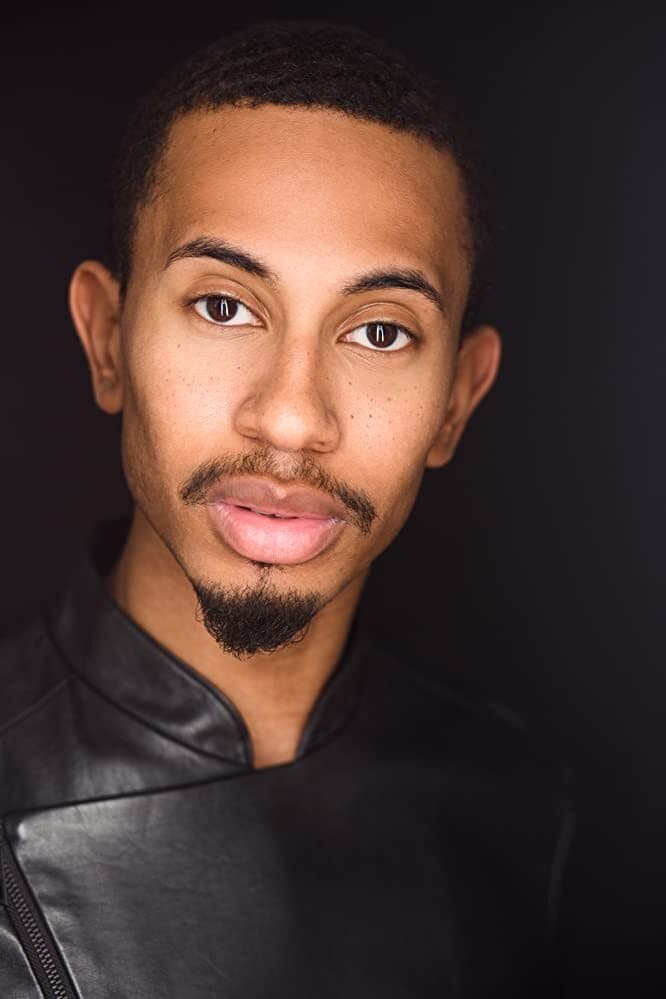
Kalen Allen rose to fame through reaction videos but quickly established himself as a fashion force on red carpets. He often wears voluminous coats and sequined gowns that challenge the notion of what a host should wear. His bold looks have sparked conversations about body positivity and style for larger queer men. Allen ignores the negative commentary to focus on the fun and artistry of dressing up. His visibility provides representation for those who rarely see their body types celebrated in high fashion.
Please tell us which of these fashion moments you found most impactful in the comments.