


20 Gay Celebs Who Came Out on Live TV – Iconic Moments Ranked

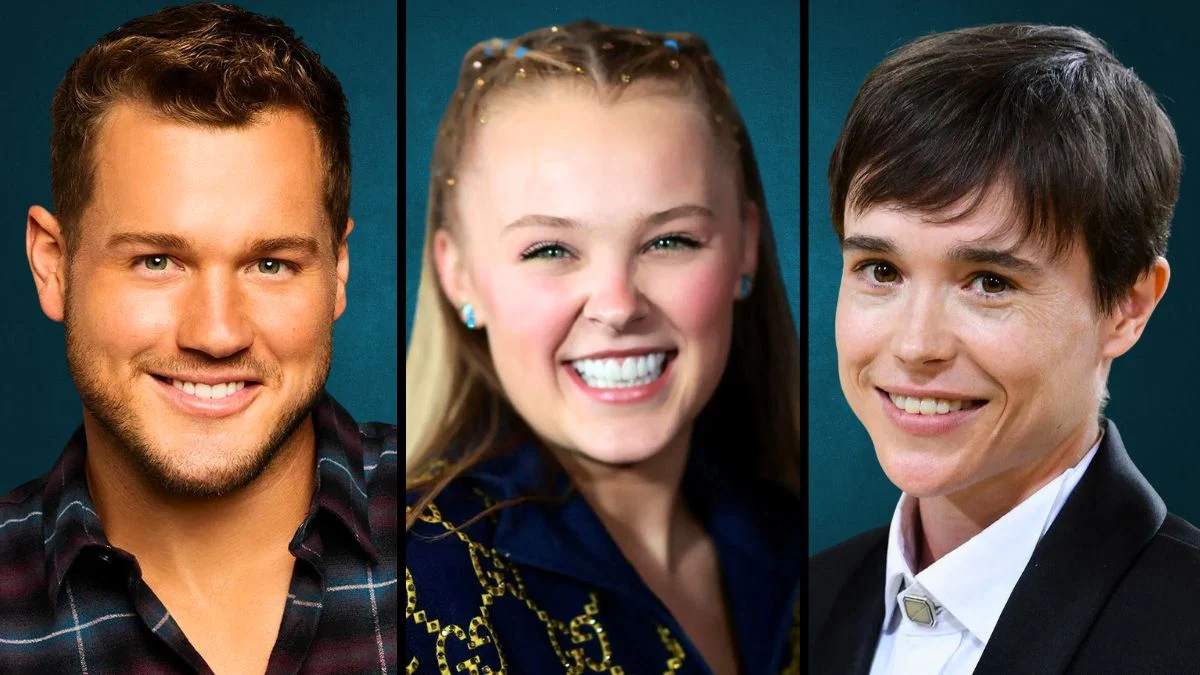


These live television moments became milestones for LGBTQ visibility and helped millions feel seen. Some stars made their first public declaration during a broadcast while others used live TV to speak candidly soon after sharing the news elsewhere. Each appearance drew wide audiences and sustained coverage that pushed conversations about acceptance into mainstream households. Here are the unforgettable segments counted down.
20. Raven Symoné
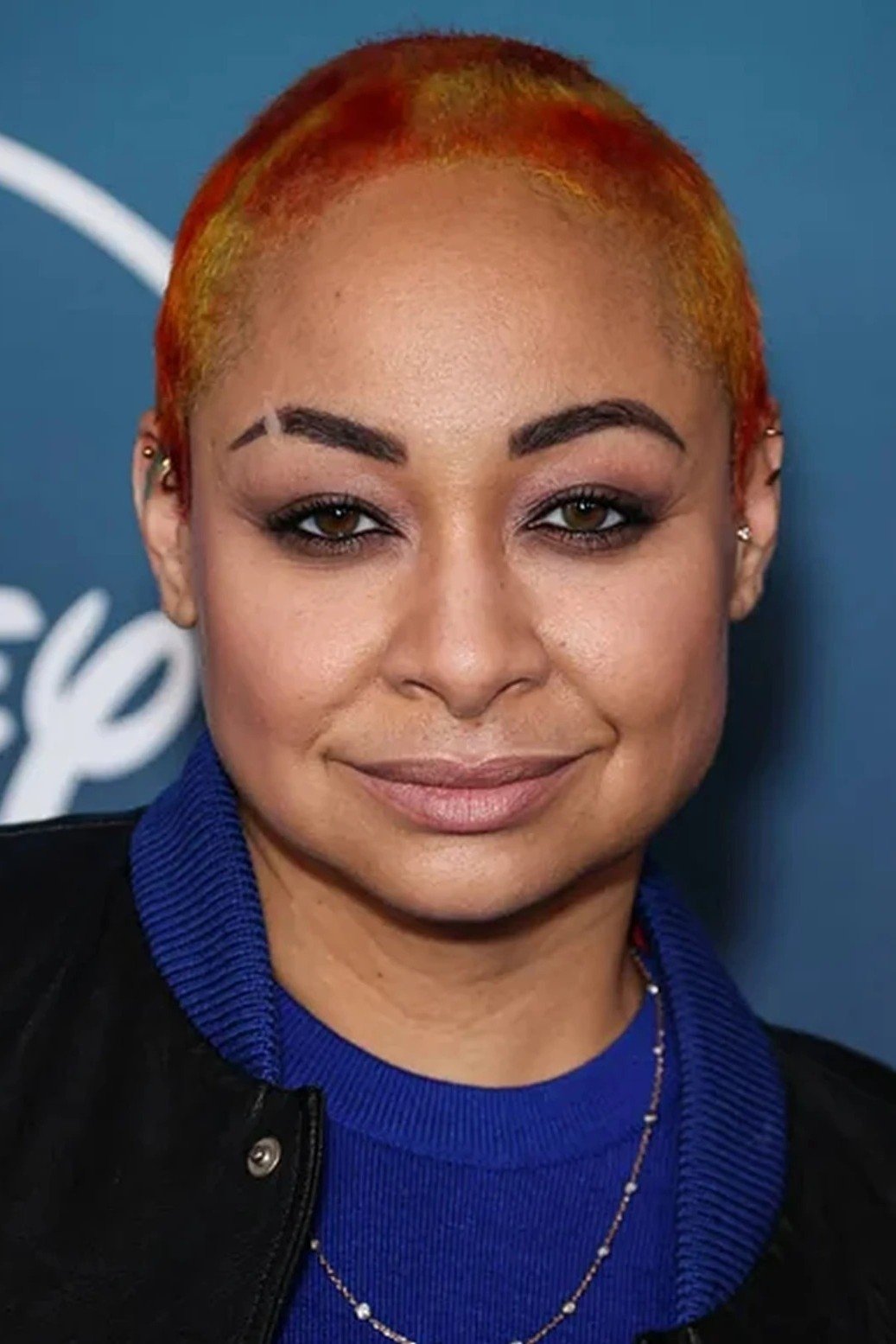
Raven Symoné affirmed her relationship status during a live daytime discussion and then continued to address LGBTQ topics on air with viewers. The on camera conversation reached a broad family audience and inspired dialogue about representation for young fans. Producers highlighted her voice in subsequent episodes which kept momentum around inclusive storytelling. Her participation helped normalize same sex relationships in mainstream panel TV.
19. Tom Daley
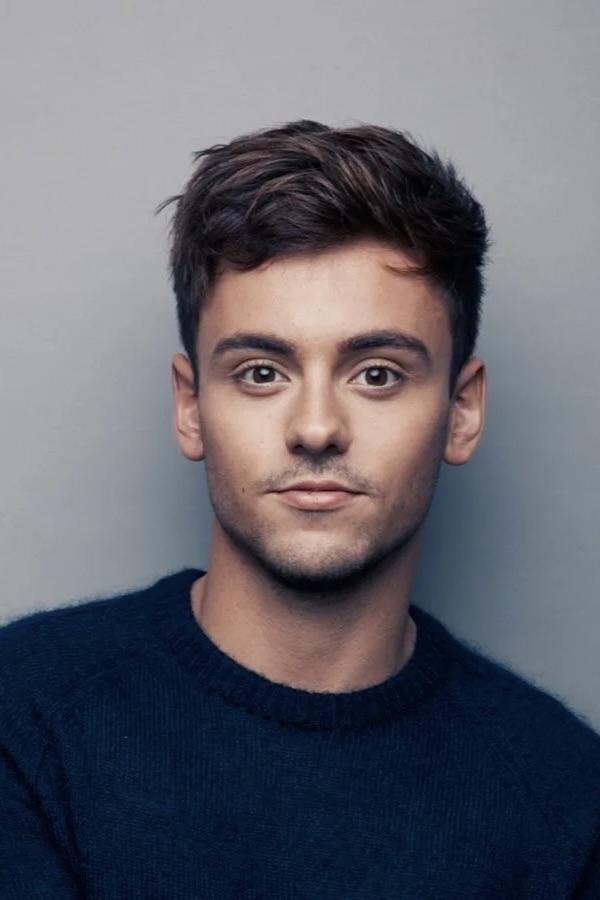
Tom Daley discussed his personal life on live morning television after first addressing it online. The appearance included questions about training schedules media attention and support from teammates. Broadcast networks replayed the segment across news cycles which amplified reach well beyond sports coverage. The interview became a reference point for athletes navigating public scrutiny.
18. Don Lemon
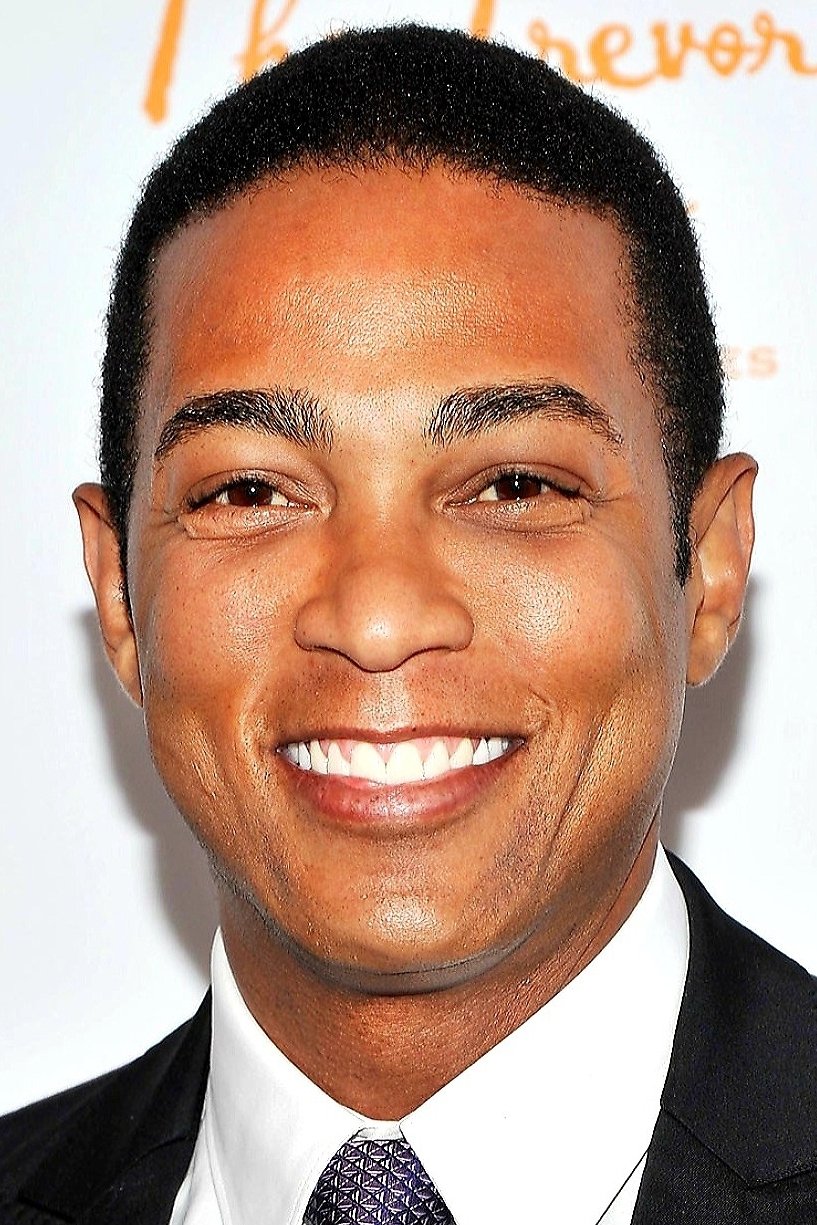
Don Lemon spoke openly about his sexuality during live CNN programming after previously addressing it in print. He used prime time conversations to detail experiences in media and answer viewer questions in real time. The network archived clips that continued to circulate across platforms. His visibility influenced newsroom discussions about representation and safety for staff.
17. Lance Bass
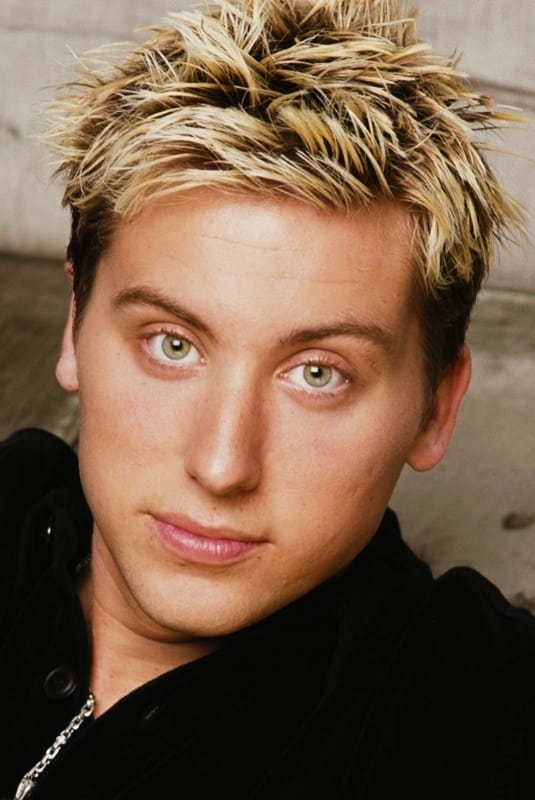
Lance Bass sat for a live daytime interview shortly after first confirming the news in a magazine piece. He explained timing pressure and the response from bandmates while viewers phoned and wrote in. The broadcast generated significant ratings and extended coverage across entertainment shows. It also opened doors for more candid boy band retrospectives about identity and fame.
16. JoJo Siwa
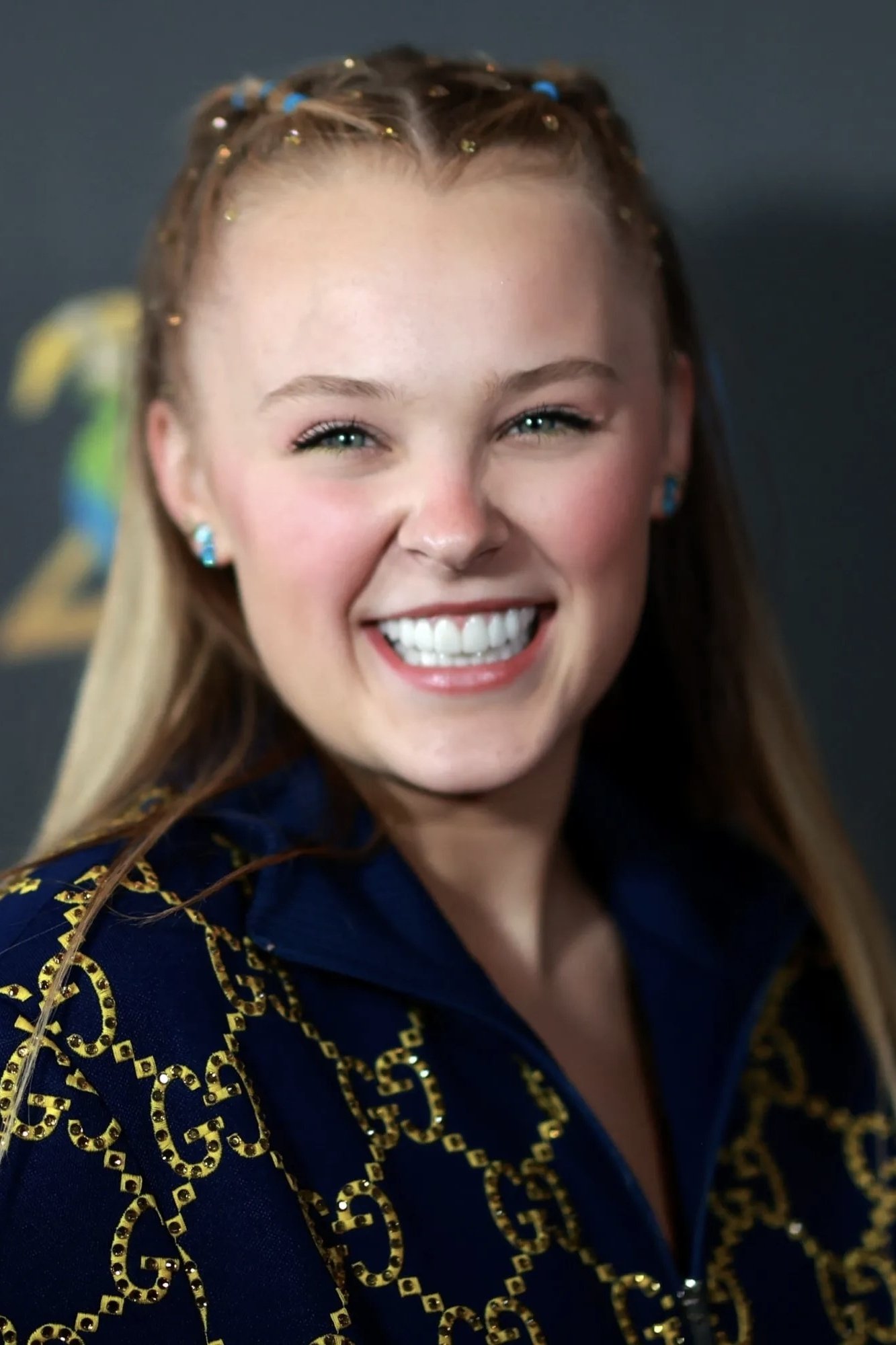
JoJo Siwa elaborated on her coming out during a live late night appearance aimed at a multigenerational audience. She described family support touring logistics and how meet and greets would remain welcoming for all fans. The studio conversation was clipped for kid friendly channels which widened exposure. Retail partners and networks then cited the segment while updating brand messaging.
15. Cynthia Nixon
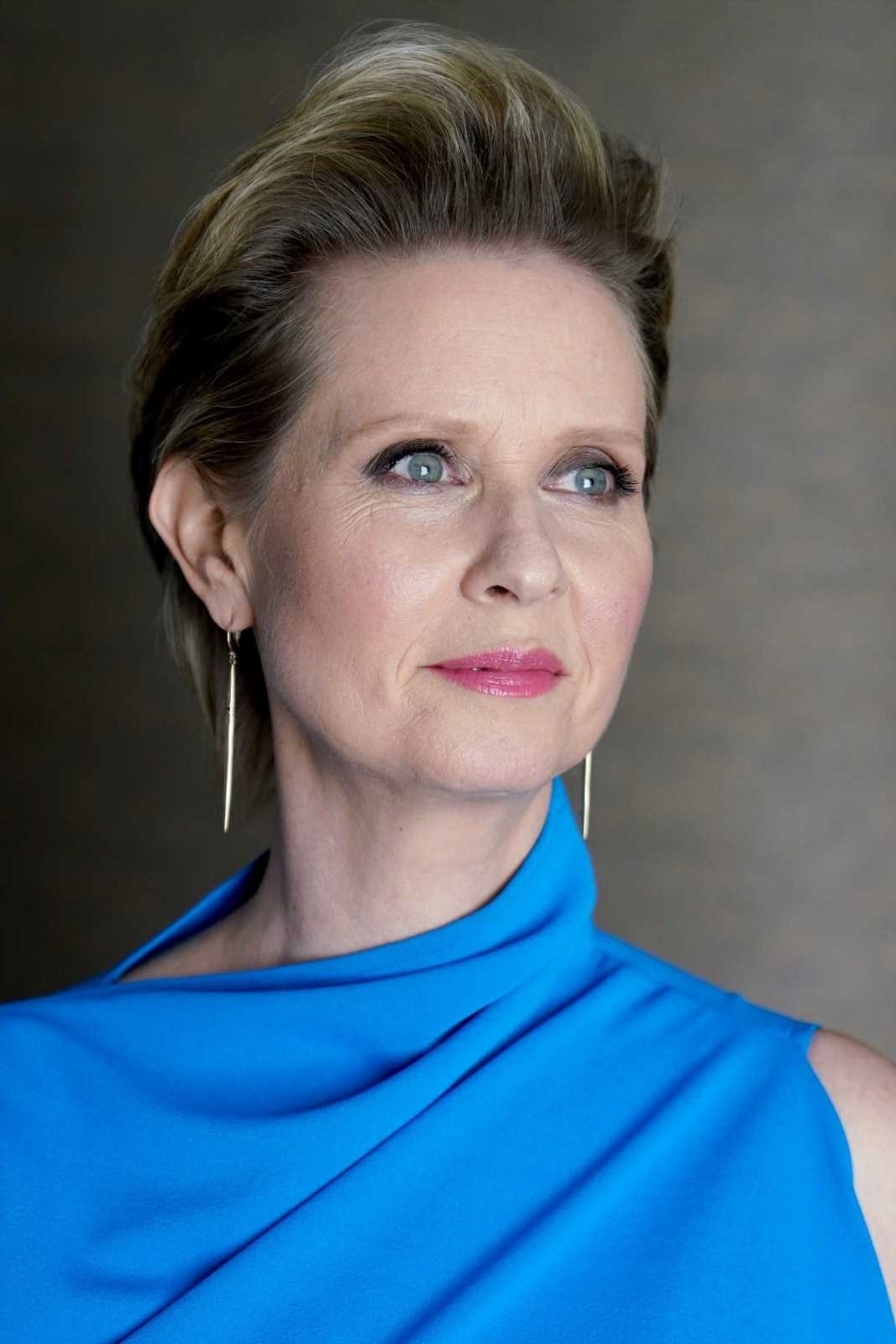
Cynthia Nixon discussed her relationship on live morning television while balancing questions about activism and career. The broadcast clarified timelines and addressed misconceptions that often follow public figures. Journalists used the segment as a primary source in later profiles. Her comments strengthened ongoing advocacy around marriage equality coverage.
14. Ricky Martin
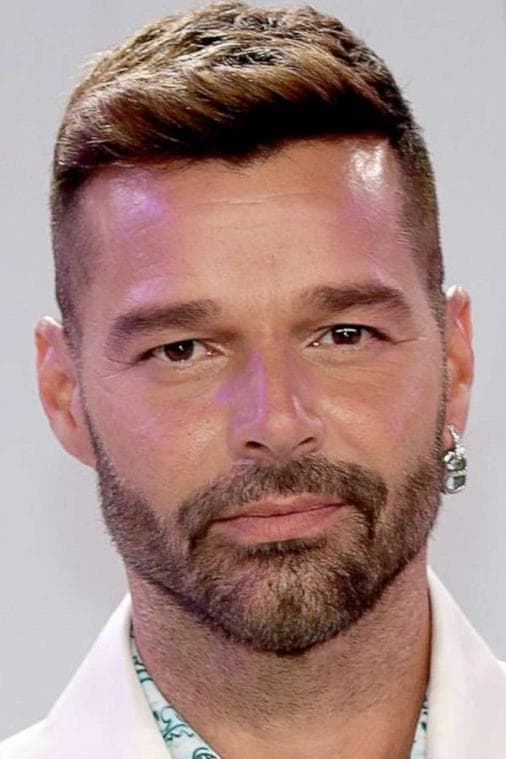
Ricky Martin used live talk show appearances to speak in depth after first posting the news online. He described the relief of honesty and the reaction from global fans. The interviews aired across markets with translation which expanded impact in Latin America and Europe. Music outlets later referenced these broadcasts when charting his career milestones.
13. Robin Roberts
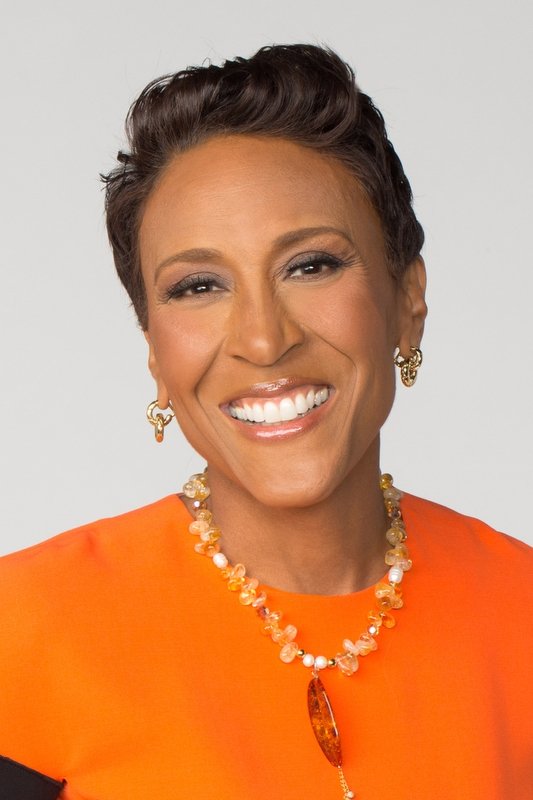
Robin Roberts addressed her personal life on live morning television following a written note to viewers. She connected the conversation to health history family and gratitude toward colleagues. The live setting allowed immediate messages from the audience and from public figures. The moment reinforced the role of breakfast TV as a space for empathy and clarity.
12. Elliot Page
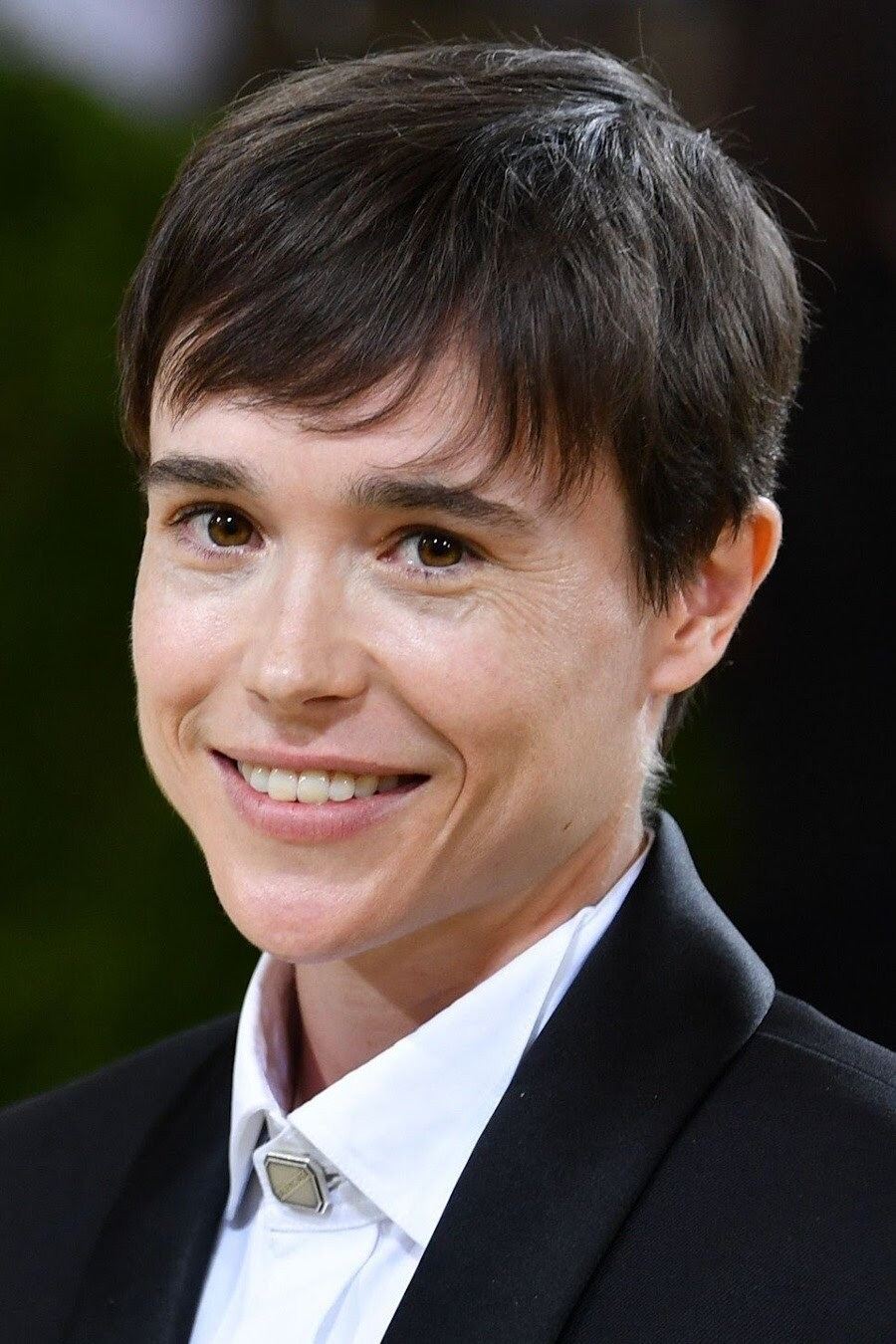
Elliot Page spoke on live television after earlier public remarks at a community event and in print. The broadcast focused on language media responsibility and supportive workplaces. News programs replayed the segment to educate viewers on respectful terminology. The conversation influenced style guides used across entertainment coverage.
11. Zachary Quinto
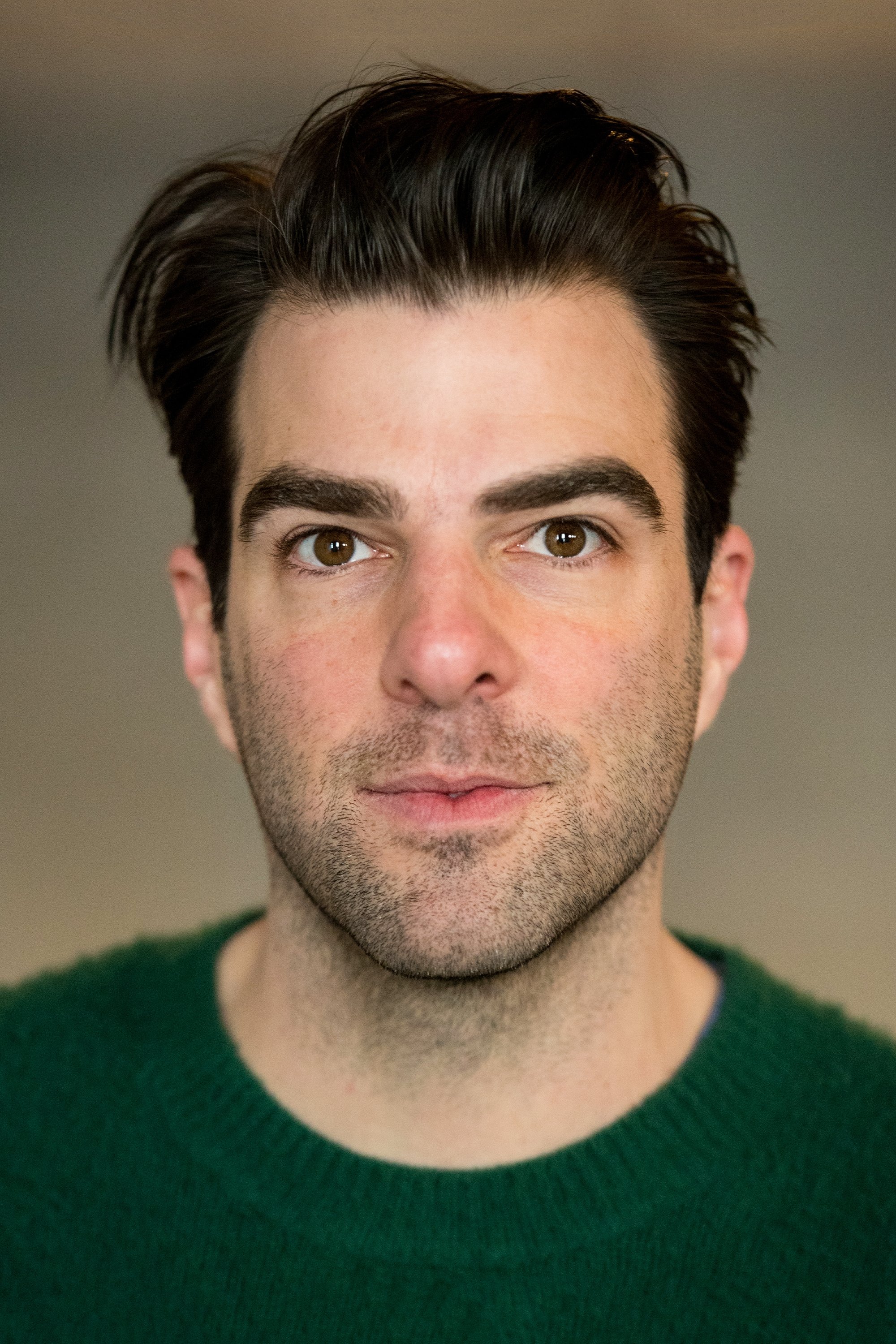
Zachary Quinto addressed his sexuality on live television interviews after first writing about it online. He discussed industry change mental health and visibility for young actors. Clips from the broadcast circulated widely among fan communities. The appearance served as a touchstone for conventions and press junkets that followed.
10. Colton Underwood
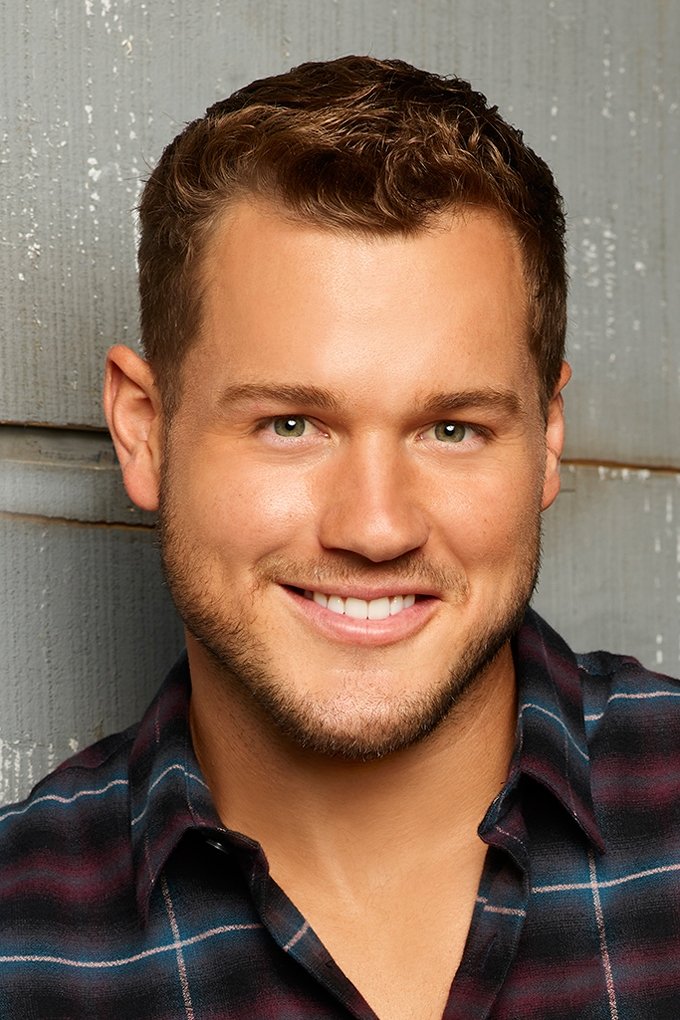
Colton Underwood confirmed he is gay during a live morning show sit down. He described private struggle production timelines and the reaction from family. The segment included follow up questions that clarified consent processes and support systems. It generated one of the highest audience engagement metrics for the program that week.
9. Sam Champion

Sam Champion spoke about his relationship on live morning television and continued to model inclusive language in weather segments. Audience feedback was highlighted in subsequent broadcasts which further normalized everyday representation. The network leveraged the moment in public service messaging. His visibility carried into national events and storm coverage seen by millions.
8. Billy Porter
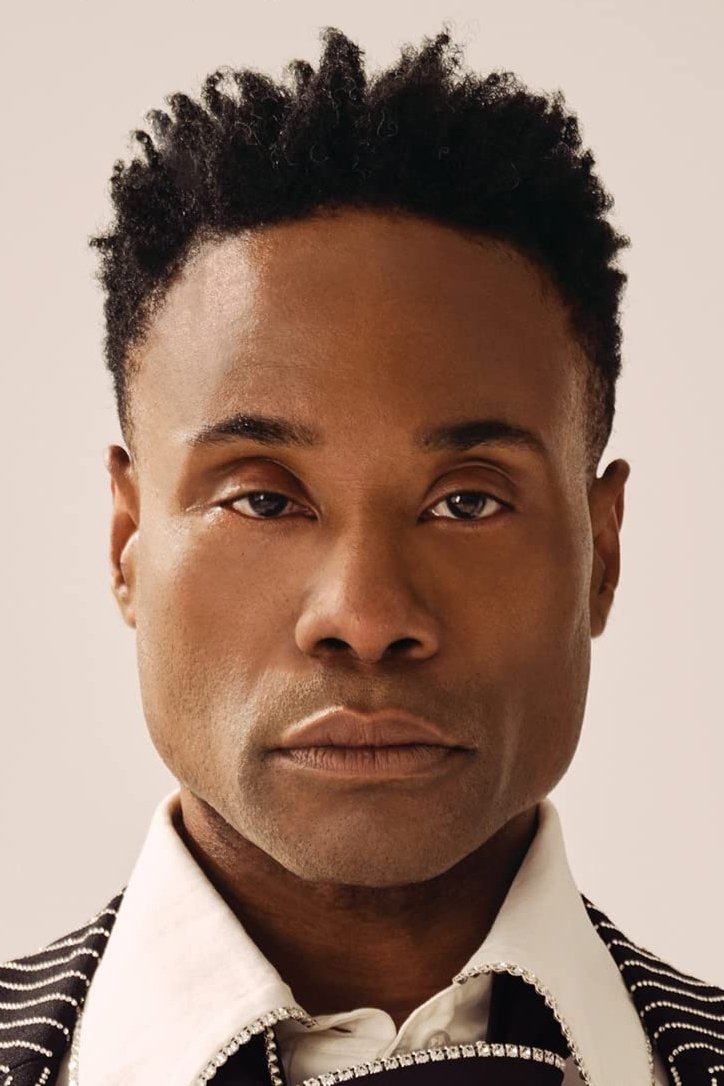
Billy Porter talked about his identity and advocacy on live television while connecting the discussion to art and health. He outlined community resources and encouraged testing and care. The live format allowed hosts to ask practical questions that viewers often raise. Entertainment shows reused the segment to inform red carpet coverage.
7. Jonathan Van Ness
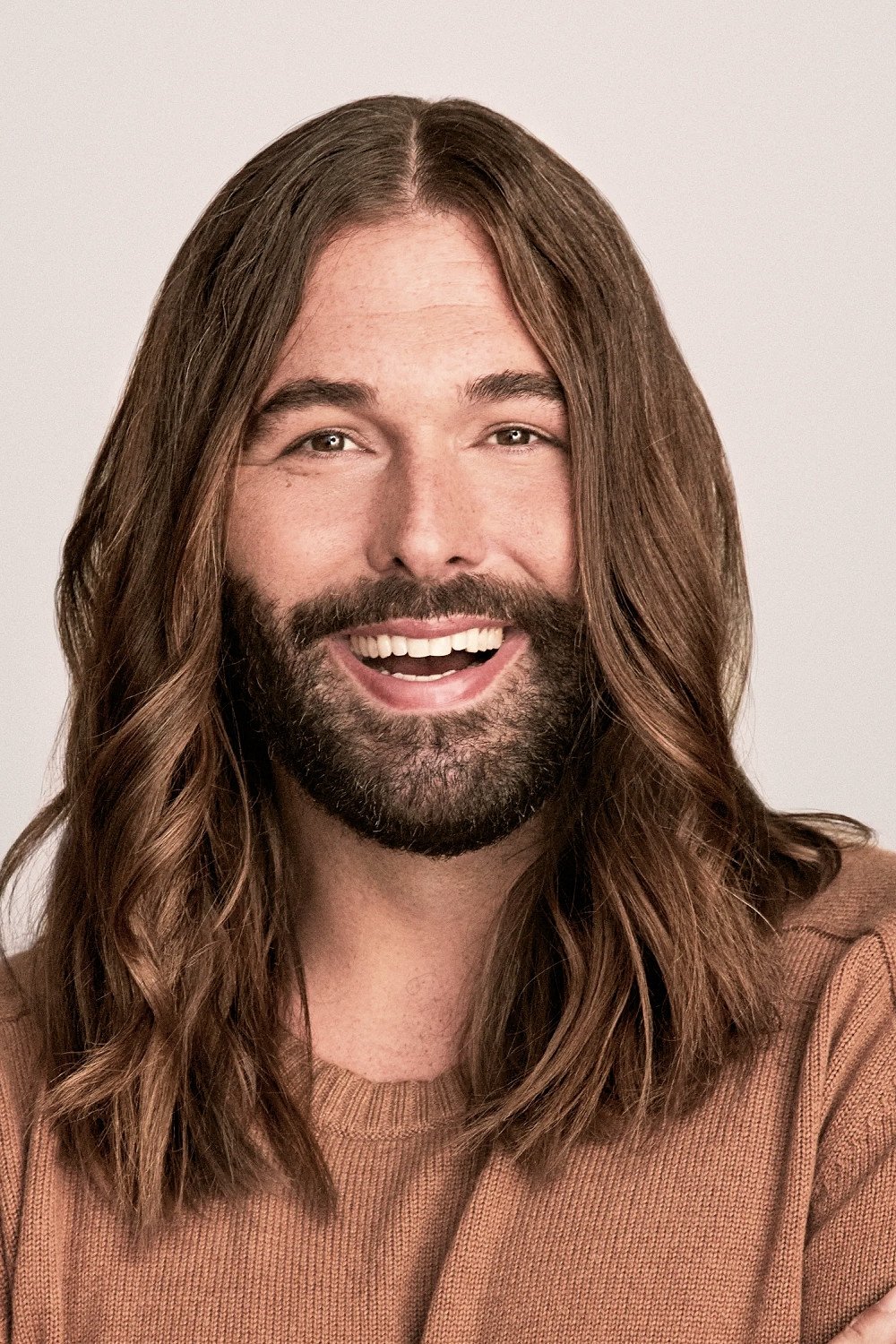
Jonathan Van Ness shared details about identity on live TV interviews after earlier disclosures in print and online. The conversations covered pronouns wellness and travel realities for touring performers. Producers packaged the clips for social platforms which expanded reach to younger audiences. The appearances helped mainstream beauty and self care chats that include LGBTQ perspectives.
6. Jason Collins
Jason Collins appeared on live morning television soon after announcing as an active NBA player. He discussed locker room culture league leadership and support from peers. Sports networks replayed key answers throughout the day. The broadcast became a case study for athletes considering similar steps.
5. Michael Sam
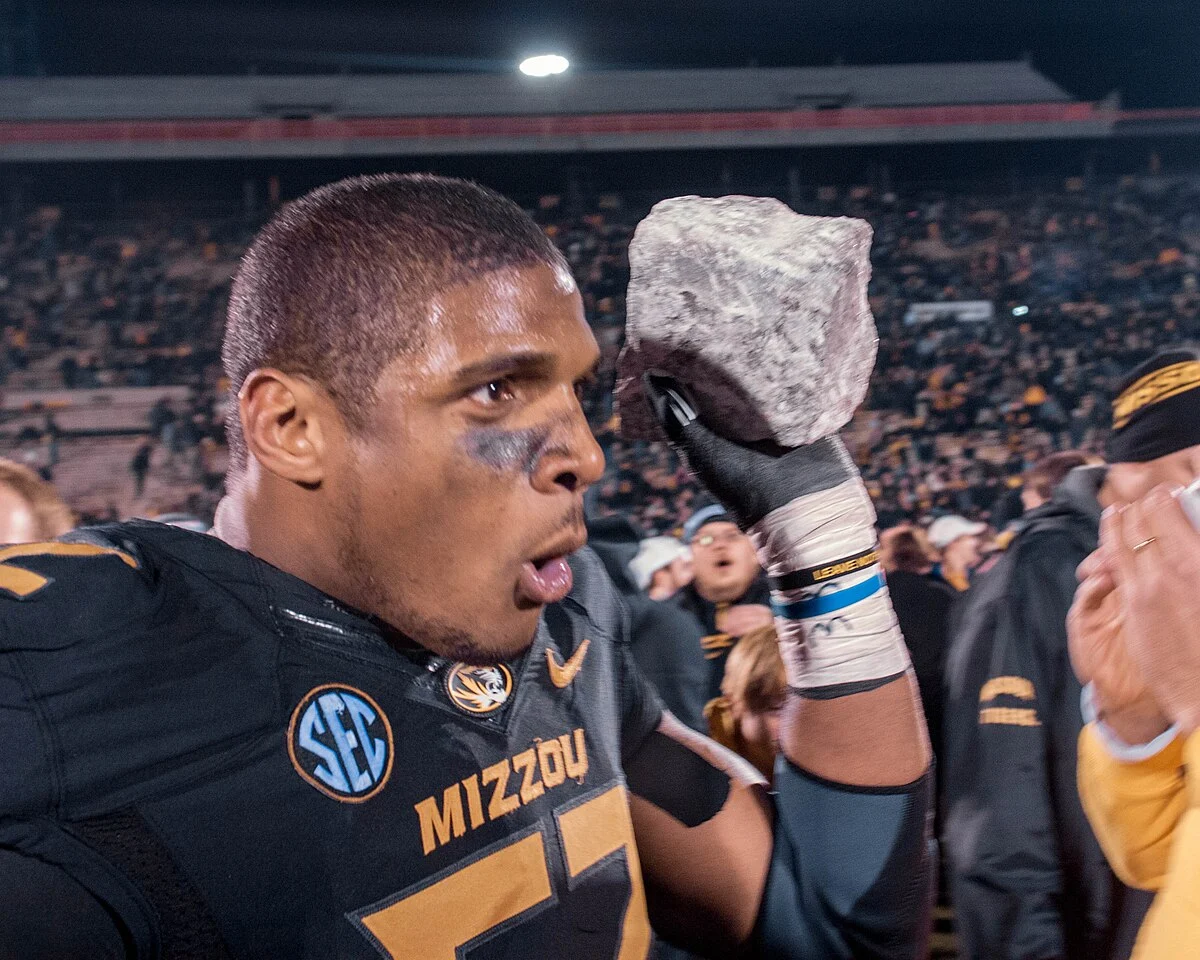
Michael Sam’s live television presence peaked during draft coverage when cameras captured his celebration with his partner. The footage ran on sports and national news throughout the weekend. Commentators used the moment to examine team policies and sponsor reactions. It remains one of the most replayed clips in NFL draft history.
4. Rosie O’Donnell
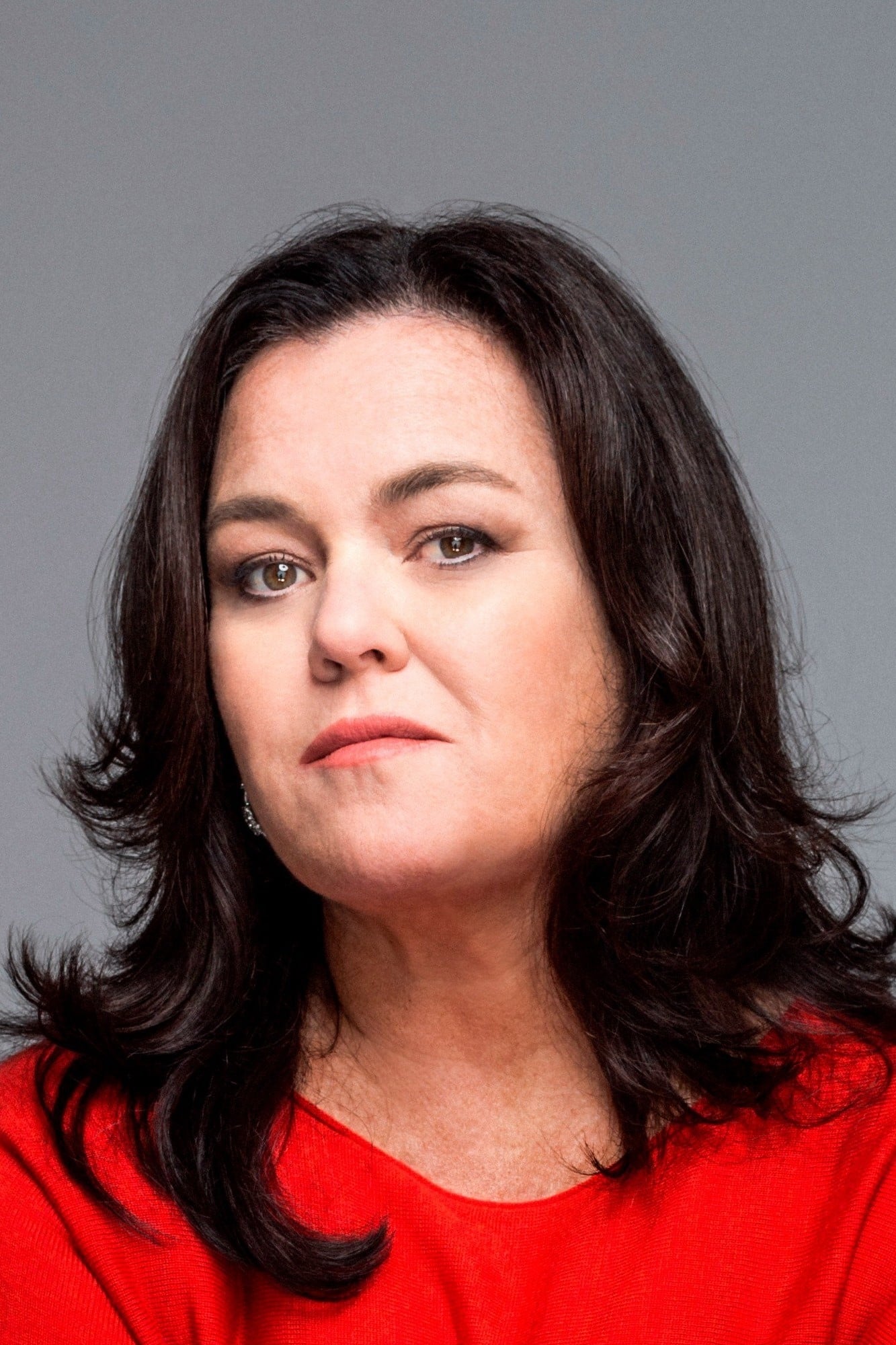
Rosie O’Donnell addressed her orientation on live stages and then engaged audience questions during live daytime broadcasts. She tied the discussion to family adoption and school safety. The show employed follow up segments that highlighted resources for parents. Her outreach changed how talk programs handled LGBTQ storylines.
3. George Michael
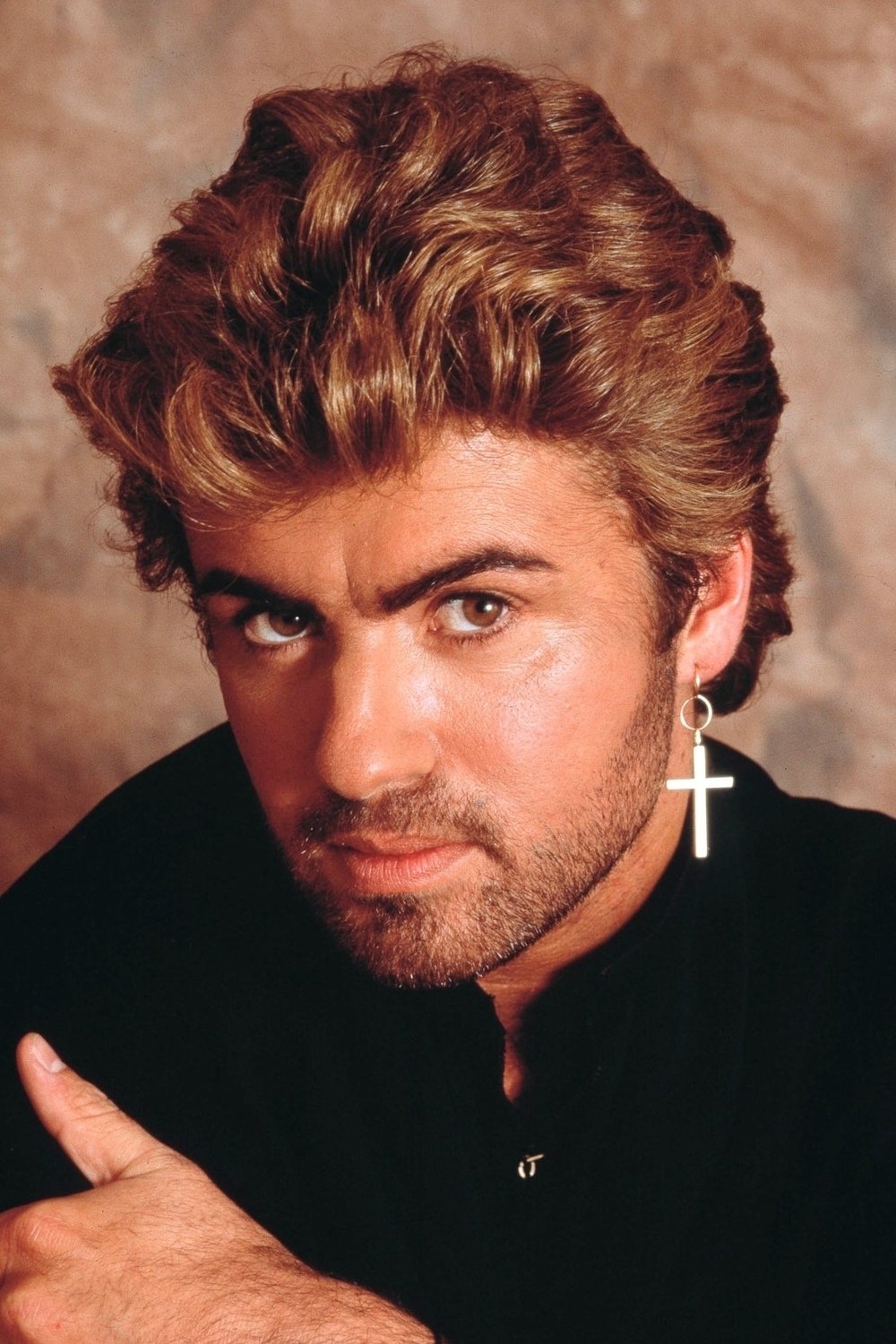
George Michael used live interviews to speak plainly about his life following earlier headlines. He challenged sensational narratives and emphasized privacy and dignity. The broadcasts drew international viewership and led to updated newsroom standards. Music journalism later cited these segments when reassessing his legacy.
2. Caitlyn Jenner
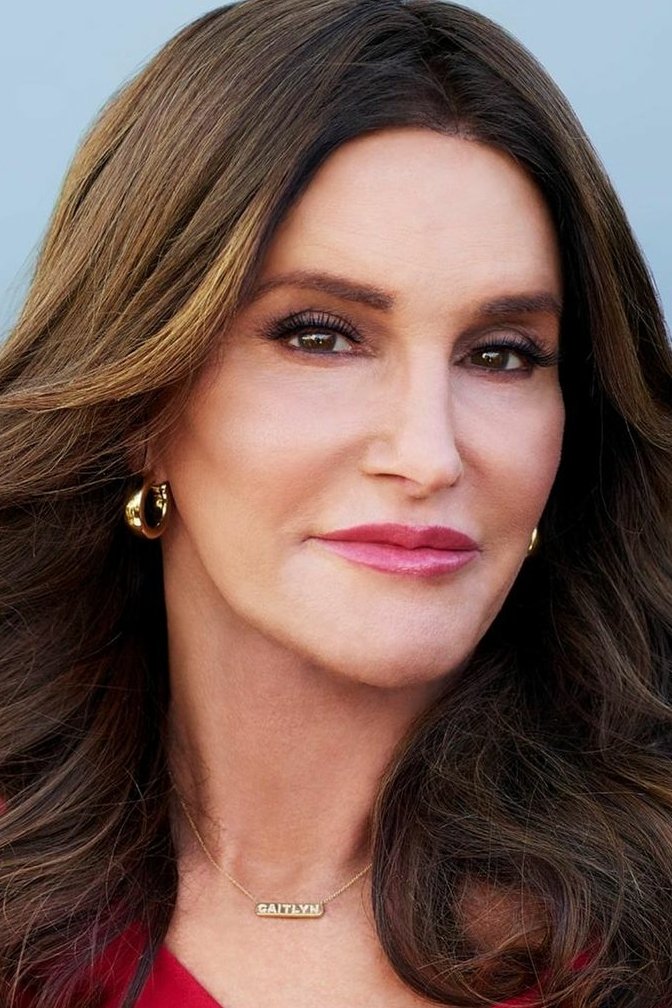
Caitlyn Jenner’s televised interview and subsequent live appearances brought unprecedented attention to transgender issues. Discussions included terminology health care access and sports eligibility. Networks produced explainer packages based on the broadcast which guided many households through unfamiliar topics. The visibility influenced policy debates and media training across outlets.
1. Jodie Foster
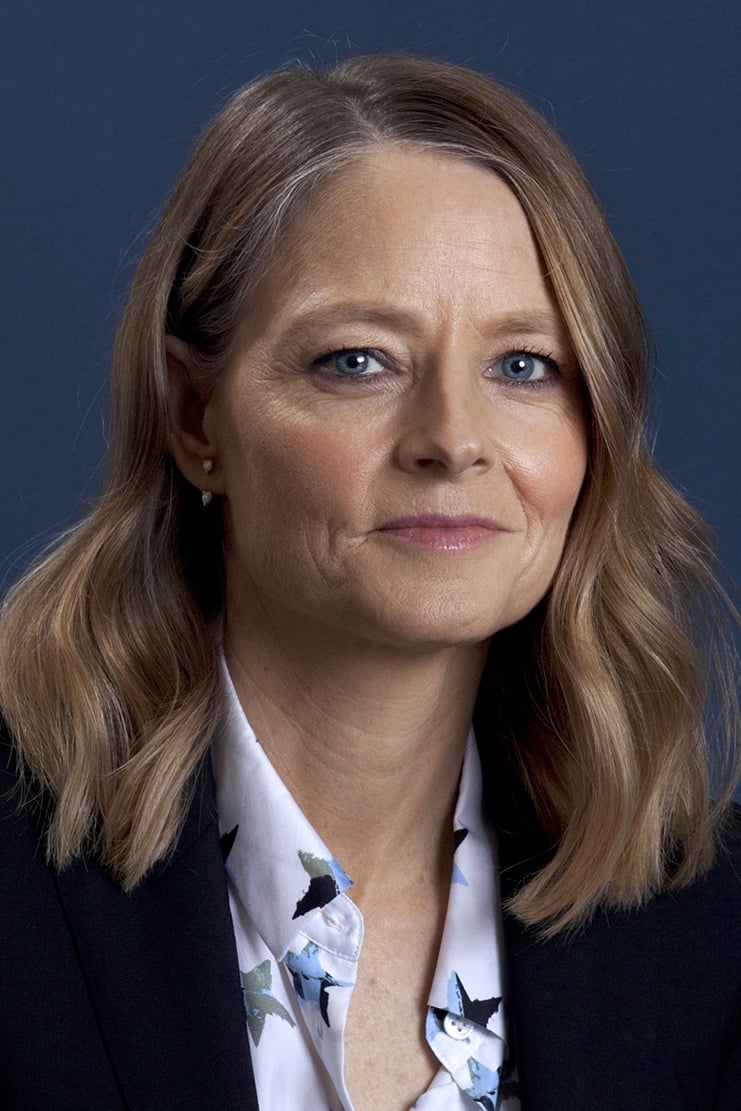
Jodie Foster delivered a candid speech during a live awards broadcast that many viewers understood as a public confirmation. She reflected on career longevity media scrutiny and the importance of privacy for children. The remarks generated global headlines and extensive analysis for days. The moment remains a landmark in awards show history and televised visibility.
Share your memories of these live TV moments in the comments and tell us which one moved you most.