


25 Gay Celebs Whose Hookup Rumors Derailed Oscar Campaigns

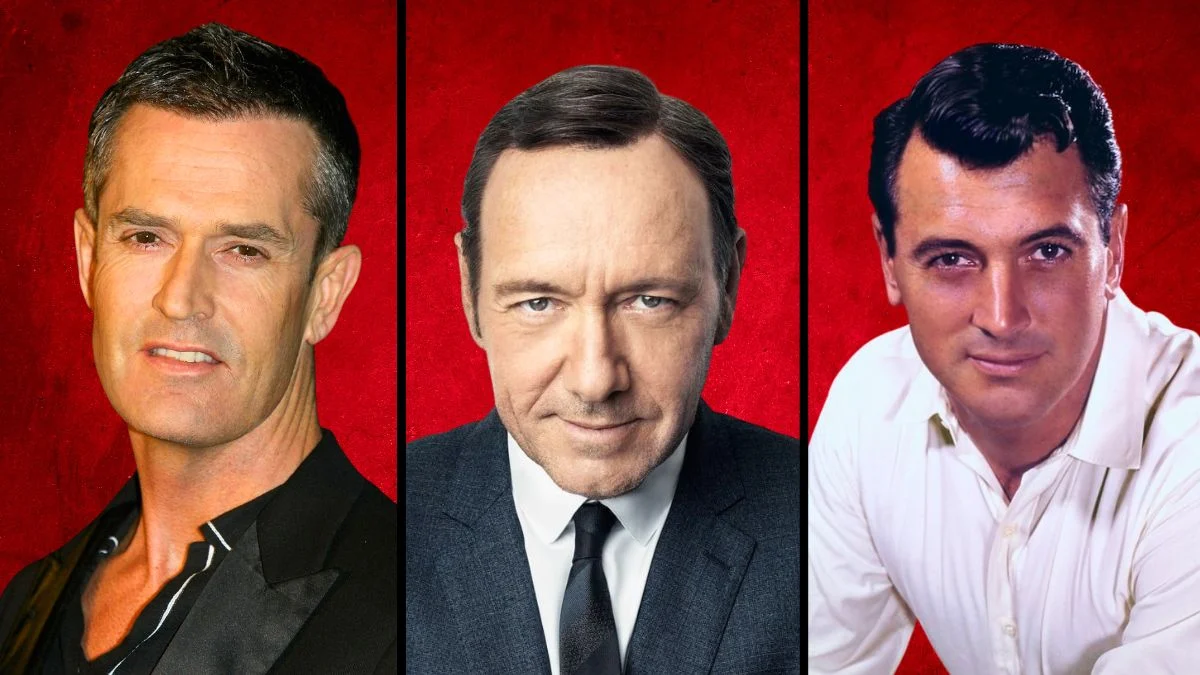


The history of the Academy Awards is filled with glamorous winners and tragic snubs that often had little to do with acting ability. For decades, whispers about a star’s private life or romantic entanglements could sink their chances of taking home the gold. Publicists worked overtime to suppress stories about same-sex relationships to protect the marketability of their clients during awards season. This list explores twenty-five celebrated figures whose Oscar hopes were reportedly dashed or complicated by rumors regarding their sexuality.
Kevin Spacey
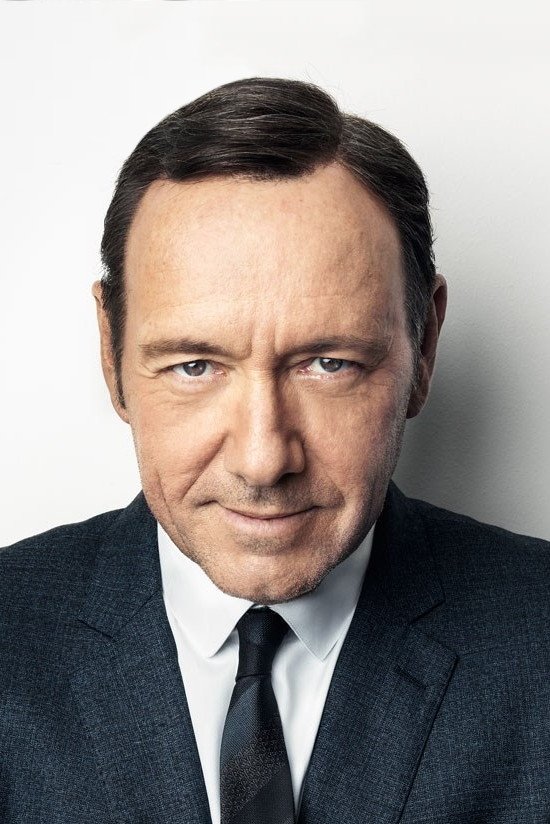
The campaign for ‘All the Money in the World’ came to a screeching halt when allegations of past sexual advances surfaced in 2017. Sony Pictures immediately pulled the film from the AFI Fest and launched a massive reshoot to replace the actor with Christopher Plummer. The scandal broke right as the awards season push was beginning and effectively ended any chance for the film to compete with its original star. Industry analysts noted that the speed of the cancellation was unprecedented in modern Academy history.
Nigel Hawthorne
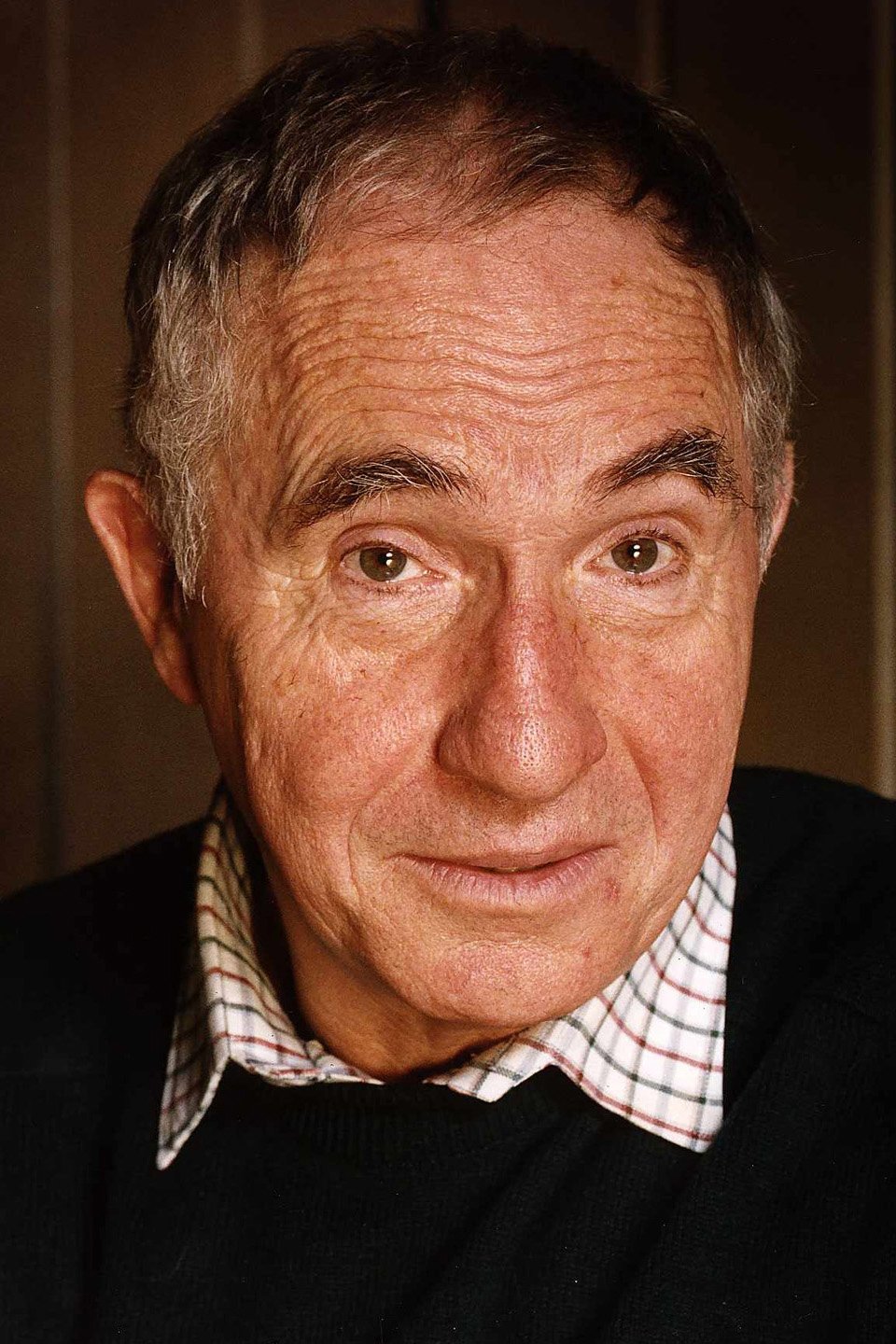
This acclaimed stage actor was a frontrunner for Best Actor for his role in ‘The Madness of King George’ until his sexuality became a tabloid focus. A magazine outed him during the height of the campaign and shifted the narrative away from his performance to his private life. Hawthorne eventually lost the award to Tom Hanks and many critics felt the sudden media frenzy damaged his momentum. He later expressed frustration that his personal life overshadowed his professional achievements during that critical period.
Rock Hudson
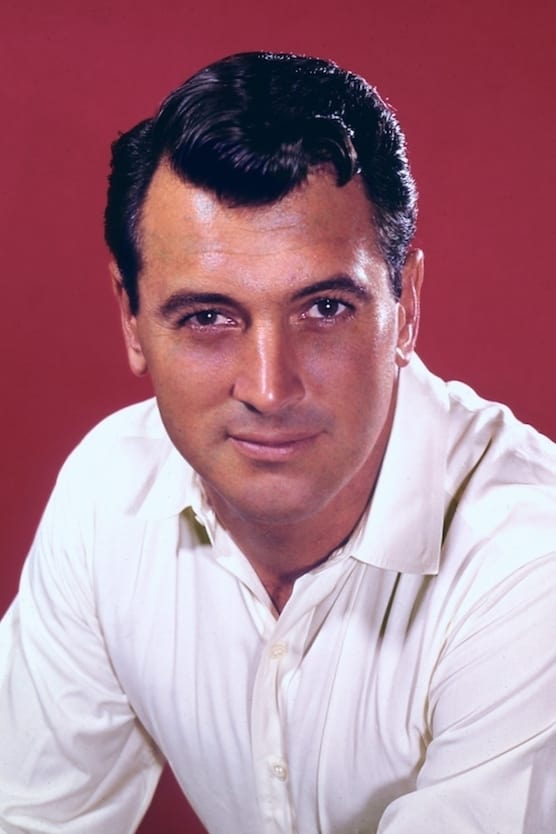
Hudson was the ultimate Hollywood heartthrob who received a Best Actor nomination for his performance in ‘Giant’ alongside Elizabeth Taylor. His campaign faced a severe threat when ‘Confidential’ magazine planned to publish an exposé about his secret hookups with men. The studio famously brokered a deal to trade information on other stars to kill the story and save his career. While he secured the nomination, the looming threat of scandal likely prevented the conservative Academy voters from awarding him the win.
Anthony Perkins
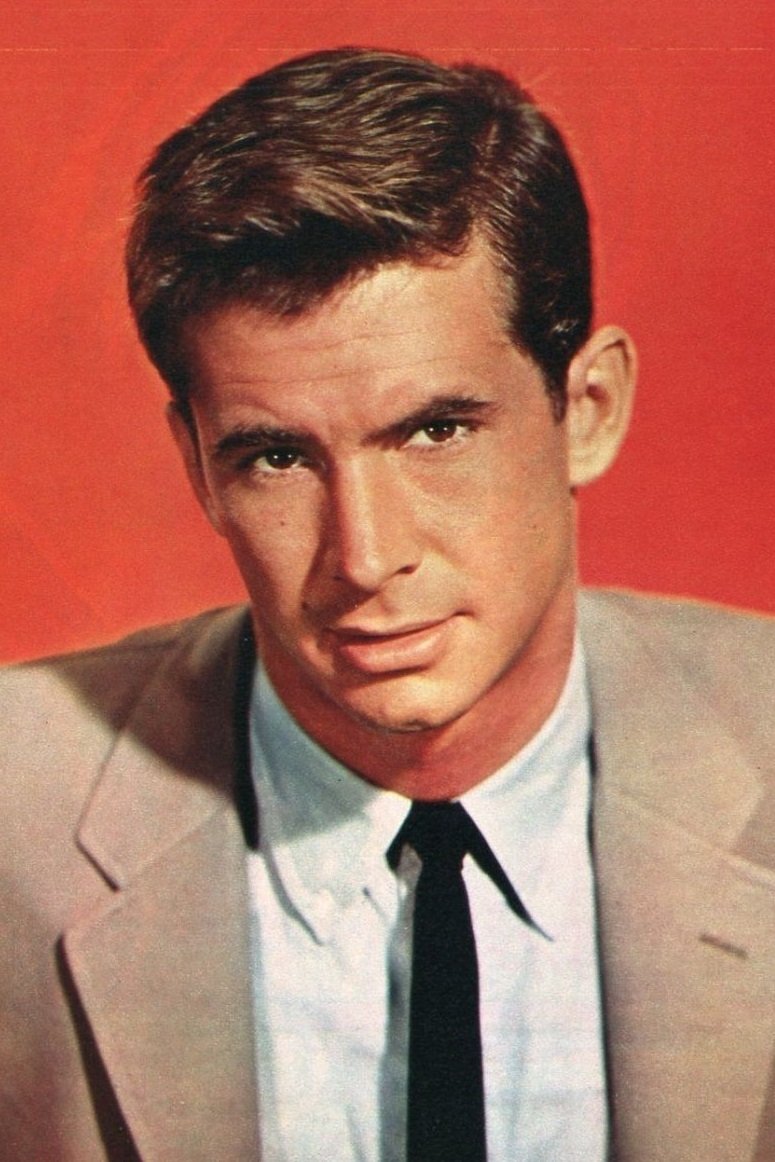
Perkins delivered one of the most iconic performances in cinema history as Norman Bates in ‘Psycho’ but failed to receive a single Oscar nomination. Insiders claim that his refusal to play the Hollywood game and rumors about his relationships with men alienated older voters. The actor had a known association with other gay figures in the industry which made the conservative establishment wary of honoring him. His exclusion from the Best Actor category remains one of the most cited snubs in Academy history.
Sal Mineo
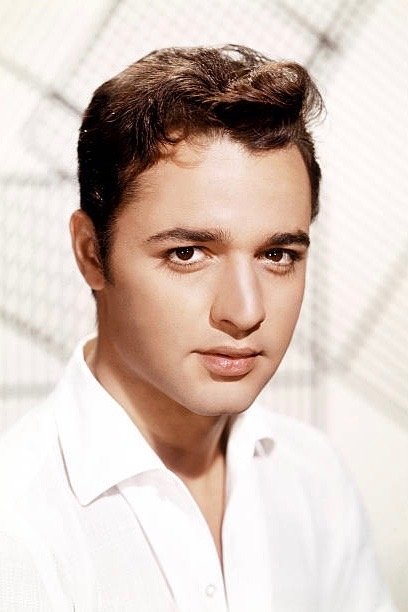
Mineo was a two-time Oscar nominee who openly discussed his bisexuality long before it was acceptable in the industry. His candidness and rumors about his romantic life led to a decline in quality offers and support from major studios. By the time he was nominated for ‘Exodus’ in 1960, the industry was already distancing itself from him due to his refusal to stay in the closet. The whisper campaigns painted him as too risky for a major win and his career momentum stalled shortly after.
Montgomery Clift

Clift was a four-time nominee whose intense method acting revolutionized Hollywood but his troubled personal life often distracted voters. Rumors about his sexuality and erratic behavior circulated constantly throughout his career and affected his standing with the Academy. His performance in ‘From Here to Eternity’ was a masterpiece that lost due to the industry favoring the more traditional persona of William Holden. Peers often cited his refusal to conform to the heteronormative standards of the time as a barrier to his victory.
Ian McKellen
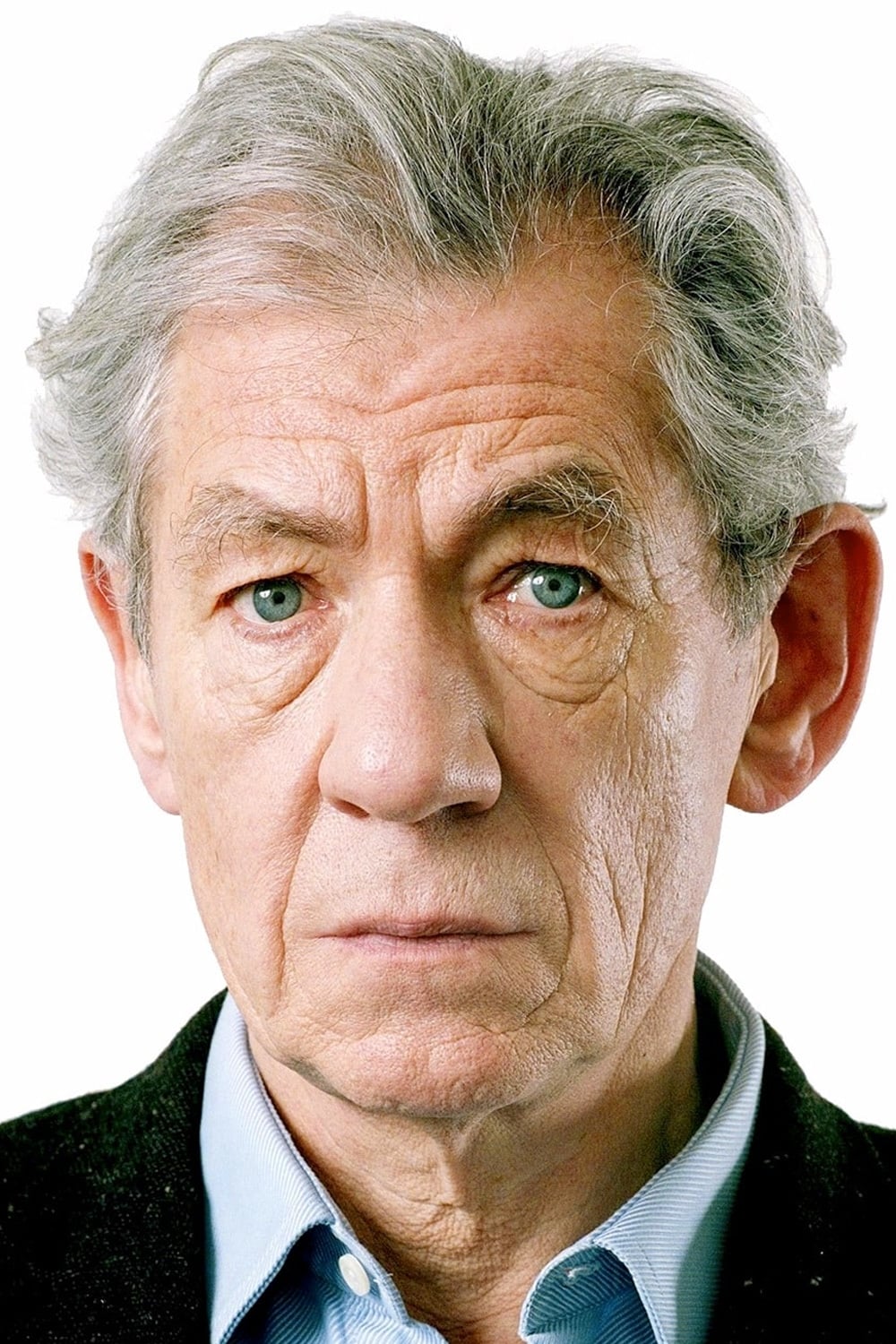
Sir Ian McKellen was a strong contender for ‘Gods and Monsters’ but lost to Roberto Benigni in a surprising upset. McKellen later questioned if prejudice played a role and noted that no openly gay man had ever won Best Actor. His campaign was one of the first where a nominee was fully out and the industry seemed unsure how to handle it. The narrative around his sexuality may have split the vote among conservative members of the Academy.
Rupert Everett
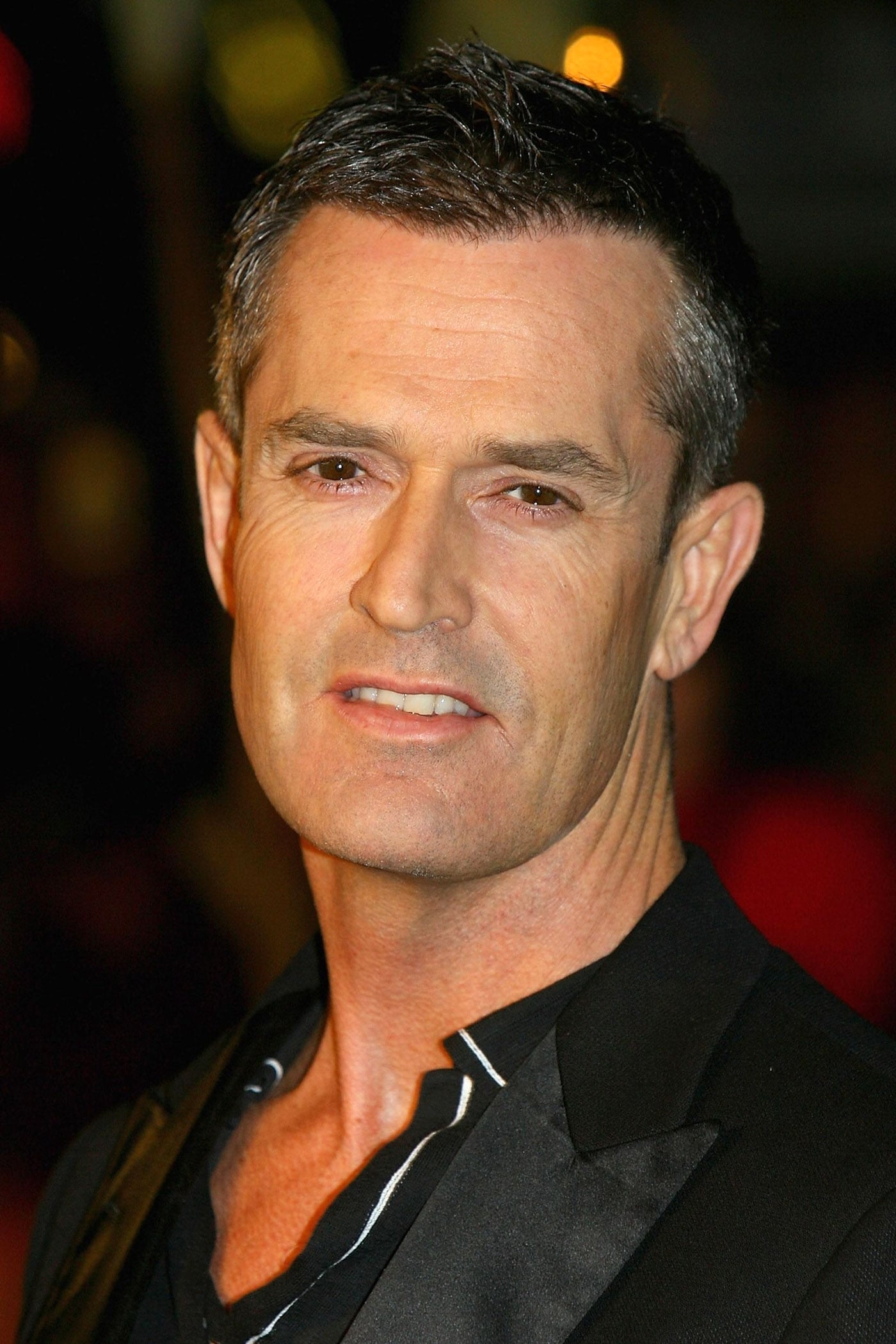
Everett received glowing reviews for his breakout performance in ‘My Best Friend’s Wedding’ and was tipped for a Best Supporting Actor nod. He later claimed that his openness about his sexuality and hookup rumors caused the studio to pull back on a full Oscar push. The actor has frequently spoken about how coming out froze his status as a romantic lead and hurt his awards traction. The lack of a nomination was seen by many critics as a direct result of Hollywood bias in the nineties.
William Haines
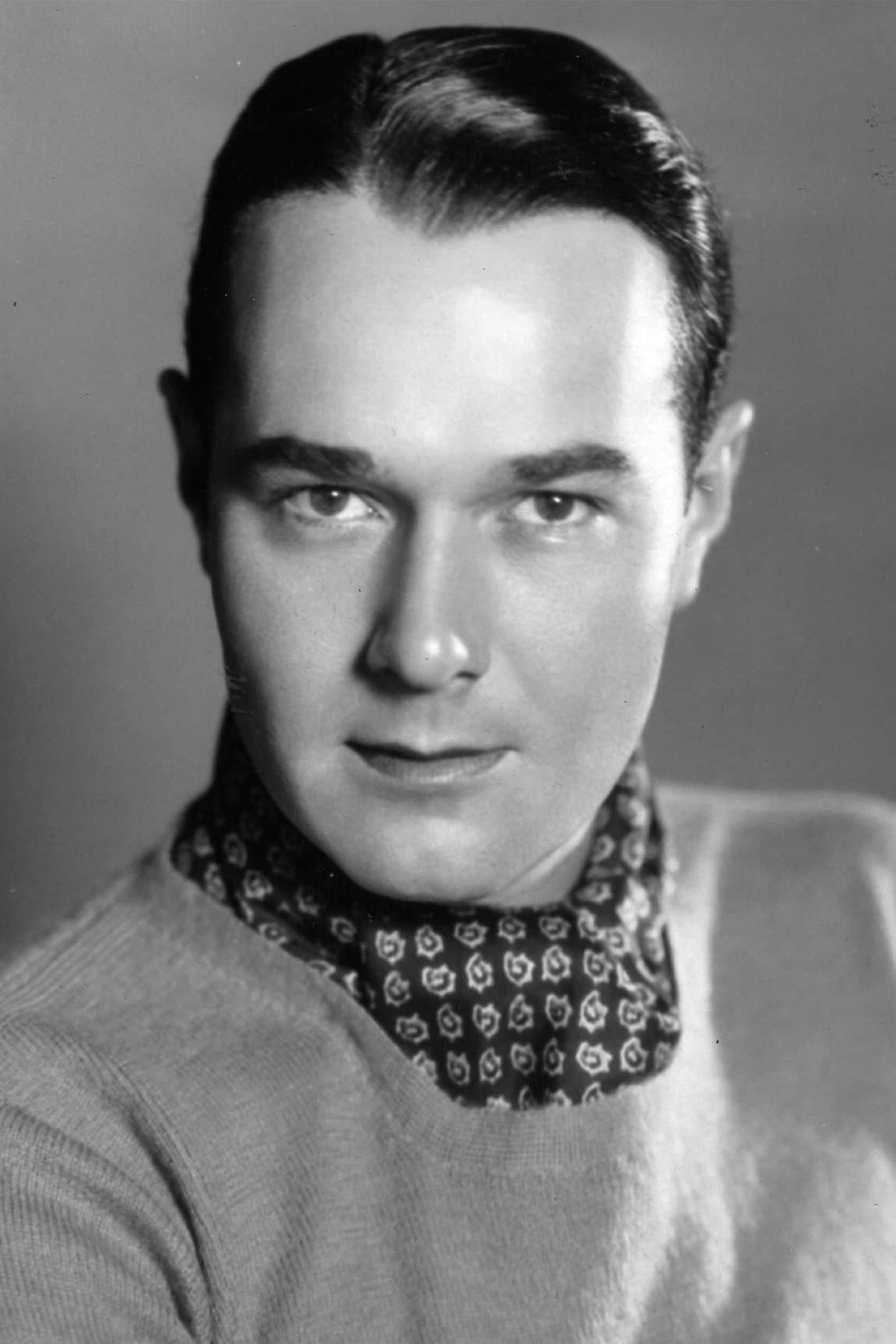
Haines was the top male box office star of 1930 who lived openly with his partner Jimmie Shields. MGM gave him an ultimatum to enter a lavender marriage to quell rumors or face contract termination. He refused to deny his relationship and was subsequently fired and effectively blacklisted from the industry. This drastic move destroyed any potential for future Academy Award recognition despite his immense popularity.
Tab Hunter
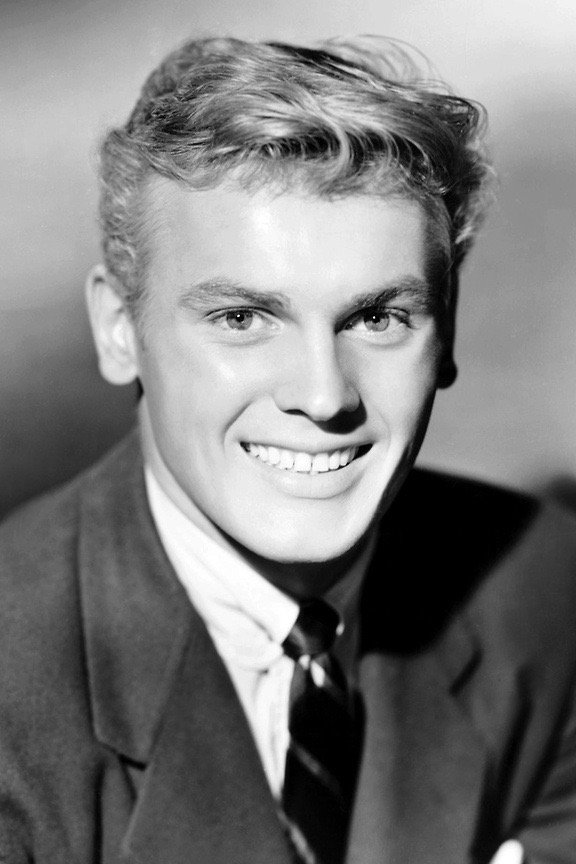
Hunter was a golden boy of the studio system whose recording and acting career was threatened by an arrest at a private party. ‘Confidential’ magazine eventually ran a story about his arrest which damaged his wholesome image and awards potential. Although he was a box office draw, the stigma of the scandal kept him from being taken seriously as a dramatic contender. He later confirmed that the studio system worked tirelessly to suppress stories about his hookups to keep him employable.
Dirk Bogarde
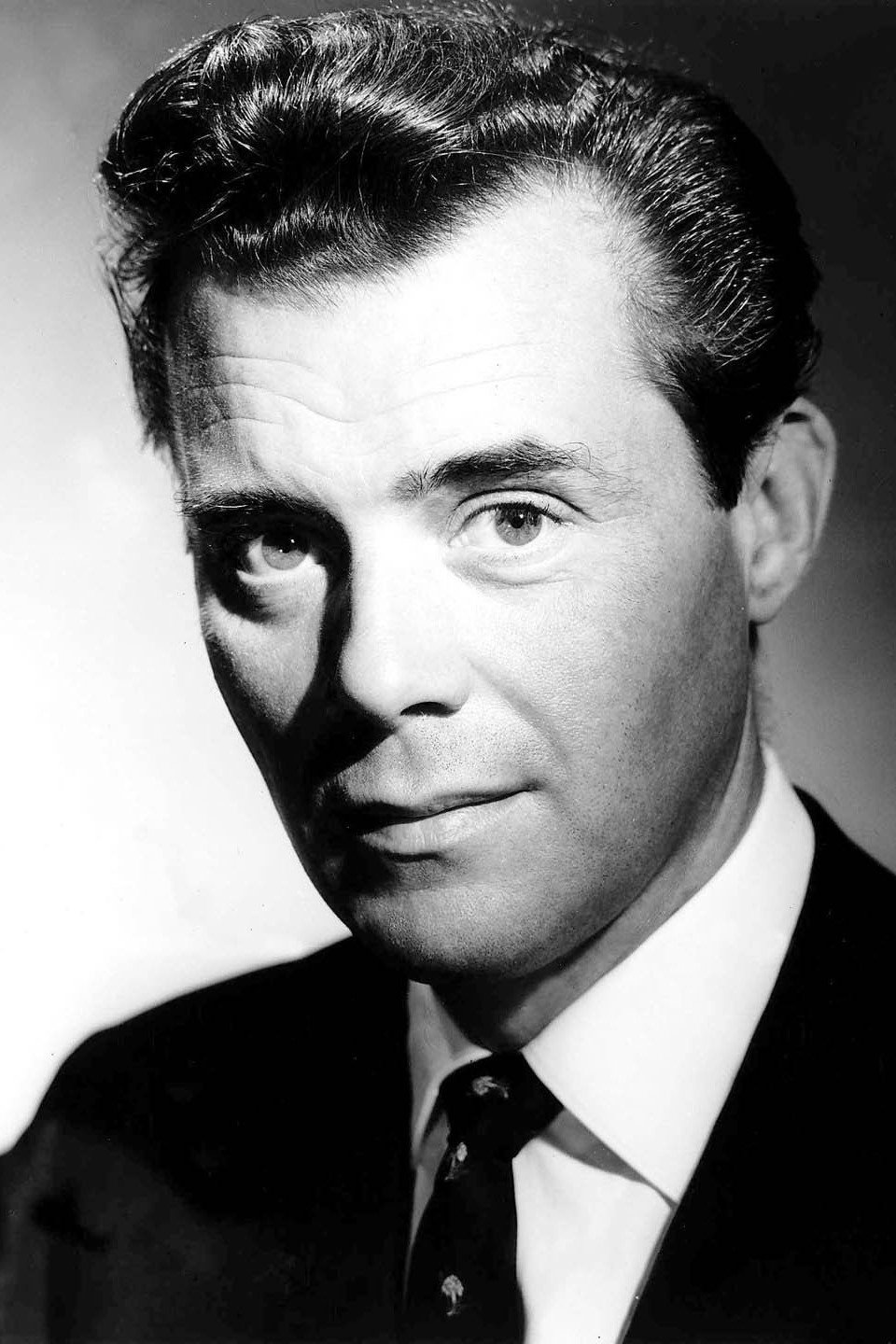
Bogarde was a massive star in Britain who took a risk with the film ‘Victim’ which directly addressed blackmail against gay men. His later work in ‘Death in Venice’ was Oscar-worthy but the subject matter and his own ambiguous public persona alienated American voters. The Academy often ignored performances that were too explicitly queer or played by actors with rumored same-sex lifestyles. Bogarde eventually moved to Europe where his complex roles were more celebrated than in Hollywood.
Cary Grant
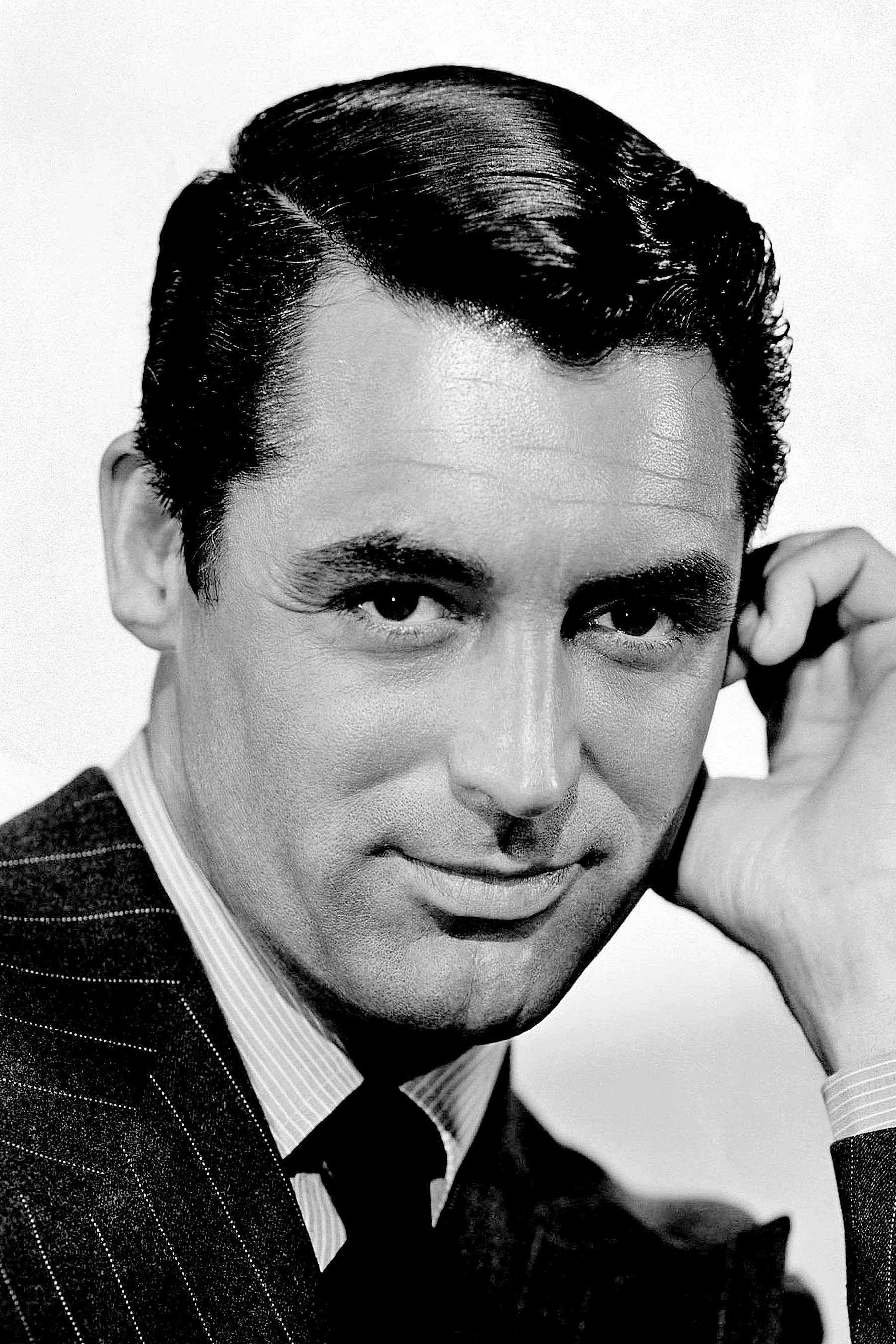
Grant never won a competitive acting Oscar despite being one of the biggest stars in film history. Persistent rumors about his living arrangement with Randolph Scott and his private life dogged him for decades. Biographers suggest the Academy viewed him as a light comedian and the whispers about his sexuality prevented him from being seen as a serious dramatic heavyweight. He eventually received an Honorary Award after his film career had ended.
Randolph Scott

Scott lived with Cary Grant in a beach house that became the subject of intense Hollywood gossip and speculation. While he became a western icon, he was never seriously considered for Academy Awards largely due to his limited range and the rumors surrounding his personal life. The industry accepted him as a box office earner but the prestige of an Oscar was reserved for men with more traditional family images. His exclusion from awards conversations was a silent acknowledgement of his distinct private lifestyle.
Clifton Webb
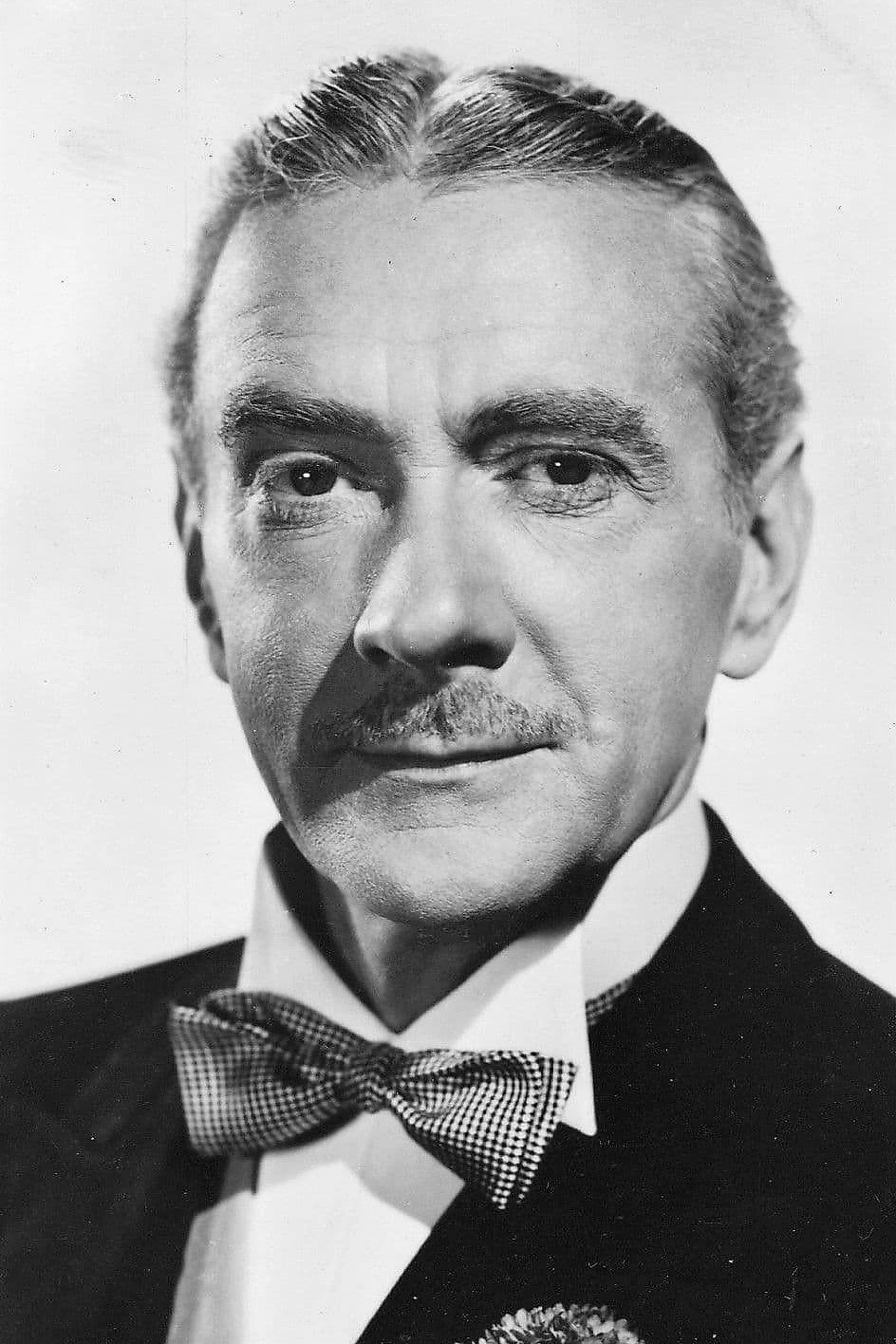
Webb was an openly effeminate actor who received three Oscar nominations but never took home the trophy. His persona was often coded as queer and rumors about his close relationship with his mother and lack of romantic partners were well known. The Academy was willing to nominate him for character roles but seemingly unwilling to give the final win to someone who did not fit the masculine ideal. He remained a respected character actor whose personal life kept him from leading man status.
Ramon Novarro
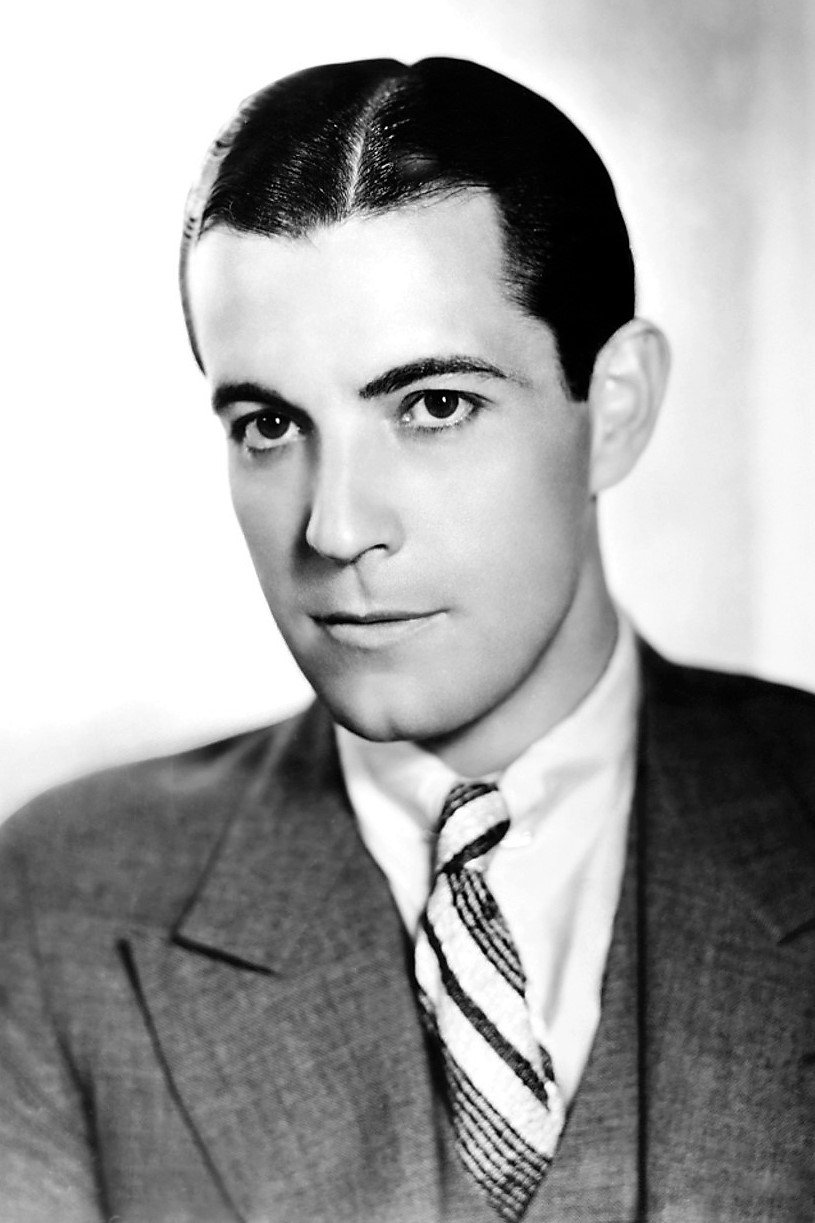
Novarro was a silent film idol whose transition to talkies was complicated by his refusal to marry for publicity. The studio system eventually dropped him as rumors about his private hookups and Catholic guilt began to circulate. His status as a “Latin Lover” clashed with the whispers about his homosexuality and destroyed his bankability. He was brutally murdered years later in a tragedy that brought his secret life into the public spotlight.
Farley Granger
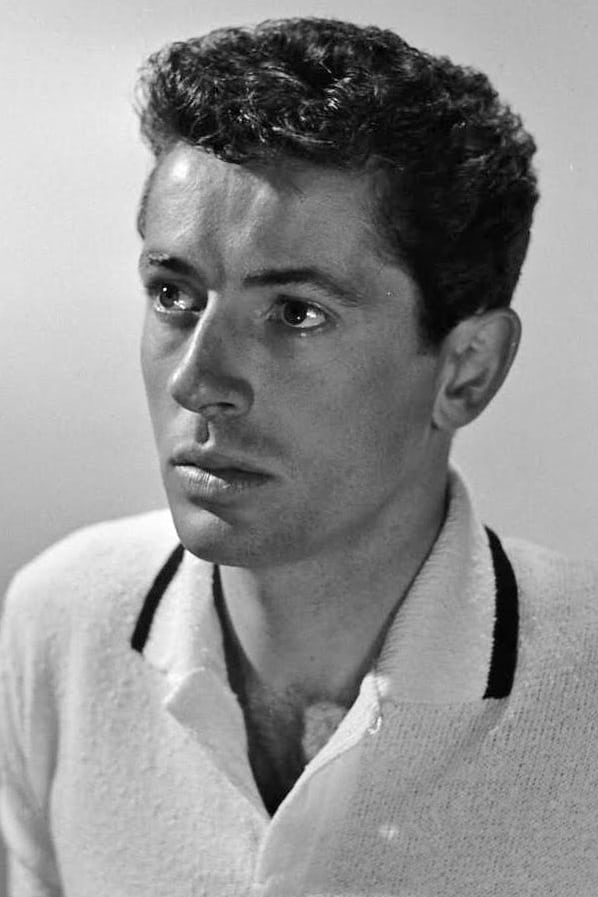
Granger starred in prestigious Hitchcock films like ‘Rope’ and ‘Strangers on a Train’ which are now considered classics. His refusal to play the Hollywood publicity game and his known relationships with men kept him on the fringes of awards consideration. He bought out his own contract to escape studio control which further alienated him from the voting blocks. His performances were often praised but the industry gossip prevented a focused campaign for Best Actor.
James Dean
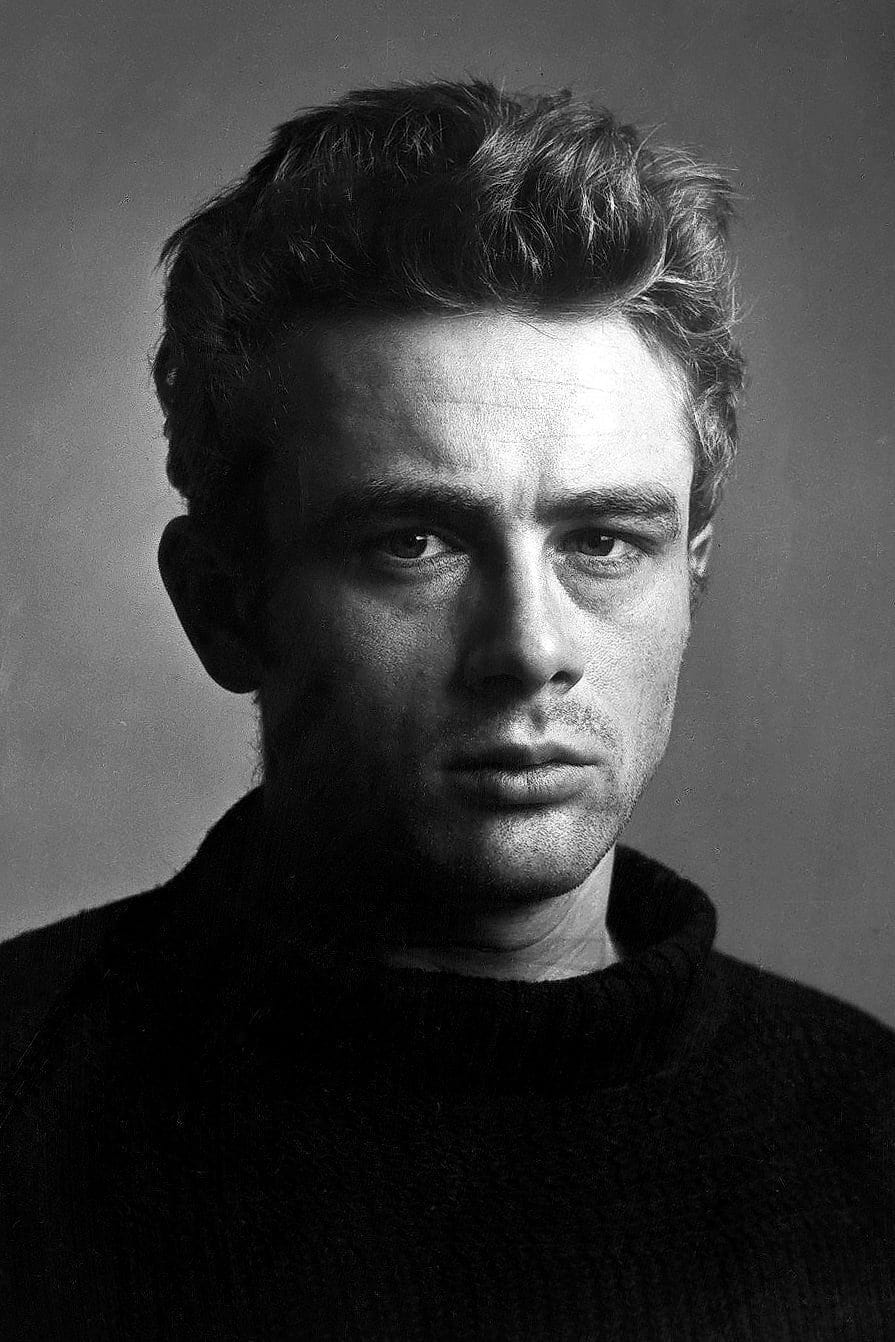
Dean received two posthumous Oscar nominations and became an icon of teenage rebellion. During his short life, rumors about his sexuality and relationships with men were rampant in the industry. Some historians suggest that had he lived, these rumors would have severely hampered his ability to win competitive awards in the conservative 1950s. His legacy is now inseparable from the queer subtext of his life and work.
Tyrone Power
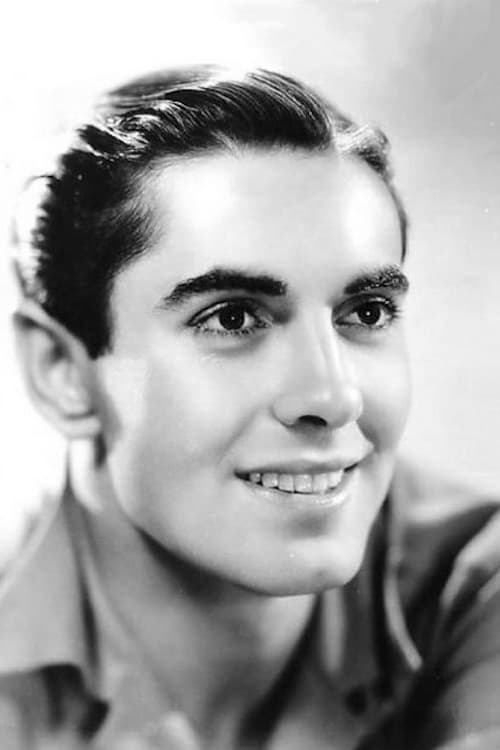
Power was a dashing matinee idol who desperately wanted to be taken seriously as a dramatic actor. Whispers about his affairs with men often undermined his attempts to secure gritty roles that would garner Oscar attention. Studios worked hard to pair him with beautiful actresses to quell the hookup rumors that threatened his box office reign. He died young without ever receiving an Academy Award nomination despite his immense fame.
Richard Chamberlain
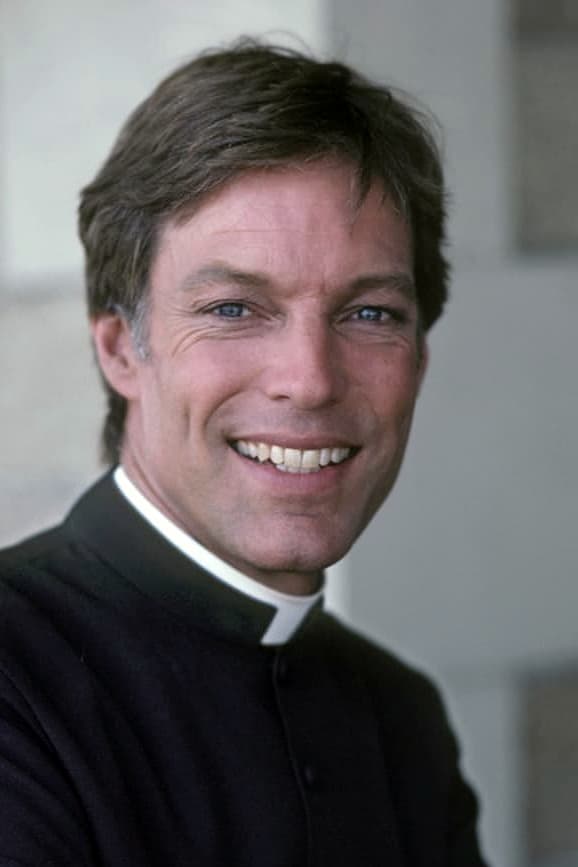
Chamberlain became the king of the television miniseries after rumors about his sexuality stalled his film career. He was advised early on that coming out or being caught in a scandal would destroy his chances at major film awards. He stayed in the closet for decades to maintain his career but this prevented him from achieving the cinematic acclaim he desired. He later admitted that the fear of being outed controlled his entire professional life.
Raymond Burr
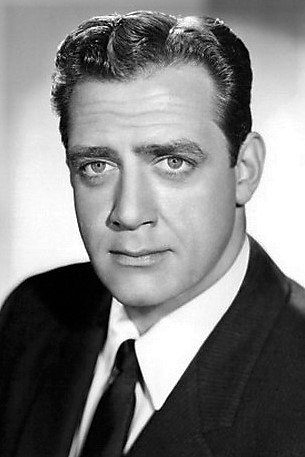
Burr created a fictitious biography including a dead wife and child to hide his long-term relationship with a man. He found massive success on television with ‘Perry Mason’ but his film career rarely reached Oscar heights due to typecasting and the need for secrecy. The constant effort to suppress rumors about his private life meant he could never fully engage in the publicity required for a film awards campaign. He remains one of the most famous closeted stars in Hollywood history.
Paul Winfield
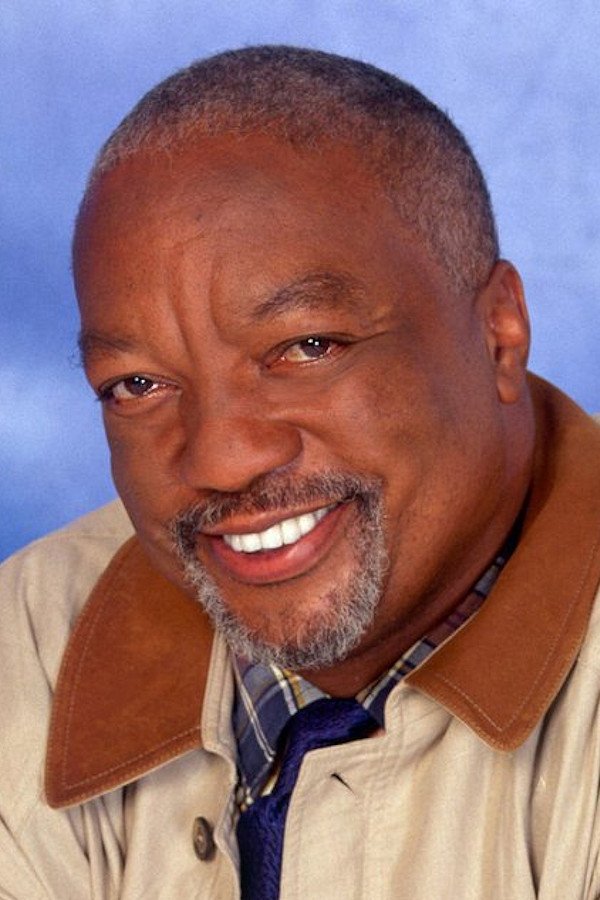
Winfield was nominated for Best Actor for ‘Sounder’ but faced an uphill battle in an industry that was not ready for a black gay star. He lived openly with his partner in his private life but kept it out of the press to protect his career. The industry rumors likely limited the roles he was offered following his nomination. He continued to work steadily but never reached the same level of awards recognition again.
Charles Laughton
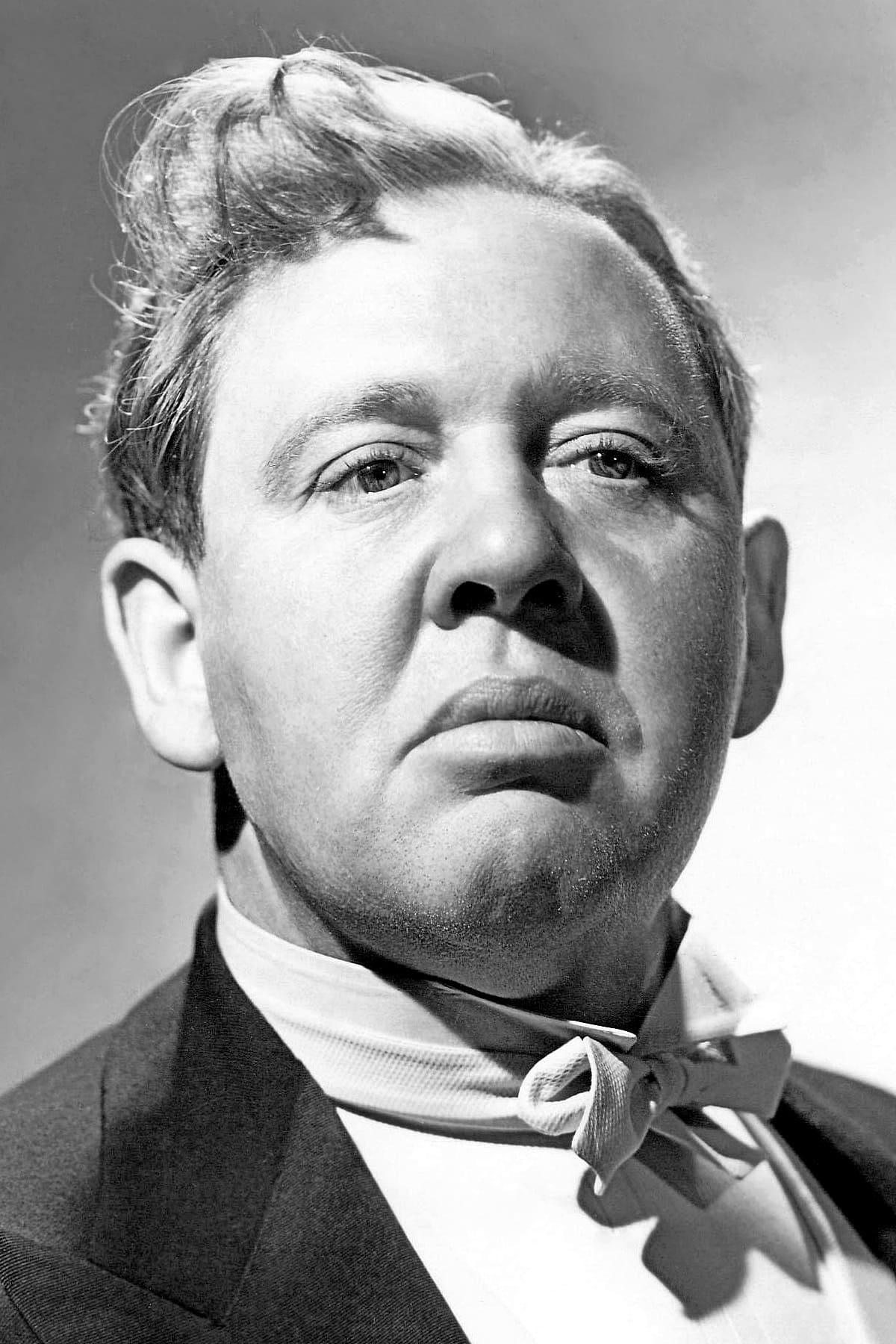
Laughton was a brilliant character actor who won an early Oscar but struggled with his sexuality throughout his life. His marriage to Elsa Lanchester was a cover for his relationships with men which were an open secret in Hollywood. The stress of hiding his true self and the rumors surrounding his hookups often led to difficult behavior on set. This reputation complicated his standing with Academy voters in the latter half of his career.
Michael Redgrave
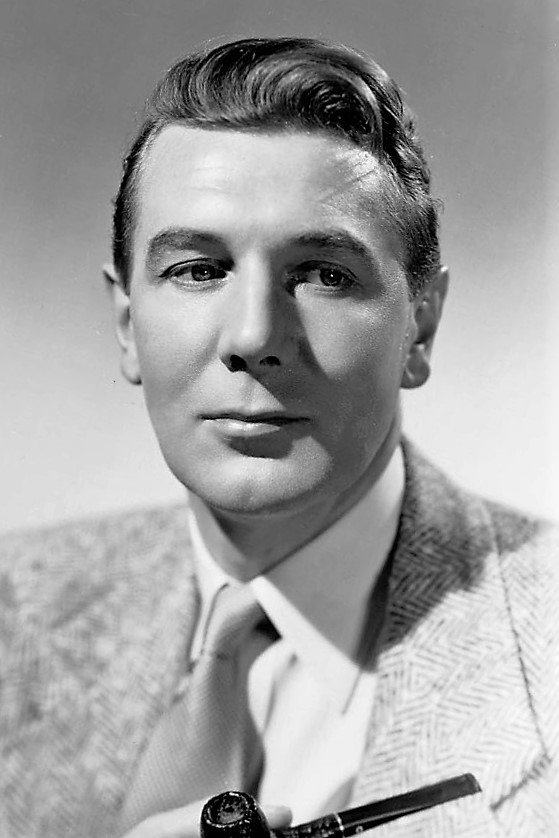
Redgrave was a distinguished British actor who was nominated for ‘Mourning Becomes Electra’ in 1947. He was bisexual and had relationships with men that made the studios nervous about promoting him as a romantic lead in America. The fear of a scandal crossing the Atlantic kept his Hollywood campaigns muted compared to his straight contemporaries. He remained a giant of the stage but his film awards recognition was limited.
Danny Kaye
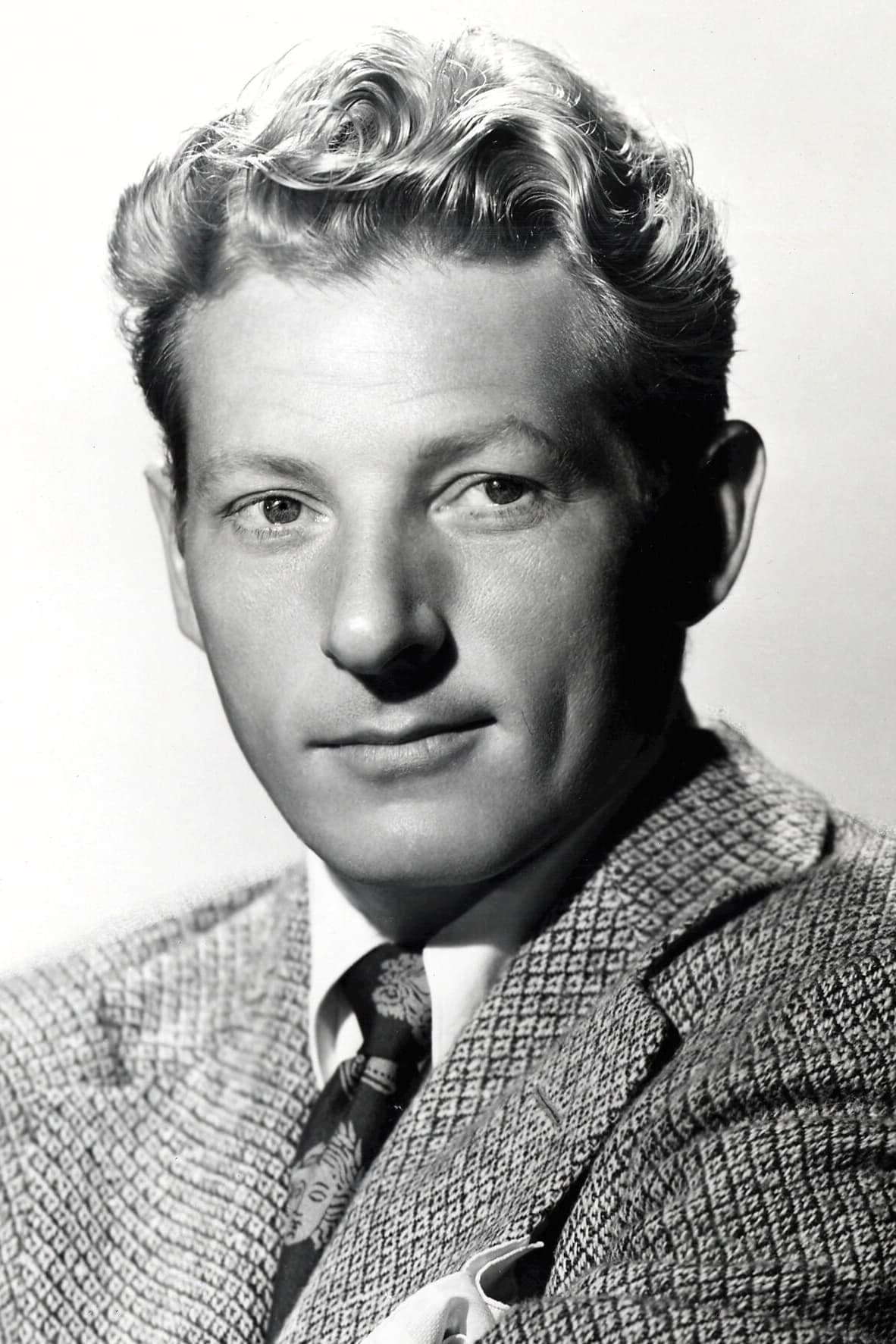
Kaye was a comedic genius whose close friendship with Laurence Olivier sparked intense rumors of a romantic affair. These whispers reportedly caused friction with studio heads and affected his perception as a serious artist eligible for competitive Oscars. He received an Honorary Award later in life but was never fully embraced by the Academy for his acting. The gossip about his private life persisted long after his peak years in the industry.
George Cukor
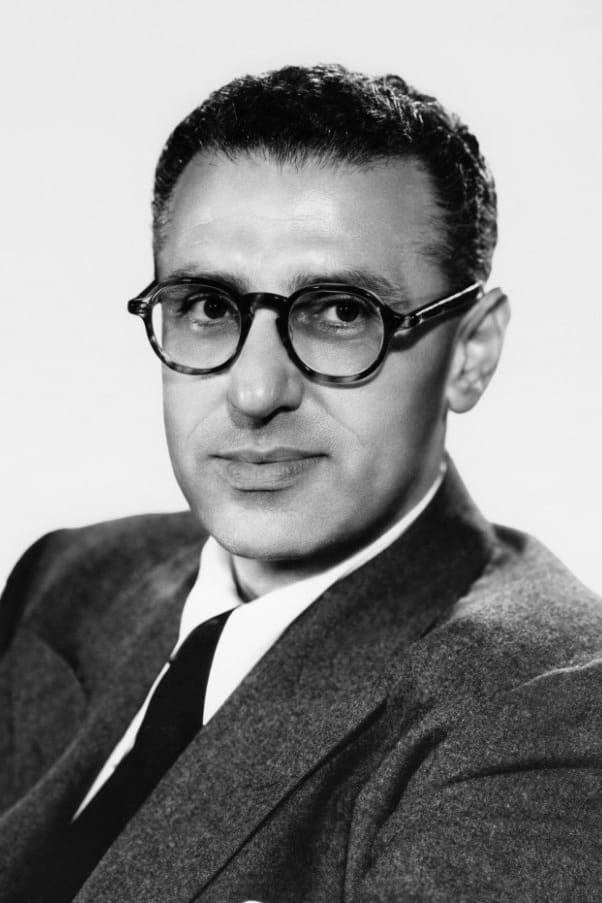
Cukor was a legendary director rather than an actor but his experience highlights the systemic homophobia of the era. He was famously fired from ‘Gone with the Wind’ reportedly because Clark Gable was uncomfortable with Cukor’s knowledge of his past hookups. Cukor eventually won an Oscar for ‘My Fair Lady’ but spent decades being passed over due to his status as a known gay man in the industry. His “women’s director” label was often used as a coded dismissal of his talents.
Many of these stories reflect a time when image was everything and the truth was a liability. Share your thoughts on which of these stars deserved better from the Academy in the comments.