


Geraldine Chaplin’s Career: From ‘Crime on a Summer Morning’ to ‘Seneca – On the Creation of Earthquakes’




Geraldine Chaplin has one of the most unique and enduring careers in international cinema. As the daughter of the legendary Charlie Chaplin, she grew up in the world of filmmaking but quickly established herself as a formidable talent in her own right. With a distinct and expressive presence, she moved effortlessly between American, British, French, and Spanish cinema, becoming a truly international star.
Her body of work is defined by its remarkable range and her collaborations with some of the world’s greatest directors. She was a muse for Spanish filmmaker Carlos Saura and a key member of Robert Altman’s ensemble casts in the 1970s. From her early, wide-eyed roles to her later work as a masterful character actress, Chaplin has built a career on bold choices, emotional depth, and a complete dedication to her craft, earning acclaim across the globe.
‘Crime on a Summer Morning’ (1965)
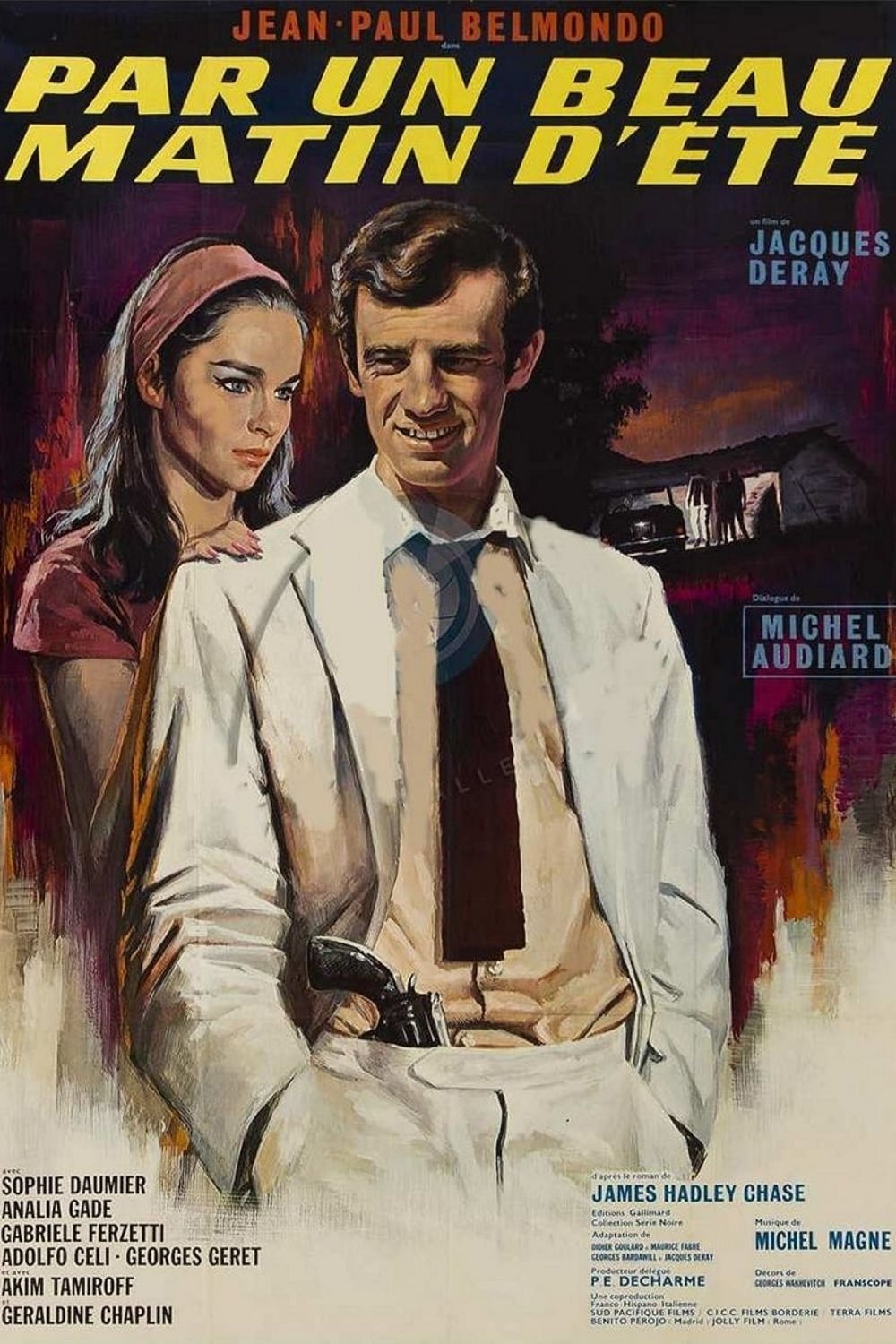
In this French crime drama, Geraldine Chaplin played Zelda, the daughter of a wealthy businessman. The plot revolves around a group of small-time criminals who plan to stage a kidnapping to extort money from her father, but their plan quickly goes wrong.
This was one of Chaplin’s first significant film roles. Her performance as the vulnerable but resourceful young woman caught in a dangerous situation showcased her early potential as a captivating screen presence in European cinema.
‘Doctor Zhivago’ (1965)
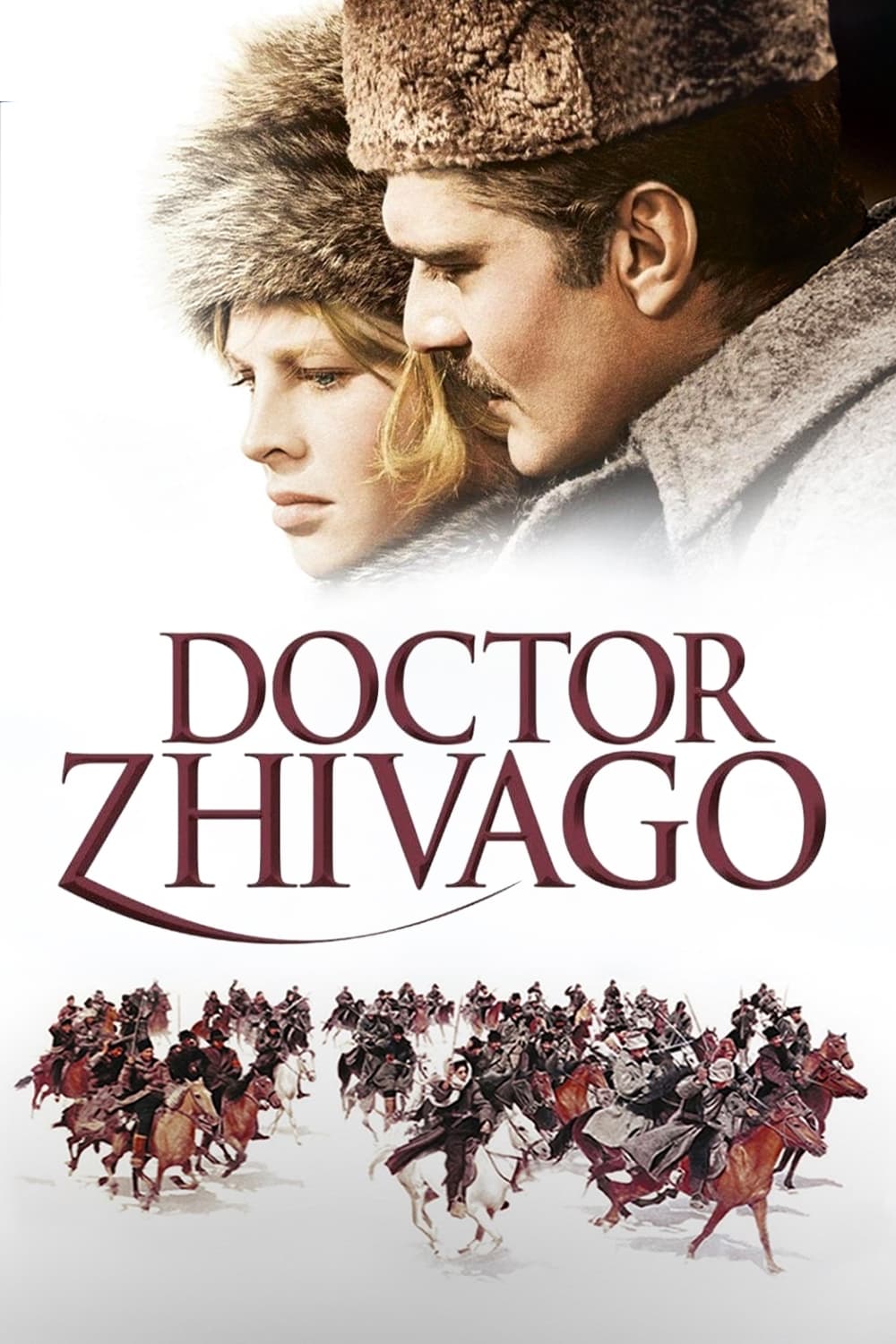
Chaplin played Tonya Gromeko in David Lean’s epic historical romance. Tonya is the gentle and devoted wife of the titular character, Yuri Zhivago, a physician and poet whose life is upended by the Russian Revolution and his passionate love for another woman, Lara.
This role brought Chaplin international recognition and a Golden Globe nomination for Most Promising Newcomer. Her portrayal of the loyal and tragic Tonya was subtle and moving, holding its own in a cast of major stars and establishing her as a serious dramatic actress.
‘We’ll Go to the City’ (1966)
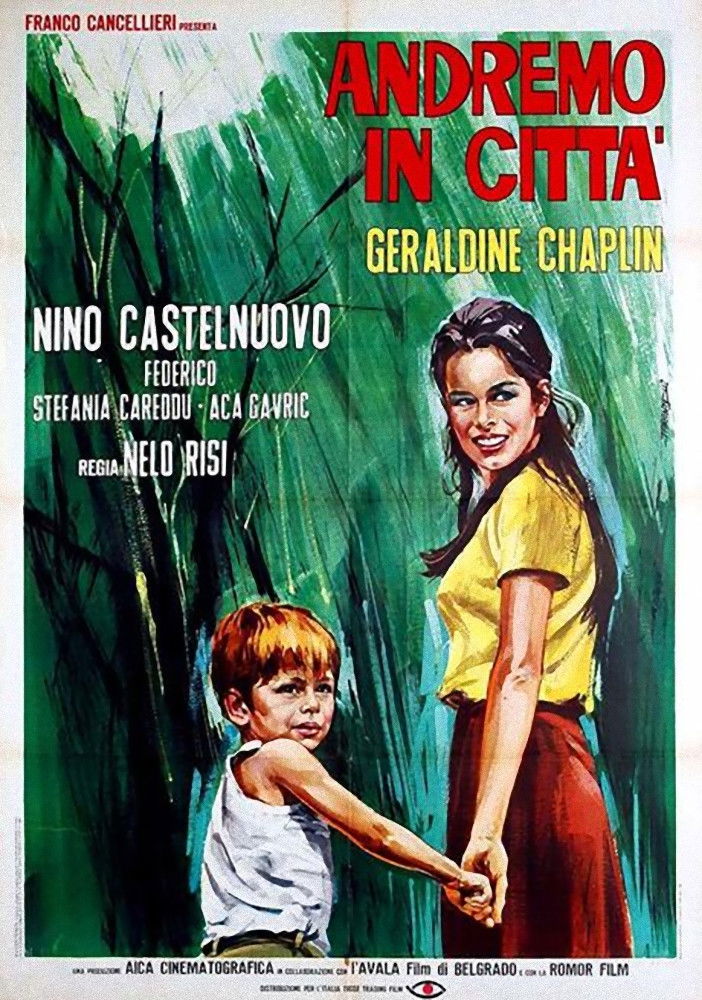
In this Italian drama set during World War II, Chaplin took on the lead role of Lenka. The story follows a young woman in occupied Yugoslavia who, after her parents are taken away, must care for her younger brother and navigate the horrors and hardships of war.
This was a challenging and emotional leading role that rested squarely on her shoulders. Her performance was praised for its depth and sensitivity, further demonstrating her ability to carry a film and connect with audiences through a powerful, understated performance.
‘A Countess from Hong Kong’ (1967)
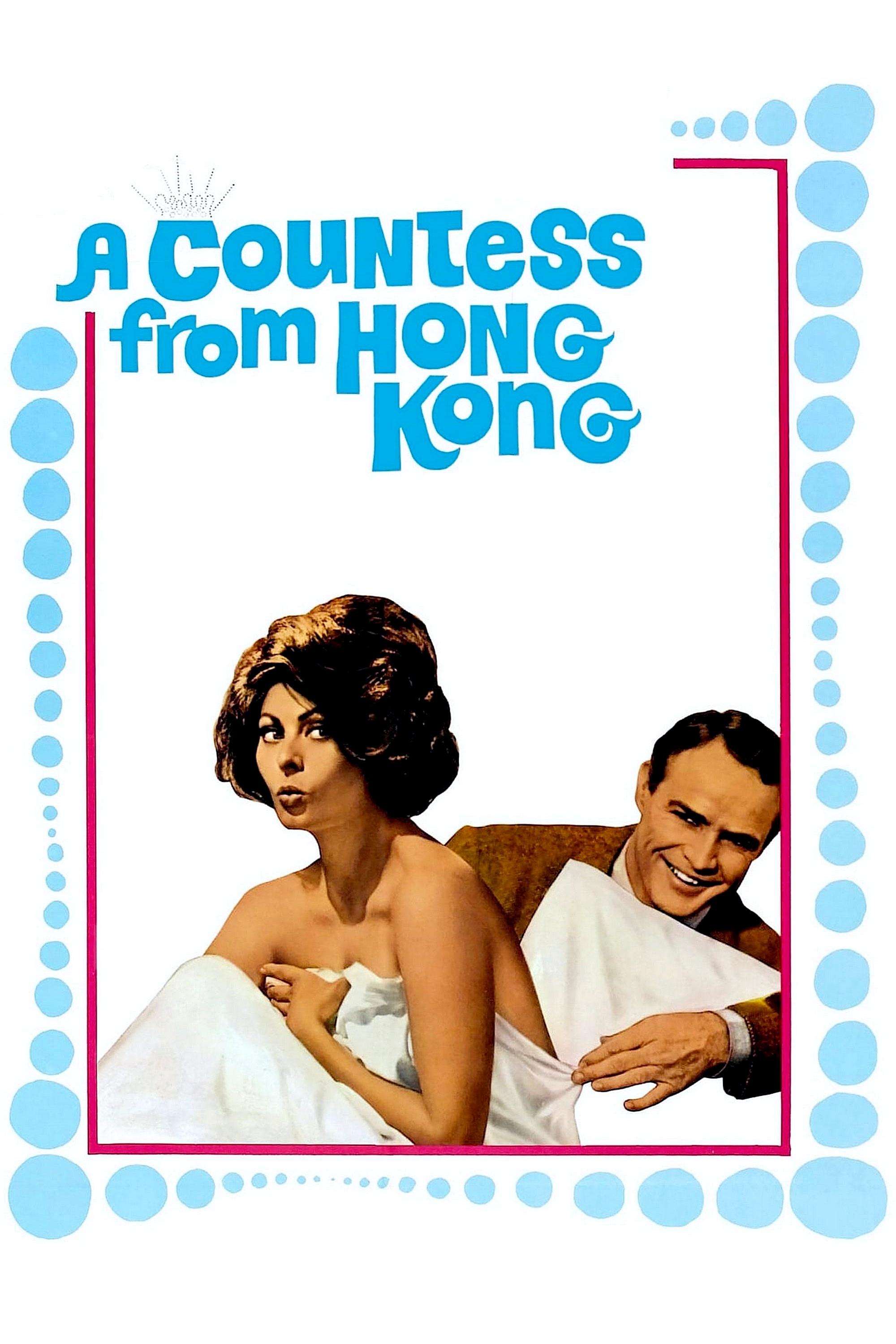
This romantic comedy was written and directed by her father, Charlie Chaplin. Geraldine Chaplin has a small role as a girl at a dance who is briefly swept up by one of the main characters. The film stars Marlon Brando and Sophia Loren.
While a minor part, her appearance in her father’s final film and only color feature was a significant personal moment. It represents a unique intersection of two legendary cinematic careers within the same family.
‘I Killed Rasputin’ (1967)
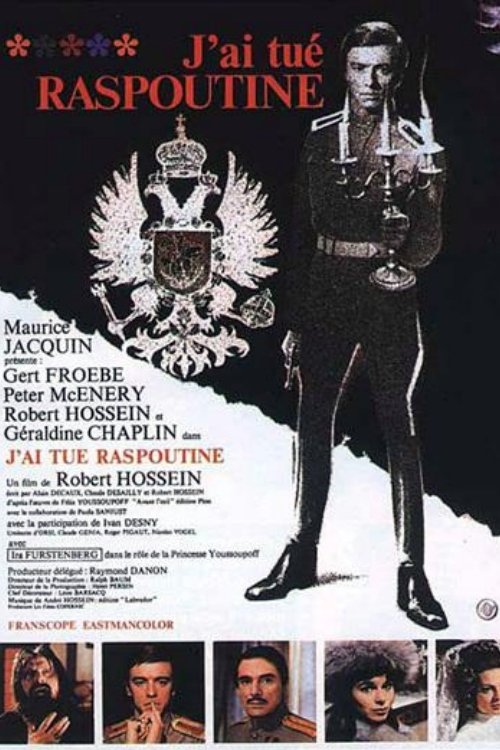
In this historical drama, Chaplin portrayed Mounia Golovine, a confidante of the Russian royal family and a follower of the mystic Grigori Rasputin. The film tells the story of the infamous “mad monk” and the conspiracy to assassinate him.
Chaplin brought a quiet intensity to her role as a woman caught between her loyalty to the tsarina and the plotters who believed Rasputin was destroying Russia. The film added another historical epic to her growing resume.
‘Peppermint Frappé’ (1967)
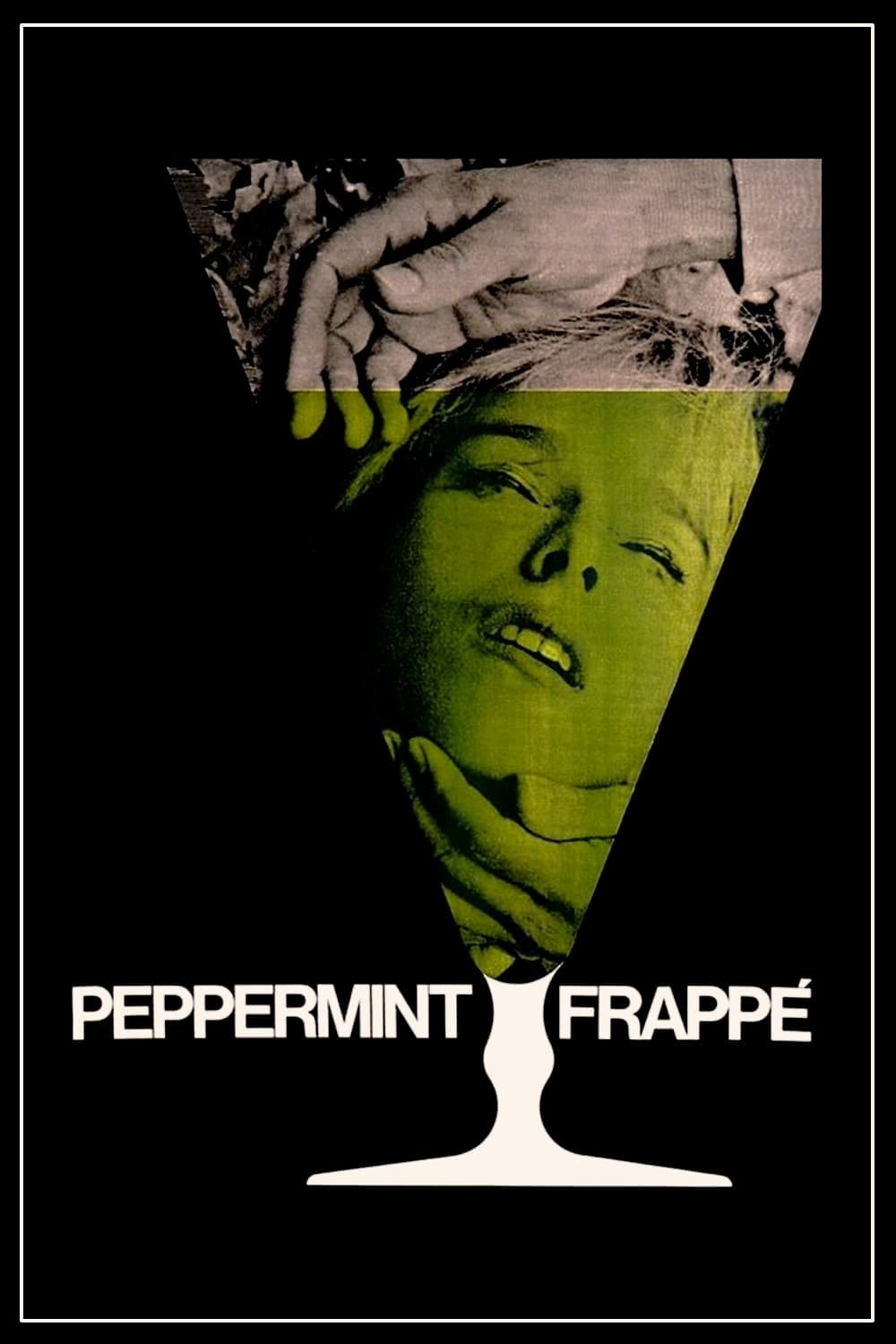
This Spanish psychological thriller marked the beginning of her celebrated collaboration with director Carlos Saura. Chaplin played a dual role as Elena, the sophisticated and modern wife of a man’s old friend, and Ana, the shy nurse who works for him and whom he tries to mold into Elena’s image.
Her ability to portray two distinctly different characters in the same film was a showcase of her versatility. The film was a critical success and established Chaplin and Saura as a formidable creative partnership in Spanish cinema.
‘Stranger in the House’ (1967)

In this British crime film, Chaplin played Angela Sawyer. She is the rebellious daughter of a once-brilliant lawyer who has become a recluse. When her boyfriend is accused of murder, her father is drawn out of his isolation to defend him.
Chaplin portrayed the restless energy of a young woman part of the swinging sixties youth culture. Her character’s predicament is the catalyst that forces her father to confront his past and re-engage with the world.
‘Stress Is Three’ (1968)
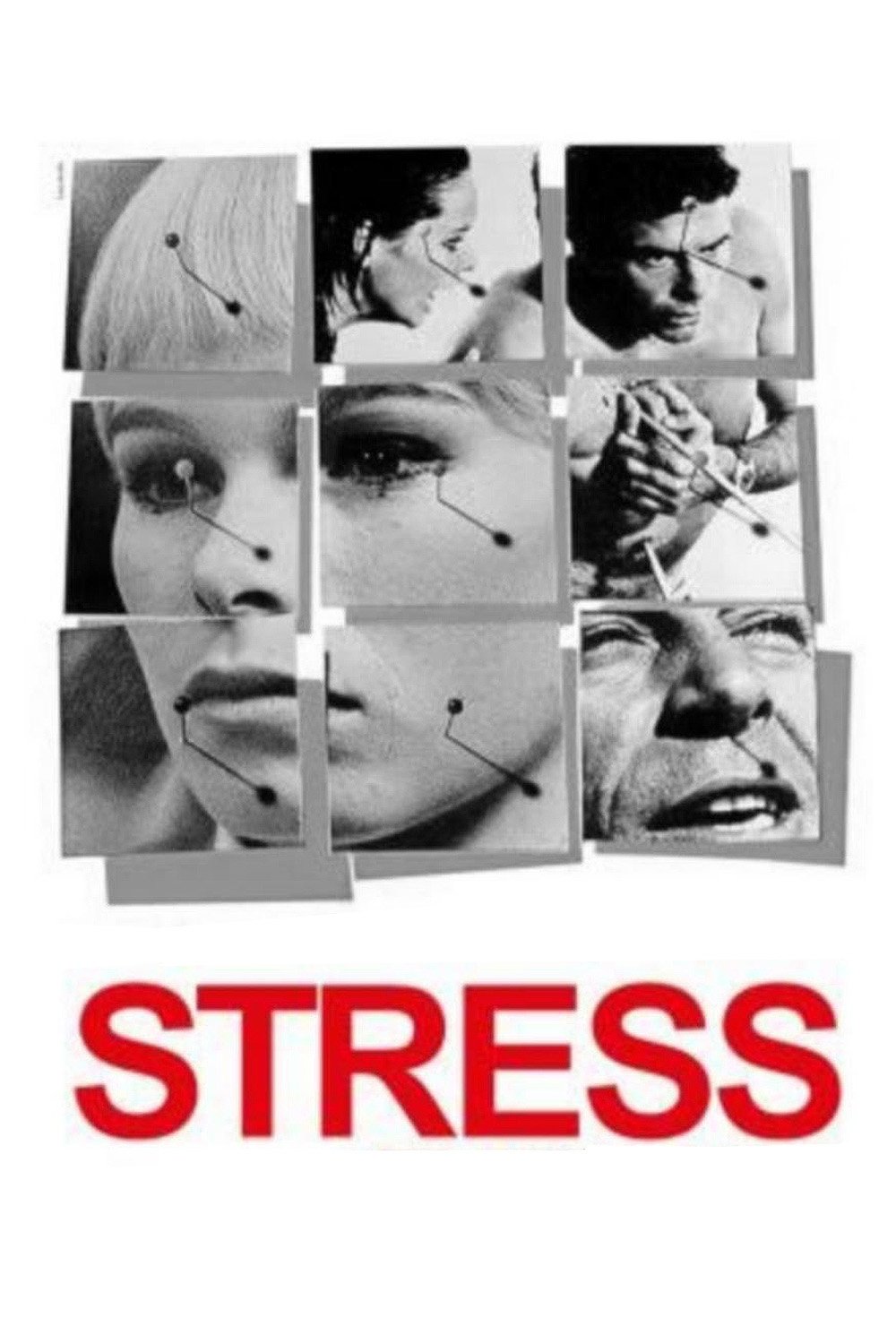
Continuing her work with Carlos Saura, Chaplin played Teresa in this satirical drama. The film follows a successful industrialist who, accompanied by his wife Teresa and his friend, embarks on a weekend trip that slowly reveals the emptiness and tensions within his seemingly perfect life.
The film is a critique of modern consumer society and male ambition. Chaplin’s character represents the emotional core of the story, a woman observing the unraveling of the men around her.
‘Honeycomb’ (1969)
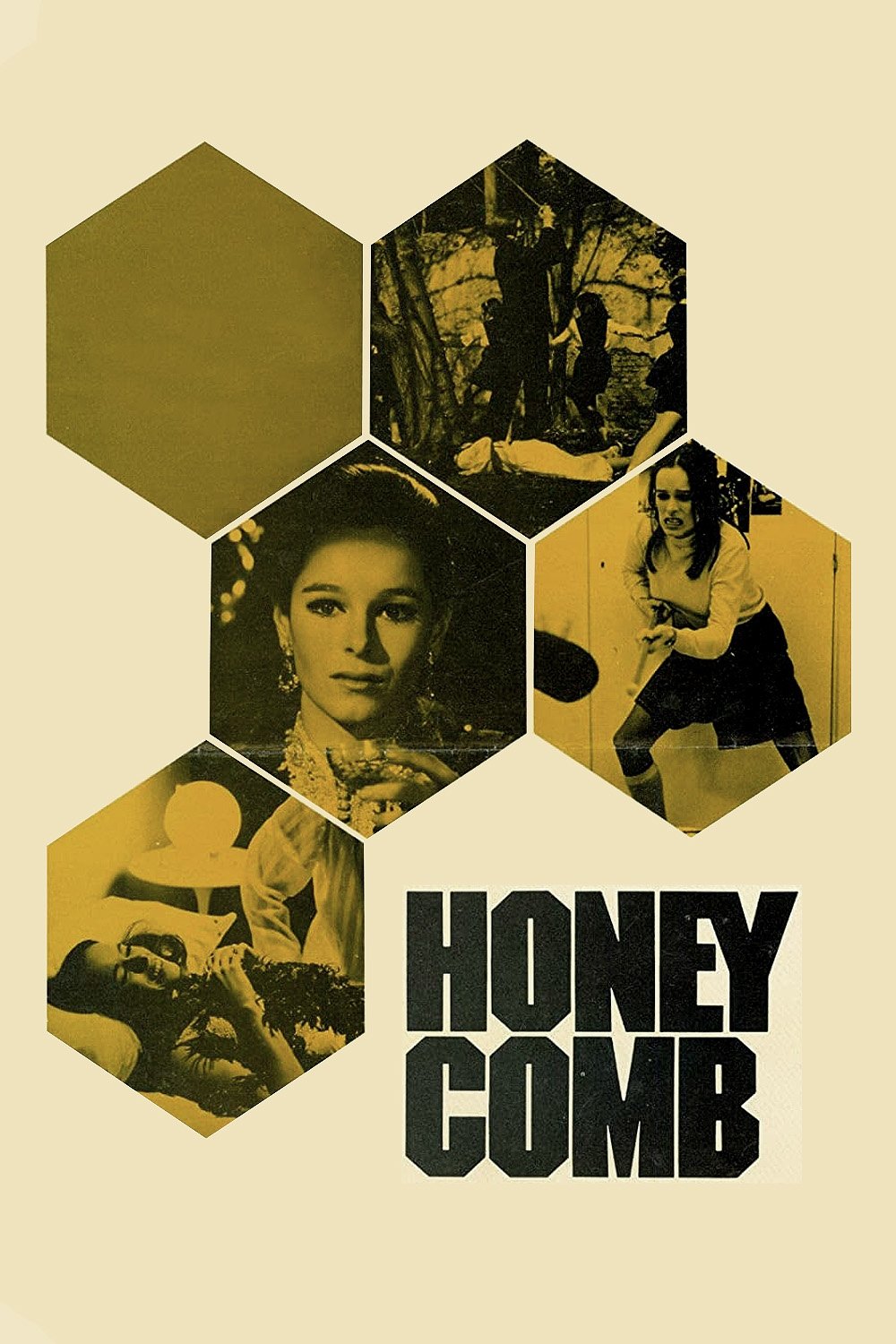
In her third collaboration with Carlos Saura, Chaplin once again played a character named Teresa. The film explores the fantasy life of a conventional married couple. As they play games and act out scenarios, the line between reality and their role-playing begins to blur in unsettling ways.
This experimental and psychologically complex film relied heavily on the performances of its two leads. Chaplin’s performance was daring and nuanced, navigating the shifts in her character’s identity as the couple’s games become increasingly strange.
‘The Hawaiians’ (1970)
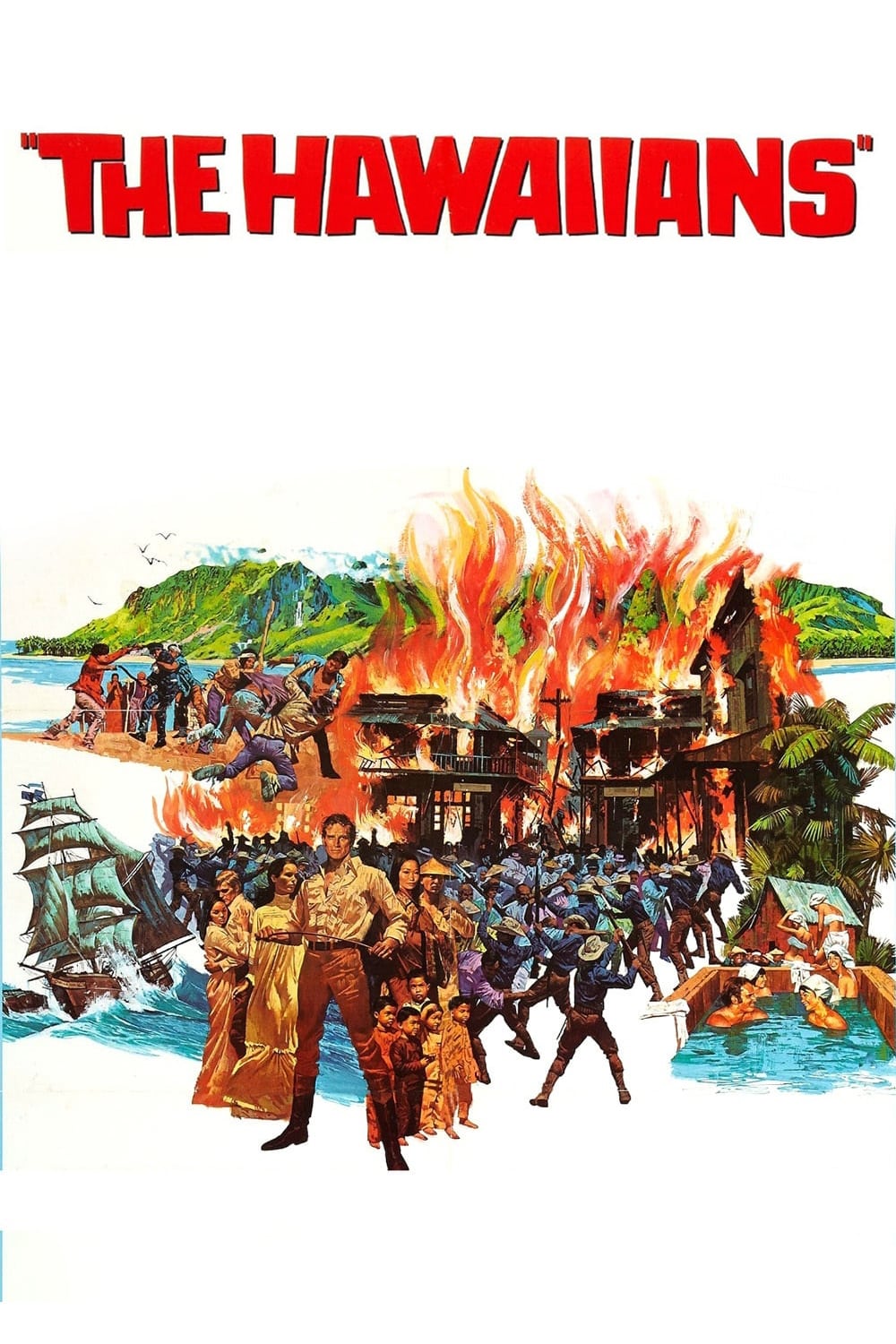
This historical drama, based on the novel by James A. Michener, follows the lives of a family in Hawaii over several decades. Chaplin played Purity Hoxworth, the devoted wife of a sea captain played by Charlton Heston.
Her character endures hardship and tragedy as she supports her ambitious husband. The role was a significant part in a large-scale Hollywood production, placing her once again in a major epic alongside a legendary leading man.
‘Perched on a Tree’ (1971)
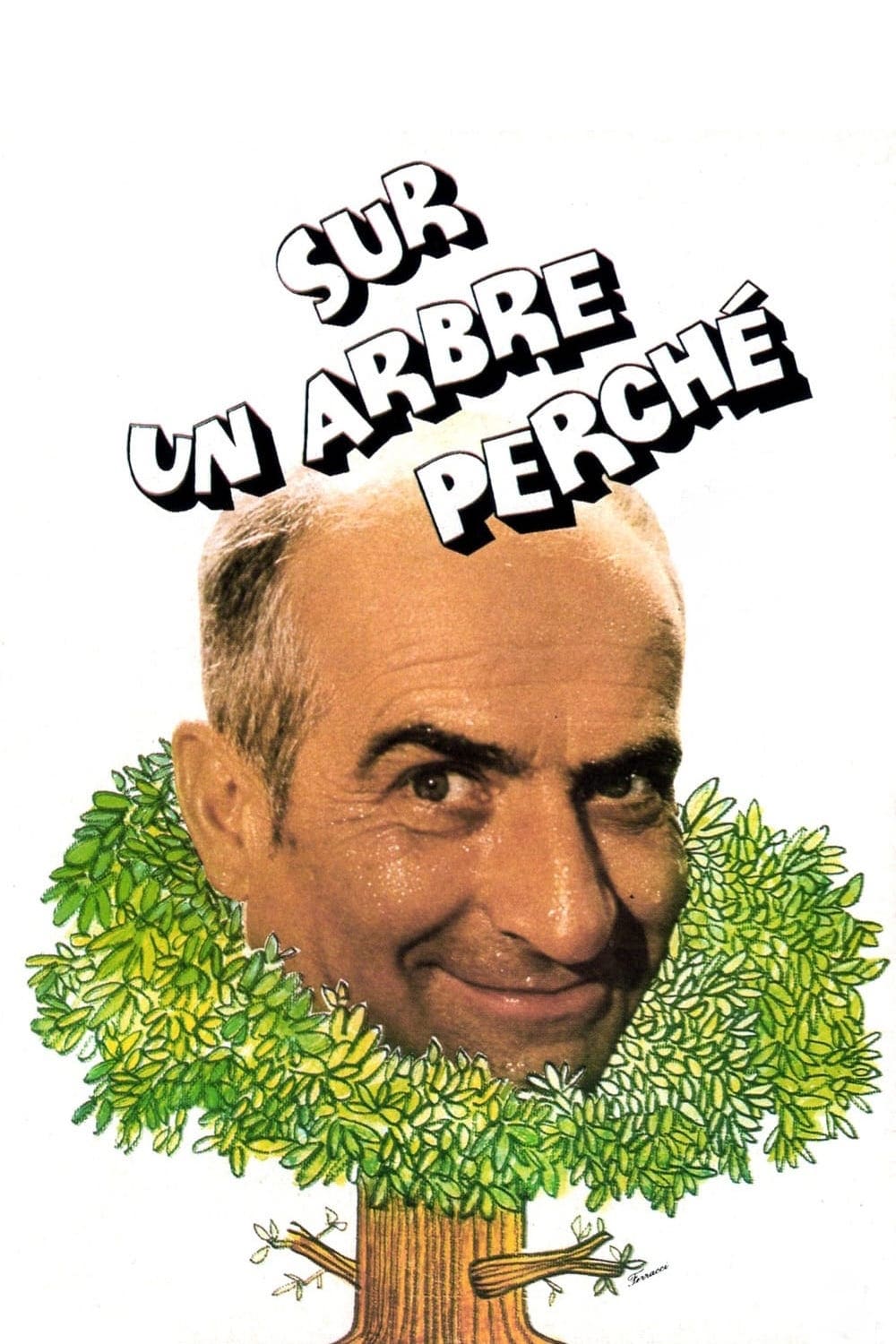
In this French comedy, Chaplin played Mrs. Muller. The plot follows three people who become trapped in a car precariously perched on the edge of a cliff in a lone pine tree. The film explores how they interact while awaiting rescue.
The movie’s absurd premise required strong comedic and dramatic performances from its small cast. Chaplin’s role contributed to the strange and funny dynamic between the stranded characters.
‘A House Without Boundaries’ (1972)
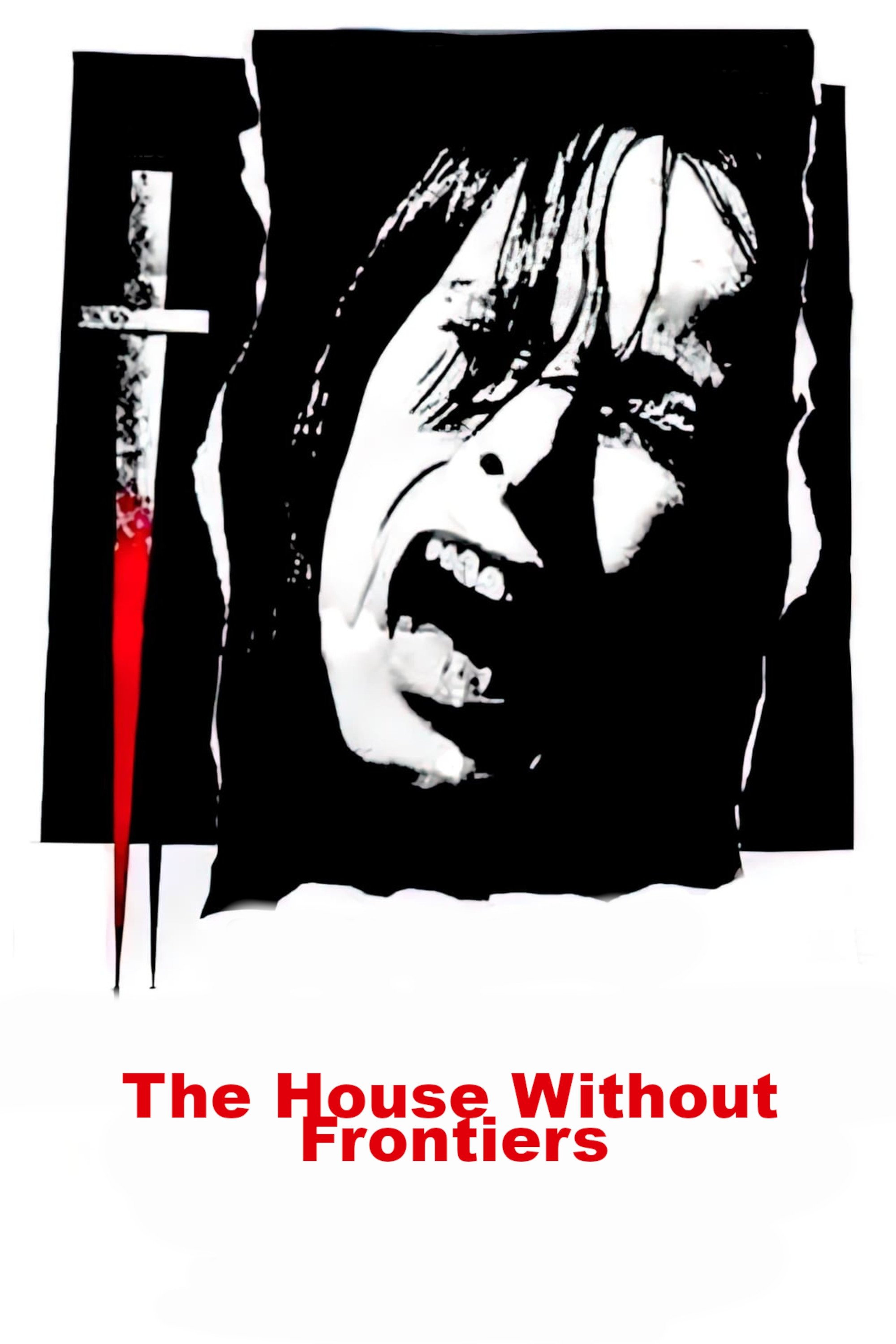
Chaplin starred as Lucía Alfaro in this Spanish mystery film. She plays a young woman who returns to her childhood home, now a hotel, to investigate the mysterious disappearance of a man. Her search uncovers dark secrets about her own family’s past.
This was another leading role in Spanish cinema that showcased her talent for playing complex, introspective characters. The film is an atmospheric thriller, and her performance drives the central mystery.
‘Innocent Bystanders’ (1972)
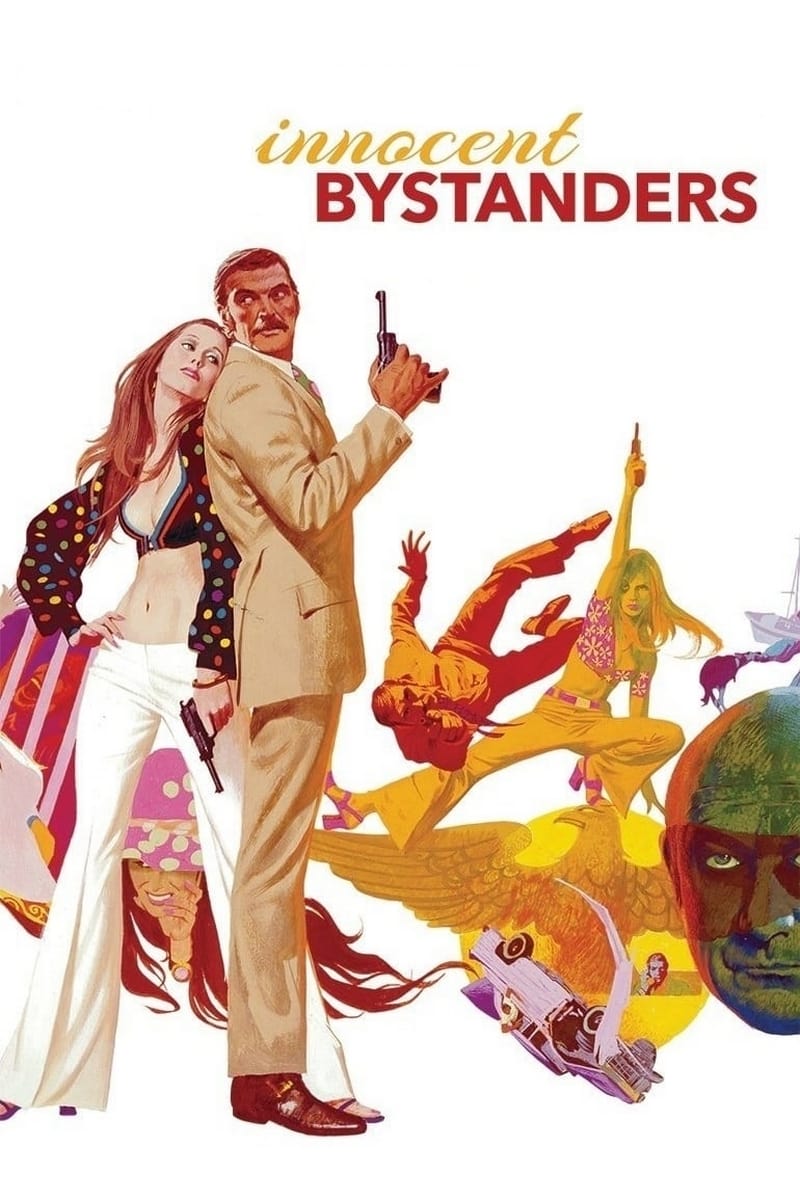
In this Cold War spy thriller, Chaplin played Miriam Loman. The story follows a British secret agent who is sent to rescue a Russian scientist, but he finds himself in a deadly game with rival agents. Chaplin’s character is a mysterious woman who becomes entangled in the plot.
She brought an enigmatic quality to her role in this action-packed film. It was another example of her ability to work in a wide variety of popular genres alongside major international stars.
‘Z.P.G.’ (1972)
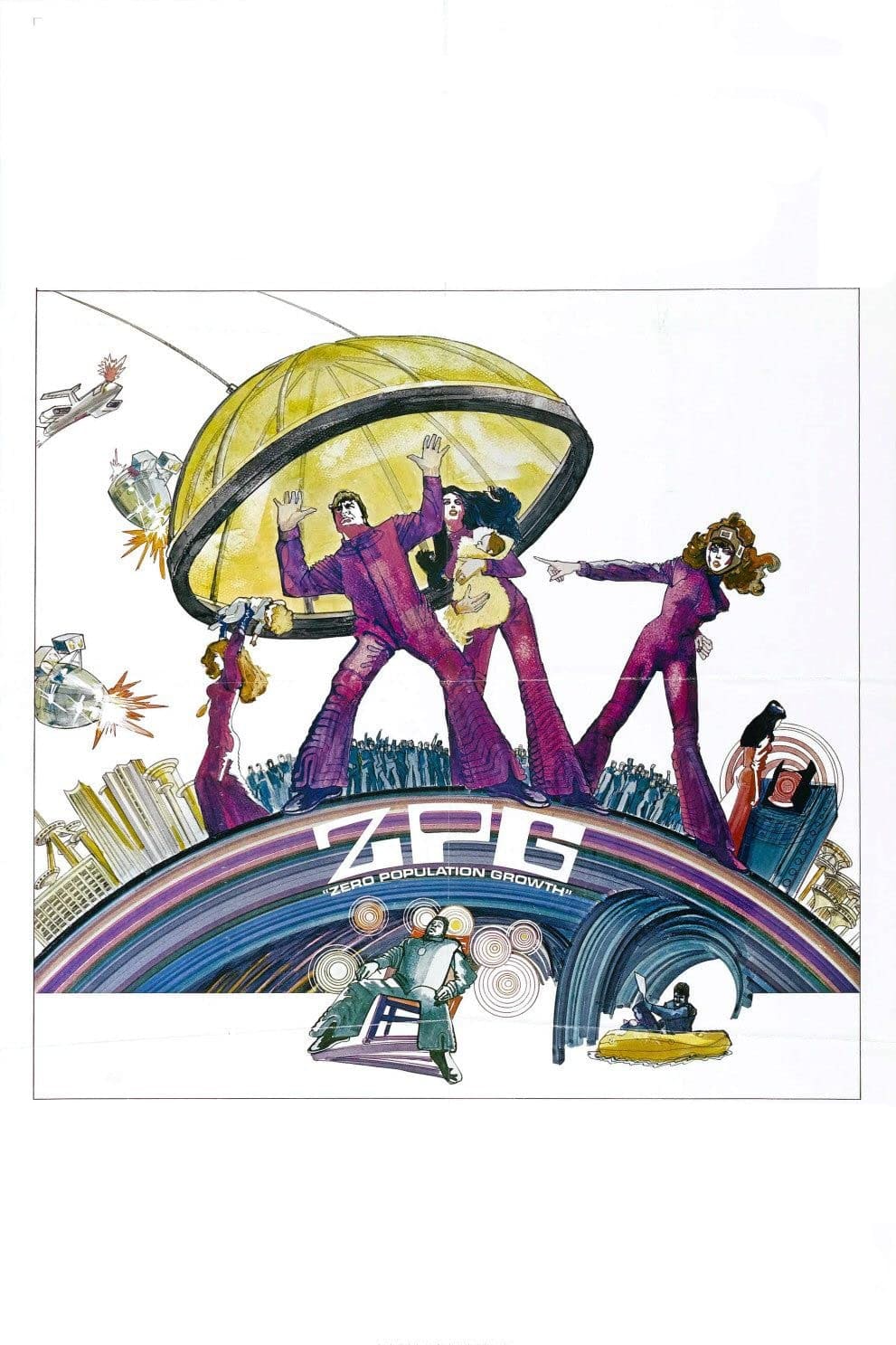
Set in a grim, overcrowded future, this science fiction film stars Chaplin as Carol McNeil. In this world, the government has outlawed pregnancy for 30 years to combat overpopulation. Carol and her husband defy the law by secretly having a baby.
Chaplin’s performance captured the desperation and fierce maternal instinct of a woman risking everything for the chance to have a child. The film was a chilling dystopian story, and her emotional portrayal was central to its impact.
‘Anna and the Wolves’ (1973)
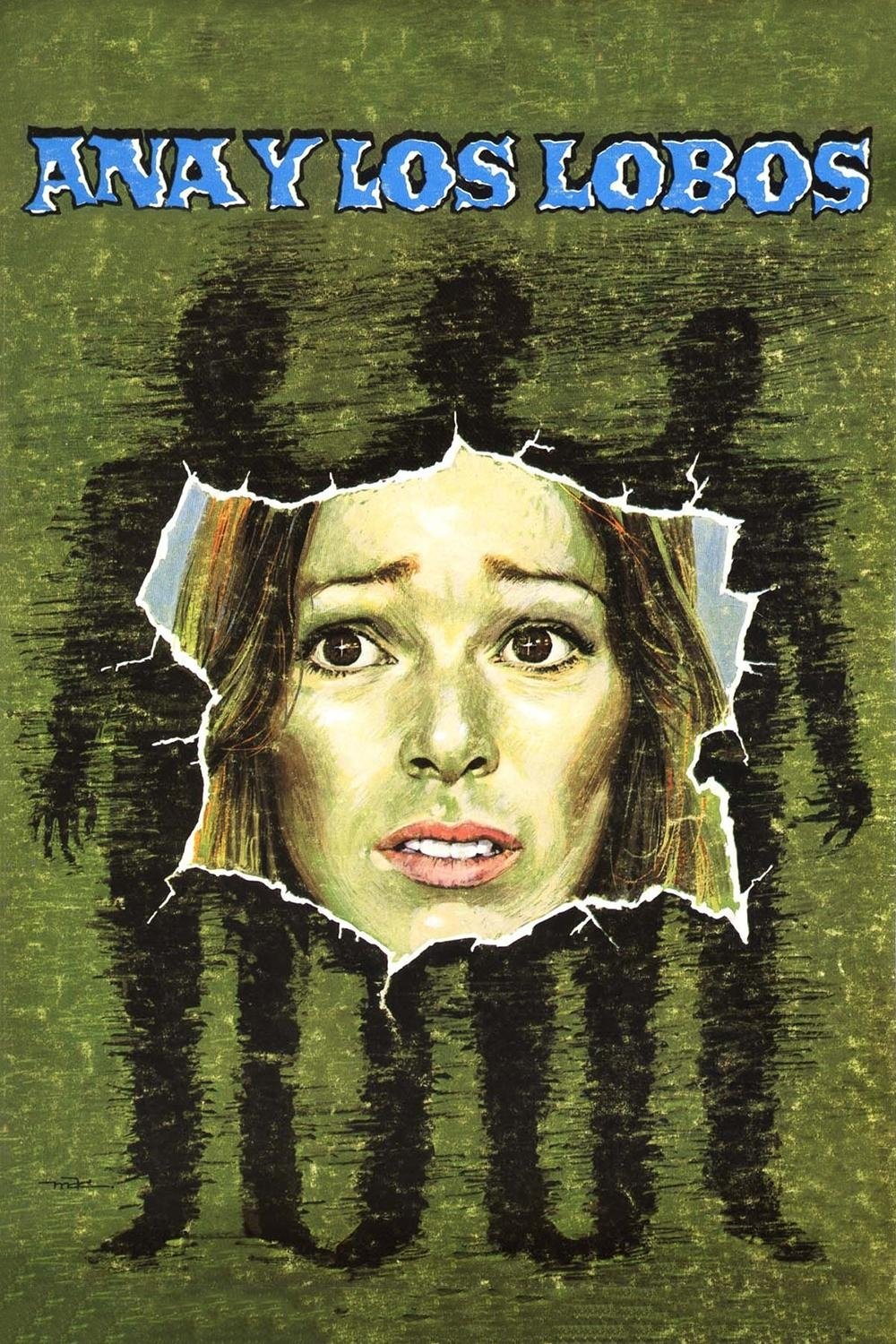
In this surreal Spanish allegory from Carlos Saura, Chaplin played Ana, a young English governess hired to work for a strange, decaying aristocratic family in a remote mansion. The three brothers of the house each represent a different repressive force in Spanish society: religion, military, and sexuality.
Her character acts as an outside force that disrupts the family’s bizarre and ritualistic existence. Chaplin’s performance is the calm center of this strange and symbolic film, which served as a critique of Franco-era Spain.
‘The Three Musketeers’ (1973)
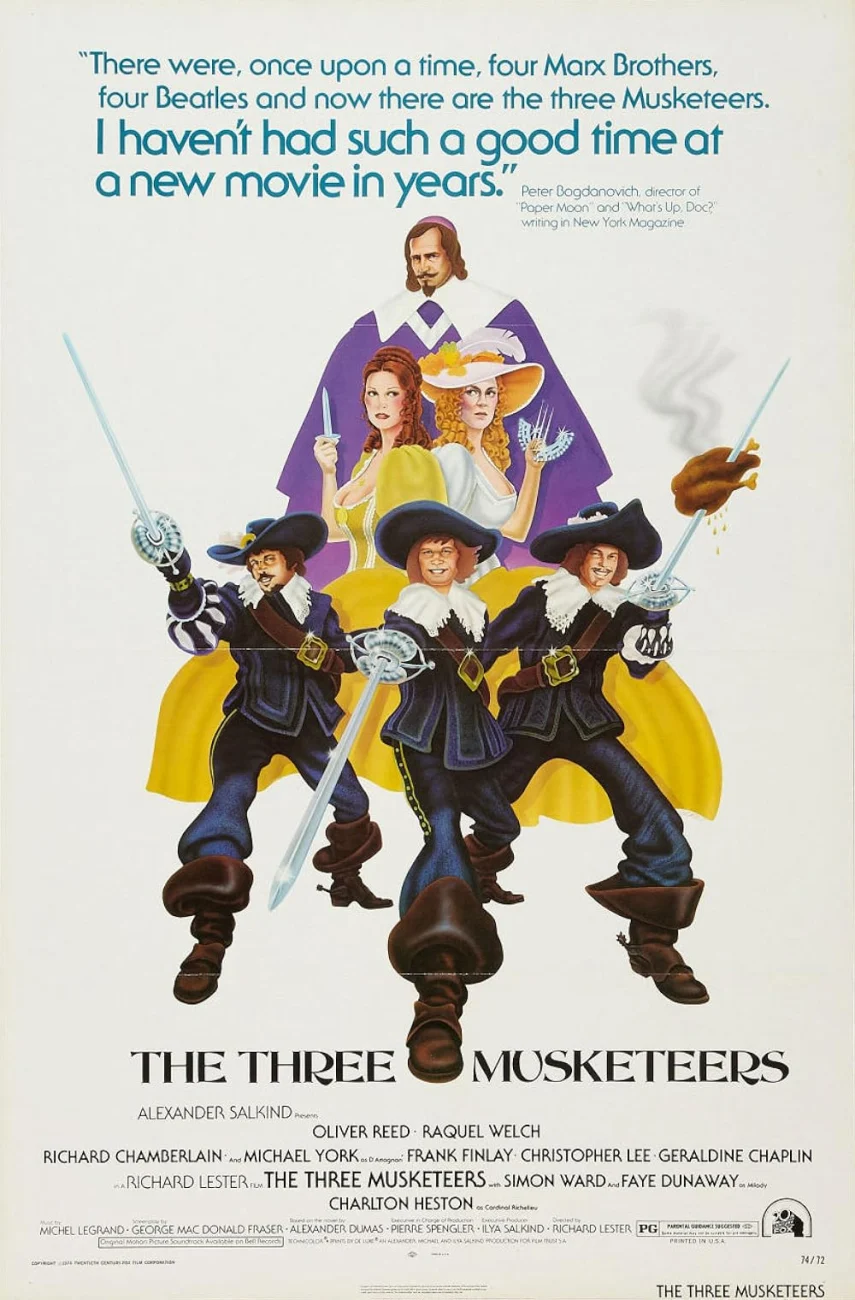
Chaplin portrayed Anne of Austria, the Queen of France, in Richard Lester’s acclaimed adaptation of the classic novel. Her illicit romance with the Duke of Buckingham and the gift of a diamond necklace sets the main plot in motion, requiring the Musketeers to save her honor.
Chaplin brought grace and vulnerability to the role of the beleaguered queen. Her performance was a key part of the film’s star-studded international cast, and she would reprise the role in the sequel.
‘The Four Musketeers’ (1974)
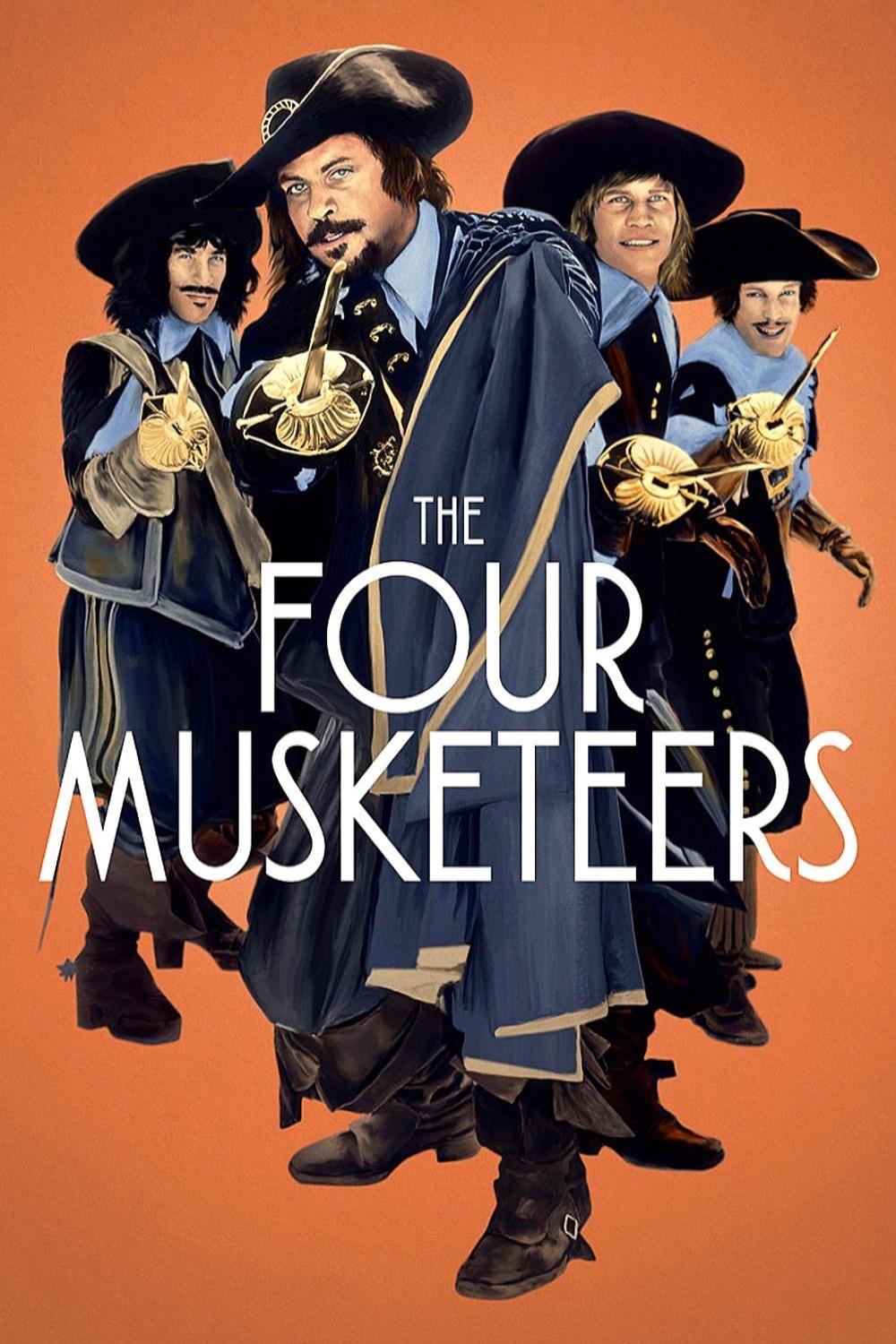
Filmed at the same time as ‘The Three Musketeers’, this sequel continues the story with a darker and more dramatic tone. Chaplin returned as Queen Anne, who faces continued threats from the villainous Cardinal Richelieu and Milady de Winter.
Her character has a more serious and dramatic arc in this installment. Her continued presence was essential to the epic story, cementing her as a familiar face in one of the most beloved film adaptations of the era.
‘Cría cuervos’ (1975)
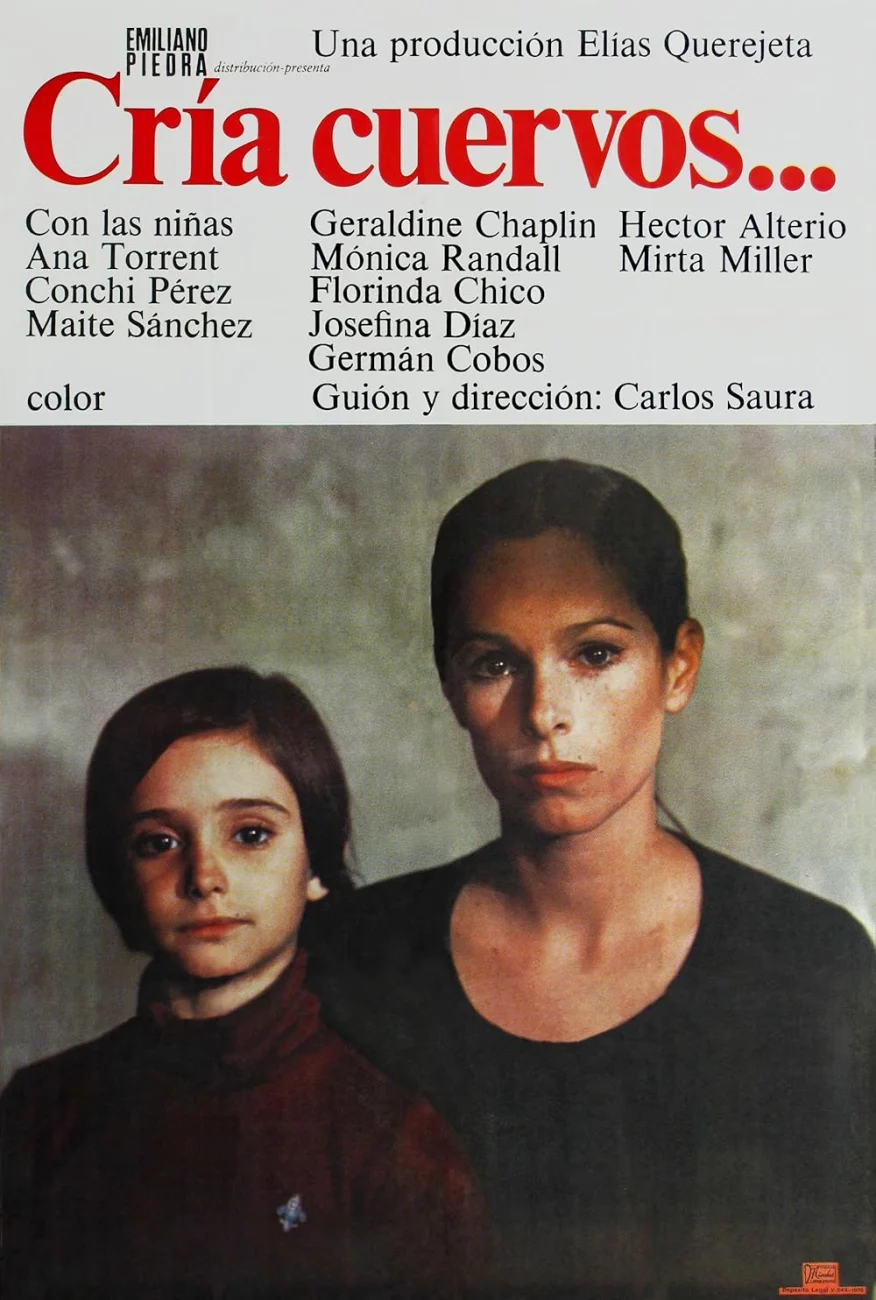
In this masterpiece from Carlos Saura, Chaplin played the dual role of Maria, the mother of the central child protagonist, and Ana, the adult version of the girl looking back on her childhood. The film is a haunting meditation on memory, family, and death set in the final years of Franco’s Spain.
This is often considered one of her greatest and most iconic performances. Playing both the idealized memory of a mother and the melancholic adult daughter, she provided the film with its profound emotional depth.
‘Nashville’ (1975)
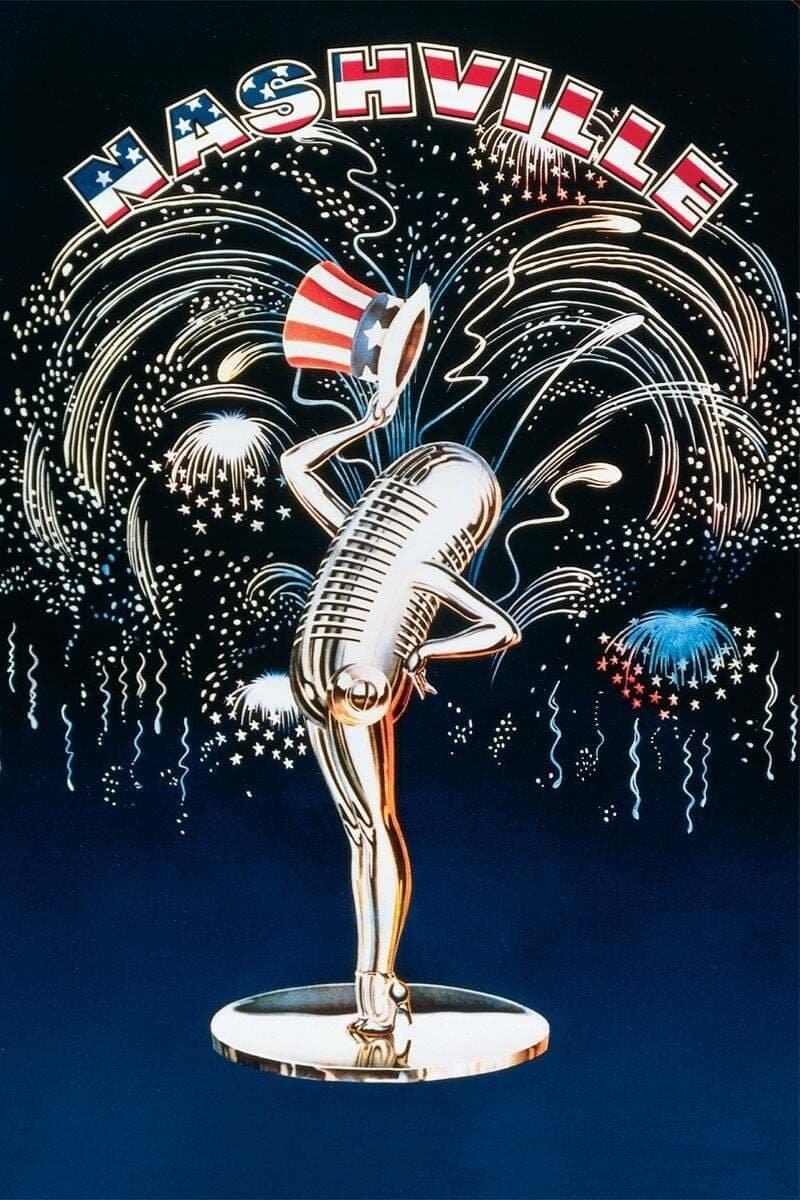
Chaplin played the eccentric and determined BBC reporter Opal in Robert Altman’s satirical masterpiece about the country and gospel music scene. Opal wanders through the film’s many storylines, interviewing people and offering bizarre, poetic observations on everything she sees.
Her performance was a comedic highlight, and she earned a Golden Globe nomination for Best Supporting Actress. Chaplin perfectly captured the absurdity of her character, creating a memorable portrait of an outsider trying to make sense of America.
‘Buffalo Bill and the Indians, or Sitting Bull’s History Lesson’ (1976)
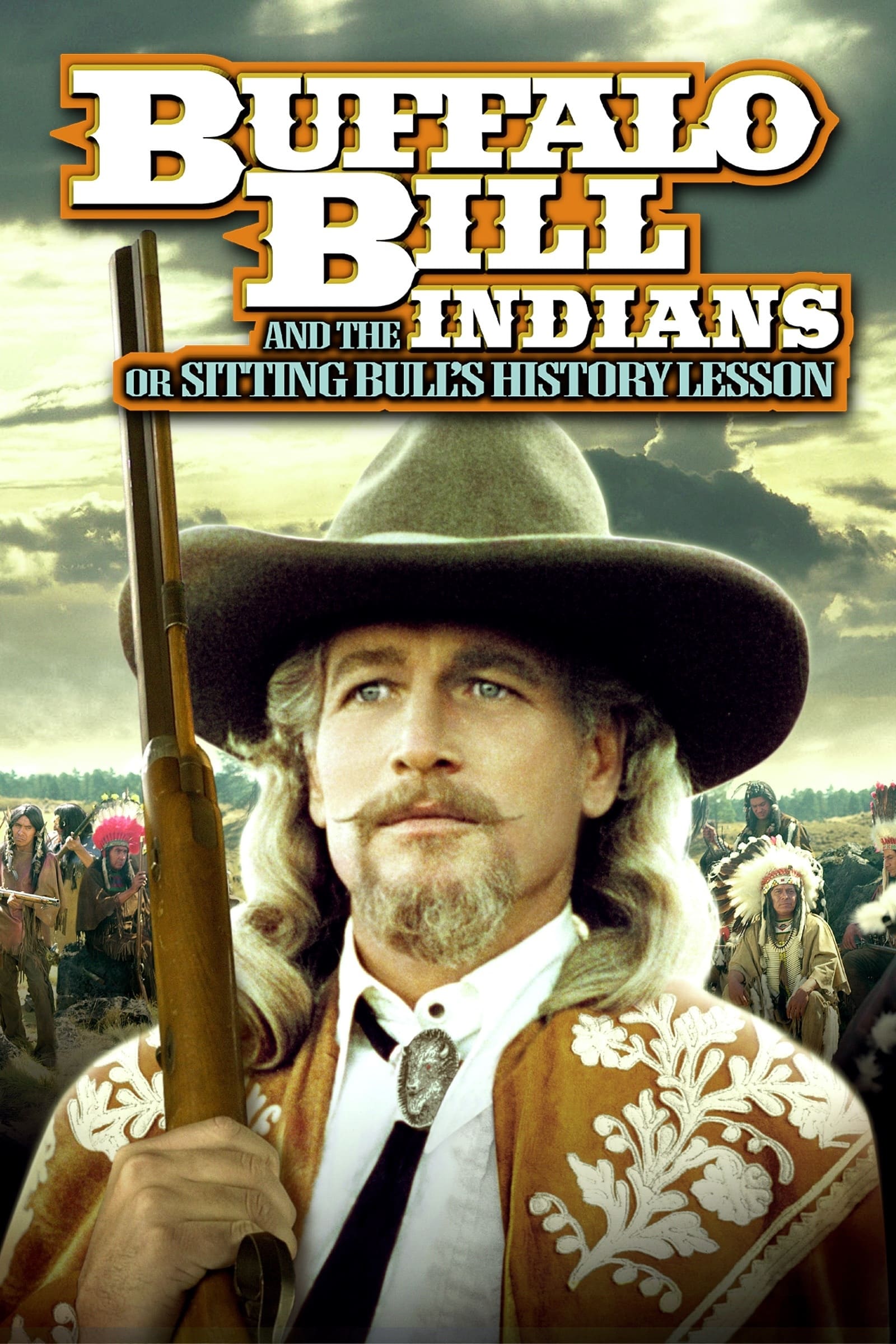
In her second film with Robert Altman, Chaplin portrayed the legendary sharpshooter Annie Oakley. The film is a satirical look at show business and the myth of the American West, centered on Buffalo Bill’s Wild West show.
Chaplin’s interpretation of Annie Oakley was not that of a confident star, but of a quiet and often overlooked performer who was the real talent of the show. Her subtle performance was a key part of the film’s revisionist take on American history.
‘Welcome to L.A.’ (1976)
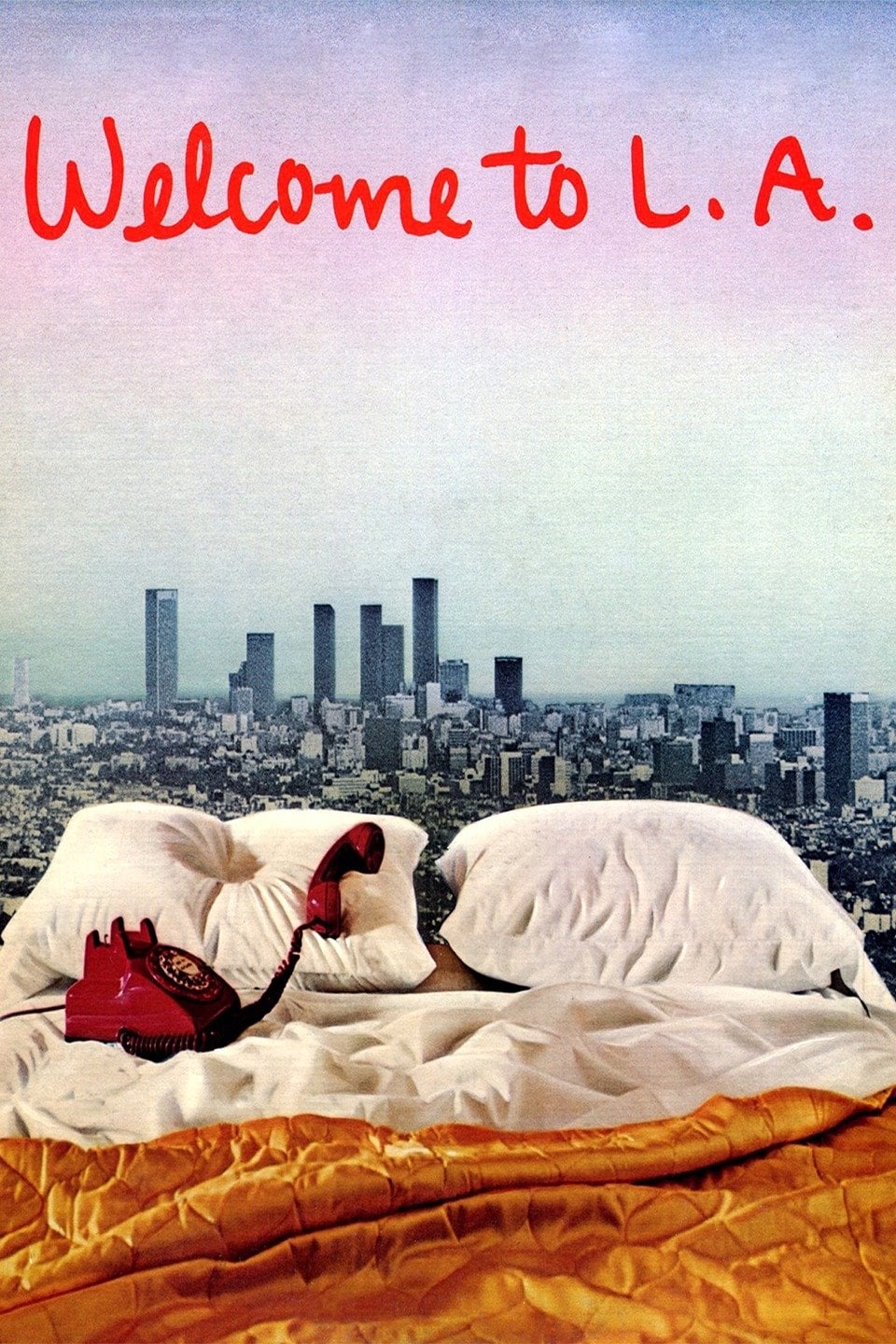
Produced by Robert Altman and directed by his protégé Alan Rudolph, this film explores the lonely and disconnected lives of a group of wealthy residents of Los Angeles. Chaplin played Karen Hood, a housewife obsessed with a visiting musician.
The role earned her a BAFTA nomination for Best Supporting Actress. Her performance was a poignant and realistic portrayal of suburban loneliness and quiet desperation, making her a standout in the ensemble cast.
‘Elisa, My Life’ (1977)
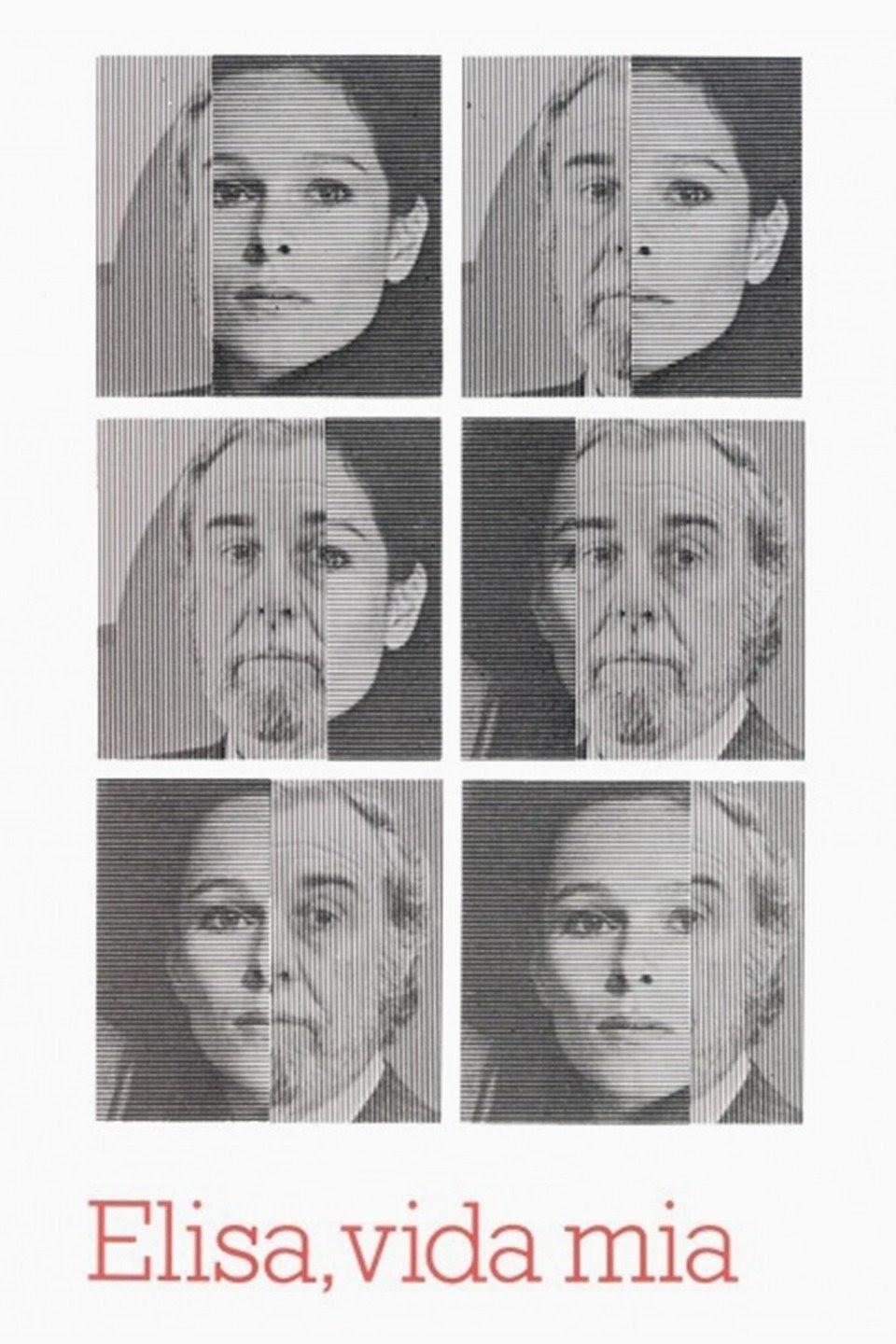
Reuniting with Carlos Saura, Chaplin played the lead role of Elisa, who leaves her husband and takes her daughter to visit her estranged father in a remote house. The film blurs the lines between reality, memory, and a novel her father is writing, with Chaplin also playing the role of her own mother in flashbacks.
This complex, multi-layered role is another highlight of her work with Saura. The film is a deep, introspective study of family relationships and the nature of storytelling, and her performance is at its very core.
‘Roseland’ (1977)
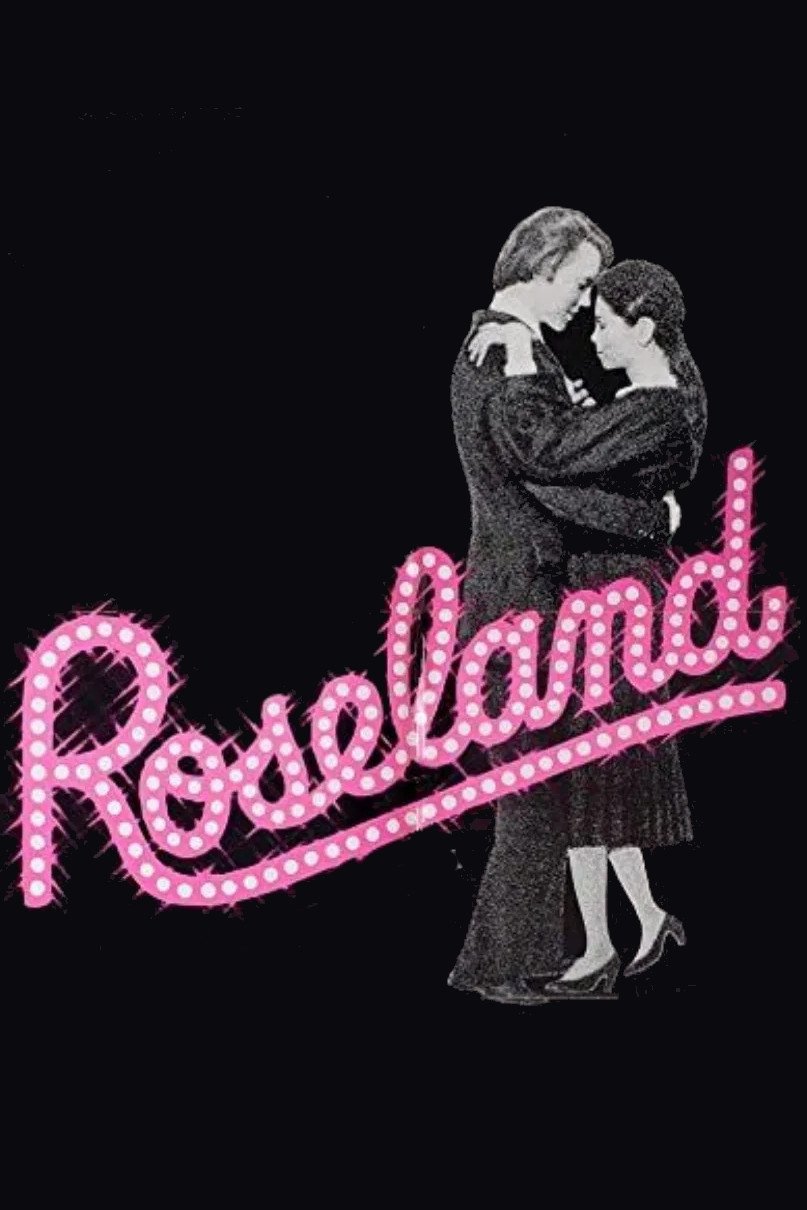
This film, directed by James Ivory, tells three separate stories that all take place in New York’s famous Roseland Ballroom. Chaplin starred in the third and most memorable segment as Marilyn, a desperate woman who believes a dance partner can solve all her problems.
Her performance was deeply moving, capturing the tragic optimism of a character looking for salvation in a fantasy world. It was a powerful portrayal of loneliness and the human need for connection.
‘A Wedding’ (1978)
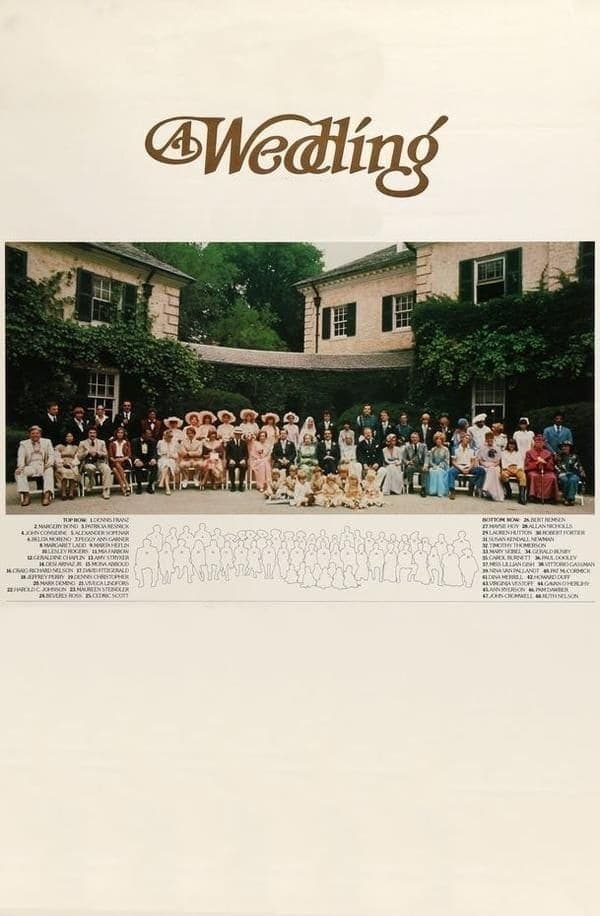
In this sprawling satirical comedy from Robert Altman, Chaplin played Rita Billingsley, a socially awkward wedding planner trying to manage a chaotic and disastrous high-society wedding. Her character desperately tries to maintain order as two dysfunctional families collide.
Chaplin delivered a hilarious performance as the highly professional but utterly flustered planner. She was a key comedic force in the massive ensemble cast, proving her skill for both subtle drama and broad comedy.
‘Remember My Name’ (1978)

In this neo-noir film directed by Alan Rudolph, Chaplin starred as Emily, a mysterious woman who is released from prison and proceeds to systematically terrorize her ex-husband and his new wife. Her motives are slowly revealed as the film unfolds.
This was a rare and powerful leading role for Chaplin in an American film. Her performance as the obsessive and vengeful Emily was intense and unsettling, earning her awards for Best Actress at several film festivals.
‘Mama Turns 100’ (1979)
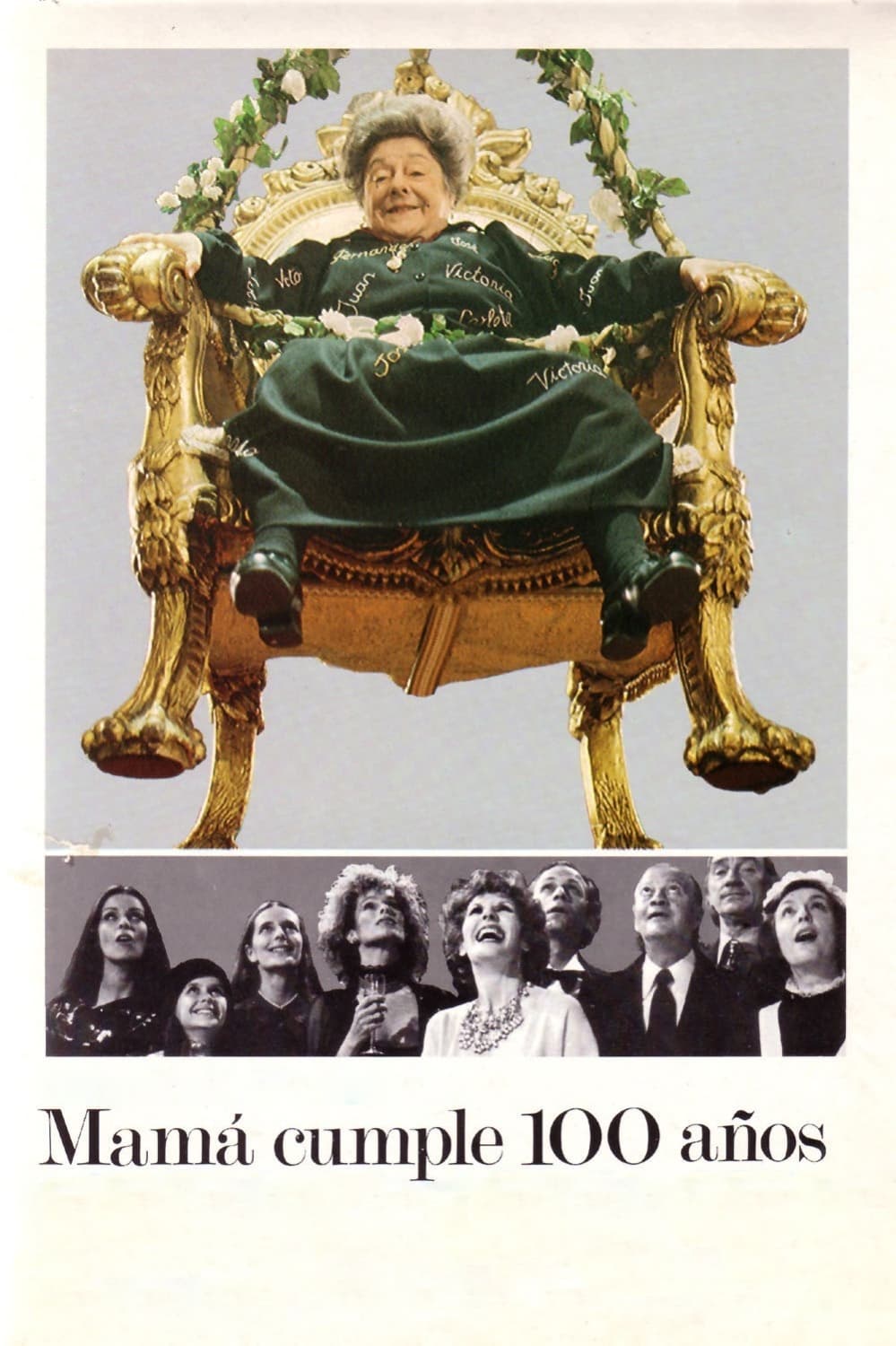
This film served as a sequel to ‘Ana and the Wolves’, with Chaplin reprising her role as Ana. She returns to the family’s decaying mansion to visit the elderly matriarch on her 100th birthday, finding that the strange family dynamics have both changed and stayed the same.
The film revisits the allegorical themes of the original but with a lighter, more comedic tone. Chaplin’s return to the character provided a fascinating look at the evolution of both the family and Spain itself as it moved into a new, post-Franco era.
‘The Mirror Crack’d’ (1980)
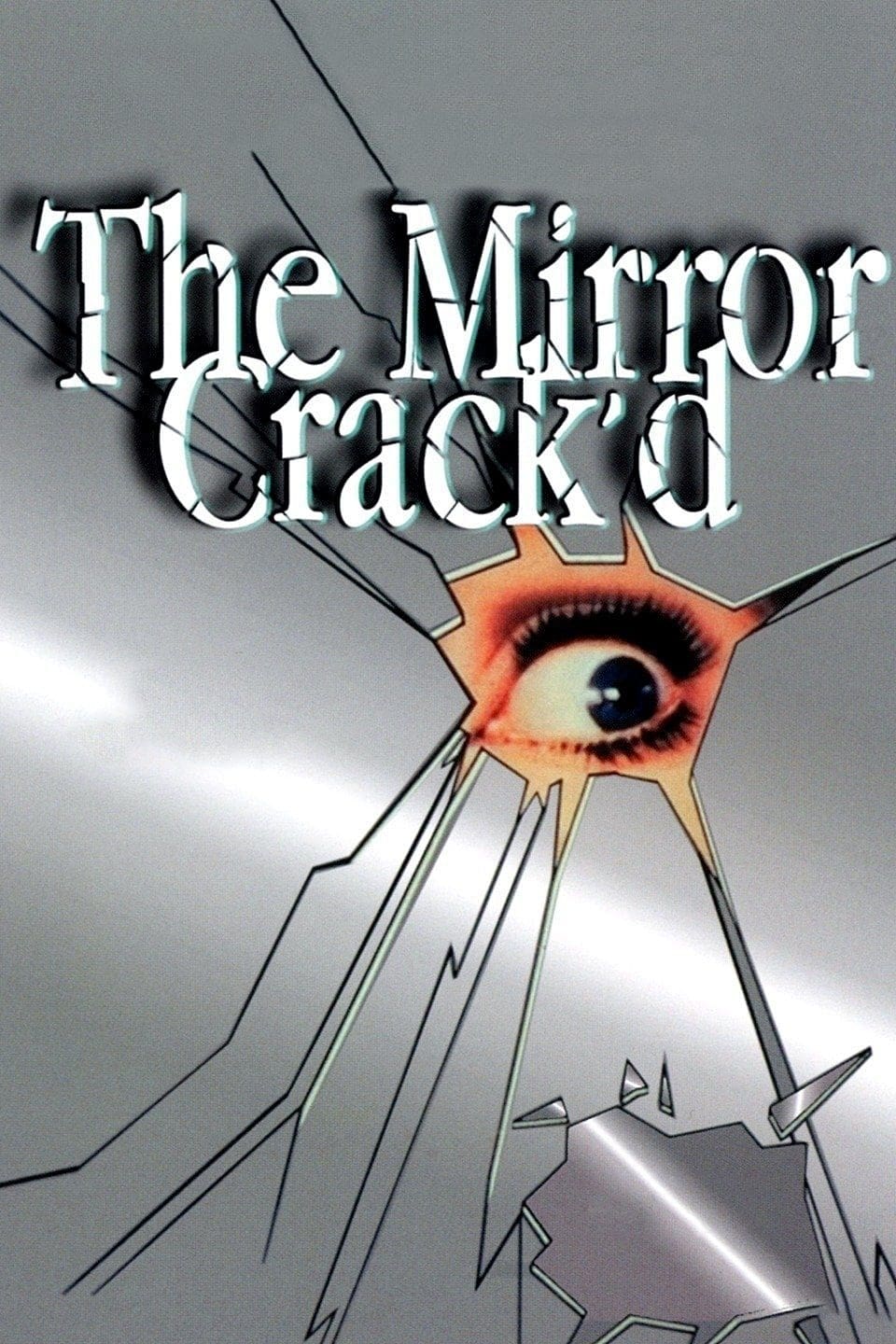
In this Agatha Christie adaptation, Chaplin played Ella Zielinsky, the loyal and sharp-tongued assistant to a famous movie star played by Elizabeth Taylor. The film is a classic whodunit set in the world of a Hollywood production filming in a small English village.
She held her own in a cast full of screen legends, including Angela Lansbury as Miss Marple. Her character is a key part of the mystery, and she brought wit and intelligence to the supporting role.
‘Life Is a Bed of Roses’ (1983)

This imaginative French film by director Alain Resnais weaves together three different stories from three different time periods, all set in the same castle. Chaplin played Nora Winkle, part of a modern-day storyline about an educational conference where participants engage in bizarre experiments.
Her role was part of the film’s surreal and philosophical exploration of utopian ideals. It marked another collaboration with a legendary European auteur, further cementing her status in international art-house cinema.
‘Les Uns et les Autres’ (1984)
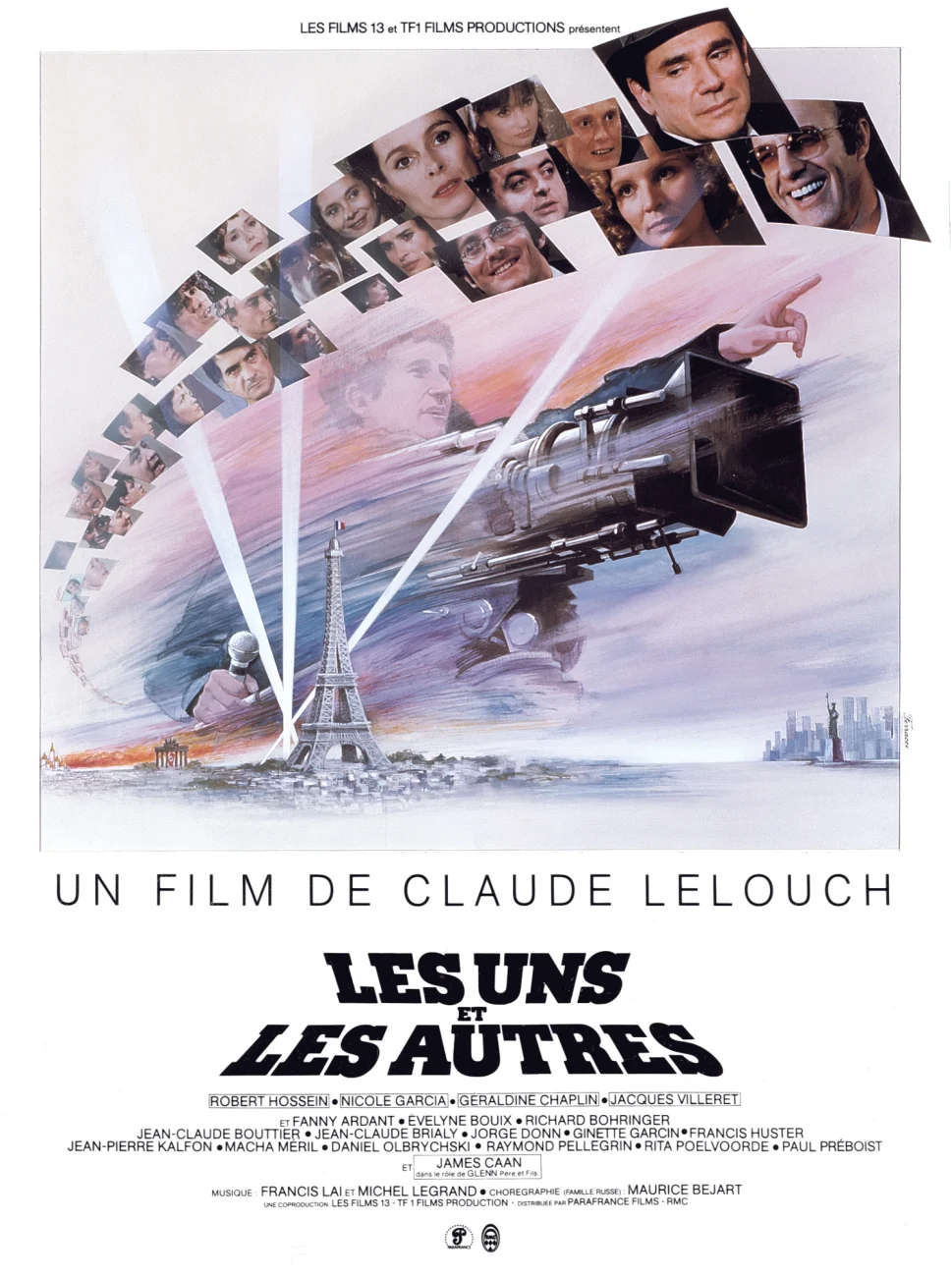
In Claude Lelouch’s epic musical drama, which spans several decades, Chaplin played the dual role of Suzanne Glenn and her daughter, Sara. The film follows the intertwined destinies of four families of different nationalities, whose lives are shaped by World War II.
Playing both mother and daughter across a vast historical canvas was a testament to her range. The film was a massive international production, and her performance was central to one of its key family sagas.
‘Love on the Ground’ (1984)
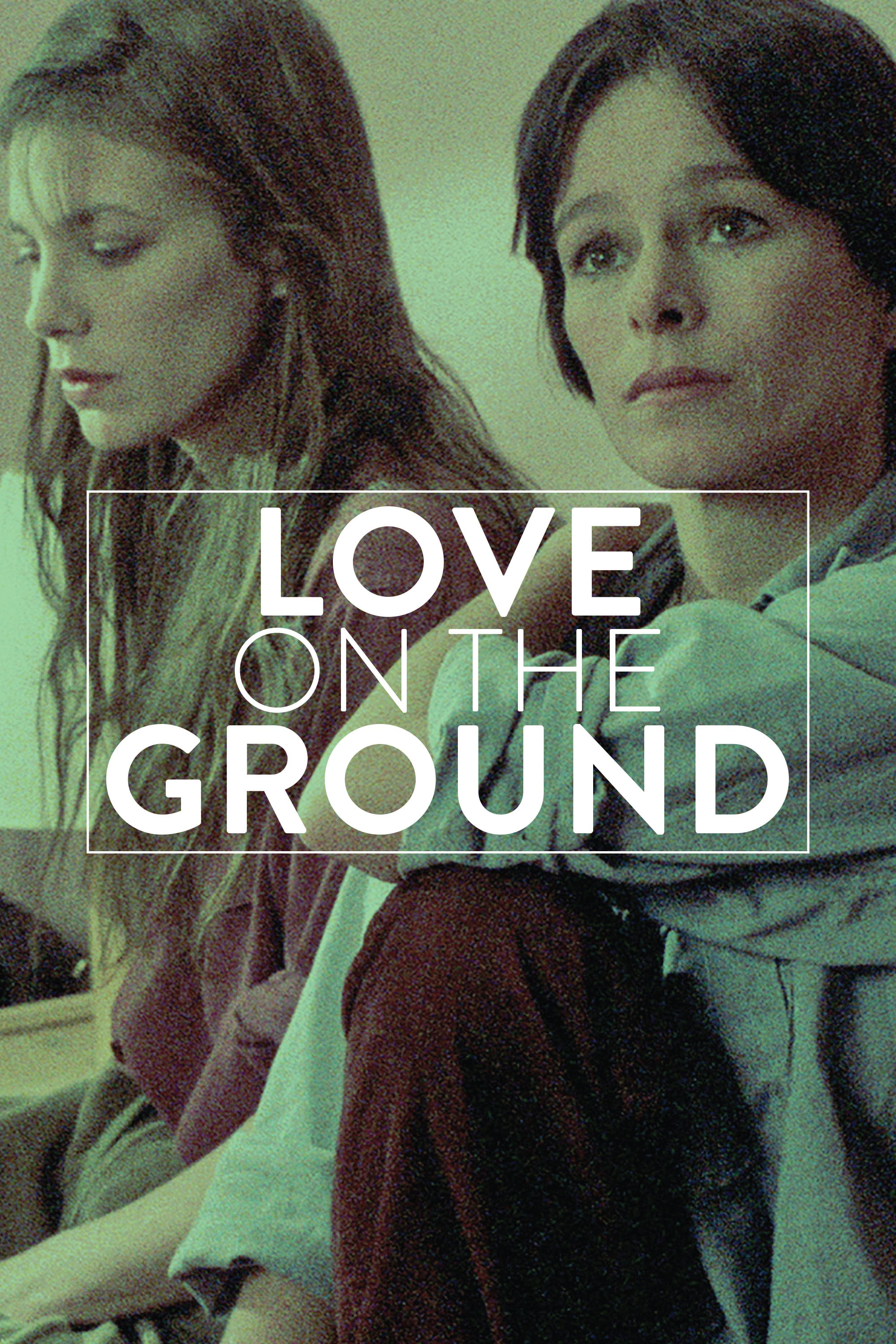
In this experimental French film by director Jacques Rivette, Chaplin played Charlotte. She and a fellow actress are invited to a strange mansion by a playwright to rehearse his new play, but they soon find that the lines between the play and their real lives are dissolving.
The film is a complex and lengthy exploration of performance and reality, typical of its director. Chaplin’s role required her to navigate the film’s mysterious and constantly shifting narrative, showcasing her adventurous spirit as a performer.
‘White Mischief’ (1987)
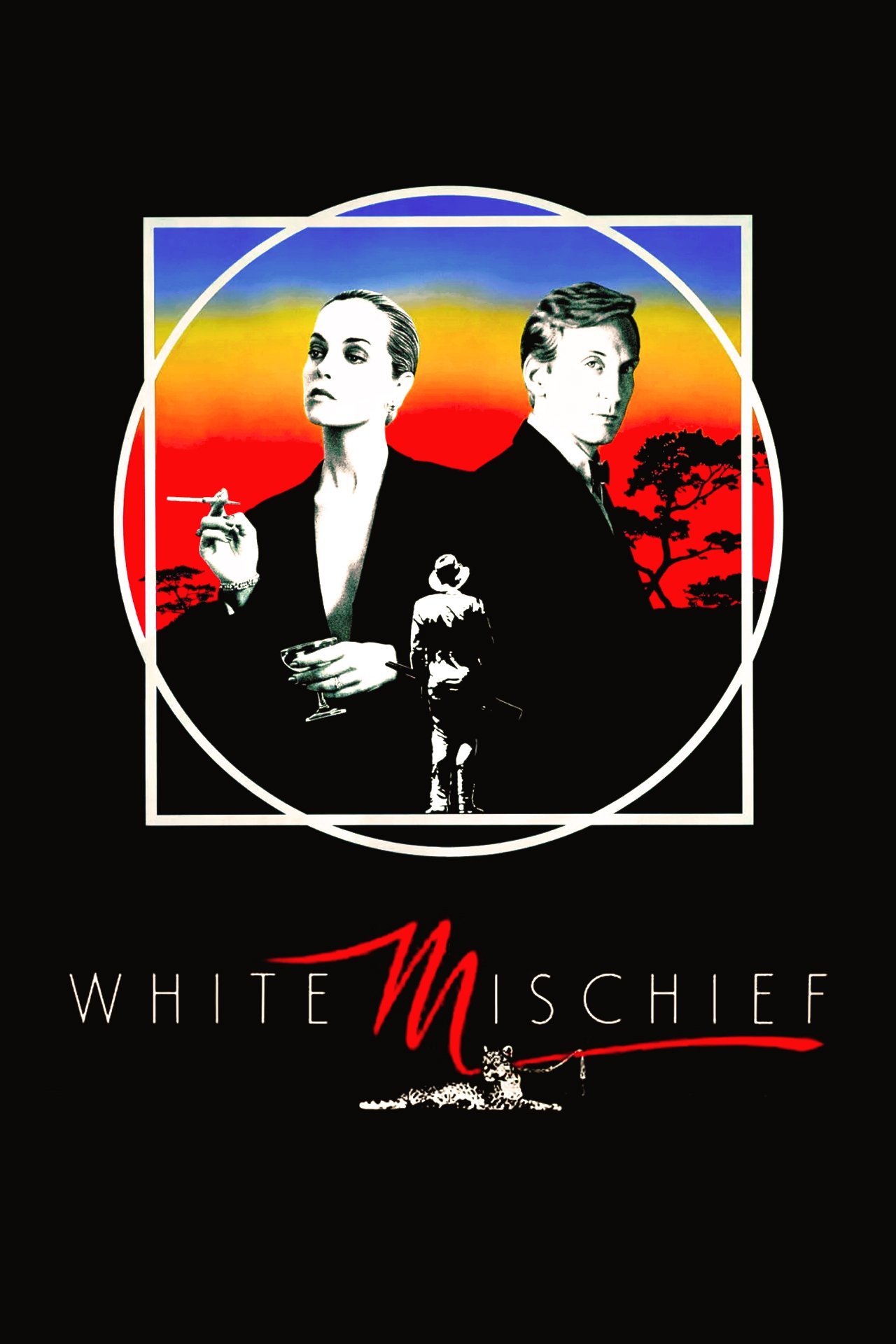
Based on a true story, this British film depicts the hedonistic and scandalous lives of a group of wealthy British aristocrats living in Kenya during World War II. Chaplin played Nina Soames, a member of this decadent and gossipy community.
She provided a memorable supporting performance in a cast of acclaimed British actors. Her character added to the film’s atmosphere of moral decay and looming tragedy.
‘The Moderns’ (1988)
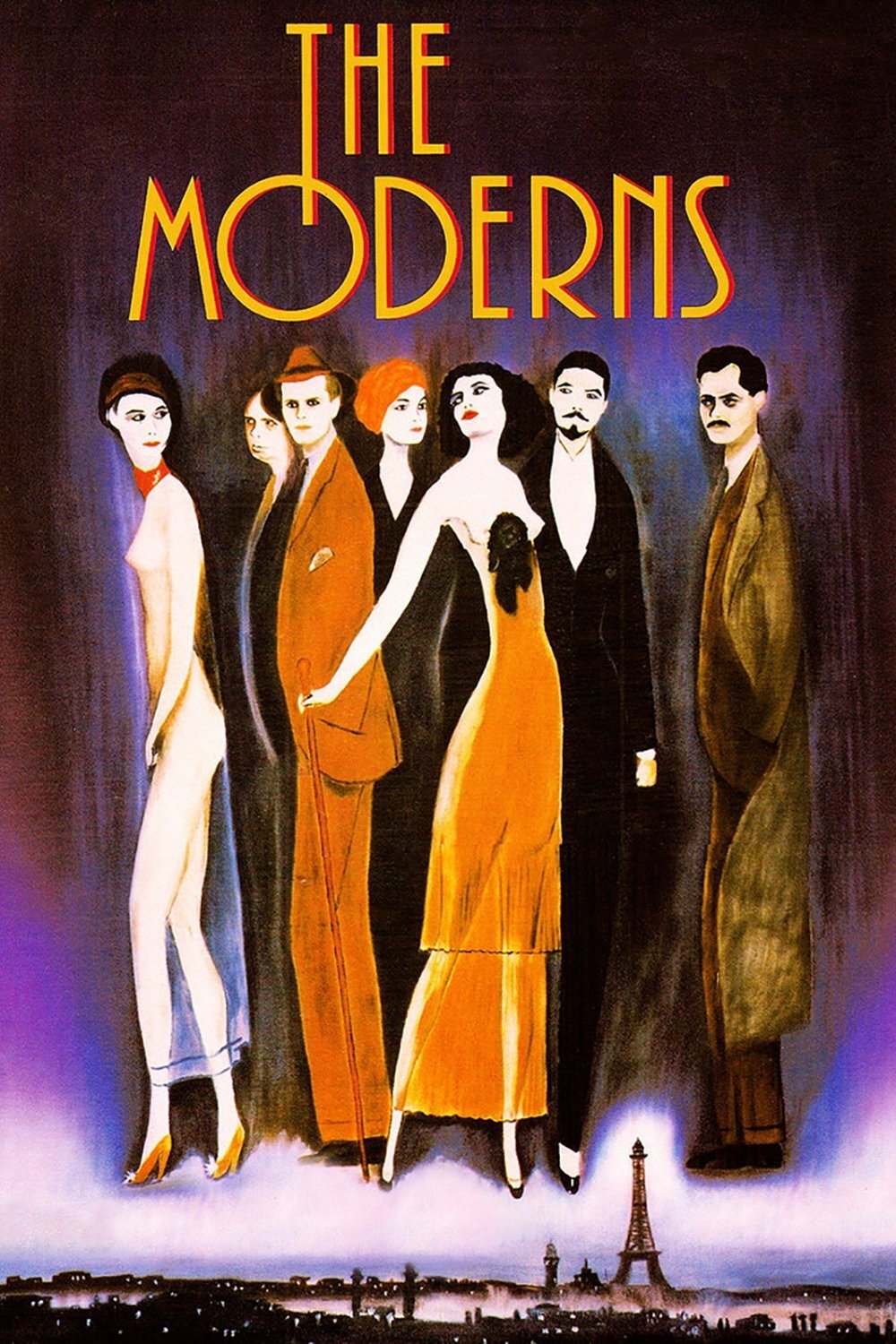
In her third film with Alan Rudolph, Chaplin played Nathalie de Ville, the manipulative and wealthy wife of a powerful art collector in 1920s Paris. The story revolves around a struggling American artist who gets involved in a scheme to forge famous paintings.
Chaplin was perfectly cast as the sophisticated and deceitful patron of the arts. She brought a sense of glamour and danger to her role, fitting seamlessly into the film’s stylish recreation of the Lost Generation.
‘I Want to Go Home’ (1989)
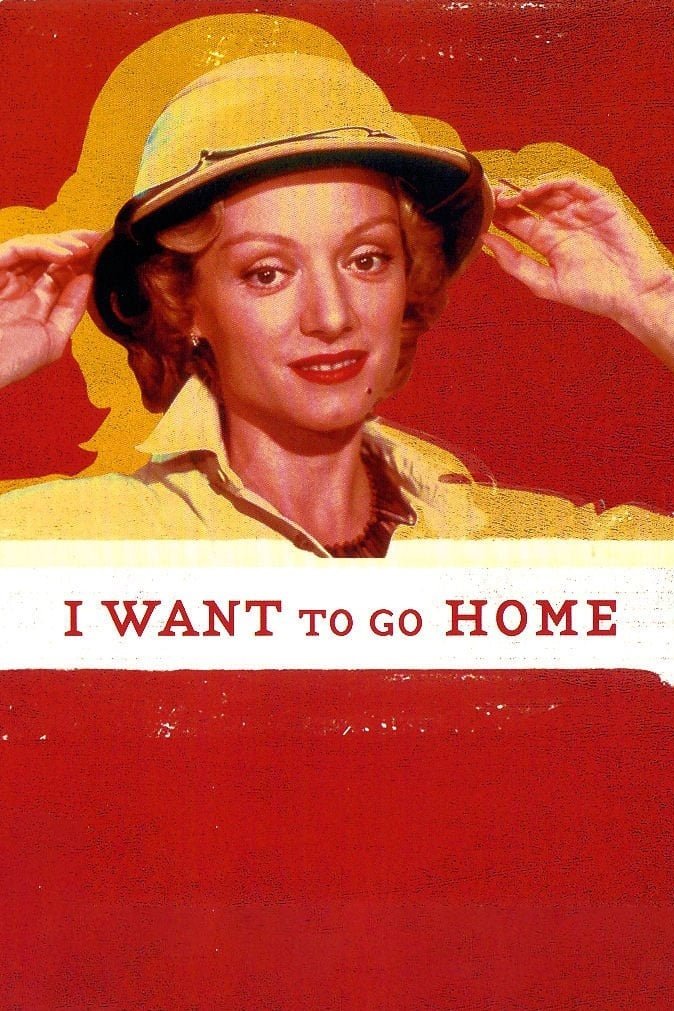
Directed by Alain Resnais, this French comedy follows an American cartoonist who visits his daughter in Paris and experiences a major culture shock. Chaplin played Terry Armstrong, a French intellectual and film scholar.
Her role was part of the film’s playful exploration of the differences between French and American culture. It was another collaboration with a master of French cinema, highlighting her respected position in the European film community.
‘The Return of the Musketeers’ (1989)
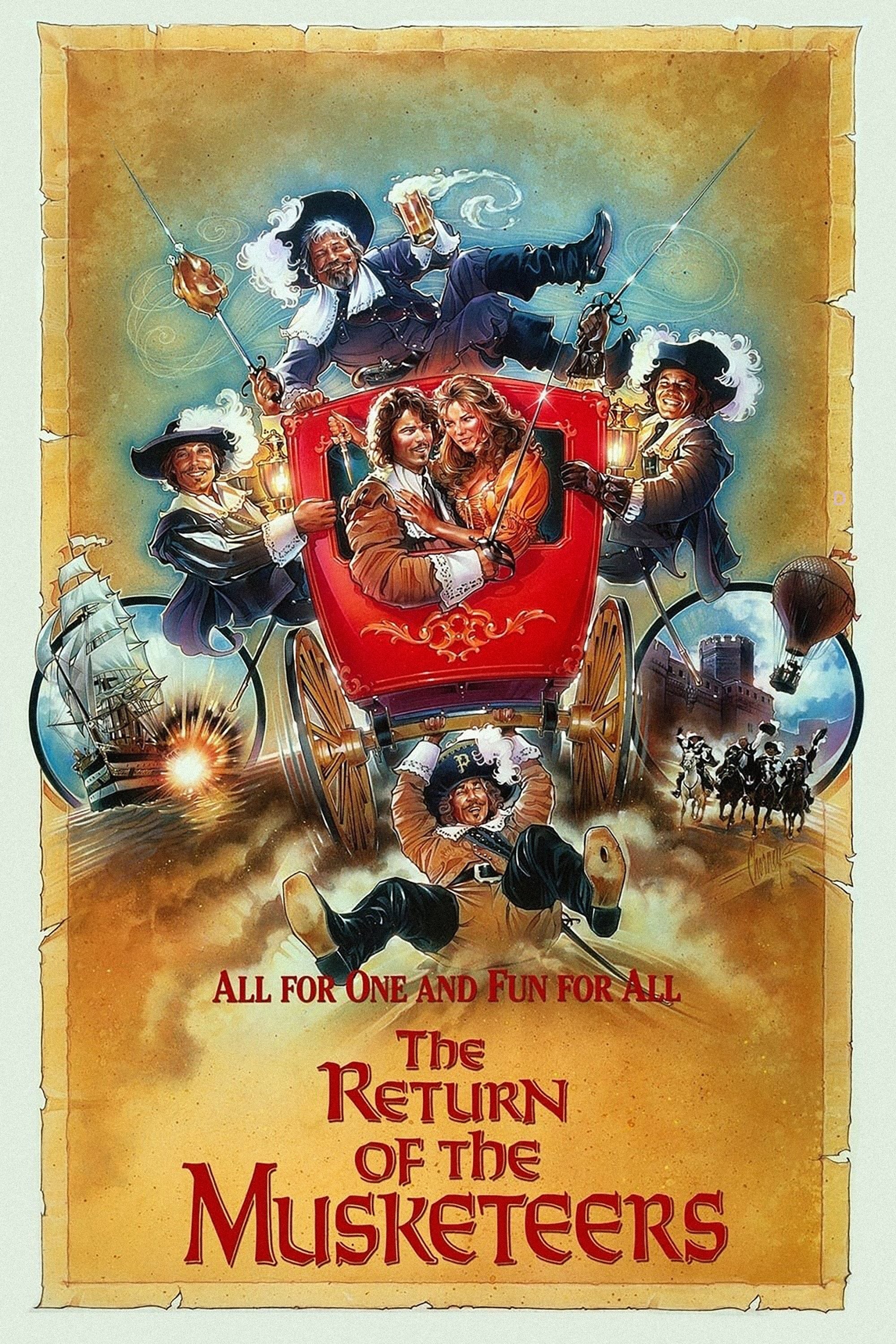
Chaplin reprised her role as Queen Anne of Austria for a third time in this sequel, which reunited the cast and director of the original films. Set 20 years later, the film finds the aging Musketeers coming out of retirement for one last adventure.
Although her role was smaller, her return provided a crucial link to the beloved earlier films. She portrayed the older, wiser queen with the same grace and elegance she brought to the character in her youth.
‘Chaplin’ (1992)
In Richard Attenborough’s biographical film about her father, Geraldine Chaplin took on the poignant role of her own paternal grandmother, Hannah Chaplin. The film depicts Hannah’s struggles with poverty and mental illness, which profoundly shaped Charlie Chaplin’s childhood.
Her performance was deeply moving and critically acclaimed, earning her a third Golden Globe nomination. Playing her own grandmother, she brought a profound sense of authenticity and emotional depth to the tragic story of the woman who gave birth to a genius.
‘The Age of Innocence’ (1993)
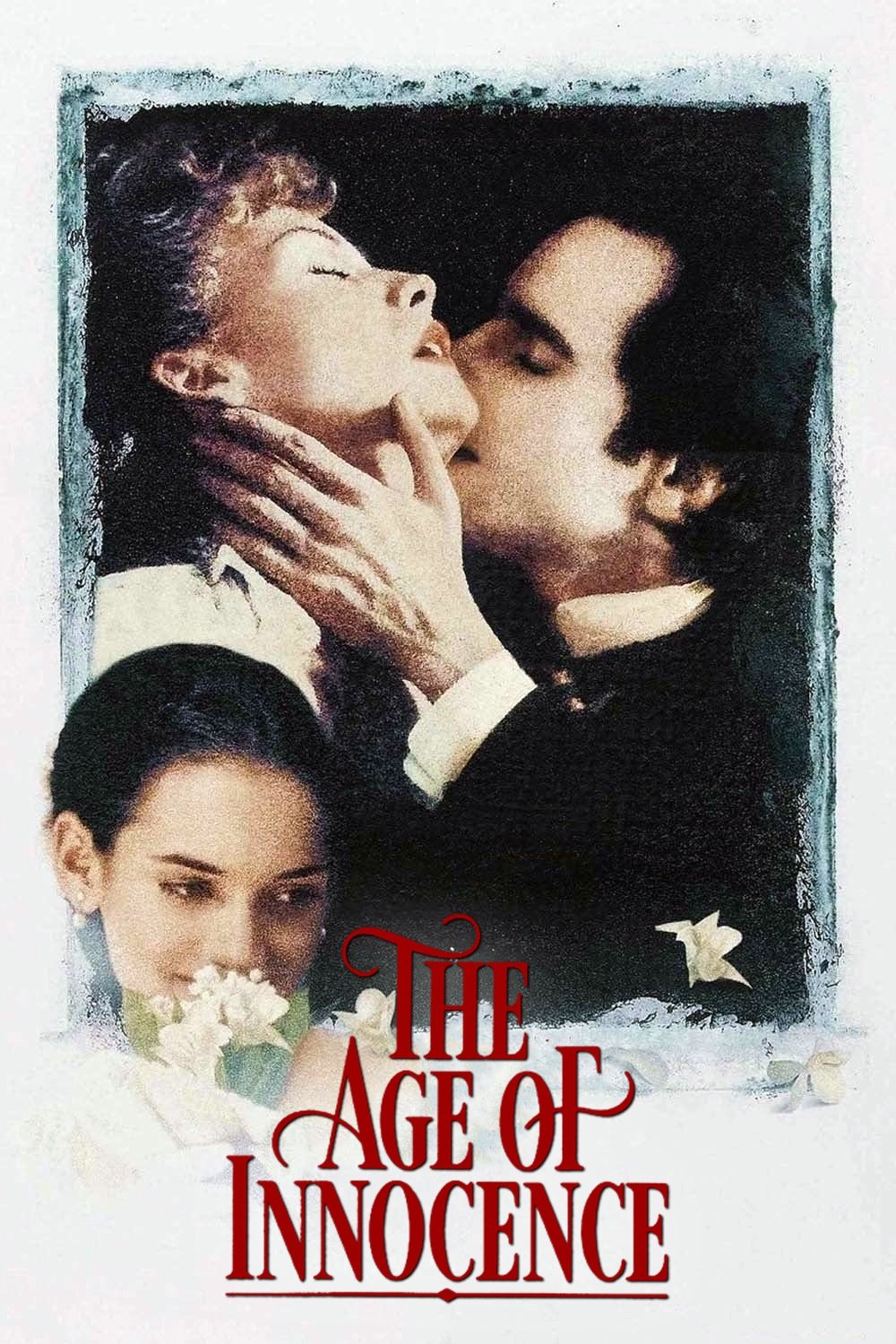
In Martin Scorsese’s lavish adaptation of the Edith Wharton novel, Chaplin played Mrs. Welland. She is the mother of the lovely and conventional May Welland, who is engaged to the film’s protagonist, Newland Archer. Mrs. Welland is a powerful figure in the rigid high society of 1870s New York.
Chaplin perfectly embodied the quiet authority and strict social codes of the Gilded Age aristocracy. Her performance was a key part of the film’s meticulously detailed and brilliantly acted ensemble.
‘Home for the Holidays’ (1995)

Directed by Jodie Foster, this comedy-drama follows a single mother who travels home to spend a chaotic Thanksgiving with her dysfunctional family. Chaplin played Aunt Gladys, the family’s eccentric and overly affectionate retired schoolteacher.
Her performance was a warm and funny comedic highlight. She stole her scenes with a heartfelt and slightly loopy portrayal of a beloved family member who has a habit of revealing long-held secrets after a few drinks.
‘Jane Eyre’ (1996)
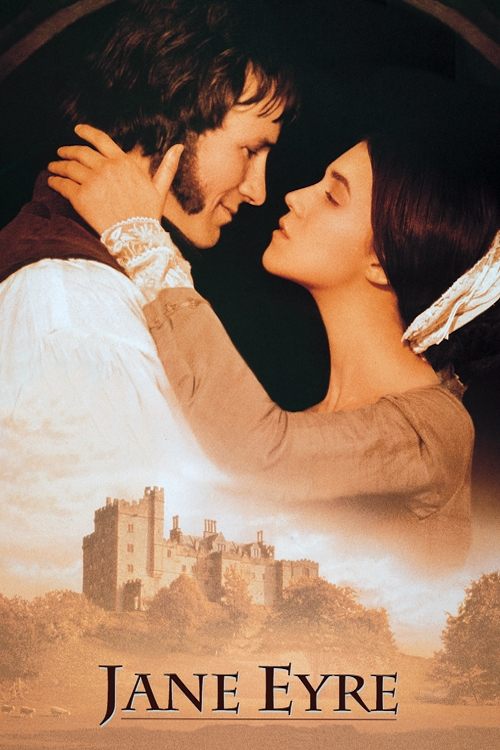
In Franco Zeffirelli’s film adaptation of the classic novel, Chaplin played Miss Scatcherd. She is the cruel and abusive teacher at the Lowood School, the grim boarding school where the young Jane Eyre is sent.
Though a small role, her portrayal of the harsh and unforgiving teacher was memorable. She made a strong impression, representing the cruelty and hardship that the young heroine had to overcome.
‘Cousin Bette’ (1998)
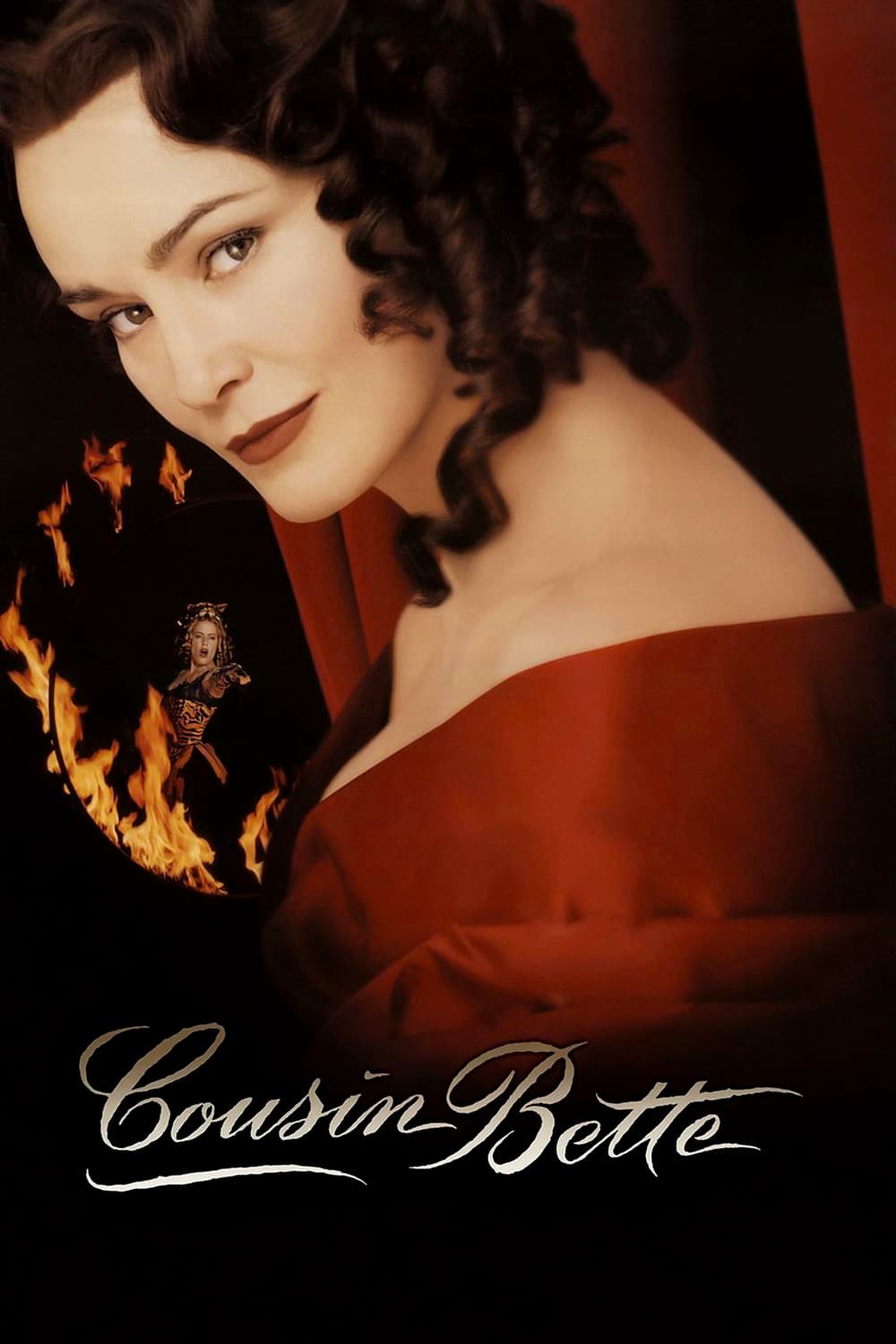
In this adaptation of the Honoré de Balzac novel, Chaplin played Adeline Hulot, the virtuous and long-suffering wife of a compulsive womanizer. Her tragic decline is one of the catalysts for the main character’s quest for revenge.
Chaplin brought a quiet dignity and pathos to the role of the betrayed wife. Her performance provided the moral center of the story, a stark contrast to the schemes and deceptions of the other characters.
‘To Walk with Lions’ (1999)
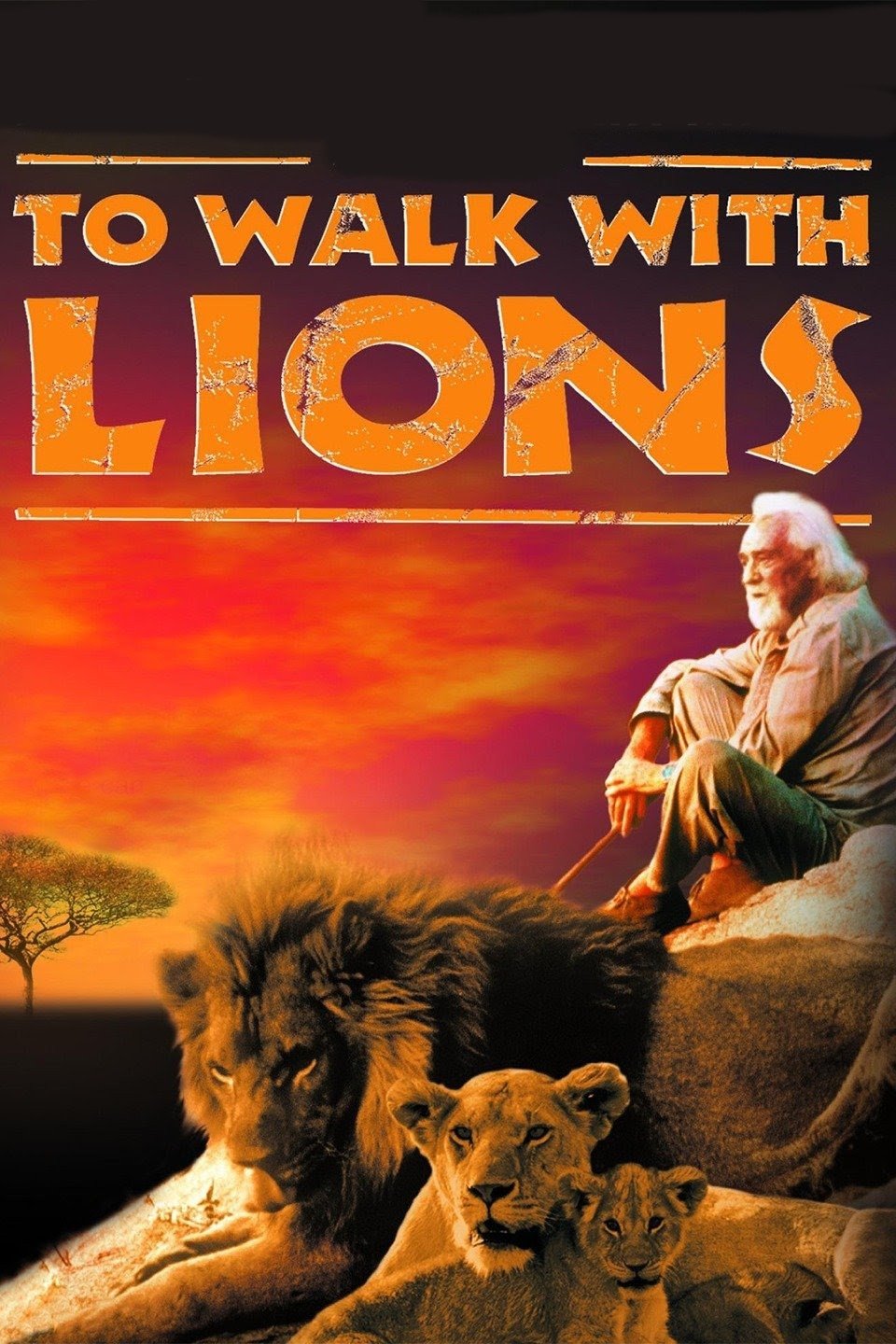
This film tells the story of George Adamson’s later years as a conservationist in Kenya, trying to protect lions from poachers. Chaplin played Victoria Anrecelli, a fellow conservationist and friend who supports his work.
She brought strength and conviction to her role as a woman dedicated to the cause of wildlife preservation. Her performance provided a compassionate and intelligent presence in the dramatic real-life story.
‘The City of No Limits’ (2002)
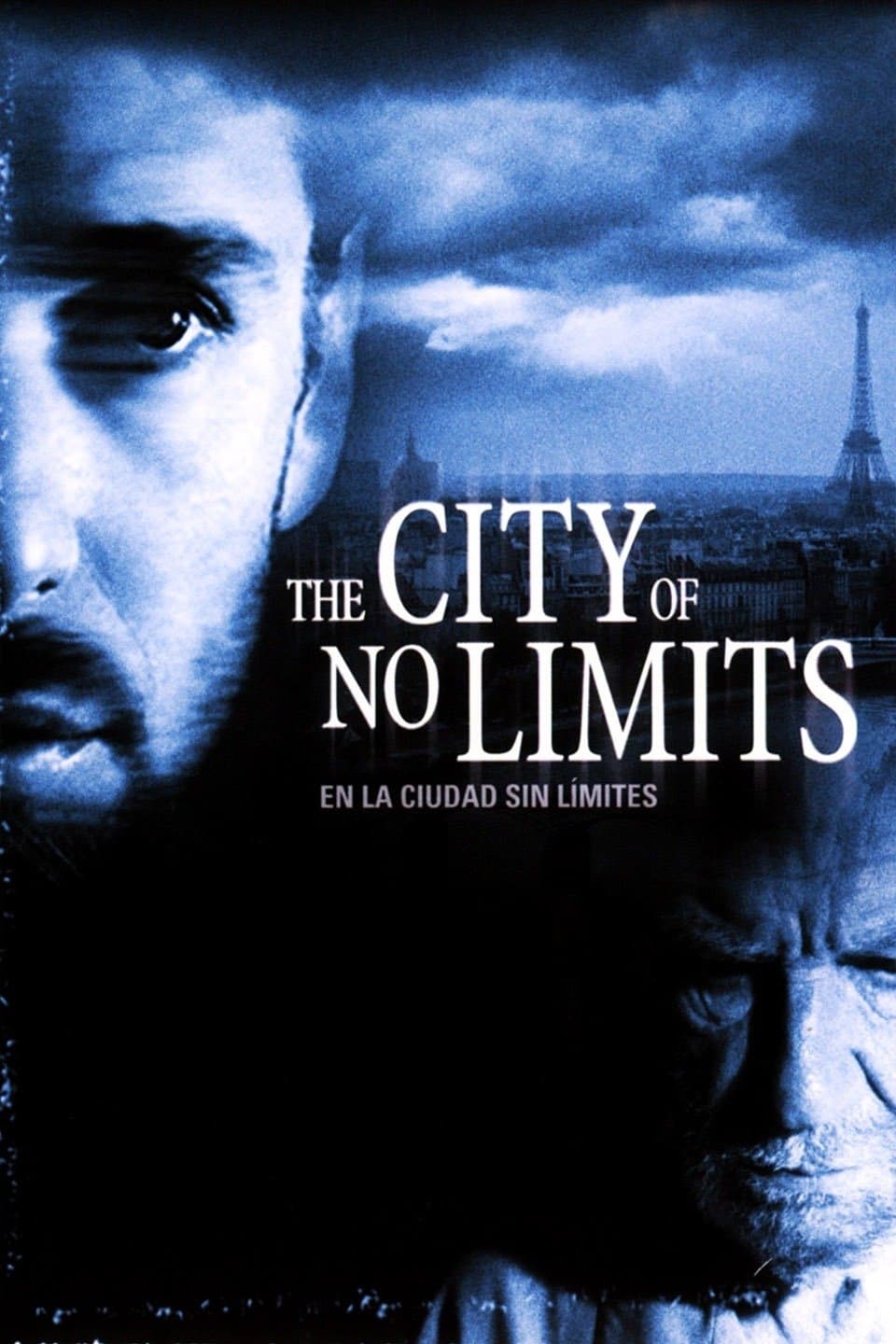
In this Spanish thriller, Chaplin played Marie, the matriarch of a family that gathers at a Paris hospital where the father is gravely ill. The father’s strange behavior leads one of his sons to uncover a dark family secret from their past in Spain.
For her performance, Chaplin won the Goya Award (Spain’s equivalent of the Oscar) for Best Supporting Actress. She delivered a powerful and nuanced performance as a woman trying to hold her family together while guarding a painful truth.
‘Talk to Her’ (2002)
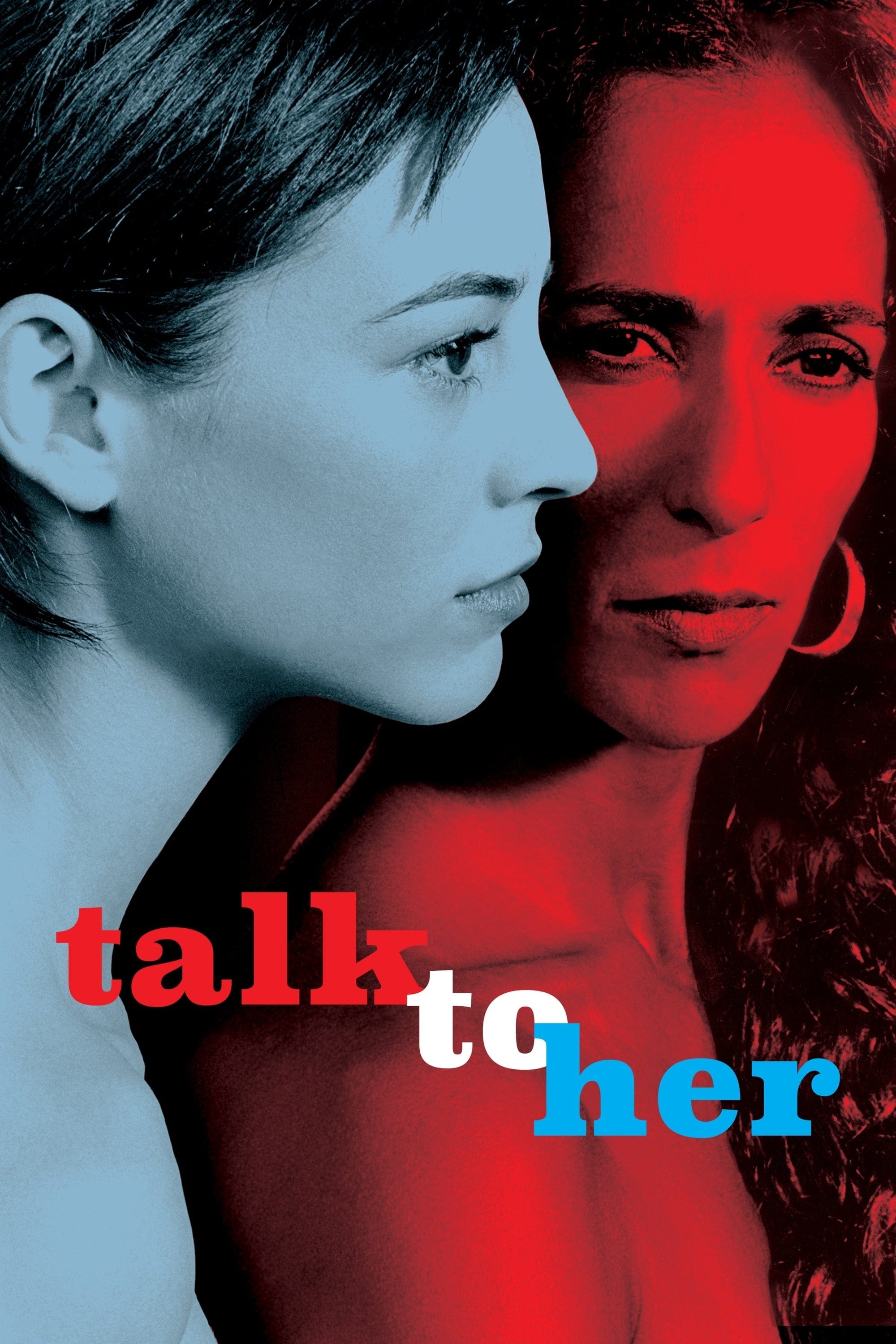
In Pedro Almodóvar’s Oscar-winning masterpiece, Chaplin played Katerina Bilova, a ballet teacher. The film’s main character, a male nurse, is devoted to one of her former students who now lies in a coma. He seeks out Katerina to learn more about the woman he loves.
Her scene is a pivotal and memorable one, where she explains the profound emotional connection between a dancer and her teacher. Her elegant and intelligent performance added another layer of depth to Almodóvar’s beautiful and complex film.
‘The Bridge of San Luis Rey’ (2004)
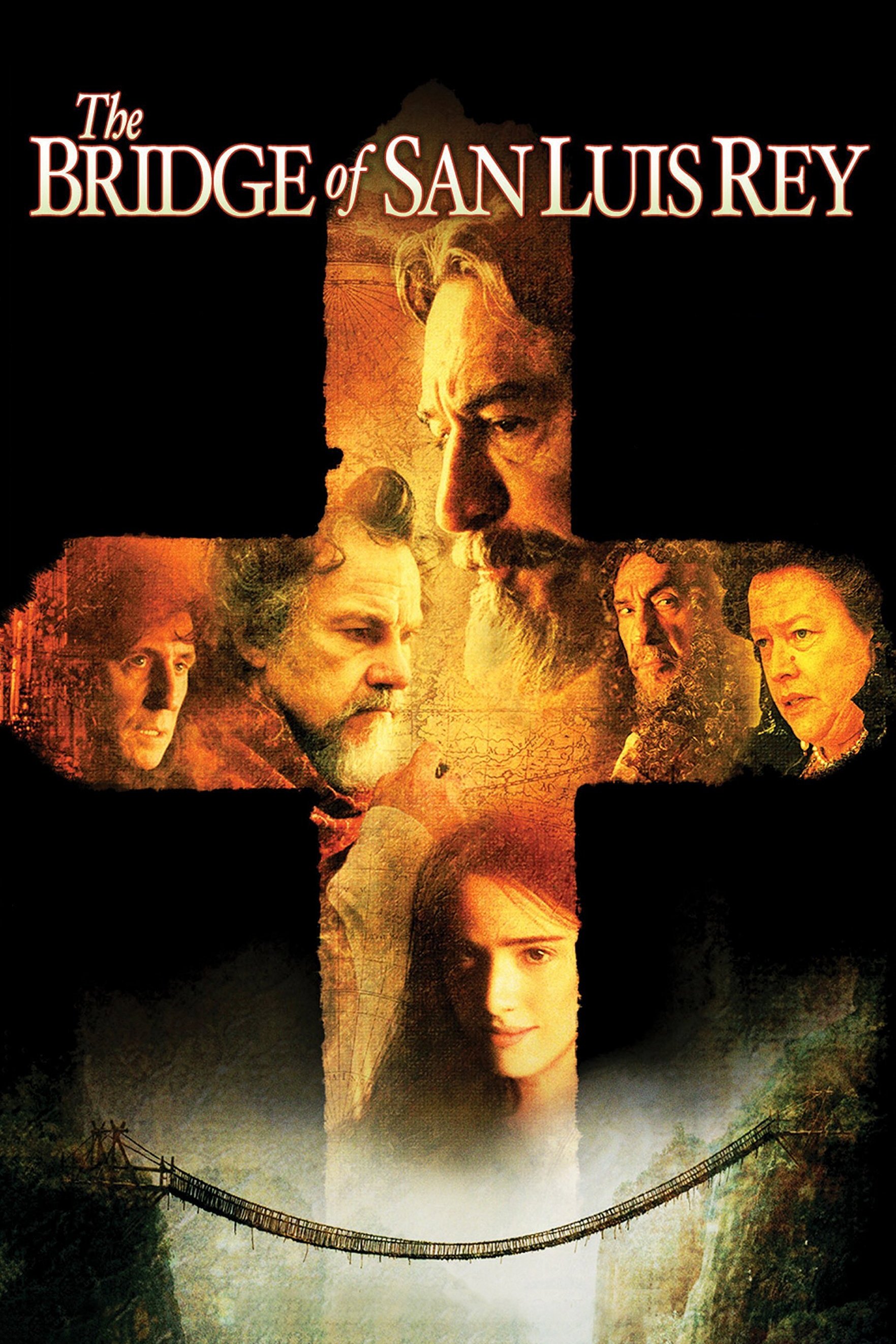
Based on the classic novel, this film tells the story of five people who die when a rope bridge in 18th-century Peru collapses. Chaplin played The Abbess, the head of a convent who has raised one of the victims and is a respected figure in the community.
She brought a sense of wisdom and authority to the role. Her character is central to the film’s philosophical exploration of fate, love, and the meaning behind the tragedy.
‘Heidi’ (2005)
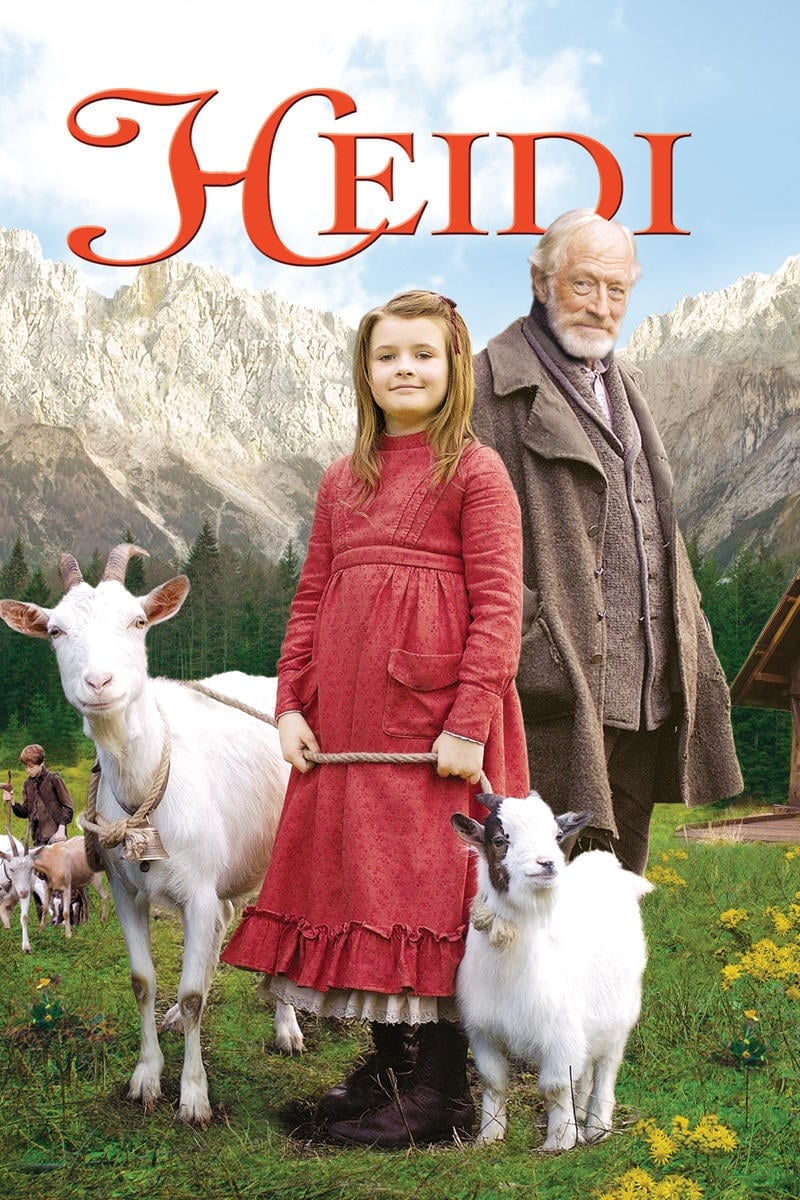
In this film adaptation of the beloved children’s story, Chaplin played Fräulein Rottenmeier. She is the strict and stern head housekeeper in the wealthy household where Heidi is sent to be a companion for a young girl in a wheelchair.
Chaplin was perfectly cast as the formidable and intimidating housekeeper. She captured the character’s severity but also hinted at the loneliness beneath her rigid exterior, making her more than just a simple villain.
‘Melissa P.’ (2005)

This Italian drama is about a teenage girl’s tumultuous journey of sexual discovery and self-destruction. Chaplin played Nonna Elvira, the girl’s wise and understanding grandmother who offers her a safe haven and gentle guidance.
Her role as the compassionate grandmother provided a source of warmth and stability in the main character’s chaotic life. She brought a sense of grace and wisdom to the film.
‘The Orphanage’ (2007)
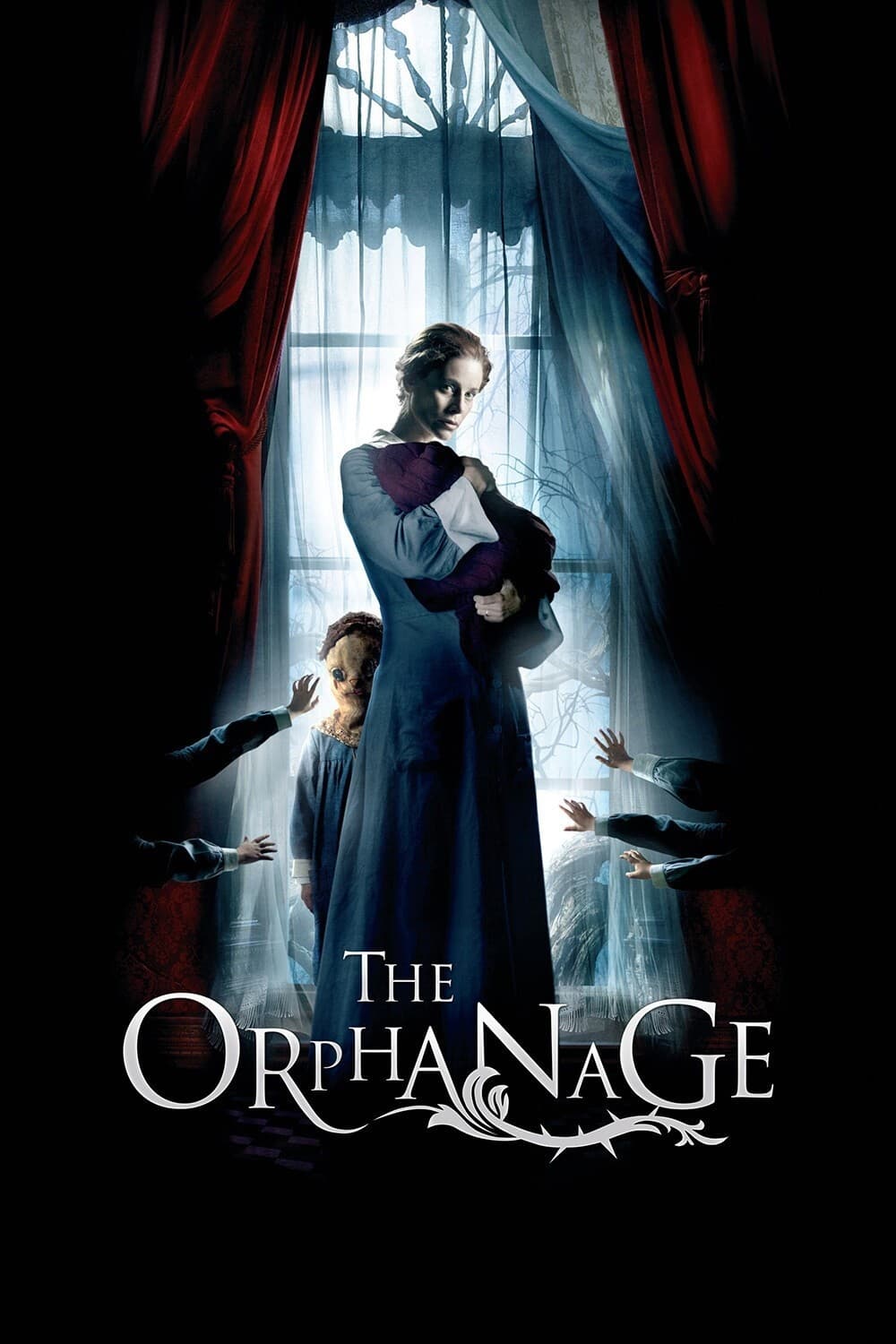
In this acclaimed Spanish horror film, Chaplin played Aurora, a medium who is brought in to investigate the disappearance of a young boy from his family’s new home, a former orphanage. Her chilling séance scene is one of the most memorable in the film.
Her performance was crucial to the film’s terrifying and emotional atmosphere, earning her another Goya Award nomination. She created a character who was both mysterious and deeply empathetic, stealing her scenes with a powerful and unsettling presence.
‘The Wolfman’ (2010)

In this gothic horror film, Chaplin played Maleva, an old Romani woman who is the mother of a werewolf. Her character possesses ancient knowledge about the curse and offers cryptic warnings and guidance to the main character.
With dramatic makeup and a mysterious aura, she fully embodied the classic archetype of the wise and mystical elder. Her performance added to the film’s dark and foreboding atmosphere.
‘The Mosquito Net’ (2010)
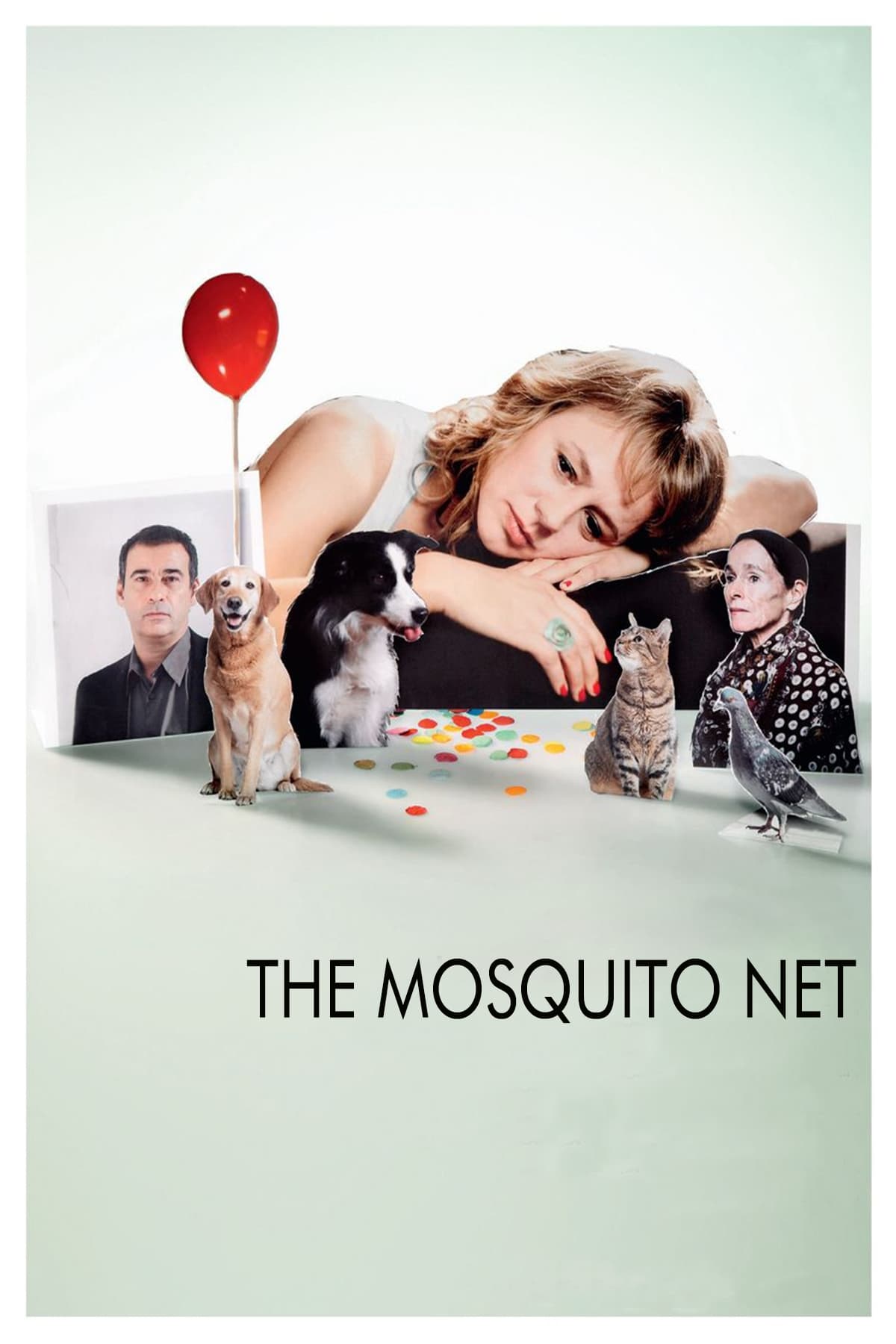
This Spanish comedy-drama follows a dysfunctional upper-class family in Barcelona. Chaplin played María, the Alzheimer’s-stricken mother of the family patriarch. Her unpredictable behavior adds another layer of chaos to the already strained family dynamic.
Chaplin gave a brave and unsentimental performance, capturing the confusion and frustration of her character’s condition. Her portrayal was both heartbreaking and darkly humorous, contributing to the film’s unique tone.
‘All Together’ (2011)

In this French comedy-drama, Chaplin played Annie, one of a group of old friends who decide to move in together to avoid going into a nursing home. The film explores the joys and challenges of their communal living experiment.
She was part of a superb ensemble cast of veteran actors, including Jane Fonda and Daniel Brühl. The film is a charming and poignant look at aging, friendship, and the desire to live life on one’s own terms.
‘The Impossible’ (2012)
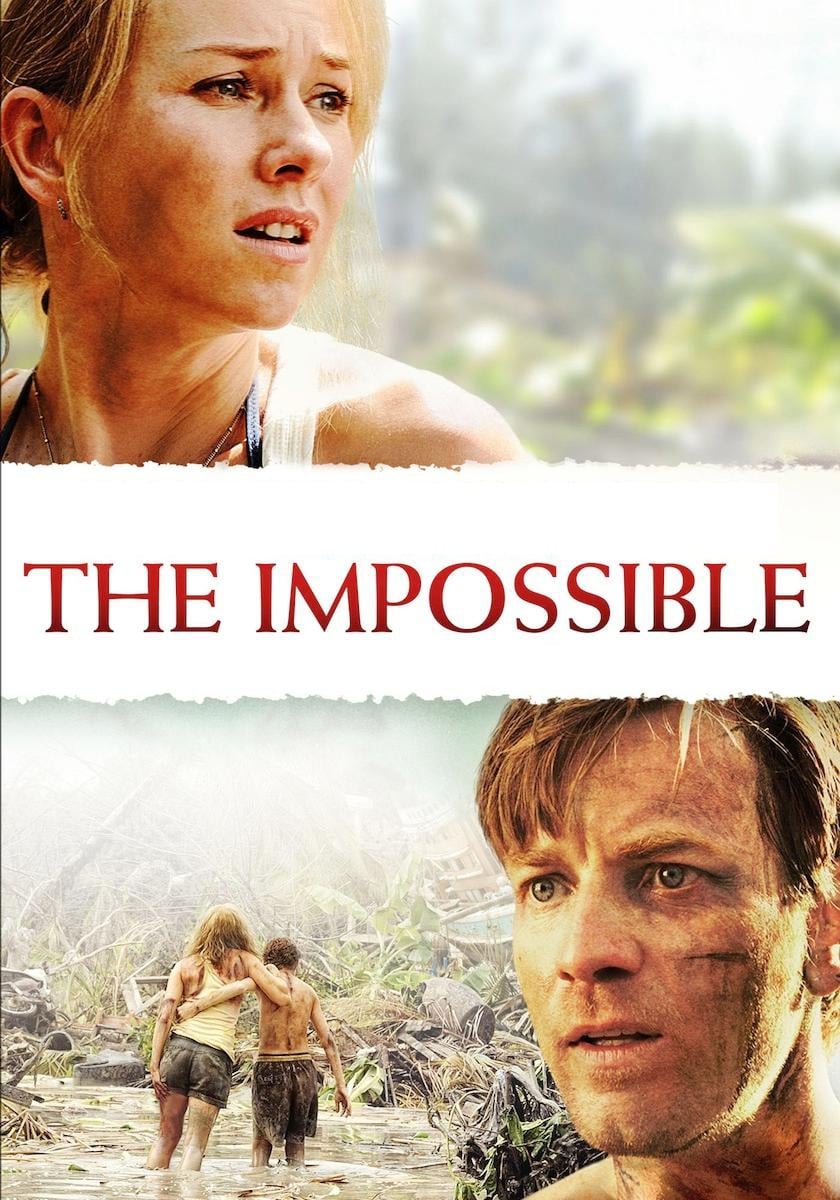
Based on the true story of a family caught in the 2004 Indian Ocean tsunami, this gripping drama was directed by J. A. Bayona. Chaplin has a small but powerful role as an old woman who speaks to one of the young sons, explaining the mystery of the stars.
Her brief scene provides a quiet, reflective moment amidst the film’s intense and harrowing depiction of the disaster. It’s a poignant cameo that offers a touch of philosophical comfort to the traumatized young boy.
‘Sand Dollars’ (2014)
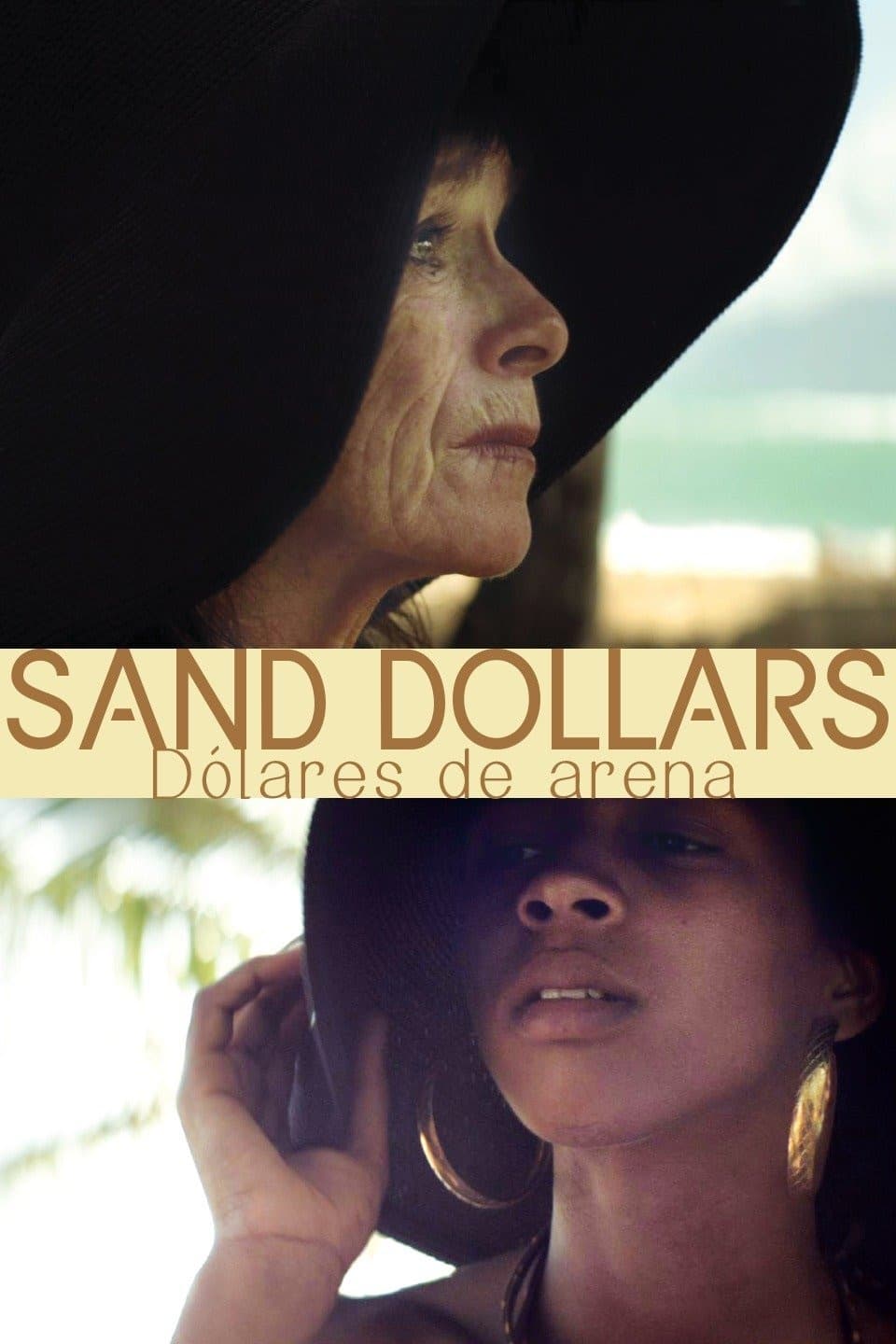
In this drama set in the Dominican Republic, Chaplin took on the lead role of Anne, an elderly and wealthy European woman in a complex and ambiguous relationship with a much younger local woman who provides her with affection in exchange for financial support.
This was a brave and vulnerable leading performance. Chaplin explored the complexities of love, dependency, and economic disparity with profound subtlety and emotional honesty, earning critical acclaim and an Ariel Award nomination.
‘A Monster Calls’ (2016)
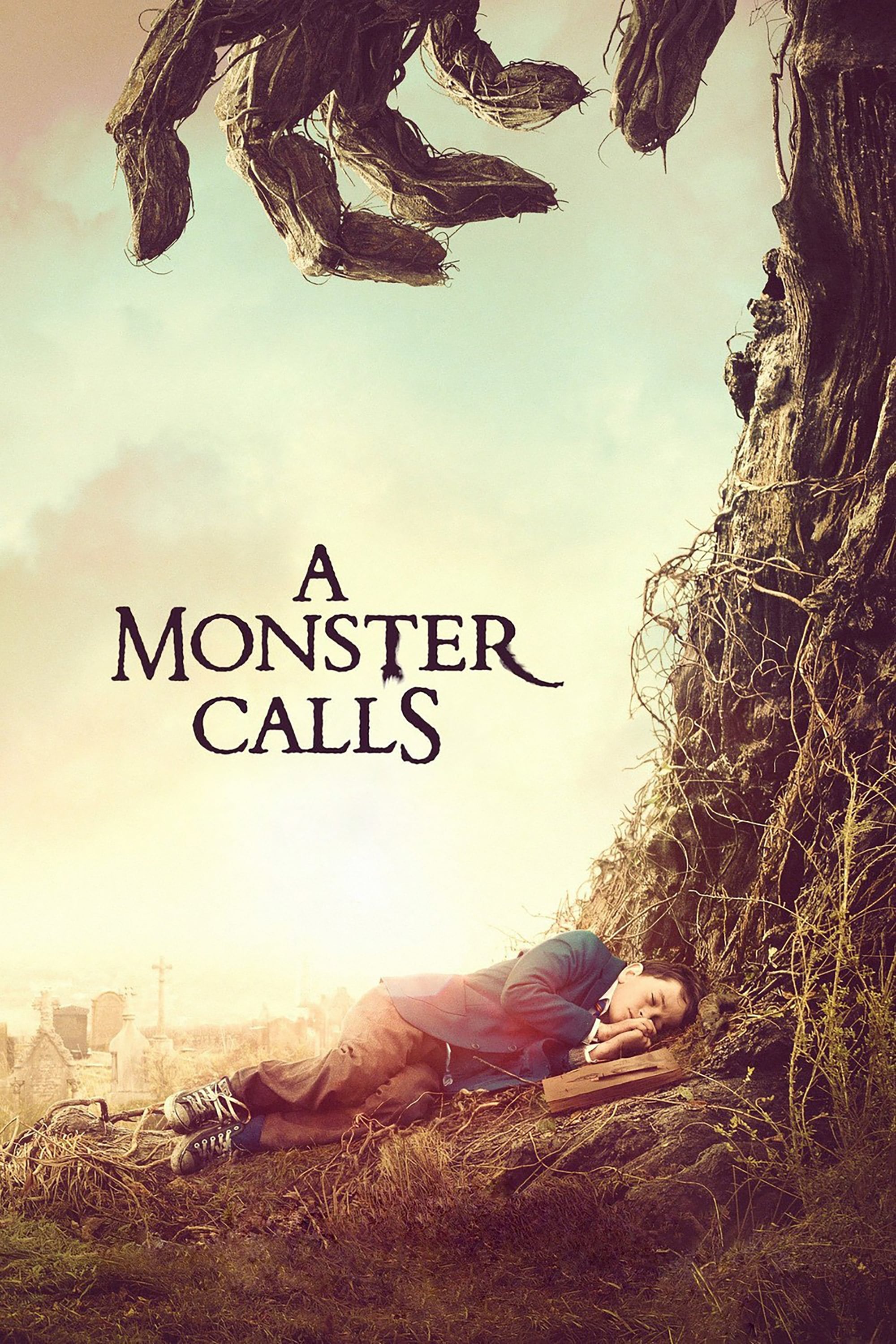
Reuniting with director J. A. Bayona, Chaplin played The Head Teacher of the school attended by the film’s young protagonist, a boy struggling with his mother’s terminal illness. His head teacher is stern but shows glimmers of understanding for his difficult situation.
Her role as a figure of authority provided another obstacle in the boy’s life, yet she played the part with a subtle humanity. Her performance added to the realistic portrayal of the adult world that the boy is trying to navigate.
‘Anchor and Hope’ (2017)
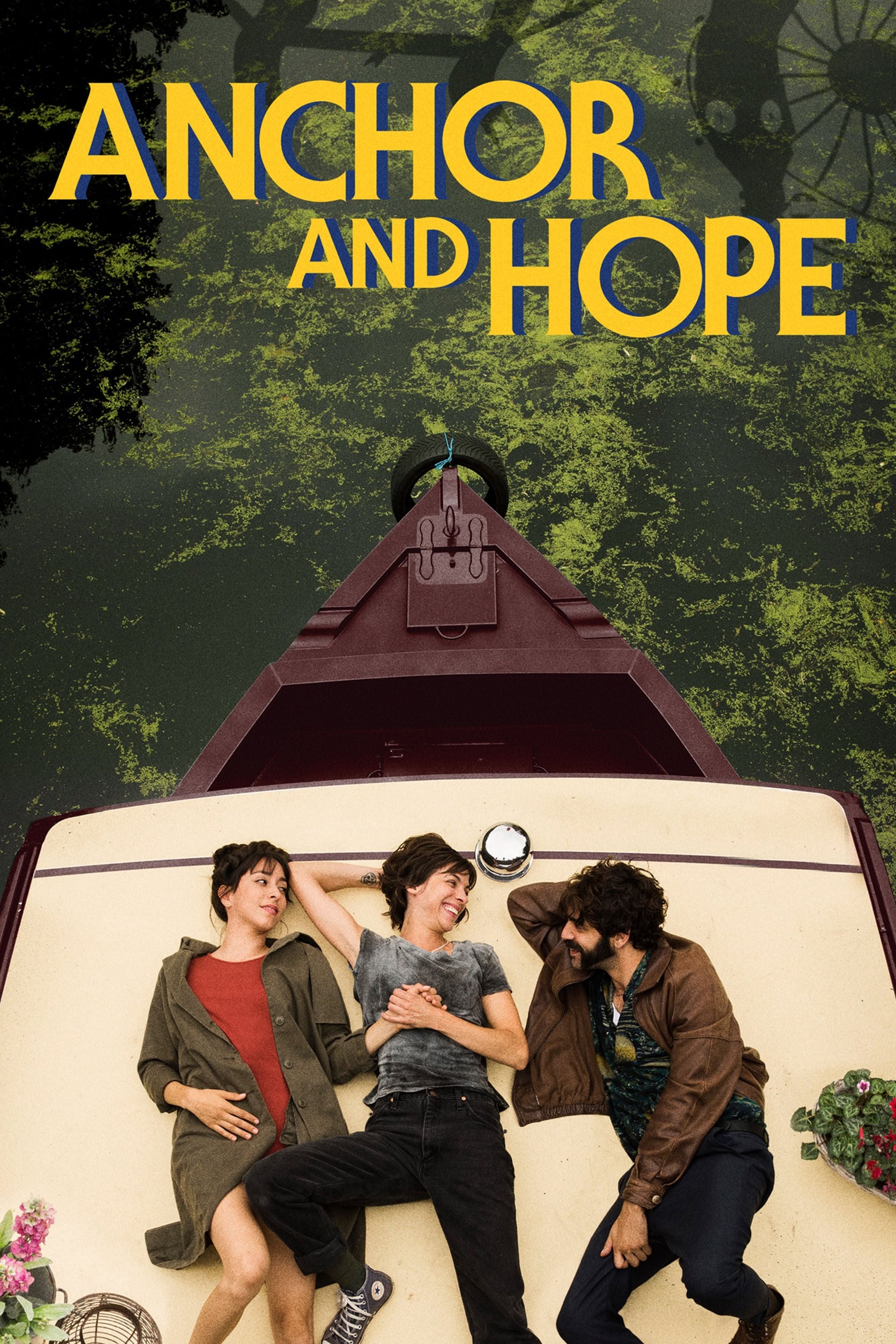
In this comedy-drama, Chaplin played Germaine, the eccentric and free-spirited mother of one of the main characters. The film is about a lesbian couple living on a canal boat in London whose relationship is tested when they decide to have a baby with a friend.
Chaplin provided much of the film’s comedic relief as the hilariously blunt and unconventional mother. Her performance was warm, funny, and full of life, stealing every scene she was in.
‘Jurassic World: Fallen Kingdom’ (2018)

In her fourth collaboration with director J. A. Bayona, Chaplin played Iris, the loyal housekeeper and guardian of the Lockwood estate. She has been the primary caregiver for the young girl Maisie and holds the key to a major secret about the girl’s origins.
Though her screen time is brief, her character’s fate is a pivotal and shocking moment that raises the stakes of the film. She brought a sense of gravity and quiet dignity to her role in the massive blockbuster.
‘Holy Beasts’ (2019)
Chaplin played Vera V. in this drama about a group of filmmakers who gather in the Dominican Republic to finish the script of a deceased friend. The film blurs the lines between the actors and the characters they are developing, exploring themes of love, loss, and the creative process.
This was another complex, art-house role that showcased her continued commitment to adventurous, independent cinema. Her performance was central to the film’s meditative and self-reflective narrative.
‘The Barefoot Emperor’ (2019)
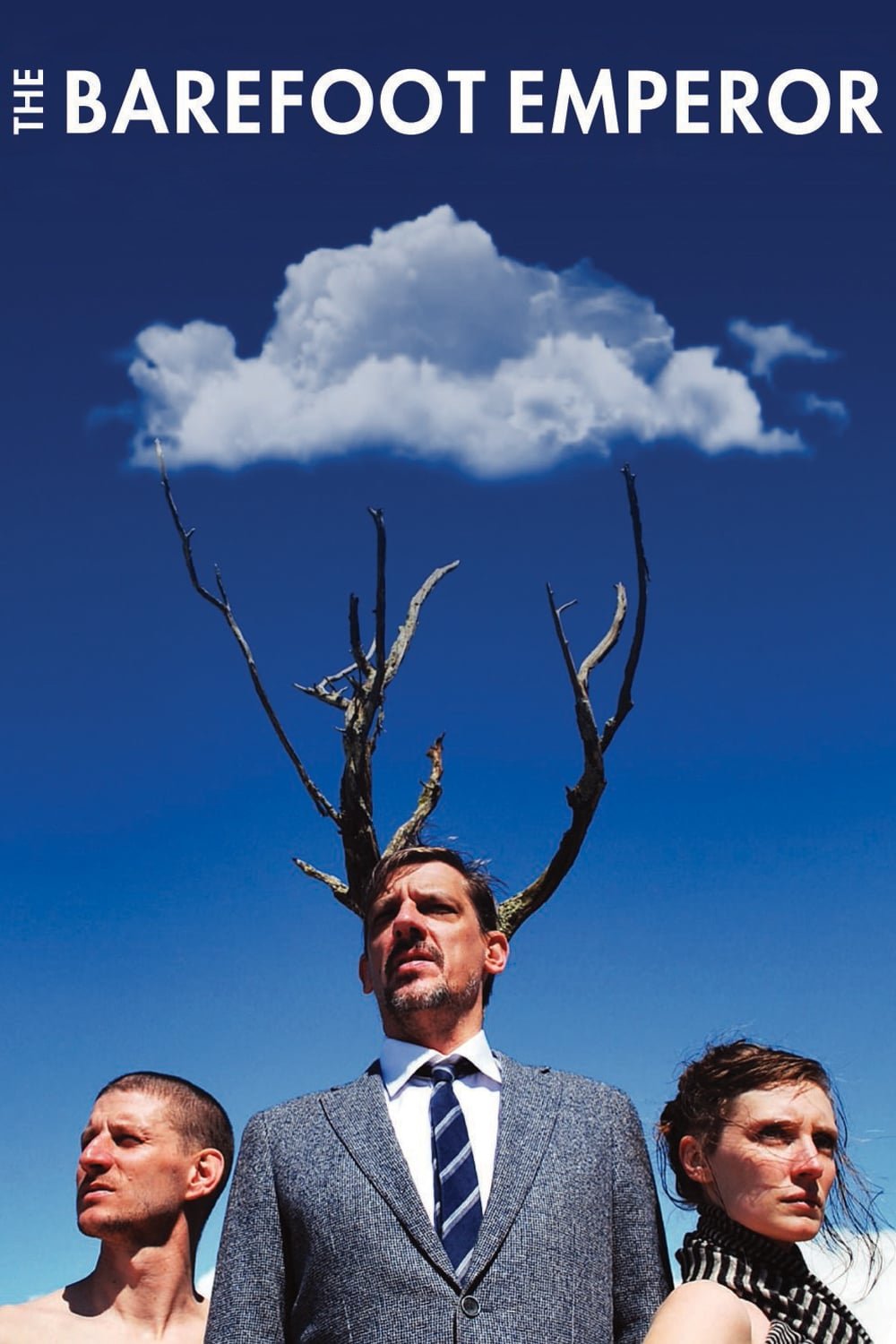
In this political satire, Chaplin played Lady Liz. The film is a mockumentary and a sequel to ‘King of the Belgians’, following a former king who is crowned the first emperor of a new, nationalist Europe while at a sanatorium in Croatia.
Chaplin’s character is a key player in the strange, new political order being established at the sanatorium. Her performance adds to the movie’s absurd and satirical tone, fitting perfectly into its quirky ensemble.
‘The Crown’ (2019)
In the third season of the acclaimed historical drama, Chaplin portrayed Wallis Simpson, the Duchess of Windsor. She appears in an episode where the aging Duke of Windsor is dying, and she reflects on their life of exile and the sacrifices he made to marry her.
Her portrayal of the controversial historical figure was nuanced and compelling. She captured the duchess’s famous style and sharp wit, but also conveyed a sense of loneliness and defiance in her final years.
‘Luka’ (2023)
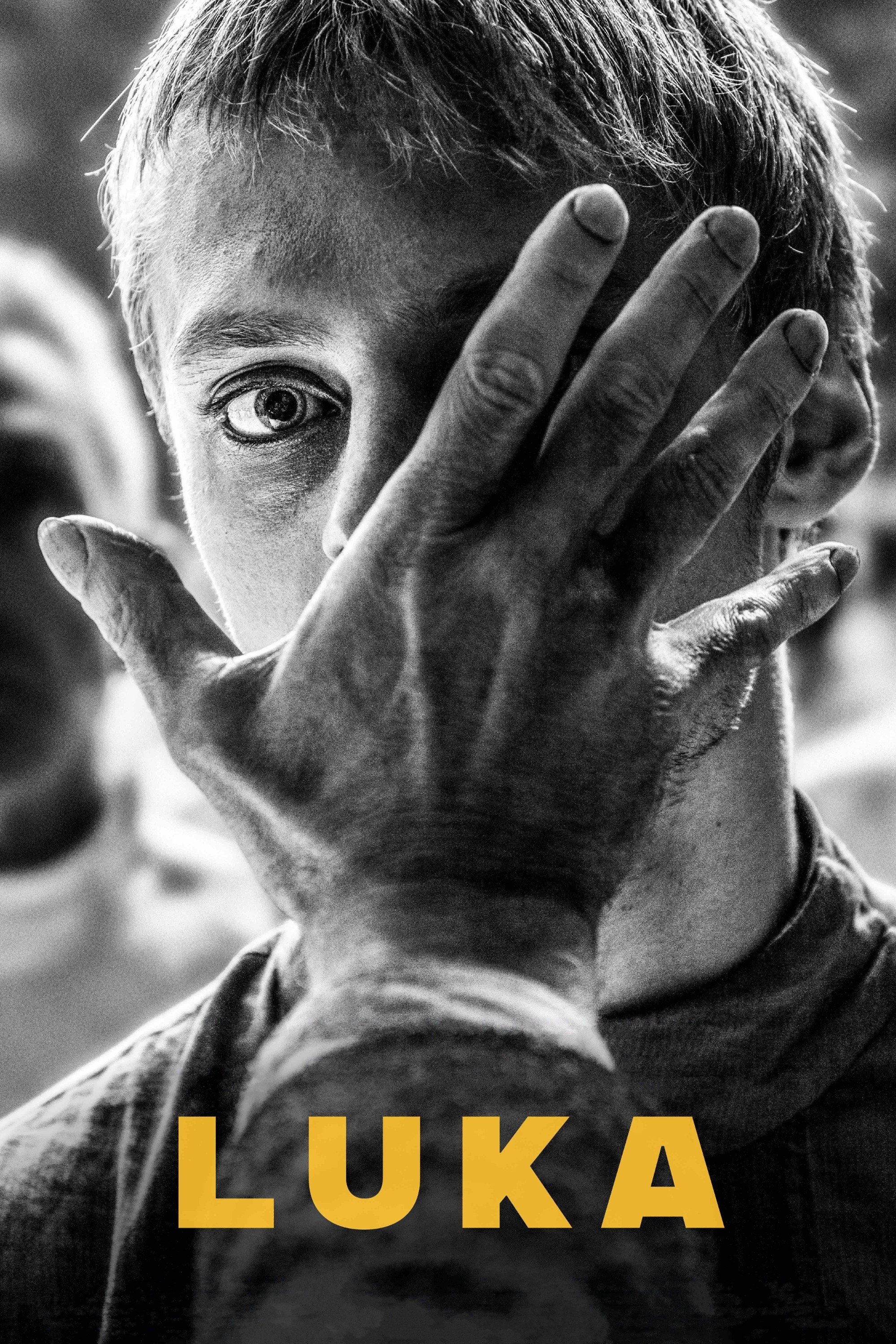
In this stark, black-and-white drama, Chaplin played The General. The film is a loose adaptation of the novel ‘The Tartar Steppe’ and follows a young soldier posted to a remote, desolate fort where he and his comrades wait for an enemy that may never arrive.
As the enigmatic and commanding leader of the fort, Chaplin’s performance was powerful and authoritative. It was a striking, gender-swapped role that showcased her ability to command the screen with an imposing and mysterious presence.
‘Seneca – On the Creation of Earthquakes’ (2023)
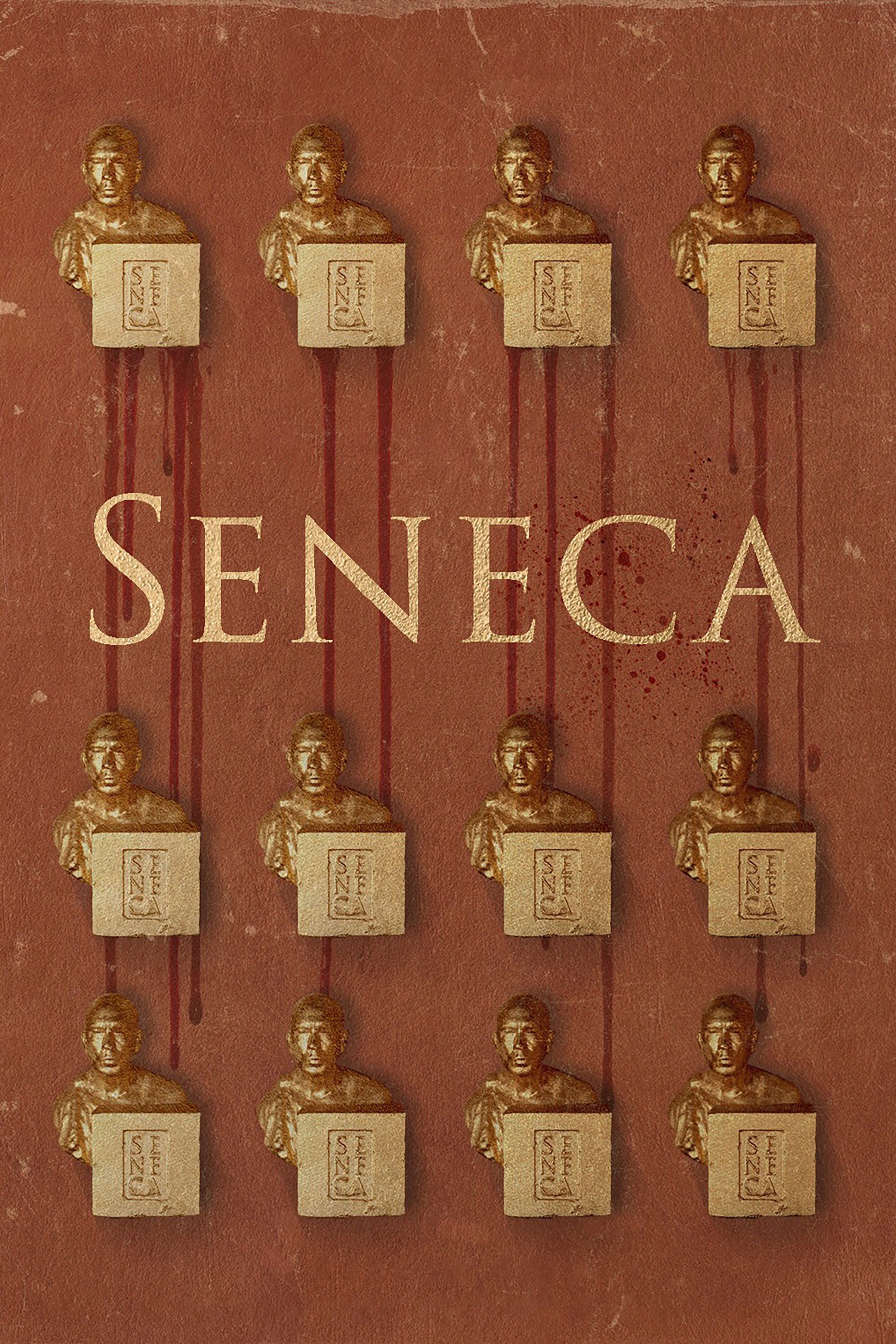
This historical dark comedy stars John Malkovich as the Roman philosopher Seneca, who is ordered by his former student, Emperor Nero, to take his own life. Chaplin played Cecilia, a character within the absurd and theatrical proceedings of Seneca’s final hours.
The film is a highly stylized and anachronistic look at power, philosophy, and death. Chaplin’s role was part of the film’s eccentric ensemble, contributing to its strange and satirical tone.
Which of Geraldine Chaplin’s many diverse roles is your personal favorite? Share your thoughts in the comments.