


15 Great Actors Who Only Star in One Movie Genre

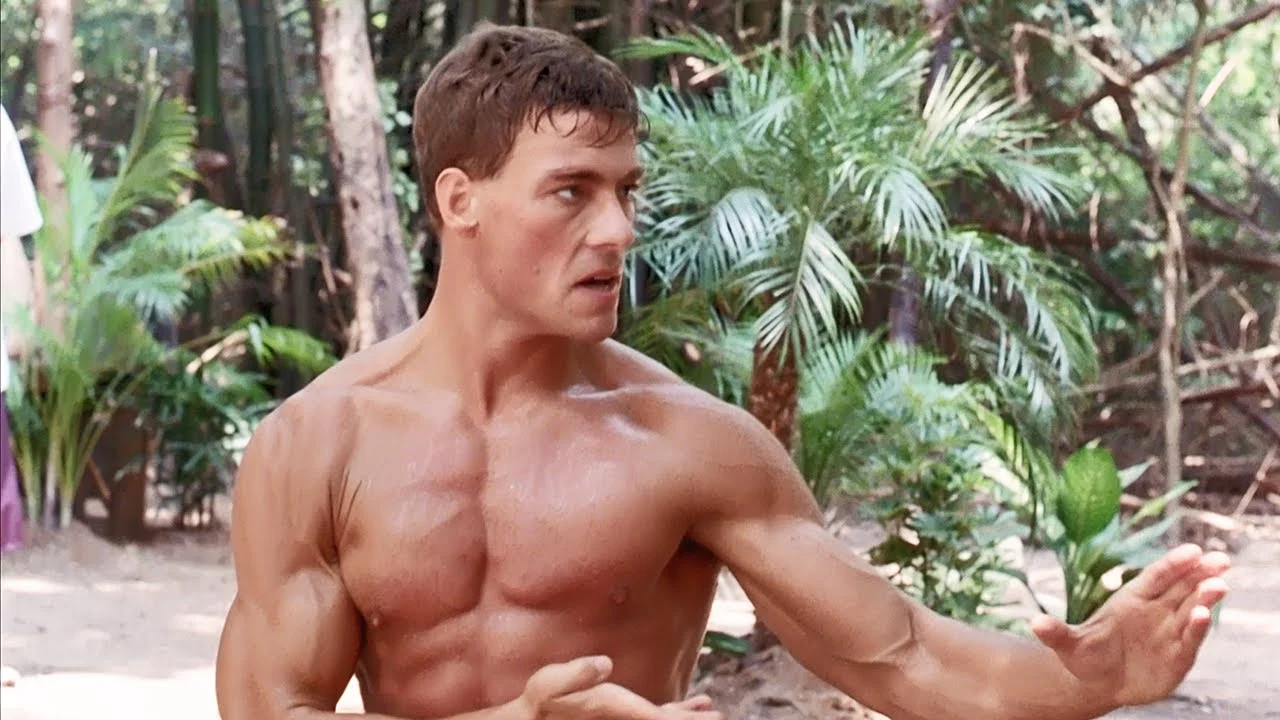


Some actors roam across every corner of cinema, while others build entire careers inside one lane and never look back. This list looks at performers whose big screen work stays tightly focused on a single genre, whether that means the precision of martial arts action, the rhythm of comedy, the chills of horror, or the traditions of the Western.
You will see careers shaped by repeat collaborations, franchise roles, and skill sets that fit one kind of story better than any other. The details below point to signature characters, recurring themes, and the specific craft choices that kept each actor anchored to one genre across film after film.
Bruce Lee
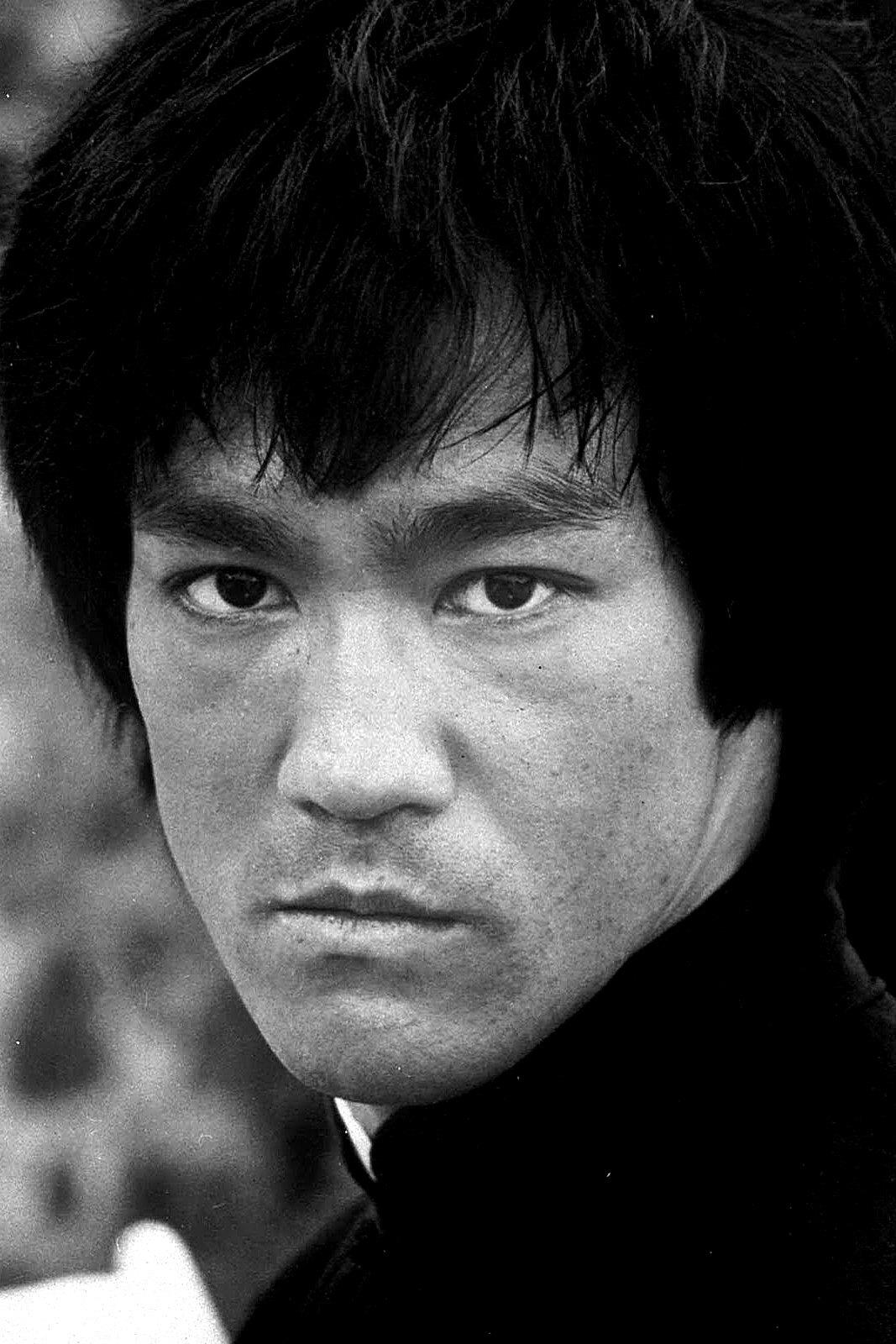
Bruce Lee’s feature film roles are all rooted in martial arts action, with showcase titles such as ‘The Big Boss’, ‘Fist of Fury’, ‘Way of the Dragon’, and ‘Enter the Dragon’. His screen persona centers on disciplined fighters who resolve conflicts through hand to hand combat, often framed around training, honor, and protection of community.
He choreographed fights with an emphasis on speed, economy, and impact, drawing from Jeet Kune Do and classical techniques adapted for the camera. His films pair tight narratives with escalating set piece bouts, using close framing and long takes so audiences can follow every movement without interruption.
Jet Li
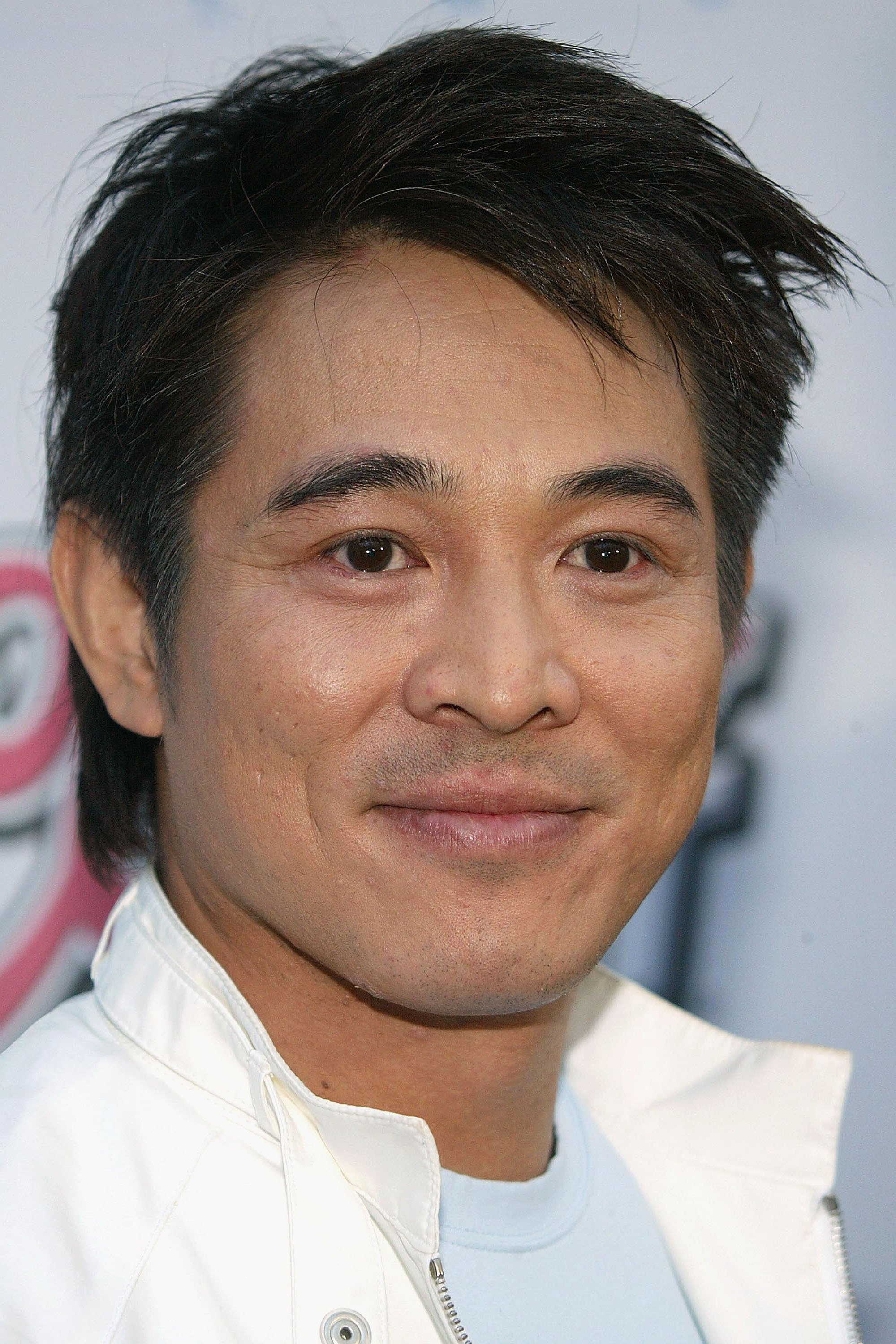
Jet Li’s filmography concentrates on action driven martial arts epics and thrillers, including ‘Once Upon a Time in China’, ‘Fist of Legend’, ‘Hero’, and ‘Fearless’. Even in Hollywood outings such as ‘Lethal Weapon 4’ and ‘The Expendables’, his roles highlight precise forms, rapid kicks, and weapon work.
He works within historical adventure, modern crime, and ensemble action while keeping fight choreography at the center of each story. Directors use his wushu foundation to contrast fluid motion with sudden strikes, and his characters typically resolve conflicts through duels, challenges, and battlefield confrontations.
Tony Jaa
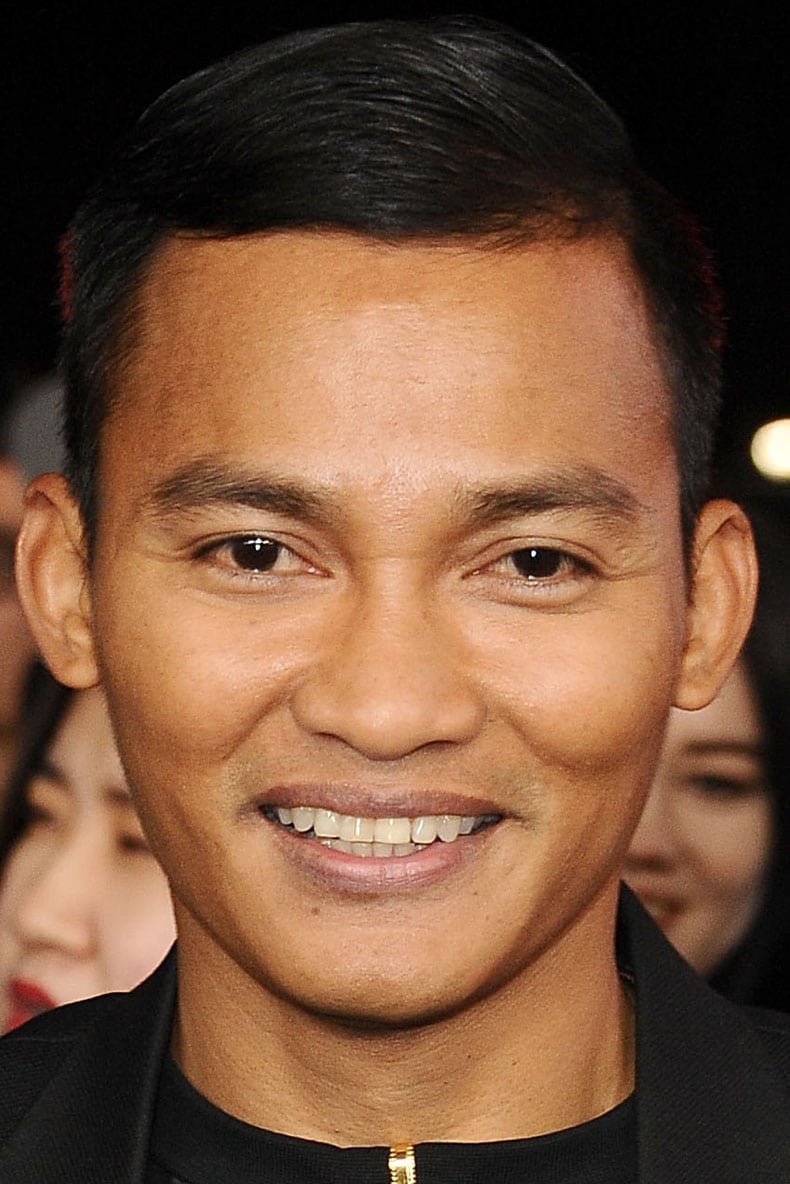
Tony Jaa’s movies are built around Muay Thai action, with ‘Ong Bak’ and ‘Tom Yum Goong’ showcasing elbows, knees, and full speed chase sequences. His set pieces use practical stunts and long tracking shots so the audience can see technique, impact, and acrobatic movement without camera tricks.
Later appearances such as ‘Furious 7’ and ‘xXx Return of Xander Cage’ keep him in the action lane while pairing Thai techniques with global scale productions. His films emphasize vertical movement, multi level fights, and urban obstacle runs, placing martial arts at the heart of every plot turn.
Steven Seagal
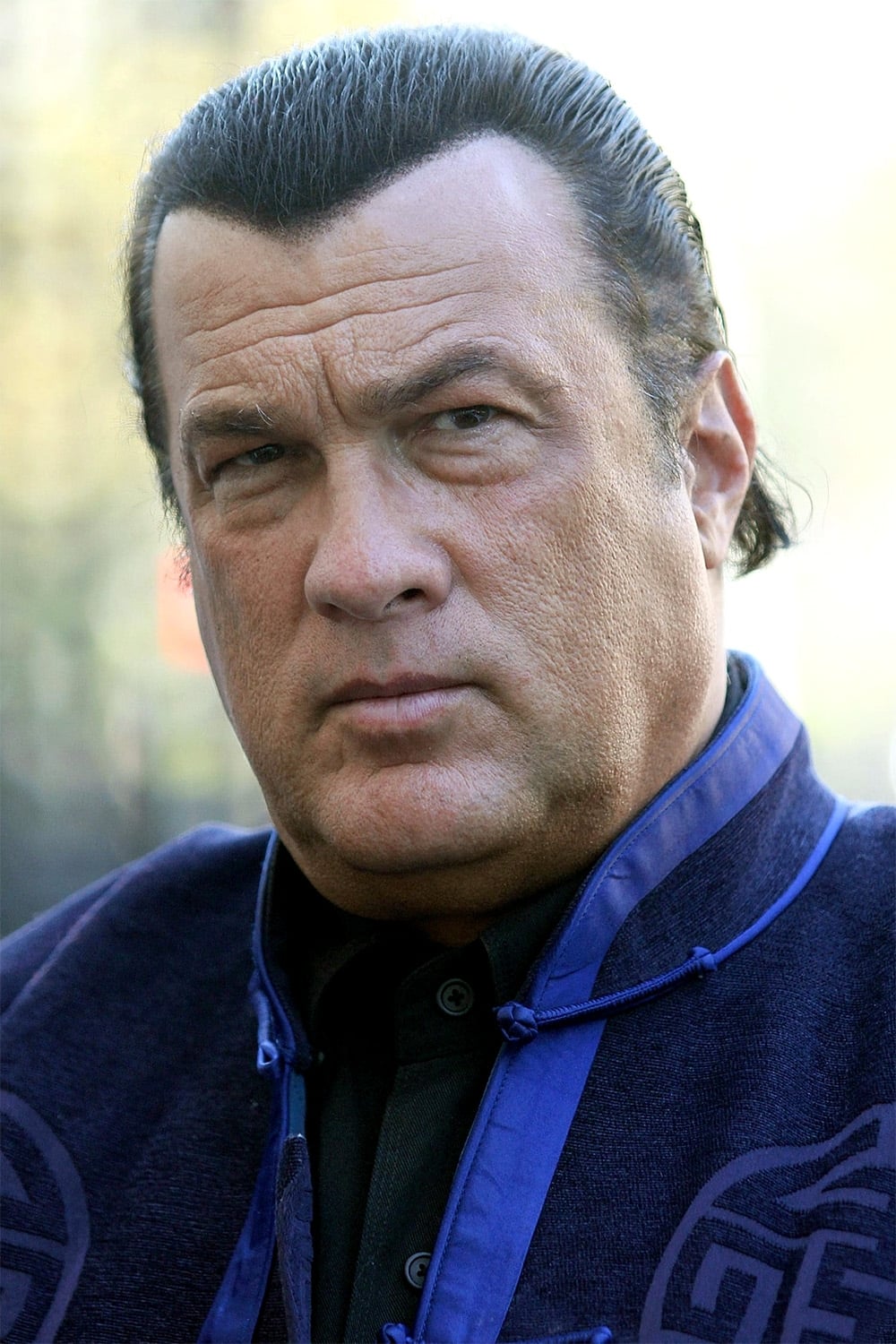
Steven Seagal headlines contemporary action thrillers, starting with titles such as ‘Above the Law’, ‘Hard to Kill’, ‘Marked for Death’, and ‘Under Siege’. His characters are usually specialists from law enforcement or military backgrounds who dismantle criminal networks through close quarters tactics.
His later period continues the formula in direct to video action features that rely on aikido throws, joint locks, and firearms work. The stories emphasize corruption, retaliation, and siege scenarios, with choreography staged to spotlight takedowns and rapid disarms in confined spaces.
Jean-Claude Van Damme
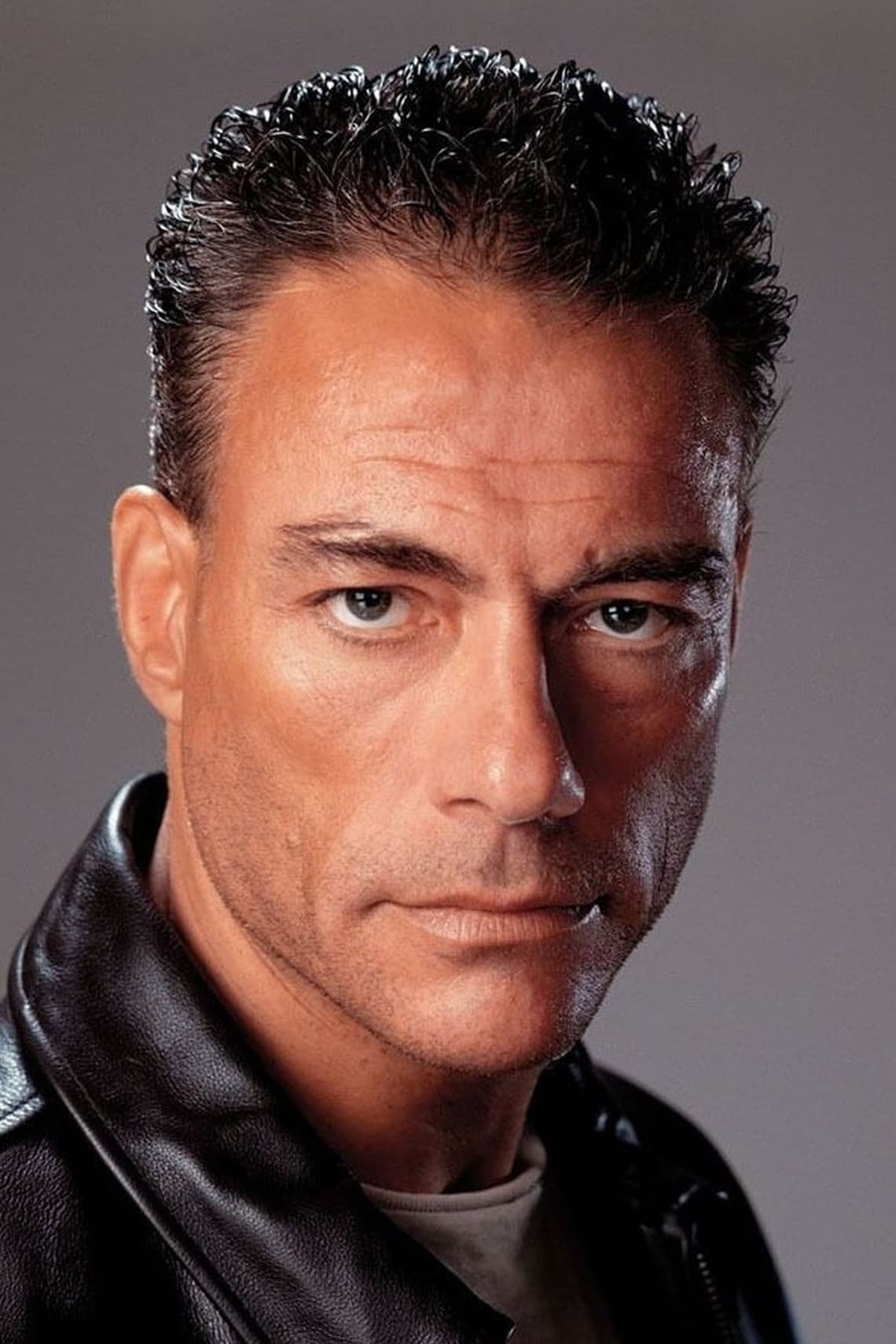
Jean Claude Van Damme’s films stay inside action, from tournament stories like ‘Bloodsport’ and ‘Kickboxer’ to sci fi infused fights in ‘Universal Soldier’ and ‘Timecop’. His screen roles lean on athletic kicks, splits, and switch stance combinations that read clearly on camera.
Franchises and spin offs reuse his fighter soldier archetype while adding new rule sets, weapons, or time travel hooks. Whether he plays a reluctant champion or a disciplined operative, the narrative always builds toward a final bout that resolves the conflict with decisive strikes.
Kwan Tak hing
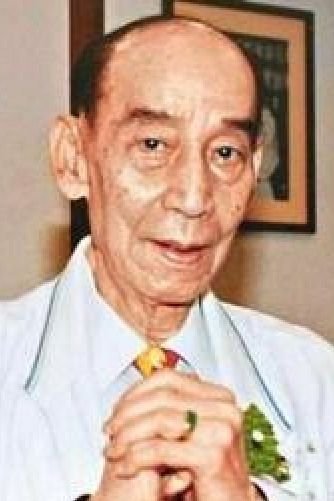
Kwan Tak hing devoted his film career to the role of Wong Fei hung across dozens of Cantonese martial arts films. These period adventures focus on clinic scenes, lion dance contests, and school rivalries, with set pieces that teach morality through combat.
The series standardizes master student relationships, medical knowledge used to heal after fights, and community defense against bandits or corrupt officials. Kwan’s calm delivery and measured technique keep the action grounded in tradition, with repeated forms and weapons work that audiences came to recognize.
Charlie Chaplin
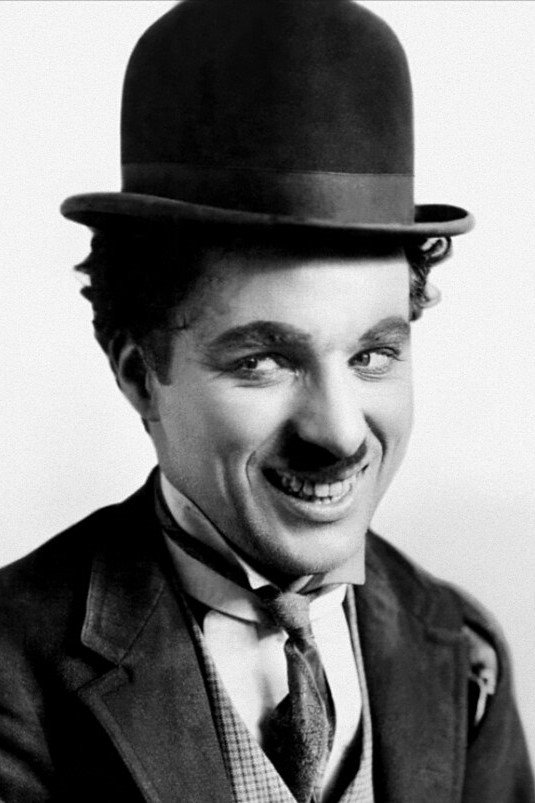
Charlie Chaplin made comedies that blended visual gags with social themes, including ‘The Kid’, ‘City Lights’, ‘Modern Times’, and ‘The Great Dictator’. His Tramp character navigates work, love, and authority through pantomime, timing, and careful framing that supports the joke before the payoff.
He wrote, directed, and starred in features that use recurring props such as canes, hats, and machines to create comic situations. Music cues, choreographed crowd movement, and set built contraptions keep every film inside the comic mode while tackling topical subjects through humor.
Buster Keaton
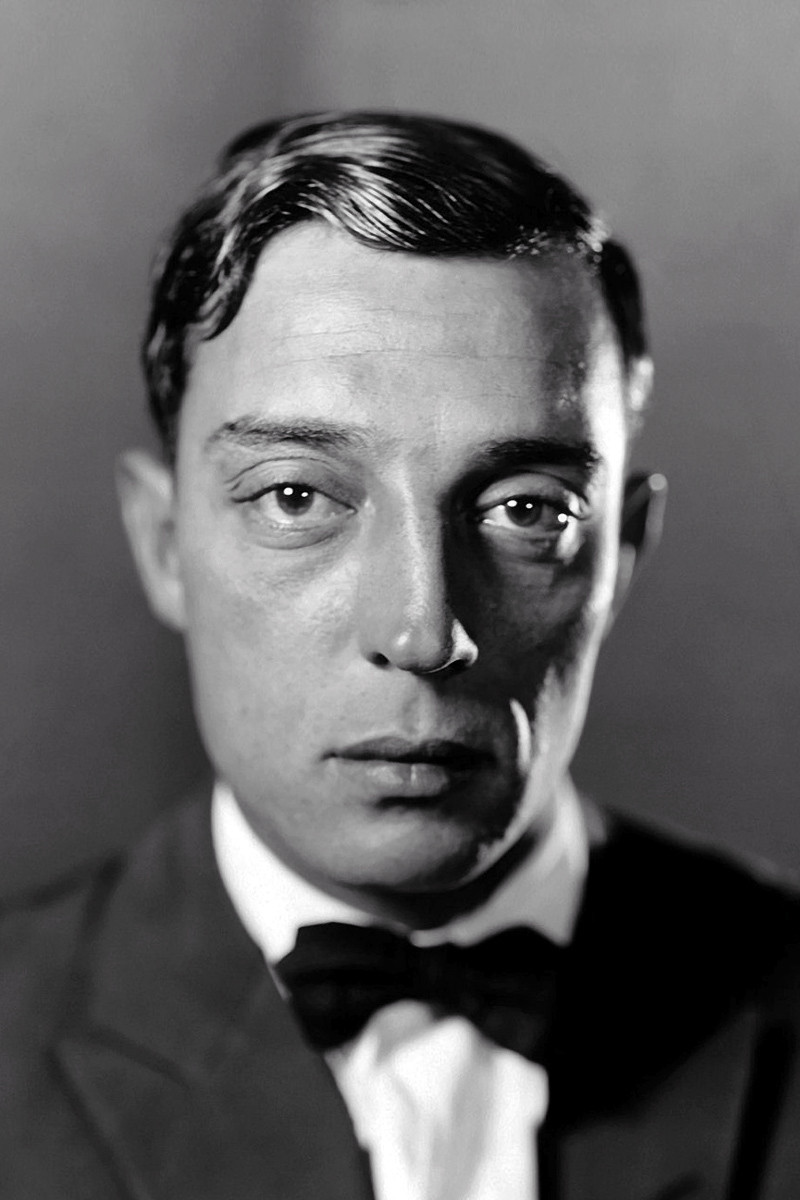
Buster Keaton’s features are comedies defined by precision stunts and a straight faced performance style, with ‘Sherlock Jr.’, ‘The General’, and ‘Steamboat Bill, Jr.’ as core examples. He designs sequences around cause and effect mechanics so each gag follows logically from the one before it.
Engineering and spatial puzzles drive his comedy, using collapsing houses, moving trains, and drifting boats to set up big payoffs. Even as sound arrived, his film roles kept returning to physical humor, relying on clear blocking and practical effects rather than dialogue.
Harold Lloyd
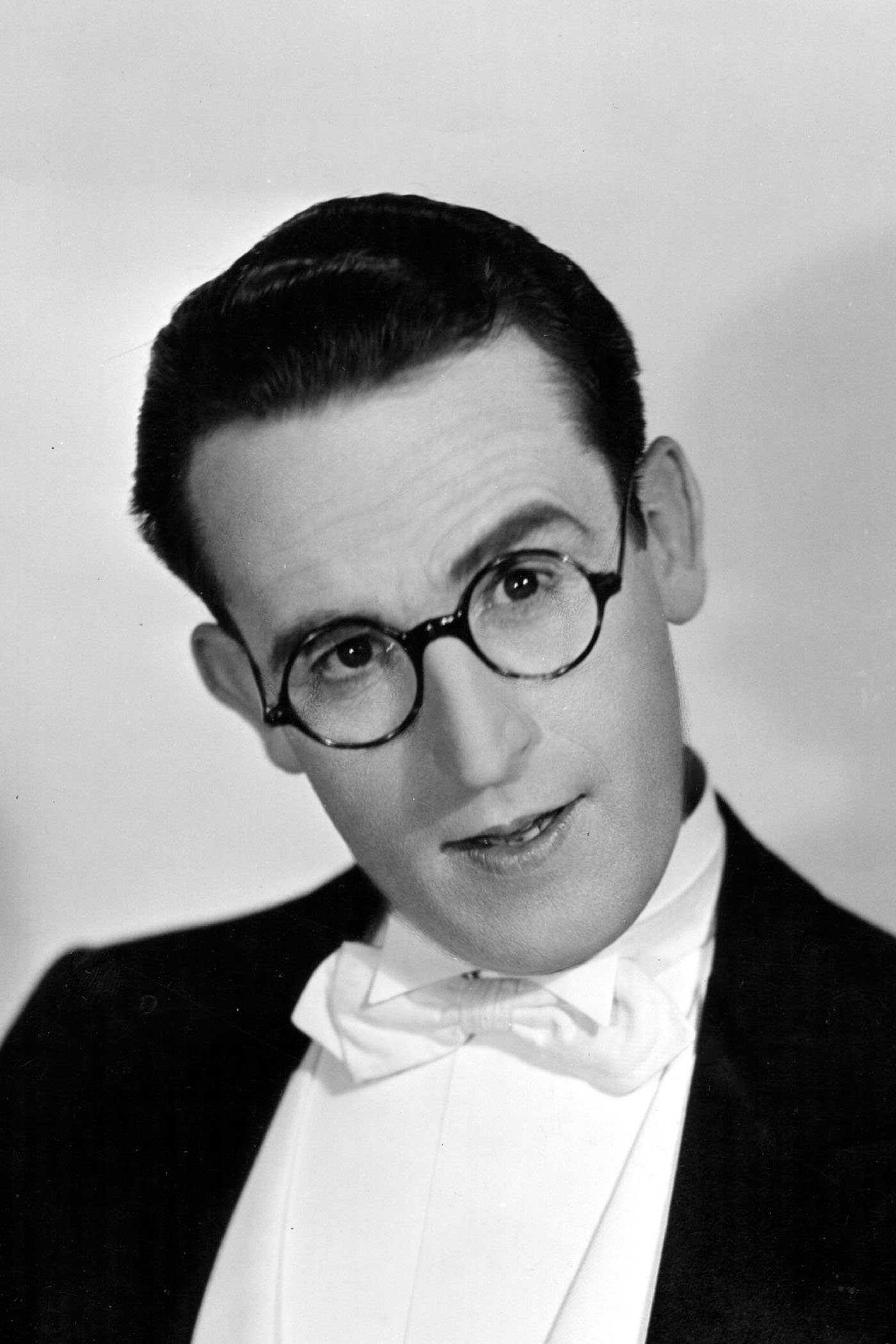
Harold Lloyd specialized in modern setting comedies such as ‘Safety Last’, ‘The Freshman’, and ‘Girl Shy’. His go getter persona climbs social ladders and literal buildings, with comedy built from ambition meeting risky plans.
His productions plan stunts with camera placement that preserves height and distance, which helps viewers understand the stakes of each set piece. Costume changes, crowded streets, and athletic footwork keep the energy high while the story remains firmly in the comic genre.
Rowan Atkinson
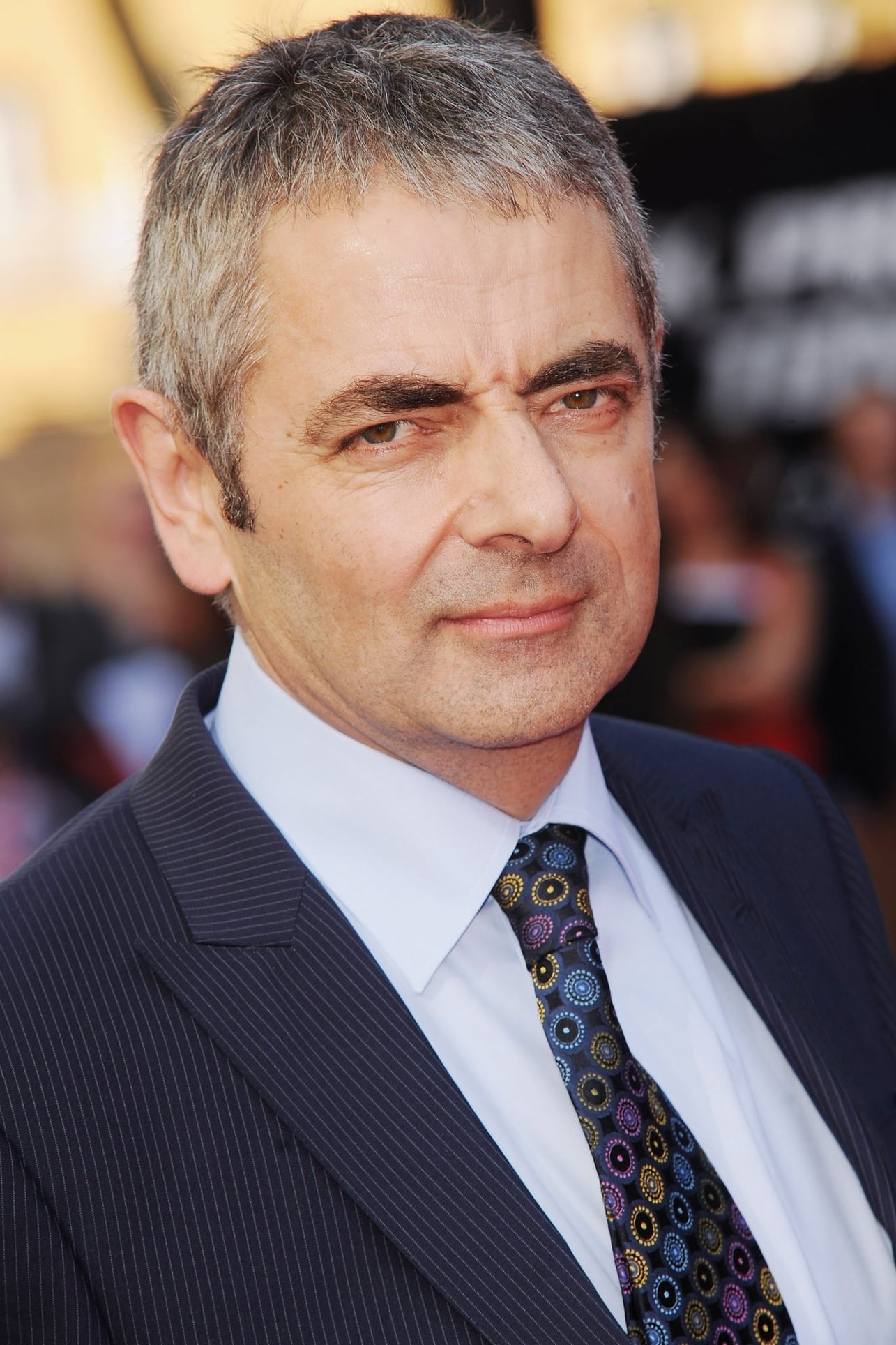
Rowan Atkinson’s film leads sit squarely in comedy, with ‘Bean’, ‘Mr Bean’s Holiday’, and the ‘Johnny English’ series. Physical humor, minimal dialogue, and precise facial reactions carry the Mr Bean films, while the spy spoofs use gadgets and mistaken identity to stage comic set pieces.
He also contributes comic voice work in ‘The Lion King’ and brief scene stealing turns that add laughs to ensemble films. Across features, the structure remains comedic, with misunderstandings, pratfalls, and elaborate plans that backfire before a tidy resolution.
Robert Englund
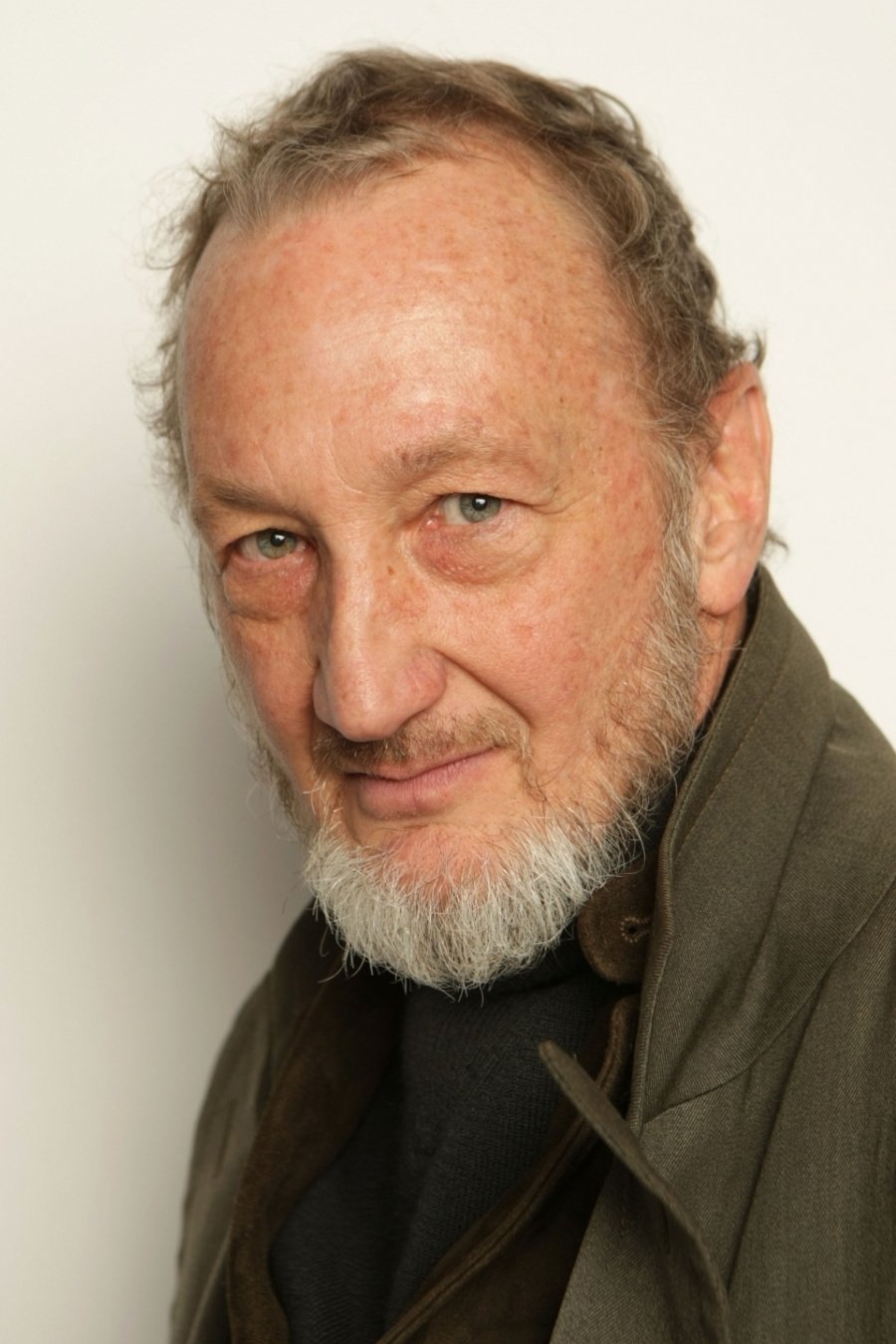
Robert Englund’s big screen identity belongs to horror through his portrayal of Freddy Krueger in multiple ‘A Nightmare on Elm Street’ entries. The character combines dream logic with practical makeup, turning each film into a series of nightmares that end in confrontations with a bladed glove.
Outside that series, he continues to appear in horror features, documentaries, and cameo roles that reference slasher traditions. Conventions, retrospectives, and franchise crossovers keep his film work anchored to the genre, with plots that revolve around fear, survival, and supernatural rules.
Doug Bradley
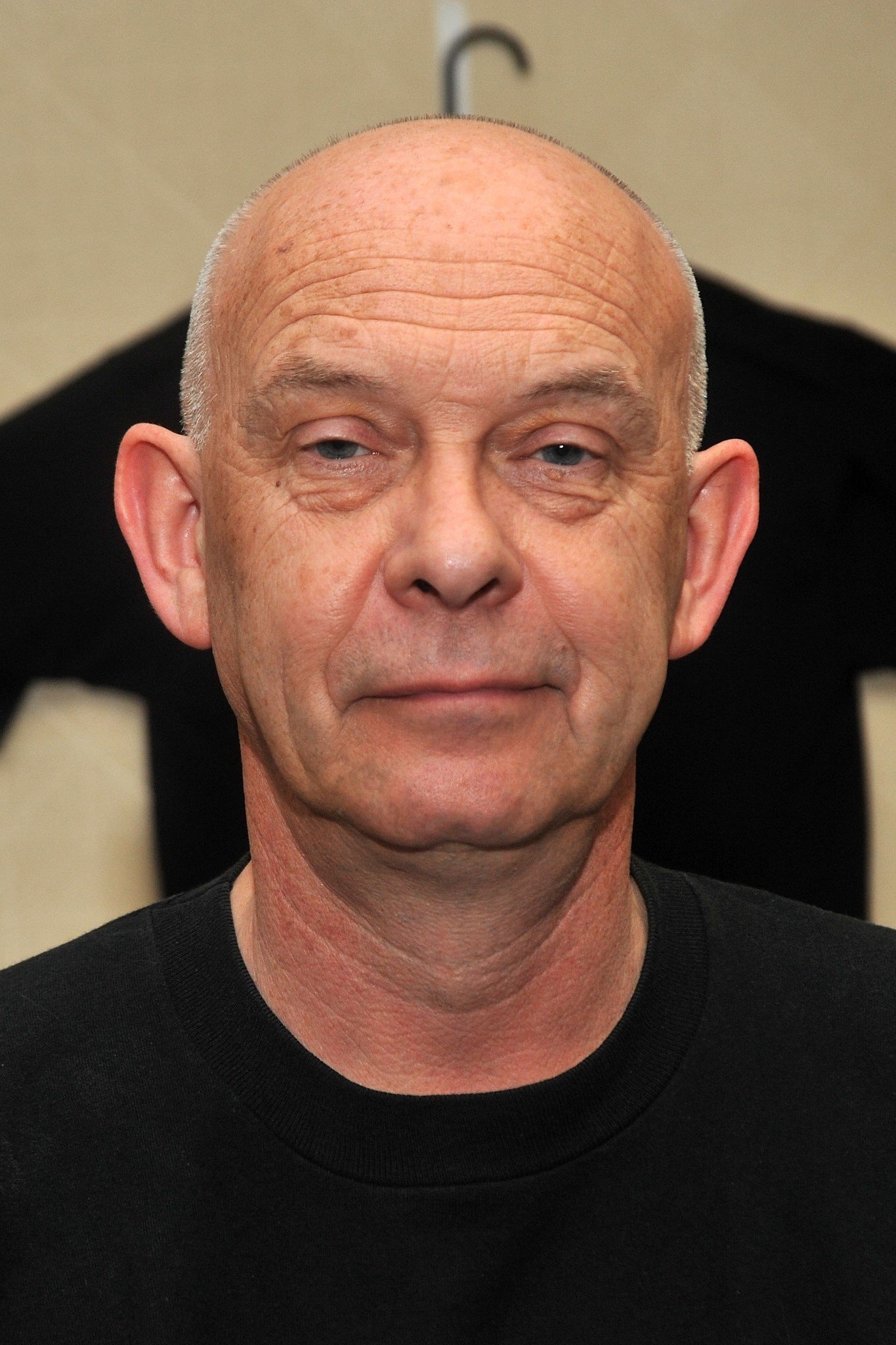
Doug Bradley is closely tied to horror through his performance as Pinhead in the ‘Hellraiser’ films. The role uses elaborate prosthetics and measured dialogue, framing the character as judge and guide within a world of bargains and punishments.
His later credits remain in horror and dark fantasy anthologies, independent features, and narration for genre projects. The work focuses on occult lore, cursed objects, and labyrinth stories, keeping his screen presence connected to supernatural horror.
Kane Hodder
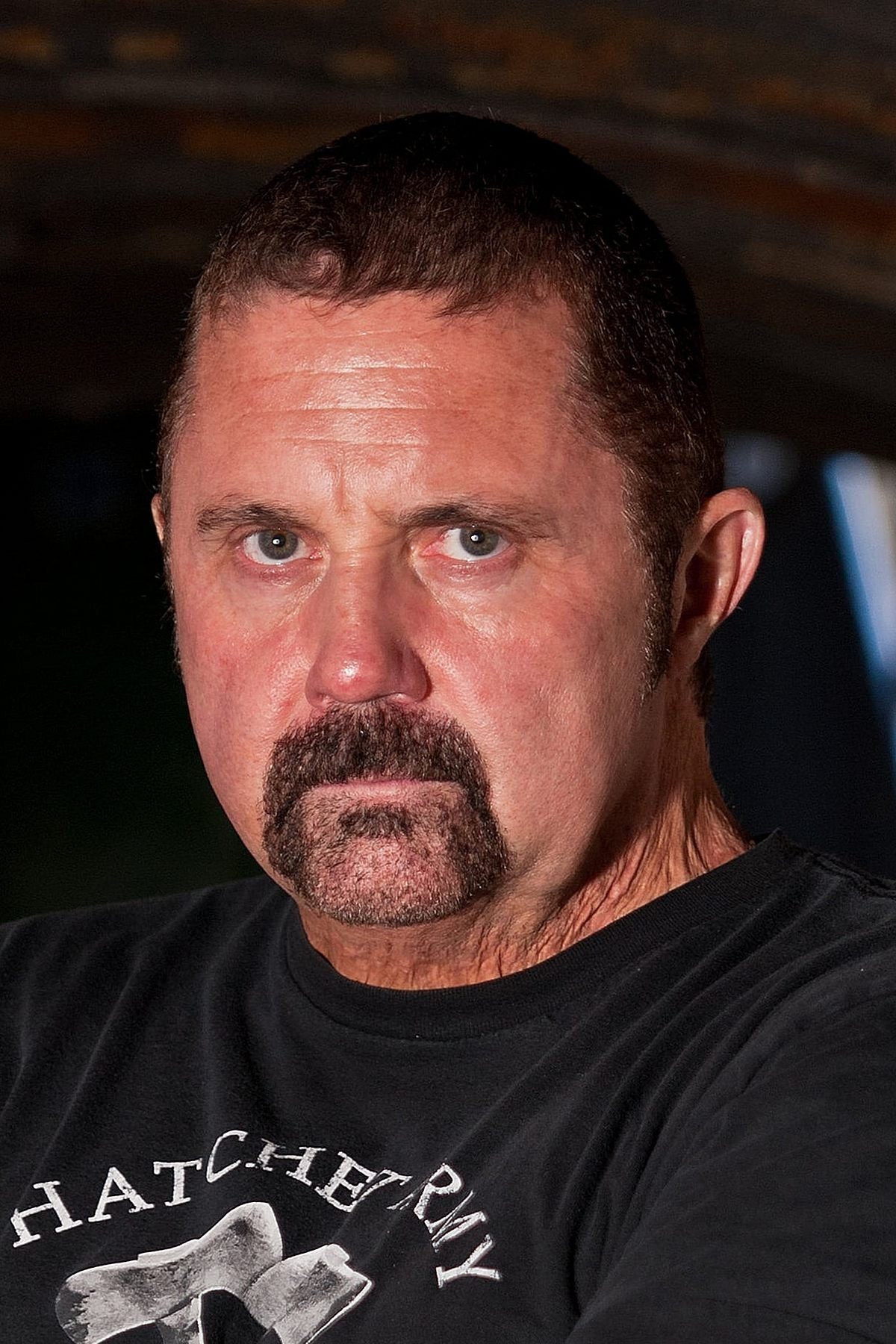
Kane Hodder’s feature work is centered on horror, most notably as Jason Voorhees in several ‘Friday the 13th’ films. His background in stunt coordination shapes the way the character moves, with heavy breathing, deliberate steps, and explosive bursts during attacks.
He continues to appear in slashers, creature features, and behind the mask documentaries that explore makeup and stunt design. The roles involve masked figures, improvised weapons, and remote settings such as camps and forests, all within the horror framework.
Gene Autry
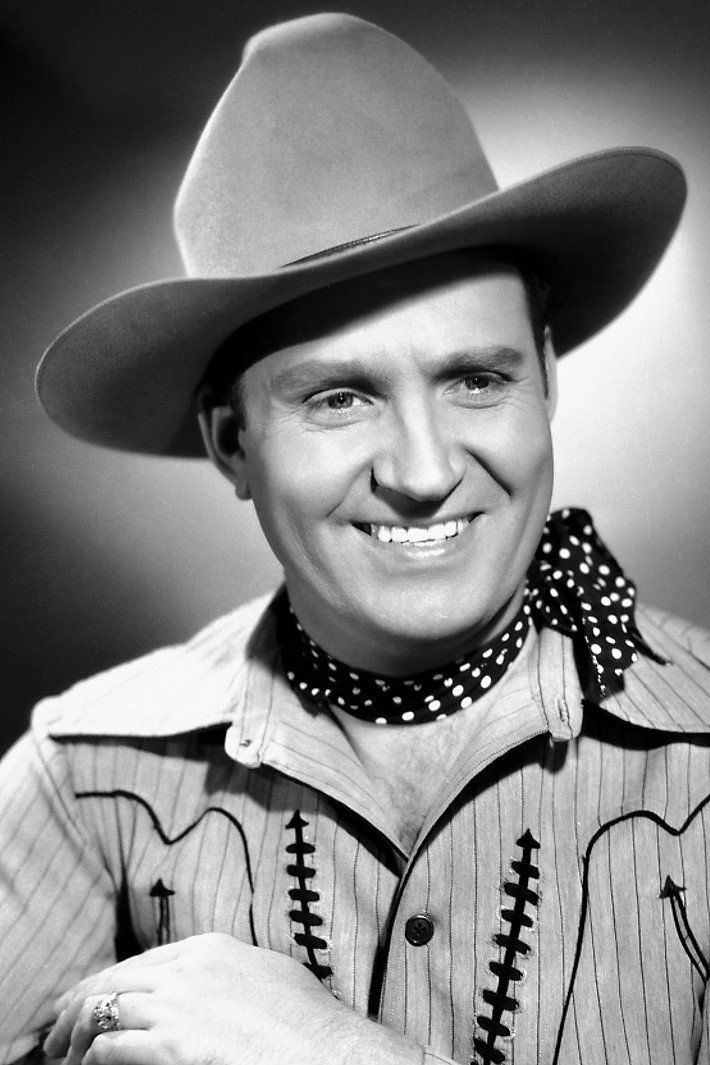
Gene Autry’s movies present the singing cowboy across a long run of Westerns such as ‘Melody Ranch’, ‘Back in the Saddle’, and ‘The Phantom Empire’. Plots center on ranch ownership, rustlers, and small town justice, with songs integrated into story beats.
His films connect cinema with recording and radio schedules, creating character themed tunes that fit Western action. The settings use frontier towns, parades, and rodeos, and the resolutions typically align with community values and open range life.
Tom Mix

Tom Mix made Westerns throughout the silent era, building a filmography of cowboy adventures that emphasized horsemanship and outdoor action. Stories feature posses, stagecoaches, and ranch conflicts that end with chases and showdowns.
He performed many of his own stunts, including saddle transfers, rope work, and high speed riding across rough ground. The films established visual standards for the Western, with wide shots of canyons, dusty streets, and clear views of practical stunts.
Share your picks in the comments for actors who stick to one genre on the big screen.