


Top 20 Great Movies Saved By Last Minute Changes

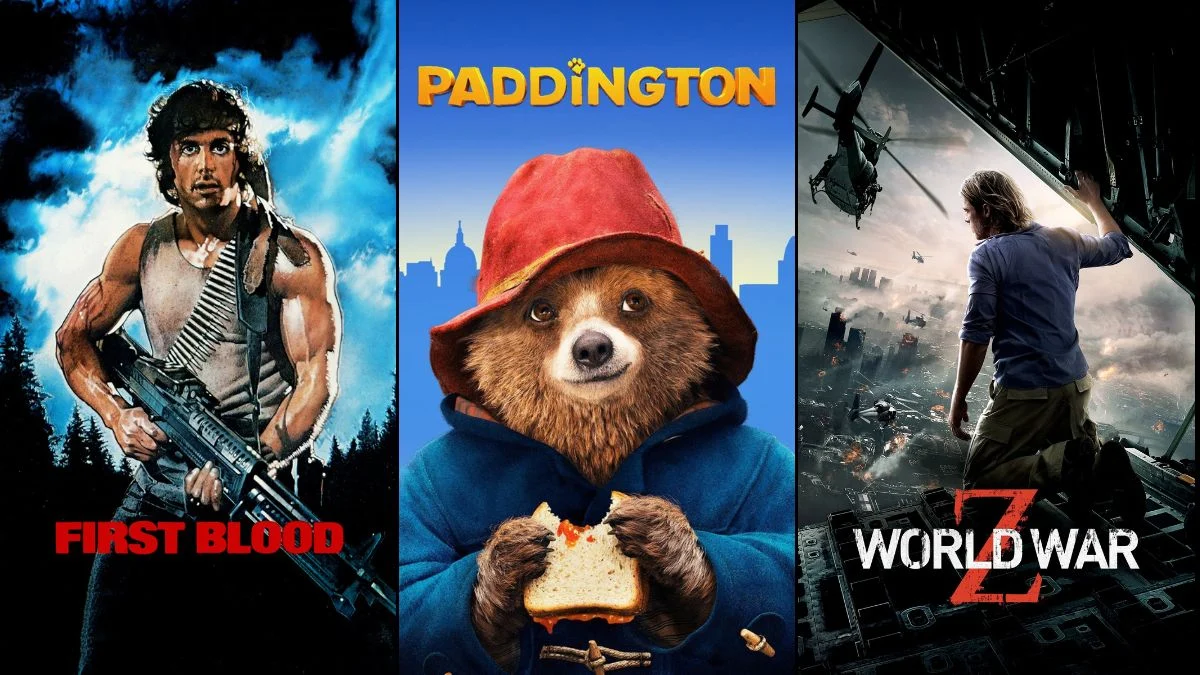


Filmmaking is a chaotic process where the difference between a disaster and a masterpiece often comes down to eleventh-hour decisions. Many beloved classics faced disastrous test screenings or production nightmares that required drastic pivots just before release. Directors and studios sometimes have to reshoot endings or recast lead actors to salvage a project. These alterations can fundamentally change the tone and legacy of a motion picture. The following films prove that sometimes the best creative choices happen when the pressure is highest.
‘Back to the Future’ (1985)
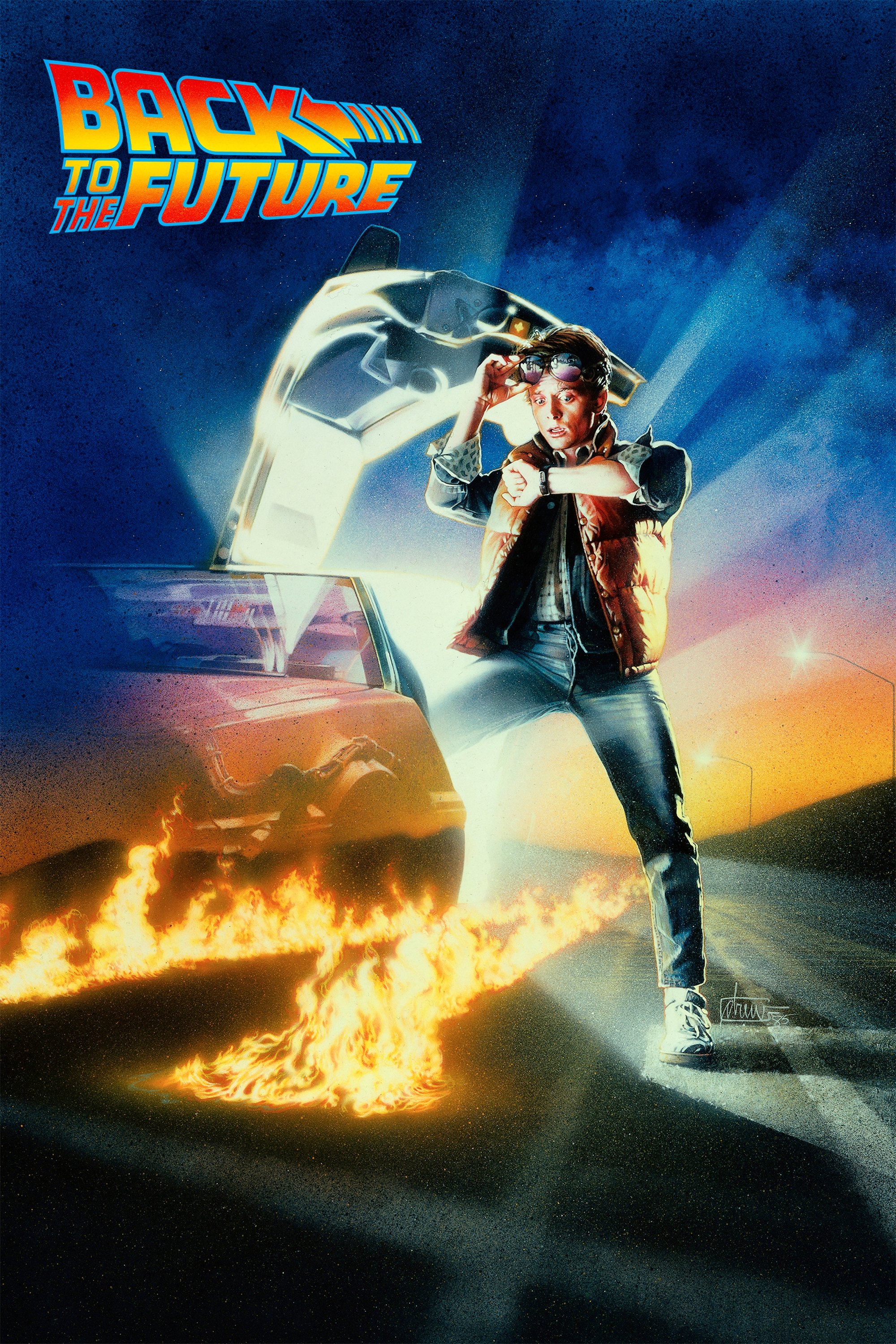
Eric Stoltz was originally cast as Marty McFly and filmed for several weeks. Director Robert Zemeckis realized the actor lacked the specific comedic energy needed for the role. Michael J. Fox was brought in to replace him and injected the necessary charm into the character. This costly decision ultimately created one of the most beloved sci-fi comedies in history. The chemistry between Fox and Christopher Lloyd became the heart of the franchise.
‘Jaws’ (1975)
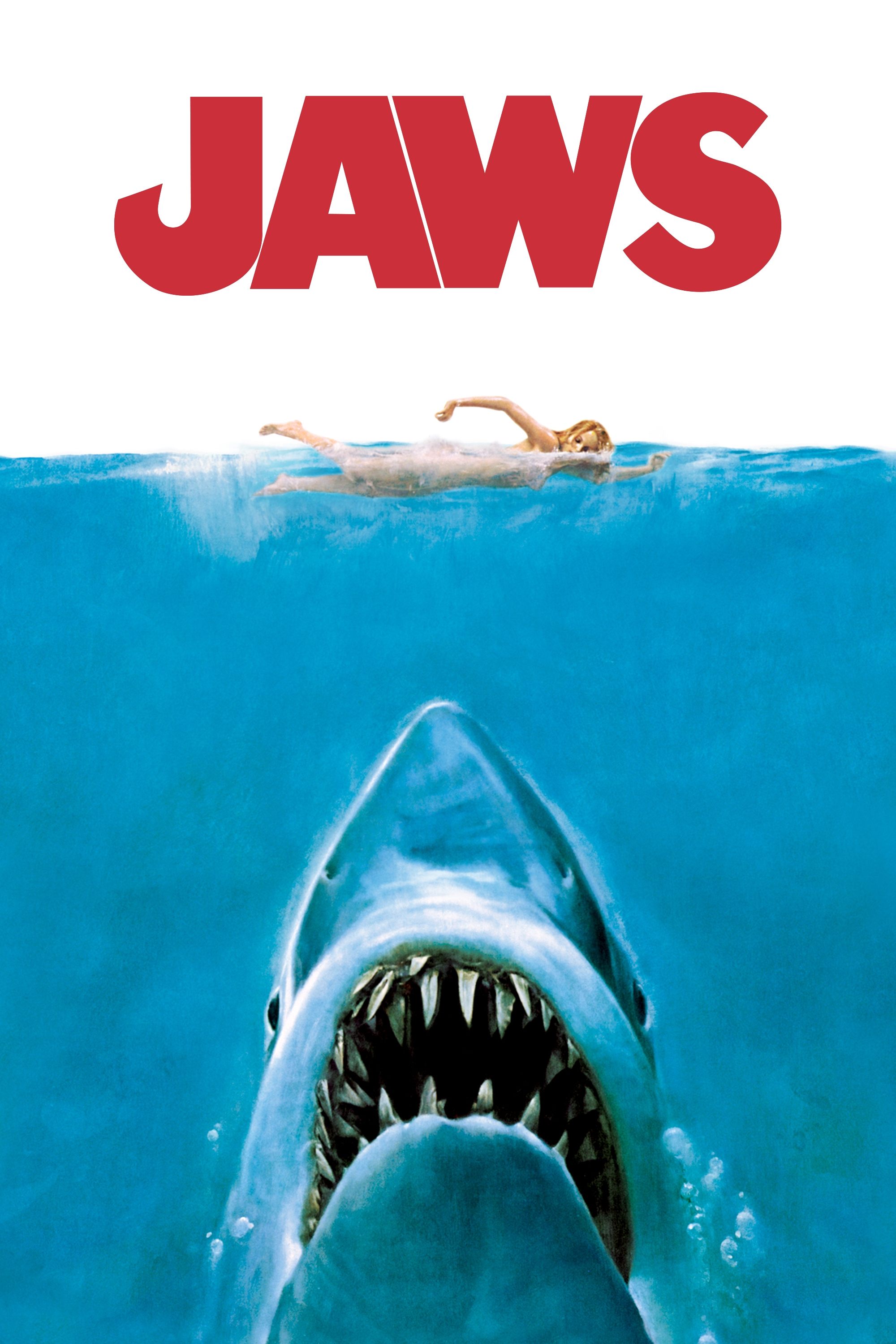
The mechanical shark malfunctioned constantly during the difficult production at sea. Steven Spielberg decided to show the shark less and rely on the suggestion of its presence. This forced creativity resulted in a masterful exercise in suspense that defined the summer blockbuster. The film became far more terrifying because the audience had to imagine the threat. John Williams provided the iconic score that filled the void left by the missing shark.
‘Star Wars: Episode IV – A New Hope’ (1977)
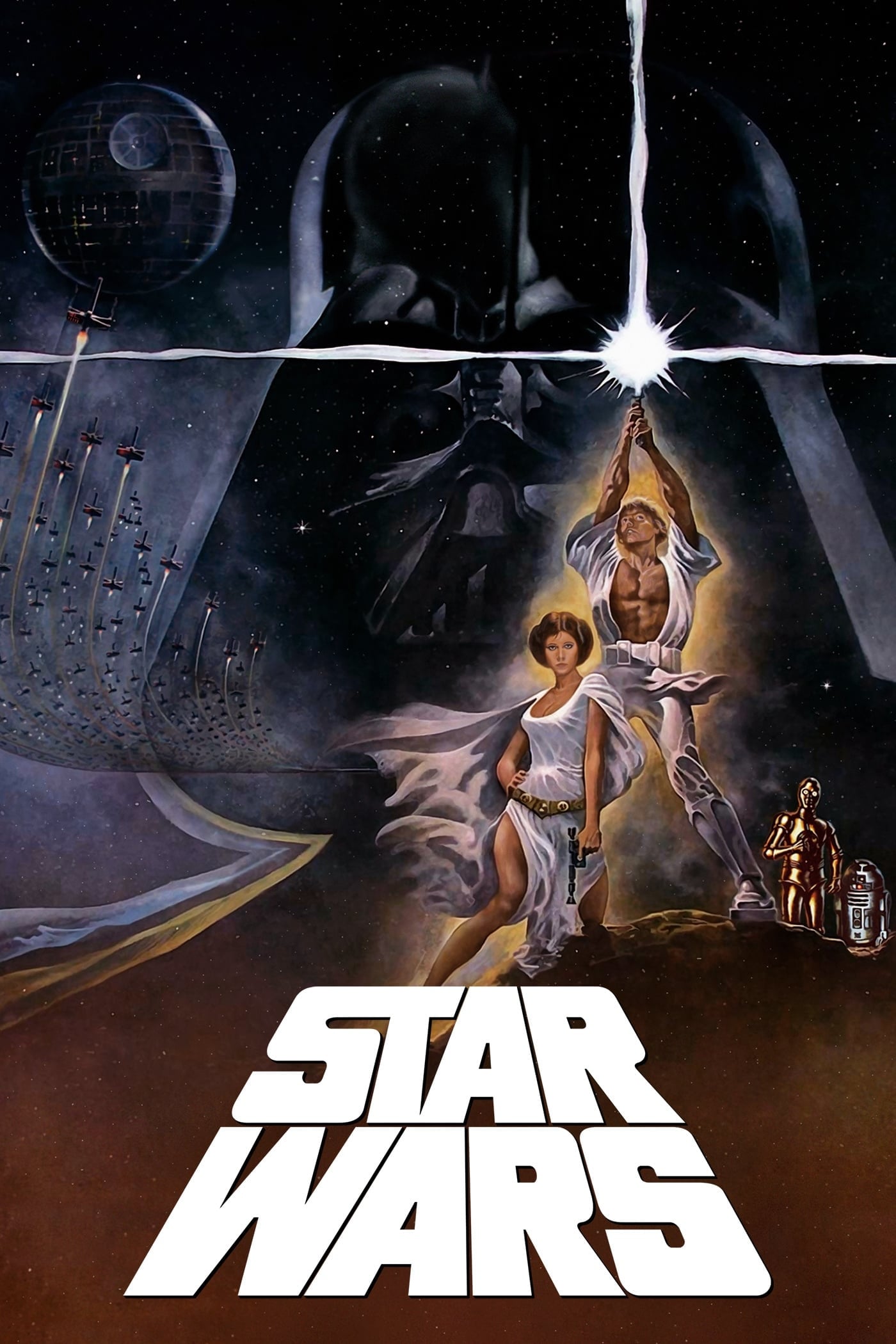
The original cut of the film was disjointed and lacked narrative urgency. Editors Paul Hirsch and Richard Chew worked with Marcia Lucas to completely restructure the trench run sequence. They utilized audio clips from other scenes to create a ticking clock element that did not exist previously. This editing magic saved the climax and helped launch a global phenomenon. The pacing improvements turned a troubled production into a seamless space opera.
‘Toy Story’ (1995)
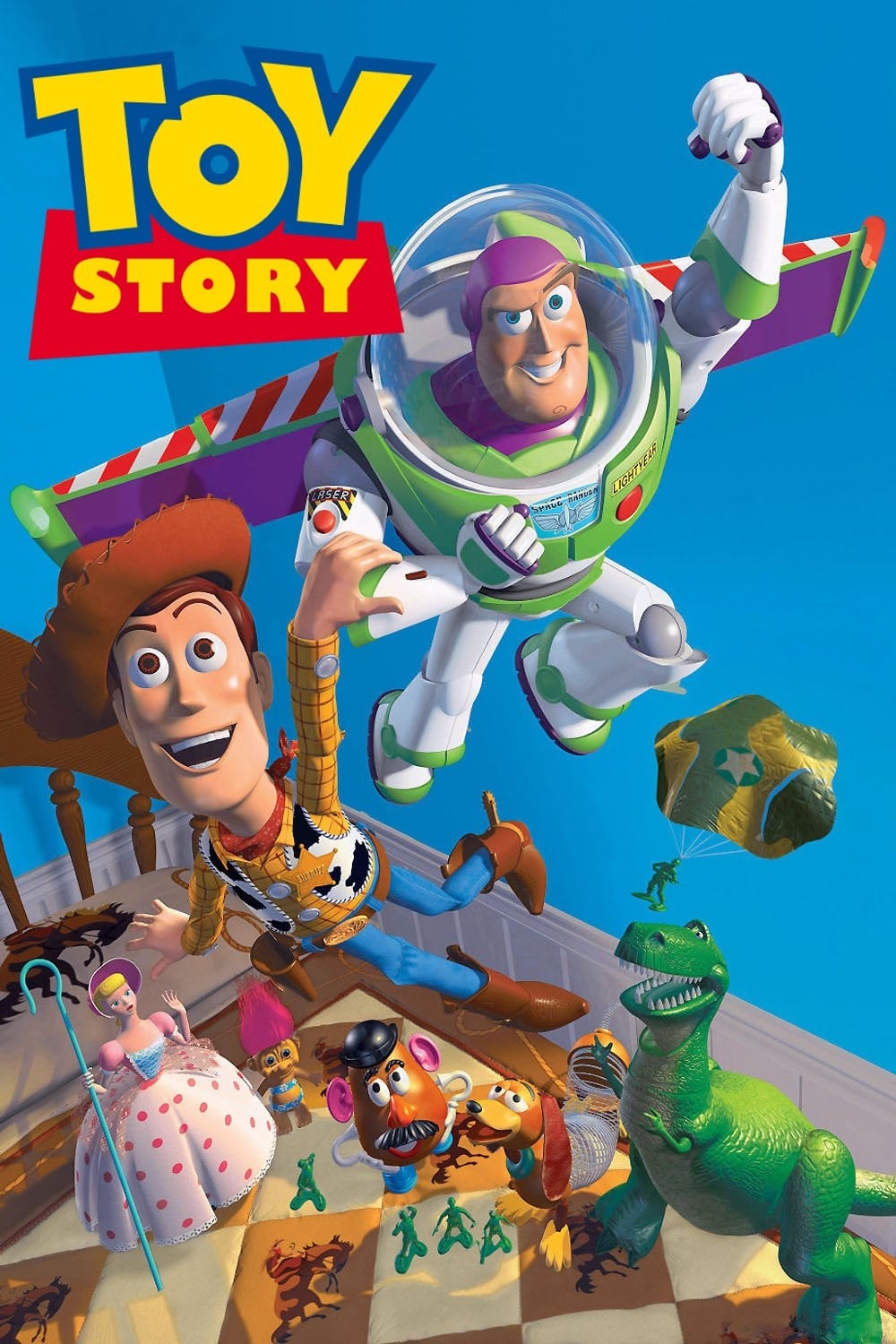
Early screenings showed Woody as an unlikable and tyrannical ventriloquist dummy. Disney executives halted production until Pixar could rework the script to make the cowboy doll a leader rather than a bully. Joss Whedon was brought in to help polish the dialogue and character dynamics. The revised version established the heart and friendship that became the core of the franchise. Audiences embraced the softer and more insecure version of the character.
‘World War Z’ (2013)
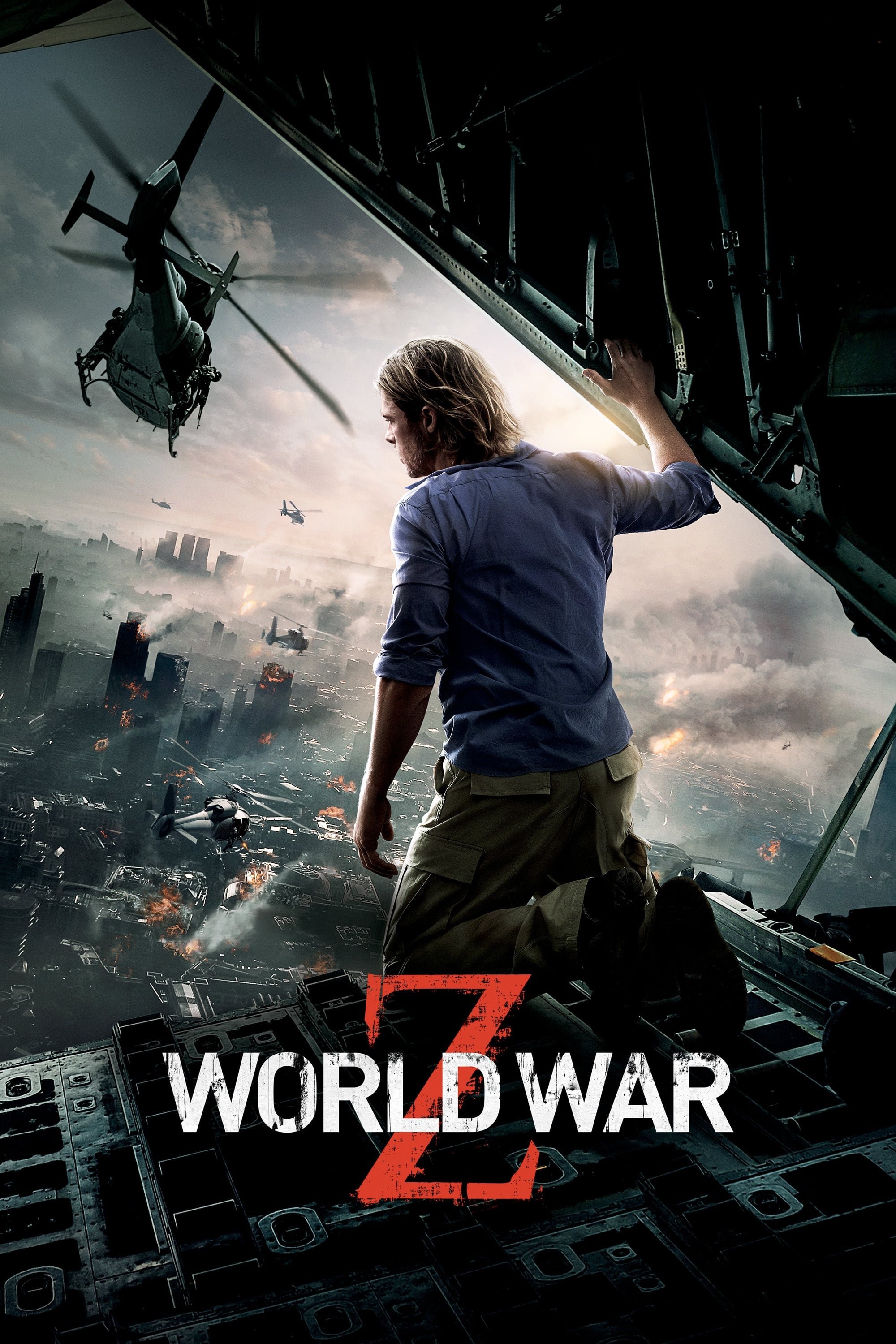
The original third act featured a massive battle in Russia that felt disjointed from the rest of the film. Damon Lindelof and Drew Goddard were hired to write a completely new ending focused on suspense rather than action. Reshoots took place to create the tense laboratory sequence that grounded the story personally. This change turned a potential disaster into the highest-grossing zombie movie of all time. The quieter finale distinguished the film from typical action blockbusters.
‘Fatal Attraction’ (1987)
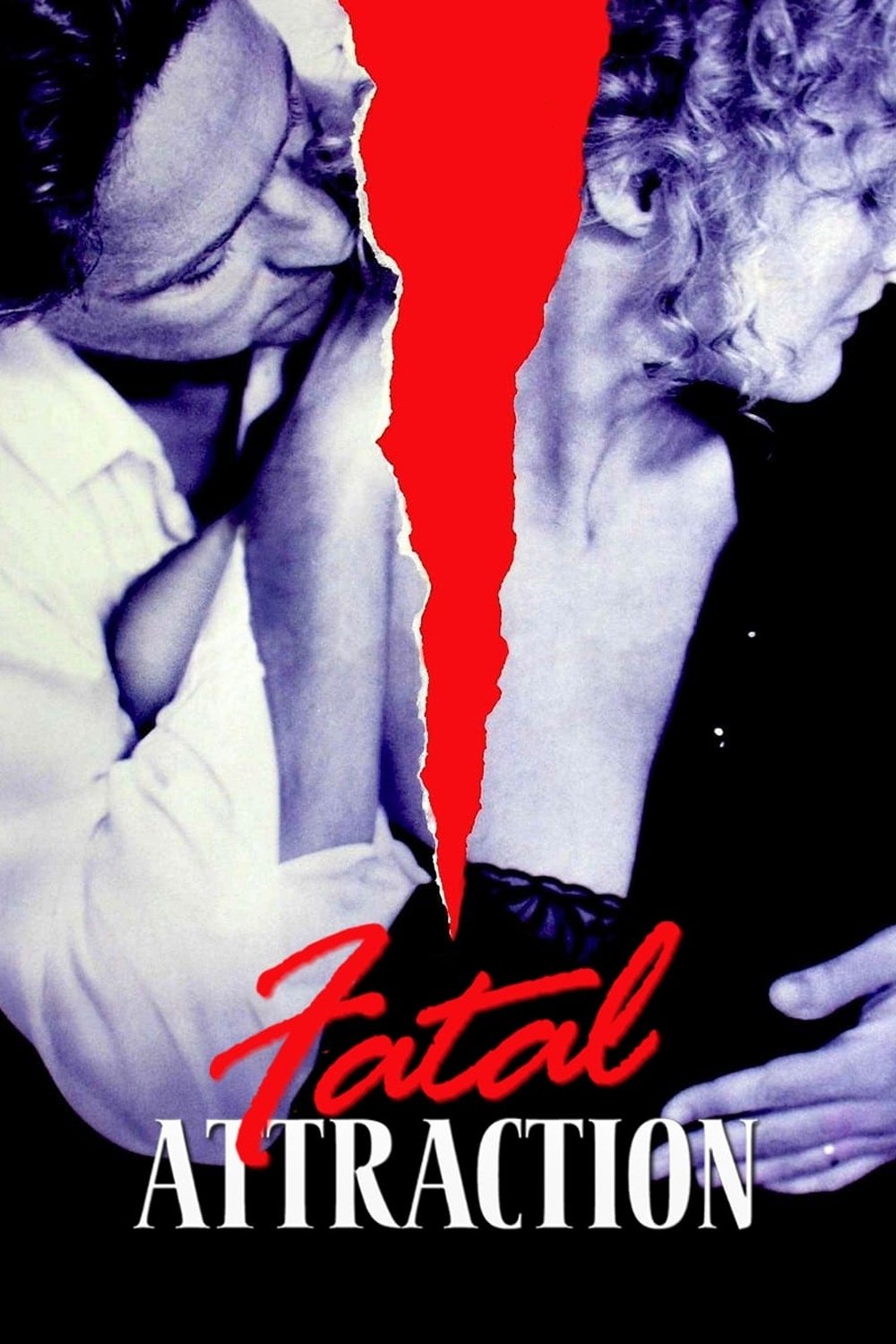
Test audiences hated the original ending where Alex commits suicide and frames Dan for murder. The studio demanded a new conclusion where Alex is shot by Dan’s wife to provide a more cathartic resolution. Glenn Close initially opposed the change but eventually agreed to reshoot the violent finale. The theatrical ending satisfied audiences and solidified the movie as a massive thriller hit. It remains one of the most famous altered endings in cinema history.
‘Shrek’ (2001)
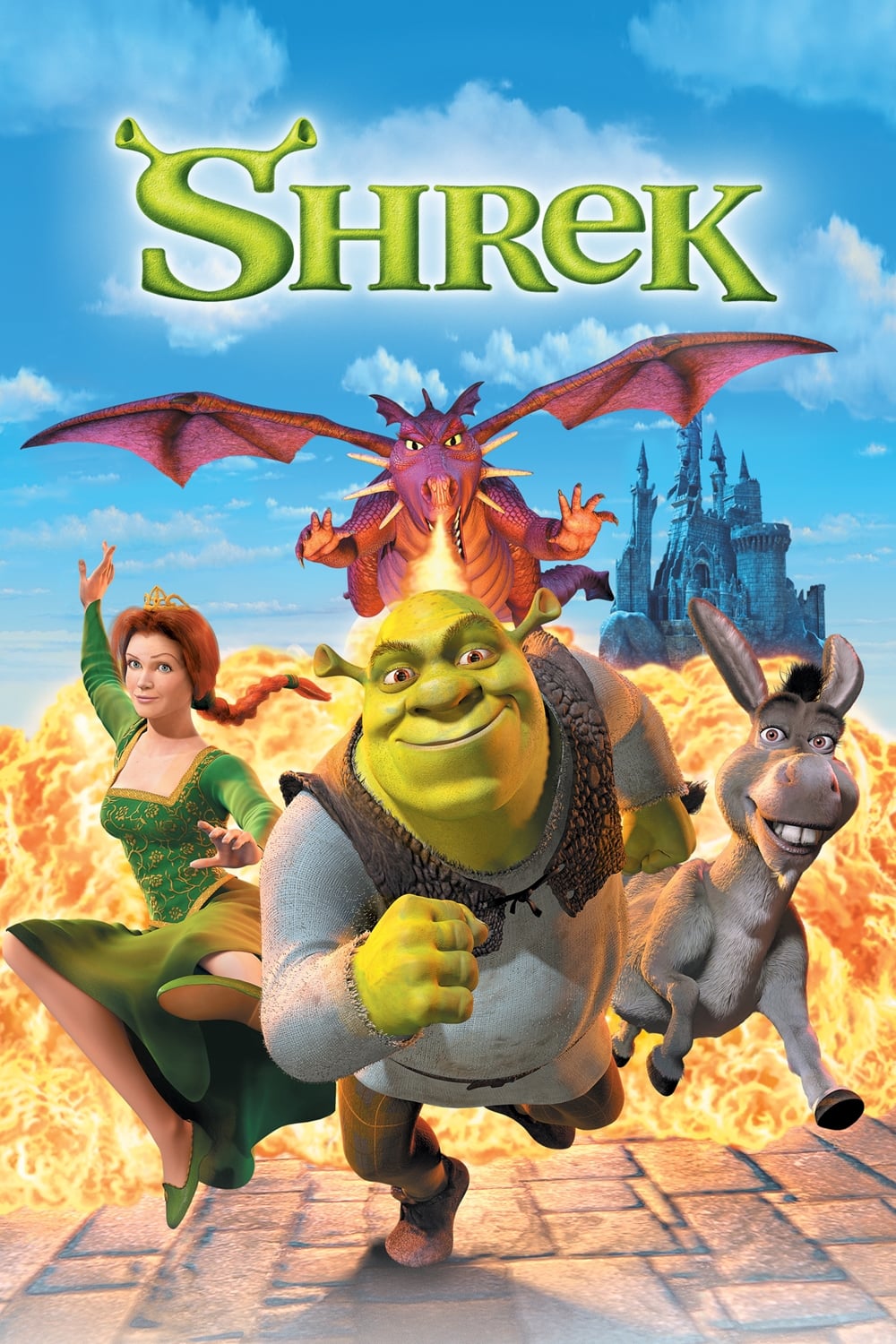
Chris Farley originally recorded nearly all the dialogue for the titular ogre before his untimely death. Mike Myers stepped in to take over the role and decided to give the character a Scottish accent late in the process. This specific vocal choice added a layer of warmth and humor that defined the character. The movie was reanimated to match the new voice performance and became an instant classic. Myers felt the accent grounded the character emotionally.
‘First Blood’ (1982)
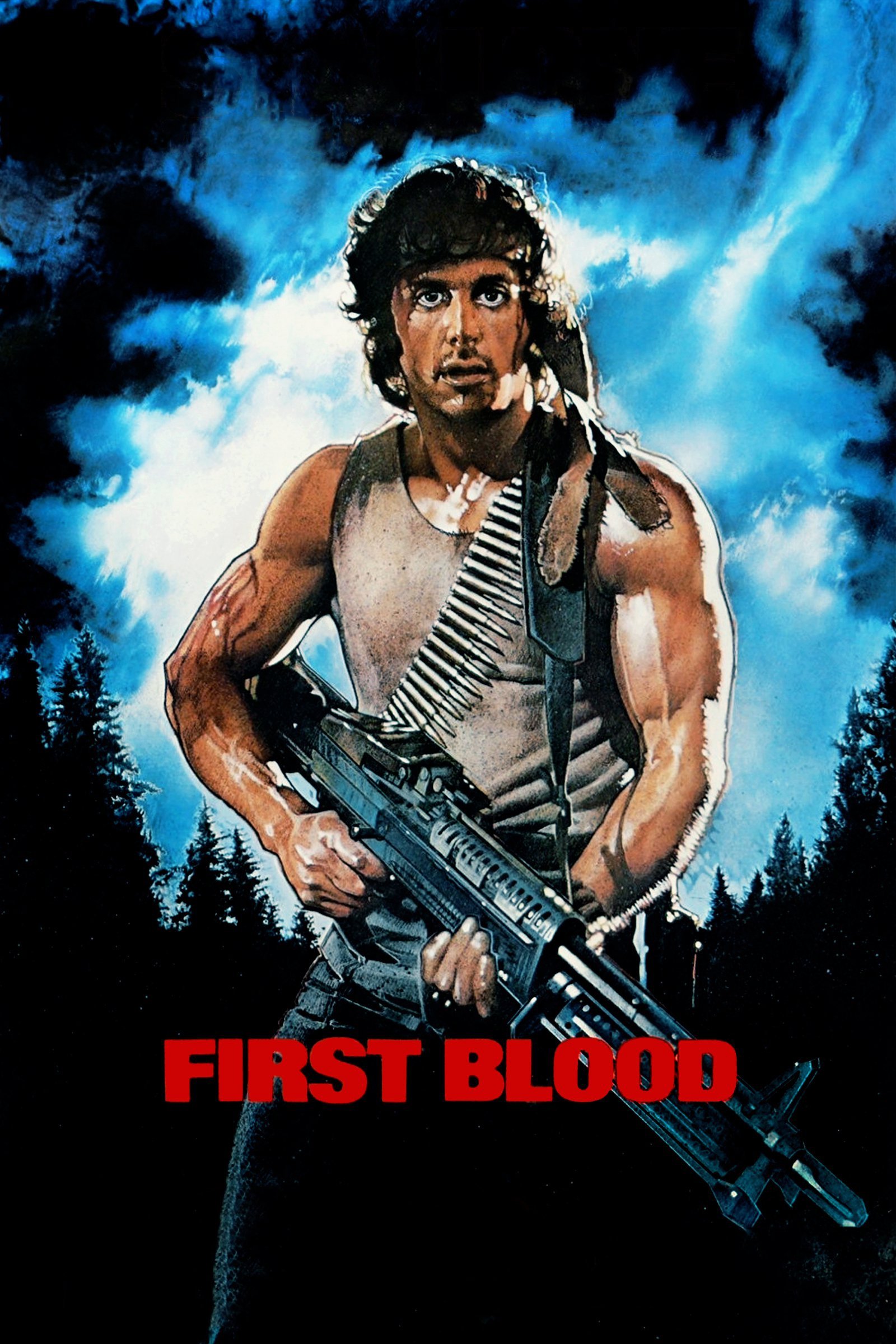
The original cut ended with John Rambo forcing Colonel Trautman to kill him. Sylvester Stallone felt this message was too depressing for a character who had already suffered so much. He convinced the director to shoot a new ending where Rambo survives and is taken into custody. This alteration allowed the character to return for sequels and become an action icon. The survival of the protagonist changed the entire trajectory of the franchise.
‘Clerks’ (1994)
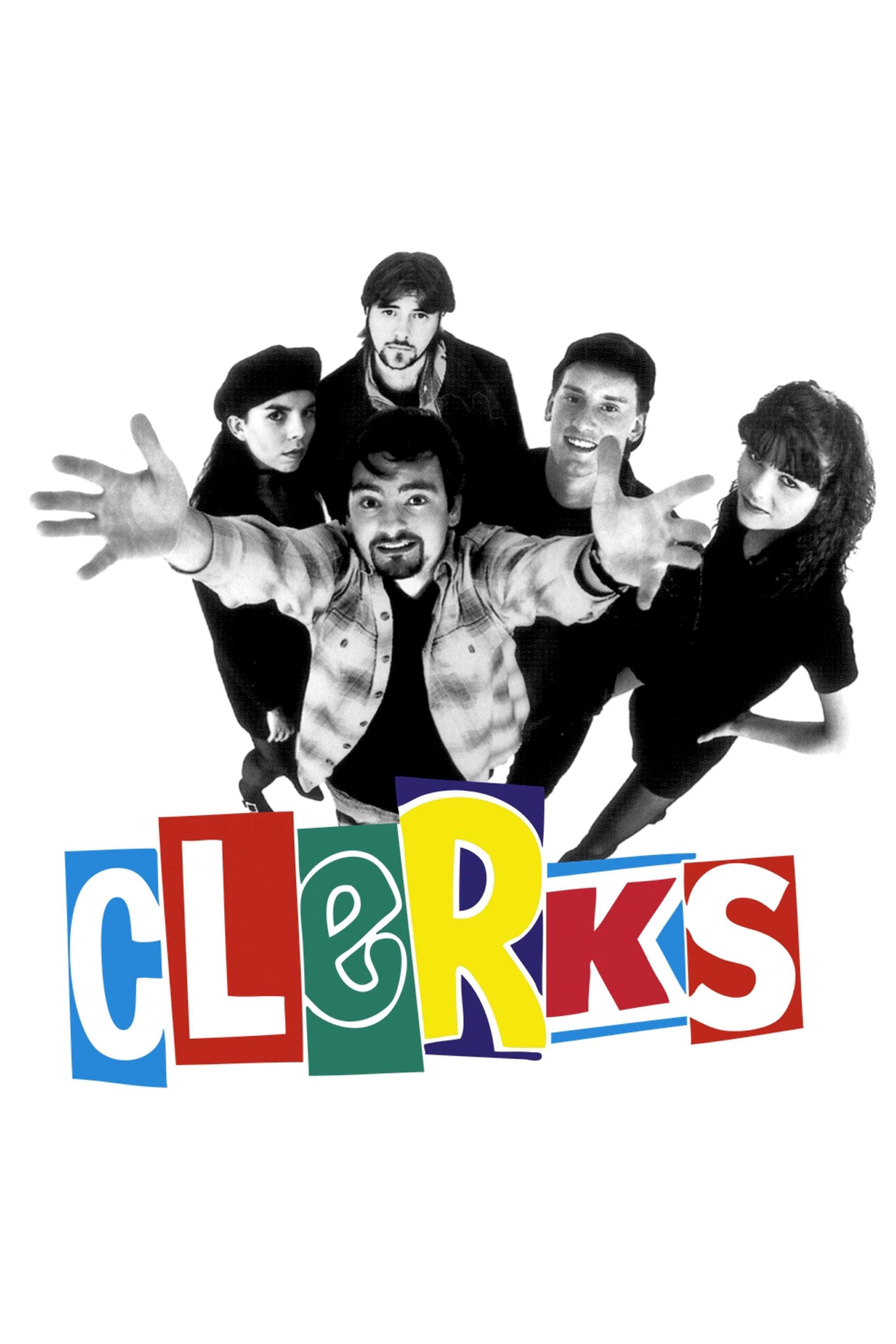
Kevin Smith originally wrote and filmed an ending where Dante is killed by a robber. Mentors advised Smith that this tragic conclusion was too jarring for a comedy about a mundane day at work. He decided to cut the scene and end the film on a simple note of ambiguity. This choice preserved the lighter tone of the movie and launched Smith’s career. The darker ending would have likely alienated the audience completely.
‘The Emperor’s New Groove’ (2000)

This project started as a dramatic musical epic titled ‘Kingdom of the Sun’. Production troubles led to a complete overhaul of the story into a fast-paced buddy comedy. The animation team had to pivot drastically to accommodate the new slapstick tone. The resulting film became a cult classic known for its unique humor and memorable characters. It stands as a testament to pivoting when a concept is not working.
‘Frozen’ (2013)
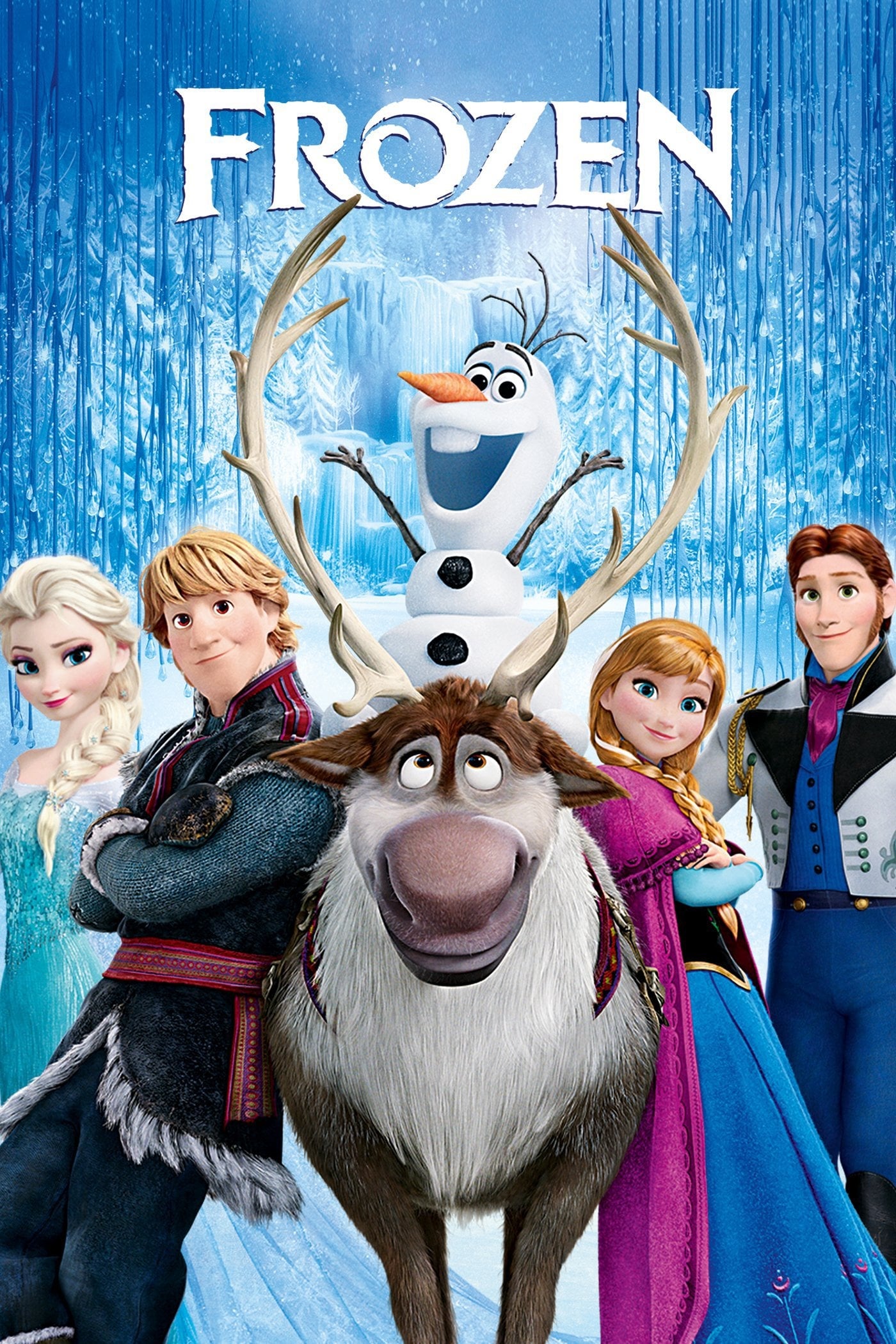
Elsa was originally developed as a straight villain inspired by the Snow Queen. The songwriters composed a specific song that portrayed her as a misunderstood character seeking freedom. This track compelled the directors to rewrite the entire plot to focus on the bond between sisters. The movie shifted from a standard good versus evil tale into a story about familial love. The villain role was subsequently shifted to Prince Hans.
‘Paddington’ (2014)
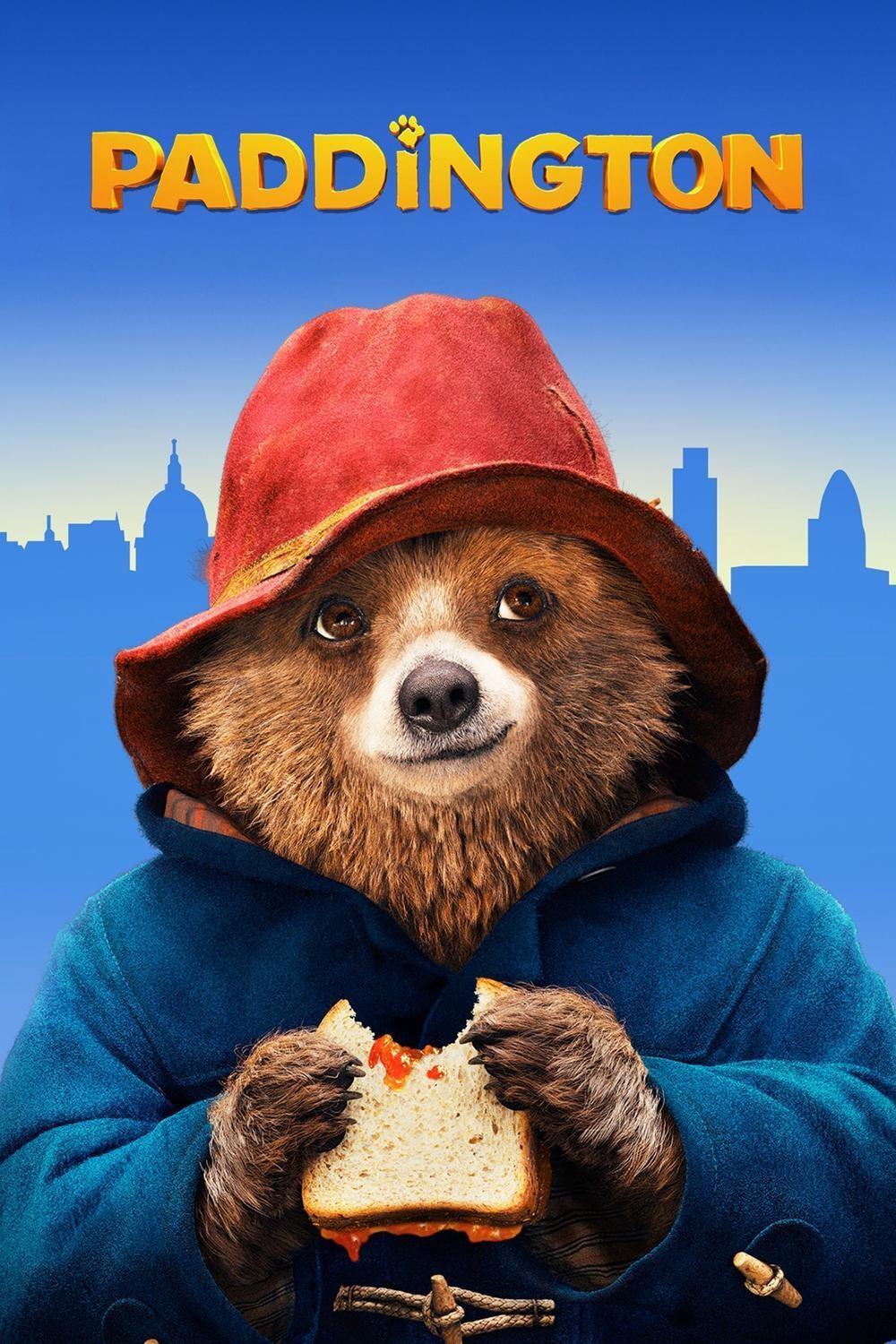
Colin Firth was initially cast to provide the voice for the polite bear. He and the director mutually agreed midway through production that his mature voice did not fit the youthful innocence of the character. Ben Whishaw was hired to replace him and captured the perfect tone of gentle naivety. The film was praised for its heartwarming charm largely due to Whishaw’s vocal performance. The recast saved the film from having a protagonist that felt disconnected from the animation.
‘Get Out’ (2017)
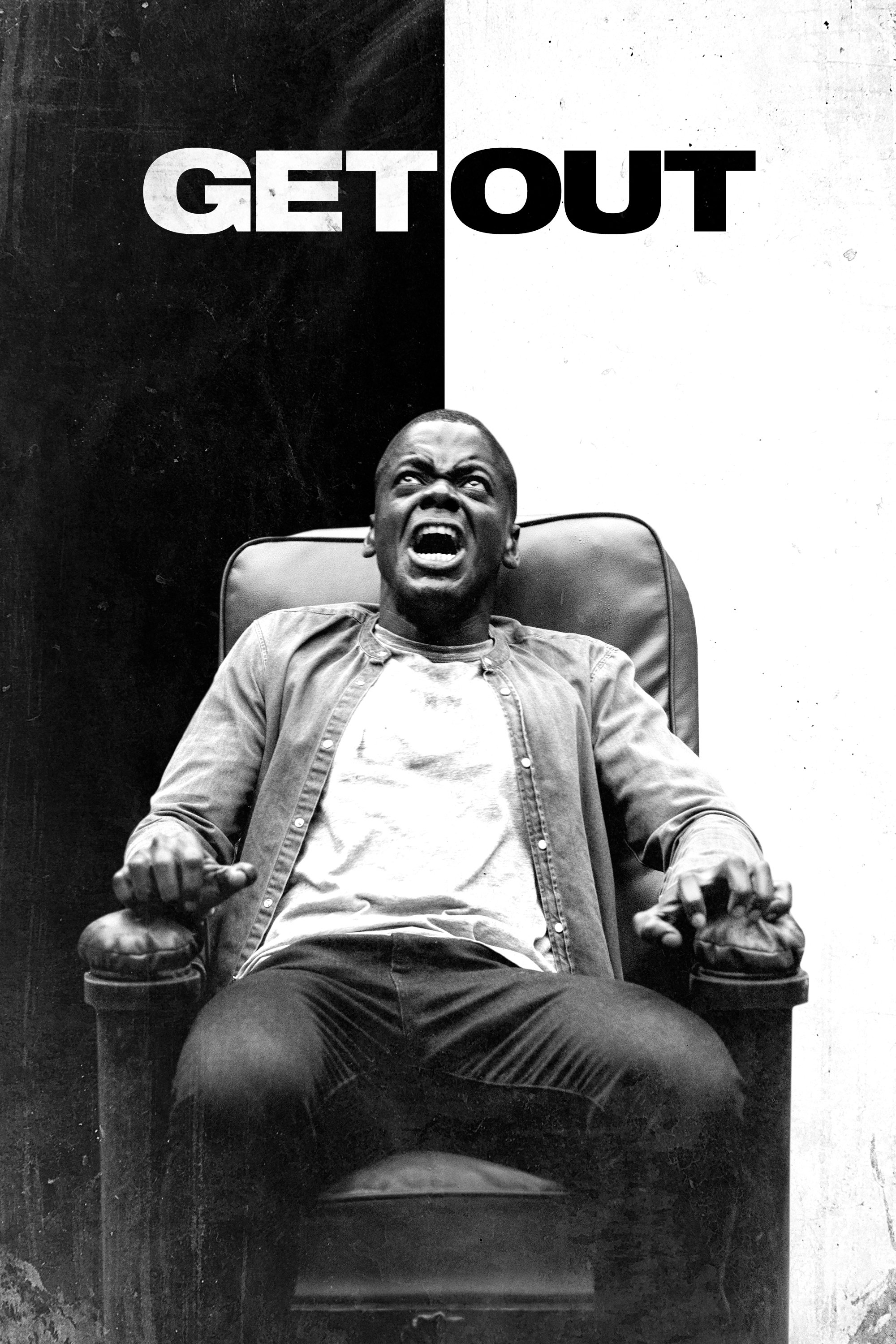
Jordan Peele originally filmed a darker ending where Chris is arrested by the police. Test audiences found the conclusion too bleak and unjust after seeing the protagonist survive so much horror. Peele wrote and shot a new scene where Rod arrives to rescue Chris instead. This change provided a moment of relief and triumph that audiences desperately needed. The theatrical ending allowed for a sense of justice without sacrificing the social commentary.
‘Legally Blonde’ (2001)
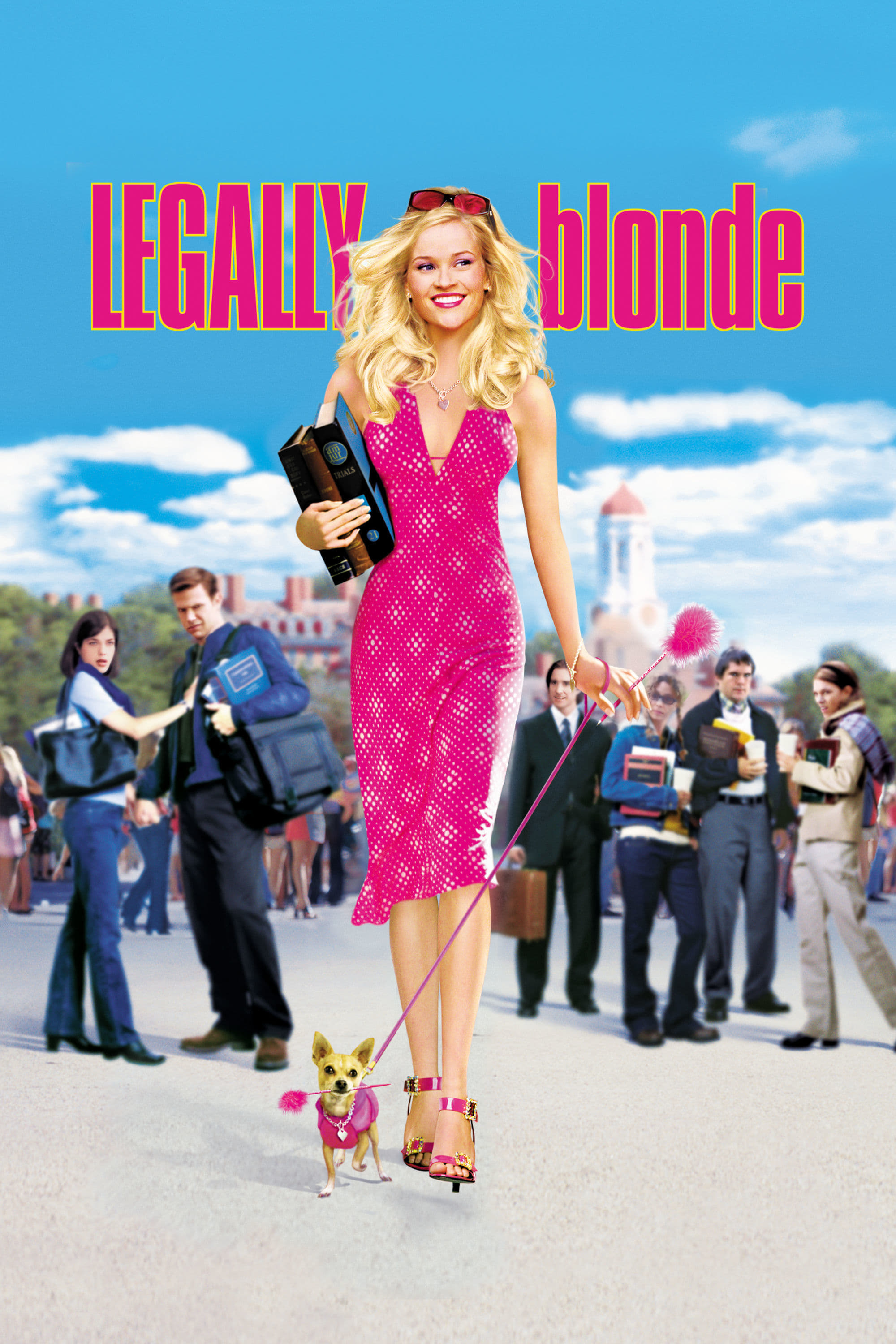
The original ending took place at the courthouse steps and hinted at a romance with Luke Wilson. Audiences wanted to see Elle Woods succeed professionally rather than just romantically. The creative team filmed a new graduation scene two years later to show her delivering a valedictorian speech. This addition cemented Elle as a capable lawyer and gave the film a more empowering message. It transformed the movie from a rom-com into a story of personal achievement.
‘The Shawshank Redemption’ (1994)
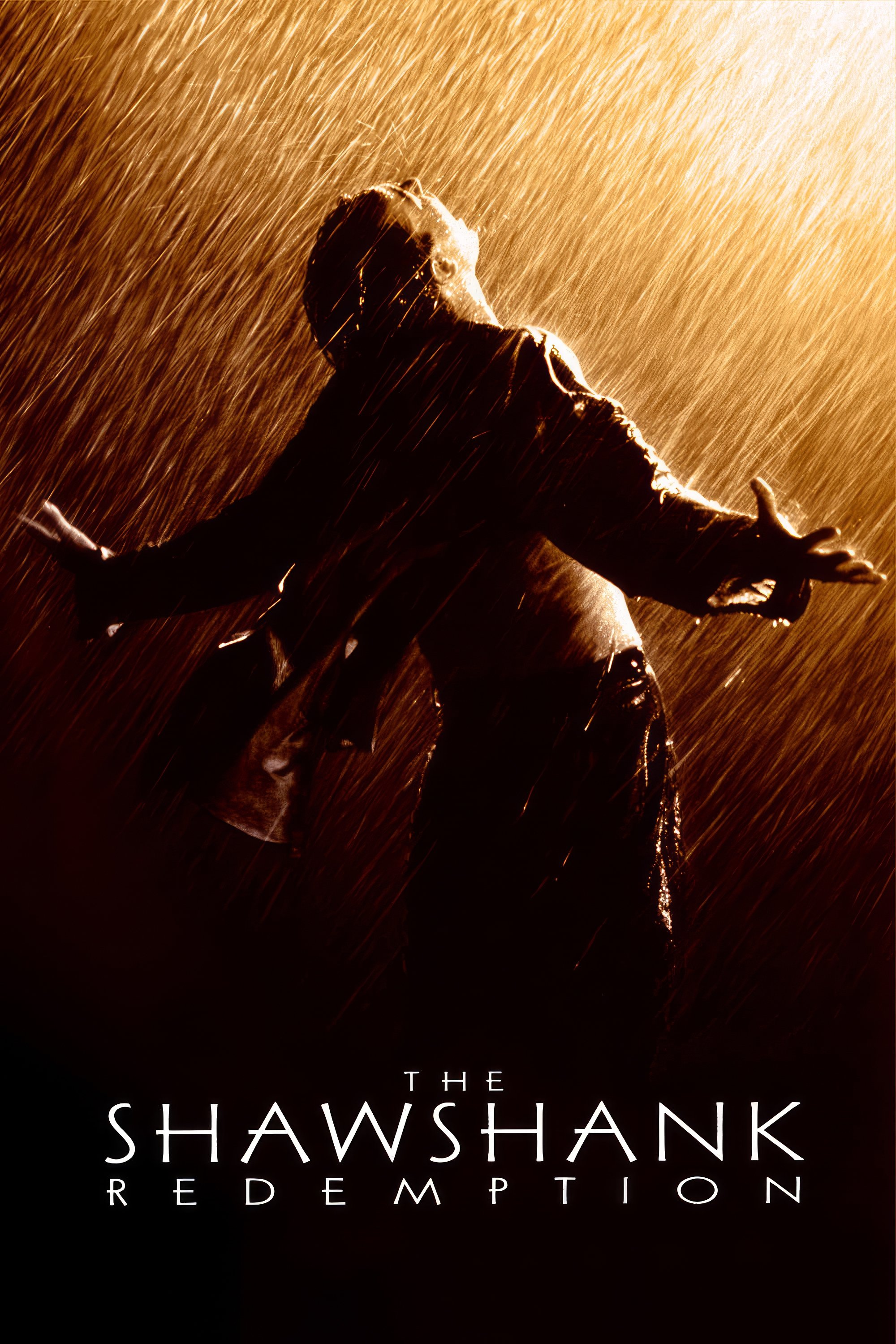
Frank Darabont intended to end the film with Red on the bus hoping to see his friend. Studio executives suggested showing the actual reunion on the beach in Zihuatanejo. Darabont agreed to film the reunion from a distance to maintain a sense of dreamlike closure. This emotional payoff provided one of the most satisfying endings in cinema history. The visual confirmation of their freedom became the defining image of the film.
‘Predator’ (1987)
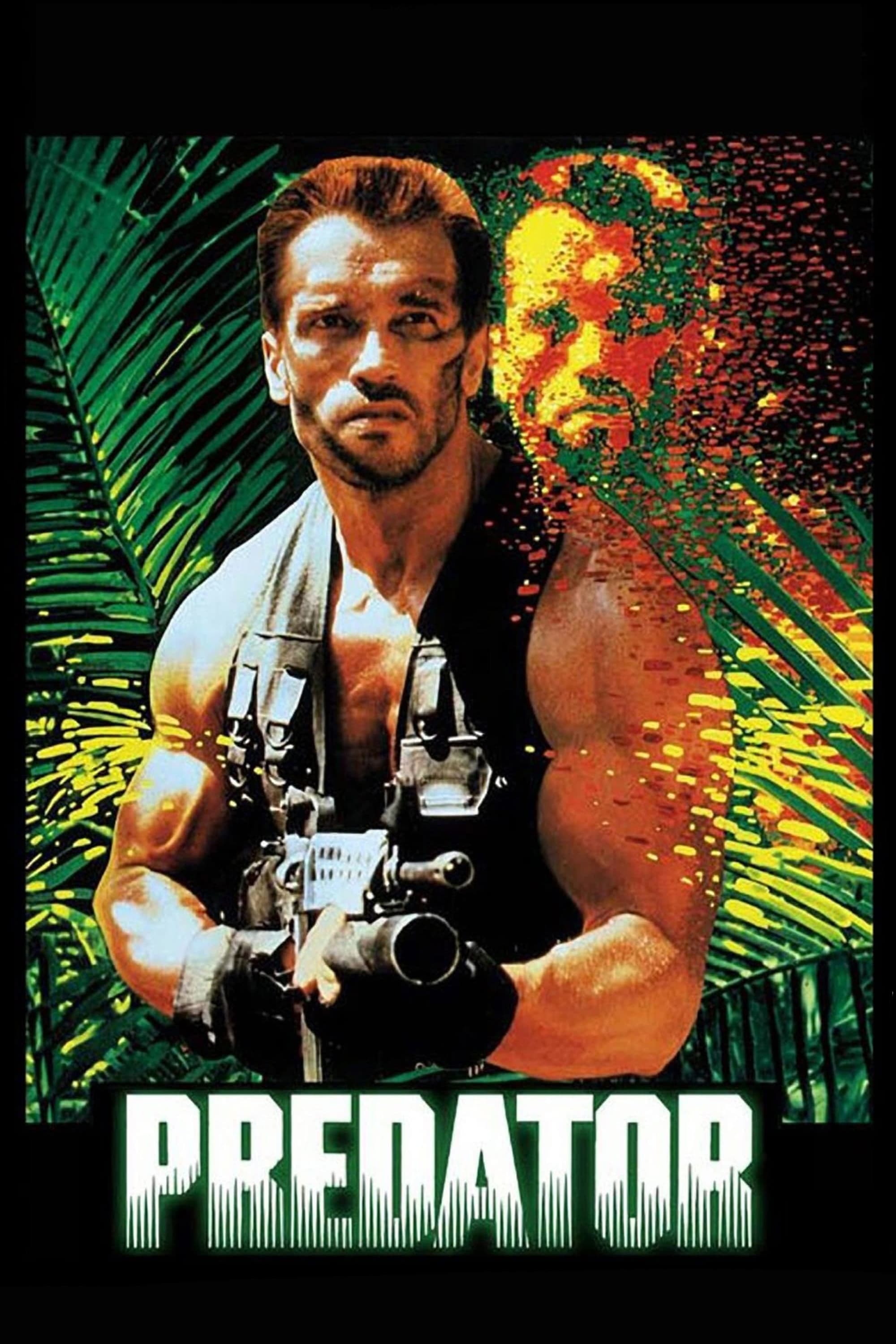
Jean-Claude Van Damme was originally cast as the alien hunter in a bug-like suit. The costume looked ridiculous in the jungle setting and Van Damme struggled with the physical requirements. Kevin Peter Hall was brought in to wear a redesigned suit that looked far more intimidating. This switch created the iconic monster design that spawned a massive franchise. The original design would have likely turned the sci-fi thriller into a comedy.
‘Dr. Strangelove or: How I Learned to Stop Worrying and Love the Bomb’ (1964)
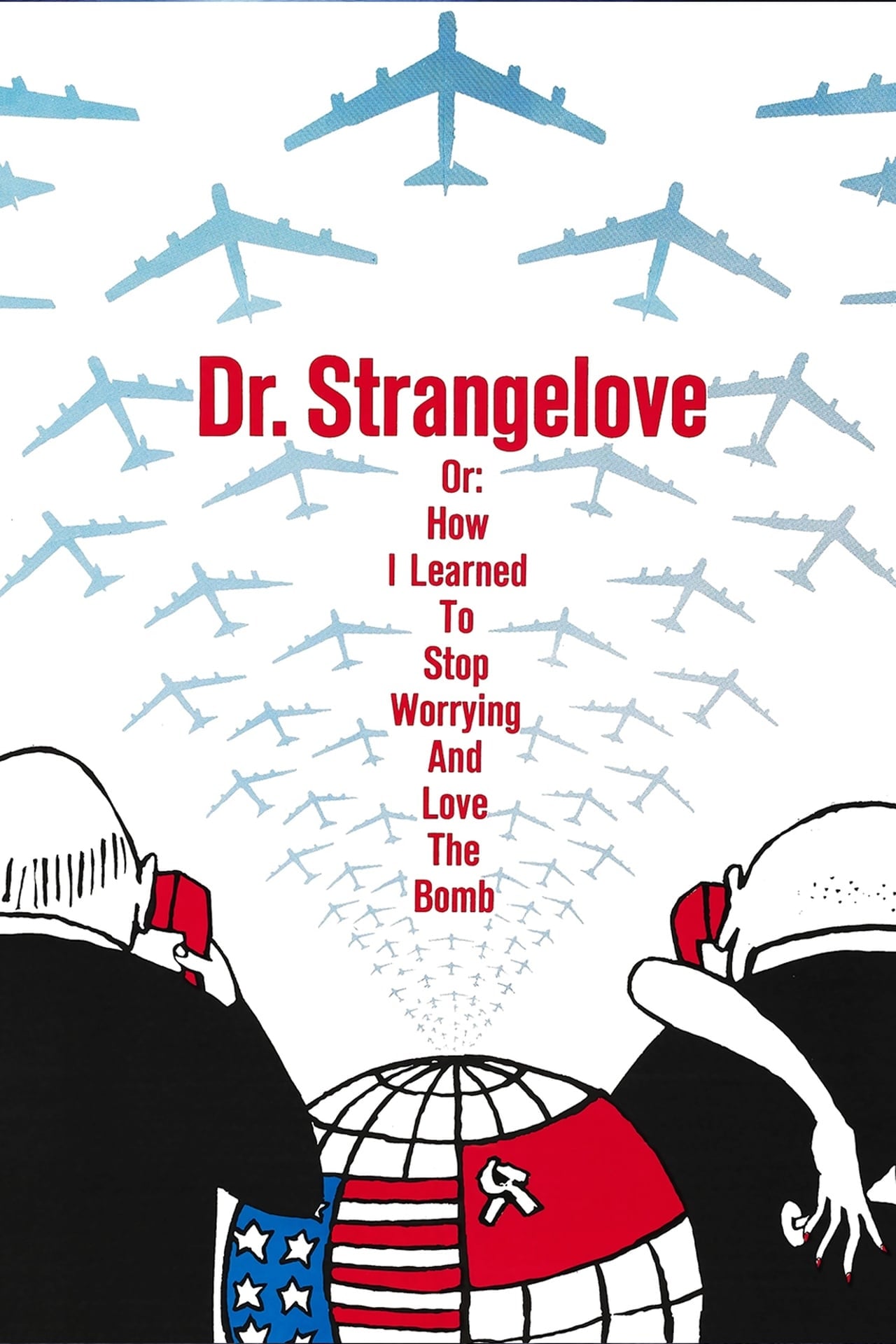
The film originally ended with a chaotic custard pie fight in the War Room. Stanley Kubrick felt the slapstick nature of the scene undermined the satirical tone of the rest of the movie. He cut the footage and chose to end with the montage of nuclear explosions instead. This editing choice preserved the dark comedy and biting social commentary. The pie fight would have drastically altered the intellectual weight of the conclusion.
‘Annie Hall’ (1977)
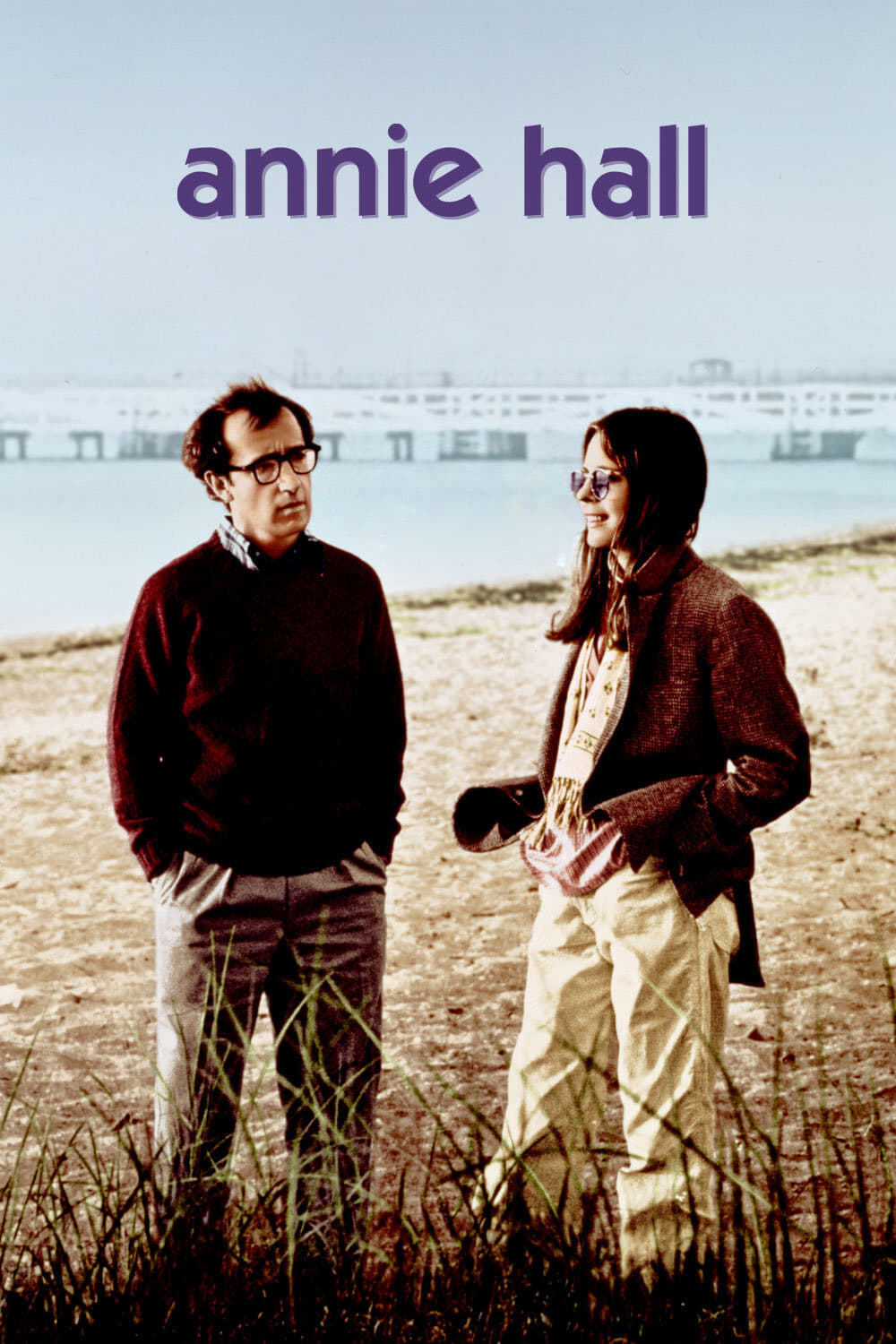
Woody Allen originally conceived the film as a murder mystery with a romantic subplot. During the editing process he realized the relationship scenes were the strongest part of the material. He cut the entire murder plot to focus exclusively on the dynamic between Alvy and Annie. The result was a groundbreaking romantic comedy that won the Academy Award for Best Picture. The restructuring turned a confused genre film into a character study.
‘The Wizard of Oz’ (1939)
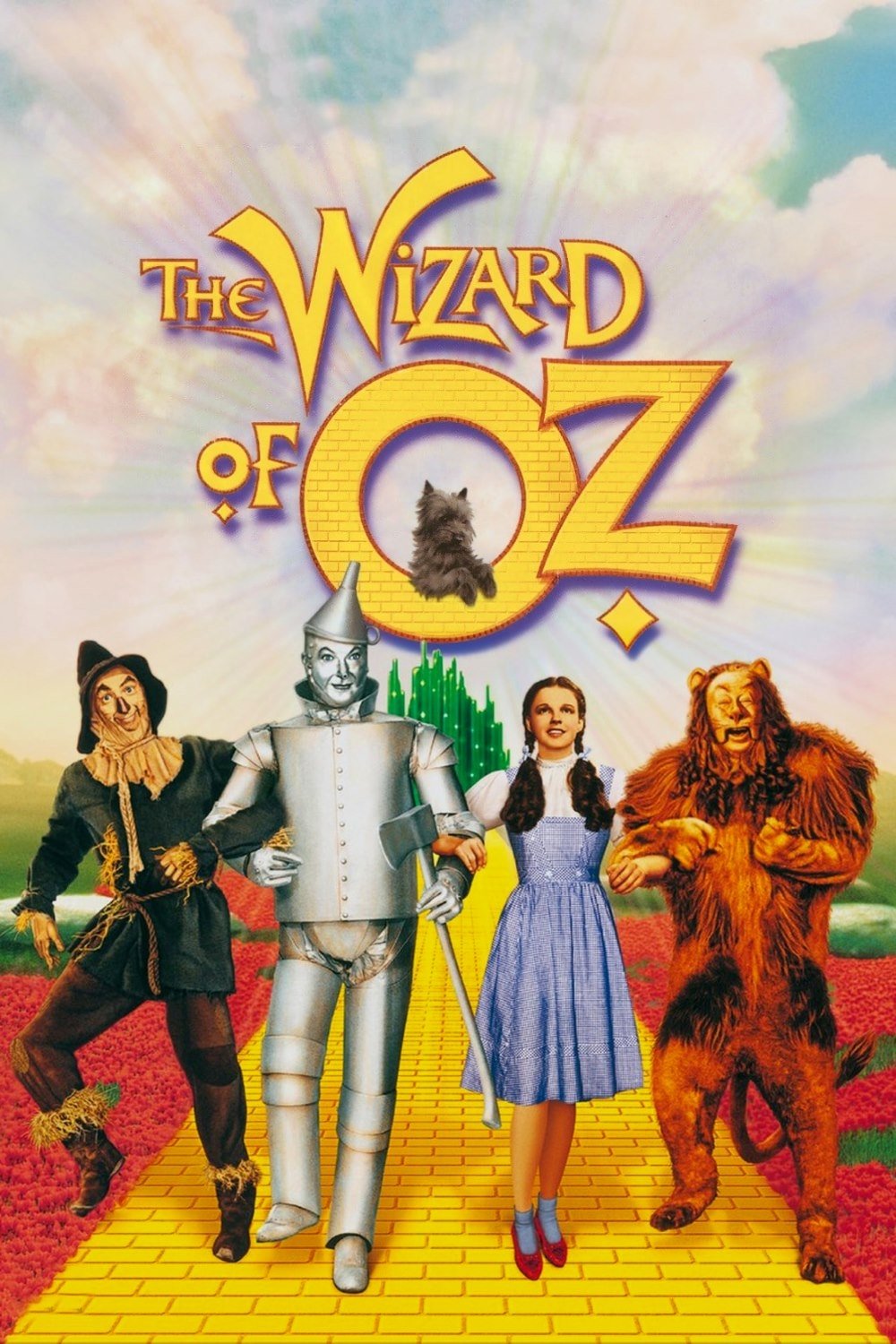
Studio executives wanted to cut the song ‘Over the Rainbow’ because they felt it slowed down the opening act. They also worried that singing in a barnyard was undignified for the star. The producers fought to keep the ballad in the final cut of the movie. The song went on to win an Oscar and became the signature track for Judy Garland. Removing it would have eliminated the emotional core of Dorothy’s journey.
‘Rogue One: A Star Wars Story’ (2016)
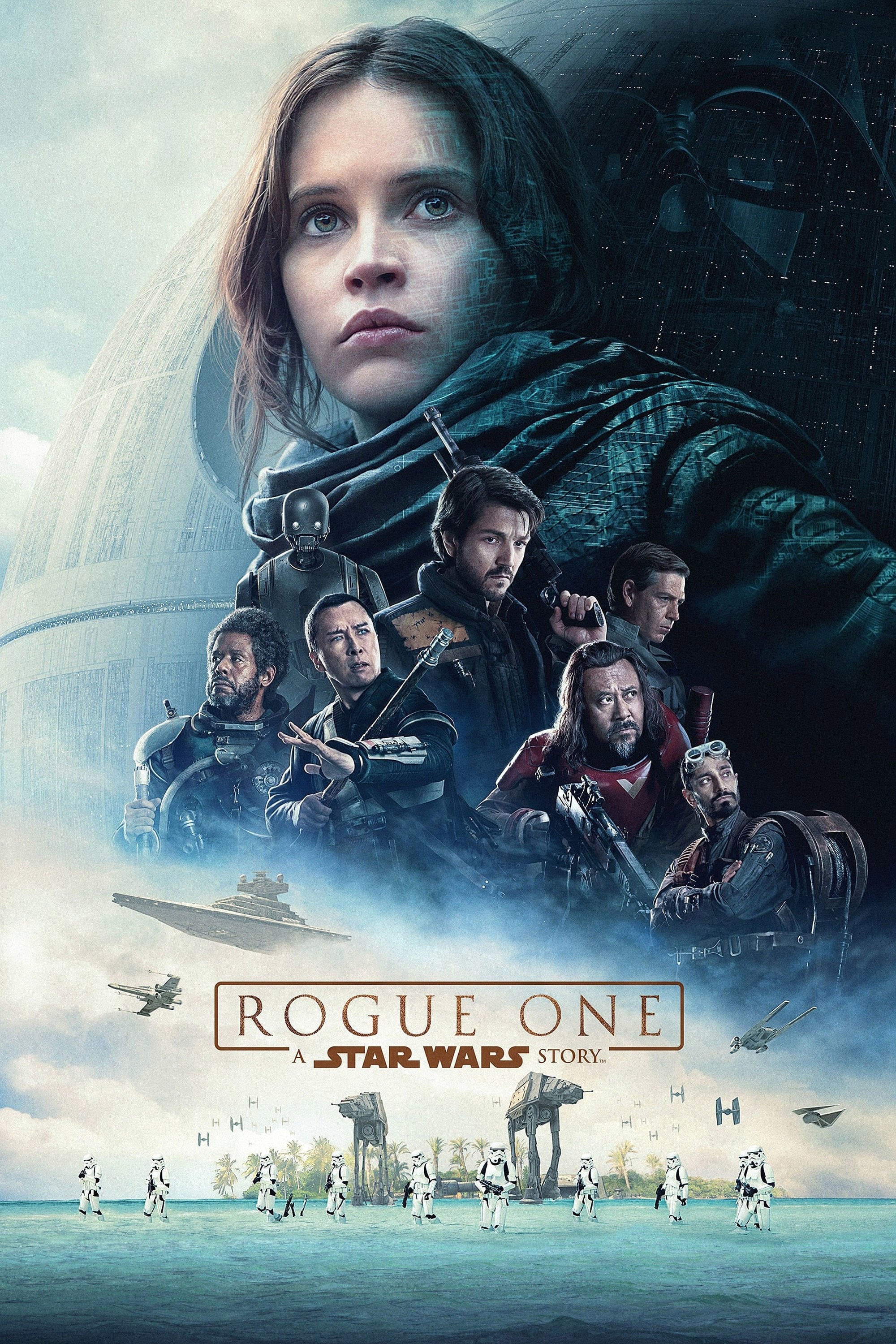
The original edit of the film had a different ending where the heroes survived longer or escaped differently. Massive reshoots were ordered to clarify the plot and lead directly into the opening of the original 1977 film. The famous hallway scene featuring Darth Vader was added during this late stage of production. This sequence instantly became one of the most praised moments in the entire saga. The changes ensured the film felt like a proper prequel with high stakes.
Please share which of these last-minute changes you think had the biggest impact on cinema history in the comments.