


25 Greatest Disaster Films Ever, Ranked




From shipwrecks and skyscraper infernos to pandemics and planet killers, disaster movies pack big stakes with human stories at the center. This list counts down twenty five standout entries that shaped the genre across decades and styles. You will find studio spectacles, true story dramatizations, and international surprises that all deliver the tension and detail fans look for. Each pick includes key facts on the premise, cast, and impact so you can decide what to watch next.
‘Volcano’ (1997)
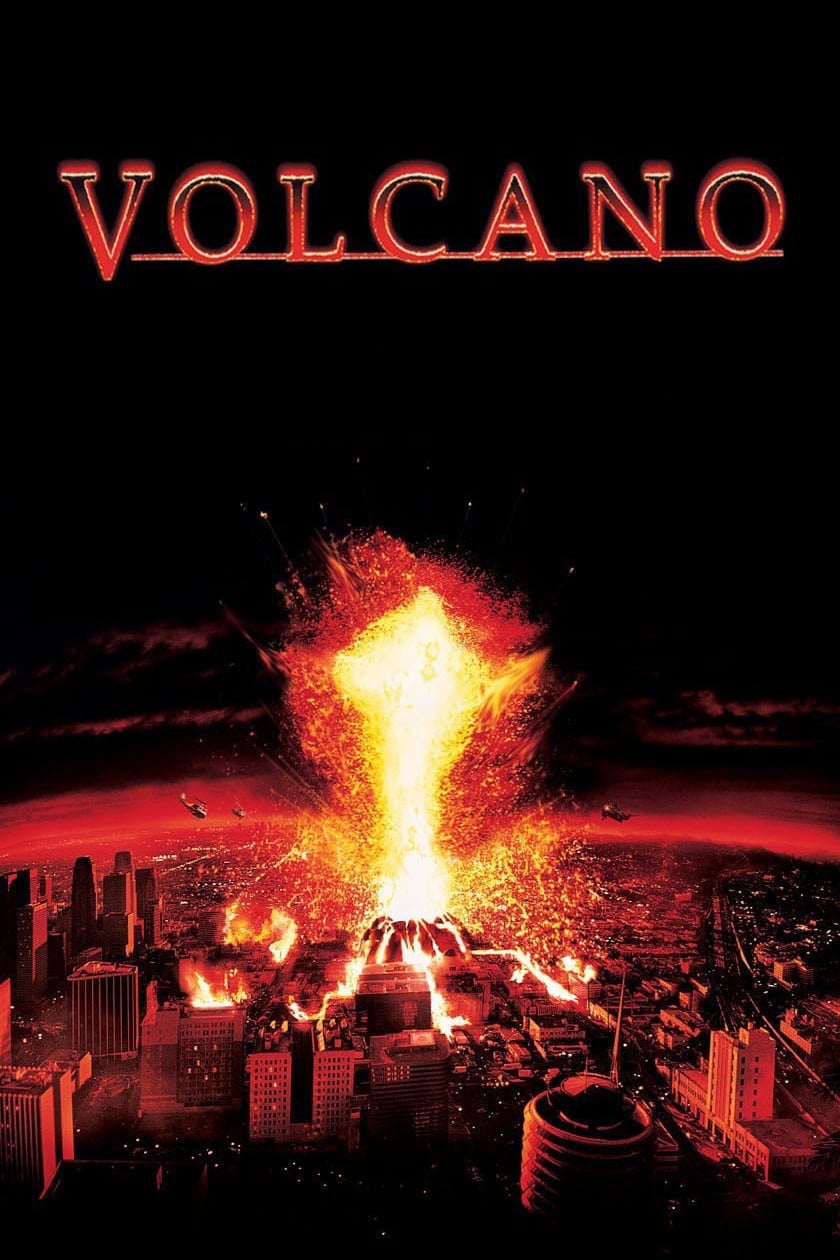
A sudden magma surge opens beneath Los Angeles and threatens the city with lava flows and ash. Tommy Lee Jones plays the emergency director coordinating rapid evacuations with help from a geologist played by Anne Heche. The production used large scale street sets, practical lava effects, and miniature work to stage the urban eruption. It released the same year as ‘Dante’s Peak’ and became a notable effects showcase for modern city based disaster scenarios.
‘2012’ (2009)
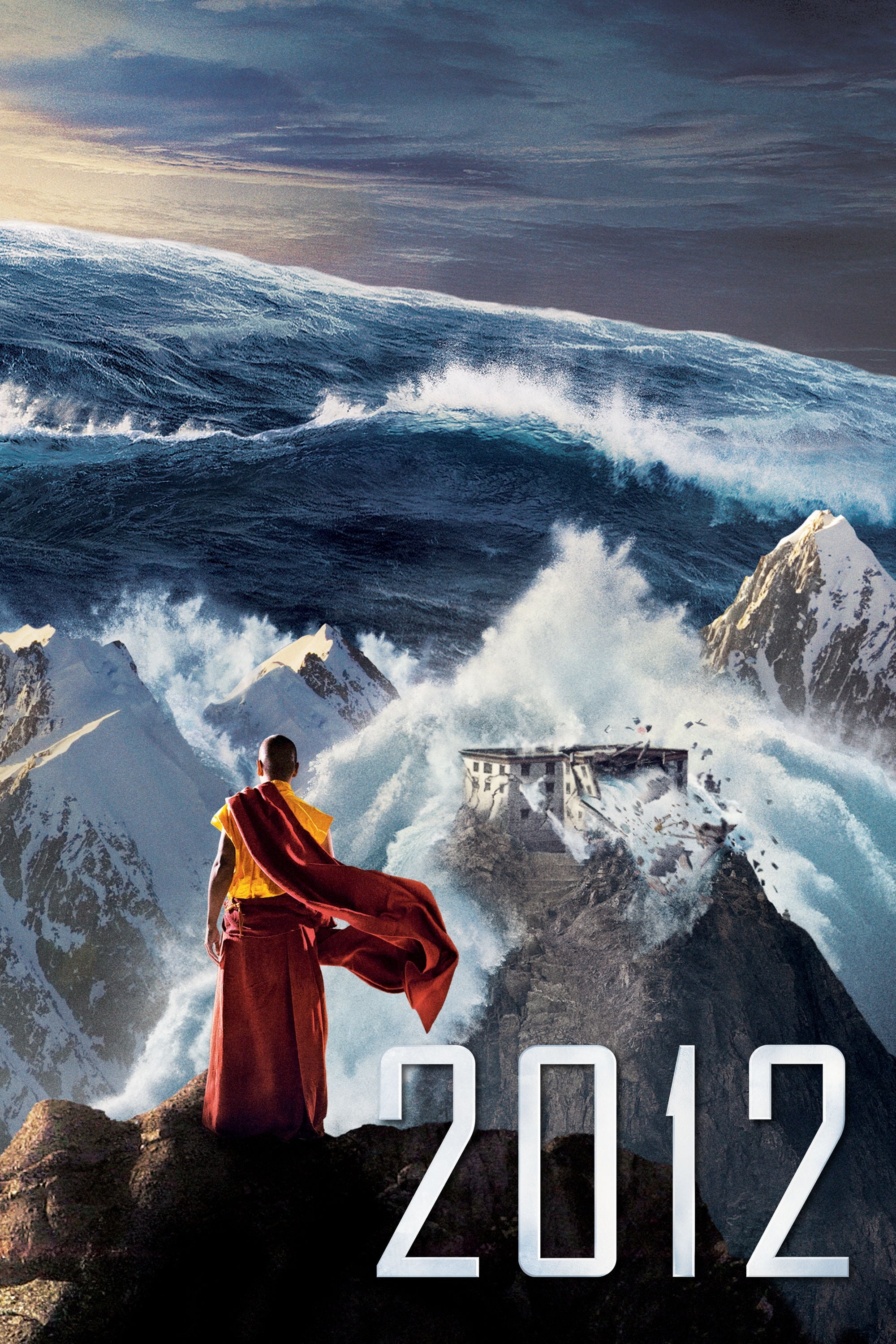
This globe spanning story follows a writer and his family as a chain of crustal displacement events triggers worldwide collapse. Roland Emmerich directs with elaborate sequences of megatsunamis and collapsing cities created through extensive digital effects. John Cusack, Chiwetel Ejiofor, and Amanda Peet lead the ensemble across multiple survival threads. The film became a major box office success internationally and popularized the end times spectacle trend of the late 2000s.
‘Pompeii’ (2014)
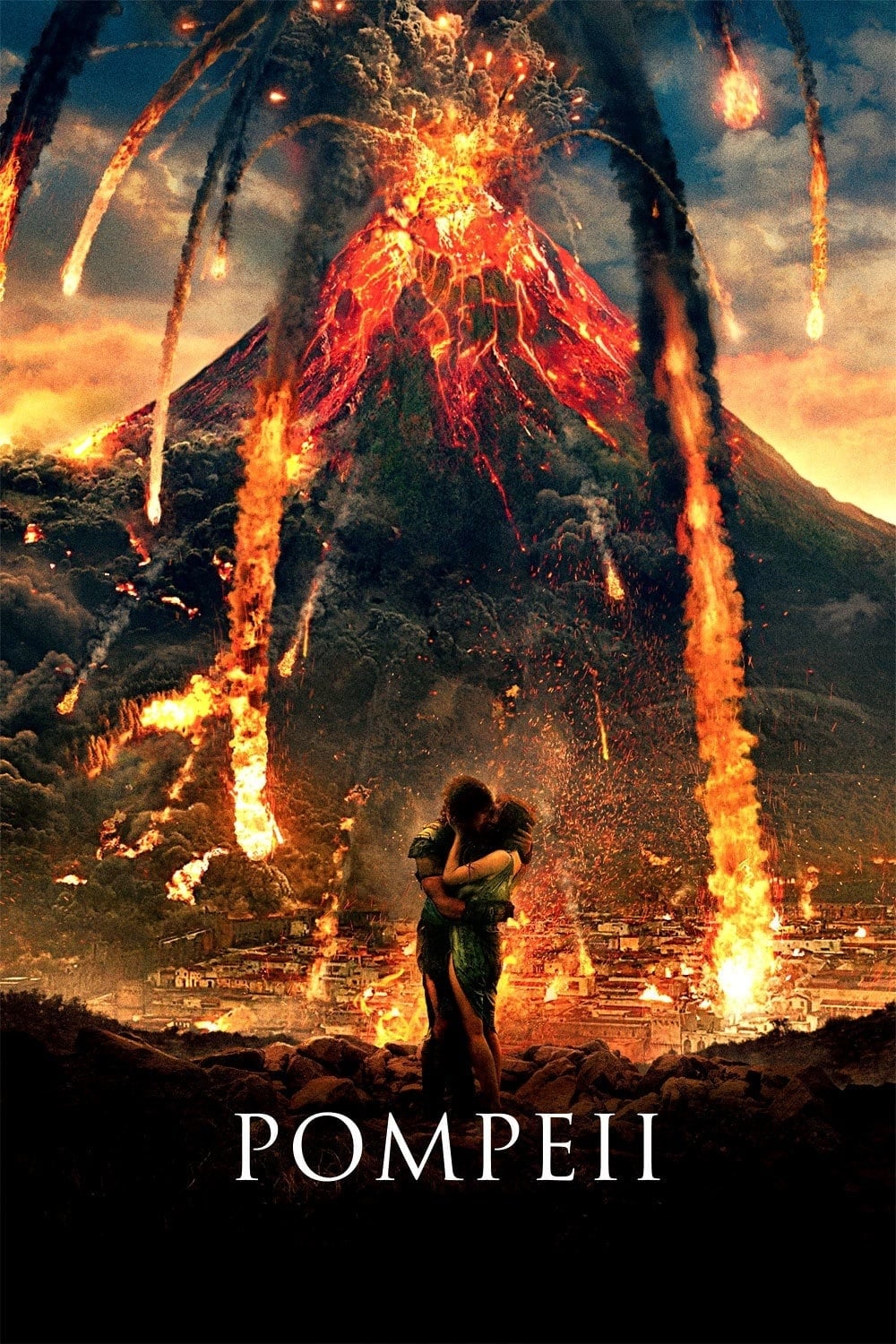
Set in the days leading to Mount Vesuvius, this film follows a gladiator trying to escape the doomed city. Kit Harington and Emily Browning star with Kiefer Sutherland as a Roman senator opposing them. The eruption sequence combines practical set destruction with large scale visual effects to recreate ash clouds and pyroclastic flows. Historical details about Pompeii’s streets and amphitheater informed the production design.
‘San Andreas’ (2015)
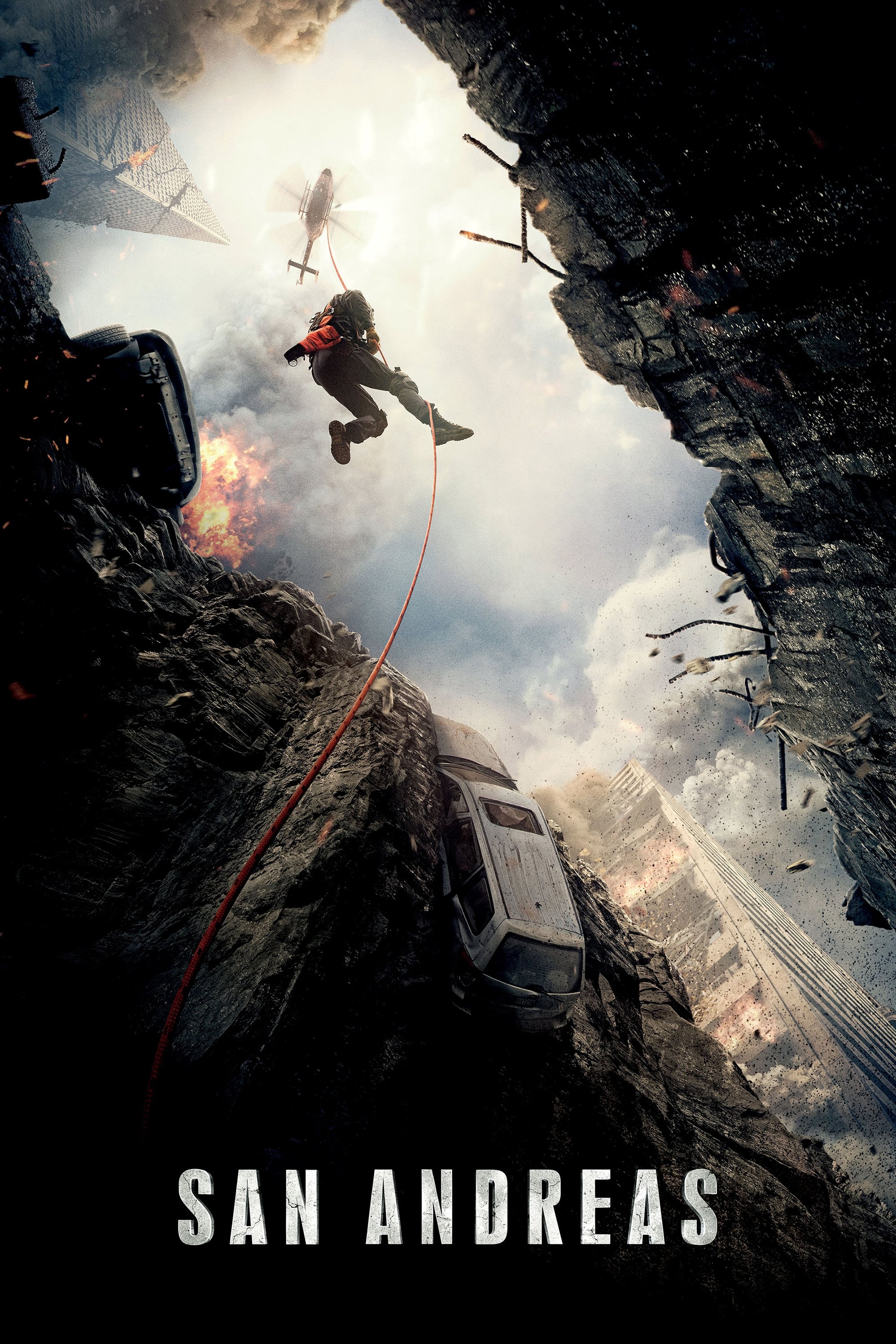
After the San Andreas Fault ruptures, a rescue pilot and his ex wife race from Los Angeles to San Francisco to save their daughter. Dwayne Johnson and Carla Gugino headline, with Alexandra Daddario in a key role. The movie features aerial stunt work, large water tank shoots, and city simulation to depict quake damage and tsunamis. It performed strongly worldwide and renewed interest in earthquake themed blockbusters.
‘World Trade Center’ (2006)
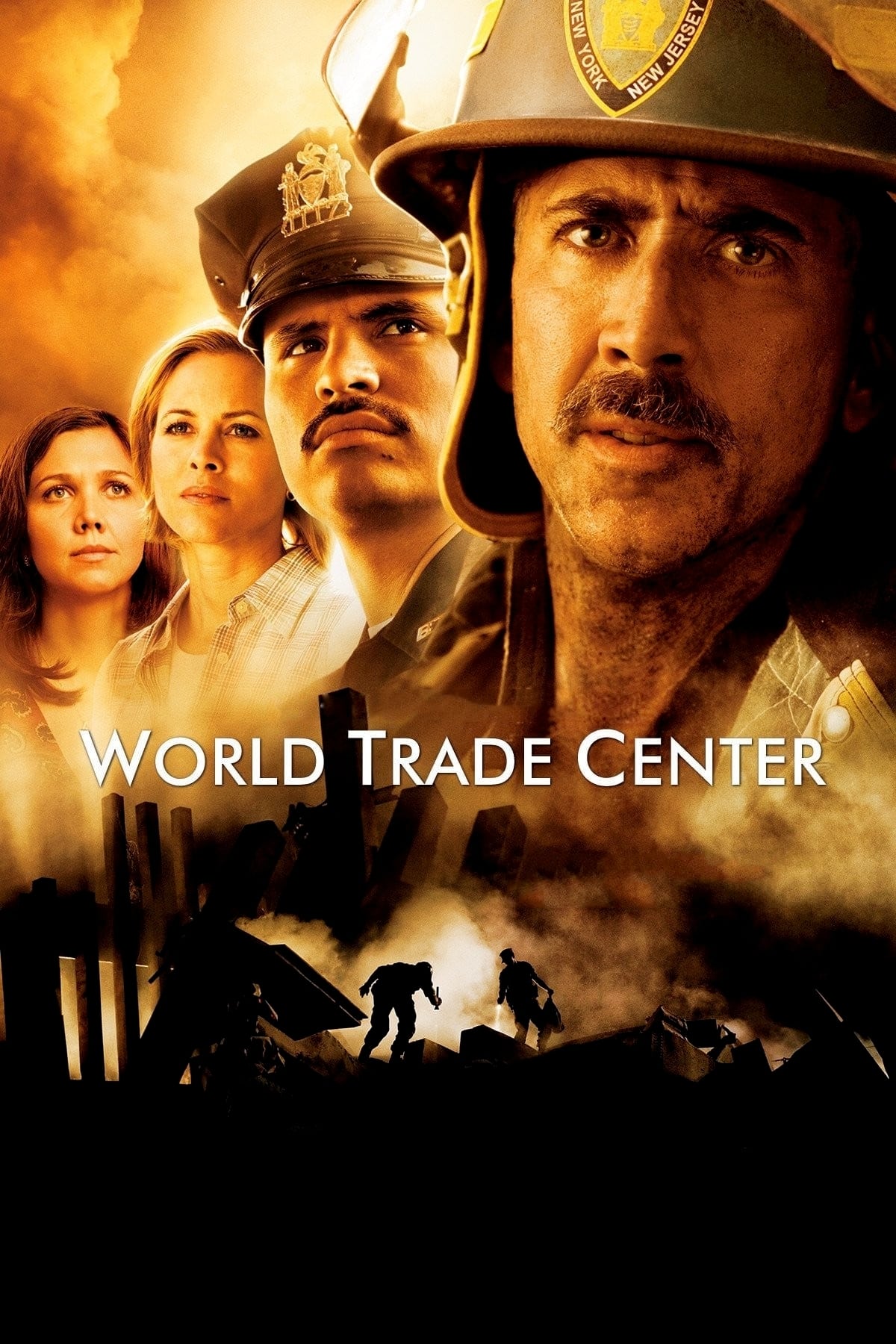
Oliver Stone focuses on Port Authority officers John McLoughlin and Will Jimeno during the events of September 11. Nicolas Cage and Michael Peña portray the officers who become trapped in the rubble while rescue teams work above. The production rebuilt sections of the concourse and used careful sound design to emphasize confined spaces. It is framed as a survival account drawn from interviews and official reports.
‘Dante’s Peak’ (1997)
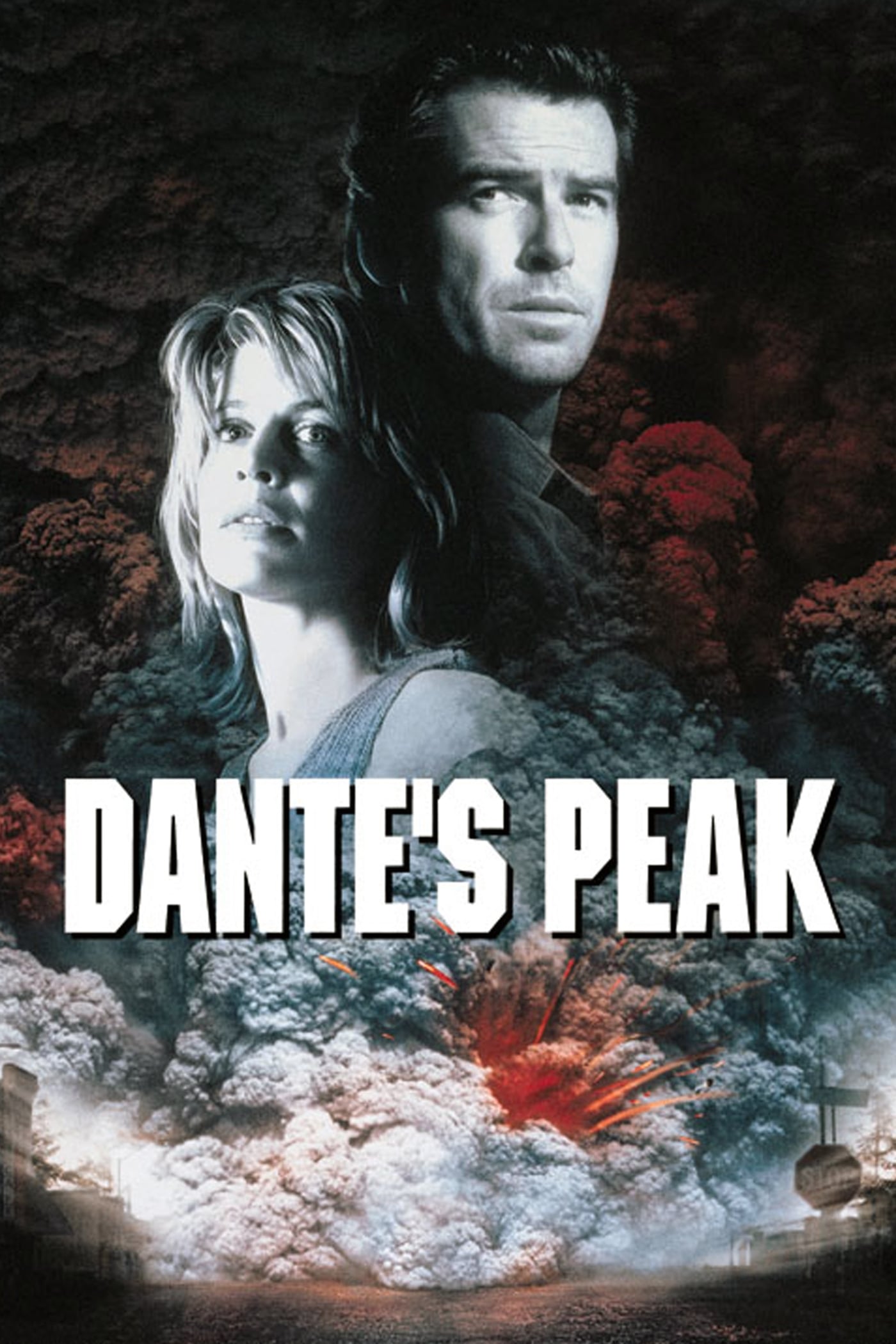
A volcanologist warns a small town about increasing seismic activity as Mount St. Helens style indicators escalate. Pierce Brosnan and Linda Hamilton lead the cast in a story that features acidified lakes, lahars, and ash fall. Practical effects included full scale miniature towns and water tank sequences to simulate debris flows. Its emphasis on field science details set it apart within the year’s volcano releases.
‘Deep Impact’ (1998)
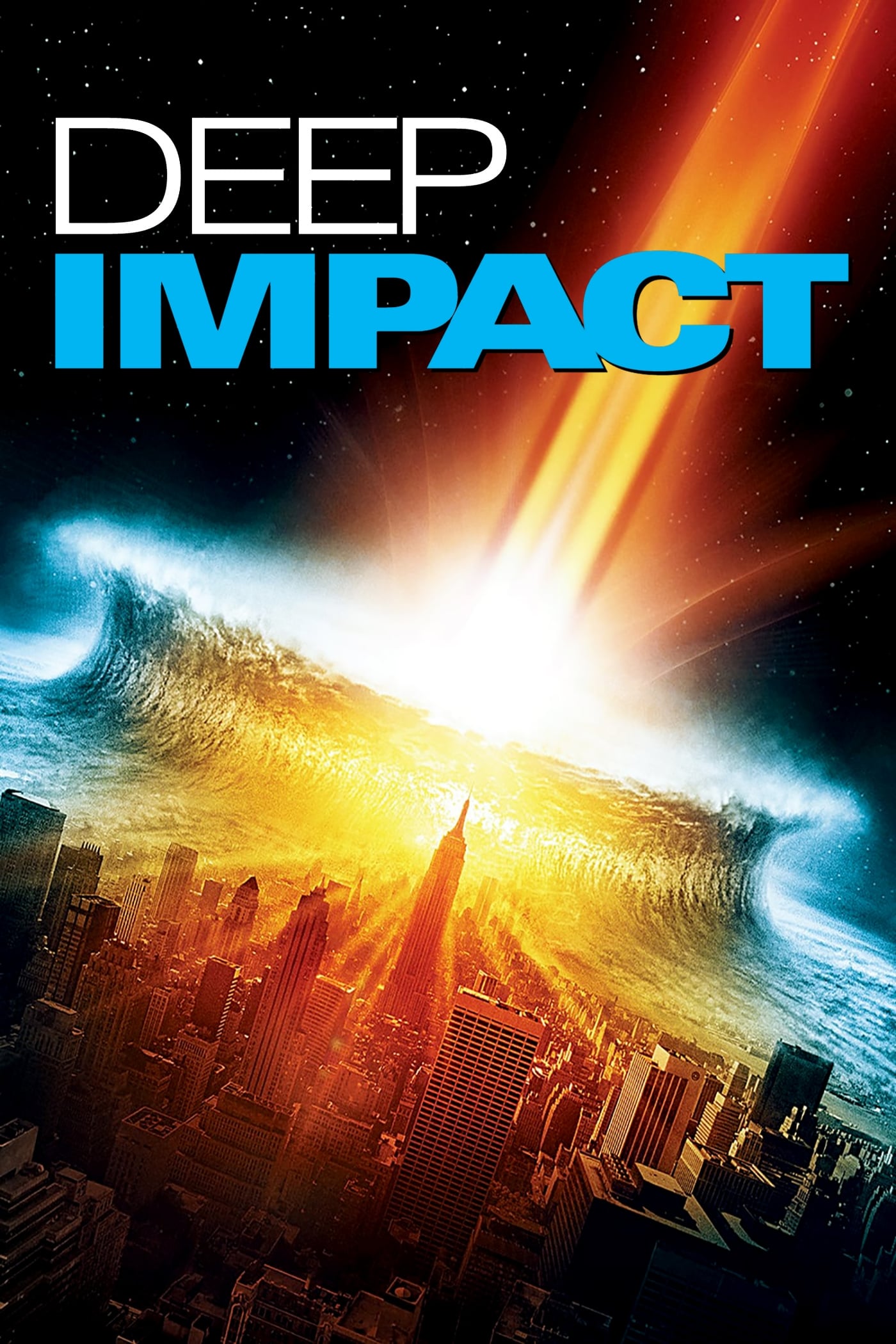
An international effort builds subterranean shelters and launches a mission to deflect a comet destined for Earth. Téa Leoni, Elijah Wood, and Morgan Freeman appear across newsrooms, suburbs, and the Oval Office thread. The film balances spaceflight operations with home front preparation and governmental continuity planning. It arrived in the same summer as ‘Armageddon’ with a more procedural tone and emphasis on civil response.
‘The Perfect Storm’ (2000)
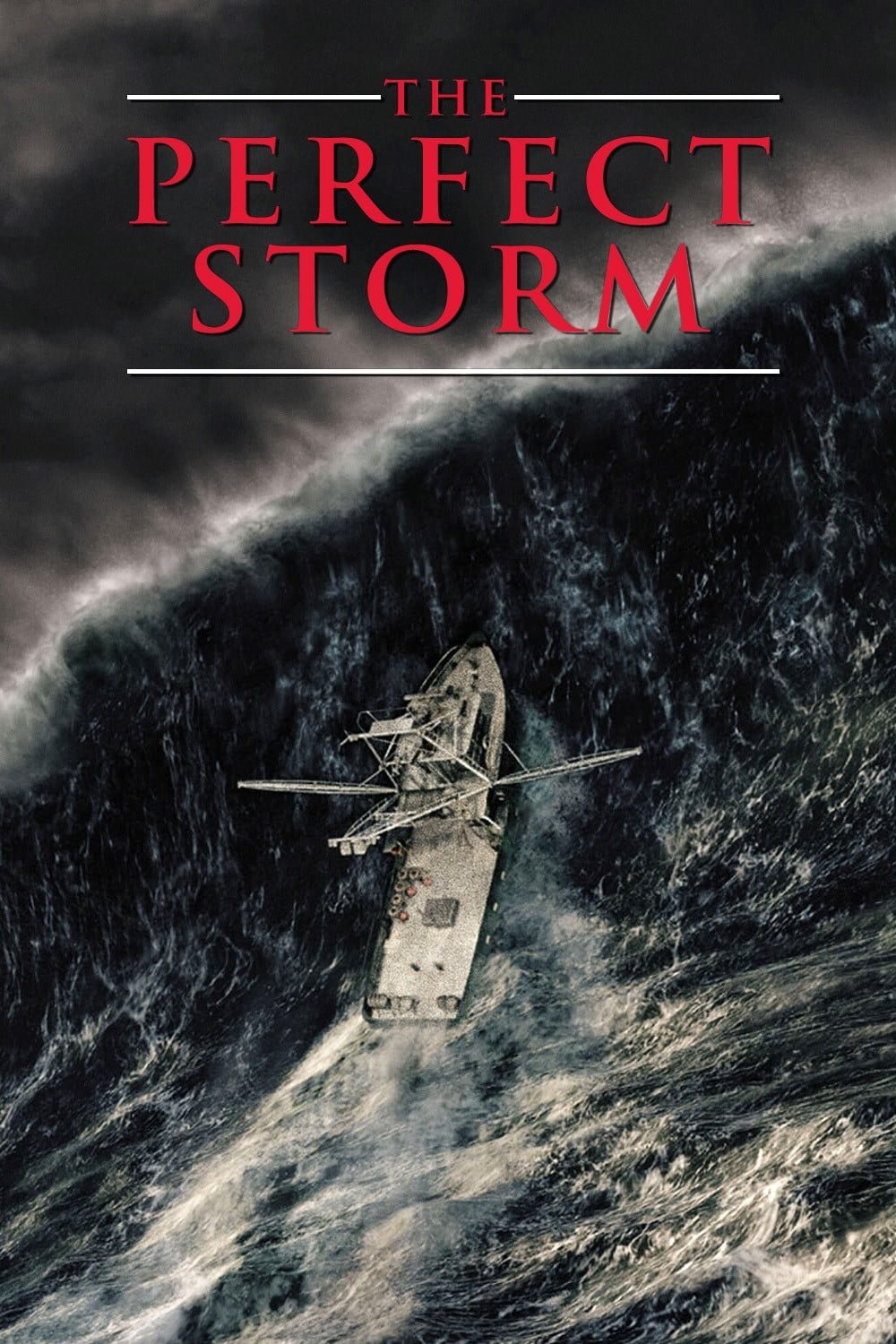
Based on the Andrea Gail story, a Gloucester fishing crew faces converging weather systems in the North Atlantic. George Clooney and Mark Wahlberg star with direction by Wolfgang Petersen, who used large motion gimbals and water tanks for rogue wave scenes. Meteorological analysis of the 1991 storm underpins the timeline shown on screen. The film drew attention to commercial fishing risks and modern Coast Guard rescue operations.
‘The Day After Tomorrow’ (2004)
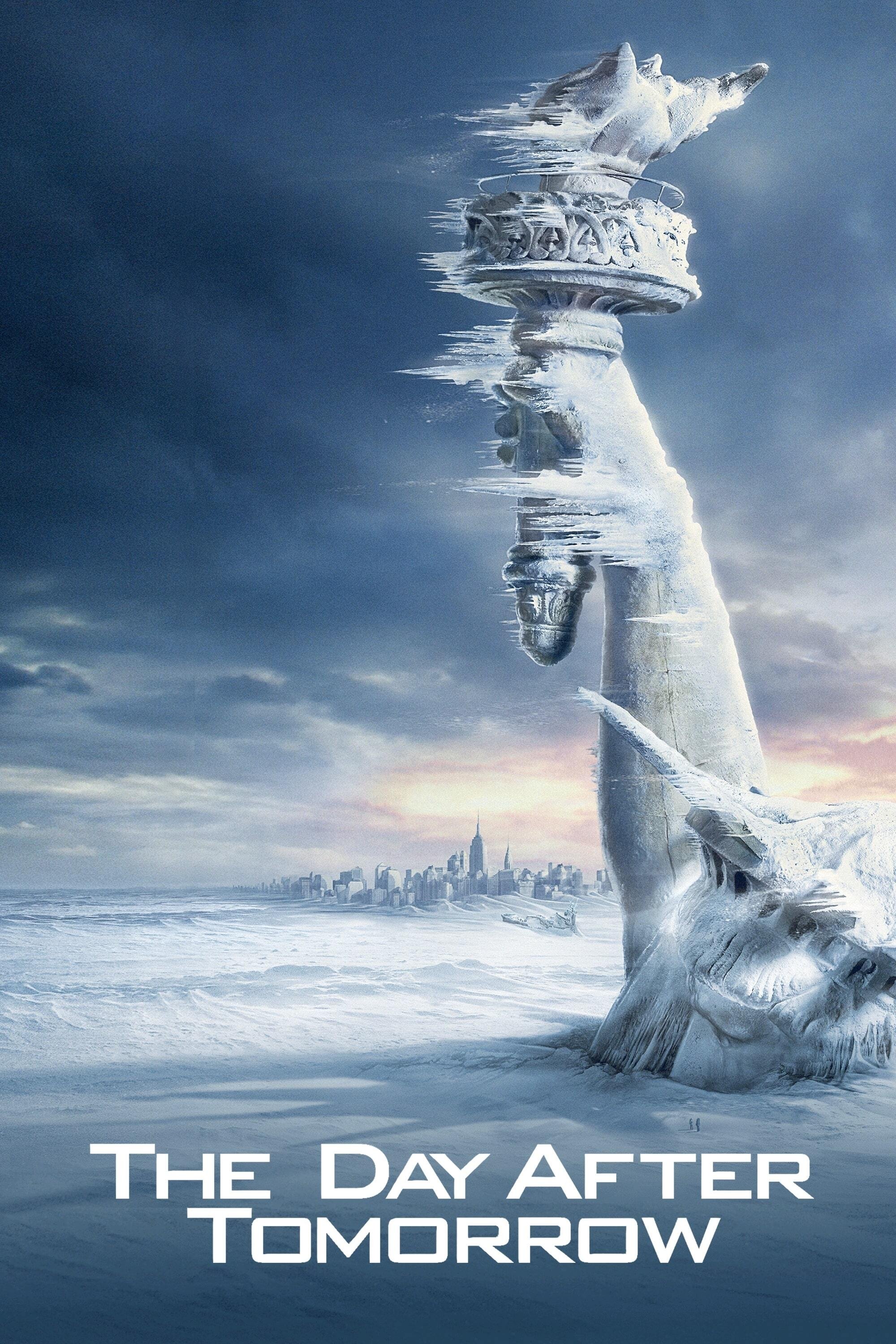
Rapid climate shifts plunge the Northern Hemisphere into blizzard conditions as the jet stream collapses. Dennis Quaid plays a paleoclimatologist who warns leaders while Jake Gyllenhaal’s character shelters in a frozen New York Public Library. The production created large scale snowbound Manhattan sets and combined them with digital environments. It became a major conversation piece about extreme climate scenarios in popular media.
‘Twister’ (1996)
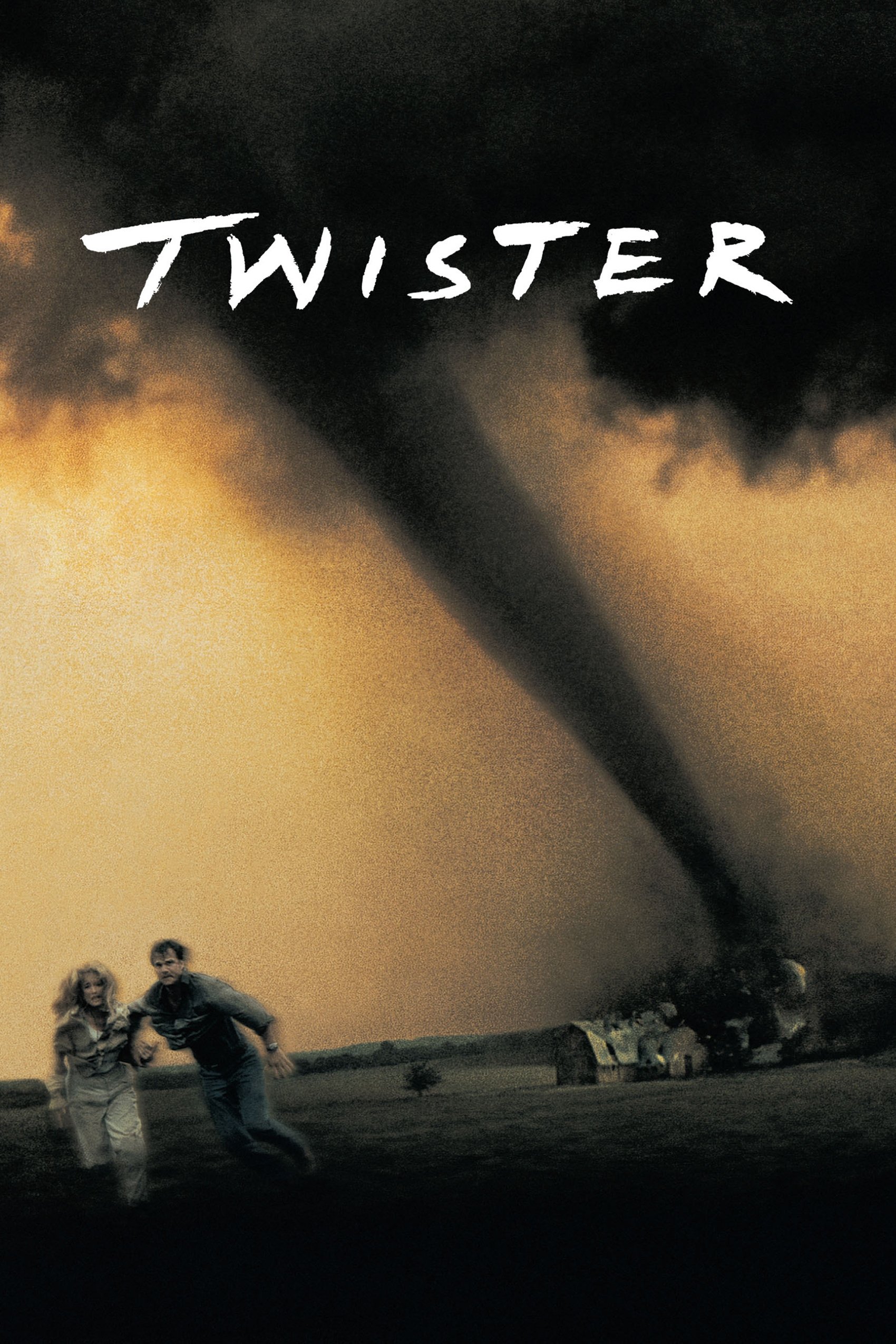
A team of storm chasers deploys instrument pods into tornado funnels across Oklahoma to map internal dynamics. Helen Hunt and Bill Paxton star, with early digital particle effects used to render debris fields and vortices. Real world chase vehicles and practical wind machines added to on location shoots in the Plains. The film’s success boosted public interest in severe weather science and spotter programs.
‘Greenland’ (2020)
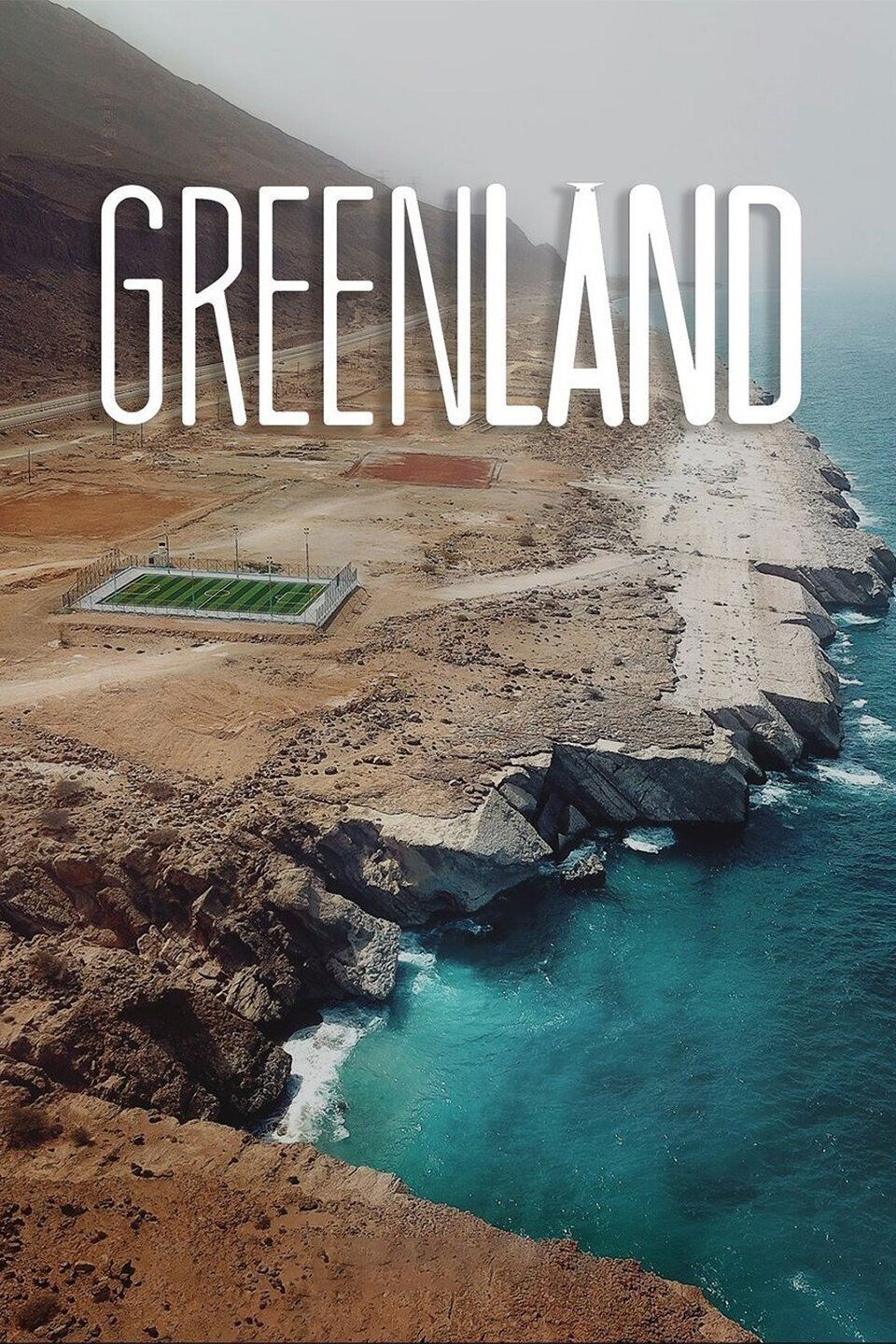
As a fragmented comet approaches, a family follows an emergency selection plan that directs them toward evacuation flights. Gerard Butler and Morena Baccarin lead a grounded survival story that focuses on logistics, shelters, and crowd control. The movie uses news bulletins, military checkpoints, and shelter protocols to frame its timeline. It found a large audience via premium video on demand during theater closures.
‘Airport’ (1970)
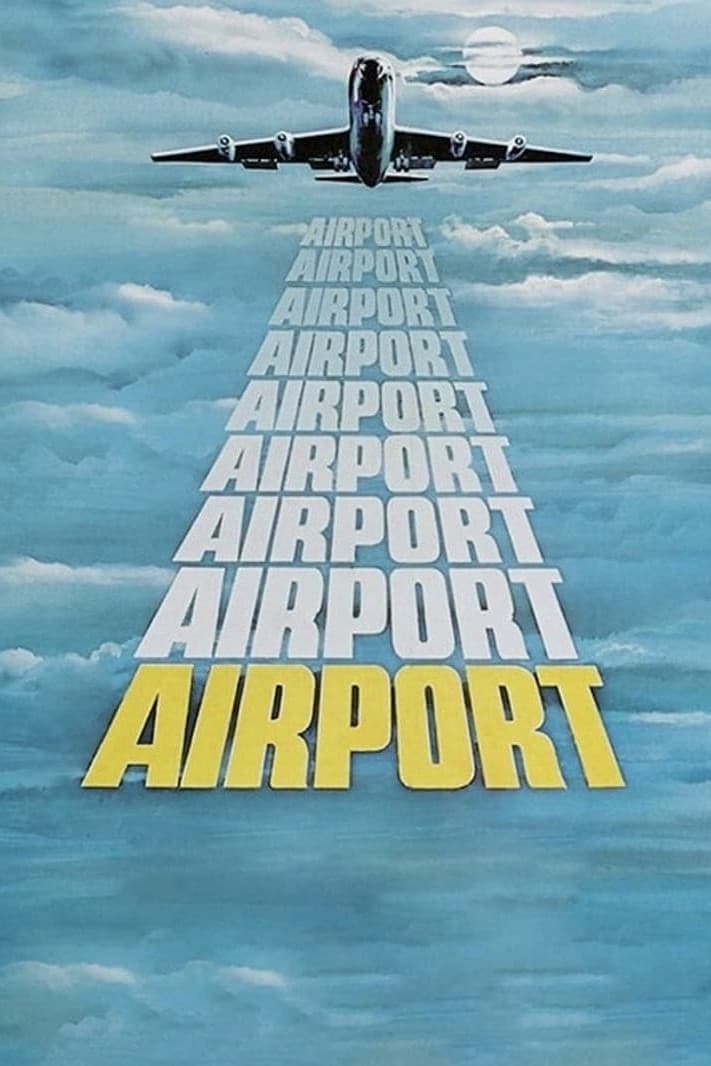
Set over one snowy night, airline and ground crews manage a runway blockage and a bomb threat aboard a transcontinental flight. Burt Lancaster, Dean Martin, and Helen Hayes anchor the ensemble in a story that intercuts cockpit, terminal, and operations rooms. The film popularized the modern ensemble disaster template and led to several sequels. Its production drew on airline procedures and airport logistics for authenticity.
‘Outbreak’ (1995)
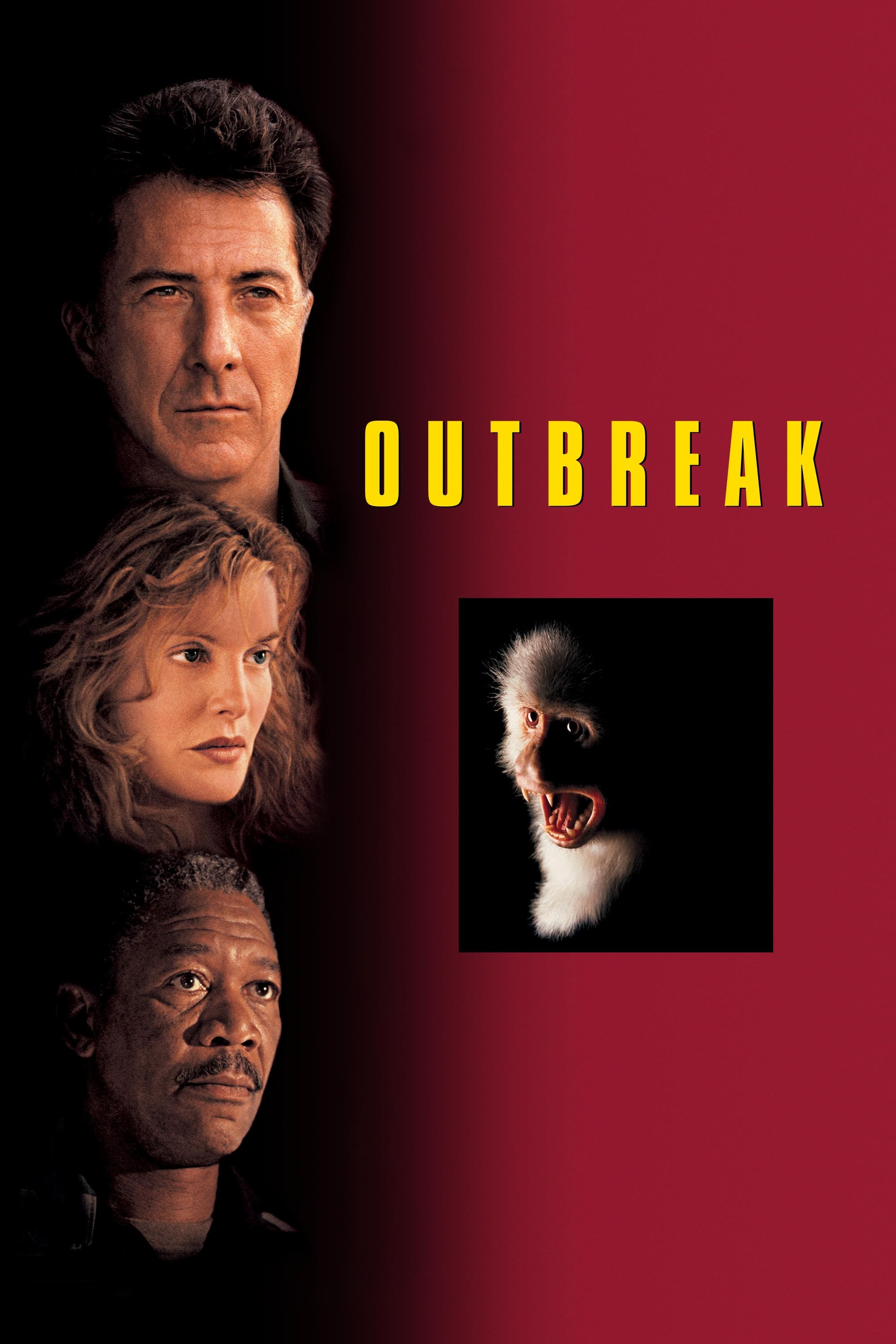
A hemorrhagic virus spreads in a California town after a carrier slips through quarantine. Dustin Hoffman, Rene Russo, and Morgan Freeman portray military and CDC officials coordinating contact tracing and isolation. The narrative includes bio safety protocols, Level 4 suits, and sample chain of custody. It brought lab procedure and jurisdictional tension to mainstream audiences before later pandemic themed works.
‘Armageddon’ (1998)

An oil drilling team trains with NASA to avert an extinction level asteroid on a collision course with Earth. Bruce Willis leads a cast that includes Ben Affleck, Liv Tyler, and Billy Bob Thornton. Filming used NASA facilities and space hardware mockups along with large scale miniature destruction. The soundtrack and summer release helped make it one of the year’s biggest earners worldwide.
‘The Wave’ (2015)
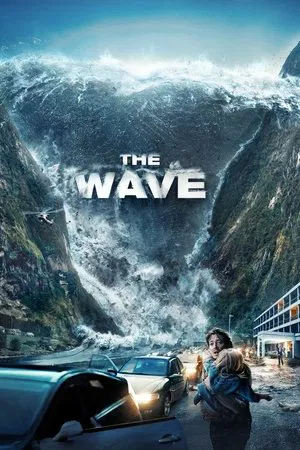
This Norwegian thriller depicts a real life scenario where a mountain rockslide triggers a fjord megatsunami. Kristoffer Joner plays a geologist who spots precursor signs and races to warn residents of Geiranger. Location shooting in western Norway blends with controlled water effects to stage the inundation. The film’s success led to a connected sequel centered on seismic risk in Oslo.
‘The Towering Inferno’ (1974)
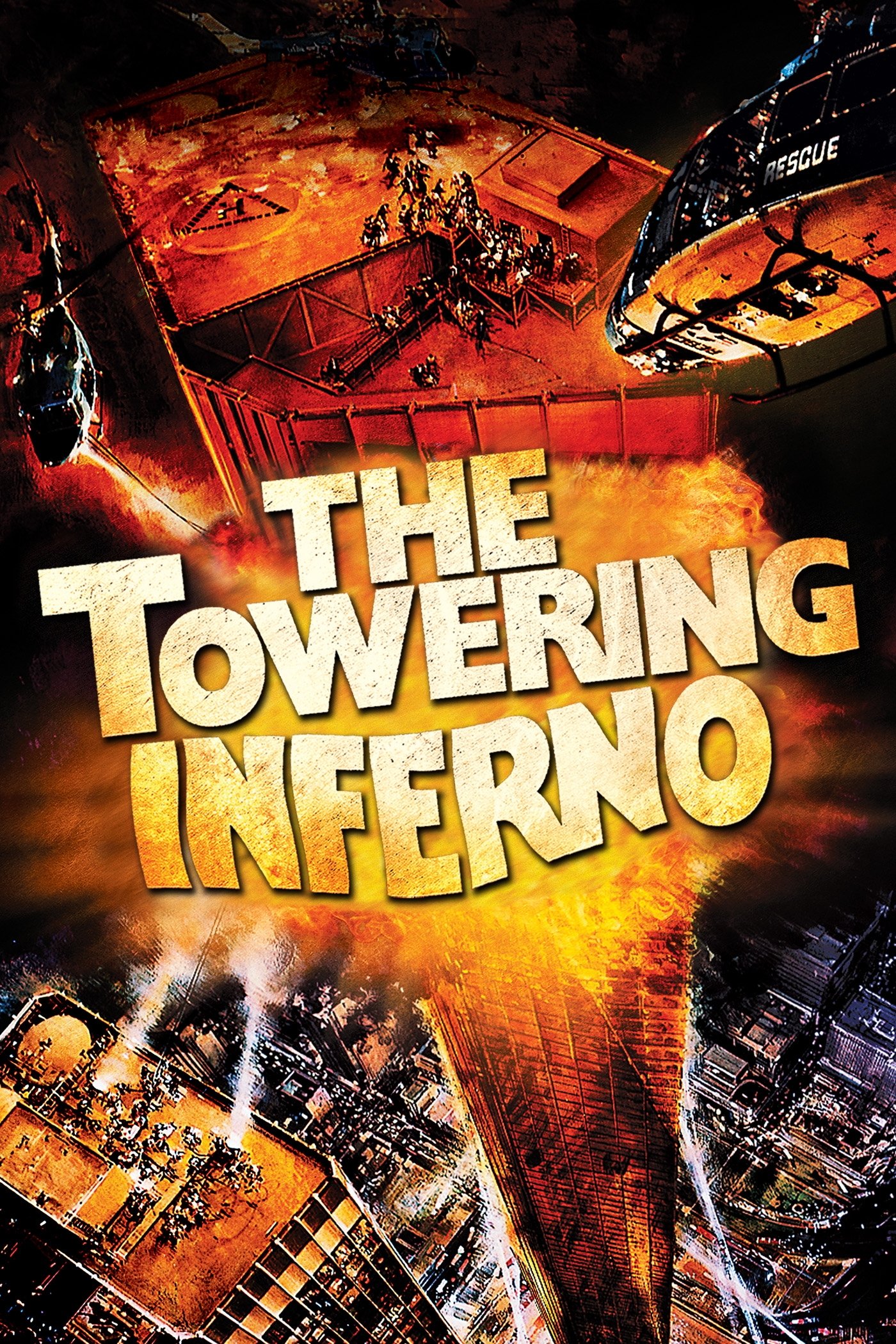
A new San Francisco skyscraper suffers catastrophic electrical faults that ignite a multi floor fire during its opening gala. Paul Newman and Steve McQueen star as an architect and fire chief coordinating high rise rescue strategies. Production combined miniature exteriors with towering interior sets outfitted with fire rigs and stunt systems. It won multiple Academy Awards in technical categories and set the standard for building disaster storytelling.
‘The Poseidon Adventure’ (1972)
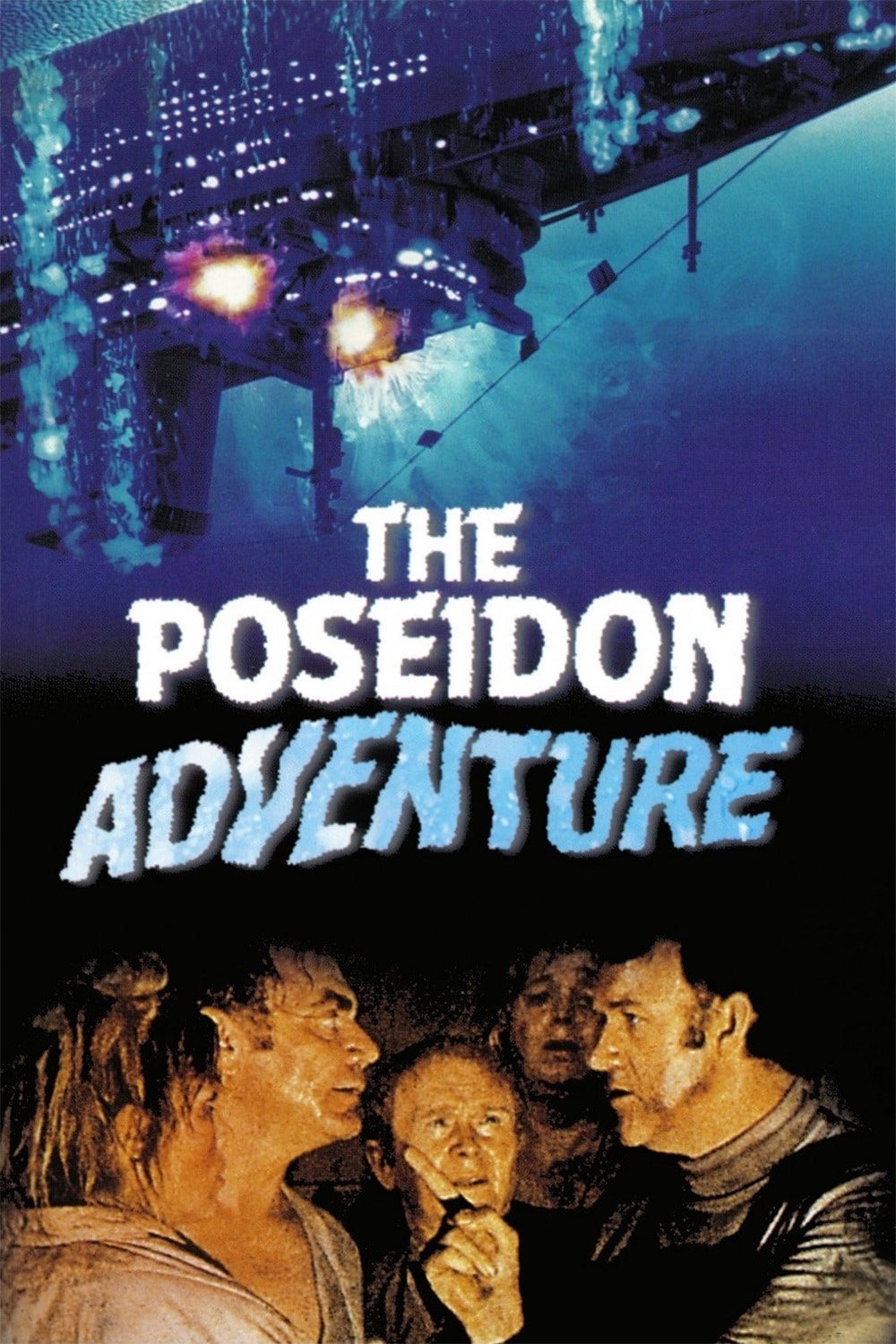
A luxury liner capsizes after a massive wave and a small group attempts an inverted trek to the hull. Gene Hackman, Ernest Borgnine, and Shelley Winters lead the ensemble through flooded sets and upside down interiors. The movie pioneered large water tank work and practical ship environment rotations. Its success cemented the 1970s cycle of ensemble disaster hits.
‘Alive’ (1993)
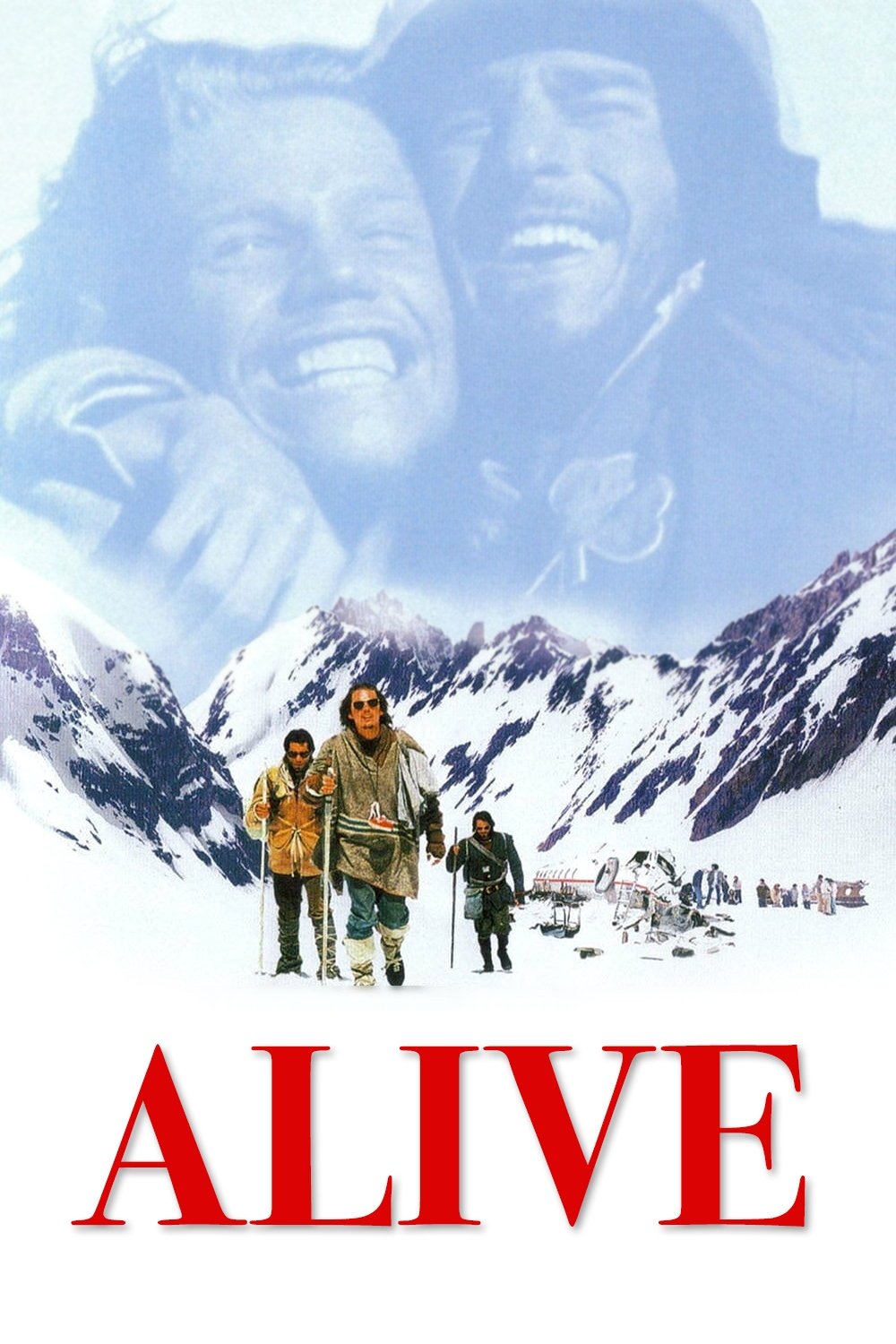
This dramatization of the Andes flight disaster follows survivors who endure extreme cold and isolation after a crash. Ethan Hawke and a young ensemble portray the rugby team members as rescue prospects dwindle. Filming in high altitude locations emphasized the physical demands shown on screen. The story references documented survival decisions and eventual helicopter evacuations.
‘The Andromeda Strain’ (1971)

A satellite returns with a lethal microorganism that forces scientists into a multi level underground lab. Directed by Robert Wise, the film details decontamination steps, automated defenses, and computer analysis routines. Split screen visuals and sterile production design support the procedural pace. It is based on Michael Crichton’s novel and helped define the outbreak subgenre’s lab thriller style.
‘On the Beach’ (1959)

After a nuclear exchange in the Northern Hemisphere, an American submarine reaches Australia as fallout drifts south. Gregory Peck and Ava Gardner lead a cast confronting timelines for radiation arrival and radio signal analysis. The film uses location shooting in Melbourne and naval assets to ground the scenario. Its somber approach brought global nuclear aftermath to mainstream cinema in the late 1950s.
‘The Impossible’ (2012)
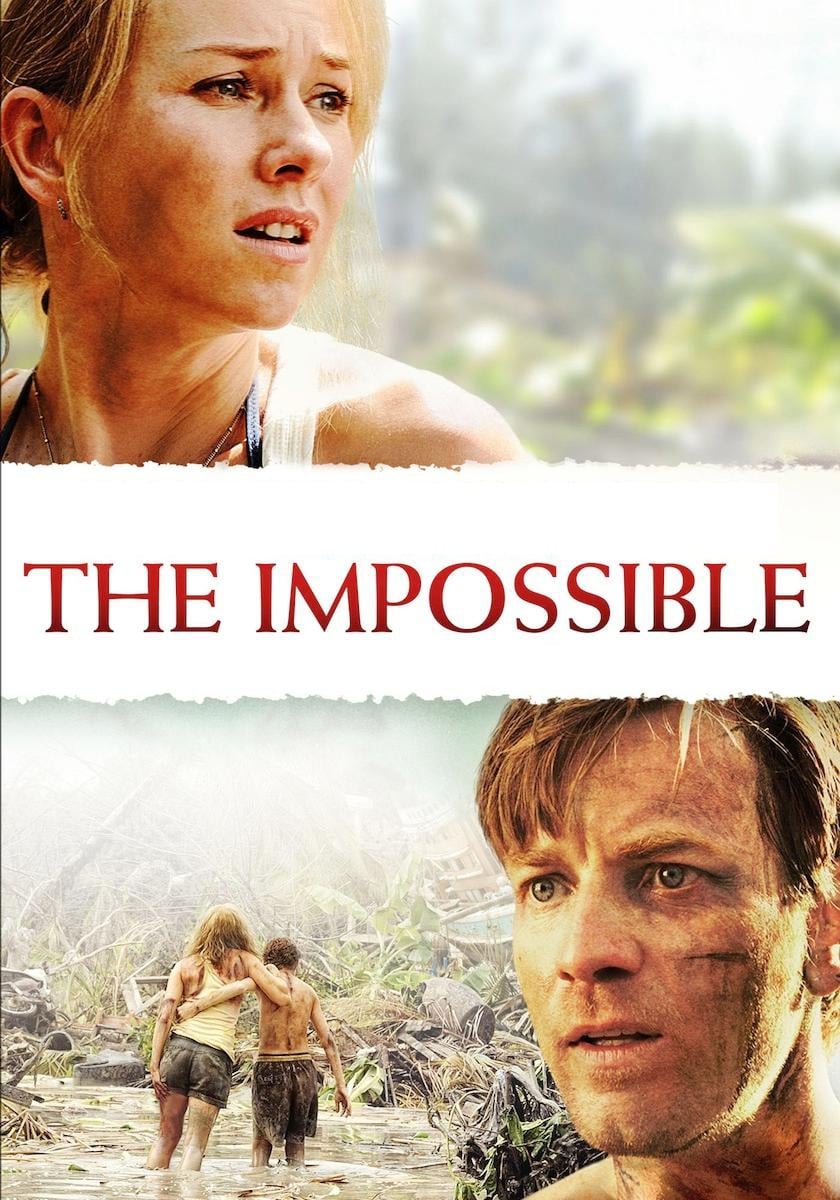
A family vacationing in Thailand is separated by the 2004 Indian Ocean tsunami and struggles to reunite amid widespread devastation. Naomi Watts and Ewan McGregor star, with Tom Holland in an early role. Large water tank stages and practical debris effects recreate wave impact and hospital conditions. The film drew on survivor accounts and medical records to structure its chronology.
‘Only the Brave’ (2017)
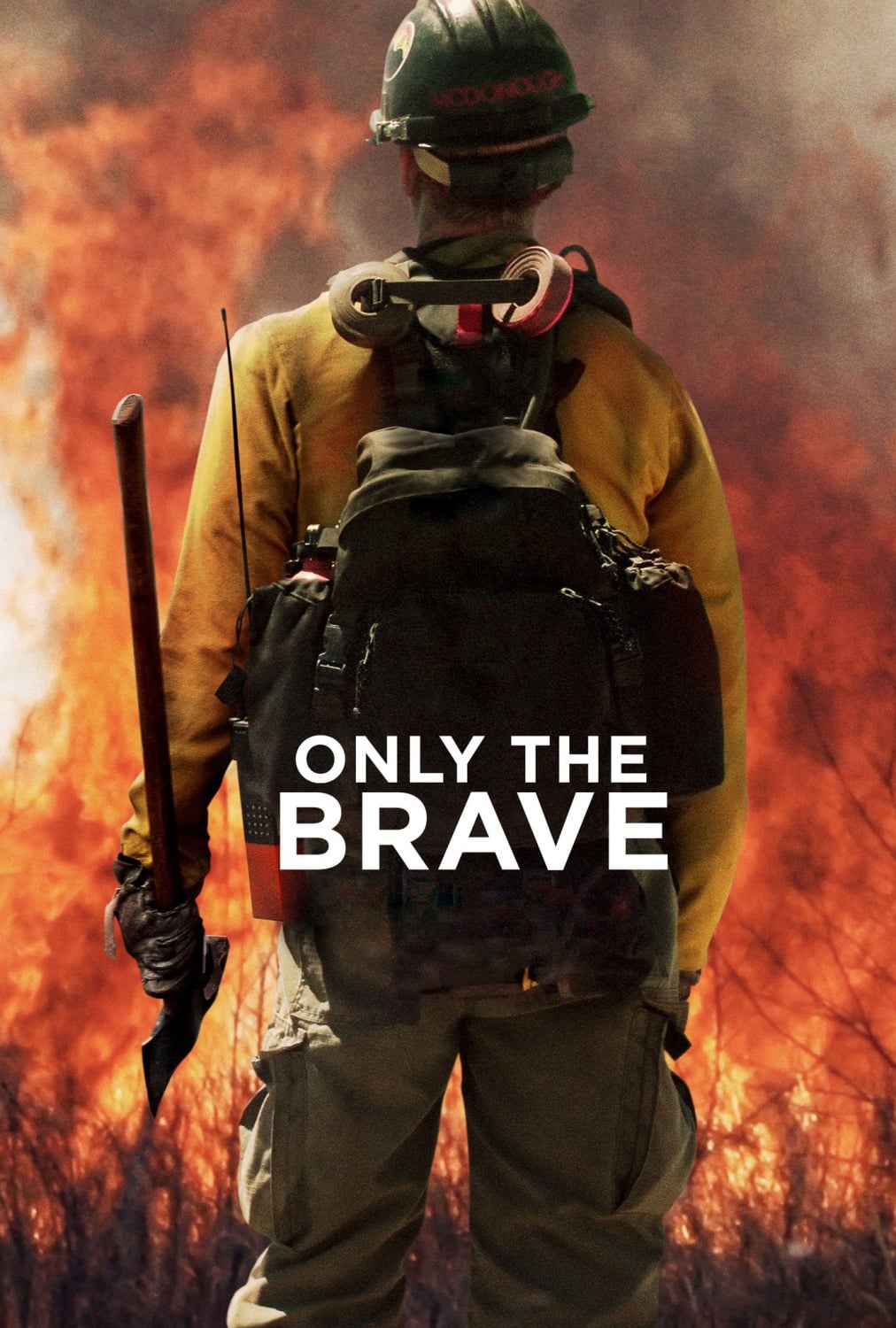
This account of the Granite Mountain Hotshots follows their training and deployments leading up to the Yarnell Hill Fire. Josh Brolin, Miles Teller, and Jennifer Connelly portray the firefighting team and families. The production worked with wildfire advisors to depict line building, fire shelters, and weather shifts. It highlights Type 1 hotshot operations and memorializes the crew’s service.
‘United 93’ (2006)

Paul Greengrass reconstructs the events aboard United Airlines Flight 93 using real time pacing and an ensemble of largely unknown actors. The film intercuts air traffic control rooms, military command centers, and the aircraft cabin. Extensive research consulted transcripts, timelines, and communications logs. Its documentary style emphasizes procedure and coordination during a national emergency.
‘A Night to Remember’ (1958)
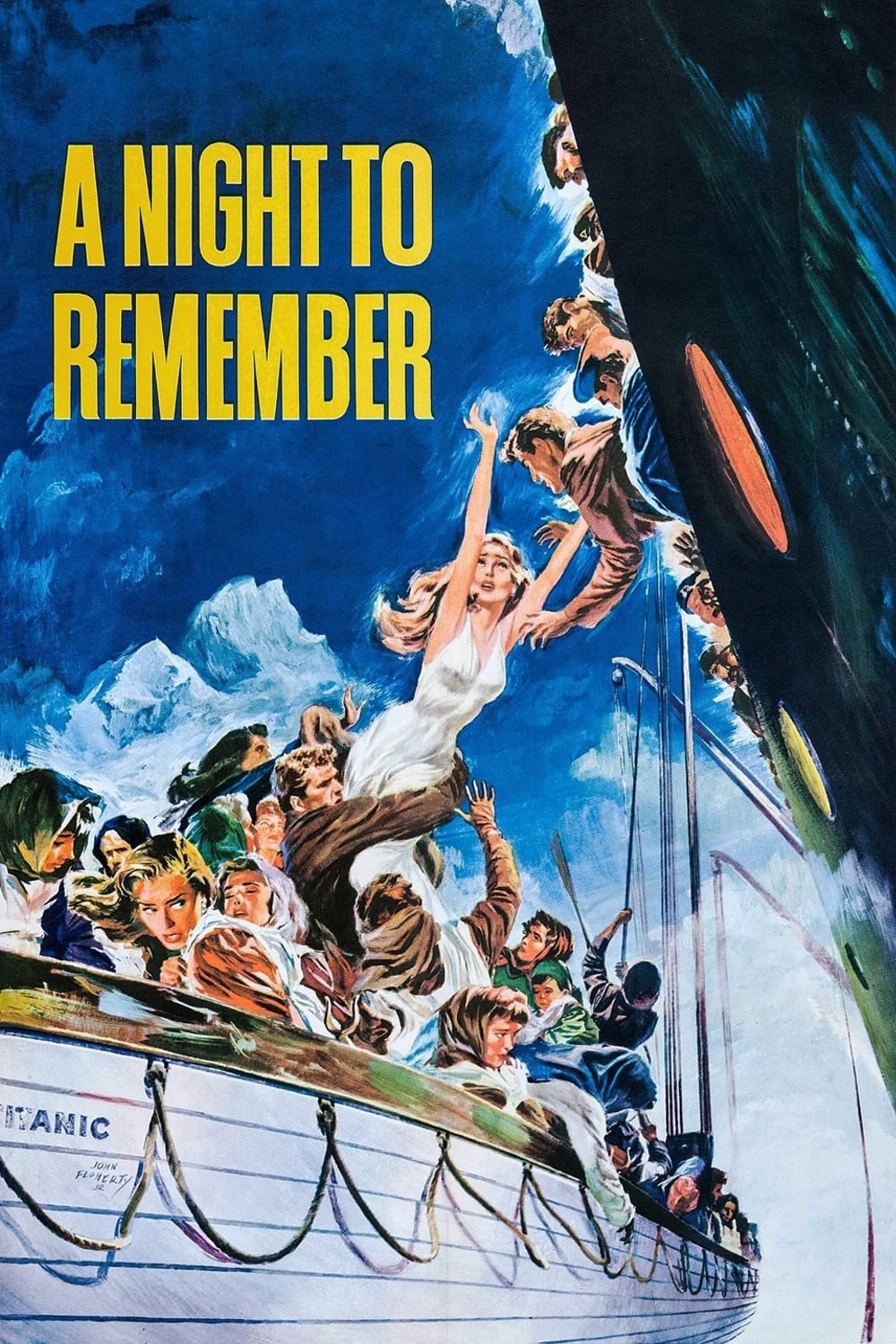
This adaptation of the Titanic sinking follows crew and passengers through the collision, evacuation, and final minutes. Kenneth More stars as Second Officer Lightoller with attention to ship operations and lifeboat management. Practical ship sets and North Atlantic staging created a detailed account for its time. The film drew on historical research and survivor testimonies to map the sequence of events.
‘Titanic’ (1997)
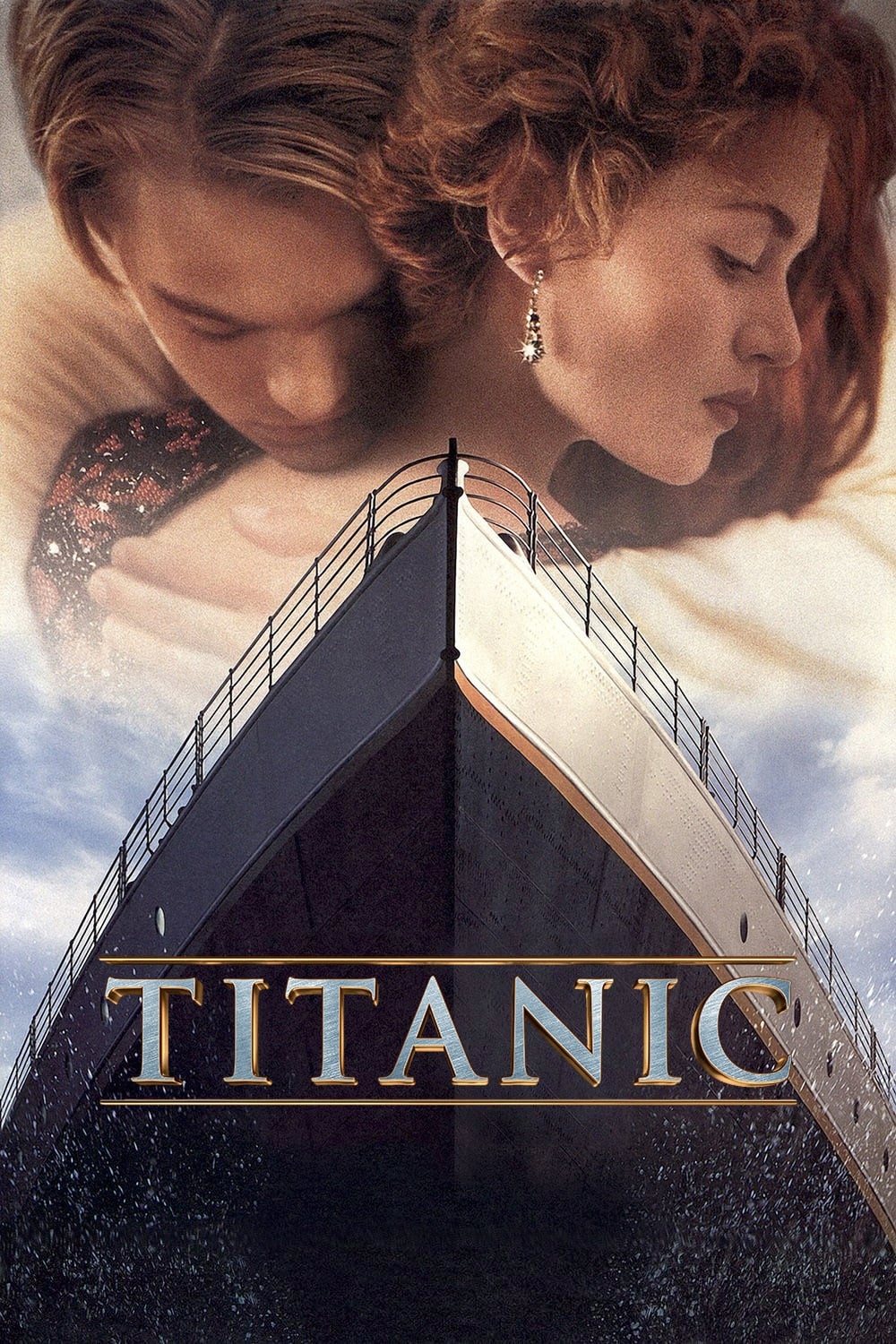
James Cameron’s film depicts the RMS Titanic disaster through intersecting narratives aboard the liner’s maiden voyage. Leonardo DiCaprio and Kate Winslet lead the cast, with extensive full scale sets and digital effects used for the break up and sinking sequence. The production consulted naval architects and archival plans to recreate compartments and procedures. It became one of the highest grossing films in history and won multiple Academy Awards including Best Picture.
Share your favorite disaster films in the comments and tell us which intense survival story you think deserves a spot here.