


20 Greatest Hollywood Screenwriters Ever

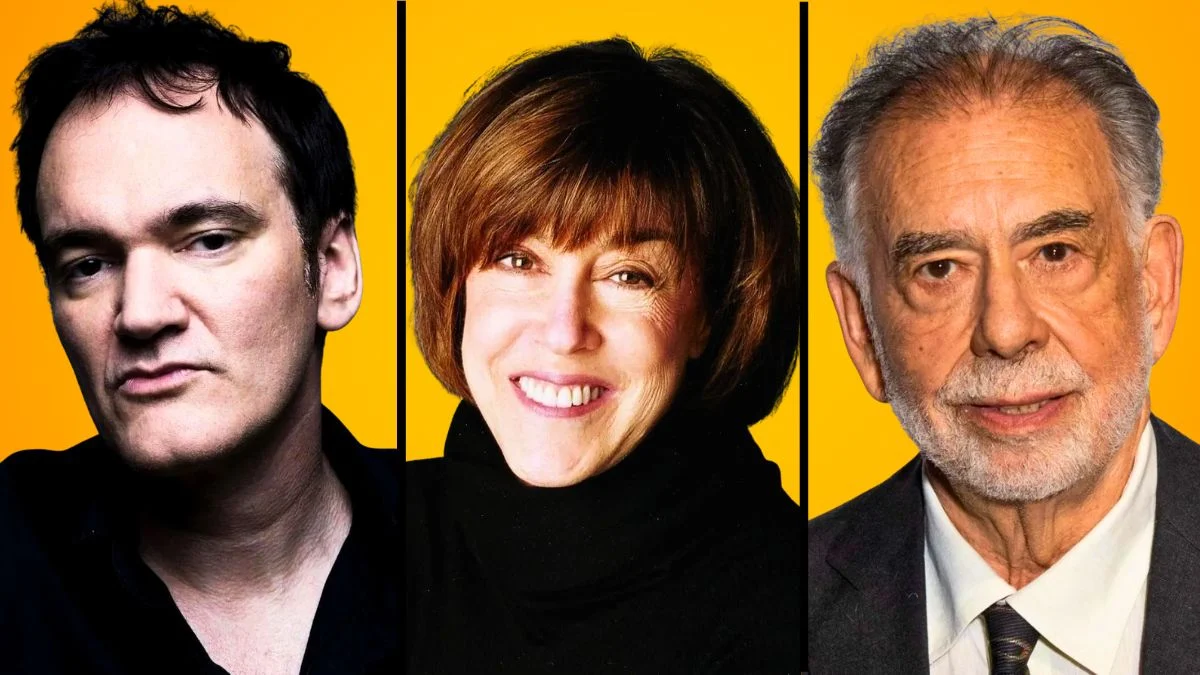


Hollywood has always run on the power of the page. Before a camera rolls or an actor steps into character, a script maps the story, the rhythm, and the lines everyone will remember. The writers below built that map again and again, shaping genres and guiding generations of filmmakers with pages that turned into classics.
This list highlights screenwriters whose credits, awards, and industry influence are easy to trace in film history. You will see signature titles, collaborations, and milestones that mark long careers at the center of major studio movies and beloved independents alike.
Ben Hecht
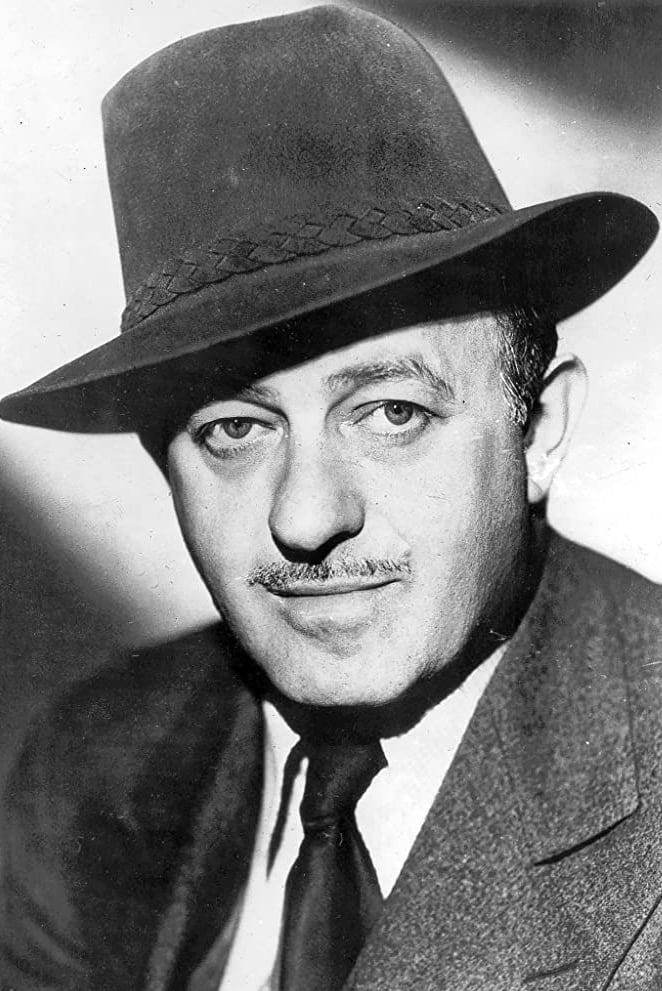
Ben Hecht wrote landmark screenplays that helped define early sound era storytelling, including ‘Underworld’ and ‘Scarface’. He won the first Academy Award for writing for ‘Underworld’ and later won again for ‘The Scoundrel’ with Charles MacArthur. His play with MacArthur, ‘The Front Page’, provided the basis for films like ‘His Girl Friday’.
He collaborated with Alfred Hitchcock on ‘Notorious’ and contributed to ‘Spellbound’. He also worked on ‘Gunga Din’ and performed extensive uncredited rewrites across the studio system, which was common practice at the time.
Frances Marion
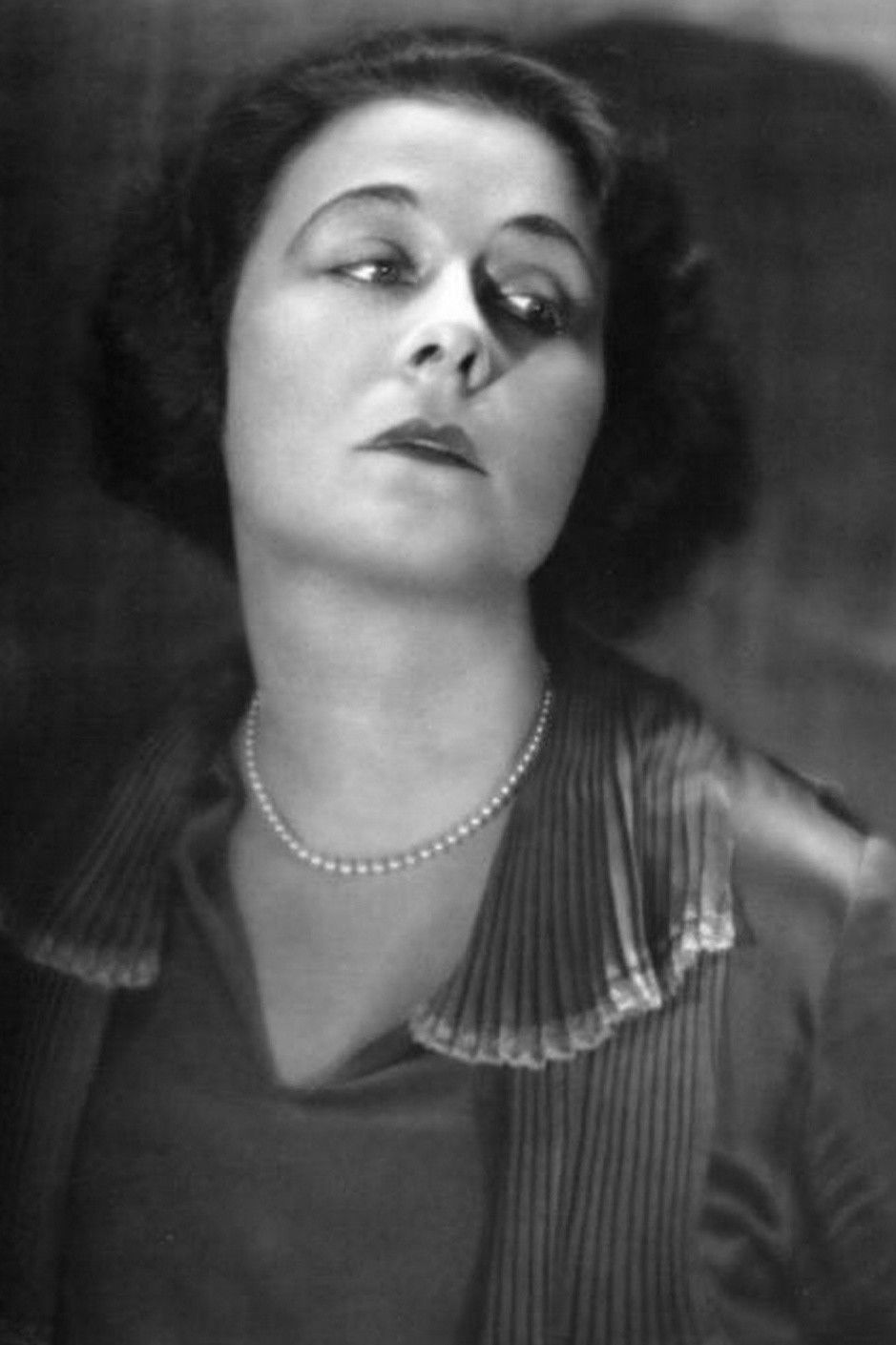
Frances Marion was among the highest paid screenwriters of the silent and early sound eras. She won Academy Awards for writing ‘The Big House’ and ‘The Champ’. Her screenplays delivered strong roles for stars of the day and were central to the success of major studio releases.
She wrote for Mary Pickford on films such as ‘Stella Maris’ and ‘The Love Light’. Her career included directing and journalism, and her work opened doors for women in the industry through consistent box office performance and awards recognition.
Herman J. Mankiewicz
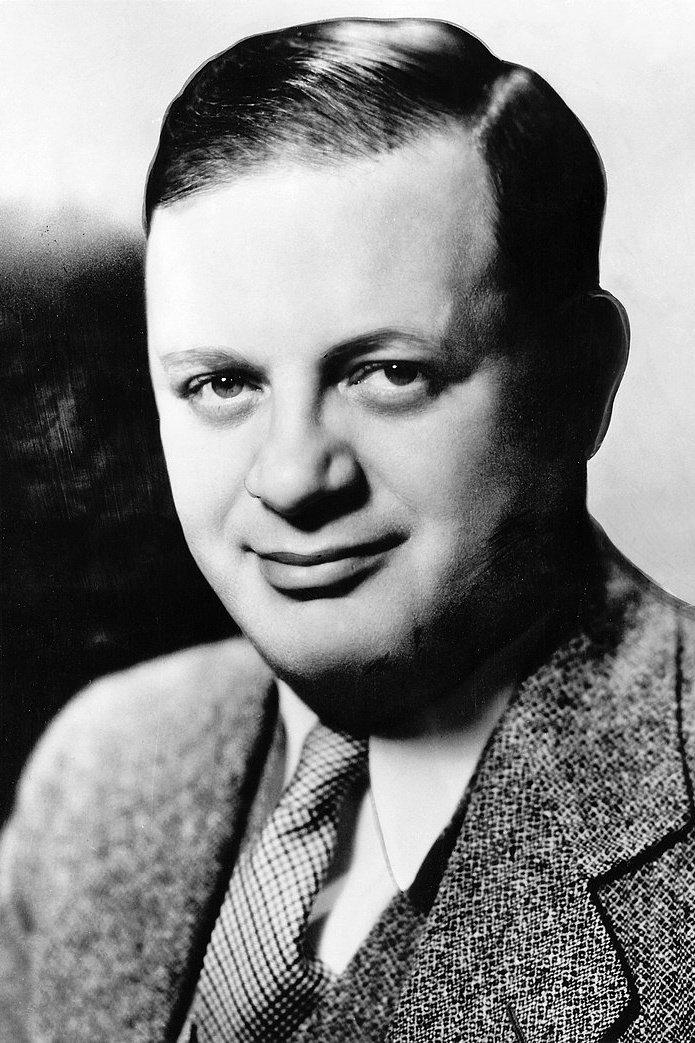
Herman J. Mankiewicz co wrote ‘Citizen Kane’ and won the Academy Award for the screenplay. He also worked on ‘The Pride of the Yankees’ and contributed to early drafts and structure on ‘The Wizard of Oz’.
Before screenwriting, he was a drama critic and brought that background to studio story departments. His memos and scene work show how studio era writers shaped structure, dialogue, and tone long before a director locked the shooting script.
Joseph L. Mankiewicz

Joseph L. Mankiewicz wrote and directed ‘A Letter to Three Wives’ and ‘All About Eve’, winning Academy Awards for writing on both. He is one of the few filmmakers to win writing and directing Oscars in back to back years.
He began as a producer and moved into writing and directing with precise control of dialogue and structure. His screenplays for ‘All About Eve’ and ‘A Letter to Three Wives’ became reference points for ensemble storytelling and studio era character writing.
Preston Sturges
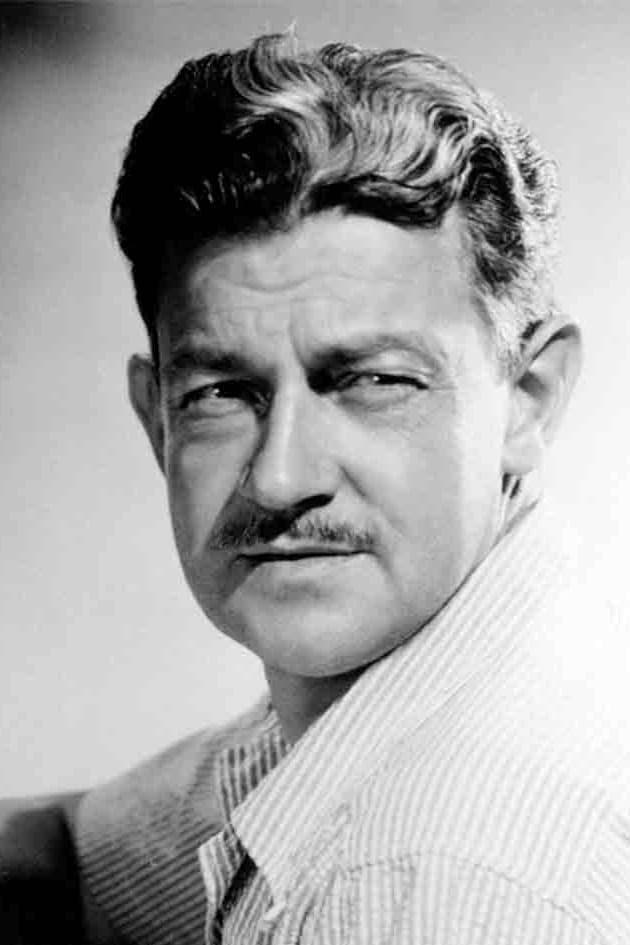
Preston Sturges wrote and directed a streak of influential comedies that began with ‘The Great McGinty’, which earned him an Academy Award for writing. He followed with ‘The Lady Eve’, ‘Sullivan’s Travels’, and ‘The Palm Beach Story’.
He negotiated unusual creative terms for a writer at the time and moved into directing while continuing to draft his own scripts. His pages balanced farce with social detail and gave studio performers fast dialogue that still reads cleanly on the page.
Billy Wilder
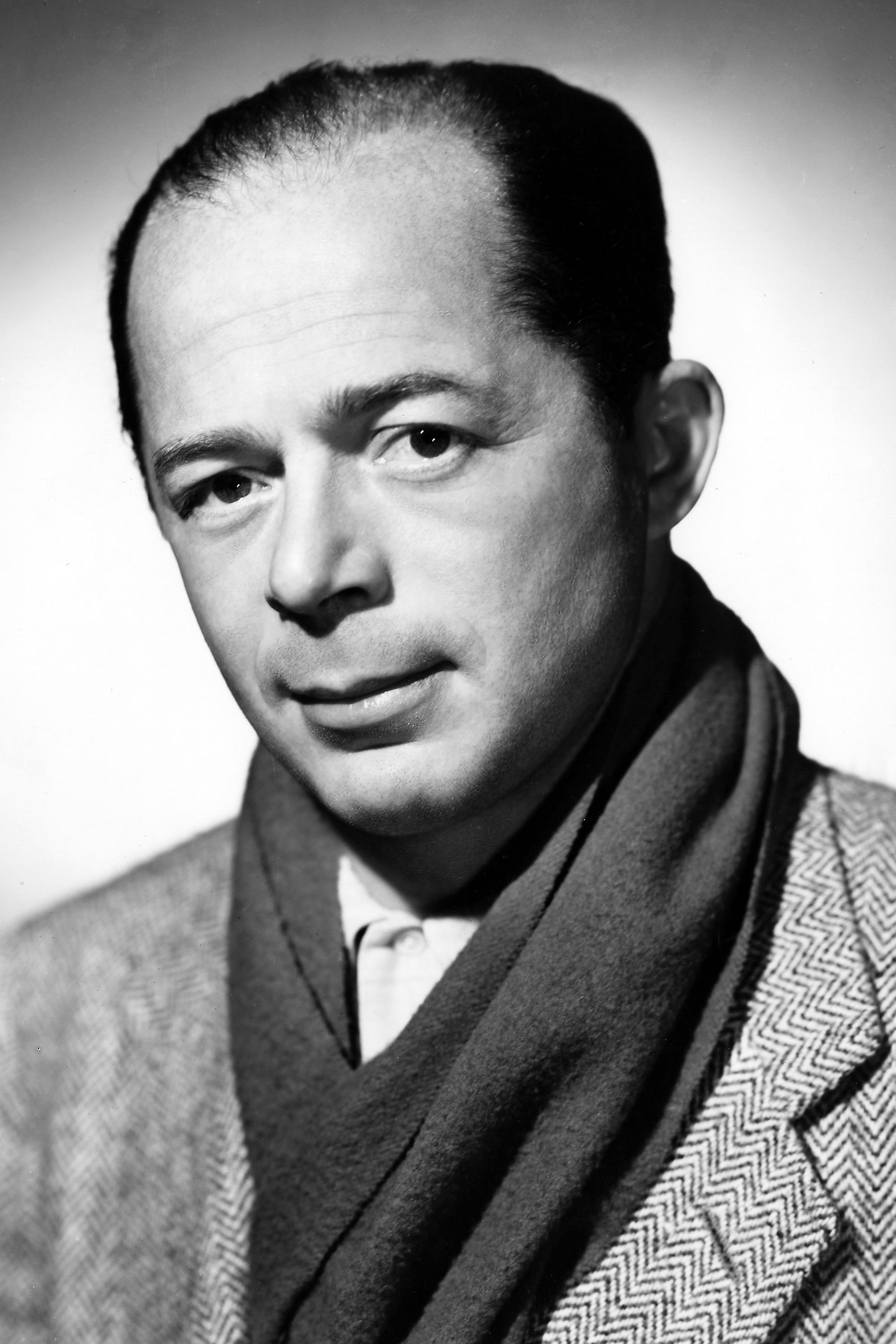
Billy Wilder co wrote and directed ‘Double Indemnity’, ‘Sunset Boulevard’, ‘Some Like It Hot’, and ‘The Apartment’. He won multiple Academy Awards for writing, including honors for ‘The Lost Weekend’ and ‘The Apartment’.
He partnered first with Charles Brackett and later with I. A. L. Diamond, building scripts that carried distinctive structure and character turns. His films crossed genres while maintaining tight scene construction that became a model in studio screenwriting.
Ernest Lehman
Ernest Lehman wrote ‘Sweet Smell of Success’, ‘North by Northwest’, and ‘West Side Story’. He adapted ‘The Sound of Music’ and wrote the screenplay for ‘Who’s Afraid of Virginia Woolf’, which he also produced.
He received multiple Academy Award nominations for writing and was later honored with an Academy Honorary Award. His credits show a range that spans thrillers, musicals, and dramas, with adaptations that translated stage and literature into precise film scenes.
Dalton Trumbo
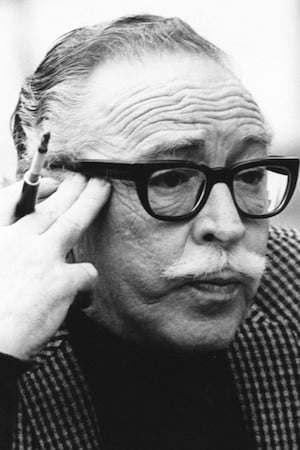
Dalton Trumbo wrote ‘Roman Holiday’ and ‘The Brave One’, which won Academy Awards under a front and a pseudonym during the blacklist era. His authorship was later officially recognized, and his name now appears on those films.
He returned to credited status with ‘Spartacus’ and ‘Exodus’. His career documents how screenwriters navigated political pressures while maintaining output, and his credits remain central to discussions of authorship and credit in Hollywood.
Paddy Chayefsky
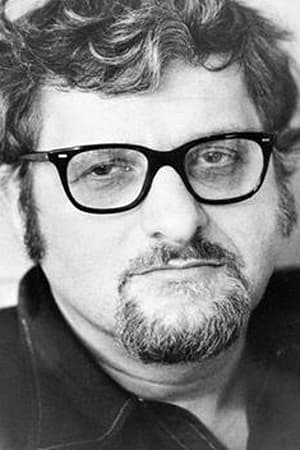
Paddy Chayefsky won three competitive Academy Awards for writing for ‘Marty’, ‘The Hospital’, and ‘Network’. He moved from television to film while maintaining a clear voice in character and setting.
His scripts for ‘Marty’ and ‘Network’ became case studies in dialogue driven structure. He was active in credit arbitration and guild matters, and his awards record is a benchmark for feature screenwriters.
William Goldman
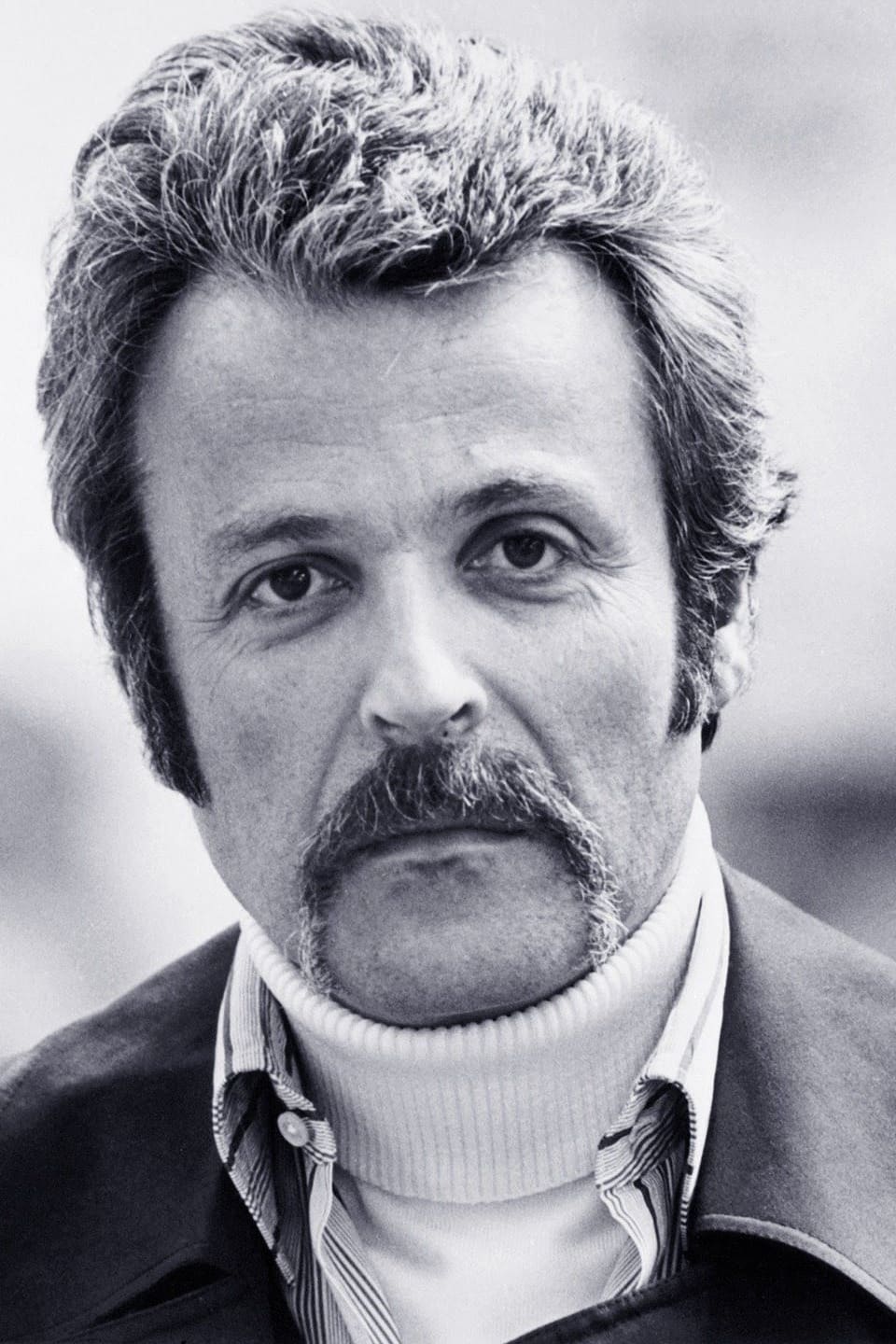
William Goldman won Academy Awards for ‘Butch Cassidy and the Sundance Kid’ and ‘All the President’s Men’. He also wrote ‘Marathon Man’ and adapted his own novel ‘The Princess Bride’ for the screen.
He published craft books including ‘Adventures in the Screen Trade’ and ‘Which Lie Did I Tell’, which detail development, deal making, and rewriting from a writer’s point of view. His credits cover original screenplays, adaptations, and major studio assignments.
Robert Towne
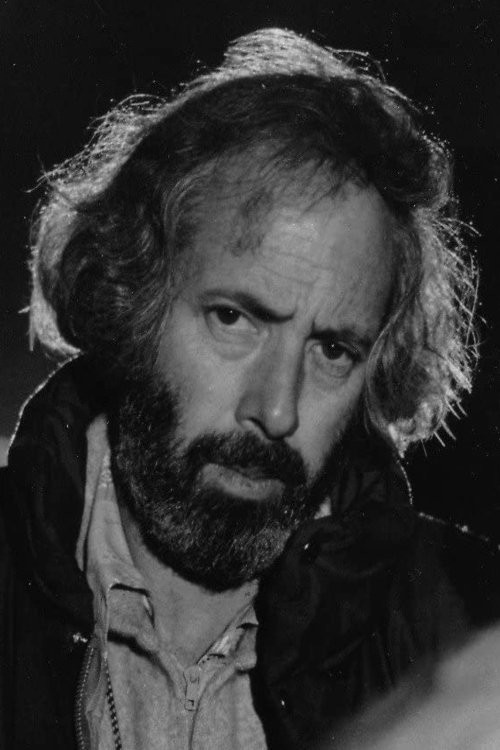
Robert Towne won the Academy Award for ‘Chinatown’ and received nominations for ‘The Last Detail’ and ‘Shampoo’. He also wrote ‘Tequila Sunrise’ and contributed revisions on large scale projects.
His work with directors and stars established long running collaborations. Studio records, credits, and arbitration histories show his role in refining character arcs and structure in both originals and adaptations.
Paul Schrader
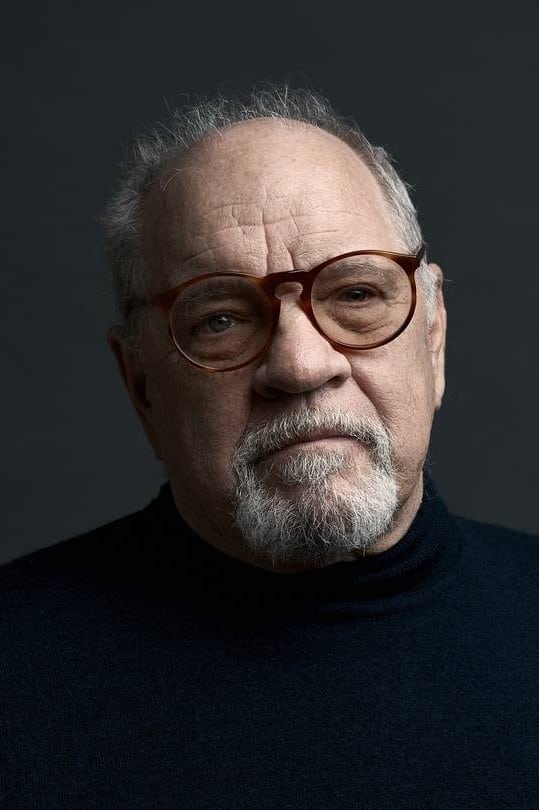
Paul Schrader wrote ‘Taxi Driver’ and co wrote ‘Raging Bull’. He wrote and directed ‘American Gigolo’ and ‘First Reformed’, with the latter earning him his first Academy Award nomination for writing.
He published a study of cinematic style and applied those ideas in screenplays that focus on isolated protagonists and rigorous structure. His credits include ‘Mishima A Life in Four Chapters’ and ‘Affliction’, demonstrating sustained work as both writer and director.
Nora Ephron
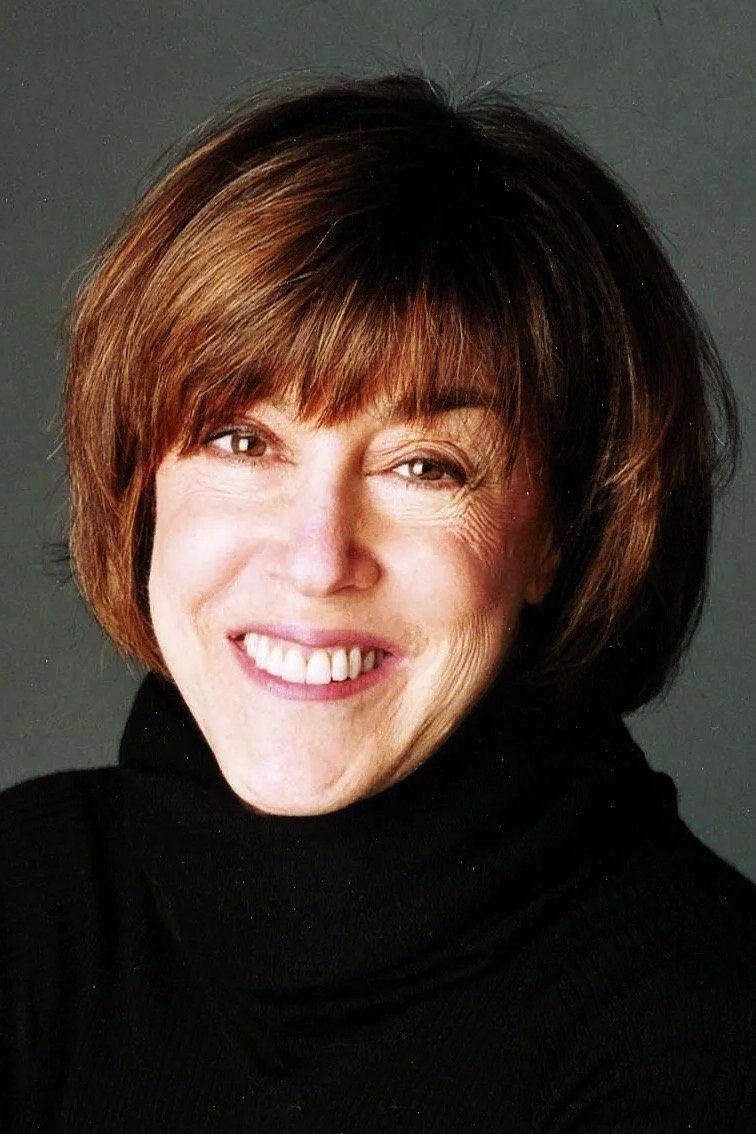
Nora Ephron received Academy Award nominations for ‘Silkwood’, ‘When Harry Met Sally’, and ‘Sleepless in Seattle’. She also co wrote and directed ‘You’ve Got Mail’ and later directed ‘Julie and Julia’.
She began as a journalist and essayist, then moved into screenwriting with a focus on character and contemporary settings. Her scripts paired with consistent box office and awards recognition, and her collaborations with filmmakers and stars lasted across multiple films.
Ruth Prawer Jhabvala
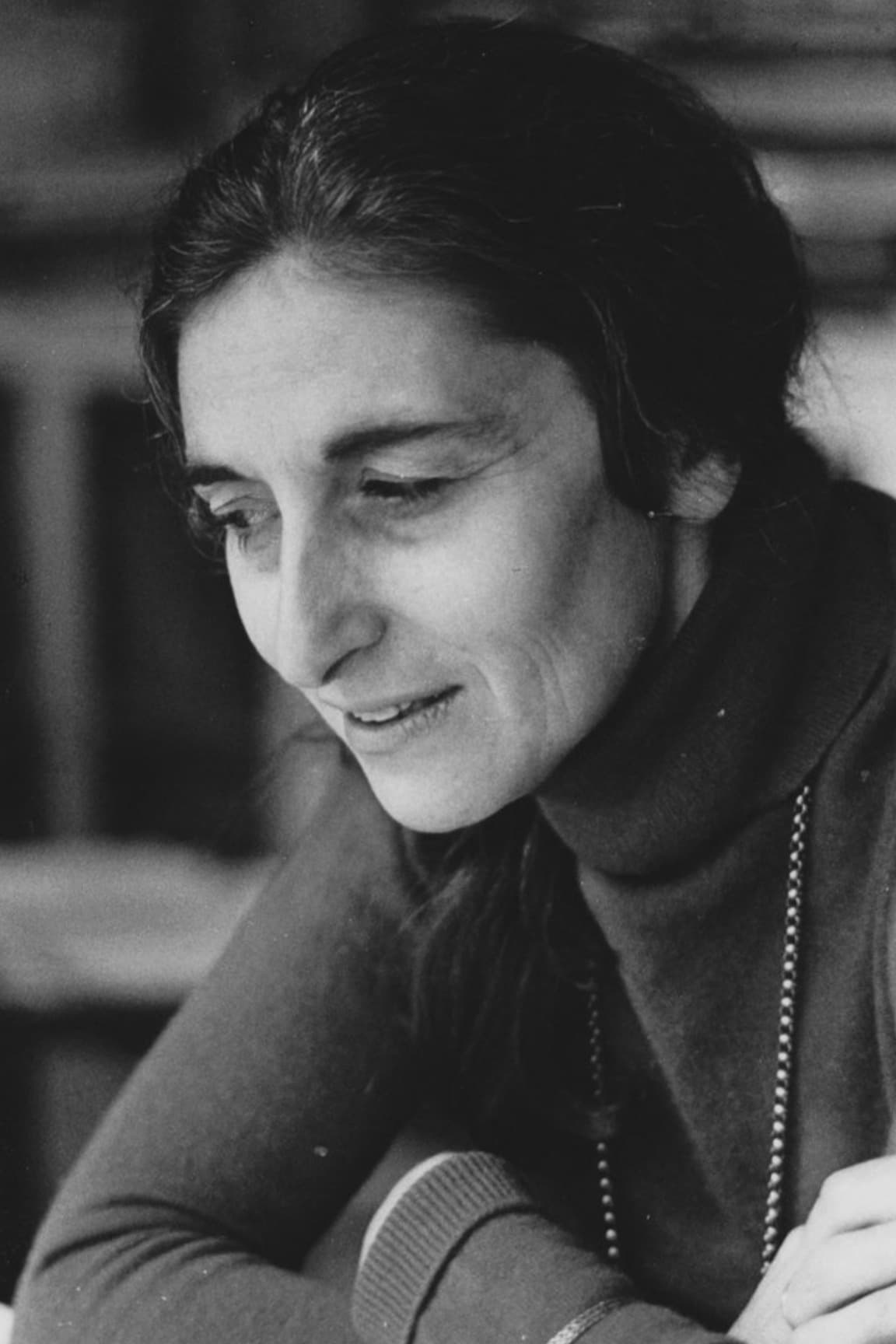
Ruth Prawer Jhabvala won Academy Awards for ‘A Room with a View’ and ‘Howards End’. She also wrote ‘The Remains of the Day’, extending a long partnership with Merchant Ivory Productions.
Her adaptations translated complex novels into screenplays that kept detail and tempo aligned for film structure. She published fiction and short stories alongside screenwriting, and her credits show careful continuity with literary sources.
Aaron Sorkin
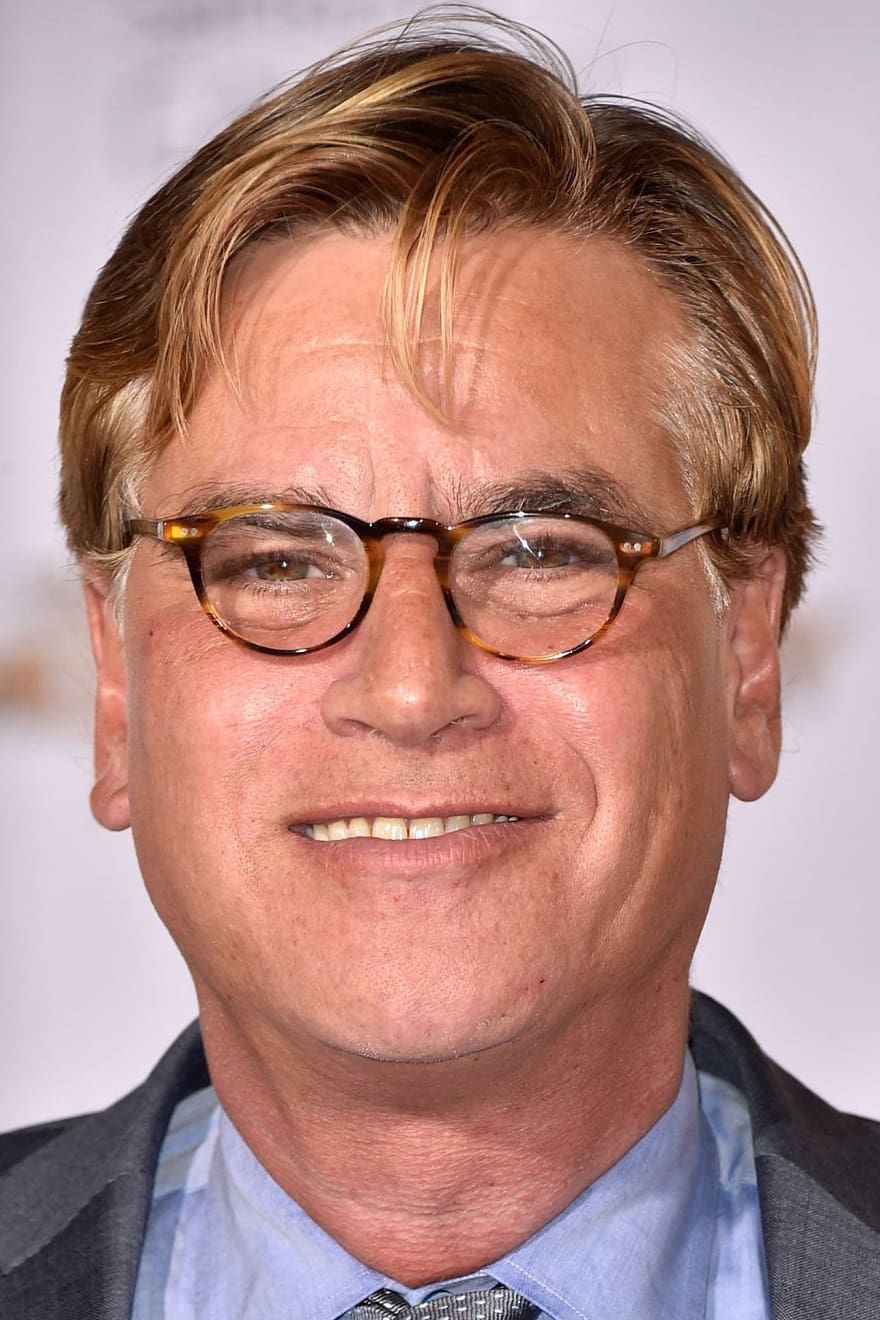
Aaron Sorkin won the Academy Award for ‘The Social Network’ and earned nominations for ‘Moneyball’ and ‘The Trial of the Chicago 7’. He created the television series ‘The West Wing’ and later wrote and directed ‘Molly’s Game’ and ‘Being the Ricardos’.
He began in theater with ‘A Few Good Men’ and adapted it for the screen. His film and television scripts are documented for rapid dialogue and walk and talk staging, and his credits include collaborations with directors across drama and biography.
Charlie Kaufman
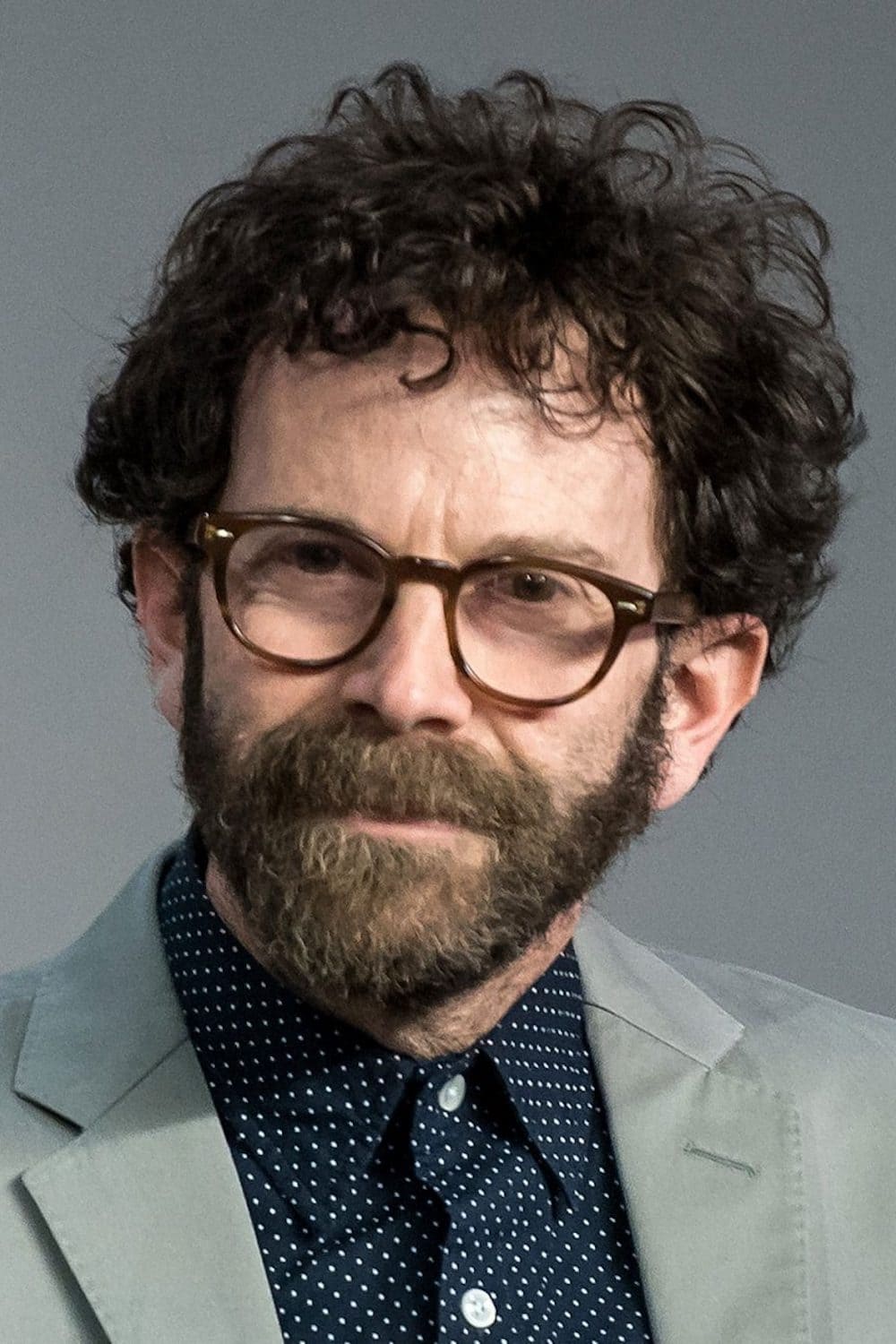
Charlie Kaufman won the Academy Award for ‘Eternal Sunshine of the Spotless Mind’. He received nominations for ‘Being John Malkovich’ and ‘Adaptation’, and later wrote and directed ‘Synecdoche, New York’ and ‘Anomalisa’.
He began in television and moved to features with original high concept scripts that maintained character focus. His credits show long term partnerships with directors and producers who developed his projects from early drafts through release.
Quentin Tarantino
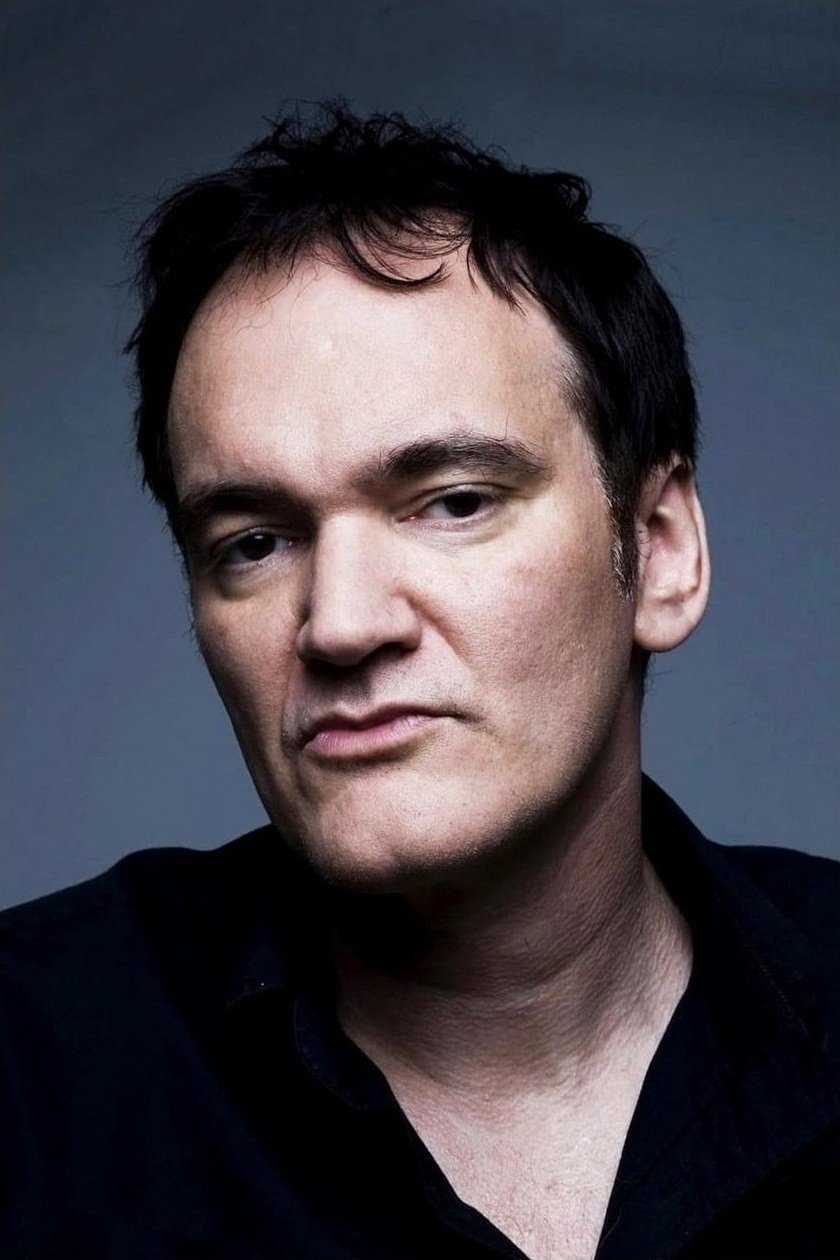
Quentin Tarantino won Academy Awards for ‘Pulp Fiction’ and ‘Django Unchained’. He wrote and directed ‘Reservoir Dogs’, ‘Inglourious Basterds’, and ‘Once Upon a Time in Hollywood’.
He began as a video store clerk and built a filmography through independent production and studio partnerships. His scripts are widely circulated in development circles, and his writing credits track a steady output of original screenplays.
Elaine May
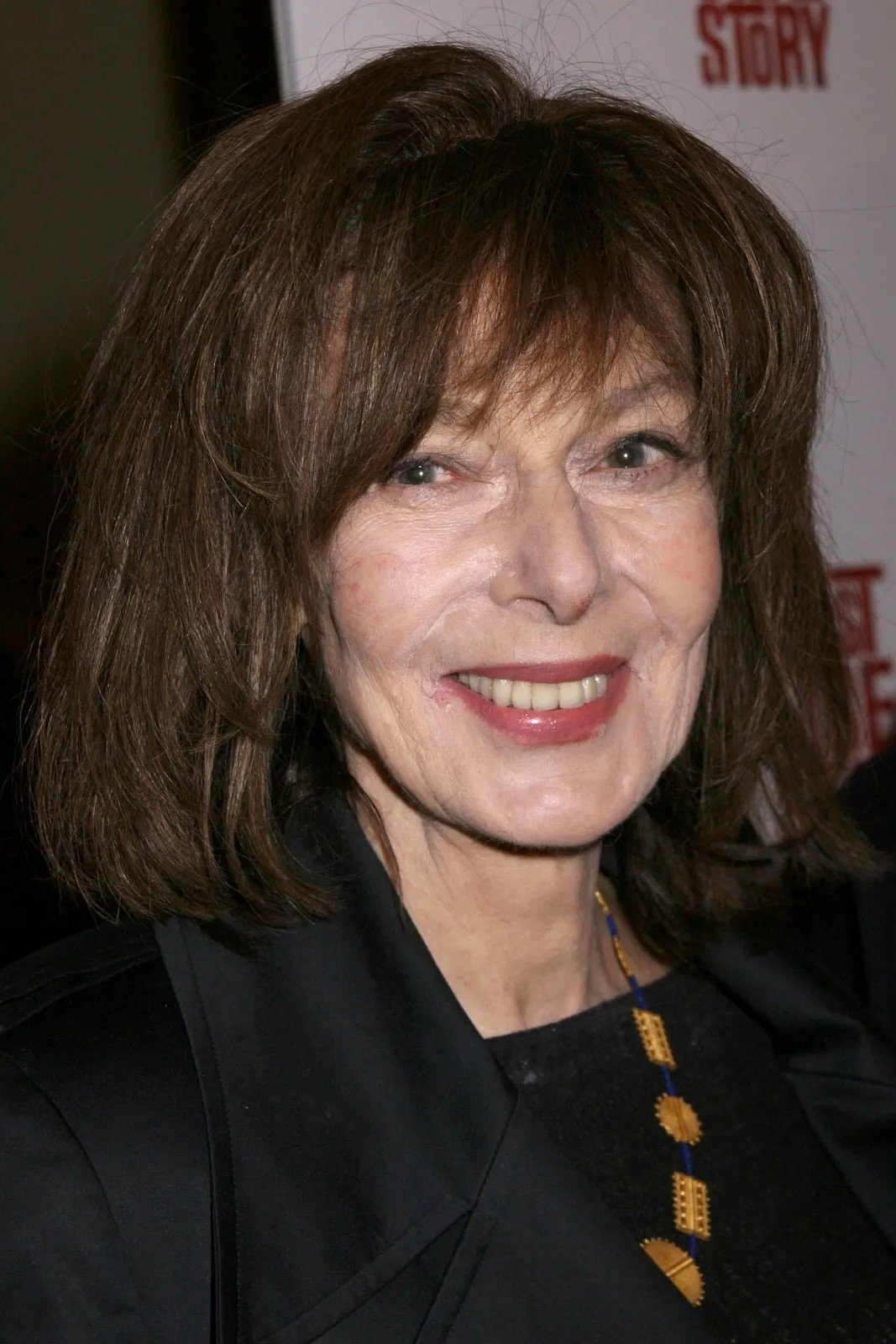
Elaine May wrote ‘The Birdcage’ and ‘Primary Colors’, with nominations for the latter and for ‘Heaven Can Wait’. She received an Academy Honorary Award for her body of work.
She began in sketch comedy and partnered with Mike Nichols before turning to screenwriting and directing. Her uncredited rewrites on high profile films are noted in development histories, and her credited scripts remain frequent references in adaptation and comedy rooms.
Leigh Brackett
Leigh Brackett co wrote ‘The Big Sleep’ and ‘Rio Bravo’ and later wrote ‘The Long Goodbye’. She received credit on ‘The Empire Strikes Back’ for early drafts that shaped the story before production.
She was also a published science fiction author, and that background informed her approach to genre and world building. Her studio credits document steady collaboration with directors while moving between crime, western, and space fantasy.
Francis Ford Coppola
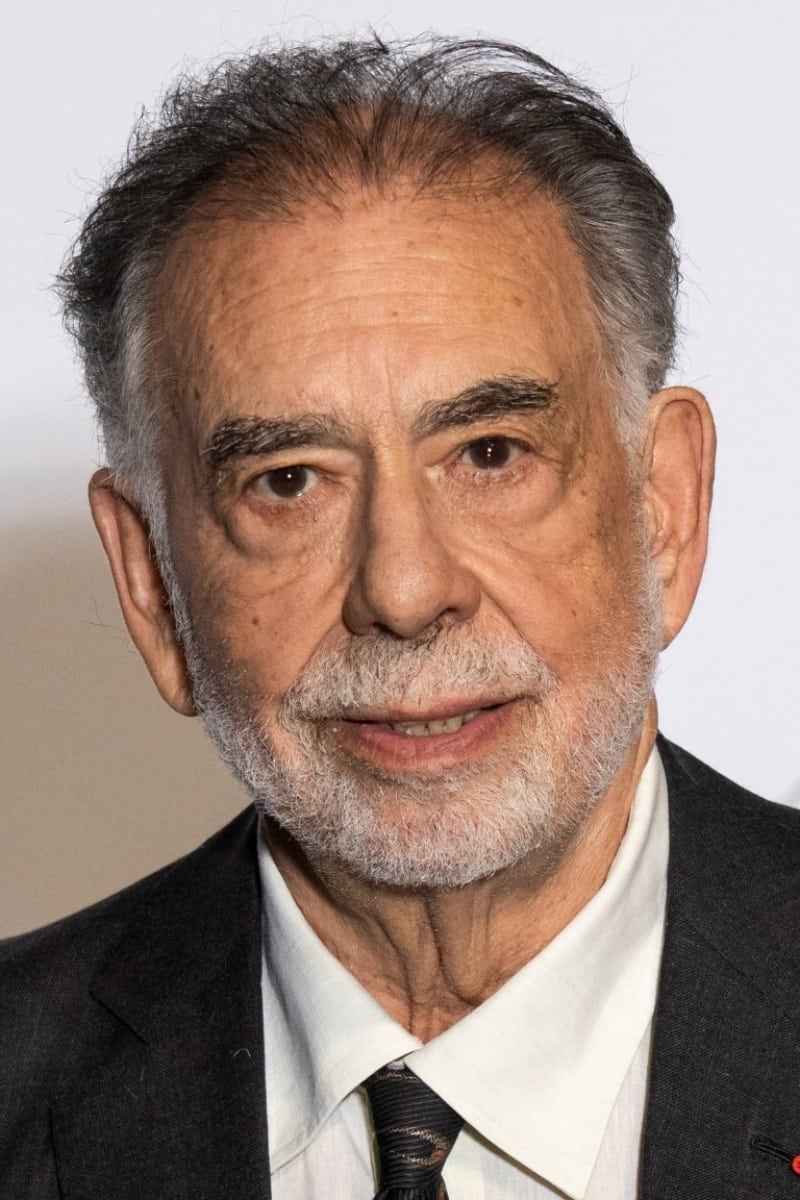
Francis Ford Coppola won Academy Awards for writing ‘Patton’, ‘The Godfather’, and ‘The Godfather Part II’. He also wrote and directed ‘The Conversation’ and co wrote ‘Apocalypse Now’.
He began with low budget features and expanded into studio epics while maintaining writing credit on his key films. His screenplays show development across multiple drafts with co writers and novelists, and his awards record places him among the most honored writers in film history.
Share your picks in the comments and tell us which screenplays you think belong on this list.