

15 Greatest Lesbian Anime Characters of All Time

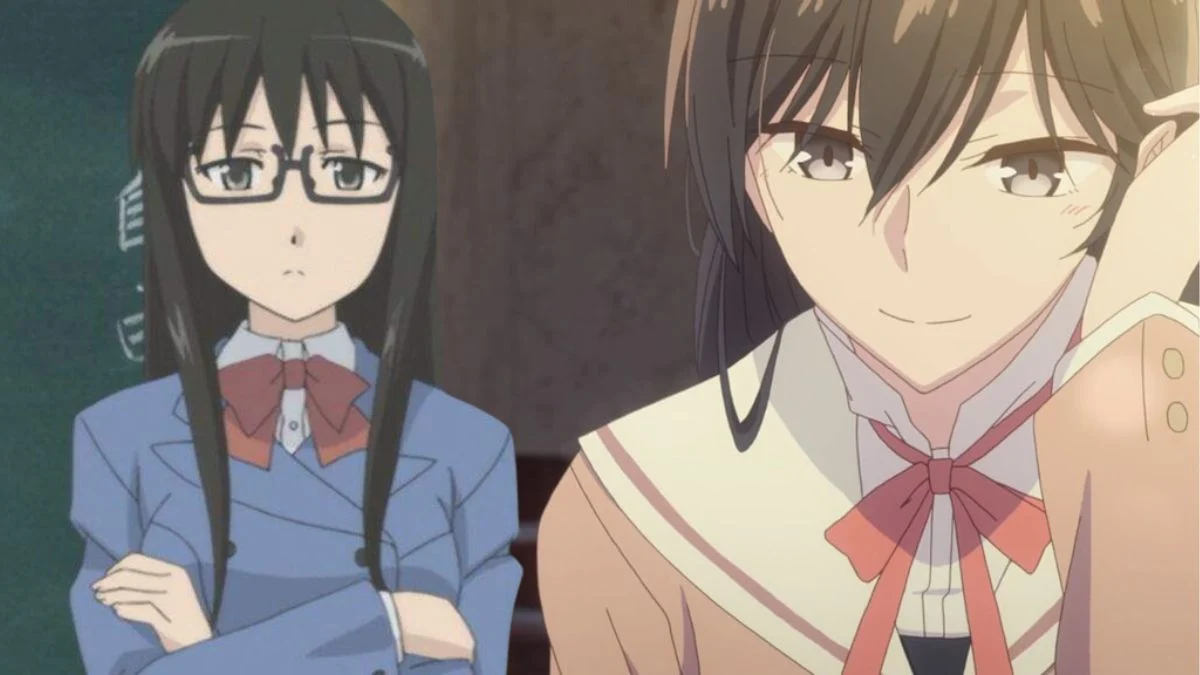


There have been many thoughtful portrayals of lesbian characters across anime, and their stories span school corridors, spacefaring epics, and modern fantasy. These characters are written with distinct goals and relationships that shape their shows in memorable ways, from childhood crushes that never fade to vows that change the course of a world.
This list looks at who they are in their stories, the roles they play, and the relationships that define them. You will also see where their stories were brought to life, with subtle notes on the studios that animated each title so you can trace the creative lineages behind them.
Haruka Tenou
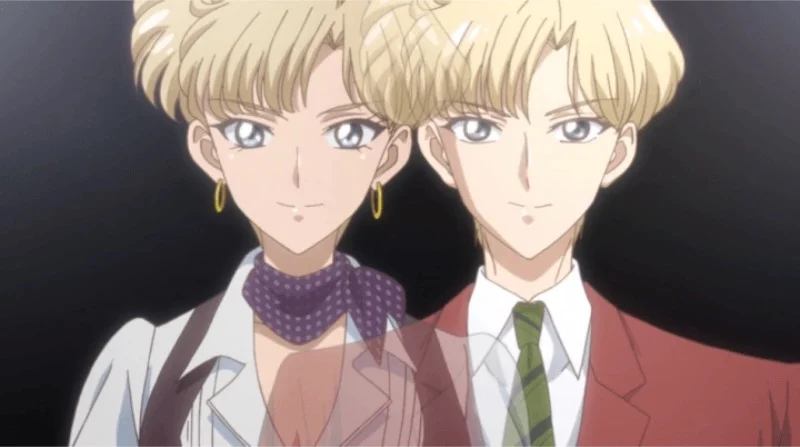
Haruka Tenou appears in ‘Sailor Moon’ as a skilled racer and one of the Outer Guardians who protects Earth from distant threats. She is introduced with a cool demeanor and a clear sense of duty that places her alongside Sailor Neptune in missions that affect the fate of the planet. Her civilian life and heroic identity intersect often, and those intersections shape how other Guardians understand responsibility and sacrifice.
Her relationship with Michiru Kaioh is presented as a long-standing partnership that blends daily life and battlefield trust. Their arcs unfold across major confrontations and quieter episodes that explore school, competition, and family expectations. The anime adaptation that features Haruka’s most recognized moments was produced by Toei Animation.
Michiru Kaioh
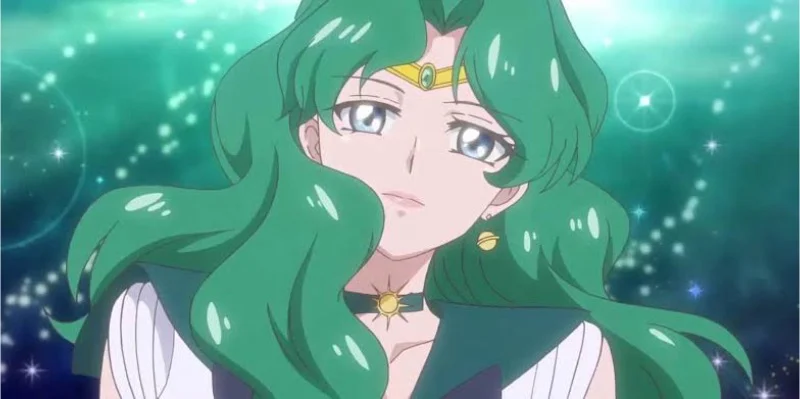
Michiru Kaioh in ‘Sailor Moon’ is a violinist and Sailor Neptune, working in tandem with Haruka to pursue talismans and guard the world from cosmic dangers. She is written as calm and observant, and that steady outlook supports team decisions when the Guardians face unclear choices. Audiences see her balance performances, studies, and covert duties while the larger story moves toward apocalyptic stakes.
Her partnership with Haruka anchors several investigations and battles, and the pair’s trust is shown in how they share information and divide risks. Michiru’s artistry also appears in scenes that contrast the quiet of practice halls with the urgency of patrols. The long-running television series that tells her story was animated by Toei Animation.
Utena Tenjou
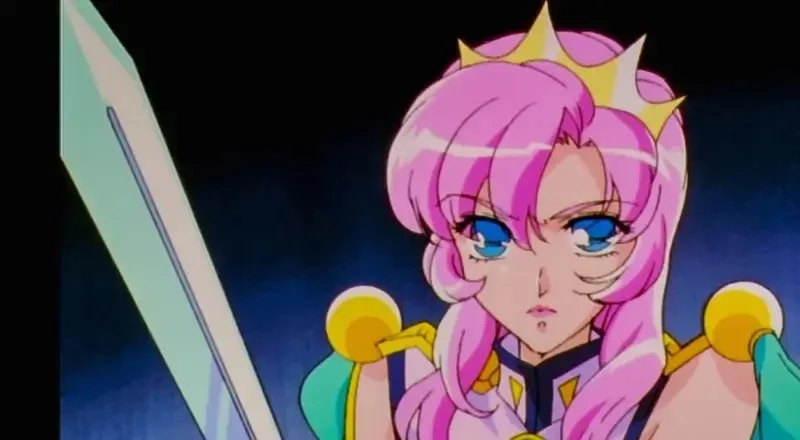
Utena Tenjou leads ‘Revolutionary Girl Utena’ as a student who challenges a school’s secret dueling system after vowing to protect Anthy Himemiya. She arrives wearing a prince’s uniform and questions traditions that separate people into rigid roles. The duels escalate while revelations about the academy’s leadership change how each victory is understood.
Utena’s feelings for Anthy shape the story’s turning points and guide choices that reject harmful cycles. Their scenes together carry the weight of past promises and new possibilities as the academy itself becomes a stage for transformation. The series that brought this tale to television was animated by J.C.Staff.
Juri Arisugawa
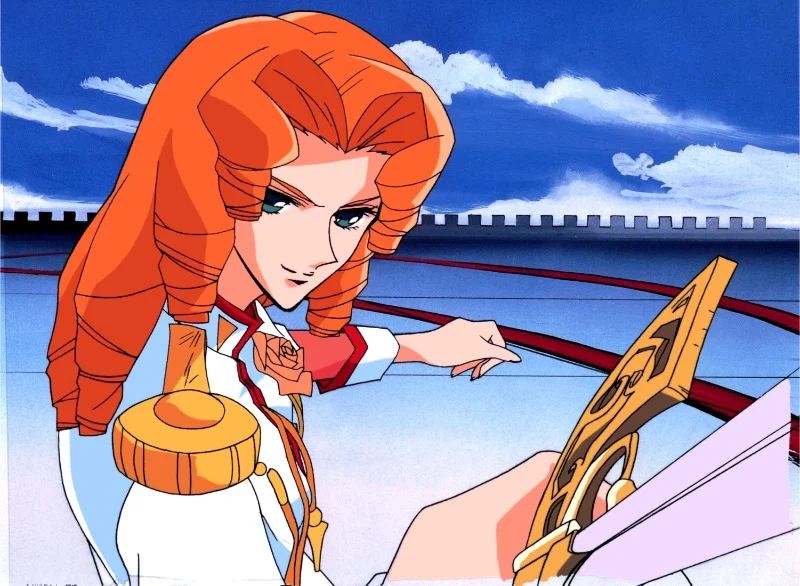
Juri Arisugawa in ‘Revolutionary Girl Utena’ is the fencing team captain whose precision in the arena mirrors a controlled public image. Her private feelings for Shiori add layers to rivalries and alliances, especially when duels reflect the push and pull of longing and pride. She stands as both a formidable opponent and a student navigating rumor and reputation.
Key episodes trace how unresolved feelings influence leadership choices and challenge her belief that strength requires silence. Fencing matches, council meetings, and quiet after-school scenes all chart the same conflict from different angles. The television adaptation that features Juri’s storyline was produced by J.C.Staff.
Ymir
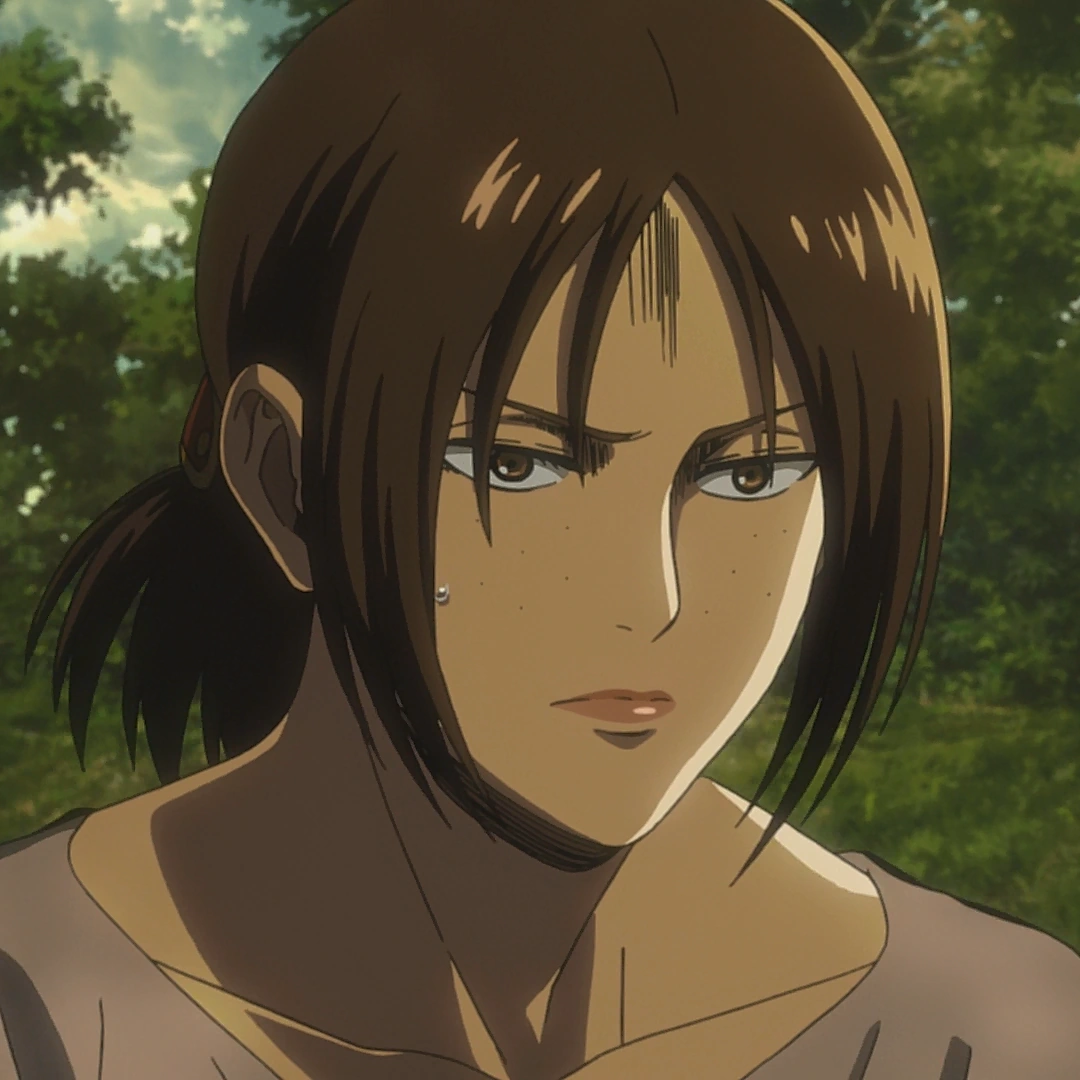
Ymir appears in ‘Attack on Titan’ as a former cult survivor whose sharp survival sense and frank speech set her apart in military ranks. Her history is revealed through field missions and flashbacks that connect personal decisions to the power struggles beyond the walls. She moves between secrecy and honesty depending on who needs protection and why.
Her bond with Historia Reiss becomes central as expeditions and political shifts threaten their unit. Choices made to safeguard Historia ripple into both human and Titan conflicts. The anime seasons that depict Ymir’s arc were animated first by Wit Studio and later by MAPPA.
Homura Akemi
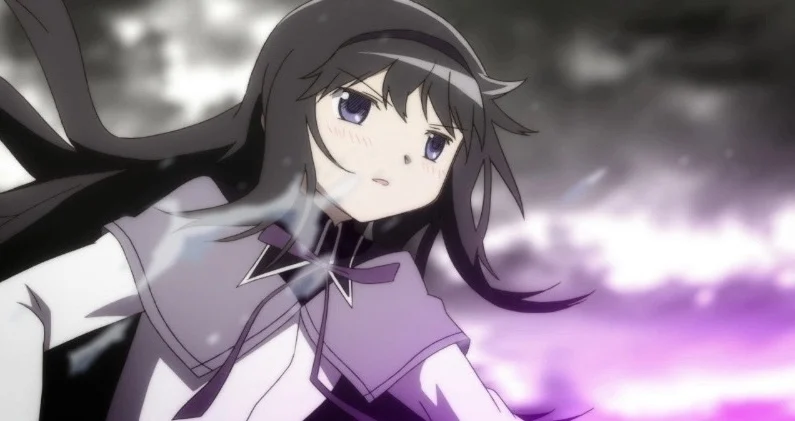
Homura Akemi stands at the center of ‘Puella Magi Madoka Magica’ as a transfer student who knows more than she reveals about the cost of making wishes. Hospital rooms, classrooms, and ruined city blocks form the backdrop to her careful planning as she tries to prevent a catastrophe. Her skill with time and tactics is shown through repeated confrontations with magical threats.
Homura’s love for Madoka drives a series of decisions that reshape what friendship and responsibility mean in a world ruled by contracts. Scenes that return to the same moment show how far she is willing to go to change an outcome. The television series and its follow-ups that tell Homura’s story were animated by Shaft.
Tomoyo Daidouji
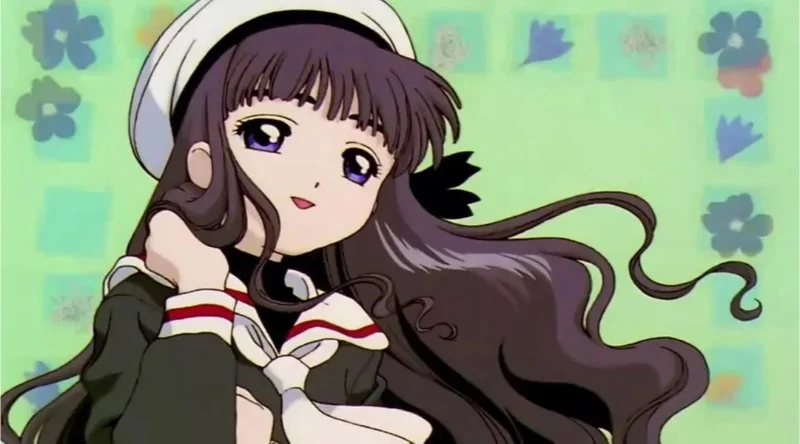
Tomoyo Daidouji in ‘Cardcaptor Sakura’ documents Sakura’s card-capturing adventures with a camcorder and designs outfits that become visual markers for each mission. She is a top student who supports fieldwork with planning and gear, and she often anticipates needs before anyone asks. Family ties and school projects frame her days between magical encounters.
Her quiet love for Sakura is depicted through patience, encouragement, and a refusal to pressure the person she admires. Episodes show how Tomoyo’s steady presence helps solve problems that are not purely magical. The classic series that features Tomoyo’s role in Team Sakura was animated by Madhouse.
Yuu Koito
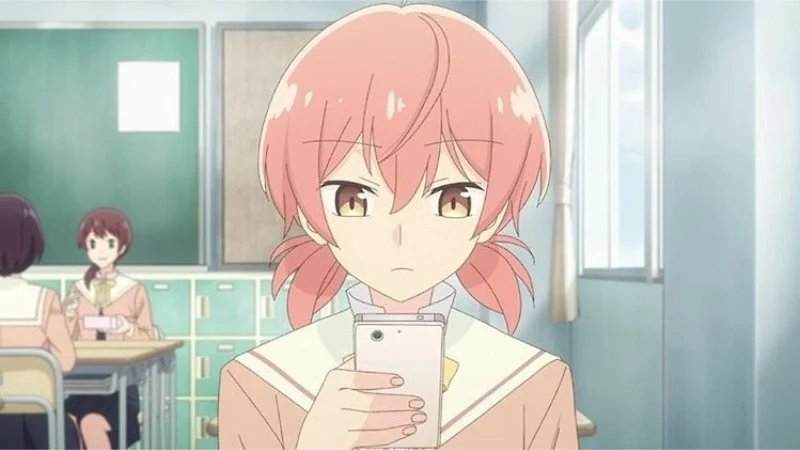
Yuu Koito leads ‘Bloom Into You’ as a first-year student who wonders why love stories never seem to fit her experience. Meeting the student council’s Touko Nanami draws Yuu into elections, planning, and an after-school play that mirrors their private doubts. Letters, libraries, and council rooms become recurring settings where feelings are tested.
Yuu’s journey focuses on how affection grows from daily routines rather than grand gestures. Her responses to Touko and to her own uncertainty are charted across festivals and rehearsals that pull everyone closer together. The television adaptation that presents Yuu’s perspective was animated by TROYCA.
Touko Nanami
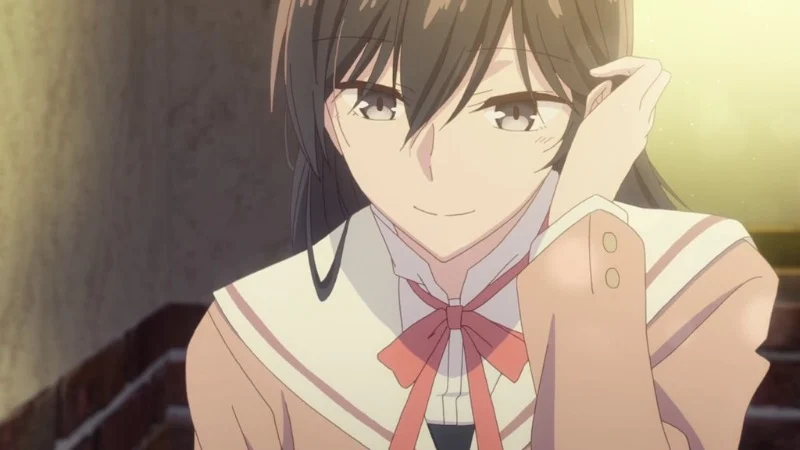
Touko Nanami in ‘Bloom Into You’ is a high achiever whose public confidence hides a long struggle with expectations tied to her family. Her decision to confide in Yuu shifts how she pursues leadership and how she sees herself outside a perfect image. Student council work gives structure to these changes while the school play reflects them back.
Her evolving relationship with Yuu is marked by careful conversations and the gradual rewriting of goals that once seemed fixed. Scenes on rooftops, in classrooms, and during rehearsal notes show how small choices become turning points. The anime series that explores Touko’s arc was produced by TROYCA.
Mei Aihara
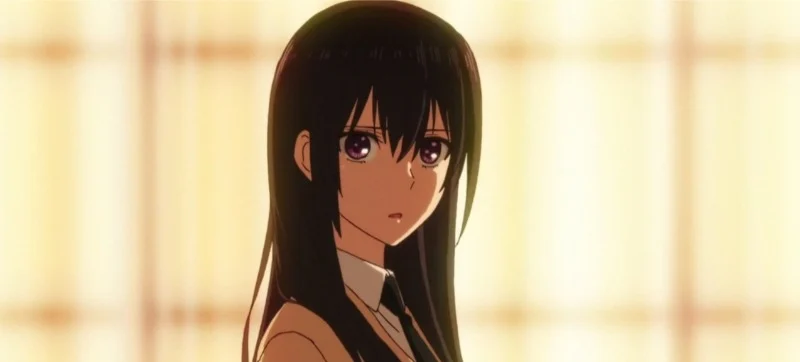
Mei Aihara begins ‘Citrus’ as the student council president whose strict approach challenges new arrival Yuzu Aihara. Their family situation places them under one roof where house rules and school policy collide with personal feelings. Counseling sessions, committee work, and home study scenes reveal what duty looks like from Mei’s viewpoint.
Her connection with Yuzu evolves as both characters learn to communicate across different expectations about family and future plans. Exams, ceremonies, and holidays act as checkpoints where promises are tested. The television adaptation that follows Mei’s story was animated by Passione.
Yuzu Aihara
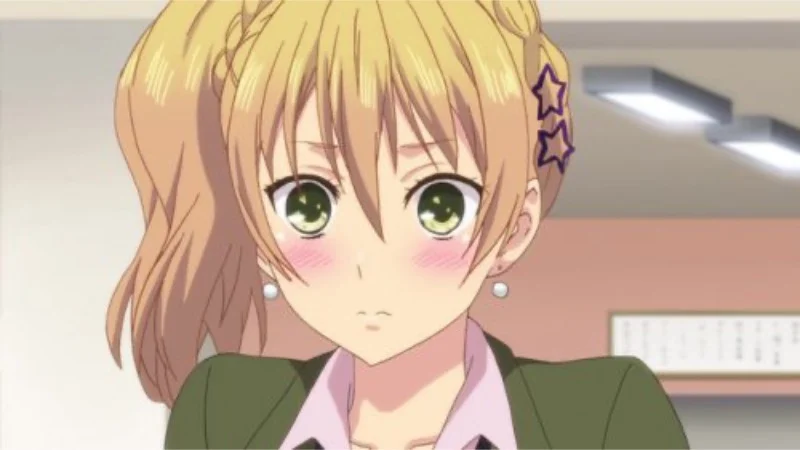
Yuzu Aihara arrives in ‘Citrus’ with a flashy style and a habit of saying what she thinks, which brings both conflict and change to her new school. Her efforts to reach Mei become entwined with fitting into uniform codes and adapting to new responsibilities at home. Class activities and neighborhood spots frame the day-to-day rhythm of her first term.
Her feelings for Mei develop through persistence, apologies, and clearer boundaries that rework how they live together. School festivals and student council events serve as backdrops for key steps forward. The anime series that features Yuzu’s growth and family life was produced by Passione.
Ginko Yurishiro
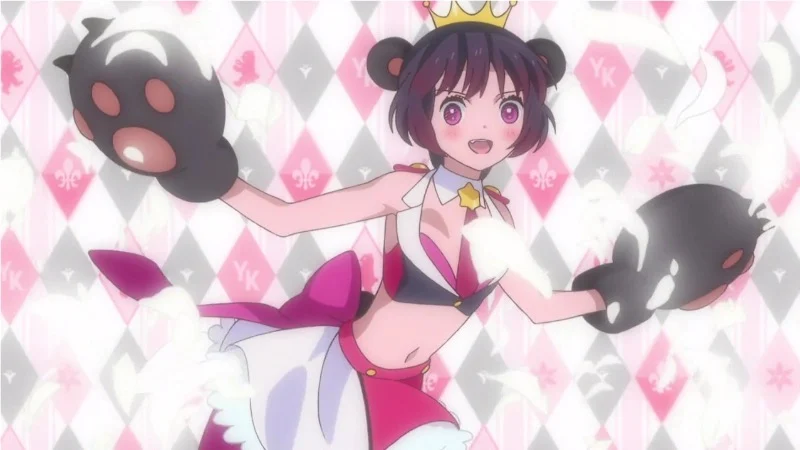
Ginko Yurishiro in ‘Yurikuma Arashi’ moves through a world where human society enforces strict lines against those labeled as bears. Classroom rules, court hearings, and dreamlike trials depict how fear becomes policy. Ginko’s search connects past promises to current risks that threaten anyone who breaks from the approved path.
Her love for Kureha Tsubaki is tied to memory and resolve, and that bond challenges the judgments handed down by their school. Repeated symbols and announcements track the cost of exclusion and the meaning of loyalty. The television series that stages Ginko’s story with striking imagery was animated by Silver Link.
Chikane Himemiya

Chikane Himemiya appears in ‘Kannazuki no Miko’ as a shrine maiden who balances elite social standing with a sacred duty. Festivals, rituals, and mecha battles overlap as prophecies push her and Himeko Kurusugawa toward a difficult choice. The narrative moves between dorm rooms and ancient shrines to show how destiny pressures everyday life.
Her love for Himeko shapes decisions when their roles in an old cycle become clear. Episodes chart vows, betrayals, and reconciliations in step with the threat they are meant to seal away. The television adaptation that presents Chikane’s path was animated by TNK.
Fumi Manjoume
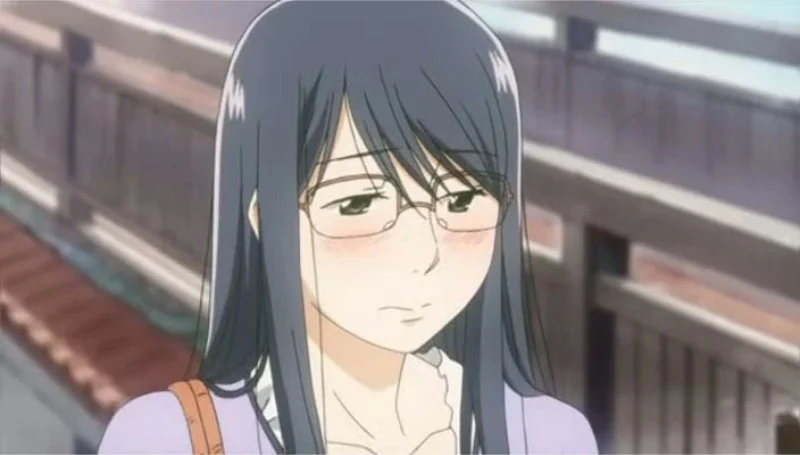
Fumi Manjoume leads ‘Aoi Hana’ as a book-loving student who reconnects with childhood friend Akira Okudaira after transferring schools. Commuter trains, literature clubs, and seaside neighborhoods set a quiet pace while relationships start, falter, and reset. Letters and texts often carry the weight of things left unsaid.
Fumi’s relationships with classmates and upperclassmen are depicted with attention to how adolescents negotiate consent, communication, and family expectations. School calendars and local events become the guideposts that move everyone forward. The anime adaptation that captures this slice-of-life tone was produced by J.C.Staff.
Sumika Murasame
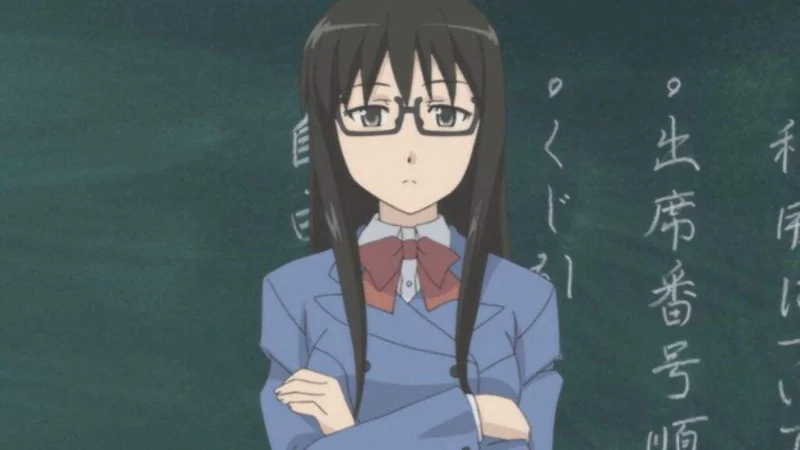
Sumika Murasame in ‘Sasameki Koto’ is a top athlete and class representative who hides her feelings for her cheerful friend Ushio Kazama. Training sessions, after-school clubs, and weekend outings supply the familiar patterns where misunderstandings pile up. Sumika’s careful plans often collide with spontaneous detours that change the day’s goal.
Her story focuses on learning how to speak clearly about what matters without losing the friendship she values. Cultural festivals and rumor-filled hallways record each step she takes toward honesty. The television series that brings Sumika’s story to the screen was animated by AIC.
Haruka Takayama
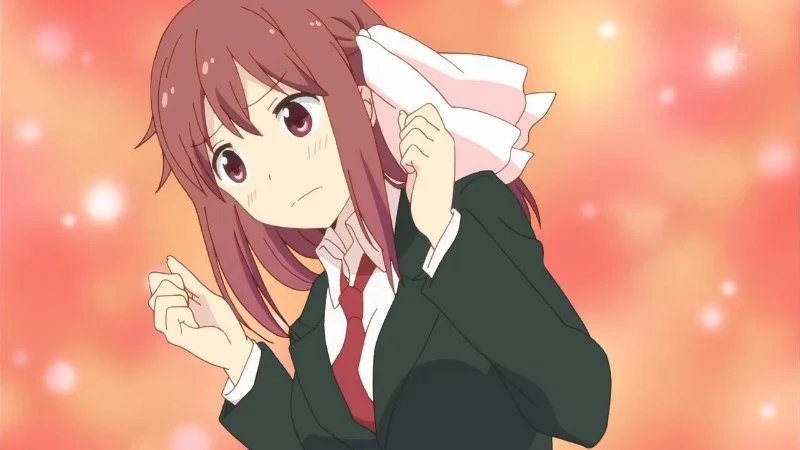
Haruka Takayama appears in ‘Sakura Trick’ as one half of a pair of best friends who decide to make their high school years unforgettable. Classroom seat changes, photography projects, and student council news shape how Haruka and Yuu find time and space for each other. The series follows them through small traditions that become important memories.
Her affection for Yuu is shown through shared lunches, study sessions, and the secret places they return to when school feels overwhelming. Each new term offers a checkpoint for promises made. The television adaptation that depicts Haruka’s everyday romance was produced by Studio Deen.
Share the lesbian anime characters you would add to the list in the comments so everyone can discover more favorites.