


22 Greatest Movie Monologues That Still Give Chills

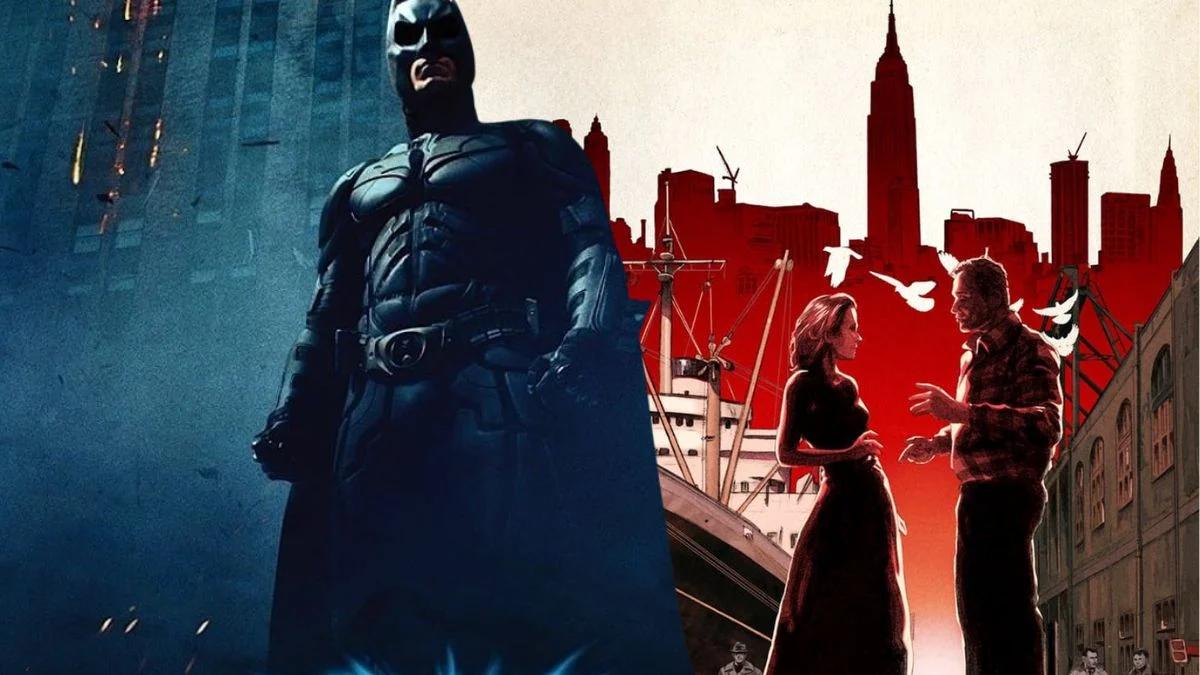


Cinematic history is defined by moments where the script elevates a scene into something unforgettable. A powerful monologue captures the essence of a character while delivering an emotional impact that resonates long after the credits roll. These speeches range from inspiring calls to action to terrifying glimpses into madness. Actors use these solitary moments to showcase their command of the screen and the depth of their roles.
‘The Great Dictator’ (1940)
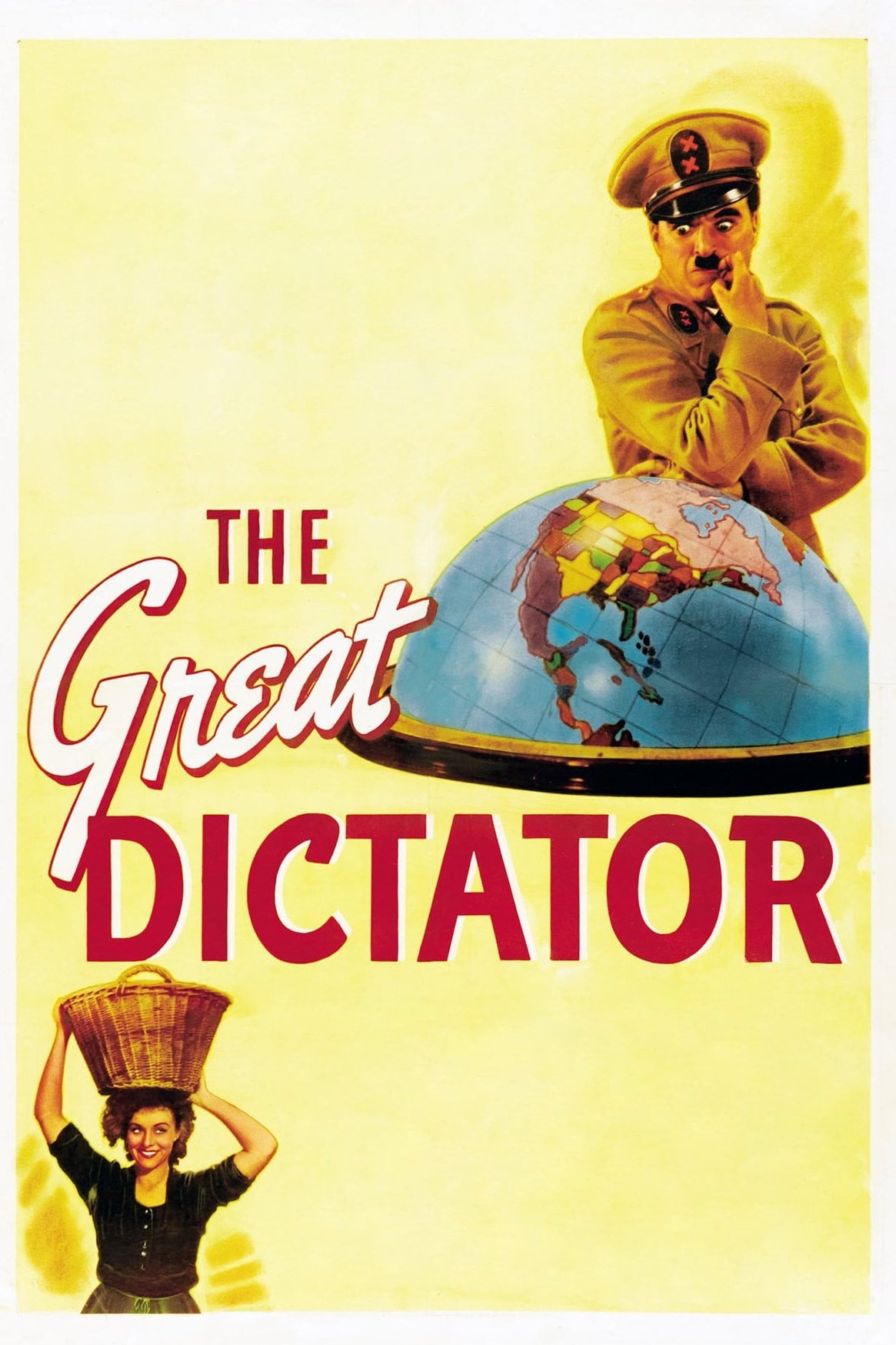
A humble barber takes the podium to deliver an impassioned plea for peace and universal brotherhood. He urges the soldiers to reject the hate and greed that have poisoned the souls of men. Chaplin breaks character to speak directly to the audience about the power of the people to create happiness. The speech remains a timeless condemnation of tyranny and a hopeful call for a united world.
‘The Third Man’ (1949)
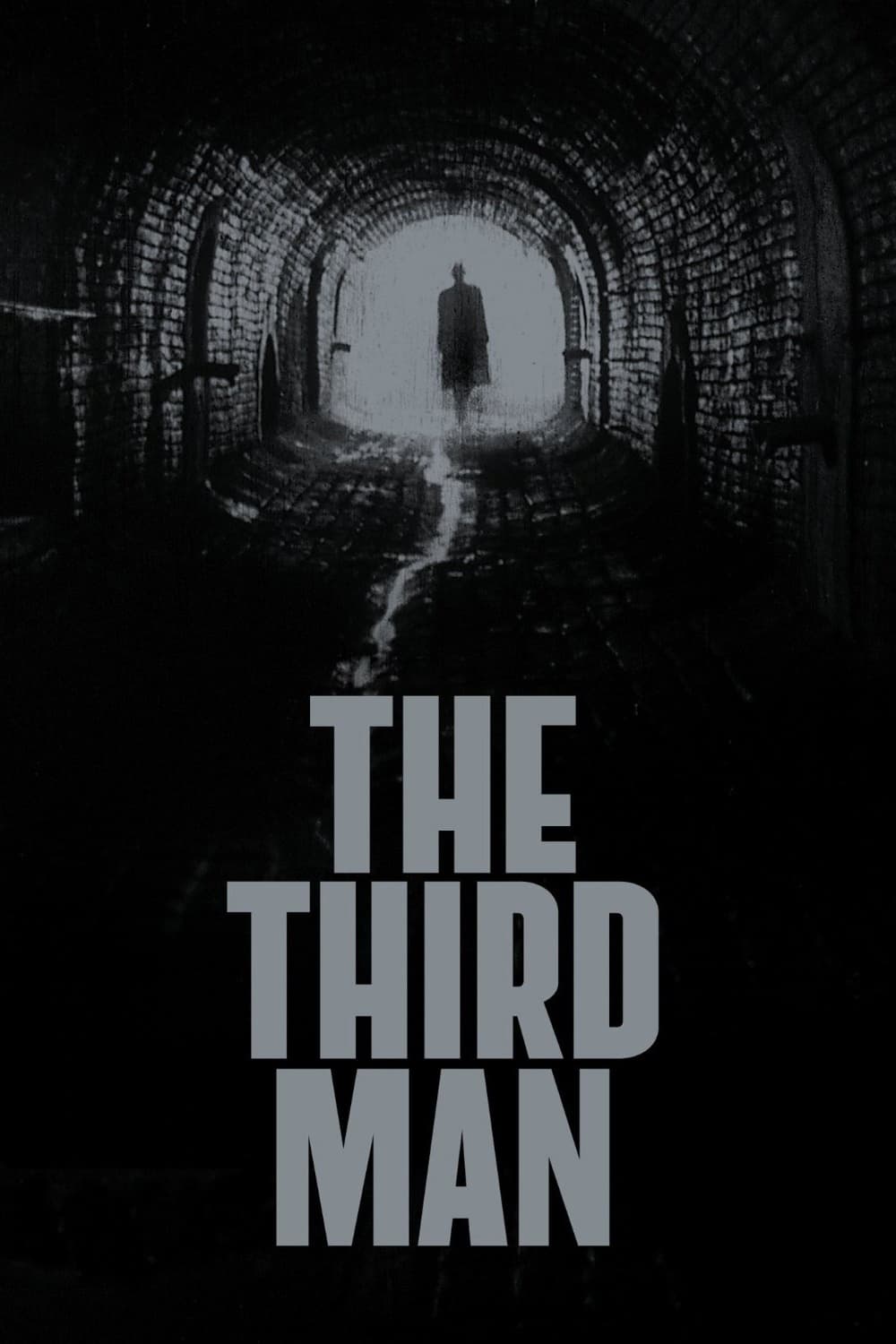
Harry Lime looks down from a Ferris wheel and justifies his criminal negligence with cold cynicism. He compares the people on the ground to moving dots and questions if anyone would care if one stopped moving. Lime argues that warfare and bloodshed produced the Renaissance while peace produced only the cuckoo clock. This chilling rationalization exposes the depths of his moral decay and betrayal.
‘On the Waterfront’ (1954)
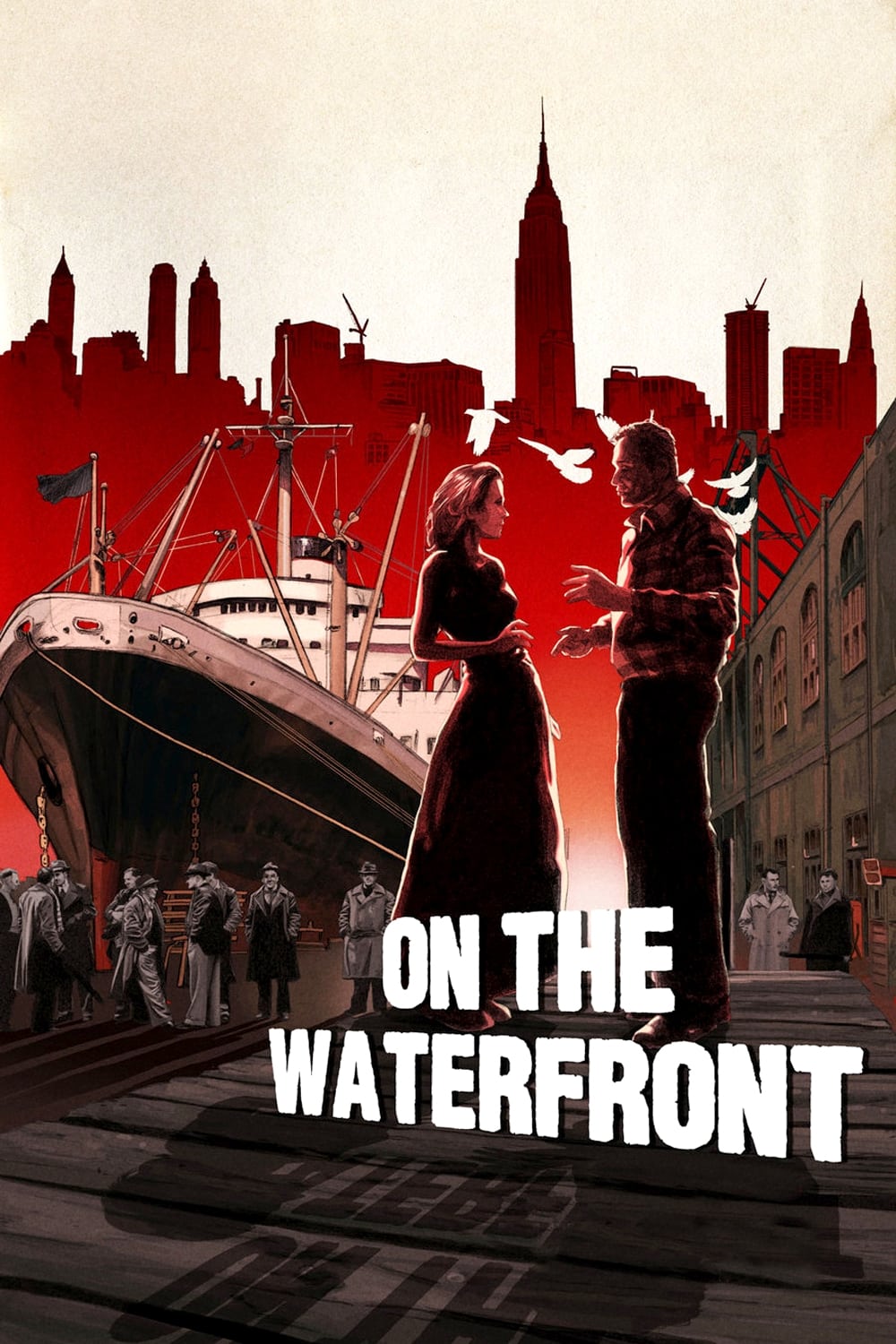
Terry Malloy confronts his brother about the corrupt deals that ruined his promising boxing career. He explains that he could have been a contender instead of merely a bum working on the docks. The scene captures the heartbreak of a man realizing his own family betrayed his potential for a quick payout. It stands as a powerful testament to regret and the pain of lost opportunities.
‘Jaws’ (1975)
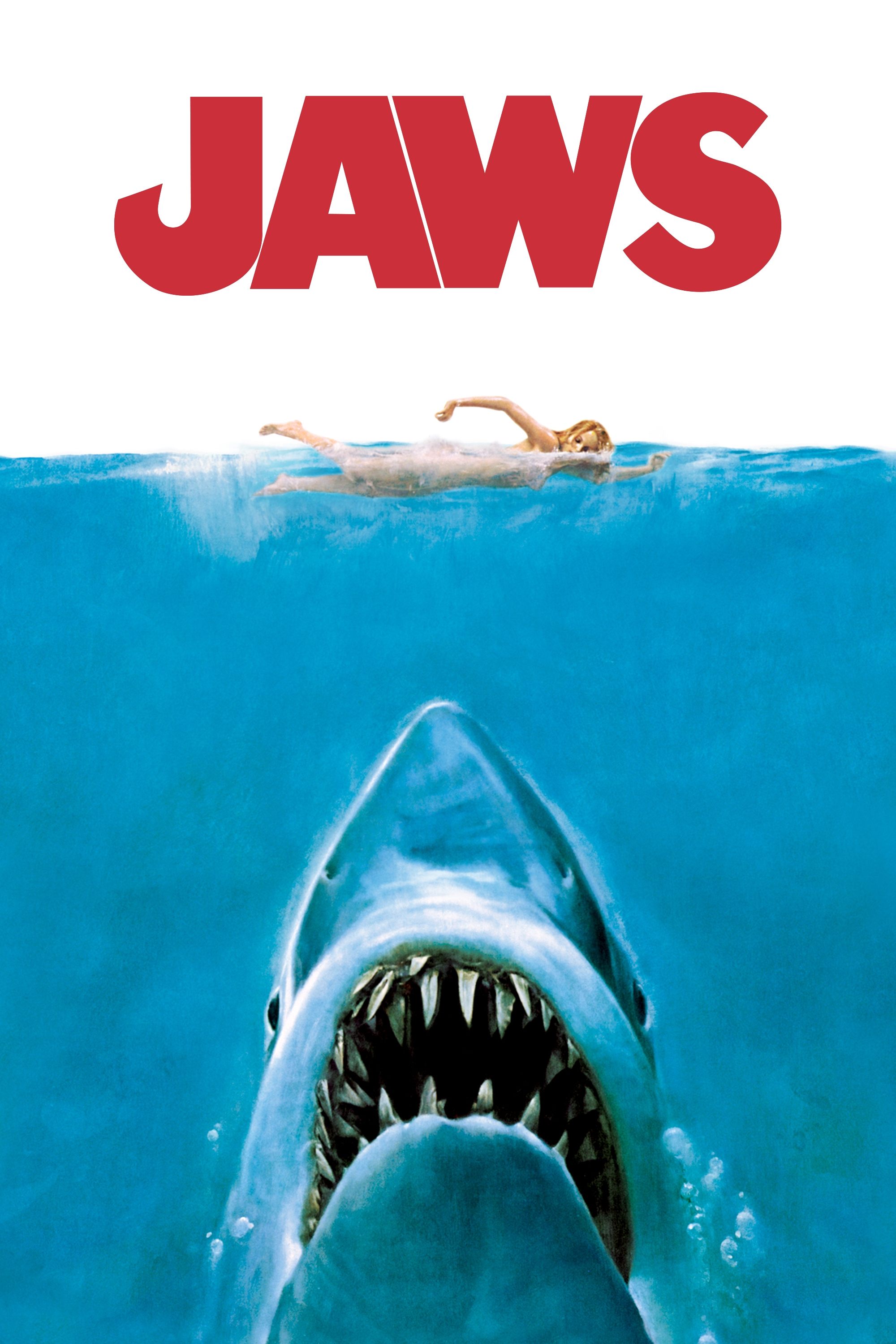
Quint recounts the terrifying experience of surviving the sinking of the USS Indianapolis during World War II. He describes the horror of watching his fellow sailors get taken by sharks while waiting for rescue. The monologue shifts the tone of the film from adventure to psychological terror as the men bond over the trauma. Robert Shaw delivers the story with a haunted intensity that grounds the monster movie in reality.
‘Network’ (1976)
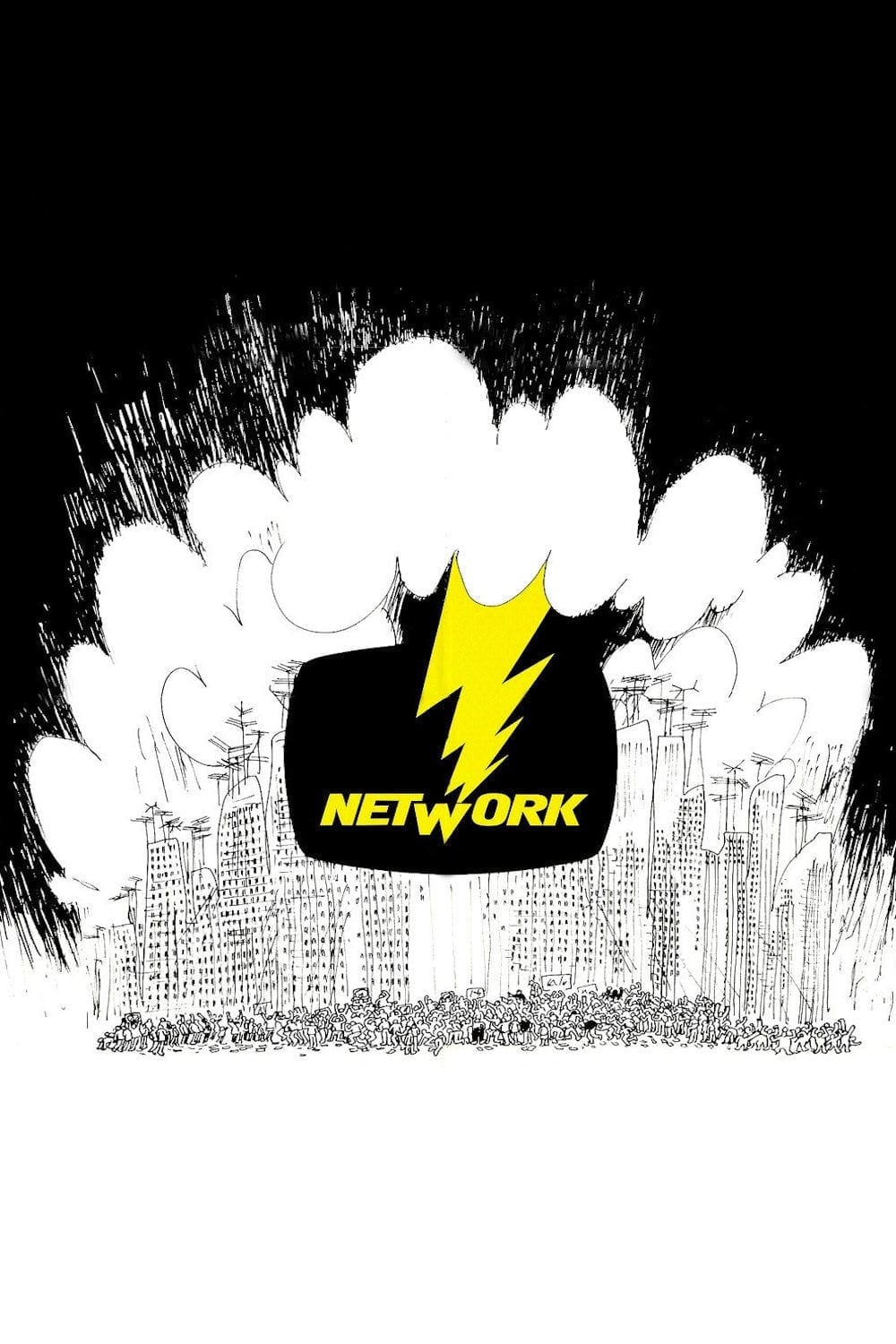
Howard Beale interrupts the news broadcast to announce that he has run out of patience with the state of the world. He commands the viewing audience to get up from their chairs and yell that they are mad as hell. The rant articulates the collective frustration of a society overwhelmed by inflation and depression. This moment turned the character into a populist icon and satirized the sensationalism of media.
‘Apocalypse Now’ (1979)
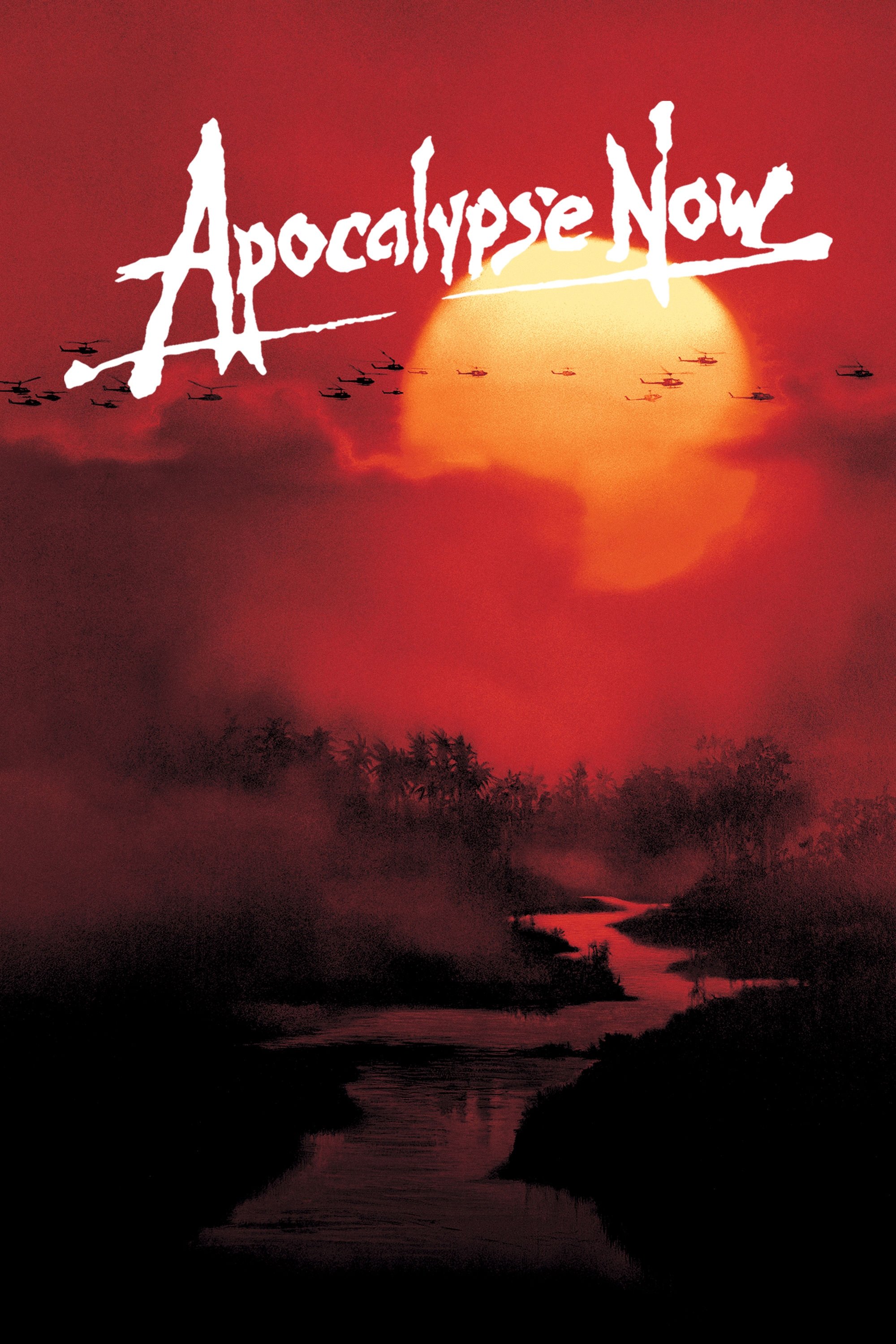
Colonel Kurtz reflects on the nature of war and the necessity of ruthlessness to achieve victory. He recounts a horrific event involving inoculated children to illustrate the strength required to commit moral atrocities. The speech reveals the complete erosion of his sanity and his descent into a primal state of being. Brando whispers the lines from the shadows to create an atmosphere of suffocating dread.
‘Blade Runner’ (1982)
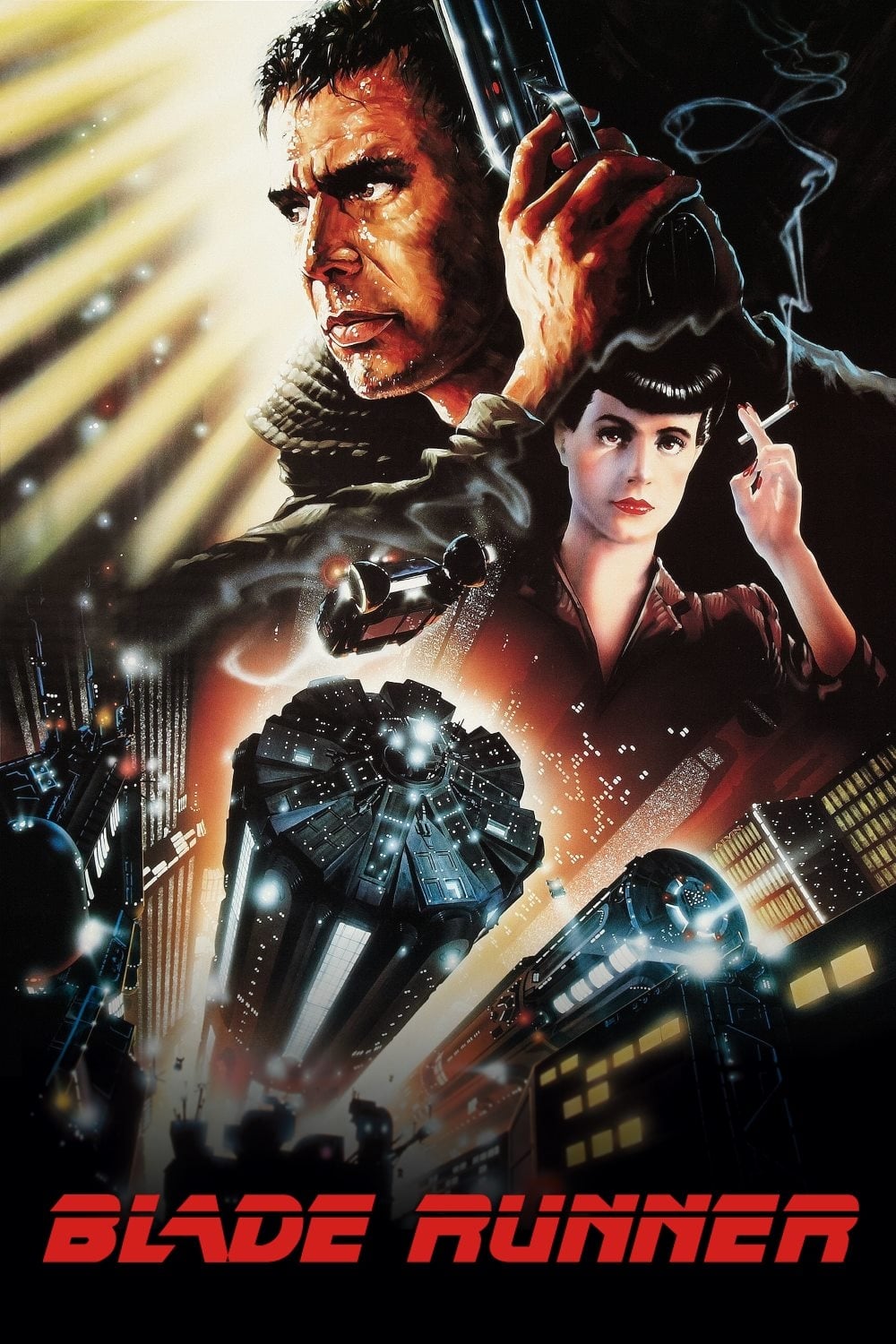
Roy Batty uses his final moments to reflect on the incredible sights he witnessed during his short life. He laments that all those memories will be lost in time like tears in the rain. The replicant shows more humanity in his dying breath than the humans who hunted him down. This soliloquy transforms a violent antagonist into a tragic figure seeking validation for his existence.
‘Wall Street’ (1987)
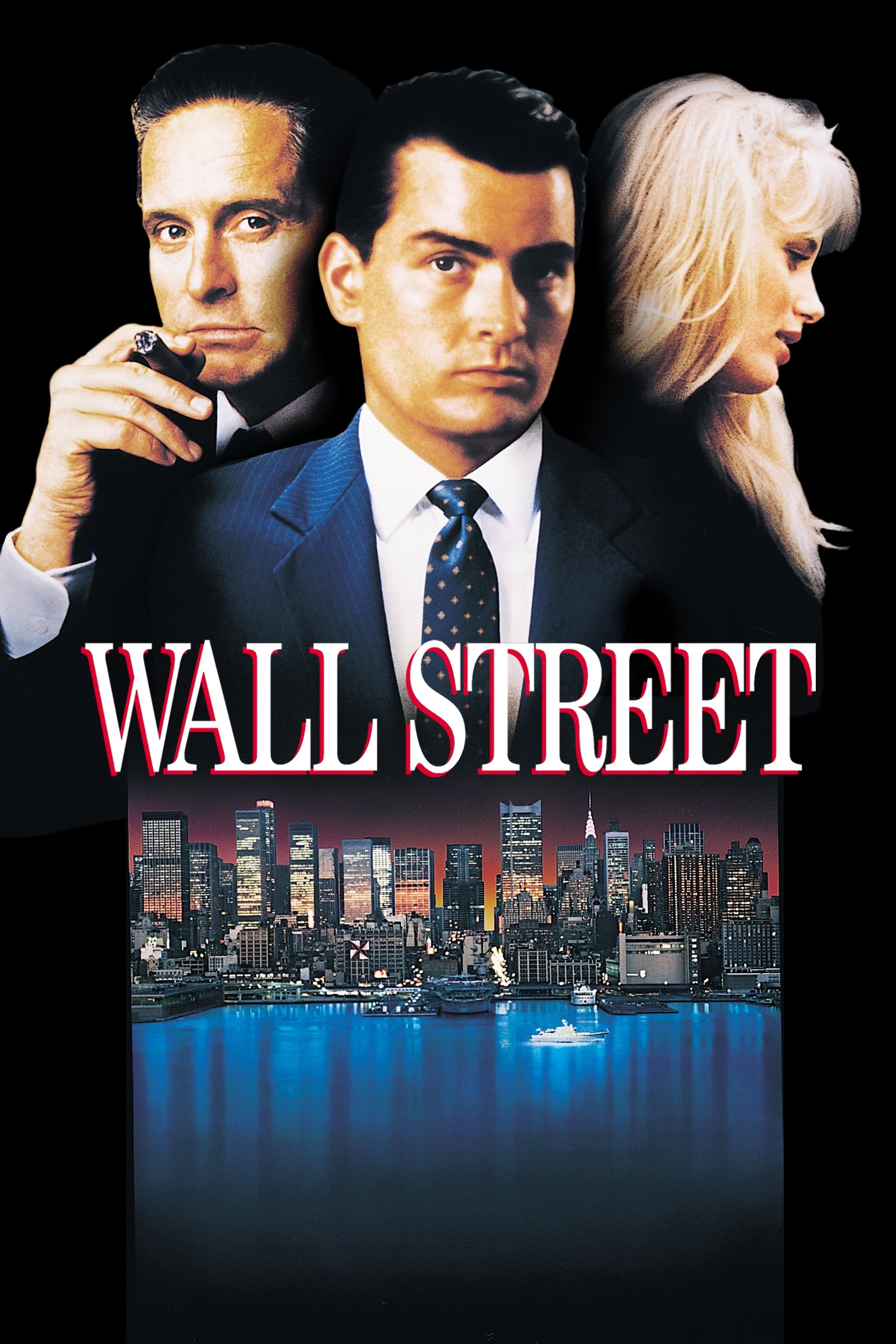
Gordon Gekko addresses a room of shareholders to defend his aggressive acquisition tactics. He famously declares that greed is good and that it captures the essence of the evolutionary spirit. Gekko argues that the pursuit of wealth will save not only the company but the malfunction in the economy. The speech became the defining manifesto for the corporate excess of the decade.
‘The Silence of the Lambs’ (1991)
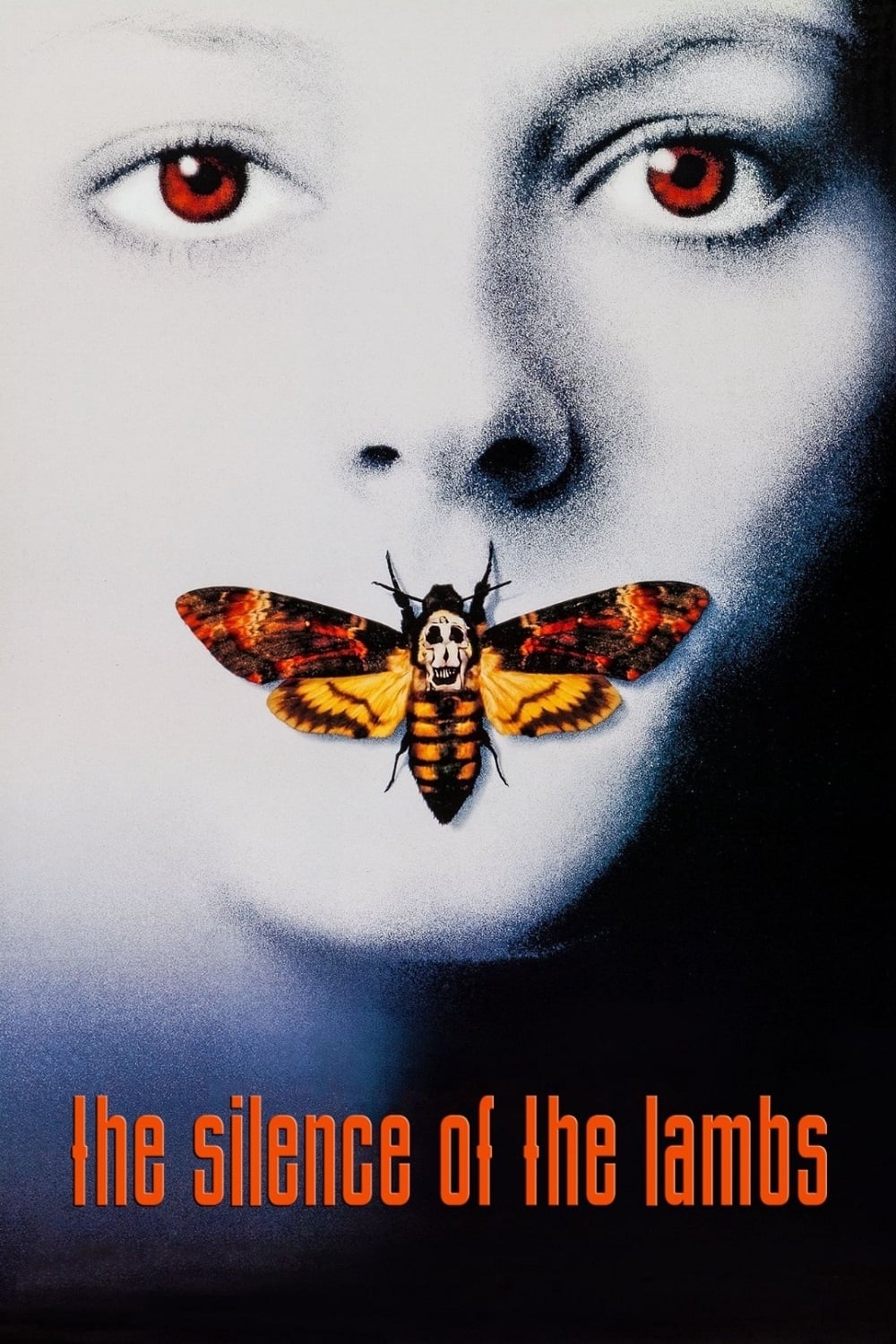
Hannibal Lecter dissects the psyche of Agent Clarice Starling within moments of their first meeting. He mocks her background and ambition with surgical precision while standing calmly behind the glass. Lecter explains how he consumed a census taker with fava beans and a nice Chianti. The scene establishes his intellectual dominance and the terrifying threat he poses despite his incarceration.
‘A Few Good Men’ (1992)
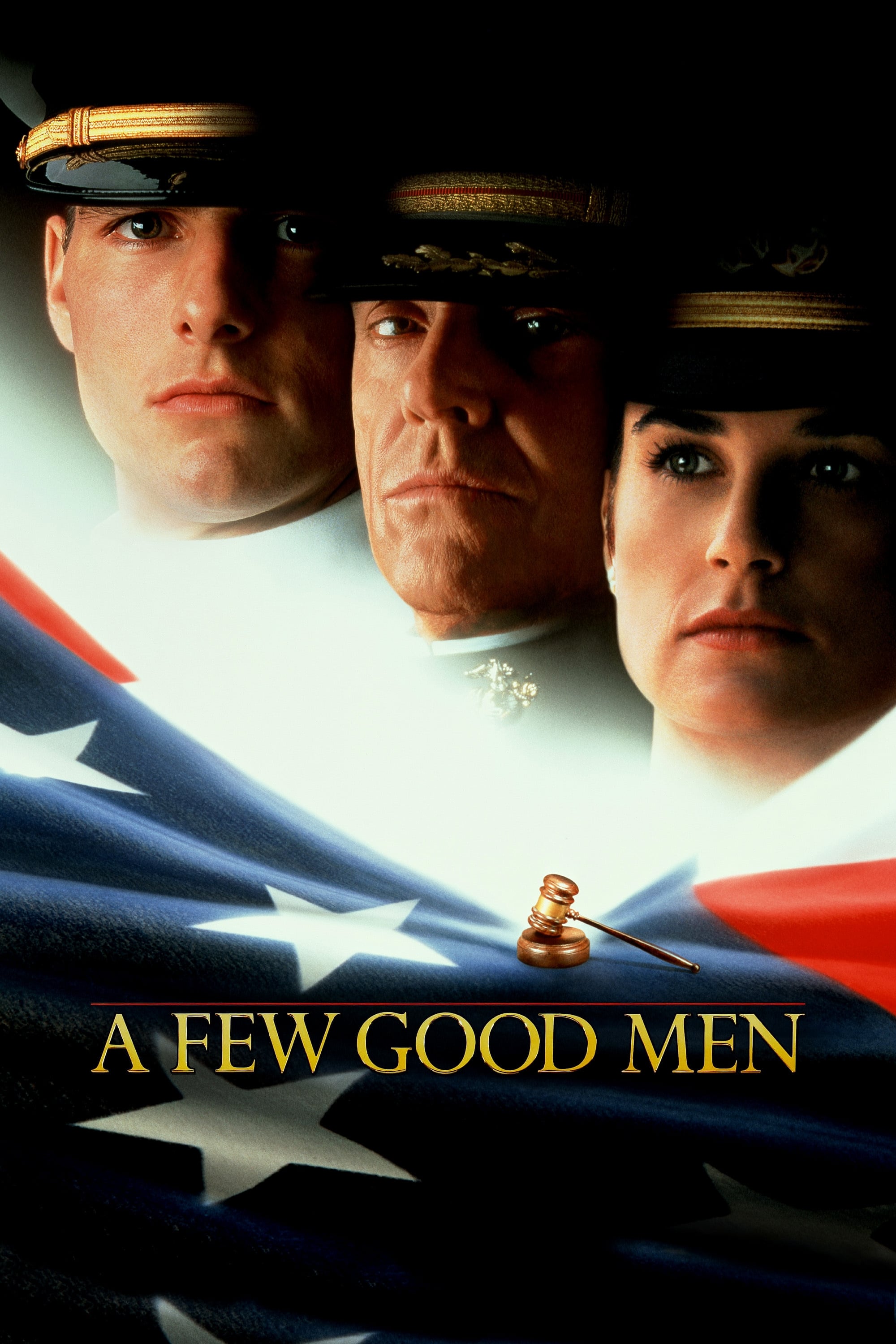
Colonel Jessep loses his temper on the witness stand when pressed about his orders. He asserts that people need him on a wall to defend their freedom while they sleep safely under his protection. Jessep claims that the lawyer cannot handle the truth about the moral ambiguity required to save lives. The outburst leads to his downfall but exposes his twisted justification for his actions.
‘Glengarry Glen Ross’ (1992)
Blake arrives from downtown to abuse a group of struggling salesmen into working harder. He reveals the first prize is a car and the second prize is a set of steak knives. The speech emphasizes that coffee is for closers and berates the men for their lack of masculinity. This barrage of verbal abuse sets the high stakes and desperate tone for the rest of the film.
‘Schindler’s List’ (1993)
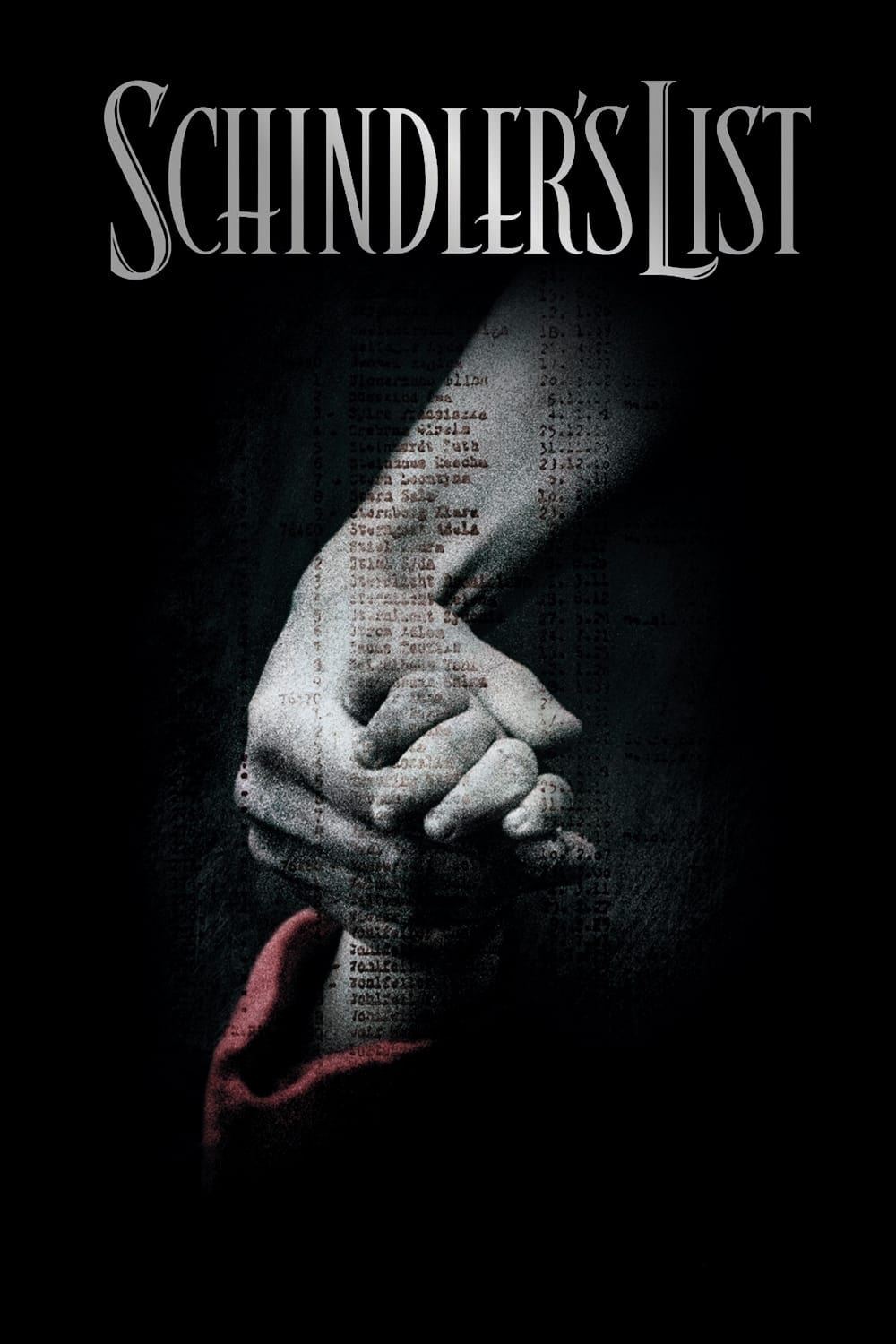
Amon Goeth stands on his balcony and explains his twisted philosophy of power to Oskar Schindler. He argues that true power is having every justification to kill someone but choosing not to do it. The moment highlights the terrifying god complex of the commandant as he toys with human lives. It serves as a chilling contrast to the actual mercy that Schindler attempts to cultivate.
‘Pulp Fiction’ (1994)
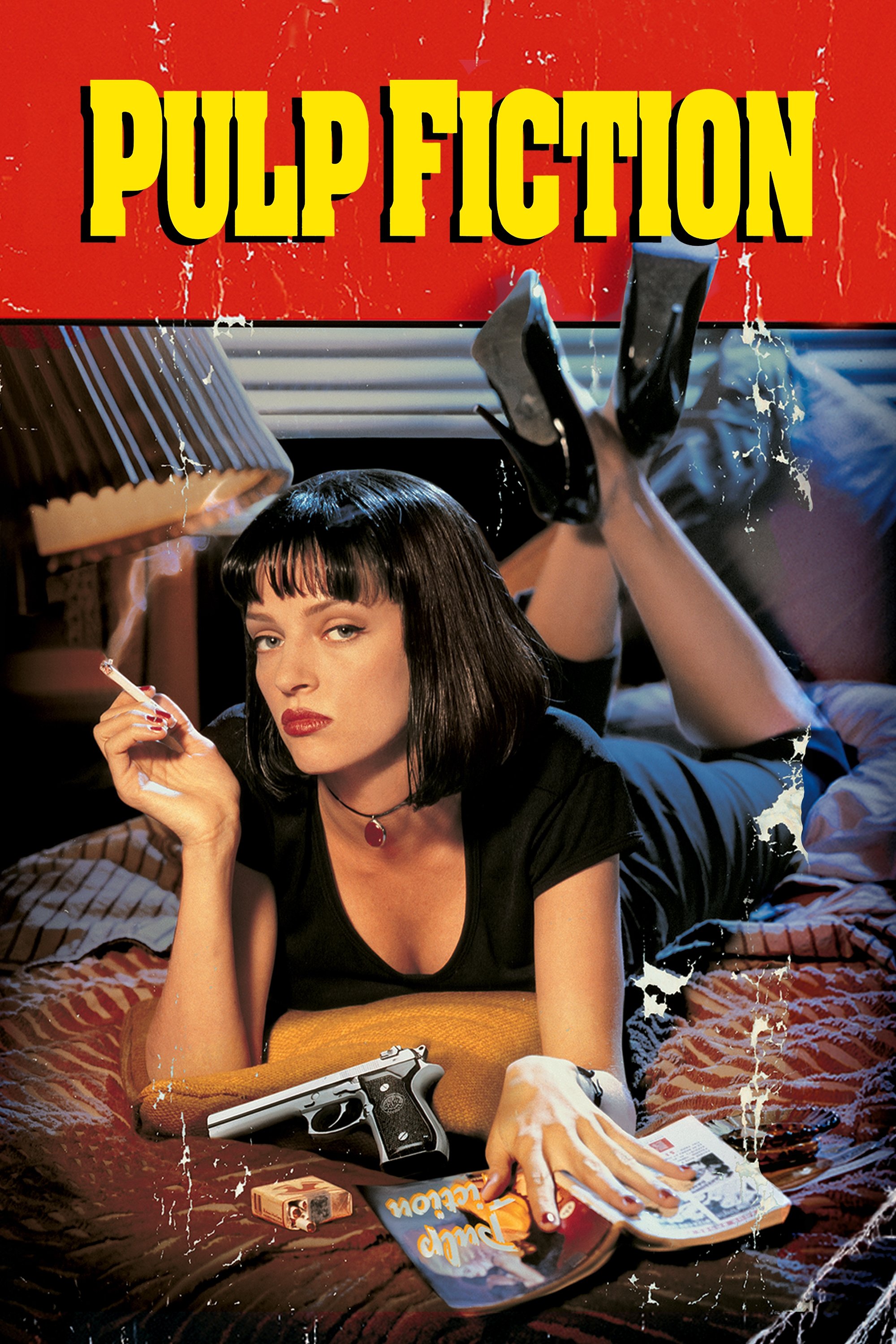
Jules Winnfield recites a passage from the Bible before executing his targets. He claims the verse is about the path of the righteous man and the vengeance of the Lord. The hitman uses the scripture to intimidate his victims and justify his violent profession. This ritual becomes a central point of his character arc as he later reinterprets its meaning.
‘The Shawshank Redemption’ (1994)
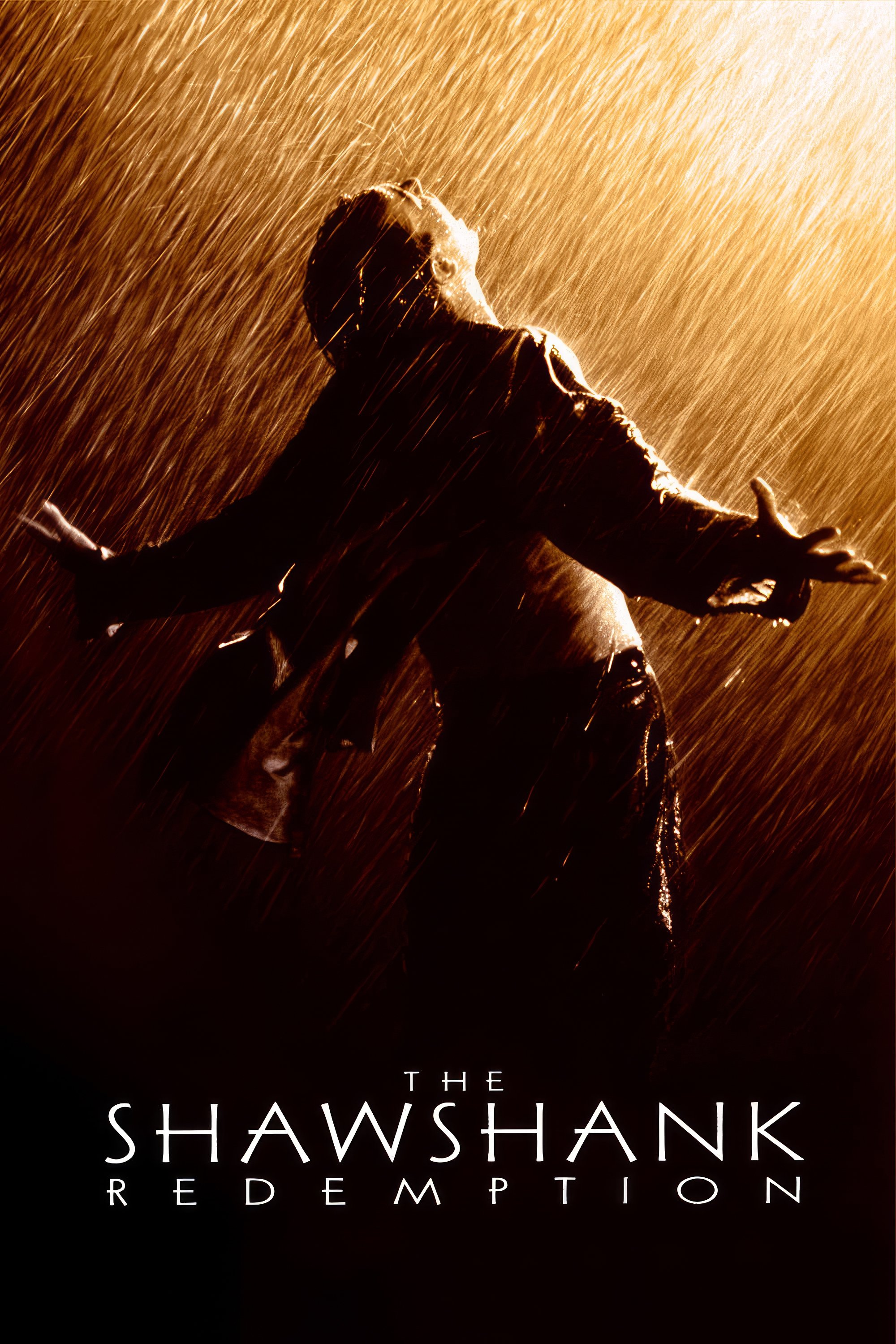
Red appears before the parole board after serving forty years of a life sentence. He dismisses the concept of rehabilitation and speaks honestly about the regret he feels for his crime. Red admits he wishes he could talk to his younger self and tell him how things would turn out. The speech marks the moment he finally lets go of hope and inadvertently earns his freedom.
‘Trainspotting’ (1996)
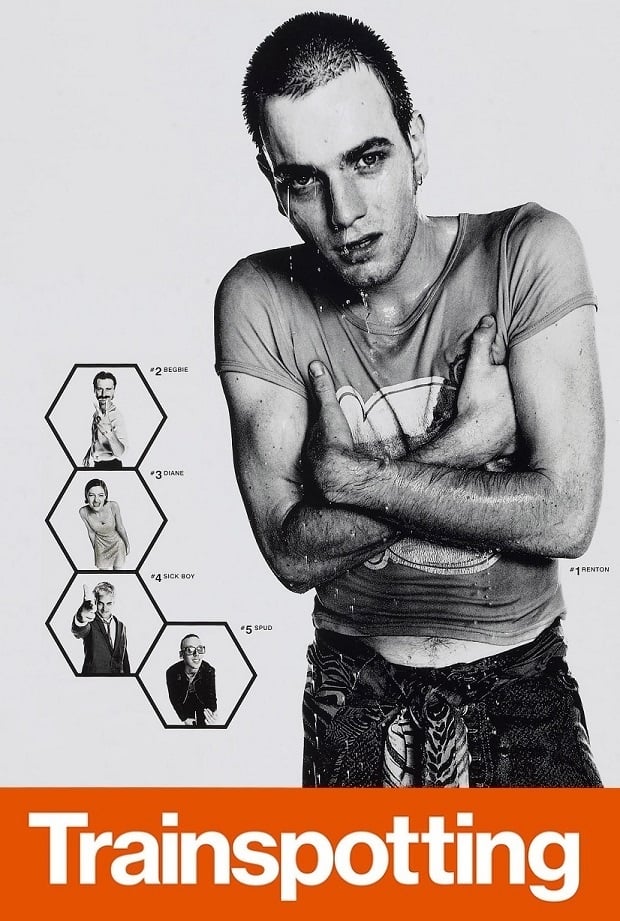
Mark Renton narrates a list of mundane choices that define a normal suburban existence. He rejects the concept of a career and family in favor of his heroin addiction. The rapid delivery catalogs the consumerist lifestyle he despises with biting wit and cynicism. It establishes the rebellious and nihilistic worldview of the protagonist immediately.
‘Good Will Hunting’ (1997)
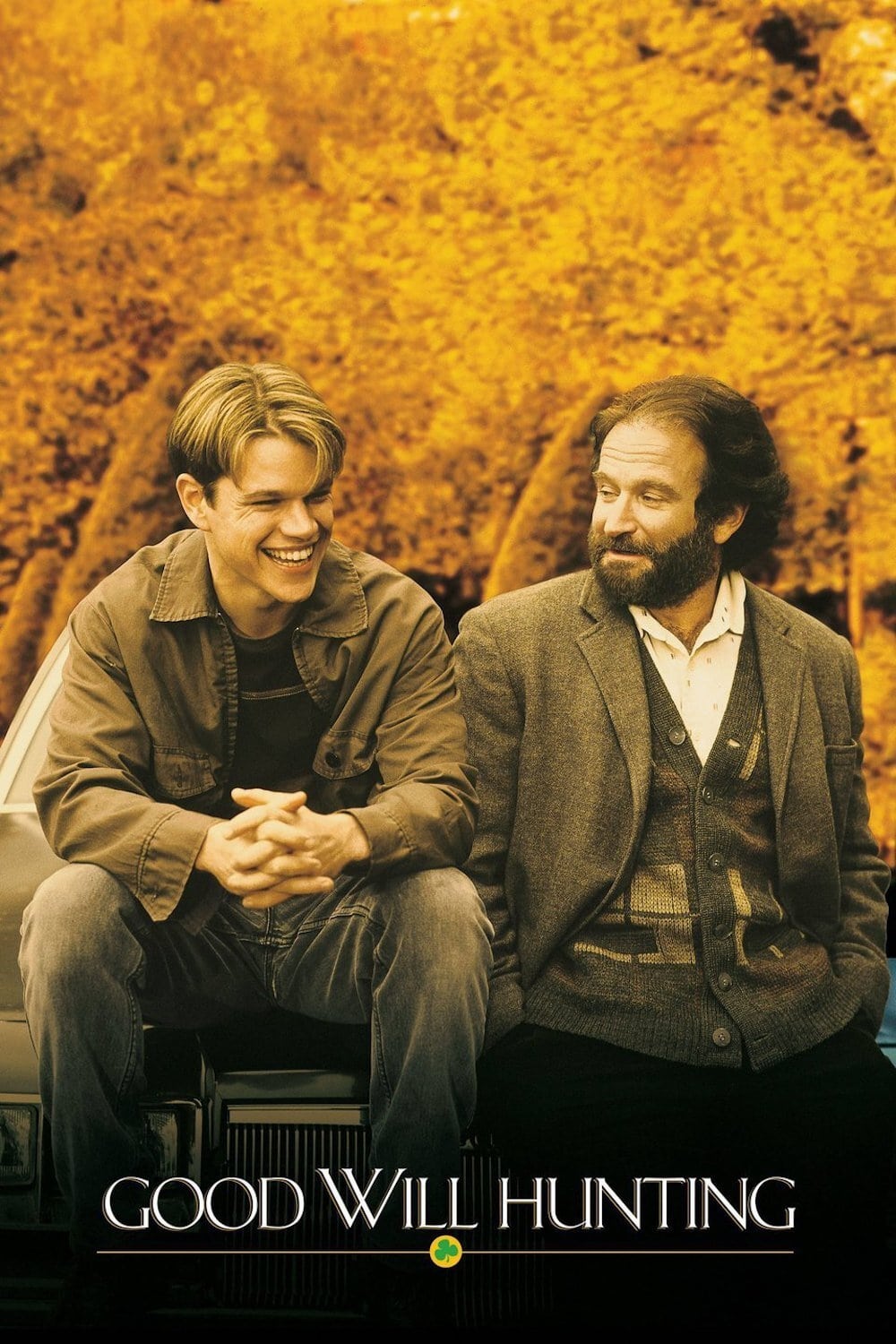
Sean Maguire sits on a park bench and dismantles the arrogance of his young genius patient. He explains that book knowledge cannot replace the experience of seeing the world or feeling true loss. Maguire challenges Will to step outside his defensive shell and experience life rather than just analyzing it. The monologue serves as the emotional turning point that allows the two men to connect.
‘The Lord of the Rings: The Two Towers’ (2002)
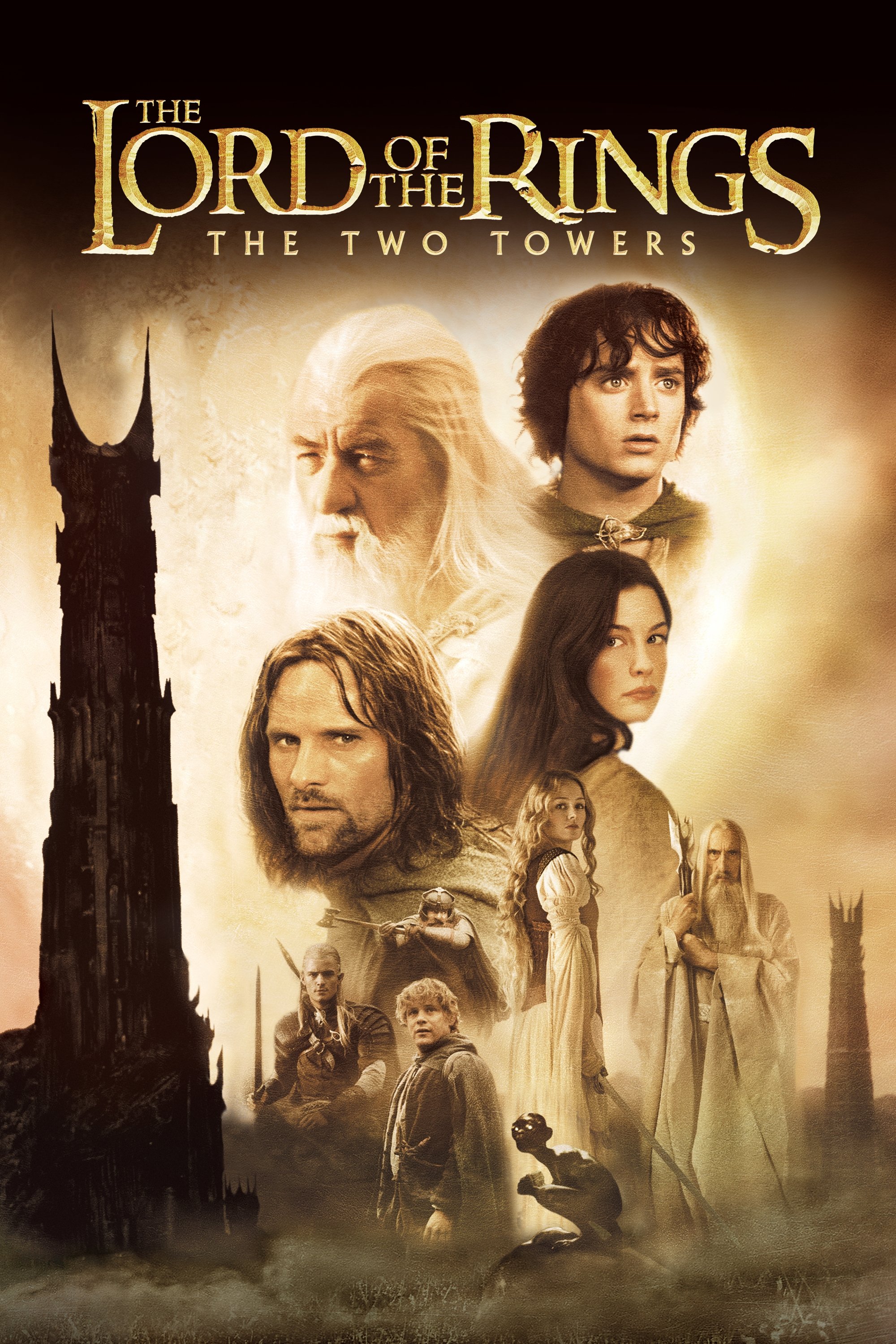
Samwise Gamgee encourages Frodo to keep going when their journey seems completely hopeless. He recalls the great stories where heroes faced darkness but found something worth fighting for. Sam identifies that there is still some good in the world that is worth preserving. The speech reinforces the theme of resilience and the importance of hope in the face of despair.
‘There Will Be Blood’ (2007)
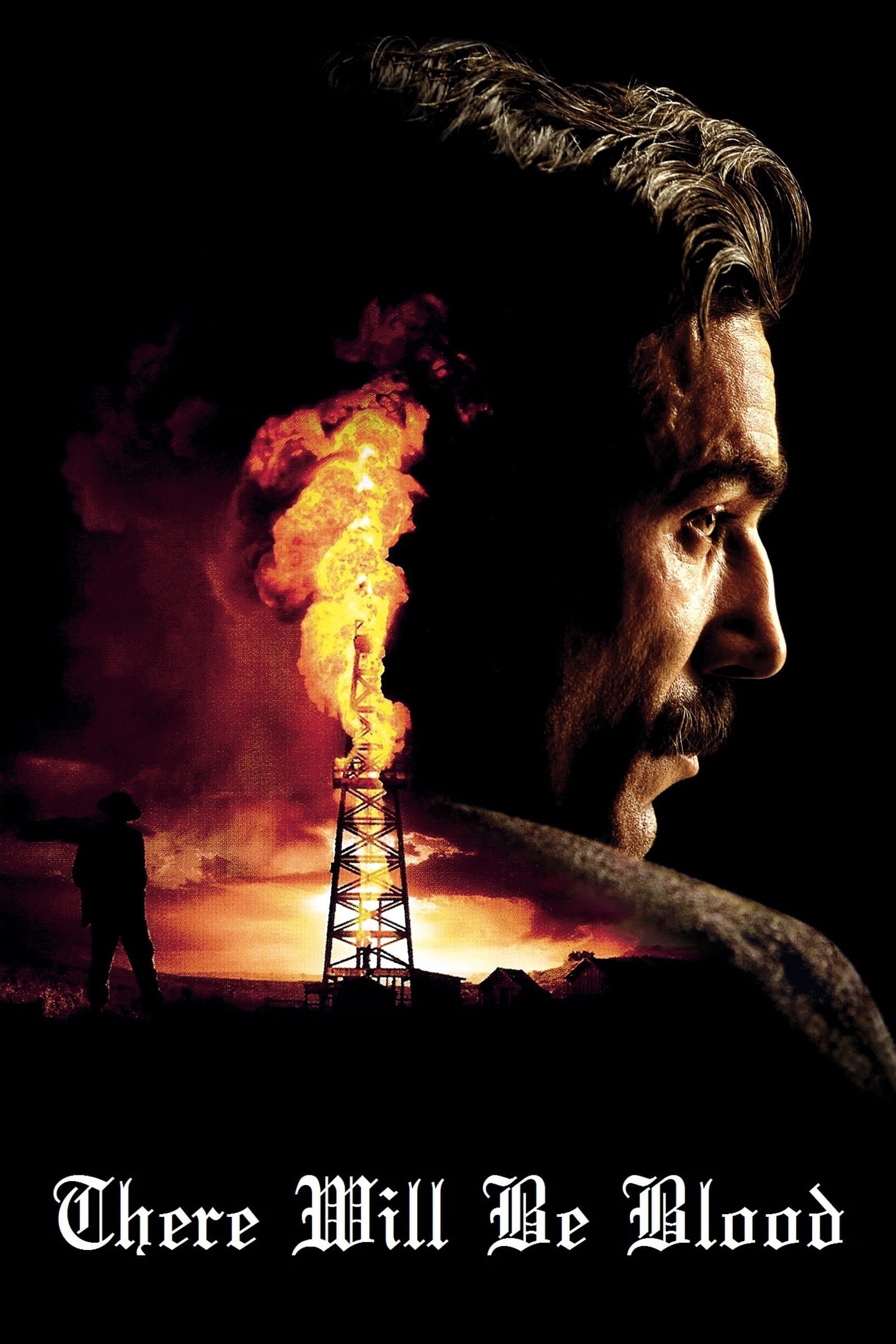
Daniel Plainview taunts his rival Eli Sunday during the final moments of their long conflict. He uses a milkshake metaphor to explain how he has drained the oil from the land beneath Eli. Plainview reveals the extent of his domination and the hollowness of his victory. The scene showcases the absolute corruption of a man consumed by greed and hatred.
‘The Dark Knight’ (2008)
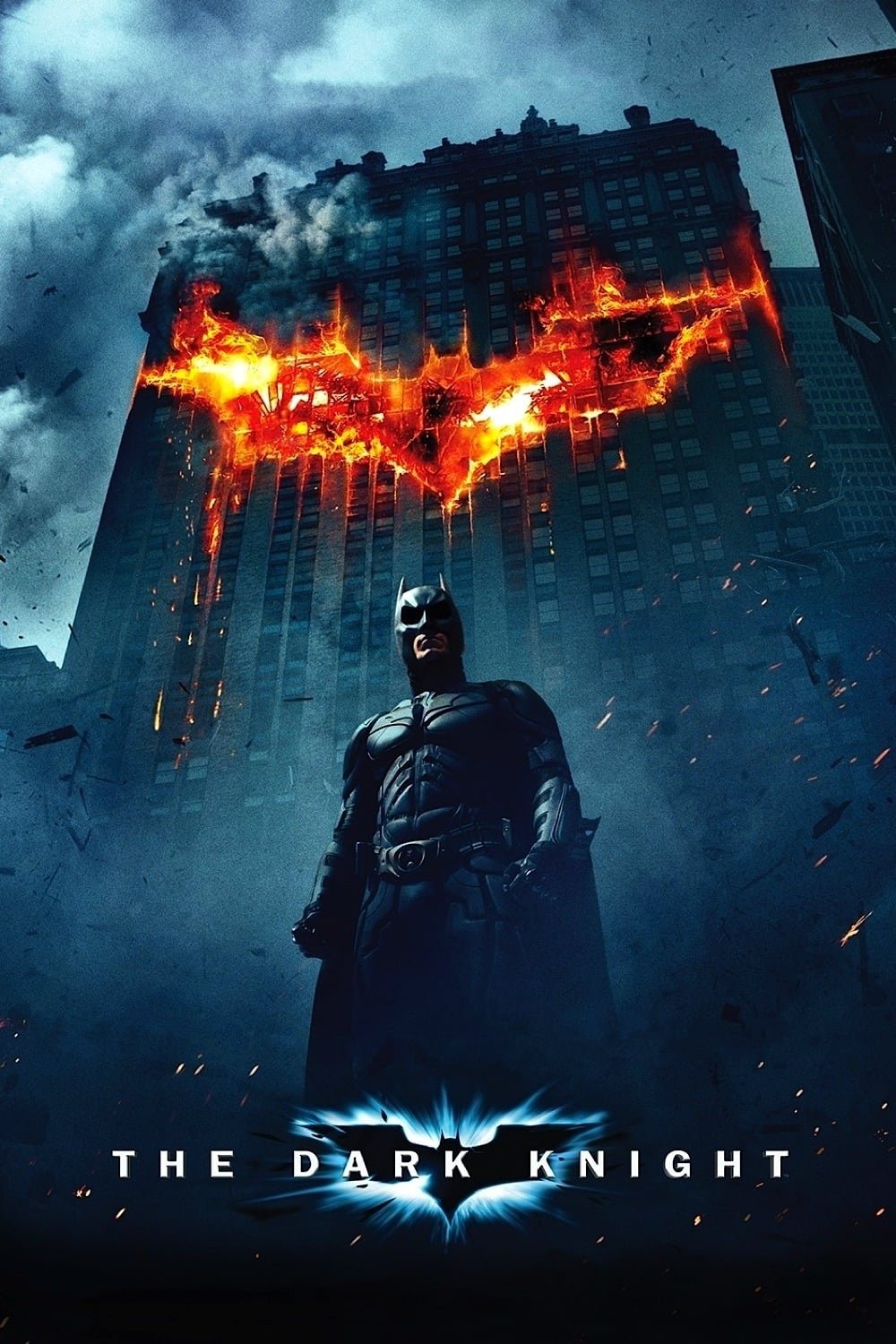
The Joker explains his philosophy of chaos to Harvey Dent while visiting him in the hospital. He describes himself as an agent of chaos who merely upsets the established order to show how fragile it is. The villain argues that civilization is only as good as the rules that bind it. This conversation successfully corrupts Dent and proves the Joker’s terrifying point about human nature.
‘Inglourious Basterds’ (2009)
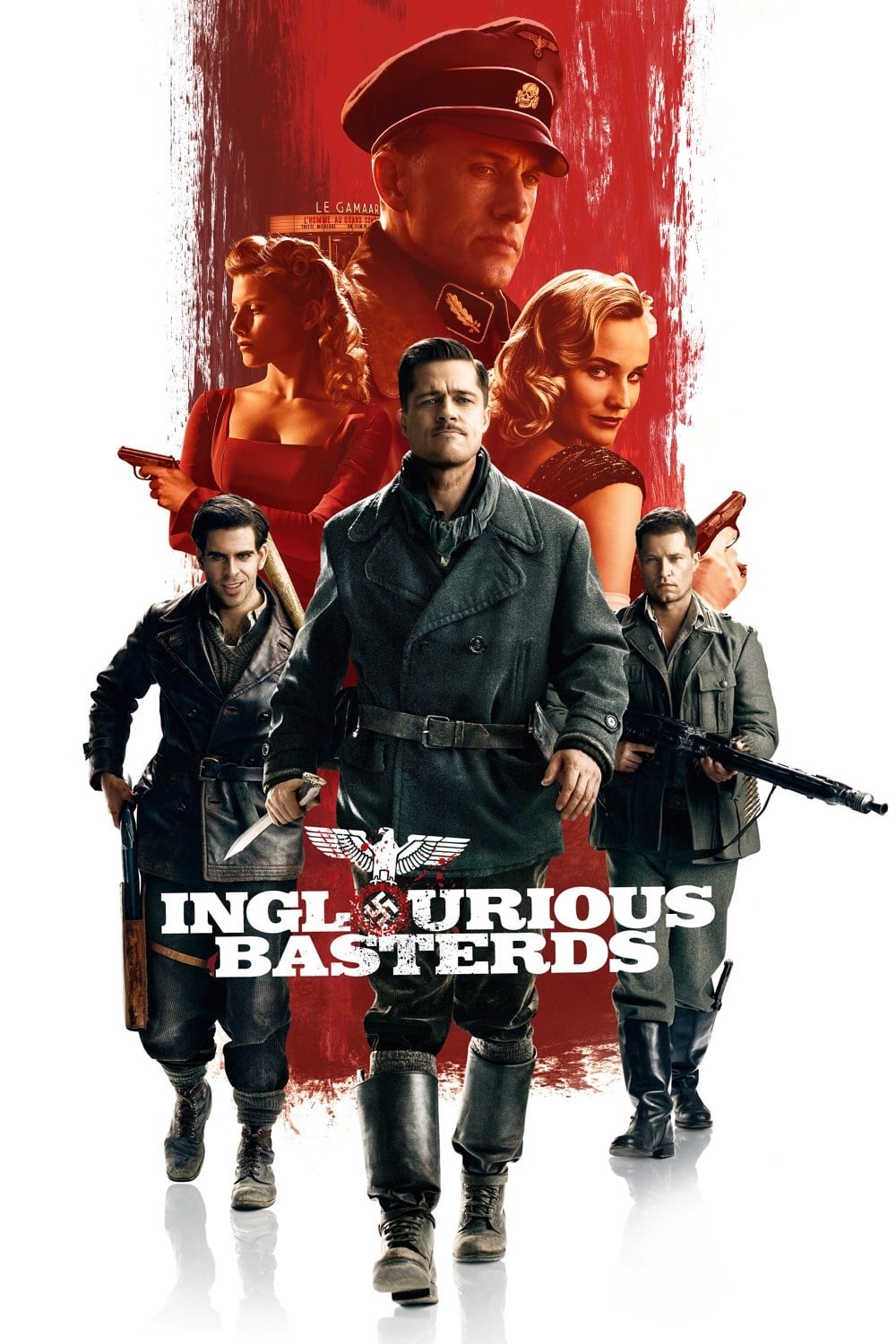
Hans Landa politely interrogates a dairy farmer about the location of a Jewish family. He uses a detailed comparison between hawks and rats to explain the Nazi ideology. The tension rises as Landa maintains a cheerful demeanor while orchestrating a massacre. Waltz delivers the lines with a terrifying charm that makes the violence that follows even more shocking.
‘Whiplash’ (2014)

Terence Fletcher explains to his former student why he was so abusive during their time together. He claims that his goal was to push musicians beyond what was expected of them to find true greatness. Fletcher cites the story of Jo Jones throwing a cymbal at Charlie Parker as justification. The speech reveals his warped belief that abuse is a necessary tool for creating art.
‘Call Me by Your Name’ (2017)
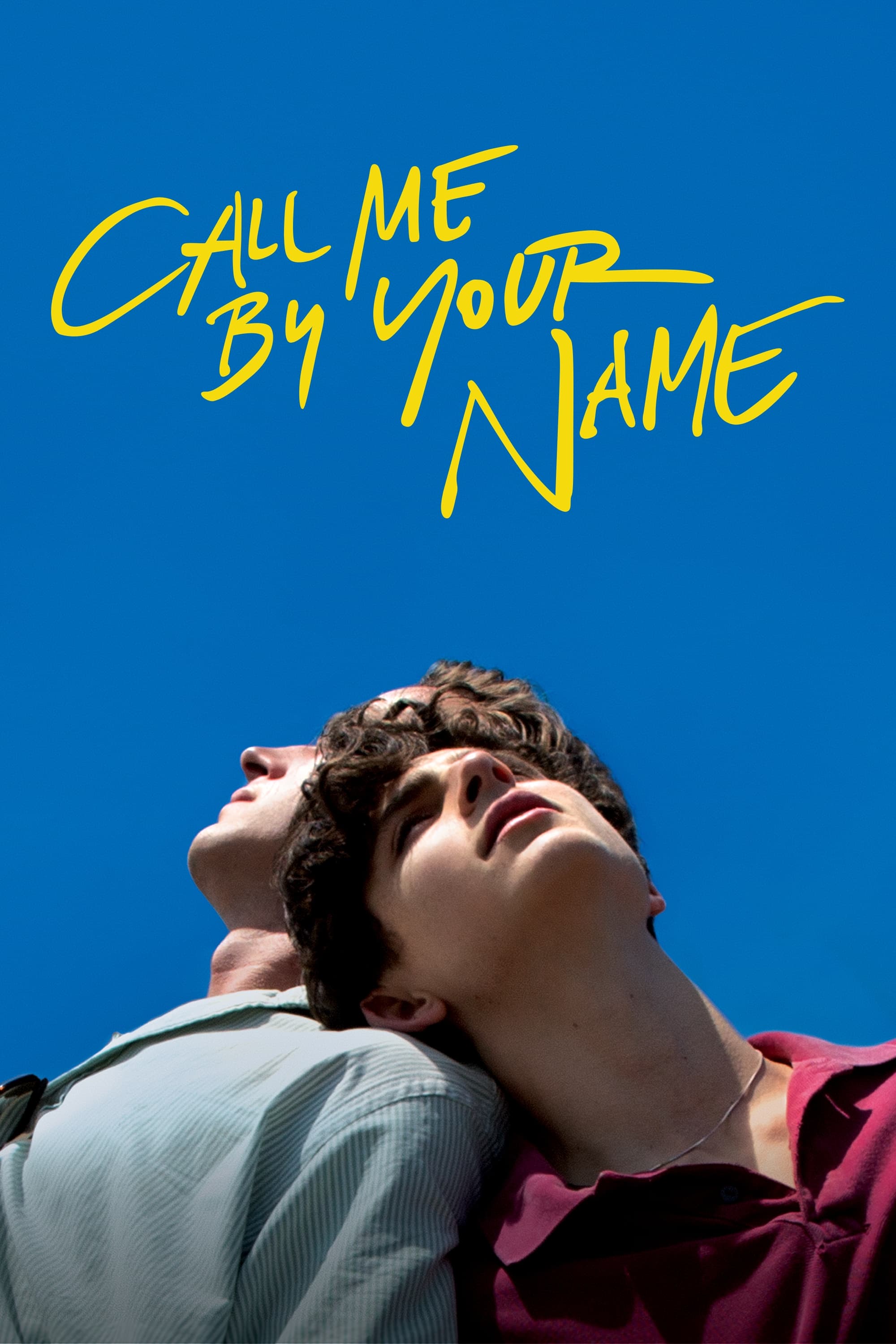
Mr. Perlman comforts his son Elio after a summer romance comes to a heartbreaking end. He urges the boy not to kill the pain he is feeling because it would mean killing the joy he felt as well. The father admits to his own envy of the emotional connection his son experienced. This tender moment offers a profound perspective on acceptance and the value of vulnerability.
Tell us which cinematic speech has had the biggest impact on you in the comments.