


20 Greatest Movies That Wouldn’t Exist Without Immigrant Actors

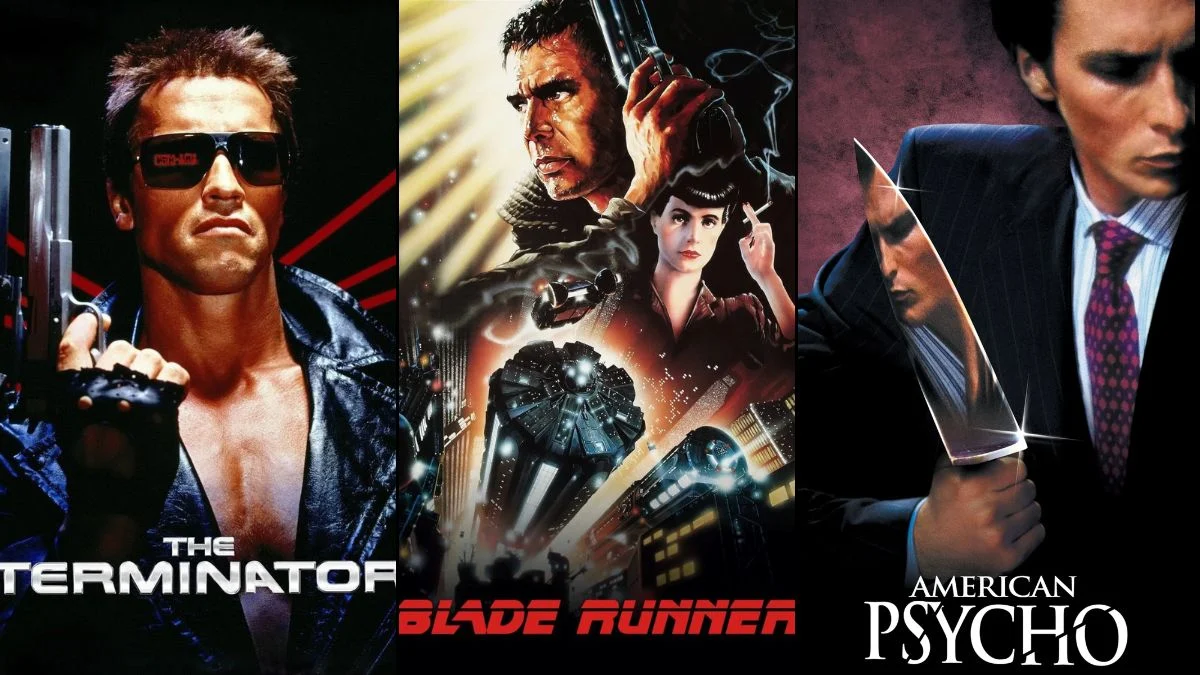


Hollywood has always been a global magnet for talent that transcends borders and languages. The industry was built by performers from around the world who brought unique cultural perspectives to American cinema. Many of the most iconic characters in film history were portrayed by actors who were born and raised outside the United States. These movies would lose their defining magic without the specific charisma and skills of these immigrant stars.
‘Dracula’ (1931)
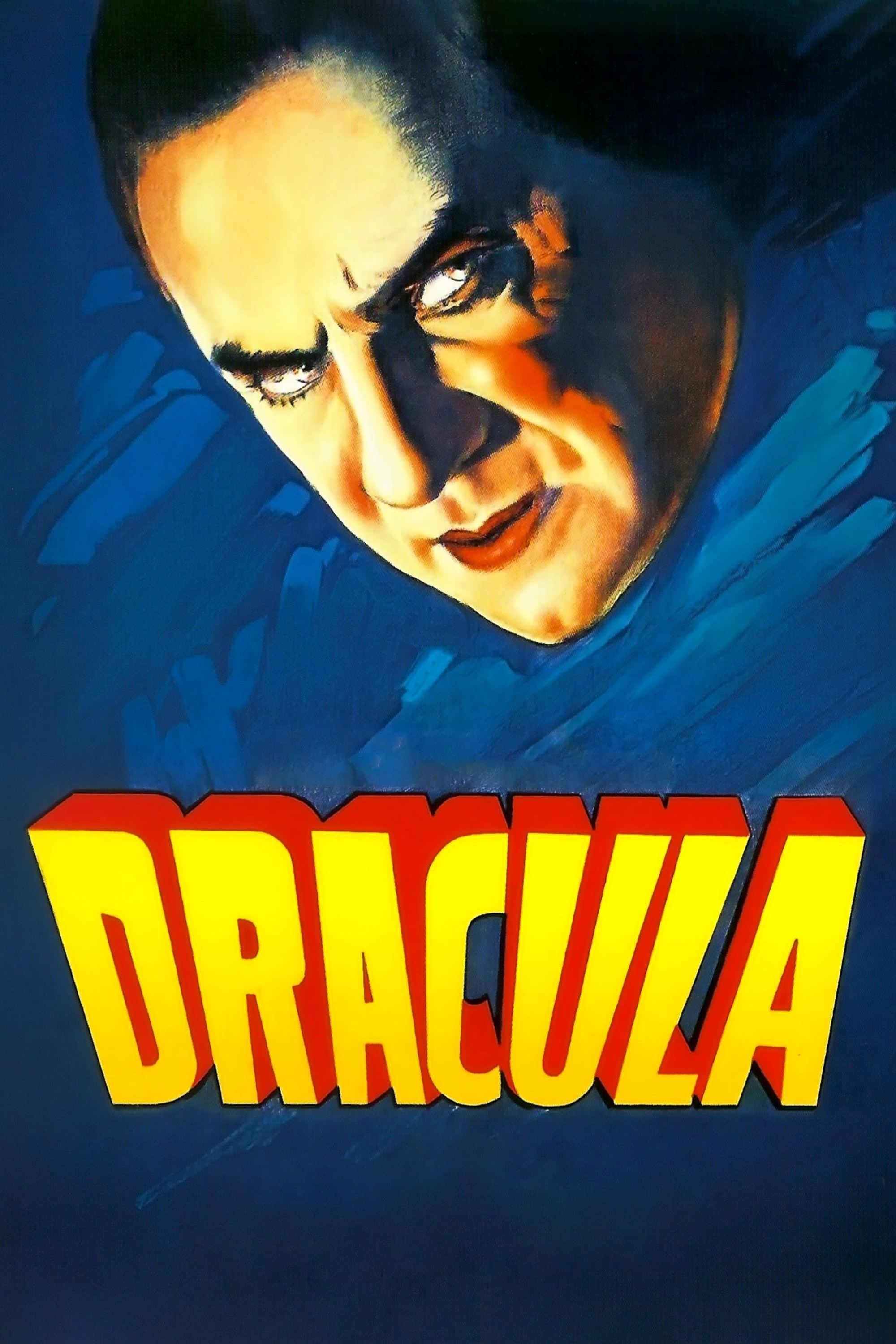
Bela Lugosi brought his authentic Hungarian heritage and heavy accent to the role of the ancient vampire Count Dracula. He refused to wear heavy makeup and relied entirely on his natural intensity to frighten audiences in the early sound era. The film established the standard for all future vampire movies through his hypnotic and aristocratic performance. Universal Pictures found their most iconic monster in an actor who had to learn his lines phonetically.
‘Gone with the Wind’ (1939)
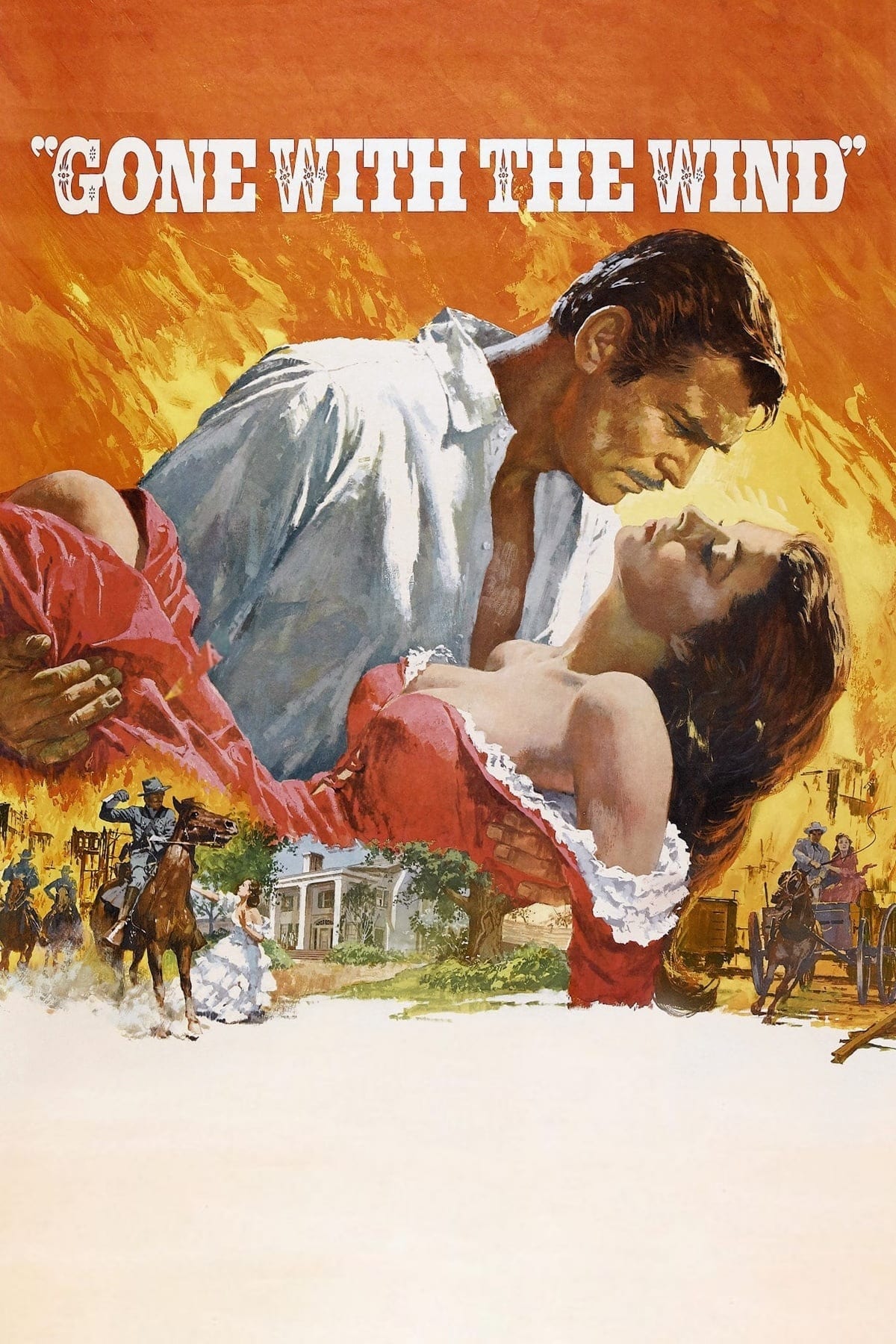
Vivien Leigh secured the coveted role of Scarlett O’Hara despite being a British actress with little exposure in America. She captured the spirit of the American South so perfectly that audiences completely forgot her English origins. Her performance anchored the massive production and earned her an Academy Award for Best Actress. The film remains a cinematic landmark largely due to her fierce and complex portrayal of the determined protagonist.
‘Casablanca’ (1942)
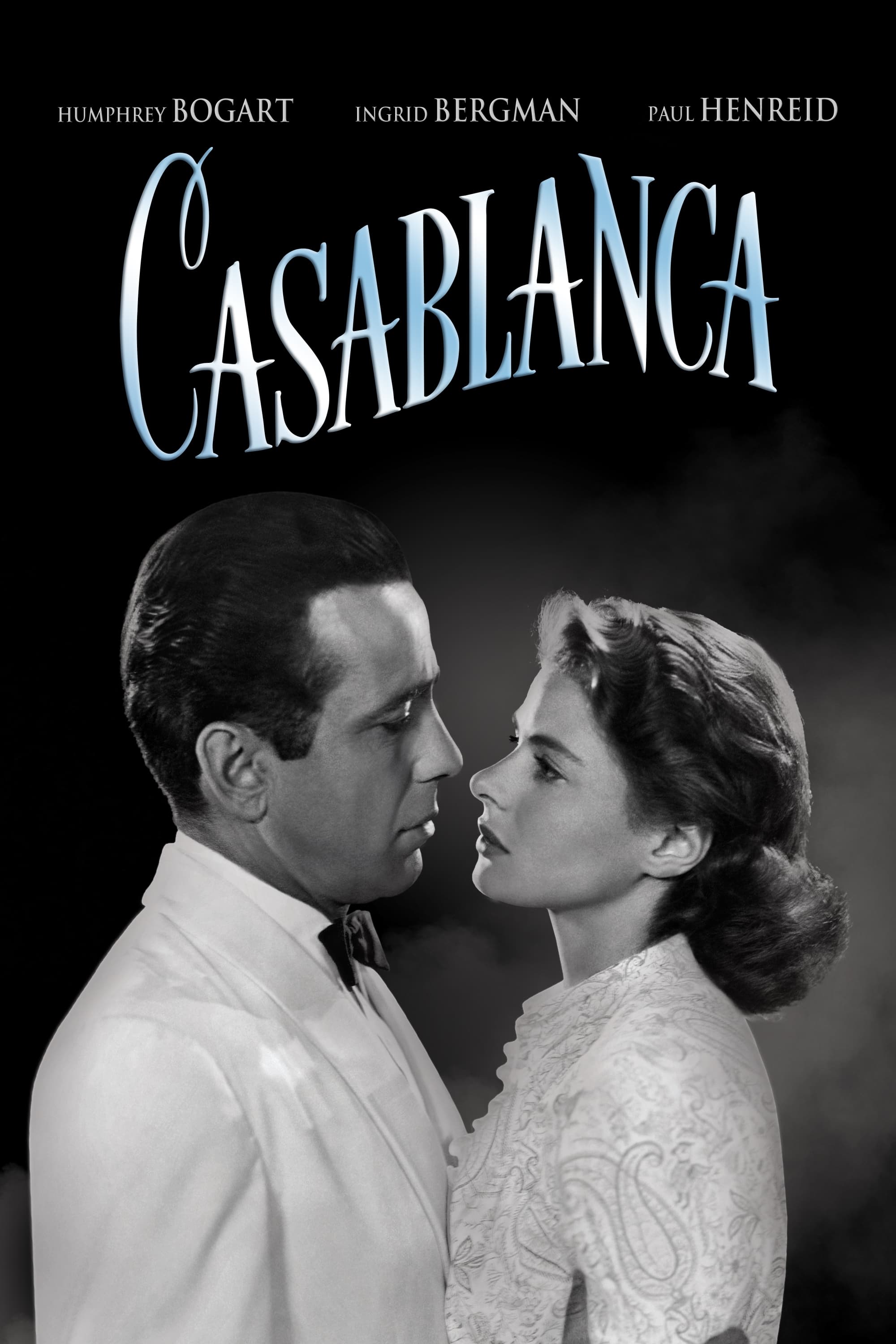
Ingrid Bergman arrived from Sweden to play Ilsa Lund and became one of the most radiant stars of the studio era. Her chemistry with Humphrey Bogart drives the emotional core of this World War II romantic drama. She infused the character with a mix of fragility and resilience that elevated the script beyond a standard melodrama. The film relies heavily on her expressive face to convey the heartbreak of the famous airport finale.
‘Mary Poppins’ (1964)
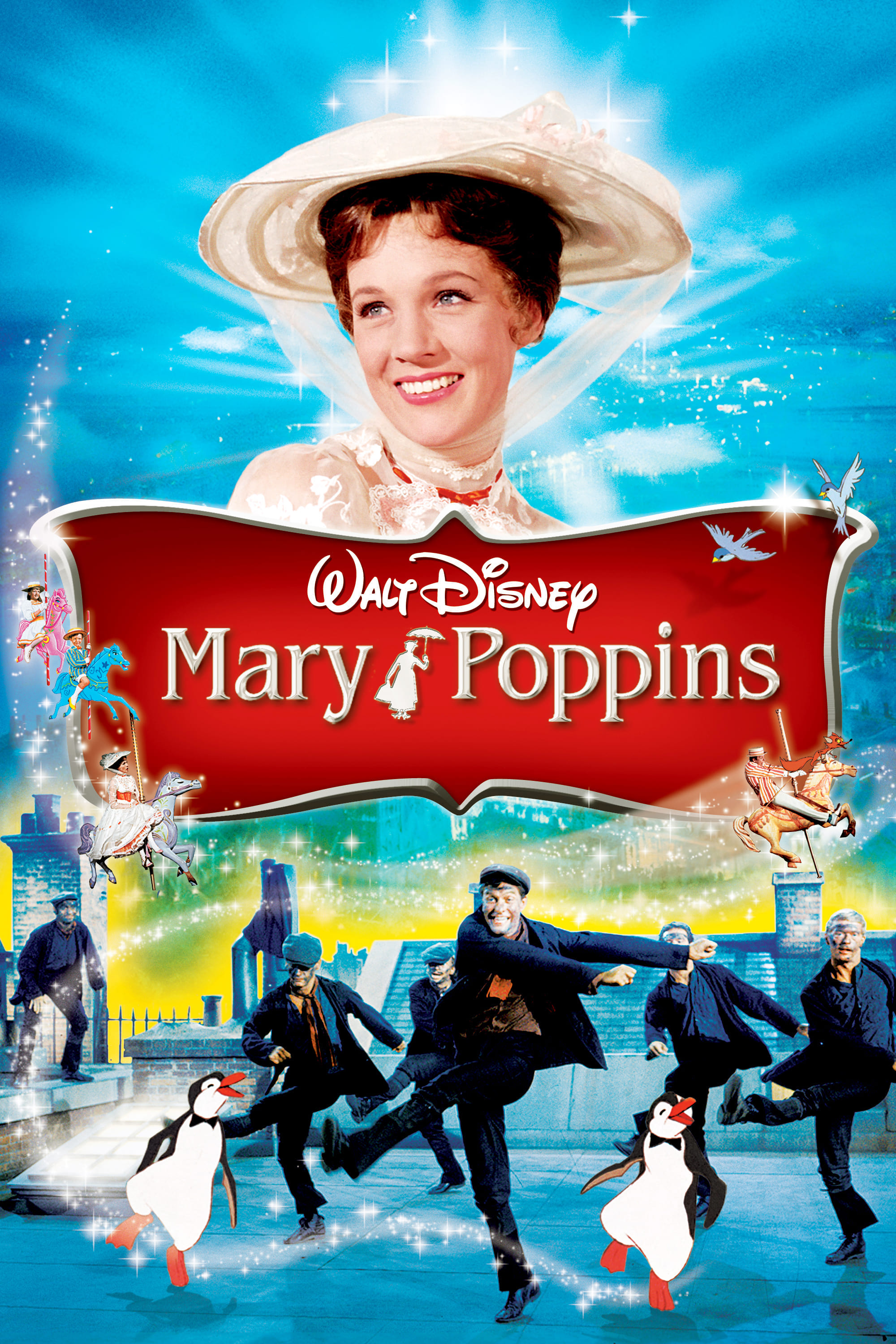
Julie Andrews made her feature film debut in this musical masterpiece after moving from the United Kingdom. She brought a pristine vocal talent and a sharp wit that prevented the magical nanny from becoming too sentimental. Her performance won her an Academy Award and instantly made her a Hollywood legend. The movie depends entirely on her ability to command the screen with both authority and whimsy.
‘Blade Runner’ (1982)
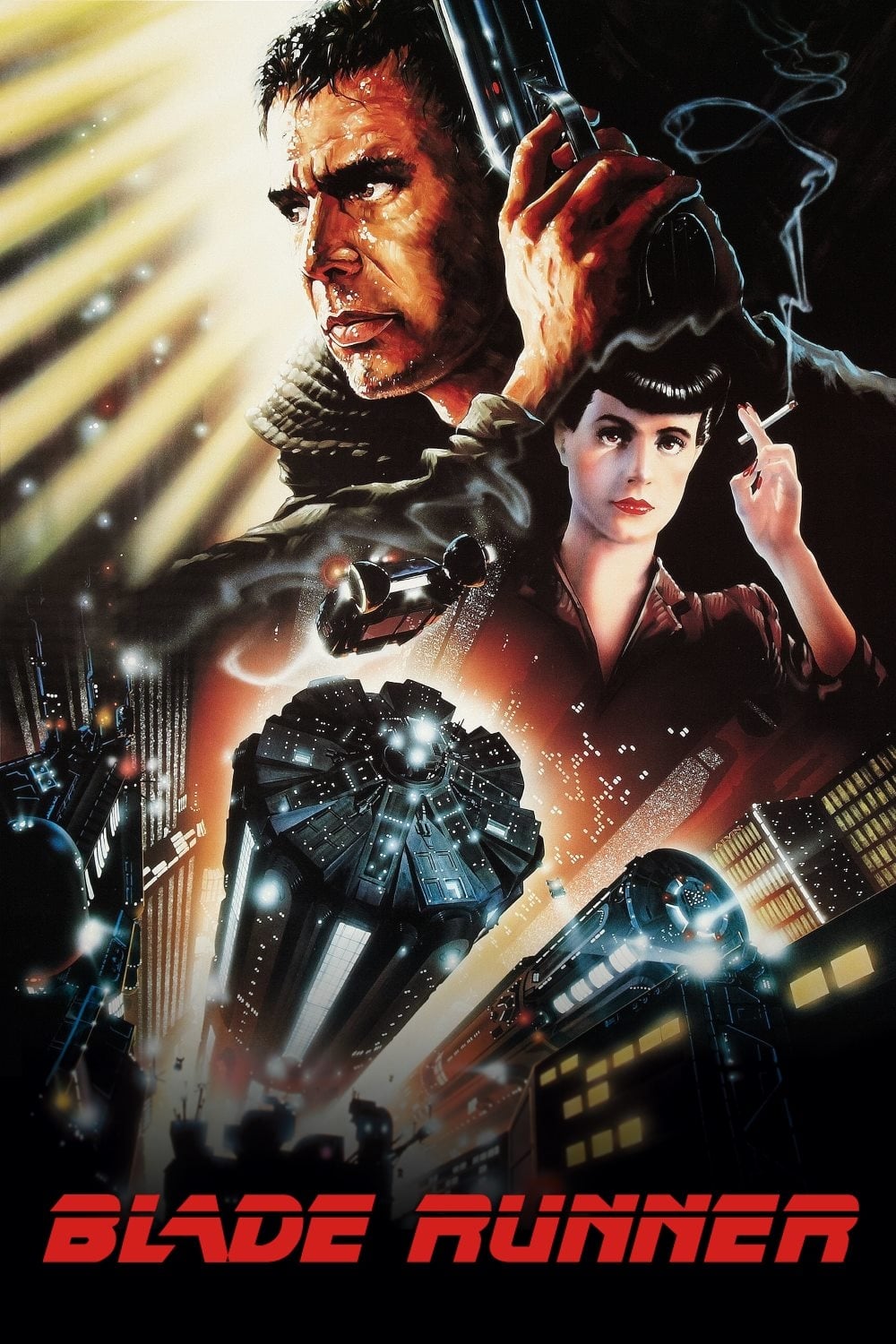
Rutger Hauer played the replicant antagonist Roy Batty with a frightening mix of violence and philosophy. The Dutch actor famously improvised the final monologue about tears in rain that gave the film its poetic soul. His physical presence and bleaching blond hair created a striking contrast to the dark and rainy aesthetic of the production. This science fiction classic would lack its profound humanity without his sympathetic portrayal of a machine.
‘The Terminator’ (1984)
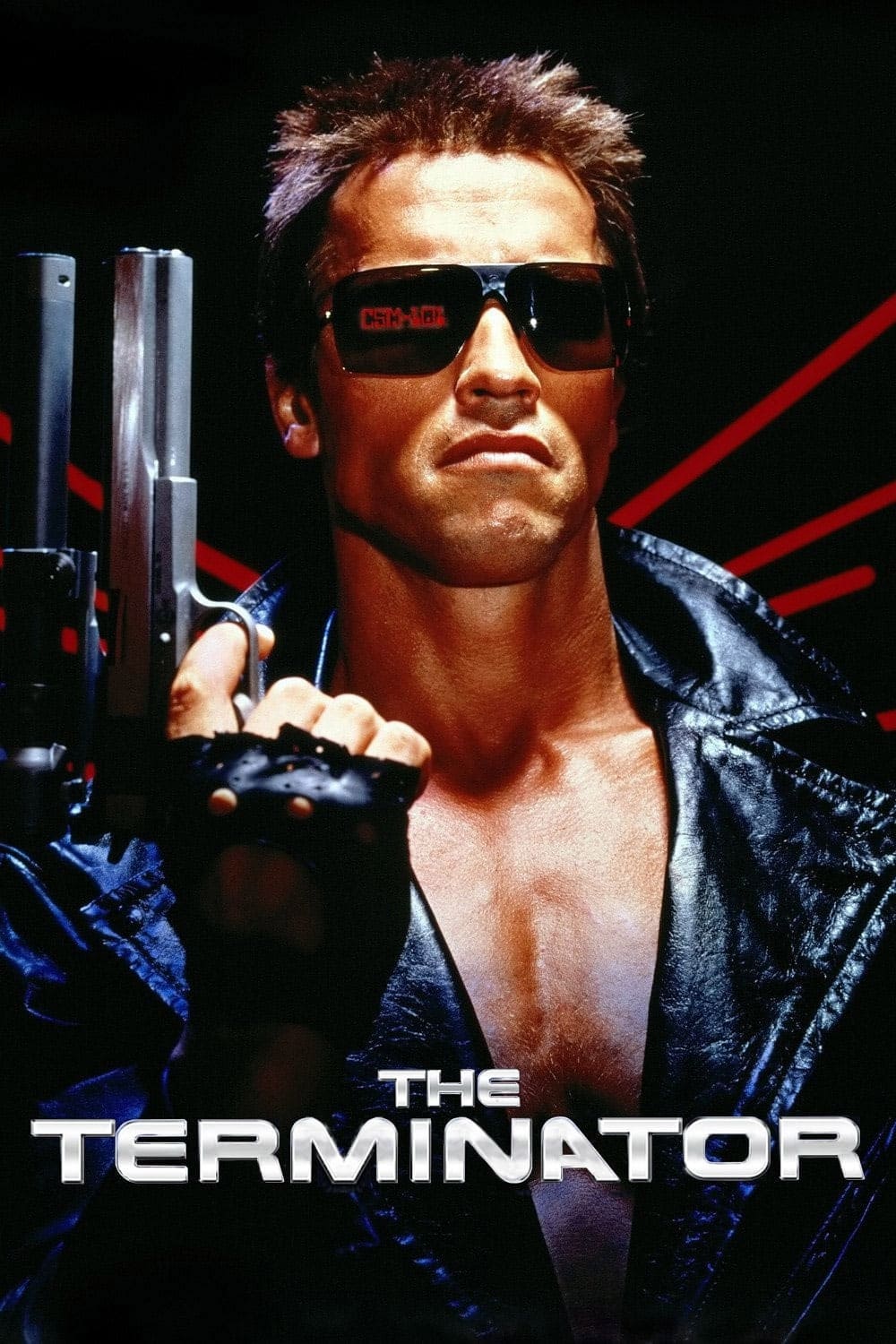
Arnold Schwarzenegger redefined the action genre with his portrayal of a cybernetic assassin sent from the future. The Austrian bodybuilder utilized his imposing physique and unique accent to create a terrifyingly robotic antagonist. His stoic performance established a character that became synonymous with eighties cinema and science fiction history. This film launched a massive franchise that relied entirely on his star power and physical presence.
‘Back to the Future’ (1985)
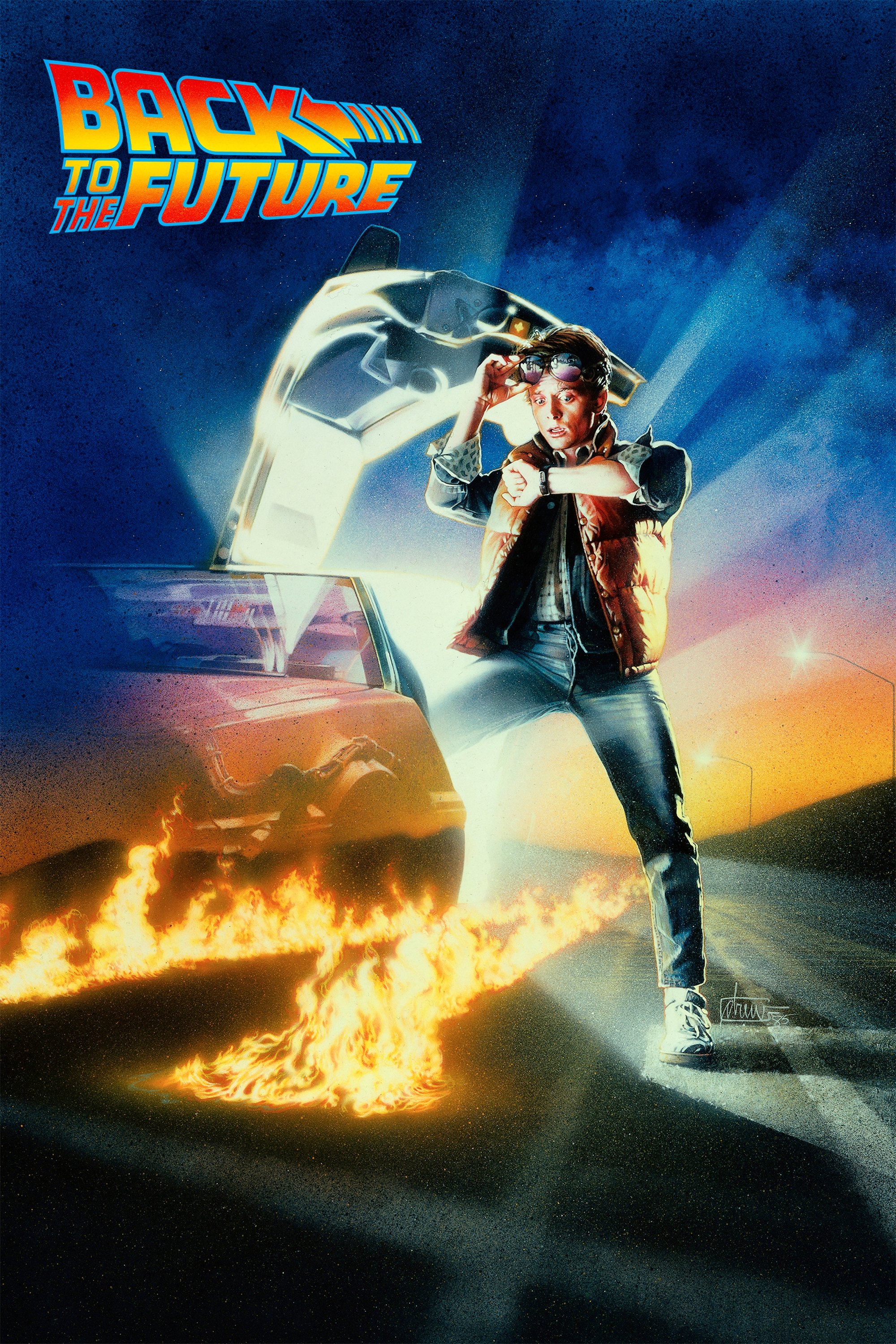
Michael J. Fox is a Canadian actor who became the face of quintessential American teen culture in this sci-fi comedy. His boundless energy and comedic timing turned Marty McFly into a global icon for an entire generation. The production actually started with a different actor before the studio realized they needed his specific charm to make the movie work. It is impossible to imagine the DeLorean reaching eighty-eight miles per hour without him behind the wheel.
‘The Silence of the Lambs’ (1991)

Anthony Hopkins won an Academy Award for his chilling portrayal of Hannibal Lecter despite having less than twenty minutes of screen time. The Welsh actor used a calm and controlled delivery to make the cannibalistic psychiatrist terrifying without raising his voice. His unblinking stare and vocal precision created one of the most famous villains in cinema history. The psychological tension of the film hinges entirely on his intellectual duel with the protagonist.
‘Schindler’s List’ (1993)
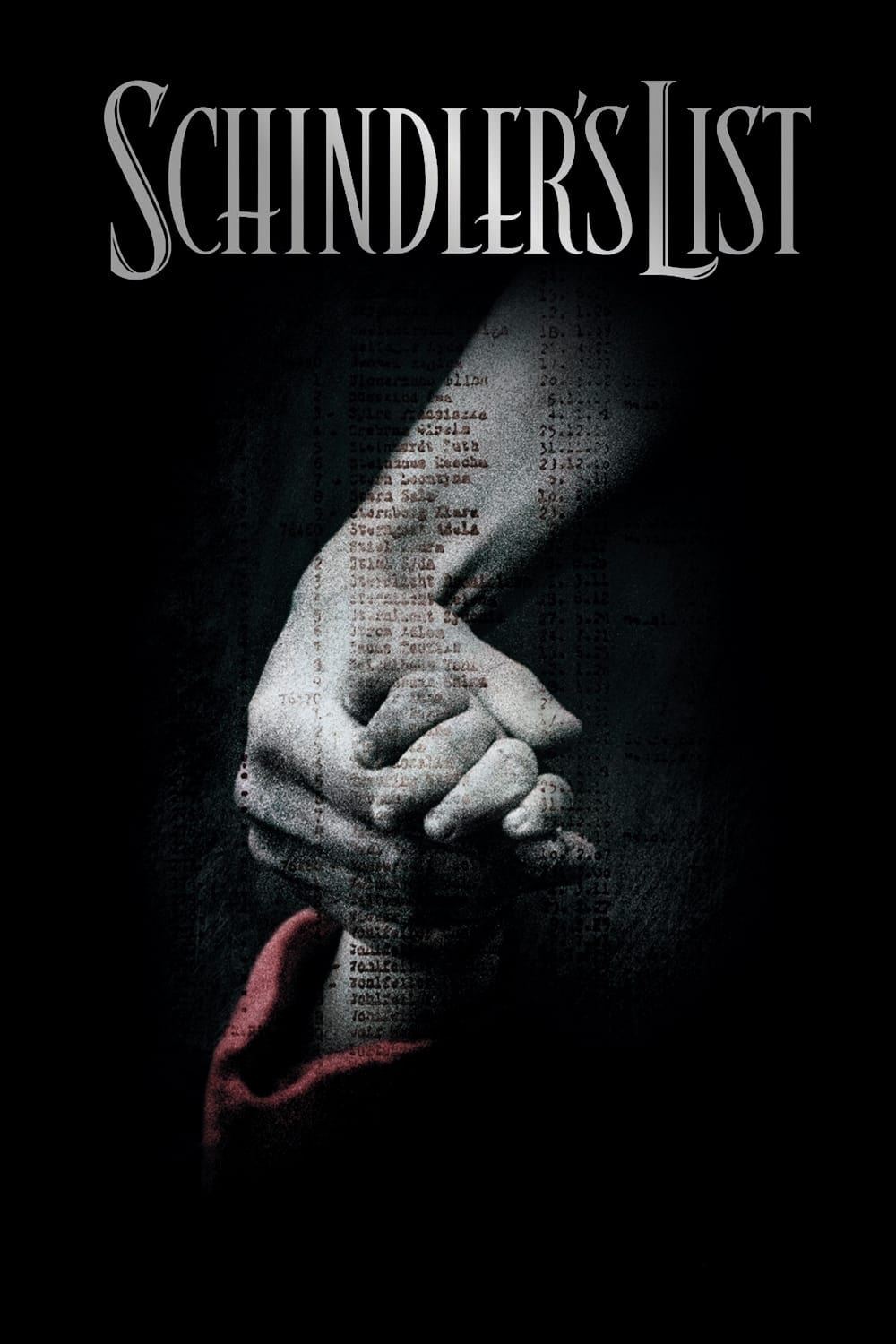
Liam Neeson utilized his commanding presence to play the complex German industrialist Oskar Schindler. The Northern Irish actor conveyed the gradual moral awakening of a man who saved over a thousand Jewish refugees during the Holocaust. His performance anchored the three hour historical epic with deep gravity and emotional resonance. Spielberg cast him specifically because he possessed a star quality that was not yet fully associated with a specific persona.
‘The Mask’ (1994)
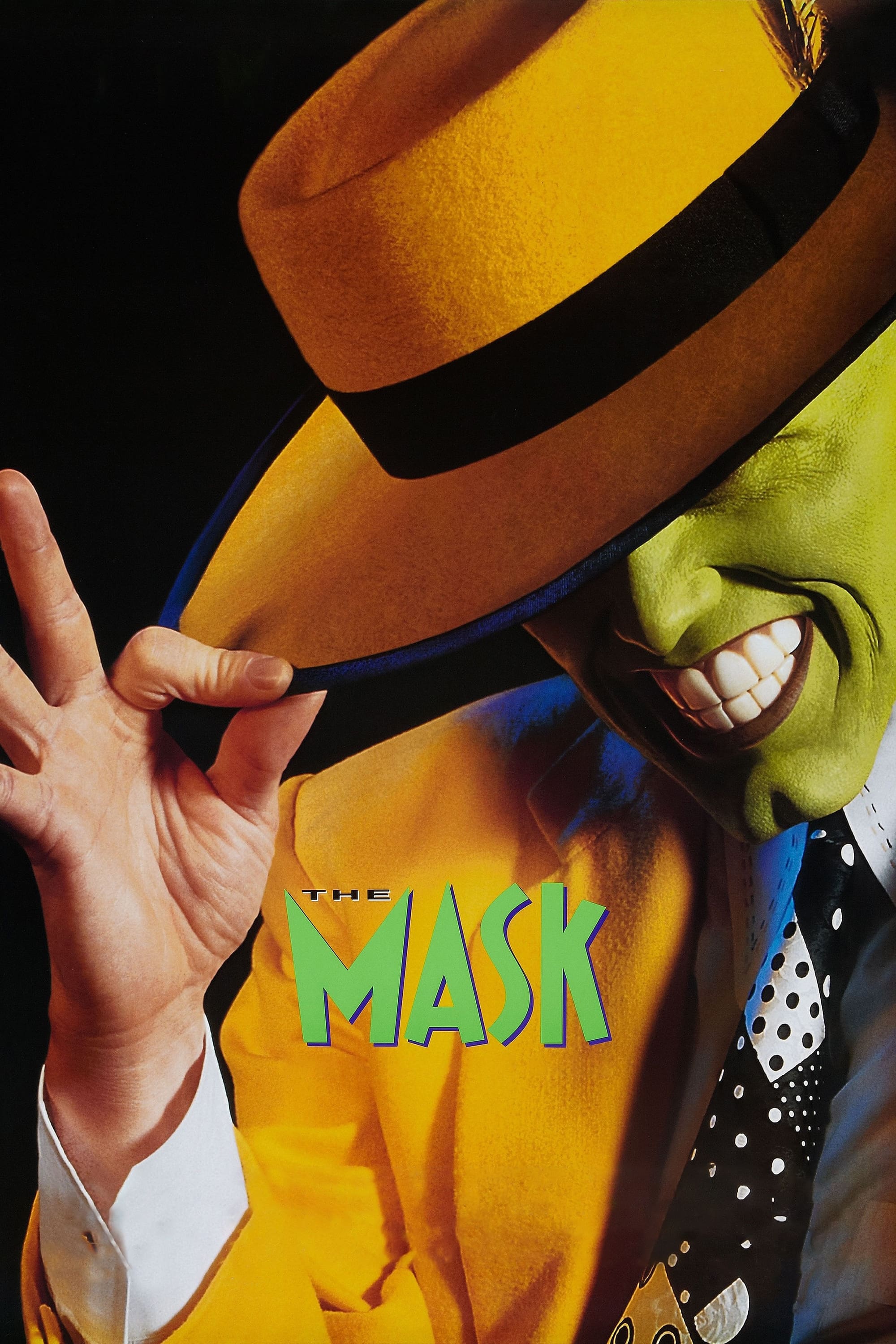
Jim Carrey brought his rubber-faced comedy style from Canada to Hollywood and dominated the box office with this comic book adaptation. The film utilized his incredible physical comedy skills to act as a living cartoon character. His ability to contort his face and body reduced the need for special effects in many scenes. The movie established him as a premier leading man who could carry a blockbuster with sheer energy.
‘Léon: The Professional’ (1994)
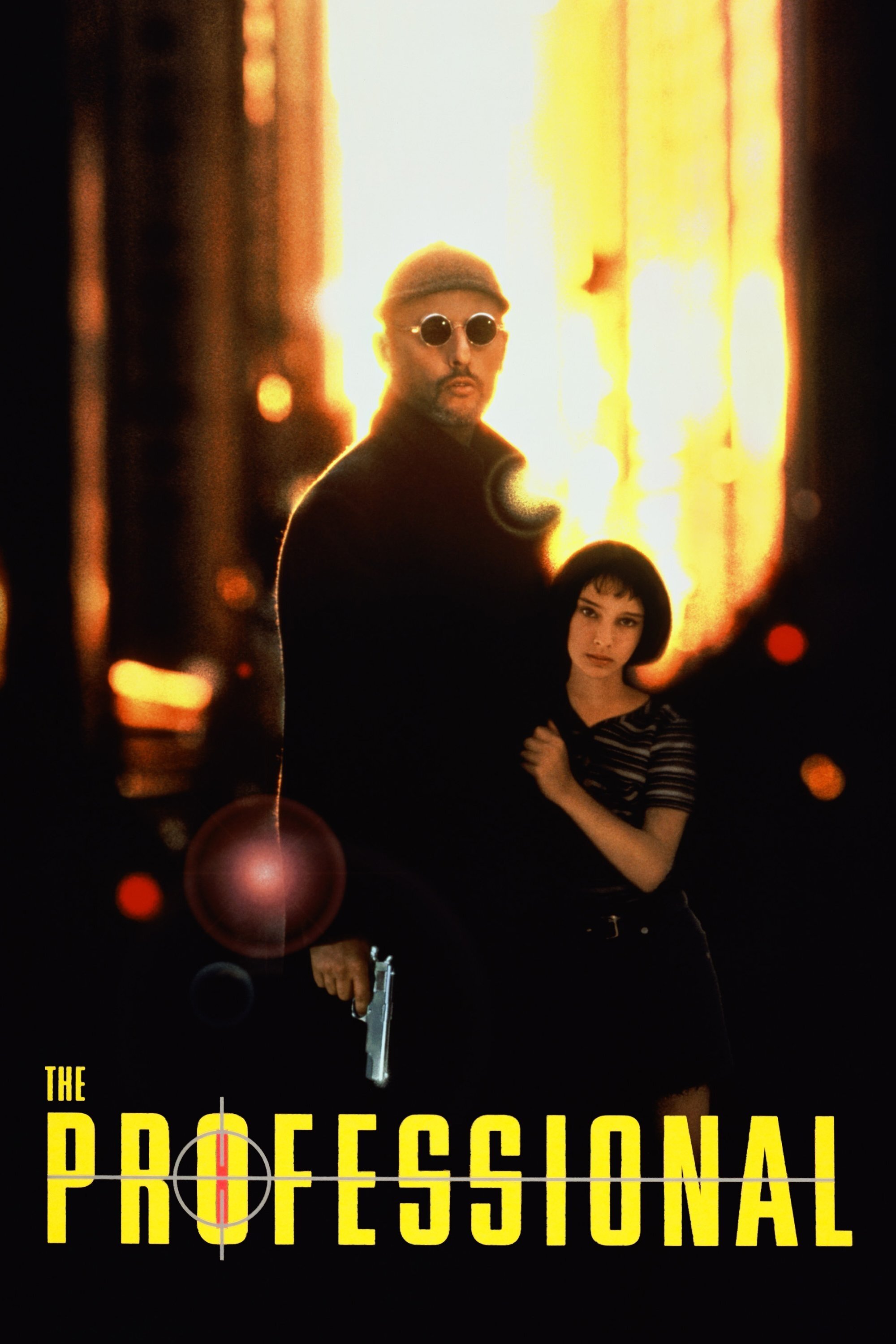
Jean Reno played the titular hitman with a quiet dignity that contrasted sharply with the violence of his profession. The French actor brought a weary warmth to the character that made the unusual bond with a young girl believable. His performance turned an action thriller into a touching character study about redemption and loneliness. The film remains a cult classic largely due to his understated acting style.
‘American Psycho’ (2000)

Christian Bale is a Welsh actor who completely transformed himself to play the New York investment banker Patrick Bateman. He adopted a flawless American accent and a rigorous physical regimen to embody the narcissistic serial killer. The movie relies entirely on his ability to switch between charming socialite and unhinged maniac in seconds. His performance turned a controversial novel adaptation into a satyrical classic that continues to influence pop culture.
‘X-Men’ (2000)
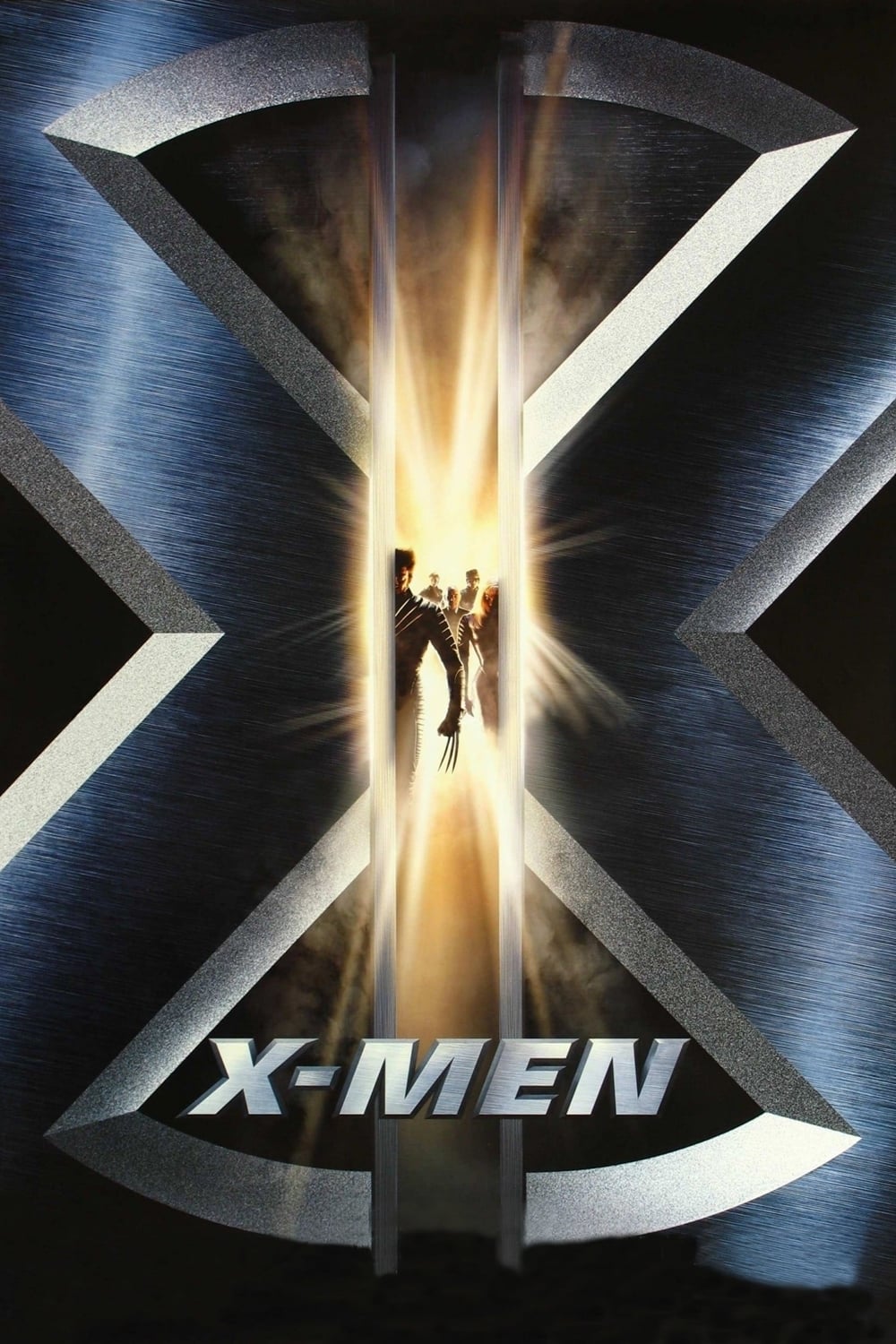
Hugh Jackman was a last minute replacement who defined the role of Wolverine for two decades. The Australian actor brought a rugged physicality and emotional depth to the mutant character that anchored the franchise. His breakout performance proved that unknown international actors could carry massive American summer blockbusters. The success of the entire cinematic universe was built upon his portrayal of the clawed antihero.
‘Gladiator’ (2000)
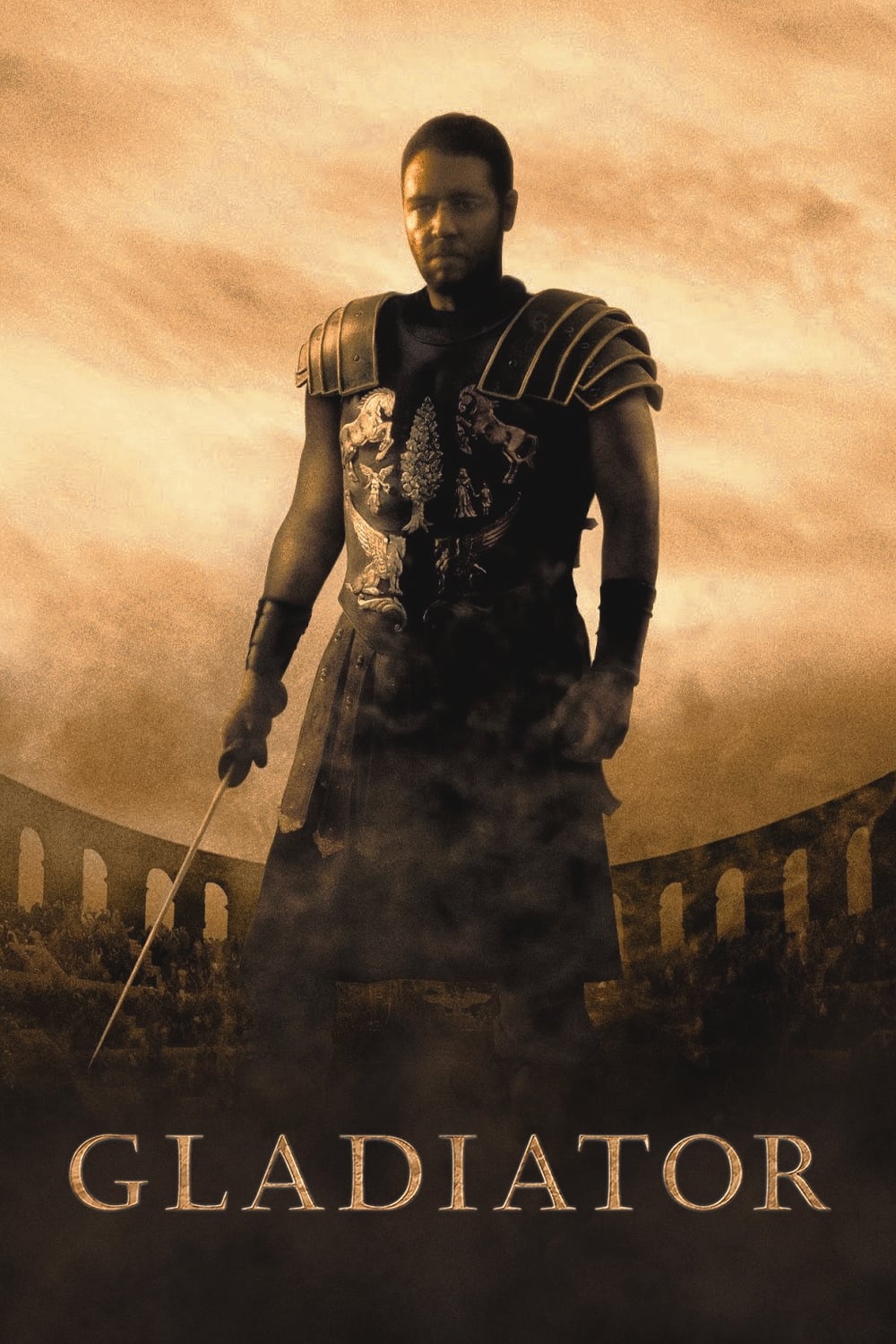
Russell Crowe won an Academy Award for his powerful portrayal of the Roman general Maximus Decimus Meridius. The New Zealand born actor brought a brooding intensity and physical commitment to the sword and sandal epic. His commanding voice and presence made the battle scenes feel visceral and the emotional stakes feel earned. The film revitalized the historical epic genre largely due to his masculine yet vulnerable performance.
‘Monster’ (2003)
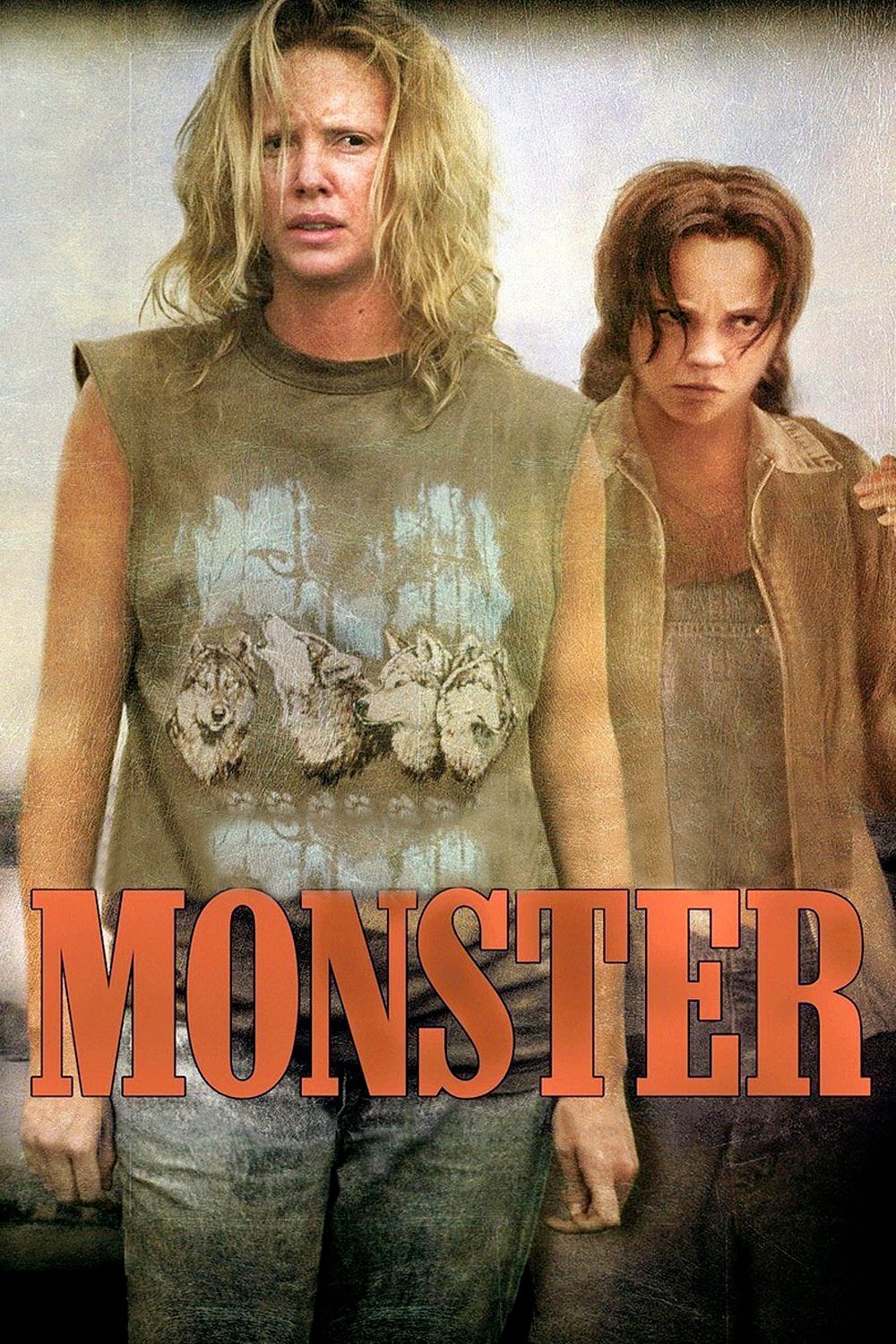
Charlize Theron underwent a drastic physical transformation to play the serial killer Aileen Wuornos. The South African actress gained weight and used prosthetics to disappear completely into the gritty role. Her performance went beyond mimicry to reveal the tragic humanity of a violent and damaged woman. This film earned her an Oscar and proved her range extended far beyond traditional leading lady parts.
‘The Notebook’ (2004)
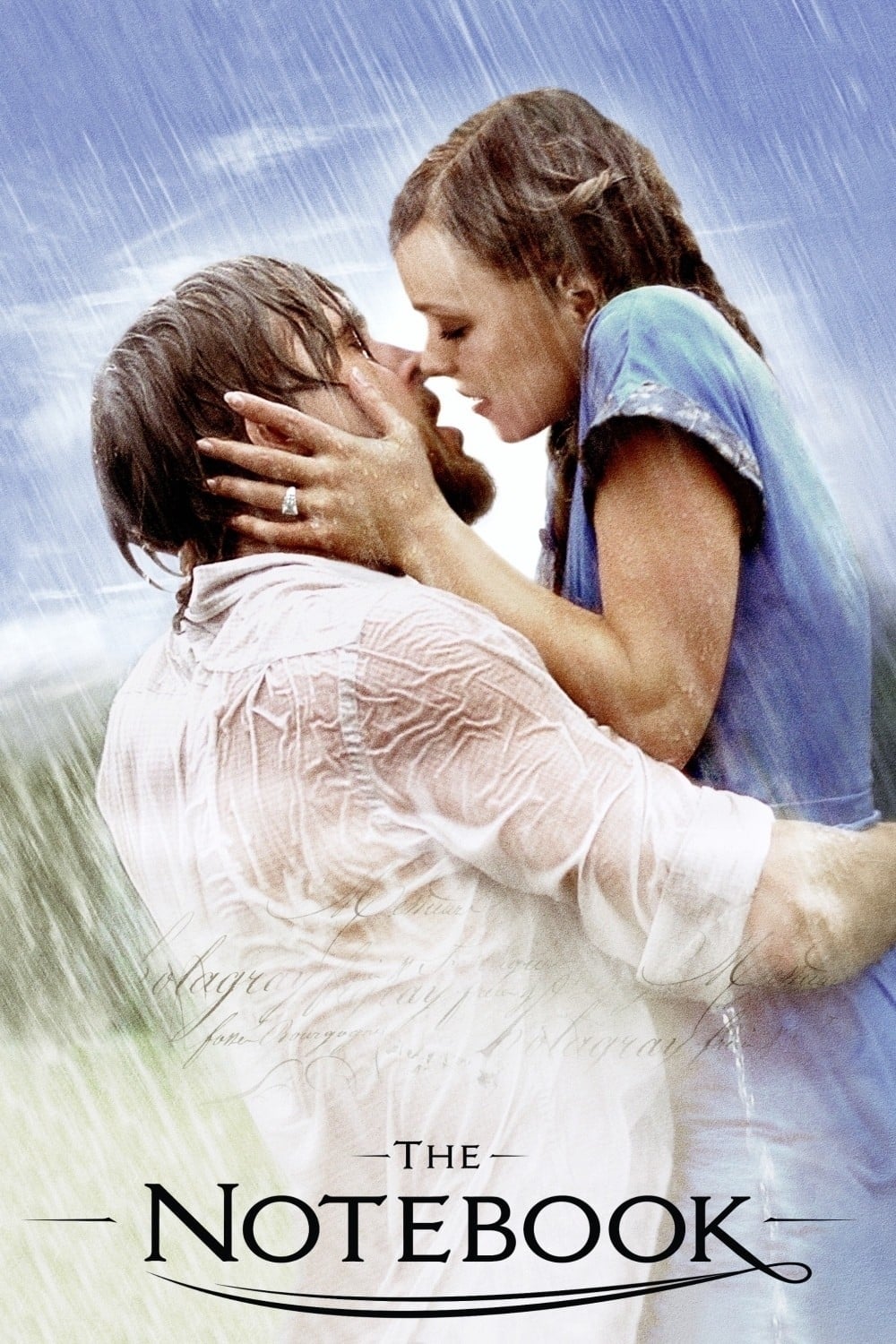
Ryan Gosling brought a dedicated intensity to the romantic lead that elevated the material above standard genre fare. The Canadian actor insisted on learning woodworking and living in Charleston to prepare for the role of Noah Calhoun. His chemistry with the co-lead created one of the most beloved screen couples of the early twenty-first century. The enduring popularity of the film is a testament to his committed and heartfelt performance.
‘No Country for Old Men’ (2007)
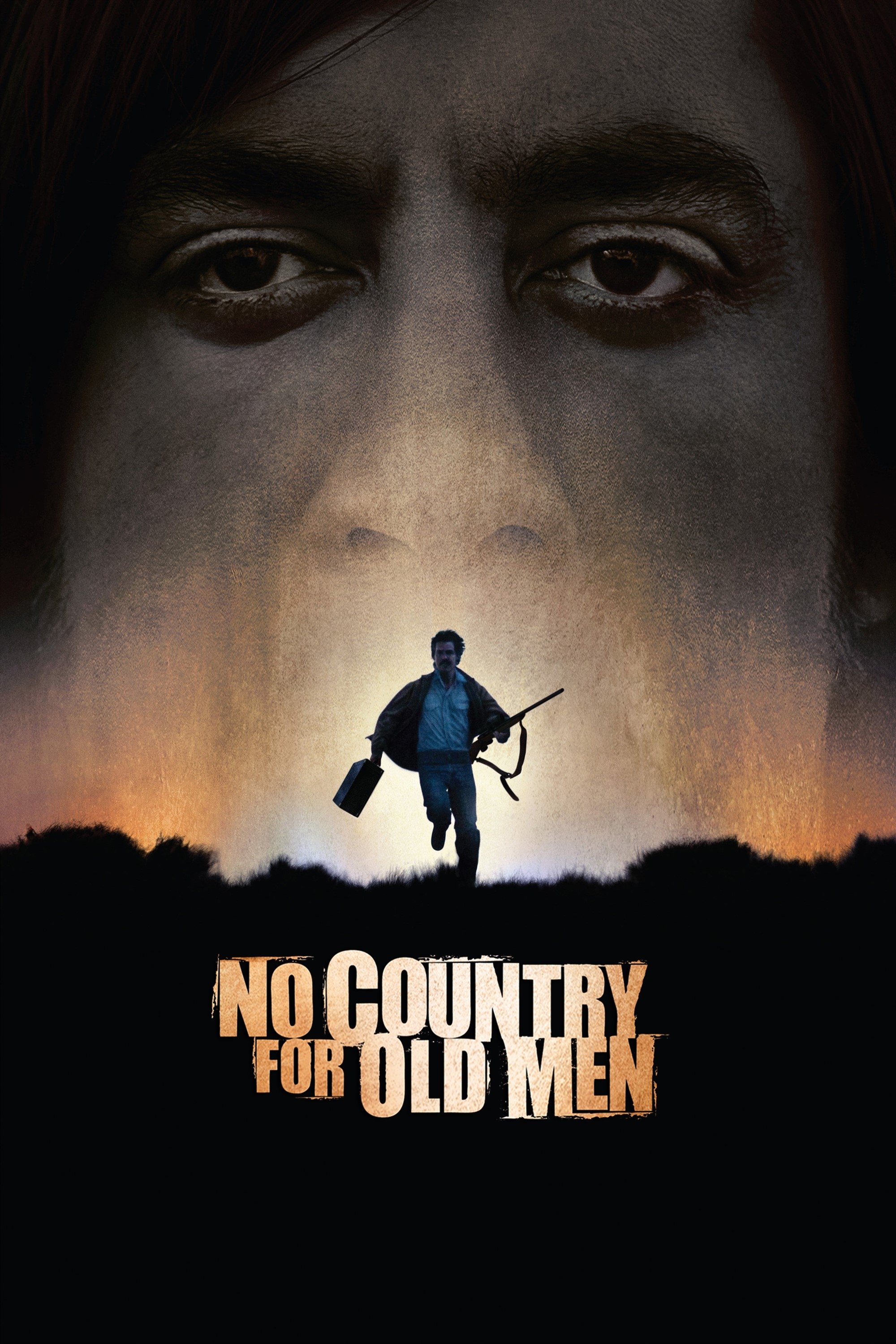
Javier Bardem created the ultimate embodiment of unstoppable evil as the hitman Anton Chigurh. The Spanish actor used a strange haircut and a deadpan delivery to make the character fundamentally unsettling. His performance removed all vanity to focus purely on the menacing nature of the antagonist. The film builds its unbearable tension almost entirely around his silent and terrifying pursuit of the protagonist.
‘There Will Be Blood’ (2007)
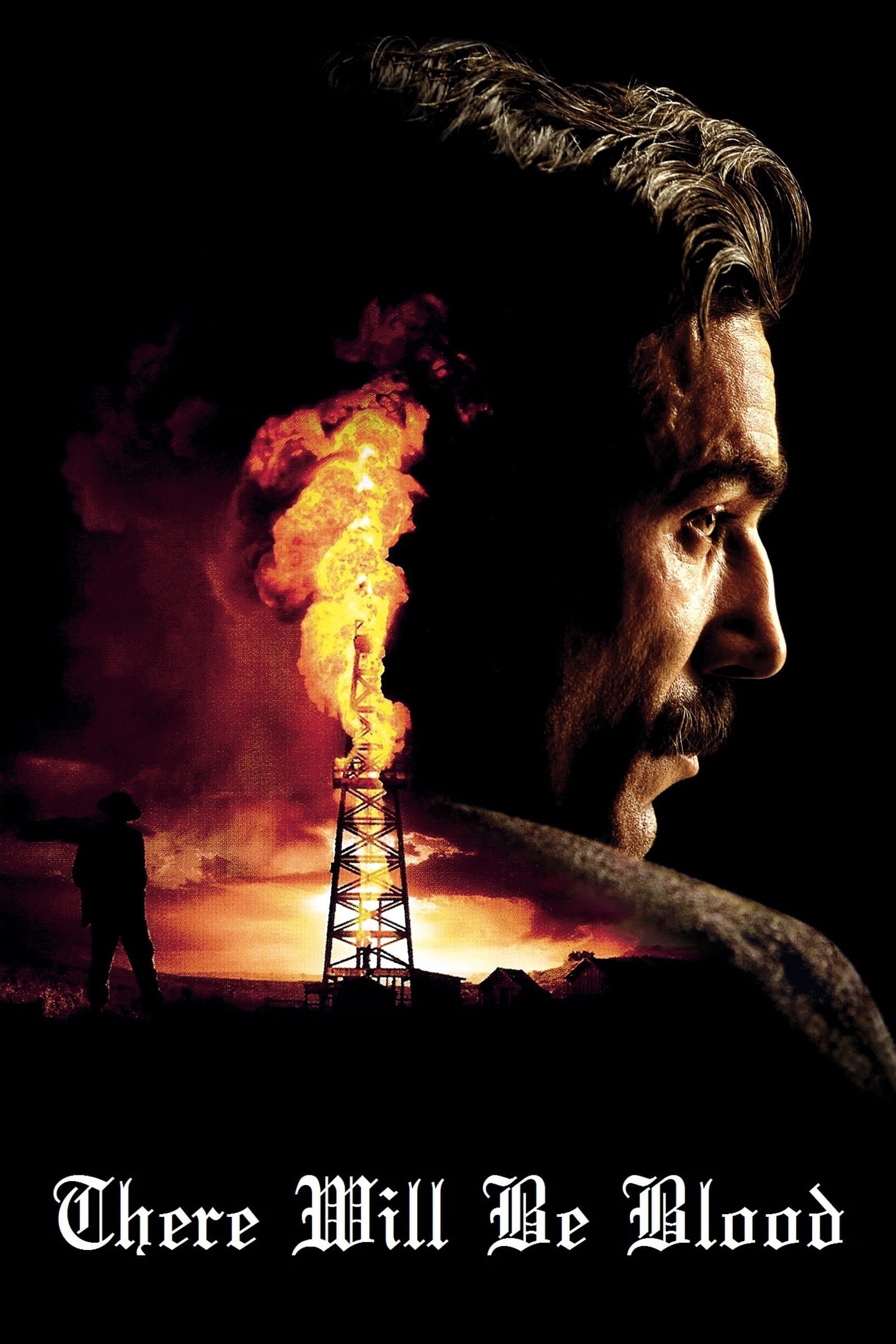
Daniel Day-Lewis delivered a towering performance as the oil prospector Daniel Plainview. The British actor used a specific mid-Atlantic accent and intense method acting to create a character consumed by greed. His portrayal dominates every frame of the film and drives the narrative toward its violent conclusion. Critics often cite this role as one of the greatest acting achievements in the history of modern cinema.
‘Inglourious Basterds’ (2009)

Christoph Waltz was unknown to American audiences before he played the polyglot villain Hans Landa. The Austrian actor navigated complex dialogue in four different languages with terrifying charm and wit. His performance provided the necessary tension that held the disparate storylines of the film together. Quentin Tarantino famously stated that he would not have made the movie if he had not found Waltz to play the part.
‘Everything Everywhere All At Once’ (2022)

Michelle Yeoh utilized her decades of martial arts experience and dramatic range to carry this multiverse epic. The Malaysian actress finally received a leading Hollywood role that showcased her diverse talents after years of supporting parts. Her performance required her to switch between comedy and tragedy while performing intense action sequences. The film swept the Academy Awards and cemented her legacy as a cinematic legend.
Please share which of these international performances is your favorite in the comments.