

‘Haikyuu!!’ Mistakes You’ll Never Be Able to Unsee




‘Haikyuu!!’ thrills with sharp animation and spot-on volleyball strategy, but a few tiny production slip-ups and rule goofs sneak in along the way; once you notice them, they’re hard to ignore. Below are concrete continuity blips, uniform oddities, and rule mix-ups you can actually verify against volleyball regulations and basic match logistics. They don’t take away from the fun—if anything, they’re a neat way to learn how the real sport works behind the scenes.
Vanishing and Reappearing Knee Pads
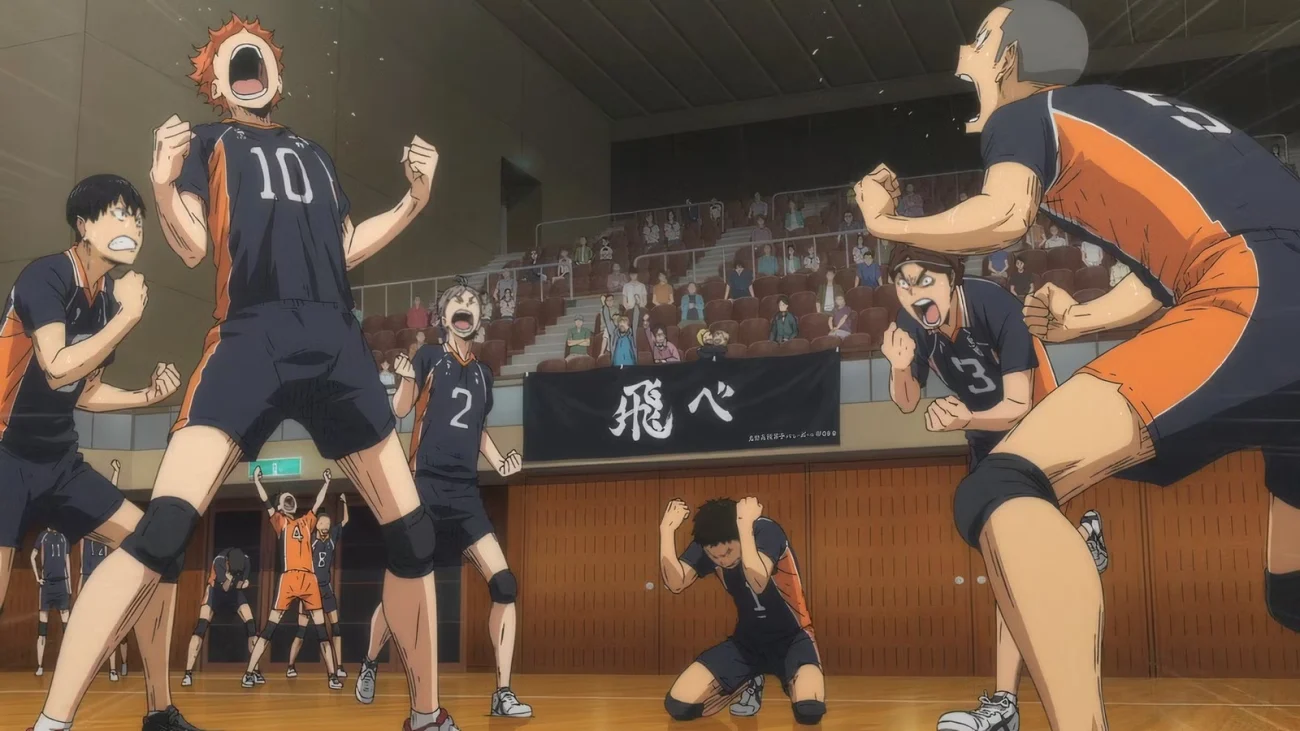
In multiple rally cuts, a player’s knee pads switch from present to missing and back again between camera angles. Real matches don’t allow mid-rally equipment changes, so any pad inconsistency is purely a continuity error. Knee pads are standard for shock absorption and floor burns, and players typically wear the same pair throughout a set.
Rotations That Don’t Match the Lineup Card
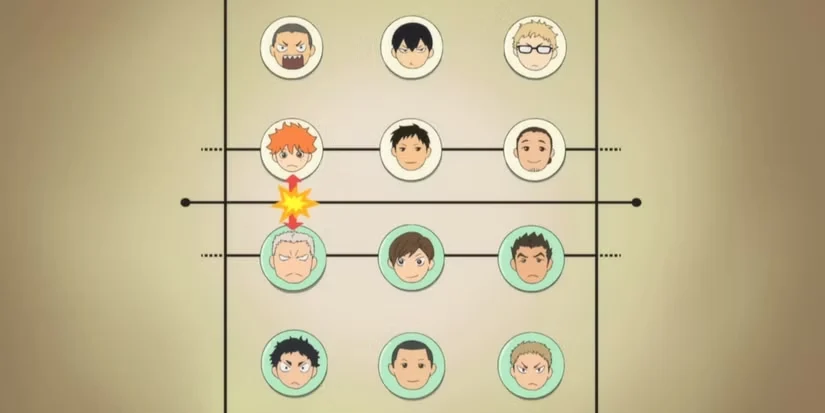
Some scenes show serve receive formations that don’t align with the legally required rotational order. In volleyball, the lineup card dictates where each player must stand relative to teammates until the serve is contacted. Teams can run complex formations, but their rotational positions at service must remain correct to avoid a rotation fault.
Libero Uniform That Isn’t Clearly Contrasting
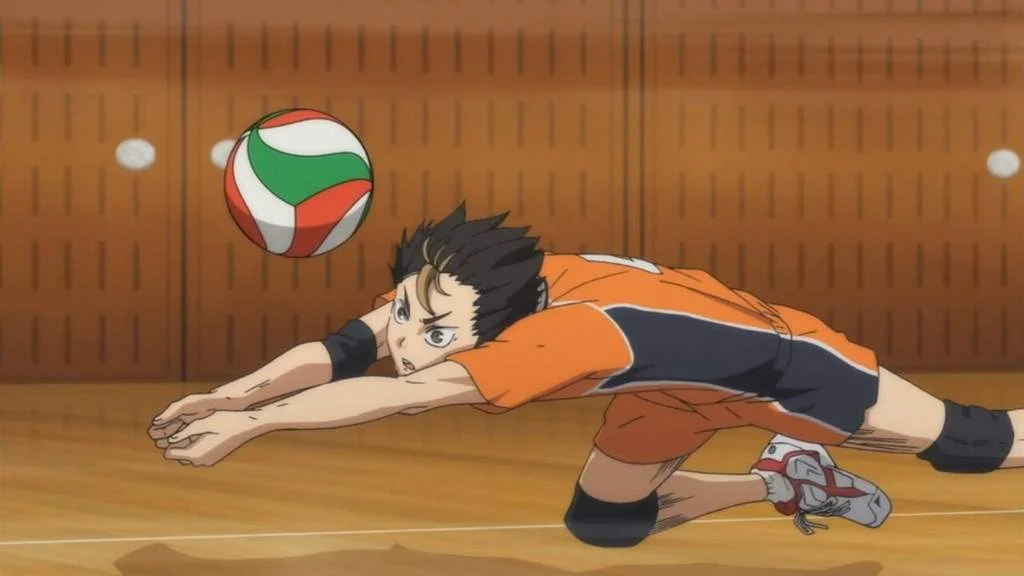
There are moments where the libero’s jersey appears too similar in tone and pattern to the rest of the team. Under FIVB and most high-school rulesets, the libero must wear a clearly contrasting color so referees and scorers can track substitutions and libero-specific actions. This contrast requirement helps avoid scoring and substitution errors during fast play.
Antennas Shown in the Wrong Spot
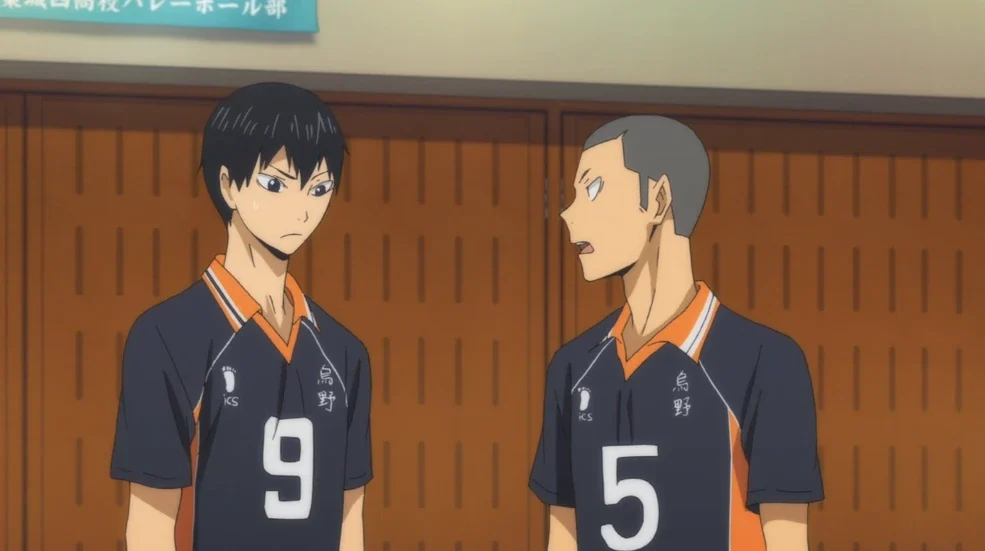
Occasional wide shots depict net antennas appearing offset or not fully above the sidelines they’re meant to mark. Antennas define the legal crossing space—any ball contacting them or passing outside is out. Proper placement should be directly above the sidelines and extend upward to create a clear visual boundary for officials.
Scoreboard Flips That Don’t Follow Rally Outcomes
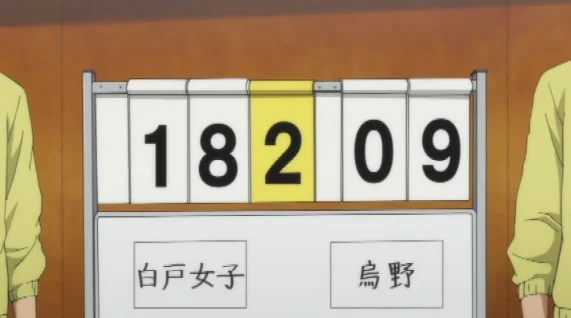
A few cuts show the scoreboard increasing for the wrong side or jumping by two between plays. In rally scoring, exactly one point is awarded after each rally, and the receiving team gains both a point and the serve on a side-out. Any two-point jump without an intervening rally is a continuity mistake.
Ball Logo and Panel Pattern Changing Mid-Rally
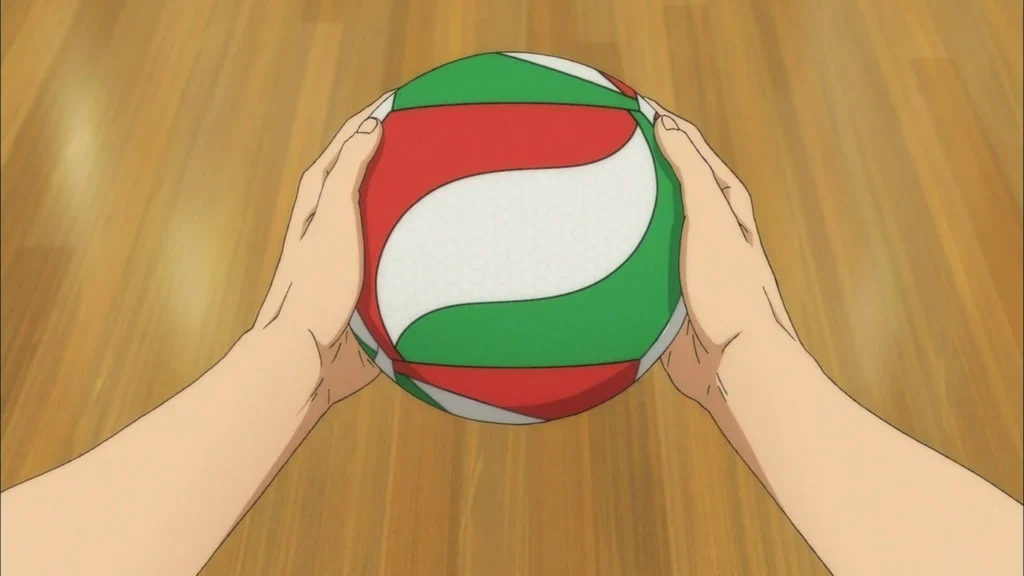
The ball occasionally shifts between different brand panels or panel counts within the same sequence. Official match balls use a fixed design and colorway for the entire competition, ensuring consistent grip and flight. A mid-play design swap indicates the use of different animation assets across cuts.
Court Lines Shifting Width or Alignment
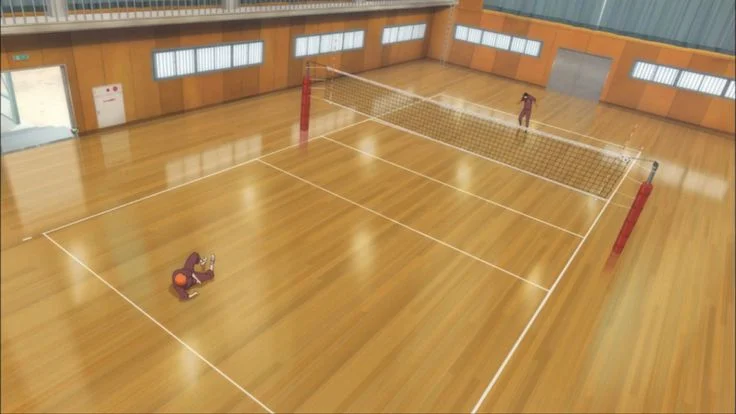
Some scenes show service or attack lines looking thicker, thinner, or slightly relocated between angles. Regulation indoor courts have fixed dimensions and line widths, and the three-meter attack line is especially critical for front-row versus back-row attack legality. Line drift on screen can make back-row attack calls look confusing compared to real play.
Referee Signals That Don’t Match the Call
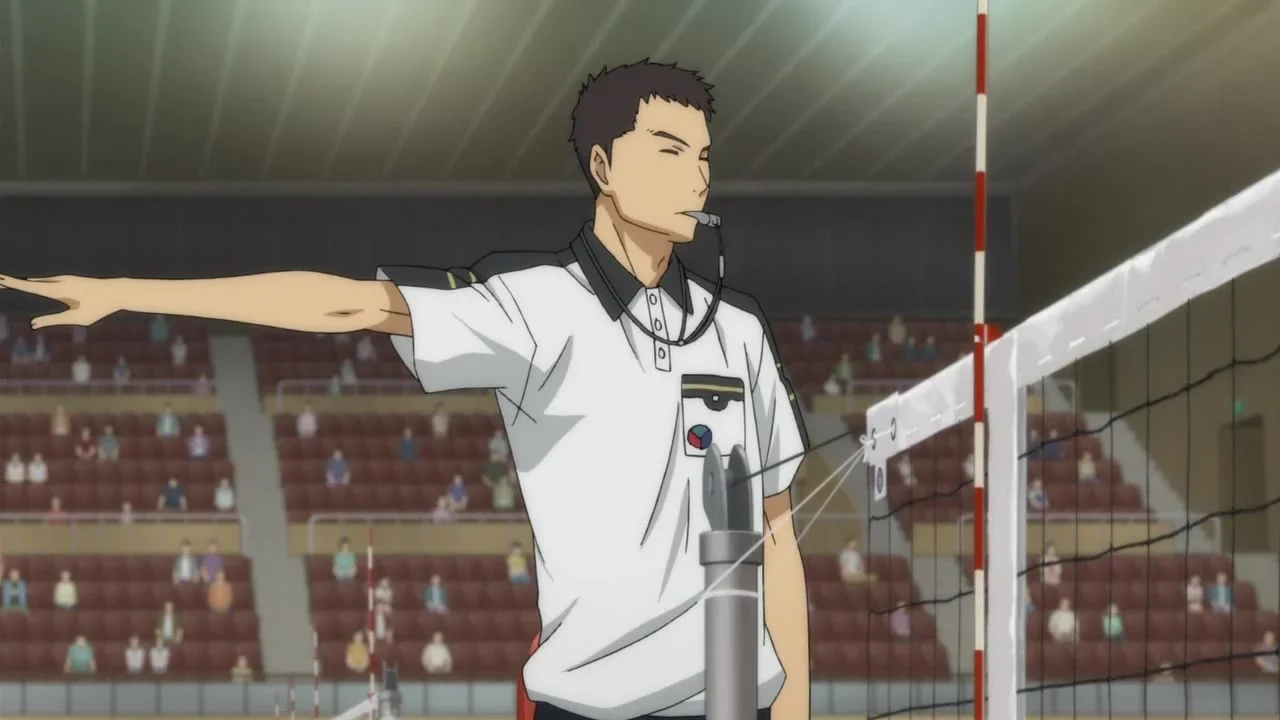
There are instances where the down referee or first referee performs a gesture that doesn’t correspond to the outcome announced or the next action. Standardized signals—such as touch, net fault, over-reach, or four hits—exist to ensure everyone understands the decision. Mismatched signaling would create confusion in an actual match environment.
Setter Contact Location Ignoring the 3-Meter Line Context
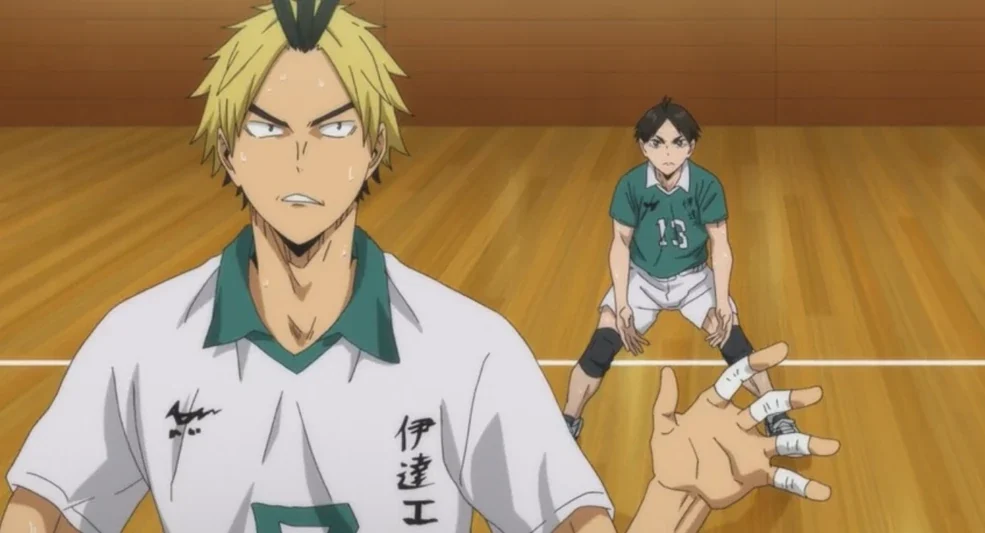
Cuts sometimes imply the setter is back row yet appears to set while breaking the plane near the net without being whistled, despite the context suggesting an over-the-net back-row block or attack fault risk. Back-row players may not complete an attack hit above the net’s height in front of the attack line or block at all. Clear depiction of feet position and ball contact height is essential for judging legality.
Travel and Scheduling That Compress Realistic Recovery Time
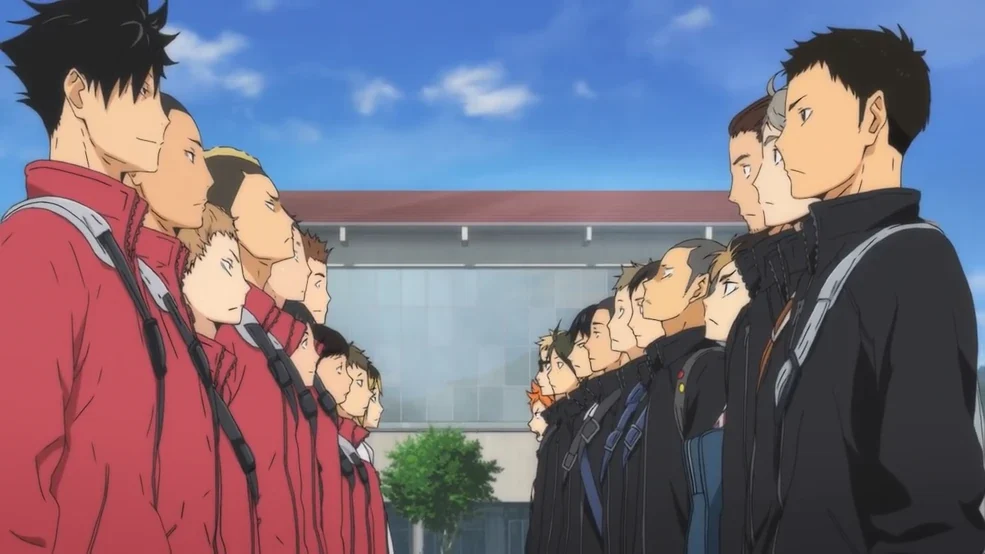
Tournament sequences occasionally compress travel, warm-up, and cooldown windows more than typical event schedules allow. Real brackets allocate set report times, court warm-ups, and rest intervals between matches to protect athlete performance and safety. Over-tight timelines would be unusual in sanctioned competition logistics.
If you’ve spotted other rule quirks or continuity slips in ‘Haikyuu!!’, share your findings and favorite examples in the comments!