

10 Handheld Consoles That Were Way Ahead Of Their Time

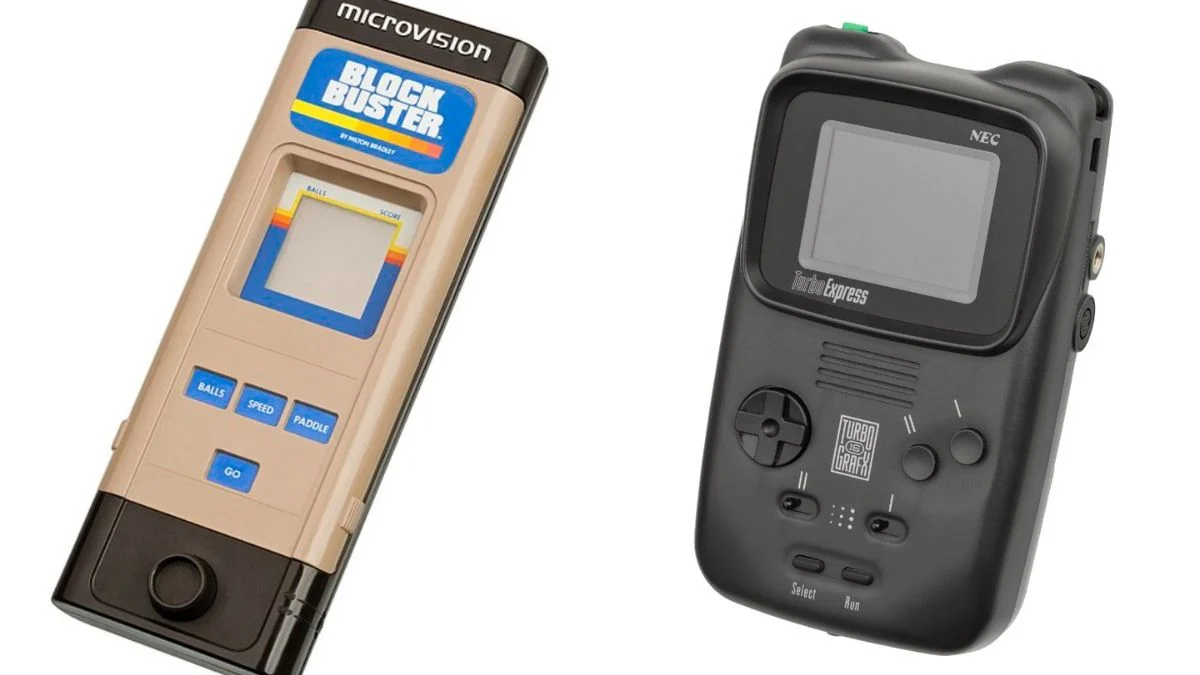


Handheld gaming has evolved from simple LCD games to powerful hybrid computers that fit in a pocket. Manufacturers often took massive risks to introduce technology that the market was not quite ready to support. These devices introduced features like color screens and internet connectivity long before they became industry standards. While some of these consoles failed commercially they paved the way for the modern devices we use today.
‘Microvision’ (1979)
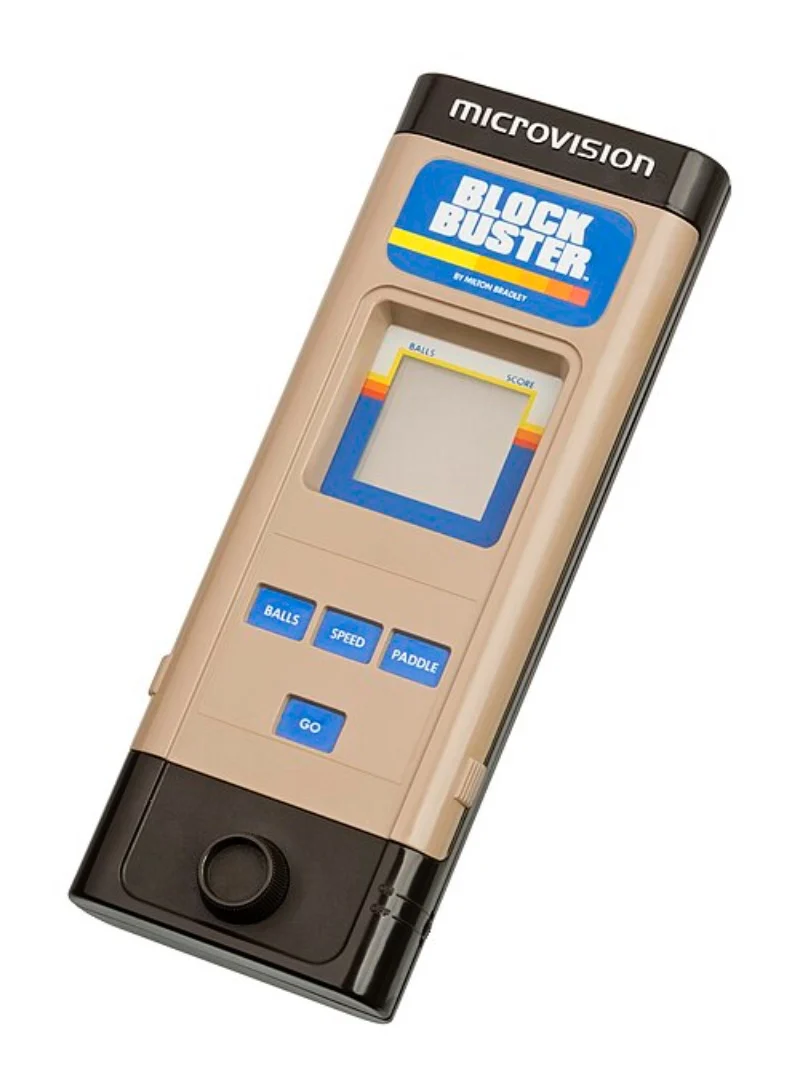
The ‘Microvision’ holds the distinction of being the very first handheld game console to use interchangeable cartridges. Players used a knob at the bottom of the unit to control the action on the small LCD screen. The system suffered from a small library and fragile screen technology that made preservation difficult. It established the fundamental concept of swapping games that defined the industry for decades. This device proved that handheld gaming could extend beyond single dedicated electronic toys.
‘Atari Lynx’ (1989)
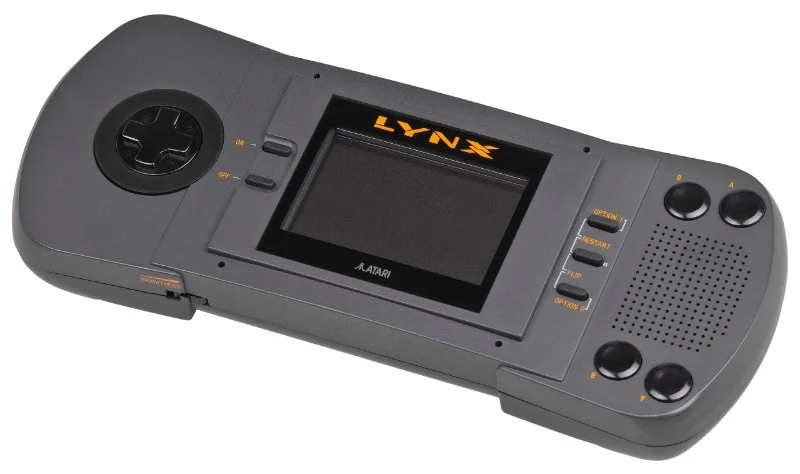
Atari introduced the ‘Lynx’ as the first handheld console to feature a full color LCD display. It boasted hardware scaling and zooming capabilities that allowed for impressive 3D effects on a portable device. The system was also designed with a reversible configuration to accommodate both left and right-handed players. Networking features allowed up to seventeen units to connect for multiplayer gaming sessions. This power came at the cost of short battery life and a bulky form factor.
‘TurboExpress’ (1990)
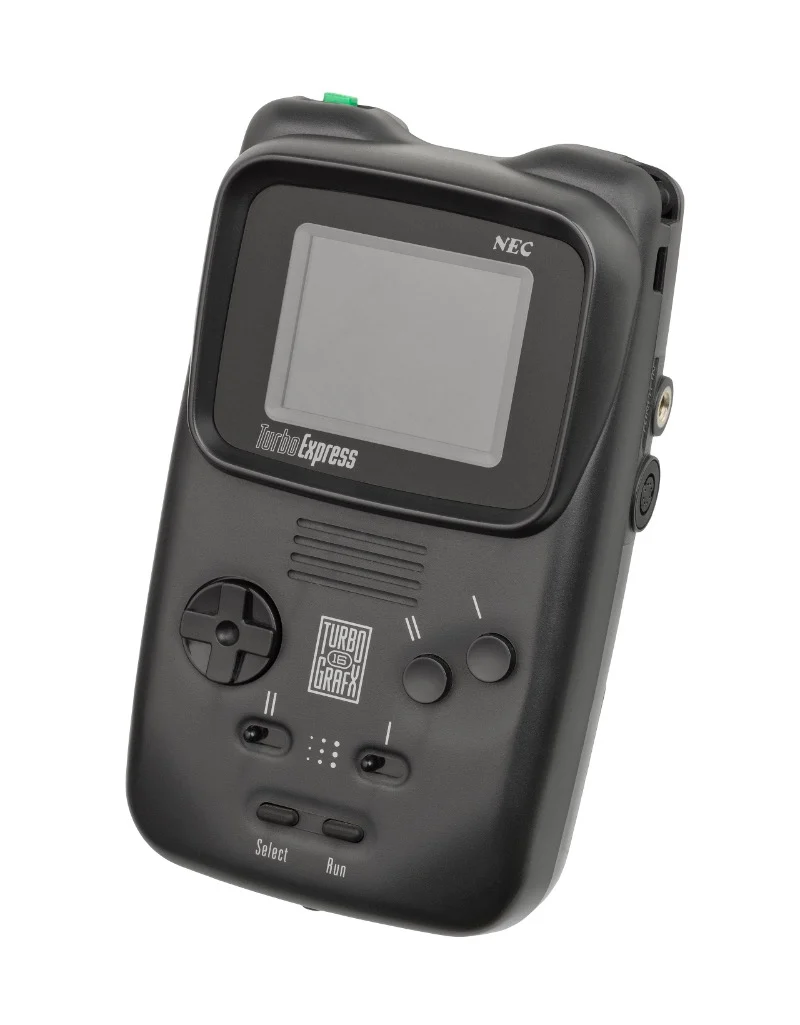
The ‘TurboExpress’ functioned as a portable version of the home console ‘TurboGrafx-16’ and played the exact same game cards. This device allowed gamers to take their home library on the road without needing to buy downgraded ports. An optional tuner accessory transformed the high quality screen into a portable color television. It was technically superior to its competitors but suffered from a high price point and excessive battery consumption. The concept of playing full home console games on a handheld was strictly visionary.
‘Sega Nomad’ (1995)
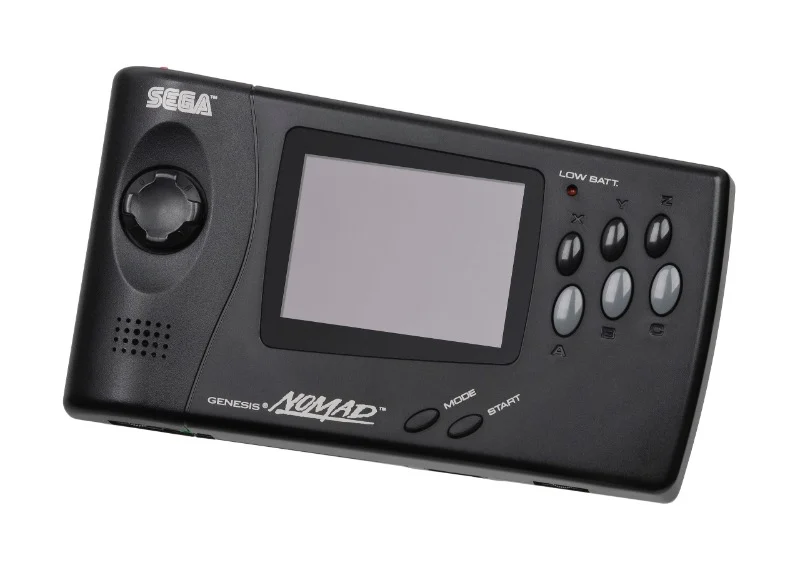
Sega released the ‘Nomad’ exclusively in North America as a portable variation of the ‘Sega Genesis’. The handheld played standard home cartridges and featured a controller port for a second player to join the action. Users could plug the device directly into a television set to use it as a standard home console. It struggled in the marketplace due to poor timing and the impending release of 32-bit systems. This hybrid functionality anticipated the switch capability seen in modern hardware.
‘WonderSwan’ (1999)
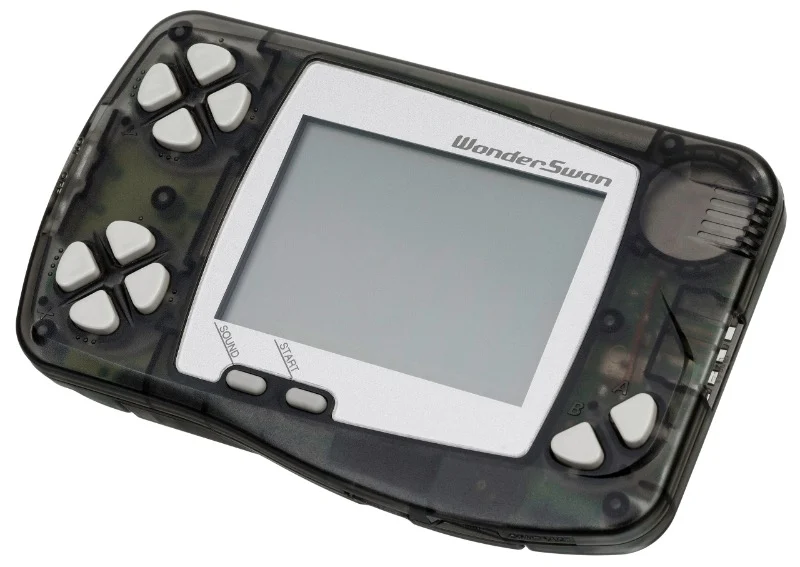
Gunpei Yokoi designed the ‘WonderSwan’ to offer a monochrome experience with exceptional battery life running on a single AA battery. The button layout allowed players to hold the device horizontally or vertically depending on the specific game requirements. Many titles utilized this unique orientation feature to create tall vertical shooters or standard platformers. It competed strongly in Japan against Nintendo due to its low price point and unique library. Later models eventually added a color screen to keep up with market trends.
‘Nokia N-Gage’ (2003)
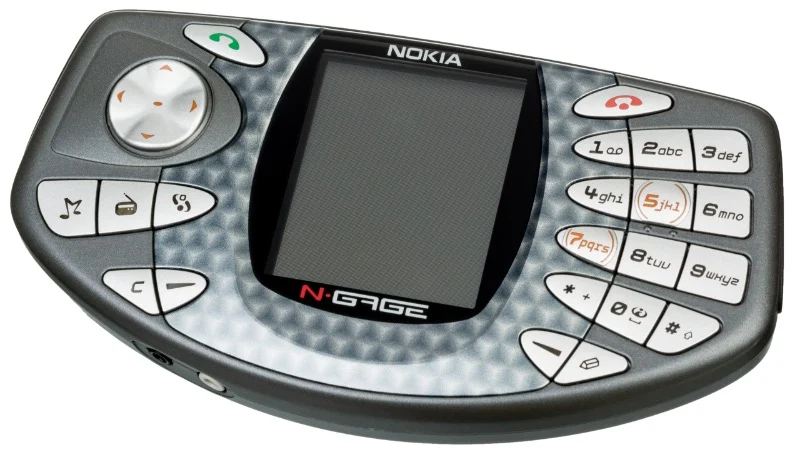
Nokia attempted to bridge the gap between mobile phones and gaming handhelds with the release of the ‘N-Gage’. The device featured full phone functionality alongside a card slot for dedicated retail games. It offered Bluetooth multiplayer and online functionality through the N-Gage Arena service well before these features were standard. Design flaws like side talking and difficult battery removal hindered its commercial success. This device correctly predicted a future where smartphones would become the dominant portable gaming platform.
‘Tapwave Zodiac’ (2003)
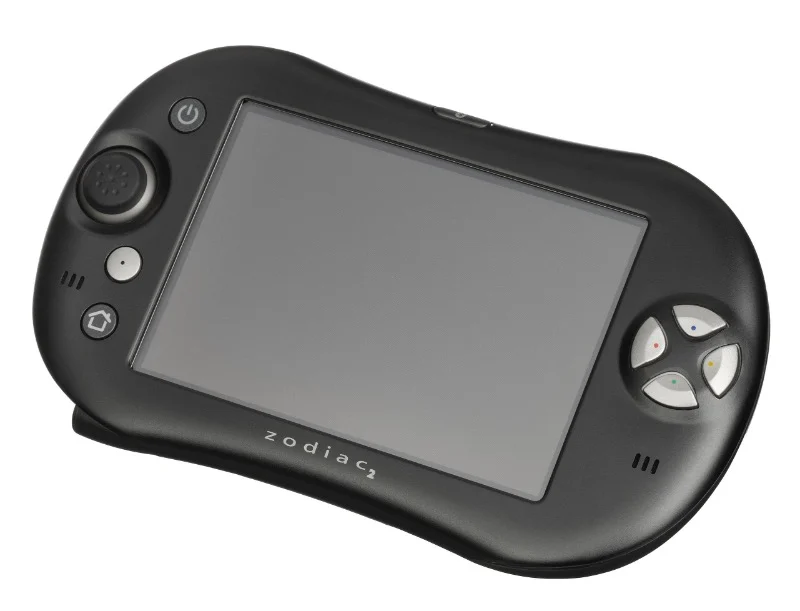
The ‘Tapwave Zodiac’ operated on the Palm OS and positioned itself as a high-end multimedia entertainment device. It featured a dedicated analog stick and triggers while offering video playback and music capabilities. The metal construction and high resolution touch screen provided a premium feel that stood out against plastic toys. Developers could utilize 3D graphics hardware that was surprisingly powerful for the early 2000s. It failed to gain retail traction but showcased the convergence of PDA productivity and serious gaming.
‘PlayStation Portable’ (2004)
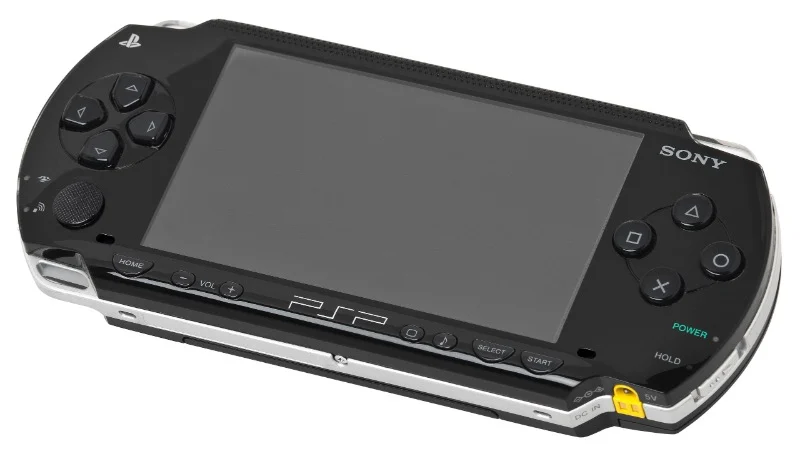
Sony entered the handheld market with the ‘PlayStation Portable’ and delivered near home console quality graphics. The system utilized Universal Media Discs for games and full length movies to create a true multimedia machine. It featured built-in Wi-Fi connectivity for web browsing and online multiplayer gaming. The sleek design and large widescreen display attracted an older demographic of gamers. This device proved that a non-Nintendo handheld could succeed globally by offering premium features.
‘Gizmondo’ (2005)
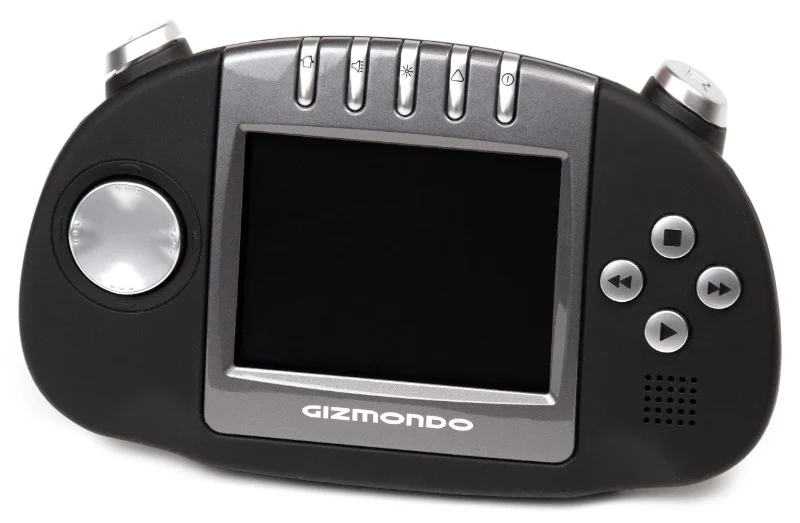
Tiger Telematics released the ‘Gizmondo’ with an array of features including GPS and a built-in camera. The system utilized augmented reality technology for games that required players to move around in the real world. It supported text messaging and email through GPRS data connections. The device is often remembered for the criminal scandals surrounding its executives rather than its hardware. Its location based gameplay concepts were years ahead of the mobile phenomenon ‘Pokémon GO’.
‘PlayStation Vita’ (2011)
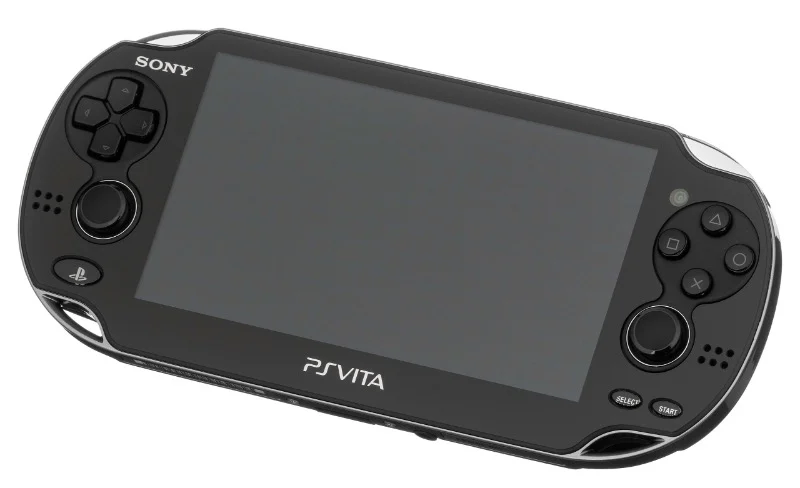
The ‘PlayStation Vita’ launched with a stunning OLED touch screen and a rear touch pad for unique control inputs. It offered dual analog sticks which solved a major complaint regarding camera control in portable action games. The system supported Remote Play which allowed users to stream games from their home console. Proprietary memory cards and a lack of support from major western developers limited its lifespan. The hardware remains a cult favorite for its premium build and early adoption of cross-buy digital ecosystems.
Tell us which of these innovative handhelds you wish you had kept in your collection in the comments.