

Hidden Areas Developers Never Intended You To Find

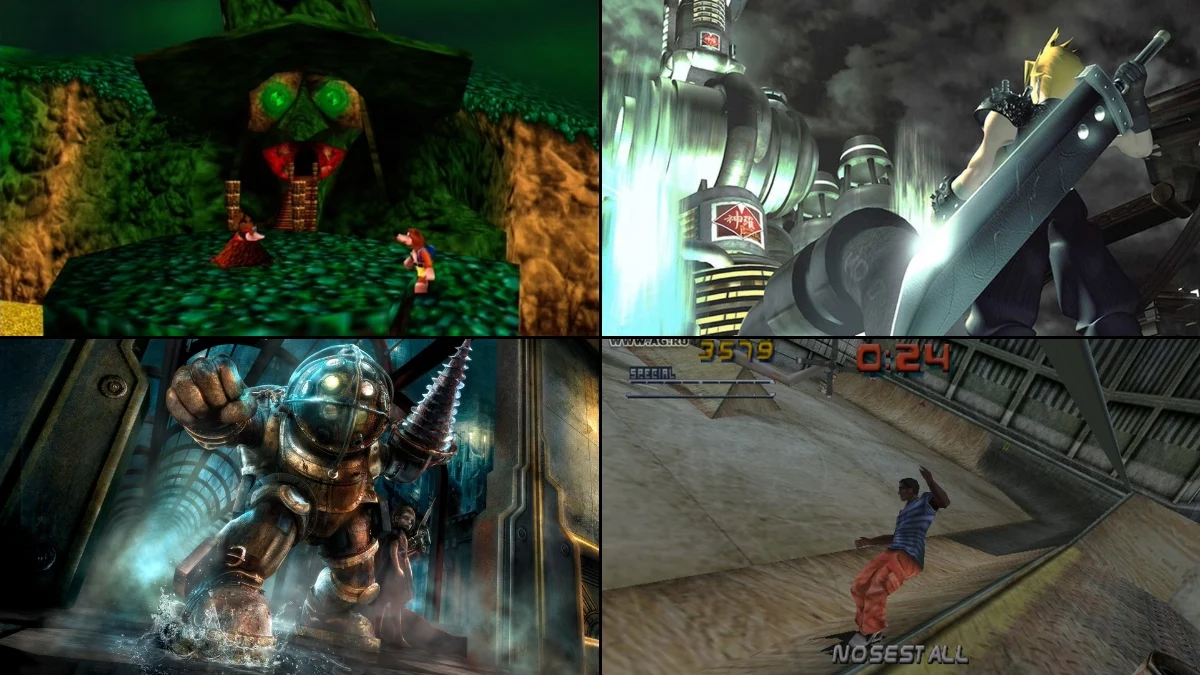


Video games are complex pieces of software that often contain secrets buried deep within their code. Developers create test rooms and failsafes during production that are meant to be removed or hidden before the game ships. Curious players inevitably find ways to break boundaries and explore these forbidden zones through glitches or hacks. These discoveries offer a fascinating look into the development process and the digital scraps left on the cutting room floor.
‘Super Mario Bros.’ (1985) – Minus World

Nintendo inadvertently created one of the most famous glitch levels in gaming history due to a coding error. Players can access this infinite underwater loop by performing a specific crouch jump maneuver through a solid wall in World 1-2. The game code misinterprets the destination and sends Mario to a level designation that appears as a blank space and a number. This unintentional area continues endlessly until the player runs out of lives or resets the console.
‘World of Warcraft’ (2004) – GM Island

Blizzard Entertainment created a secluded zone known as GM Island to serve as a disciplinary area and support hub for Game Masters. This remote location exists far off the coast of Teldrassil and was never meant to be seen by regular players. Enterprising users found ways to reach the island through exploration exploits or private servers before the developers increased security. The zone features unique architecture and vendor NPCs that sell testing gear or high-level items.
‘GoldenEye 007’ (1997) – The Citadel
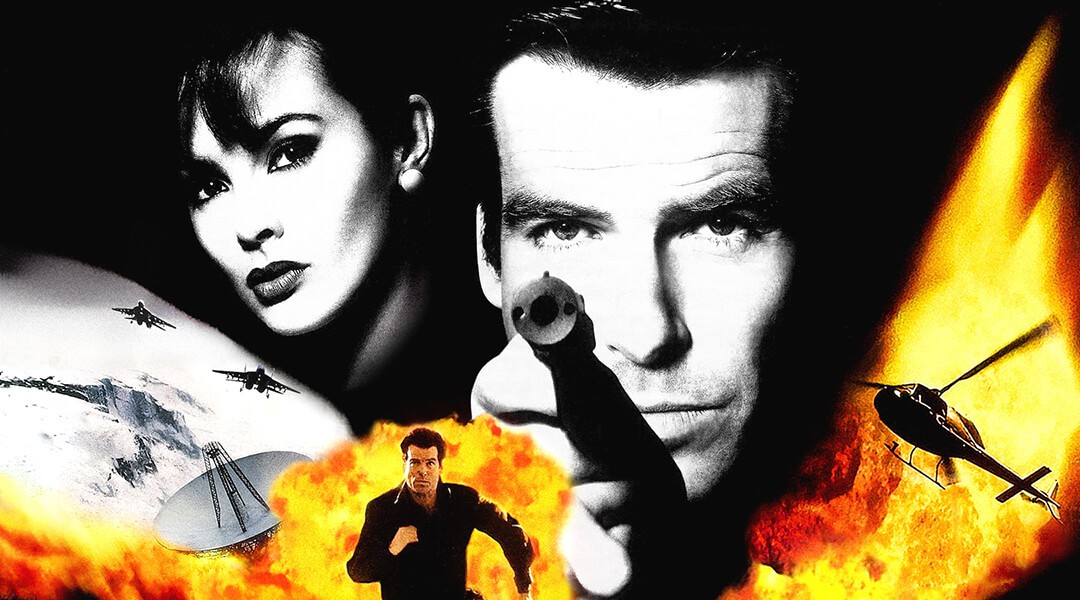
Rare developed a multiplayer map known as the Citadel that was never properly finished or linked to the main menu. Players utilizing a GameShark device discovered they could access this rough terrain that features steep ramps and unfinished textures. The geometry suggests it was intended for a specific gameplay mode that was scrapped during development. It remains one of the most discussed cut areas in the history of the Nintendo 64 library.
‘Grand Theft Auto III’ (2001) – Ghost Town
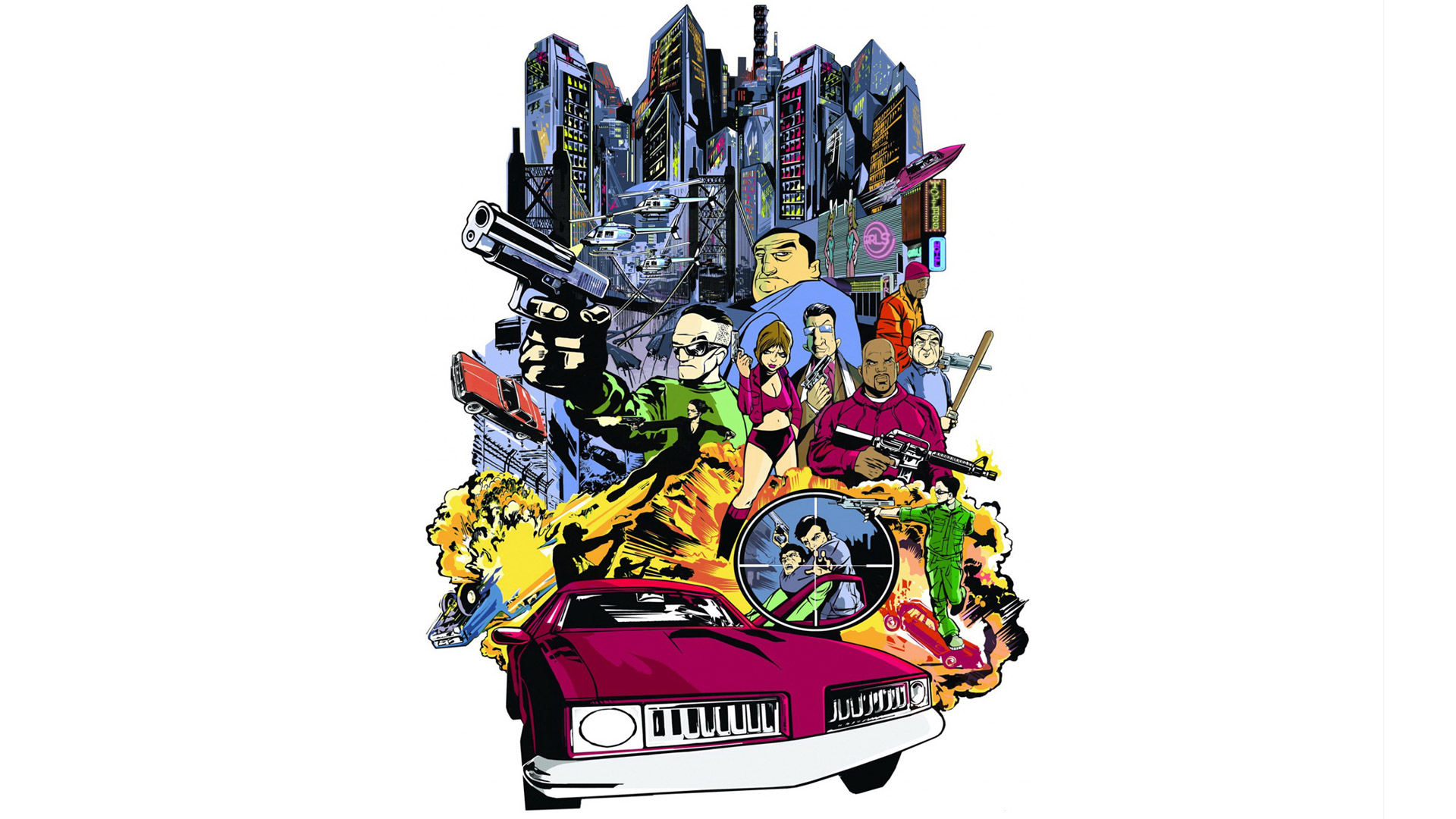
Rockstar North built a small section of Liberty City specifically for the opening cutscene of the game. This area is colloquially known as Ghost Town and sits unconnected to the main map behind the hills of Shoreside Vale. The developers did not give the buildings collision data because players were never supposed to fly a Dodo plane that far out. Accessing this hidden locale requires precise flying skills to navigate the void surrounding the playable city.
‘The Elder Scrolls V: Skyrim’ (2011) – Dead Body Cleanup Cell
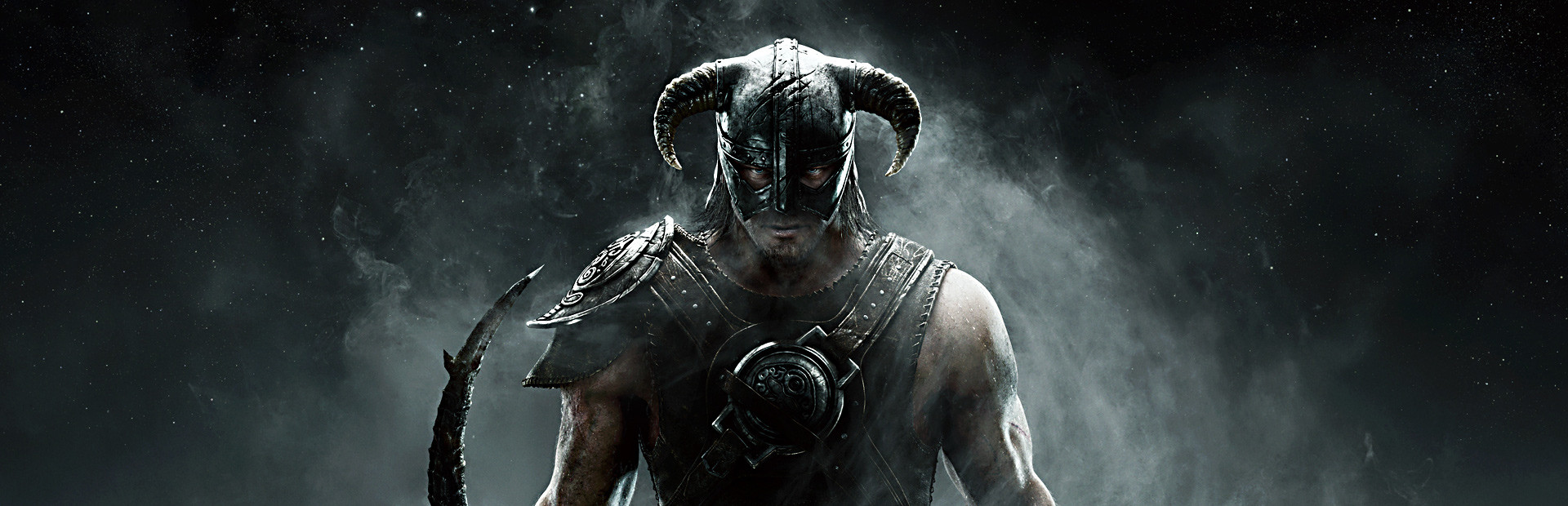
Bethesda Game Studios designed a specific cross-shaped room to handle the data of deceased NPCs. The game engine transports the bodies of named characters to this unlit room to prevent memory overload in the main world. Players on the PC version can access this macabre area by typing specific console commands. The room contains chests filled with the items that the characters held when they died.
‘Final Fantasy VII’ (1997) – The Debug Room
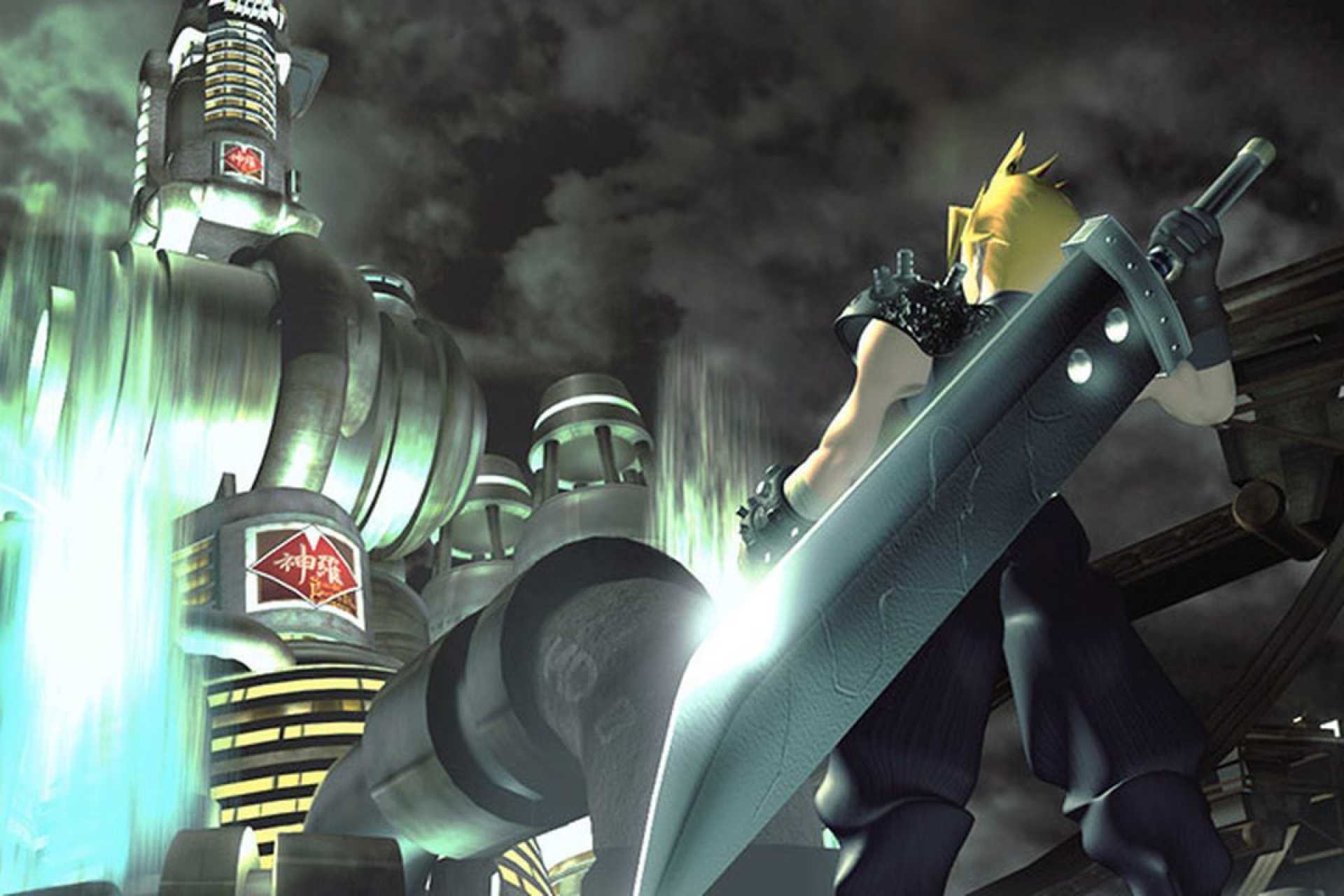
Square designed a series of rooms to test various game mechanics and plot flags during the development of this role-playing classic. Players can access these debug rooms by using a GameShark code to bypass the normal game script. The rooms feature dialogue options that allow users to jump to any point in the story or acquire any item. Aerith often appears as the guide character who helps navigate these technical menus.
‘Pokémon Red’ (1996) – Glitch City

Game Freak programmed strict boundaries for maps but certain exploitation of the Safari Zone mechanics allows players to bypass them. Performing a specific sequence of saving and resetting creates a corrupted map filled with scrambled tiles and impassable barriers. This area is popularly called Glitch City and exists due to the game loading the wrong map data for the player location. Navigating this space is difficult and can sometimes lead to the game crashing entirely.
‘Fallout 76’ (2018) – Developer Room
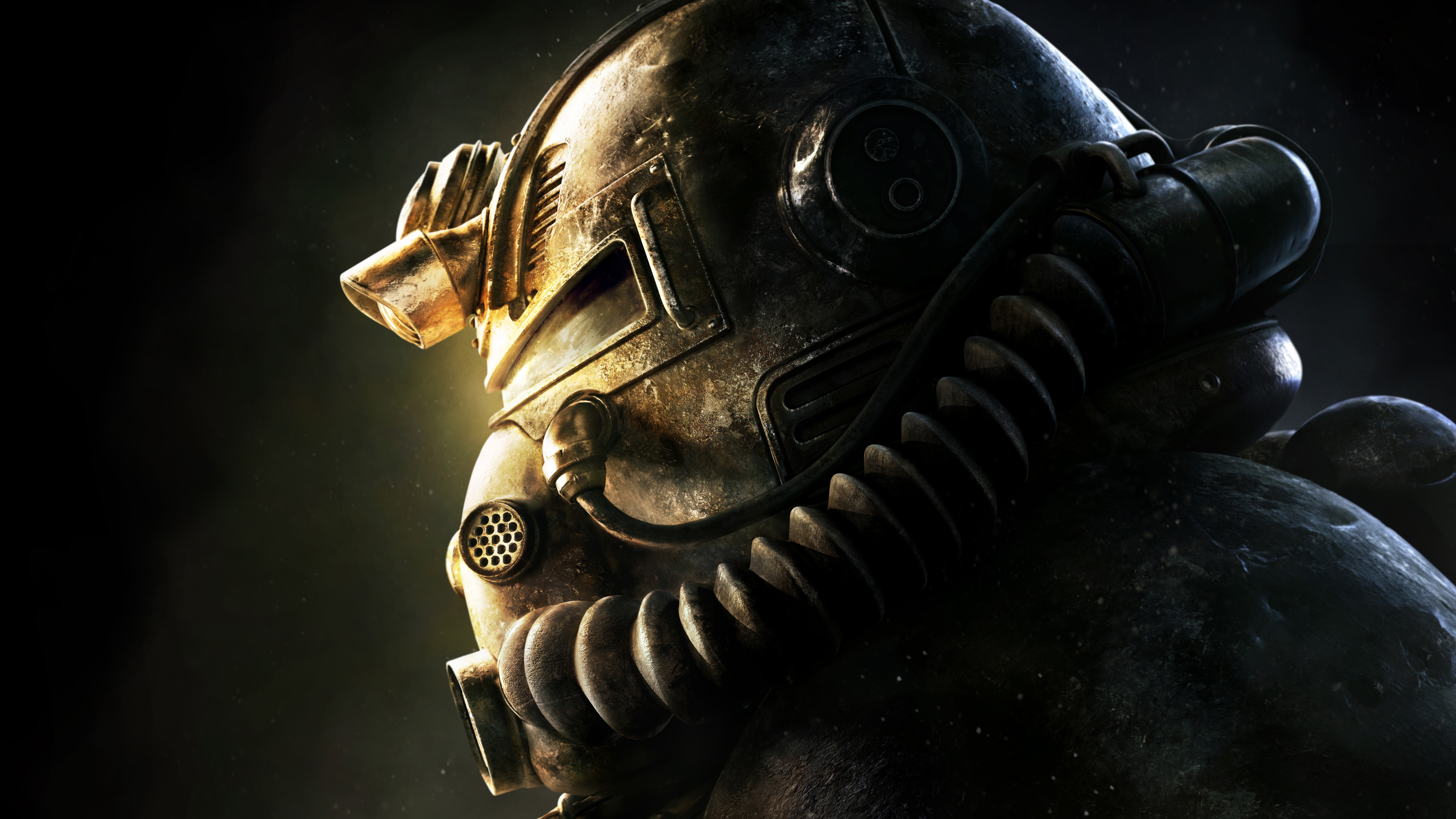
Bethesda Softworks included a secret testing area in the live game code that contained every item available in the title. Players managed to glitch into this room and found unreleased weapons and power armor variants. The developers eventually banned accounts that accessed the zone because obtaining the items disrupted the in-game economy. This room serves as a warehouse where the team tests new content before public release.
‘Half-Life 2’ (2004) – The E3 Demo Maps
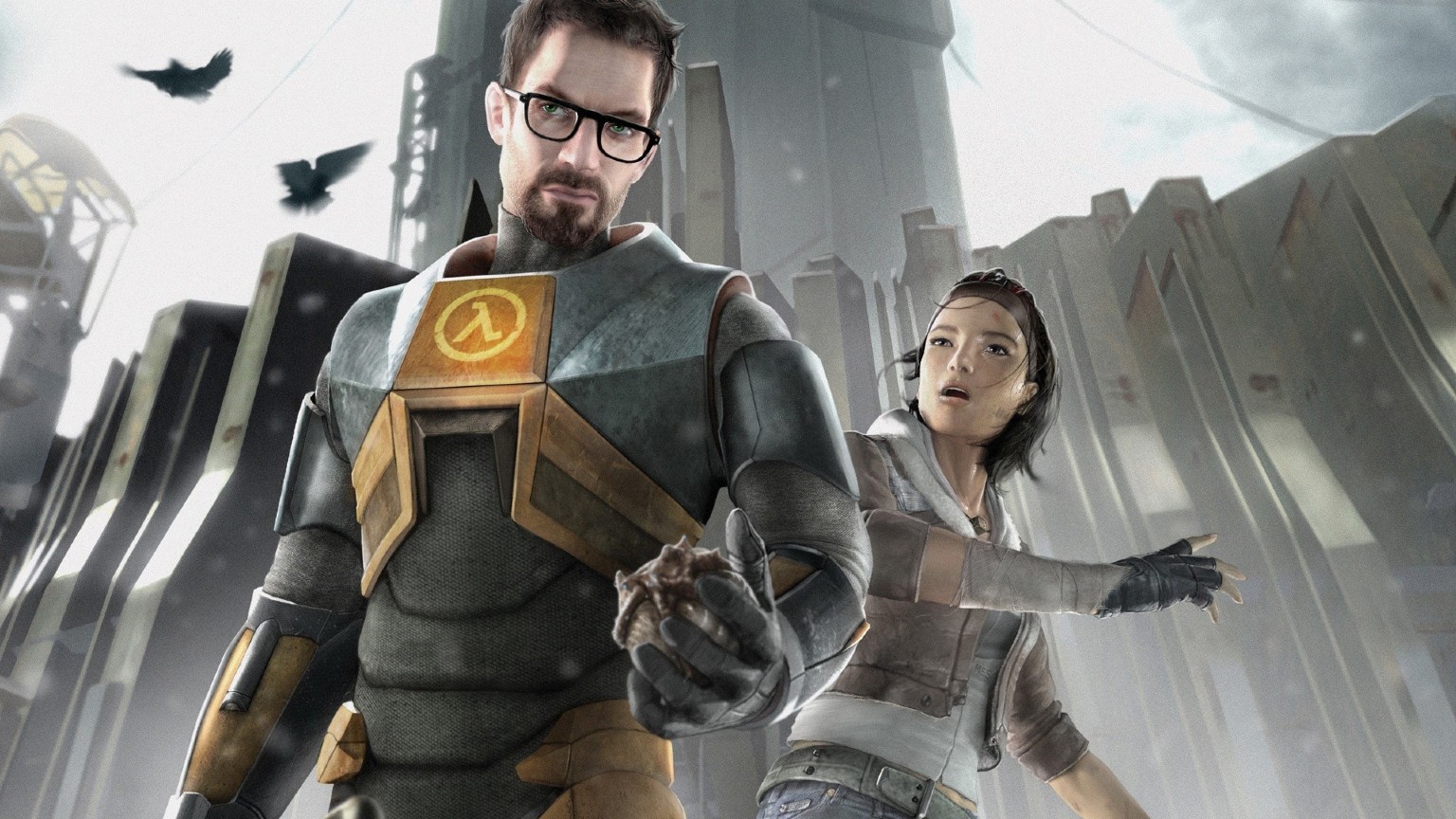
Valve included map files in the final release that corresponded to the tech demos shown at E3 prior to launch. Players can load these maps via the developer console to see earlier versions of the City 17 levels. These areas feature scripted sequences and enemy placements that were cut from the final storyline. The geometry often lacks final polish and textures seen in the retail version of the game.
‘BioShock’ (2007) – The Hunting The Big Daddy Level
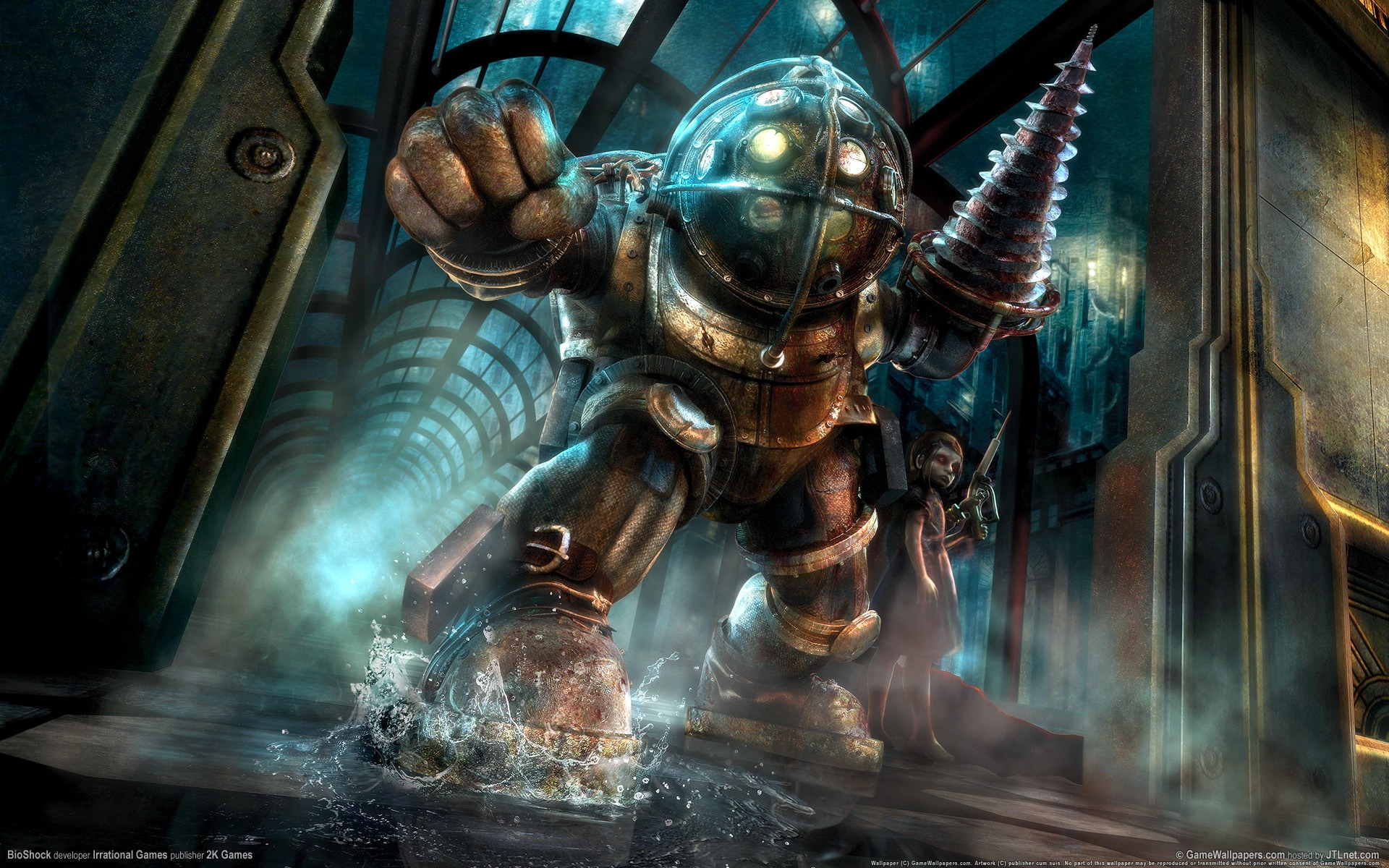
2K Boston left an unused level in the game files that appears to be a vertical slice intended for testing. Players can access this map through console commands to find three distinct challenge rooms. The area features untextured walls and geometry that looks significantly different from the art deco style of Rapture. It provides a glimpse into the early prototyping phase where the developers refined the combat encounters.
‘The Legend of Zelda: A Link to the Past’ (1991) – The Chris Houlihan Room
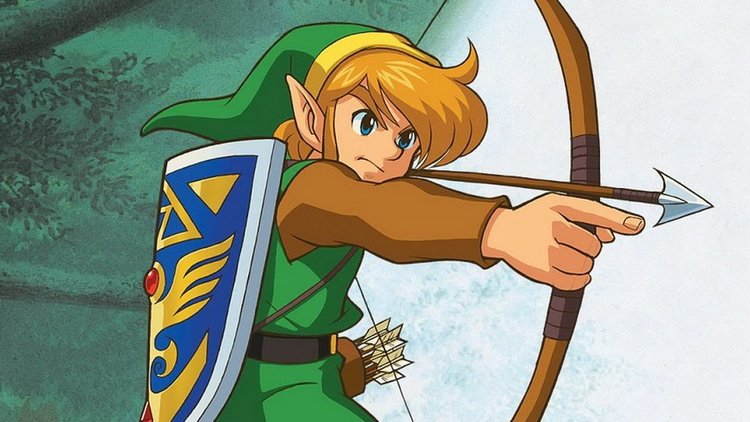
Nintendo included a failsafe room in the code to handle coordinate errors when Link falls into a hole. The game sends the player to a secret room filled with Rupees if it cannot determine where the character should land. A tile on the wall identifies the room as belonging to Chris Houlihan who won a contest in Nintendo Power magazine. This area acts as a safety net to prevent the game from crashing during unexpected transitions.
‘Sonic the Hedgehog 2’ (1992) – Hidden Palace Zone

Sega Technical Institute originally planned for a level called Hidden Palace Zone that was removed before launch. The data for this zone remained buried in the cartridge and could be accessed via Action Replay codes. The level features a unique soundtrack and different badnik enemies that do not appear elsewhere in the game. Mobile ports of the game eventually restored this lost zone as a fully playable level years later.
‘Bloodborne’ (2015) – The Cut Boss Arenas
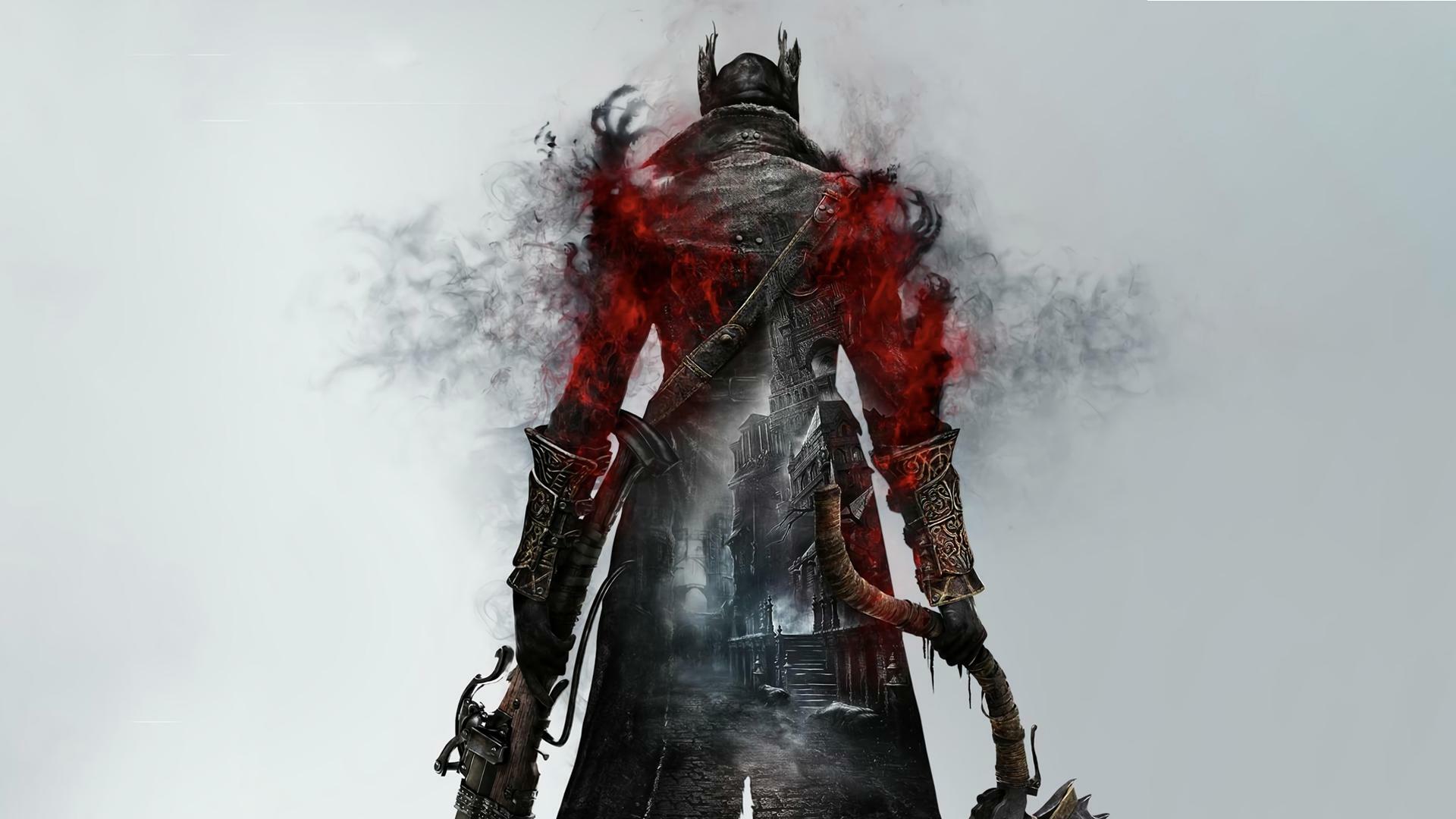
FromSoftware created several boss encounters that were removed from the final version of the game but remained in the disc data. Data miners accessed these chalice dungeons to fight unfinished enemies like the Great One Beast. The arenas often lack proper collision detection or finished textures on the surrounding walls. These discoveries shed light on the lore and creature designs that the developers decided to abandon.
‘Fallout: New Vegas’ (2010) – The Ron The Narrator Room
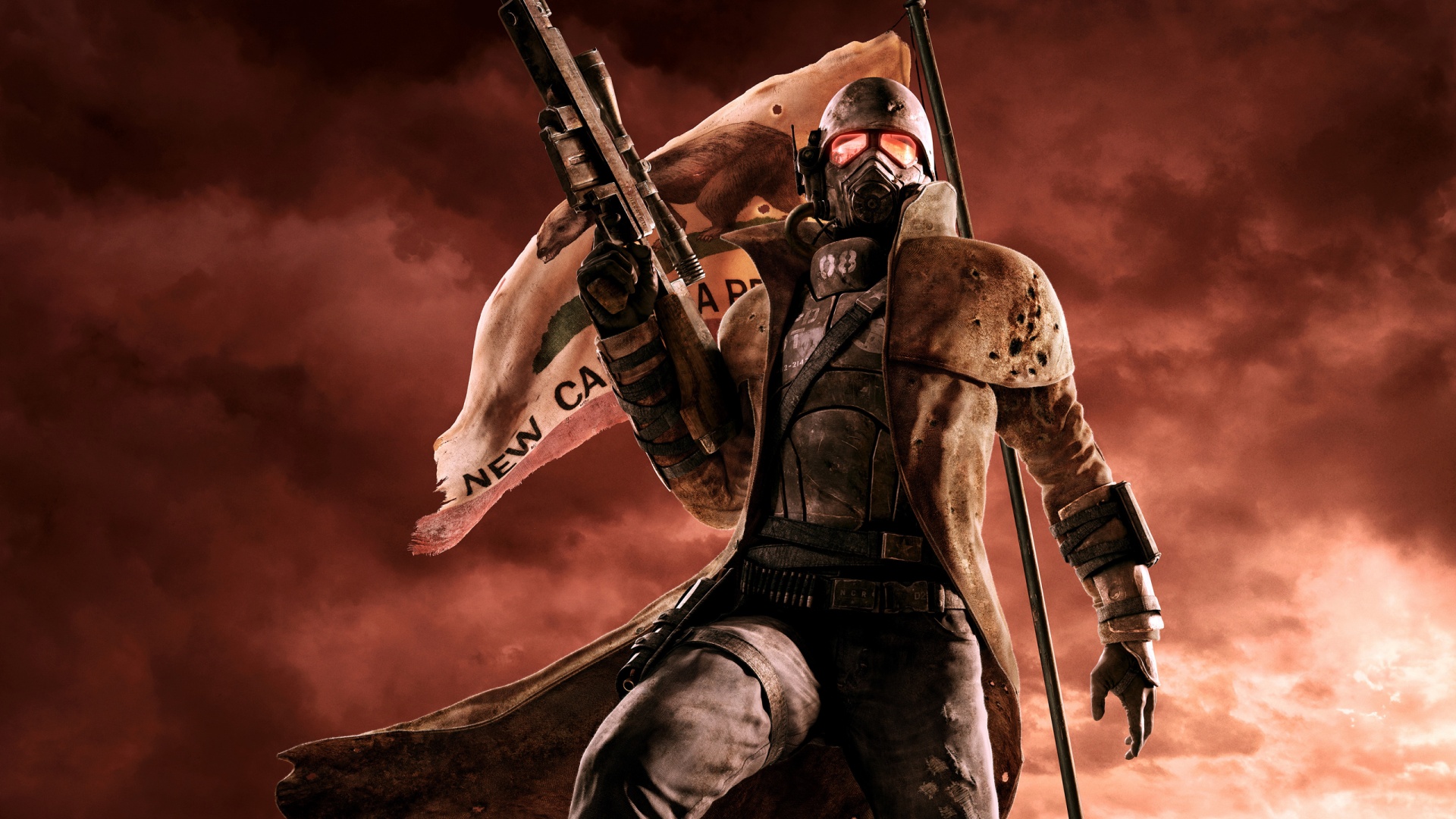
Obsidian Entertainment used a physical NPC hidden off-screen to provide the narration for the ending slides of the game. This character is named Ron the Narrator and stands in a small black room while speaking the final dialogue lines. Players using noclip commands on the PC version can travel to this void space to find him. Killing this NPC during the ending sequence will cause the narration to stop immediately.
‘Destiny’ (2014) – The Terminus
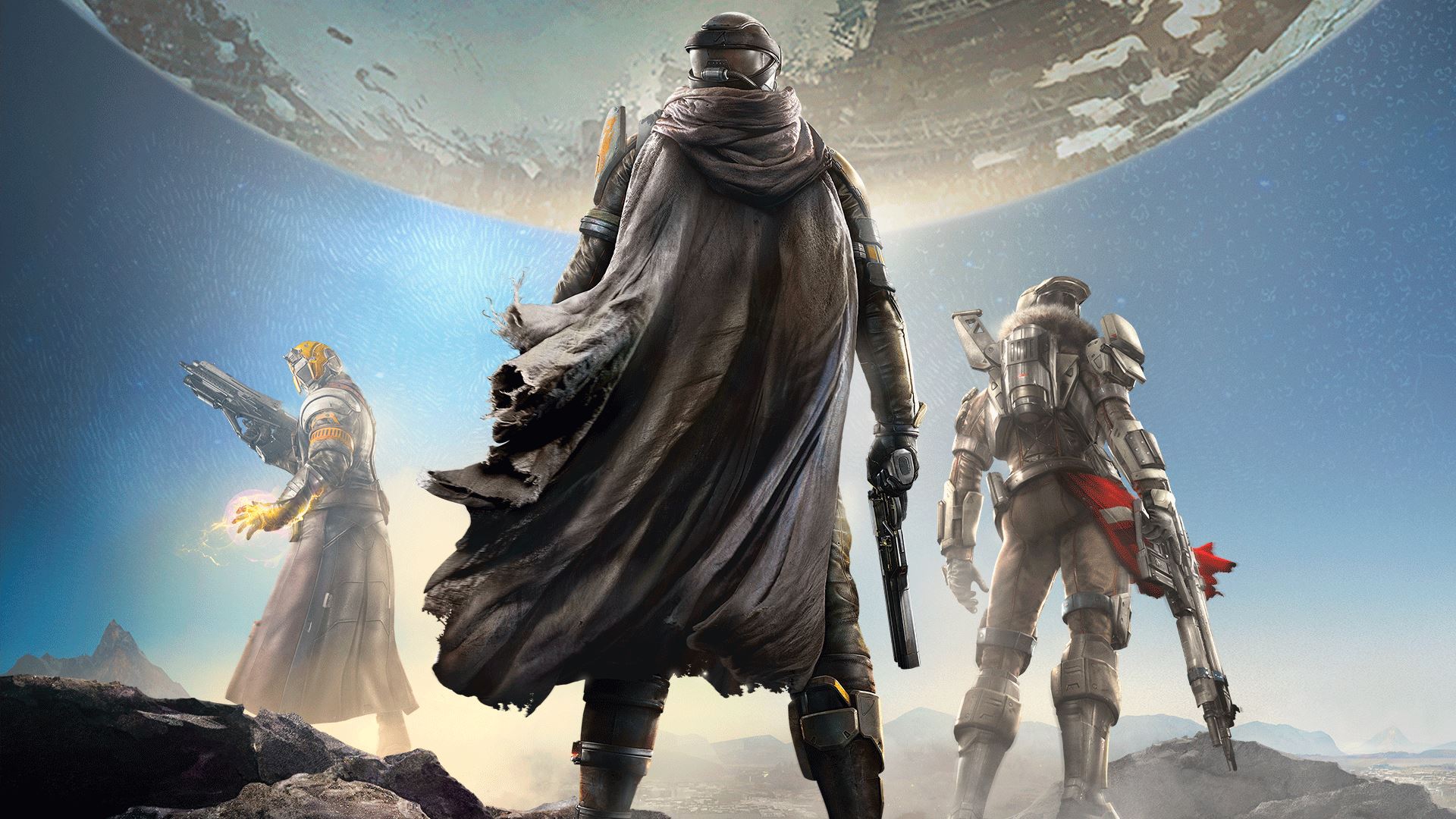
Bungie sealed off an area on Venus known as The Terminus that was intended for a future expansion pack. Players found a way to jump up the gravity lift meant for the House of Wolves DLC before it was released. The location featured finished geometry and lighting but lacked enemies or loot chests. Exploring this area early allowed guardians to see the architecture of the Citadel long before the official launch.
‘Banjo-Kazooie’ (1998) – The Ice Key Room
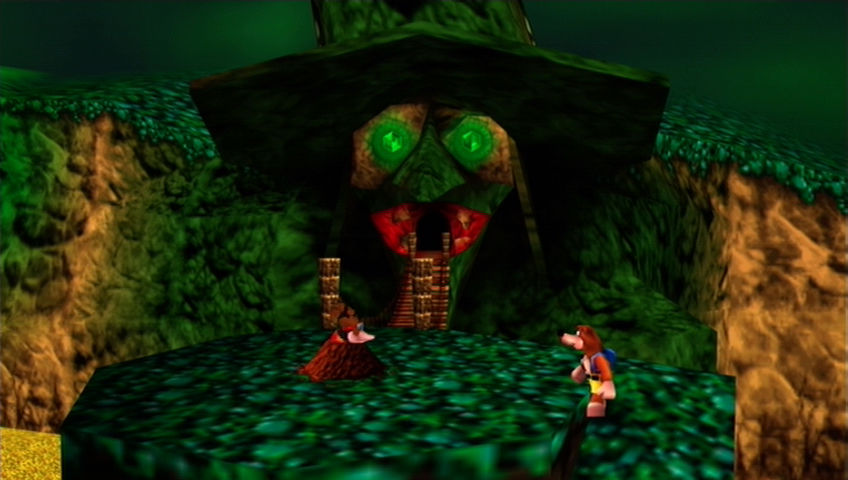
Rare placed a mysterious Ice Key inside a cave that was visible behind a transparent ice wall. The developers intended this to be part of a feature connecting to the sequel but the hardware functionality was never fully realized. Players could eventually reach the item using cheat codes or precise glitches to bypass the barrier. The area serves as a remnant of an ambitious connectivity plan that technical limitations rendered impossible.
‘Portal’ (2007) – The Camera Room

Valve creates the illusion of surveillance in the test chambers by using active cameras linked to textures. The game projects the view from these cameras onto screens by using inaccessible rooms hidden outside the map. Noclipping through the walls reveals these small boxes containing the camera entities filming the player. It is a clever rendering trick that the player is never supposed to witness directly.
‘Dark Souls III’ (2016) – The Placeholder Map
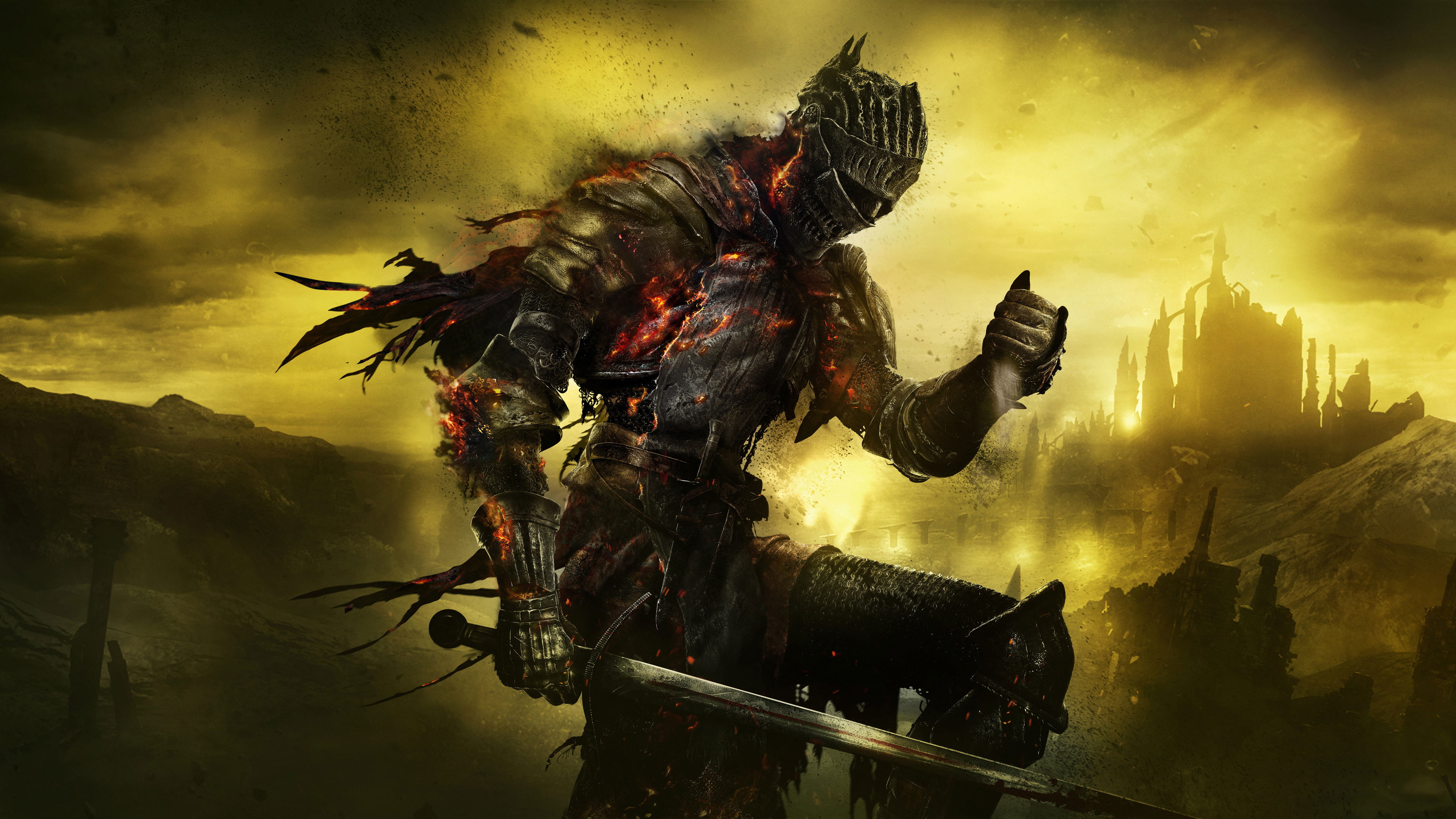
FromSoftware left a testing map in the game files that resembles a flat version of the Firelink Shrine. Players accessing this area via mods find a gray box environment used to test movement and lighting. The zone contains no enemies or items and serves purely as a technical playground for the engine. It demonstrates how the developers built the geometry blocks before applying the detailed art assets.
‘Tony Hawk’s Pro Skater 2’ (2000) – The Heaven Spot
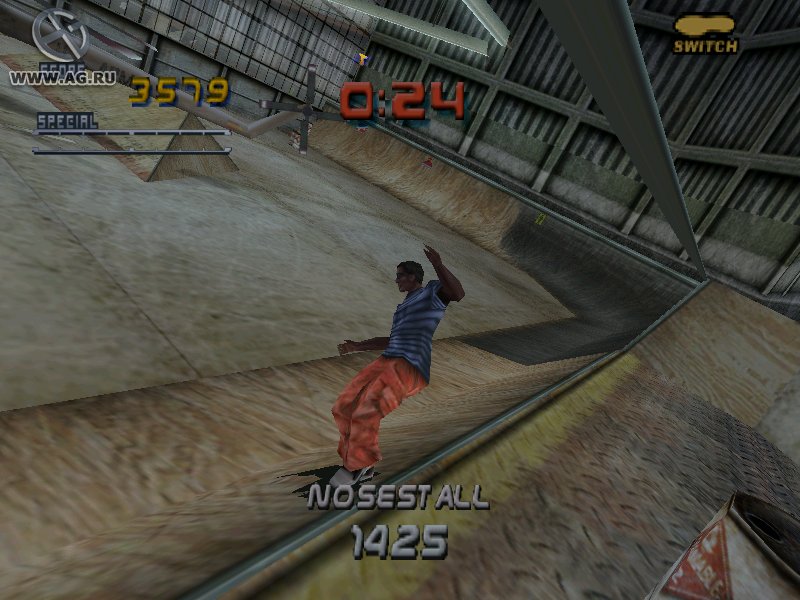
Neversoft released this skateboarding classic with a glitch that sends players high above the level geometry. Skaters can grind a specific rail in the Roswell level to launch themselves into the black void above the warehouse. This unintended area allows players to rack up millions of points by performing tricks while falling endlessly. The developers did not place a reset ceiling high enough to stop the character from ascending.
‘Gran Turismo 2’ (1999) – The Void

Polyphony Digital released the game with a glitch that allows players to drive off the track in the Tahiti Road course. Driving into the mountains at a specific speed launches the car into a chaotic void of corrupted graphics. The vehicle floats through scrambled colors and fragmented textures while the game attempts to render the world. This unintentional area highlights the limitations of the PlayStation hardware when handling out-of-bounds coordinates.
Tell us which of these hidden areas you would most like to explore in the comments.