

Top 20 Hilariously Bad Anime Dubs

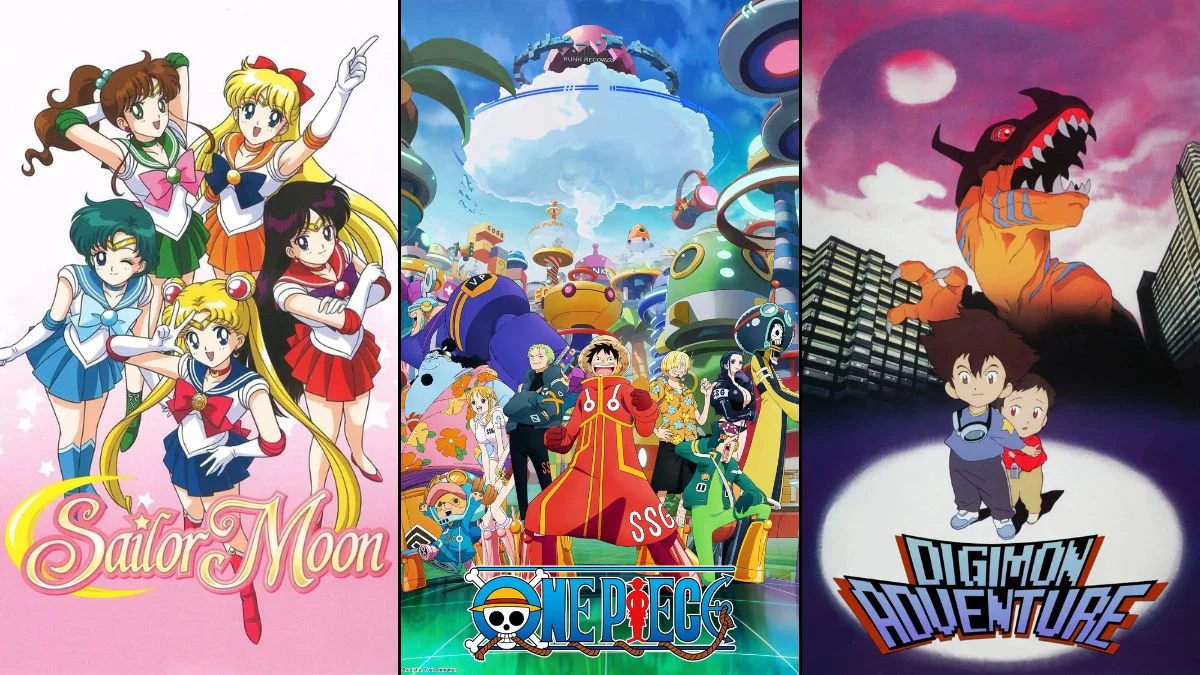


Some English language anime tracks became legends for all the wrong reasons. Production shortcuts, missing scripts, rushed schedules, strict TV standards, and regional marketing choices created versions that sound wildly different from what the creators intended. The results turned into cult curiosities that fans still trade clips of and dissect in comment threads.
This list looks at notorious dubs and explains what happened behind the scenes. You will find who licensed them, what changes they made, what viewers actually heard on broadcast or disc, and how later releases treated those choices. It is a tour through odd voice direction, heavy censorship, rewritten plots, swapped soundtracks, and the occasional accidental comedy that history refuses to forget.
‘Ghost Stories’ (2000–2001)
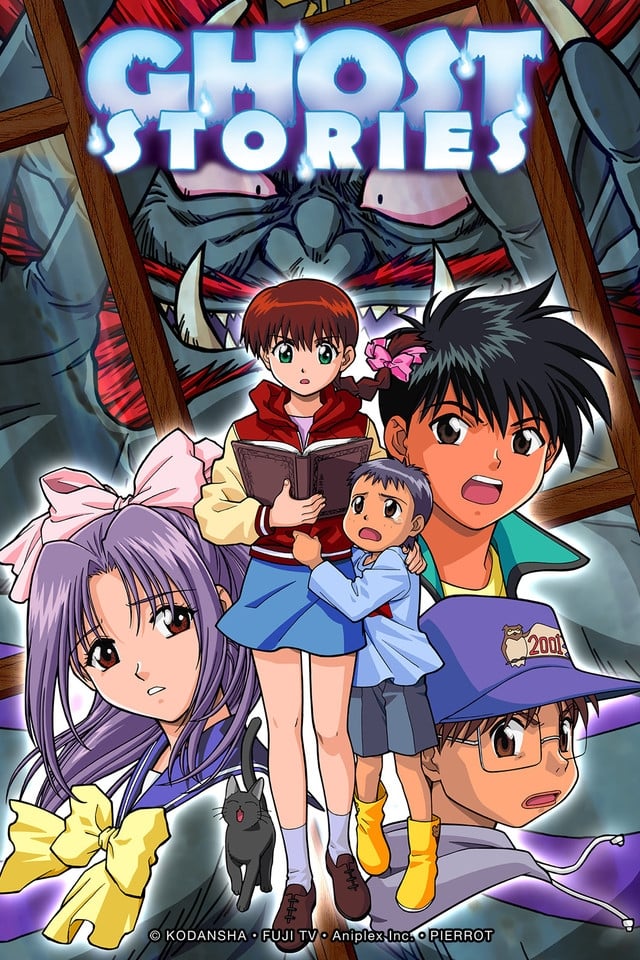
The Japanese broadcast struggled in ratings, which led to a unique arrangement when ADV Films acquired it for North America. The studio received unusual freedom from the rightsholder, so the English script was rebuilt around the plot skeleton while keeping character names and core story beats intact. Sessions encouraged ad libbing, which produced rapid fire pop culture gags and improvised one liners that never existed in Japanese.
Home video and streaming later preserved this approach alongside the subtitled option. The dub became a textbook example used at conventions to show how localization can drift from literal translation. Production notes and cast panels often highlight the open script policy, the voice director’s session format, and how loop groups filled silence to hit lip flaps on a tight schedule.
‘Samurai Pizza Cats’ (1990–1991)
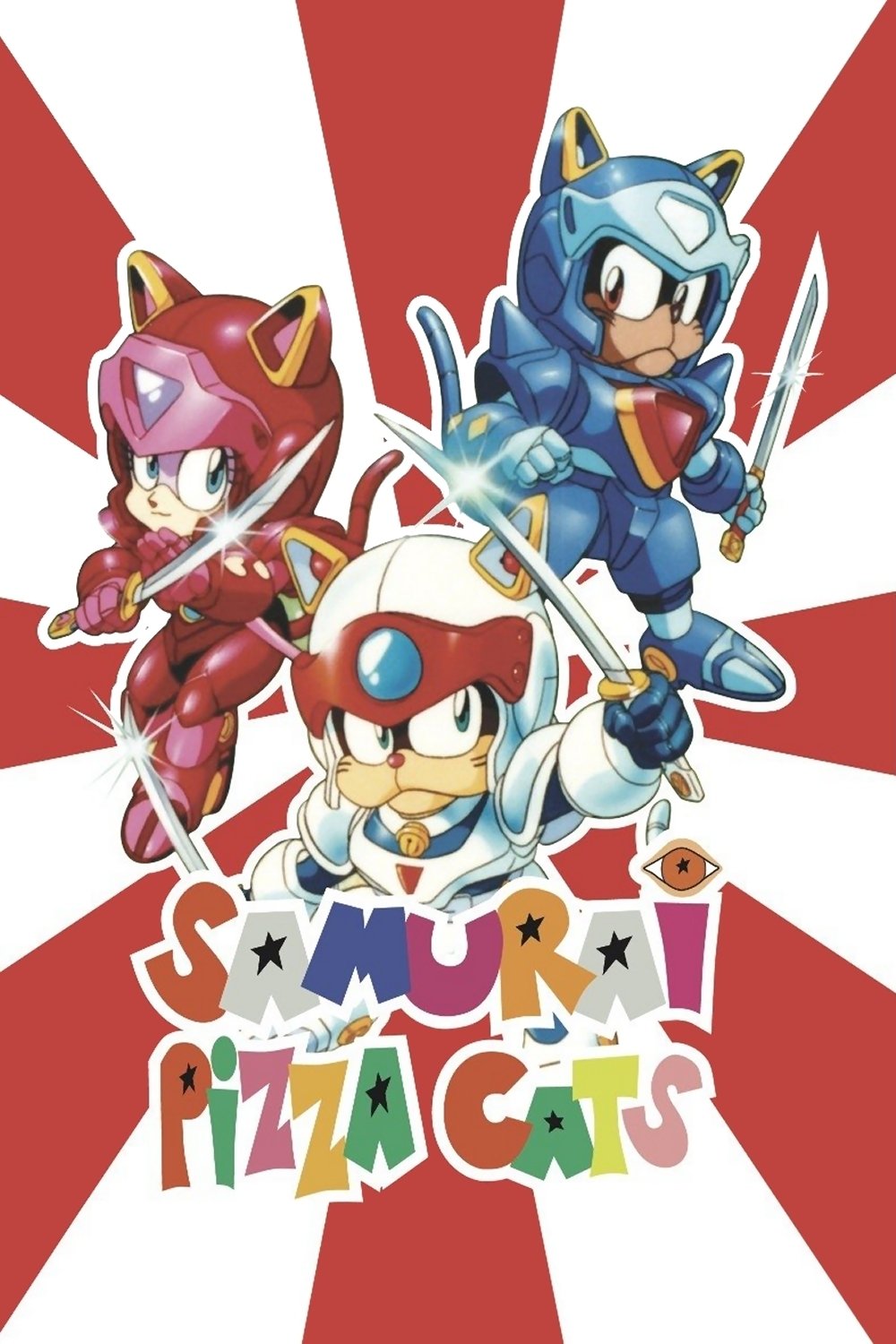
Saban licensed ‘Kyatto Ninden Teyandee’ but did not receive full scripts or clean music and effects tracks. Writers reconstructed each episode by watching raw footage and building entirely new dialogue that matched mouth movements. Jokes referenced American TV, advertising, and fourth wall narration, which created a comedic identity separate from the original tone.
Syndication packages delivered this version to local stations with a new theme, localized character names, and on screen graphics that pointed at the show’s own production. DVD sets and later archival efforts documented the absence of original materials that forced the rewrite, which explains why certain sequences use narrator dumps or meta commentary to bridge gaps.
‘One Piece’ (1999– )
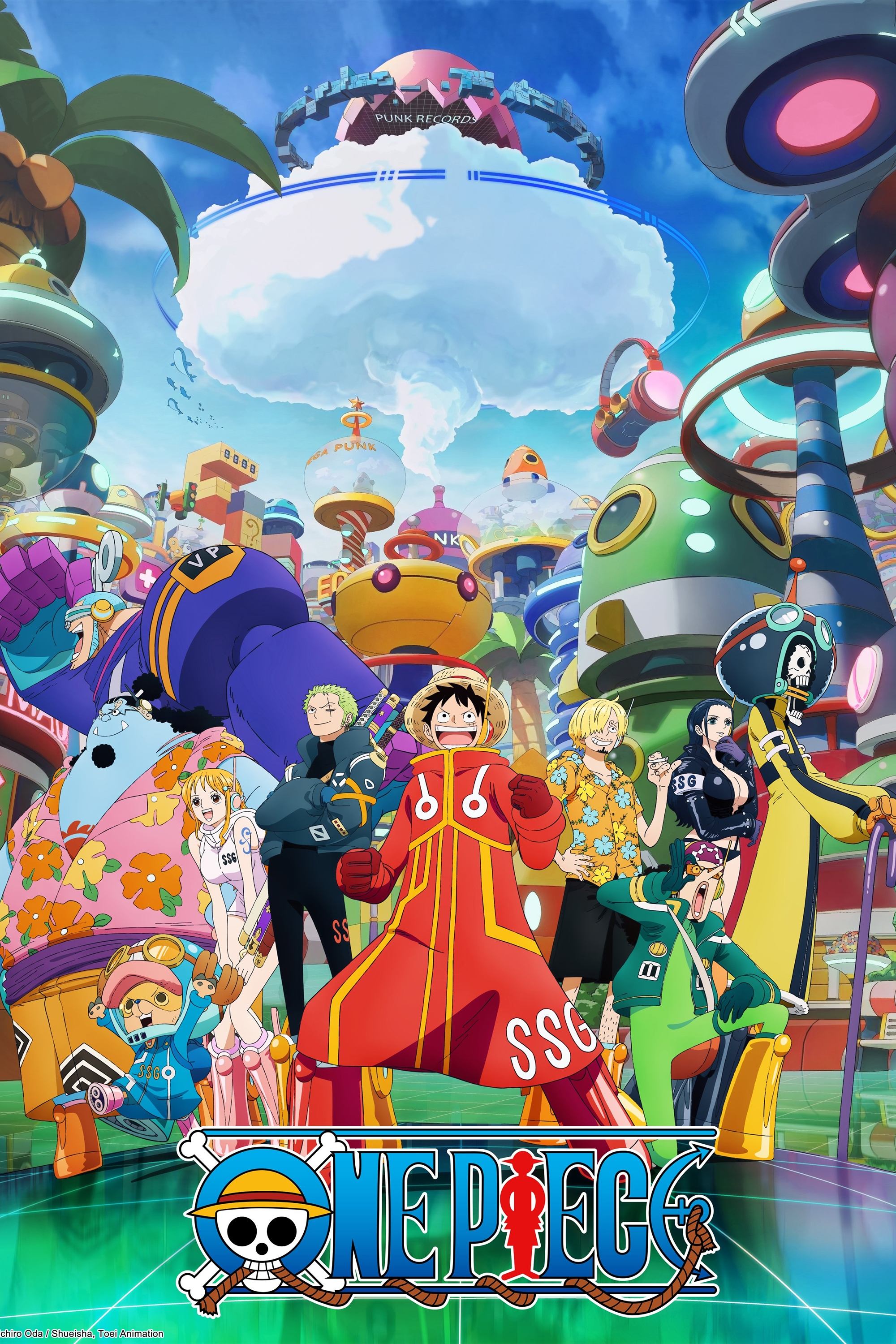
The early North American TV run came from 4Kids Entertainment with strict broadcast standards for daytime slots. Scripts softened violence, removed alcohol references, and replaced cigars with a lollipop for Sanji. Entire arcs were trimmed, opening themes were rewritten, and sound effects were swapped to meet network requirements and keep episodes within fixed time.
When Funimation took over, new casting and translation restored storylines and original names while redoing music cues. Disc releases mapped edited TV episodes to their uncut counterparts and clarified which scenes were previously removed. This shift explains why fans differentiate the 4Kids period from later home video and streaming presentations.
‘Sailor Moon’ (1992–1997)
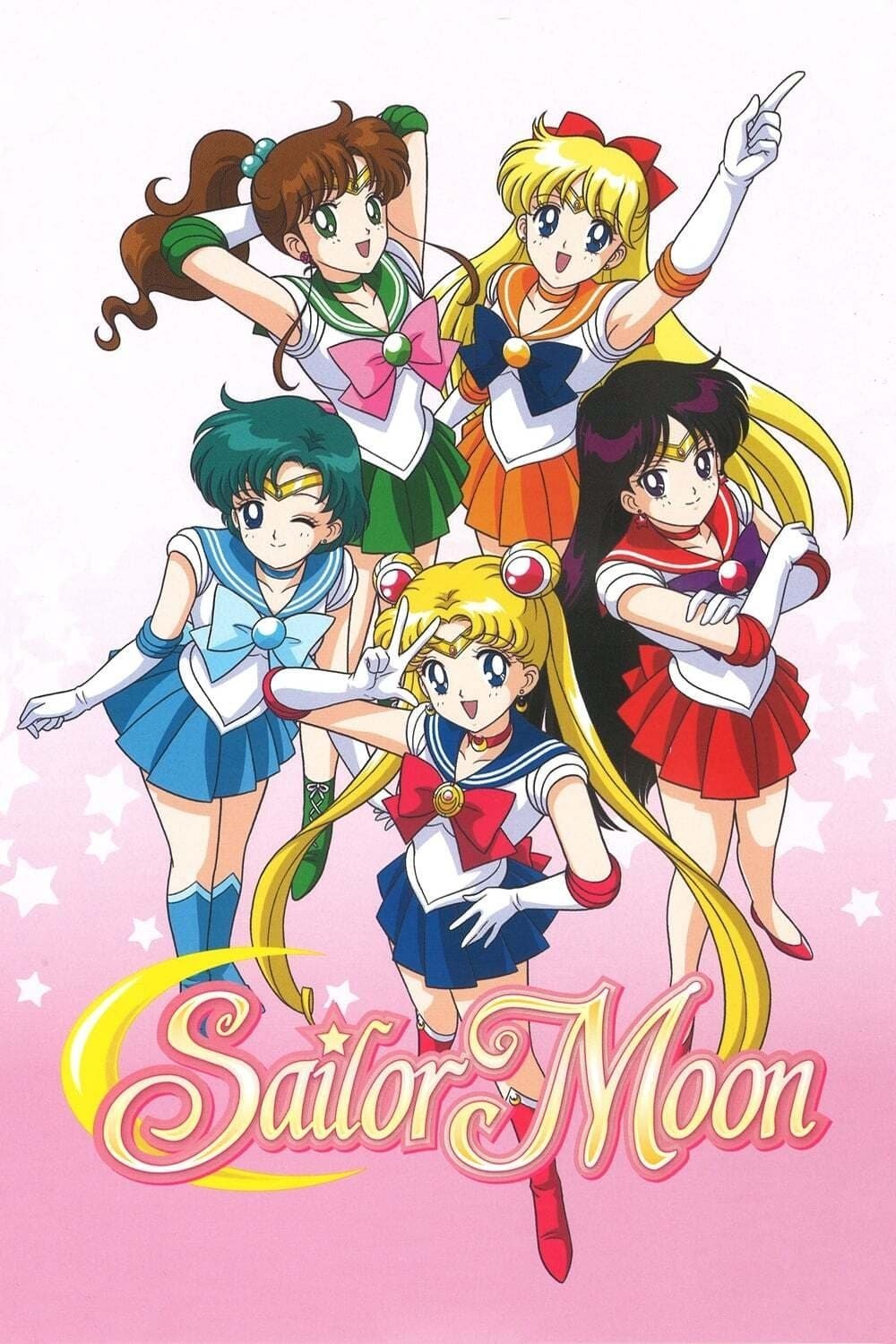
The DiC and later Cloverway versions localized character names and dialogue to fit mid ’90s children’s TV blocks. Relationship dynamics were altered, including changes to romantic pairings and the cousin rewrite for Haruka and Michiru in specific territories. Episodes were merged or skipped, and new music replaced the Japanese score across the run.
Subsequent releases by newer licensors restored episode order, original terminology, and character relationships while offering alternate subtitle tracks. Documentation from broadcast schedules shows which episodes were missing in first runs, which explains why early VHS collections had gaps and why later box sets marketed themselves as complete for the first time.
‘Cardcaptor Sakura’ (1998–2000)
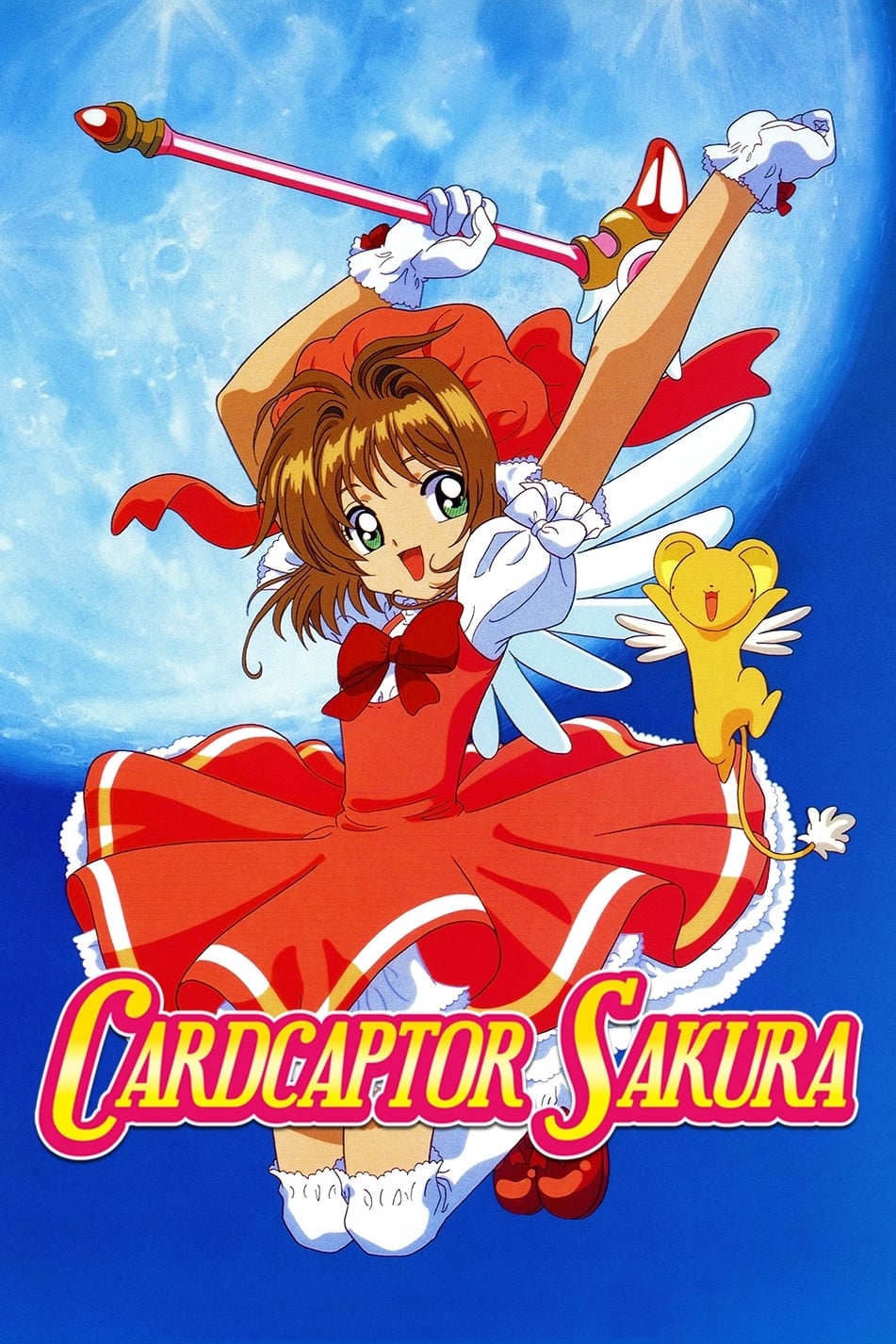
Nelvana’s ‘Cardcaptors’ re edit reordered episodes to emphasize action over character development. Early US airings began with a later episode to spotlight Syaoran, and scenes that focused on school life or relationships were reduced. Names, terminology, and the soundtrack were rebuilt to match weekend programming expectations.
International versions varied by region, so episode counts and numbering differ between airings, DVDs, and streaming catalogs. Restoration efforts by later licensors returned the original sequence and music, which is why guides often include side by side broadcast order versus production order for anyone trying to watch from the beginning.
‘Garzey’s Wing’ (1996–1997)
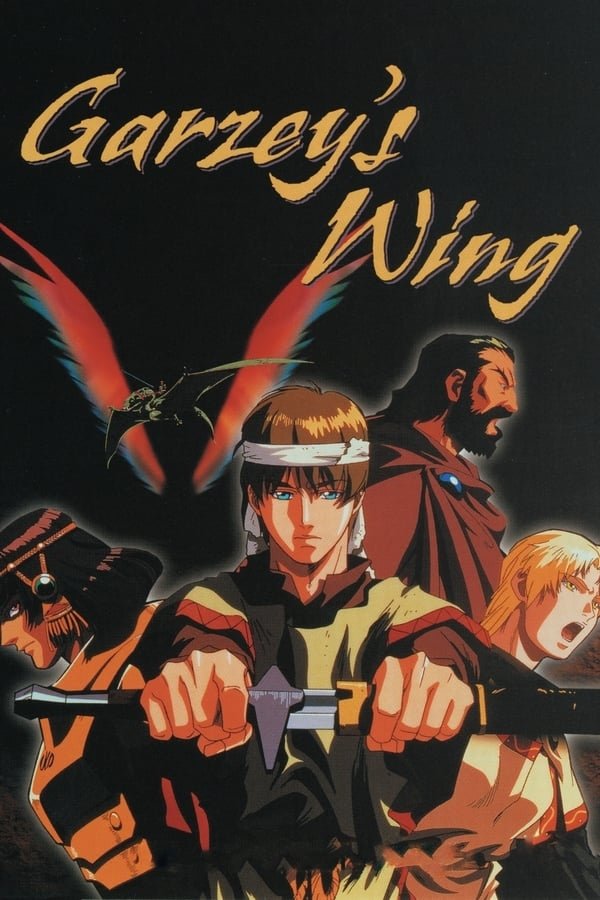
The OVA reached North America quickly during a period of fast turnarounds. The English track followed a literal translation with minimal adaptation for natural speech. Line readings were recorded to exact flap timings, which led to unusual phrasing and abrupt emphasis changes that stand out the moment the dialogue speeds up for action scenes.
Physical releases preserved the dub as created, and it became a reference point in panels about script adaptation. Commentaries and fan breakdowns often demonstrate how direct translations without conversational reshaping can be accurate to words on the page while sounding strained in performance.
‘Devilman’ (1987–1990)

The early English versions of the OVAs arrived through distributors working with limited materials. Dialogue was kept close to the literal meaning while trying to fit rapid lip movements and emotional extremes. That combination produced lines that sounded clipped or oddly formal, especially in confrontations where timing windows were tight.
Later reissues added subtitle options and, in some cases, alternate dubs, which makes it easy to compare the same scenes across tracks. Collectors note differences in audio mixing and noise floor between releases, which contributes to how certain screams and effects either overpower or undercut the spoken lines.
‘Fist of the North Star’ (1986)
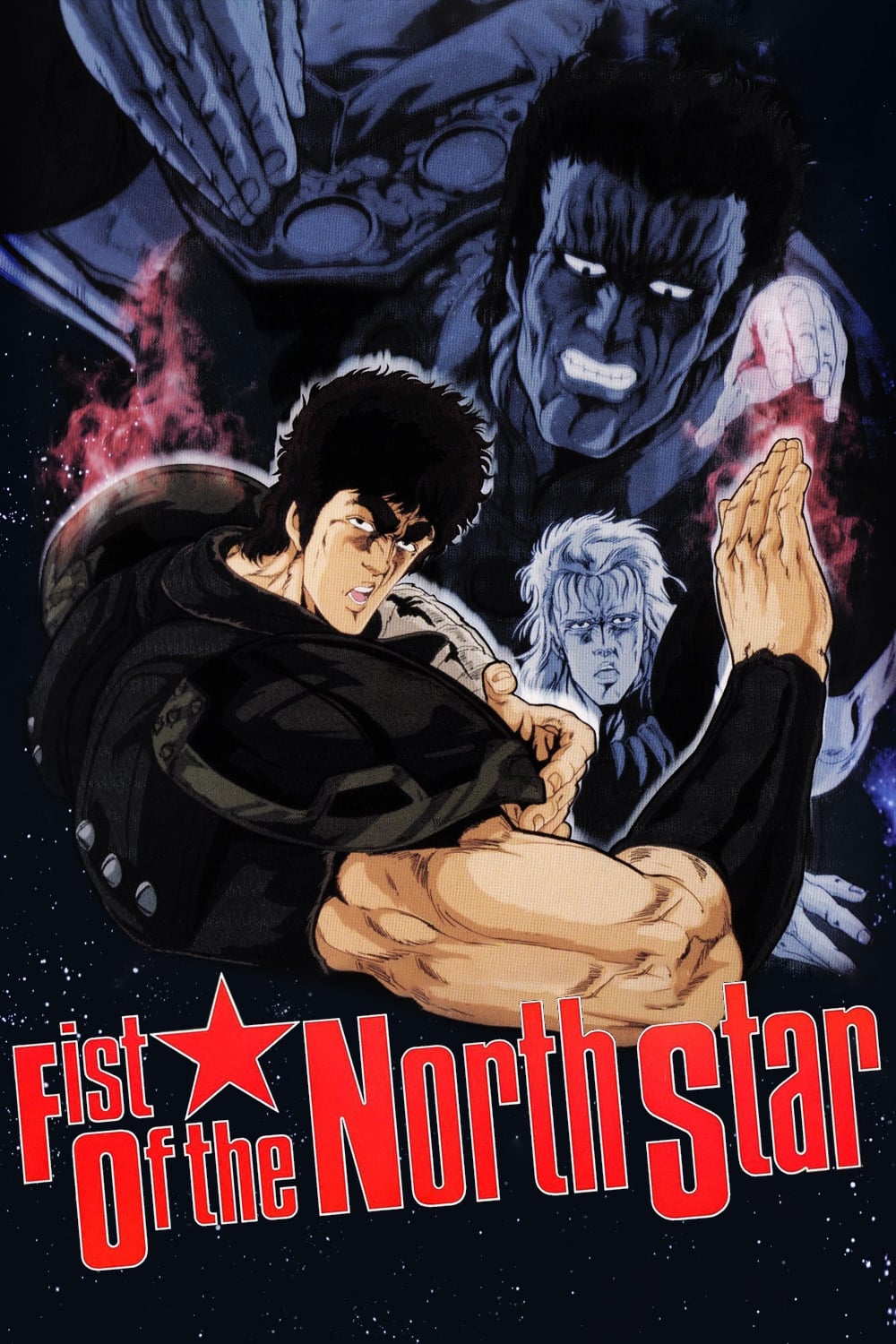
The theatrical film’s first English dub circulated through early anime distributors who prioritized quick market availability. The script compressed backstory and character relationships to fit the feature length while accommodating on screen mouth movements. Some violent impact sounds were softened depending on region to meet classification targets.
Newer remasters often include multiple language options and cleaned audio, but the initial dub remains in circulation on legacy tapes and discs. Fans who map release histories point to the film as a snapshot of how late ’80s projects balanced speed, censorship rules, and available studio time when creating English tracks.
‘Voltron: Defender of the Universe’ (1984–1985)

World Events Productions adapted ‘Beast King GoLion’ and ‘Armored Fleet Dairugger XV’ into a unified package. Scripts removed death references, recontextualized injuries, and created a consistent villain framework across two unrelated series. Episode ordering changed to maintain story flow for weekday syndication, and new music unified the sound across both sources.
Merchandising and broadcast schedules drove the adaptation’s structure, which explains the use of recurring terminology and repeated transformation sequences. Modern releases often include interviews that outline the editorial goals at the time, helping viewers understand why character motivations and outcomes differ from the Japanese versions.
‘Initial D’ (1998–2000)
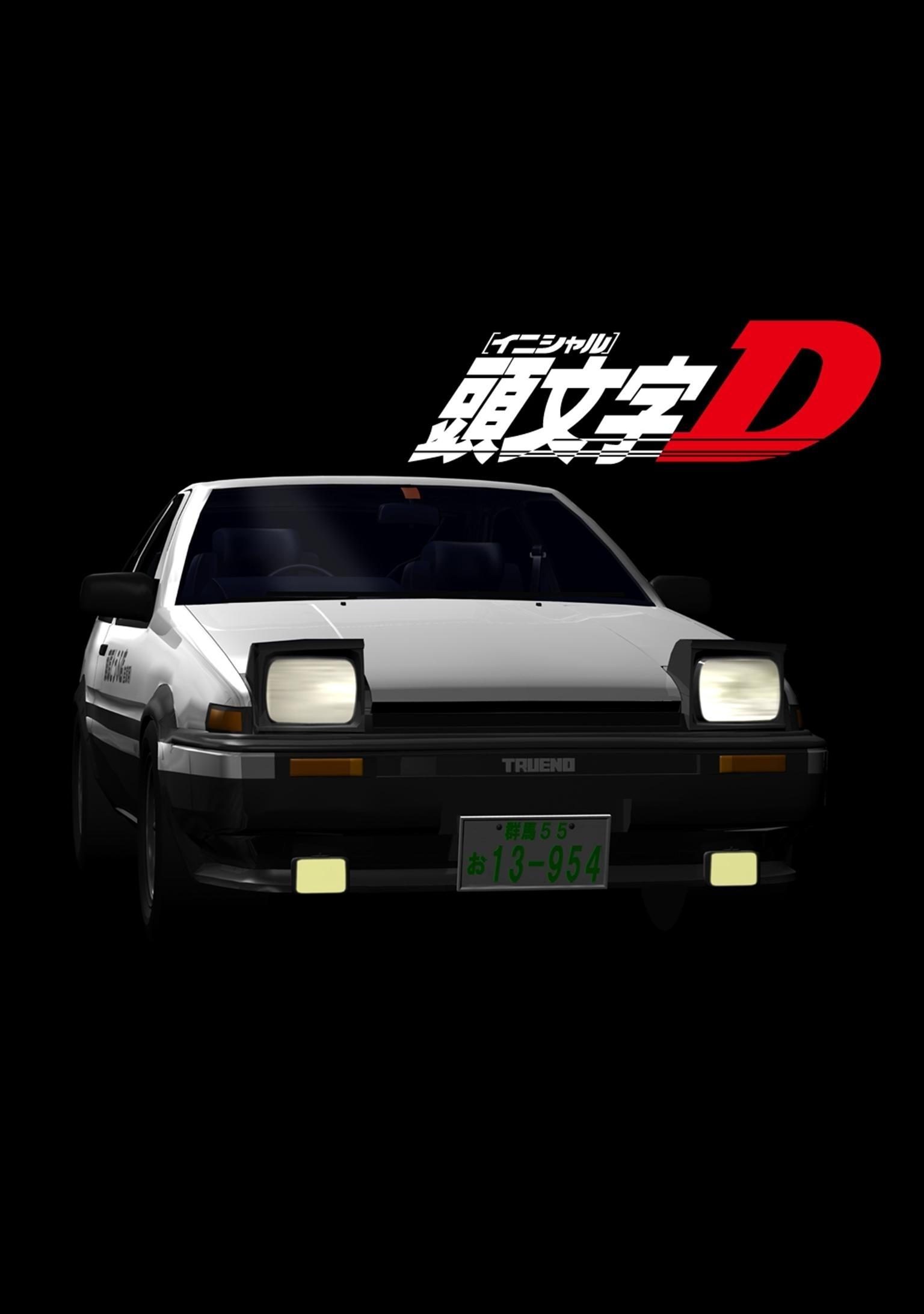
Tokyopop’s early 2000s release localized names, replaced the eurobeat heavy soundtrack with a different music direction, and revised dialogue to match American street racing slang. On screen text and signage were altered, and the company issued “tricked out” editions that leaned into the new music identity.
Later distributions restored the original score and names while offering the earlier English track as an option. Episode and stage breakdowns in disc booklets clarify which scenes were previously edited, which helps viewers navigate differences when comparing broadcast recordings to subsequent Blu ray boxes.
‘Shaman King’ (2001–2002)
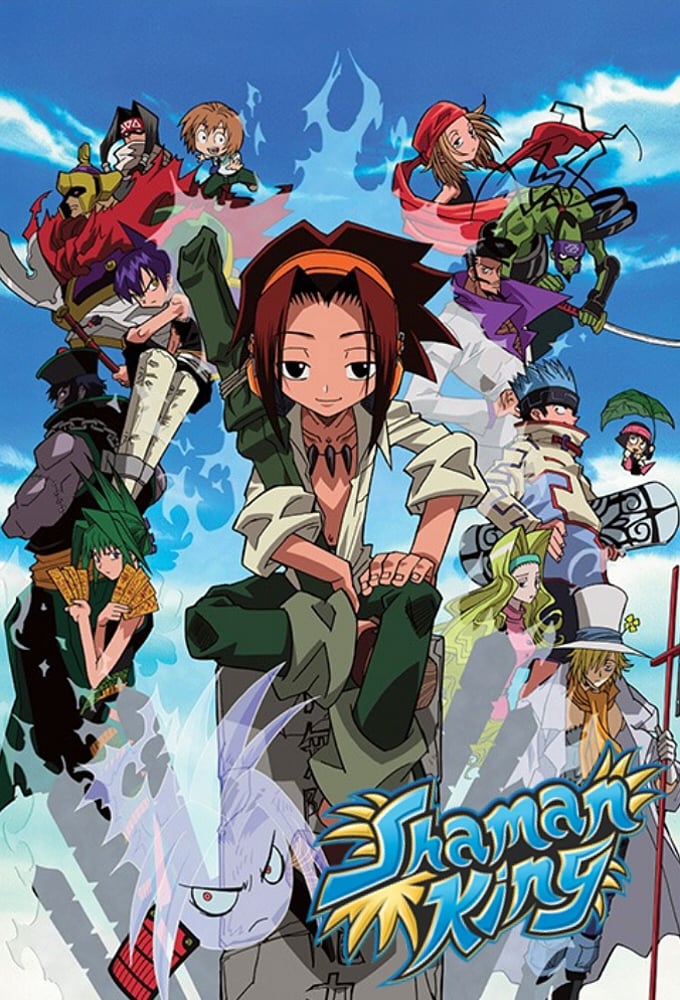
The 4Kids version targeted Saturday morning standards, so scripts substituted terminology, reduced spiritual elements, and adjusted character quirks. Names were changed for ease of pronunciation, and the soundtrack was rebuilt to fit the network’s branding. Certain sequences were shortened to keep run time after commercial insertion.
International catalogs show multiple episode counts depending on territory, which affects how arcs line up with the original. The 2021 remake introduced a different localization approach, and platform listings usually separate the two series to prevent confusion over which English track and edits a viewer will get.
‘Tokyo Mew Mew’ (2002–2003)
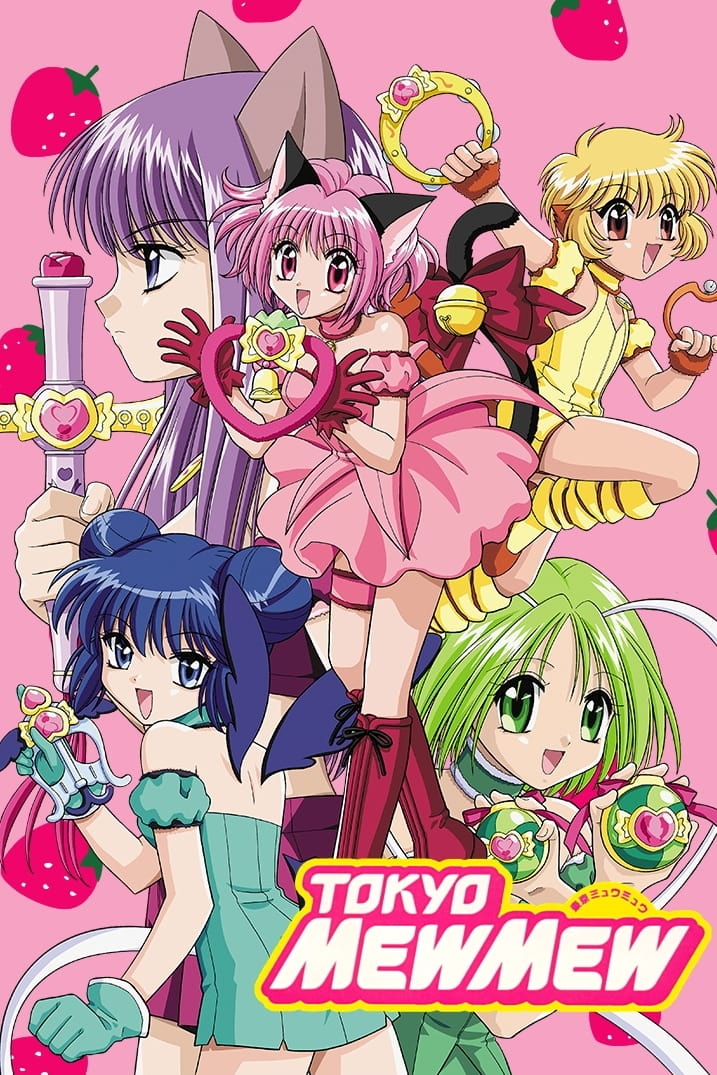
As ‘Mew Mew Power’ in North America, the show received a new theme, revised terminology, and updated names. Edits removed transformation frames and trimmed scenes that clashed with broadcast guidelines. The second half of the series faced scheduling and acquisition hurdles, which led to unaired episodes in specific markets.
Release histories document staggered DVD volumes and gaps in broadcast continuity, which is why episode guides flag which installments were only available in certain regions. Later international versions restored missing content and original music cues, giving audiences a different experience from the TV cut.
‘Rave Master’ (2001–2002)
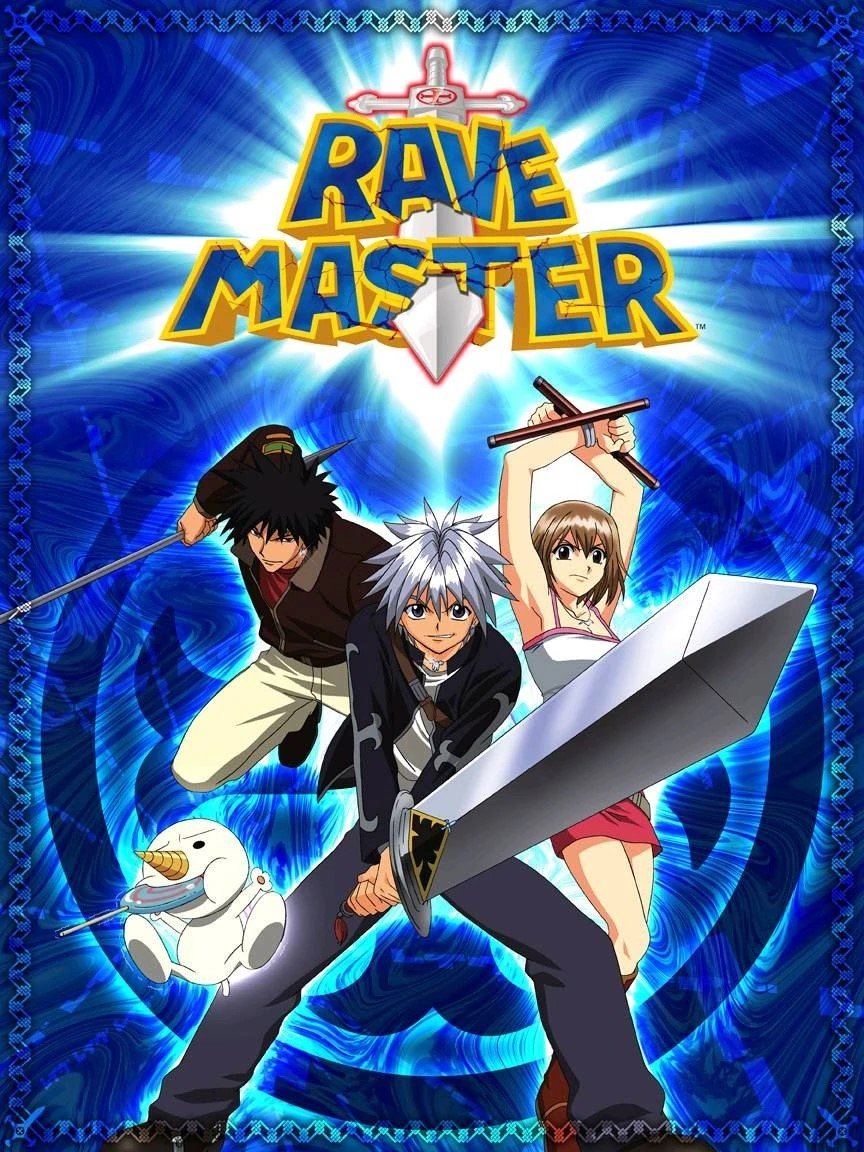
The English release swapped out much of the music and added a new opening that leaned into early 2000s trends. Dialogue adjusted character banter to emphasize quick jokes and catchphrases, and several cultural references were localized to American idioms. Airings on Toonami introduced additional standards edits that trimmed weapon use and impact shots.
Home video editions reflected the TV master, so the altered soundtrack became the default for many viewers. Import comparisons highlight differences in scene tone caused by music changes, which demonstrates how score replacement can shift the mood even when the plot stays the same.
‘Digimon Adventure’ (1999–2000)
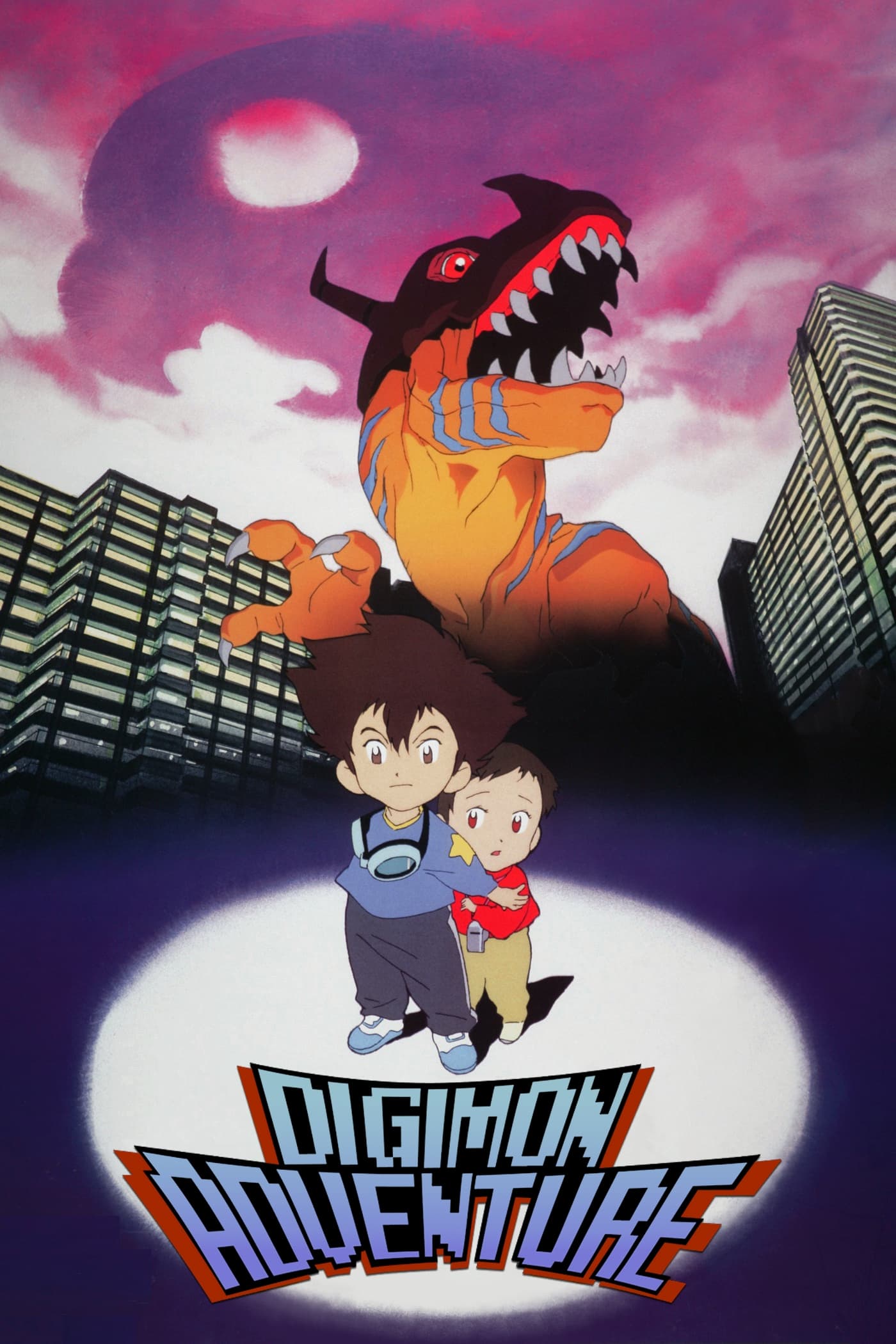
Saban’s dub introduced a wall to wall music bed and frequent narrator quips to keep energy high for US broadcast. Wordplay, puns, and snack jokes filled transitions while the script simplified explanations of digital mechanics. The result matched network pacing with short recaps and next episode teases to support weekly scheduling.
Disc releases and streaming later offered multiple language options, and episode databases log the exact lines that changed technical terms. The franchise’s subsequent seasons followed similar patterns, which makes season by season comparisons useful for tracking terminology across dubs and subtitles.
‘Yu-Gi-Oh! Duel Monsters’ (2000–2004)
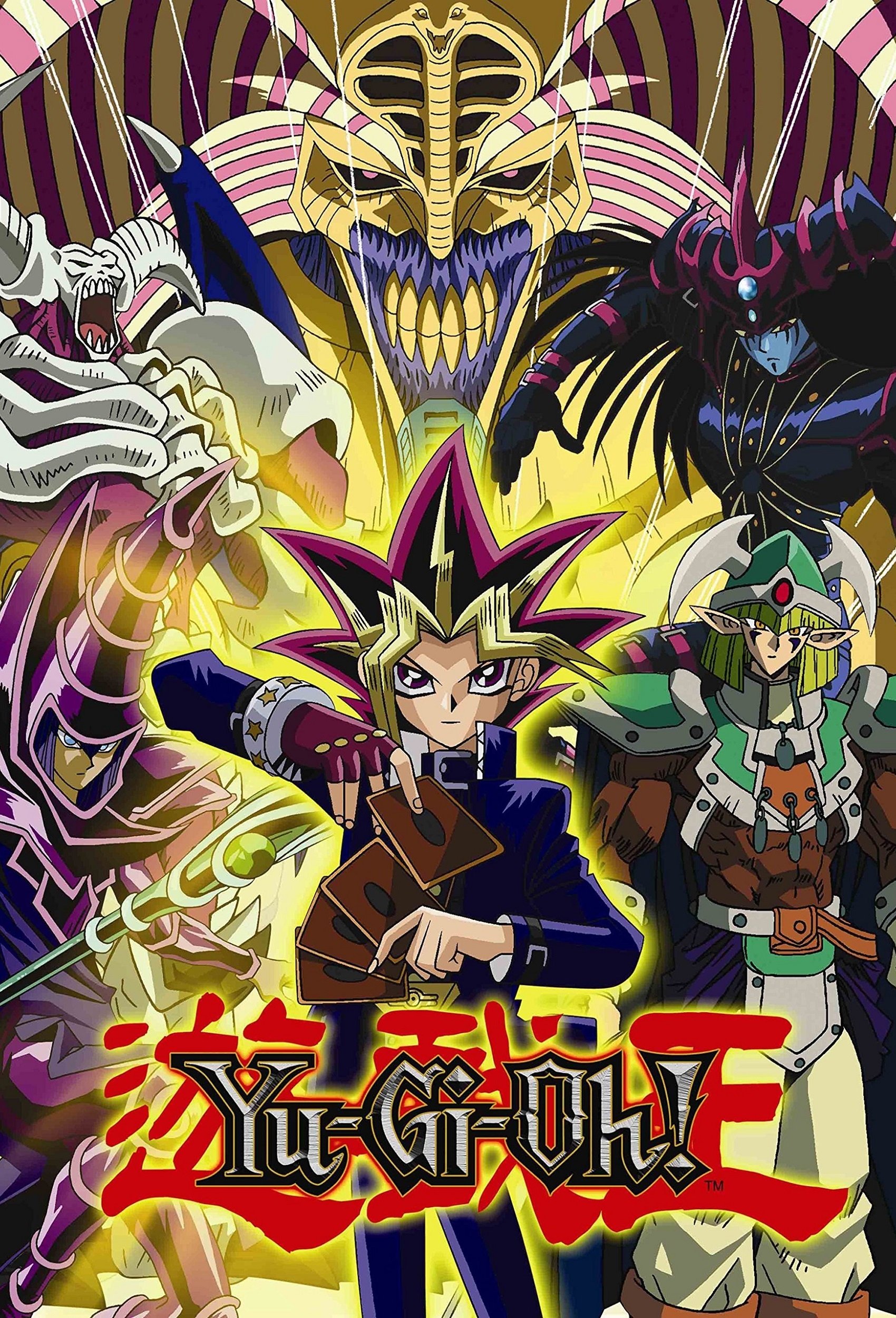
4Kids localized terminology around cards and rules while removing on screen violence and religious iconography. The concept of the Shadow Realm substituted for death or explicit peril, and many cards received new names or blanked text to avoid mismatches with licensing. Mouth flaps were strict, so lines often expanded with filler to maintain timing.
International edits created multiple parallel versions, so trading card references and dialogue differ by territory. Blu ray sets and digital stores usually label tracks clearly, which helps viewers choose between the TV edit and uncut language options when they want to follow the original stakes and vocabulary.
‘Speed Racer’ (1967–1968)
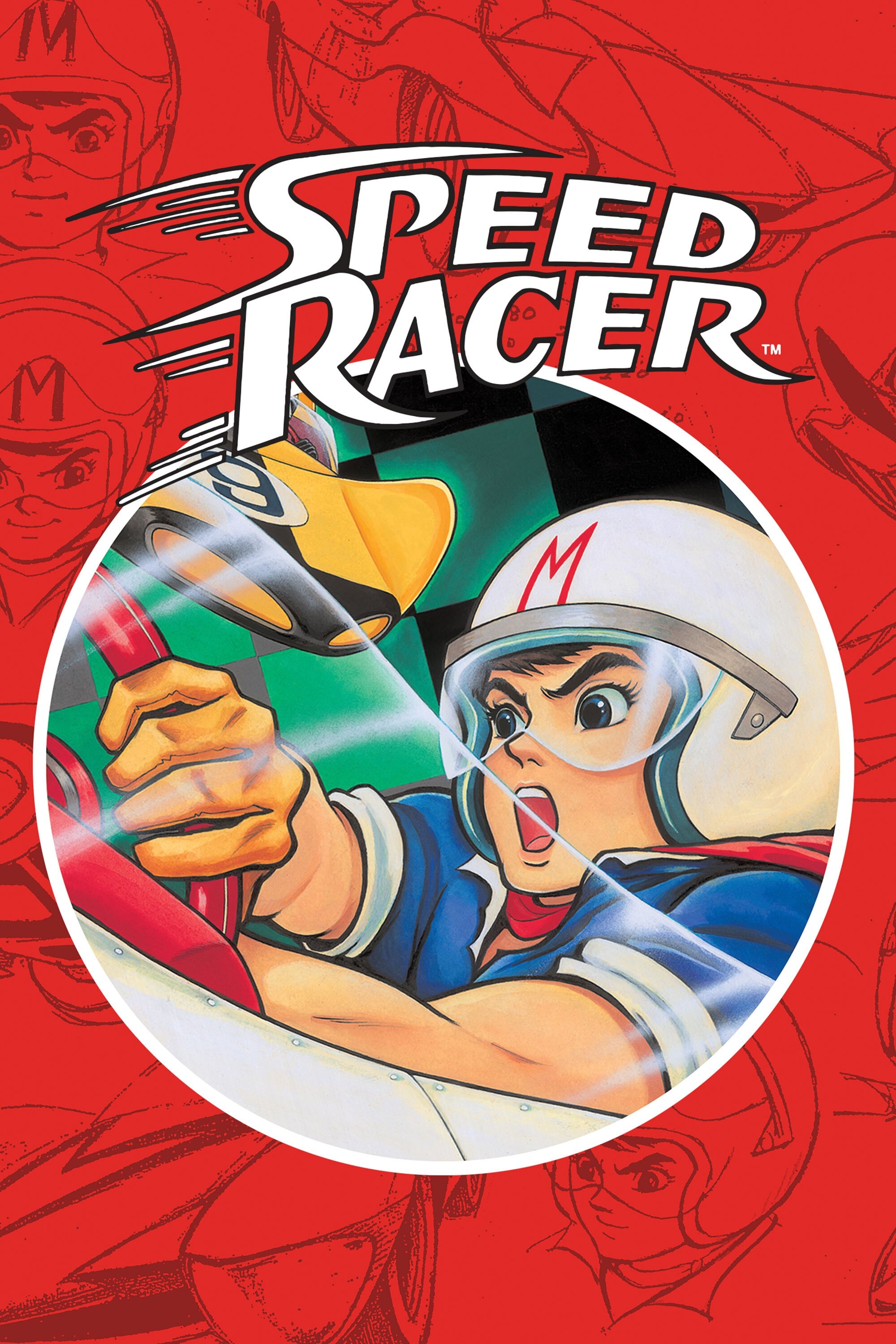
The Trans Lux adaptation of ‘Mach GoGoGo’ had to match very fast mouth movements with English lines on a tight budget. Actors delivered rapid dialogue to hit flaps while scripts condensed exposition into breathless bursts. Music and effects created a consistent rhythm that supported this pace across every episode.
Syndication success cemented these choices, and later retrospectives explain why the delivery sounds so quick compared to modern standards. Remasters preserve the original audio while improving clarity, which makes the machine noises, narrator inserts, and signature catchphrases stand out even more.
‘Akira’ (1988)
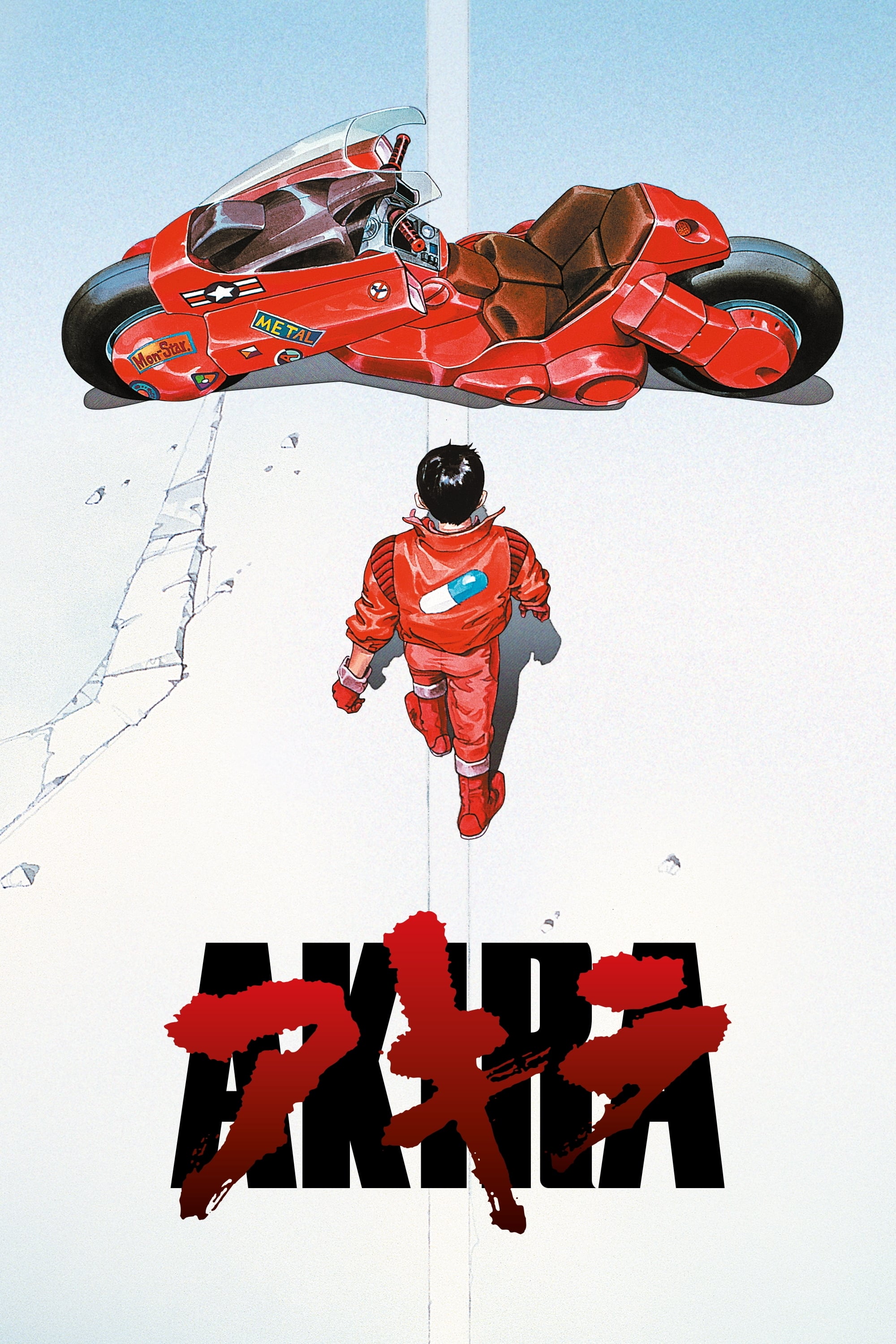
The 1989 Streamline dub arrived when theatrical and tape windows were short, so casting pulled from a small pool and the script tracked closely to literal beats. Some lines sound stiff because they were timed precisely to complex lip animation with little room to breathe. Pioneer’s 2001 redub later expanded the cast and reworked dialogue to match character ages and tone.
Both tracks remain available in different editions, creating a clear case study in evolving localization practice. Viewers who compare them can track differences in terminology, vocal tone, and background walla, which shows how translation and direction philosophies changed over a decade.
‘Transformers: The Headmasters’ (1987)

A Hong Kong English version by Omni Productions introduced unusual name choices and literal phrasing. Pronunciations varied within the same episode, and timing sometimes drifted from on screen mouth movements. Sound mixing placed voices differently in the stereo field than typical US mixes of the era, which made the track feel disconnected from effects.
UK and Australian releases circulated this dub widely on VHS, while later streaming favored Japanese audio with subtitles. Episode lists often note the English track’s regional footprint, which helps collectors identify which tapes and discs include the alternate dialogue and which stick to the original.
‘Dragon Ball Z: The Tree of Might’ (1990)
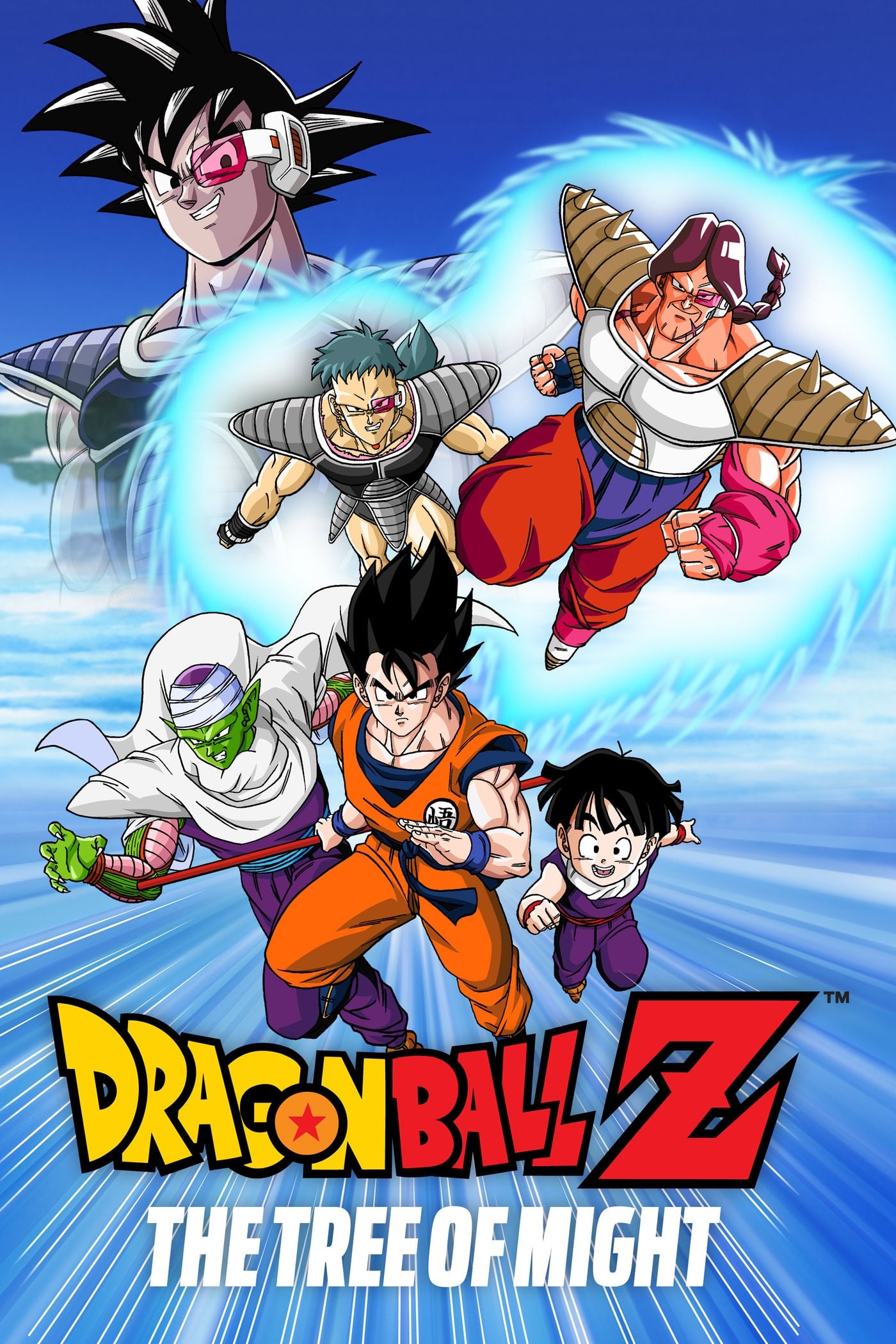
Among several English versions of the early movies, the AB Groupe releases created what fans call the Big Green era. Character names shifted to nonstandard forms, including a different moniker for Piccolo, and several special attacks received unique labels. Dialogue followed lip flaps closely with minimal pausing, which led to abrupt line endings in action sequences.
These tracks appeared on European television and on budget DVDs, which explains why certain quotes circulate primarily among viewers from those regions. Later definitive collections use different English casts and standard terminology, so release notes are helpful when someone wants to track down the specific Big Green lines.
‘Cyber City Oedo 808’ (1990–1991)
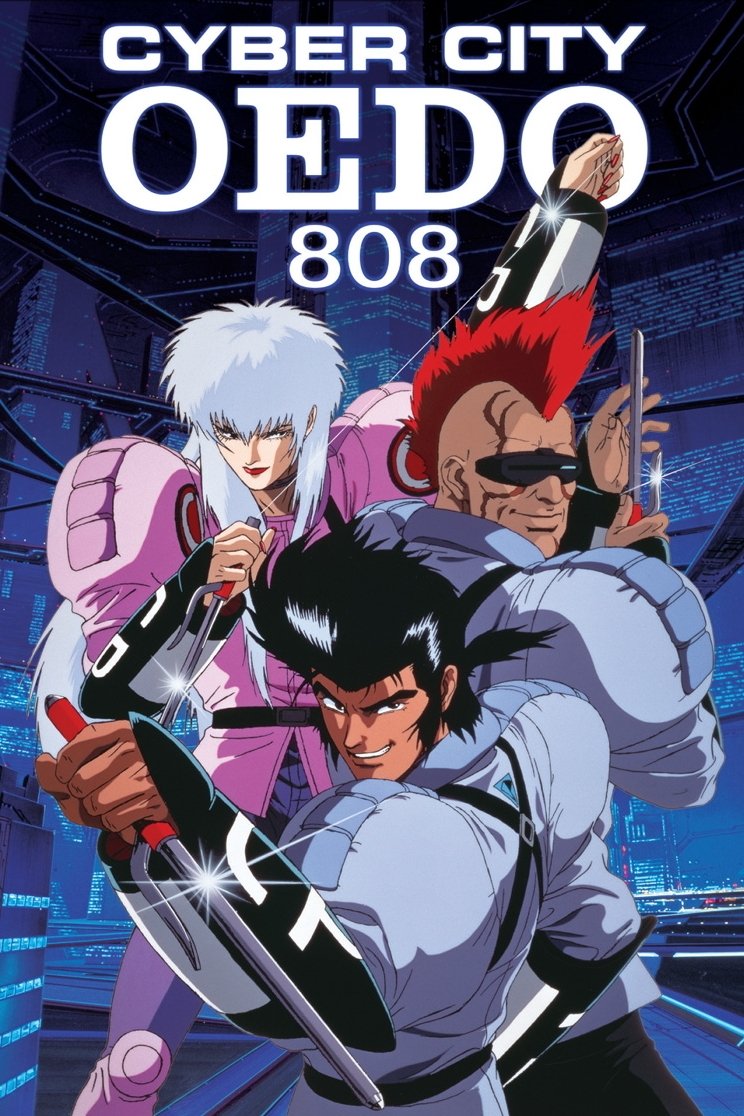
The UK dub from Manga Entertainment replaced the original score with a new soundtrack by Rory McFarlane for its release and leaned into aggressive dialogue to punch up scenes. Additional profanity and slang were inserted to match the label’s adult action branding during the early ’90s. The result diverged from the Japanese tone even when plot points remained identical.
Modern editions sometimes include both the original Japanese audio with the Japanese score and the UK English track with its alternate music. Audio option menus and liner notes outline which episode segments differ the most, so audiences can compare how music and word choice change the feel of the same chase or fight.
Share your favorite so bad it is unforgettable dub moments in the comments and tell us which scenes still make you quote lines with friends.