


15 Historical Epics with Battle Scenes That Feel Chaotic and Real

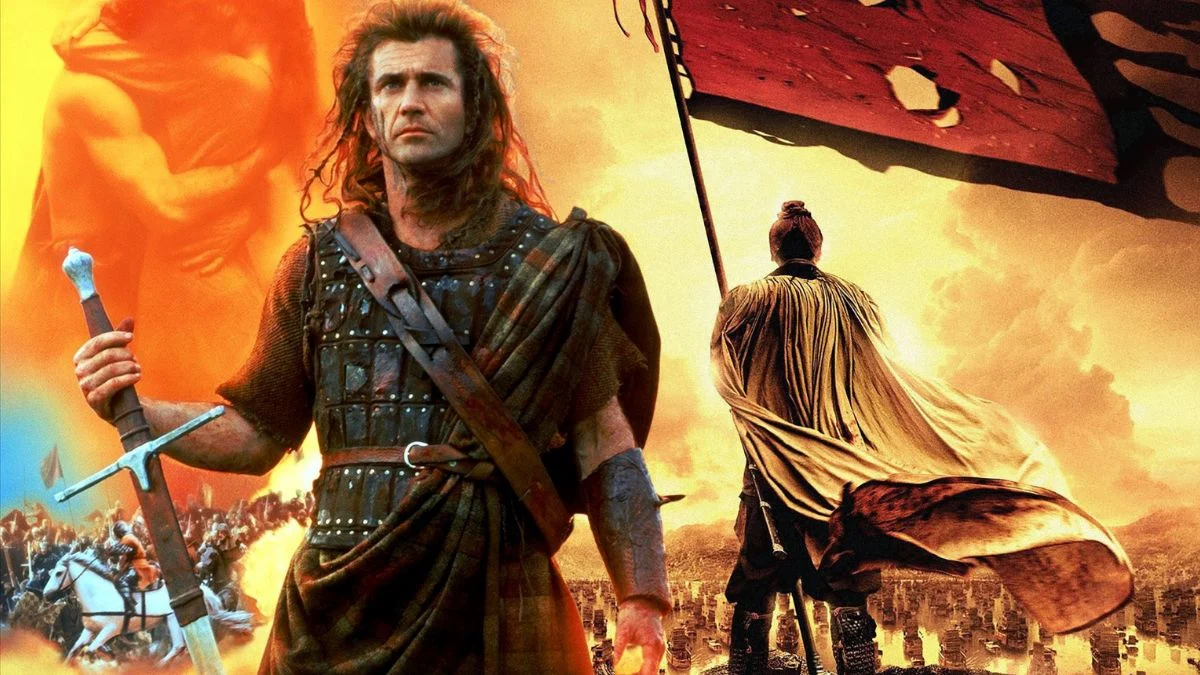


Historical epics transport audiences to different eras through large-scale production design and massive conflicts. Directors often utilize thousands of extras and practical effects to capture the brutality of warfare. These films prioritize immersion by depicting the confusion and violence inherent in battle rather than stylized choreography. The following list highlights movies known for their visceral and chaotic combat sequences.
‘Saving Private Ryan’ (1998)
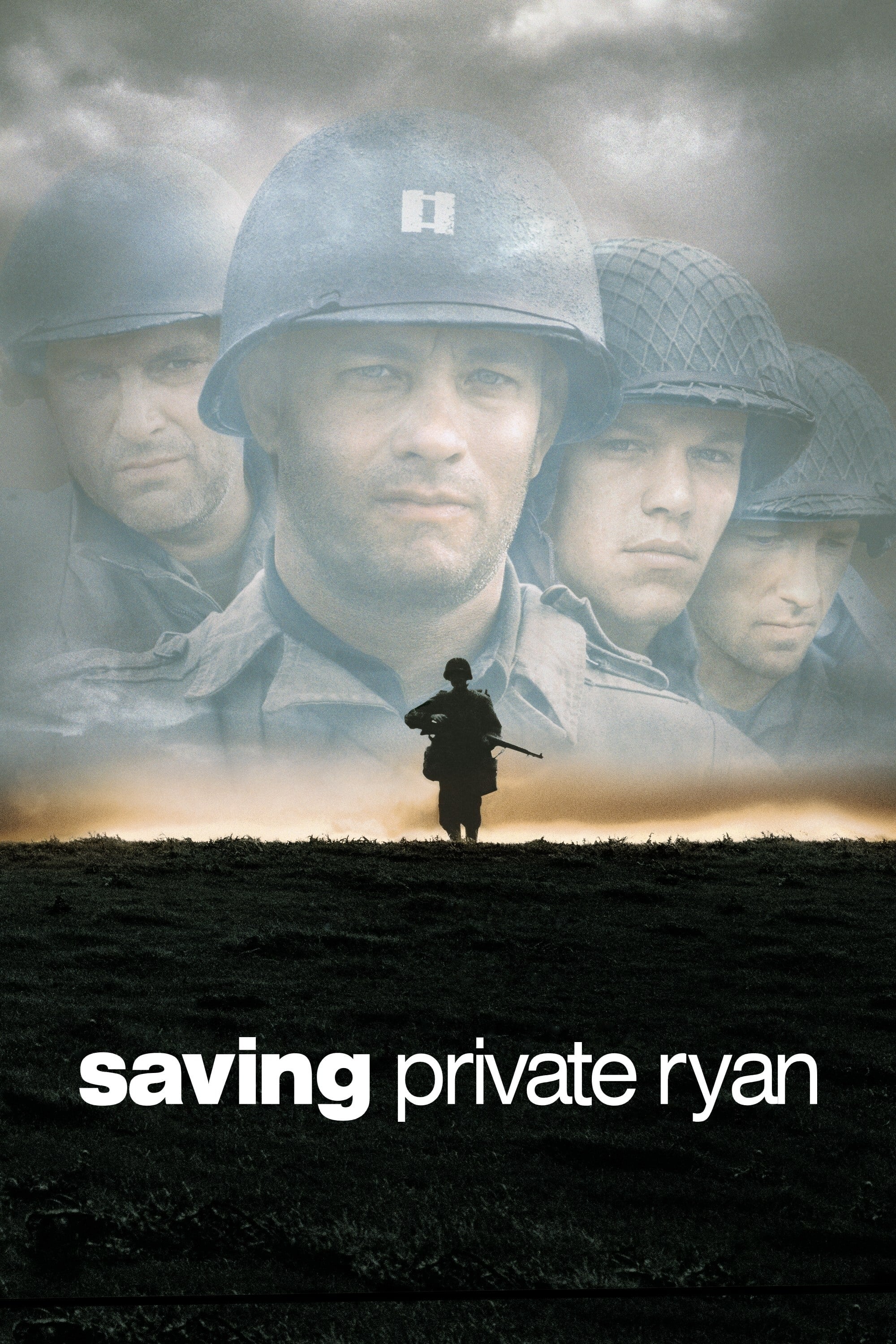
Steven Spielberg recreates the D-Day landings at Omaha Beach with unflinching intensity. The sequence immerses viewers in the sensory overload of combat through shaky handheld camera work and desaturated colors. American soldiers face a barrage of heavy fire and artillery explosions the moment the ramp drops. This opening battle remains a benchmark for realistic war depictions in cinema history.
‘Braveheart’ (1995)
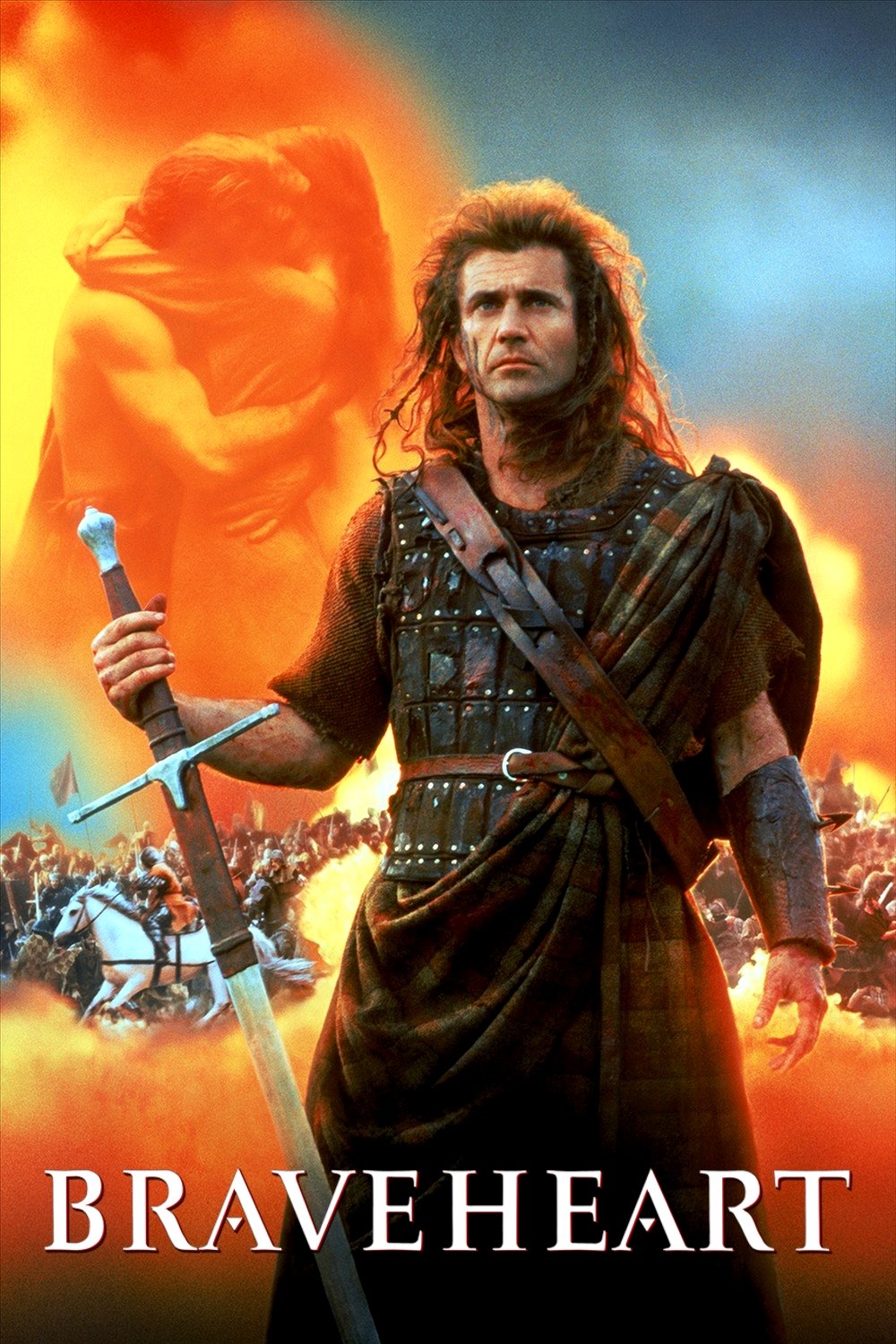
Mel Gibson portrays William Wallace leading the Scots against English forces in the Battle of Stirling. The production utilized thousands of extras to create a sense of massive scale and uncontrolled violence. Combatants clash with swords and axes in a muddy frenzy that emphasizes the brutality of medieval warfare. The lack of clean choreography adds to the feeling of desperate survival during the engagement.
‘Gladiator’ (2000)
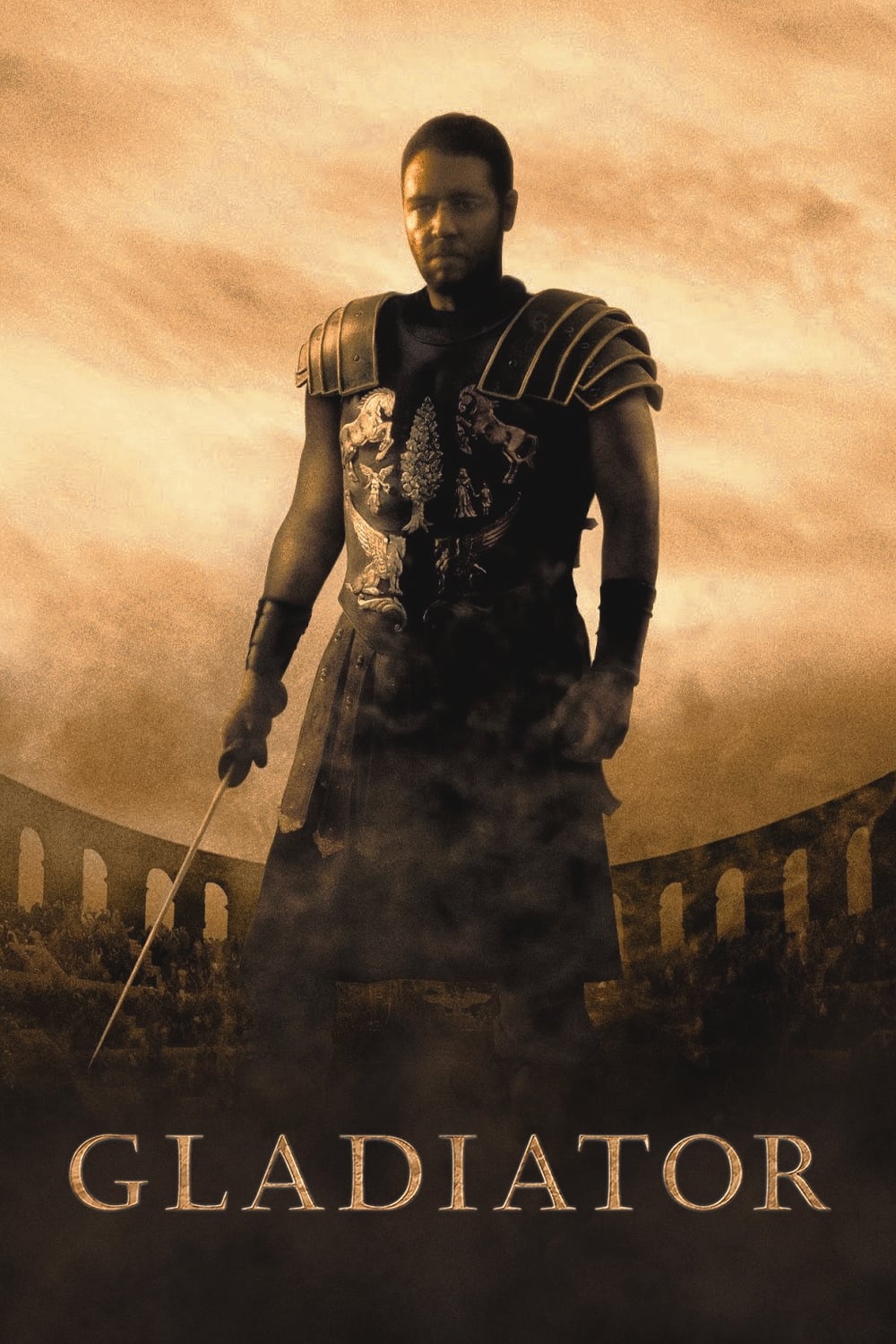
Ridley Scott opens the film with a massive confrontation between Roman legions and Germanic tribes. Flaming arrows and catapults launch a fiery assault before the infantry engages in brutal combat. The editing creates a disorienting experience that mirrors the confusion of the soldiers on the ground. General Maximus Decimus Meridius leads the charge into a muddy and bloody forest skirmish.
‘The King’ (2019)
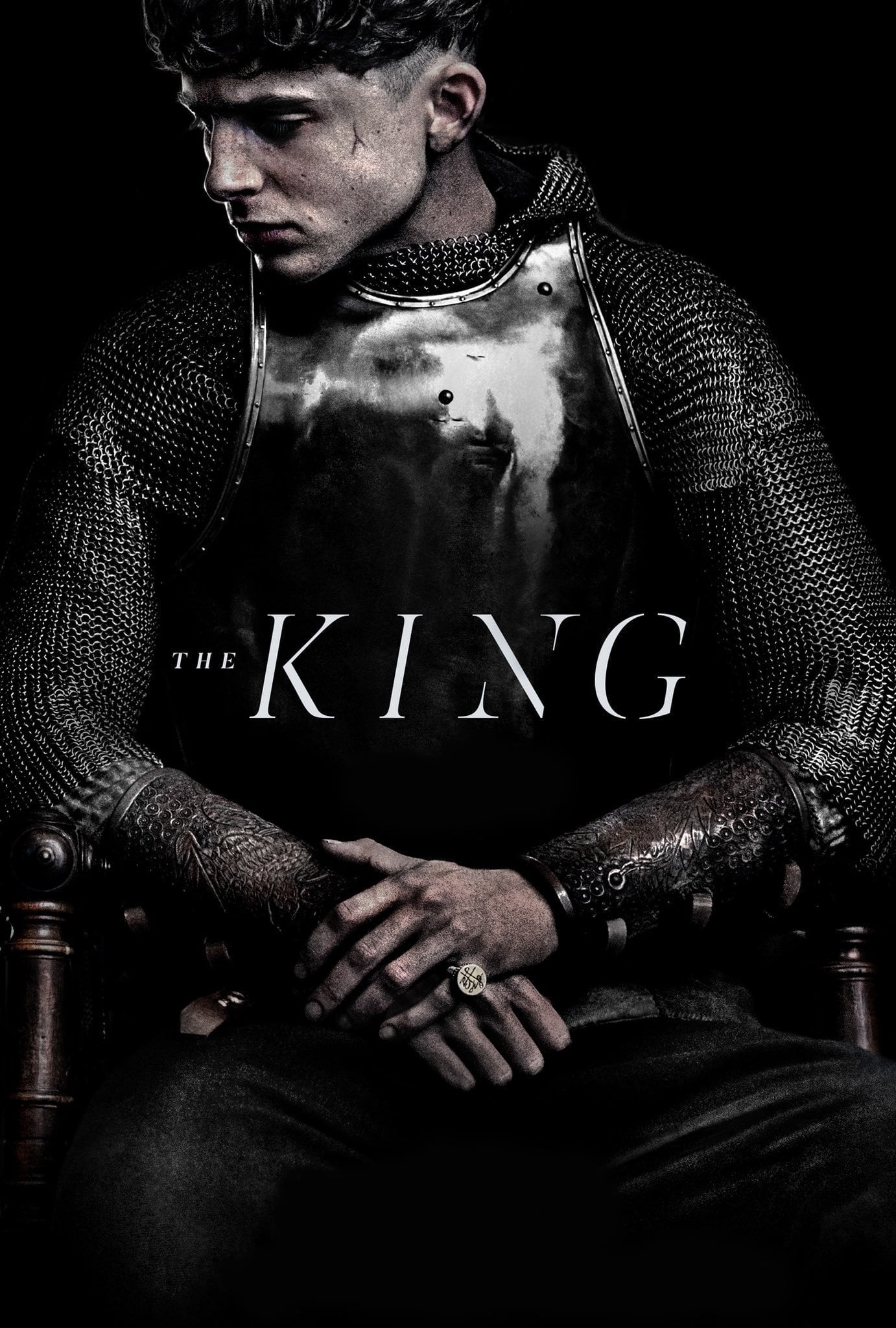
The Battle of Agincourt serves as the climax of this adaptation of Shakespearean plays. Knights and foot soldiers become bogged down in deep mud while fighting for their lives in a crushing press of bodies. Director David Michôd focuses on the claustrophobia and exhaustion of men in heavy armor fighting in difficult terrain. The scene strips away the romanticism of war to reveal a suffocating struggle for survival.
‘All Quiet on the Western Front’ (2022)
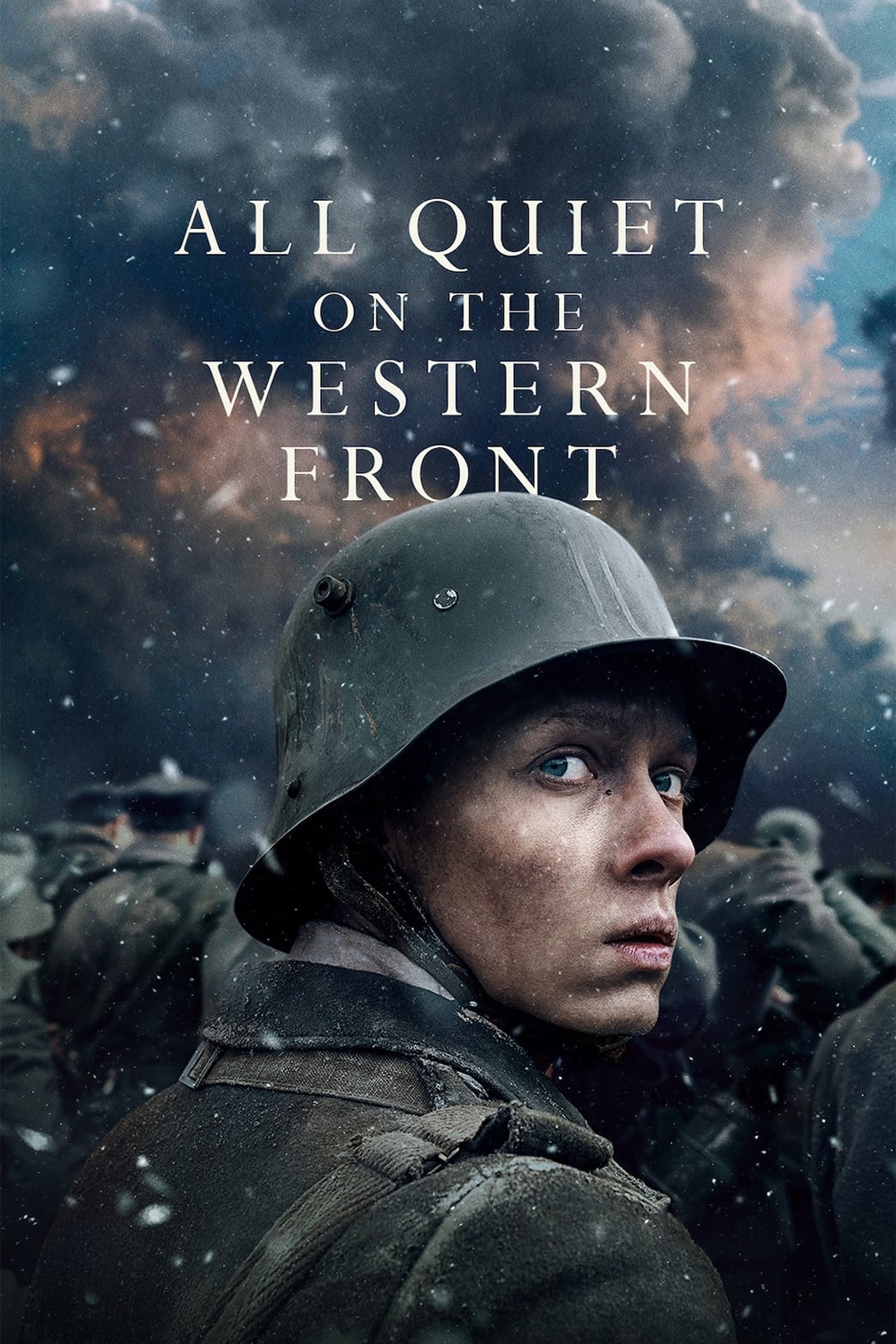
This adaptation captures the horrors of trench warfare during World War I with terrifying precision. Soldiers charge across the open ground into a storm of bullets and explosions that rip apart the landscape. The film depicts the tanks as unstoppable metal monsters that crush everything in their path. Viewers witness the sheer senselessness of the conflict through the eyes of traumatized young recruits.
‘Ran’ (1985)
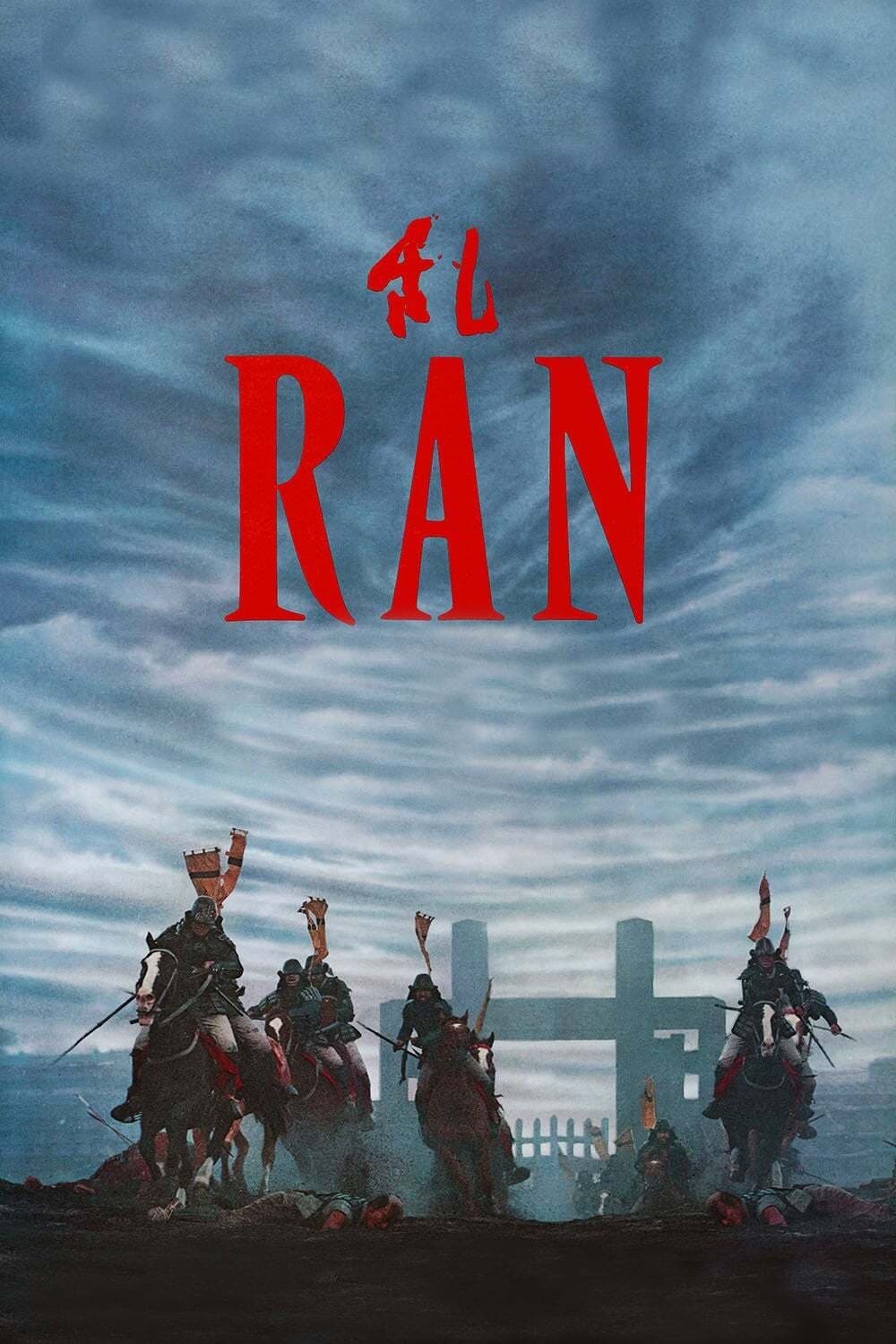
Akira Kurosawa orchestrates a tragic siege sequence involving armies coded by color attacking a wooden castle. The absence of music highlights the sounds of galloping horses and whistling arrows amidst the carnage. Fire consumes the fortress while defenders succumb to waves of attackers in a beautifully terrifying display. This Sengoku period epic visualizes the destruction of a powerful family through relentless warfare.
‘Kingdom of Heaven’ (2005)
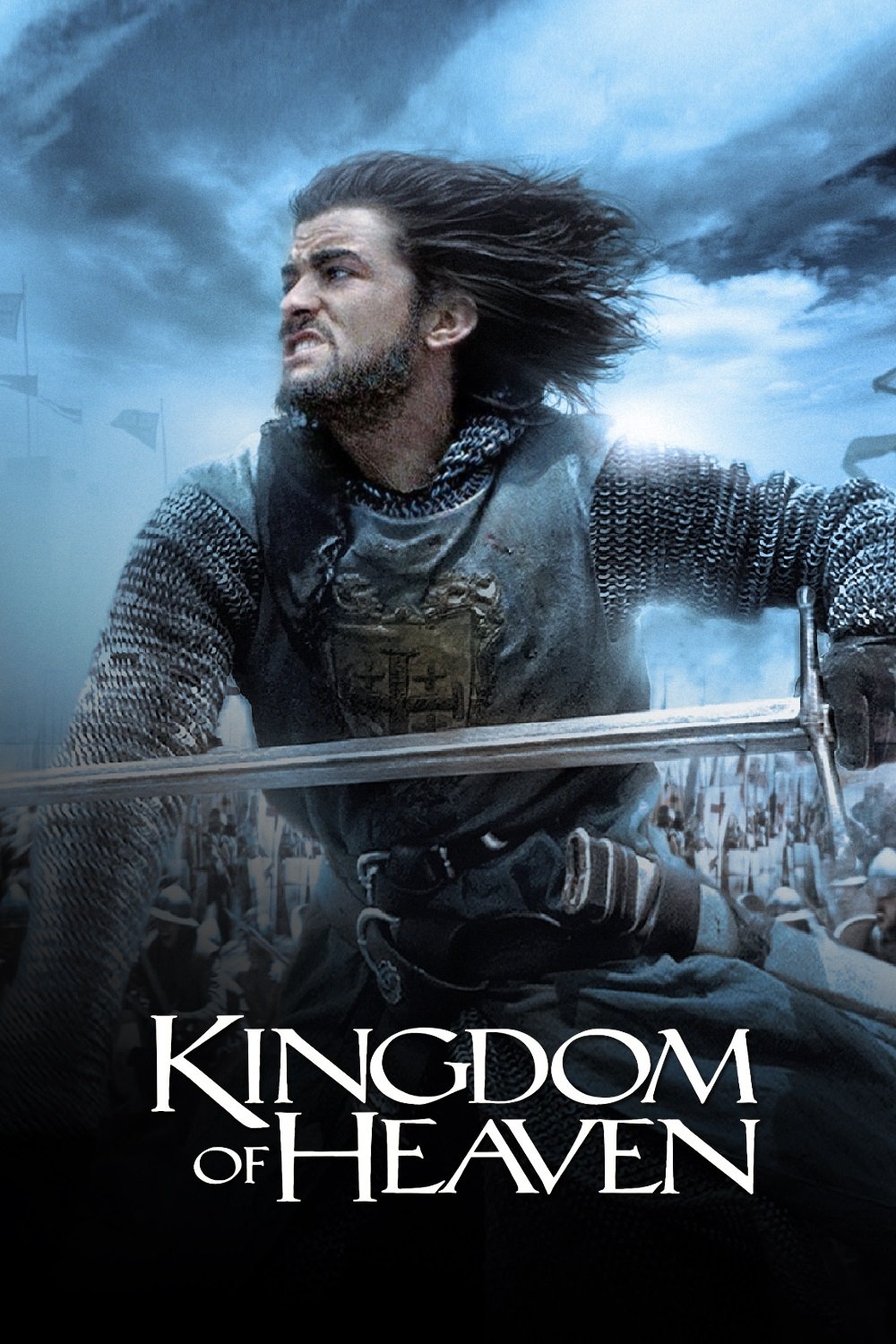
The Siege of Jerusalem features massive siege towers and catapults bombarding the city walls. Balian of Ibelin coordinates the defense against the overwhelming forces of Saladin in a battle of attrition. Ridley Scott employs practical effects and thousands of extras to depict the crumbling fortifications and desperate fighting. The extended version expands these sequences to show the tactical complexity and human cost of the crusades.
‘Waterloo’ (1970)

Sergei Bondarchuk directed this massive production using thousands of Soviet soldiers as extras. The film recreates the final defeat of Napoleon Bonaparte with historically accurate formations and cavalry charges. Aerial shots reveal the geometric precision of the armies before they dissolve into the chaos of engagement. It stands as one of the most ambitious undertakings in the history of war cinema due to its sheer scale.
‘Alexander’ (2004)
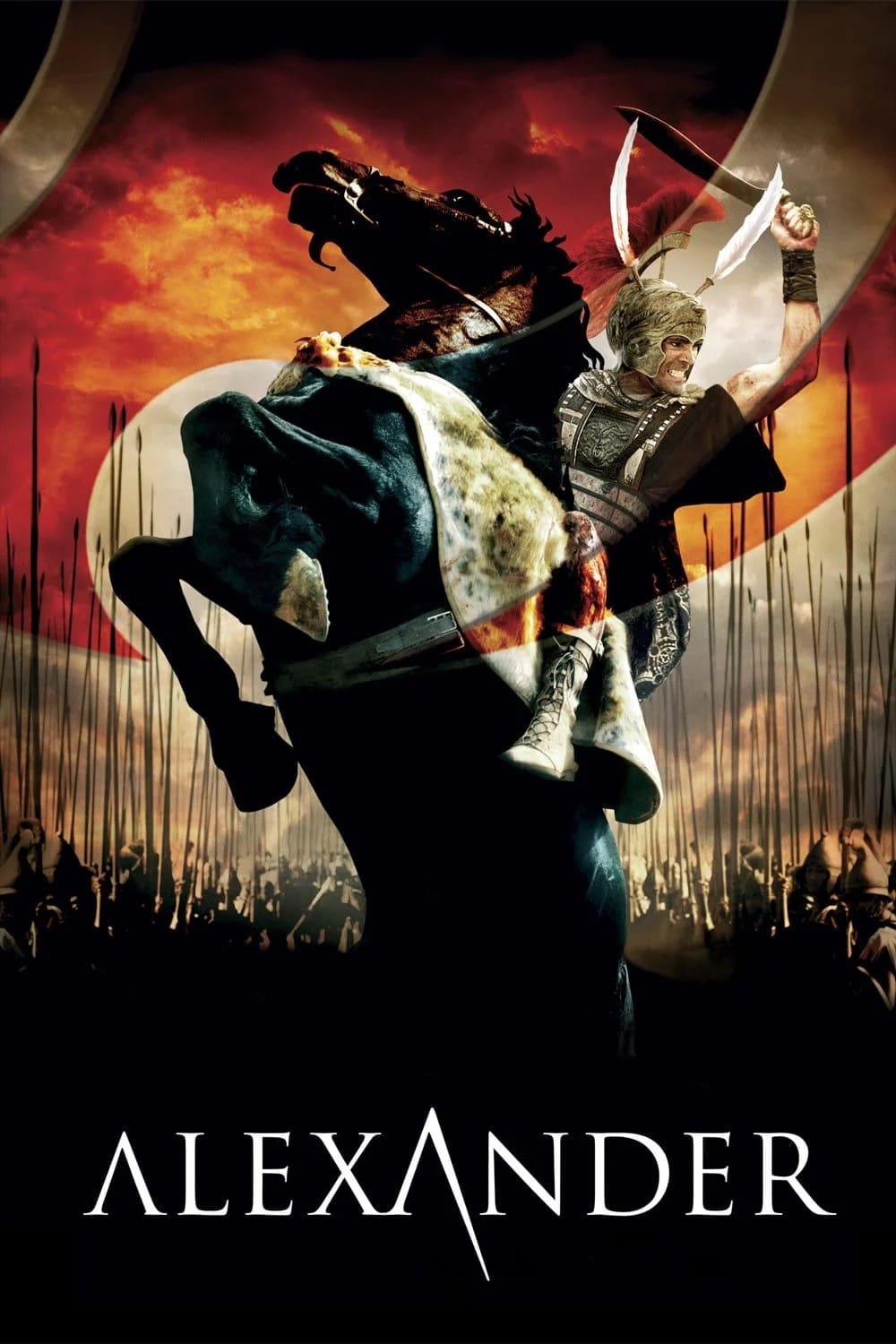
The Battle of Gaugamela showcases the tactical genius of Alexander the Great against the Persian army. Dust and sand obscure the vision of combatants as phalanxes clash and chariots cut through the lines. Oliver Stone uses eagle eye perspectives to track troop movements amidst the swirling confusion of the desert battlefield. The scene emphasizes the noise and disorientation experienced by soldiers in the thick of ancient combat.
‘The Last Samurai’ (2003)
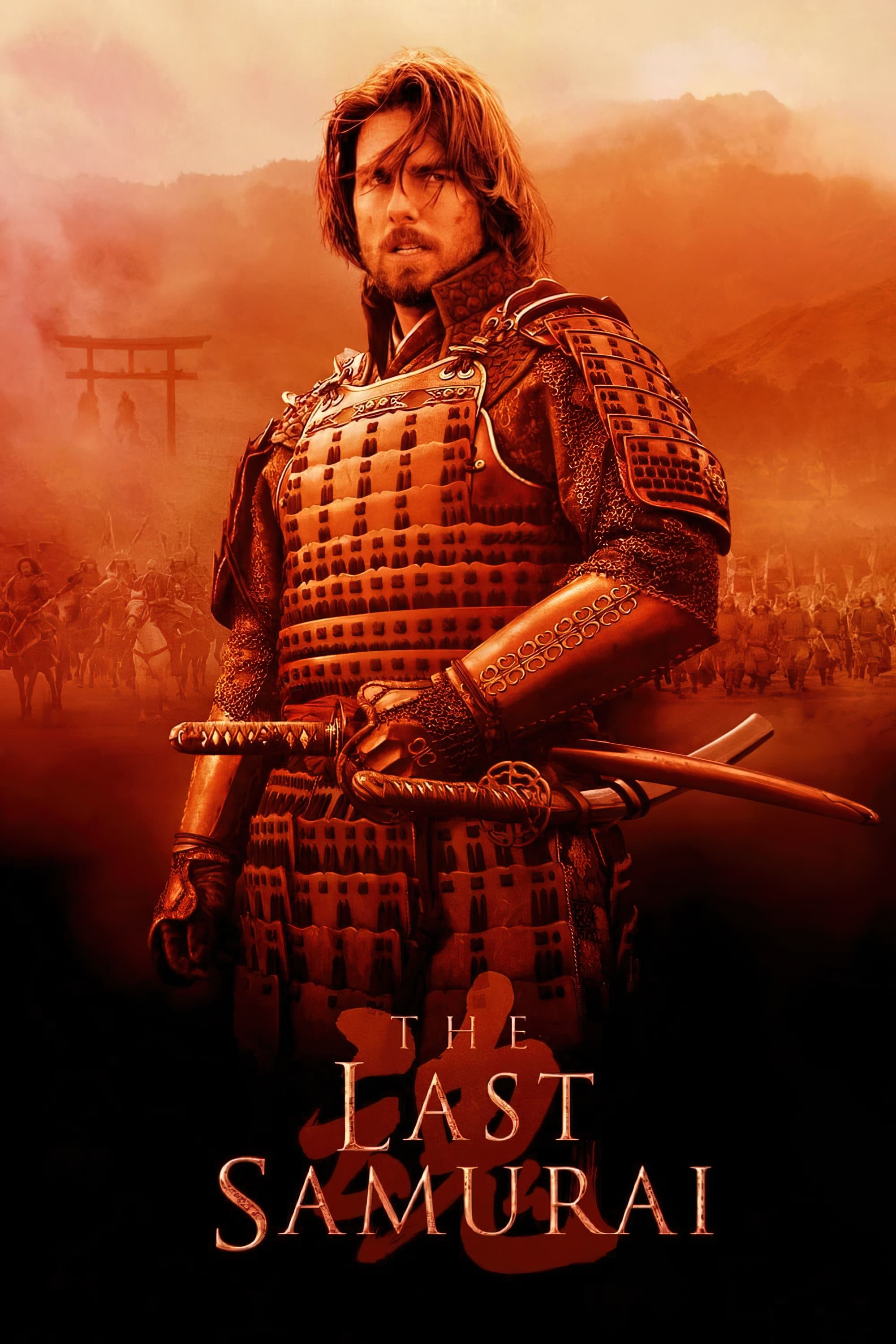
Modern weaponry meets traditional samurai armor in the final charge against the Imperial Army. The sequence highlights the destructive power of automated guns and howitzers against charging horsemen. Fog and smoke cover the battlefield as the samurai face their inevitable end with disciplined resolve. Director Edward Zwick captures the tragic transition from the feudal era to modern industrial warfare.
‘Master and Commander: The Far Side of the World’ (2003)
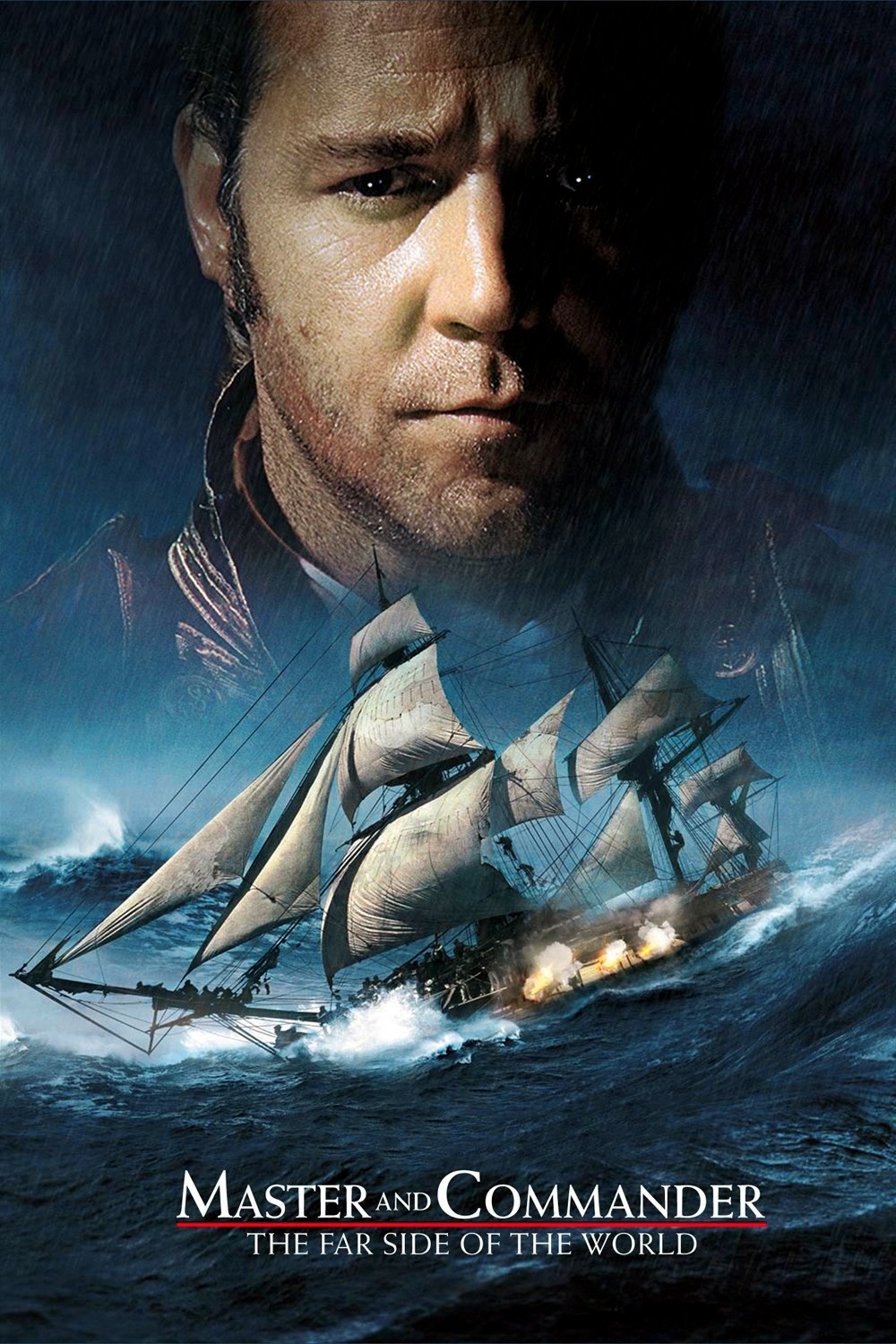
The crew of the HMS Surprise engages the French privateer Acheron in a tactical naval showdown. Cannonballs splinter wood and shred sails while sailors scramble to maintain the integrity of the ship. Peter Weir focuses on the intricate details of operating a warship during the heat of battle. The sound design immerses the audience in the deafening roar of cannons and the screams of the crew.
‘Red Cliff’ (2008)
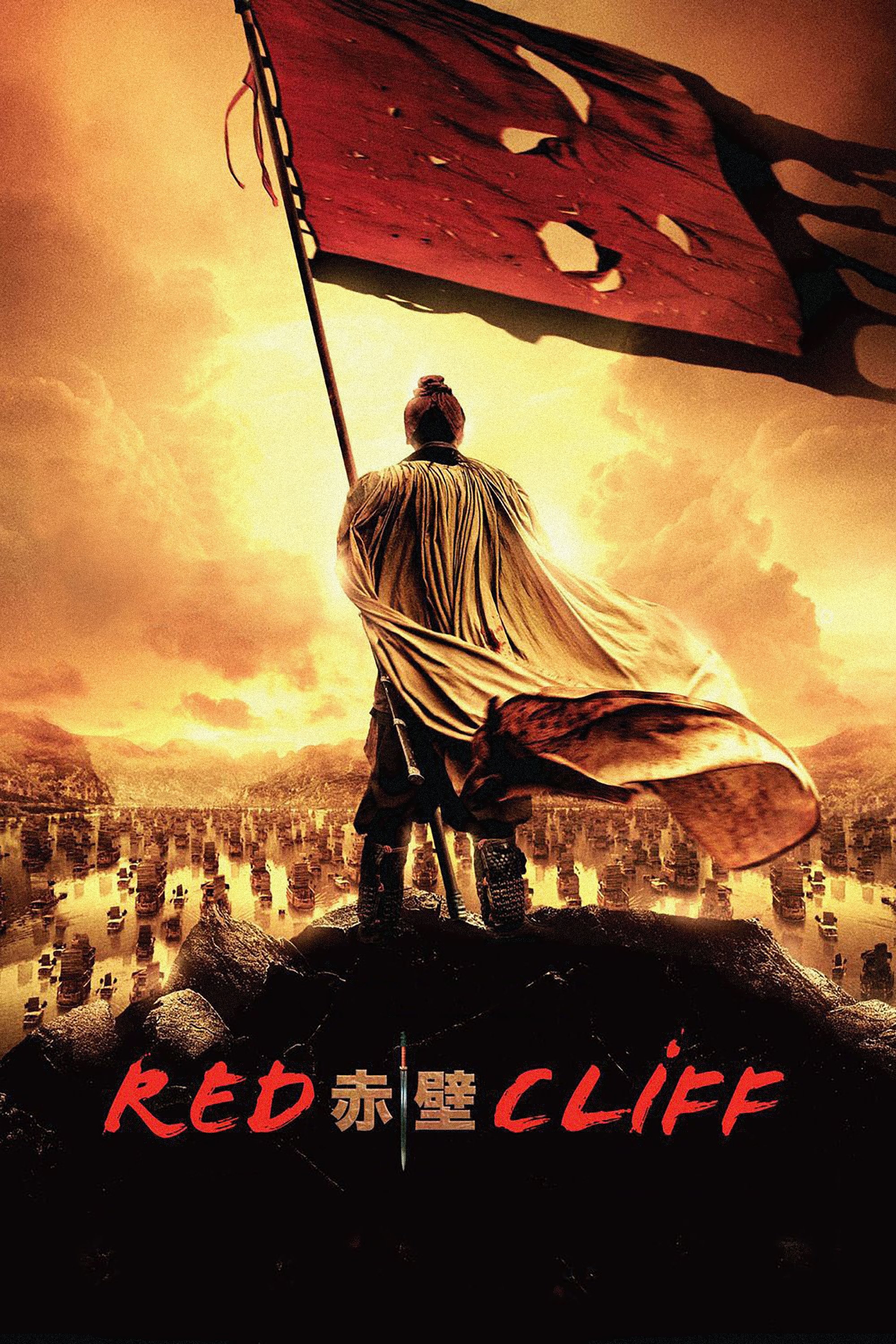
John Woo directs this massive account of a pivotal battle during the end of the Han Dynasty. The naval engagement involves burning ships and complex formations that turn the river into an inferno. Armies clash on land using shield walls and intricate strategies to overcome superior numbers. The action choreography blends stylized movement with the overwhelming scale of ancient Chinese warfare.
‘Outlaw King’ (2018)
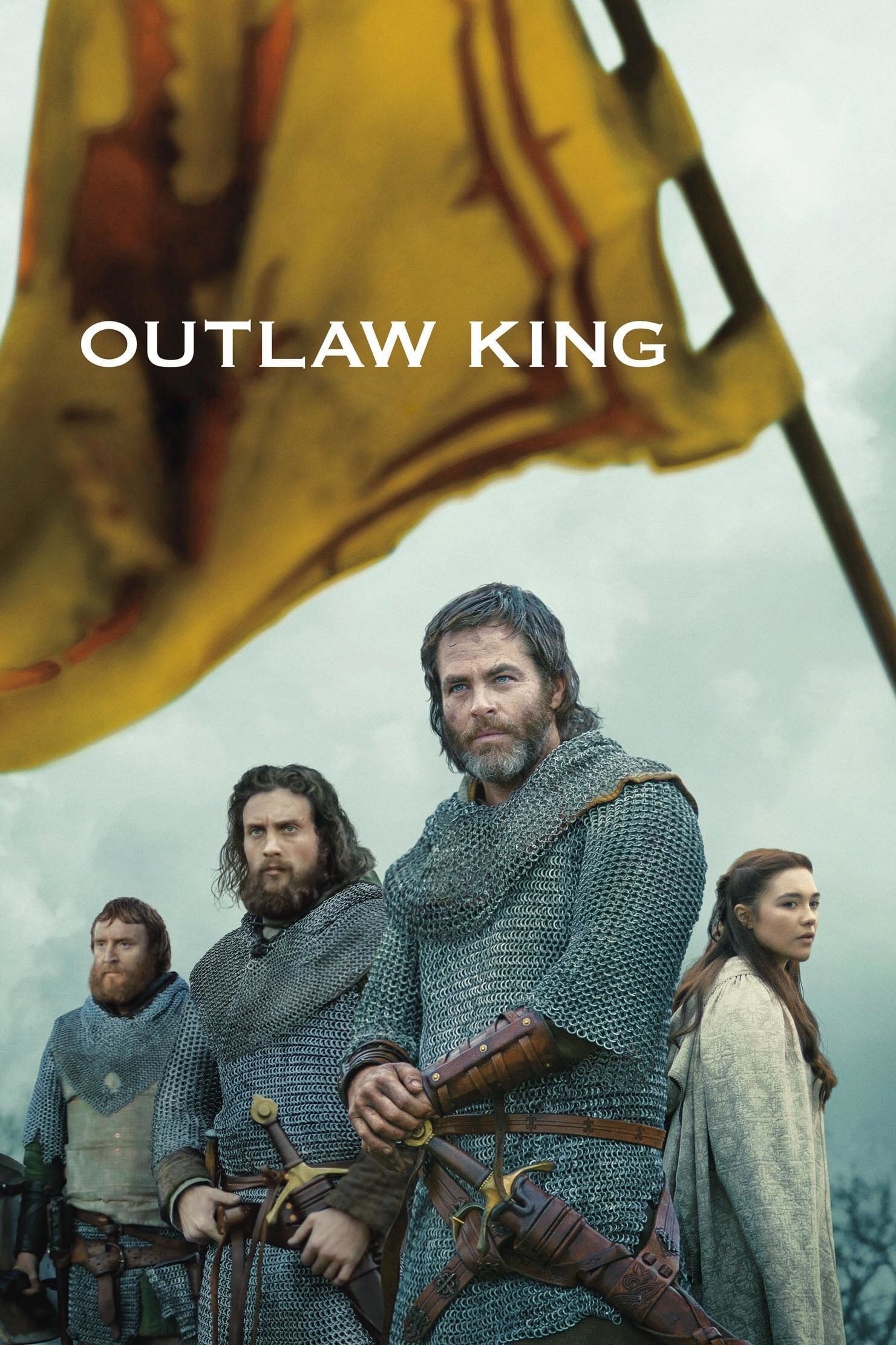
The Battle of Loudoun Hill features Robert the Bruce utilizing the terrain to defeat the English cavalry. Ditches and spikes trap the horses in a muddy bog where the Scots engage them with spears. The scene emphasizes the gruesome reality of medieval combat where mud and blood make movement nearly impossible. This depiction contrasts sharply with more sanitized versions of Scottish history on film.
‘1917’ (2019)
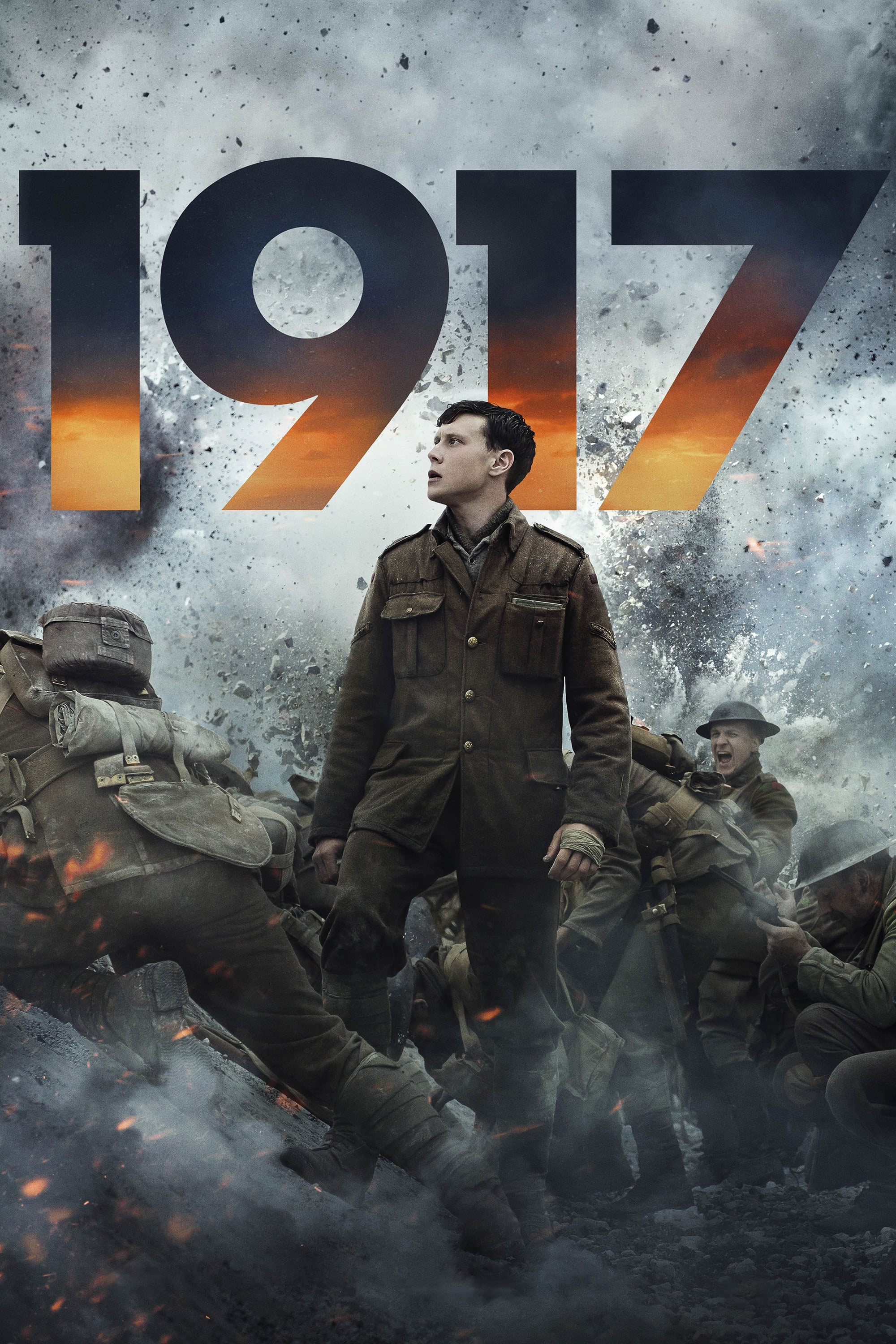
Sam Mendes constructs the film to appear as a continuous shot that follows two soldiers across enemy lines. The camera moves through trenches and ruins to capture the scale of destruction and the immediacy of danger. Flares illuminate the night sky as the protagonist navigates a burning town filled with hidden enemies. The immersive technique forces the audience to experience the relentless tension of the Western Front.
‘The Northman’ (2022)
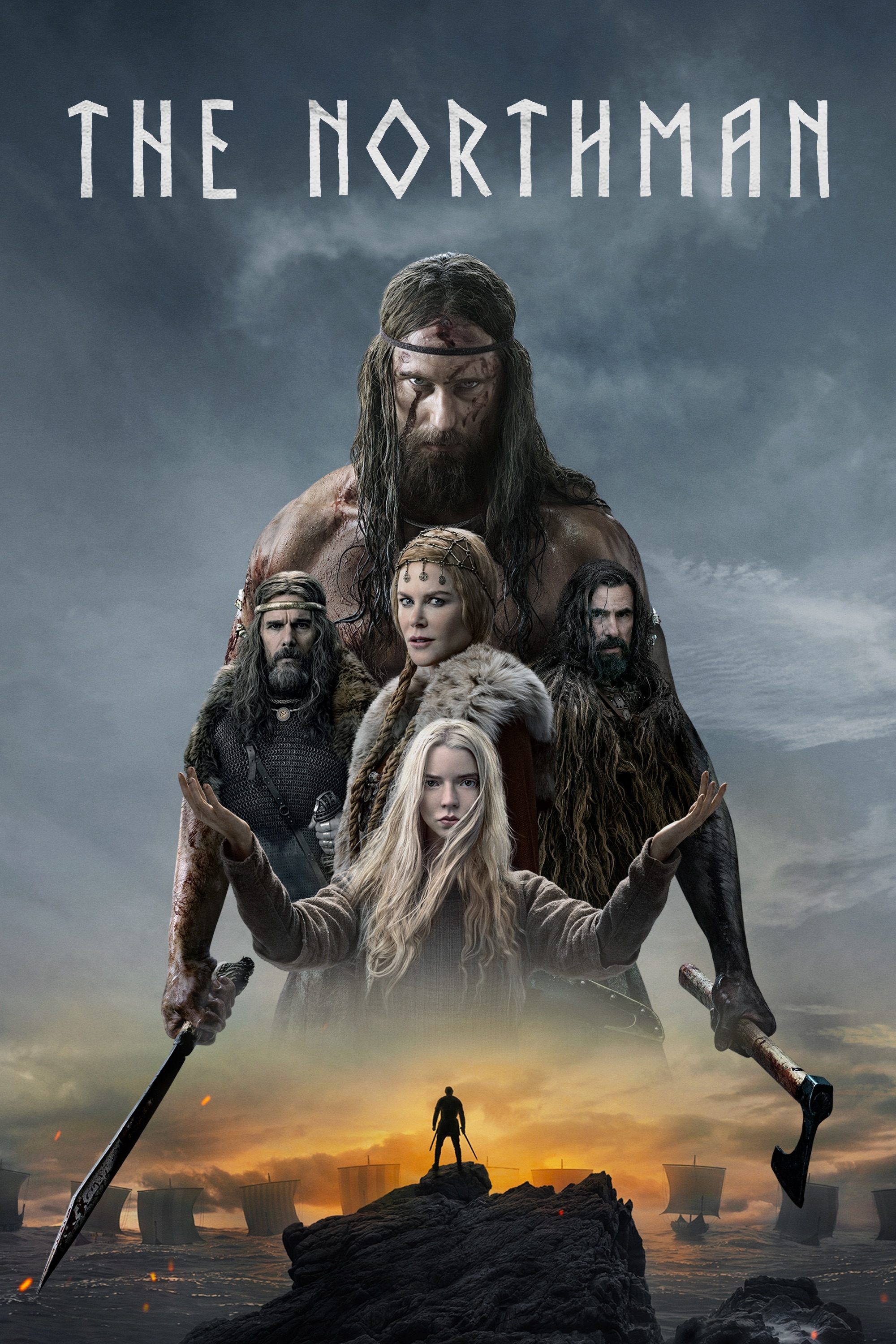
A Viking raid on a Slavic village unfolds with savage brutality and raw physical power. Amleth acts as a berserker who tears through defenders with animalistic ferocity. Robert Eggers directs the sequence with long takes that highlight the chaotic nature of the pillaging. The violence feels grounded and unrefined to reflect the harsh realities of the era.
Please let us know which historical battle you found the most intense by writing in the comments.