


Historically Inaccurate Movies That Triggered Vicious Online Race Debates



The intersection of Hollywood storytelling and historical representation often results in significant public discourse, particularly when casting or narrative choices diverge from the factual record. While some alterations are made for dramatic effect, others have sparked intense online debates regarding cultural appropriation, whitewashing, and the erasure of specific ethnic histories. These controversies often highlight the growing demand for authenticity and sensitivity in films that depict real-world events and cultures. From ancient epics to modern biographies, the following films faced intense scrutiny for their historical inaccuracies and the racial implications of their production choices.
‘The Woman King’ (2022)
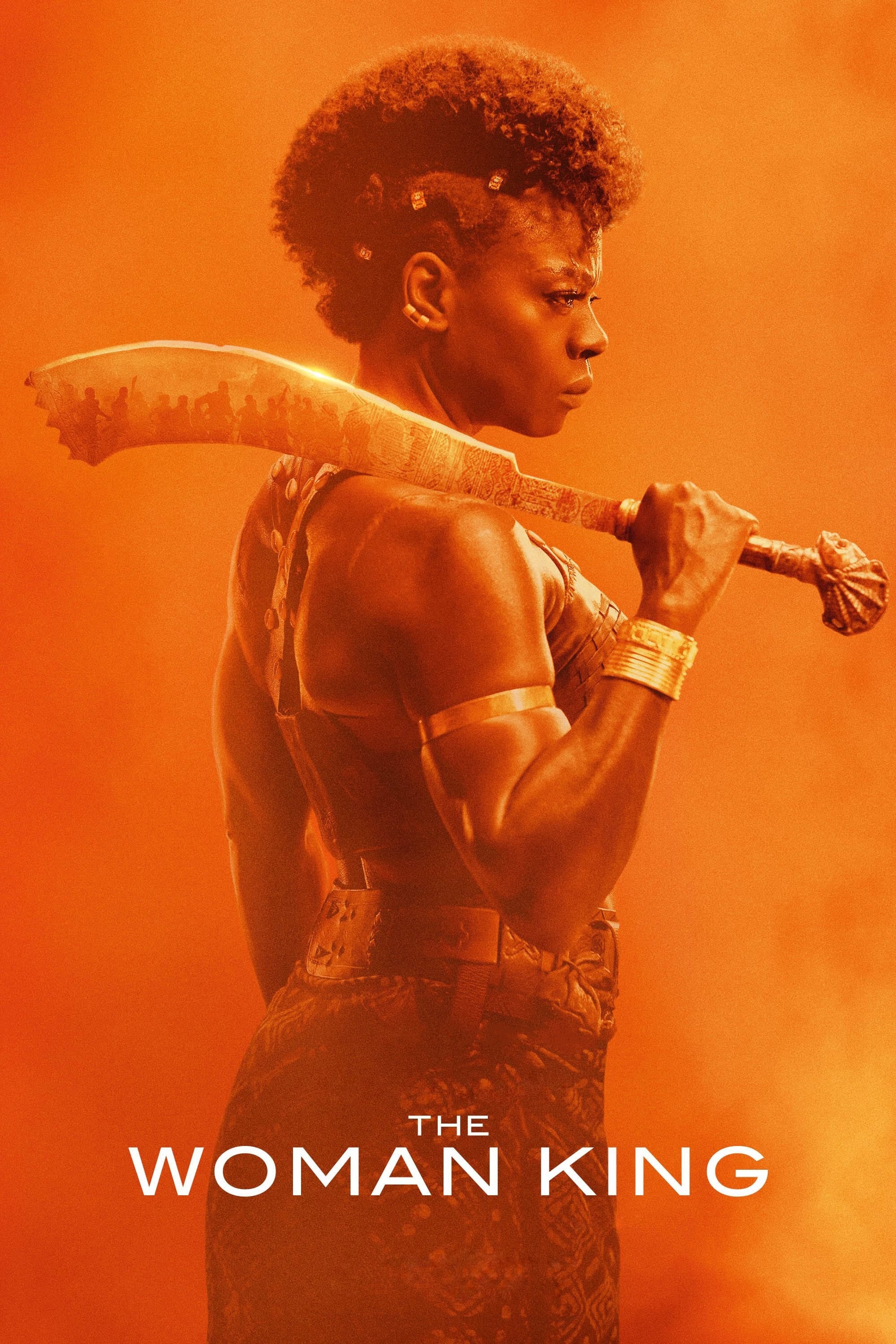
This film portrays the Agojie, an all-female warrior unit in the Kingdom of Dahomey during the 19th century. Online critics argued that the movie sanitized the kingdom’s heavy involvement in the Atlantic slave trade to make the protagonists more heroic. While ‘The Woman King’ includes the trade as a plot point, historians noted the real-life Dahomey fought to maintain the trade rather than abolish it. The debate centered on whether a blockbuster should heroize a nation with such a complex and often brutal historical record regarding slavery.
‘300’ (2006)
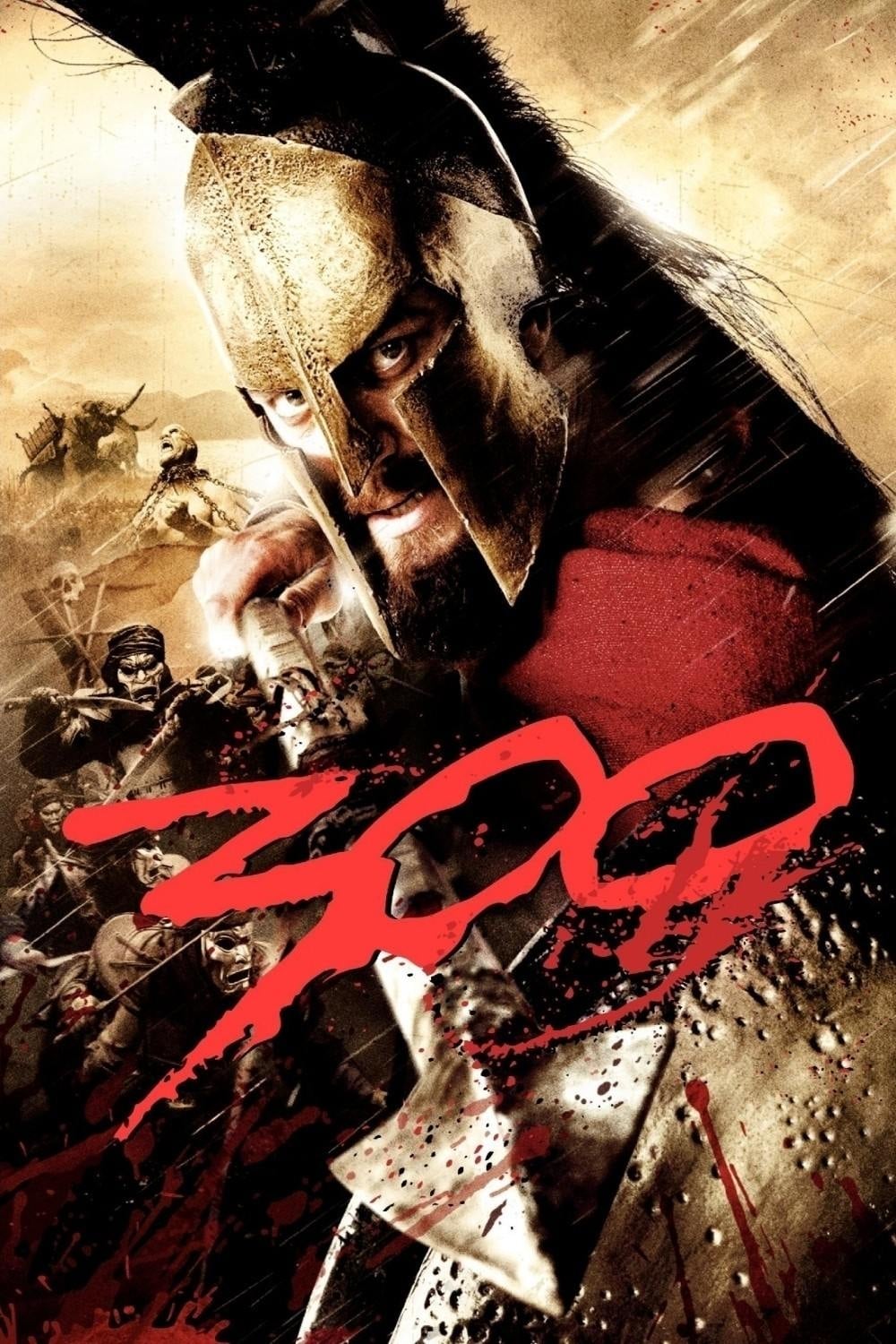
Based on the Frank Miller graphic novel, this film depicts the Battle of Thermopylae between Spartans and the Persian Empire. The movie was heavily criticized for its portrayal of Persians as monstrous, exoticized, and barbaric compared to the idealized white Spartans. Historians pointed out that the ancient Persians were a sophisticated civilization, far removed from the “god-king” Xerxes depicted in the film. Online discussions frequently labeled the film as “orientalist” and accused it of feeding into modern geopolitical tensions.
‘The Last Samurai’ (2003)
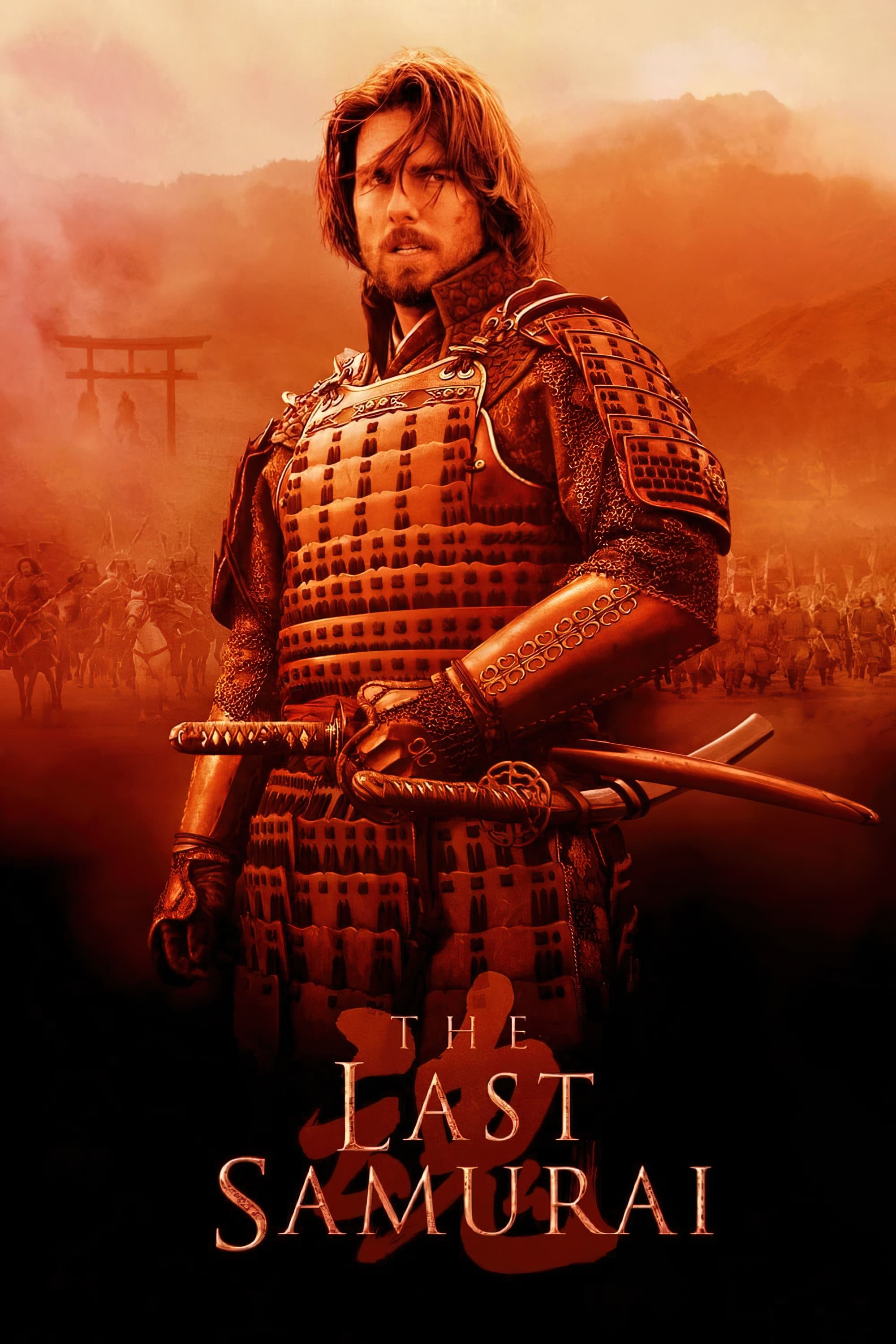
In ‘The Last Samurai’, a 19th-century American military officer travels to Japan and becomes involved in the Satsuma Rebellion. The film was widely discussed for its use of the “white savior” trope, where a Westerner masters a foreign culture more effectively than the locals. While the character is based on a real French officer, Jules Brunet, the decision to cast Tom Cruise as the lead led to claims of cultural erasure. Debates online focused on why the story of a Japanese rebellion required an American protagonist to reach global audiences.
‘Exodus: Gods and Kings’ (2014)

This biblical epic directed by Ridley Scott tells the story of Moses leading the Israelites out of Egypt. The film faced a massive boycott movement on social media due to its casting of white actors in all the lead Middle Eastern roles. While the protagonists were white, actors of color were largely relegated to roles as slaves, servants, or thieves. This prompted a vicious debate about the industry’s refusal to cast ethnically accurate actors in historical roles set in Africa and the Middle East.
‘Gods of Egypt’ (2016)
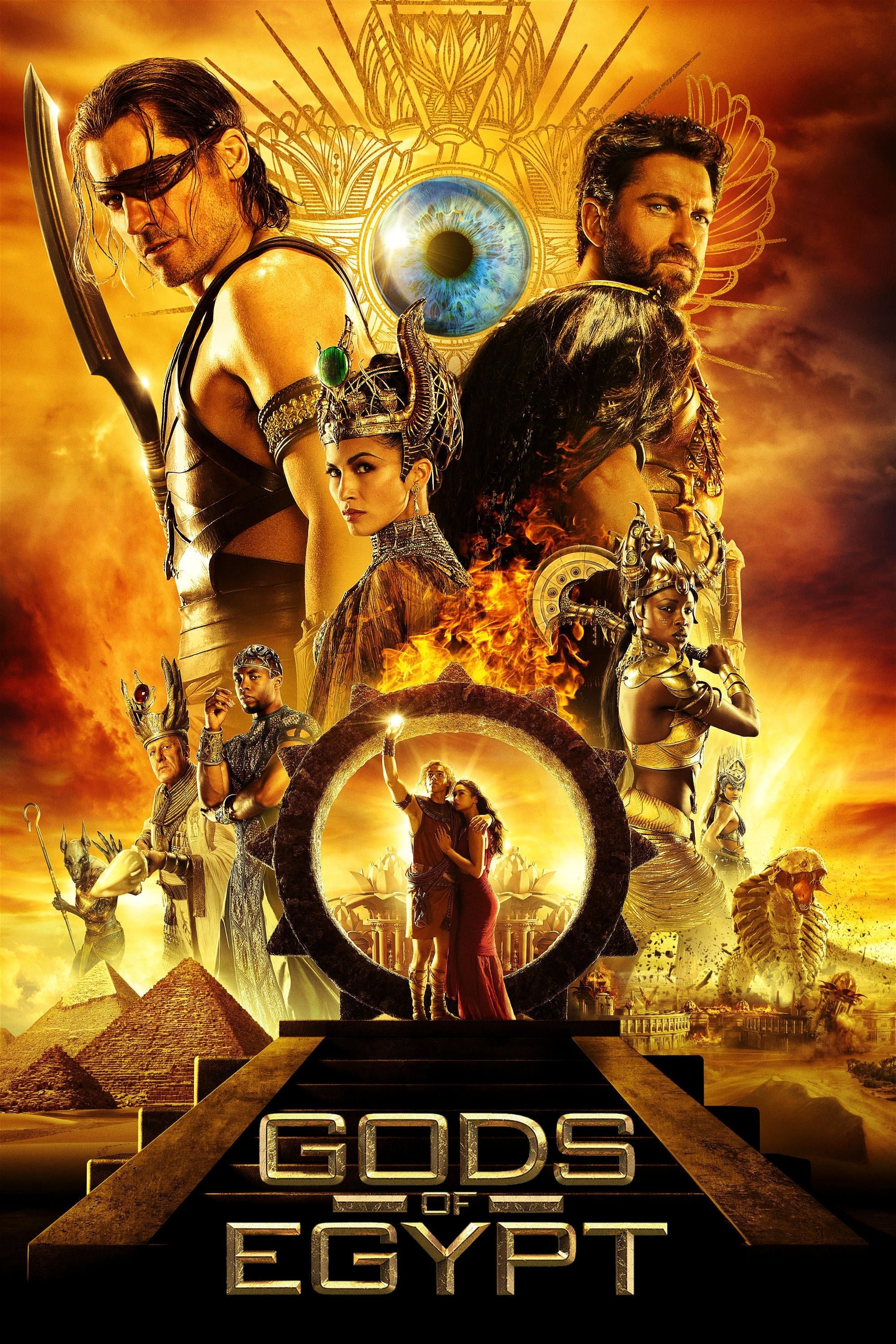
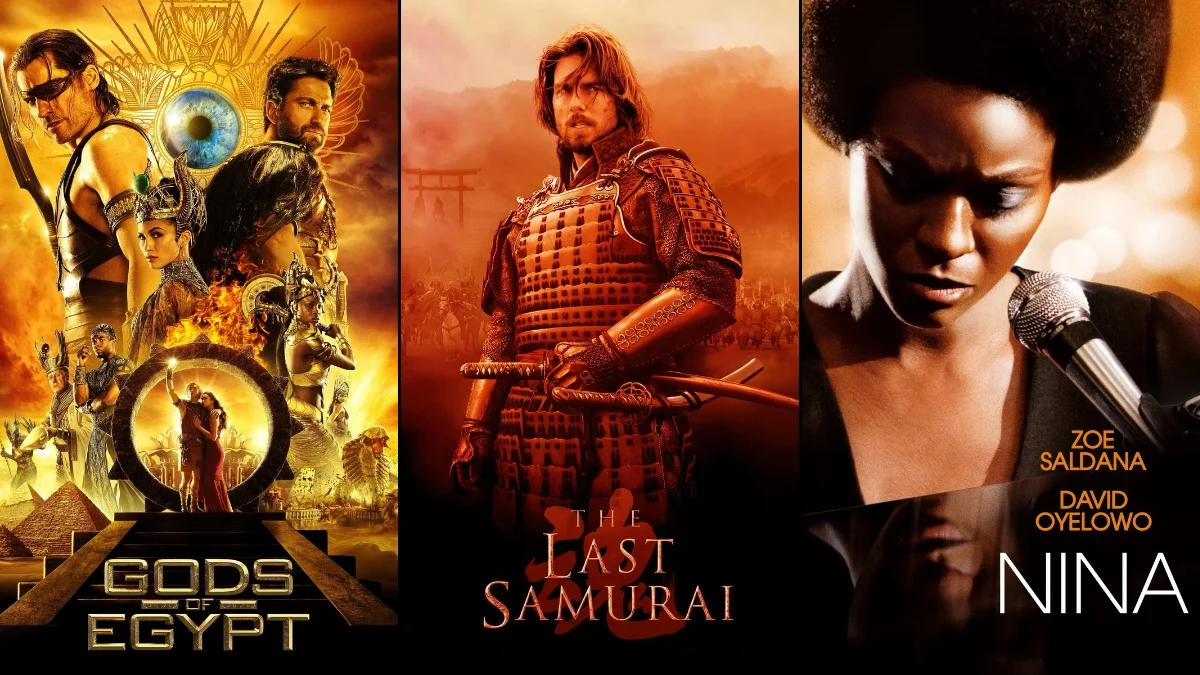
Set in an ancient Egypt populated by gods and mortals, this film immediately drew fire for its predominantly white cast. Online critics pointed out the absurdity of casting Gerard Butler and Nikolaj Coster-Waldau as Egyptian deities. The backlash was so swift and intense that both the director and the studio issued public apologies before the film even premiered. This debate served as a turning point in how social media users hold studios accountable for “whitewashing” ancient history.
‘Prince of Persia: The Sands of Time’ (2010)
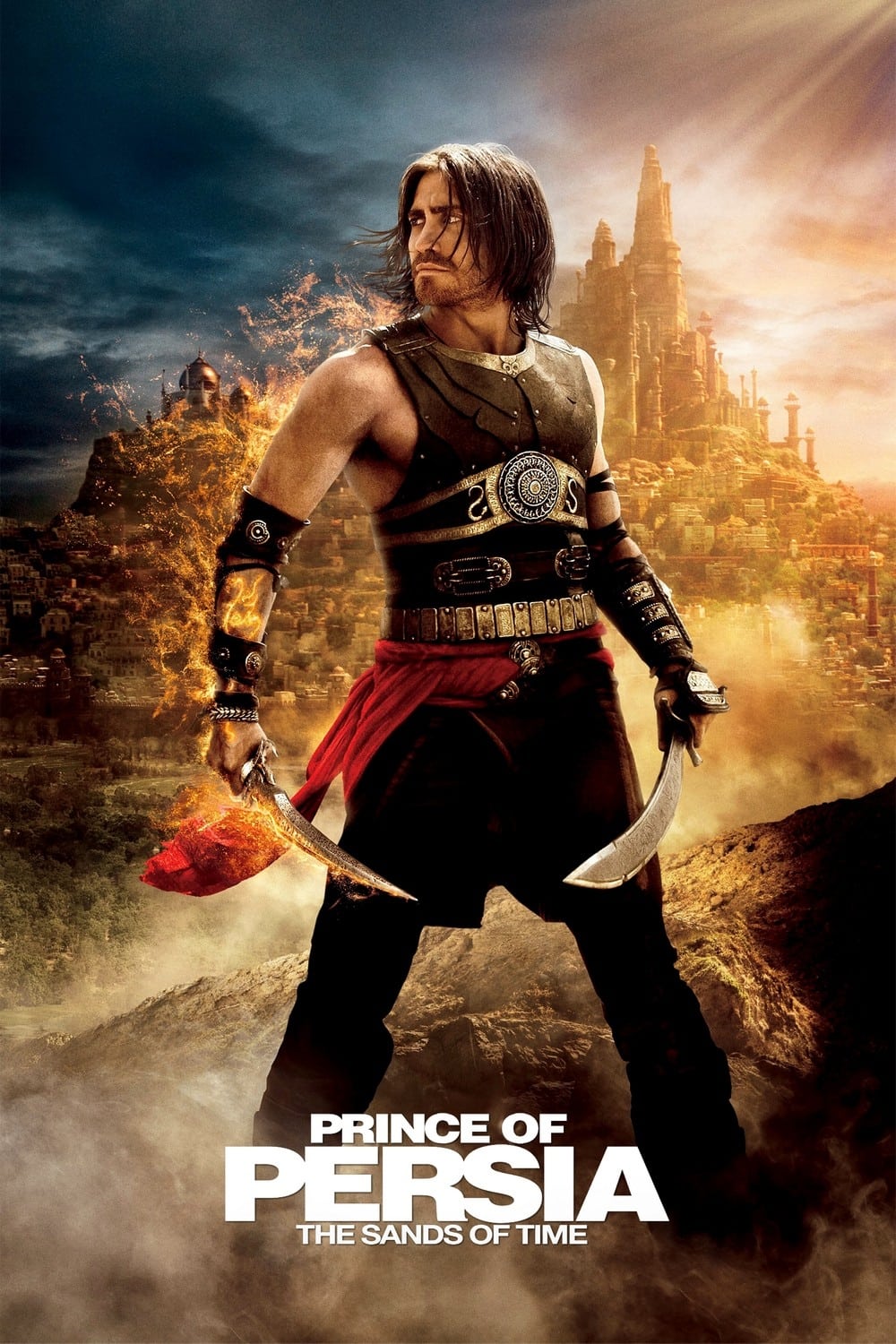
Though based on a video game, the film is set in a historical Persian context and faced significant criticism for casting Jake Gyllenhaal as the titular prince. Fans and activists took to the internet to protest the lack of Iranian or Middle Eastern representation in a story specifically rooted in that heritage. The debate highlighted the industry’s tendency to hire bankable white stars for roles that should logically belong to actors from the depicted region. Many saw this as another example of Hollywood ignoring the historical and ethnic identity of the Middle East.
‘Lawrence of Arabia’ (1962)
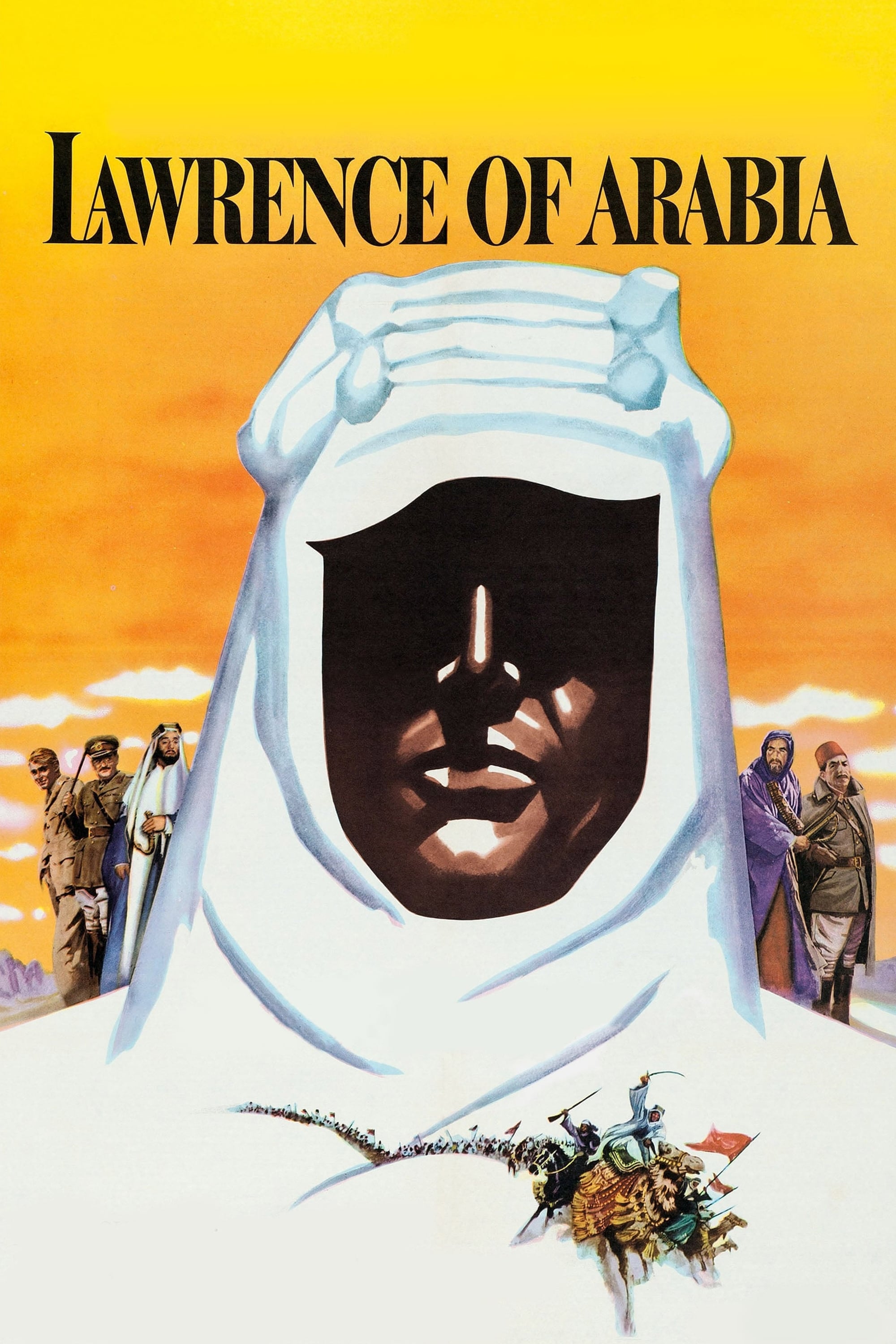
Widely considered a cinematic masterpiece, this film has faced modern scrutiny for its historical distortions and casting choices. Specifically, the casting of Alec Guinness, a white British actor, as the Arab King Faisal has been a focal point of online criticism. While the film was praised for its scale, the “brownface” makeup used on Guinness remains a point of contention in modern racial discourse. Critics argue that the film centers the British experience of the Arab Revolt while marginalizing the actual Arab participants.
‘Aloha’ (2015)

The film ‘Aloha’ caused an uproar when it cast Emma Stone as Allison Ng, a character described as being of quarter-Chinese and quarter-Hawaiian descent. The mismatch between the actress’s appearance and the character’s stated heritage sparked a firestorm of online mockery and serious critique. Advocates for Asian-American and Pacific Islander representation argued that this was a blatant erasure of Hapa identity. The debate intensified when leaked emails revealed the studio was aware of the casting discrepancy during production.
‘Stonewall’ (2015)

This film depicts the 1969 Stonewall Riots, a pivotal moment in the LGBTQ+ rights movement. It was met with immediate backlash for centering a fictional white, cisgender male protagonist as the person who “starts” the riots. Online activists pointed out that real-life trans women of color, like Marsha P. Johnson and Sylvia Rivera, were the actual leaders of the movement. The debate centered on the “whitewashing” of queer history to make it more palatable for mainstream audiences.
‘Memoirs of a Geisha’ (2005)

Based on the popular novel, this film faced significant criticism for casting Chinese actresses, including Zhang Ziyi and Michelle Yeoh, in roles as Japanese geishas. The decision triggered a vicious debate across Asia and on global forums about the historical animosity between China and Japan. Critics argued that the casting treated Asian ethnicities as interchangeable, ignoring the specific cultural nuances of the geisha tradition. This controversy highlighted the Western film industry’s frequent lack of distinction between different Asian cultures.
‘Harriet’ (2019)
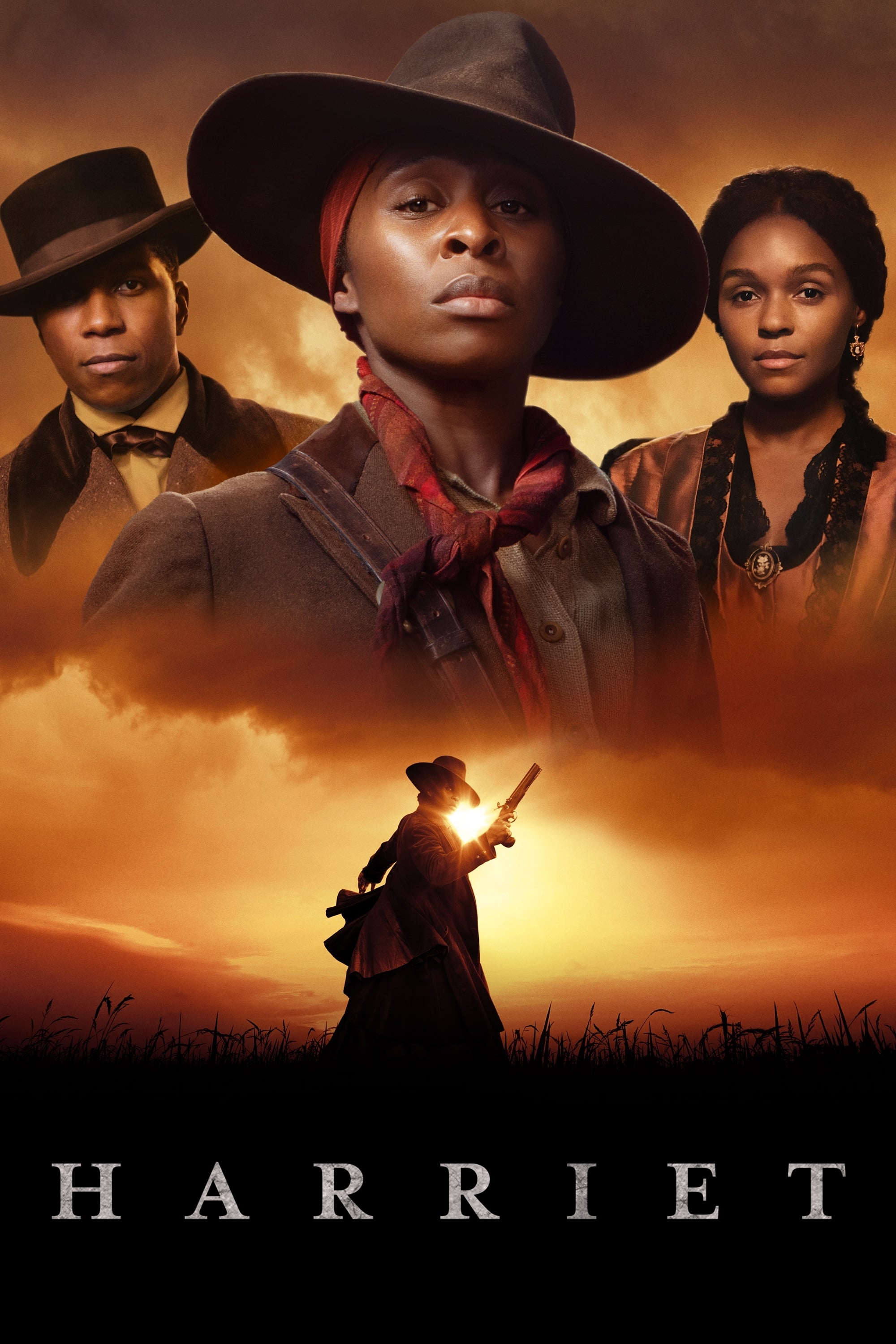
‘Harriet’ tells the story of Harriet Tubman’s escape from slavery and her subsequent missions to free others. The film sparked a heated online debate over the inclusion of a fictional Black slave catcher named Bigger Long. Many critics argued that the character shifted the focus away from white supremacy and created a narrative of “Black-on-Black” violence that did not exist in that context. This prompted discussions about the responsibility of filmmakers to maintain historical integrity when dealing with the trauma of slavery.
‘The Great Wall’ (2016)
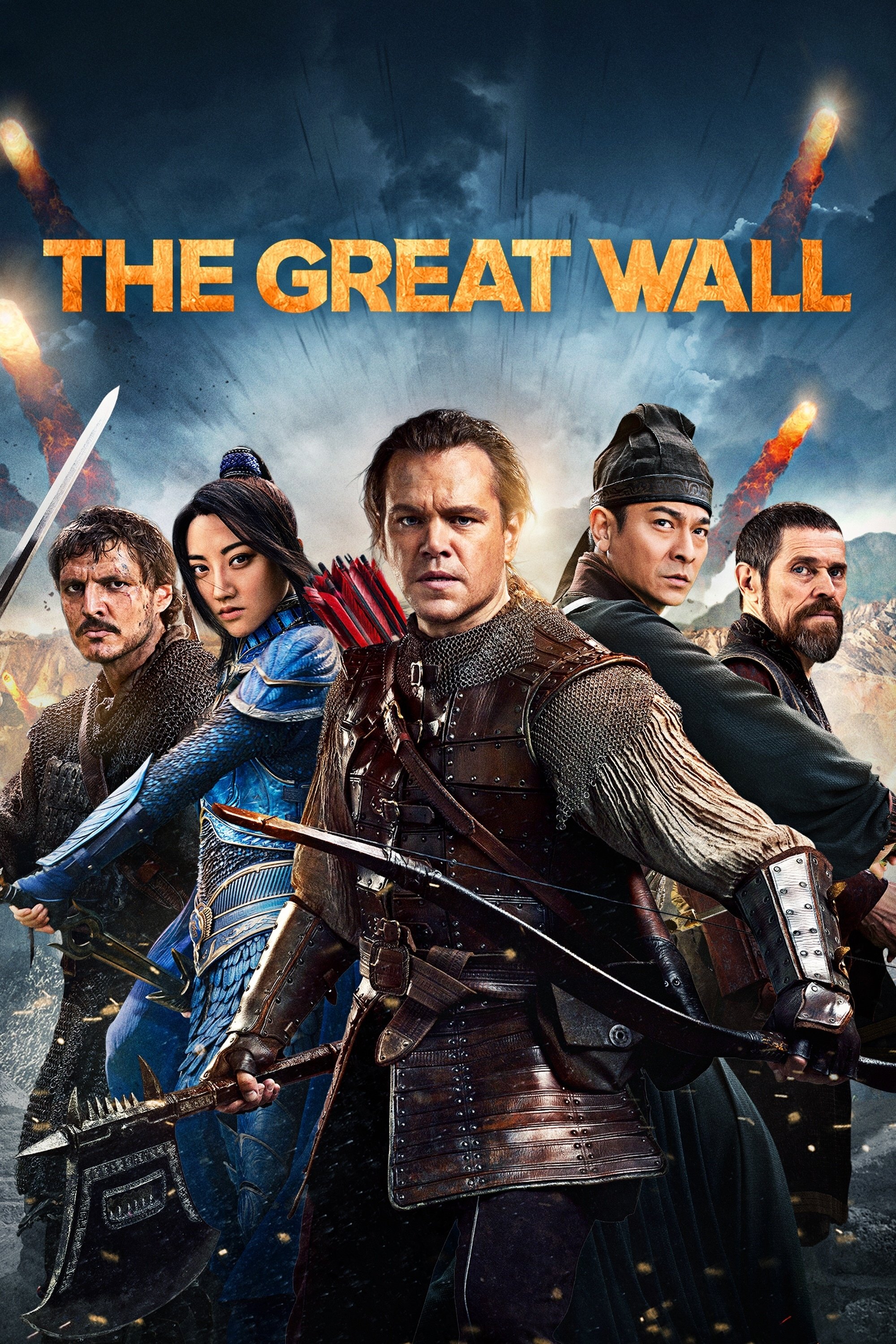
This fantasy-historical film set in ancient China faced accusations of using a “white savior” narrative by casting Matt Damon as the lead. Although the plot involves monsters, the historical setting and the presence of a white hero saving the Chinese Empire led to widespread online criticism. Constance Wu was one of the most prominent voices criticizing the film, stating that “our heroes don’t look like Matt Damon.” The debate focused on why Hollywood felt it necessary to place a Westerner at the center of Chinese history.
‘Nina’ (2016)
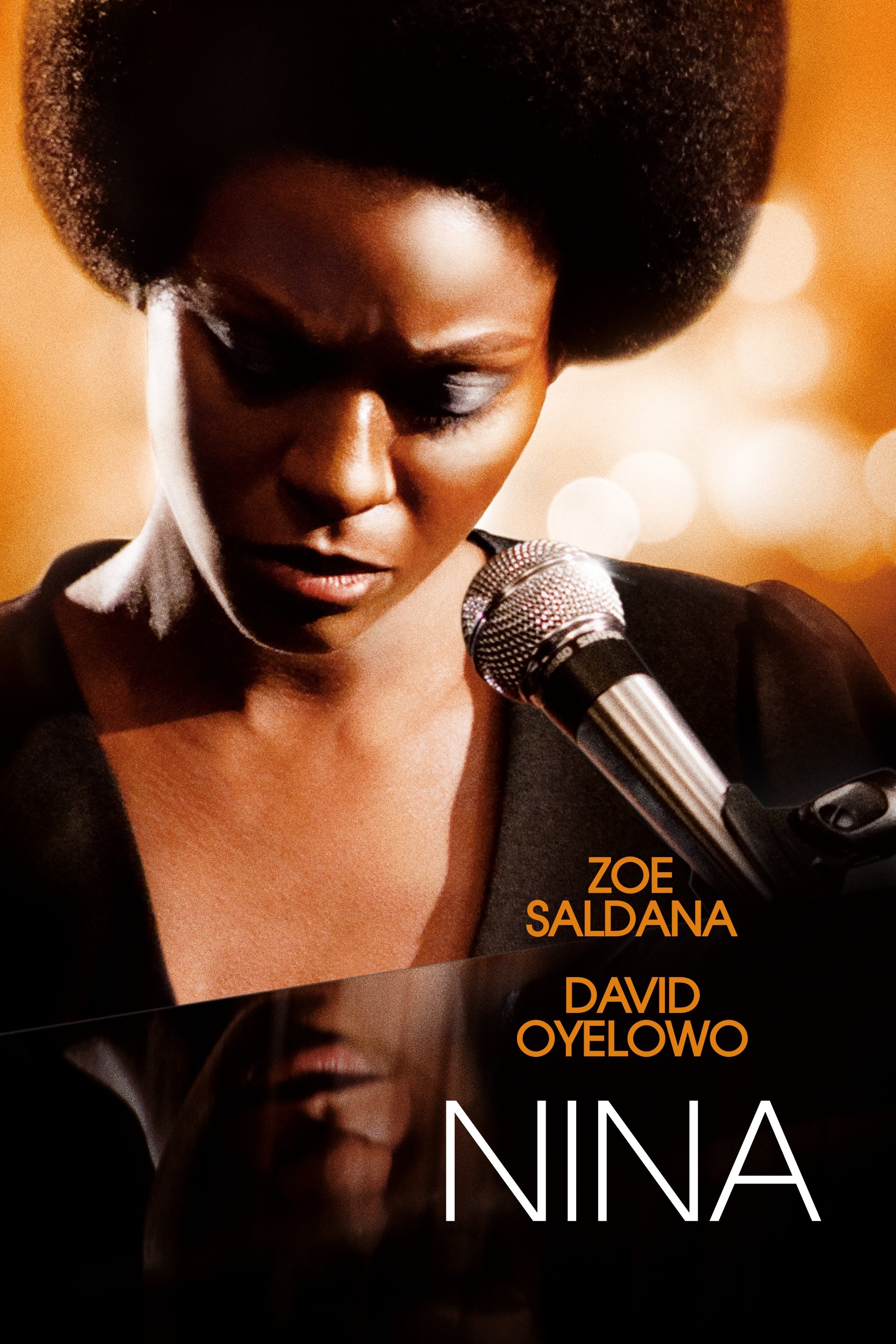
The casting of Zoe Saldana as legendary singer and activist Nina Simone led to intense backlash from fans and Simone’s estate. Critics argued that the use of skin-darkening makeup and a prosthetic nose to make the actress resemble Simone was offensive. The film was accused of ignoring the specific struggles Simone faced due to her darker skin and African features, which were central to her music and activism. Online debates focused on colorism in Hollywood and the ethics of altering an actor’s appearance to fit a specific racial profile.
‘The Conqueror’ (1956)

Frequently cited as one of the worst casting decisions in history, ‘The Conqueror’ features John Wayne as the Mongol leader Genghis Khan. While the film was produced decades before the internet, it remains a frequent topic of online debate regarding the history of “yellowface” in cinema. Modern audiences point to the film as a prime example of Hollywood’s long-standing disregard for Asian history and identity. The use of an iconic American cowboy to play an Asian emperor is often used to illustrate the absurdity of historical whitewashing.
‘The Lone Ranger’ (2013)

Disney’s ‘The Lone Ranger’ faced criticism for casting Johnny Depp as Tonto, a Native American character. Although Depp claimed Native American ancestry, the portrayal was seen by many as a collection of tired stereotypes and “redface.” Online discourse questioned why a Native American actor was not cast in the role, especially given the film’s historical Western setting. The debate raised awareness about the lack of opportunities for Indigenous actors and the perpetuation of caricatures in major blockbusters.
‘The Passion of the Christ’ (2004)
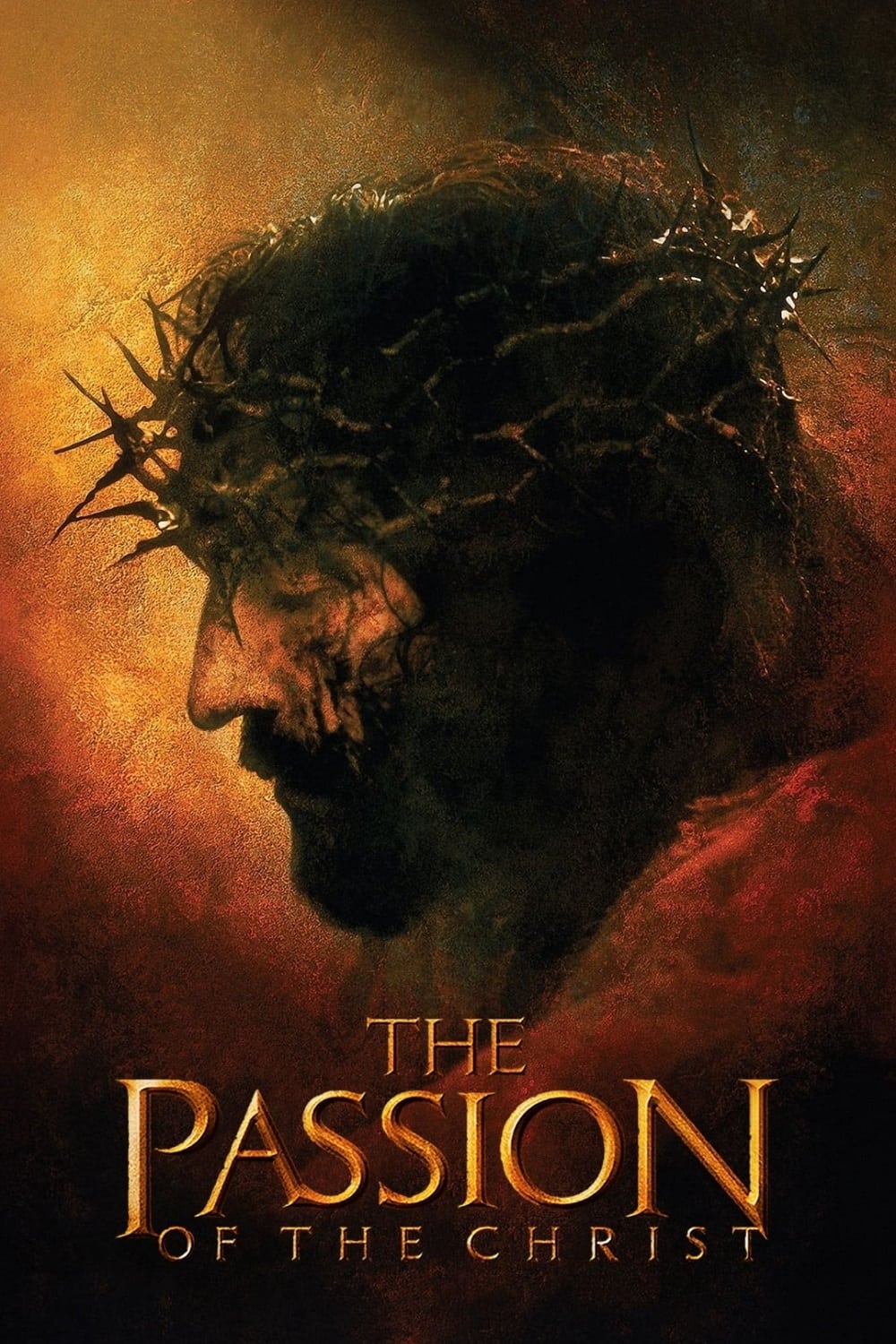
This film’s depiction of the crucifixion of Jesus triggered intense debates regarding its historical accuracy and its portrayal of Jewish people. Critics and various organizations argued that the film leaned into anti-Semitic tropes by depicting Jewish leaders as bloodthirsty and cruel. The debate extended to the race of Jesus, as the film cast Jim Caviezel, a white actor, in the title role. Online forums were divided between those who saw the film as a faithful religious exercise and those who saw it as a racially and religiously insensitive production.
‘Breakfast at Tiffany’s’ (1961)

While ‘Breakfast at Tiffany’s’ is a beloved classic, it is infamous for Mickey Rooney’s portrayal of Mr. Yunioshi. Rooney used yellowface makeup and a heavy accent to play a buck-toothed Japanese caricature. This performance has been the subject of countless online essays and debates about the history of anti-Asian racism in American film. It is often cited as a definitive example of how historical cinema promoted harmful racial stereotypes under the guise of comedy.
‘The Birth of a Nation’ (1915)
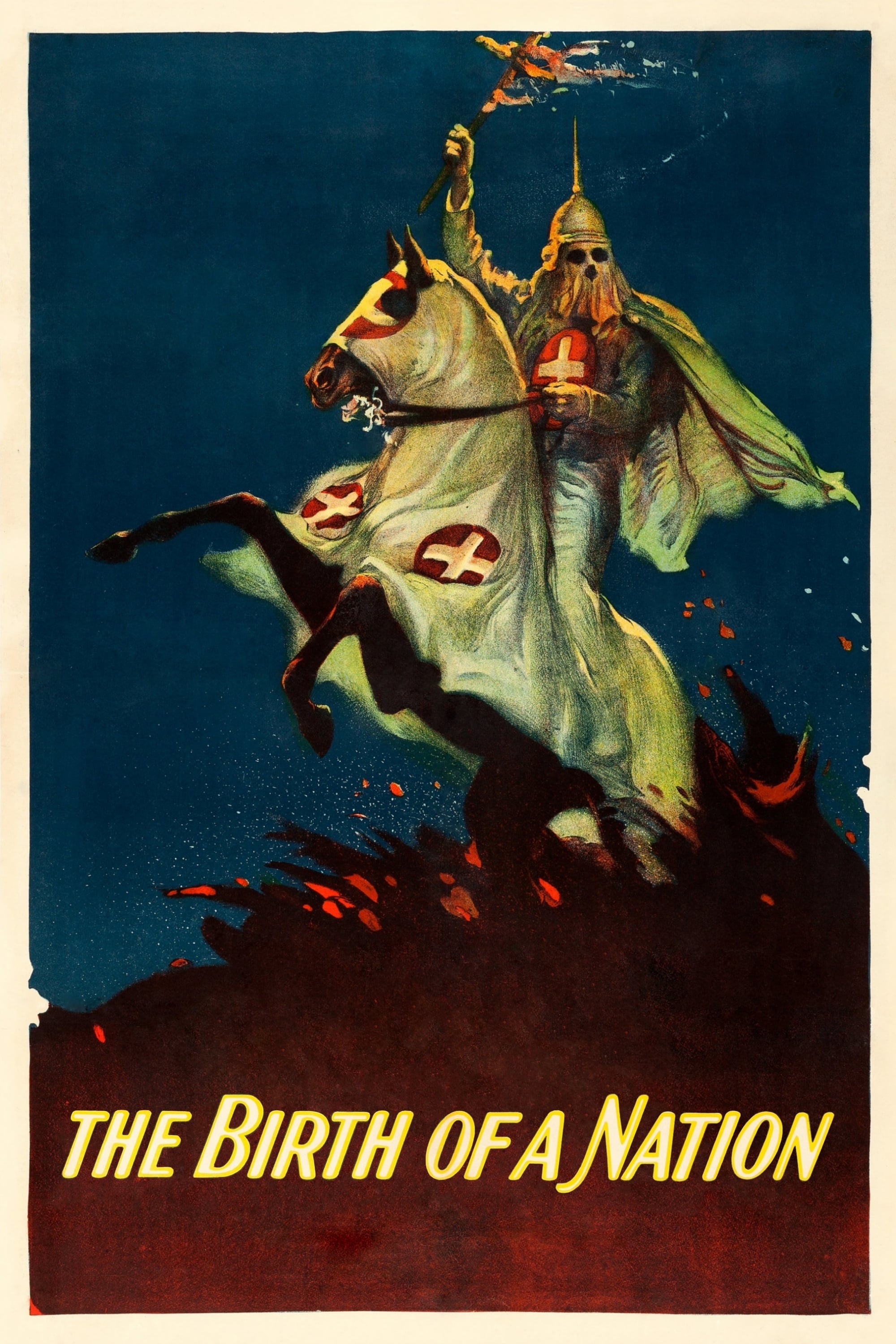
D.W. Griffith’s ‘The Birth of a Nation’ is perhaps the most controversial film in American history for its racist depiction of the Civil War and Reconstruction. The film portrays the Ku Klux Klan as heroic “saviors” of the South and uses white actors in blackface to depict Black citizens as aggressive and unintelligent. While it was a technical milestone for cinema, its historical inaccuracies and promotion of white supremacy led to riots upon its release. Modern online debates focus on its legacy and the ethics of studying it in film schools today.
‘Pocahontas’ (1995)
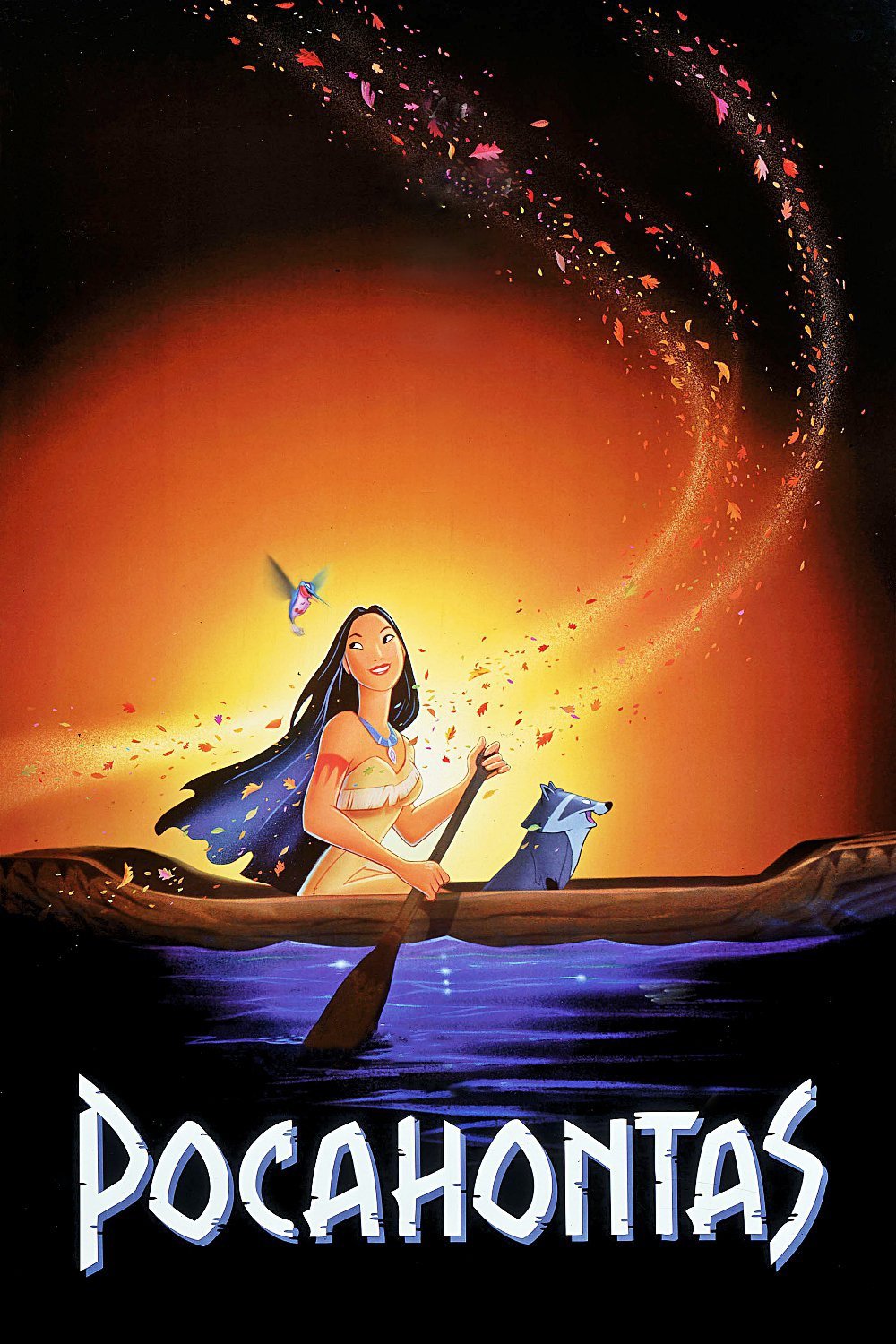
Disney’s ‘Pocahontas’ drastically altered the life of the real Matoaka to create a romantic narrative for children. Historians and Indigenous groups criticized the film for aging the protagonist up and portraying a consensual romance with John Smith. Online discourse often highlights how the film glosses over the subsequent kidnapping and forced assimilation of the historical figure. This portrayal led to significant debates regarding the ethics of using real Indigenous trauma to create a profitable animated feature.
‘Gone with the Wind’ (1939)
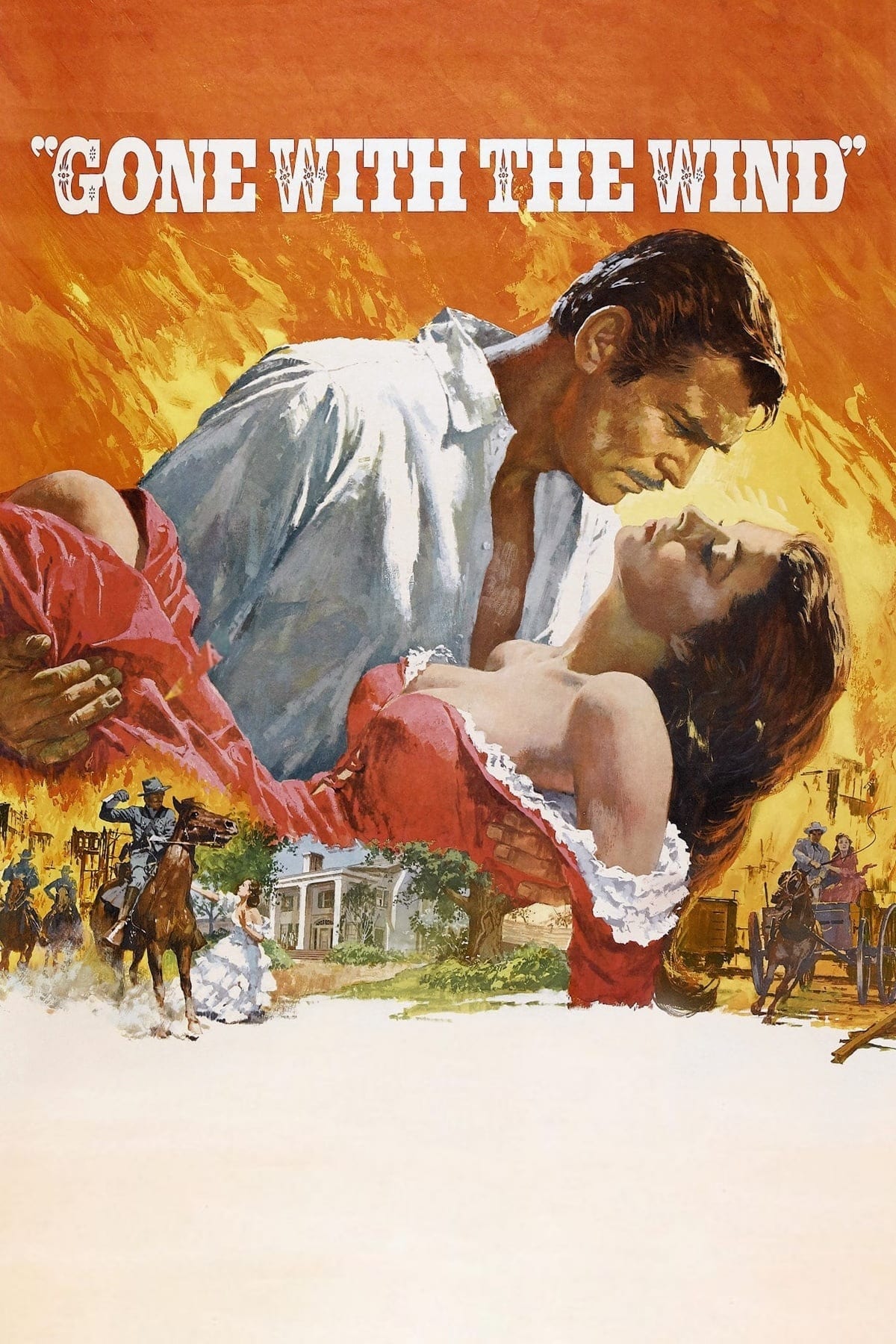
‘Gone with the Wind’ has been a focal point of racial debate for its romanticized portrayal of the antebellum South. Critics argue that the film ignores the brutality of slavery and depicts Black characters as either submissive or content with their status. The debate reached a peak in recent years when streaming services temporarily removed the film to add historical context. Online discussions continue to weigh the film’s status as a cinematic achievement against its harmful historical revisionism.
‘Apocalypto’ (2006)
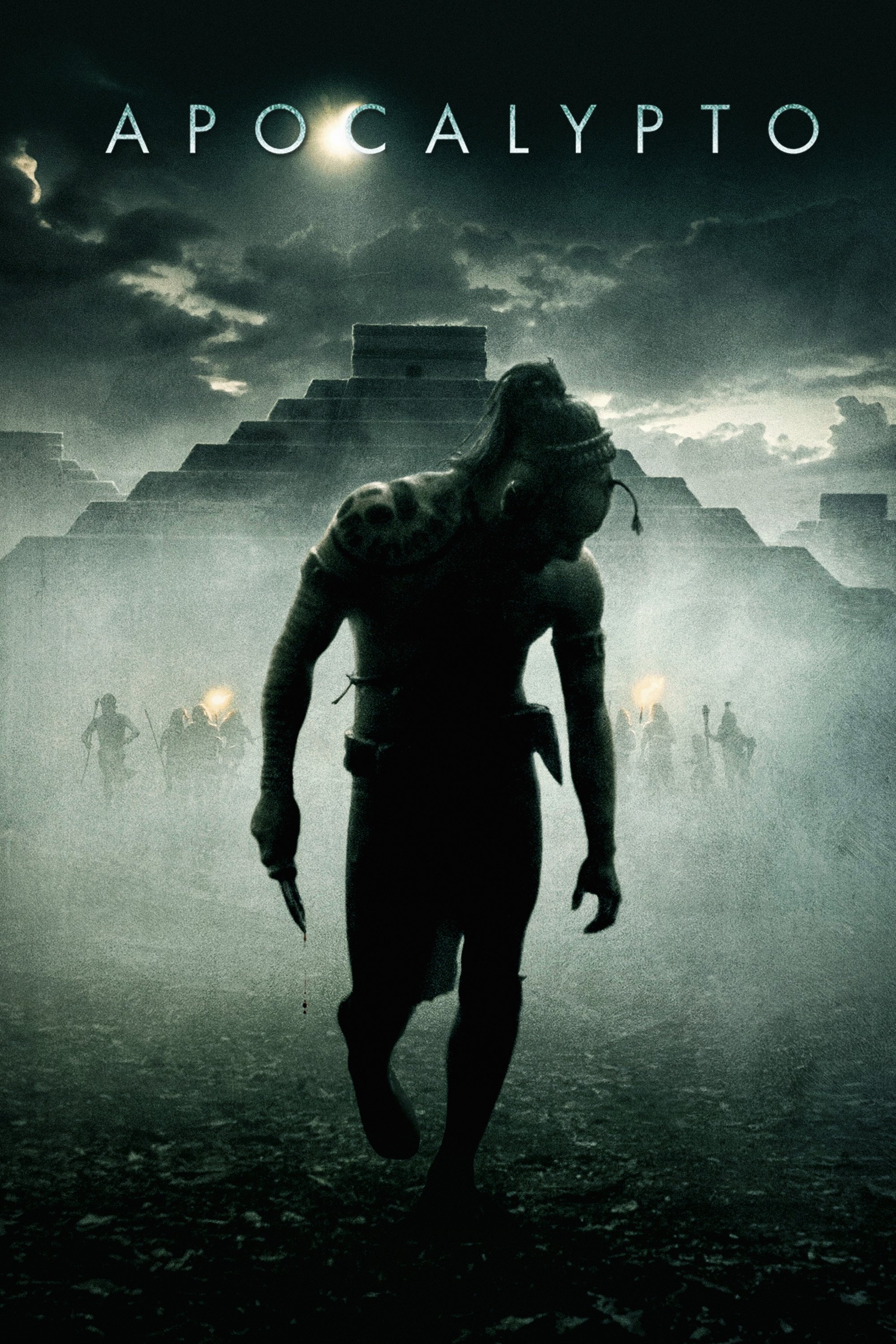
Mel Gibson’s ‘Apocalypto’ depicts the decline of the Maya civilization through a lens of extreme violence and human sacrifice. Many historians and Indigenous activists criticized the film for being historically inaccurate and portraying the Maya as a primitive, bloodthirsty people. The debate online centered on the film’s choice to ignore the complex scientific and social achievements of the Maya. Critics argued that the film reinforced negative stereotypes about pre-Columbian Indigenous cultures to serve a Western action-movie narrative.
‘The Help’ (2011)
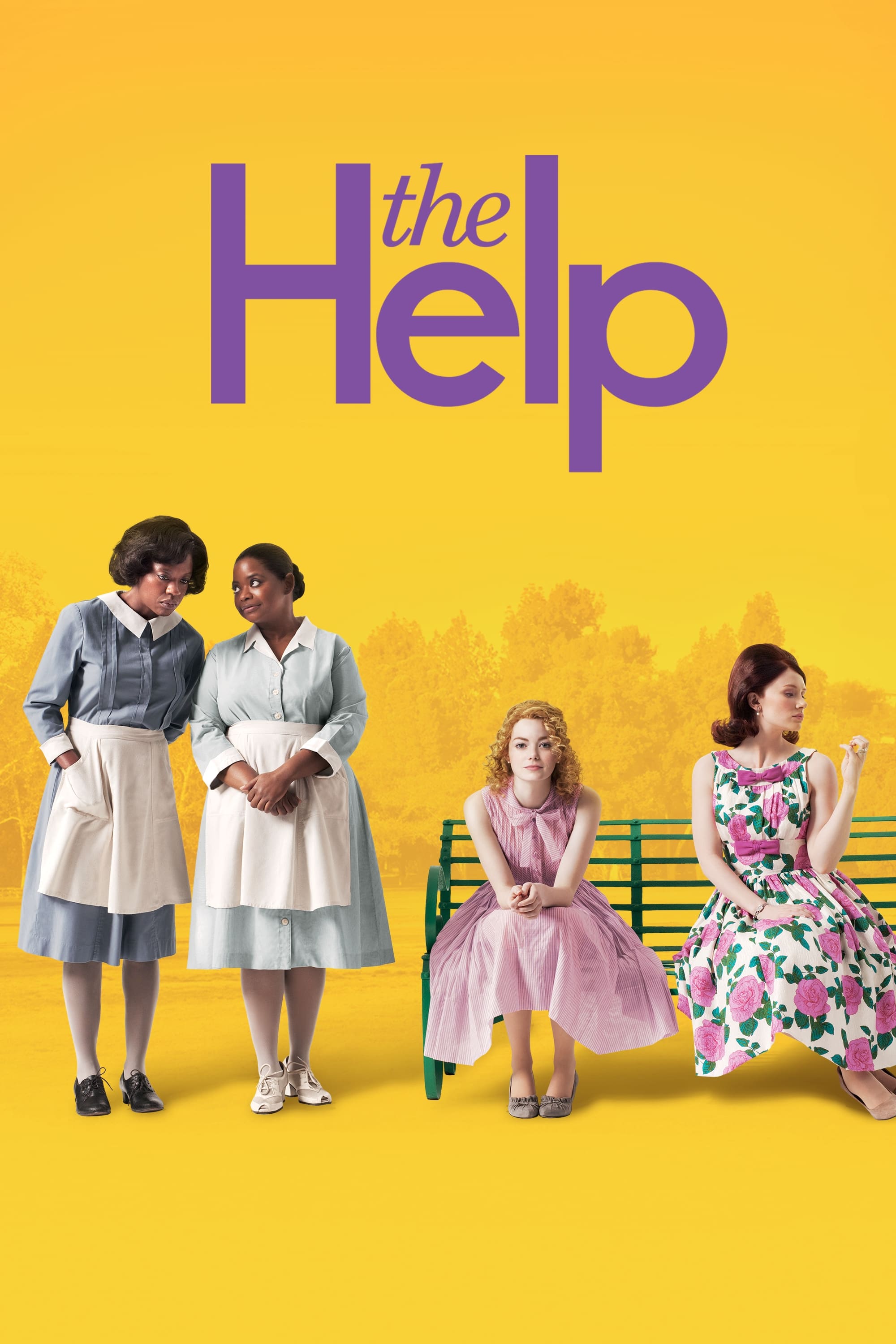
‘The Help’ tells the story of Black maids in 1960s Mississippi through the perspective of a young white woman. The film was criticized for being a “white savior” narrative that focused more on the white protagonist’s growth than the actual struggles of the maids. Online, the debate was fueled by the “mammy” stereotypes portrayed in the film and its sanitization of Jim Crow-era violence. Even star Viola Davis later expressed regret for her role, stating that the film didn’t properly honor the voices of the maids.
‘Green Book’ (2018)
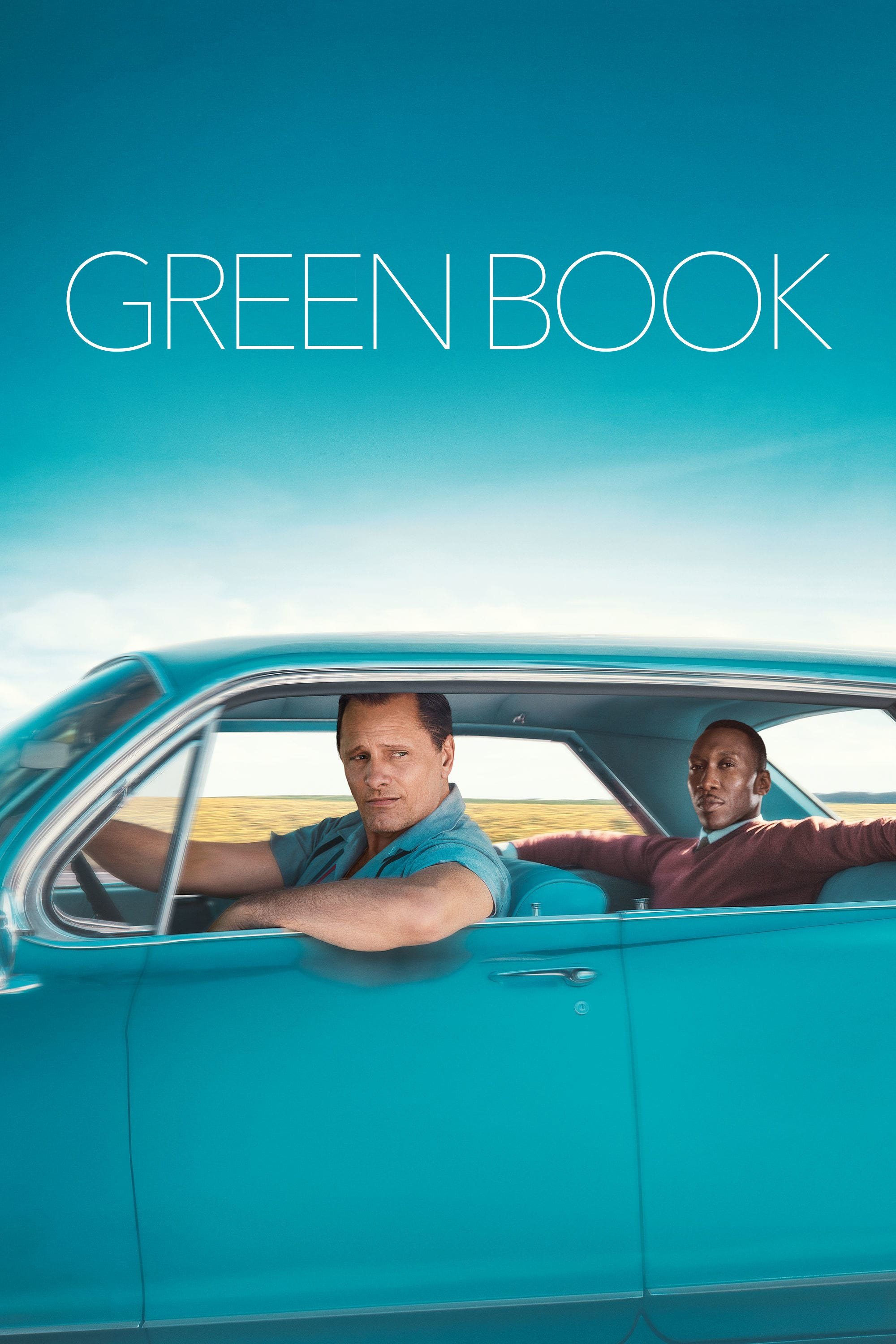
‘Green Book’ won the Academy Award for Best Picture, but it was mired in controversy regarding its historical accuracy. The family of Dr. Don Shirley called the film a “symphony of lies,” stating that his relationship with Tony Lip was never the close friendship depicted. Online critics argued the film used the “white savior” trope and focused on the white driver’s redemption rather than Shirley’s genius. The debate highlighted the tension between factual biography and Hollywood’s desire for a feel-good racial reconciliation story.
‘Birth of the Dragon’ (2016)
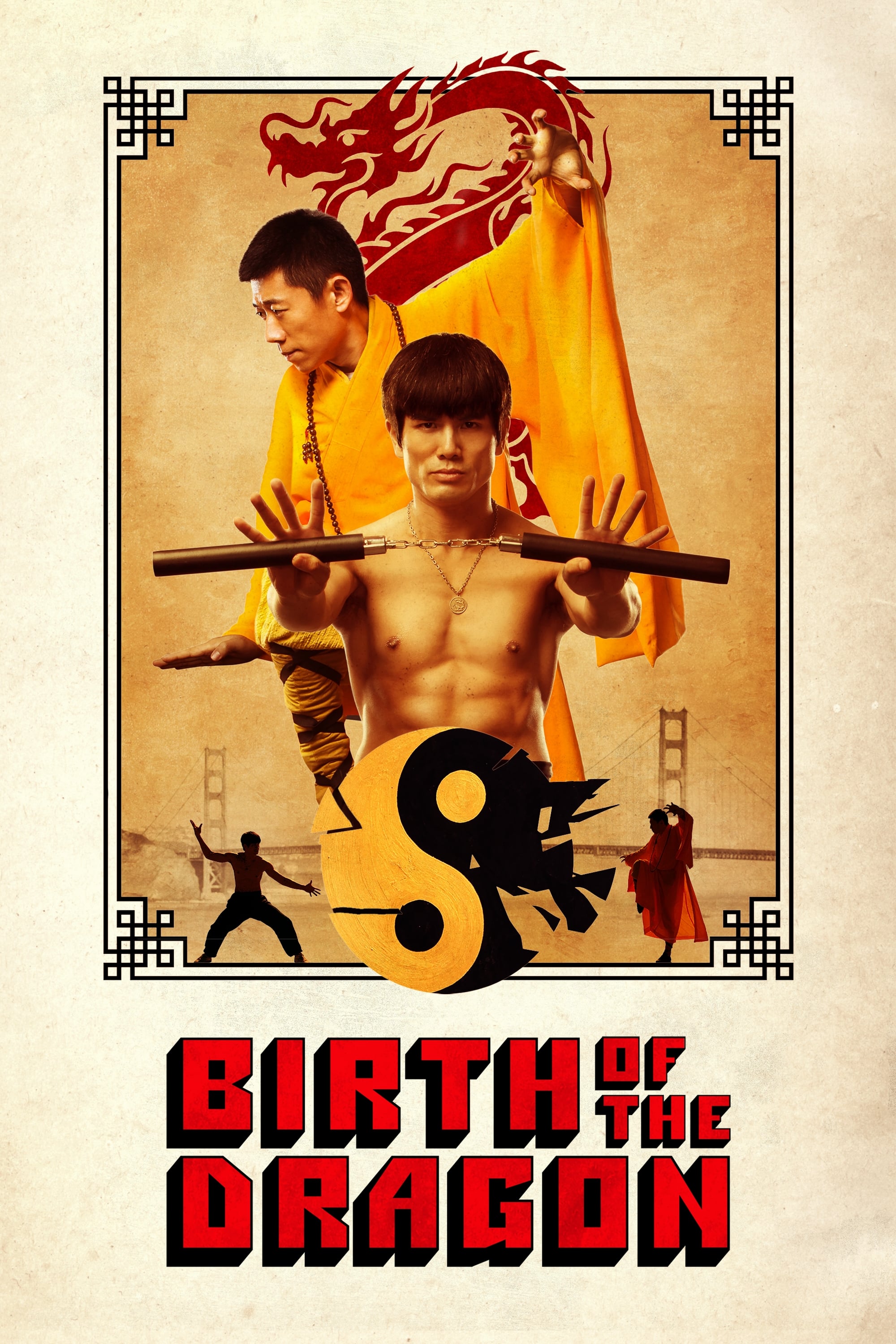
This film about Bruce Lee’s early years in San Francisco was widely panned for centering a fictional white character as the protagonist. Fans of Lee argued that the film sidelined the martial arts legend in his own story to make it more appealing to a white audience. The online debate focused on the systemic erasure of Asian male leads in Western cinema. Critics pointed out that even in a biopic about a global Asian icon, Hollywood felt the need to include a white “entry point” character.
‘Windtalkers’ (2002)
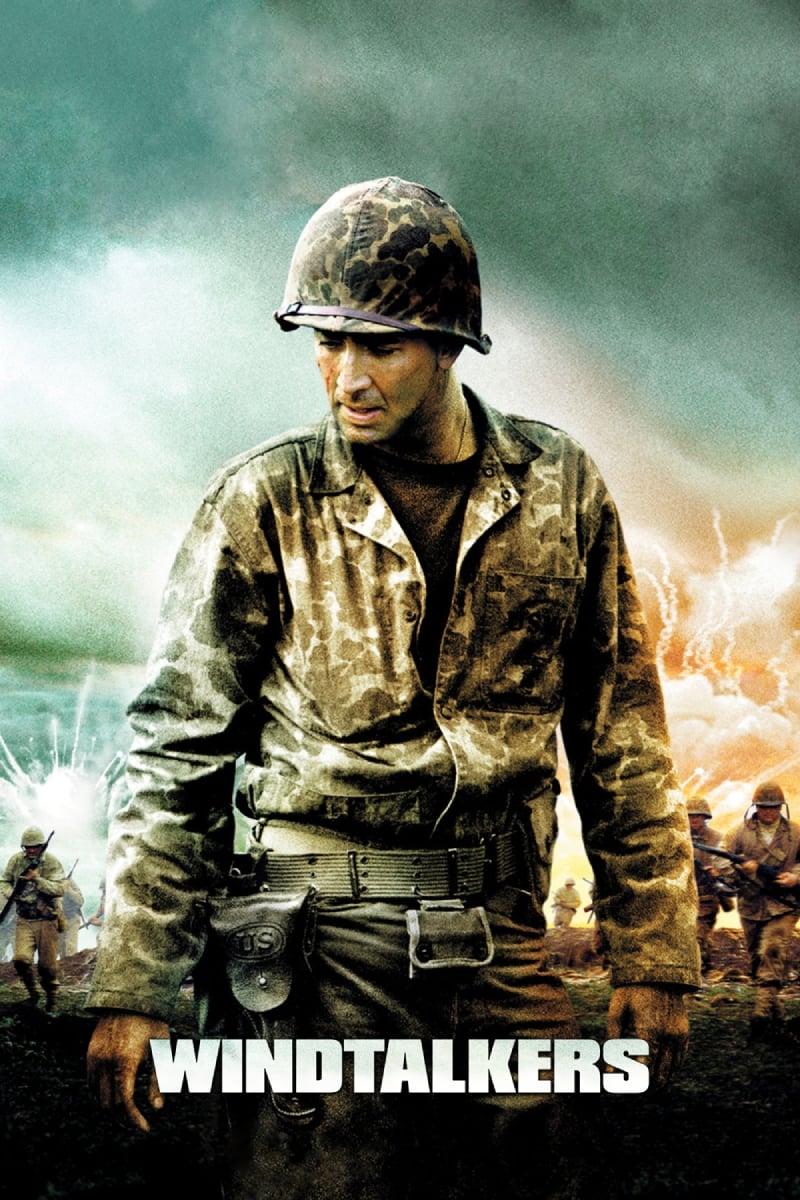
‘Windtalkers’ focuses on the Navajo code talkers during World War II, yet the story is told through the eyes of a white soldier played by Nicolas Cage. This choice sparked a race debate about why the Navajo heroes were relegated to supporting characters in a story about their own contributions. Online critics noted that the film prioritized the white character’s internal conflict over the historical significance of the Navajo language in the war. The controversy is often cited as a prime example of the “white protagonist” requirement in war movies.
‘Anna and the King’ (1999)
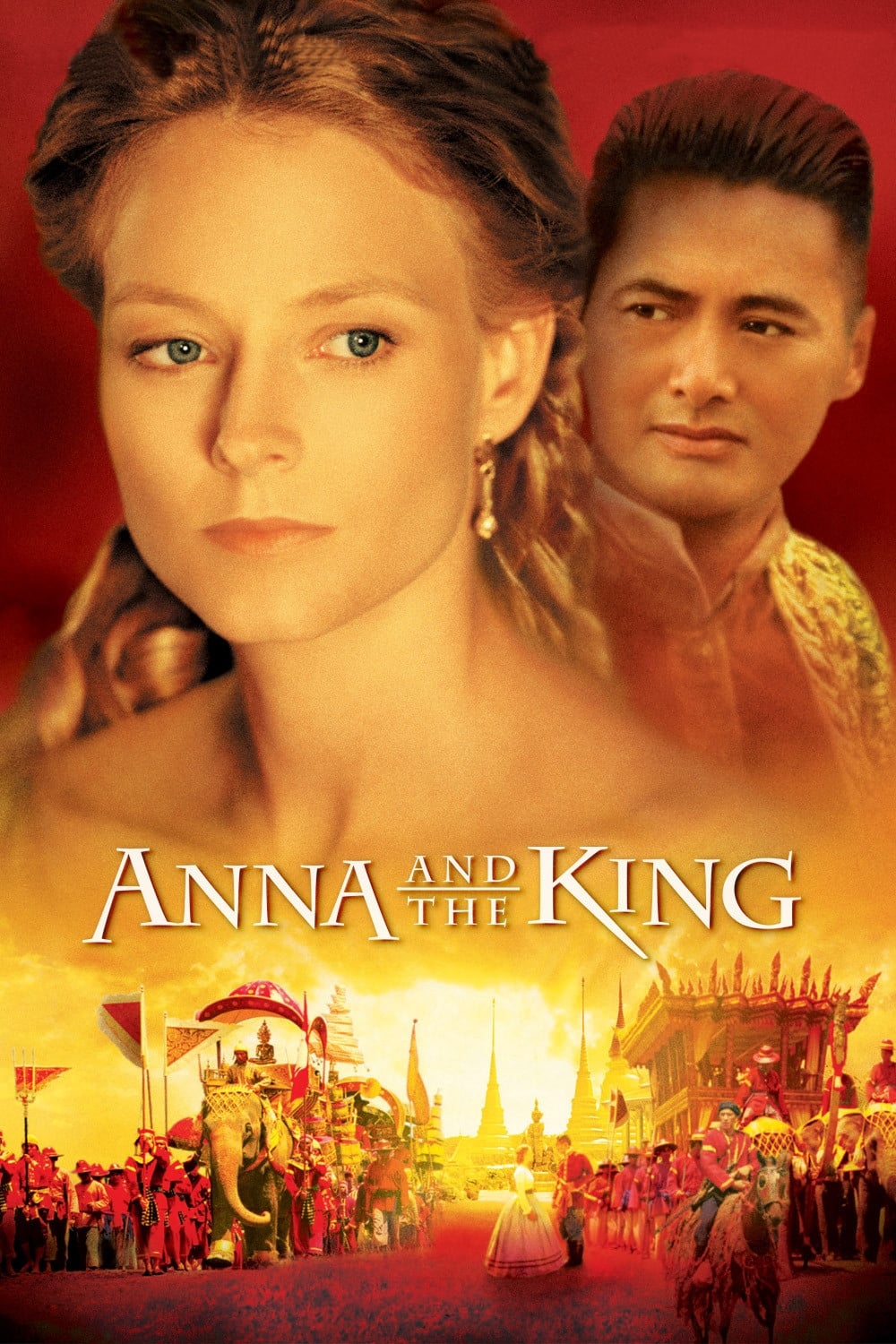
This retelling of the story of Anna Leonowens and King Mongkut of Siam was banned in Thailand for its historical inaccuracies. Critics and the Thai government argued that the film was disrespectful to the monarchy and portrayed the King as less intelligent than the British governess. Online debates focused on the colonialist undertones of the story, where a Western woman is seen as “civilizing” an Eastern monarch. The controversy highlighted the divide between Western cinematic tropes and the actual history of Thailand.
‘The Patriot’ (2000)
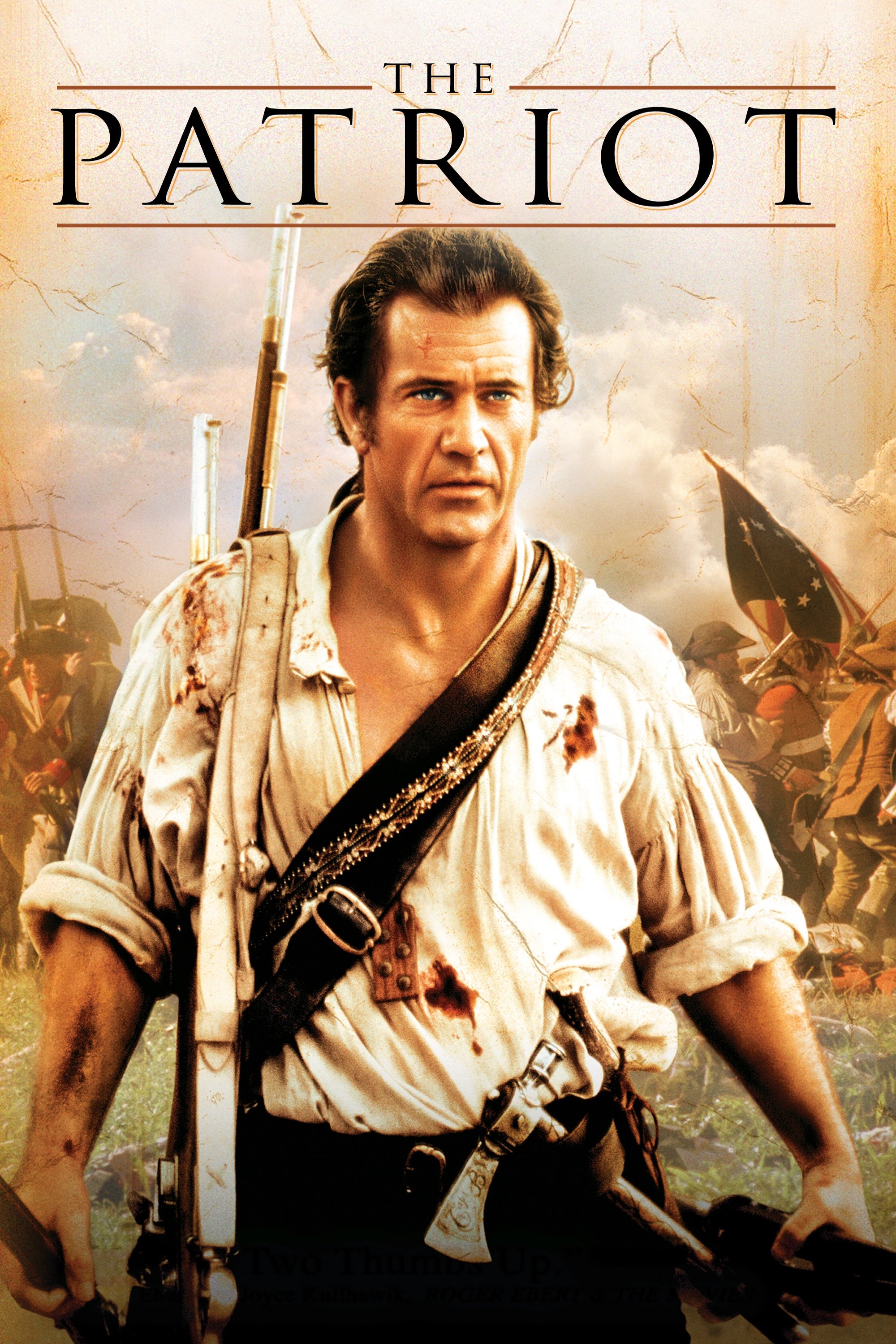
‘The Patriot’ was criticized for its depiction of race during the American Revolutionary War, specifically the portrayal of “happy” Black laborers. Historians pointed out that the film’s depiction of Black people voluntarily and enthusiastically fighting for their masters was a fabrication. Online discourse focused on the film’s attempt to sanitize the history of slavery to maintain the moral purity of its protagonist. This debate raised questions about how American history is often rewritten in cinema to exclude uncomfortable racial truths.
‘Othello’ (1965)
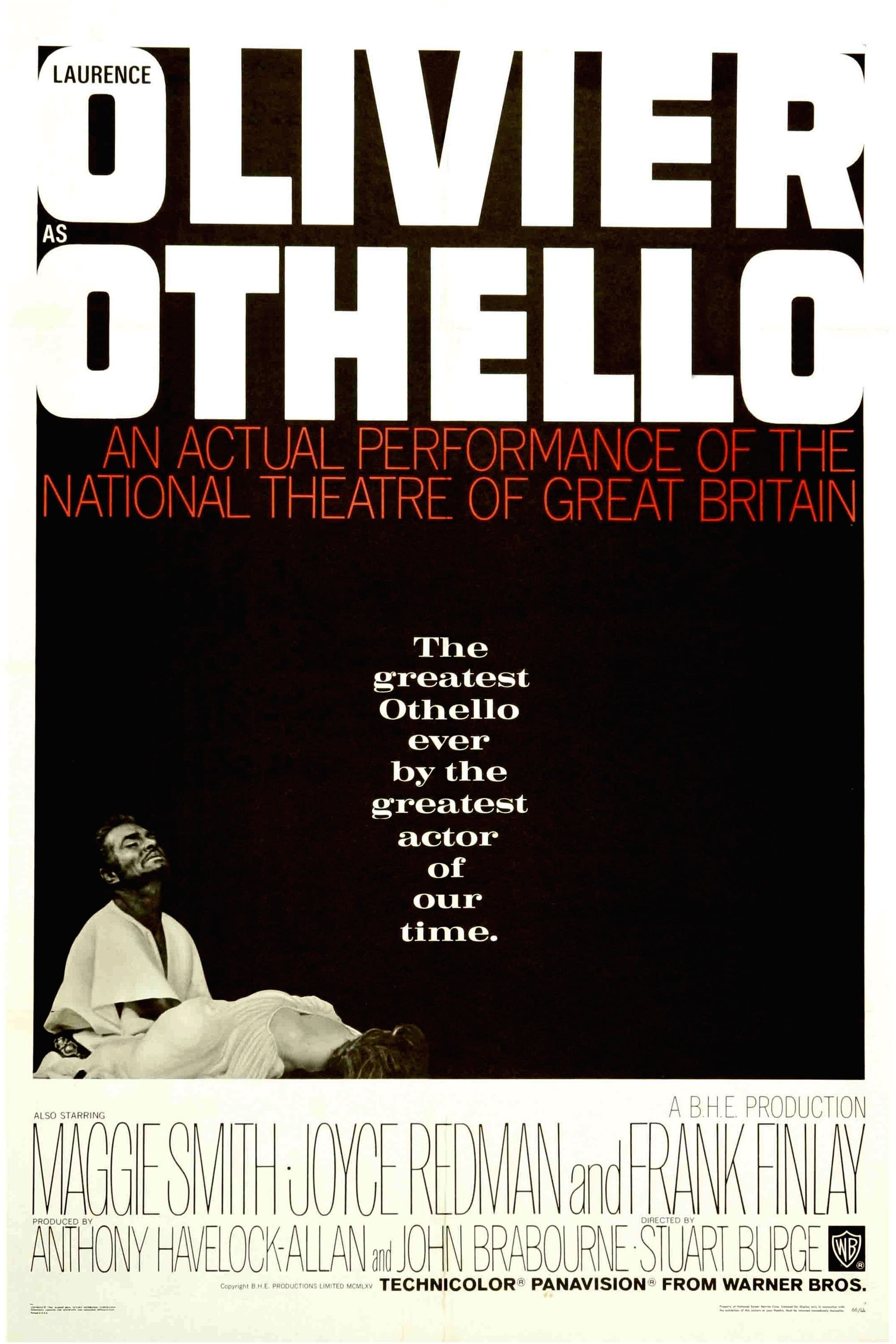
This filmed version of the stage play features Laurence Olivier in the title role using dark blackface makeup. While the film is a product of its time, it has become a lightning rod for online debates about the history of performance and race. Modern audiences often find the visual representation of Othello by a white actor to be jarring and offensive. The controversy serves as a historical marker for the shift in societal attitudes toward the ethics of casting in classic literature.
‘The Blind Side’ (2009)
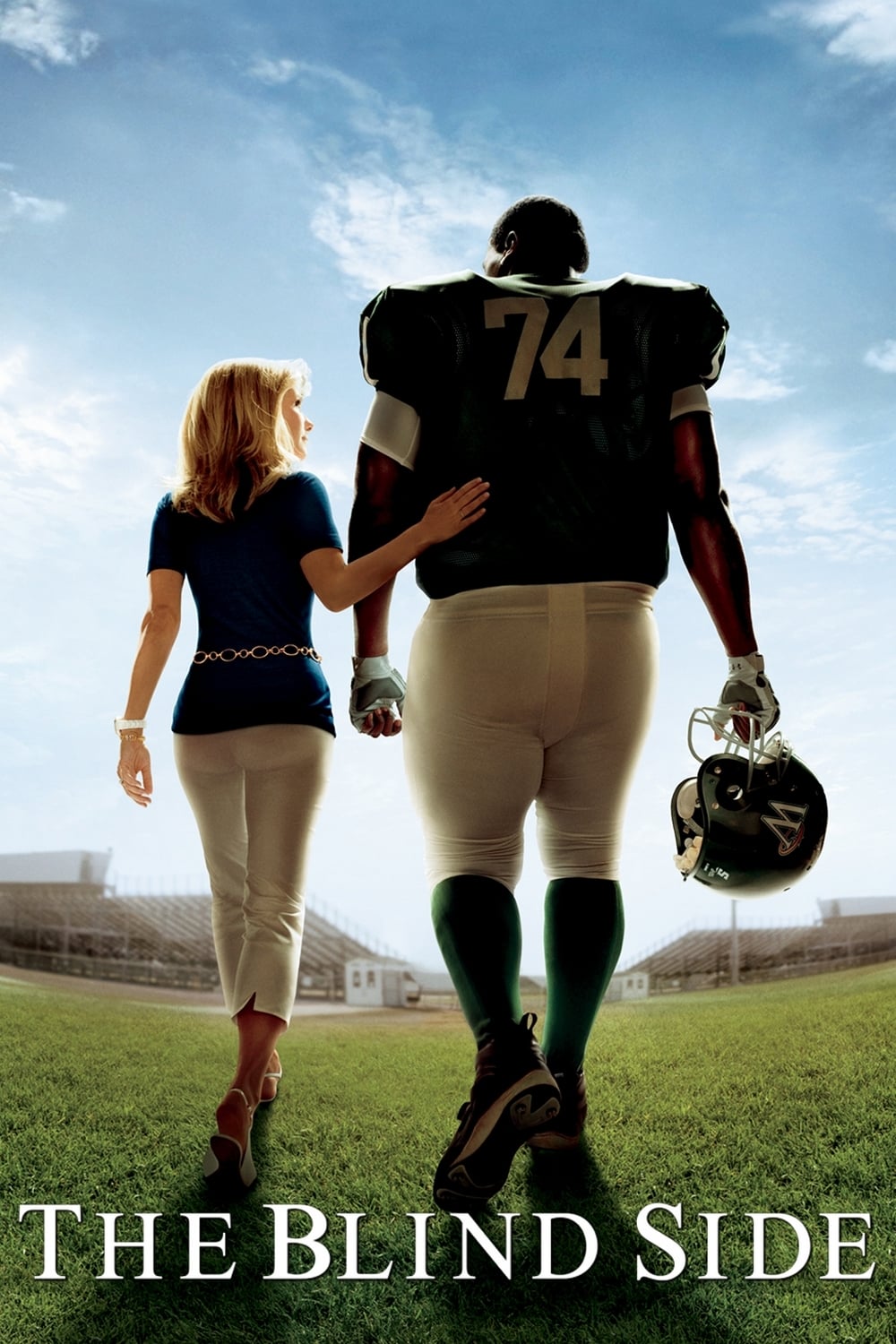
Though highly successful, ‘The Blind Side’ faced significant criticism for its “white savior” narrative and its portrayal of Michael Oher. Oher himself has expressed frustration with how the film depicted him as unintelligent and in need of basic sports instruction. Online debates intensified in recent years following Oher’s legal challenges against the Tuohy family, leading to a re-evaluation of the film’s accuracy. Critics argue the movie prioritized the white family’s narrative over the lived reality of the Black athlete it was supposed to be about.
‘Argo’ (2012)
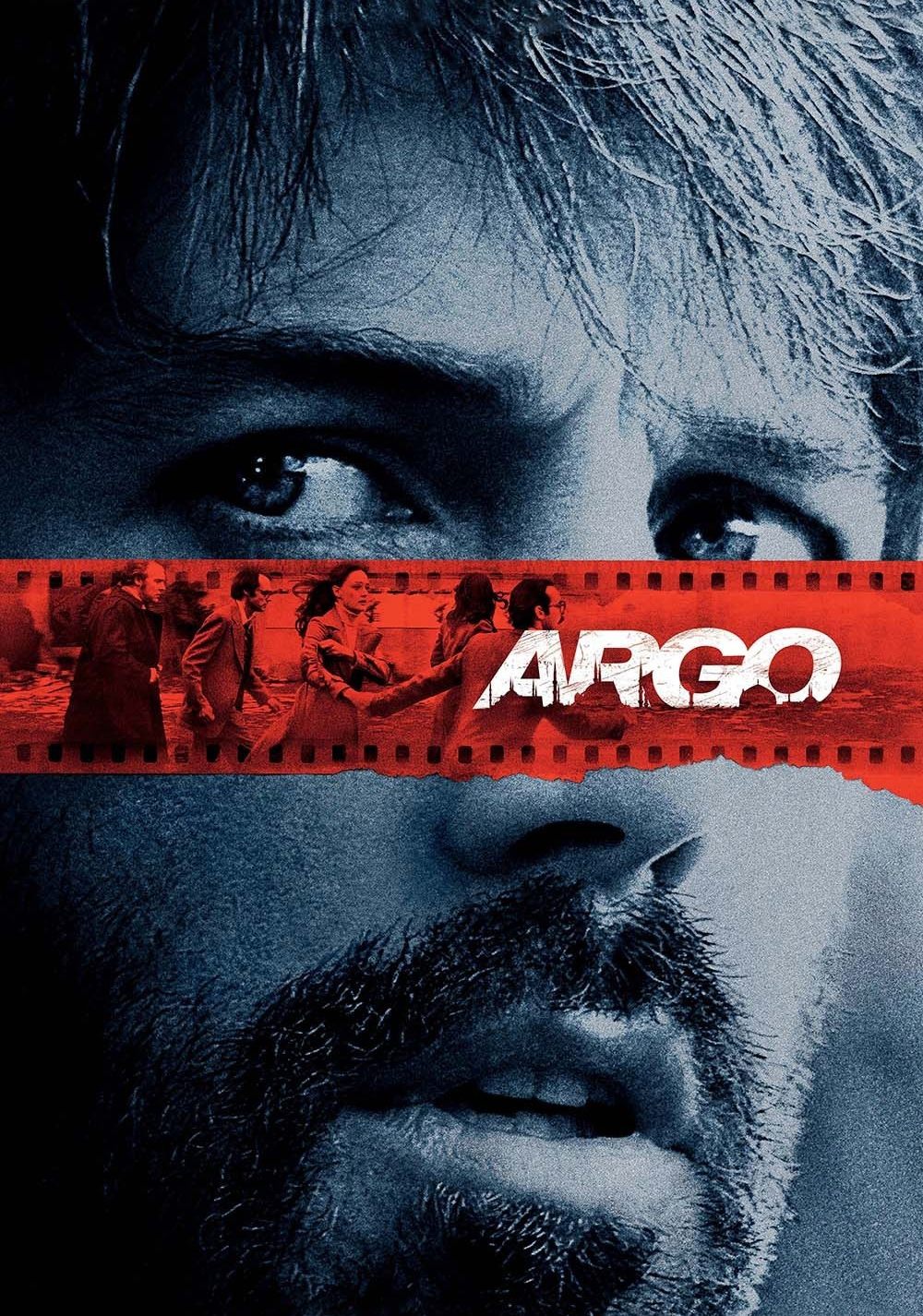
While ‘Argo’ was praised as a thriller, it faced criticism for the casting of Ben Affleck as the lead character, Tony Mendez. Mendez was of Mexican-American heritage, and critics argued that casting a white actor was another instance of erasing Latino identity in historical narratives. The debate online centered on why the film did not cast a Latino actor to play a real-life Latino hero. This controversy contributed to wider discussions about the lack of lead roles for Latino actors in major historical dramas.
Please share your thoughts on these historical controversies in the comments.