


Hollywood Actors Who Publicly Apologized for Problematic Past Roles

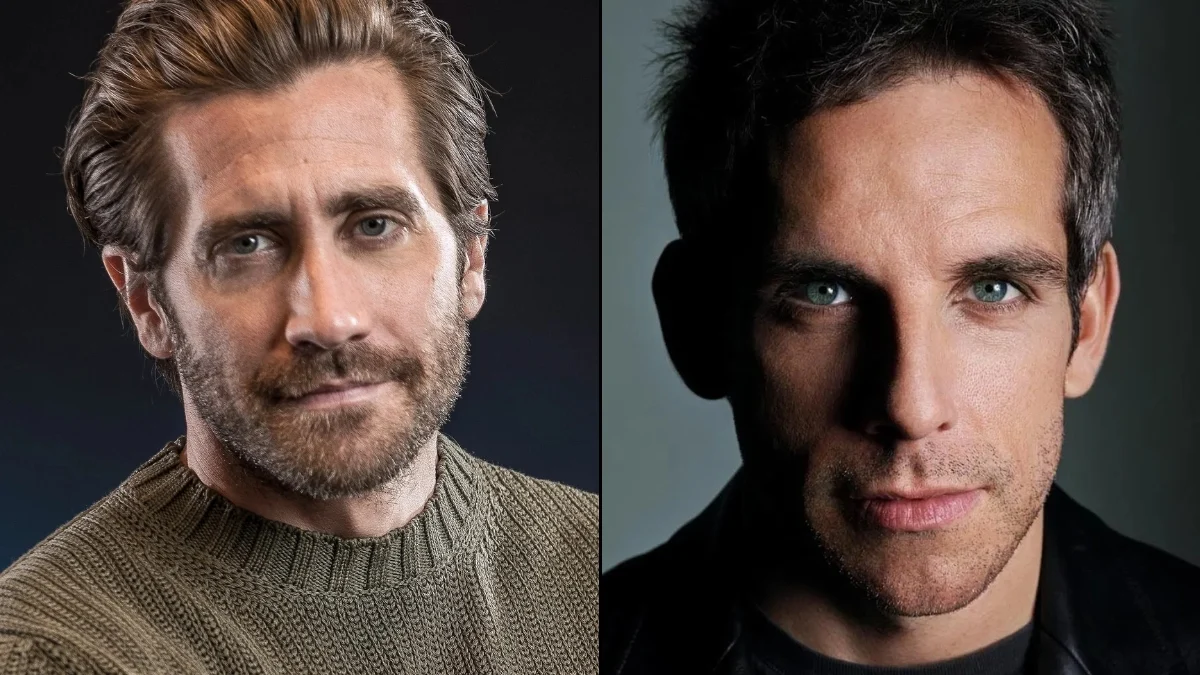


The landscape of Hollywood has shifted significantly over the decades, leading many high-profile actors to re-examine their previous work through a modern lens. Roles that were once considered standard or acceptable are now frequently scrutinized for issues such as whitewashing, cultural appropriation, or the reinforcement of harmful stereotypes. In response, a growing number of male actors have stepped forward to express regret or issue formal apologies for participating in these projects. These public acknowledgments often highlight a desire for greater industry accountability and more authentic representation in film and television.
Eddie Redmayne
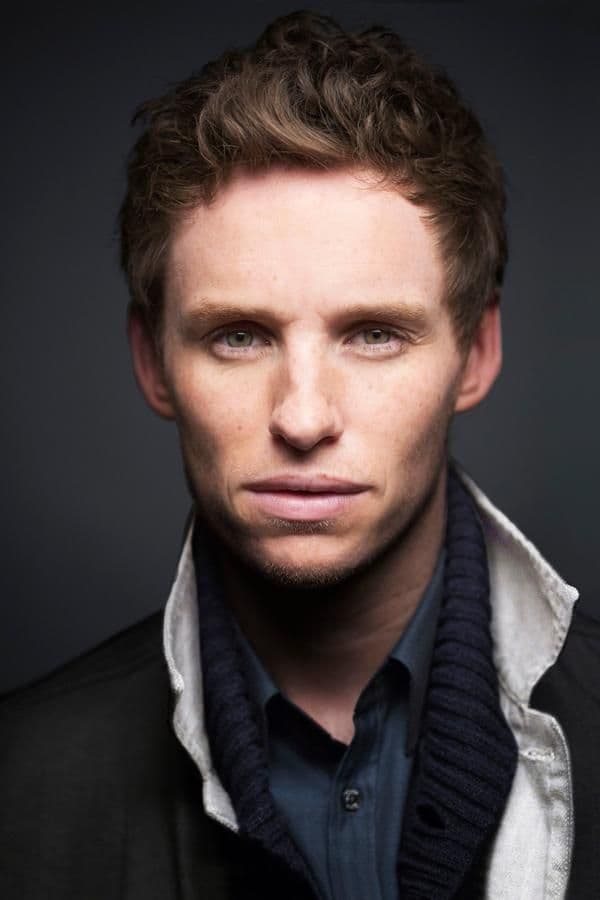
Redmayne received an Academy Award nomination for his portrayal of Lili Elbe, a transgender pioneer, in the 2015 film ‘The Danish Girl’. Despite the initial acclaim, the actor later admitted that taking the role was a mistake due to the lack of opportunities for transgender performers. He noted that while he made the film with good intentions, he would not accept the part if it were offered today. Redmayne’s comments reflect a broader industry conversation about the importance of casting actors whose lived experiences align with their characters.
Hank Azaria
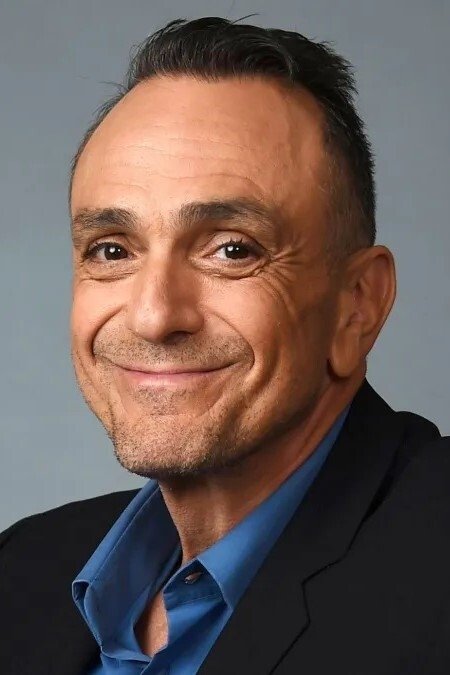
For nearly thirty years, Azaria provided the voice of Apu Nahasapeemapetilon on ‘The Simpsons’. Following the release of the 2017 documentary ‘The Problem with Apu’, which critiqued the character as a harmful South Asian stereotype, Azaria engaged in a period of reflection. He eventually apologized for his role in maintaining structural racism through the caricature and stepped down from the role. Azaria has since advocated for better representation in voice acting and has participated in seminars regarding racial sensitivity.
Jake Gyllenhaal
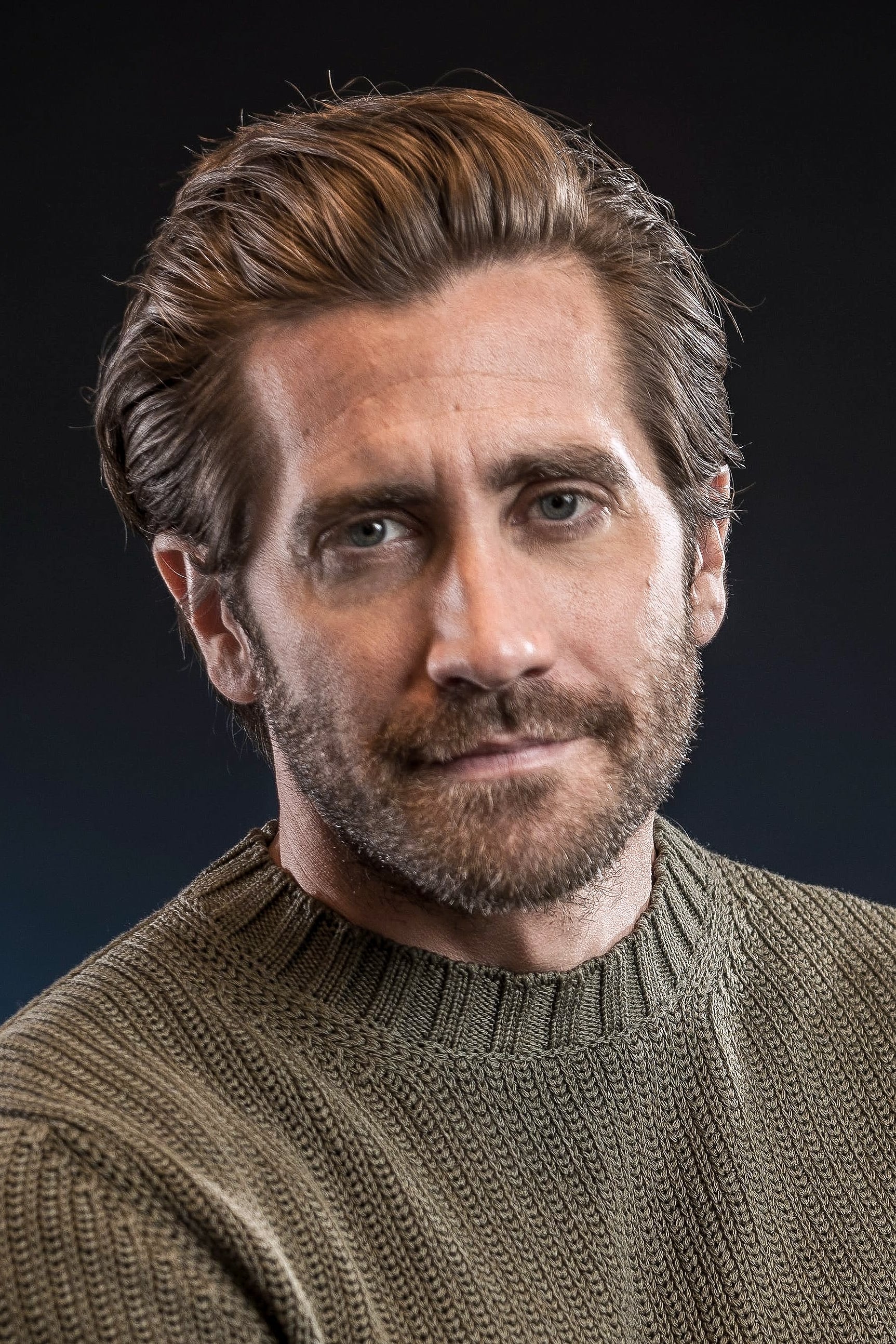
Gyllenhaal starred as the lead in the 2010 big-budget adaptation ‘Prince of Persia: The Sands of Time’. The film was widely criticized for whitewashing, as it featured a predominantly white cast in roles of Middle Eastern descent. Years later, Gyllenhaal acknowledged that the casting was a misstep and expressed regret over his participation. He stated that he learned from the experience and now pays closer attention to the cultural implications of the roles he chooses.
Matt Damon
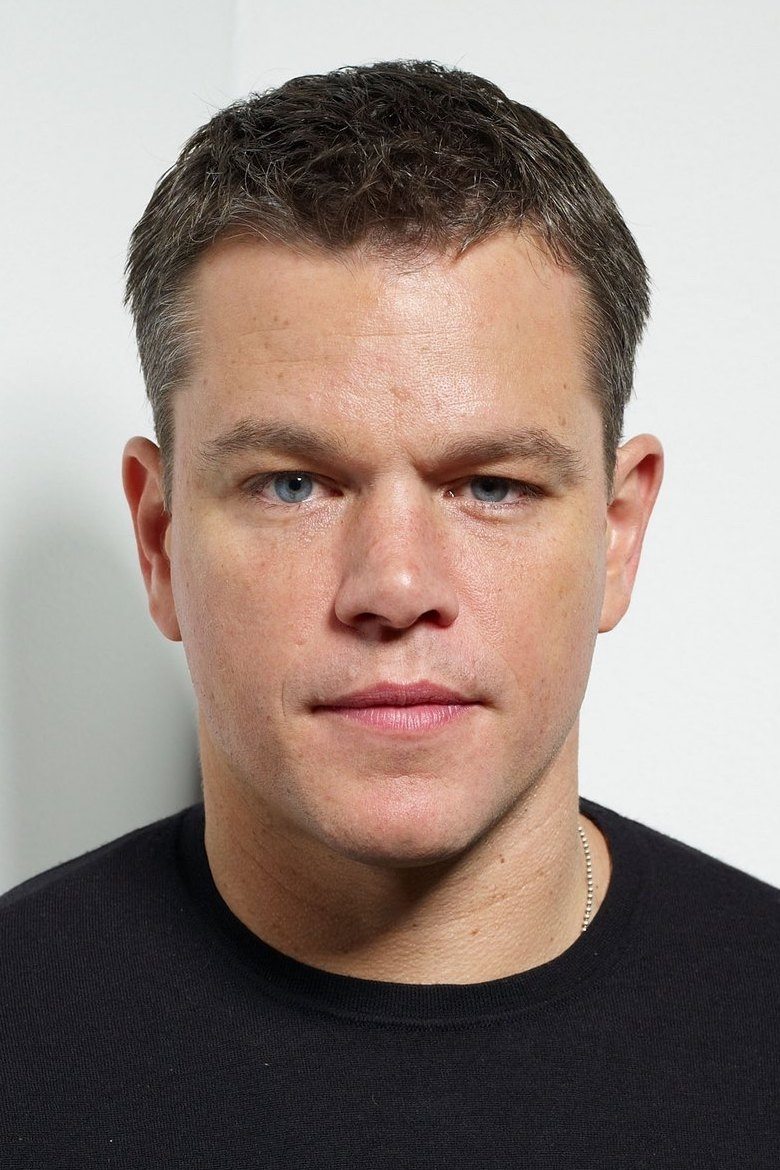
In the 2016 film ‘The Great Wall’, Damon played a mercenary in ancient China, a role that sparked significant “white savior” controversy. Critics argued that the casting prioritized a Western star over local talent in a story set in Chinese history. Damon later addressed the backlash, stating that he viewed the film as a fantasy but understood why the “white savior” trope was problematic. He expressed that he took the criticism seriously and used it as a learning opportunity regarding industry dynamics.
Ed Skrein
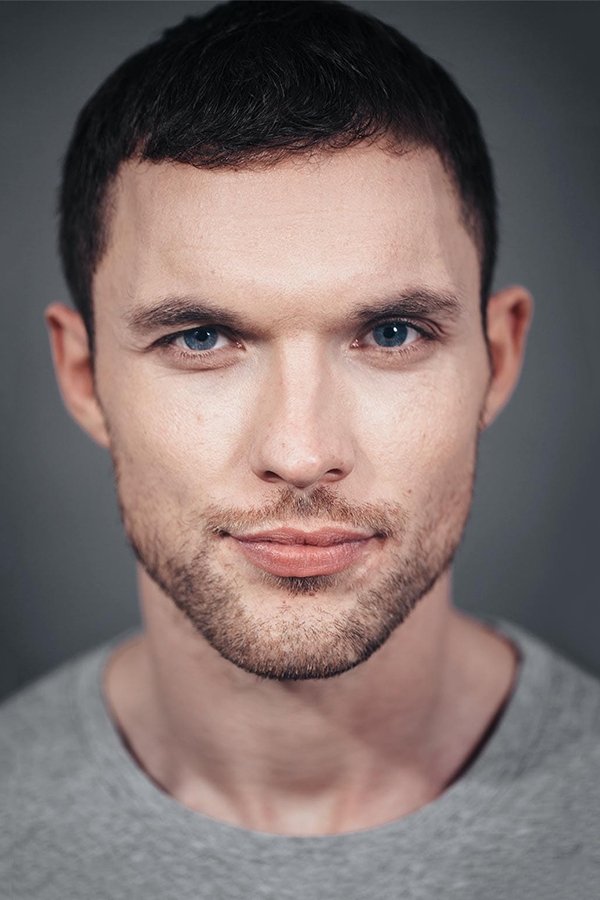
Skrein was originally cast as Major Ben Daimio in the ‘Hellboy’ reboot, a character who is of Japanese-American descent in the source material. Upon learning about the character’s heritage and the ensuing public outcry, Skrein made the rare decision to step down from the role. He issued a public statement apologizing for the casting and emphasized that representation must be handled correctly. His departure led to the casting of Daniel Dae Kim, marking a significant moment for accountability in Hollywood casting.
Fisher Stevens
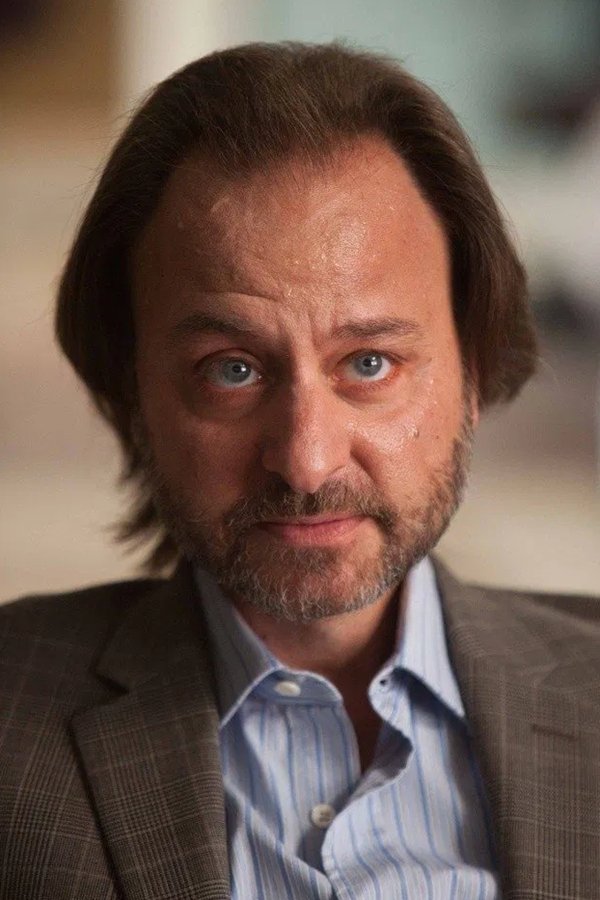
In the 1986 film ‘Short Circuit’, Stevens played Ben Jabituya, an Indian character, using brownface and a simulated accent. Decades later, Stevens expressed profound regret for the role, describing it as a “misguided” decision from early in his career. He acknowledged that the portrayal was offensive and admitted that it has weighed on his conscience for years. Stevens has since spoken about the importance of diversity and the harm caused by such caricatures.
Tom Hanks
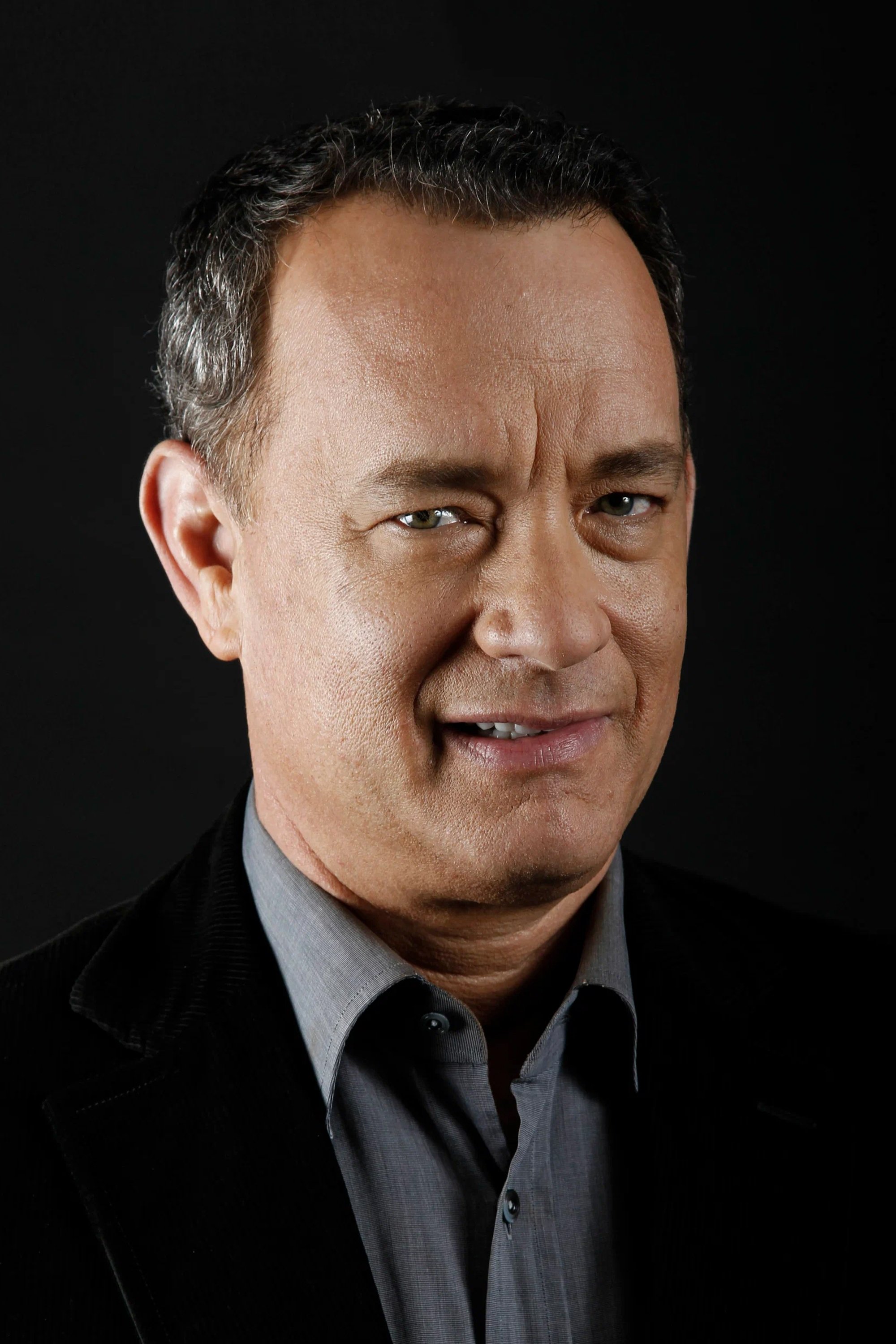
Hanks won an Academy Award for his portrayal of a gay man living with HIV in the 1993 film ‘Philadelphia’. While the film was groundbreaking at the time, Hanks stated in 2022 that a straight man should no longer play that role today. He explained that the audience would rightly demand the authenticity of a gay man in such a significant part. Hanks emphasized that his comments were not a critique of the film’s quality, but a recognition of how representation standards have evolved.
Jim Carrey

The 1994 comedy ‘Ace Ventura: Pet Detective’ has been criticized for its transphobic climax and the way it treats the reveal of a character’s identity. Carrey eventually addressed the problematic nature of these scenes, acknowledging that the humor was a product of a different era. He expressed that if he were to revisit the character today, the approach would have to be fundamentally different. His reflection aligns with modern critiques of how 1990s cinema often used marginalized identities as punchlines.
Seth Rogen

Rogen has been vocal about his regrets regarding some of the jokes in his early breakout hit ‘Superbad’. He admitted that certain dialogue in the film was “blatantly homophobic” and reflective of the casual prejudices of the mid-2000s. Rogen stated that he and his writing partners have worked to be more mindful of the impact of their comedy in subsequent projects. He has emphasized that comedy should evolve alongside social progress.
Jonah Hill

Alongside his co-star Seth Rogen, Hill has acknowledged that some of the humor in ‘Superbad’ has not aged well. He pointed out that the derogatory language used by the characters was intended to reflect how teenagers spoke at the time, but he understands why it is viewed as problematic today. Hill has expressed a desire to move toward roles and projects that are more inclusive and sensitive. He remains supportive of the film’s place in his career while recognizing its flaws.
Darren Criss
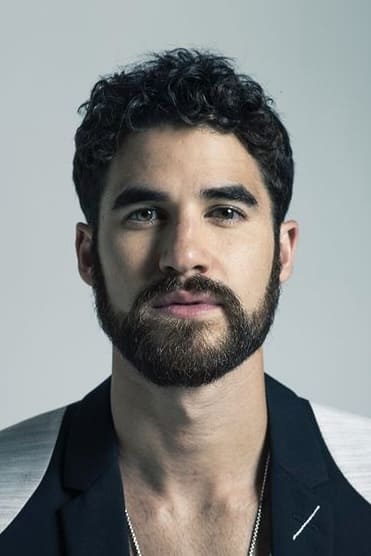
Criss rose to fame playing a gay student on the television series ‘Glee’ and later won an Emmy for ‘The Assassination of Gianni Versace: American Crime Story’. In 2018, the actor announced that he would no longer accept roles playing LGBTQ+ characters. He explained that he wanted to ensure these opportunities were available to queer actors who could bring authentic lived experiences to the screen. Criss stated that he no longer felt comfortable taking those jobs as a straight man.
Benedict Cumberbatch
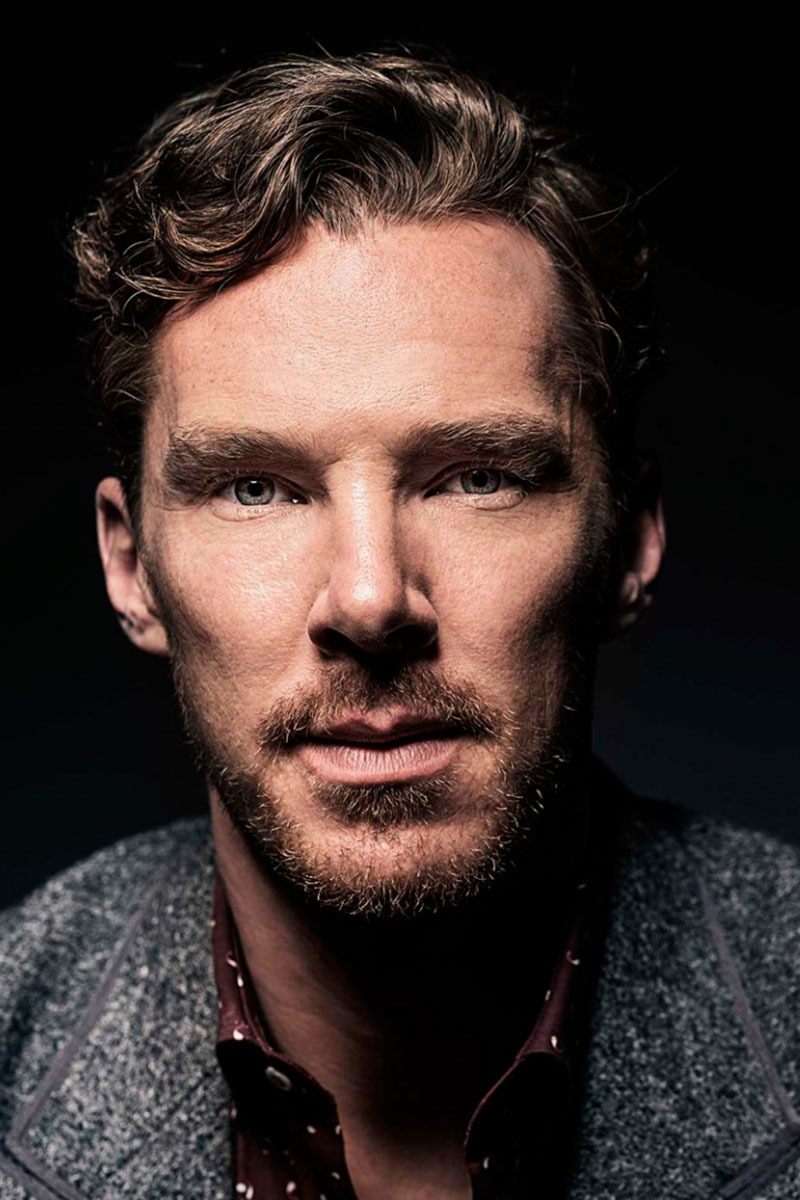
Cumberbatch faced criticism for his role as a non-binary fashion model named All in the 2016 comedy ‘Zoolander 2’. The character was seen by many as a mockery of non-binary and transgender identities. In a later discussion, the actor admitted that the role was controversial and that the industry’s understanding of gender identity has since progressed. He acknowledged that the casting and portrayal were problematic in the context of modern representation.
Robert Downey Jr.
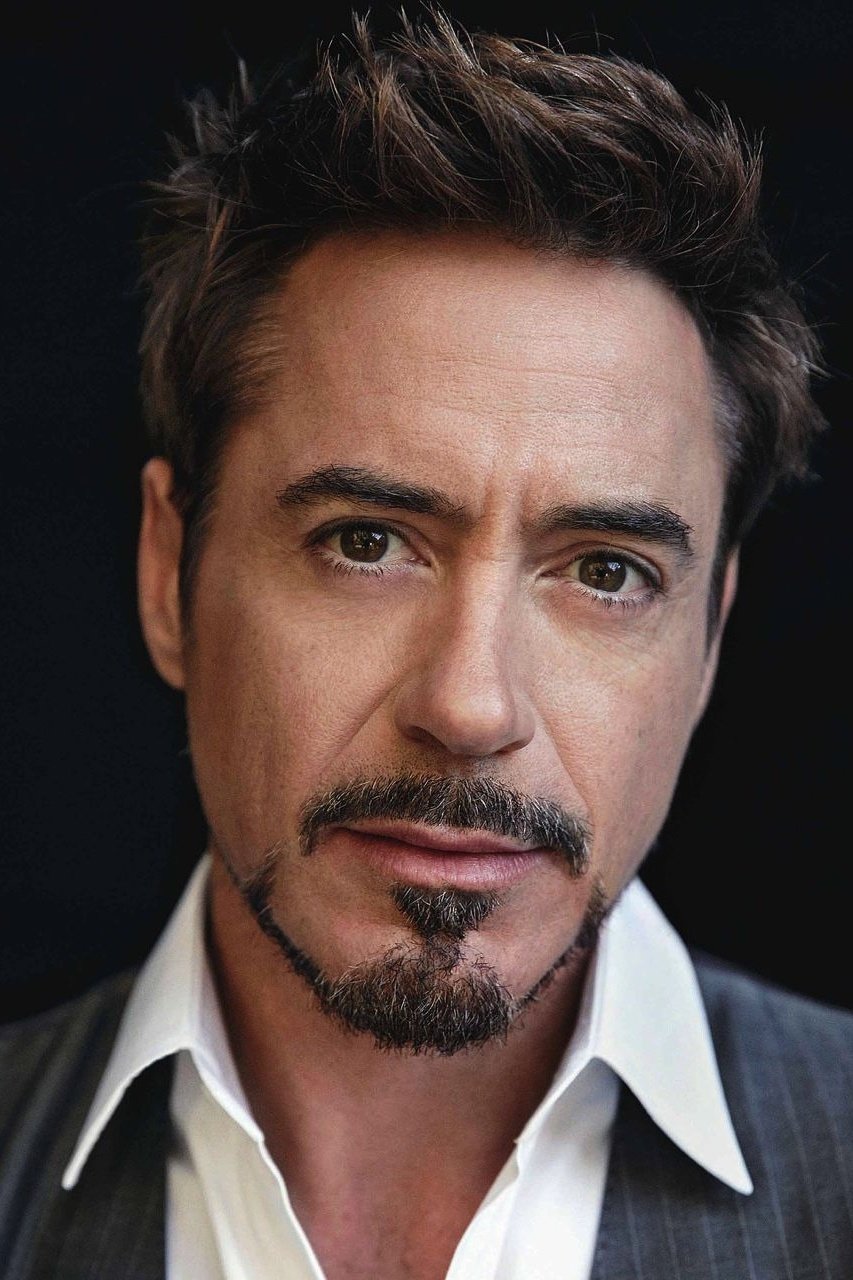
In the satirical comedy ‘Tropic Thunder’, Downey Jr. played a method actor who undergoes a procedure to darken his skin for a role. While the performance was intended as a satire of Hollywood’s self-importance and history of blackface, the actor has acknowledged the complexity of the role. He stated that he understood why the optics remained offensive to many viewers regardless of the intent. Downey Jr. has discussed the performance multiple times, balancing the film’s satirical goals with the inherent sensitivity of the imagery.
Ben Stiller
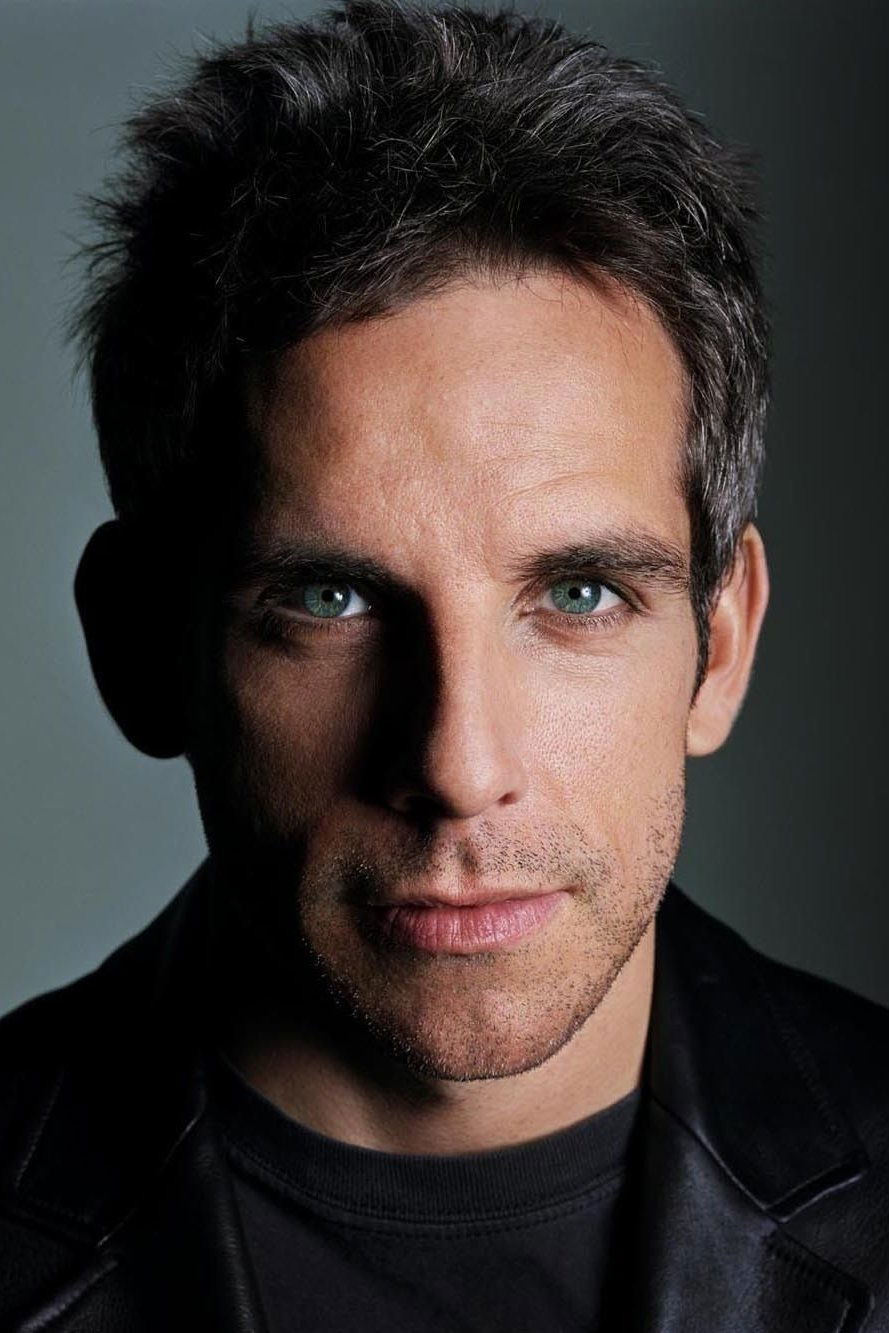
Stiller, who directed and starred in ‘Tropic Thunder’, has addressed the backlash regarding the character Simple Jack, which was criticized for mocking people with intellectual disabilities. He issued an apology to advocacy groups and acknowledged that the humor crossed a line for many people. Stiller explained that the intent was to satirize actors who take on such roles for awards, but he recognized the harm caused by the portrayal. He has since been careful to address the concerns of the disability community.
Dev Patel
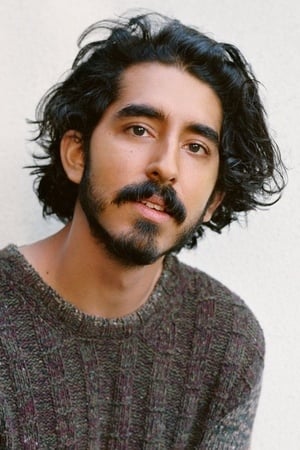
Patel has expressed significant regret regarding his involvement in M. Night Shyamalan’s ‘The Last Airbender’. The film was widely panned for its casting choices, which saw white actors playing characters originally depicted as Asian or Inuit in the source material. Patel described the experience as a lesson in the importance of project selection and cultural sensitivity. He has since focused on roles that allow him to represent his heritage more authentically.
Mickey Rooney
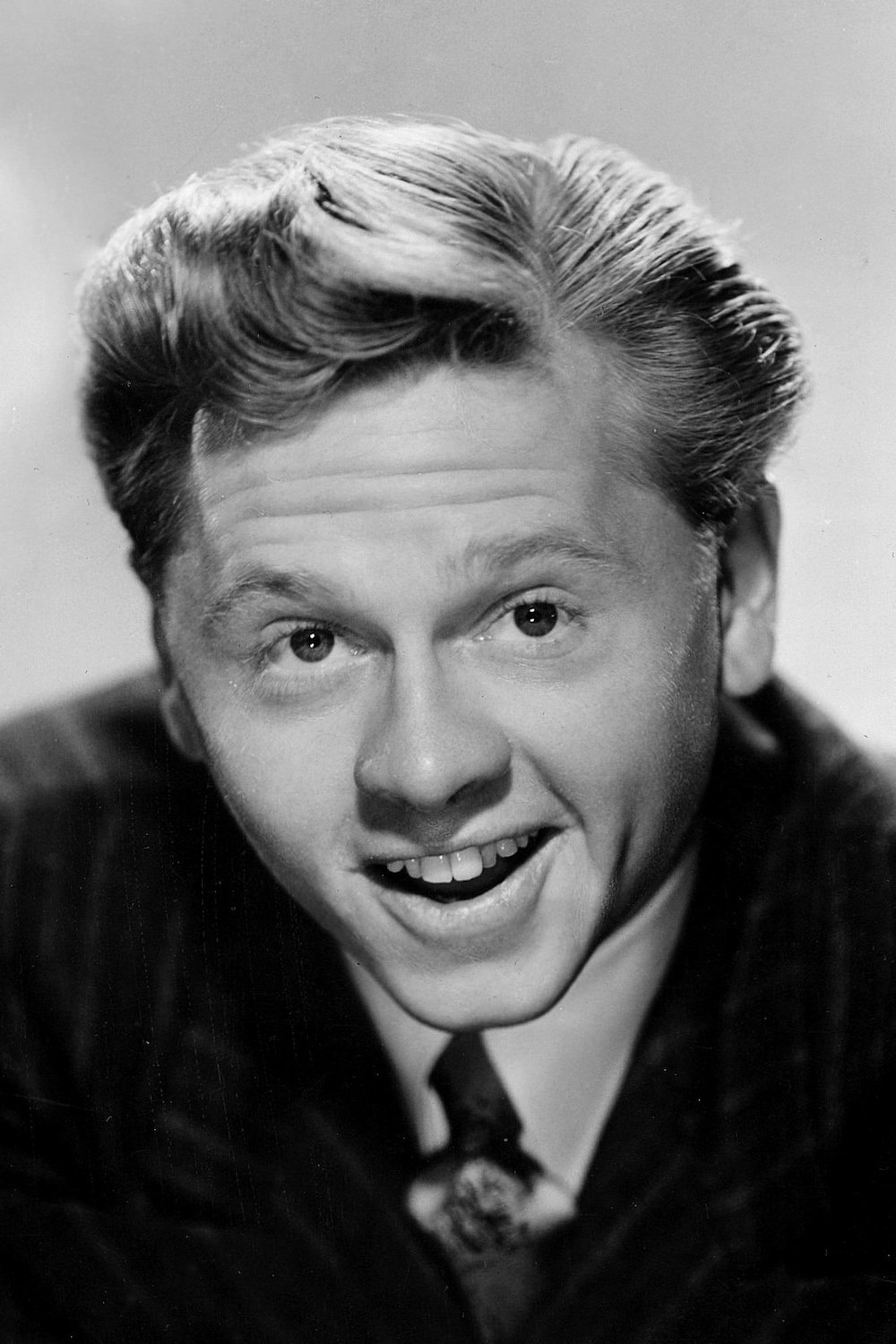
Rooney’s portrayal of Mr. Yunioshi in the 1961 classic ‘Breakfast at Tiffany’s’ is frequently cited as one of the most offensive examples of yellowface in cinema history. Before his passing, Rooney expressed that he was deeply saddened to learn that the role had caused so much pain to the Asian-American community. He admitted that he had not considered the implications of the caricature at the time of filming. His late-life reflection served as a public acknowledgement of the character’s harmful impact.
David Schwimmer
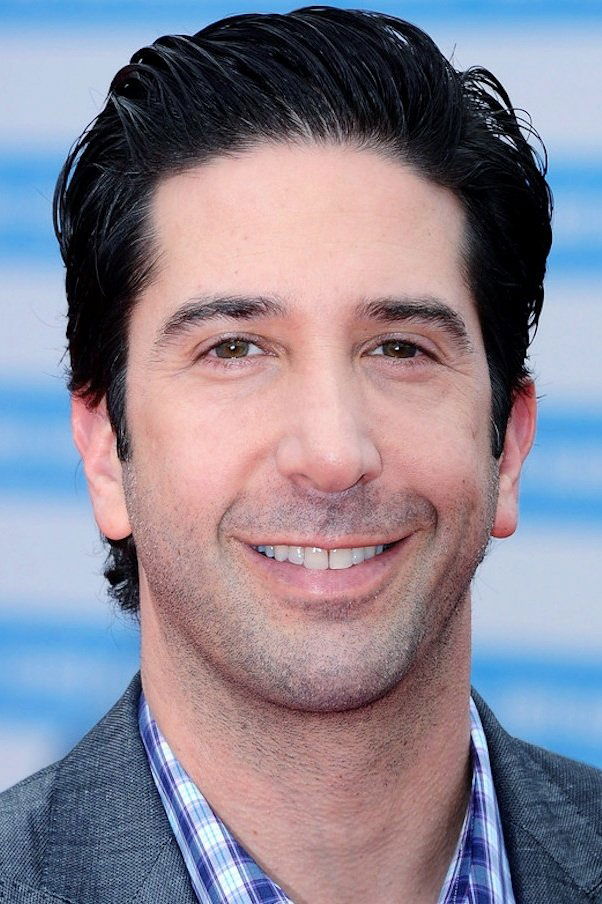
While Schwimmer has not apologized for a specific role, he has been vocal about the lack of diversity on the hit sitcom ‘Friends’. He acknowledged that the show’s predominantly white cast did not accurately reflect the reality of New York City. Schwimmer revealed that he actively campaigned for his character to date women of color to bring some level of diversity to the series. He has expressed that the show’s lack of representation is a valid point of modern criticism.
James Corden
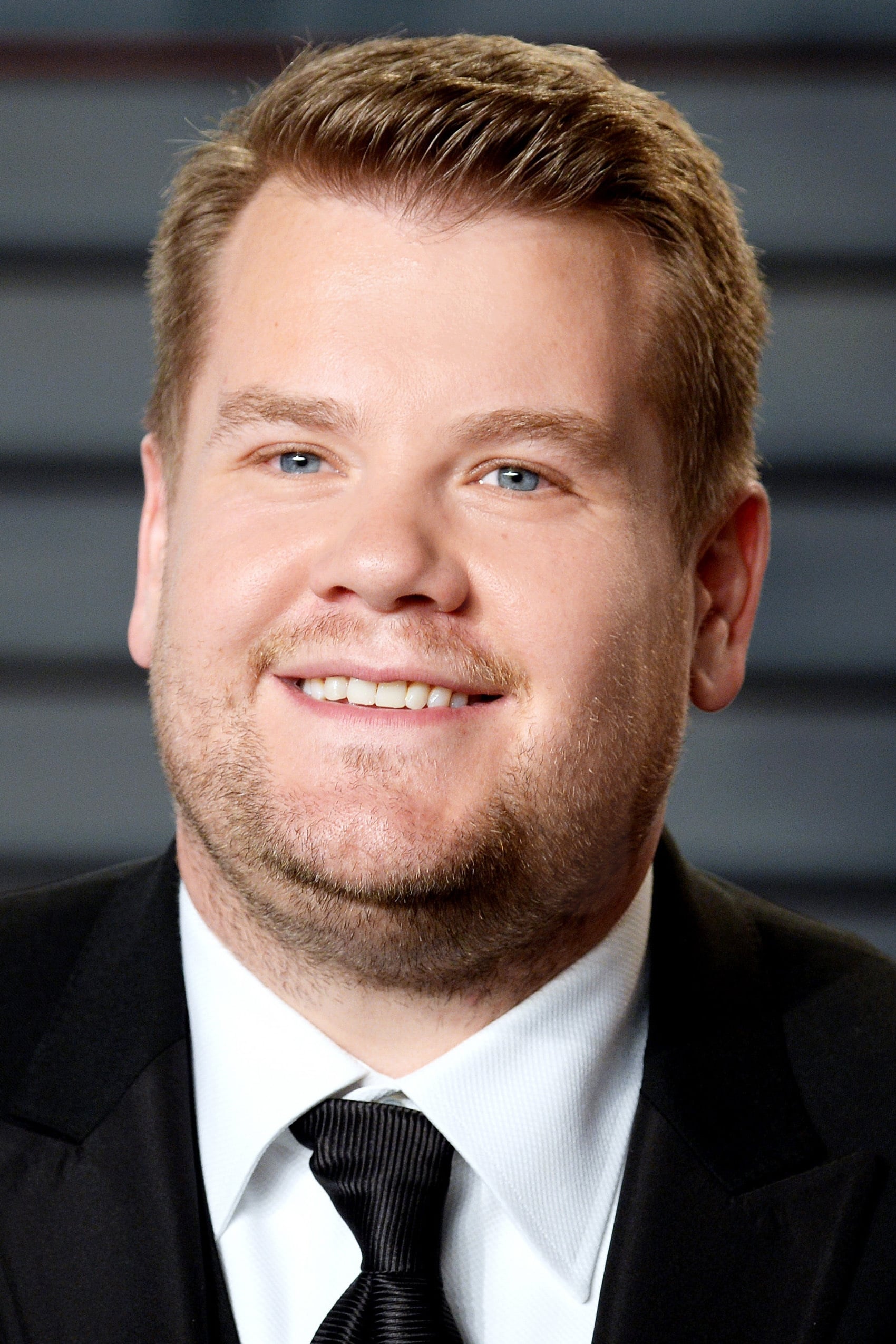
Corden faced a wave of criticism for his performance as a gay Broadway star in the Netflix musical ‘The Prom’. Critics and audiences accused the actor of relying on offensive stereotypes and “gayface” for the performance. While Corden did not issue a traditional apology, he addressed the backlash by stating he understood the concerns regarding authentic casting. The controversy sparked a wider debate about whether straight actors should be cast in prominent LGBTQ+ roles.
Nikolaj Coster-Waldau
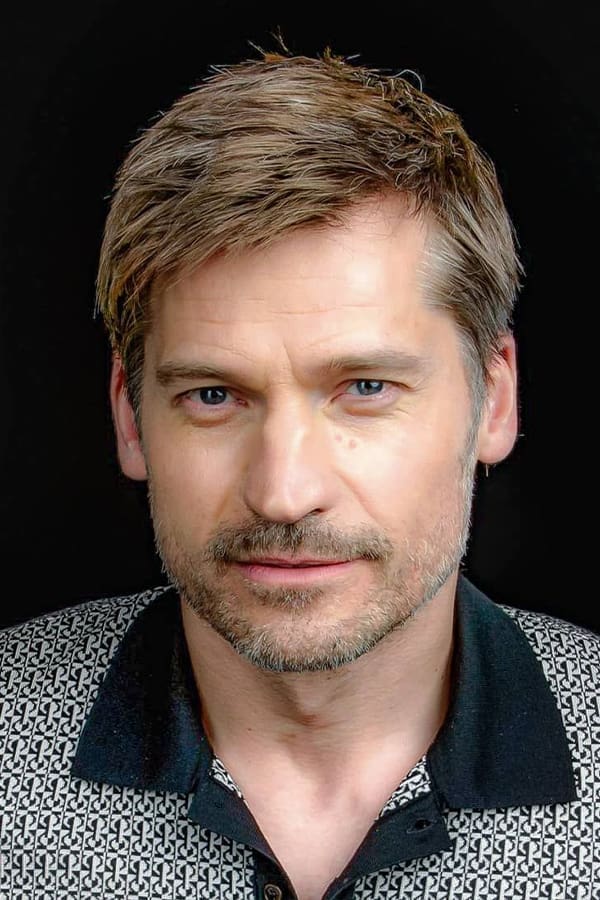
Coster-Waldau starred as the god Horus in ‘Gods of Egypt’, a film that received immediate backlash for its all-white lead cast in a story set in North Africa. Following the film’s poor reception and the outcry over whitewashing, the actor admitted that the casting was a mistake. He noted that the industry needs to move toward more realistic representation in historical and mythological epics. His comments mirrored the formal apologies eventually issued by the film’s director and studio.
Gerard Butler
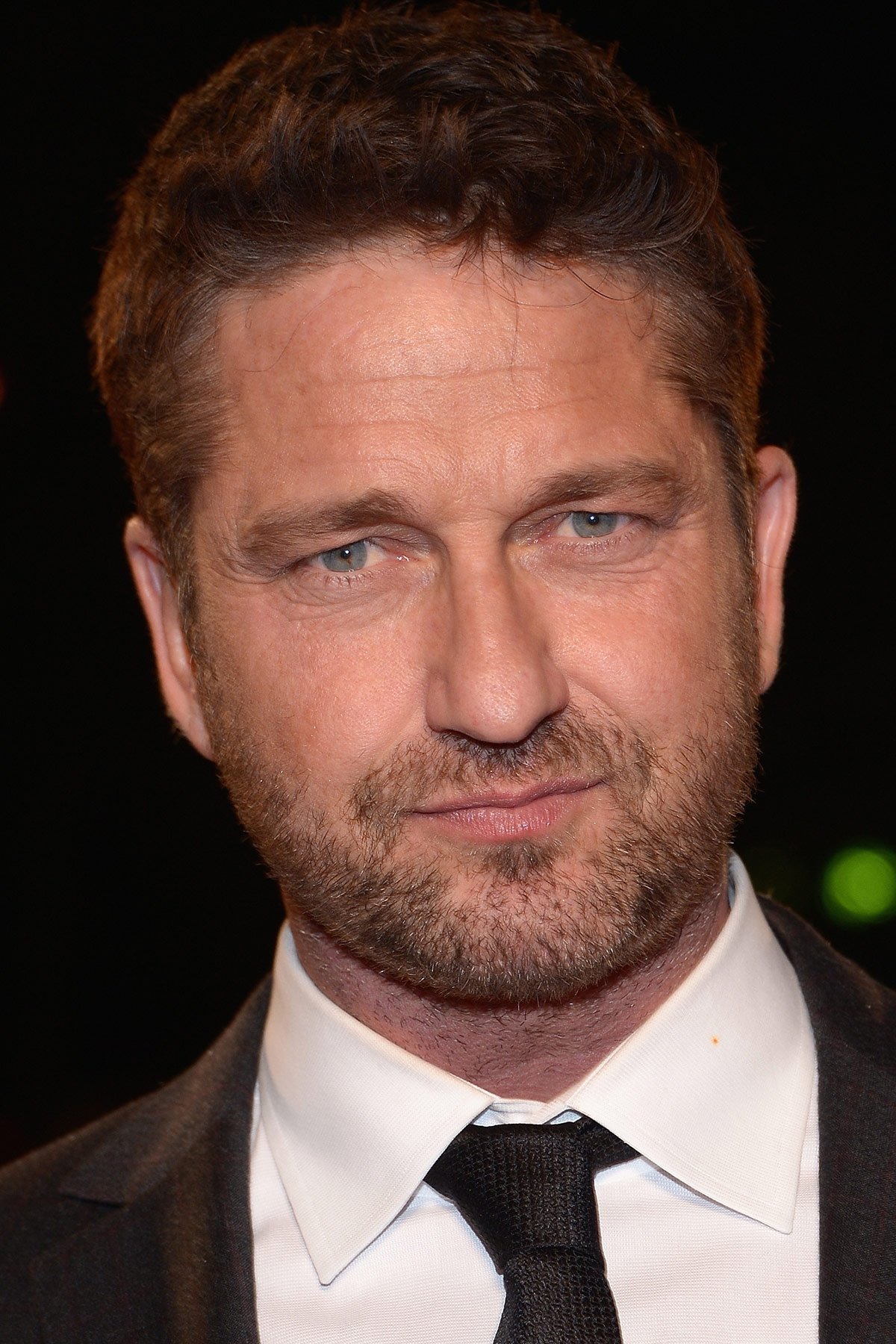
Butler joined his co-star Nikolaj Coster-Waldau in acknowledging the casting failures of ‘Gods of Egypt’. He admitted that the film’s production did not take cultural representation seriously enough during the casting process. Butler expressed that he understood the frustration of audiences who wanted to see Egyptian characters played by actors of Middle Eastern or African descent. The actor has since been more selective about the cultural context of his action roles.
Joel Edgerton
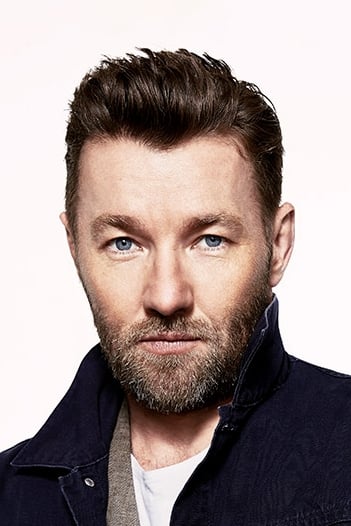
Edgerton played Ramses in the 2014 film ‘Exodus: Gods and Kings’, which faced similar whitewashing criticisms as other desert epics of the era. He later stated that he understood the sensitivity of the issue and the validity of the public’s grievances. Edgerton acknowledged that the casting of white actors in Middle Eastern roles is a practice that needs to change. He has expressed a commitment to supporting more diverse casting in the future.
Christian Bale
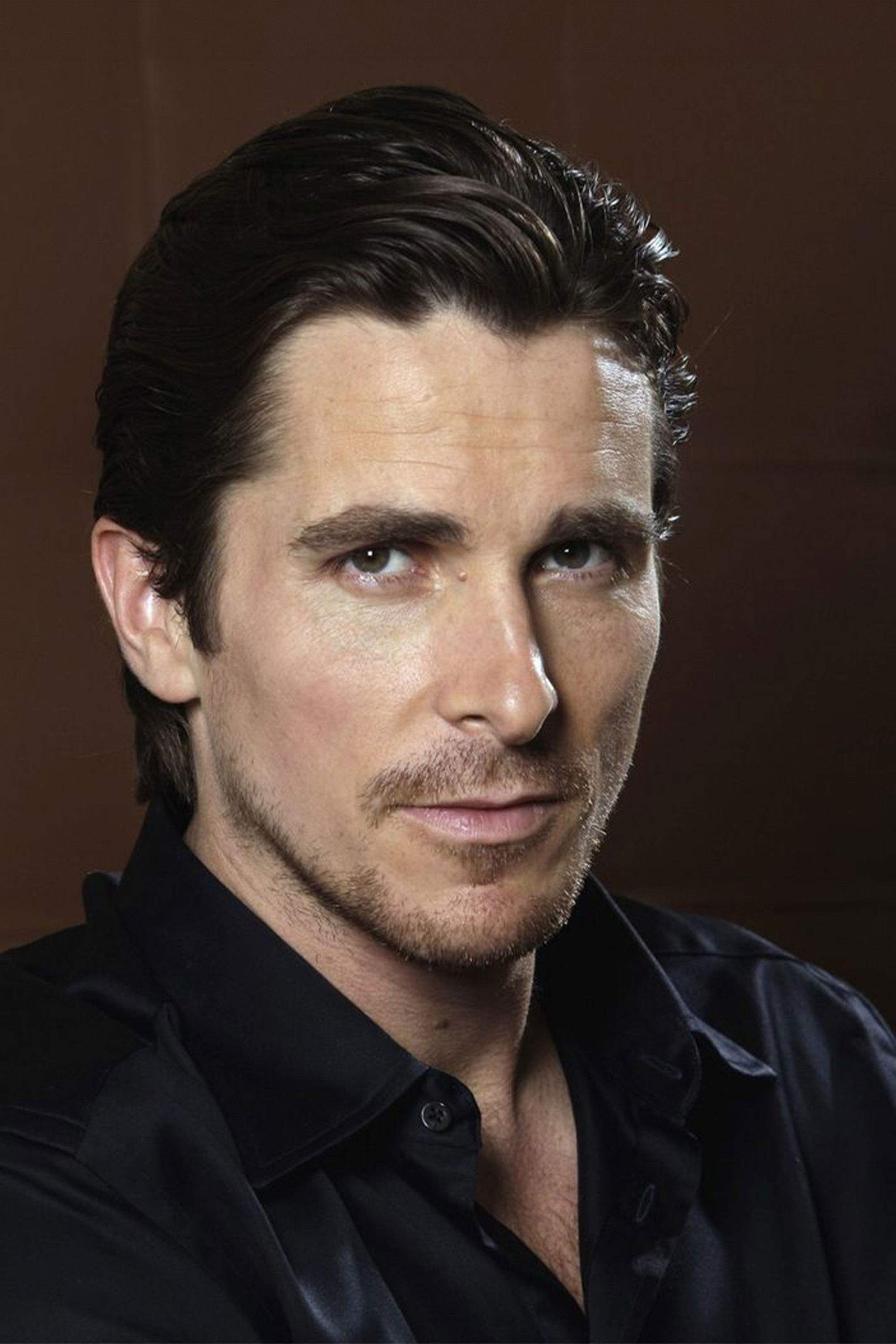
Bale portrayed Moses in ‘Exodus: Gods and Kings’ and was at the center of the film’s casting controversy. While he initially defended the project, he later acknowledged that the financial pressures of Hollywood often lead to problematic casting decisions. He expressed that he understood why people were upset and that the industry must find ways to support diverse leads. Bale’s reflection highlighted the tension between commercial interests and cultural accuracy.
Justin Chatwin
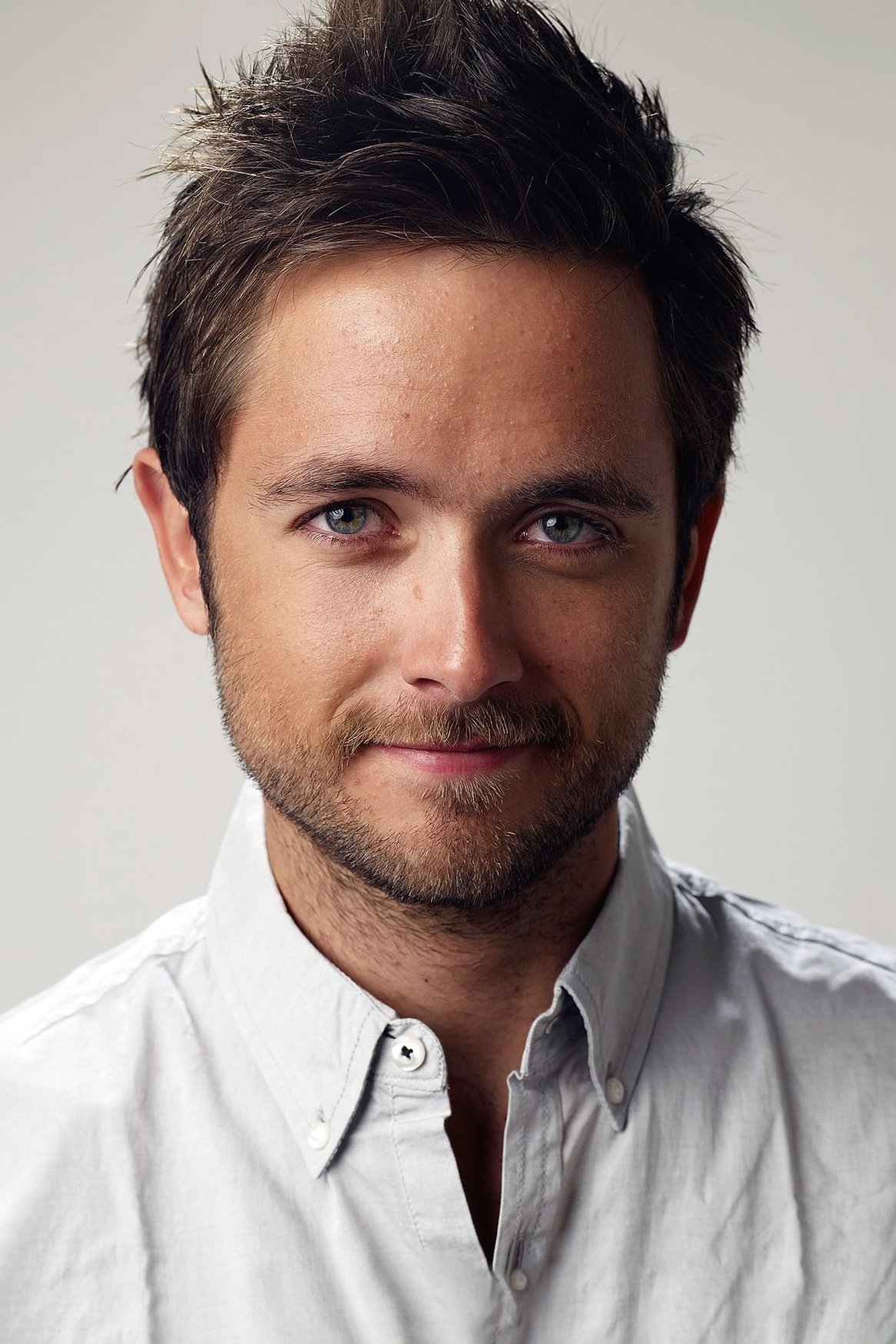
Chatwin played Goku in the 2009 live-action adaptation ‘Dragonball Evolution’, a film widely despised by fans for its lack of fidelity to the source material and its whitewashed cast. The actor later acknowledged the fans’ disappointment and the film’s failure to respect the cultural roots of the franchise. He expressed regret for his part in the production, which is often used as a cautionary tale for anime adaptations. Chatwin has since joked about the film’s poor reputation while acknowledging the serious nature of the casting complaints.
Jim Sturgess
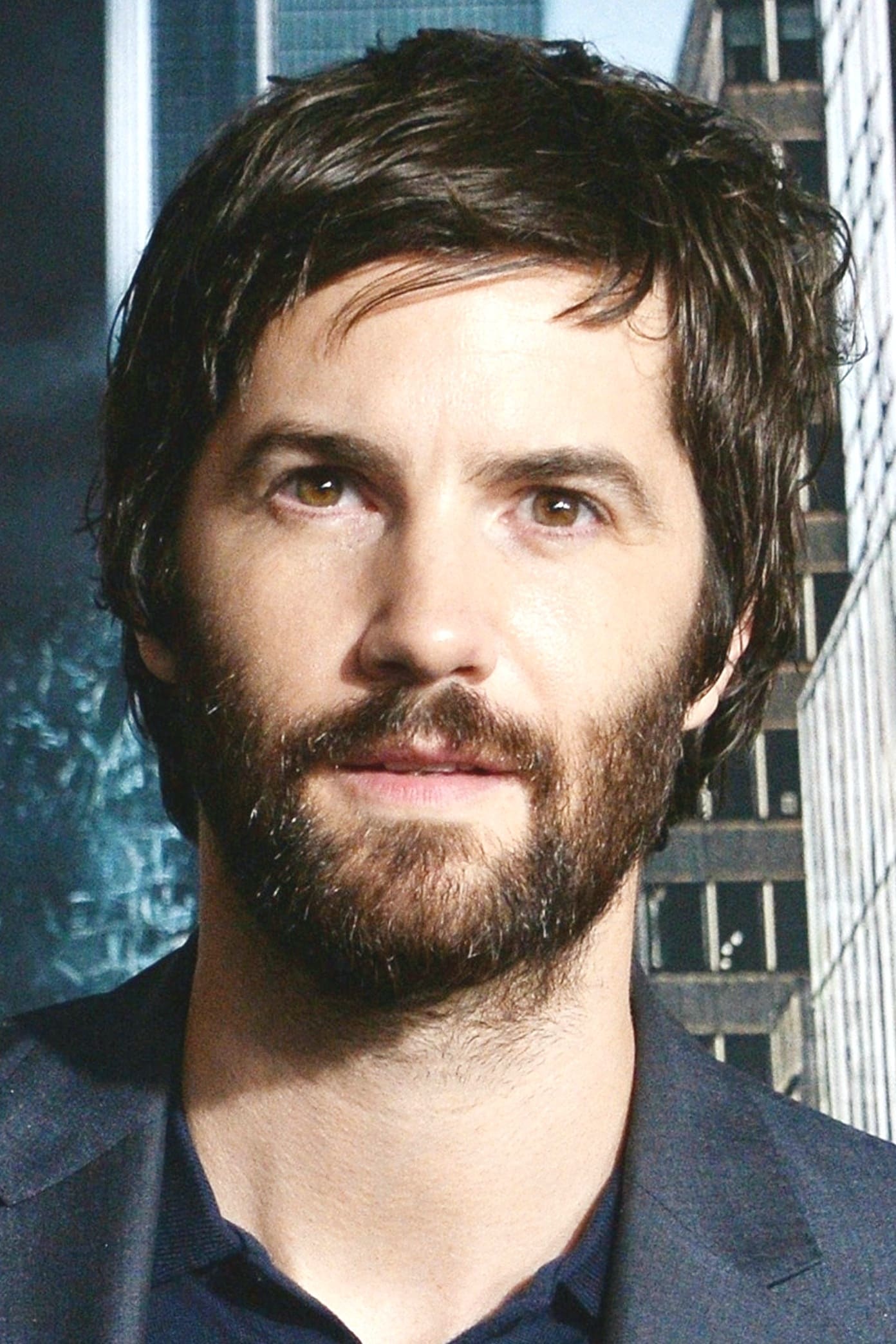
Sturgess was part of the ensemble cast of ‘Cloud Atlas’, a film that utilized prosthetic makeup to allow actors to play multiple characters across different races. This included Sturgess playing an Asian character, which was condemned as yellowface. The actor later discussed the controversy, admitting that he understood why the technique was viewed as offensive. He noted that the film’s philosophical intent did not excuse the problematic nature of the racial transformations.
James D’Arcy
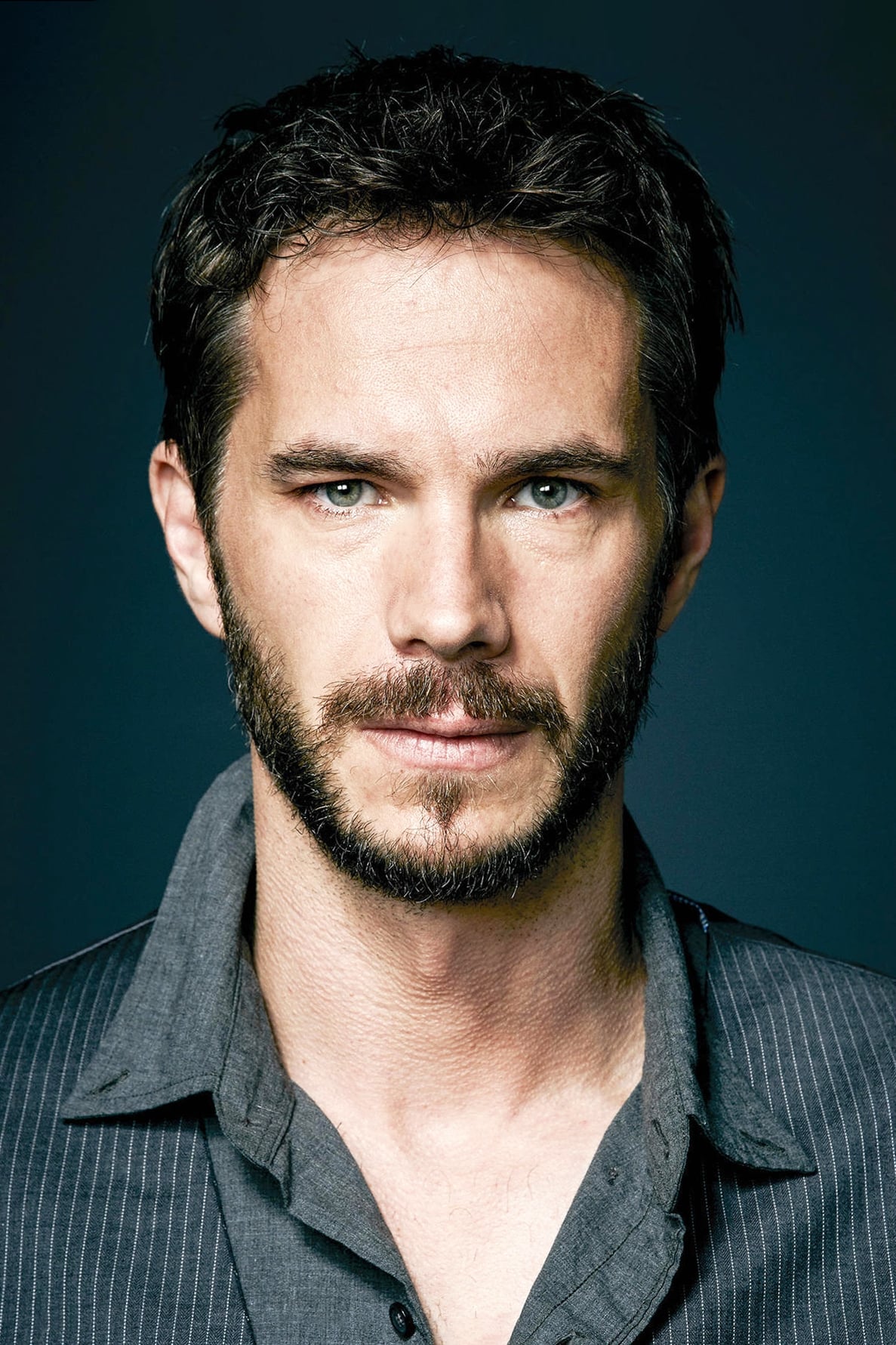
Like his co-star Jim Sturgess, D’Arcy also played an Asian character in ‘Cloud Atlas’ using prosthetics and makeup. He acknowledged the backlash and the ongoing conversation about racial representation in cinema. D’Arcy stated that while the actors saw it as an artistic challenge, the audience’s perception of it as yellowface was a necessary wake-up call. He has since expressed a more nuanced understanding of why such casting choices are harmful.
Max von Sydow
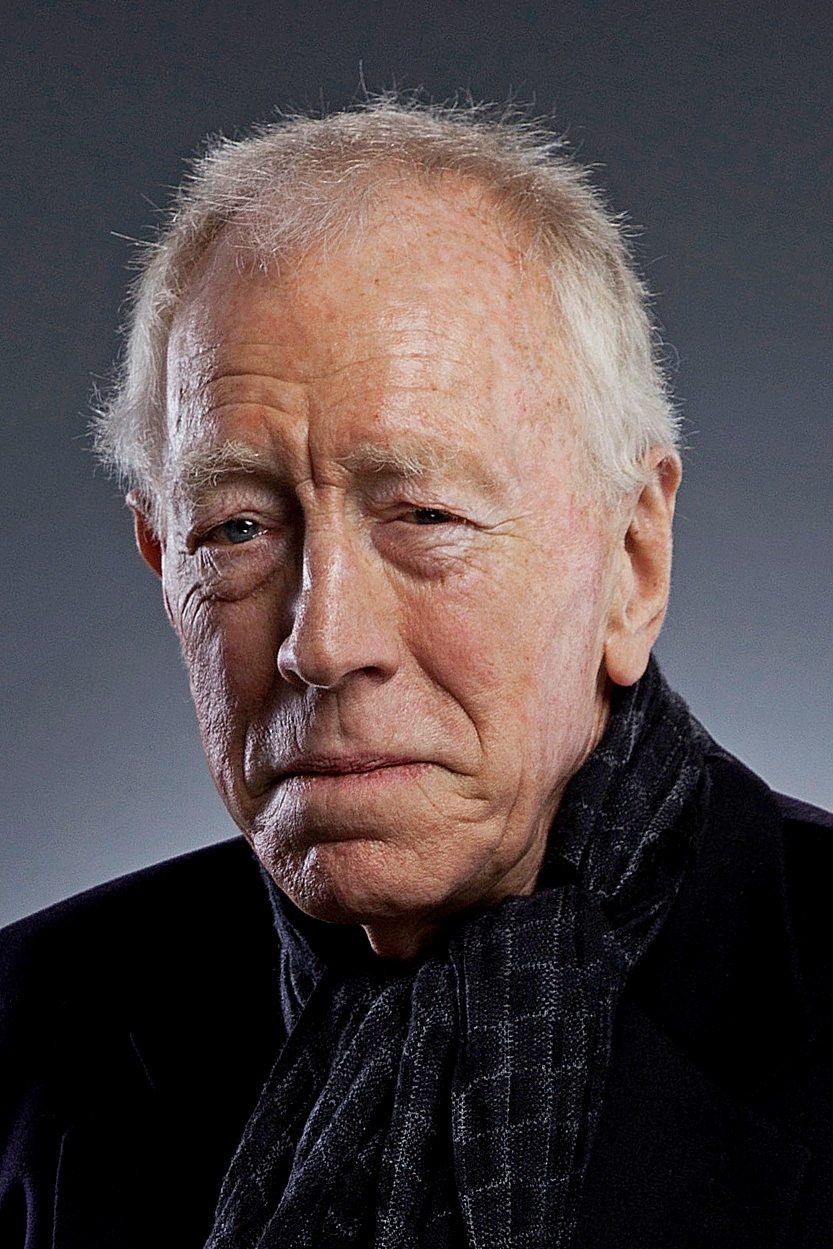
Von Sydow portrayed Jesus Christ in the 1965 epic ‘The Greatest Story Ever Told’, a role that contributed to the long-standing tradition of “white Jesus” in Hollywood. Later in his life, the actor reflected on the historical inaccuracy of casting Western European actors in Biblical roles. He acknowledged that the tradition ignored the actual ethnic background of the figures being portrayed. His reflections added to the growing movement toward more historically accurate religious cinema.
Alec Guinness
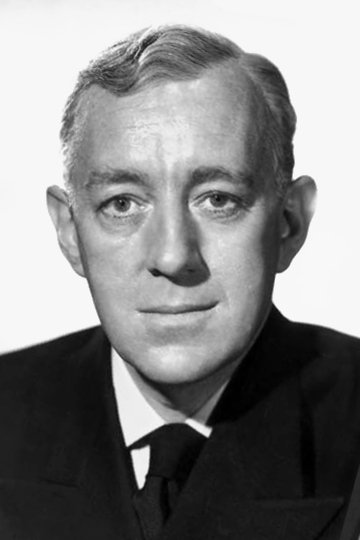
The late Guinness played Professor Godbole in the 1984 film ‘A Passage to India’ using dark makeup and a heavy accent. His diaries and later interviews revealed that he was uncomfortable with the role and felt he was poorly cast. He expressed regret over the portrayal, which many critics found to be a caricature. Guinness’s discomfort served as an early example of an actor questioning the validity of brownface in prestige cinema.
Christopher Lawrence
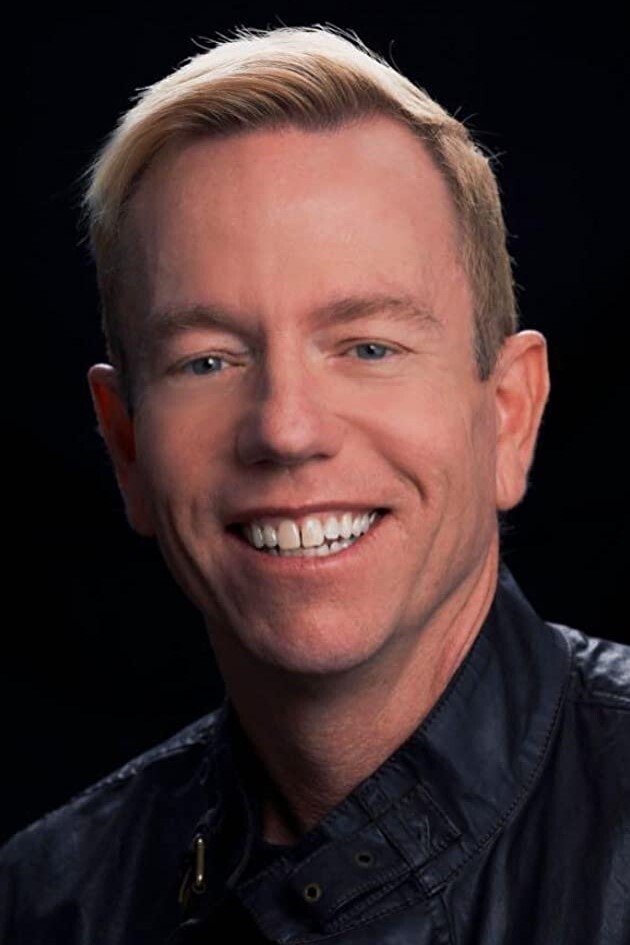
Lawrence played a Chinese peasant in the 1944 film ‘Dragon Seed’, a role that required him to use “slanted” eye prosthetics and skin-darkening makeup. In later years, the actor spoke about the absurdity of the casting and expressed his embarrassment over the film. He acknowledged that the practice of yellowface was a shameful part of Hollywood history. His apology was part of a larger late-career reflection on the industry’s past treatment of Asian characters.
Andrew Garfield
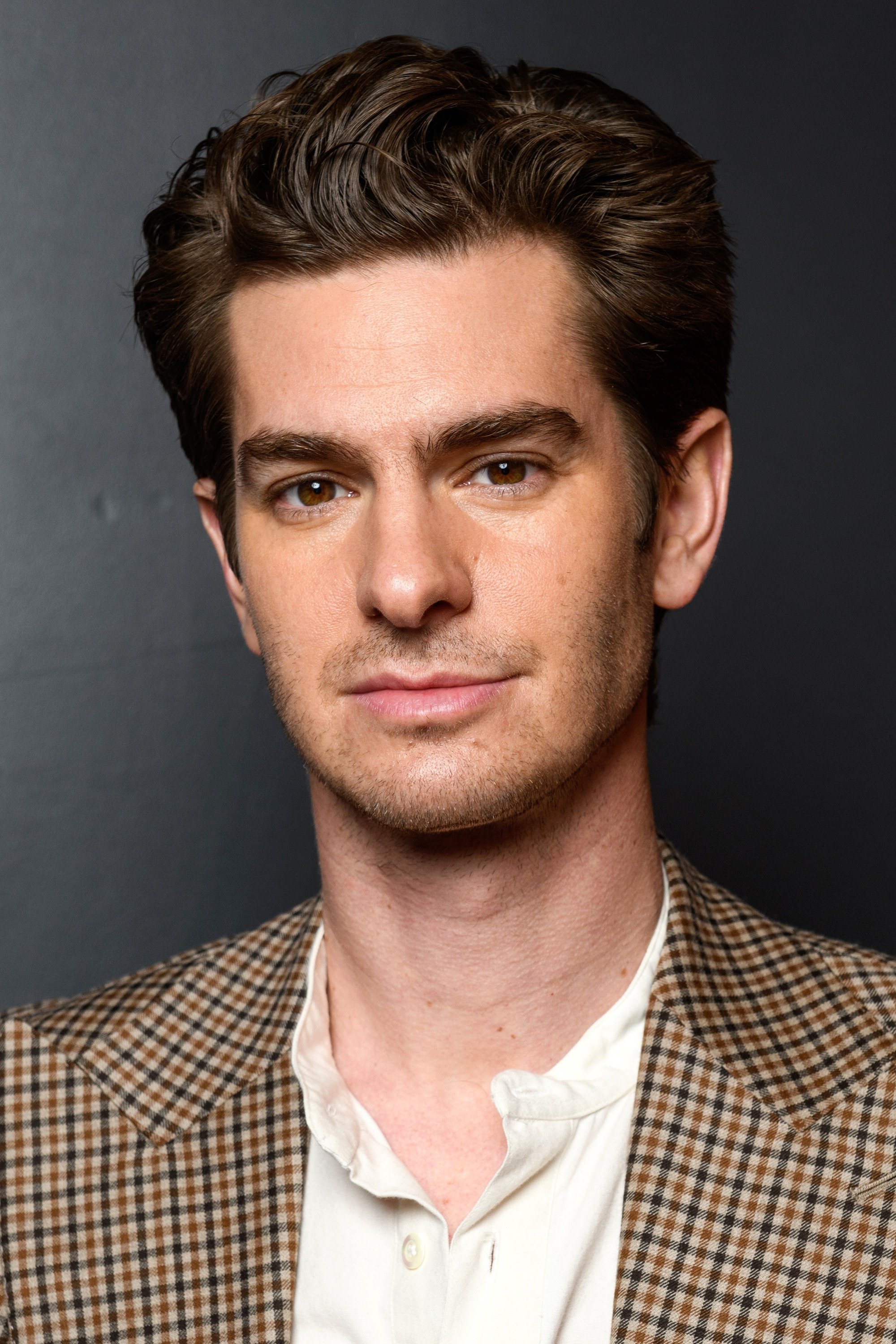
During his time starring in the play ‘Angels in America’, Garfield faced backlash for making a comment that he was “a gay man now just without the physical act.” He quickly issued an apology, clarifying that his intent was to discuss his immersion into the role and the culture of the play. He admitted that his words were clumsy and could be seen as insensitive to the actual struggles of the LGBTQ+ community. Garfield has since been a vocal supporter of queer rights and authentic representation.
Jason Momoa
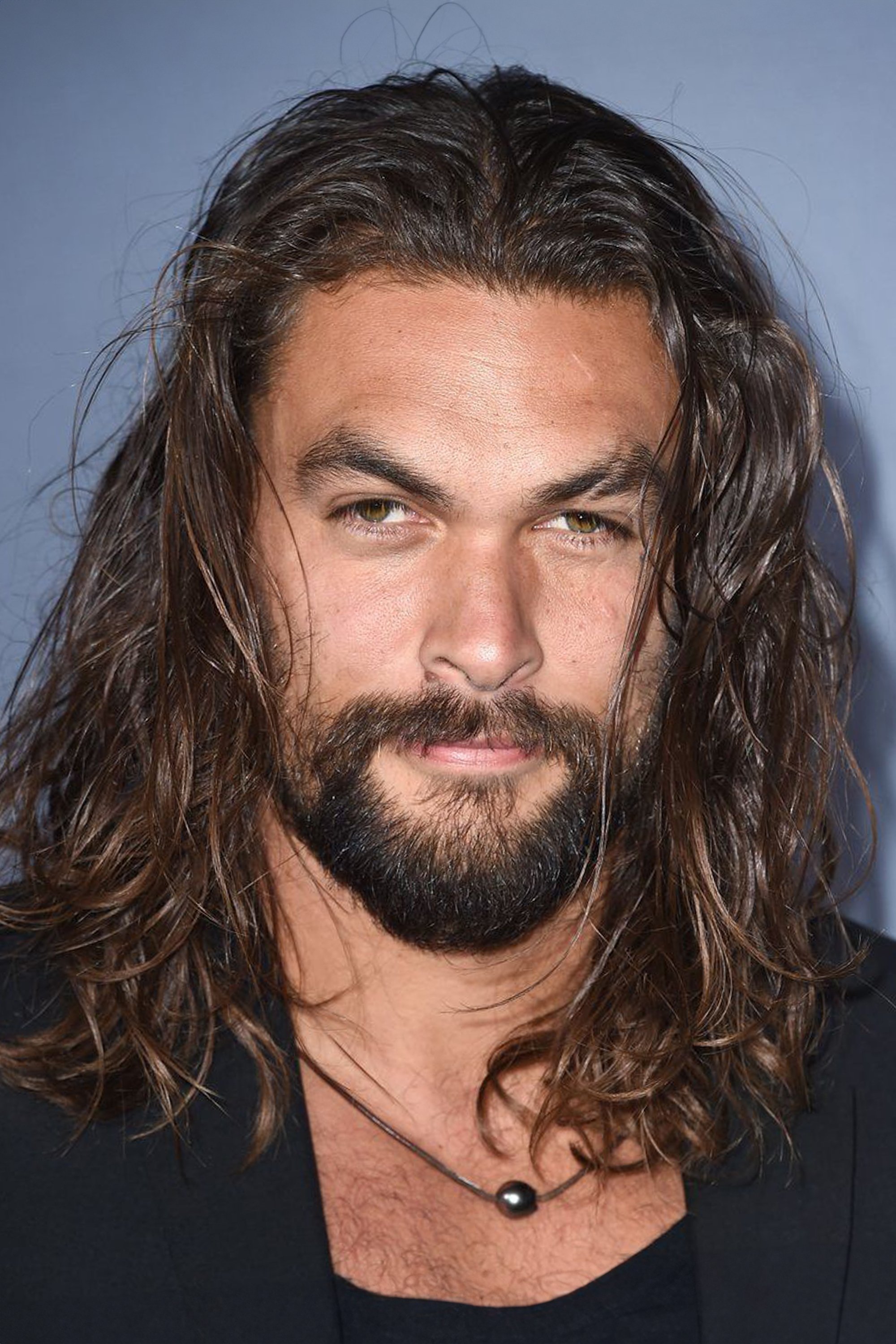
Momoa faced significant criticism when a video from 2011 resurfaced showing him making a joke about the frequency of rape scenes in ‘Game of Thrones’. He issued a public apology in 2017, stating that he was disappointed in himself for making such a callous remark. He acknowledged that sexual violence is a serious issue and that his joke was “tasteless” and hurtful. Momoa expressed deep regret for the comments and asked for the opportunity to learn from the mistake.
Mark Wahlberg
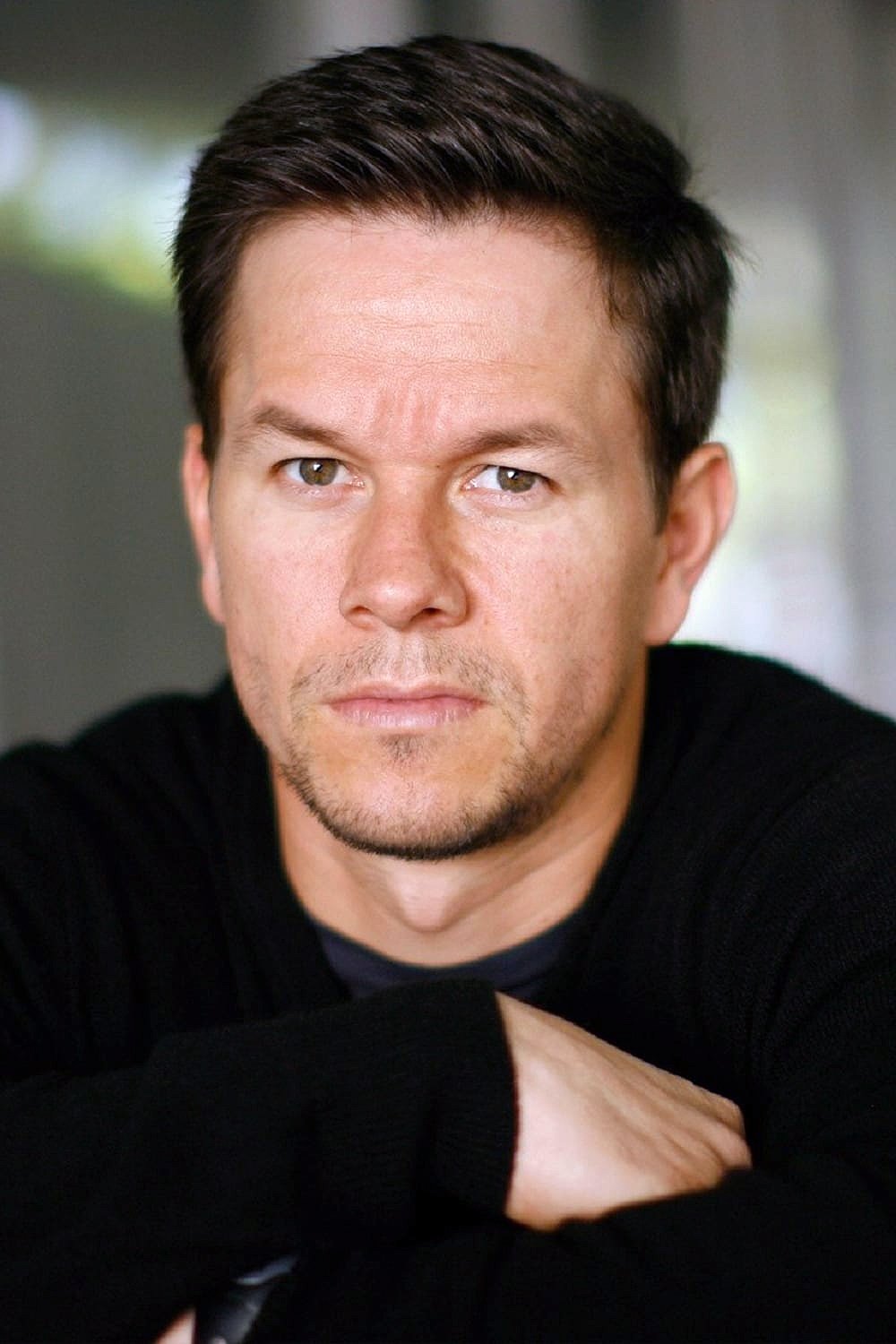
Wahlberg has expressed regret for his role as Dirk Diggler in the 1997 film ‘Boogie Nights’, though his reasons were primarily rooted in his religious beliefs. However, he has also addressed his past real-life problematic behavior and the roles that mirrored a lack of sensitivity. Wahlberg has apologized for his participation in projects that he feels do not align with his current values. He continues to speak about his desire to lead a more purposeful and respectful career.
Hugh Grant
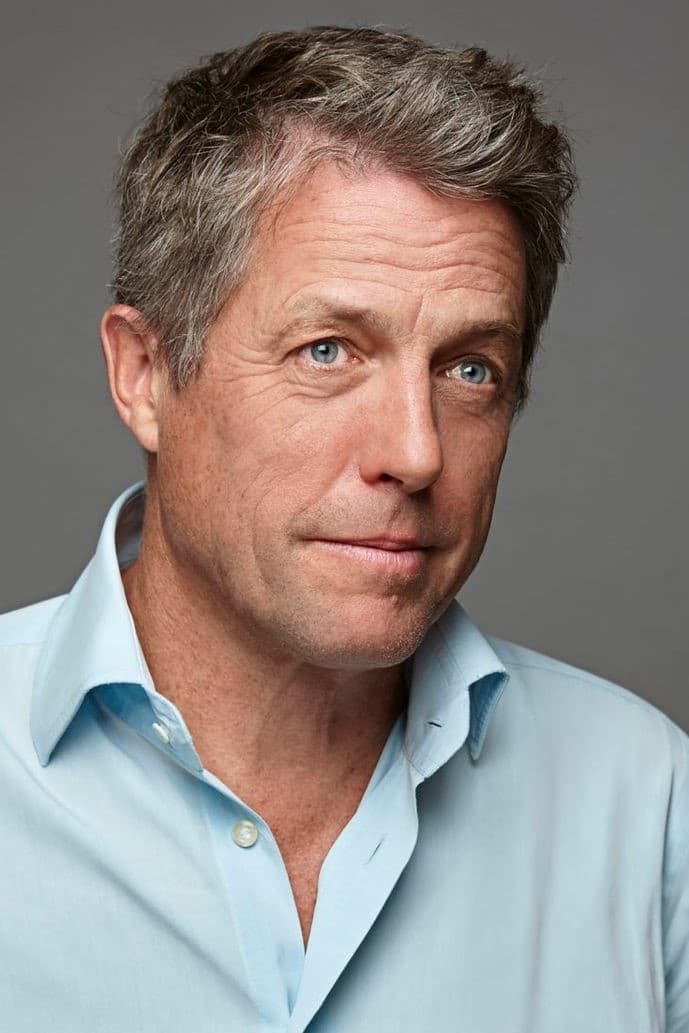
Grant appeared in ‘Cloud Atlas’ alongside Jim Sturgess and James D’Arcy, also participating in the controversial racial transformation sequences. He later acknowledged that the yellowface used in the film was a “brave” artistic attempt that ultimately failed to account for cultural sensitivity. Grant admitted that he understood the anger it caused and recognized the problematic nature of white actors playing Asian roles. His comments reflected a shift in his perspective regarding experimental casting.
Share your thoughts on these public apologies in the comments.