


Hollywood Is Cashing in on Nostalgia: Old Movies Are Returning to Theaters and Pulling in Money

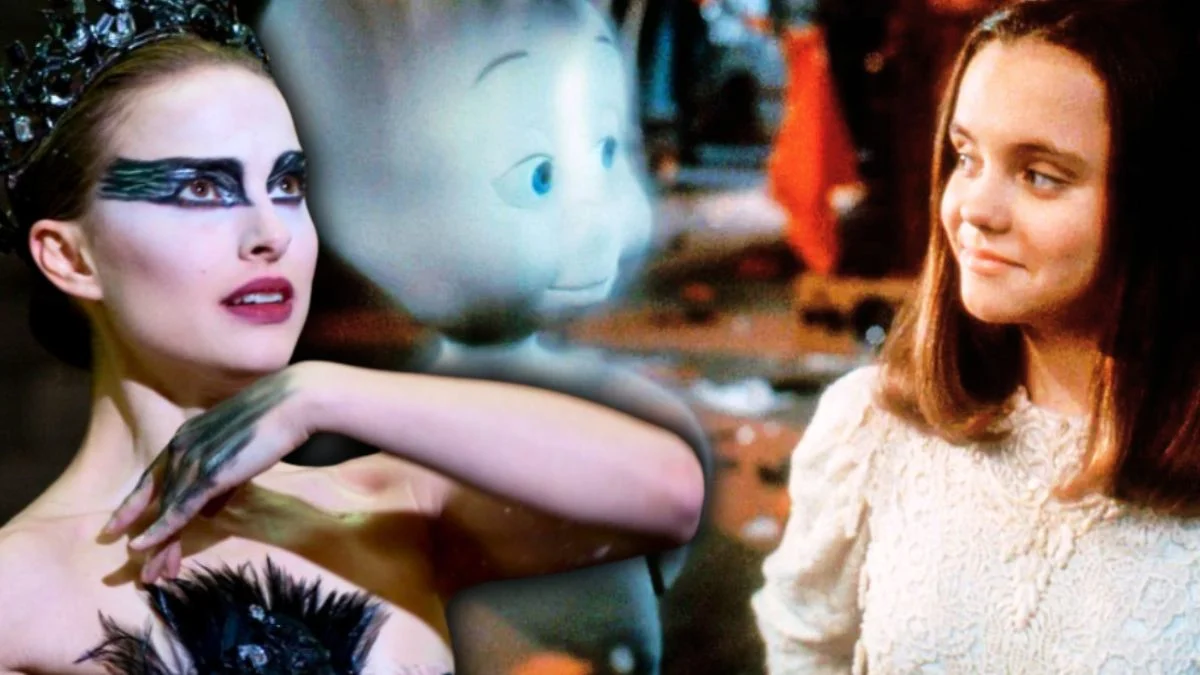


Movie theaters are giving audiences a chance to relive old favorites. In 2025, a lot of classic films are making a comeback. In August, Black Swan (2010) returned to theaters, along with Tim Burton’s Batman movies from 1989 and 1992.
Fans could also see the terror of Jaws (1975), the mystery of Clue (1985), or Prince’s concert film Sign o’ the Times (1987).
The trend continues through the fall. September brings The Breakfast Club (1985), Toy Story (1995), and Apollo 13 (1995) back to theaters.
October features Casper (1995) for almost the whole month, while Avatar: The Way of Water (2022) will return for five days before Avatar: Fire and Ash hits screens.
Rereleases have been around for decades, Star Wars movies have returned to theaters regularly since 1981, but now studios are digging deeper into their archives.
Searchlight, owned by Disney, brought back Black Swan on about 200 IMAX screens for its 15th anniversary. Universal’s Focus Features rereleased Pride & Prejudice (2005) and Brokeback Mountain (2005) earlier this year. Pride & Prejudice earned over $6 million domestically on its rerelease, about 16 percent of its original U.S. box office.
Universal is increasing its rereleases. In 2025, the studio has 12 rereleases planned, compared with four in 2024 and just two in 2023. Jim Orr, Universal’s president of domestic theatrical distribution, said, “We very much pay a lot of attention to our repertory business. We just think it’s not only great fun for audiences, but a great business to be in as well.”
Jeff Bock, senior media analyst at Exhibitor Relations, explained the business side: “The truth of the matter is studios don’t have enough product right now to give theaters, so that’s why you’re seeing an influx of these nostalgia plays. It doesn’t cost a lot for them to do an anniversary edition or a 4K edition.”
Some rereleases are very successful. Christopher Nolan’s Interstellar (2014) made more than $15 million domestically and $38 million worldwide during its IMAX rerelease.
Fathom Entertainment’s 3-D rerelease of Coraline (2009) earned about $34 million, the company’s highest-grossing release. Fathom CEO Ray Nutt said rereleases, which the company calls “classics,” make up about 20 percent of its total revenue.
Studios look for films with strong fan bases. Orr said they also try to schedule releases for the best audience response: “Opportunistic dating is what I would call it. There might be a window where something goes thematically or holiday-wise, whatever kind of fits in, or there might be some more screens available in specific formats.”
Specialty formats like IMAX or Dolby enhance the experience, giving fans a reason to see a familiar film on the big screen. Jed Harmsen, Dolby’s VP, said, “Do I think there’s going to be a more regular cadence to these, particularly filling out your Monday to Thursday days and eventizing a ‘one night only’ or ‘two night only’? I do.”
Filmmakers also enjoy rereleases. Darren Aronofsky, director of Black Swan, said, “Everyone’s talking to me about it. I think there’s so many young people that never got to see it on the big screen that are excited.”
He did note one drawback: his new movie Caught Stealing couldn’t secure IMAX screens the same weekend because of the Jaws rerelease. “That’s a bummer for a new film that could use that. But I’m excited that these movies are seeing another life.”
With smaller studio slates, competition from streaming, and ongoing pandemic effects, rereleasing old movies has become an easy, low-cost way to bring audiences back to theaters while still making money.
Have something to add? Let us know in the comments!